
The Cleveland Plan: Changing Minds
Lisa Kessler (2015)
Photography
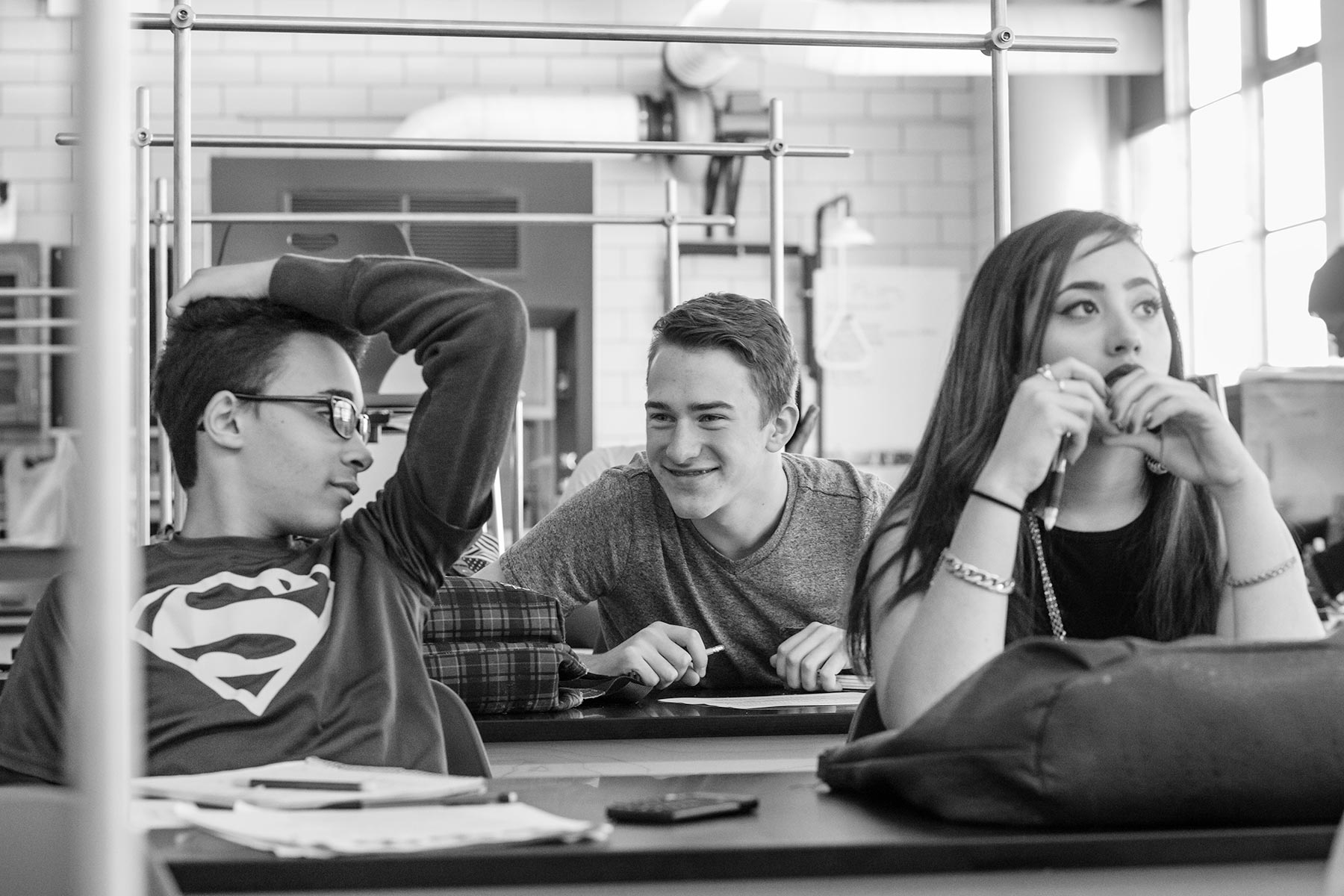
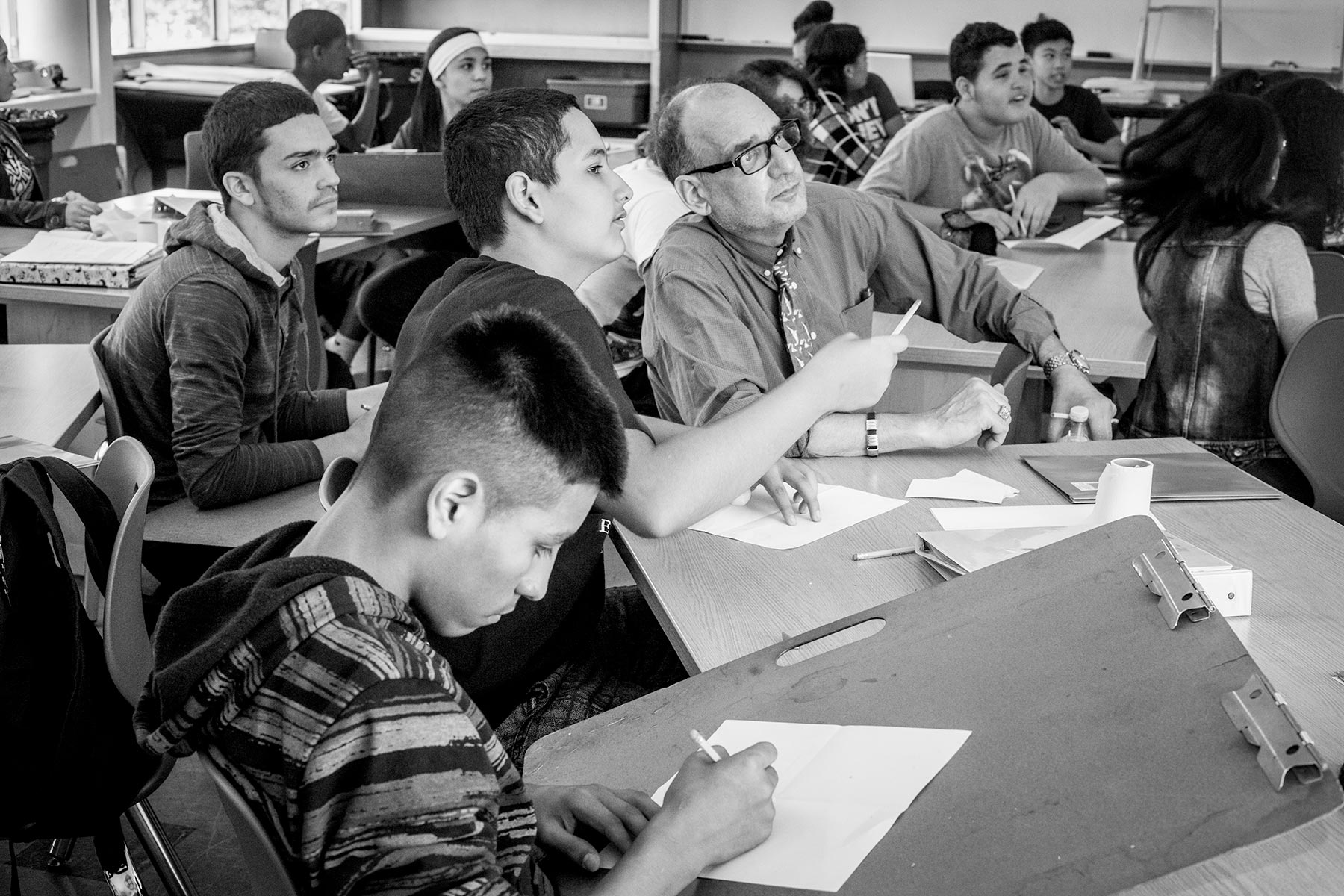
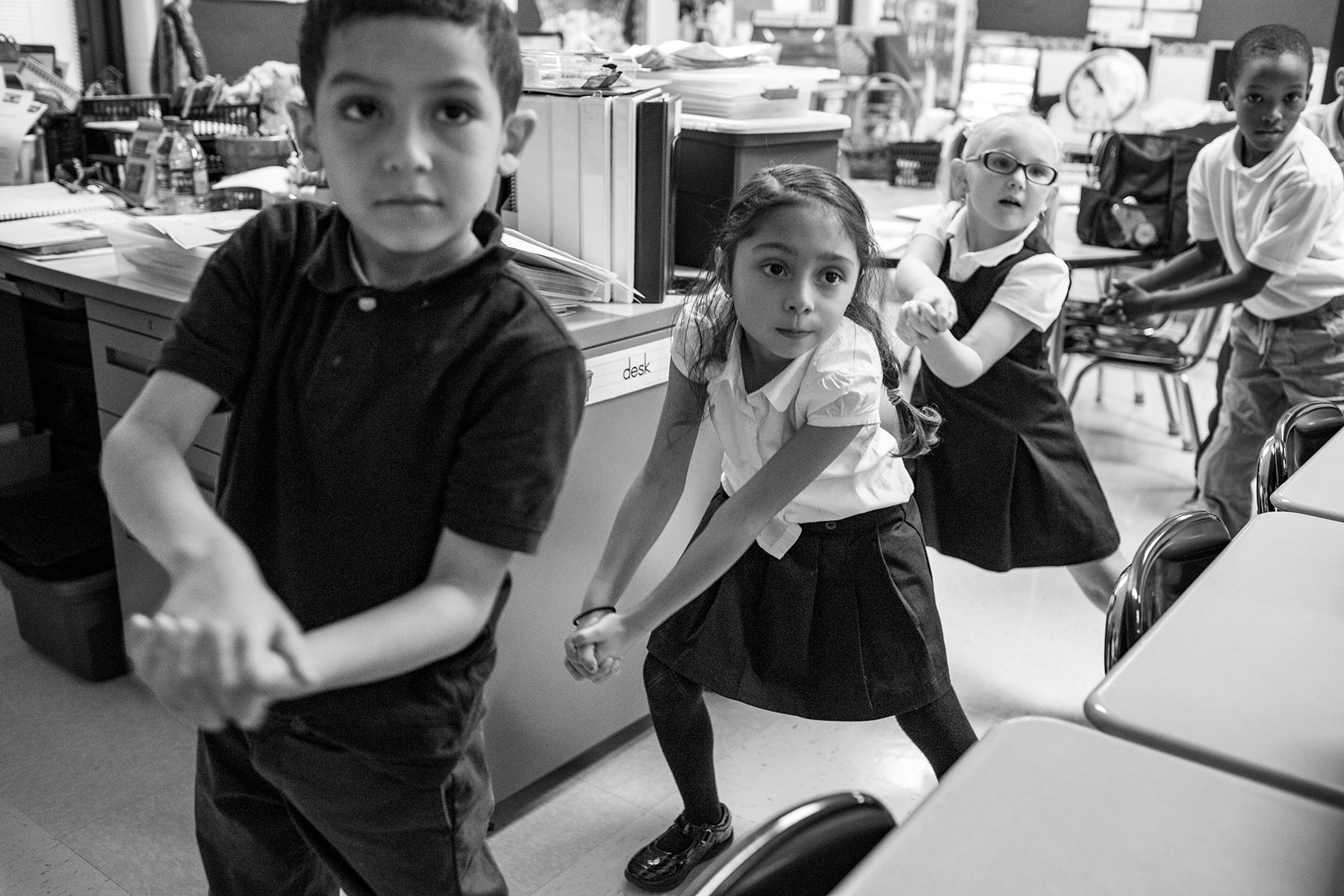
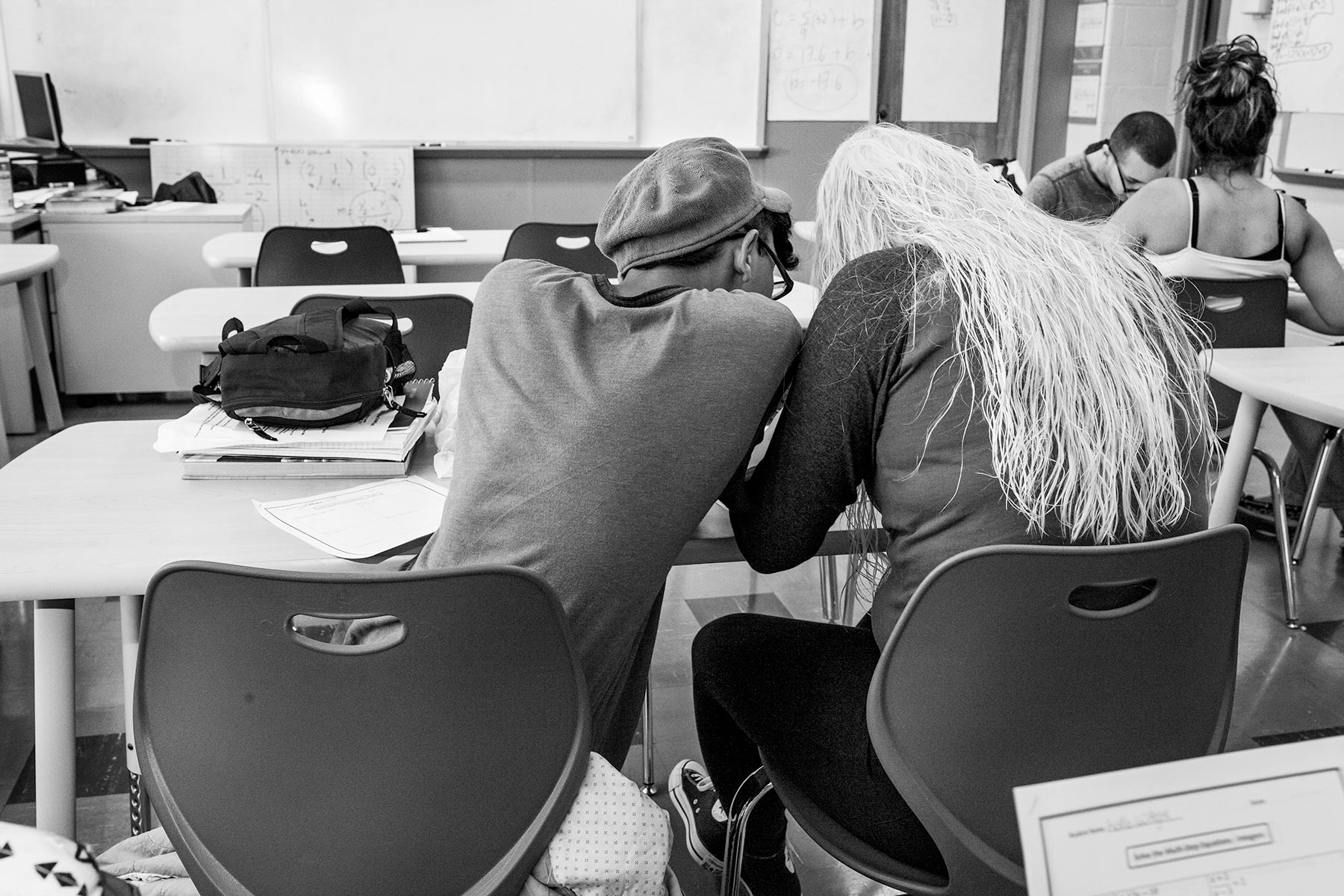
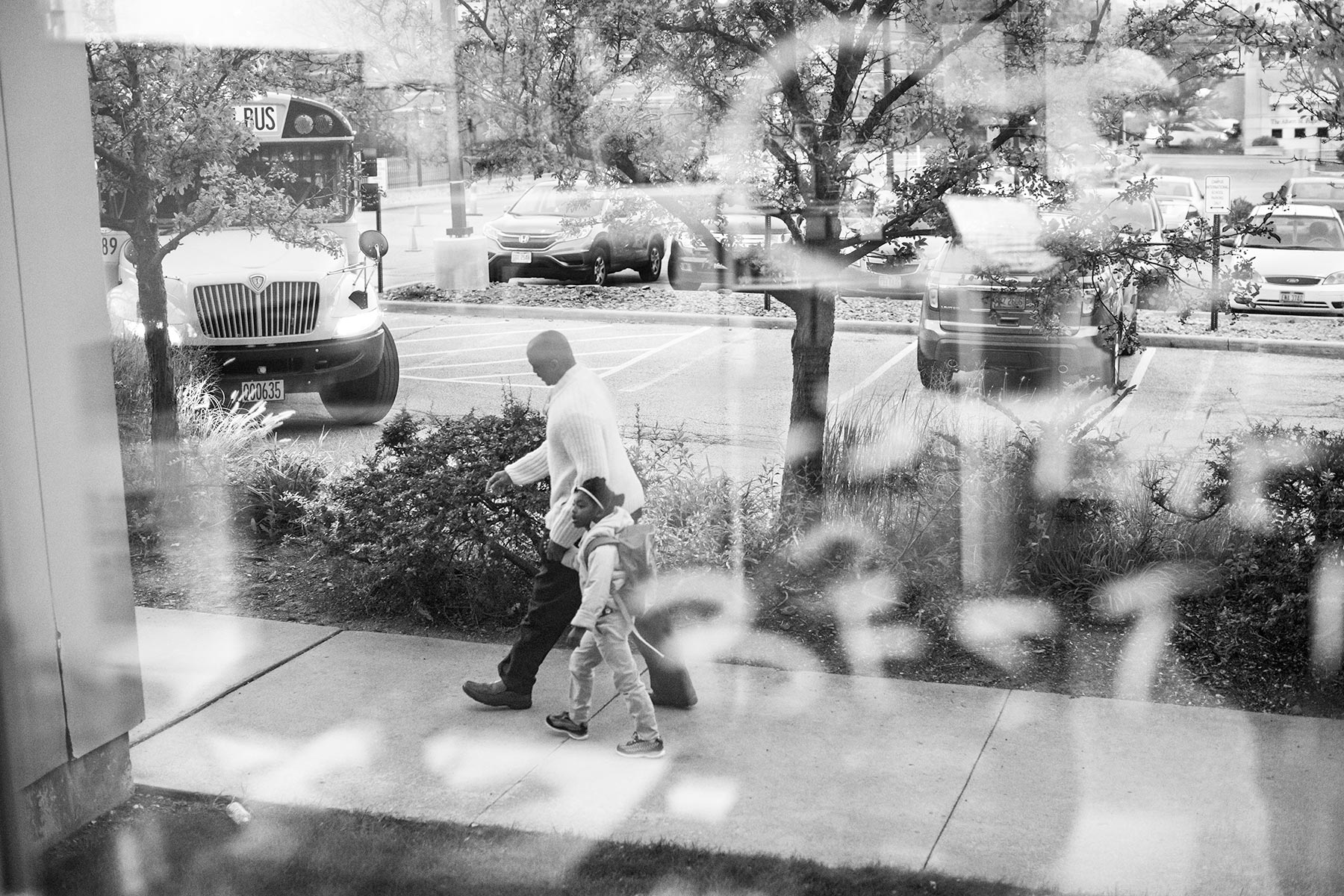
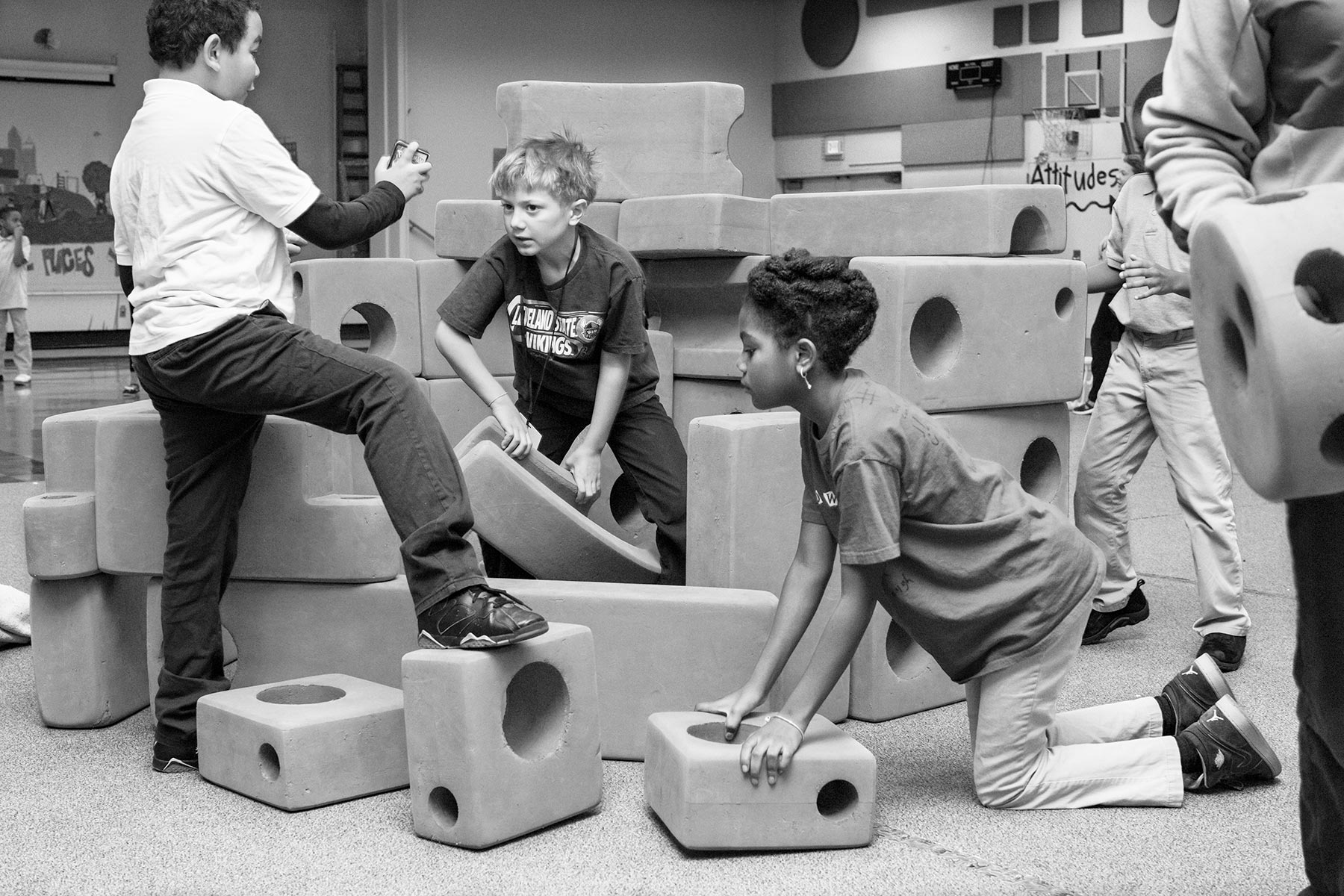
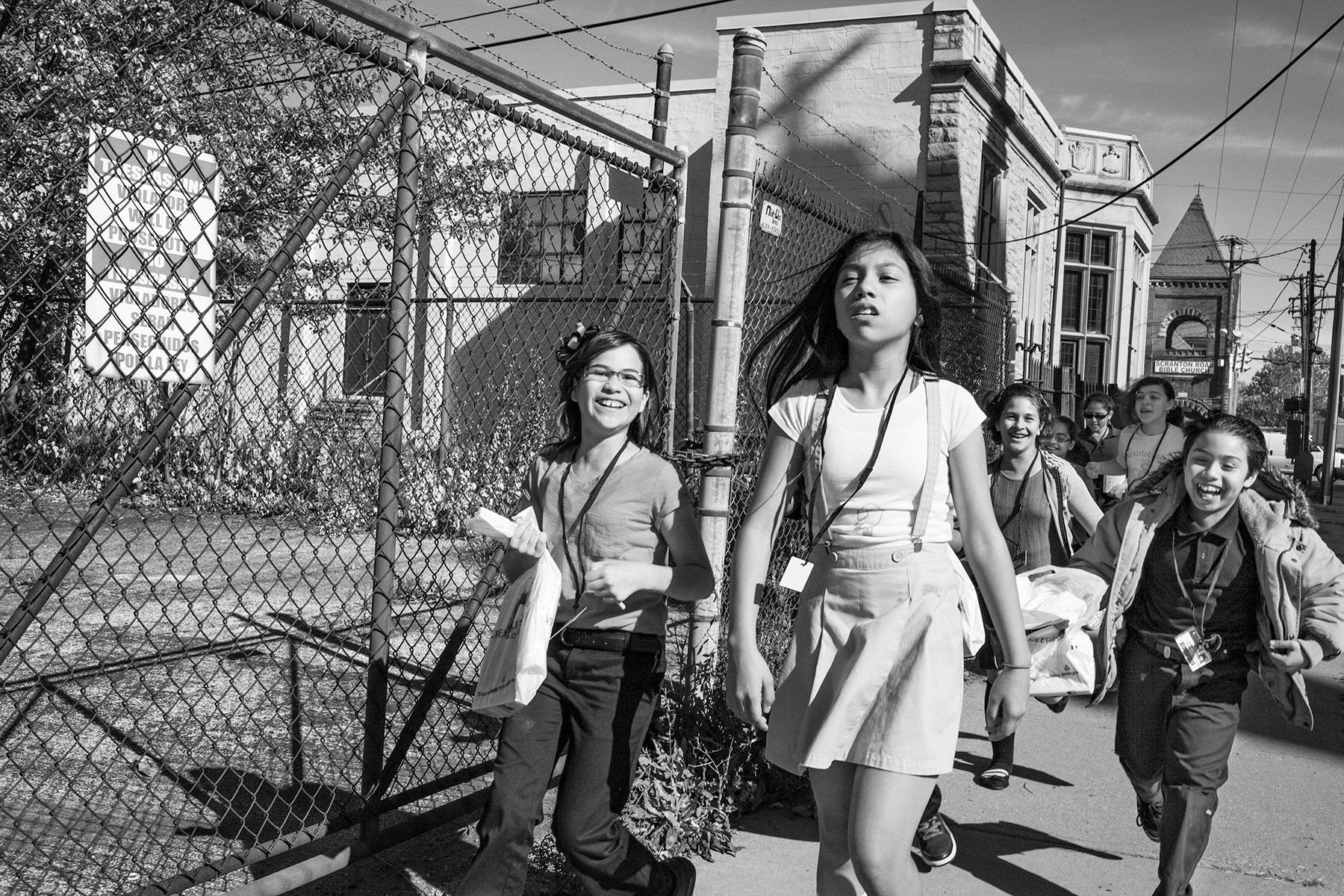
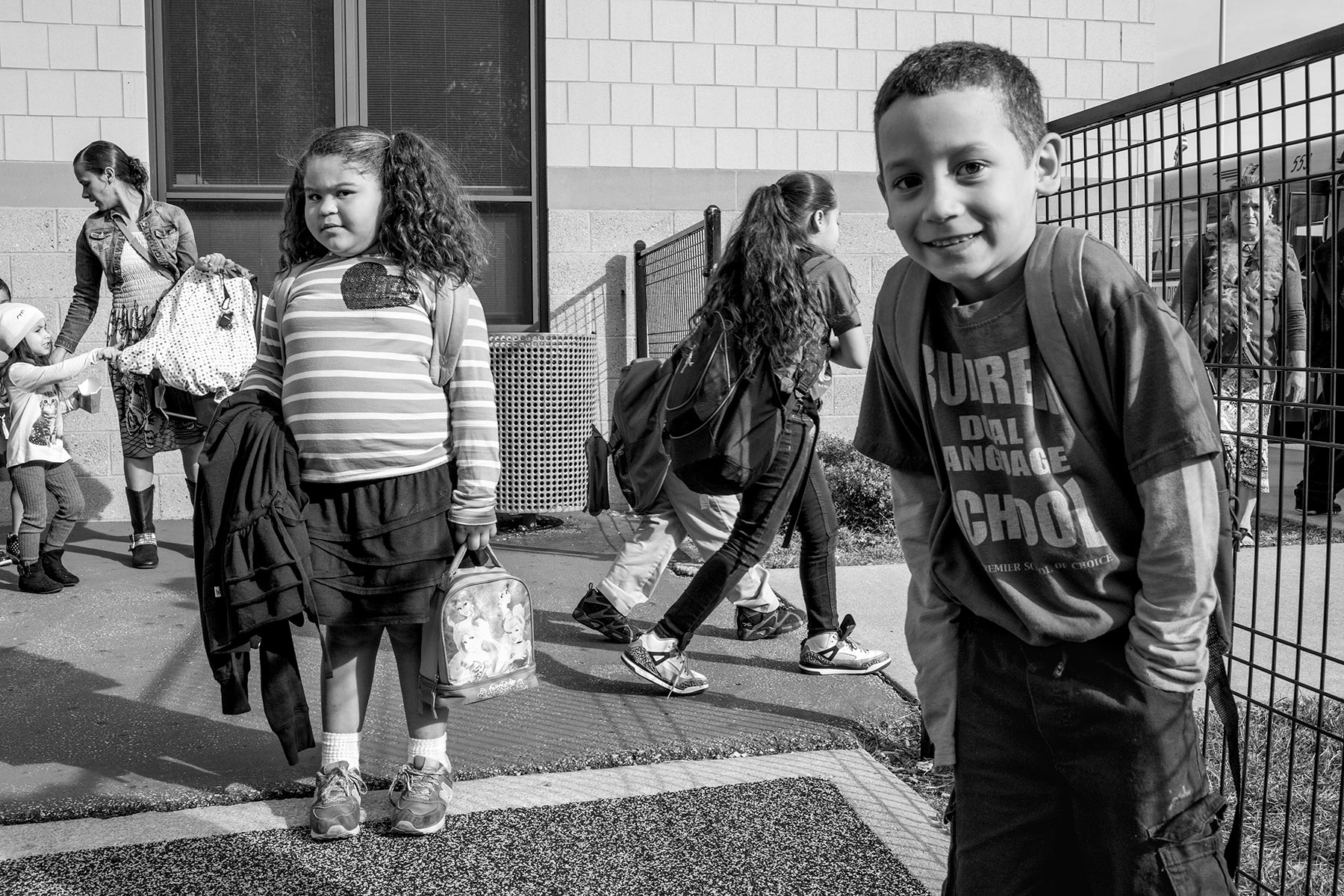
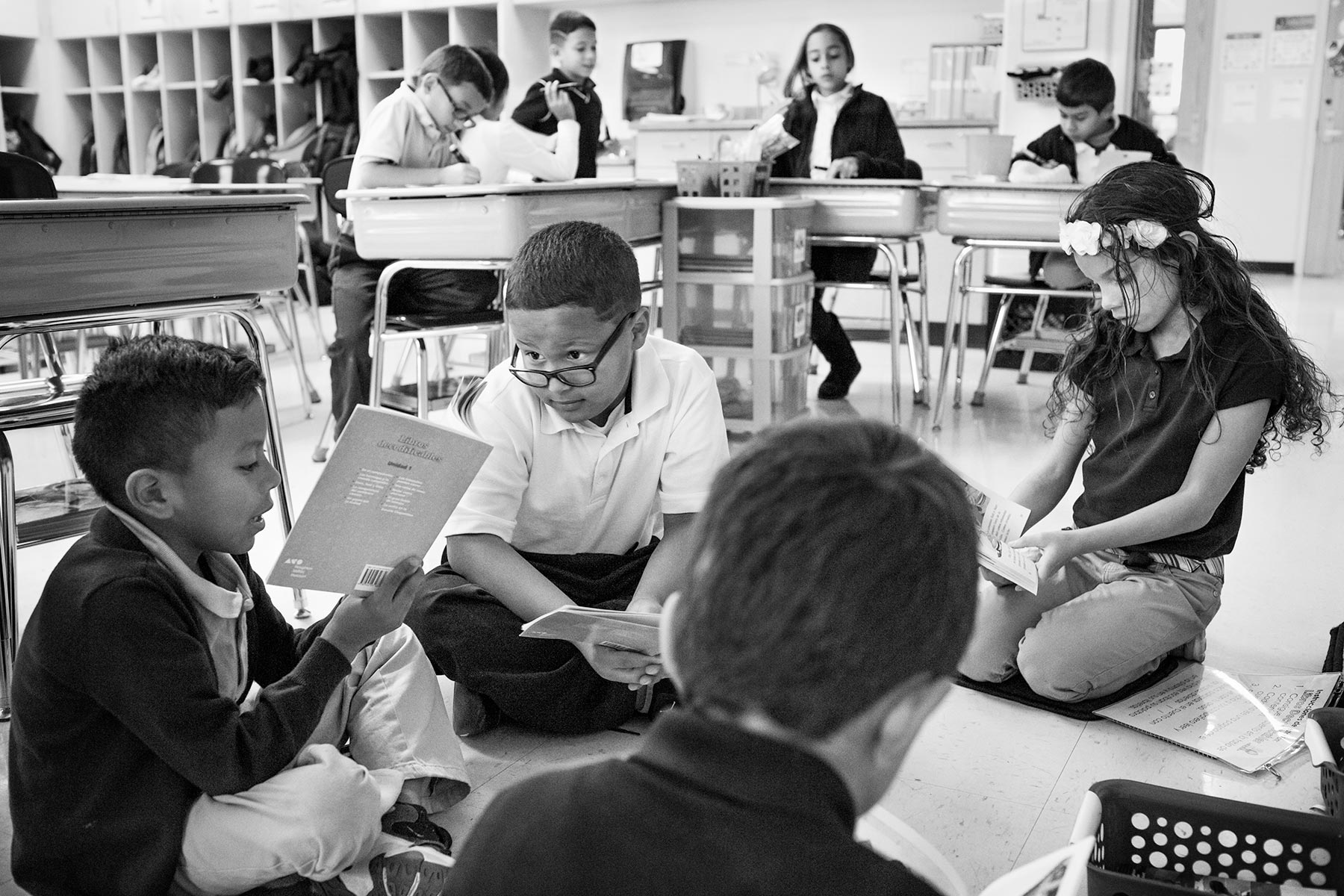
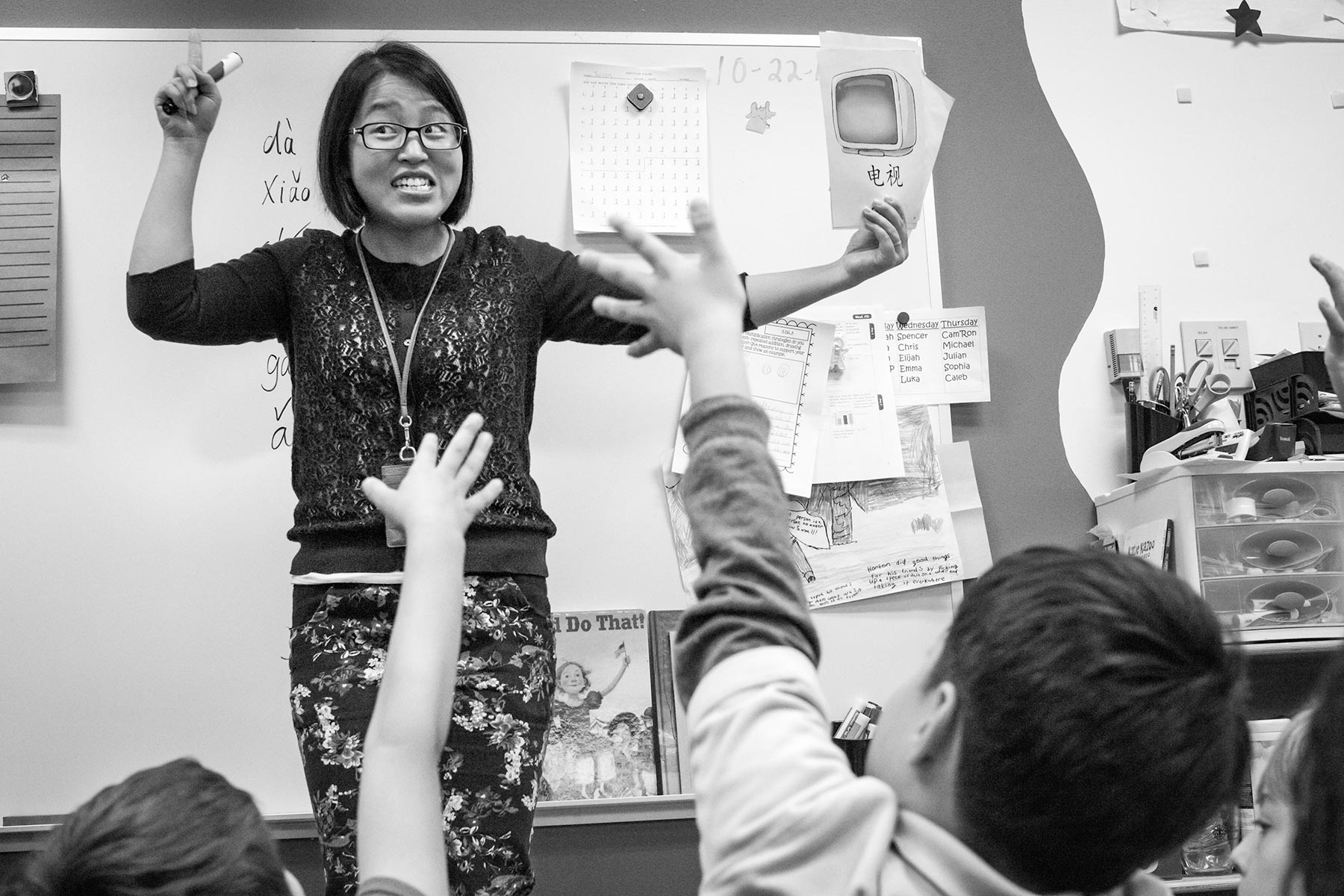
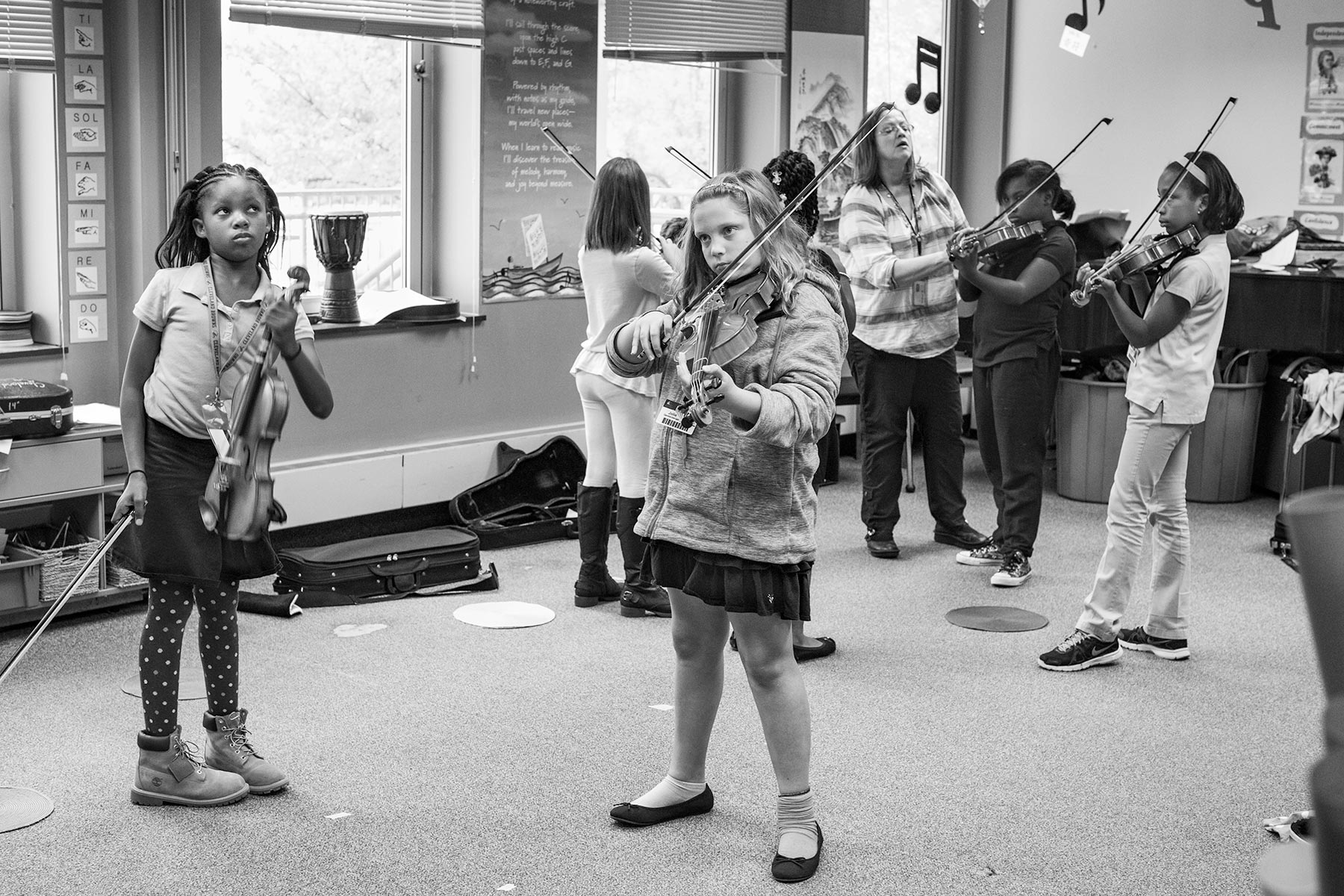
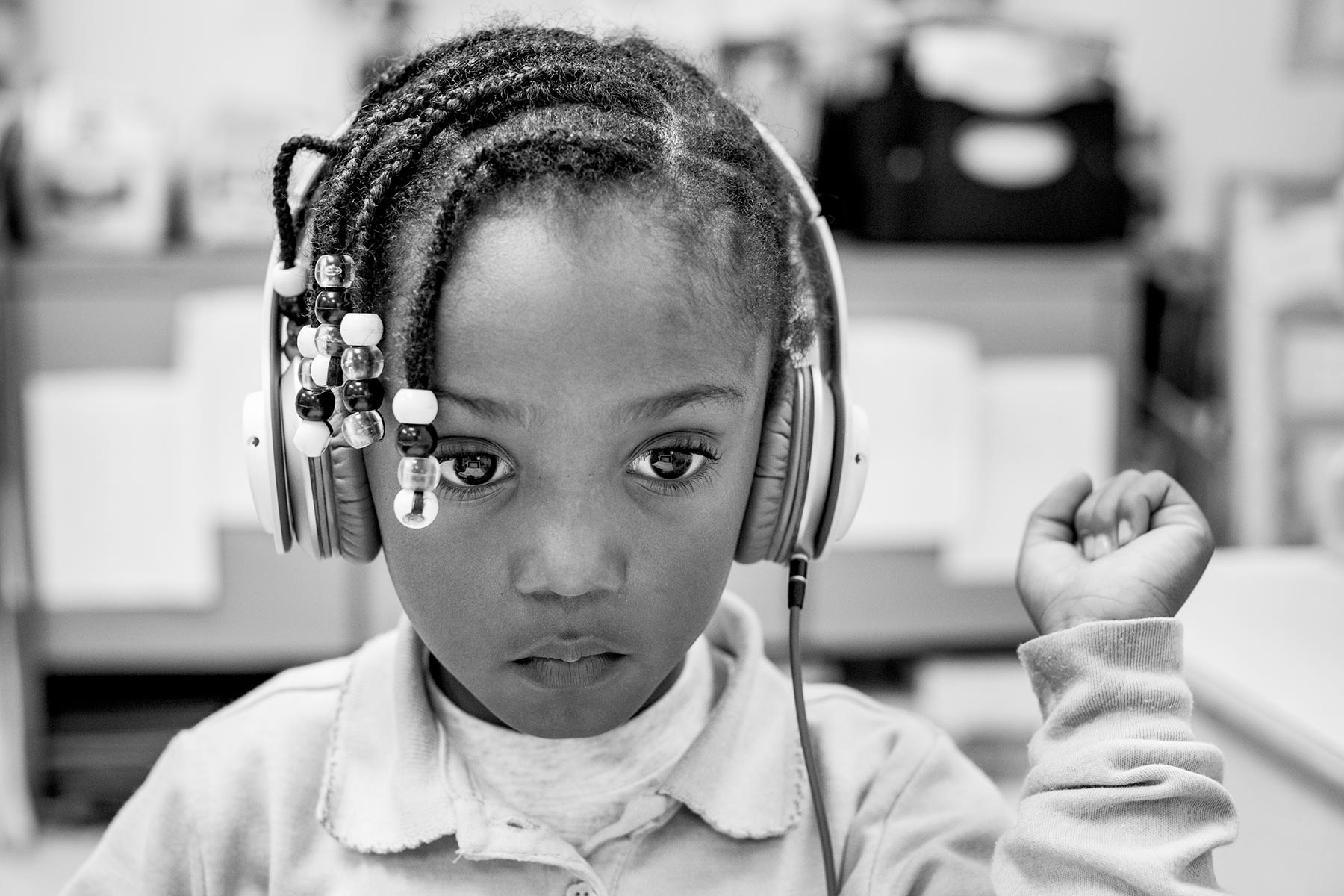
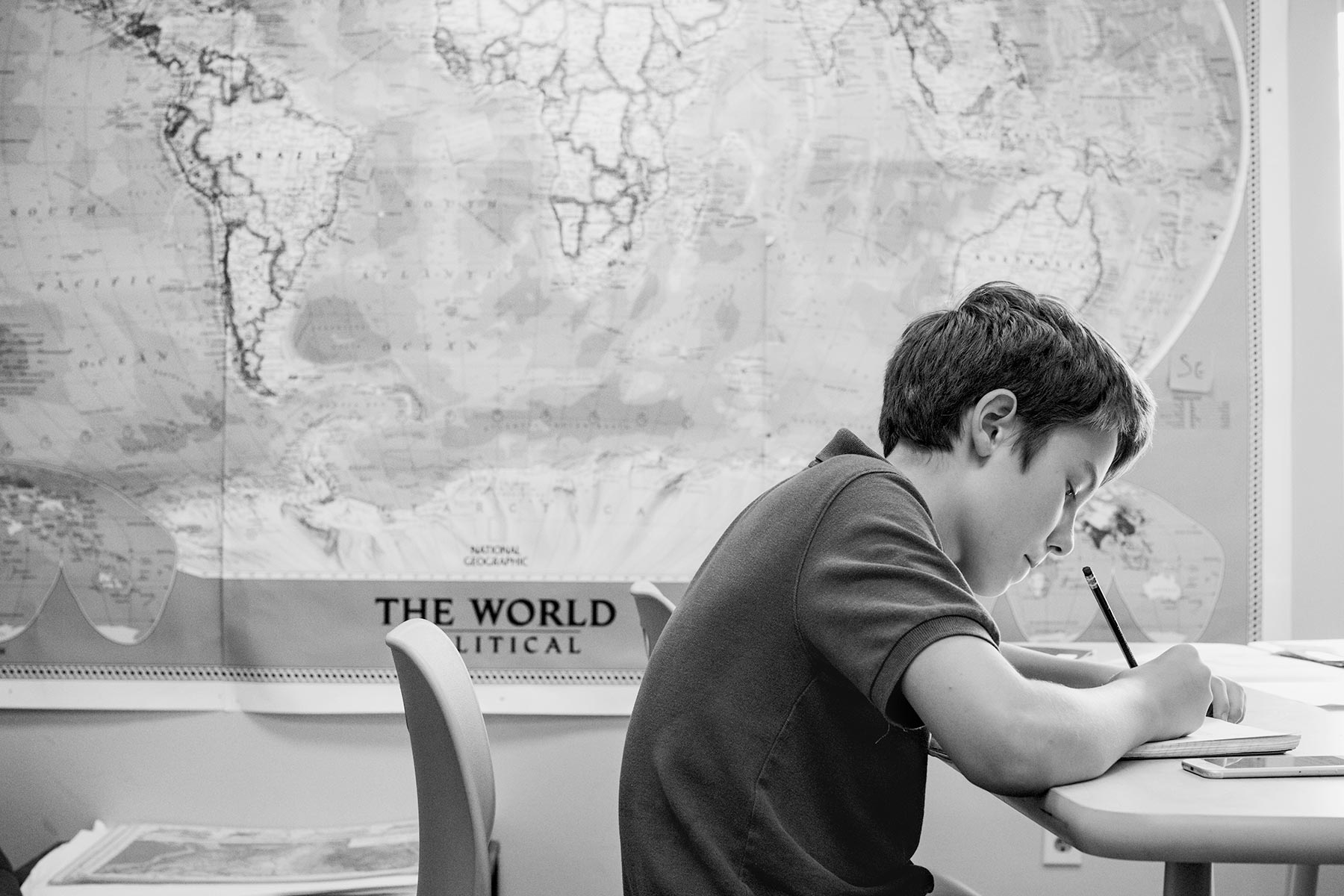
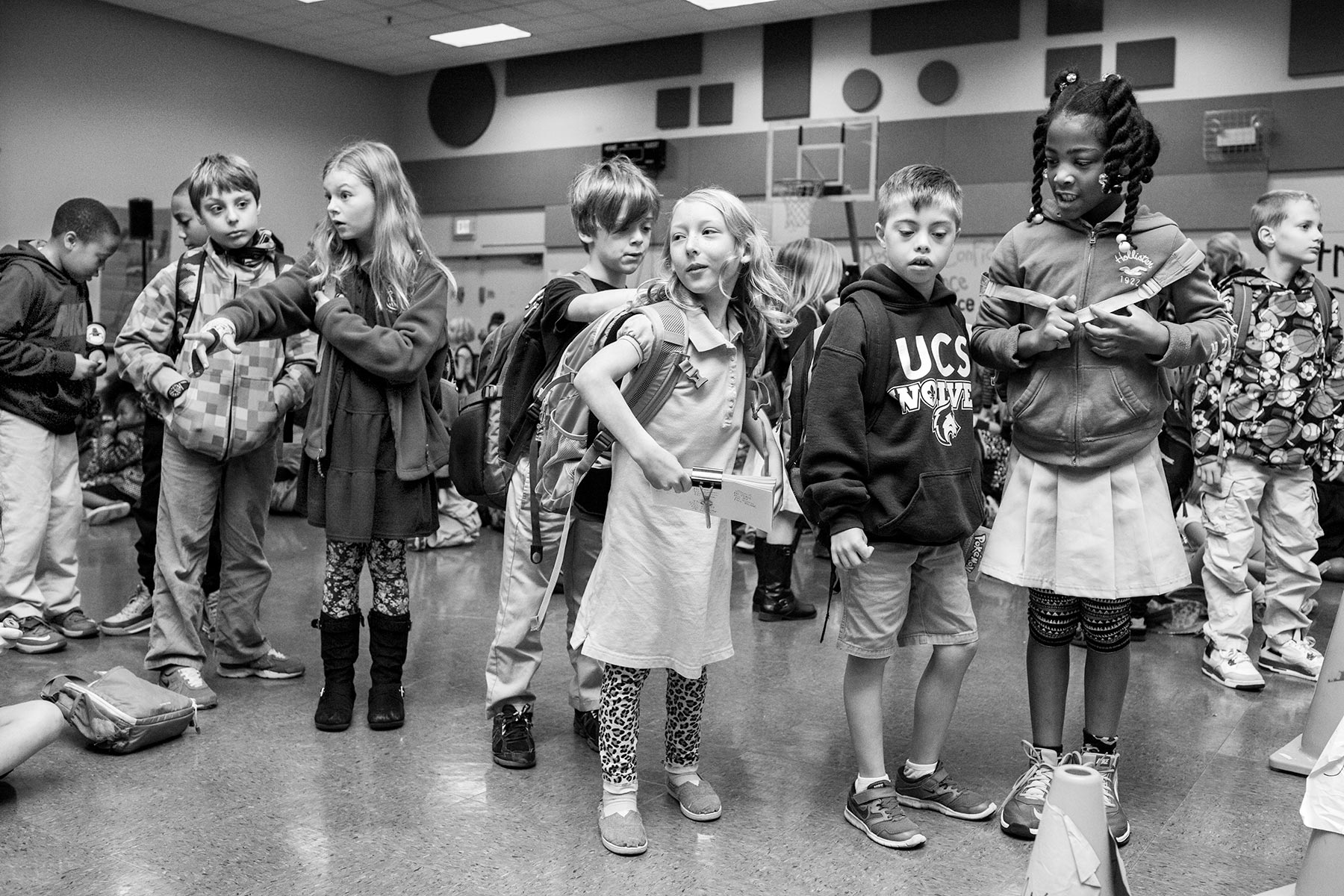
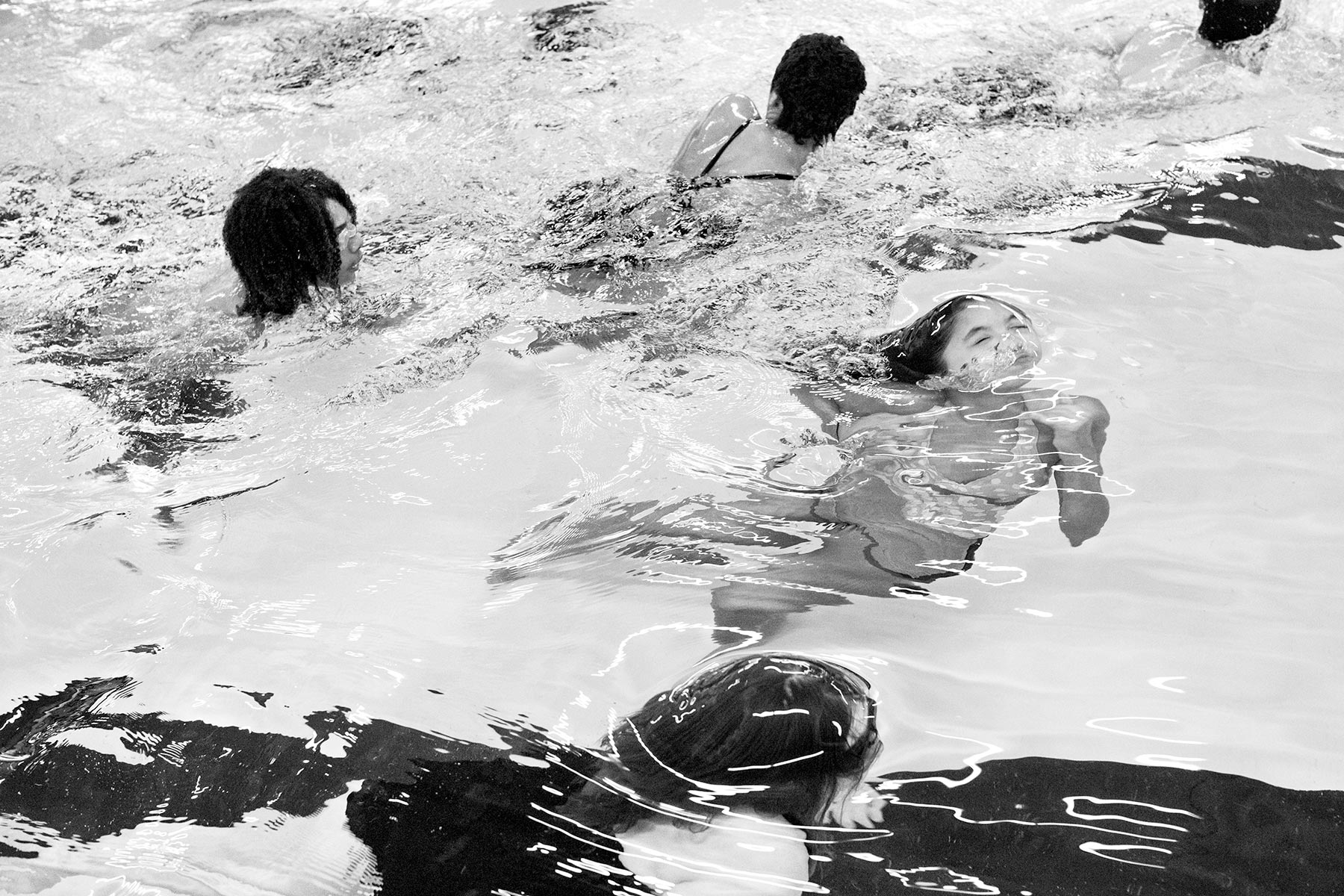
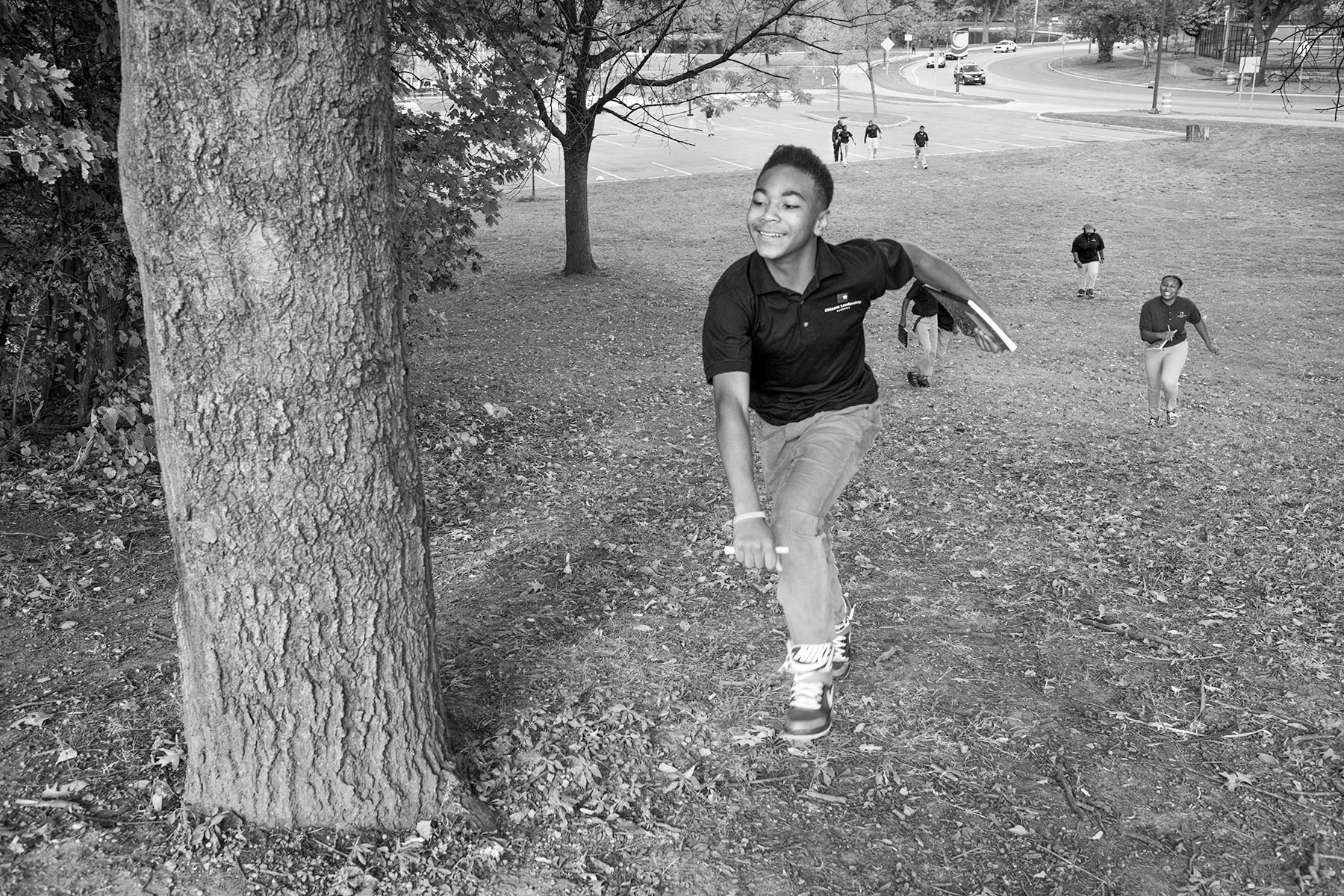
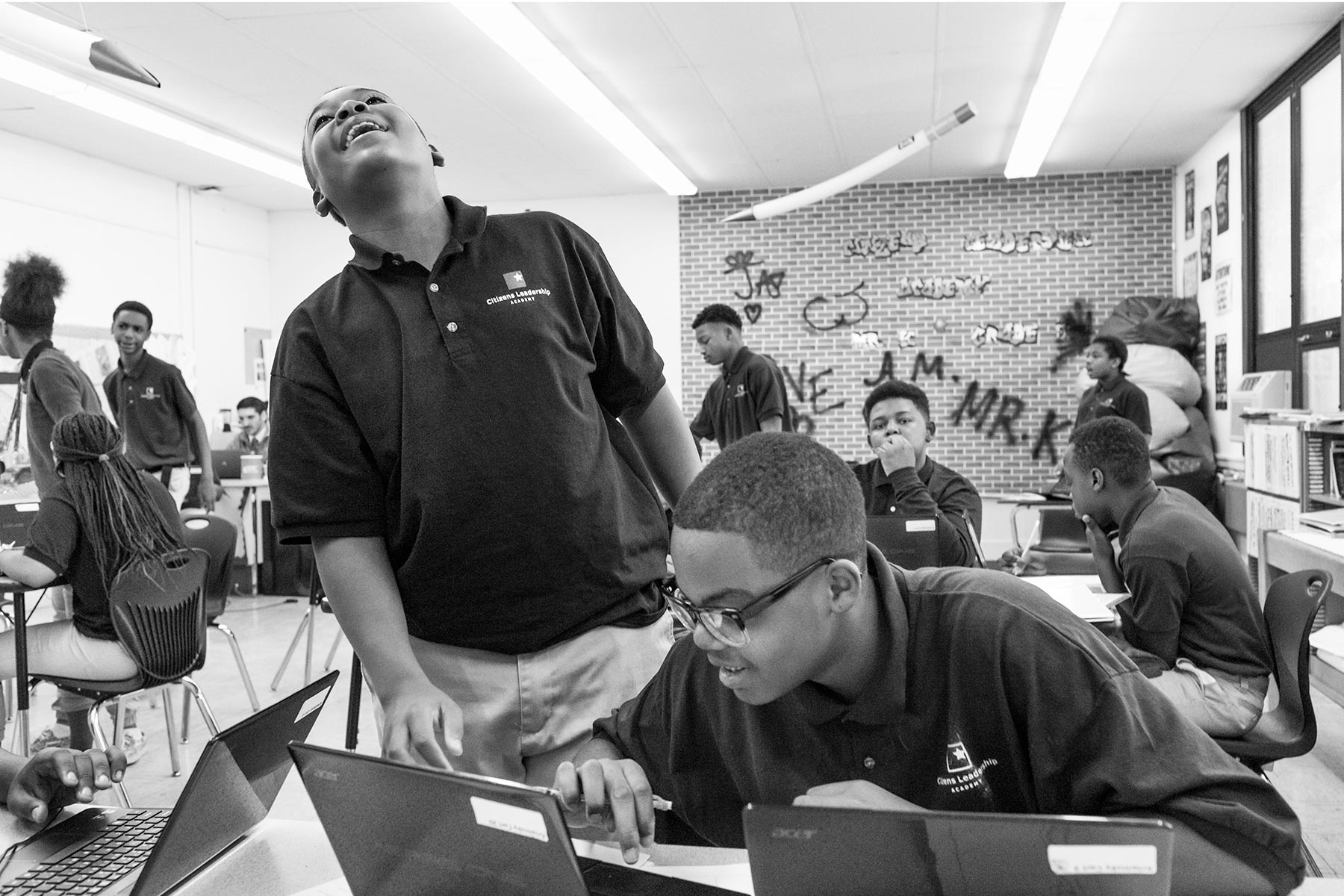
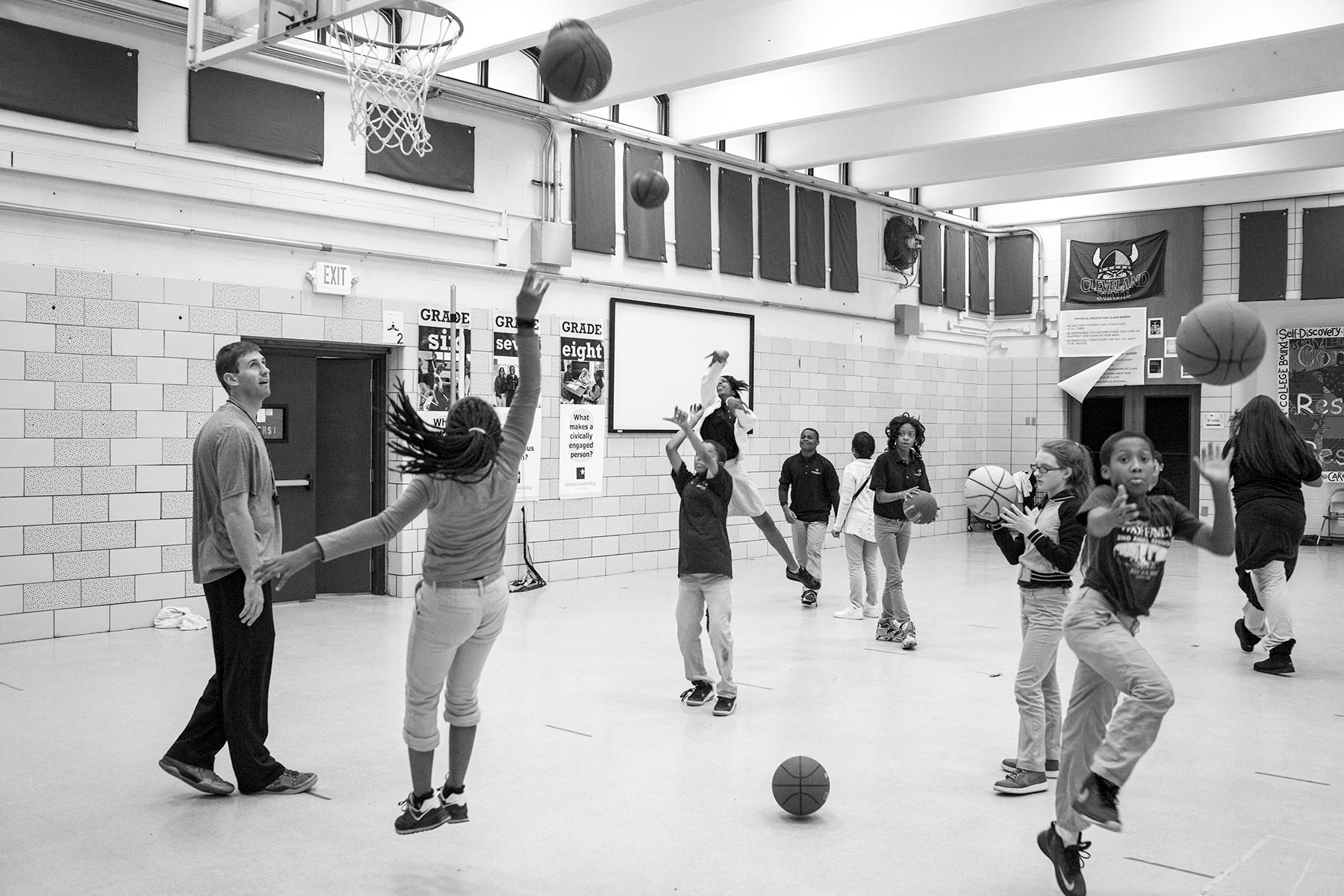
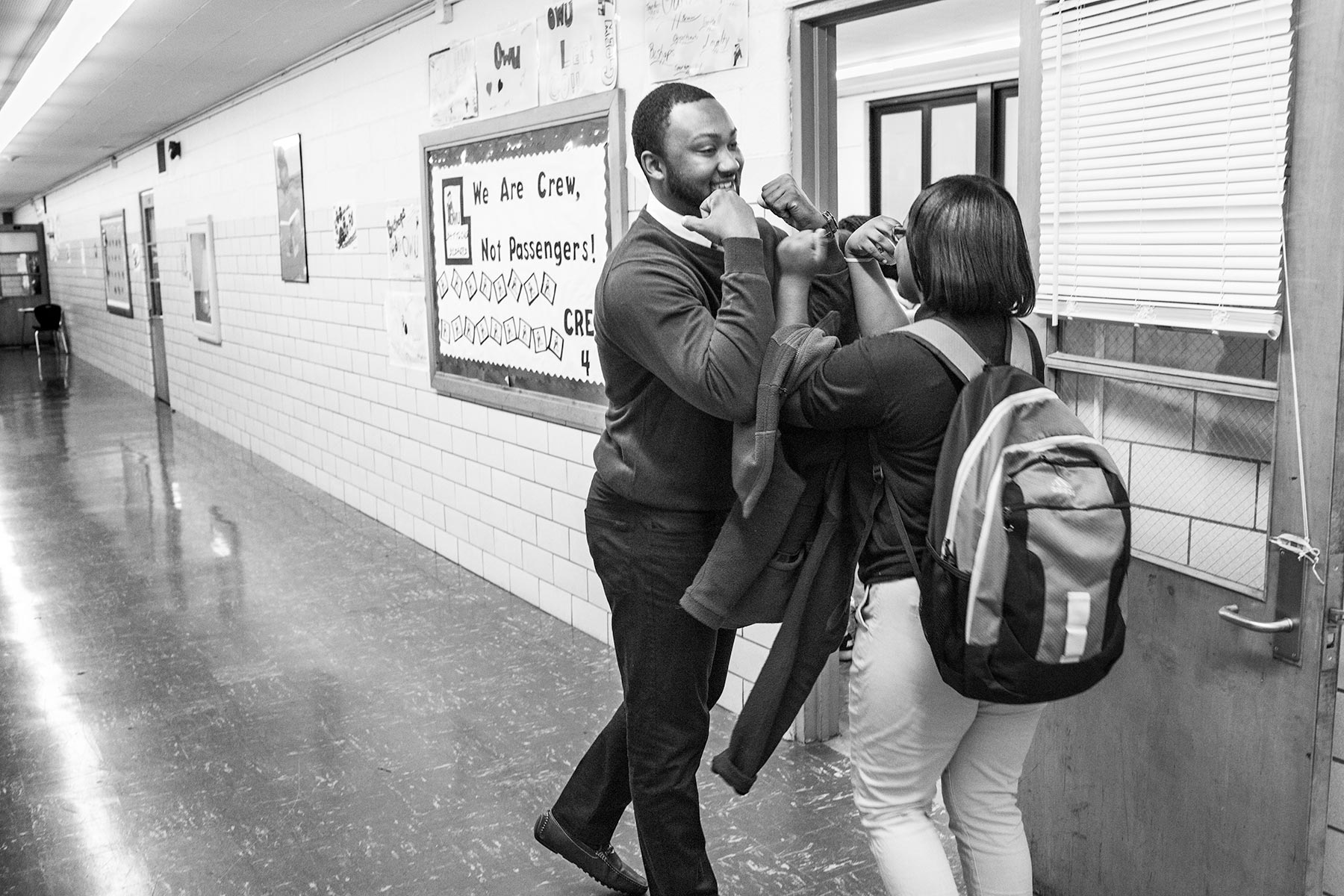
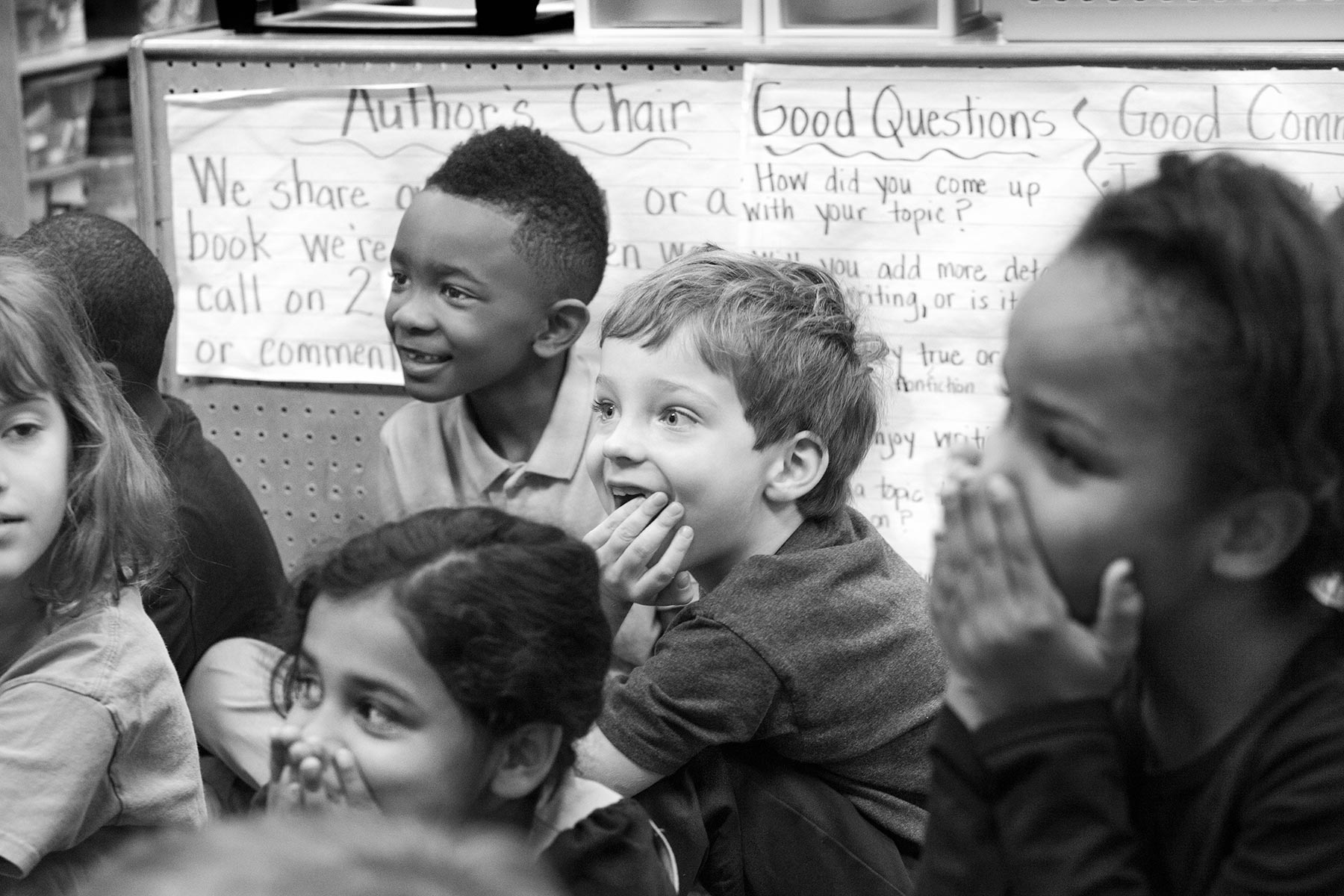
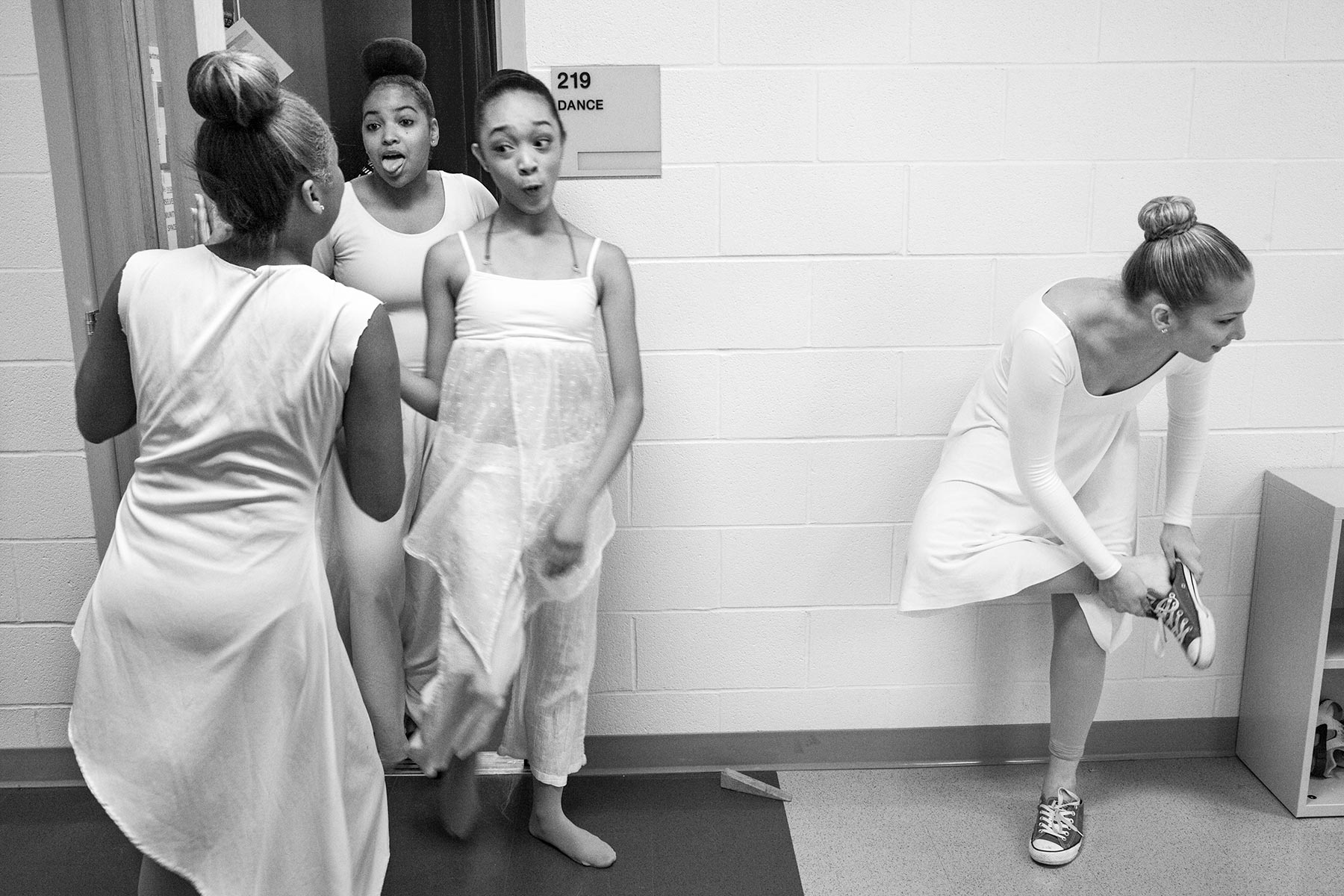
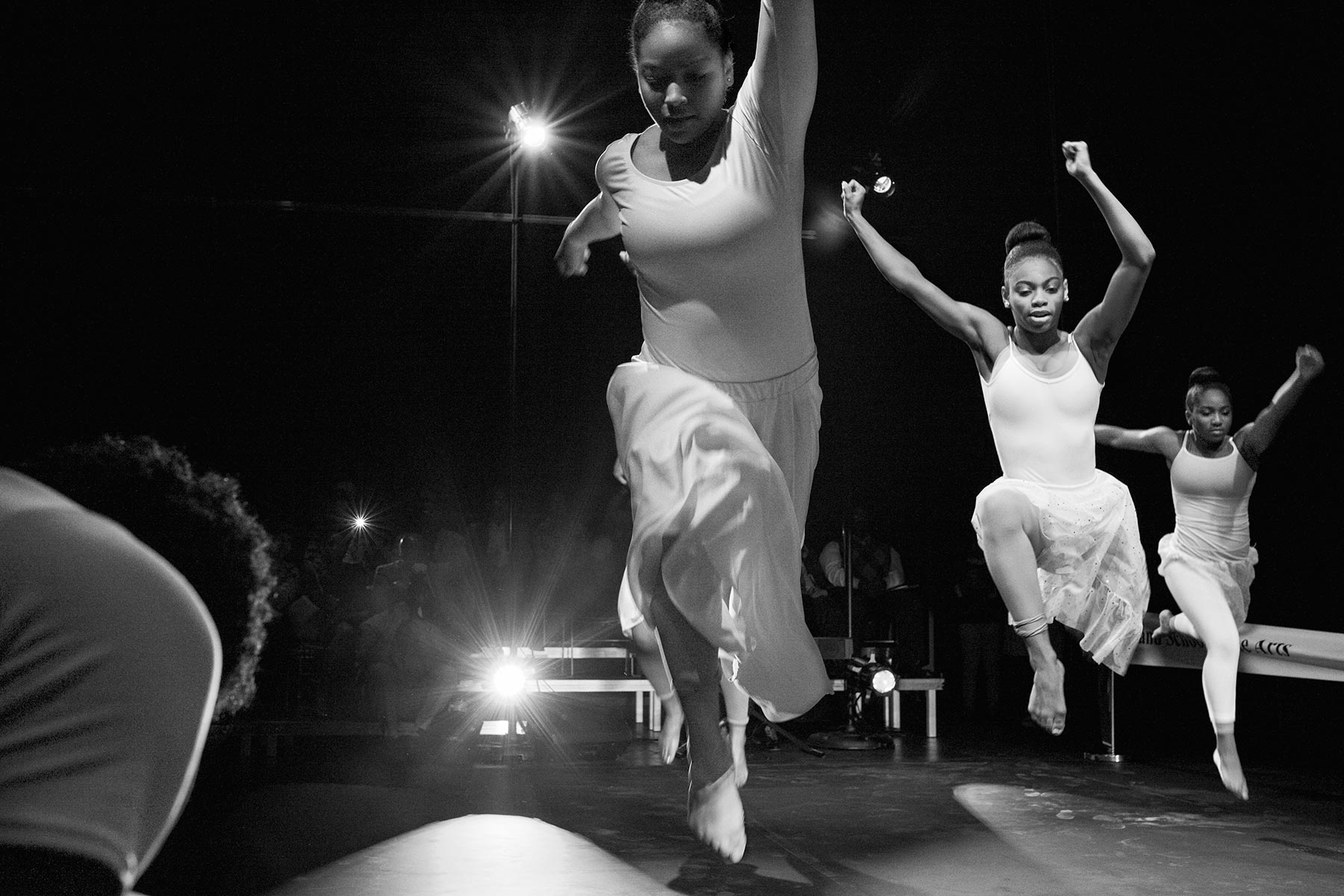
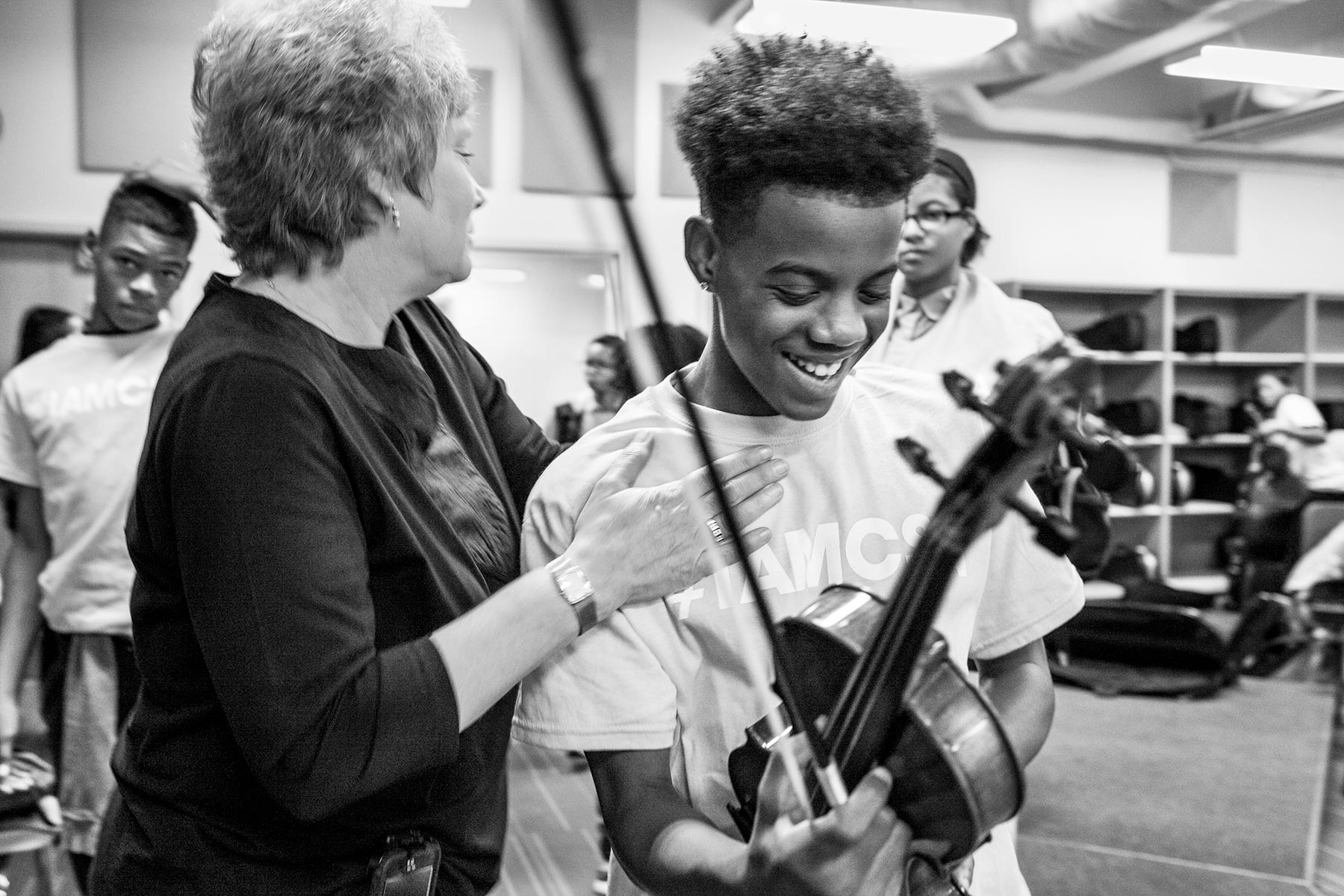
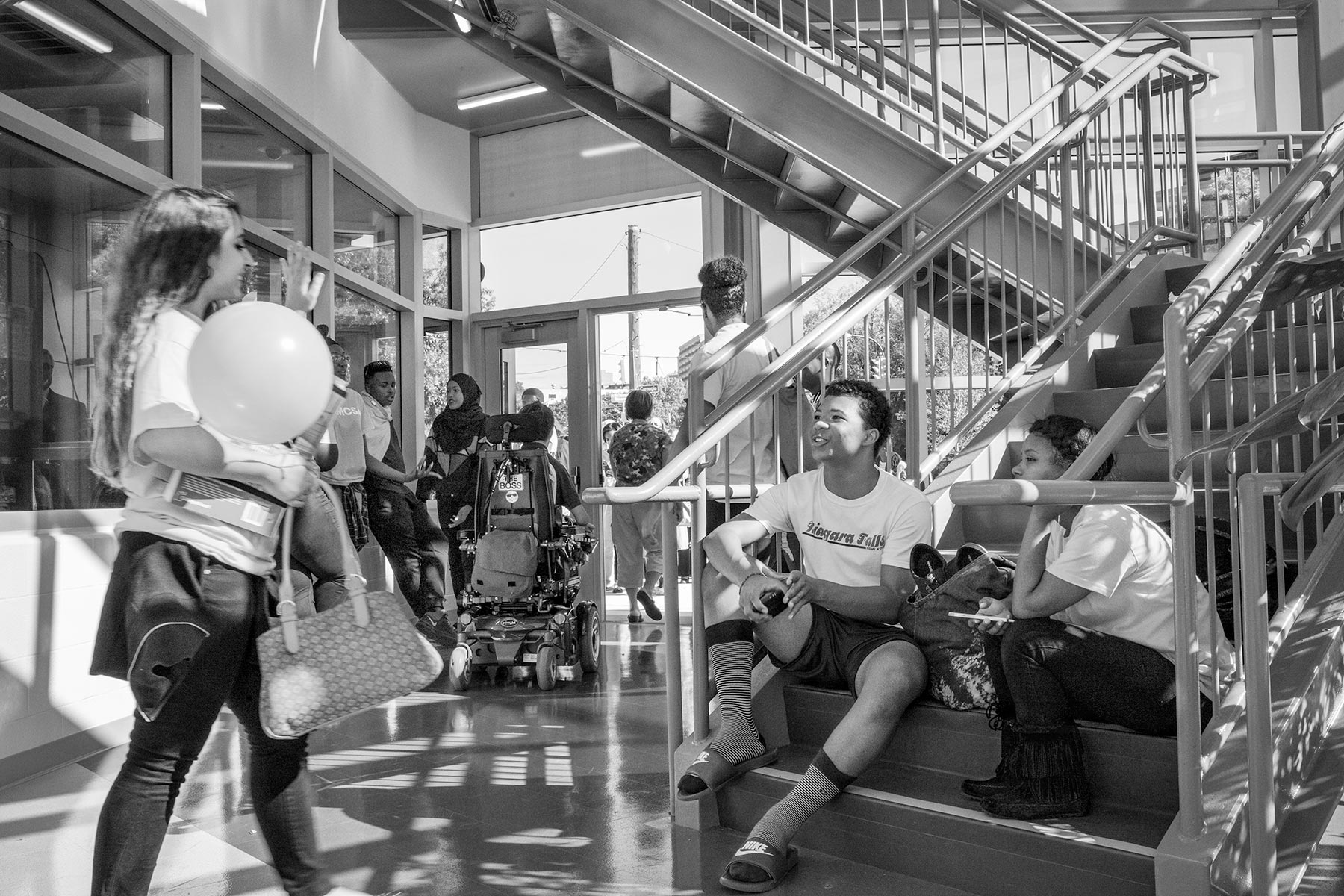
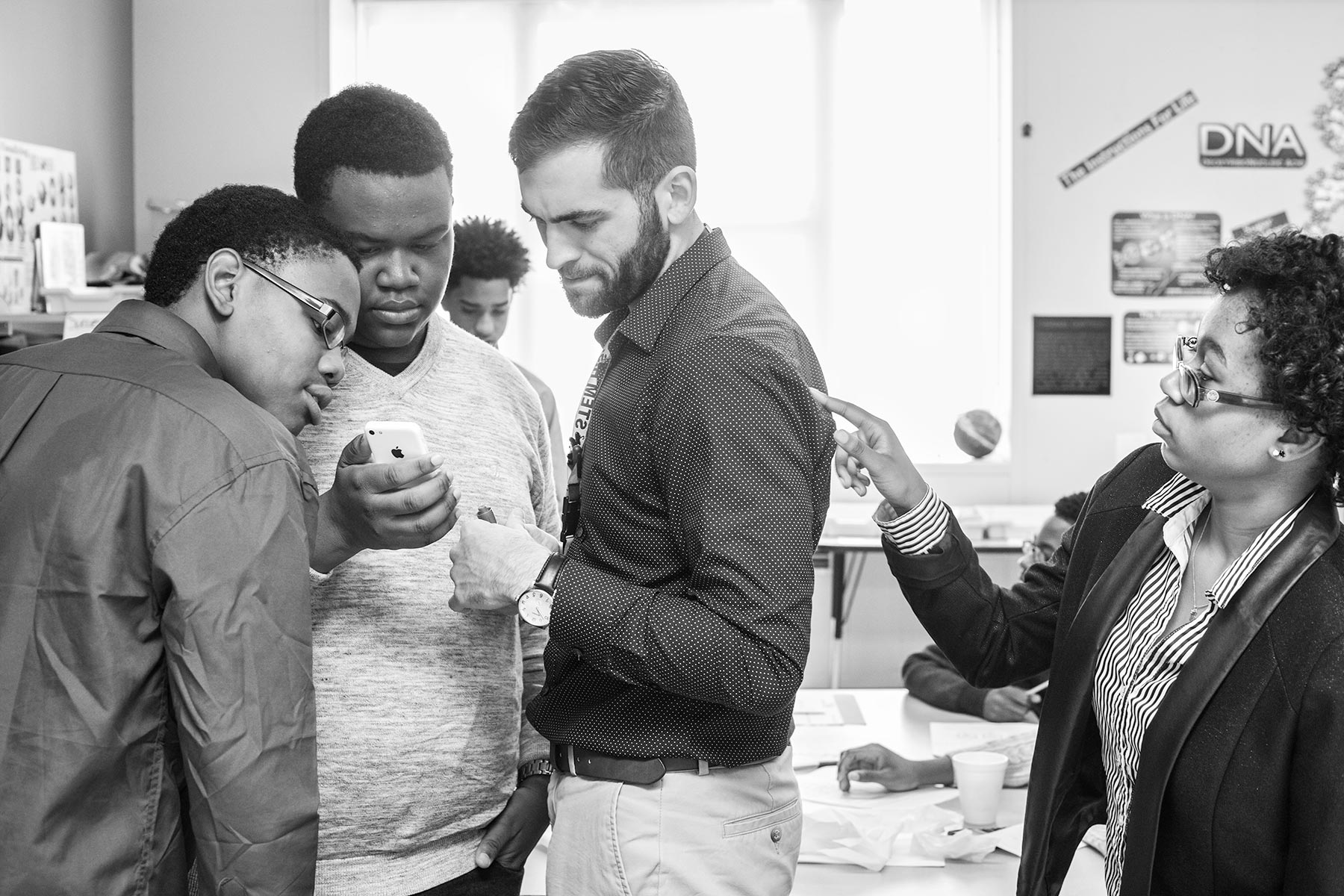
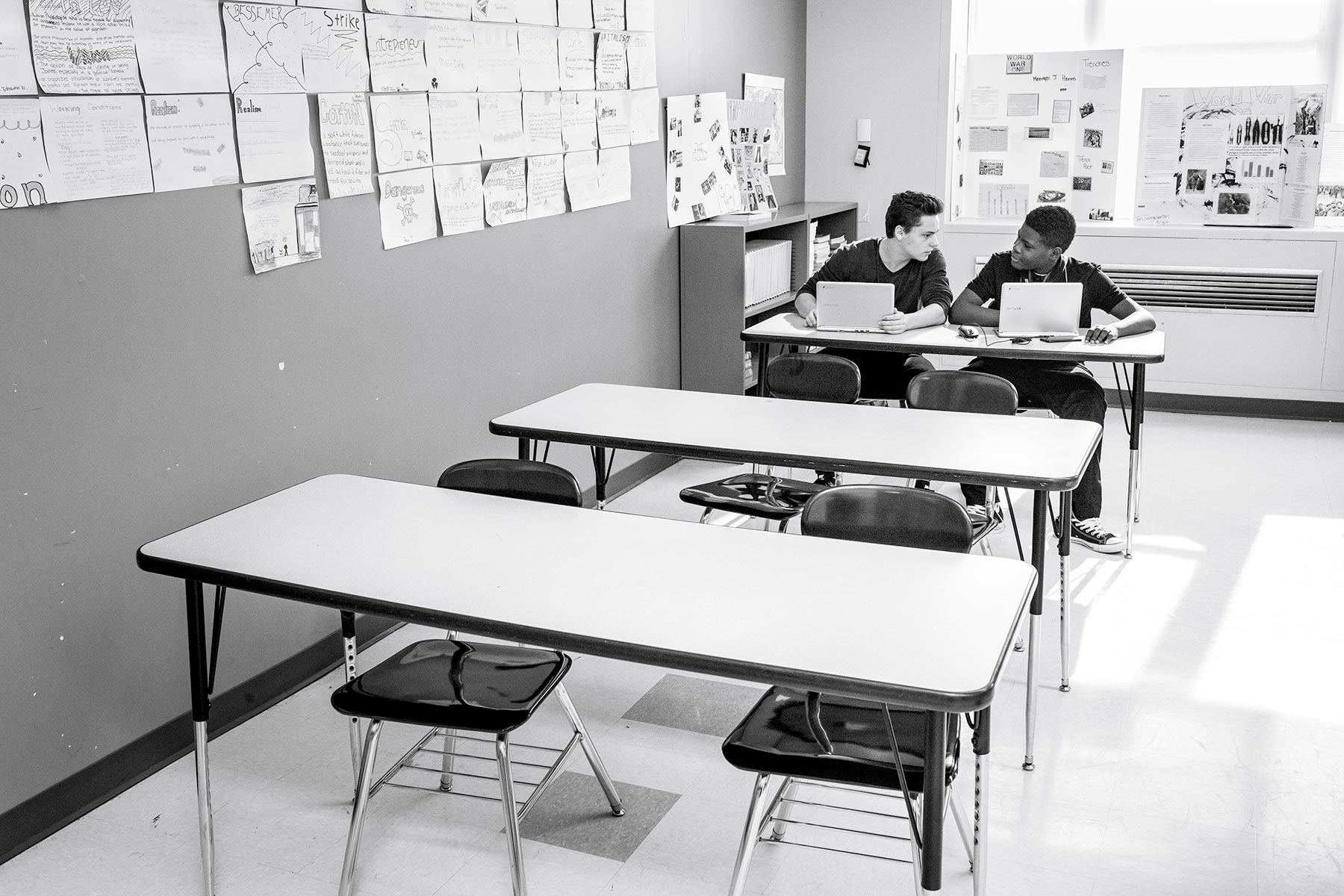
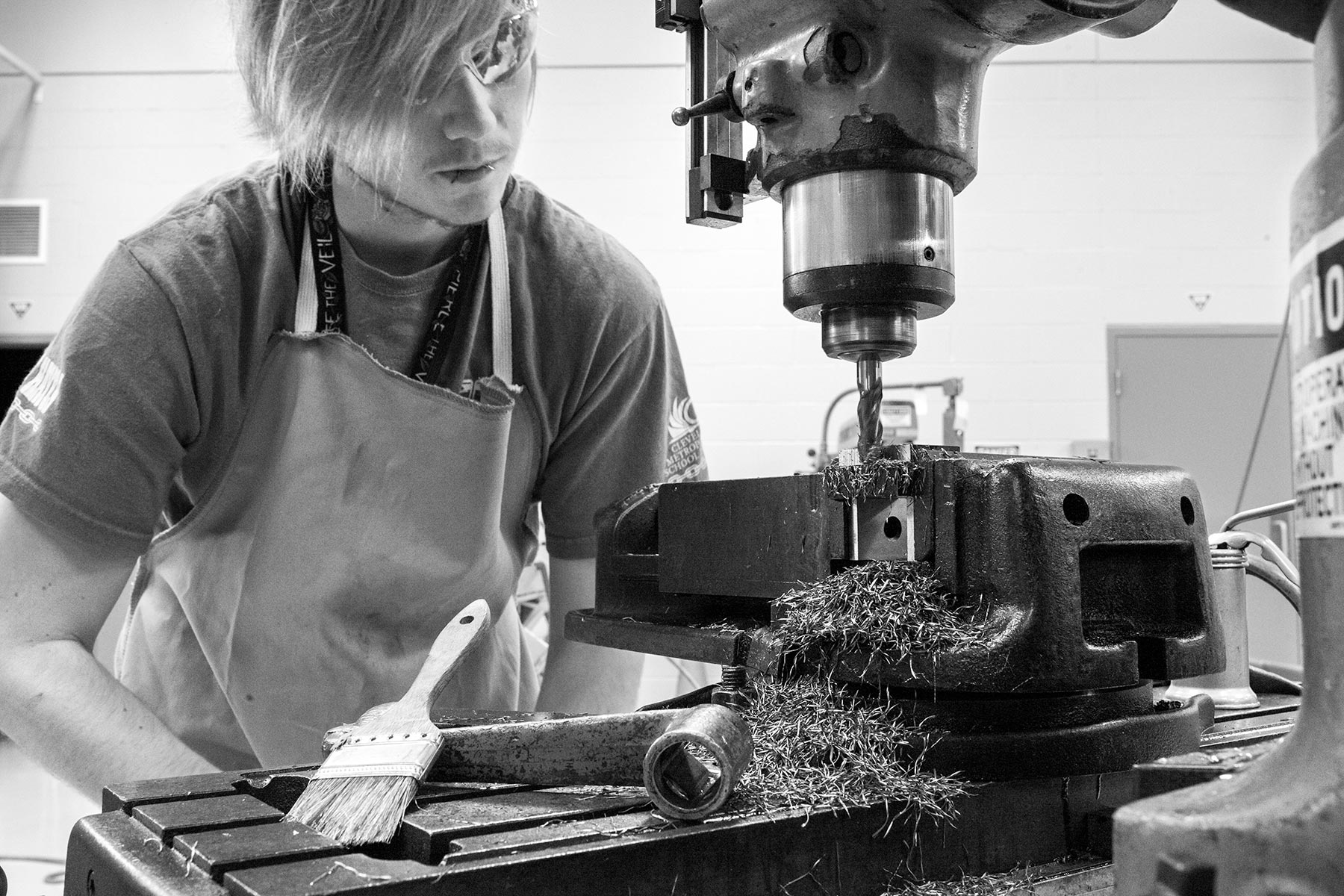
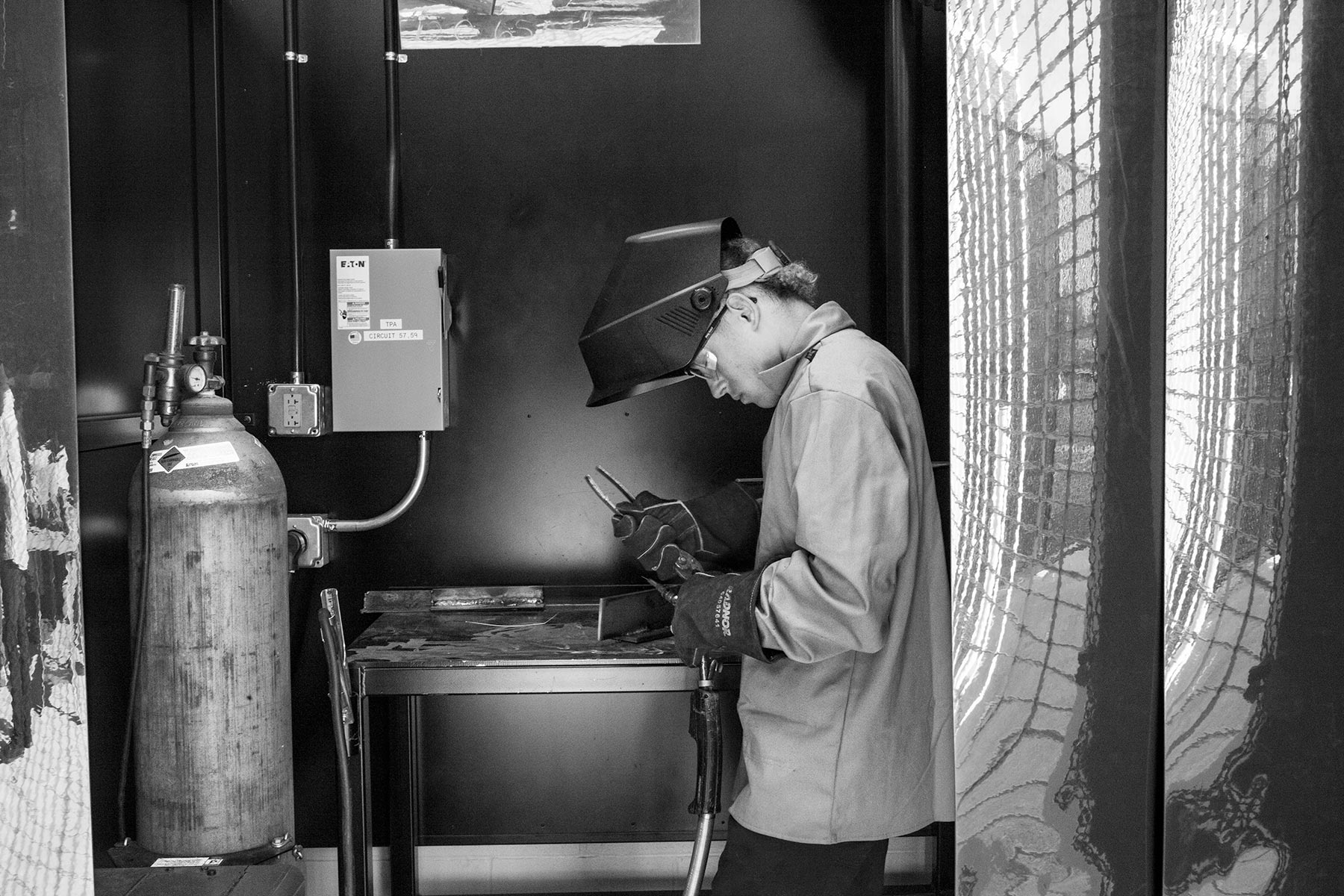
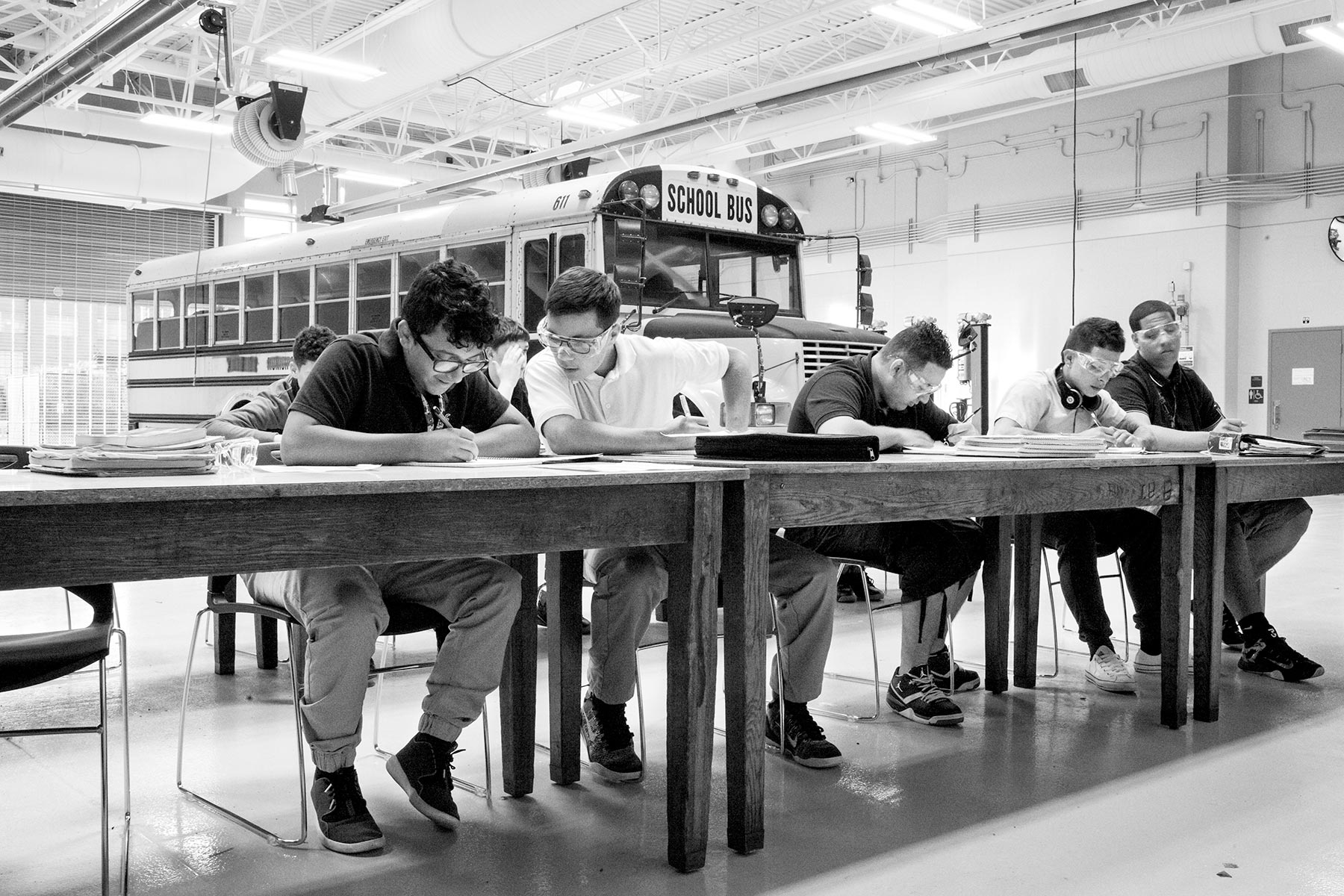
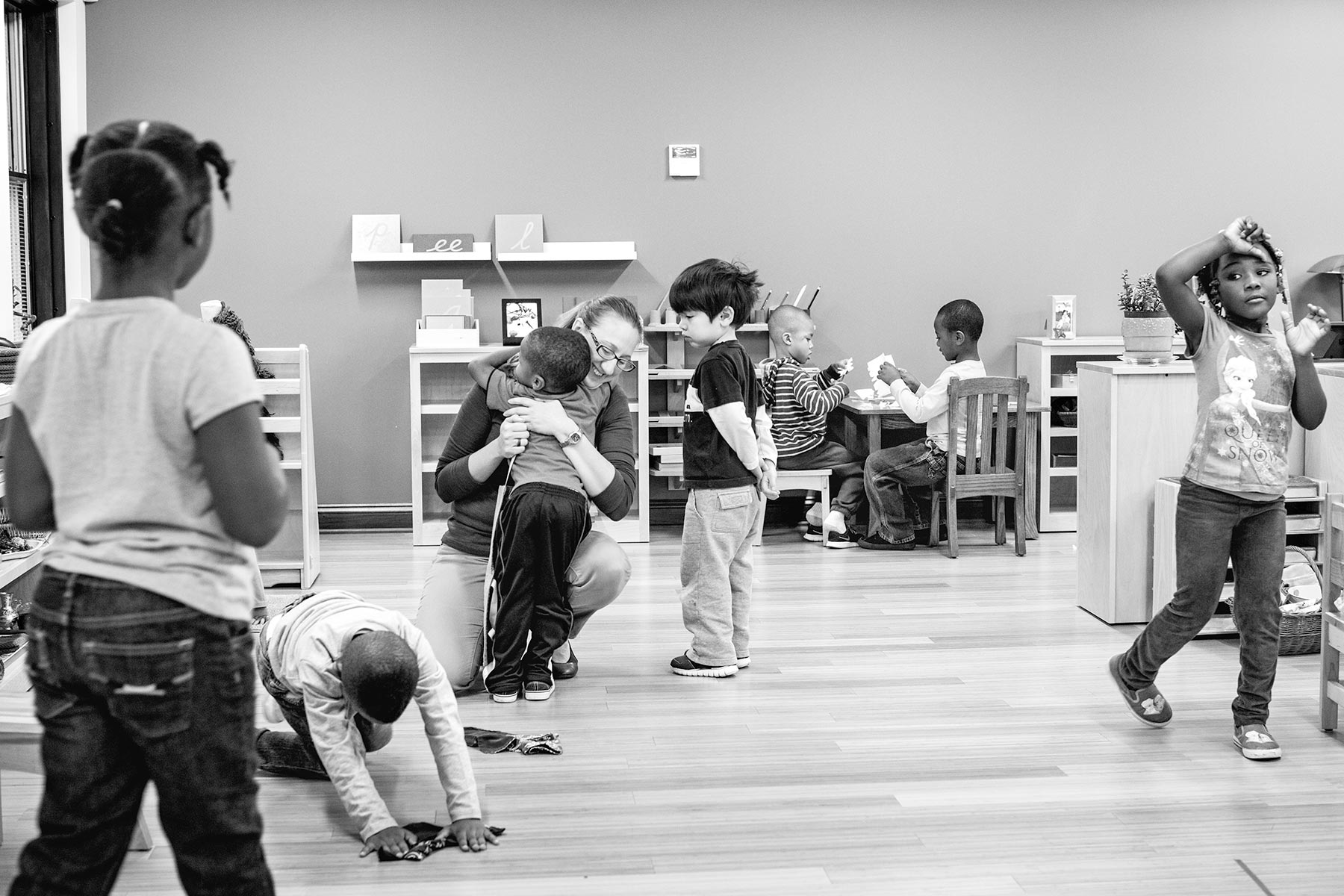
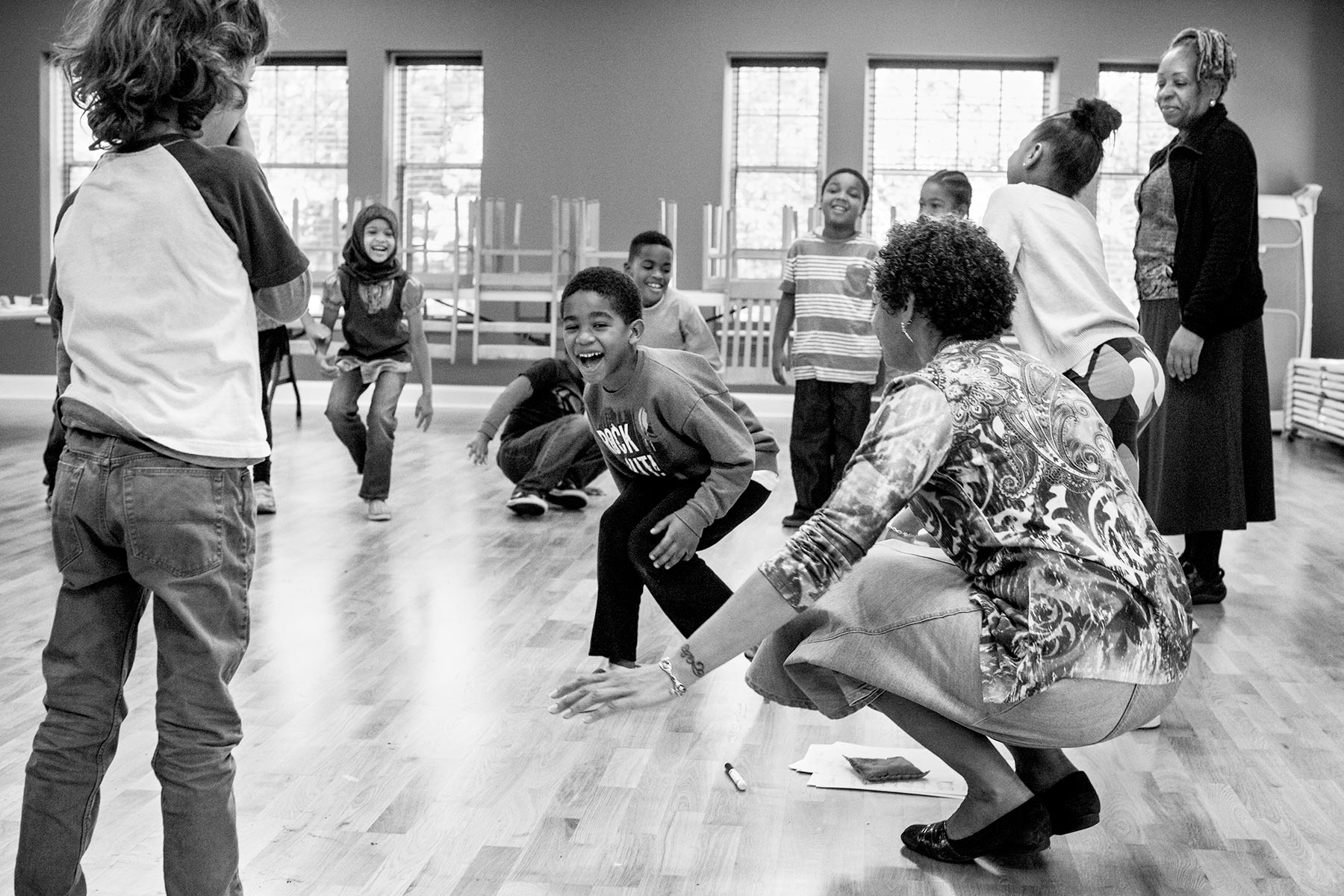
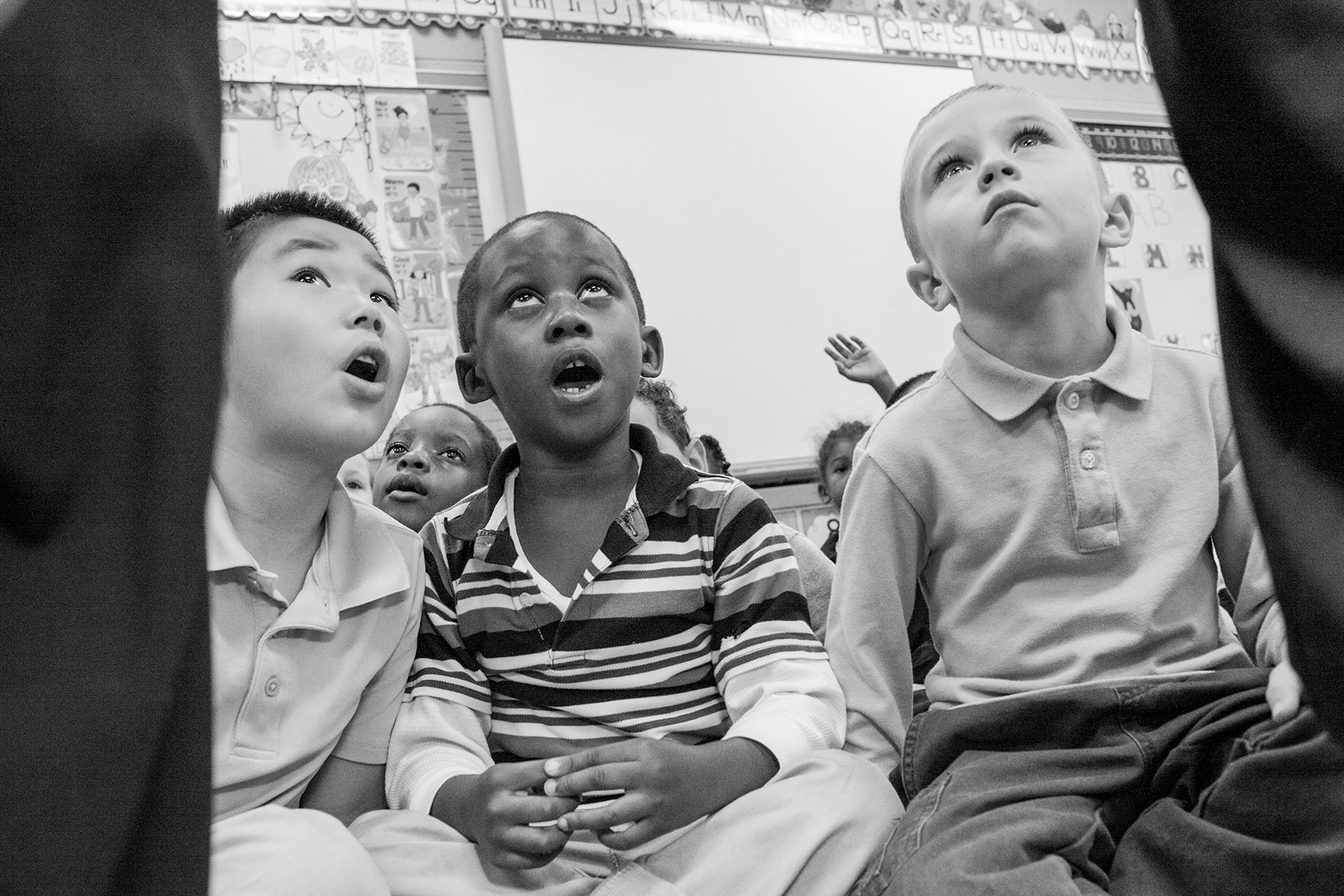
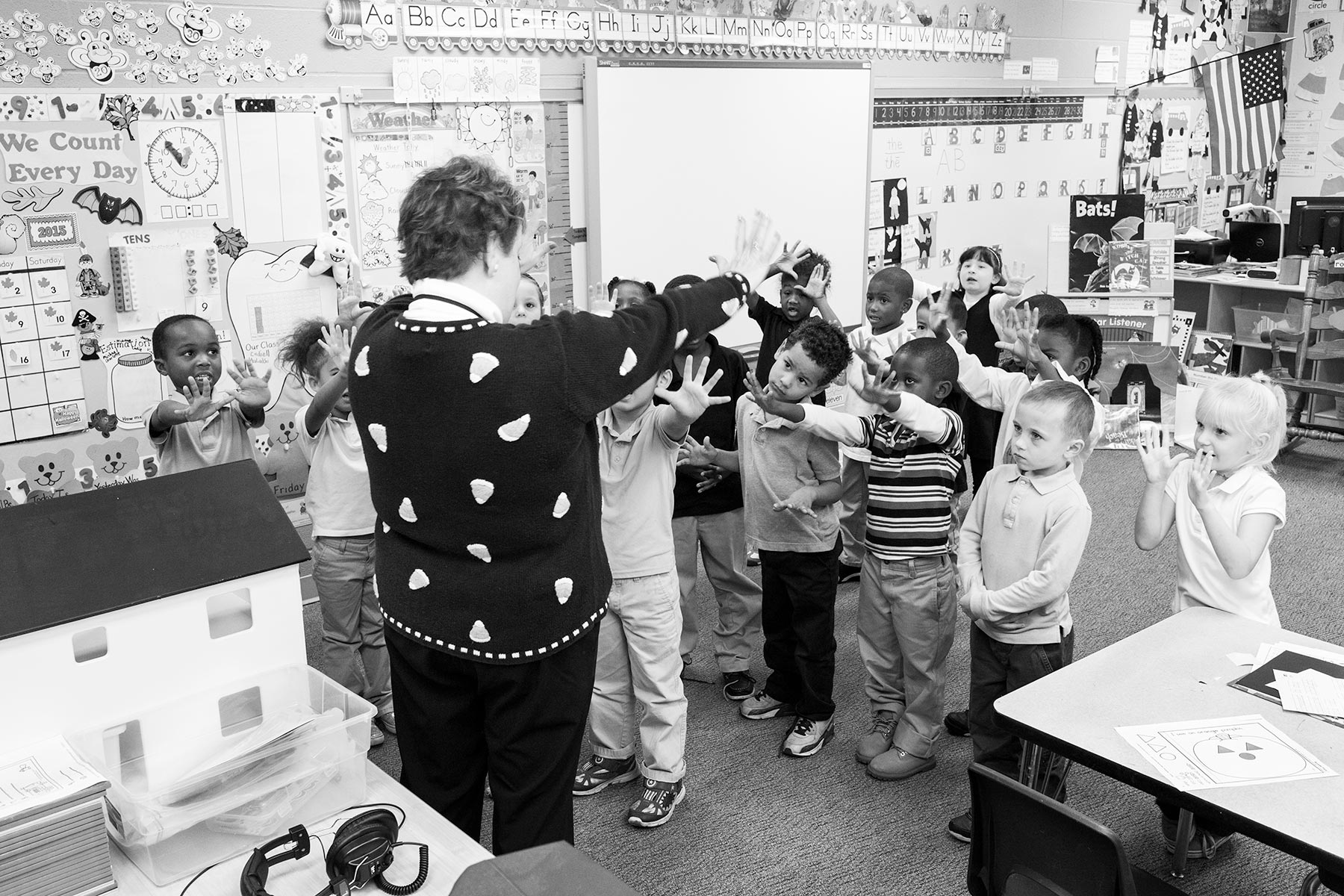
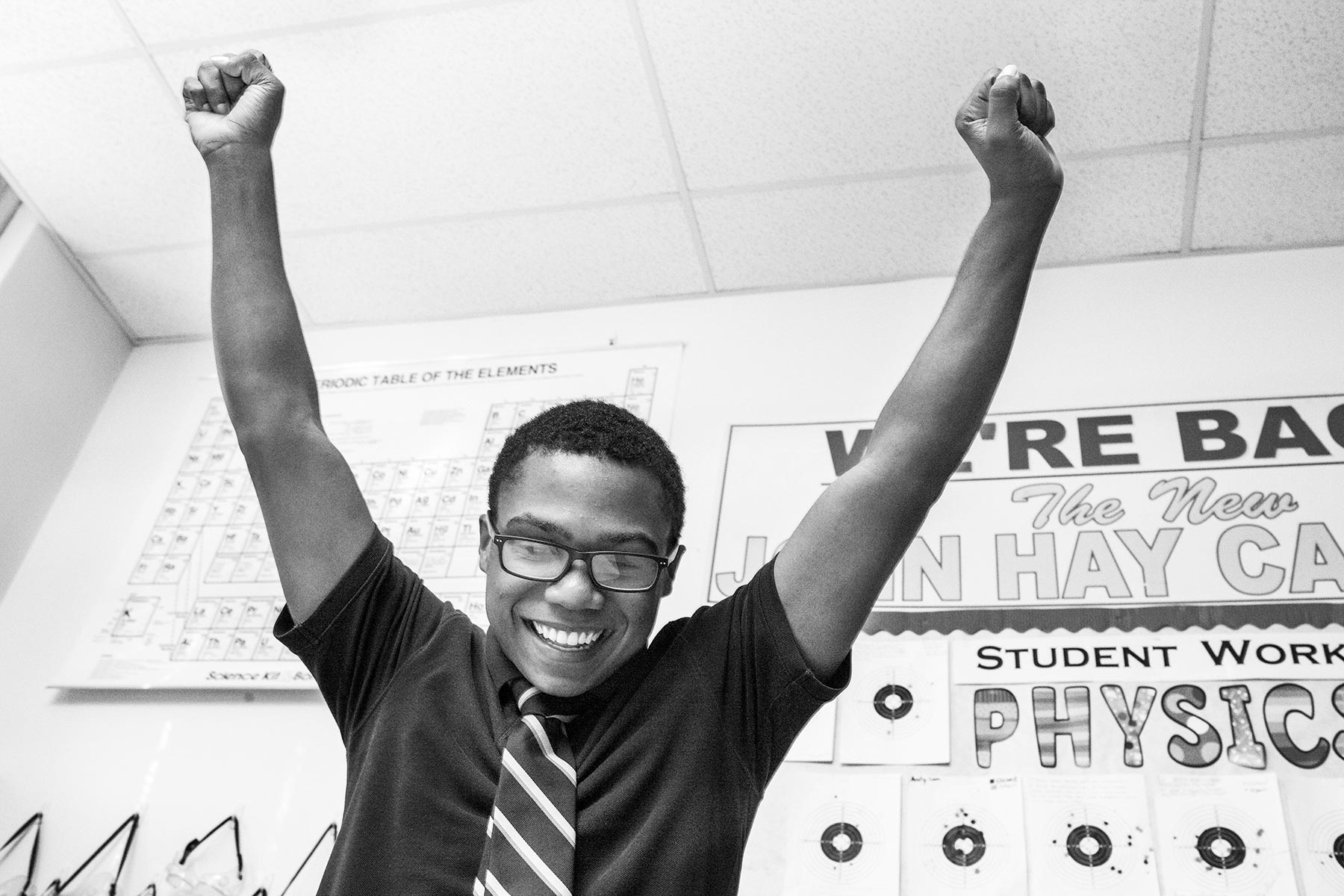
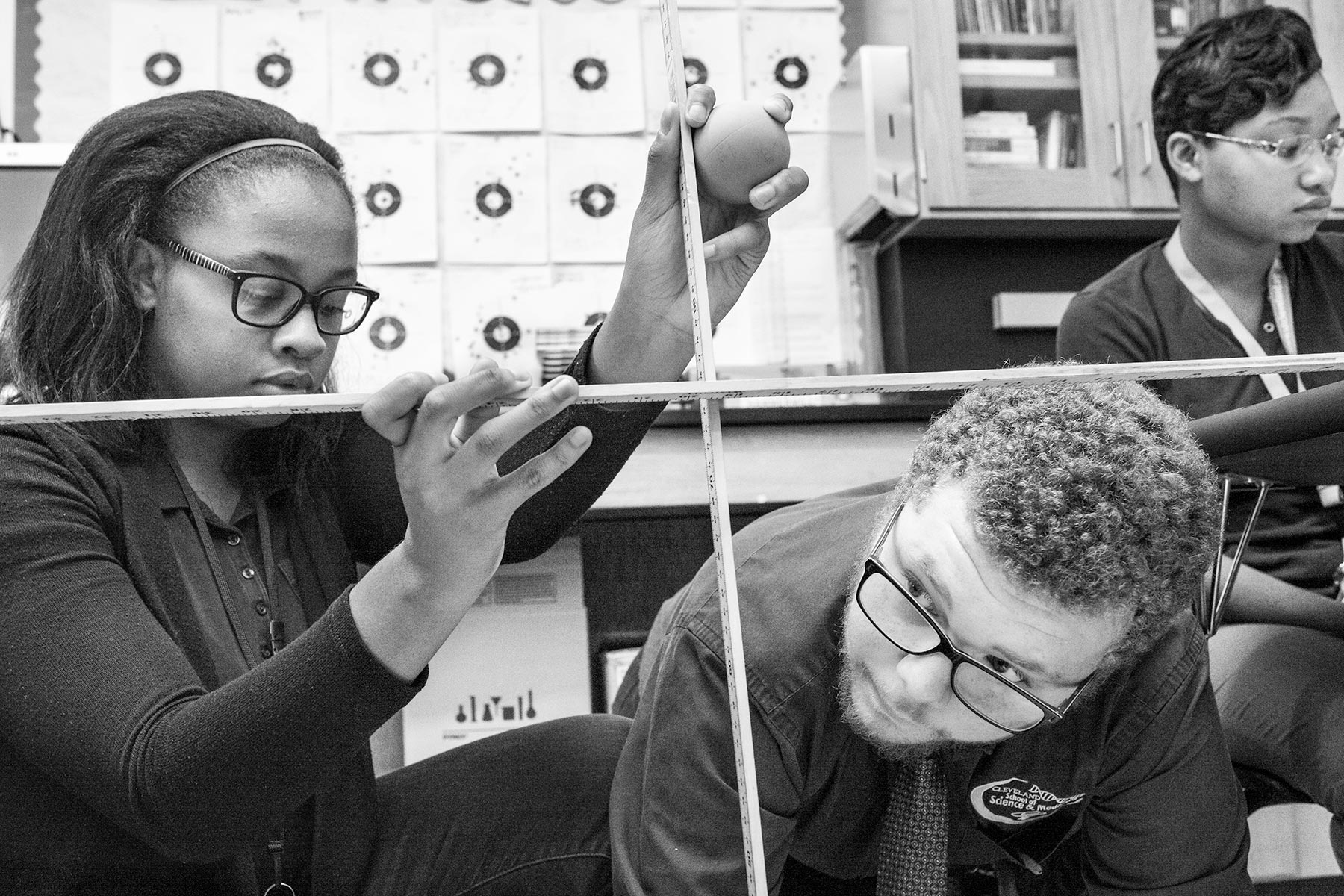
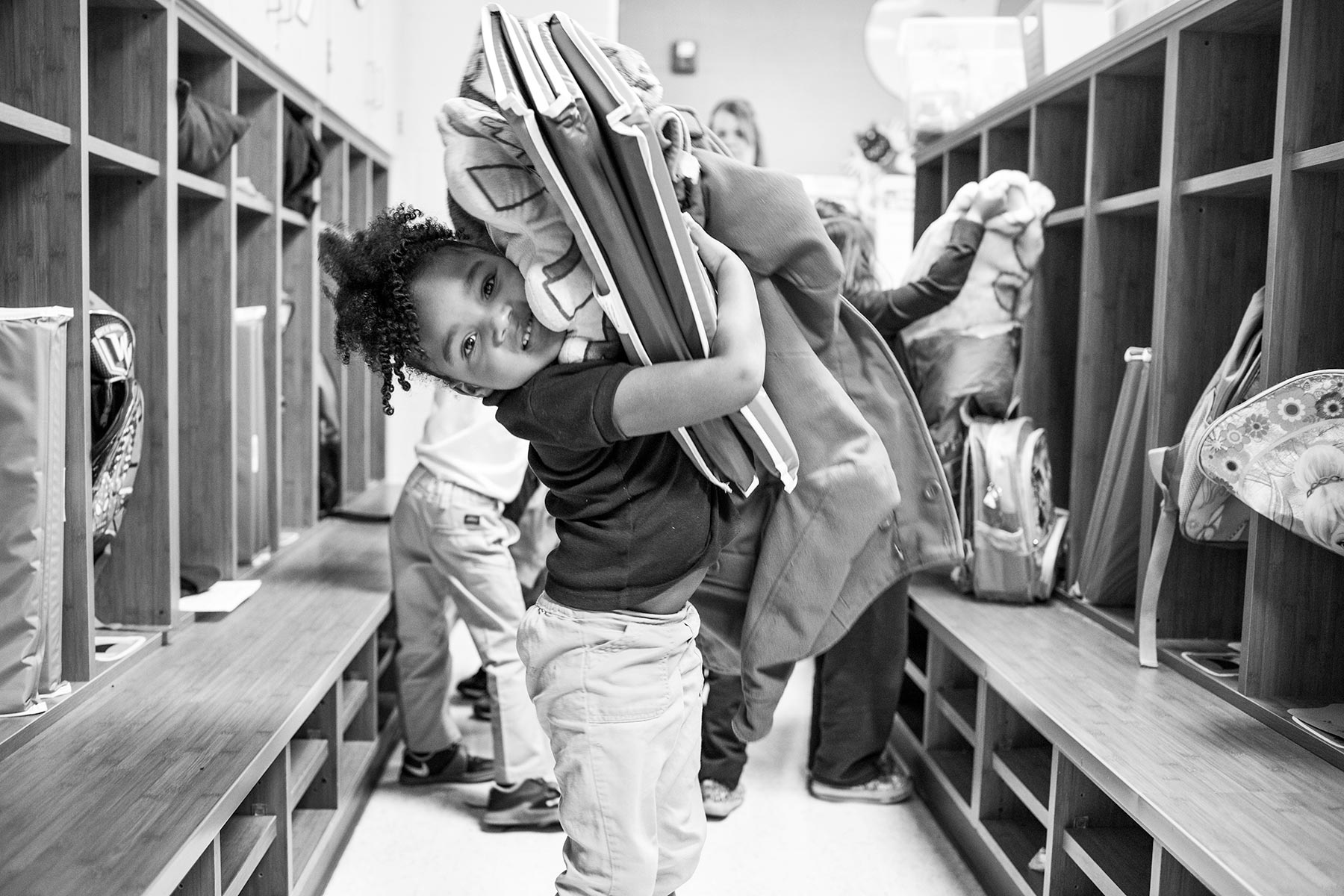
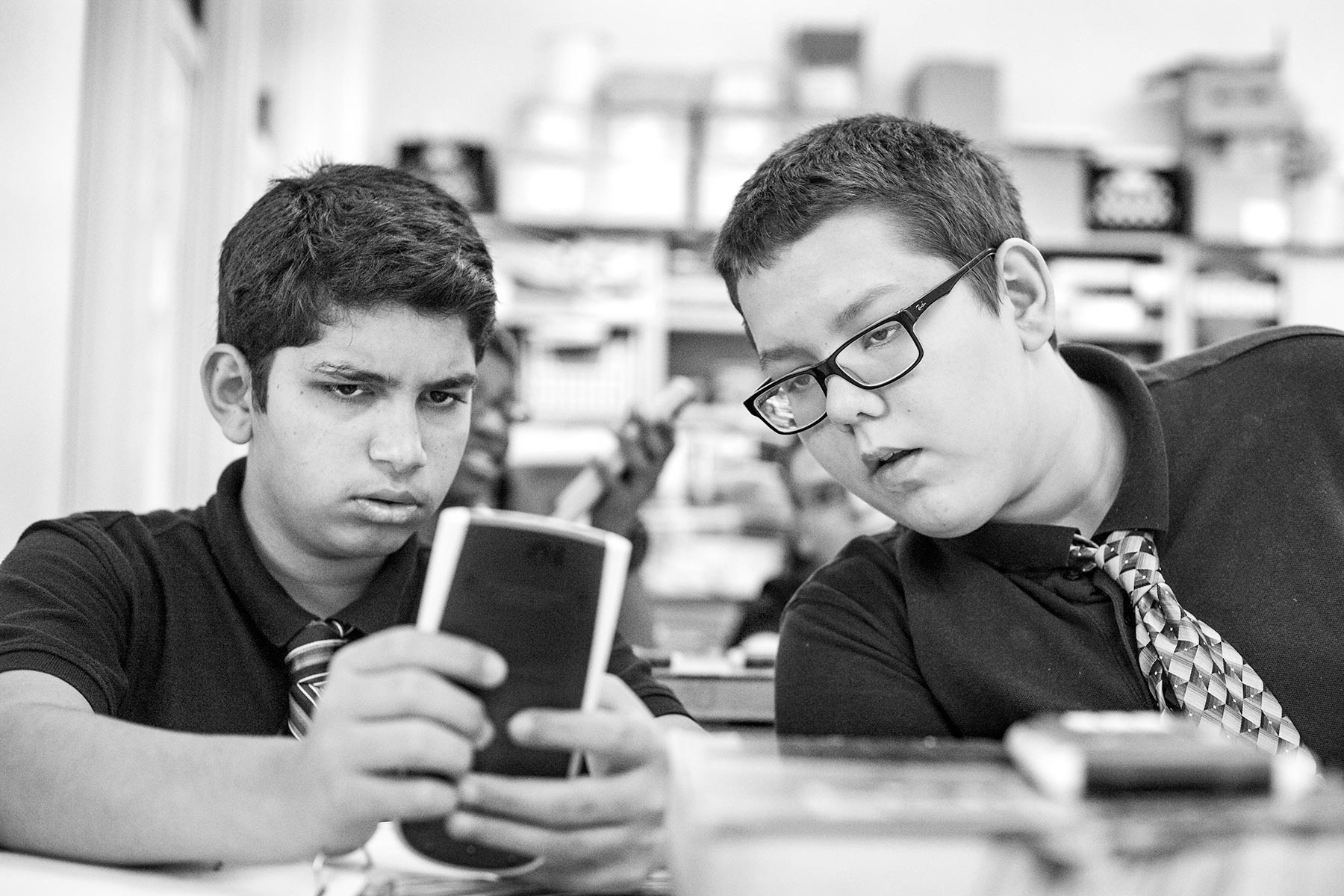
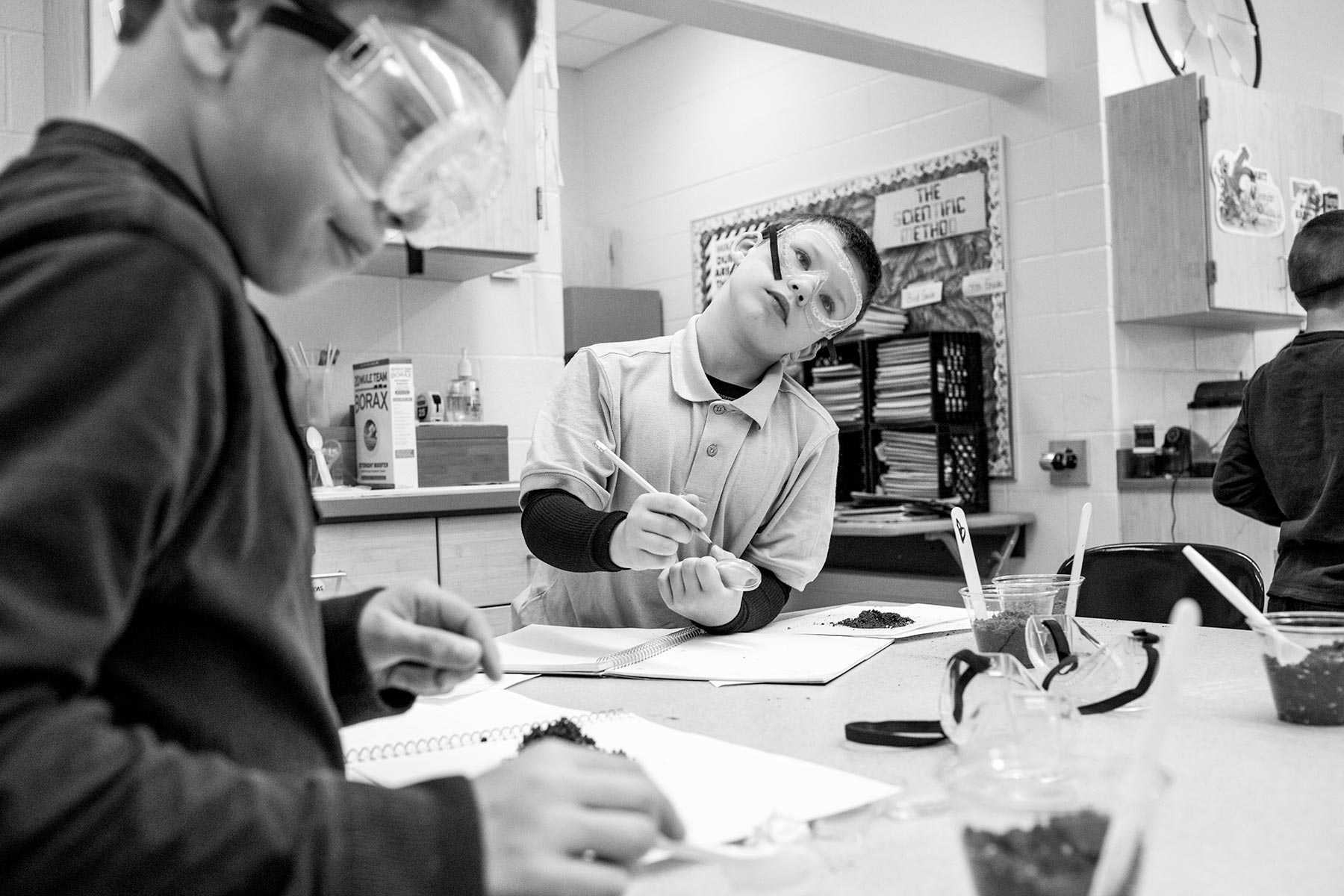
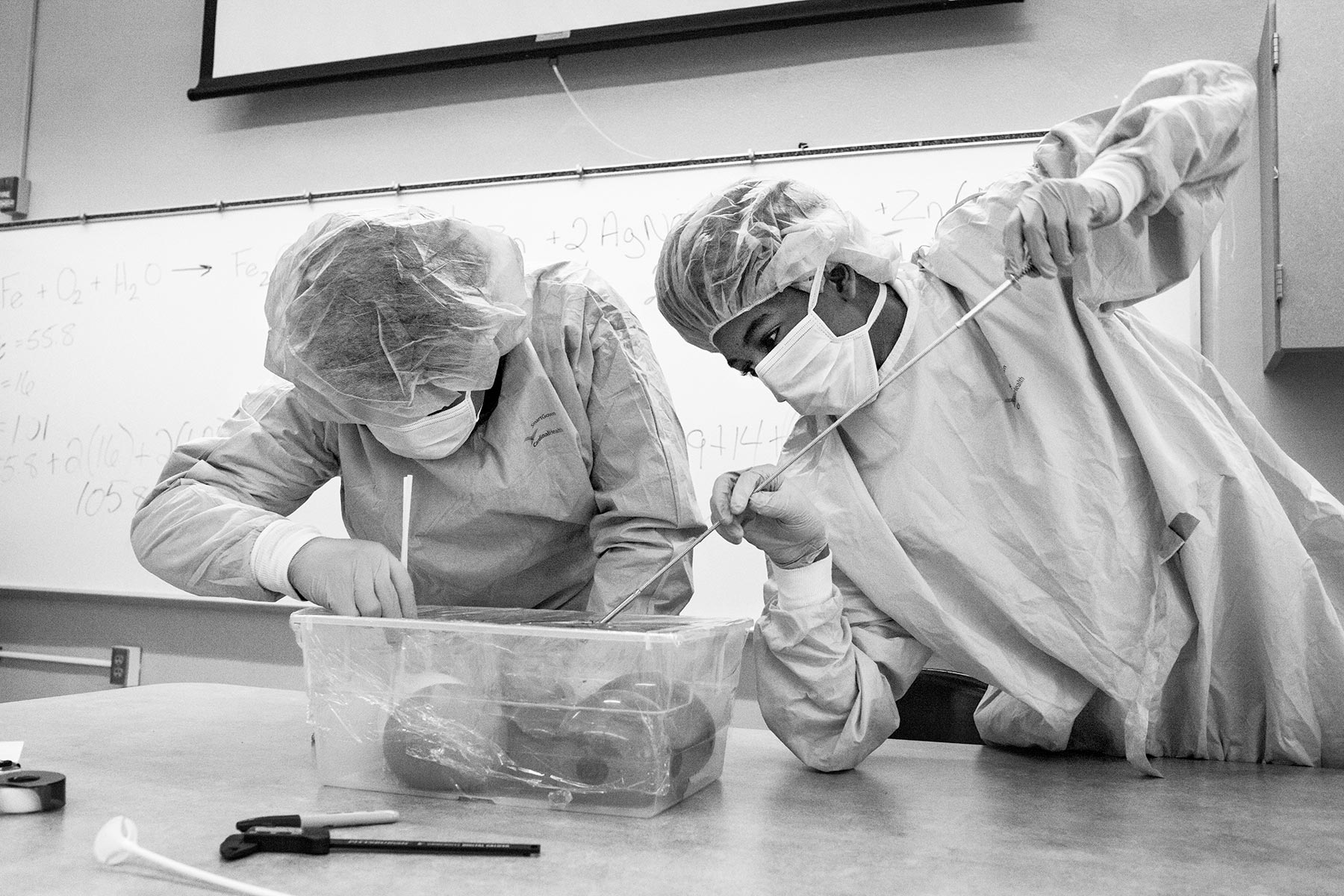
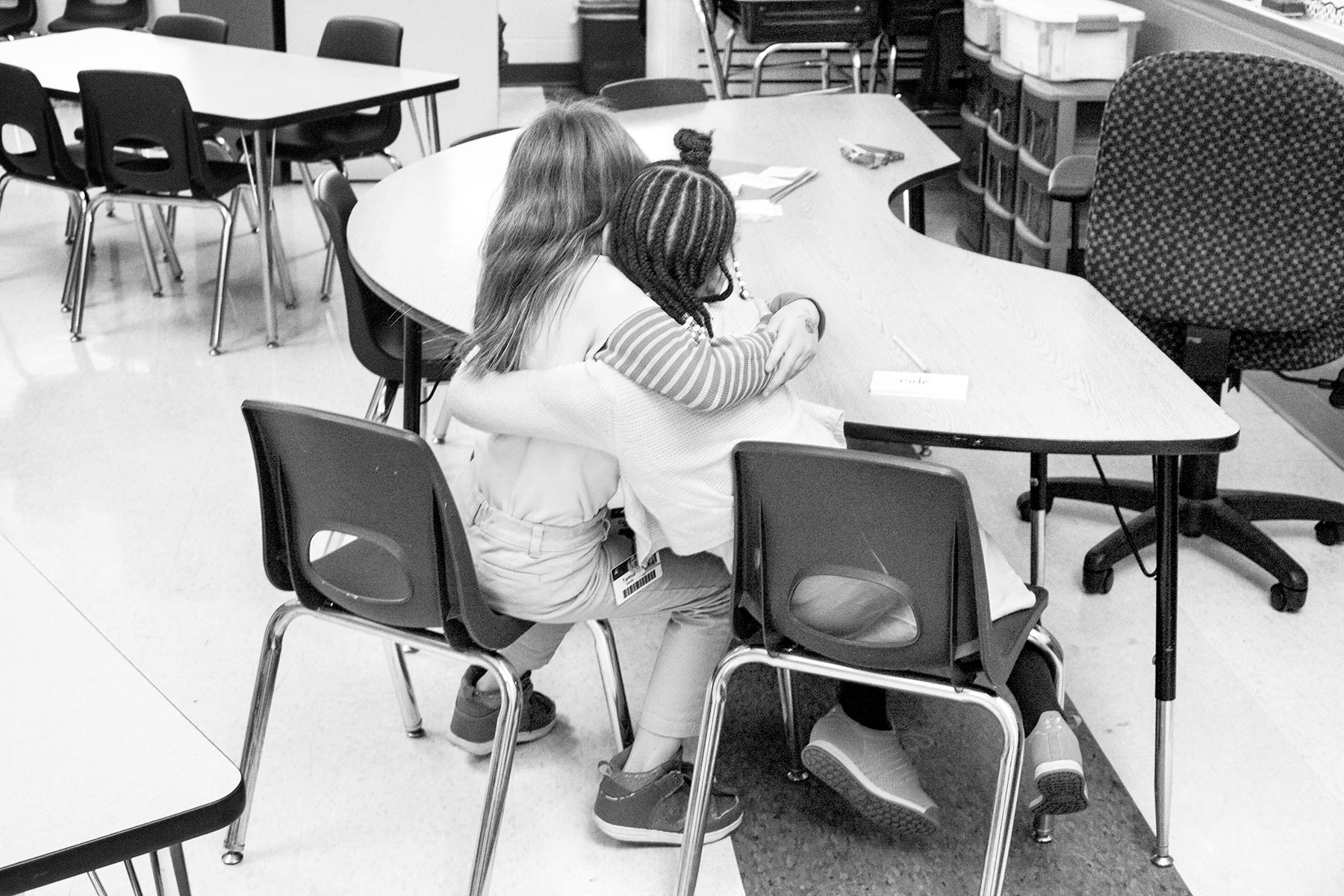
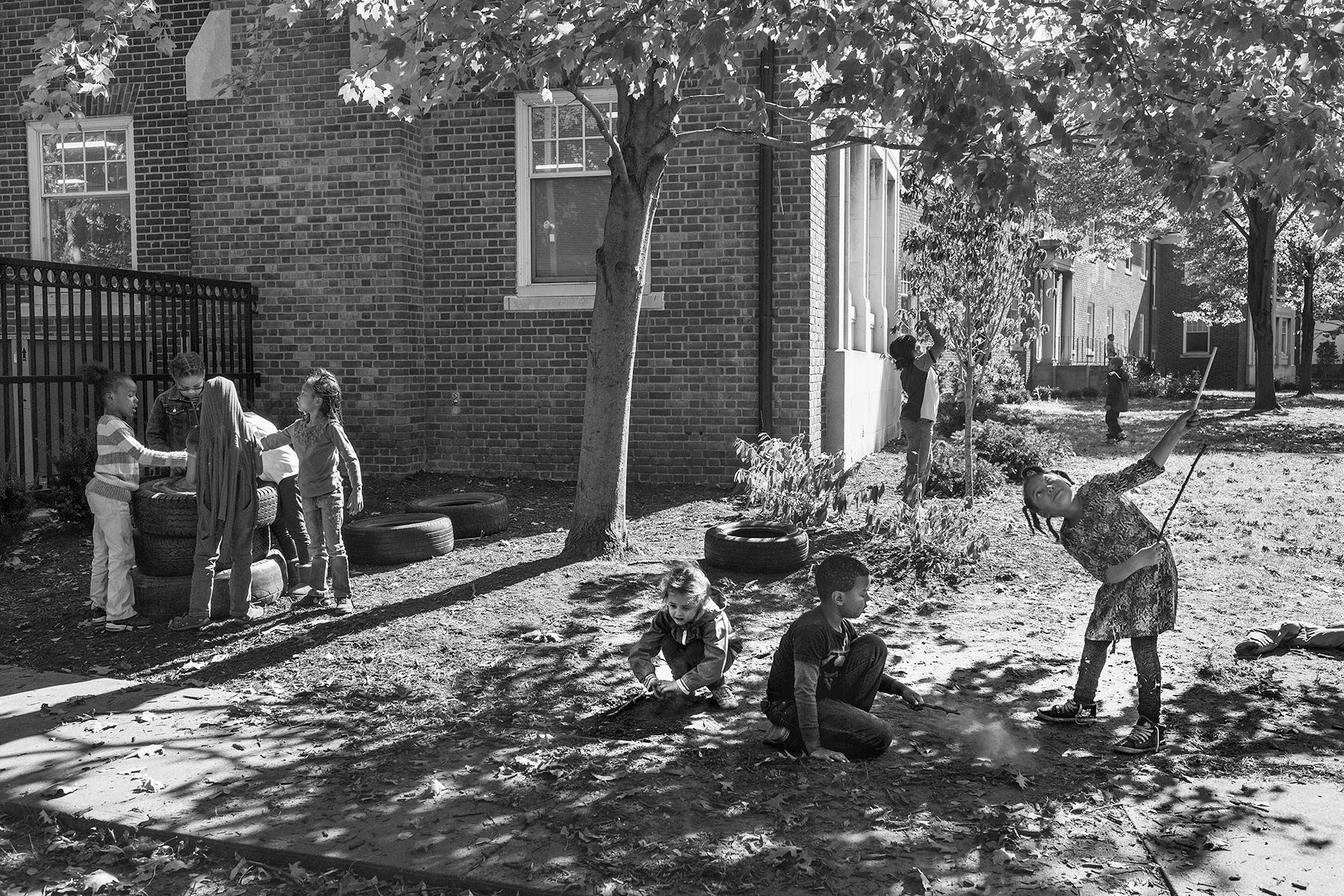
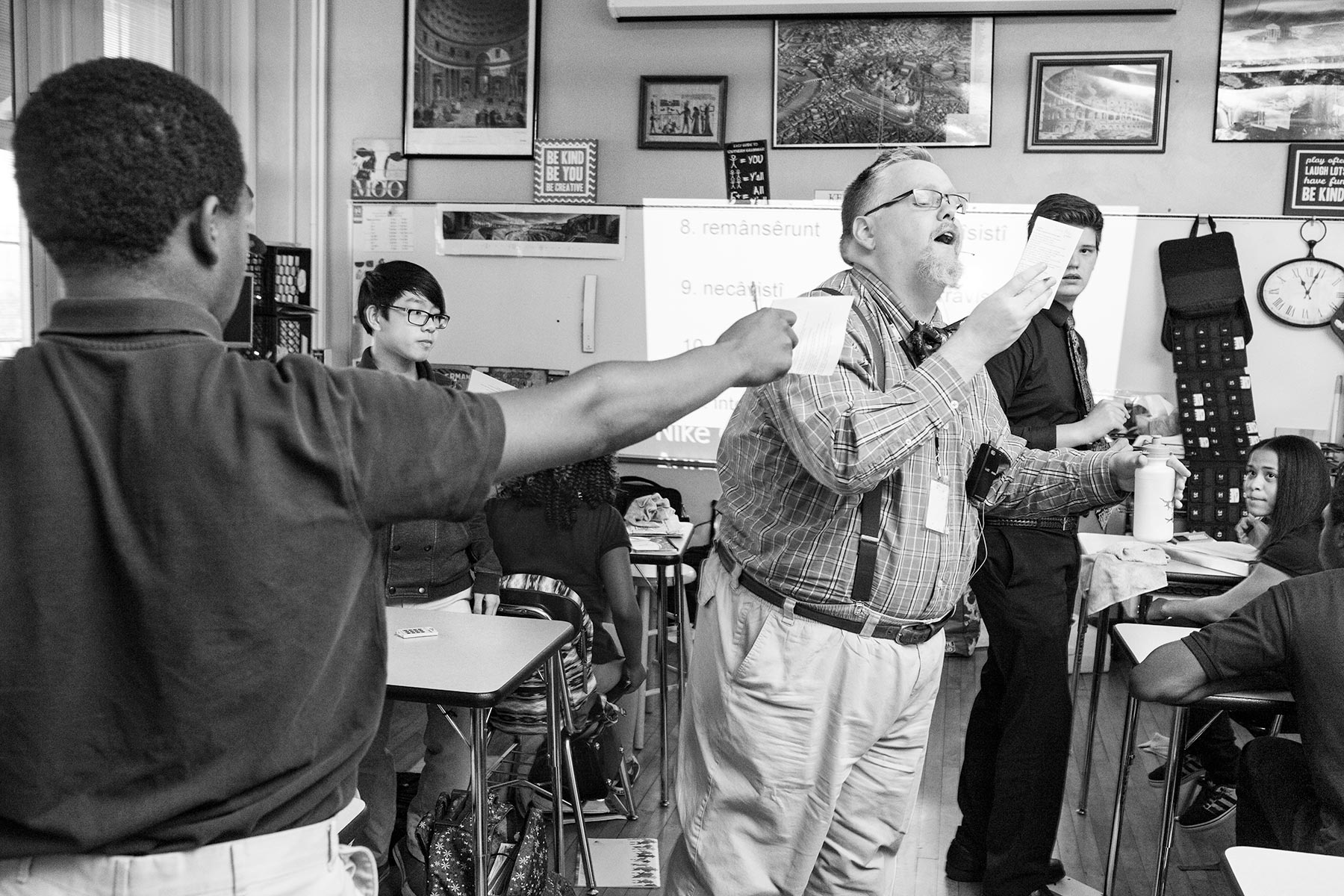
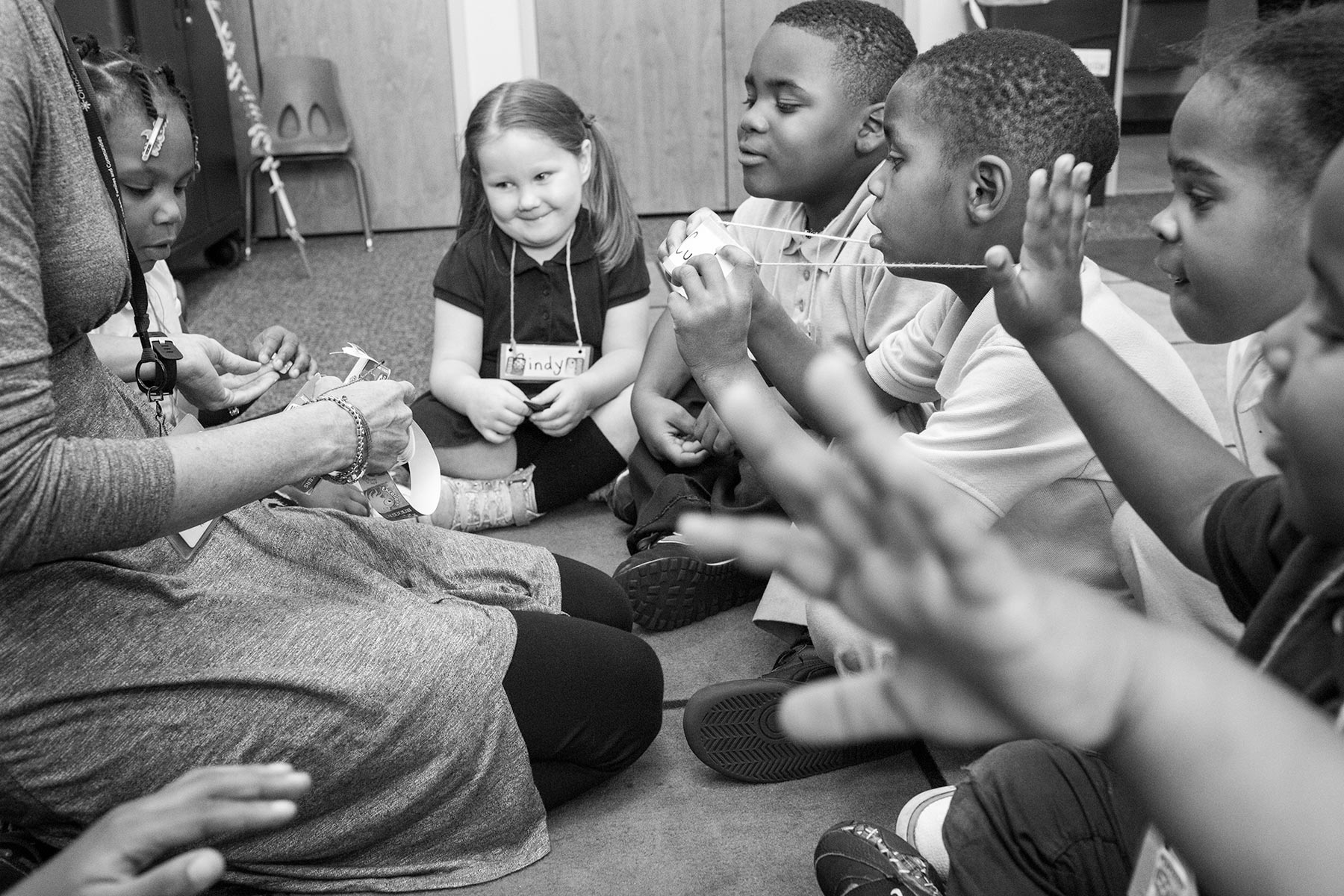
Lisa Kessler’s photographs capture the pulse of public schools in Cleveland. For two weeks in 2015 she immersed herself in 11 schools—district and charter—capturing the unbridled enthusiasm, hard work, and sense of community among students, teachers, and parents.
Kessler’s interest in documentary photography was sparked in the aftermath of the 1985 Mexico City earthquakes, where she witnessed a profound transformation in individuals, communities, and spaces. Since then she has photographed people dealing with change within diverse contexts: health, violence, education, faith, abuse, etc. Kessler’s work on the clergy sex abuse crisis was runner-up for the Honickman Foundation First Book Prize from the Center for Documentary Studies, and has been shown in galleries, film festivals, and classrooms across the country. Kessler’s work exploring the idea of the color pink in America has been called “zesty and playful without being at all unserious,” and was awarded a Massachusetts Cultural Council Fellowship in 2011. Her photographs are in the permanent collections of the Philadelphia Museum of Art, Danforth Museum of Art, and the Teaching Museum at Lehigh University. She holds degrees from Brown University and Boston University and teaches at Boston College.
















Letter from the Executive Director
2015 Annual Report
The quality of schools—real and perceived—is widely cited as a reason families do not move into the city or remain in the city after they have school-age children. School quality and the future of our city are intertwined. As one goes, so goes the other.
This is what compelled a coalition to forge the groundbreaking Cleveland’s Plan for Transforming Schools. The Cleveland Plan grew out of the work of numerous civic and education leaders over many years. Its goal is to ensure that every child in Cleveland attends a high-quality school and that every neighborhood has a multitude of great schools from which families can choose. Its supporting state legislation gave the Cleveland Metropolitan School District the ability to better manage its human and financial assets, partner with high-quality charter schools, and support the development of innovative schools.
We are nearly four years into The Cleveland Plan’s implementation and there are some noteworthy accomplishments.
The Cleveland Plan contributed to increased student enrollment for the first time in half a century. It helped achieve record gains in the high school graduation rate and increased college readiness among graduates, and it helped increase enrollment in high-quality preschool, improve student retention and attendance, recruit and retain high-quality teachers and principals, and increase autonomy and innovation at the school level. Most importantly, it propelled the successful passage, for the first time in 16 years, of a new district levy, which won with 57 percent of the vote and included funding for partnering charter schools.
But the most visible evidence of The Cleveland Plan is the schools themselves where teachers inspire their students, and students absorb knowledge and practice newfound skills. They are the real evidence of the change that is occurring.
For this year’s annual report, our Foundation commissioned award-winning photographer Lisa Kessler to document the progress inside the schools that are part of the growing portfolio of innovative options in Cleveland. She spent time in 11 district and charter schools last fall, and the fruits of her work are presented in the accompanying photo essay. These 11—and we could have selected many others—demonstrate what schools in Cleveland now offer to families. They represent the school-by-school transformation that is underway. They serve to inspire the taxpaying public and give enticing choices to children and their parents. The old image of Cleveland’s schools as failing, unsafe and unimaginative is rapidly being replaced by schools that demonstrate joy, inquiry, creativity, collaboration, critical thinking, use of technology and problem-solving—all of the traits that are necessary to prepare our children for the competitive global economy. And they make evident how Cleveland is breaking the one-size-fits-all model of education that has undermined American education for decades.
Join with Kessler on her photographic journey to these Cleveland schools. She visited the new Bard High School Early College, where learning is built around Socratic seminars and where a student can graduate with up to 60 college credit hours and an Associate’s degree from Bard College. She spent an afternoon at Buhrer Dual Language Academy where preschool, elementary, and middle school students are immersed in both Spanish and English in a bright and beautiful new building.
She photographed Citizens Leadership Academy, which uses expeditionary learning to stimulate students as they learn about themselves, their community and their world. She visited MC2STEM, where students spend their first year at the Great Lakes Science Center, their sophomore year at General Electric’s Nela Park campus and their junior, and senior years at Cleveland State University taking college coursework alongside high school classes.
Kessler’s camera also took her to the redesigned and rebuilt Cleveland School of the Arts and Max S. Hayes High School, both of which are forging career ambitions and skills while attracting students from across the city. Campus International, the district’s first International Baccalaureate school, opened its doors to Kessler as it prepares to expand its offerings to the high school level in 2017. She photographed students and their teachers at Robinson G. Jones, highlighting its interactive and exploratory learning approach, and at Stonebrook Montessori, the region’s only Montessori charter school, which opened in a spectacularly renovated Amasa Stone House in Glenville.
She also spent a day at Stepstone Academy, which uses a blended learning model and wraparound services to meet students’ social and emotional needs. Finally, the impact of an extensive partnership among medical, philanthropic, and higher education institutions was on display at the Cleveland School of Science and Medicine.
These are just some of the schools in Cleveland’s growing portfolio of impressive options. They clearly are not the Cleveland schools of years gone by. If you are like most Clevelanders, you are barely aware of the dramatic scope of this change. The transformation is far from complete. The overall performance of schools in Cleveland is still deficient. Much work lies ahead to fully achieve what the schools, our children and this city need. But it is time, as these photographs illustrate, for those who have not already changed their minds about the direction of Cleveland’s schools to do so.
David Abbott, Executive Director, The George Gund Foundation