
Ohio City
Thomas Roma (2004)
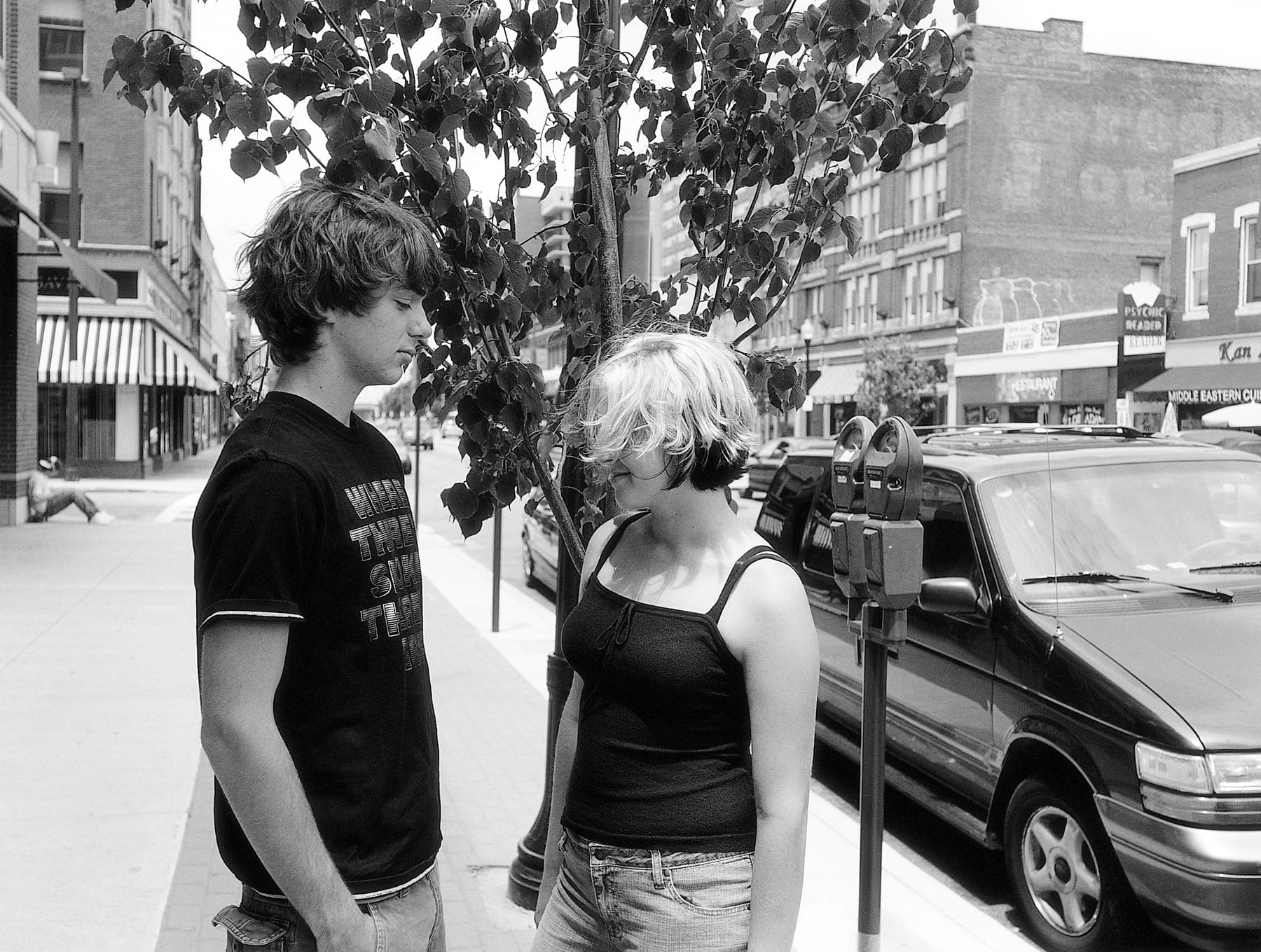
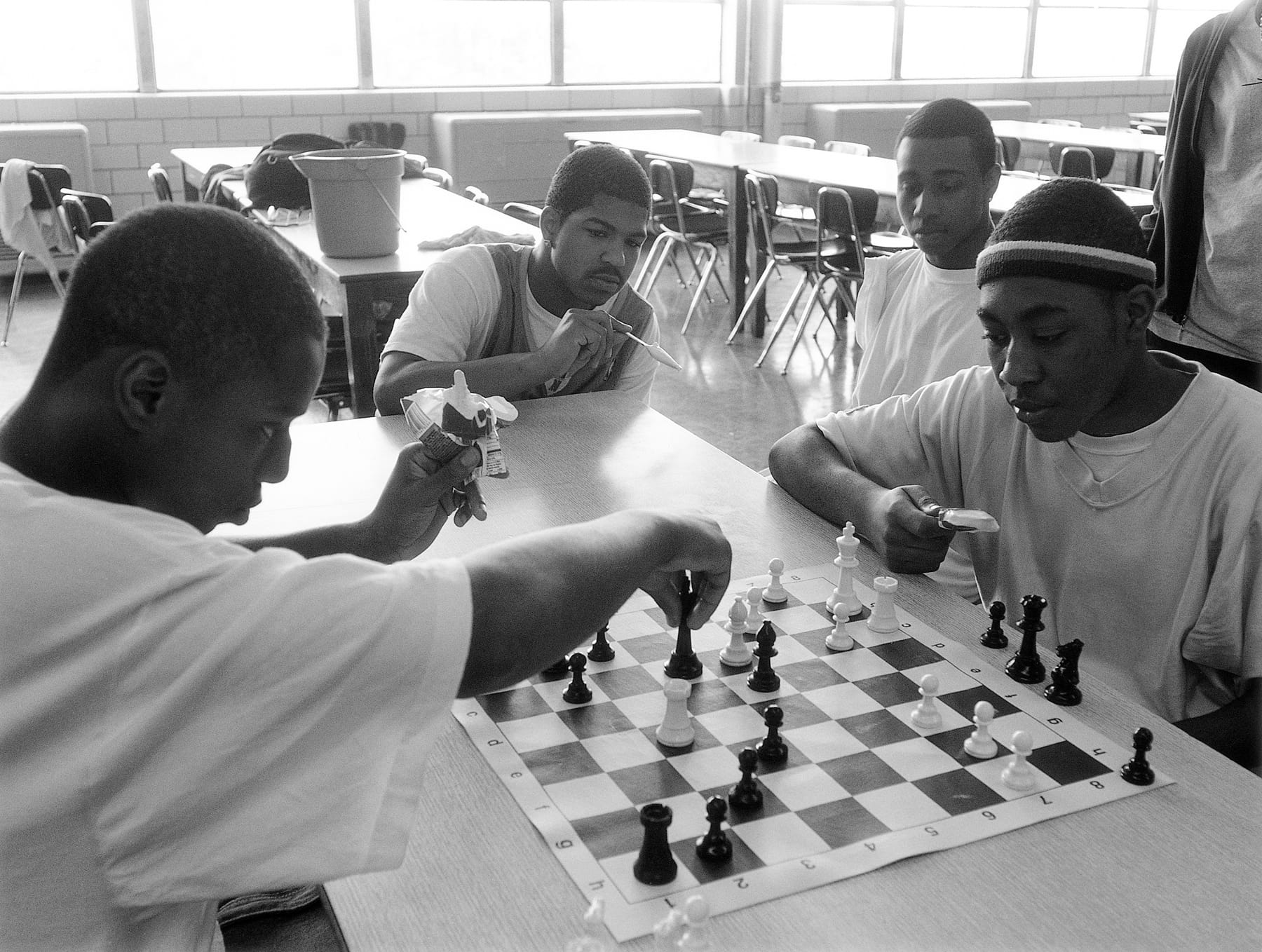
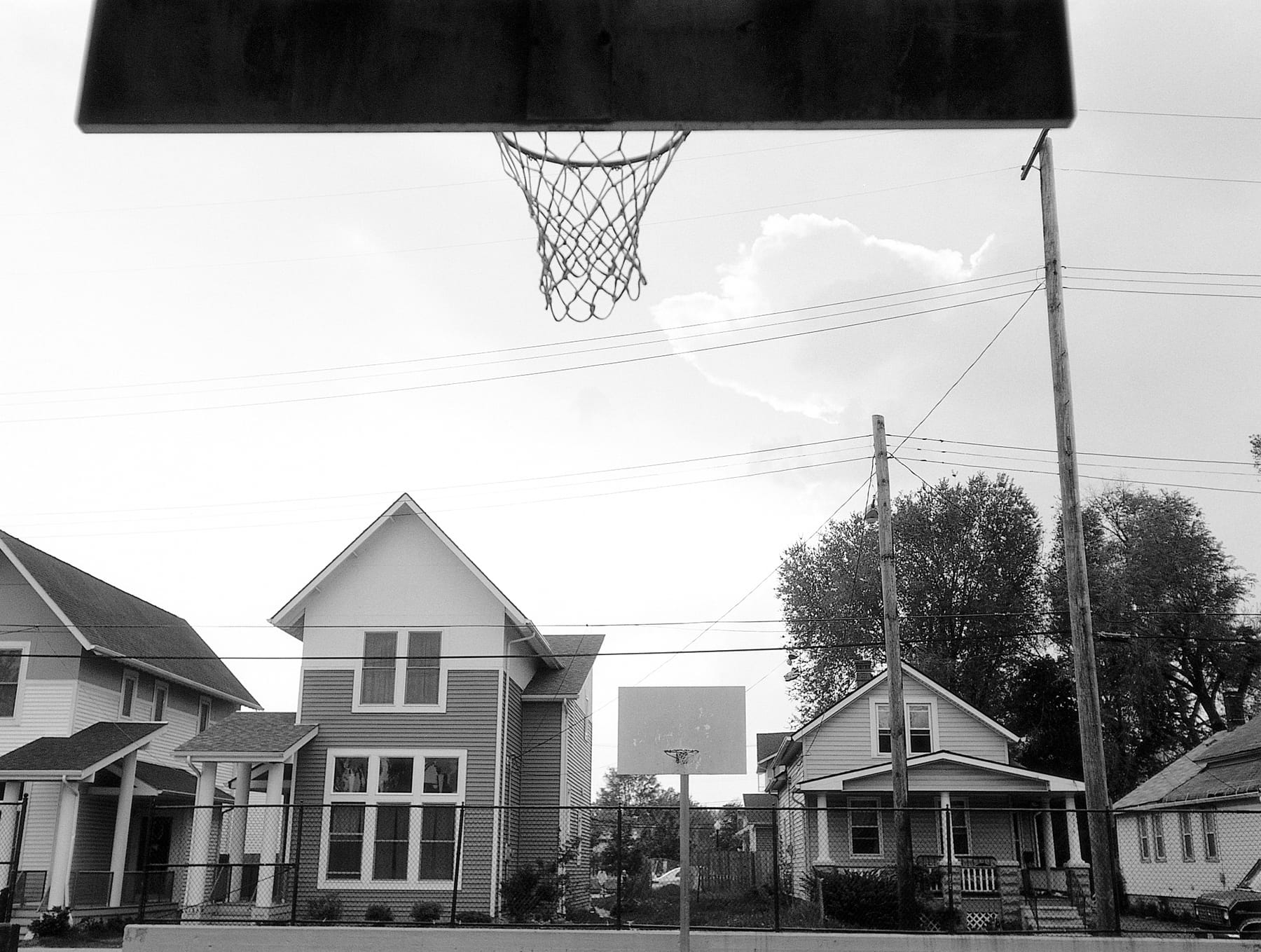
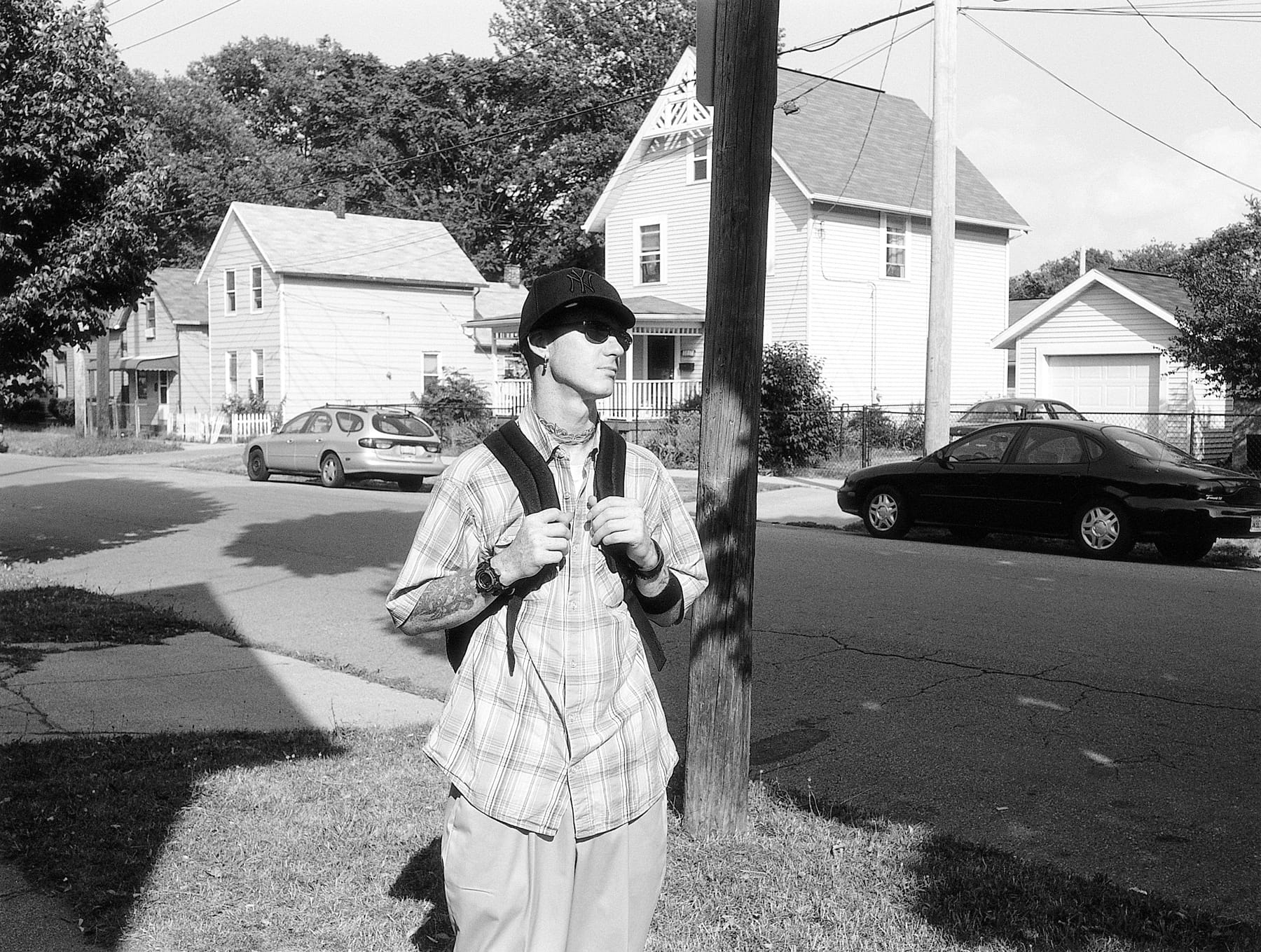
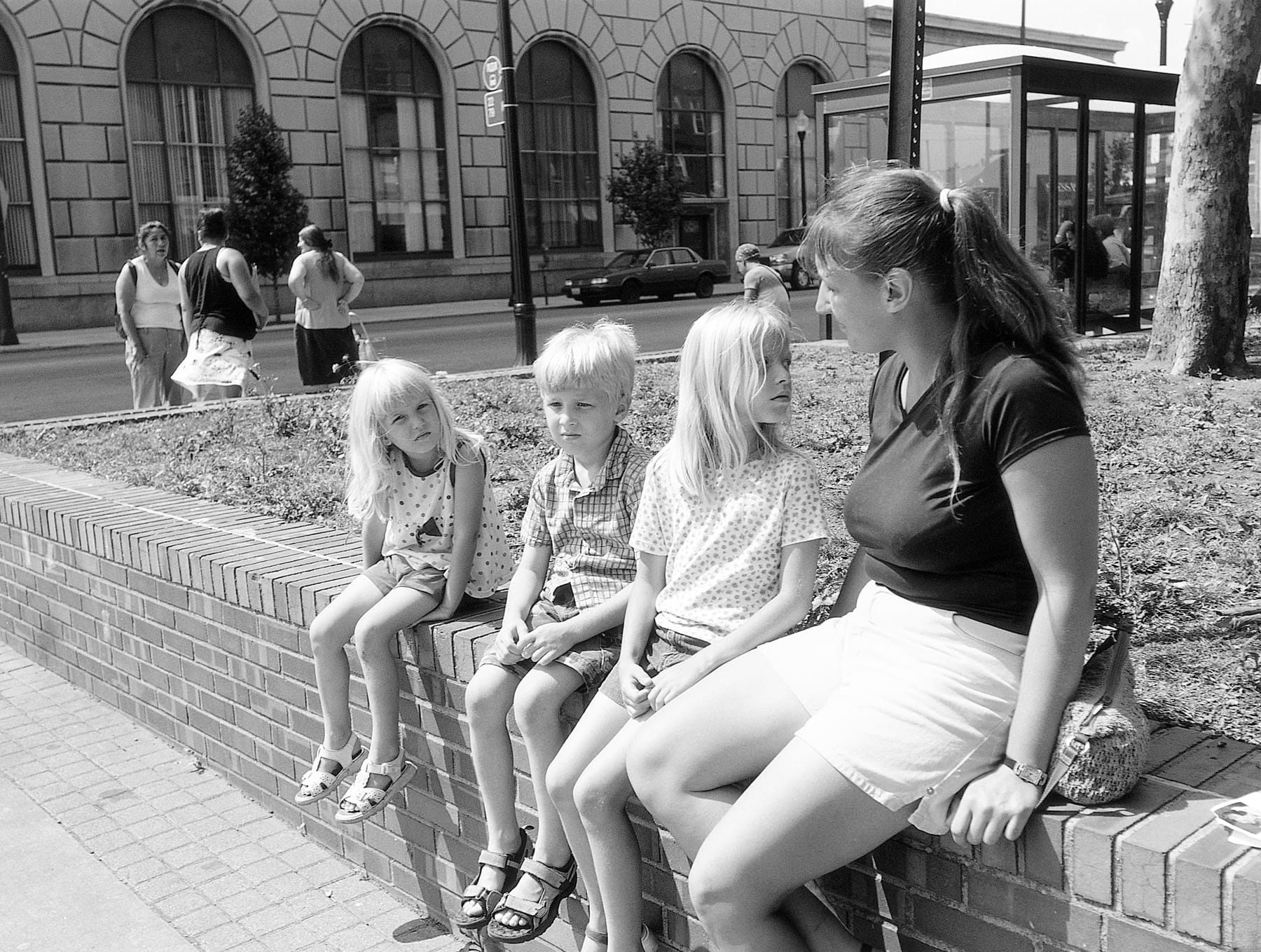
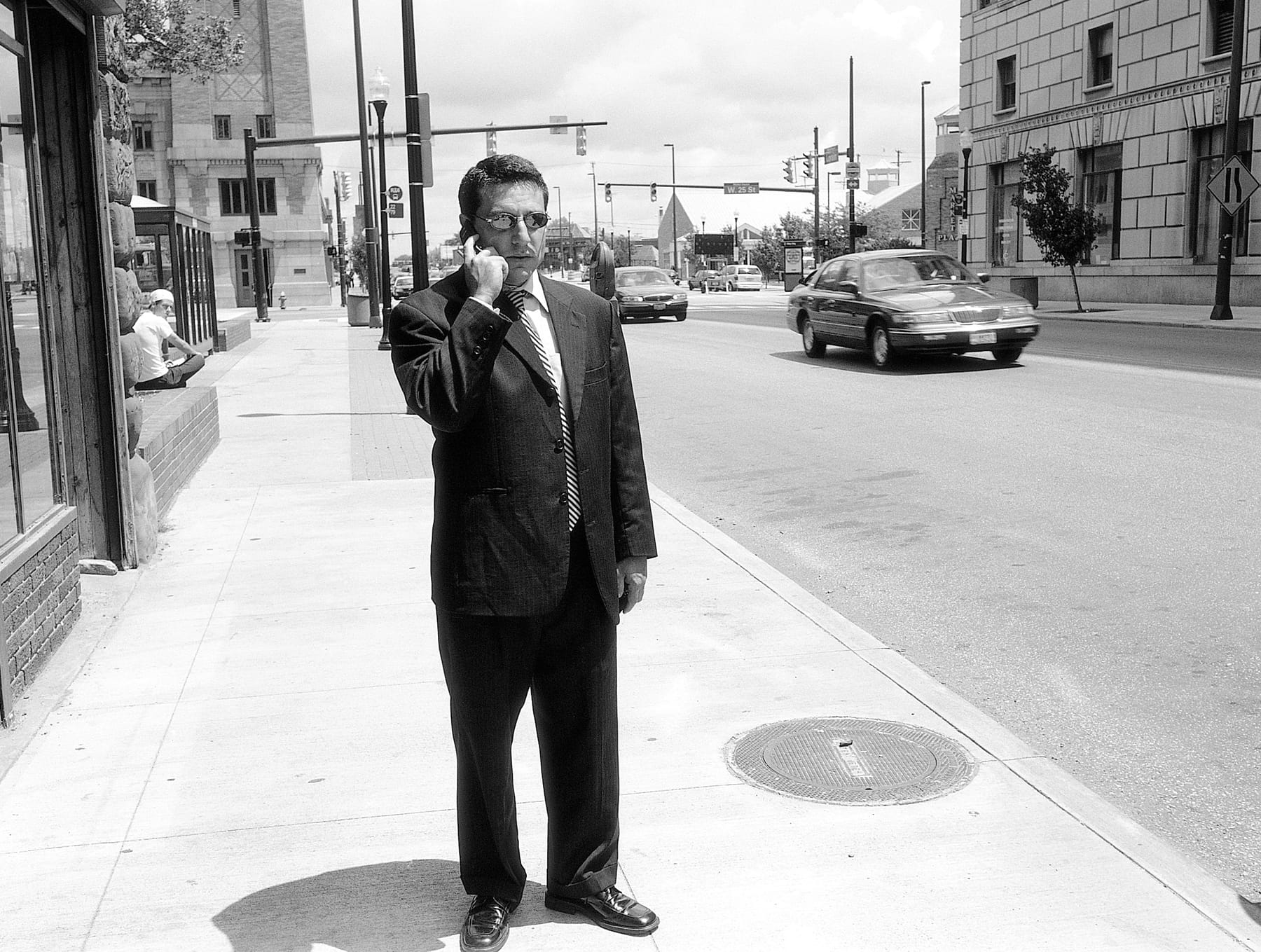
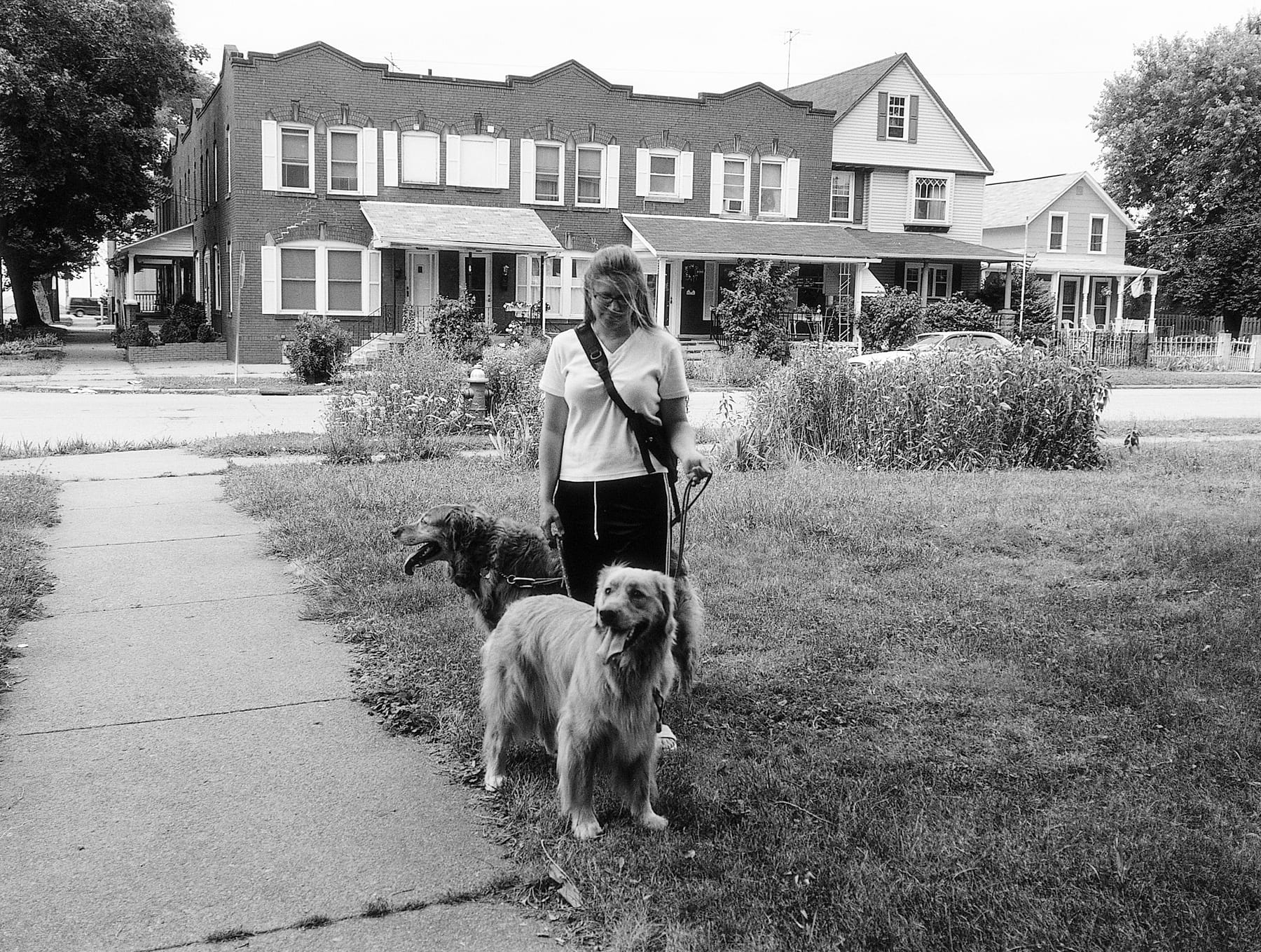
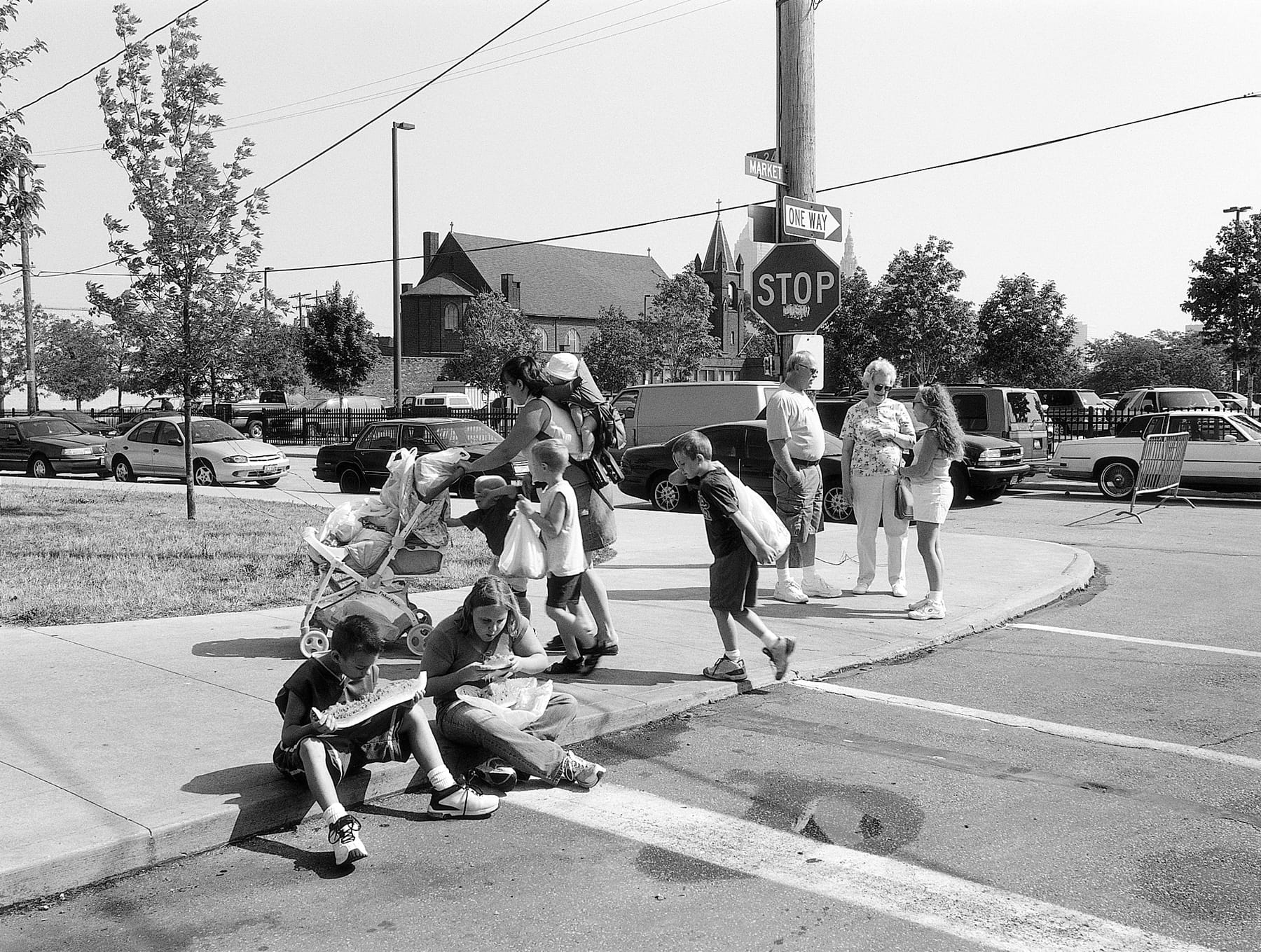
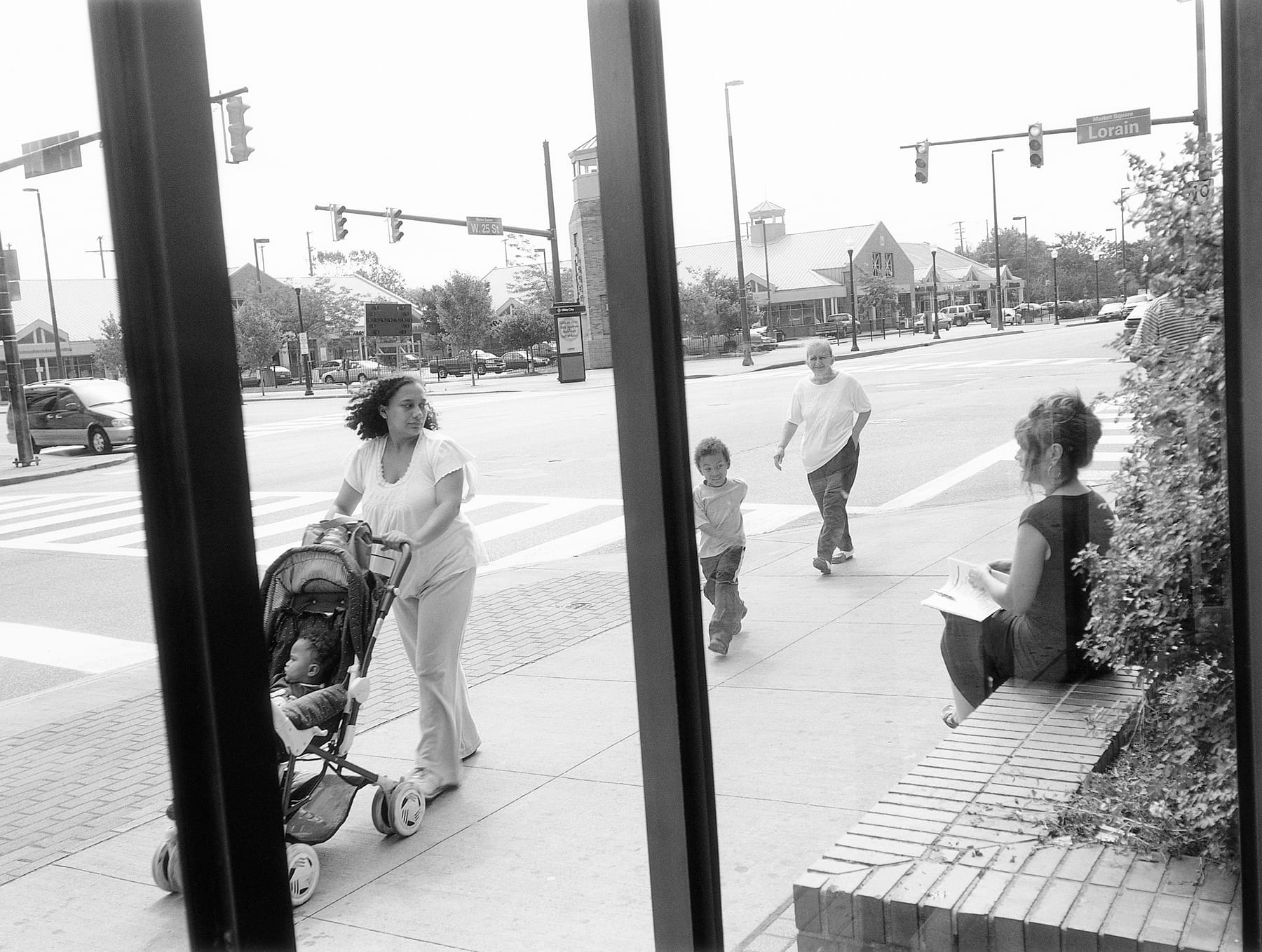
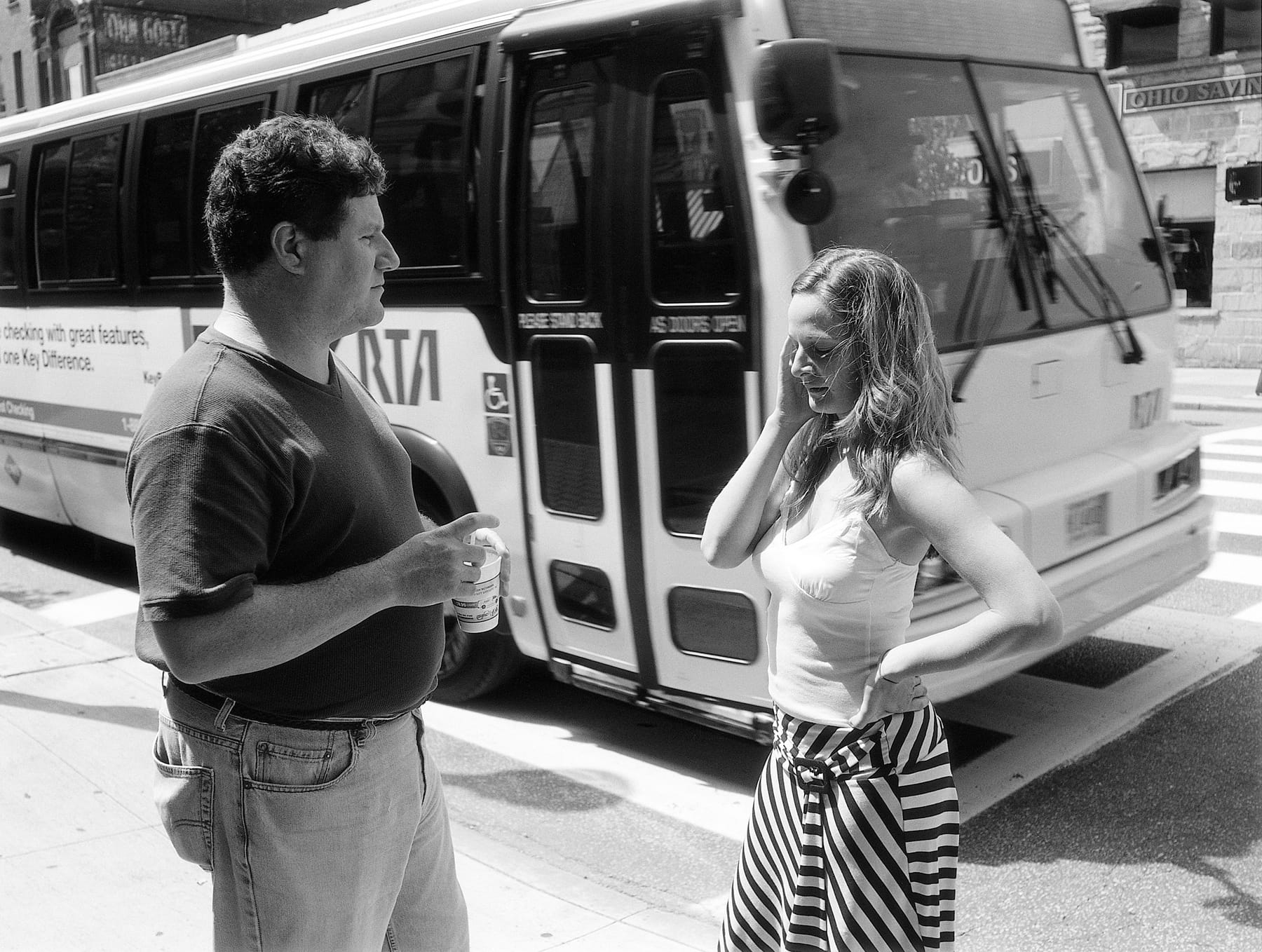
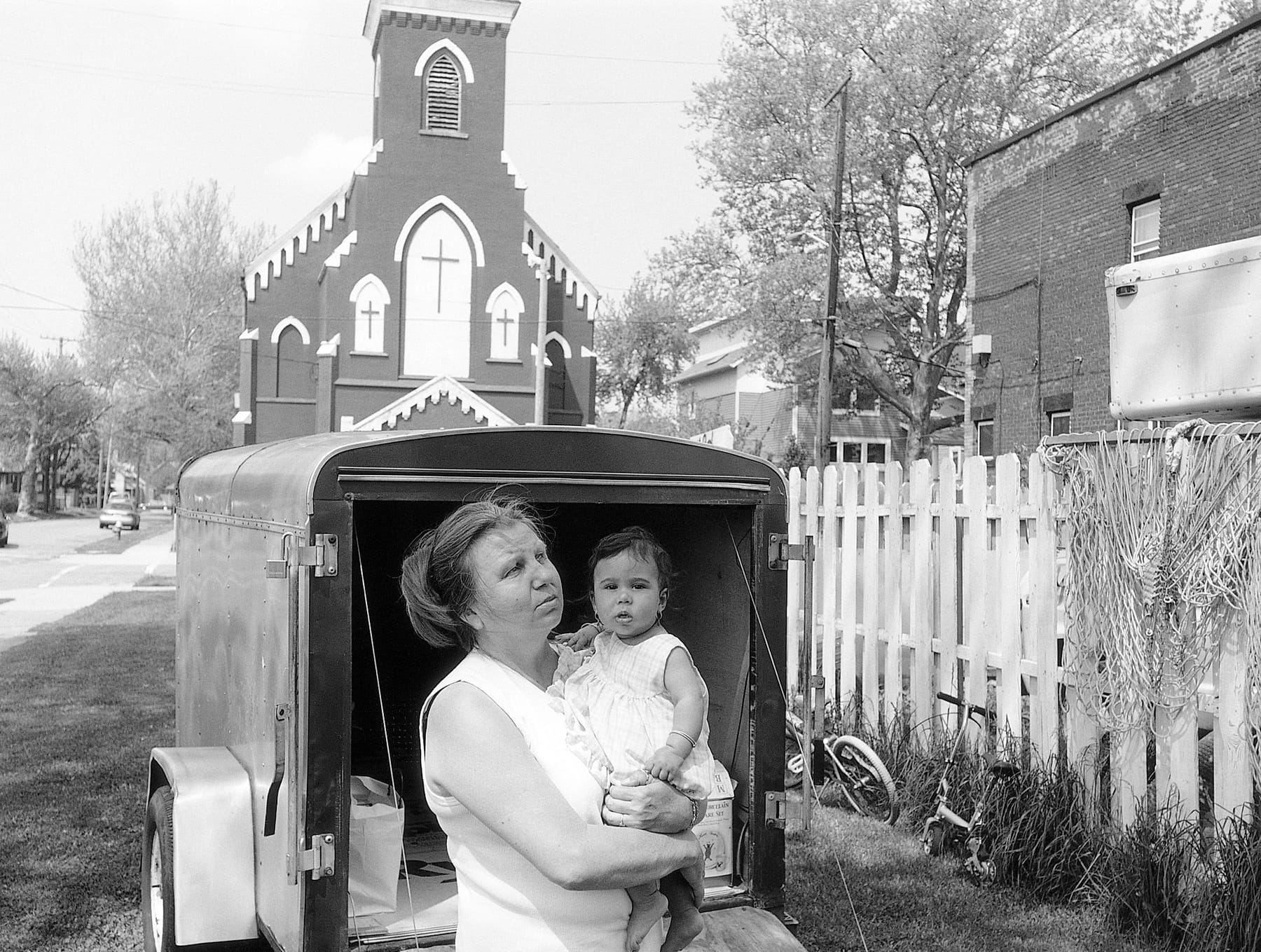
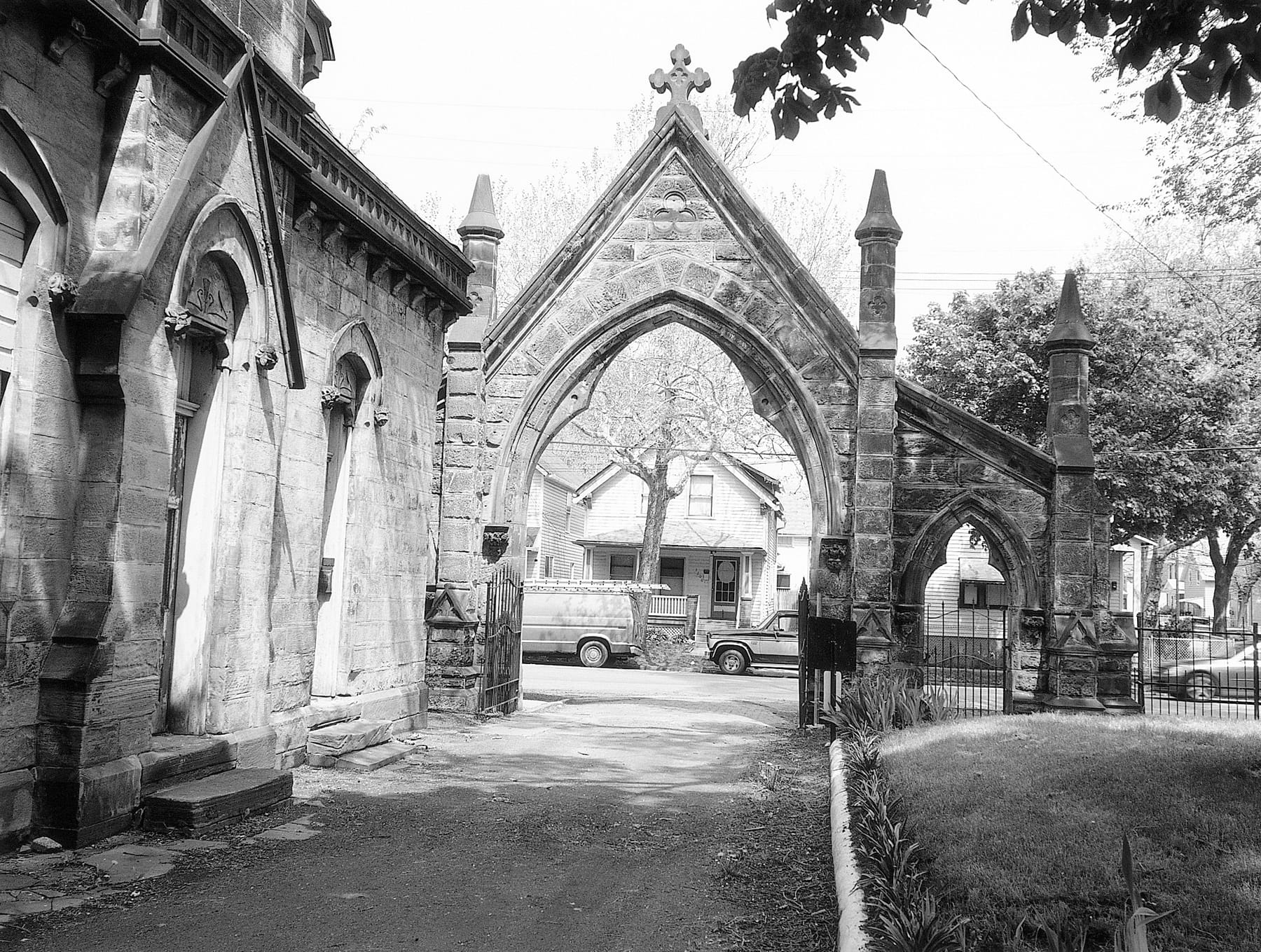
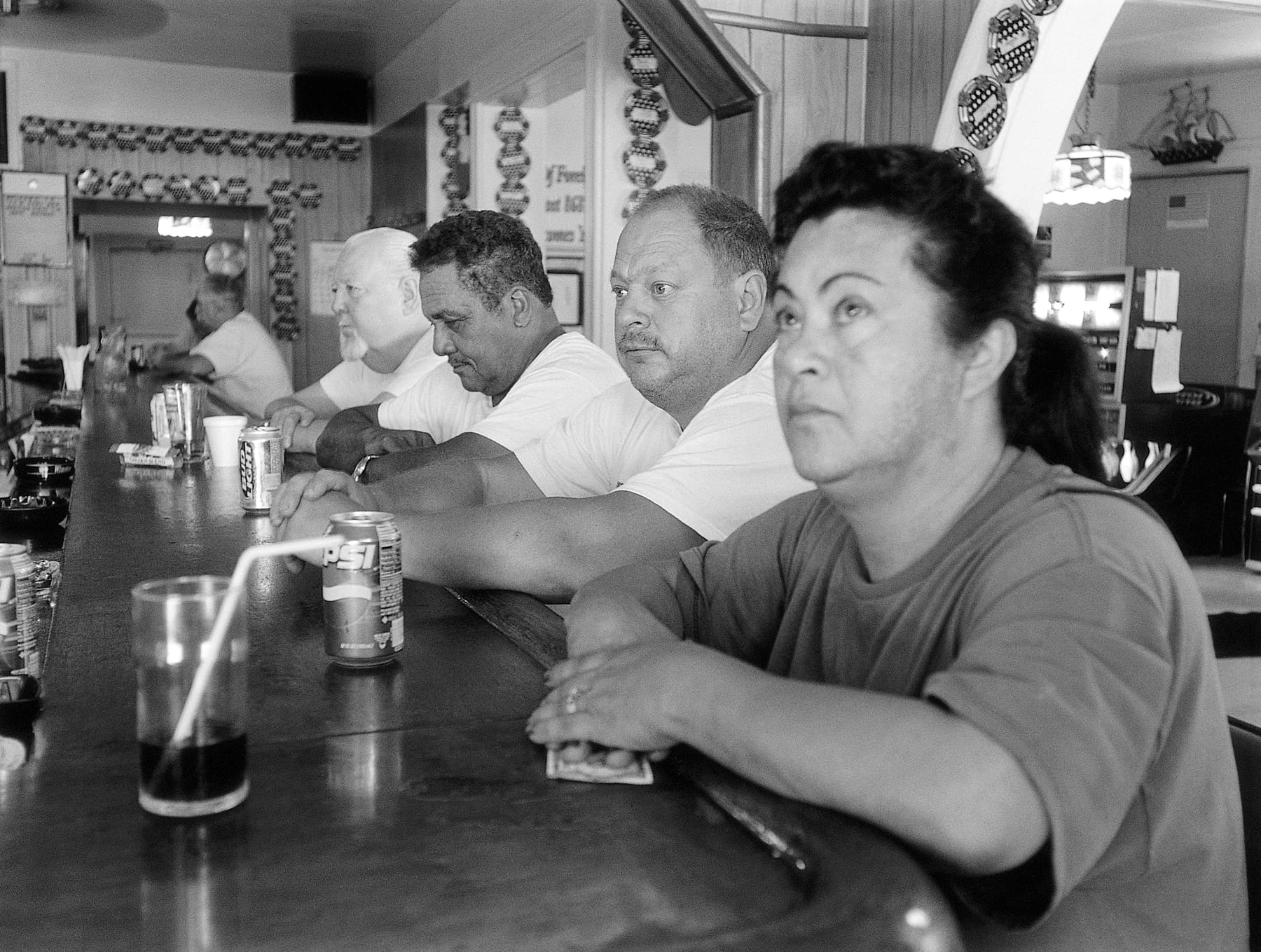
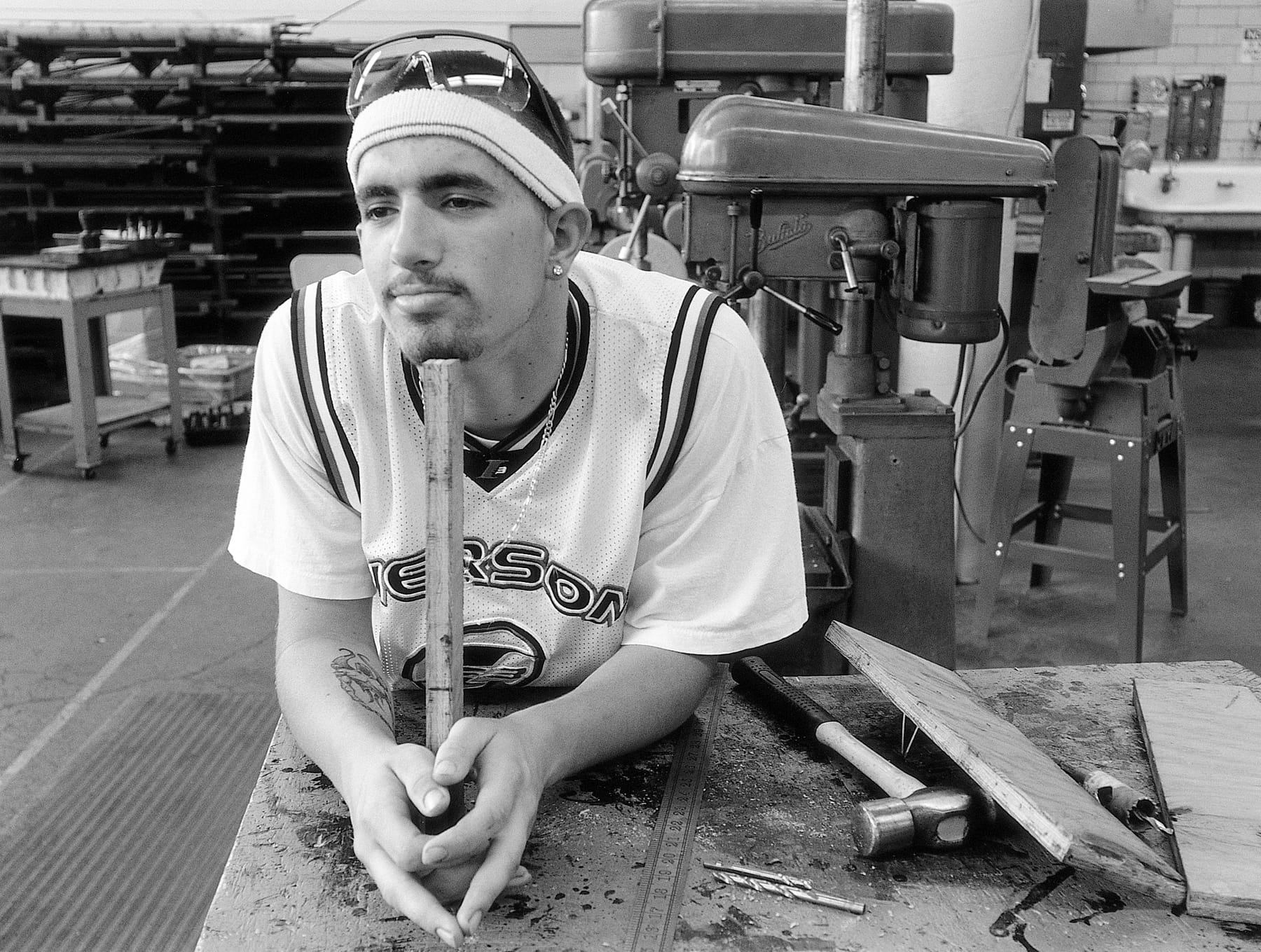
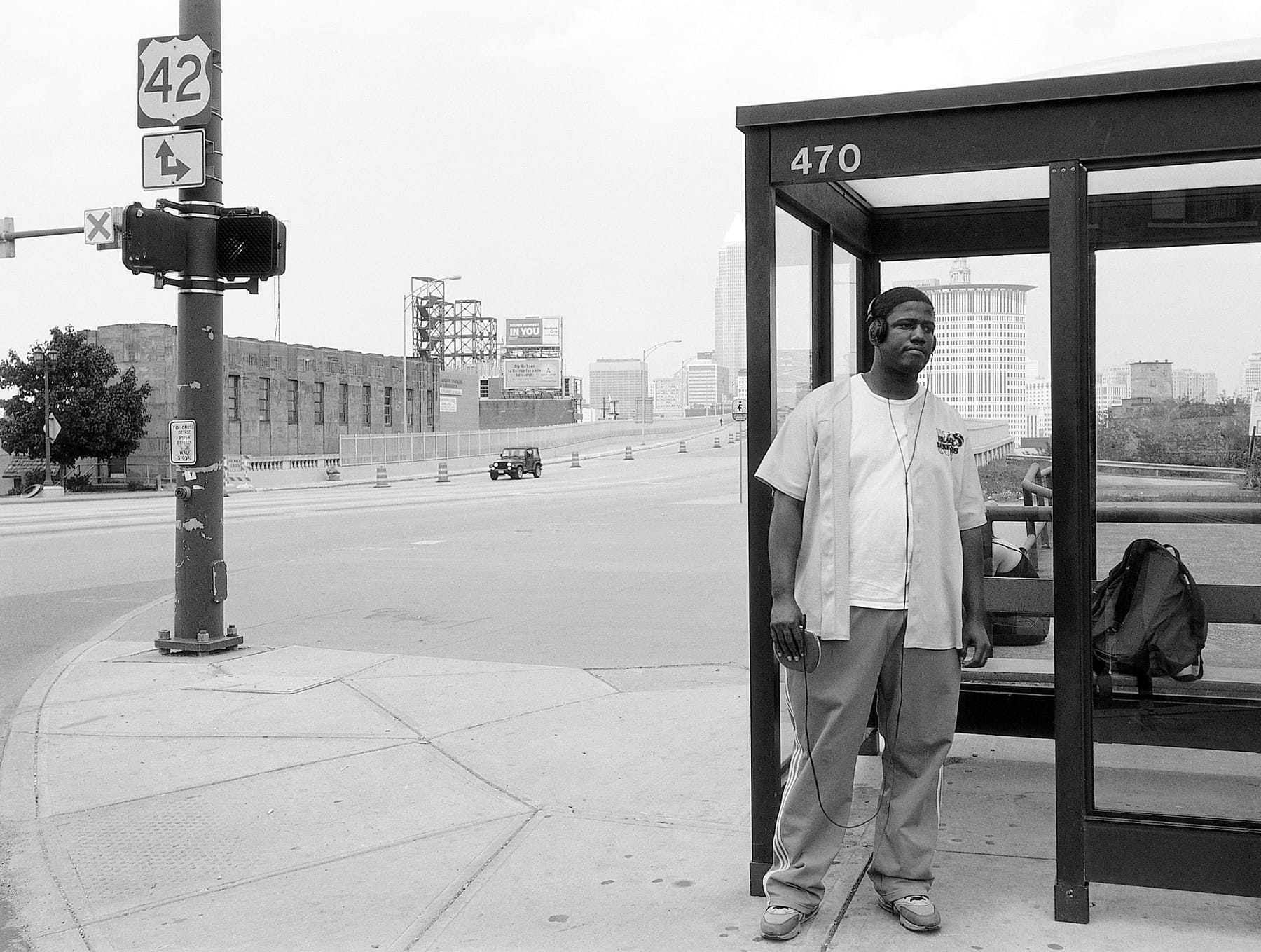
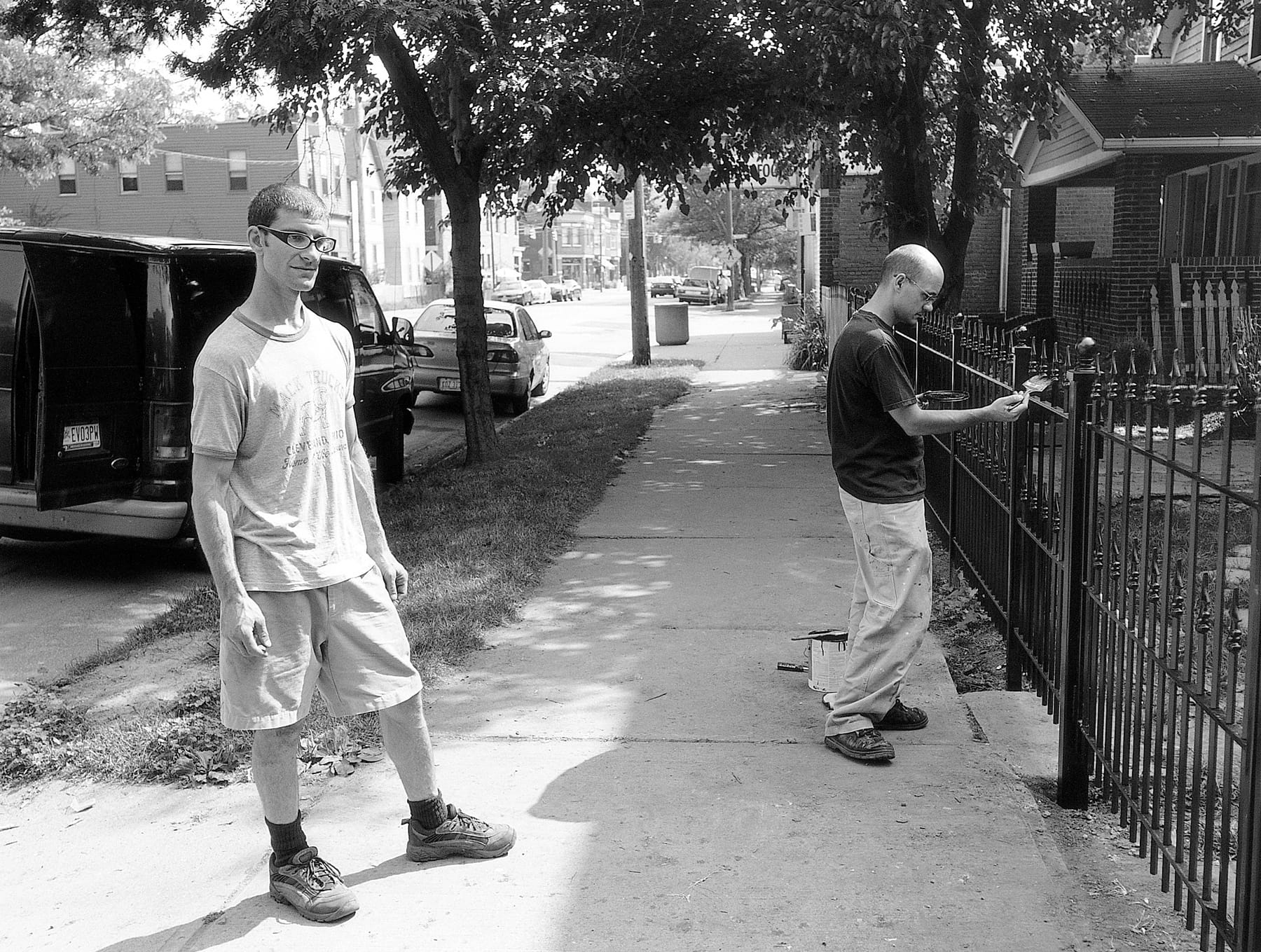
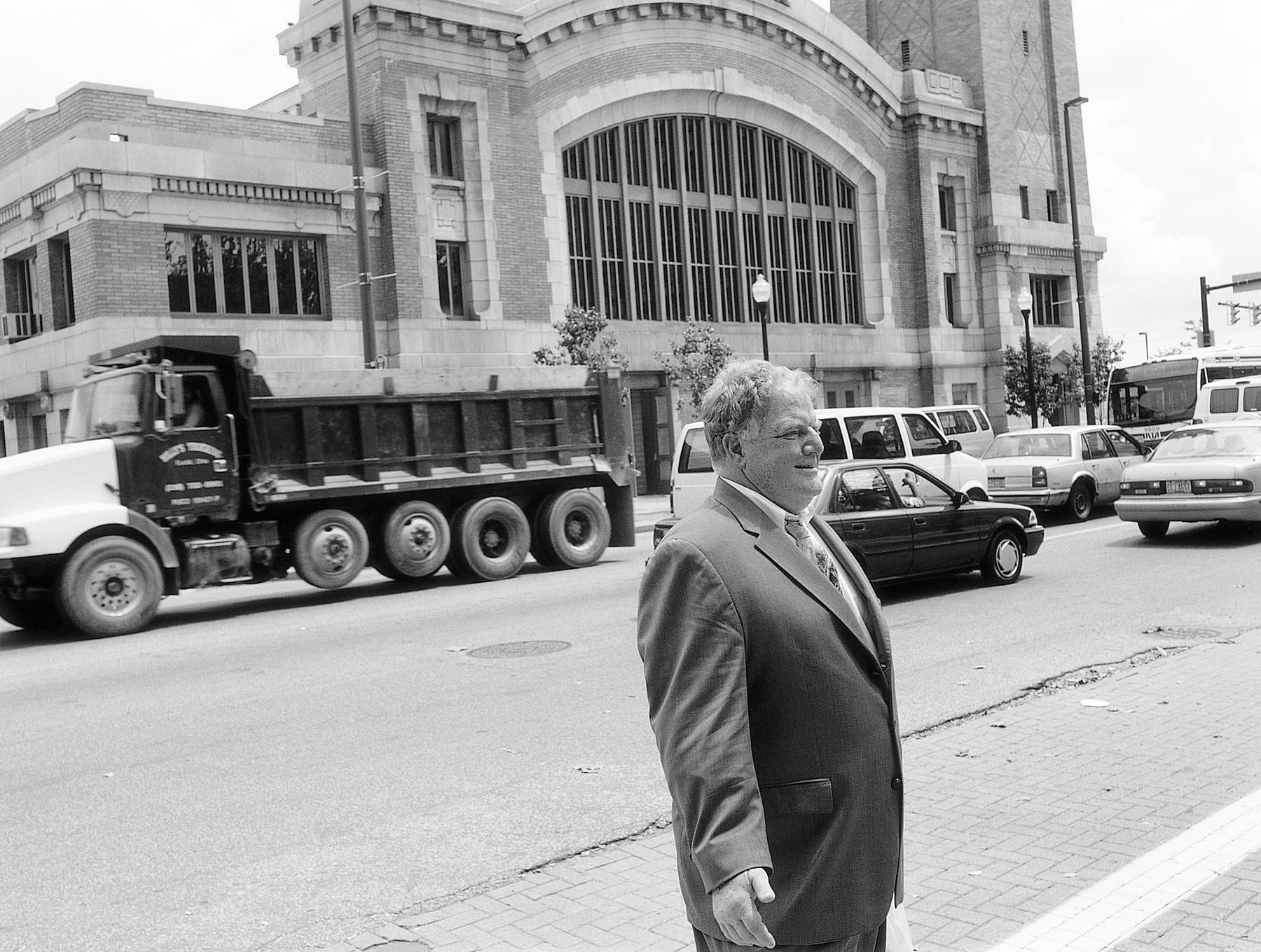
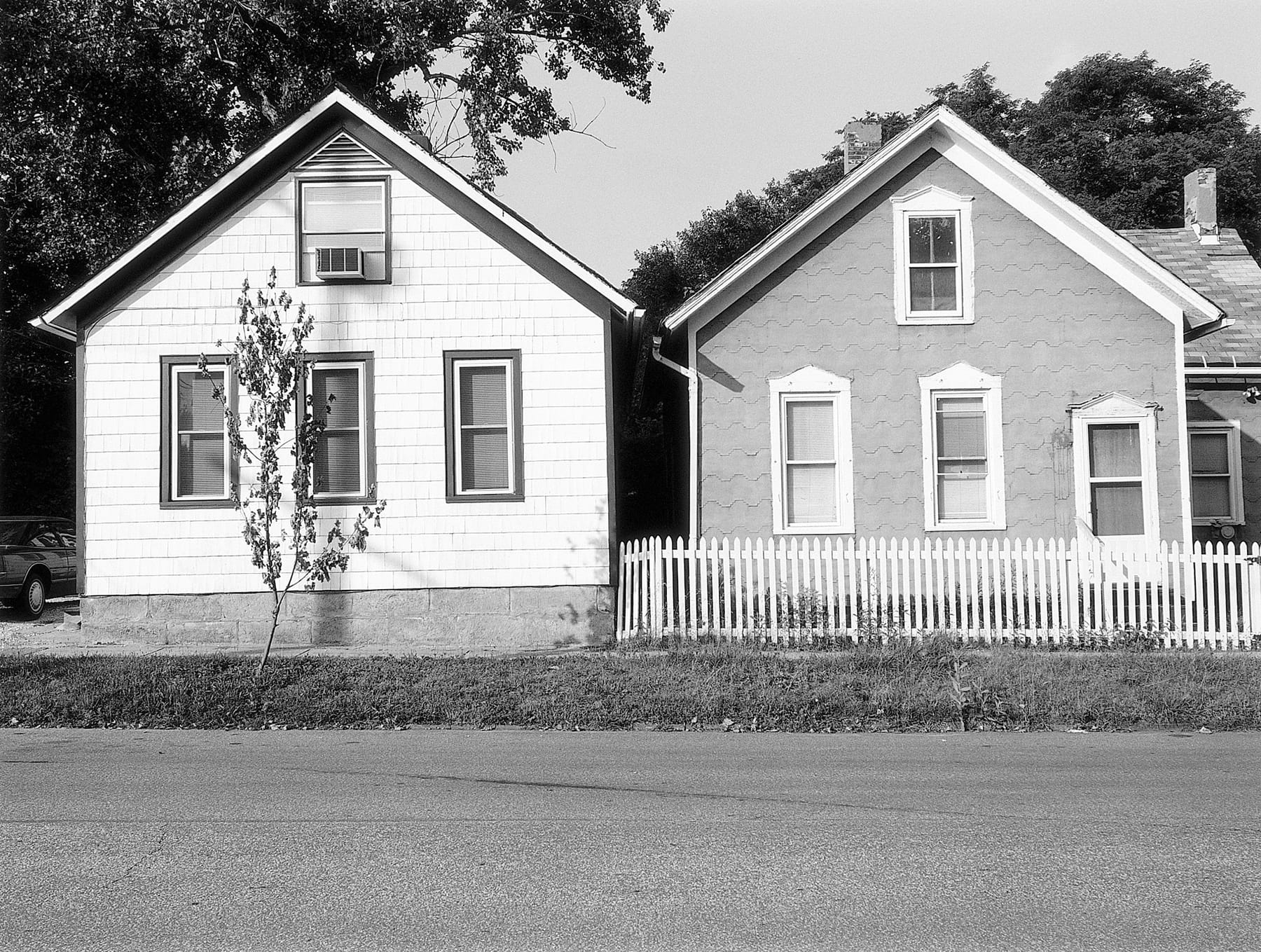
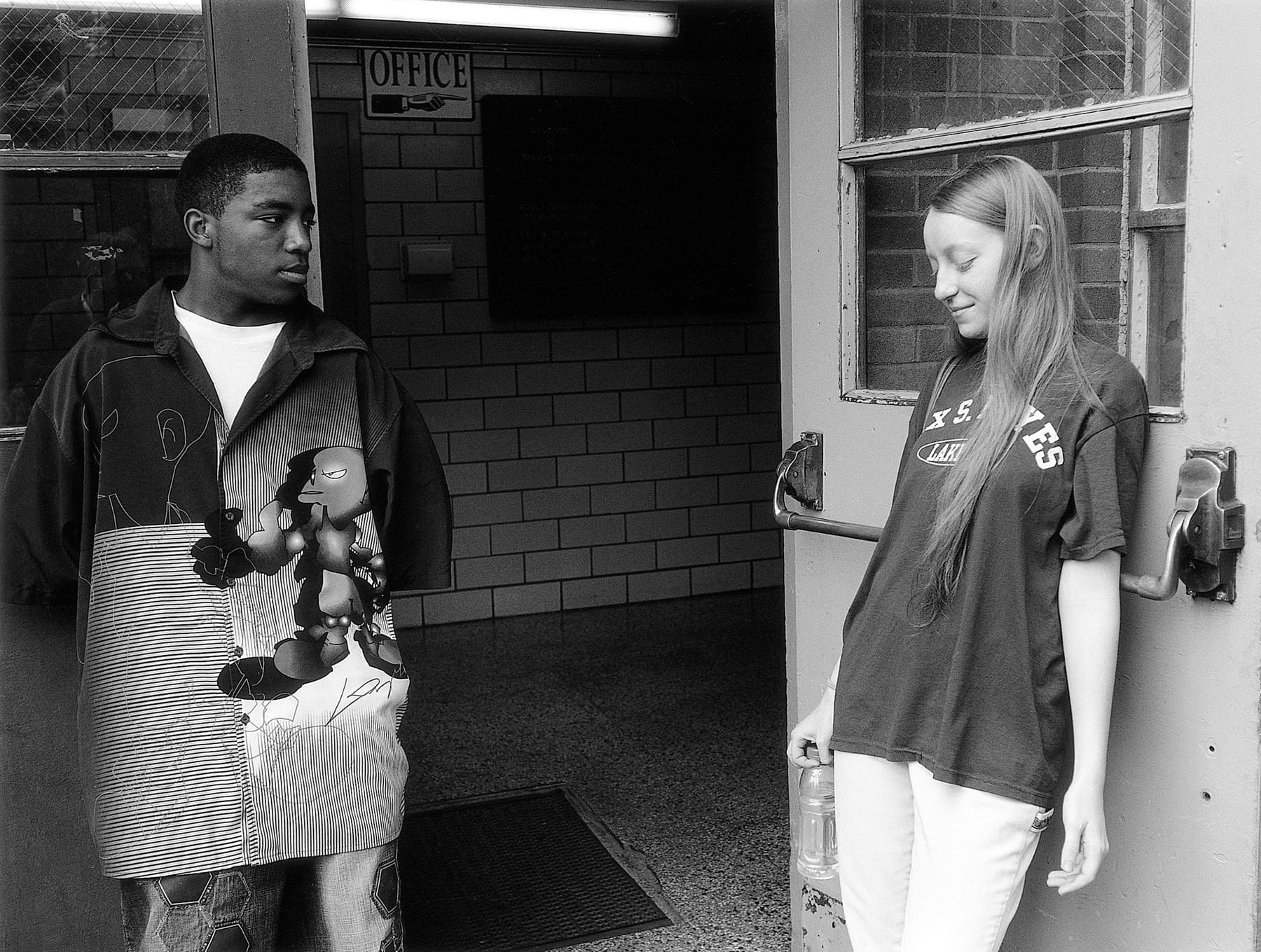
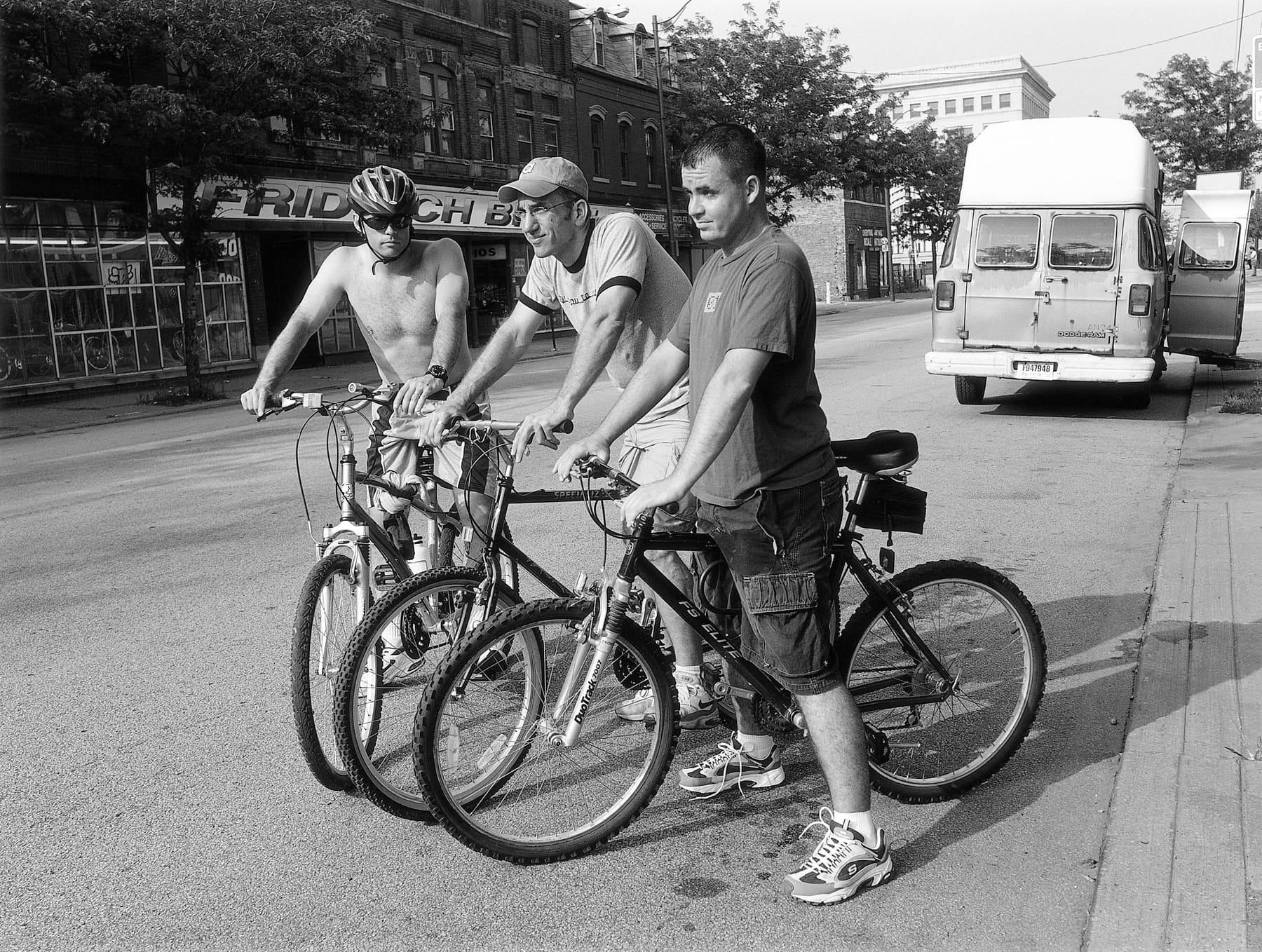
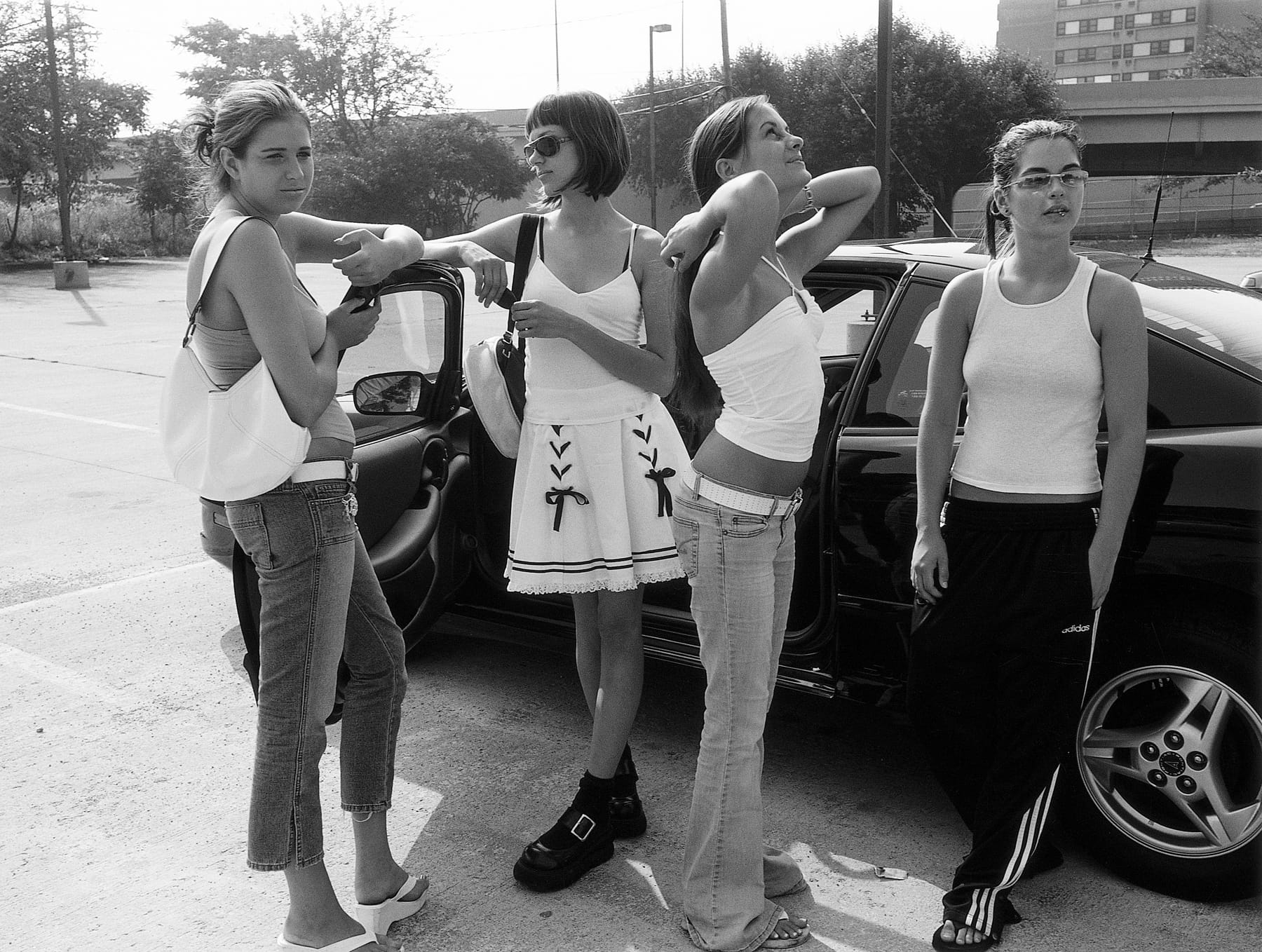
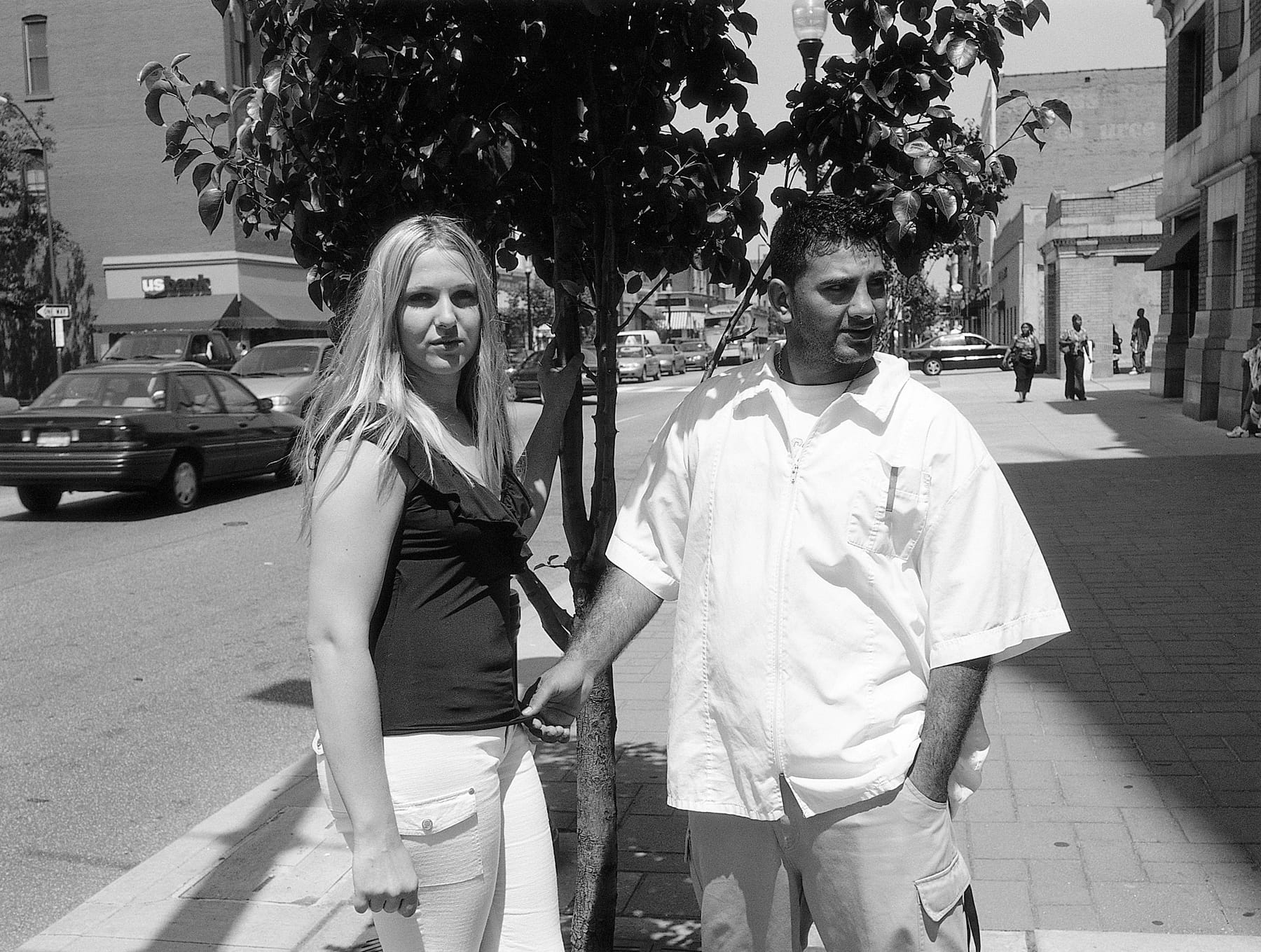
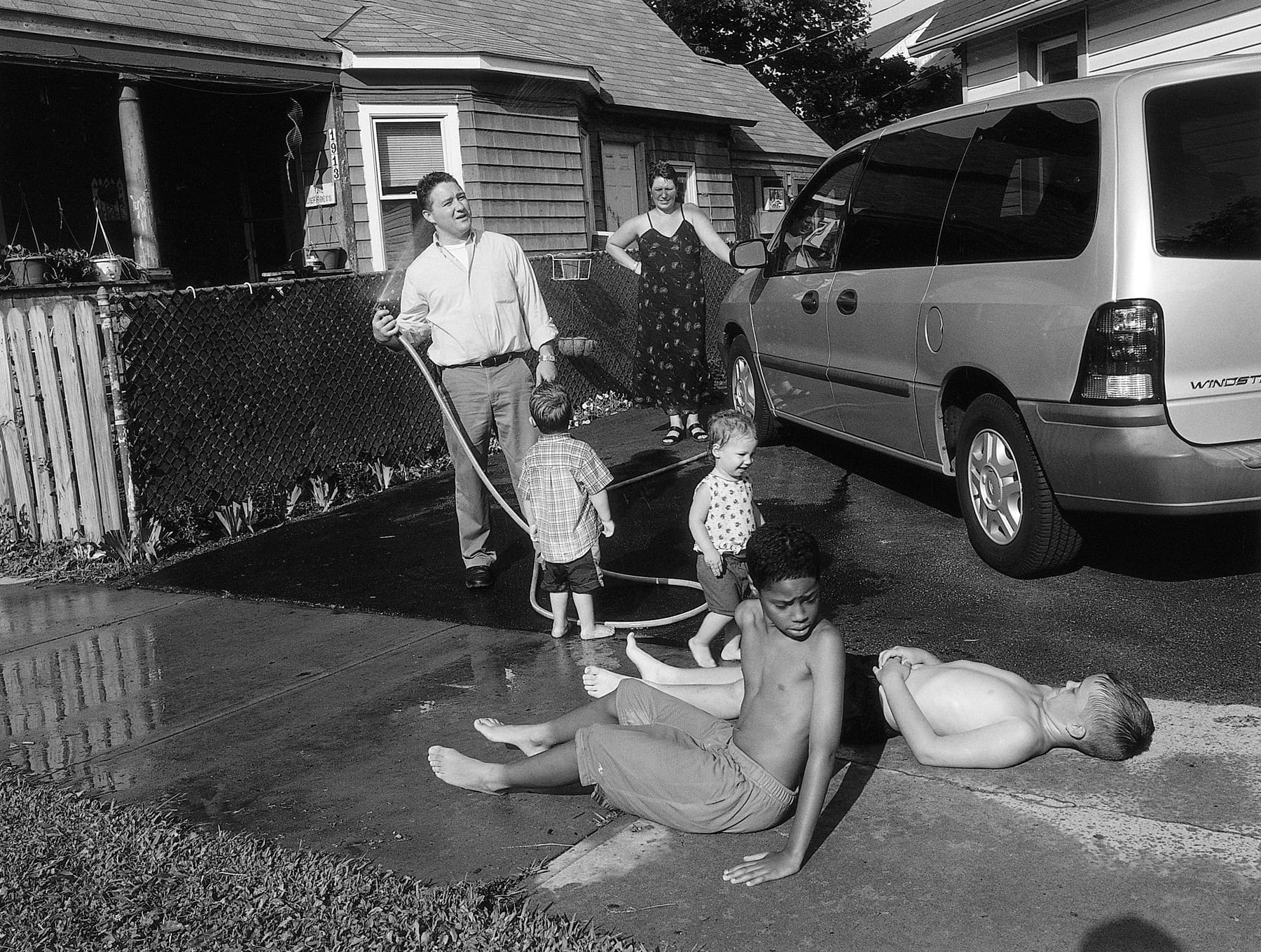
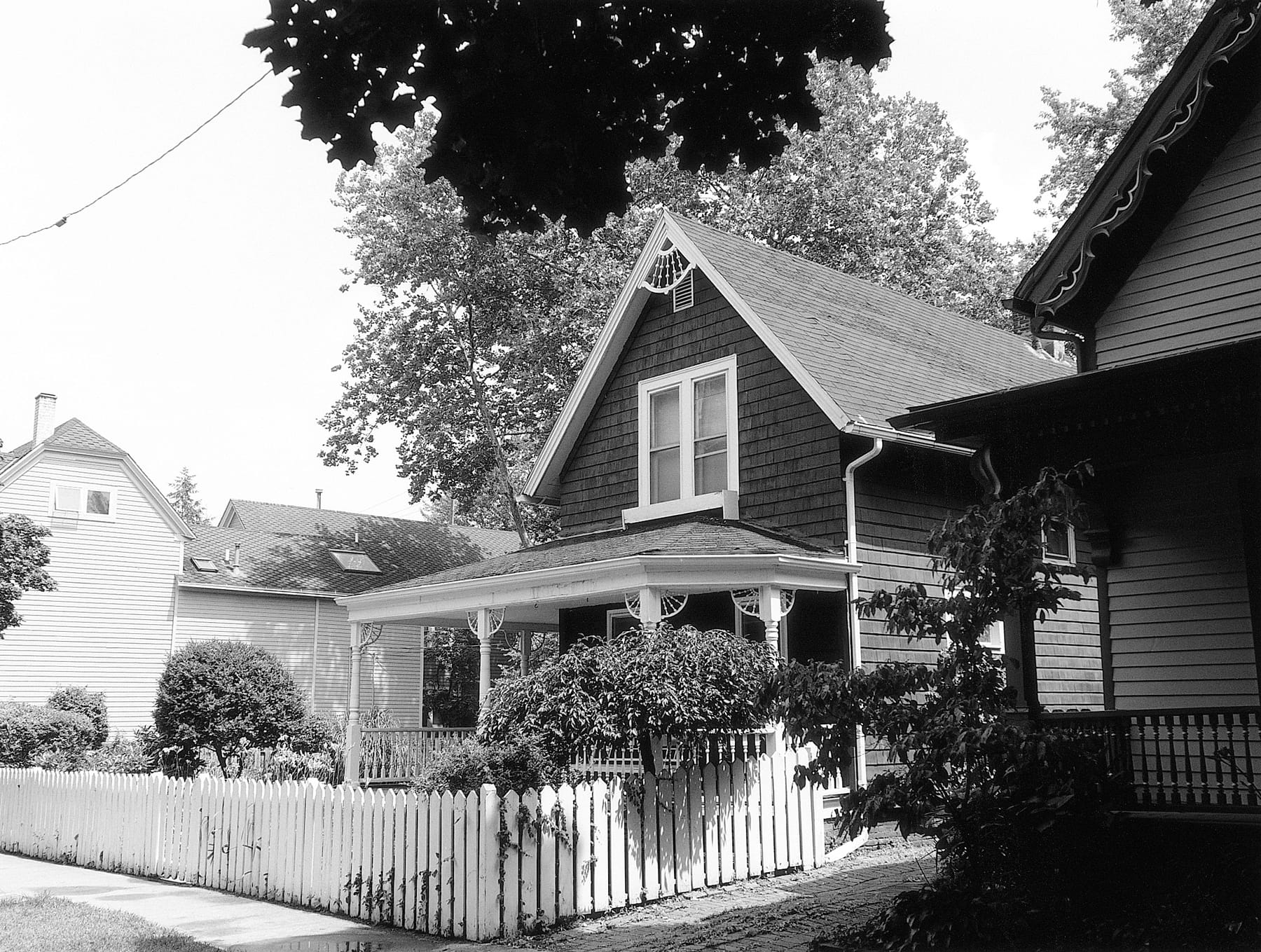
Thomas Roma has given us a fascinating glimpse into life in Ohio City, one of Cleveland’s most diverse, dynamic urban places. The neighborhood, home to some of the area’s early settlers and evocative of an age of economic prowess, is significant in Cleveland’s past. It also is important to our present as home to many nonprofit organizations funded by the Foundation. Ohio City also represents the future we want for our community — a vibrant urban neighborhood that is attractive to many types of people, including workers in the new knowledge-based economy.




Letter from the Executive Director
2004 Annual Report
The photographic essay in this annual report depicts Cleveland’s Ohio City neighborhood through the singular lens of Thomas Roma. Ohio City is one of the city’s most diverse places, and it exuberantly bursts with sights and flavors. It challenges any effort to embrace it within one set of photos.
We commissioned Roma’s essay because Ohio City represents so many of the Foundation’s interests and concerns. Over many years the Foundation has supported scores of organizations, in every one of our program areas, located there. The organizations and their work are themselves worthy of our support, but their presence in a single place suggests the greater importance of Ohio City.
It is a place of history. Once a separate municipality, Ohio City is one of Cleve-land’s most interesting neighborhoods because its dense Victorian housing and narrow streets evoke an era when Cleveland’s economic brawn was virtually unmatched.
It is a place overflowing with social concern. Few neighborhoods are home to so many nonprofit organizations devoted to improving the lives of others. Human services, community development, the environment, arts, education—all of these have their advocates in Ohio City, serving the full diversity of people who live in the neighborhood and beyond.
It is a neighborhood that attracts new urbanists. The devastation of suburban sprawl has taken as severe a toll on Ohio City as other city districts, but three decades ago Ohio City also saw the first stirrings of reinvestment. That trend continues, with all of the complexity and the hope that accompany it.
Each of these characteristics makes Ohio City important—not merely to its residents, but also to the city as a whole and, indeed, to the larger region. Under-standing that importance is especially vital to the expanding appreciation of regionalism. Ohio City’s features—its density, diversity, historic character, proximity to downtown—make it an appealing home for people who have the ability to live anywhere. Many of those people are the entrepreneurs, the knowledge economy workers, the innovators who will drive much of our region’s standing in the global marketplace. Northeast Ohio must pay special attention to its places that appeal to such people. The best of those places are authentic urban neigh-borhoods. Bland sprawl does not attract the inventive people we require; indeed, it repels them.
Special urban spaces—and there are many—need to be nurtured for the sake of the region’s economic competitiveness. This means that the entire region has a stake in the success of neighborhoods like Ohio City. But our deeply fragmented political and governmental structures in Northeast Ohio nearly bar us from seeing that, let alone committing regional resources to it. Doing so in a way that does not exclude long-time residents and those with fewer choices than the new economy’s workers is one of the real challenges of life in a vibrant urban setting. Yet, this too is as much a regional issue as it is a neighborhood concern. The demands of equity and justice cannot be confined to a single neighborhood. The very reasons why so many disadvantaged people reside in the central city are regional—suburban sprawl across a welter of political jurisdictions, exclusionary zoning, the near total absence of meaningful regional planning and so forth. Ways must be found to discuss and address these issues on a regional basis for the sake of the city, of the region, of us all.
Ohio City is just one of the extraordinary locations in this region’s urban centers that merit renewed attention and investment. They embody much of our worthwhile past, and, if we take a closer look, we will realize that they also can be a key to our future.

David Abbott, Executive Director of The George Gund Foundation