
Arts as Political Activism
Accra Shepp (2017)
Photography
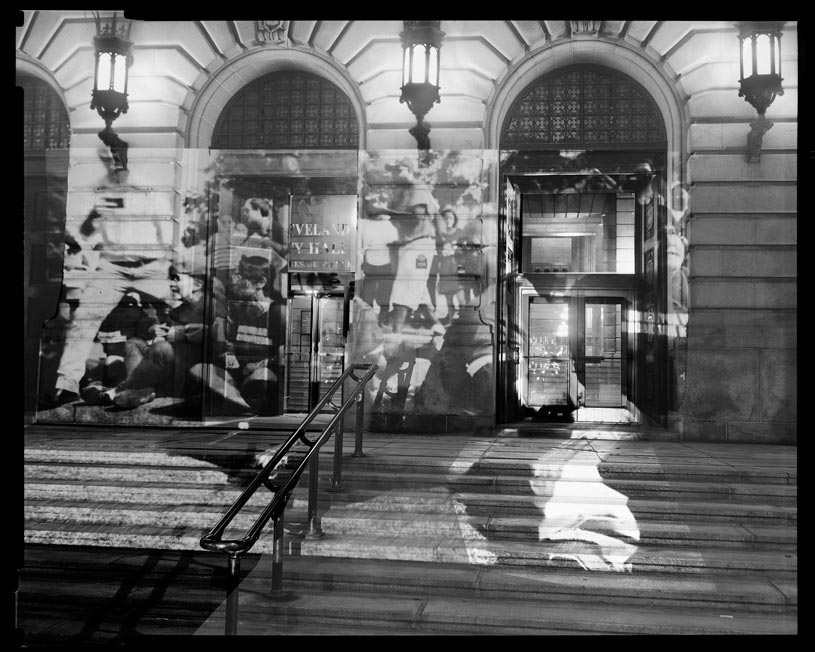
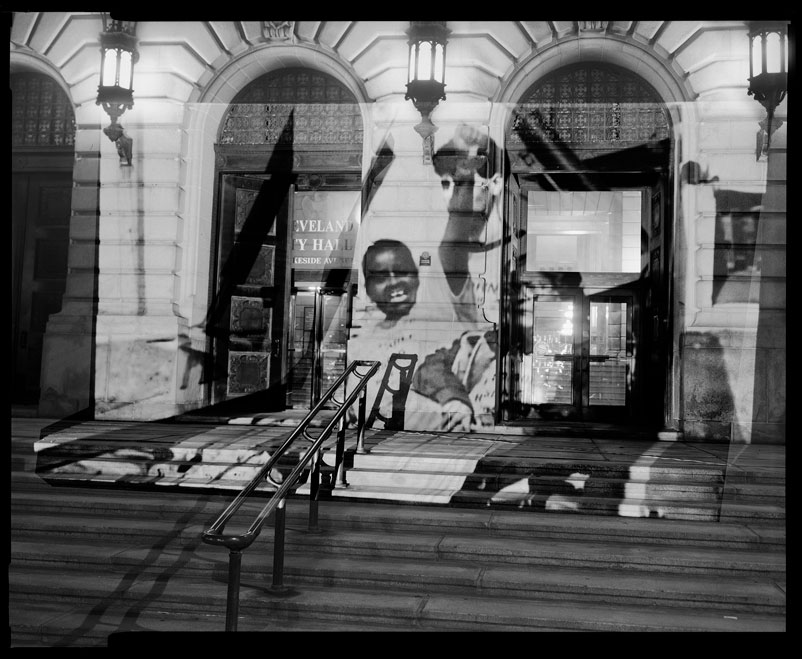
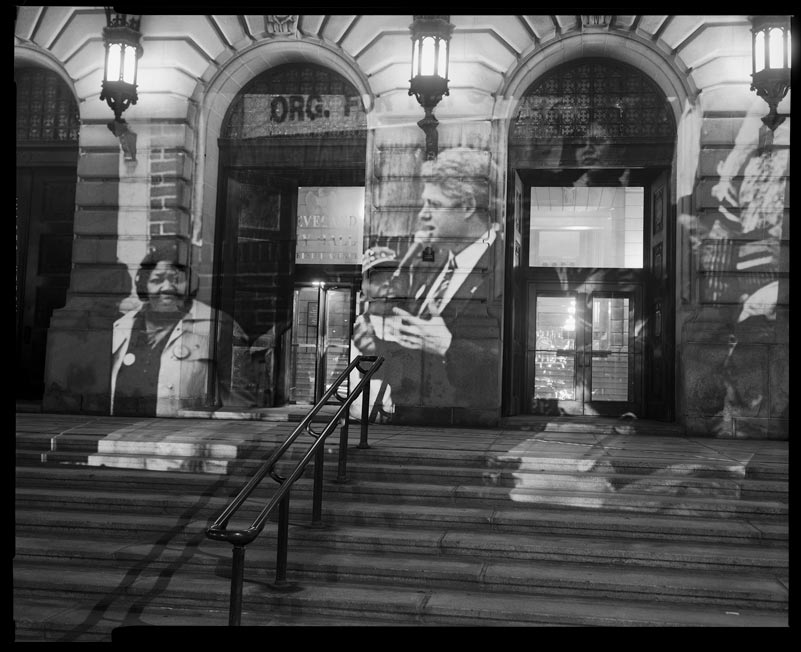
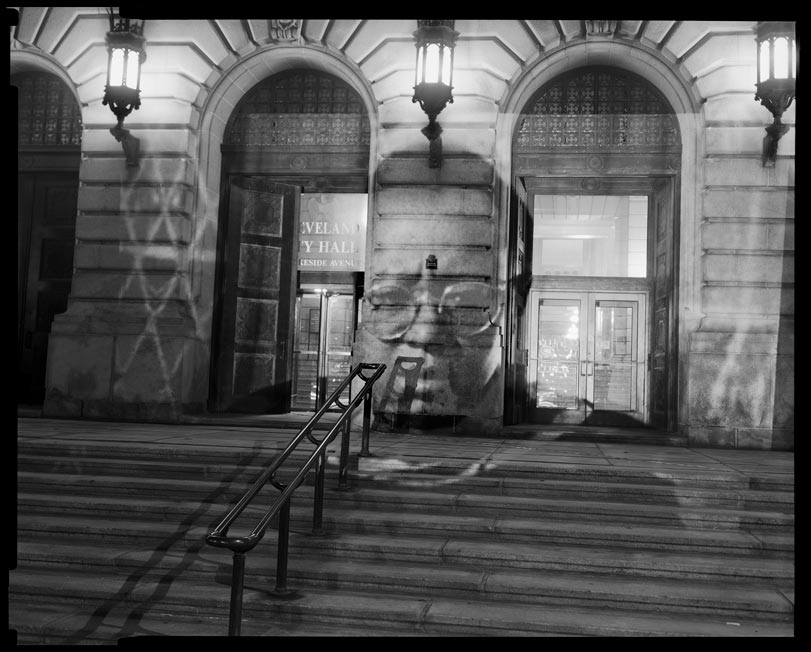
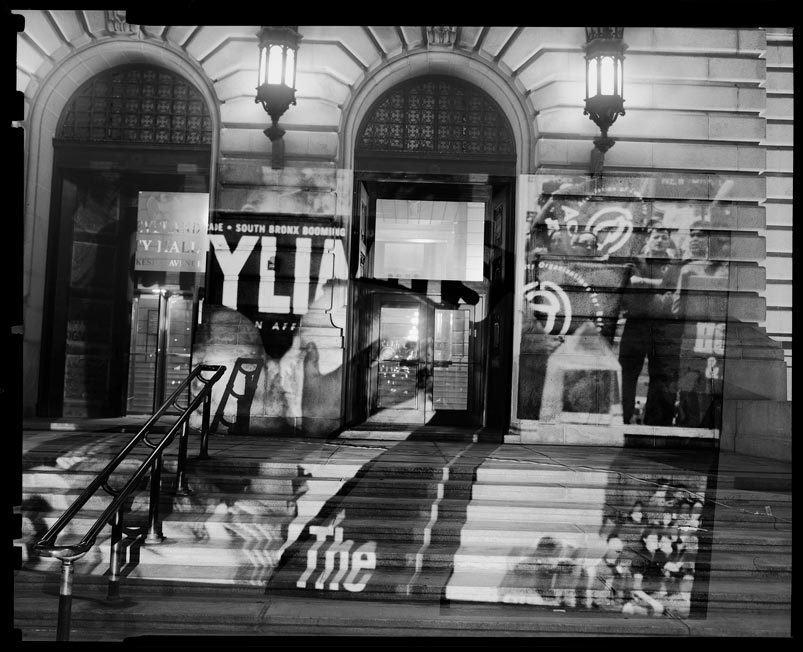
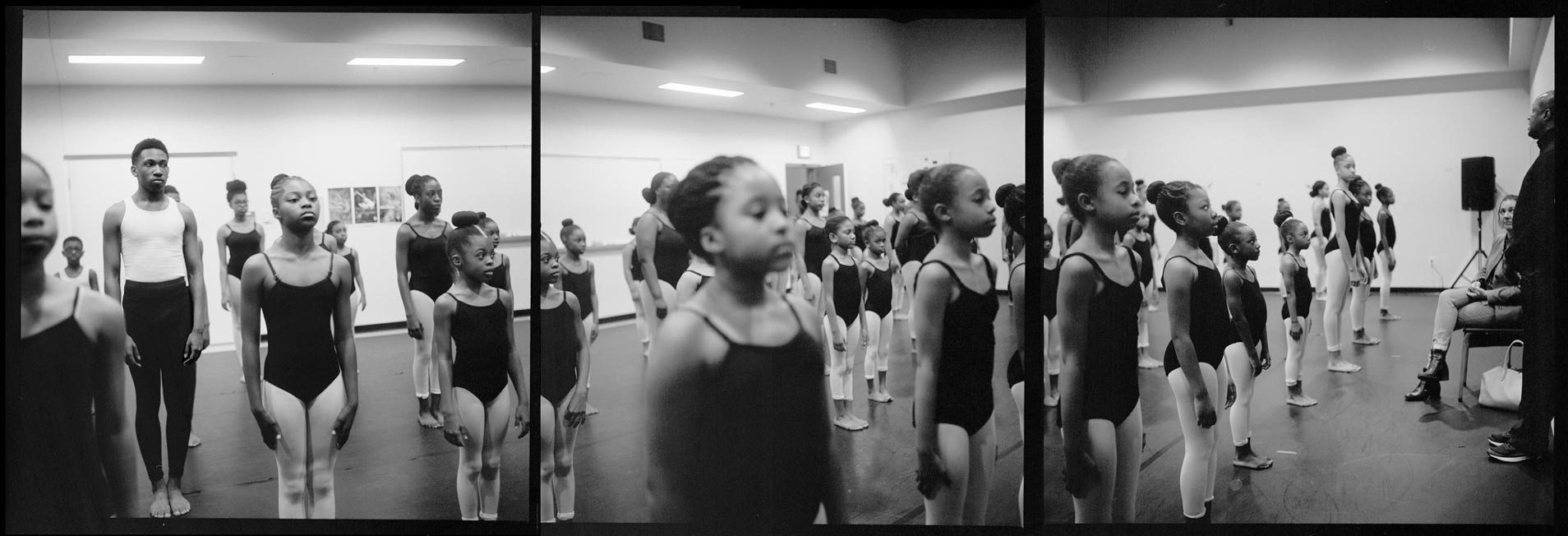
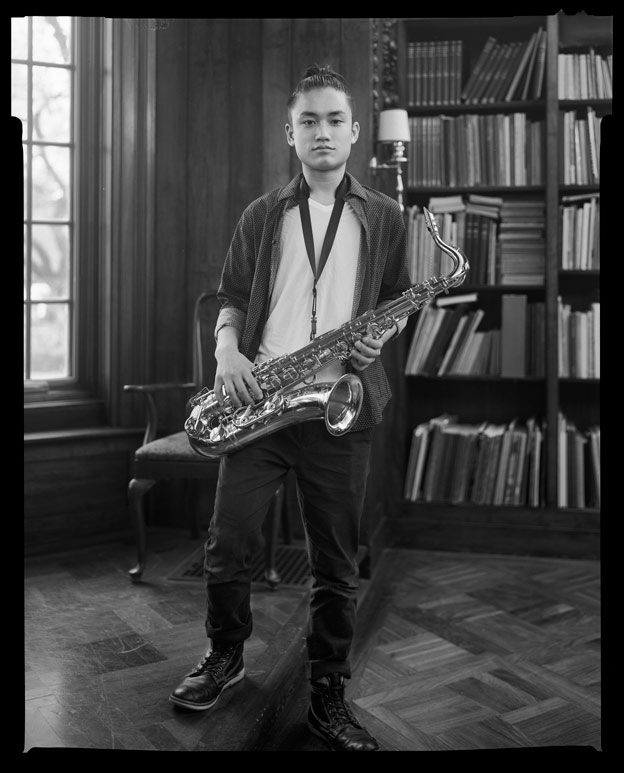
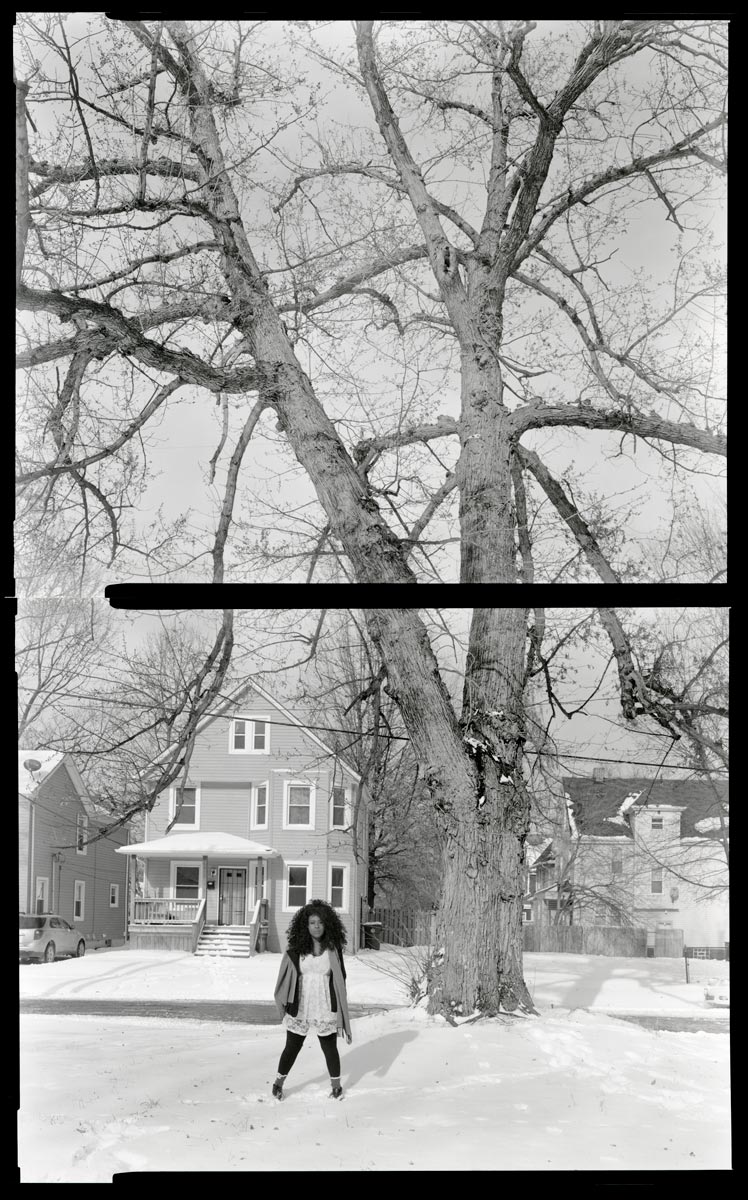
At a time when democracy was being severely challenged in America and abroad, The George Gund Foundation’s 2017 annual report and photo commission focused on the role of arts as political activism.
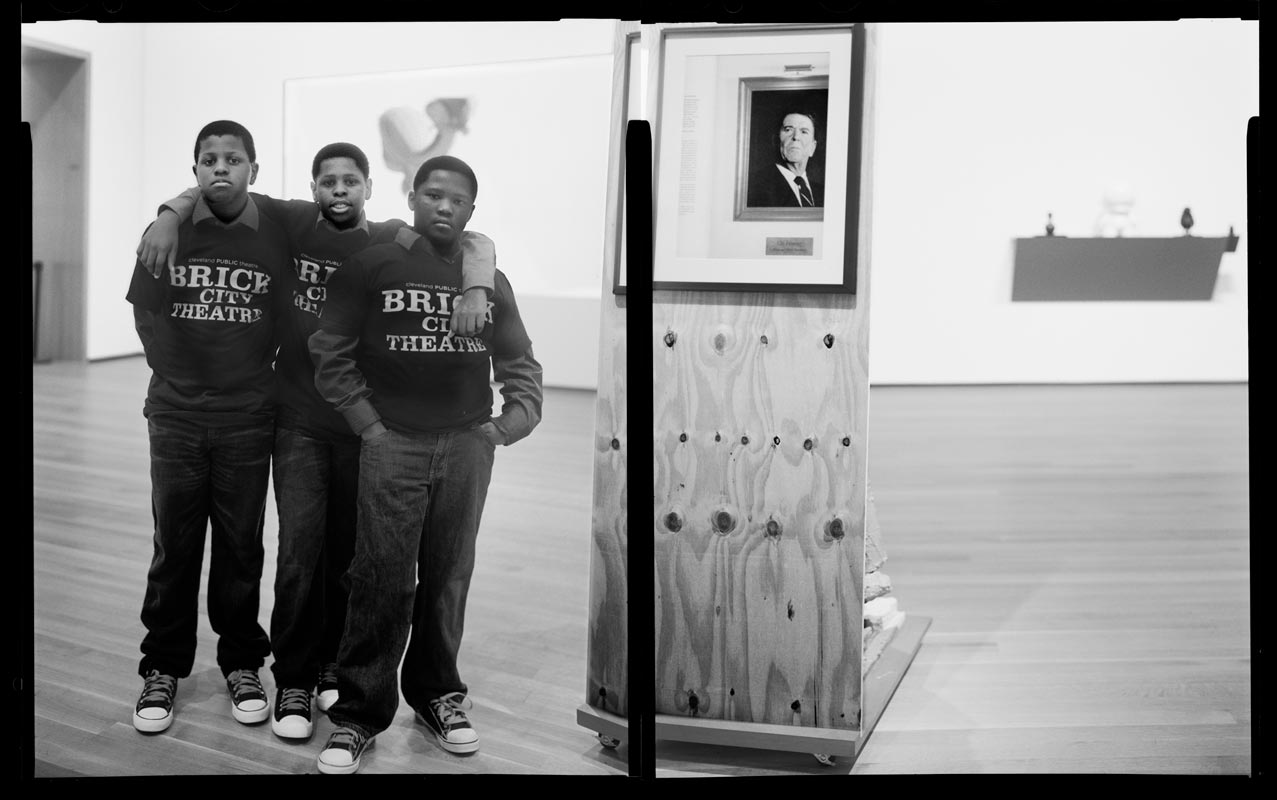
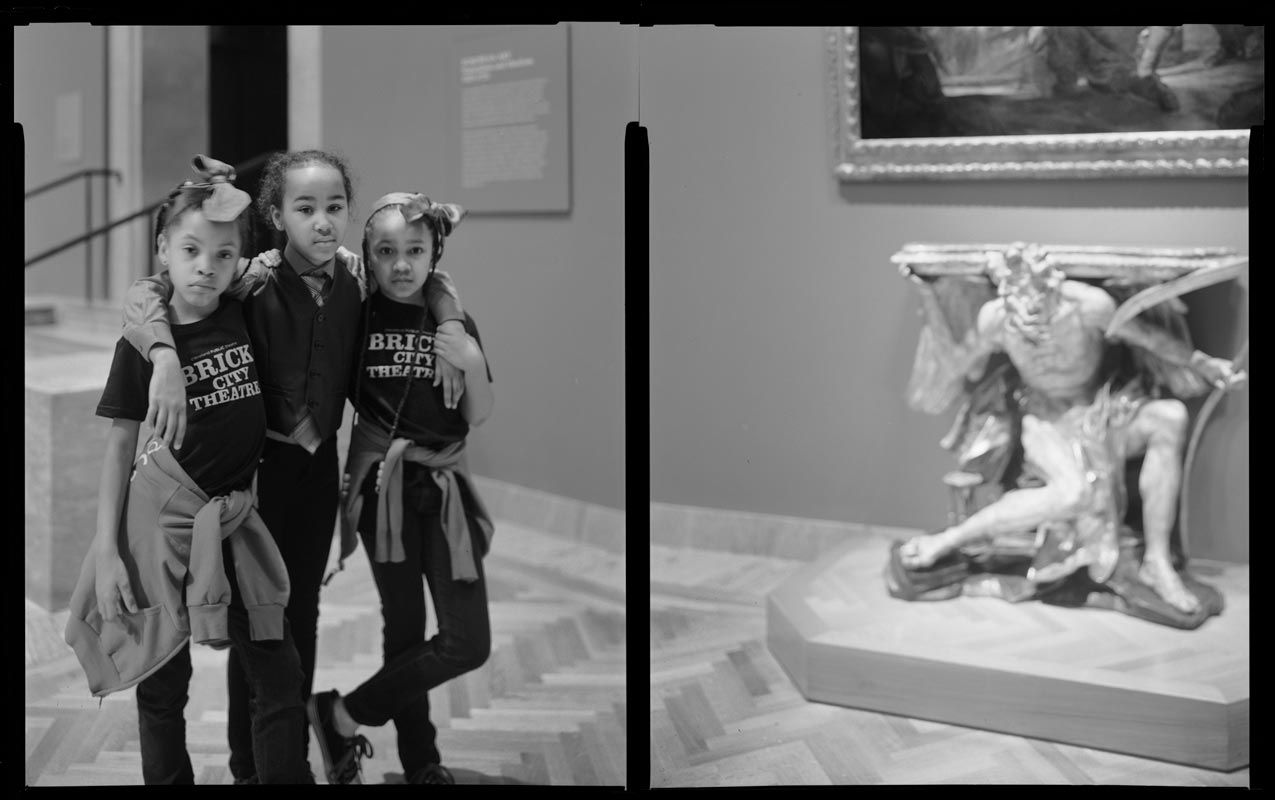
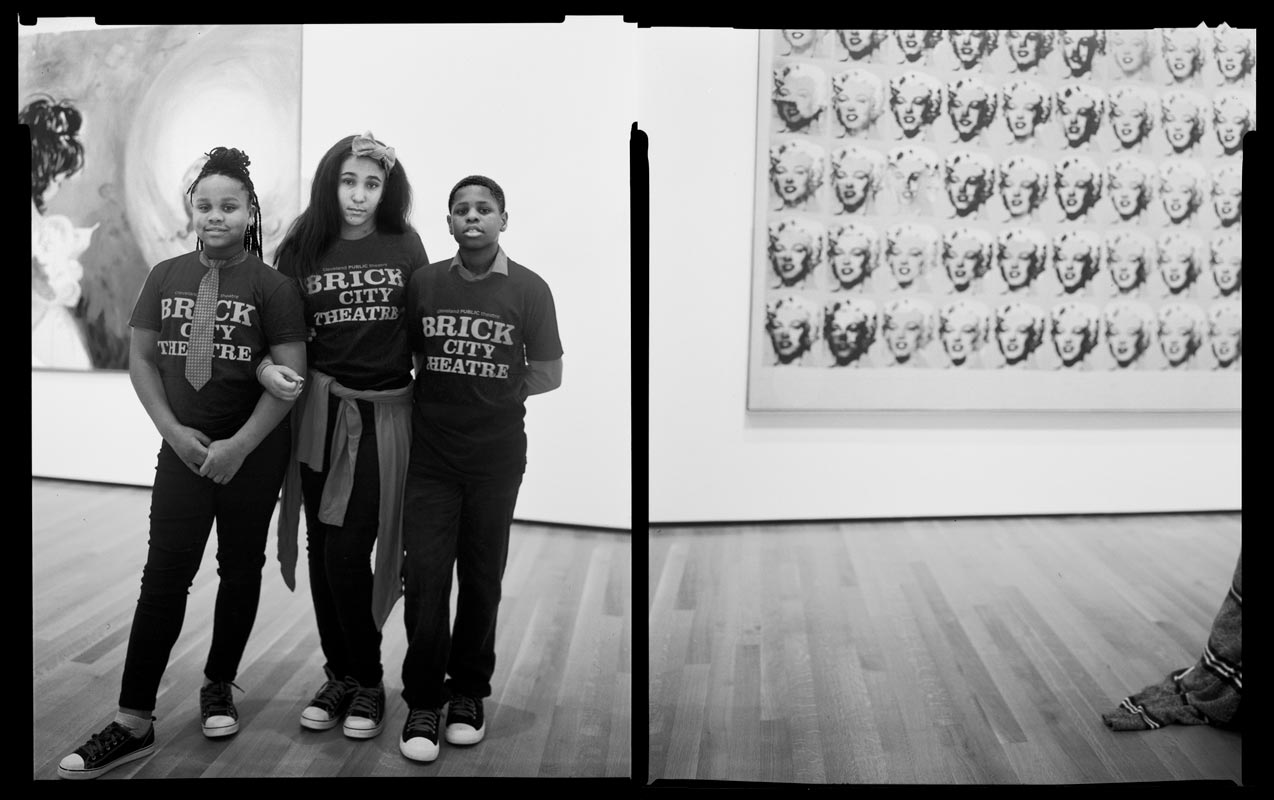
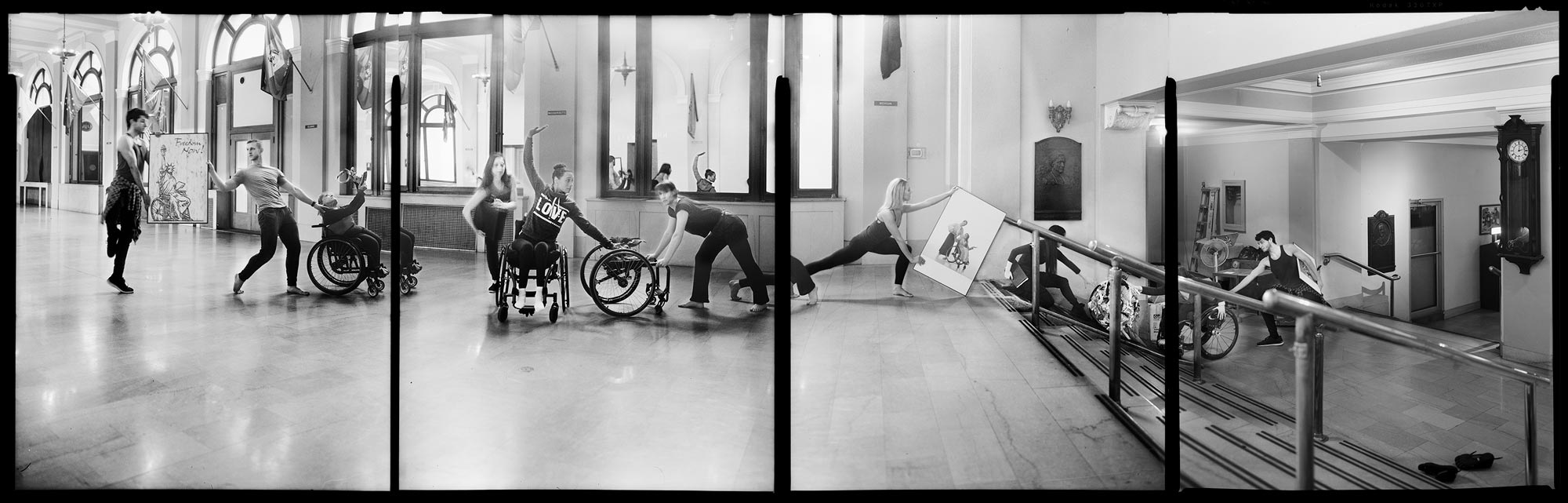
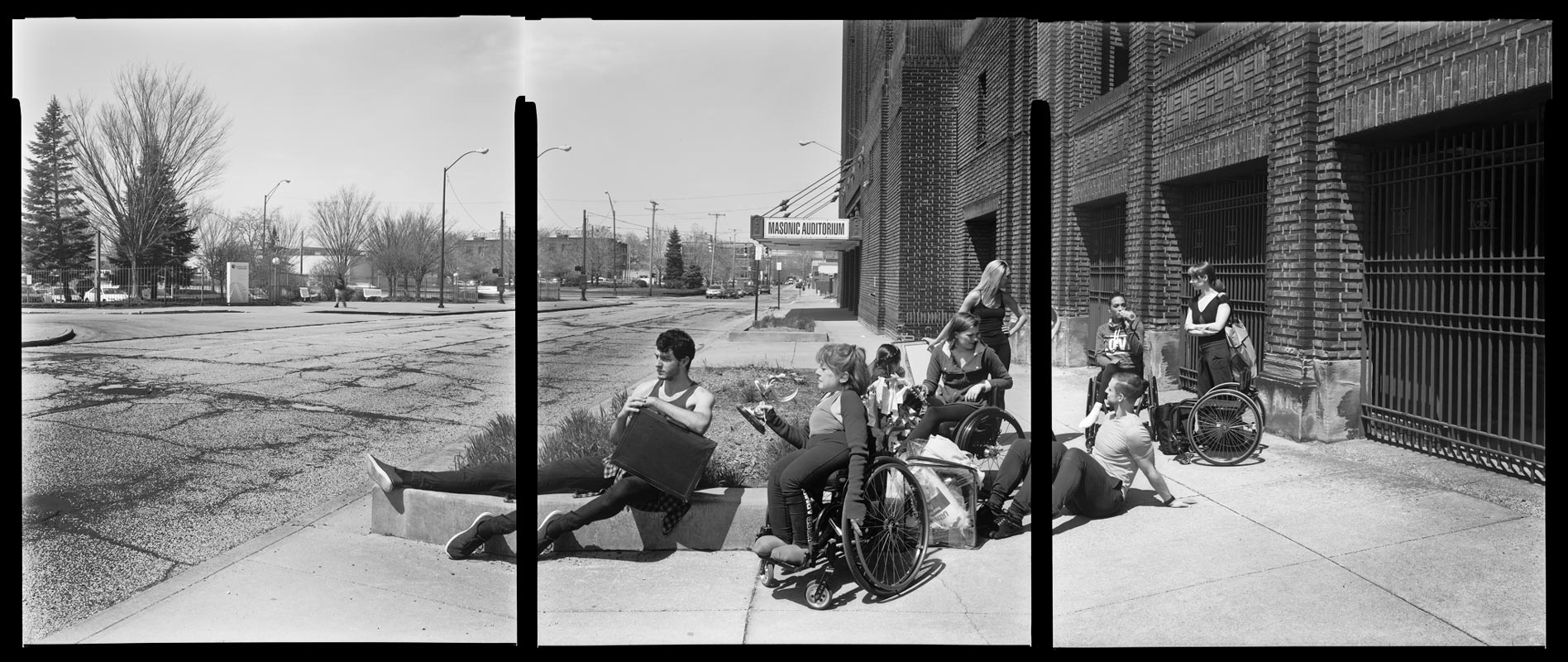
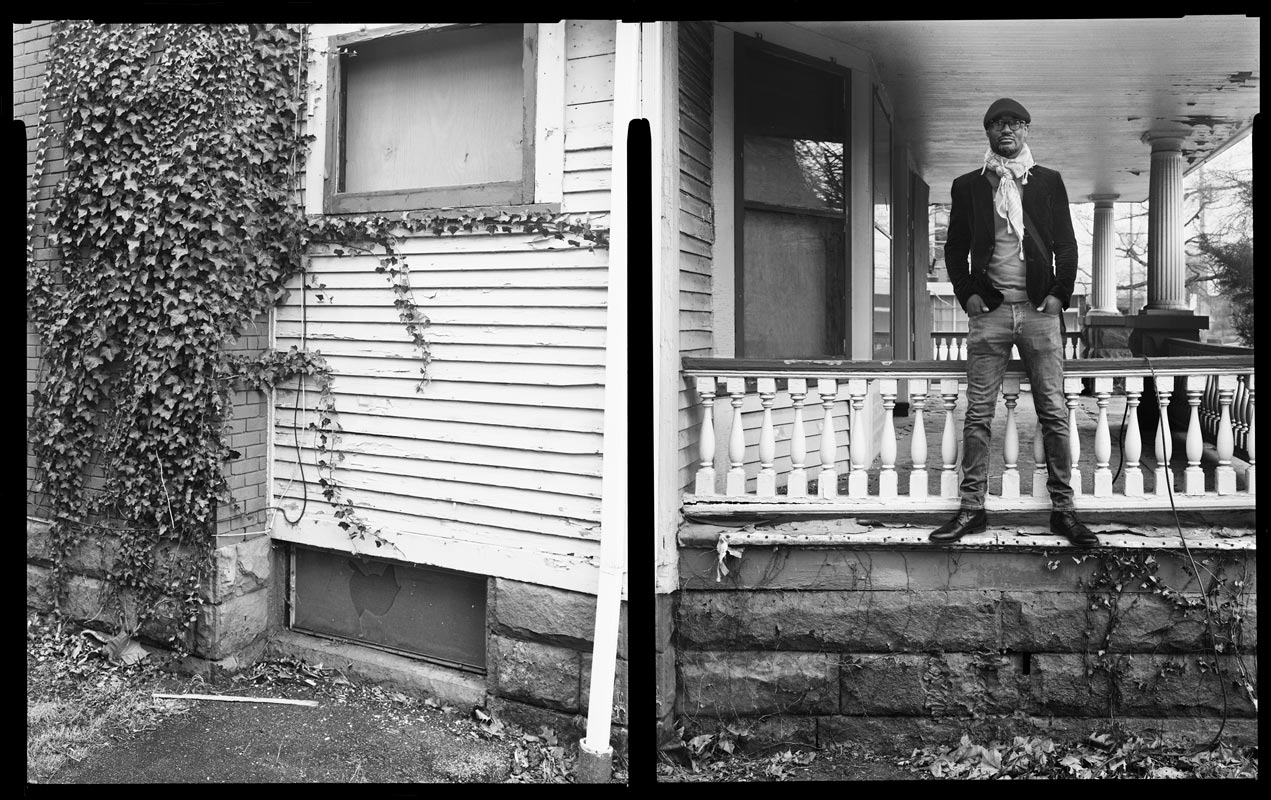
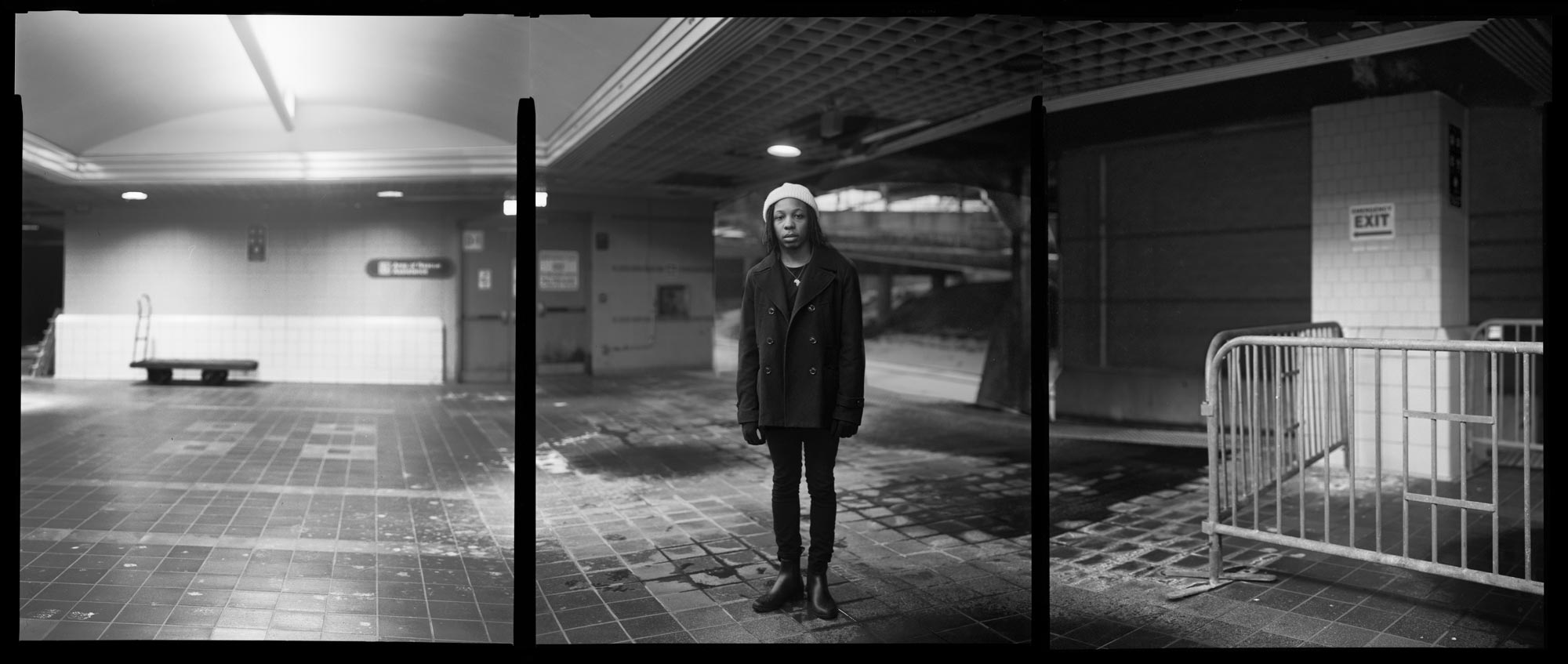
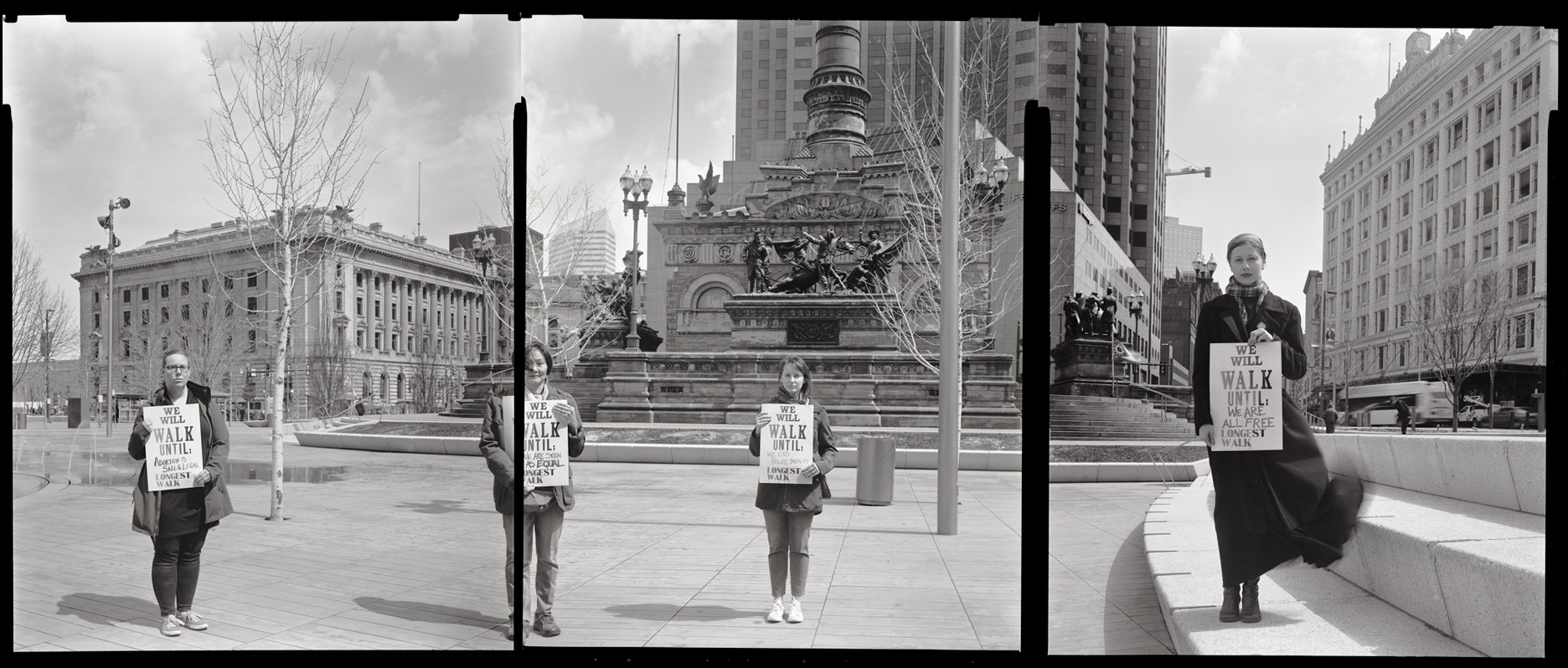
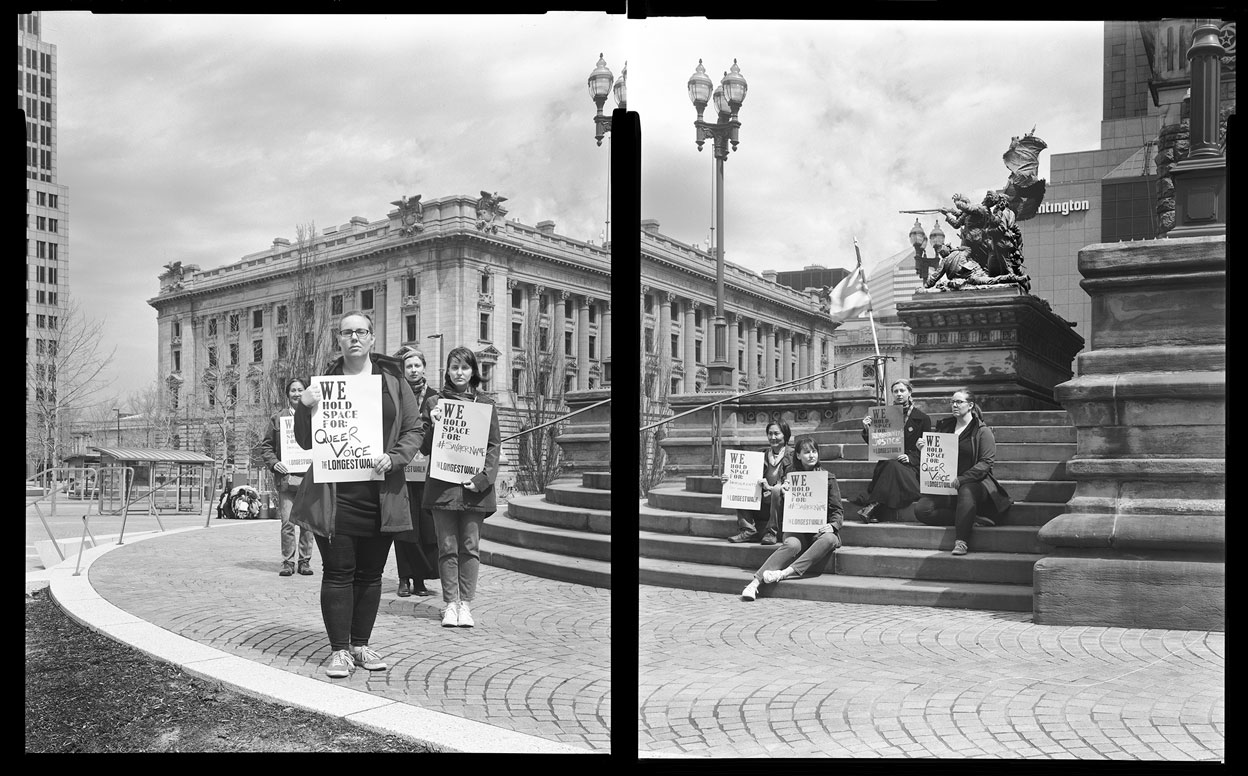
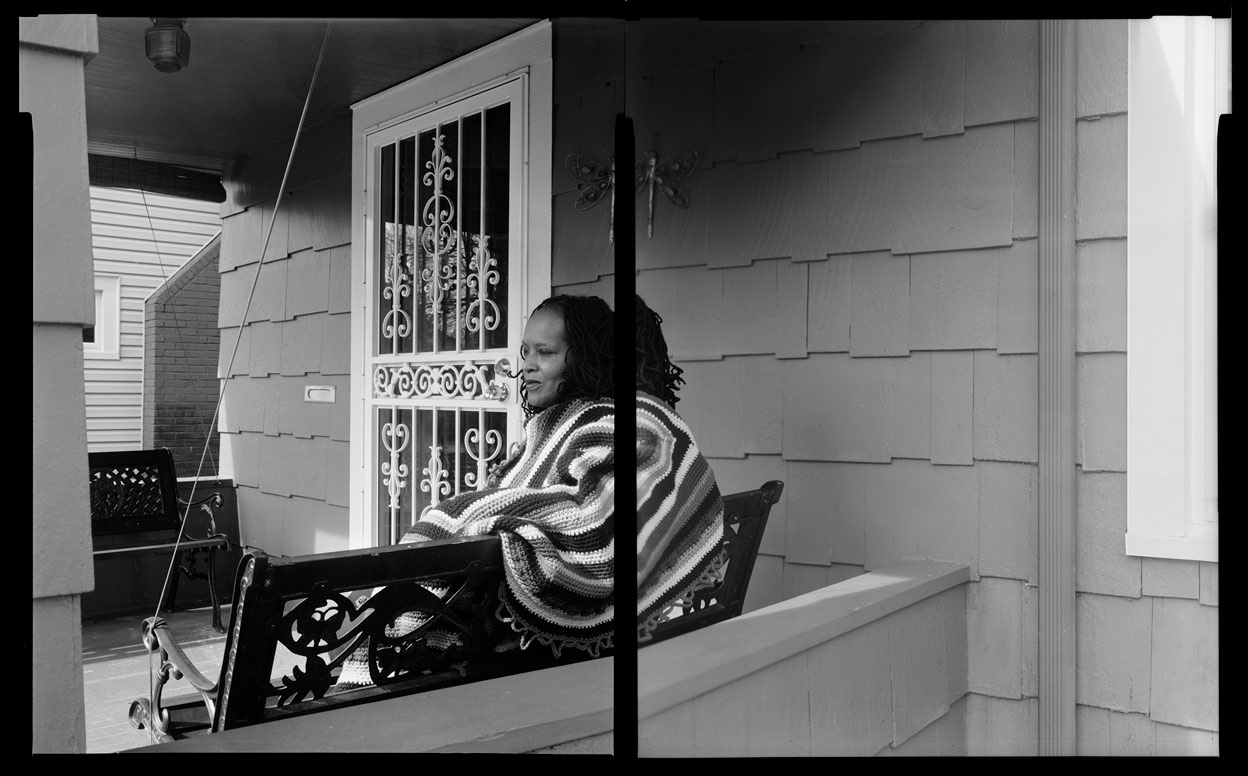
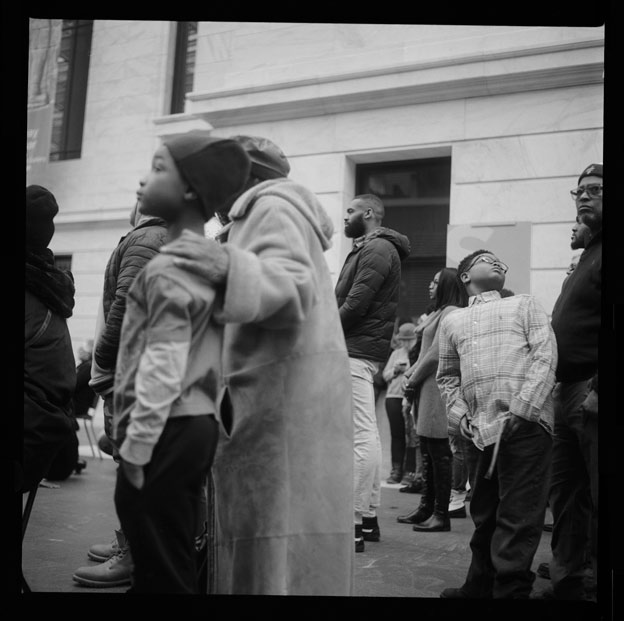
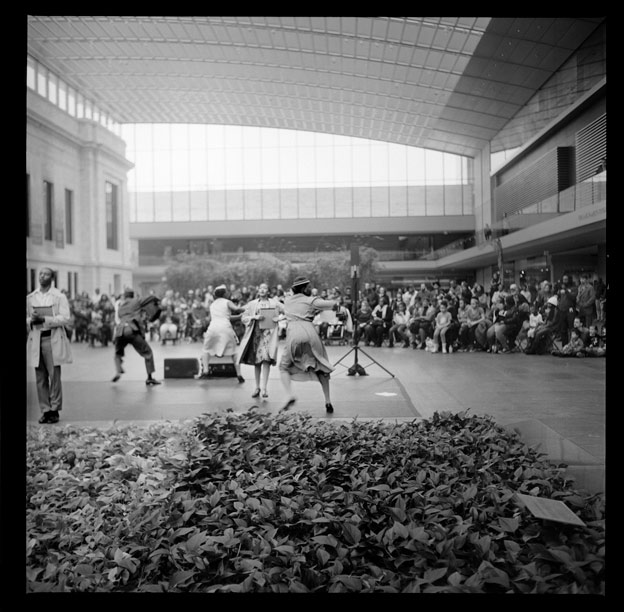
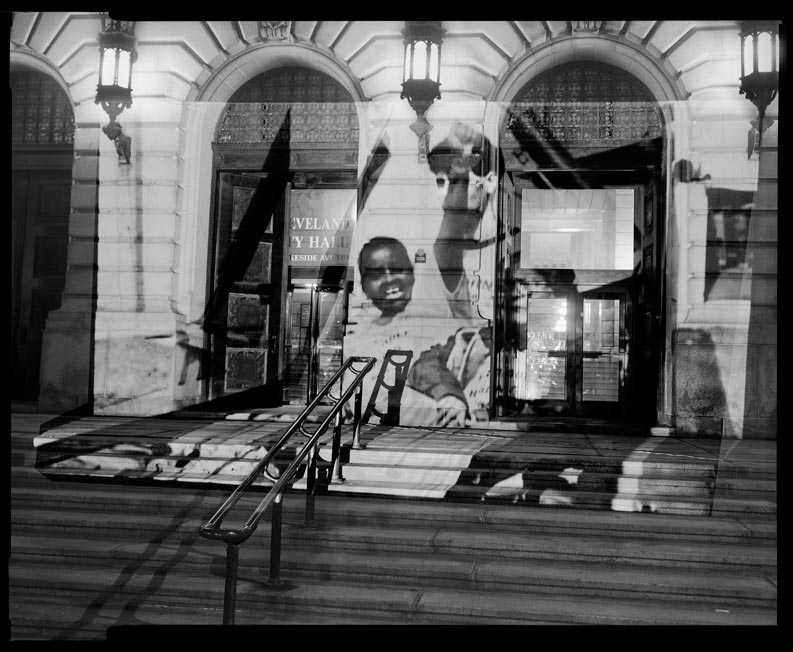
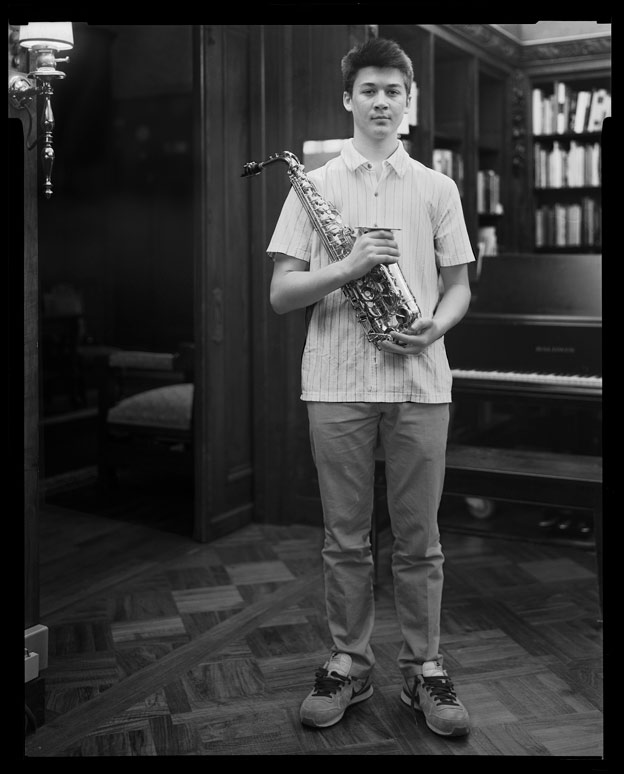
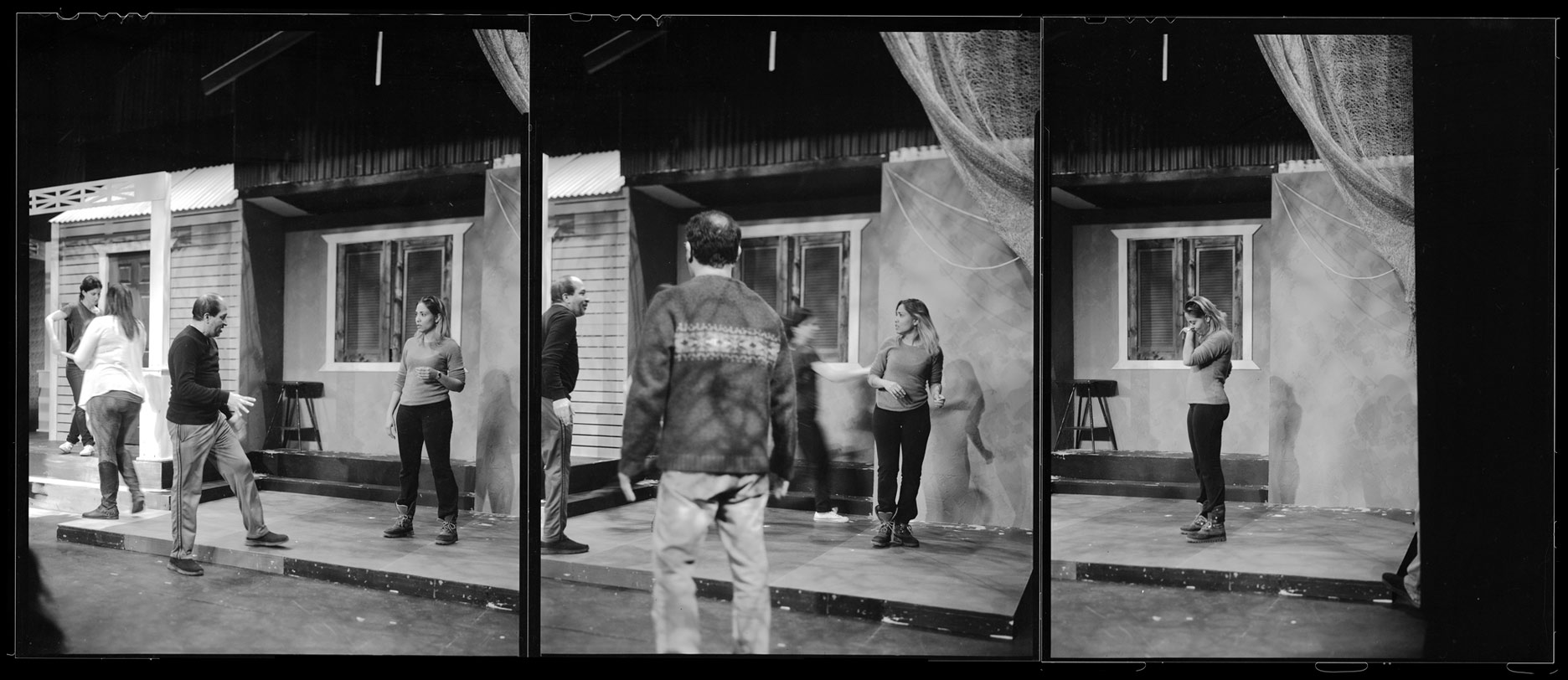
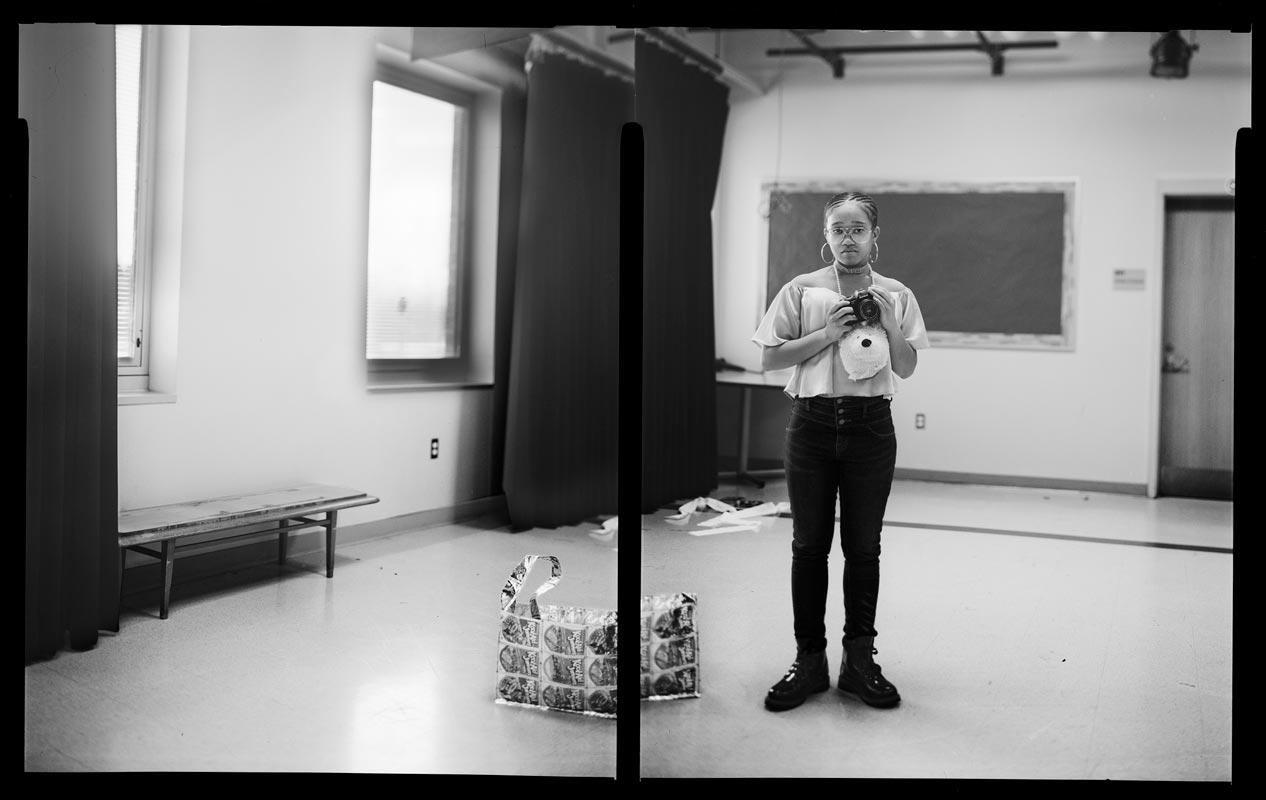
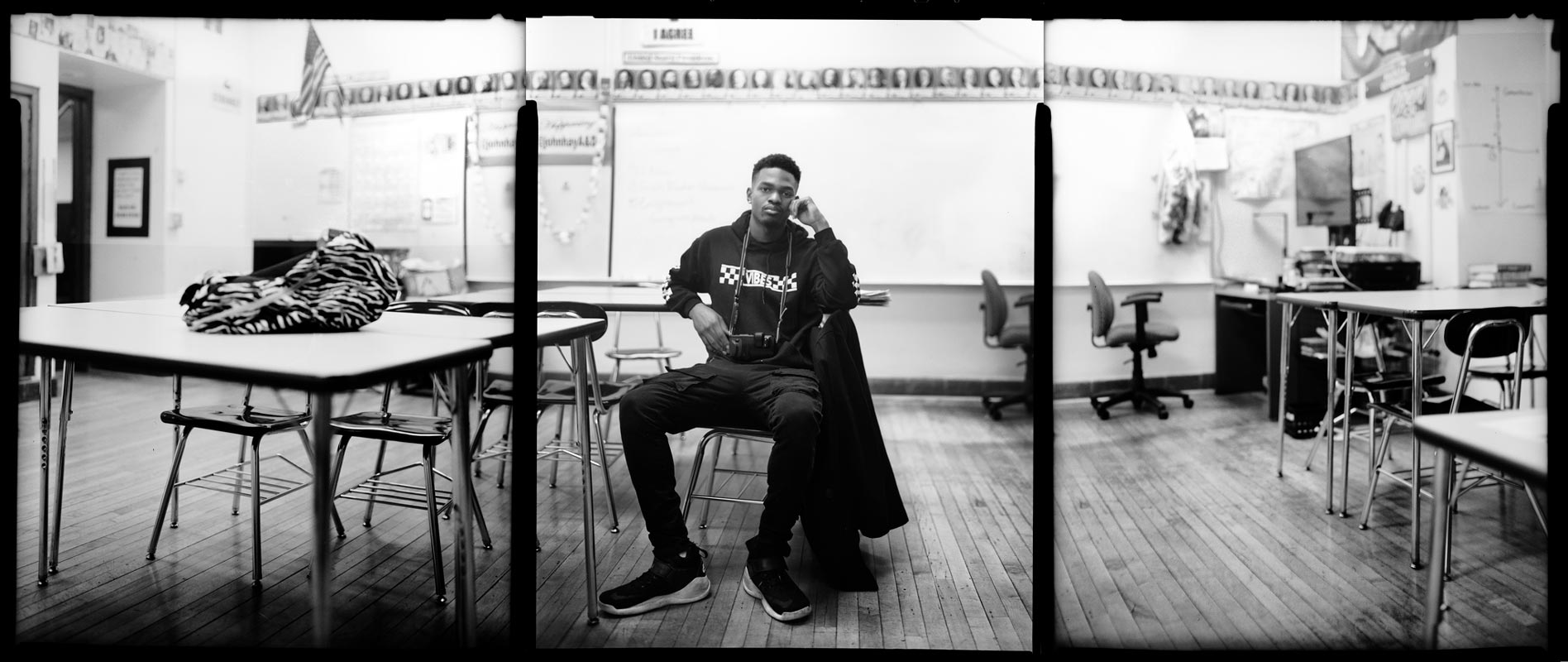
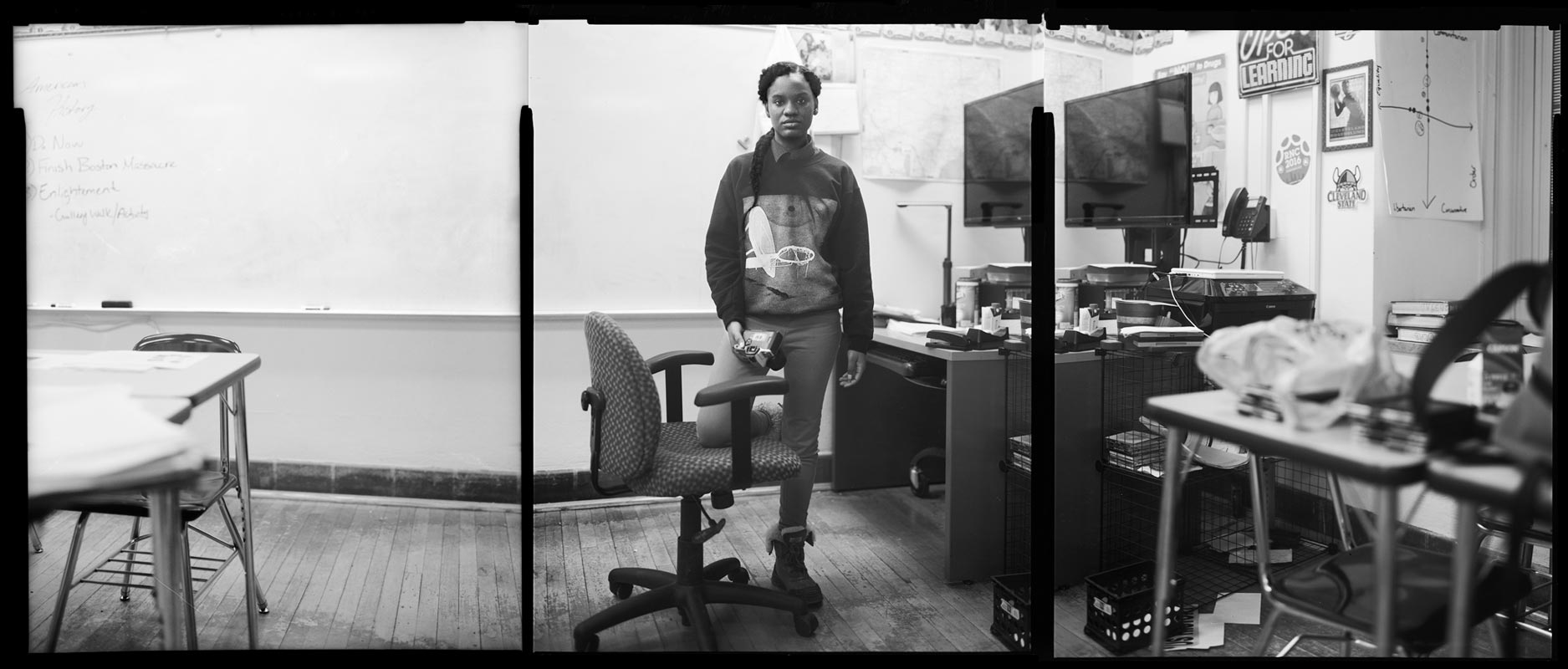
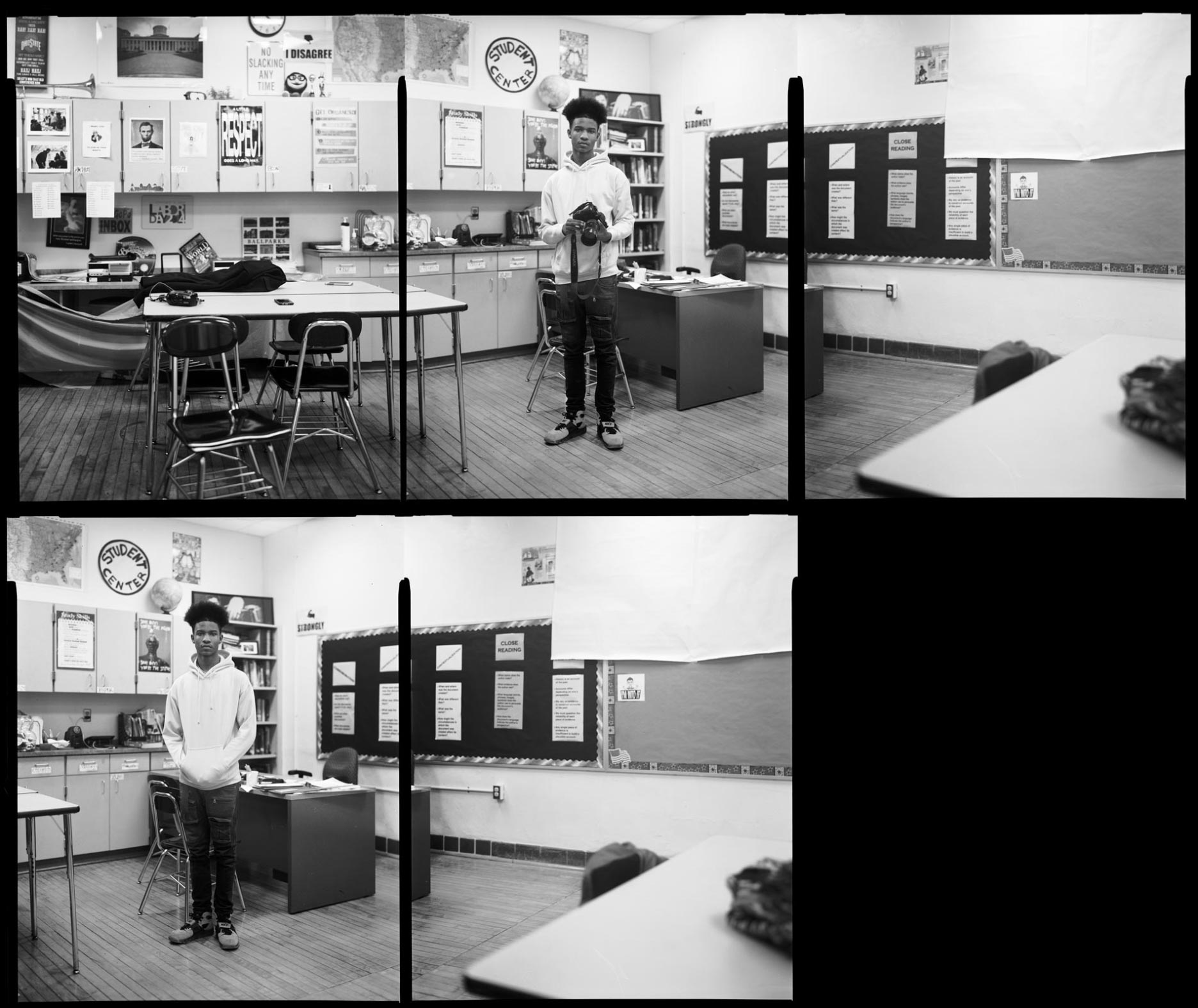
Award-winning photographer Accra Shepp captured images of 15 Cleveland organizations whose work in some way represents their commitment to political expression. The Foundation has commissioned a photo essay each year since 1990 but for the first time this report included an audio component. Cleveland poet Daniel Gray-Kontar, the founder of Twelve Literary Arts, has written a poem inspired by Shepp’s essay, intended to be played as viewers scroll through the photographs on this page. Foundation Executive Director David Abbott amplified the importance of artists as political actors in his annual letter. Geoffrey Gund, the Foundation’s president, focused in his letter on another form of political action—the need for criminal justice reform and the current effort to move it forward in Ohio.

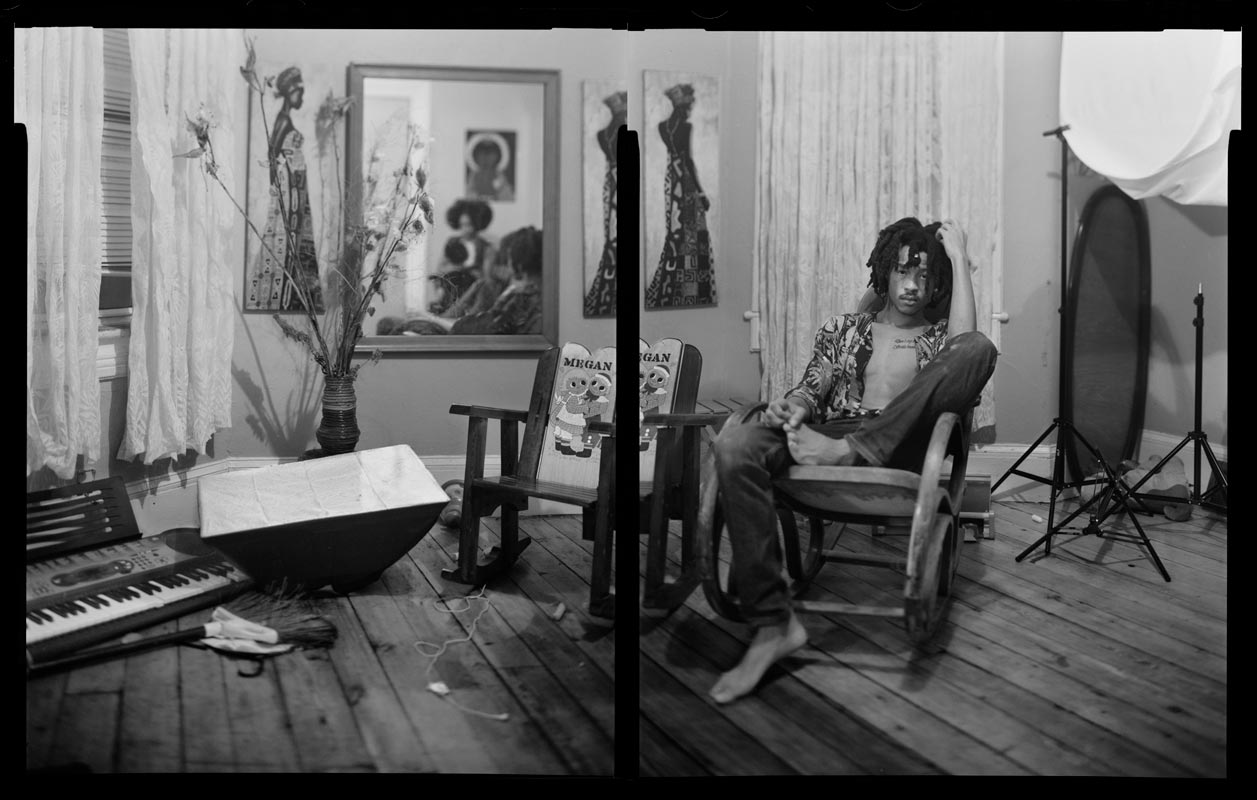

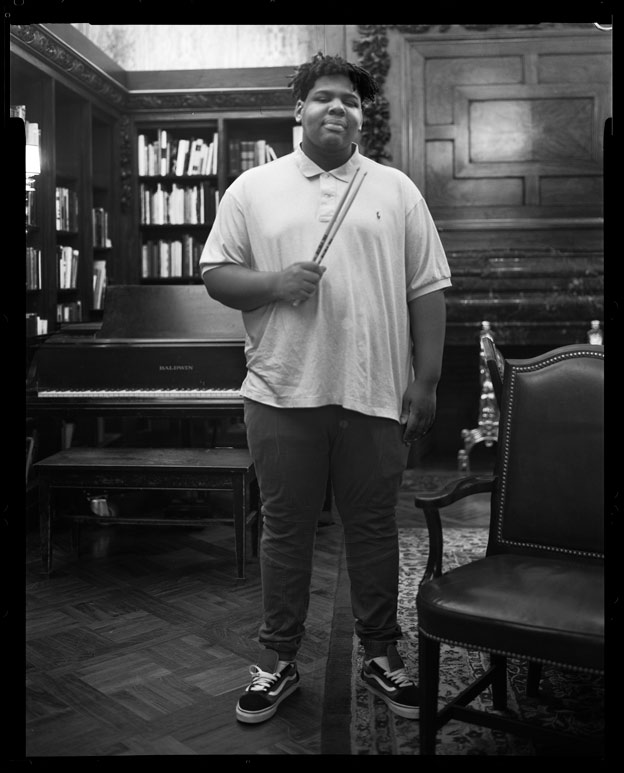
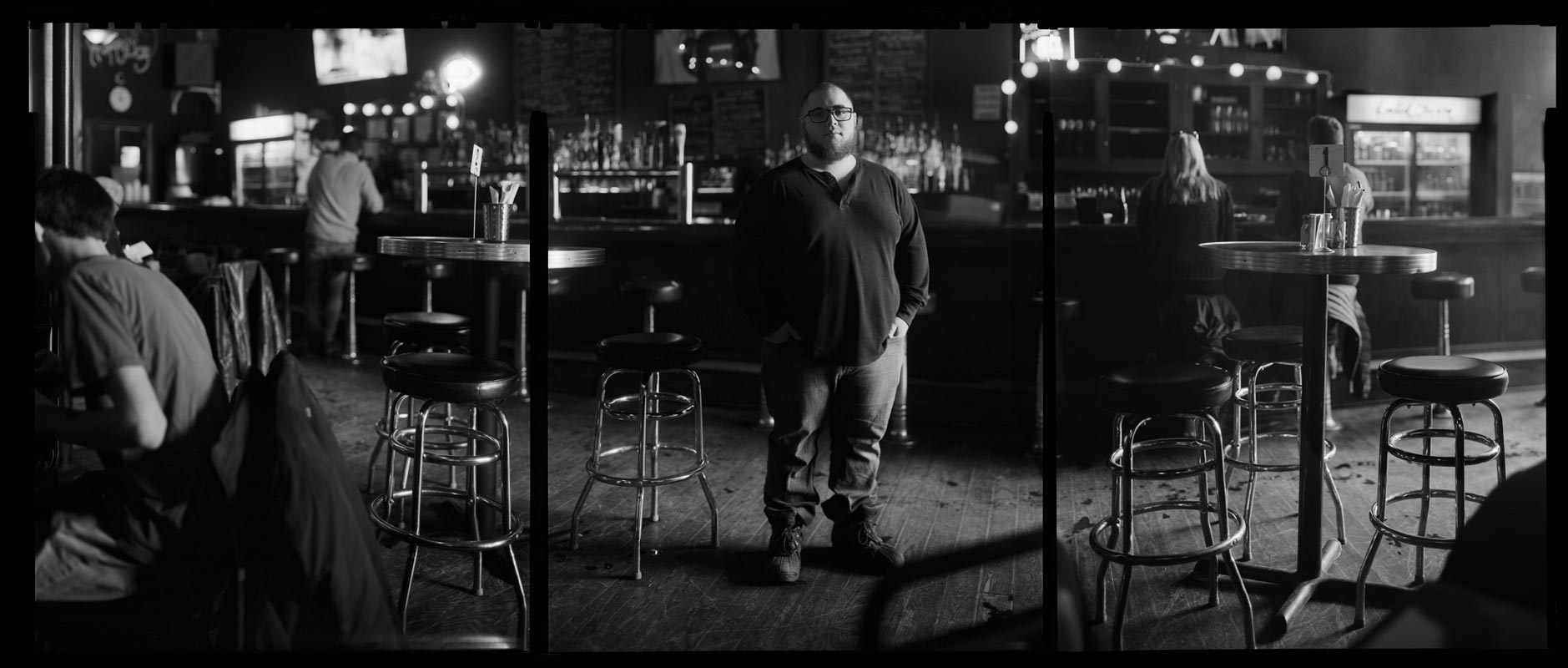
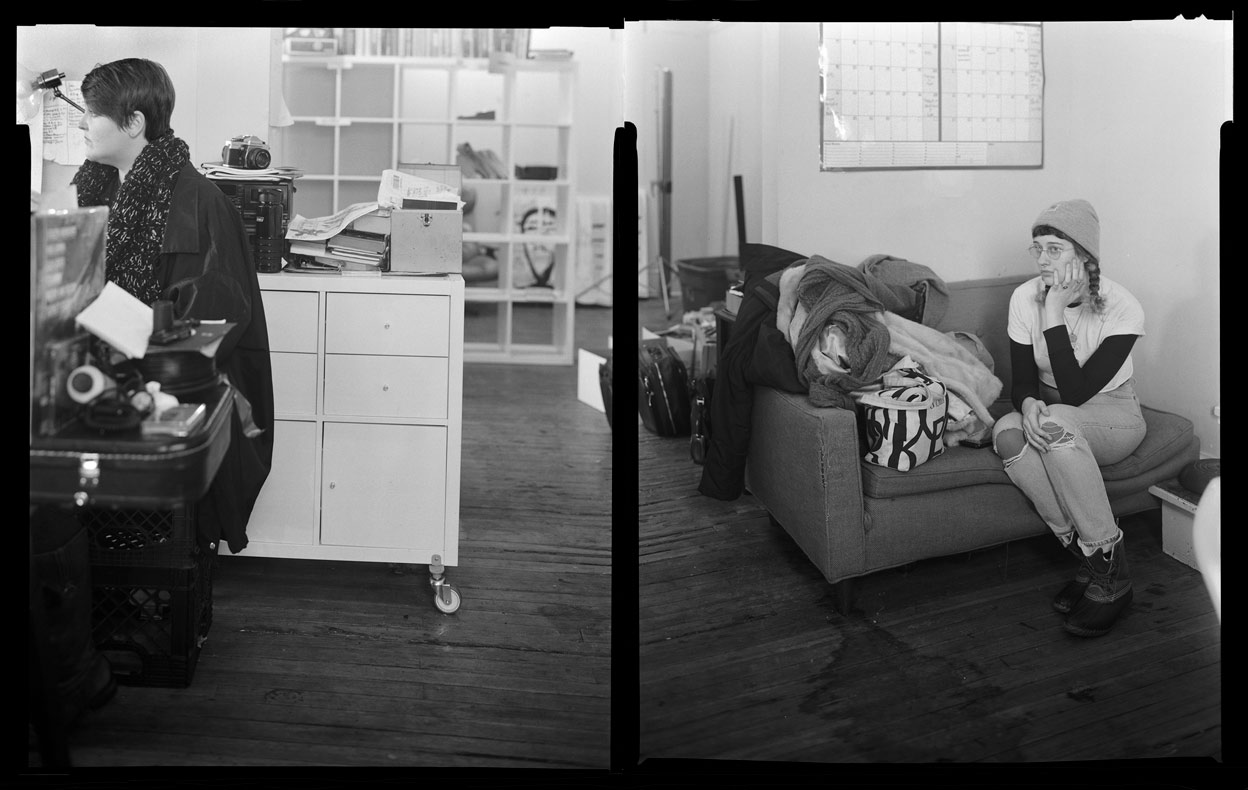

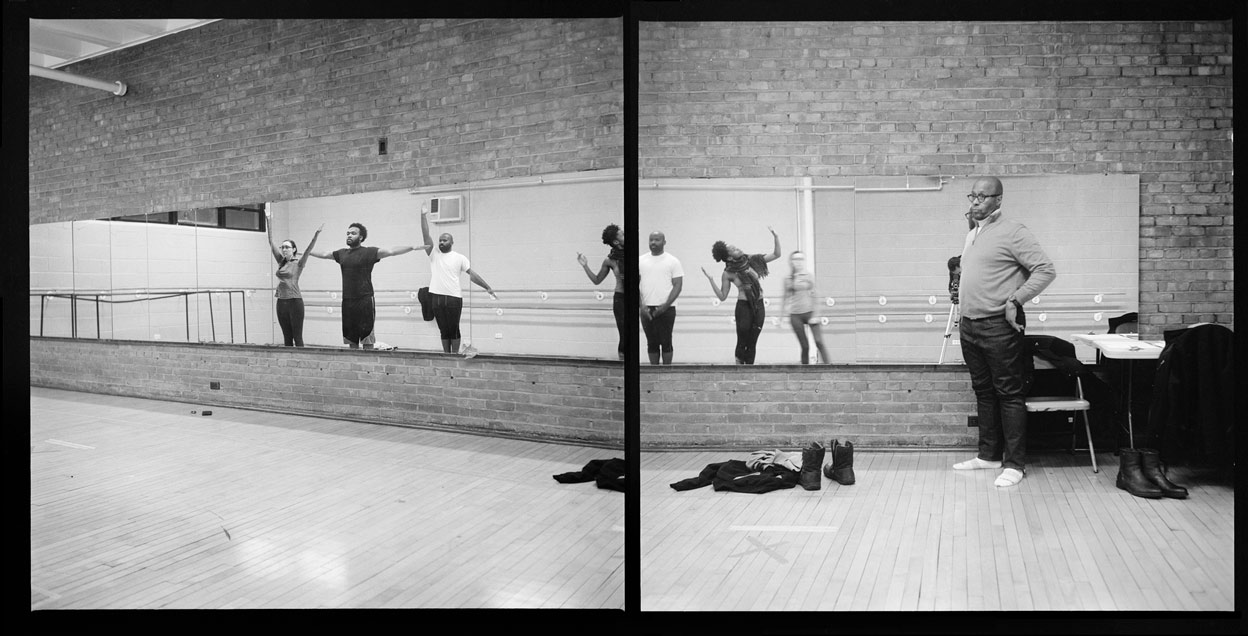
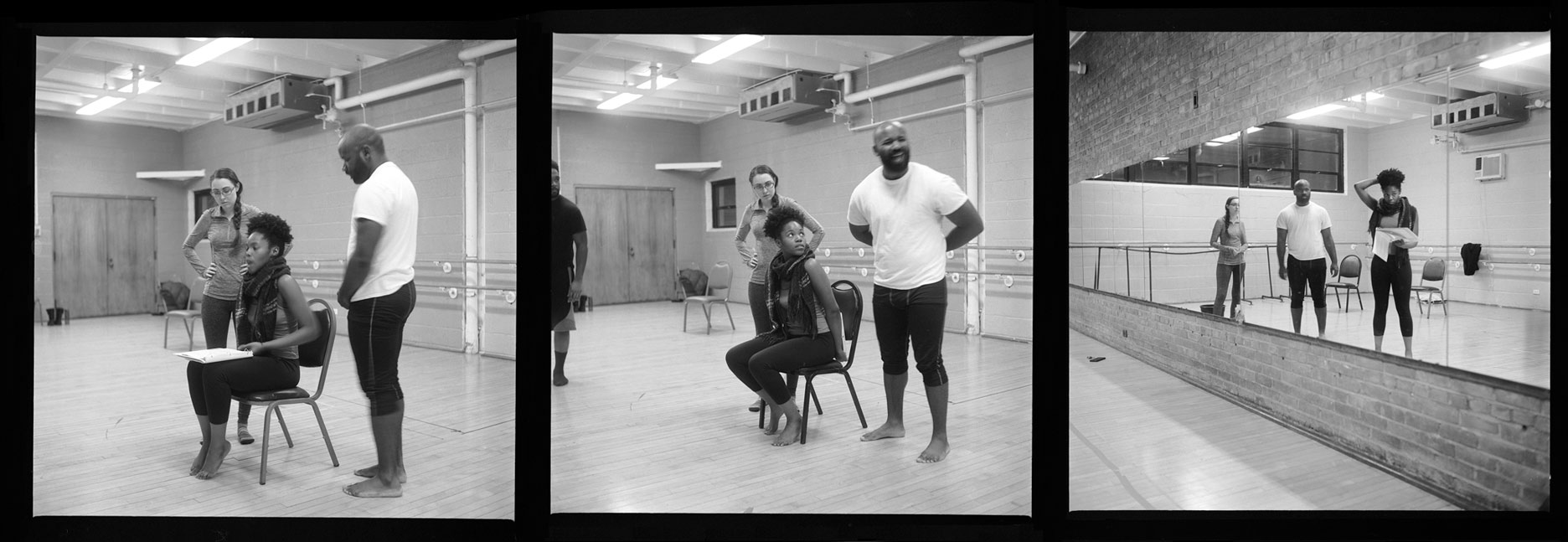

![Formed in response to personal grief and systemic oppression, Mourning [A] BLKstar looks to forge new pathways toward heart music by melding soul, blues, electronics, avant-poetics with futurist beats.](https://gundfoundation.org/wp-content/uploads/2019/11/arts-as-political-activism-shepp-mabs-1-frame-7-8.jpg)
![Formed in response to personal grief and systemic oppression, Mourning [A] BLKstar looks to forge new pathways toward heart music by melding soul, blues, electronics, avant-poetics with futurist beats.](https://gundfoundation.org/wp-content/uploads/2019/11/arts-as-political-activism-shepp-mabs-2-frame-6.jpg)







Letter from the Executive Director
2017 Annual Report
Borders are a hot topic these days. Those that immigrants cross and the walls that seek to stop them. Political lines that separate partisan camps. The boundary between “us and them,” between the established order and new ways. The times we live in cast these and other borders into sharp relief.
The photographs in this year’s annual report explore the border we may be inclined to think exists between art and politics. The subjects of these photographs shatter that line.
People have been making statements with their art since they first painted on the walls of caves. “I was here,” that earliest art exclaimed. “I matter. I count.” The fraught political climate of today impels many artists to make similar statements in a different context: Black lives matter. So do immigrant and LGBTQ lives and women. These and other victimized groups are finding their voice in movements and a share of their most vivid expression through art.
Accra Shepp has interpreted the role of some Cleveland artists as political voices in his photo essay. As an artist himself, Shepp gained national recognition for his evocative portrayals of the Occupy Wall Street movement. Those images, like the ones in this annual report, challenge us to see the world through the eyes of others. Not just Shepp’s eyes, but also those of the dancers, actors, painters and poets who imagine the world in new ways. That challenge — and our response to it — is the most basic political act, to see across the boundary between one person and another. That’s what politics is: the art of combining human outlooks and interests to achieve something.
Political expression by artists goes well beyond the interpersonal, of course. Artists as activists are more prominent than ever. The energy and commitment they bring are more needed than ever.
The artists depicted here find many ways to raise their voices. Among the 15 organizations shown here are Shooting Without Bullets which gives young people of color expressive outlets that channel their demands for justice reform. Dancing Wheels’ combination of performers both with and without disabilities is a dramatic insistence on their equal recognition. The venerable Karamu House has elevated African-American voices through theater for a century. Twelve Literary Arts brings performance poetry to public spaces to advance social justice.
The founder of Twelve Literary Arts, Daniel Gray-Kontar, has written a poem inspired by Shepp’s photos and he reads it here. Please listen for a more immersive experience as you let the photos scroll across your screen.
We know that art enriches our lives, but we also know that art can change our lives. It exercises its power by making us feel. And in our feeling, it can lead us across borders.
David Abbott, Executive Director
Letter from the Board President
2017 Annual Report
Not long ago, after more than two decades of “tough on crime” policies at the national level and in many states, elected officials and advocates from across the political spectrum seemed to be coalescing around the realization that our justice system was broken. Some noted the exorbitant financial cost of imprisoning so many people. Others cited the injustice inherent in the disparate treatment of people of color, especially for non-violent drug offenses. The strange bedfellows of this emerging bipartisan alliance were best exemplified by former Republican Speaker of the House Newt Gingrich and Democratic activist Van Jones. They teamed up as advocates of reform.
Some of the drive for change at the federal level has dissipated, however, with the arrival of the Trump administration’s return to “tough” policies. Consequently, as with many issues, action on reform has shifted to the states. And I am pleased to say that The George Gund Foundation has been an active funder of reform efforts.
Reform is certainly needed in Ohio, which has the sixth highest rate of incarceration in the country. Annually, there are nearly 400,000 Ohioans involved with the jail and prison systems. There are 50,000 state inmates in prisons designed to hold 38,000. Ohio’s prison population is 49% African-American even though African-Americans are only 12% of the state’s overall population.
Adding to the upward pressure on Ohio’s incarceration rate is the fact that more than 9% of those imprisoned are now held in facilities run by businesses for profit. Private prison operators are often among the most vocal opponents of criminal justice reform and are significant contributors to elected officials.
The financial burden of mass incarceration is staggering. The annual budget of the Ohio Department of Rehabilitation and Corrections now exceeds $1.8 billion. And the annual cost to detain a youth in one of the state’s juvenile facilities is now over $185,000 per year, nearly 20 times the annual tuition at Cleveland State University.
Our Foundation’s signature grants in this domain have been to support an encouraging new partnership, the Ohio Transformation Fund (OTF), which is designed to tackle pressing economic and social justice issues. Its initial goal is to identify and address systemic inequities in Ohio’s criminal justice system, focusing particularly on the reduction of the number and racial disparity of people incarcerated in the state.
The animating principle behind the OTF is that systemic change is possible when policy changes are driven by highly capable advocates in tandem with knowledgeable community members who have experienced the impact of inequities and who are actively engaged in the policymaking and electoral processes. This is an especially important year because landmark gains will occur if Ohio’s voters approve the Safe and Healthy Neighborhoods amendment to the state constitution. Under the leadership of the Ohio Organizing Collaborative, the Ohio Justice and Policy Center and the Alliance for Safety and Justice, intense efforts are well underway with the aid OTF and a cadre of national and Ohio-based supporters to bring to the ballot a strong package of reforms emphasizing community-based treatment, not prison, for non-violent drug offenders.
I am proud to note that among the supporters of this ballot issue is the Art for Justice Fund, launched by my sister Agnes Gund from the sale of art from her collection. She has since been joined by many others.
Important additional justice reform efforts have been advanced by Gund Foundation grants to the ACLU of Ohio to help reduce practices that criminalize poverty by overhauling Cuyahoga County’s inequitable system of cash bail which locks up many people who simply cannot afford to post a bond. In order to attack injustice in the juvenile justice system, for more than a decade we have focused investments on five reform strategies: policy research, policy advocacy, development of evidence-based alternatives to confinement, building local provider capacity and litigation. This work has been propelled through the legal action of the Children’s Law Center and a tight-knit collaboration of organizations driving policy reform, including the Juvenile Justice Coalition, and the Schubert Center for Child Studies and Center for Innovative Practice, both at Case Western Reserve University. The determined work of our grantees has generated remarkable reforms, including the closure of four state facilities and a nearly two-thirds reduction in the state youth prison population since its peak.
Progress is being made but much work is still to be done. We intend to continue it, hoping that the work of our many partners will contribute to a movement that eventually turns the national tide.
Geoffrey Gund, President