

Cuyahoga Valley National Park
Lauren Betenson
Geoffrey James (2005)
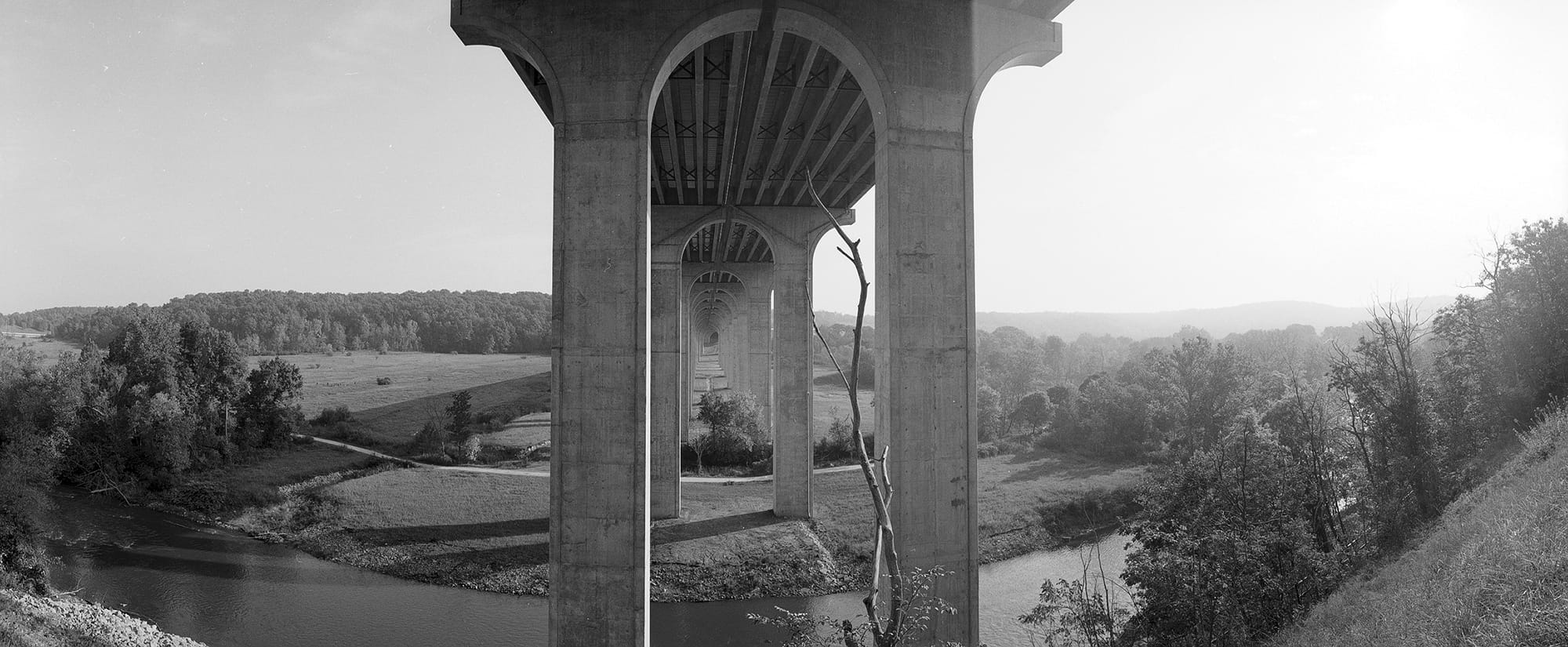
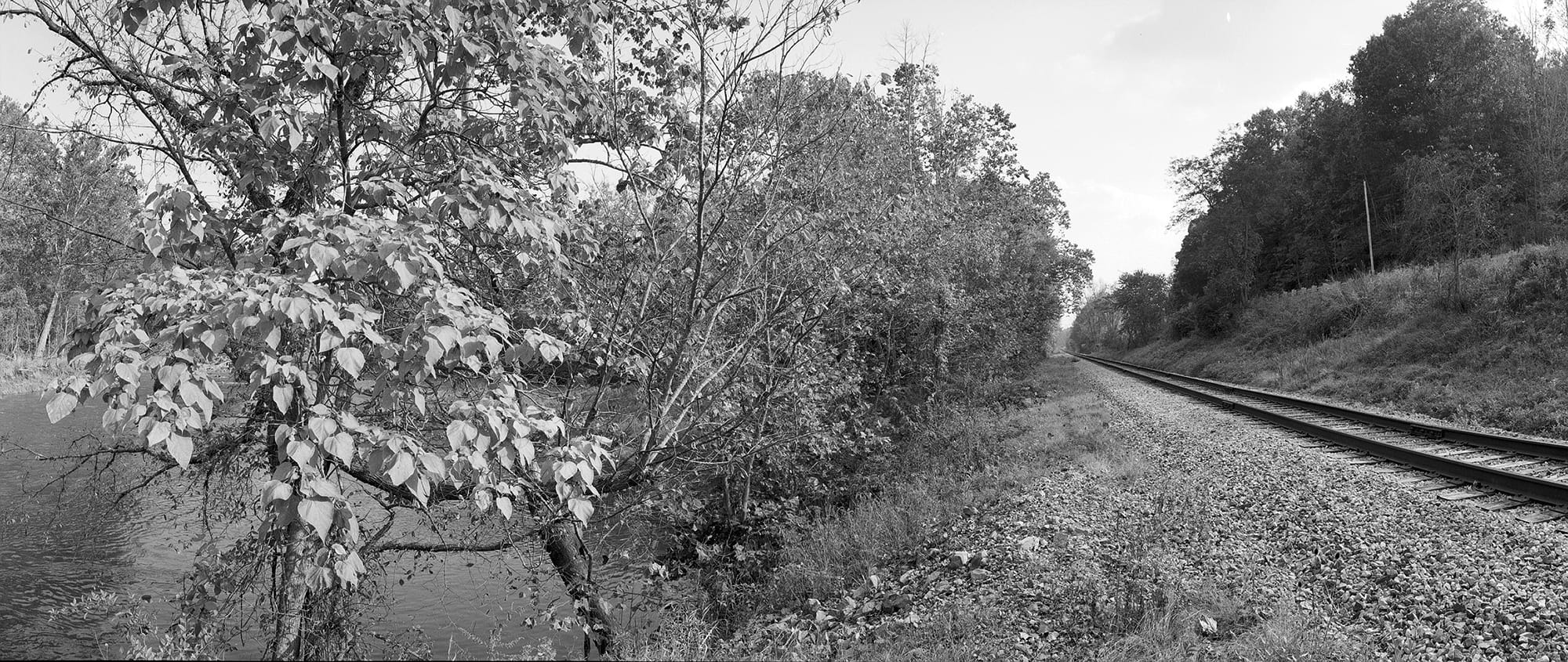
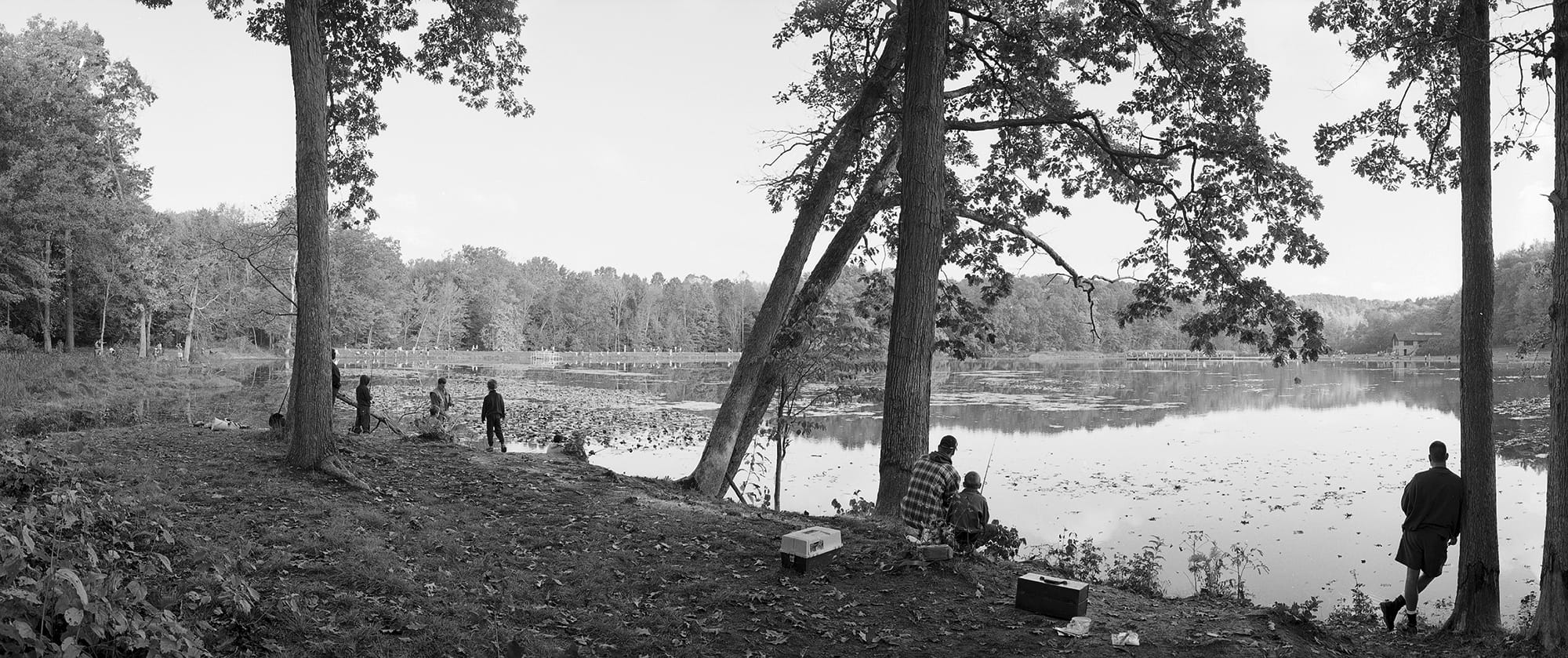
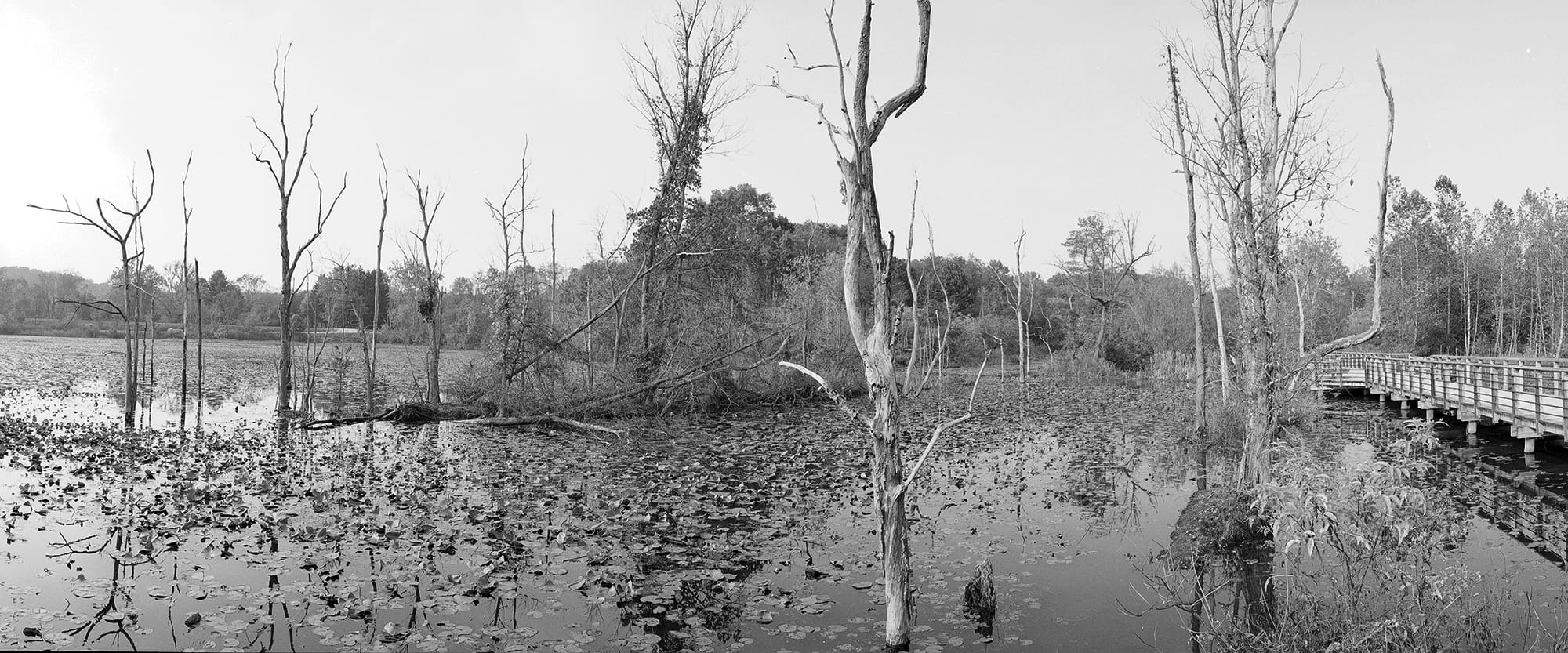
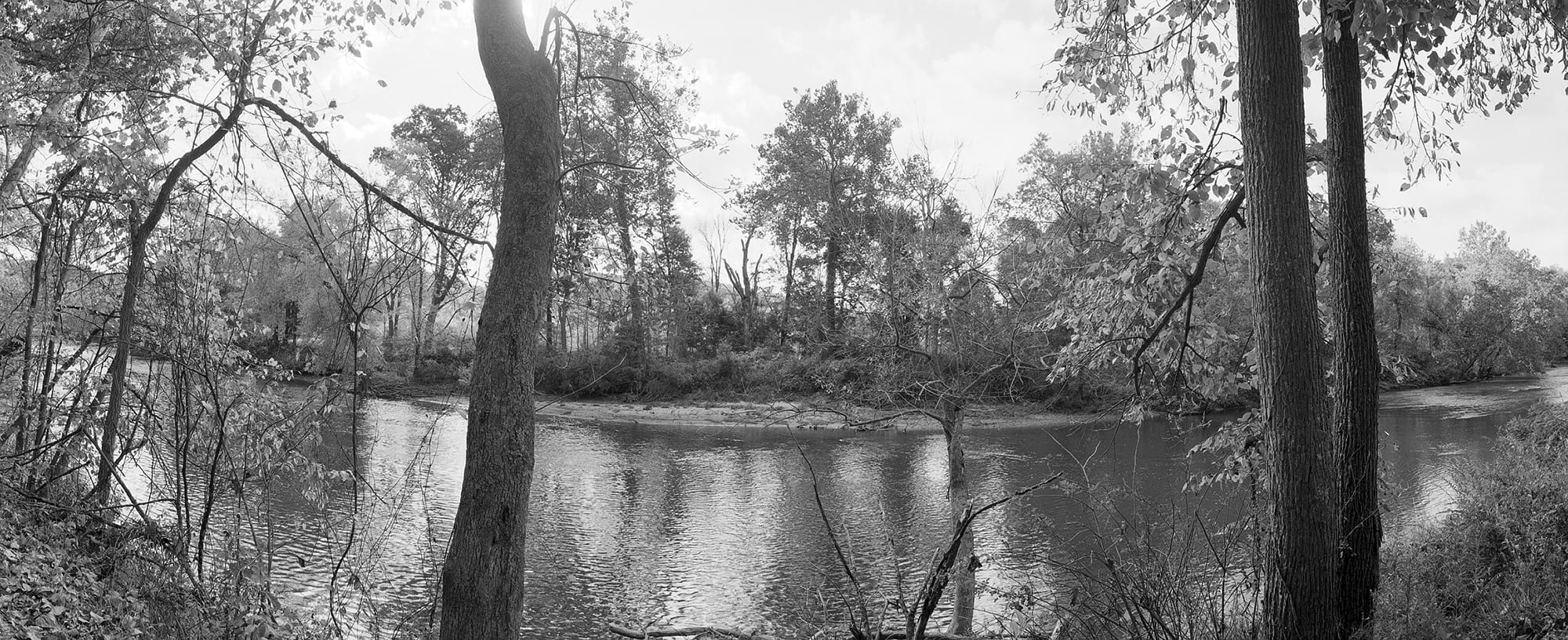
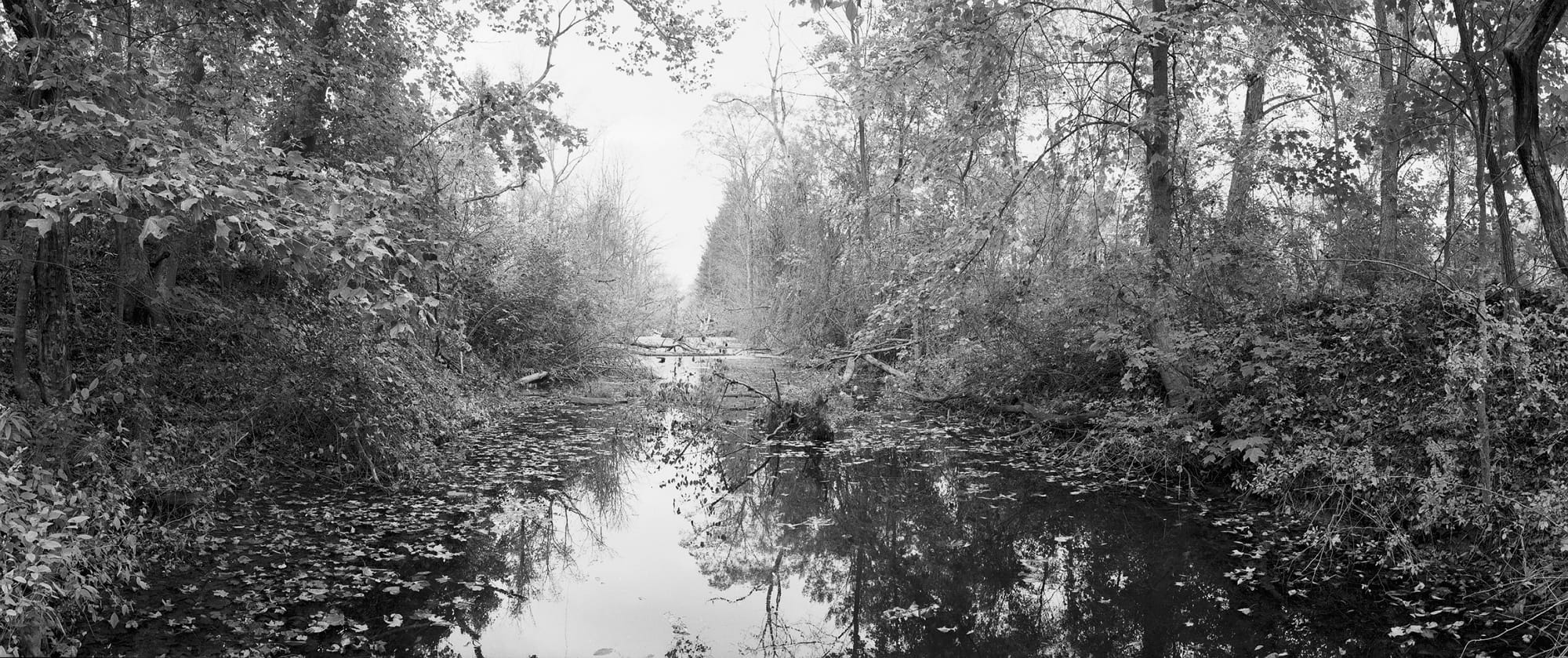
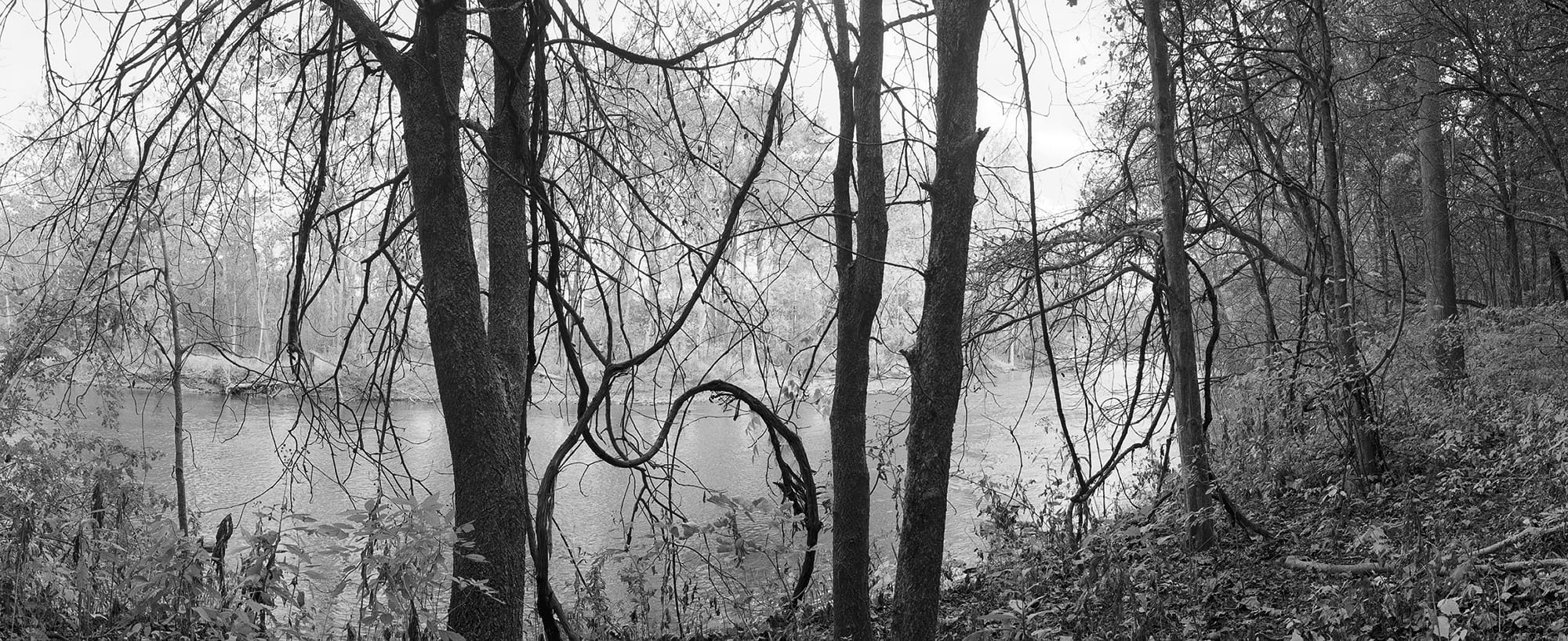
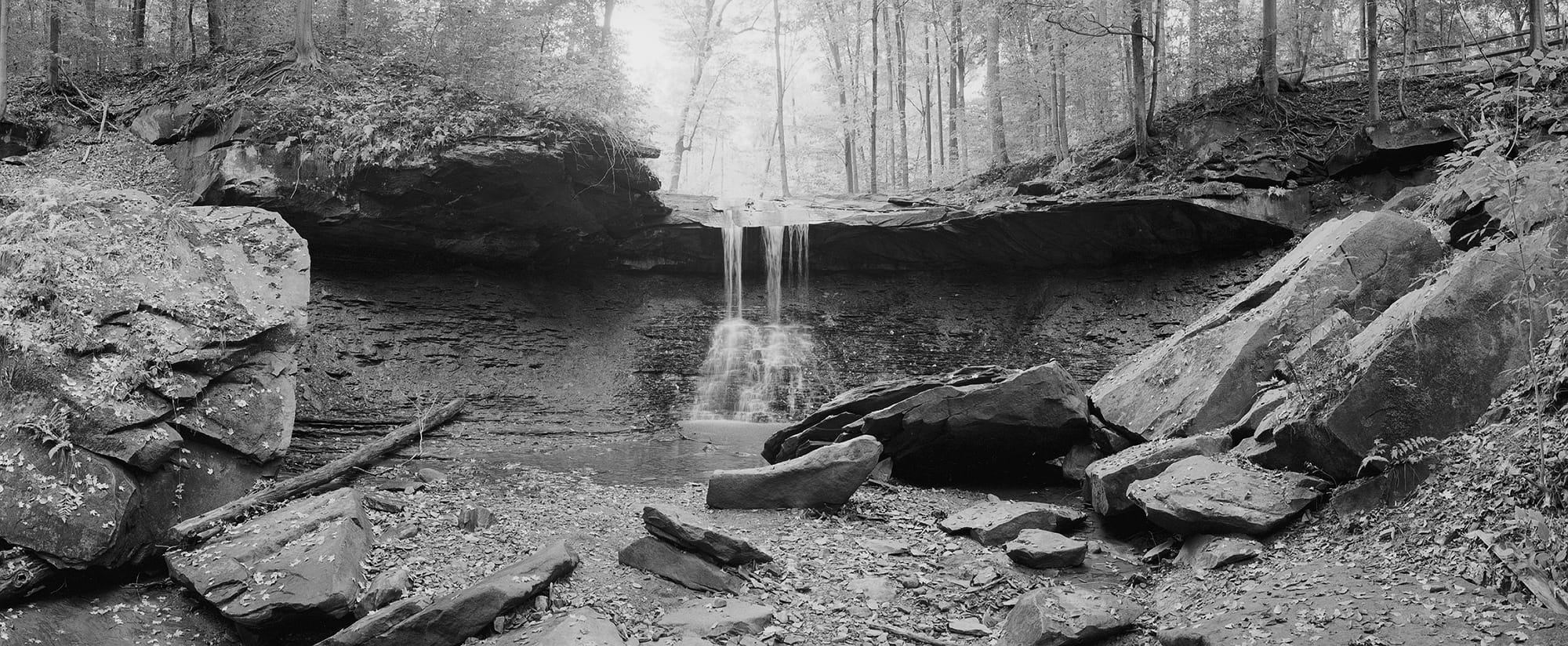
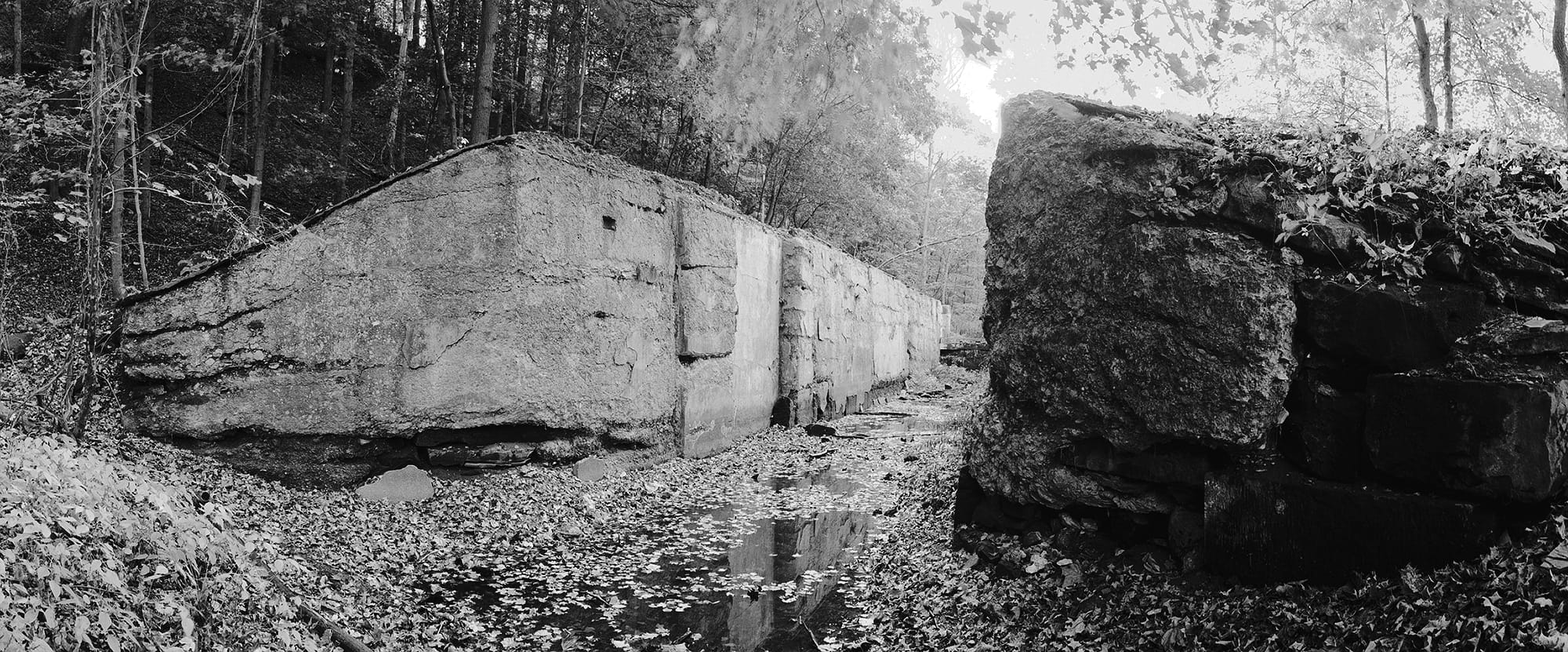
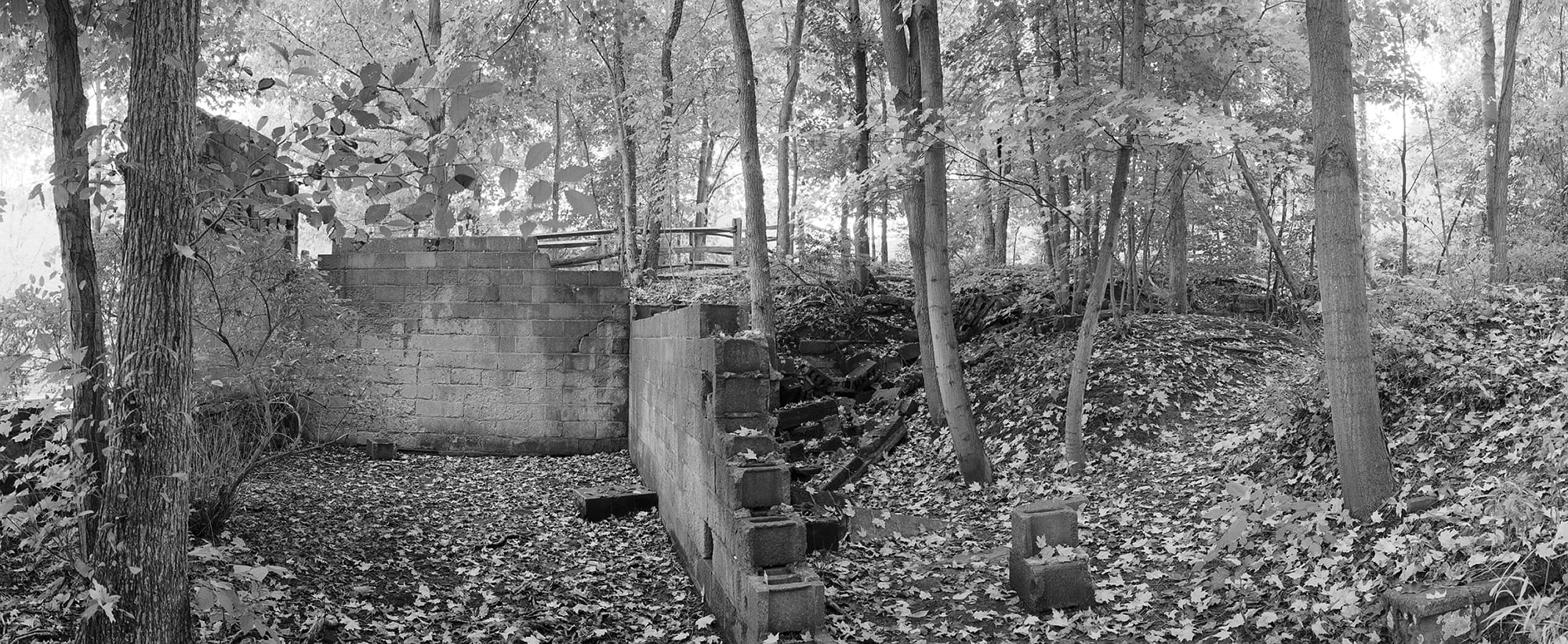
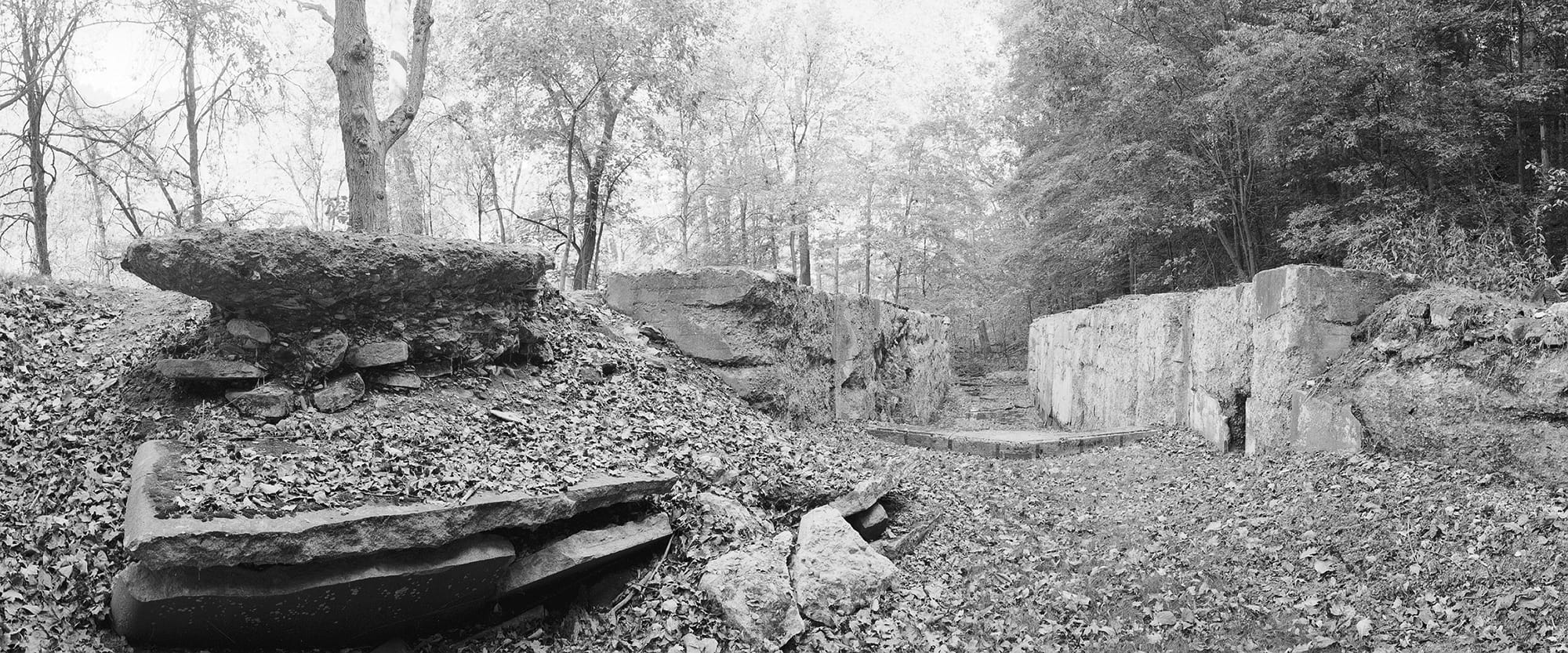
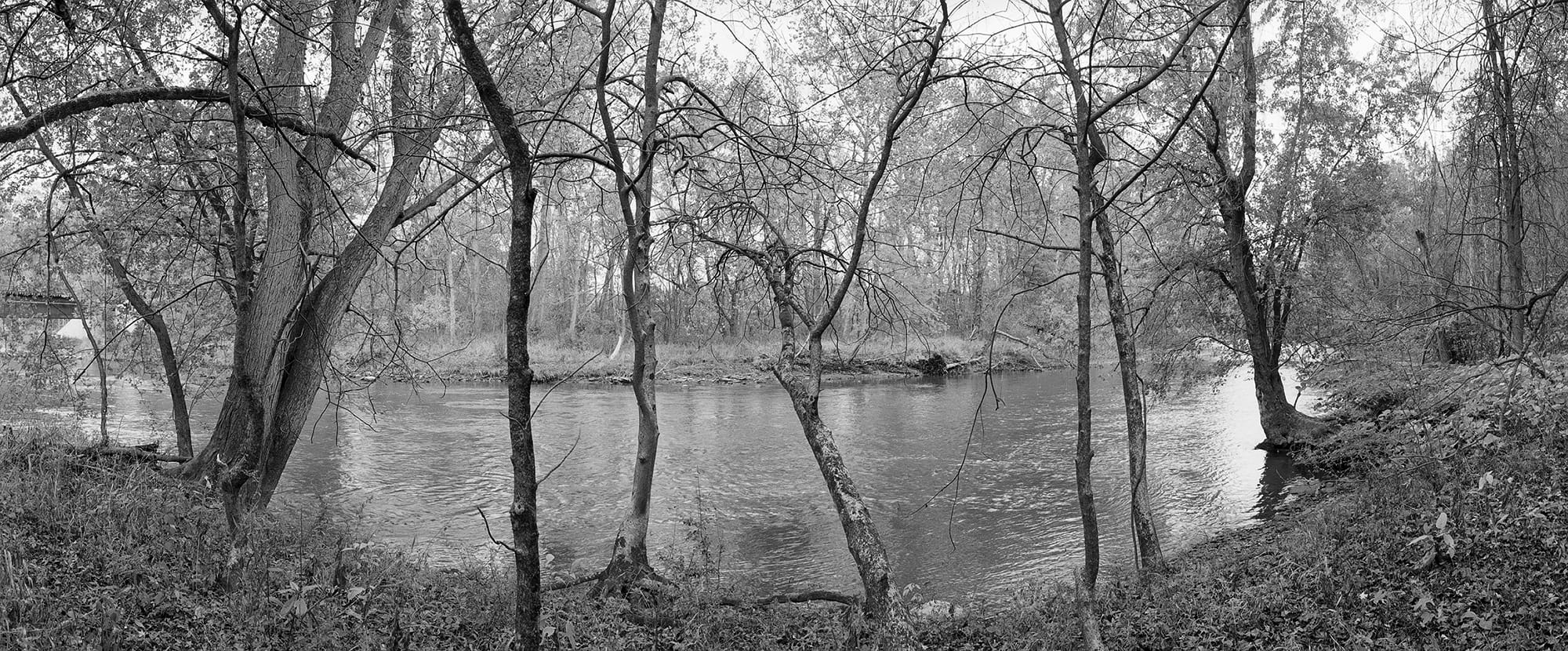
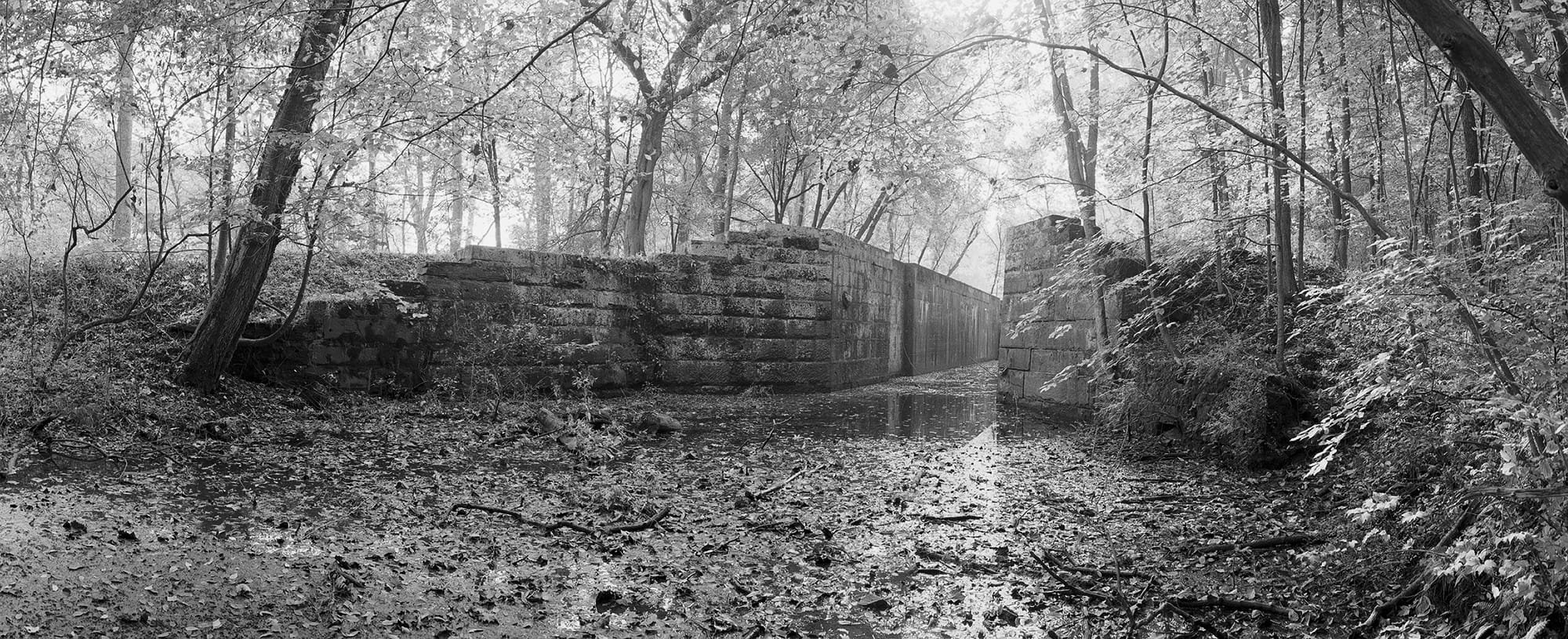
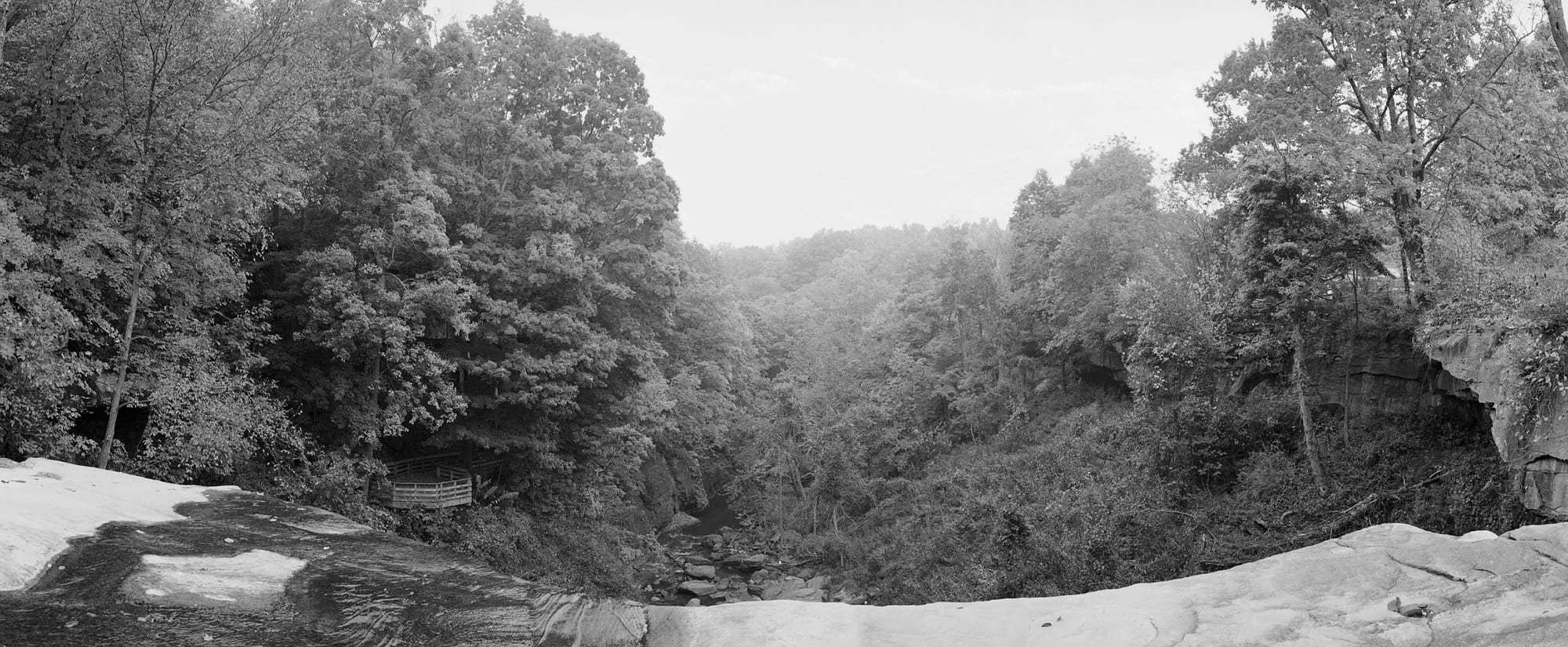
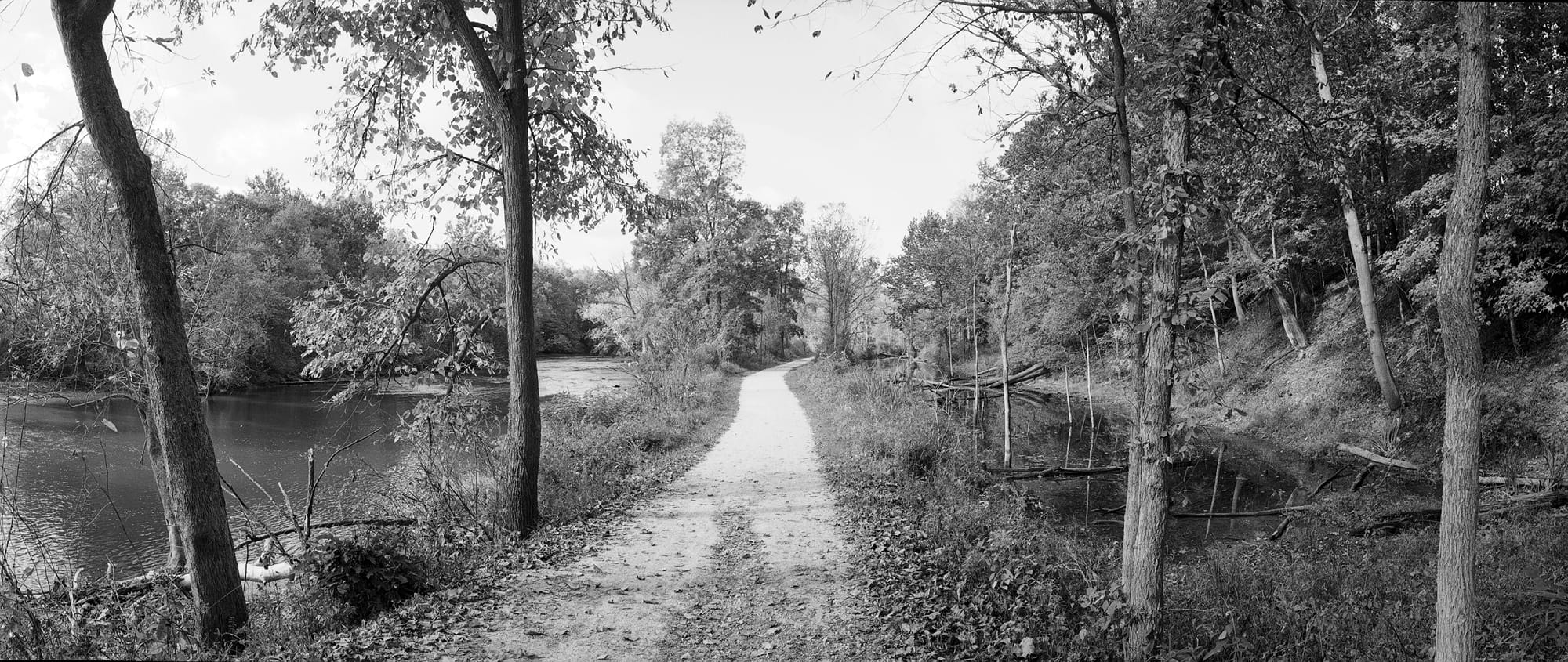
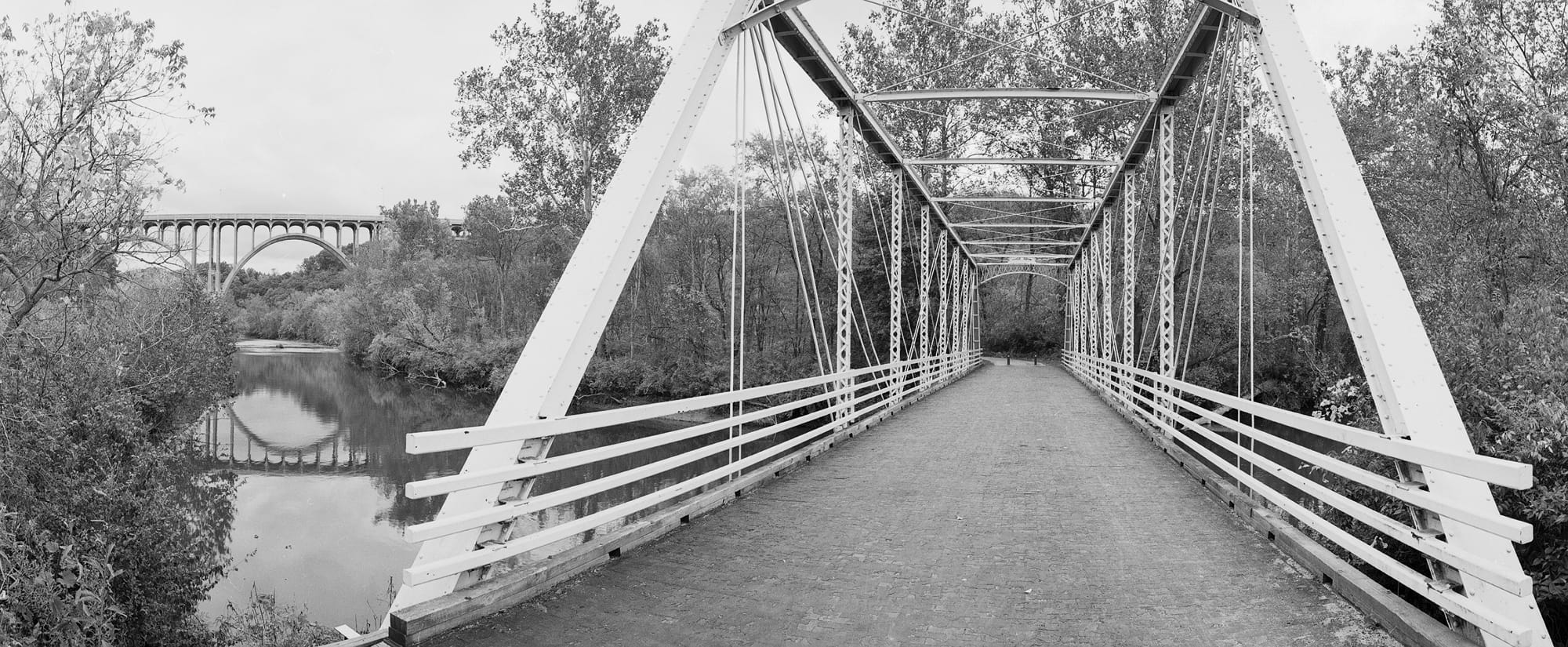
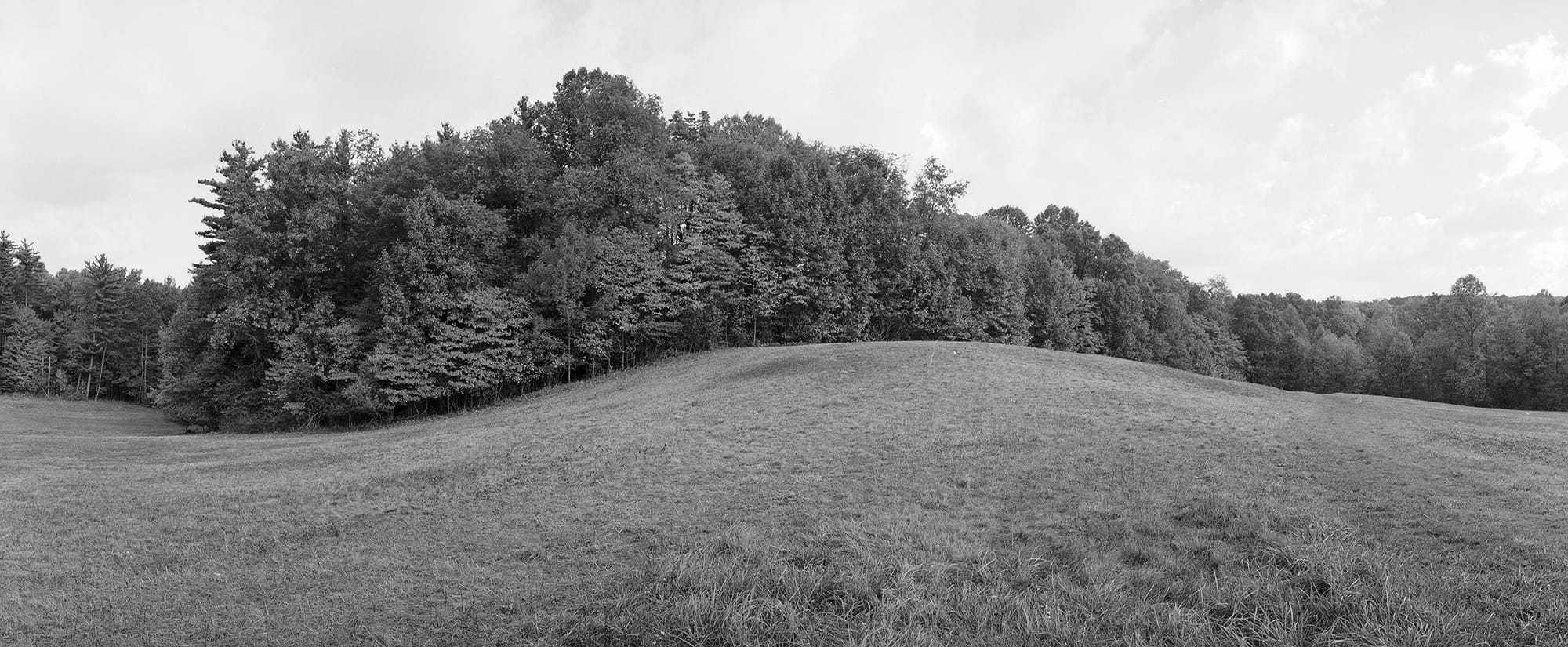
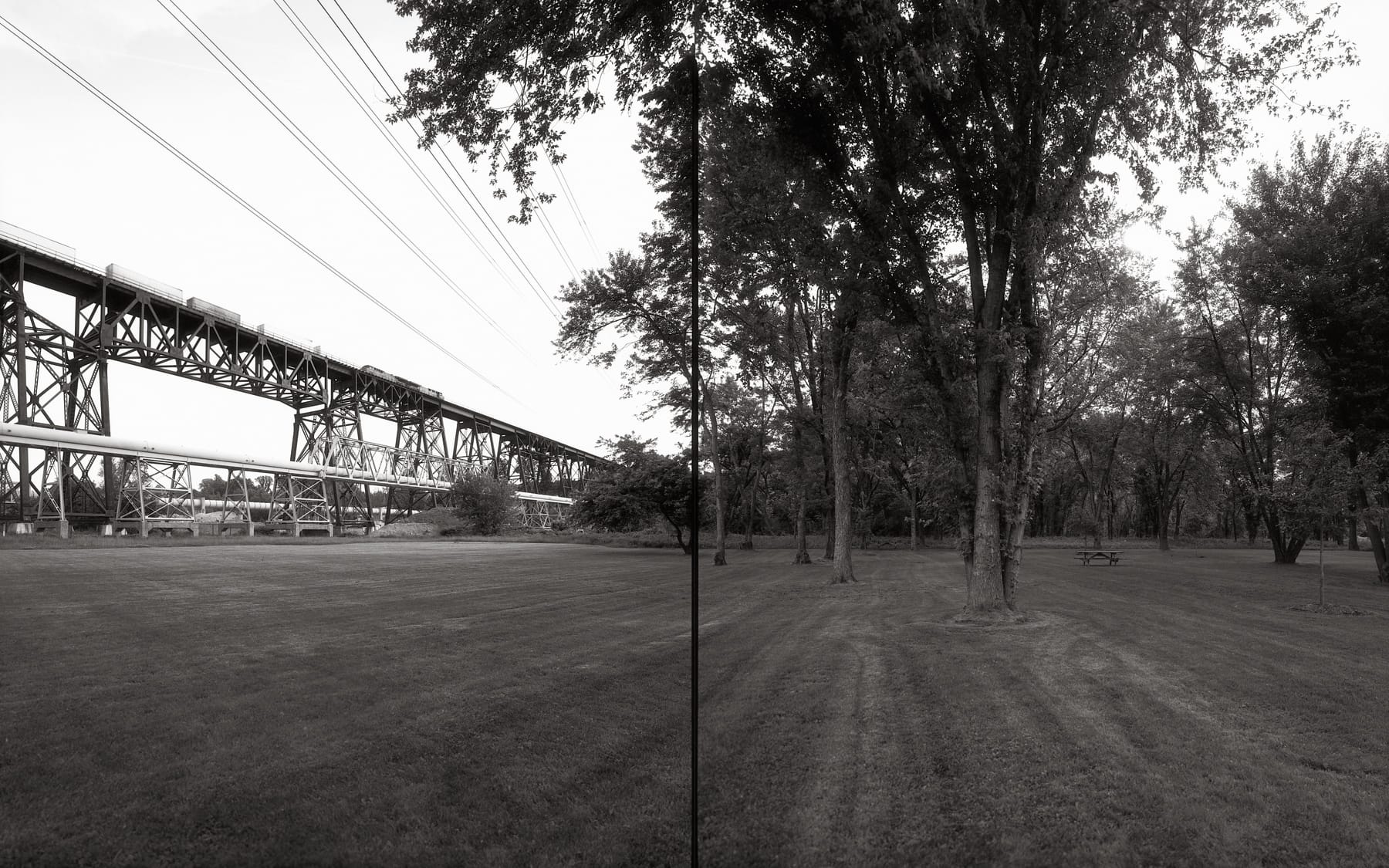
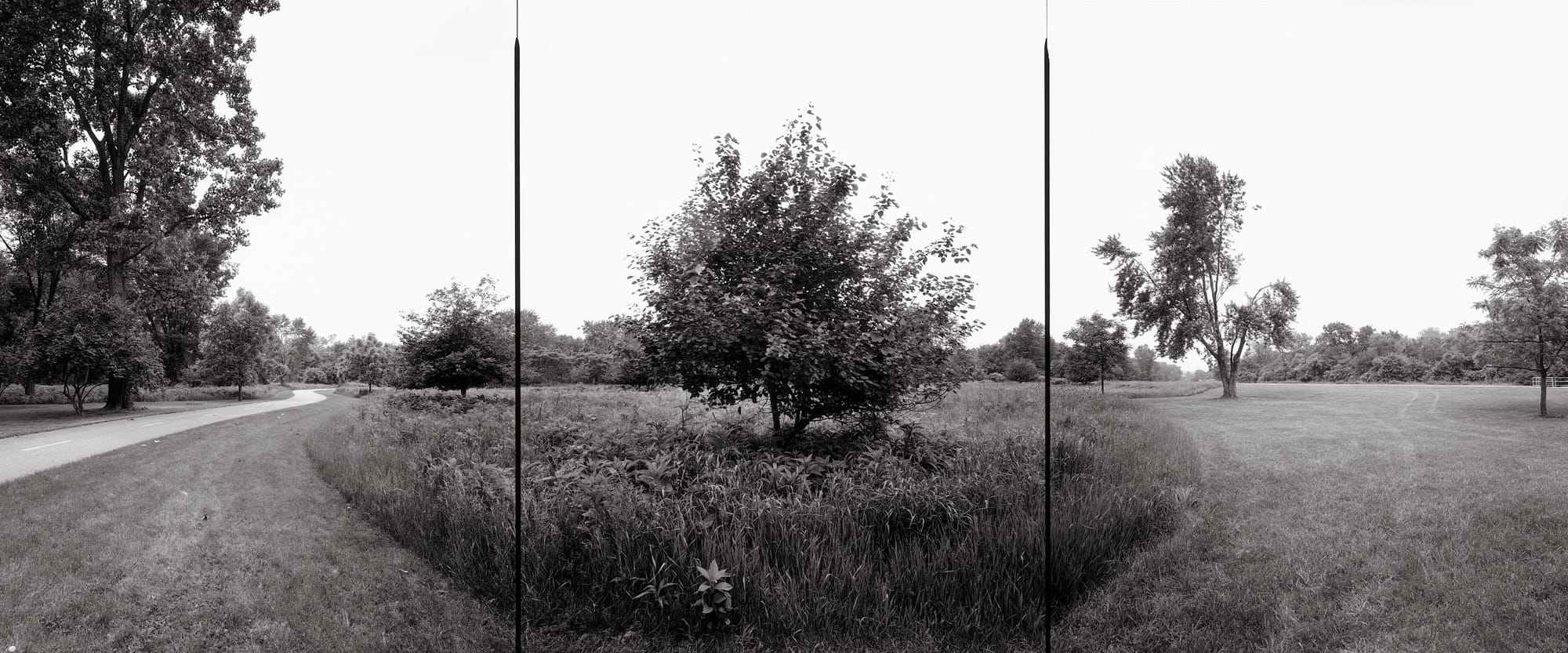
Geoffrey James beautifully illustrates the uniqueness of one of Northeast Ohio’s defining assets through his panoramic images of the Cuyahoga Valley National Park. His photographs capture not only the natural beauty of the park but also the reminders of our shared history, such as the long-abandoned locks of the Ohio & Erie Canal, that are scattered throughout this natural link between the region’s two major cities, Cleveland and Akron. The Foundation has made significant investments over the years to preserve and support what James, looking through his camera lens, described as “a great democratic open space…like no other national park I have seen.” James, who has been photographing man-made landscapes for more than two decades and whose work is included in major museum collections throughout North America and Europe, is a recipient of fellowships from the John Simon Guggenheim Foundation and the Graham Foundation for Advanced Studies in the Fine Arts.





Ohio City
Lauren Betenson
Thomas Roma (2004)
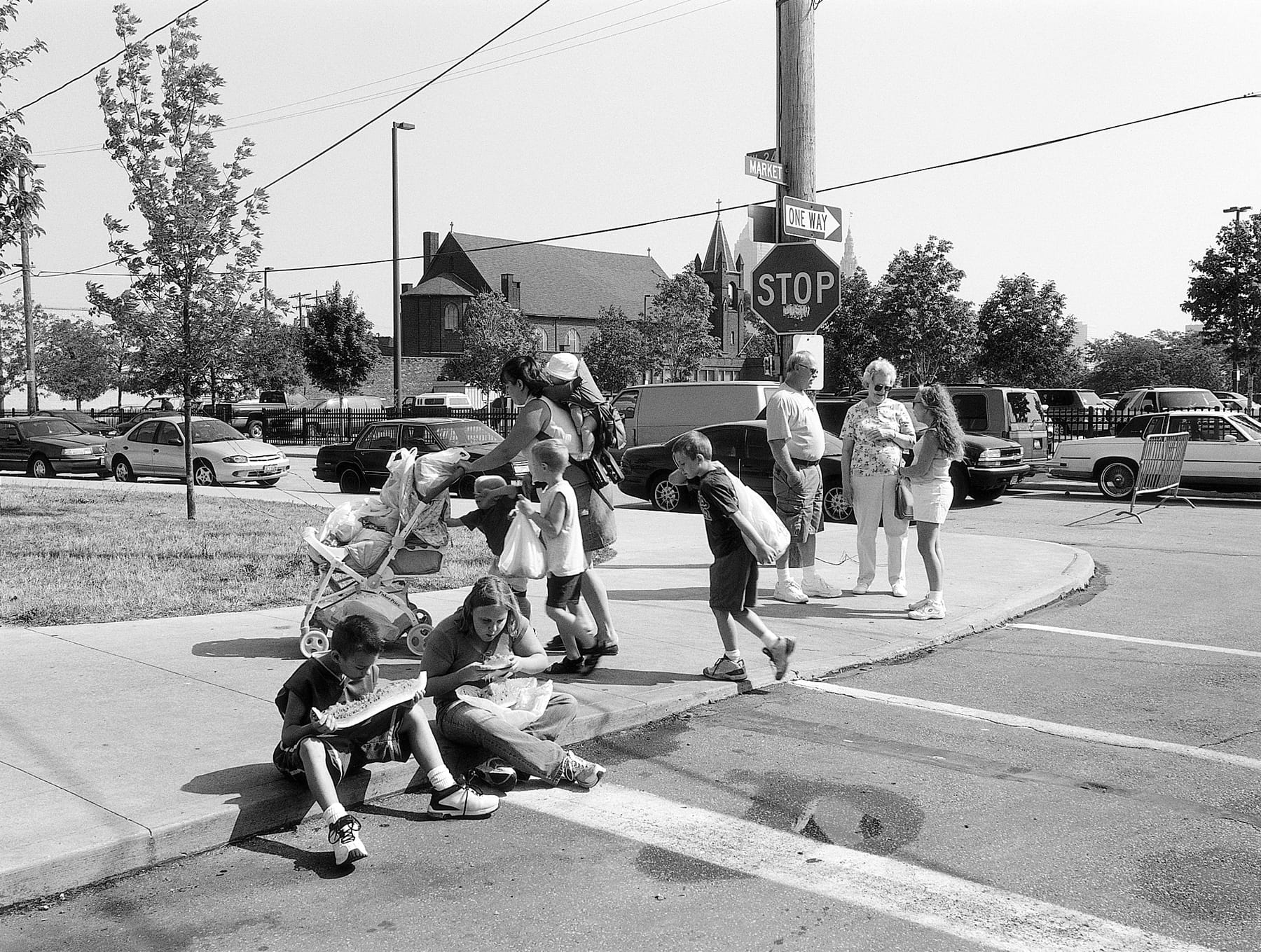
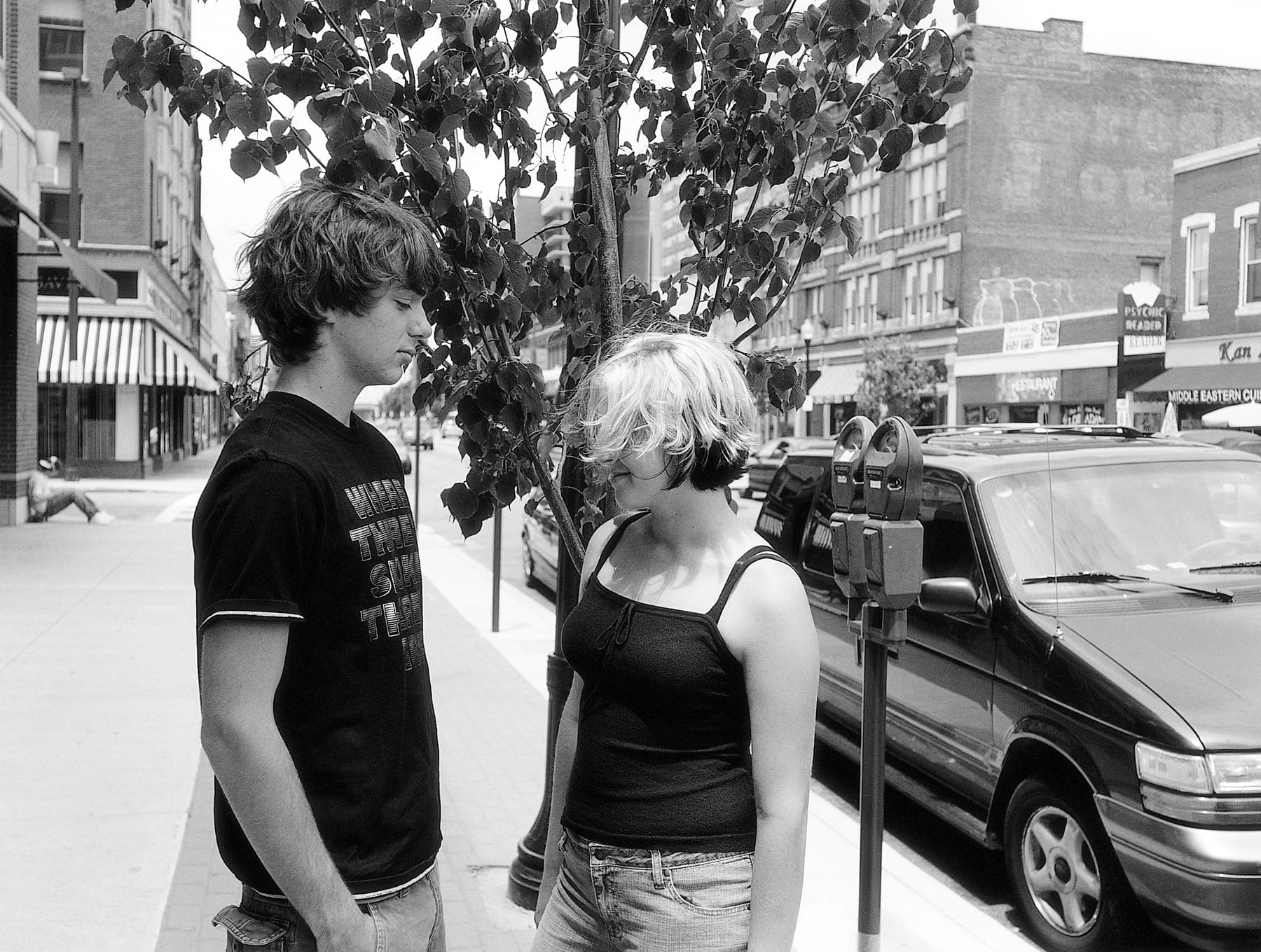
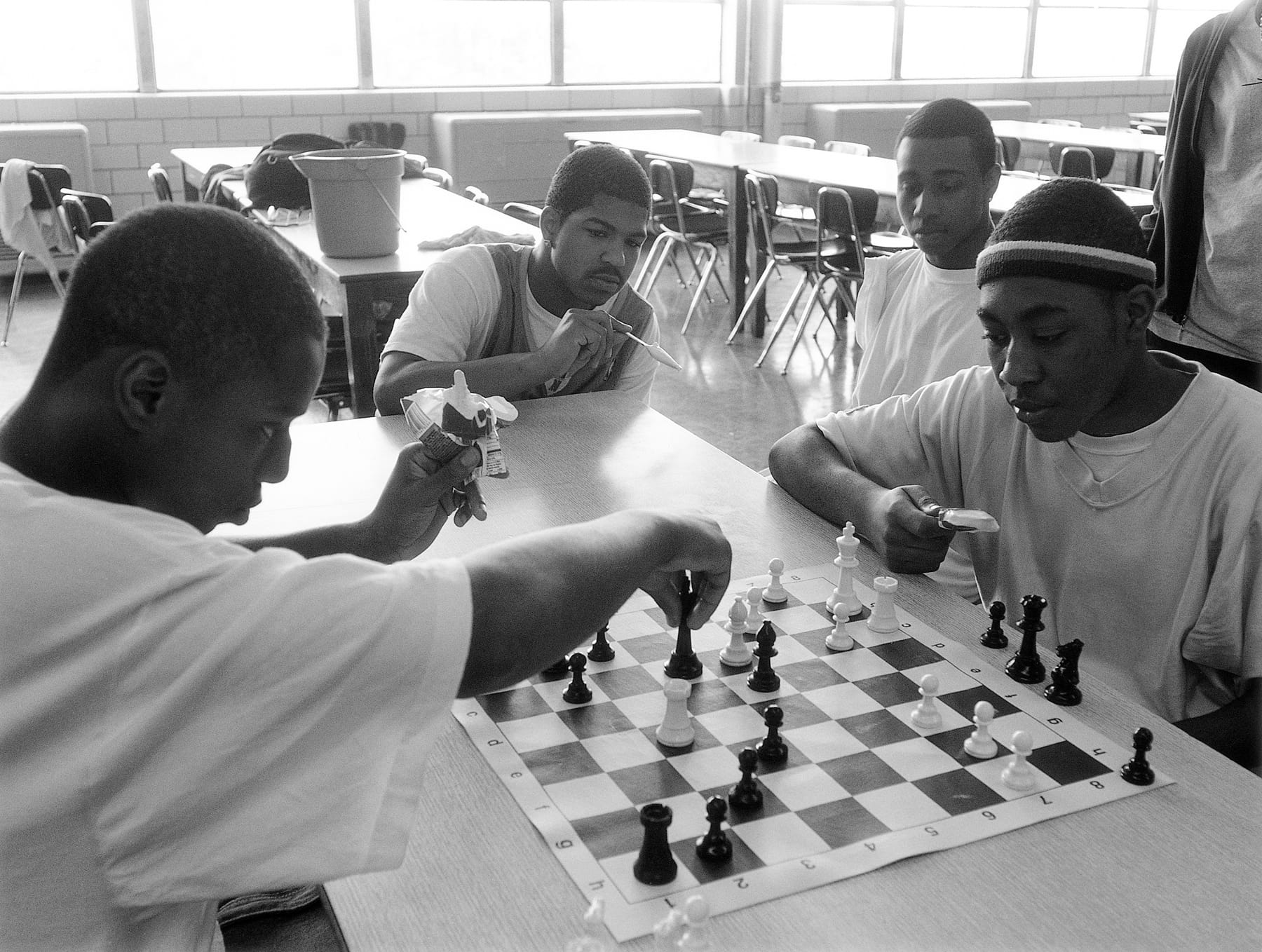
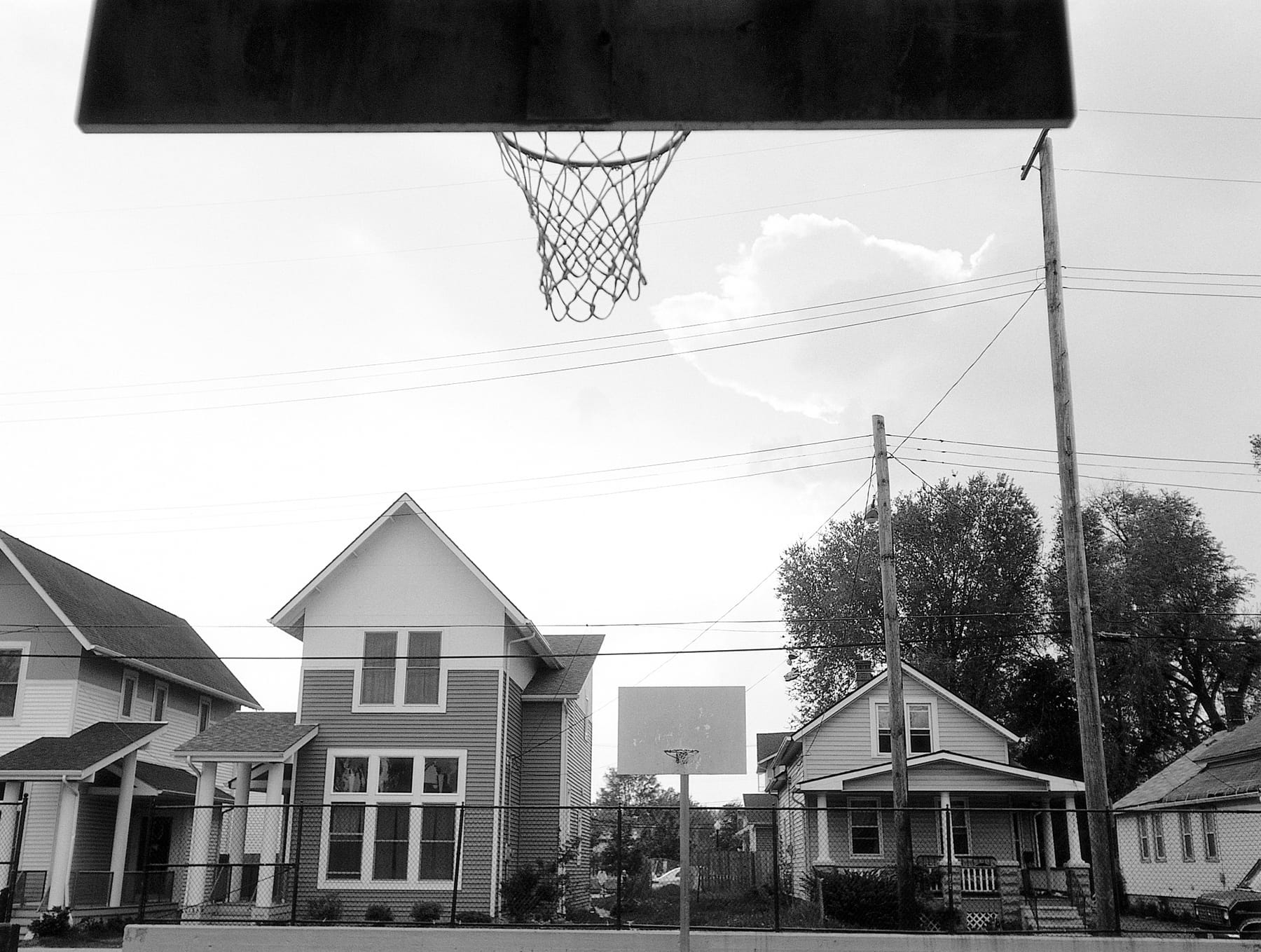
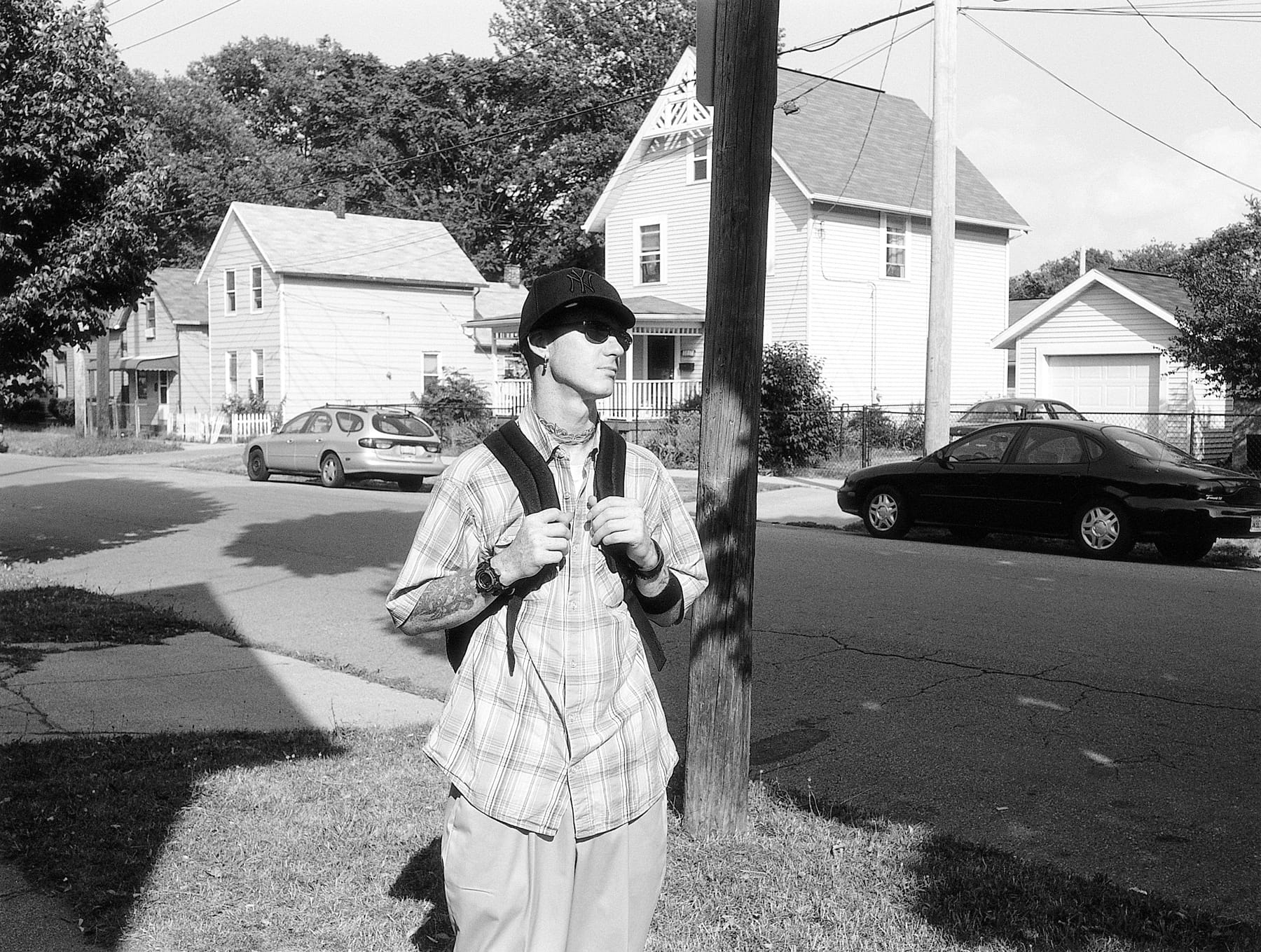
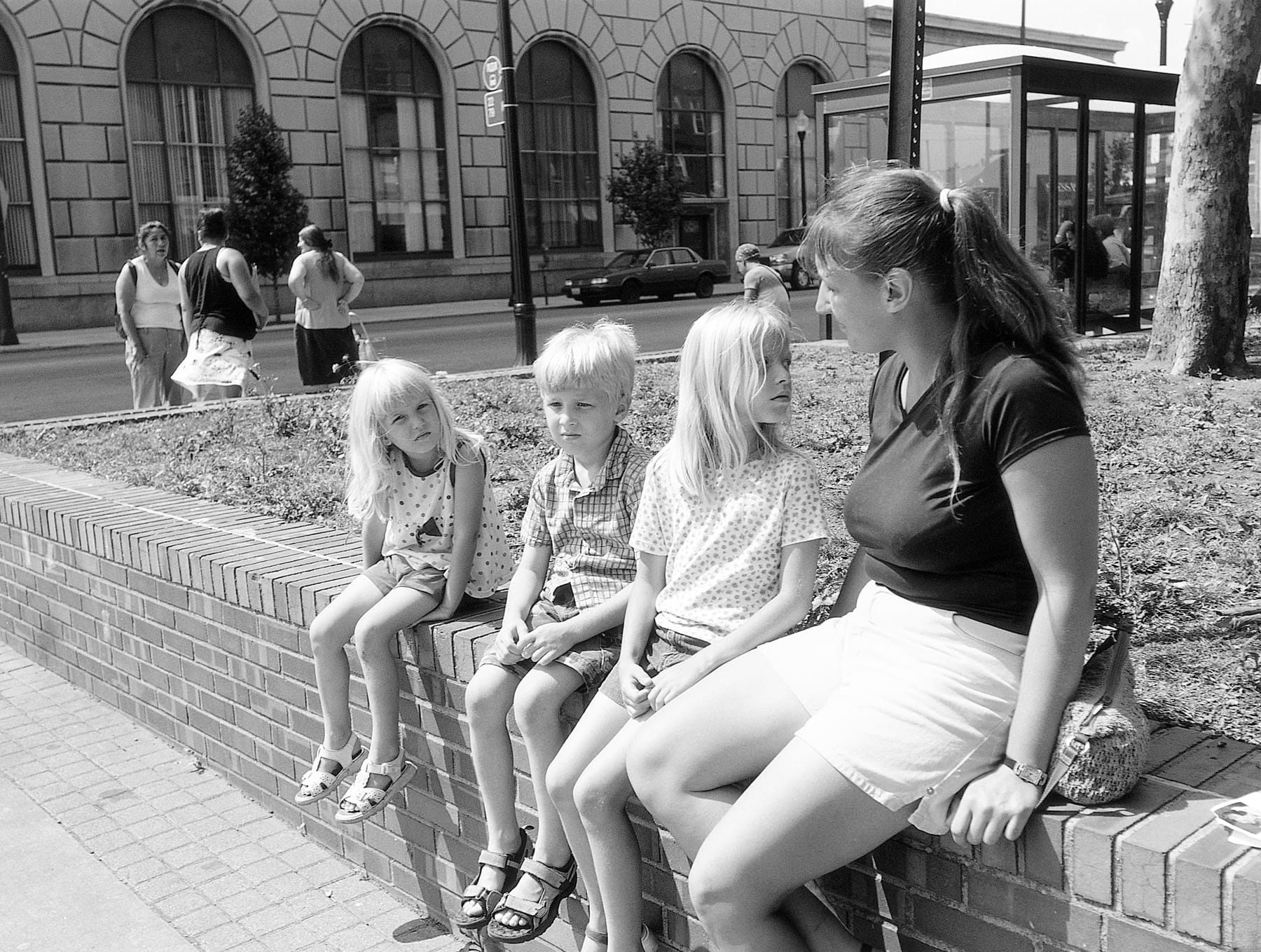
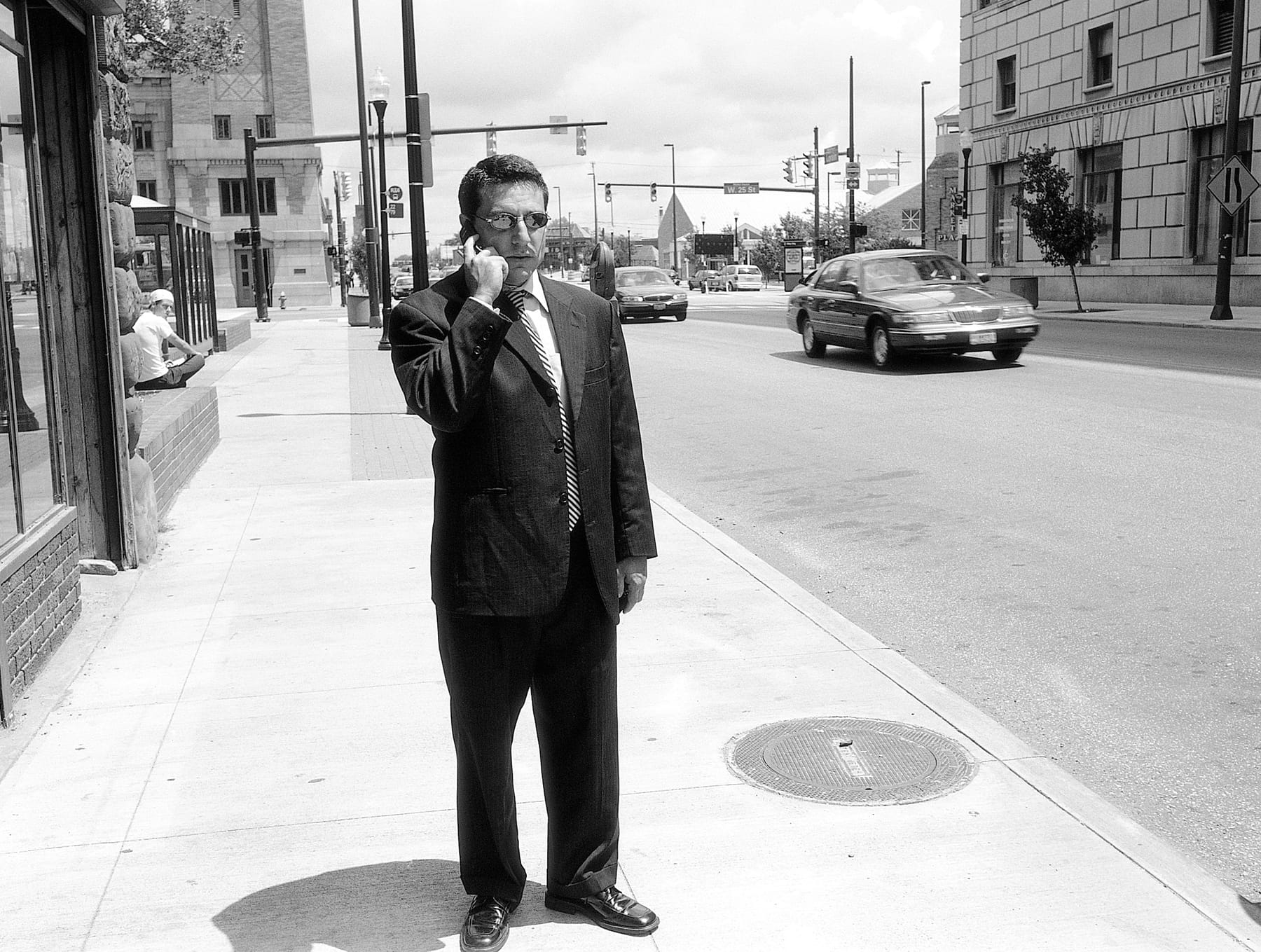
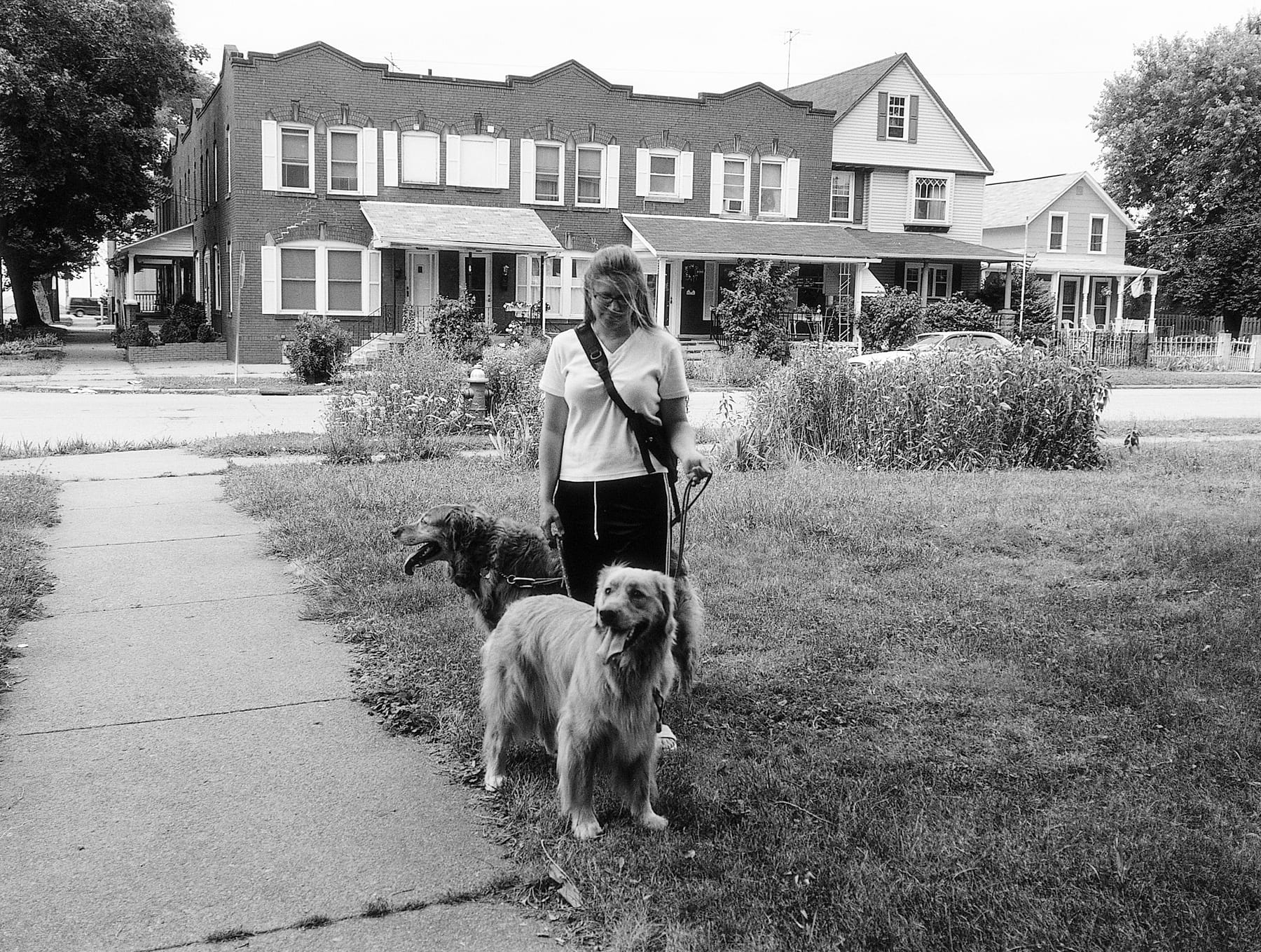
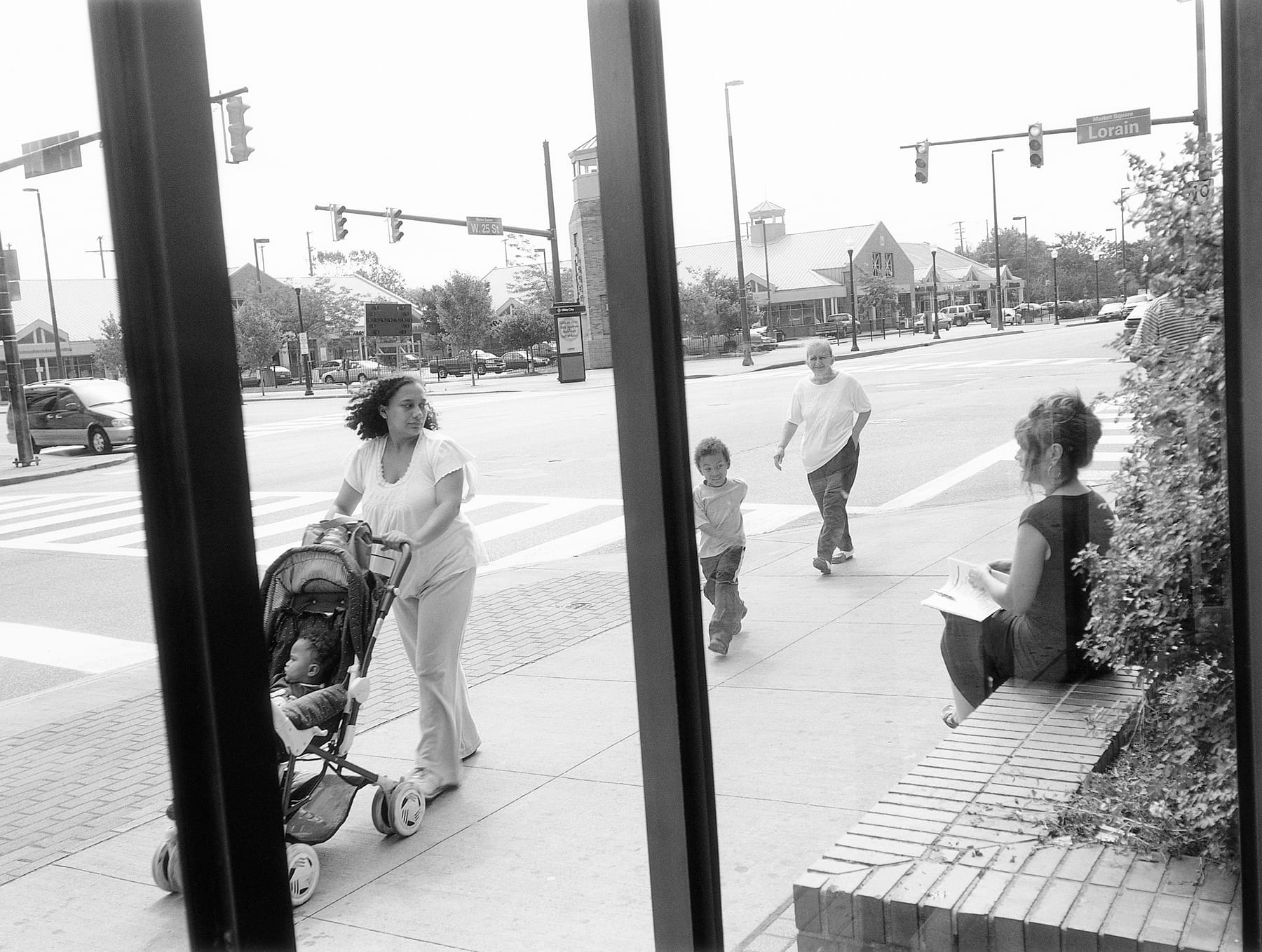
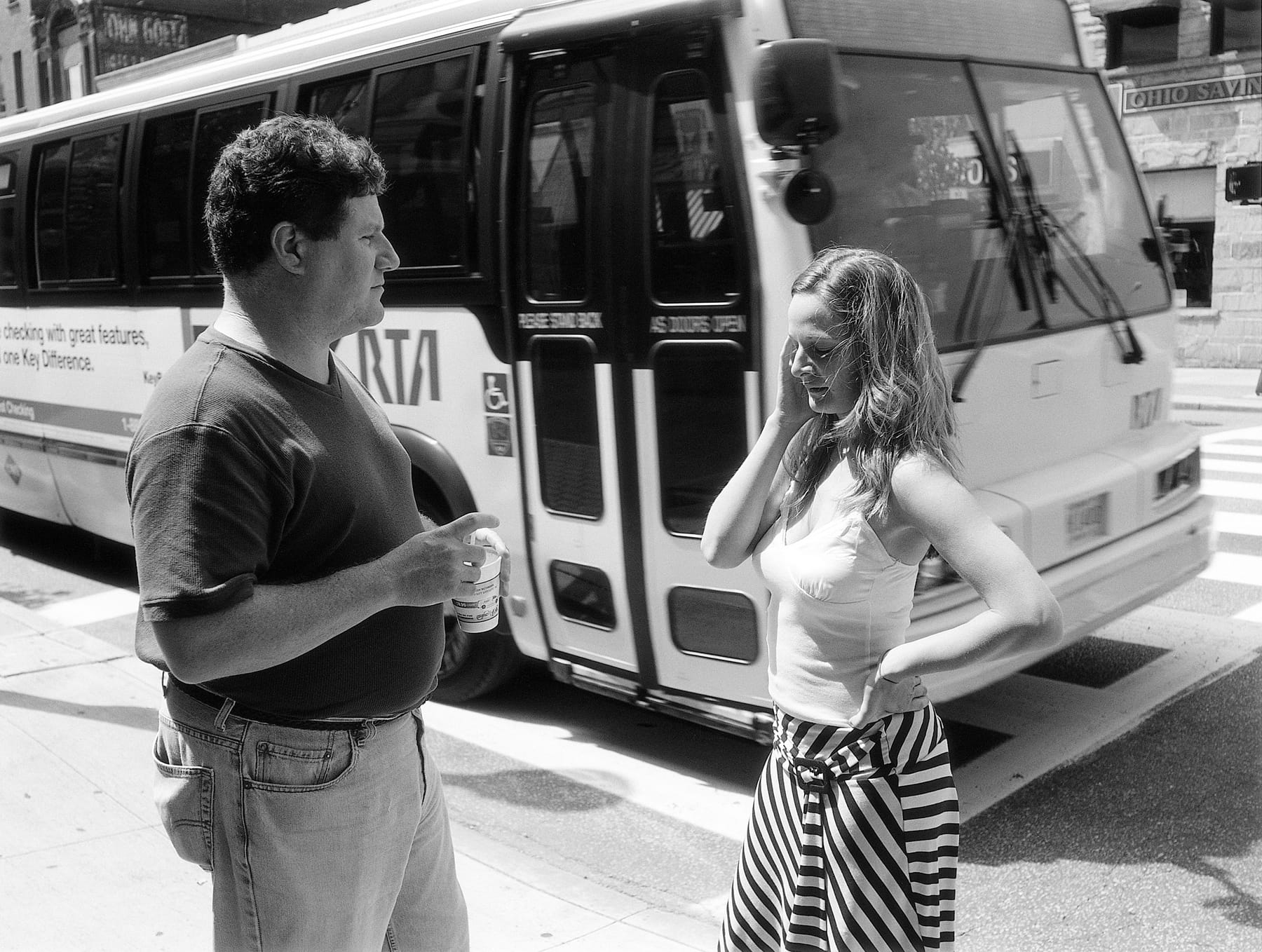
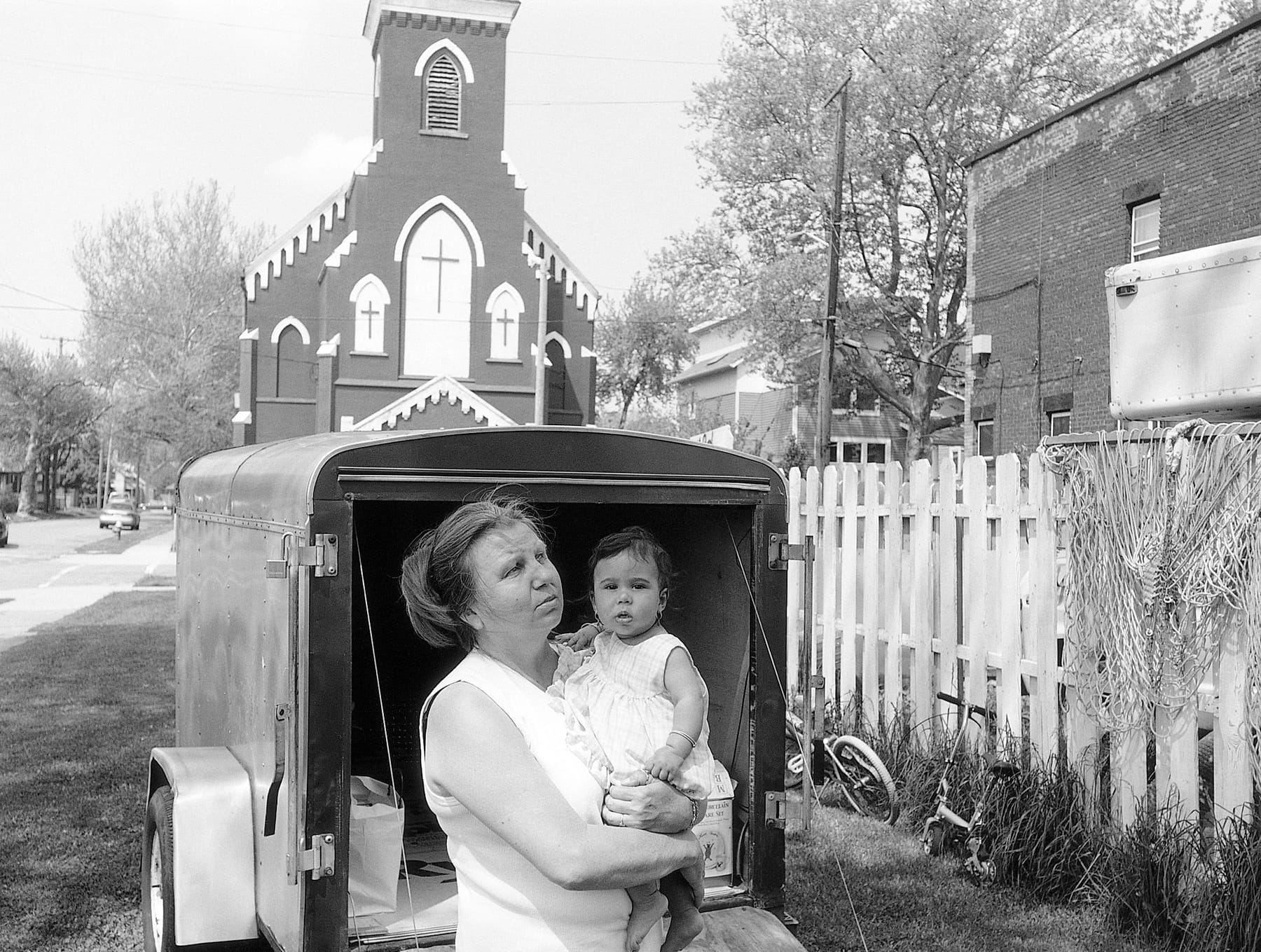
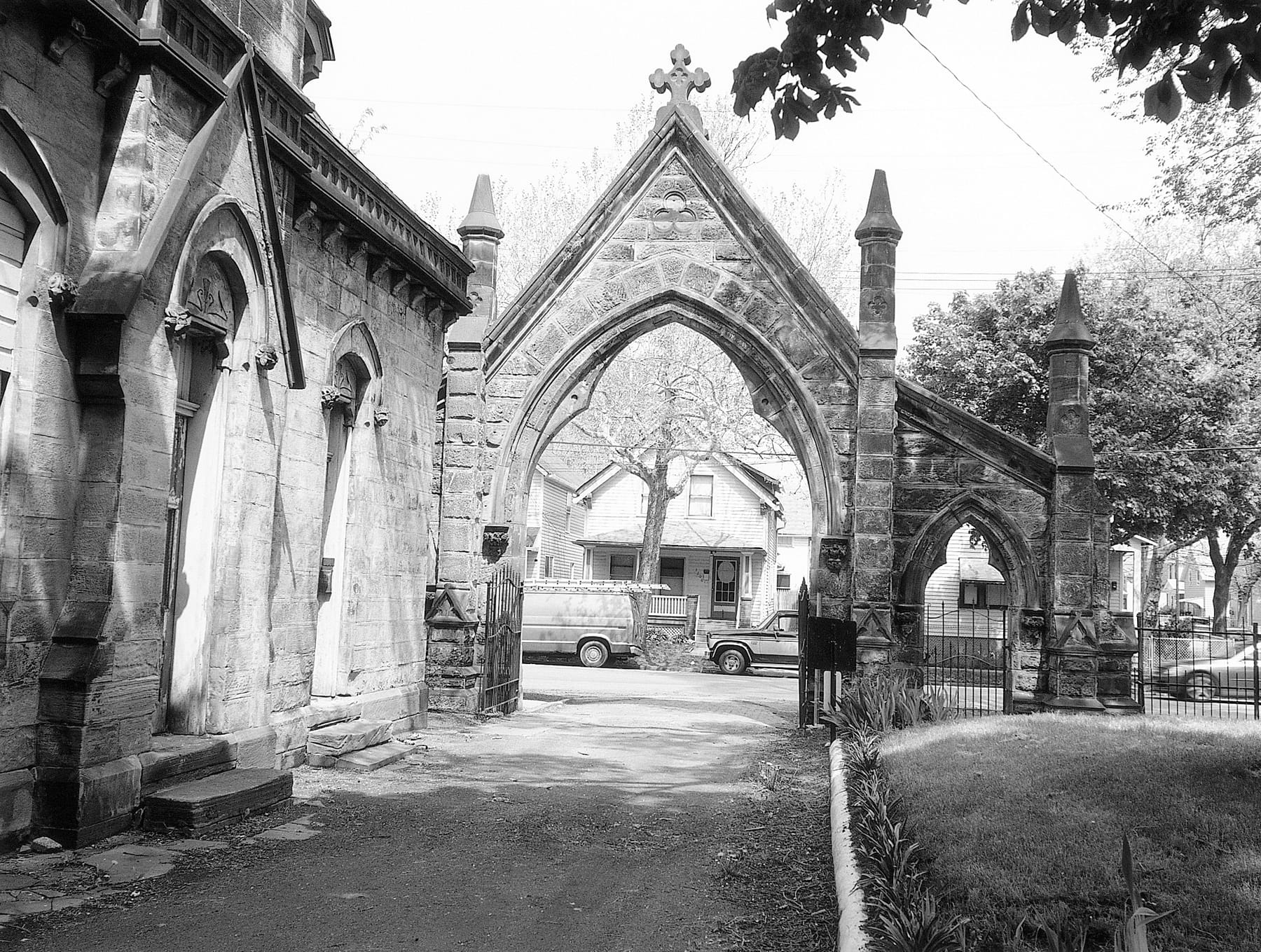
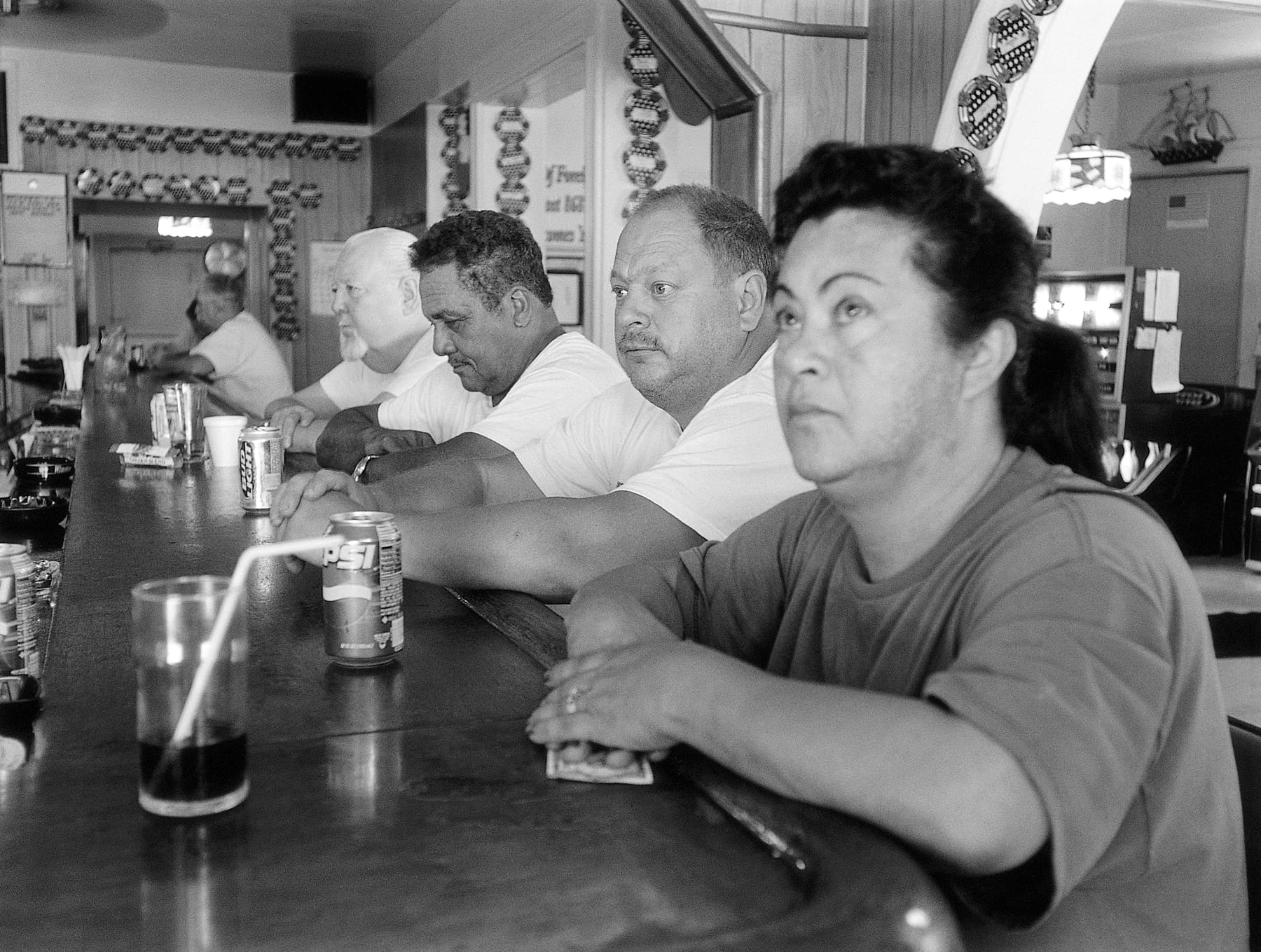
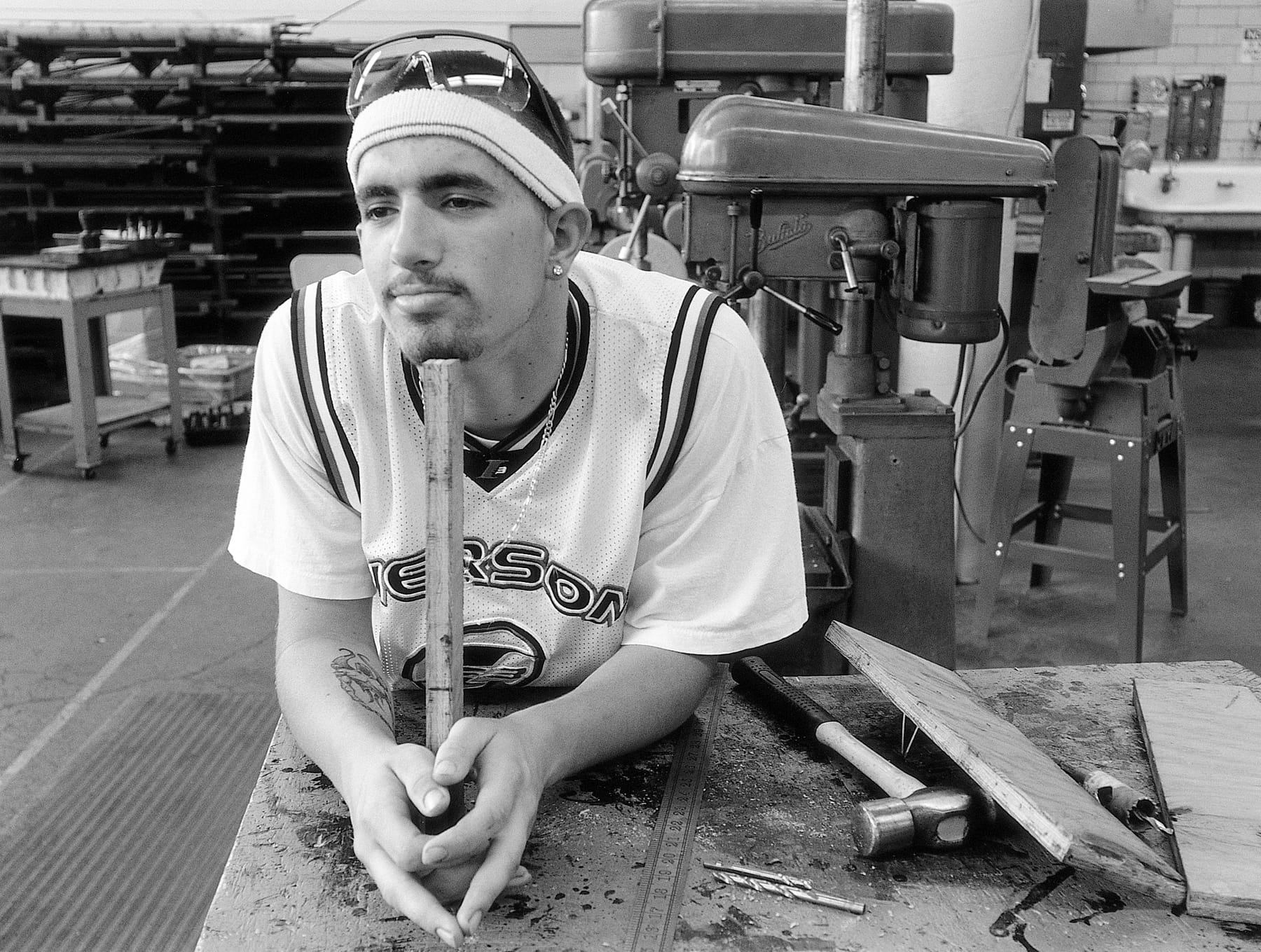
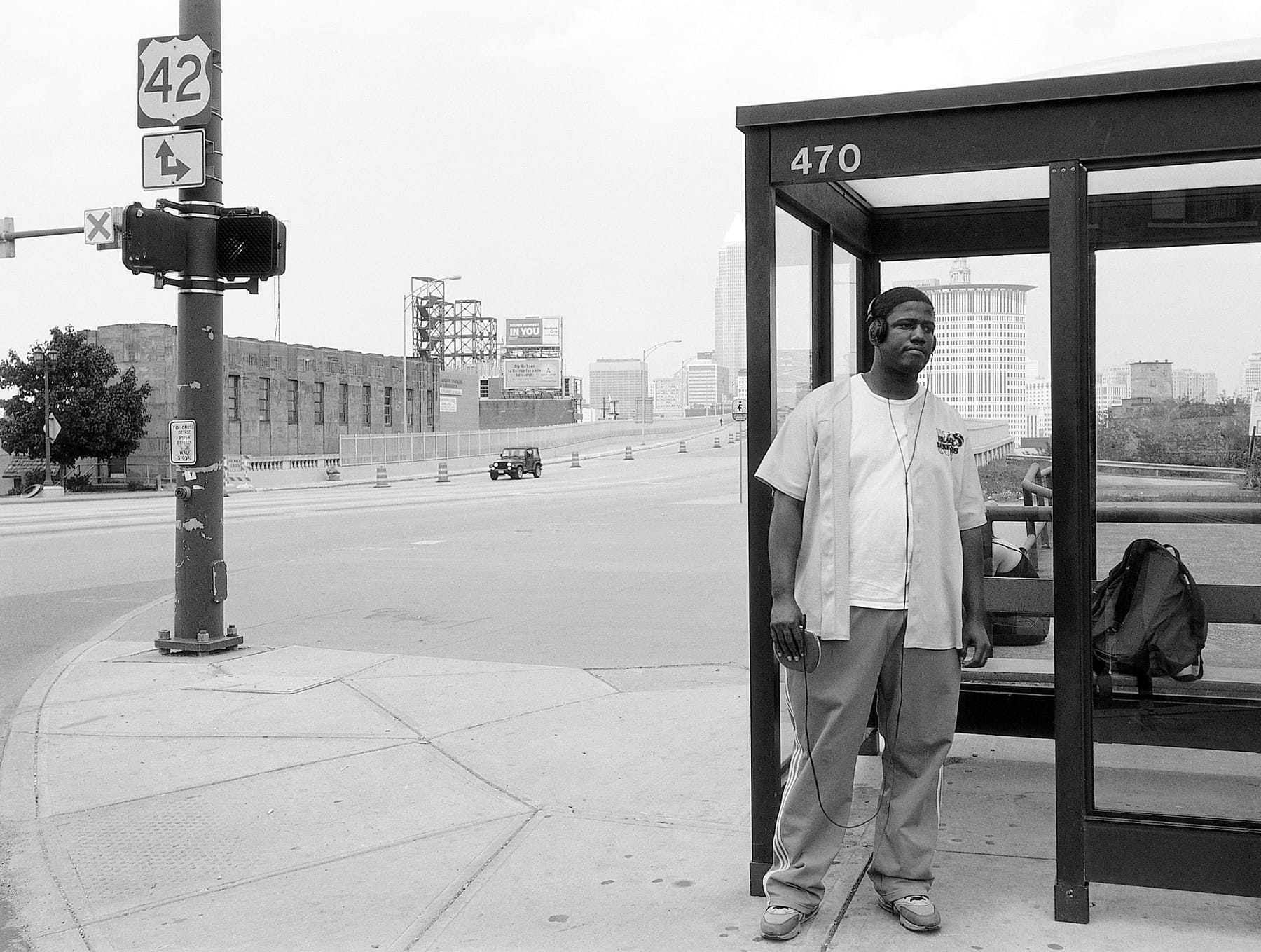
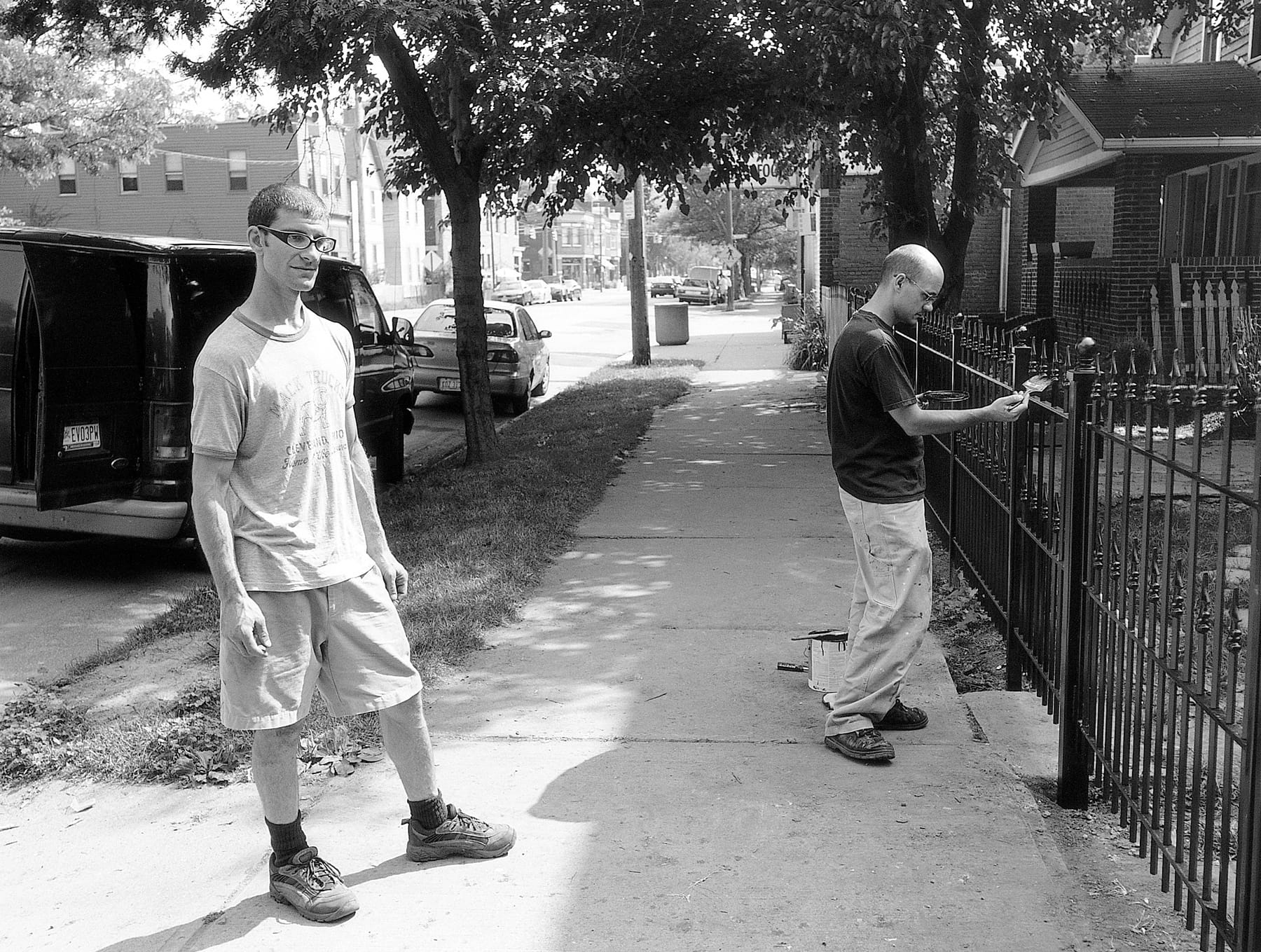
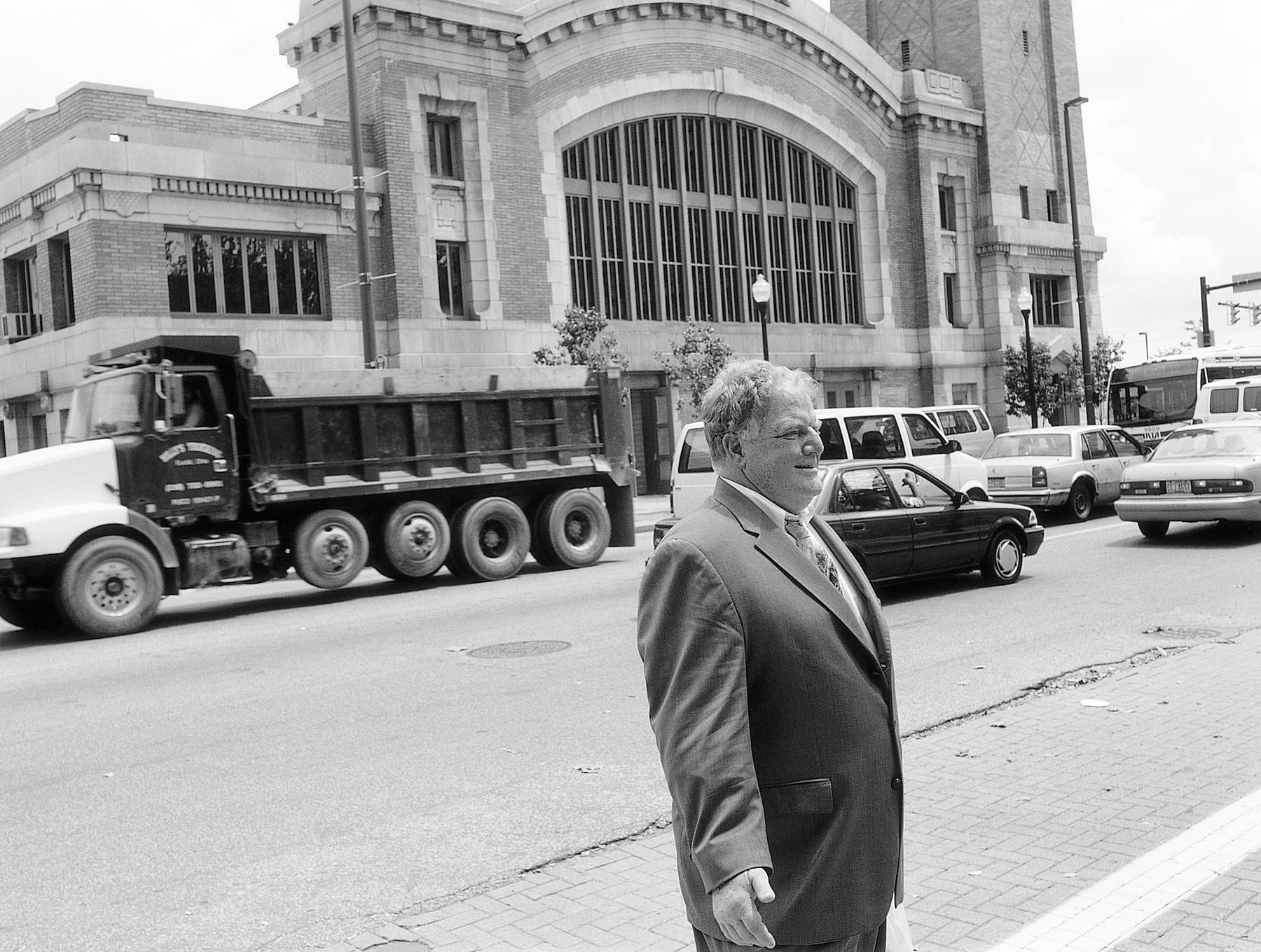
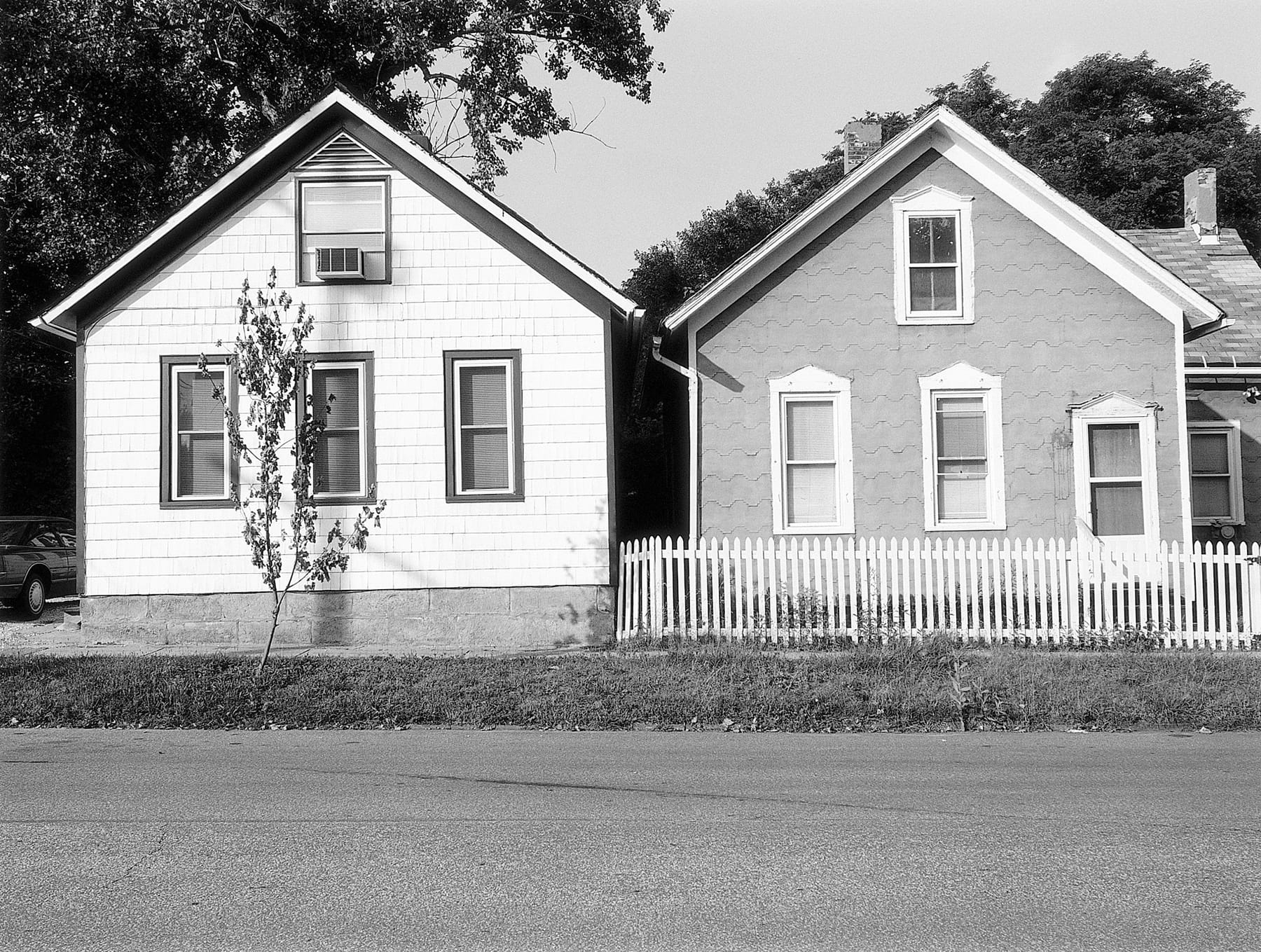
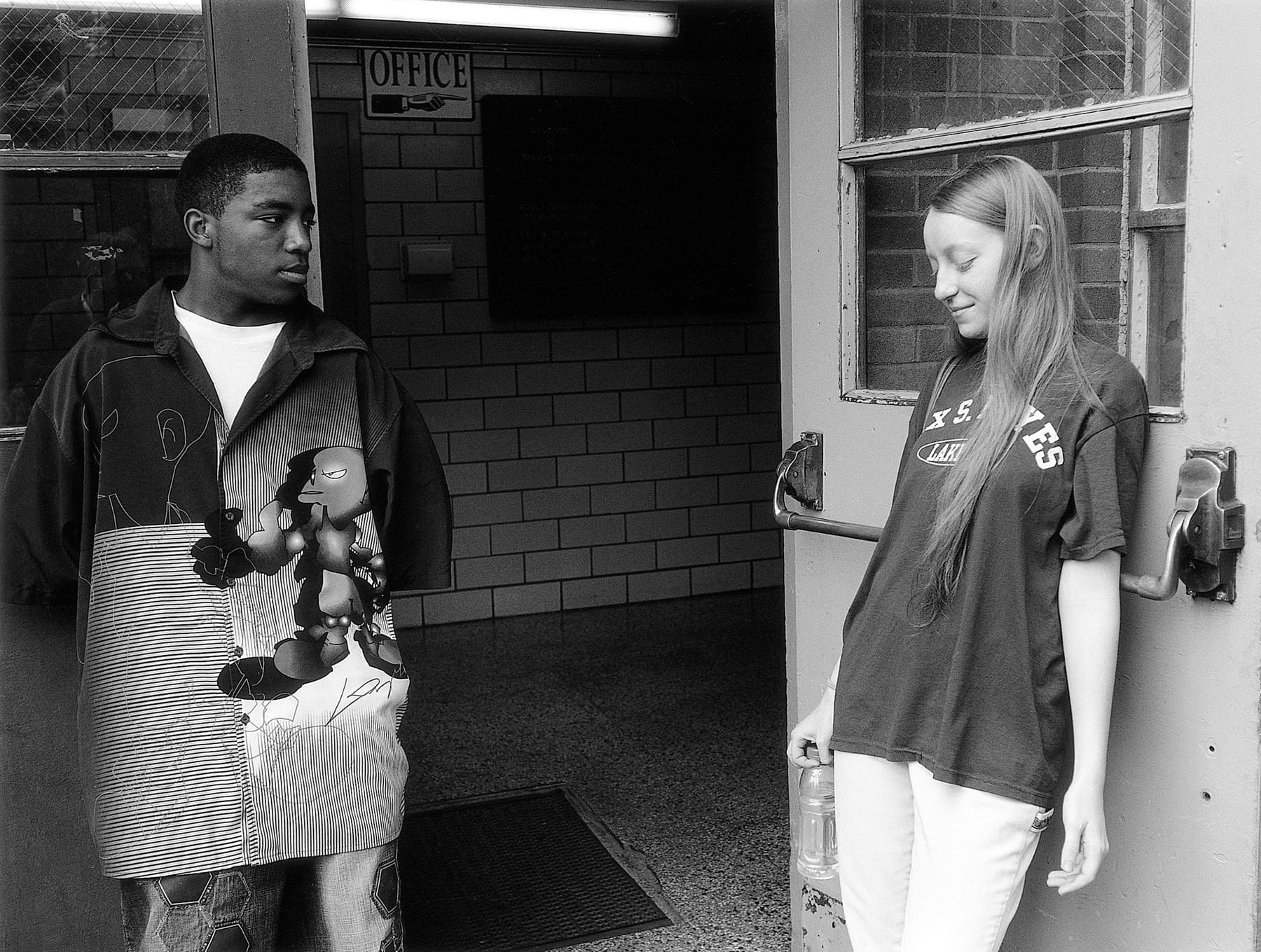
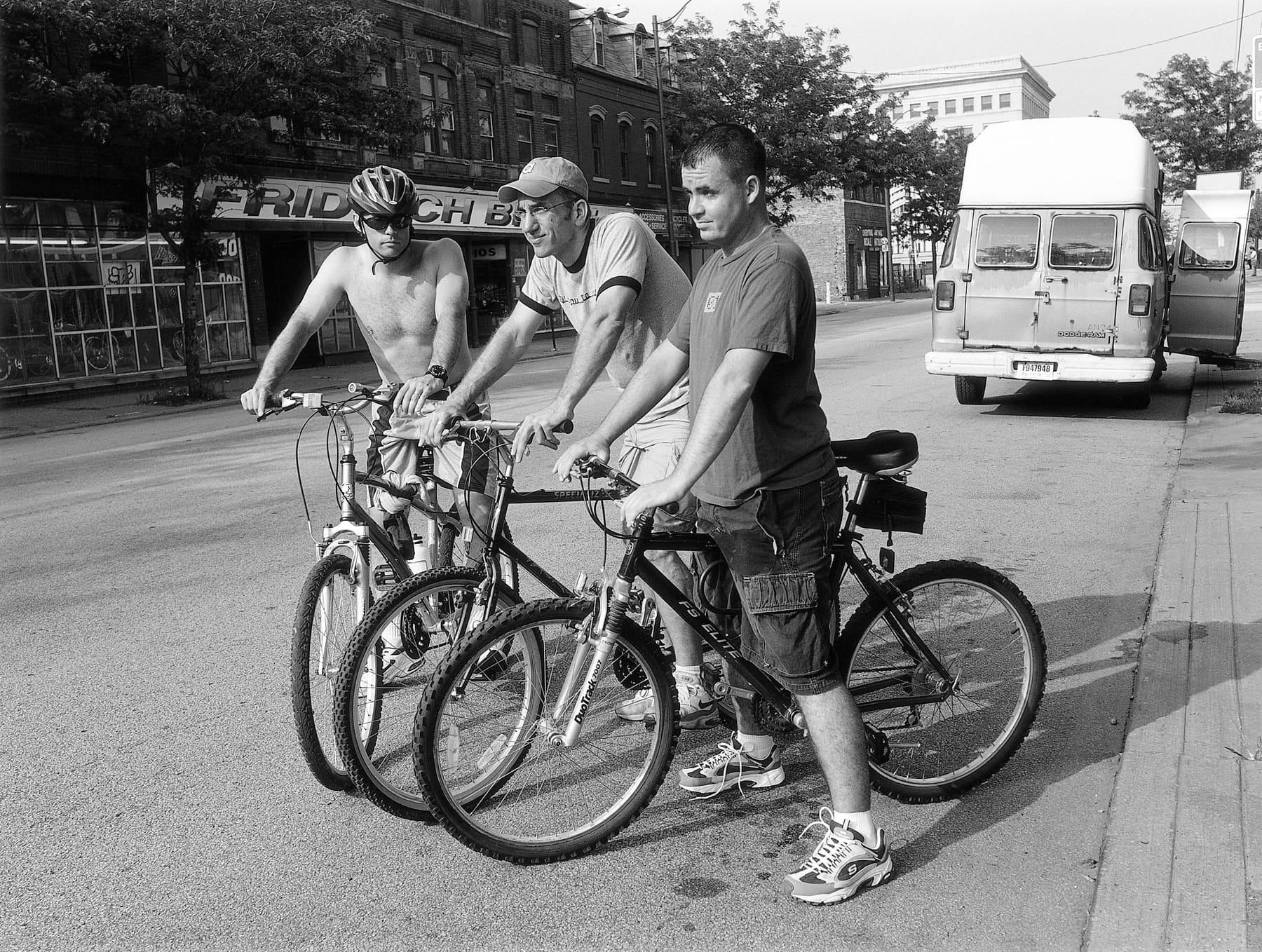
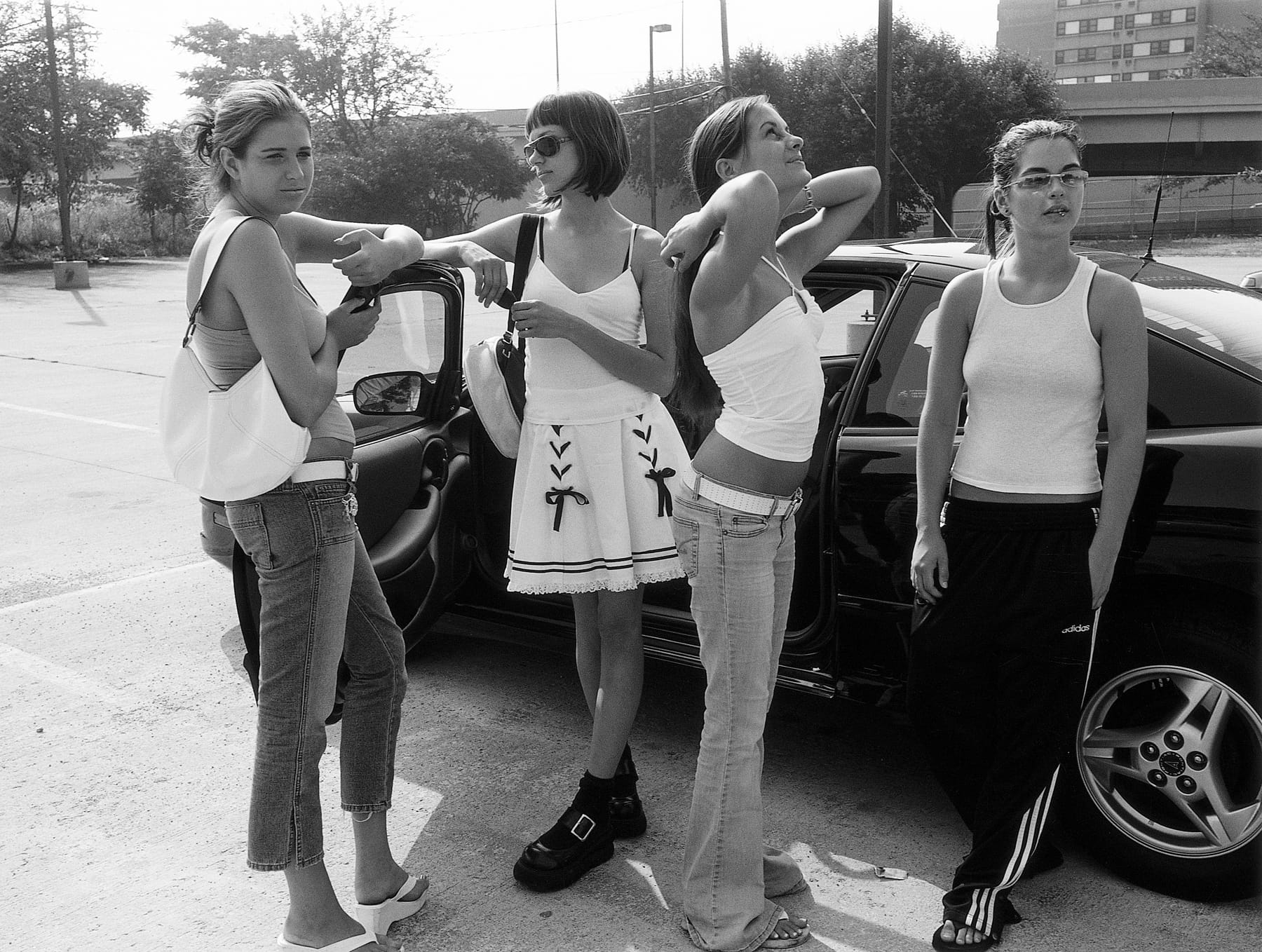
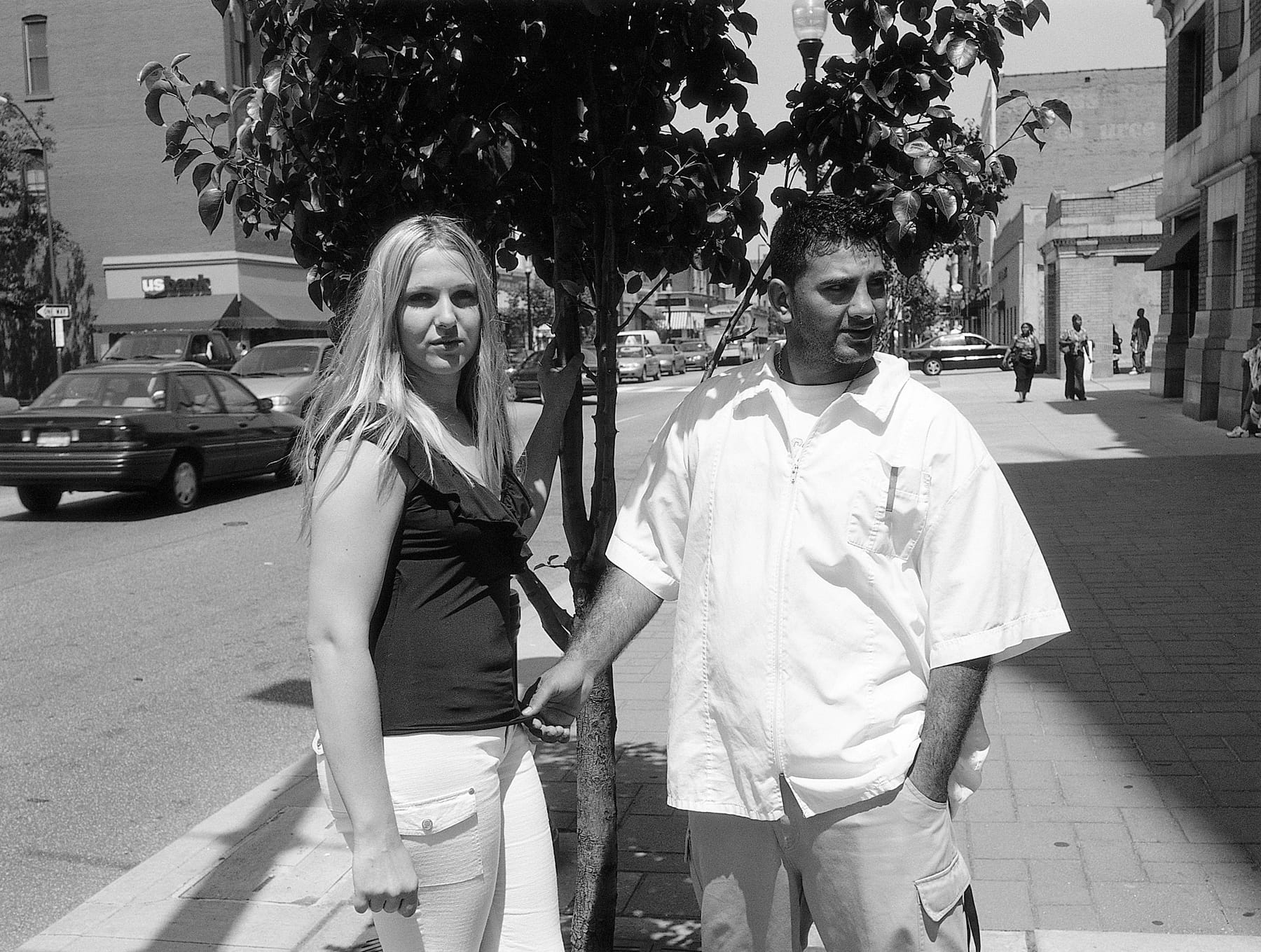
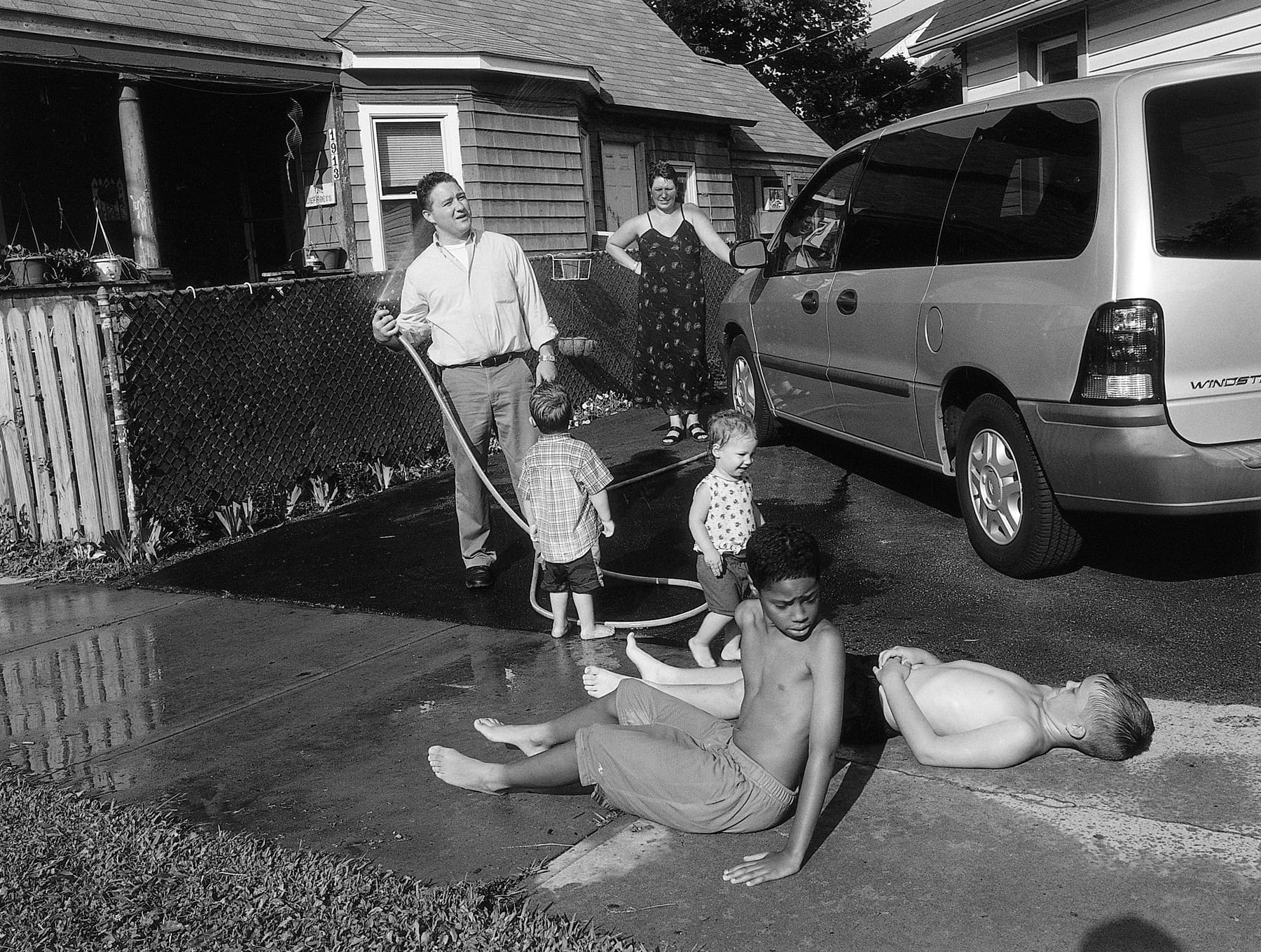
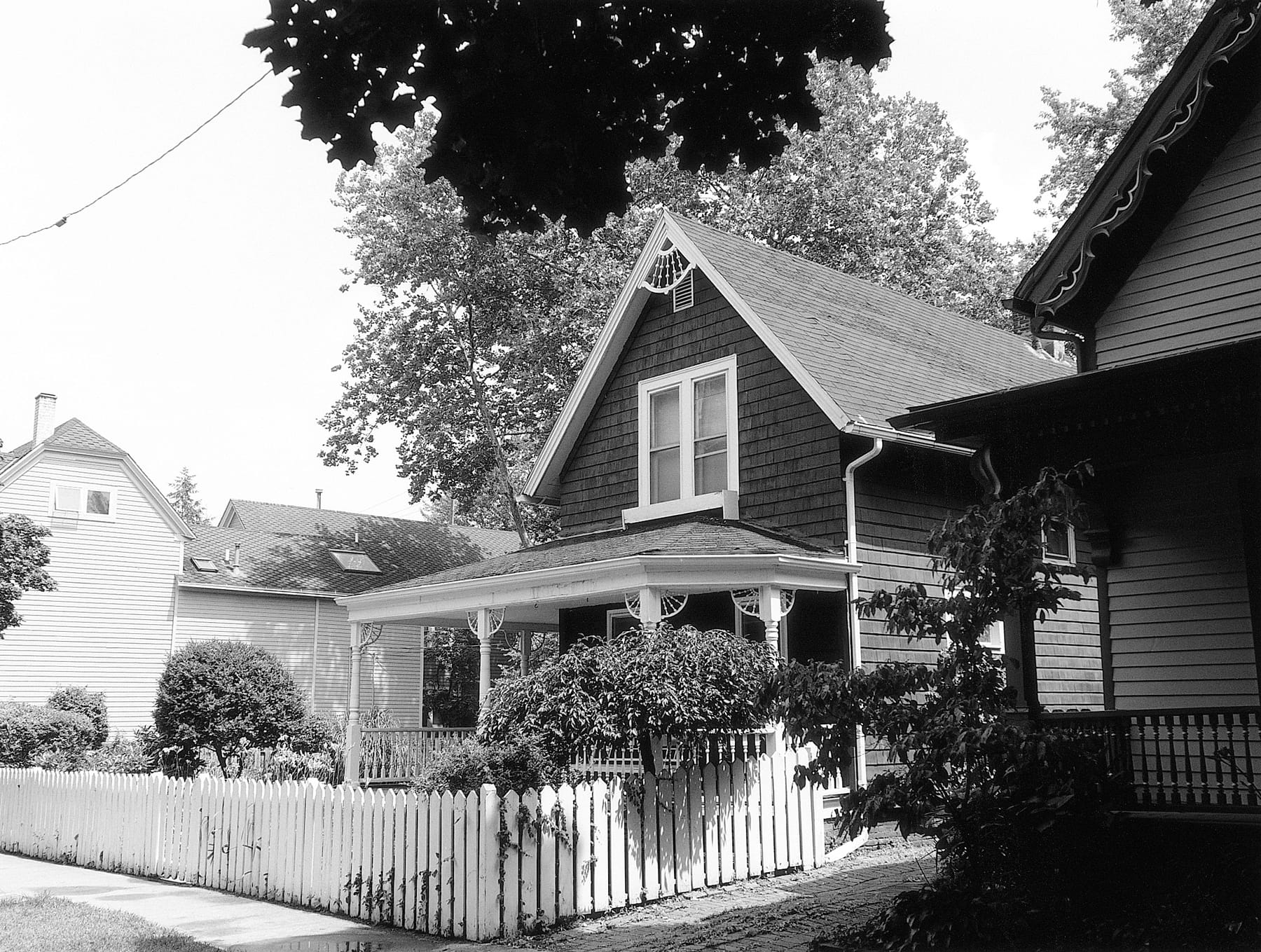
Thomas Roma has given us a fascinating glimpse into life in Ohio City, one of Cleveland’s most diverse, dynamic urban places. The neighborhood, home to some of the area’s early settlers and evocative of an age of economic prowess, is significant in Cleveland’s past. It also is important to our present as home to many nonprofit organizations funded by the Foundation. Ohio City also represents the future we want for our community — a vibrant urban neighborhood that is attractive to many types of people, including workers in the new knowledge-based economy.




Letter from the Executive Director
2004 Annual Report
The photographic essay in this annual report depicts Cleveland’s Ohio City neighborhood through the singular lens of Thomas Roma. Ohio City is one of the city’s most diverse places, and it exuberantly bursts with sights and flavors. It challenges any effort to embrace it within one set of photos.
We commissioned Roma’s essay because Ohio City represents so many of the Foundation’s interests and concerns. Over many years the Foundation has supported scores of organizations, in every one of our program areas, located there. The organizations and their work are themselves worthy of our support, but their presence in a single place suggests the greater importance of Ohio City.
It is a place of history. Once a separate municipality, Ohio City is one of Cleve-land’s most interesting neighborhoods because its dense Victorian housing and narrow streets evoke an era when Cleveland’s economic brawn was virtually unmatched.
It is a place overflowing with social concern. Few neighborhoods are home to so many nonprofit organizations devoted to improving the lives of others. Human services, community development, the environment, arts, education—all of these have their advocates in Ohio City, serving the full diversity of people who live in the neighborhood and beyond.
It is a neighborhood that attracts new urbanists. The devastation of suburban sprawl has taken as severe a toll on Ohio City as other city districts, but three decades ago Ohio City also saw the first stirrings of reinvestment. That trend continues, with all of the complexity and the hope that accompany it.
Each of these characteristics makes Ohio City important—not merely to its residents, but also to the city as a whole and, indeed, to the larger region. Under-standing that importance is especially vital to the expanding appreciation of regionalism. Ohio City’s features—its density, diversity, historic character, proximity to downtown—make it an appealing home for people who have the ability to live anywhere. Many of those people are the entrepreneurs, the knowledge economy workers, the innovators who will drive much of our region’s standing in the global marketplace. Northeast Ohio must pay special attention to its places that appeal to such people. The best of those places are authentic urban neigh-borhoods. Bland sprawl does not attract the inventive people we require; indeed, it repels them.
Special urban spaces—and there are many—need to be nurtured for the sake of the region’s economic competitiveness. This means that the entire region has a stake in the success of neighborhoods like Ohio City. But our deeply fragmented political and governmental structures in Northeast Ohio nearly bar us from seeing that, let alone committing regional resources to it. Doing so in a way that does not exclude long-time residents and those with fewer choices than the new economy’s workers is one of the real challenges of life in a vibrant urban setting. Yet, this too is as much a regional issue as it is a neighborhood concern. The demands of equity and justice cannot be confined to a single neighborhood. The very reasons why so many disadvantaged people reside in the central city are regional—suburban sprawl across a welter of political jurisdictions, exclusionary zoning, the near total absence of meaningful regional planning and so forth. Ways must be found to discuss and address these issues on a regional basis for the sake of the city, of the region, of us all.
Ohio City is just one of the extraordinary locations in this region’s urban centers that merit renewed attention and investment. They embody much of our worthwhile past, and, if we take a closer look, we will realize that they also can be a key to our future.
David Abbott, Executive Director of The George Gund Foundation
Hard Hatted Women
Lauren Betenson
Andrew Modica (2003)
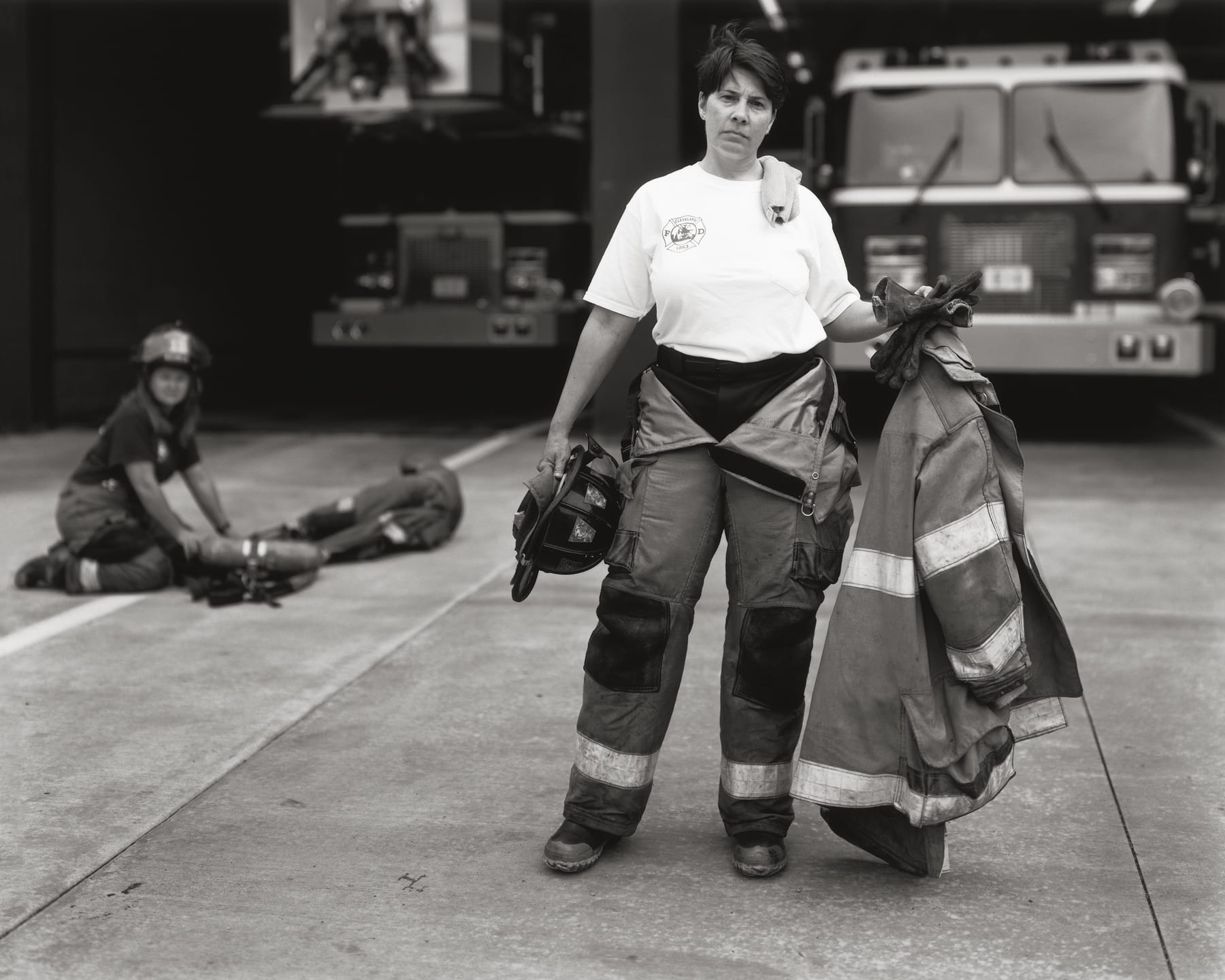
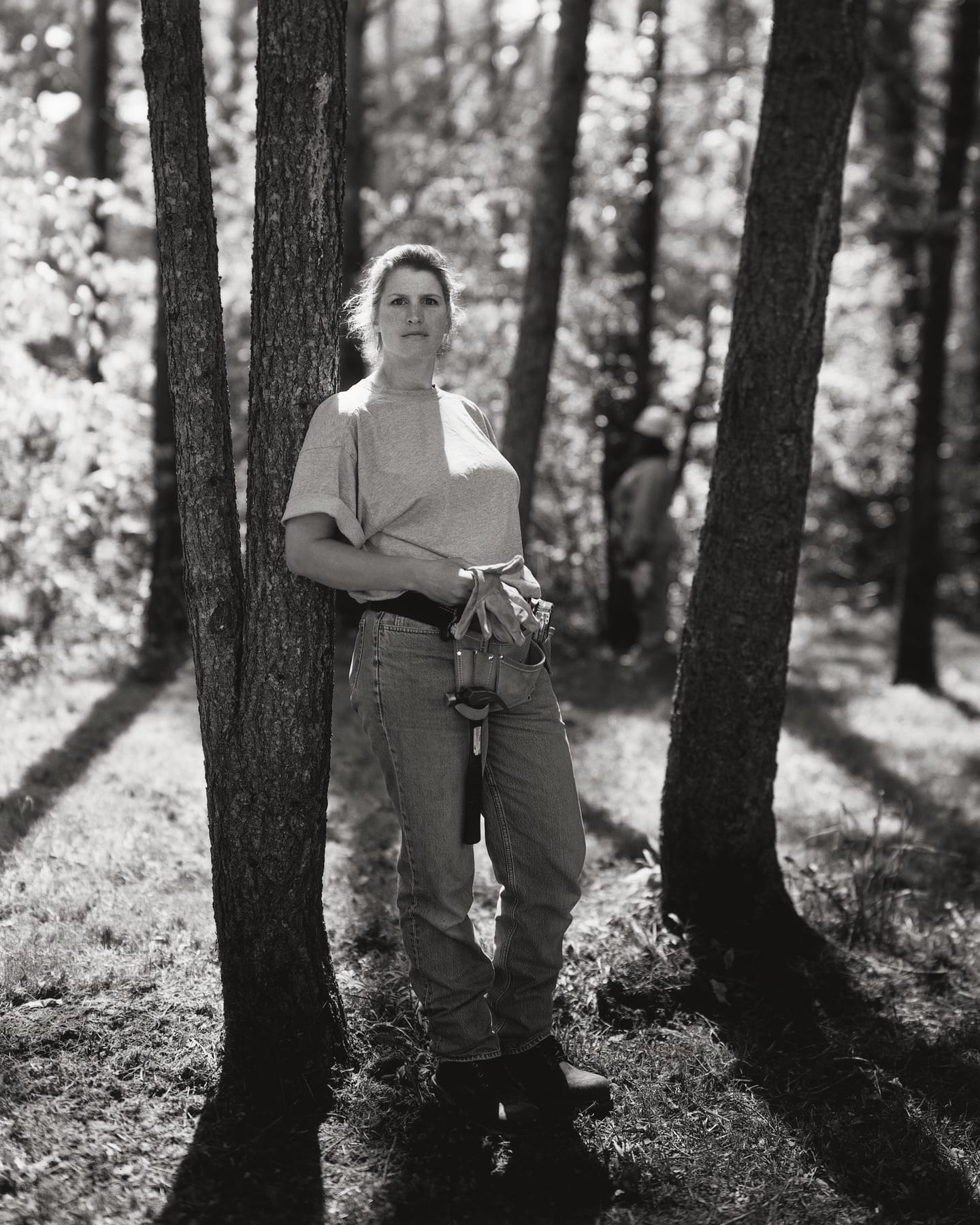
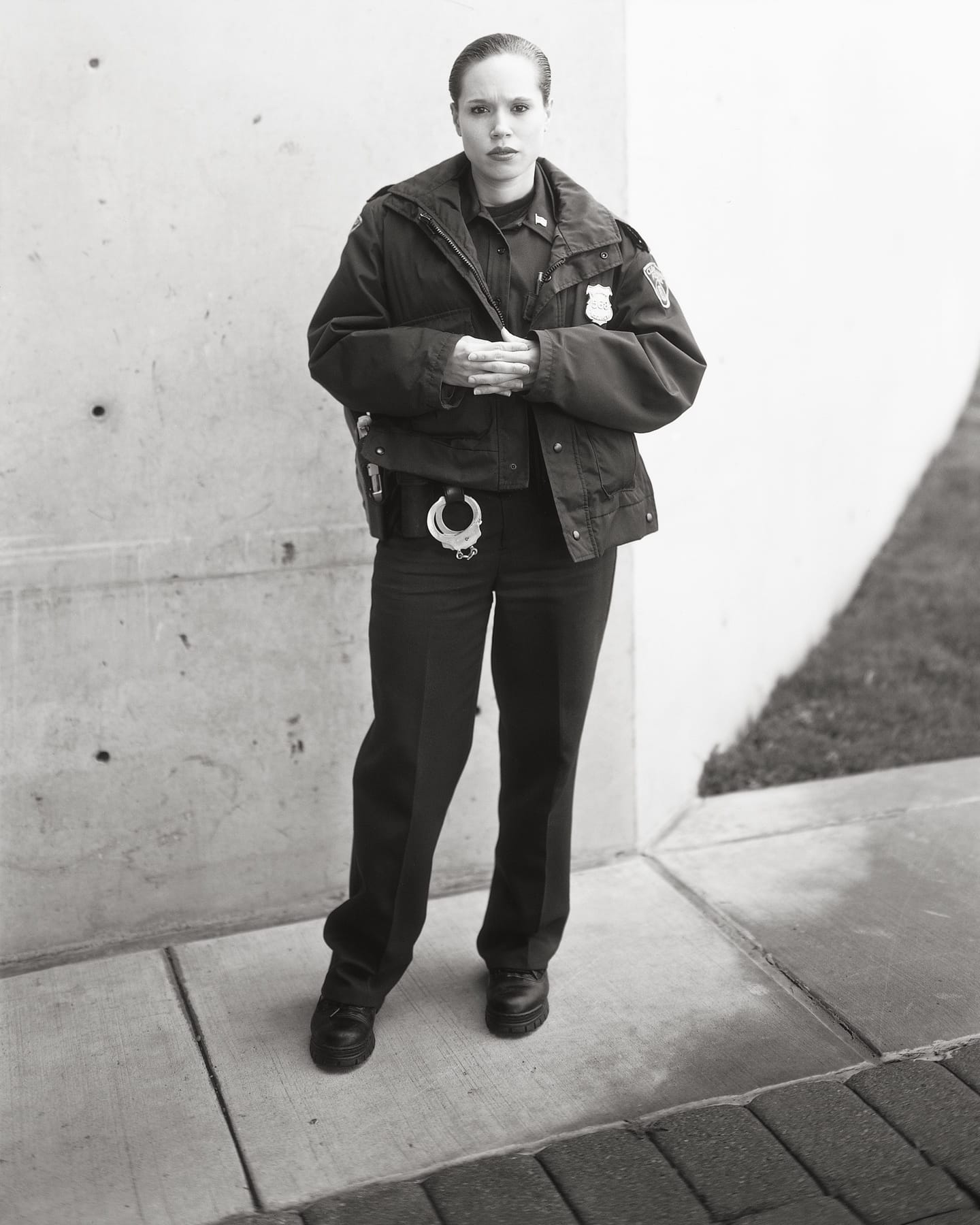
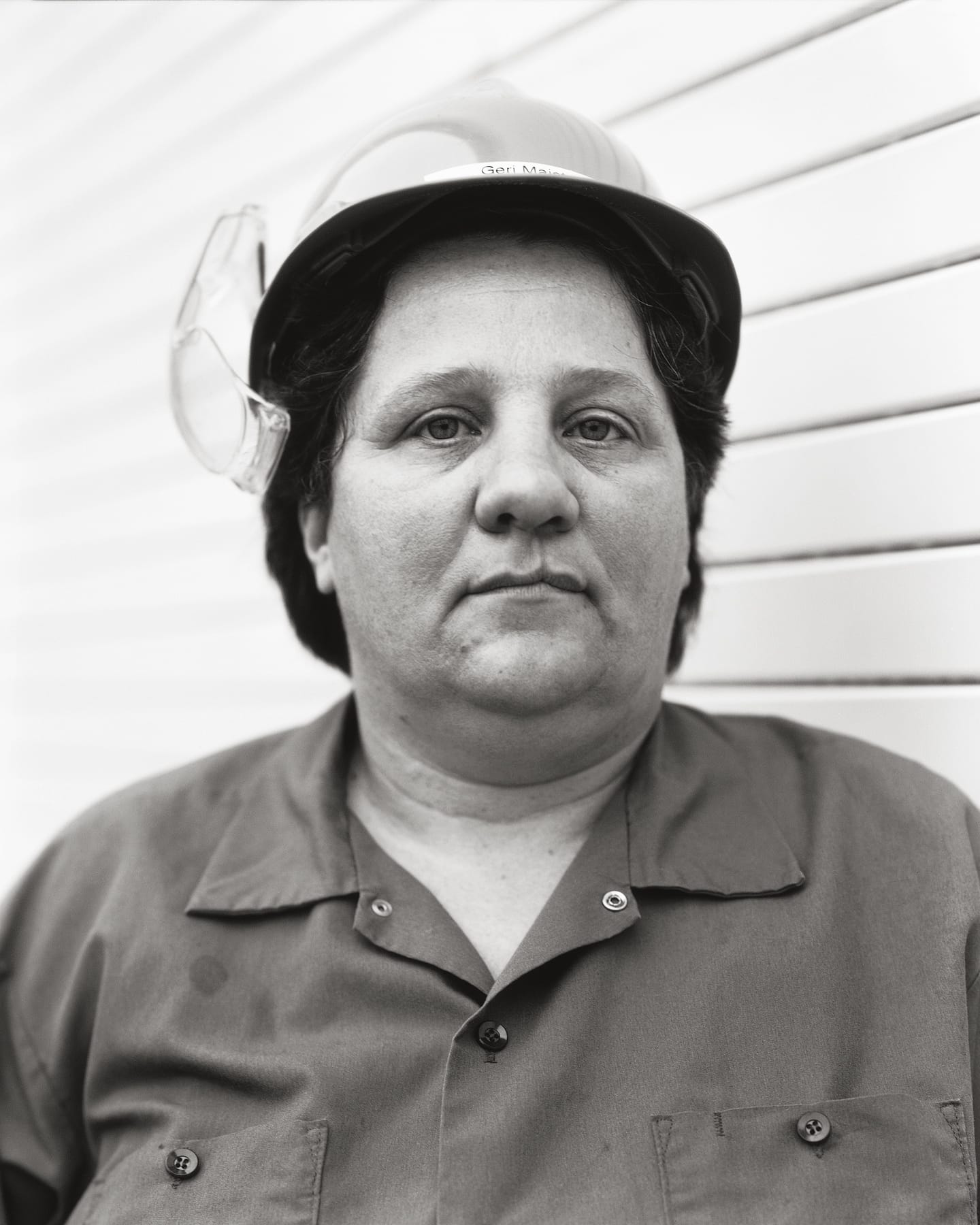
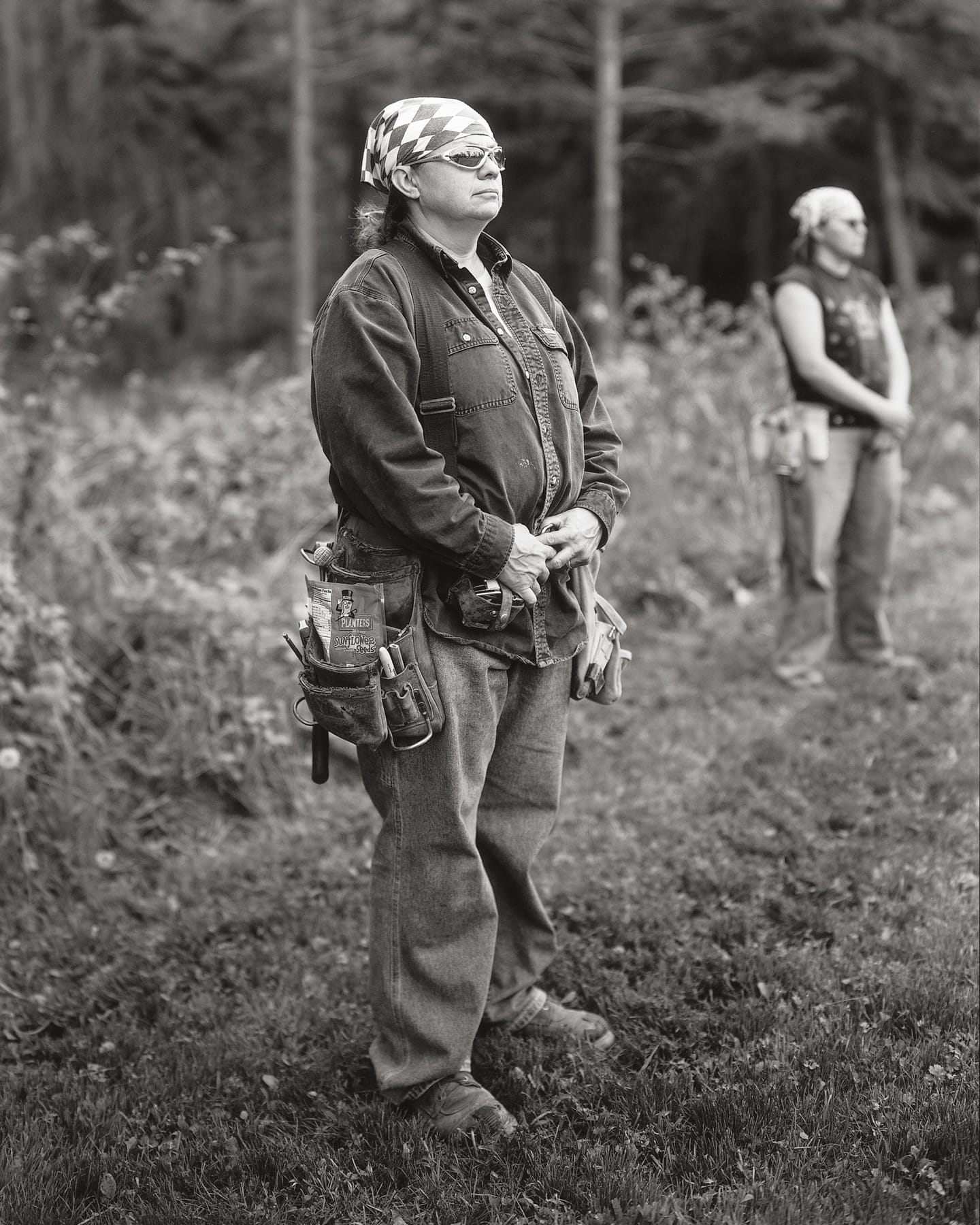
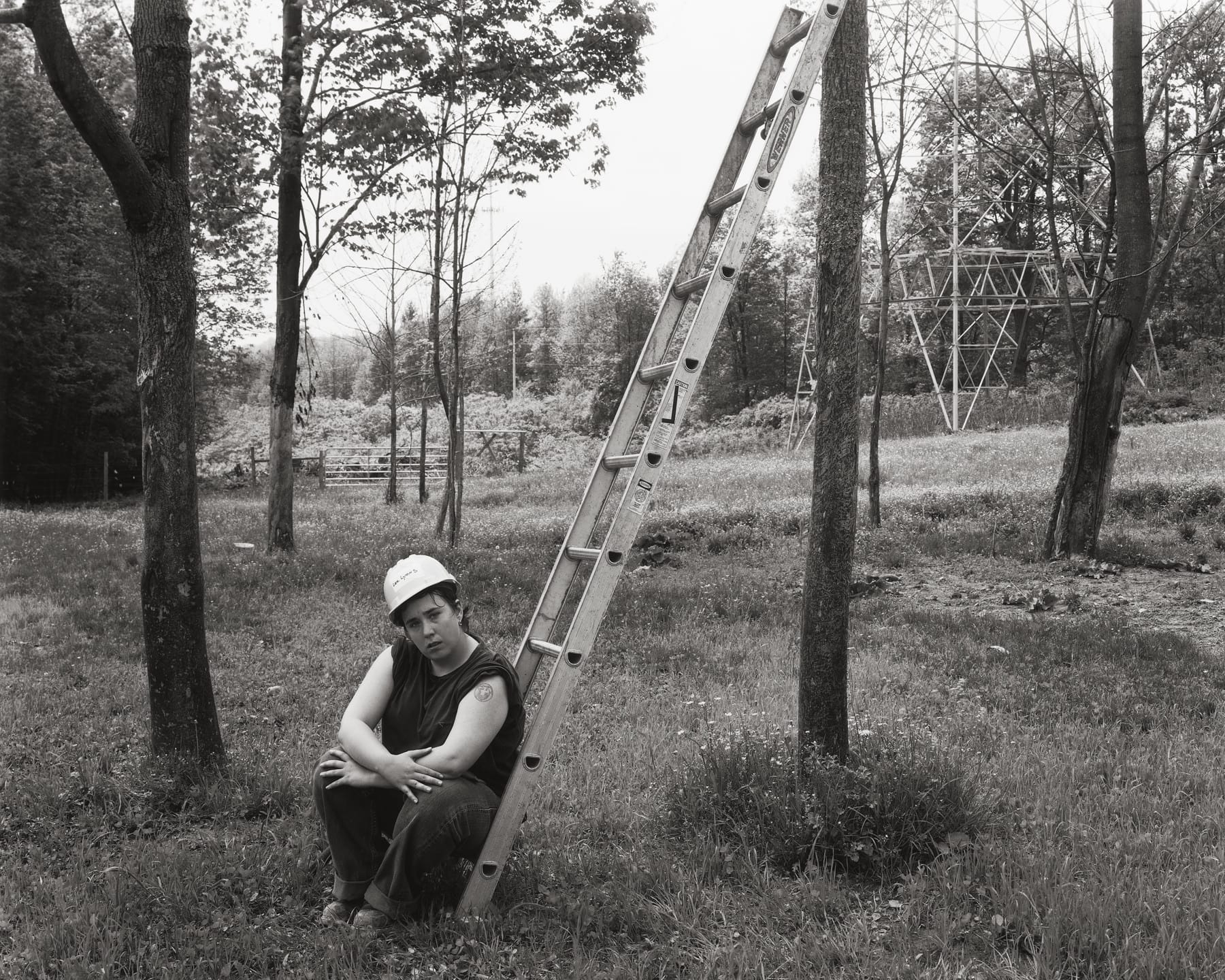
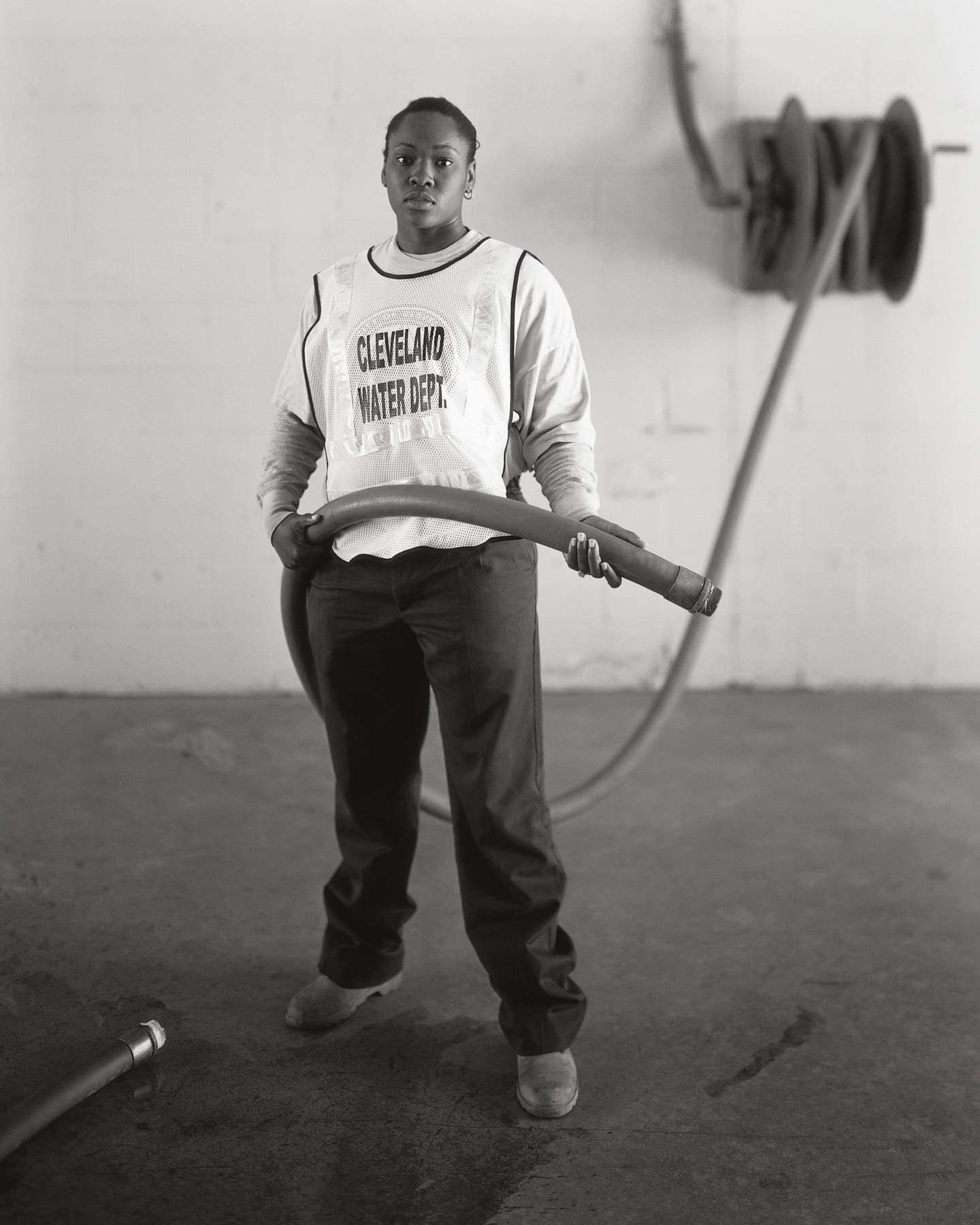
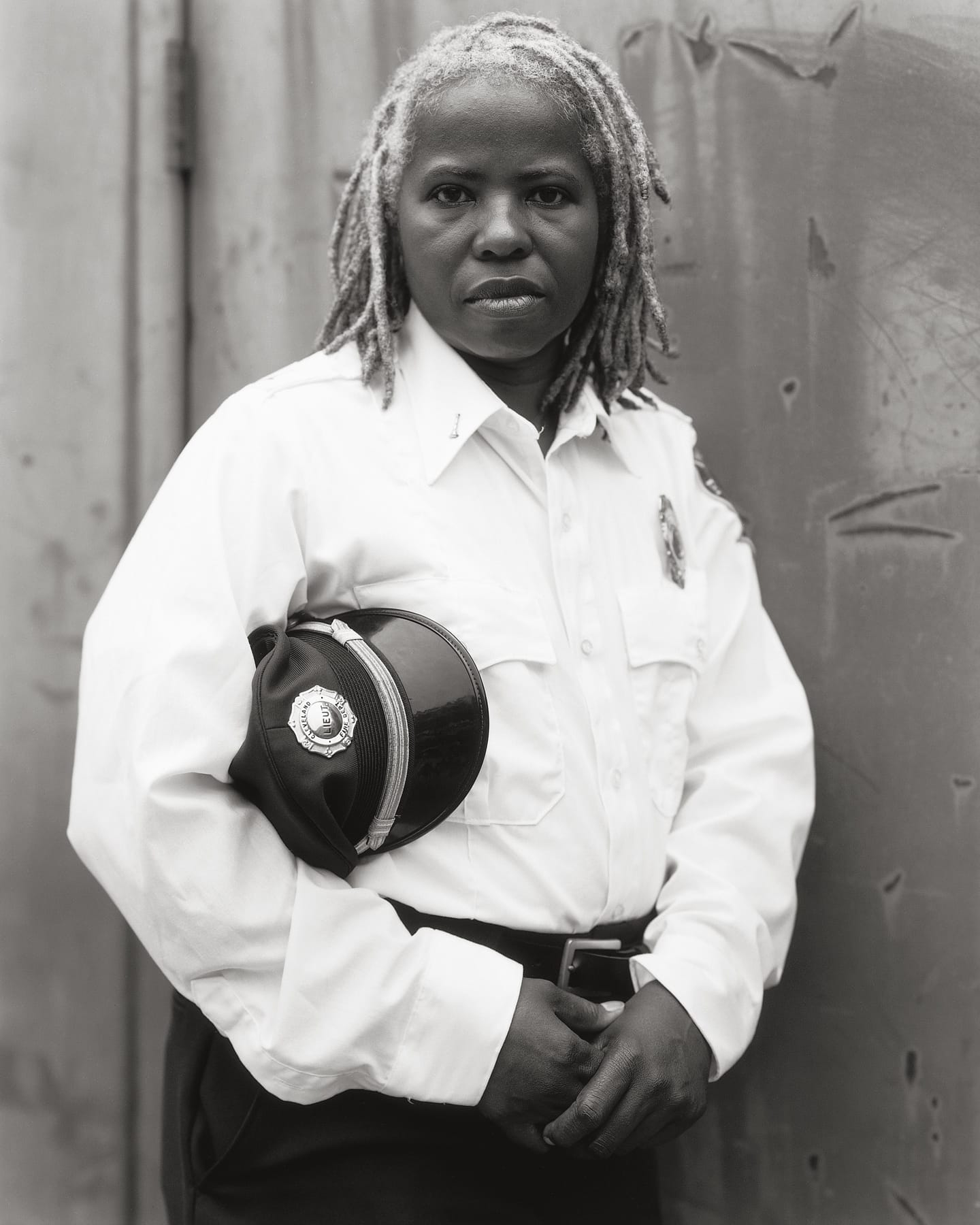
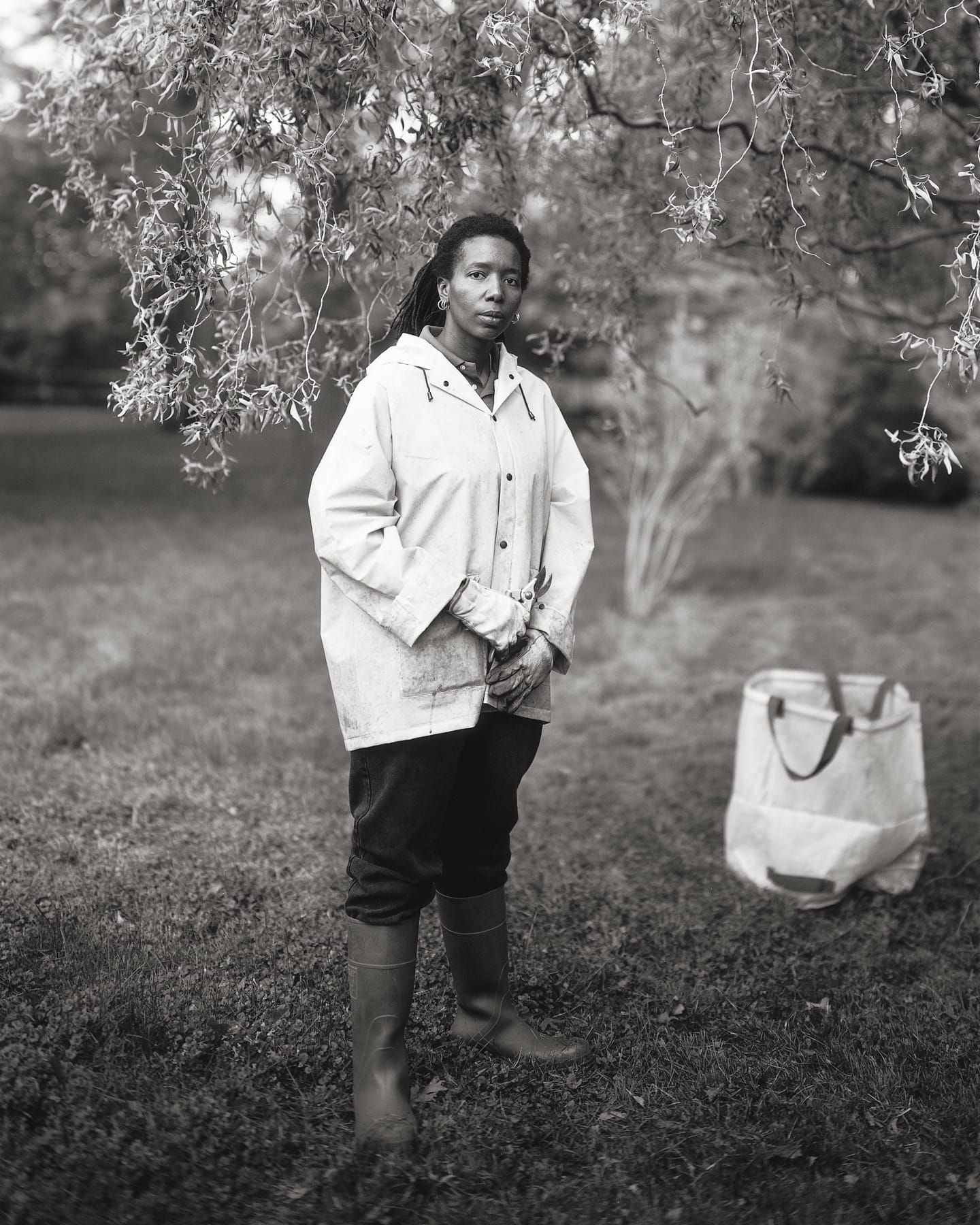
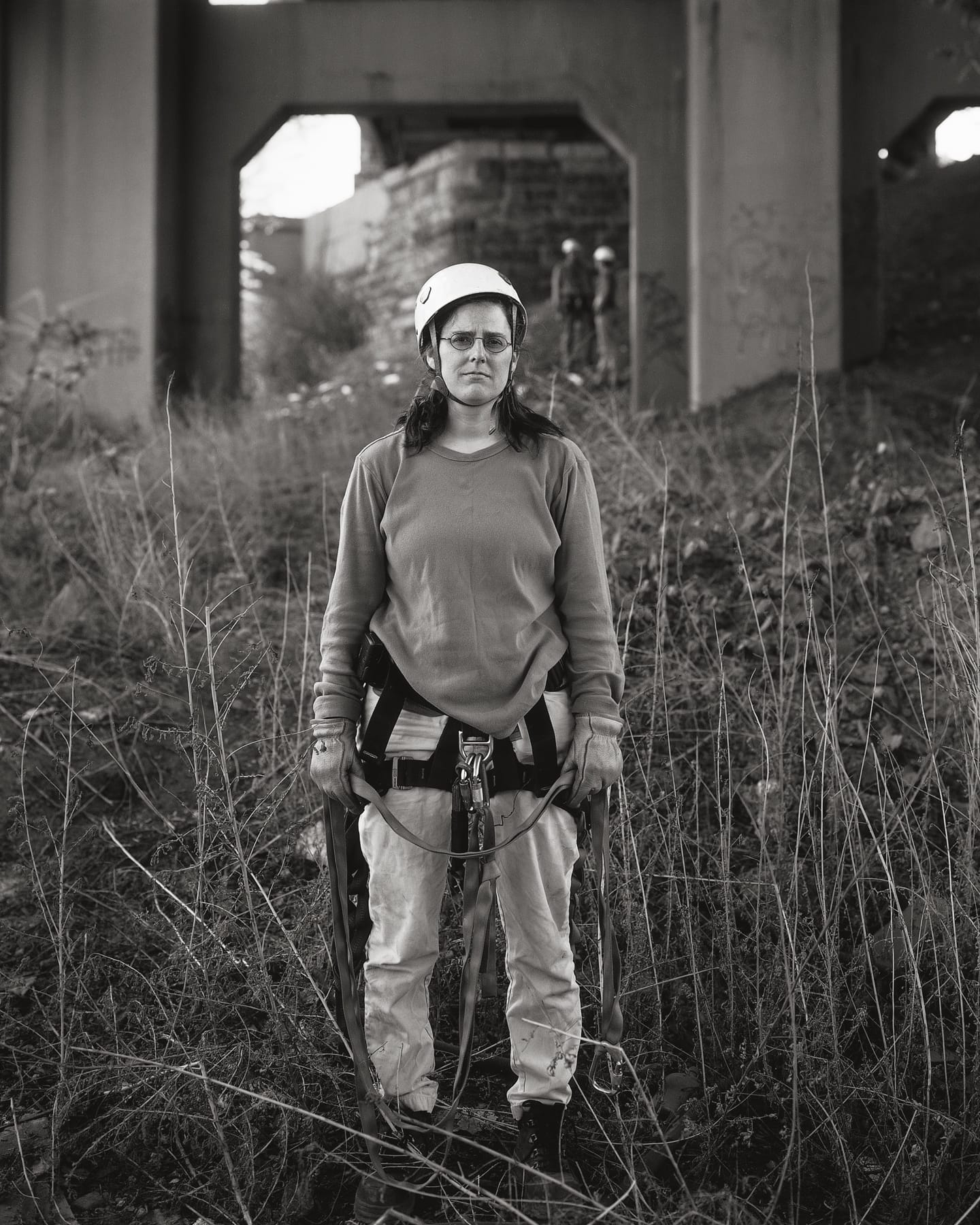
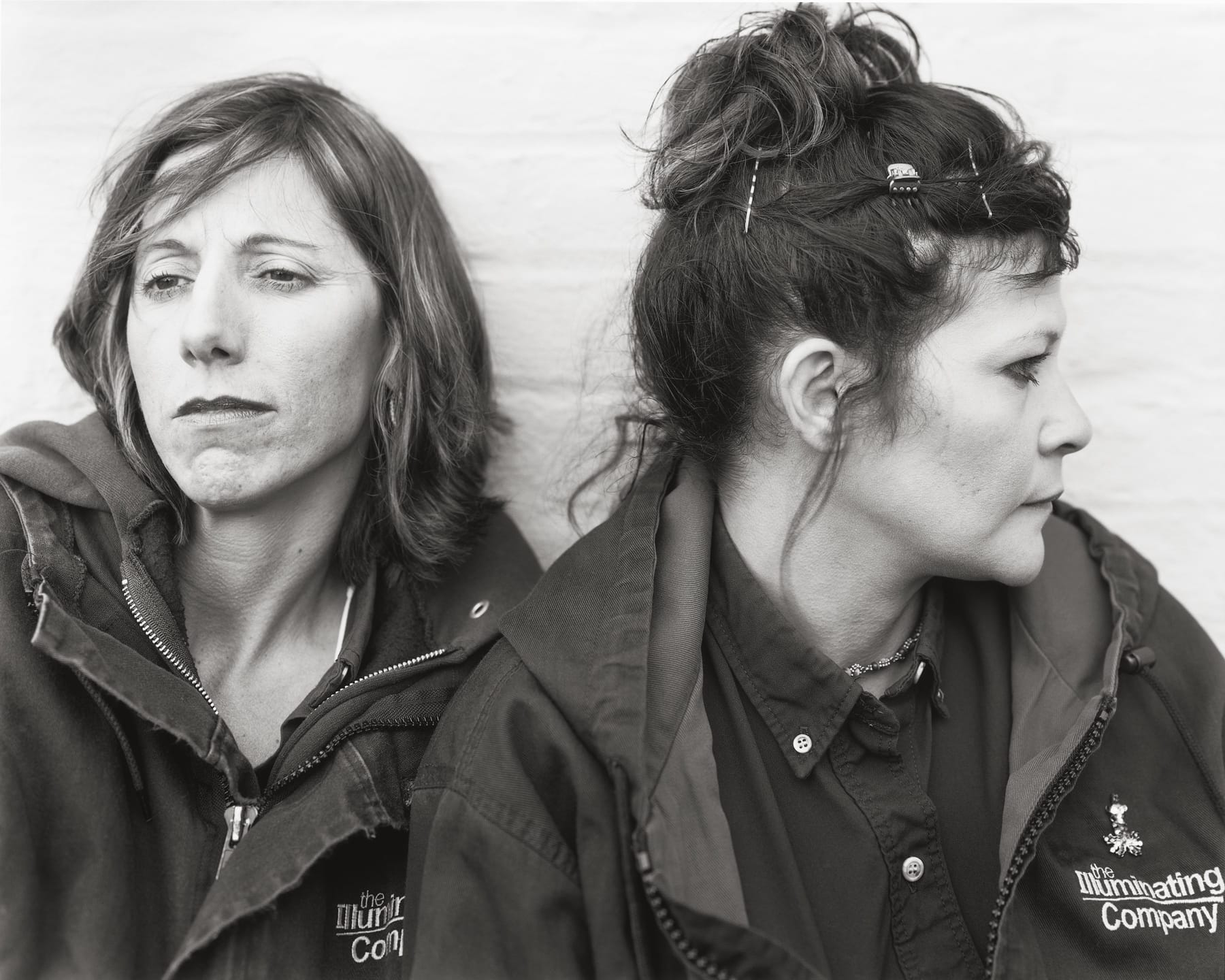
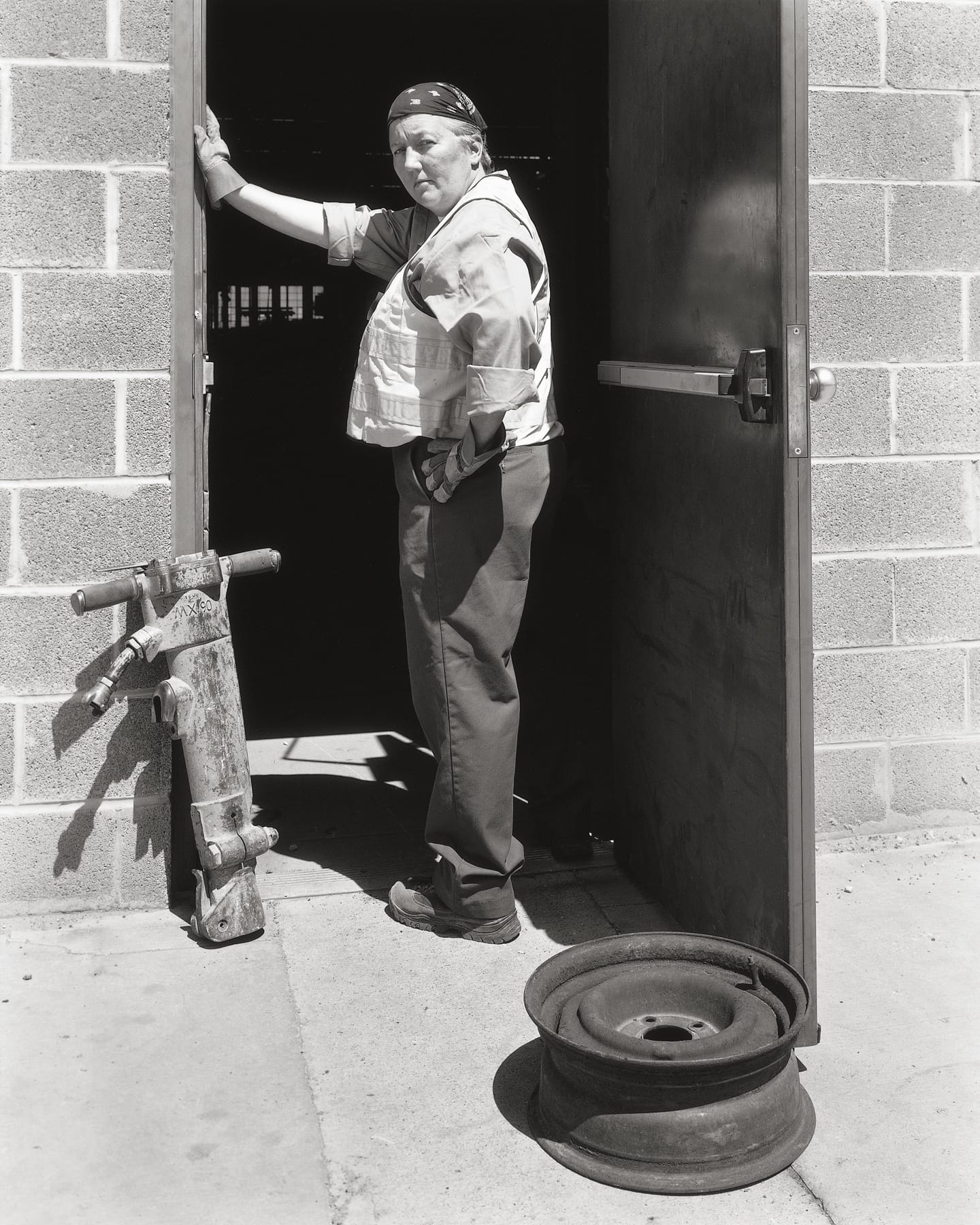
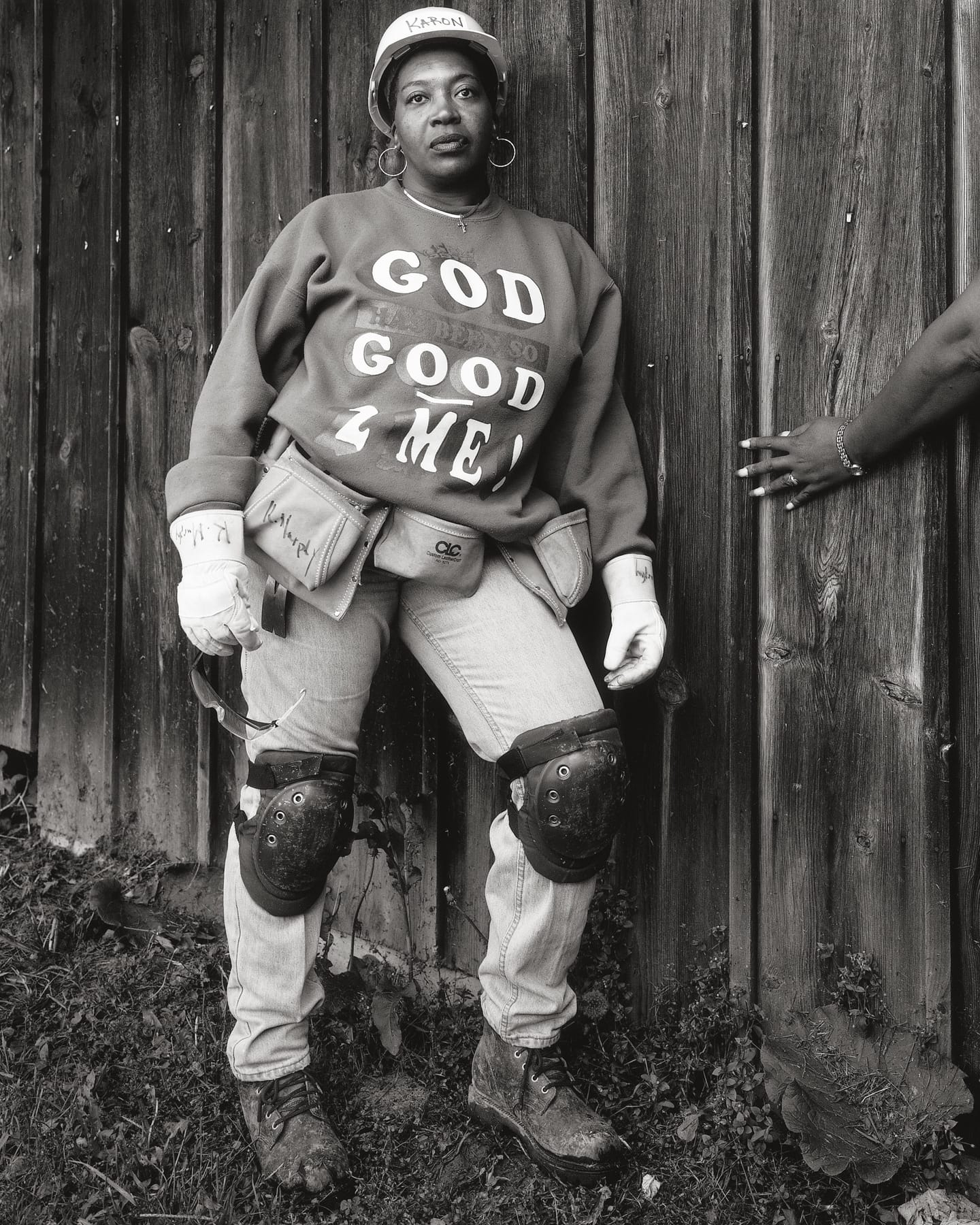
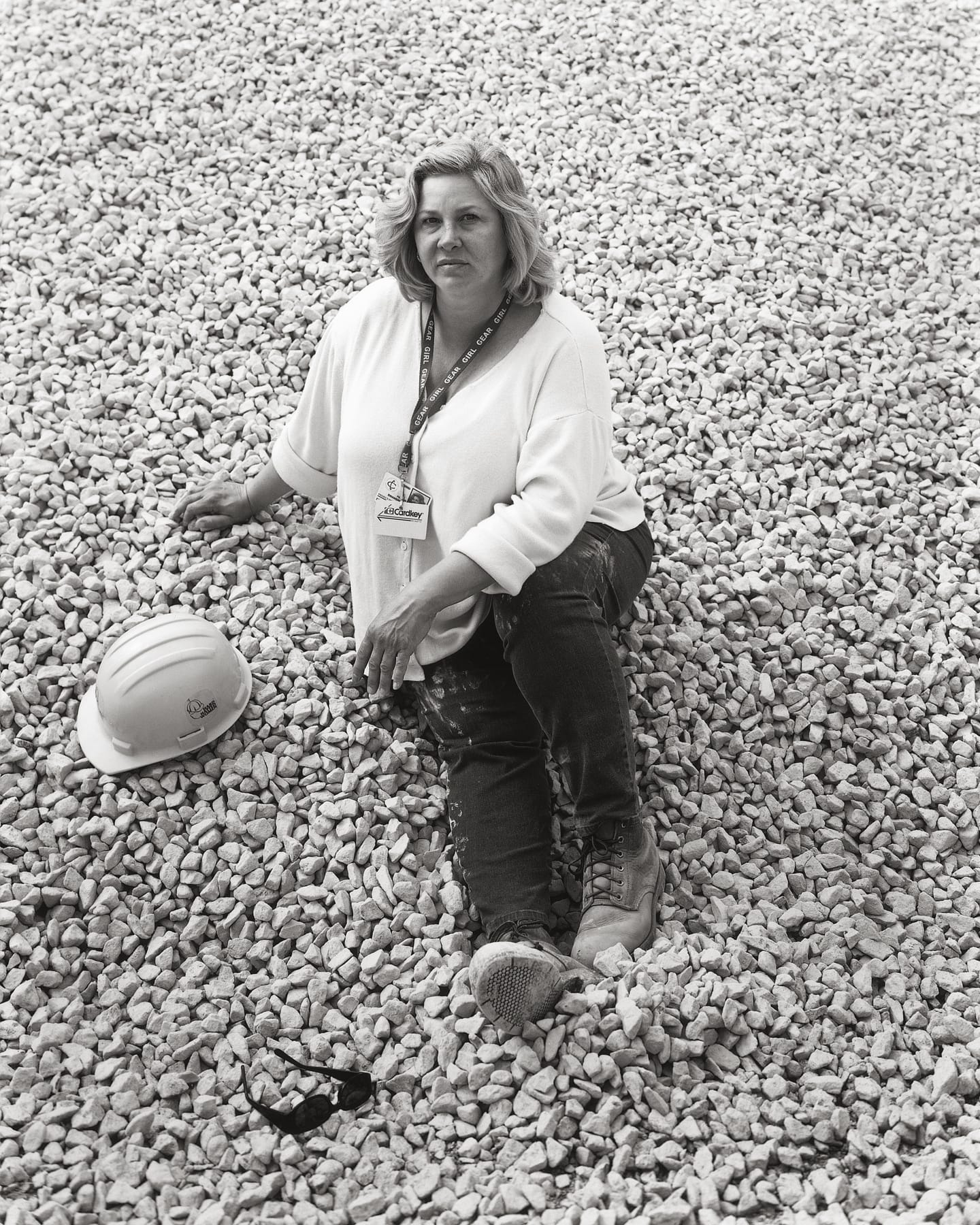
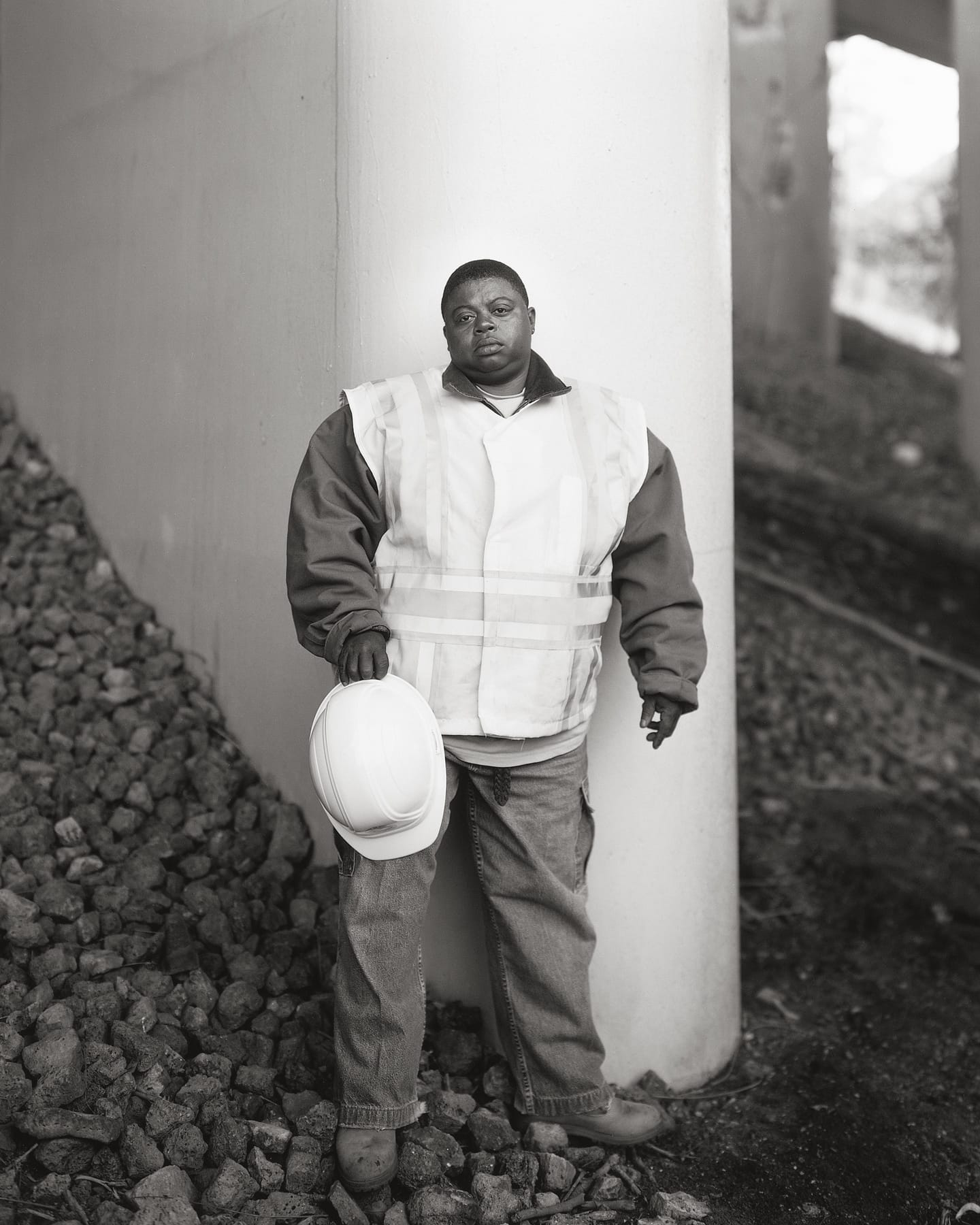
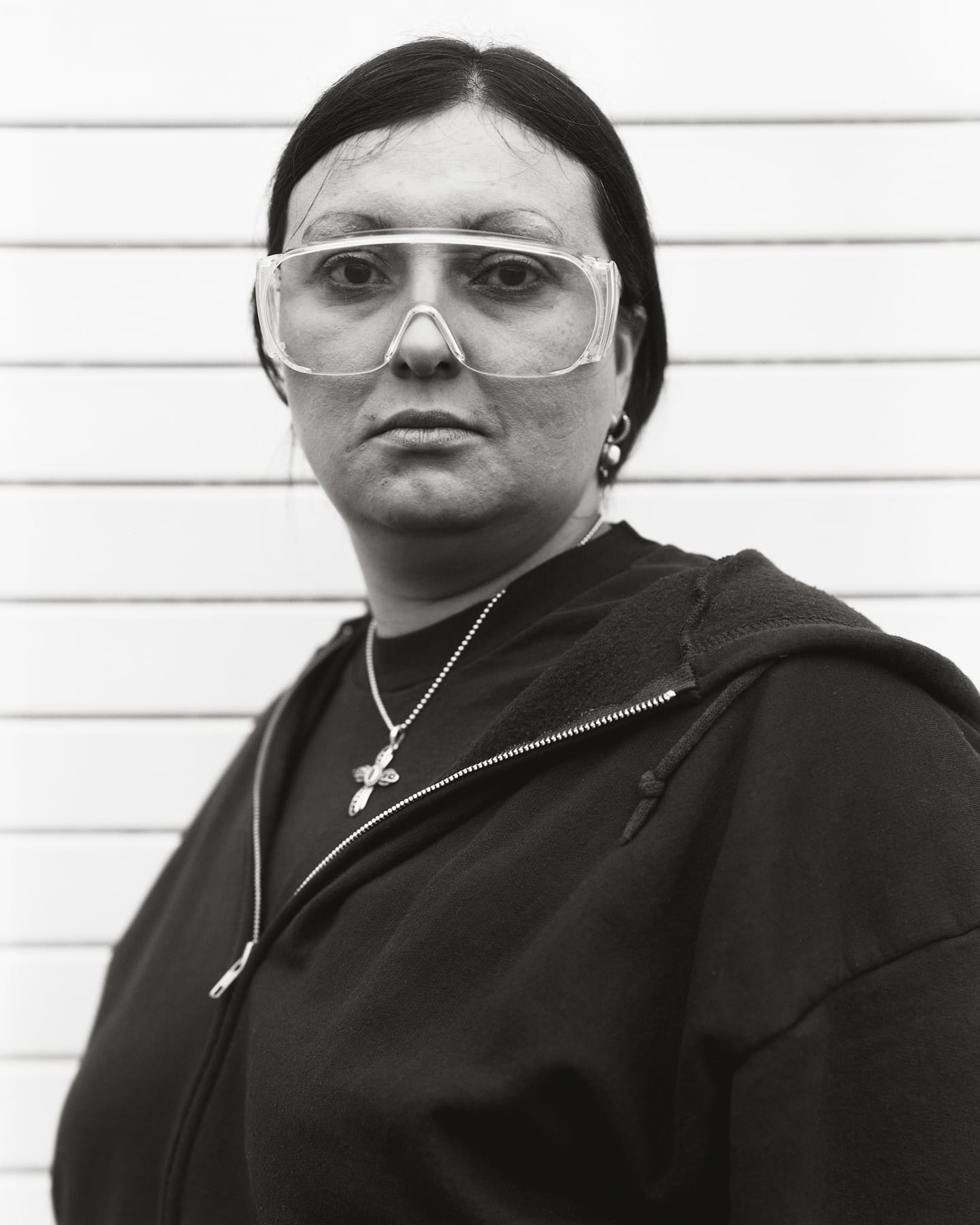
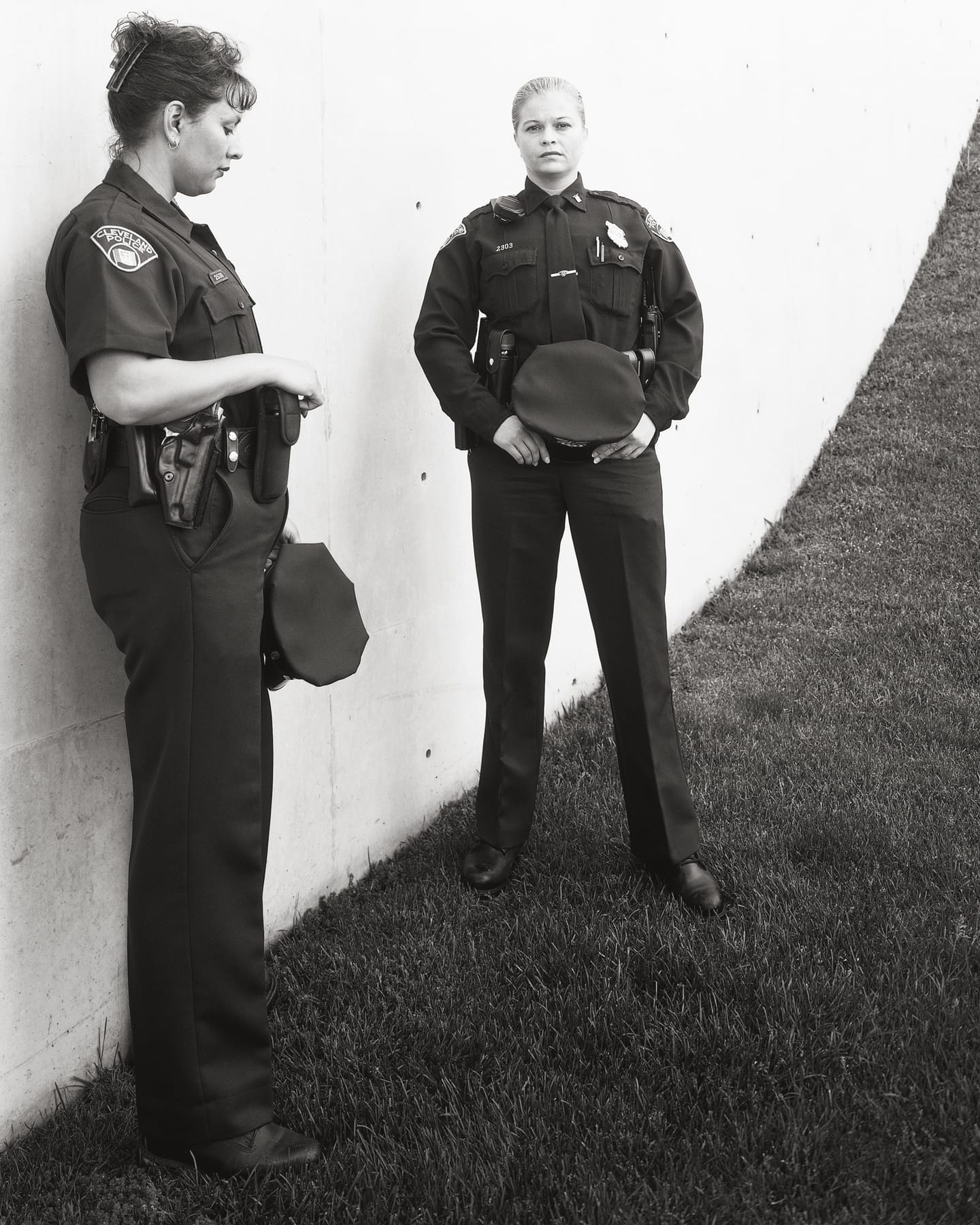
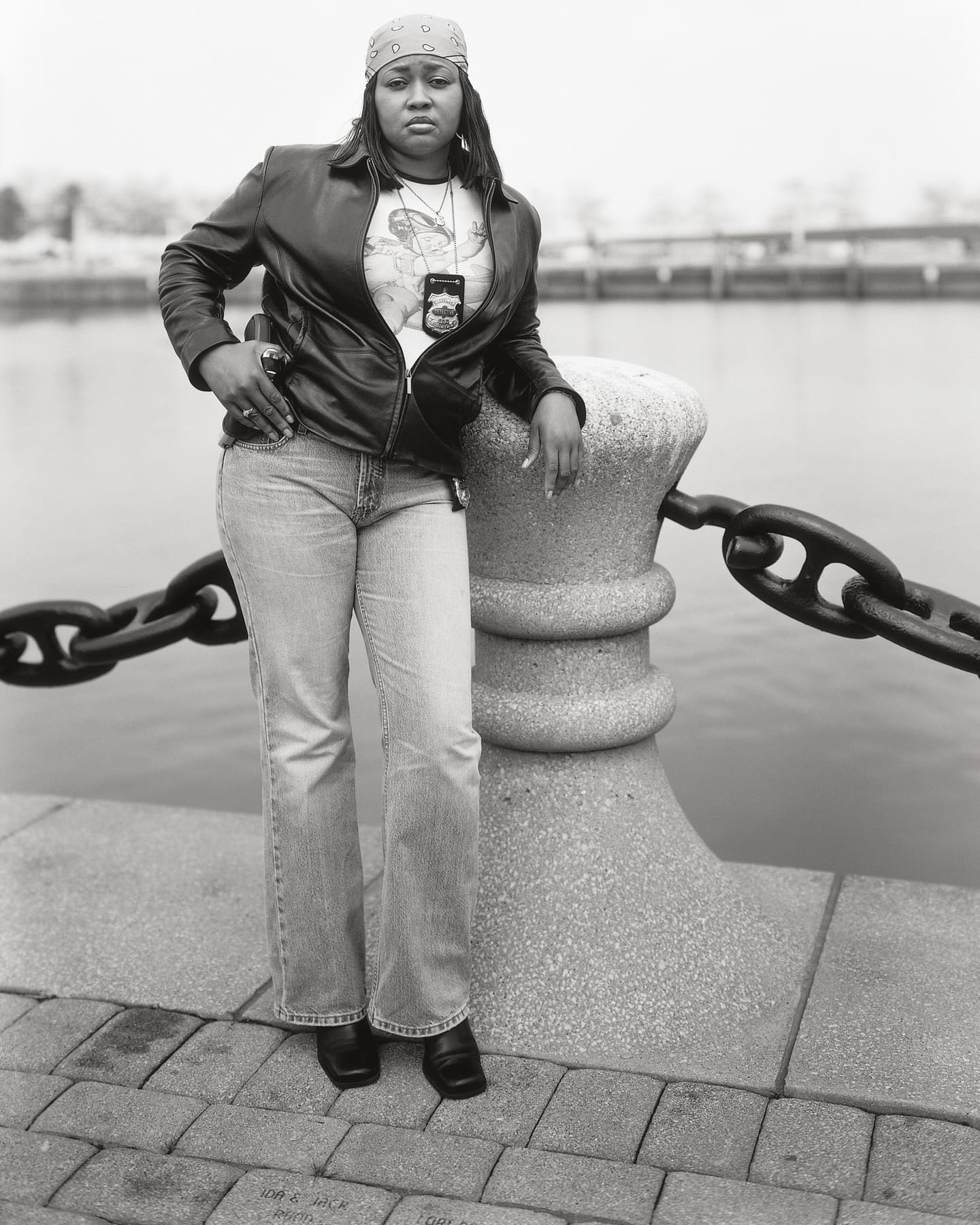
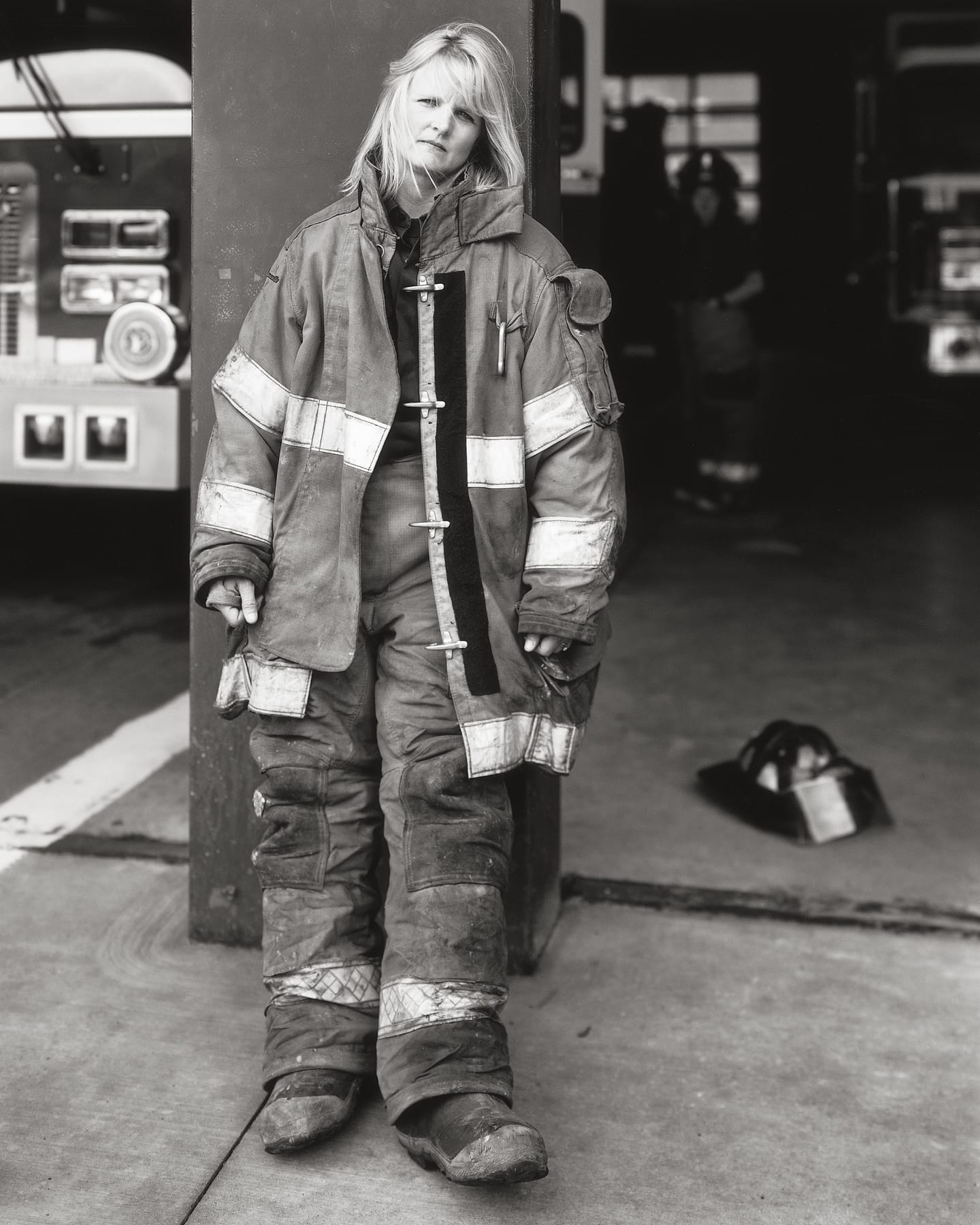
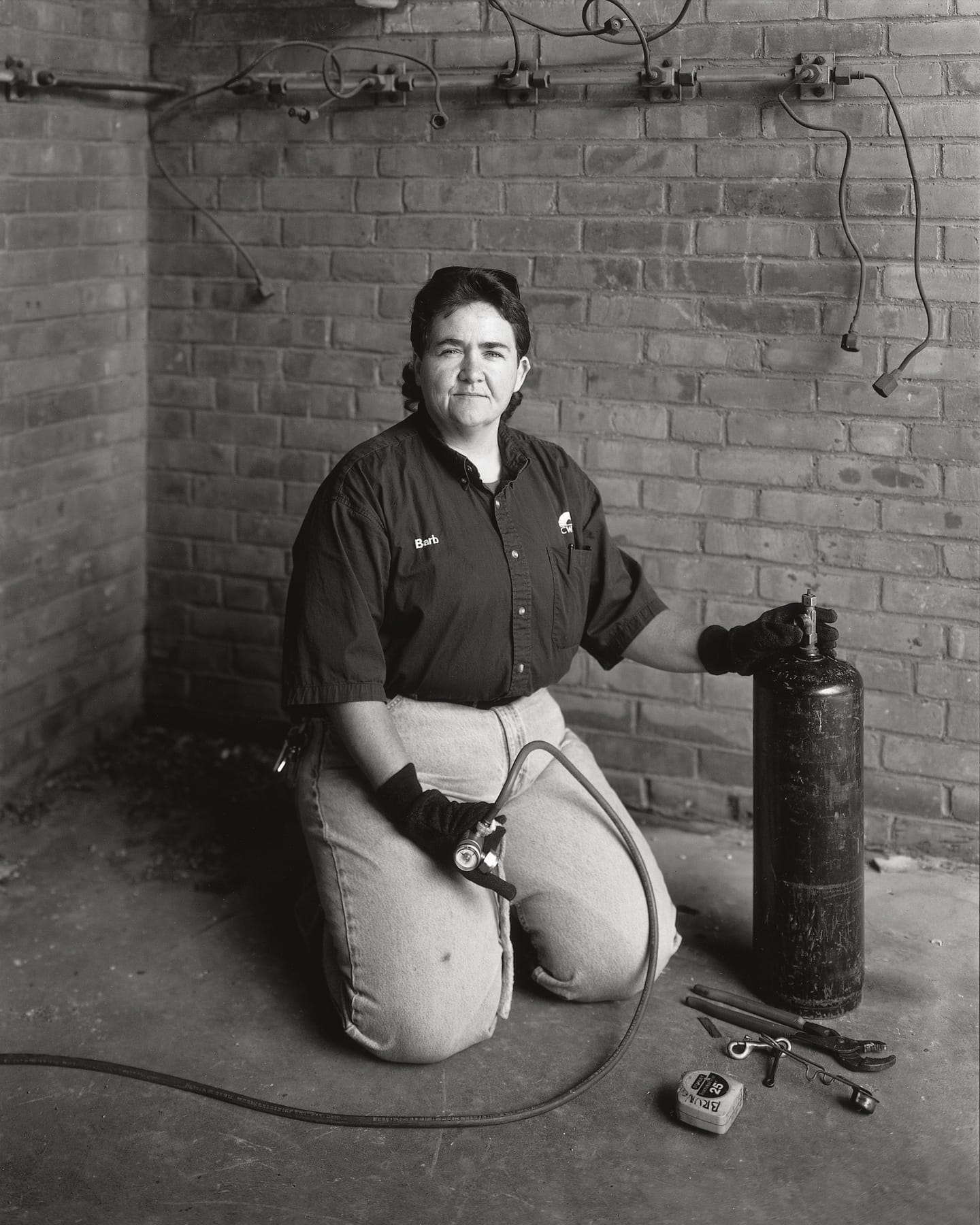
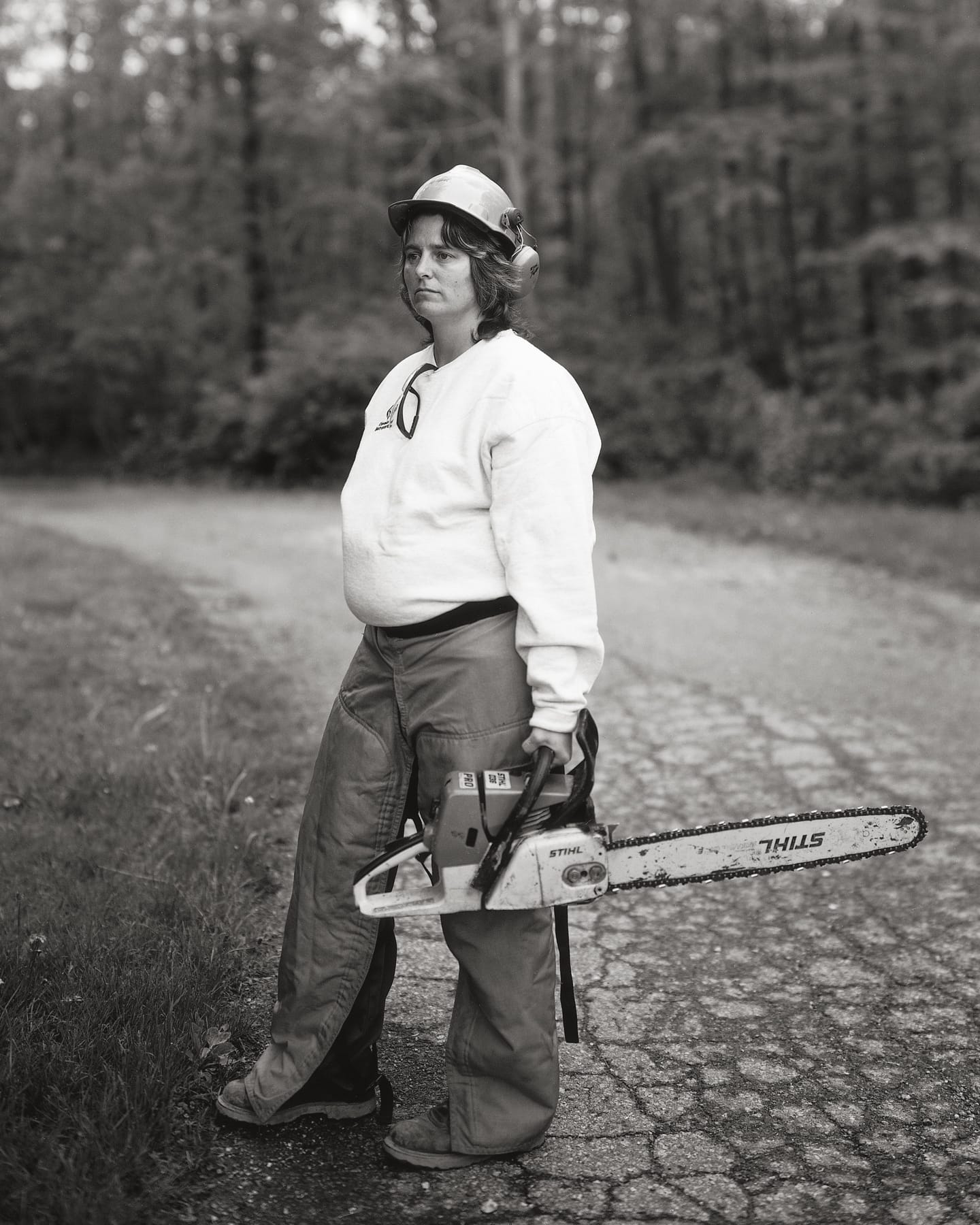
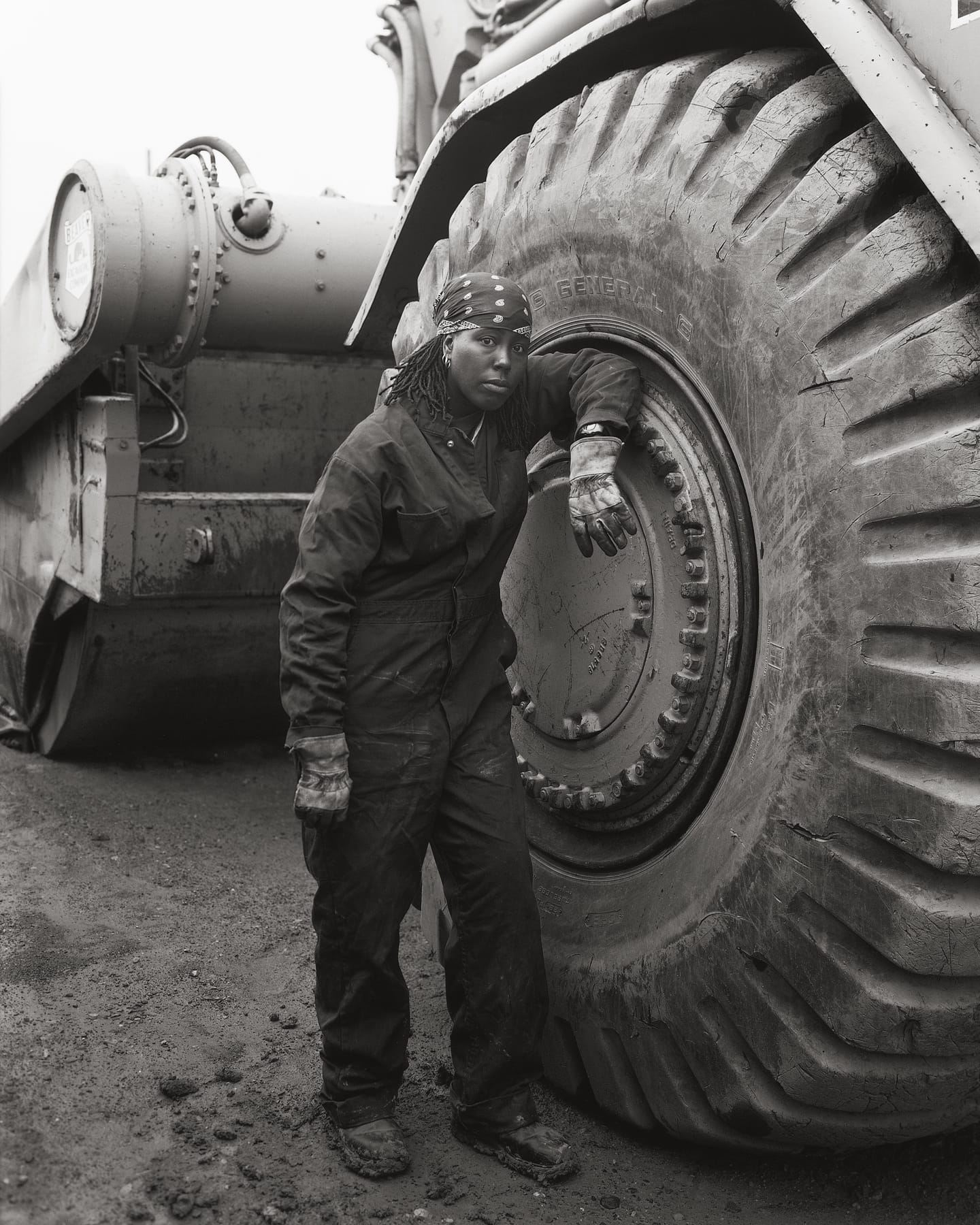
Andrea Modica has masterfully captured the dynamic faces of change, resolve and accomplishment in her striking portraits of women who have launched nontraditional careers with help from the organization Hard Hatted Women, a longtime Foundation grantee. These women in many ways reflect the challenges facing Northeast Ohio—How to transition from the old to the new, embrace chance, take risks and look for unconventional answers to our problems.


Letter from the Board President
2003 Annual Report
The Foundation continues to have a commitment to the economic revitalization of the city of Cleveland and Northeast Ohio. A major new initiative by the Foundation, developed in collaboration with other funders, and the photographic essay in this annual report are reflective of that important concern.
The George Gund Foundation is pleased to be one of the leading proponents of the $30 million Fund for Our Economic Future. We believe that philanthropy can play an important catalytic role in reshaping the regional economy, and we are dedicated to supporting this effort. We see this as an obligation to the region and to the Foundation’s other program interests. Improving the region’s economic prospects is vital to the success of our ongoing grantmaking in the arts, education, the environment and human services. Those sectors, in turn, have much to contribute to the economic wellbeing of the community. By banding together, Northeast Ohio funders are communicating an important message: Creative, collaborative effort can move the region forward.
We are pleased that this initiative among foundations is occurring on a regional basis. The Foundation is deeply committed to the city of Cleveland, but it is clear that the city cannot go it alone. And Greater Cleveland has had great difficulty in crafting solutions that match the dimensions of its problems because those problems rarely confine themselves to one or a few jurisdictions. Northeast Ohio has numerous divisions, and prominent among them is the multiplicity of political subdivisions. Bridging those divisions demands regional cooperation and collaboration as does developing effective problem solving approaches.
We can celebrate the development of regional efforts in many areas this year. The business community has reorganized to take a more regional approach. Leaders in higher education have enhanced their regional efforts. The arts have coalesced into a burgeoning, organized force in Cuyahoga County. We at the Foundation look forward to opportunities to include support for initiatives that demonstrate the importance of the city to regional economic development.
The photographic essay in this year’s Foundation annual report is a noteworthy source of inspiration and hope. Each year the Foundation engages a photographer to depict some important aspect of our work. Andrea Modica’s images this year illustrate the strength required to embrace change. All of the women pictured sought new careers in fields that have not traditionally been open to women. All sought and received assistance from Hard Hatted Women, a Foundation grantee. They offer lessons to the community and challenge us to think differently.
Geoffrey Gund, President and Treasurer of The George Gund Foundation
Industrial Landscape
Lauren Betenson
Andrew Borowiec (2002)
Photography
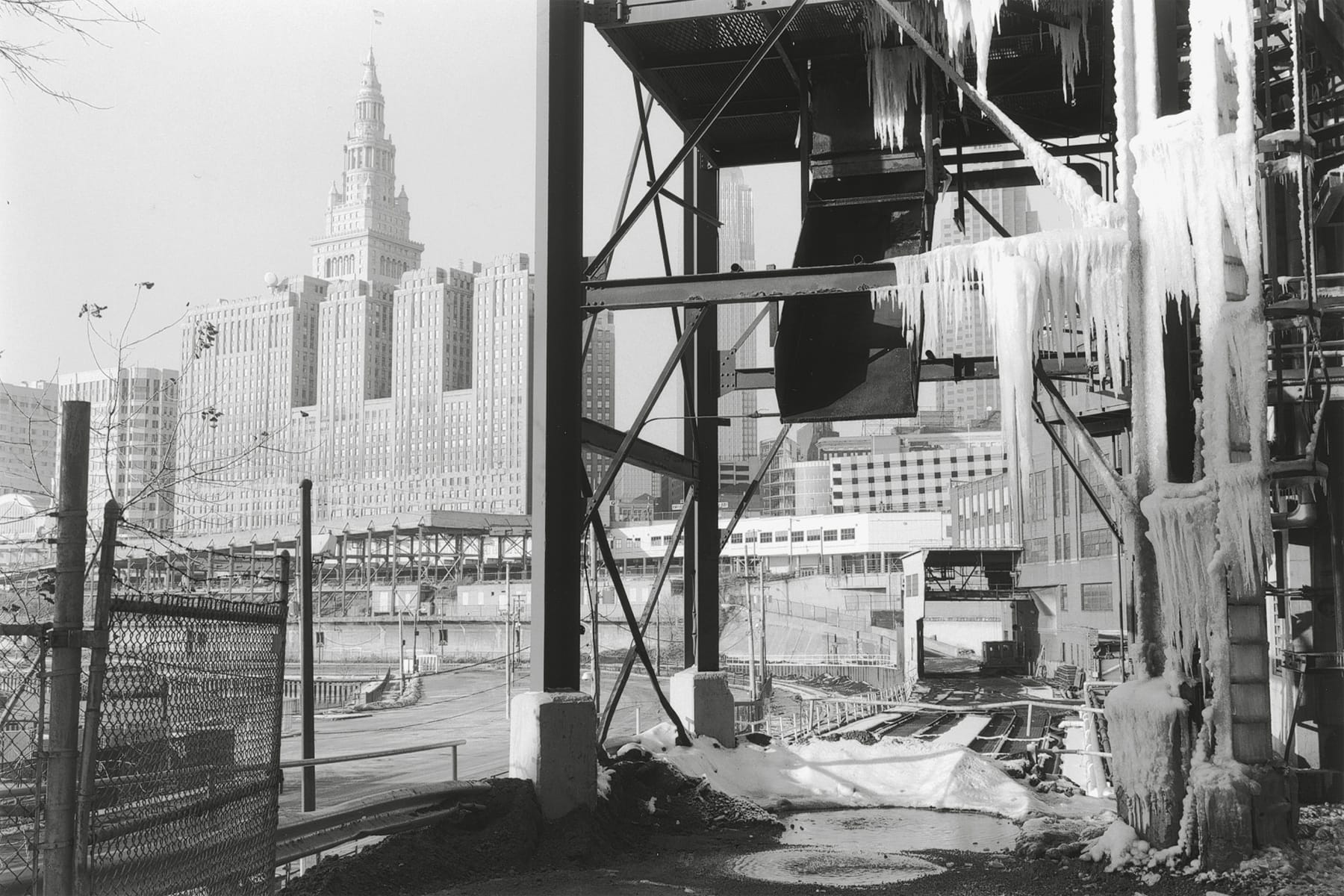
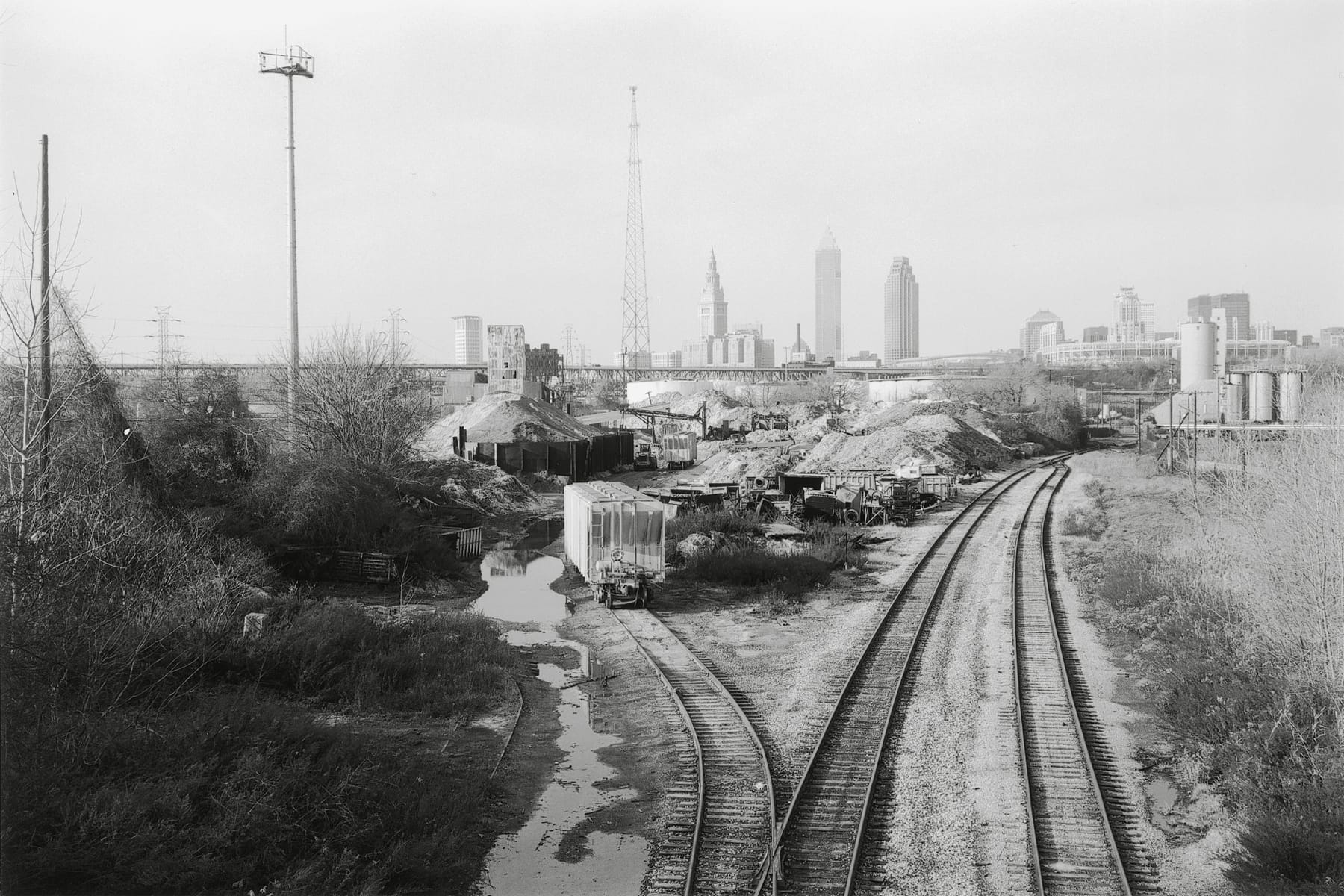
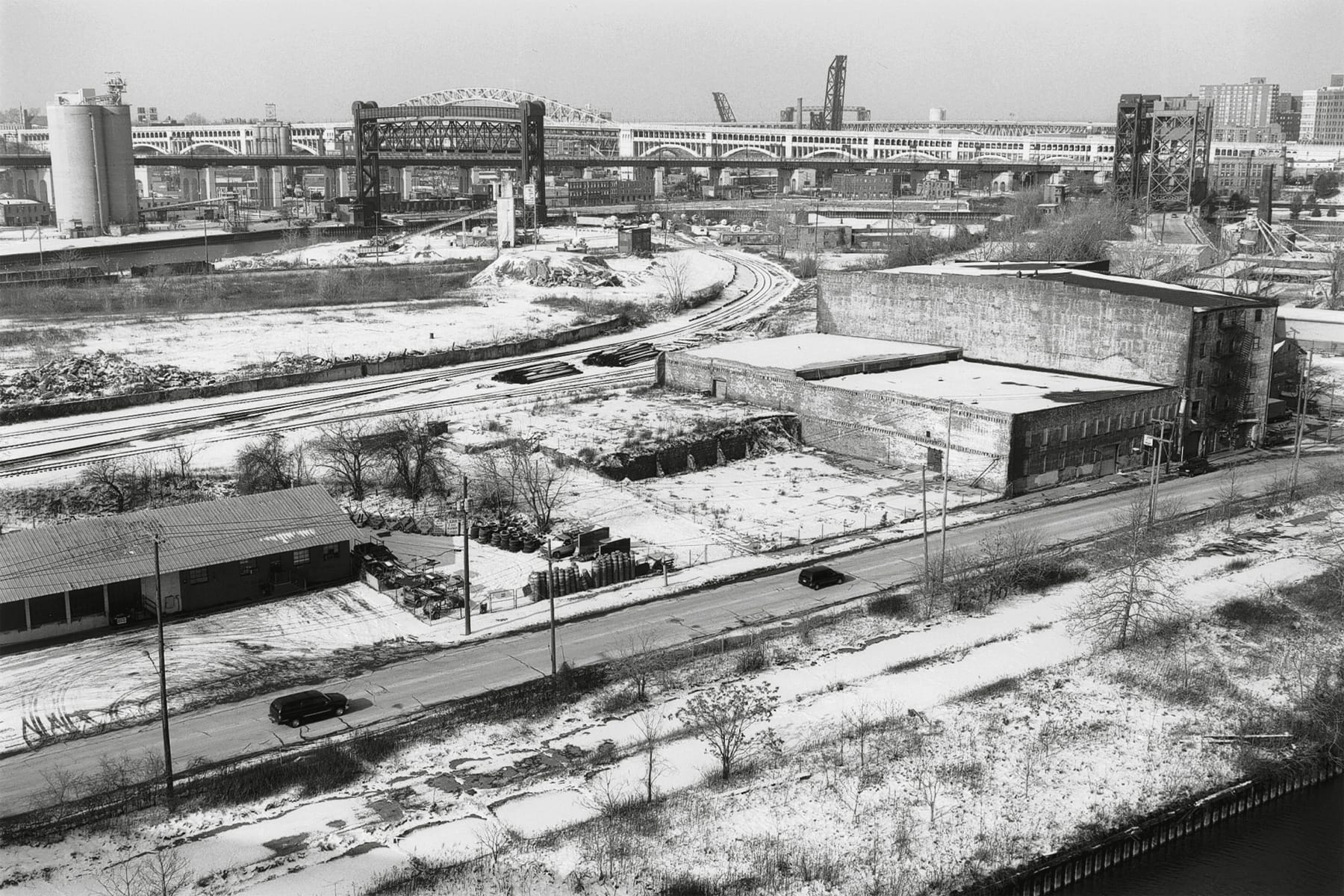
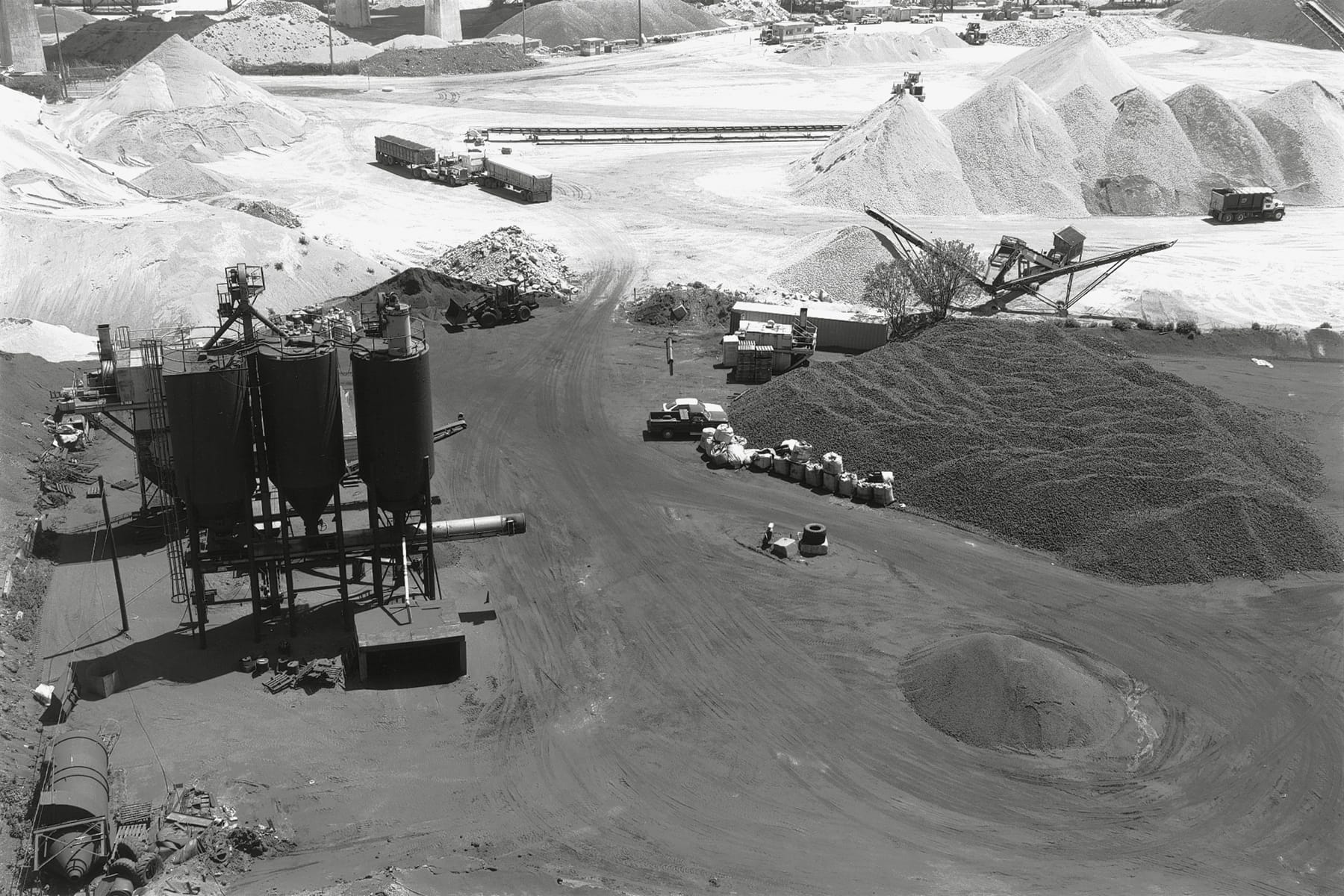
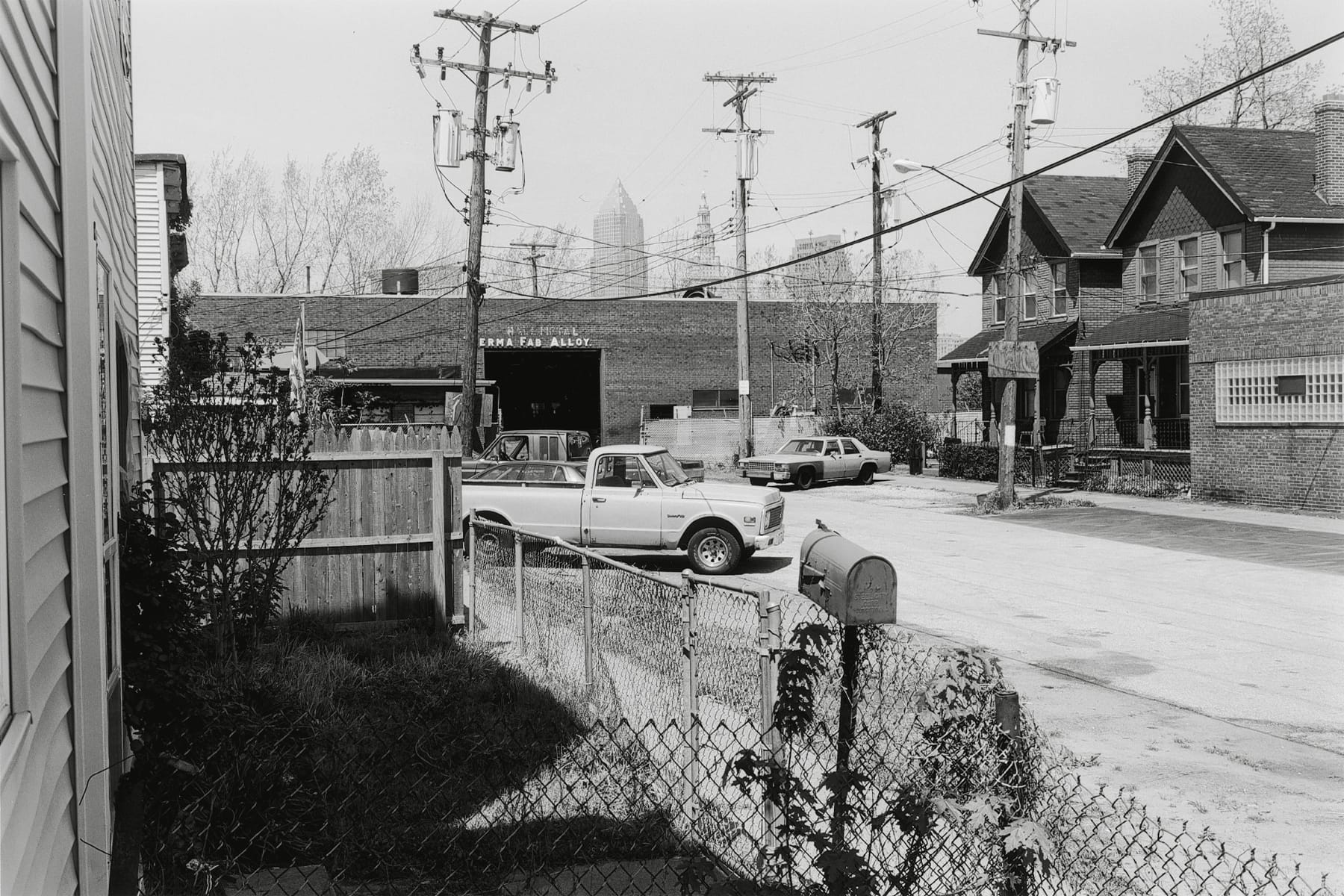
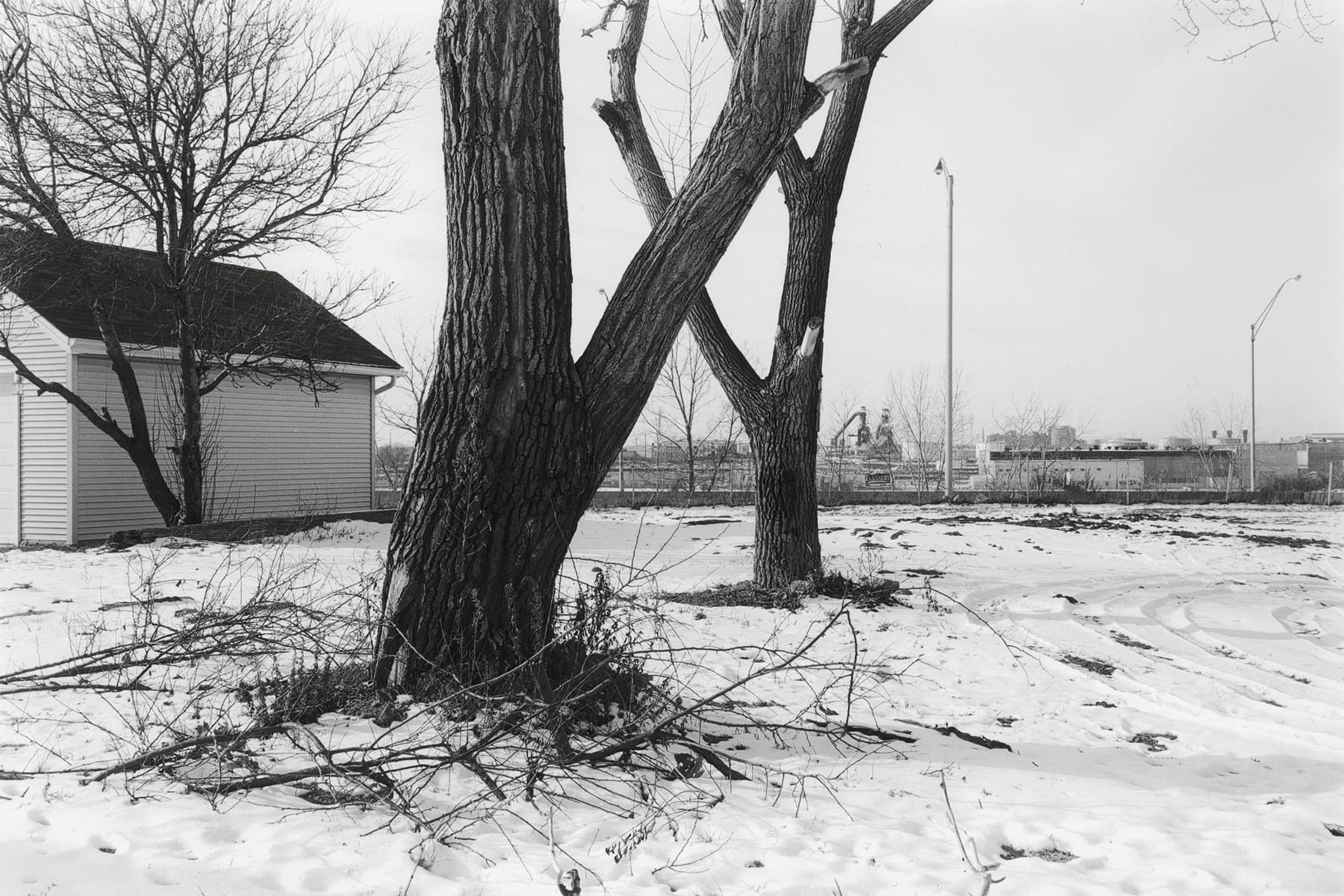
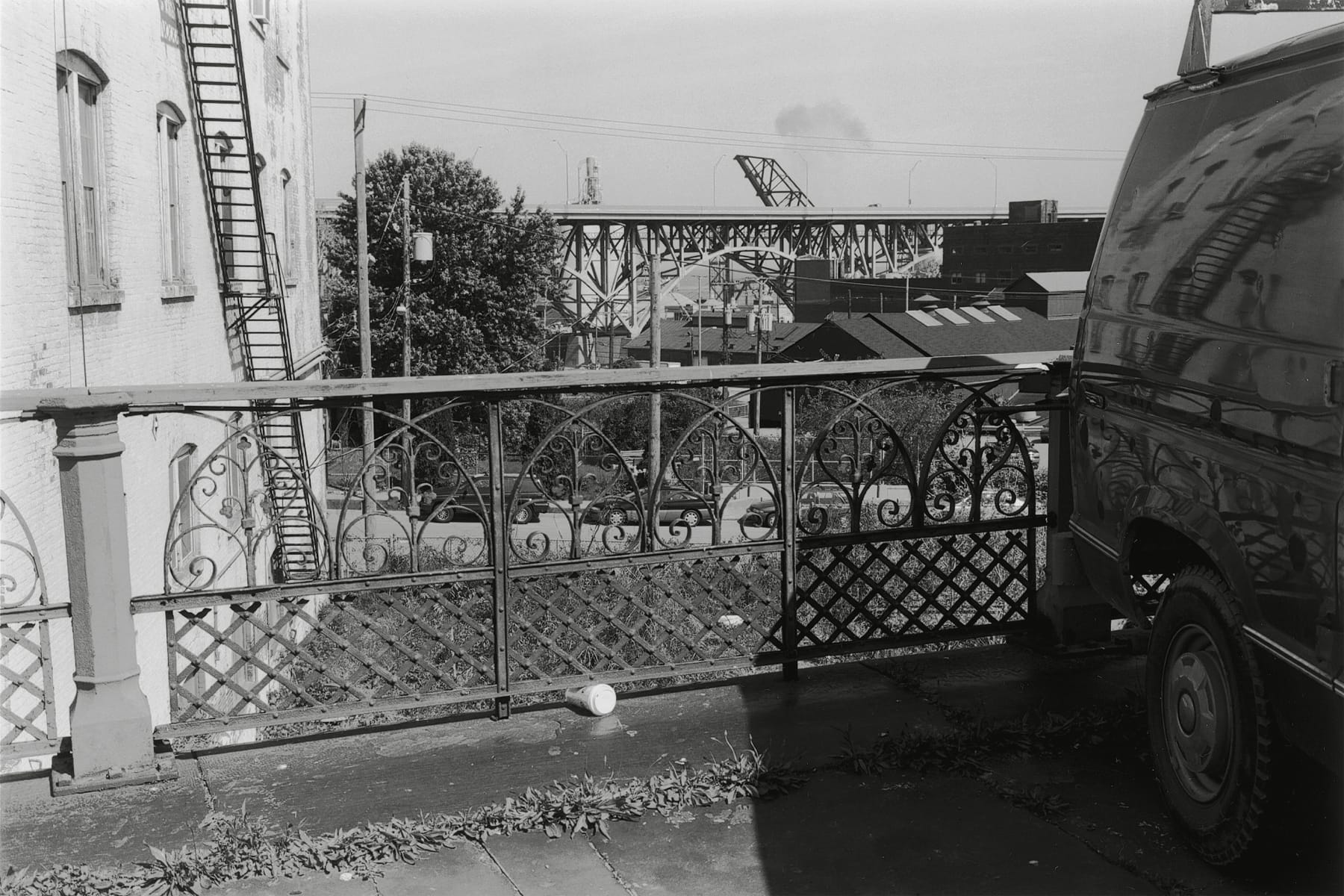
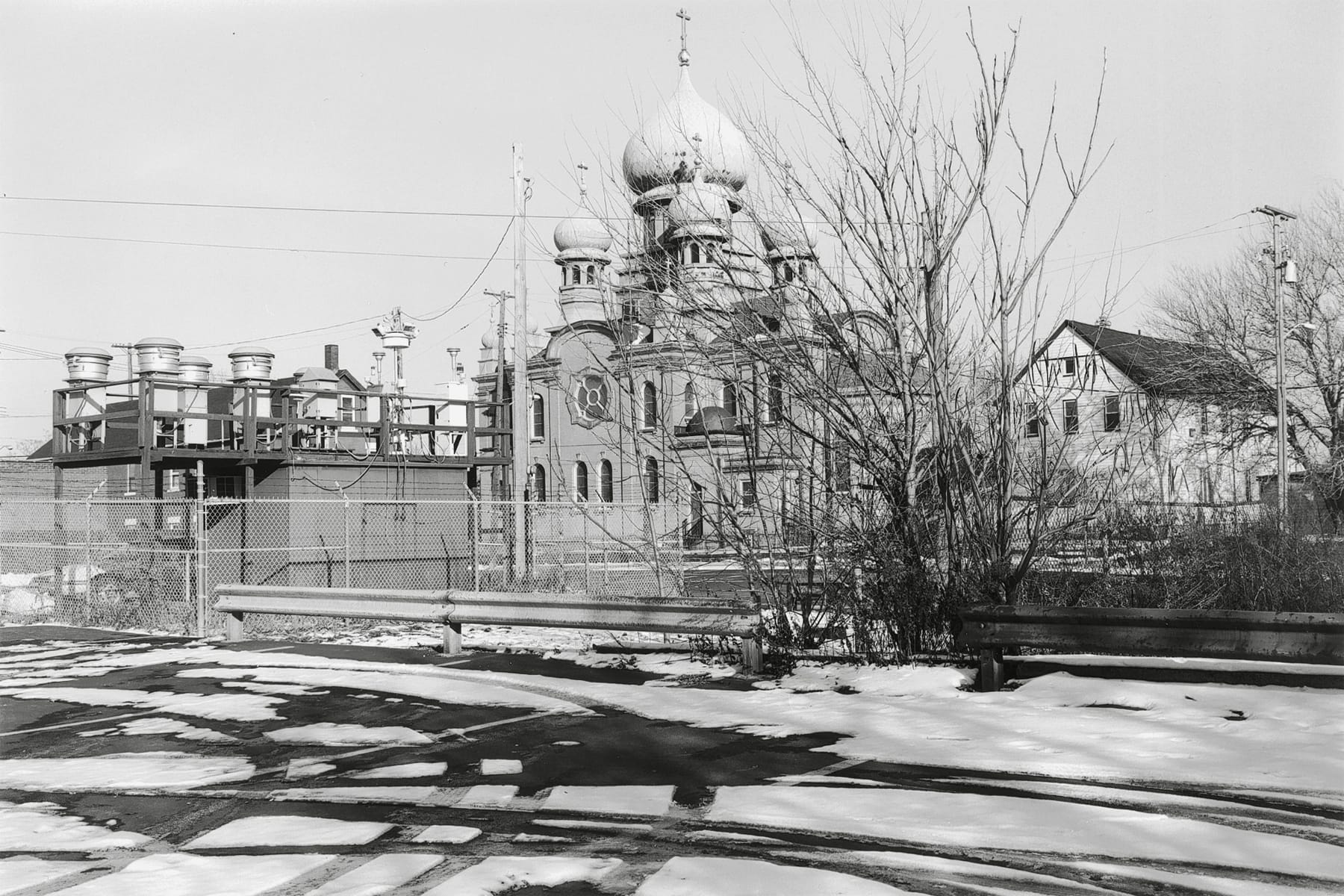
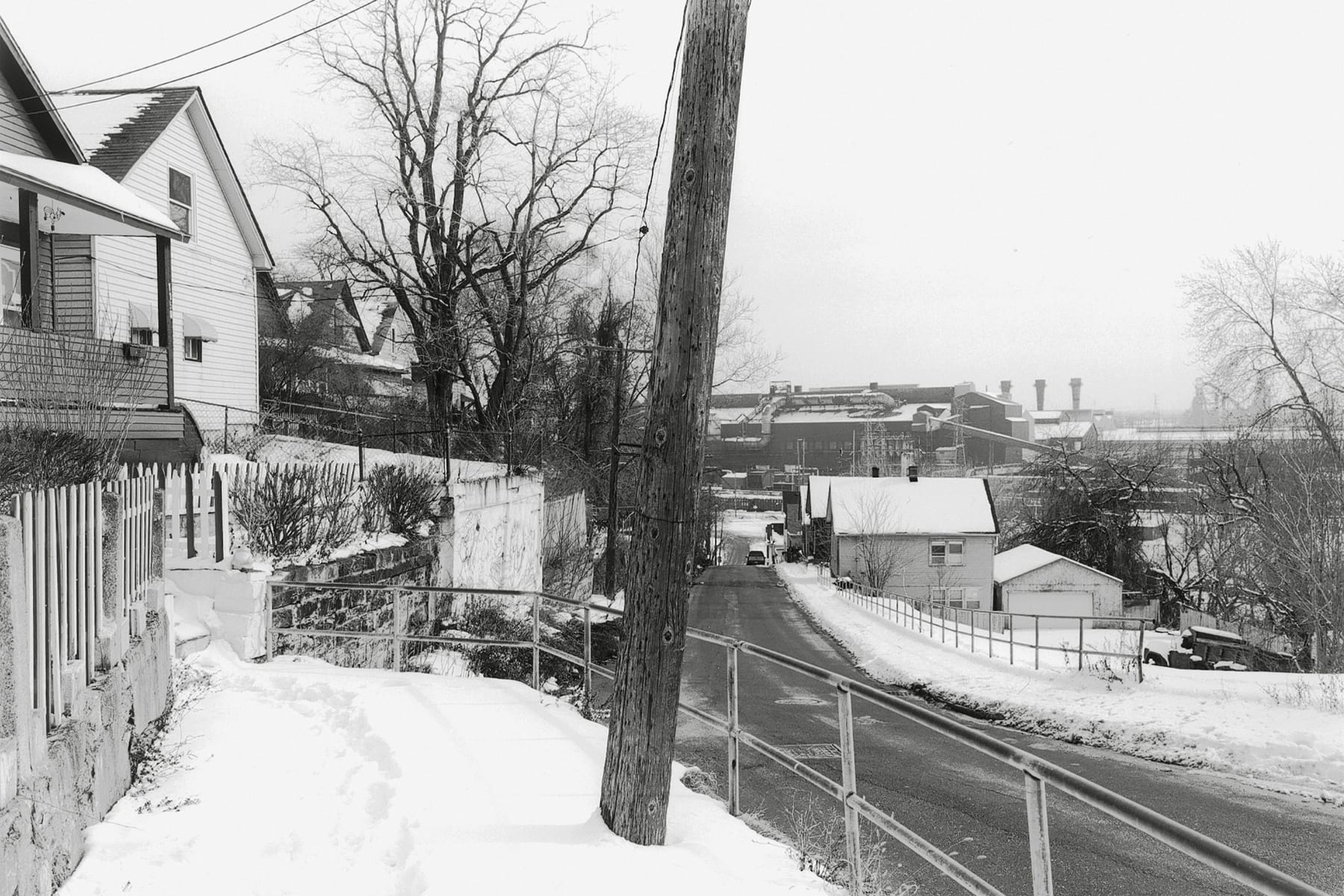
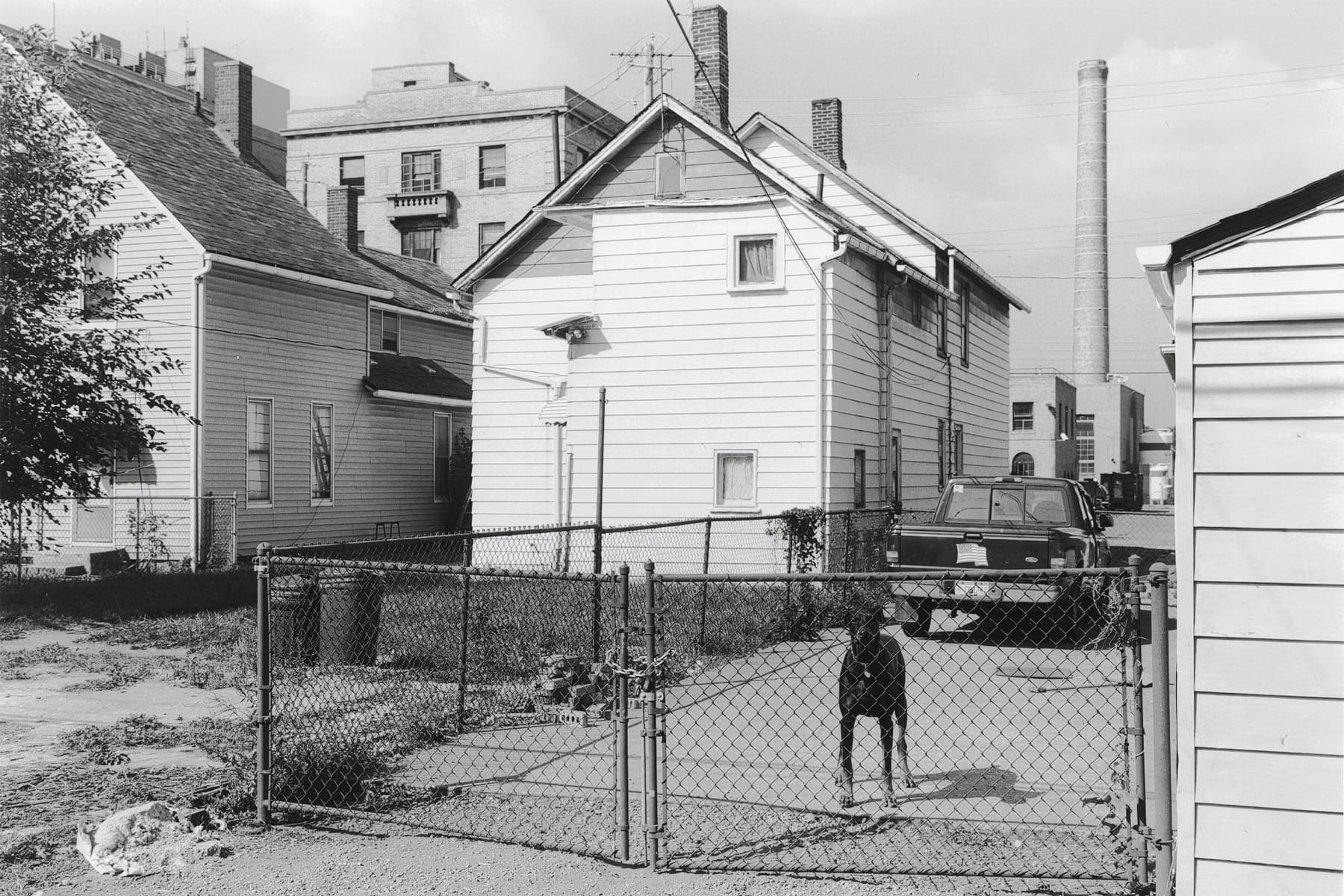
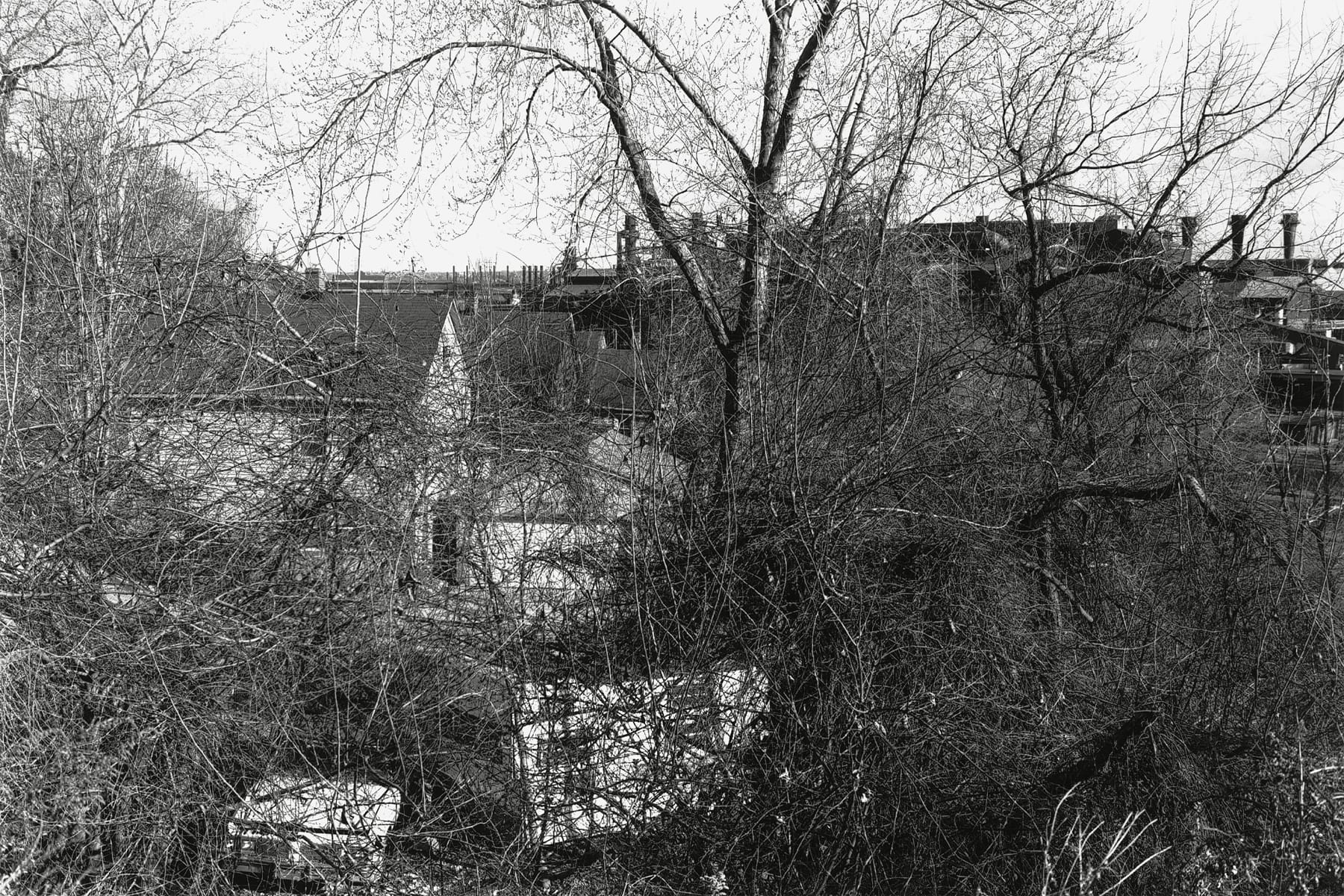
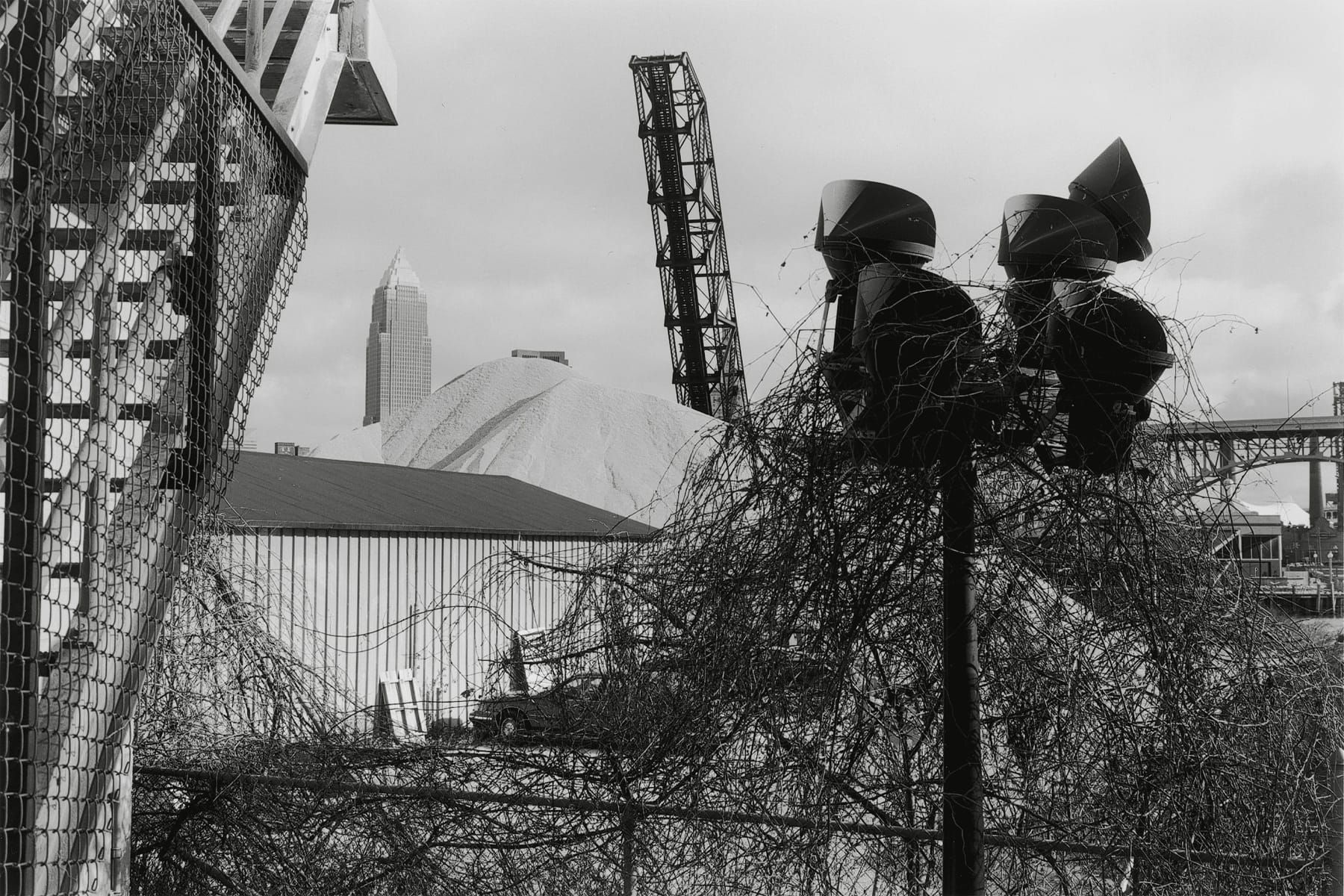
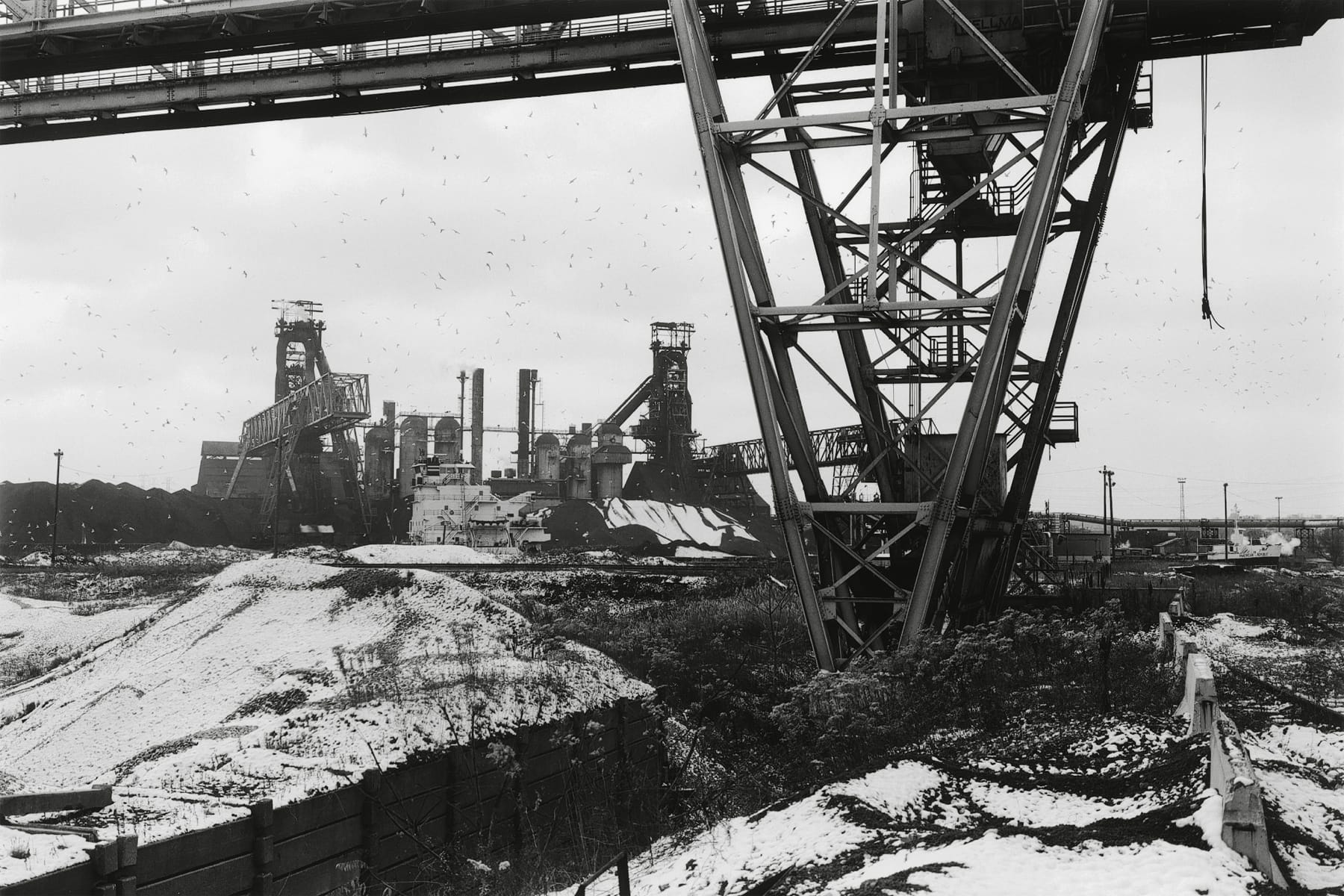
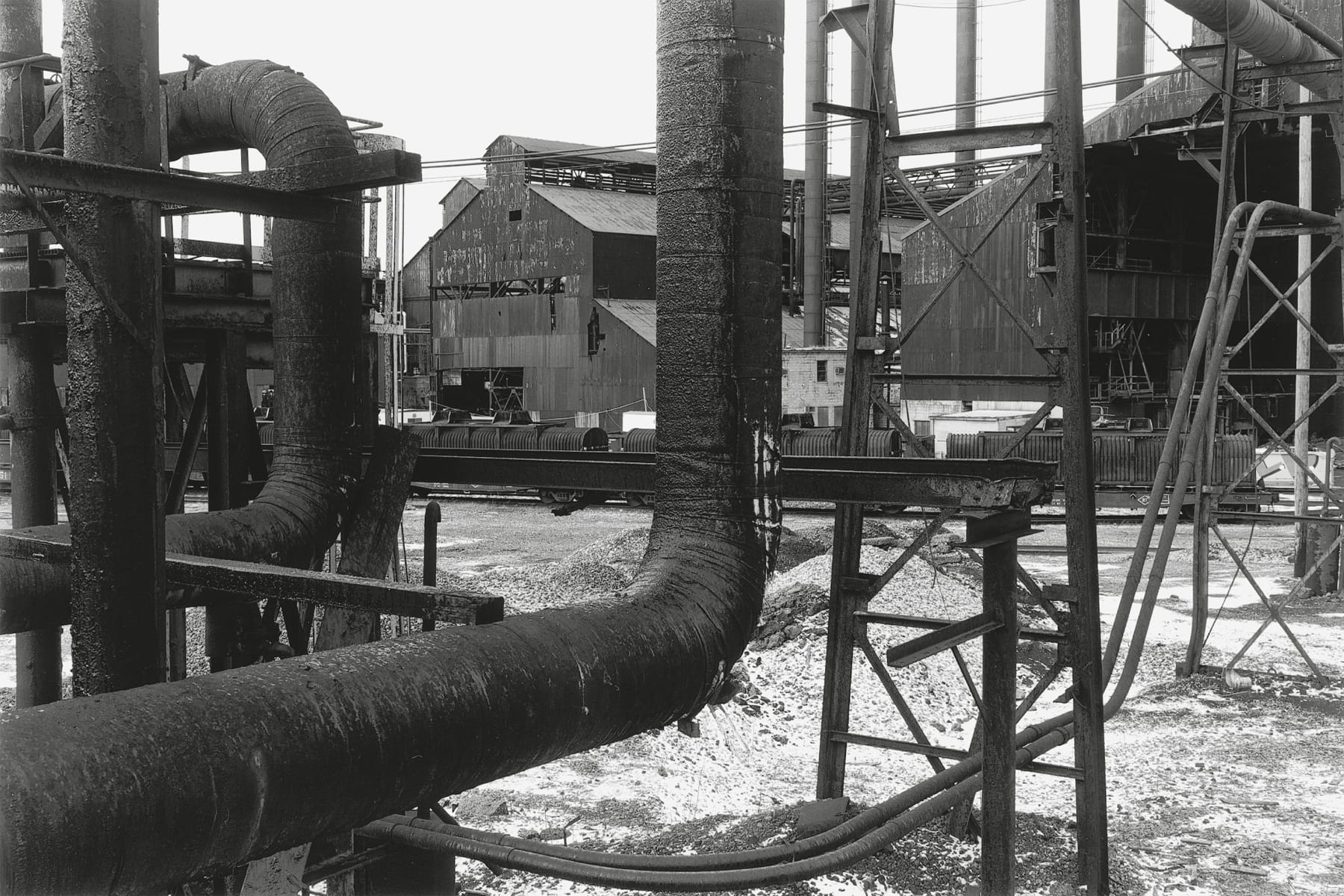
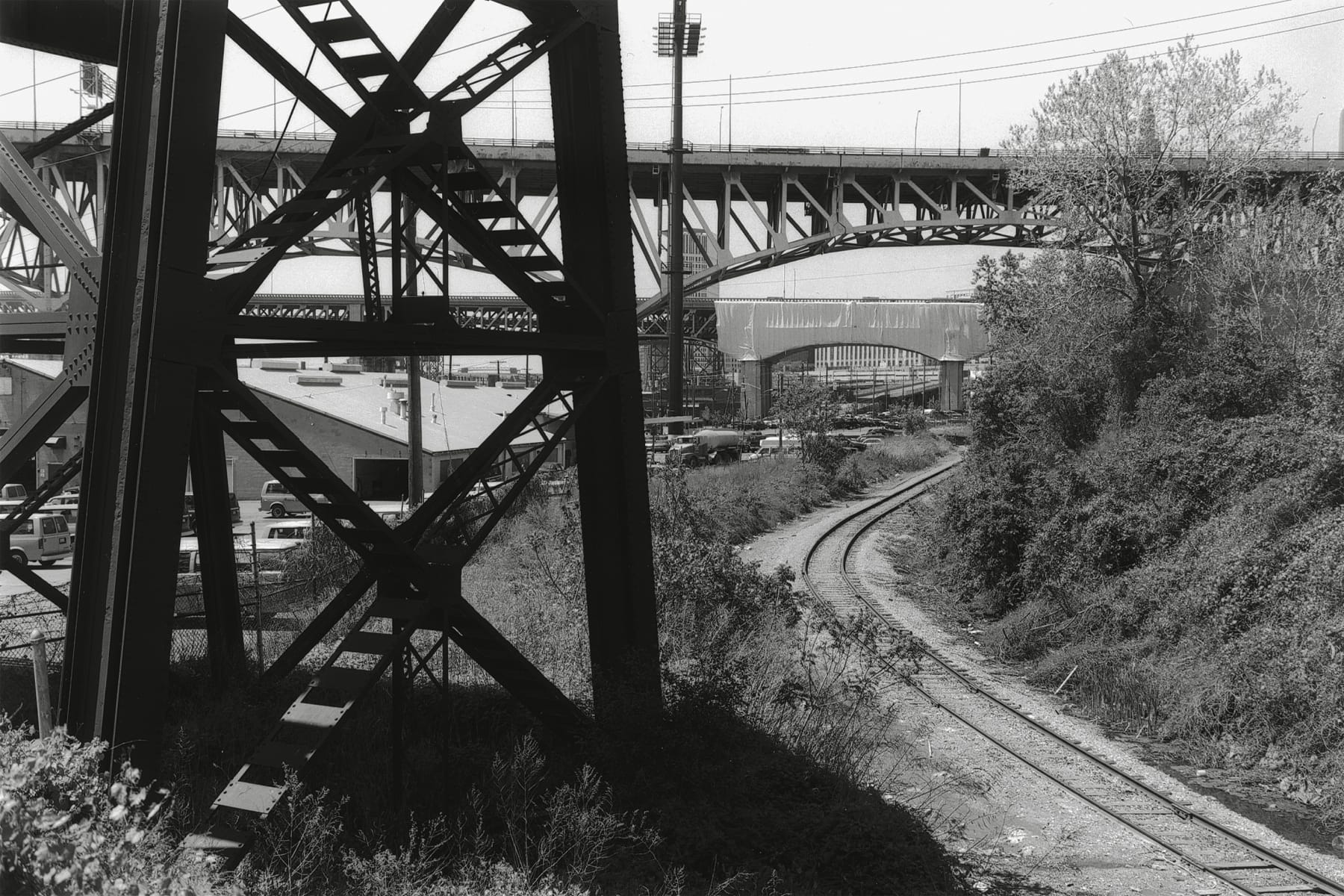
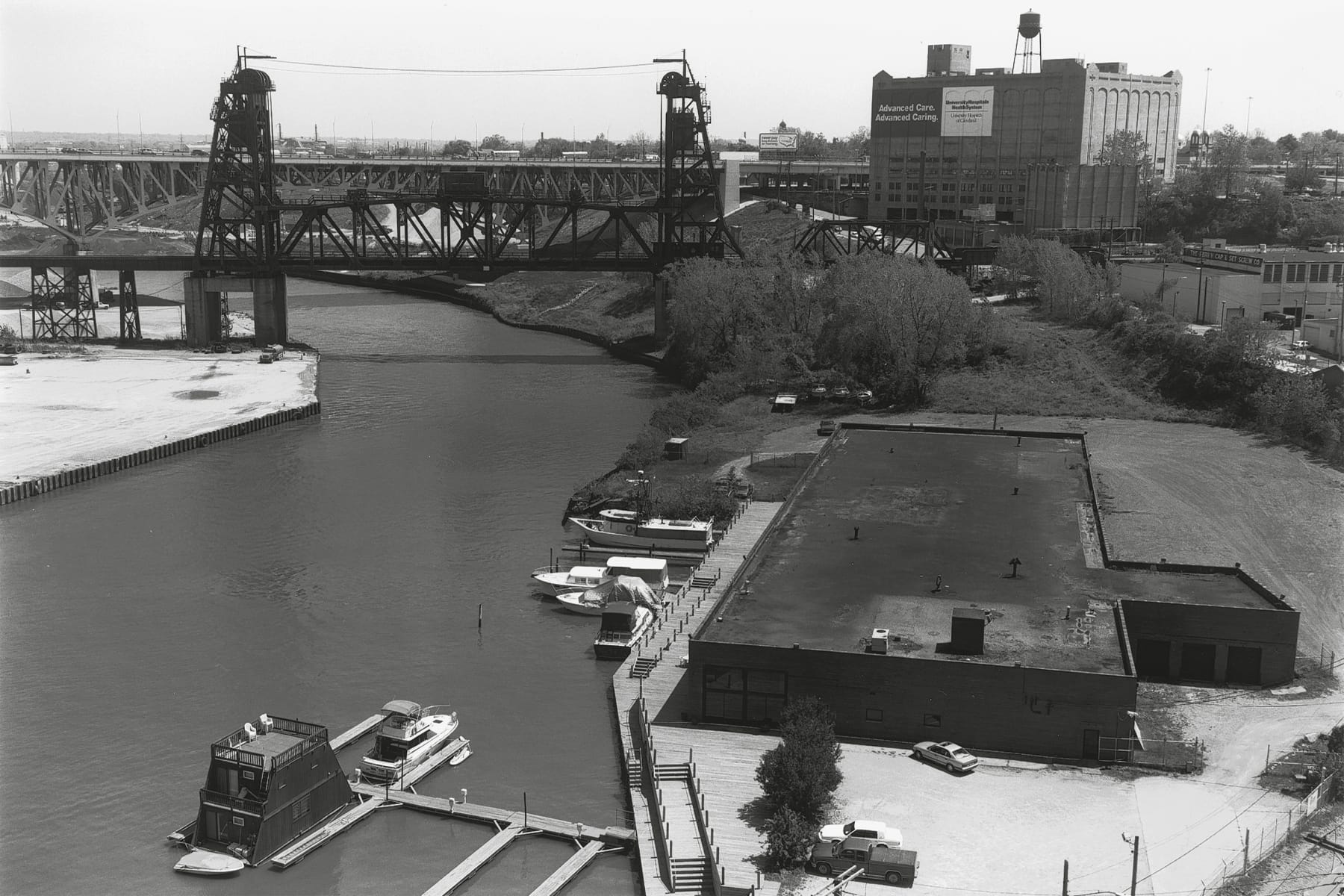
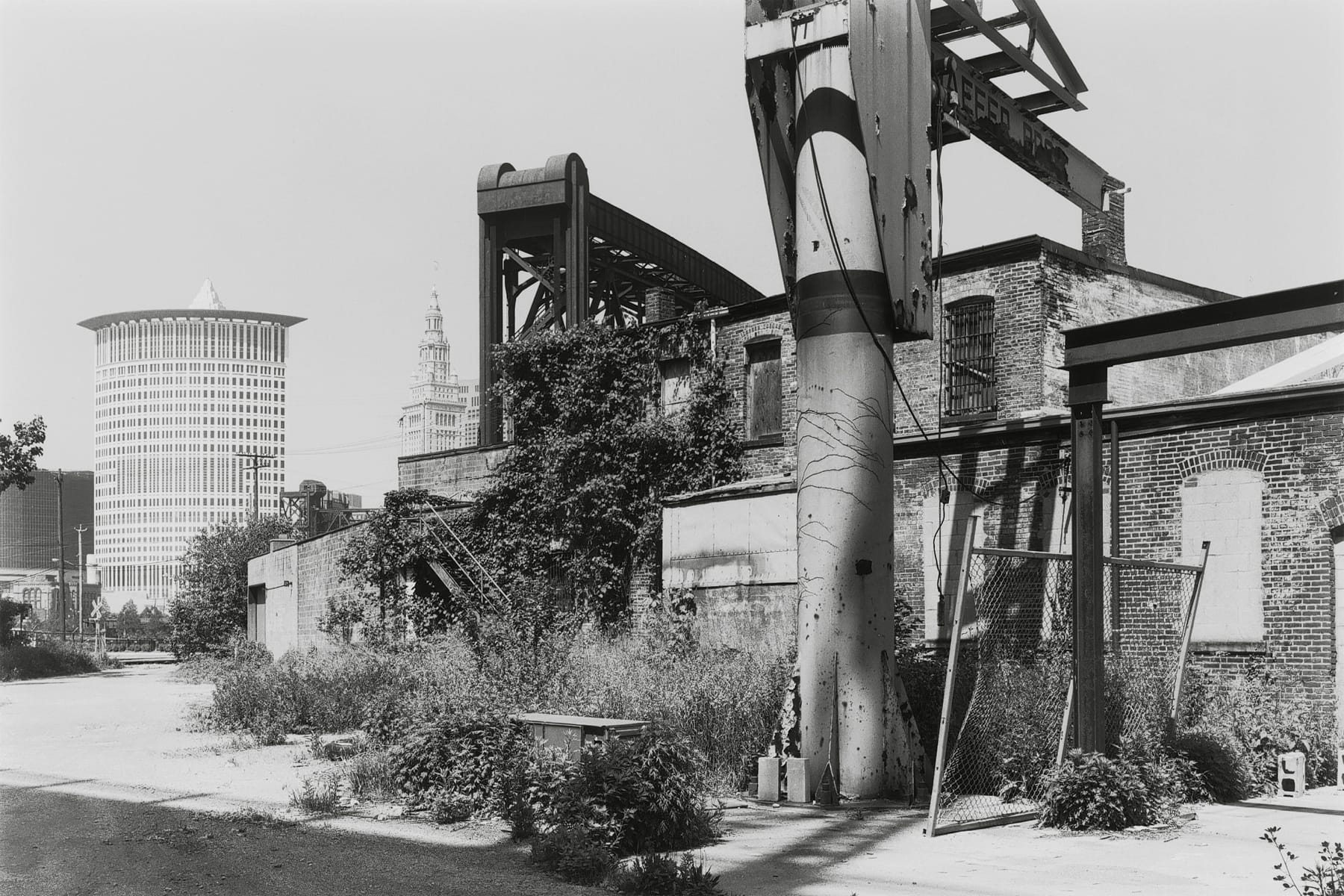
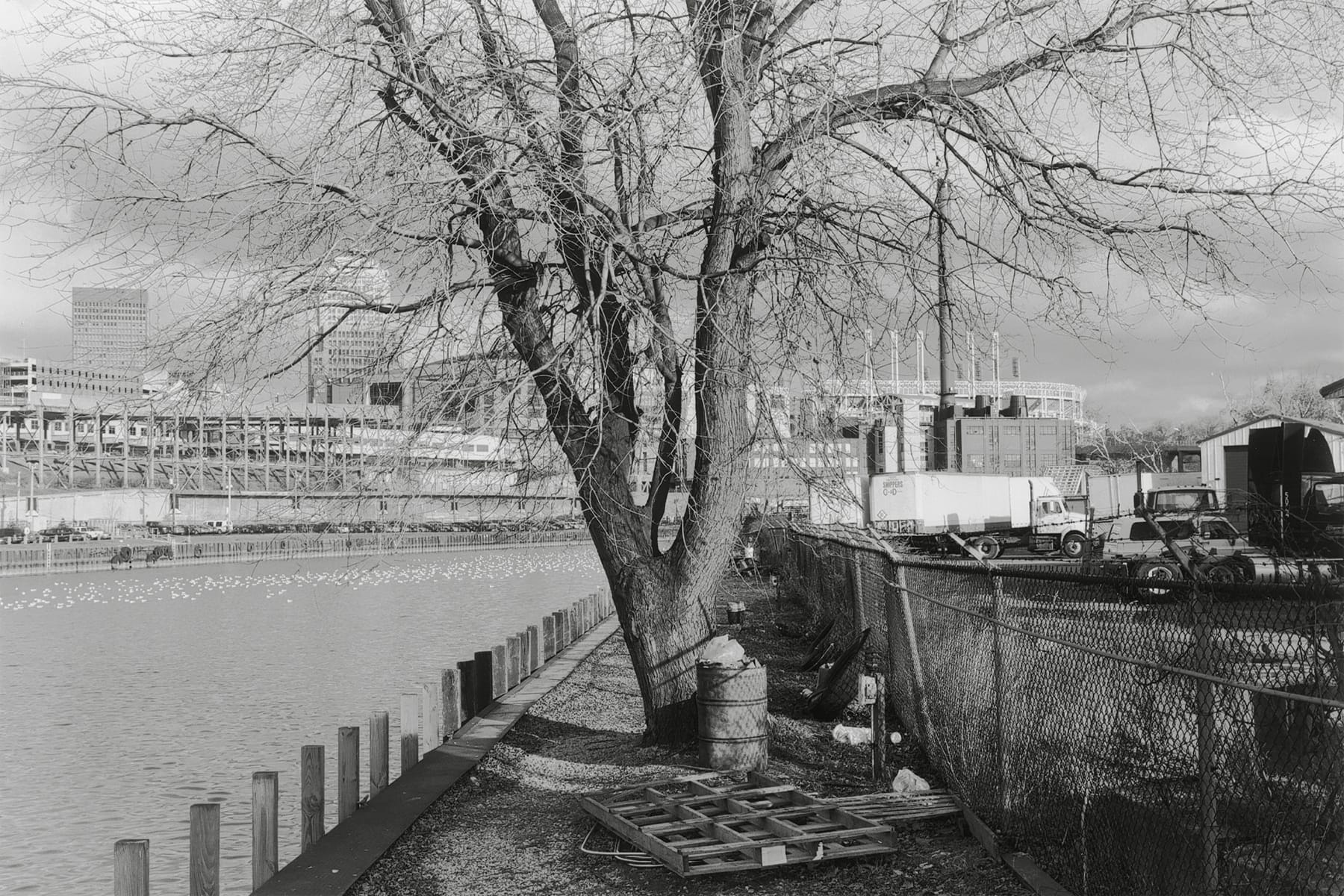
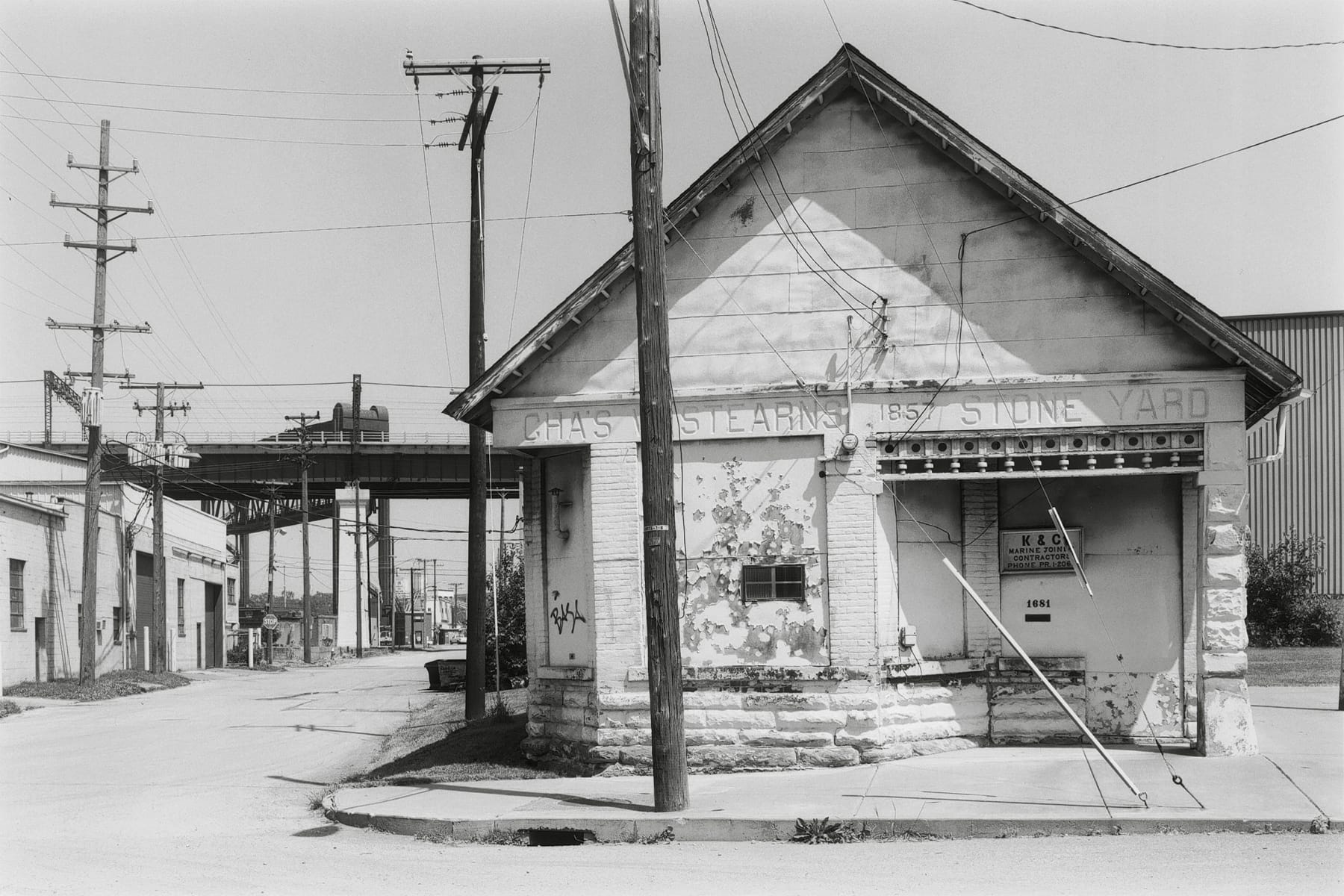
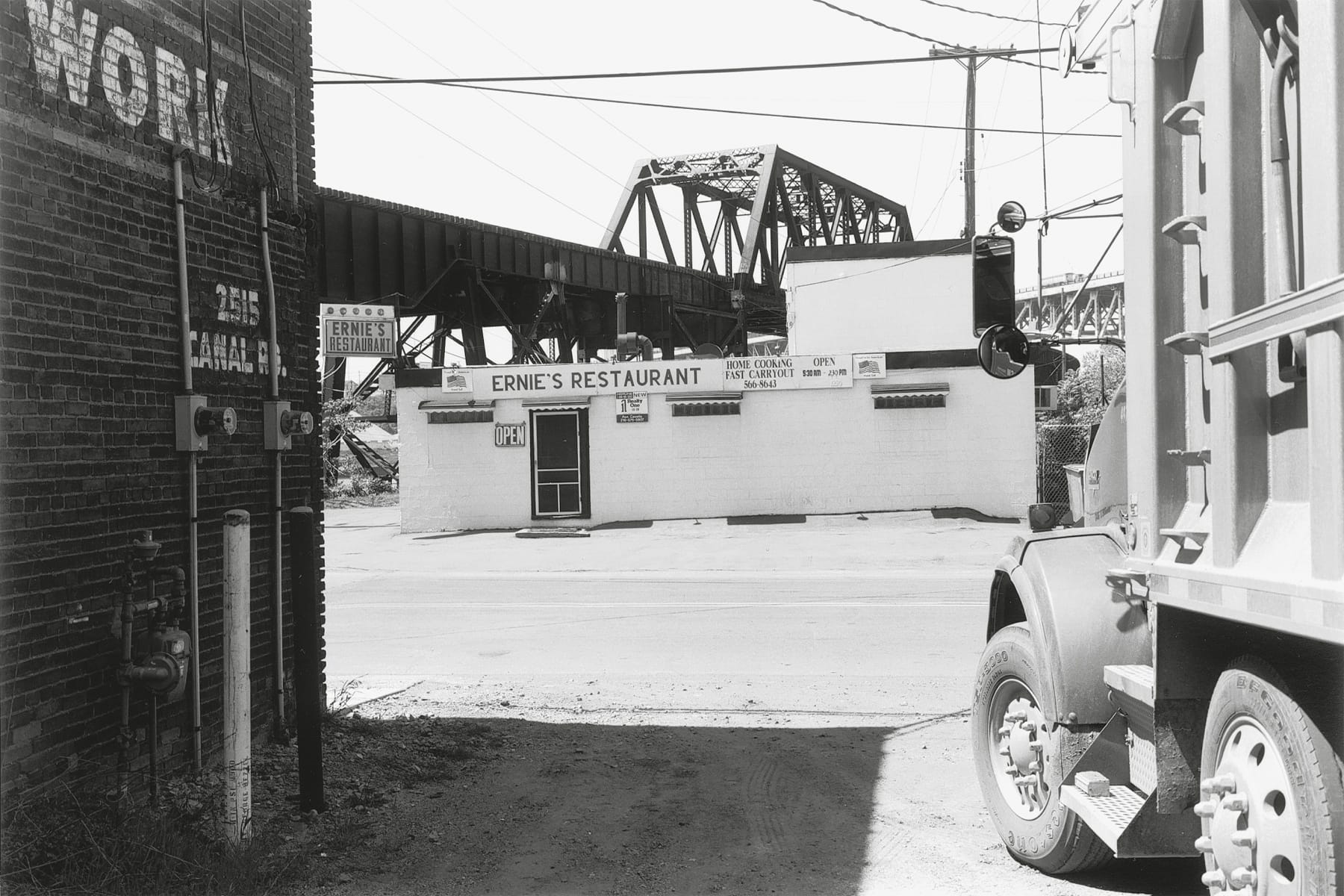
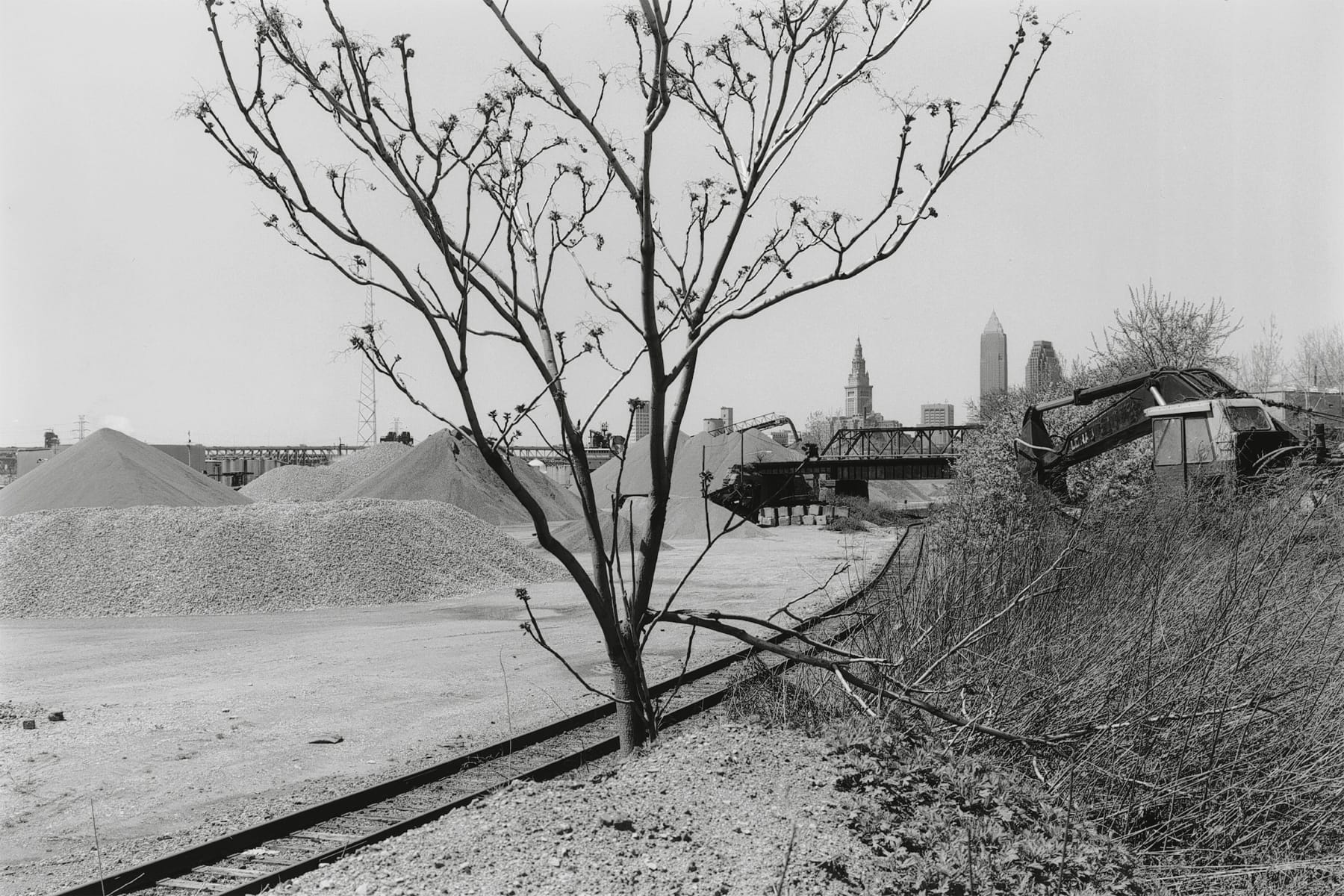
Andrew Borowiec captured both the grittiness and the grandeur of Cleveland’s industrial landscape in photographs that artfully illustrate the way the city’s industrial roots are intertwined with its neighborhoods, its downtown and its natural resources. Borowiec, who is a professor of art at the University of Akron, is the winner of many awards, including the John Simon Guggenheim Memorial Foundation Fellowship. His work has been featured in numerous publications and exhibitions. These photographs reflect the Foundation’s continuing commitment to the economic development of this region as it works to build a new future on its historic manufacturing base.





Metroparks System
Lauren Betenson
Barbara Bosworth (2001)
Photography
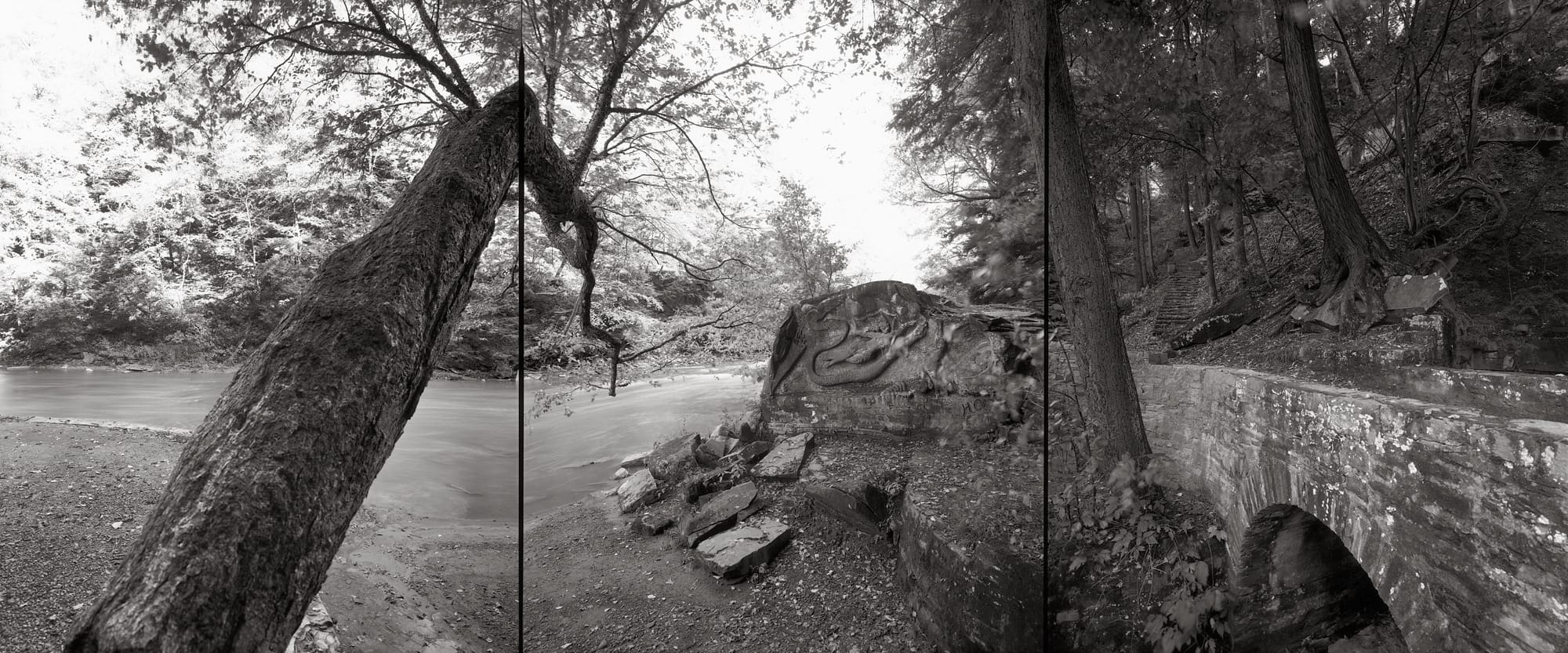
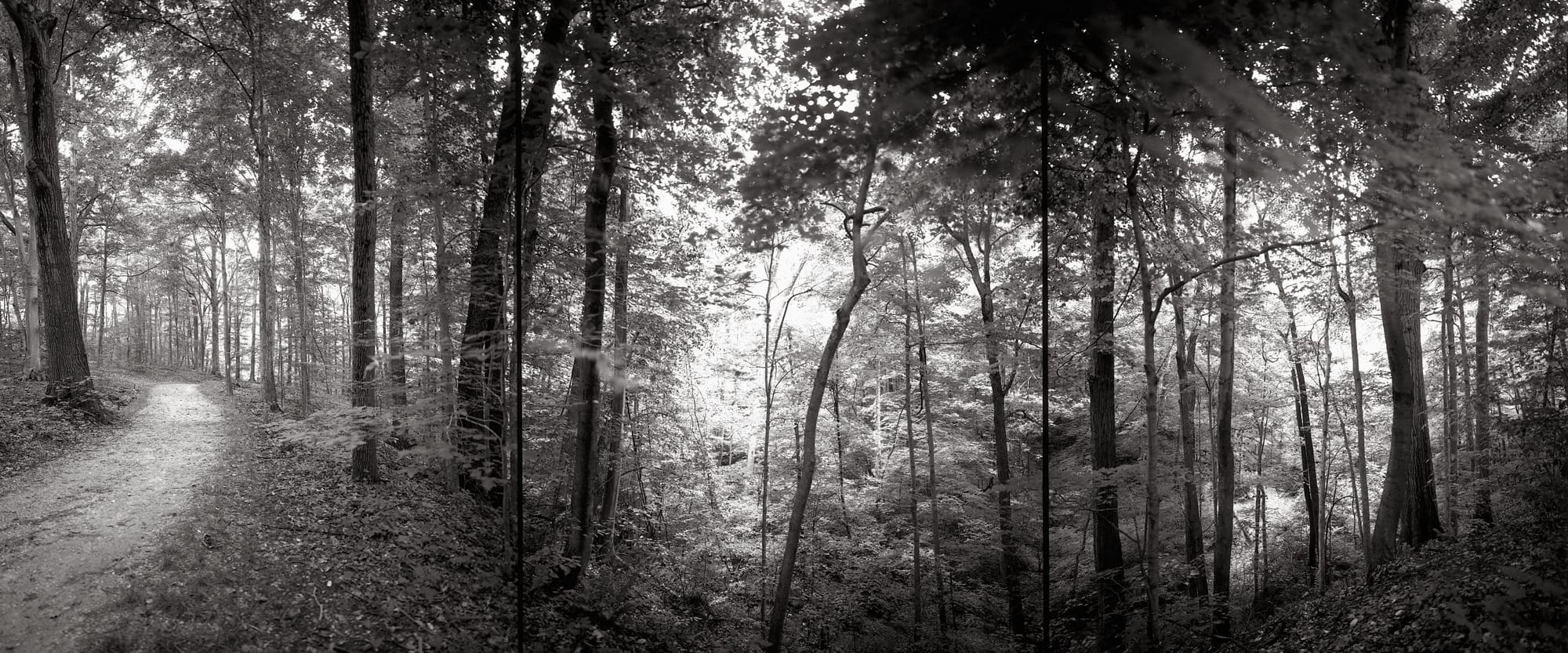
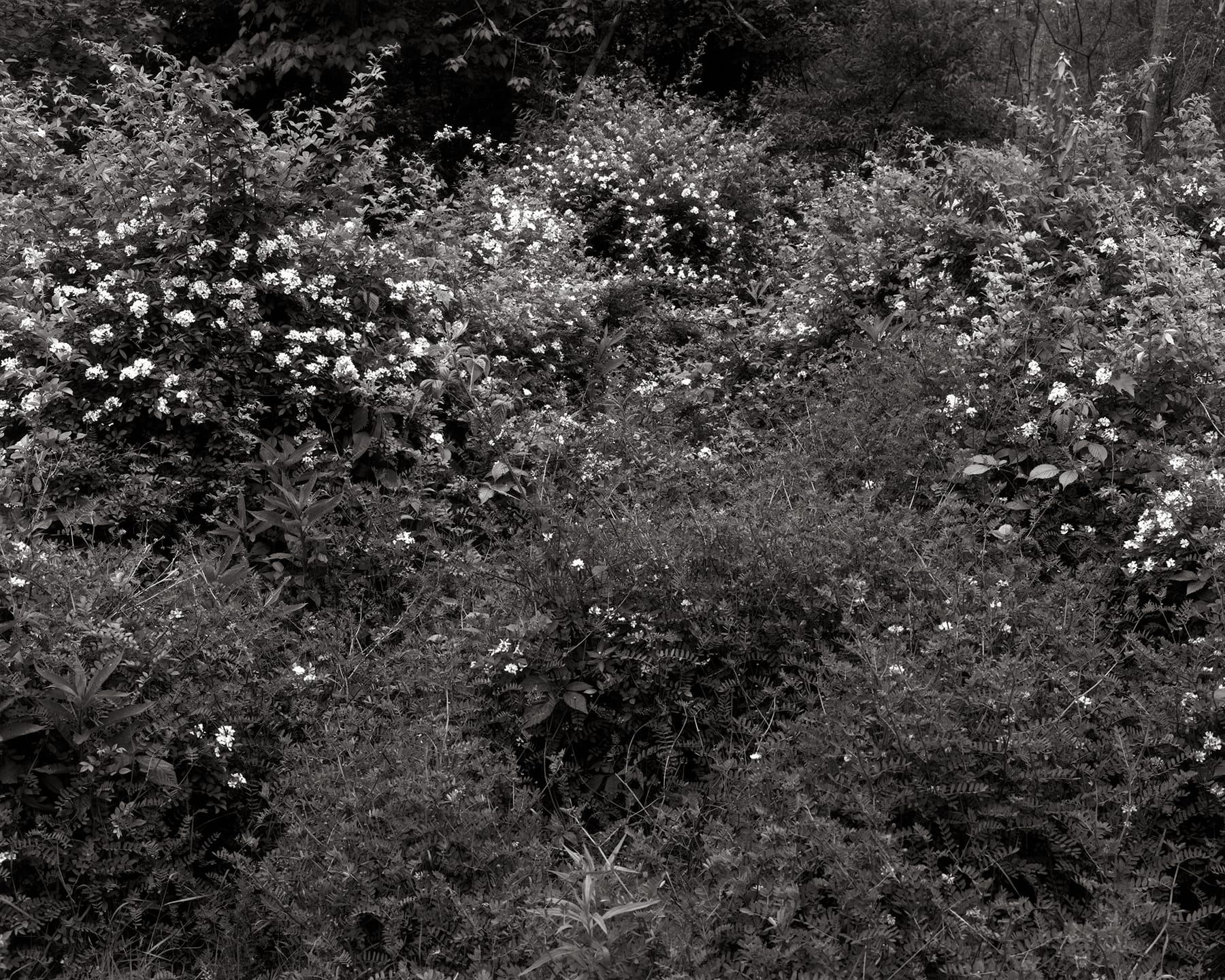
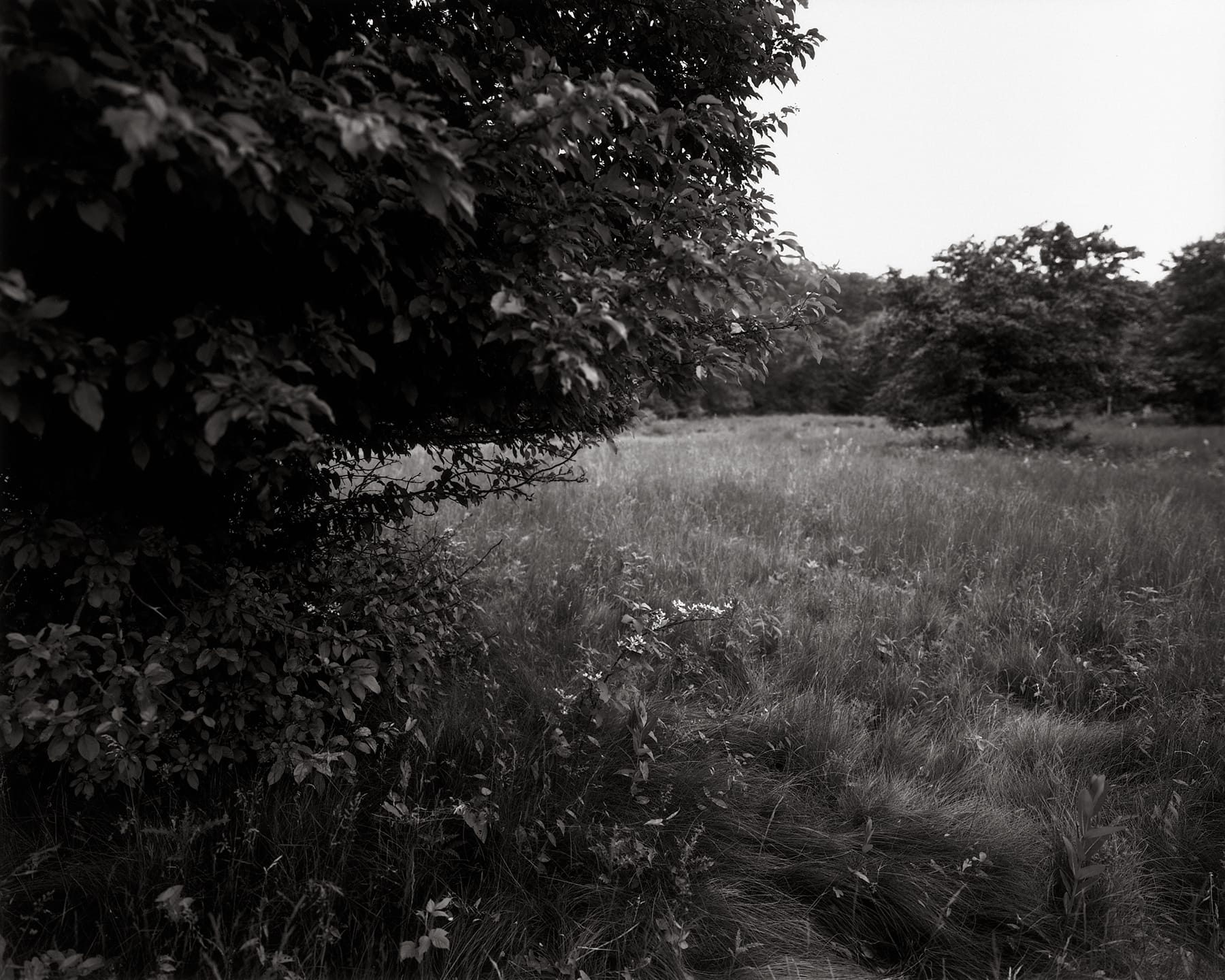
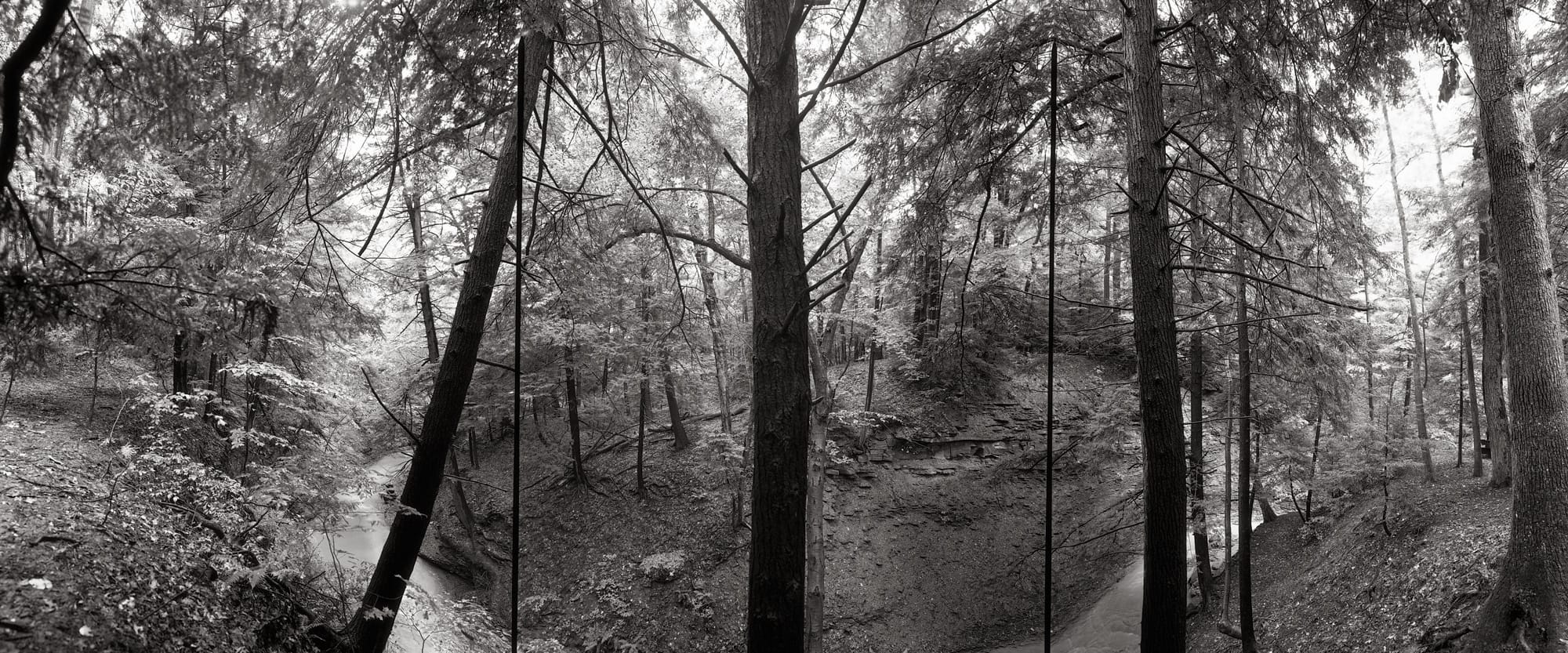
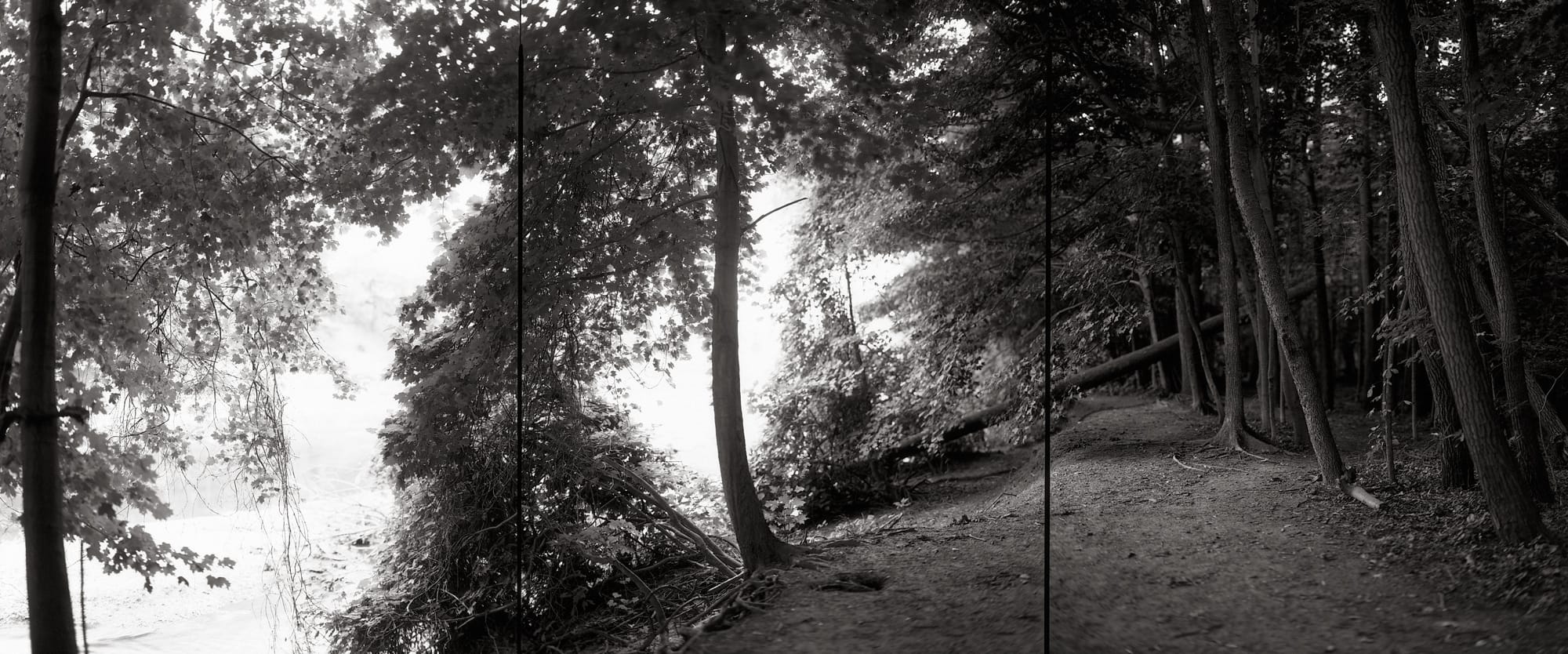
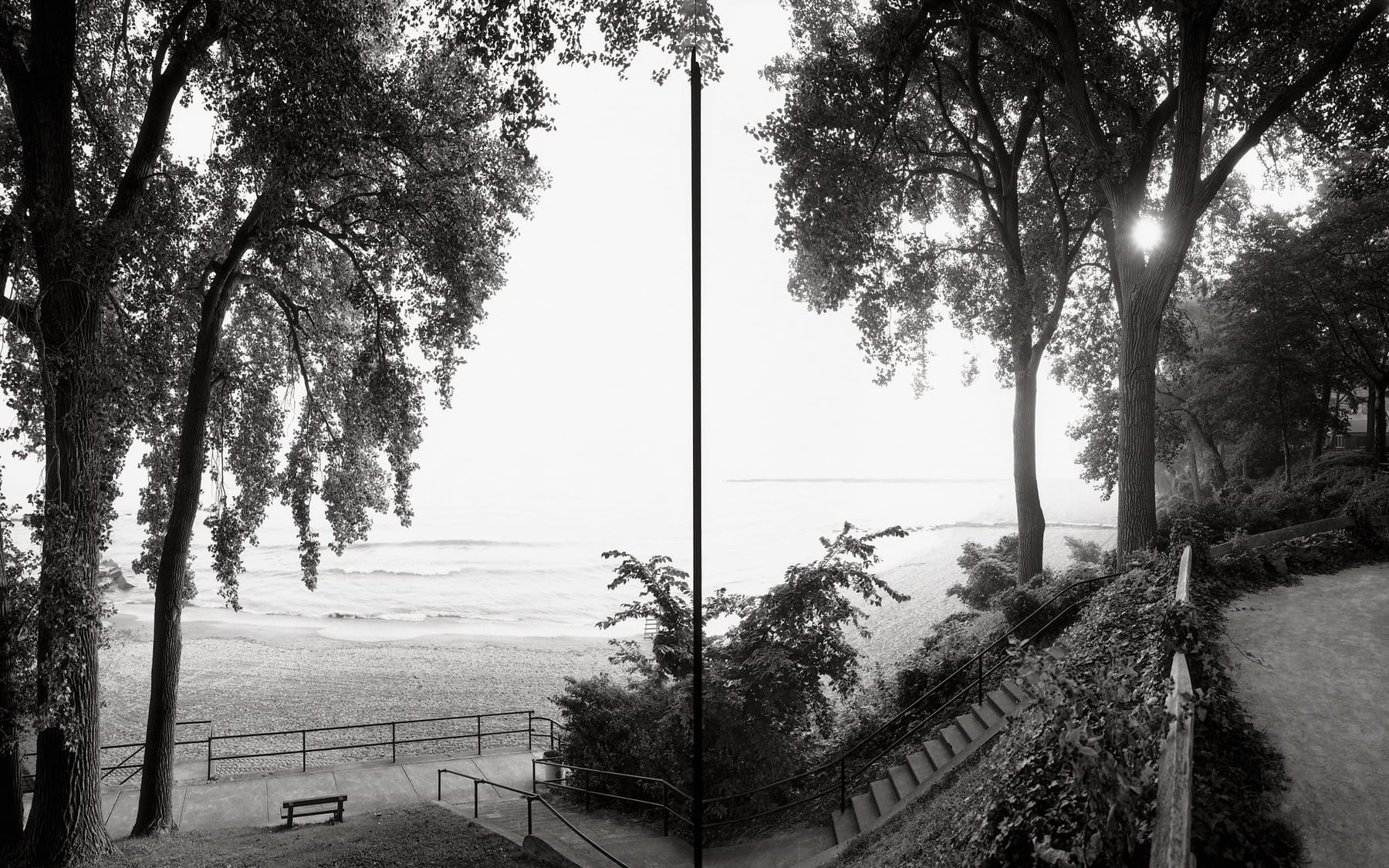
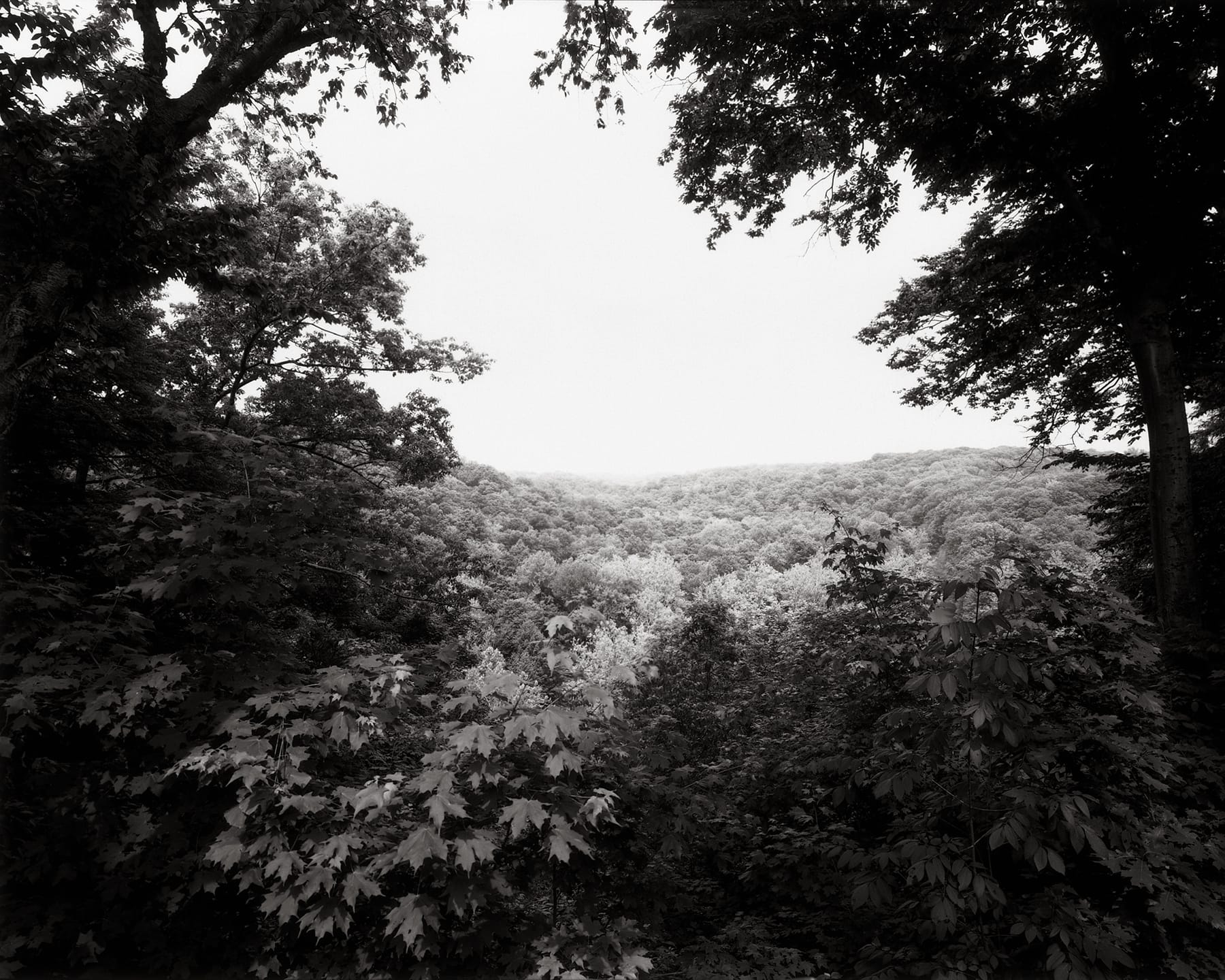
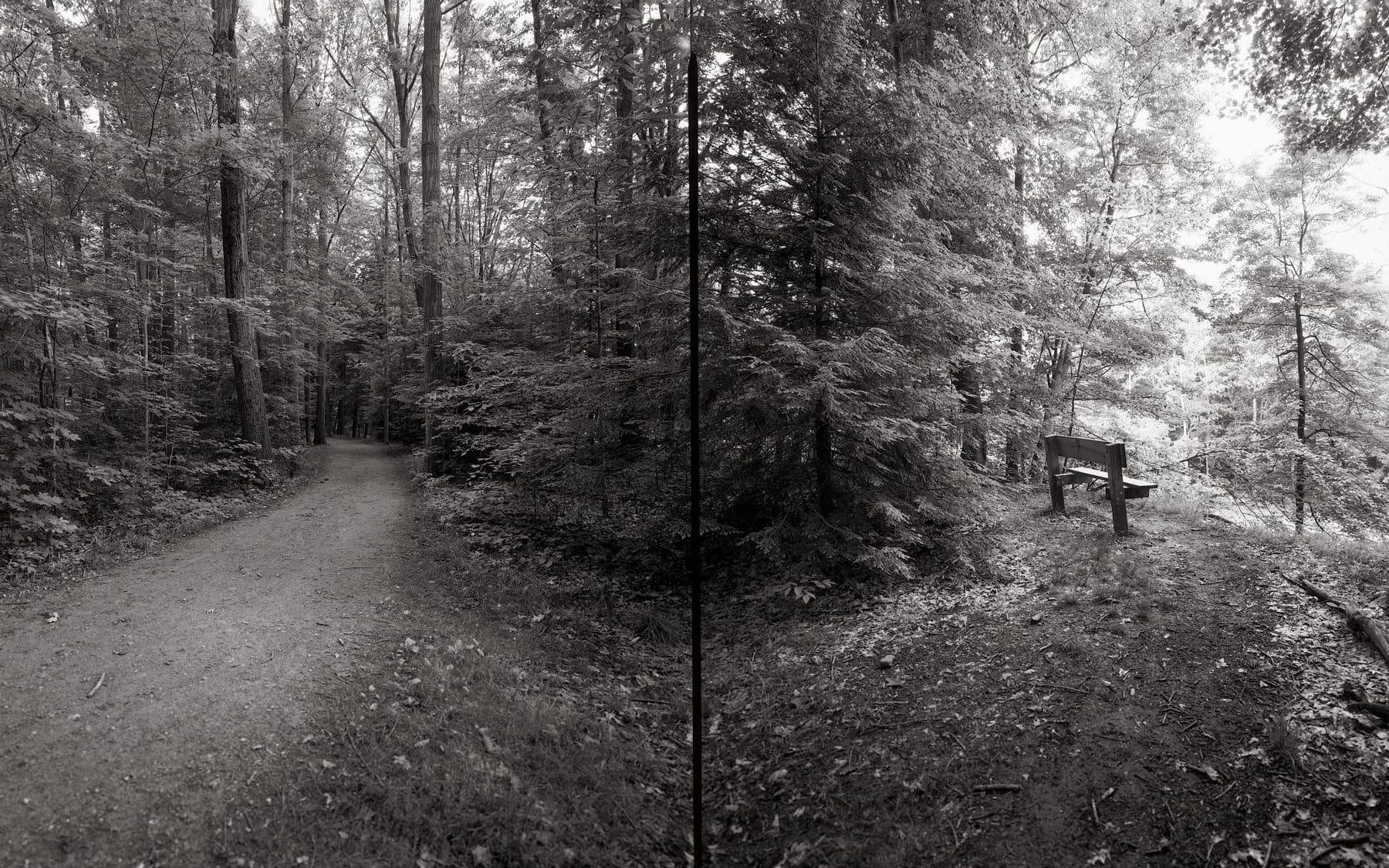
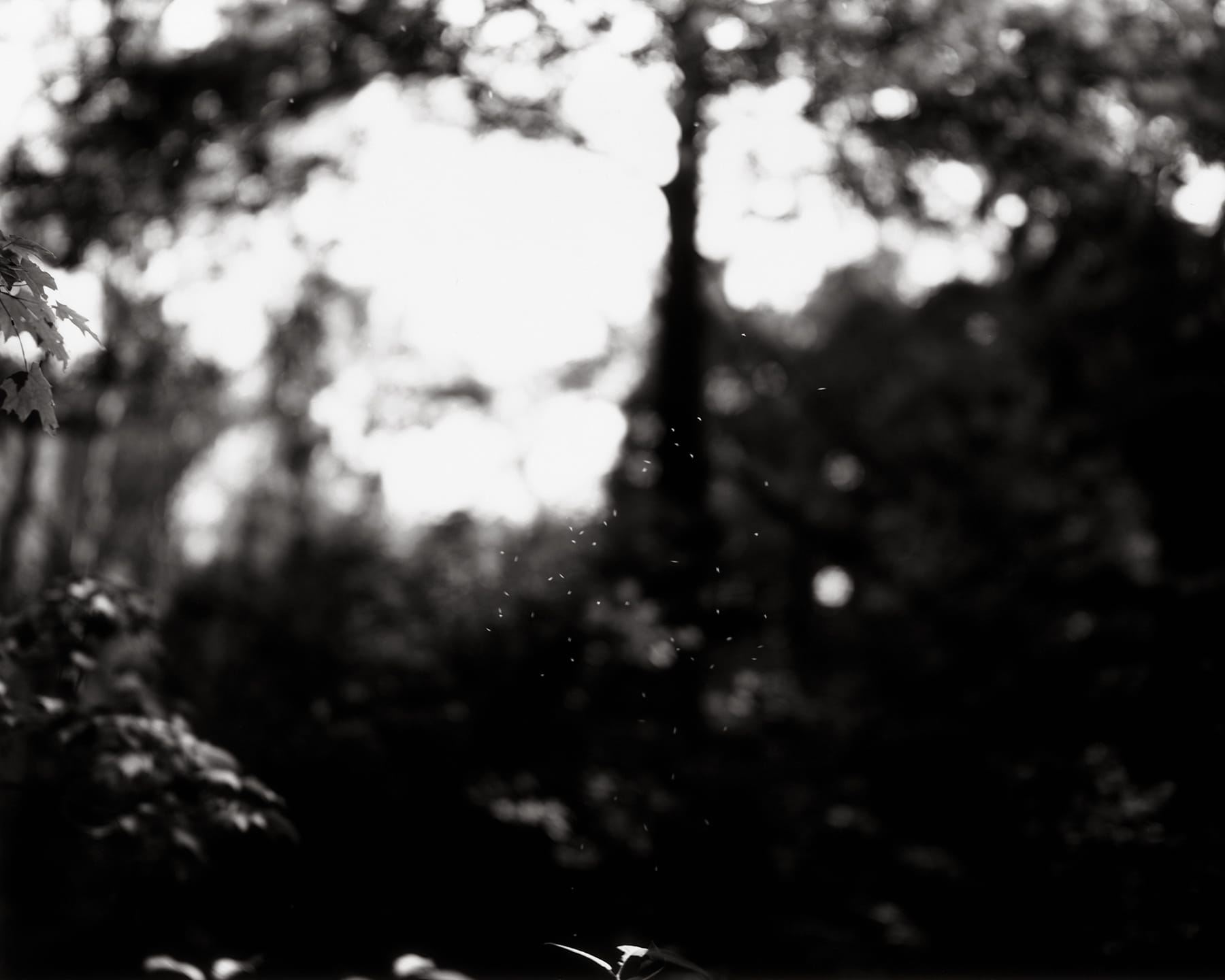
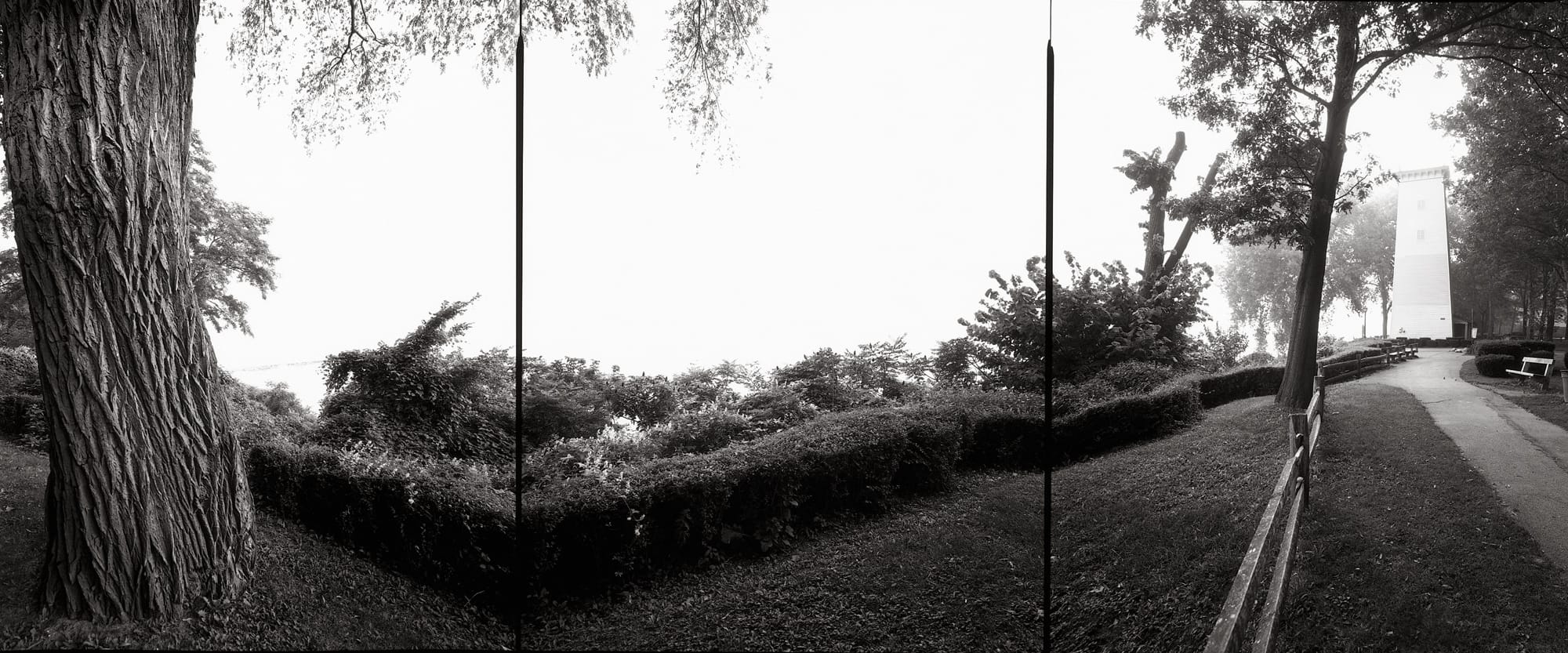
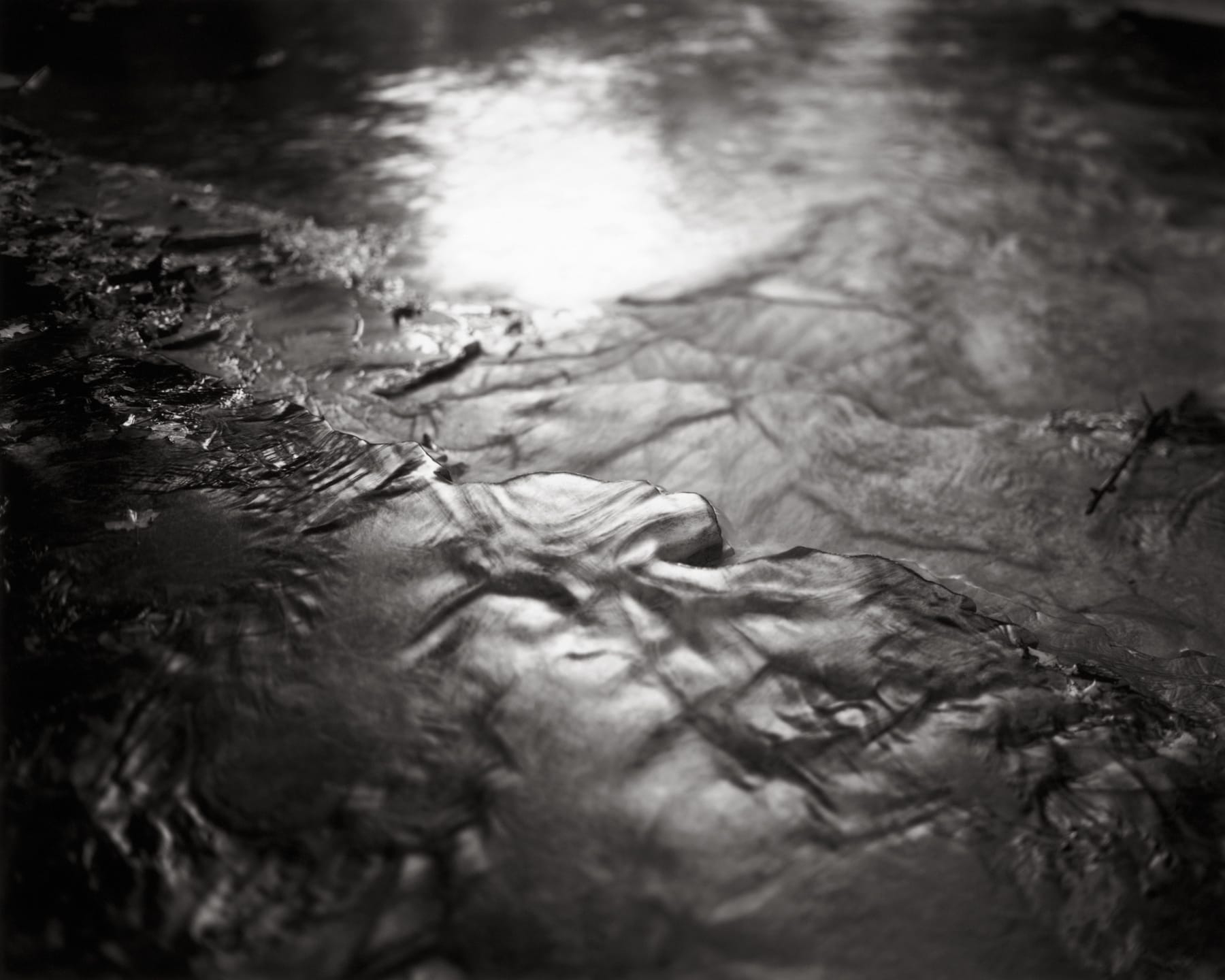
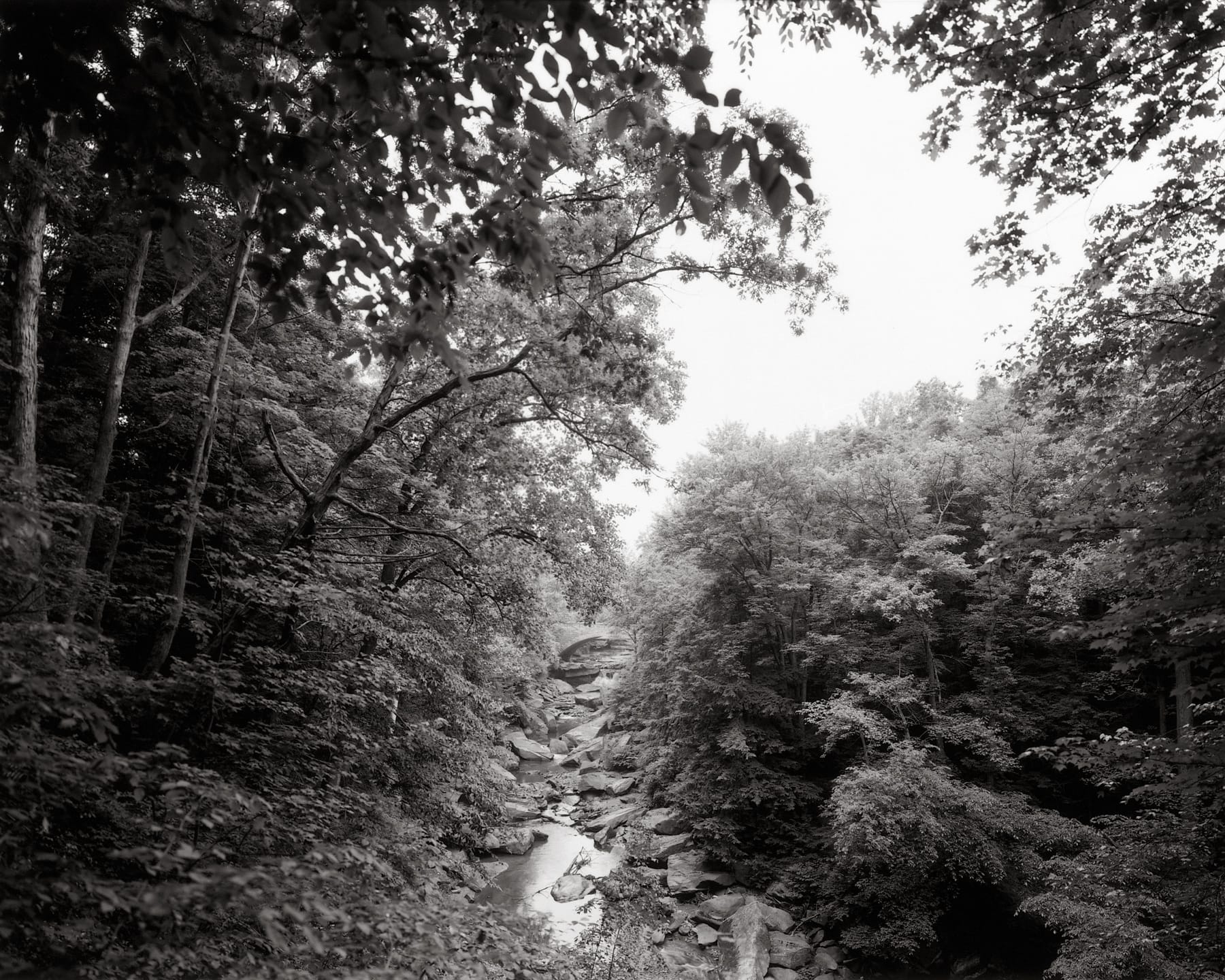
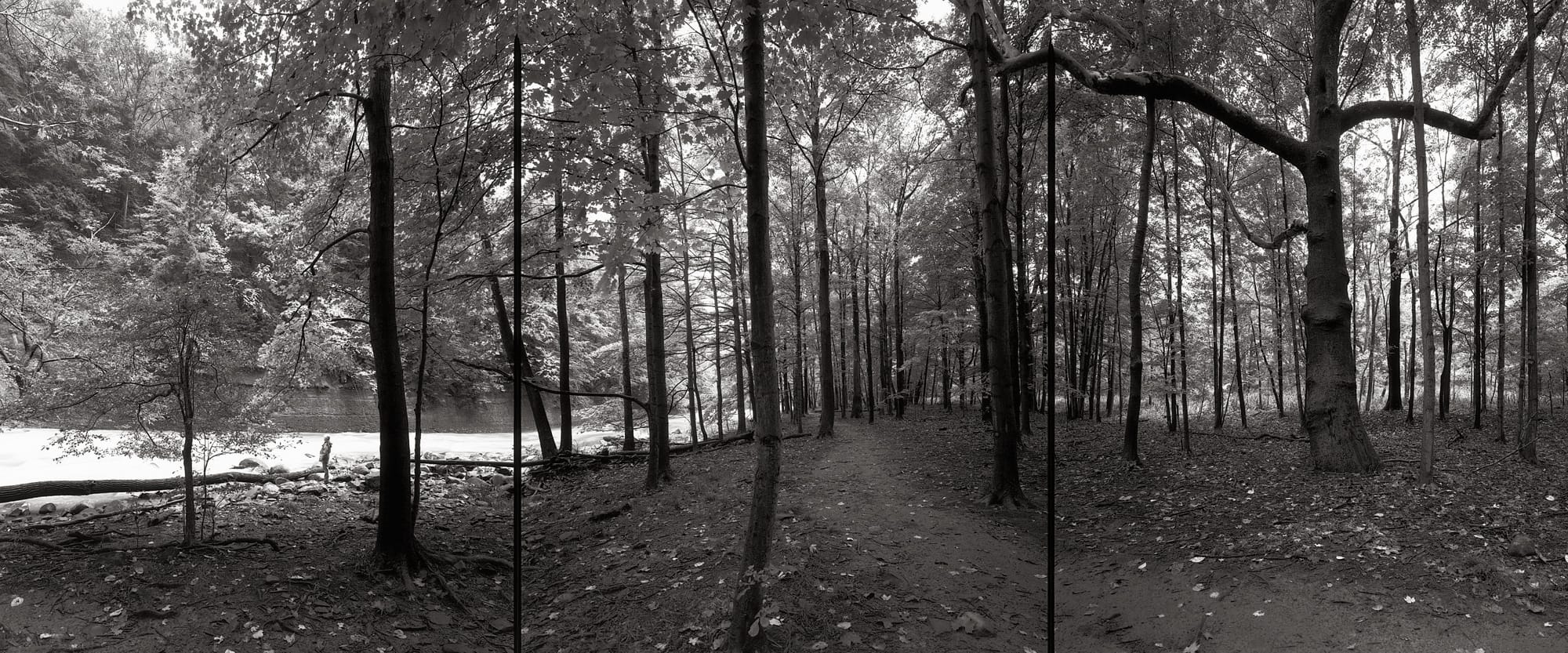
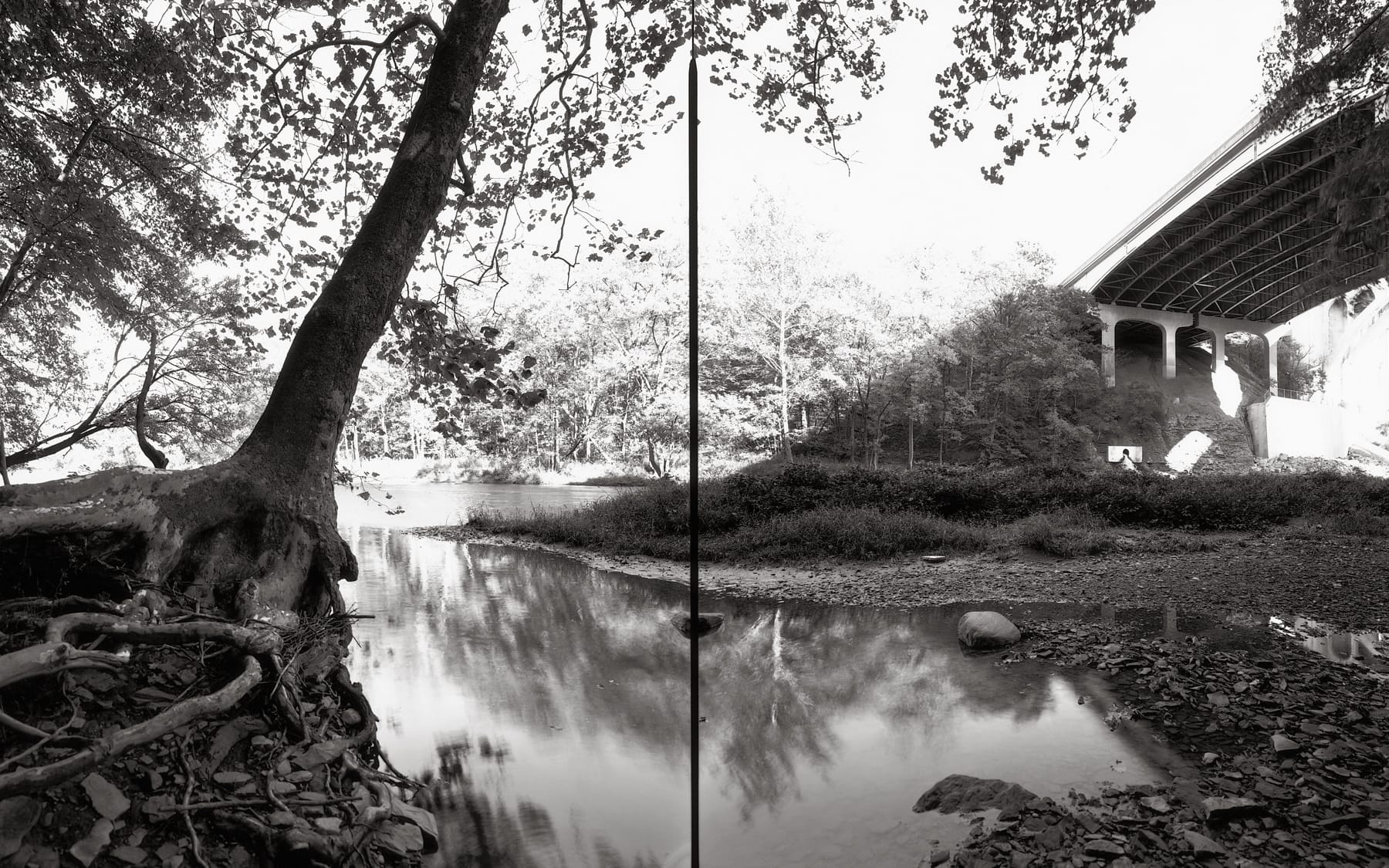
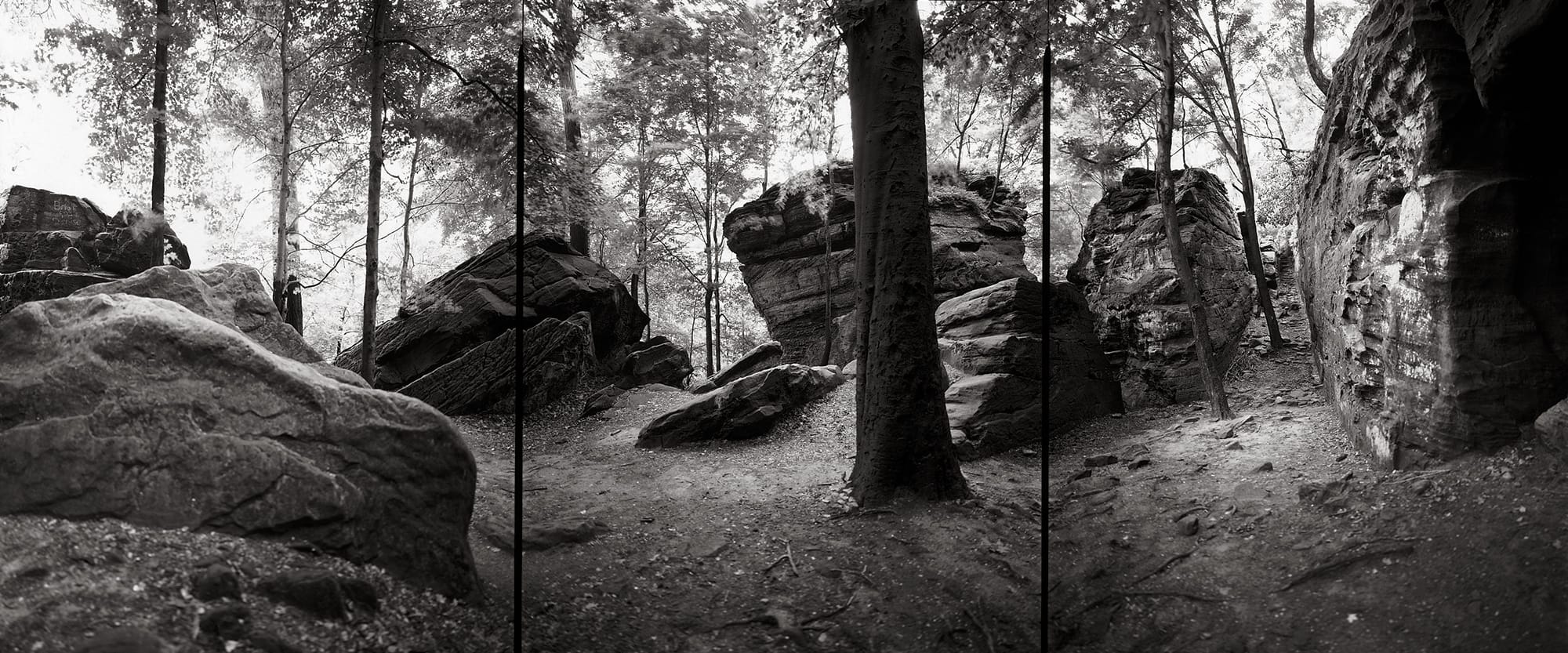
Barbara Bosworth’s breathtaking impressions of the natural beauty in Cleveland’s metroparks reflect the foundation’s commitment to maintaining open spaces and greenways in our urban landscape. Bosworth, who grew up in the Chagrin River Valley just east of Cleveland and experienced the metroparks as “the forests of my childhood,” now teaches in and chairs the media and performing arts department at the Massachusetts College of Art in Boston. She is a recipient of the prestigious John Simon Guggenheim Foundation Fellowship, and her work appears in more than a dozen contemporary photograph publications as well as in museum and private collections across the country. The tranquility and timelessness reflected in Bosworth’s images provide a photographic counterpoint to the events of 2001 and confirm the foundation’s long-standing conservation agenda.



Letter from the Executive Director
2001 Annual Report
The past year was one of reflection at the Foundation, prompted by changes both current and anticipated.
During our summer Trustee/Staff Retreat, I announced that I would be retiring January 15, 2003 after 14 years at the helm of this worthy enterprise. That change will come with this shift in leadership is inevitable, and Trustees began discussions on a search for my successor.
However, much of our discussion at the retreat focused on current and future Foundation grantmaking, and changes necessitated both by the changing nature of our assets and the rapidly shifting economy of the nation and the world. We also took a look backwards at the founding of this Foundation in 1952 and forward to our celebration of its 50th anniversary in 2002.
The planned reflection of the summer was followed by unplanned and shattering events of September 11. Though we quickly responded to the needs of victims, we agreed to hold to our previously planned course of grantmaking and community involvement.
The photographer of this year’s annual report, Barbara Bosworth, was selected long before these tragedies occurred. Her beautifully calming vision of the Cuyahoga County Metroparks exist in stark, but reassuring, contrast to what has transpired in 2001. When I first viewed these images in proof form, I actually felt gratitude that they will well represent our staying the course in the face of grief and the inexplicable.
In spite of the incredible volatility of the times, the Foundation made grants and provided services to the areas of interest we serve with optimism, pride and, hopefully, skill and compassion.
This year’s grantmaking, though somewhat limited by a restrictive budget, was fulsome and was highlighted by awards that reflect our ongoing interest in new ways of doing business. In the human services area our growing agenda in early child care issues led to a $400,000 grant to the Institute for Civil Society, Inc. to support a proposal for building more effective early learning systems in several states, including Ohio. A grant to Rainbow Hospitals Coalition for Greater Cleveland’s Children was also a reflection of this emerging strategy.
Grants to the Nature Conservancy for a better understanding for Great Lakes biodiversity and Cleveland State University for a study of biodiversity in the forests of the Metroparks System reflected our environmental agenda’s special concern with species preservation in this neck of the woods. Smart Growth was also a special emphasis in 2001 with a grant to the Western Reserve RC&D Center on Farmland Preservation representative of that expanding interest.
In the arts, our continuing support of the Community Partnership for Arts and Culture was indicative of our interests in developing broad-based community and regional involvement in arts programs and finance. A $200,000 commitment to Dobama, an excellent and well-managed local theater group for improvements to a new venue for their work reflects our commitment to maintaining and growing a lively arts community in Greater Cleveland.
2001 marked a downturn in Cleveland’s economy, particularly in the Downtown where office occupancy has declined and retail has diminished. A $300,000 multi-year grant to the Downtown Cleveland Partnership to support Downtown office, housing and retail development represents just one commitment to improvement. A small grant to the North Union Farmers Market to encourage these fledgling and increasingly successful neighborhood enterprises is representative of a special niche that makes good use of our resource.
Education continues to be a major focus of our grantmaking. Our continuing deep interest in the future of Cleveland Municipal School District was demonstrated by grantmaking in support of academic standards implementation and CEO Barbara Byrd-Bennett’s support and development fund. A grant to Cleveland Tomorrow for the operations of the Cleveland Municipal School District’s Bond Accountability Commission as it helps to oversee more than $900 million in expenditures for physical improvements to the district’s schools is also indicative of our commitment.
Though I will not leave the Foundation until early in 2003, I want to take this opportunity to thank all of the friends of the Foundation, our grantees and, most especially, the gifted staff and supportive Trustees of this exceptional organization for a great and, I believe, productive ride. I have loved this job! I will sorely miss having this challenging, sometimes daunting, but always immensely rewarding assignment.
I hope you find this report to be enlightening. As always, our grants, as described in this book, tell the most complete story of our work.
David Bergholz, Executive Director
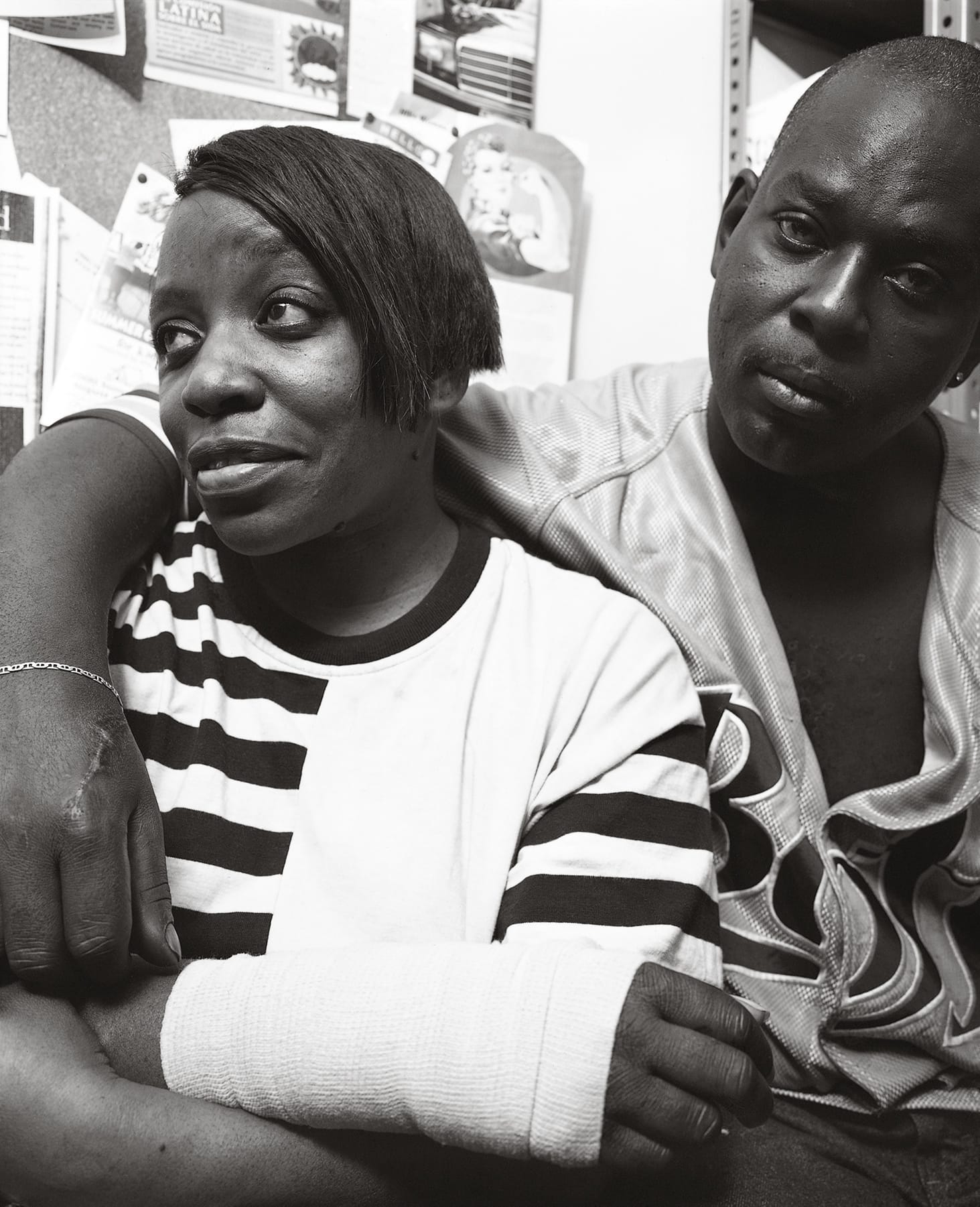
Free Clinic
Lauren Betenson
Nicholas Nixon (2000)
Photography
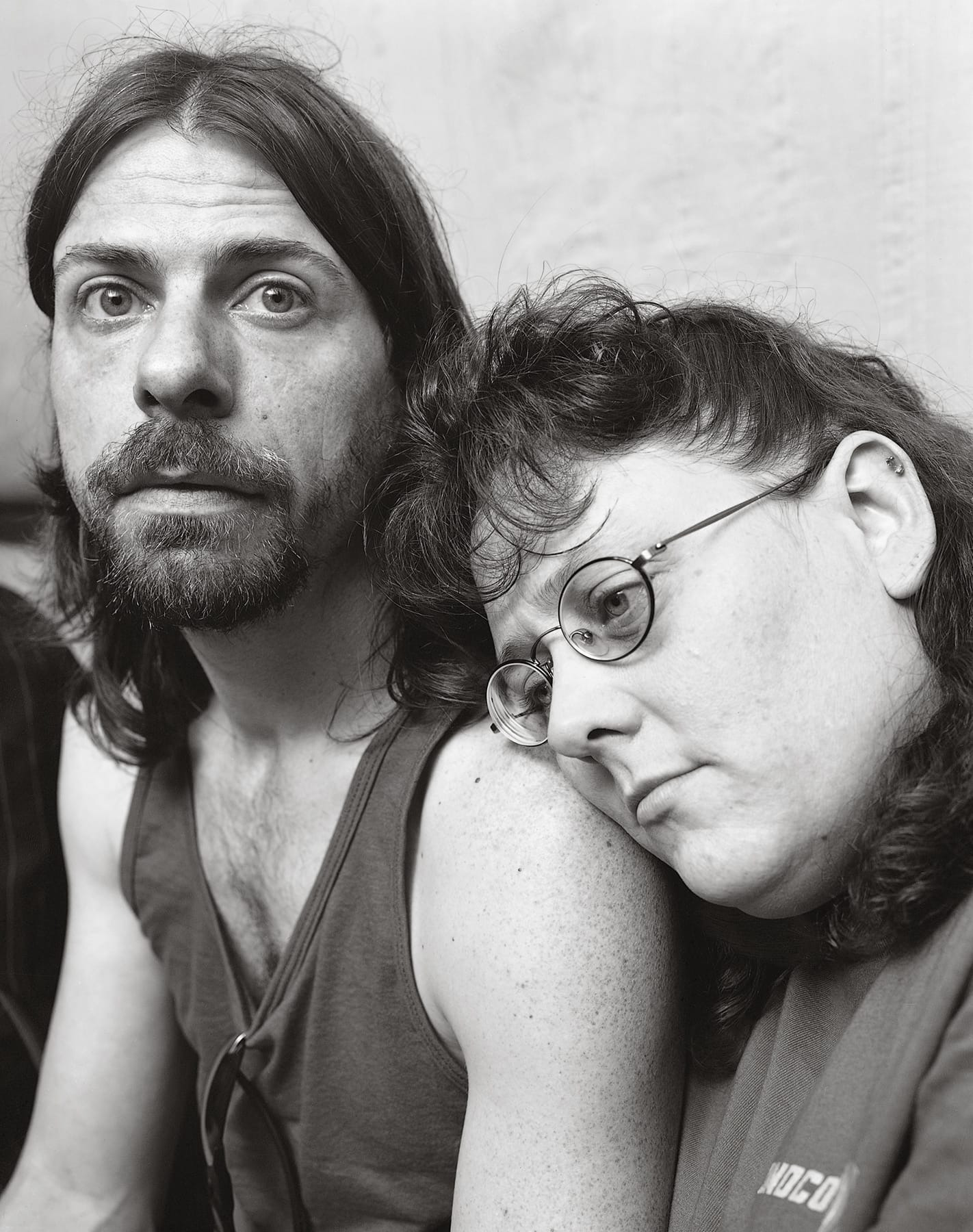
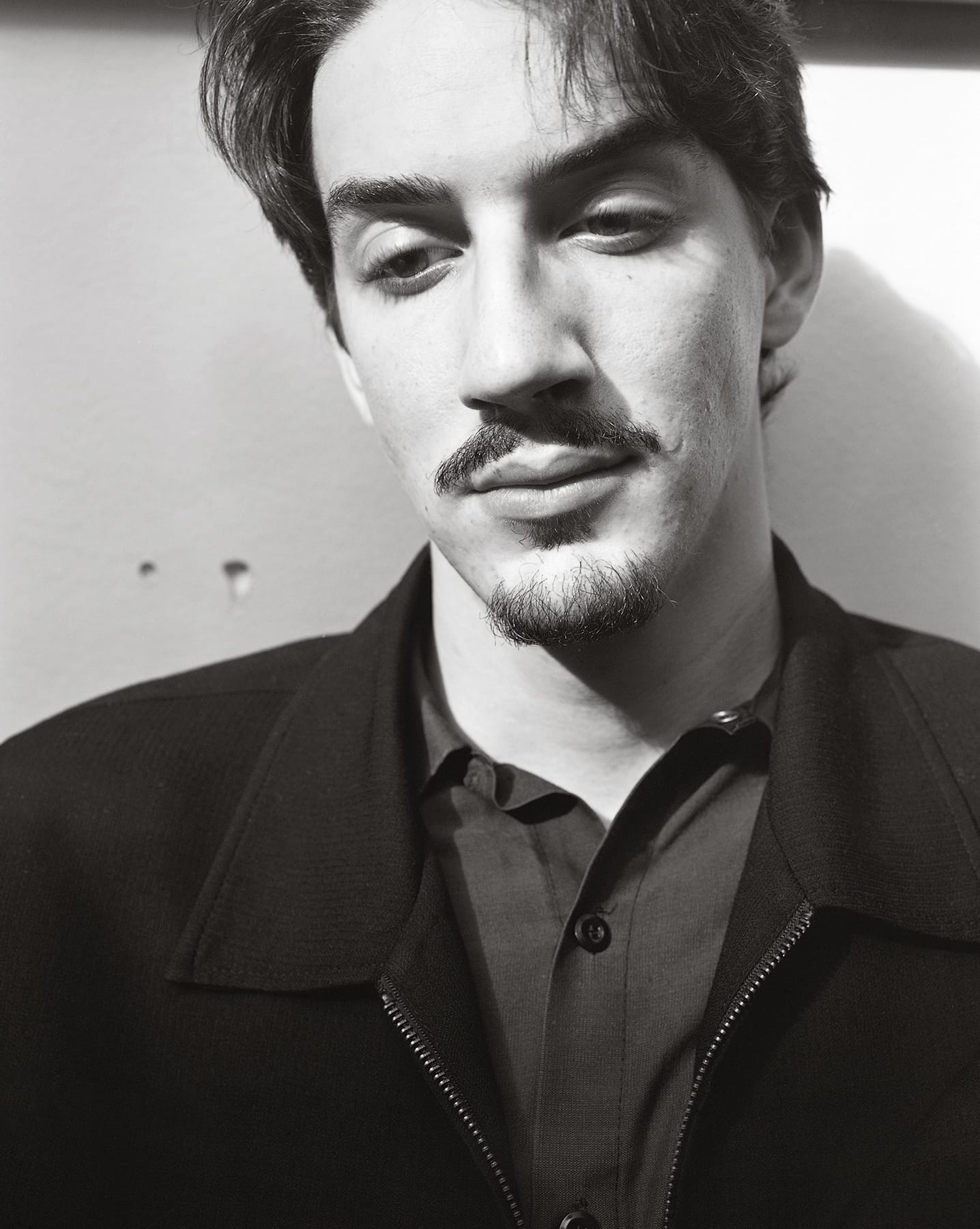
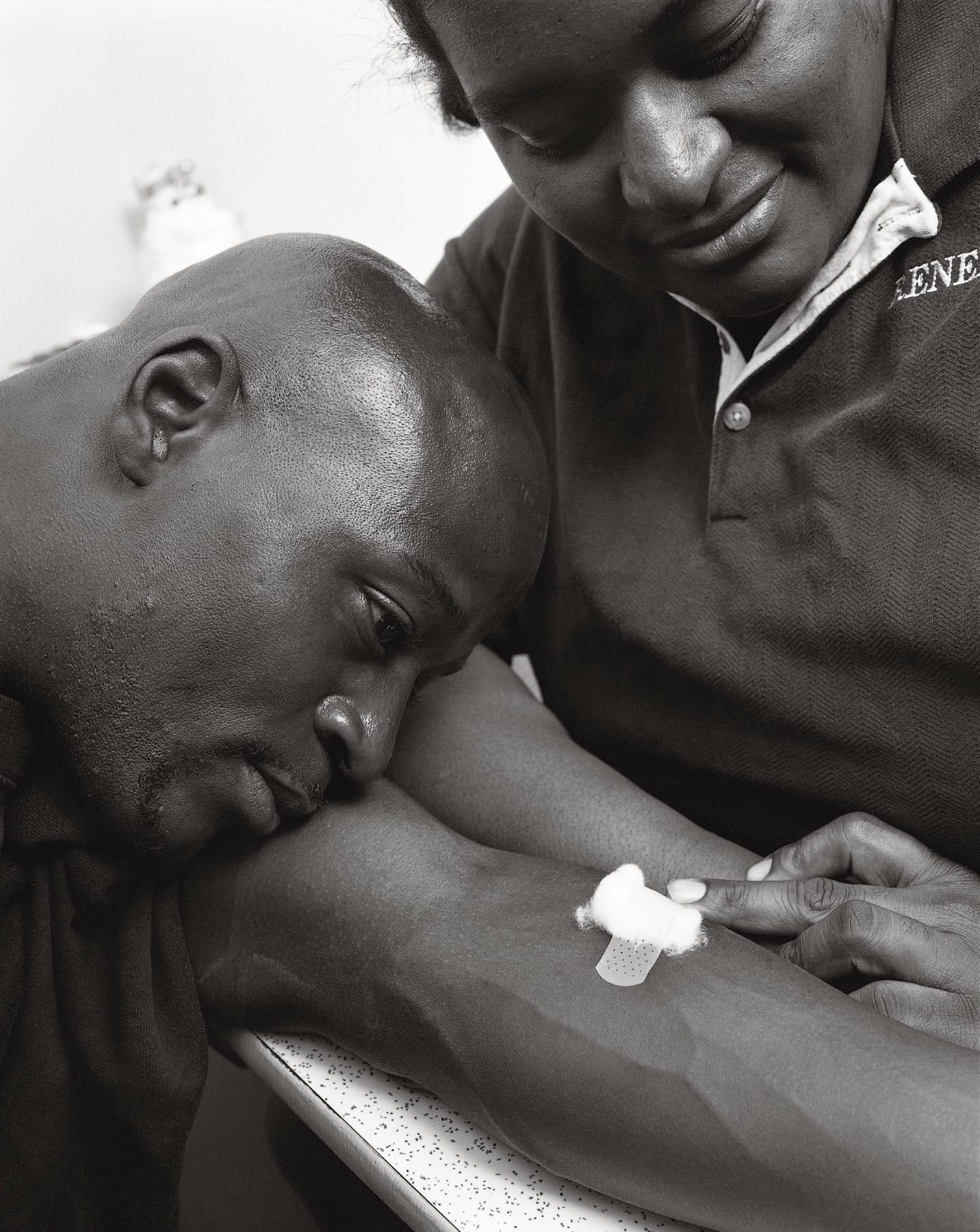
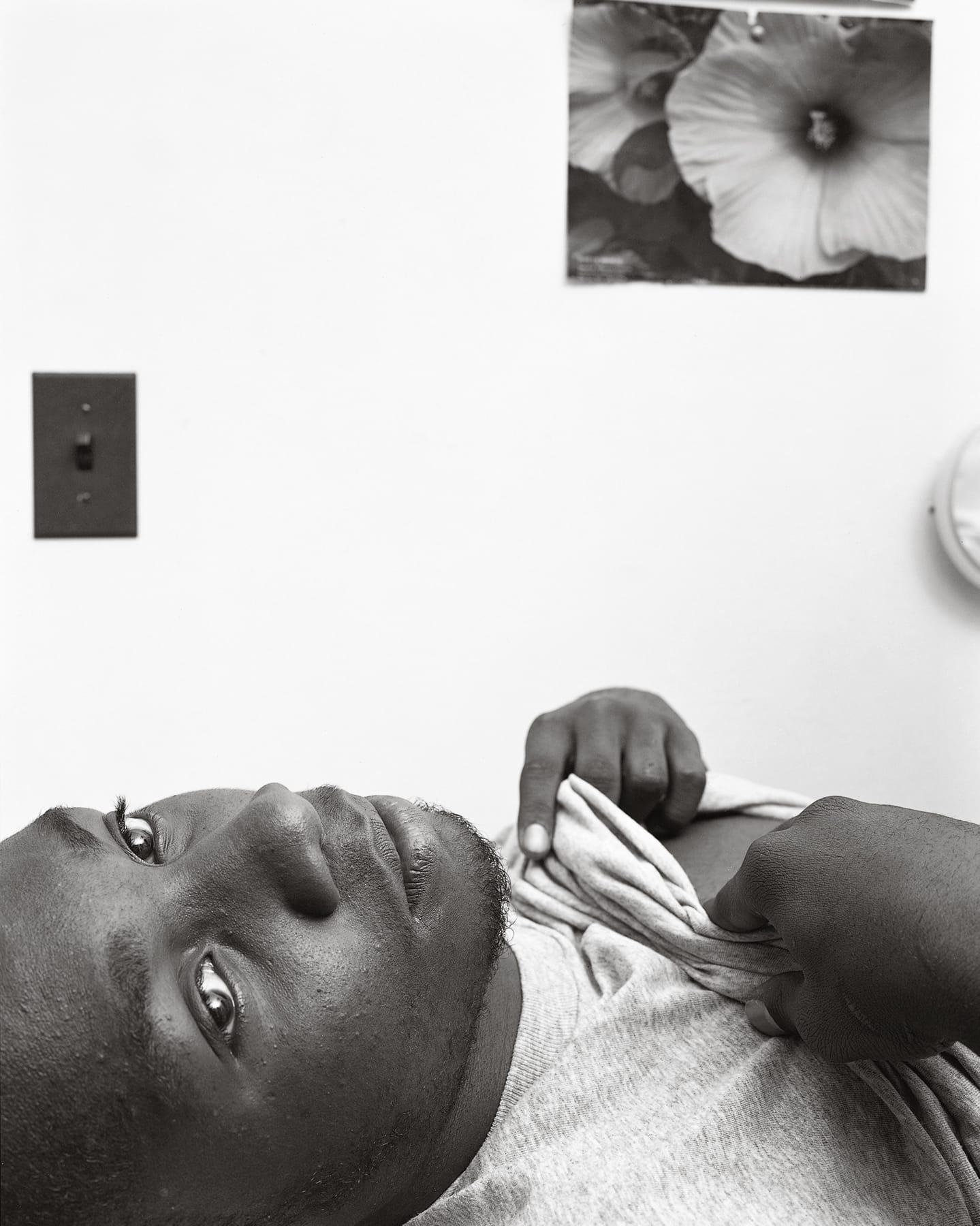
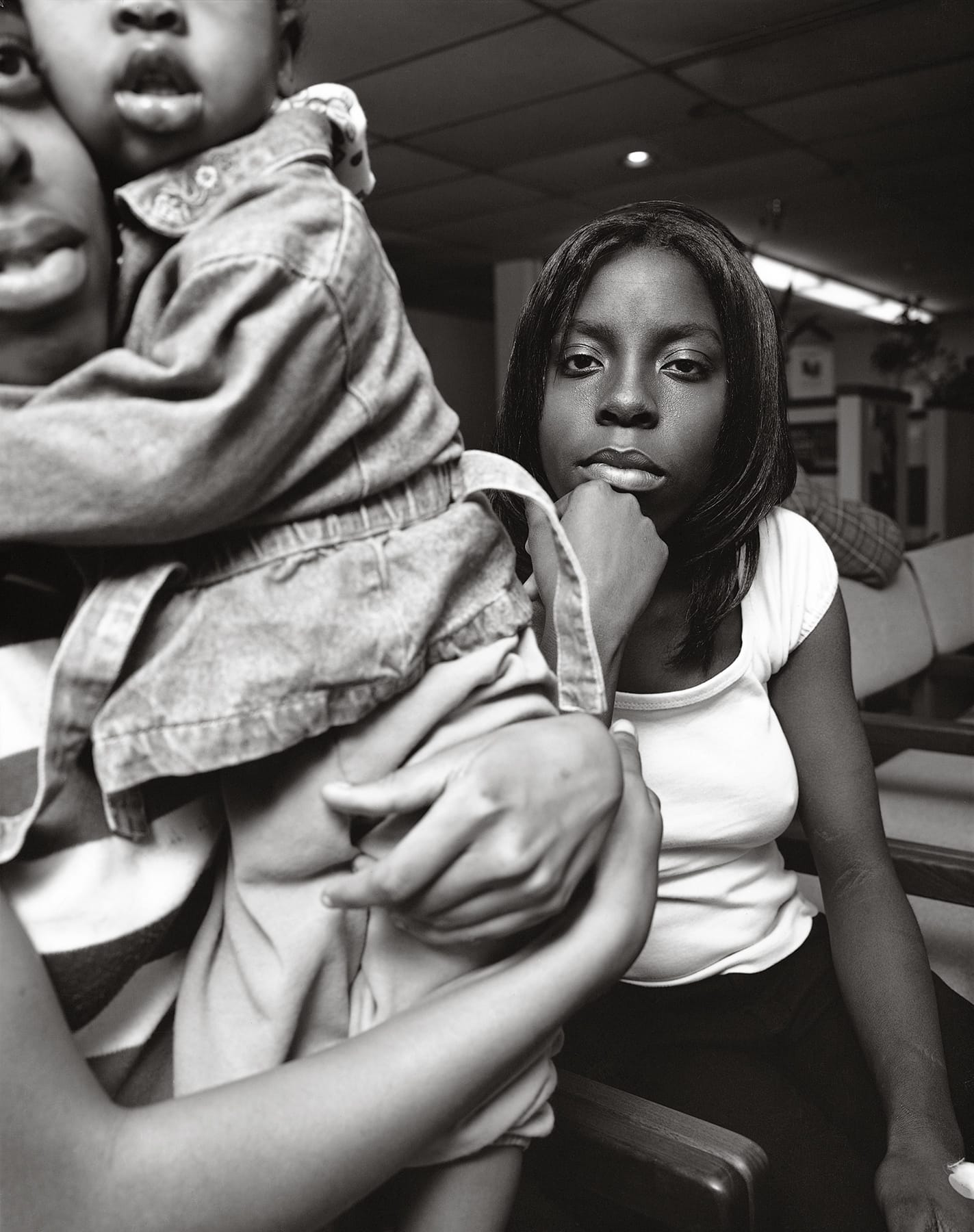
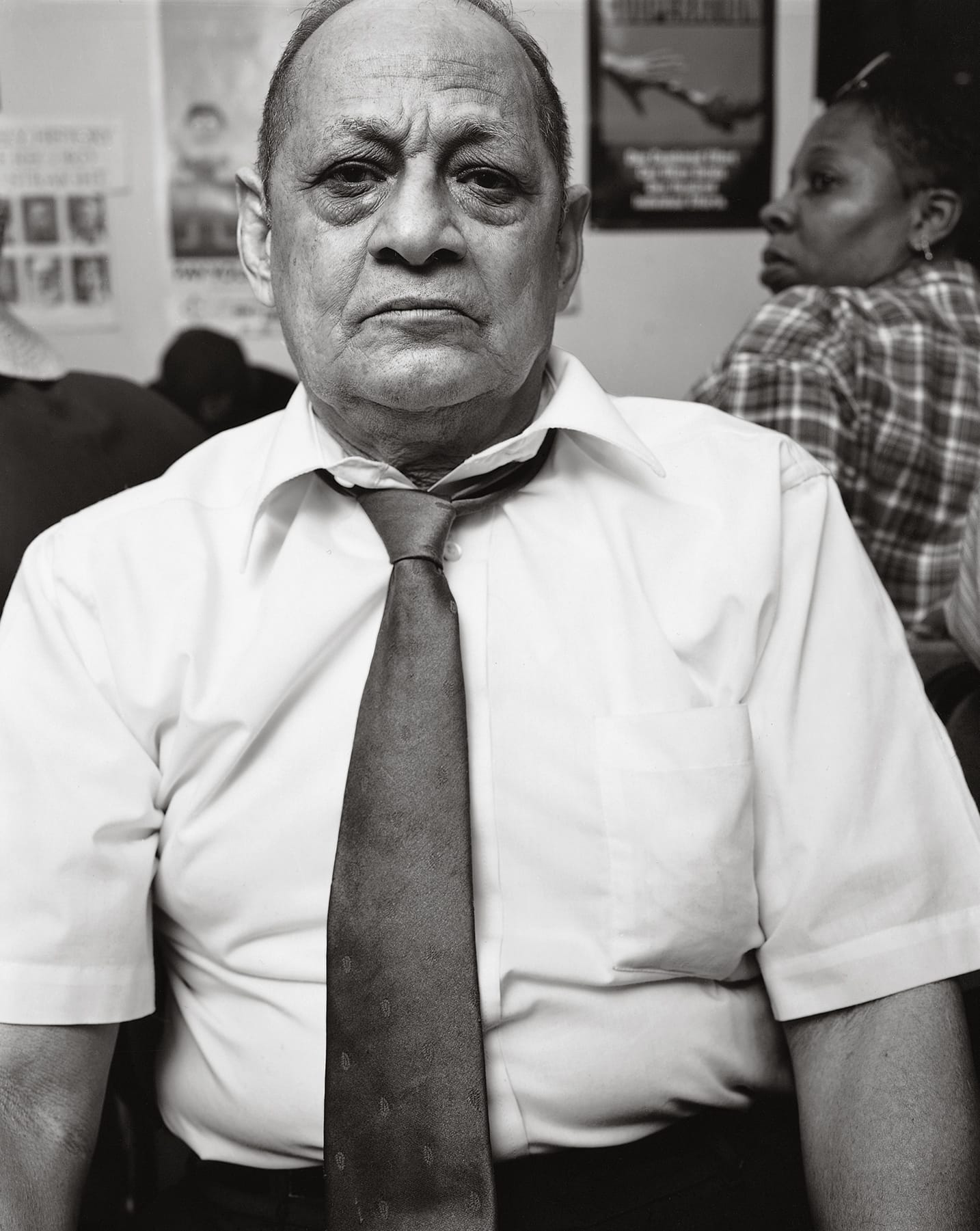
The powerful portraits created for this report by Nicholas Nixon offer an intimate glimpse inside the examining rooms and waiting rooms of the Free Medical Clinic of Greater Cleveland. Nixon, whose images are included in major museums throughout the world, has published several volumes of his work and received fellowships from the National Endowment for the Arts and the John Simon Guggenheim Memorial Foundation.The Foundation commissioned these photographs to illustrate our ongoing commitment to meet the needs of the less advantaged in our community and to work toward sound public policies that provide adequate health care for all our citizens.



Letter from the Board President
2000 Annual Report
Since its inception, The George Gund Foundation has devoted a significant portion of its grantmaking resources to support a wide variety of programs and services aimed at the amelioration of poverty. The Trustees of the Foundation are aware that even the wisest expenditure of the relatively small resources at our command could never eradicate the multiple problems of poverty that have created an underclass in the community. However, we have continued to commit resources to meeting such pressing needs as feeding, housing and clothing the disadvantaged while at the same time funding pilot programs and public policy initiatives to reduce the level and depth of poverty in our community.
The photo essay in this year’s annual report illustrates our ongoing commitment to dealing with the issues raised by poverty in our community. Volunteers and staff of the Free Medical Clinic of Greater Cleveland, one of our longtime grantees, have worked tirelessly on both the program and the policy levels to address the needs of the medically uninsured and underinsured in Greater Cleveland. The compelling faces in Nicholas Nixon’s powerful depiction of the Free Clinic’s clientele are an important reason why we continue our quest to make Cleveland a better place for people of all socioeconomic levels.
In 2000, we continued, on a variety of fronts, our long-standing support for the Cleveland Municipal School District and its 77,000 students, the majority of them from homes well below the poverty level. We are pleased with the impact that Barbara Byrd-Bennett’s leadership has had on improving student achievement and rebuilding informed public support for the beleaguered public school system. We recognize that the essential task of transforming this urban school district is neither quick nor easy.
We know how important stable families are in helping people pull themselves out of poverty and have continued support for a wide variety of programs to strengthen families and provide them with resources for better parenting. Recently, our attention also has been focused on welfare reform and its impact both locally and nationally.
The economic strength of our region and the development of a workforce ready for the 21st century also are critical as we look toward helping people become economically self-sufficient. Funding for employment training, micro-enterprise projects and school-to-work programs are all part of our efforts in this area. We also have maintained our long-standing interest in economic development and housing rehabilitation programs in Cleveland’s neighborhoods as a way of strengthening this community’s core.
While my father, George Gund, could not and did not contemplate many of the particular problems we deal with today, he established the Foundation in 1952 as an instrument that could be used to create a better life for everyone in Cleveland and its environs. In whatever form they take, the problems of poverty and its impact on so many aspects of our community have remained among the most daunting we as a Foundation have faced. We promise to continue our support for the people and projects working to lead the way to a brighter, more productive future for the region and its residents.
Geoffrey Gund, Board President and Treasurer
Urban Landscape
Lauren Betenson
Douglas Lucak (1999)
Photography
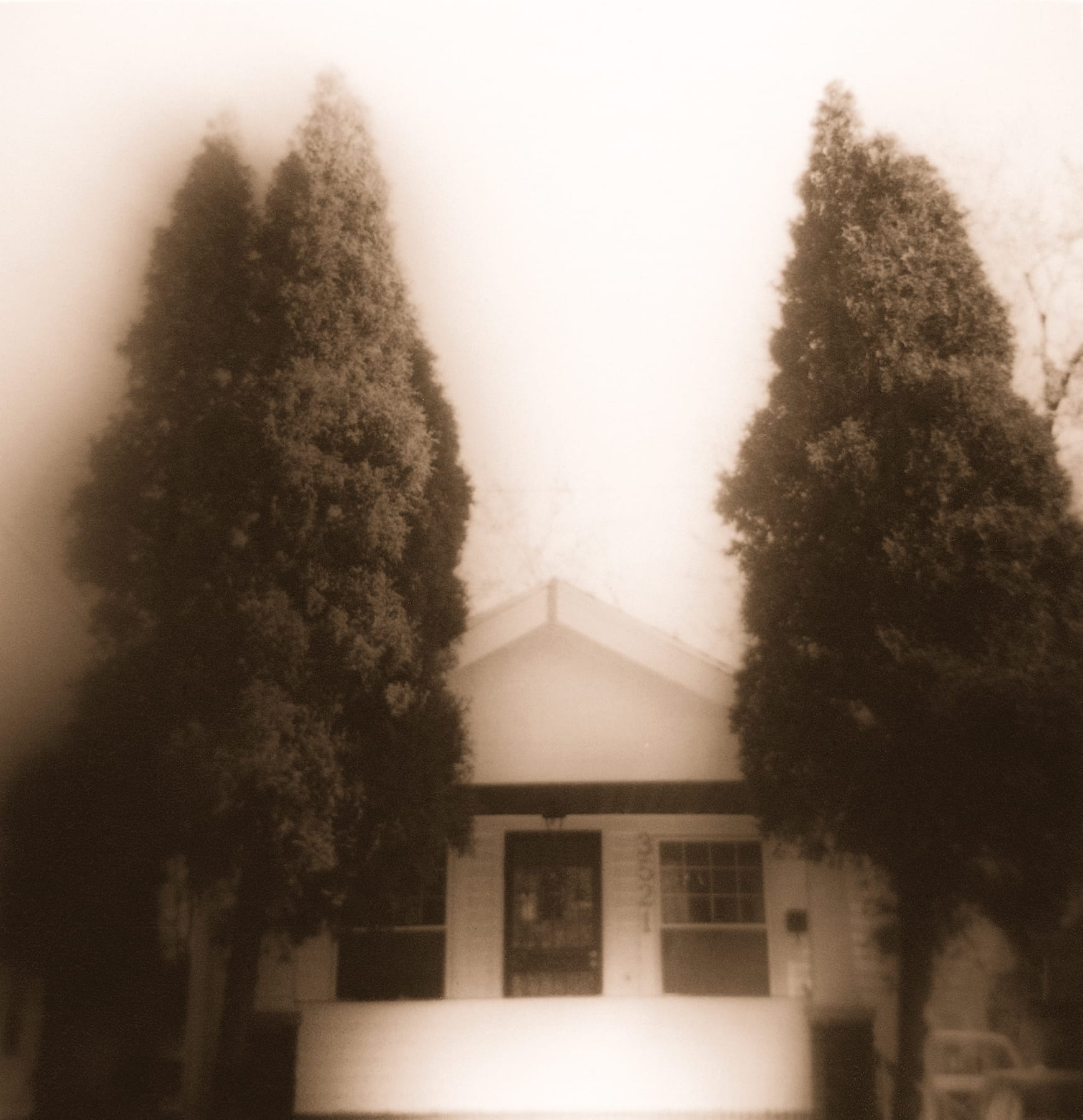
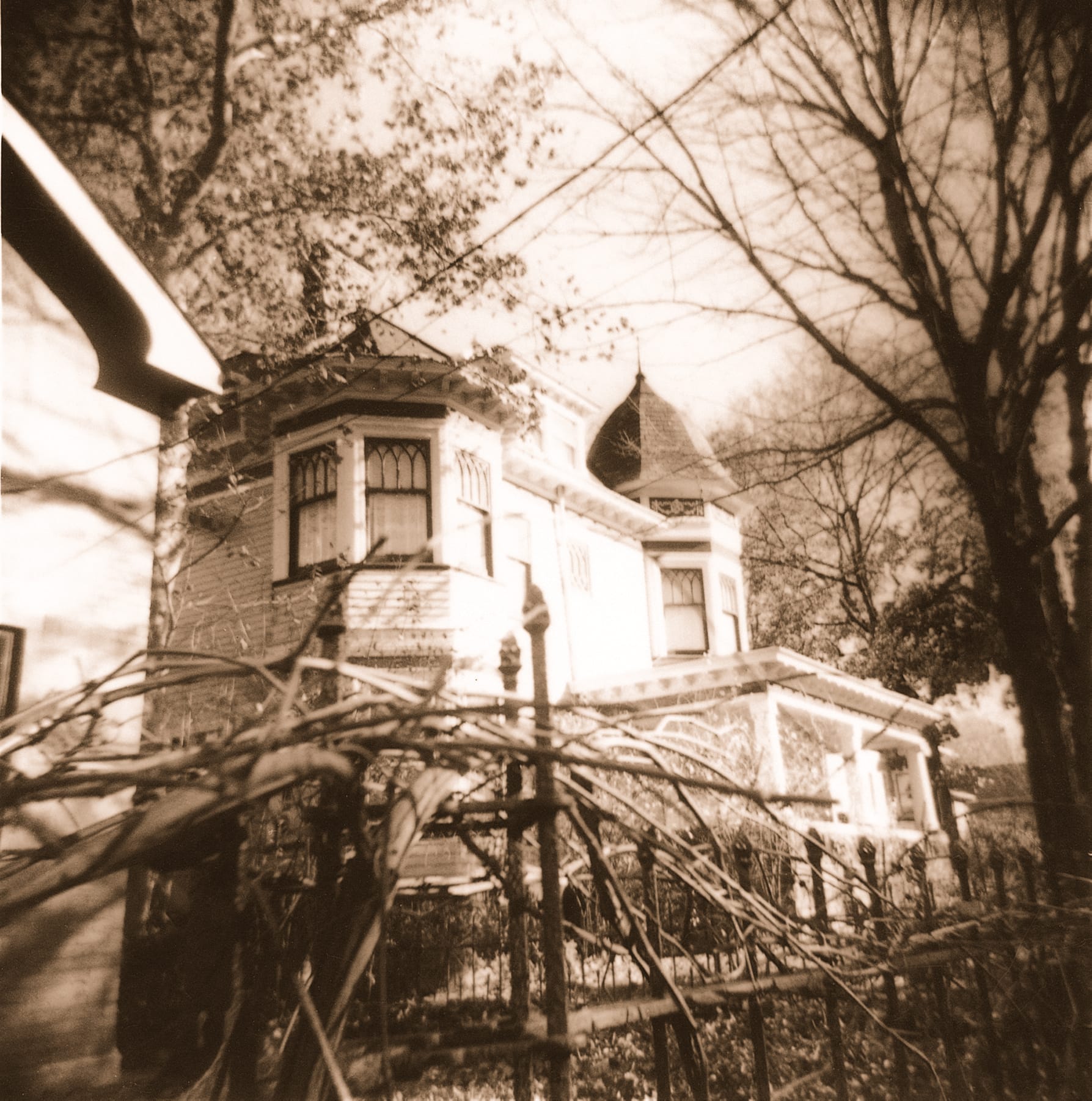
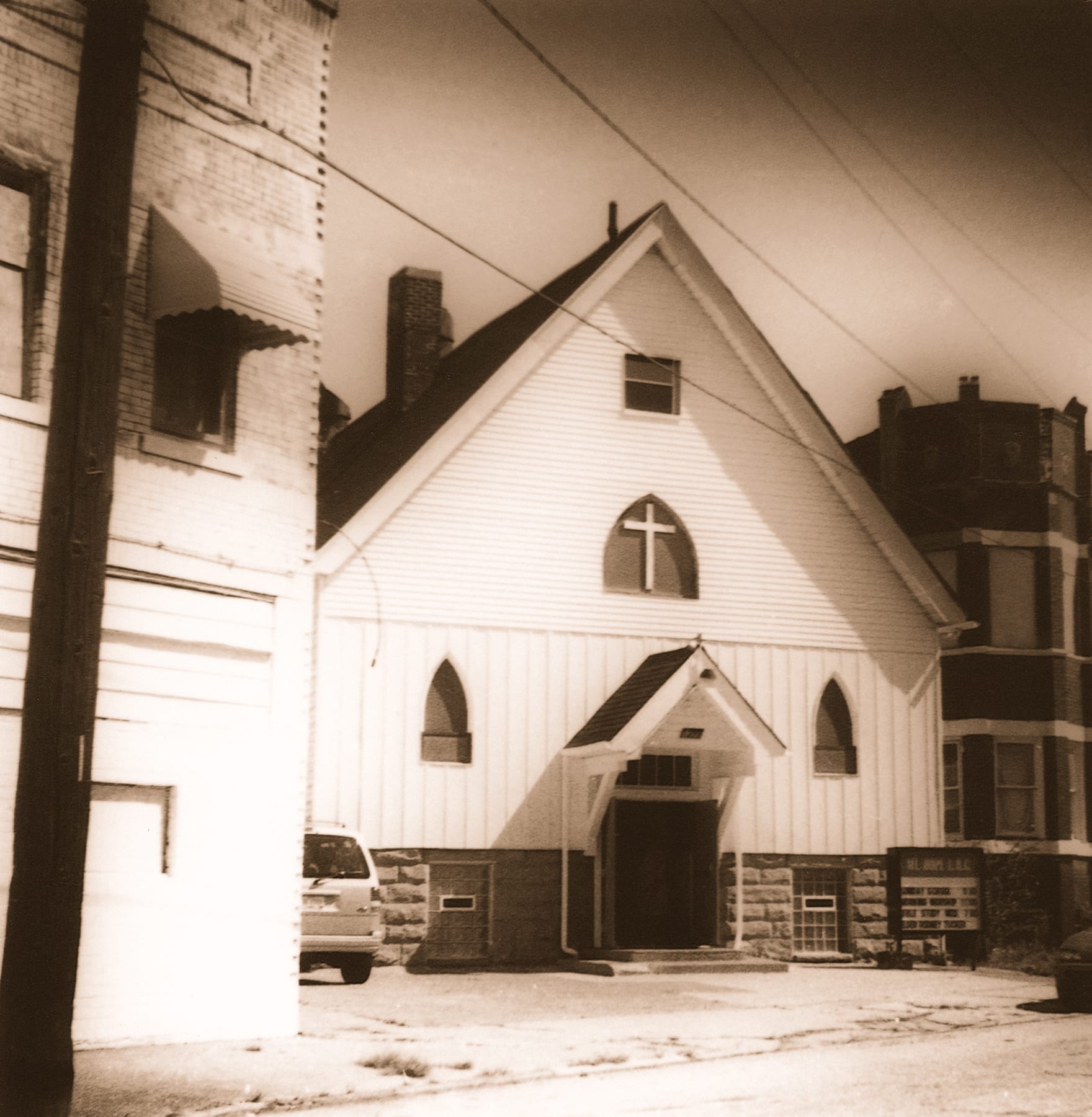
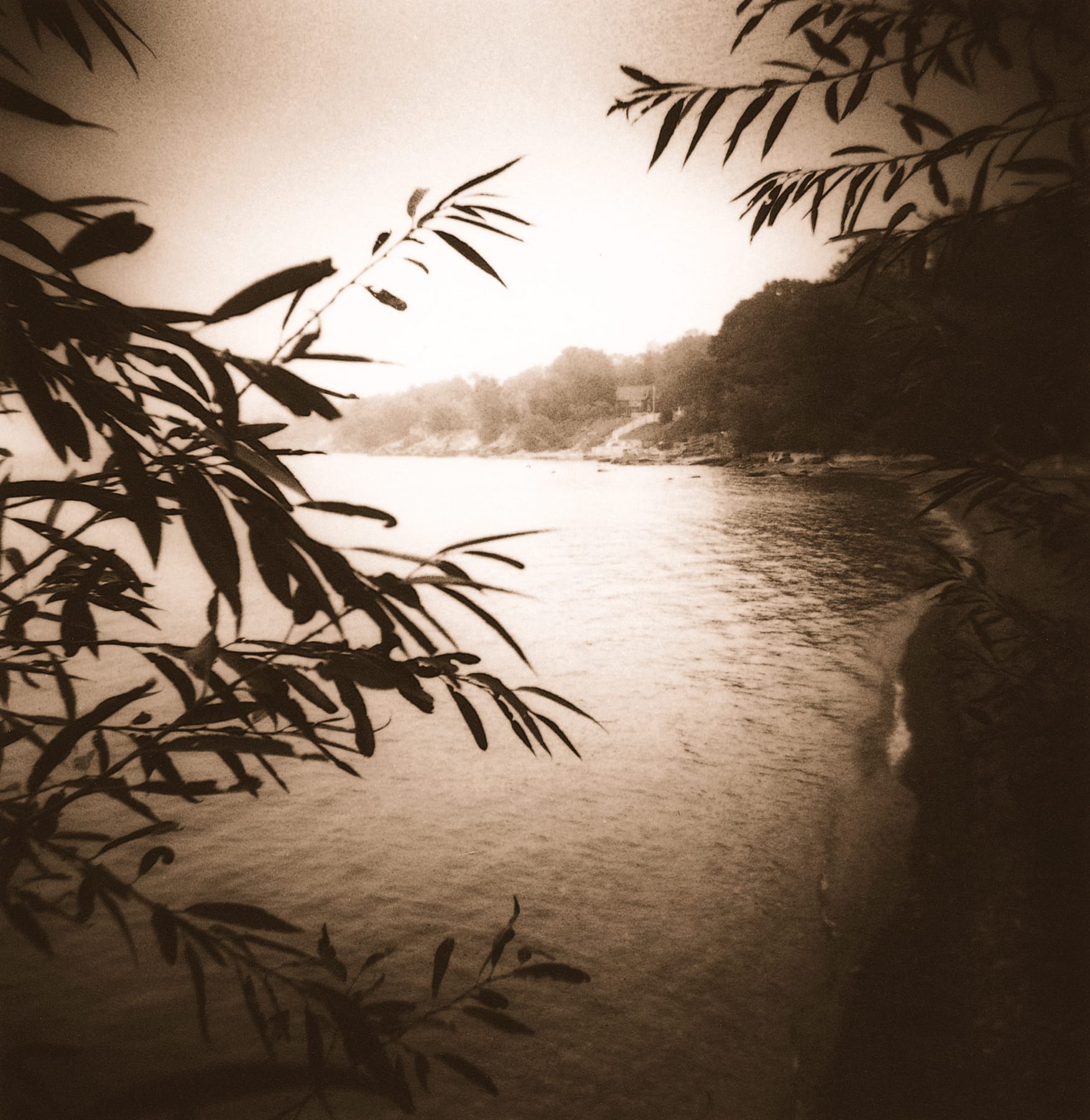
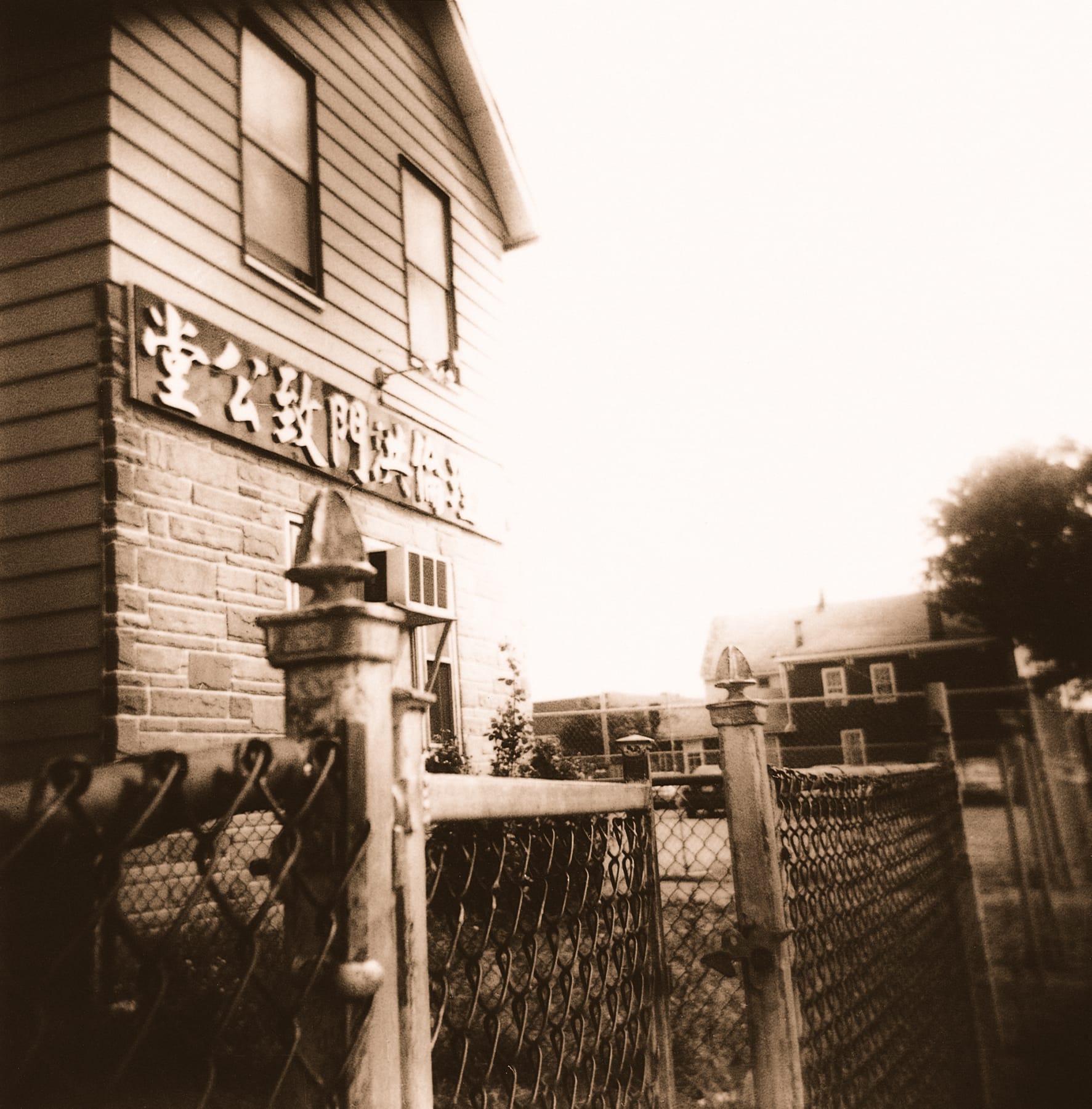
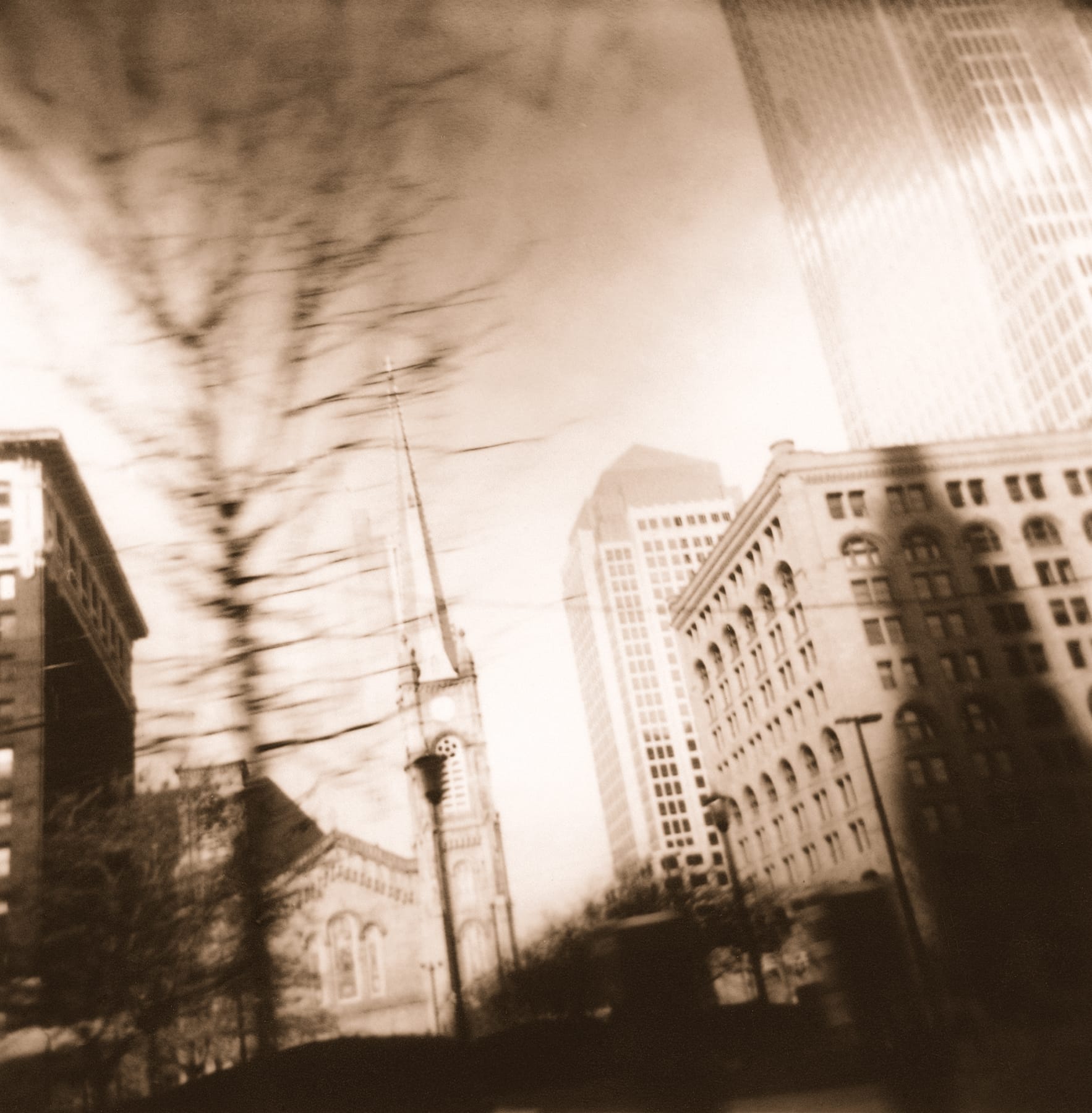
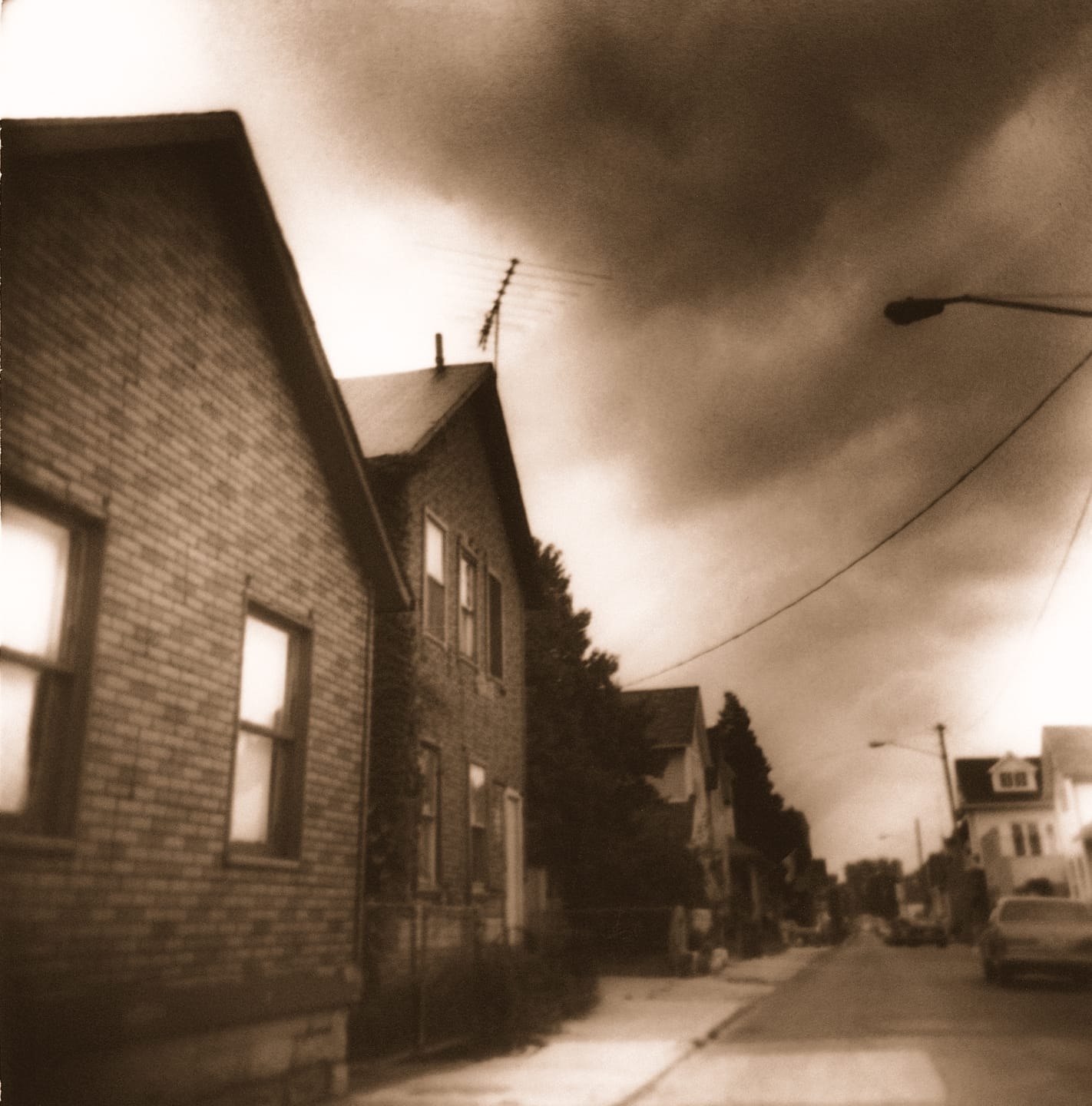
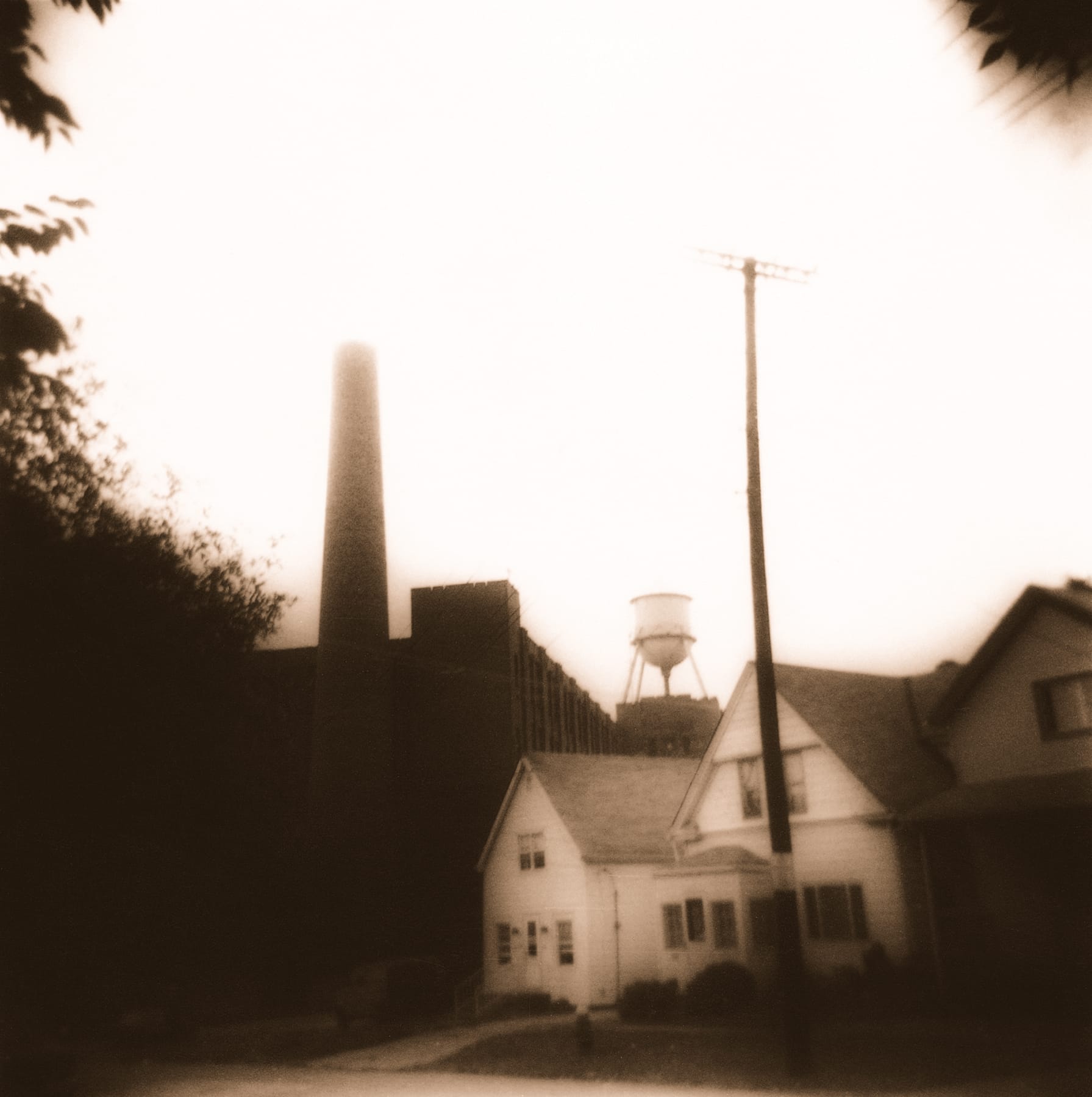
The photographs created for the 1999 annual report by Douglas Lucak offer an evocative look at Cleveland’s urban landscape. The haunting and sometimes melancholic images he has created with his simple pinhole cameras reflect both the complexity and ambiguity of the Foundation’s steady but vigorous relationship with the city’s diverse neighborhoods. The native Clevelander’s work has been widely exhibited and is included in several corporate collections.


Letter from the Board President
1999 Annual Report
During 1999 it became apparent that our grantmaking has become increasingly focused on two different, but complementary, levels.
The images in this year’s photo essay on Cleveland neighborhoods reflect our continuing commitment to the basic programmatic work of improving the lives of Cleveland residents by helping them deal with such all-too-real issues as hunger, joblessness, homelessness and domestic violence. However, the ethereal nature of the photographs also suggests the Foundation’s involvement on the more complex level of public policy.
In recent years, we have gradually focused more of our funding on the sometimes elusive front of public policy and advocacy activities that could lead to lasting solutions to those deeply entrenched, seemingly intractable problems that so clearly separate the haves from the have-nots in this country. While our grants continue to fund direct services to those in need, we also are funding efforts that might better help us understand the underlying causes of poverty, racism, educational failure and family dysfunction that affect our more disadvantaged citizens.
Nowhere is this split between needs and policy program areas more evident than in our human services agenda where significant policy work is being funded in connection with efforts to deal with welfare reform. In this report we begin listing our human services grants under the categories of Public Policy Analysis and Health and Welfare Reform in addition to the more traditional Meeting Basic Needs and Child and Family Welfare. During the past year, we made human services grants to local organizations such as the Center for Families and Children, the Federation for Community Planning and the Free Clinic to develop their internal capacities to address policy issues and also funded national research such as that carried out by the Center on Budget and Policy Priorities on Health and Welfare reform.
In education, we have continued to fund efforts to improve Cleveland’s public schools but also have made grants to organizations such as the Poverty and Race Research Action Council, which is examining the link between poor student achievement and student transiency, and Parents for Public Schools, which advocates on behalf of public education.
In the environmental arena, we funded organizations such as the Safe Energy Communication Council and Sustainable Energy for Economic Development (SEED) for extensive work on electric utility deregulation in Ohio. A Cleveland lecture series on green building design administered by Oberlin College, funded by the Foundation and targeted to local government, building industry and civic leadership has attracted standing-room-only audiences.
The examples of grantmaking outlined in this letter reflect the Foundation’s deepening commitment to investments that can inform and enhance our general program support and also lead to the implementation of productive public policy.
Foundation Trustees were pleased to elect Marjorie Carlson to Trusteeship in December of 1999. Marge is a Cleveland civic leader of long-standing service and great reputation. Her experiences in governance and management in the nonprofit and philanthropic sectors will add much to our discussion and decision-making.
Finally, I want to thank the Trustees and staff for their hard work during 1999. We all look forward to the year 2000 and beyond.
Geoffrey Gund, Board President and Treasurer
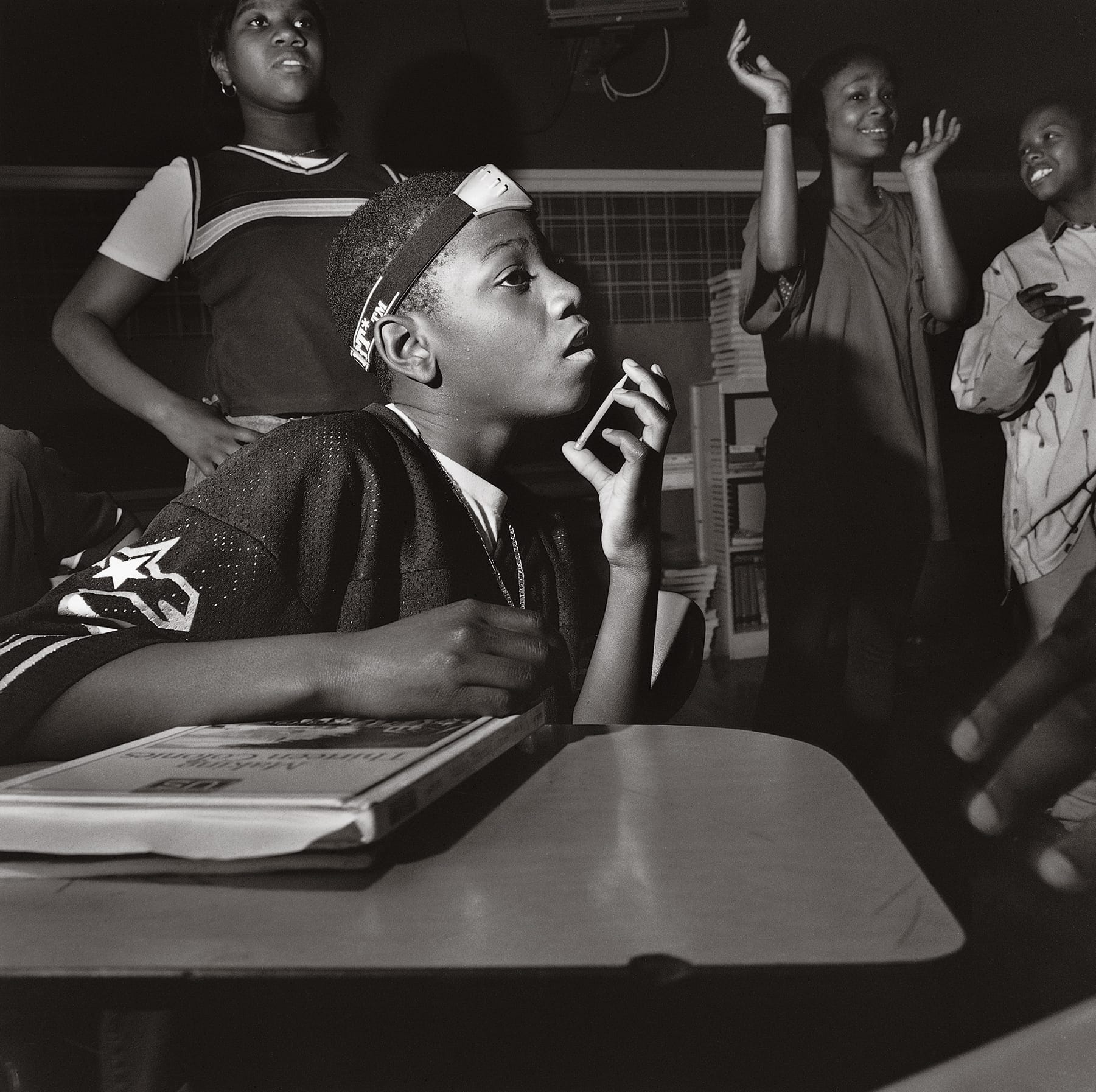
Cleveland School of the Arts
Lauren Betenson
Larry Fink (1998)
Photography
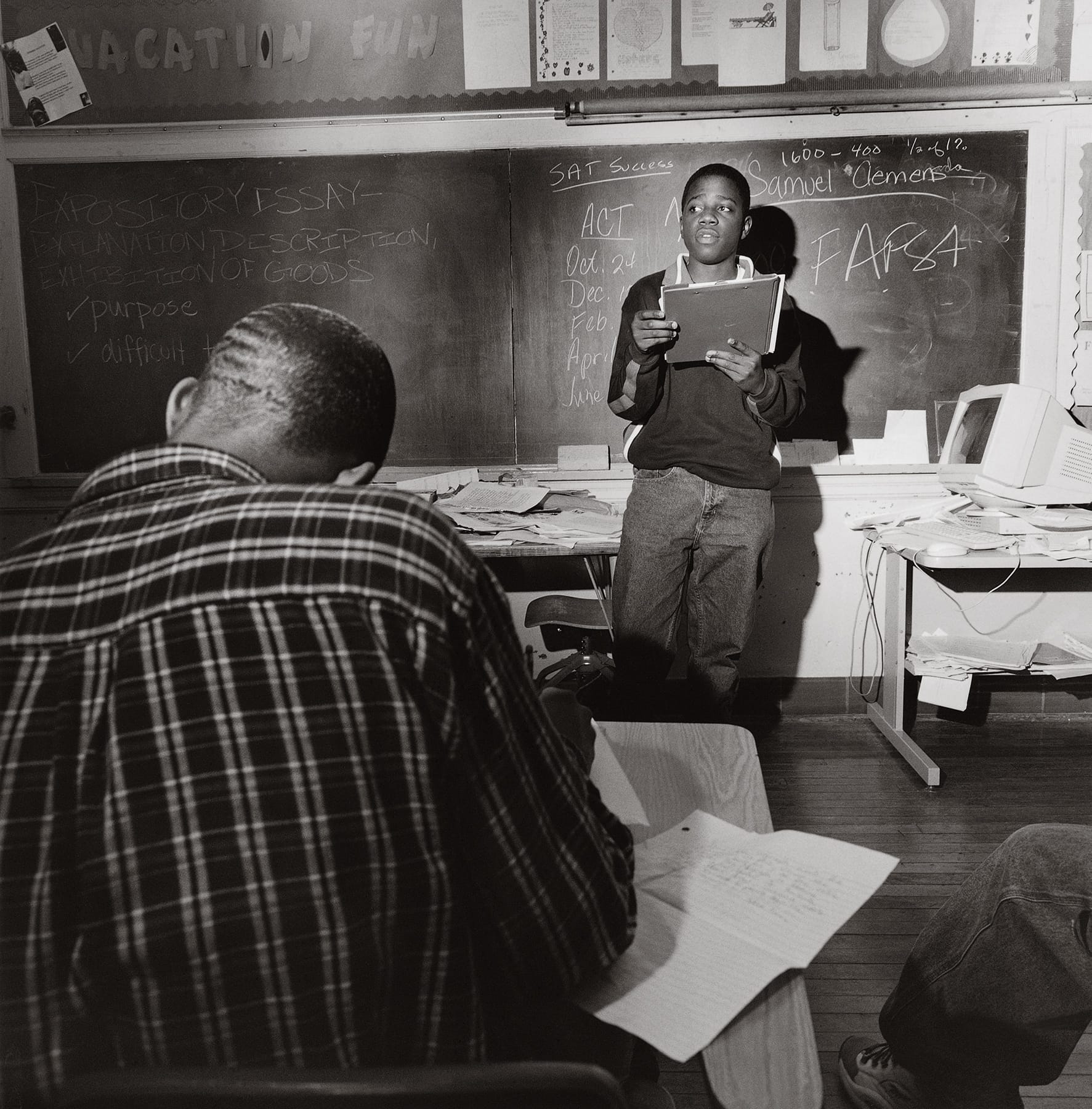
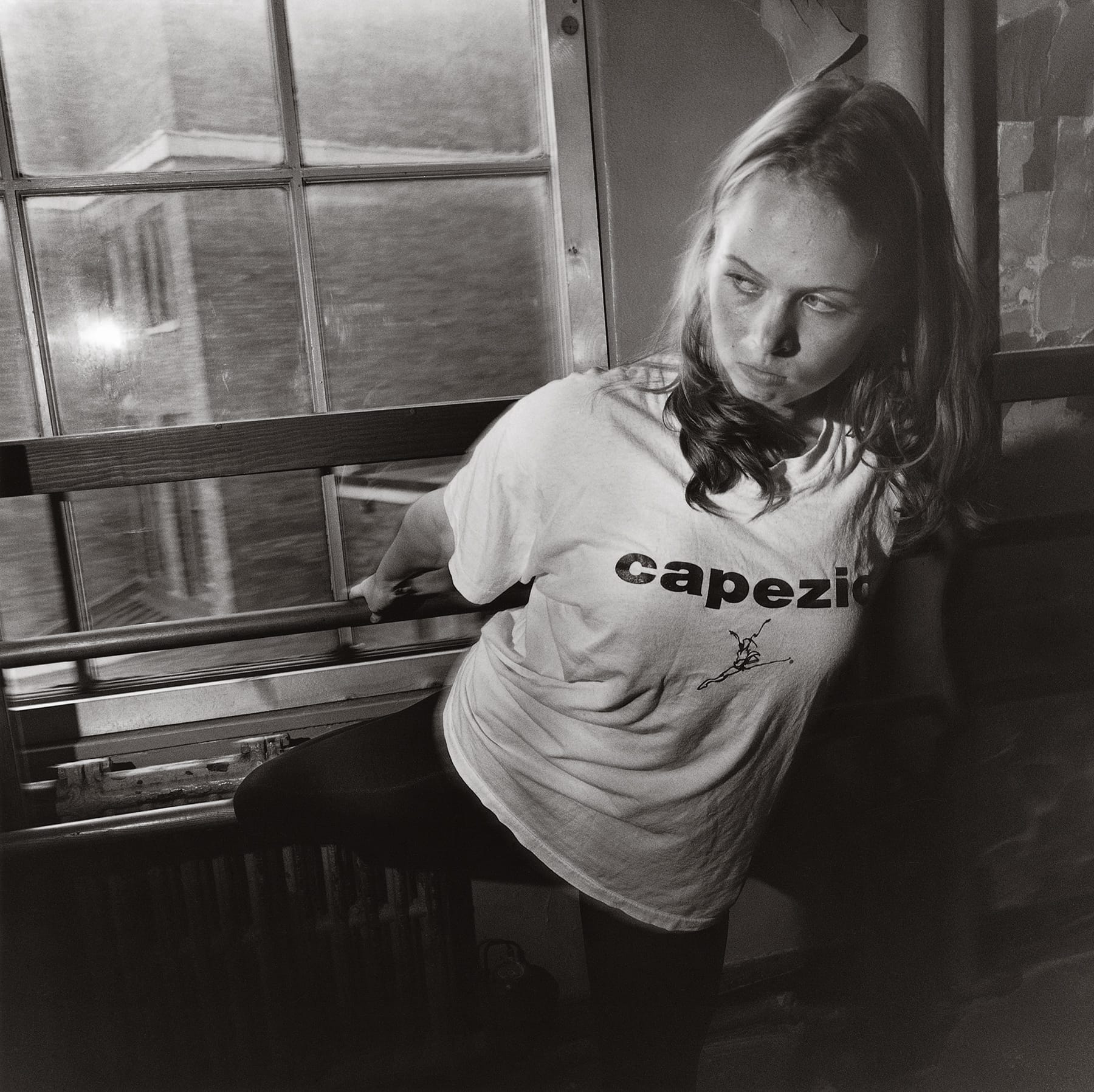
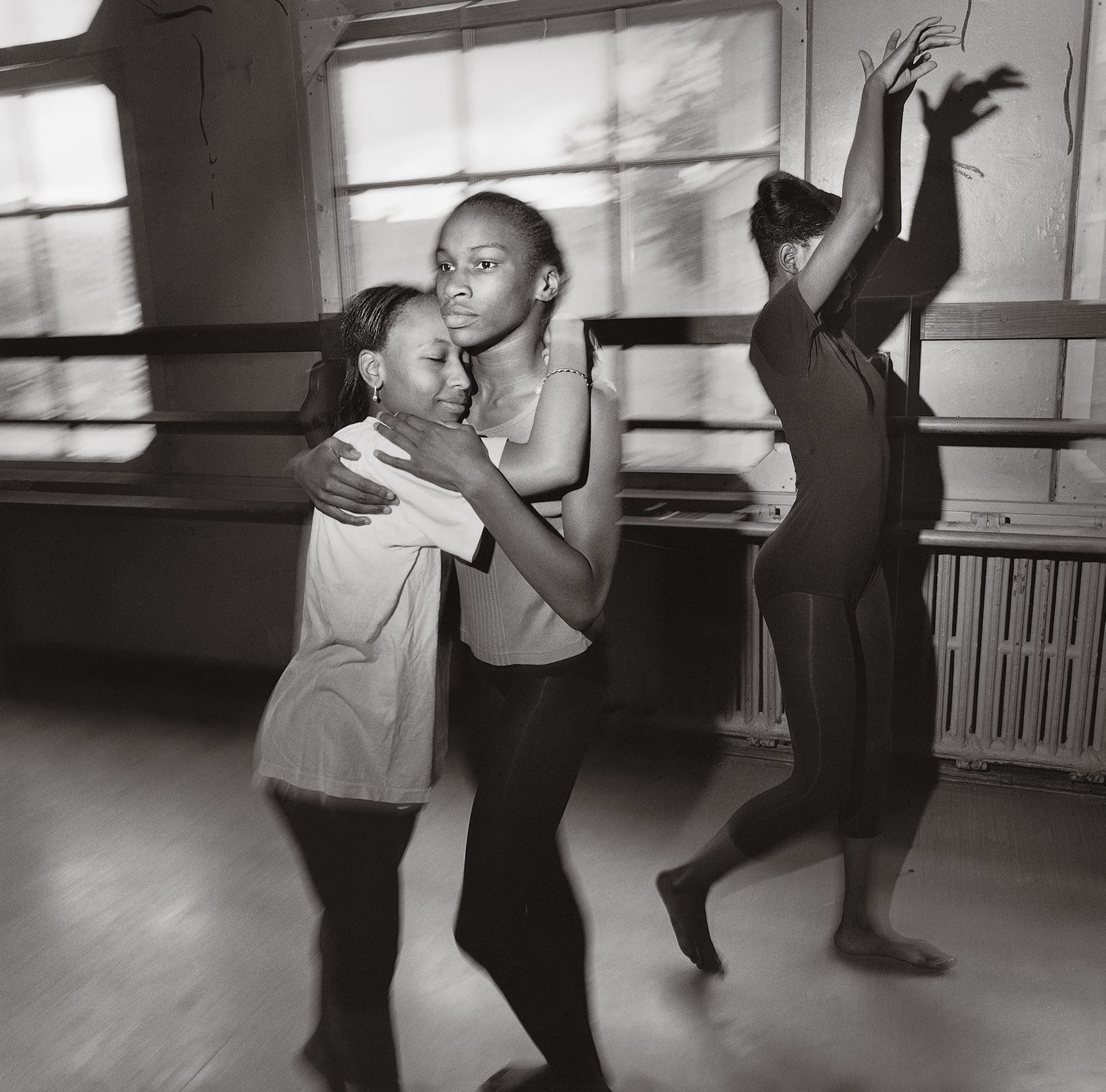
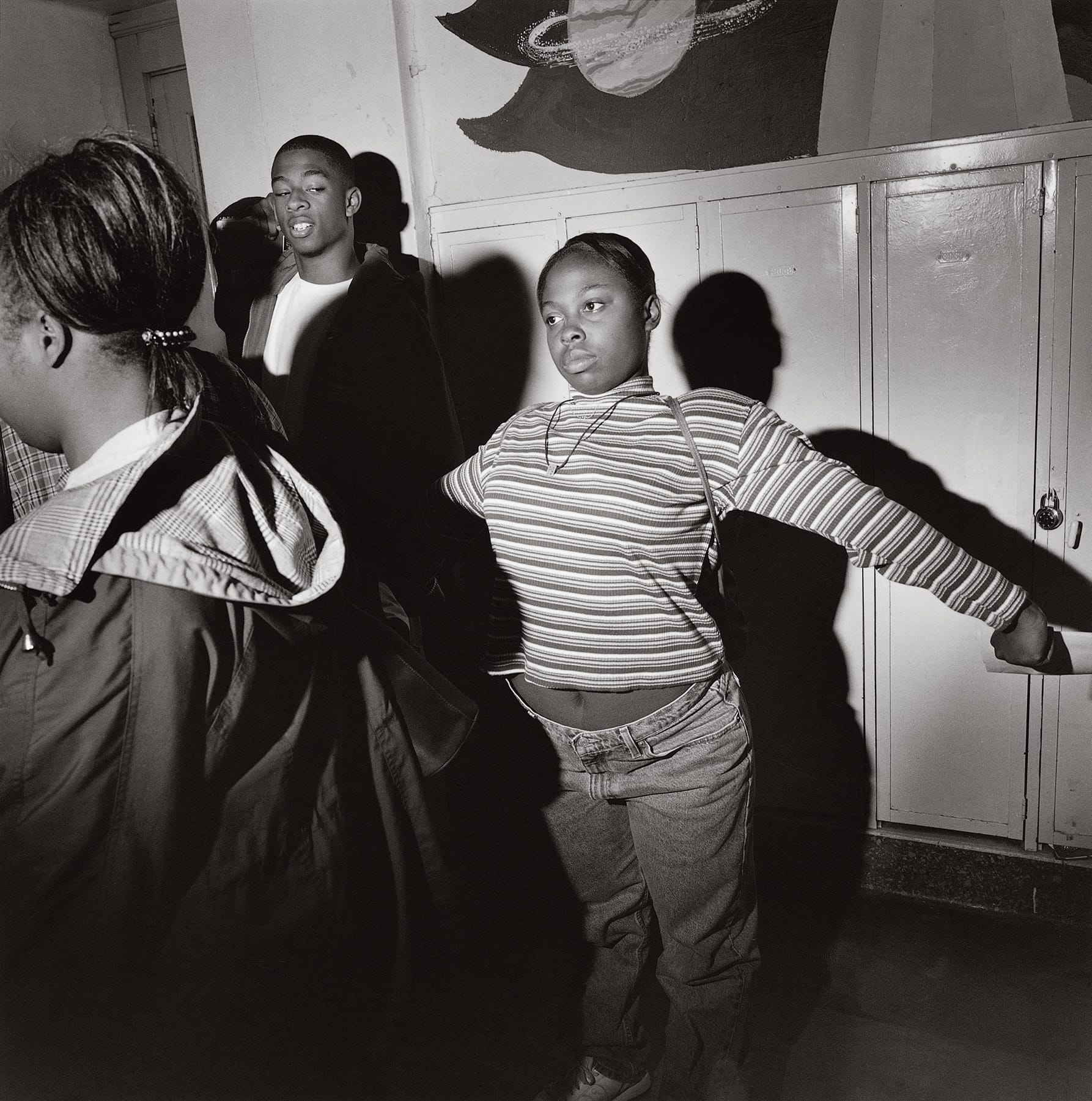
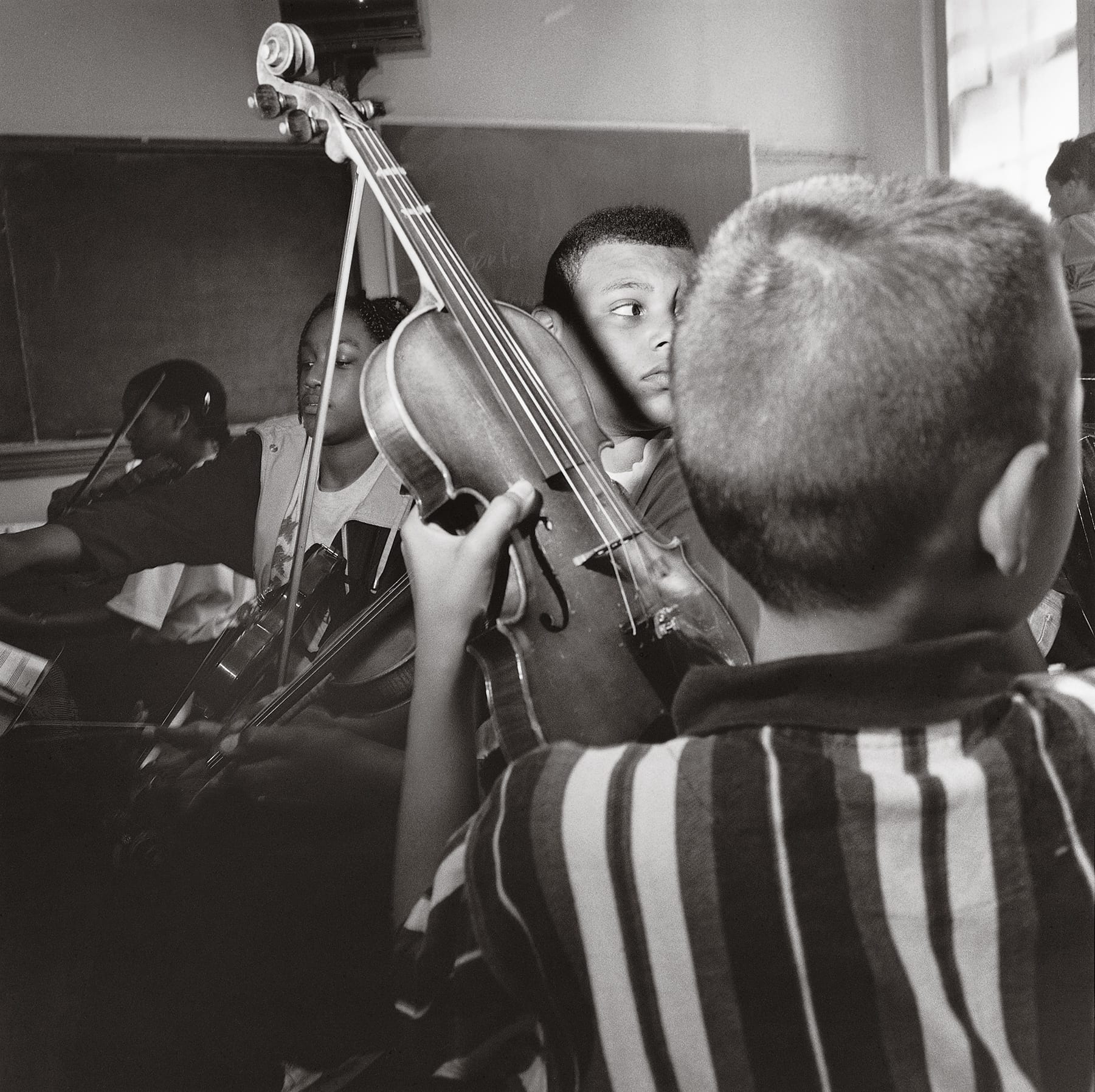
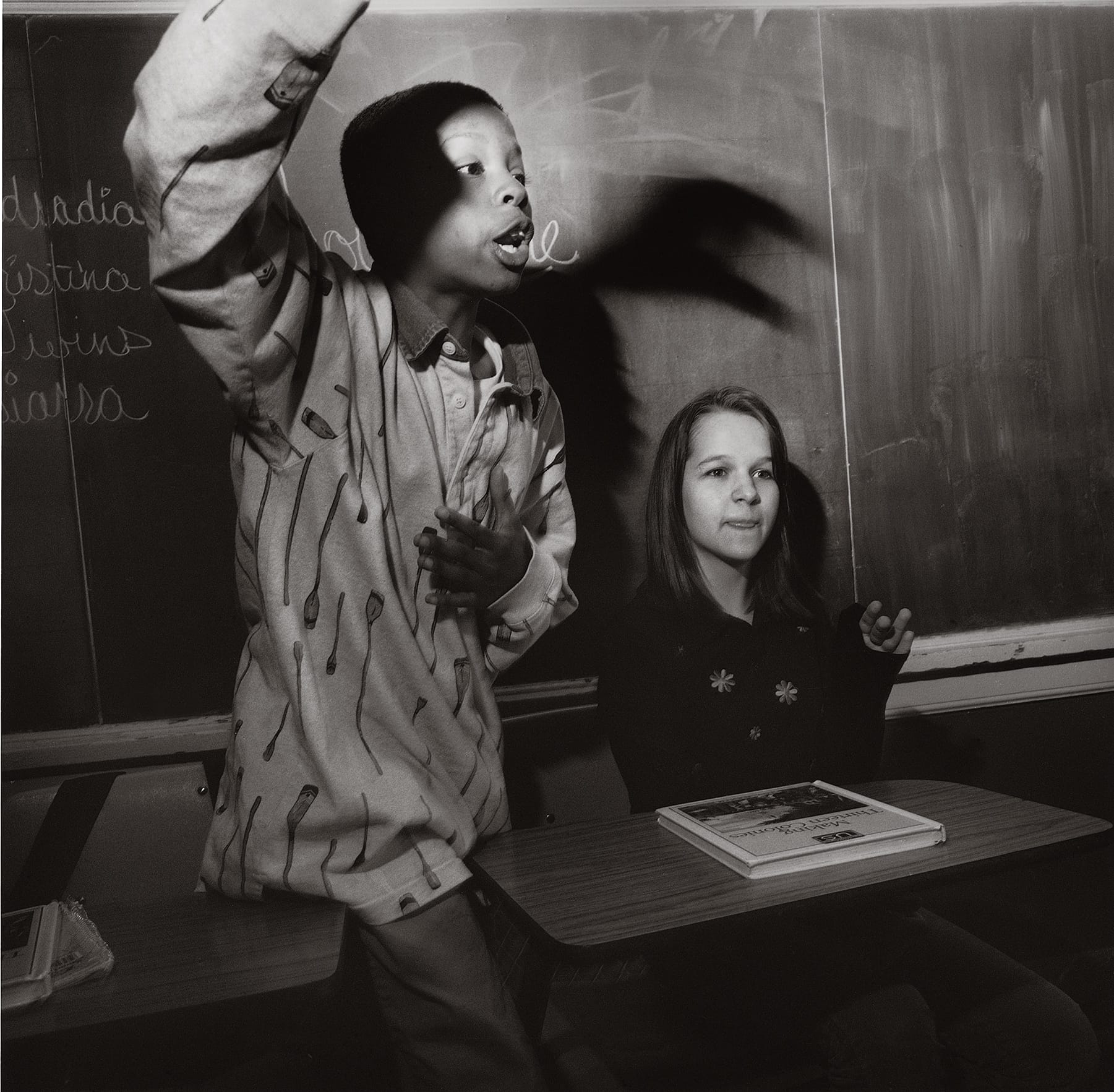
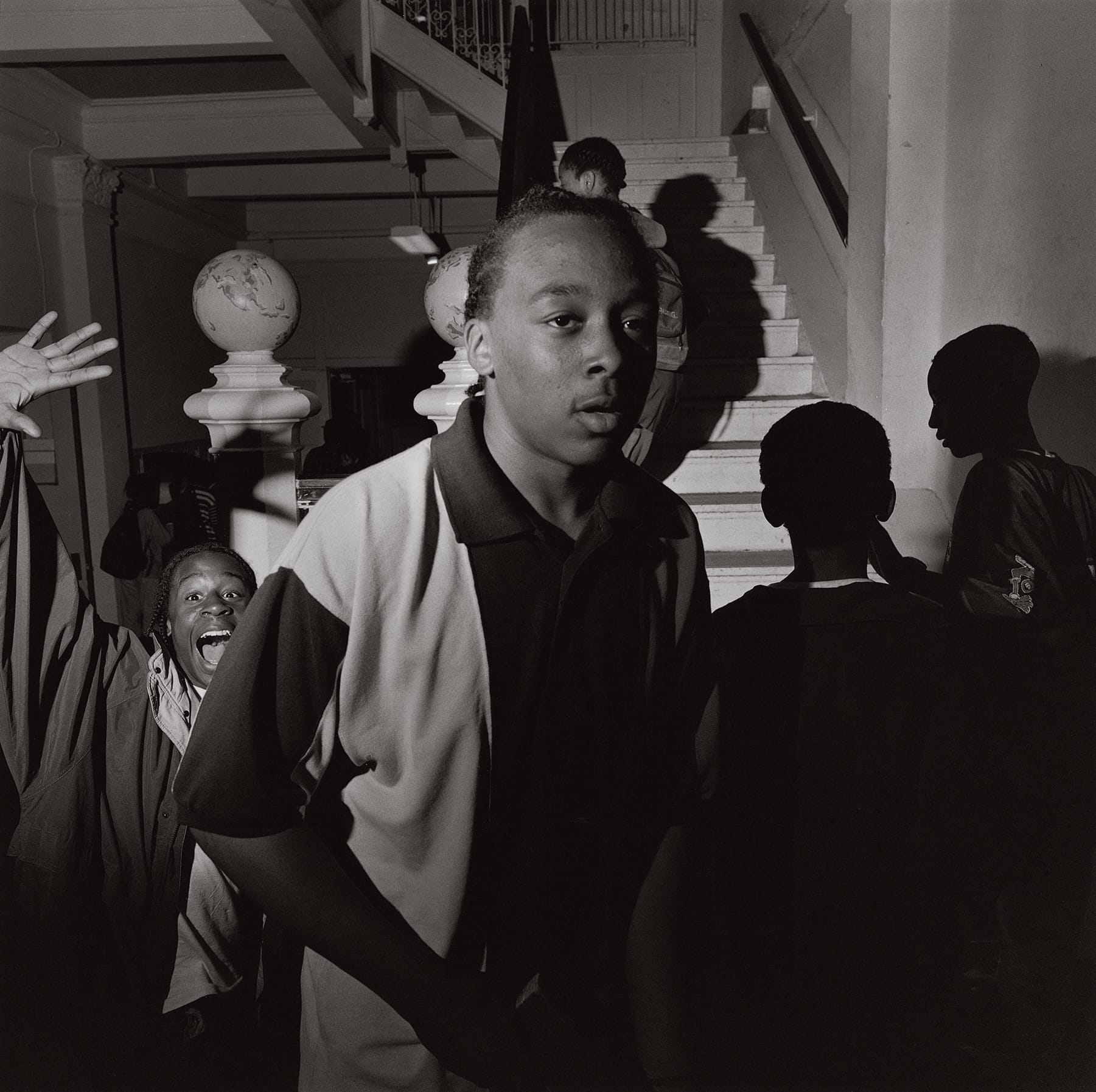
The photographs created for the 1998 annual report by Larry Fink beautifully capture the creativity and energy which reverberate through the hallways and classrooms of the Cleveland School of the Arts. Fink’s work has been included in major museum exhibitions throughout the world, and he has received fellowships from the John Simon Guggenheim Memorial Foundation and the National Endowment for the Arts. The Foundation commissioned these photographs as a reflection of its commitment to create educational excellence for all children in the Cleveland Public Schools and its conviction that the arts can play a major role in achieving that excellence.


Letter from the Executive Director
1998 Annual Report
The Cleveland School of the Arts in 1998 signaled the kind of energy and excellence that we hope reflects the future of the Cleveland Public Schools. The school’s electric production of “An Urban Nutcracker,” the result of a collaboration with Pilobolus Dance Theatre, not only played to rave local reviews, but also was acclaimed by both Time magazine and The Wall Street Journal. Students published their artwork, photography and poetry in a remarkable journal, “in no one’s hands.” A strategic plan, funded by the Foundation, was completed, and progress was made toward its goals. And, finally and maybe most important, this old and tired building received a new roof.
We knew when we commissioned Larry Fink to do a photo essay on life in the Cleveland School of the Arts that it was an extraordinary place – we just didn’t realize what an extraordinary year it would be as well. Fink’s compelling work continues the tradition established almost a decade ago of commissioning a noted photographer to document an issue of Foundation interest in each of our annual reports.
Although the School of the Arts is highlighted here, we do not believe the power of the arts should be confined to only one building in the Cleveland Public Schools. The Foundation has continued to be a significant supporter of the ICARE (Initiative for Cultural Arts in Education) program, which develops partnerships between Cleveland schools and local arts organizations and helps integrate the arts into the regular curriculum, and we are eager to see the program build on its early success.
The Foundation also continued to make progress in other areas of grantmaking during 1998. Grants to the Earth Day Coalition and Oberlin College for research and community forums on ecological design began to define our increasing interest in “green” buildings. The Foundation’s human services agenda continued to help organizations, such as the Center for the Prevention of Domestic Violence, implement administrative and organizational changes to better meet the needs of the community. On the policy front, a grant to the National Center for Children in Poverty was made to support the Research Forum on Children, Families and the New Federalism.
In economic development and community revitalization, grantmaking ranged from support for Case Western Reserve University’s Center for Regional Economic Issues to an innovative program at the St. Vincent DePaul Society that will collect and rebuild used appliances and bedding to be sold at low cost to shelters, public housing and thrift shops.
Our arts grantmaking included support for a new local public television program focusing on arts and culture in Greater Cleveland and funds to help Cleveland Public Theatre renovate Gordon Square Theatre, a boarded-up building in the Detroit-Shoreway neighborhood that once housed a vibrant vaudeville theater.
In the education docket, The Foundation maintained its long-standing interest in the Cleveland Public Schools, but also supported other projects ranging from coverage of urban education issues in Education Week to participation of a consortium of five Northeast Ohio colleges in the OhioLink electronic library and internet network.
On a very different front, the Foundation completed its three-year $6 million commitment to retinal degenerative disease research. We are proud of the scientific breakthroughs that have been made during this period.
It is said that the “proof is in the pudding.” The Foundation’s grantmaking defines the organization’s world view and the way in which it responds to the ideas, programs and people seeking our help. We hope that when you read this report you will think that we have done a thoughtful and imaginative job in meeting this always challenging assignment.
David Bergholz, Executive Director
Lake Erie
Lauren Betenson
Frank Gohlke (1997)
Photography
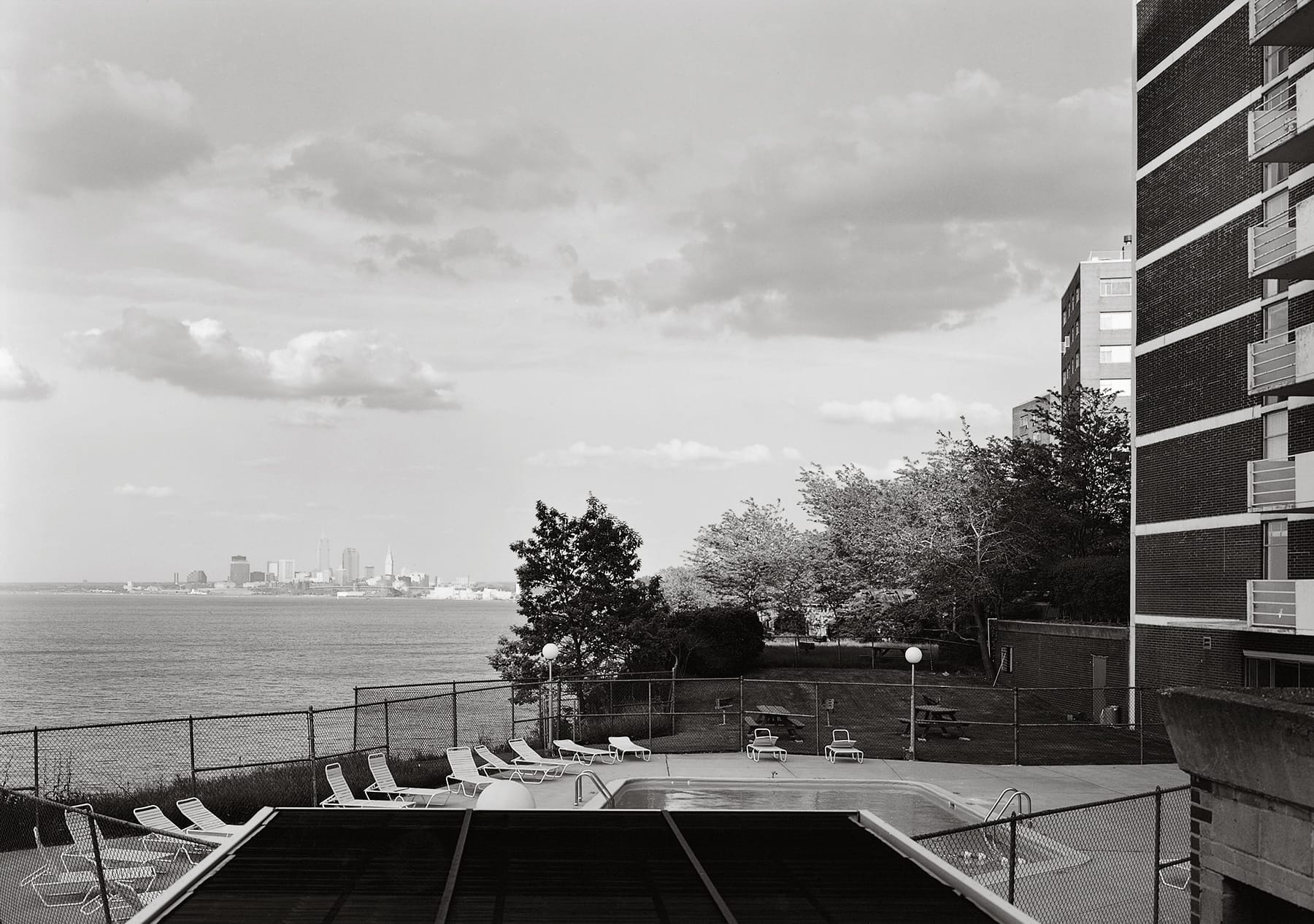
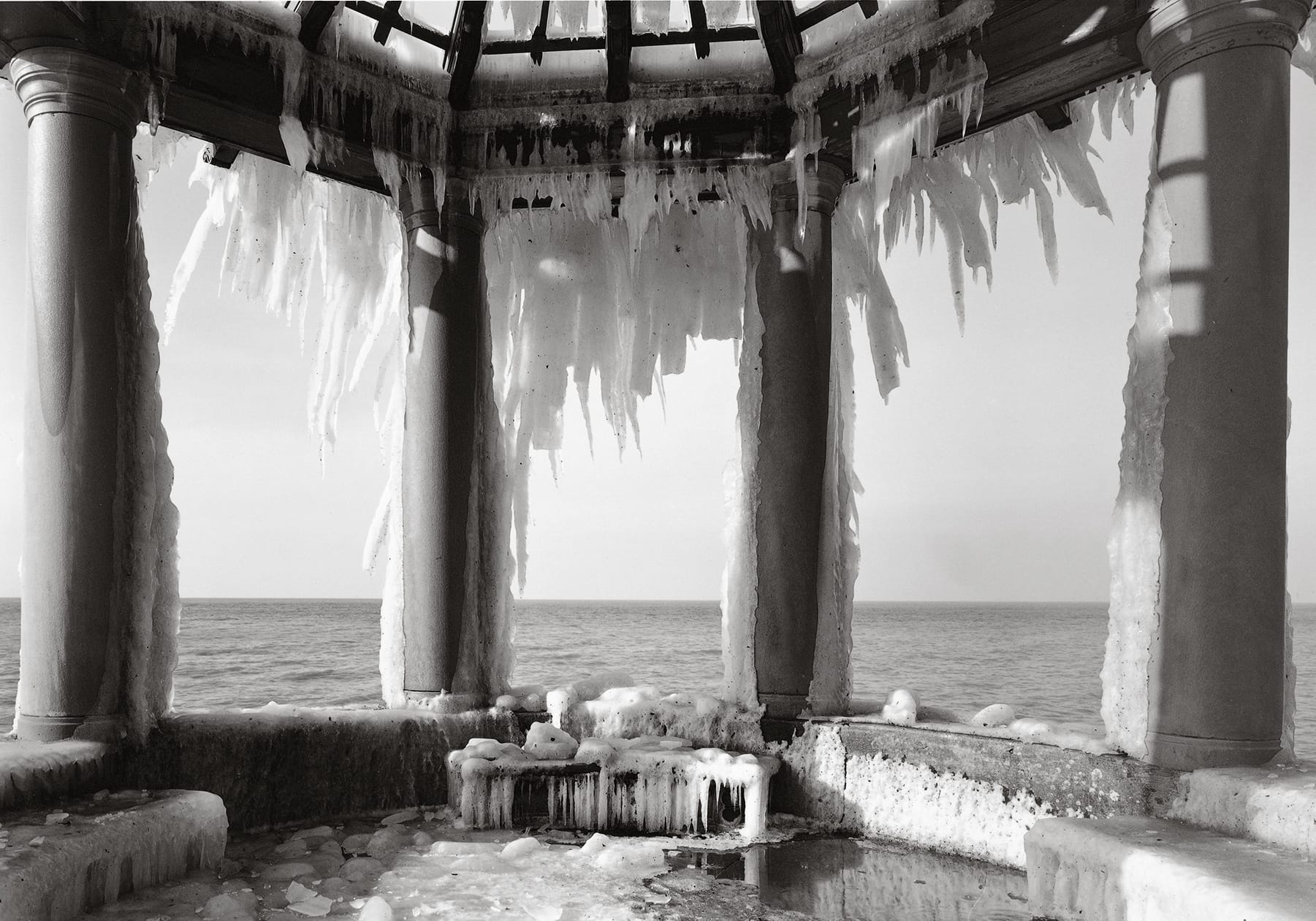
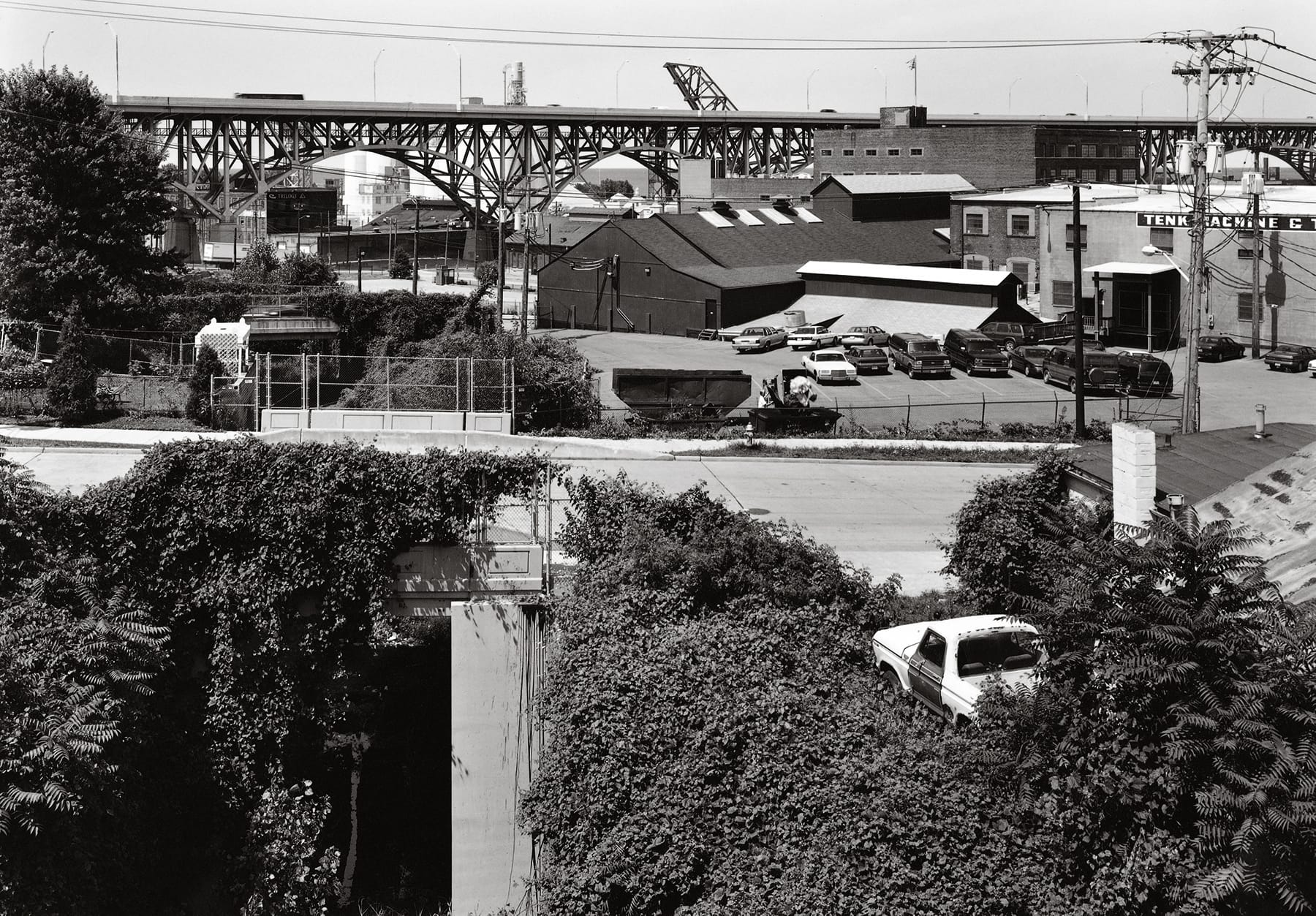
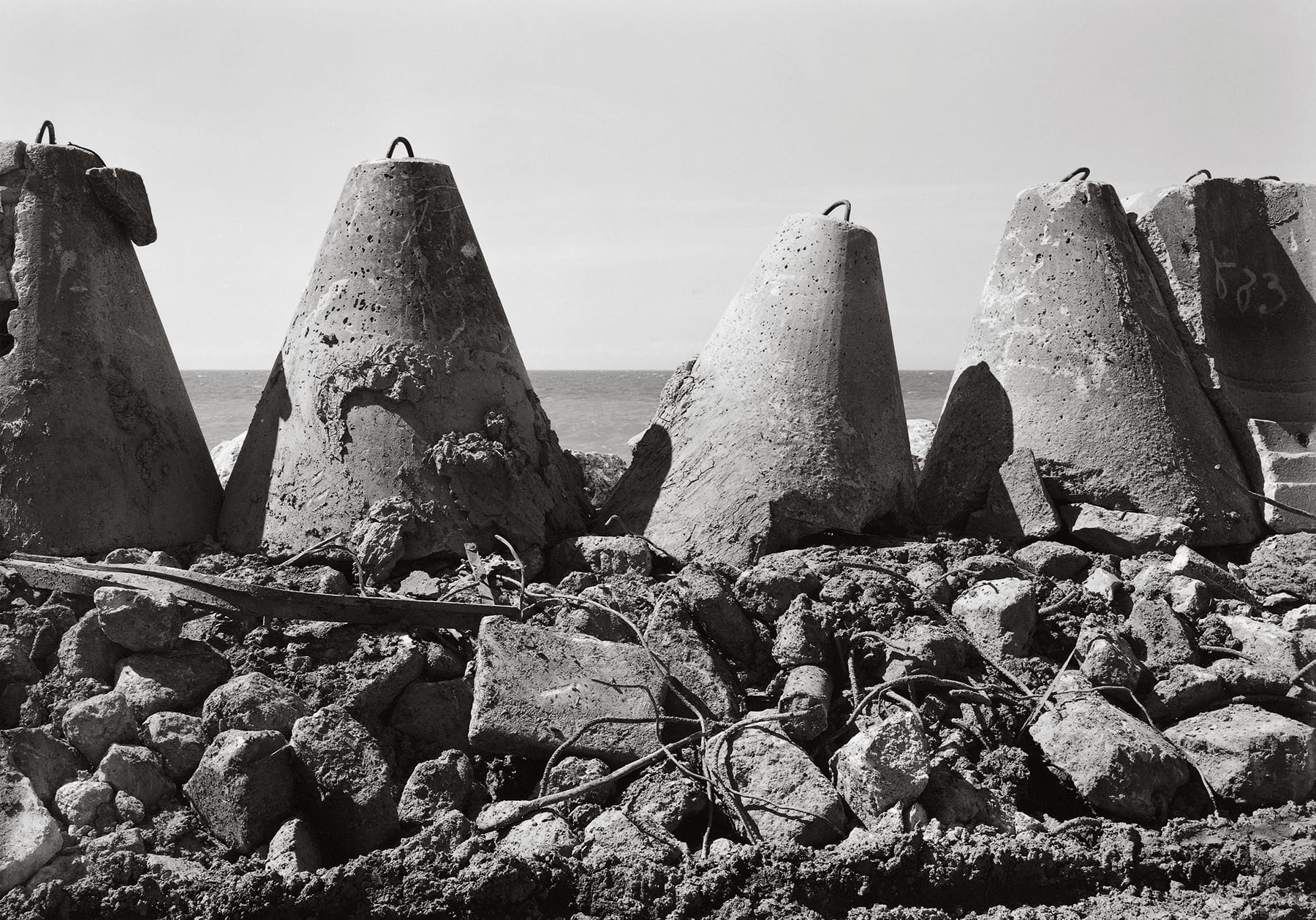
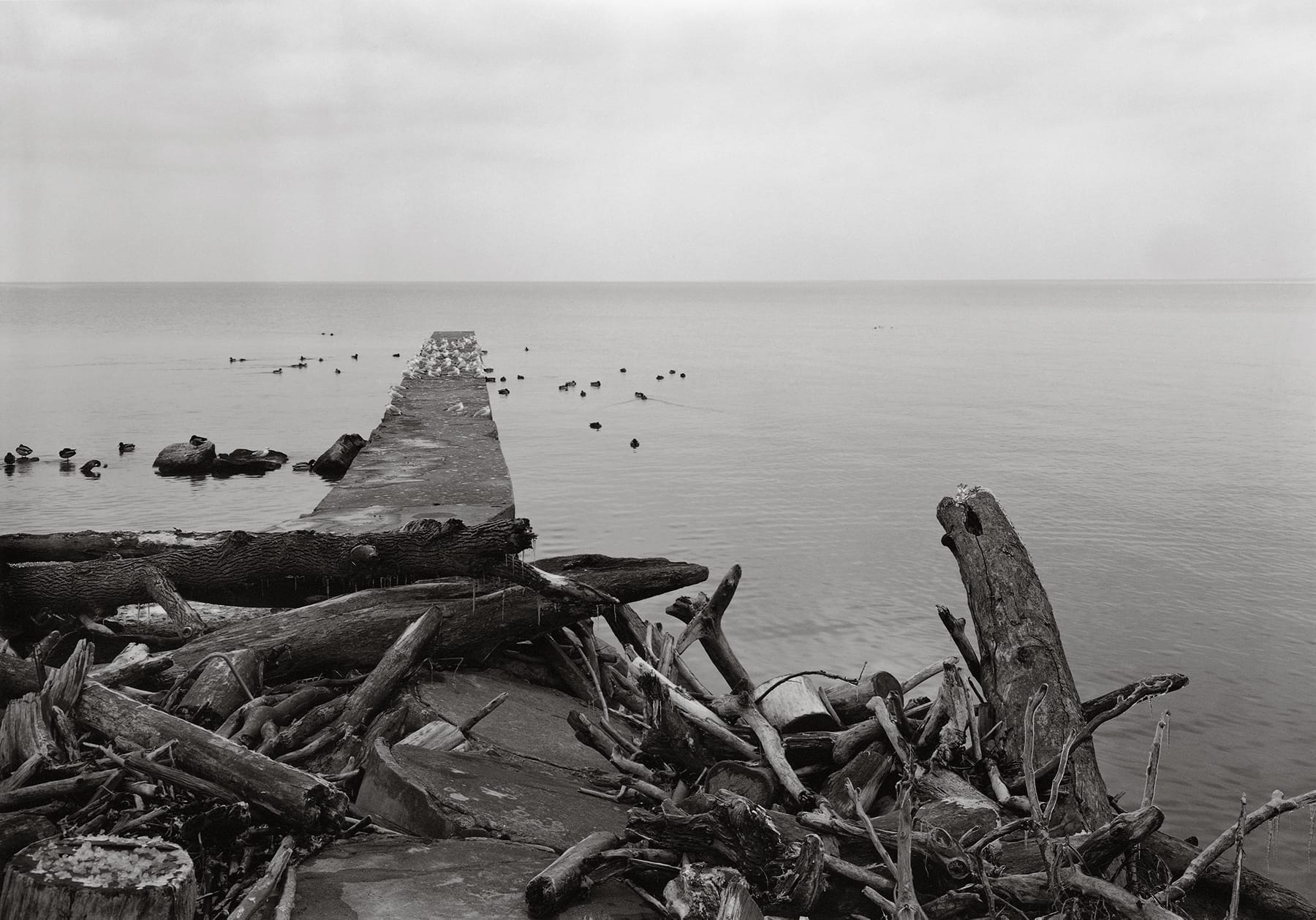
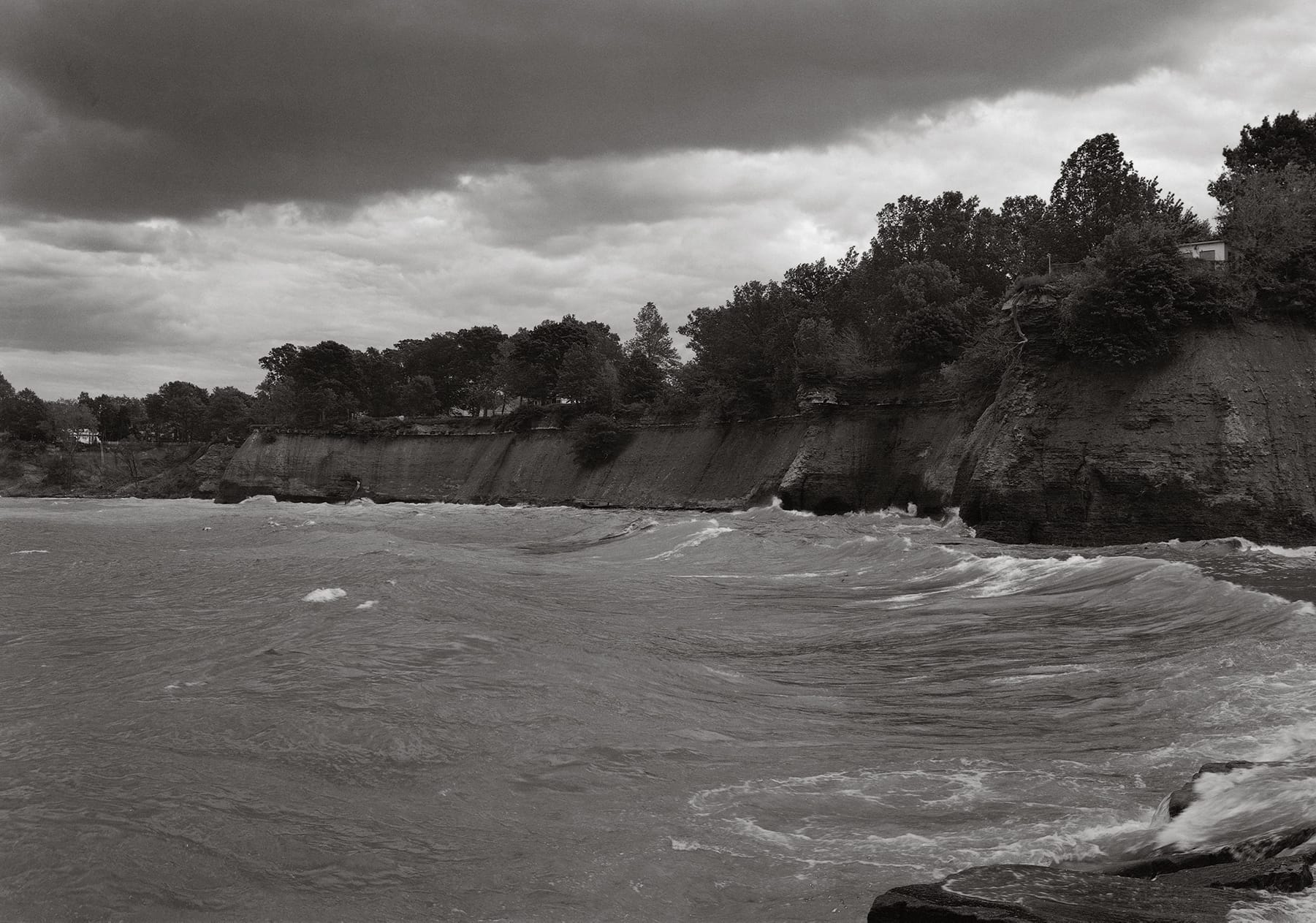
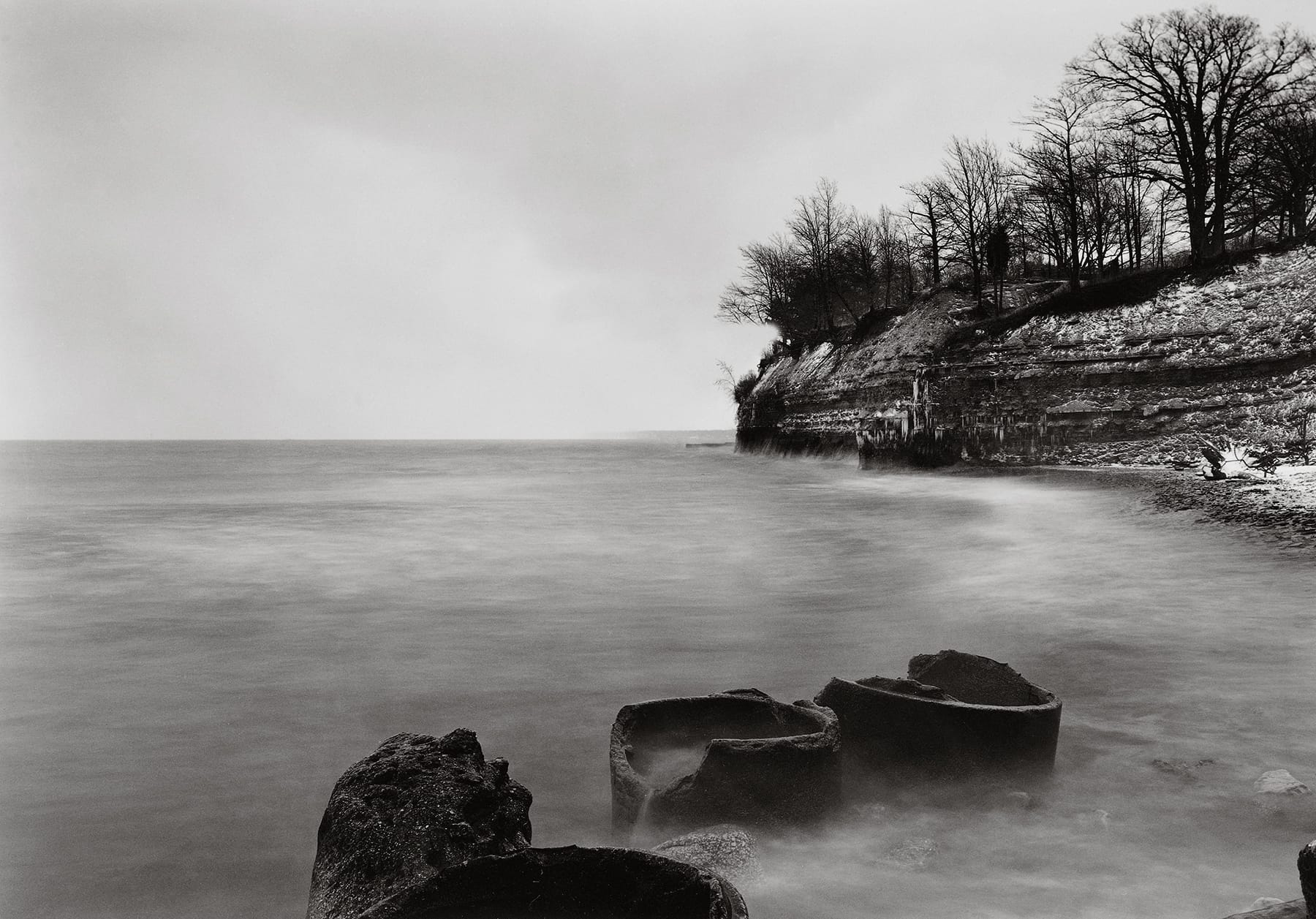
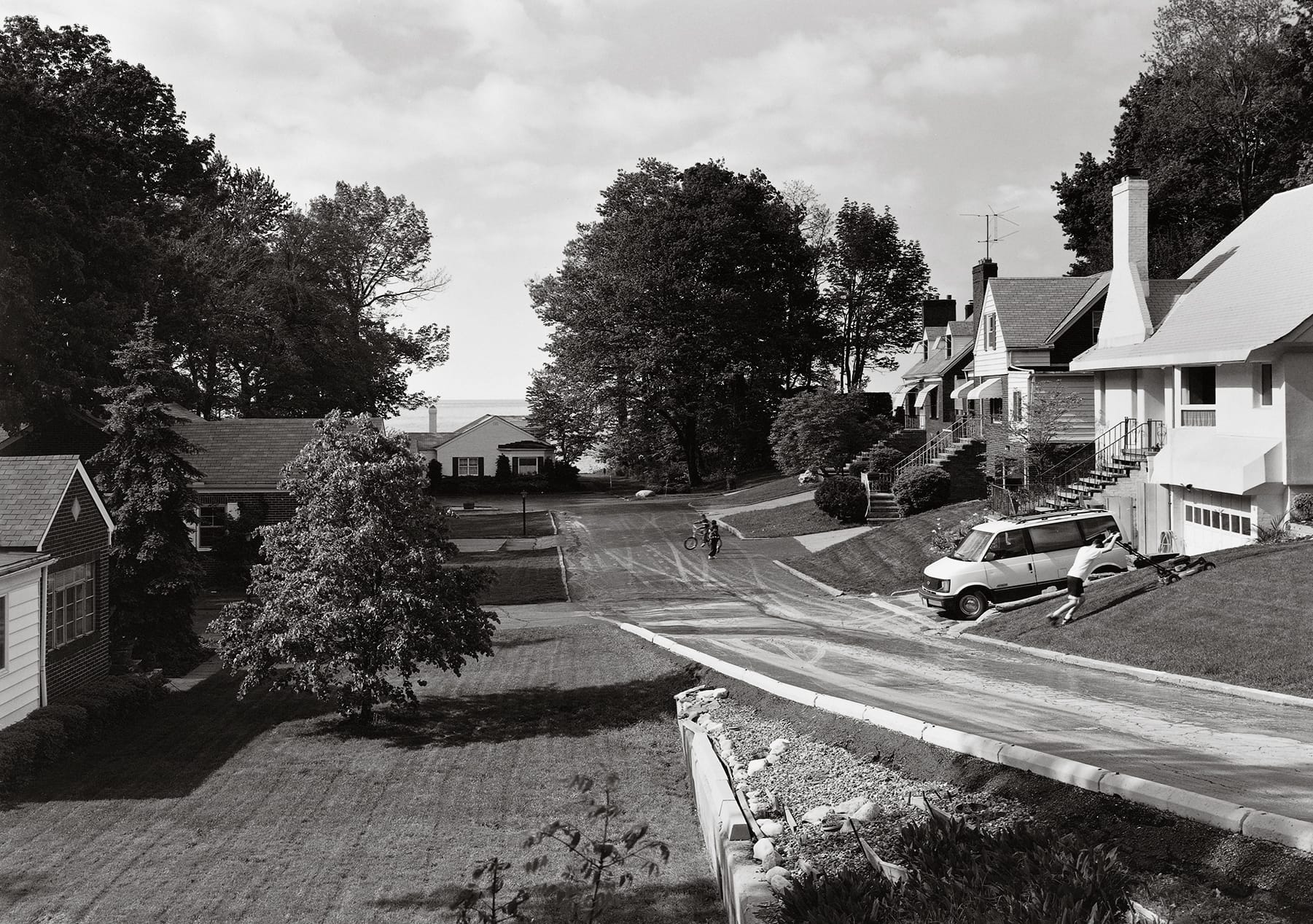
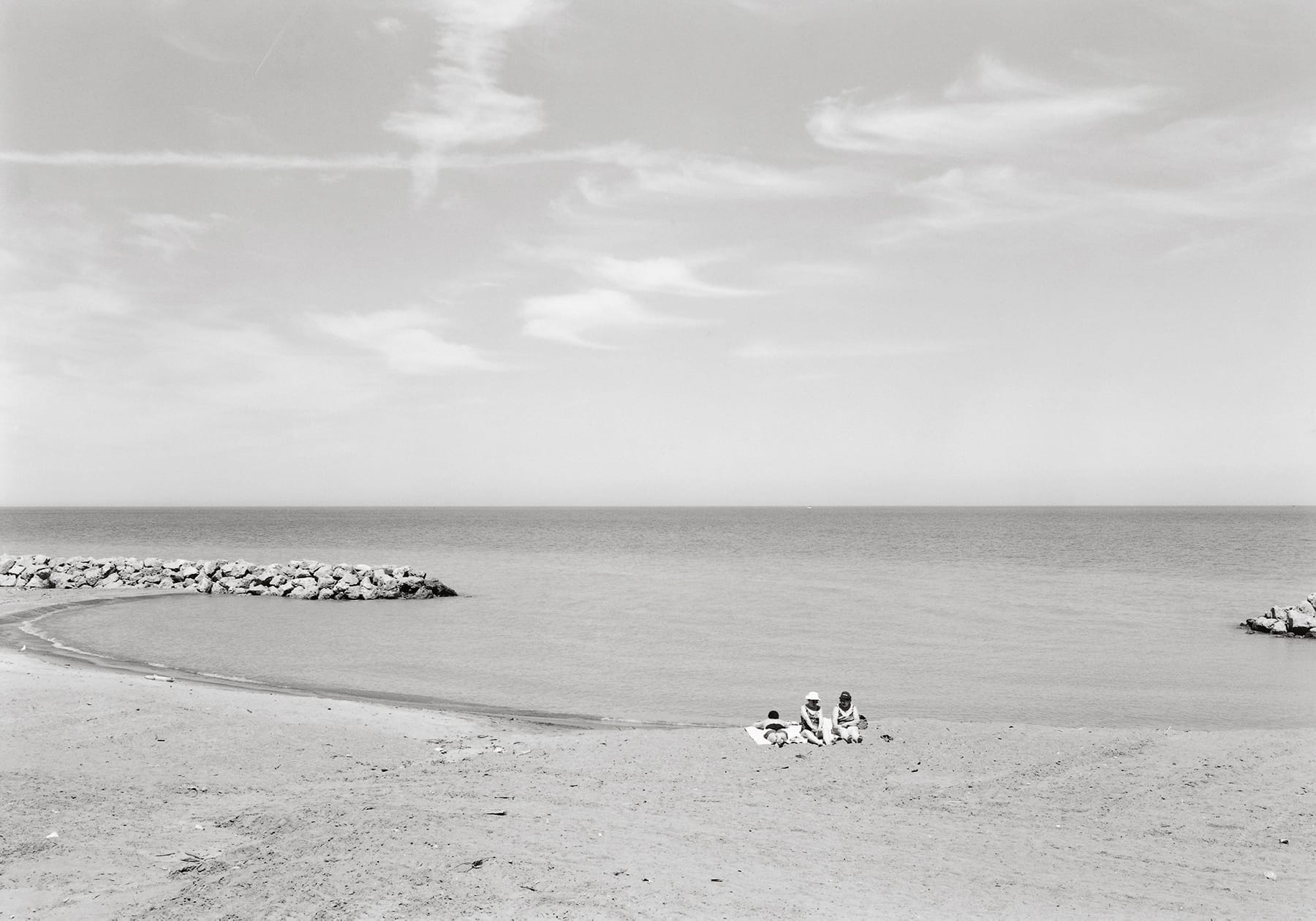
The images from the 1997 annual report, which so beautifully captured both the mystery and the majesty of Lake Erie, were created by landscape photographer Frank Gohlke. His work is included in major public collections throughout the world, and he has received fellowships from the John Simon Guggenheim Memorial Foundation and the National Endowment for the Arts. The George Gund Foundation commissioned this portfolio to reflect its long-standing interest in the future of Lake Erie and ever-growing awareness of the many roles this Great Lake plays in the life of our community.


Letter from the Executive Director
1997 Annual Report
Lake Erie is a dominant and signature feature of Cleveland. It has helped define this community, played a vital role in its economic life, provided recreation for its citizens and, in recent years, become the focus of ambitious civic development plans. The Foundation has had a long-standing interest in the future of Lake Erie, funding projects on everything from improving its water quality to building new cultural institutions along its shoreline.
1997 provided additional opportunities for the Foundation to express its interest in the lake. The Civic Vision process, originally convened in the 1980s, received Foundation funding again in 1997 to update potential lakefront and downtown development plans. The Foundation also funded participation in a lakefront design studio by students from the Harvard Design School whose ambitious and imaginative plans enlivened the community discussion. In addition, we were involved in conversations about plans to build a new convention center, move the Western Reserve Historical Society’s Crawford Auto-Aviation Museum and establish a mini-aquarium on the lakefront. And we have watched with pride as the Great Lakes Science Center, opened in 1996 with major Foundation support, welcomed its one millionth visitor and finished its first year in the black. We also continued our involvement on the environmental front with grants to groups such as the Lake Erie Alliance and Great Lakes United.
This long-standing and broad involvement made Lake Erie a logical choice this year for the photo essay which has become an integral feature of our annual reports. Frank Gohlke beautifully captured both the mystery and the majesty of Lake Erie in his images which document the joys and rewards of living so close to such a large body of water as well as the raw power and force of nature inherent in life along this Great Lake.
The Foundation also continued to make progress in other areas of its grantmaking during 1997. Significant grants to the Cleveland Enterprise Group, which operates ShoreBank, continued our investment in community revitalization. This outpost of the Chicago-based, now national, community banking enterprise has demonstrated its usefulness in economic development and community-based loan activities. Our environmental agenda reflected our interest in building leadership in the field with grants to organizations such as the Great Lakes Environmental Journalism Training Institute at Michigan State University and the Clean Water Fund. We continued our commitment to arts education with significant funding for the Initiative for Cultural Arts in Education, a promising program for Cleveland Public Schools children, and with an endowment grant for the Musical Arts Association’s remarkable Cleveland Orchestra Youth Orchestra.
The Foundation continued its support of Greater Cleveland’s human services infrastructure with grants to organizations that provide everything from child care to shelter for the homeless. Increasingly in 1997, the Foundation’s grantmaking turned to broader public policy issues related to poverty and welfare reform with grants to organizations such as Case Western Reserve University’s Center for Urban Poverty and Social Change and the Manpower Demonstration Research Corporation’s Urban Change Project. The state of the Cleveland Public Schools again dominated our education agenda. Foundation staff was deeply involved in the work of a broadly based Strategy Council appointed by Cleveland’s mayor and schools superintendent to develop an action plan for school improvement.
As always, the proof of the Foundation’s good work is the listing of its grantmaking contained in this book. We hope it informs you and suggests the challenges we face as we look to 1998.
David Bergholz, Executive Director

Urban Gardens
Lauren Betenson
Gregory Conniff (1996)
Photography
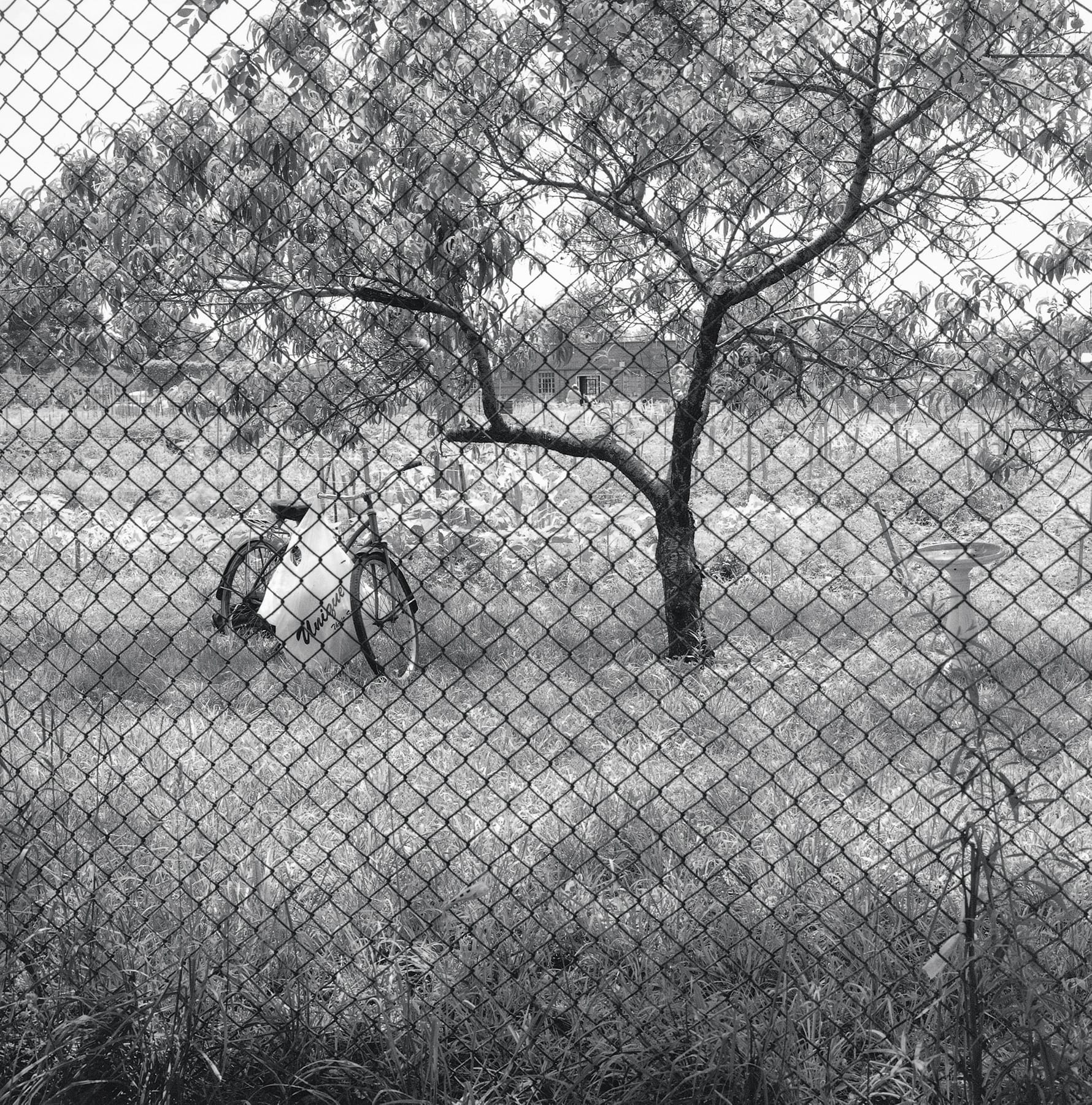
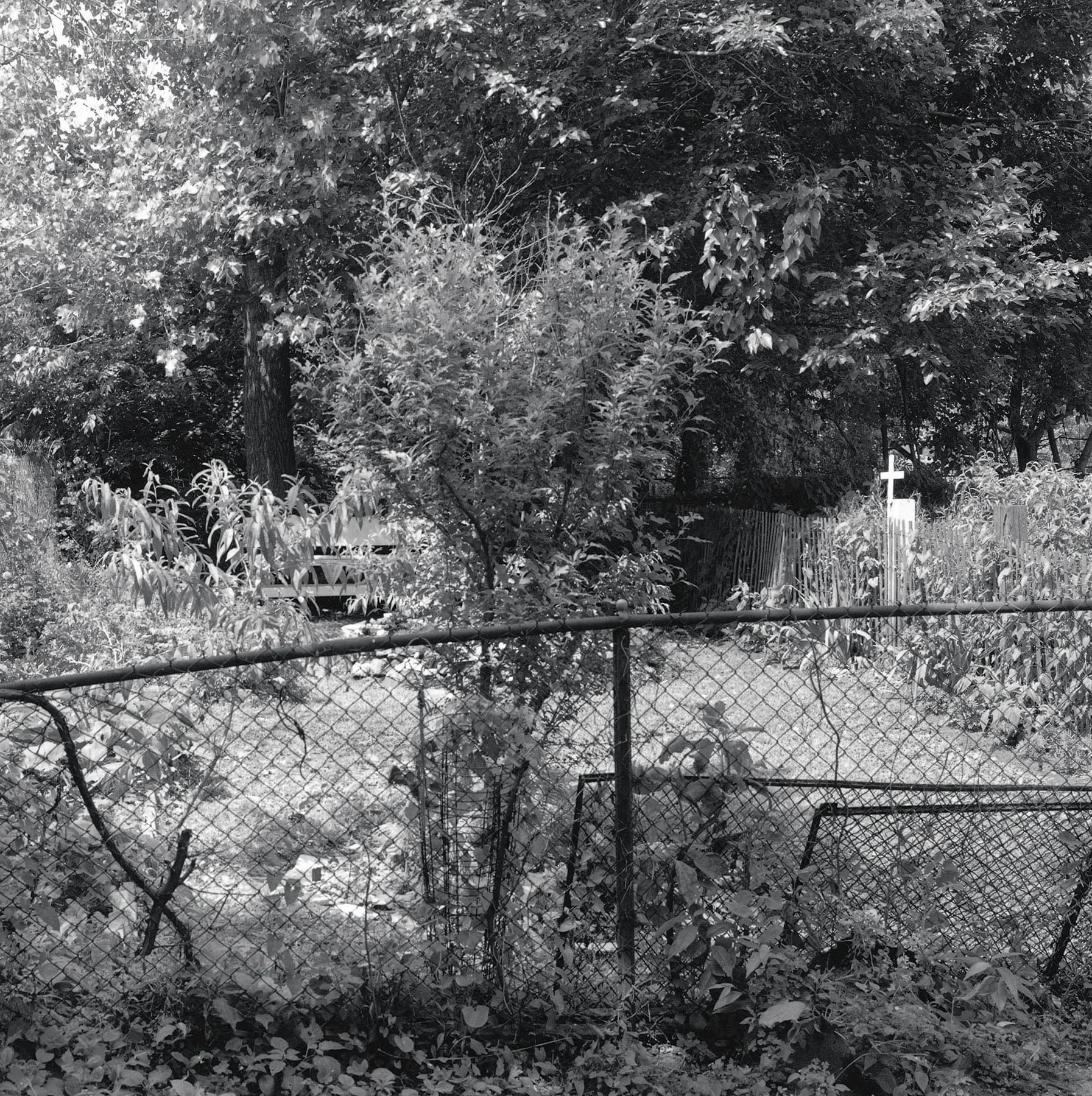
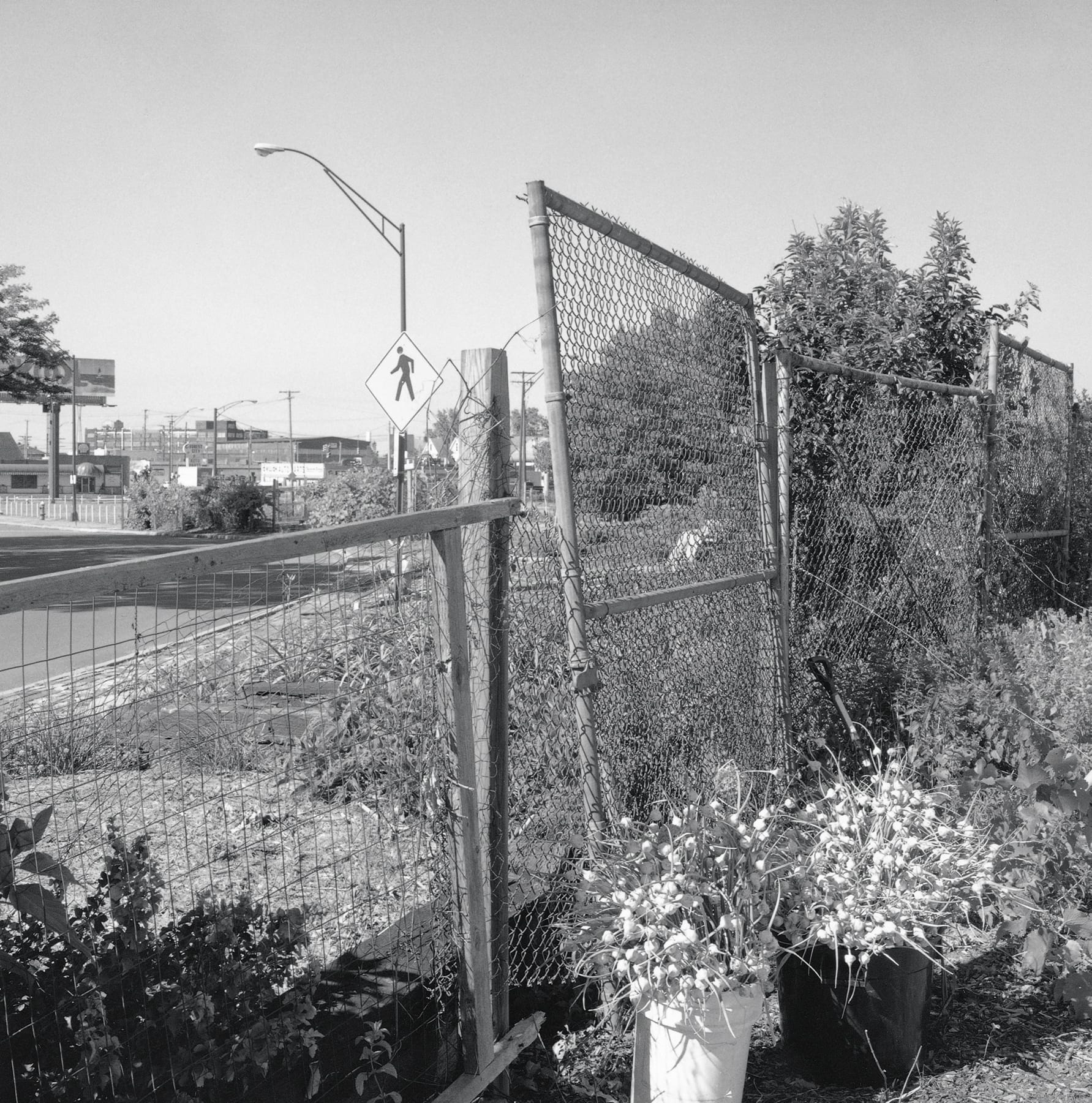
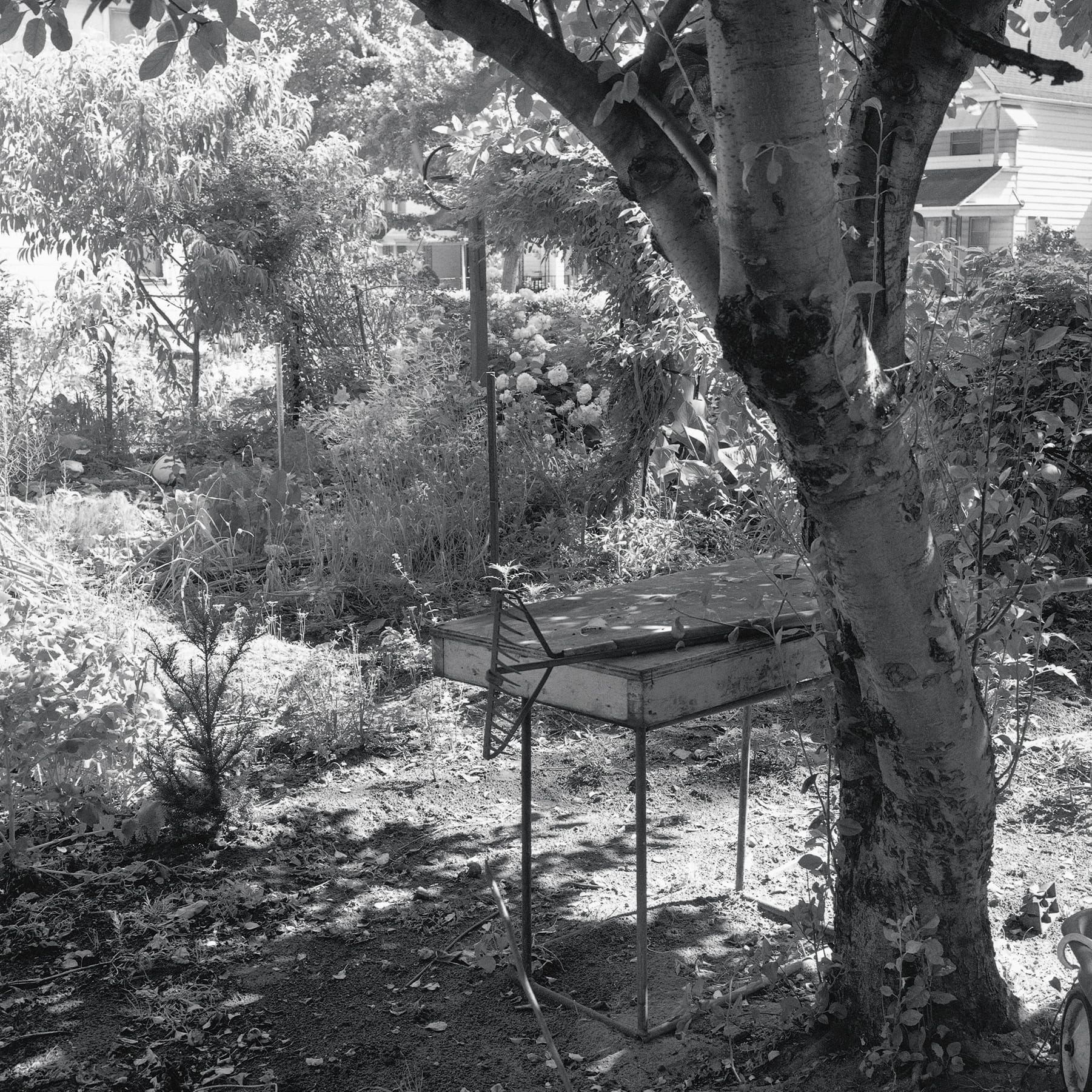
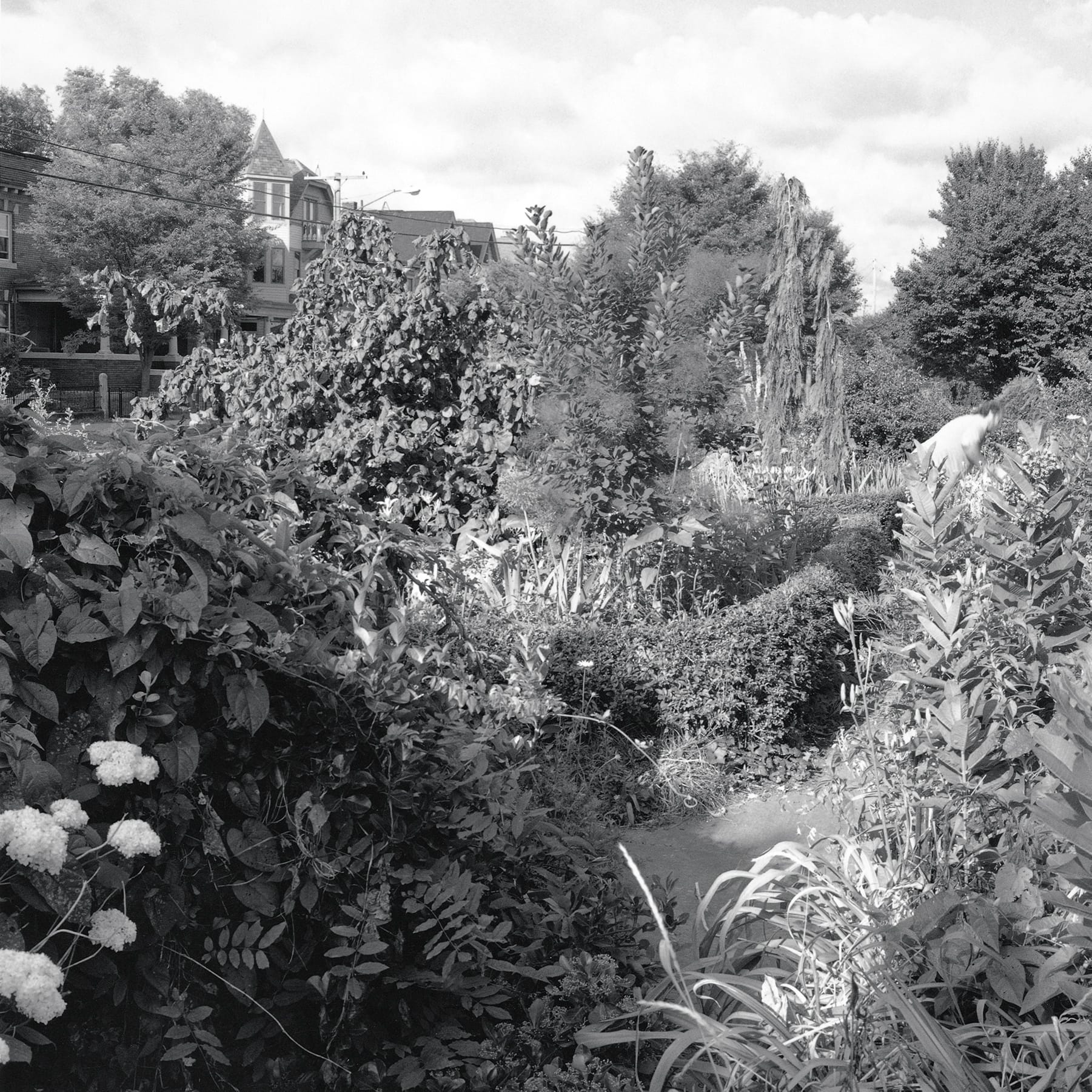
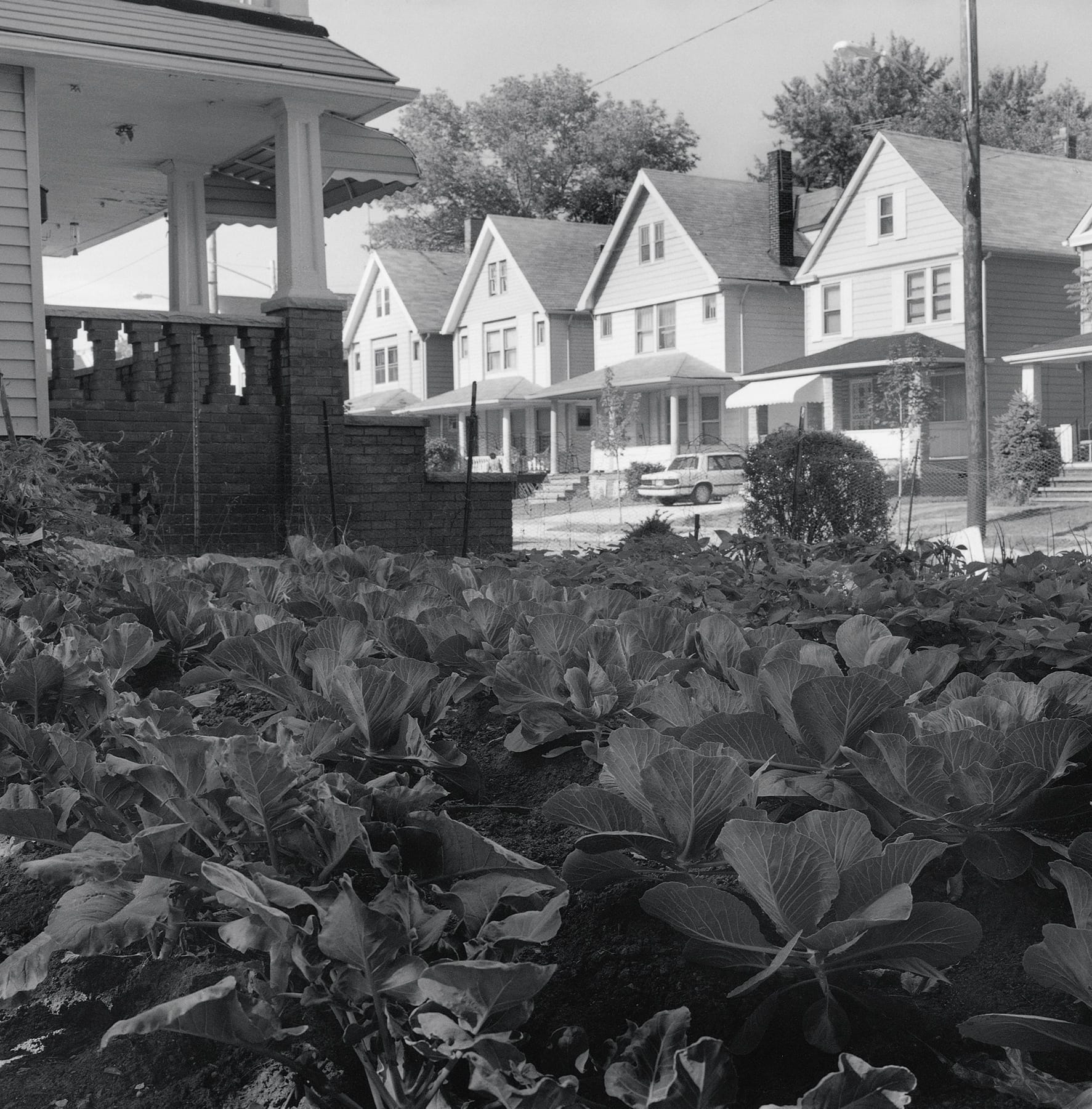
Gregory Conniff’s photographs of city gardens, displayed in the 1996 annual report, captured the delight of discovering the unexpected in our urban environment. An avid gardener himself, Conniff has received fellowships from the John Simon Guggenheim Memorial Foundation and the National Endowment for the Arts. The George Gund Foundation commissioned this portfolio to reflect its continuing commitment to Cleveland’s neighborhoods and its citizens who tend these wonderful gardens.



Letter from the Executive Director
1996 Annual Report
This Foundation joined with a host of other community institutions in 1996 to celebrate Cleveland’s bicentennial. From fireworks over the Cuyahoga to neighborhood street fairs to the gala opening of the Great Lakes Science Center, Cleveland’s citizens celebrated Cleveland’s past, present and future.
We made almost 400 grants totaling more than $18.8 million during the city’s bicentennial year, many of them geared to strengthening the civic and social infrastructure of this community and improving the quality of life of its residents.
Our economic development and community revitalization program continued its emphasis on job creation and workforce readiness with grants to the Glenville Development Corporation and WECO Fund for microenterprise efforts and the Council for Adult and Experiential Learning for local workforce education and training.
The Foundation also maintained its interest in improving educational opportunities for Cleveland Public Schools children with grants for professional development to the Cleveland Education Fund and for a health and human services coordinator in the school system. We also contributed to several national school improvement policy-oriented efforts.
In human services grantmaking, we helped organizations prepare for coming changes in governmental programs through assistance with strategic planning, mergers and program realignment. Grants to Children’s Services to facilitate a merger with Child Guidance Center and support for management restructuring at Beech Brook represent this aspect of our grantmaking.
Collaborative programming and efforts to reach new audiences were emphasized in the arts. The Foundation’s largest arts grant was $1 million to Playhouse Square Foundation for renovation of the landmark Allen Theatre, which will house long-running shows, producing income to offset rent for Playhouse Square’s resident companies.
We continued to encourage environmental leadership development with grants to the Institute for Conservation Leadership and for a Great Lakes Environmental Journalism Training Institute.
Although staff and trustees spend much of their time focusing on the major issues and concerns facing the community, we also are aware that often it is the smaller, less dramatic spaces, events and activities that add meaning and quality to our lives. This awareness is reflected in our annual photo essay, which this year focuses on urban gardens.
The Foundation for many years has made grants falling under the general rubric of “urban design and amenities.” Our support for the Cleveland Botanical Garden’s school gardening program, exterior restoration of Public Square’s historical Old Stone Church, a water sculpture by noted artist Maya Lin for the Cleveland Public Library’s reading garden and the planting of trees for the bicentennial by Clean-Land, Ohio may be reflected in different program areas, but they all fall into this general category.
We are aware of the pleasures that a colorful garden by the freeway ramp or a piece of outdoor sculpture in an unexpected place bring to our urban existence, and the fine photographs by Gregory Conniff in this year’s report beautifully illustrate that.
As you can see by looking through this report, 1996 was a busy year for the Foundation, with grants ranging from just a few thousand dollars to more than $1 million. The trustees and staff are proud of our association with the work of our grantees and look forward to reporting to you next year regarding their progress and ours.
David Bergholz, Executive Director