
Cleveland School of the Arts
Larry Fink (1998)
Photography
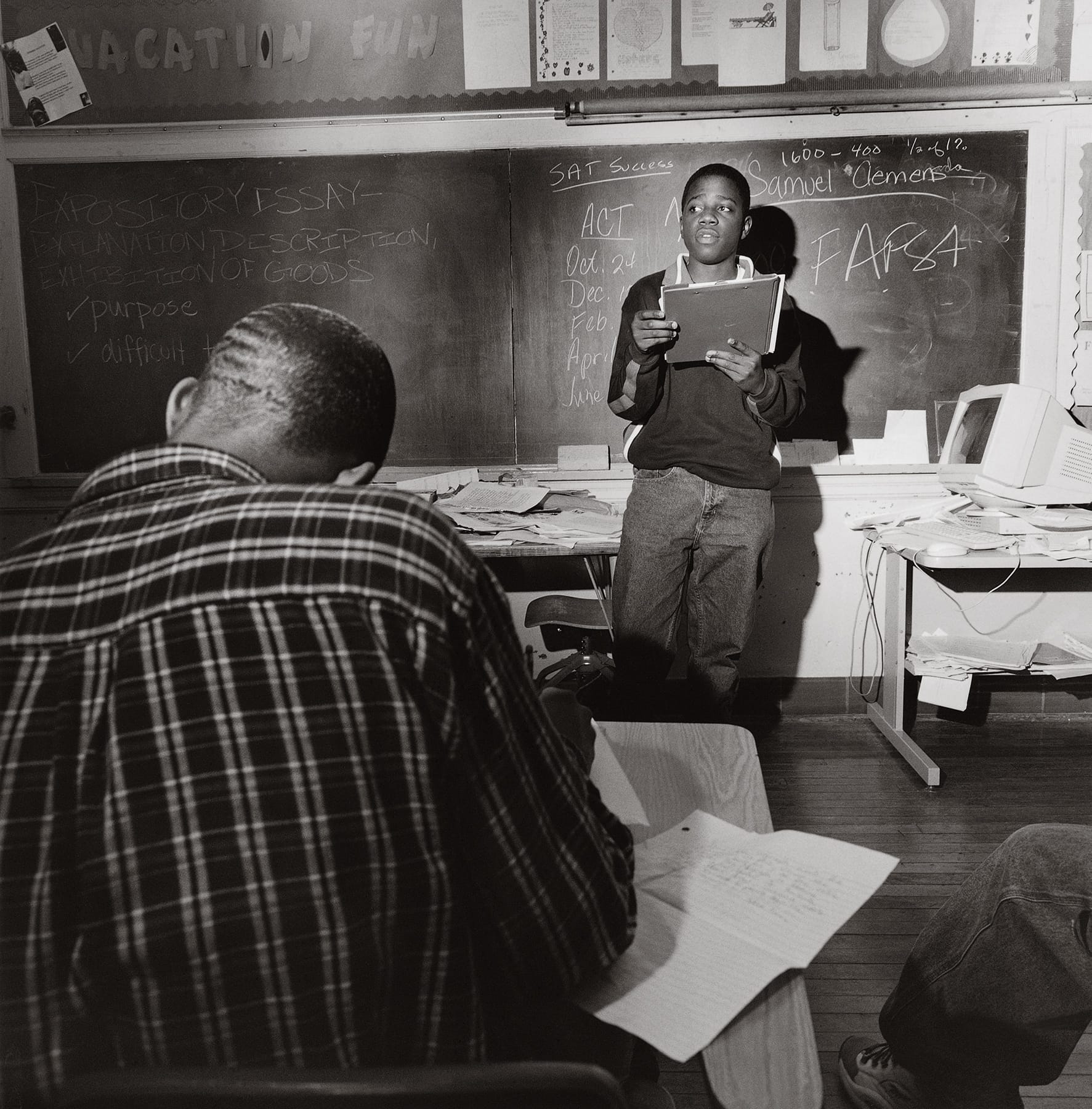
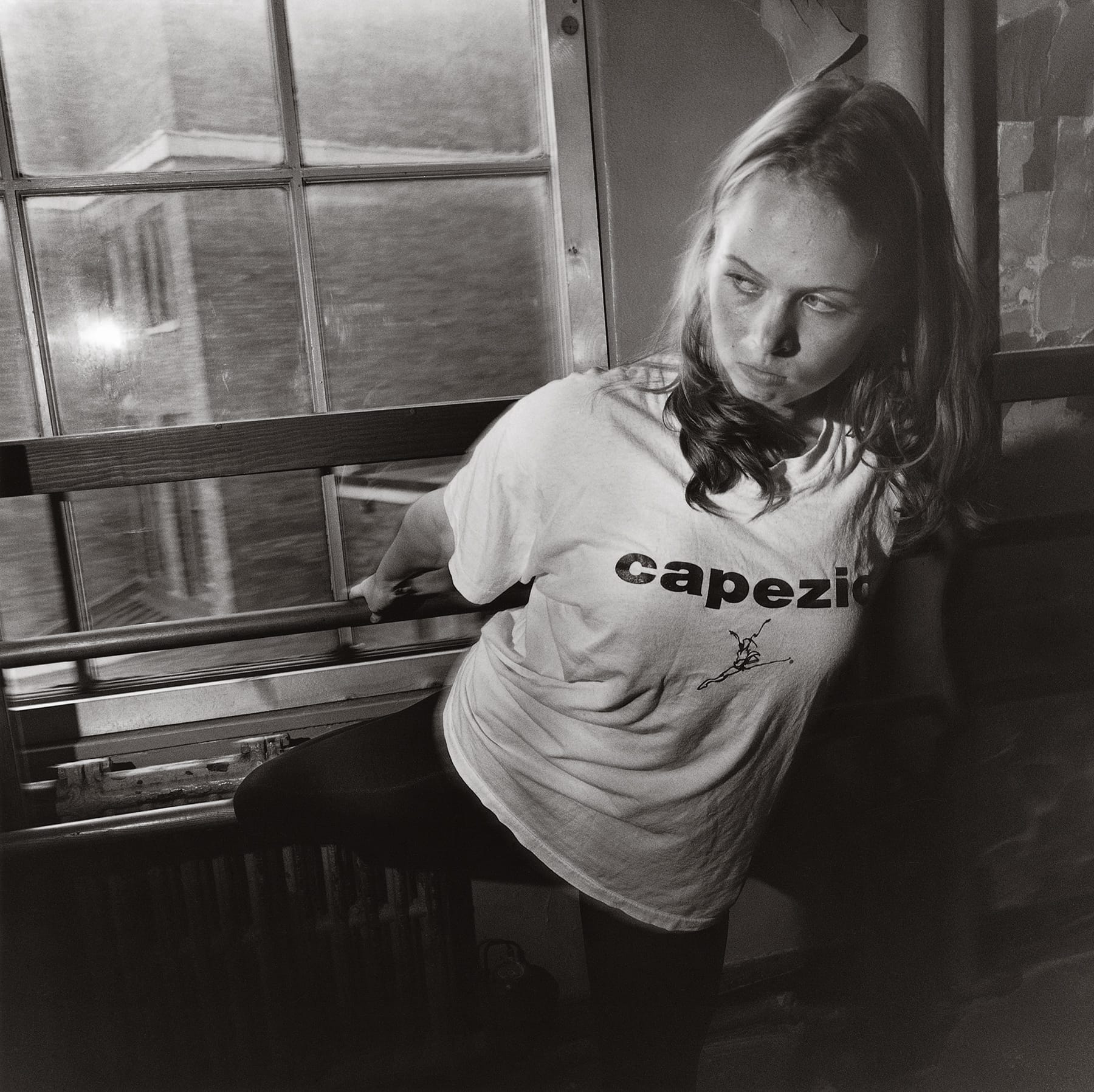
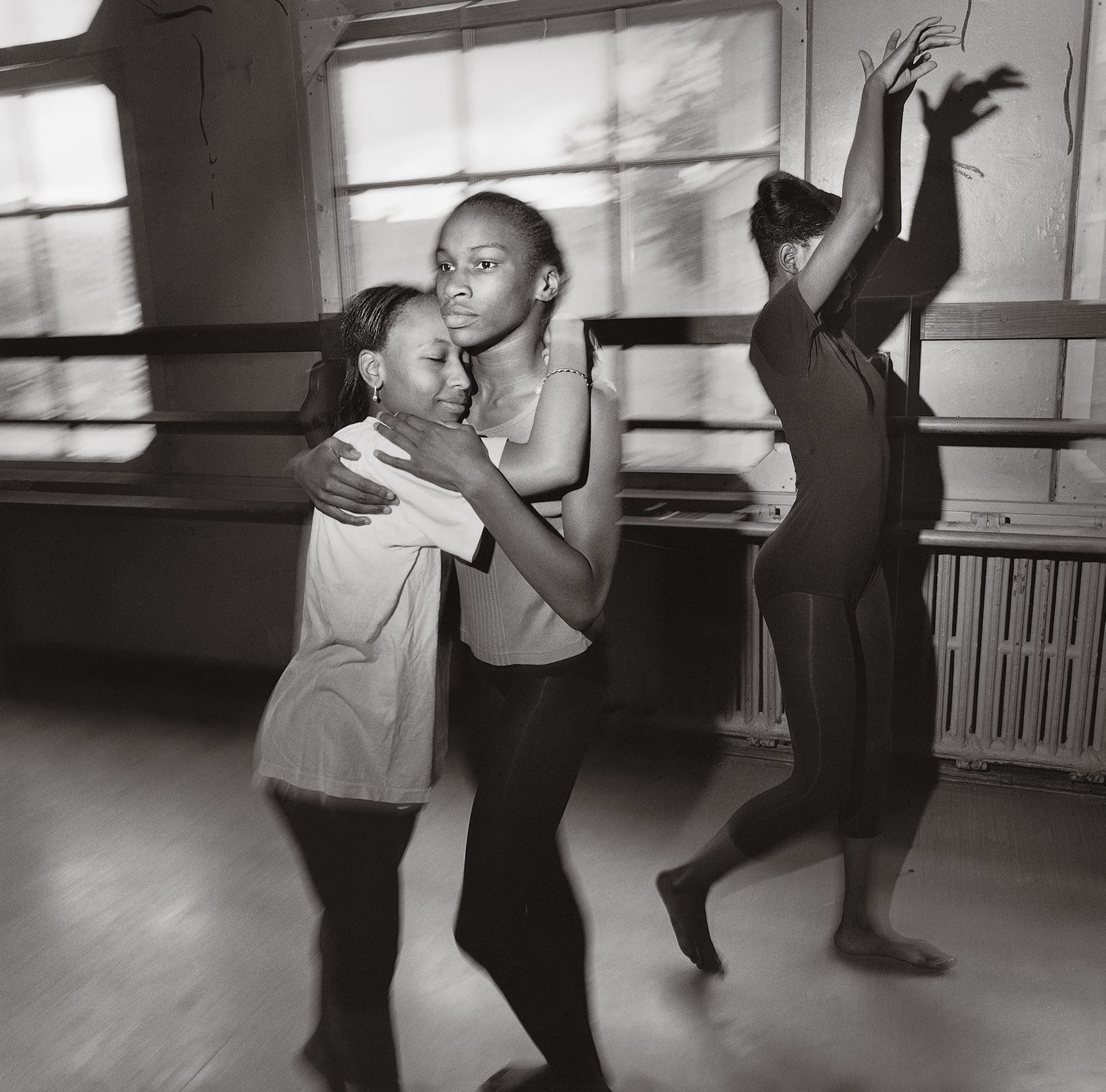
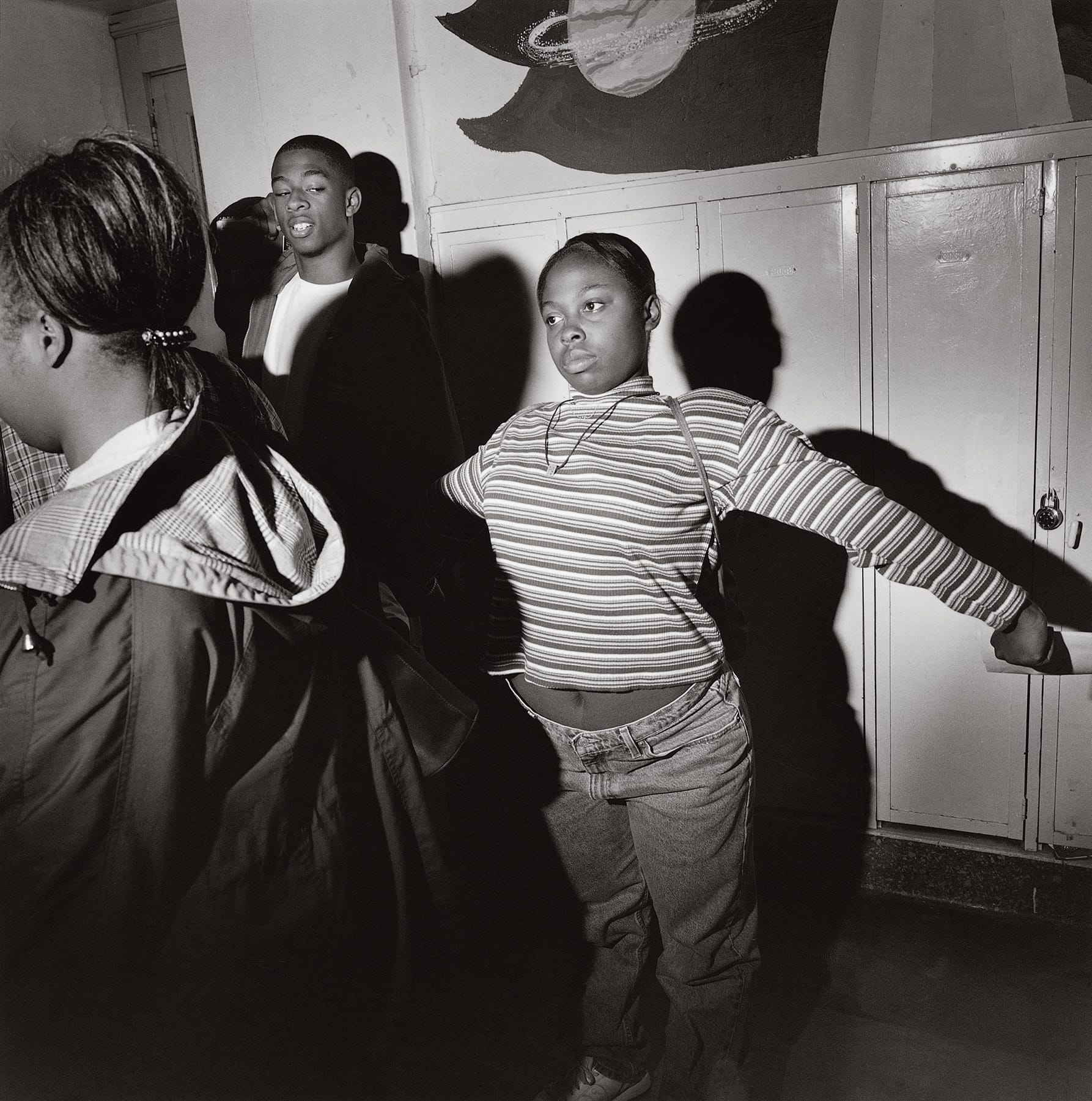
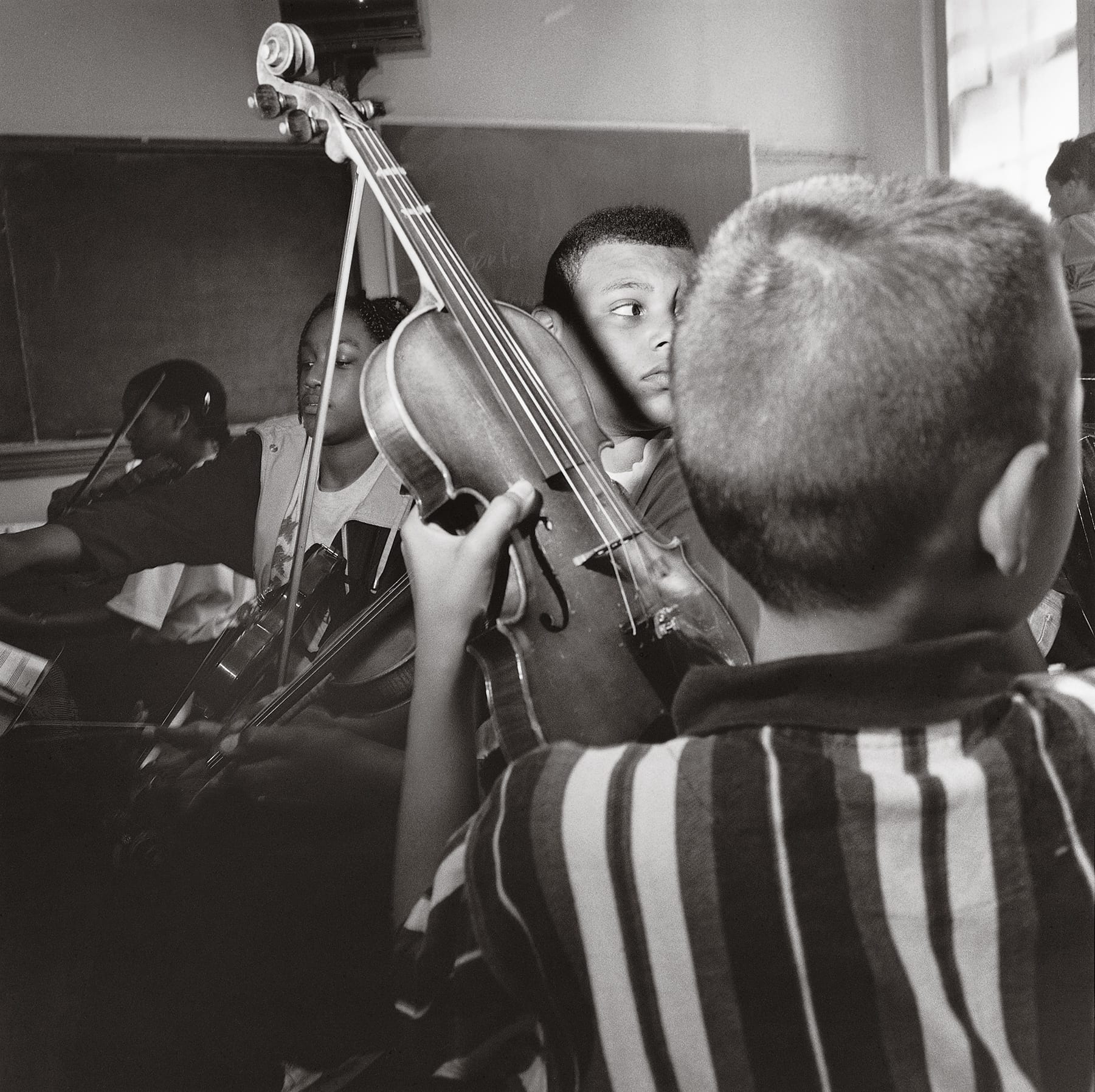
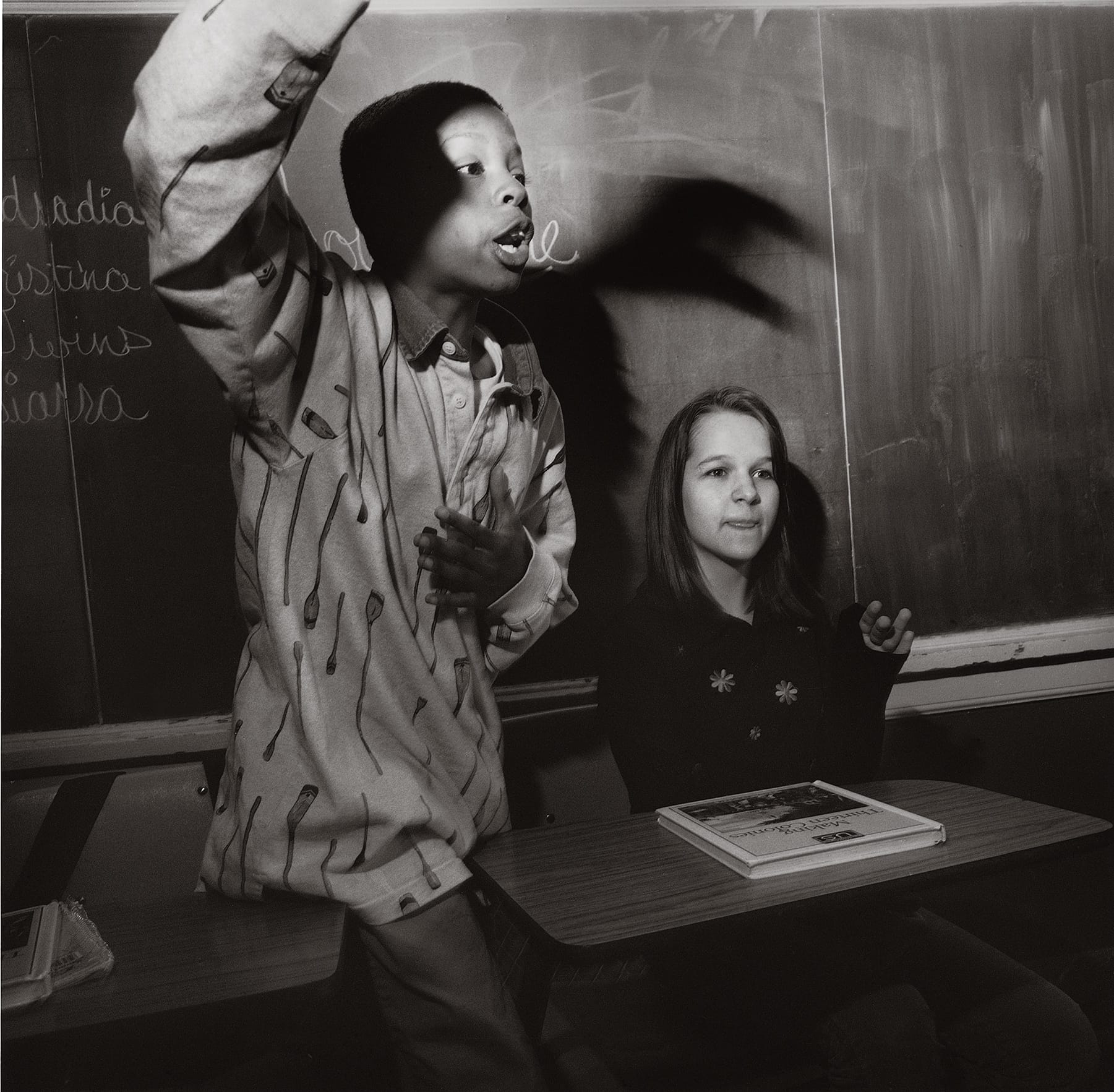
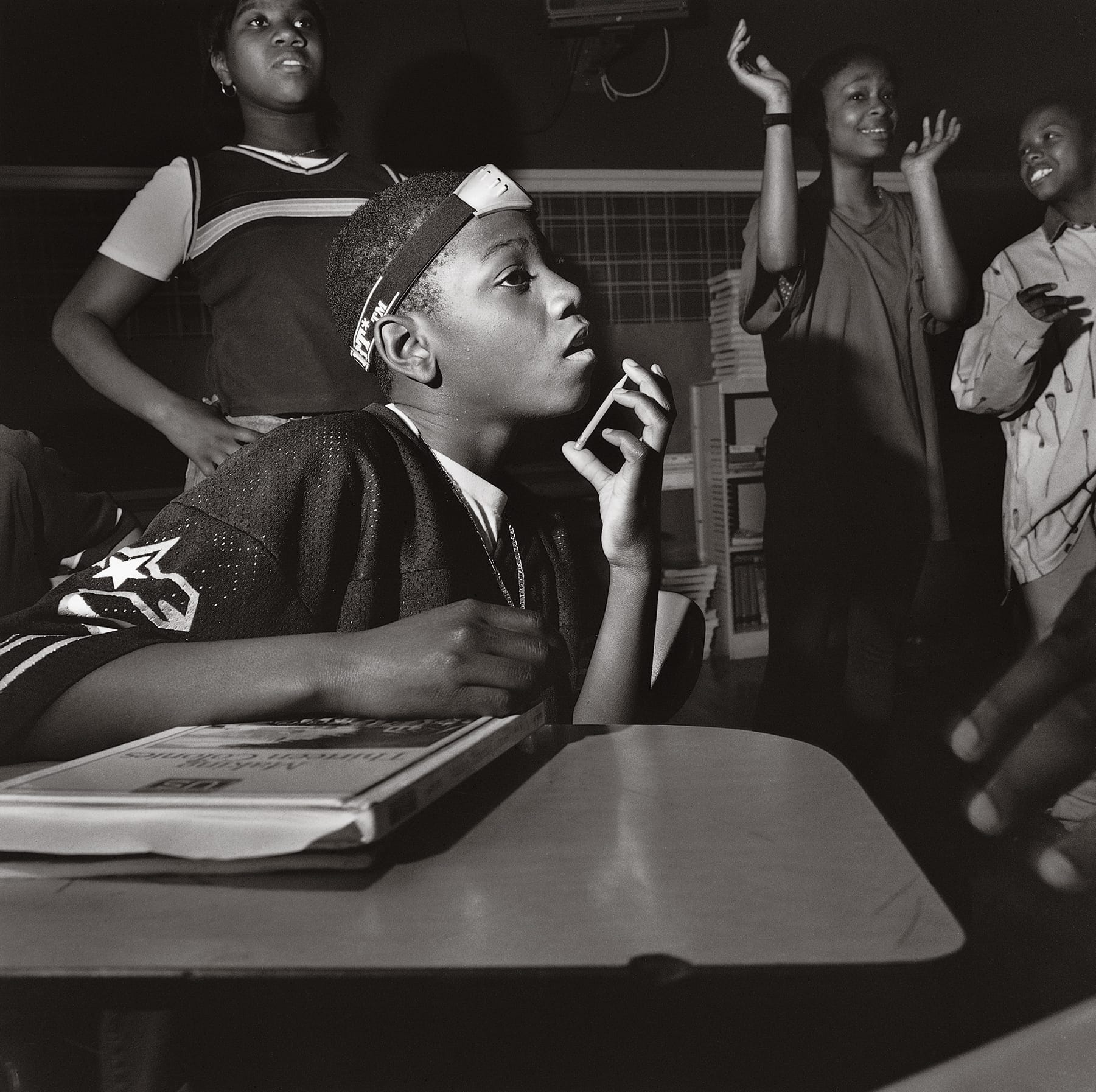
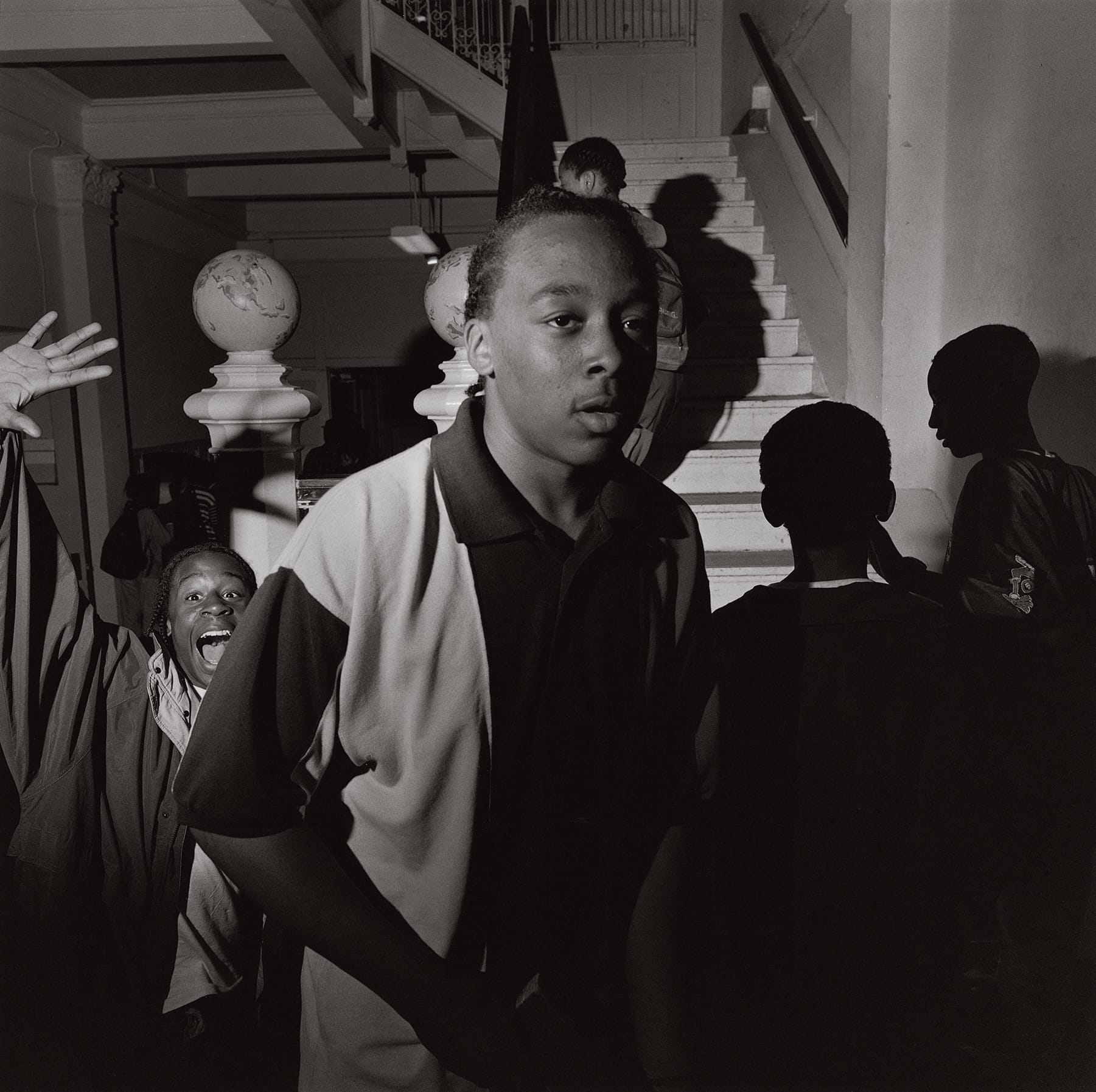
The photographs created for the 1998 annual report by Larry Fink beautifully capture the creativity and energy which reverberate through the hallways and classrooms of the Cleveland School of the Arts. Fink’s work has been included in major museum exhibitions throughout the world, and he has received fellowships from the John Simon Guggenheim Memorial Foundation and the National Endowment for the Arts. The Foundation commissioned these photographs as a reflection of its commitment to create educational excellence for all children in the Cleveland Public Schools and its conviction that the arts can play a major role in achieving that excellence.


Letter from the Executive Director
1998 Annual Report
The Cleveland School of the Arts in 1998 signaled the kind of energy and excellence that we hope reflects the future of the Cleveland Public Schools. The school’s electric production of “An Urban Nutcracker,” the result of a collaboration with Pilobolus Dance Theatre, not only played to rave local reviews, but also was acclaimed by both Time magazine and The Wall Street Journal. Students published their artwork, photography and poetry in a remarkable journal, “in no one’s hands.” A strategic plan, funded by the Foundation, was completed, and progress was made toward its goals. And, finally and maybe most important, this old and tired building received a new roof.
We knew when we commissioned Larry Fink to do a photo essay on life in the Cleveland School of the Arts that it was an extraordinary place – we just didn’t realize what an extraordinary year it would be as well. Fink’s compelling work continues the tradition established almost a decade ago of commissioning a noted photographer to document an issue of Foundation interest in each of our annual reports.
Although the School of the Arts is highlighted here, we do not believe the power of the arts should be confined to only one building in the Cleveland Public Schools. The Foundation has continued to be a significant supporter of the ICARE (Initiative for Cultural Arts in Education) program, which develops partnerships between Cleveland schools and local arts organizations and helps integrate the arts into the regular curriculum, and we are eager to see the program build on its early success.
The Foundation also continued to make progress in other areas of grantmaking during 1998. Grants to the Earth Day Coalition and Oberlin College for research and community forums on ecological design began to define our increasing interest in “green” buildings. The Foundation’s human services agenda continued to help organizations, such as the Center for the Prevention of Domestic Violence, implement administrative and organizational changes to better meet the needs of the community. On the policy front, a grant to the National Center for Children in Poverty was made to support the Research Forum on Children, Families and the New Federalism.
In economic development and community revitalization, grantmaking ranged from support for Case Western Reserve University’s Center for Regional Economic Issues to an innovative program at the St. Vincent DePaul Society that will collect and rebuild used appliances and bedding to be sold at low cost to shelters, public housing and thrift shops.
Our arts grantmaking included support for a new local public television program focusing on arts and culture in Greater Cleveland and funds to help Cleveland Public Theatre renovate Gordon Square Theatre, a boarded-up building in the Detroit-Shoreway neighborhood that once housed a vibrant vaudeville theater.
In the education docket, The Foundation maintained its long-standing interest in the Cleveland Public Schools, but also supported other projects ranging from coverage of urban education issues in Education Week to participation of a consortium of five Northeast Ohio colleges in the OhioLink electronic library and internet network.
On a very different front, the Foundation completed its three-year $6 million commitment to retinal degenerative disease research. We are proud of the scientific breakthroughs that have been made during this period.
It is said that the “proof is in the pudding.” The Foundation’s grantmaking defines the organization’s world view and the way in which it responds to the ideas, programs and people seeking our help. We hope that when you read this report you will think that we have done a thoughtful and imaginative job in meeting this always challenging assignment.
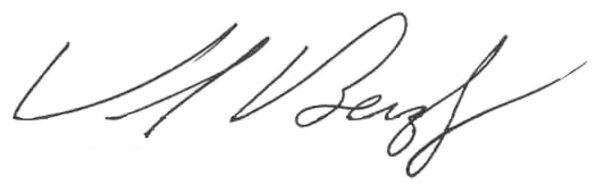
David Bergholz, Executive Director