
Urban Landscape
Douglas Lucak (1999)
Photography
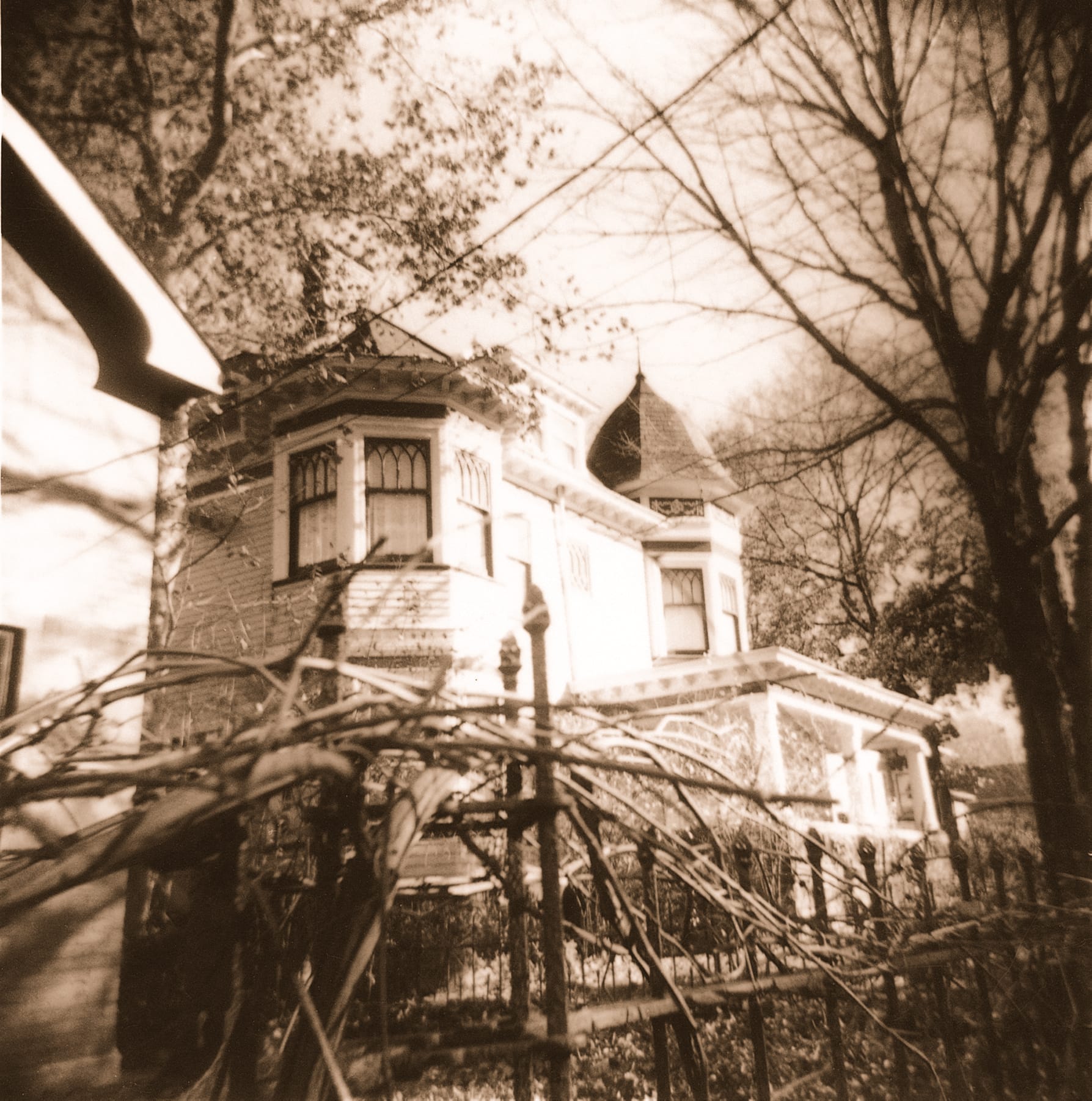
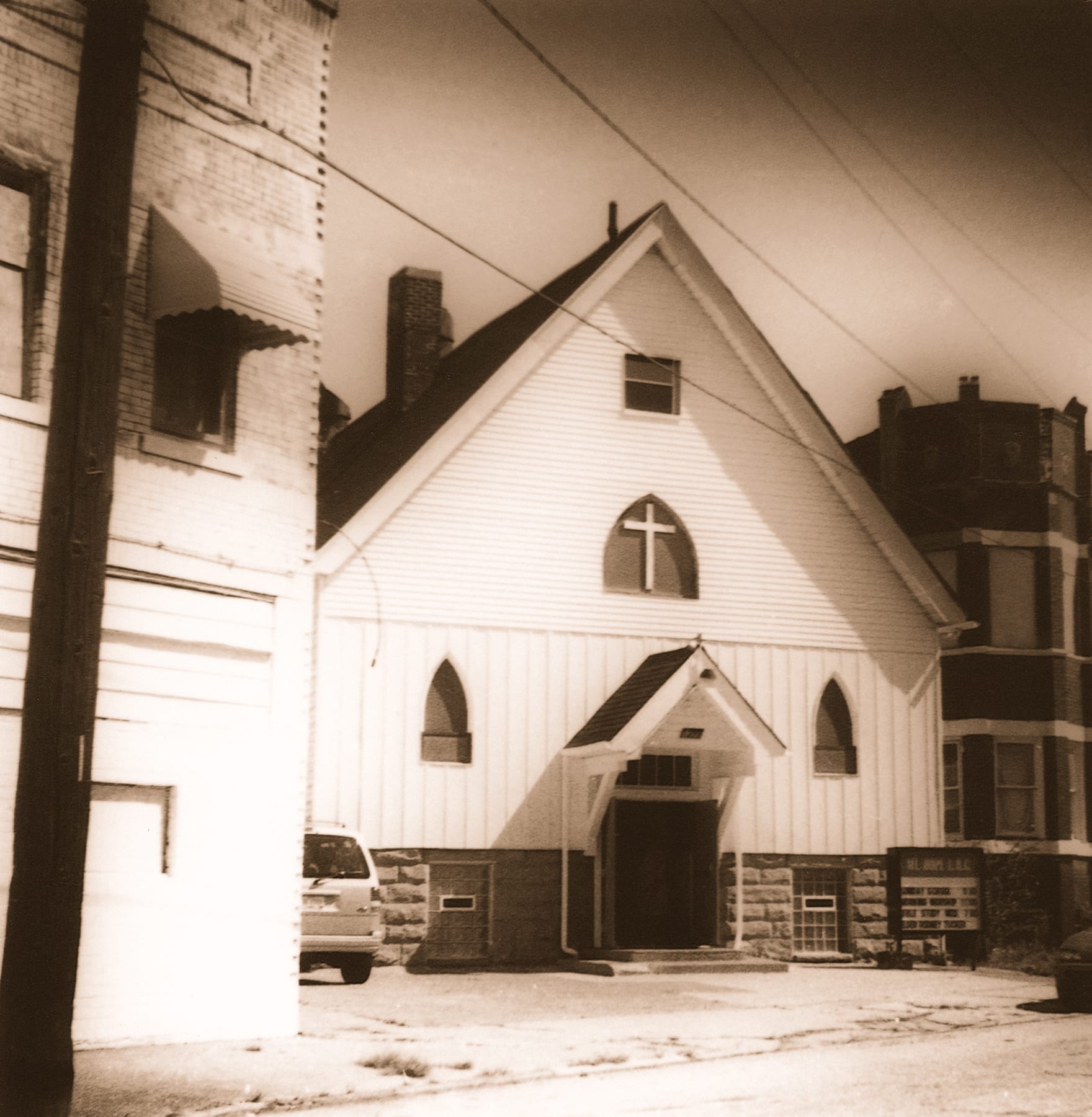
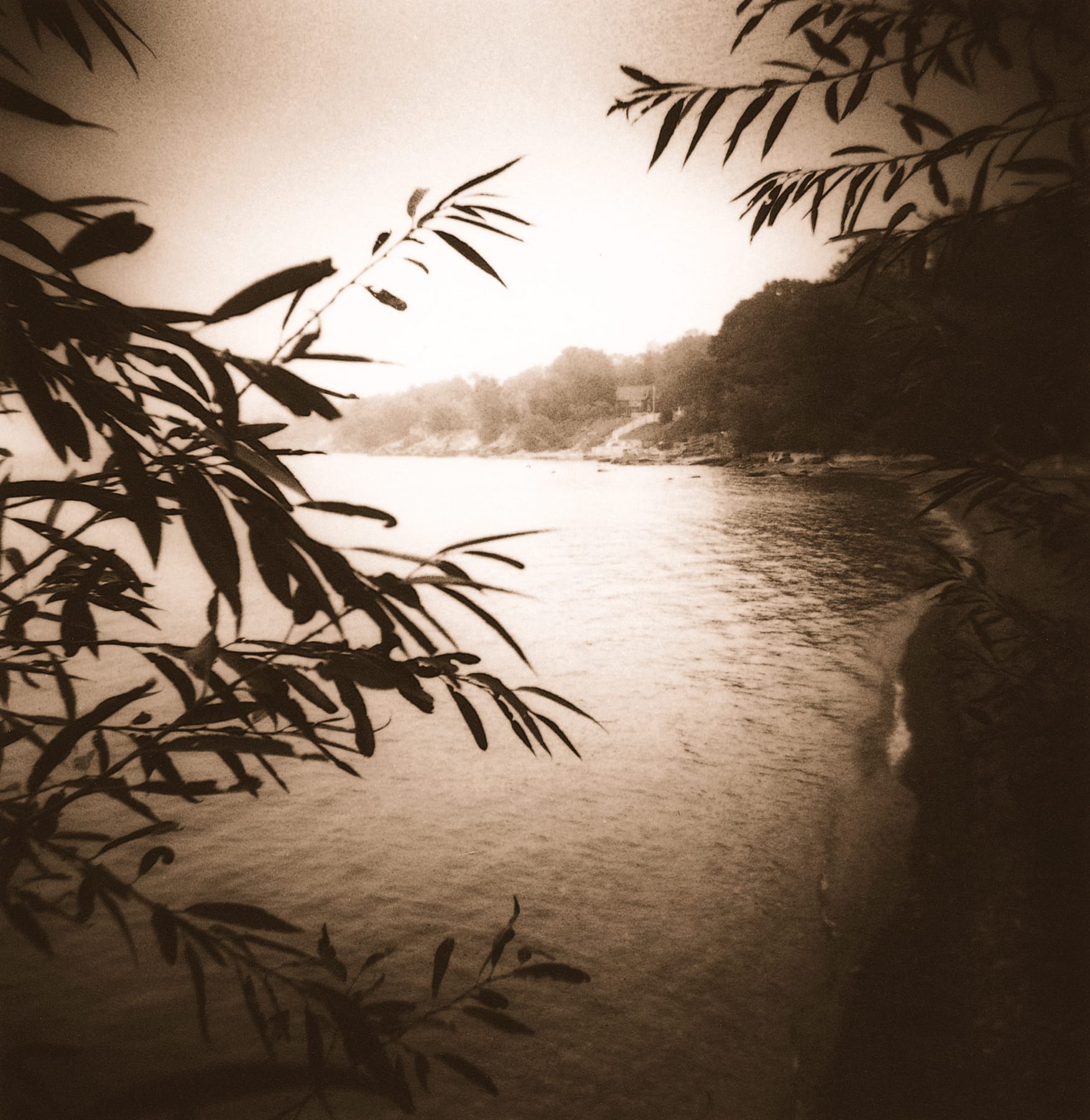
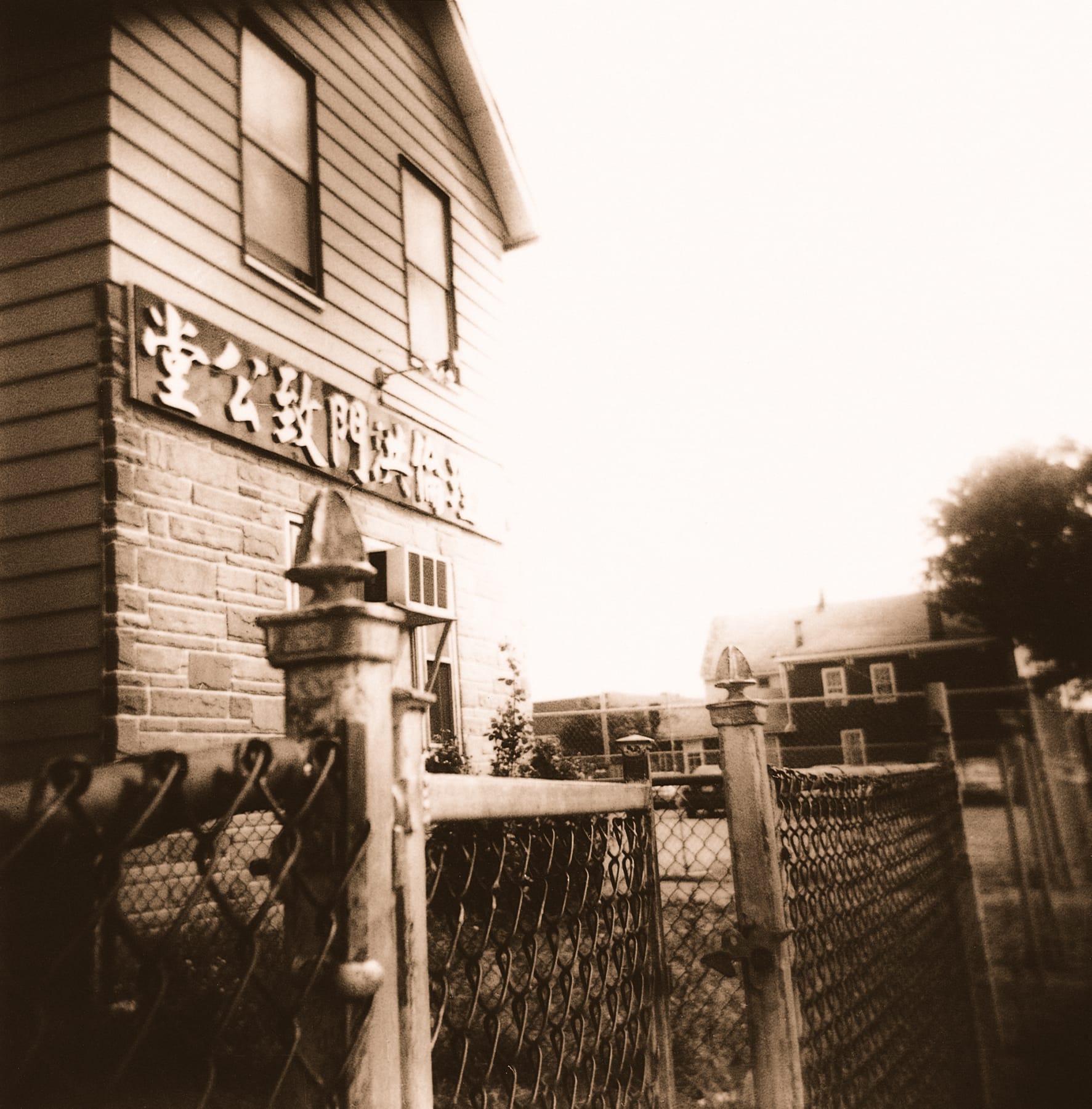
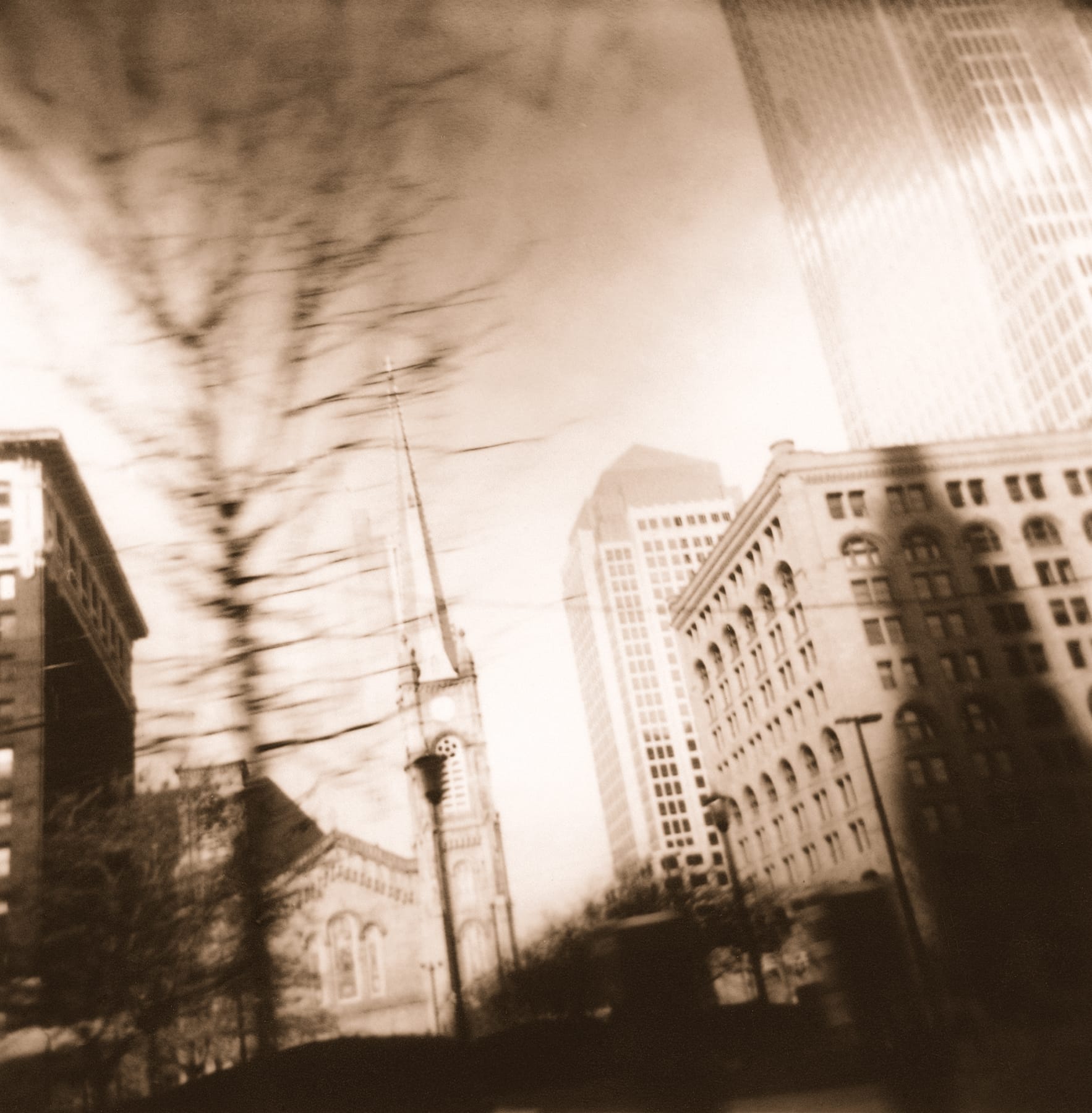
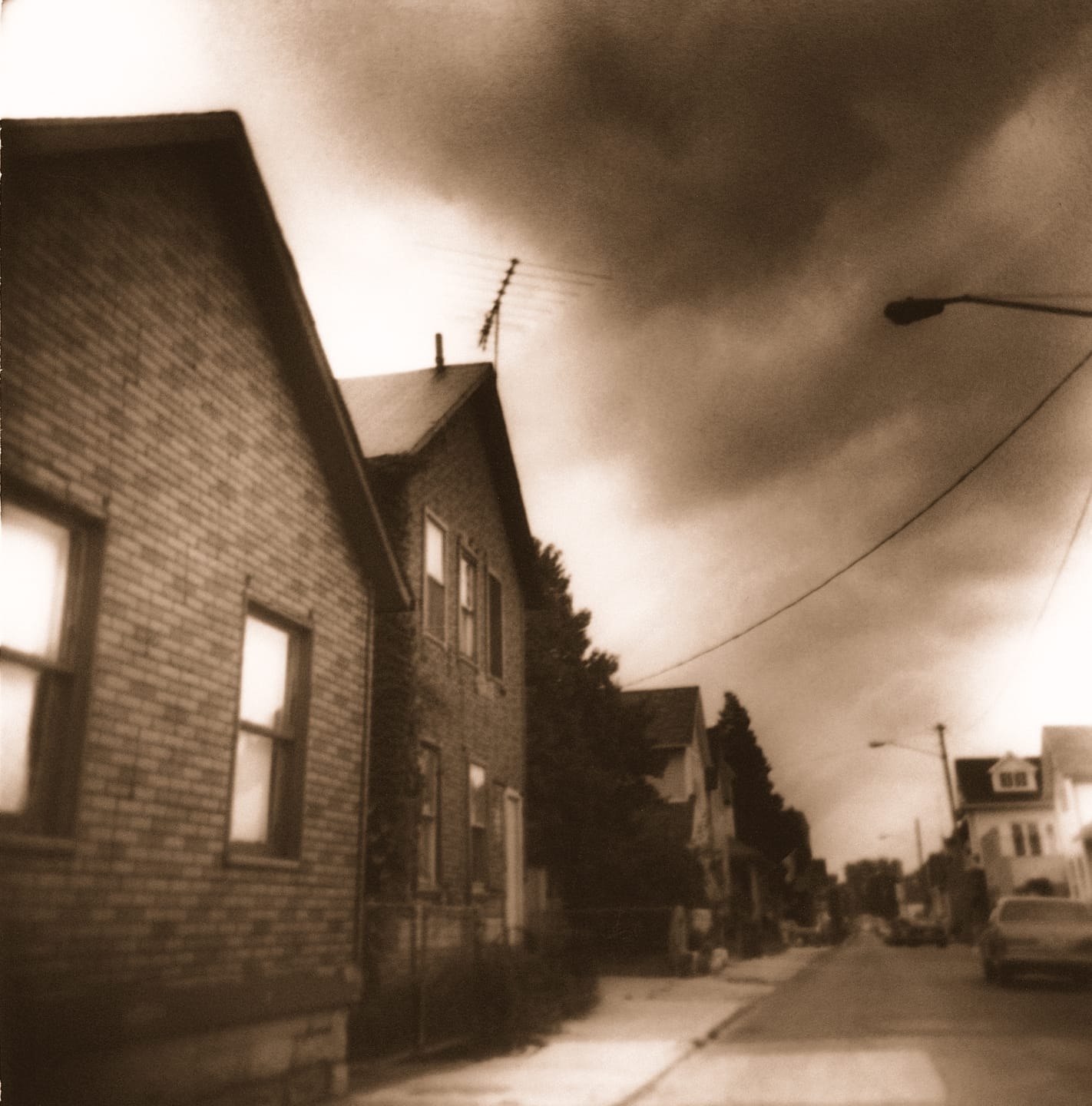
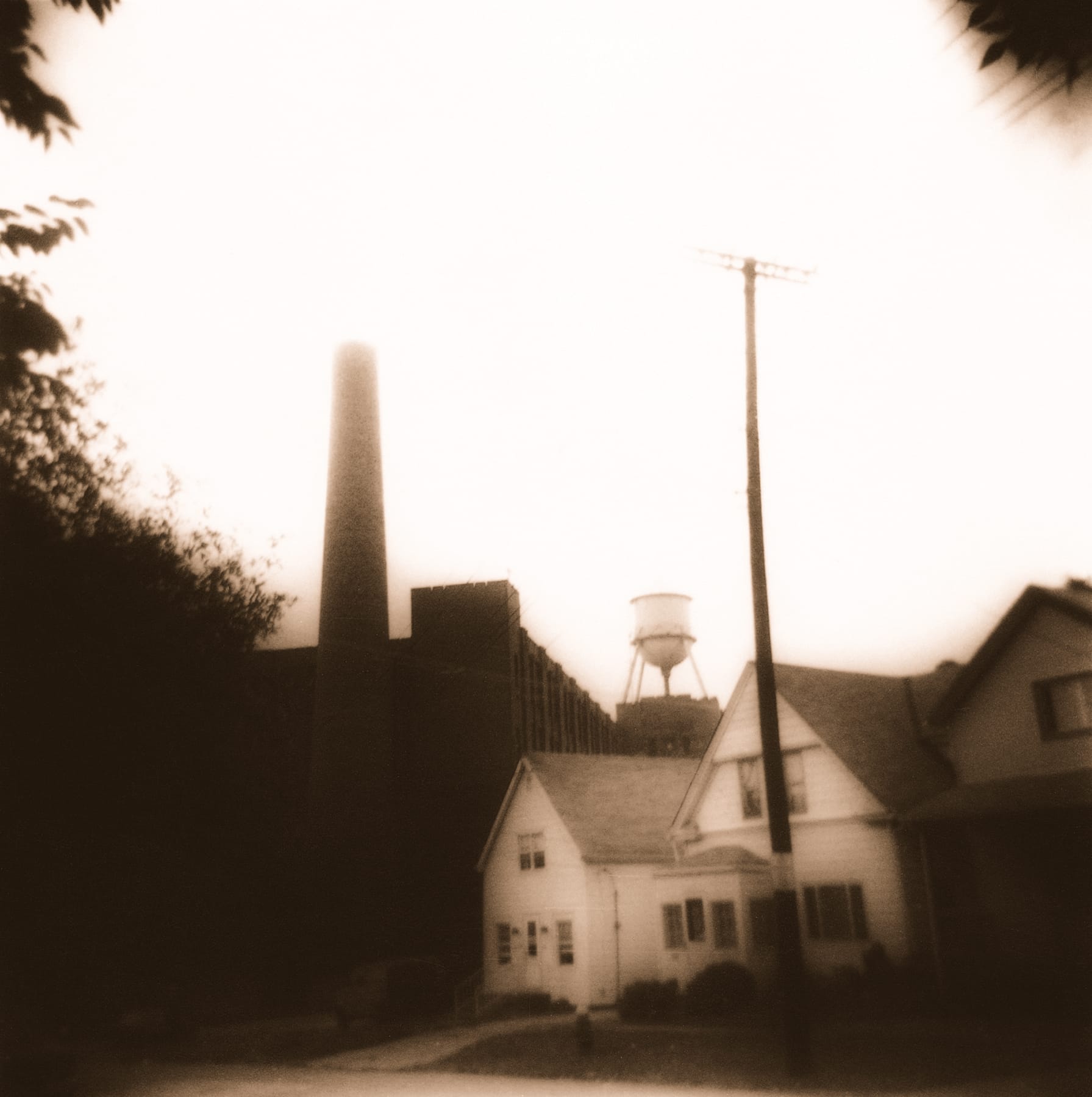
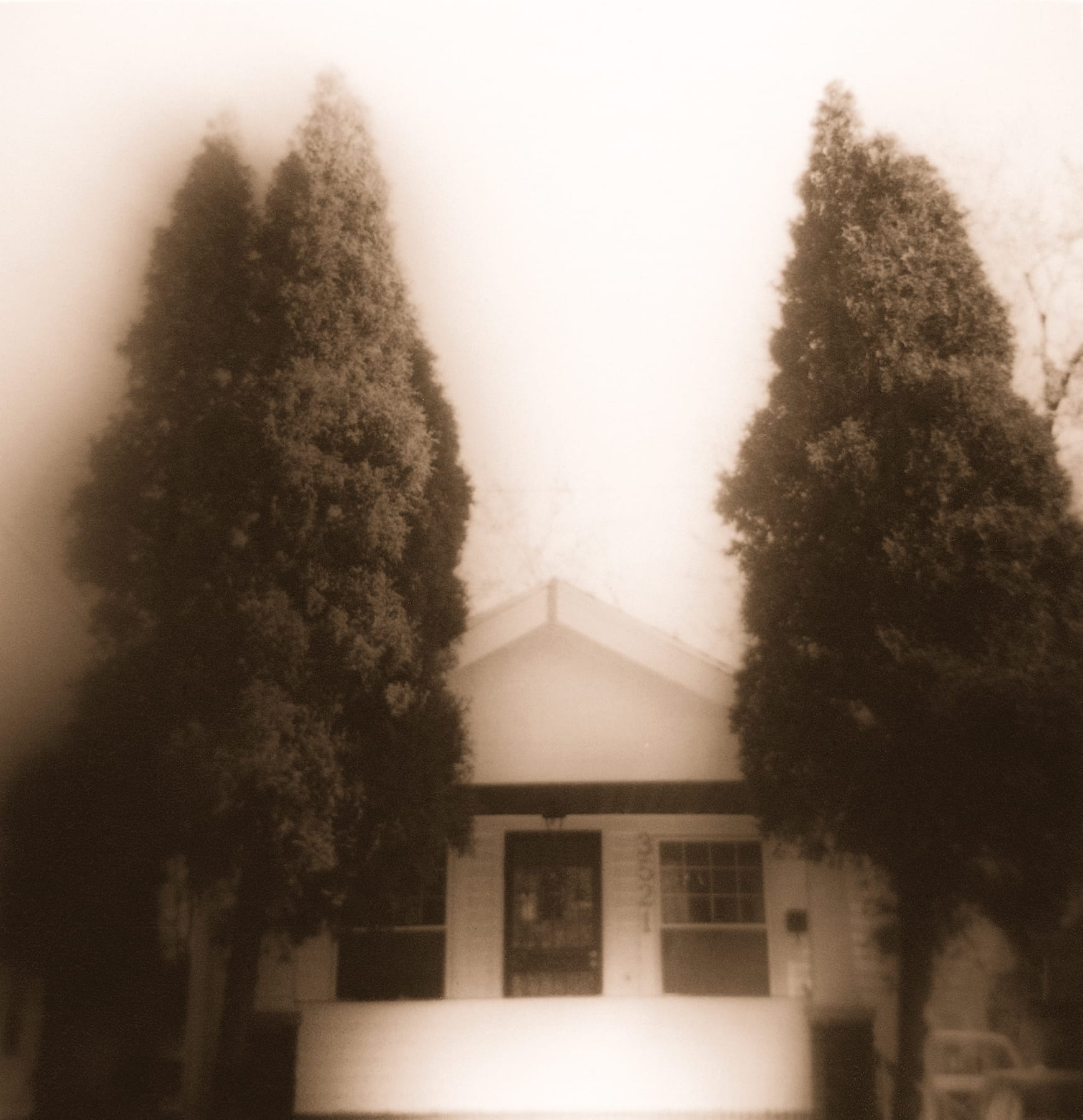
The photographs created for the 1999 annual report by Douglas Lucak offer an evocative look at Cleveland’s urban landscape. The haunting and sometimes melancholic images he has created with his simple pinhole cameras reflect both the complexity and ambiguity of the Foundation’s steady but vigorous relationship with the city’s diverse neighborhoods. The native Clevelander’s work has been widely exhibited and is included in several corporate collections.


Letter from the Board President
1999 Annual Report
During 1999 it became apparent that our grantmaking has become increasingly focused on two different, but complementary, levels.
The images in this year’s photo essay on Cleveland neighborhoods reflect our continuing commitment to the basic programmatic work of improving the lives of Cleveland residents by helping them deal with such all-too-real issues as hunger, joblessness, homelessness and domestic violence. However, the ethereal nature of the photographs also suggests the Foundation’s involvement on the more complex level of public policy.
In recent years, we have gradually focused more of our funding on the sometimes elusive front of public policy and advocacy activities that could lead to lasting solutions to those deeply entrenched, seemingly intractable problems that so clearly separate the haves from the have-nots in this country. While our grants continue to fund direct services to those in need, we also are funding efforts that might better help us understand the underlying causes of poverty, racism, educational failure and family dysfunction that affect our more disadvantaged citizens.
Nowhere is this split between needs and policy program areas more evident than in our human services agenda where significant policy work is being funded in connection with efforts to deal with welfare reform. In this report we begin listing our human services grants under the categories of Public Policy Analysis and Health and Welfare Reform in addition to the more traditional Meeting Basic Needs and Child and Family Welfare. During the past year, we made human services grants to local organizations such as the Center for Families and Children, the Federation for Community Planning and the Free Clinic to develop their internal capacities to address policy issues and also funded national research such as that carried out by the Center on Budget and Policy Priorities on Health and Welfare reform.
In education, we have continued to fund efforts to improve Cleveland’s public schools but also have made grants to organizations such as the Poverty and Race Research Action Council, which is examining the link between poor student achievement and student transiency, and Parents for Public Schools, which advocates on behalf of public education.
In the environmental arena, we funded organizations such as the Safe Energy Communication Council and Sustainable Energy for Economic Development (SEED) for extensive work on electric utility deregulation in Ohio. A Cleveland lecture series on green building design administered by Oberlin College, funded by the Foundation and targeted to local government, building industry and civic leadership has attracted standing-room-only audiences.
The examples of grantmaking outlined in this letter reflect the Foundation’s deepening commitment to investments that can inform and enhance our general program support and also lead to the implementation of productive public policy.
Foundation Trustees were pleased to elect Marjorie Carlson to Trusteeship in December of 1999. Marge is a Cleveland civic leader of long-standing service and great reputation. Her experiences in governance and management in the nonprofit and philanthropic sectors will add much to our discussion and decision-making.
Finally, I want to thank the Trustees and staff for their hard work during 1999. We all look forward to the year 2000 and beyond.
Geoffrey Gund, Board President and Treasurer