
Free Clinic
Nicholas Nixon (2000)
Photography
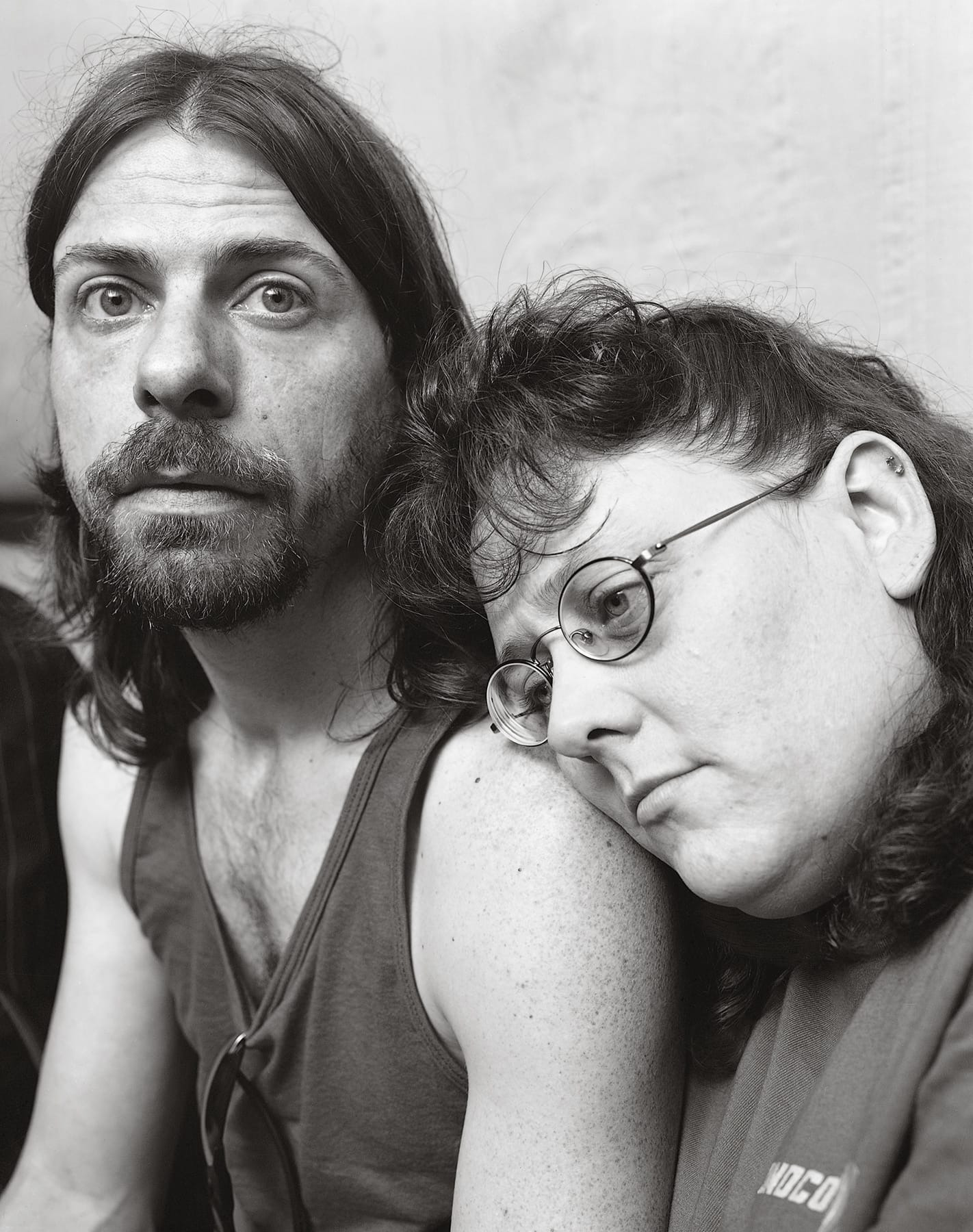
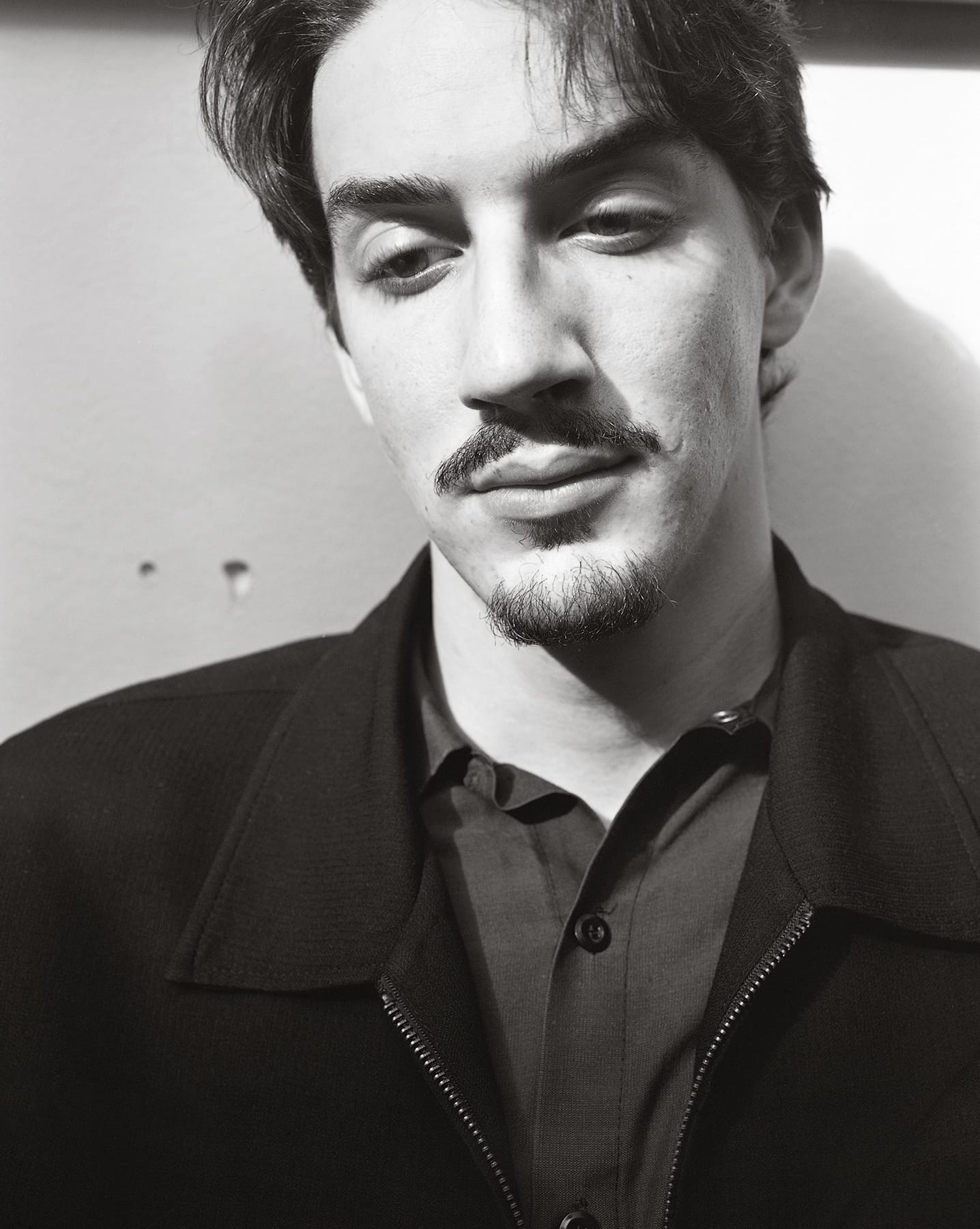
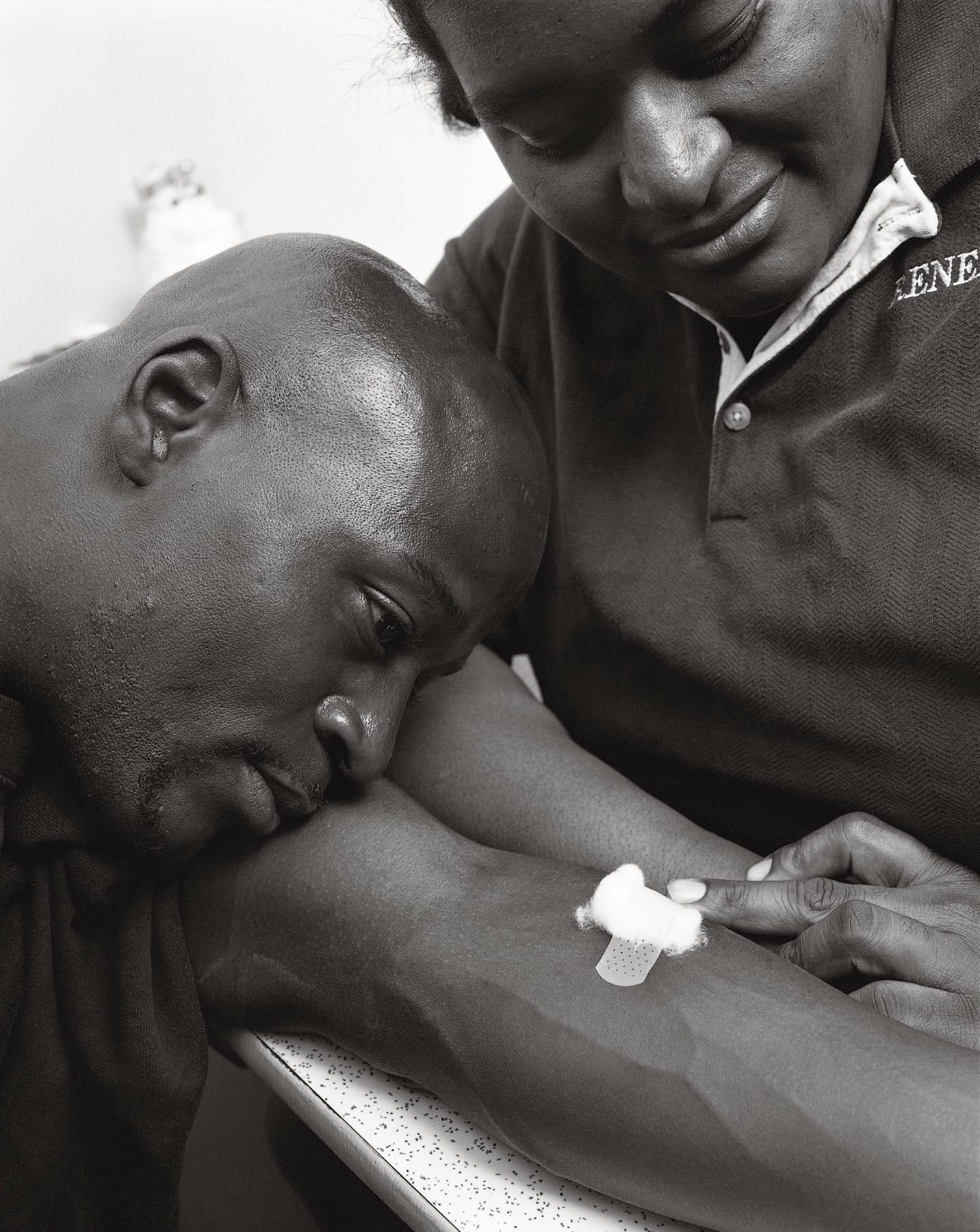
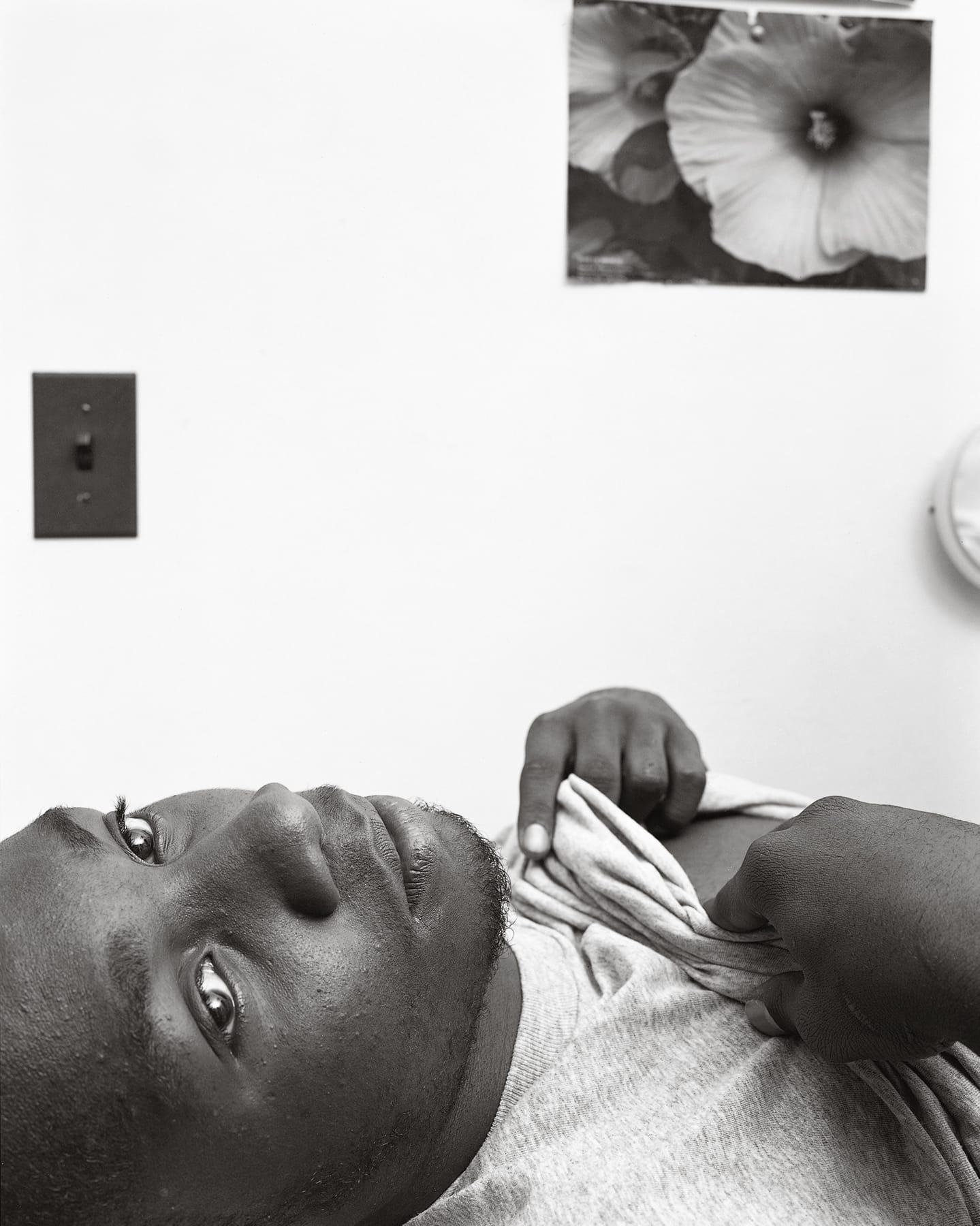
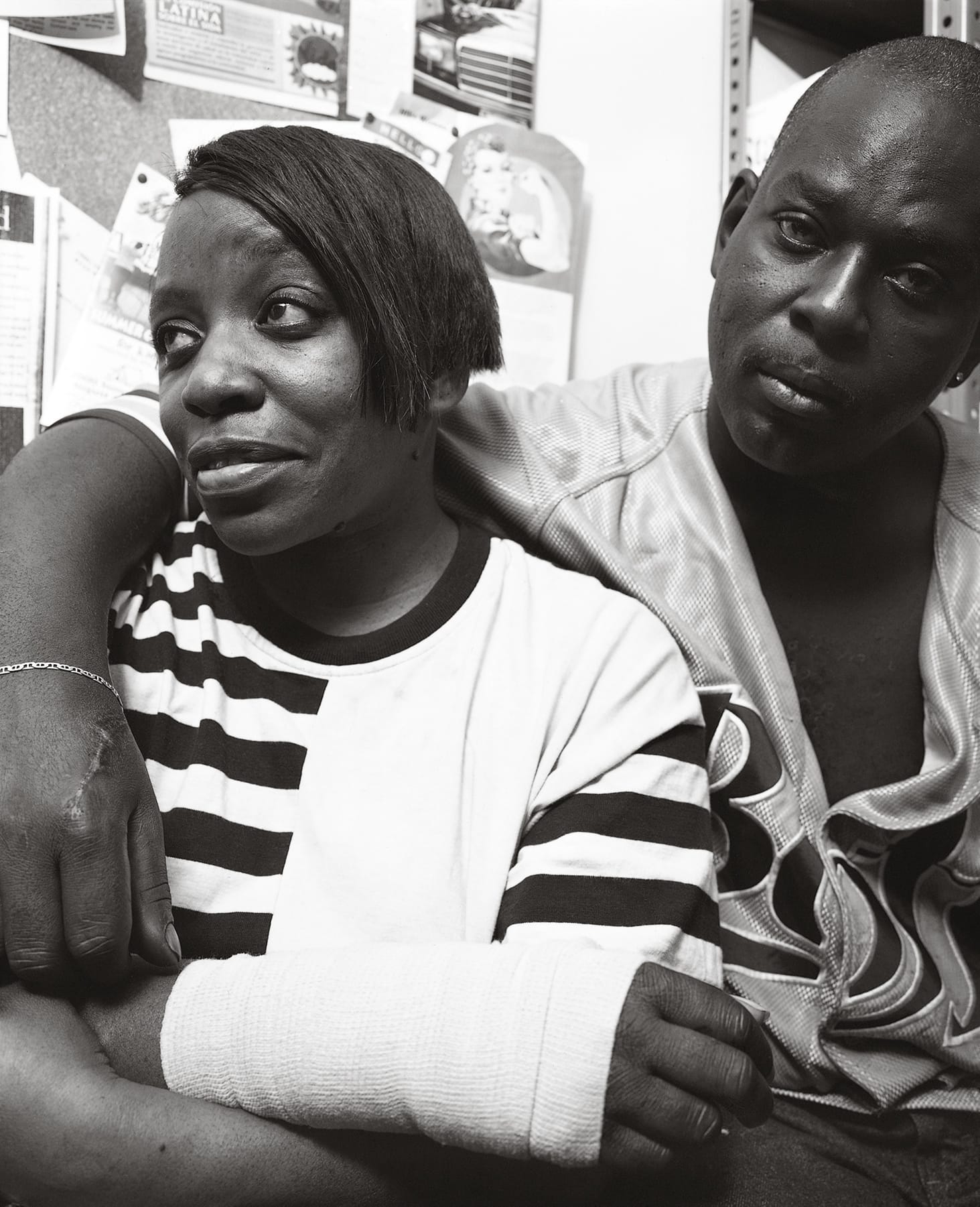
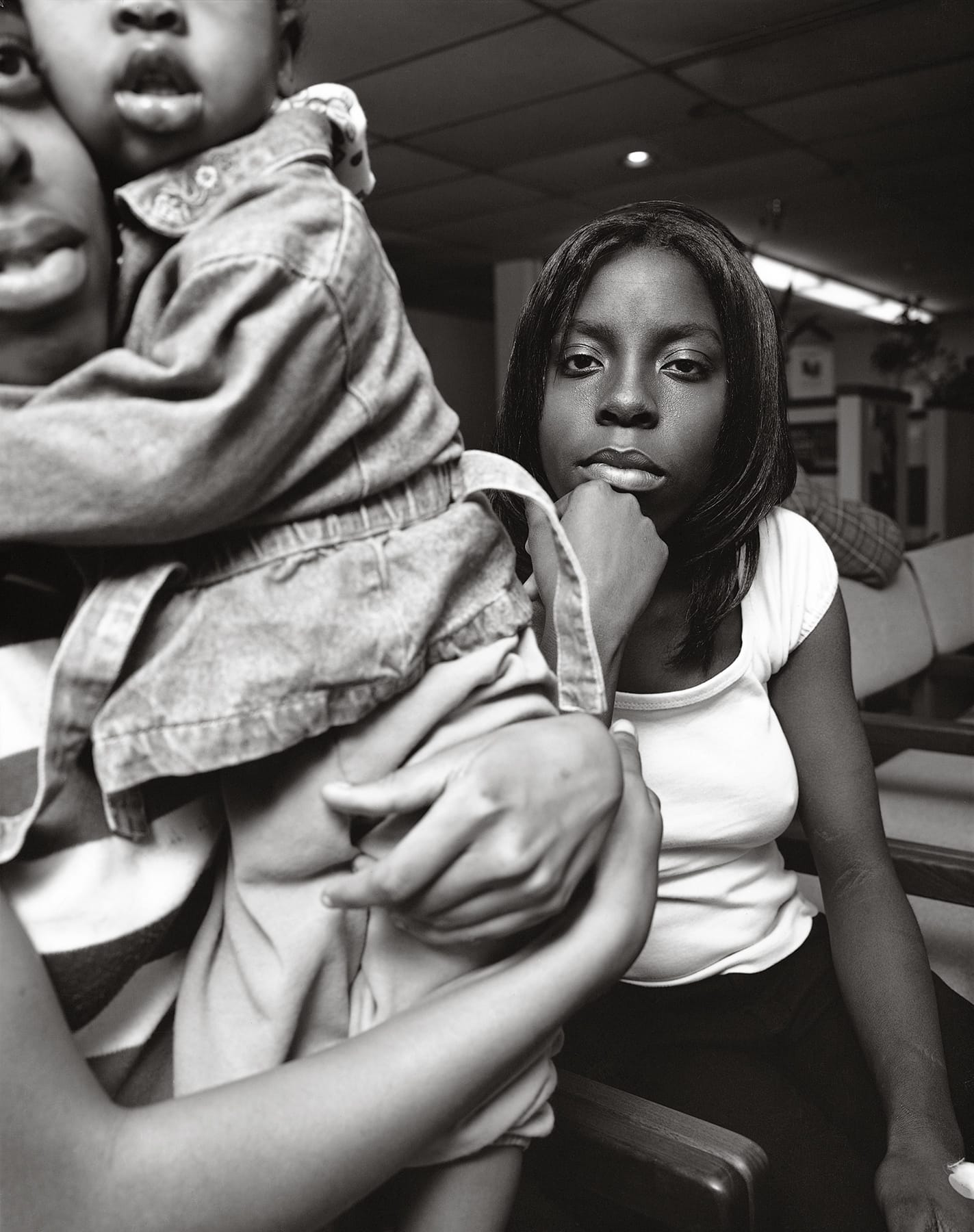
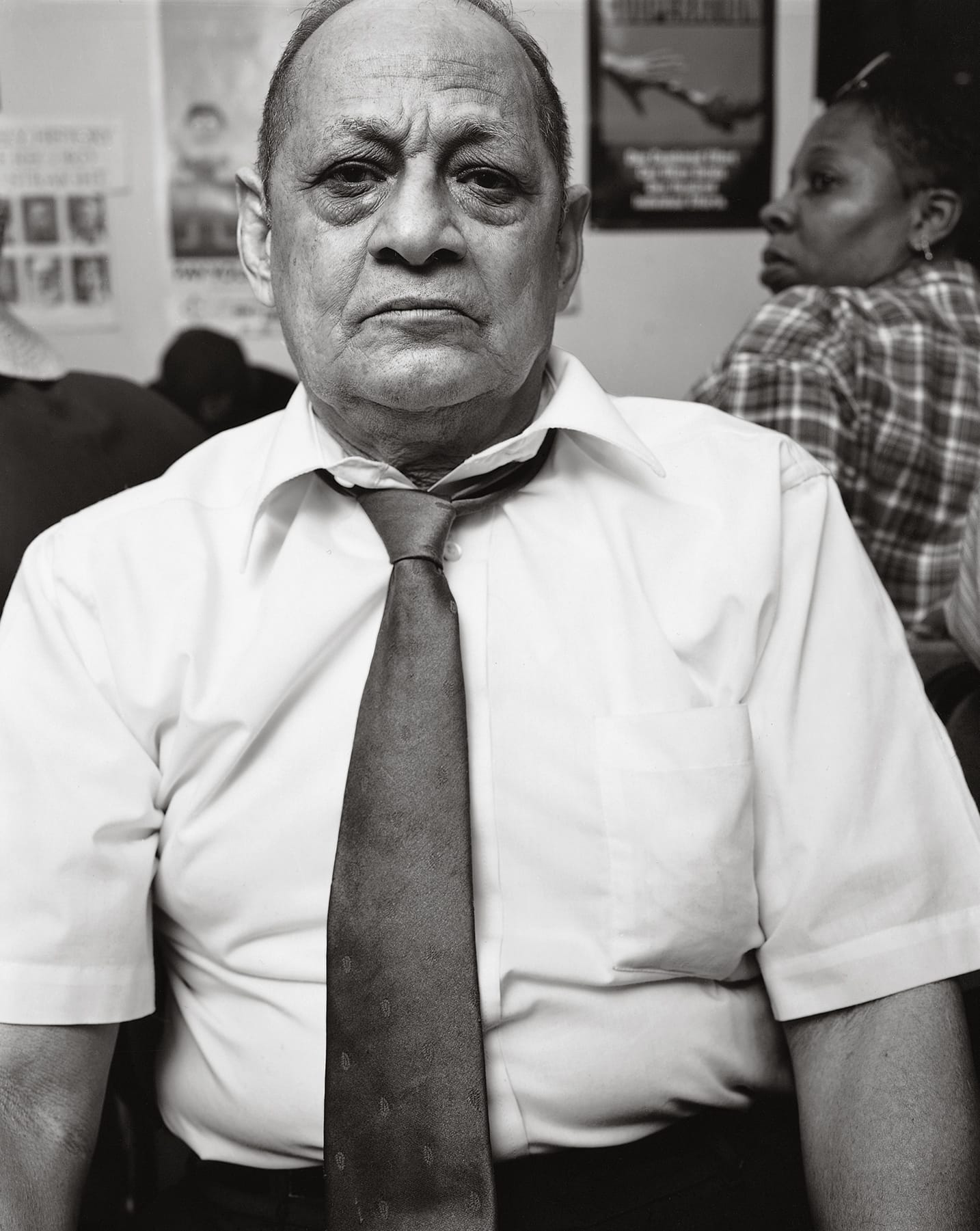
The powerful portraits created for this report by Nicholas Nixon offer an intimate glimpse inside the examining rooms and waiting rooms of the Free Medical Clinic of Greater Cleveland. Nixon, whose images are included in major museums throughout the world, has published several volumes of his work and received fellowships from the National Endowment for the Arts and the John Simon Guggenheim Memorial Foundation.The Foundation commissioned these photographs to illustrate our ongoing commitment to meet the needs of the less advantaged in our community and to work toward sound public policies that provide adequate health care for all our citizens.



Letter from the Board President
2000 Annual Report
Since its inception, The George Gund Foundation has devoted a significant portion of its grantmaking resources to support a wide variety of programs and services aimed at the amelioration of poverty. The Trustees of the Foundation are aware that even the wisest expenditure of the relatively small resources at our command could never eradicate the multiple problems of poverty that have created an underclass in the community. However, we have continued to commit resources to meeting such pressing needs as feeding, housing and clothing the disadvantaged while at the same time funding pilot programs and public policy initiatives to reduce the level and depth of poverty in our community.
The photo essay in this year’s annual report illustrates our ongoing commitment to dealing with the issues raised by poverty in our community. Volunteers and staff of the Free Medical Clinic of Greater Cleveland, one of our longtime grantees, have worked tirelessly on both the program and the policy levels to address the needs of the medically uninsured and underinsured in Greater Cleveland. The compelling faces in Nicholas Nixon’s powerful depiction of the Free Clinic’s clientele are an important reason why we continue our quest to make Cleveland a better place for people of all socioeconomic levels.
In 2000, we continued, on a variety of fronts, our long-standing support for the Cleveland Municipal School District and its 77,000 students, the majority of them from homes well below the poverty level. We are pleased with the impact that Barbara Byrd-Bennett’s leadership has had on improving student achievement and rebuilding informed public support for the beleaguered public school system. We recognize that the essential task of transforming this urban school district is neither quick nor easy.
We know how important stable families are in helping people pull themselves out of poverty and have continued support for a wide variety of programs to strengthen families and provide them with resources for better parenting. Recently, our attention also has been focused on welfare reform and its impact both locally and nationally.
The economic strength of our region and the development of a workforce ready for the 21st century also are critical as we look toward helping people become economically self-sufficient. Funding for employment training, micro-enterprise projects and school-to-work programs are all part of our efforts in this area. We also have maintained our long-standing interest in economic development and housing rehabilitation programs in Cleveland’s neighborhoods as a way of strengthening this community’s core.
While my father, George Gund, could not and did not contemplate many of the particular problems we deal with today, he established the Foundation in 1952 as an instrument that could be used to create a better life for everyone in Cleveland and its environs. In whatever form they take, the problems of poverty and its impact on so many aspects of our community have remained among the most daunting we as a Foundation have faced. We promise to continue our support for the people and projects working to lead the way to a brighter, more productive future for the region and its residents.
Geoffrey Gund, Board President and Treasurer