

People Working
Lauren Betenson
Lee Friedlander (1995)
Photography
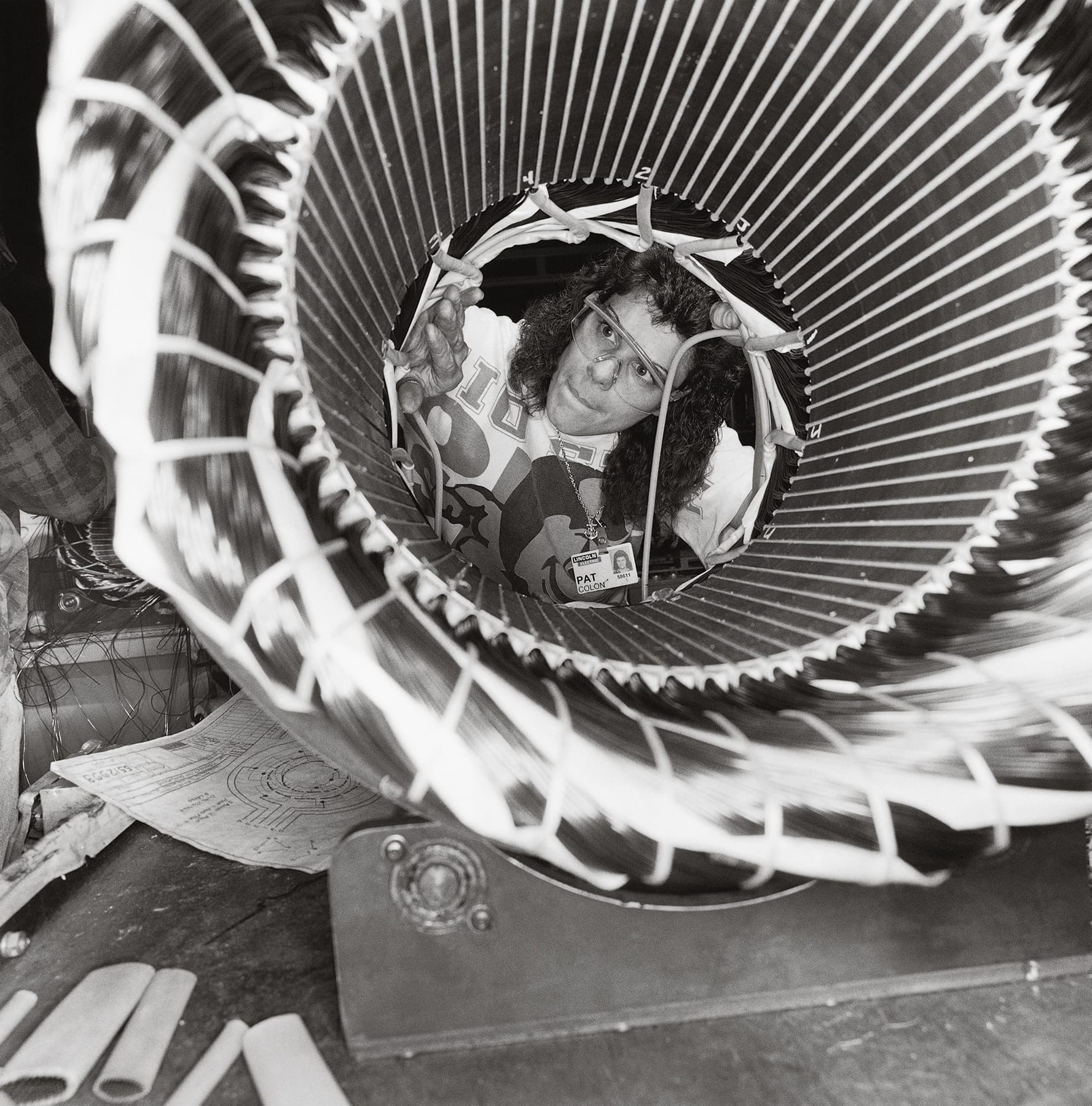
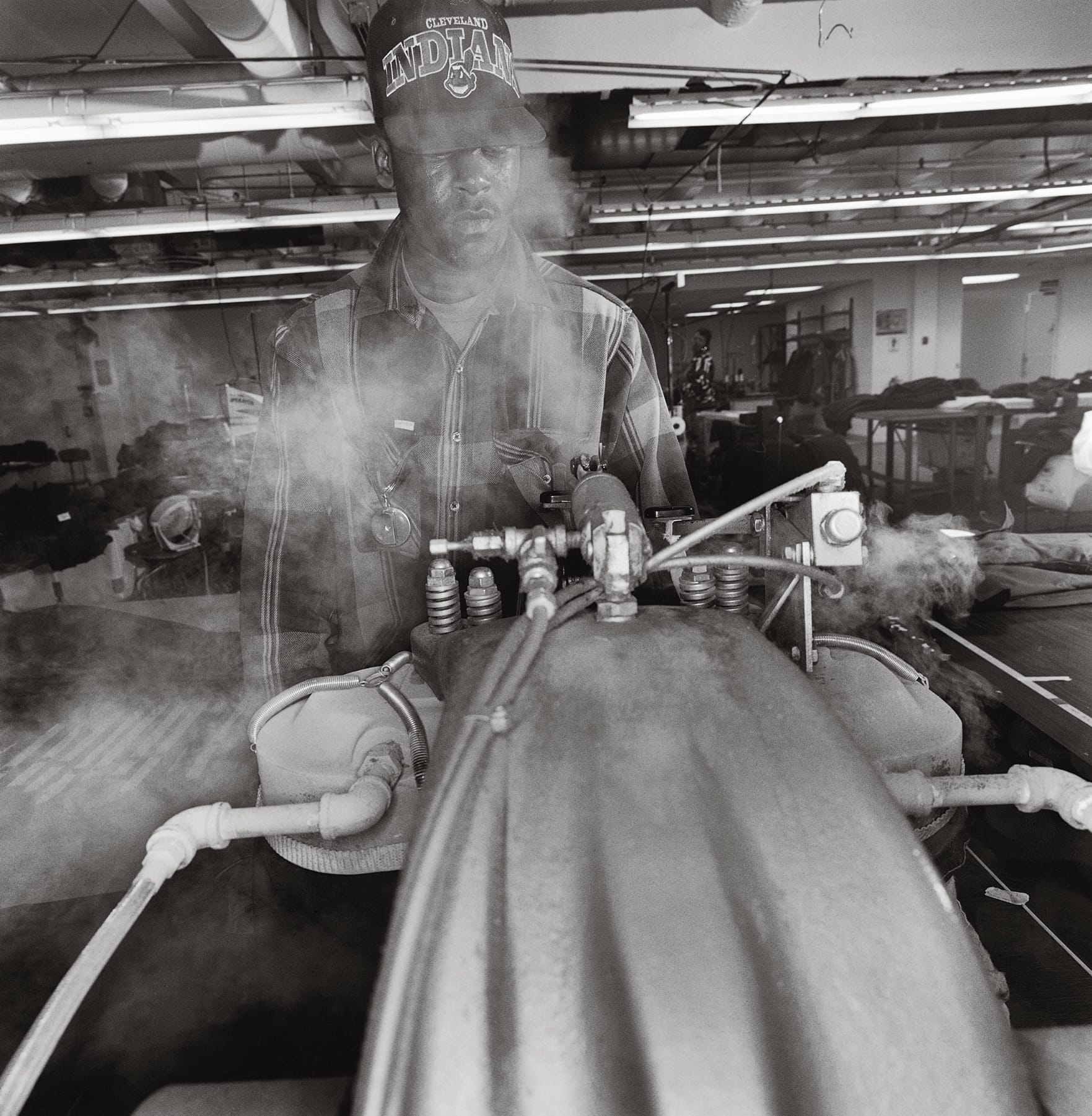
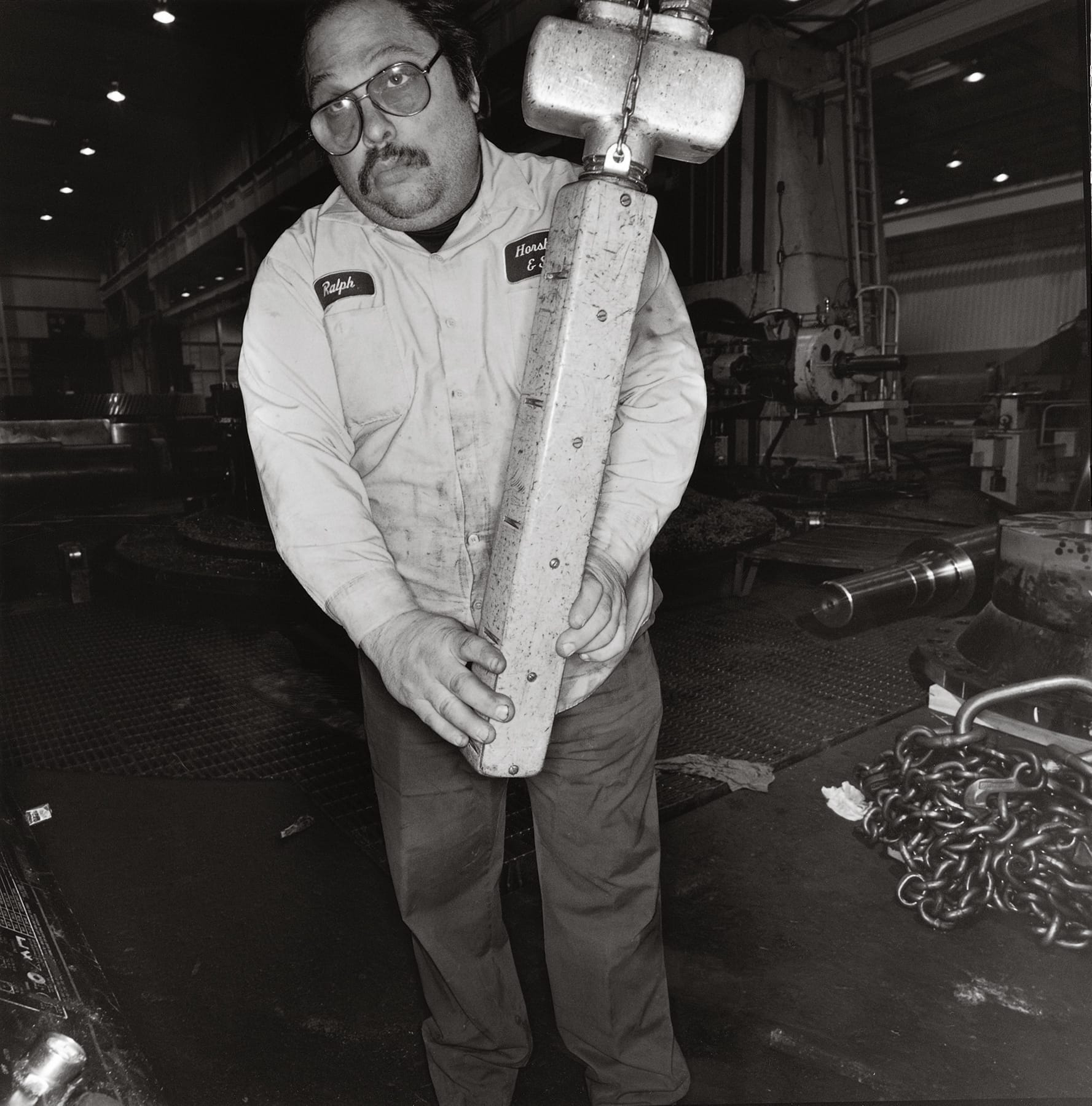
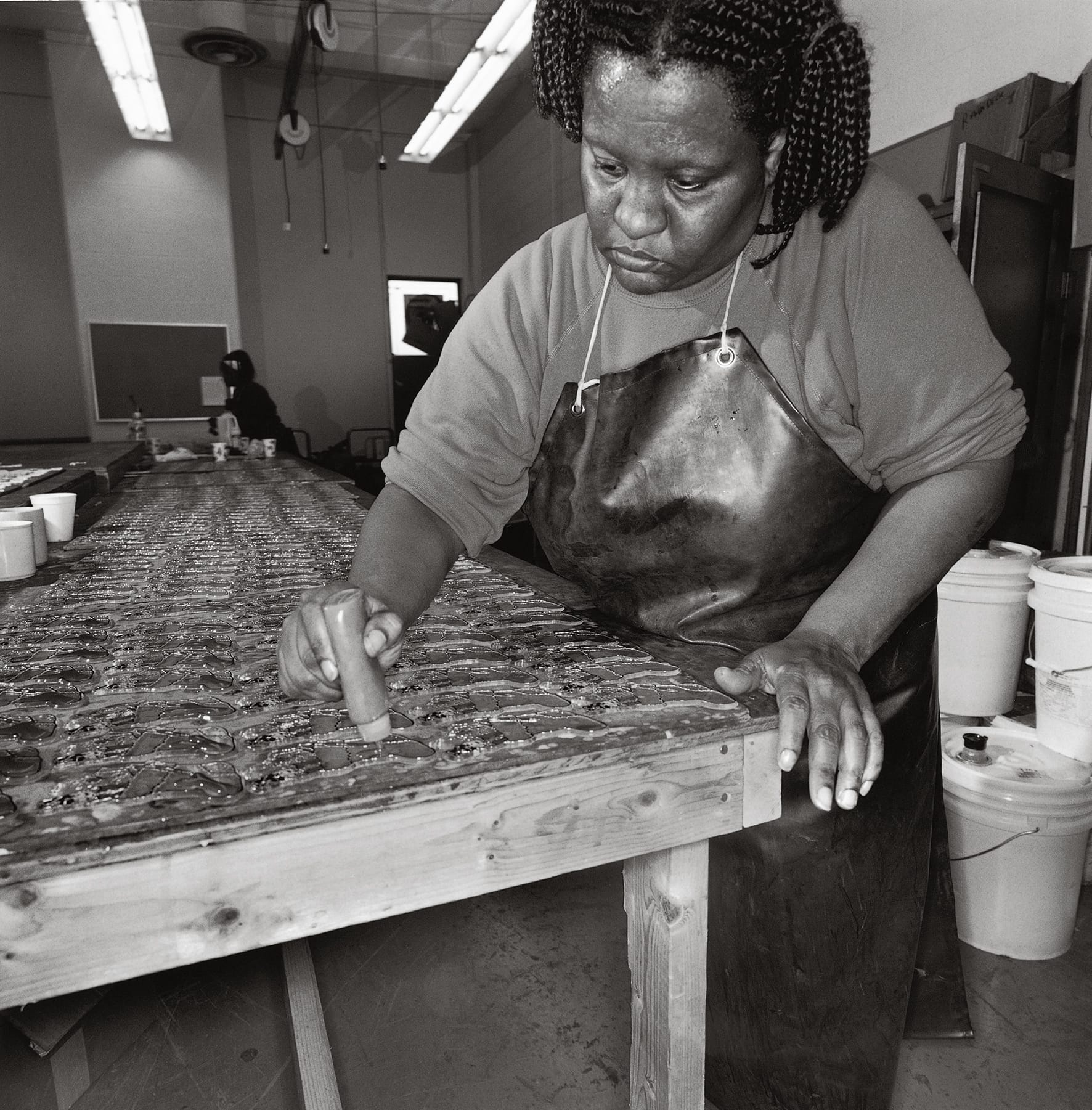
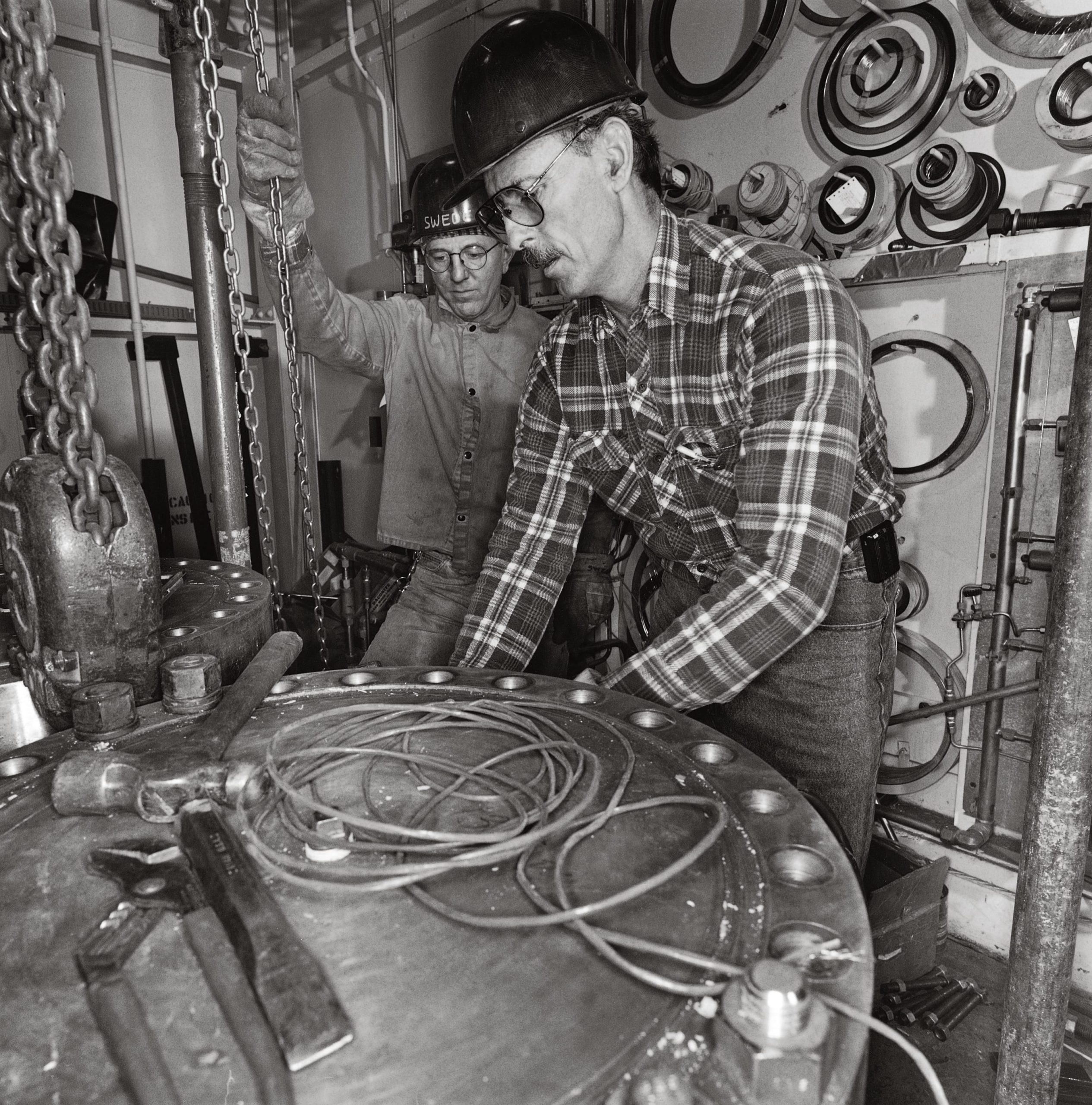
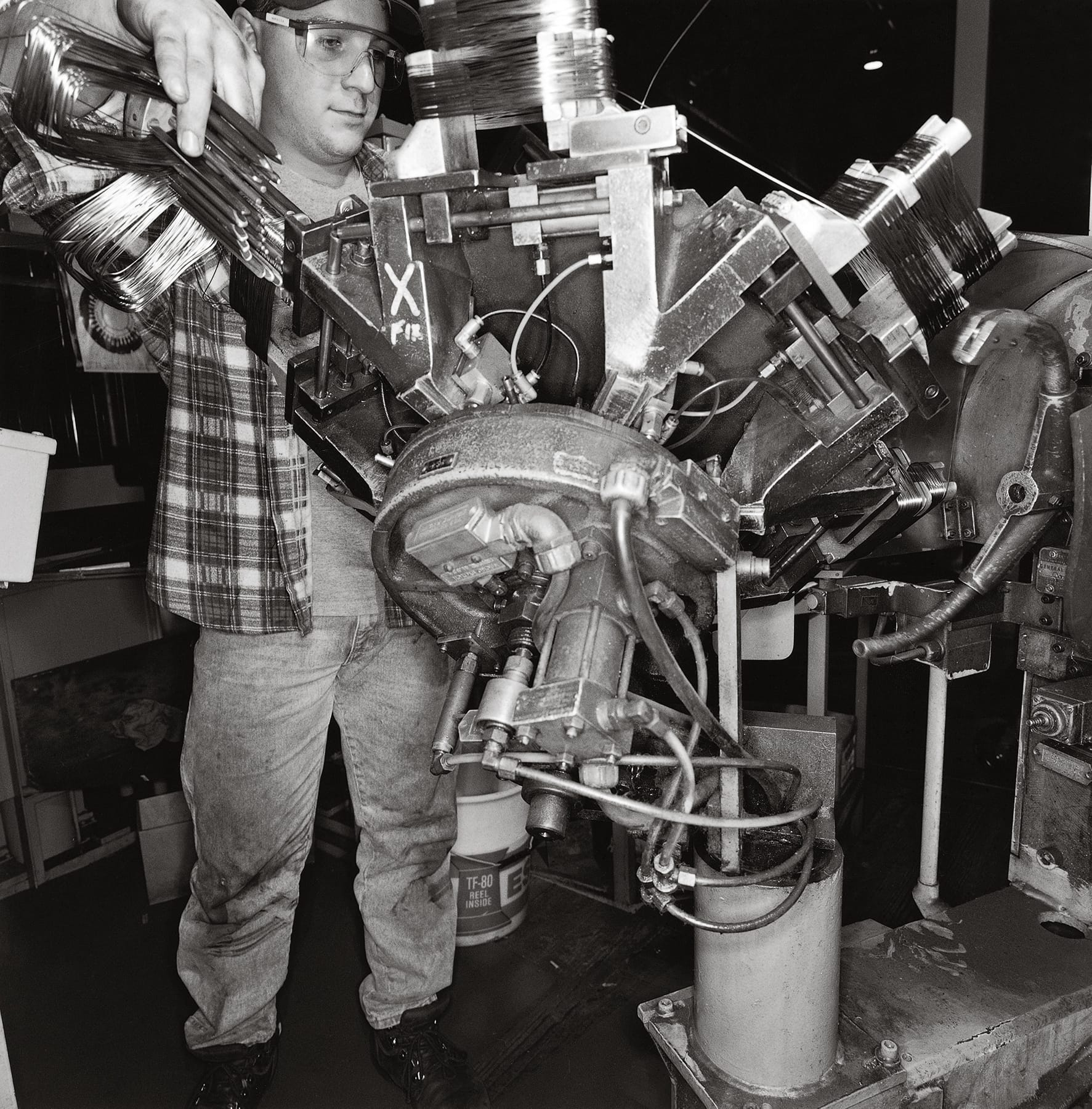
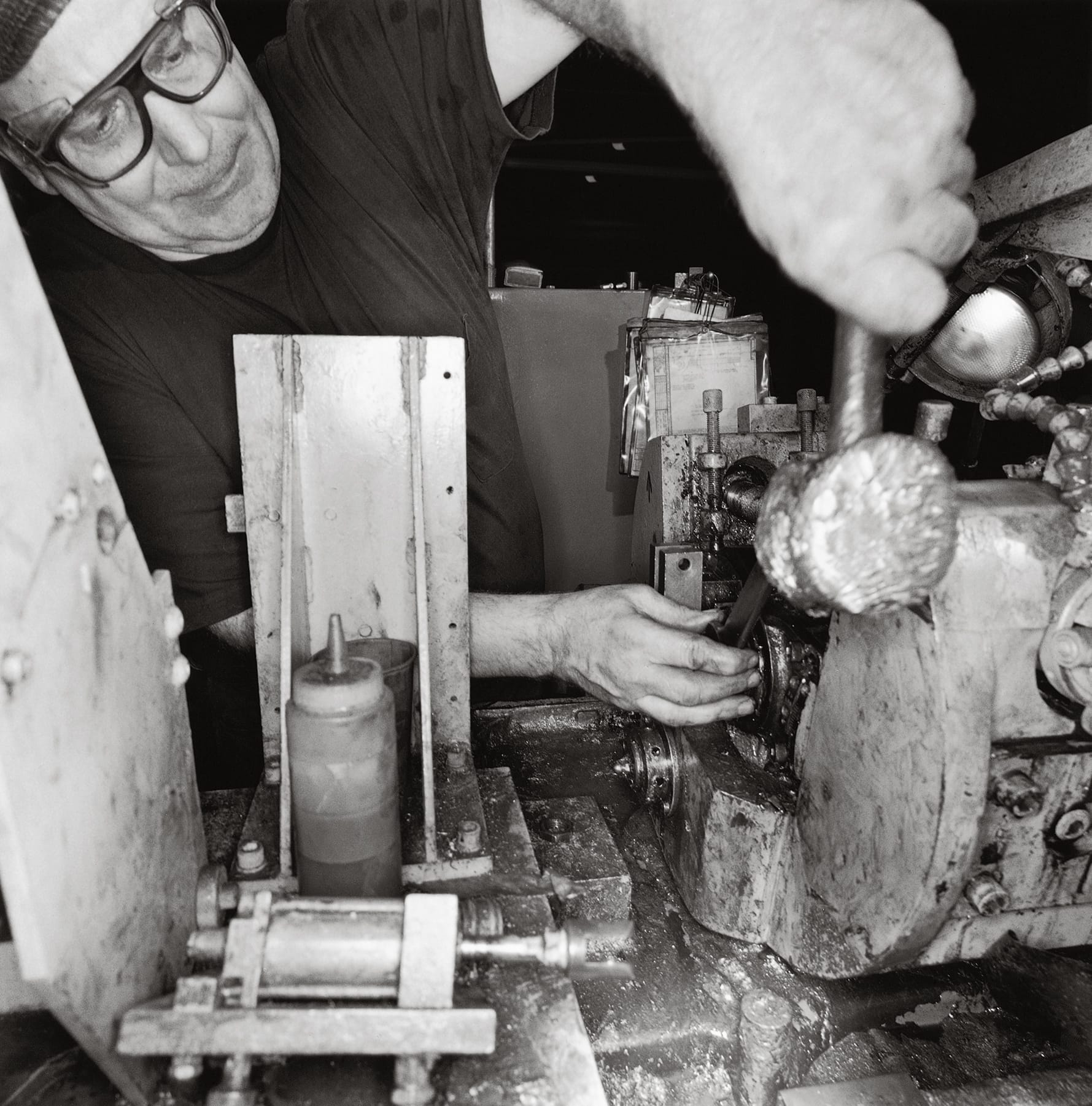
The images created for the 1995 annual report by Lee Friedlander presented a penetrating reflection on the diversity of Cleveland’s people at work. For nearly four decades, Friedlander has been one of the world’s most renowned and important artists. His work has been exhibited in major museums throughout the world and assembled into 13 critically-acclaimed books. He is the recipient of three John Simon Guggenheim Memorial Foundation fellowships as well as the prestigious “genius” award from the MacArthur Foundation. His striking photo essay, “People Working,” was commissioned by the George Gund Foundation to underscore its commitment to supporting the economic vitality of Northeast Ohio by addressing issues related to the quality and skills of its workforce.


Letter from the Board President
1995 Annual Report
In 1995 the Foundation reinforced its commitment to the Great Lakes Science Center with a $4 million grant to help Cleveland’s newest lakefront institution complete its capital campaign and establish its operating reserve fund. The Foundation and its Trustees are pleased and excited to have taken a leadership role in the Center’s conception and implementation.
The Foundation is increasingly interested in the importance that the quantity and skills of the current and future workforce will play in determining the future of Northeast Ohio. The globalization of the economy, the perceived failure of our education systems to produce a trained, motivated workforce, and the “downsizing” of opportunities available for even this nation’s well-trained and highly-skilled workers have created an era of disquiet and anxiety.
It is clear that issues of work will continue to confront us in the coming years. That is why the Foundation asked world-renowned photographer Lee Friedlander to focus in this annual report on the people who make up Cleveland’s workforce. He has beautifully captured these workers, whether they be in high-tech medical centers or on the assembly lines of Cleveland’s factories. As in previous reports, our annual photo essay symbolizes a major issue which has become a Foundation priority. During the past year, we supported a range of research, analysis, planning and demonstration efforts which attempt to address the important issue of Cleveland’s current and future workforce on a regional basis.
In 1995 we also began to support efforts addressing a diverse range of issues which fall under the rubric of “sprawl,” and cut across many of our grantmaking concerns. These include the continuing movement of people and jobs from the city to the suburbs–and increasingly from the suburbs to the exurbs, as well as issues of poverty, race, brownfields, transportation, public education and government reform. We will continue to pursue an interest in this complex set of issues.
I am pleased to announce that Robert Jaquay, a former manager with the Cuyahoga County Planning Commission, will join our staff on May 1, 1996, as the Foundation’s associate director. Bob brings to the Foundation significant experience in dealing with issues of regional planning, economic development and urban sprawl as well as extensive administrative experience. We welcome him to the Foundation. He replaces Dan Berry who left the Foundation in December 1995. Dan gave 14 years of important service to this Foundation, first as program officer and, for the last seven years, as both a program officer and associate director.
Though I have touched upon several important issues that grantees, staff and trustees of the Foundation will address in the coming year, there are others of equal importance which will have impact on our work. The changing nature of the roles and resources of federal, state and local government in providing for the delivery of a wide range of services, the increasingly desperate situation in the Cleveland Public Schools, the financial plight of local arts organizations, and the need to prepare for rips in the safety net of social services supporting our most disadvantaged citizens are pressing concerns.
The needs are great. In a changed society, with many problems and prospects hardly envisioned when this Foundation was founded in 1952, the Foundation will continue to try to address the challenges as effectively as we feel we can.
Geoffrey Gund, Board President


Art Institutions
Lauren Betenson
Linda Butler (1994)
Photography
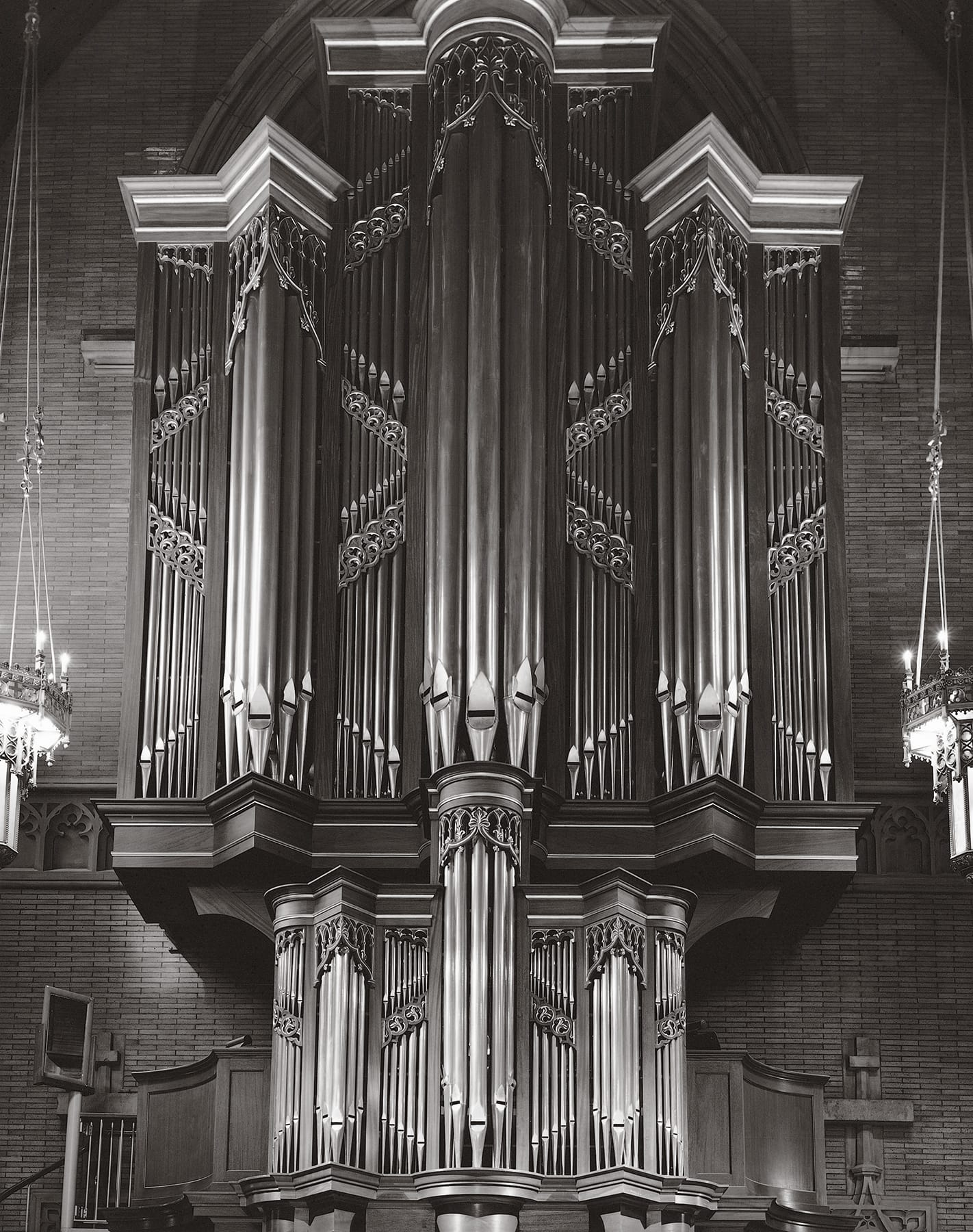
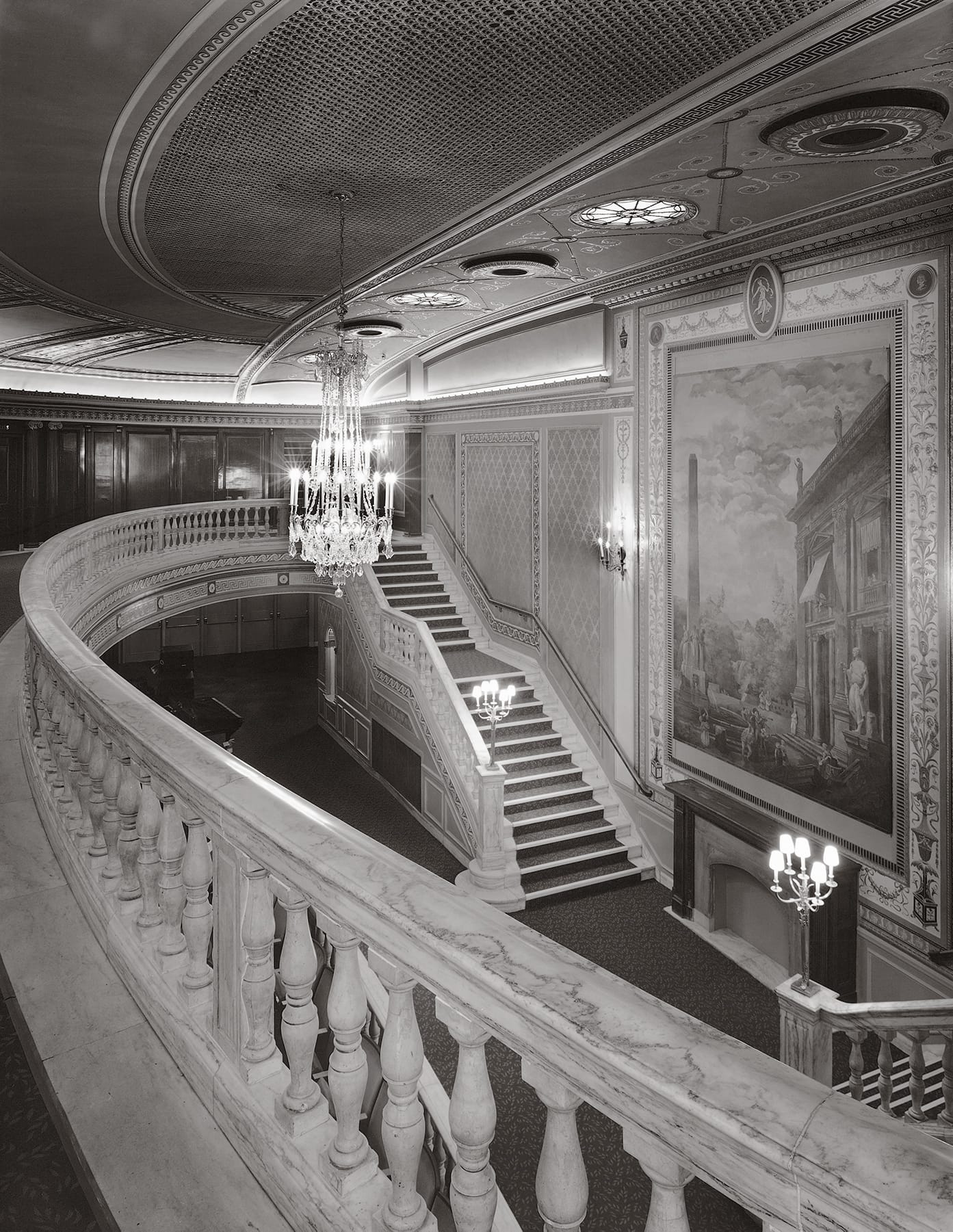
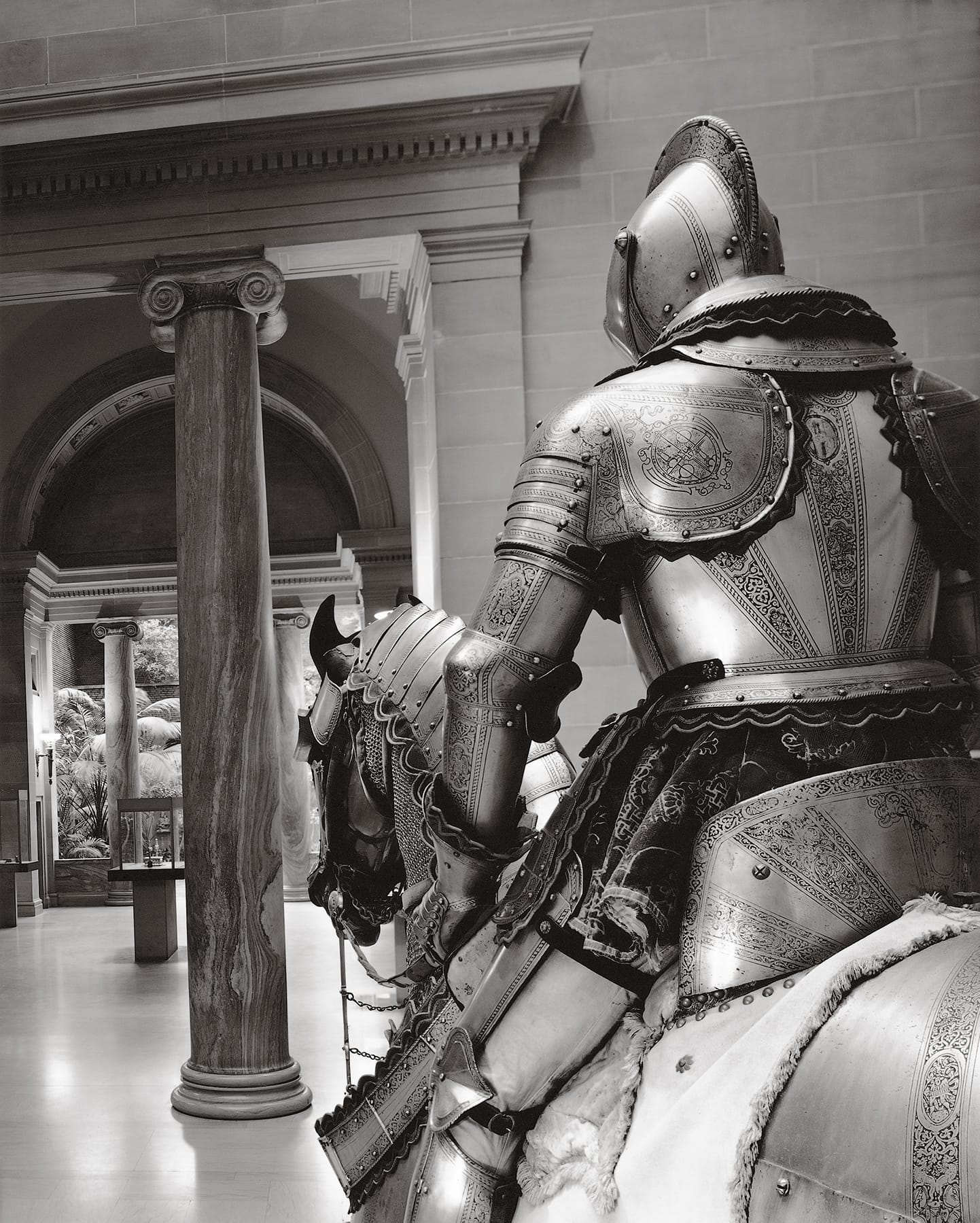
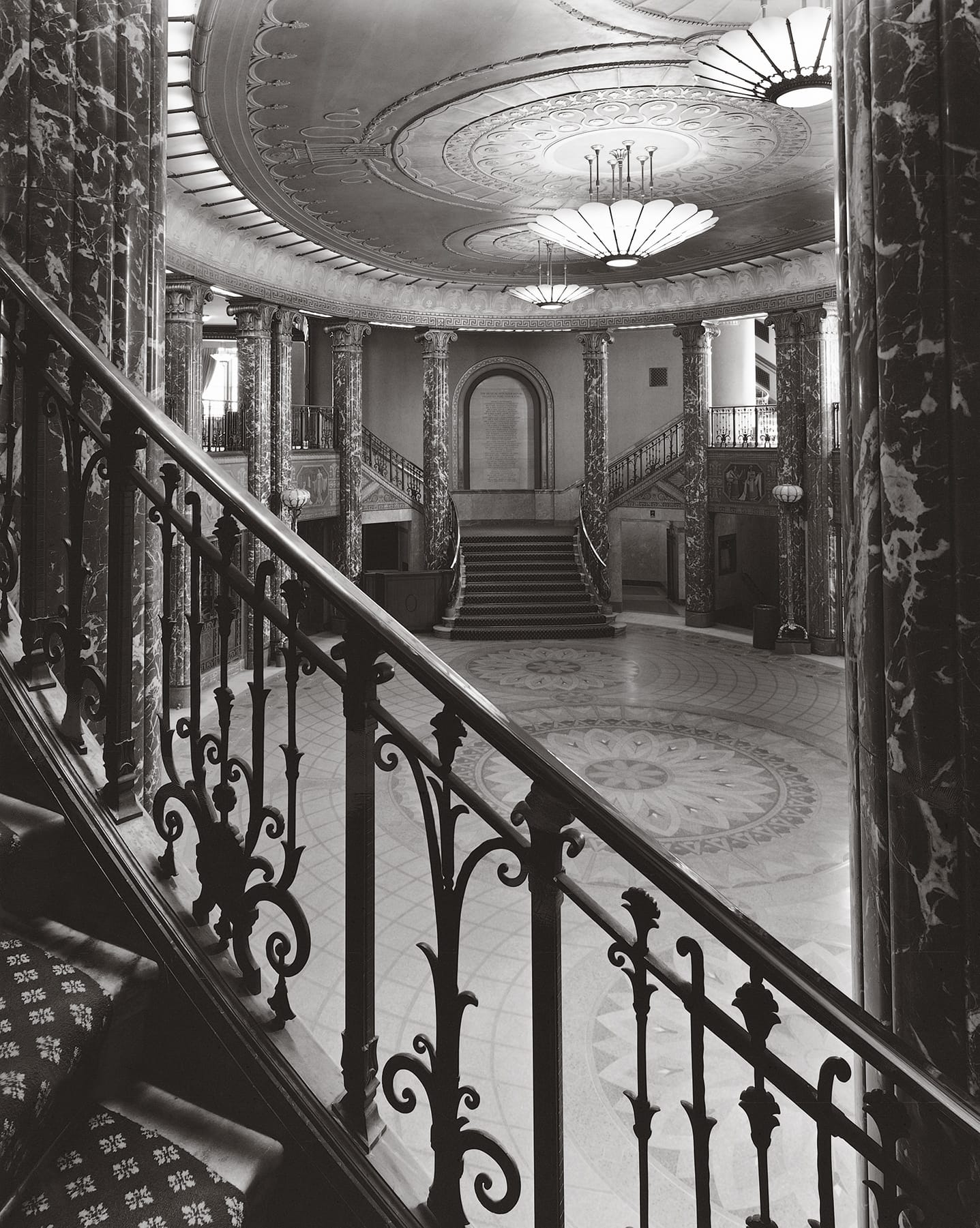
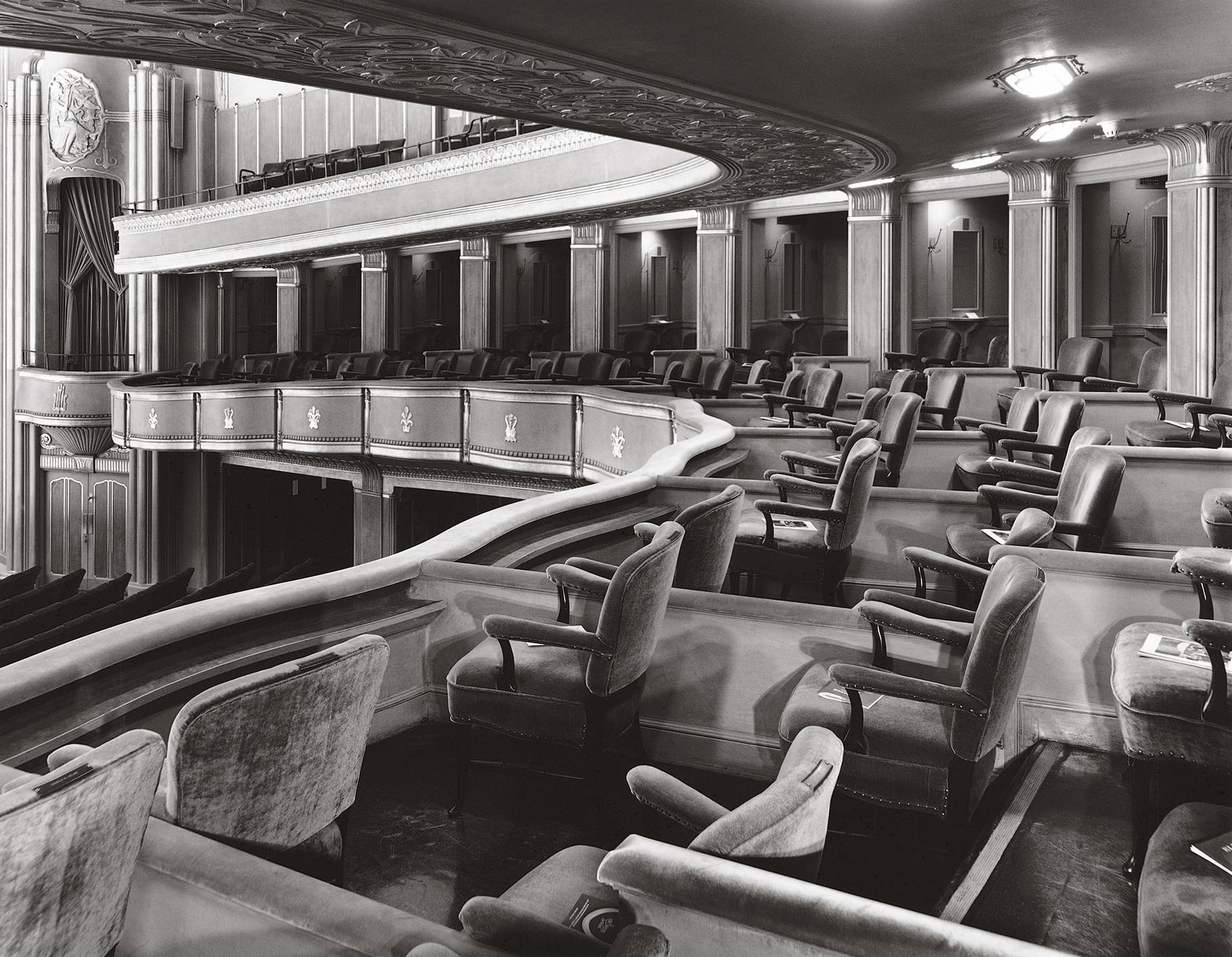
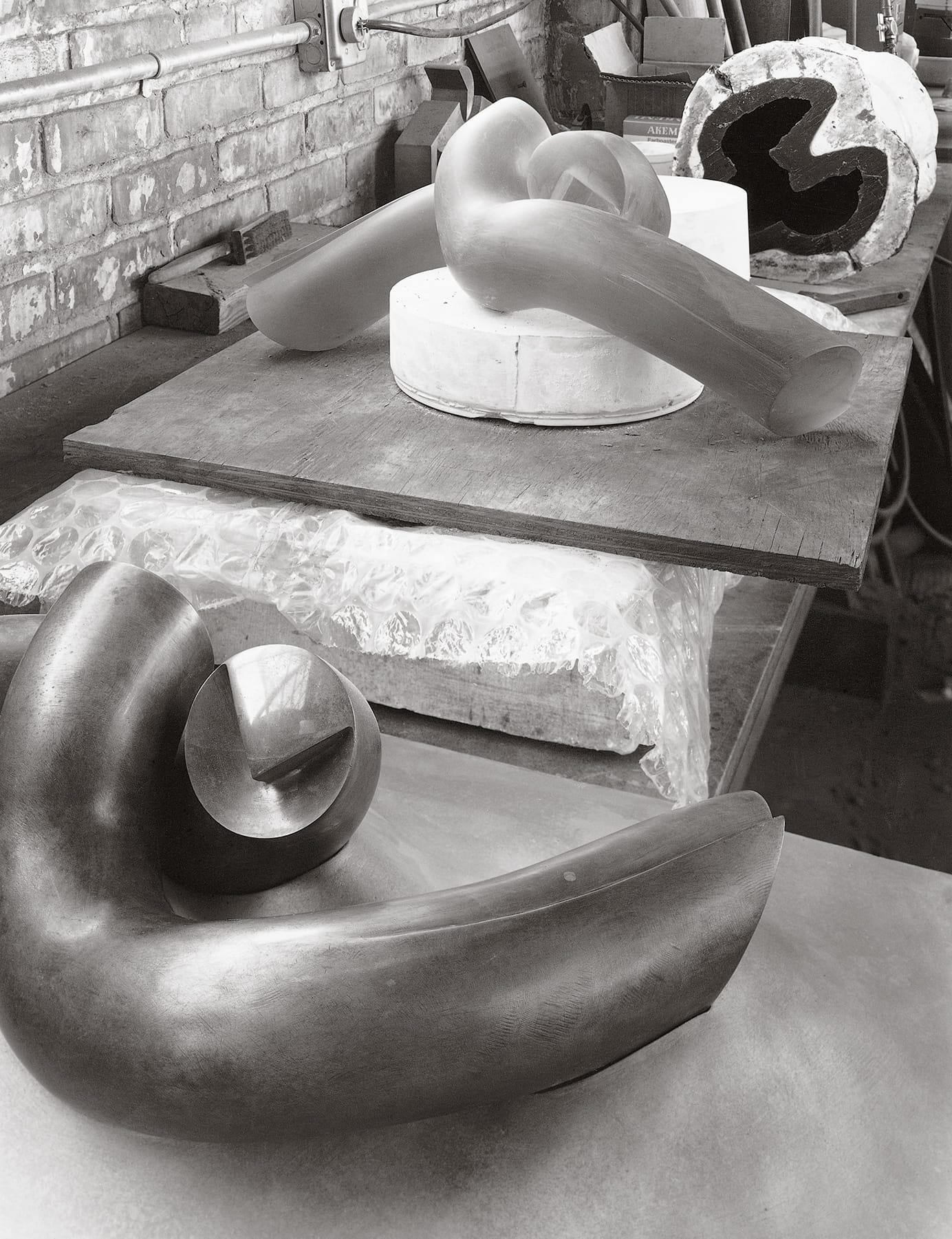
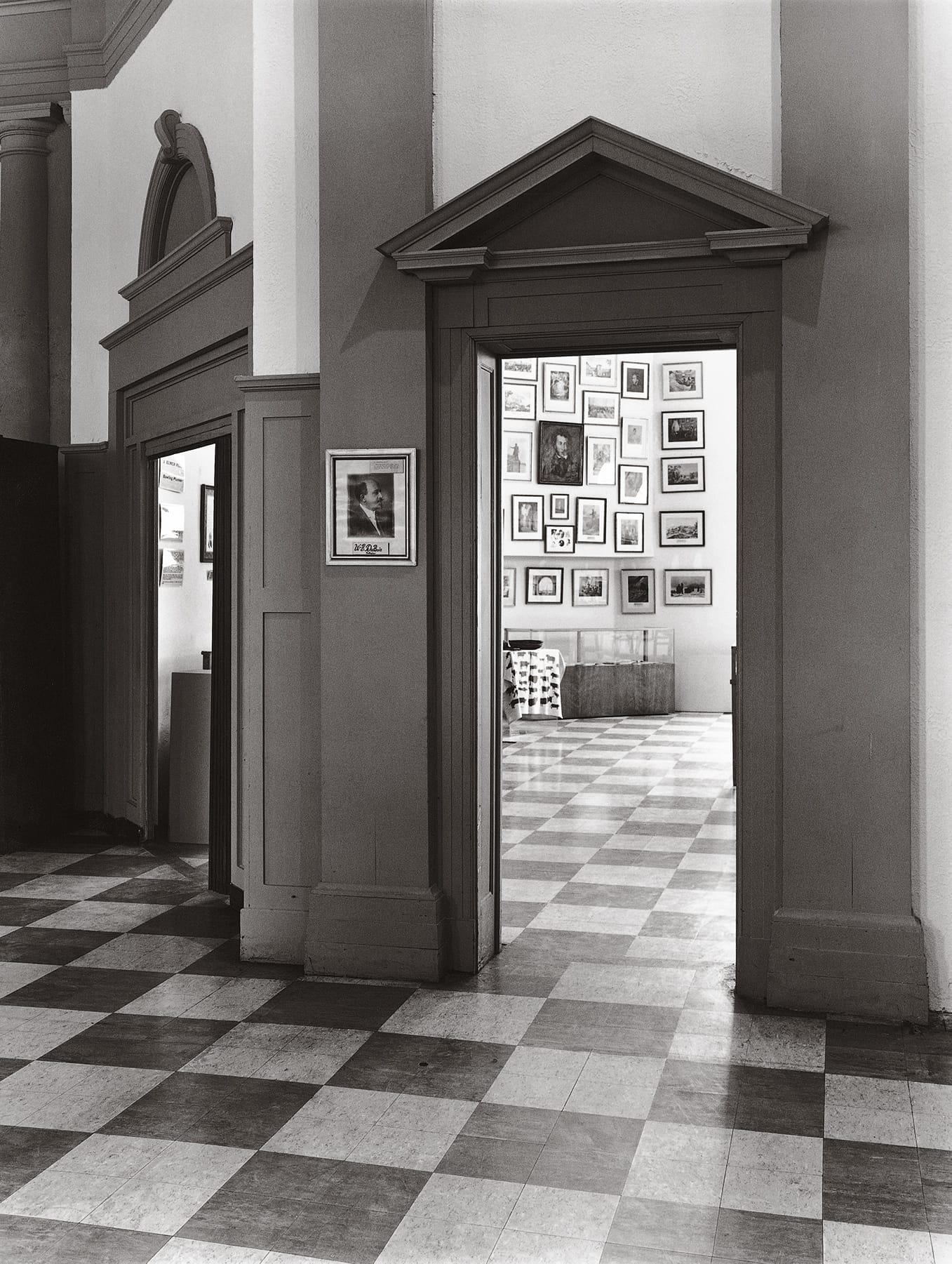
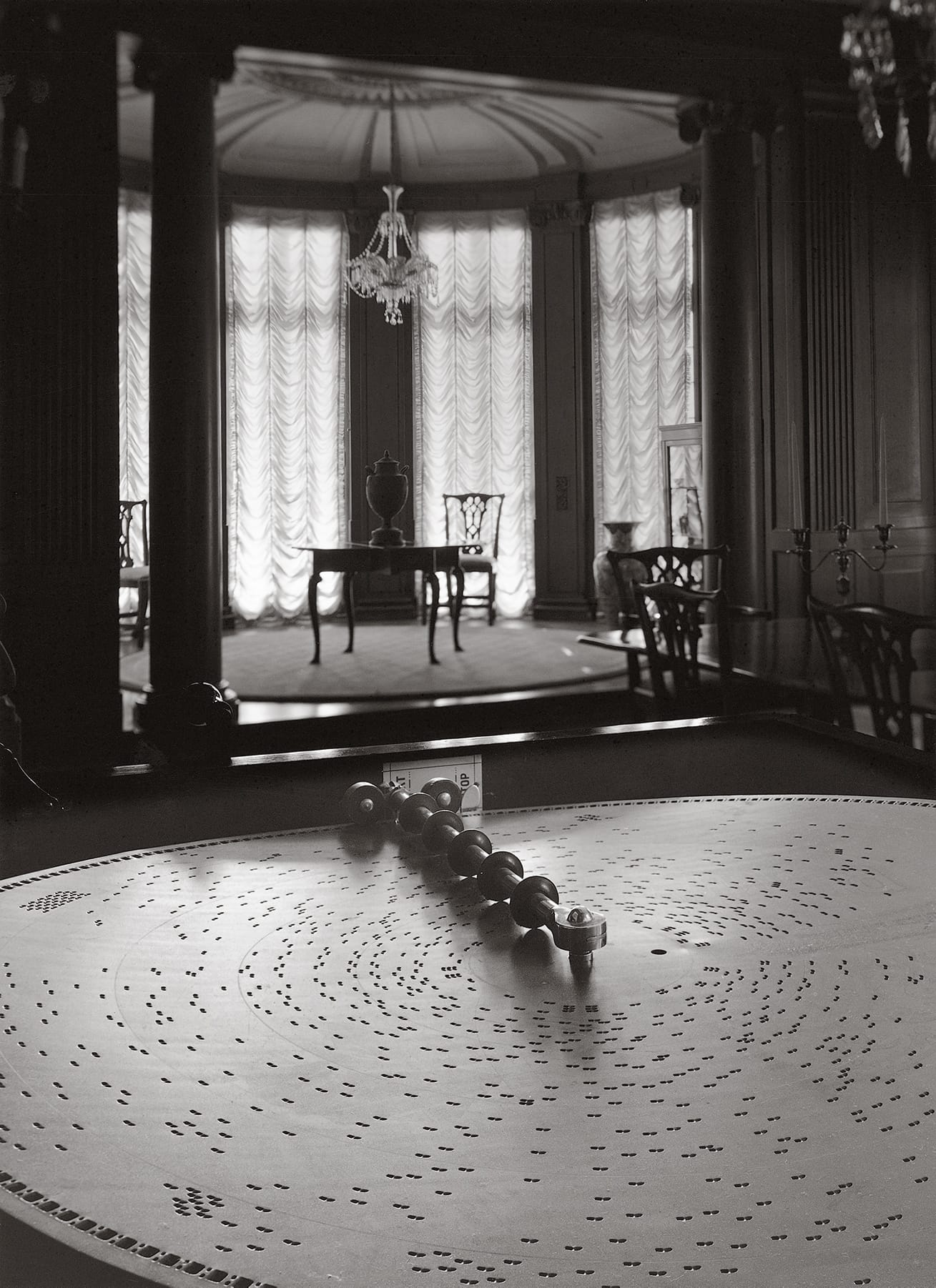
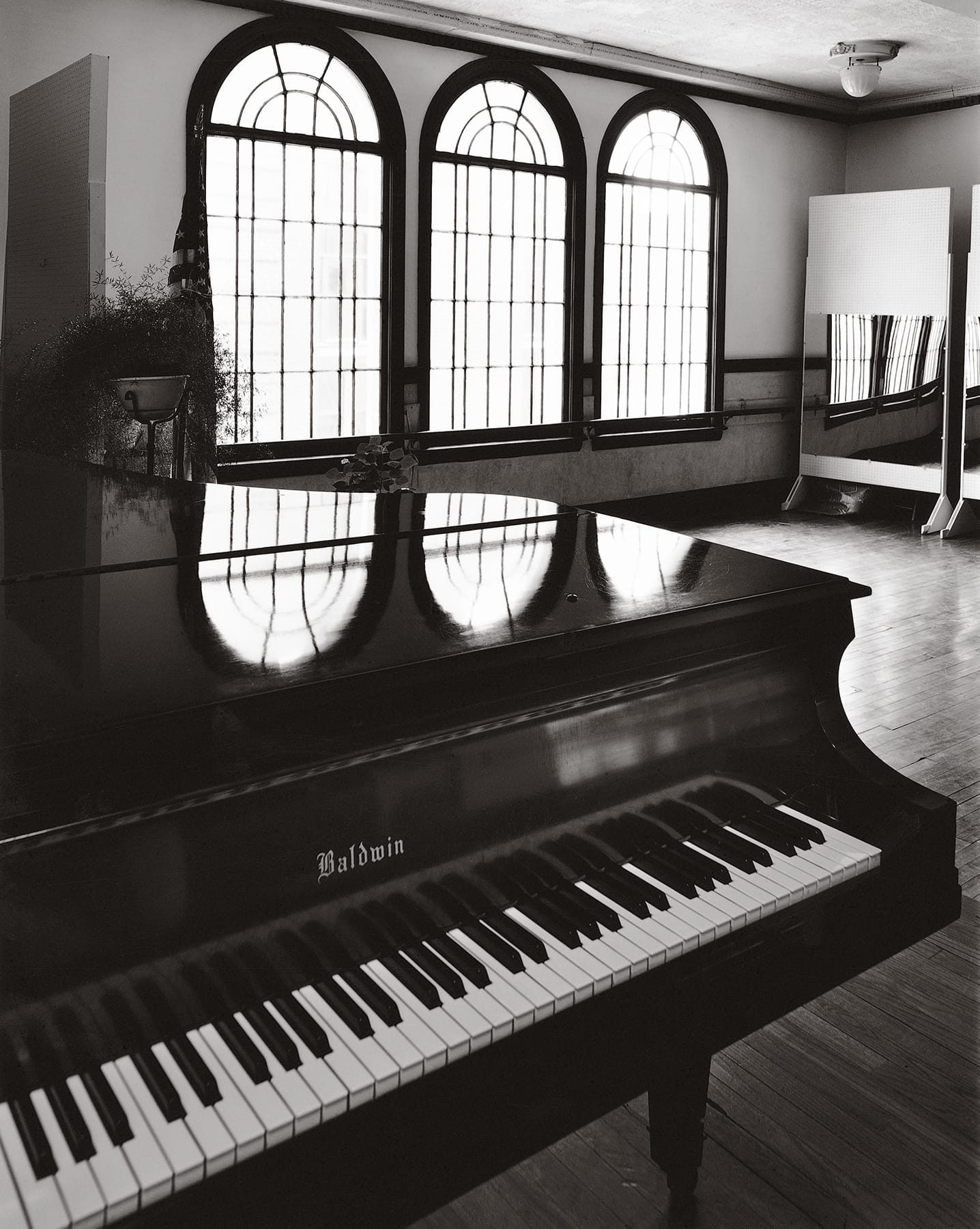
Cleveland photographer Linda Butler’s images from the 1994 annual report reflected the remarkable richness of Cleveland’s arts and cultural institutions. Ms. Butler’s photographs have been exhibited in prestigious museums throughout this country as well as in Canada, Japan and Italy. She also has published two books of her work. Ms. Butler’s beautifully detailed images were commissioned by the Foundation to reflect its long-standing commitment to maintaining a lively and diverse arts community in Cleveland.
Families
Lauren Betenson
Dawoud Bey (1993)
Photography
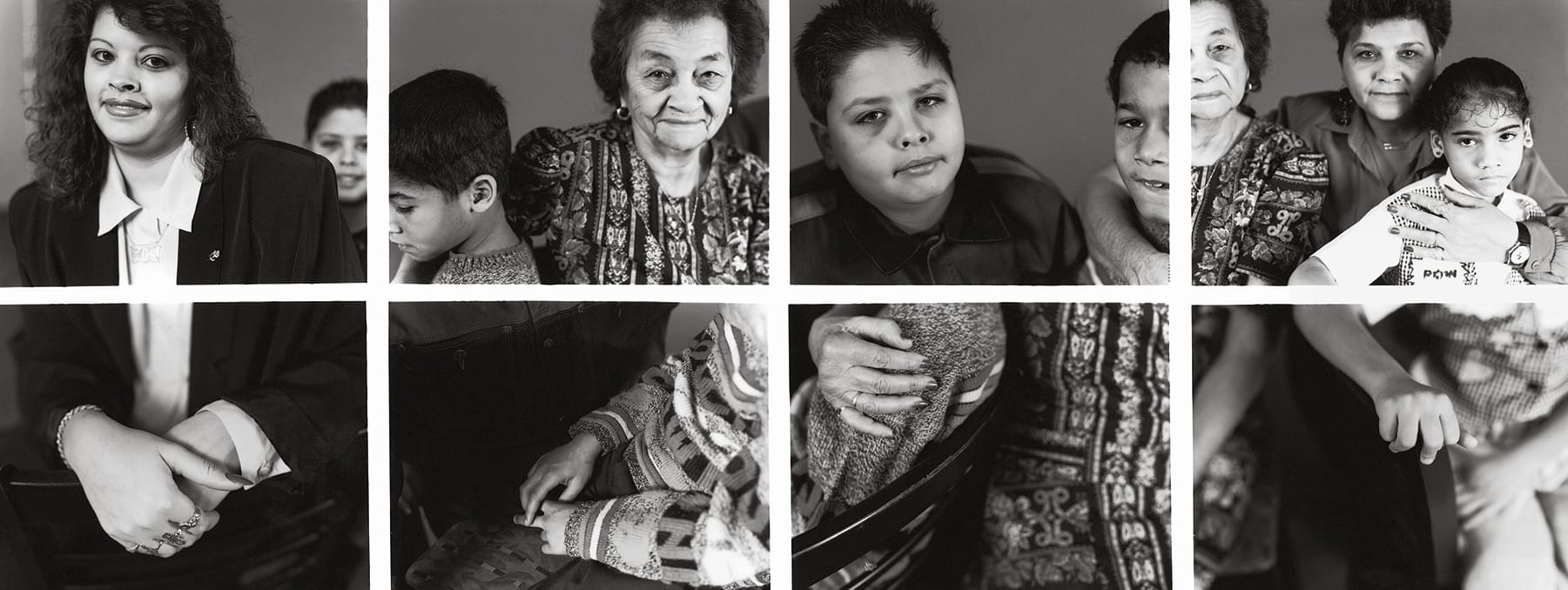
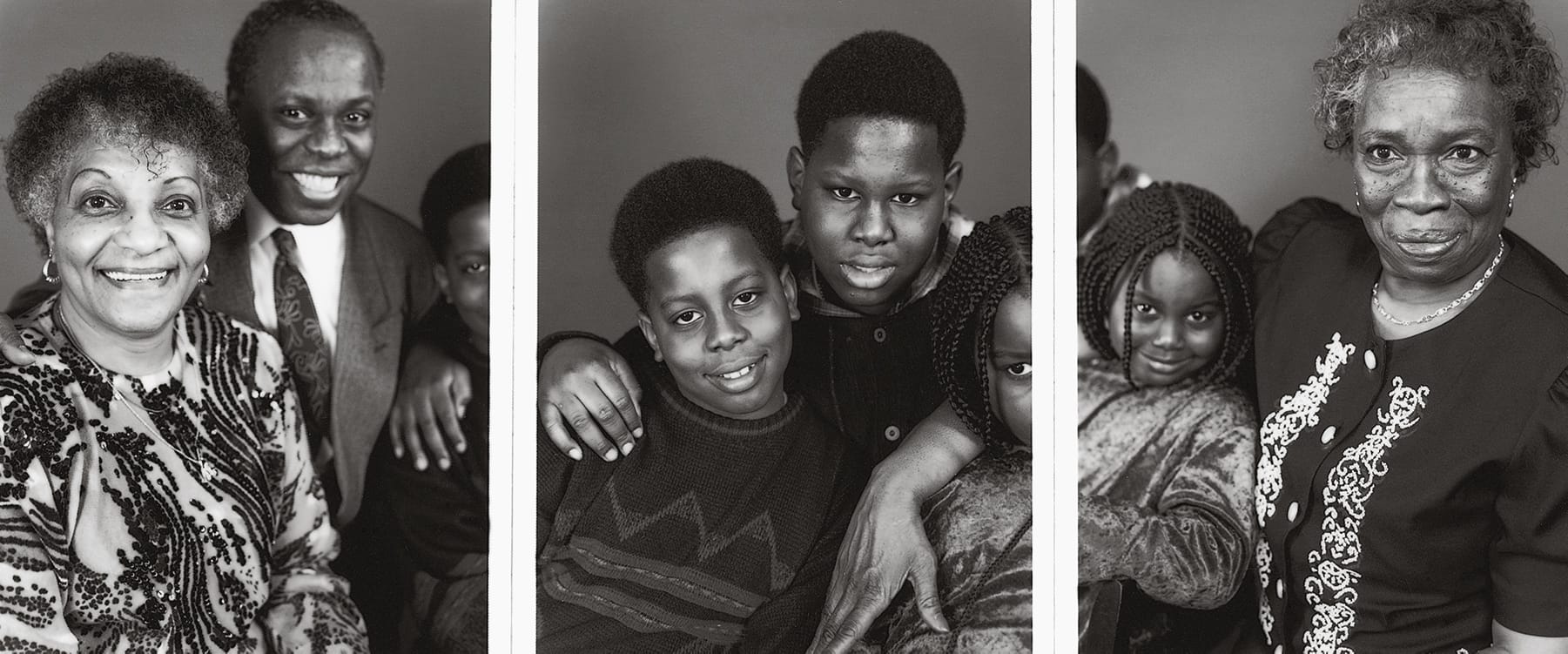
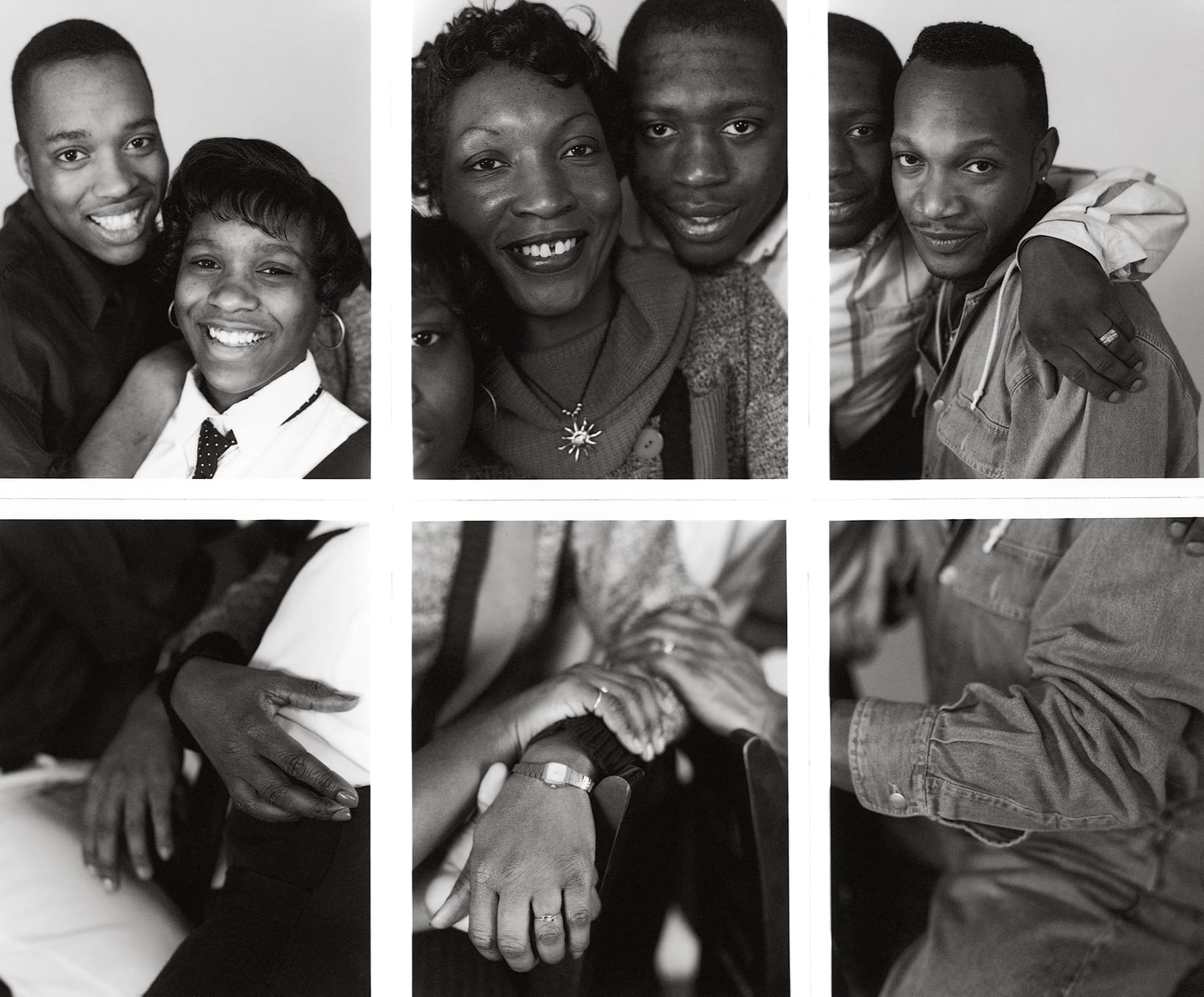
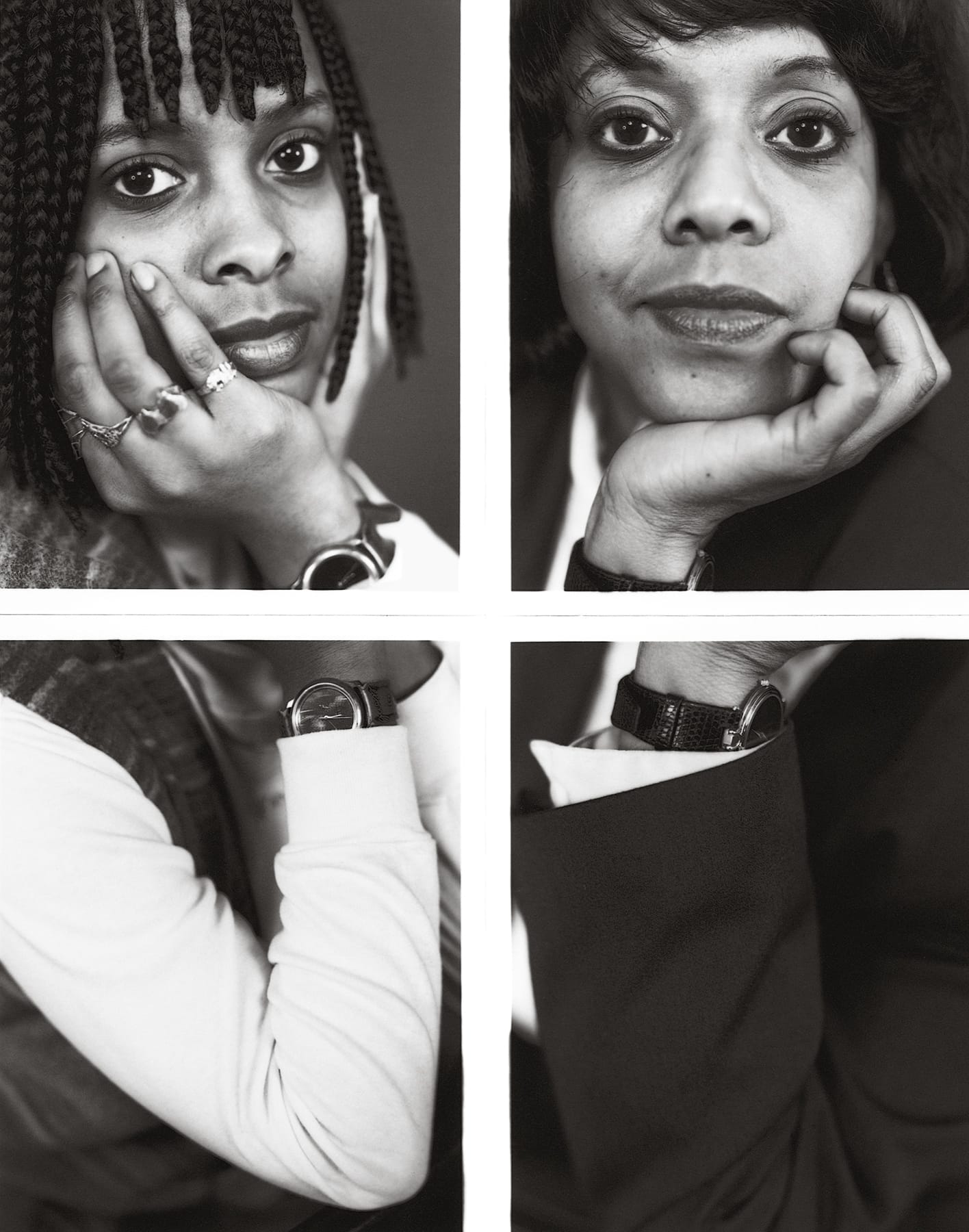
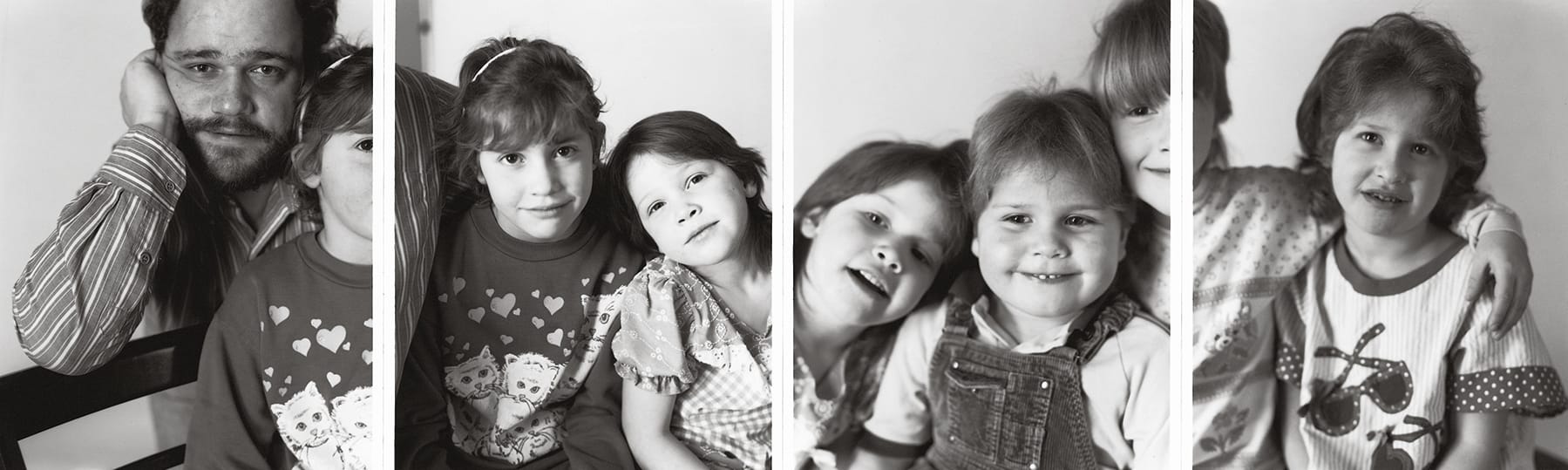
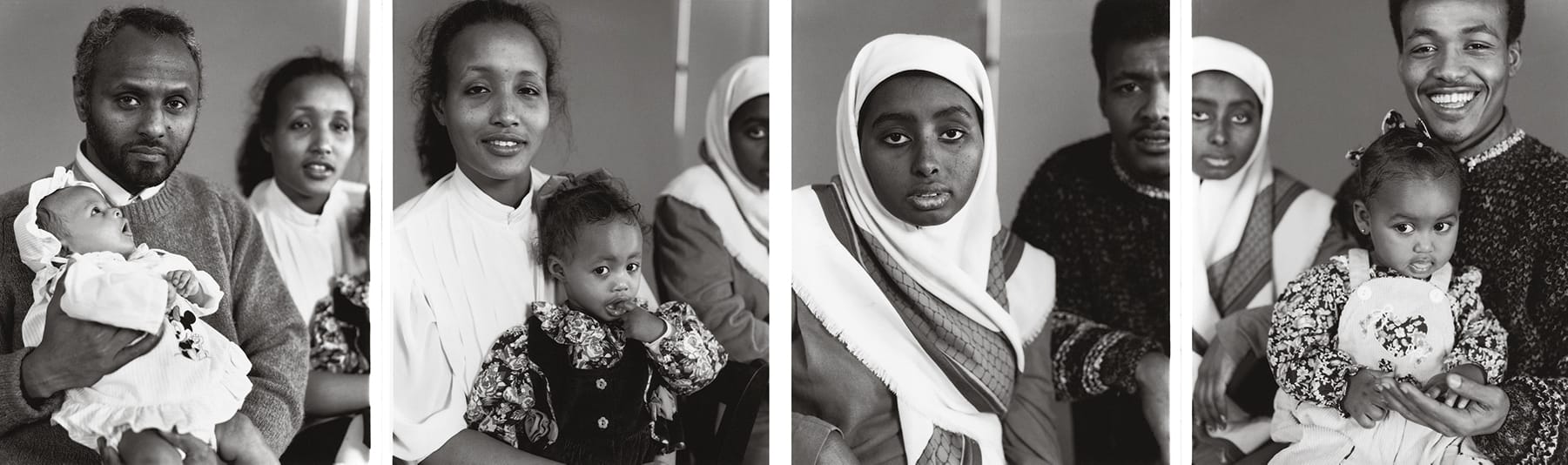
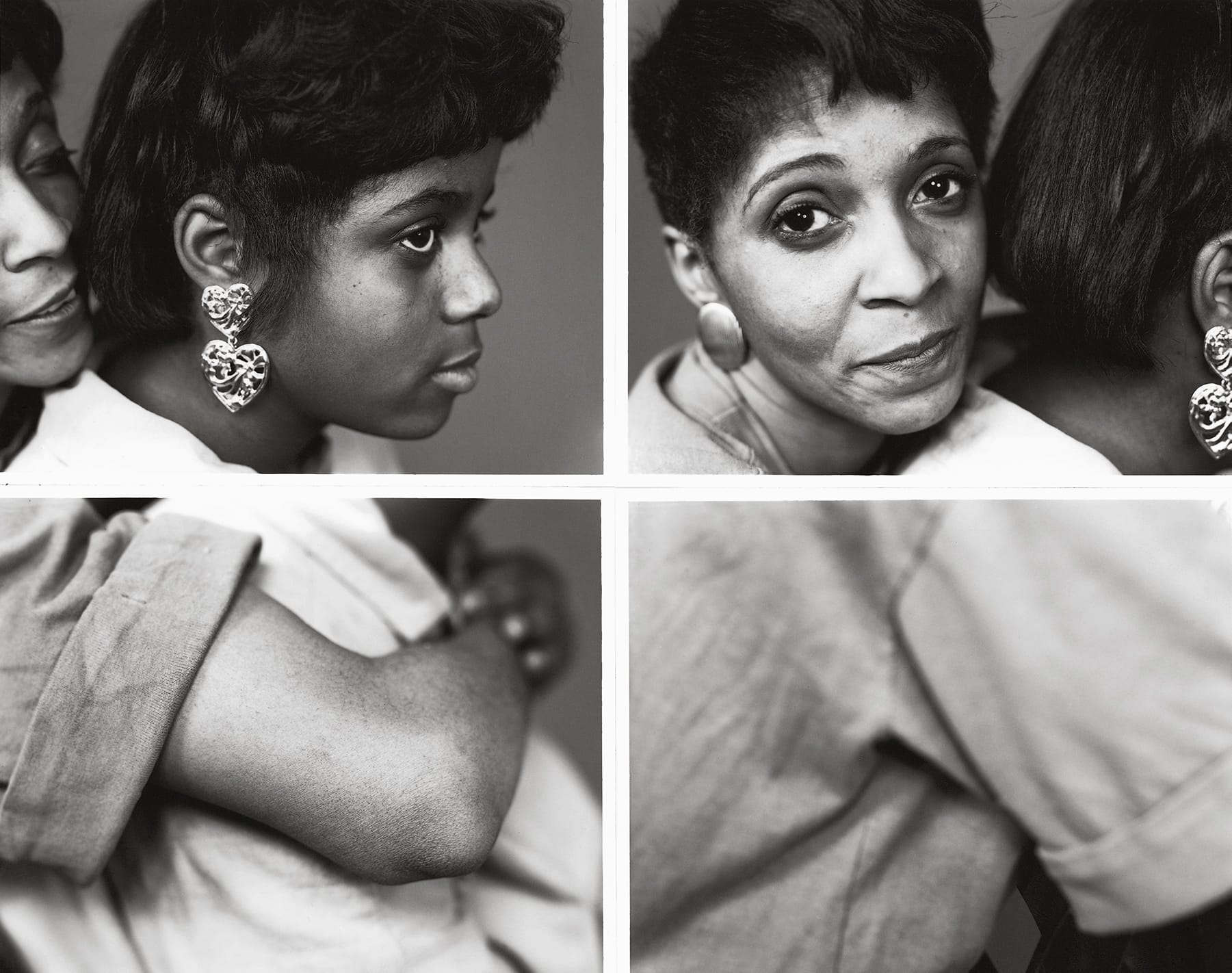
Portraits of Cleveland families were taken for the 1993 annual report by Dawoud Bey. His work has been exhibited at the Museum of Contemporary Photography in Chicago, the Museum of Modern Art in New York, the Fogg Art Museum in Cambridge and other distinguished venues. Mr. Bey’s powerful multiple images were commissioned by the Foundation to reflect its long-standing commitment to strengthening the family as a source of emotional, social and economic support.



Letter from the Executive Director
1993 Annual Report
The Foundation made grants totaling about $20 million in 1993. Included was an important contribution to Inventure Place in Akron. This new facility, which will also house the Inventors Hall of Fame, with its educational and outreach programs, will add significantly to the region’s visitor attraction capacity. Coupled with the Cleveland-based Great Lakes Science Center, to be opened in 1996 and also supported by the Foundation, these two remarkable enterprises will create an unequaled science education resource for our citizens. The Foundation’s contribution to Inventure Place’s Cleveland fundraising campaign also does much to encourage an enhanced sense of regional destiny in northeastern Ohio and to allay the ongoing and somewhat justified perception that the Cleveland civic and philanthropic communities have not supported Akron projects to the same extent that Akron does for Cleveland-located endeavors.
This report highlights our ongoing grantmaking in the areas of family support and self-sufficiency through the powerful photographs of Dawoud Bey. His sensitive and bold portrayals of Cleveland families involved with the Cleveland Works and Cleveland Housing Network programs, both Foundation grantees, give one a sense of the pride and resolve displayed by these families who are determined to better their lot through satisfying work and home ownership.
During 1993, the Foundation financed an evaluation of our early support of family self-sufficiency projects. This evaluation provided carefully documented, cautiously optimistic encouragement to the continuation of these efforts.
1993 also signaled the organization of the Environmental Law and Policy Center of the Midwest. This enterprise, one that emerged as the outcome of an earlier feasibility and planning grant award by the Foundation in 1992, will work on energy efficiency and transportation issues in the Great Lakes watershed. The Foundation joined with the Mott, Joyce, Kellogg and Energy Foundations in the providing the start-up support for this potentially important regional enterprise.
The Foundation also continued its support of Cleveland school system improvement. We were heartened by the election of education reform candidates to the Board of Education and the commitment of Cleveland’s new school superintendent to the enhancement of educational outcomes for the students served by the district. The Board and the Superintendent put forth a bold new district-wide educational plan, aptly entitled Vision 21, and the Foundation has provided support during 1993 to help to begin to make that plan a reality. The state of Arts education in the district received special consideration with a Foundation-led coming together of six local philanthropies to support a study of the current situation and to plan for future improvements.
In the area of higher education, the Foundation continued its support of innovative programs to recruit and retain minority and non-traditional students with grants to Mount Union College and the Lorain Community College Foundation. Our continuing interest in prejudice reduction was expressed through grants to the Anti-Defamation League and the UNITY project at Cleveland Heights High School. Gun control and community policy initiatives were represented in our grantmaking program as a part of our developing agenda in “civility.” Finally, the Foundation continued its long-term commitment to basic research on degenerative retinal diseases through its allocation of $1.5 million for the support of 14 university-based basic science projects.
1993 has been a productive year. The grantmaking outlined in the report best describes the priorities and interests of our trustees and staff as we jointly attempt to respond to the changing world around us. I hope you will review our work carefully. We take great pride in what we do and hope you share in our enthusiasm for our work.
David Bergholz, Executive Director

Public Schools
Lauren Betenson
Judith Joy Ross (1992)
Photography
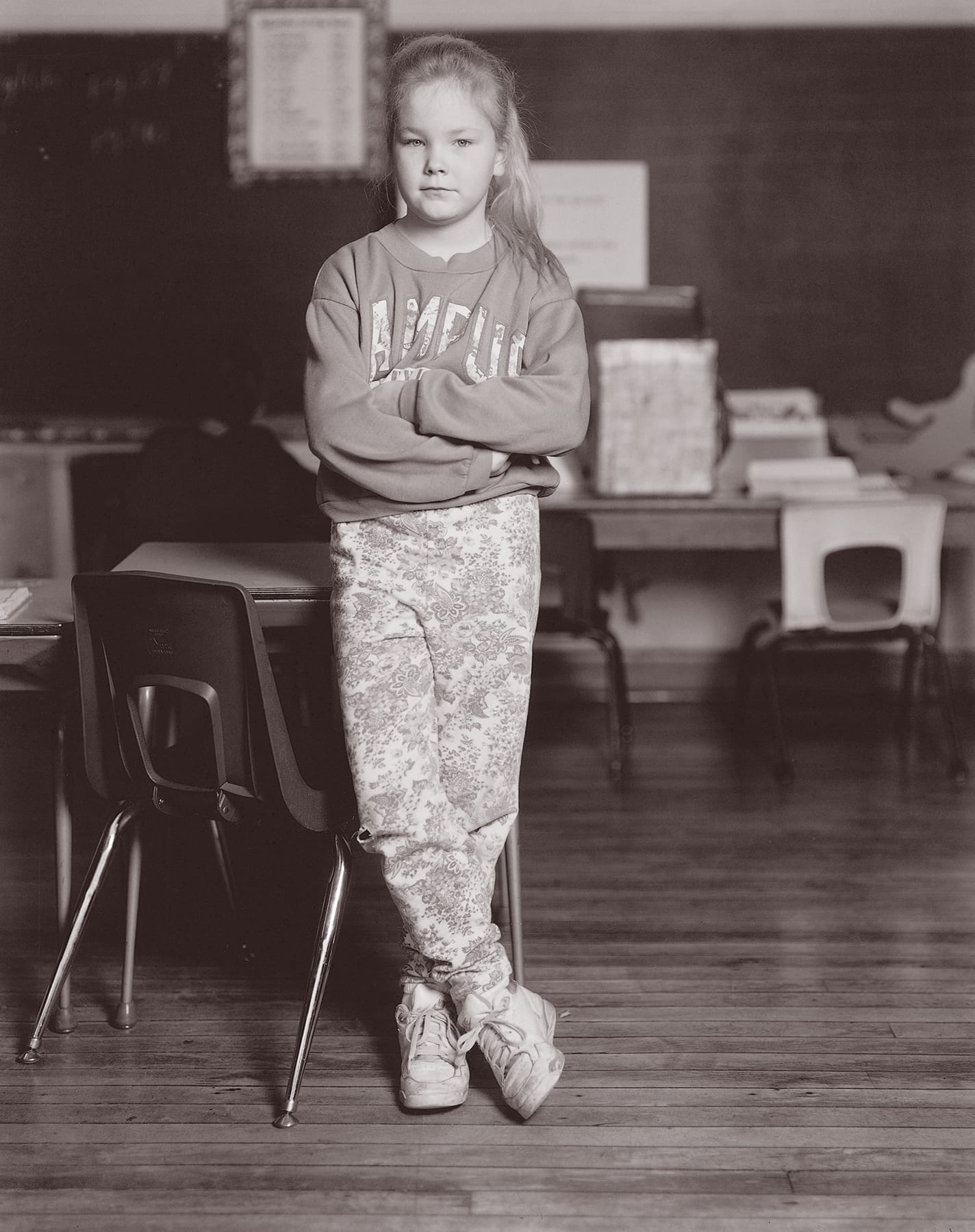
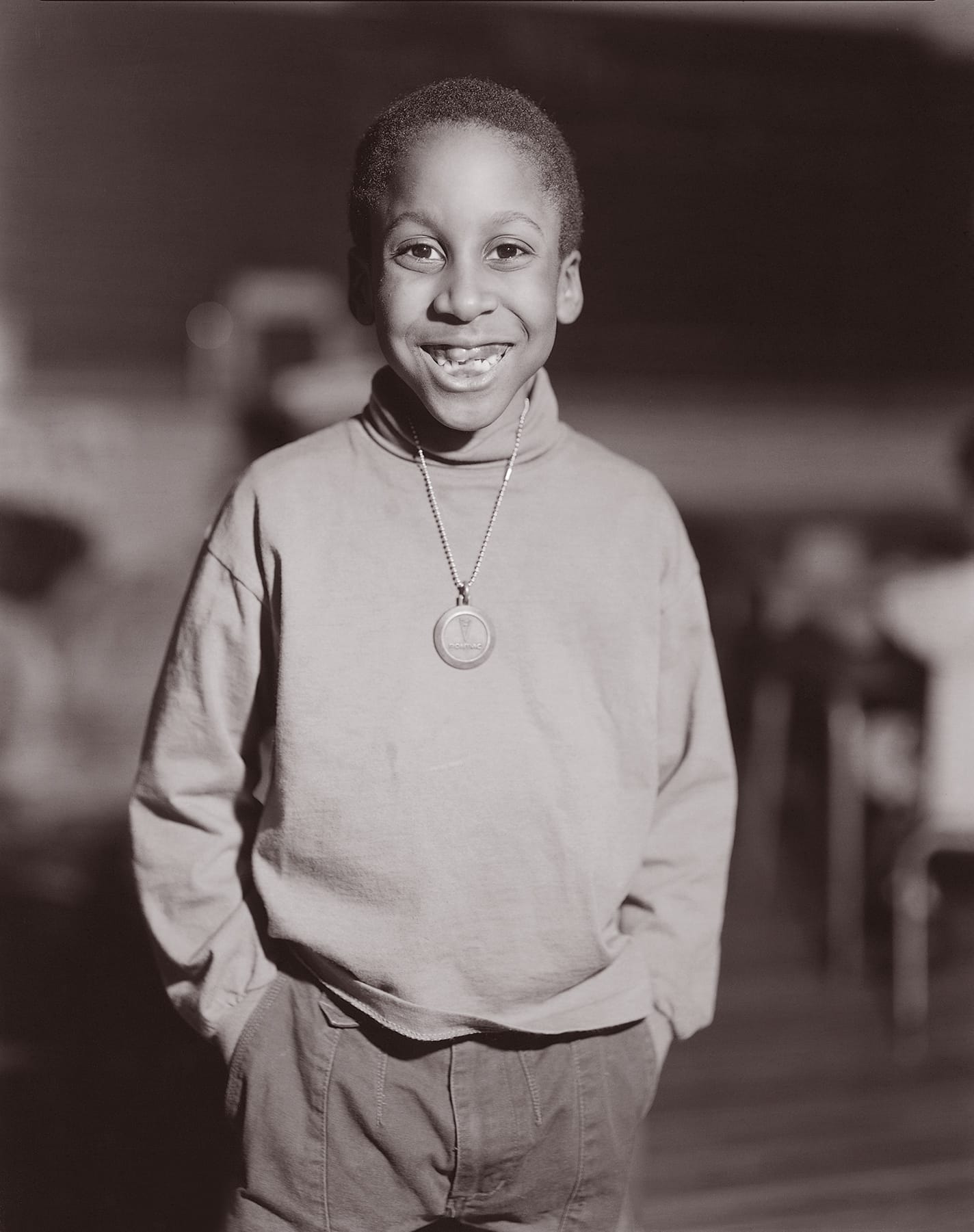
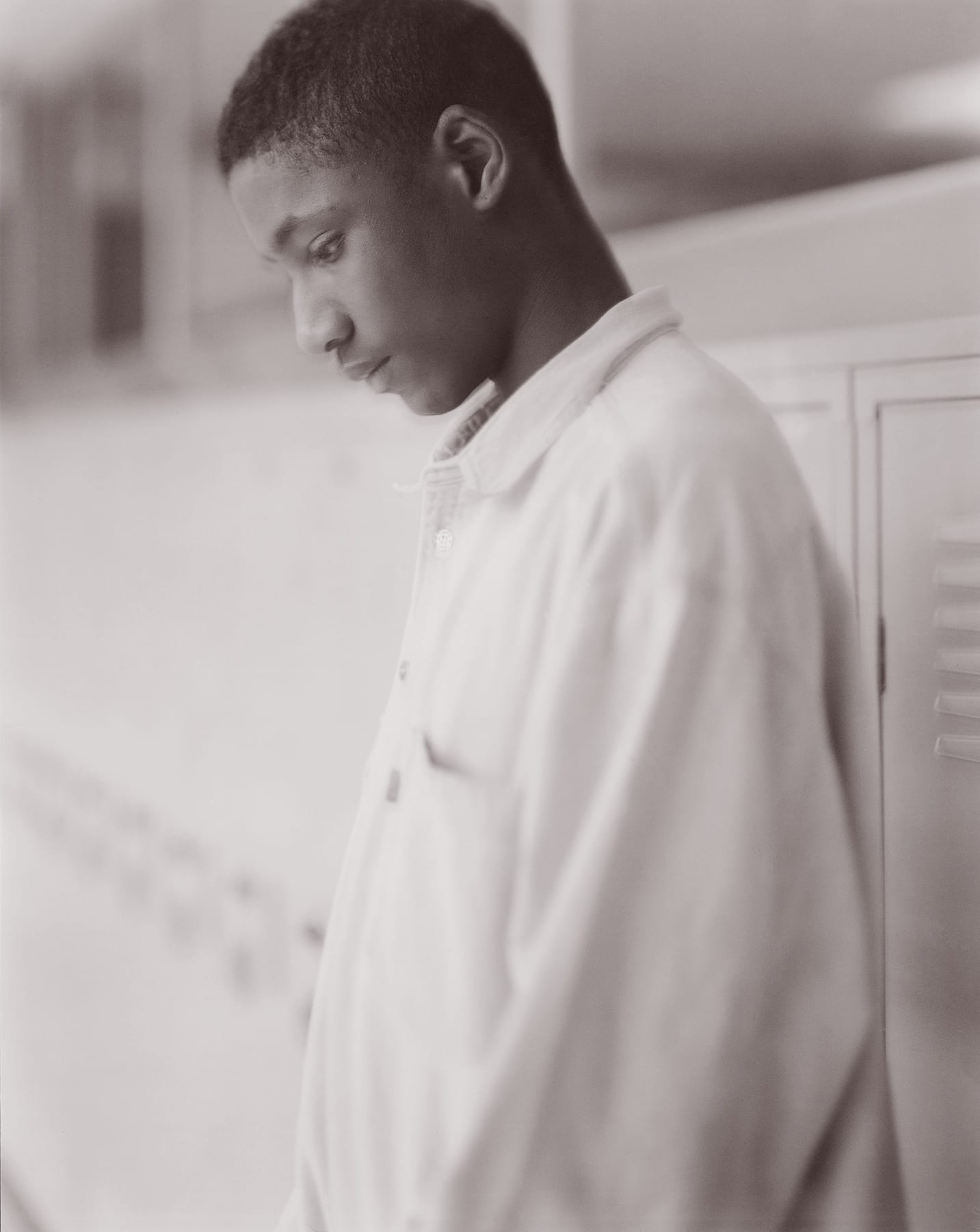
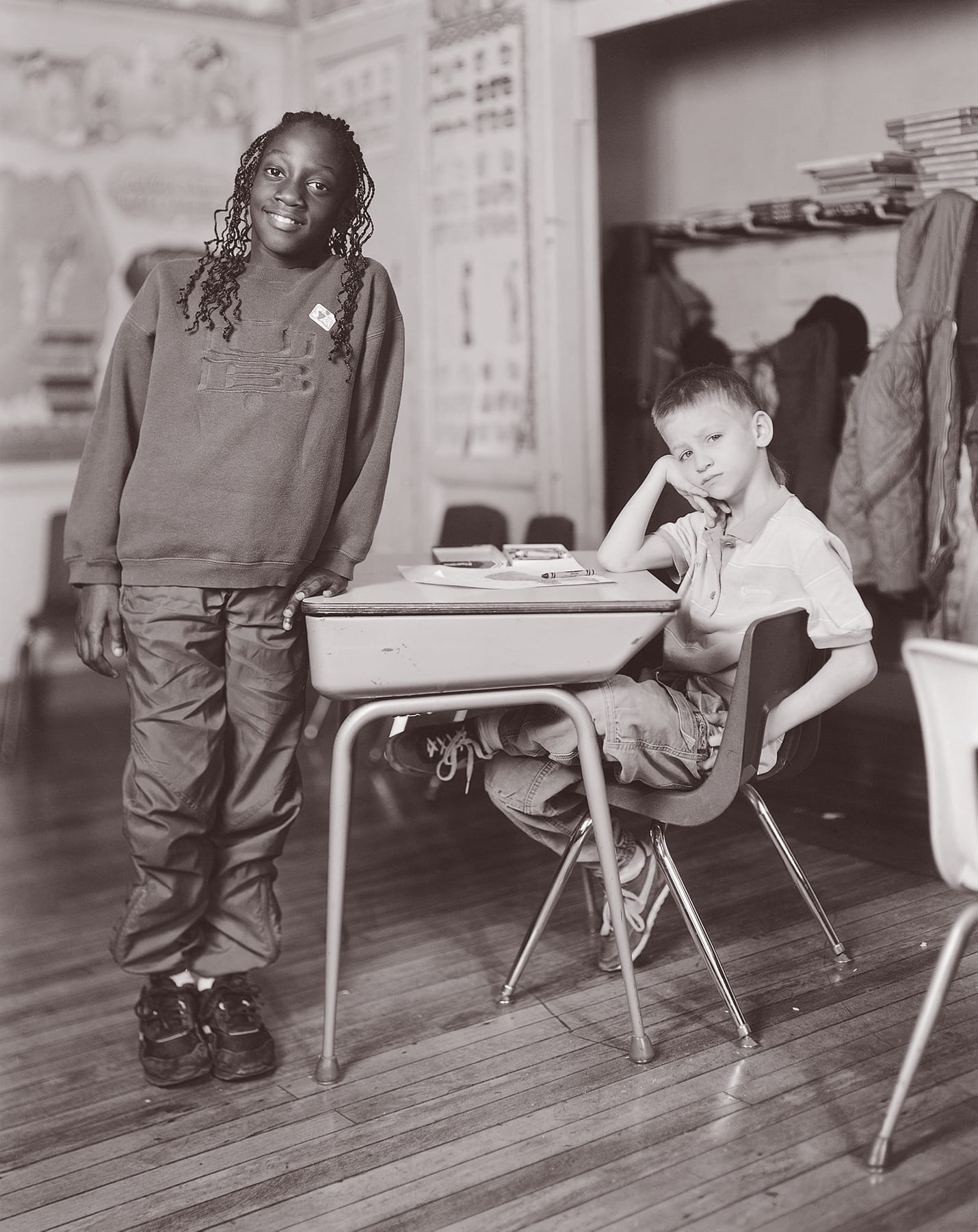
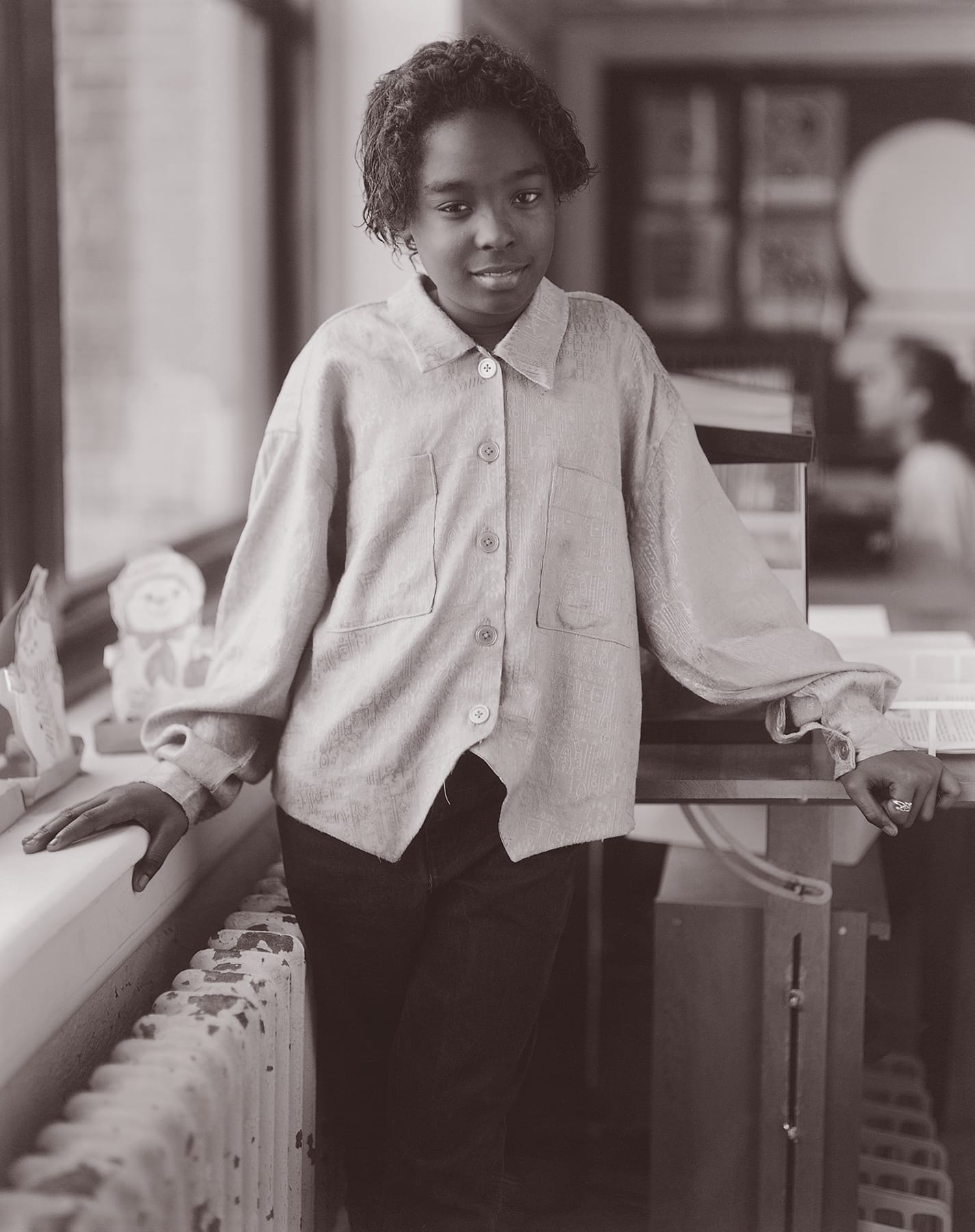
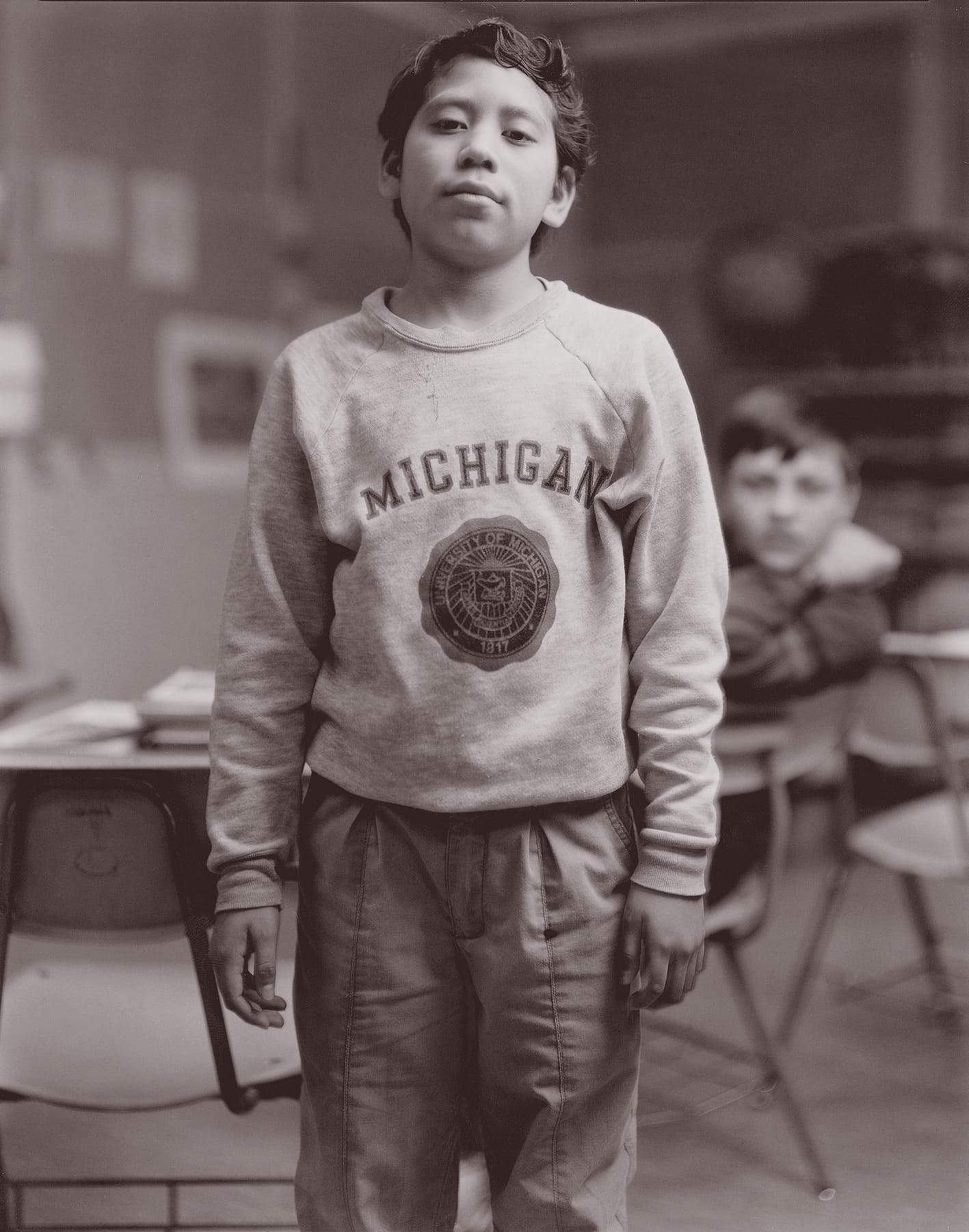
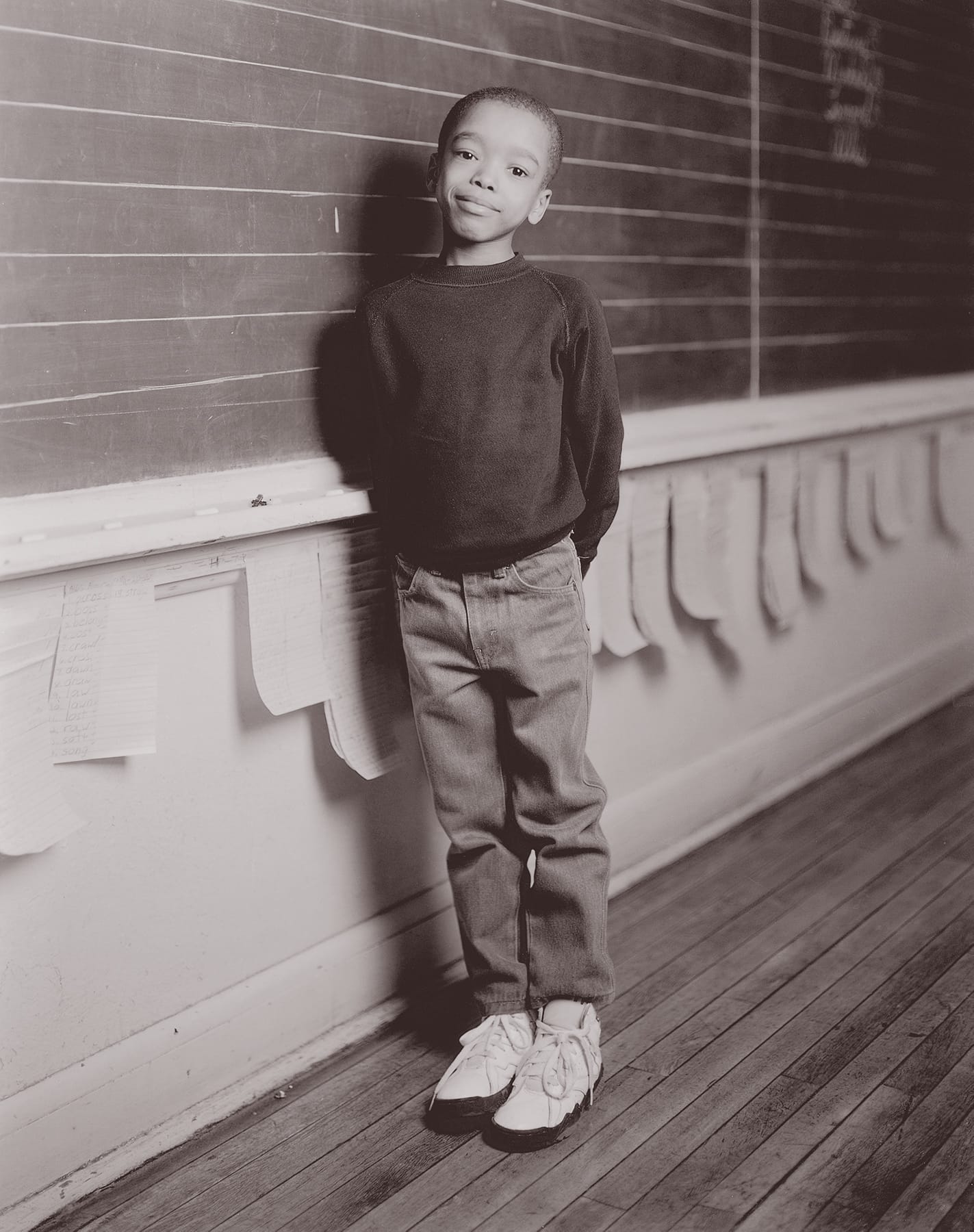
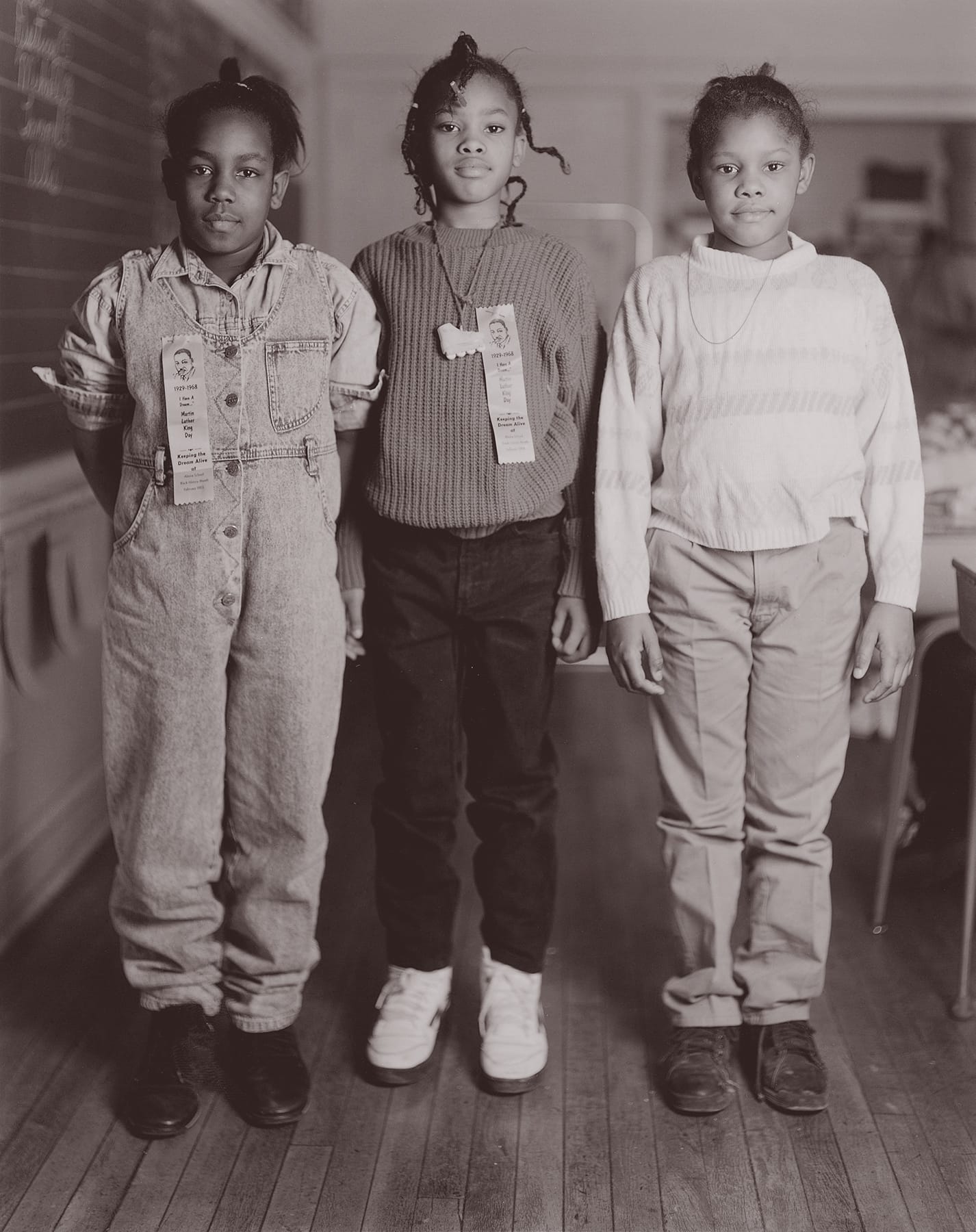
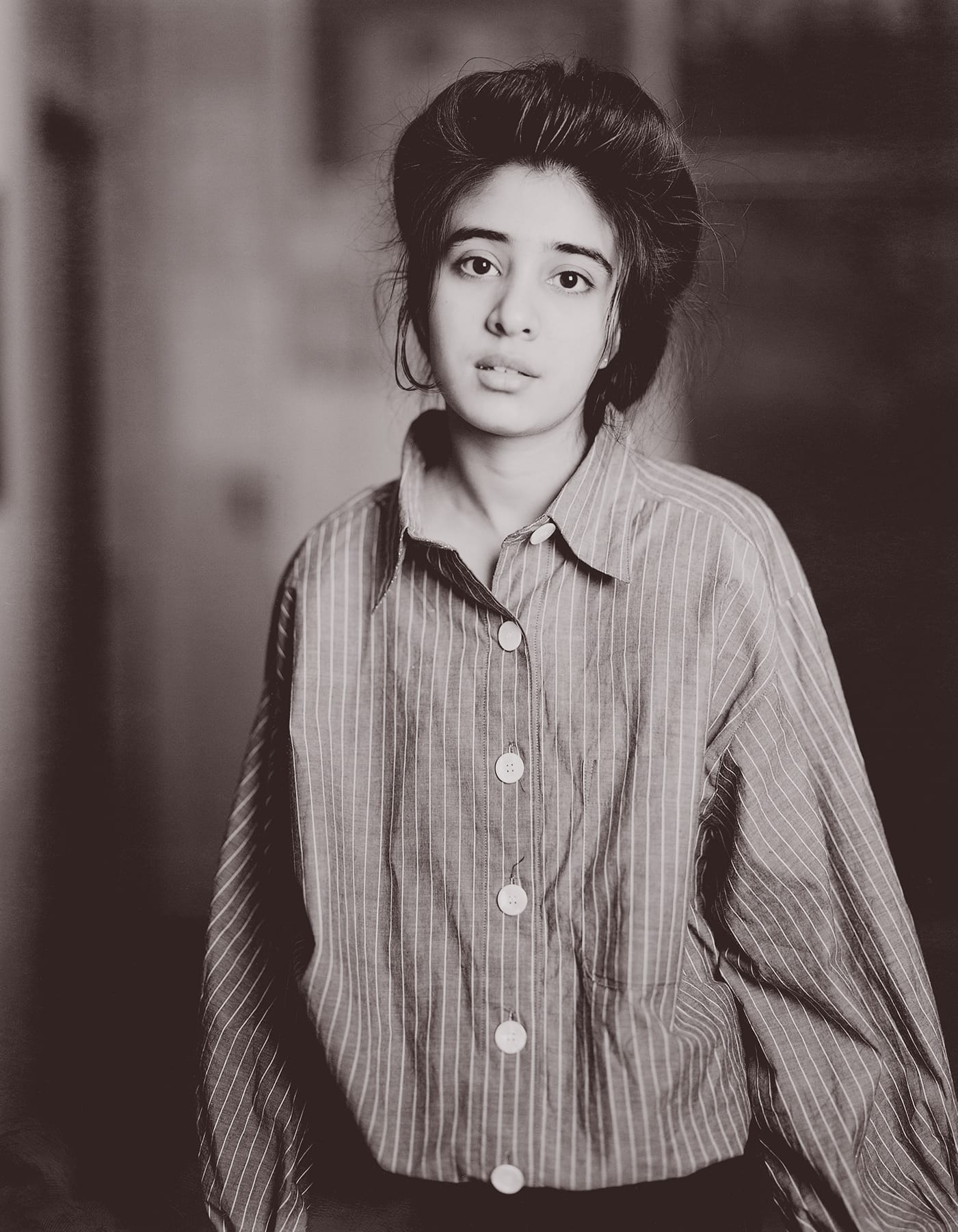
Portraits of Cleveland Public Schools students were created by Judith Joy Ross, a visiting critic at Yale university and a former Guggenheim Fellow, for the 1992 annual report. Her striking and evocative images have been displayed at the Museum of Modern Art, the Philadelphia Museum of Art, and the James Danziger Gallery among other distinguished venues. The Foundation commissioned the photographs in this report as a reflection of its commitment to the children of the Cleveland Public Schools.
Letter from the Executive Director
1992 Annual Report
1992 was a year of significantly expanded grantmaking for the Foundation. Our commitments exceeded $24 million, an increase of almost $8 million over 1991. Much of this increase was due to a $10 million contribution to the Great Lakes Museum of Science, Technology and the Environment, clearly the Foundation’s leadership grant for the year. The Museum, to be located at North Coast Harbor, is a forceful expression of the Foundation’s interest in lakefront improvements in Cleveland and its commitment to science and environmental education. We note with pleasure the state of Ohio’s major financial commitment to the museum and look forward to joining with other funders to support construction of this facility.
Neighborhood Progress, Inc. expanded its community development agenda with continued Foundation support, reflecting our longstanding interest in Cleveland’s many and diverse neighborhoods. This intermediary organization continues to serve as a primary resource for city revitalization efforts and is expanding its role as a technical resource and think tank for neighborhood groups pursuing the difficult task of housing and commercial development.
The Foundation’s concern about how people in our community relate to one another is reflected in a newly defined category in our civic affairs program, “civility.” Our support for gun control, race relations improvement and neighborhood safety projects are included in this evolving agenda and represent attempts to meet the challenges presented by the violence and racial animosity in our society.
The Foundation’s interest in promoting a diverse arts community included grants to strengthen cultural institutions in Greater Cleveland’s minority communities as well to encourage mainstream organizations to expand programming and audiences. We also took a leadership role in encouraging collaboration among arts organizations through a grant to the newly formed Professional Alliance of Cleveland Theaters. This group includes several small, competent – though often struggling – local theaters, and our grant will help them establish a joint box office and explore other resource sharing possibilities.
In the human services arena, we expanded grantmaking that should positively affect the development of public policy related to welfare reform at both state and local levels. Grants to the Mandel School of Applied Social Sciences, Ohio Council of Churches and League of Women Voters for basic research and for educating a variety of constituencies reflect the Foundation’s interest in this important and timely issue.
We also continued to fund programs to assist both individuals and families in making the difficult transition from reliance on public assistance to self-sufficiency. Grants in 1992 to the Family Development Project of the Cleveland Housing Network, the New Life Community and Cleveland Works supported this agenda. Additional assistance to a joint project of MetroHealth Medical Center and the Cleveland Public Schools for the Central Family Resource Center also buttressed our commitment to this cause. It also should be noted that the Foundation’s cumulative support during the last four years for programs related to AIDS surpassed $1 million in 1992.
The Foundation expressed its growing interest in further development of the Cuyahoga River corridor through grants to the Cuyahoga County Planning Commission and the North Cuyahoga Valley Corridor, Inc. Grants supporting efforts to improve the environmental quality of the Great Lakes watershed remained a high priority, as did leadership development in environmental organizations.
The Foundation’s deep involvement in the future of Cleveland’s public schools, and K-12 education in general, is expressed in this report through the compelling photographs of Judith Joy Ross. Her striking portraits of Cleveland public school students present the promise and beauty of these young people who often contend with great difficulties as they attempt to find a productive and satisfying place in the world.
Our continuing substantial support of the Cleveland Initiative for Education, a coming together of the local business and philanthropic sectors in support of the schools, and the Cleveland Summit on Education, an ongoing community-based process that has built constituency for, and interest in, the Cleveland Public Schools, is indicative of our long-term commitment to the system’s improvement.
1992 has been a busy and, we think, productive year at The George Gund Foundation. We hope that a perusal of this report confirms our view. As always, the quality of our work, Trustees and staff, is best displayed by our grantmaking and through the successes of our grantees.
David Bergholz, Executive Director

Cuyahoga River
Lauren Betenson
Lois Conner (1991)
Photography
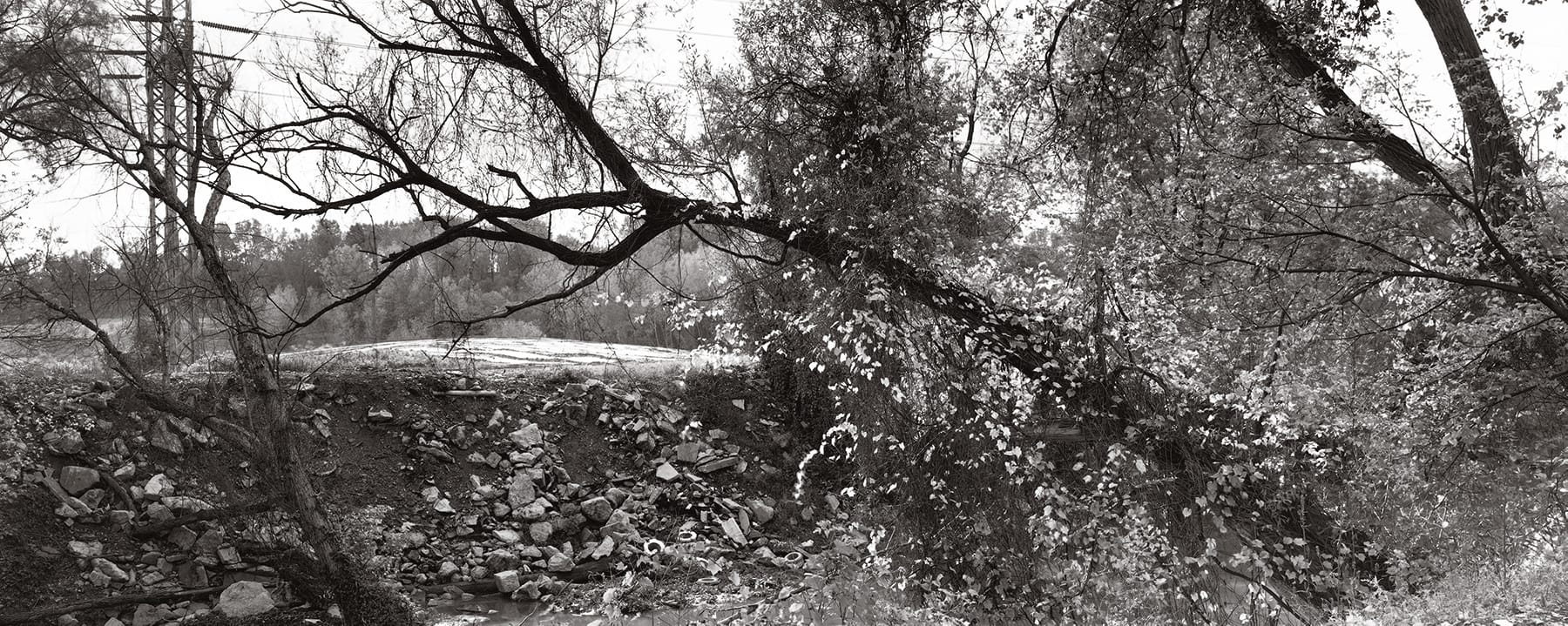
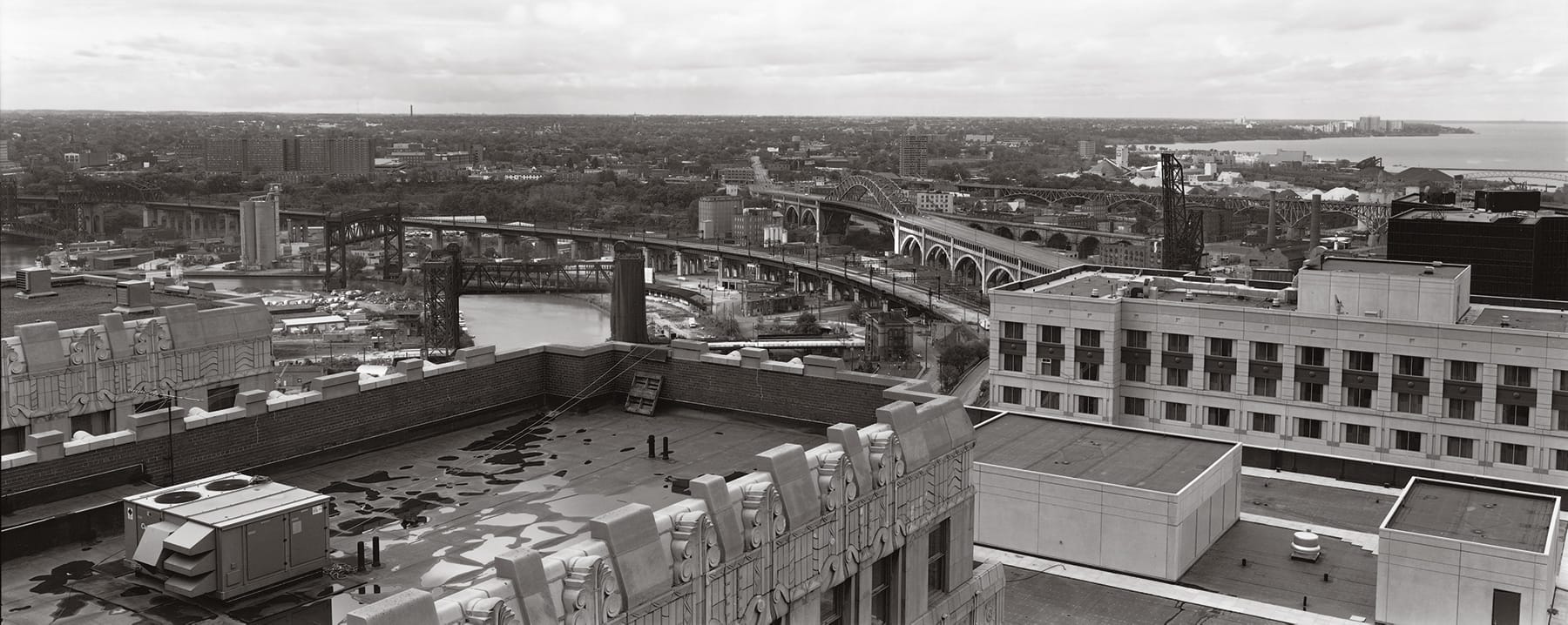
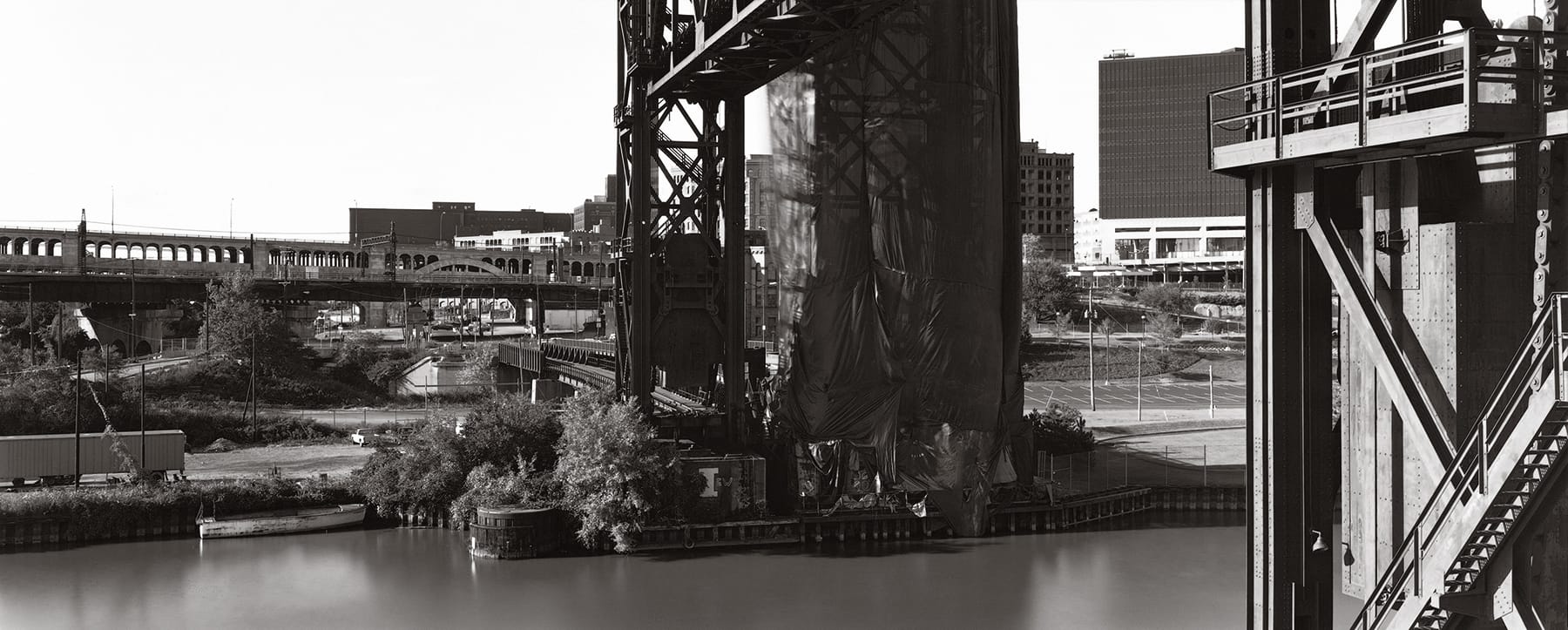
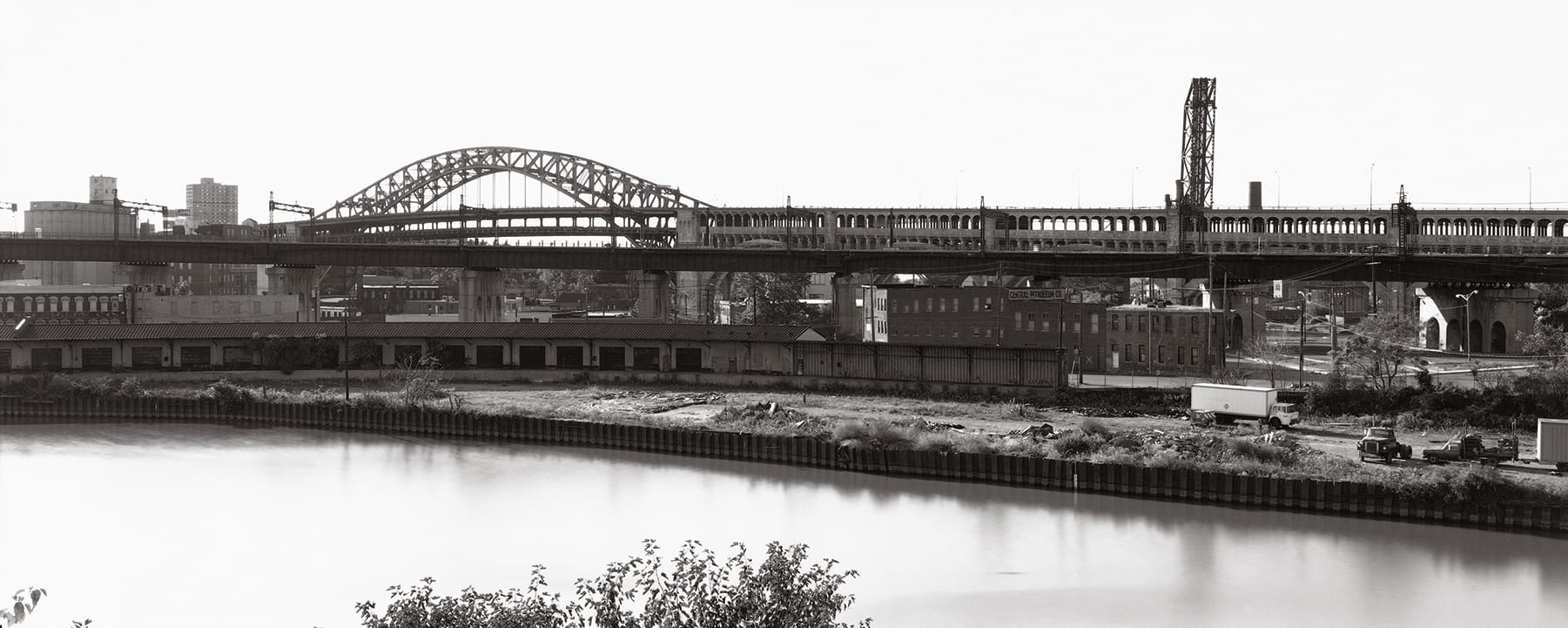
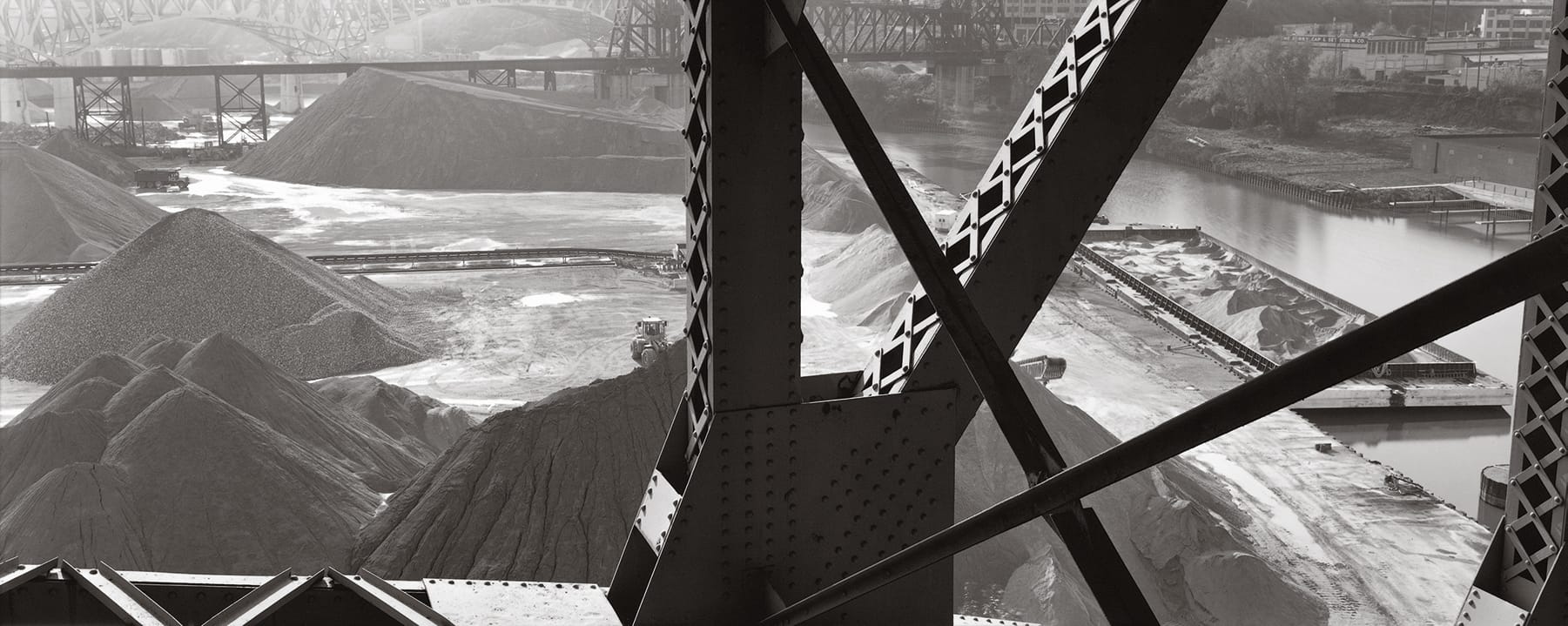
Lois Conner’s photographs, completed for the 1991 annual report, underscore the development of new priorities for our environmental grantmaking which focused locally on urban environmental problems, regionally on Great Lakes issues, and nationally on policy related to the mitigation of global climate change. Conner’s photography has been exhibited and published throughout the world. She is the recipient of a grant from the John Simon Guggenheim Memorial Foundation and the National Endowment for the Arts.





Letter from the Executive Director
1991 Annual Report
This report to the friends of The George Gund Foundation contains photographs of the Cuyahoga River and its contiguous lakefront, reflecting the Foundation’s increasing interest in the future of the North Coast Harbor area of the lakeshore, our continuing commitment to improving the environmental and recreational health of the Cuyahoga River and its tributaries, and our focus on enhancing the ecosystems of the Great Lakes Basin. Our grantmaking in 1991 reflected these interests, and the Foundation contemplates more substantial commitments on these fronts in the future.
These photographs also signify the development of new priorities and guidelines for our environmental grantmaking which focus locally on urban environmental problems; regionally, on Great Lakes issues; and nationally, on policy related to the mitigation of global climate change. A discussion of our environmental quality program, along with a long term recommitment to the support of degenerative retinal disease research and a decision to refine our civic affairs agenda, took place at a June 1991 retreat that included both staff and Trustees.
During the past year the Foundation also deepened its commitment to a recently stated interest in urban design, planning and amenities with grants to a wide range of organizations such as the Cleveland Restoration Society for work in historic neighborhoods and the Great Lakes Museum for planning its new facility which will dramatically alter Cleveland’s lakefront.
Our concerns about strengthening families and improving self-sufficiency for low income persons are evident in our 1991 grantmaking, and we maintained our interest in improving human services delivery by funding efforts to create a Center for Social Work Practice Innovations at Case Western Reserve University. The Foundation’s continuing commitment to the pursuit of reproductive rights also was strengthened in the face of a changing and challenging legal landscape.
1991 also marked the fourth year of our involvement with the Community AIDS Partnership Project, a program that has provided almost $1.8 million of local and national philanthropic monies to support efforts to assist those affected by the AIDS epidemic in Cuyahoga County.
We continued our substantial involvement in support of the Cleveland community’s efforts to improve its public schools and aided the private sector in endeavors to more effectively focus its energies and resources towards the same aim.
The Foundation also sought to encourage a lively and diverse arts community in Cleveland with grants to a wide variety of arts and cultural organizations. Our interest in the arts is reflected in the photographs in this book taken by Lois Conner with her panoramic, large format view camera. The remarkably detailed platinum prints from which this report’s pictures were made, along with the striking photographs of Cleveland’s neighborhoods from our 1990 annual report, will be displayed at the Center for Contemporary Art in the summer of 1992 for an even broader public viewing. We hope that our support of high quality photography in our annual reports and in other venues will be successful in describing the Foundation’s mission and in portraying the diverse facets of the region we serve.
This past year was also one of change for the Foundation as we moved to a more accommodating location and increased the staff from eight to eleven full-time members. We also used the opportunity of our move to update our office management and information systems and to address a number of administrative support issues.
I believe that a perusal of the descriptions of the past year’s grants contained in this report will demonstrate a thoughtful and compassionate approach to grantmaking by the Foundation. Both Trustees and staff feel that the proof of our effectiveness can best be measured by who and what we fund. I hope that you will gain greater insight into our efforts through your reading of this report.
David Bergholz, Executive Director
Neighborhoods
Lauren Betenson
Michael Book (1990)
Photography
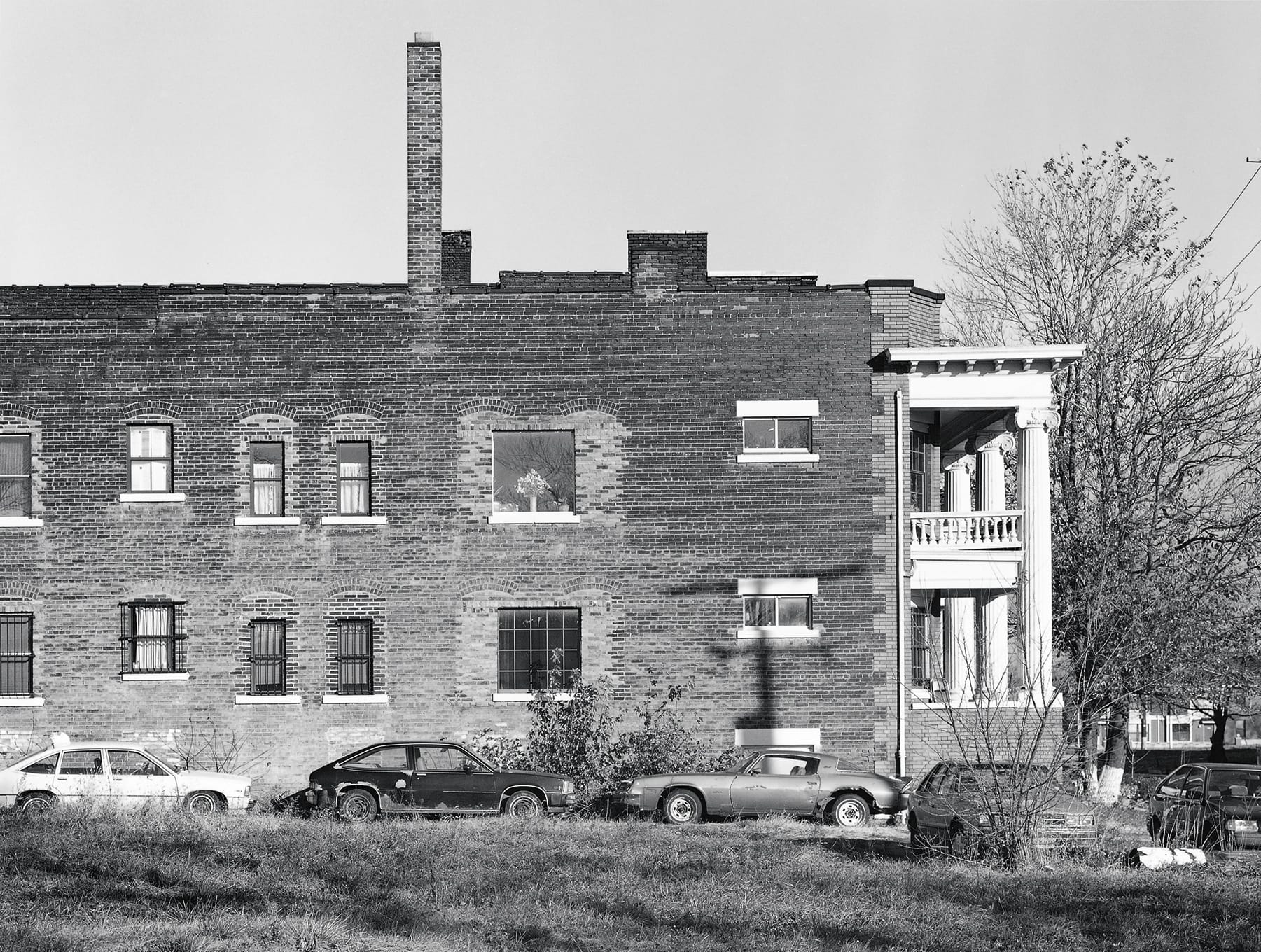
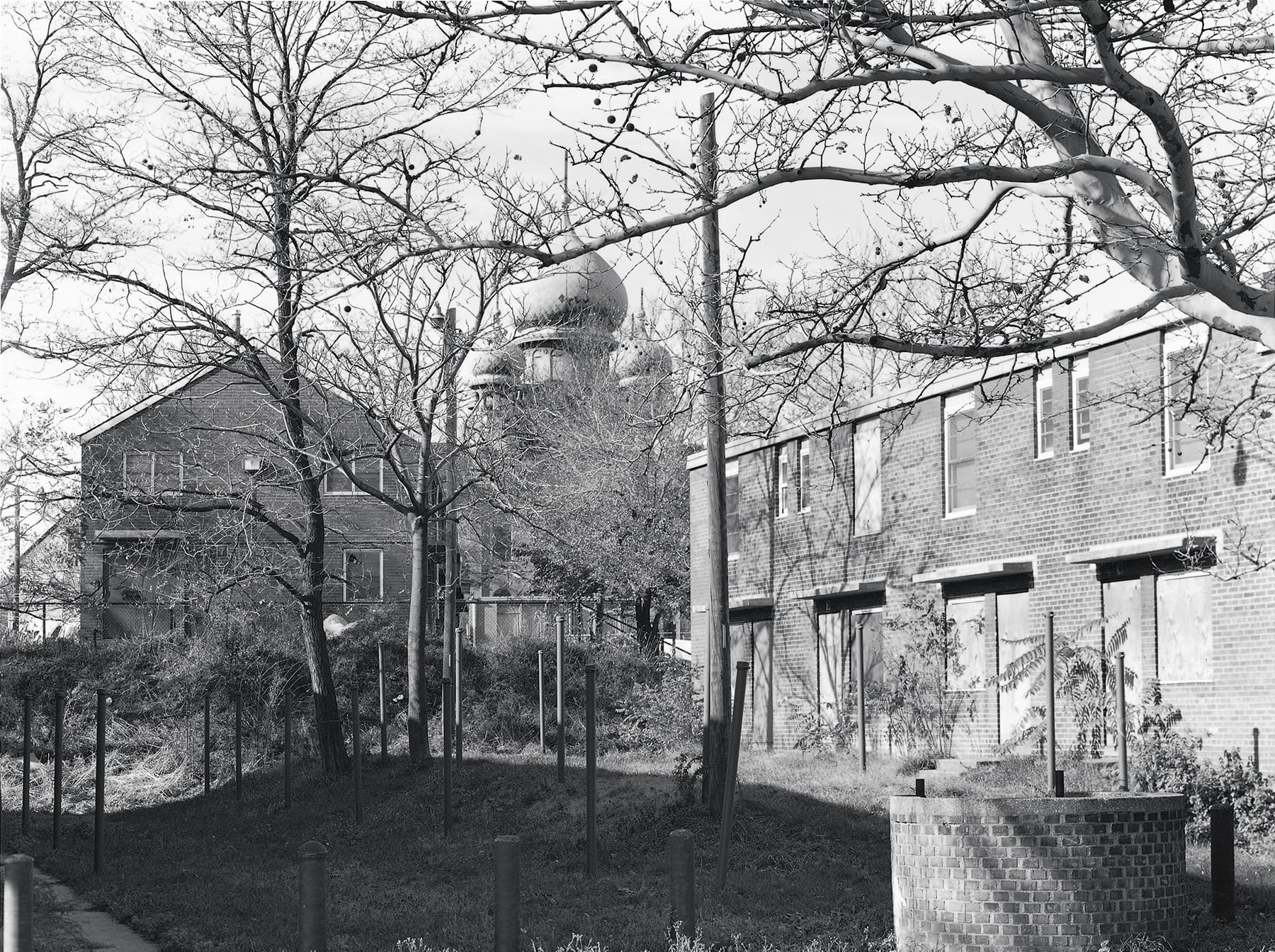
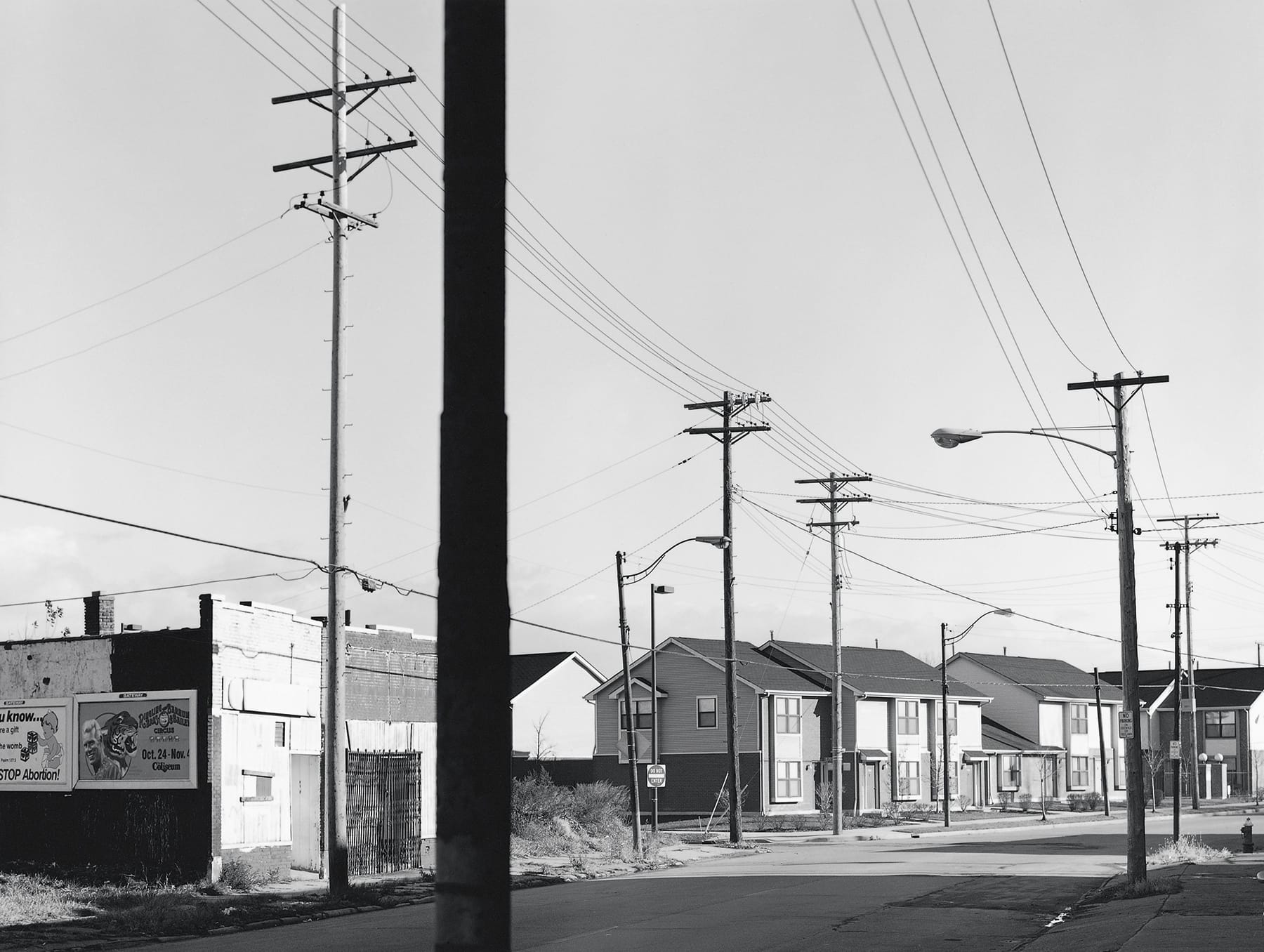
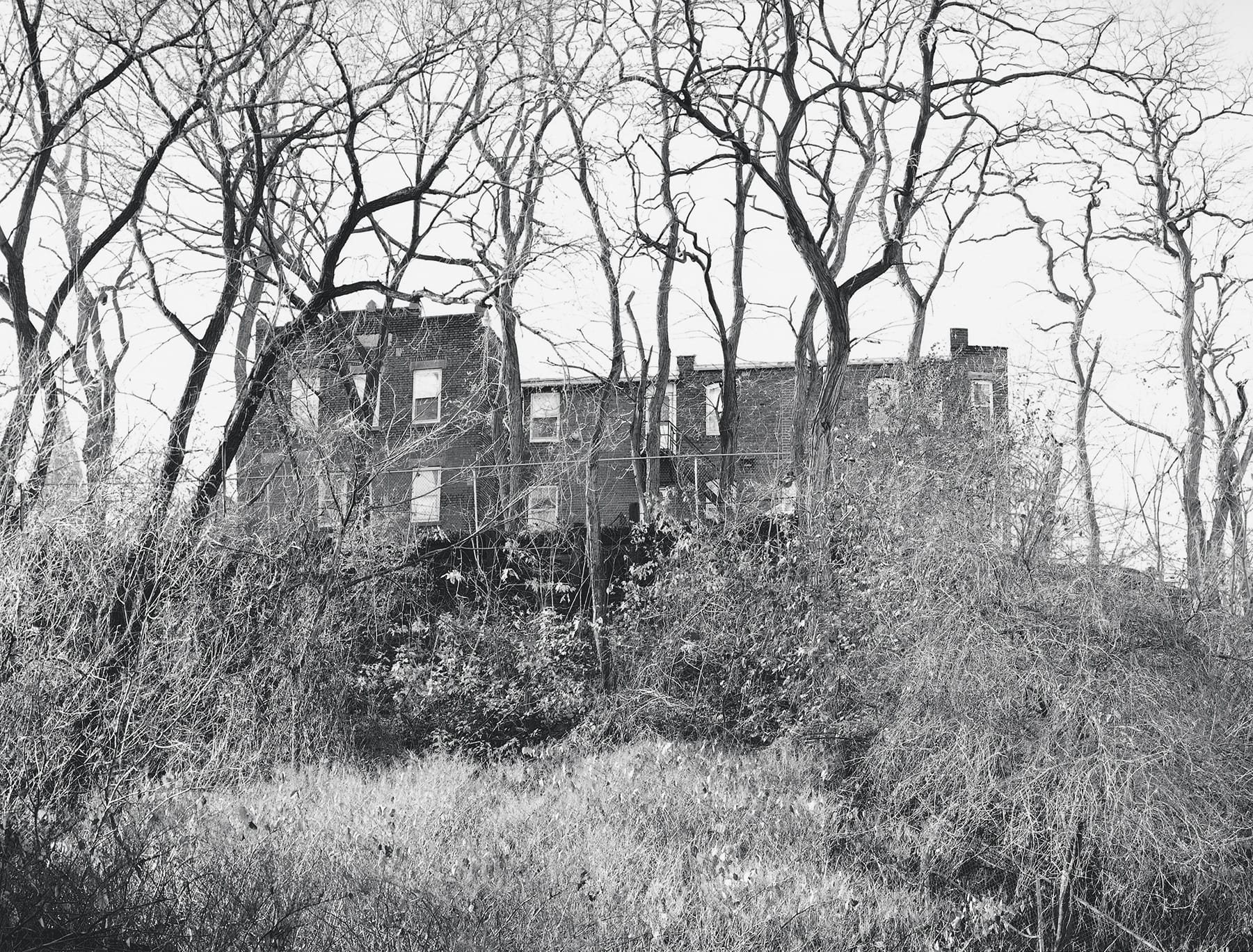
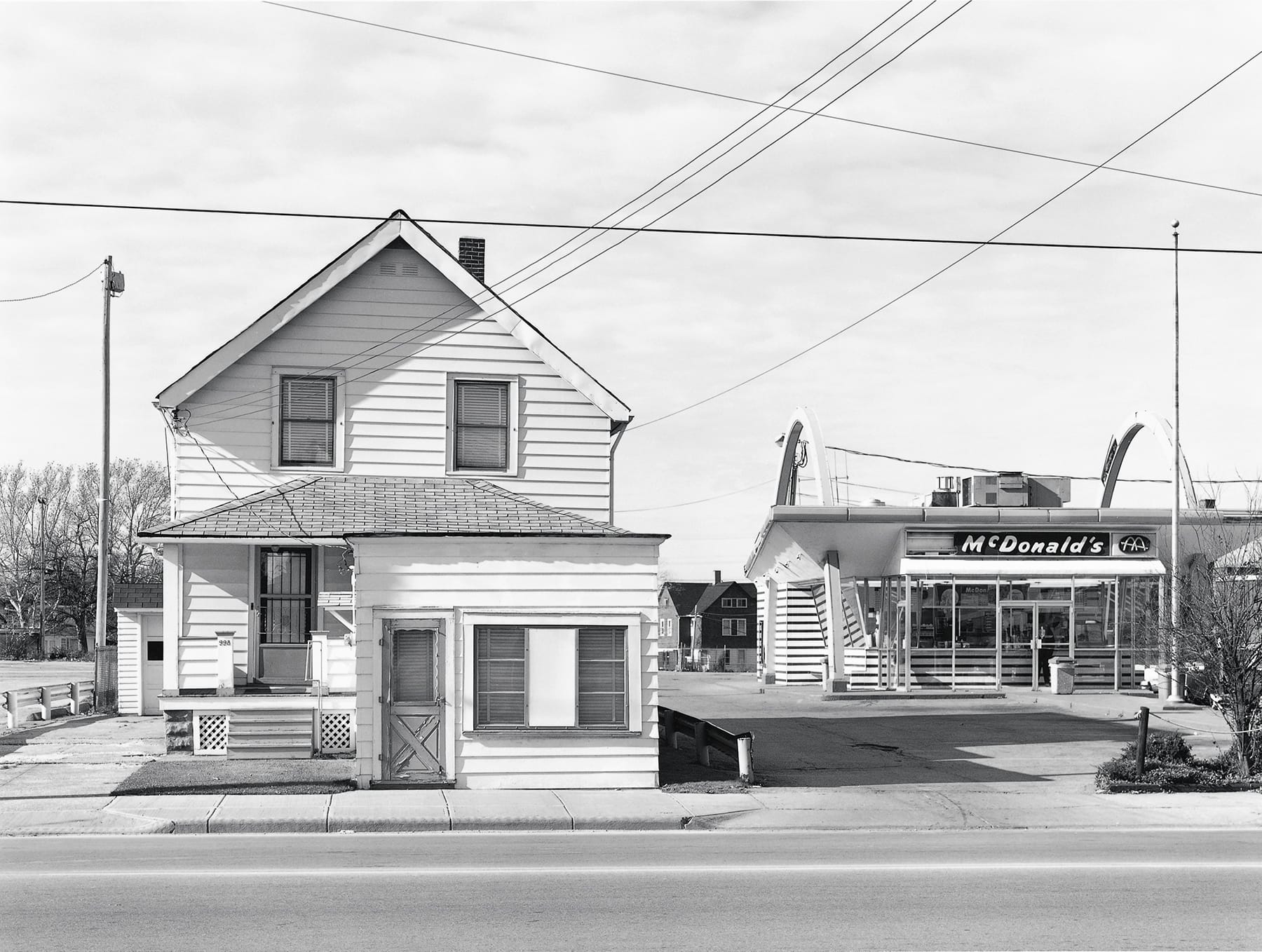
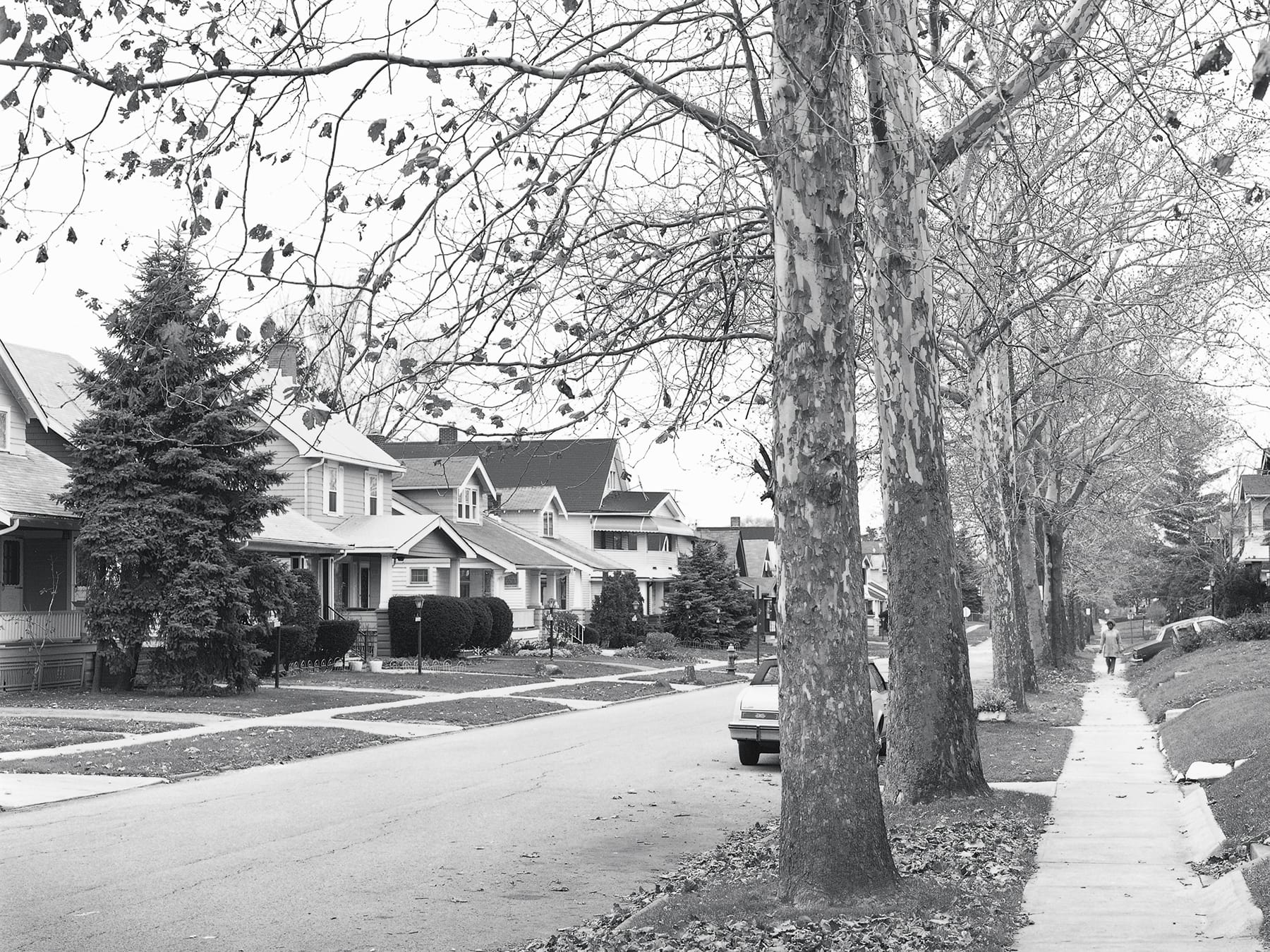
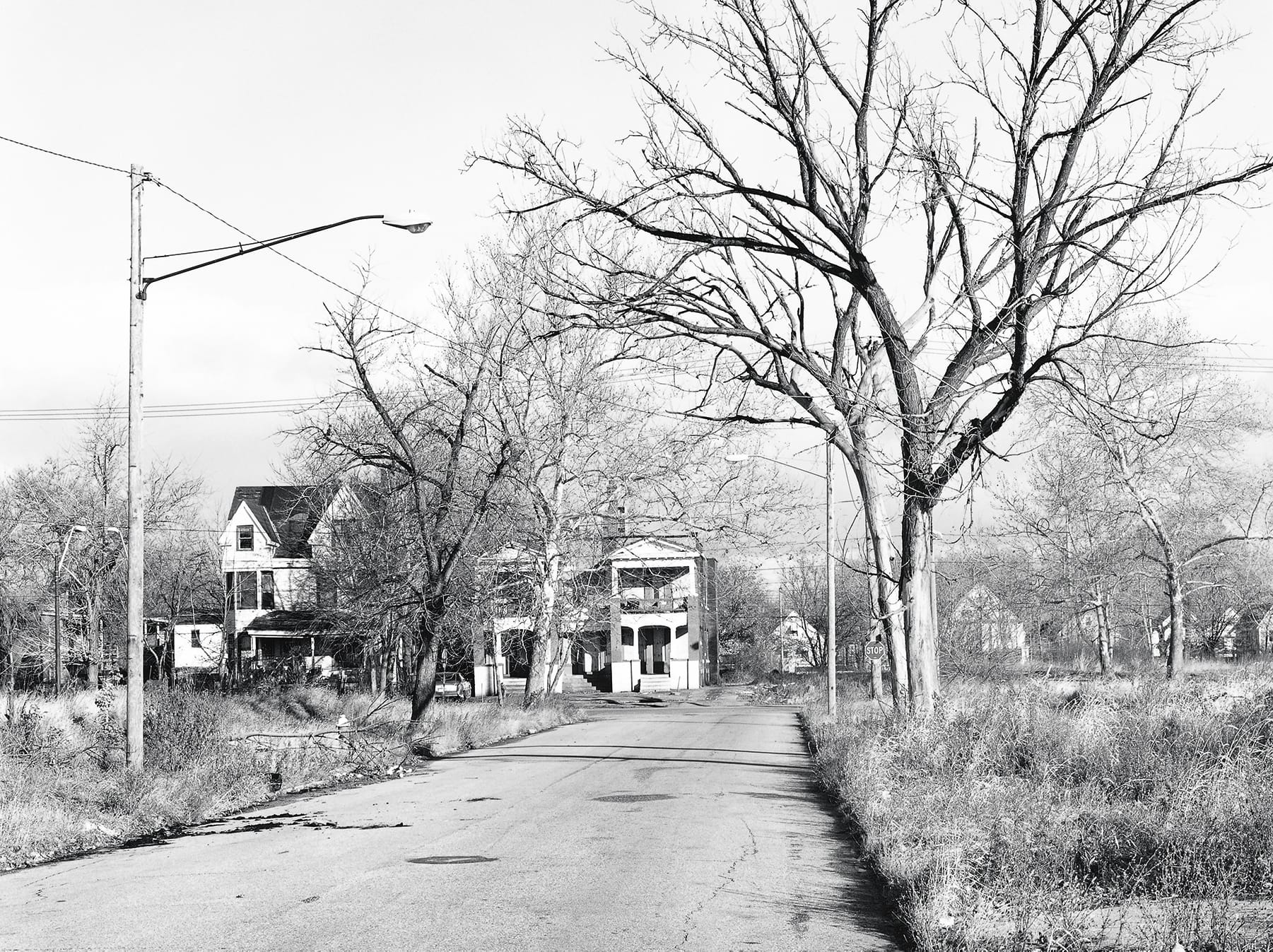
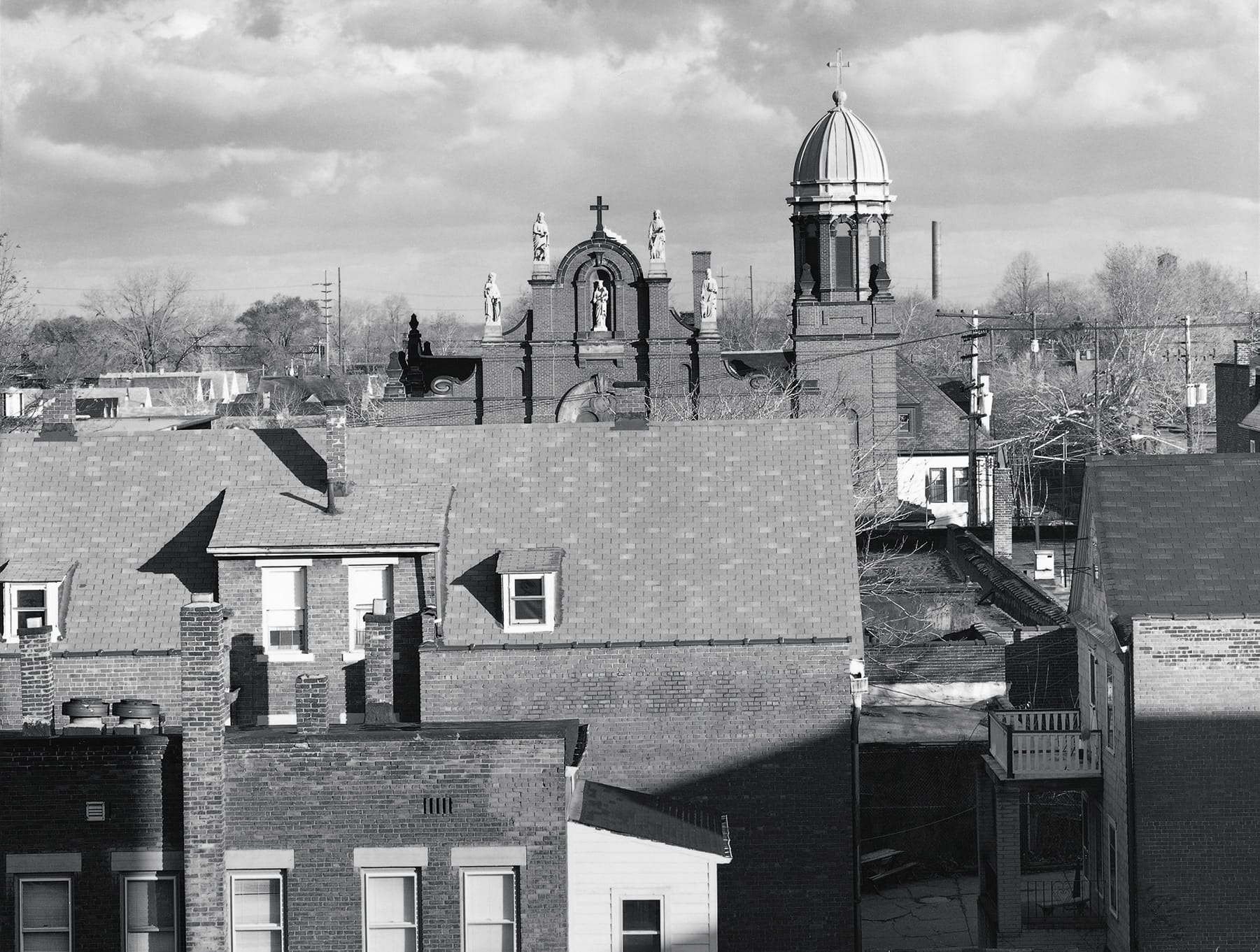
The series of images used in the 1990 annual report confronted Cleveland’s residential distress while at the same time reflecting the city’s diversity and resilience. These photographs were not from the portfolio of the so-called “comeback city” which focused mainly on the renewal of downtown Cleveland. Instead, these images are photographer Michael Book’s portrayal of city neighborhoods that were struggling to adapt to significant ongoing demographic and economic dislocation. Book’s photographs have been exhibited internationally and he is the recipient of a grant from the John Simon Guggenheim Memorial Foundation.


Letter from the Executive Director
1990 Annual Report
This report to the friends of the George Gund Foundation celebrates the achievements of the organization since Mr. Gund’s passing and describes our 1990 grantmaking. It also contains a commissioned photographic essay on Cleveland’s neighborhoods.
The essay is a compelling series of images which confront Cleveland’s residential distress while at the same time reflecting the city’s diversity and resilience. These photographs are not from the currently popular portfolio of the so-called “comeback city” which focuses mainly on the renewal of downtown Cleveland. Instead, these images are photographer Michael Book’s portrayal of city neighborhoods that are struggling to adapt to significant ongoing demographic and economic dislocation.
The essay also reflects the Foundation’s long-standing and evolving role in support of Cleveland’s residents and the many community-based organizations they have formed in their efforts to improve the quality of life in their neighborhoods.
During 1990, the George Gund Foundation changed its approach to supporting community development activities in Cleveland. The Foundation, with a commitment of $2.1 million to Neighborhood Progress, Inc. (NPI), seeks to strengthen the ability of this new community development intermediary to provide operating capital, financing, technical assistance and training to community-based development organizations in the city. It is the Foundation’s hope that our support for NPI, coupled with that of other local and national foundations, corporations and government can increase the scale of neighborhood revitalization and make a visible and lasting difference in the Cleveland neighborhoods portrayed in this report.
1990 was a year of progress on other grantmaking fronts as well. The Foundation’s involvement with and support of the Mayors Summit on Education and the Cleveland Initiative for Education (CIE) helped launch a coordinated, focused effort to improve the Cleveland Public Schools. We sense the beginning of a viable movement for change and will continue to participate in these efforts to improve the quality of education for Cleveland’s children.
Our interest in strengthening early childhood programs and stabilizing and supporting families deepened in 1990 and is reflected in the Foundation’s grantmaking. The Foundation’s environmental agenda was enhanced by creation of the Great Lakes Protection Fund, conceived by the Council of Great Lakes Governors and the Center for the Great Lakes to promote innovative research and public education programs. Both the Council and the Center are supported by the Foundation. Finally, we continued our efforts to foster a lively arts community in Greater Cleveland with grants to a wide variety of organizations, both those well-established and those just starting out. Of particular interest, was our assistance to the Cleveland Institute of Art as that organization responded to new leadership and vision.
The trustees and staff hope you find this report on our grantmaking of interest and look forward to informing you about our future activities in the coming years.
David Bergholz, Executive Director