
Neighborhoods
Michael Book (1990)
Photography
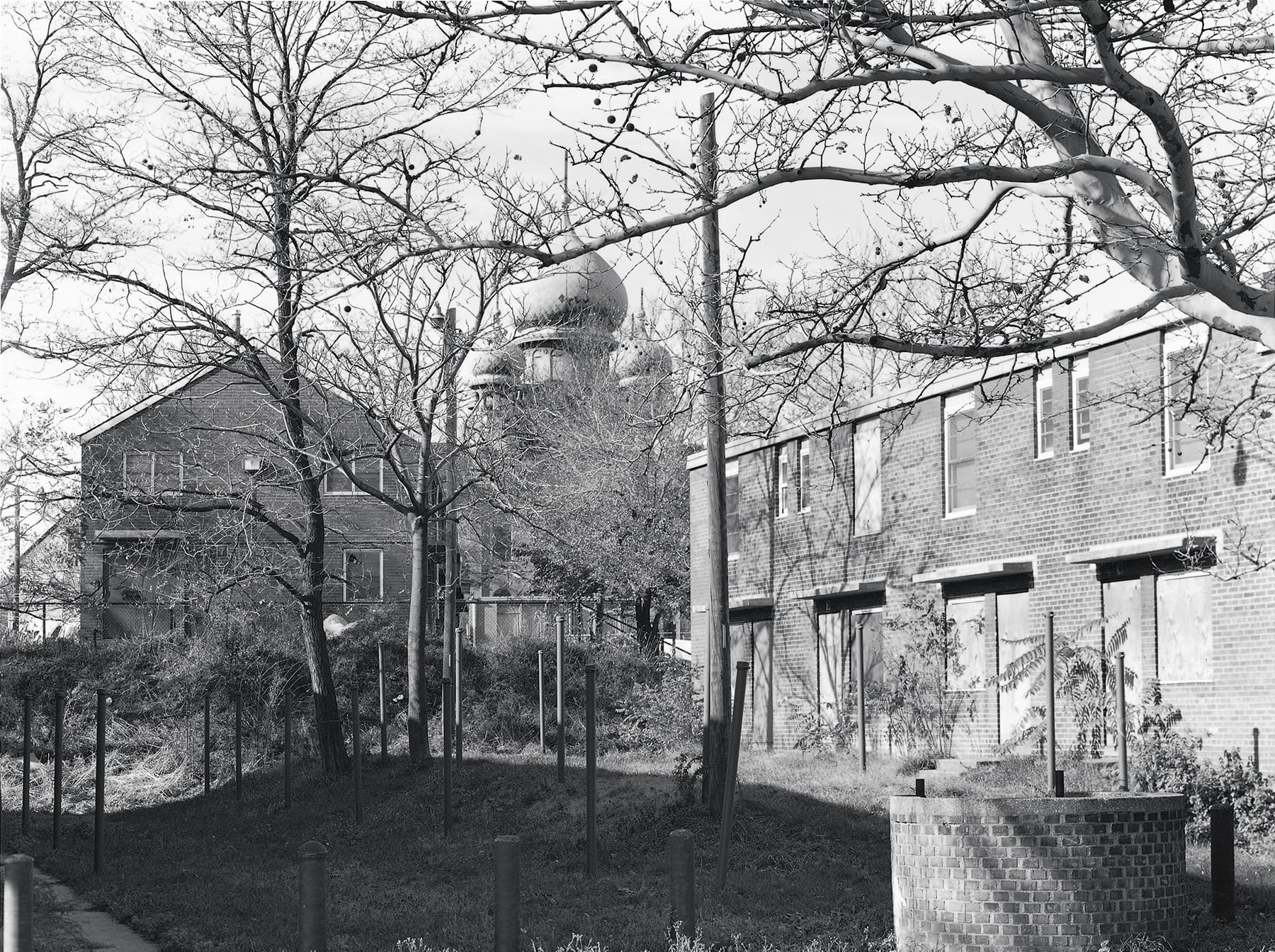
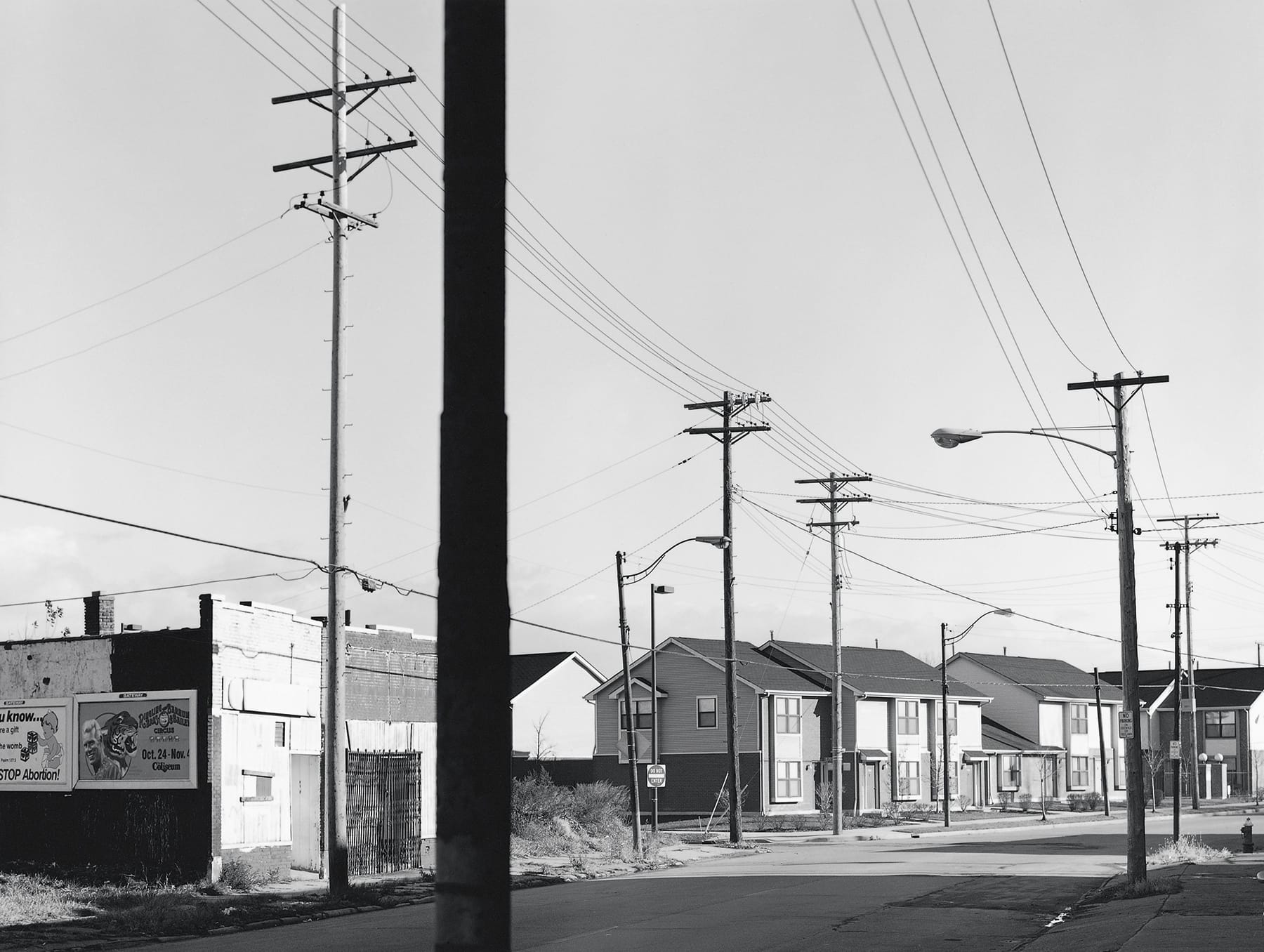
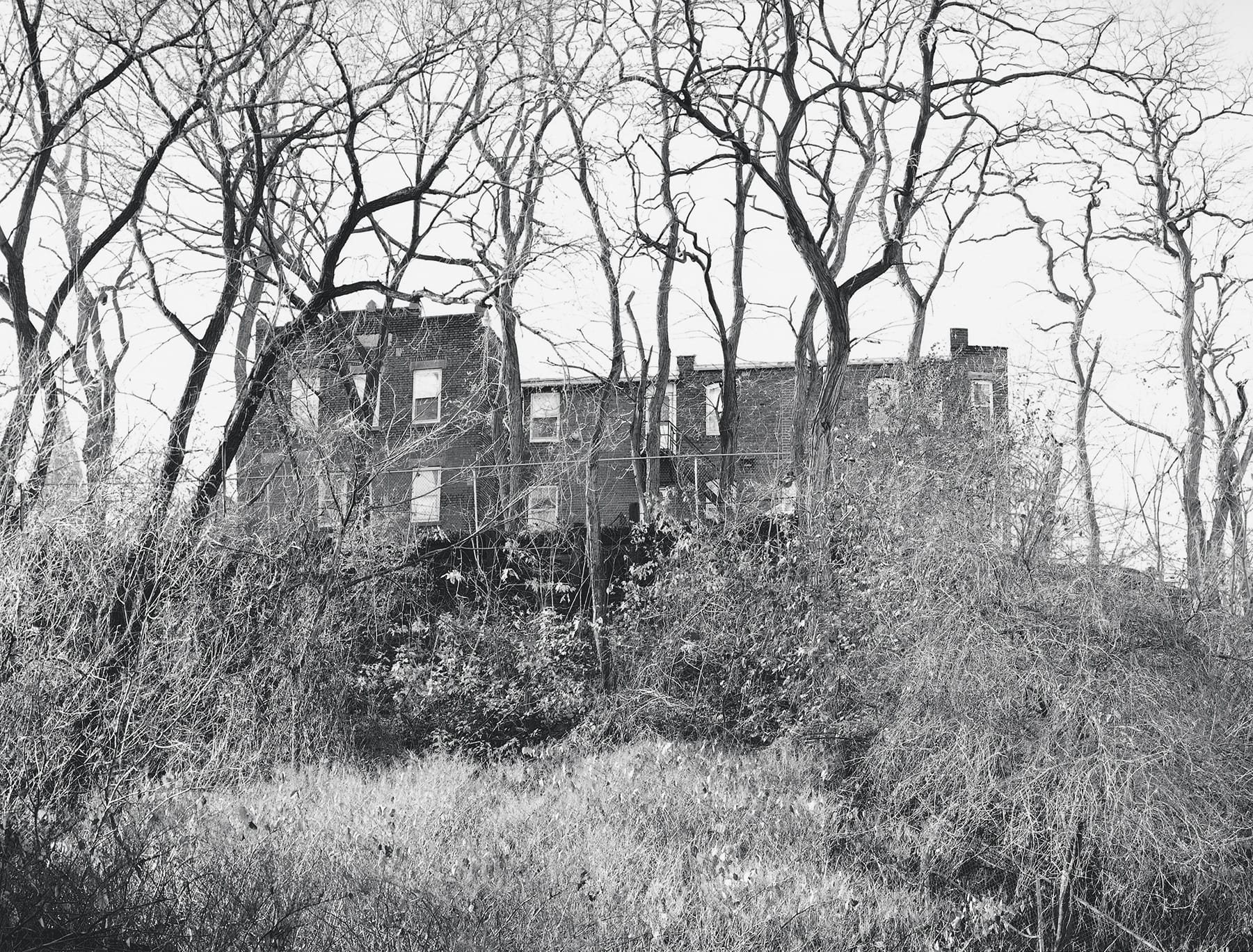
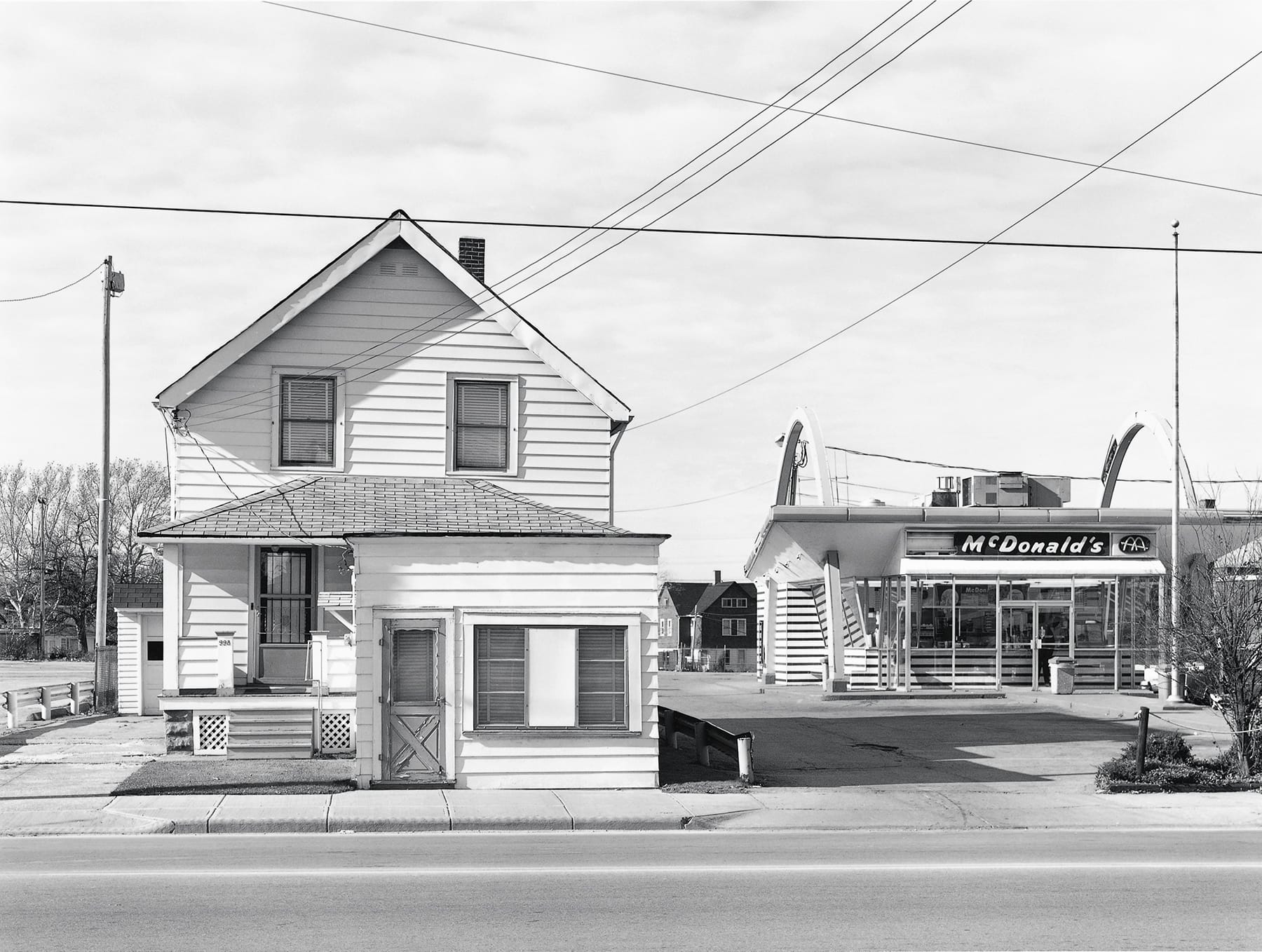
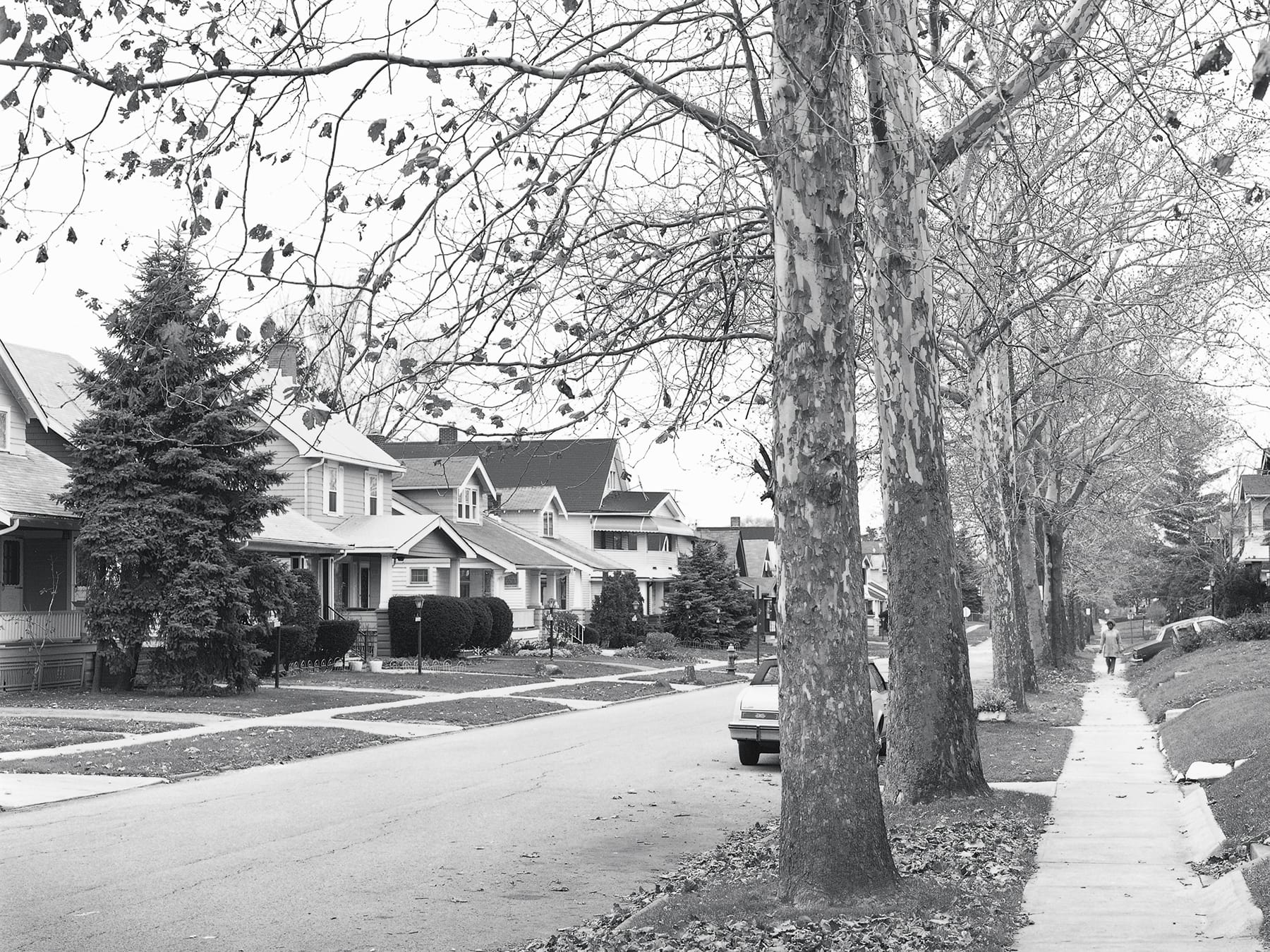
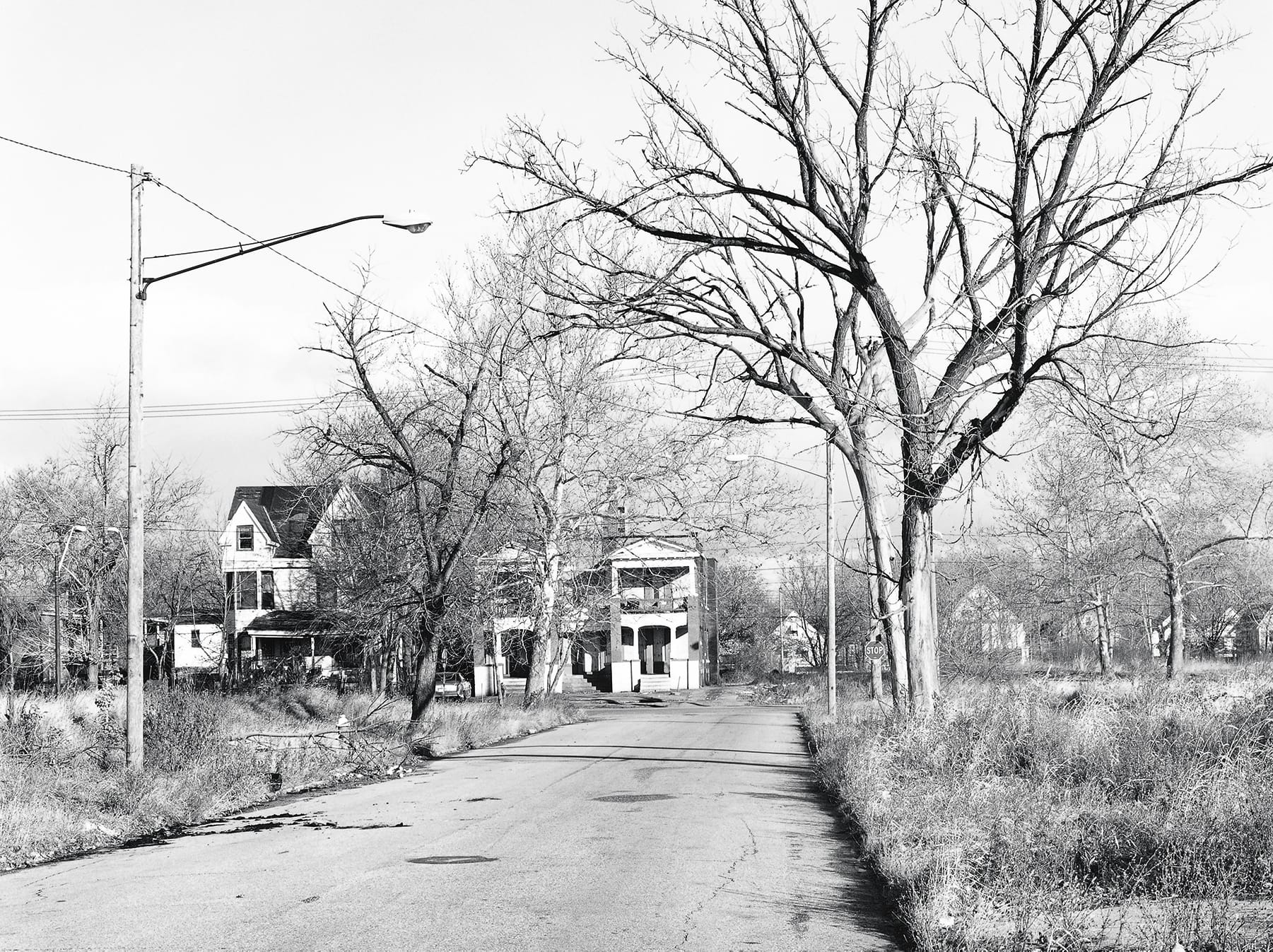
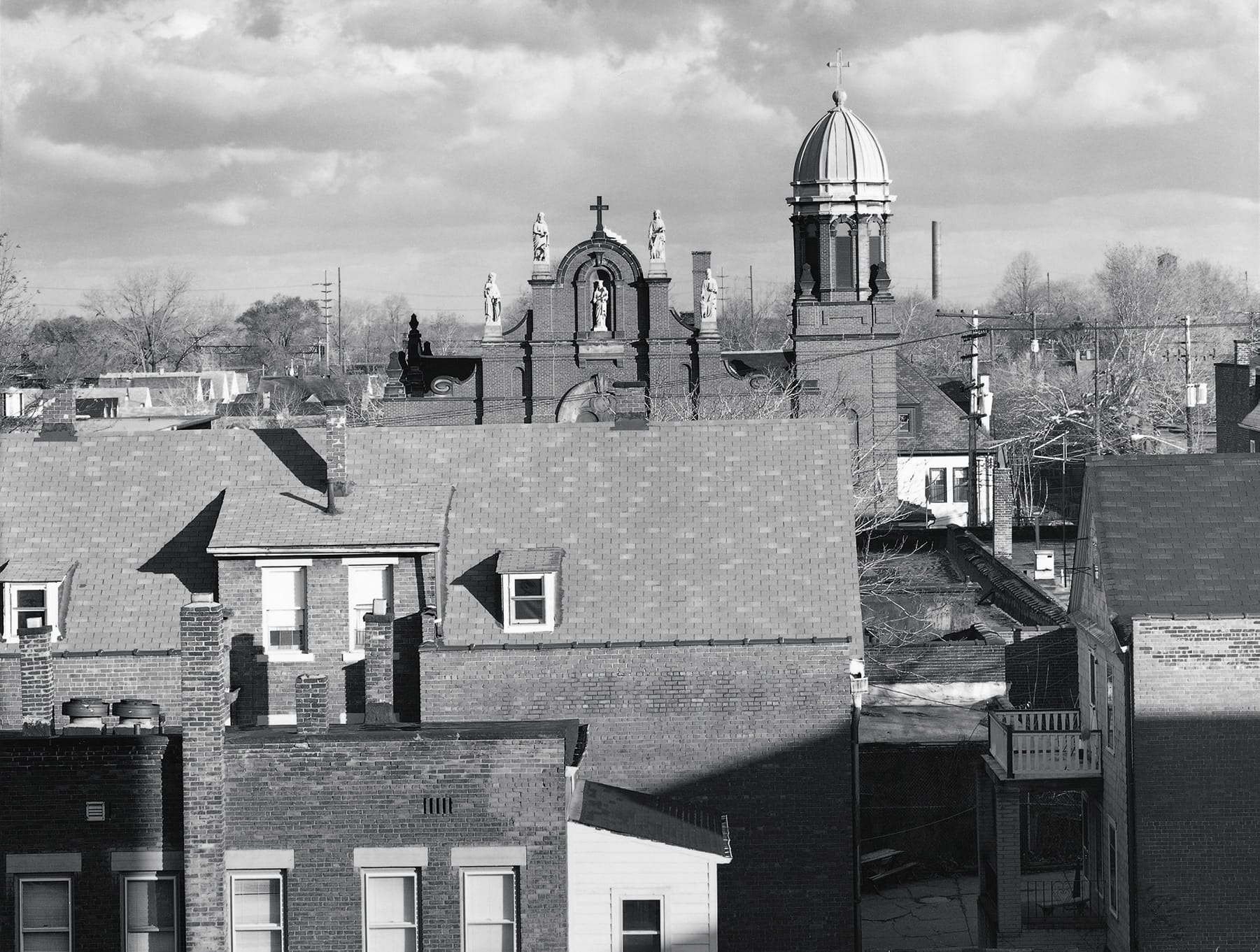
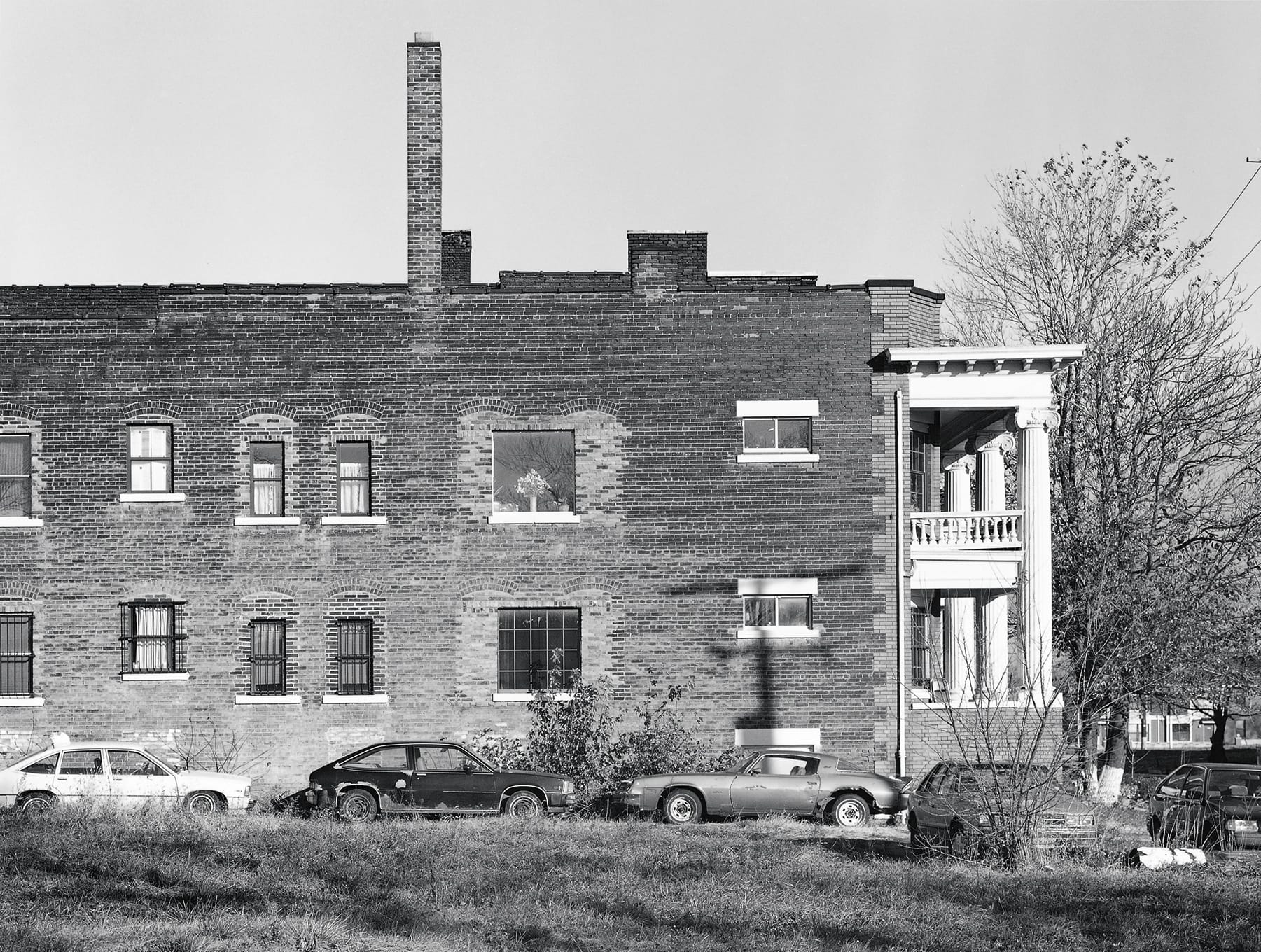
The series of images used in the 1990 annual report confronted Cleveland’s residential distress while at the same time reflecting the city’s diversity and resilience. These photographs were not from the portfolio of the so-called “comeback city” which focused mainly on the renewal of downtown Cleveland. Instead, these images are photographer Michael Book’s portrayal of city neighborhoods that were struggling to adapt to significant ongoing demographic and economic dislocation. Book’s photographs have been exhibited internationally and he is the recipient of a grant from the John Simon Guggenheim Memorial Foundation.


Letter from the Executive Director
1990 Annual Report
This report to the friends of the George Gund Foundation celebrates the achievements of the organization since Mr. Gund’s passing and describes our 1990 grantmaking. It also contains a commissioned photographic essay on Cleveland’s neighborhoods.
The essay is a compelling series of images which confront Cleveland’s residential distress while at the same time reflecting the city’s diversity and resilience. These photographs are not from the currently popular portfolio of the so-called “comeback city” which focuses mainly on the renewal of downtown Cleveland. Instead, these images are photographer Michael Book’s portrayal of city neighborhoods that are struggling to adapt to significant ongoing demographic and economic dislocation.
The essay also reflects the Foundation’s long-standing and evolving role in support of Cleveland’s residents and the many community-based organizations they have formed in their efforts to improve the quality of life in their neighborhoods.
During 1990, the George Gund Foundation changed its approach to supporting community development activities in Cleveland. The Foundation, with a commitment of $2.1 million to Neighborhood Progress, Inc. (NPI), seeks to strengthen the ability of this new community development intermediary to provide operating capital, financing, technical assistance and training to community-based development organizations in the city. It is the Foundation’s hope that our support for NPI, coupled with that of other local and national foundations, corporations and government can increase the scale of neighborhood revitalization and make a visible and lasting difference in the Cleveland neighborhoods portrayed in this report.
1990 was a year of progress on other grantmaking fronts as well. The Foundation’s involvement with and support of the Mayors Summit on Education and the Cleveland Initiative for Education (CIE) helped launch a coordinated, focused effort to improve the Cleveland Public Schools. We sense the beginning of a viable movement for change and will continue to participate in these efforts to improve the quality of education for Cleveland’s children.
Our interest in strengthening early childhood programs and stabilizing and supporting families deepened in 1990 and is reflected in the Foundation’s grantmaking. The Foundation’s environmental agenda was enhanced by creation of the Great Lakes Protection Fund, conceived by the Council of Great Lakes Governors and the Center for the Great Lakes to promote innovative research and public education programs. Both the Council and the Center are supported by the Foundation. Finally, we continued our efforts to foster a lively arts community in Greater Cleveland with grants to a wide variety of organizations, both those well-established and those just starting out. Of particular interest, was our assistance to the Cleveland Institute of Art as that organization responded to new leadership and vision.
The trustees and staff hope you find this report on our grantmaking of interest and look forward to informing you about our future activities in the coming years.
David Bergholz, Executive Director