

Urban Farming
Photography
Greg Miller (2013)
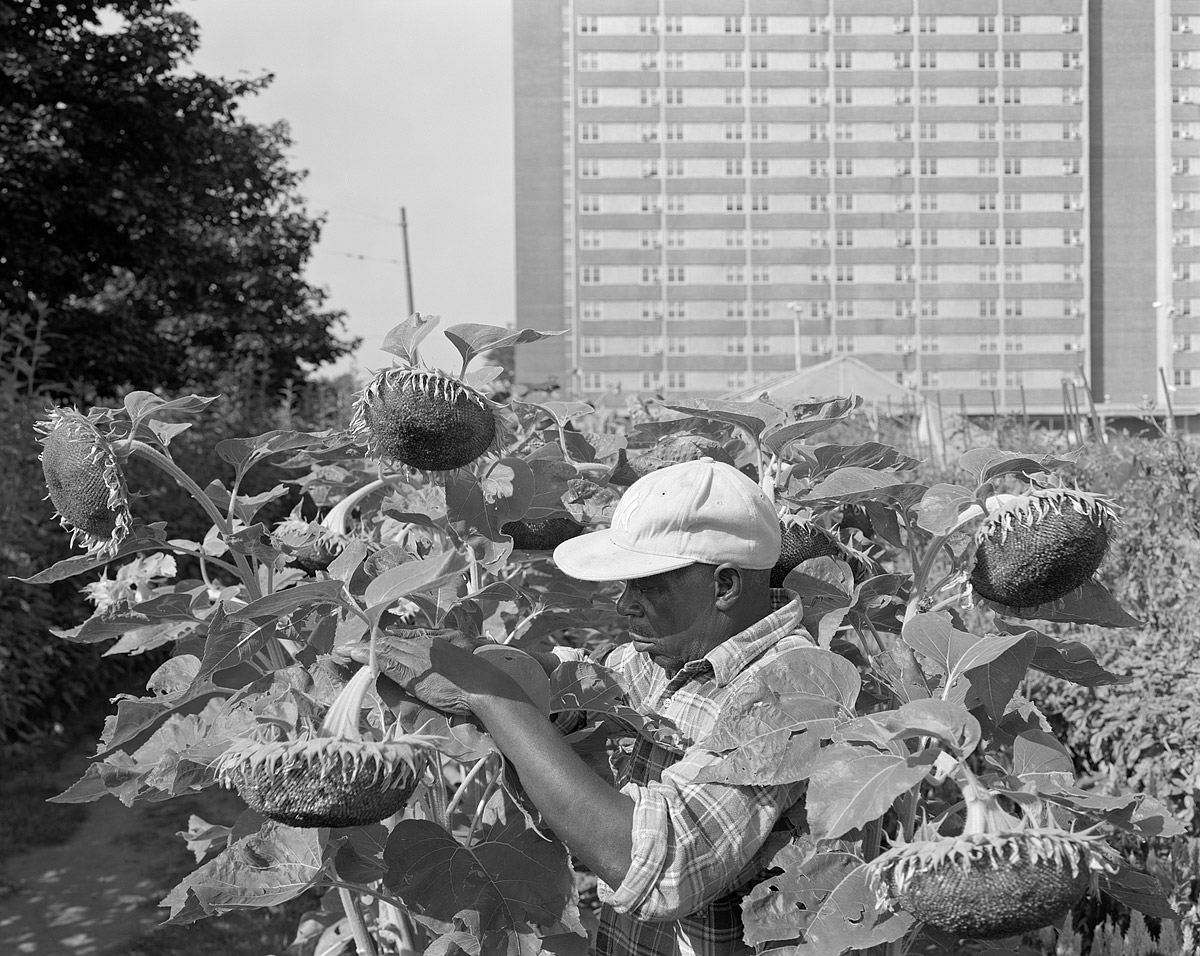
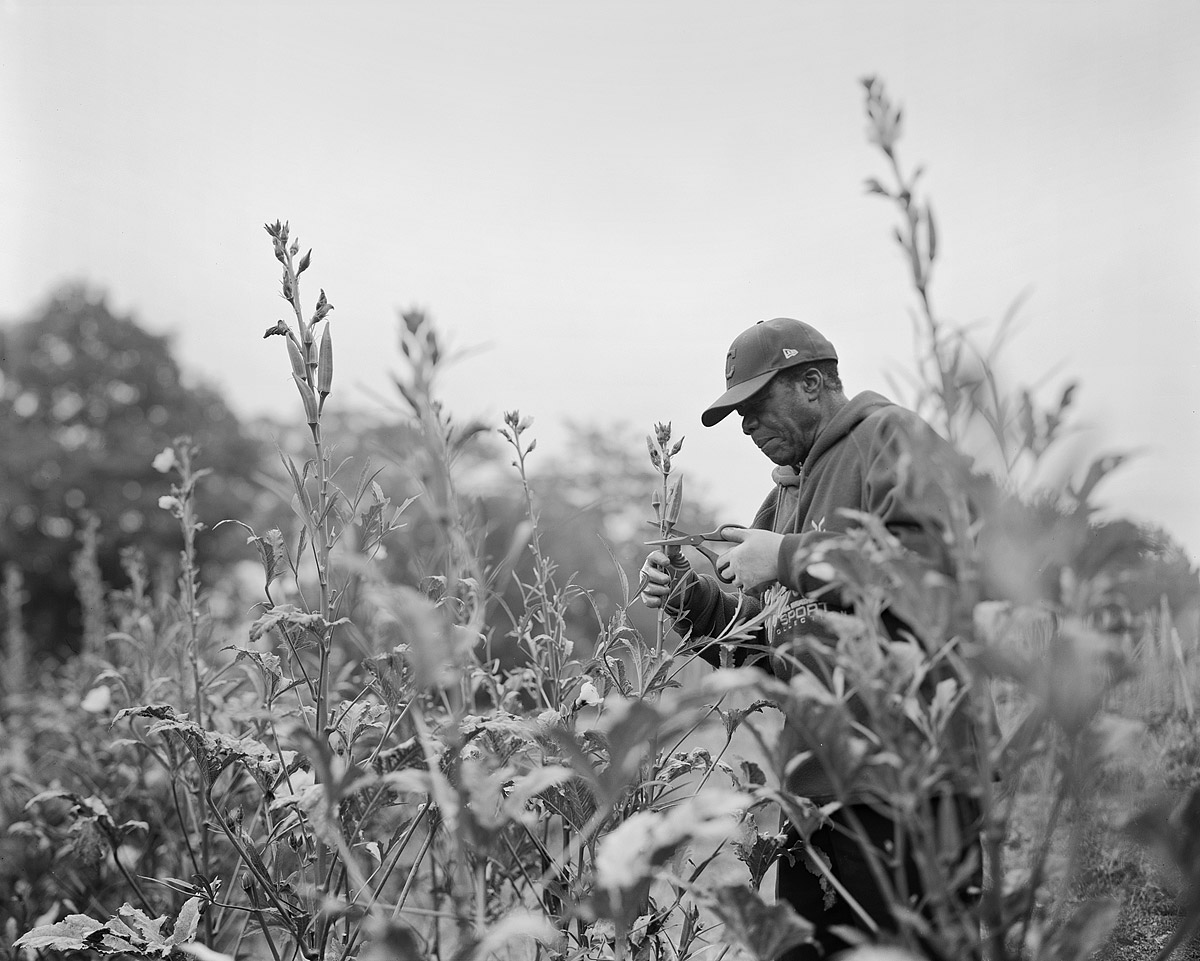
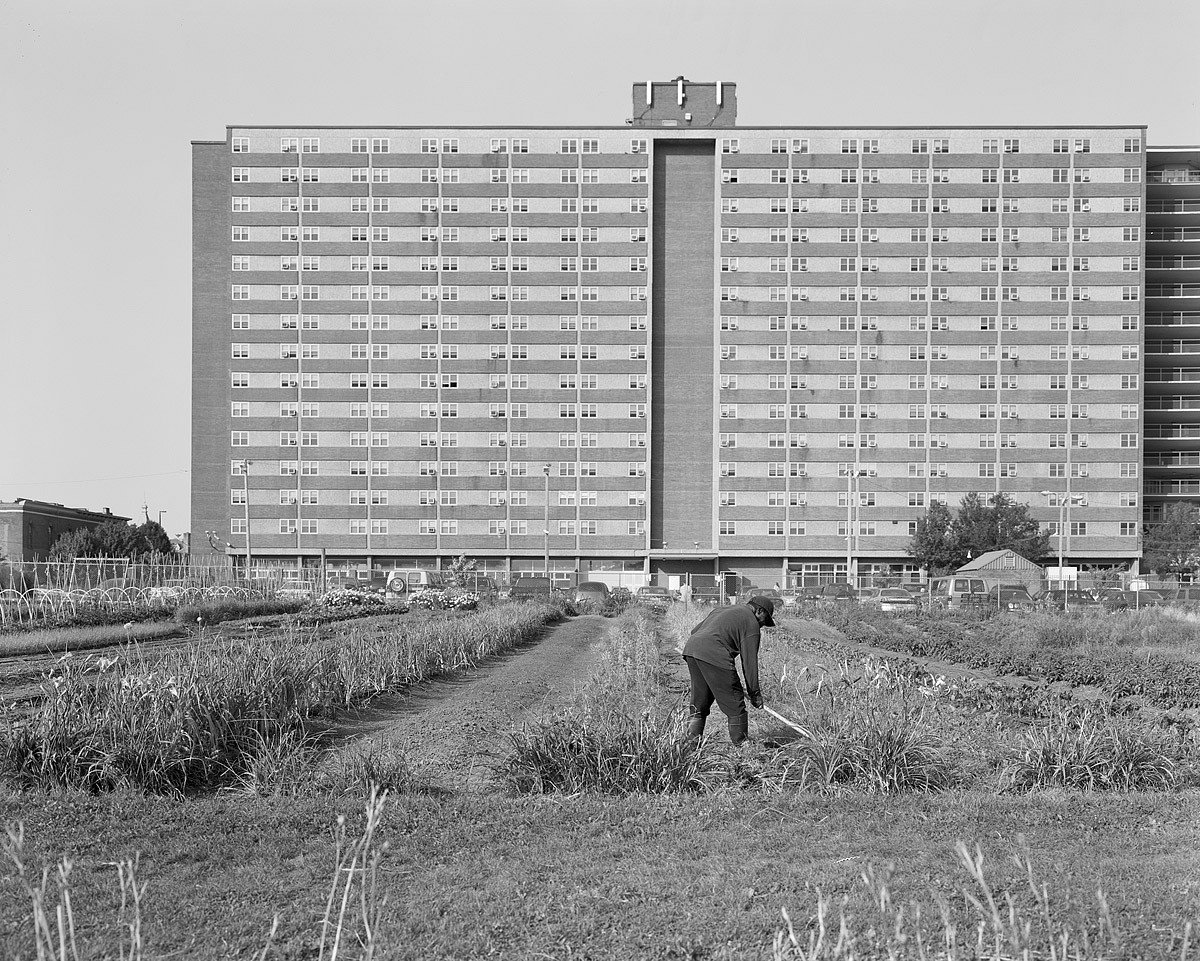
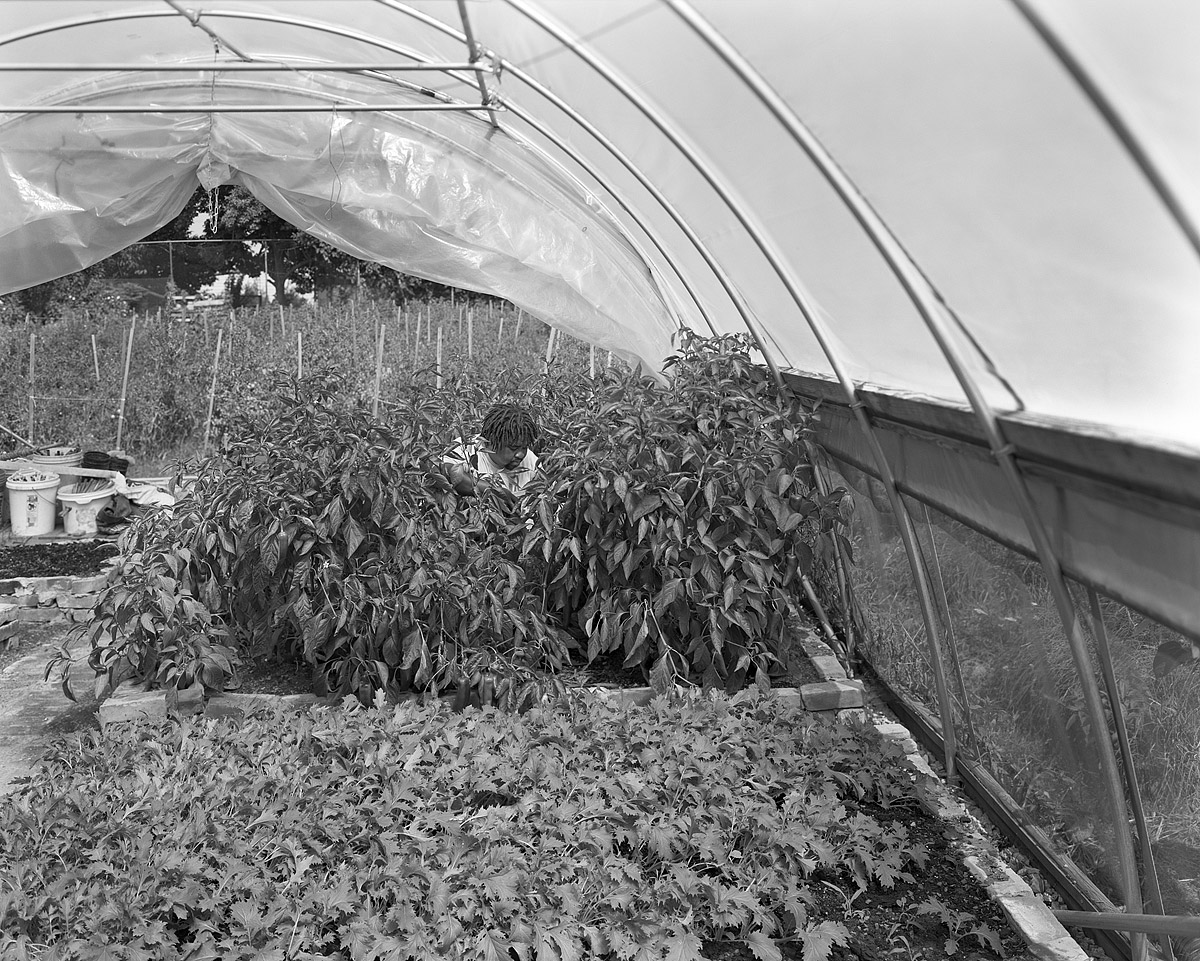
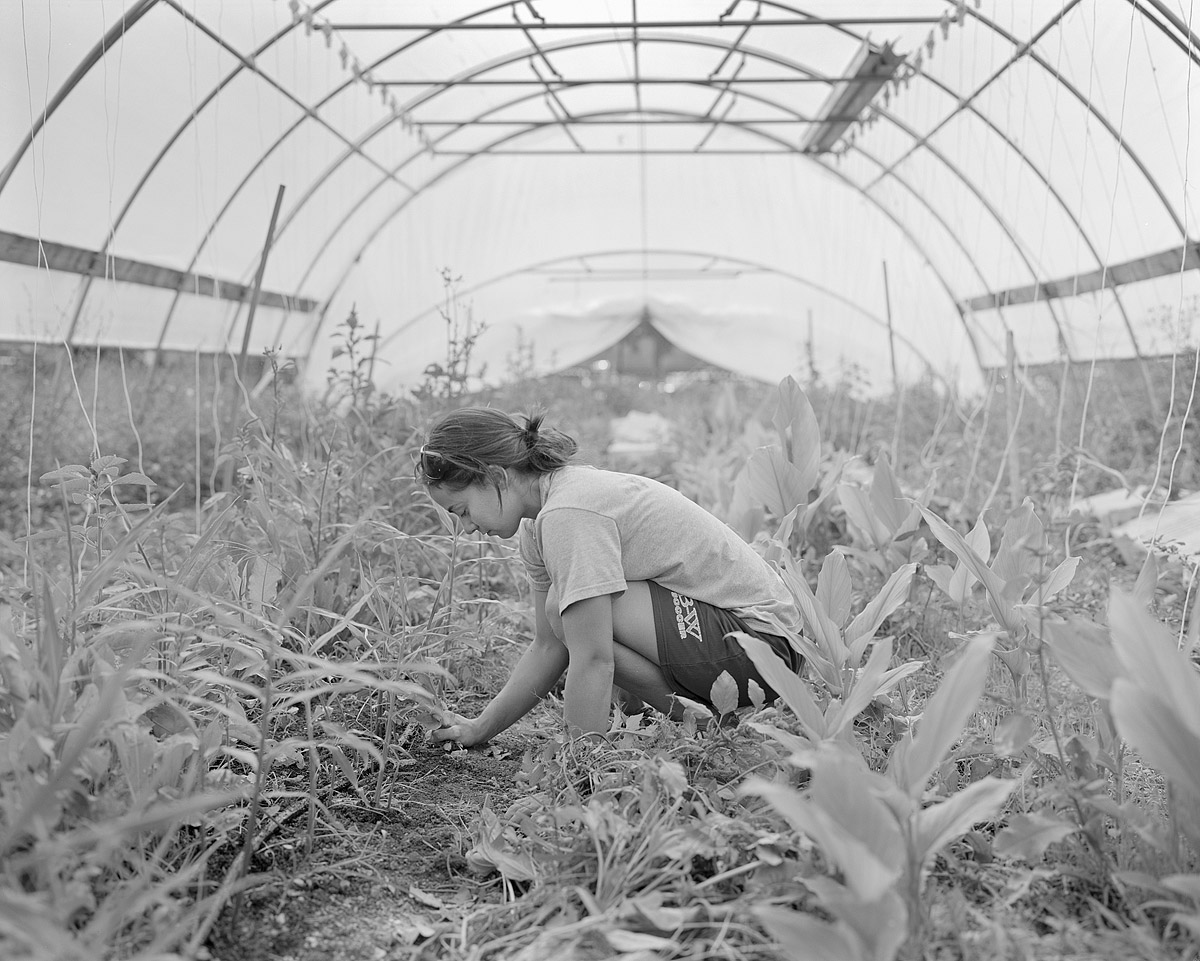
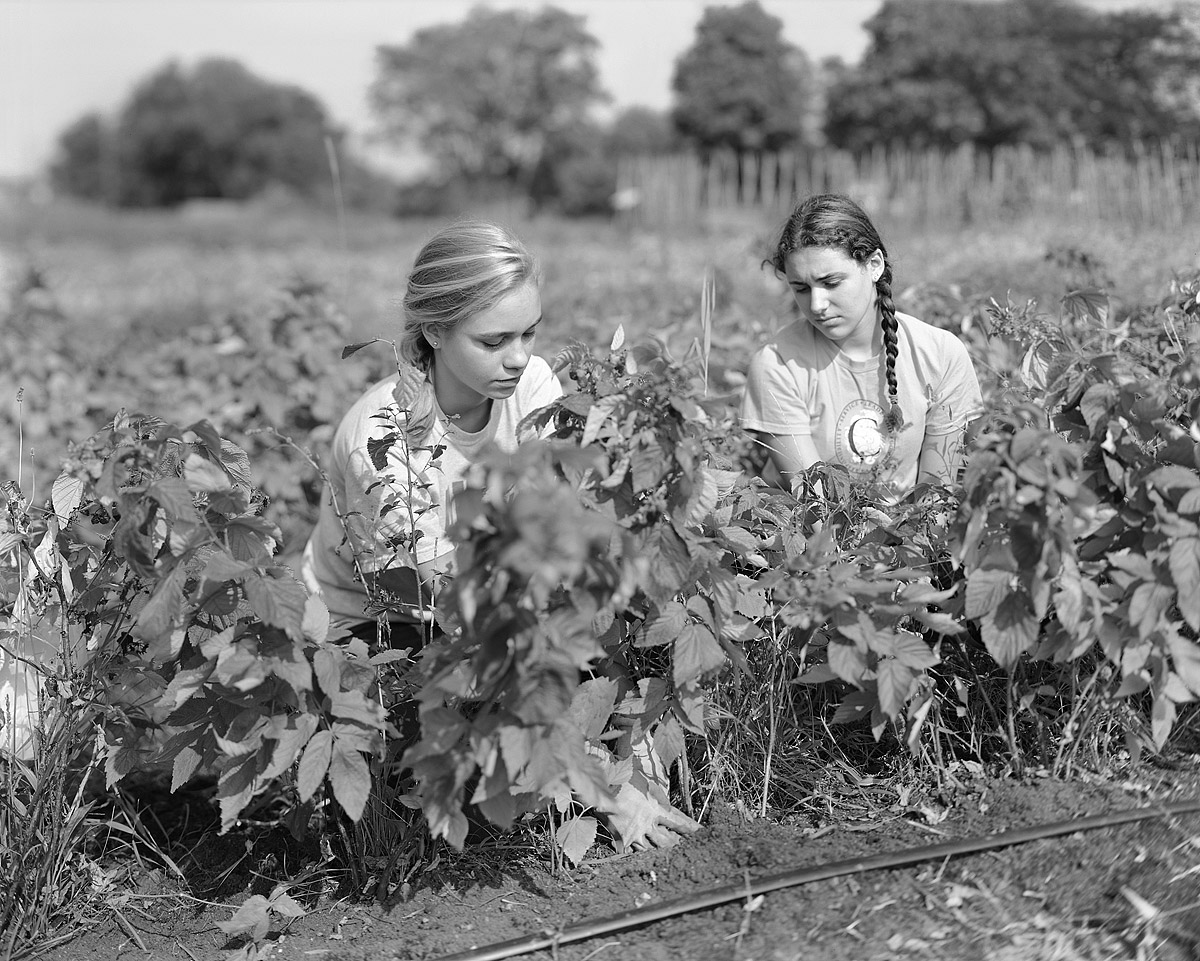
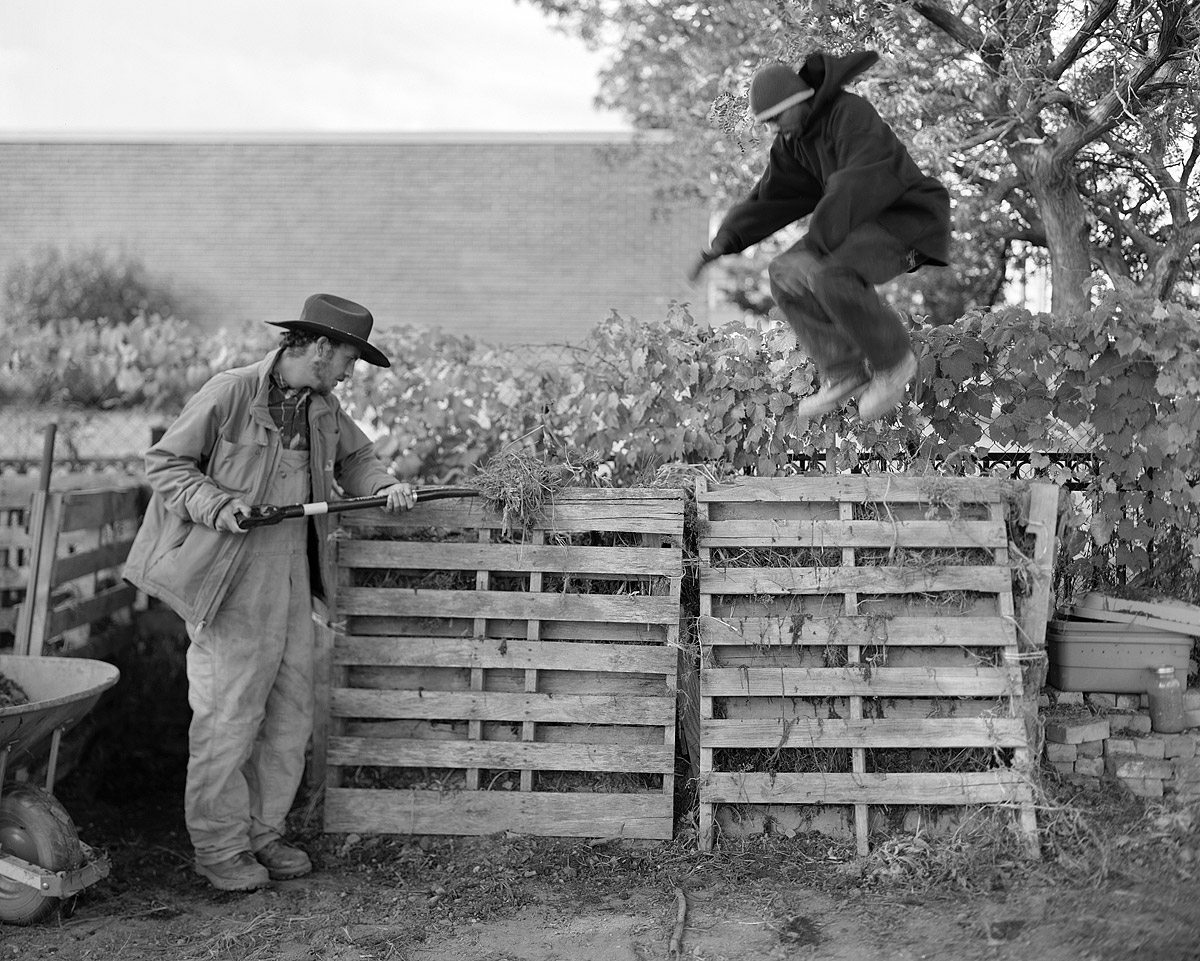
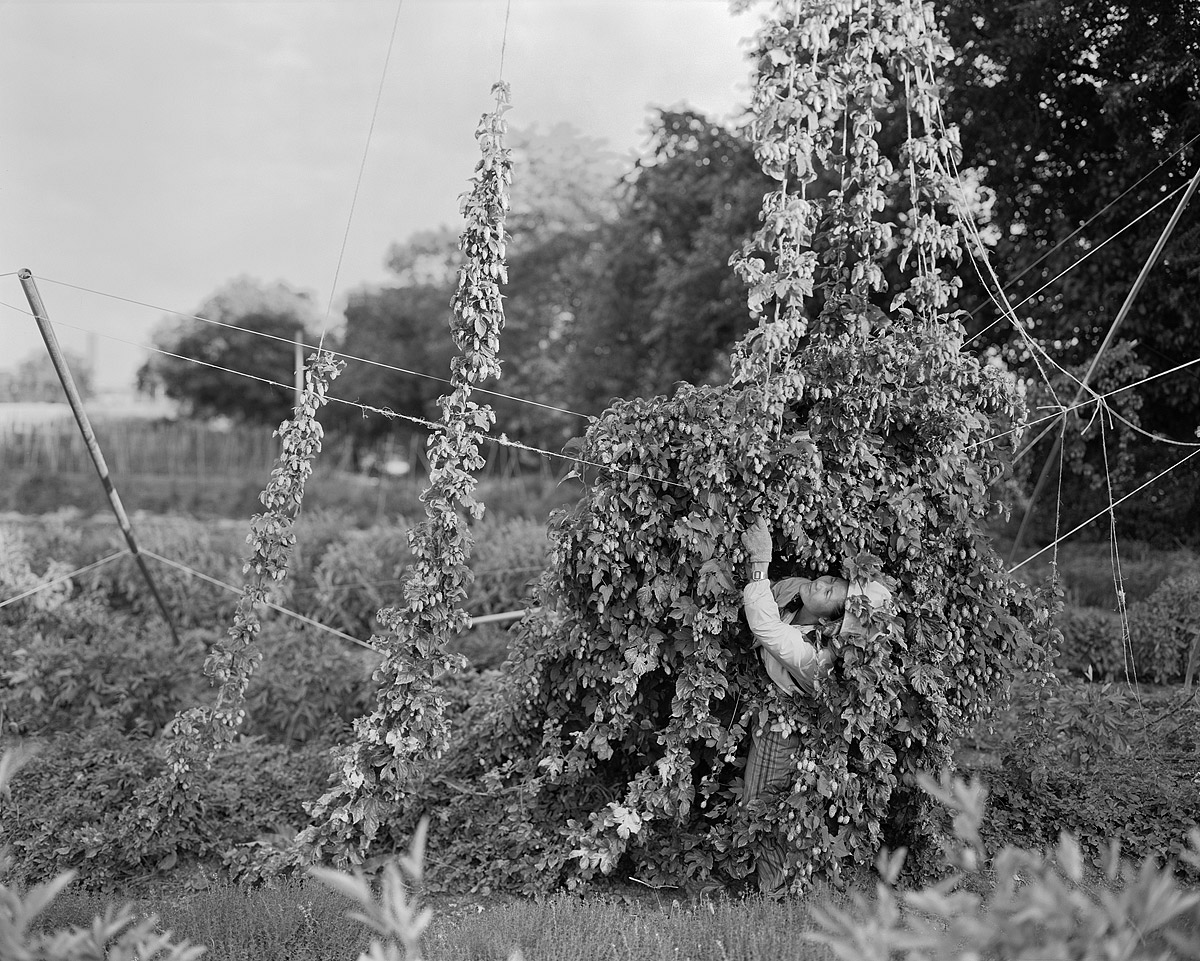
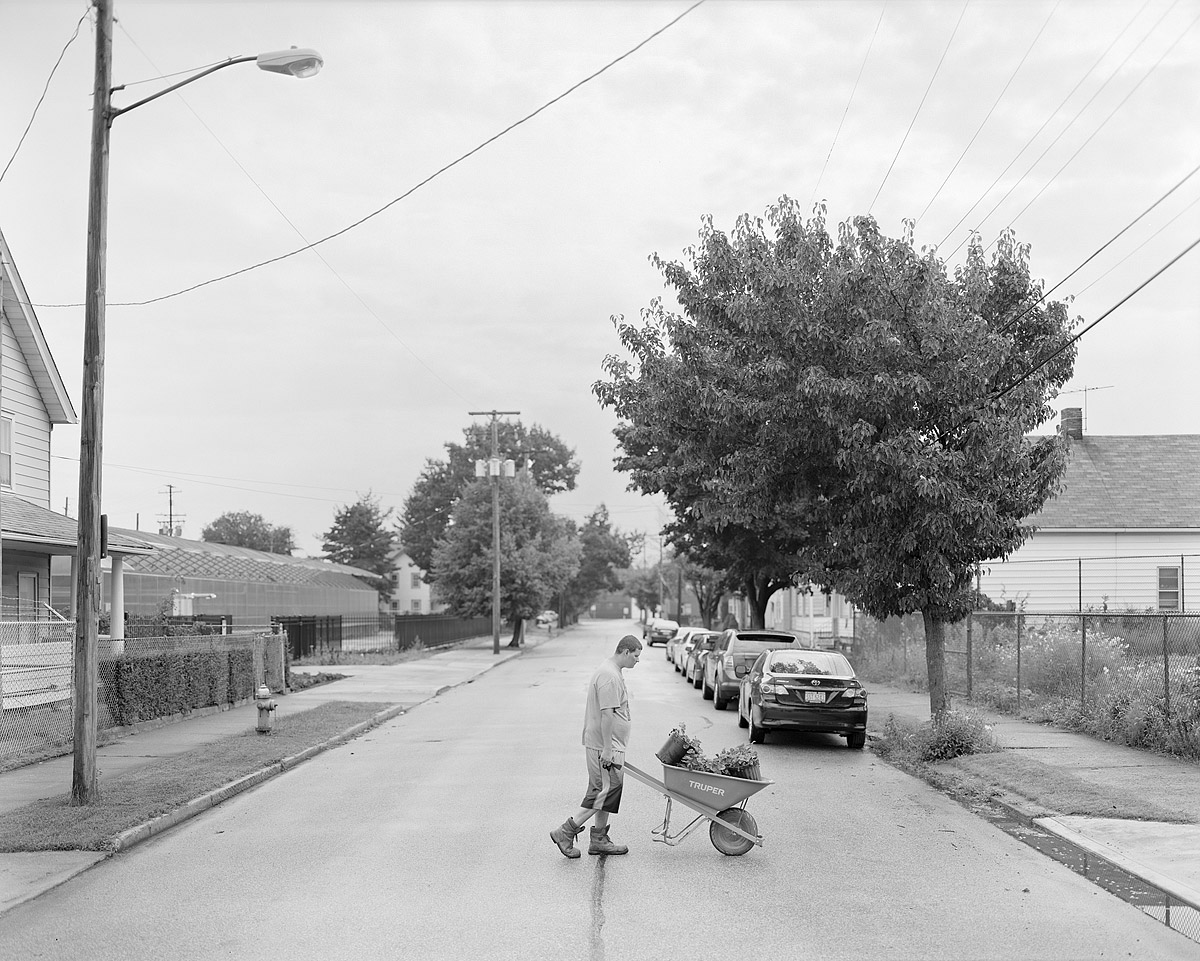
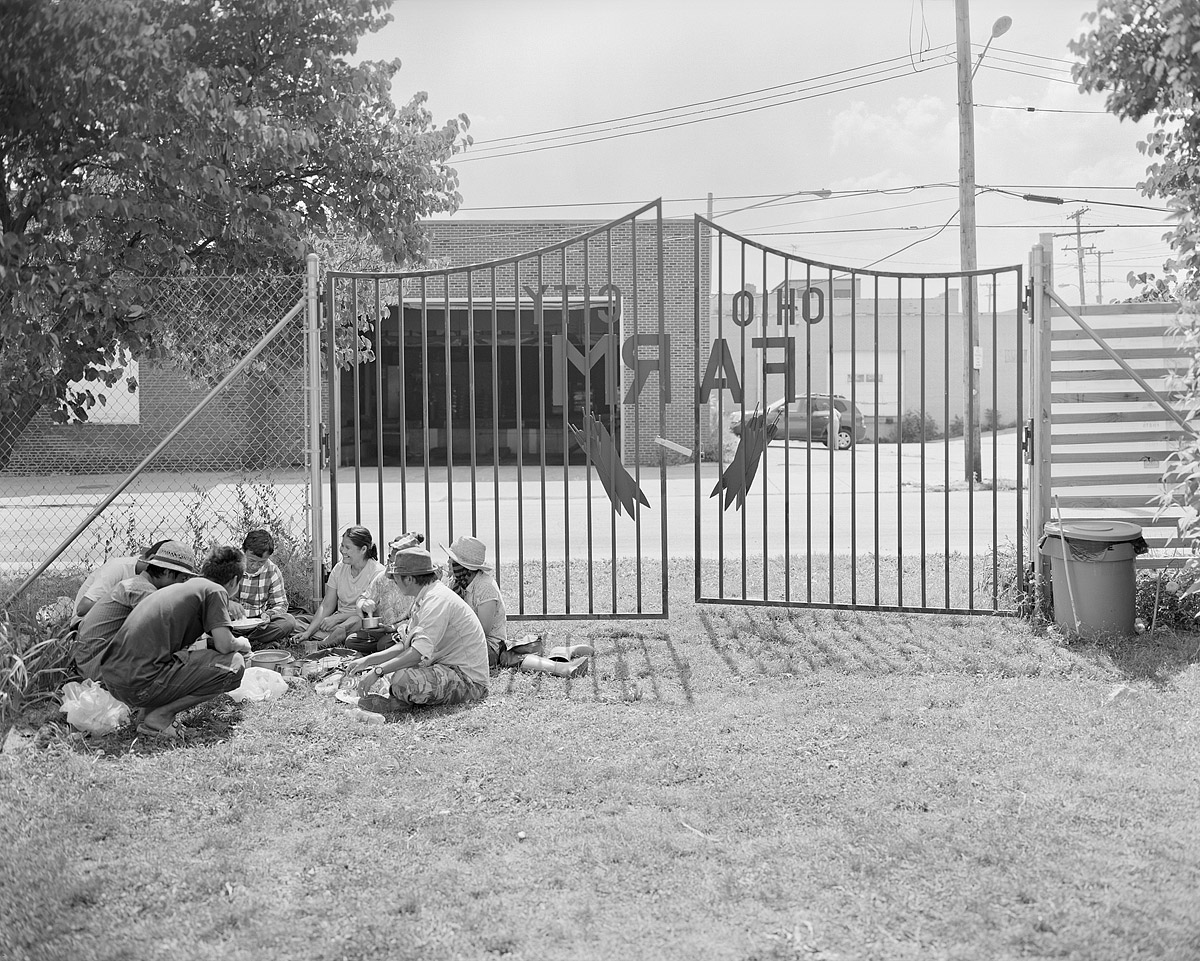
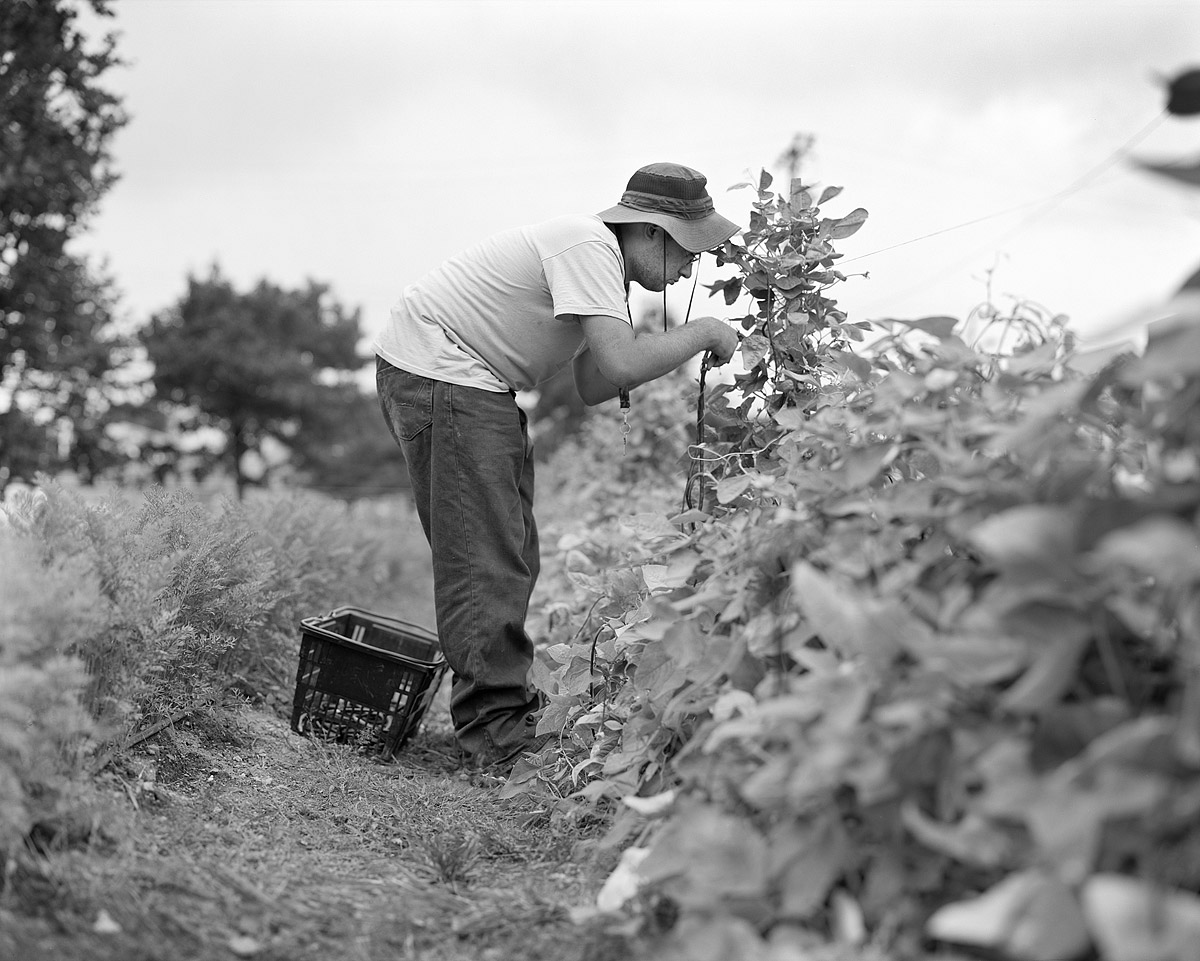
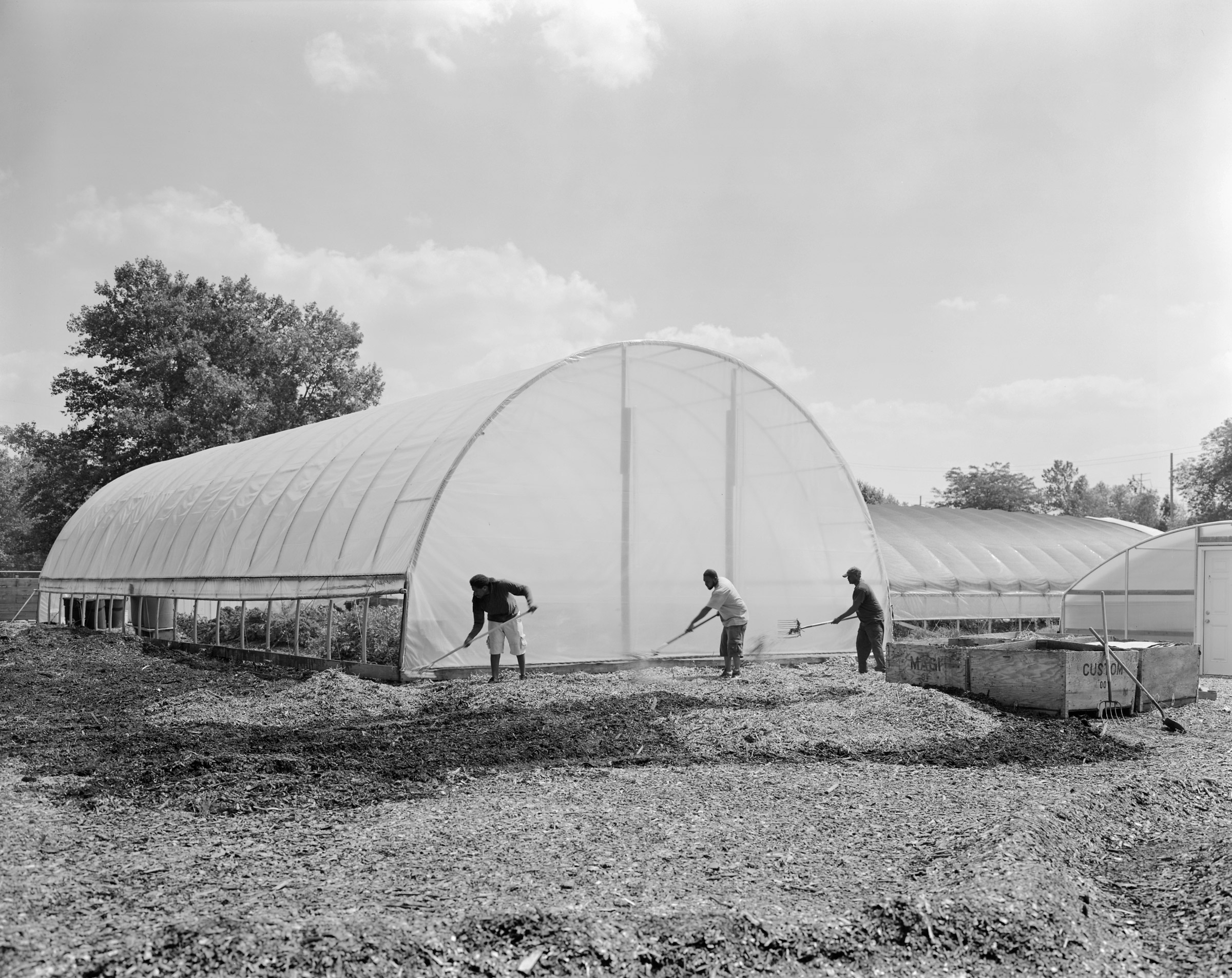
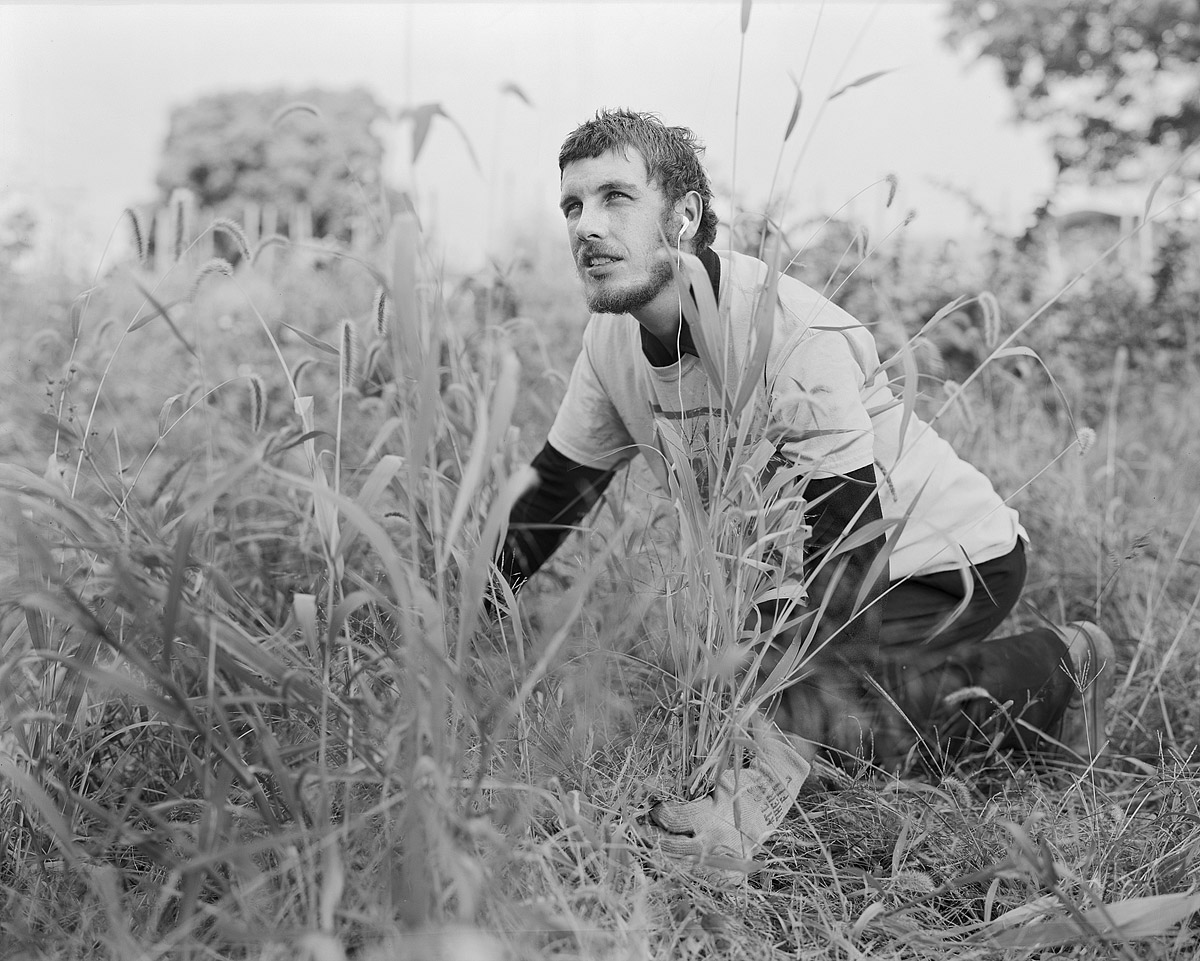
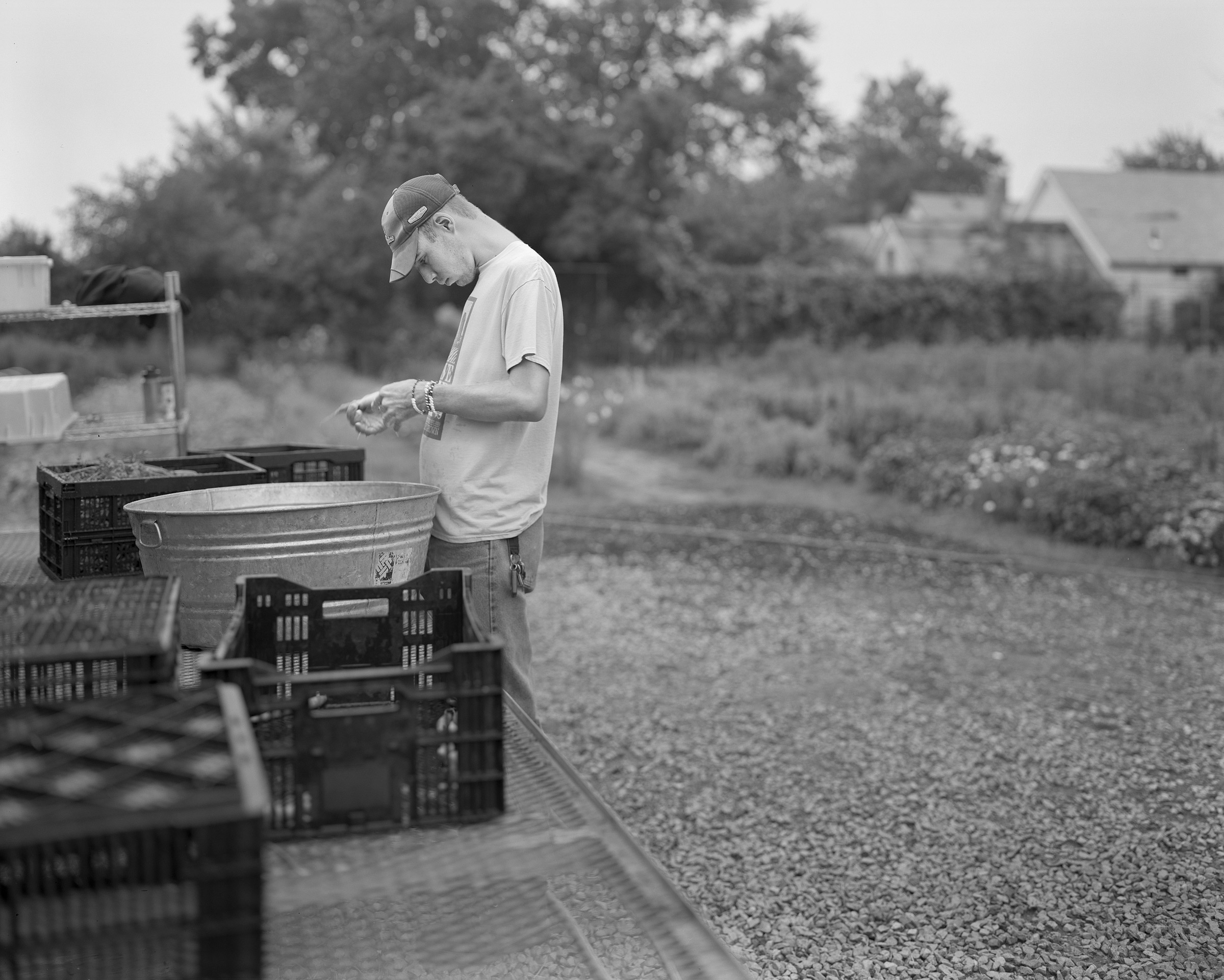
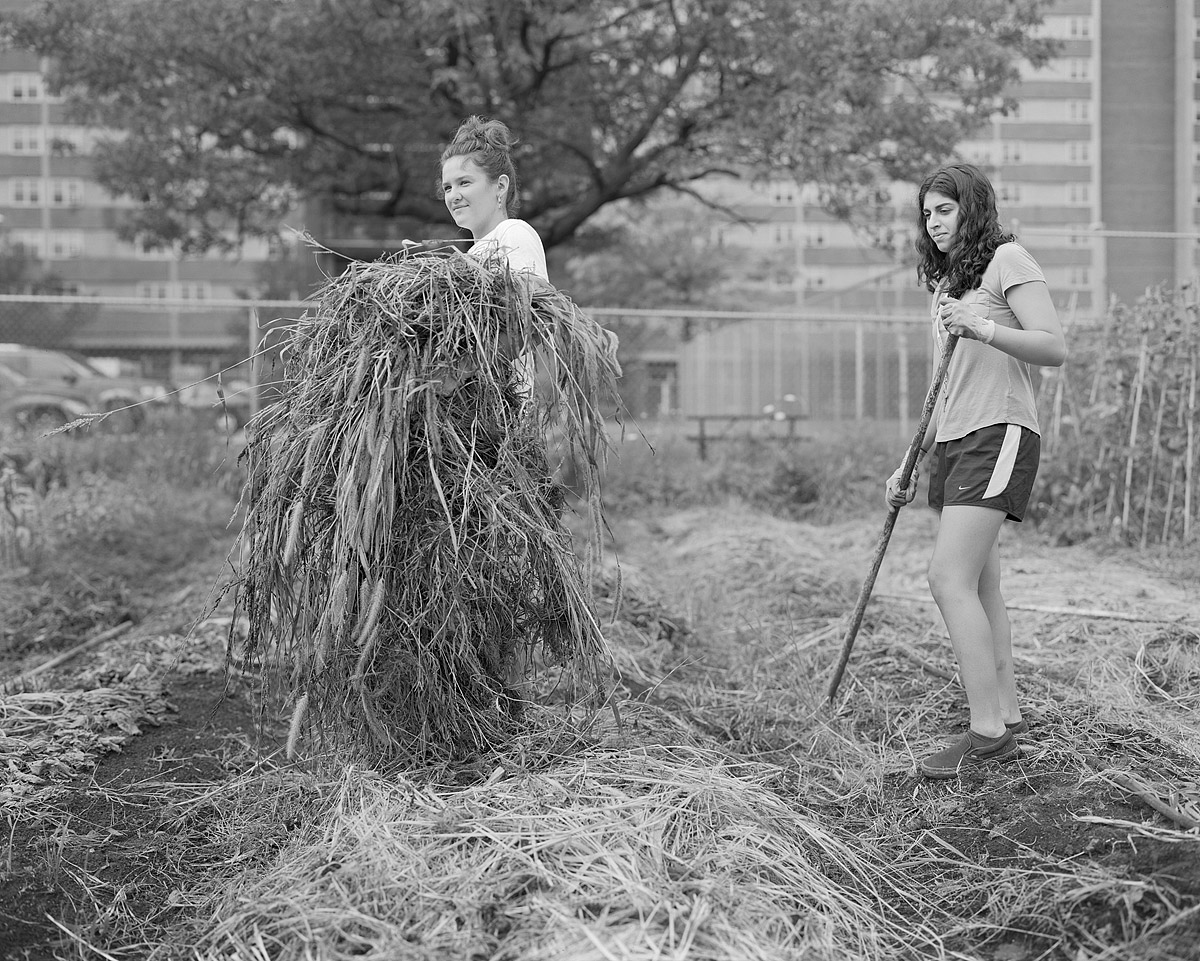
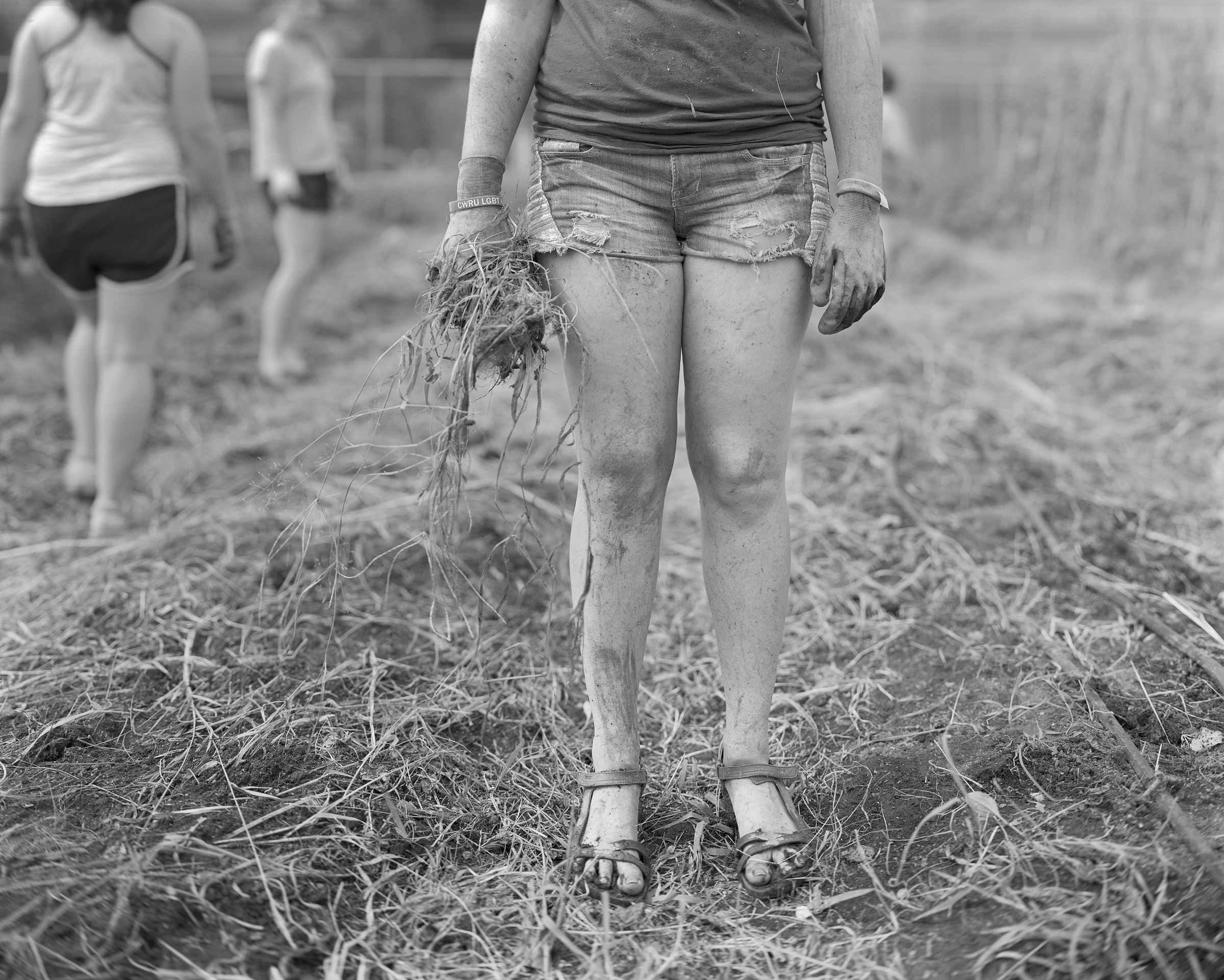
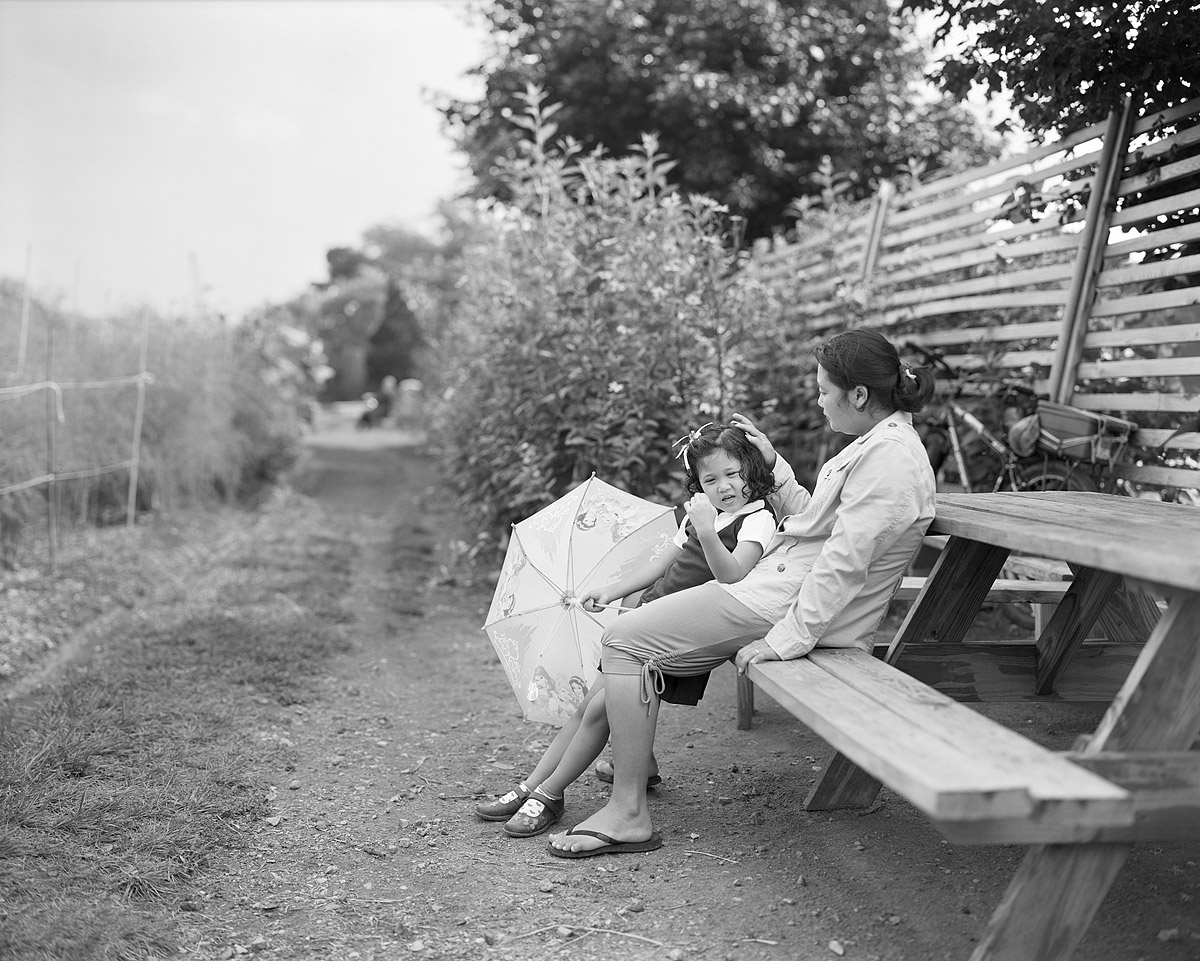
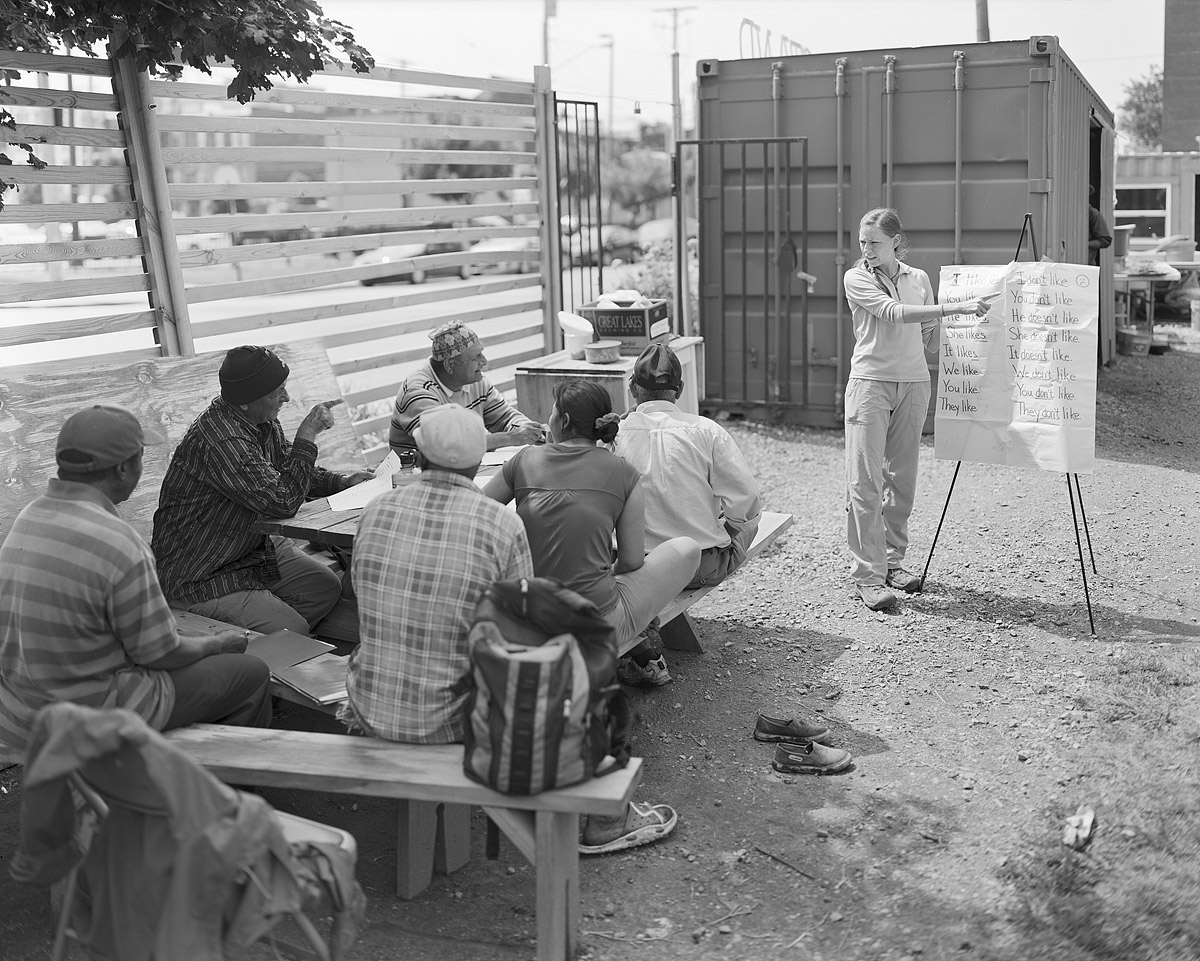
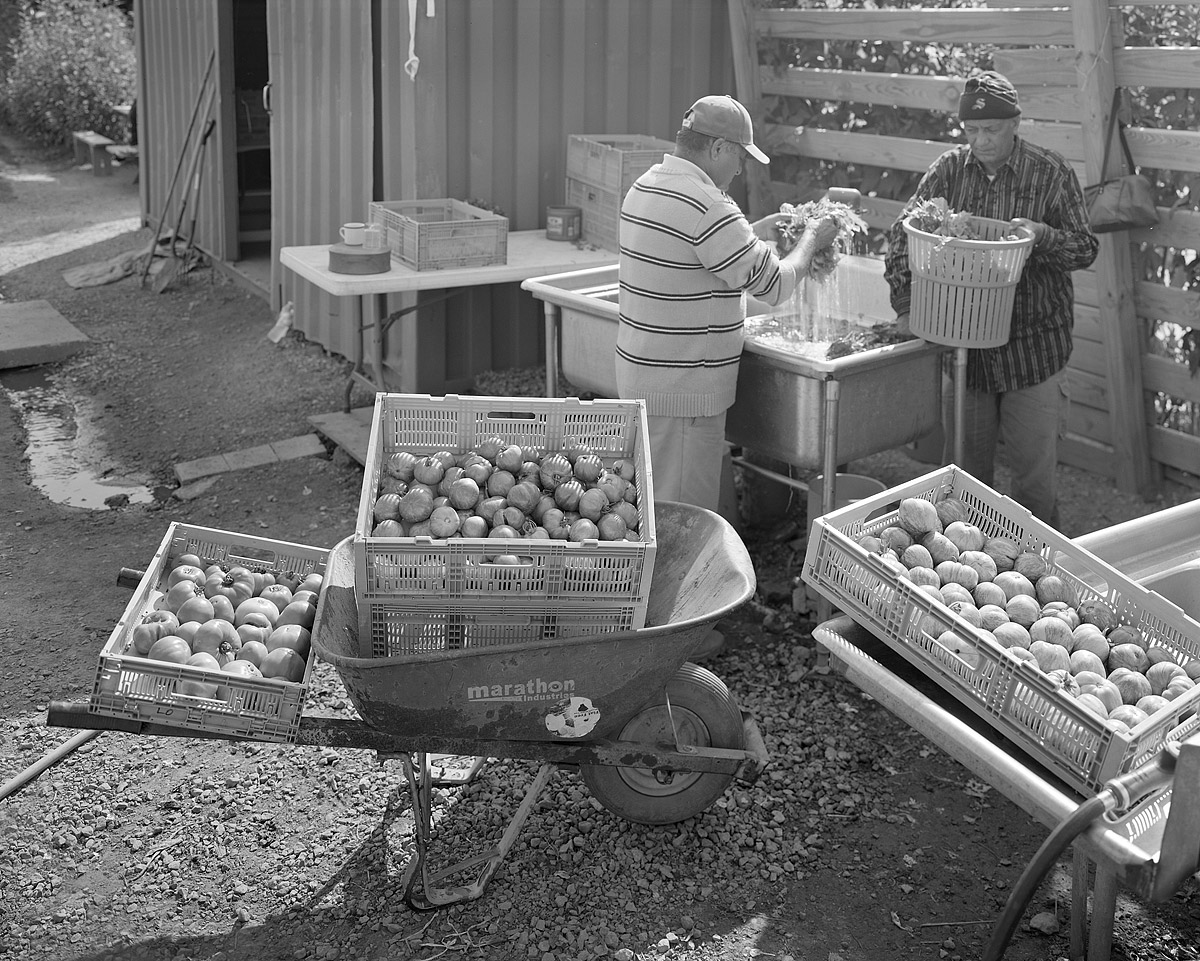
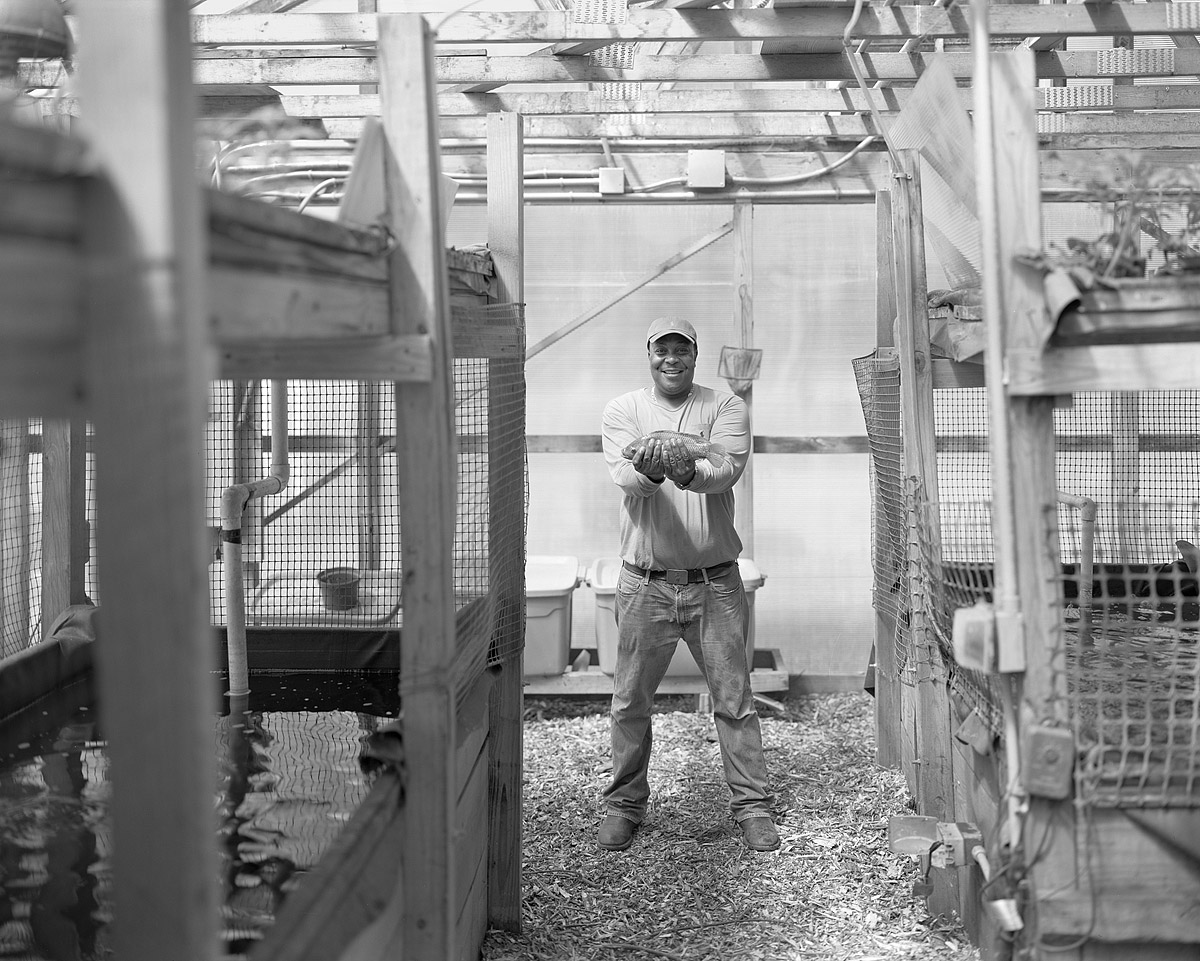
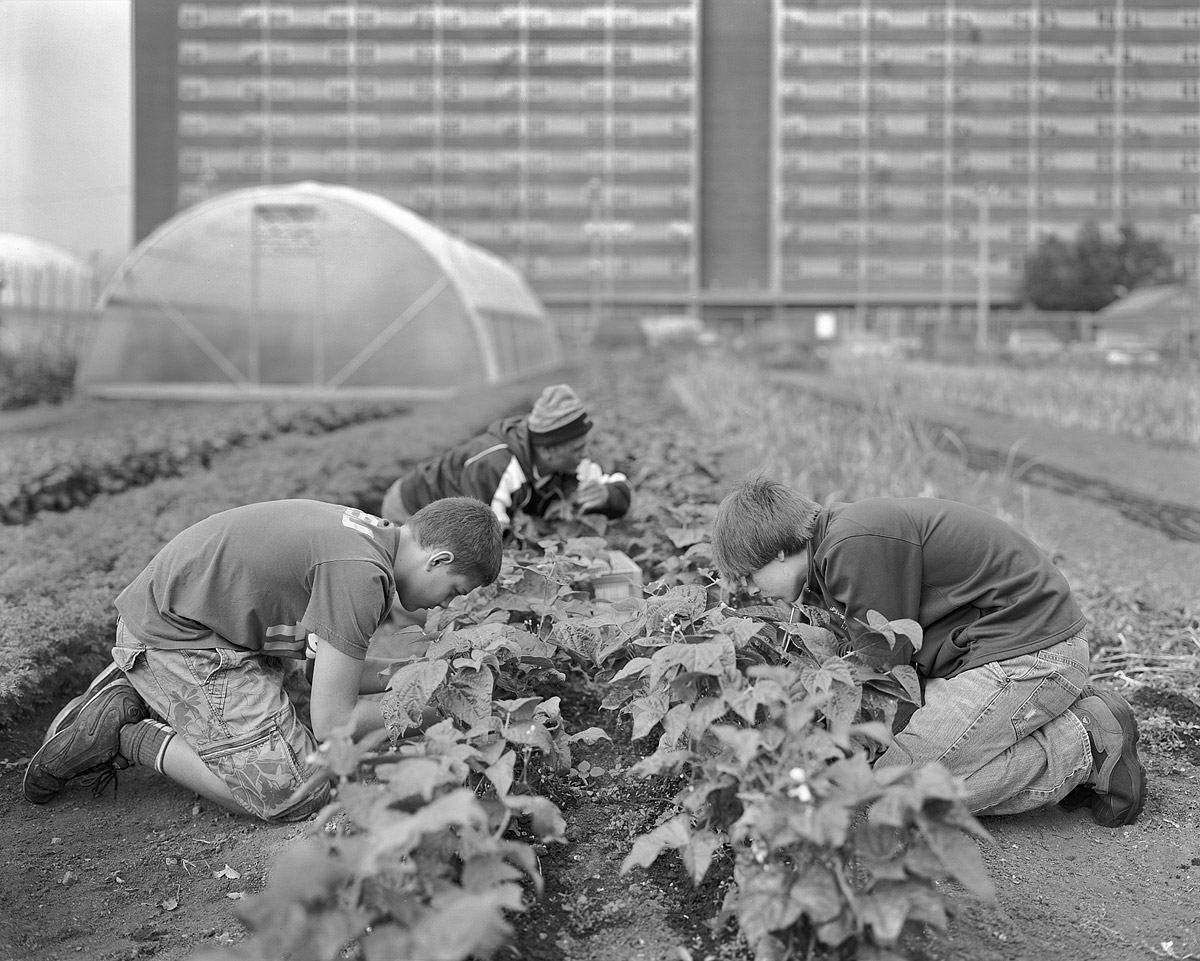
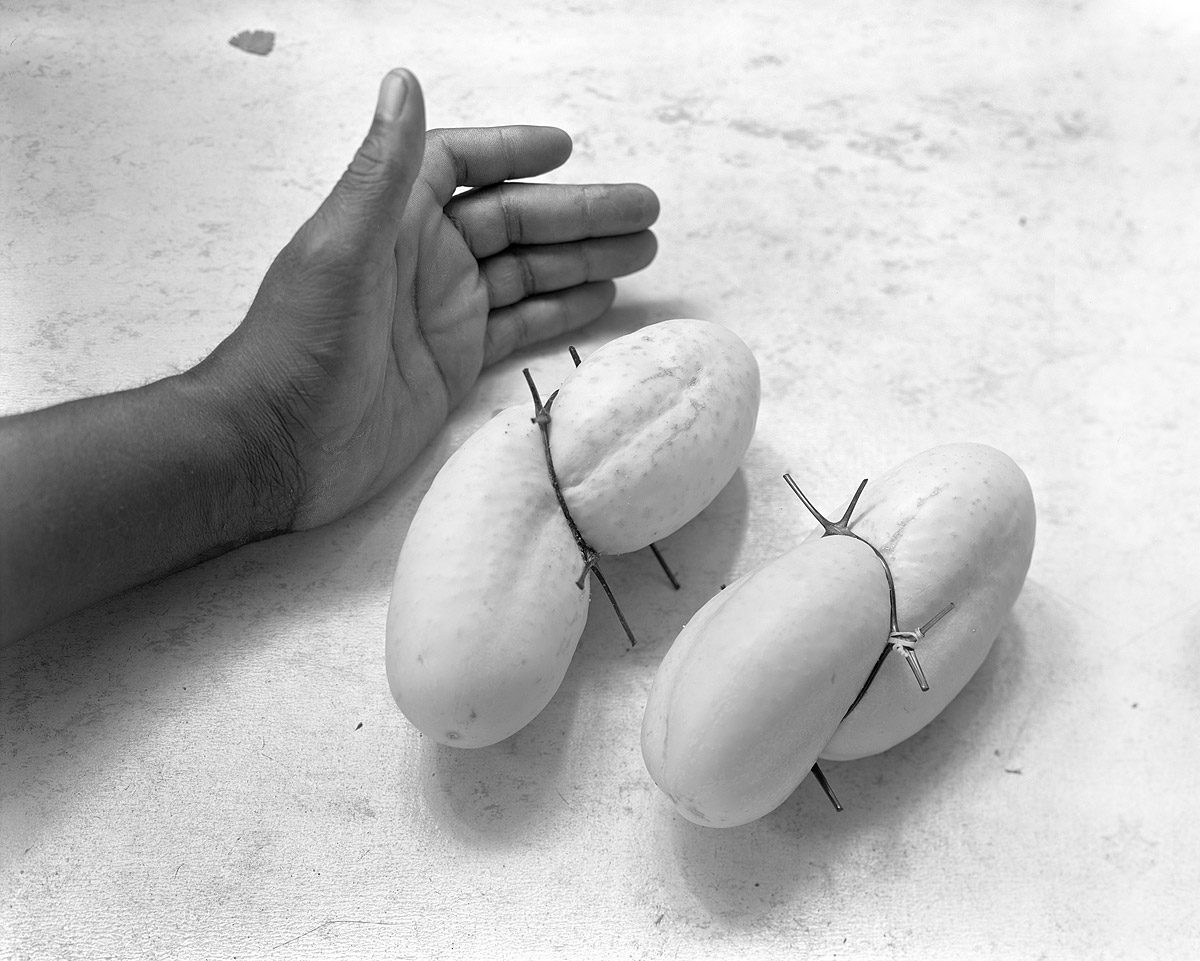
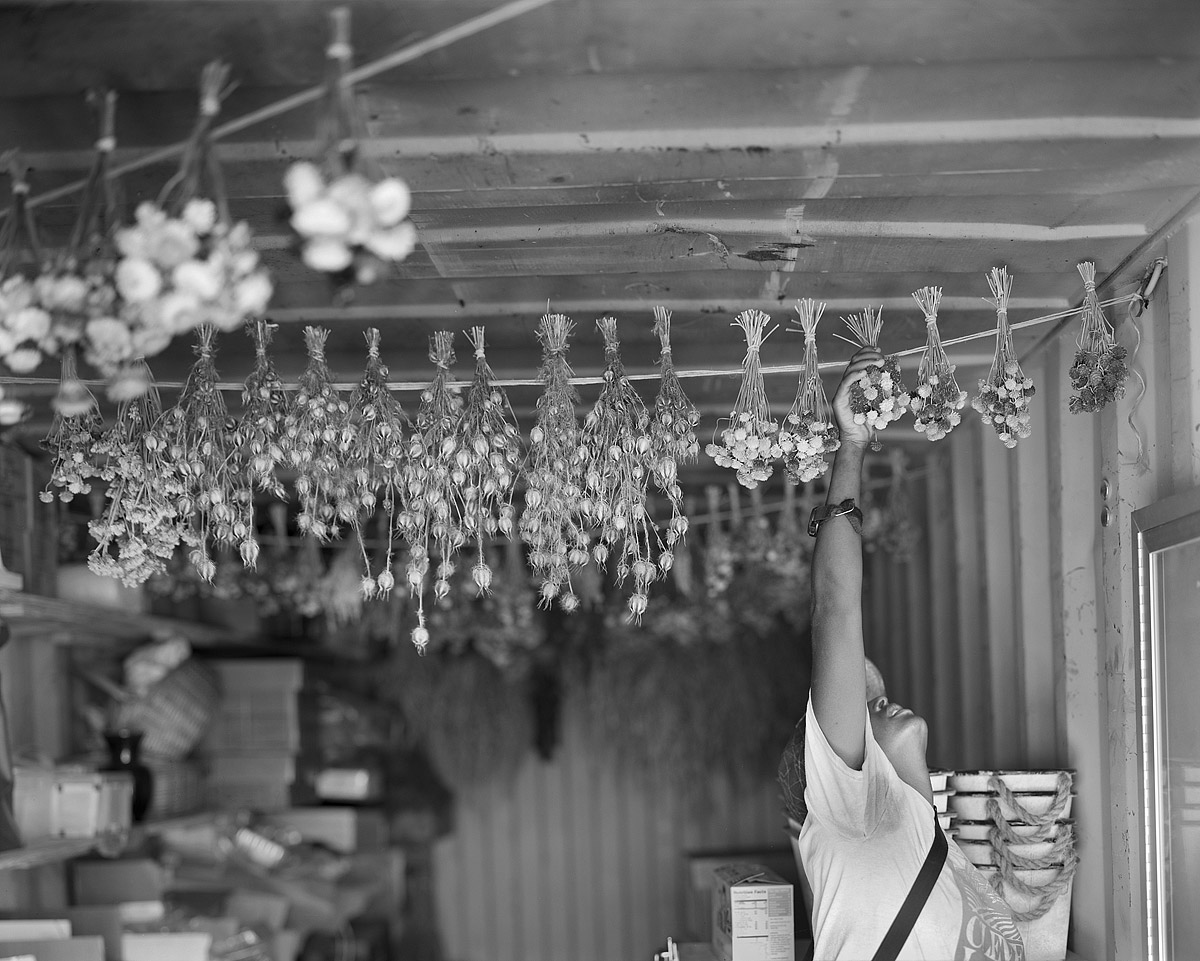
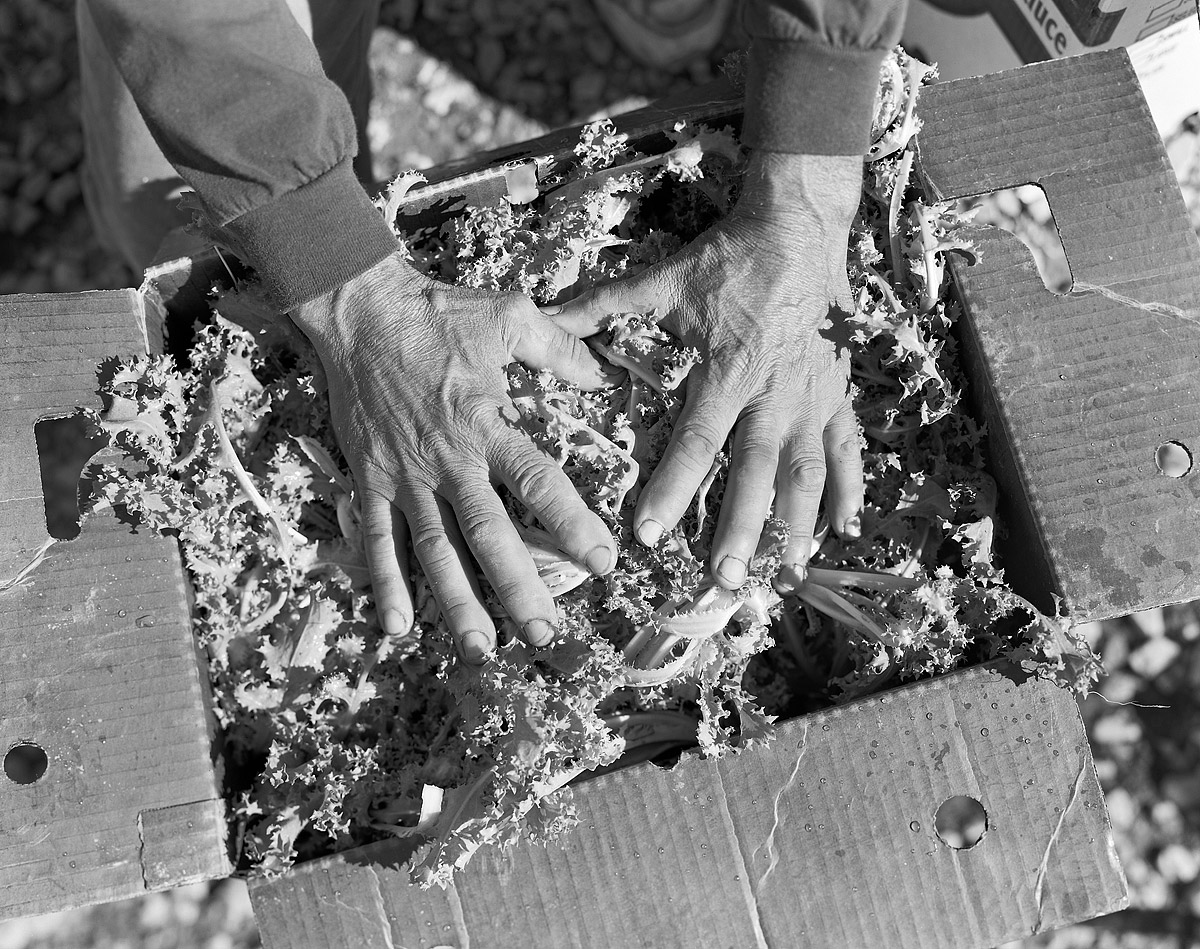
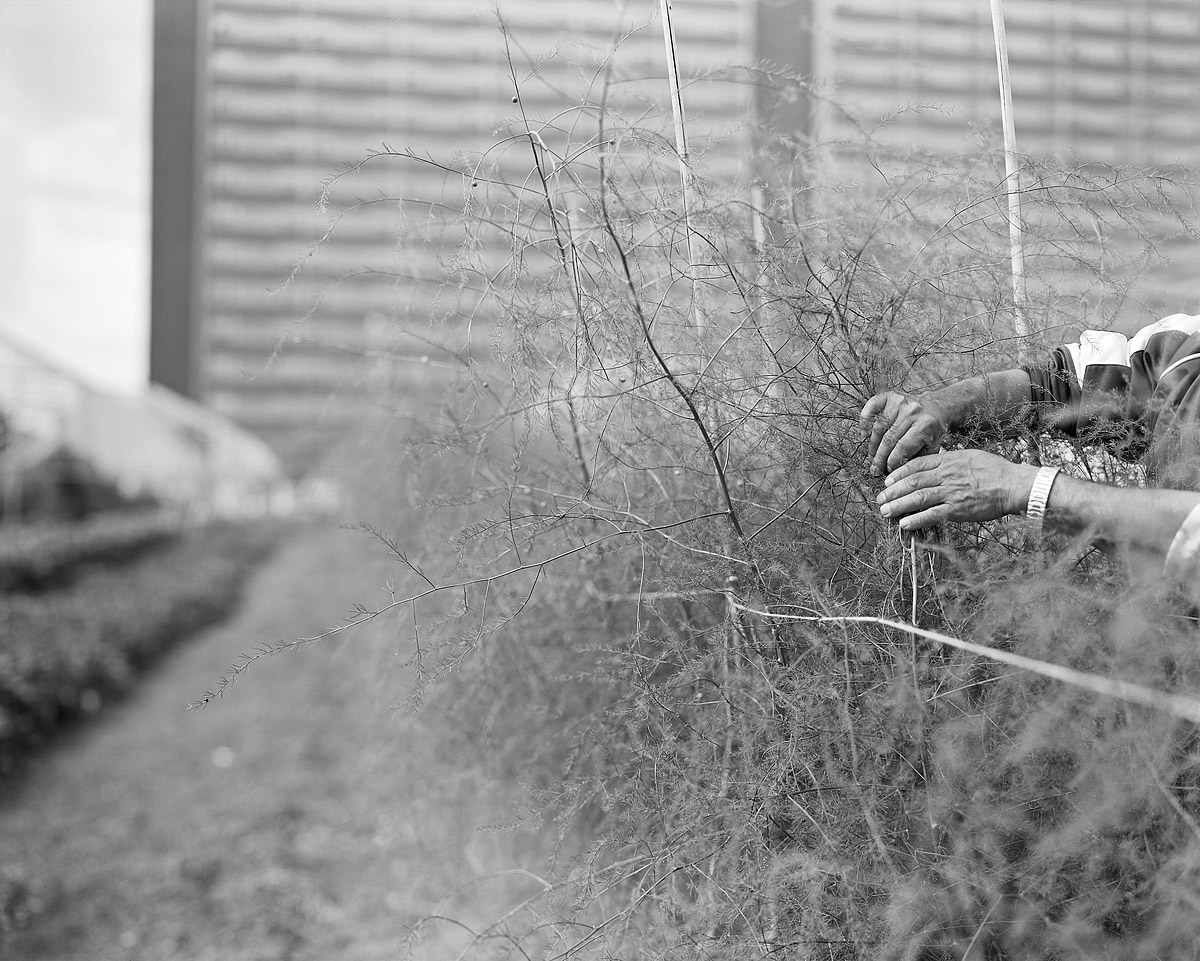
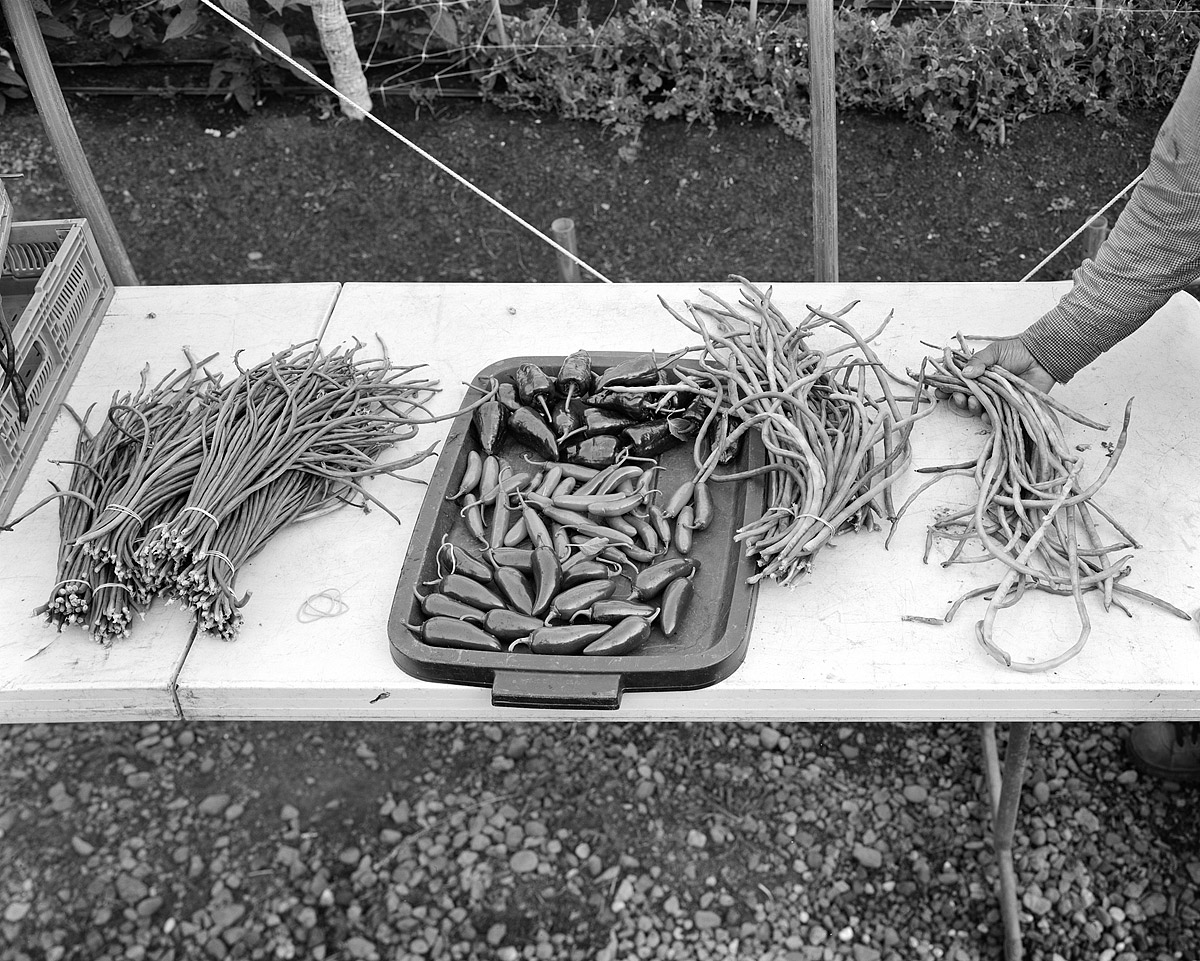
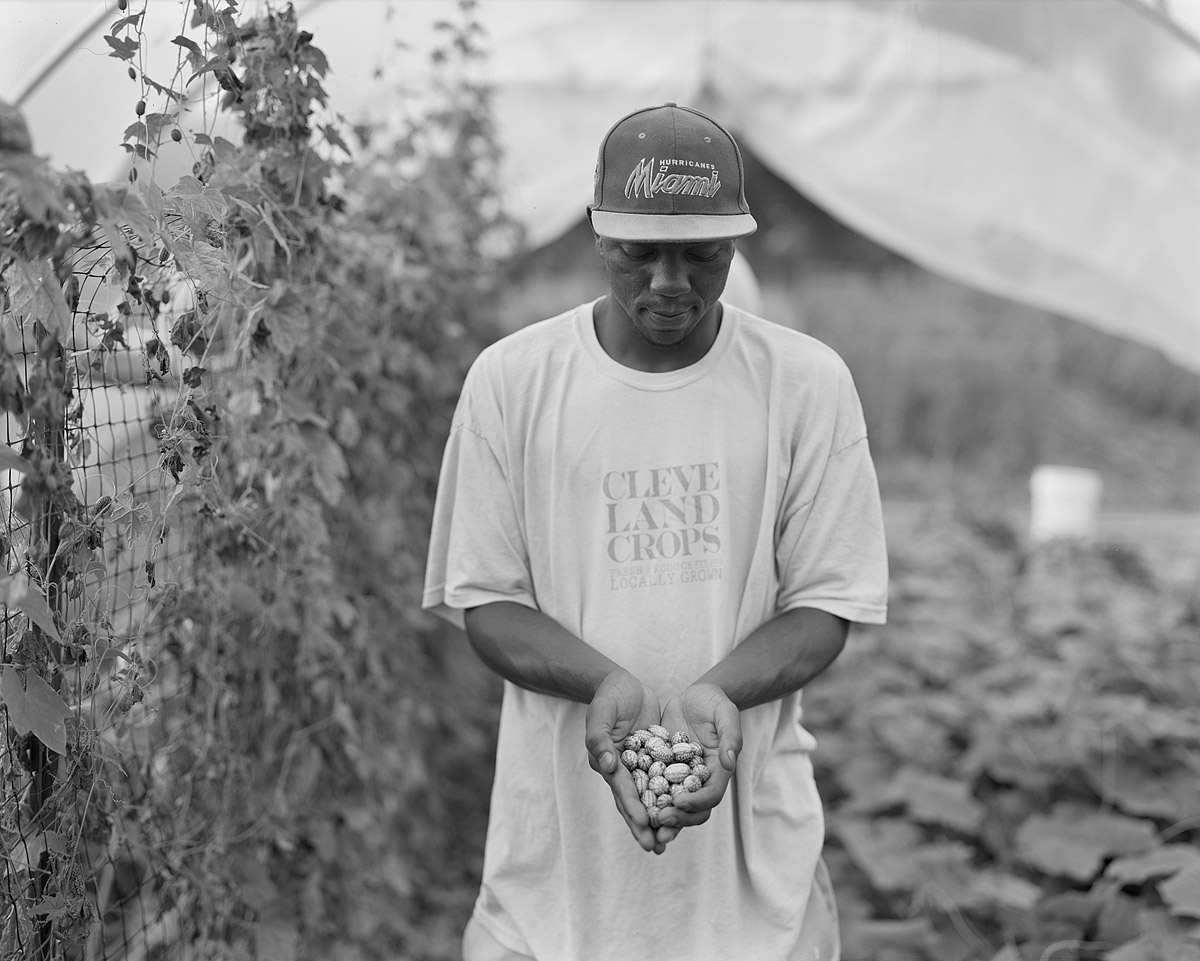
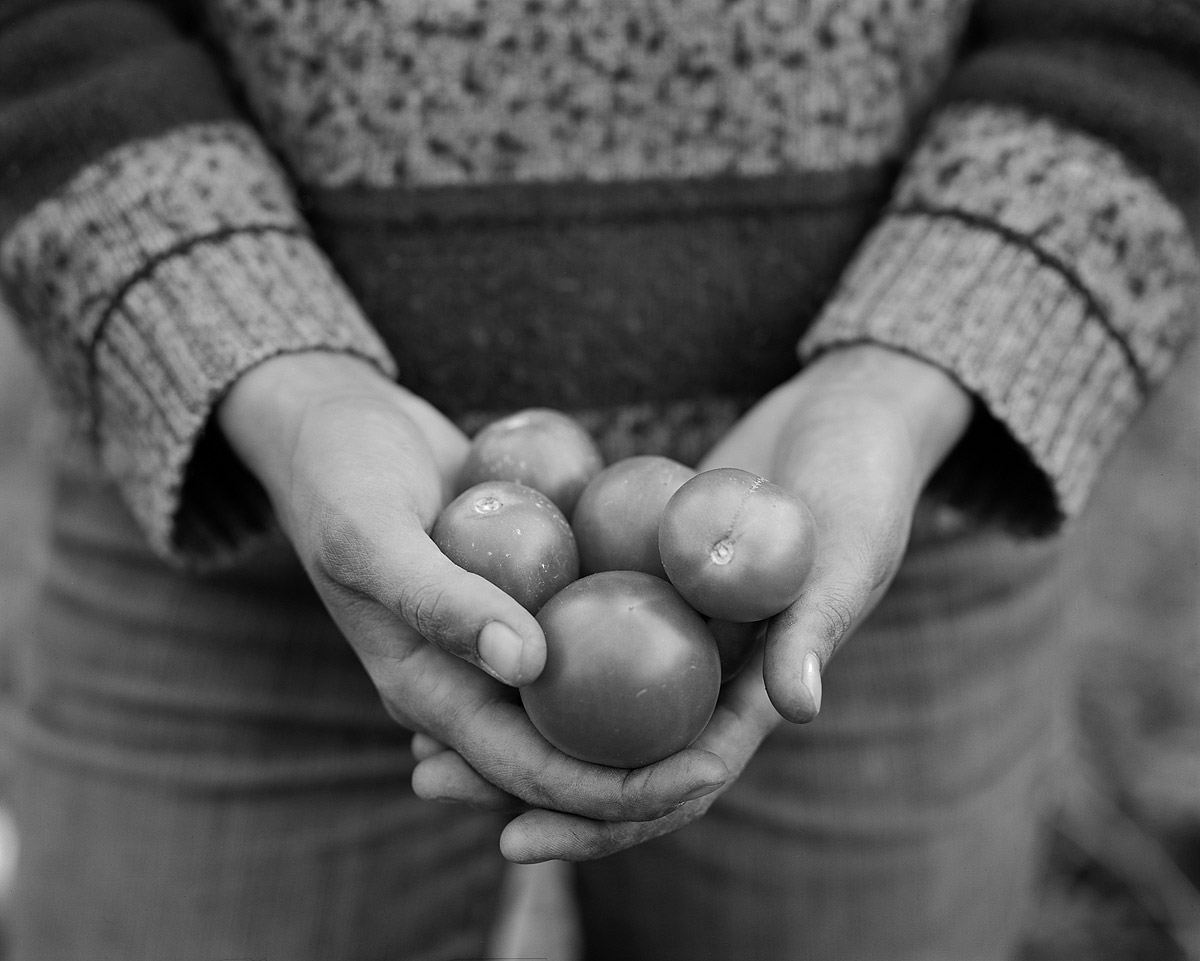
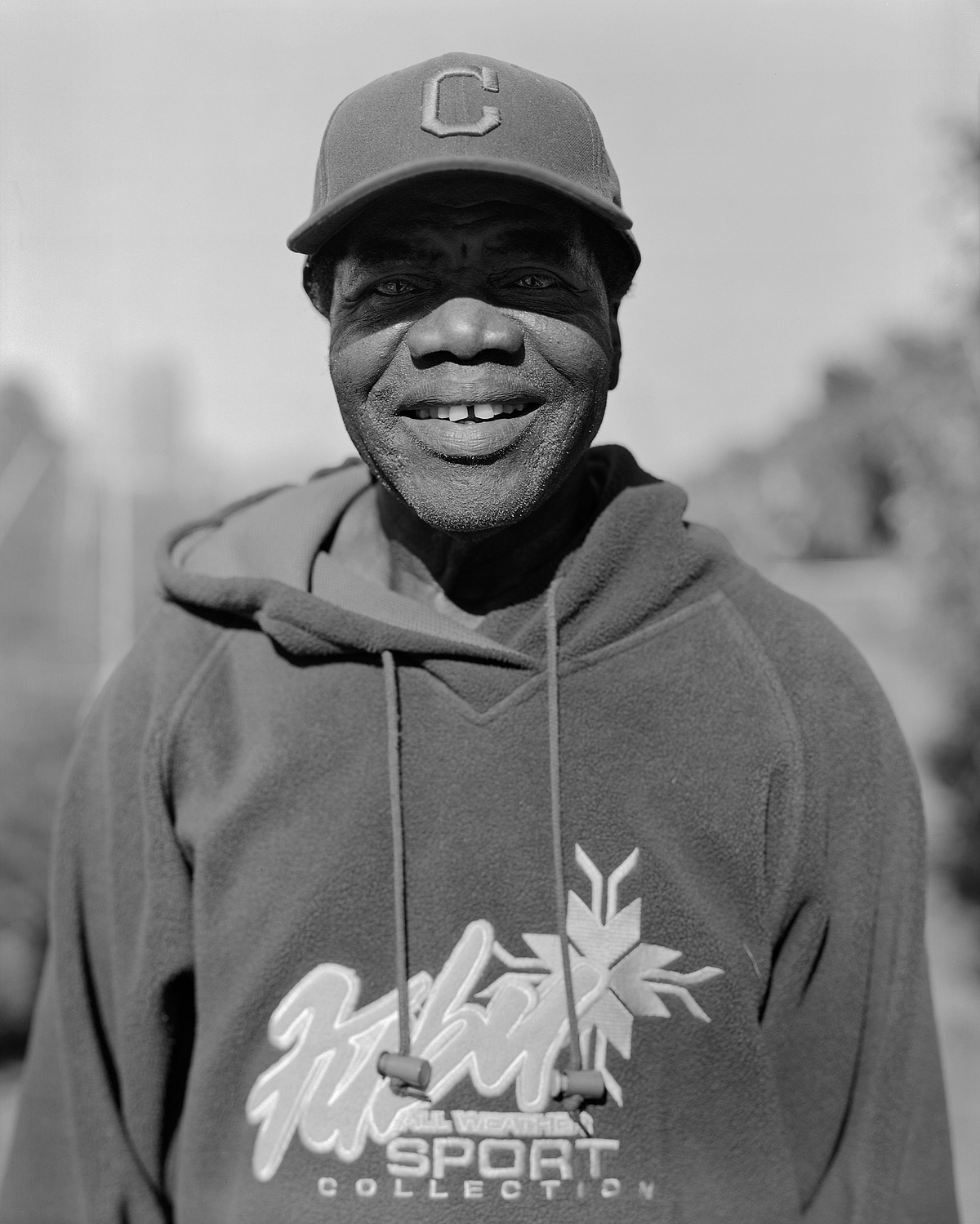
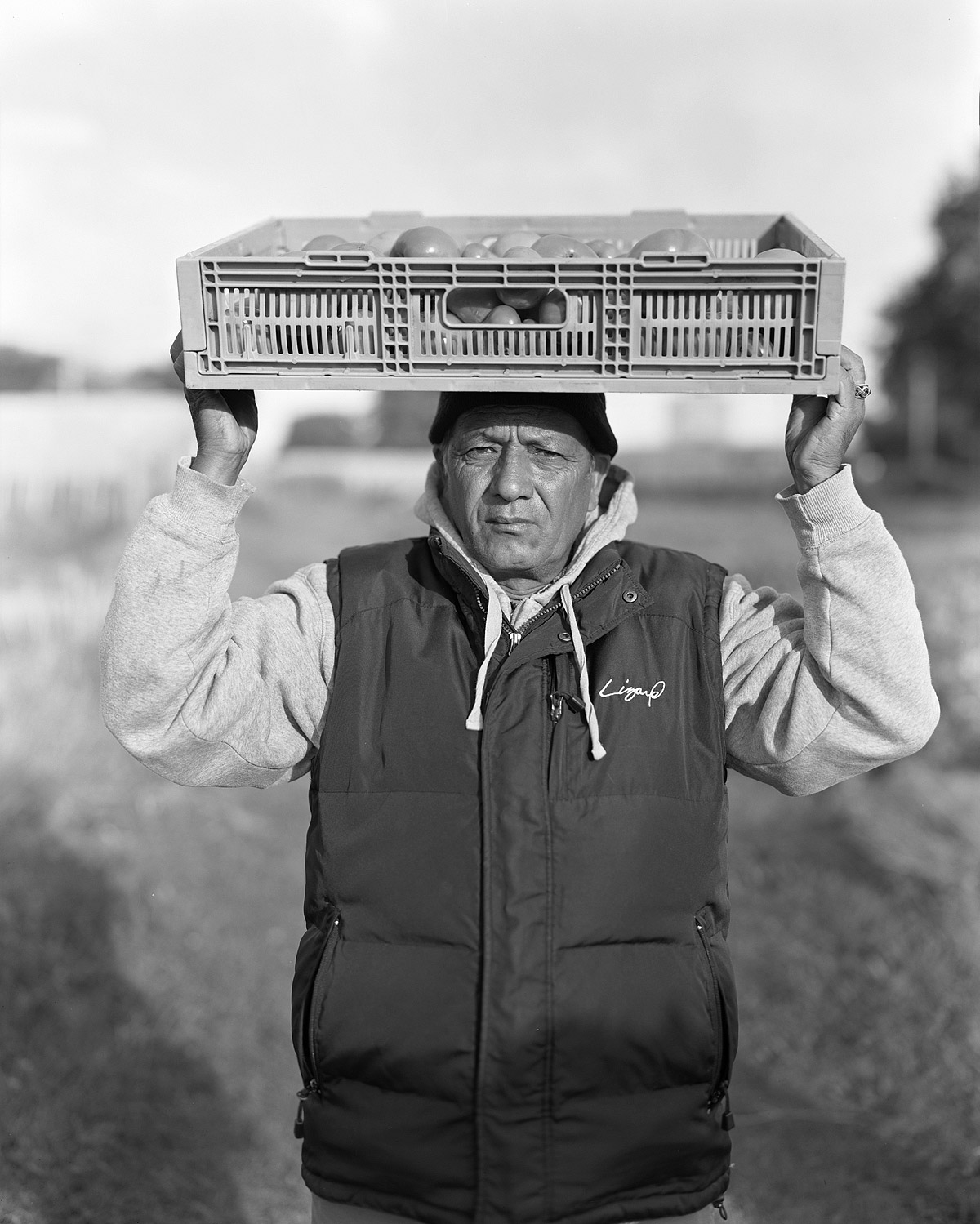
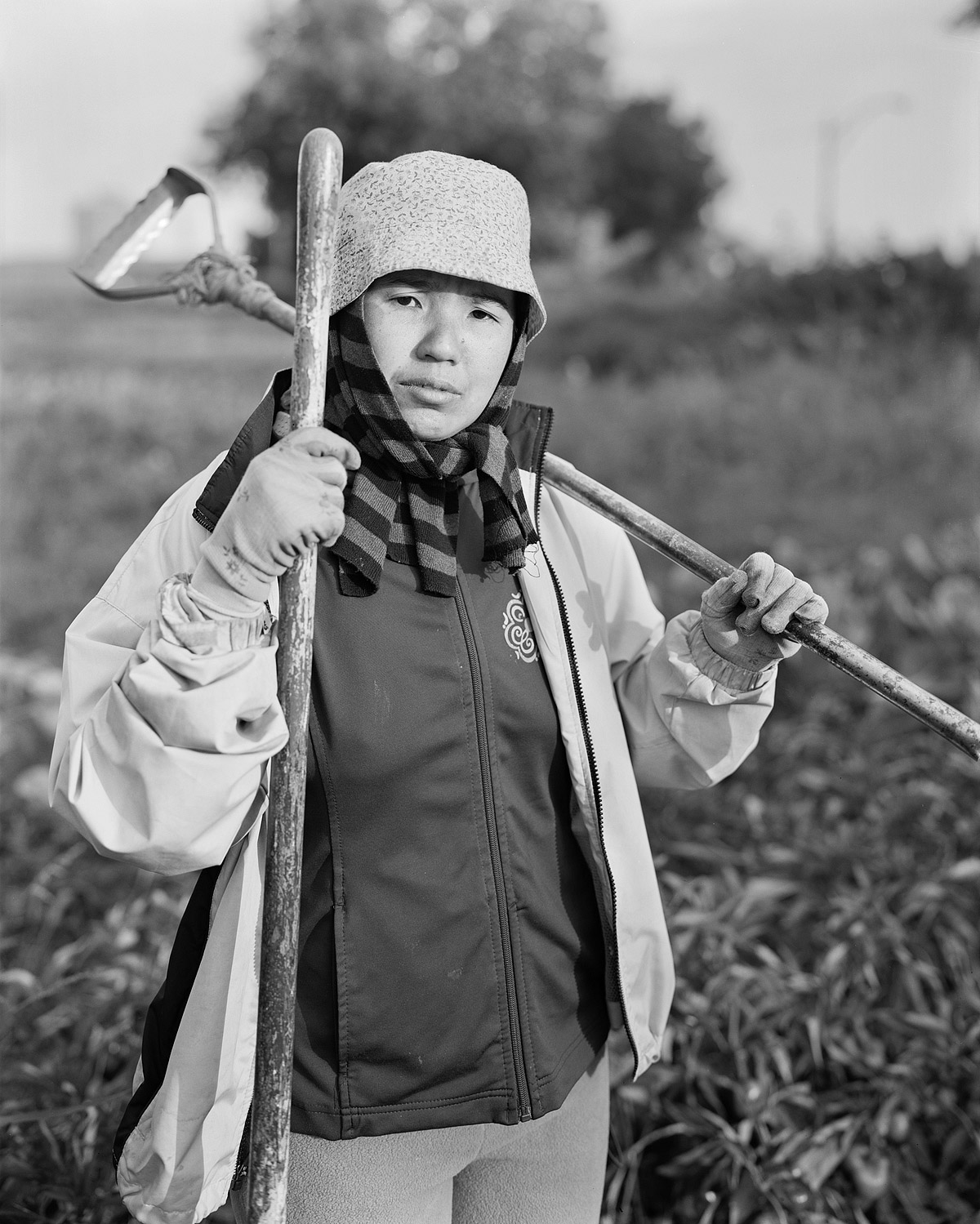
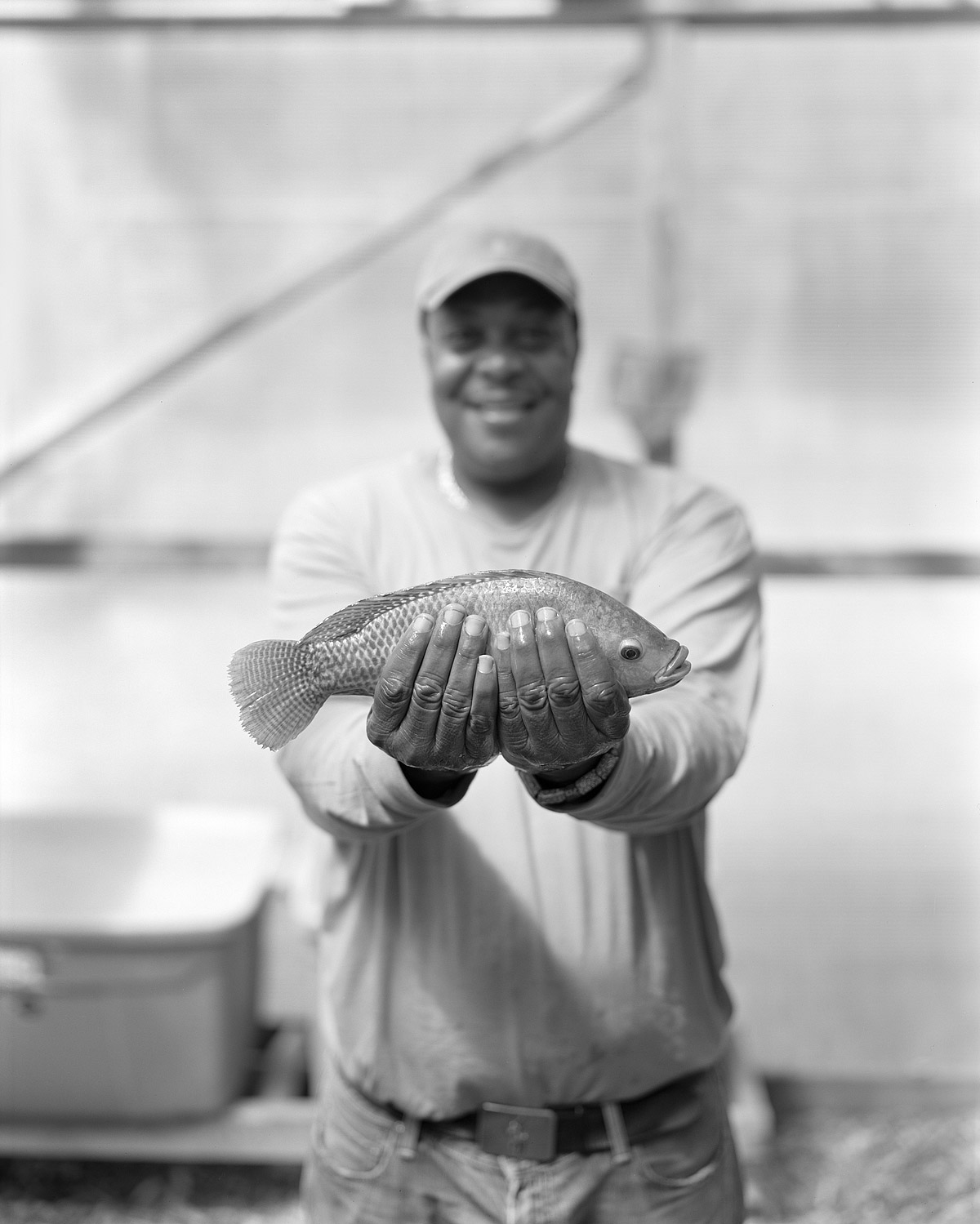
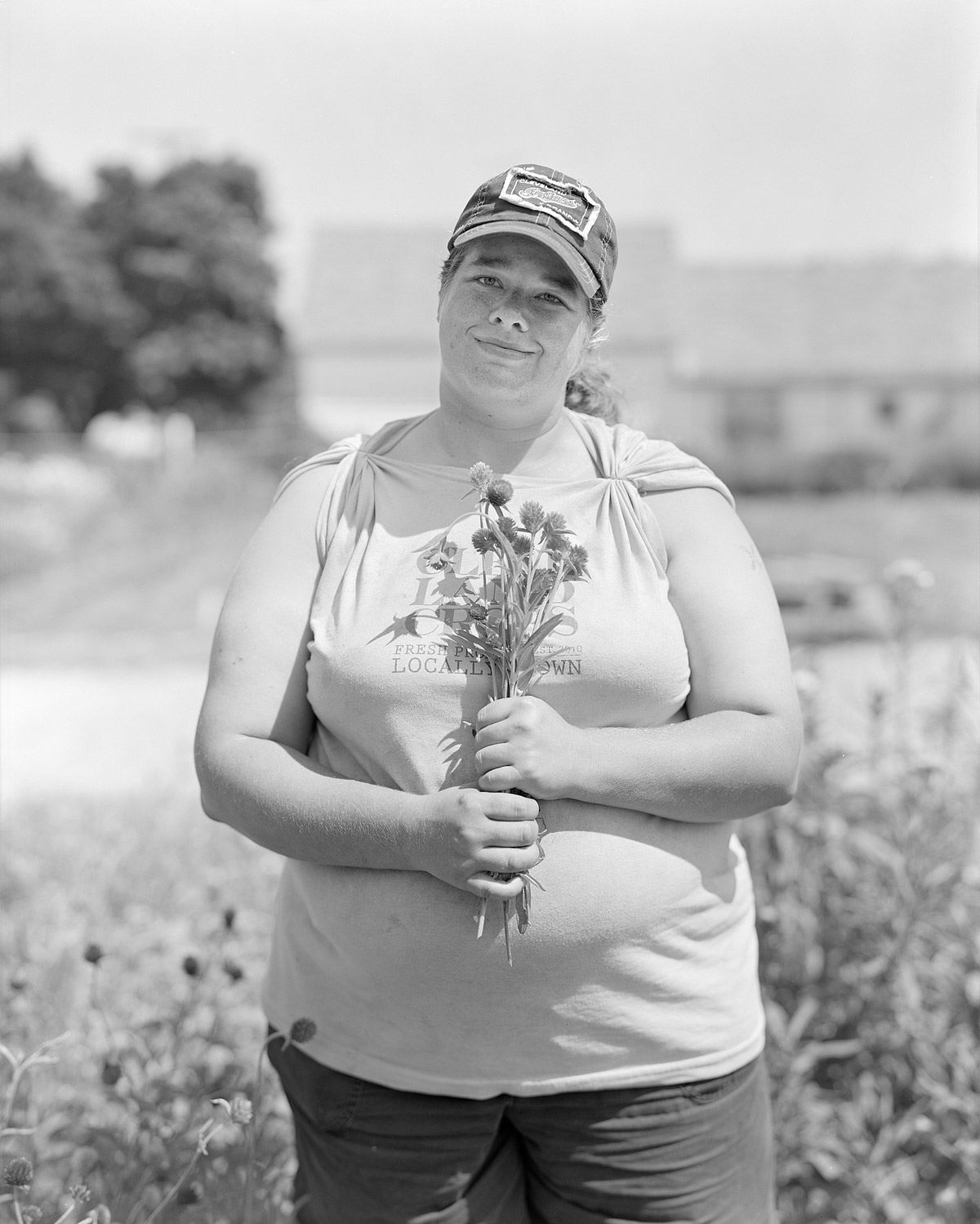
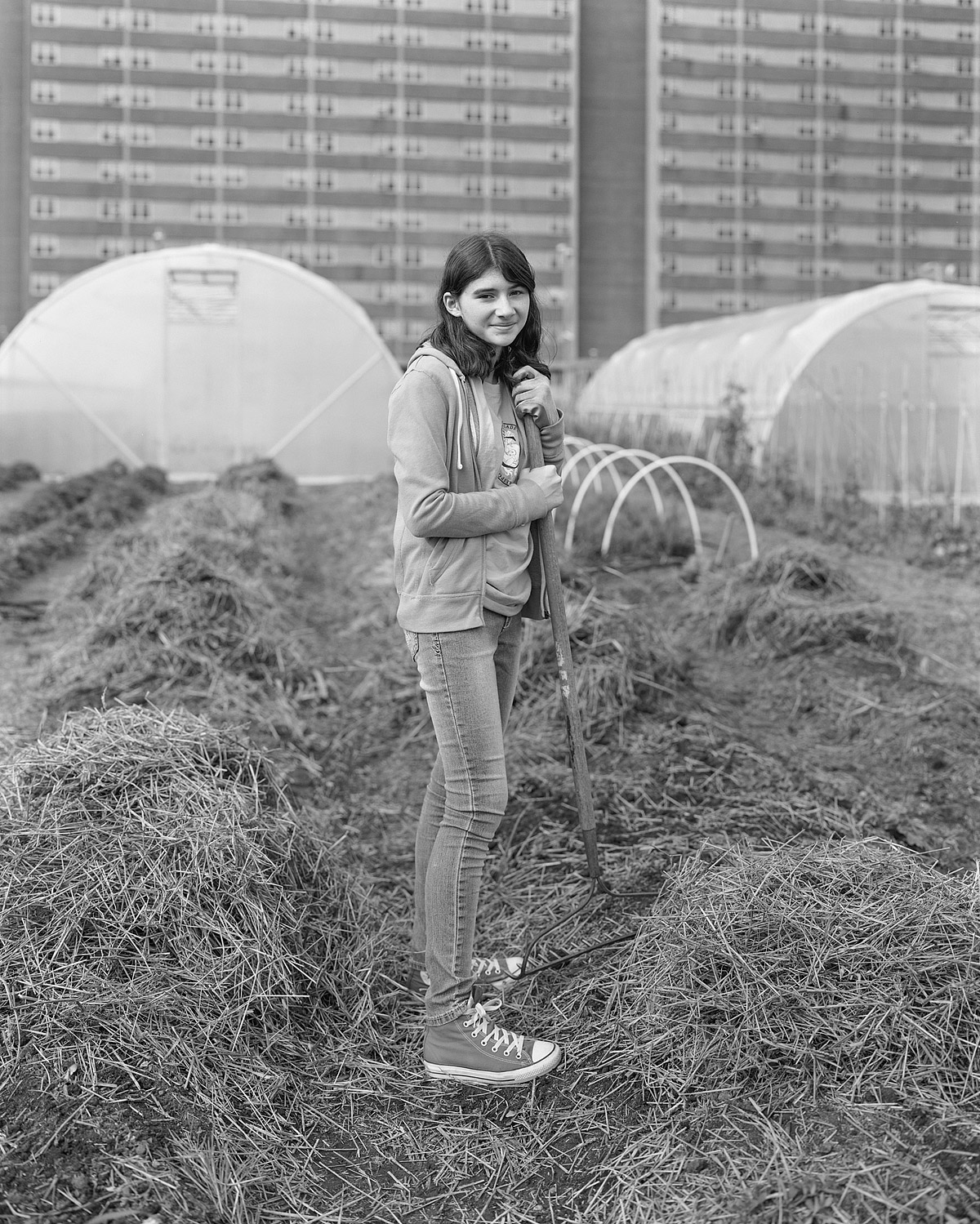
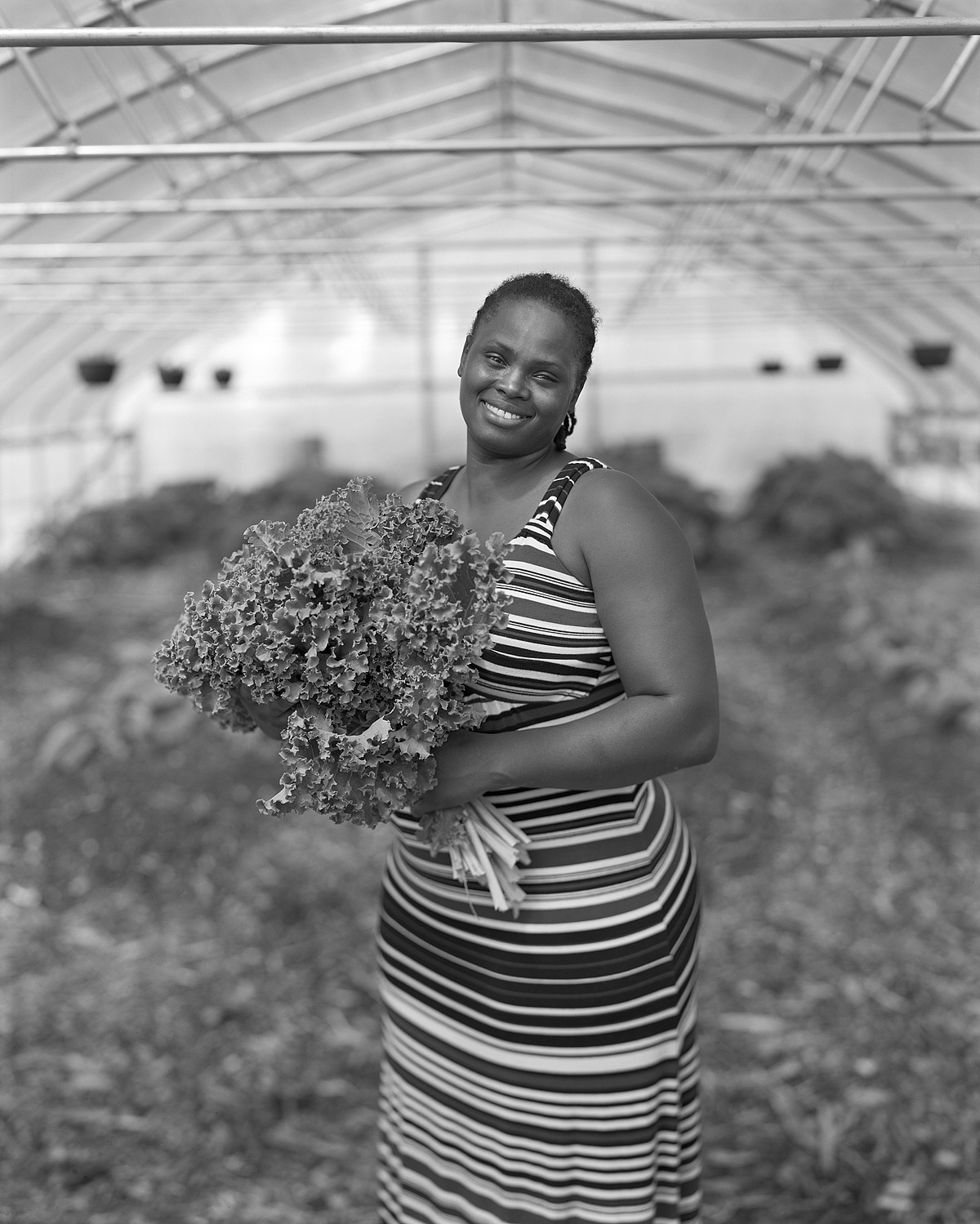
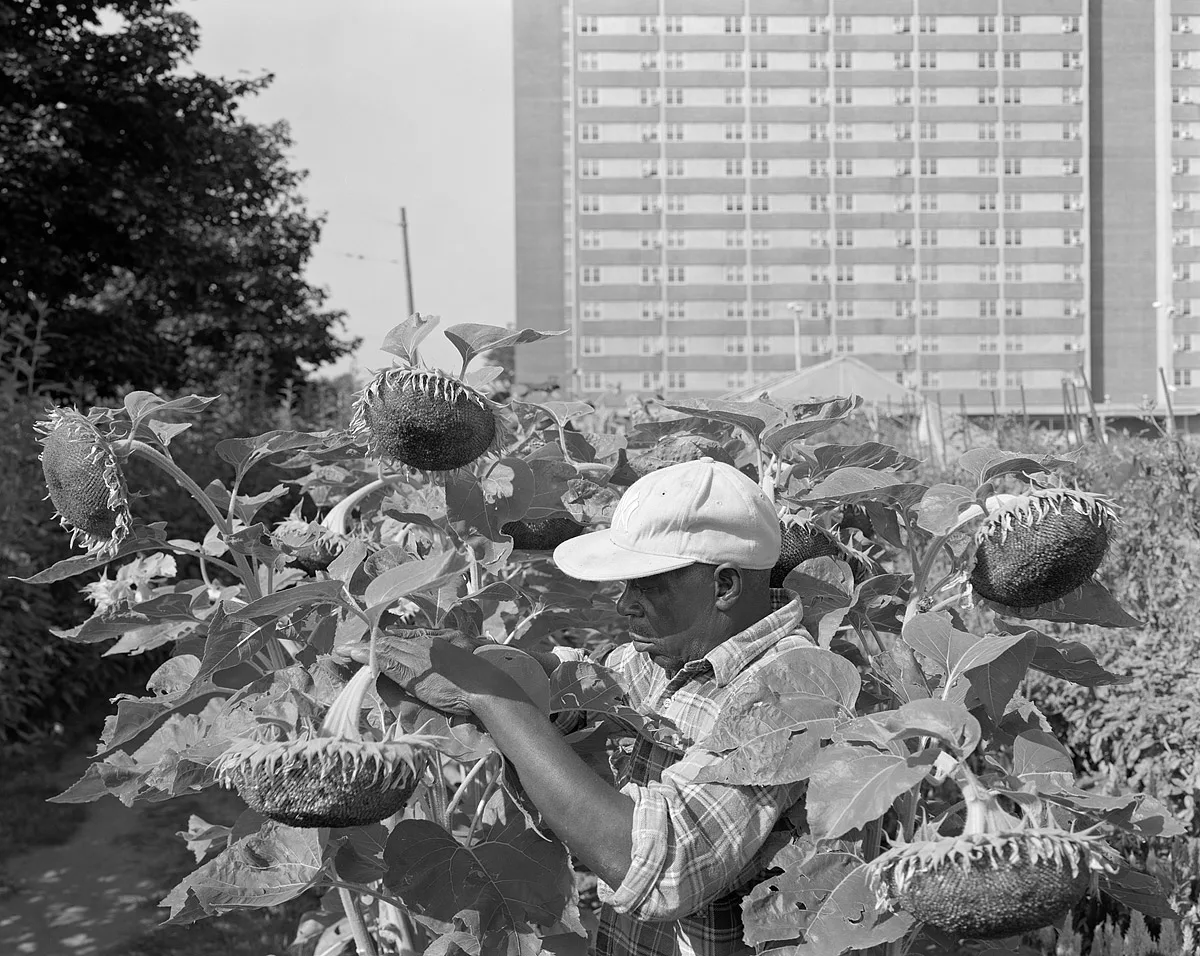
For The George Gund Foundation’s 2013 annual photo commission, photographer Greg Miller effectively used his 8 x 10 view camera to document the vitality, activity and pride that are so evident on Cleveland’s growing number of urban farms.
A native of Nashville, Tennessee, he moved to New York at the age of 19 to study at the School of Visual Arts where he graduated with a Bachelor of Fine Arts in photography. His work, which uses street photography, found moments, and portraiture to capture human relationships and a sense of suspended reality, has appeared in numerous publications, including The New York Times Magazine, Esquire, and LIFE and is widely collected and exhibited both in the United States and abroad. Miller, recipient of a John Simon Guggenheim Memorial Foundation fellowship, teaches photography at the International Center of Photography in New York and conducts workshops at several venues including Maine Media Workshops.










Letter from the Executive Director
2013 Annual Report
Urban farming?
It was not long ago that this phrase would have been regarded as an oxymoron. Urban gardening, on the other hand, has a long and treasured place in cities, including Cleveland. In fact, our Foundation’s 1996 annual report featured a photo essay on the urban gardens that each summer festoon our neighborhoods. This year, we widen the photographic lens to embrace that more expansive expression of city agriculture – the urban farm.
Cleveland neighborhoods have abundant vacant land, the result of many damaging forces in recent decades. But creative urbanists saw the verdant potential in that land. Cleveland Neighborhood Progress, Kent State University’s Cleveland Urban Design Collaborative, and the Cleveland Planning Commission spearheaded creative thinking about that land with a program called Re-Imagining a More Sustainable Cleveland. Cleveland became the nation’s first city to adopt an urban agriculture overlay district in its zoning code. This work helped jumpstart the urban farming boom, putting vacant land back into productive use, and the city now has 55 farms, a threefold increase in the past five years.
For some parcels, farming was conceived as a transitional use. But the benefits of farming have proven to be so overwhelming that any effort to repurpose many farms, including the three that are visually captured in this annual report, would certainly meet stiff resistance. The George Gund Foundation’s support for the urban farming movement in Cleveland has its roots in many of the values that animate our work, and they are captured in these additional ways that city farming pays off:
- Agriculture puts people to work. Some of those who are tilling city soil might have difficulty finding jobs. This includes the new immigrants, who work at the Ohio City Farm under the sponsorship of Refugee Response, and the clients of the Cuyahoga County Board of Developmental Disabilities, who operate the Stanard Farm on Cleveland’s east side. Both of these farms are portrayed in the photography in this year’s annual report.
- It puts a dent in food deserts. As money and people have sprawled out in our region, many inner city neighborhoods have been left without easy access to fresh, healthy foods. Some estimate that obstacle faces more than half of the city’s residents. Farms are helping Cleveland achieve the goal set by City Council that every resident lives within a quarter mile of a community garden or farm.
- We all benefit from a smaller carbon footprint. When food is grown locally, it is not only fresher and tastier; it also means that it does not have to be shipped from someplace across the country or beyond. That helps curb the use of fossil fuels. Many local restaurants are embracing this cause by purchasing fruits and vegetables from Cleveland farms. In addition, land used for farming also absorbs storm water, diverting it from our aged sewer system.
- Farms create a sense of community in their neighborhoods. Farming is not just about the crop harvest. Many farms in the city also have festivals and events, farm stands for the sale of produce, educational programs, training sessions and more.
This unexpected bounty from urban farming should make all of us with a stake in Northeast Ohio consider it afresh, as I hope Greg Miller’s striking photographs do. One of his subjects is Rid-All Green Partnership, which creatively interconnects food, art and education on a three-acre site on the southeast side. At Rid-All, fish farming is also part of the mix. Tilapias grow in tanks next to greenhouses nurturing tomatoes, watercress and kale. And the mission transcends the crops and food, as it does at every urban farm. Keymah Durden, a co-founder of Rid-All, told Edible Cleveland, that their work is actually a “mission to transform the city of Cleveland.”
That is a major part of our mission too, and it humbles us to observe and, where we can, to support the inspiring farmers in our midst.
David Abbott, Executive Director, The George Gund Foundation
Letter from the Board President
2013 Annual Report
Of all the formidable challenges facing the human family none is more potentially destructive and deeply perplexing than global climate change. It seems that nearly every day brings news of additional scientific evidence that humans have dangerously altered the earth’s ecological balance. Proof of these changes includes irreversible damage to coral reefs, accelerating extinction of animal species, harsher and longer droughts. The evidence from these and other alarming changes continues to grow.
And, yet, significant portions of the American population simply ignore or, worse, deny the overwhelming scientific consensus that climate change is occurring. How can this be?
It seems that both psychological and political factors have erected a barrier that no amount of evidence or reason can penetrate. All humans have difficulty imagining that we could actually be putting our existence at risk by our unsustainable production and consumption of fossil fuels. The thought may simply be too horrible. In addition, the effects of climate change are virtually invisible to most of us and, although rapidly worsening, are also incremental. Furthermore, changes in climate are somewhat erratic even as the general path of global warming continues to relentlessly move forward. We simply have a hard time integrating such a pervasive, difficult-to-grasp threat into our thinking.
Politically, it has become expedient to deny the evidence of climate change because those of an anti-government stripe assume that action to deal with the threat will require an expansion of government power. It is not surprising that many people who find the science arcane will happily heed voices that denigrate it as “political science” and “the greatest hoax ever perpetrated on the American people.” And those comments by a former and a current member of the United States Senate are just two among many in the chorus of climate change deniers.
What is a foundation like ours, with a long history of support for the environment, to do?
It is apparent that we must join forces with other organizations to change the conversation on this issue. Politically motivated attacks on environmental organizations have marginalized them and their message. At the same time, “green” groups have too often played into the hands of their opponents by speaking in language that is overly technical, narrow and, frankly, too often focused on the environment as if it were a thing apart from people.
If the hyper-partisan tenor of our politics has taught us anything it is the vital role of communications in persuading people to take action. But to break through the barriers that have been erected around climate change, successful communication must be new and different. Scientific data and dire warnings will not work. The messages that motivate people to demand action from policy makers must resonate with their values, with what we all care about – jobs, prosperity, family, health and fairness.
If we do not address the challenge of climate change, people throughout the world will suffer tremendously. The difficulty lies in finding the actual words that carry the message effectively. Once crafted, messages must be used consistently and persuasively by those in a position to create an impact.
Our foundation has been working with several other foundations and nonprofit organizations to find the words that can pierce the psychological and political fog, especially of those independent-minded citizens who hold the balance of power in battleground states like Ohio. This is not easy work, but it is essential if we are to meet the greatest challenge of our time.
Geoffrey Gund, President of the Board of Directors, The George Gund Foundation

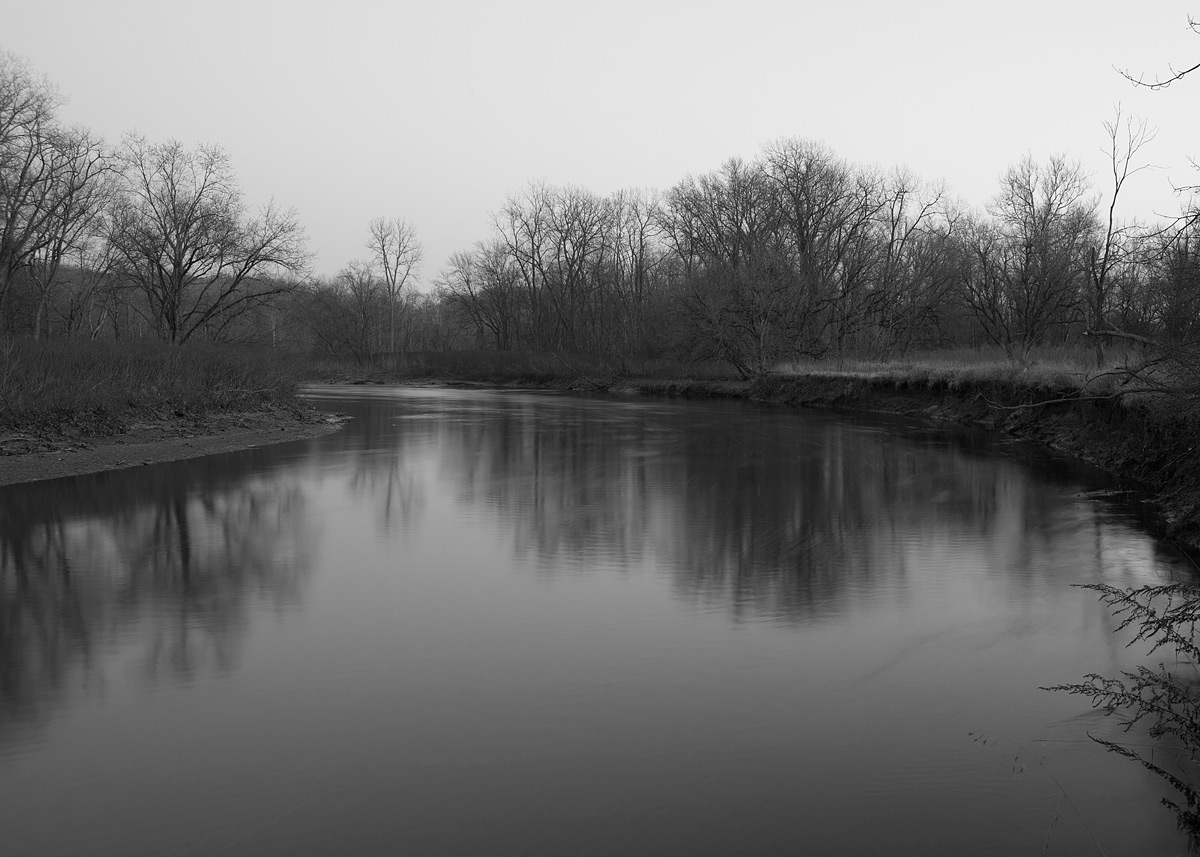
Cuyahoga River
Photography
Jett Whetstone (2012)
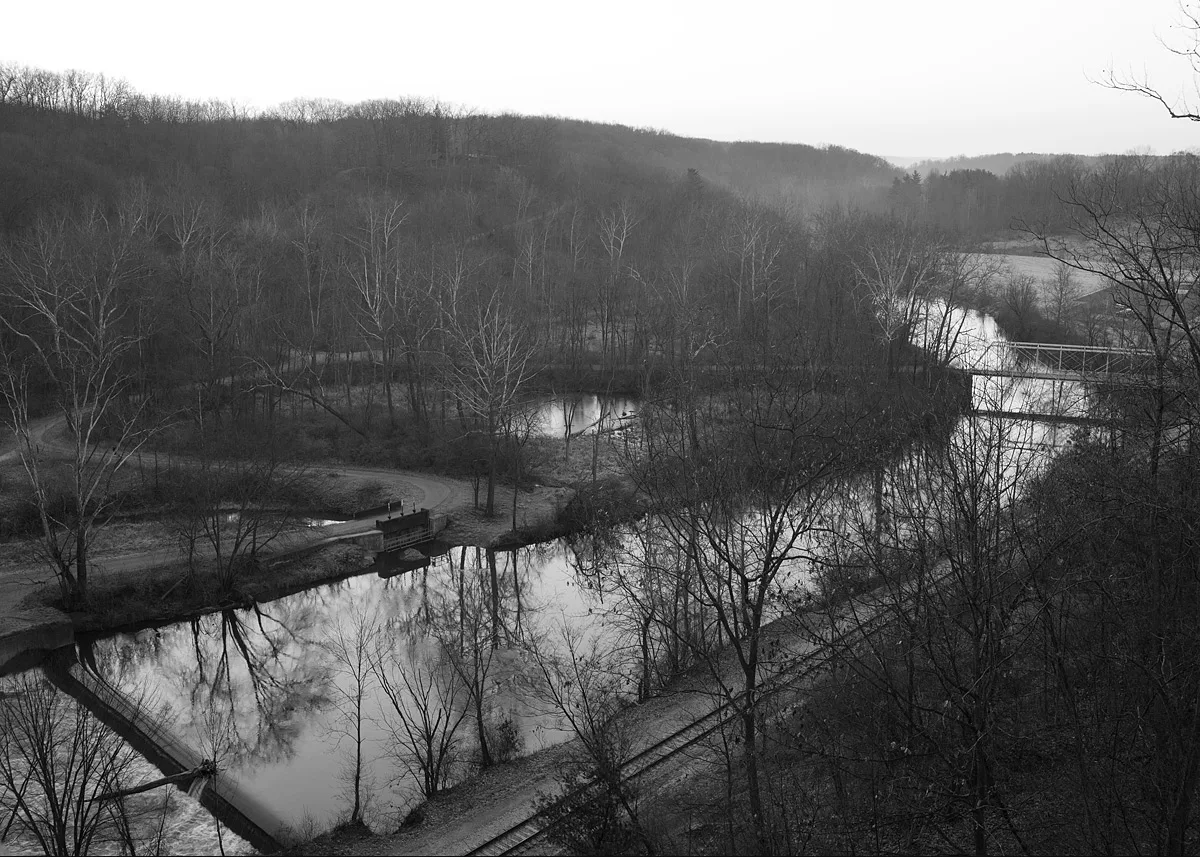
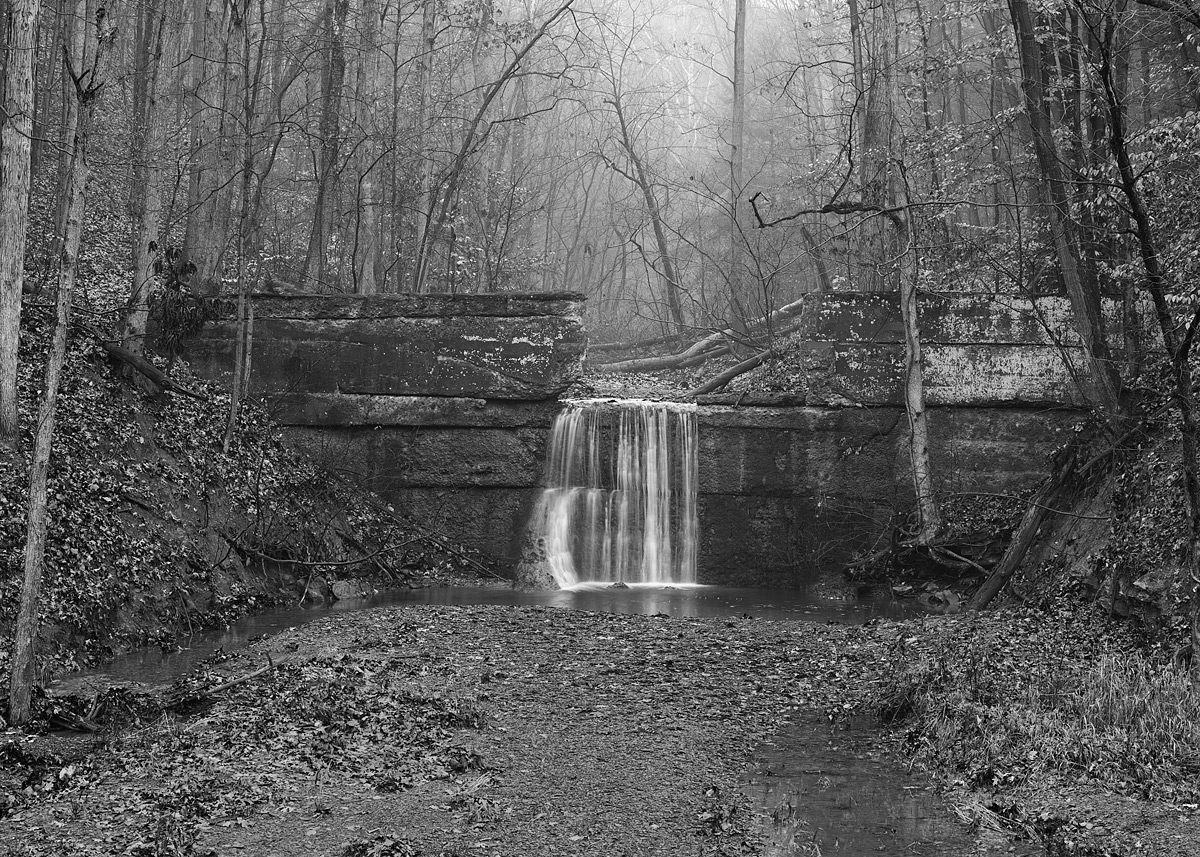
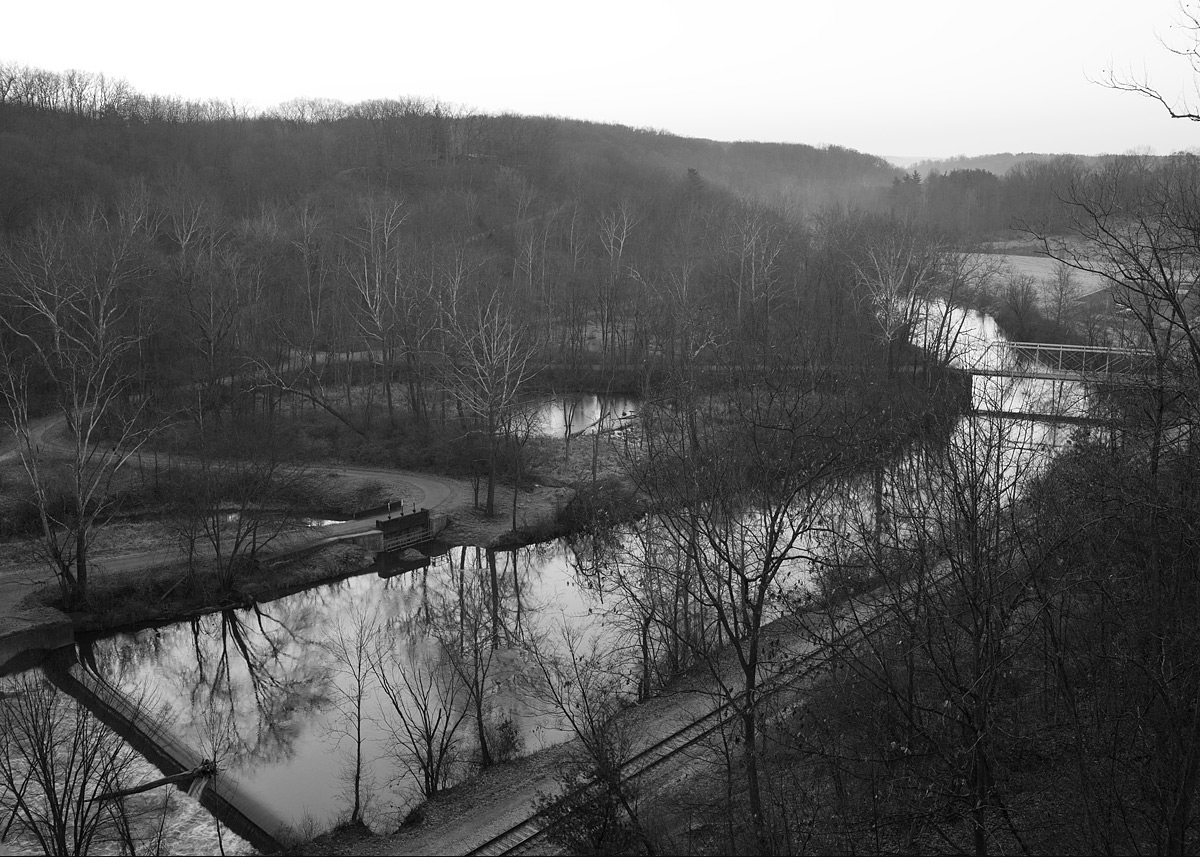
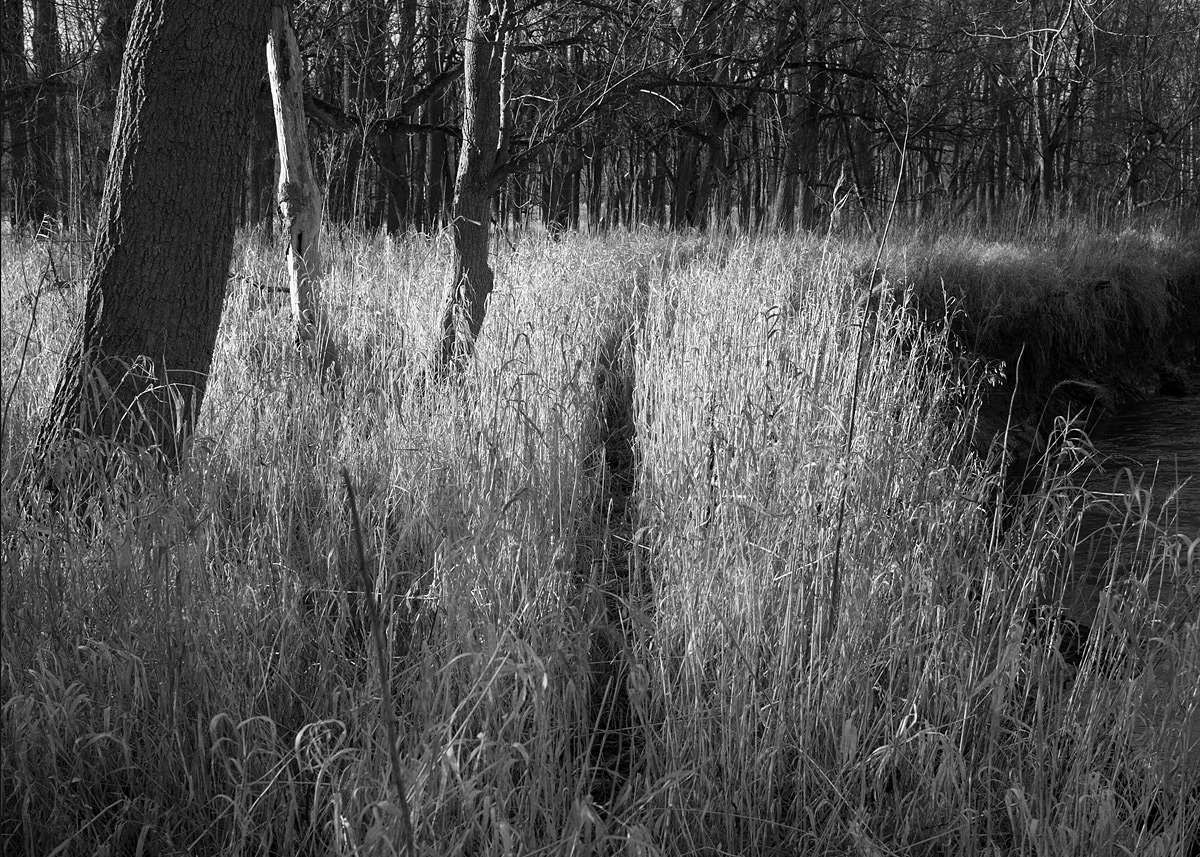
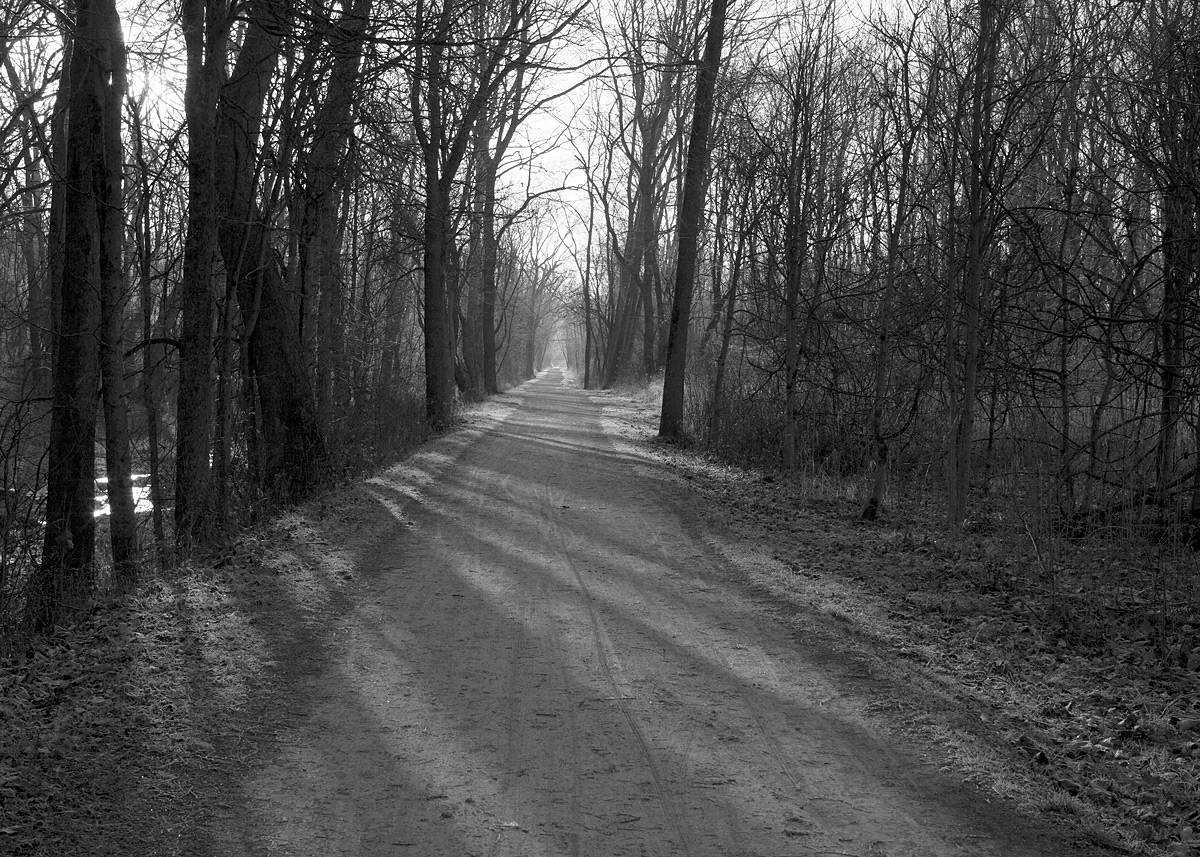
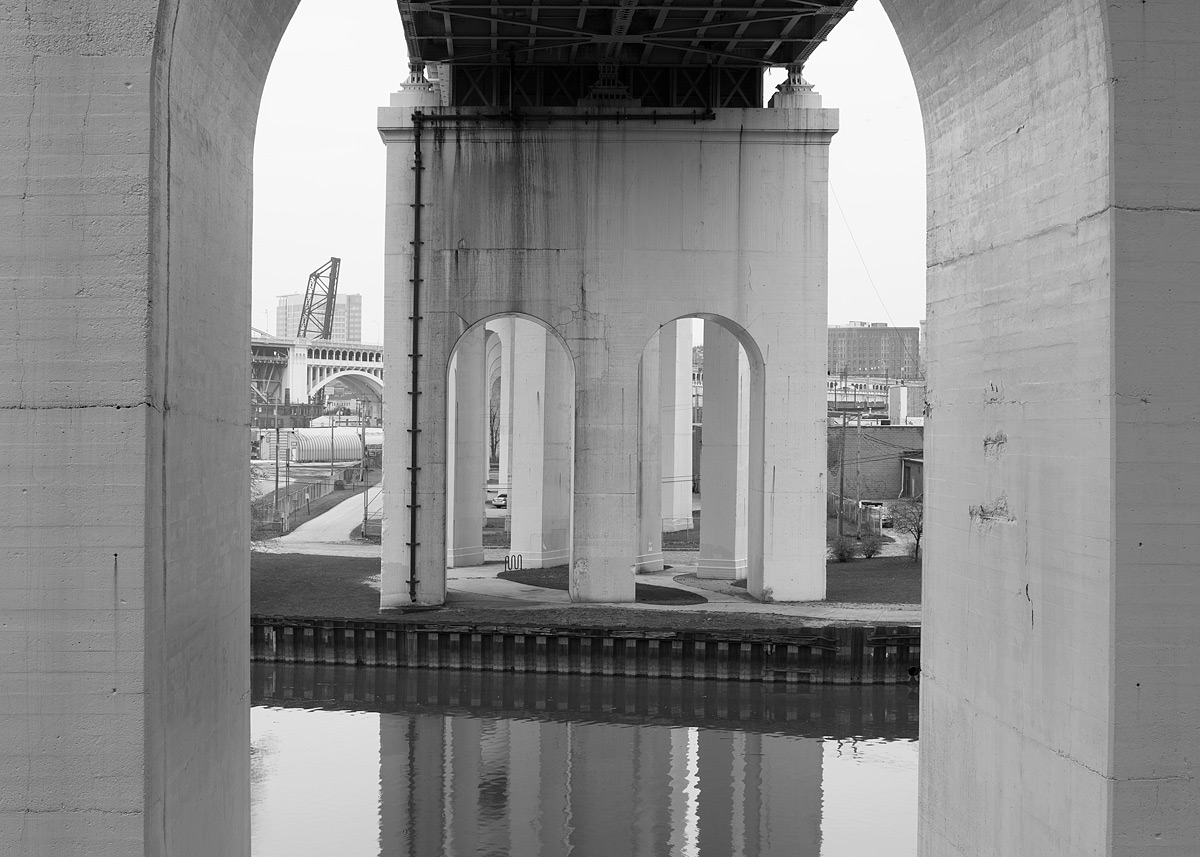
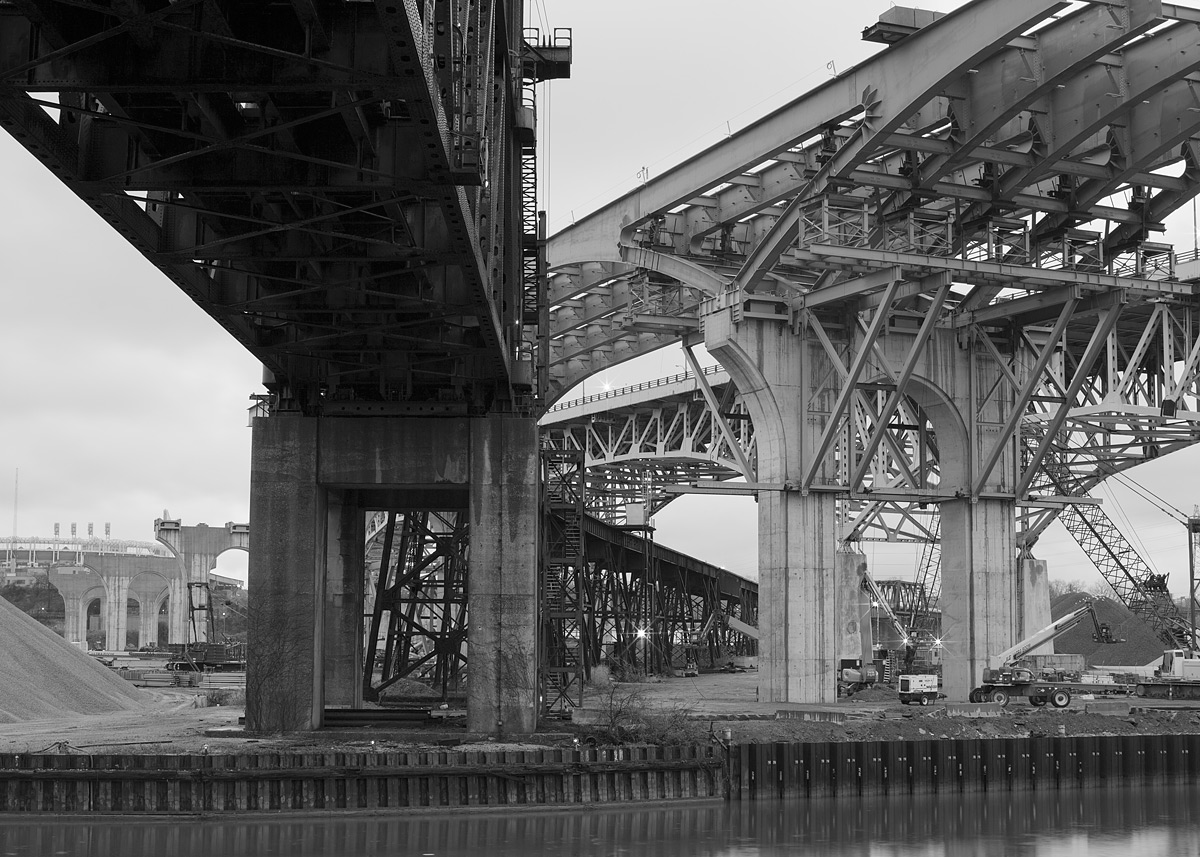
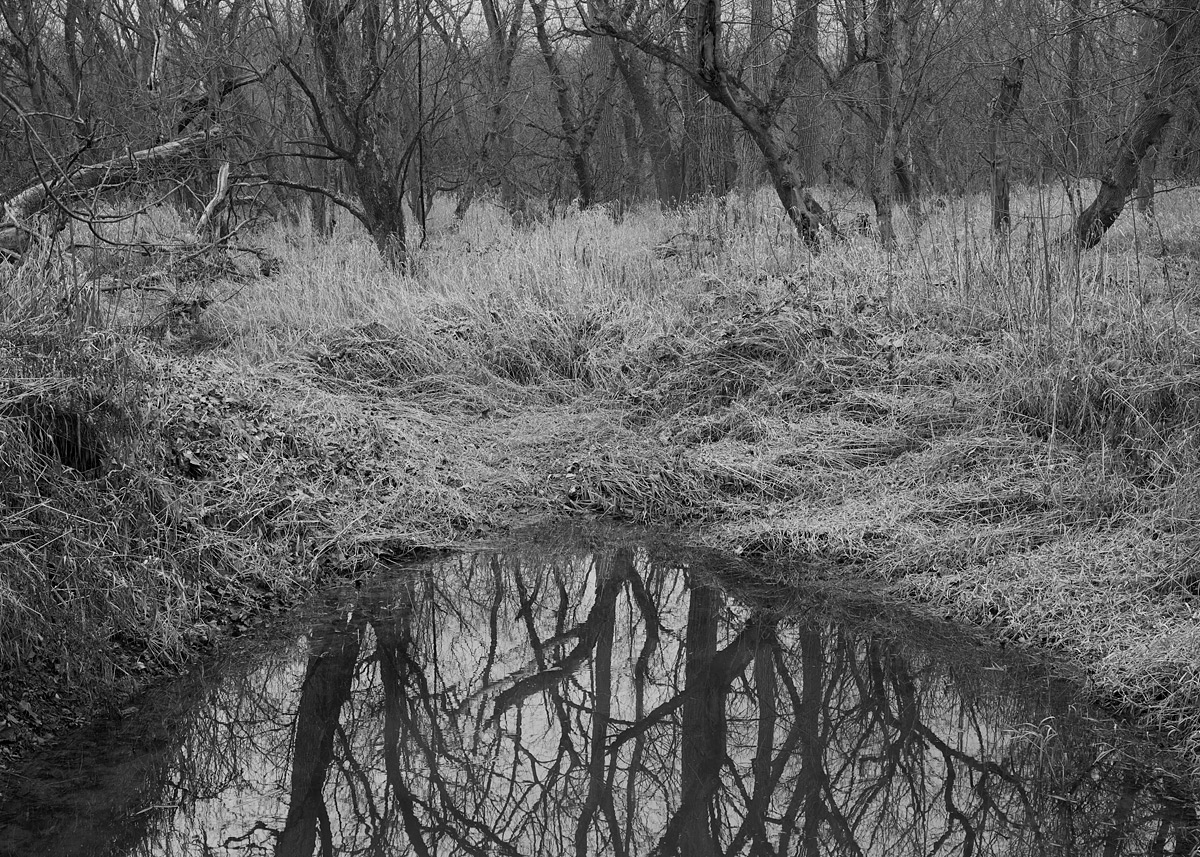
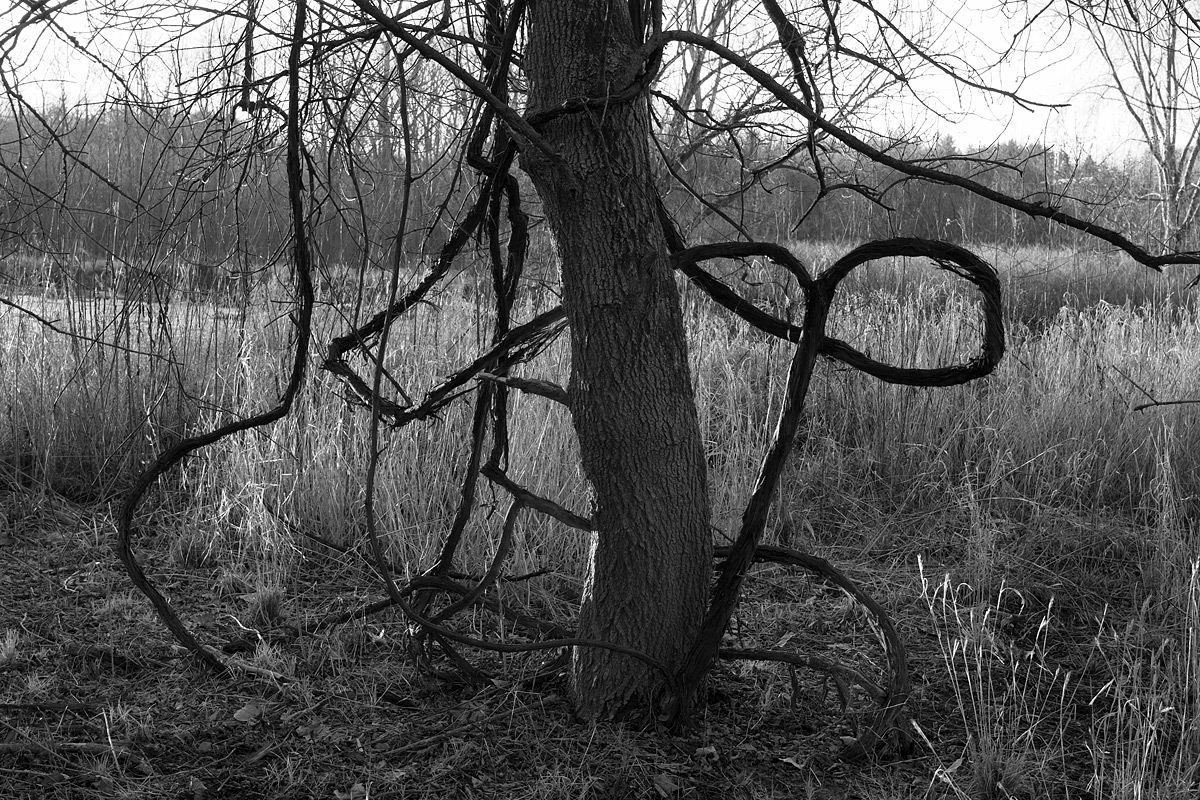
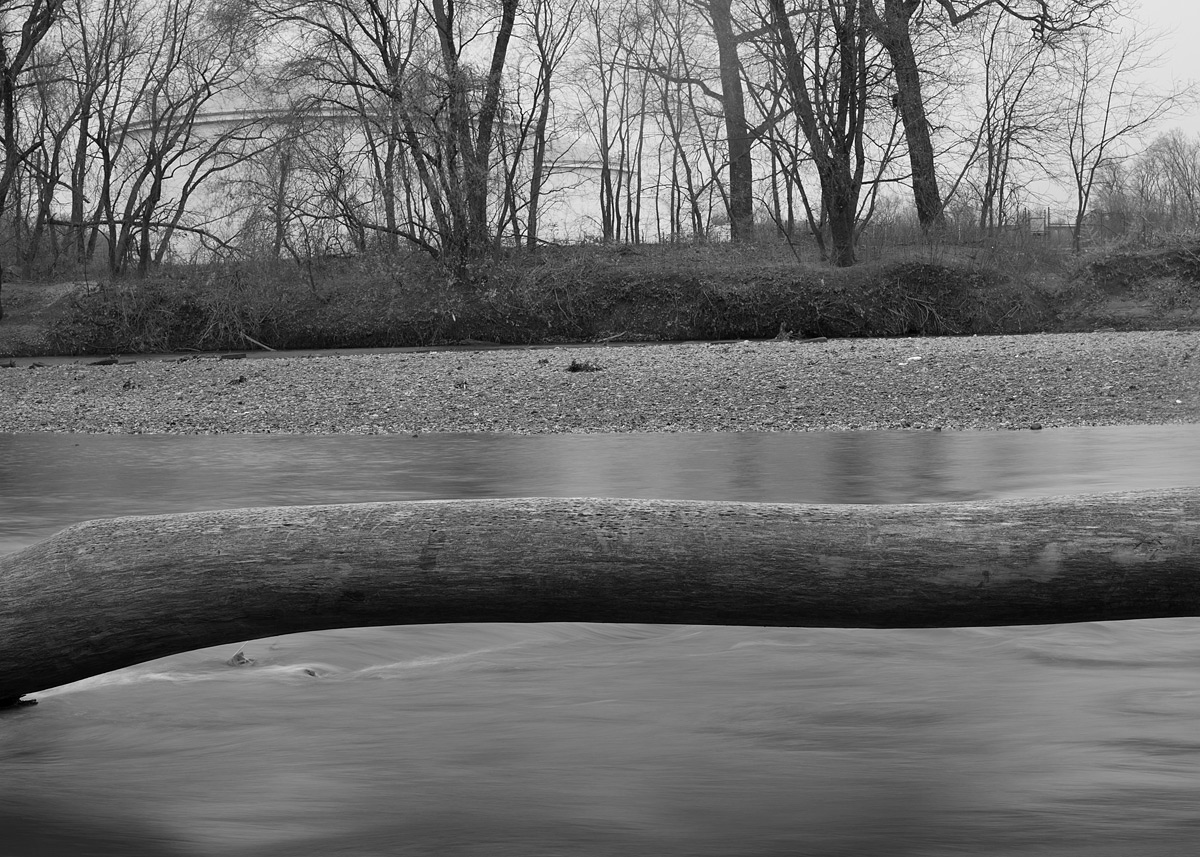
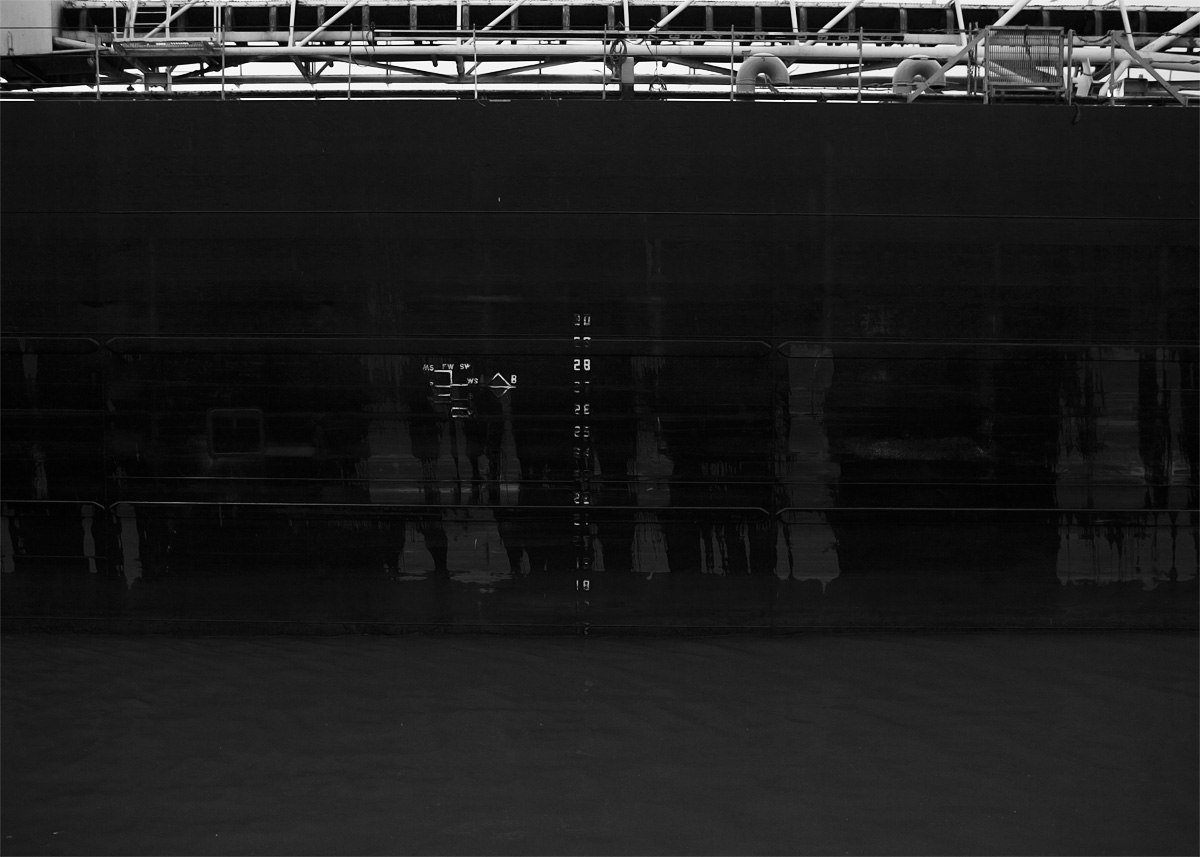
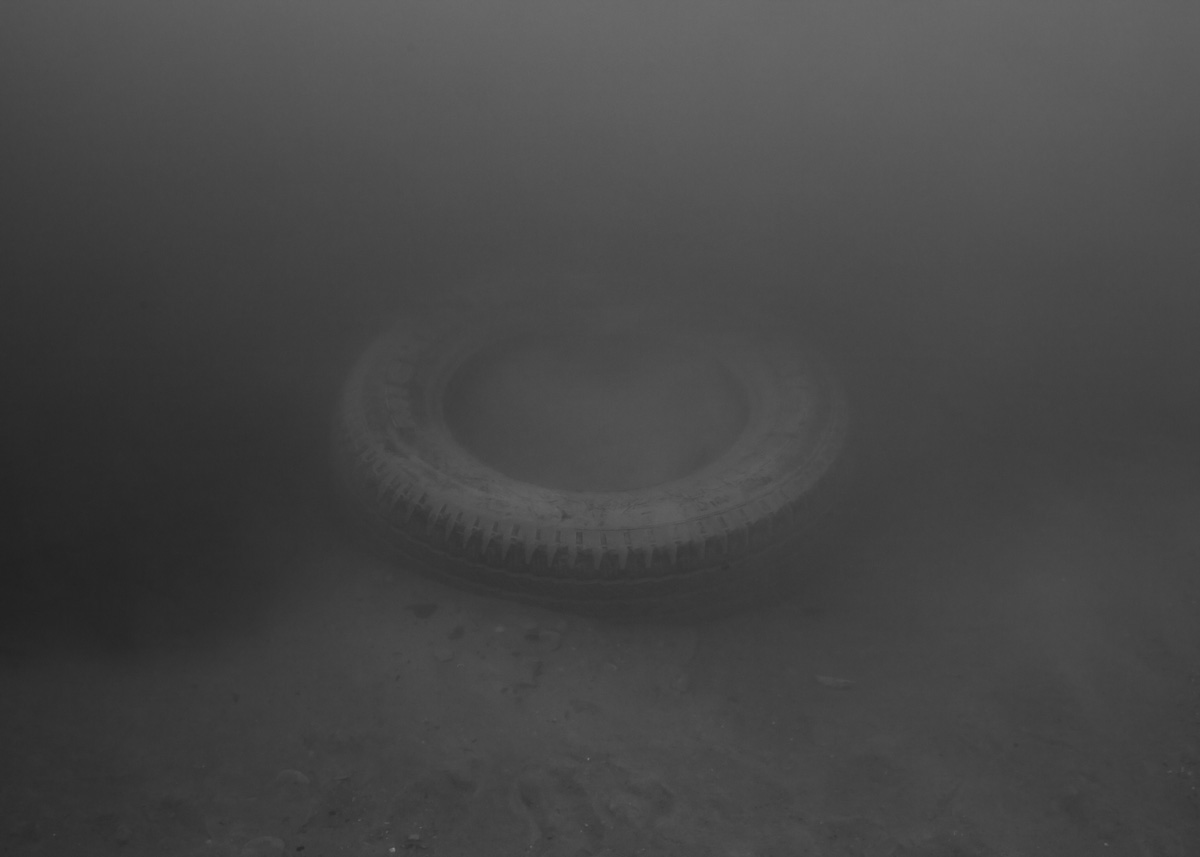
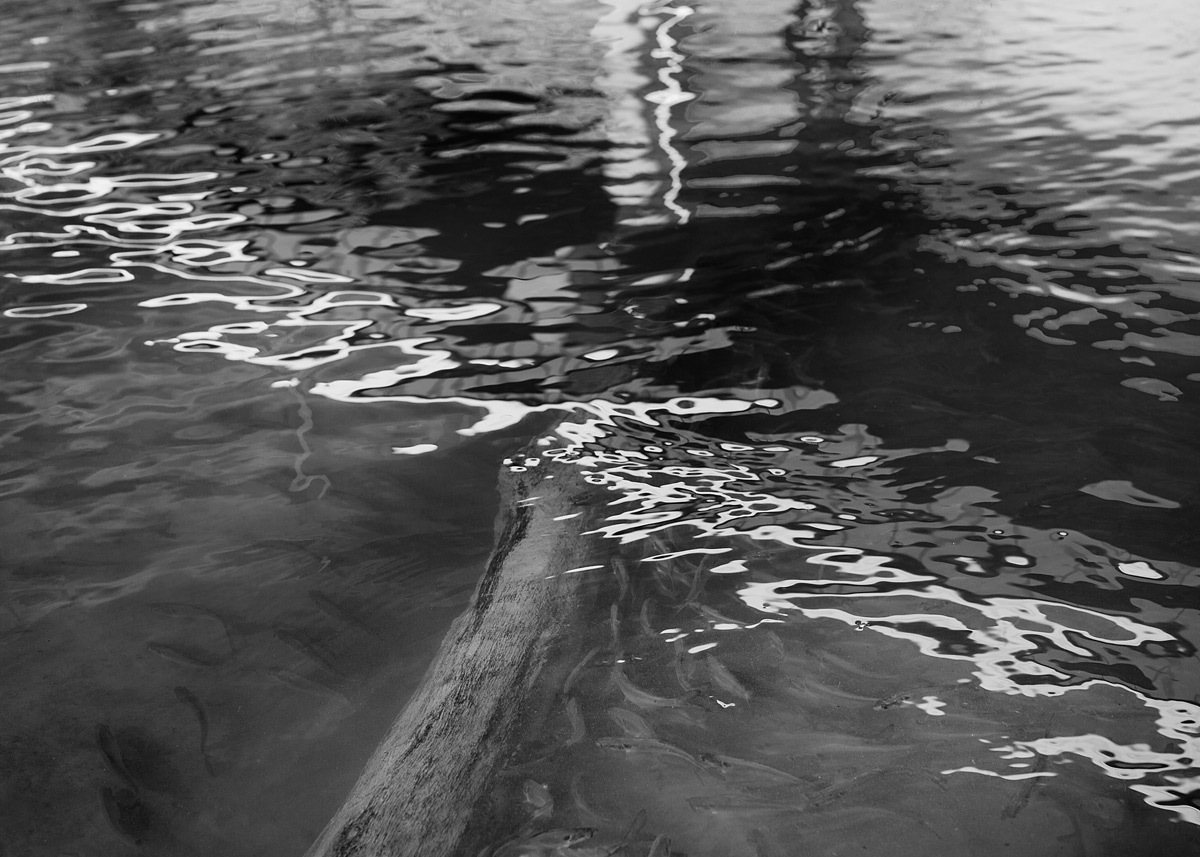
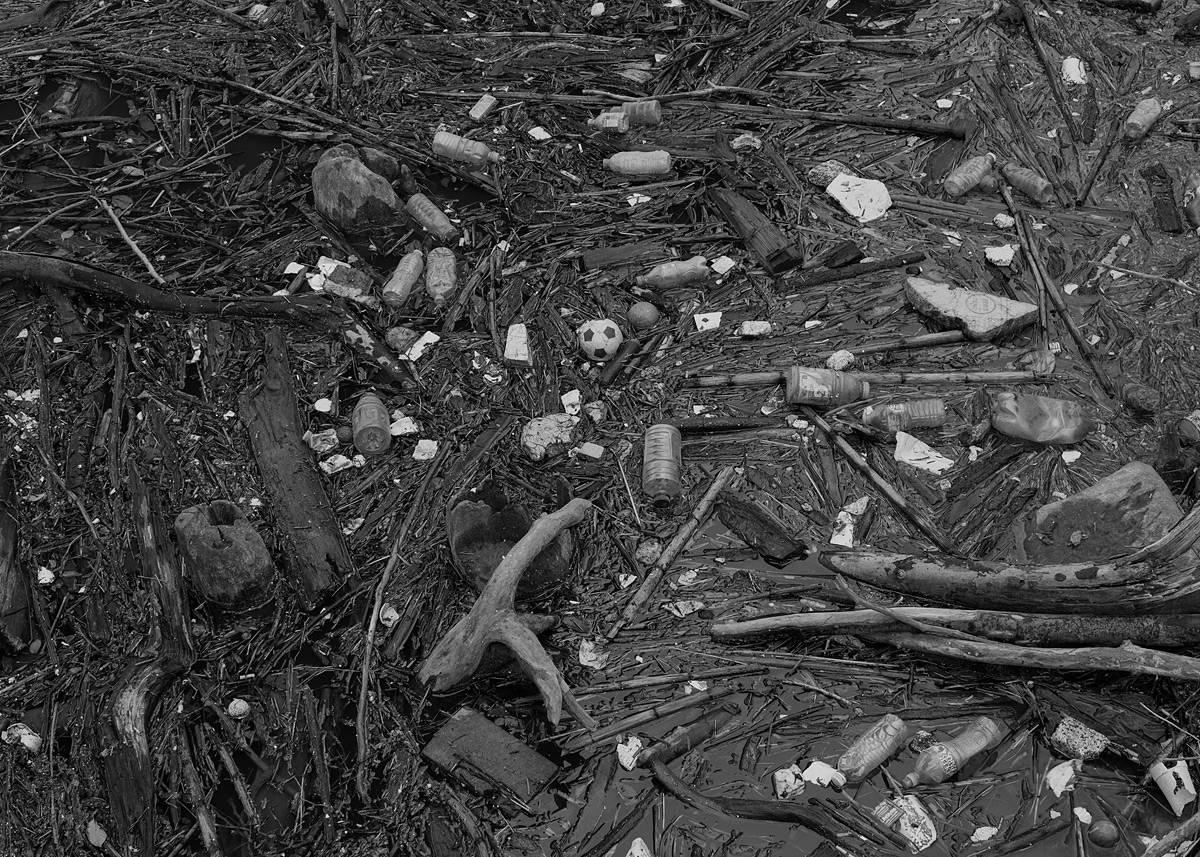
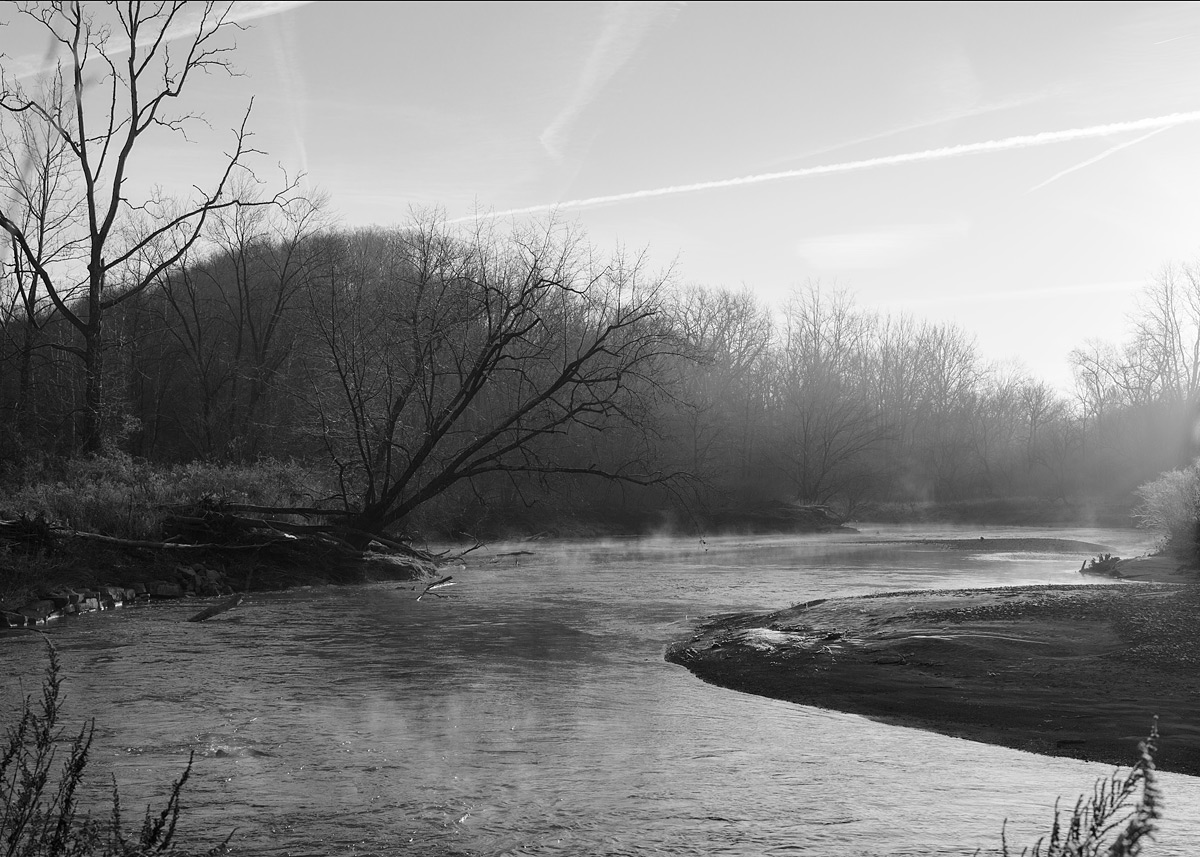
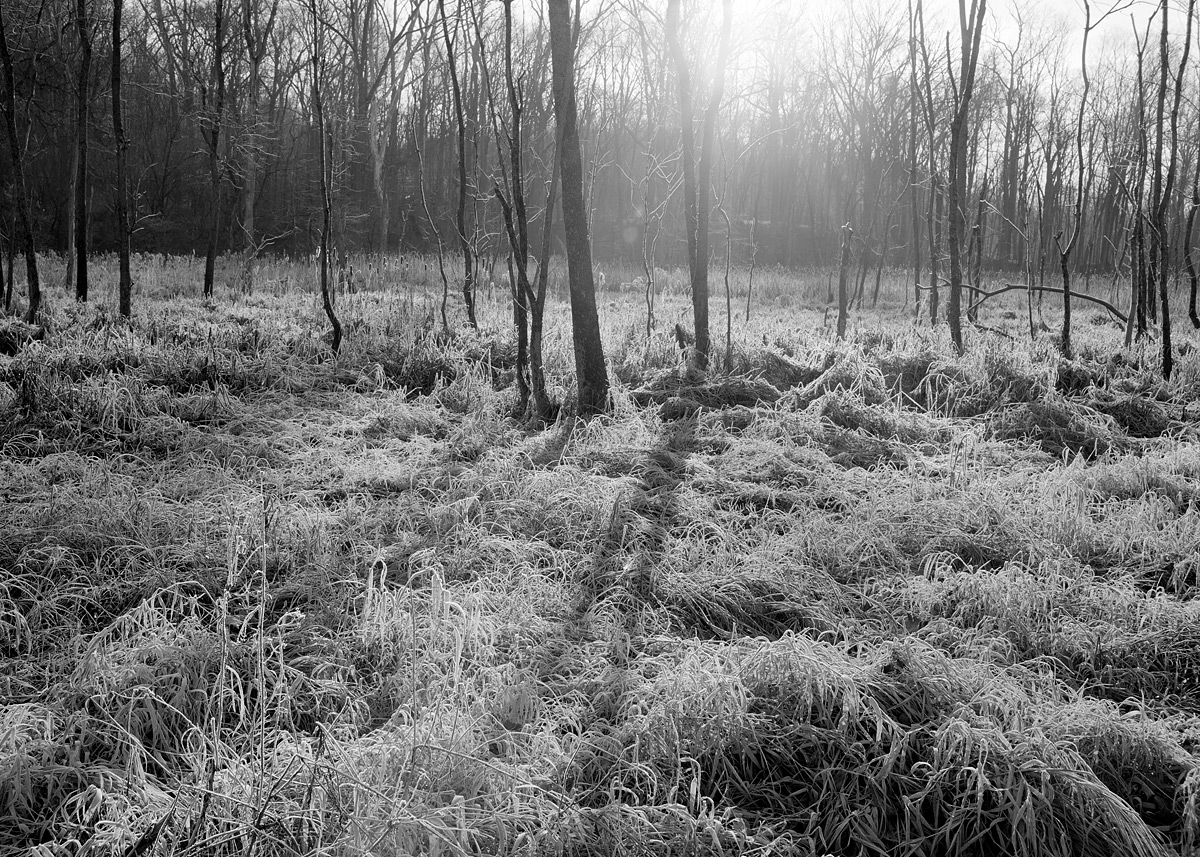
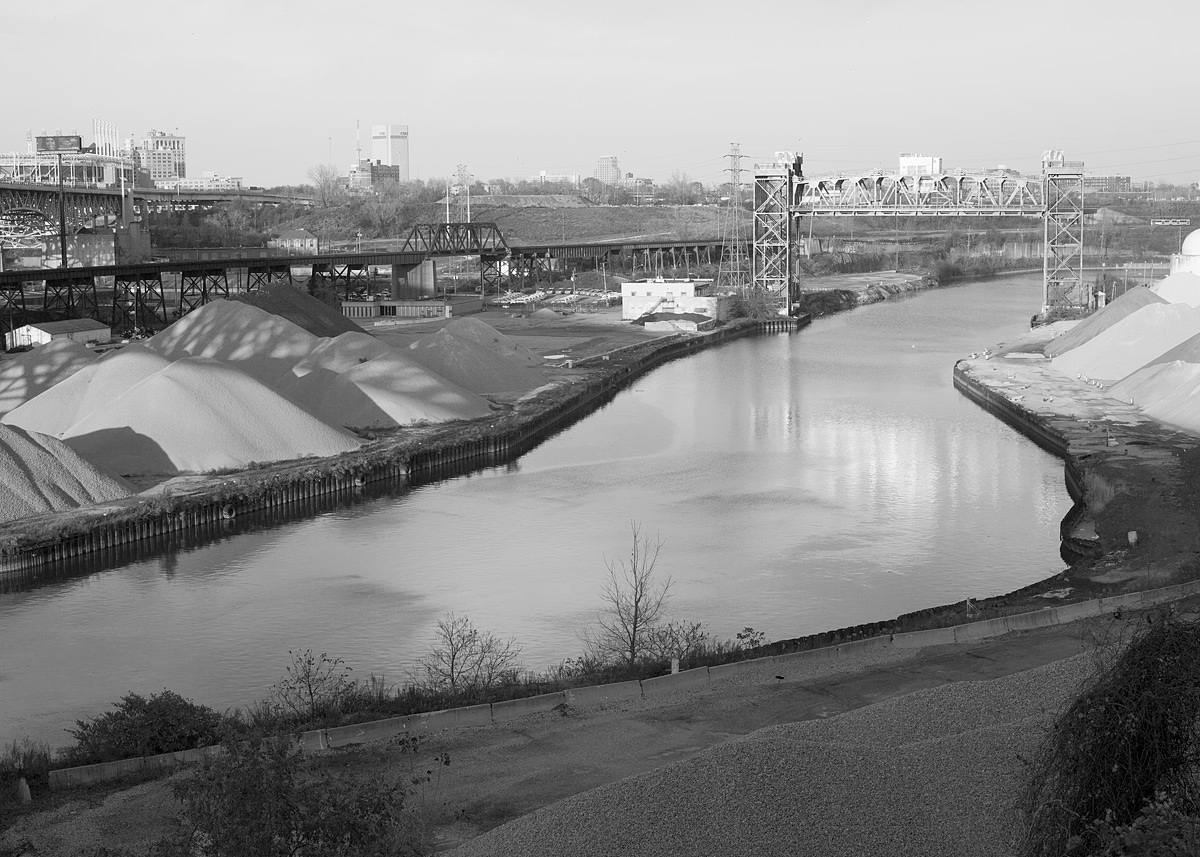
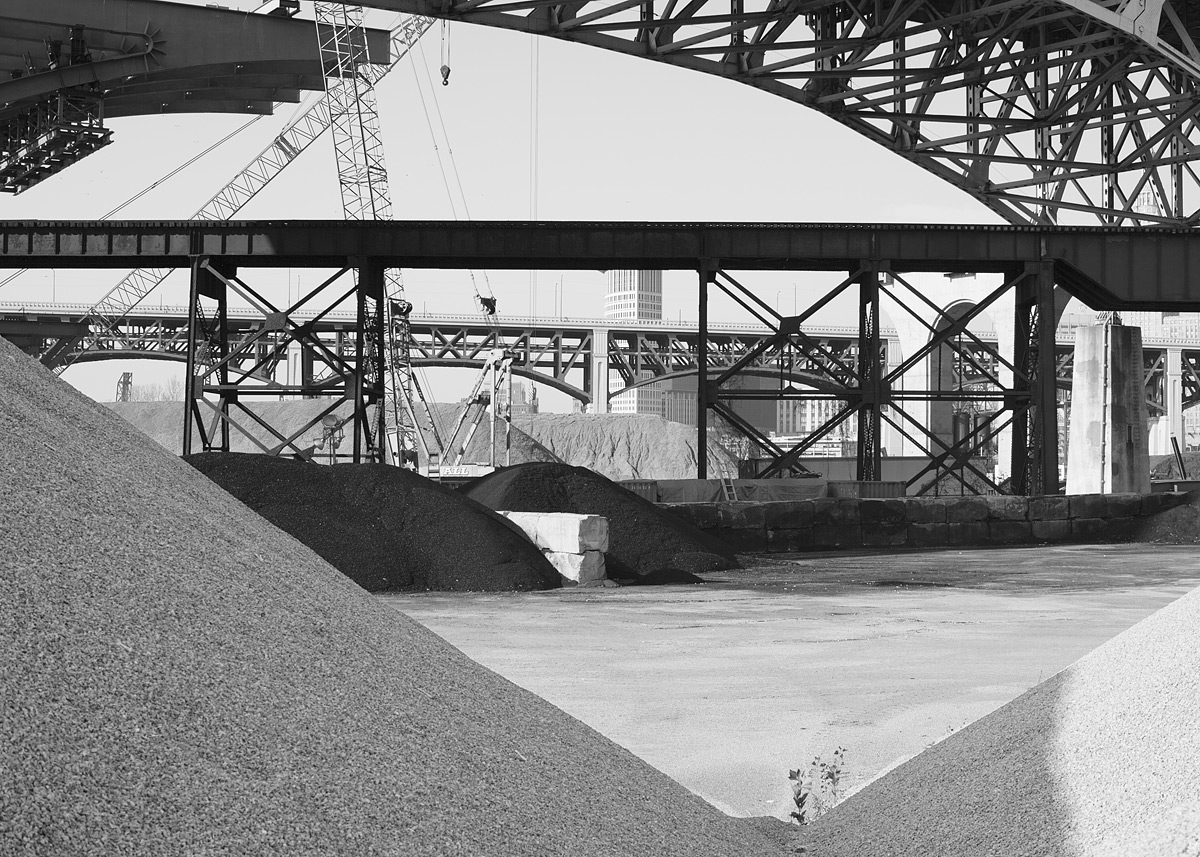
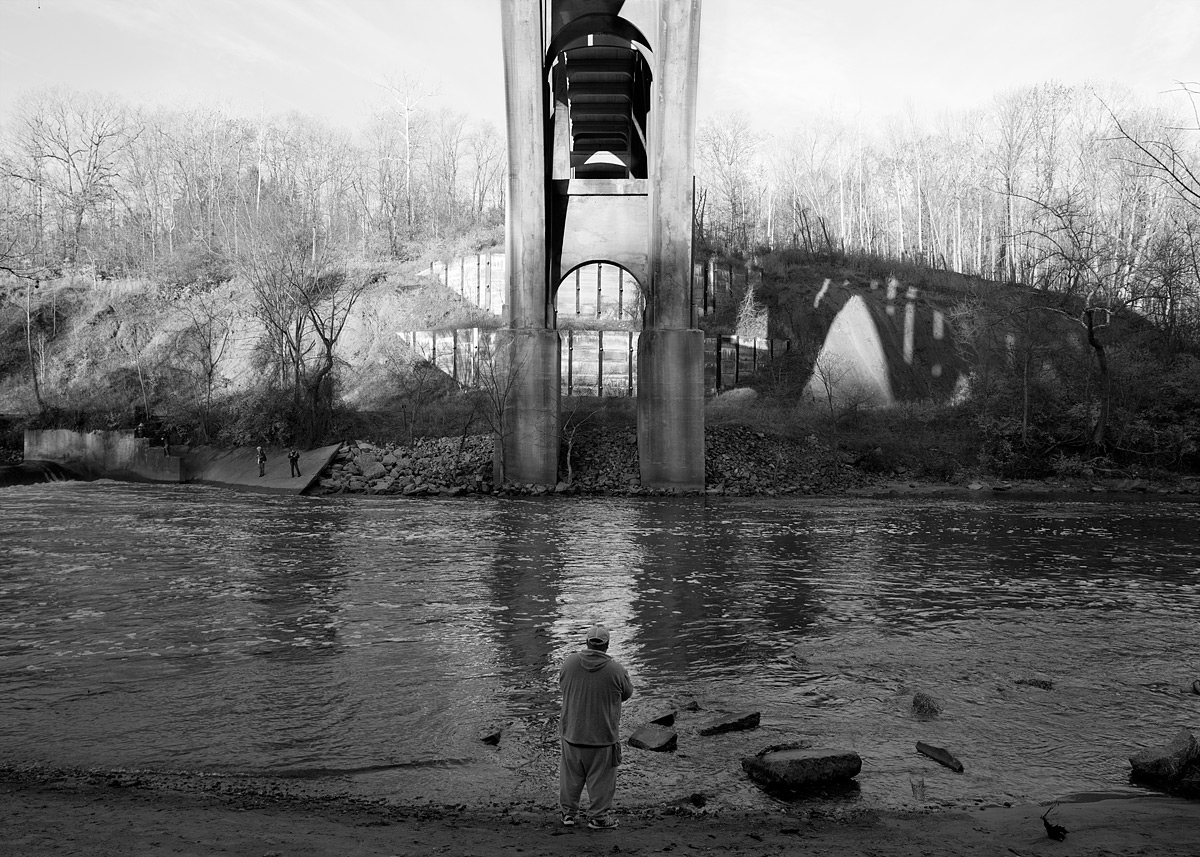
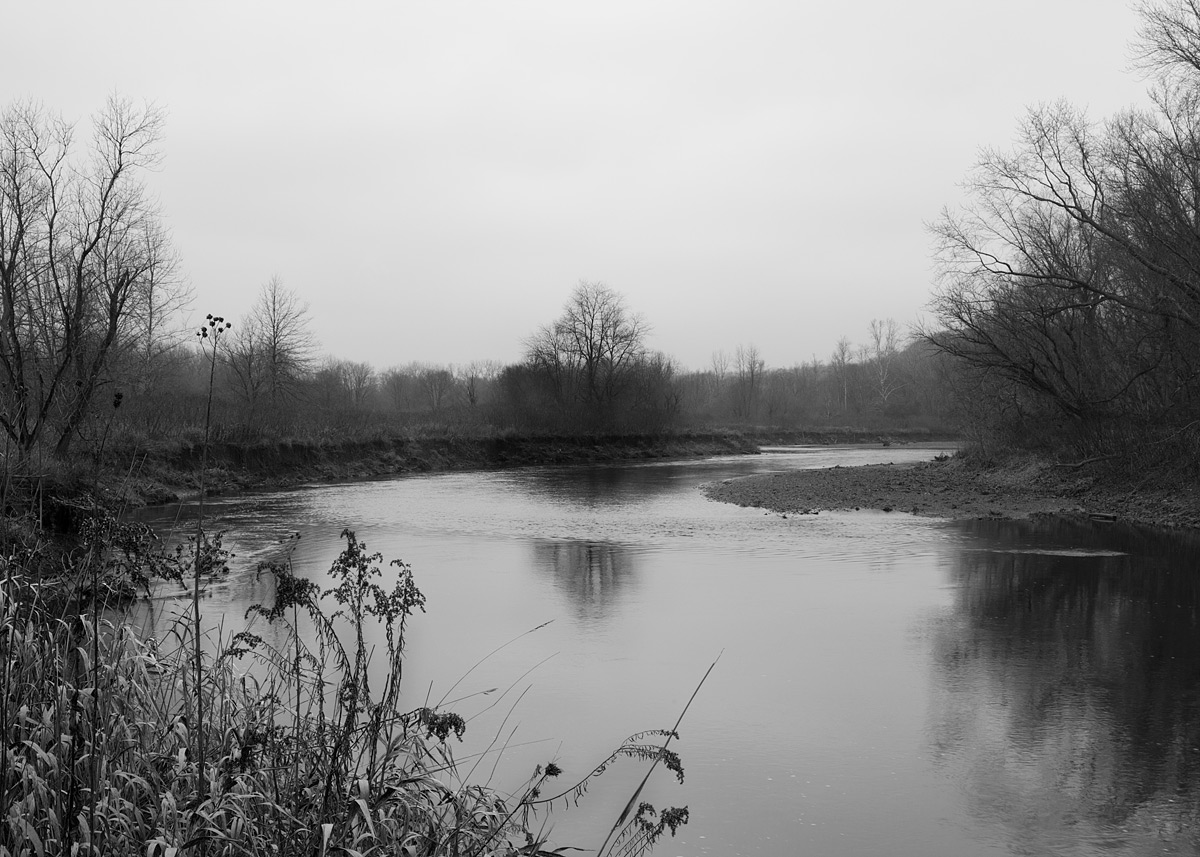
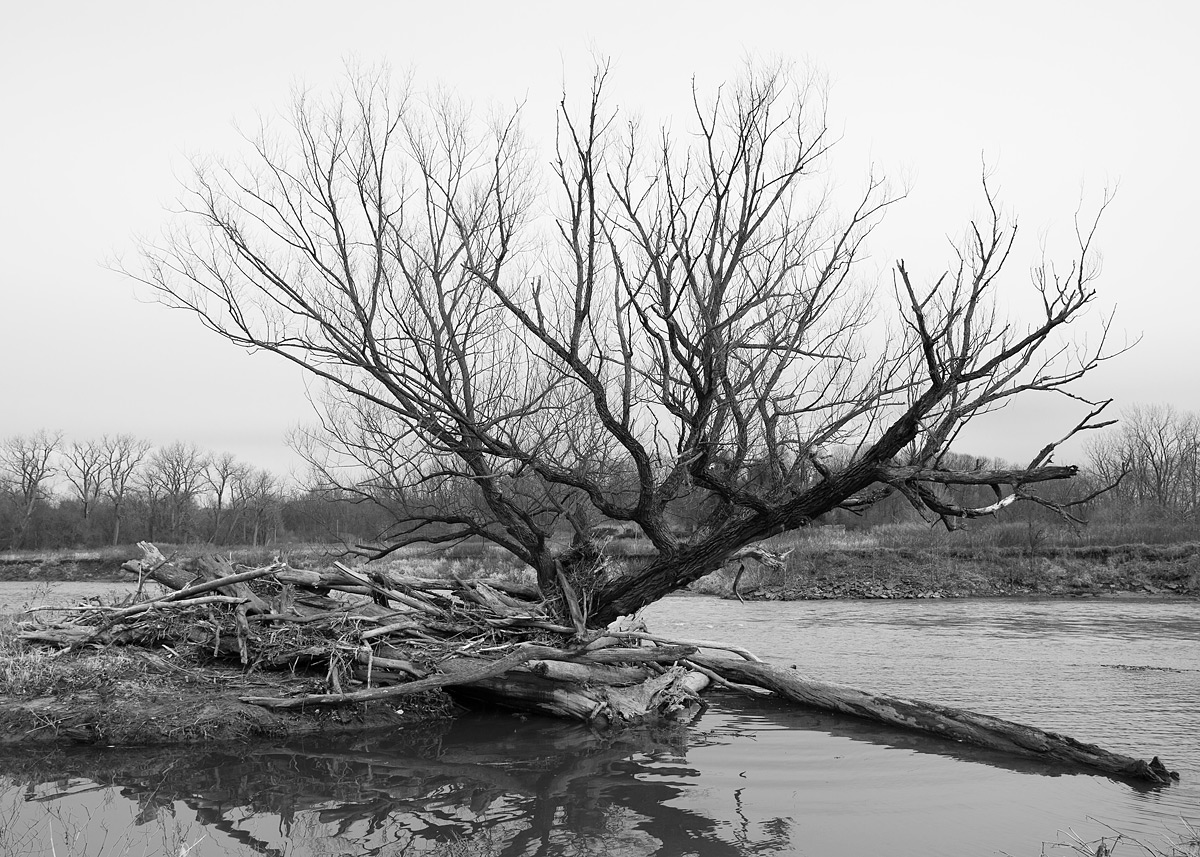
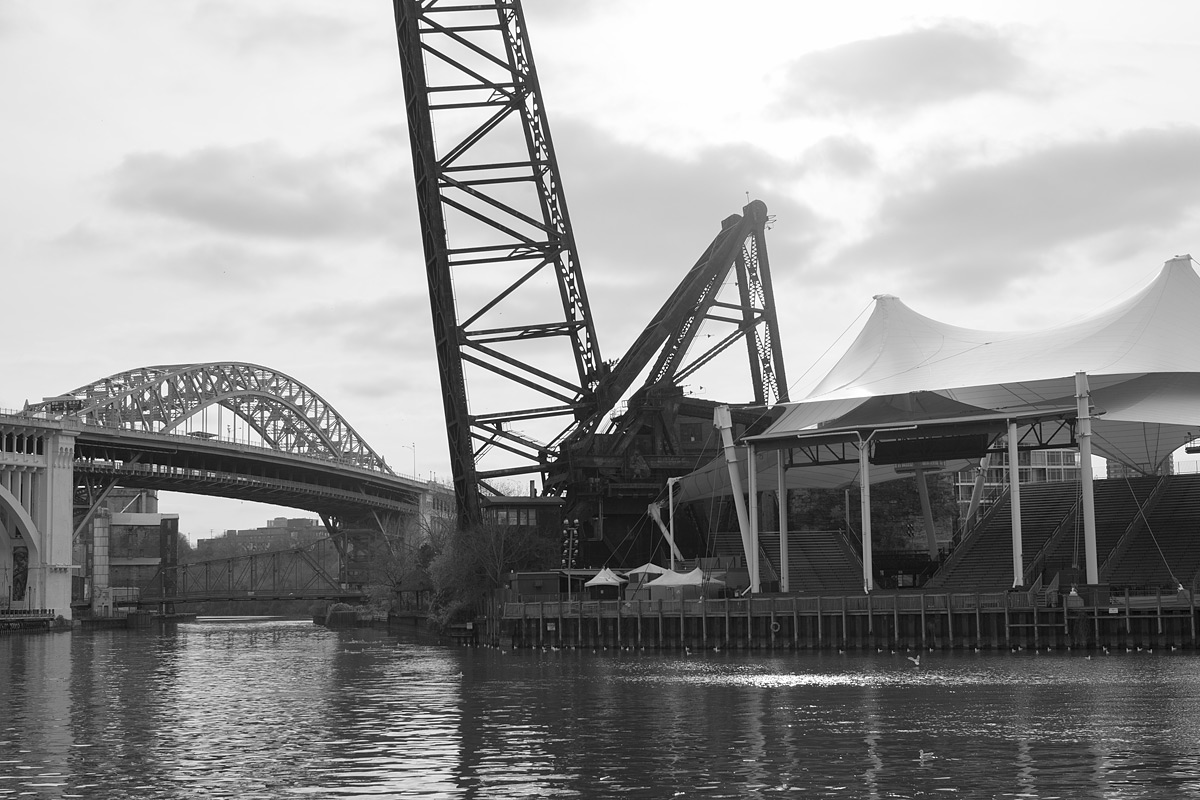
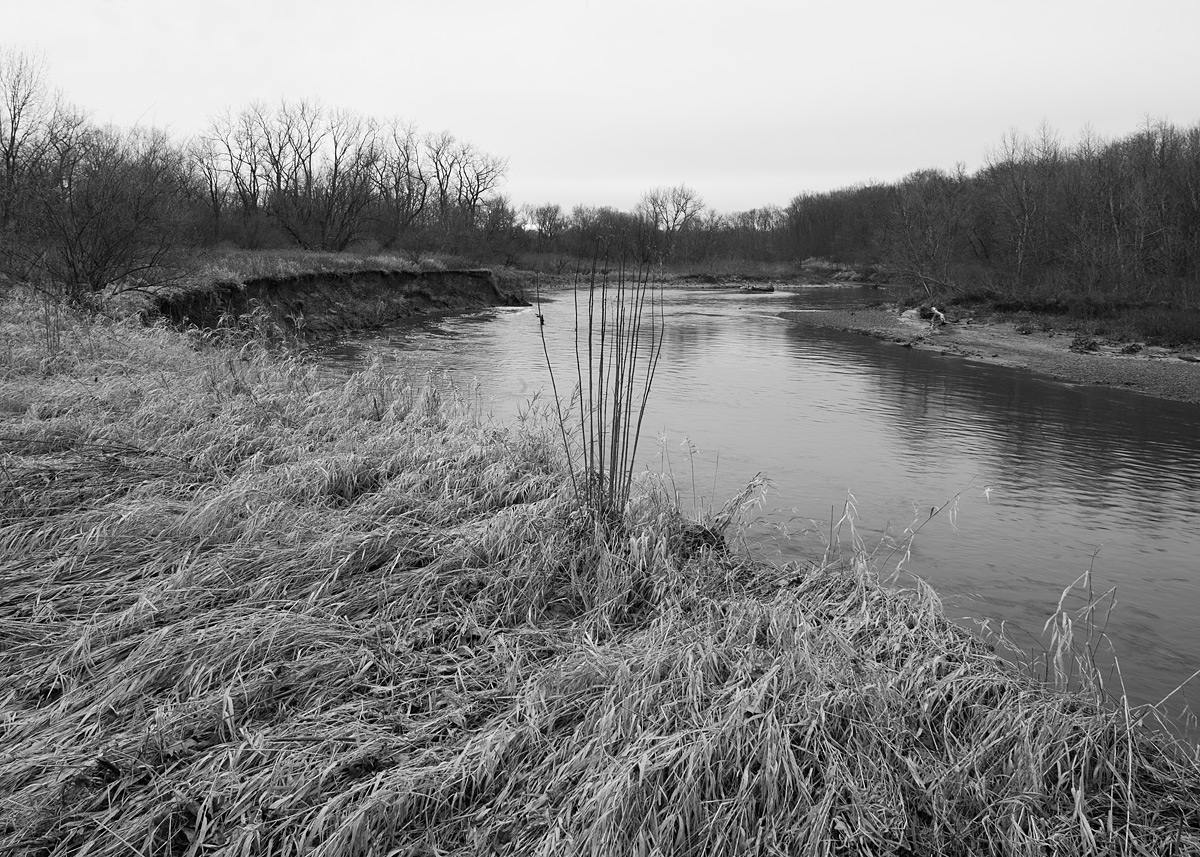
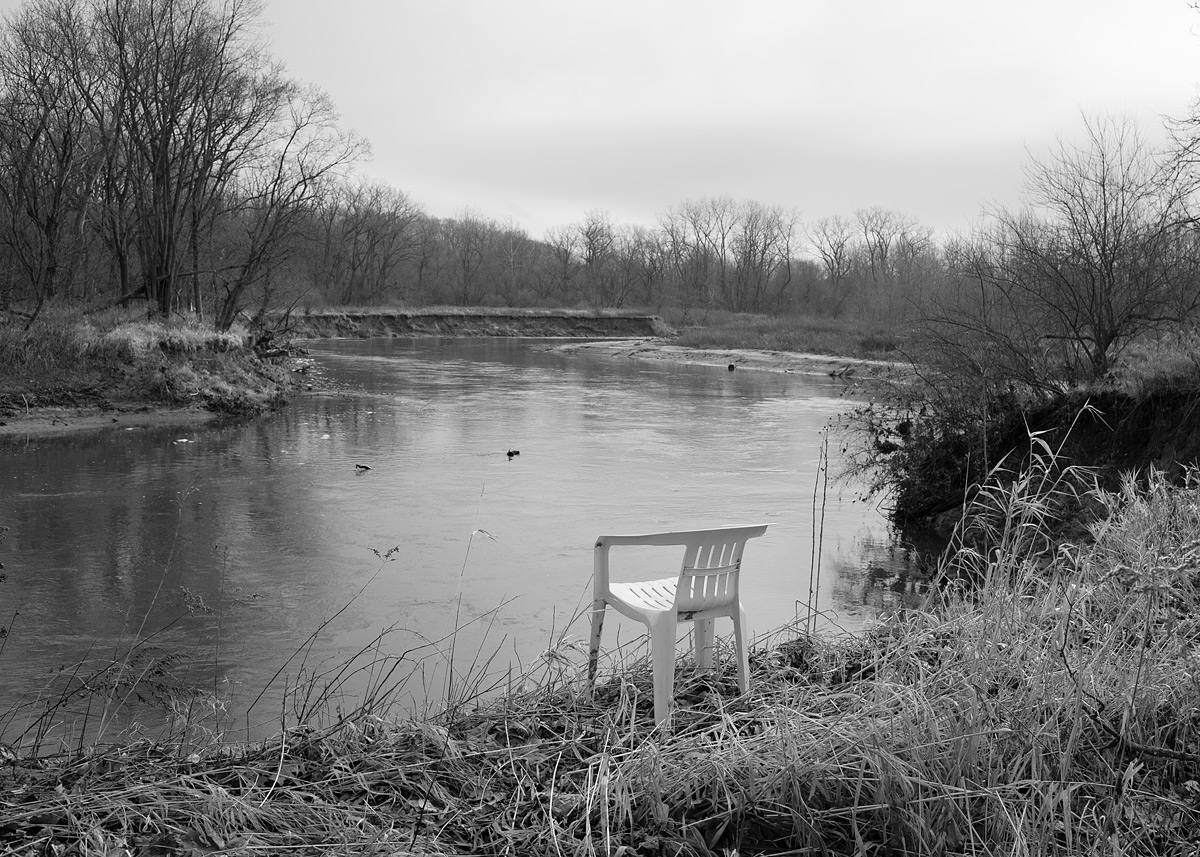
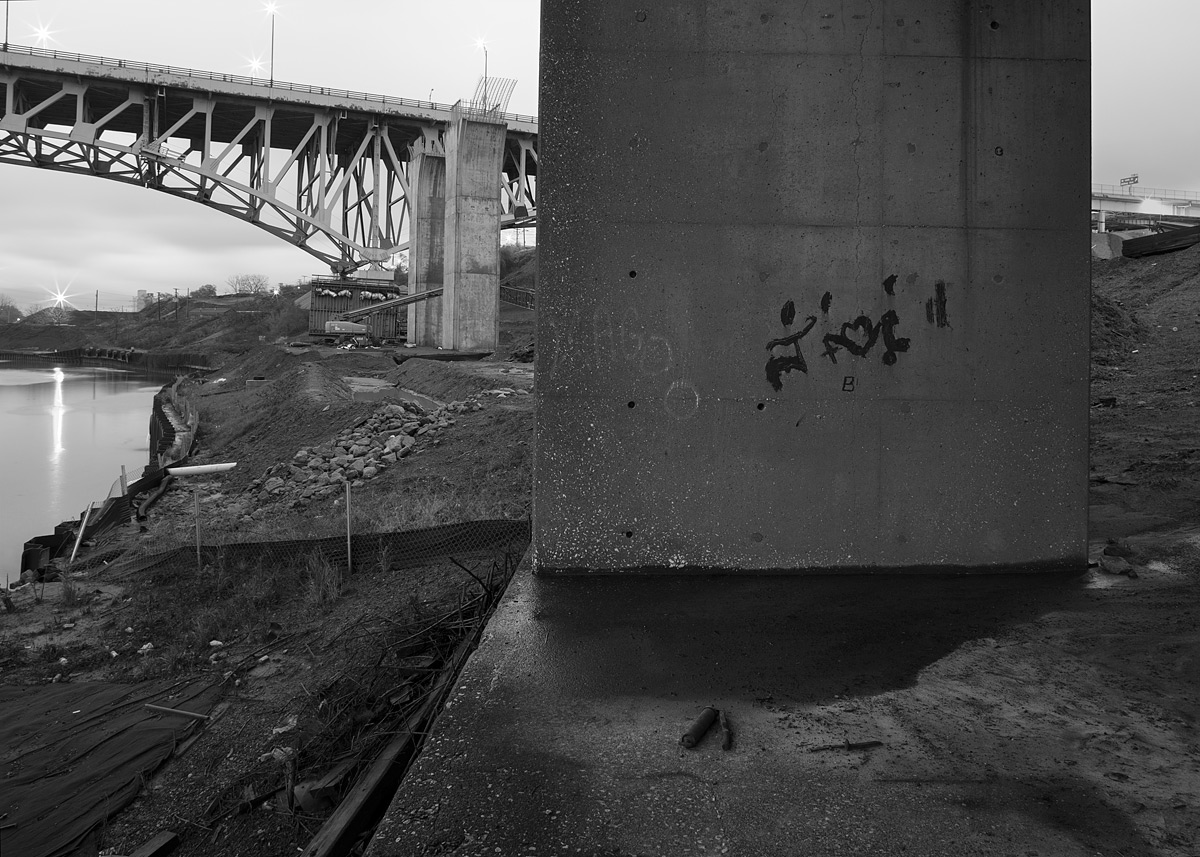
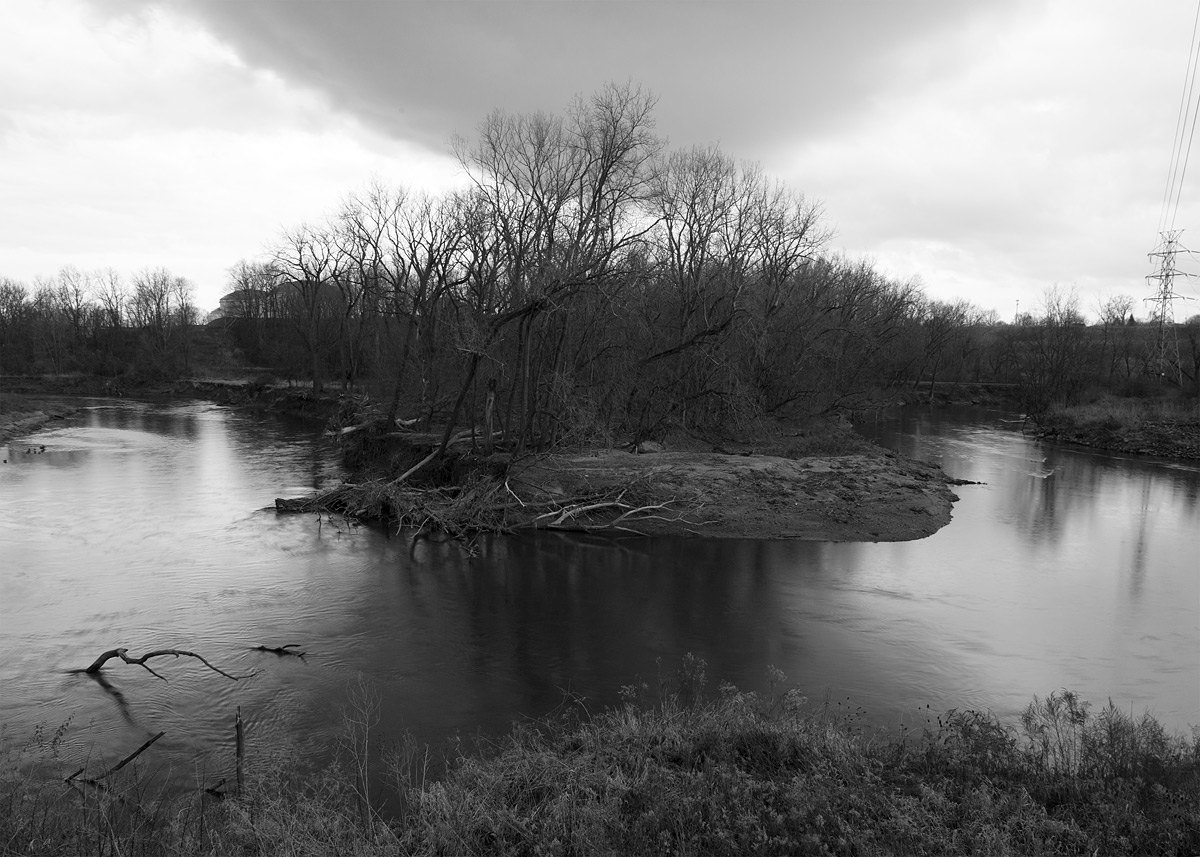
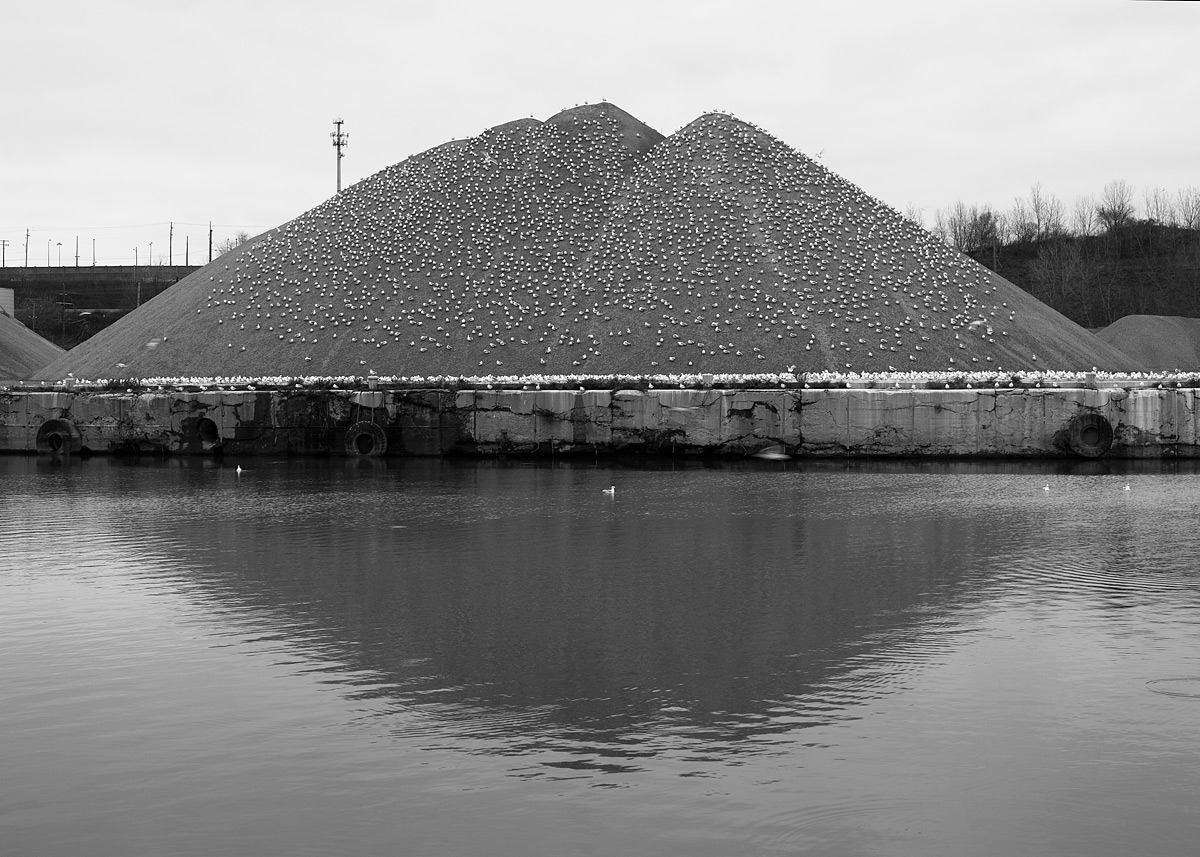
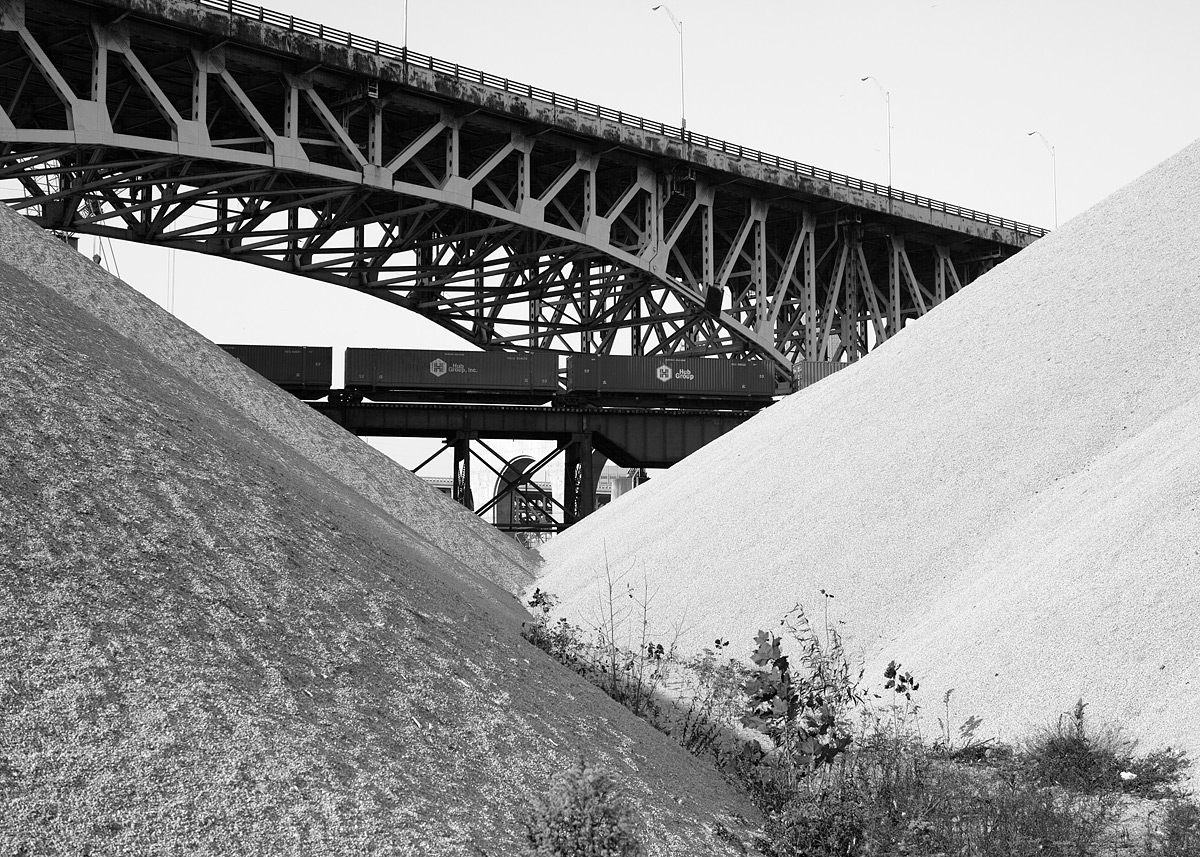
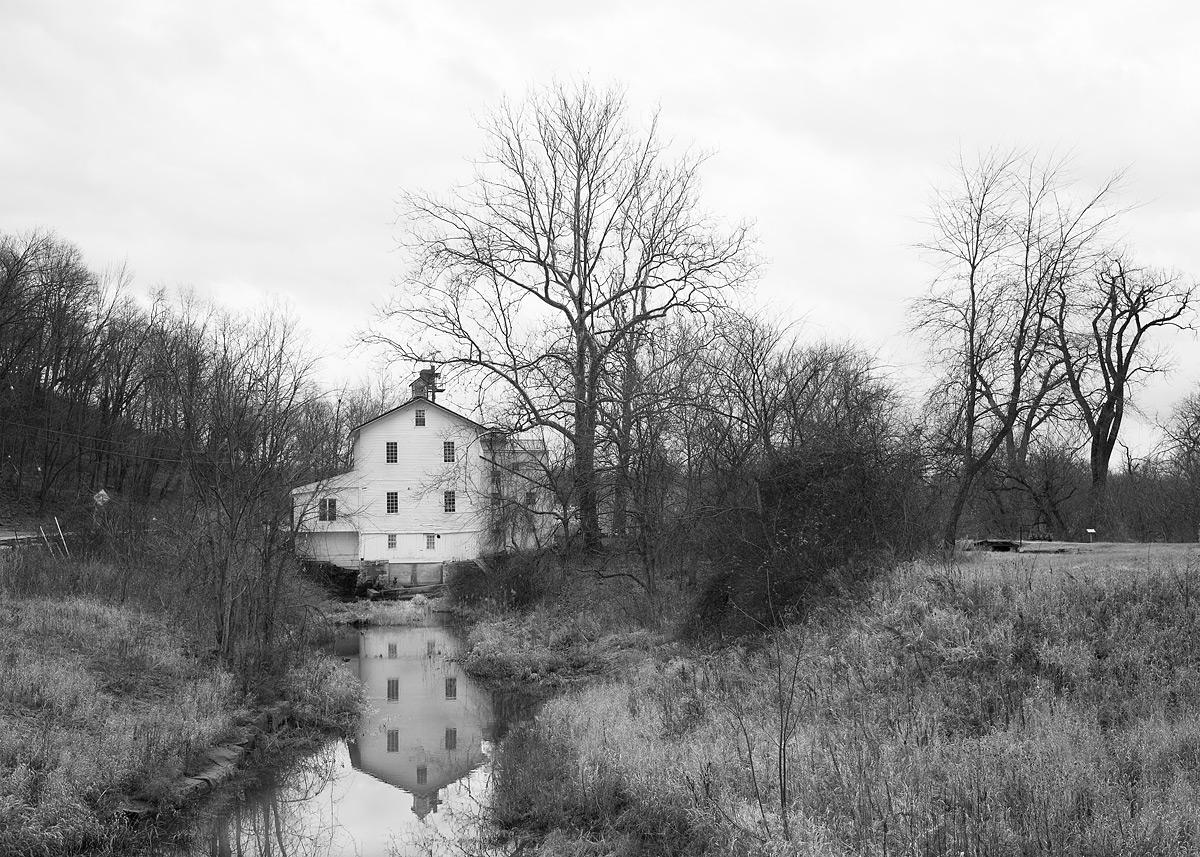
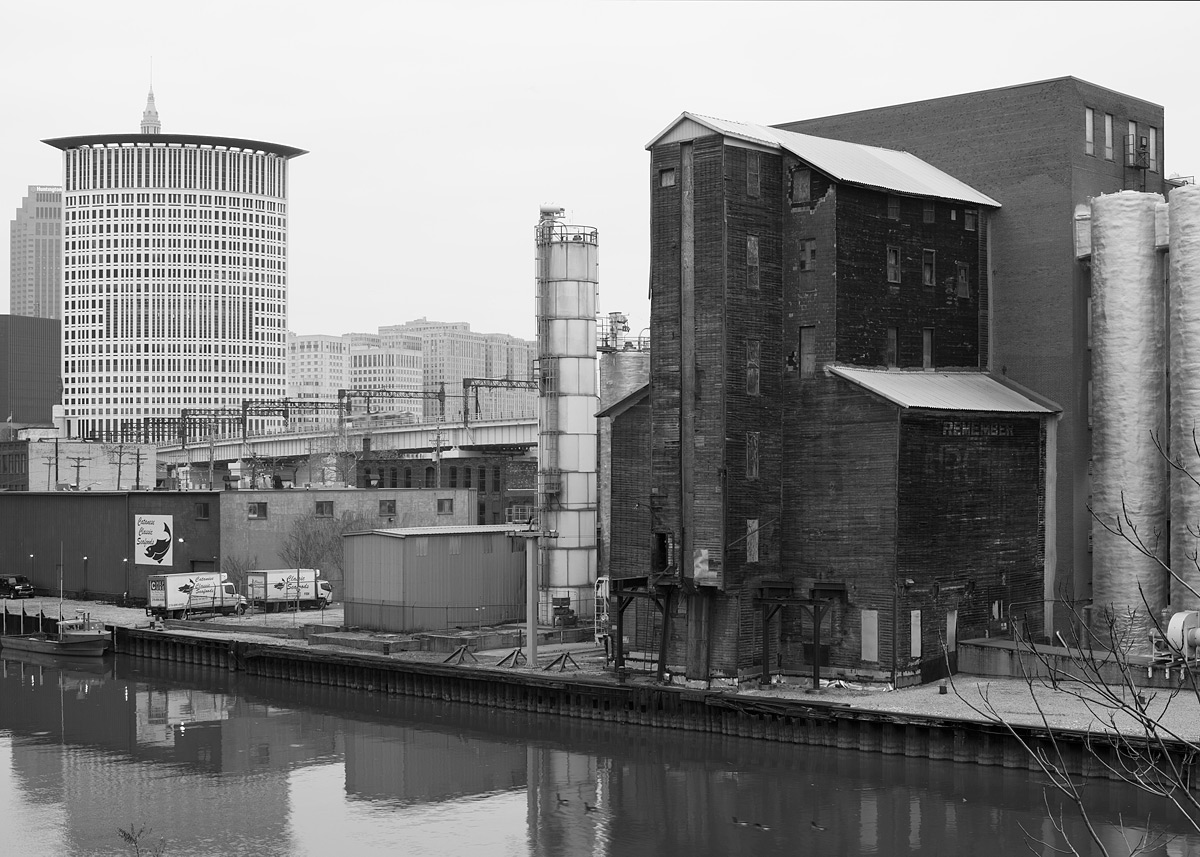
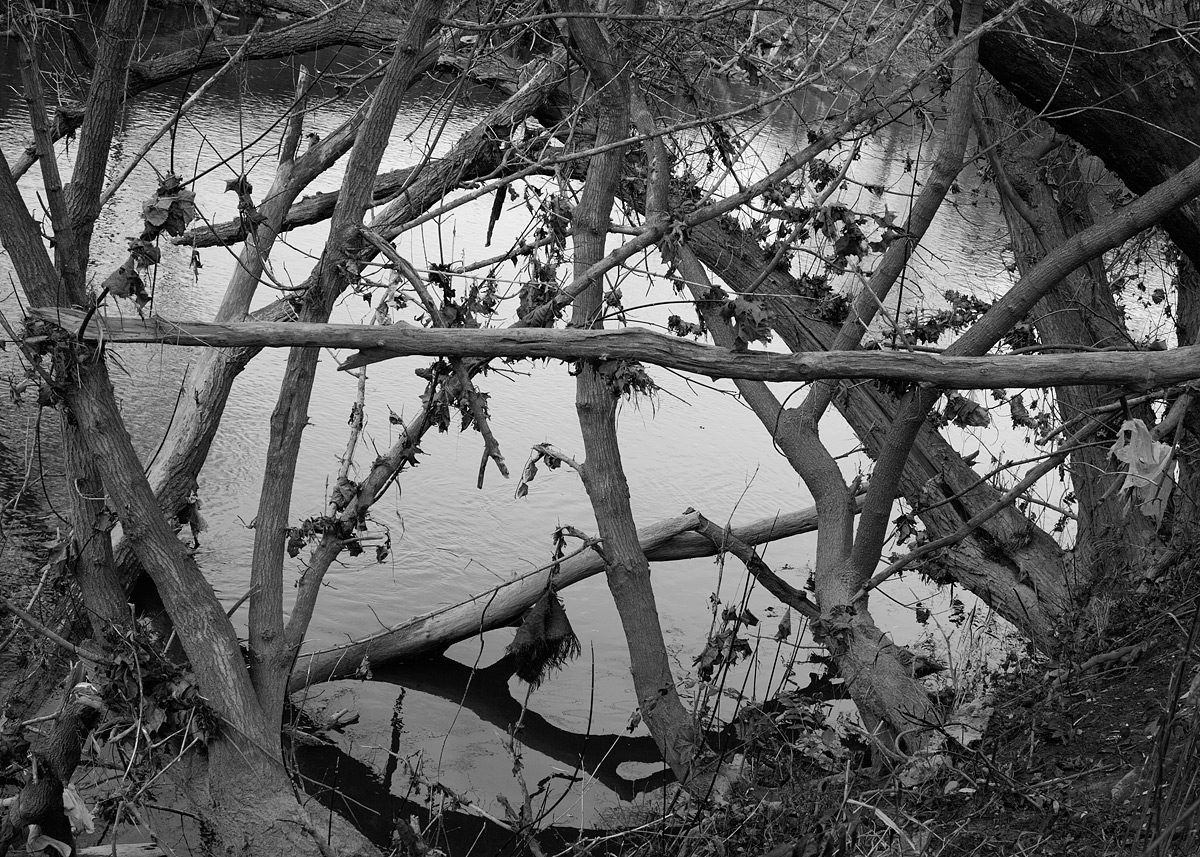
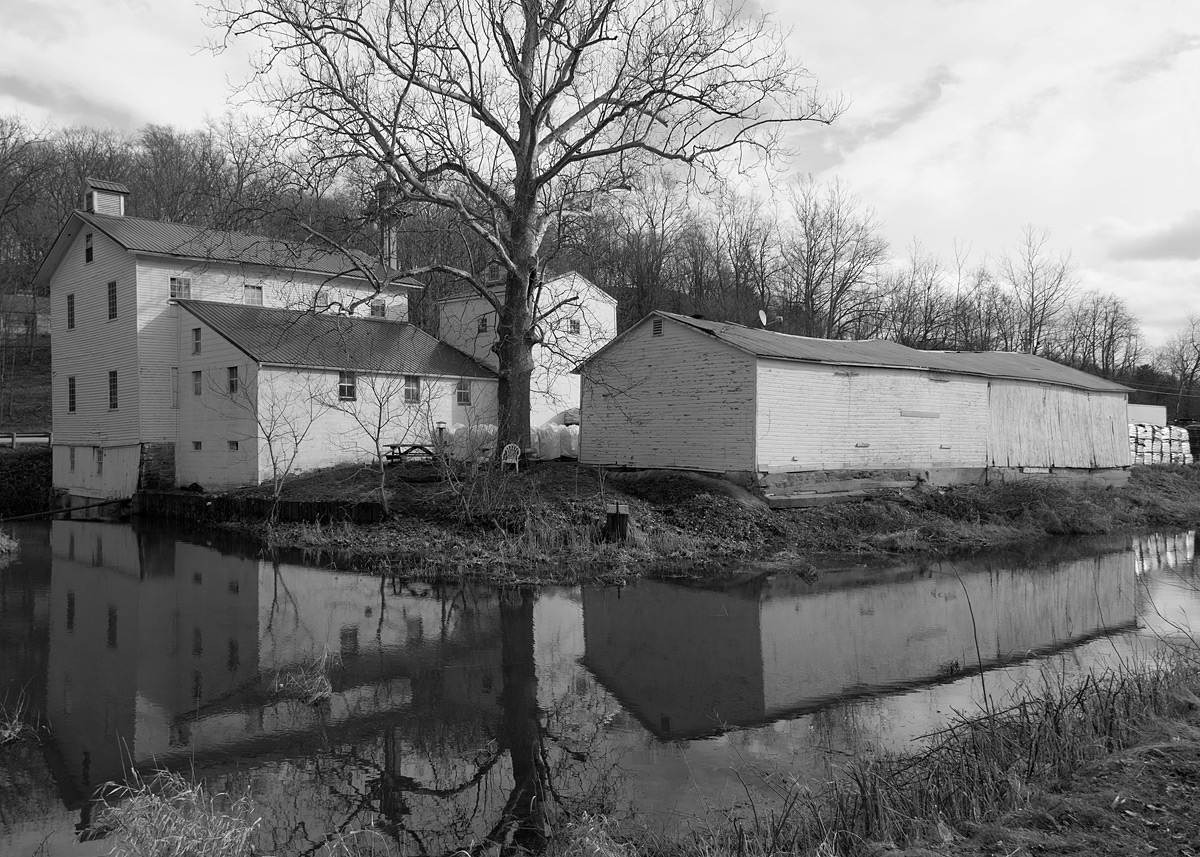
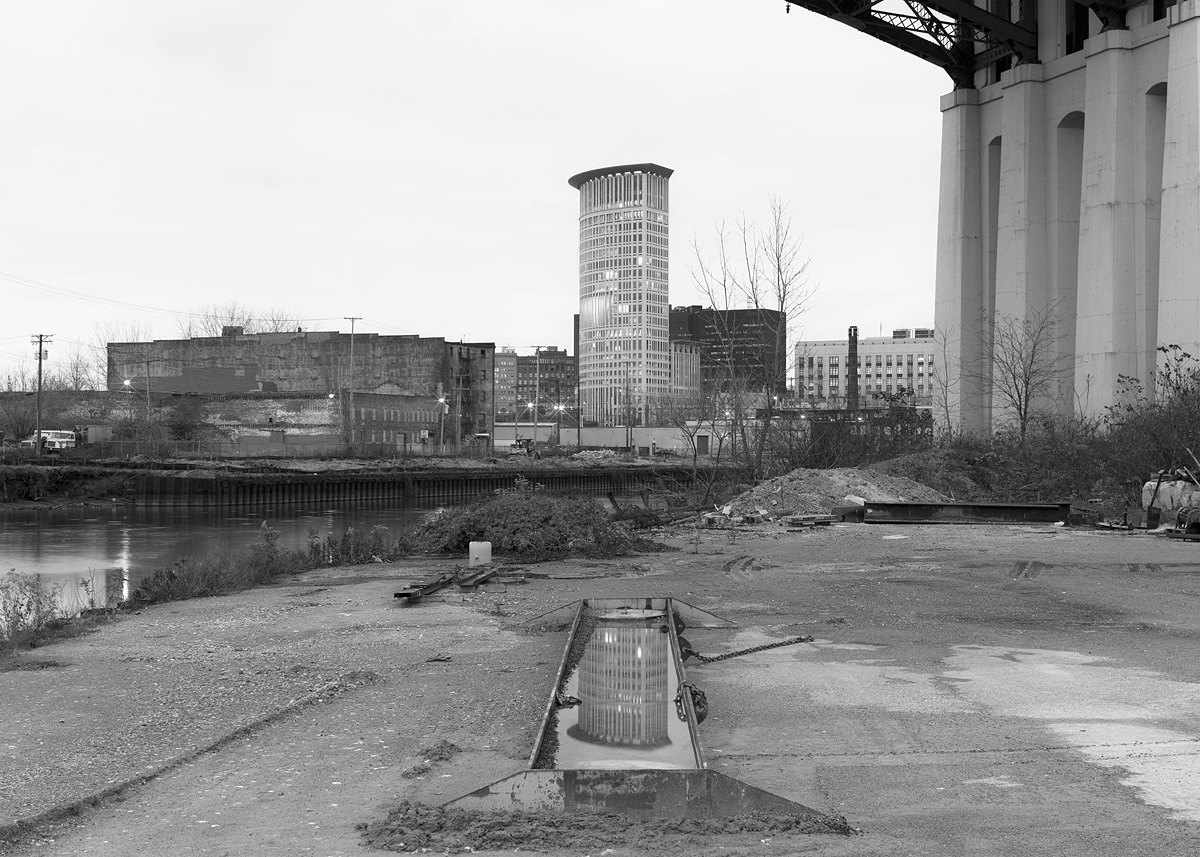
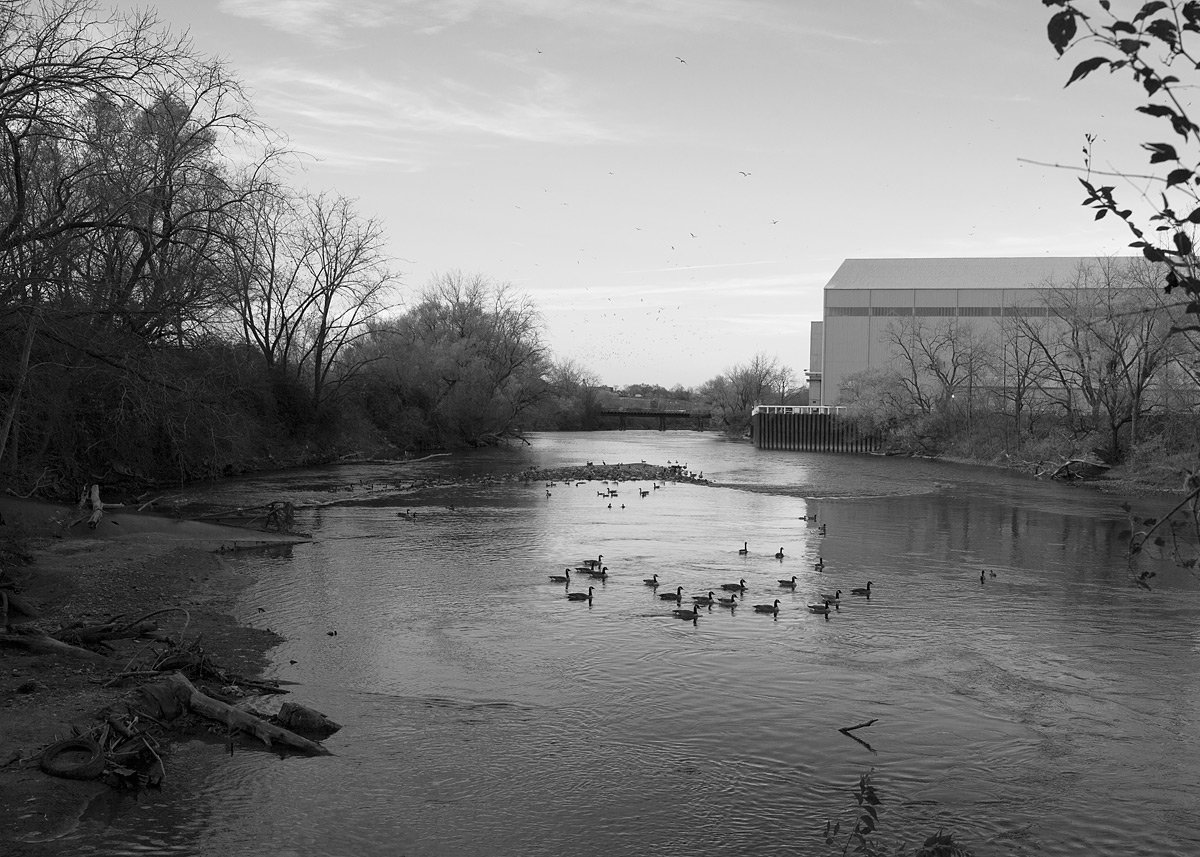
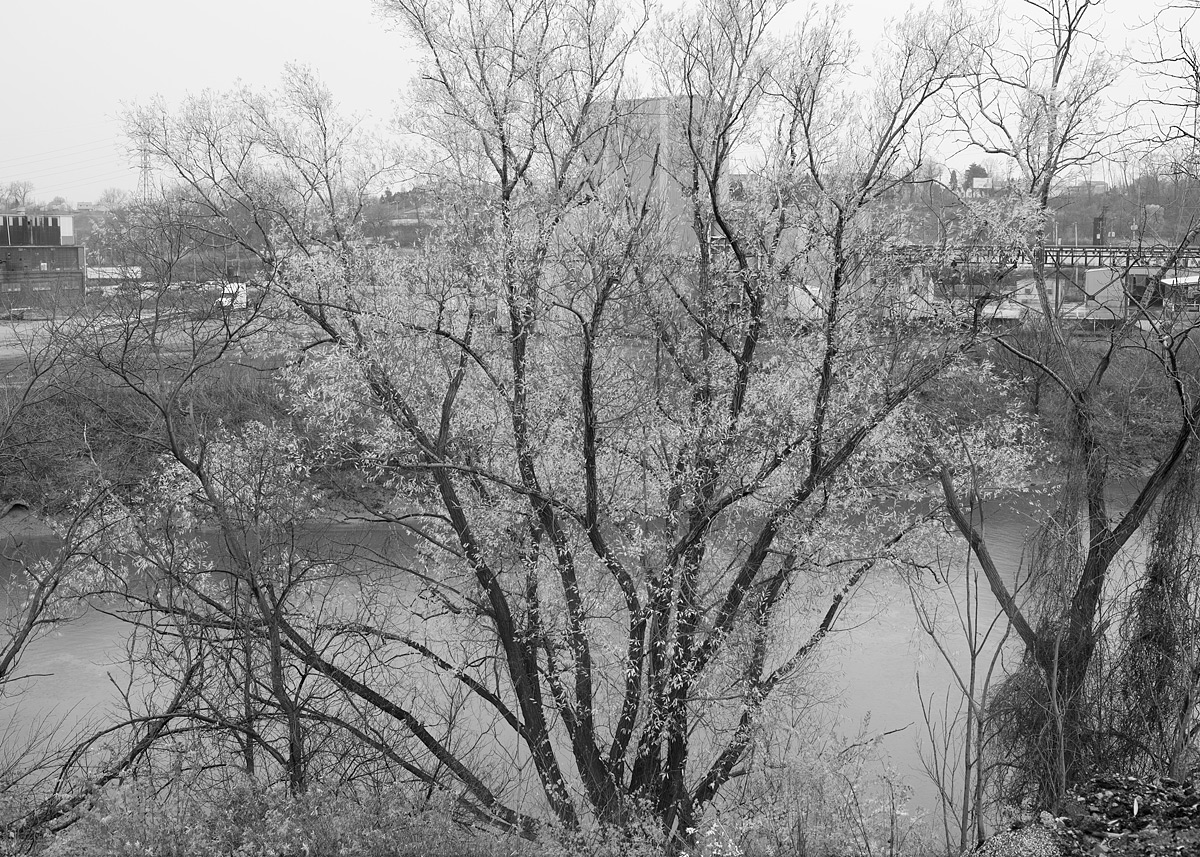
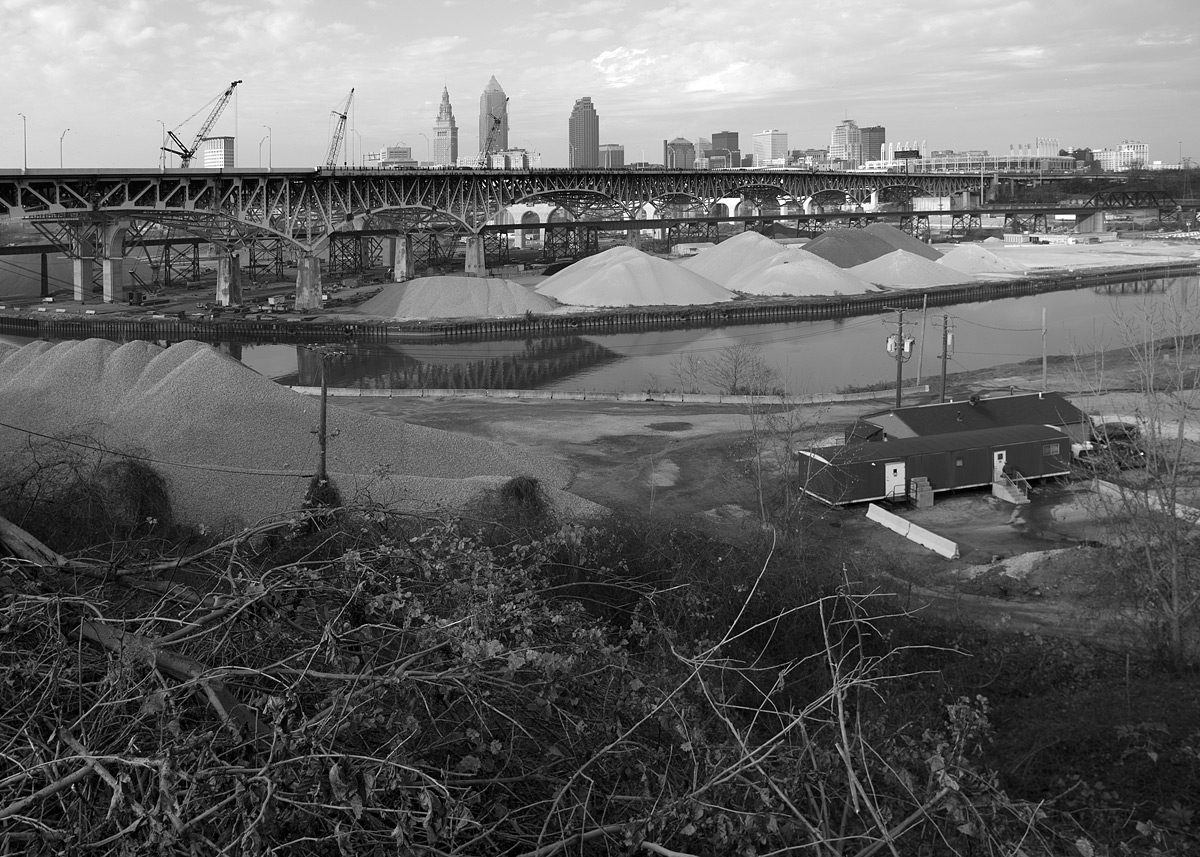
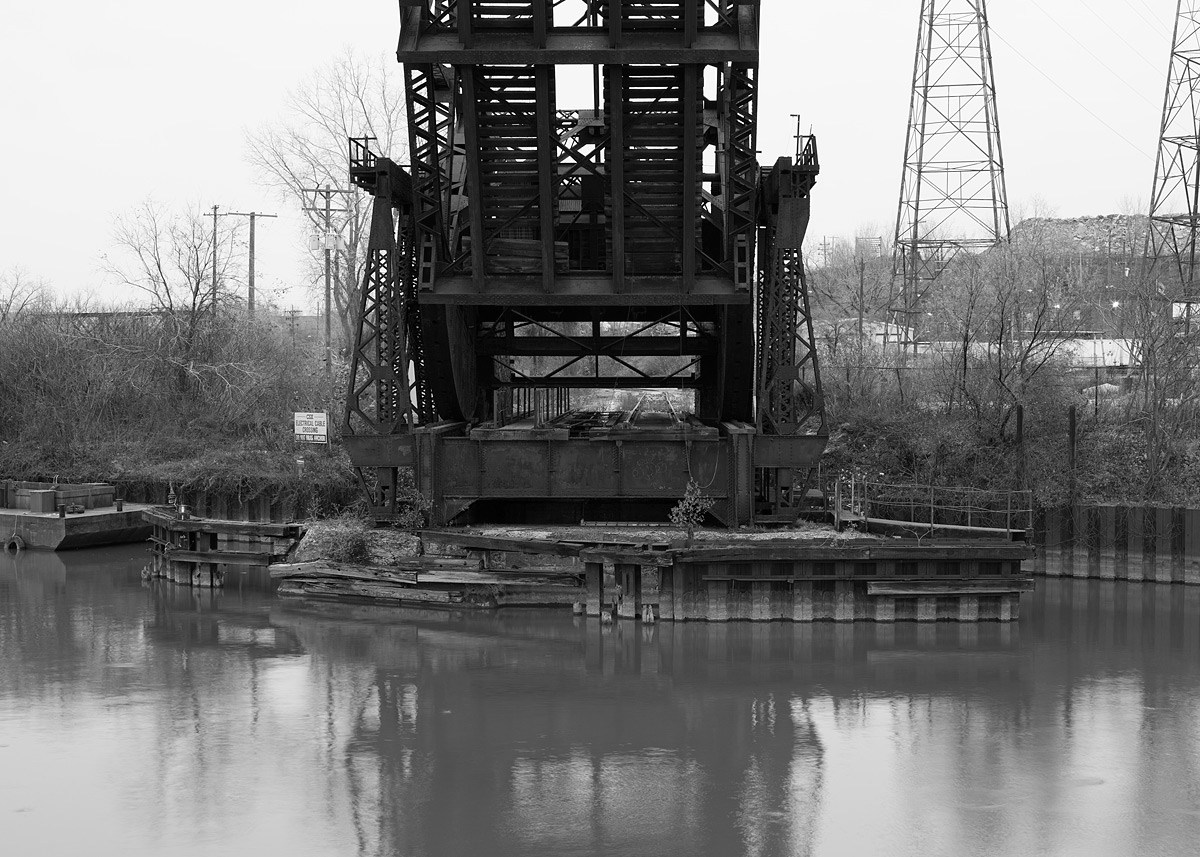
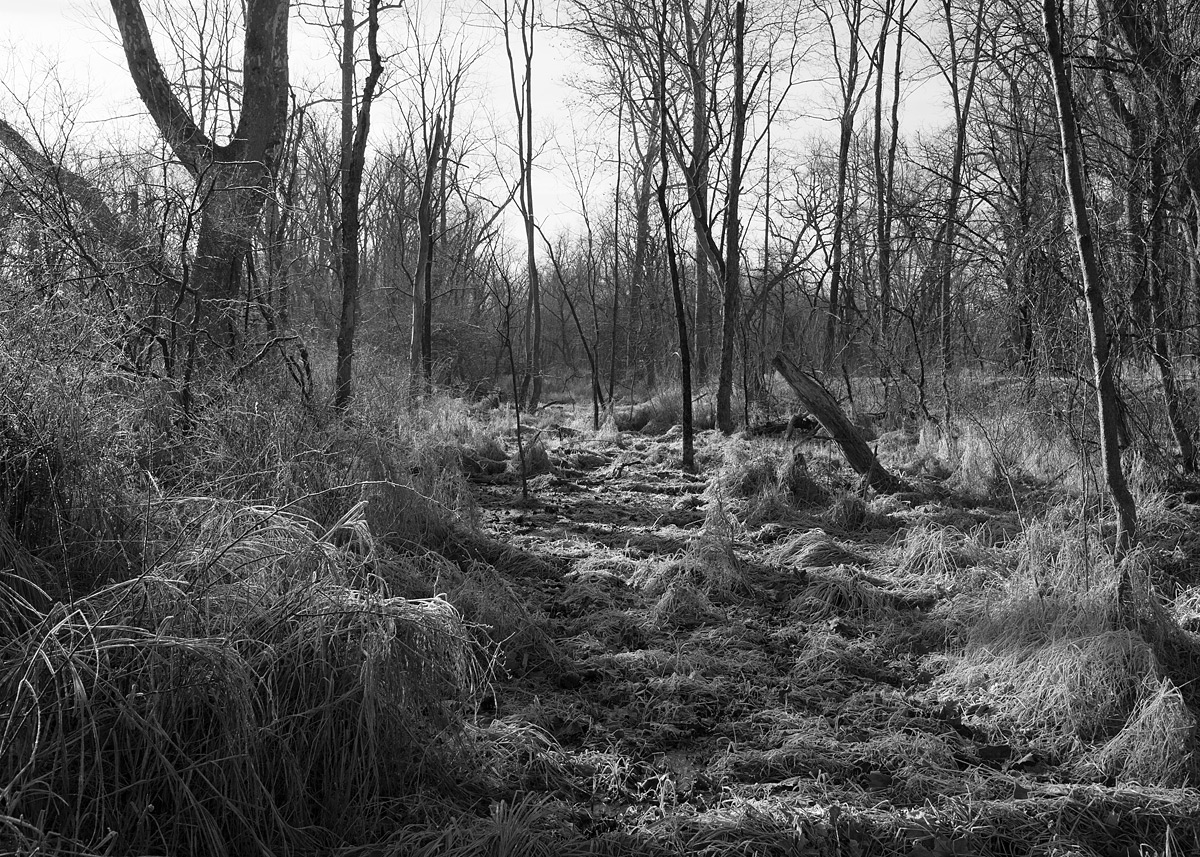
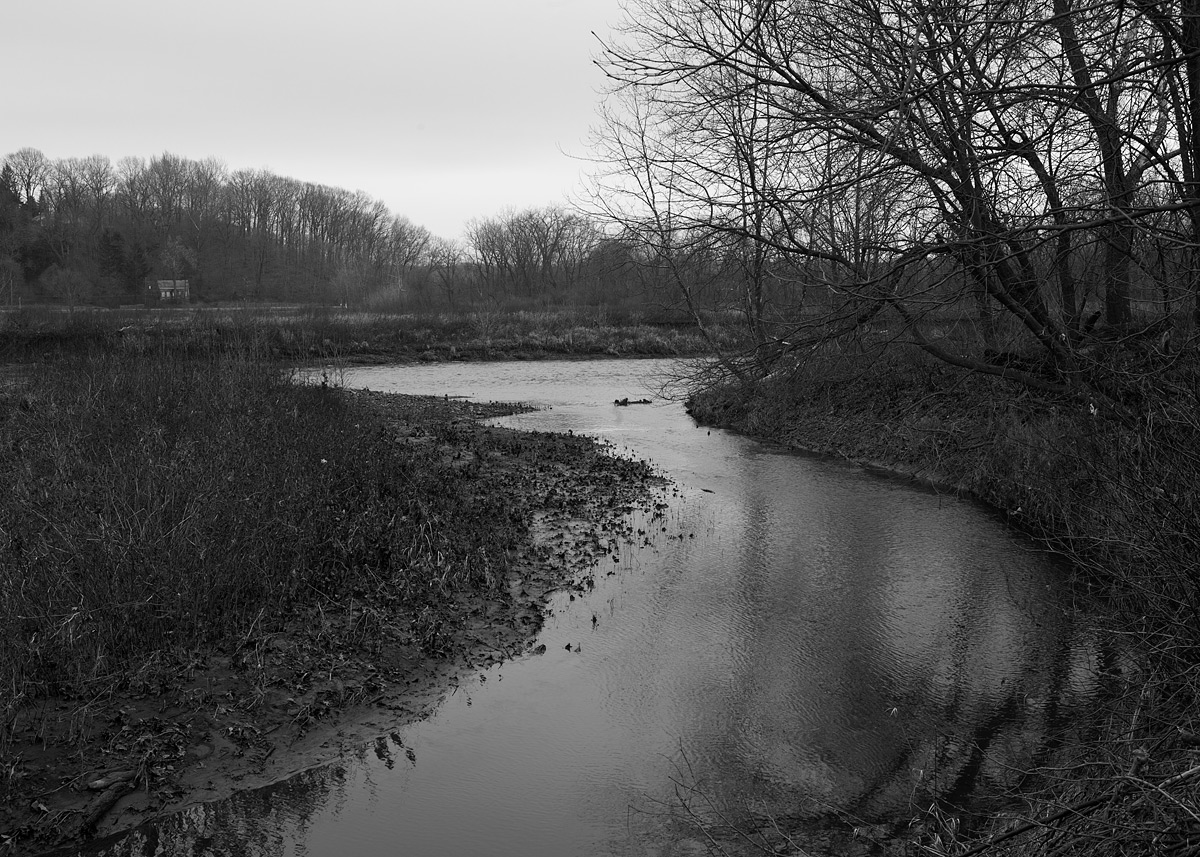
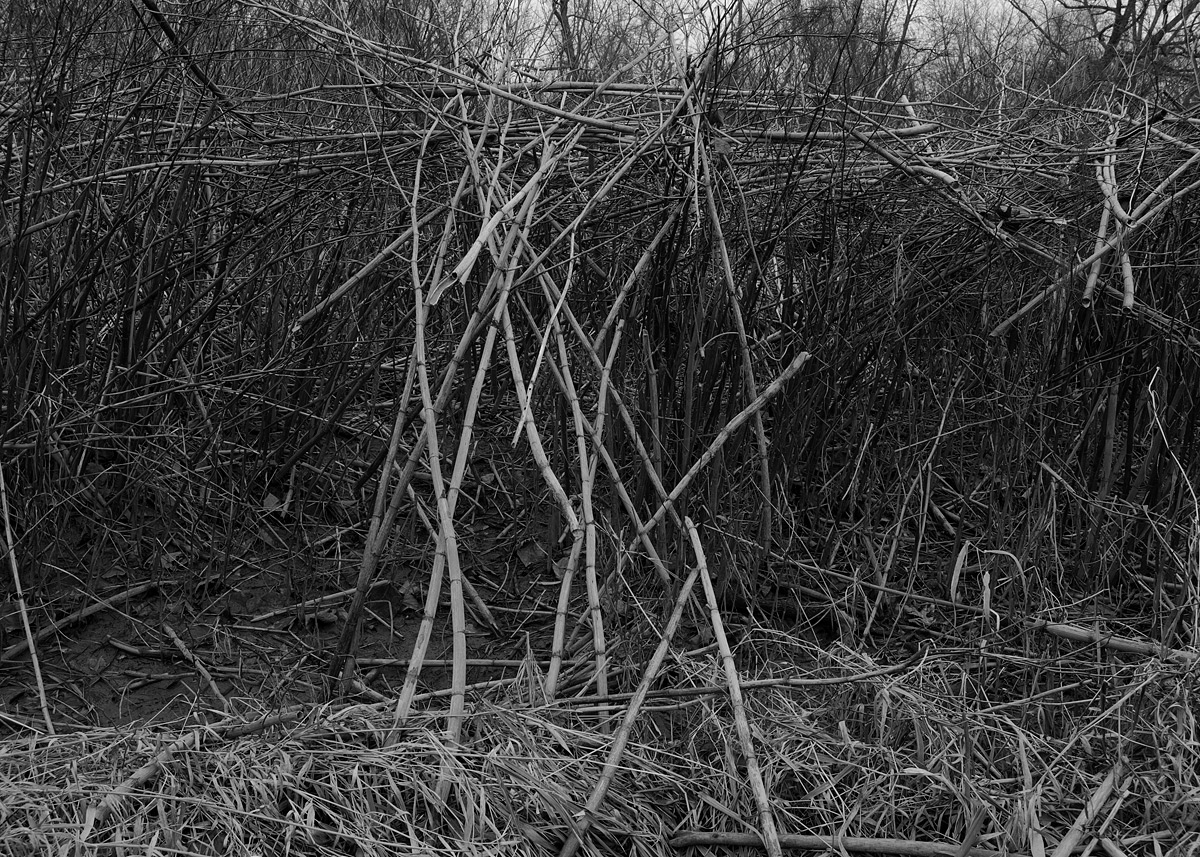
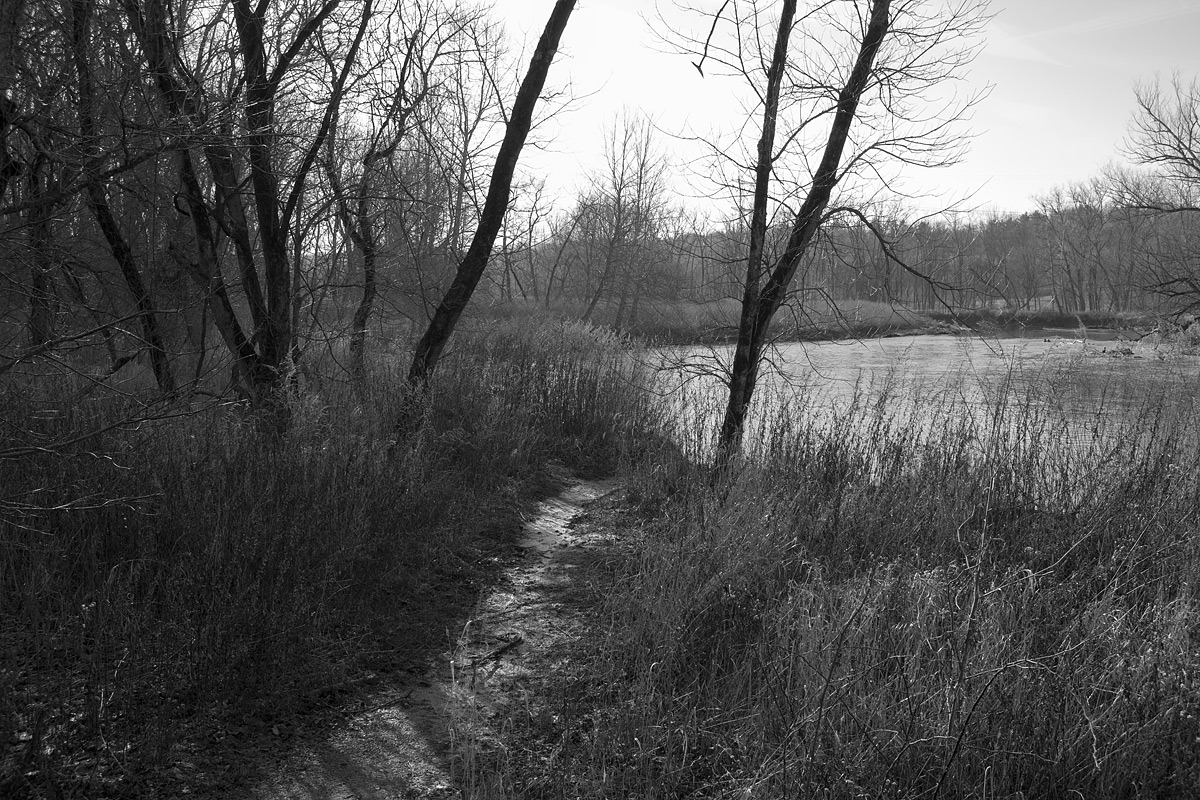
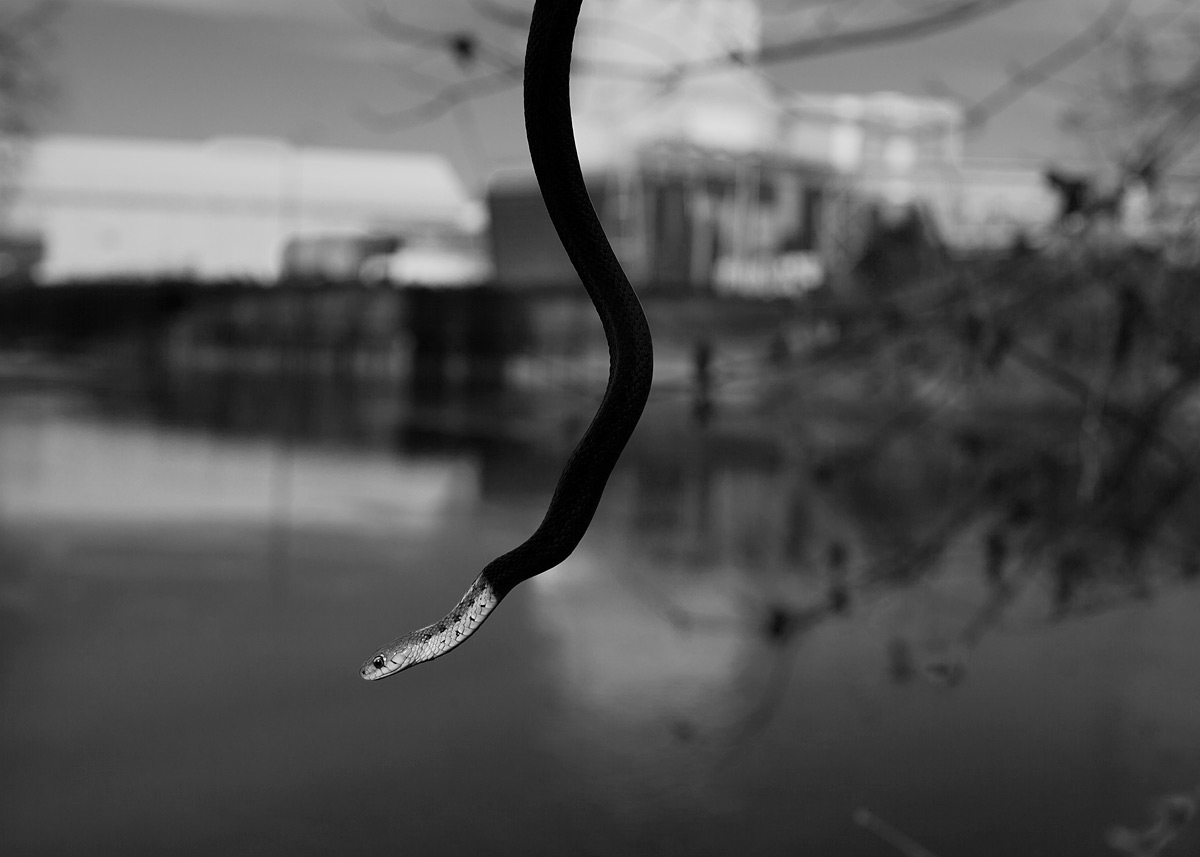
Jeff Whetstone who has been photographing and writing about the relationship between man and nature since he received a zoology degree from Duke University, brought a special sensitivity to his photo-essay on the Cuyahoga River. By perceptively following the river along both its rural and urban paths, he highlights the importance of this invaluable resource to our community. Whetstone, who also has a Master of Fine Arts degree in photography from Yale University, is a winner of the Sakier Prize for photography, the Factor Prize for Southern Art and a Guggenheim Fellowship. He currently teaches at the University of North Carolina at Chapel Hill. Whetstone’s work has been exhibited nationally and featured and reviewed in publications such as DoubleTake, The New York Times, The New Yorker and Southern Exposure Magazine.







Letter from the Executive Director
2012 Annual Report
More than a billion people lack access to clean fresh water.
From the perspective of water-abundant Northeast Ohio, that fact may seem almost incomprehensible. We are used to treating water as a seemingly inexhaustible, virtually free resource. Turn on the tap and there it is. But in many areas of the world that’s a dream, and even in arid parts of the United States, water supplies are strained. People there eye our water covetously. A pipeline from the Great Lakes to Arizona may not be likely, but as with most issues, it’s important that we keep the larger context in mind. It’s increasingly vital to take a global perspective and not just a local one. Indeed, the water crisis that afflicts large parts of the earth is expected to worsen as humankind dithers instead of taking action to address climate change.
Climate action is imperative for many reasons, and we who enjoy ample fresh water must not be complacent. Some scientists predict that Great Lakes water levels will drop substantially if climate change continues unabated. There are many things that we as citizens can do about climate change. We can, for starters, demand that many of our policy makers stop ignoring the overwhelming science simply because they don’t like what it says. But we also must pay special attention to our water resources and not take them for granted. Our region’s water supply is under stress from many causes, including renewed green algae blooms on Lake Erie and the massive water demands of the hydraulic fracturing boom. Immediate economic gain must be balanced by our need for long-term preservation of vital assets.
And in striking that balance there will be additional opportunities that could provide Northeast Ohio with both competitive advantage and an important chance to help address the global water crisis. This region has learned a great deal about remediation of polluted water since the famous Cuyahoga River fire in 1969 catalyzed a push for environmental renewal. Enhancing and sharing that expertise can help the world deal with similar challenges.
Many organizations that already are deeply engaged in water issues have joined forces under the banner of the Alliance for Water Future to share knowledge and spur innovative solutions to water issues. NorTech, the technology-based economic development organization, has mapped a cluster of existing and emerging companies that have the potential to grow the region’s water expertise. That capability can both create jobs locally and help solve water problems globally.
Why do we have this regional strength? Because the research and manufacturing capacity in our region, which at an earlier time primarily contributed to the pollution of our waterways, is turning more and more to solving water problems. And that brings me to the photographic essay that is featured in this year’s annual report.
Jeff Whetstone’s evocative images of the Cuyahoga River illustrate not only its winding route through diverse landscapes but also the history of the Cuyahoga’s development and our regard for this waterway. There was a time when we treated the river in a wholly utilitarian way. We used it to move cargo and as a kind of sewer to receive industrial and household waste. For that we have paid enormous environmental, reputational and economic costs. The 1969 fire began the slow transition to a new outlook. The Alliance for Water Future seeks to accelerate the transformation by nurturing collaborative action among universities, public agencies, companies and nonprofits. As Whetstone’s photographs show, the Cuyahoga will remain a working river for stretches of its meandering way to Lake Erie.
Yes, we must vigilantly work to restore the quality of the river’s water and Lake Erie’s, too. That effort would be greatly aided by overcoming the longstanding barriers that keep people from getting close to and seeing the water the way Whetstone has. Those barriers are beginning to fall away in and around downtown Cleveland where public access to the water has the greatest potential to stimulate economic activity by attracting people. Creative planning and authentic design should highlight, even celebrate, our industrial heritage and the muscular qualities of waterways that have an ongoing role to play in our economic life. And, perhaps of greatest importance, if we apply ourselves sufficiently to the task we can achieve a level of global leadership in addressing water issues that will surely grow ever more pressing.
David Abbott, President

Planned Parenthood
Photography
Rania Matar (2011)
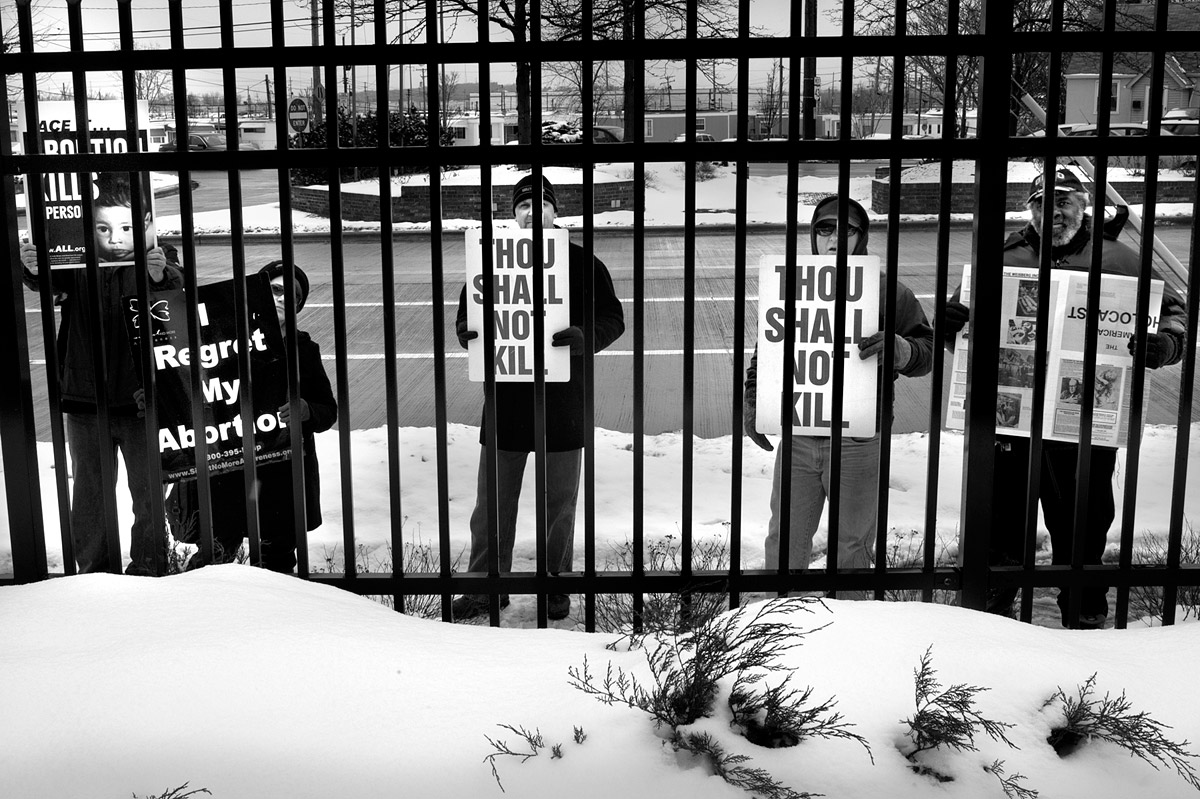
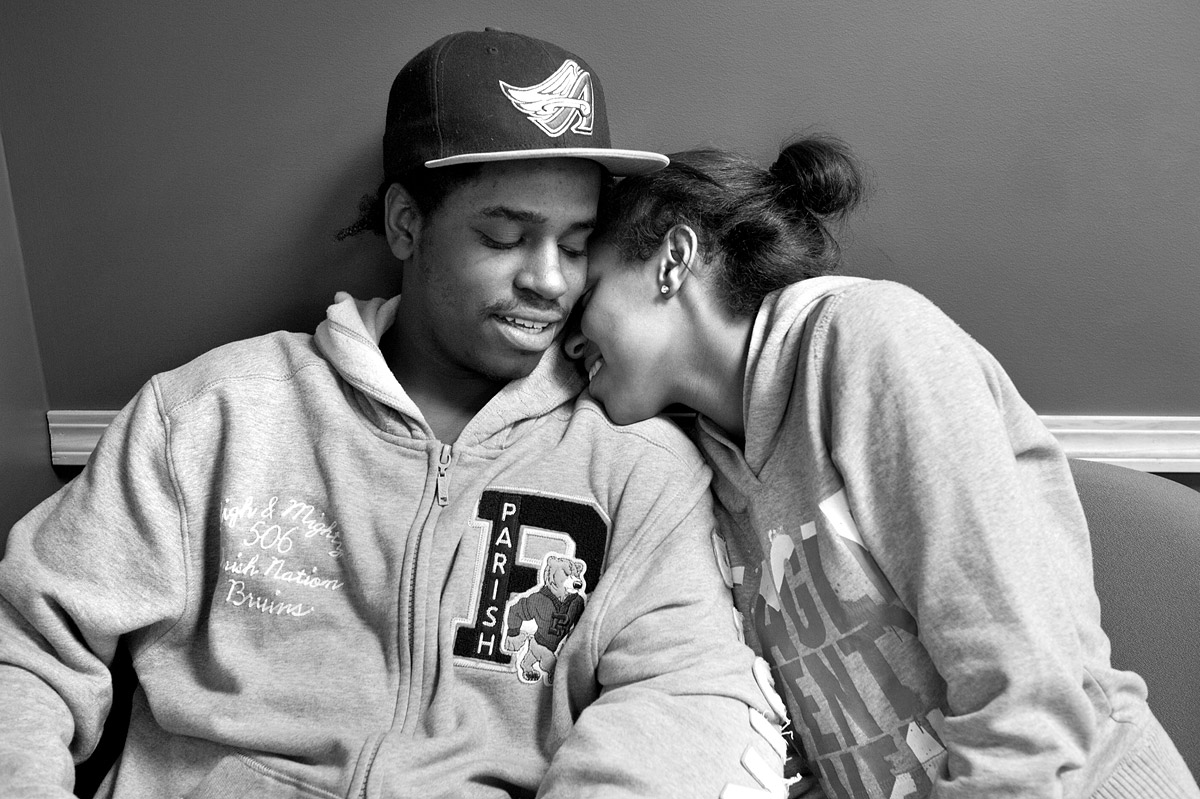
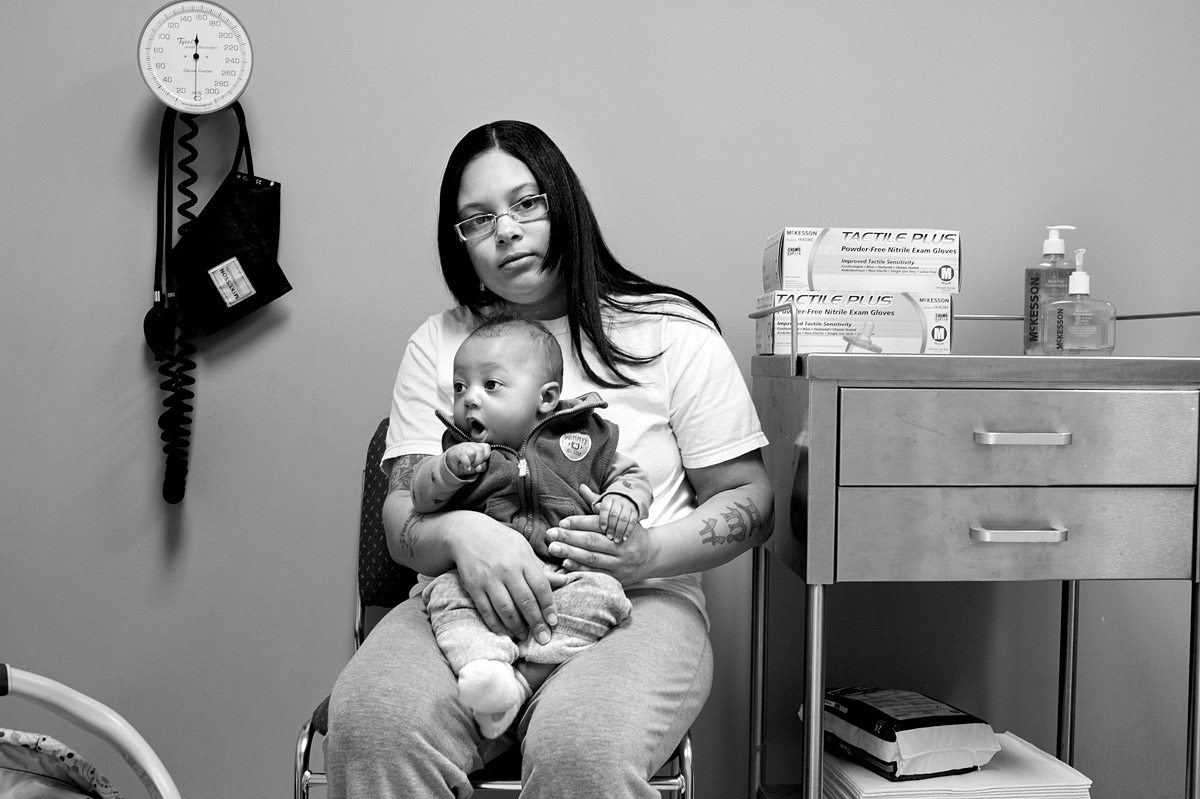
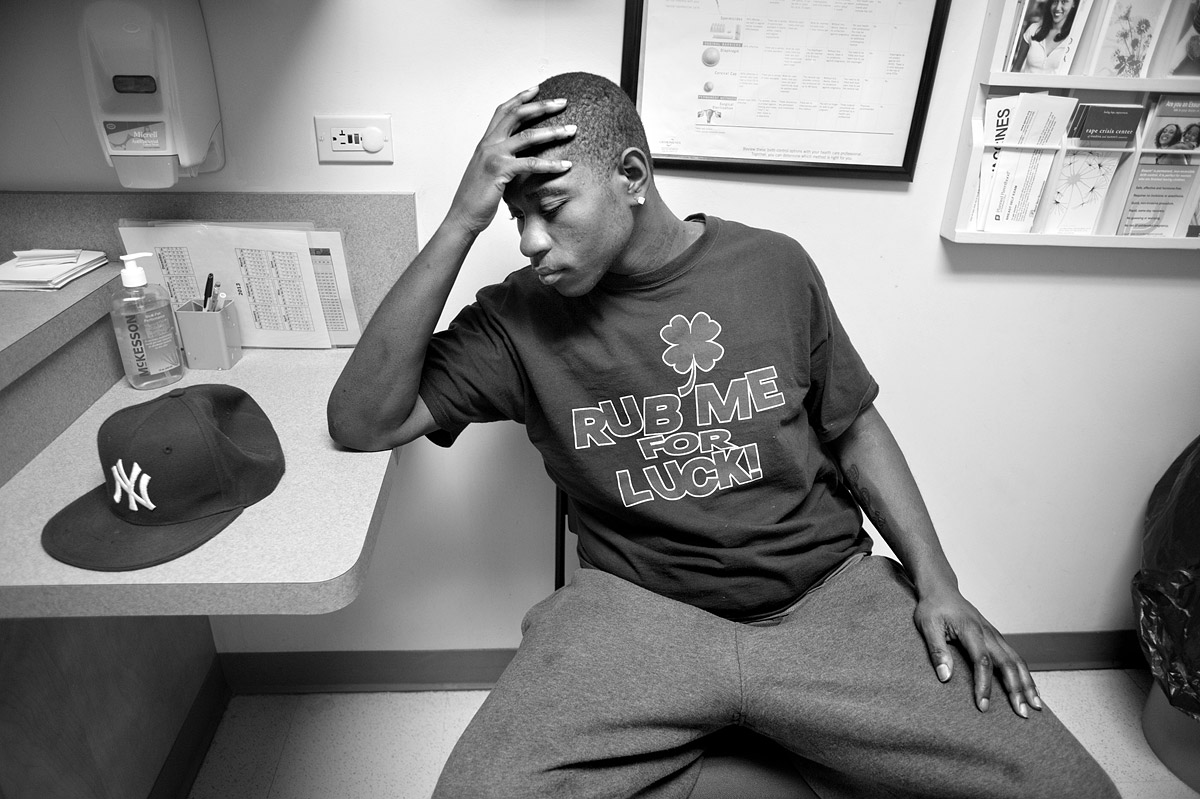
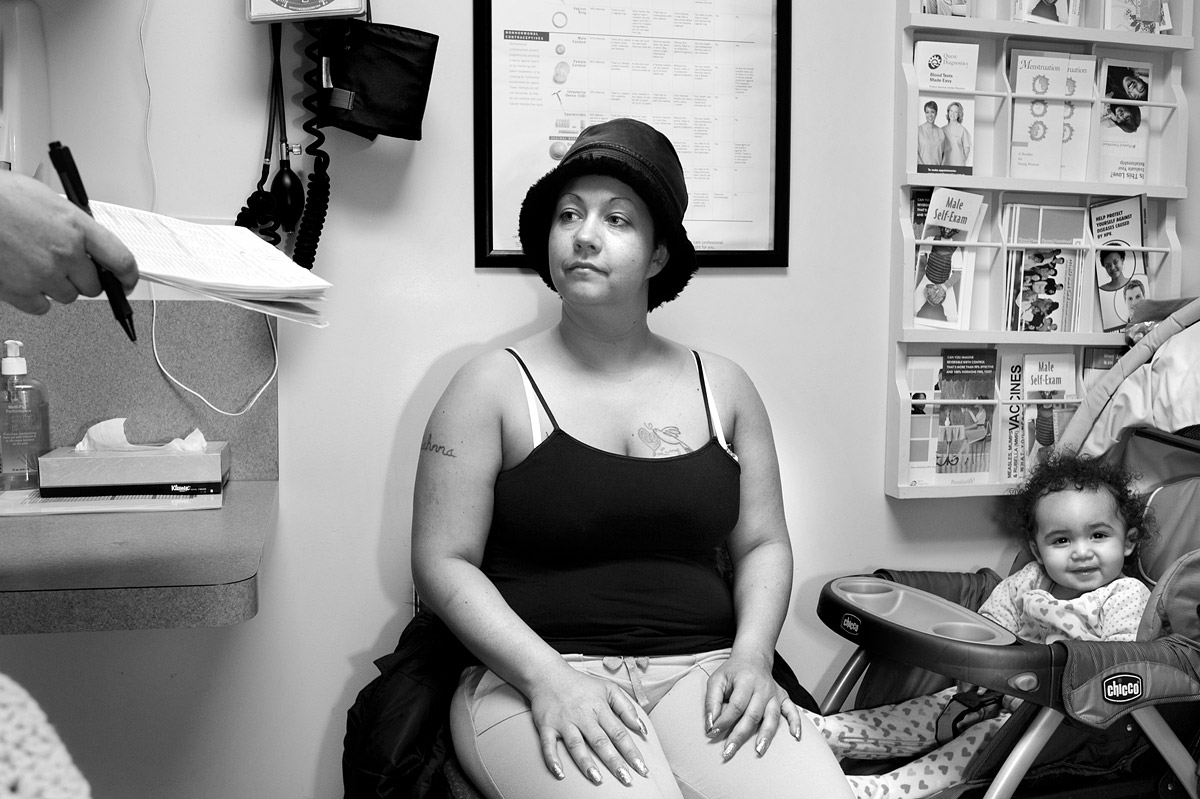
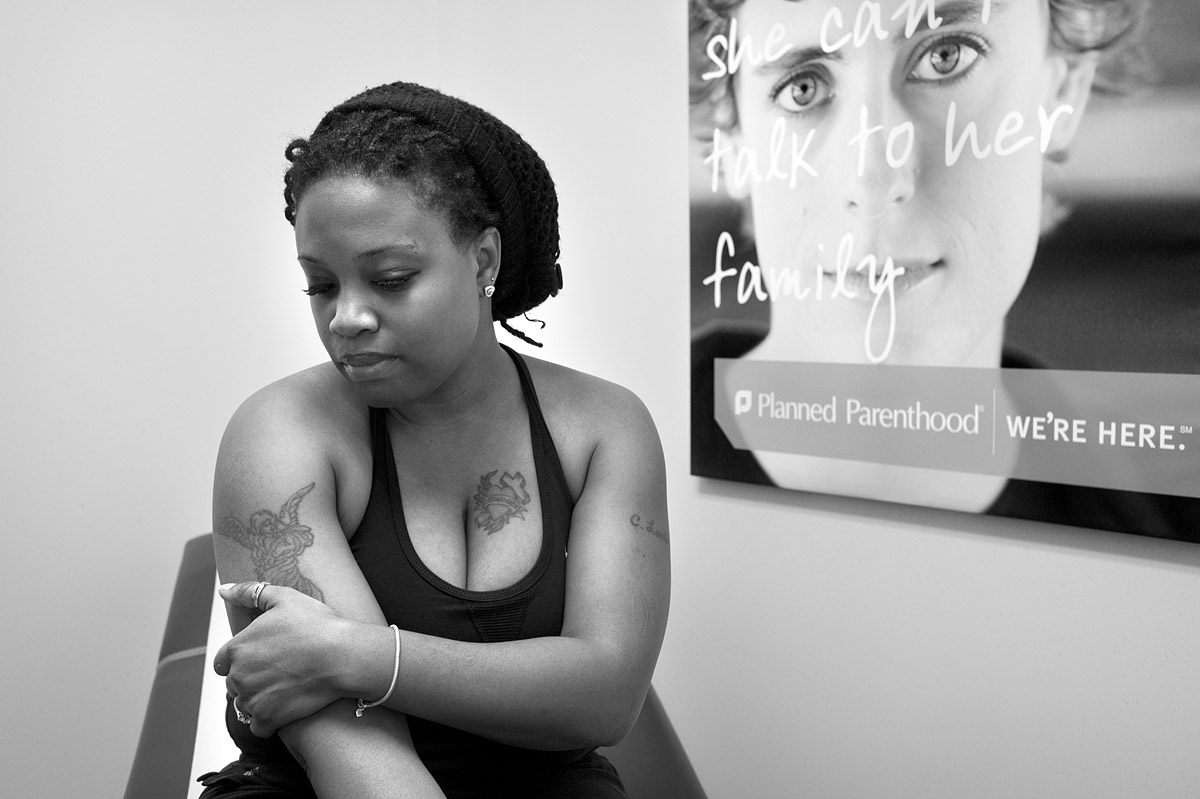
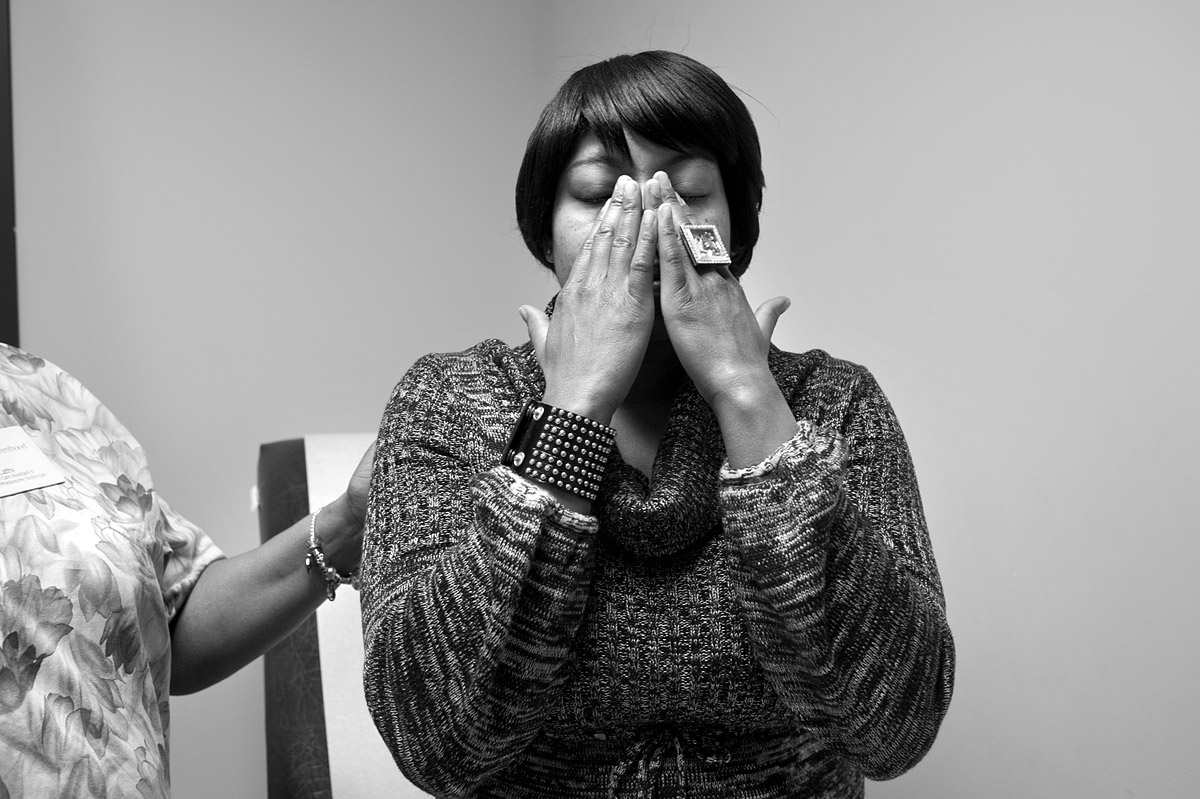
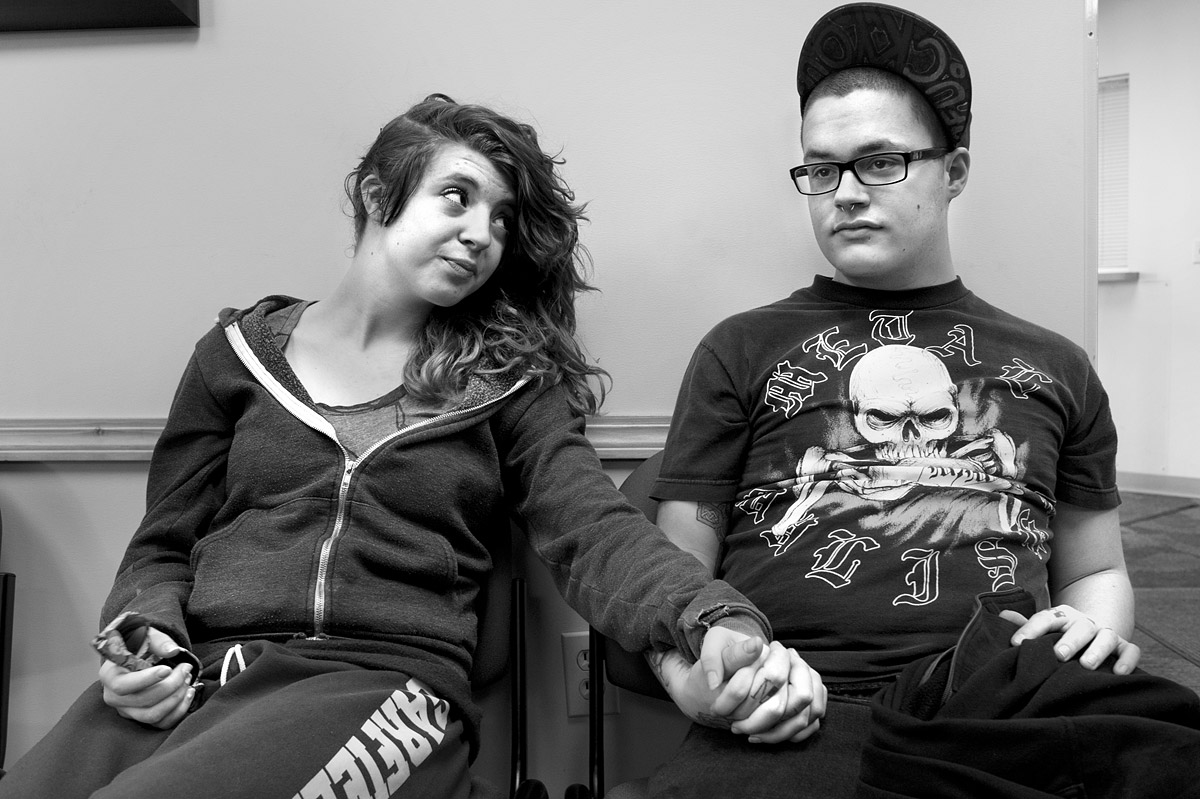
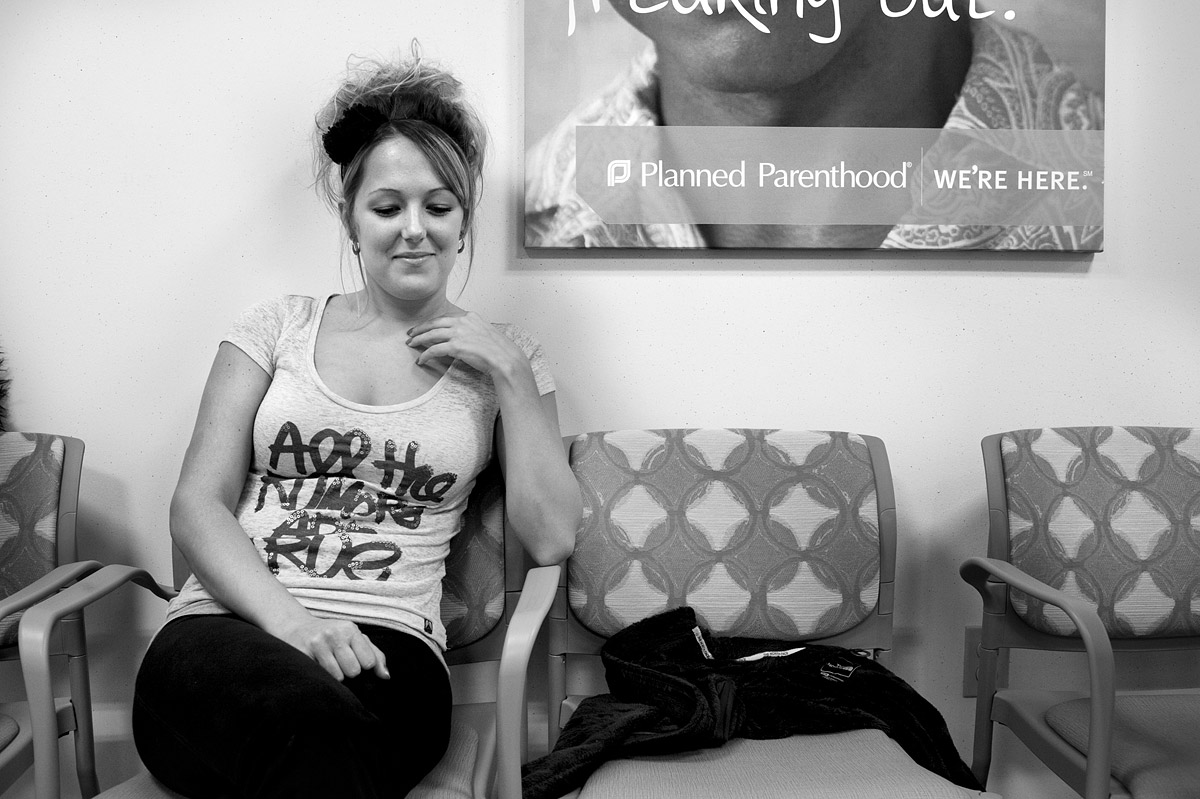
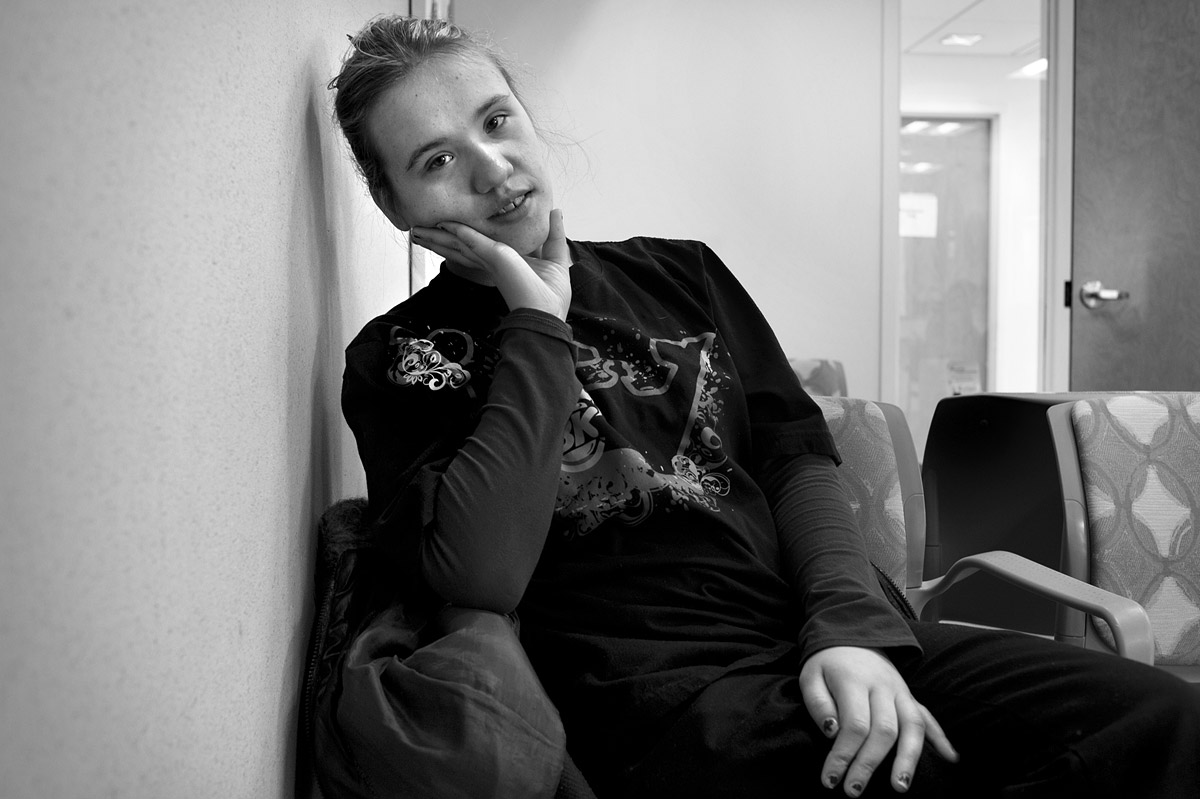
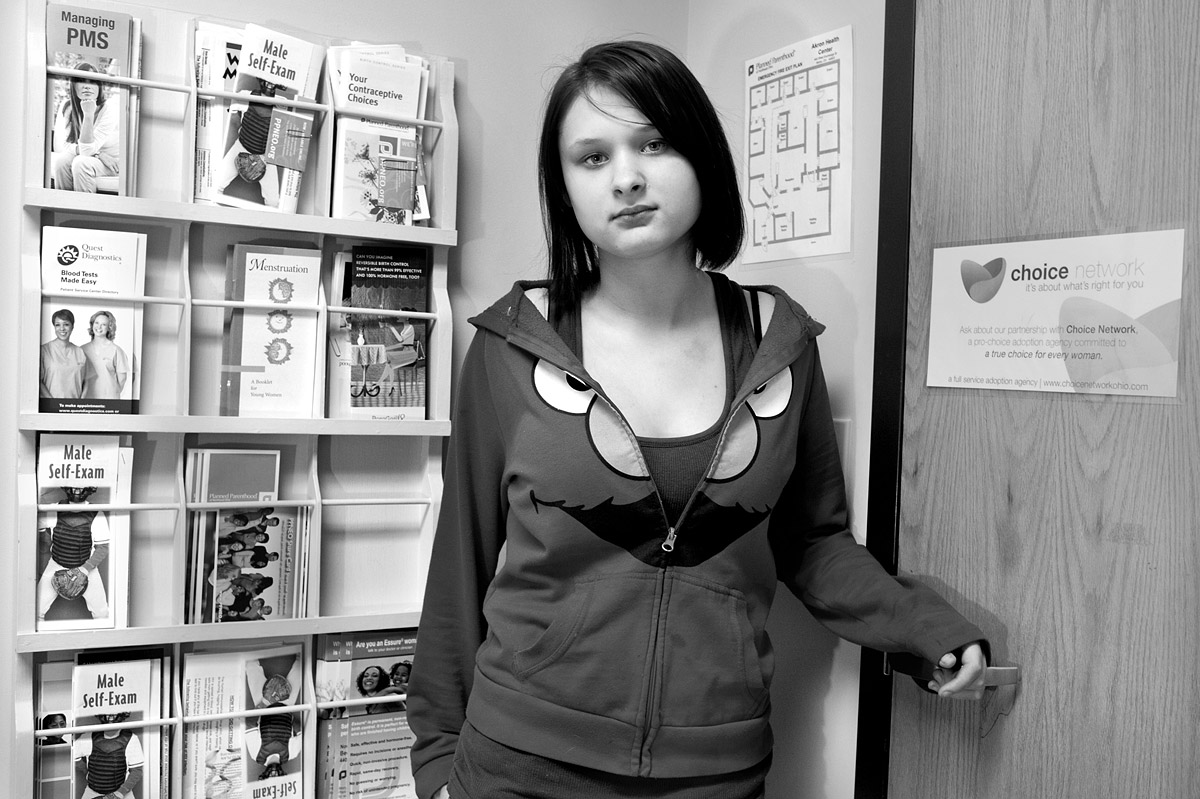
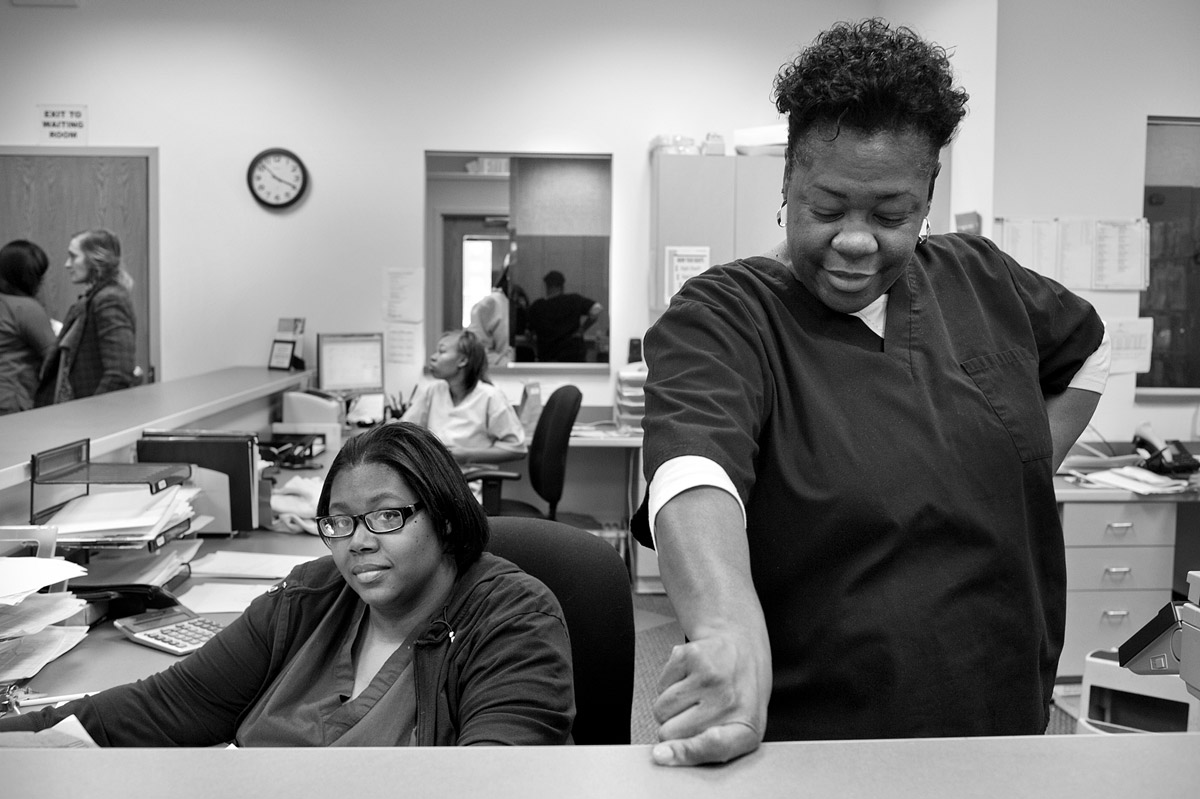
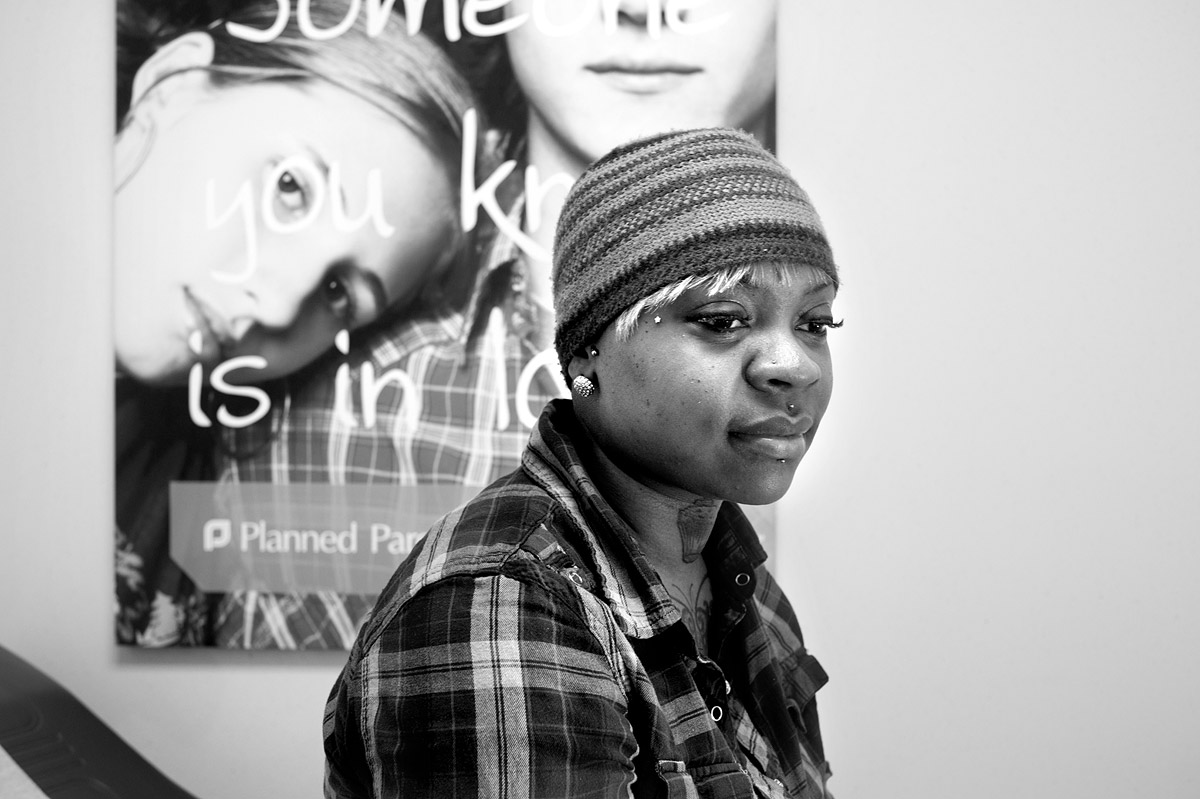
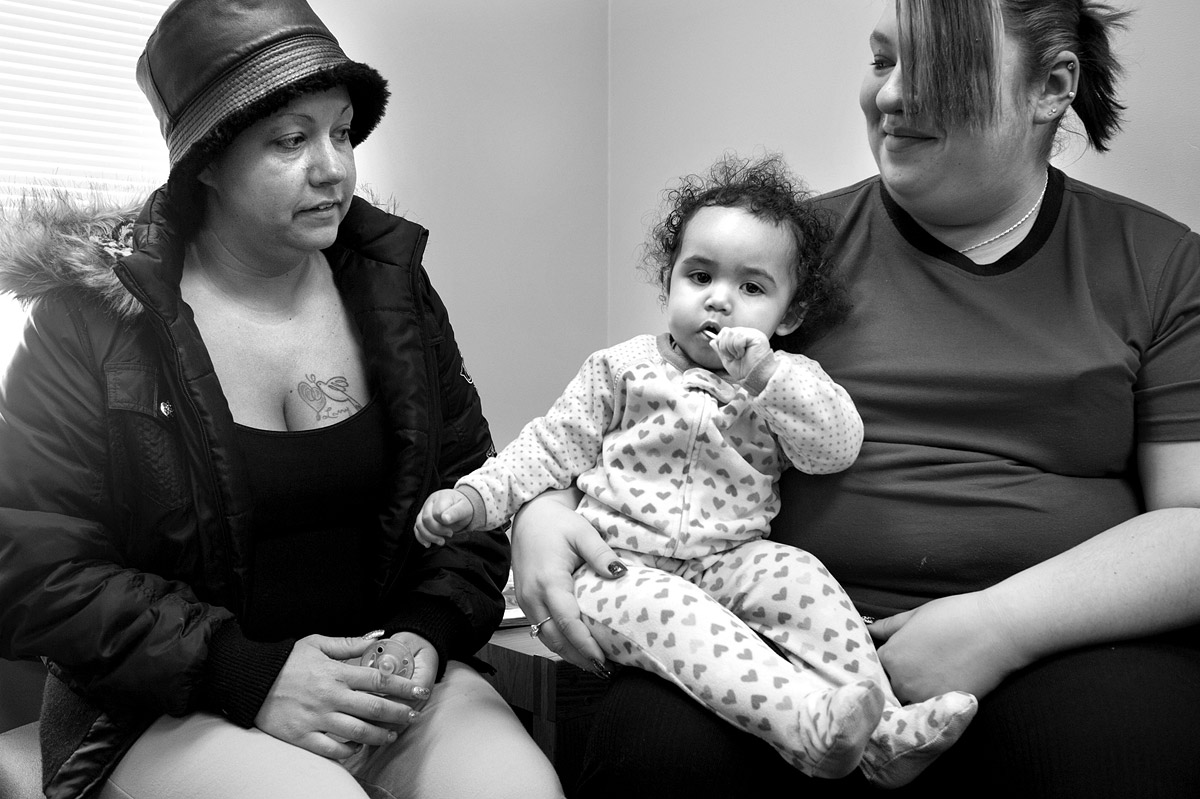
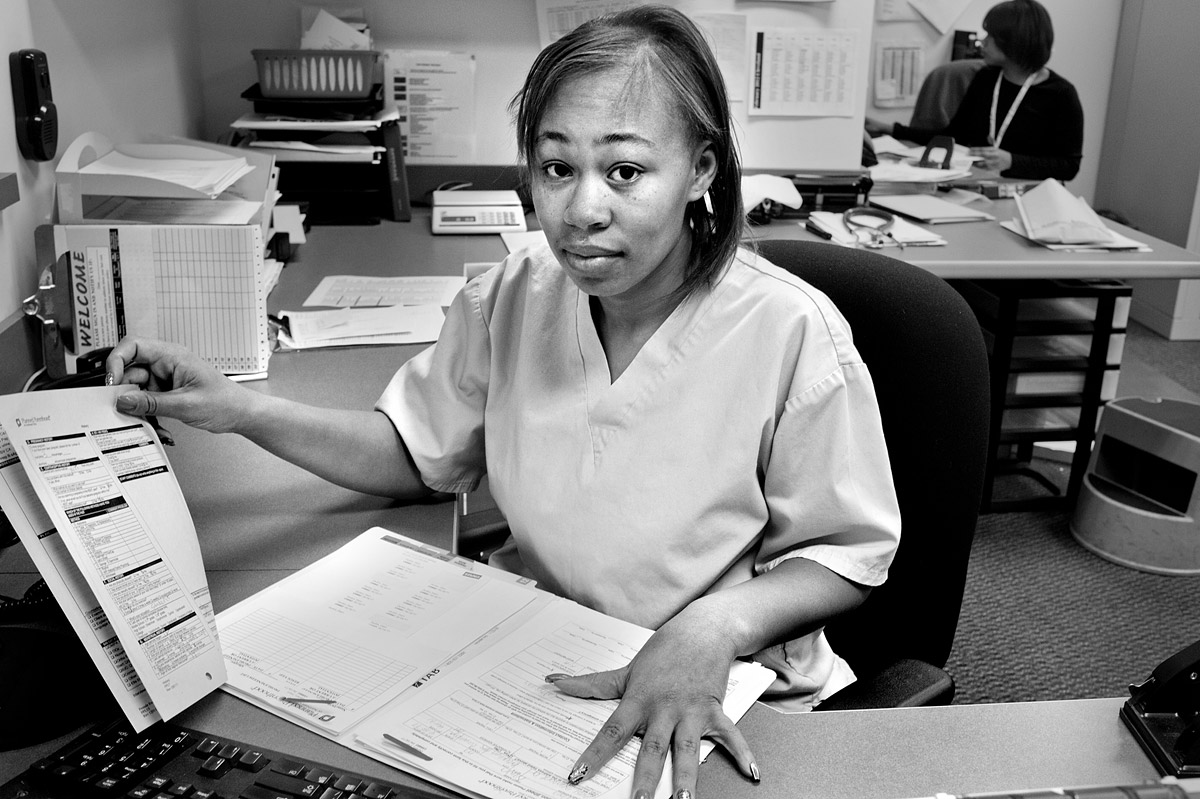
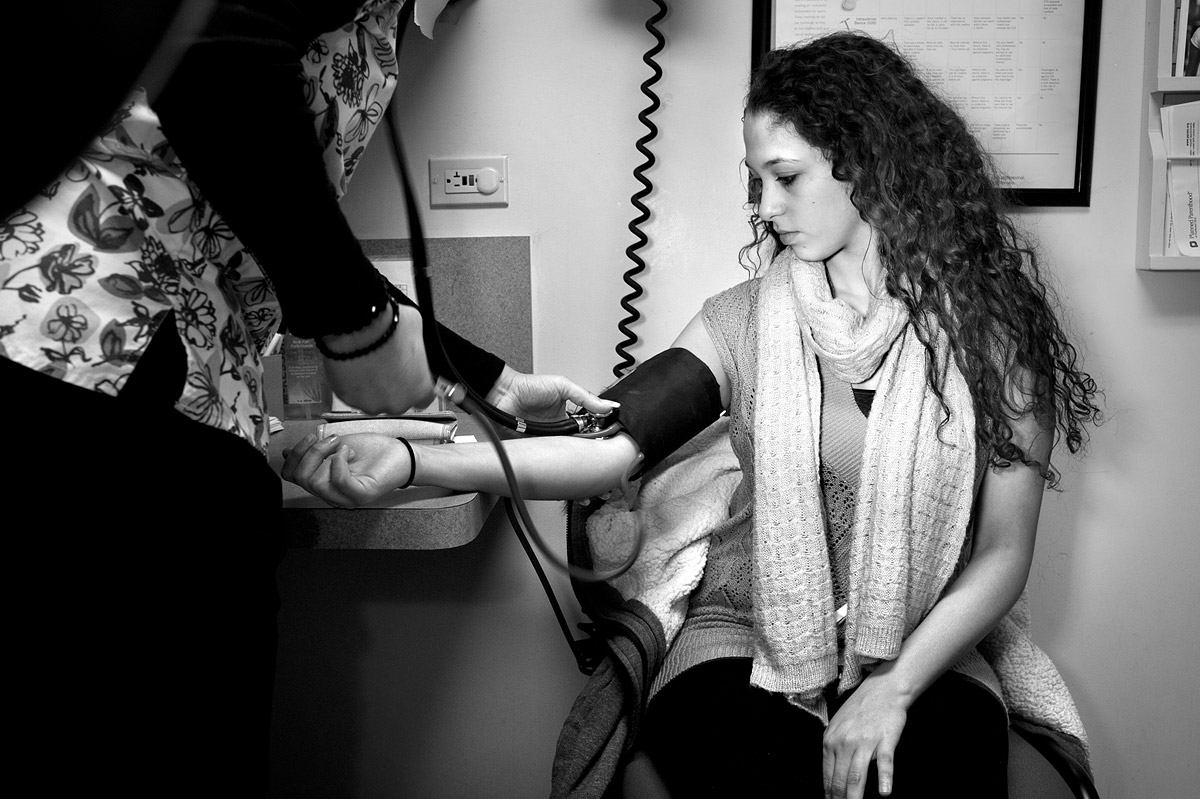
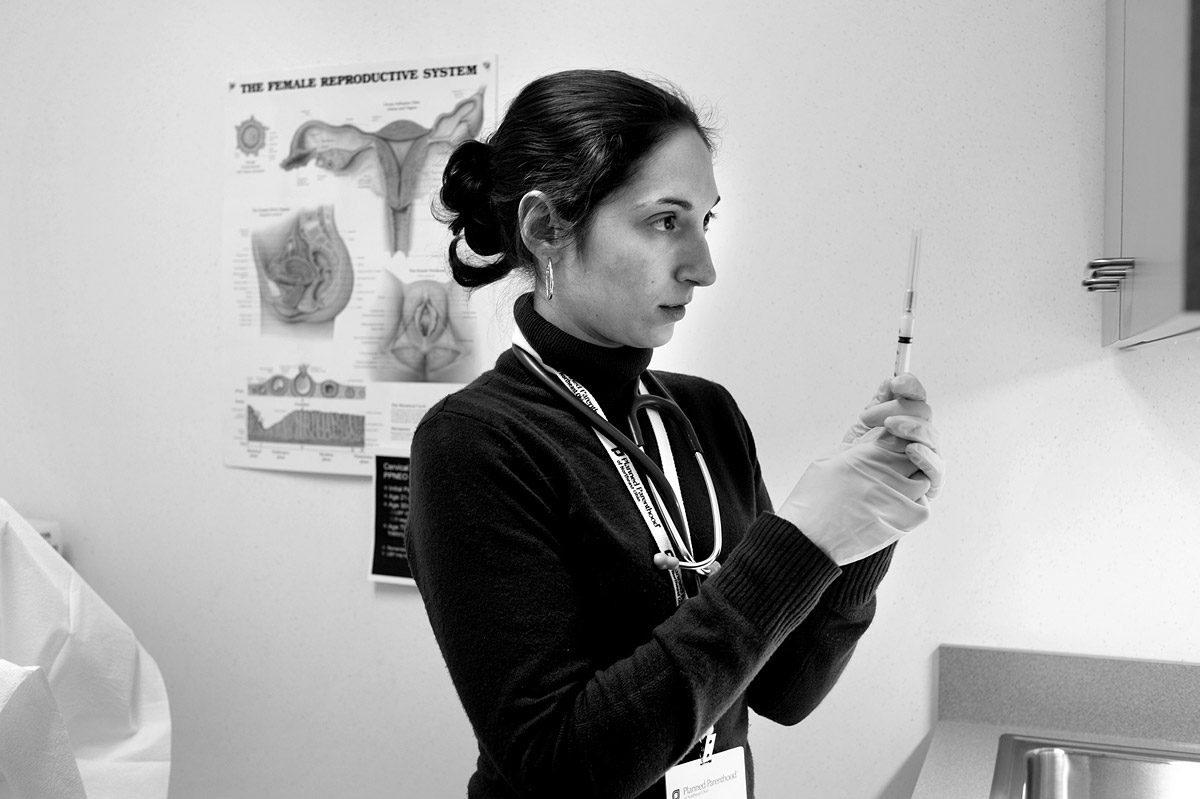
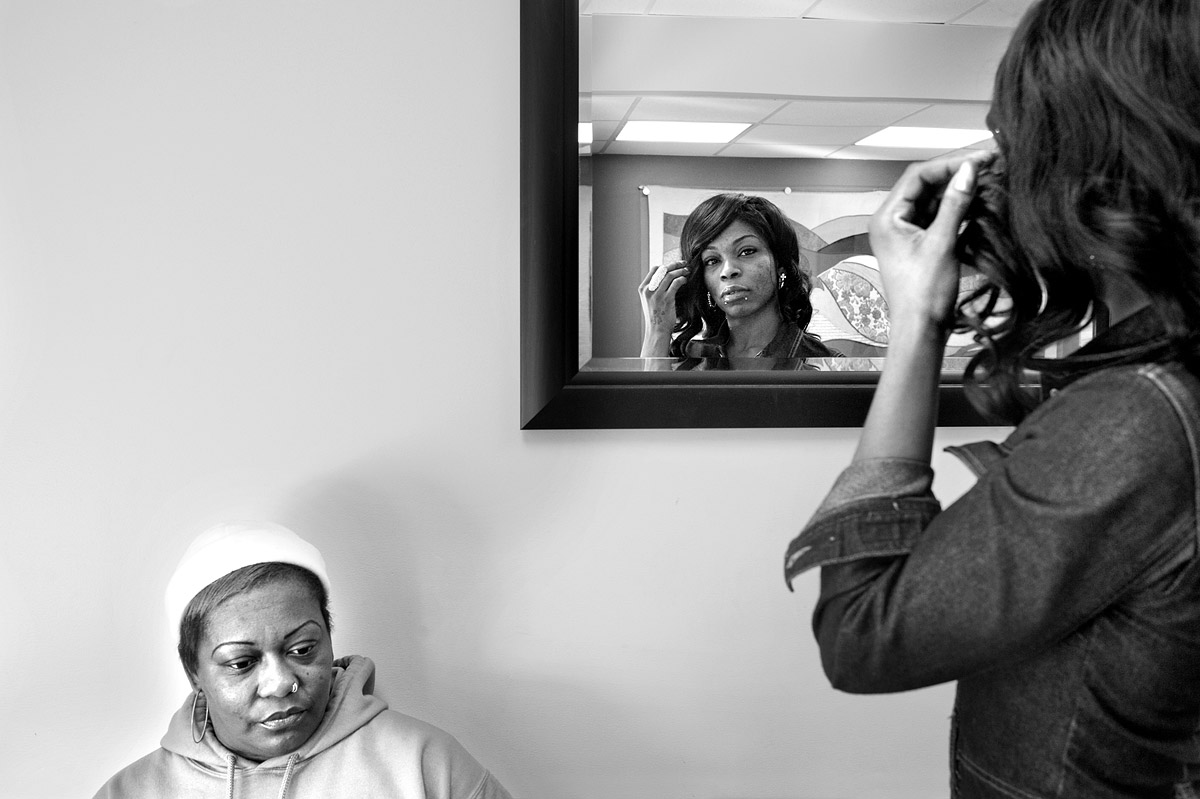
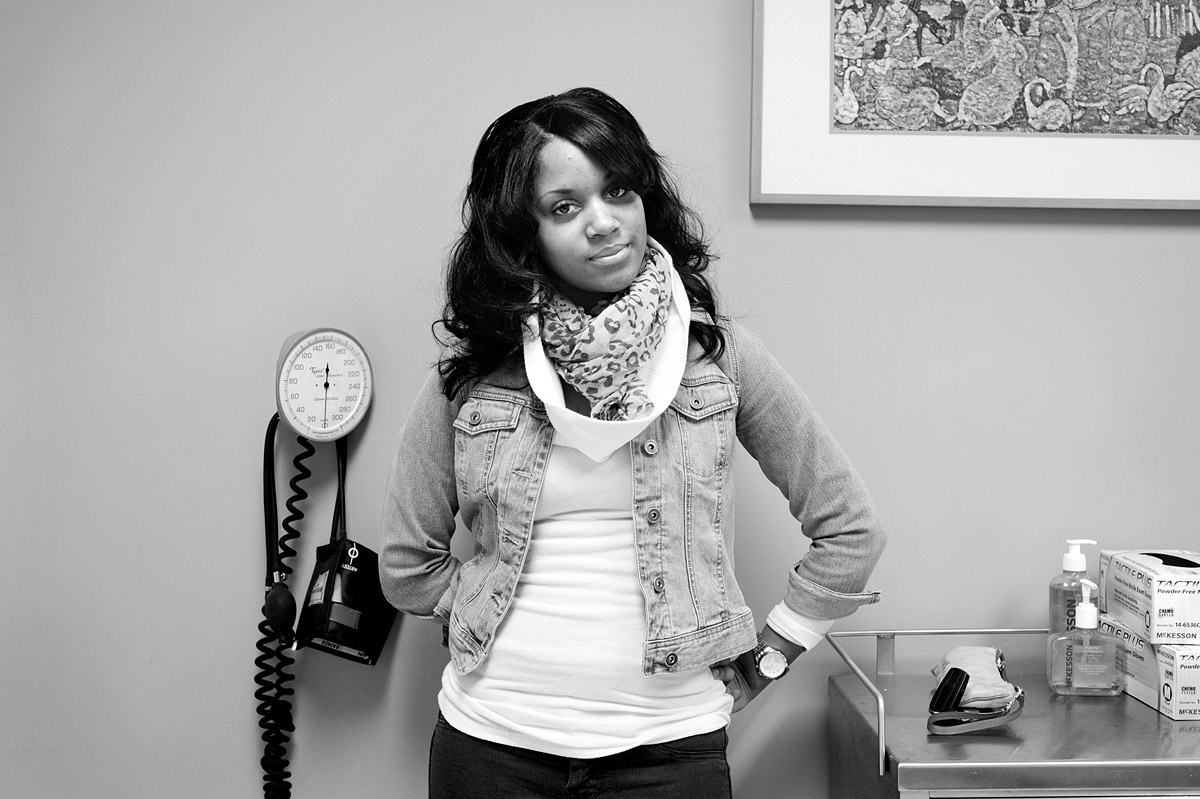
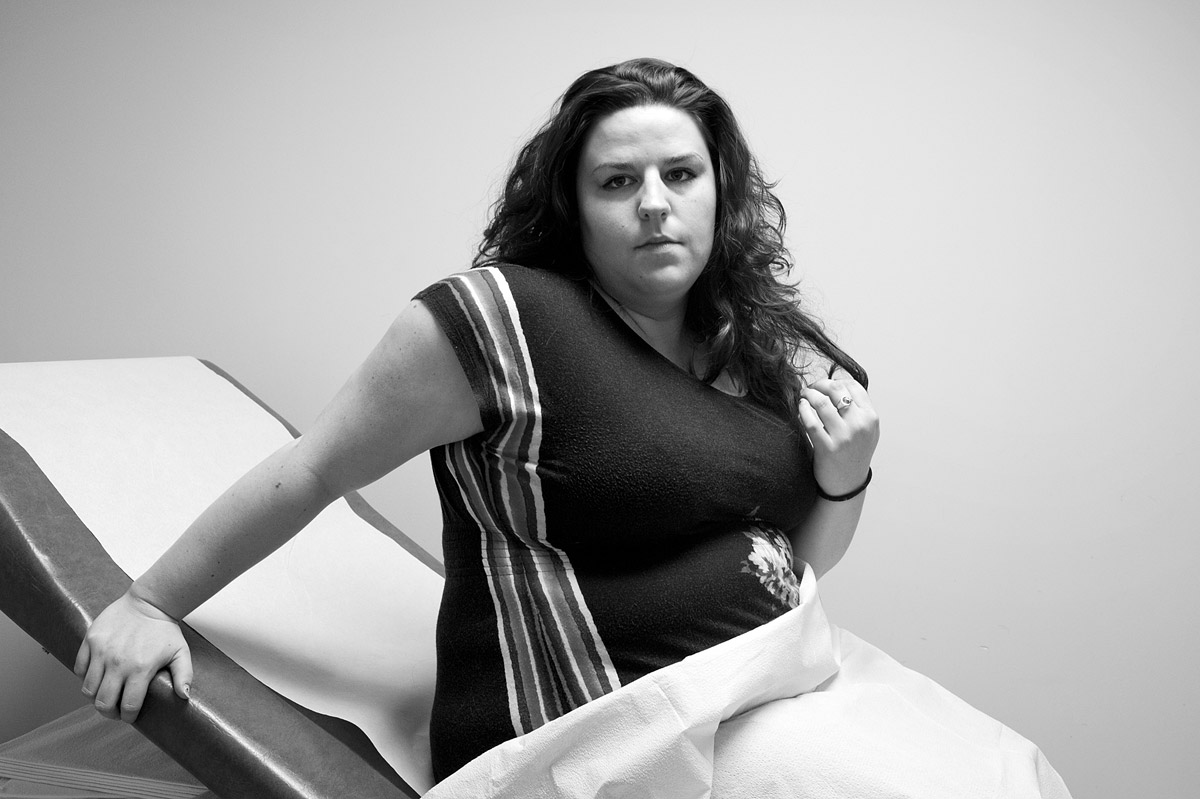
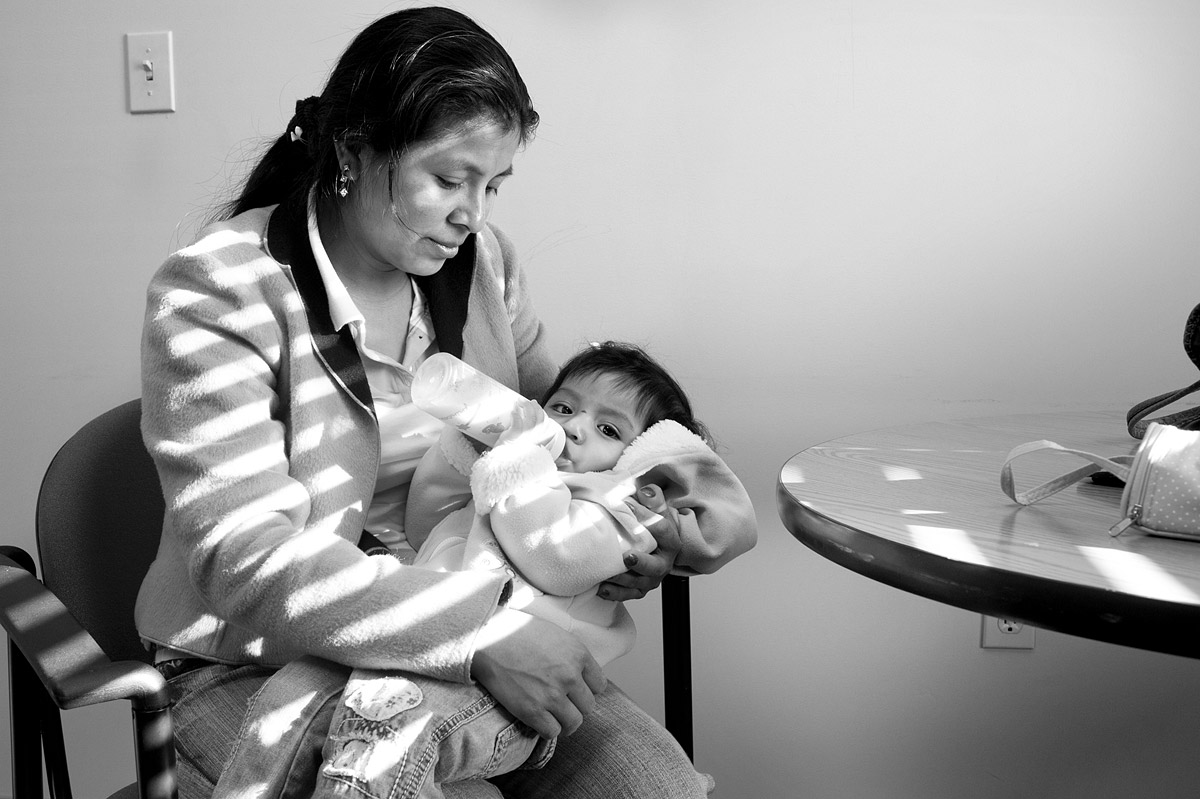
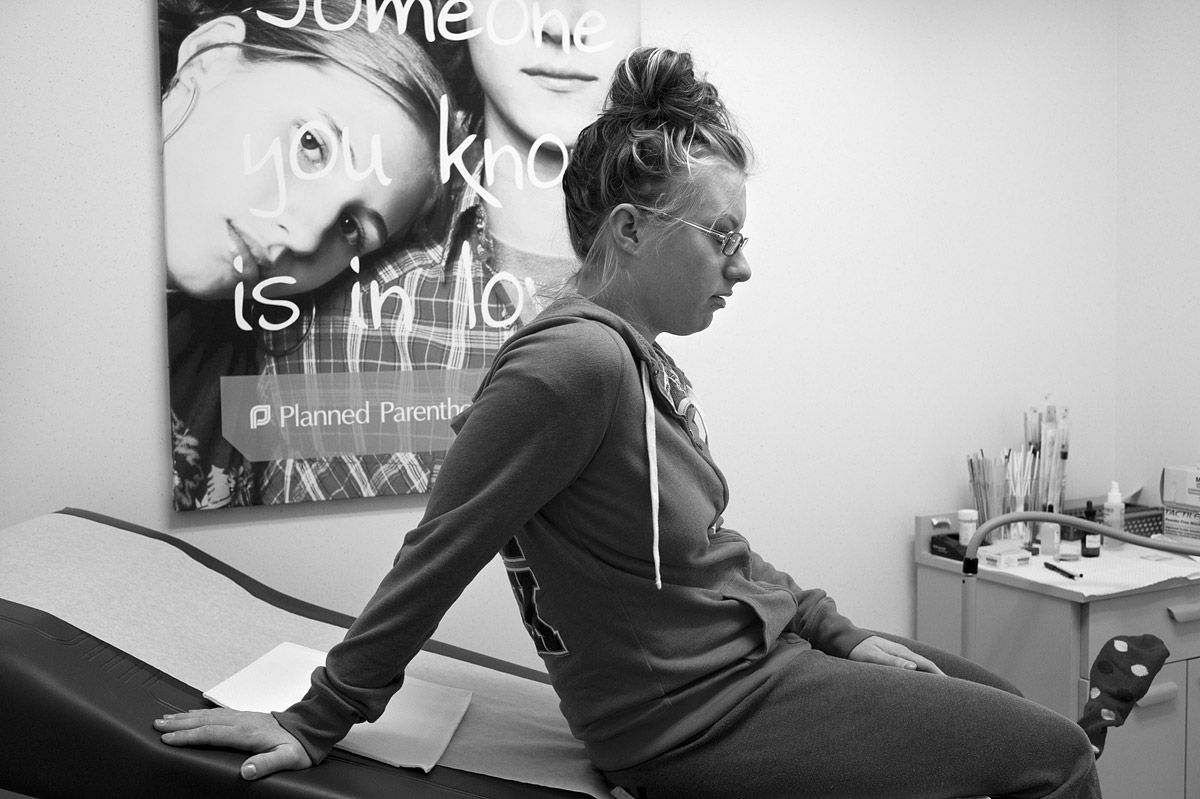
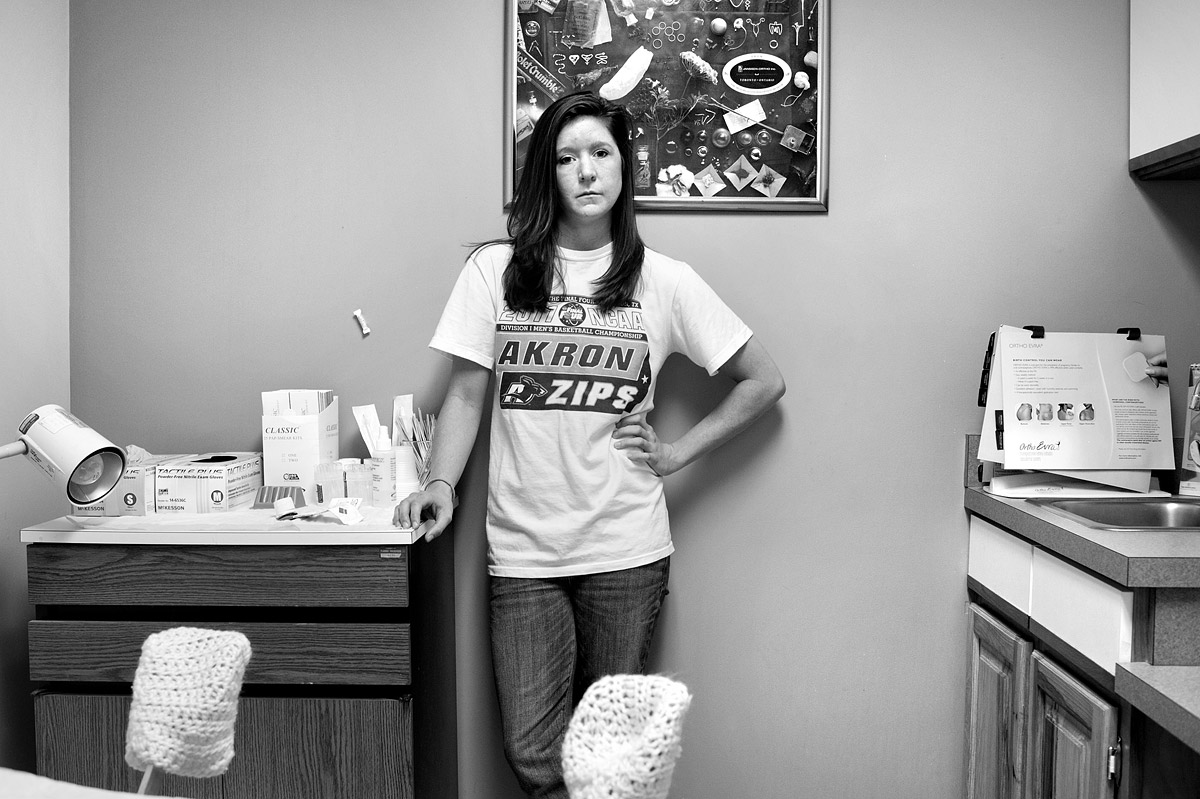
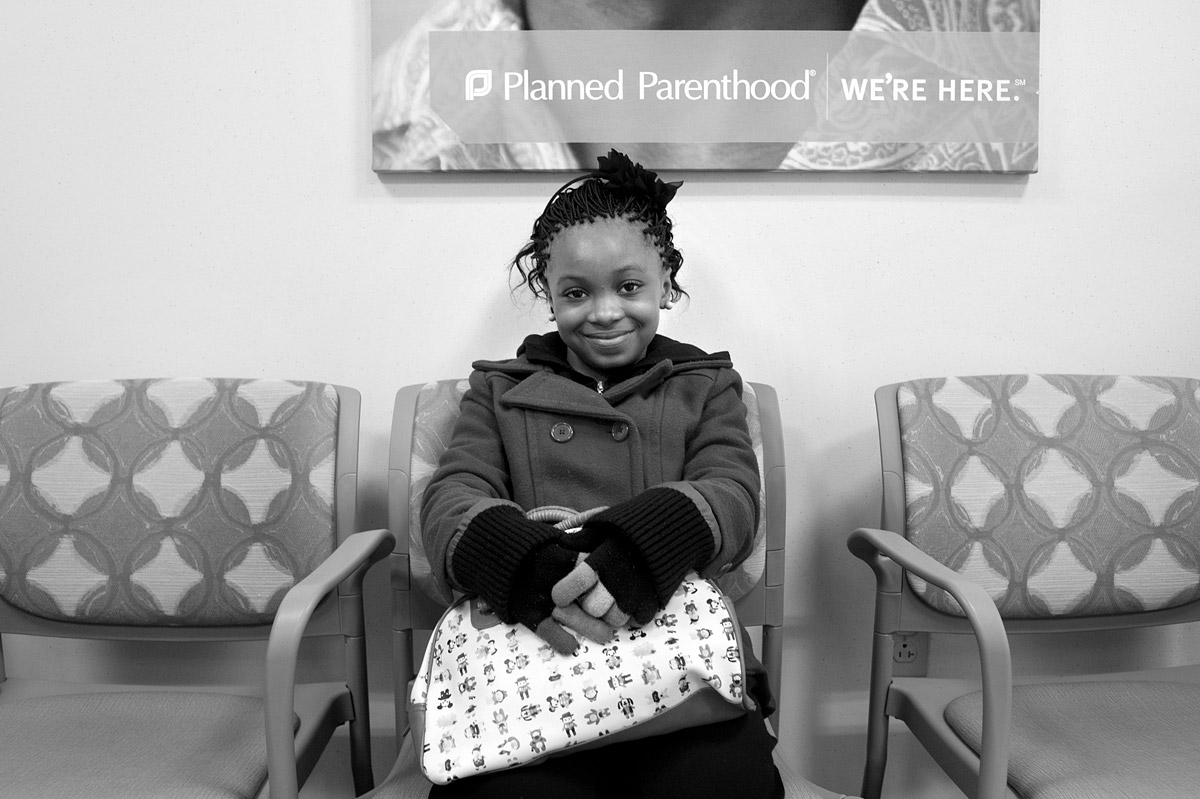
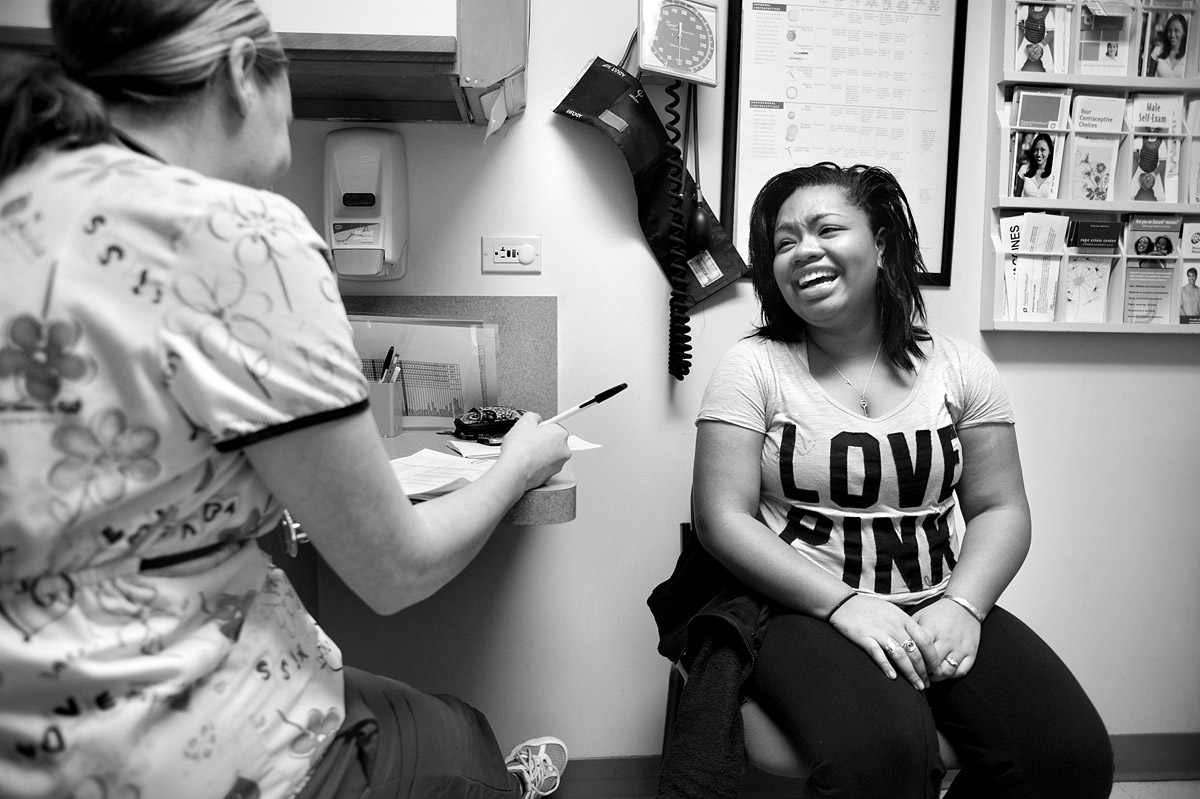
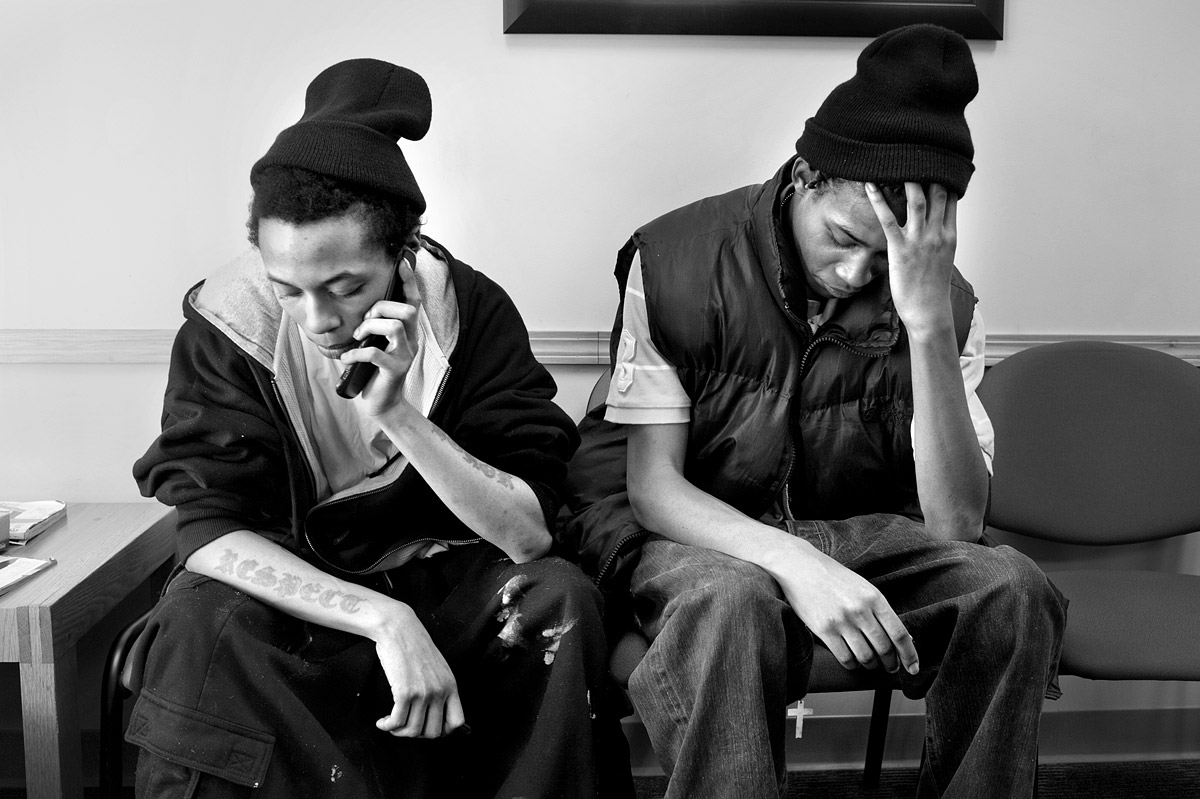
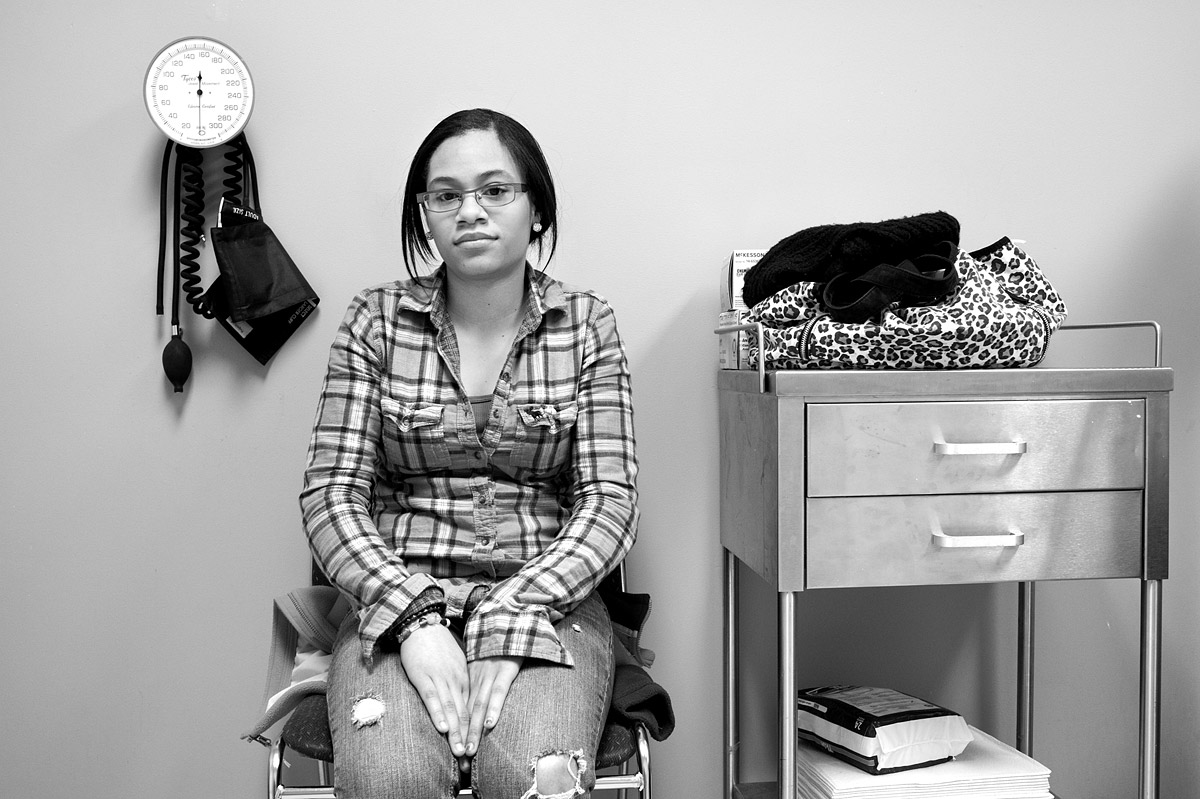
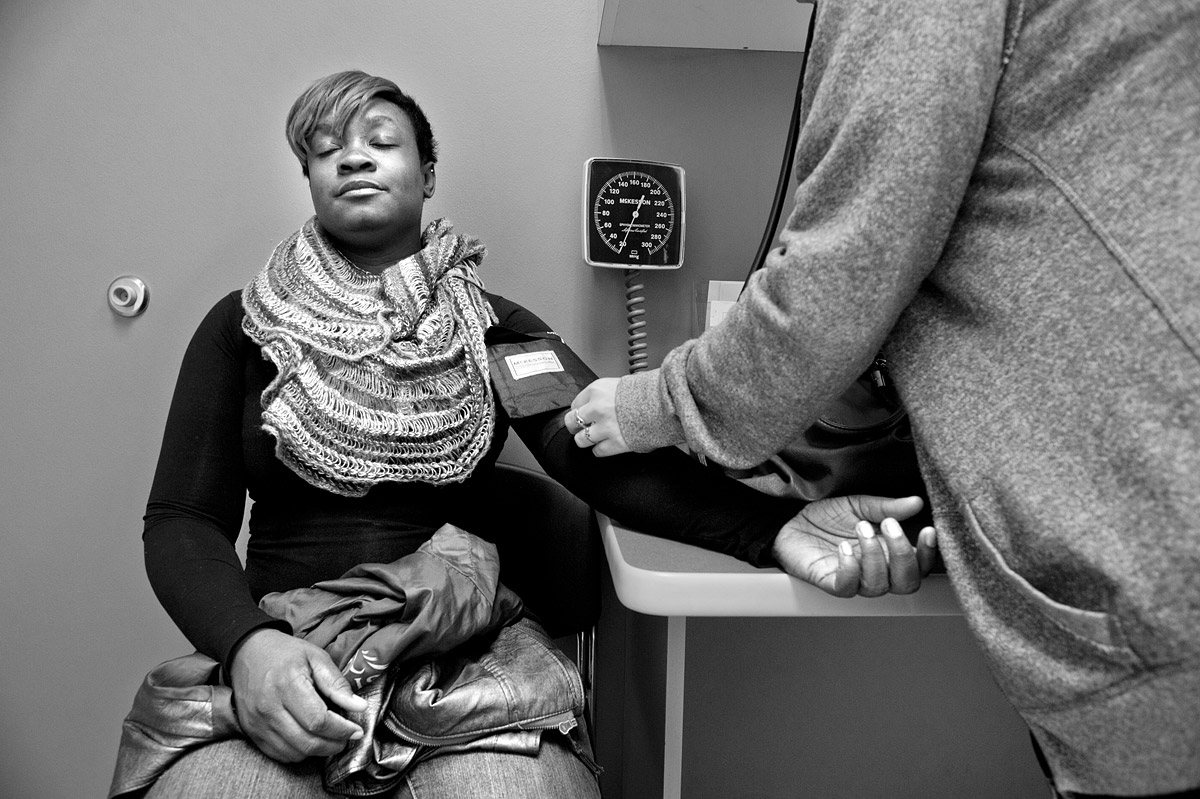
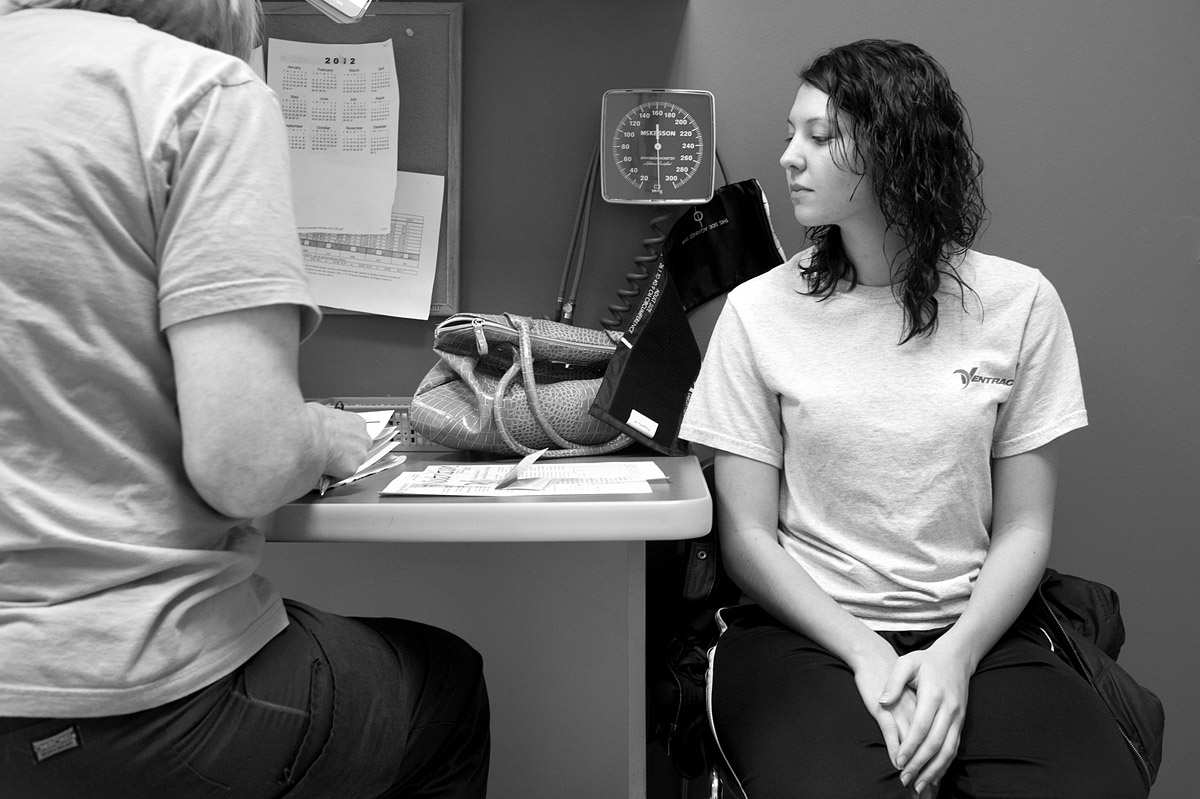
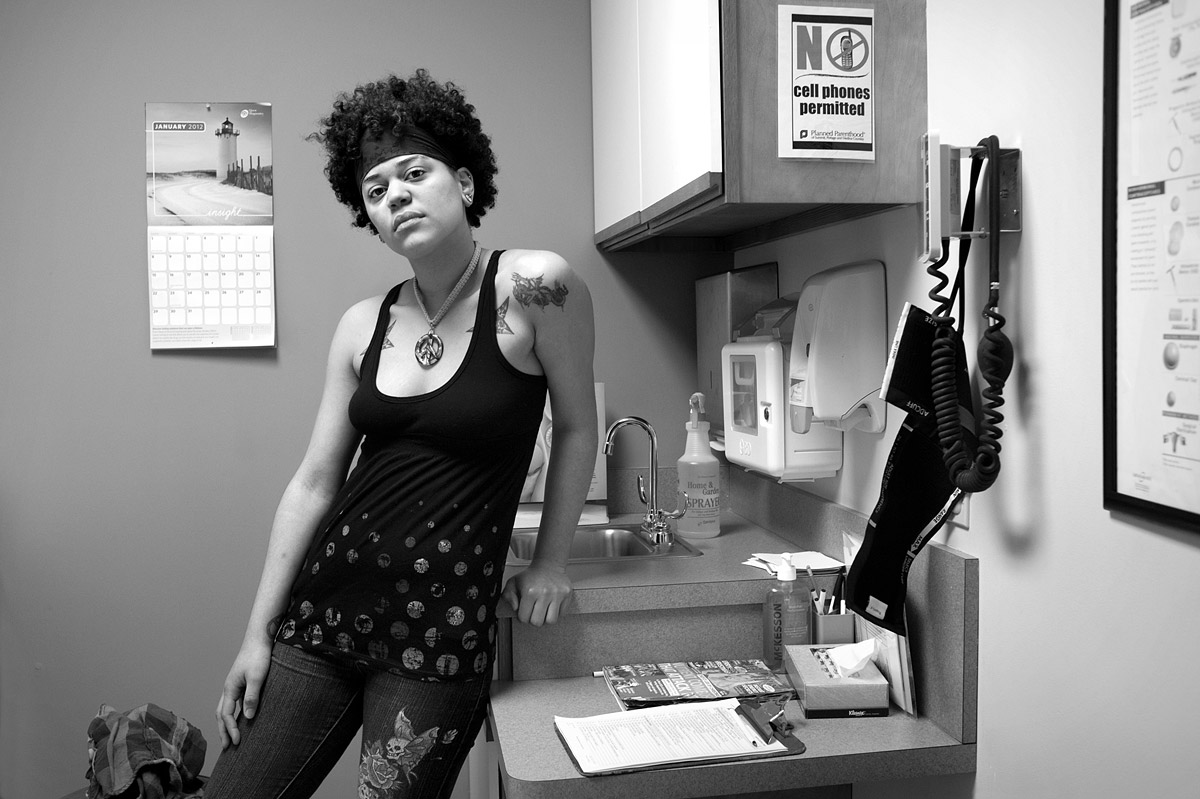
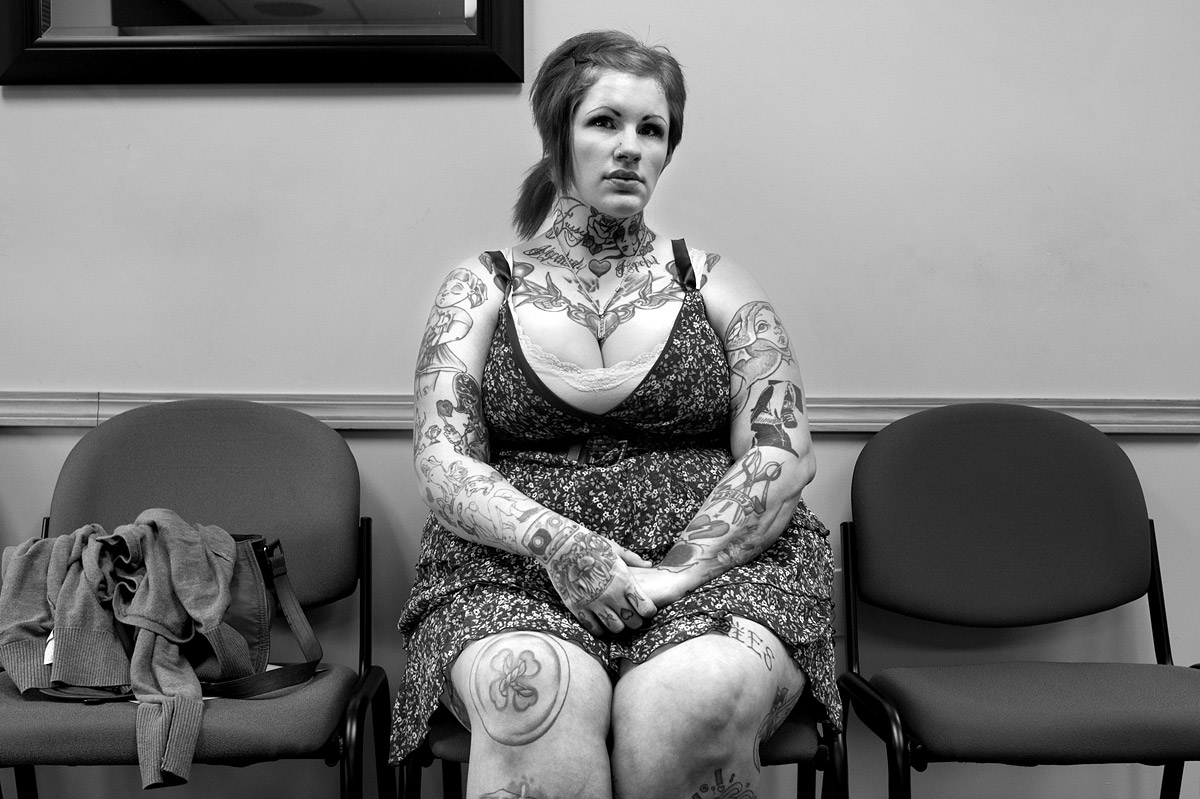
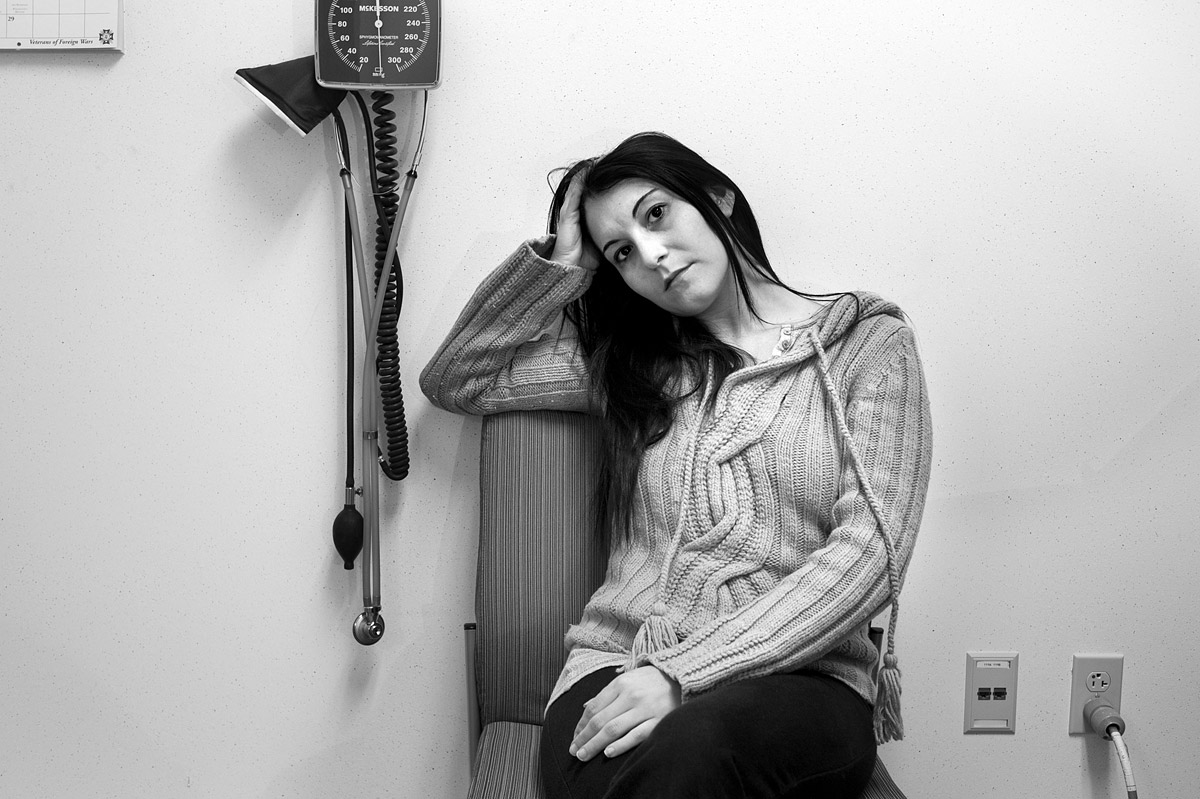
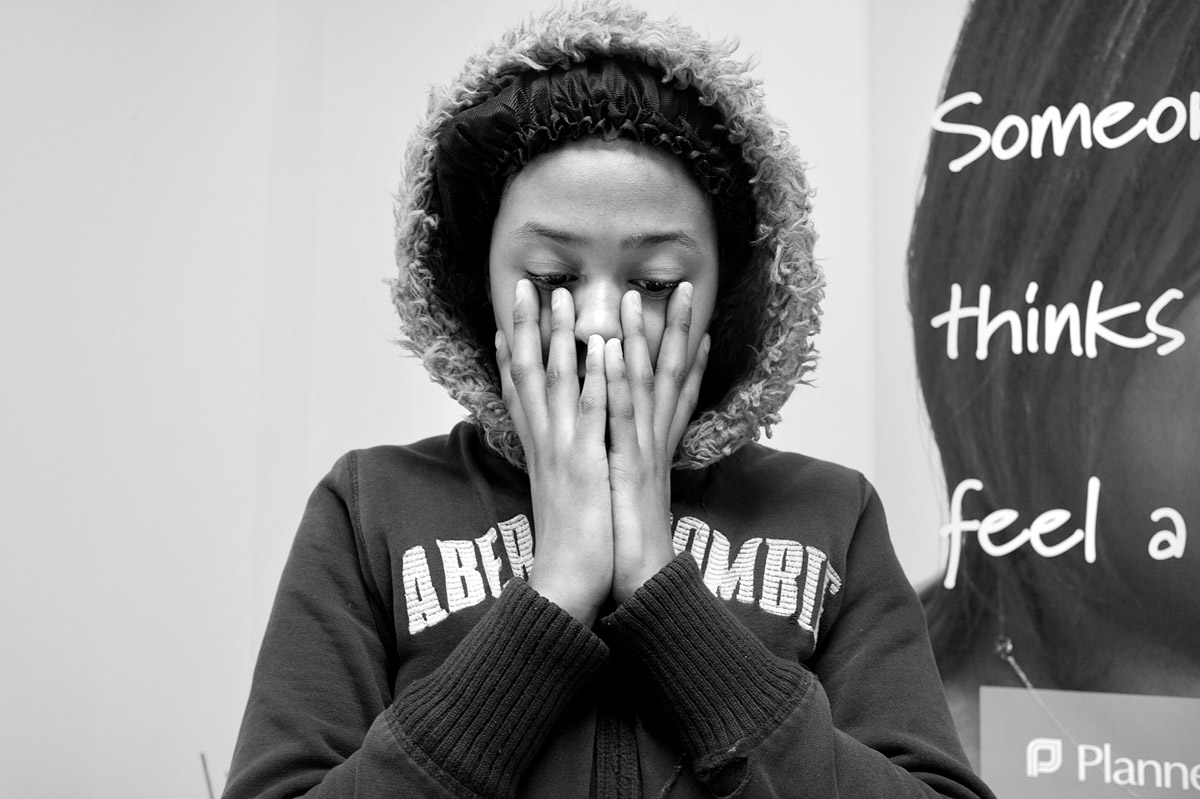
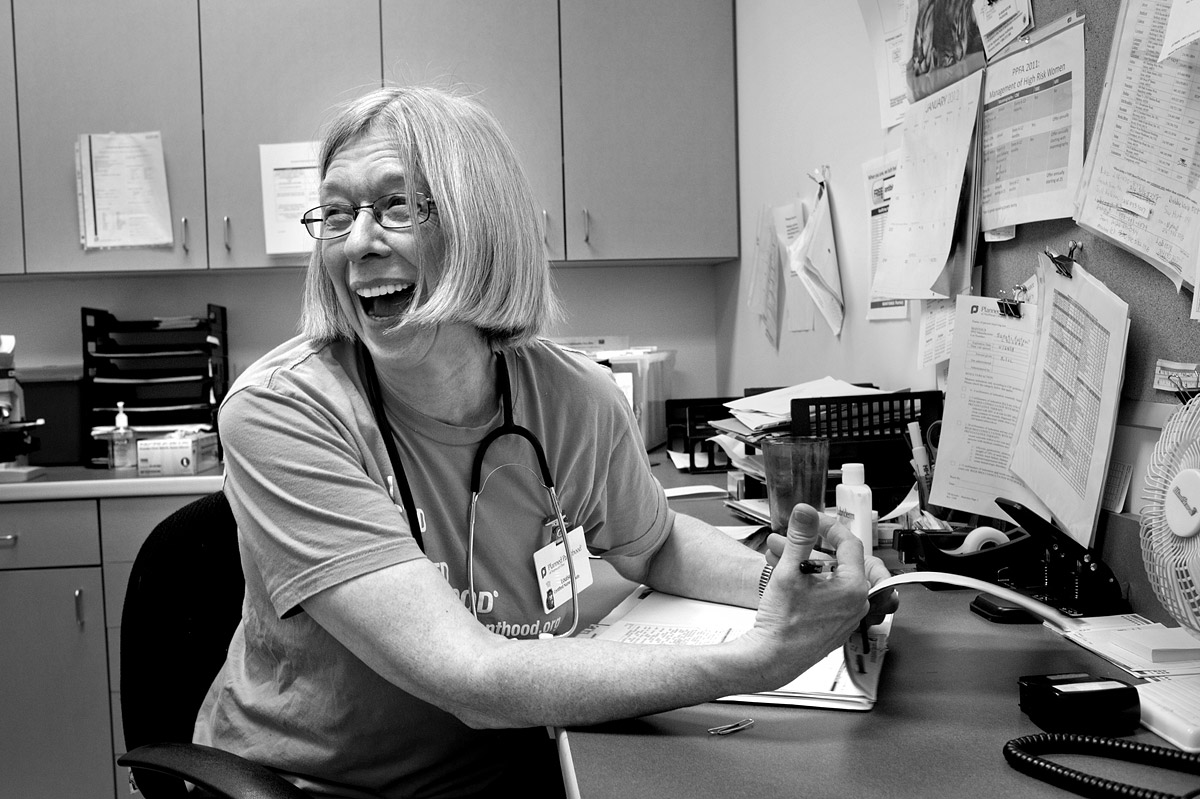
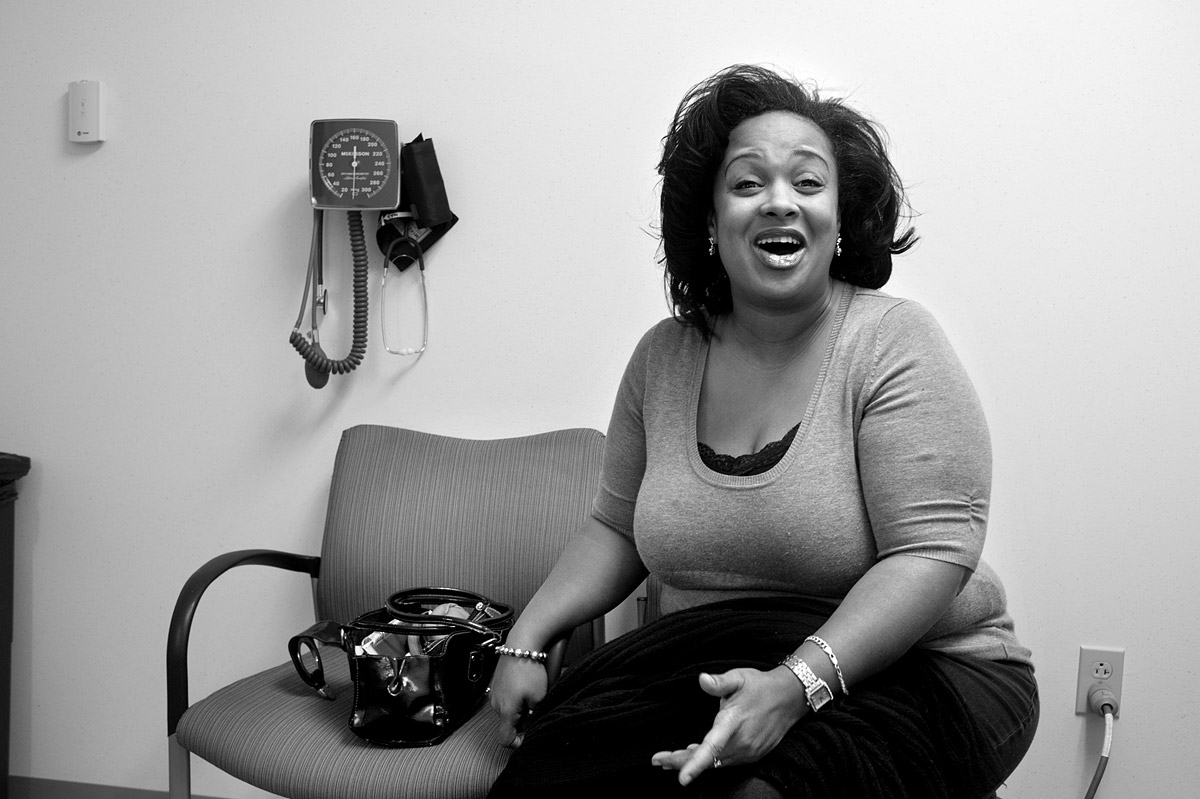
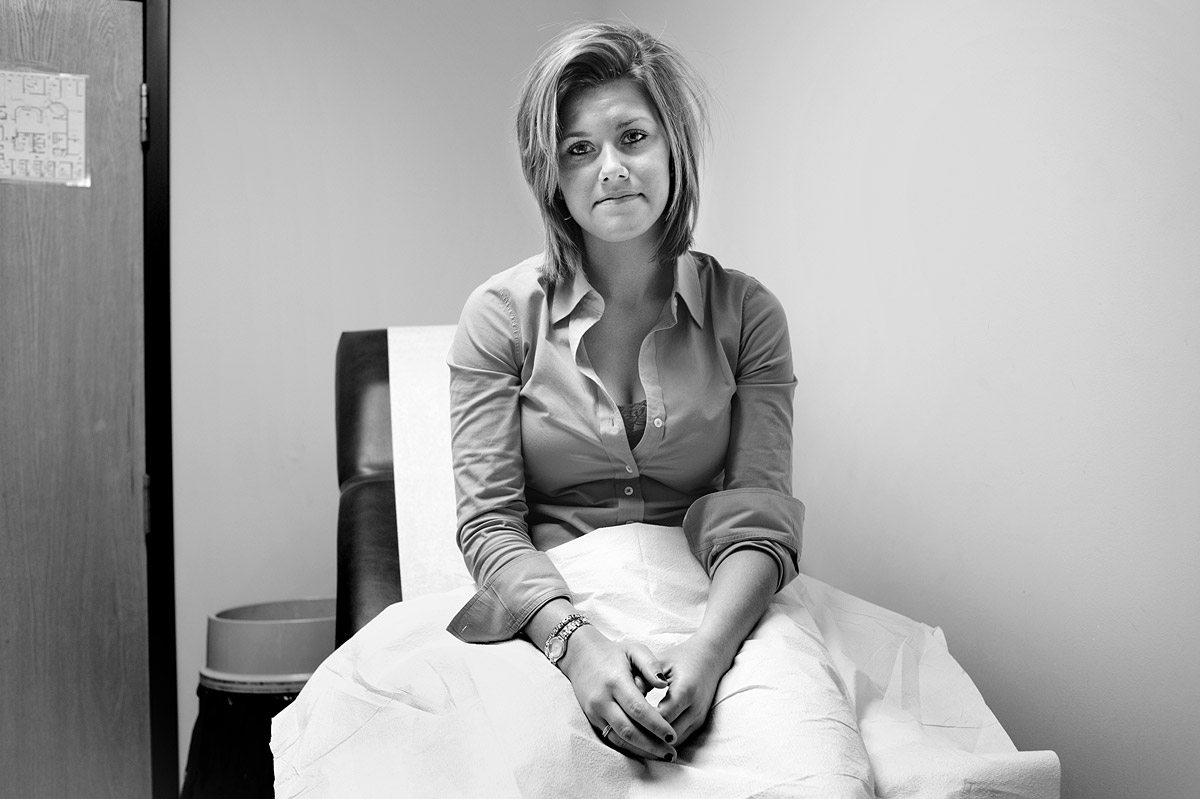
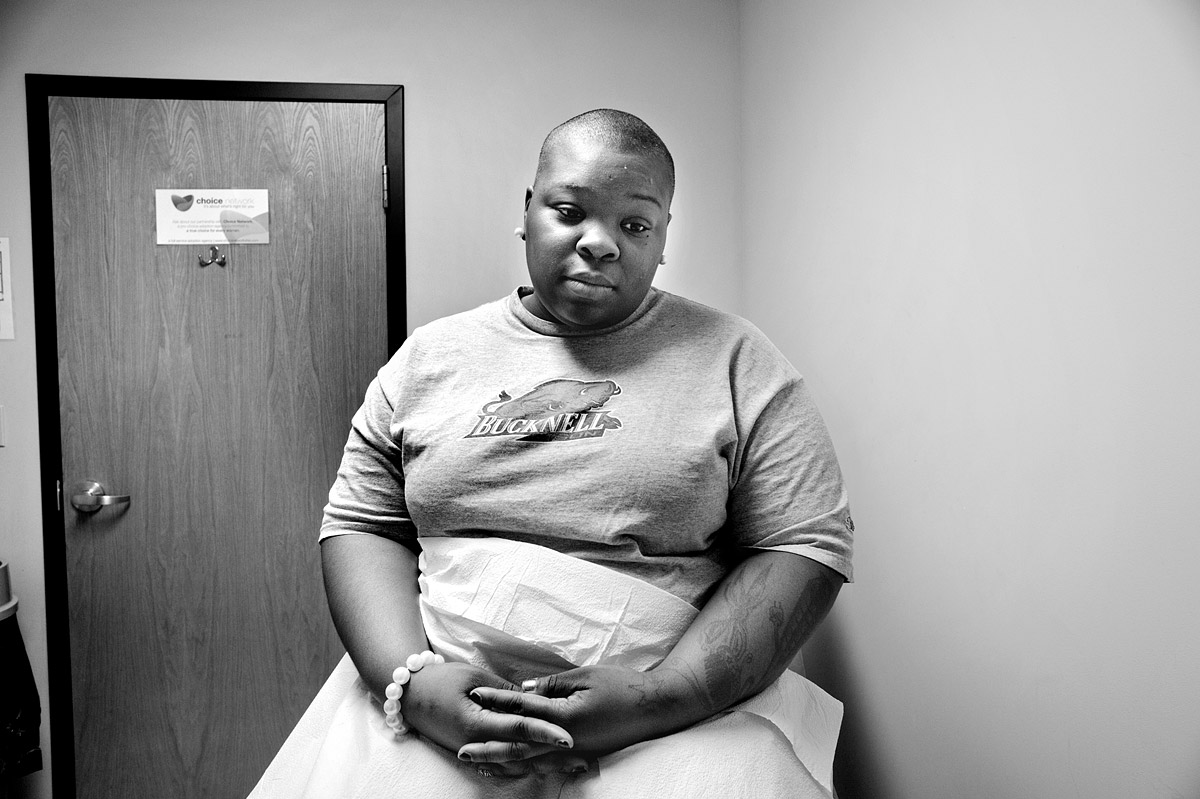
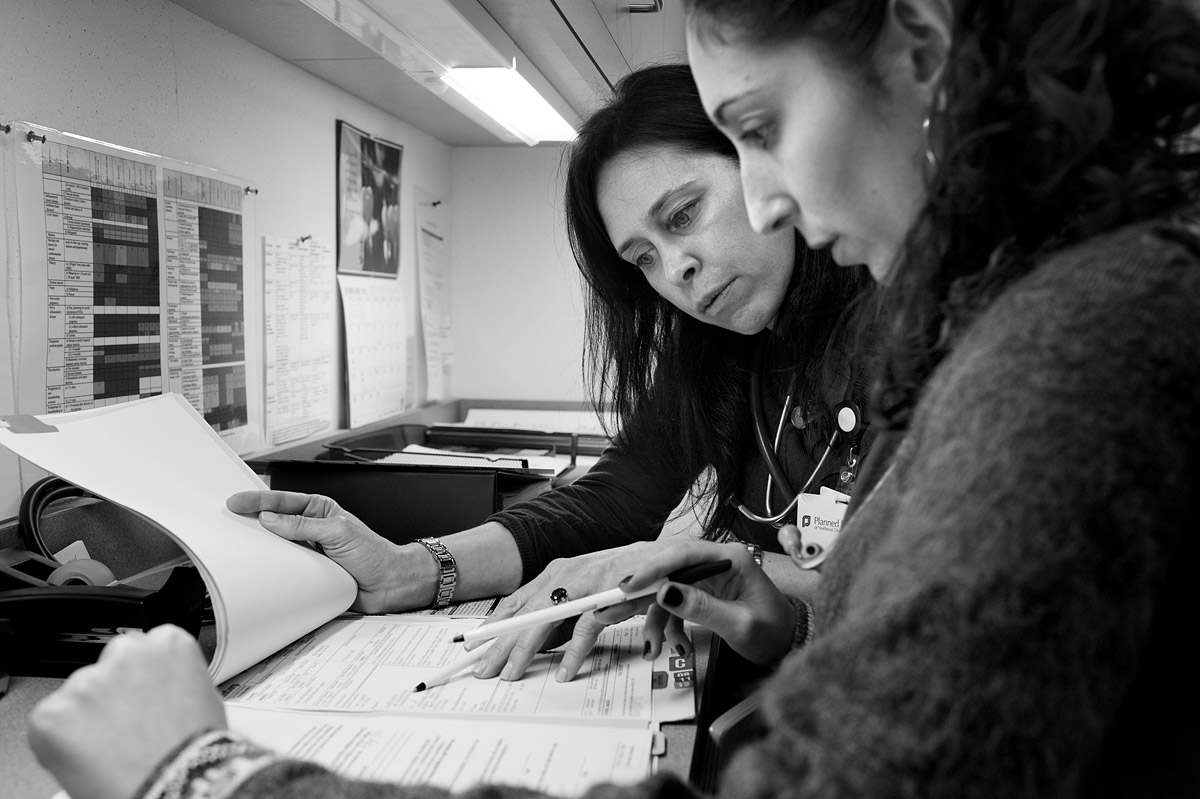
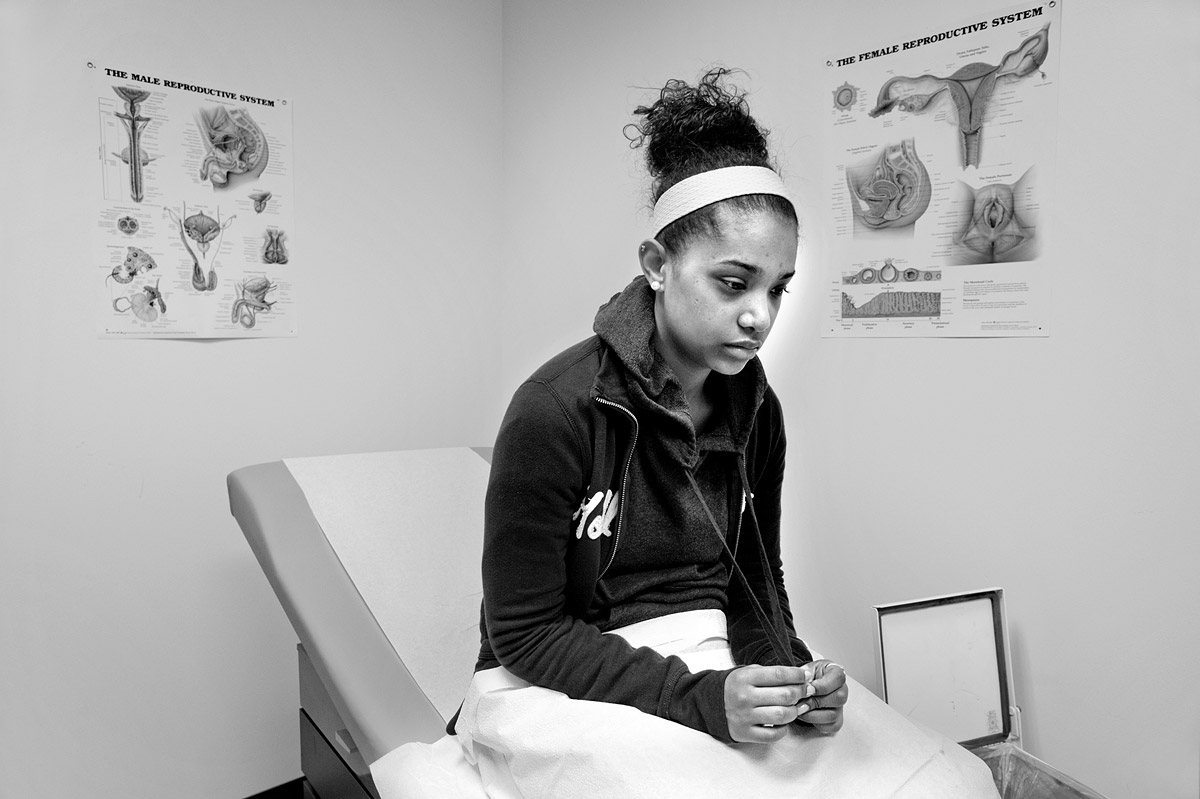
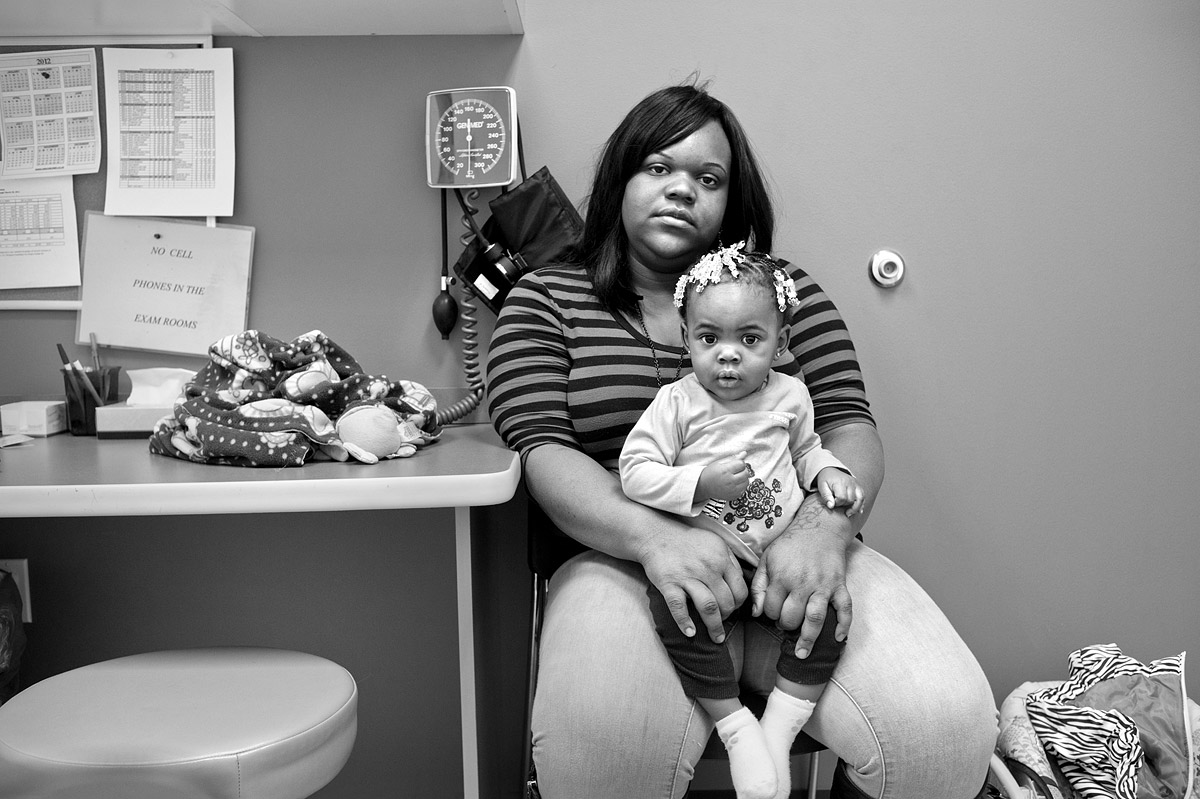
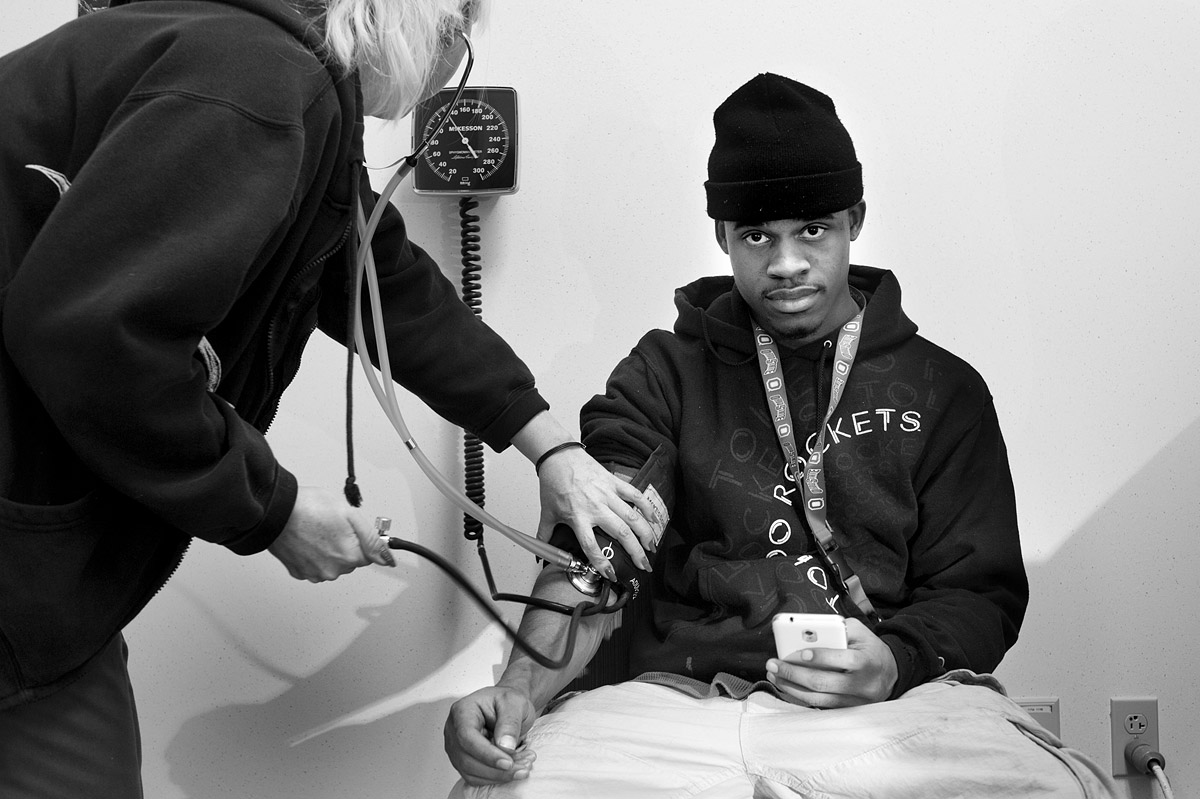
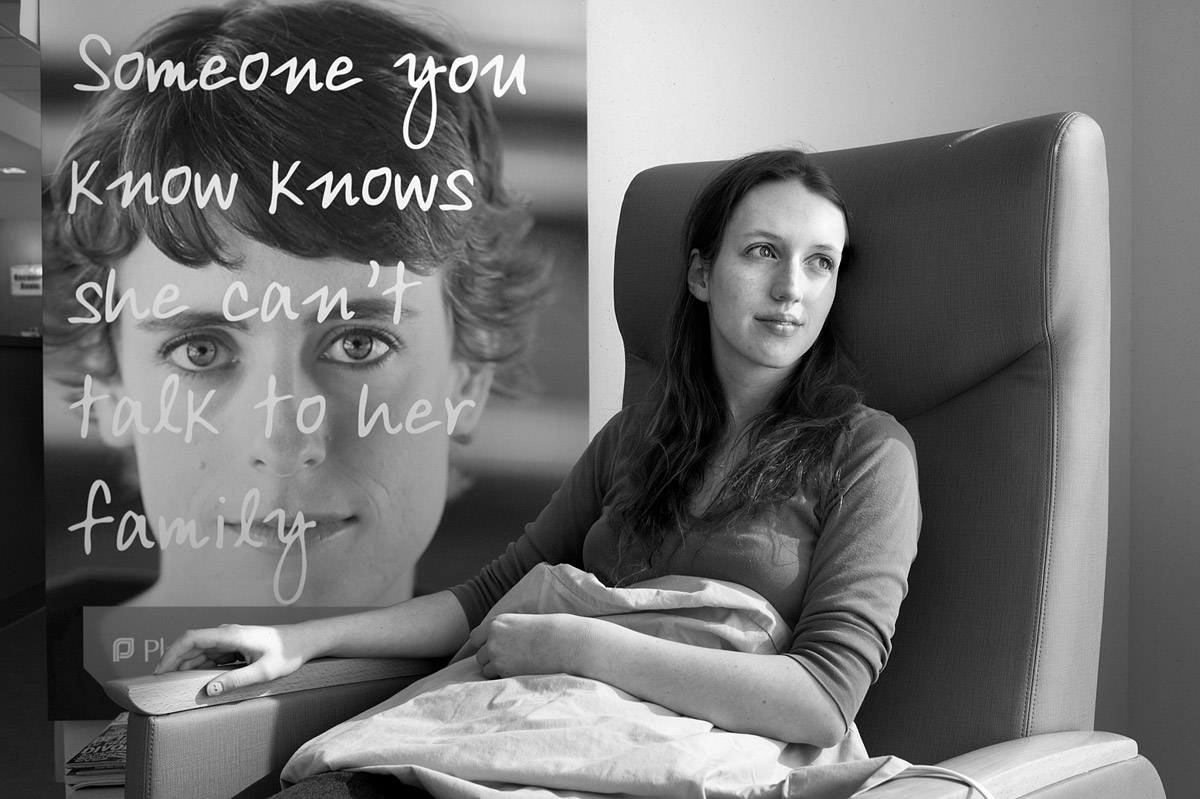
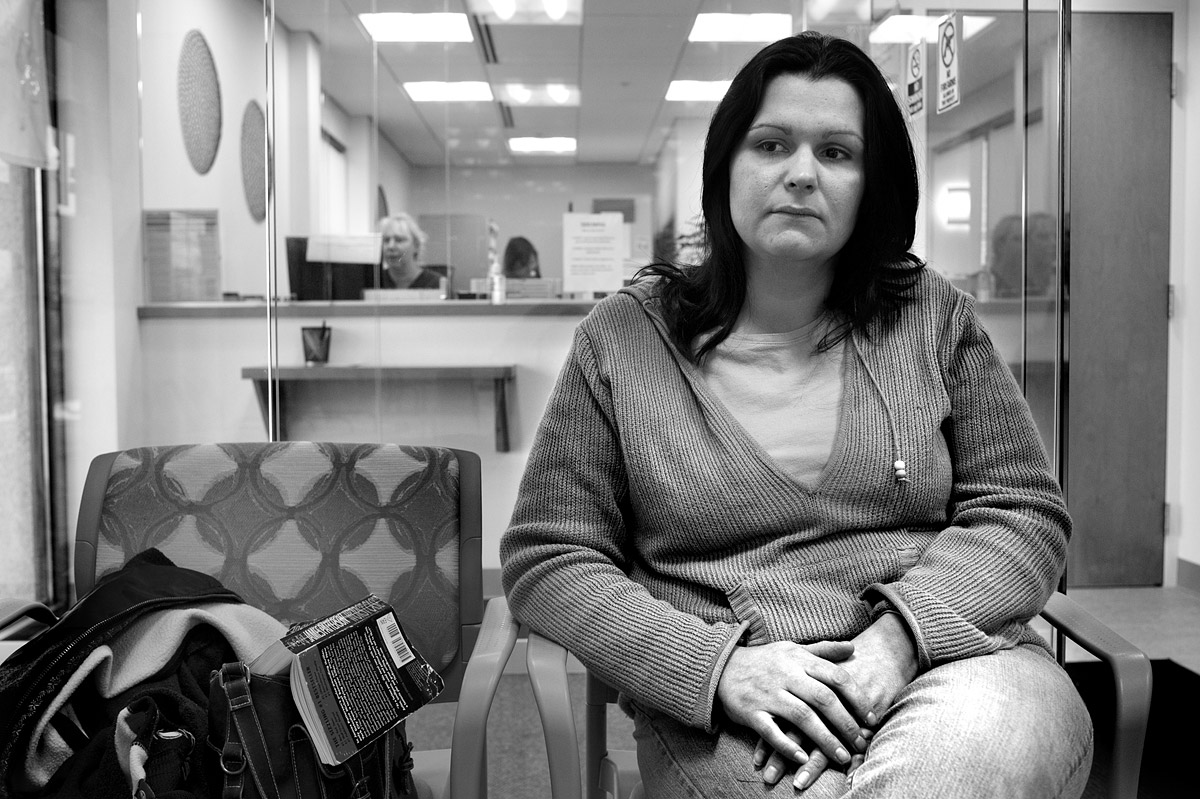
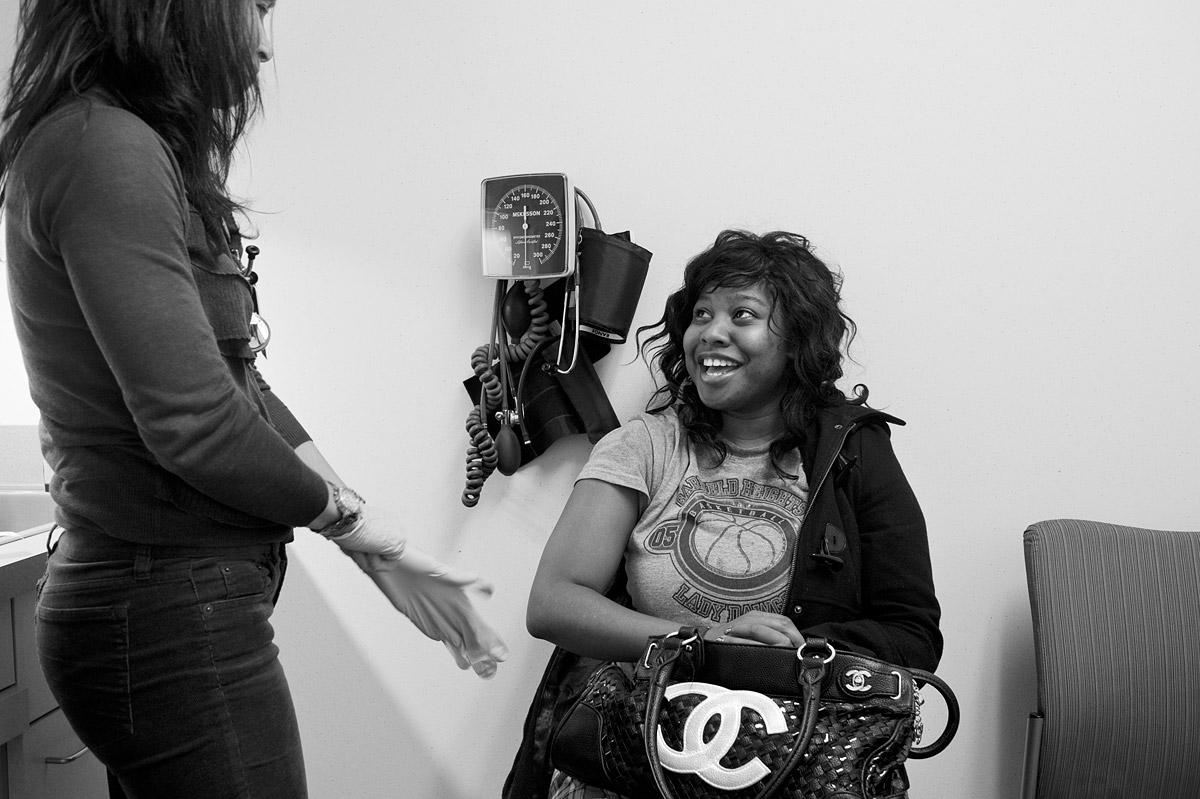
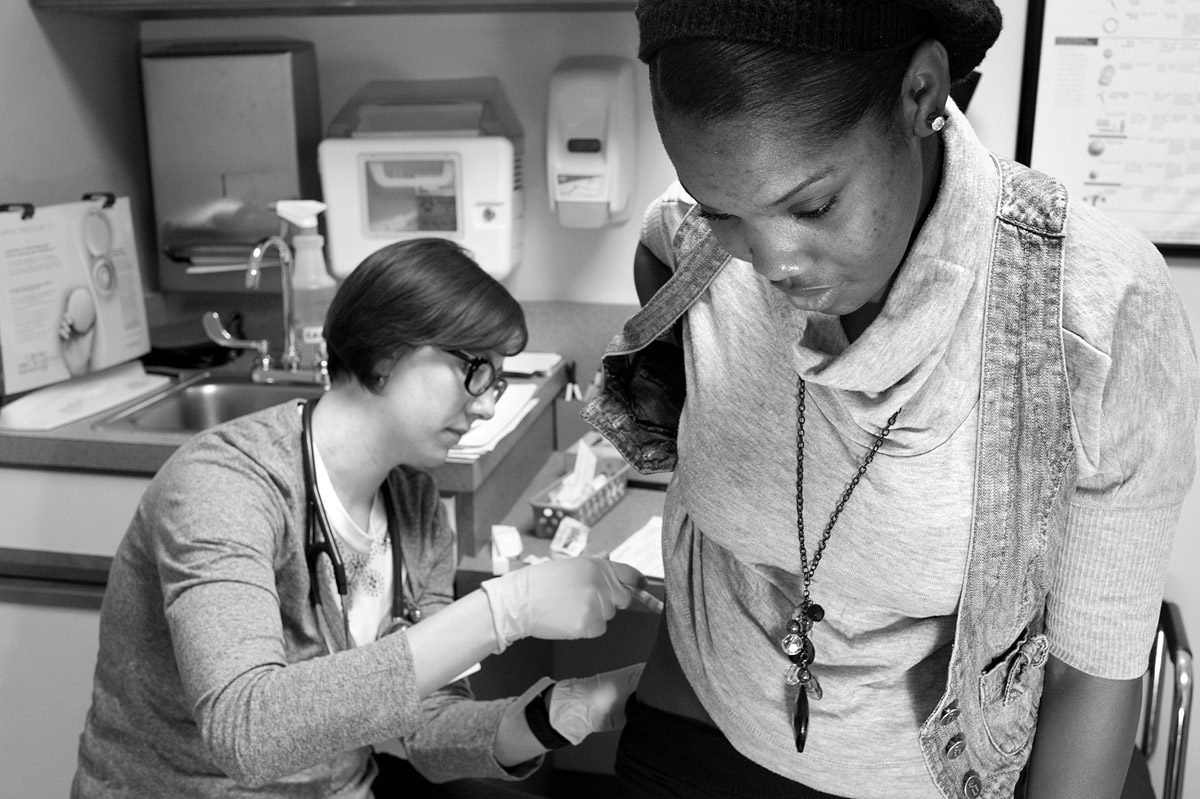
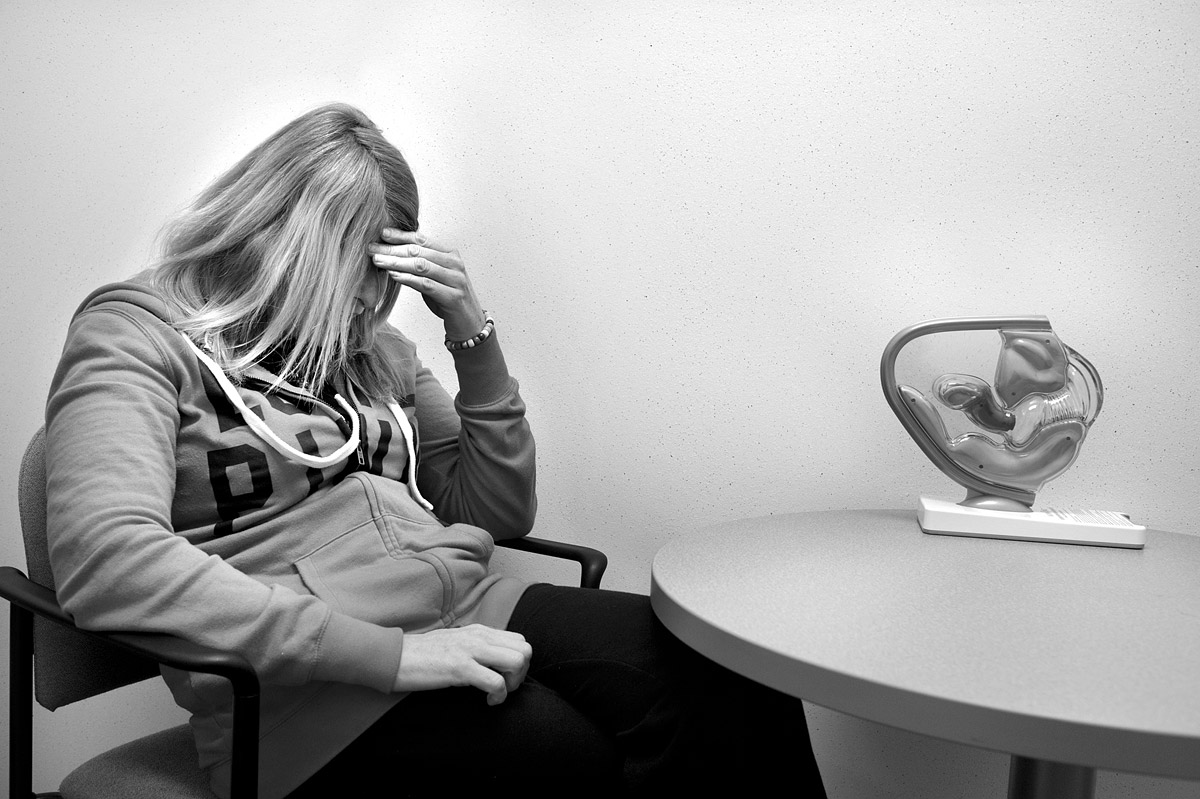
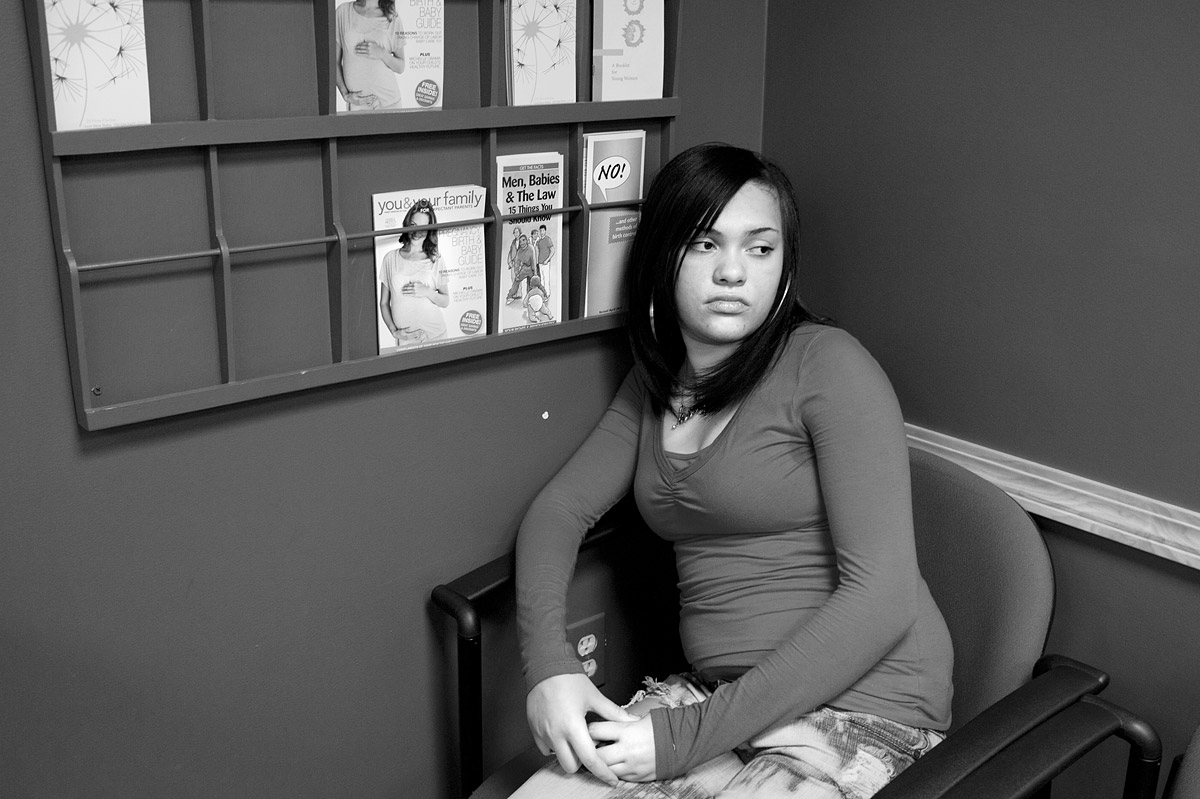
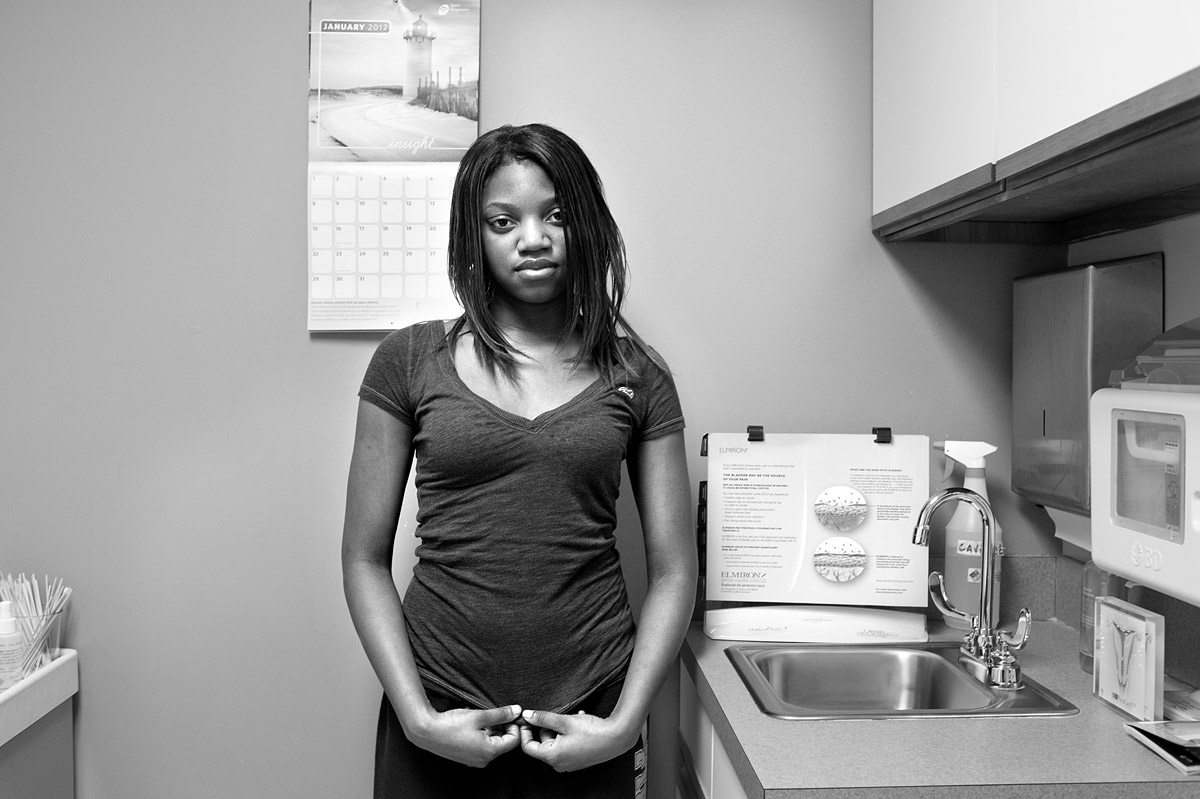
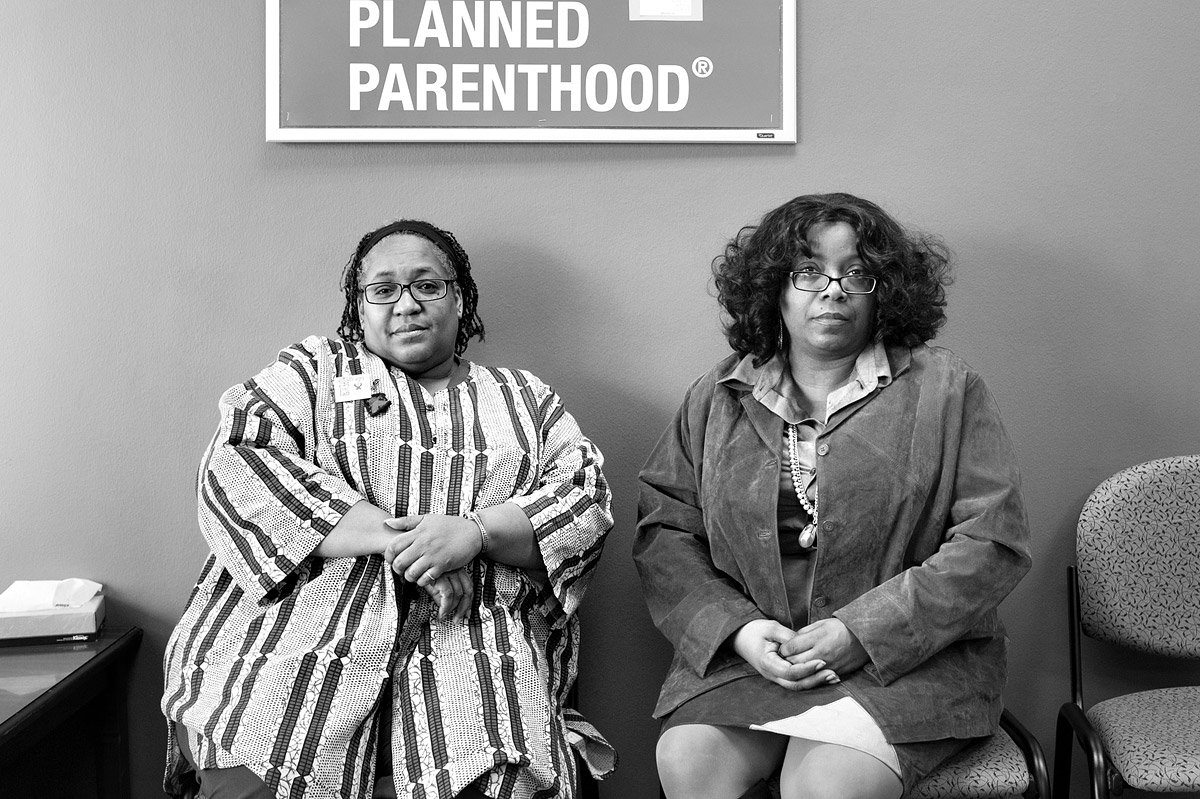
Rania Matar’s evocative portraits of Planned Parenthood clients and staff illustrate not only the critical role Planned Parenthood clinics play in providing affordable reproductive health care for women but also the Foundation’s long-standing interest in ensuring access to quality health care for all. Matar, who trained as an architect in her native Lebanon and at Cornell University, worked in architecture before becoming a full-time photographer whose work focuses mainly on women and women’s issues. She also teaches documentary photography at the Massachusetts College of Art and Design and to teenage girls in Lebanon’s refugee camps during the summer. The award-winning photographer, who has exhibited widely both in the United States and internationally, has published a book of her work, “Ordinary Lives,” and recently released a monograph featuring teenage girls from different backgrounds, “A Girl and Her Room.”










Letter from the Executive Director
2011 Annual Report
Rania Matar’s photo-essay on Planned Parenthood in this annual report demands to be viewed with seriousness. We commissioned this essay to mark the 50th anniversary of the Gund Foundation’s first grant to Planned Parenthood. There have been many since then. We celebrate that milestone because Planned Parenthood does vital work to advance the health of women who might otherwise have no access to care.
The faces of the patients, their loved ones and the care providers in the photographs tell a story of anxiety and hope, of gratitude and relief, of concern and commitment.
And one photo tells another story – of those whose religious or moral convictions move them to protest Planned Parenthood because a portion of the organization’s work is to provide abortions. The divisiveness of this issue and its effect on American politics underscore the seriousness of our Foundation’s reflection. No one rejoices at an abortion. Yet, the legal right of women to end a pregnancy safely and free from coercion is a right that we, along with the majority of Americans, support.
Many members of both major political parties once proudly championed Planned Parenthood. But that shared view, like so much of the bipartisan spirit that once animated public affairs, seems a distant memory. Inaccurate charges now commonly distort the conversation about Planned Parenthood and the larger issue of women’s health. A case in point is the controversy that erupted in January when news broke that the Susan G. Komen for the Cure Foundation intended to end funding for Planned Parenthood. The decision was reportedly made because Planned Parenthood was “under investigation,” although that investigation gives every appearance of being a politically motivated fishing expedition by a partisan in Congress vigorously opposed to reproductive freedom. Still, the controversy – which concluded with Komen’s swift reversal – served a useful purpose by highlighting the fact that only 3 percent of Planned Parenthood’s resources – and zero tax dollars – provide abortion-related services. It underscored the wide array of health services and research that Planned Parenthood provides, and exposed an opposition agenda reaching far beyond the abortion debate and into a woman’s right to access even the most basic reproductive health care.
Planned Parenthood provides reproductive and sexual health care for about 5 million clients each year at more than 800 health centers nationwide. A quarter of those clients are teenagers, and 75 percent have incomes of less than $35,000 per year. Planned Parenthood health care professionals screen for cancer. They test for and treat sexually transmitted diseases, including HIV and AIDS, to help prevent their spread. One in five American women has received care from a Planned Parenthood health center during her lifetime, and for many Americans Planned Parenthood doctors and nurses are the only health care providers they see.
An ideological campaign to defund Planned Parenthood would, if successful, damage the lives of the women who rely on these services and would surely increase the rate of abortions because so many women would lose access to affordable birth control and prenatal care. Comprehensive, medically accurate sexuality education and affordable family planning services help to reduce the number of unintended pregnancies and abortions.
Planned Parenthood and its many supporters have been, and must remain, an effective voice for the women who need these services. In Ohio, the effectiveness of that voice is being strengthened by a merger of the state’s affiliates on July 1 into Planned Parenthood of Greater Ohio. We will watch and support this change in their organizational approach, knowing that their commitment to the health of women will not waver. Moreover, while we know the political debate will not disappear, the daily work of Planned Parenthood, powerfully illustrated in these photographs, continues without distraction and undiminished.
David Abbott, Executive Director
Performing Artists
Photography
Amy Arbus (2010)
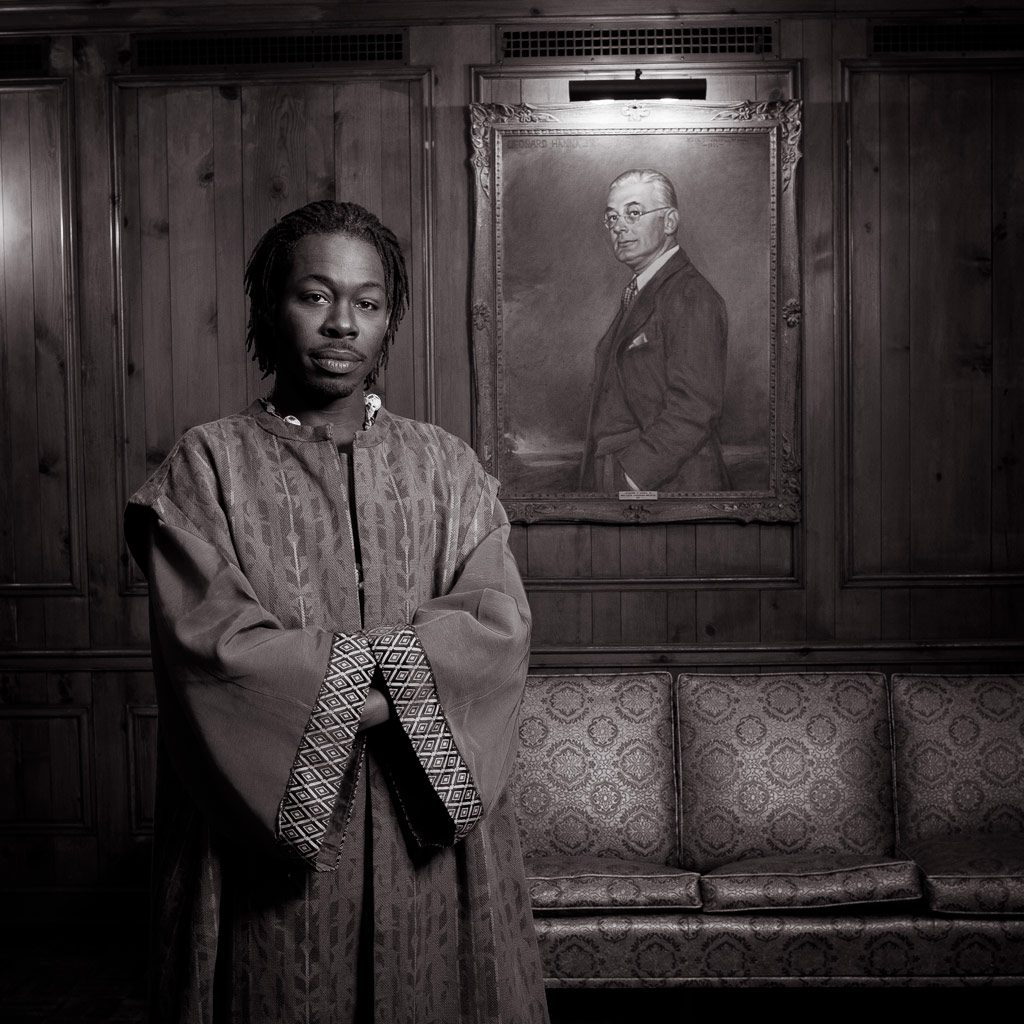
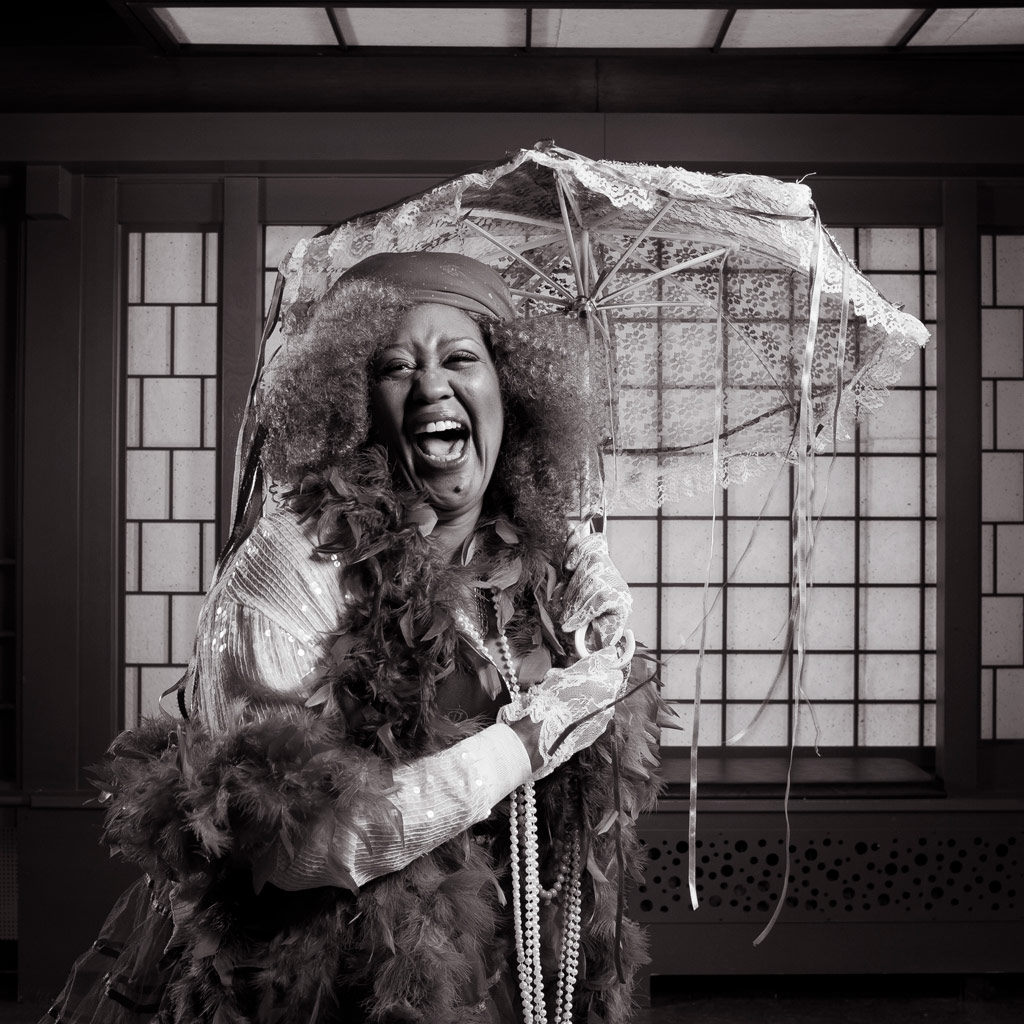
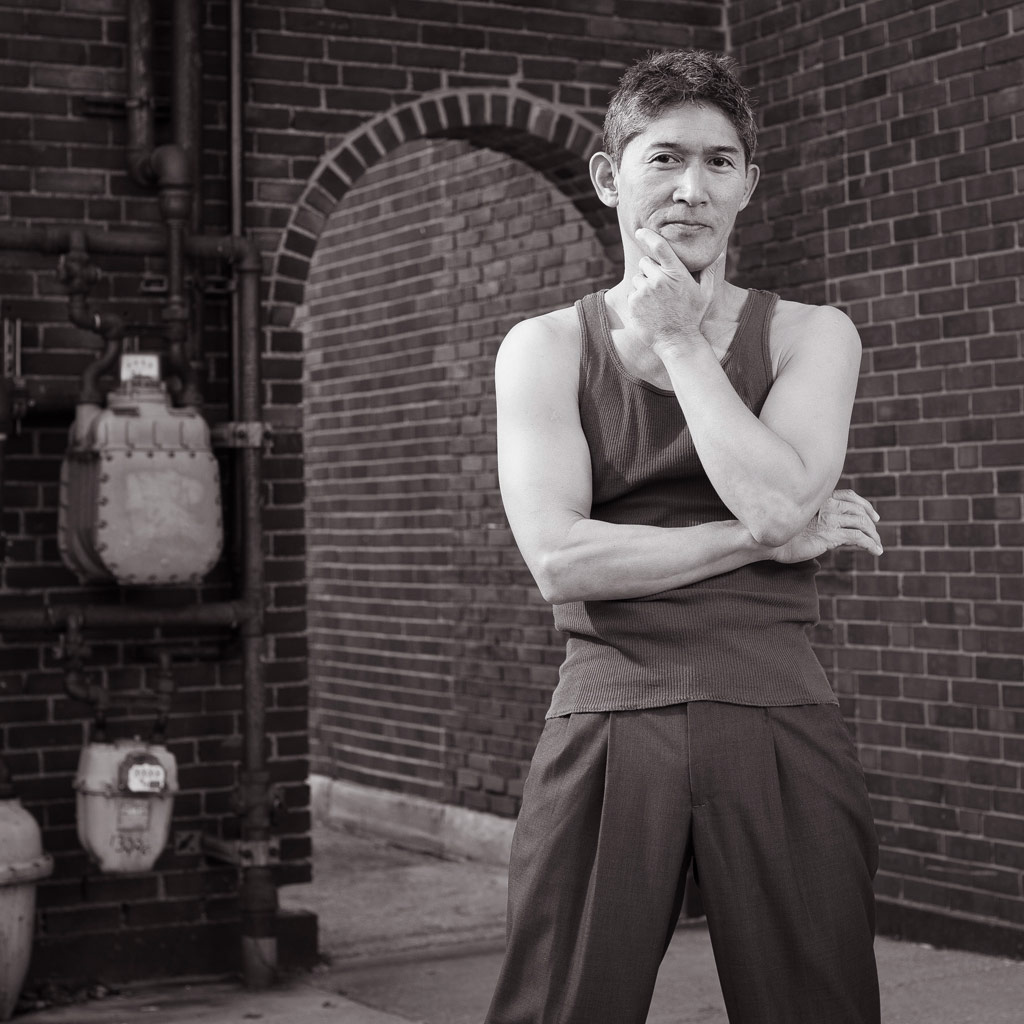
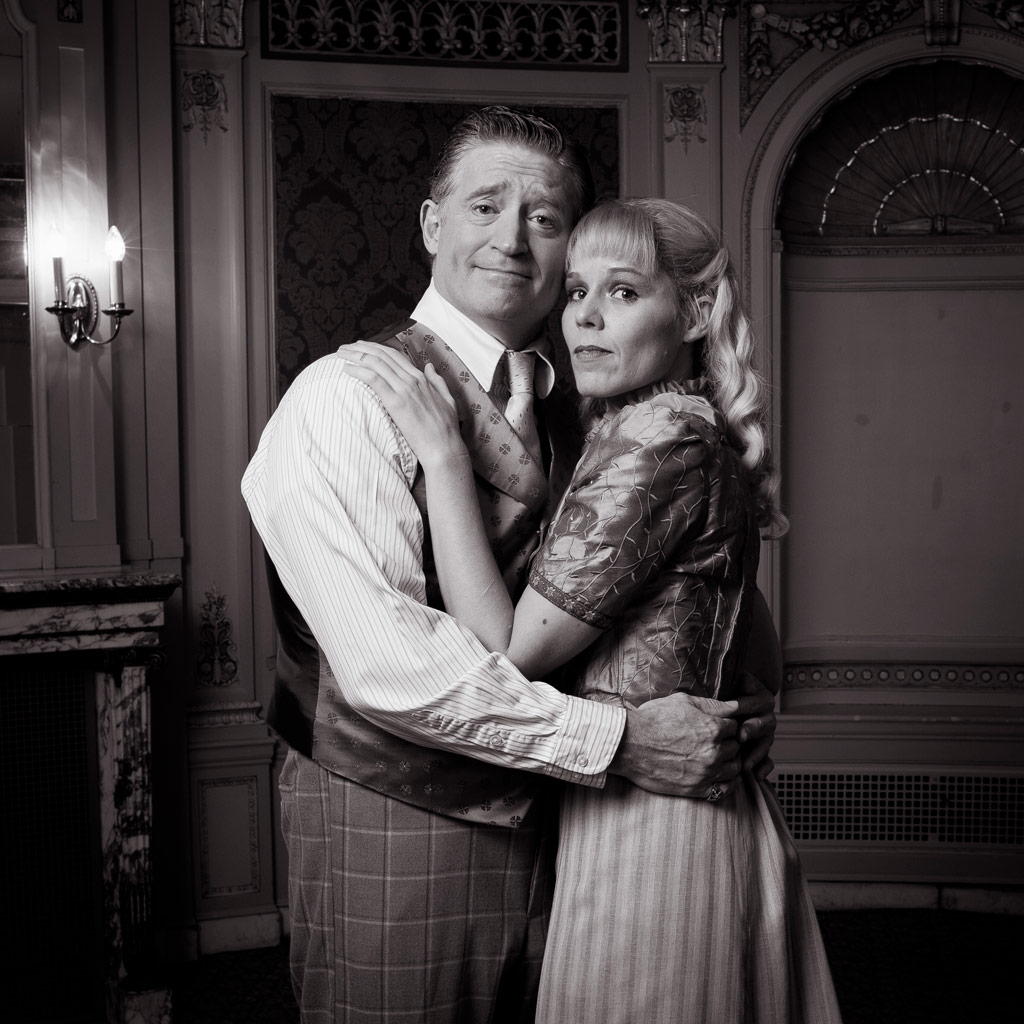
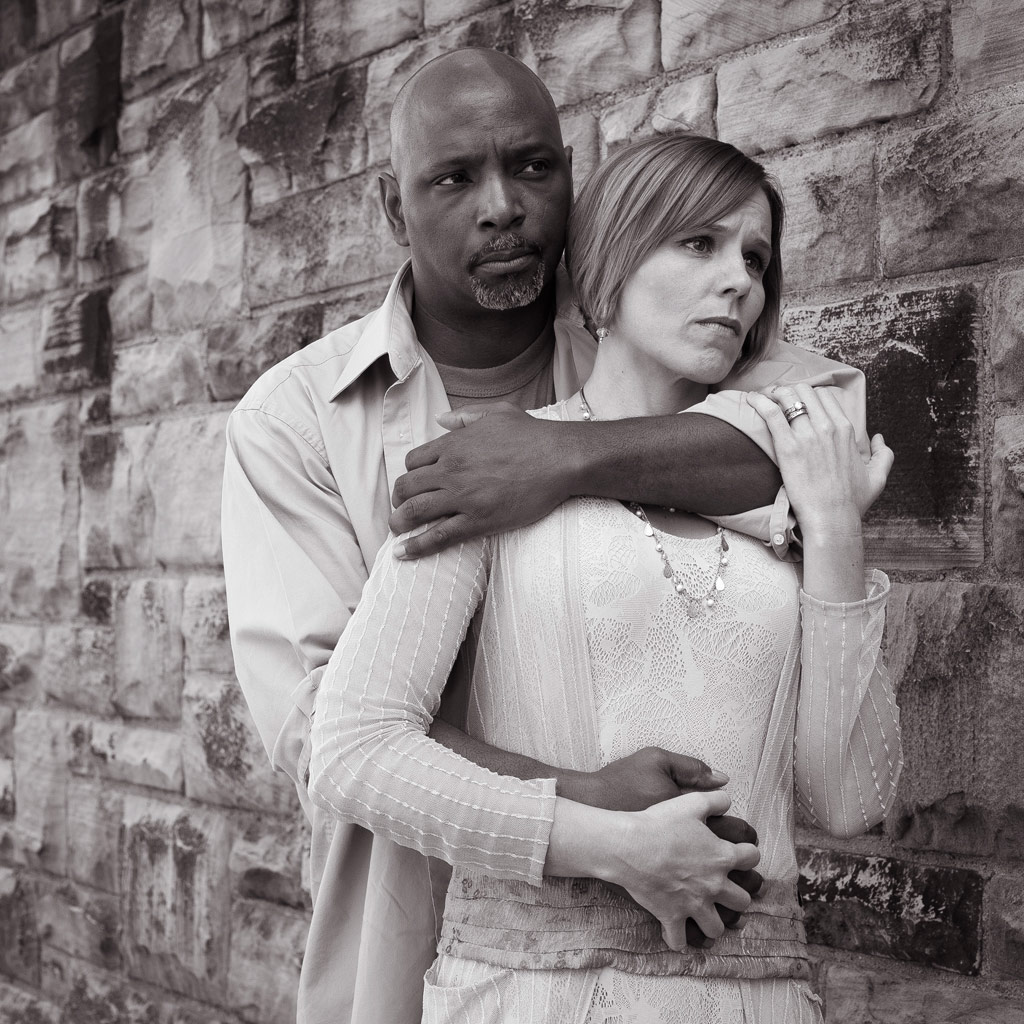
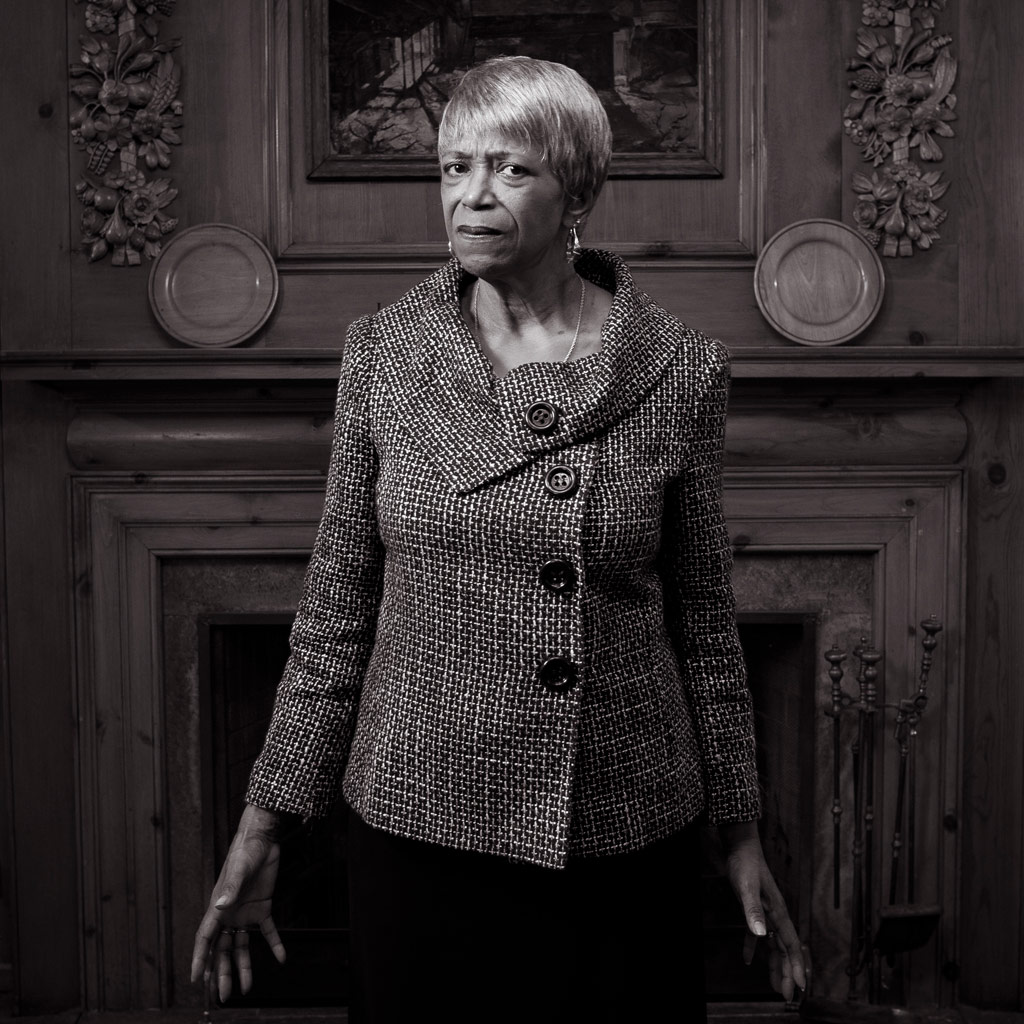
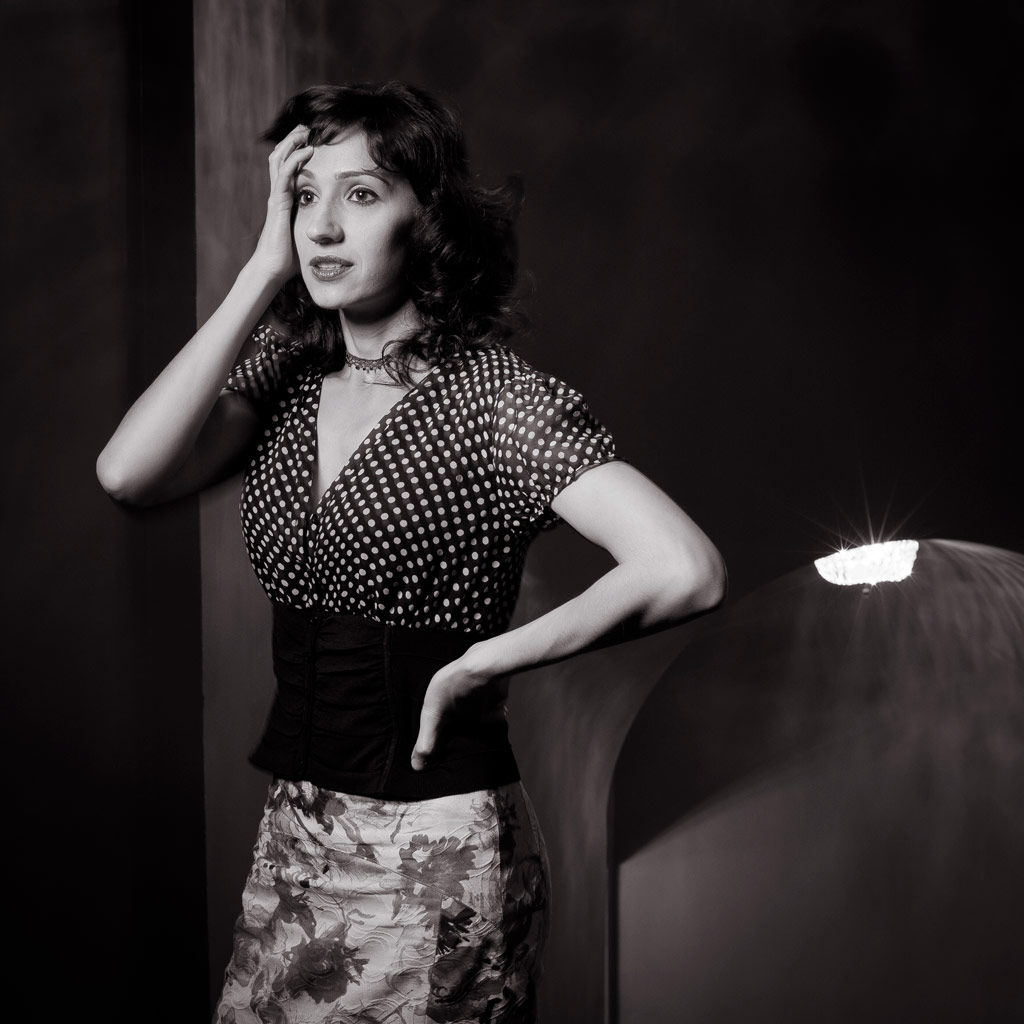
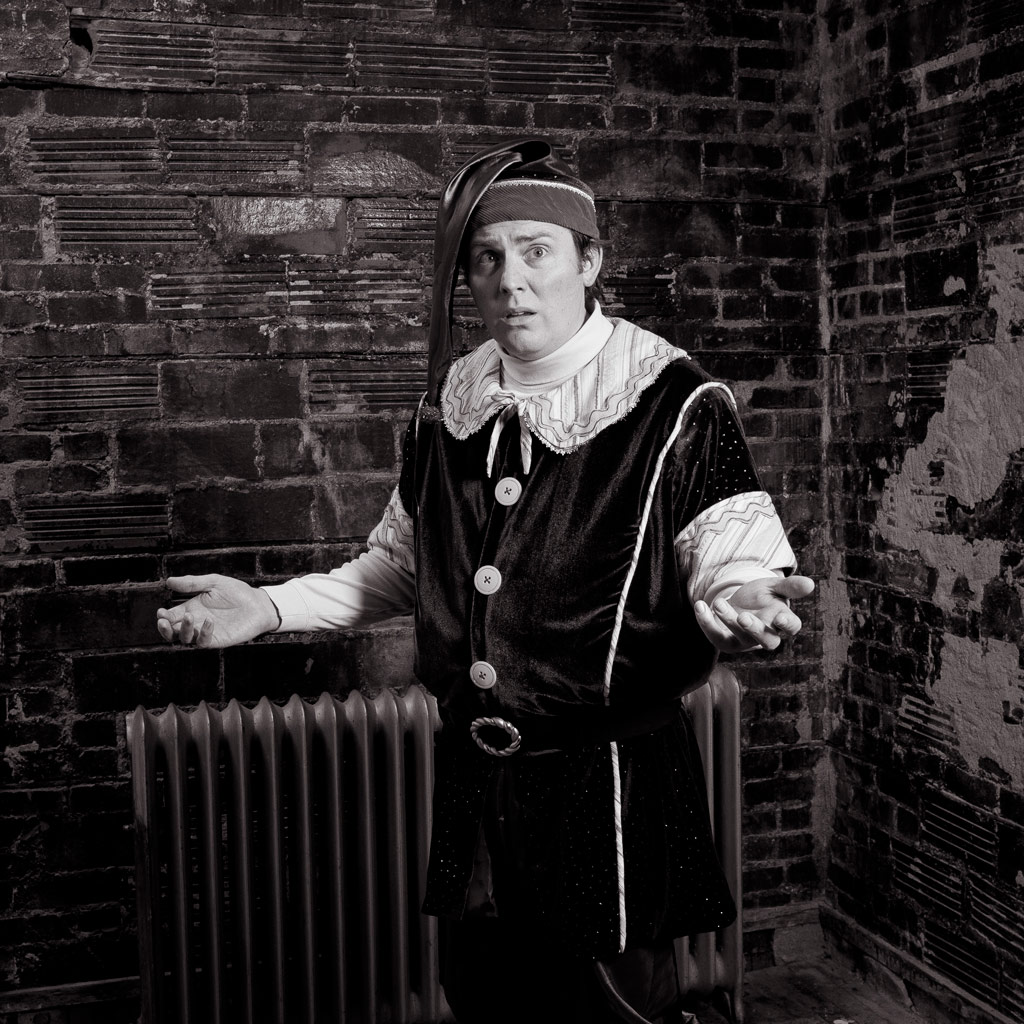
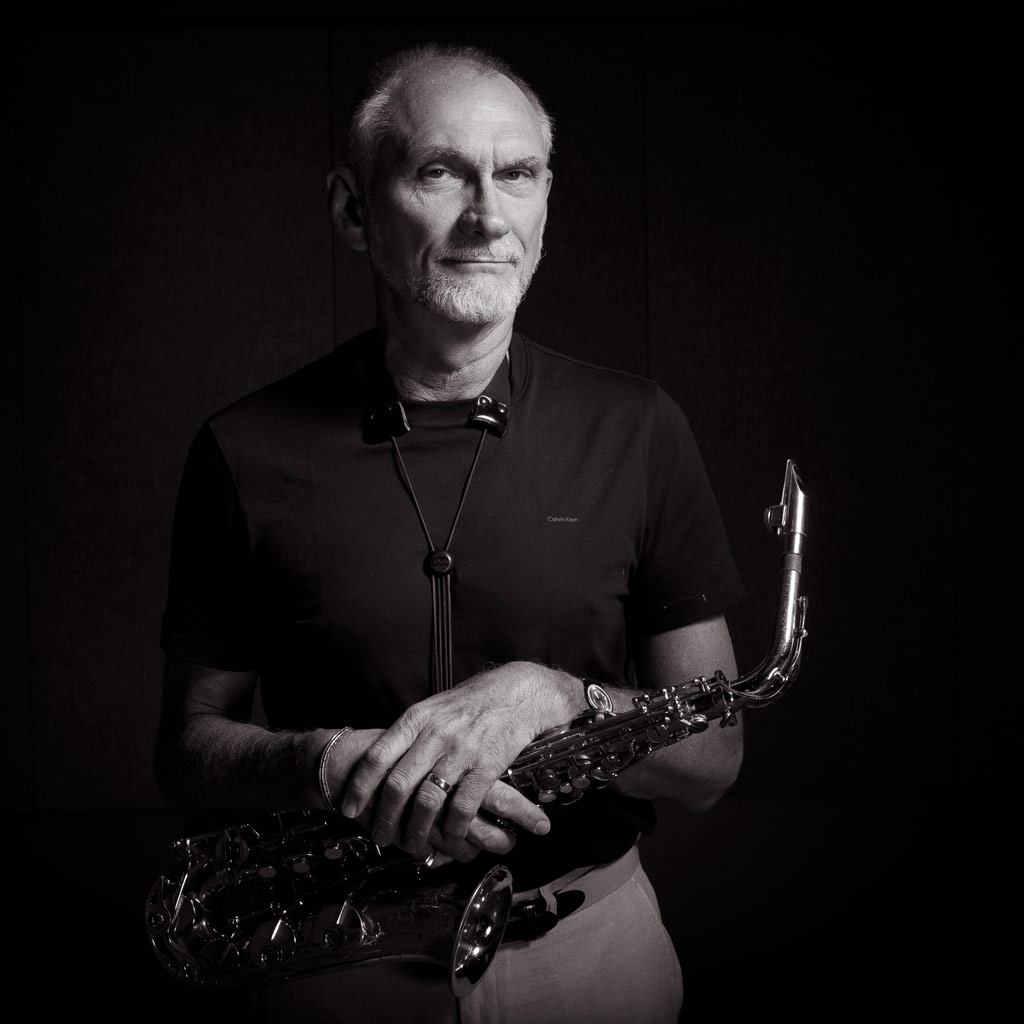
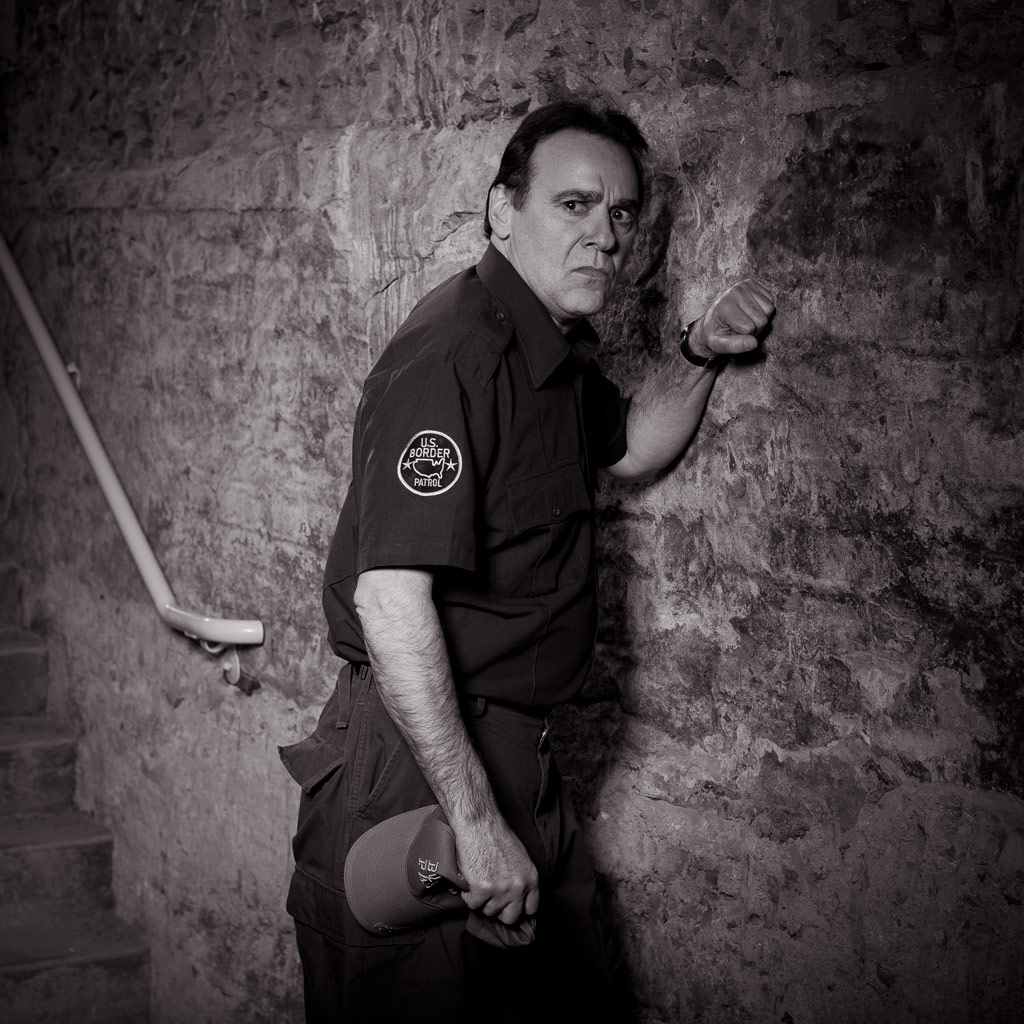
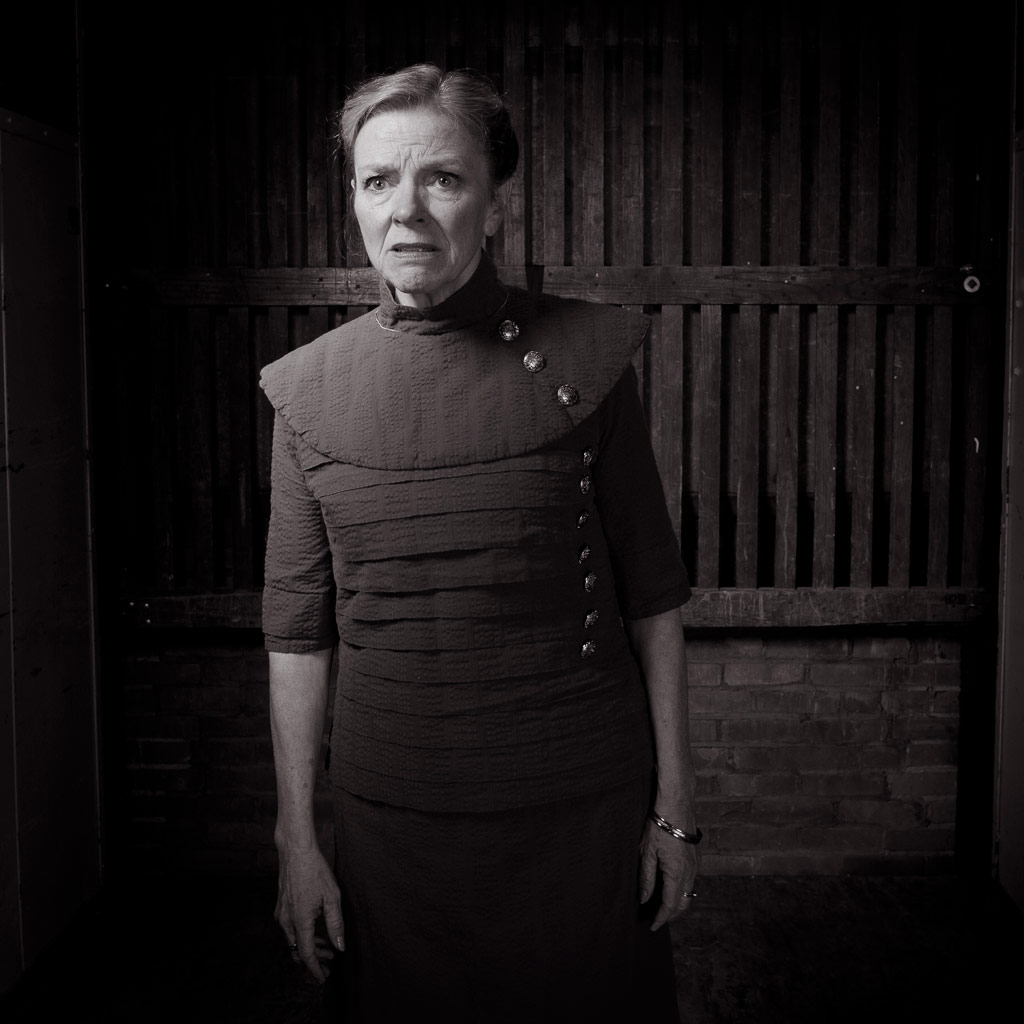
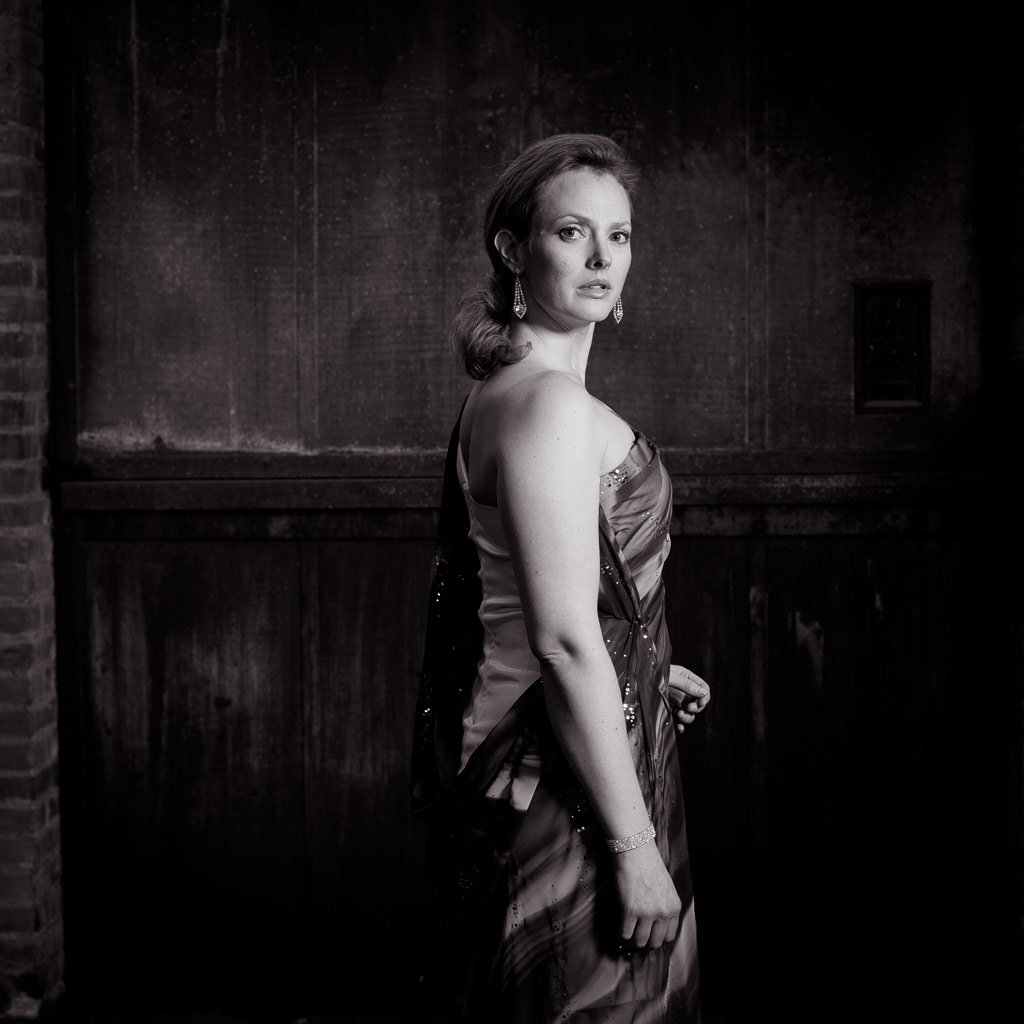
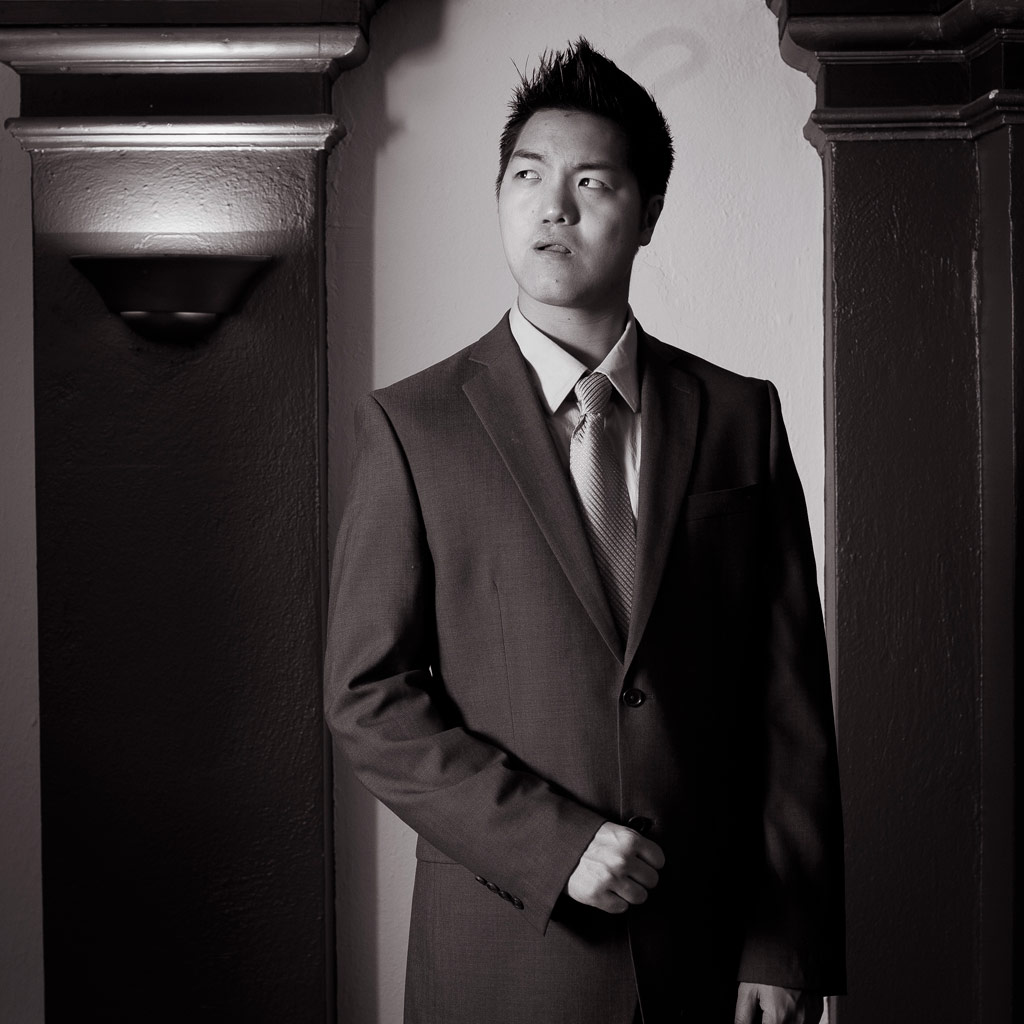
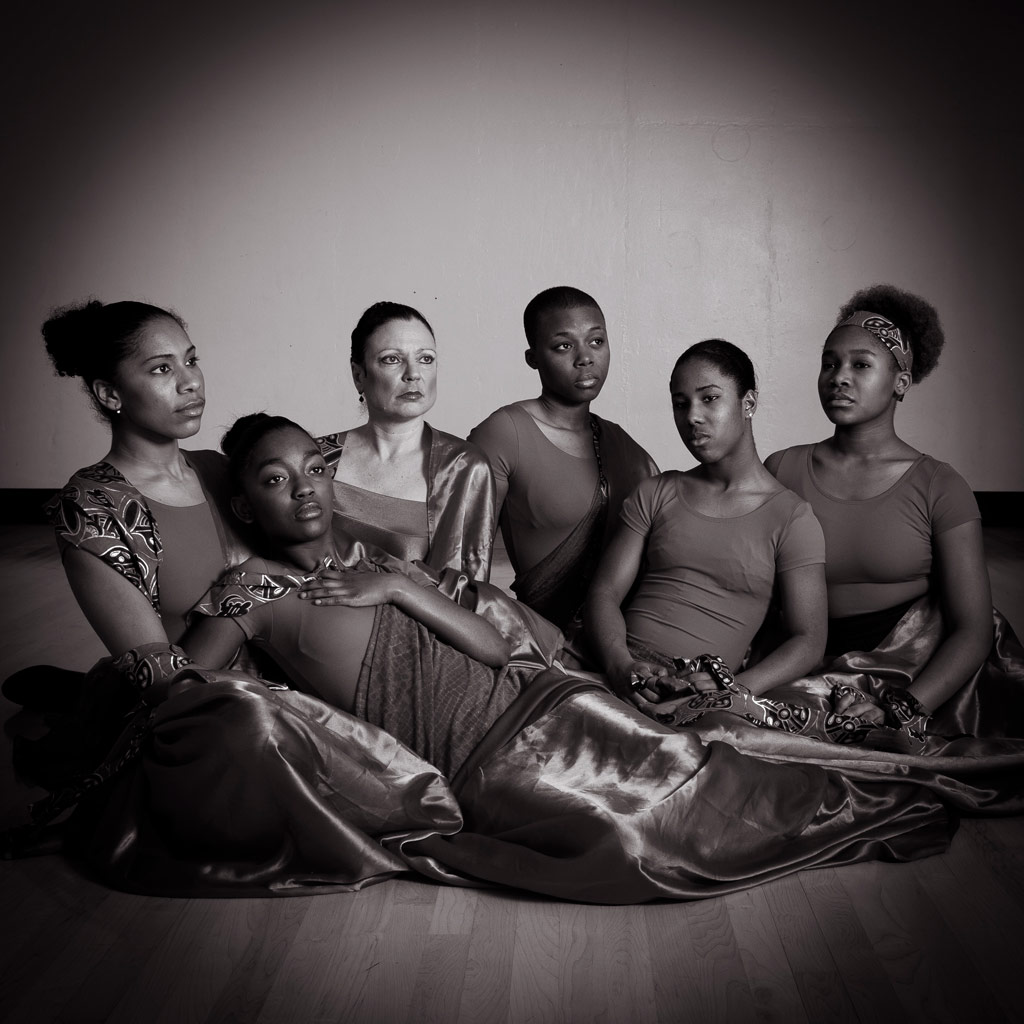
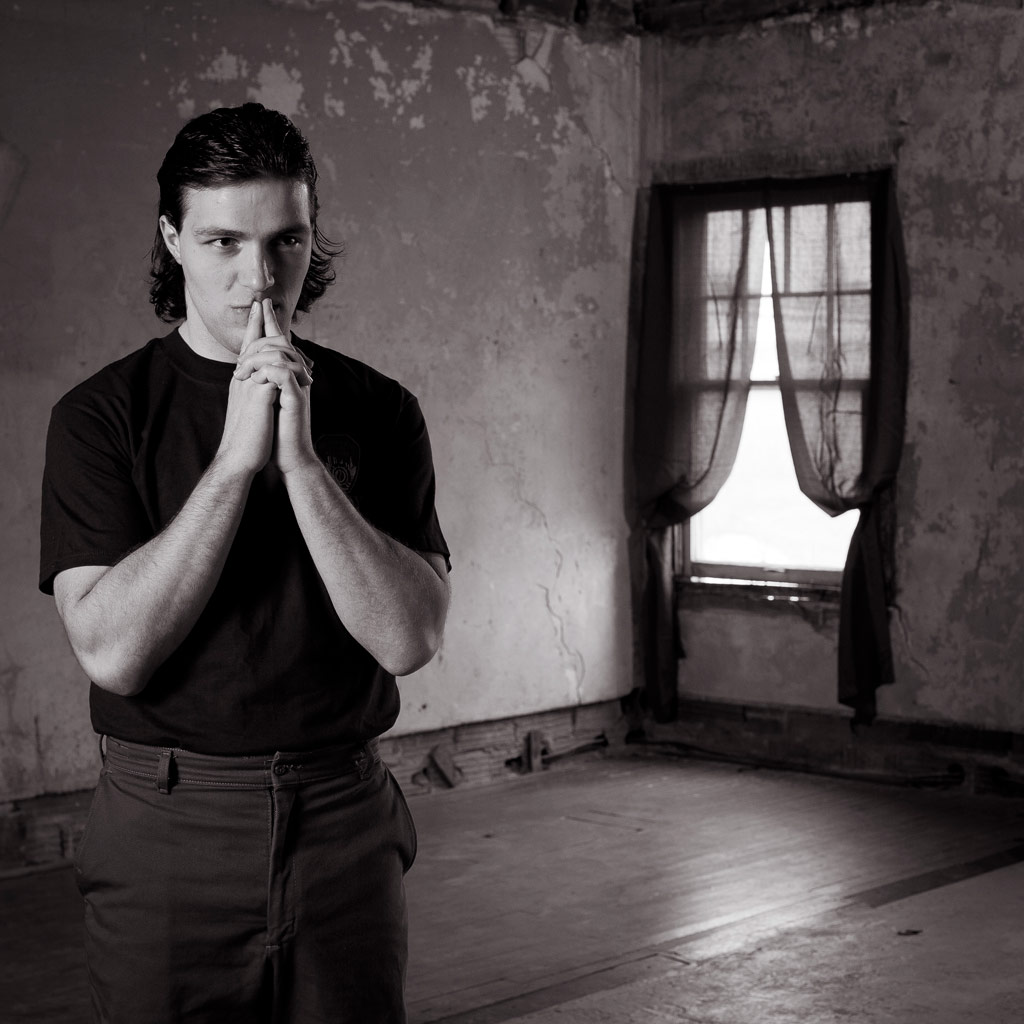
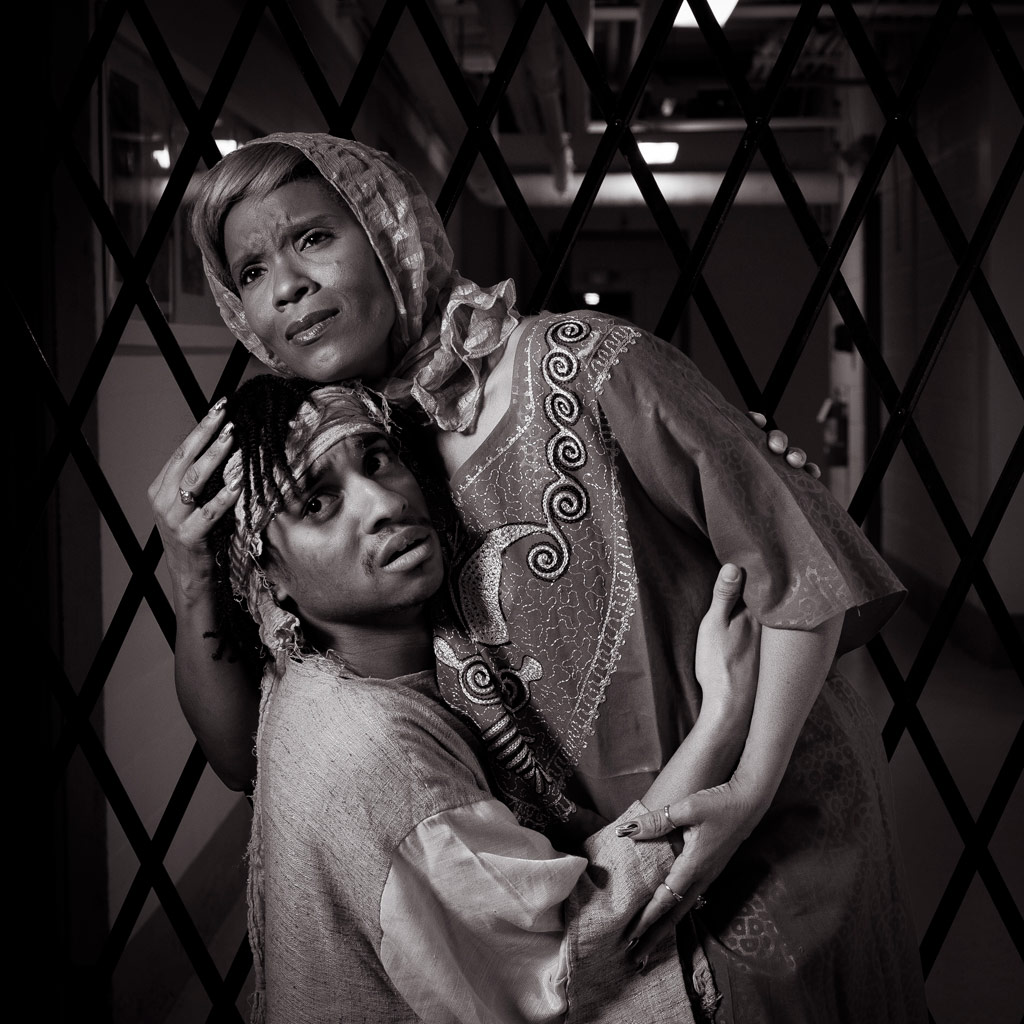
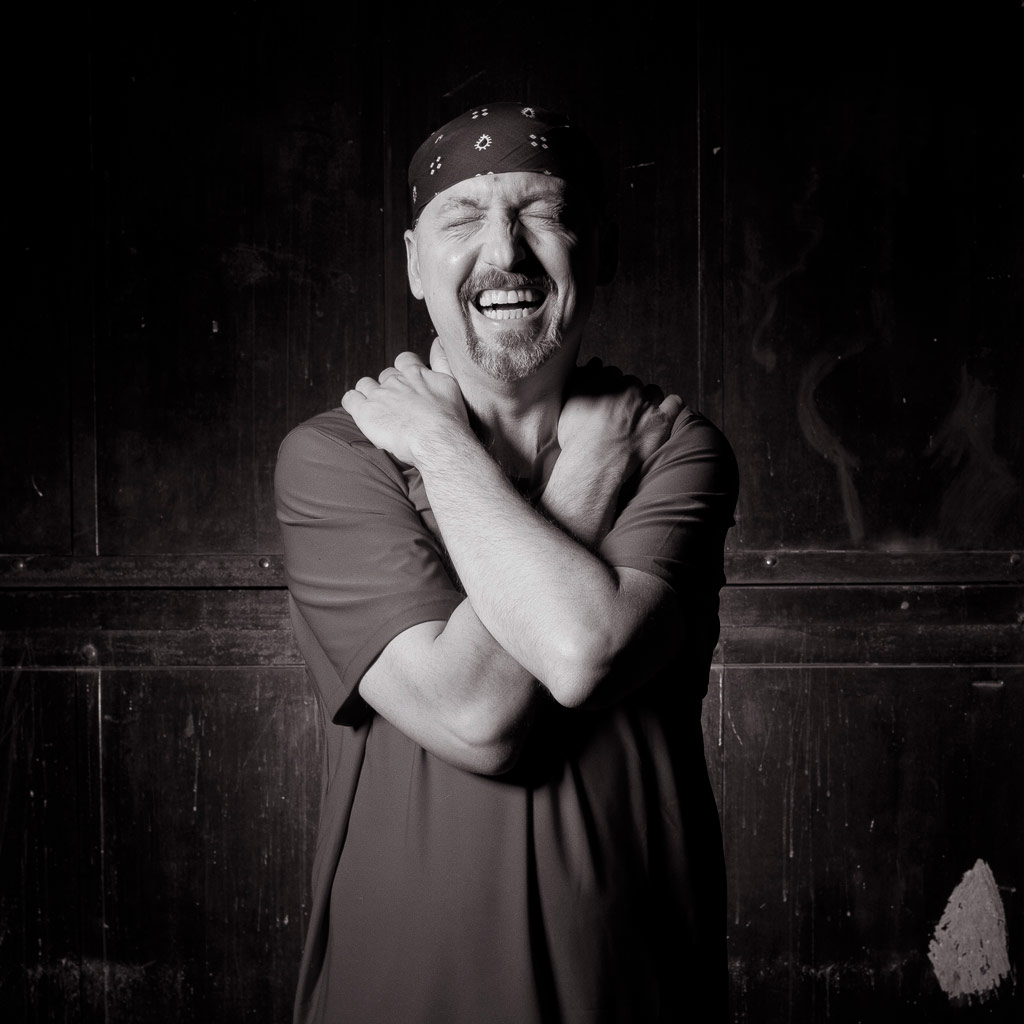
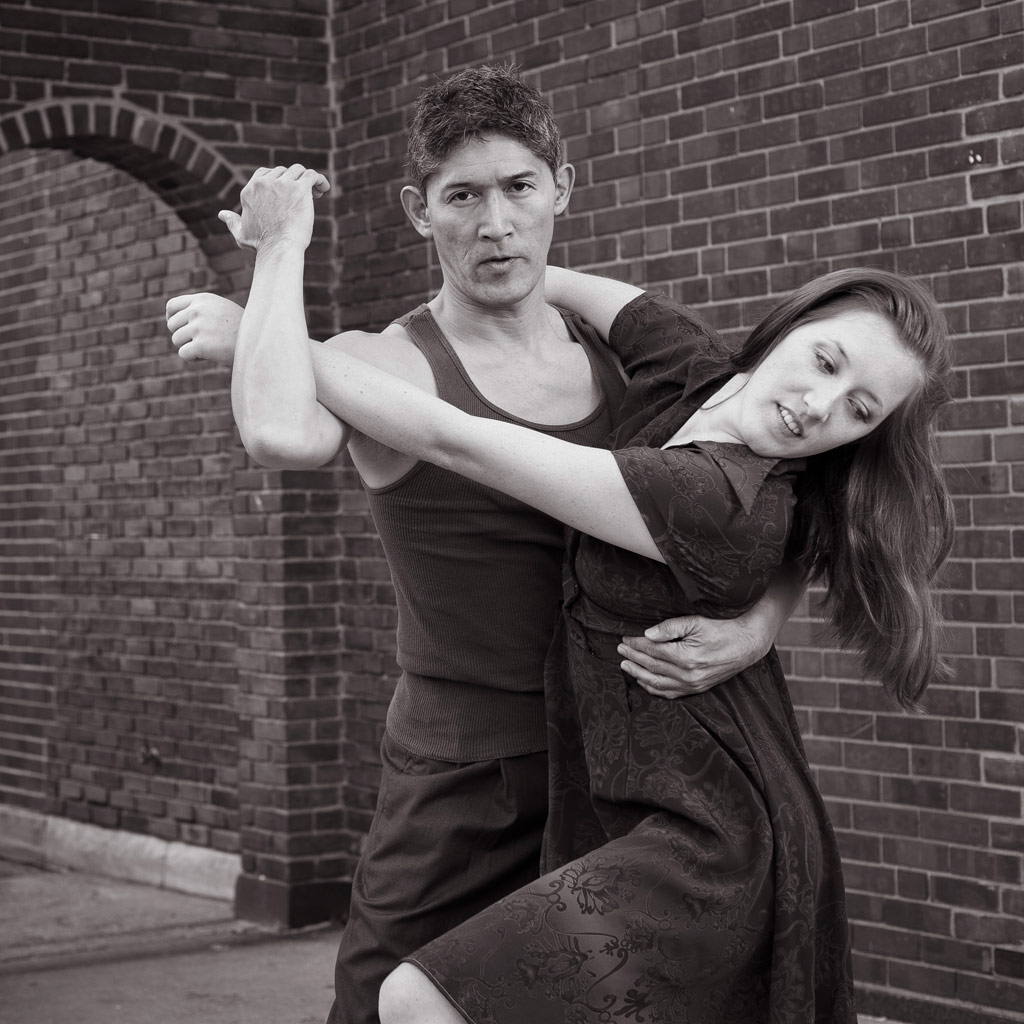
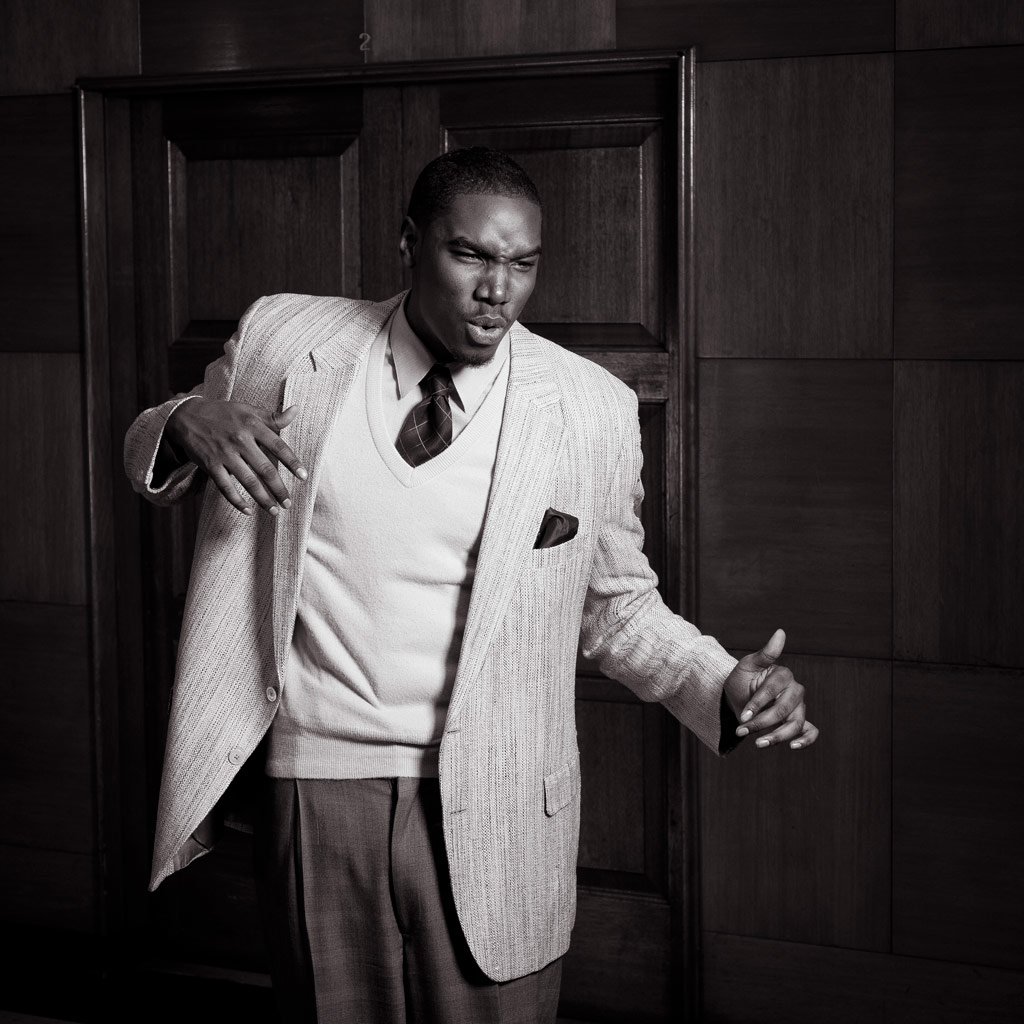
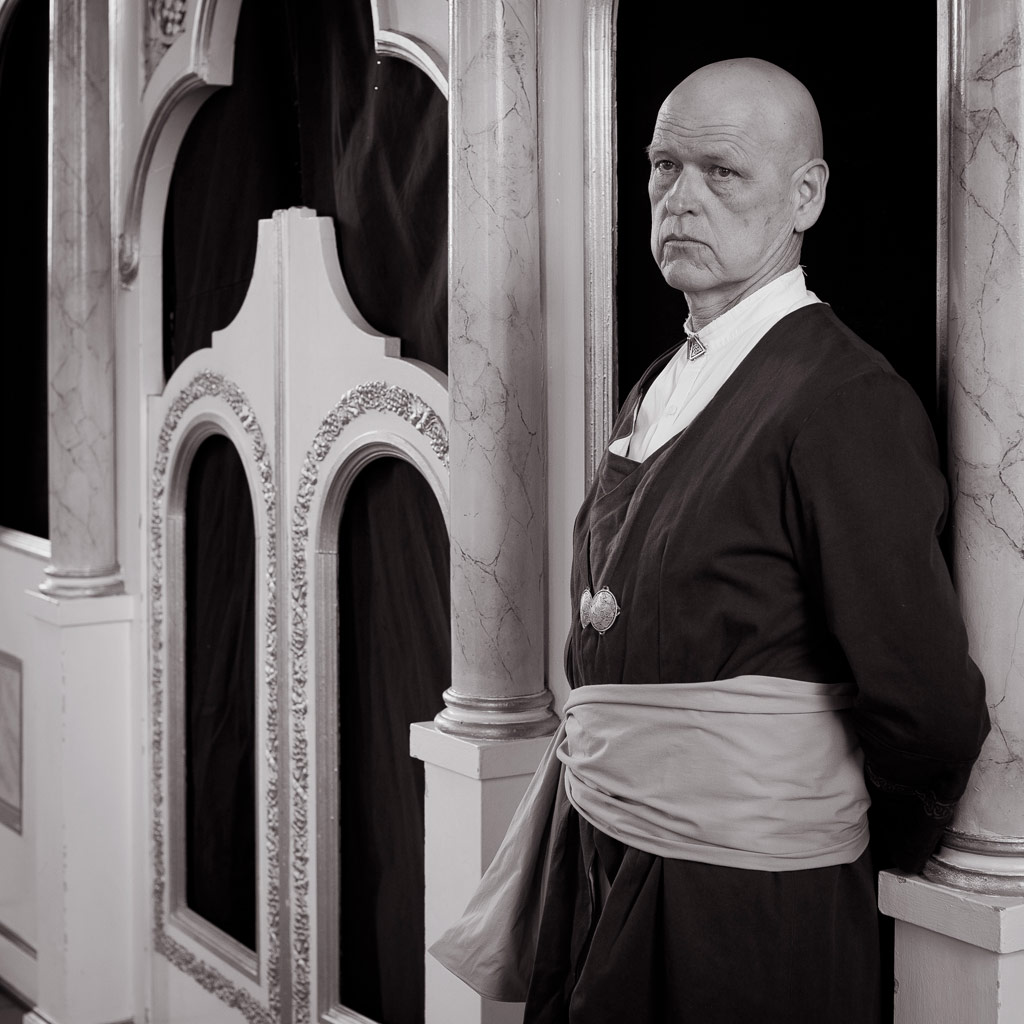
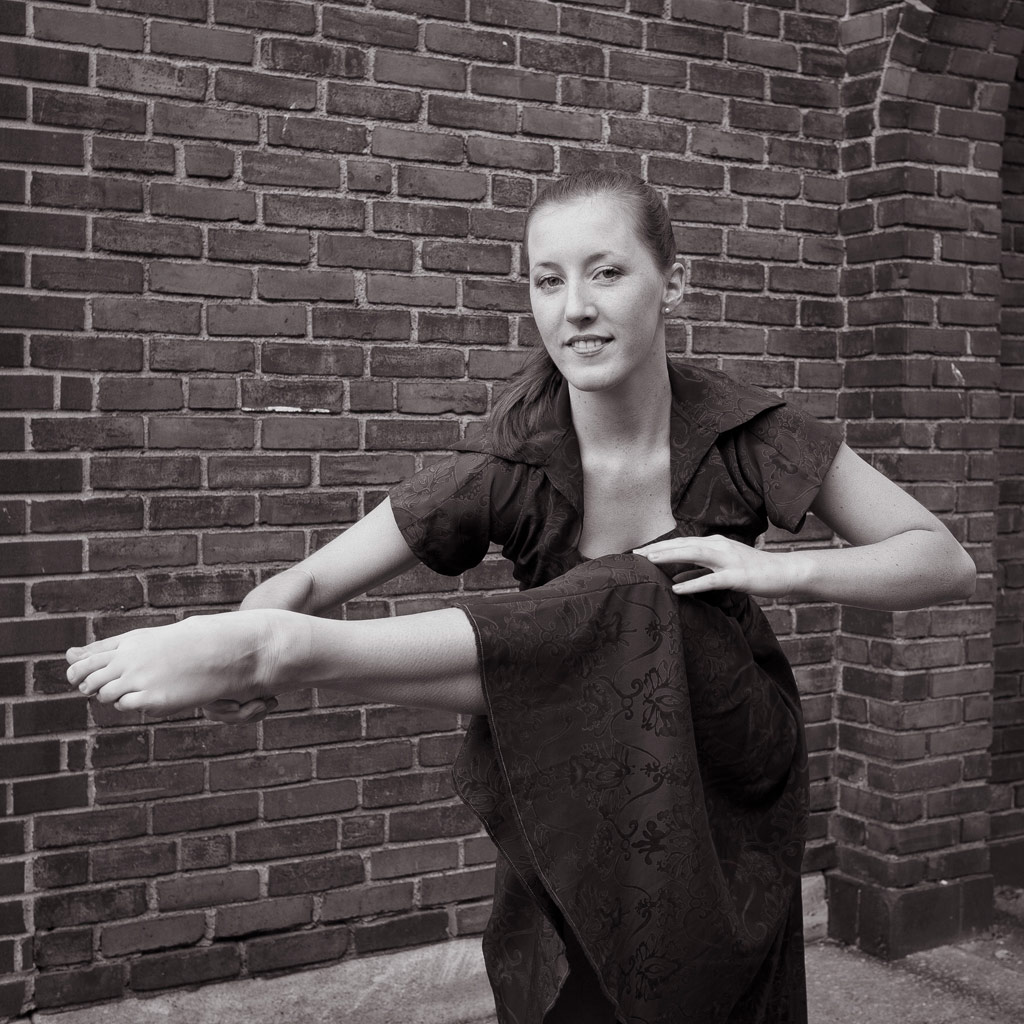
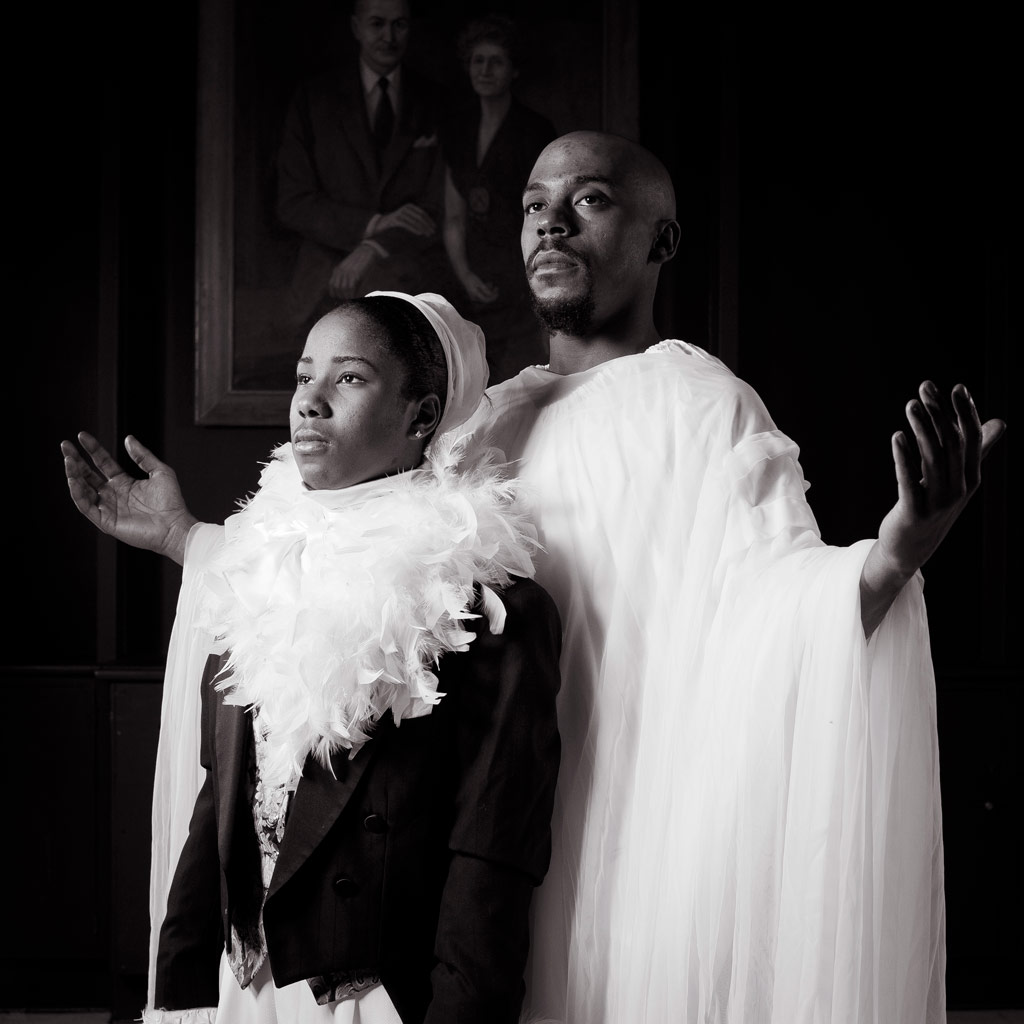
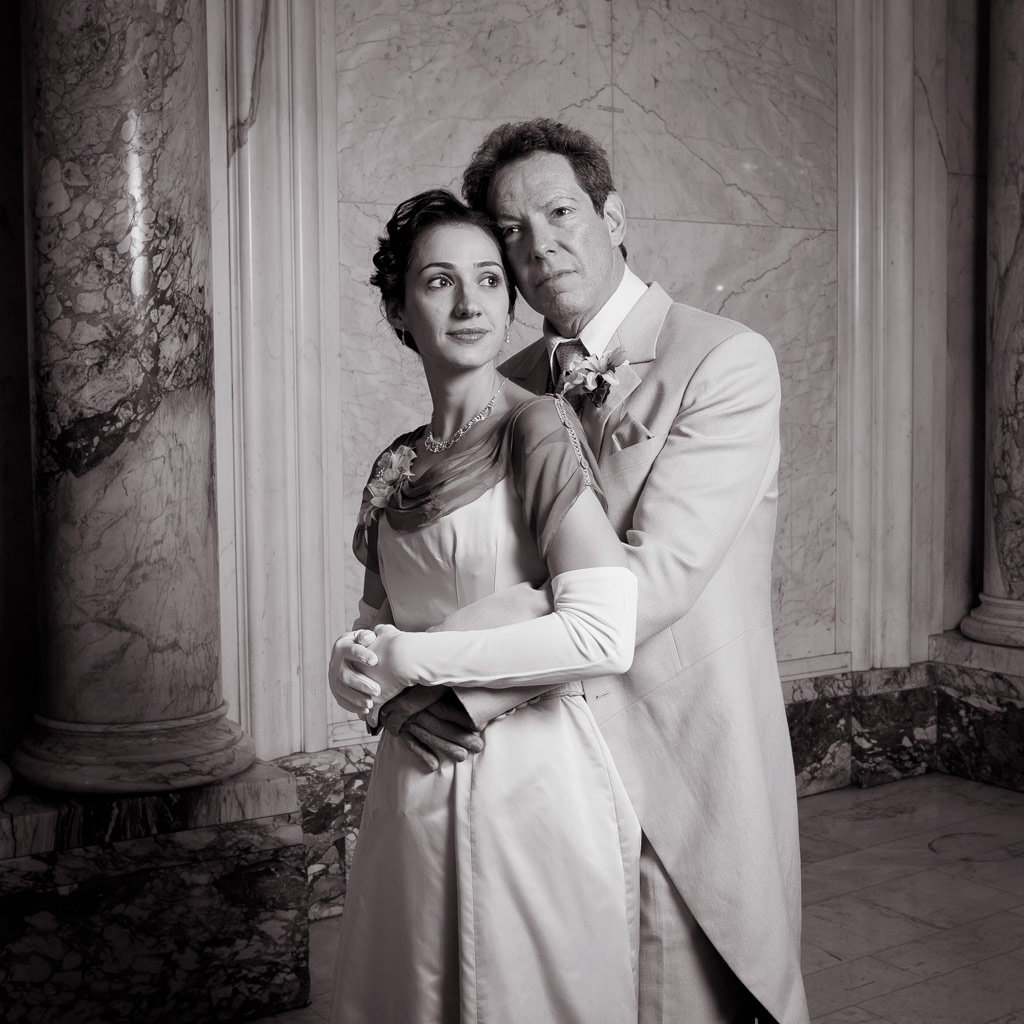
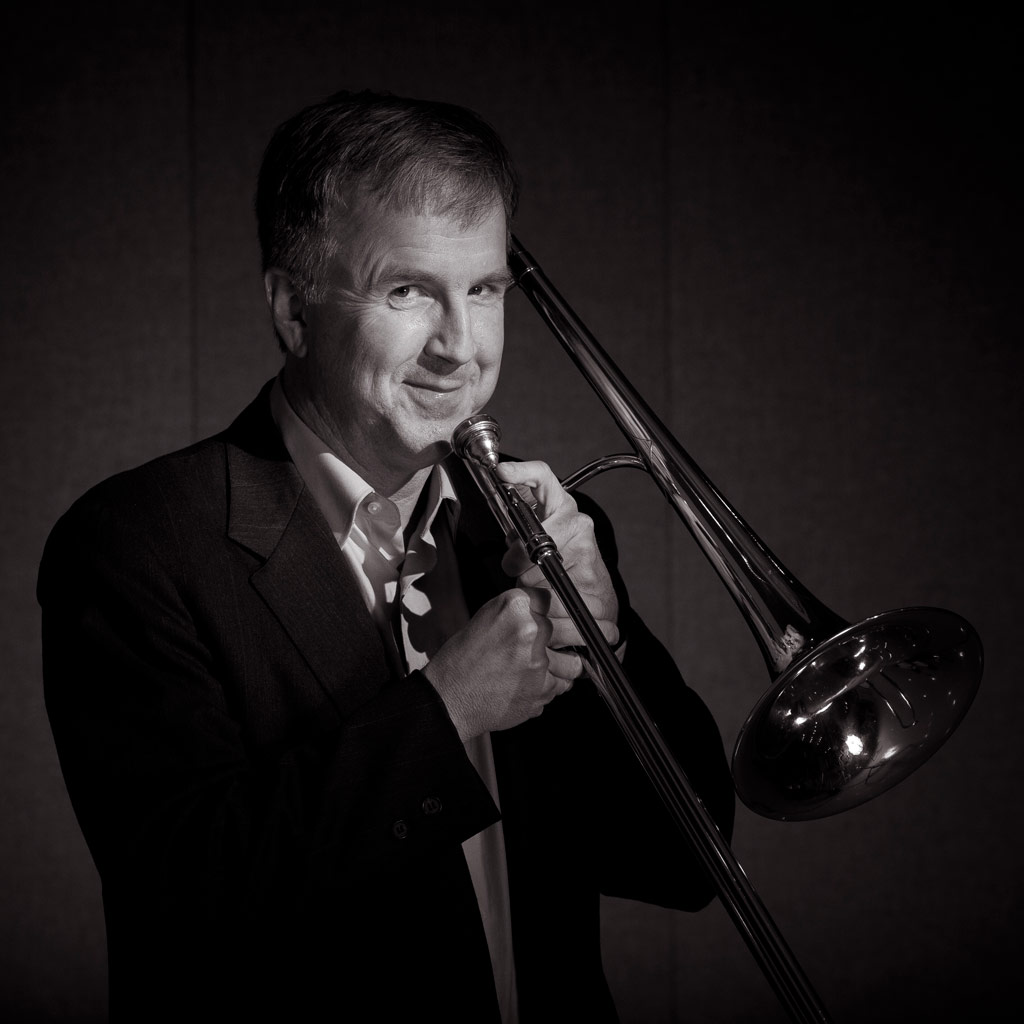
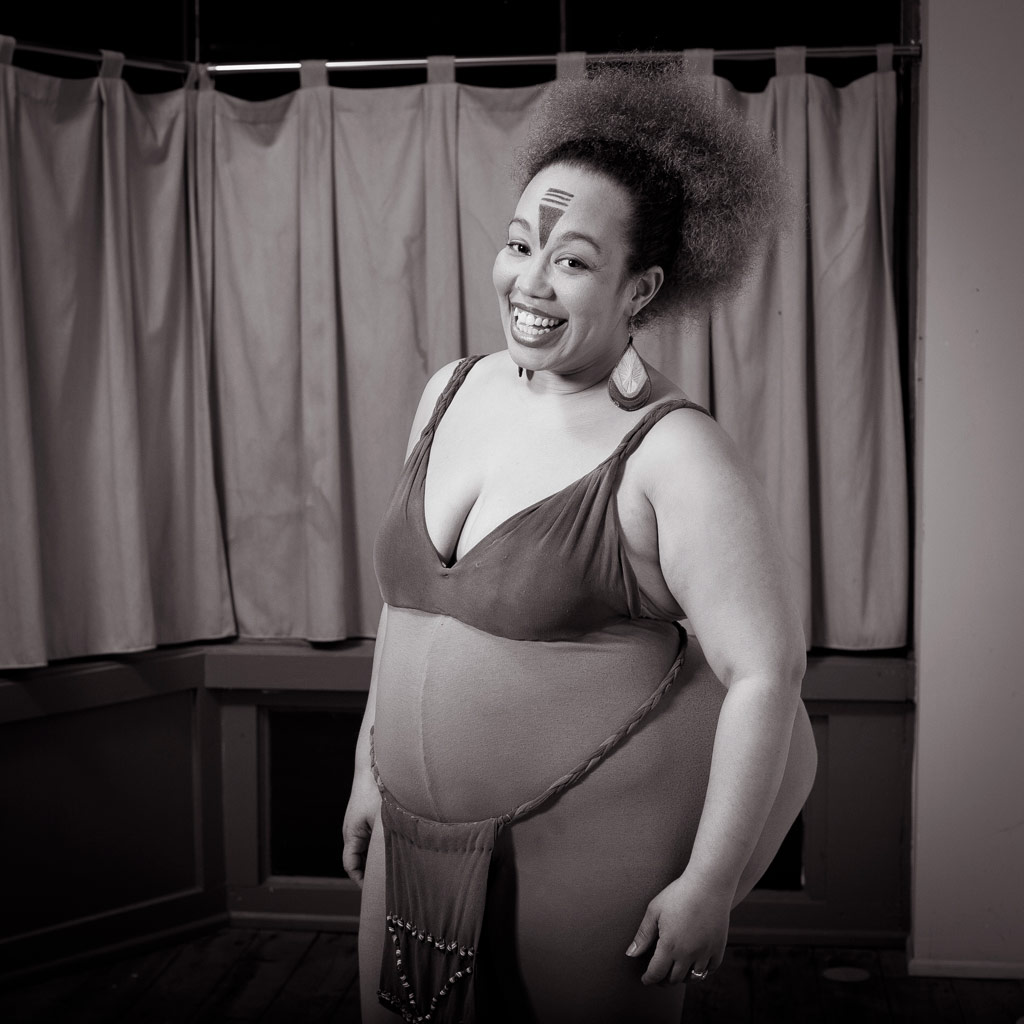
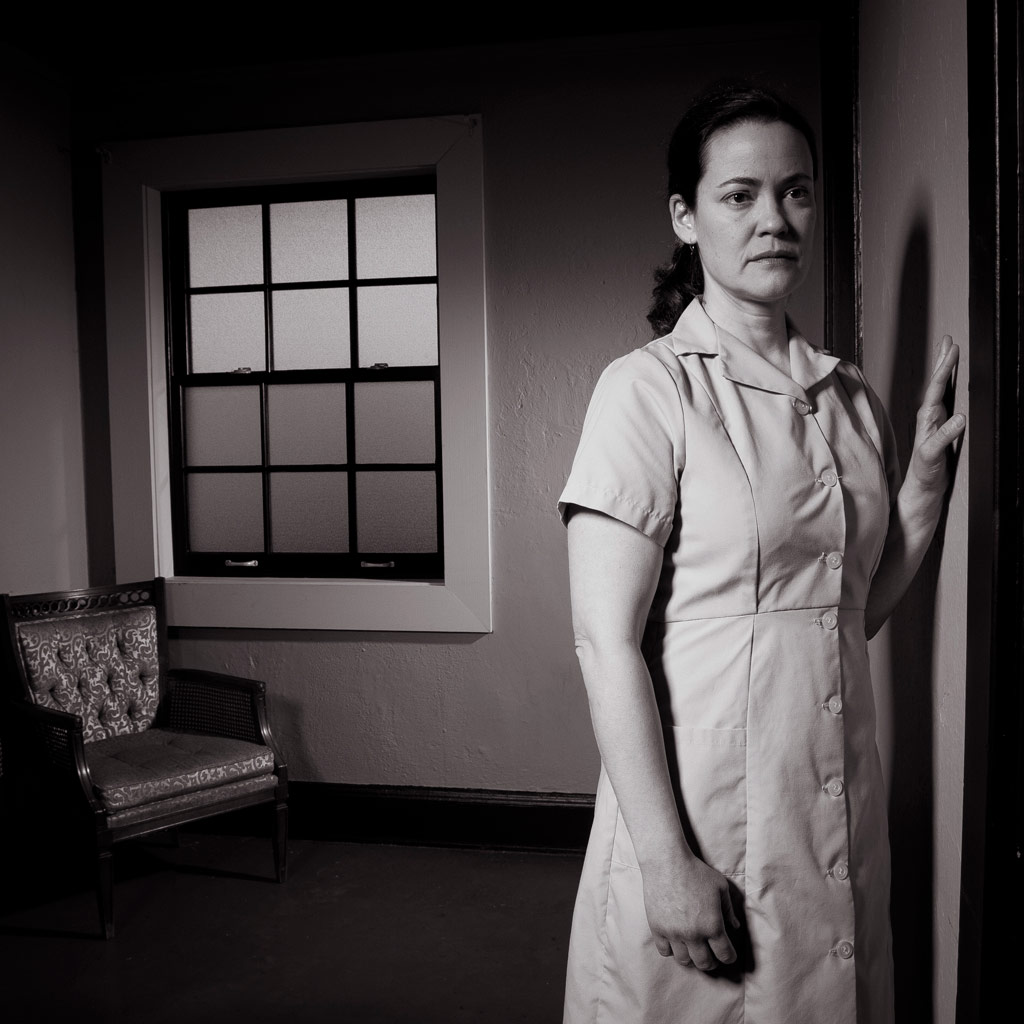
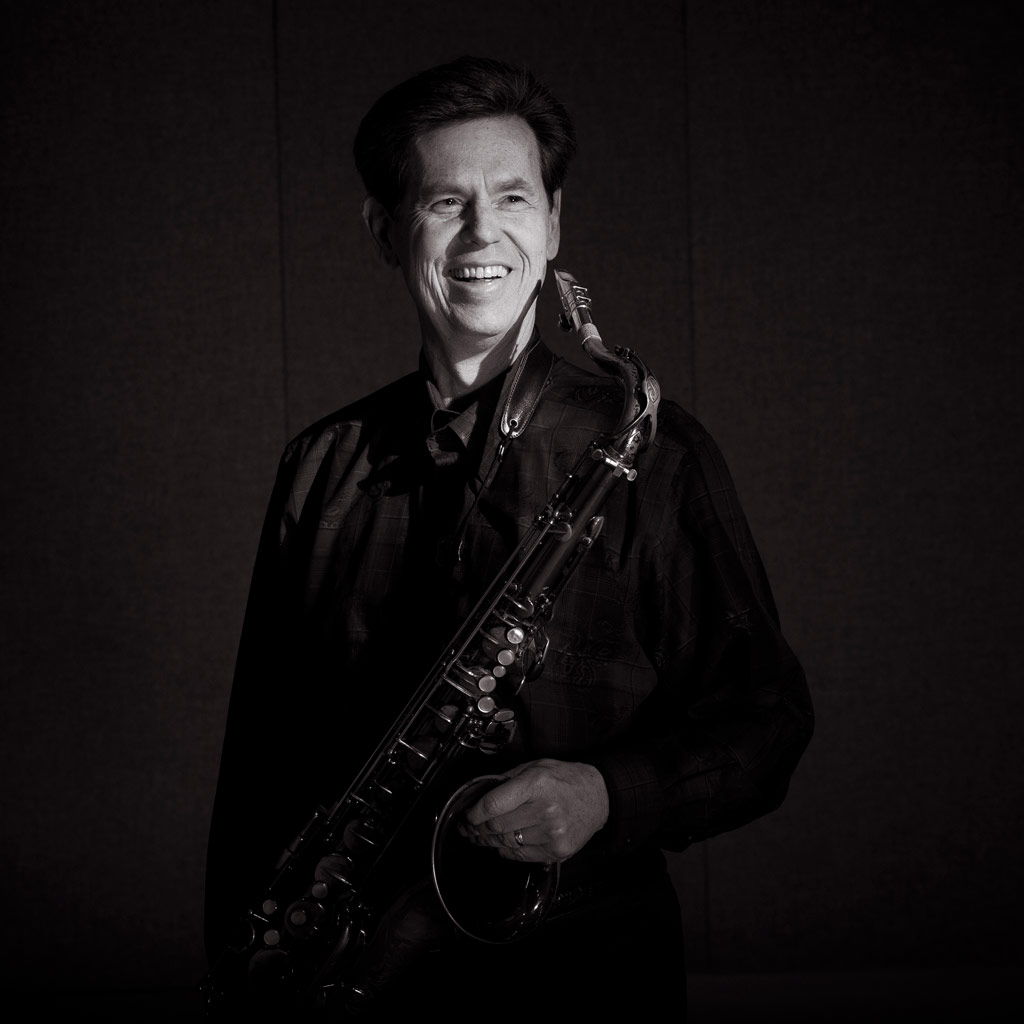
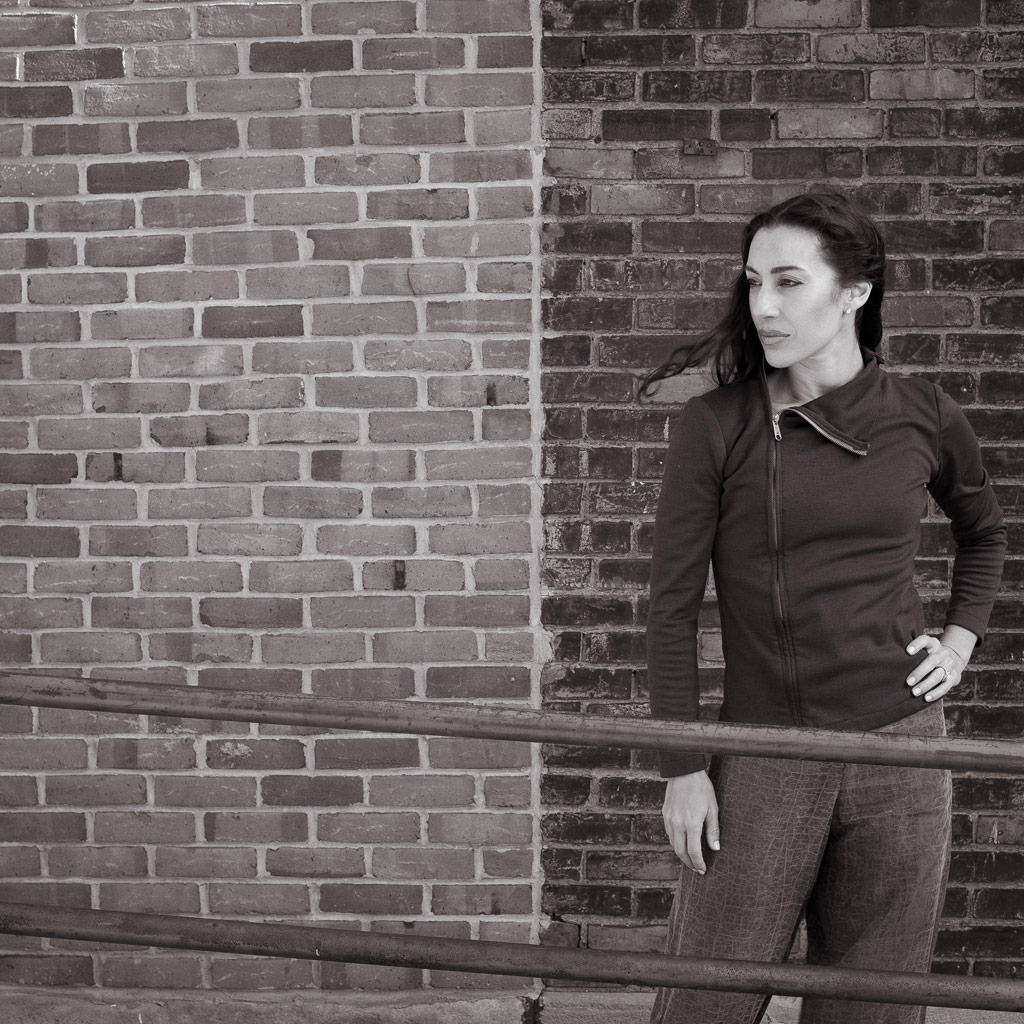
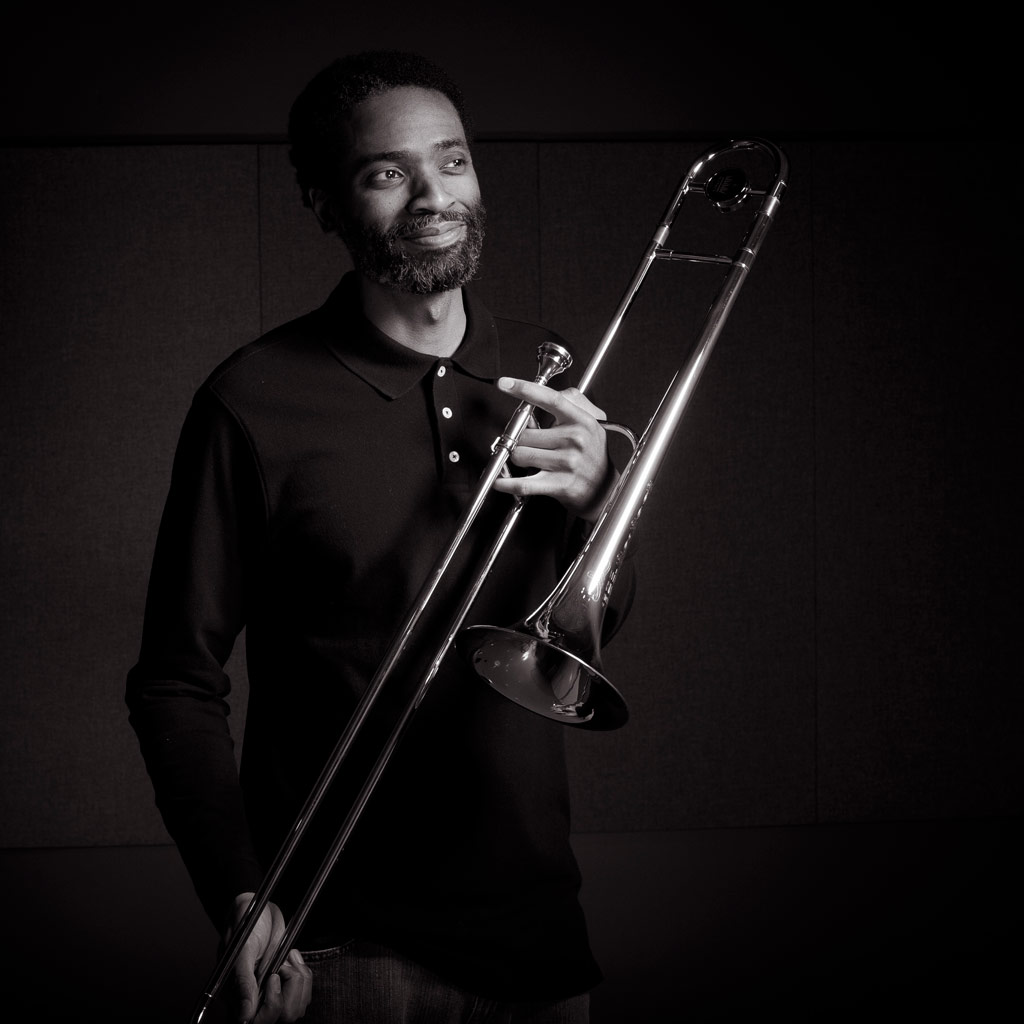
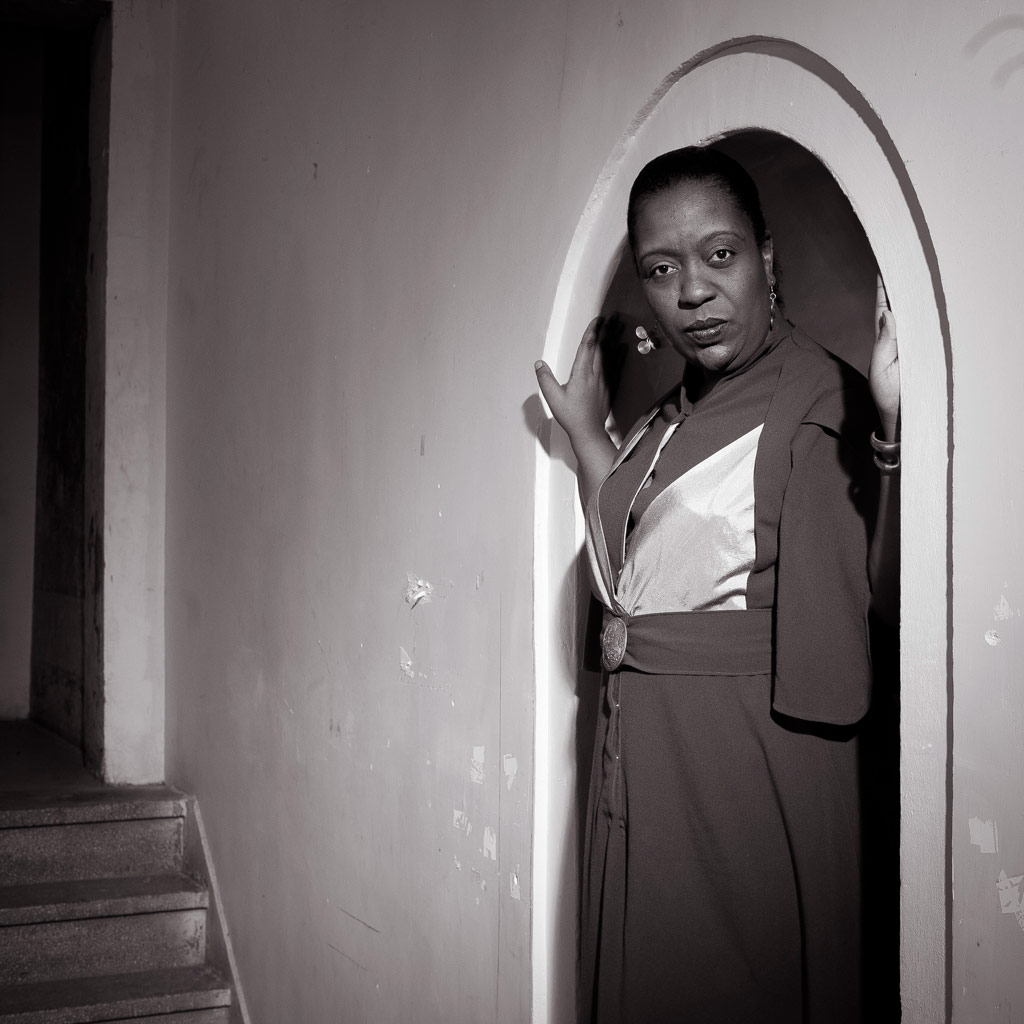
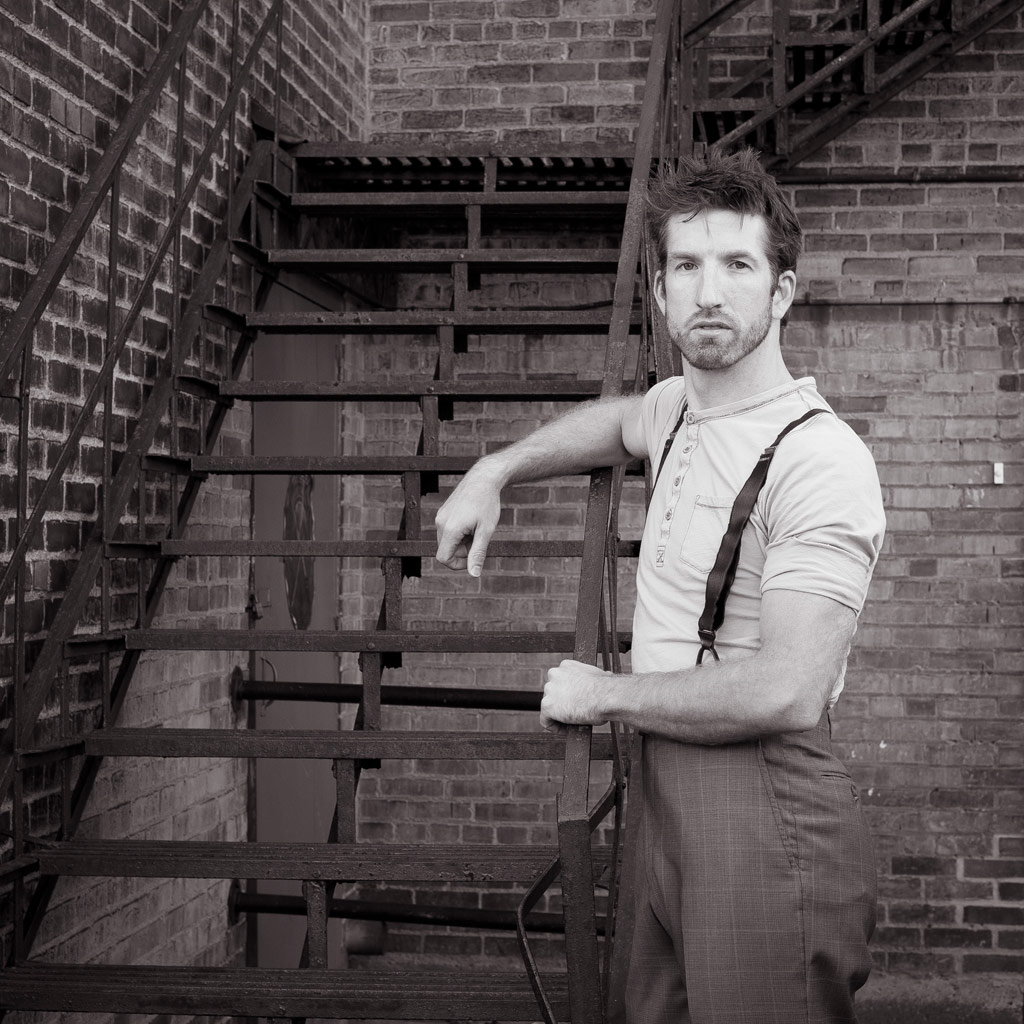
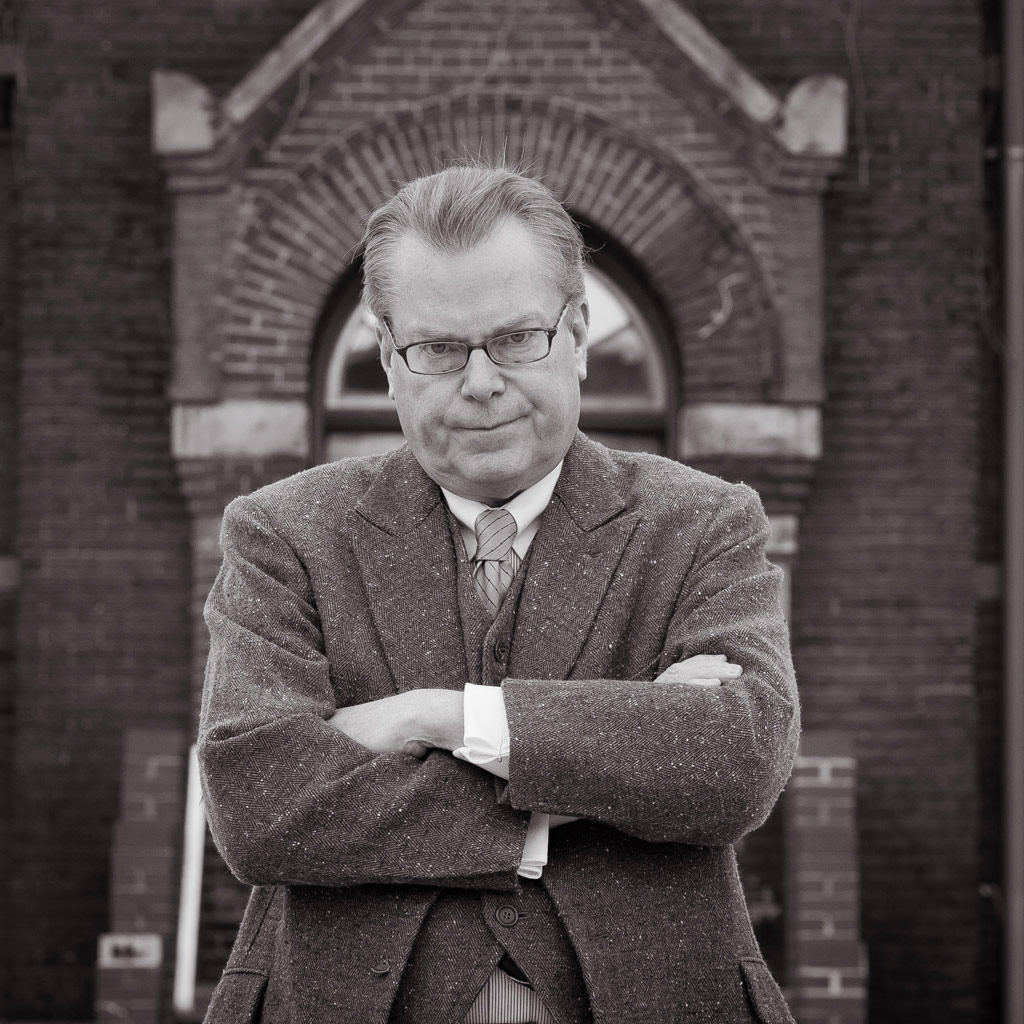
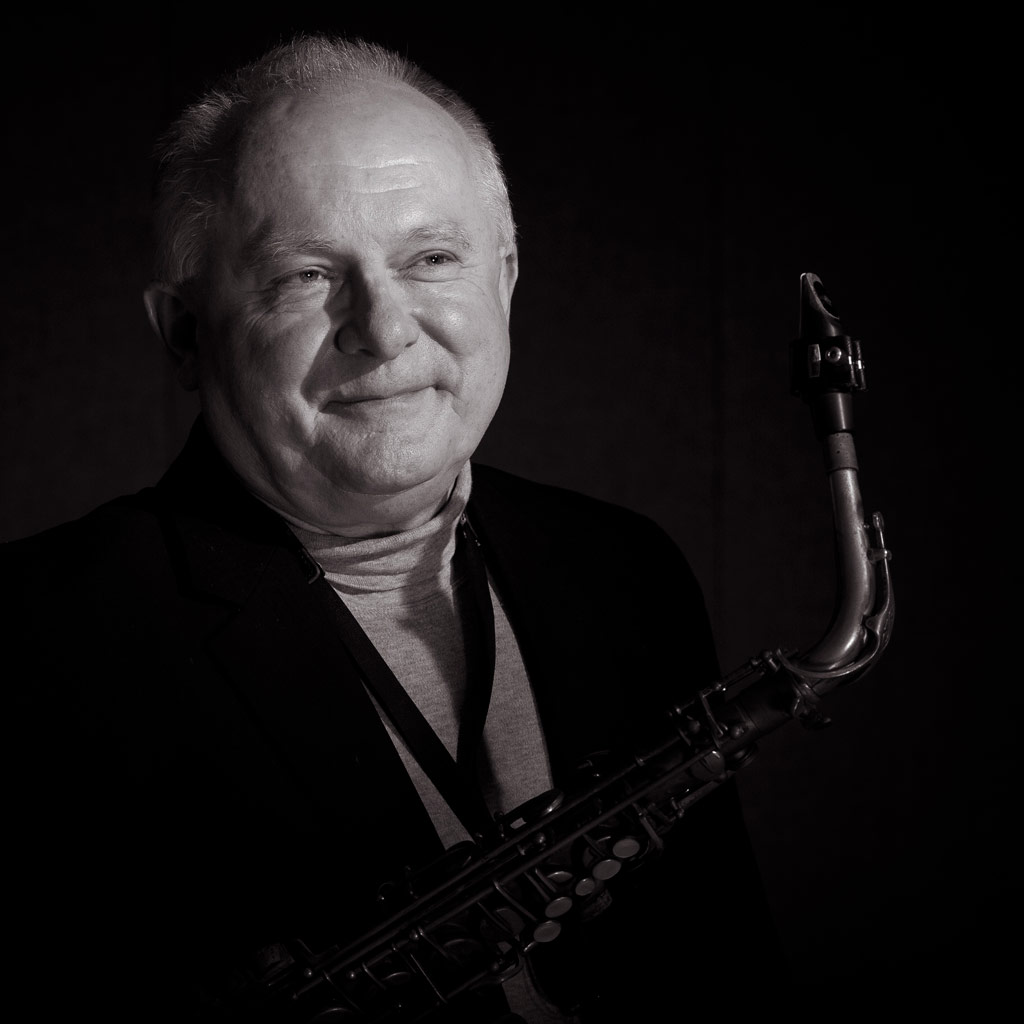
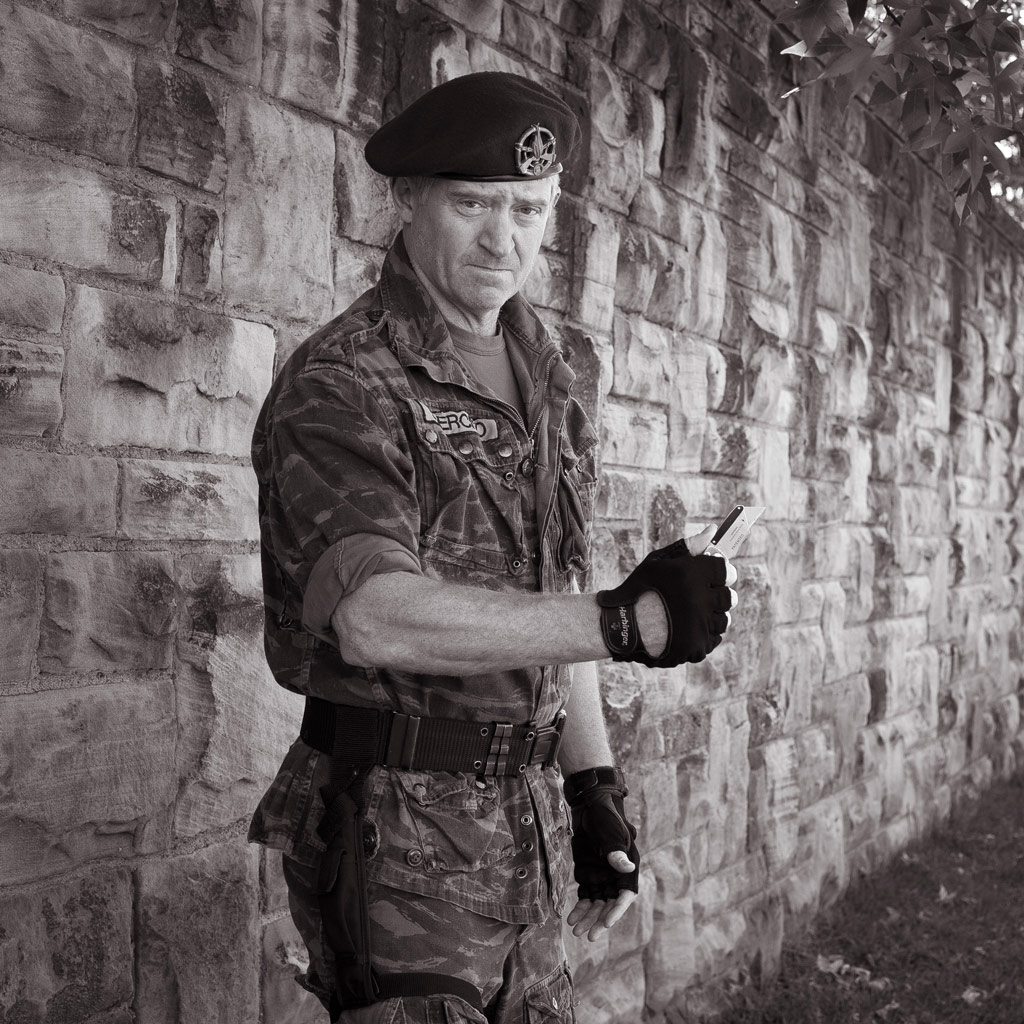
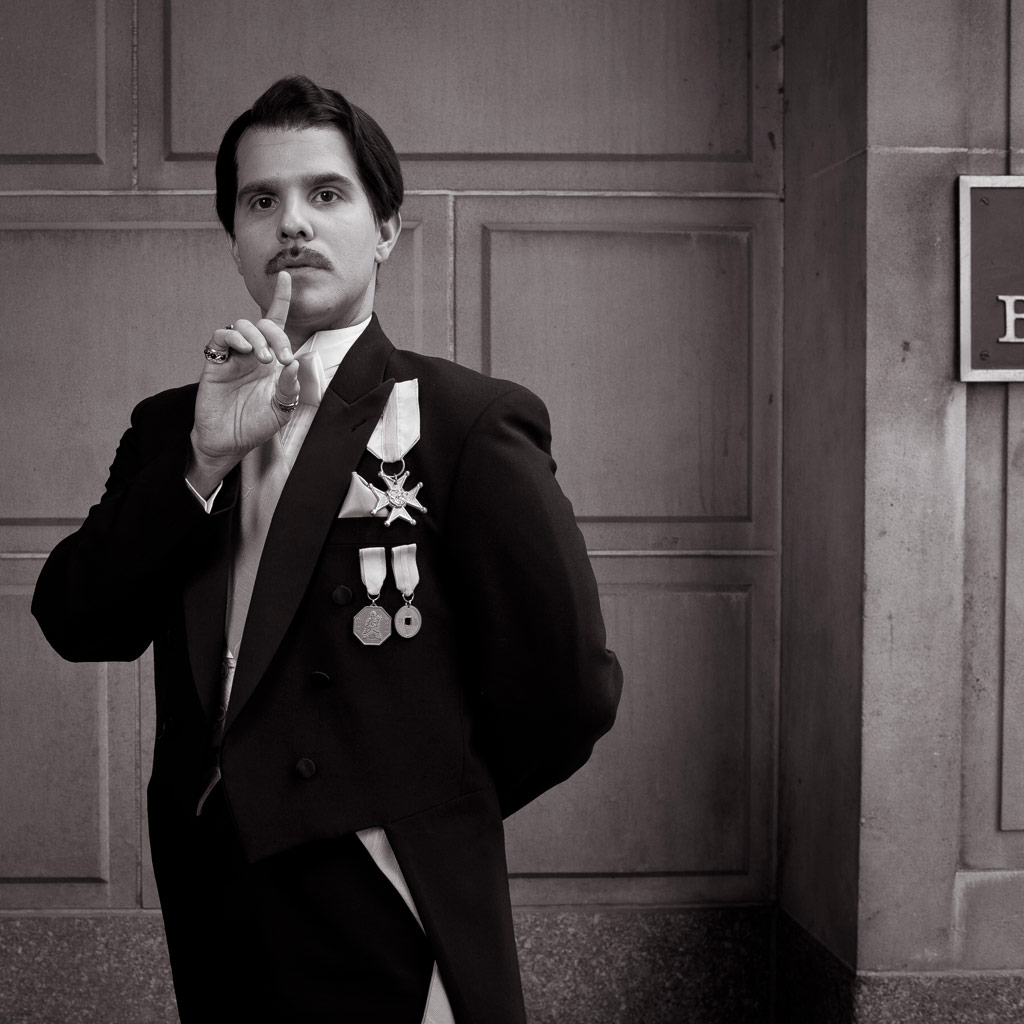
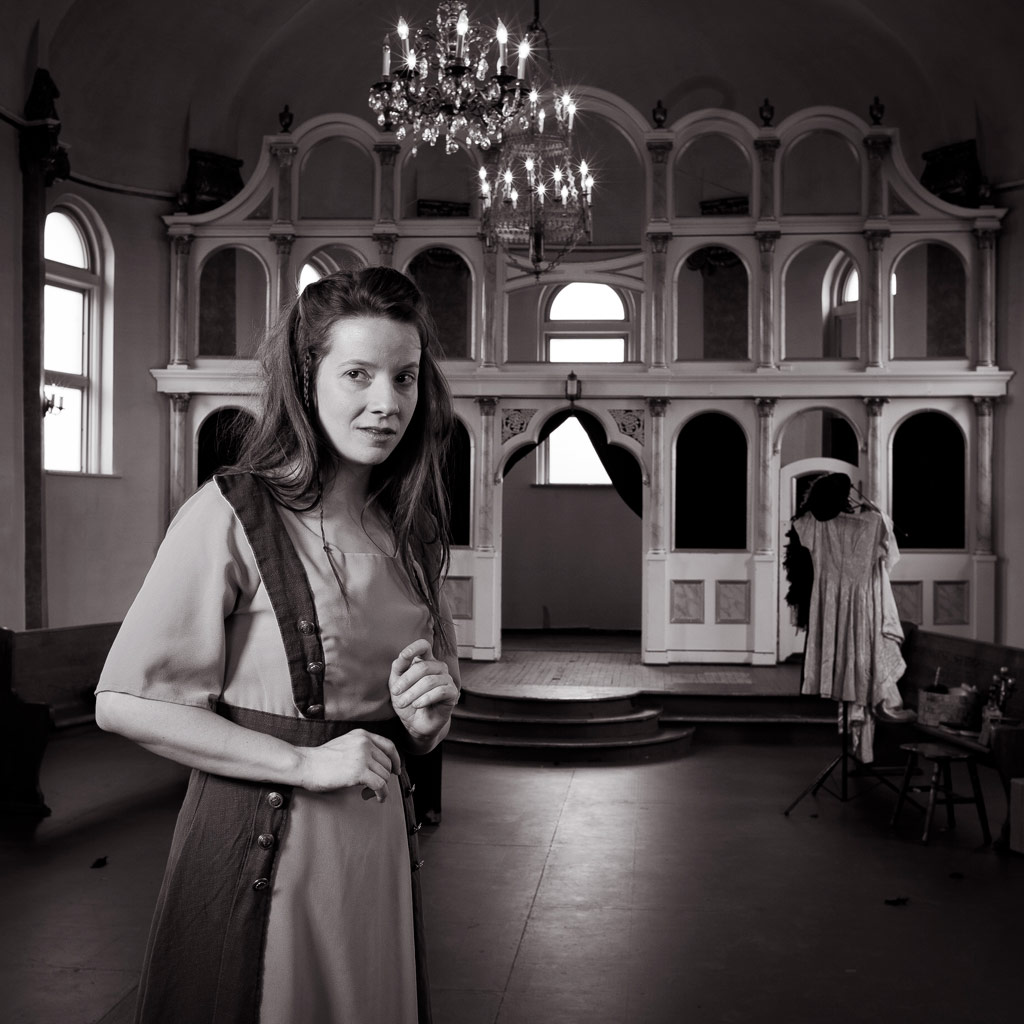
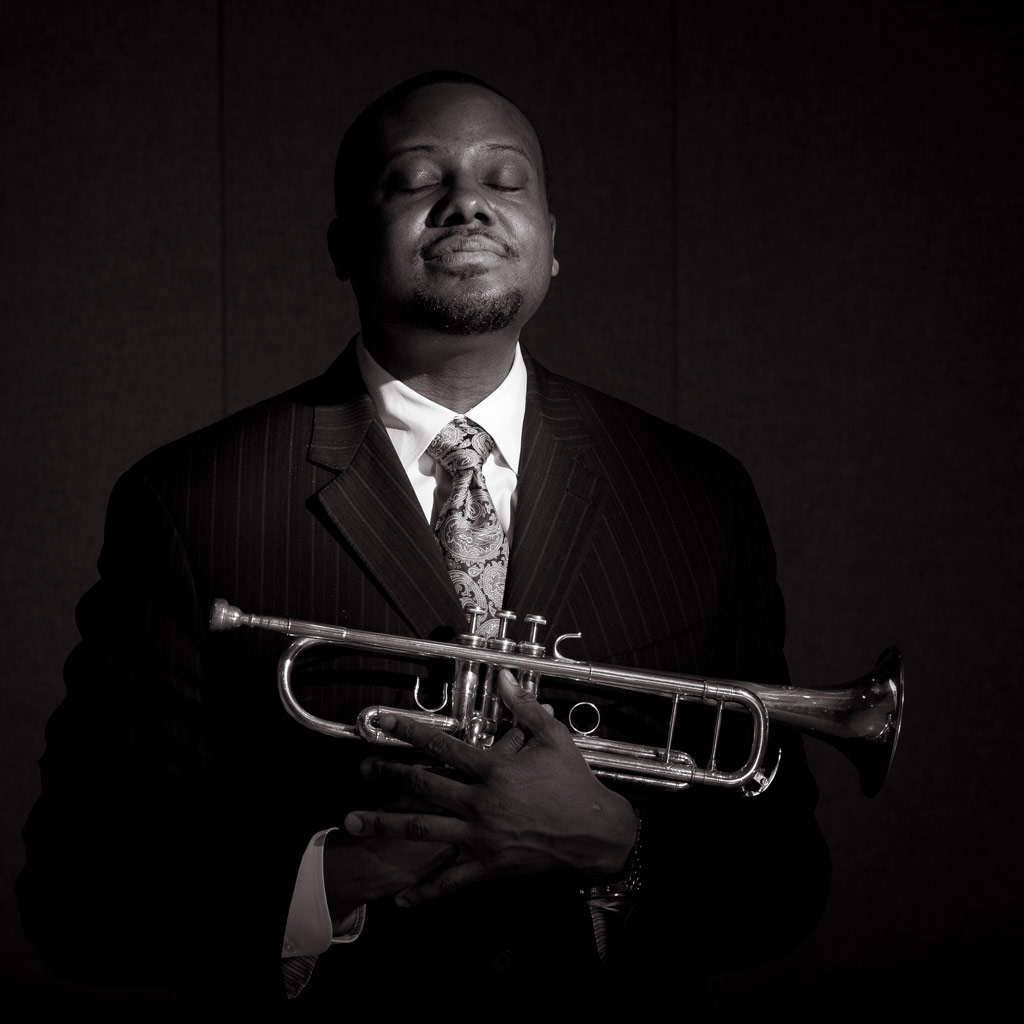
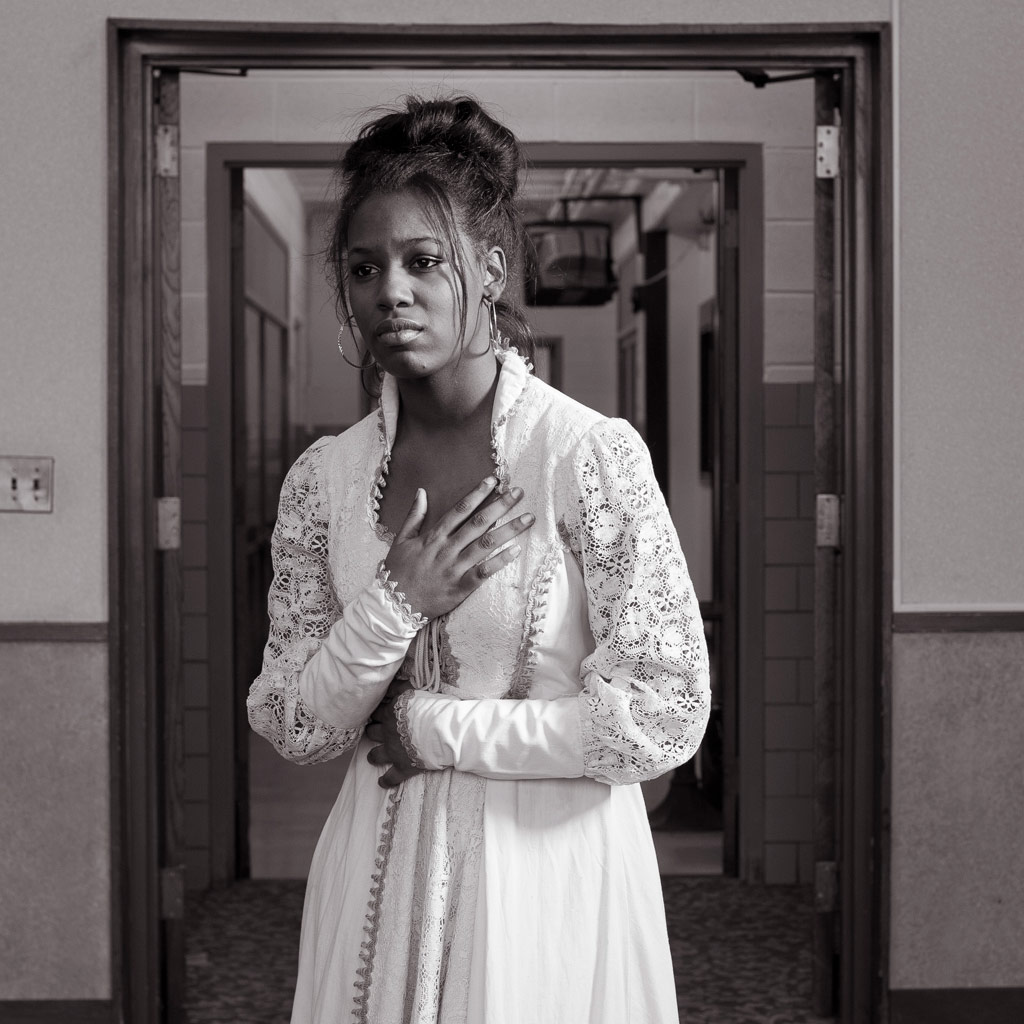
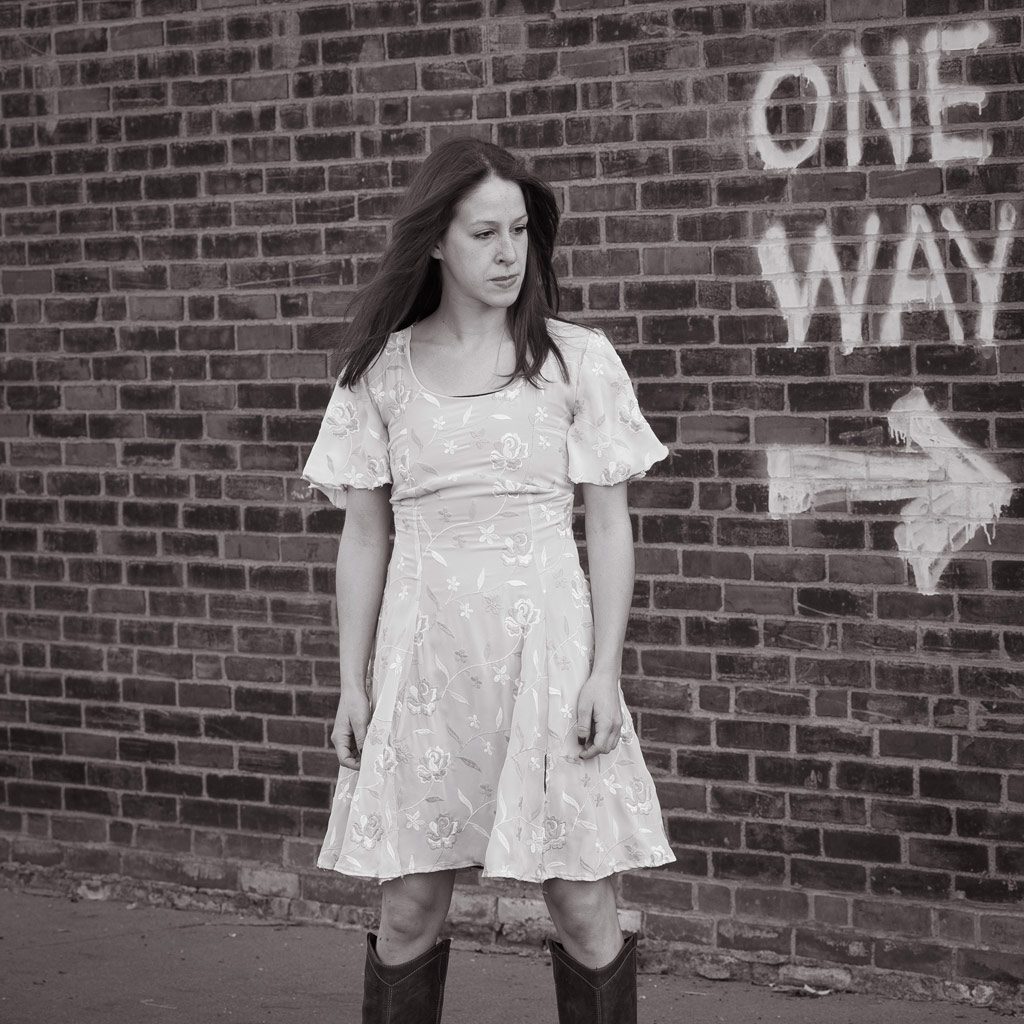
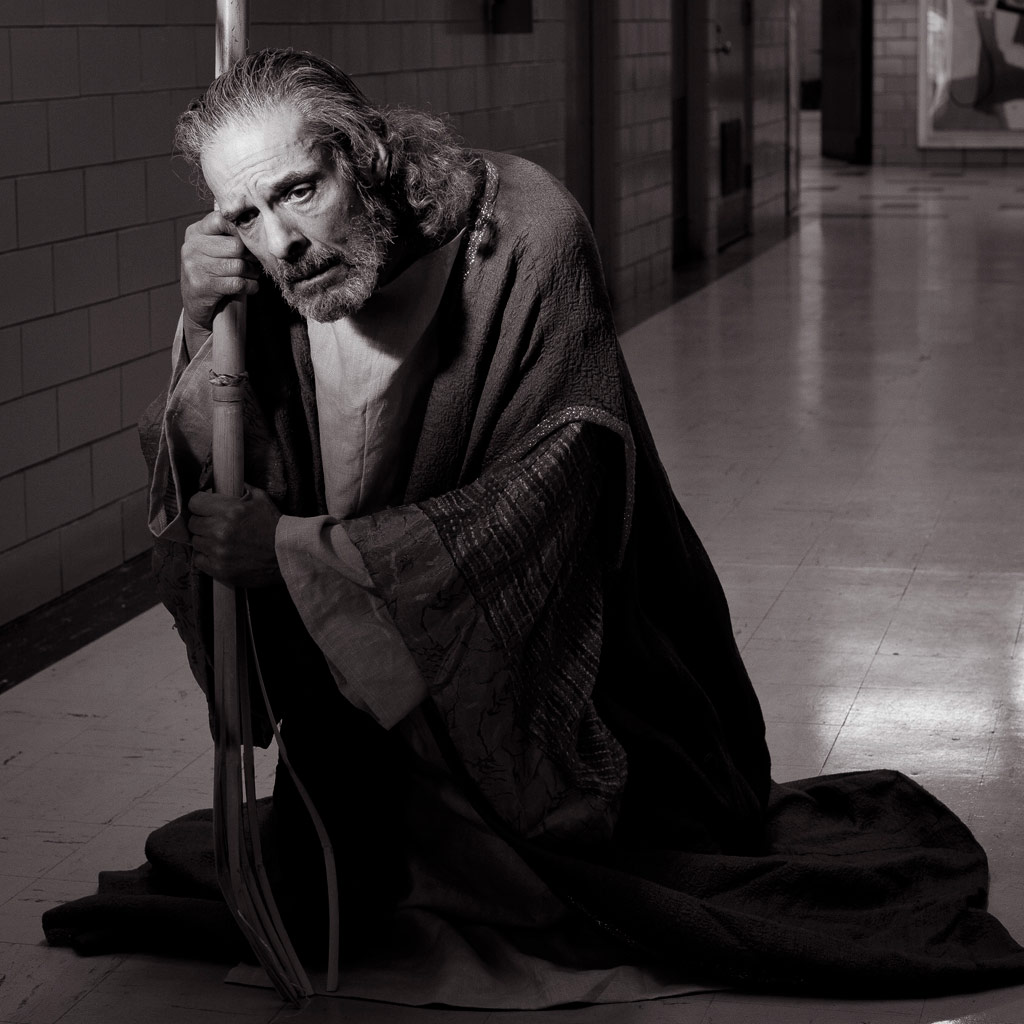
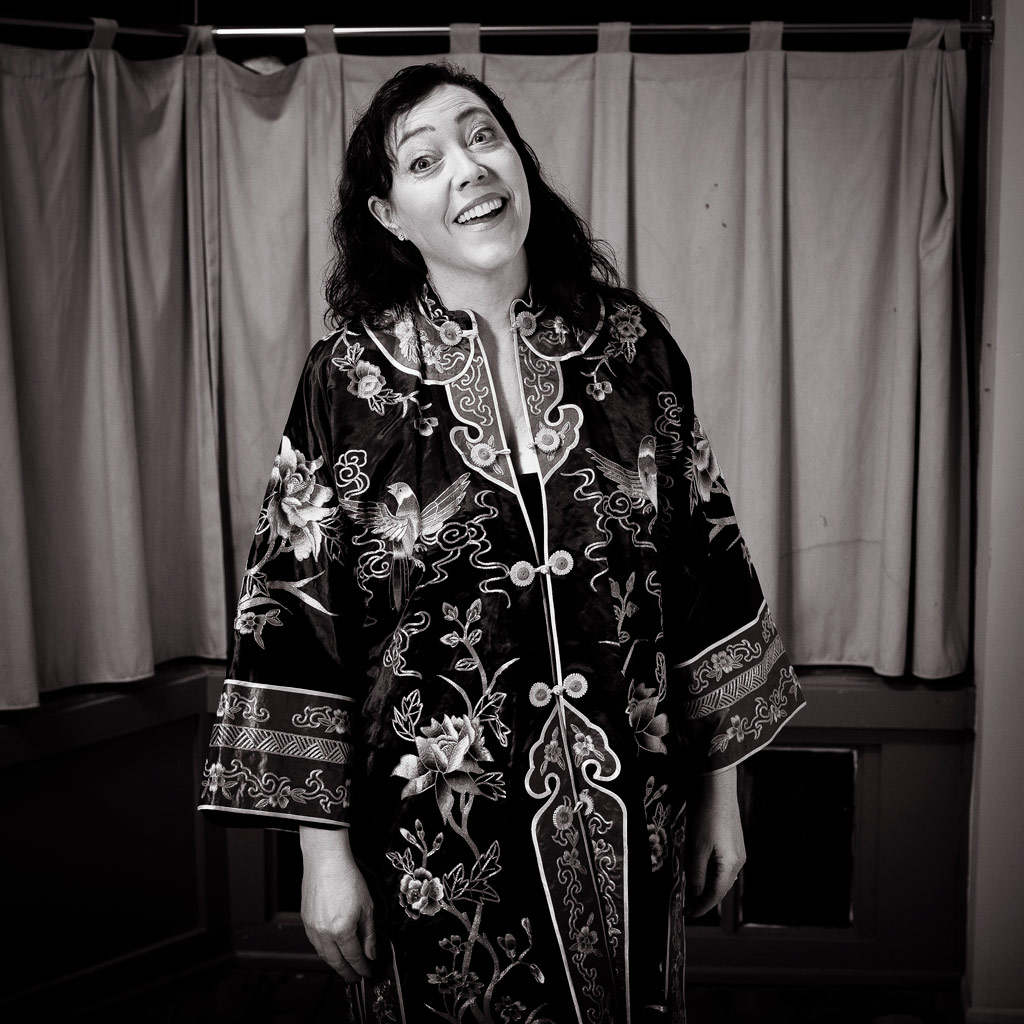
Amy Arbus’ striking portraits beautifully capture the essence and energy of Cleveland’s performing artists and the remarkable gifts they bring to our community. Arbus has published four books of her photographs, and her work is in many prestigious collections, including those of the Museum of Modern Art in New York. Arbus’ photographs have appeared in more than 100 periodicals, and she has had 21 solo exhibitions around the world. She also teaches portraiture at the International Center of Photography, Maine Media Workshops and the Fine Arts Work Center. The Foundation has been a longtime supporter of the arts because we recognize that their innovation and creativity are essential to our community’s continued vitality. The talented actors, dancers and musicians pictured in this report, and so many others like them, make Cleveland a more rewarding, interesting and lively place to live and work. We are richer because of their presence.










Letter from the Board President
2010 Annual Report
The compelling portraits of Cleveland performing artists by Amy Arbus in this annual report capture the energy, excitement, insight and innovation that these talented men and women bring to our community. These remarkable actors, dancers and musicians not only entertain and inspire us, but also challenge us to look at ourselves and our community in new and different ways. They build bridges between cultures, open our eyes to new possibilities and continually amaze us with their creativity.
The performing arts have a long, rich history in our community, and the Foundation is proud of the role it has played in supporting a diverse range of organizations and artists, not only in our formal concert halls and theaters but also in our neighborhoods, schools and parks. We also have supported ongoing efforts to encourage artists to make Cleveland their home because we recognize that their innovation and creativity are essential to this community’s vitality.
As we say in our program guidelines, “The Foundation values and supports the role the arts play in making Cleveland and its region a more desirable place to live, encouraging the growth of a creative workforce, catalyzing development in our neighborhoods and serving as a bridge between various segments of the community.”
The Foundation also has been a major supporter of public-private partnerships and advocacy efforts to ensure the future of a vibrant arts community, and we are proud that Cuyahoga County, thanks to voters who approved a cigarette tax in 2006, is one of the largest public arts funders in the country through Cuyahoga Arts and Culture (CAC).
We were also a cofounder more than a decade ago of the Community Partnership for Arts and Culture (CPAC), which with funding from CAC, developed the Creative Workforce Fellowship program that each year recognizes and makes significant financial awards to 20 local artists. CPAC also started the unique Artist as Entrepreneur Institute and recently launched an innovative program, in collaboration with local community development organizations, to encourage artists to buy houses in Cleveland.
Several of our longtime grantees also took steps during 2010 and in the early months of 2011 to ensure that for many years to come they will be contributing to the region’s vitality and supporting the artists who make Greater Cleveland their home.
The Museum of Contemporary Art Cleveland broke ground for its new building in University Circle. The Cleveland Play House announced a new partnership with Cleveland State University’s theater department and a move to a renovated Allen Theatre in PlayhouseSquare. The Museum of Art continued to open new and renovated galleries that are part of its significant expansion pro-gram. The Cleveland Institute of Art completed the first phase of its move to a centralized campus on Euclid Avenue. The Rainey Institute moved from a cramped century home on East 55th Street to a new, spacious facility just a few blocks away.
The head of the National Endowment for the Arts, Rocco Landesman, uses the phrase “art works” when he advocates for support of the sector. He has three meanings for those two simple words: They are a noun that refers to works of art. They remind us that art works on audiences and viewers to transport and inspire then. And they recognize that arts workers have real jobs that are a vital part of our economy.
We couldn’t agree with him more.
Geoffrey Gund, President and Treasurer, The George Gund Foundation

Lake Erie
Photography
Lynn Whitney (2009)
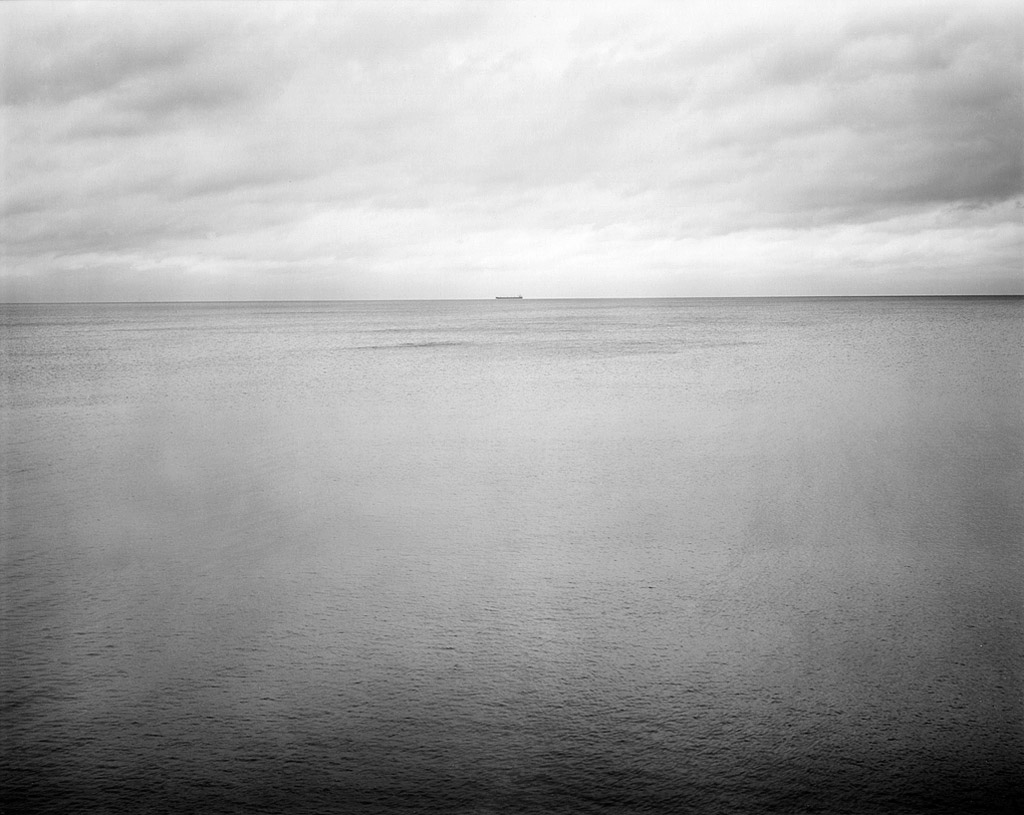
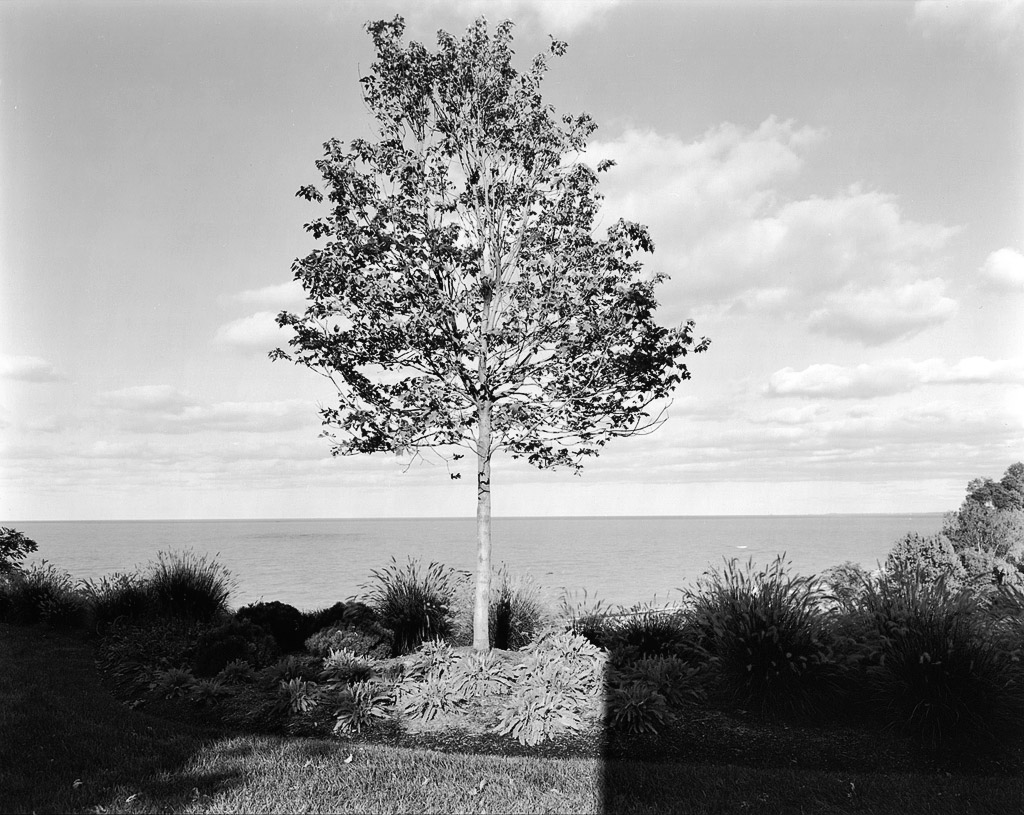
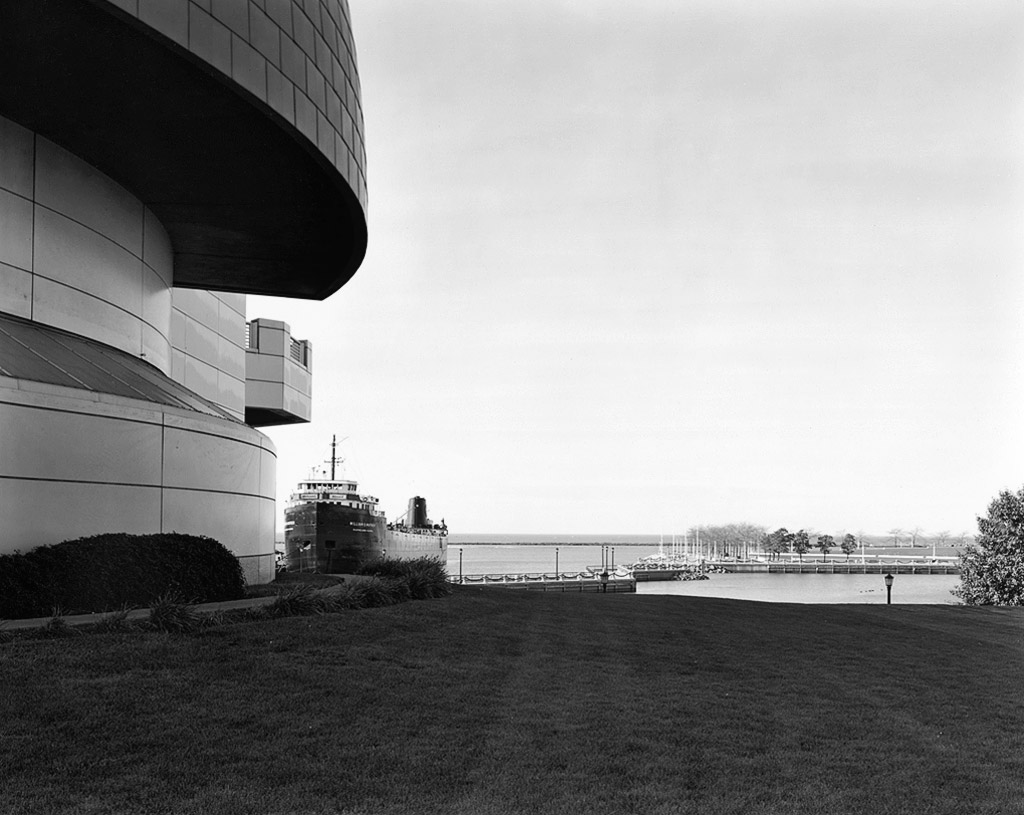
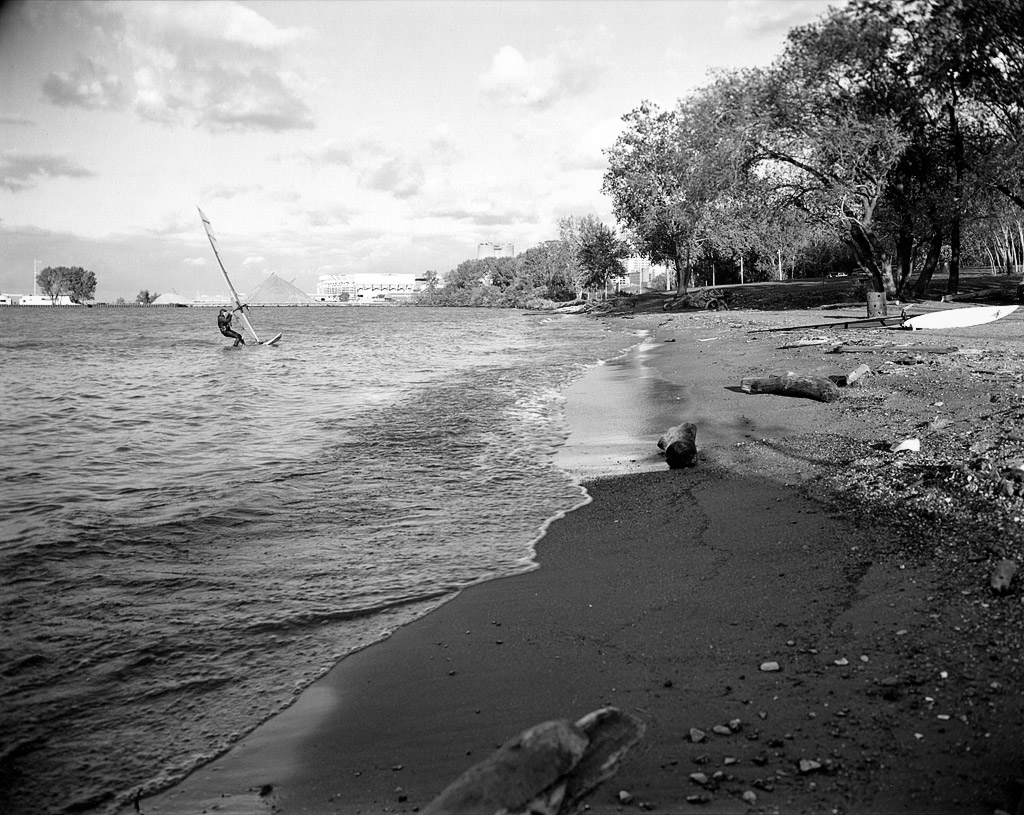
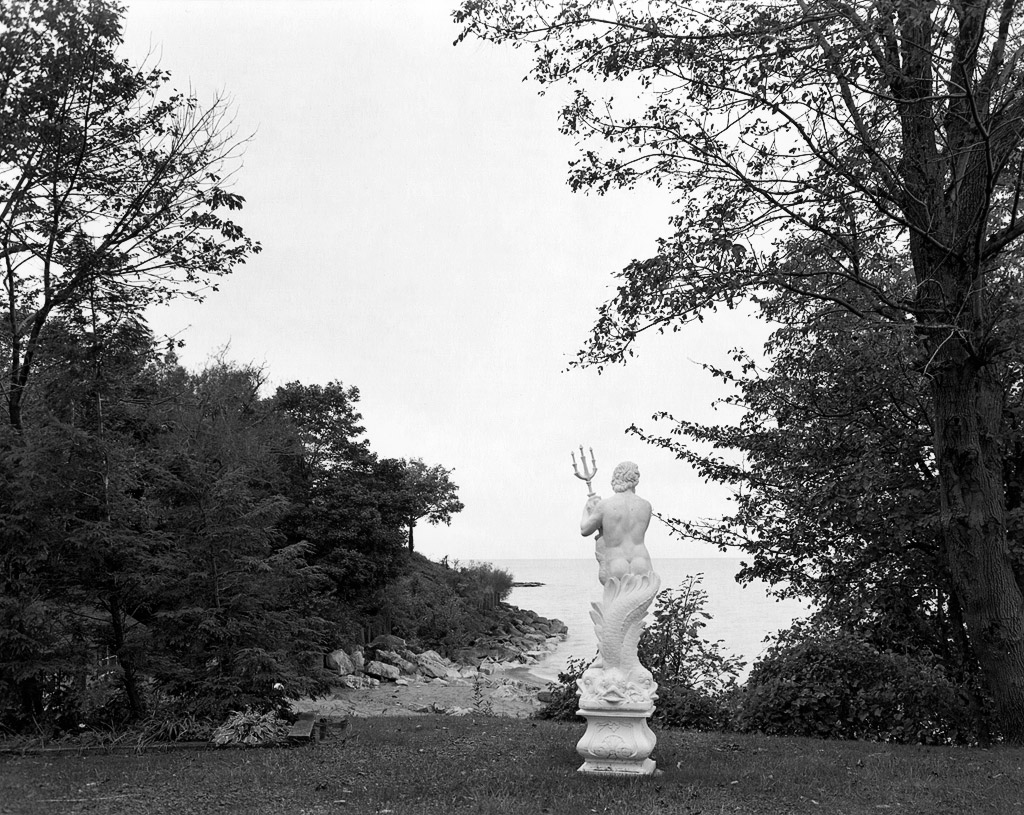
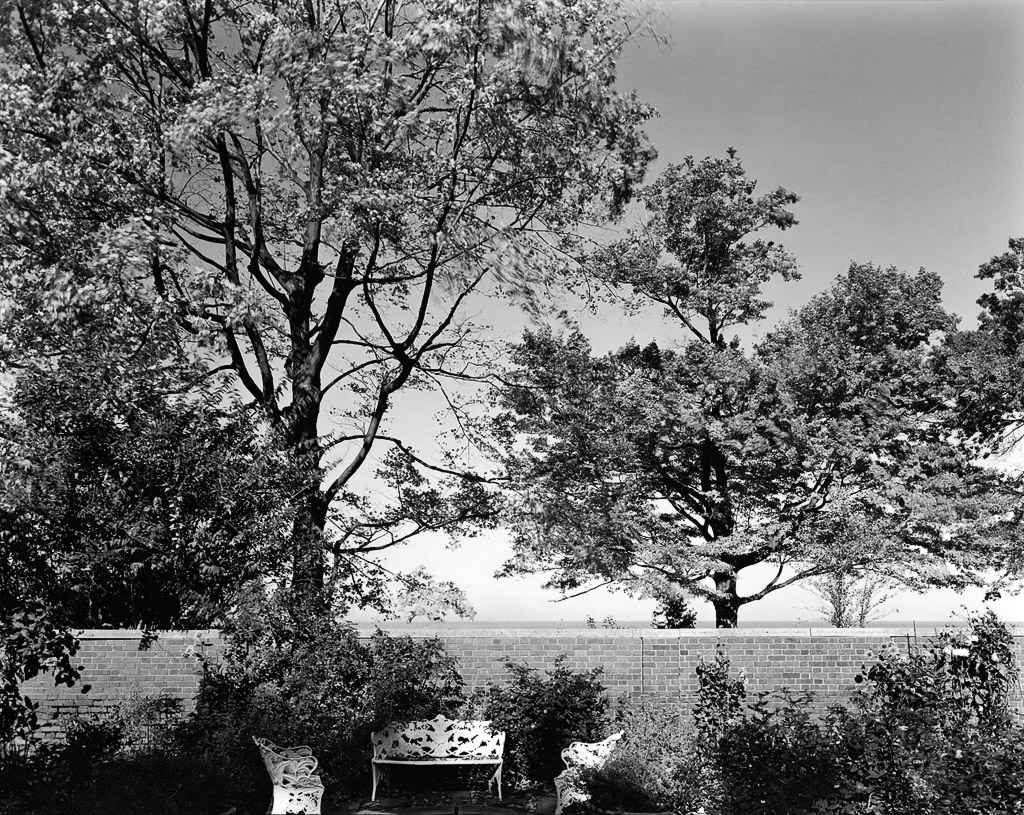
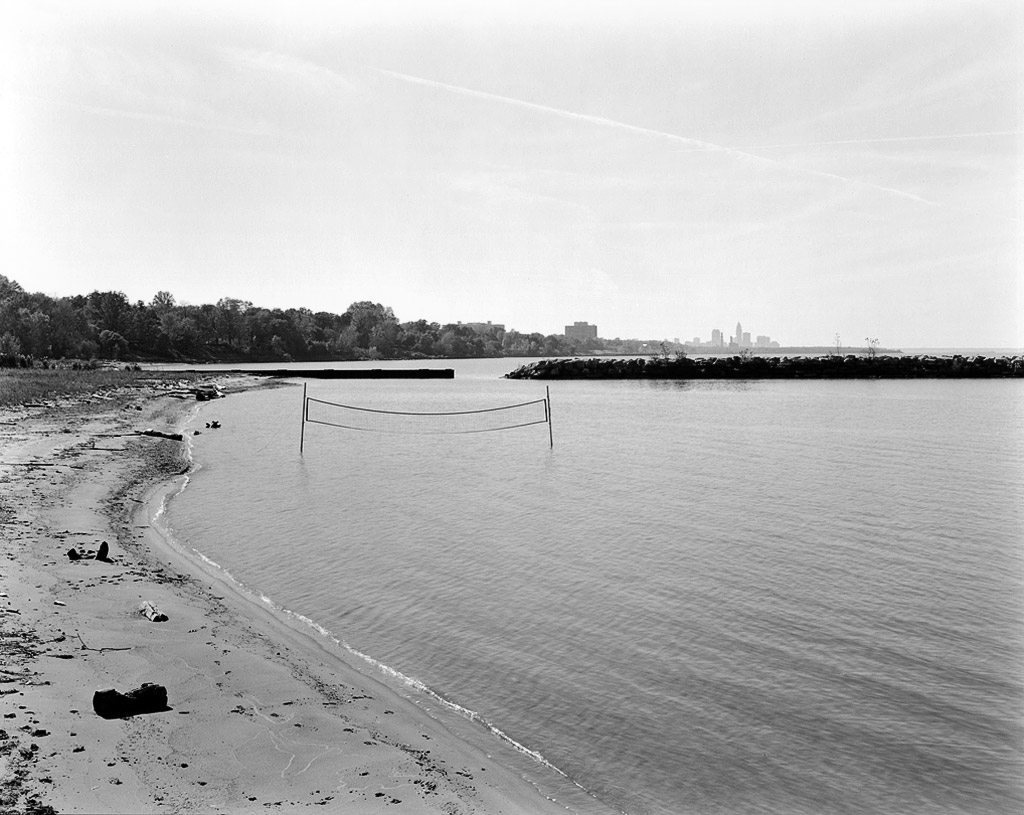
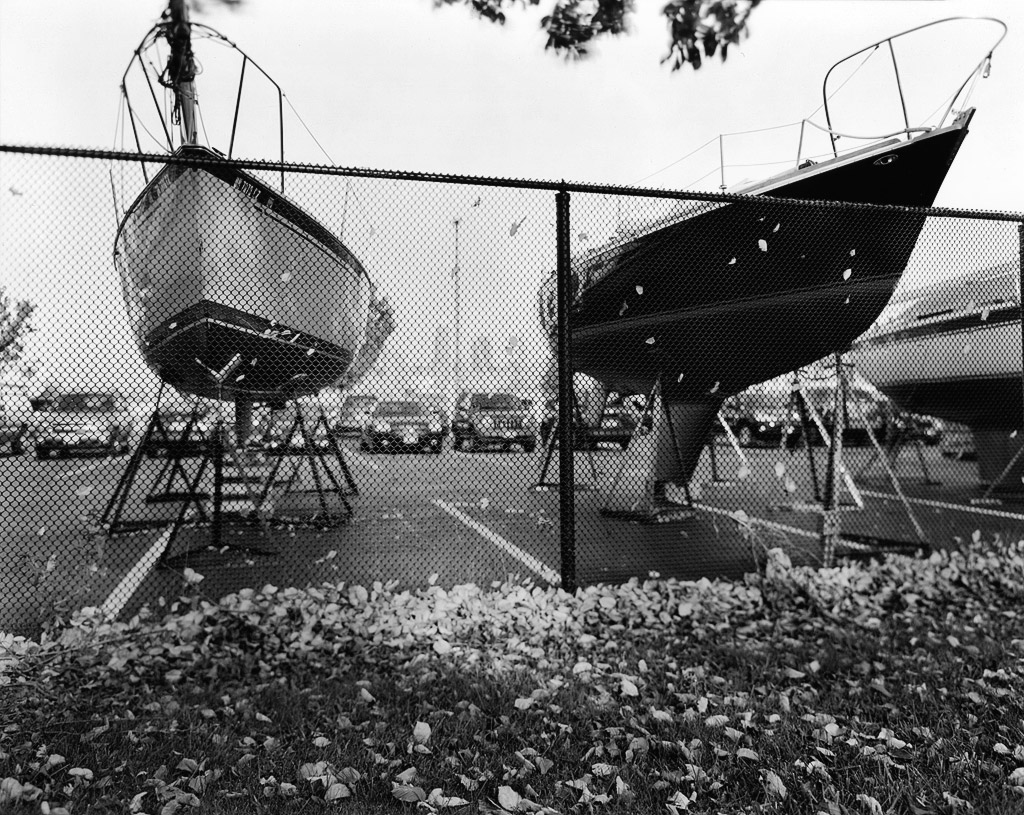
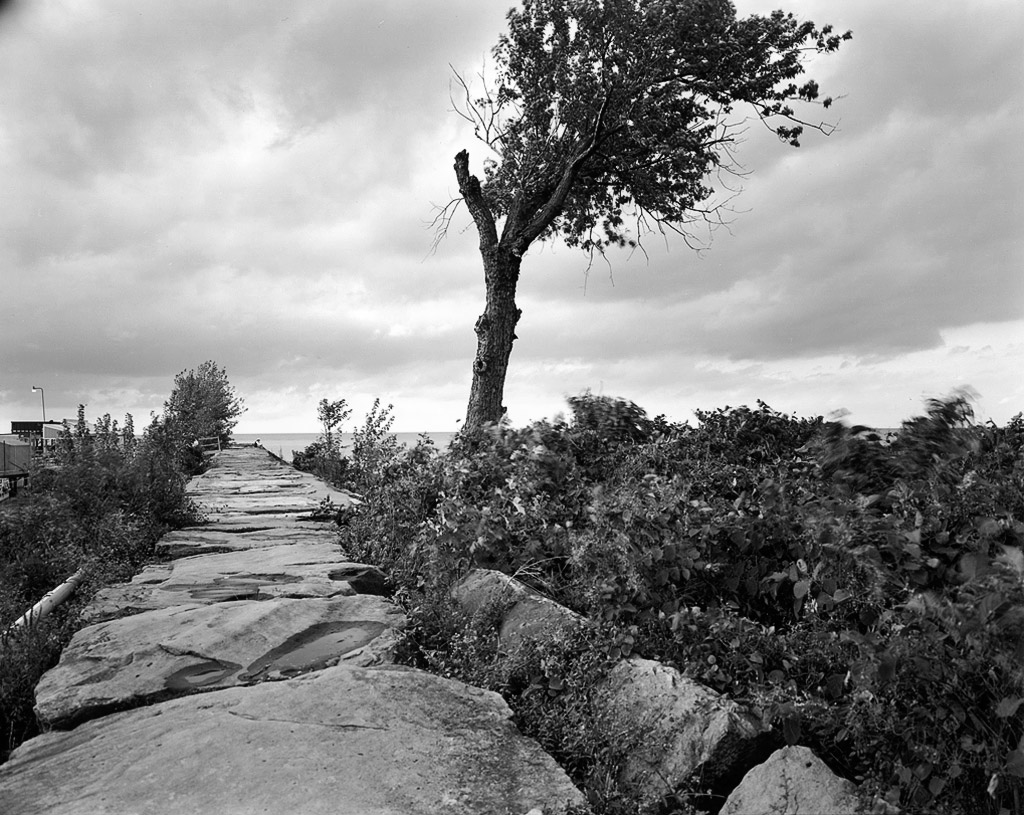
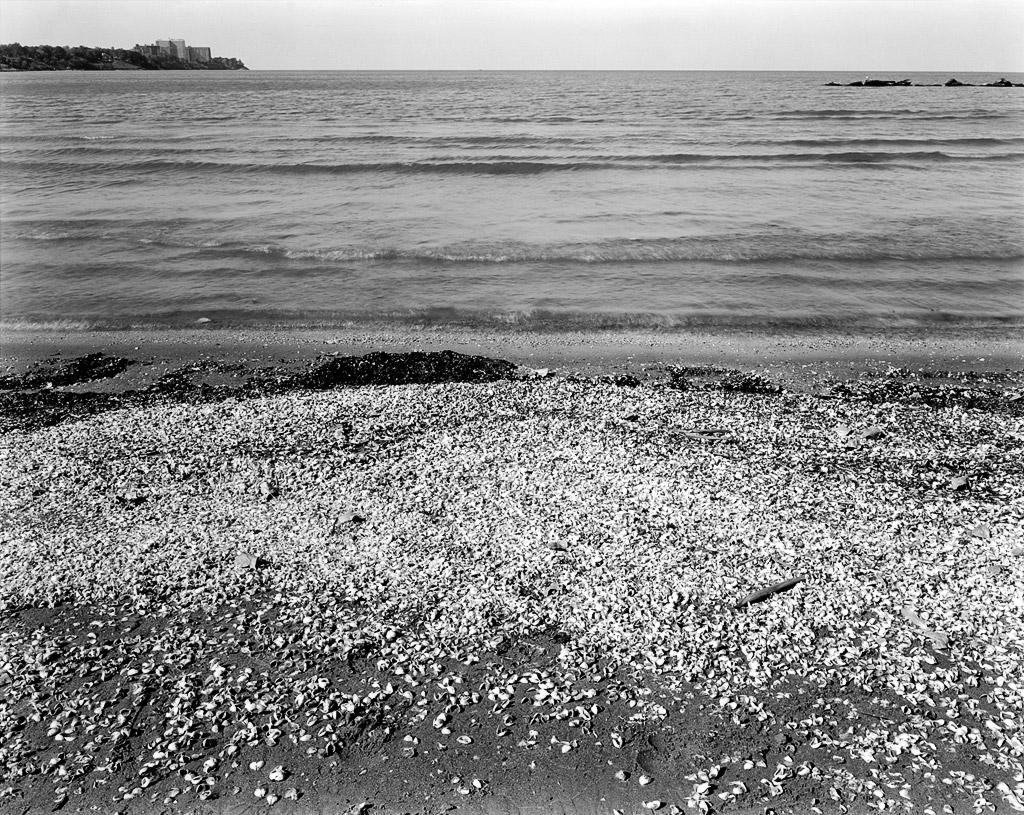
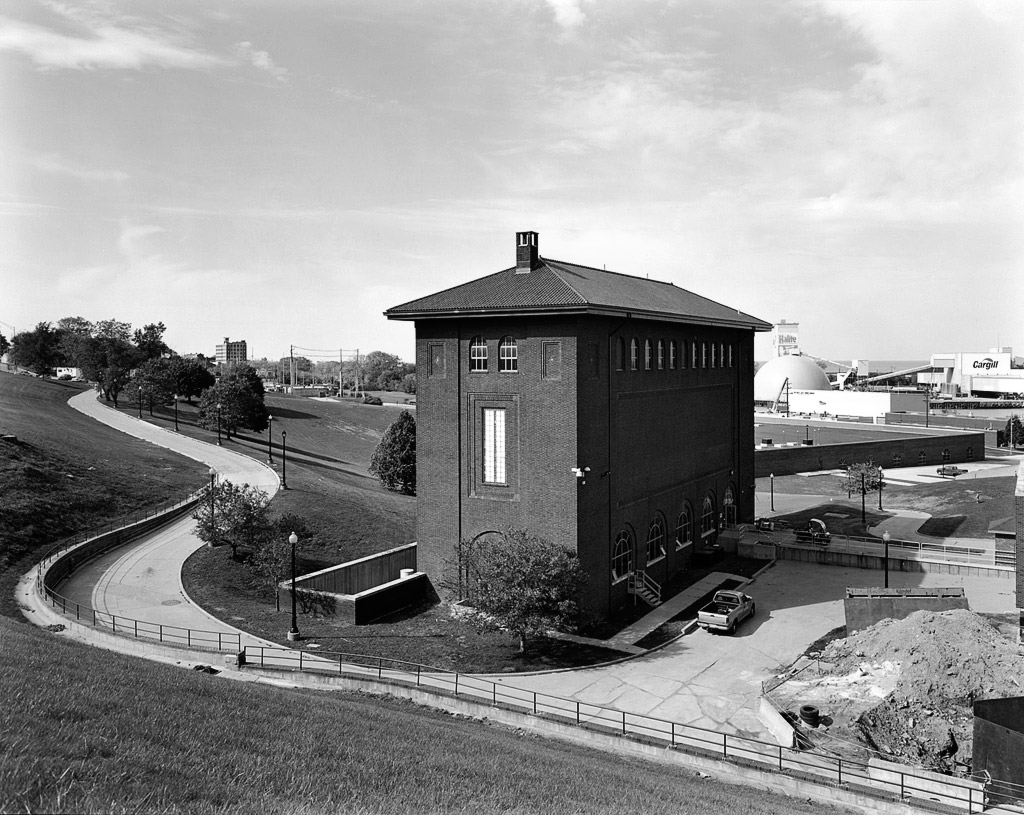
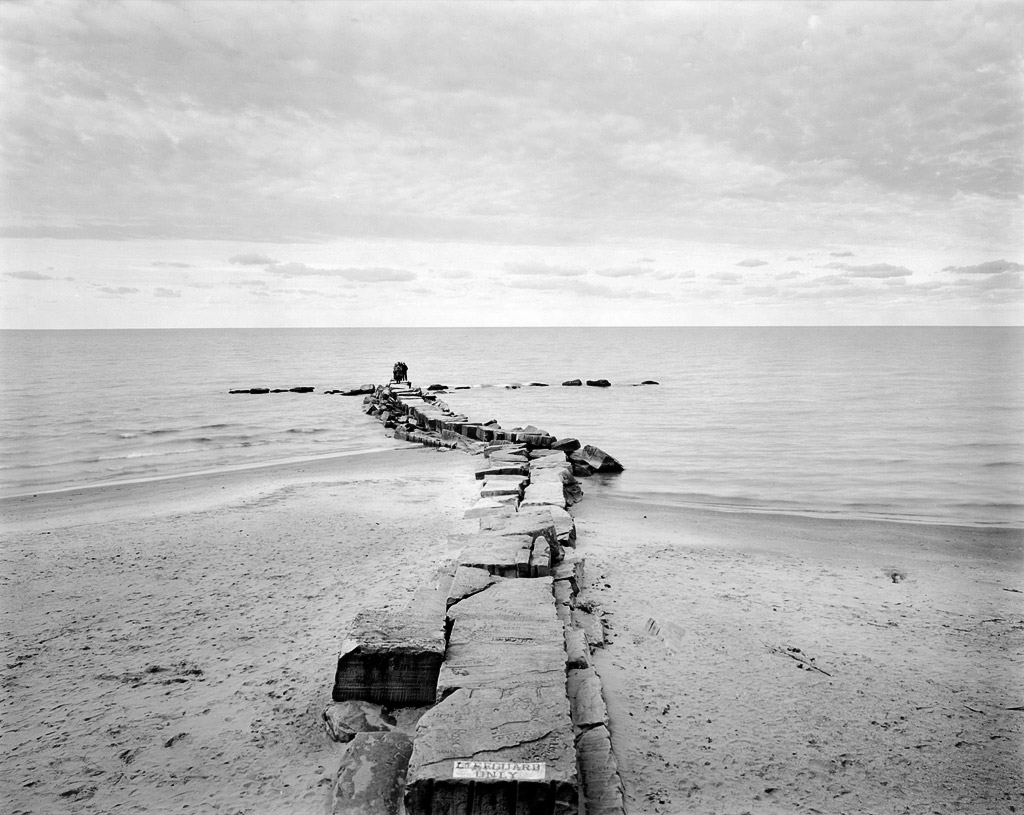
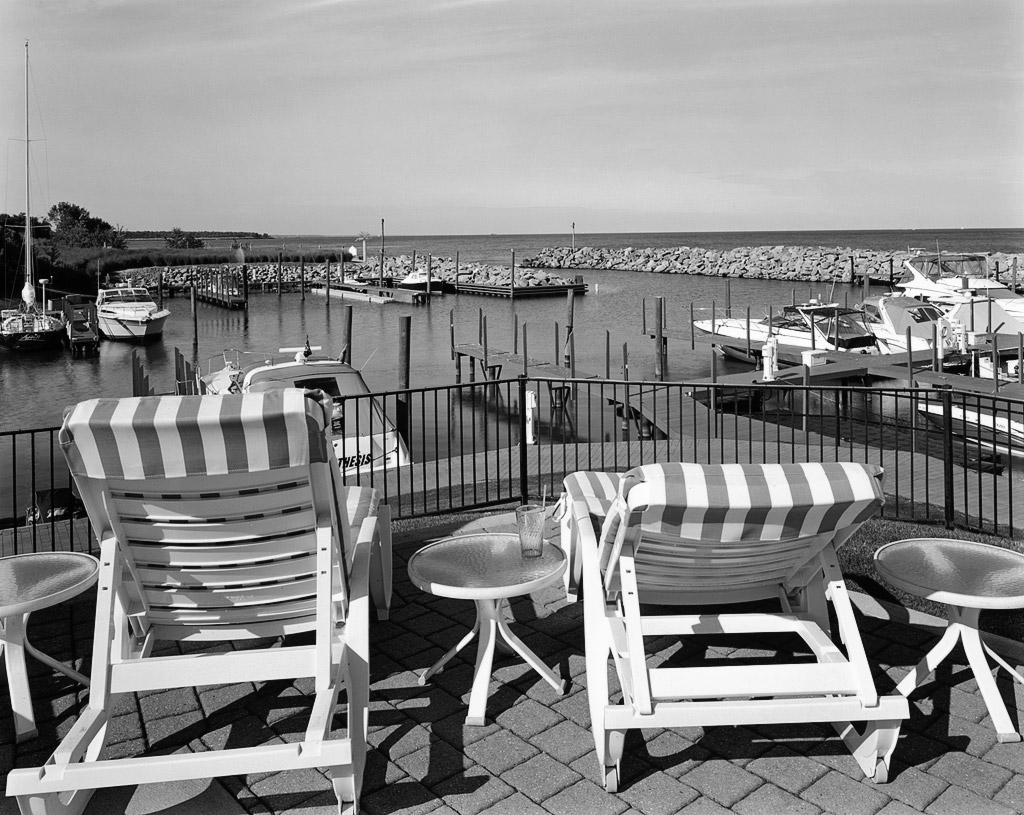
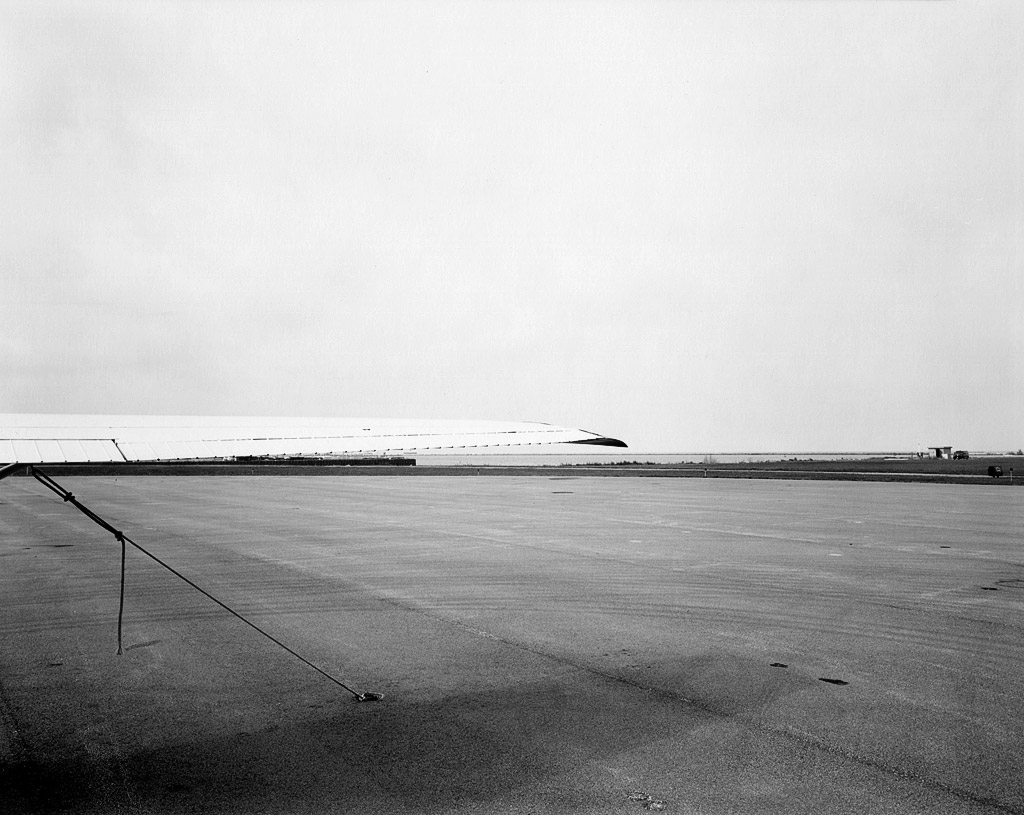
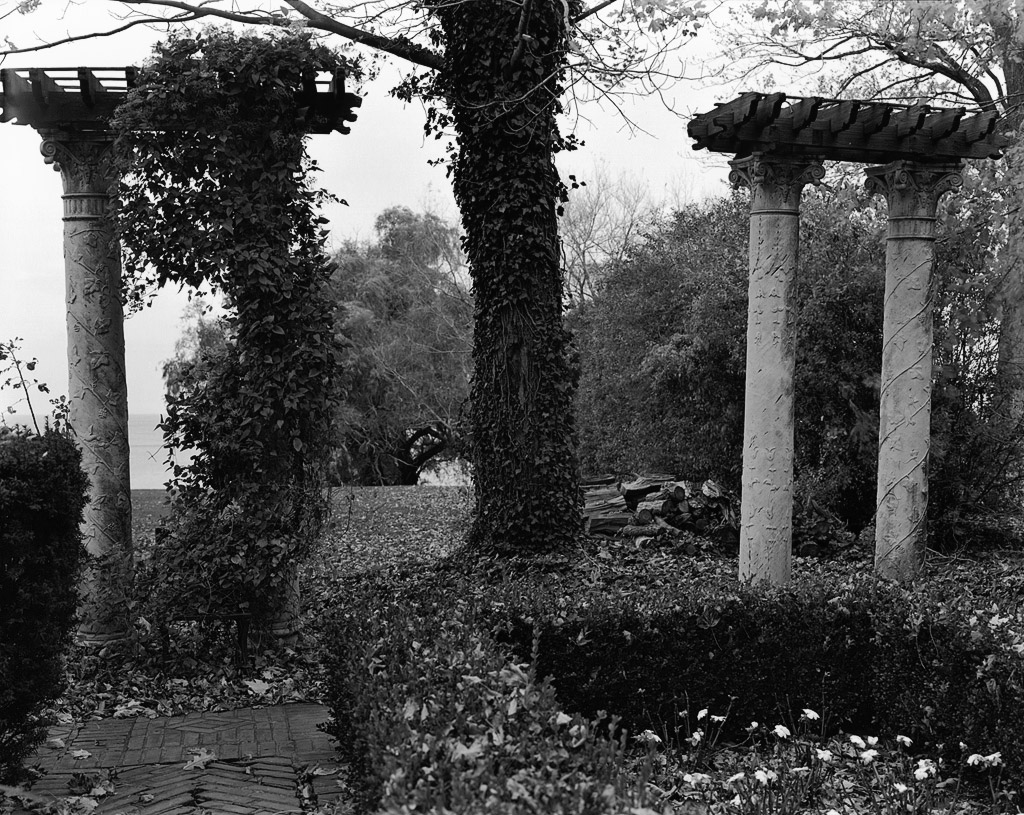
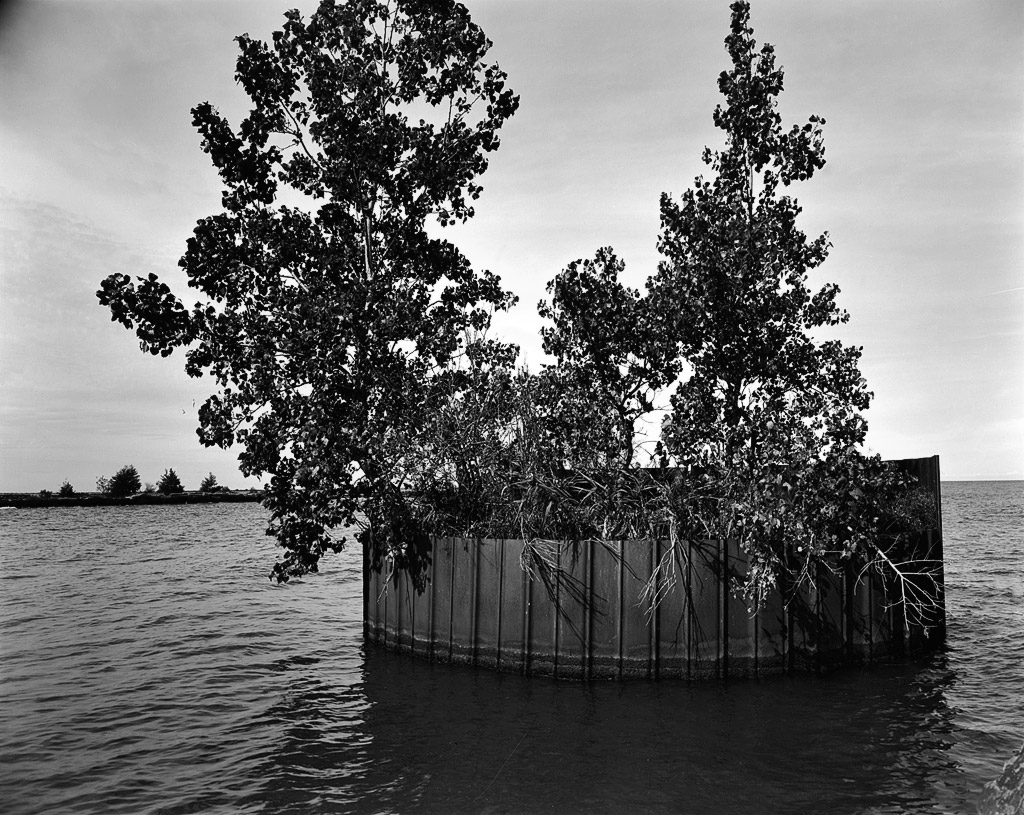
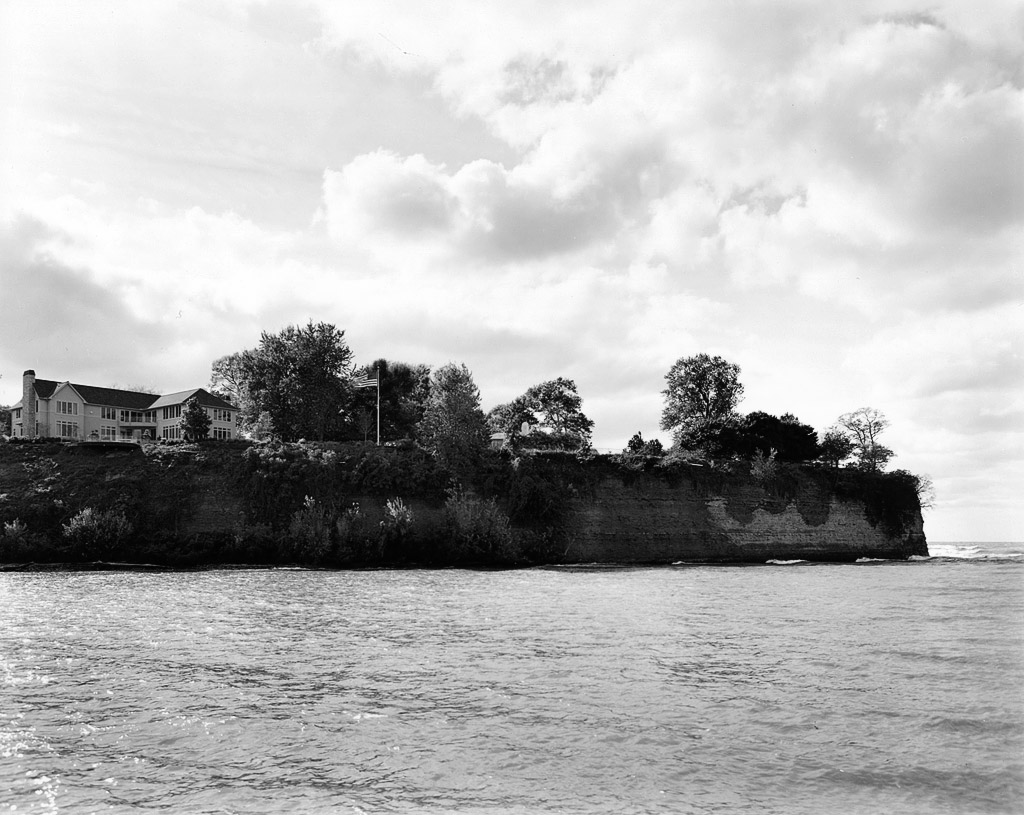
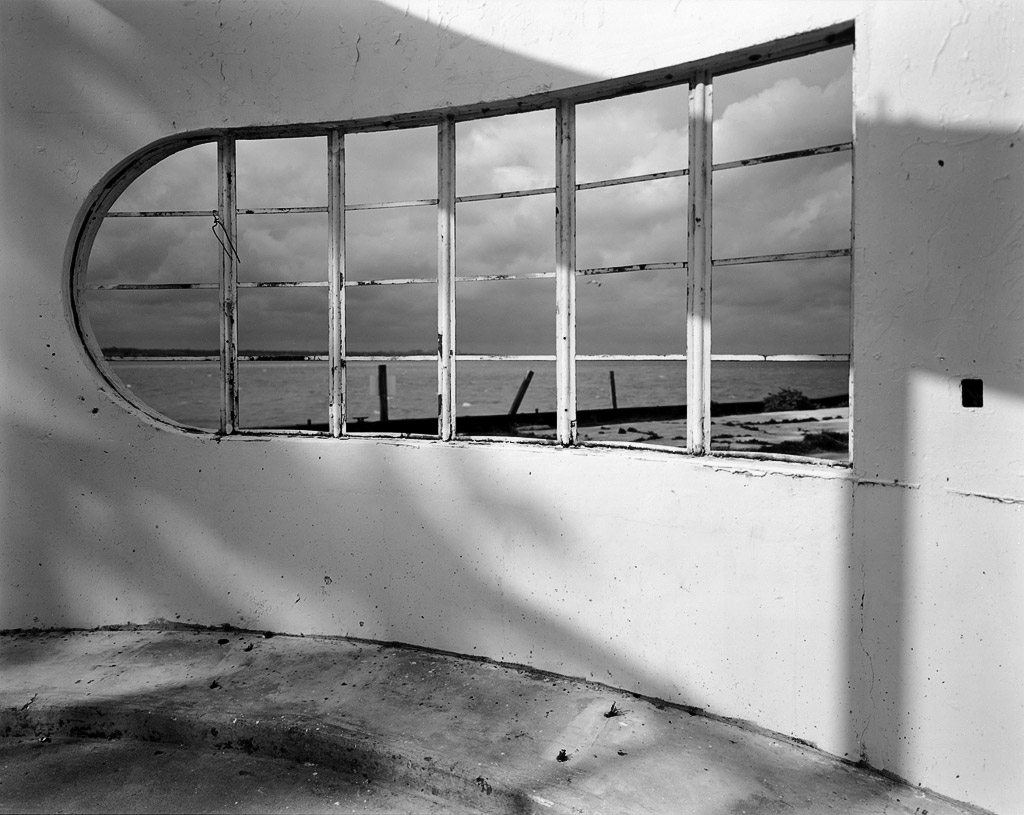
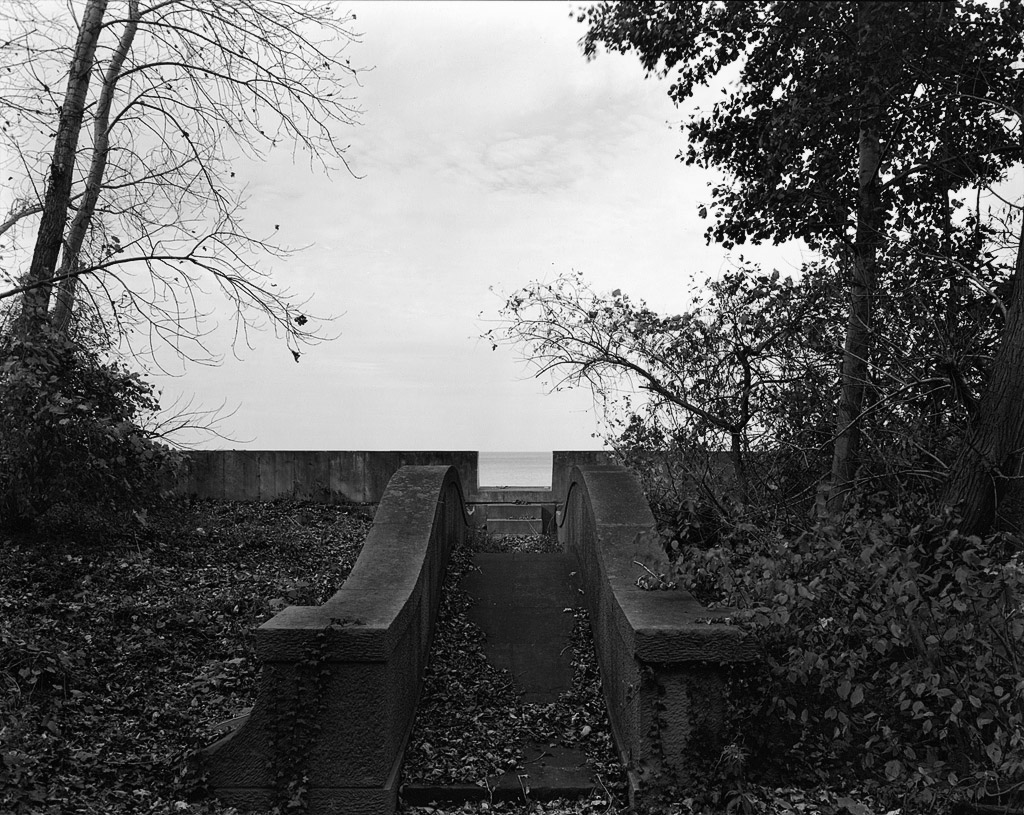
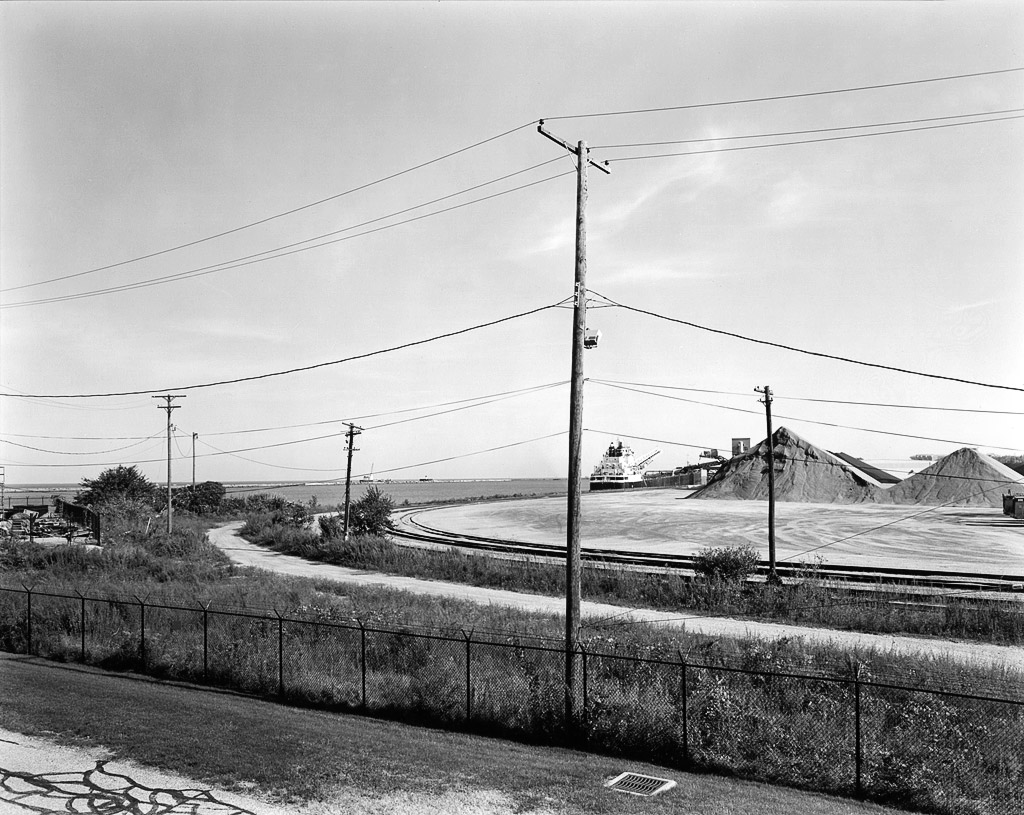
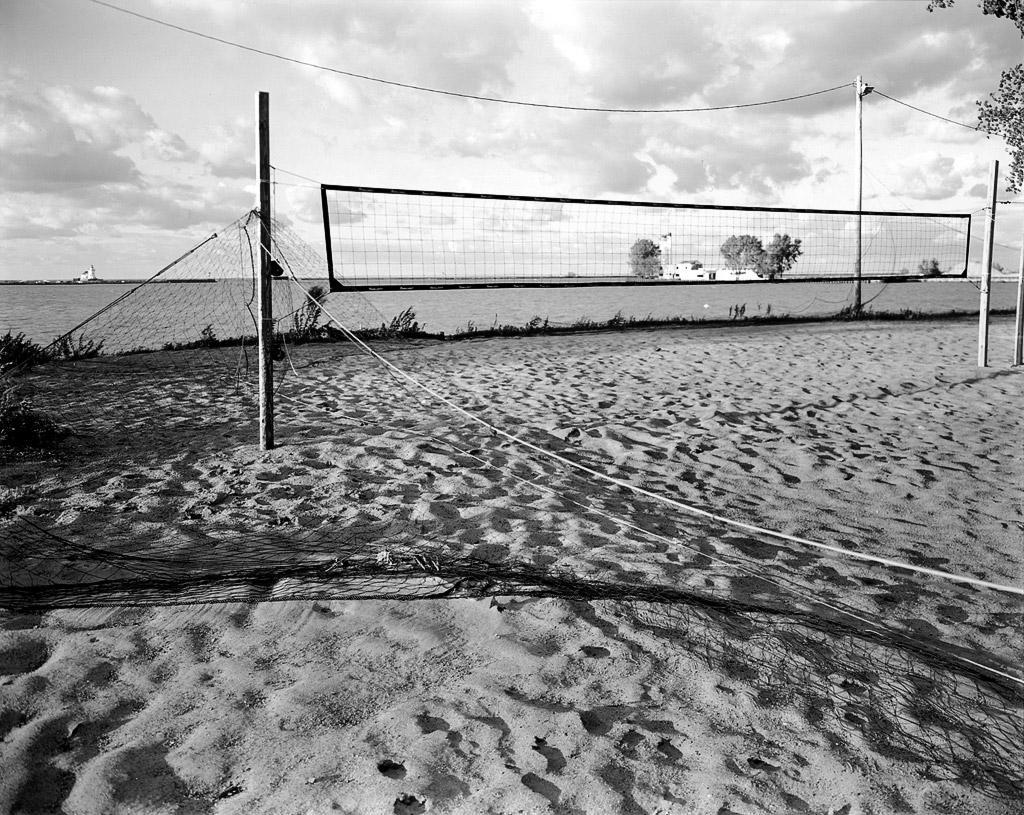
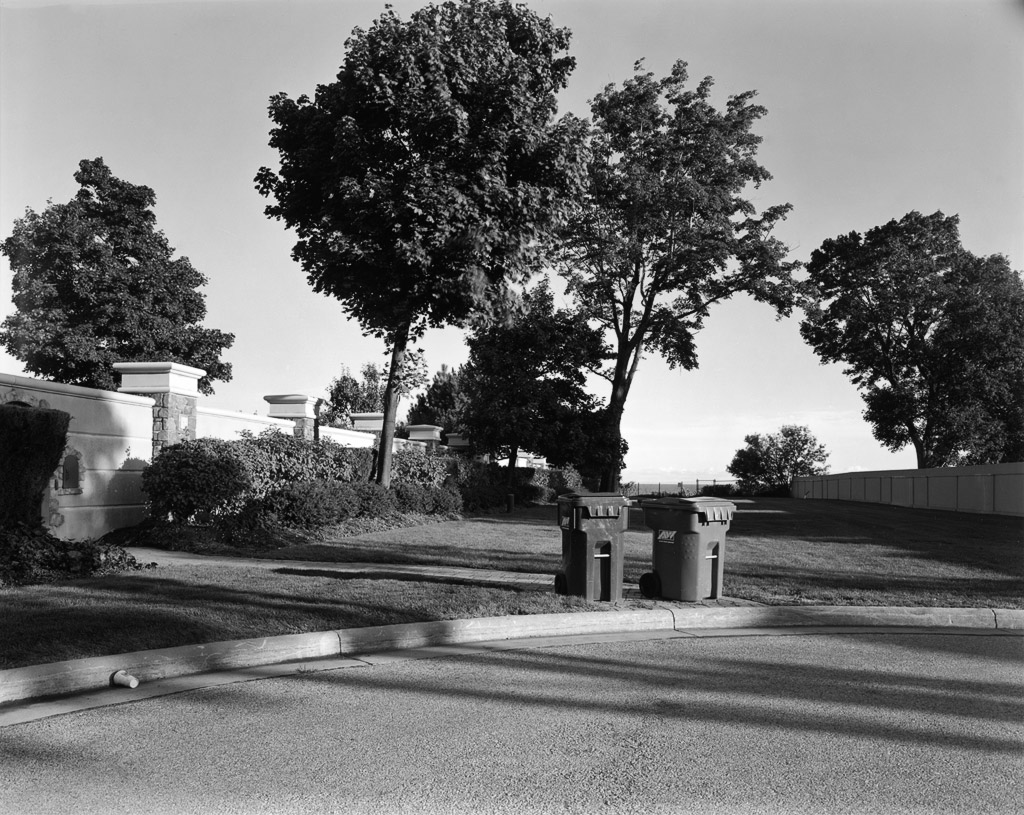
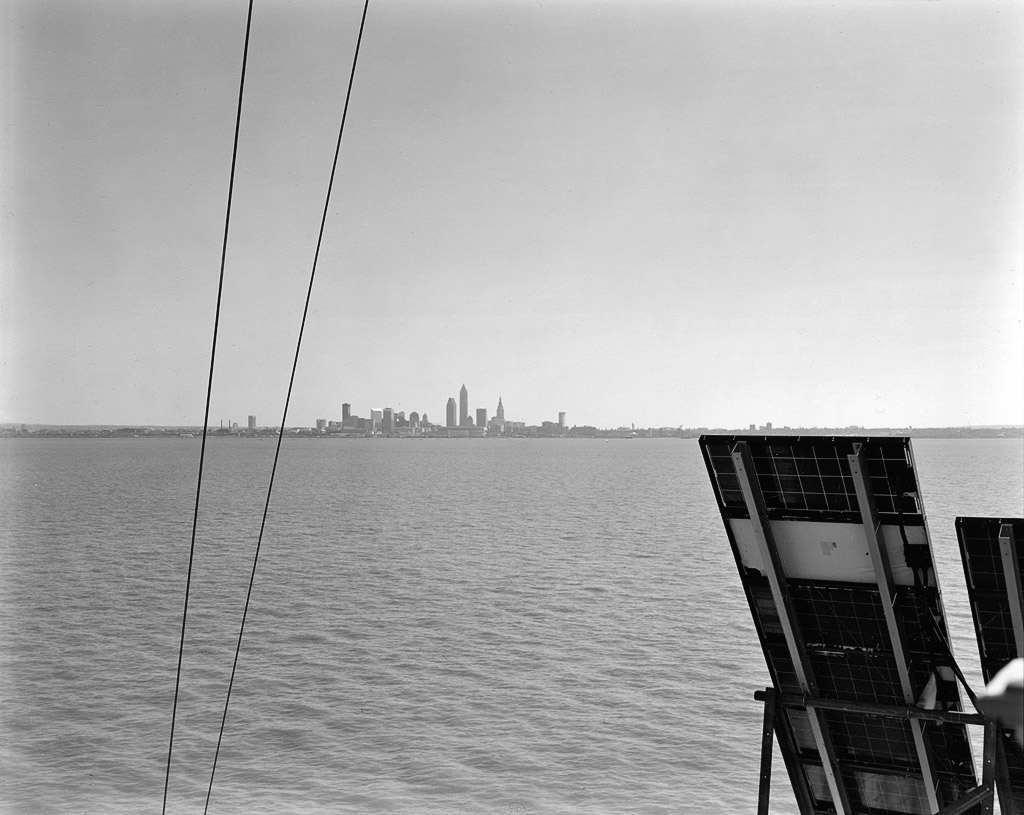
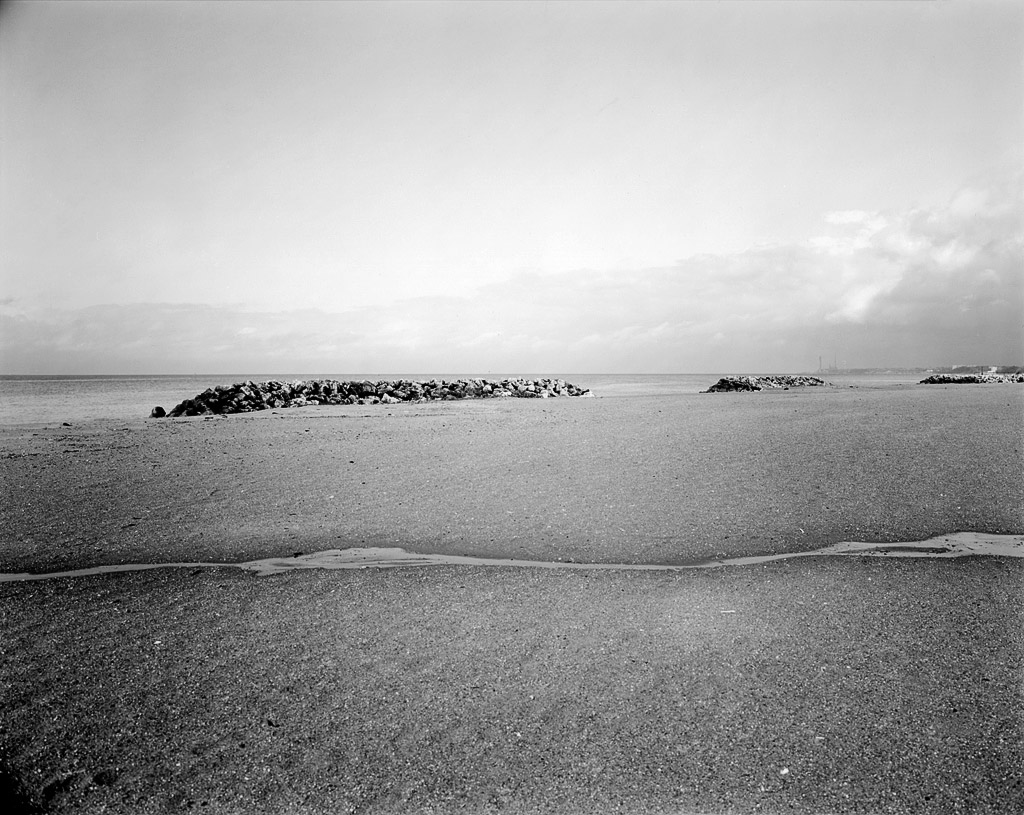
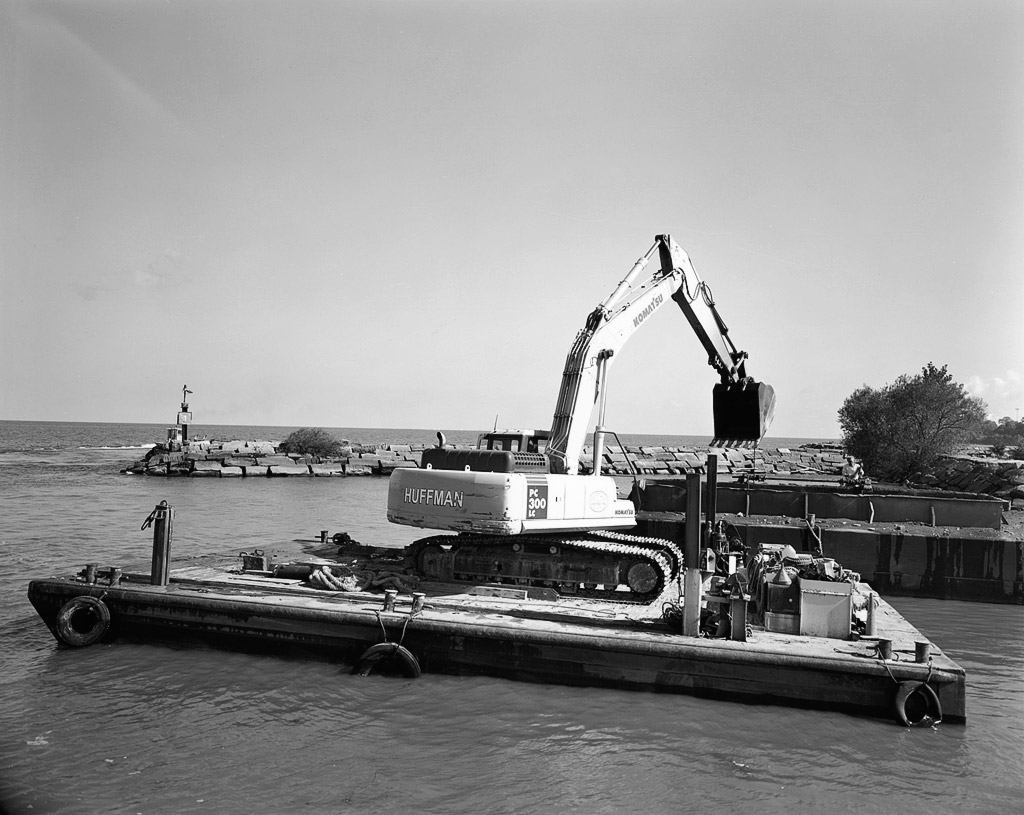
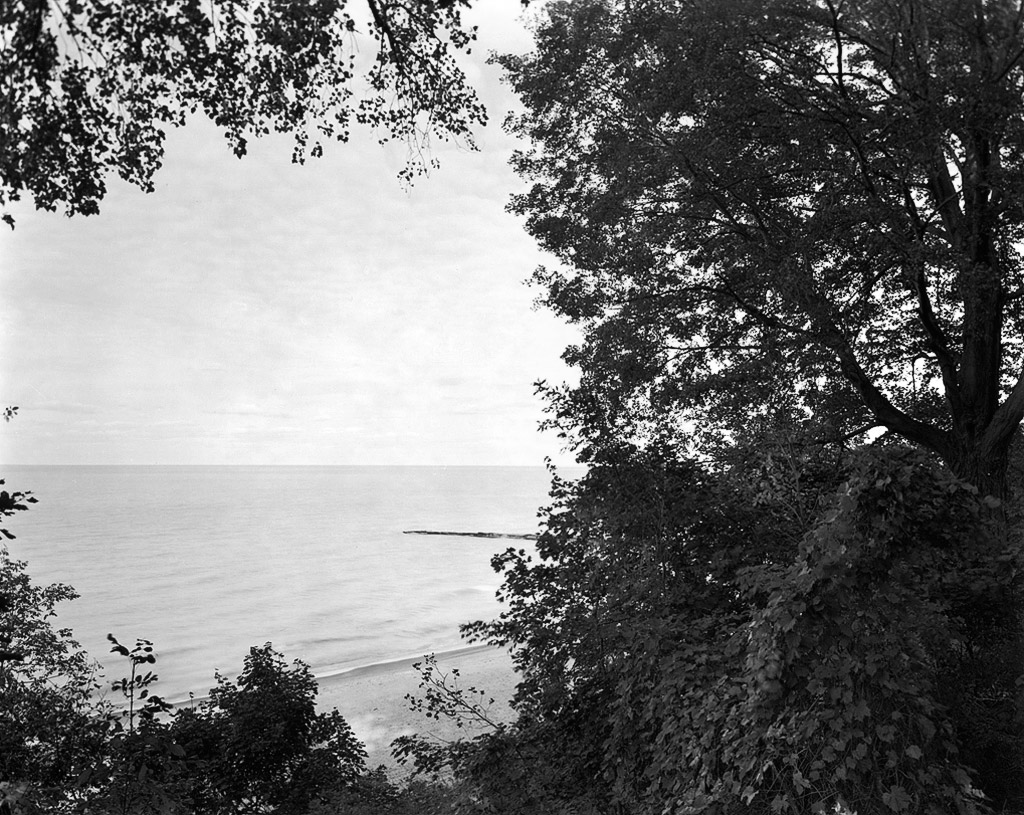
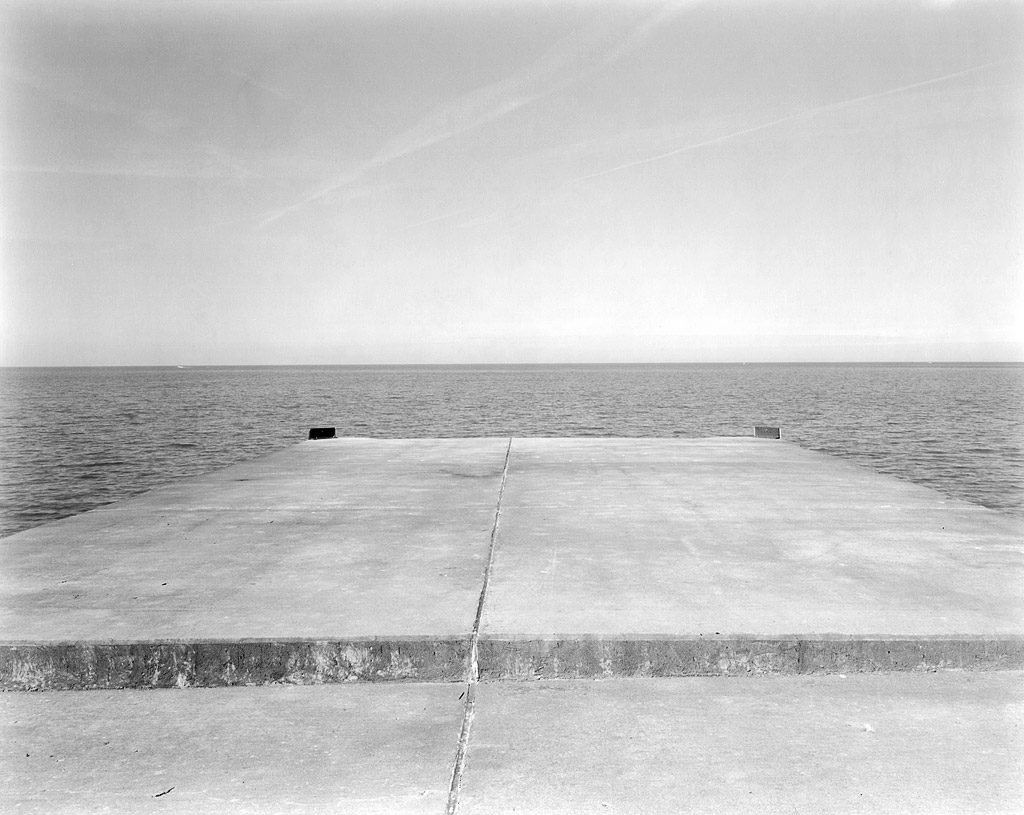
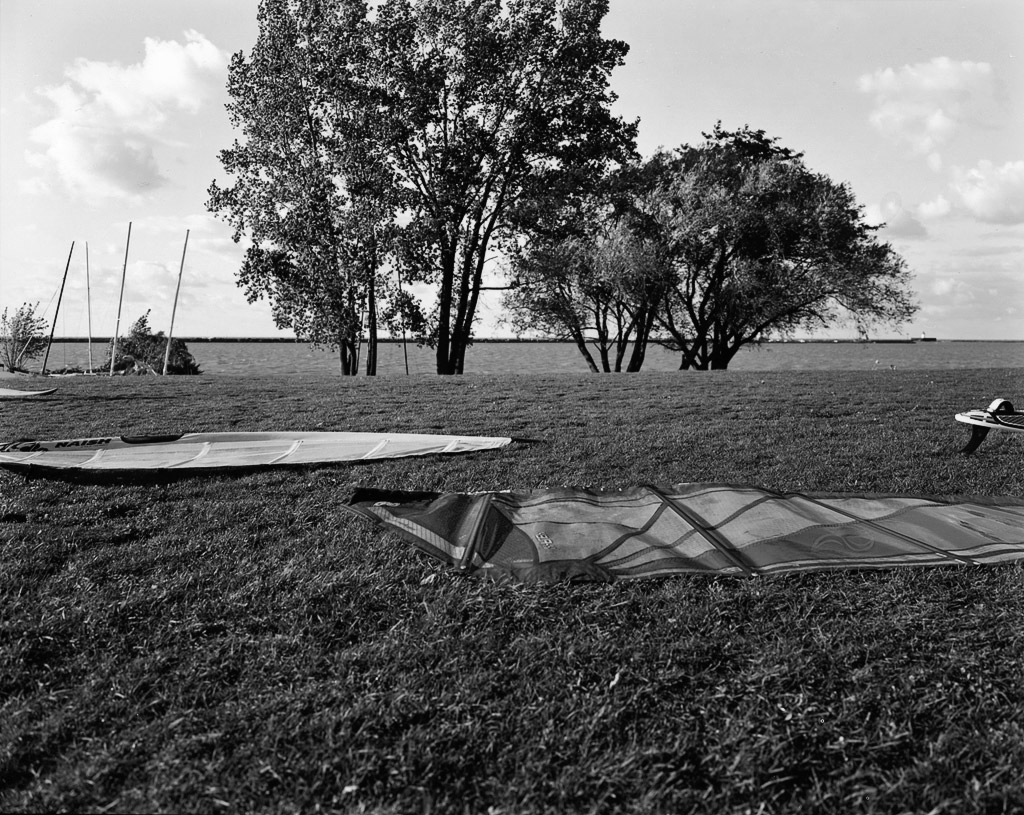
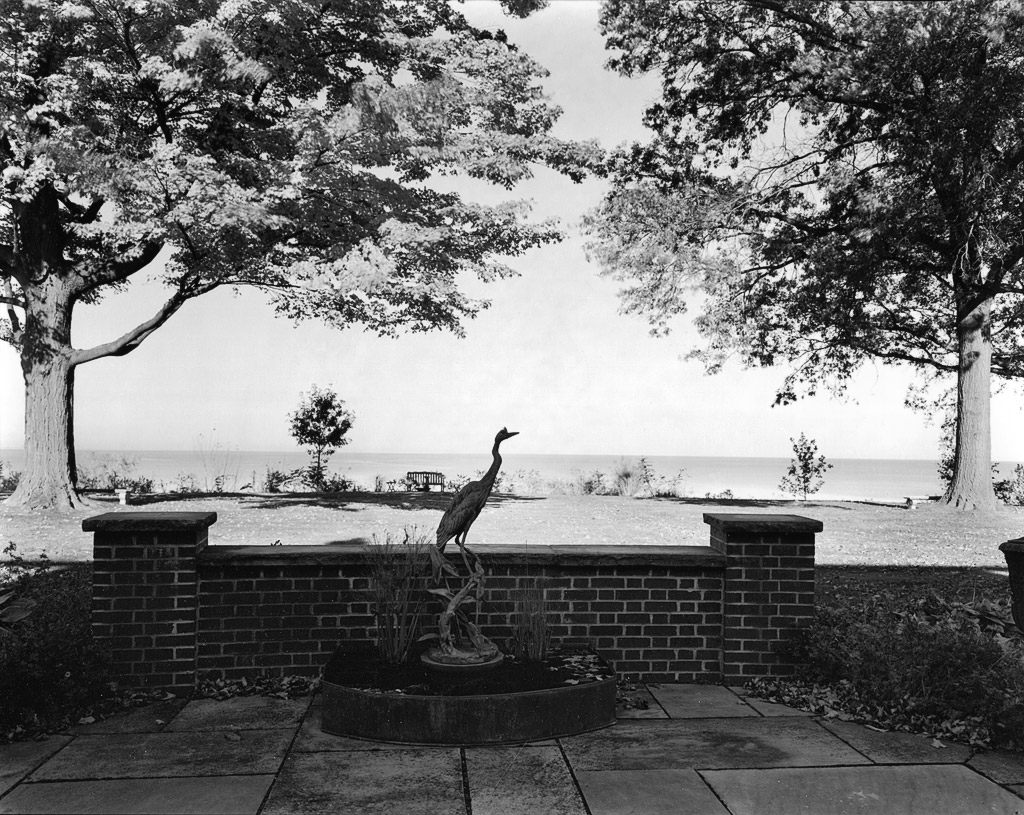
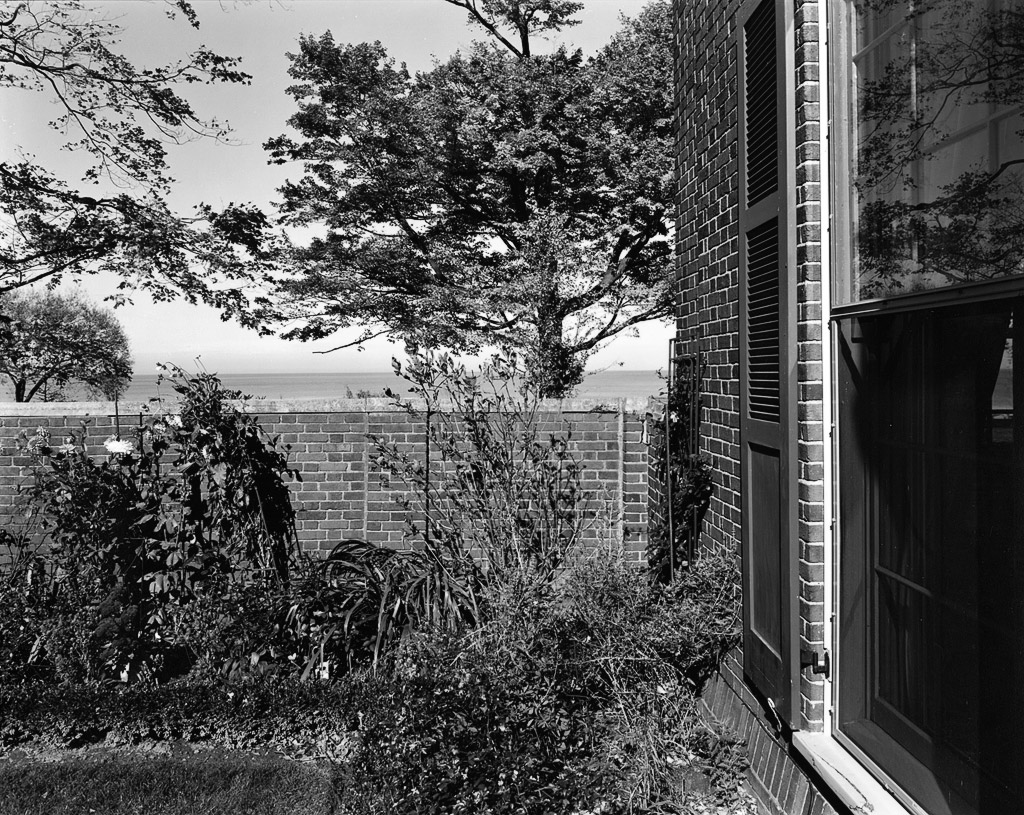
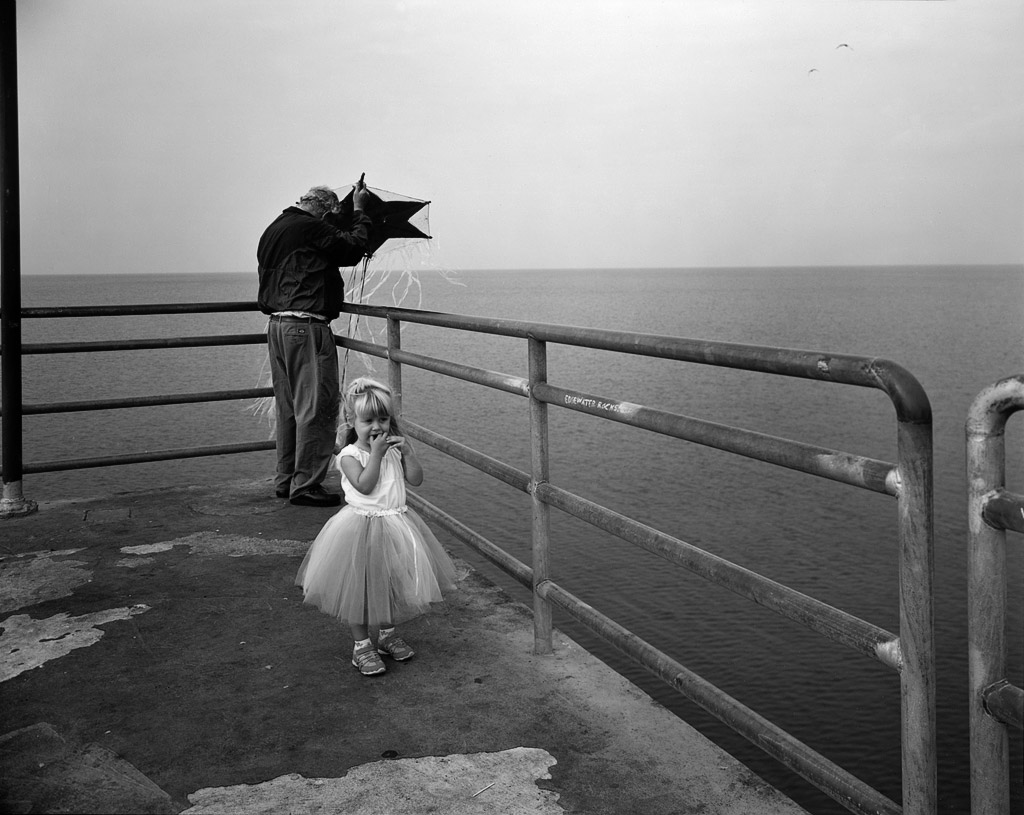
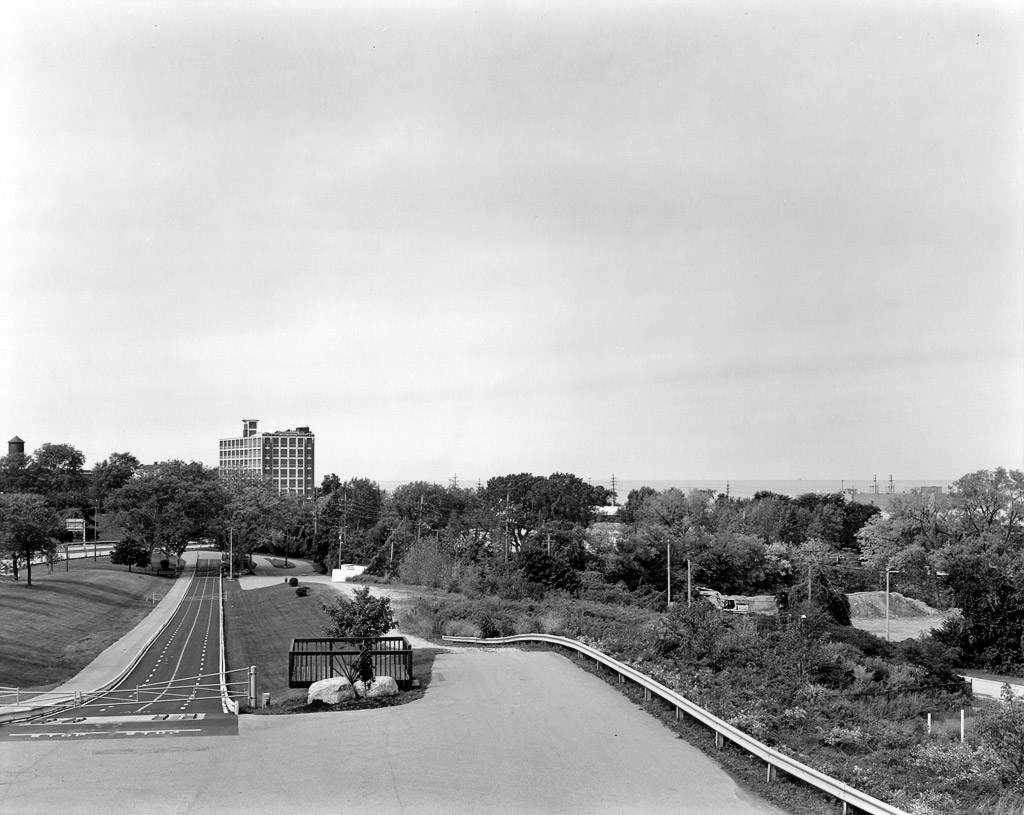
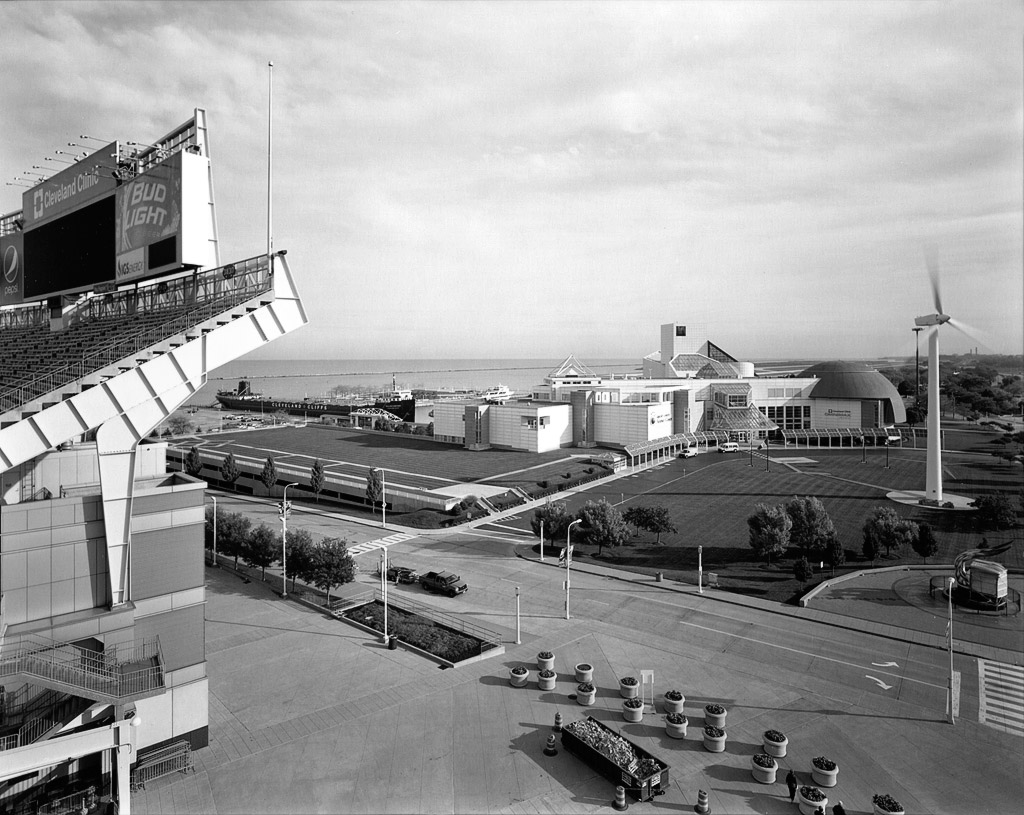
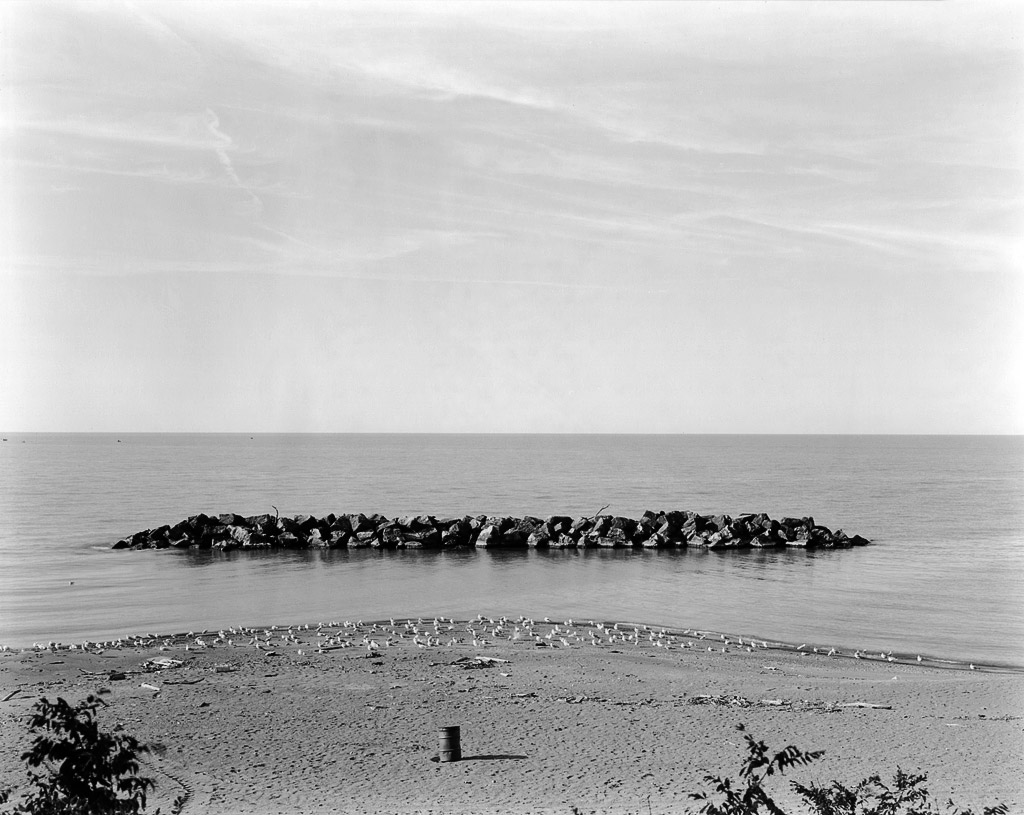
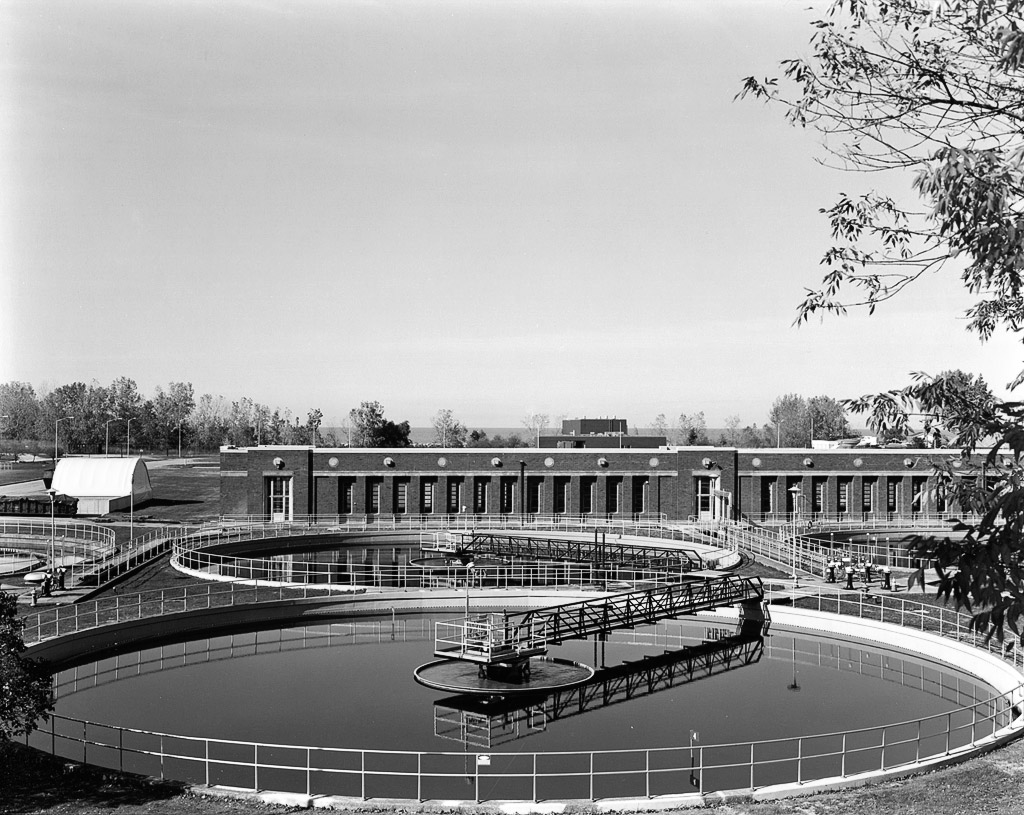
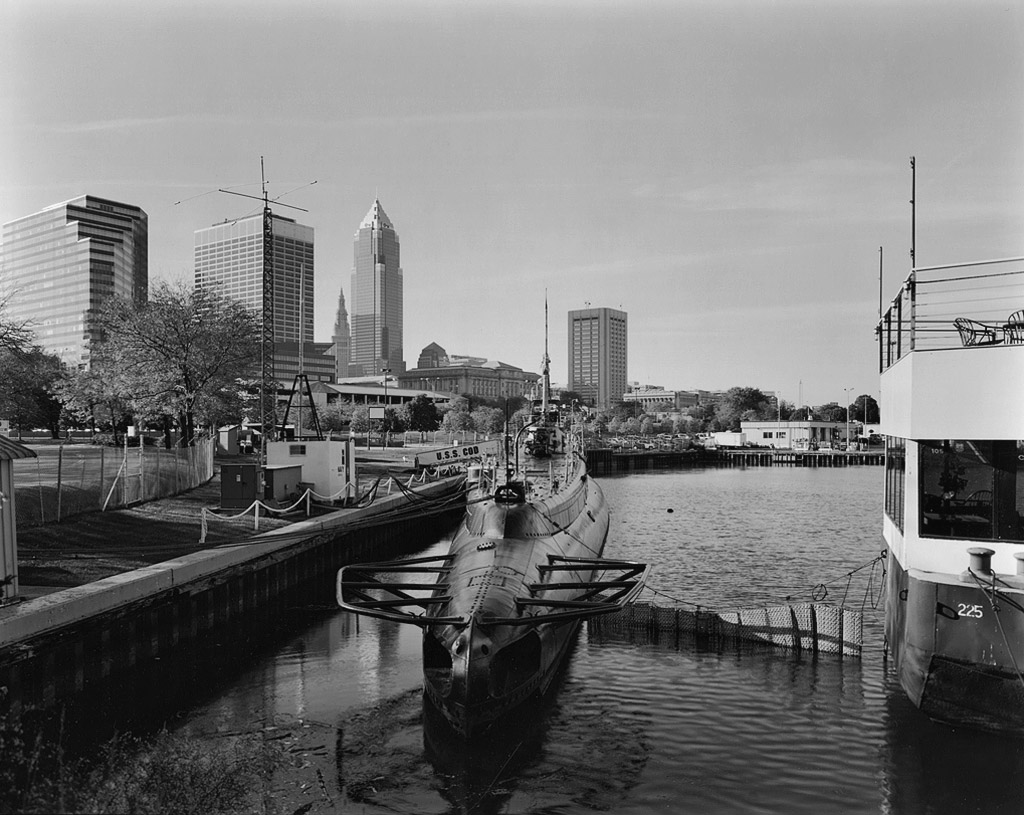
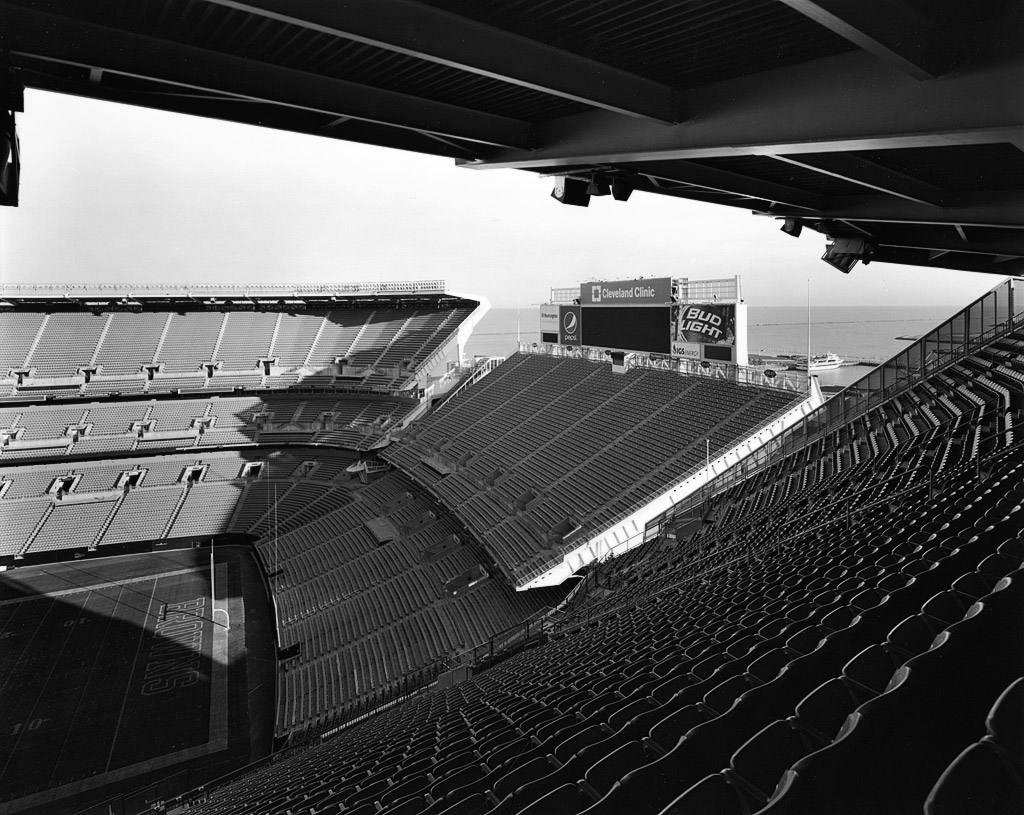
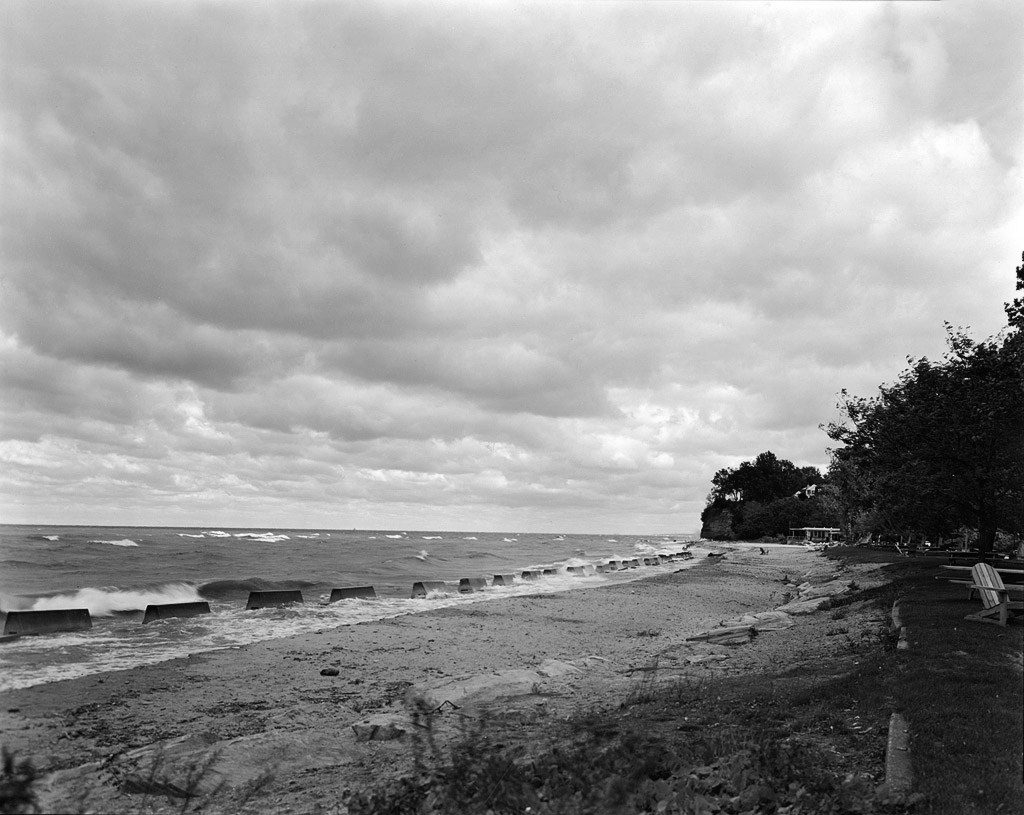
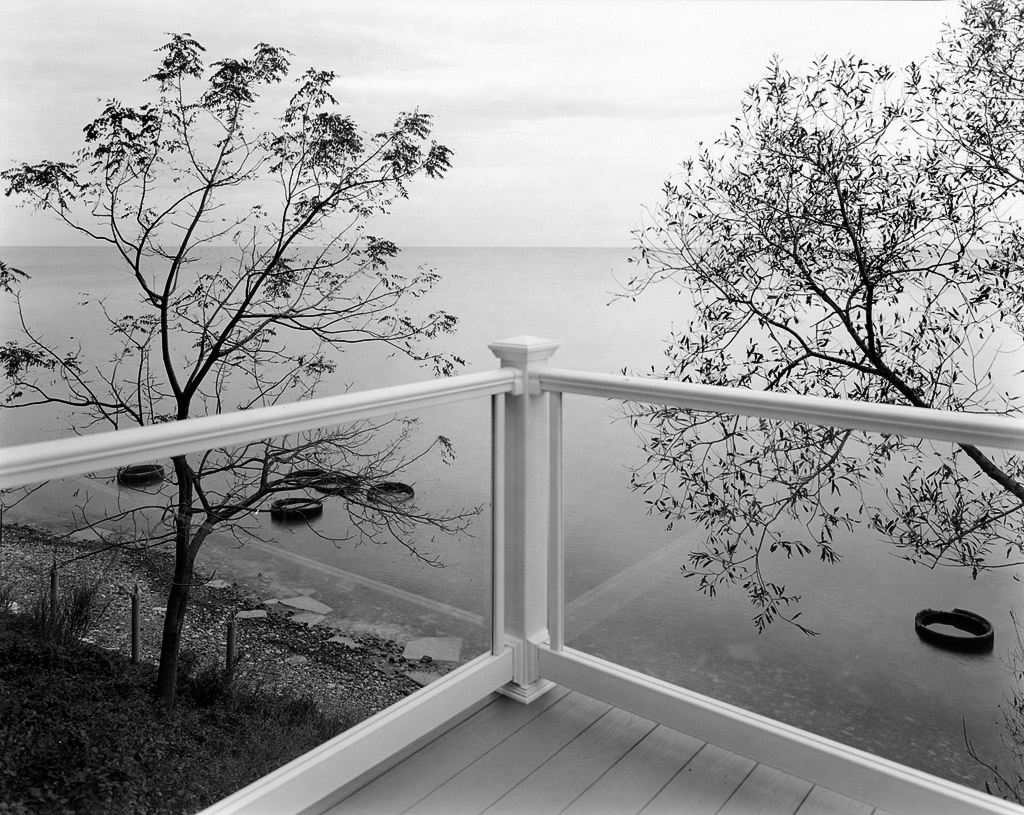
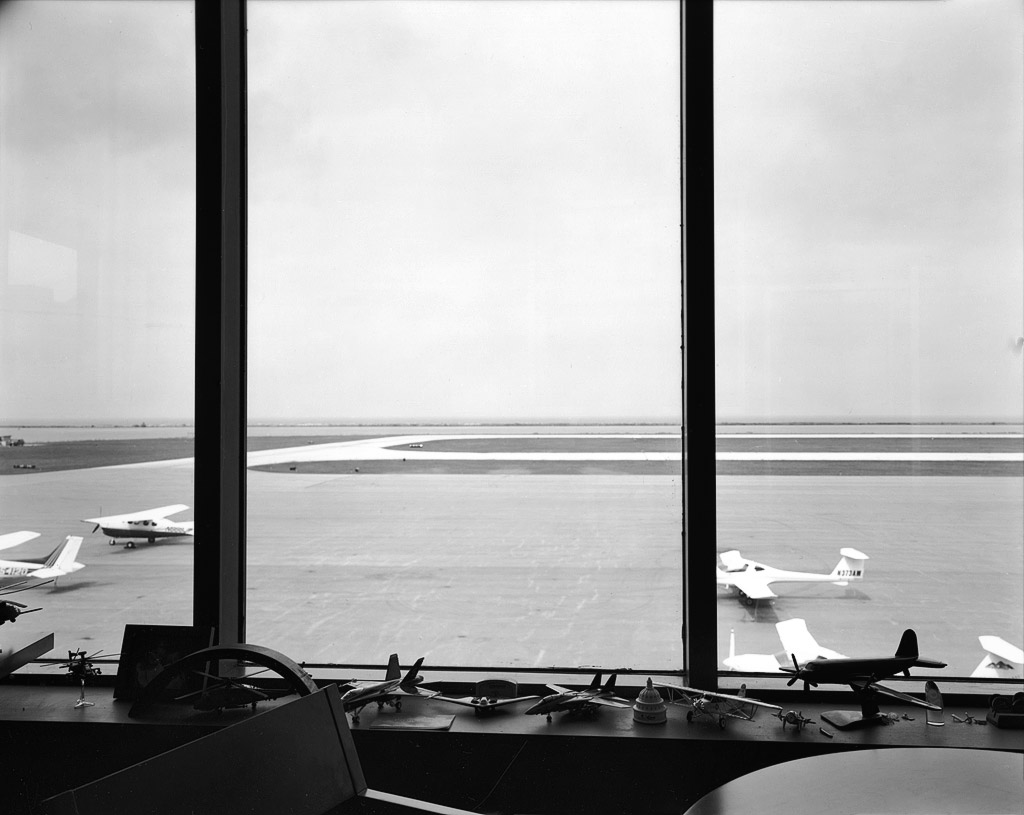
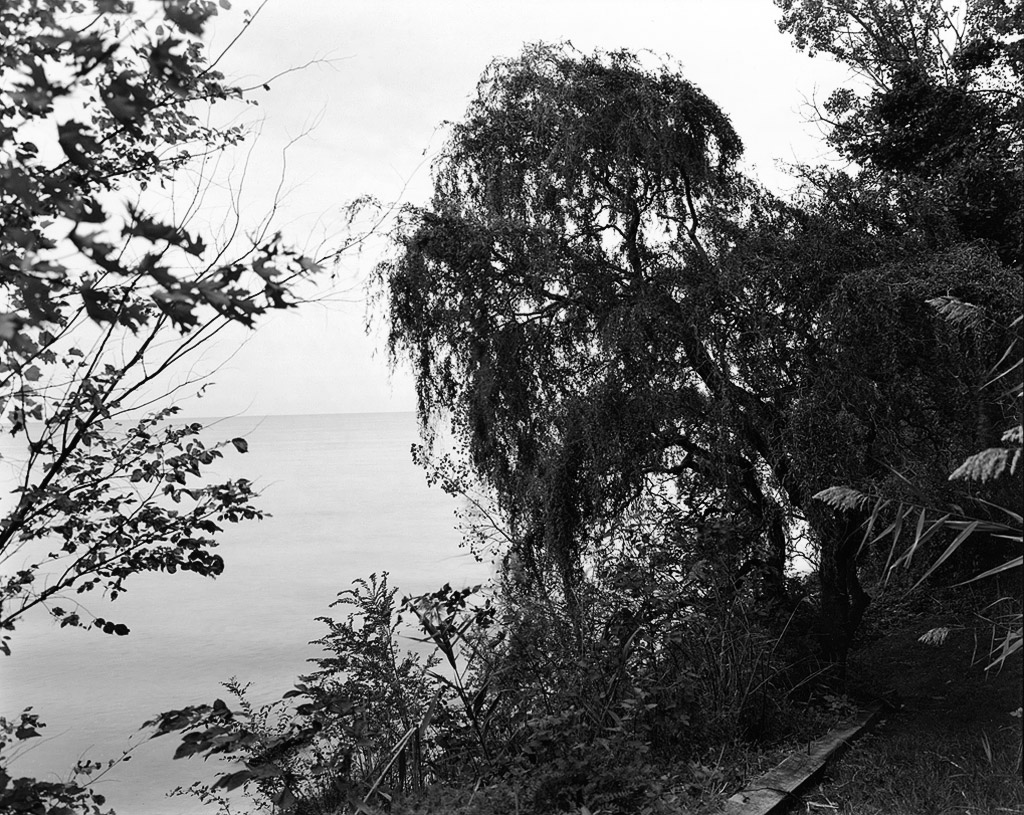
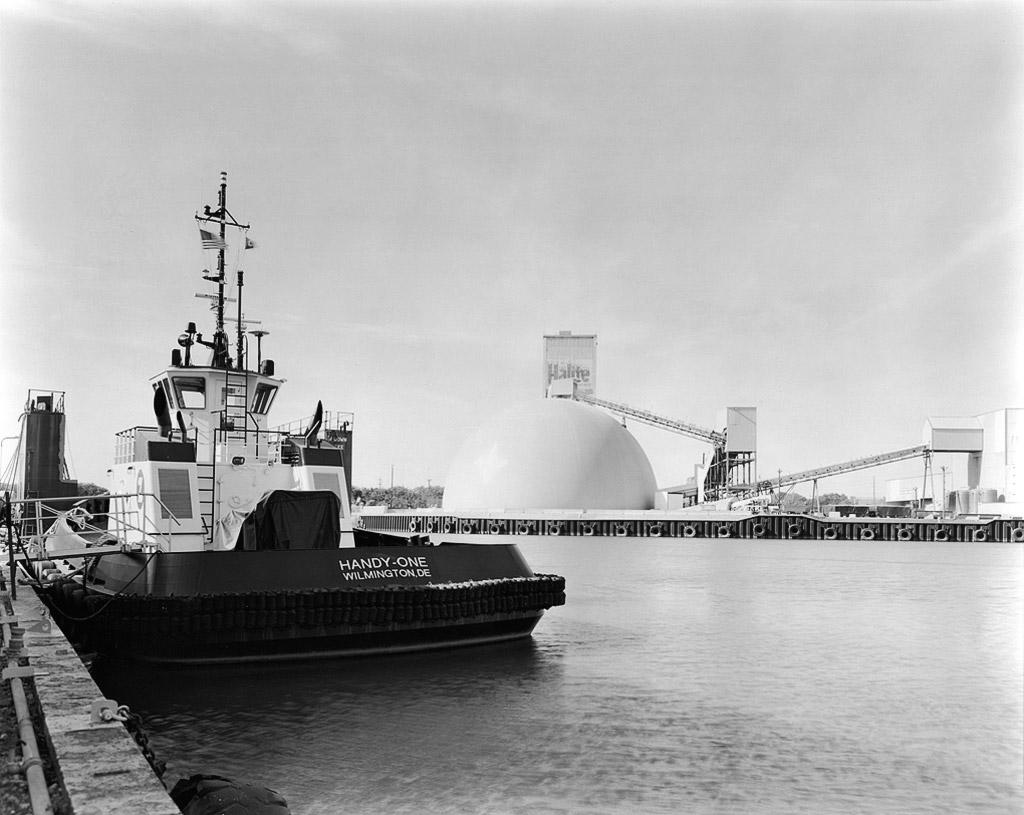
Lynn Whitney’s striking photographs provide a glimpse into life on Cleveland’s lakefront, illustrating the varied recreational, cultural and commercial roles Lake Erie plays in our community. The lake, part of one of the world’s largest fresh water systems, also is a significant asset in the efforts of many to make Cleveland a leader in sustainability. Whitney, head of the photography program at Bowling Green State University since 1987, has exhibited both nationally and internationally. She has undergraduate degrees from Boston University and the Massachusetts College of Art and earned her Master of Fine Arts from Yale University. Her previous work includes a commission by the Toledo Museum of Art to document construction of the Veterans Glass City Skyway in that city.







Letter from the Executive Director
2009 Annual Report
Sustainability is one of the bywords of the day. Despite the attention demanded by other pressing issues, each new environmental crisis forces more of us to recognize the necessity to live our lives in a way that does not diminish the prospects of future generations. While the urgency of this need is still recognized by too few, especially among policymakers, the overwhelming evidence mounts. We must change.
Cleveland’s place and potential in the sustainability story are unique, with an iconic river that empties into a lake system containing 20 percent of the world’s fresh water. Of course, the Cuyahoga River’s fame was acquired involuntarily with the publicity that attended a burning oil slick in 1969. And even before then, the popular press was declaring the “death” of Lake Erie from various environmental stresses.
The fire of 1969 was a relatively minor event, but it became a powerful symbol and catalyzed the modern environmental movement even as it came to represent the decline of Cleveland and the industrial Midwest. The fire ignited an outcry that questioned the nation’s stewardship of our natural resources and contributed significantly to the passage of the Clean Water Act.
Some Clevelanders would still prefer to forget the fire. But the restoration of the Cuyahoga over the past 40 years has become a remarkable story that carries its own potent symbolism. In addition, public attitudes have shifted. People are much more environmen-tally conscious, and there is even a growing recognition that the Cuyahoga River and the fire that made it famous give Greater Cleveland a competitive advantage if creatively leveraged.
Cleveland Mayor Frank Jackson began the process of seizing that advantage in 2009 with a three-day summit conference entitled “Sustainable Cleveland 2019,” keying on the date that will mark the 50th anniversary of the river fire. The summit sought to harness thoughts from a broad range of people and organizations for creating a “green” economy. Ideas ranged from microfinance programs to a fresh water institute at the mouth of the river. These and scores of other ideas are yet being sifted. While the momentum of the summit is still to be fashioned into a meaningful force, its ultimate significance will lie in demonstrating that a place with the industrial history of Cleveland can transform itself. That transformation would be especially powerful in the home of the burning river because it would be so unexpected.
A vital element of Cleveland’s sustainability advantage goes beyond the remediation of a degraded waterway and centers on fresh water itself. The world’s supply of fresh water is under strain from population growth, climate change, unsustainable development practices and other forces. The social, scientific and political issues associated with preserving fresh water will increasingly dominate the world’s thinking. Cleveland’s perch on the shore of one of the largest fresh water systems in the world can be forged into a vast community and economic benefit if the proper strategic focus is applied. We hope the Sustainable Cleveland 2019 summit puts us on that path.
Because Lake Erie is so vital to our future, we revisit its shoreline in this year’s photographic essay. The lake also was the subject of the annual report essay in 1997. The images portray Lake Erie’s natural appeal, its all-too-common inaccessibility and its enormous potential. The metaphorical impact of the photos lies in the line they portray between here and there; we have too often, in effect, walled off Lake Erie and embraced it only fitfully. As Cleveland strives to move from the tenuous present to the future we desire, and to achieve leadership in sustainable values and practices, we must find ways to tear down that wall.
David Abbott, Executive Director of The George Gund Foundation
Early Education
Photography
Sage Sohier (2008)
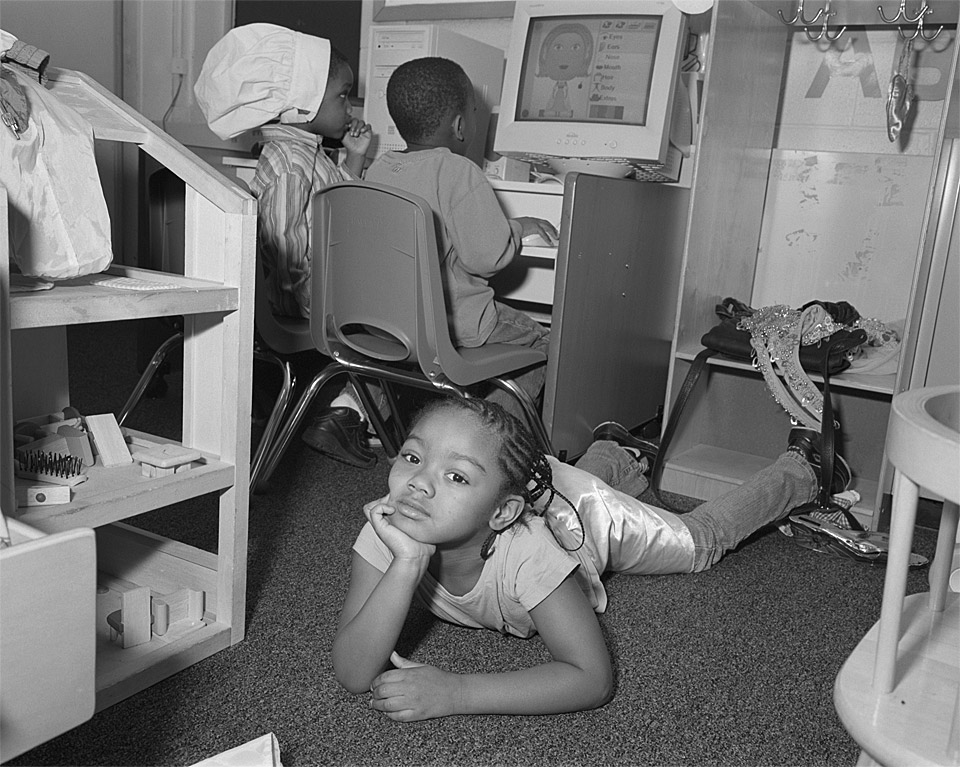
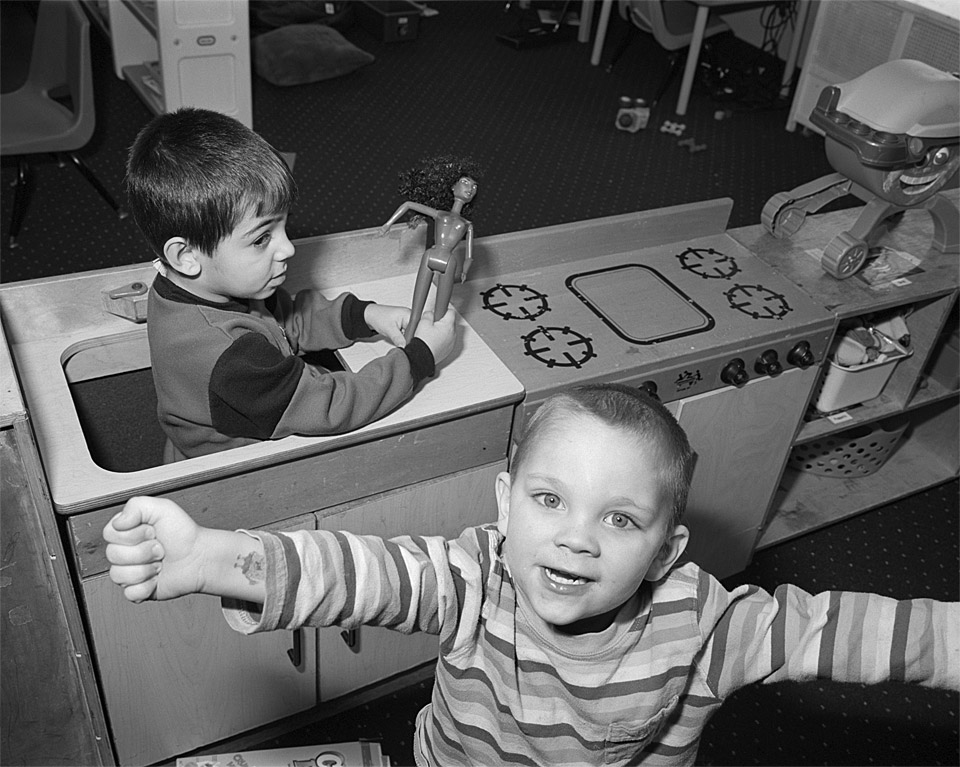
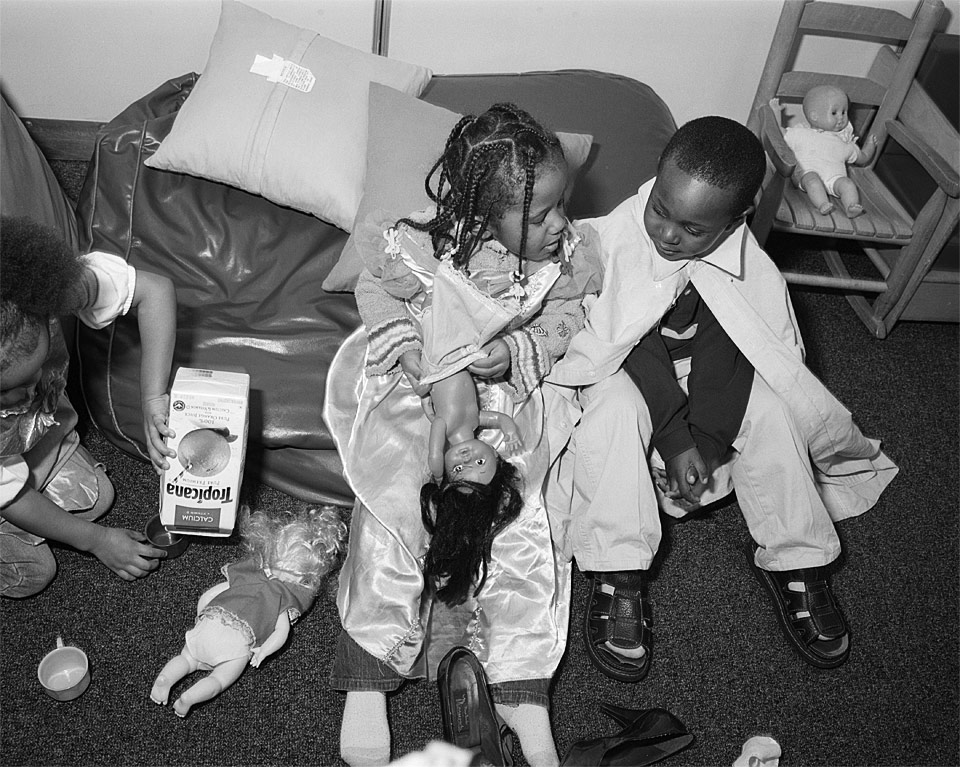
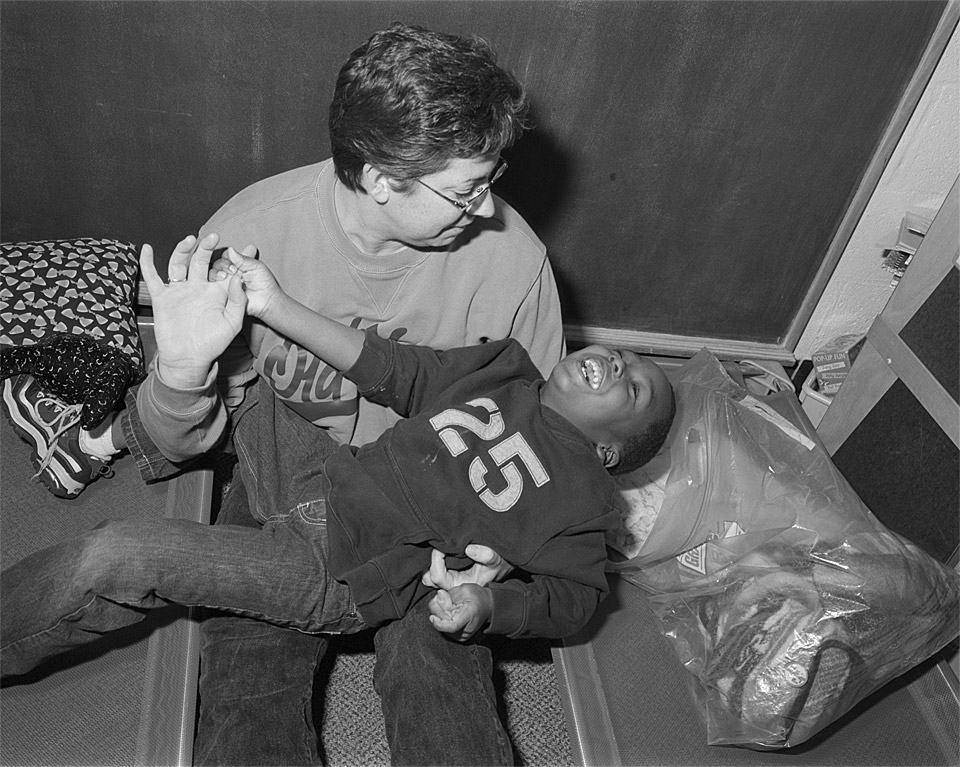
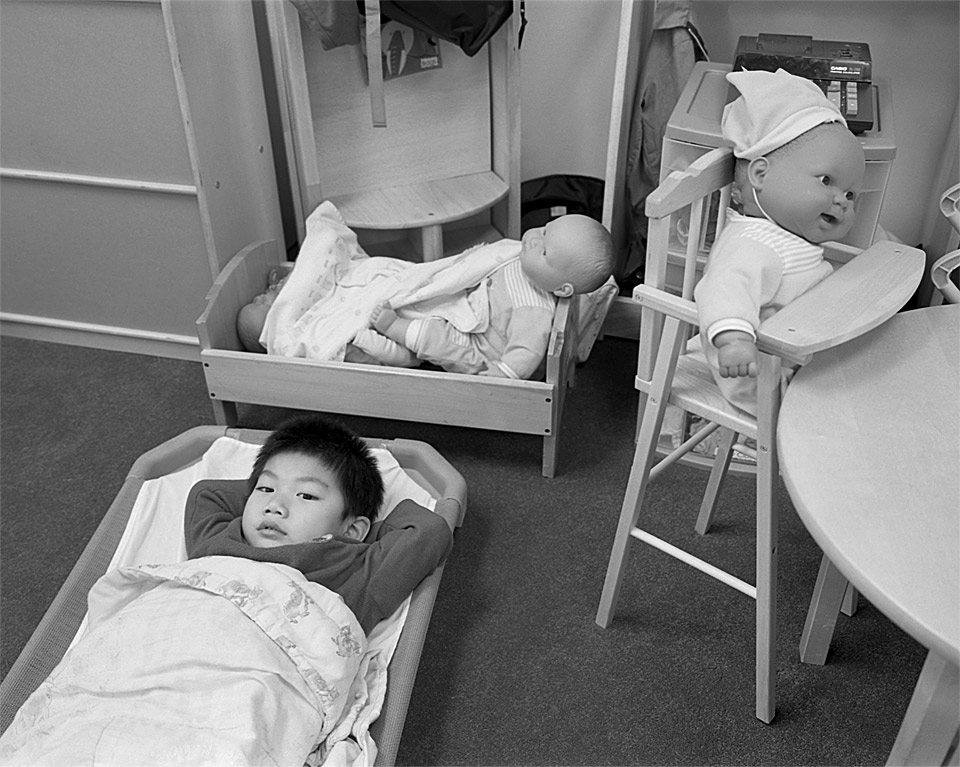
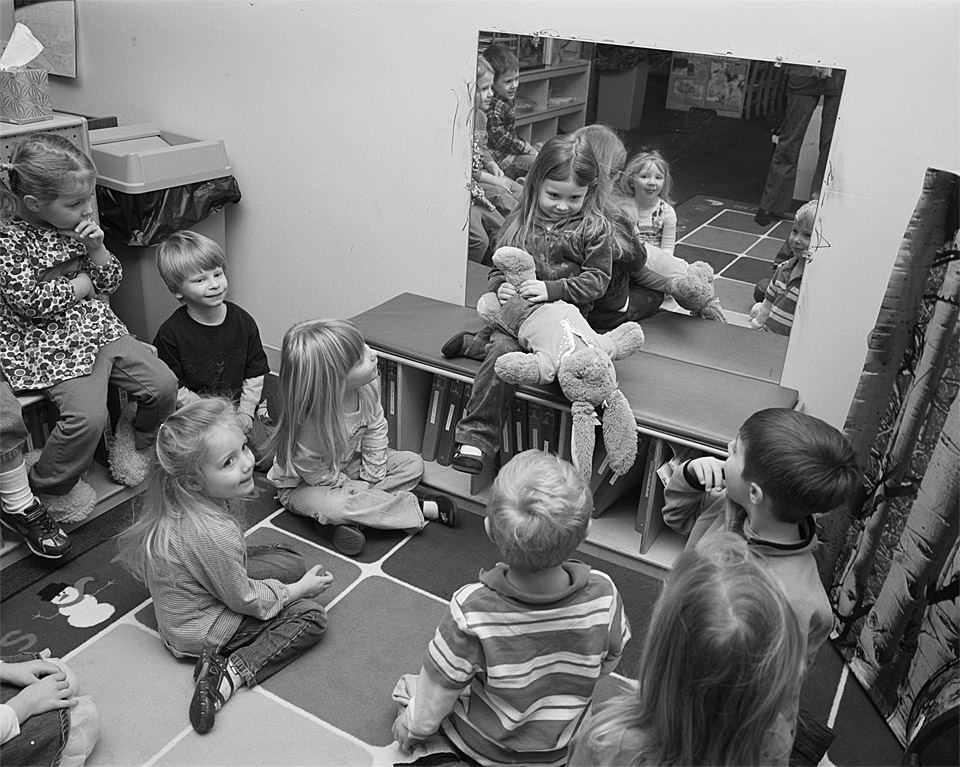
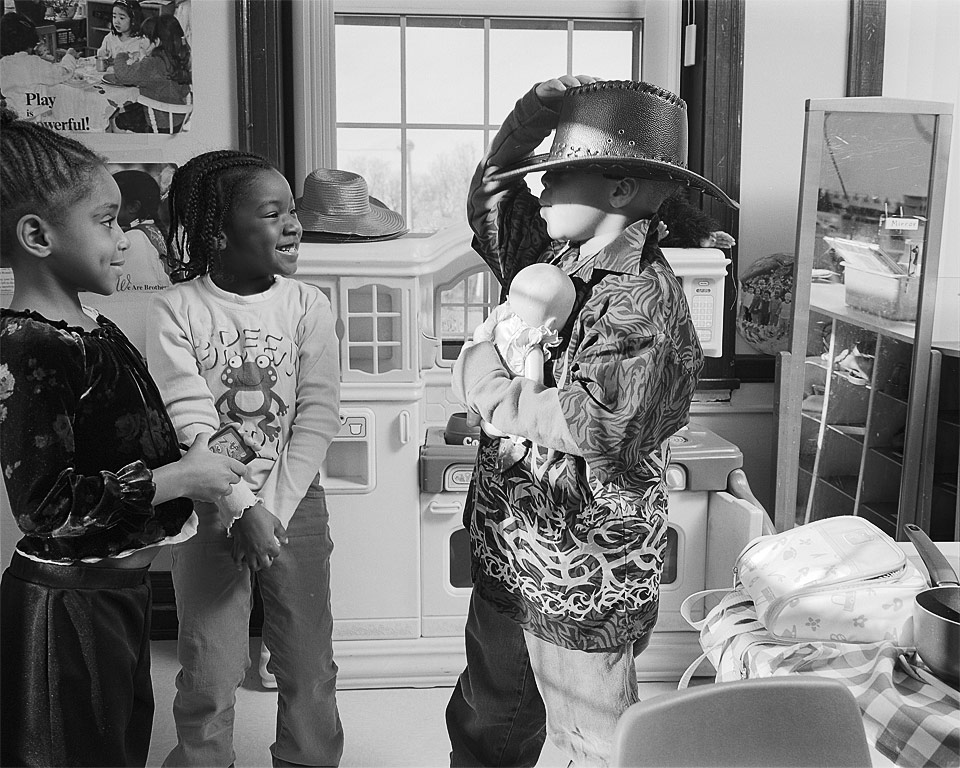
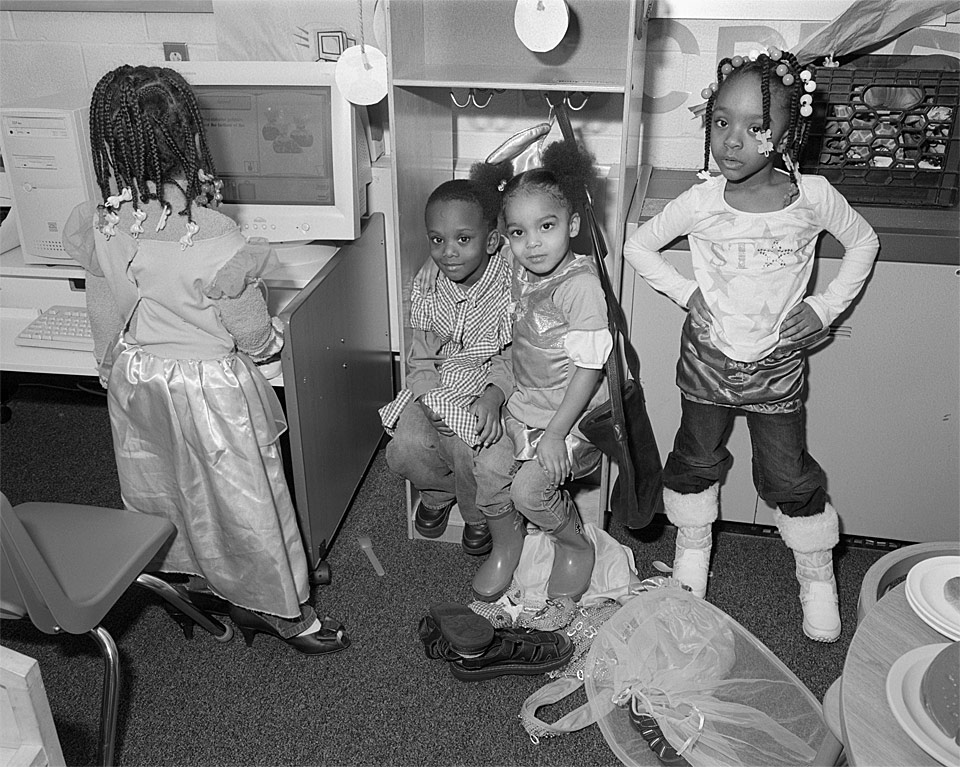
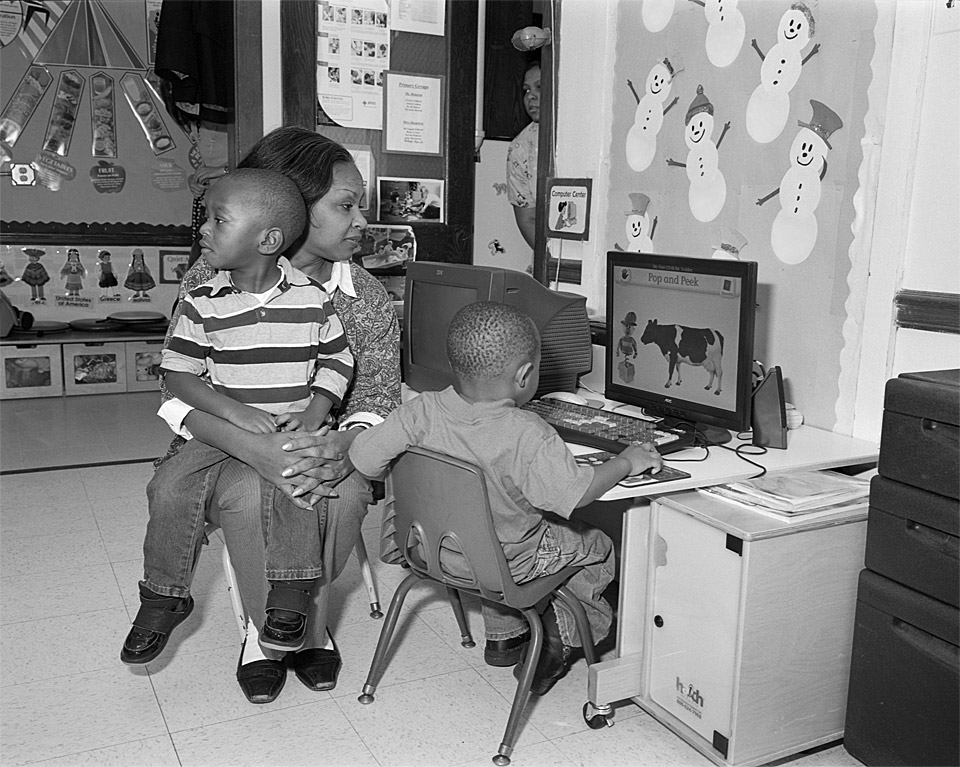
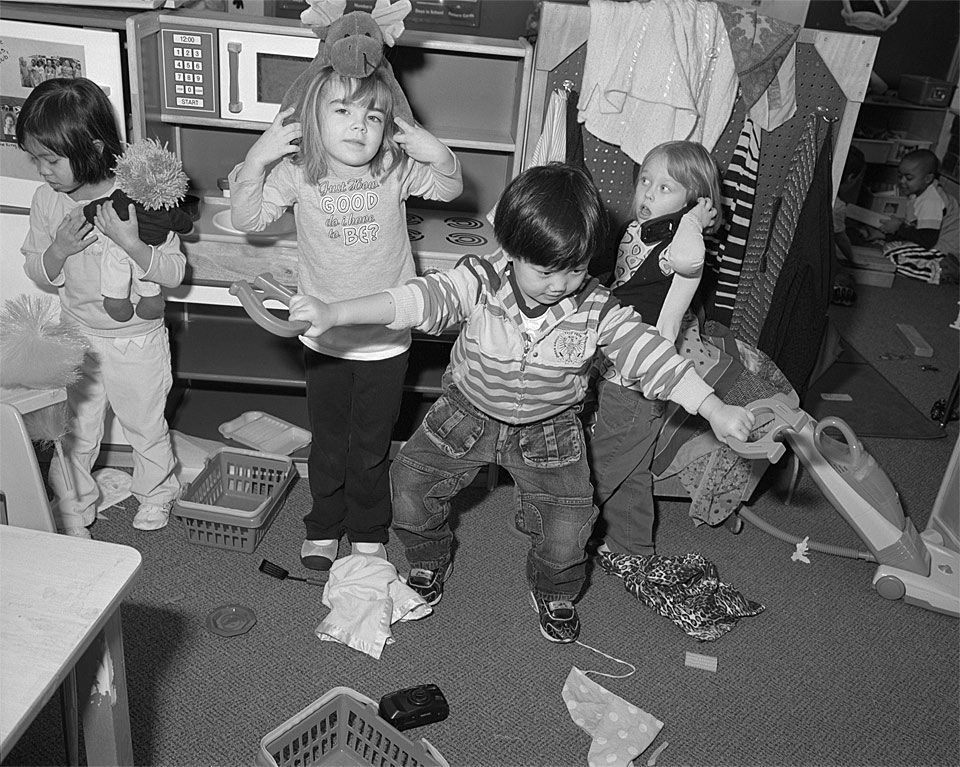
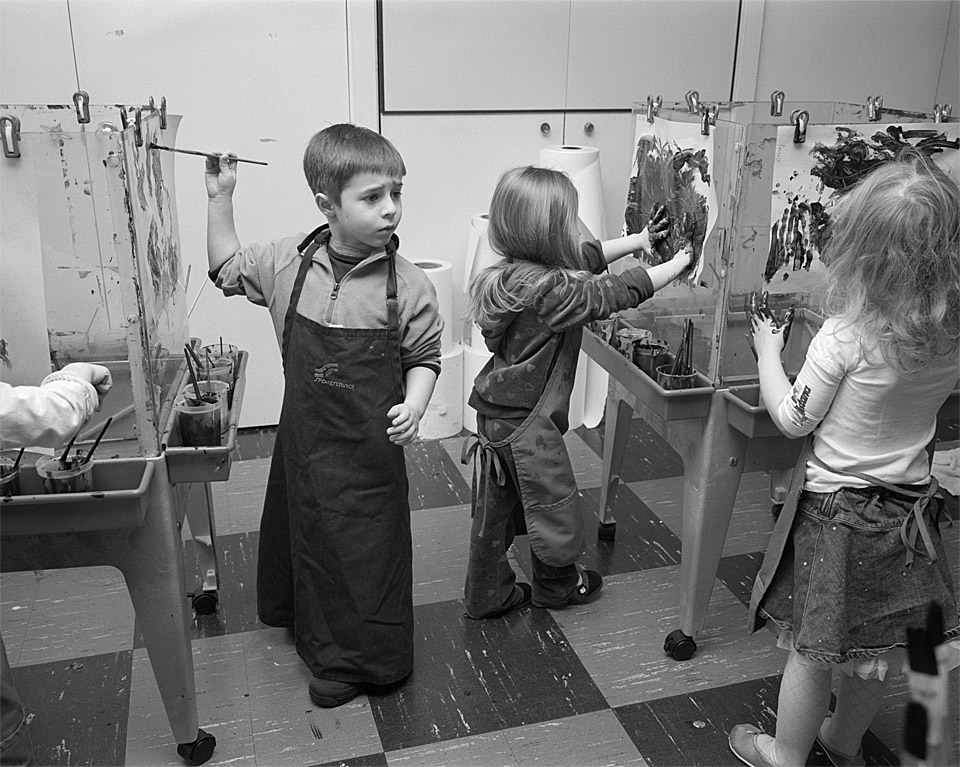
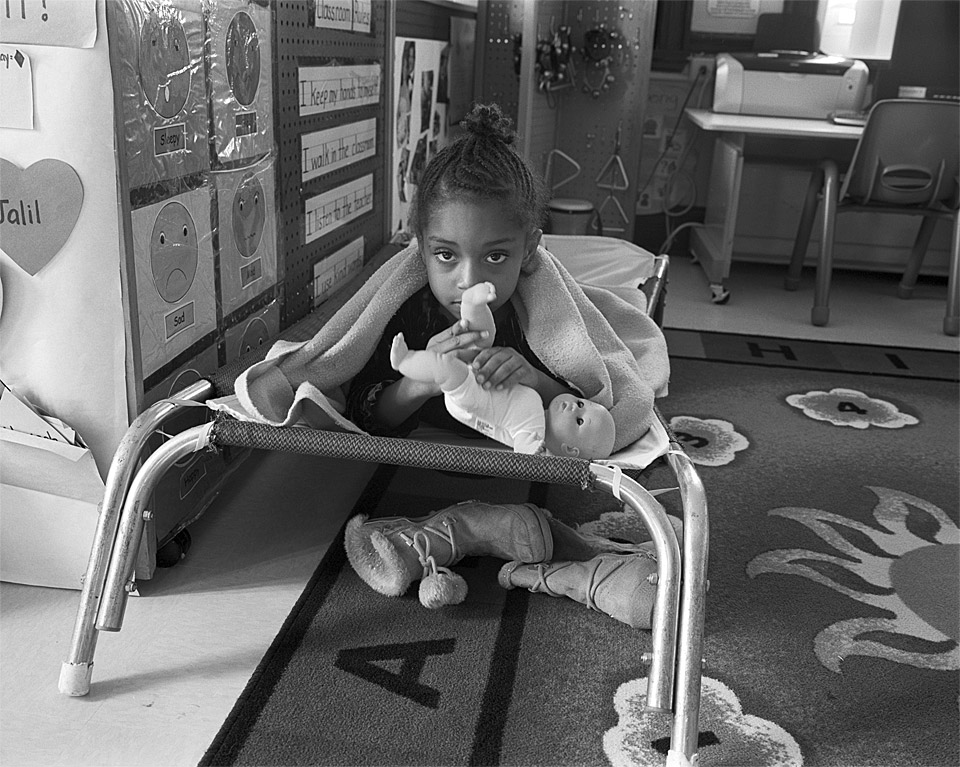
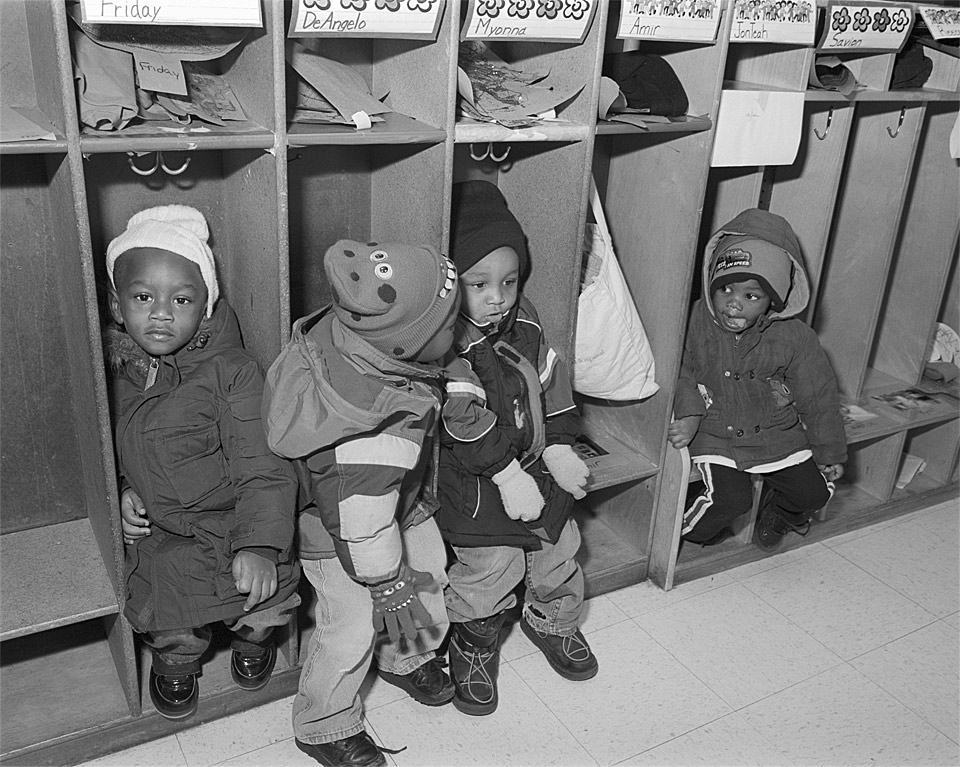
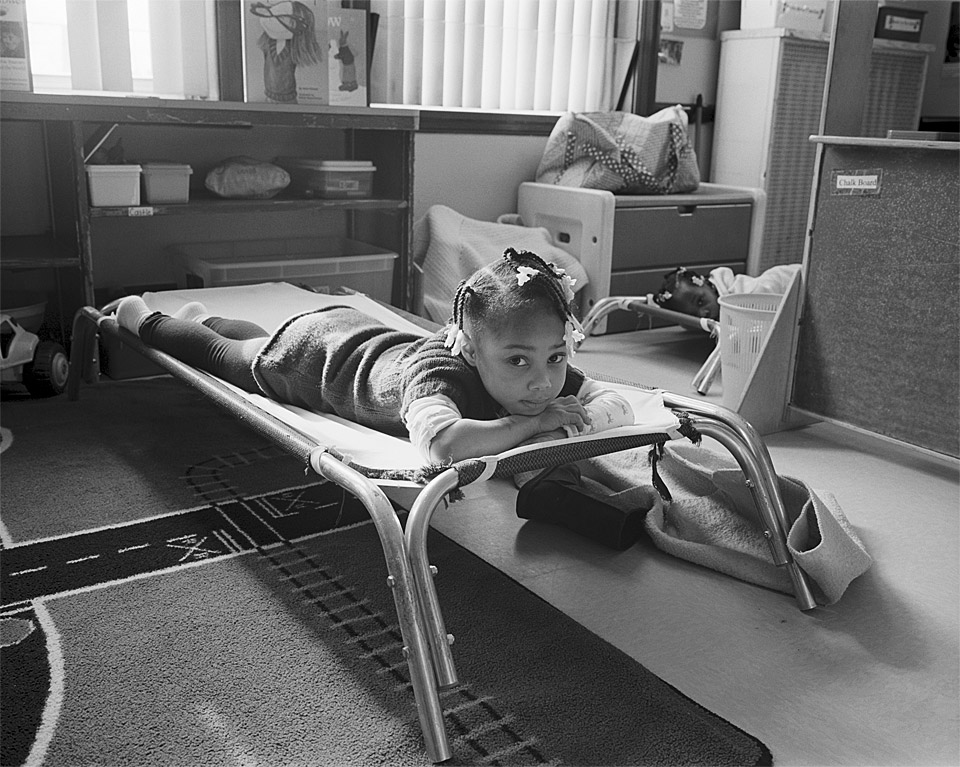
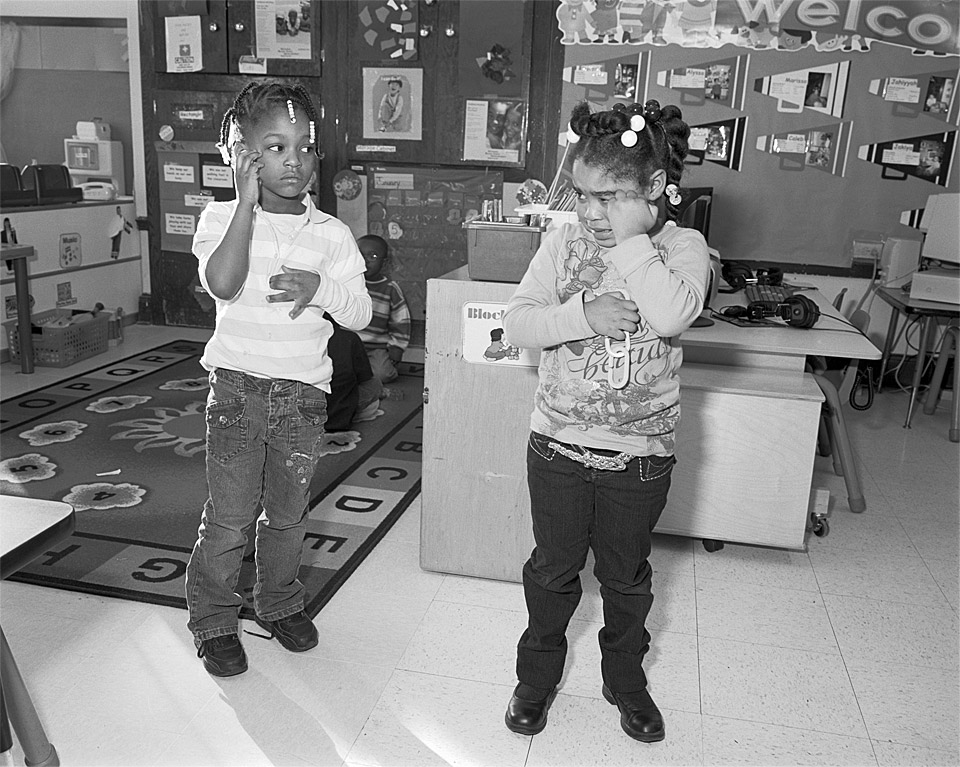
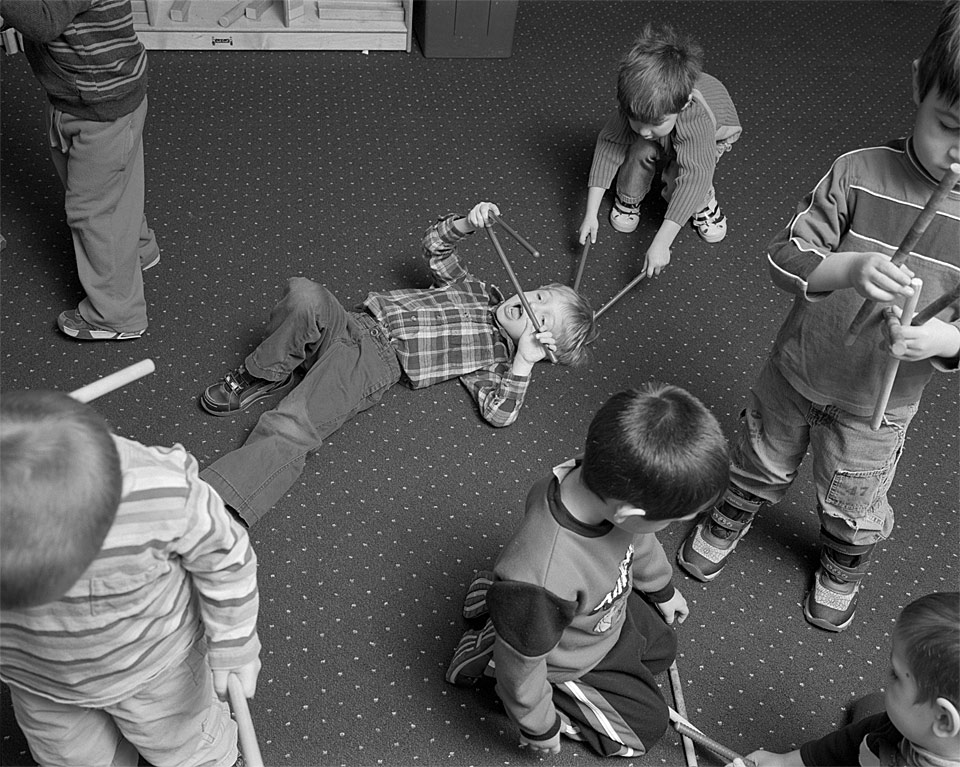
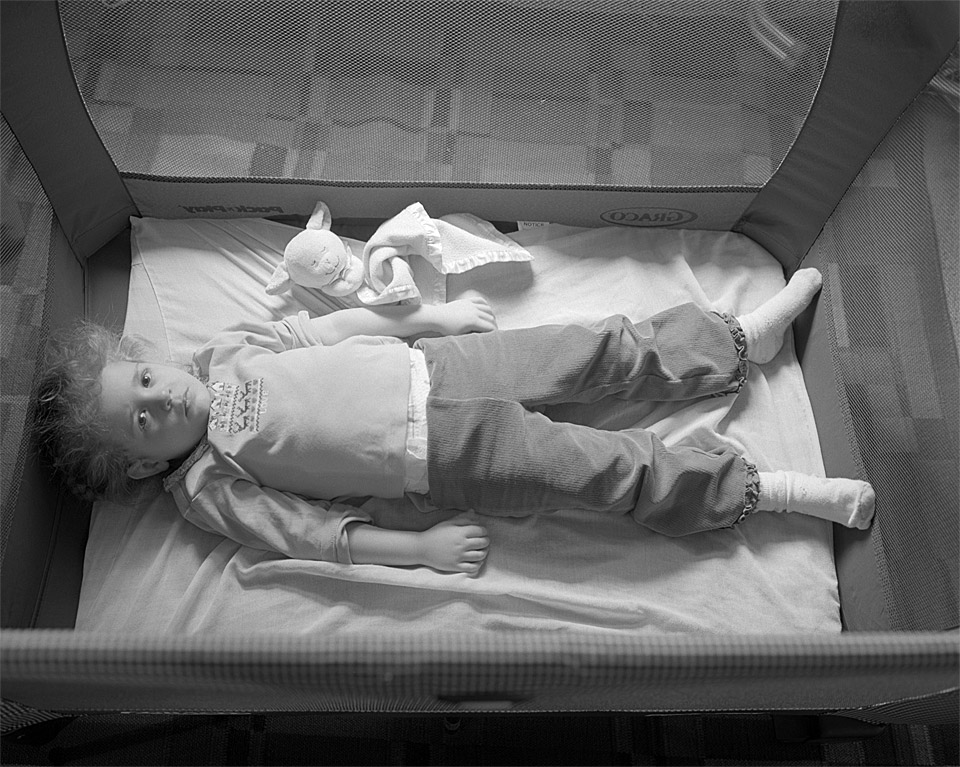
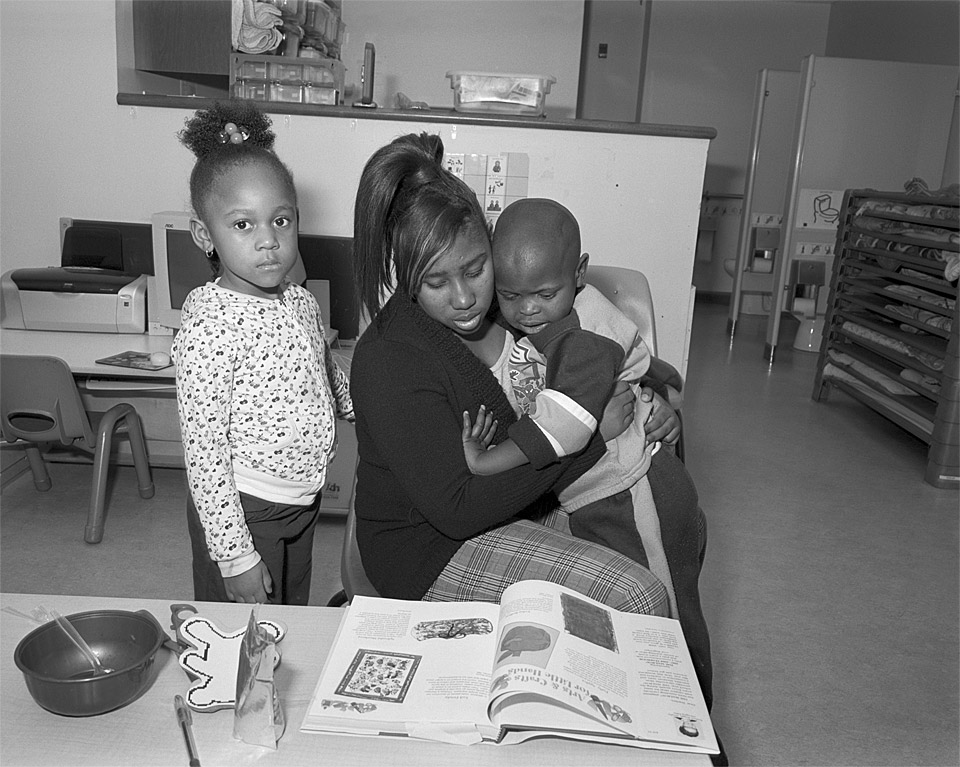
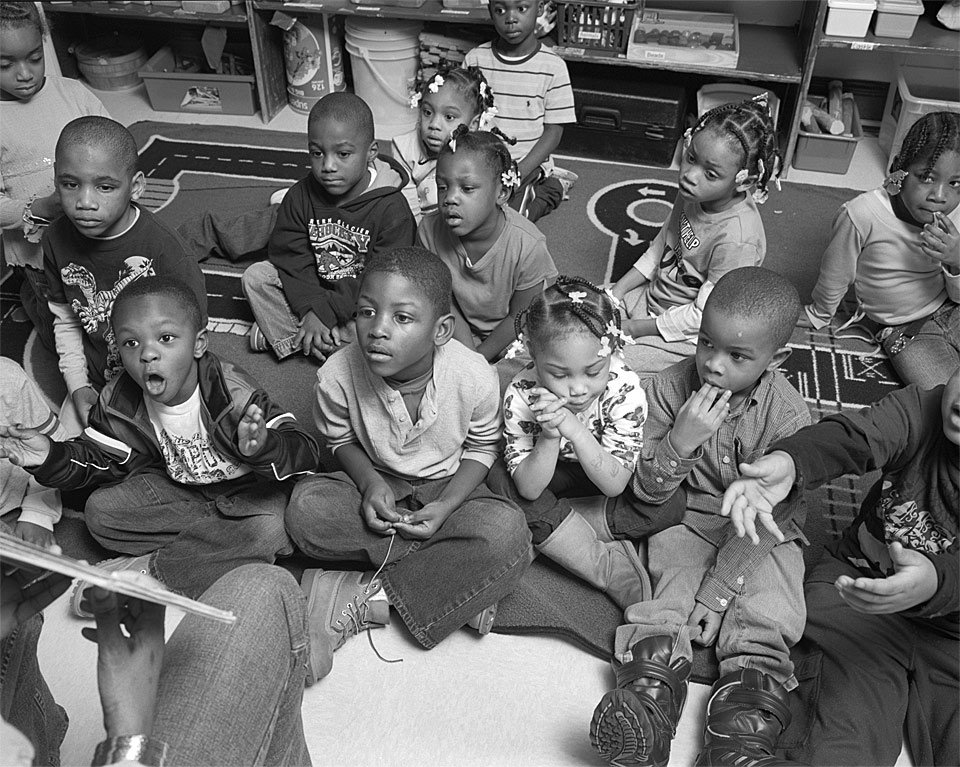
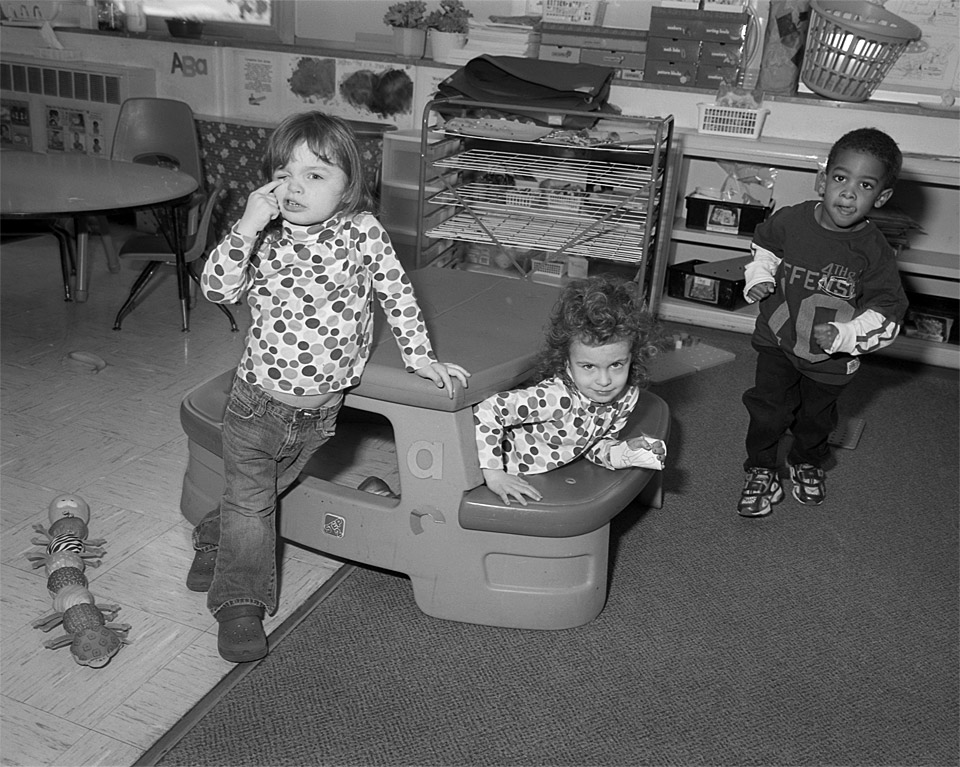
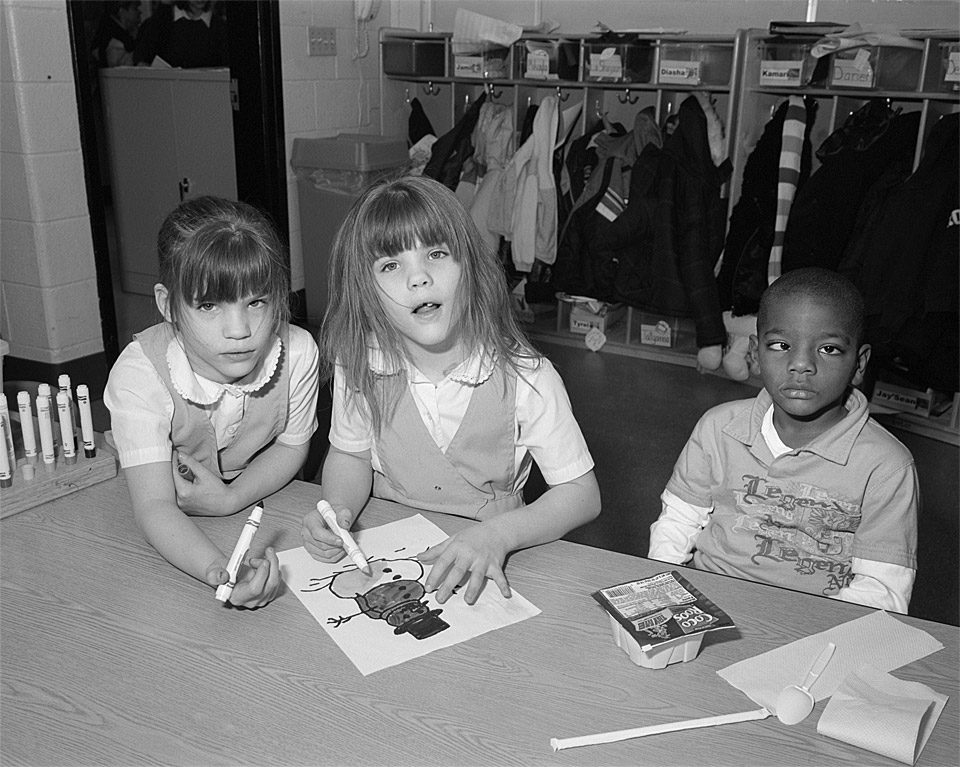
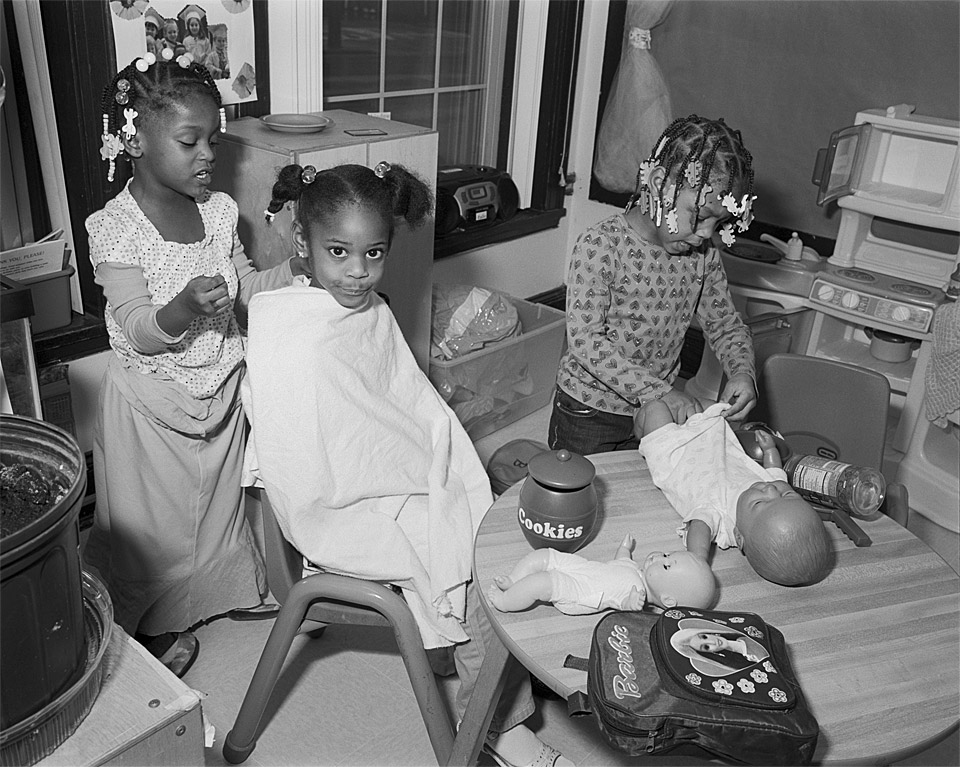
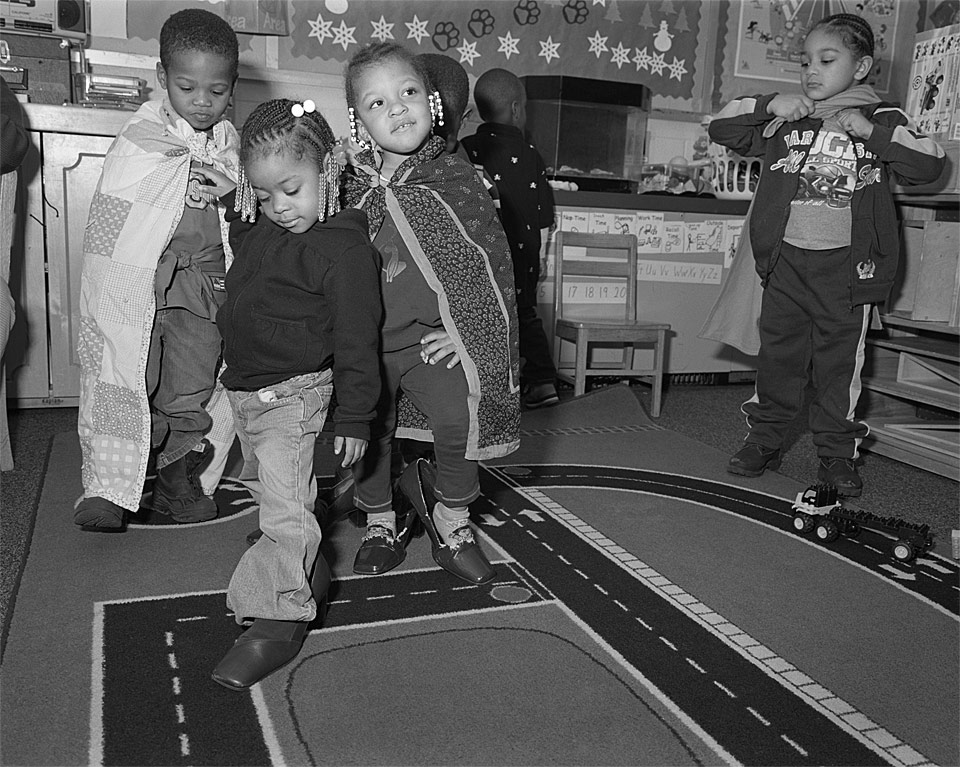
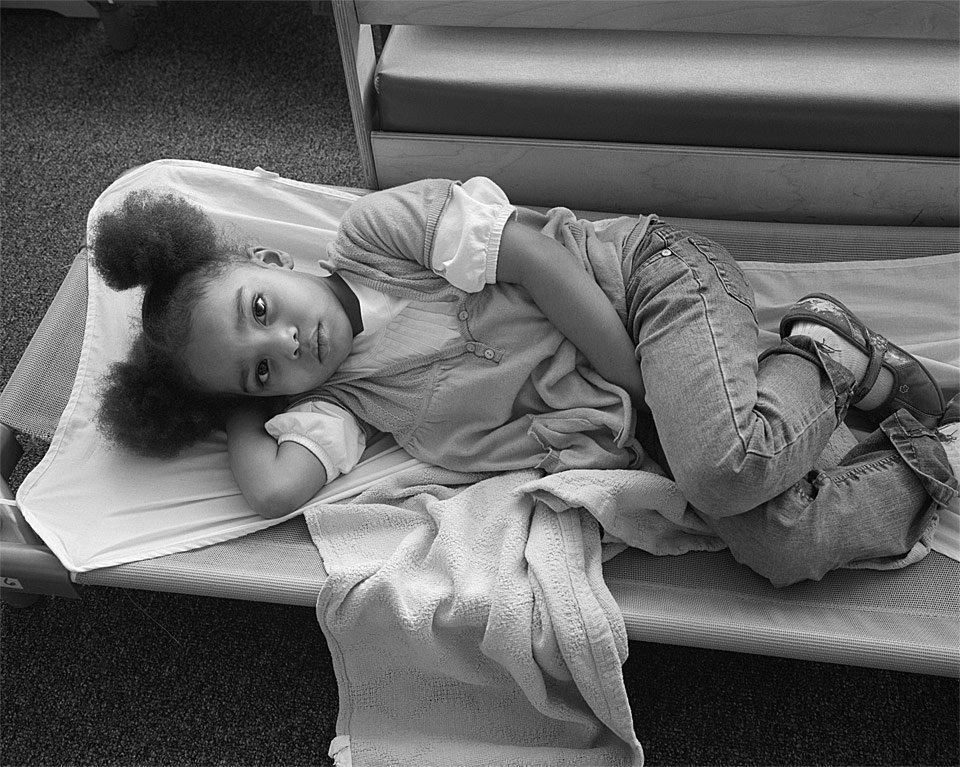
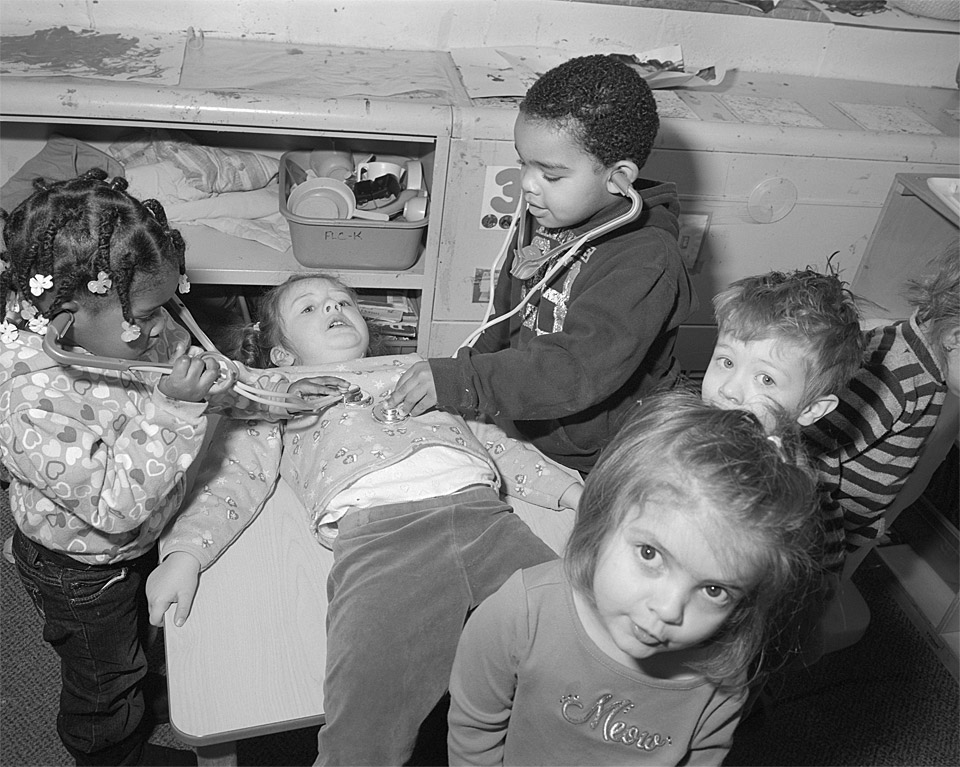
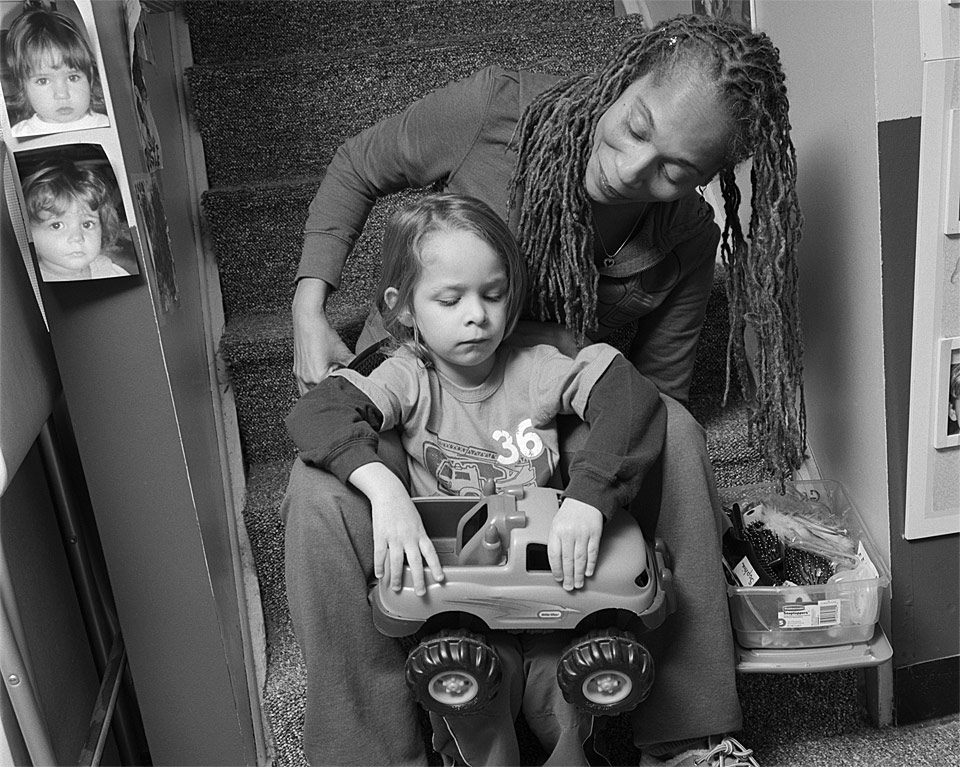
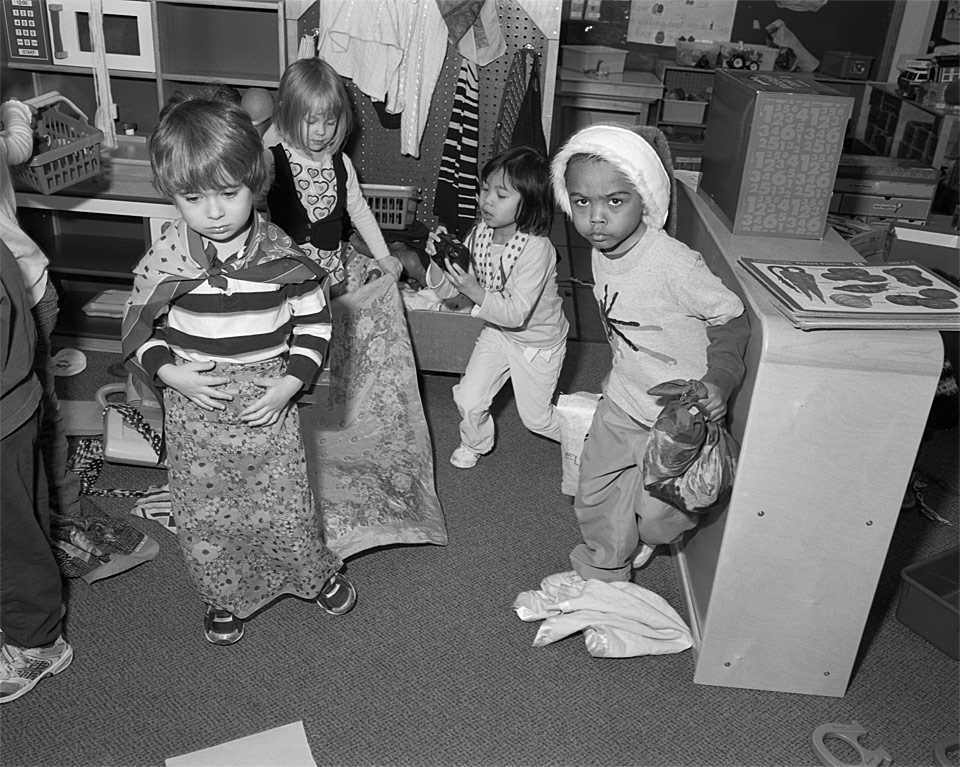
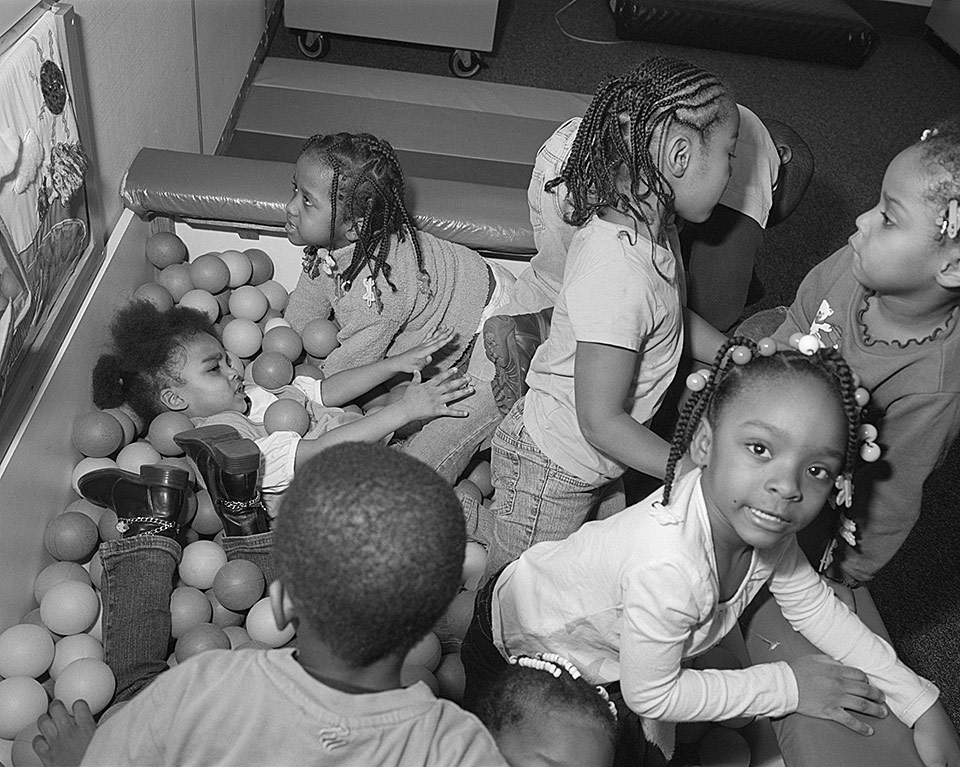
The George Gund Foundation is a longtime supporter of programs and policies that emphasize the importance of a child’s early years. The photographs in this annual report reflect the work of Invest in Children, Cuyahoga County’s public-private early childhood partnership. Sage Sohier’s images offer a delightful glimpse into the daily lives of these preschoolers as they learn about the world around them and build the critical foundation needed for success in later life. Sohier, an artist and freelance photographer whose work is featured in numerous publications and public collections, is the recipient of many awards, including a prestigious John Simon Guggenheim Memorial Foundation Fellowship. She also has taught photography at a number of colleges and universities, including Wellesley College, the Rhode Island School of Design and Harvard University.






Letter from the Executive Director
2008 Annual Report
The difficulties of the present tempt us to ignore the future. The current economic crisis has created needs that are immediate, growing and real. The charitable impulse naturally bends toward needs of the moment, but foundations also must constantly look to the horizon in order to achieve the greatest good.
Indeed, philanthropy is uniquely positioned to think long term, and it is important for us to use our role to help others act beyond short-range responses. That is why we should think about the needs of children, such as those who are featured in this annual report’s photographic essay, when weighing investment decisions. The future of those children should motivate us more than our present circumstances.
The children are pictured in various early education centers supported by Invest in Children, Cuyahoga County’s model public-private partnership that strives to improve the life of every child in the county. It is one of the best expressions of our hope to have a culture that values and supports the growth of children. It reflects not only the moral imperative to nurture our youngest citizens but also the conviction that few things pay such abundant social dividends as investing in early care and education. In a society that was excessively focused on immediate rewards even before the economic crisis hit last year, some serious thinking about children would do us good. It would help us commit to the long-term action that is needed to truly meet our challenges. Yes, we need economic stimulus that puts people back to work. Yes, we want growth now. But the most important issues we face are systemic and entrenched. Our country requires more than a quick shot in the arm. We need transformation.
Take education, for example. Because of our archaic education system, America no longer leads the world in educational attainment, and we are rapidly dropping in the ranks. Our performance against international standards is mediocre. The sheer difficulty of this challenge must not cause us to shirk it. Everyone has a stake in how we take action. Philanthropy, in particular, must engage policymakers and citizens alike in order to build the will and capacity that we need to make the change that our children – and the rest of us – require. The Ohio Grantmakers Forum has become an especially valuable collaborative voice for philanthropy on education issues and has effectively pushed for systemic change. Much more work lies ahead.
We need transformation of equal magnitude in meeting society’s energy demands, in our stewardship of the planet and in how we provide health care. In Northeast Ohio, the makeover we require includes our regional economy because we became too dependent on an industrial manufacturing model that is no longer competitive. We are similarly attached to our region’s absurdly inefficient, inequitable and ineffective tangle of local governments. They, too, must become the focus of serious reform. The Fund for Our Economic Future, a collaborative of grantmakers and others, has targeted these issues with promising early results. Yet, effort applied to these and other deep-seated issues will fall short if it is not consistently maintained for the long term.
Our short attention span plagues us. Much of the national debate around solutions centers on immediate stimulus and alleviating distress now. Such measures respond to the crisis, but they do not fully seize the opportunity that this crisis presents. If ever there were a time to direct our focus toward meaningful, concerted campaigns on our most stubborn issues, this is it. Philanthropy can play its part, but everyone needs to join that effort. Thinking about the children pictured here is a good place to start.
David Abbott, Executive Director of The George Gund Foundation
University Circle
Photography
Garie Waltzer (2007)
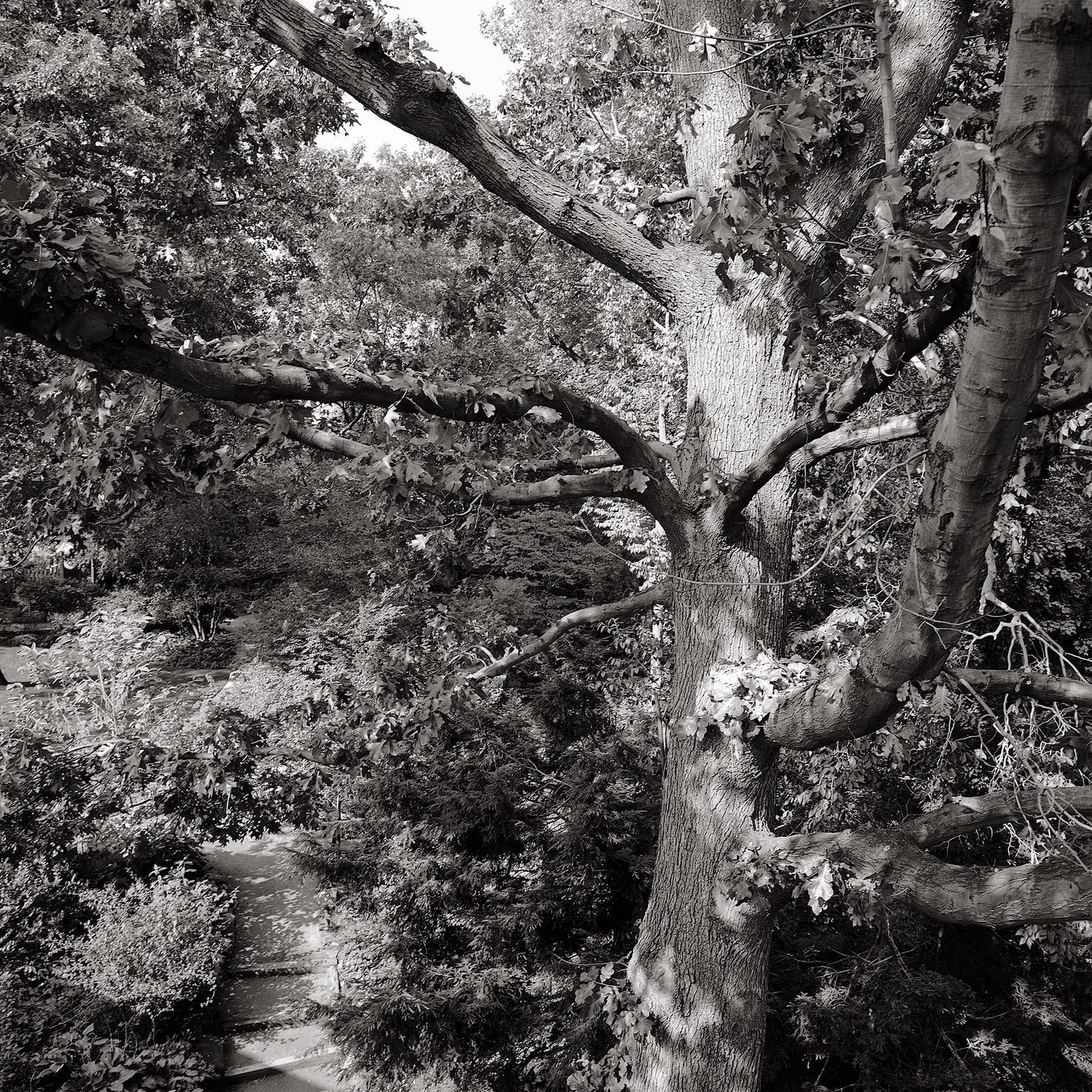
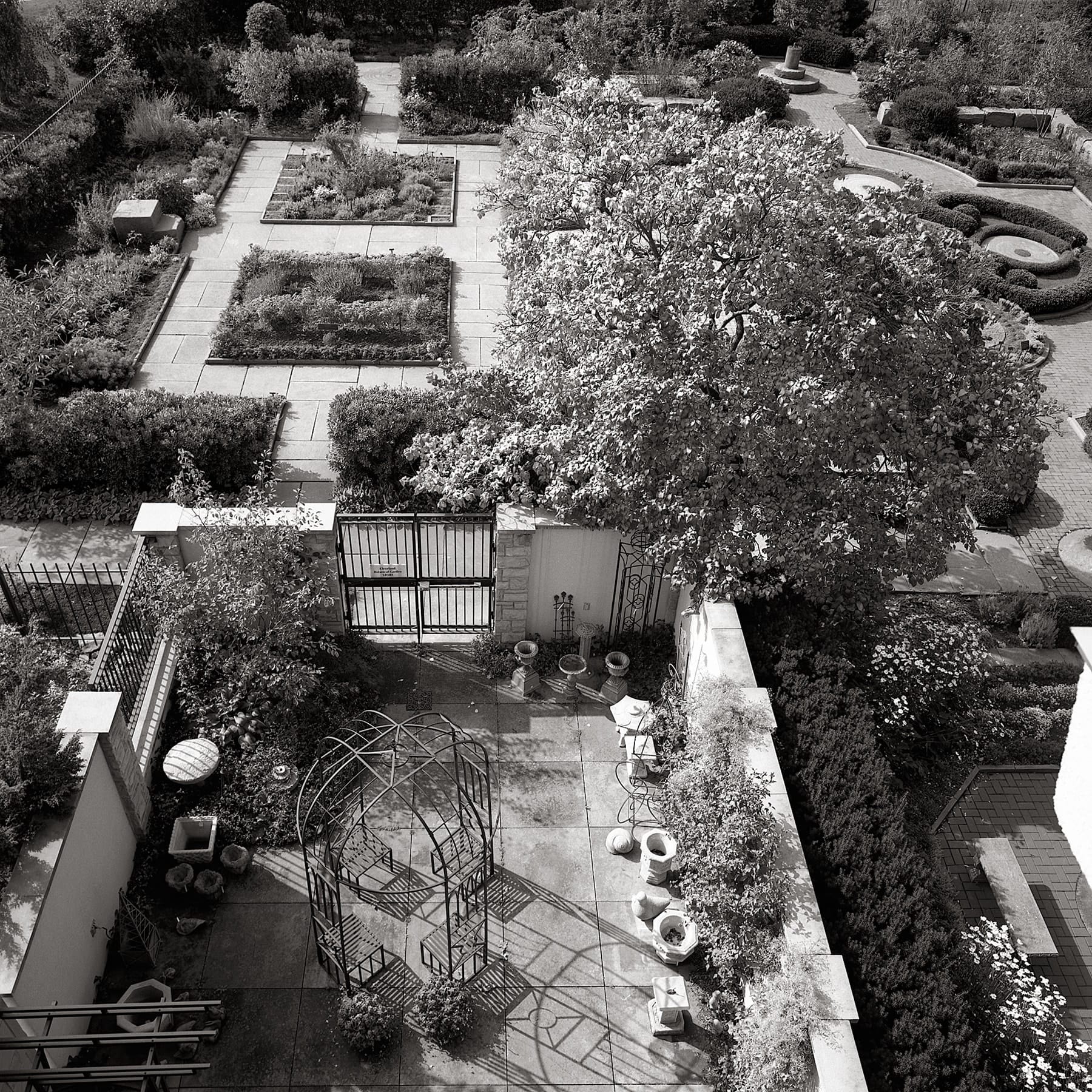
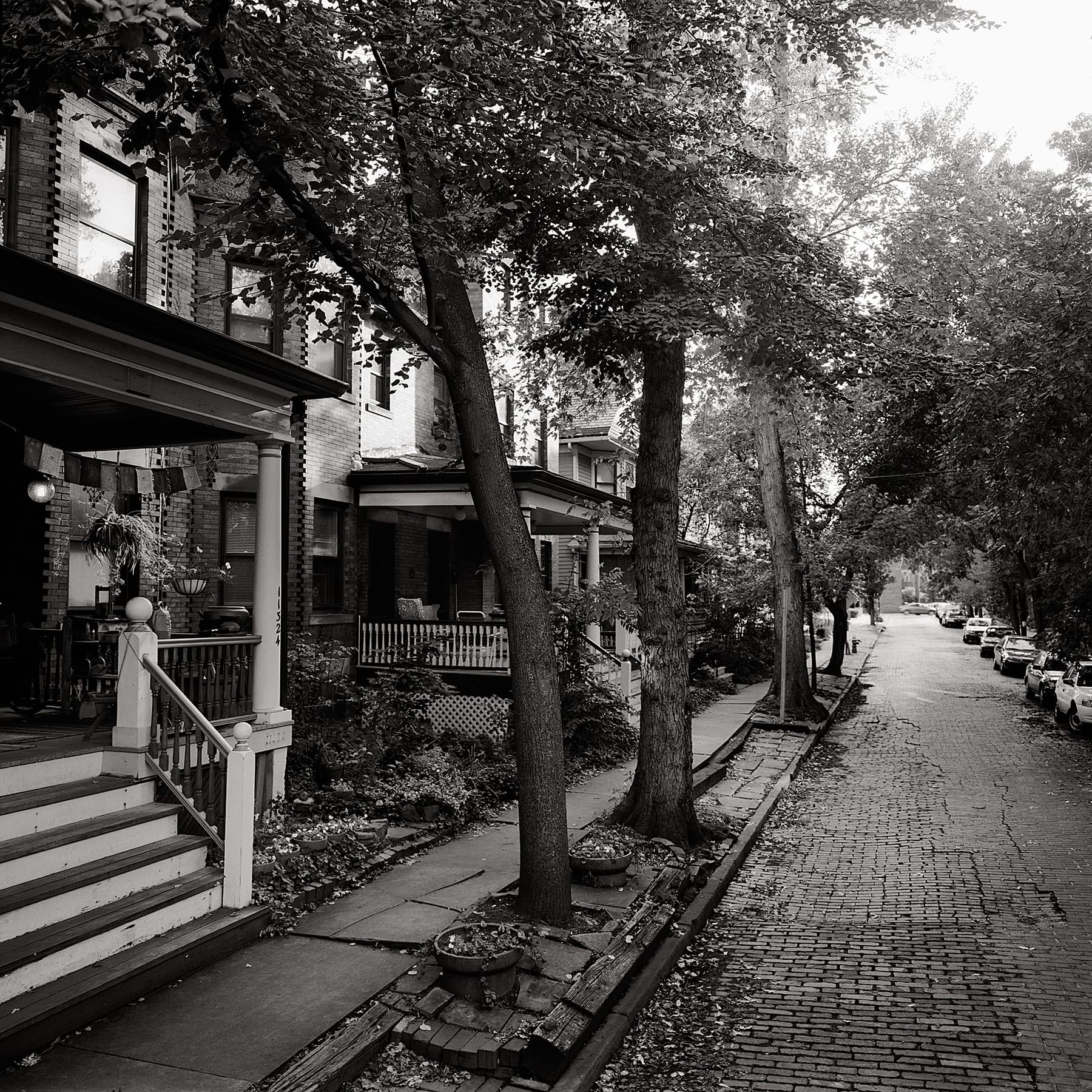
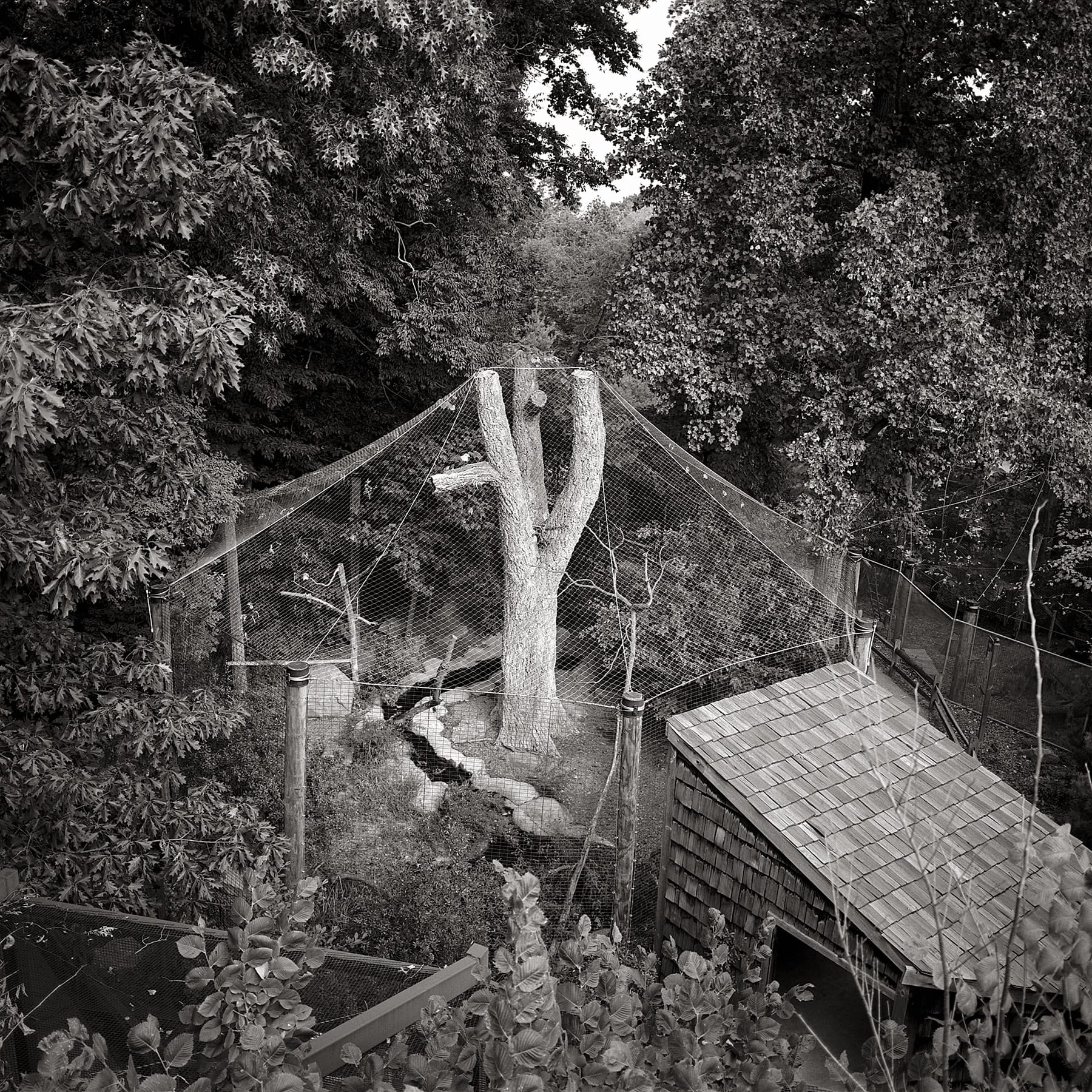
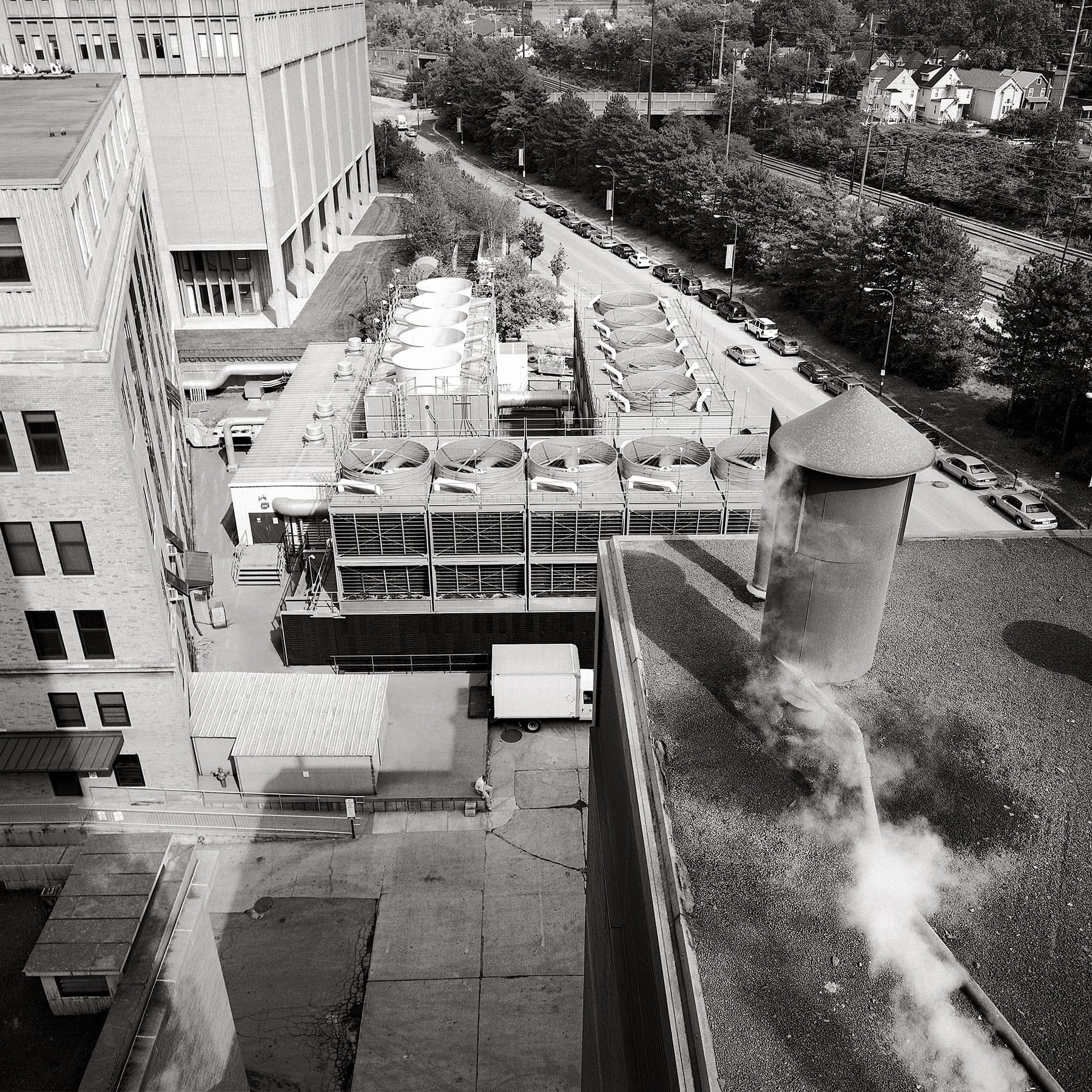
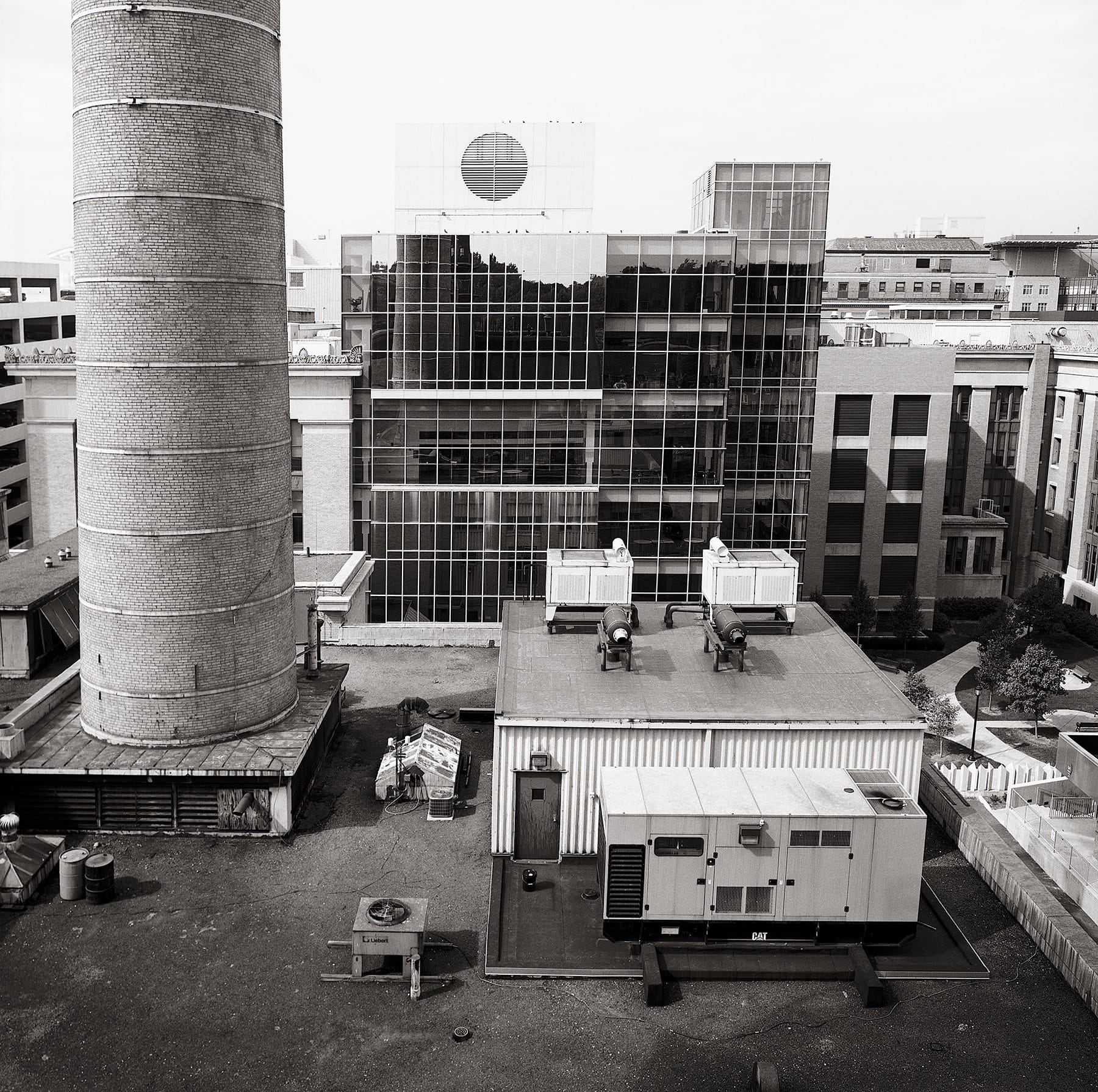
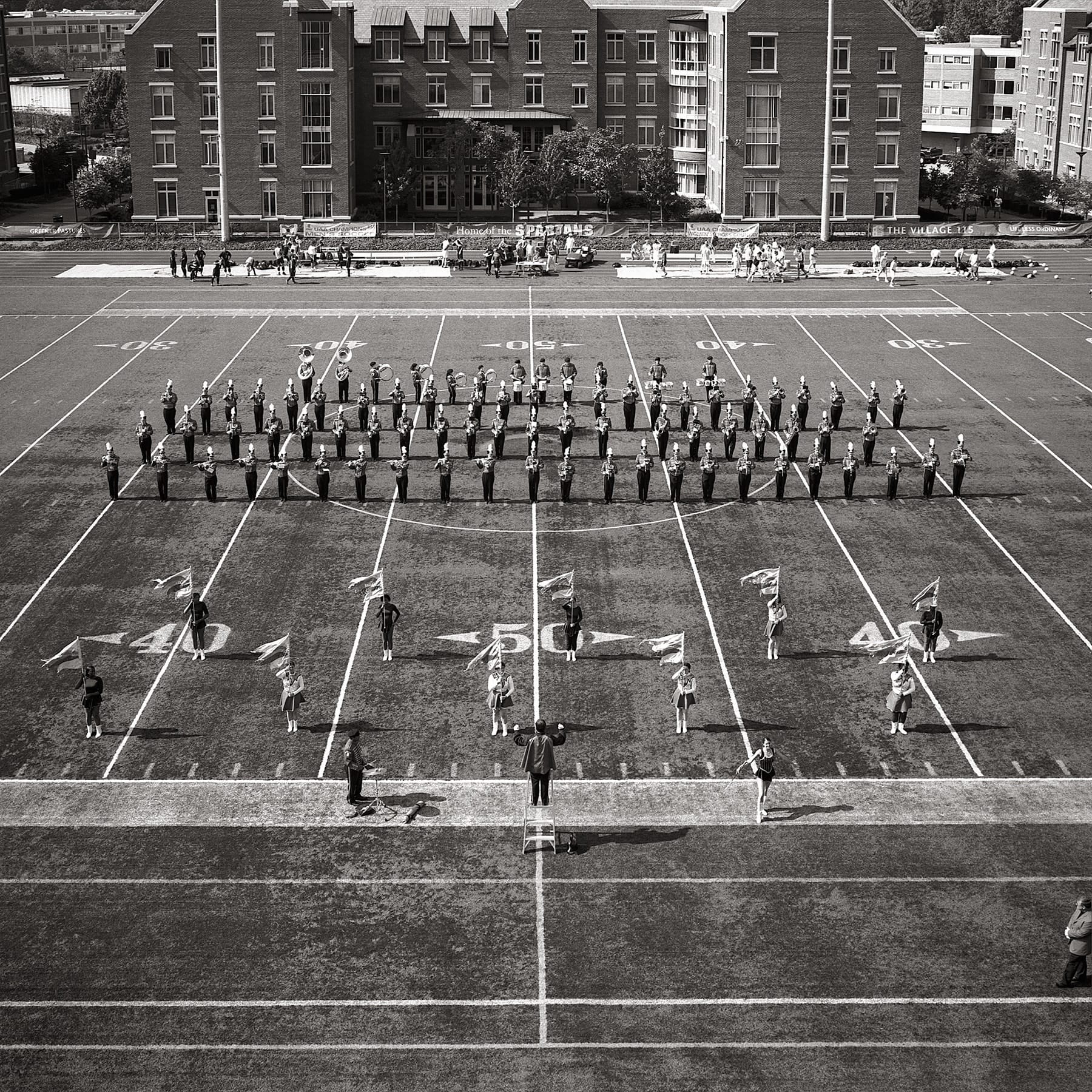
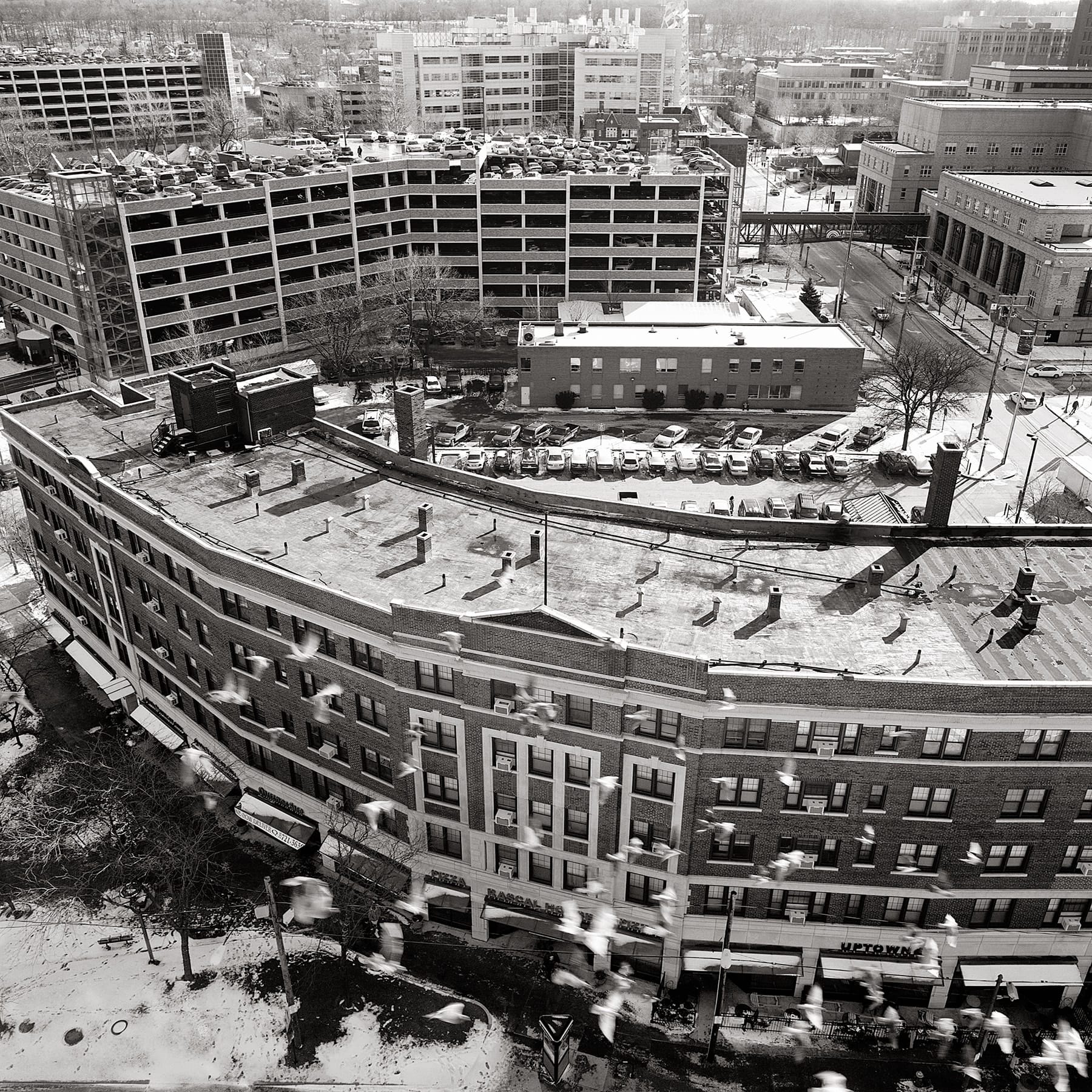
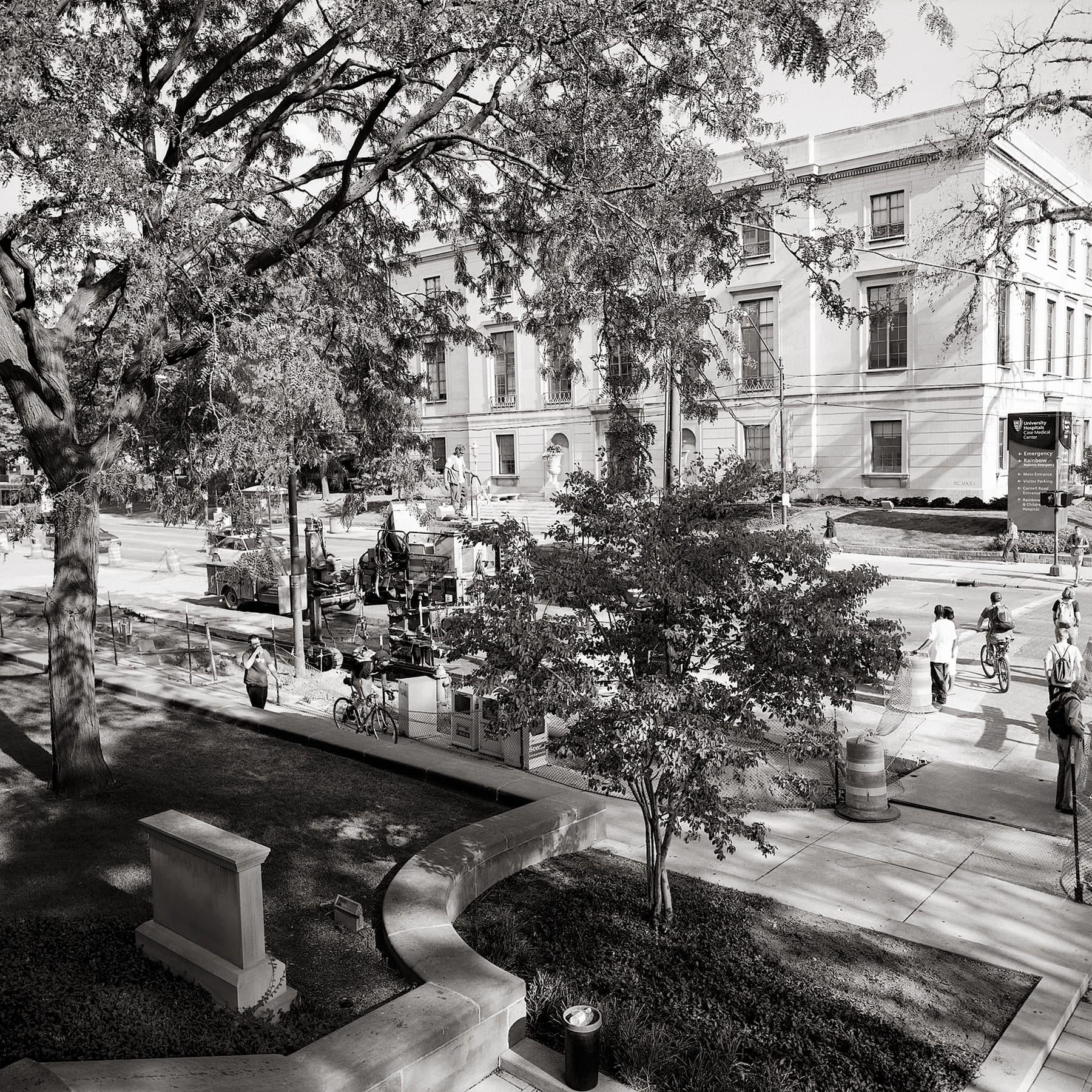
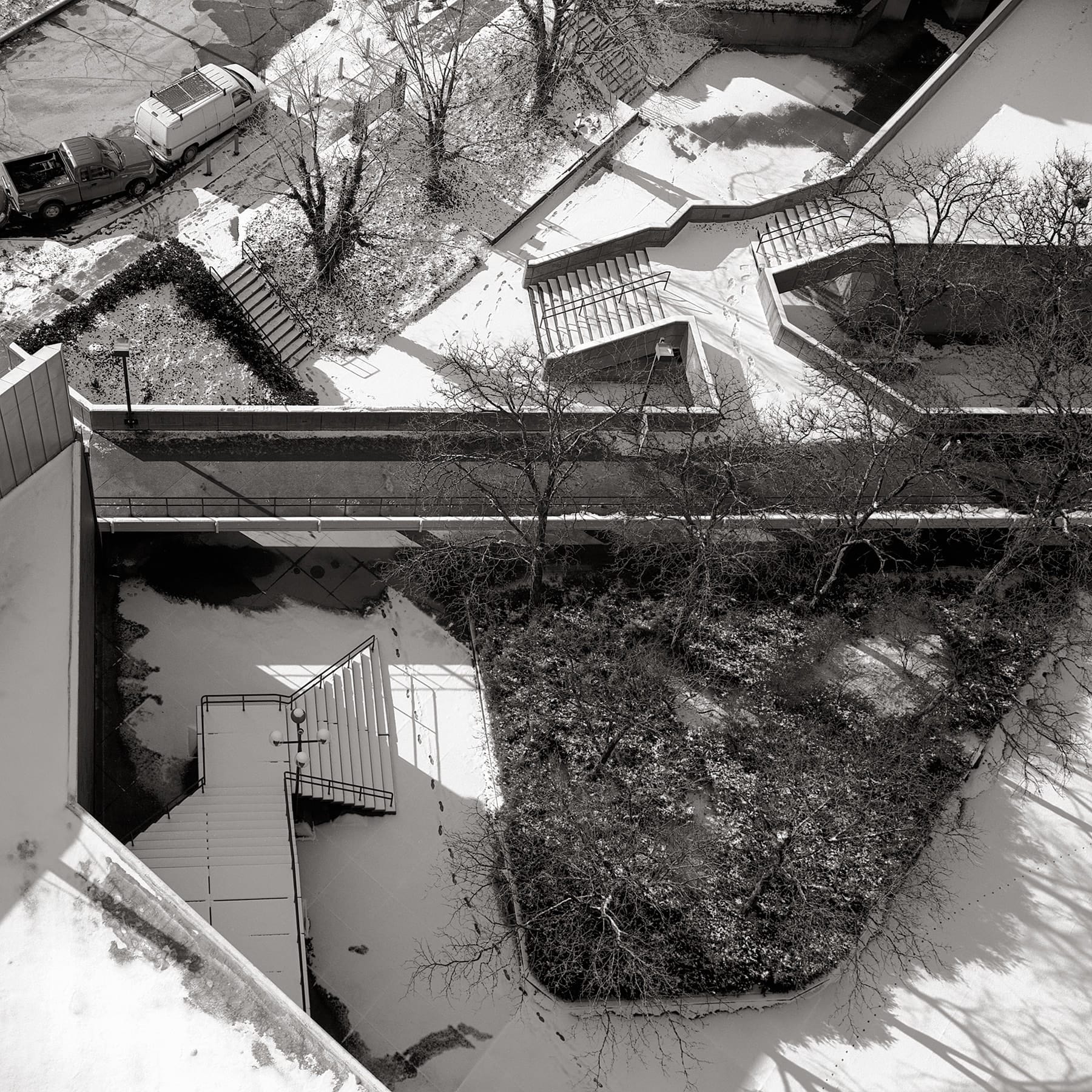
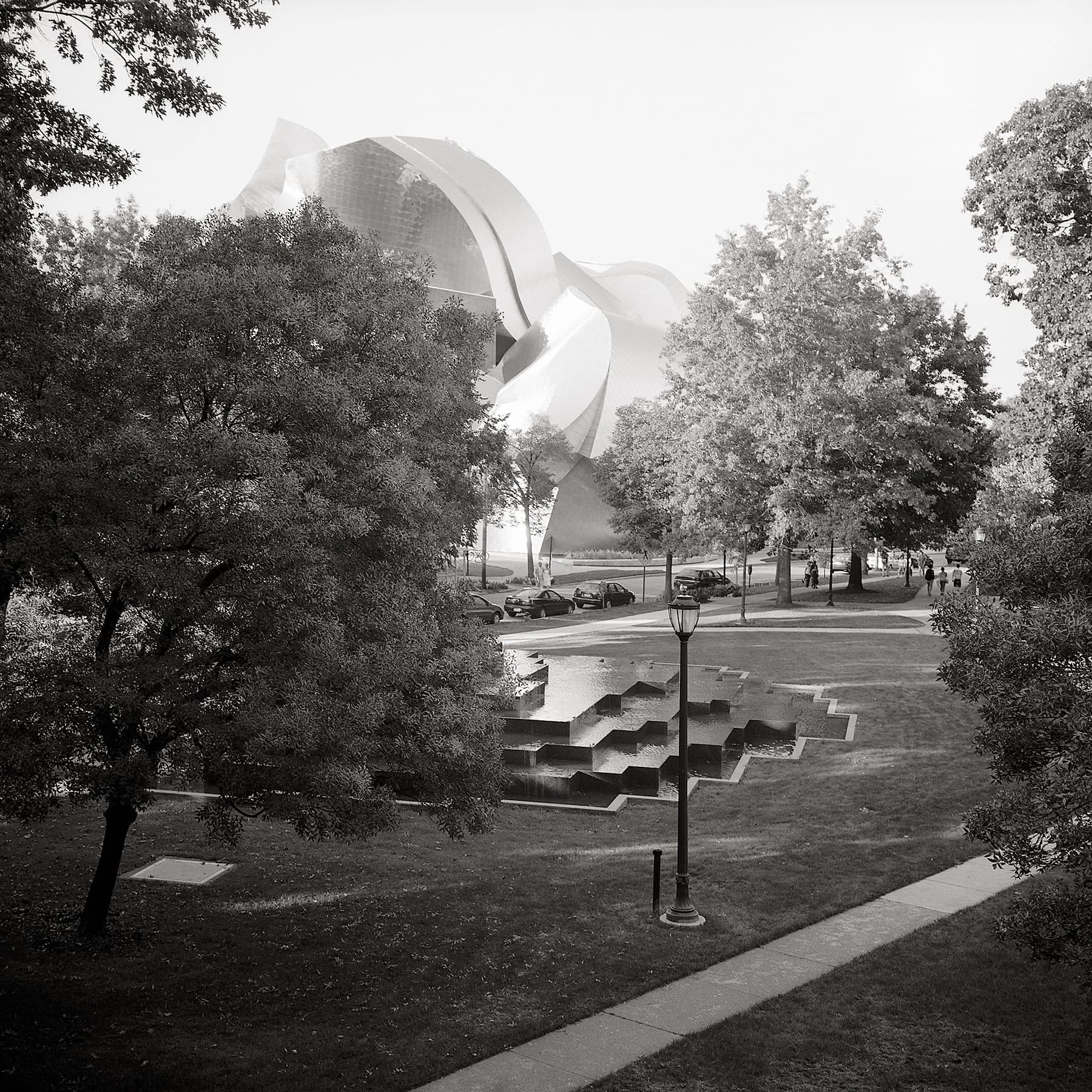
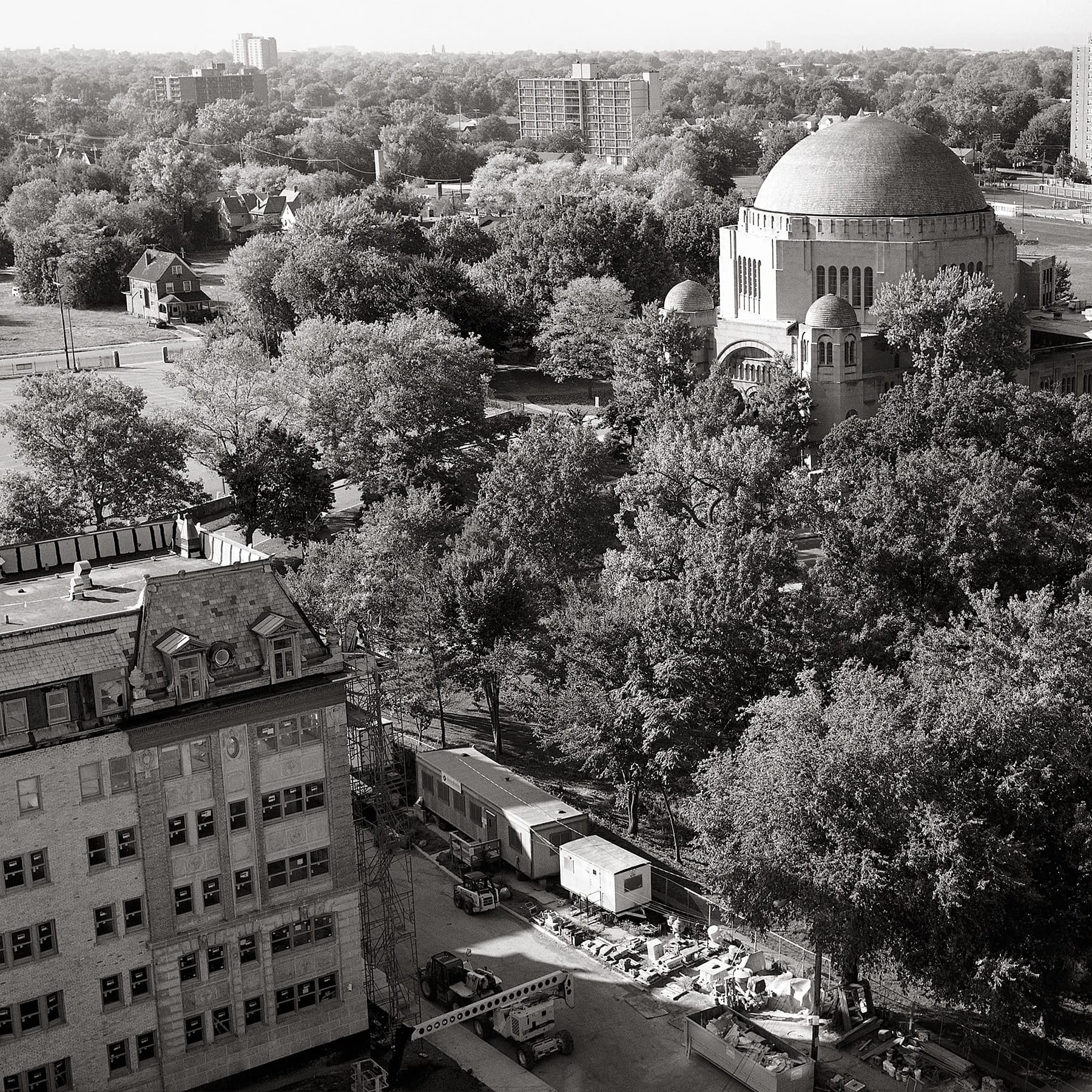
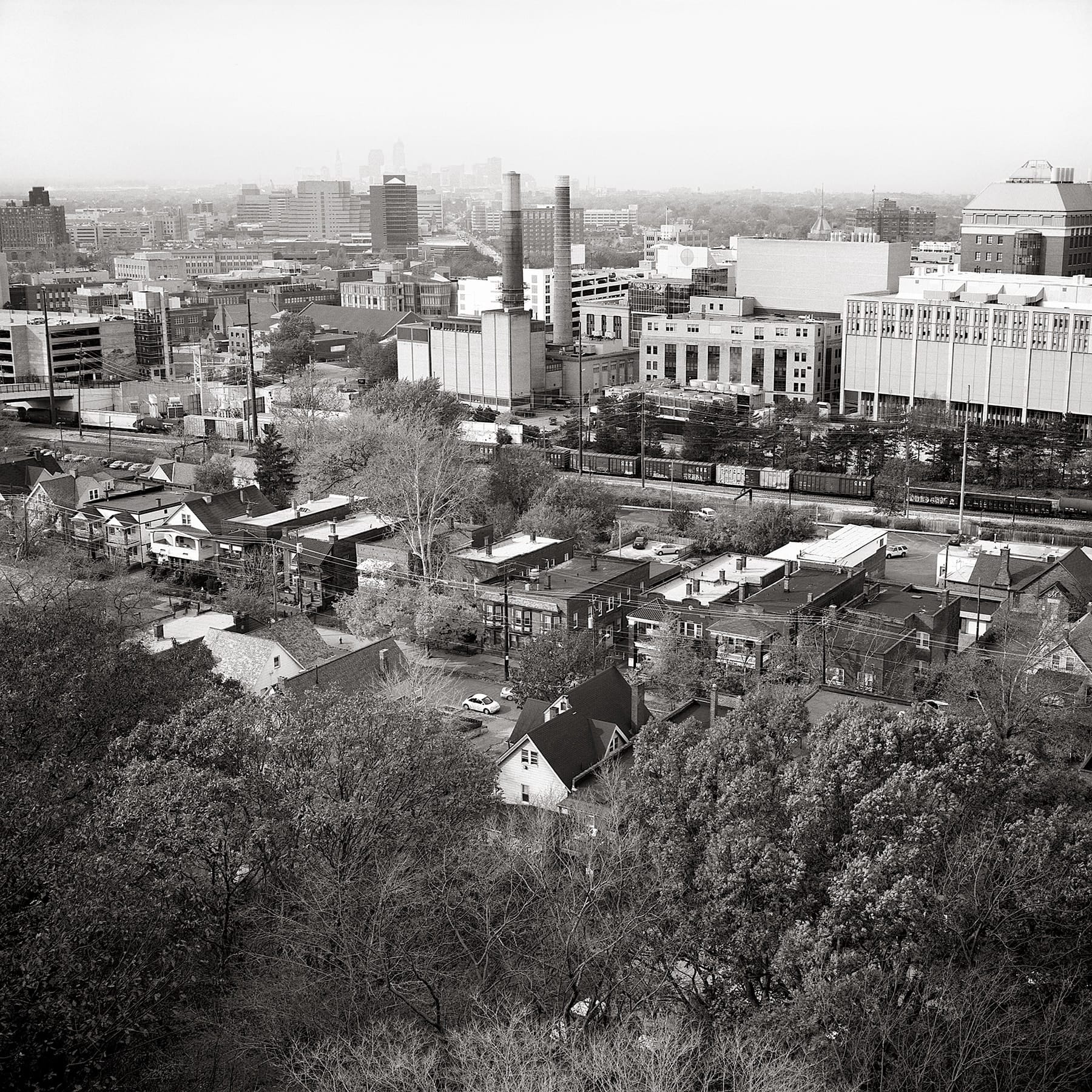
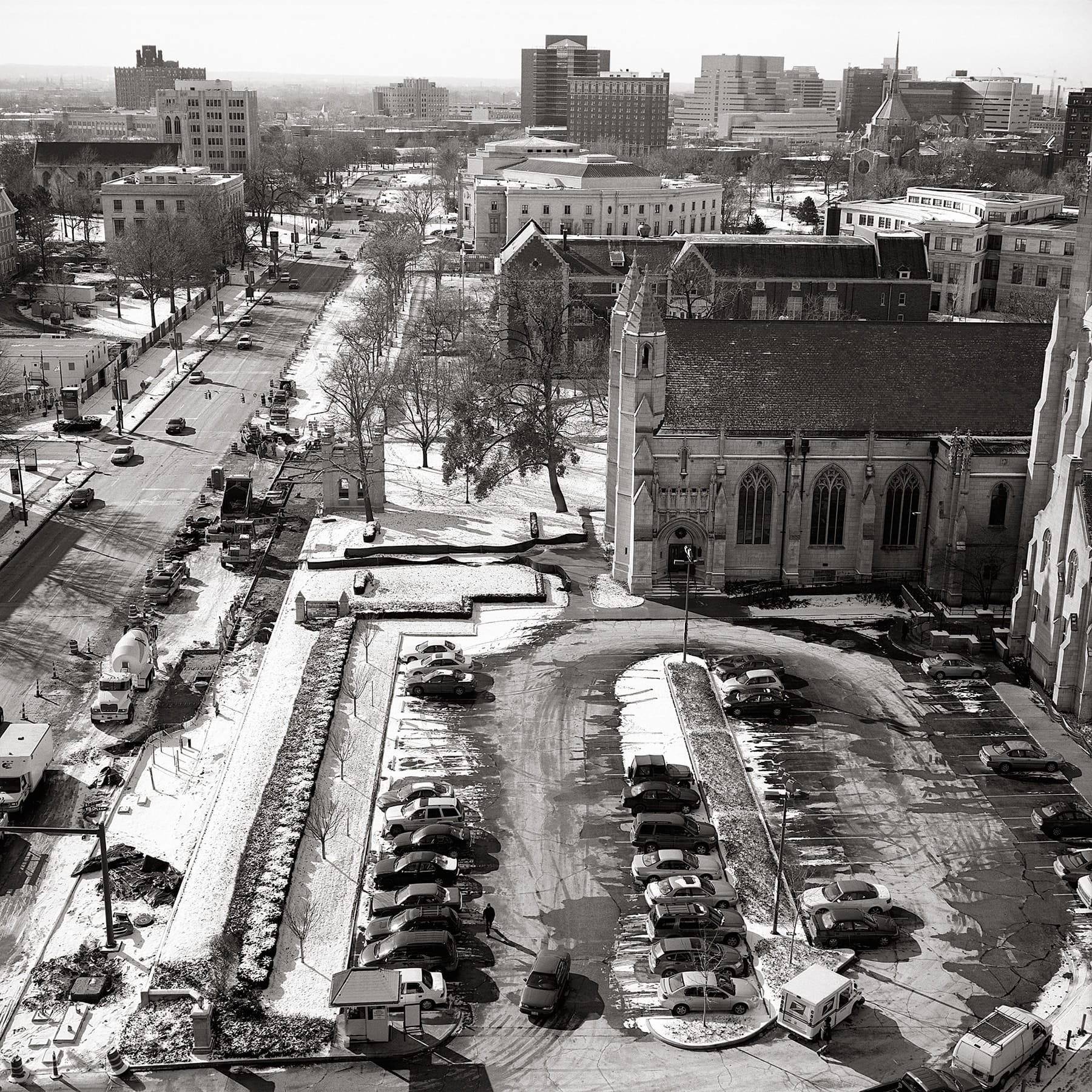
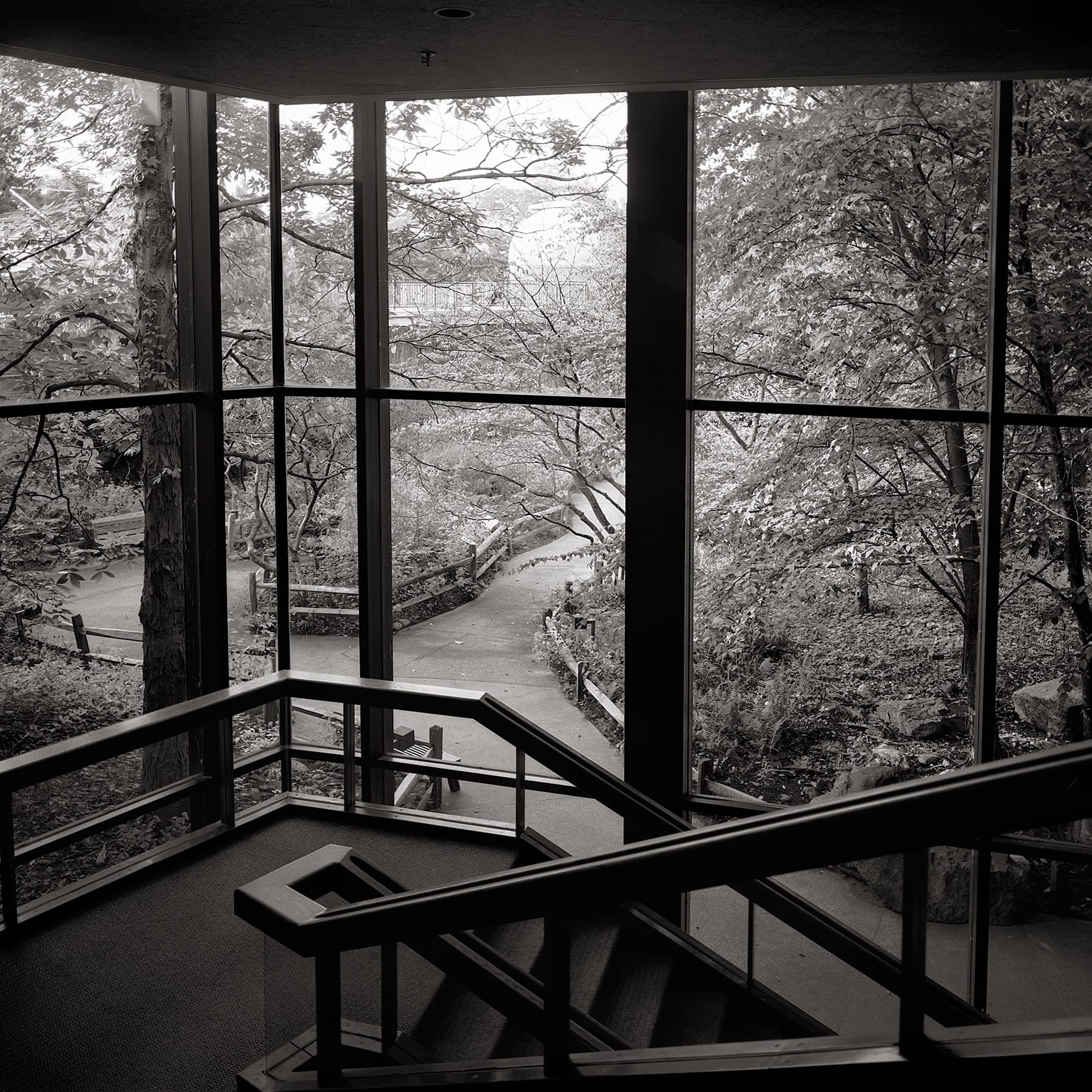
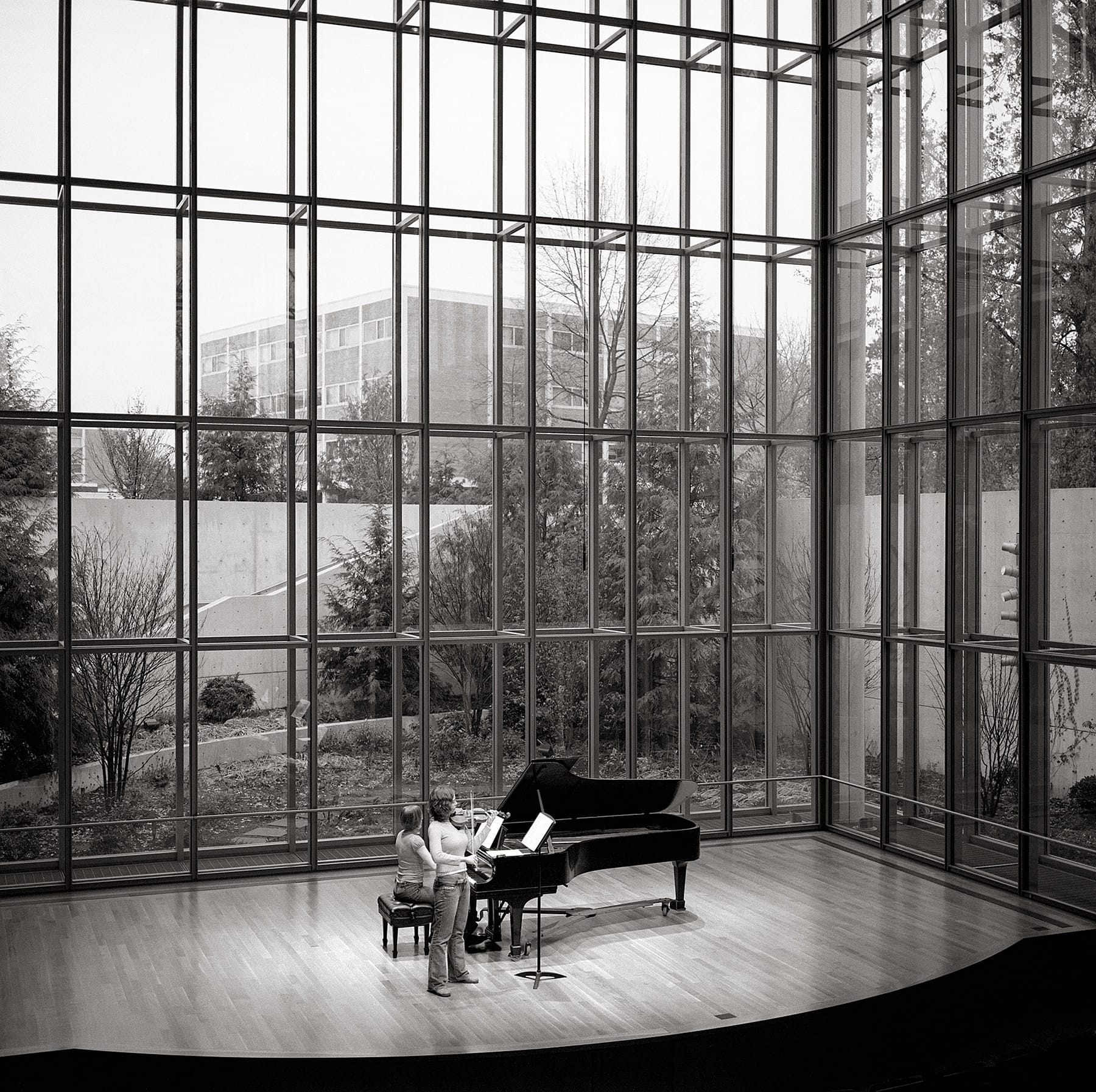
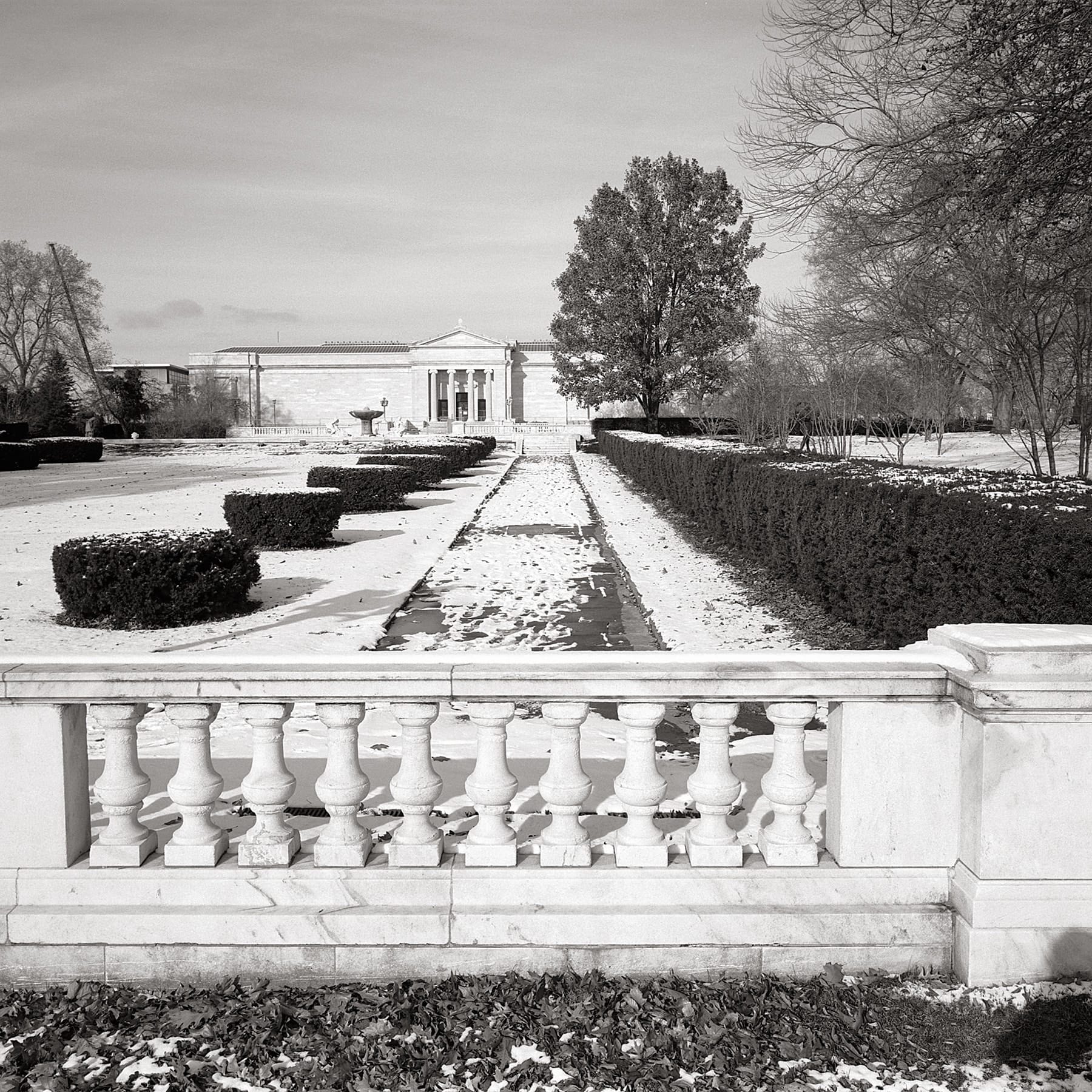
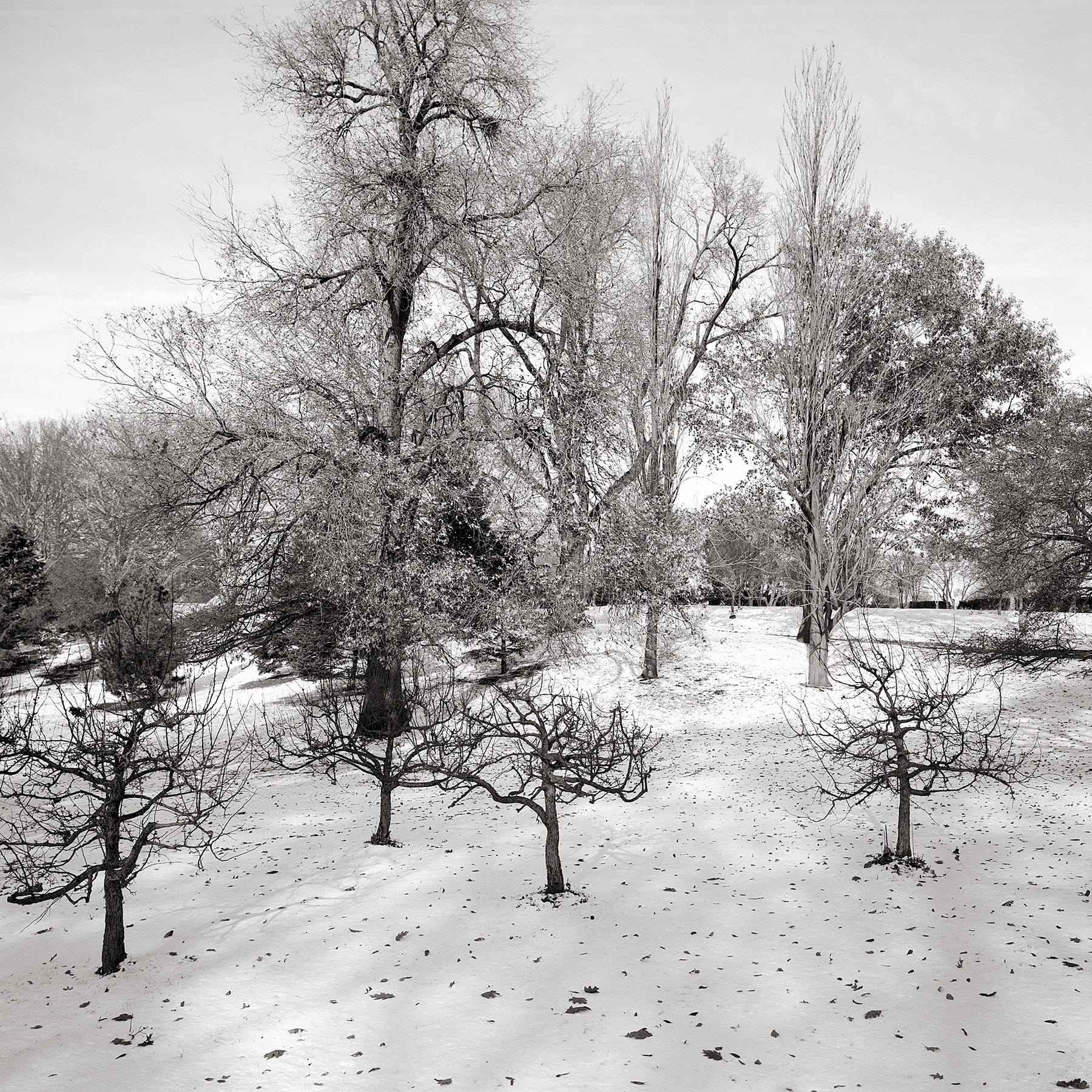
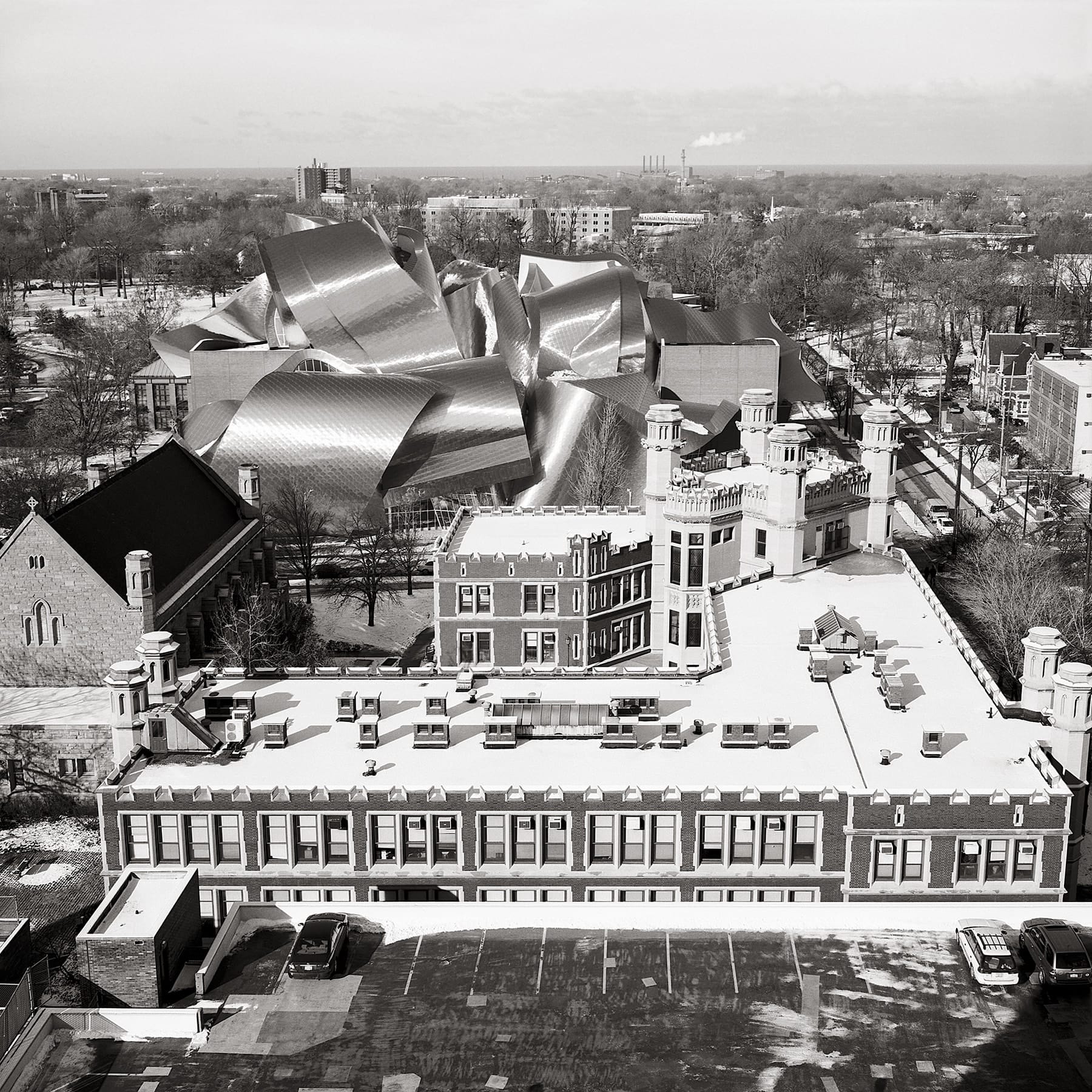
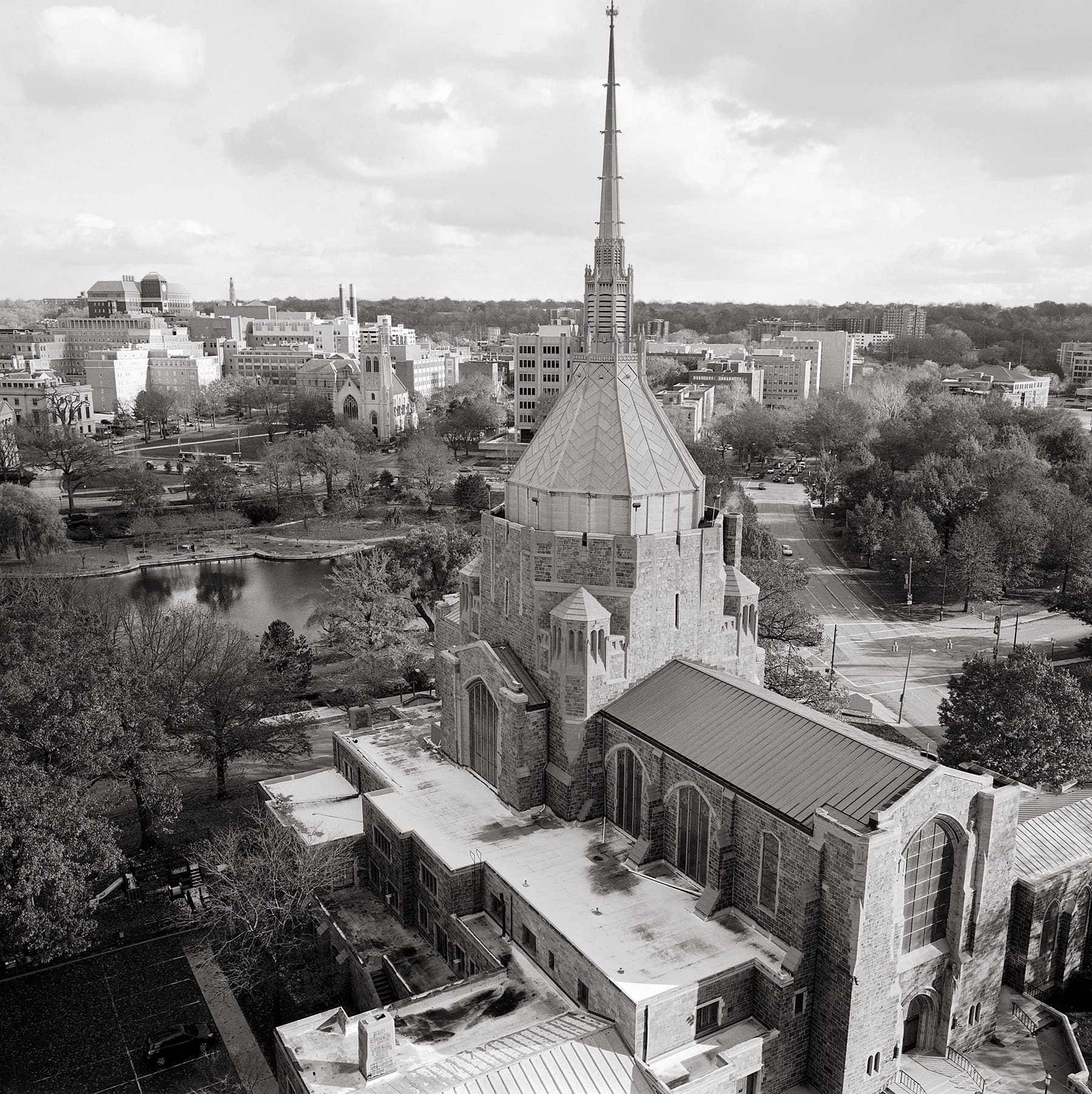
Garie Waltzer’s work has been exhibited internationally and is in the collections of many museums. A recipient of artist grants from the National Endowment for the Arts and the Ohio Arts Council, she is one of seven photographers selected for a 2007 Ohio Arts Council Individual Artist Fellowship in Photography. Waltzer was instrumental in developing the photography program at Cleveland’s Cuyahoga Community College, where she chaired the department and taught for many years.




Letter from the Executive Director
2007 Annual Report
University Circle is an amazing place. In a world economy increasingly centered on brainpower and creativity, the concentration of talent in University Circle is one of this region’s most competitive strengths. This fact does not diminish the importance of other talent-rich places, but the Circle’s cluster of assets–an incredible range of education, medical, scientific and cultural institutions–is unique. Although the institutions are themselves quite varied, together they represent a crucible of talent and innovation that is unmatched–surely in our region and in most places elsewhere. Consequently, University Circle will play an exceptional role in determining the future of all of Northeast Ohio.
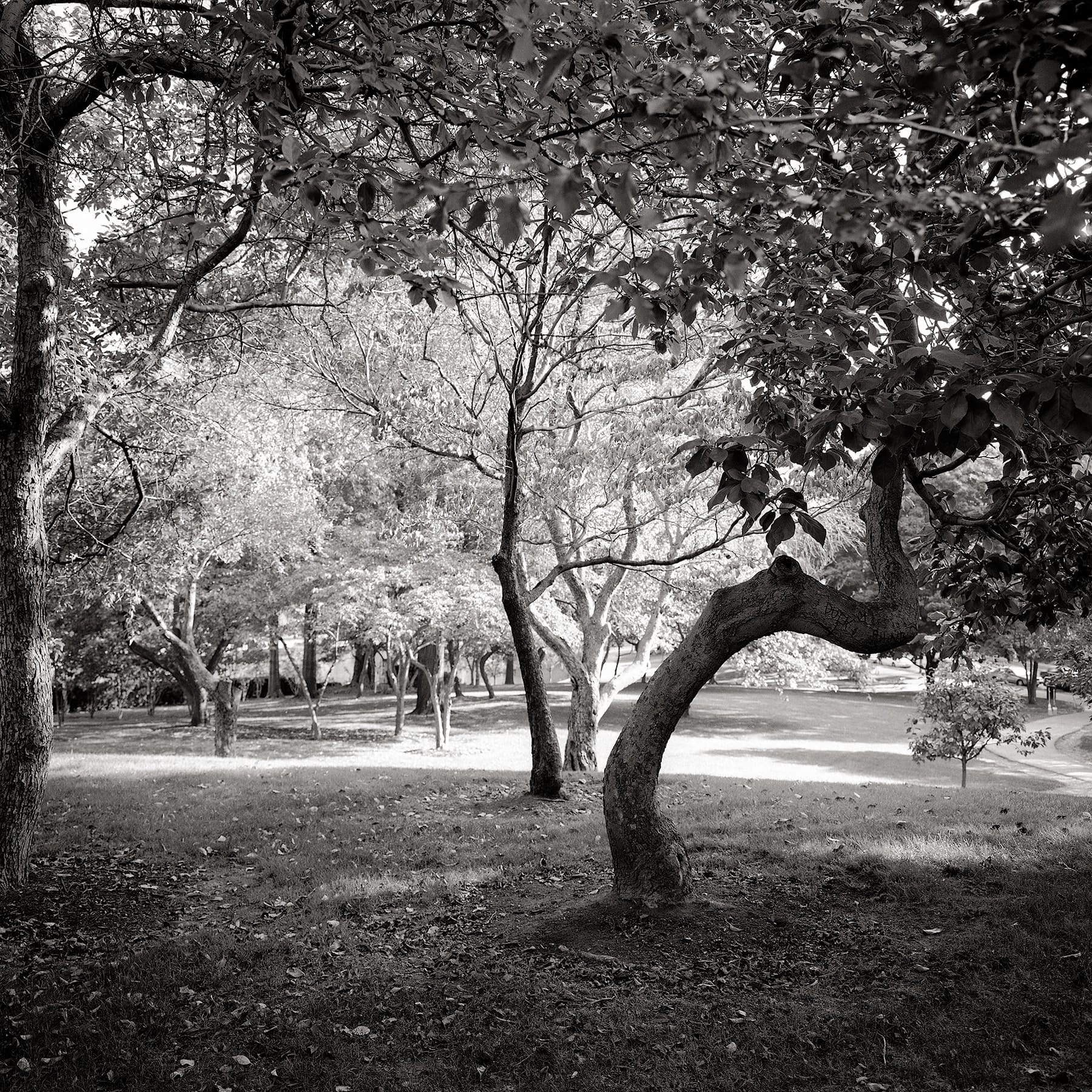
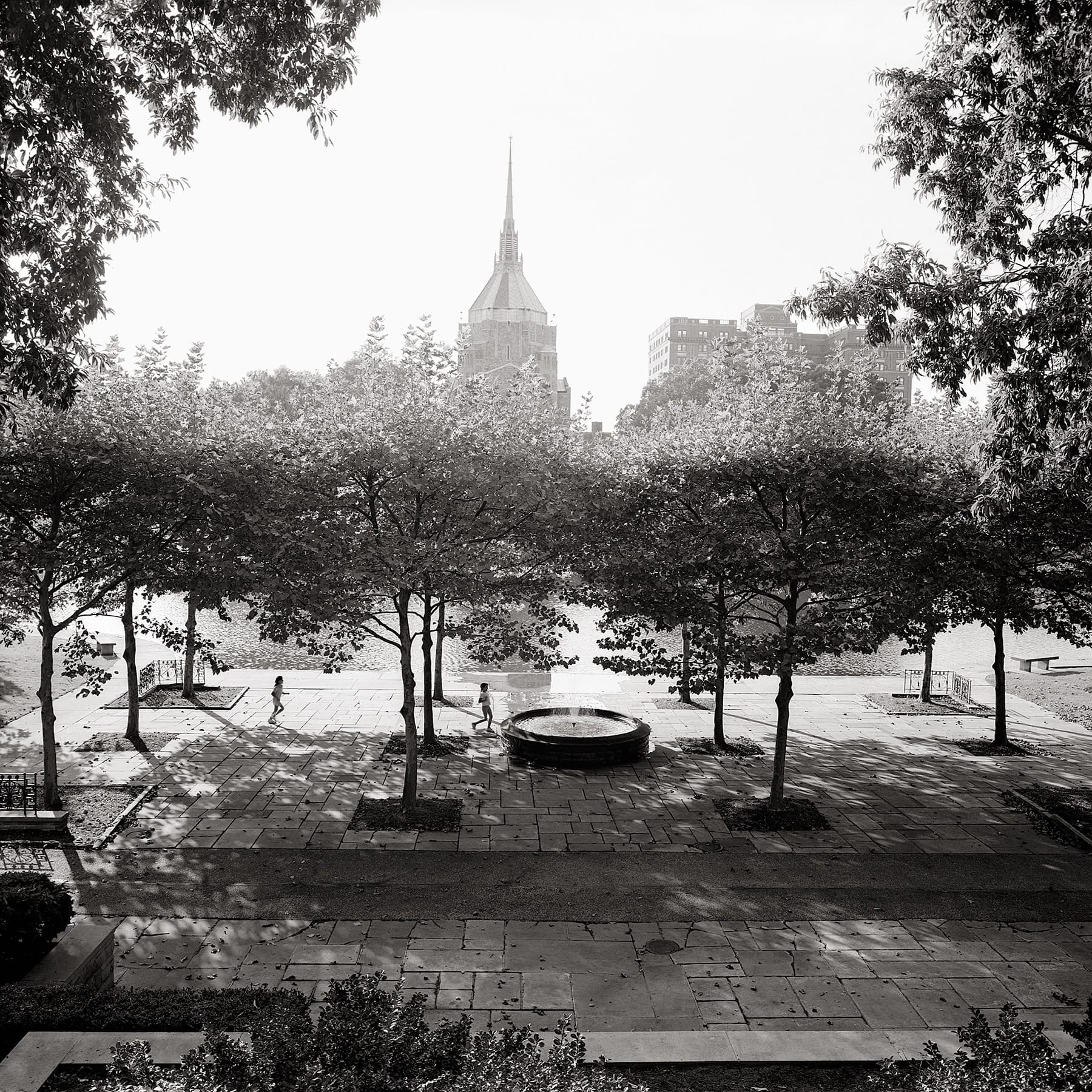
A glimpse into the Circle’s uniqueness and many aspects of its beauty are captured in the photographs by Garie Waltzer in this annual report. We chose this topic for this year’s photo essay both because of University Circle’s importance and be-cause 2007 marked the 50th anniversary of University Circle Incorporated (UCI), the nonprofit organization principally charged with the stewardship of the district. UCI’s work and the Circle itself deserve to be celebrated. And doing so should strengthen the sense of ownership that everyone in Northeast Ohio ought to feel toward this special place. Yet, the intensity of global competition also demands that such ownership cause us to critically appraise even the best of our assets.
In all candor, the Circle has not yet achieved its potential. Insular planning by members of the Circle community has too often led to physical developments that turn excessively inward, impairing the Circle’s vitality and its connections with its neighboring communities. Most importantly, the neighbor-hood lacks the critical mass of housing, retail activity and street life that should be woven throughout the institutional fabric in order to achieve the Circle’s real potential as a place to work, live and visit—in other words, to be the talent magnet that we all need it to be.
UCI and many of its partners are deeply engaged in efforts to address these shortcomings. The Greater Cleveland Regional Transit Authority and UCI are giving Euclid Avenue a total makeover, enhancing investments by University Hospitals, the Cleveland Clinic and others. Case Western Reserve University, the Museum of Contemporary Art, the Cleveland Institute of Art and UCI are moving closer to creating an inviting cross-roads of activity at the Ford-Euclid-Mayfield intersection.
These and other improvements have been discussed, planned and advanced for many years. The clear lesson that should be derived from the difficulty of achieving success is that no single institution has the clout or the finances to get them done alone. As in nearly every other sphere, nothing of consequence can be accomplished without real collaboration, and even with it, the challenges remain substantial. In University Circle, UCI exists to be the forum for that collaboration, but its structure actually impedes the type of broadly based partnership that big things require. It was my privilege to serve as UCI’s president before joining The George Gund Foundation, so I know from experience the strengths and weaknesses of UCI’s organizational form. I remain hopeful that UCI’s members will soon incorporate the needed changes that will make their common table a 21st-century organization. The Circle’s institutions and their neighbors, the city of Cleveland, Northeast Ohio and, indeed, all of us who live and work here are depending on it.
David Abbot, Executive Director of The George Gund Foundation
Teachers
Photography
Mark Steinmetz (2006)
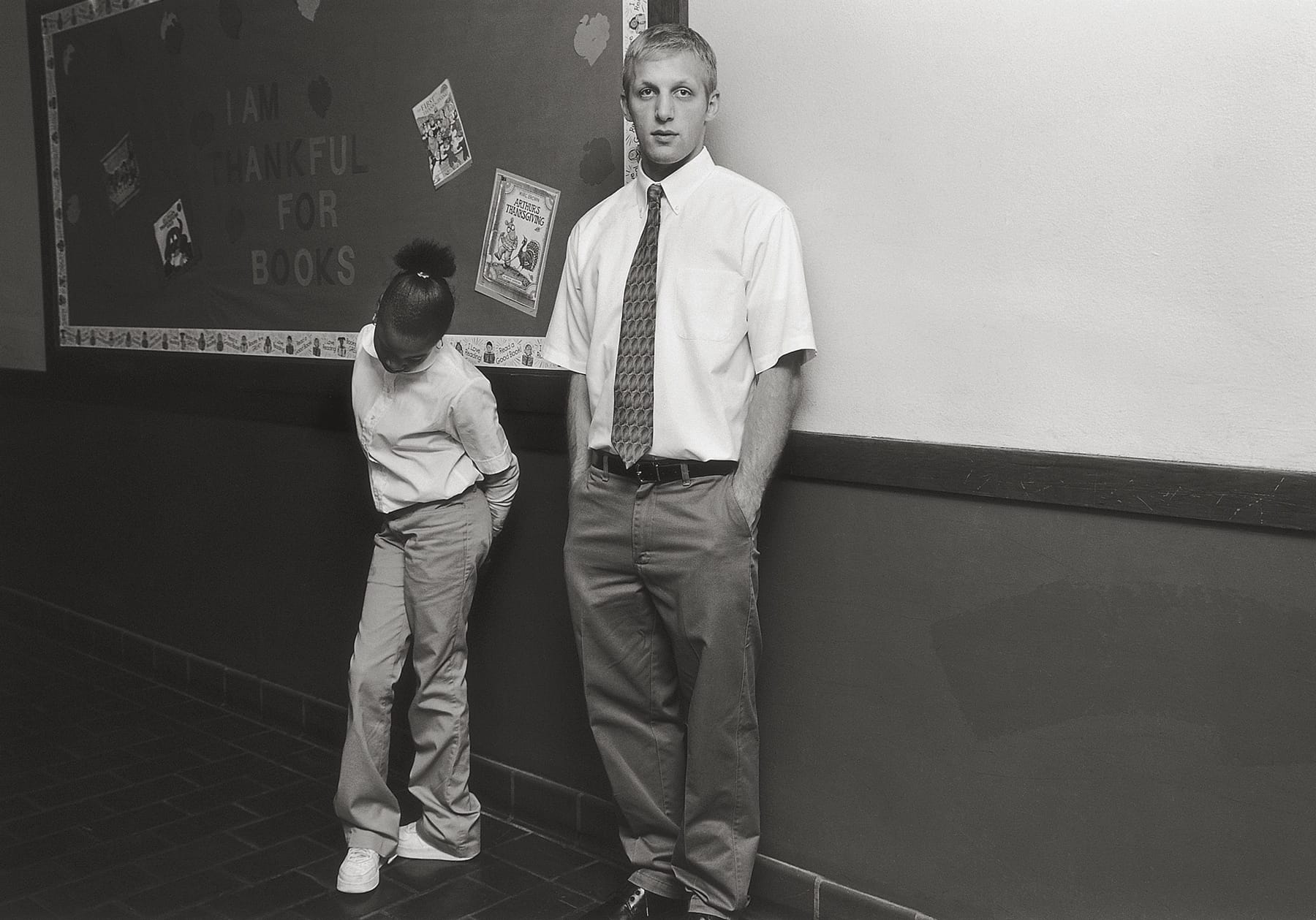
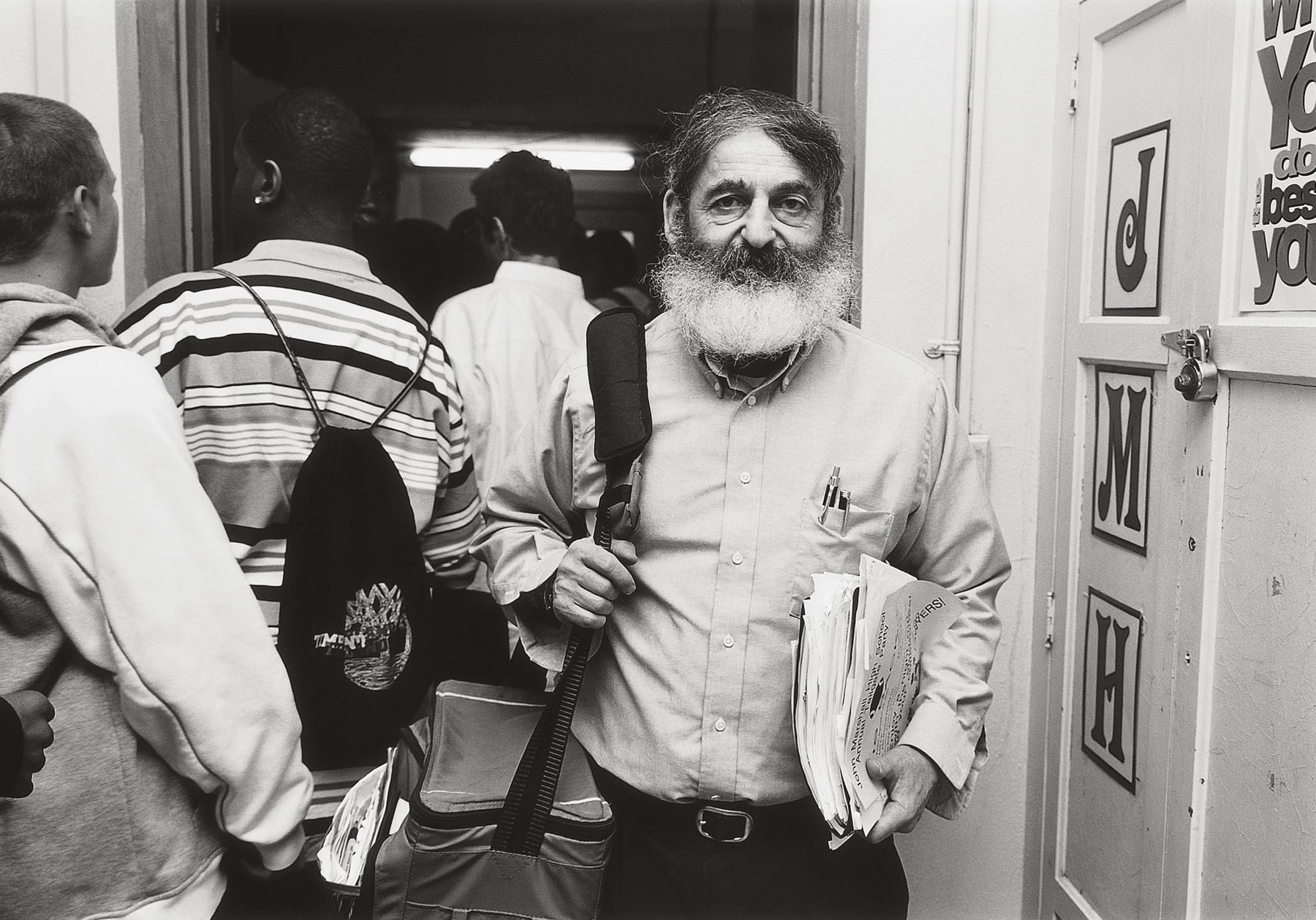
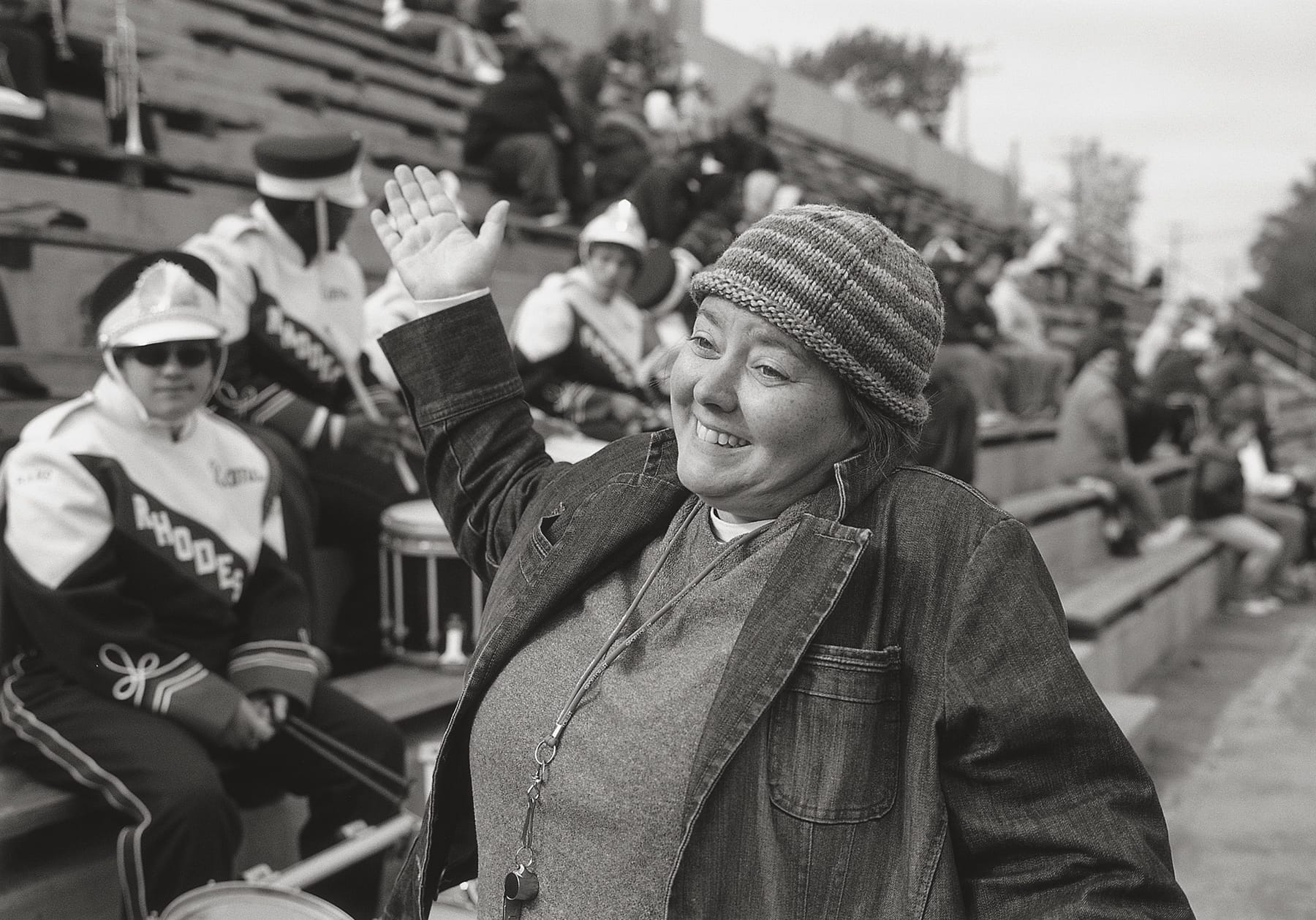
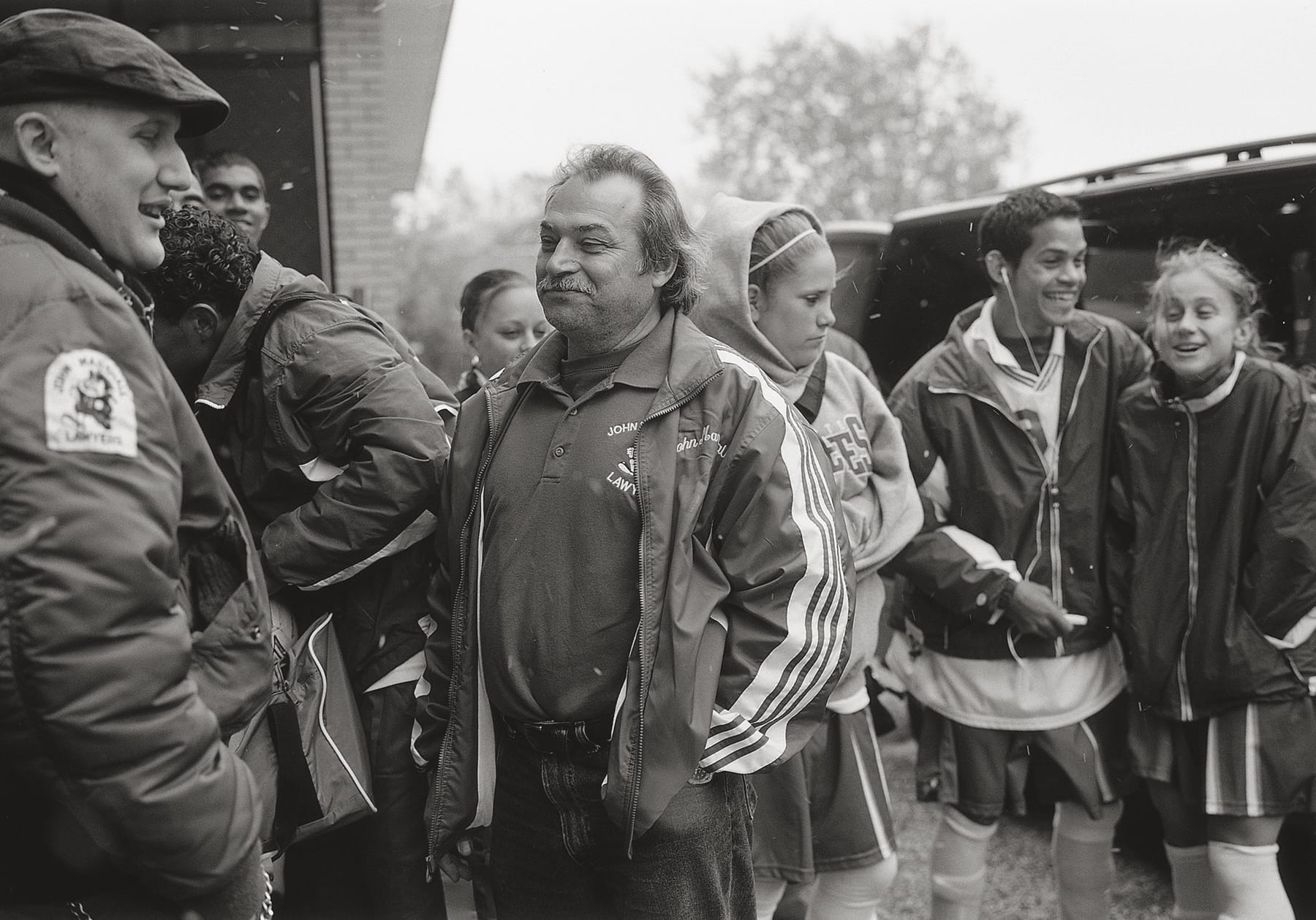
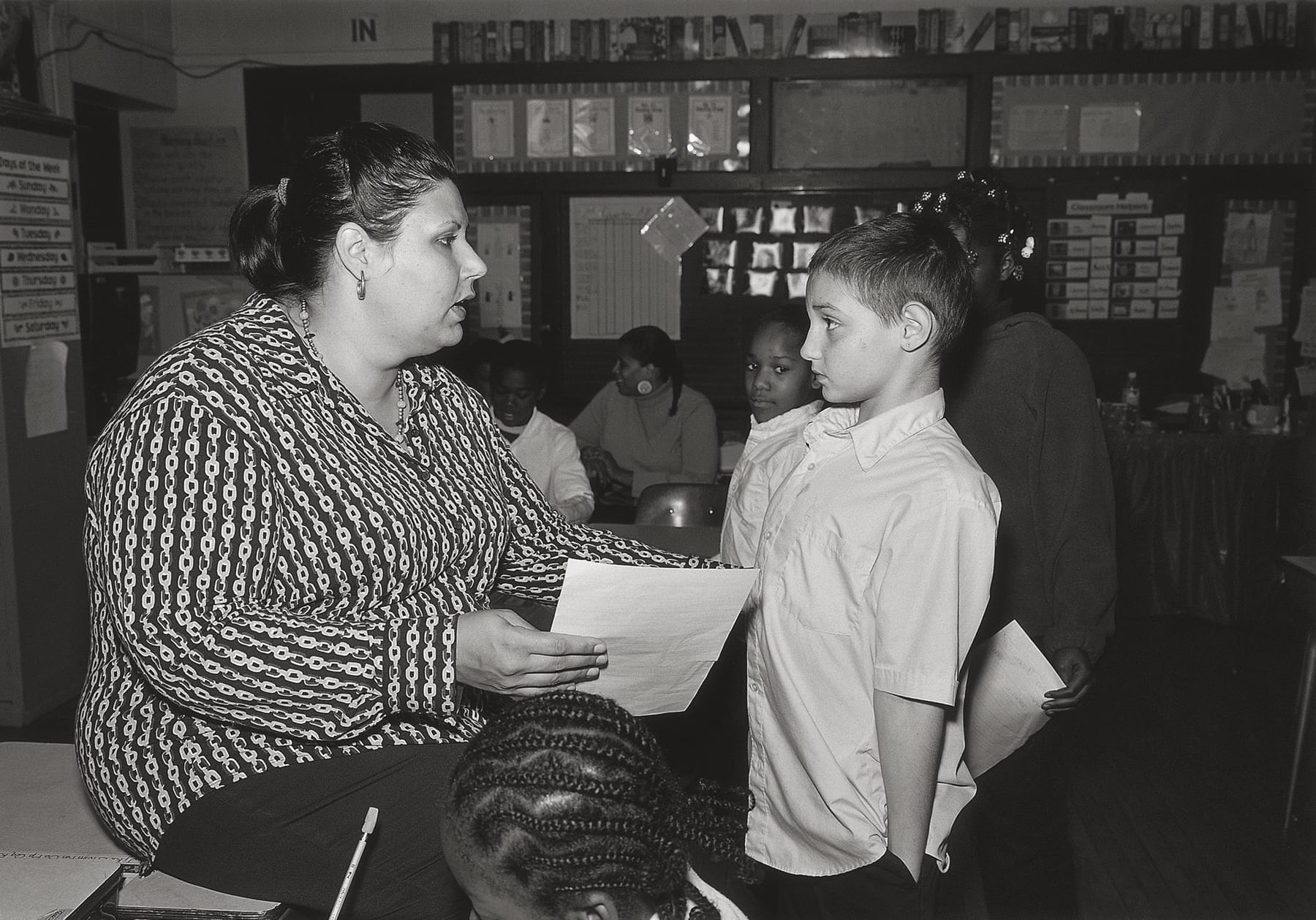
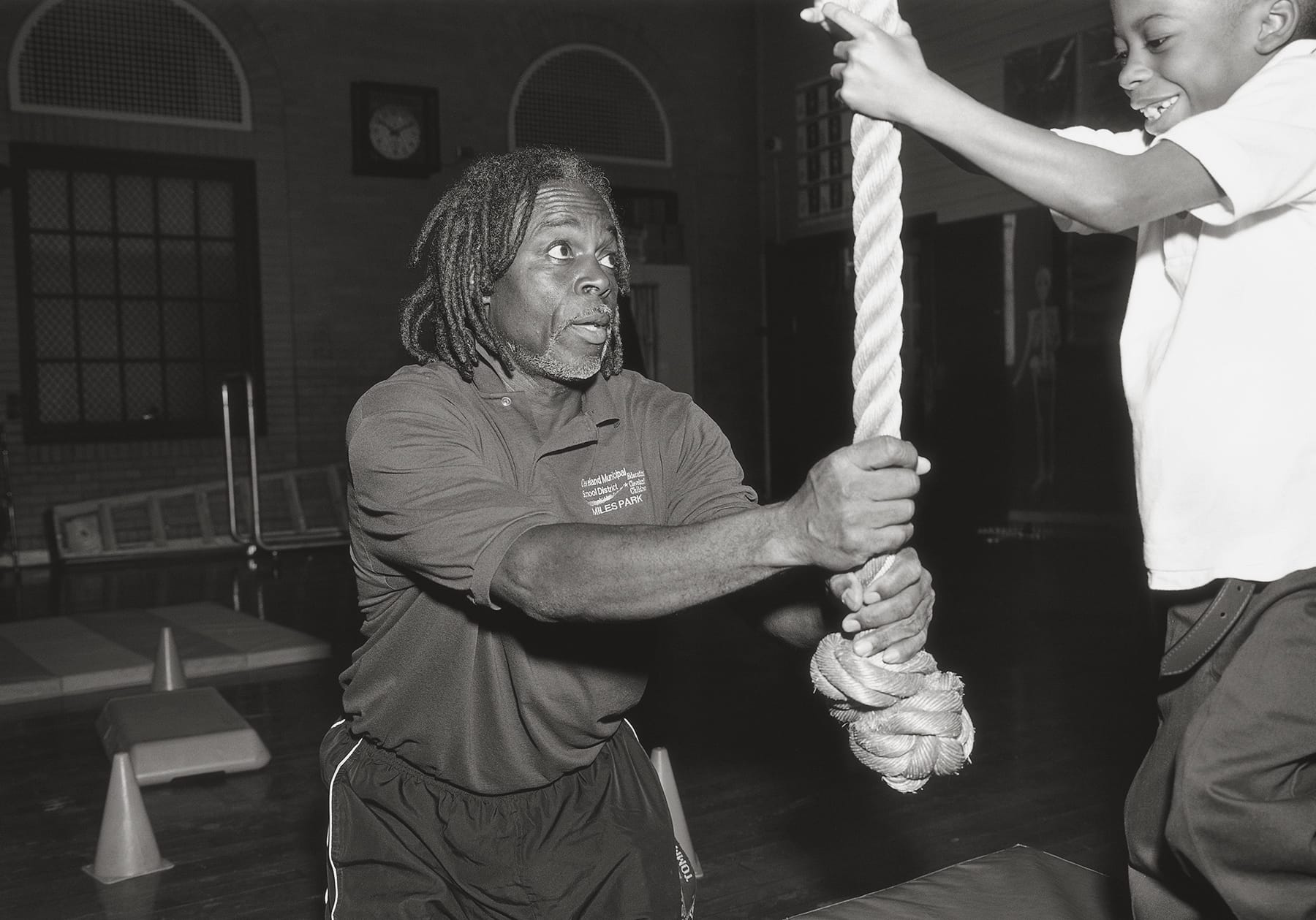
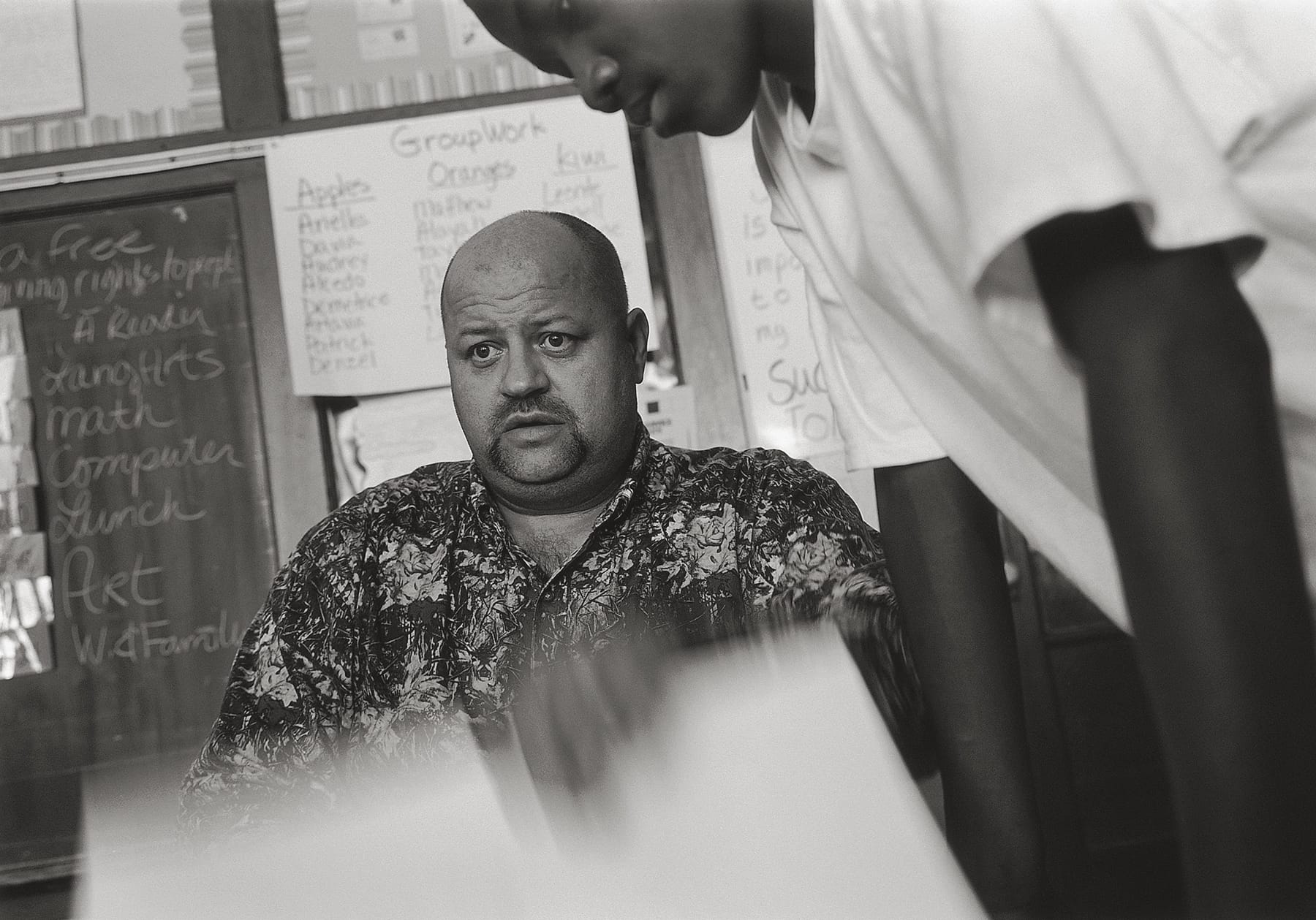
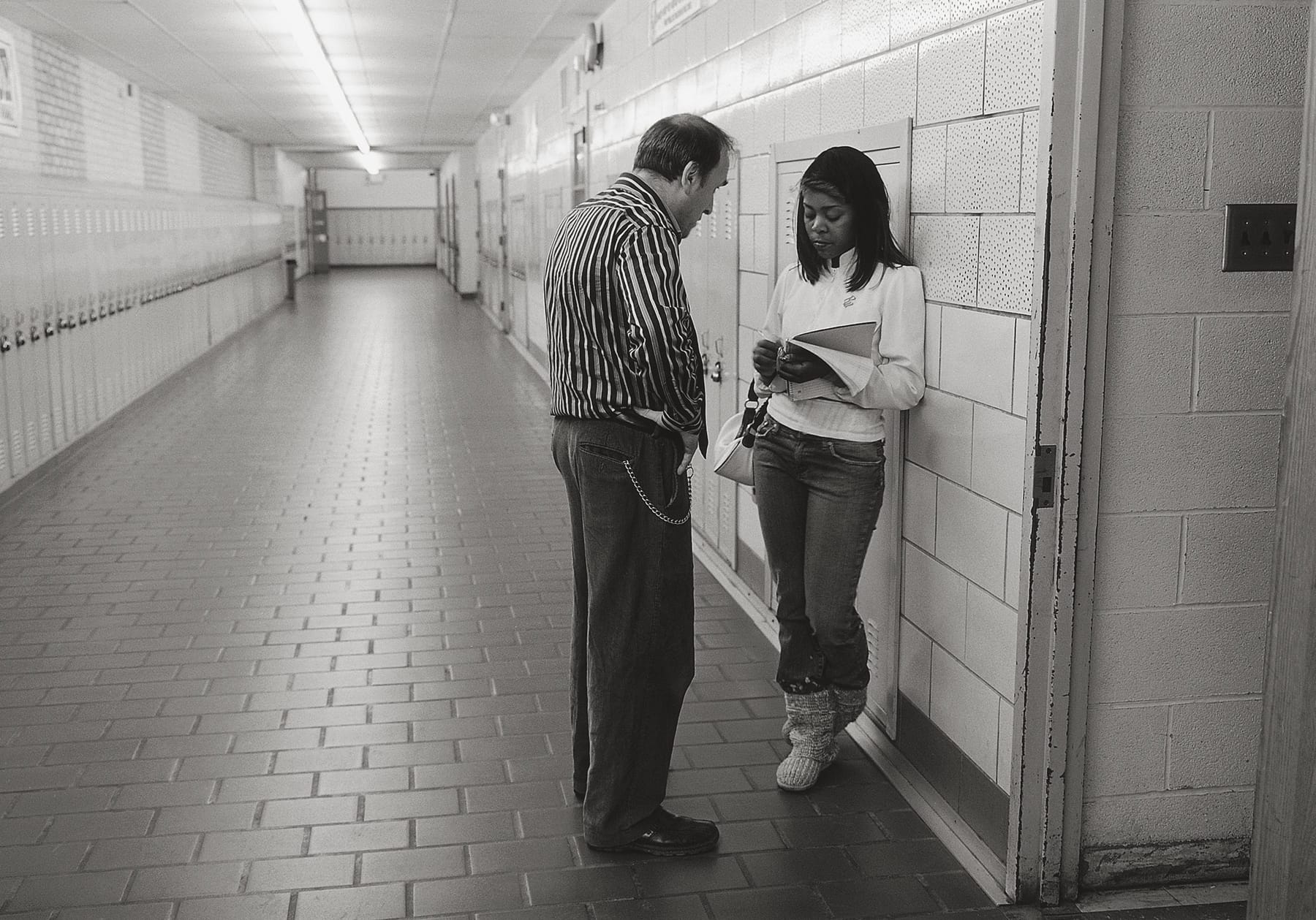
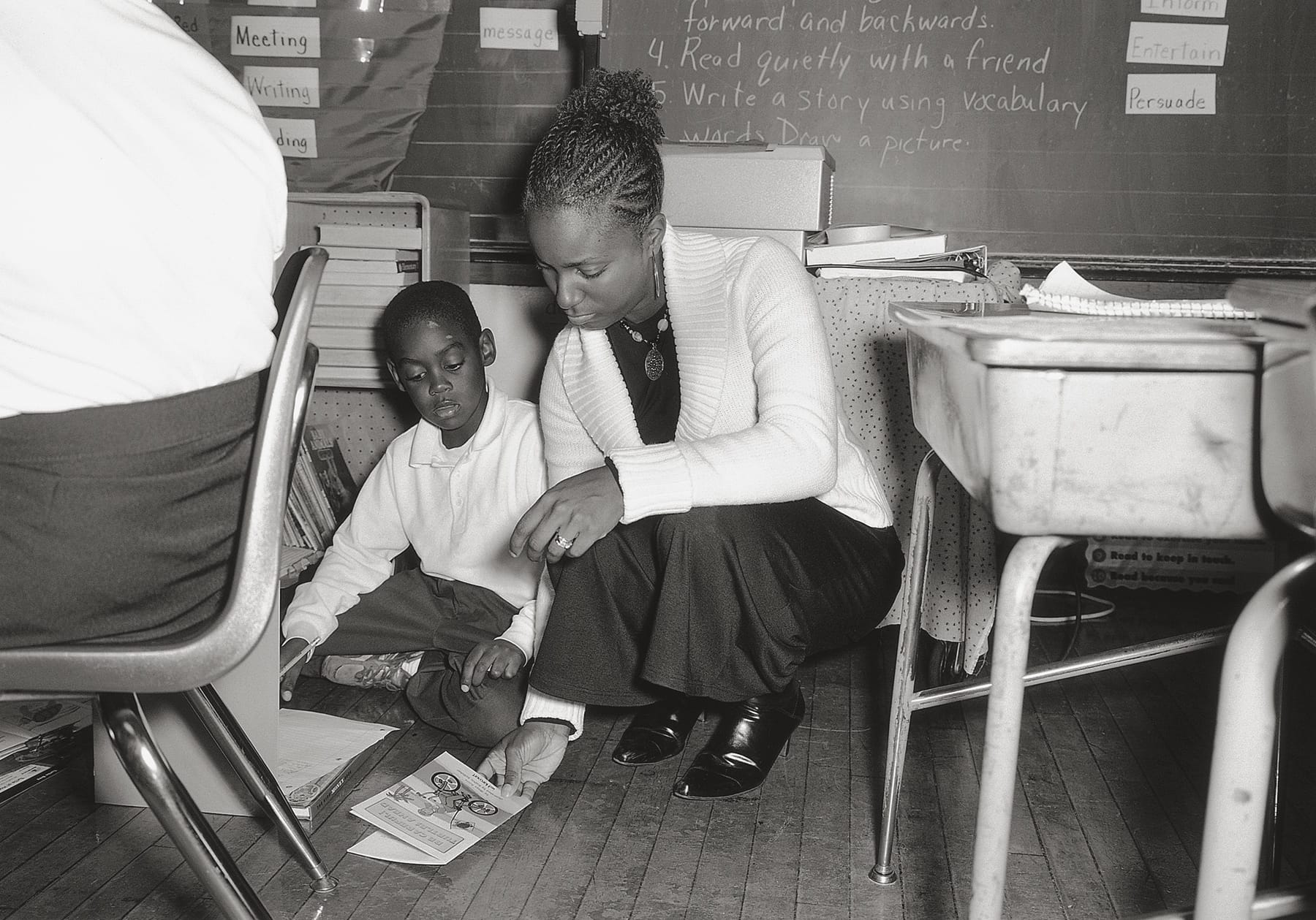
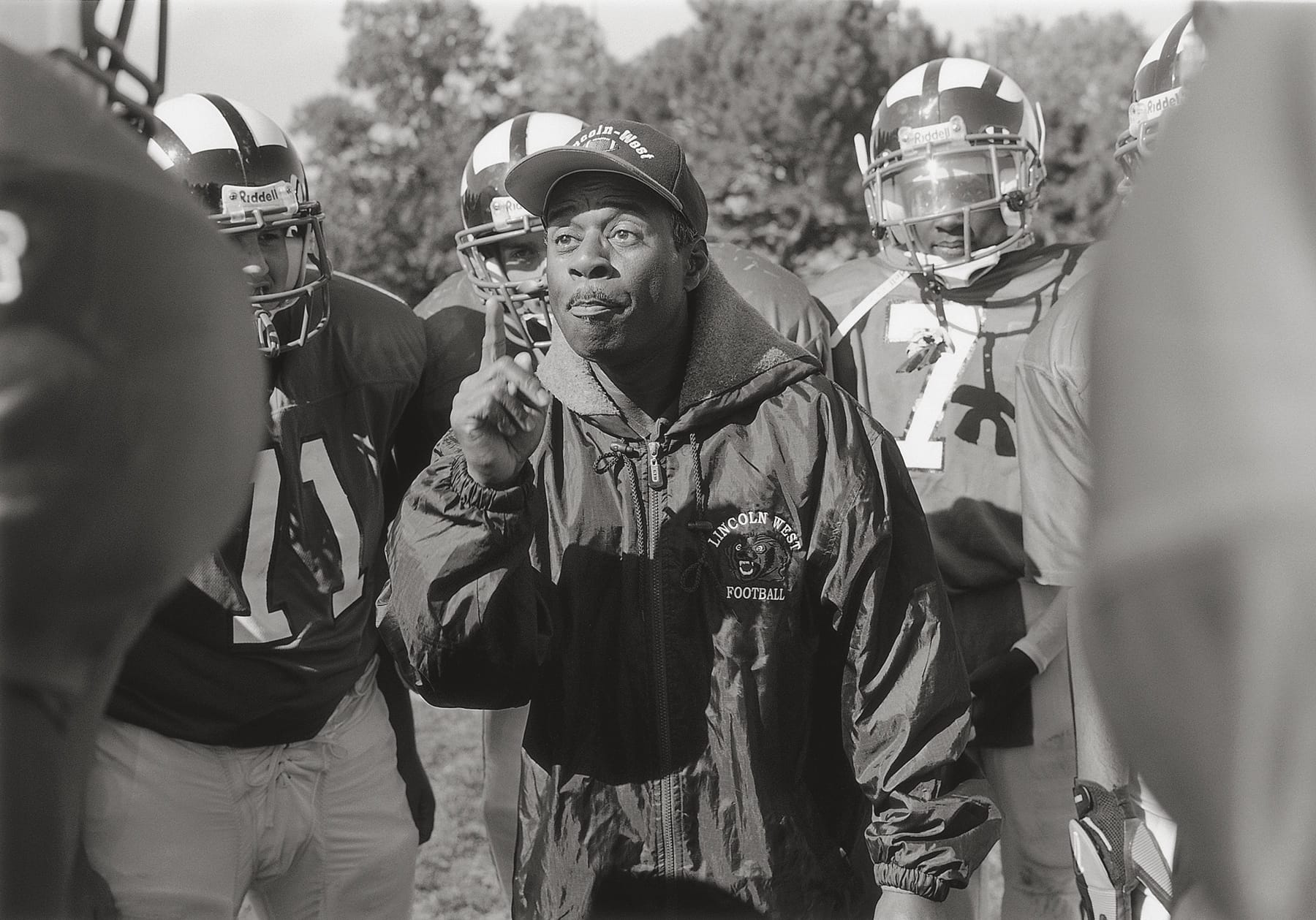
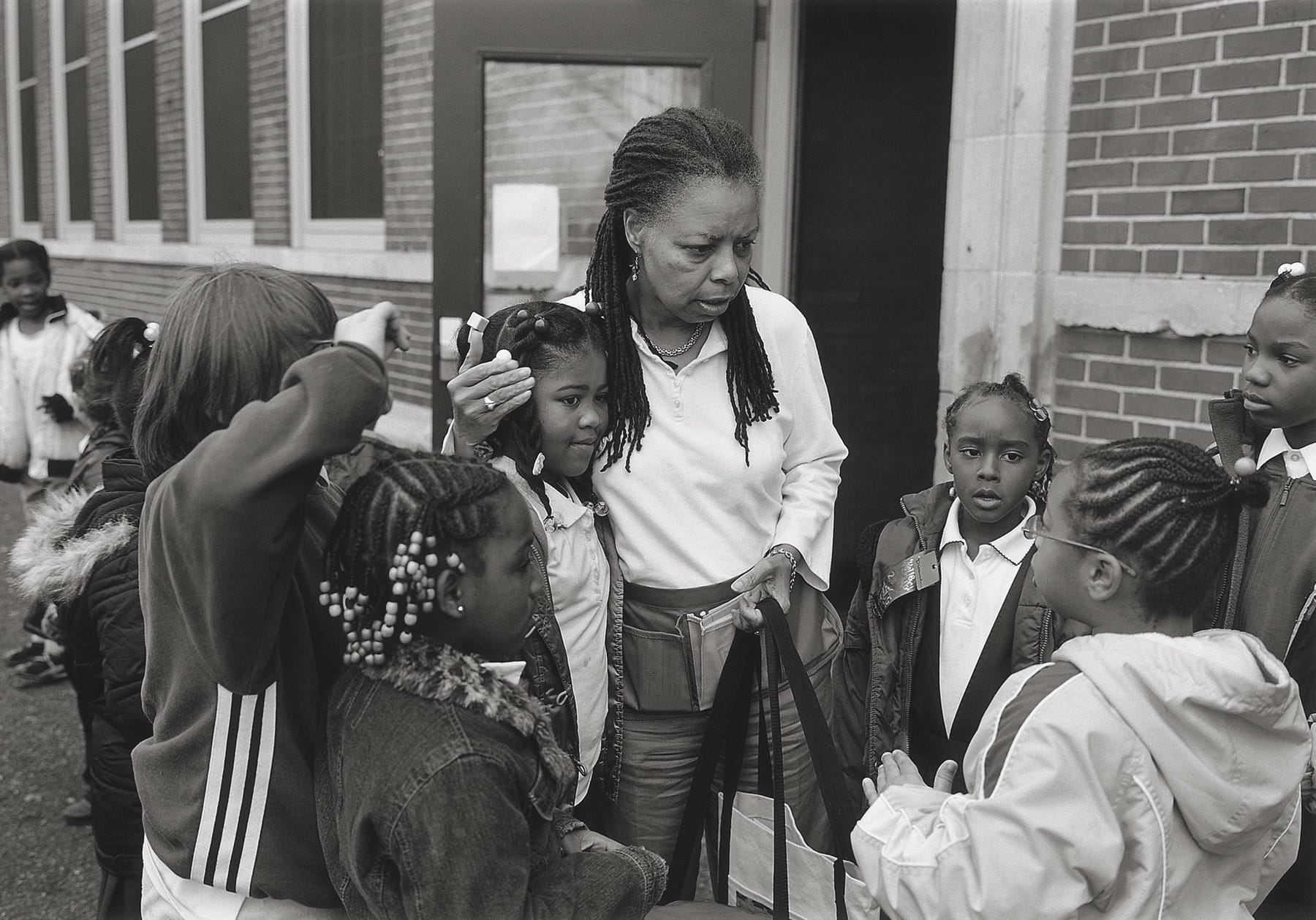
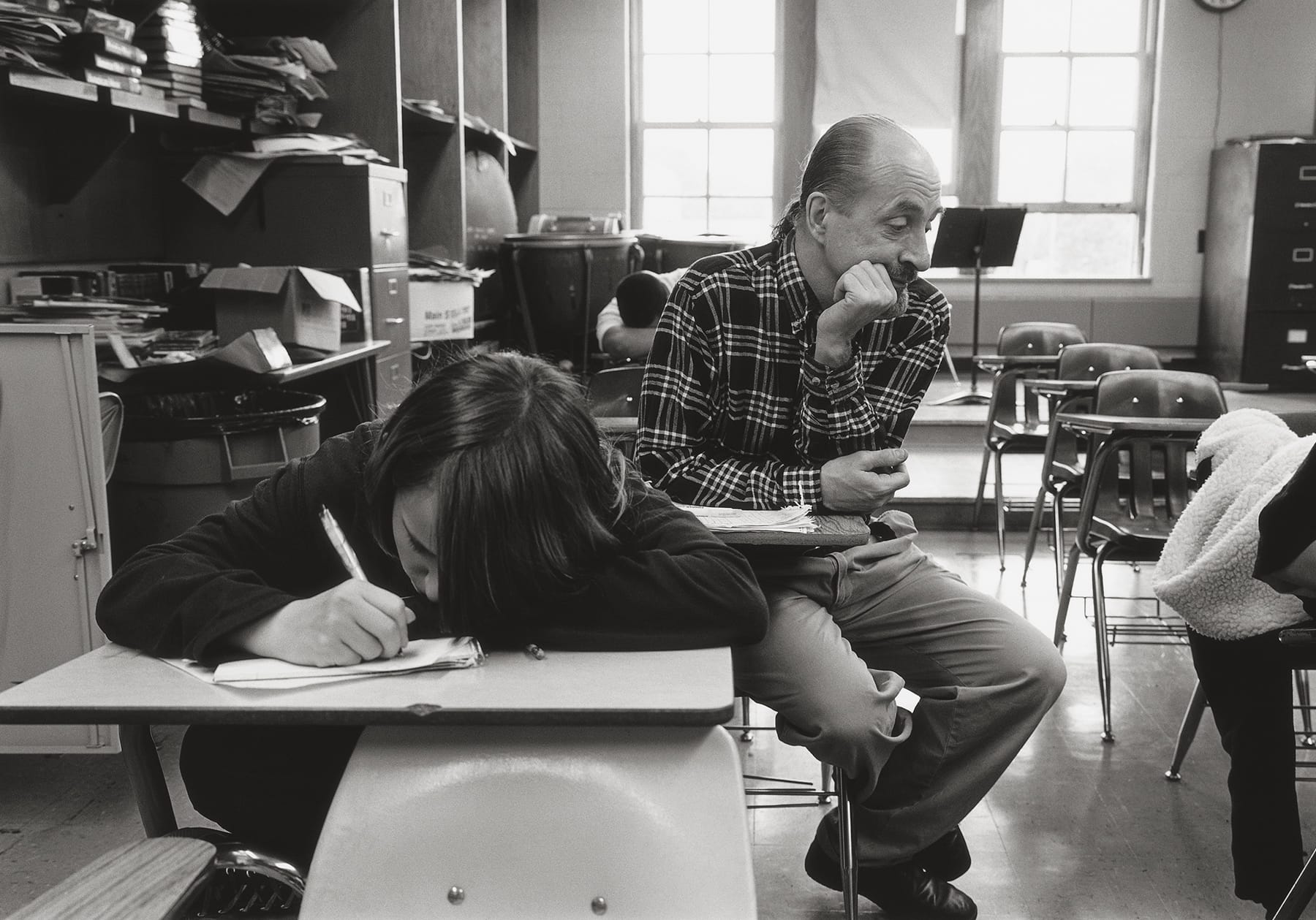
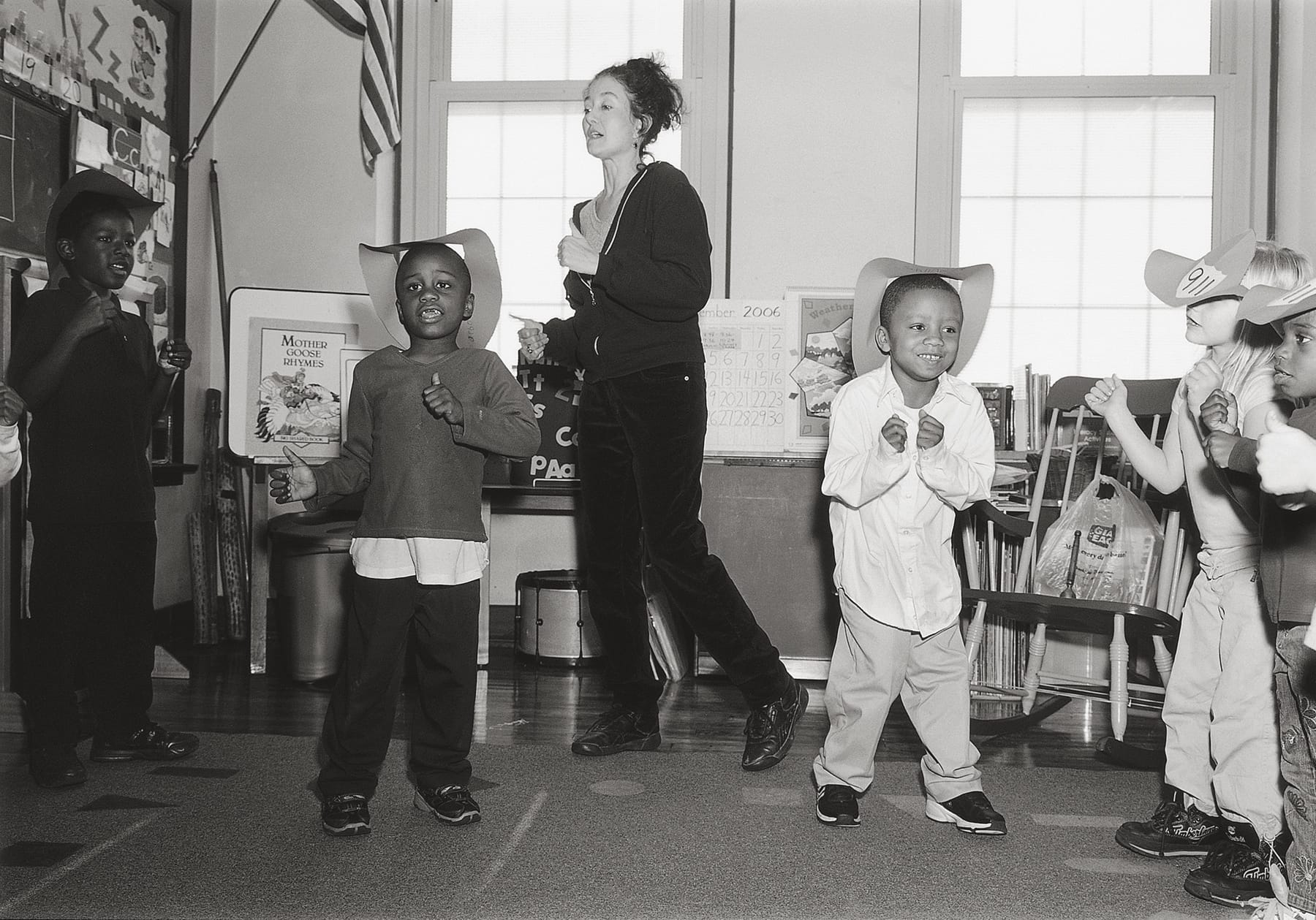
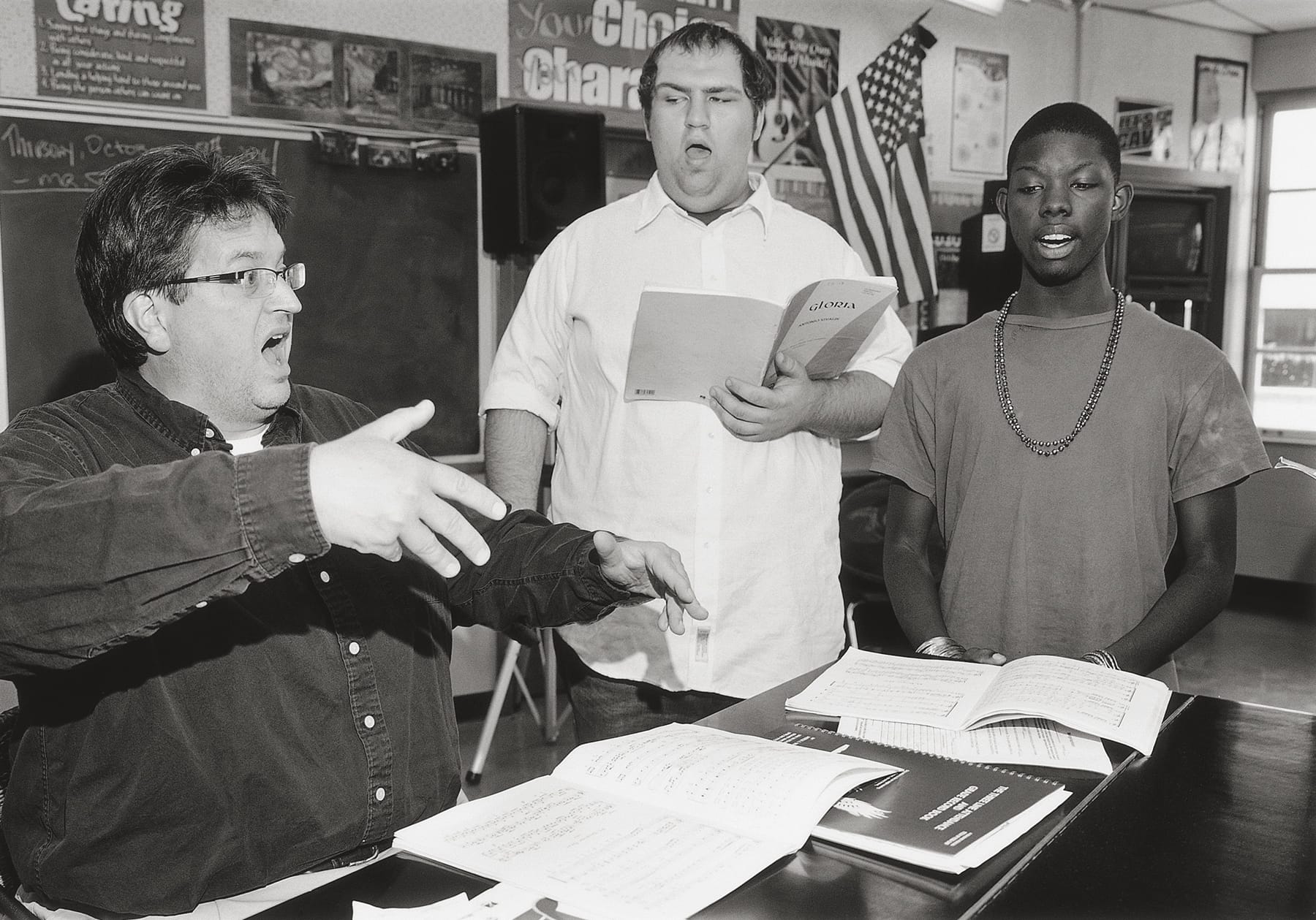
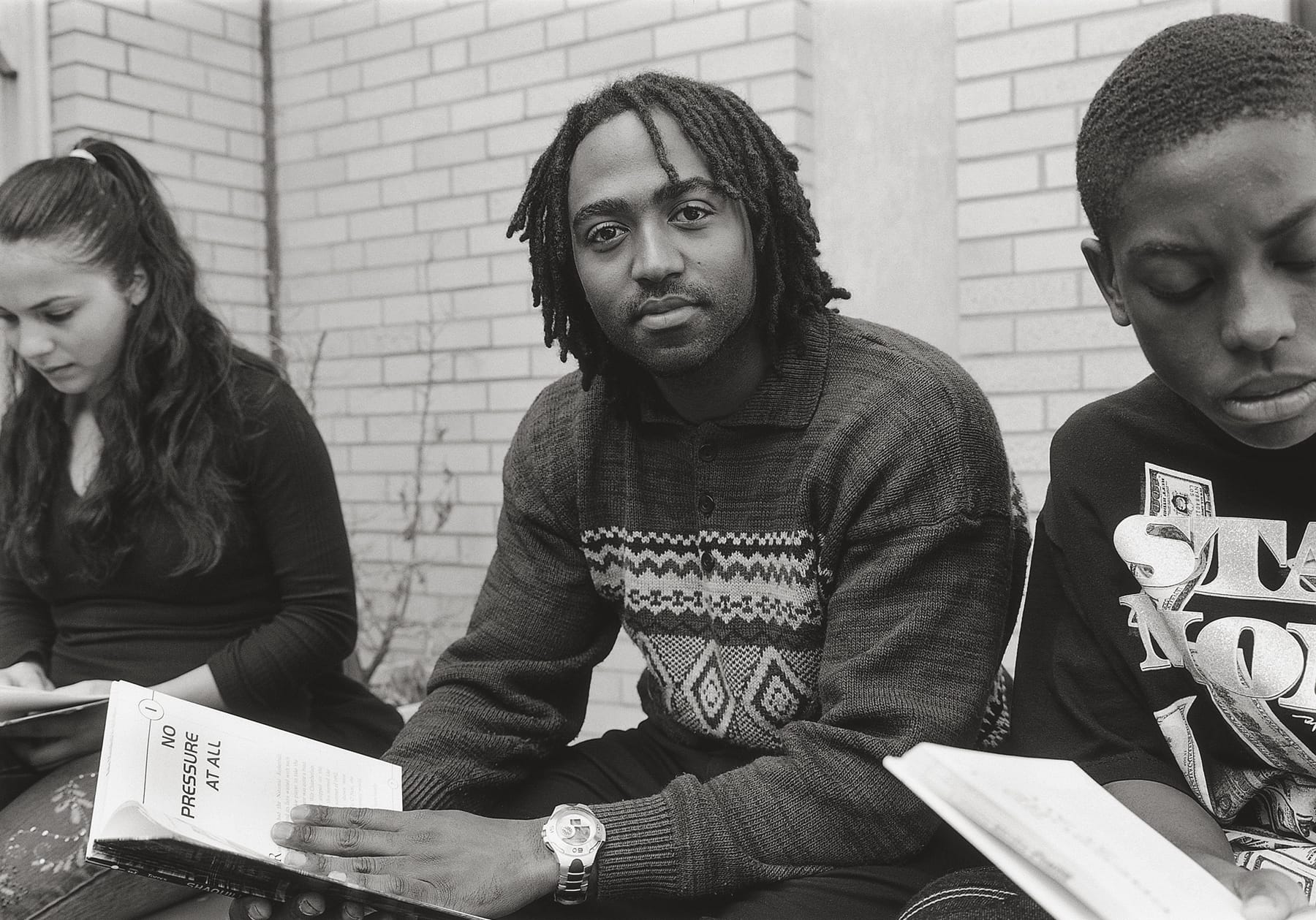
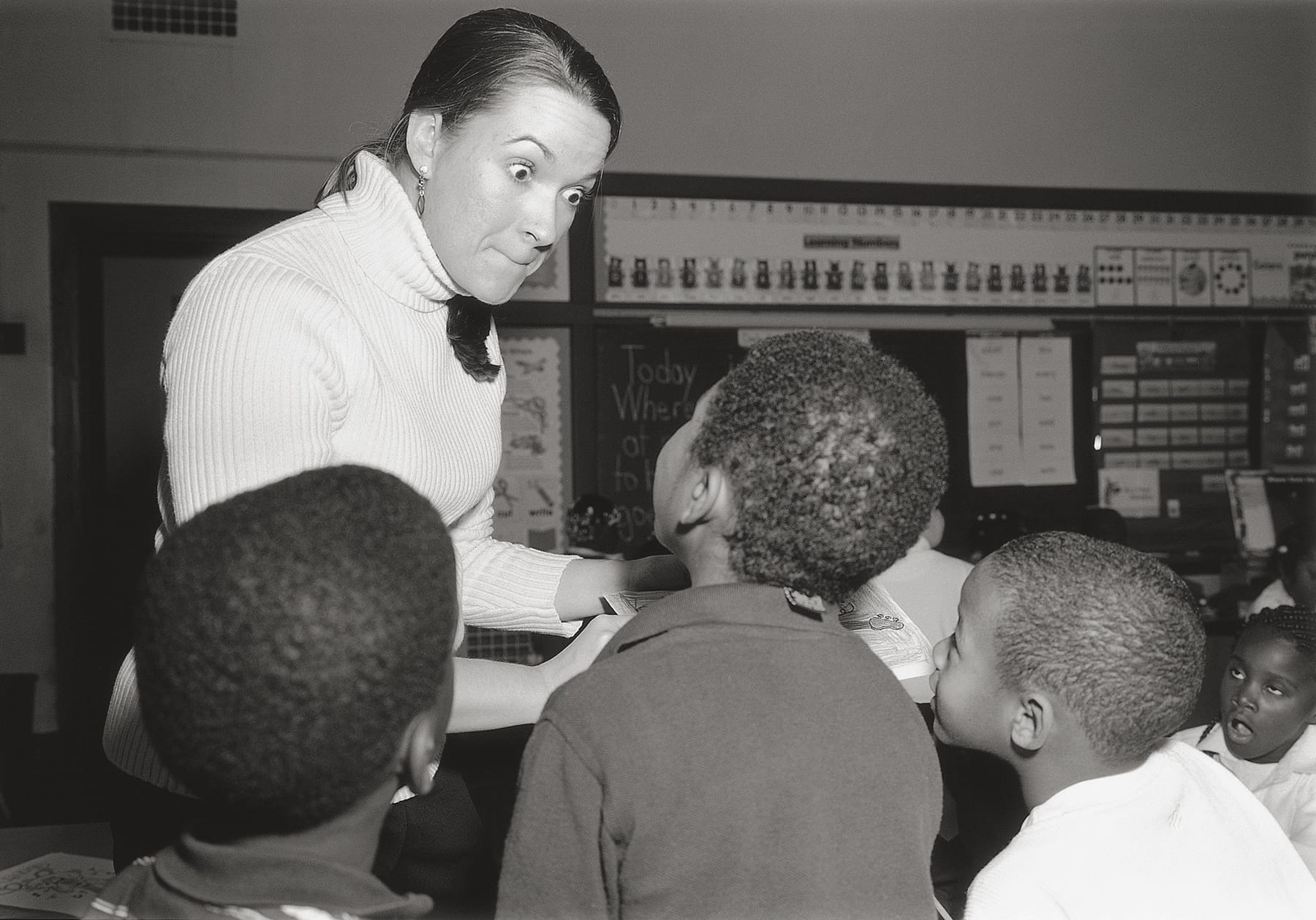
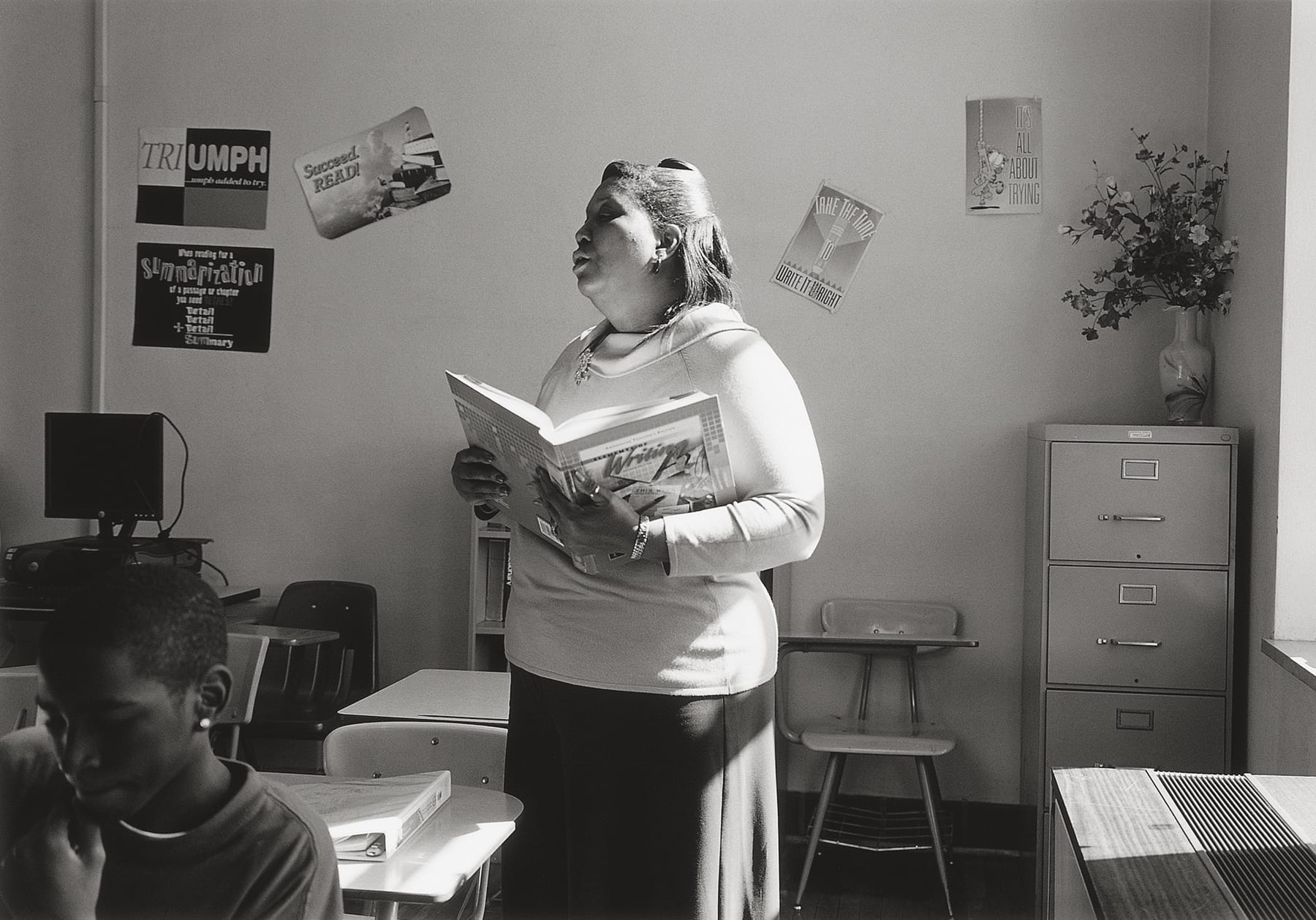
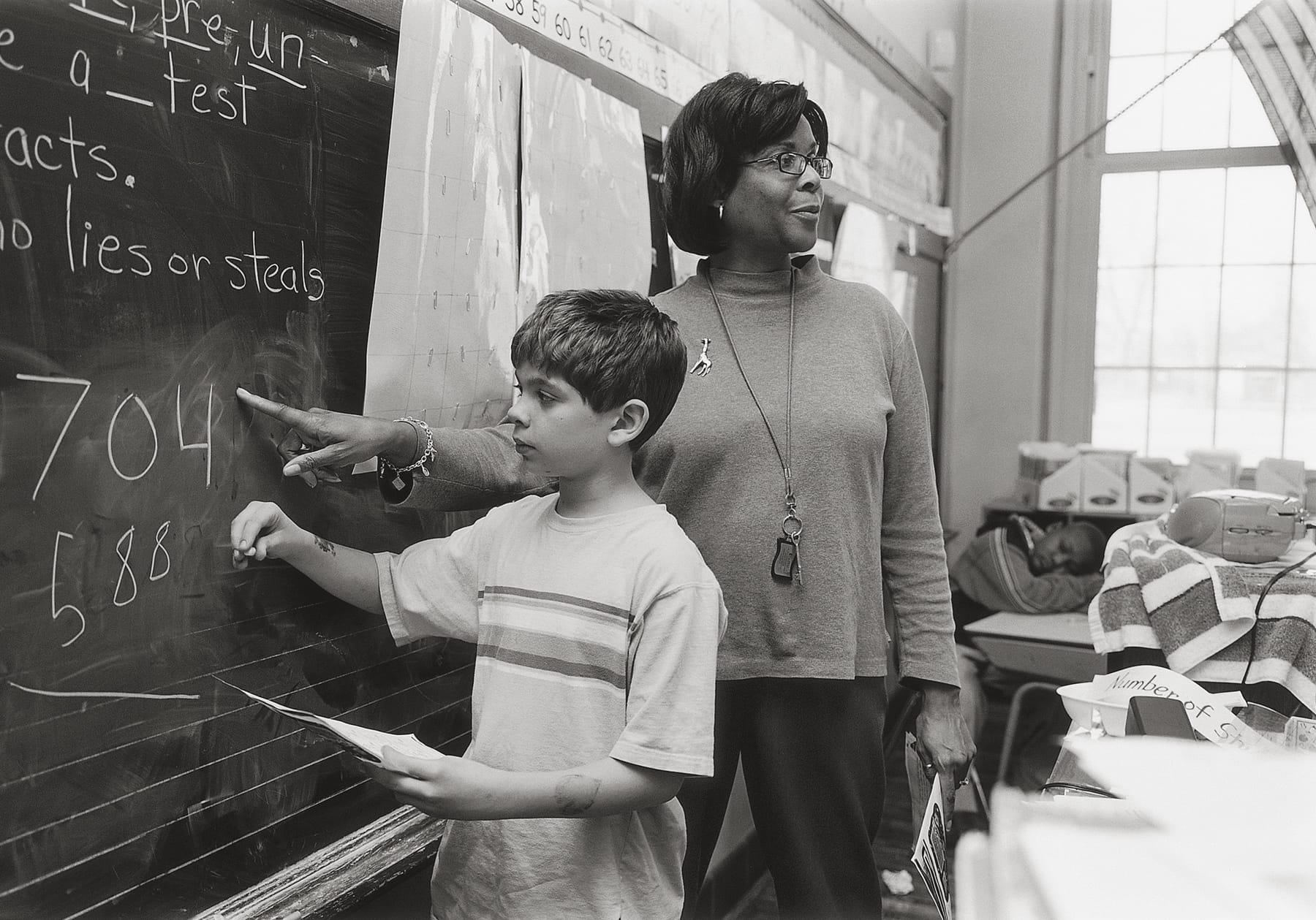
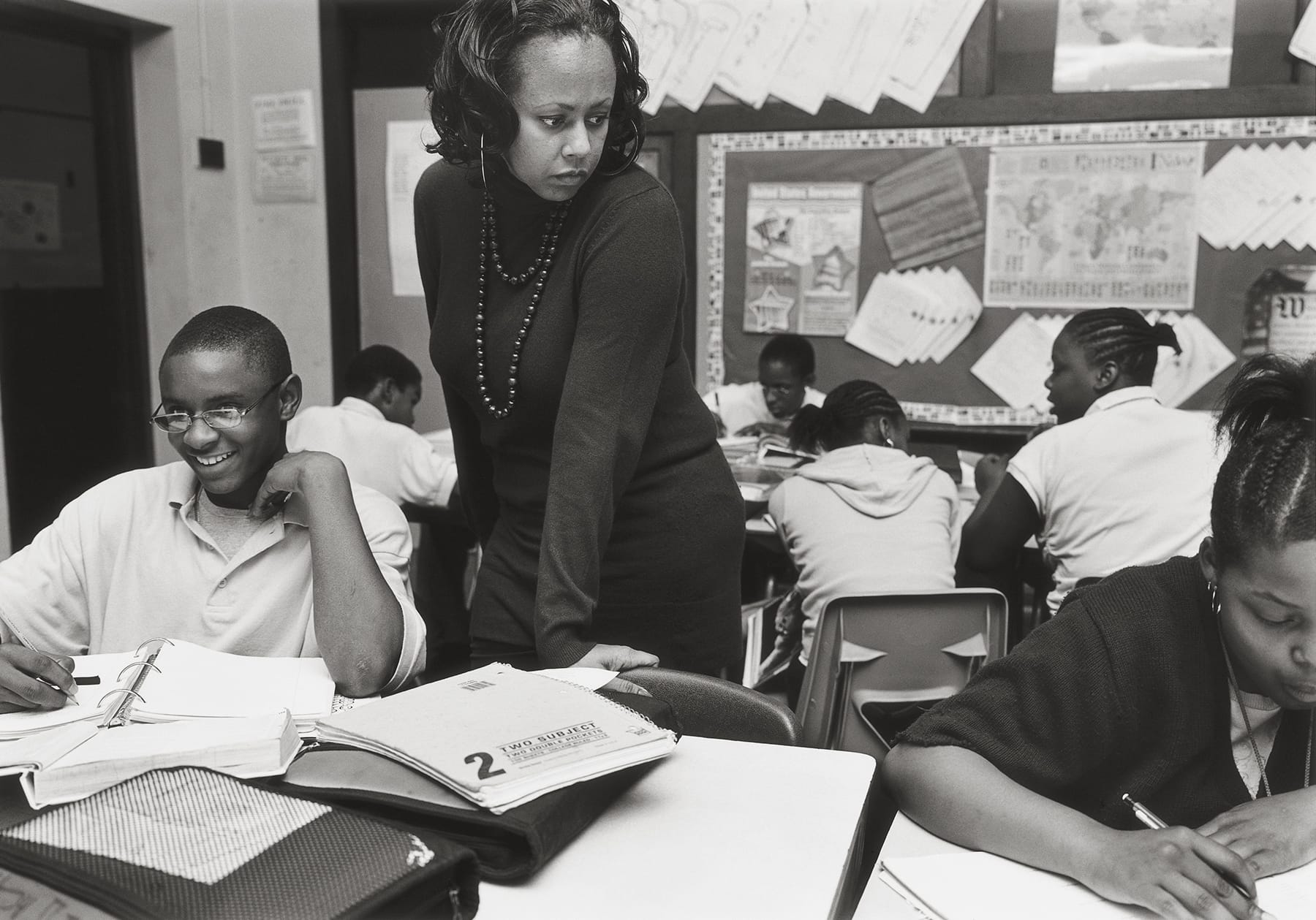
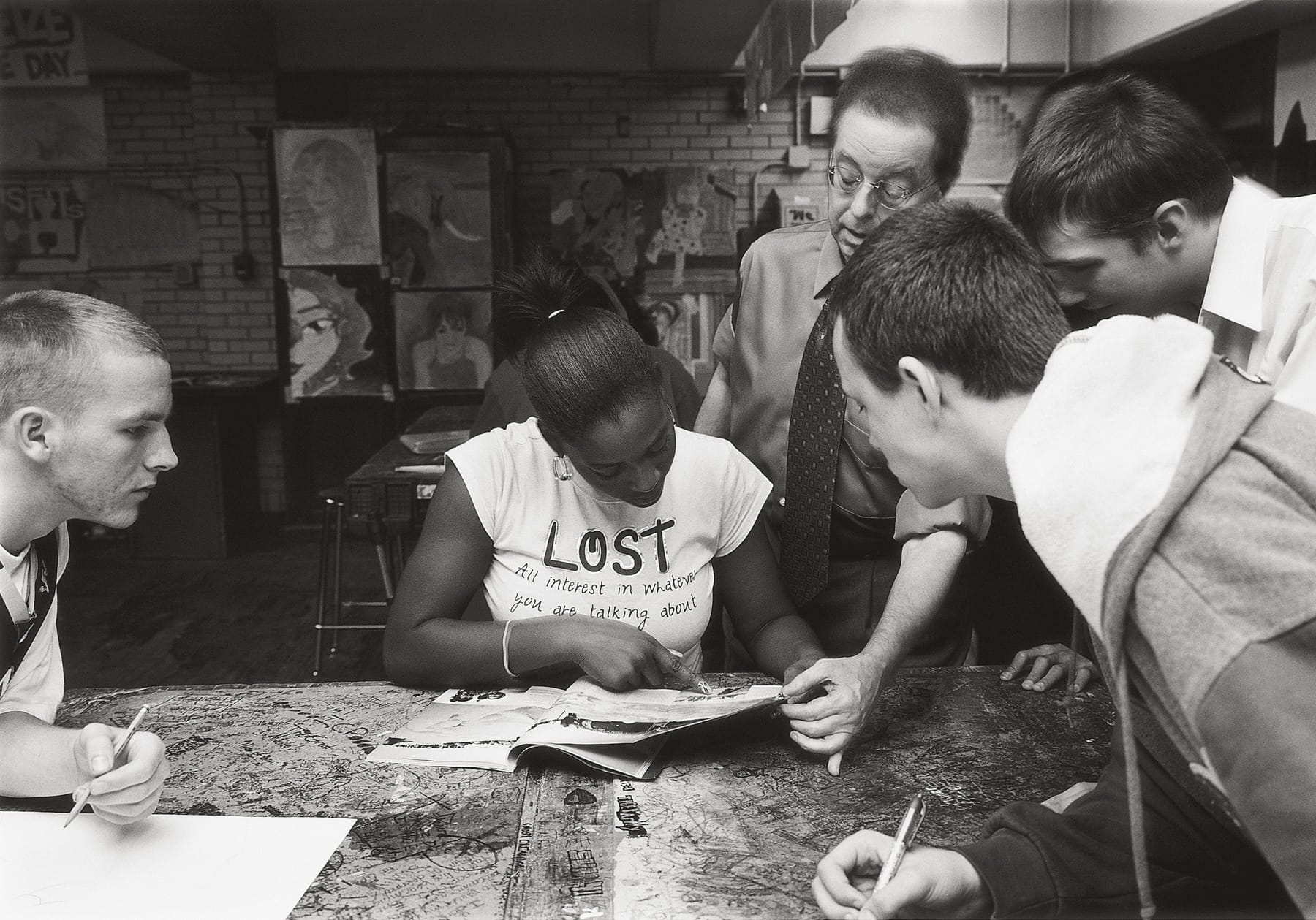
Mark Steinmetz offers an intimate photographic glimpse into the day-to-day lives of teachers at two Cleveland Municipal School District buildings—John Marshall High School and Miles Park Elementary School—and their ever-shifting roles as tutors, mentors, coaches, counselors, confidants and disciplinarians. Improving the quality of education for Cleveland’s children has been a long-standing priority for the Foundation, and we celebrate the critical role teachers play in ensuring success for our next generation. Steinmetz, an instructor himself at universities such as Harvard and Emory, brings a special sensitivity to capturing the important work that teachers do. He is the recipient of many awards, including a John Simon Guggenheim Fellowship. Steinmetzís work is included in the collections of many major museums and has been featured in numerous publications and photography journals.


Letter from the Board President
2006 Annual Report
The photographic essay in this year’s annual report focuses on teachers, the primary instruments of education, an important concern of the Foundation since its inception. The significance the Foundation has placed on education is illustrated by grants of almost$27million to support the Cleveland Municipal School District (CMSD) and its students over that period and more than $95 million overall to education. While we have become increasingly focused on policy and funding at the state level, the Foundation also has been involved with all aspects of Cleveland’s public schools. For example, under the leadership of David Bergholz, our former executive director, the Foundation was involved in significant efforts on both the state and local levels that led to the takeover of the school system by the mayor.
It is a fitting year for a focus on teachers as the Ohio Grantmakers Forum, a broad statewide group of funders chaired by David Abbott, the current executive director of this Foundation, presented a report in December of 2006,“Education for Ohio’s Future,” assessing the current status of schools in Ohio and presenting a plan for future developments. The report reinforces the importance of a number of issues that have been long-standing concerns of the Foundation, including scholarships, preschool education and teacher and principal training. It highlights a number of areas that have special significance in the current environment in which education is being increasingly considered in a global context, including the continuing achievement gap between white and minority students, the need for accountability at all levels and the need for more competitive public education to ready students for postgraduate education and the work world.
As a Foundation, we will continue to address many aspects of these education issues and hope that, working with the current administrations in Columbus and in Cleveland, we can be part of positive change. Three areas of our particular concern are flexible schools, excellent teachers and meeting the needs of the whole student. We recently made a $150,000 grant to help create excellent new CMSD schools that will offer students with a range of needs and abilities educational choices and the content they need, as well as environments conducive to good education. This follows grants we have made to break down schools into a series of smaller schools to increase flexibility and meet the needs of individual learners. Our second important goal is to produce excellent teachers as there is evidence that high quality teachers who believe students can learn are able to raise students to higher levels of achievement. We will be working to establish a model for developing good teachers who know content and who learn from teaching placements what good teaching is while they are developing their abilities to do it. And finally, we will continue to work to meet the needs of the whole student—not just academic learning, but health and other needs as well.
In 2006, the Foundation took another step in its continuing mission of increased accountability by commissioning a Grantee Perception Report from the Center for Effective Philanthropy. This process, which we have been through before, led to a thorough review of the way we operate and reforms in the way we go about fulfilling our mission. A summary of the report’s findings is on our website, at www.gundfoundation.org.
At the end of this year George Gund IV became a Trustee-candidate. We welcome him to the Board of the Foundation.
Geoffrey Gund, President and Treasurer of The George Gund Foundation

Cuyahoga Valley National Park
Photography
Geoffrey James (2005)
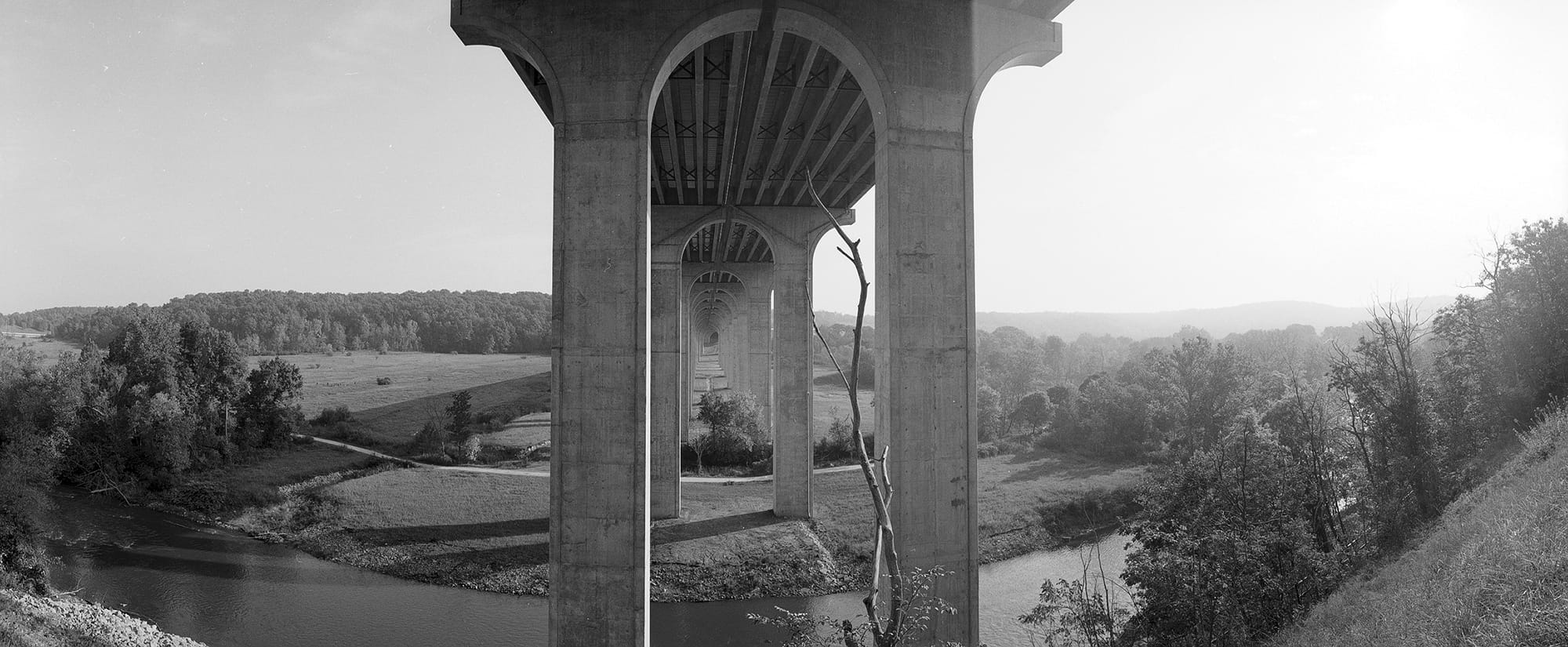
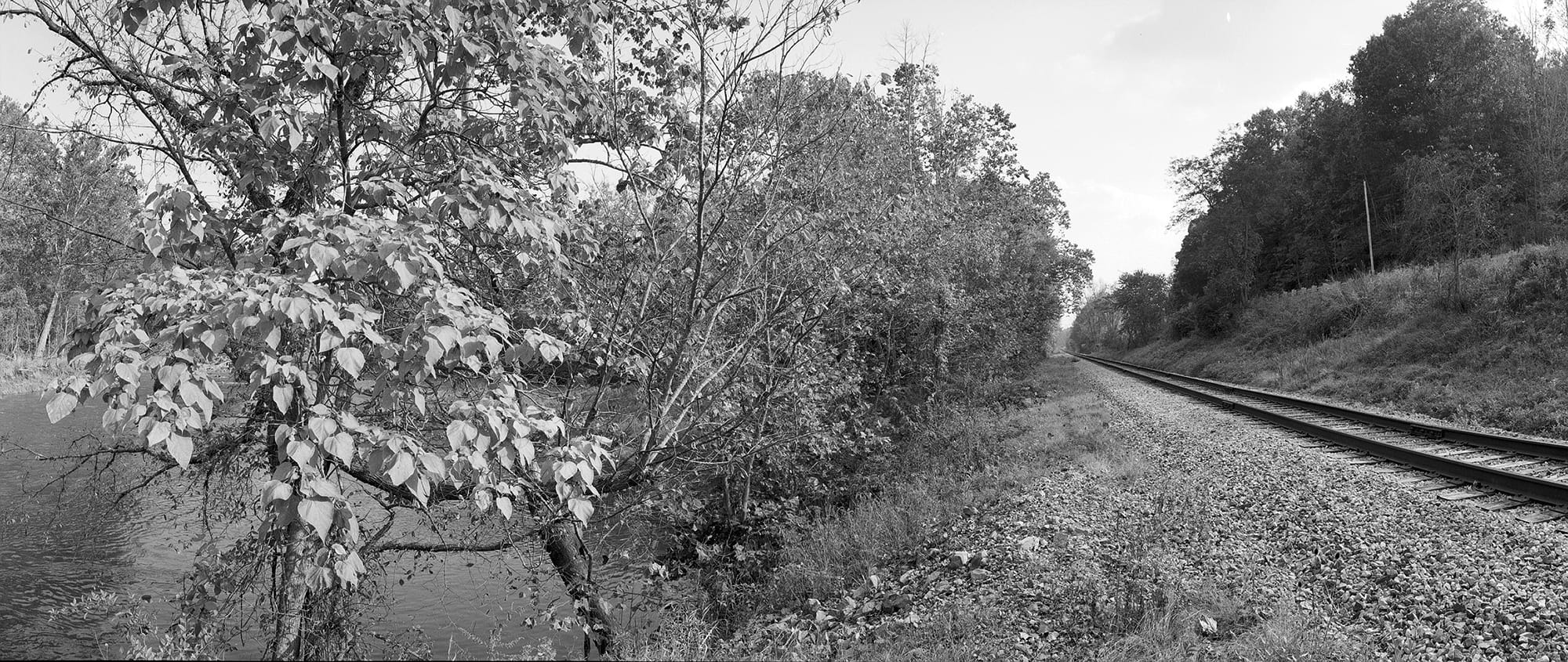
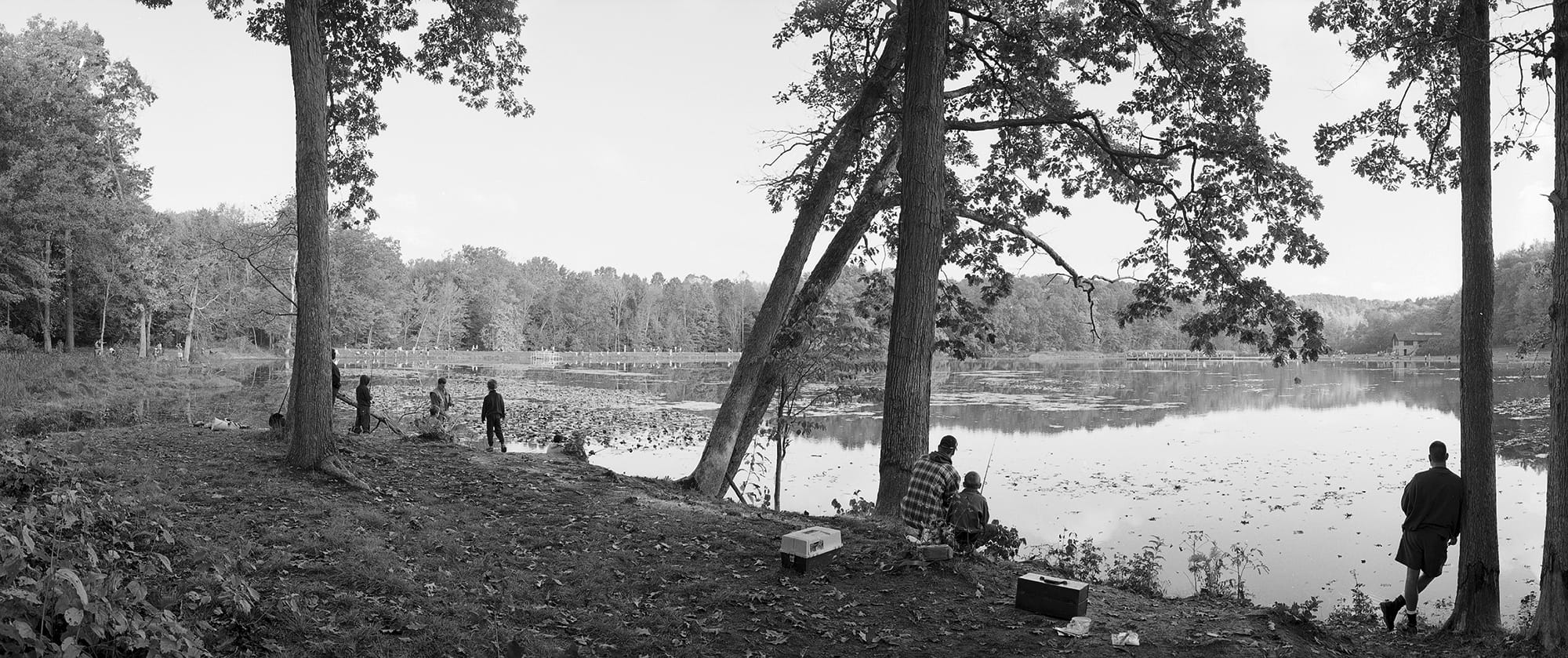
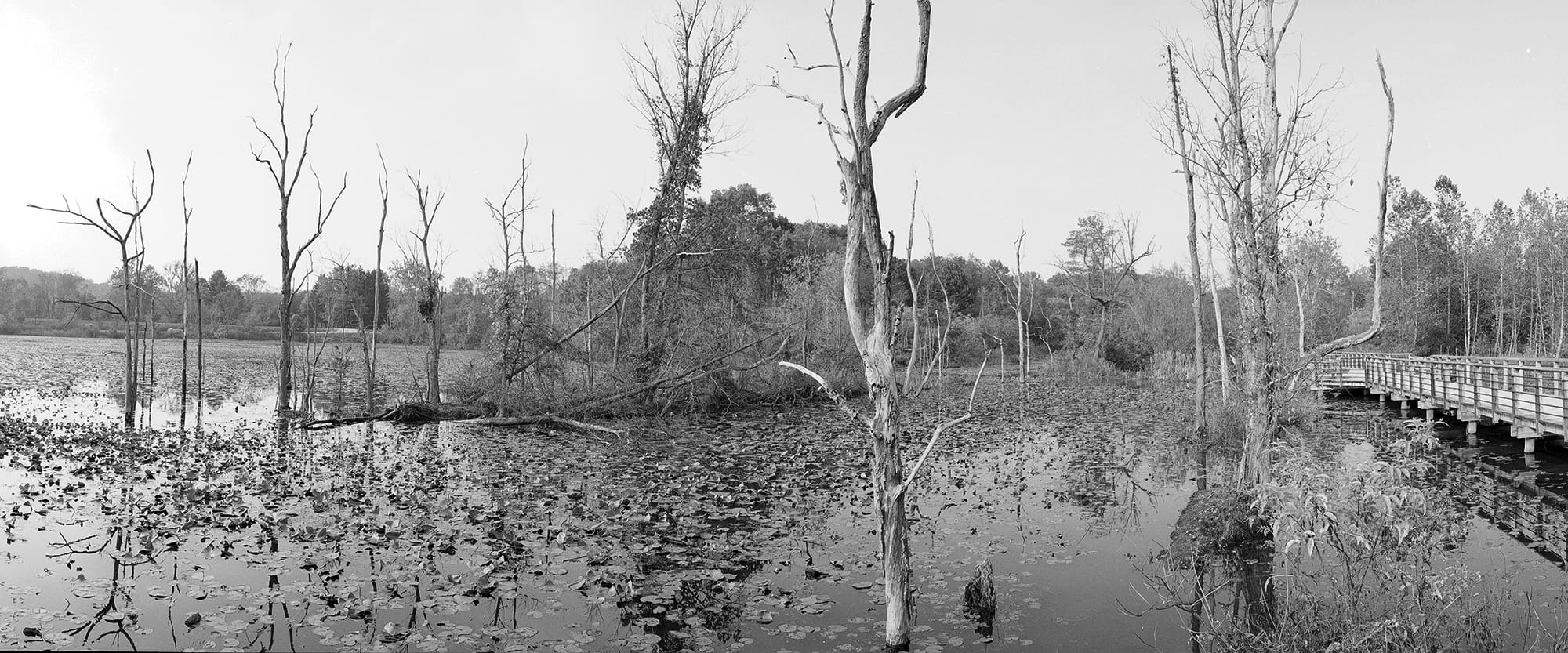
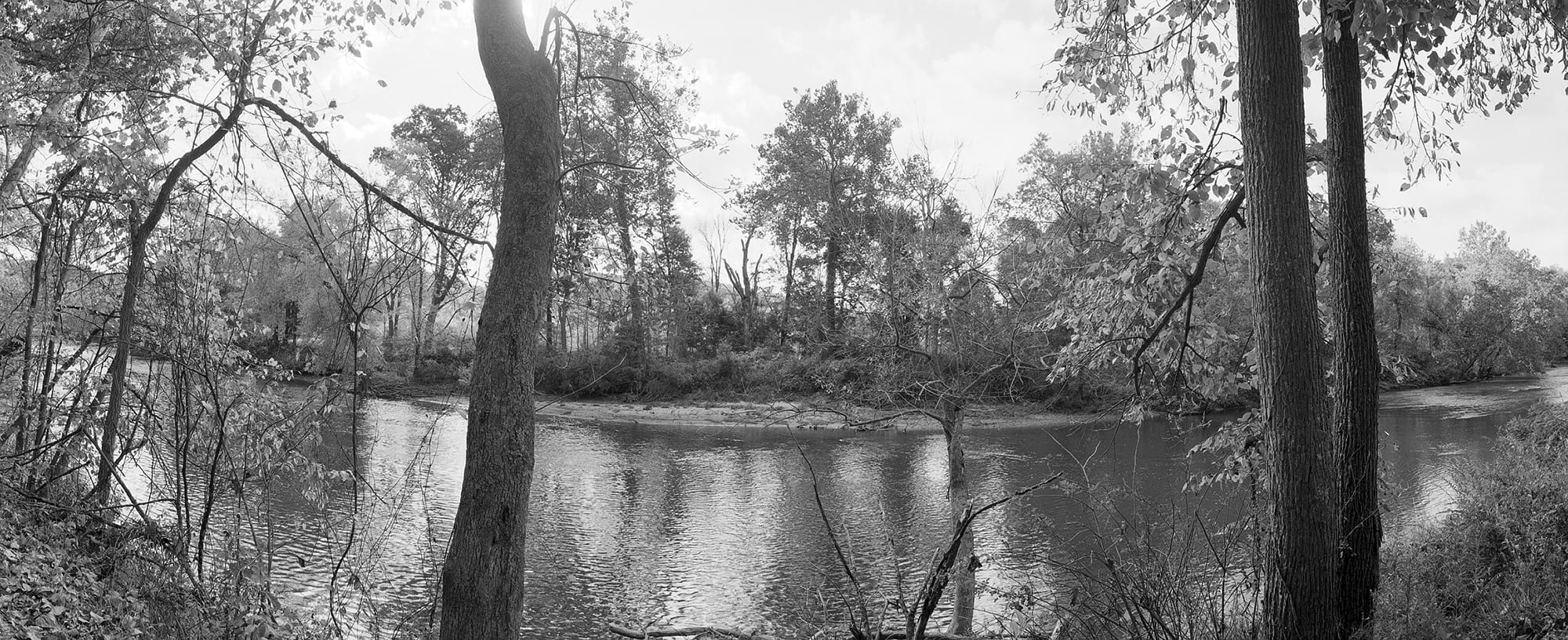
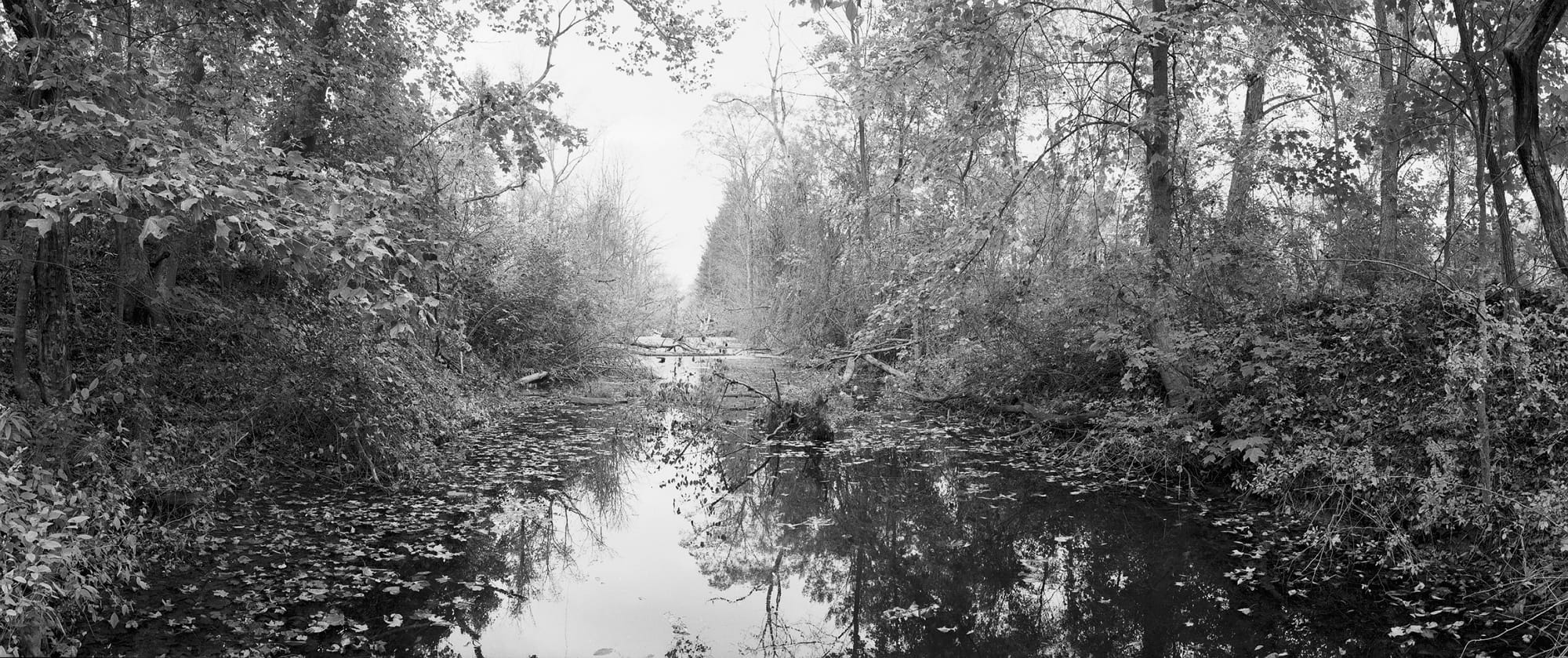
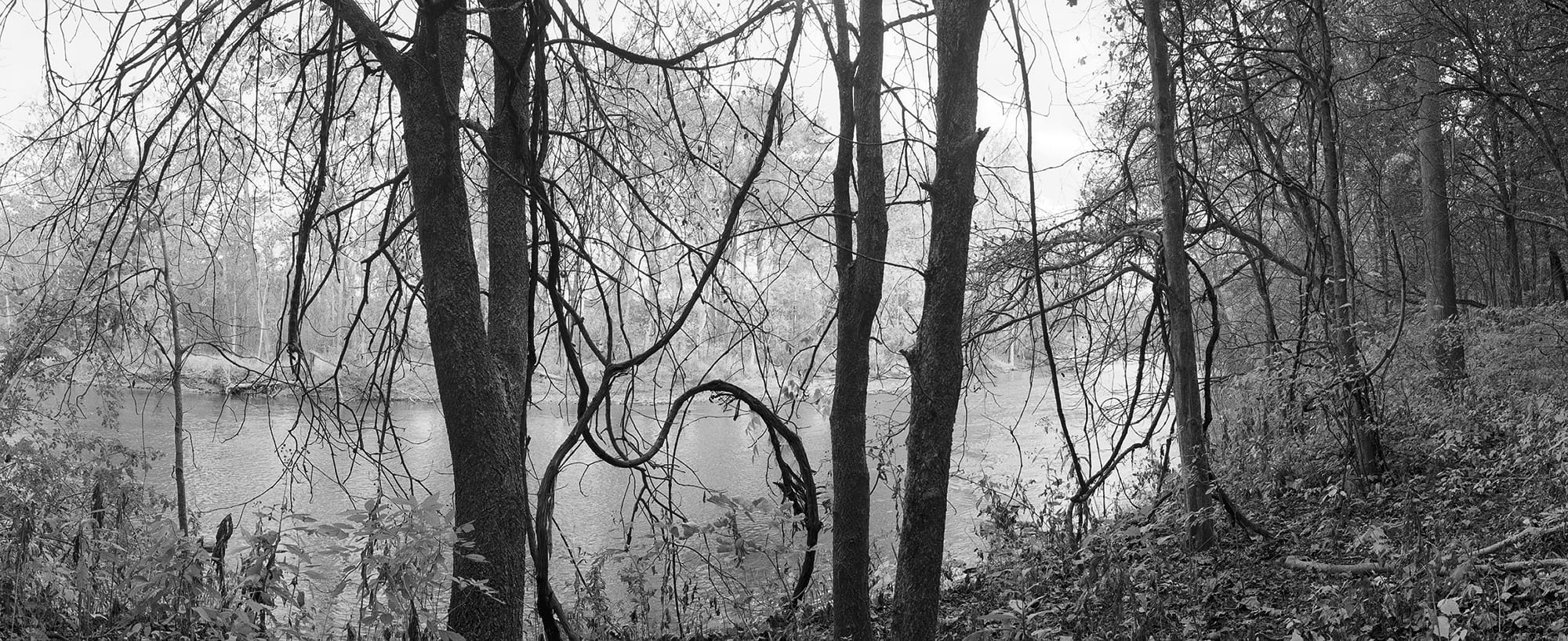
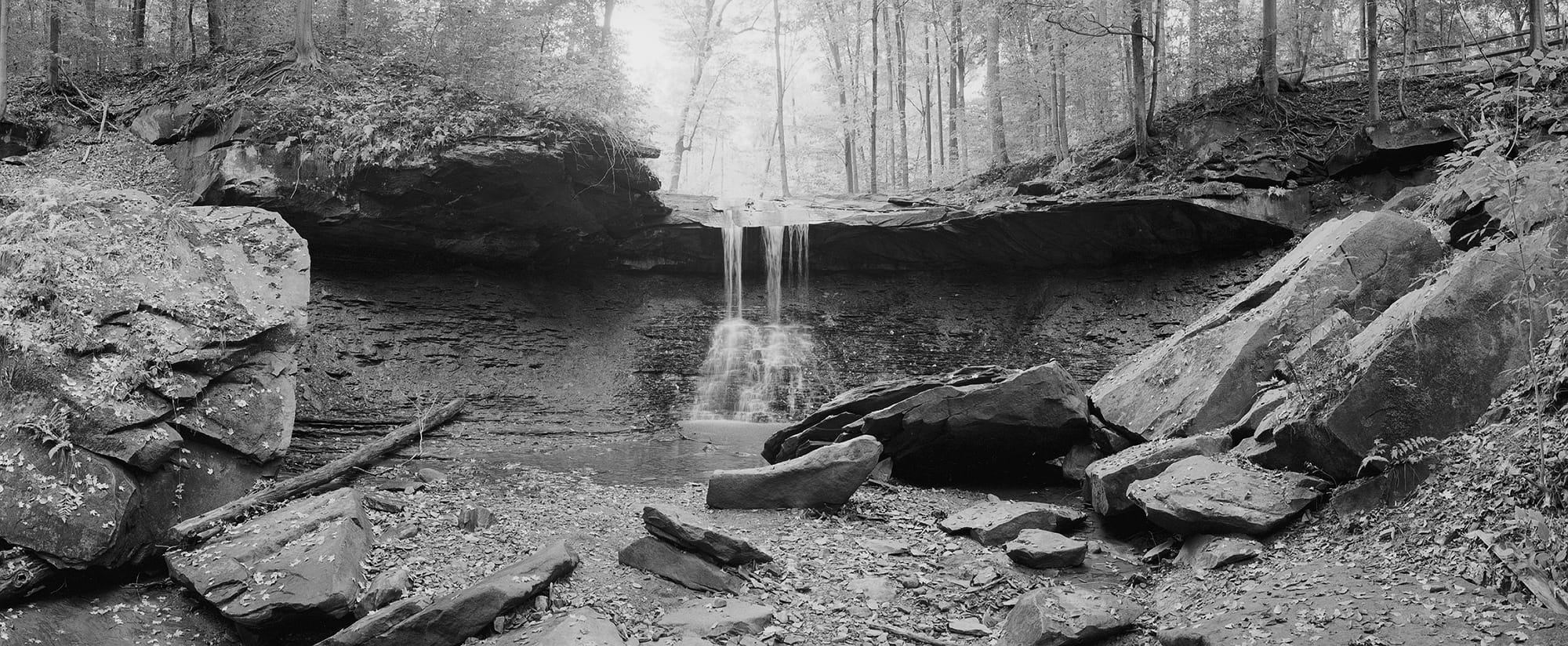
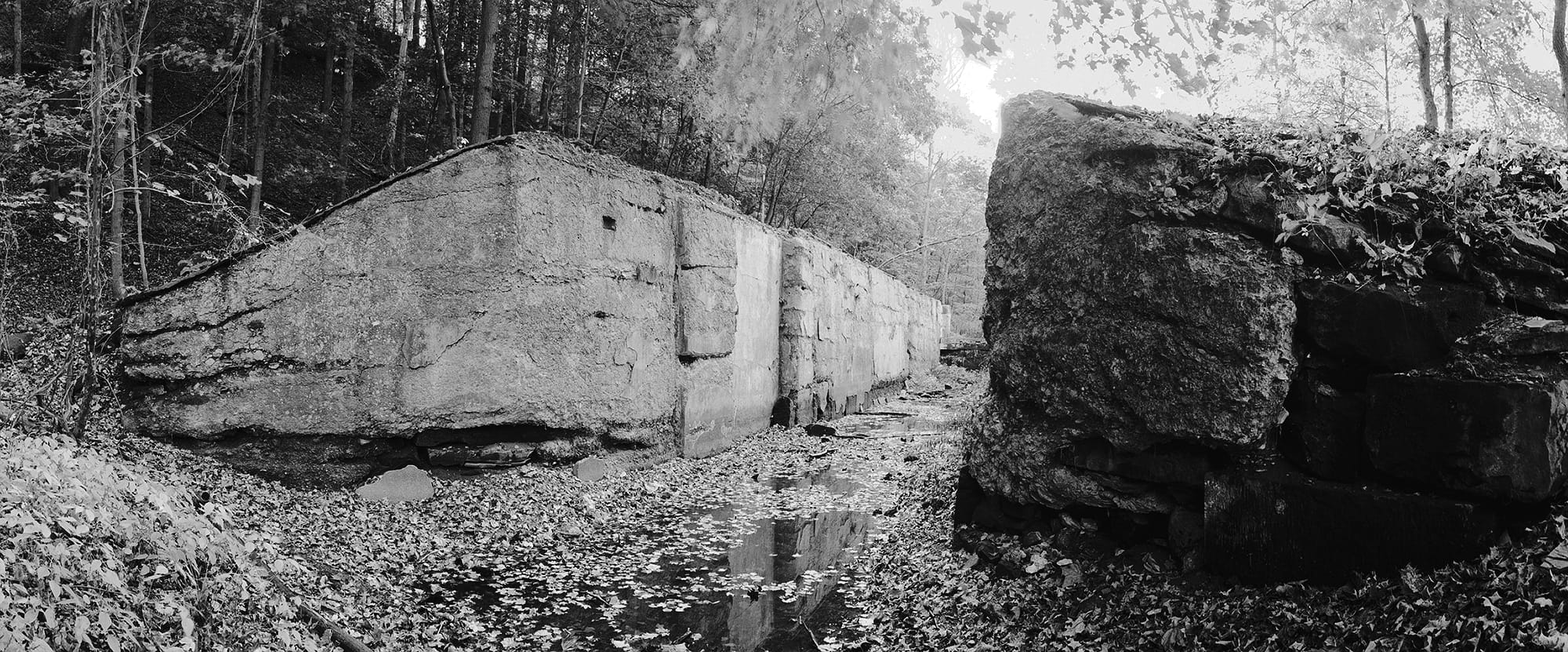
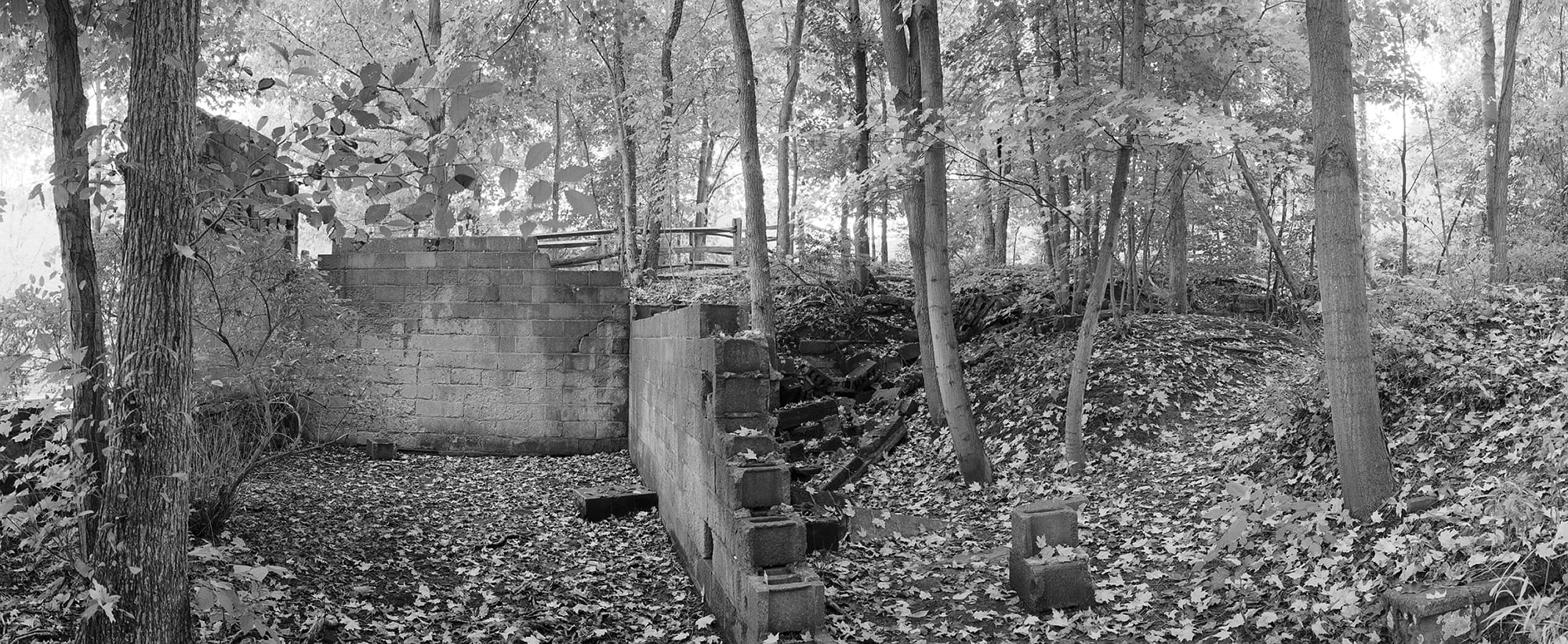
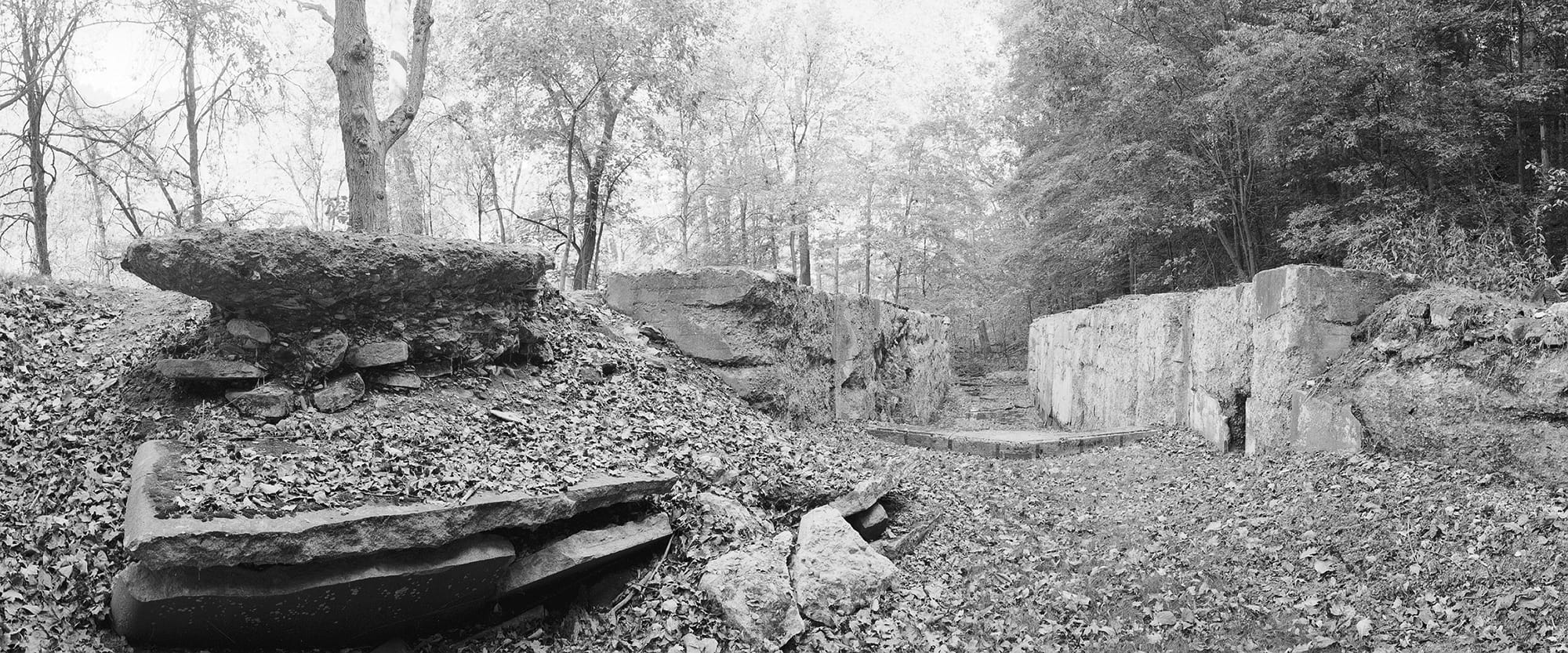
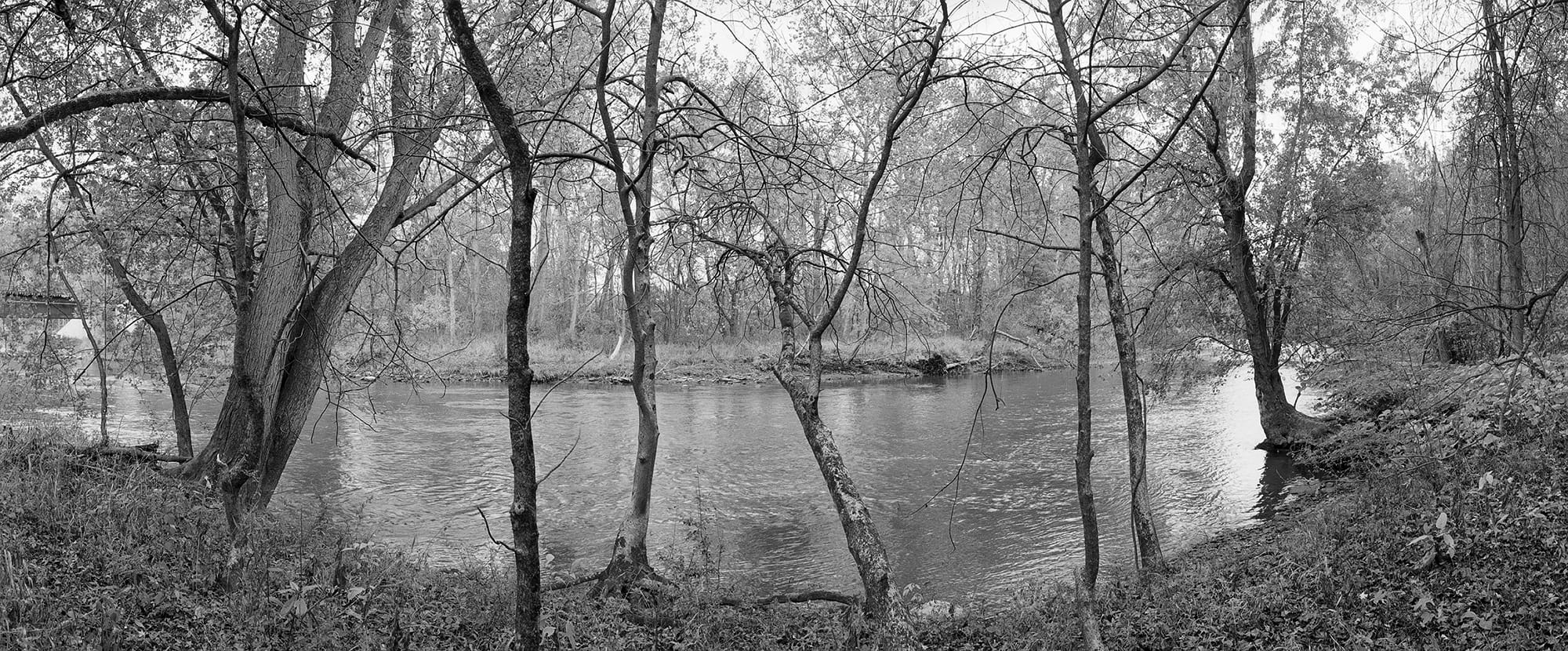
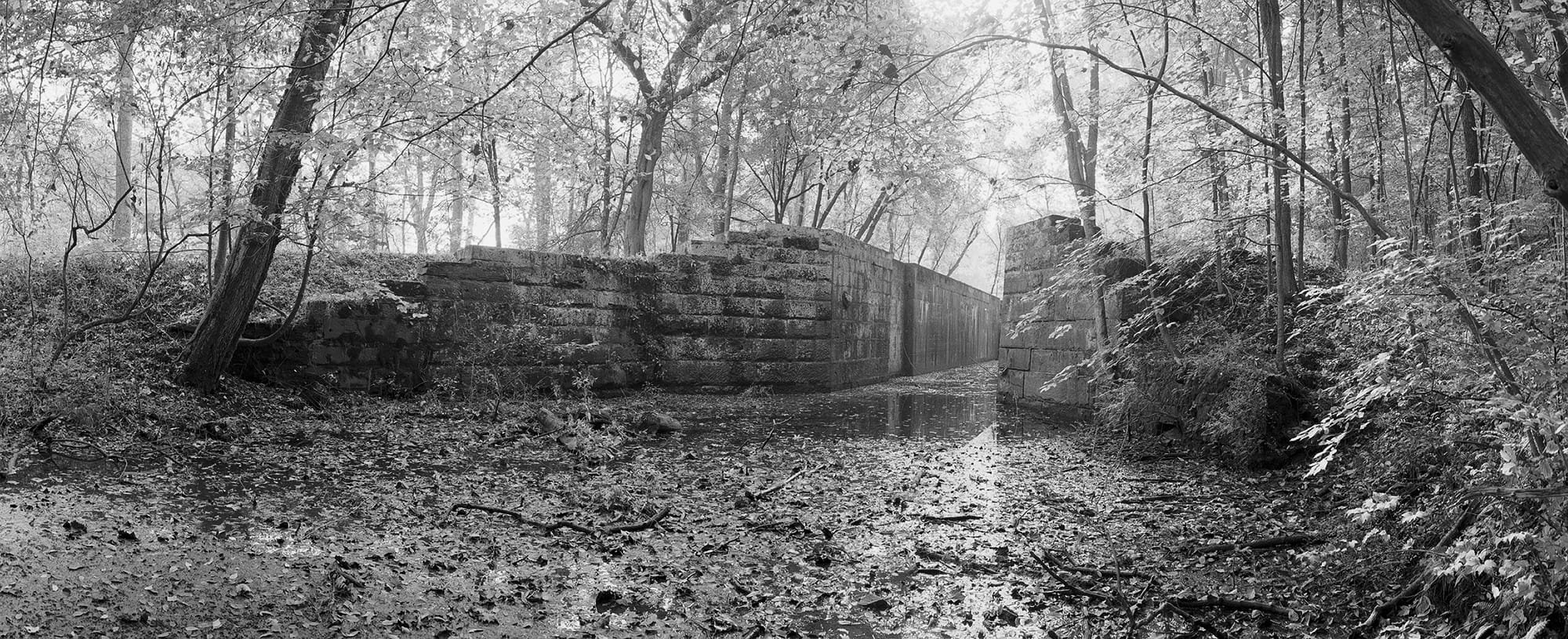
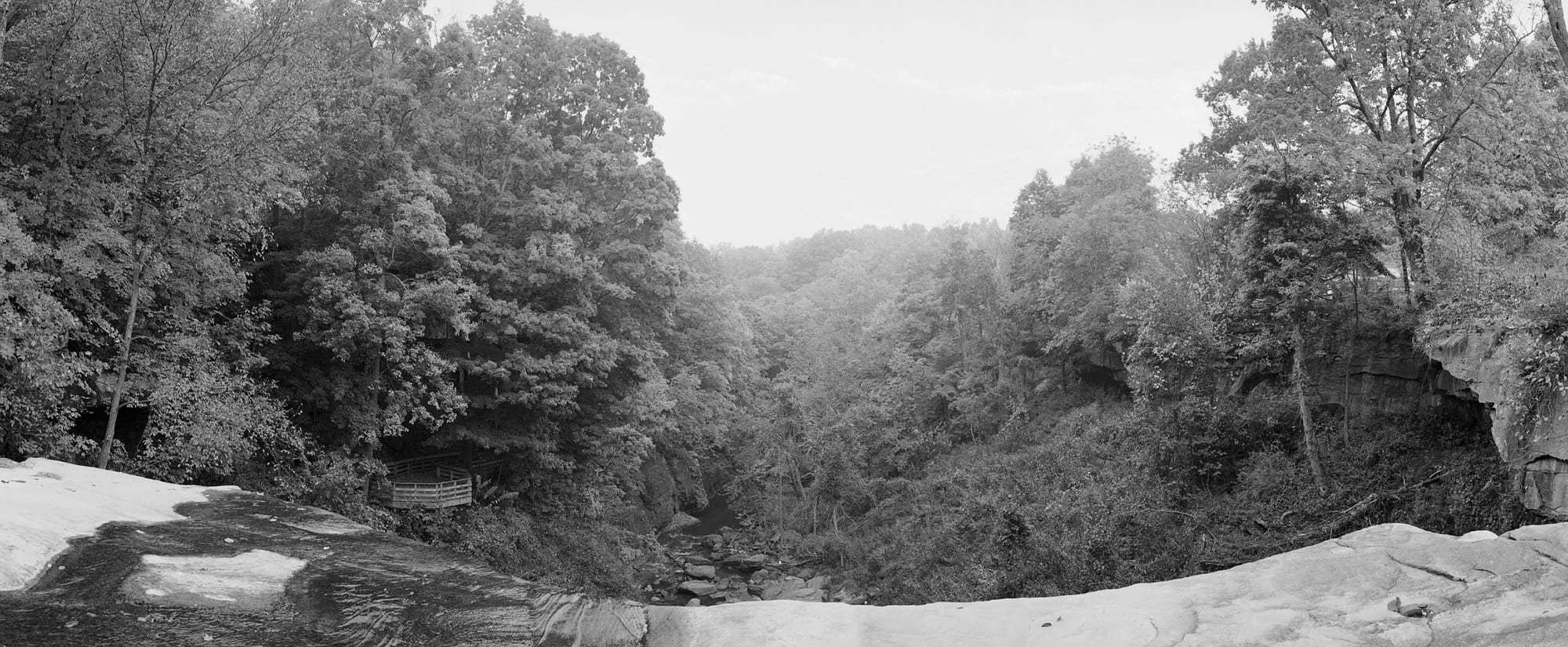
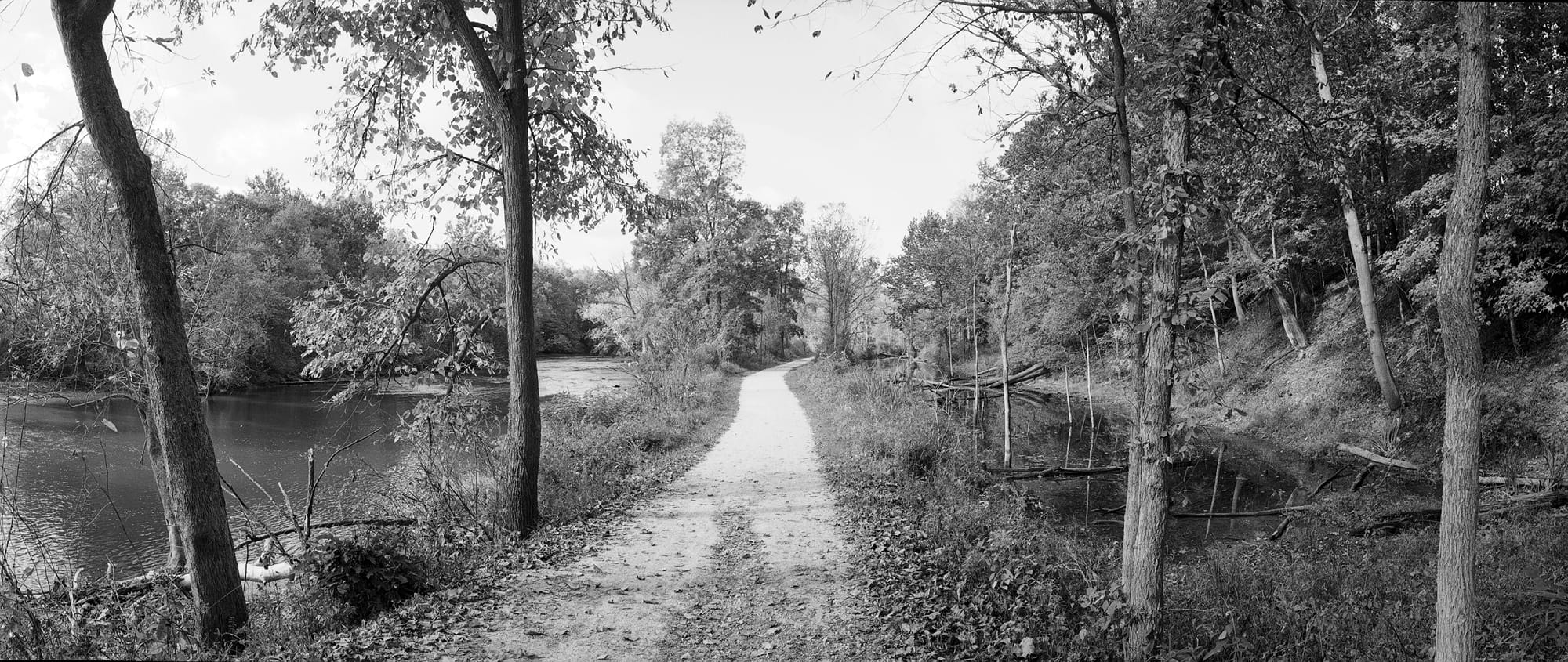
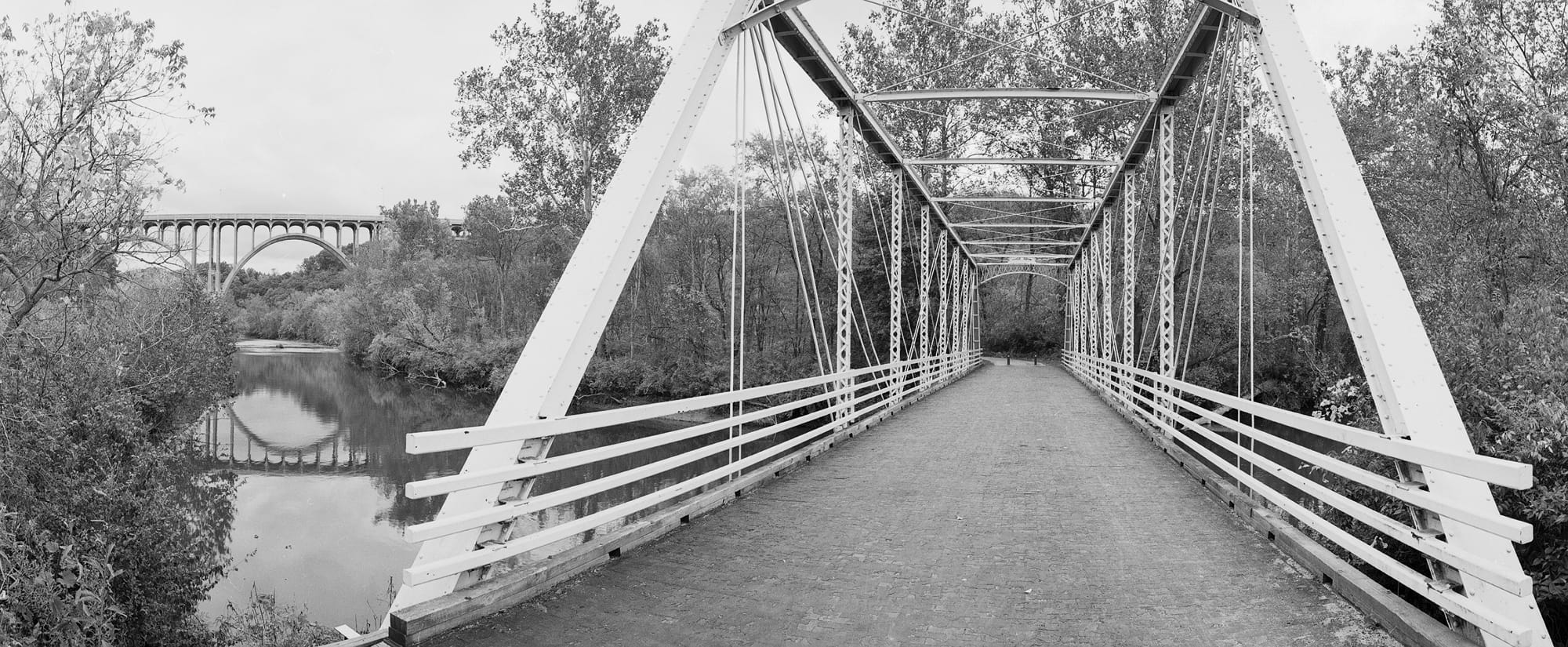
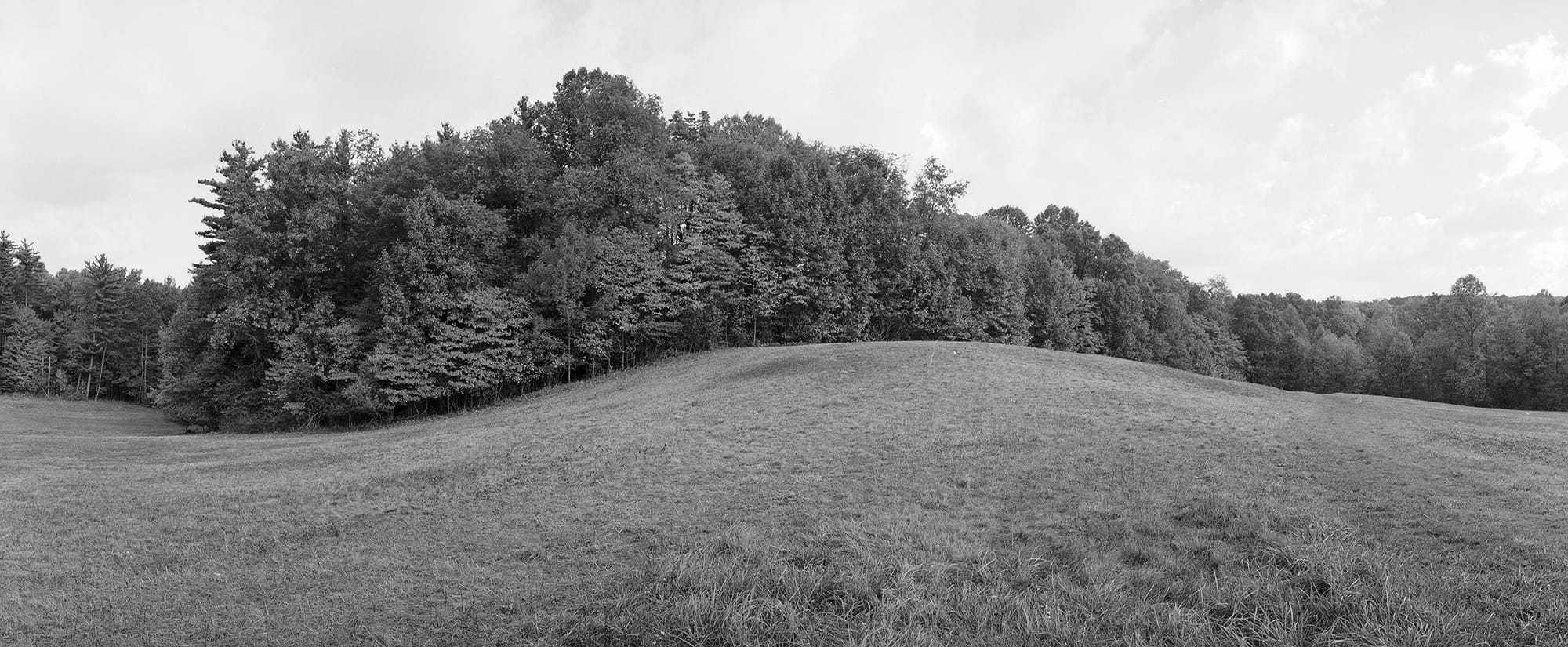
Geoffrey James beautifully illustrates the uniqueness of one of Northeast Ohio’s defining assets through his panoramic images of the Cuyahoga Valley National Park. His photographs capture not only the natural beauty of the park but also the reminders of our shared history, such as the long-abandoned locks of the Ohio & Erie Canal, that are scattered throughout this natural link between the region’s two major cities, Cleveland and Akron. The Foundation has made significant investments over the years to preserve and support what James, looking through his camera lens, described as “a great democratic open space…like no other national park I have seen.” James, who has been photographing man-made landscapes for more than two decades and whose work is included in major museum collections throughout North America and Europe, is a recipient of fellowships from the John Simon Guggenheim Foundation and the Graham Foundation for Advanced Studies in the Fine Arts.




Ohio City
Photography
Thomas Roma (2004)
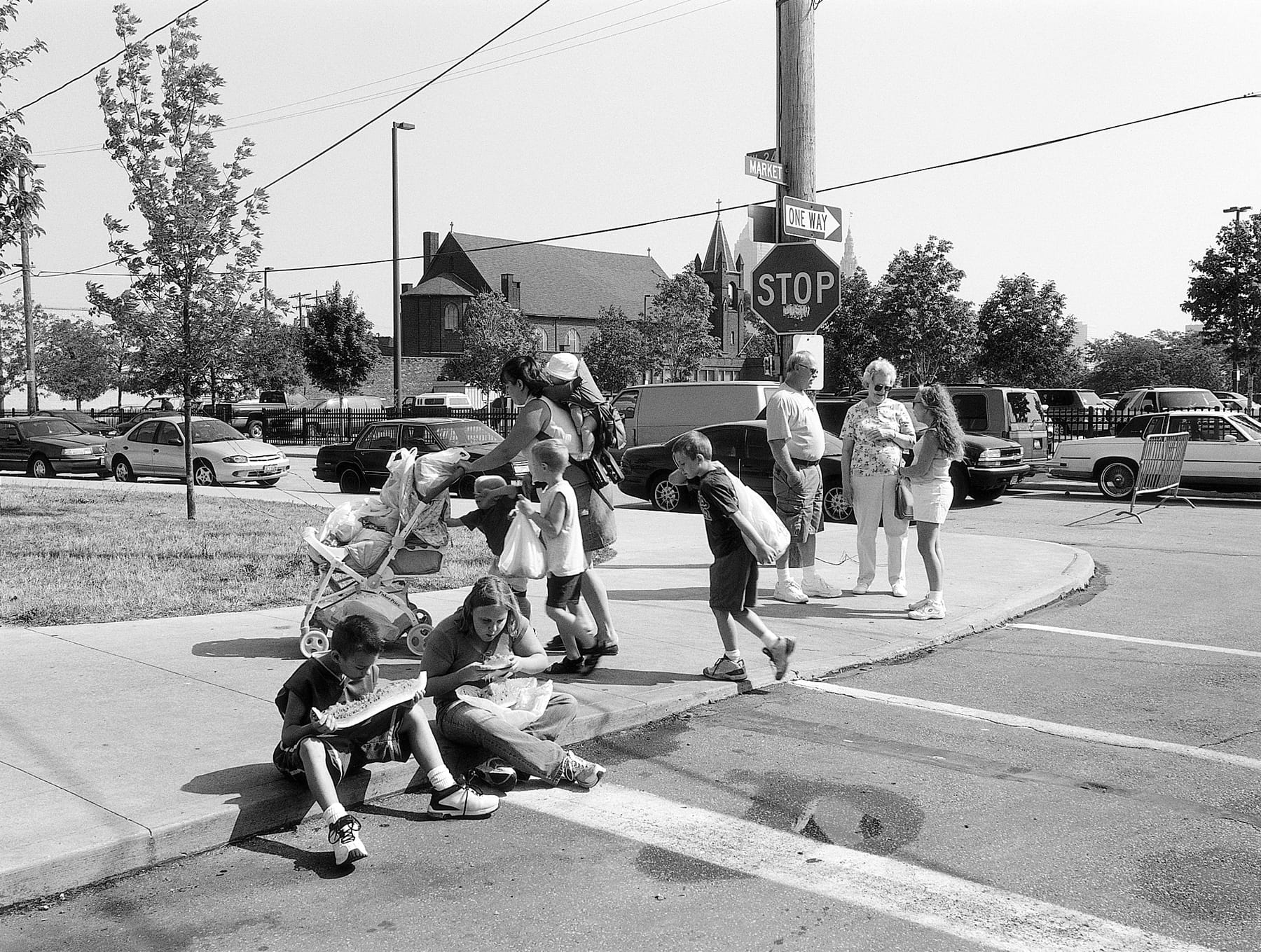
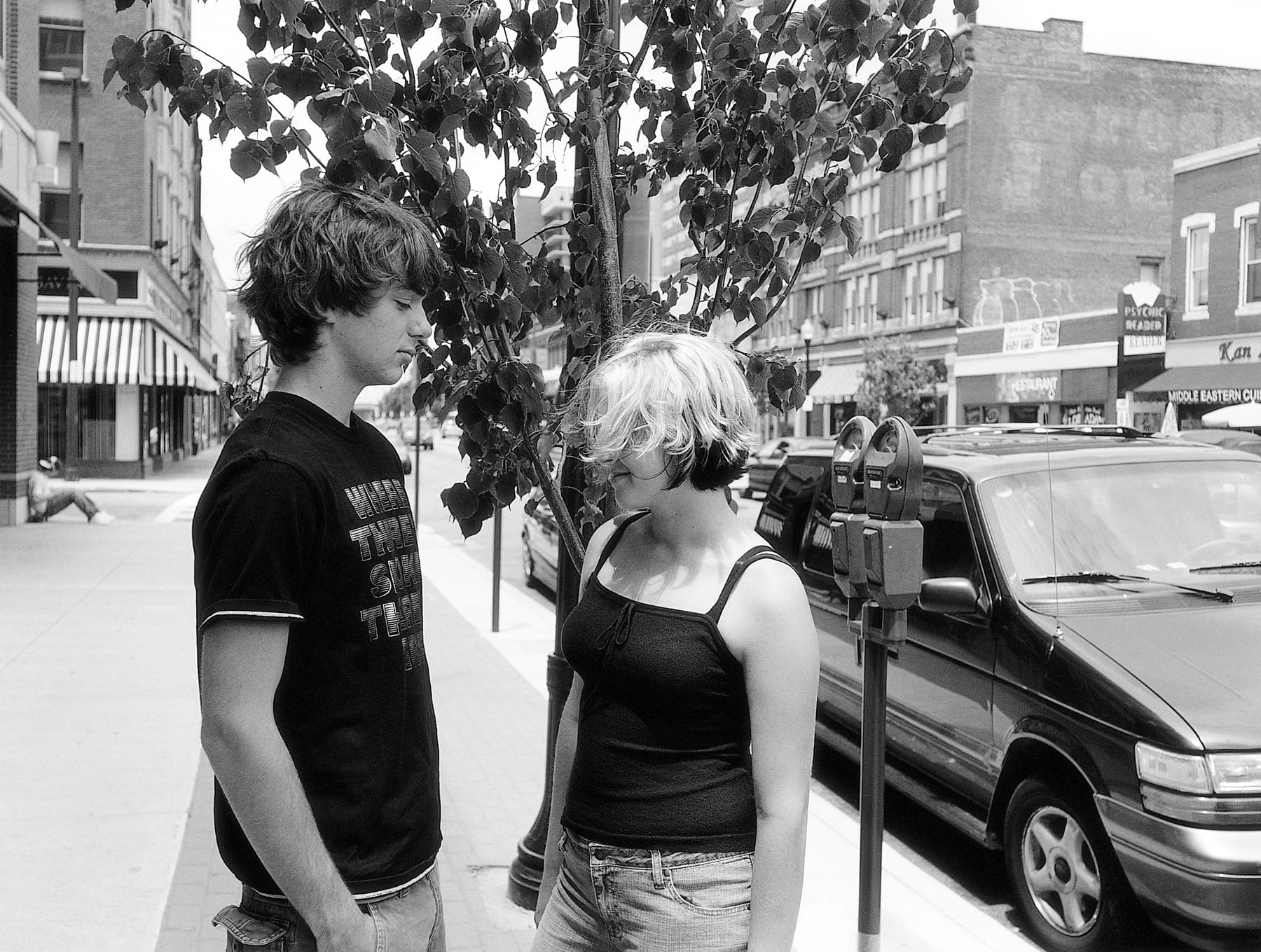
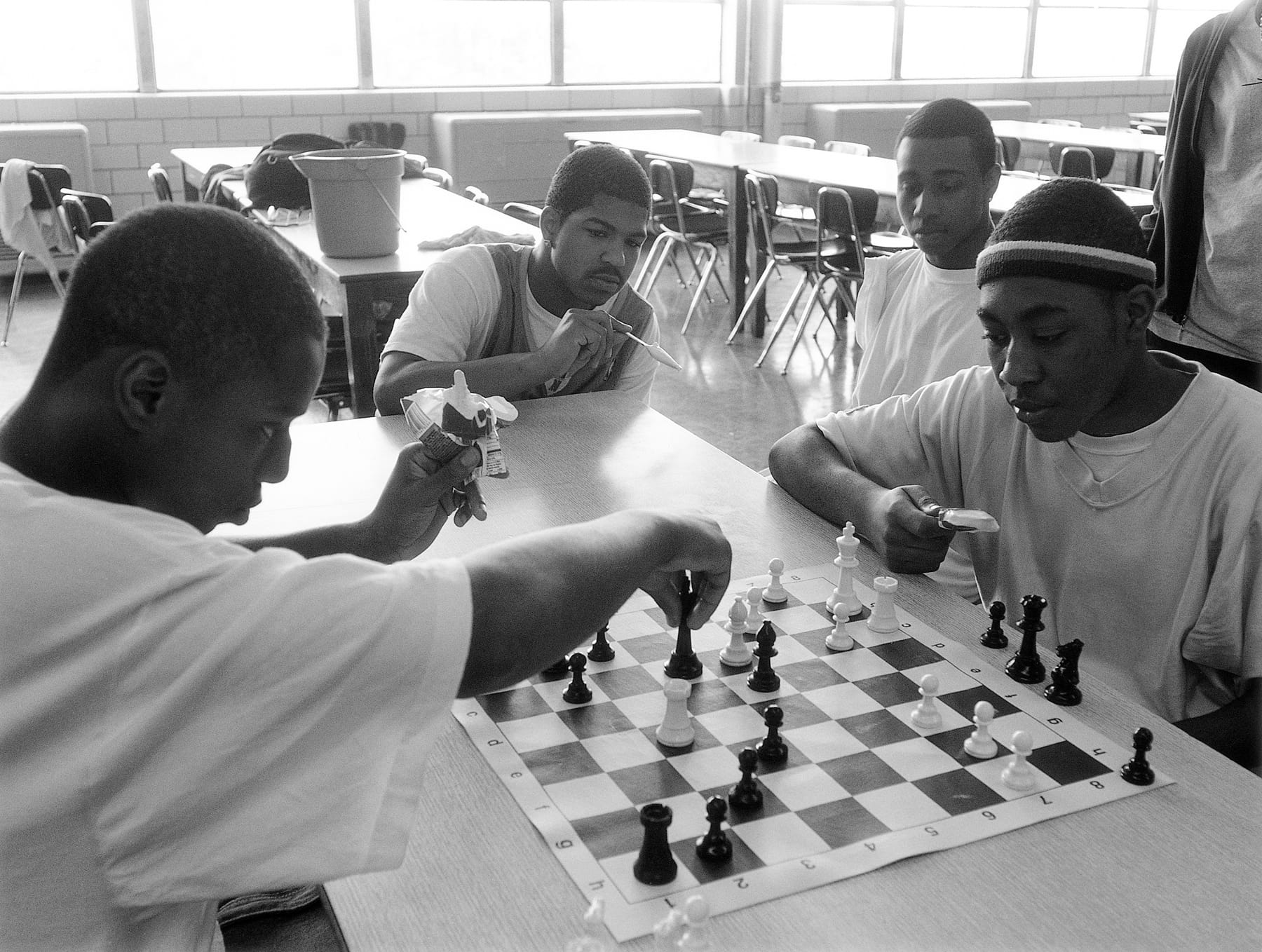
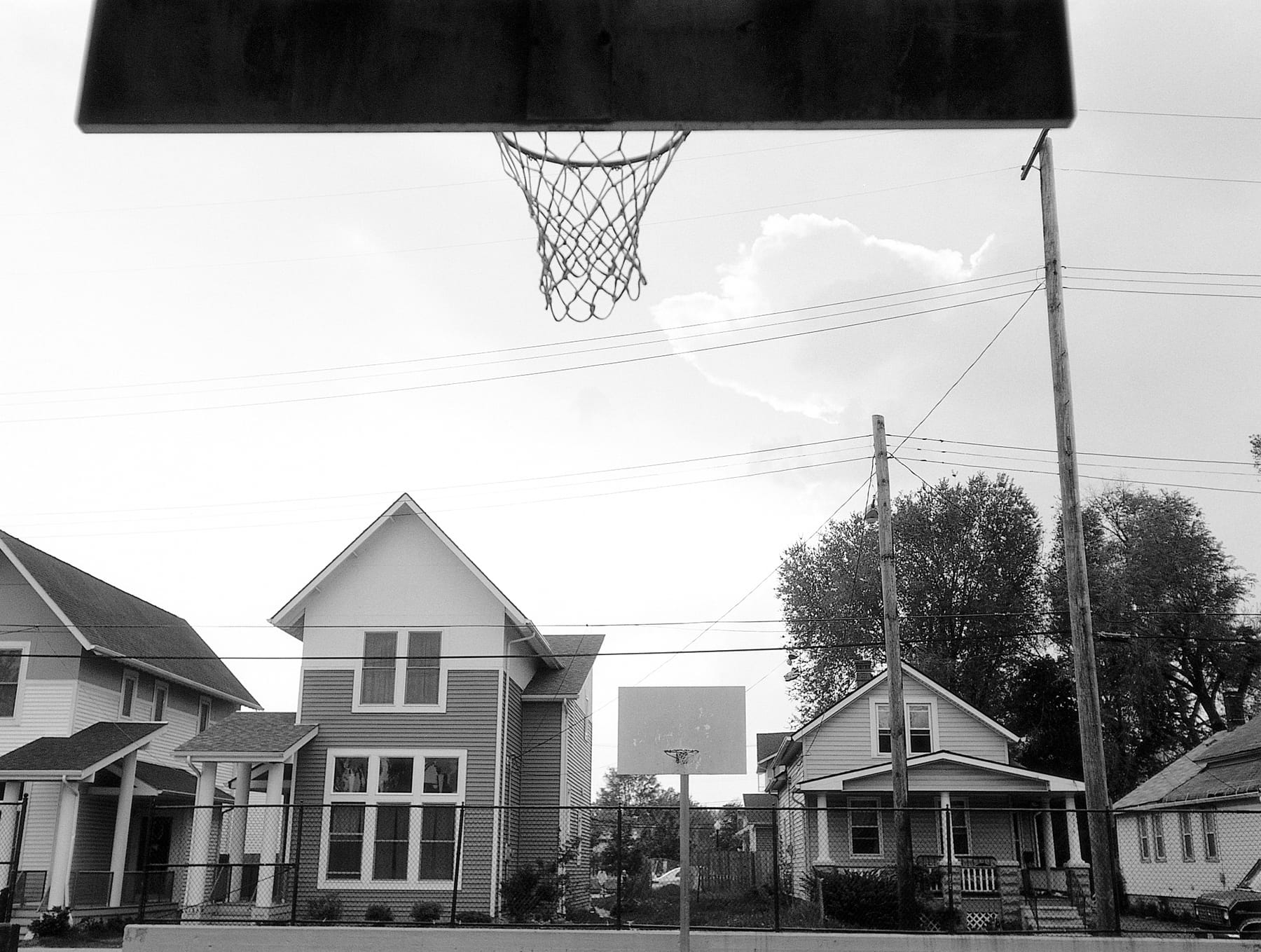
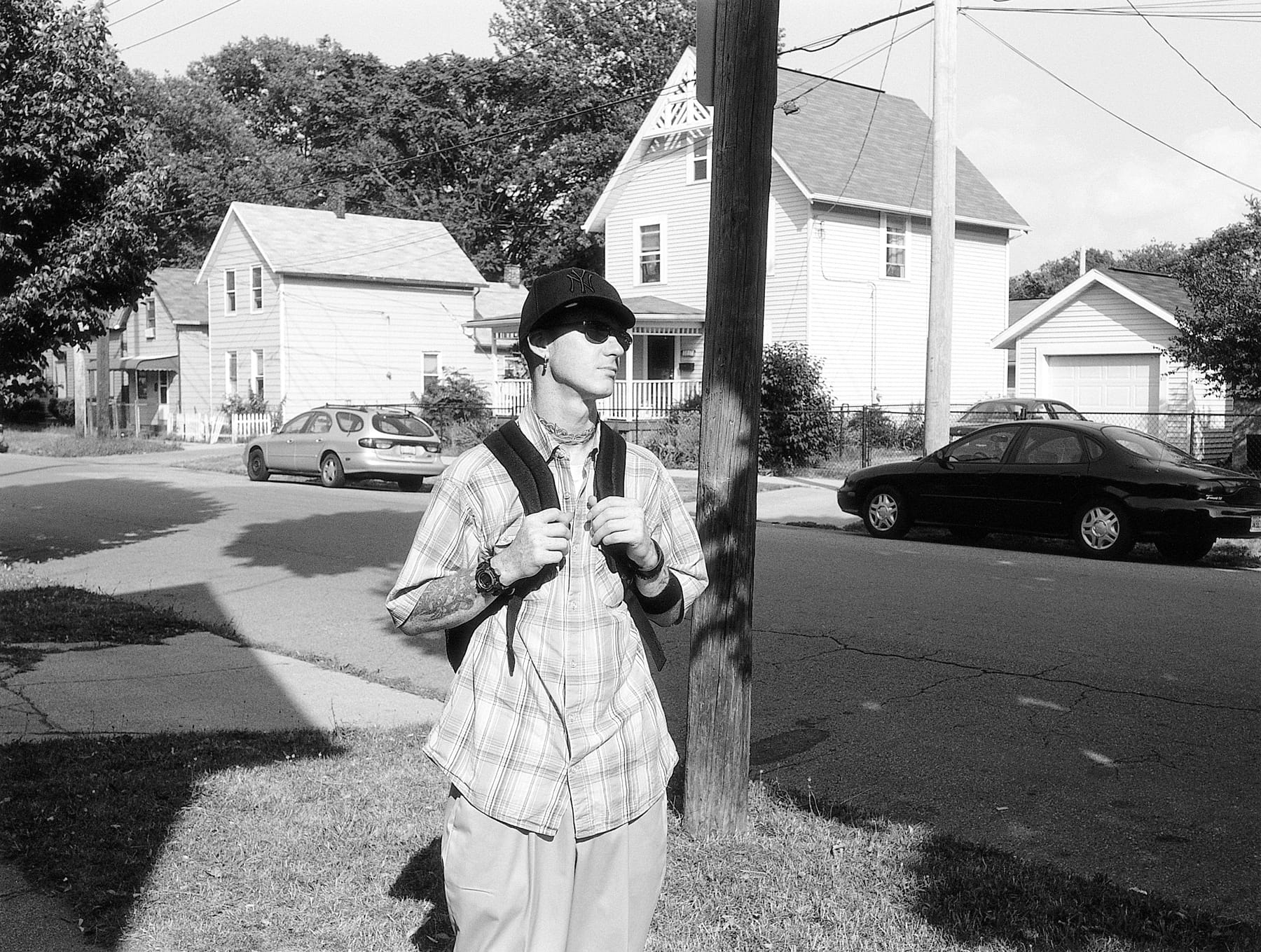
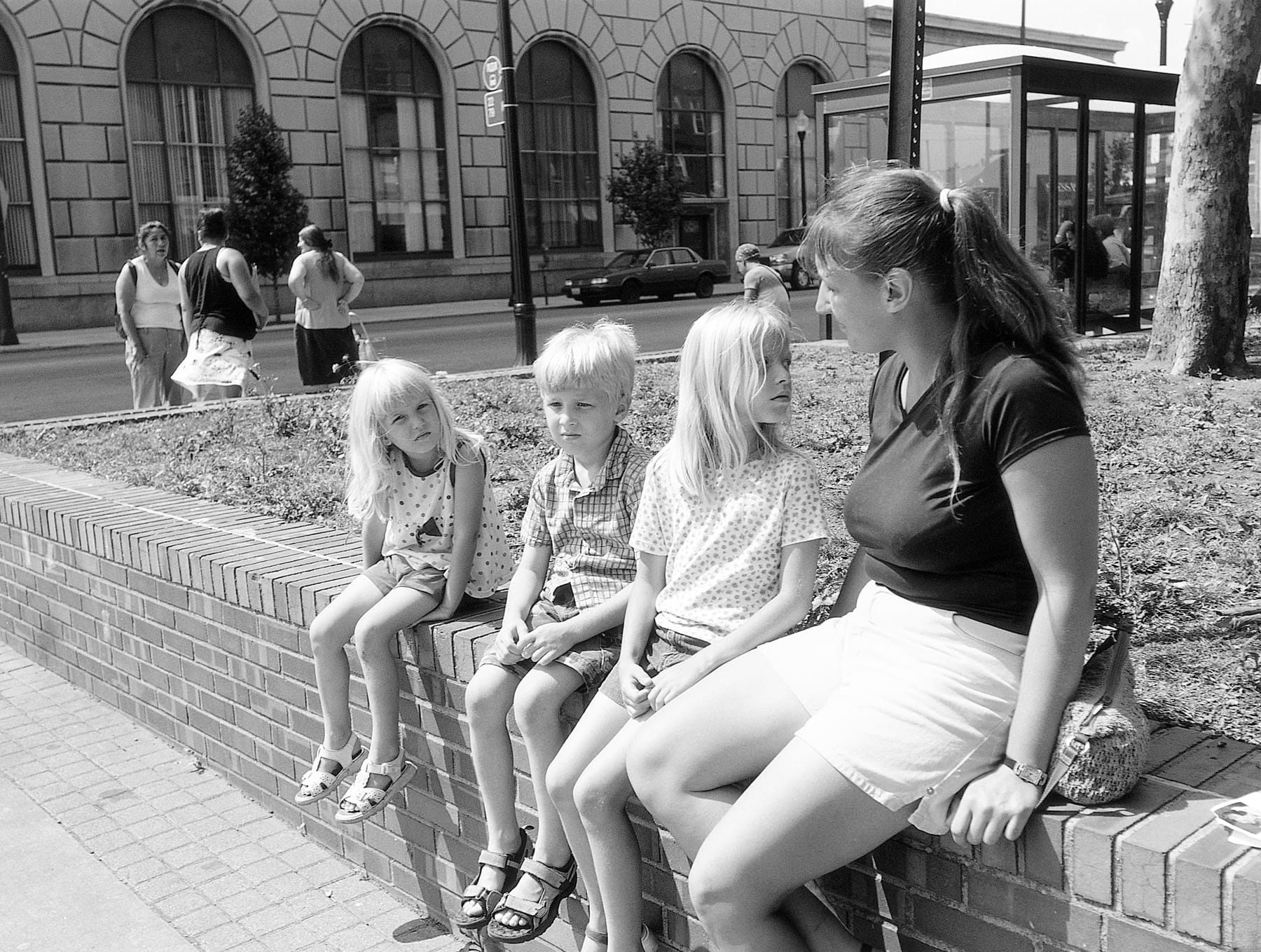
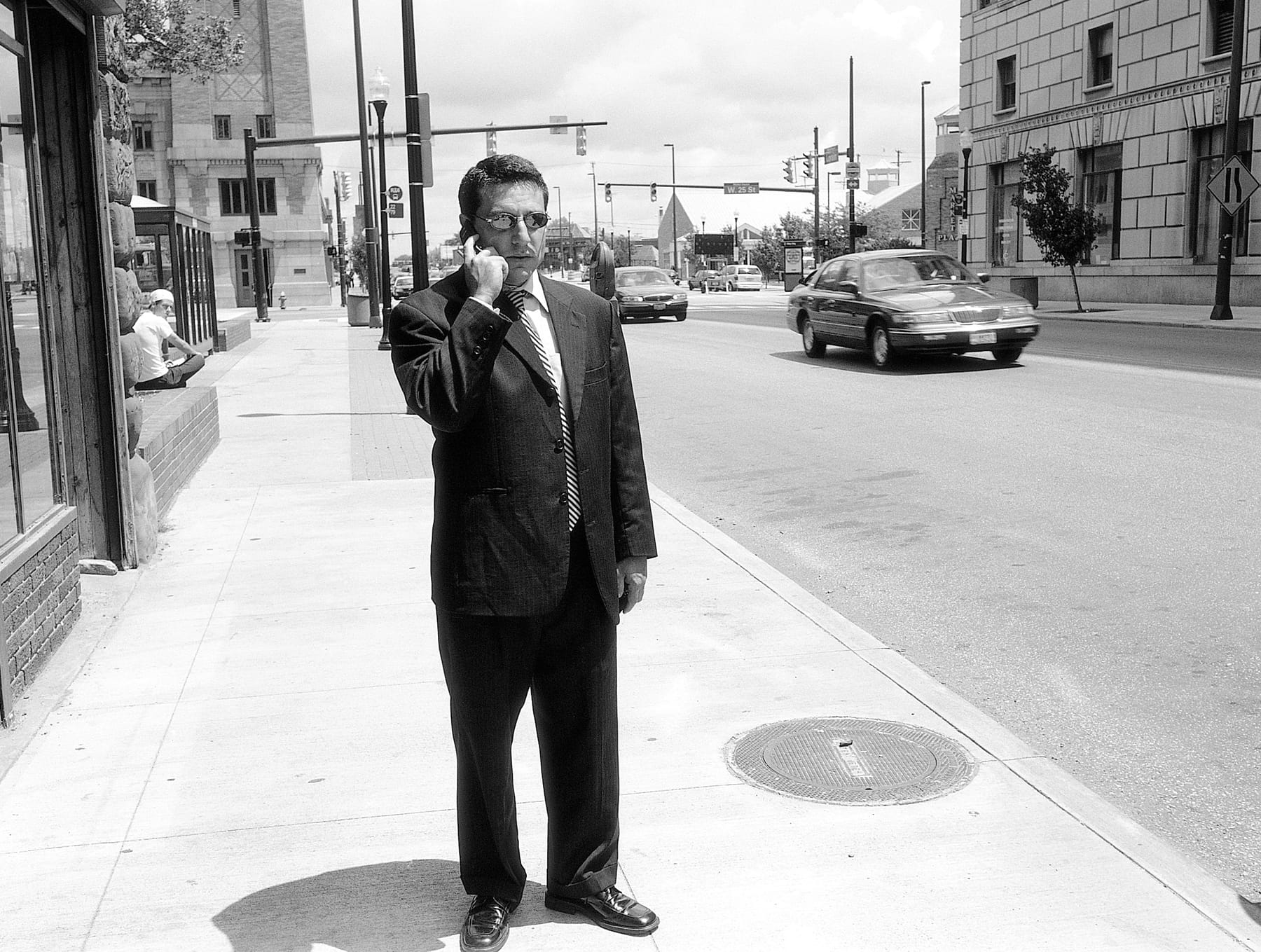
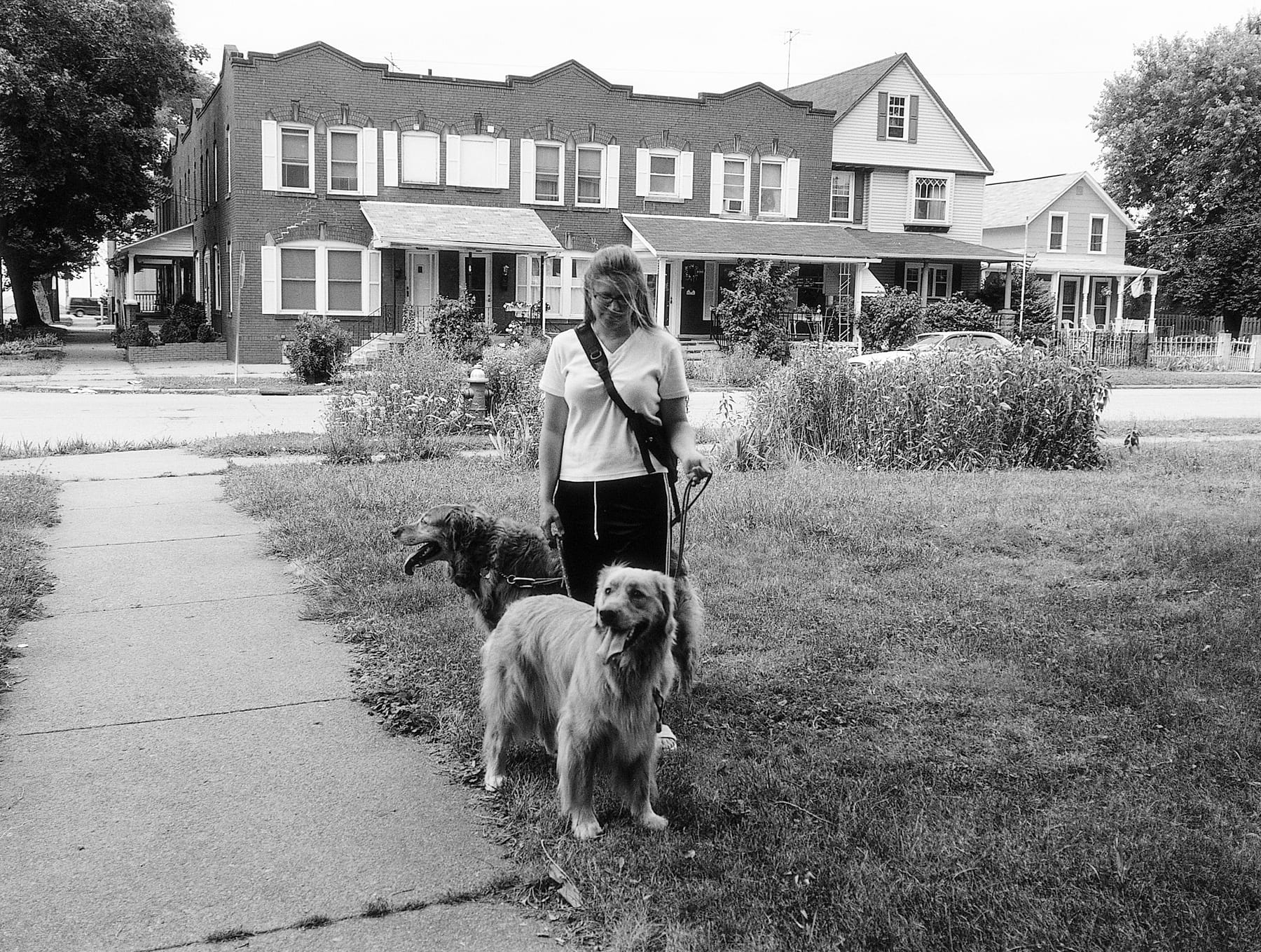
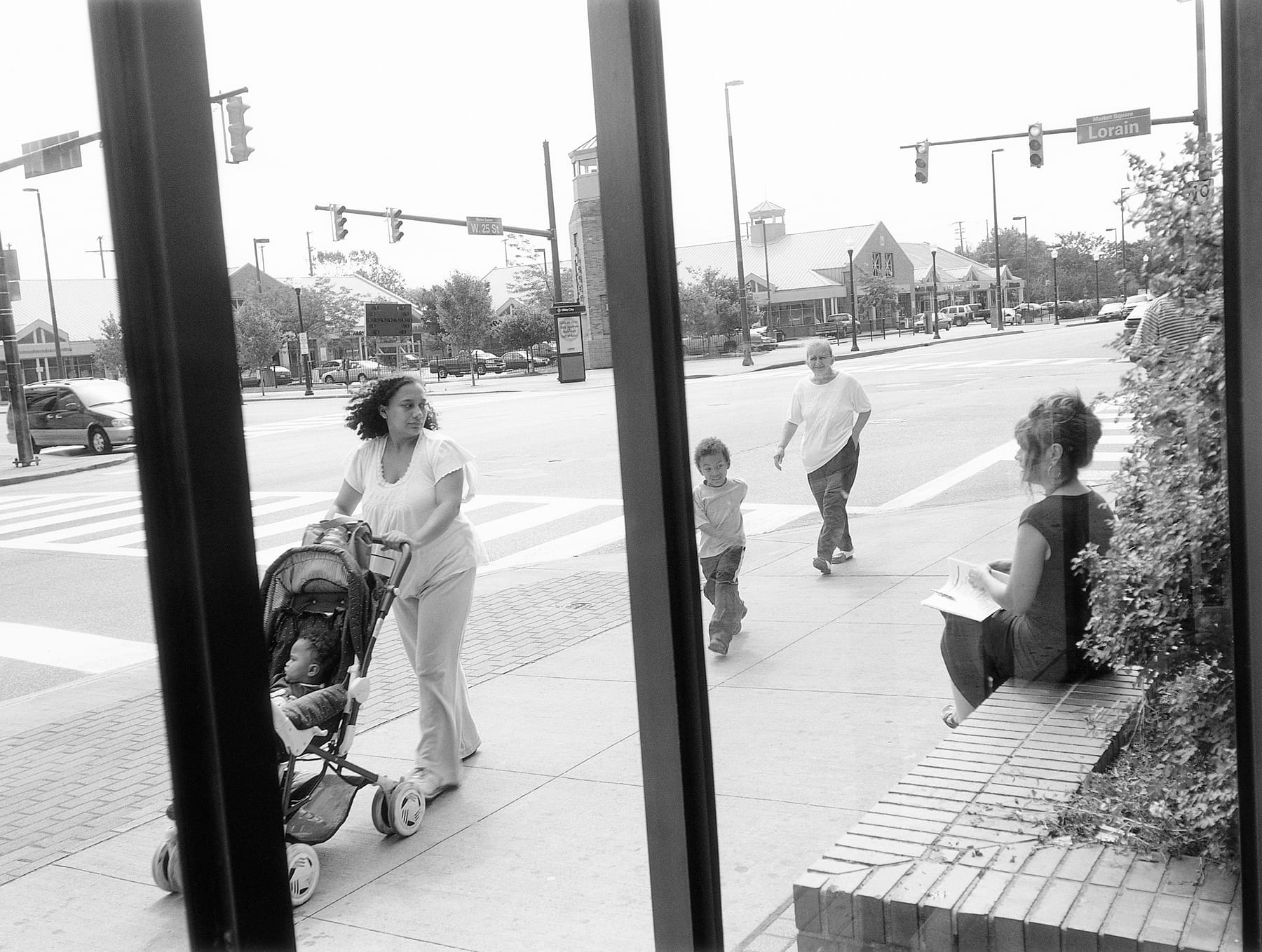
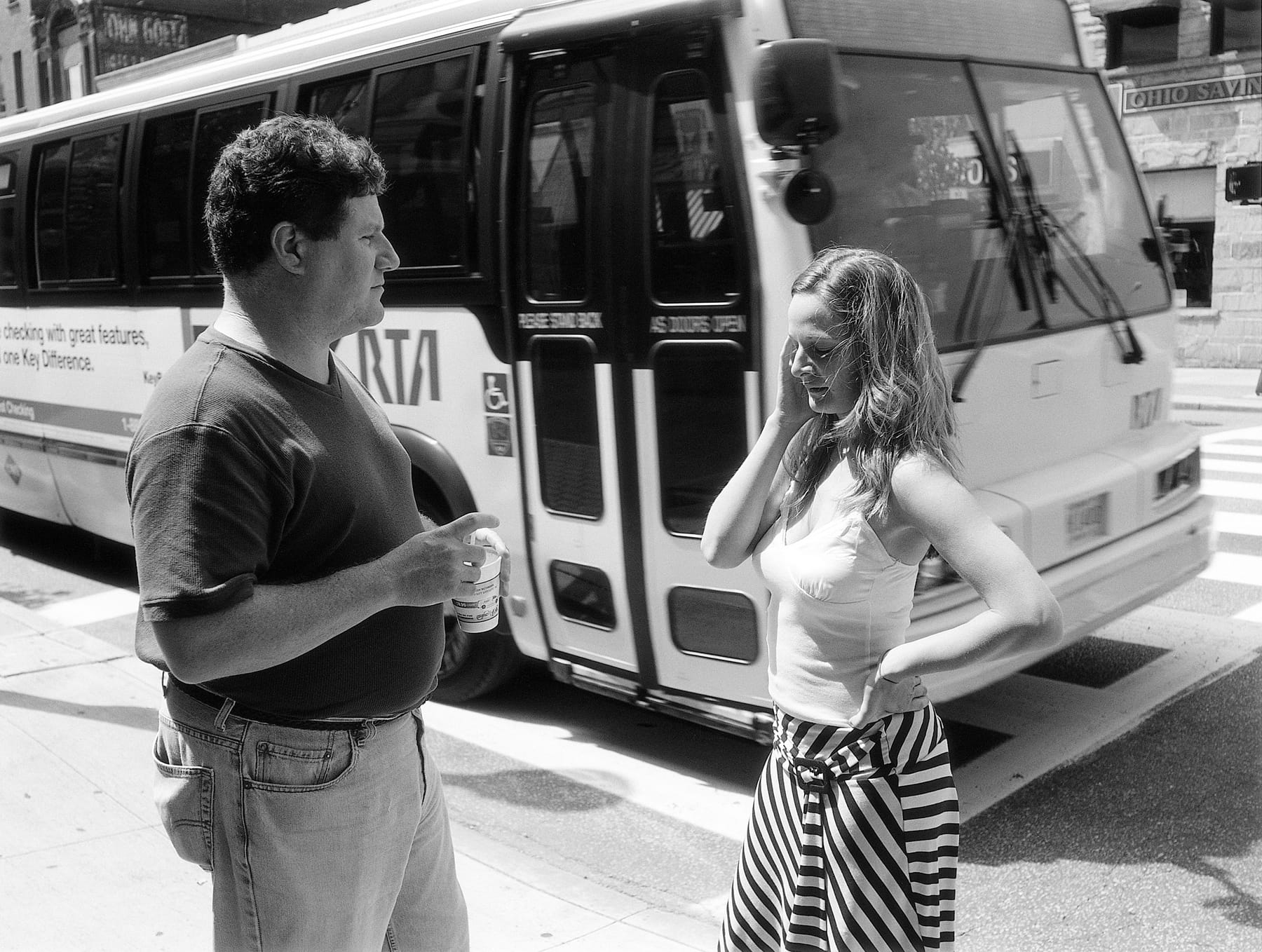
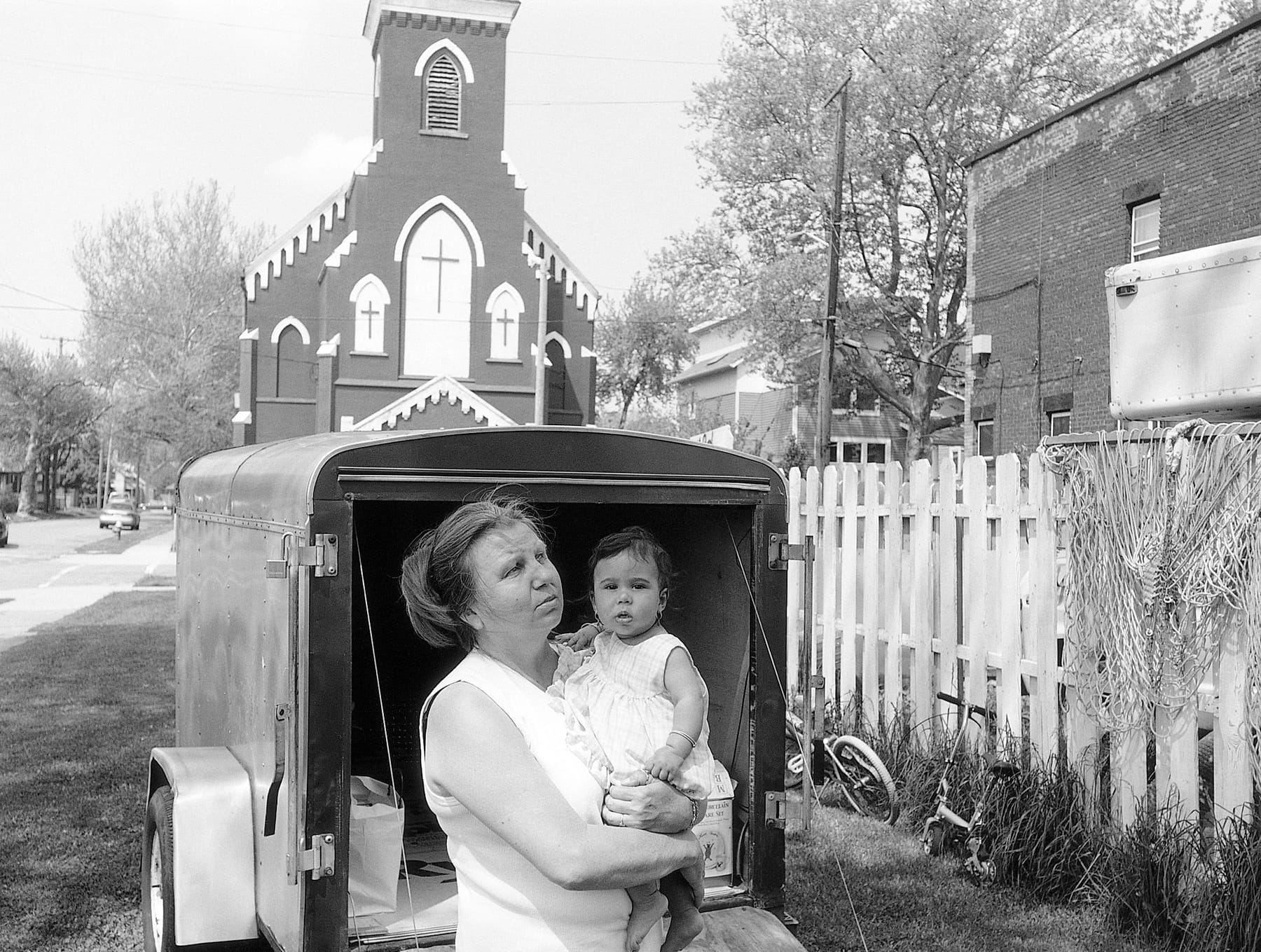
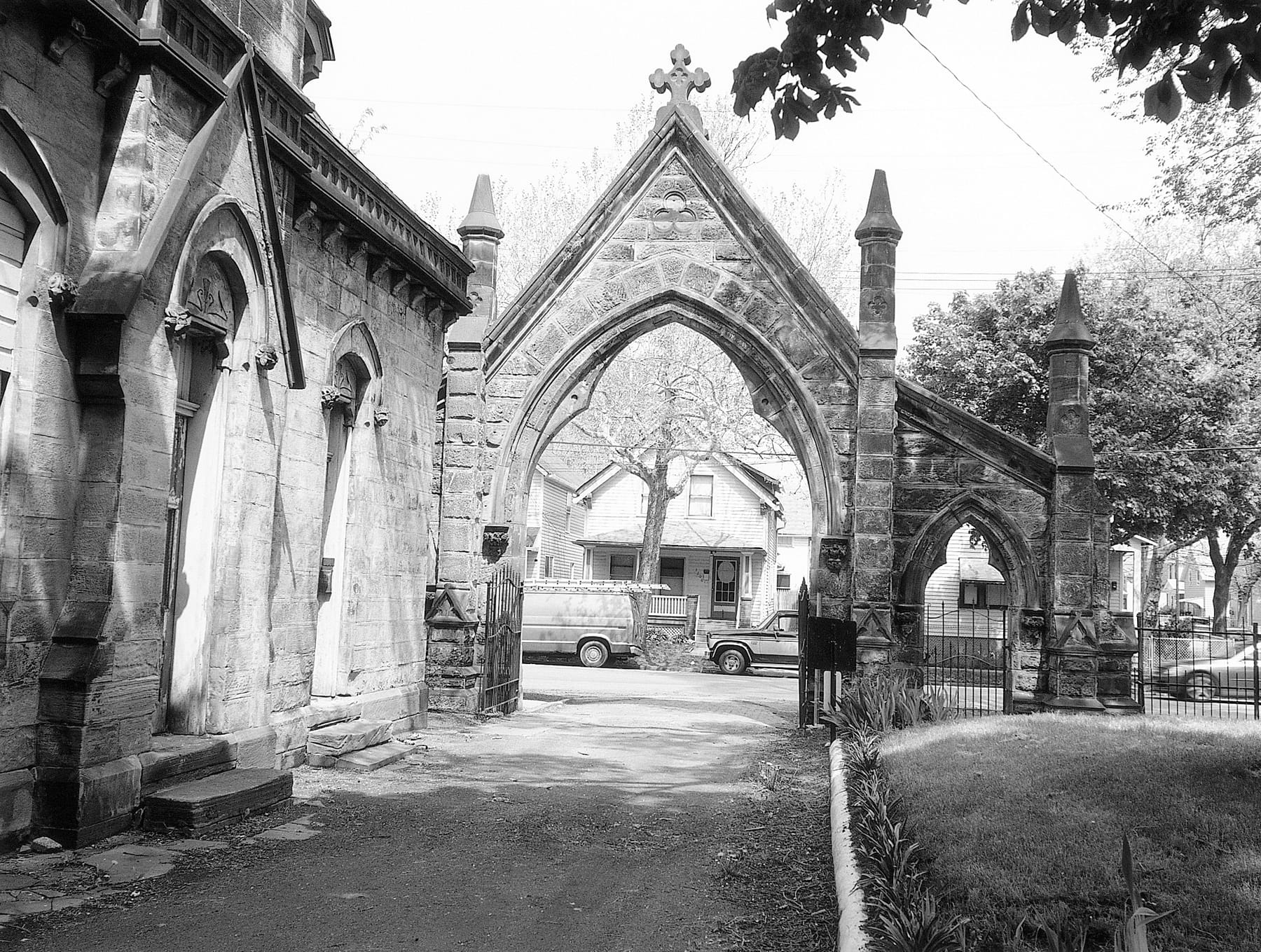
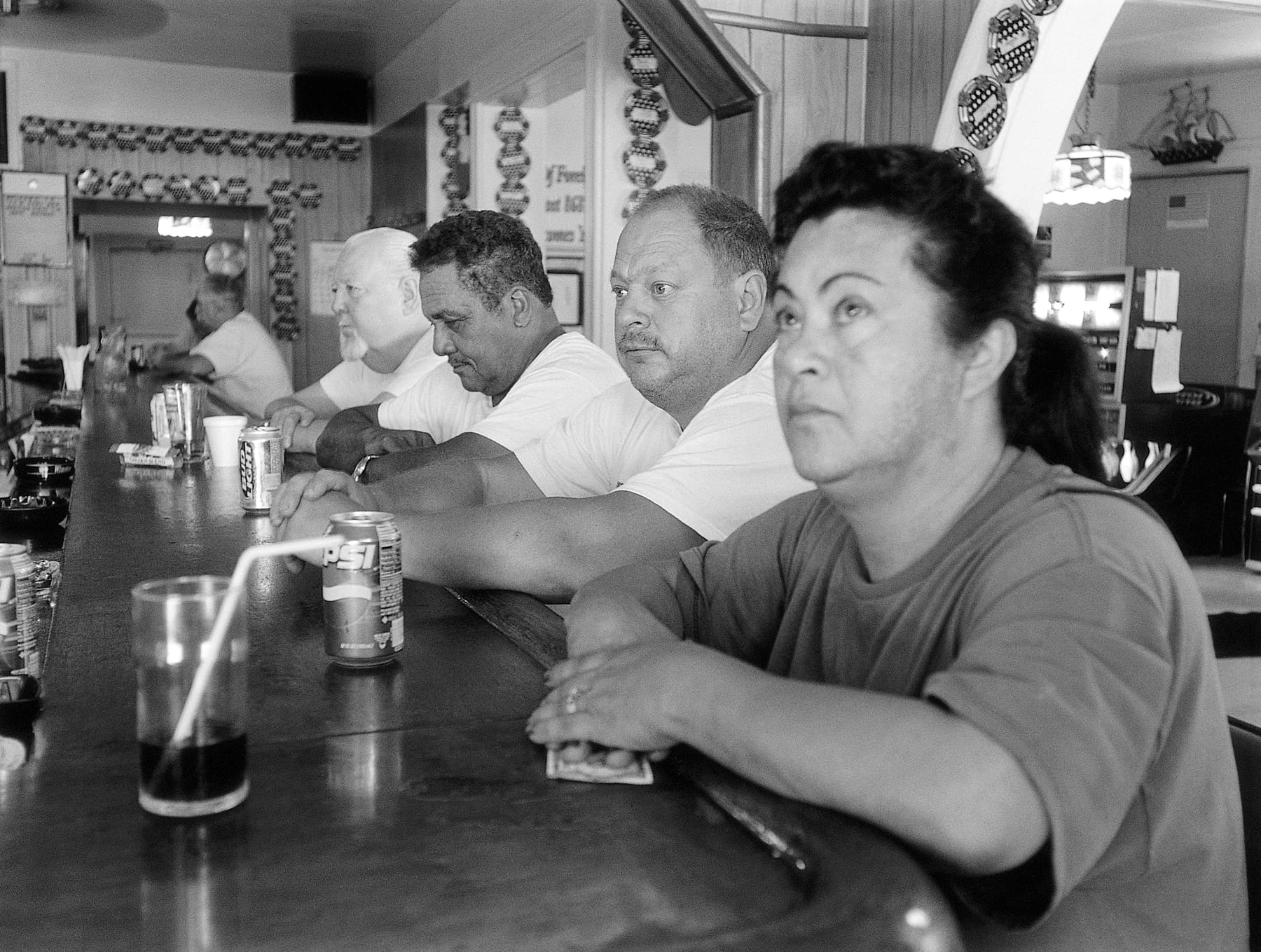
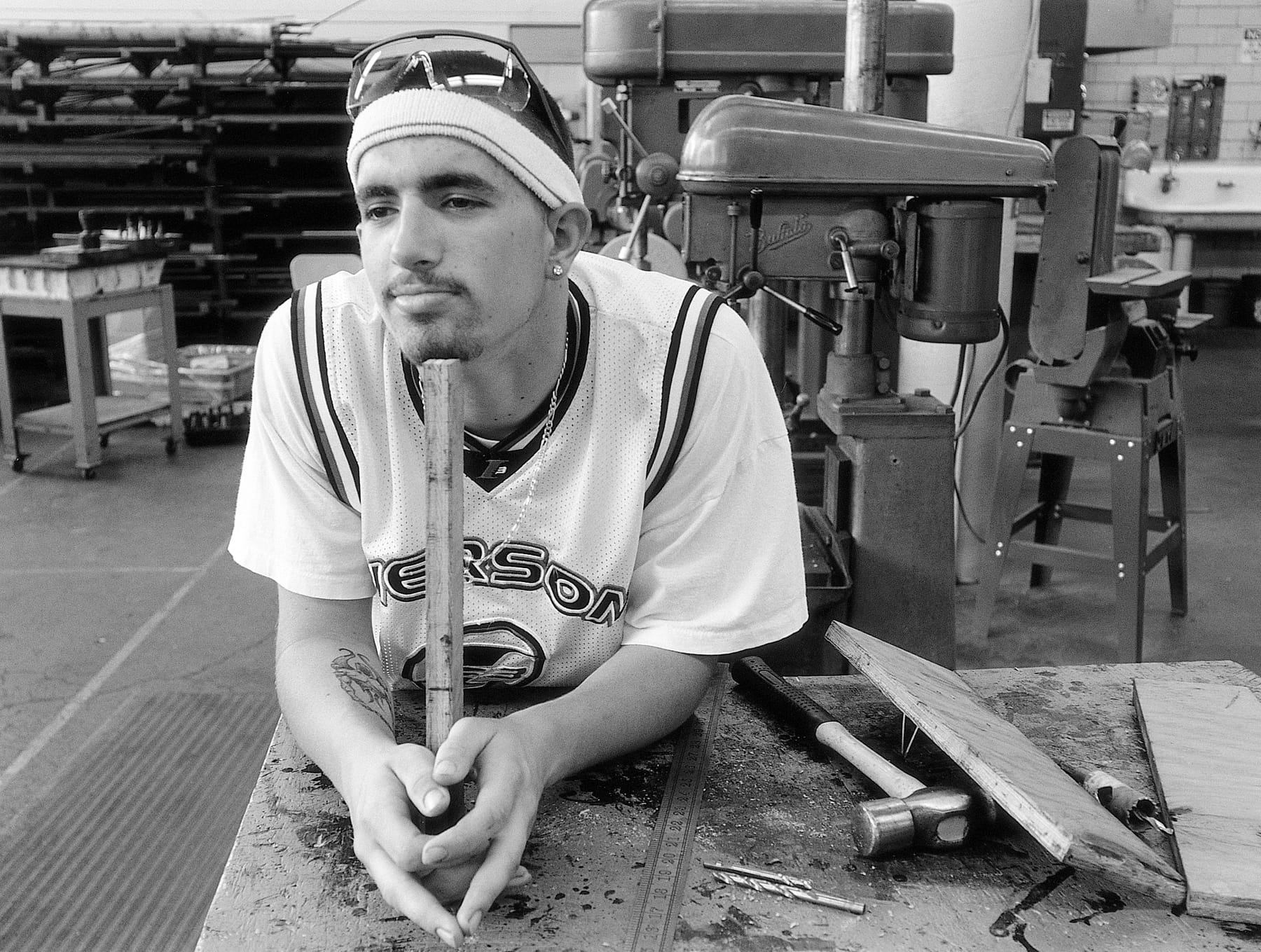
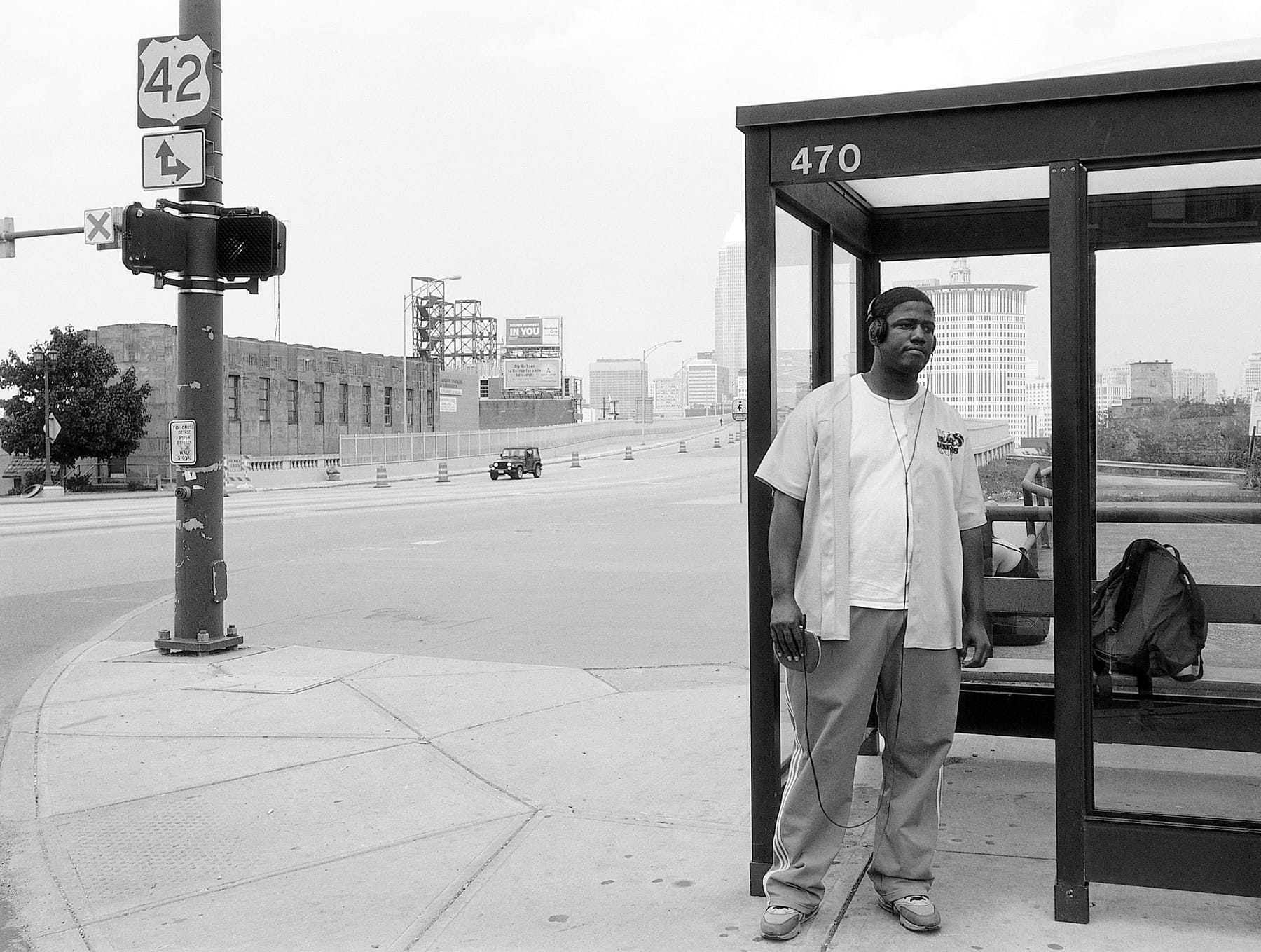
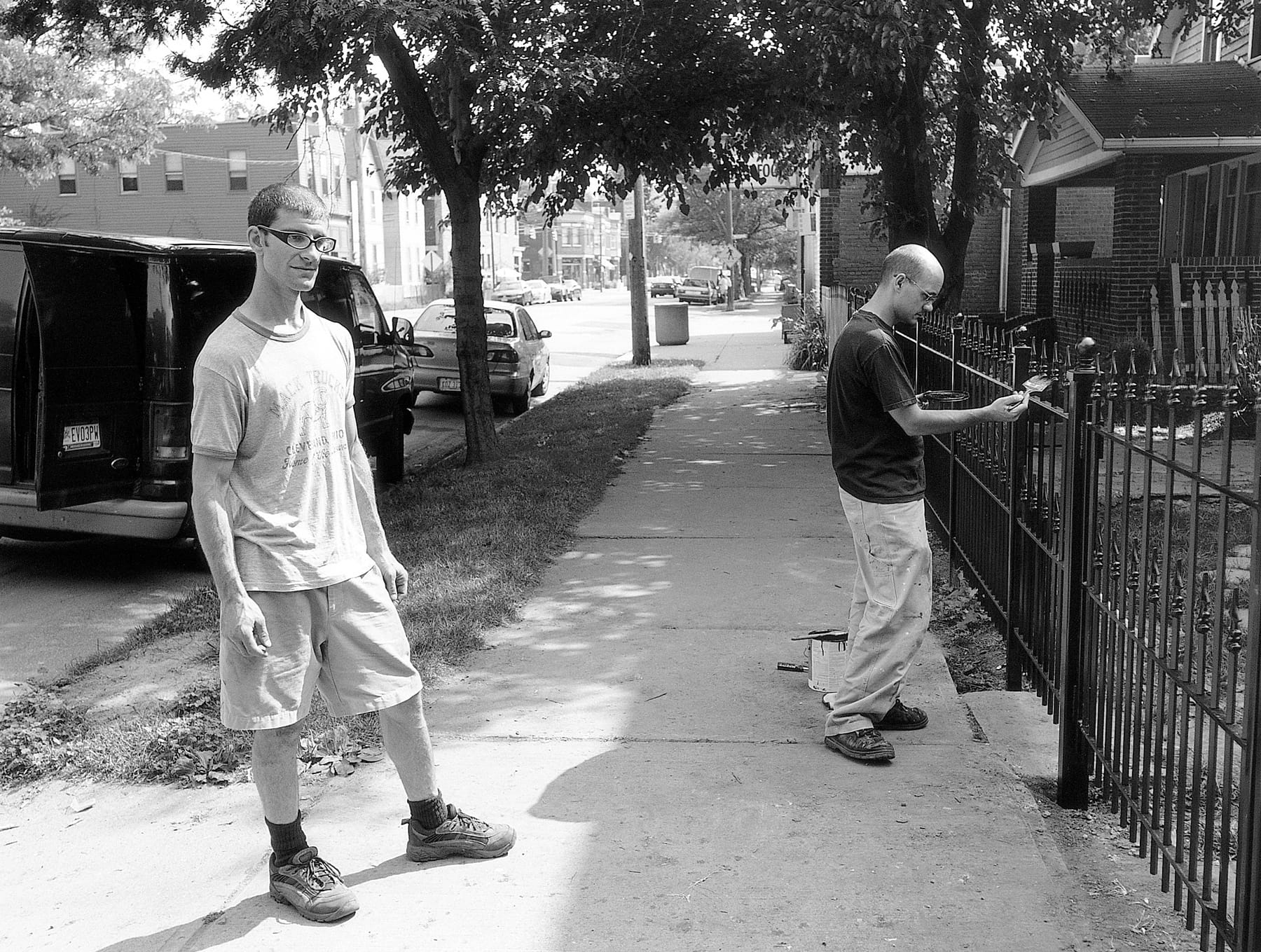
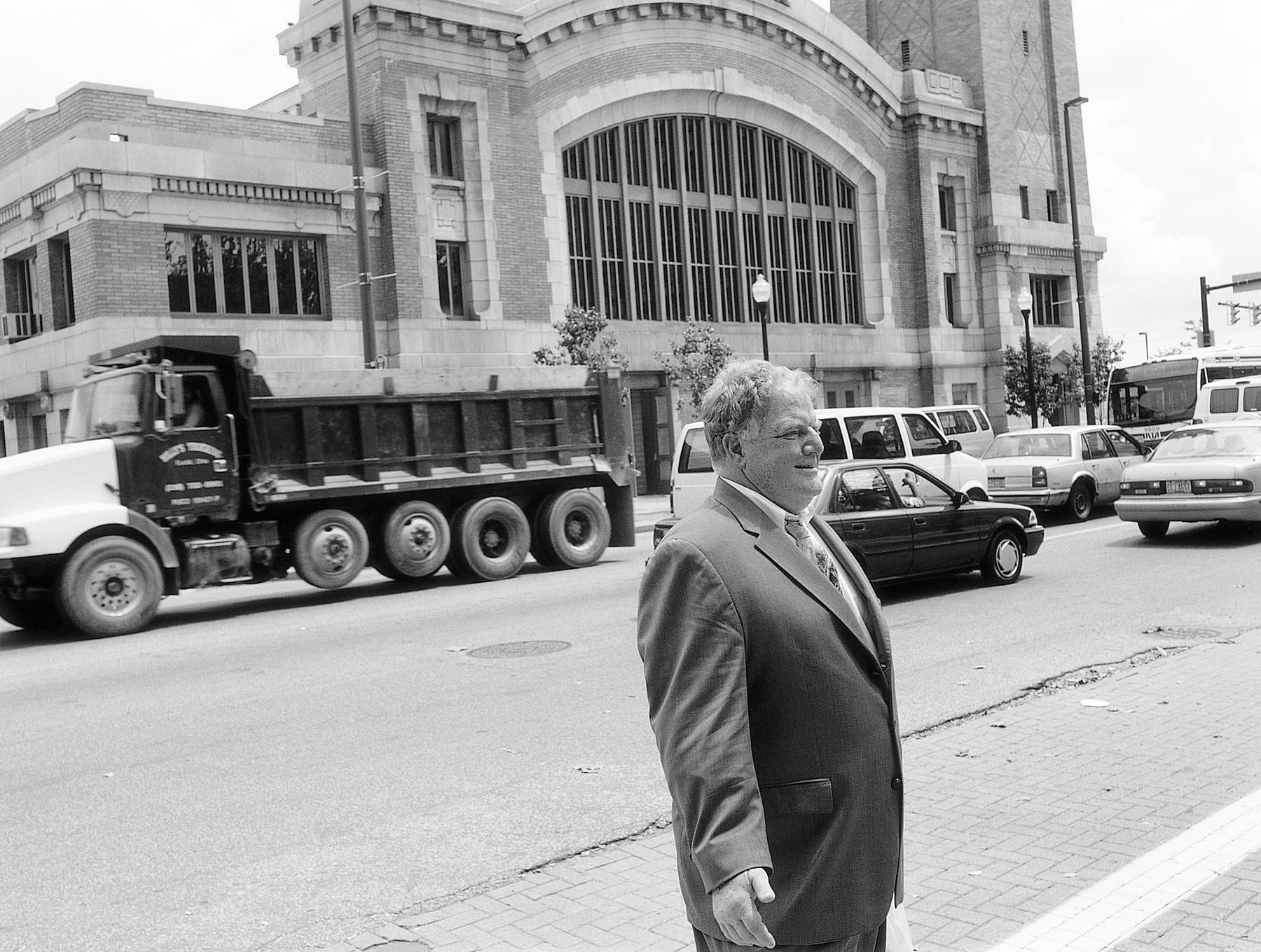
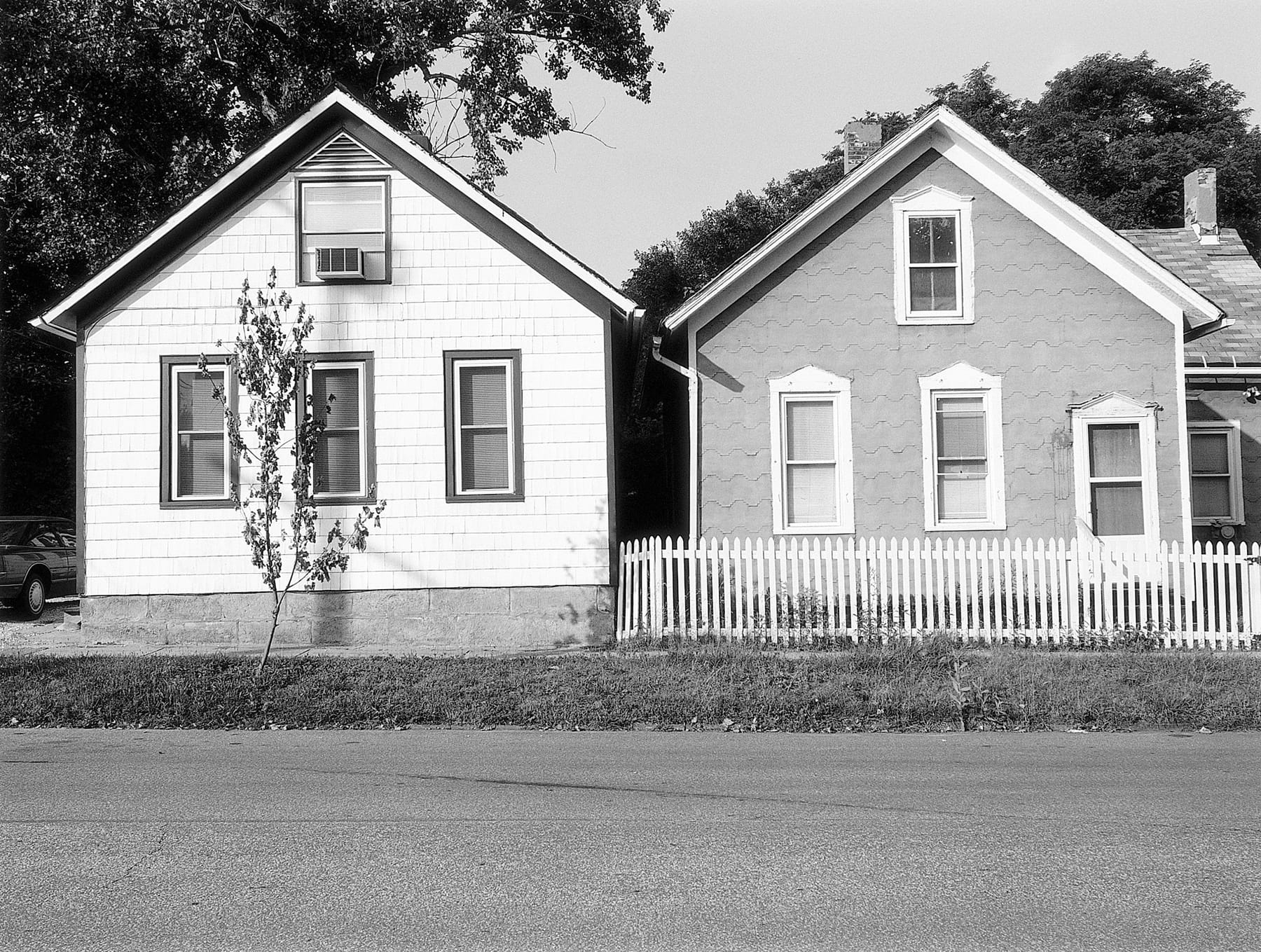
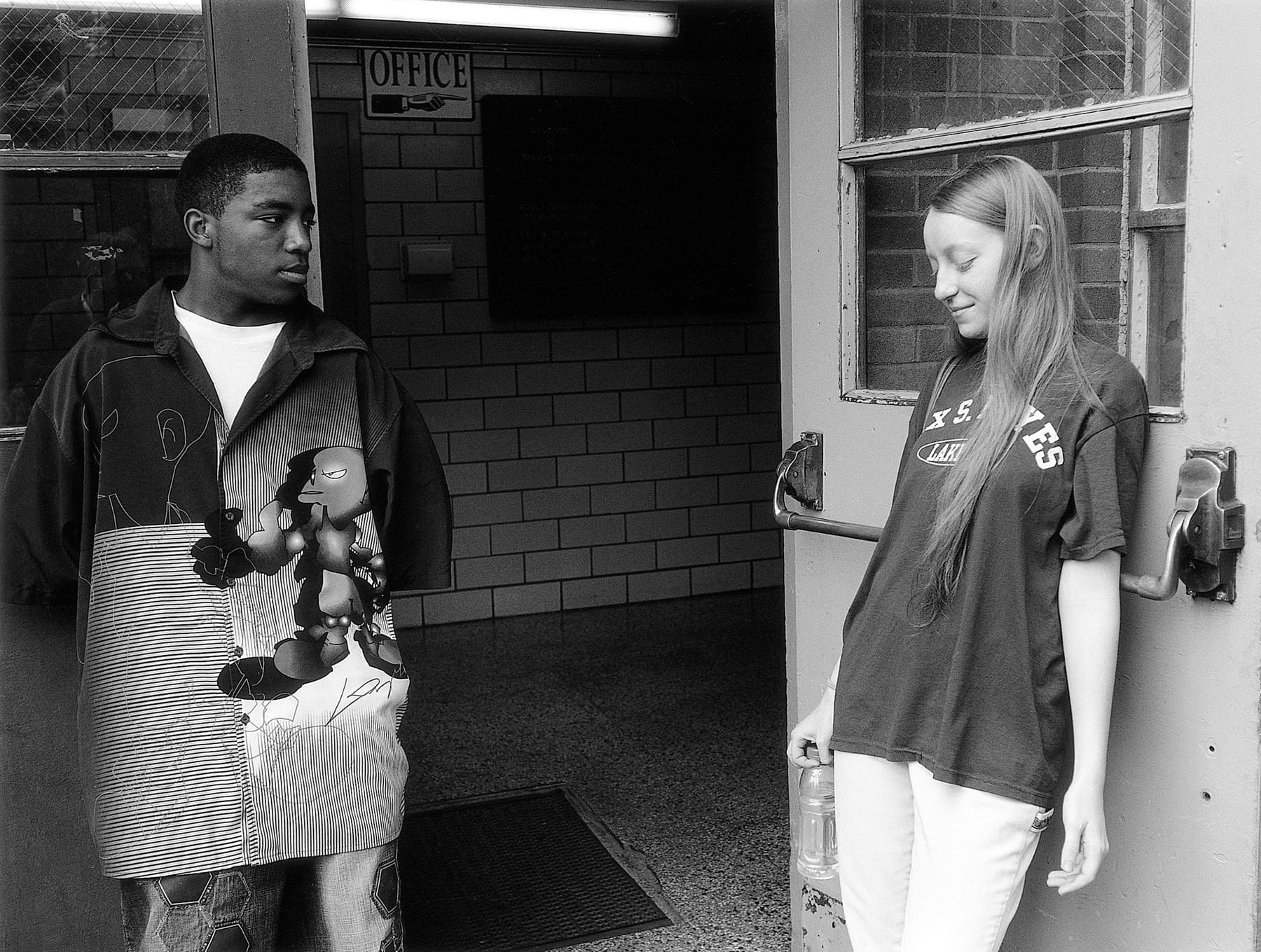
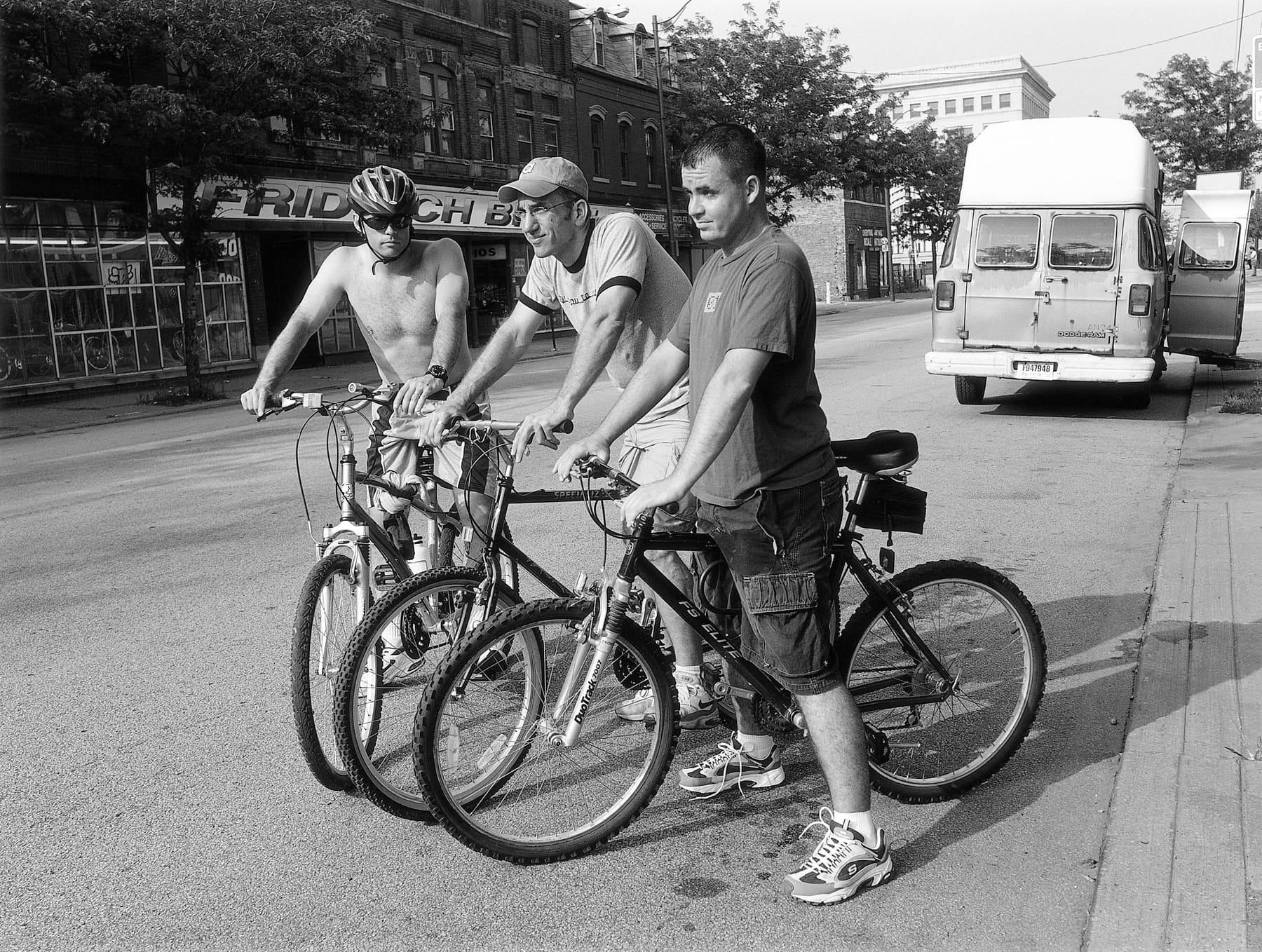
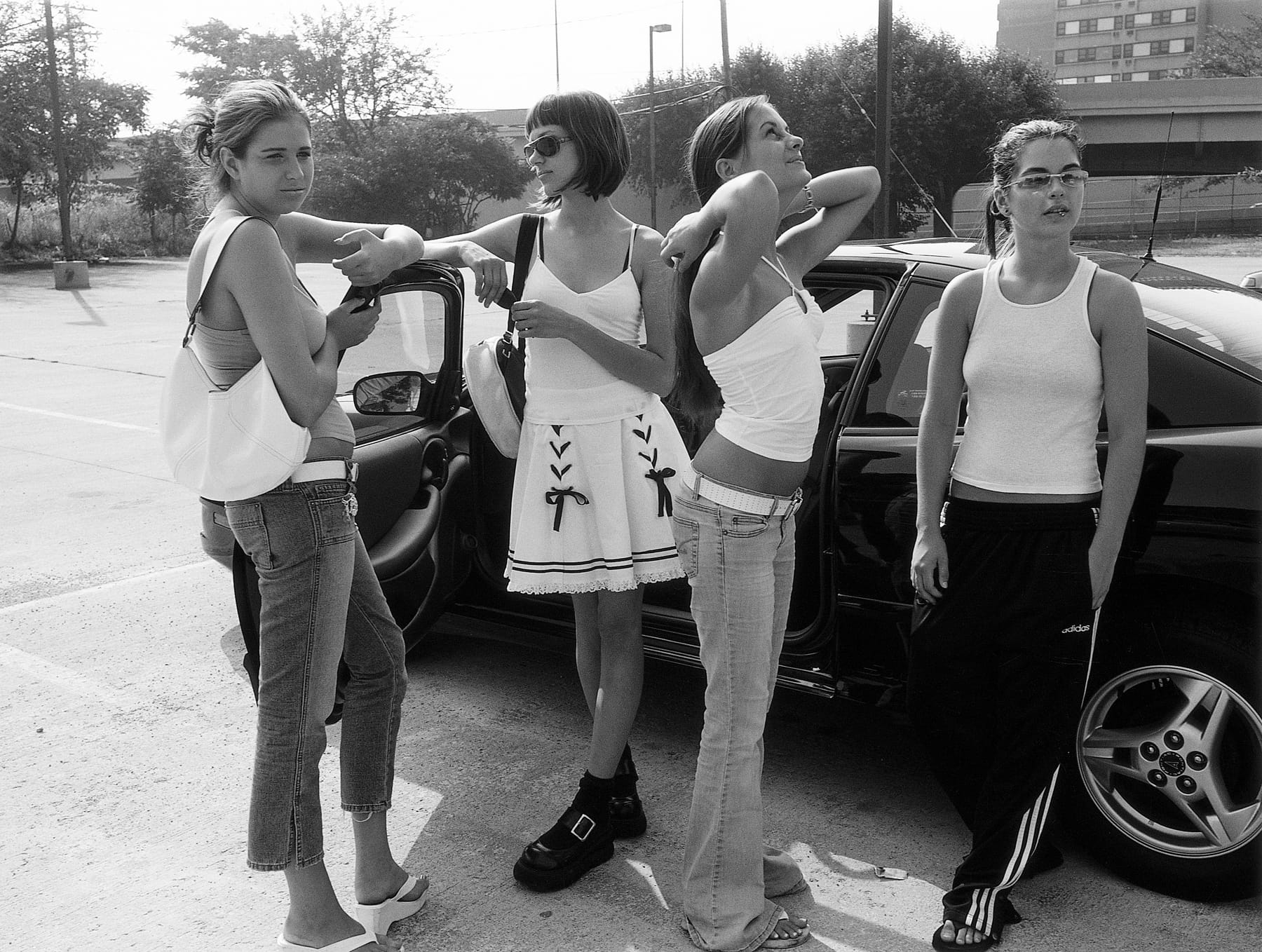
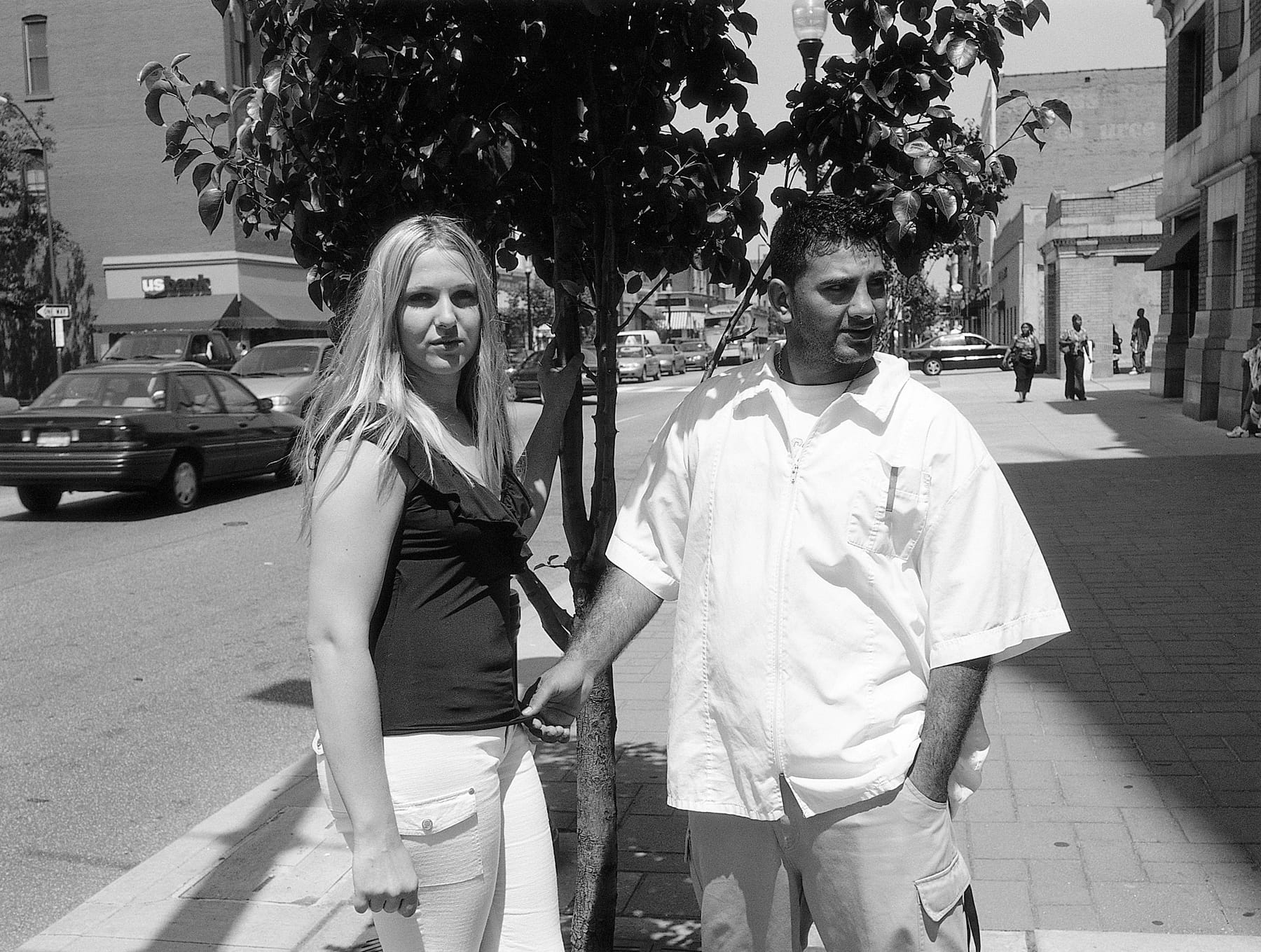
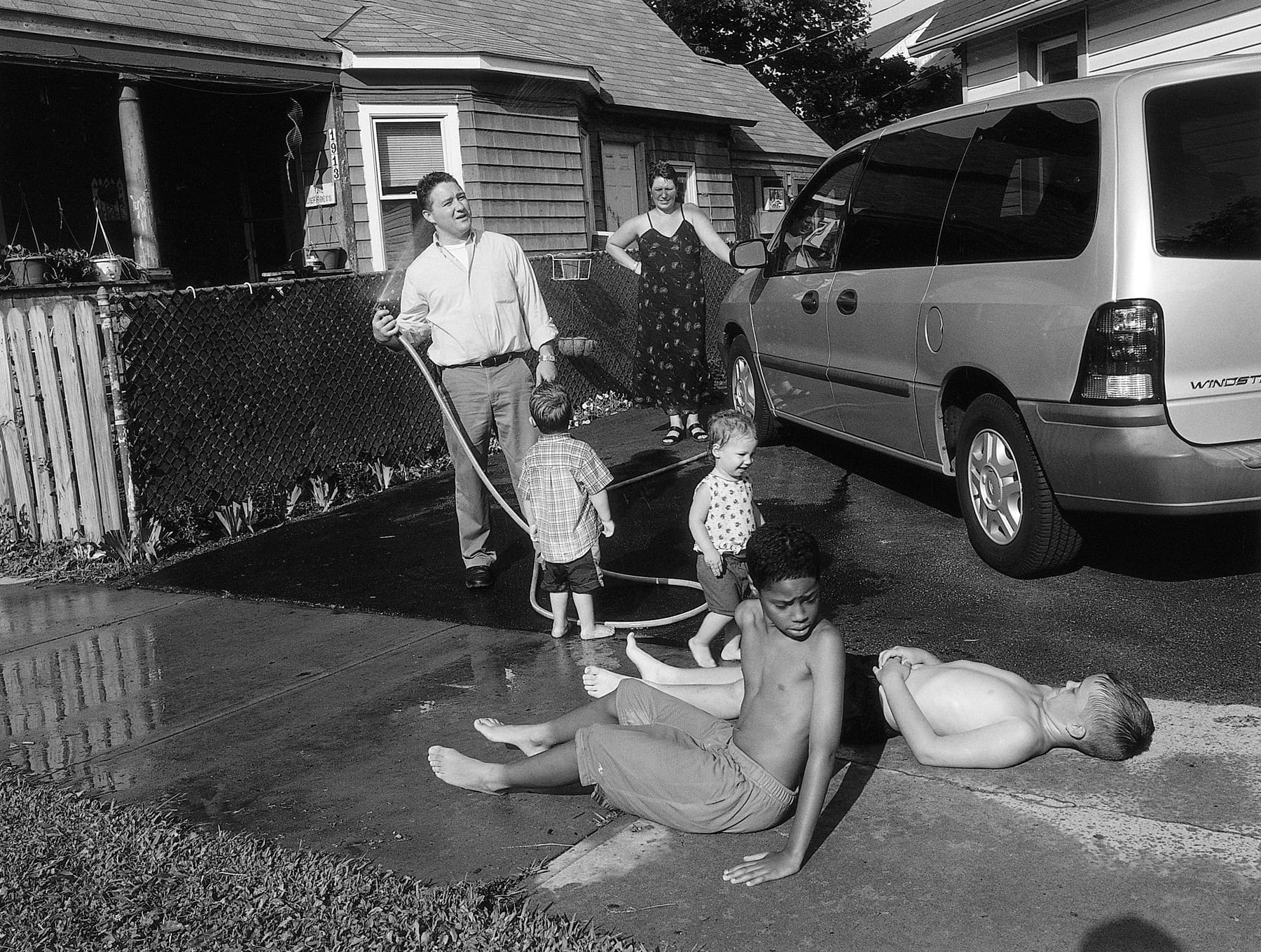
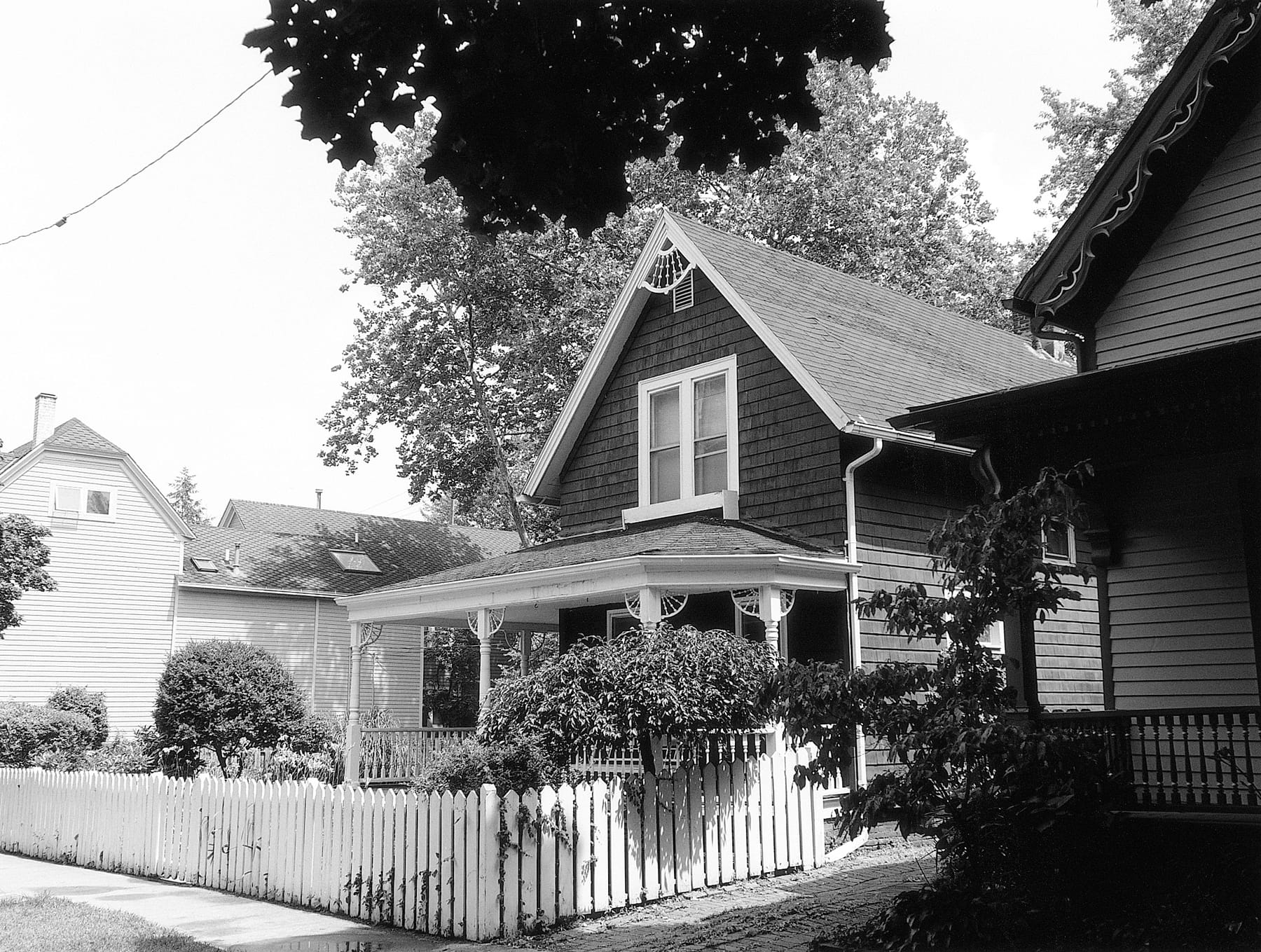
Thomas Roma has given us a fascinating glimpse into life in Ohio City, one of Cleveland’s most diverse, dynamic urban places. The neighborhood, home to some of the area’s early settlers and evocative of an age of economic prowess, is significant in Cleveland’s past. It also is important to our present as home to many nonprofit organizations funded by the Foundation. Ohio City also represents the future we want for our community — a vibrant urban neighborhood that is attractive to many types of people, including workers in the new knowledge-based economy.




Letter from the Executive Director
2004 Annual Report
The photographic essay in this annual report depicts Cleveland’s Ohio City neighborhood through the singular lens of Thomas Roma. Ohio City is one of the city’s most diverse places, and it exuberantly bursts with sights and flavors. It challenges any effort to embrace it within one set of photos.
We commissioned Roma’s essay because Ohio City represents so many of the Foundation’s interests and concerns. Over many years the Foundation has supported scores of organizations, in every one of our program areas, located there. The organizations and their work are themselves worthy of our support, but their presence in a single place suggests the greater importance of Ohio City.
It is a place of history. Once a separate municipality, Ohio City is one of Cleve-land’s most interesting neighborhoods because its dense Victorian housing and narrow streets evoke an era when Cleveland’s economic brawn was virtually unmatched.
It is a place overflowing with social concern. Few neighborhoods are home to so many nonprofit organizations devoted to improving the lives of others. Human services, community development, the environment, arts, education—all of these have their advocates in Ohio City, serving the full diversity of people who live in the neighborhood and beyond.
It is a neighborhood that attracts new urbanists. The devastation of suburban sprawl has taken as severe a toll on Ohio City as other city districts, but three decades ago Ohio City also saw the first stirrings of reinvestment. That trend continues, with all of the complexity and the hope that accompany it.
Each of these characteristics makes Ohio City important—not merely to its residents, but also to the city as a whole and, indeed, to the larger region. Under-standing that importance is especially vital to the expanding appreciation of regionalism. Ohio City’s features—its density, diversity, historic character, proximity to downtown—make it an appealing home for people who have the ability to live anywhere. Many of those people are the entrepreneurs, the knowledge economy workers, the innovators who will drive much of our region’s standing in the global marketplace. Northeast Ohio must pay special attention to its places that appeal to such people. The best of those places are authentic urban neigh-borhoods. Bland sprawl does not attract the inventive people we require; indeed, it repels them.
Special urban spaces—and there are many—need to be nurtured for the sake of the region’s economic competitiveness. This means that the entire region has a stake in the success of neighborhoods like Ohio City. But our deeply fragmented political and governmental structures in Northeast Ohio nearly bar us from seeing that, let alone committing regional resources to it. Doing so in a way that does not exclude long-time residents and those with fewer choices than the new economy’s workers is one of the real challenges of life in a vibrant urban setting. Yet, this too is as much a regional issue as it is a neighborhood concern. The demands of equity and justice cannot be confined to a single neighborhood. The very reasons why so many disadvantaged people reside in the central city are regional—suburban sprawl across a welter of political jurisdictions, exclusionary zoning, the near total absence of meaningful regional planning and so forth. Ways must be found to discuss and address these issues on a regional basis for the sake of the city, of the region, of us all.
Ohio City is just one of the extraordinary locations in this region’s urban centers that merit renewed attention and investment. They embody much of our worthwhile past, and, if we take a closer look, we will realize that they also can be a key to our future.
David Abbott, Executive Director of The George Gund Foundation