
Bridges
Photography
Kristine Potter (2025)
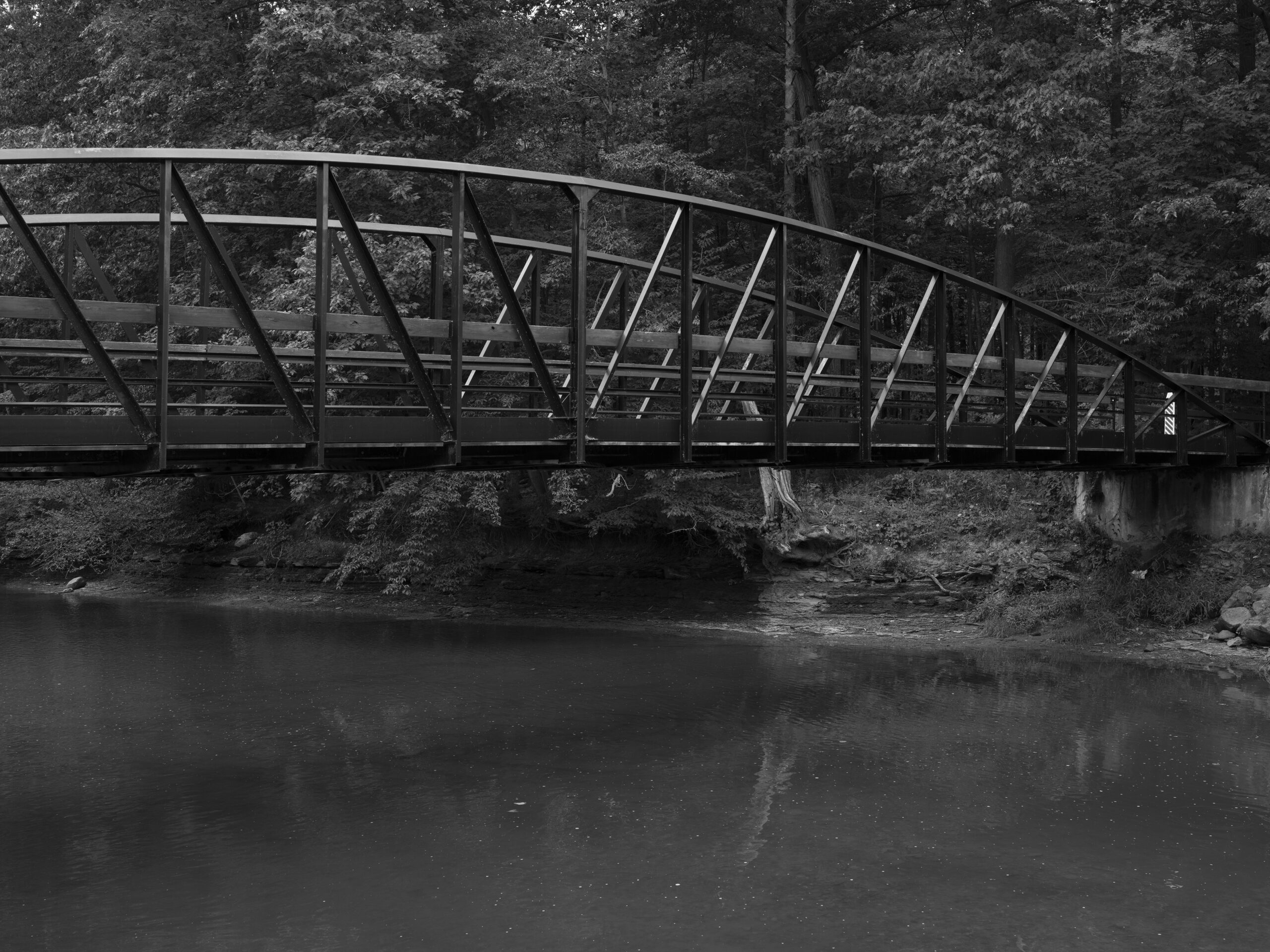
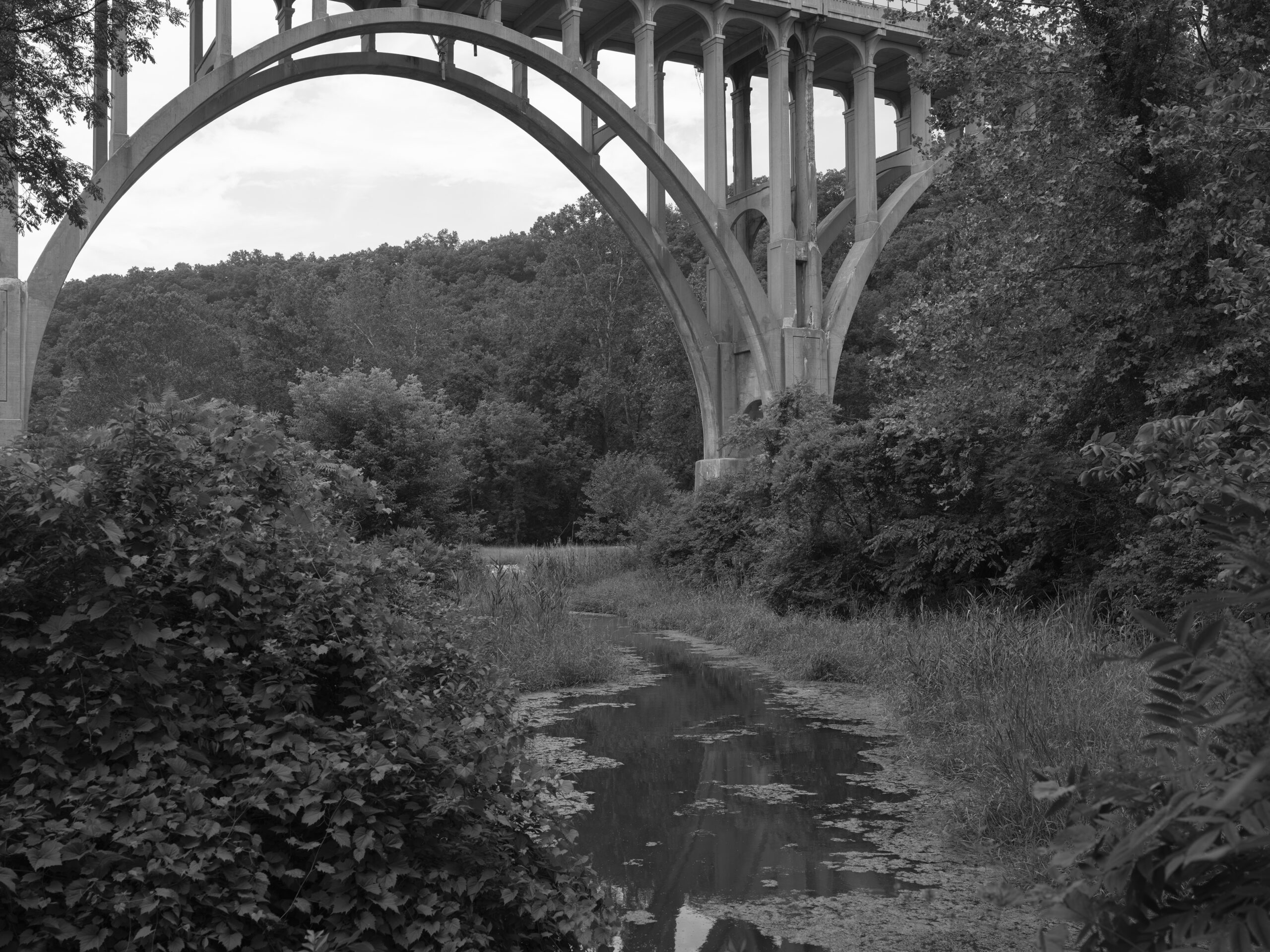
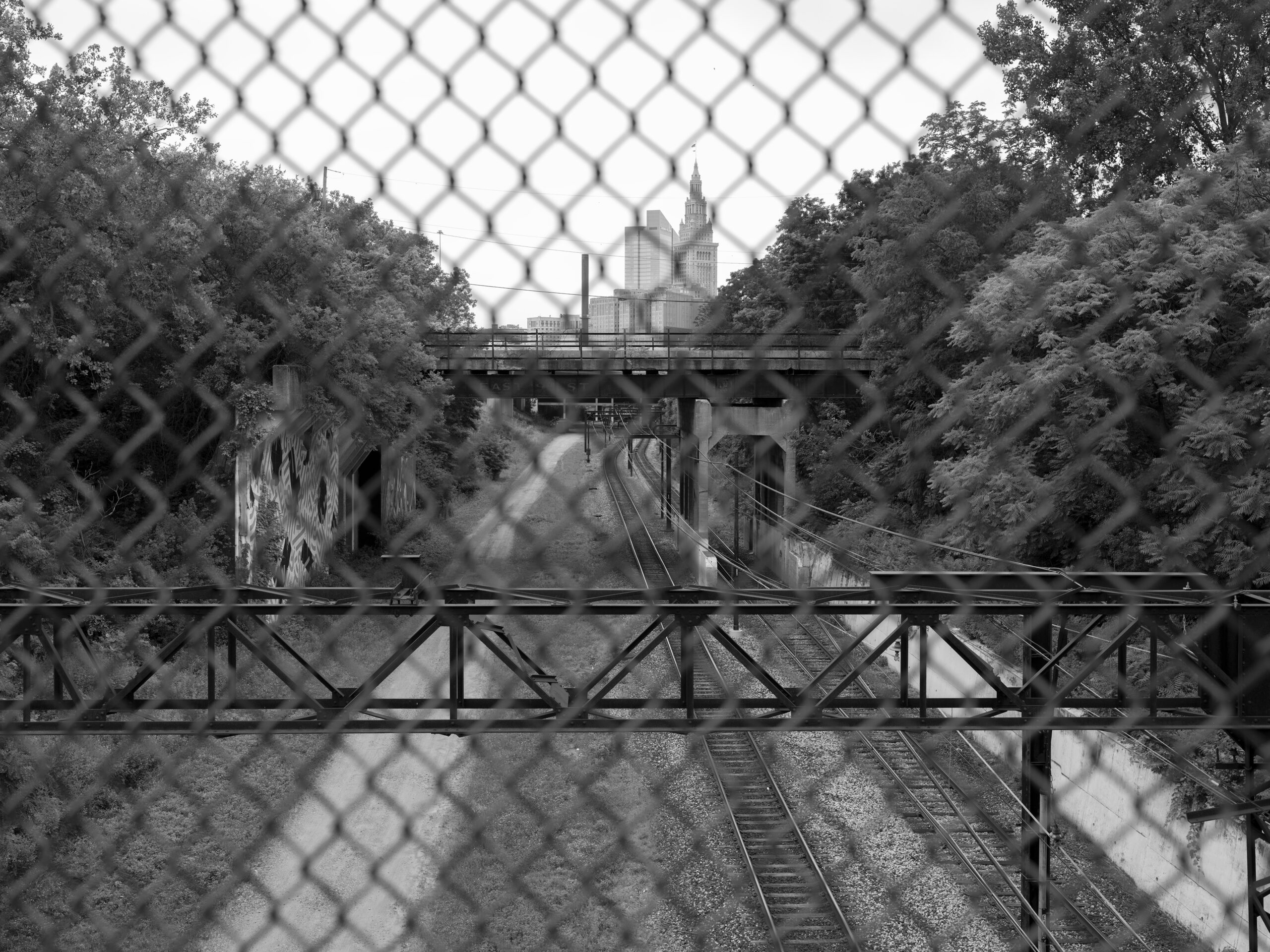
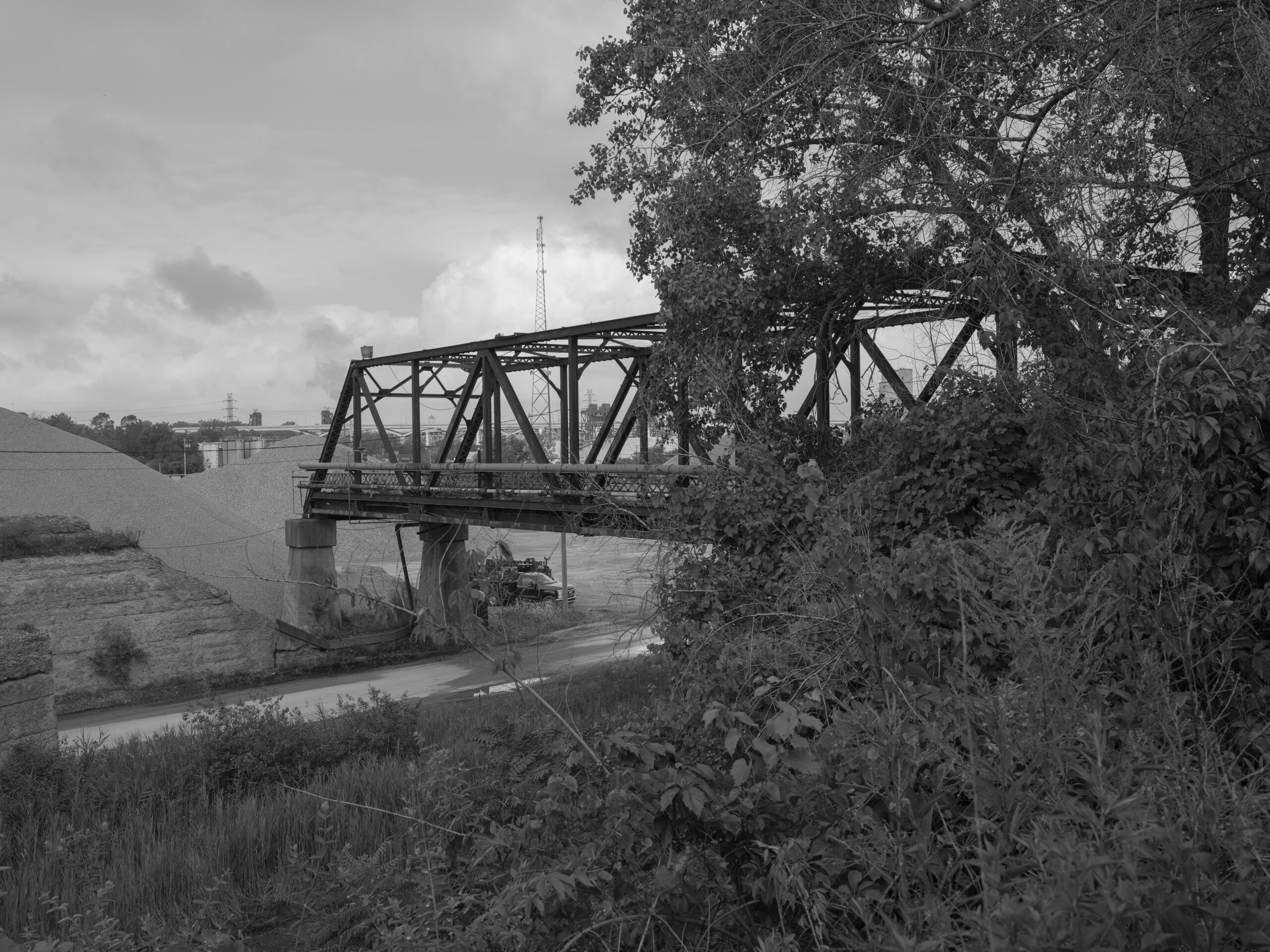
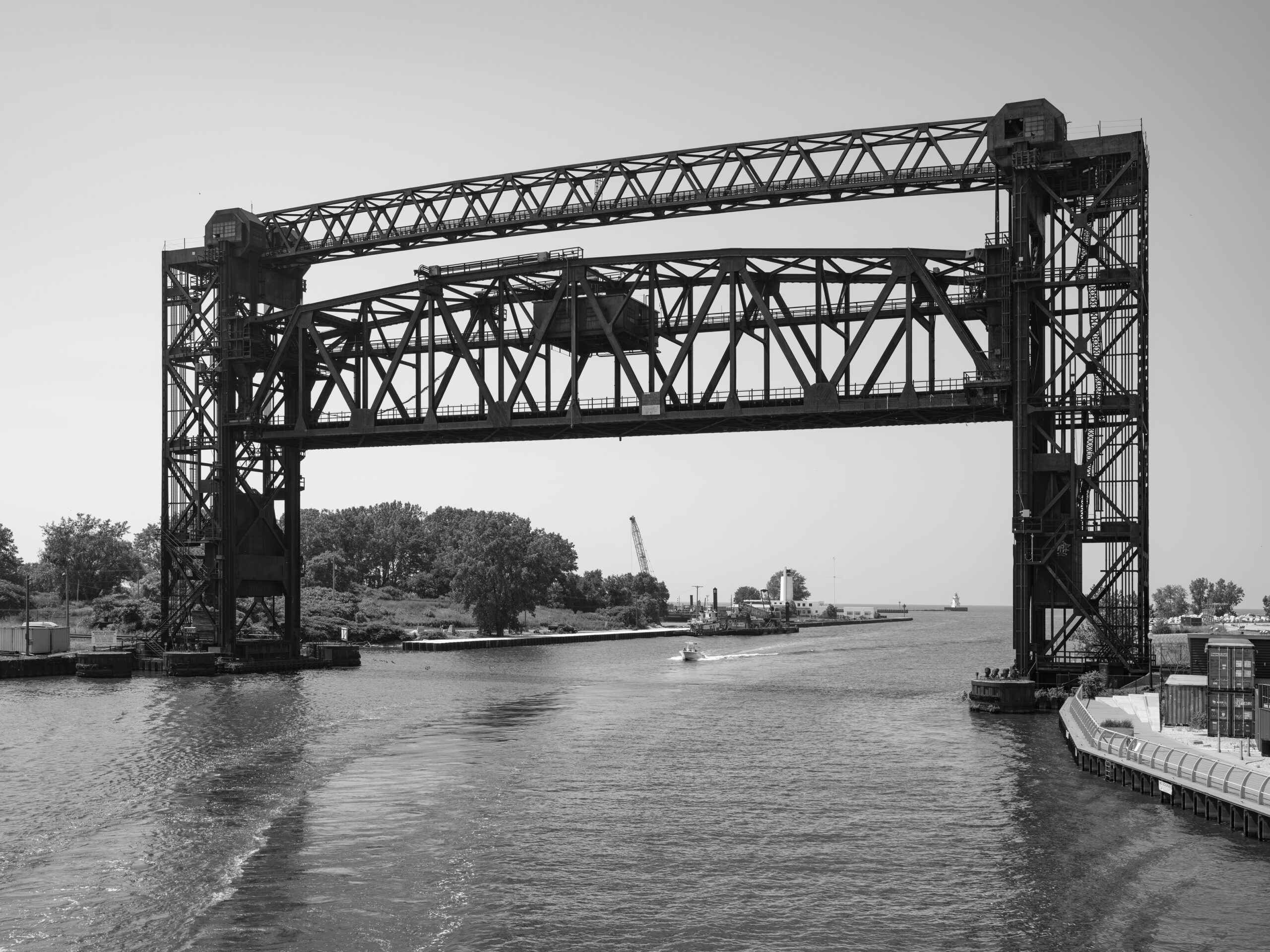
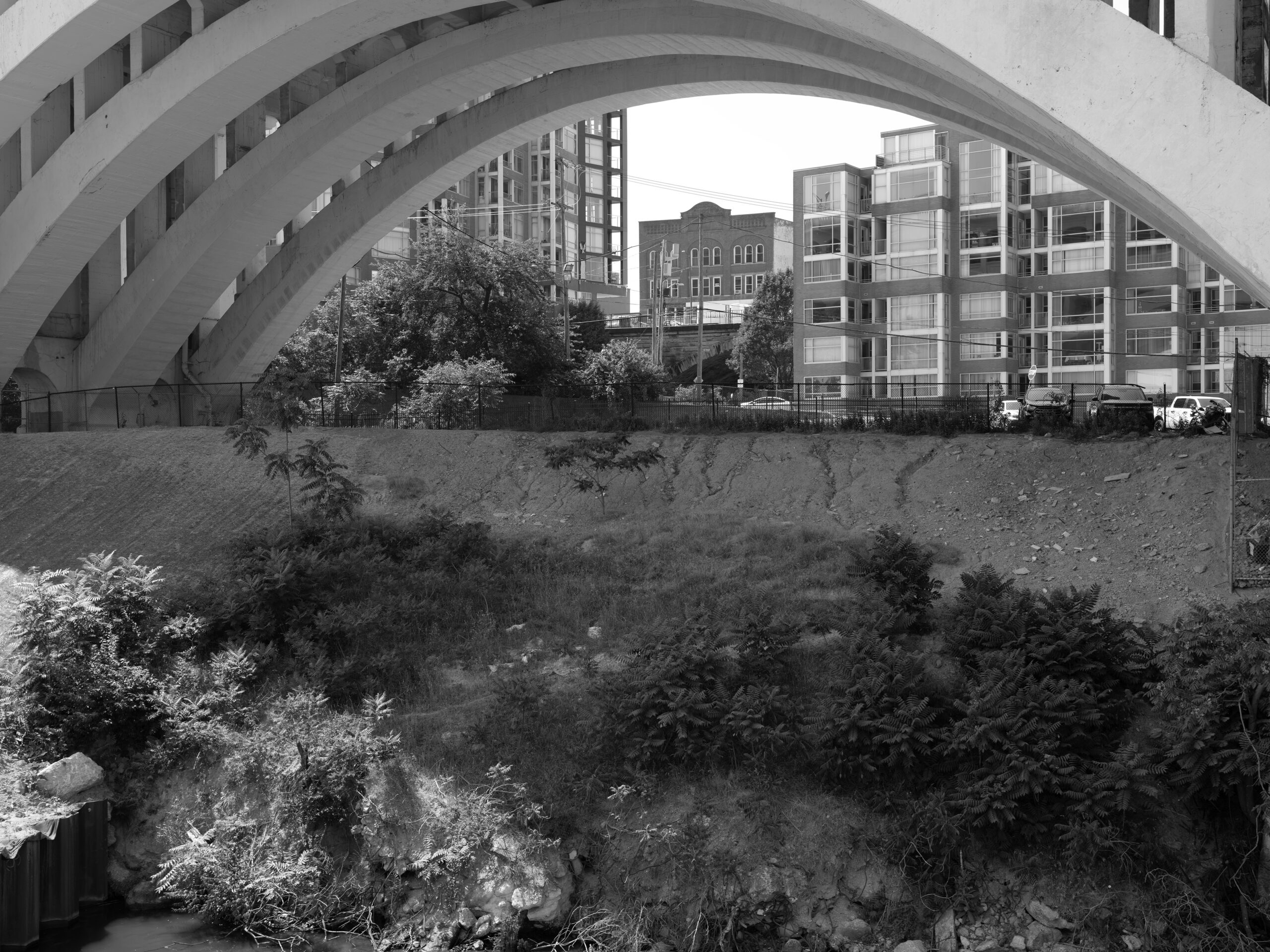
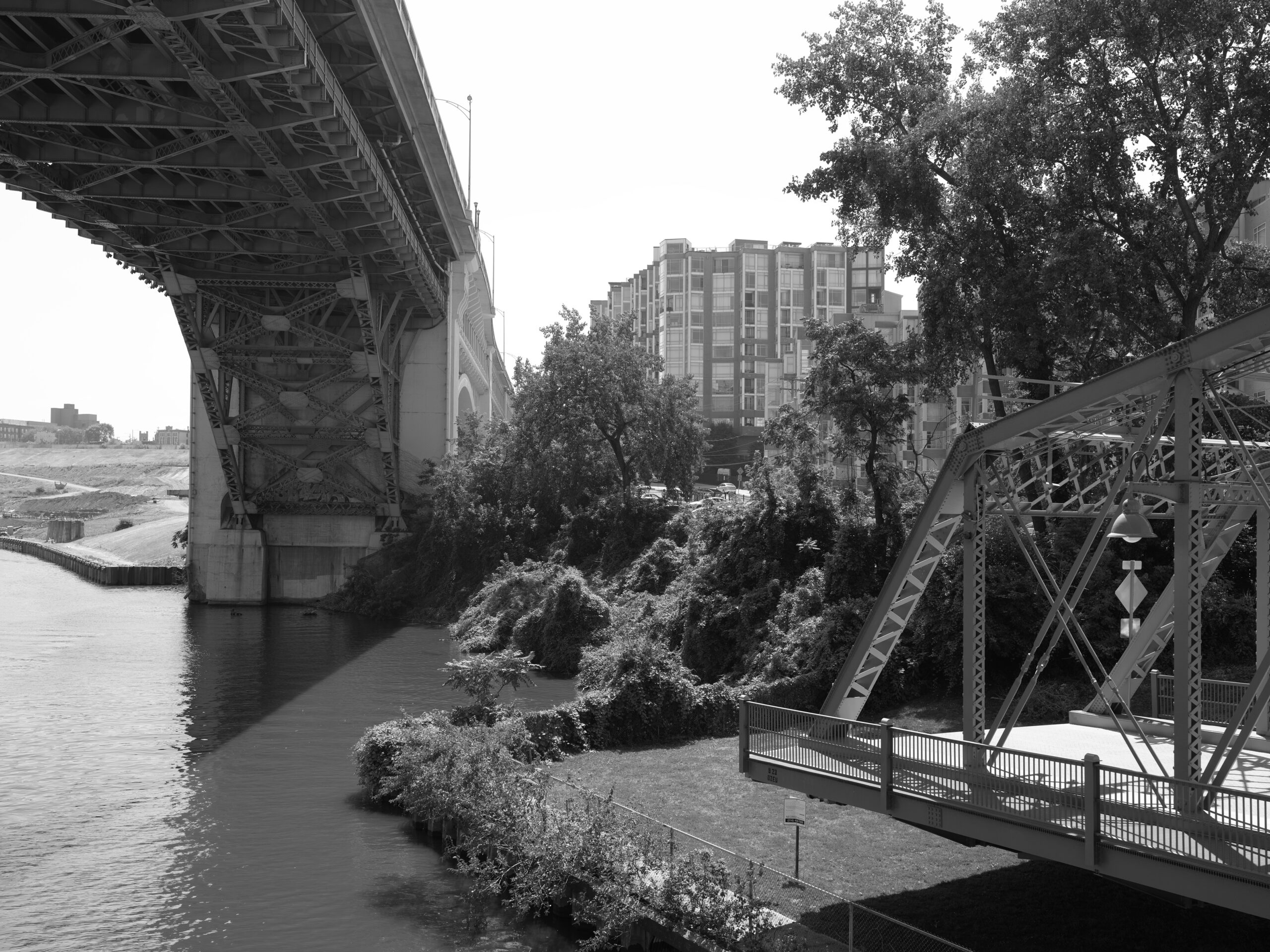
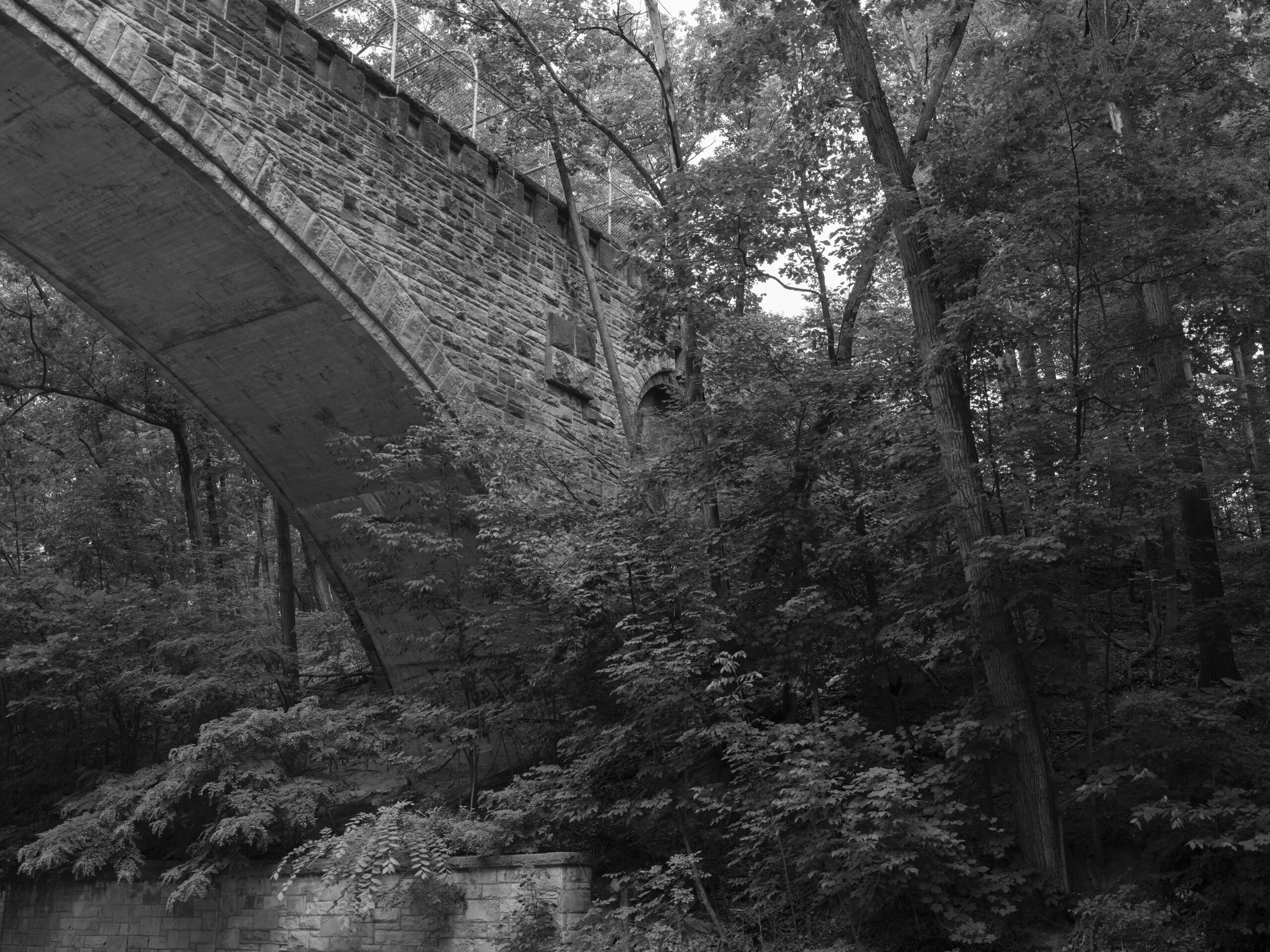
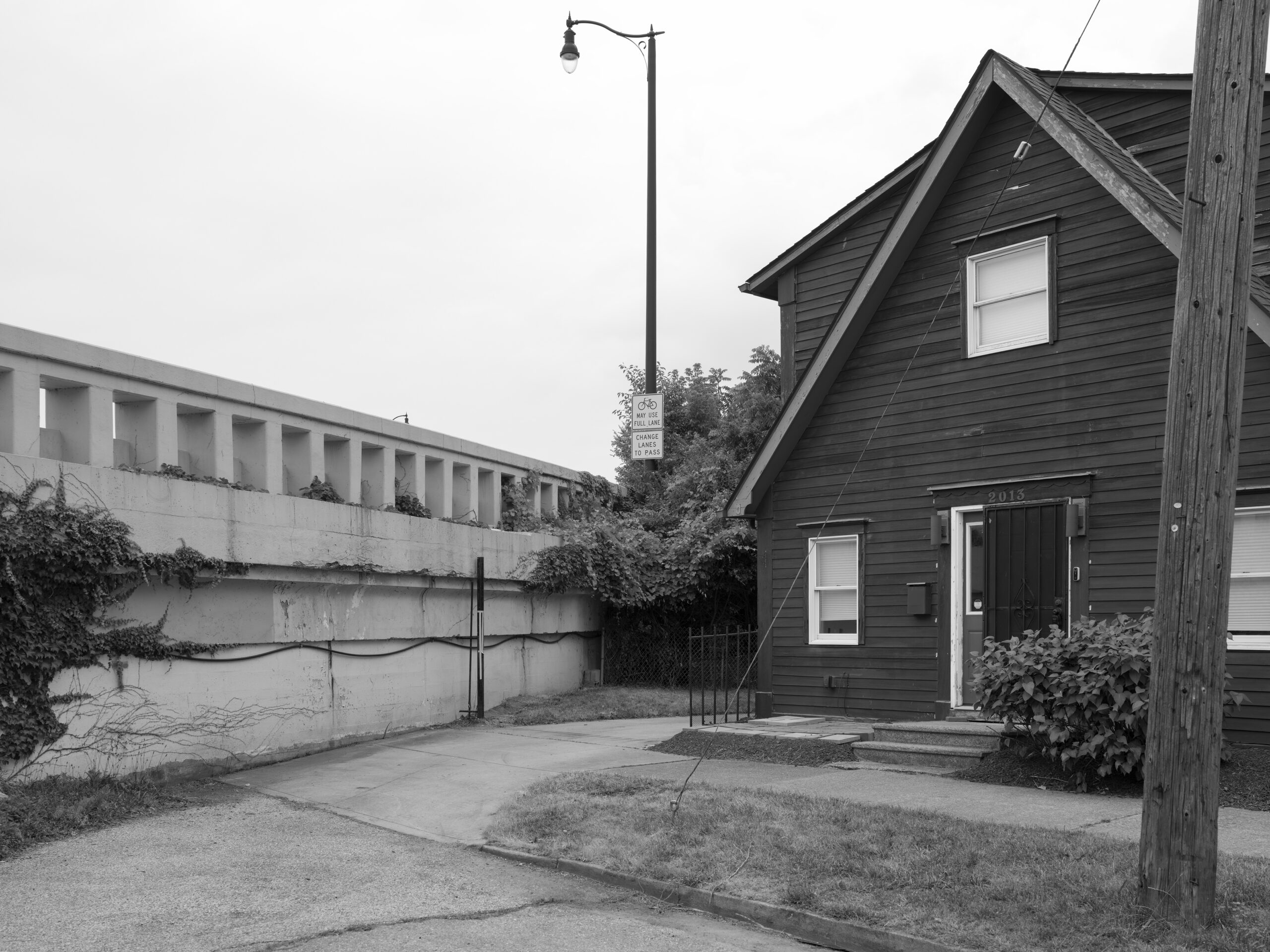
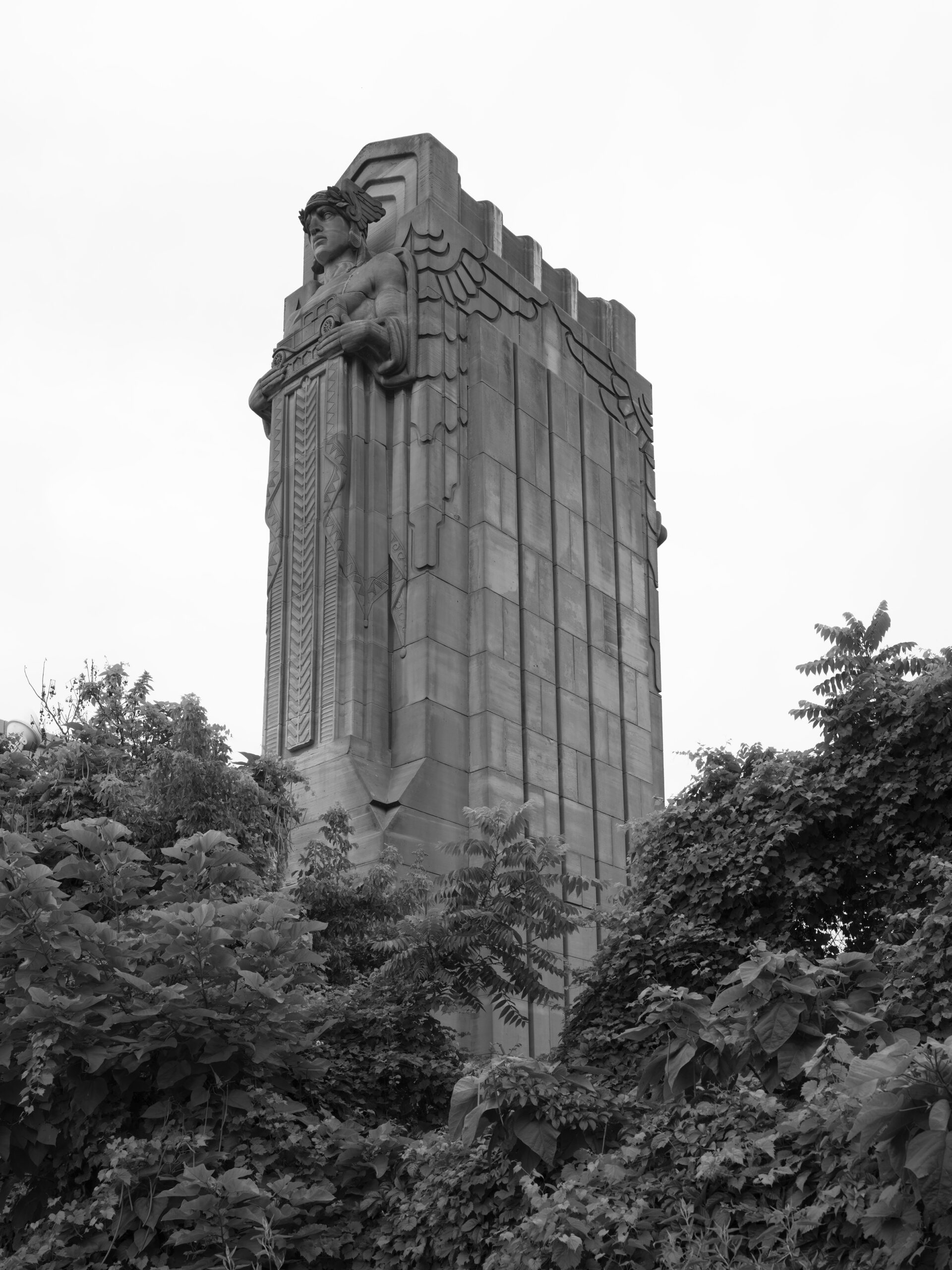
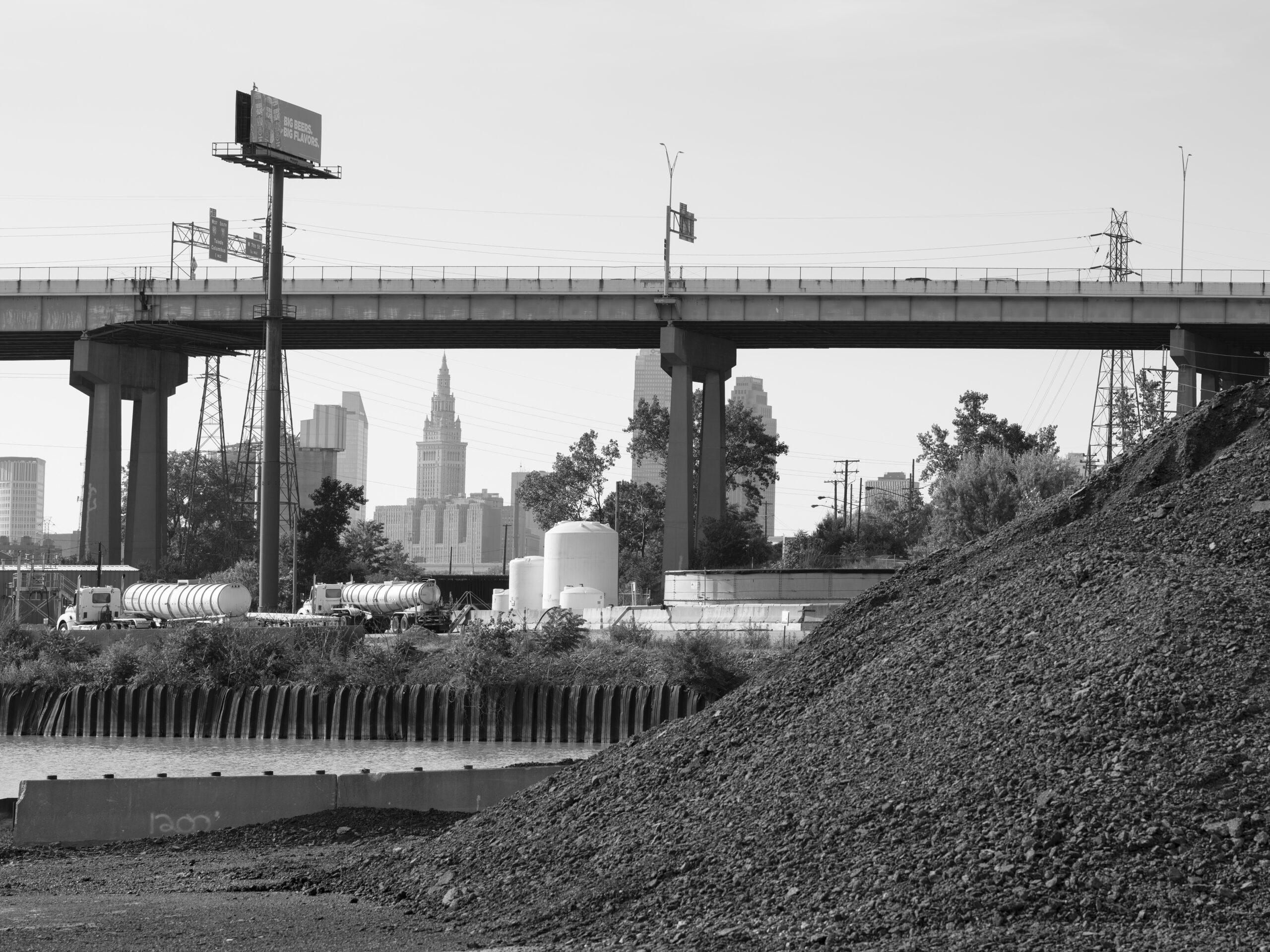
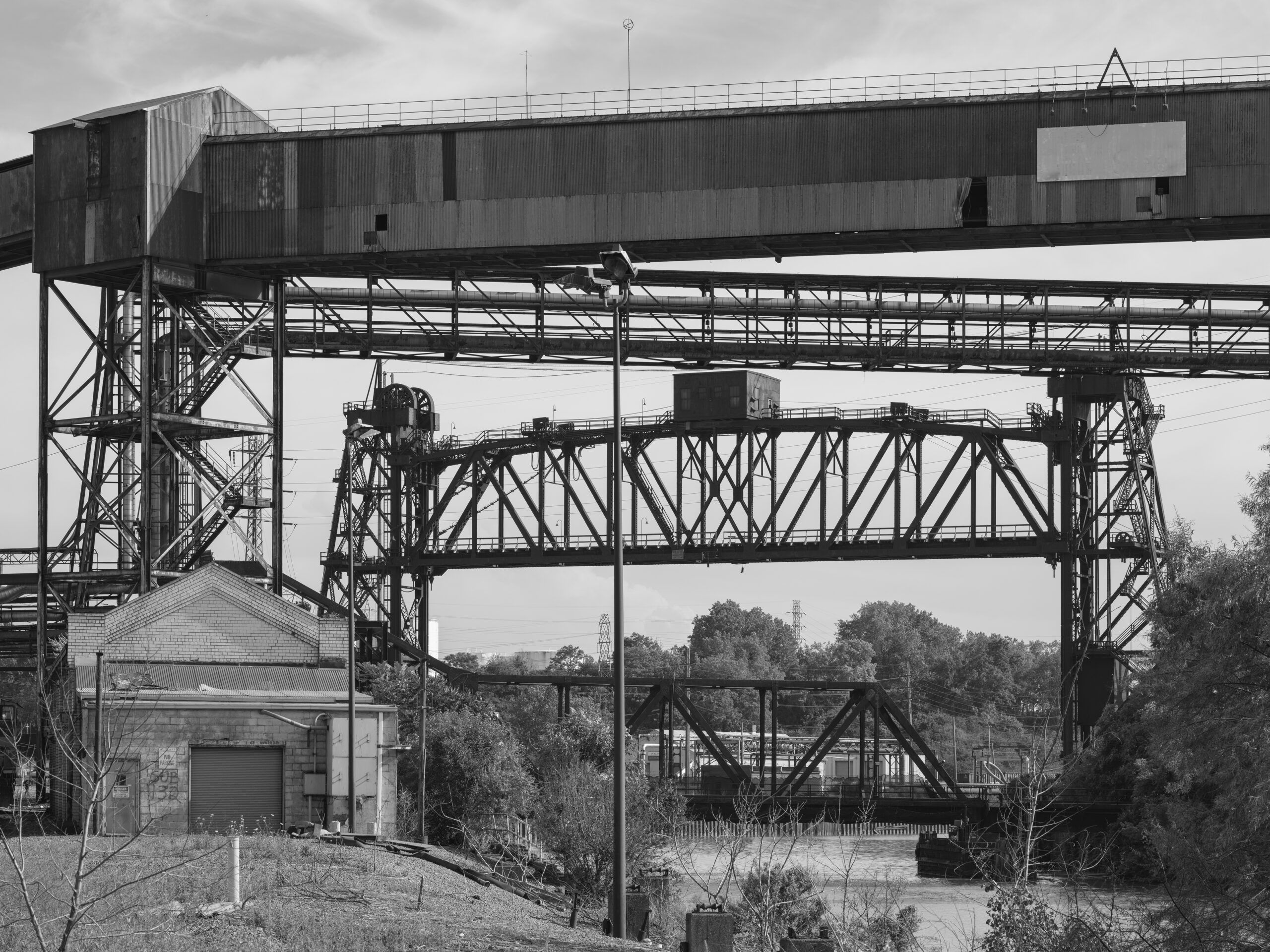
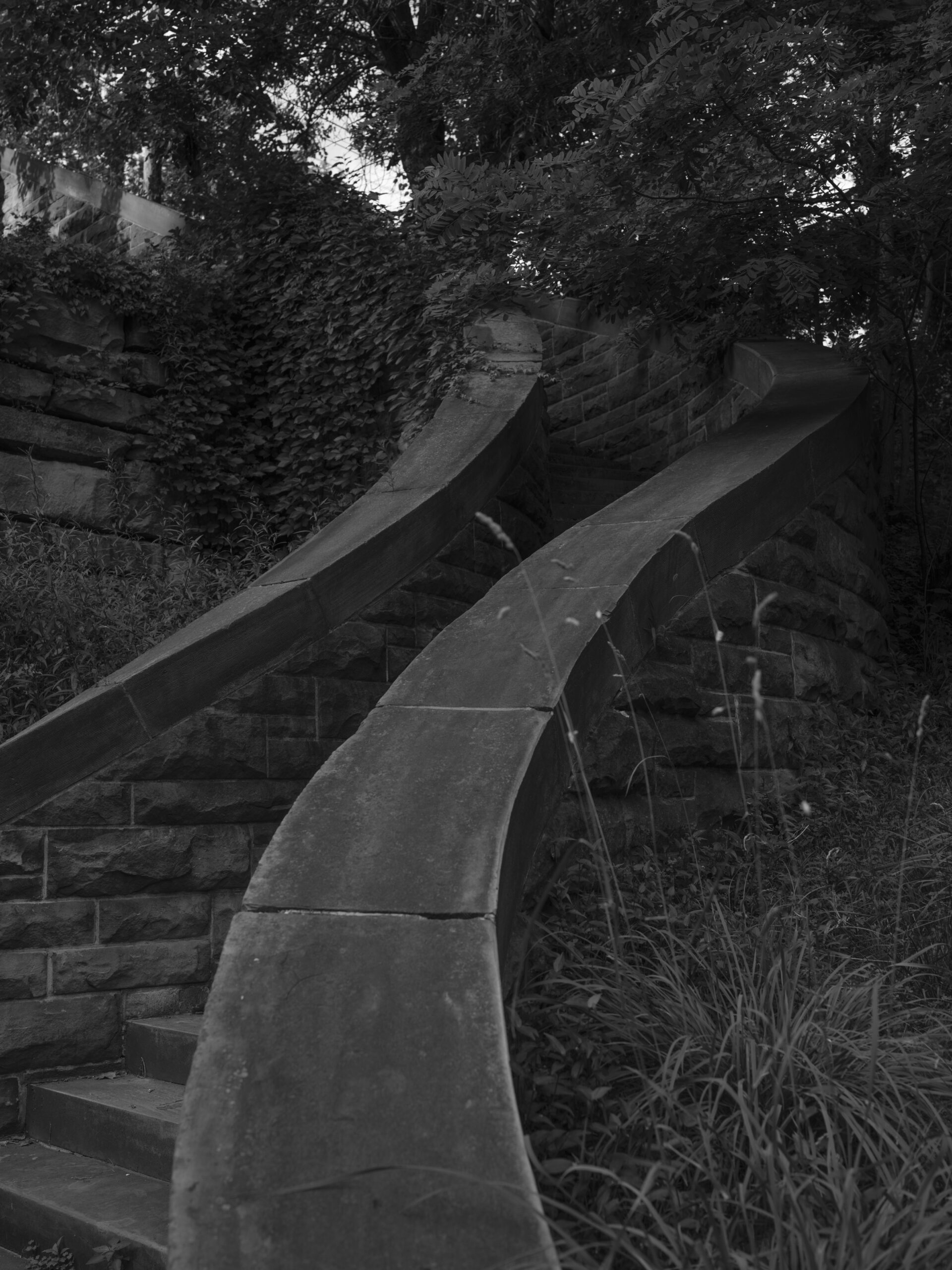
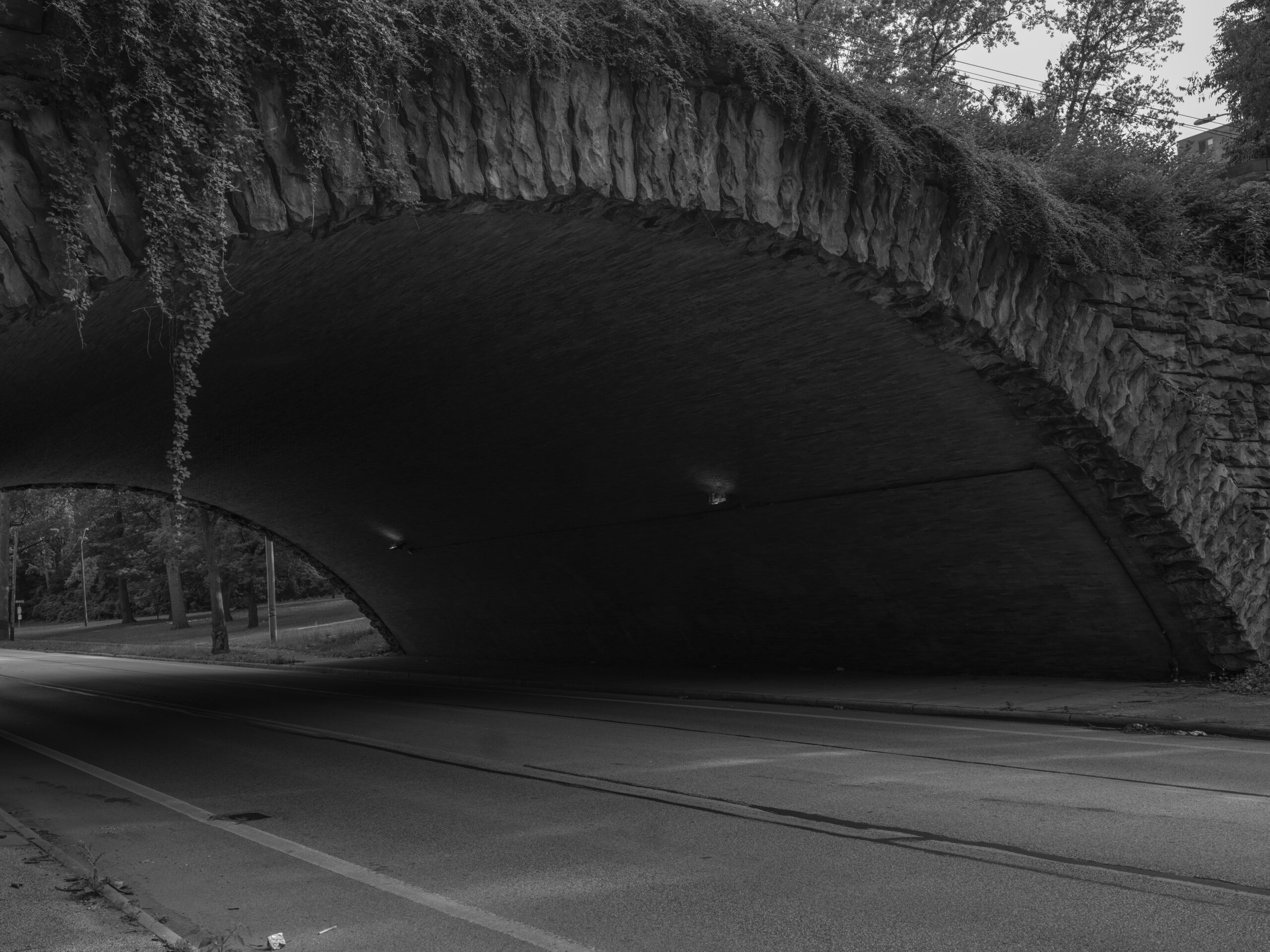
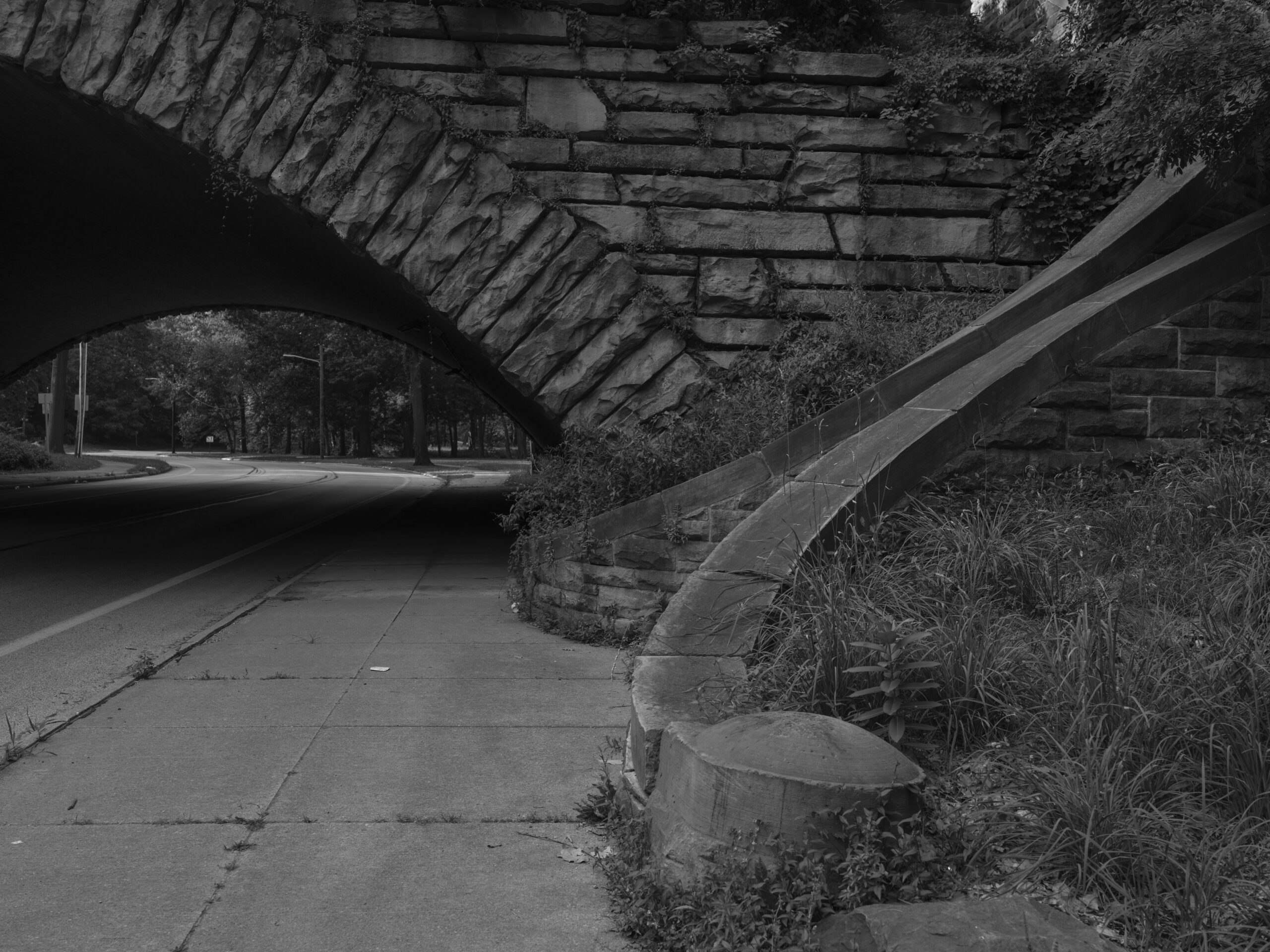
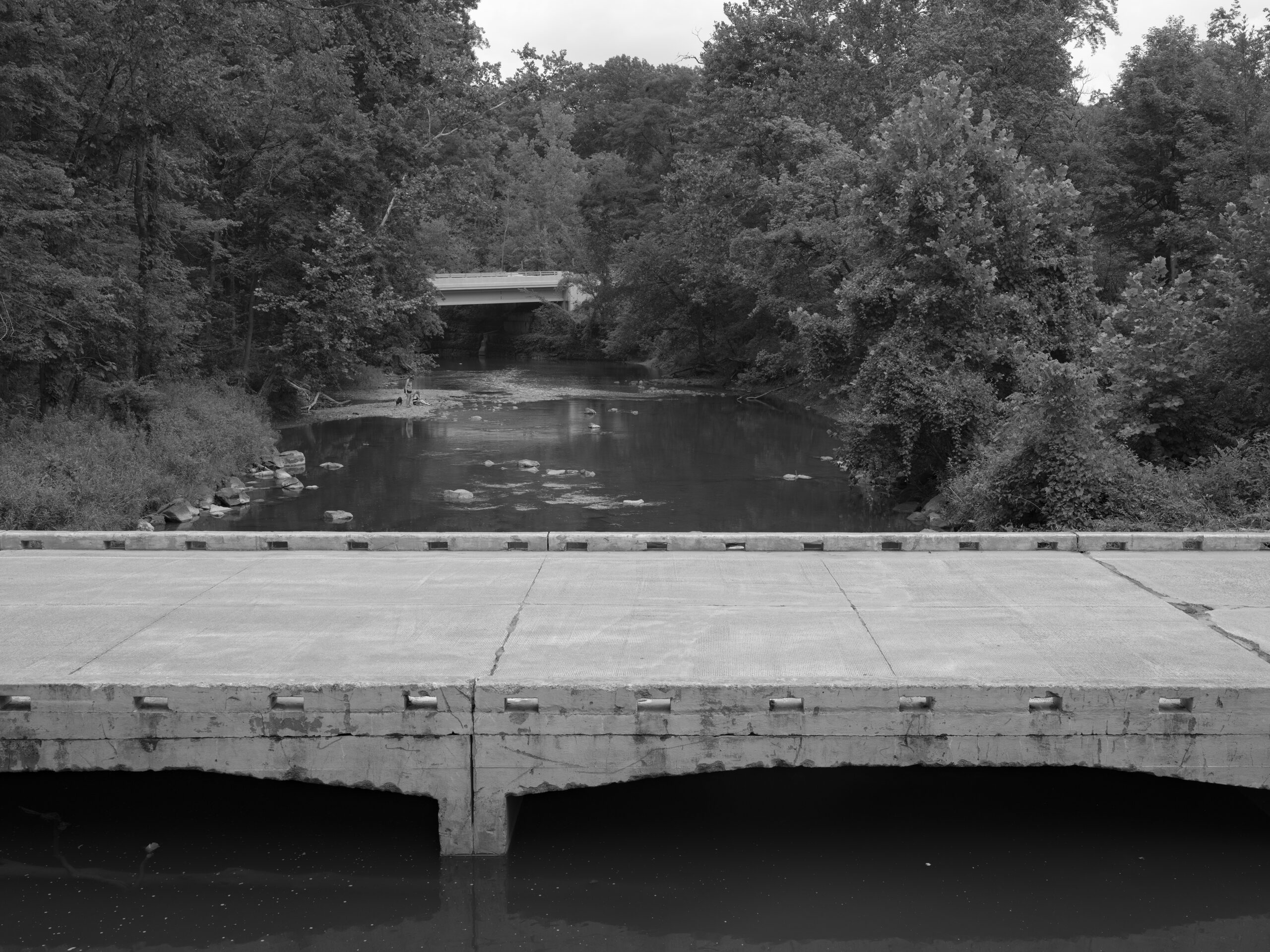
Artist Statement
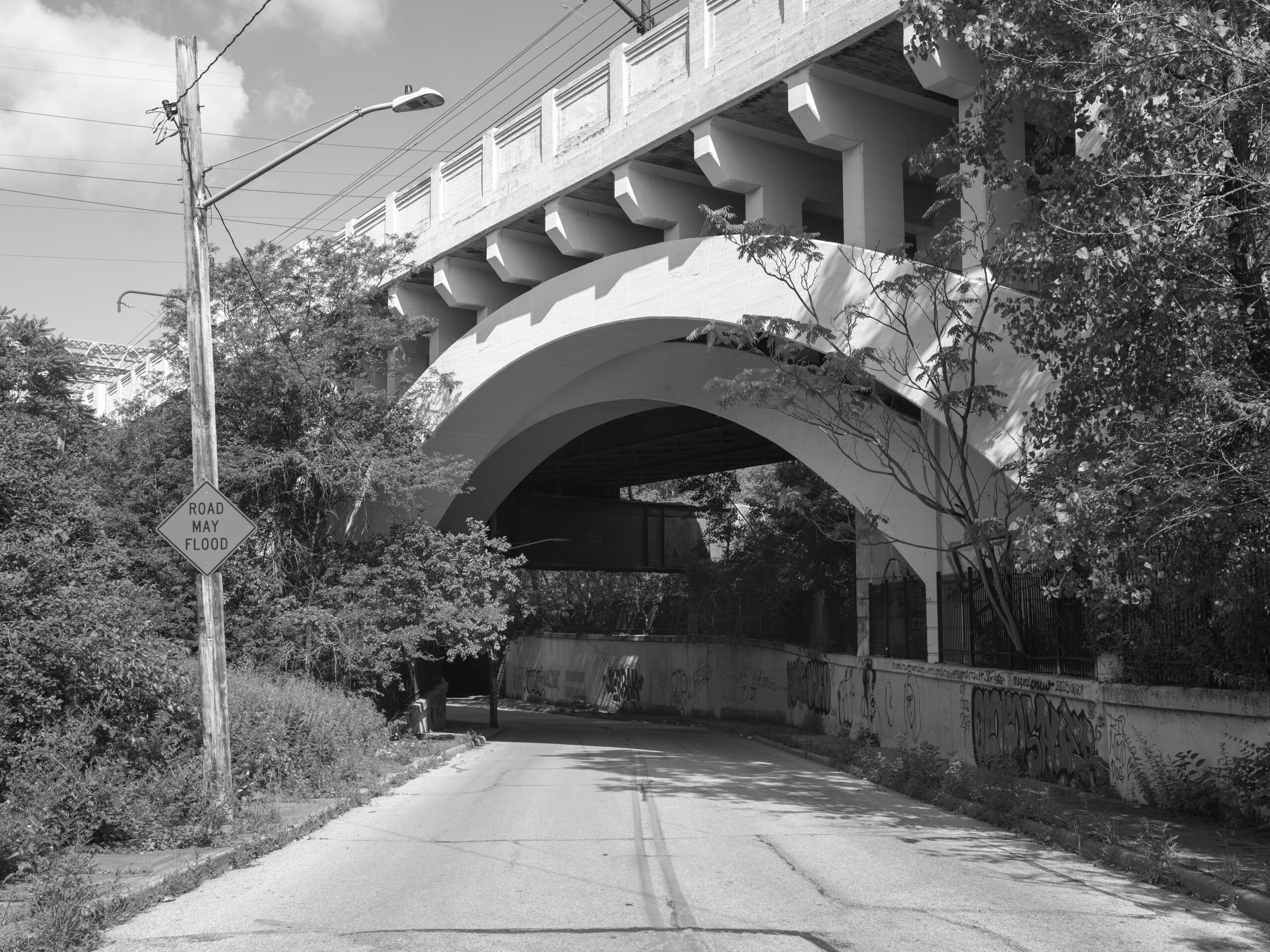
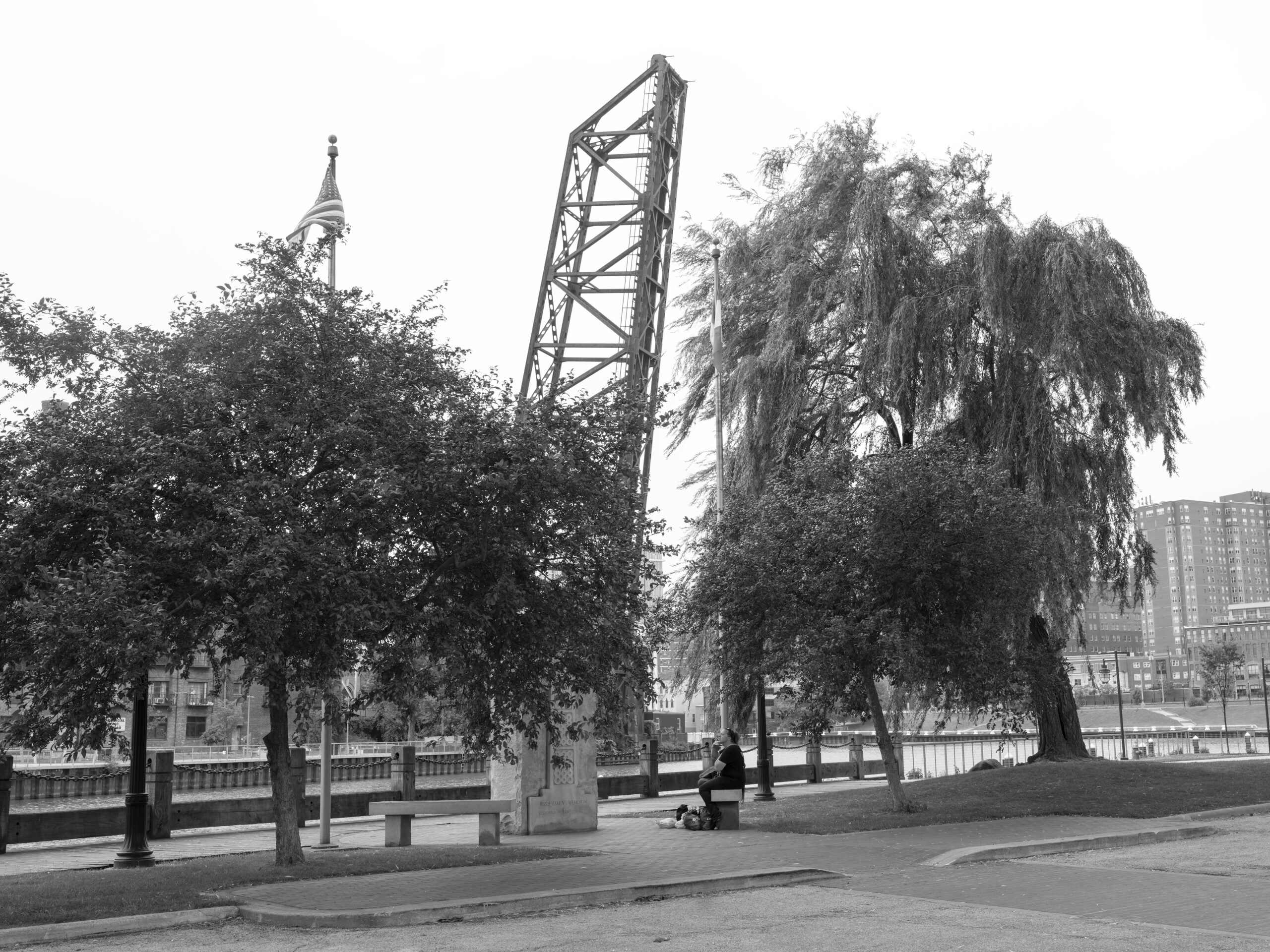
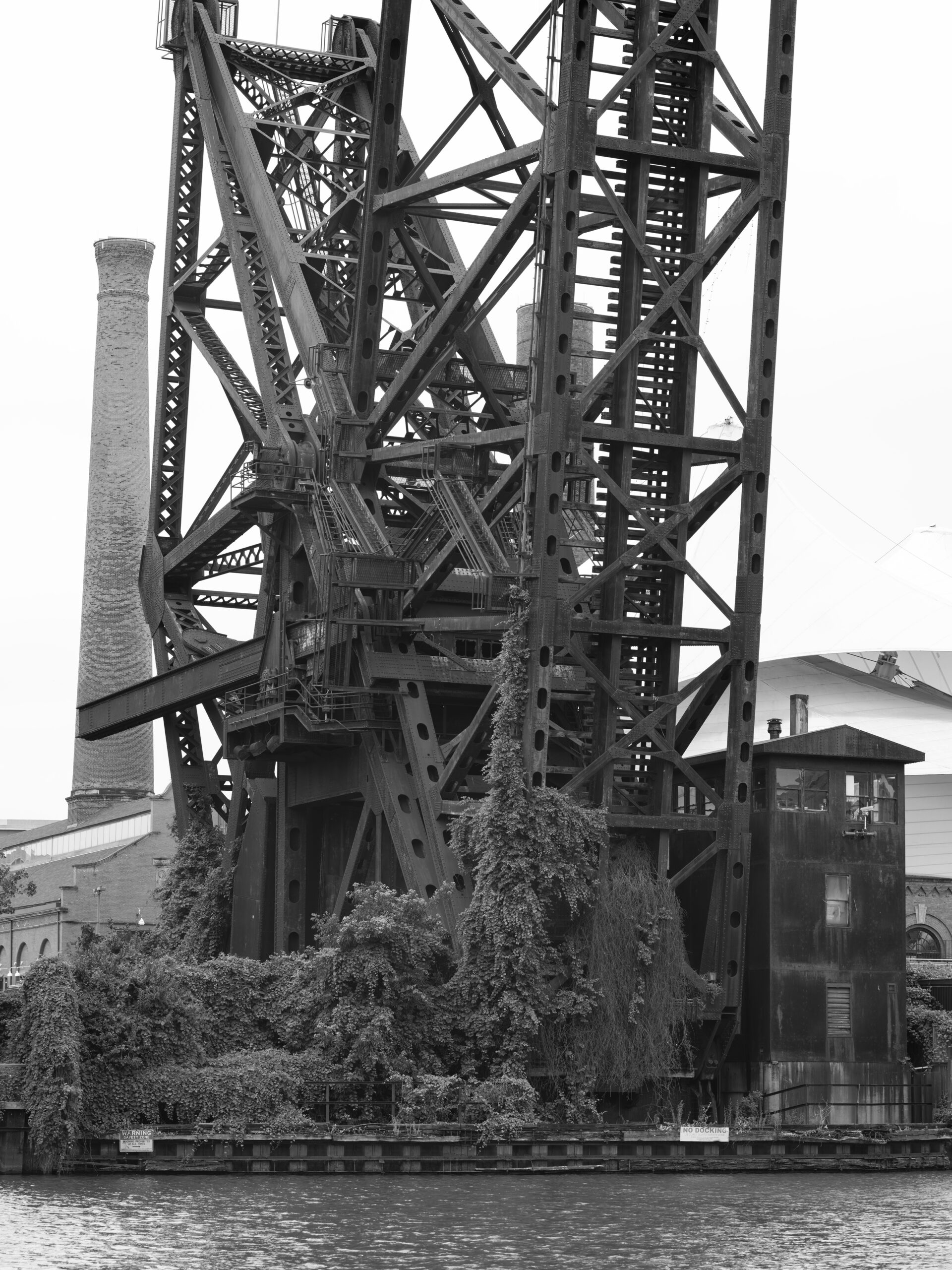
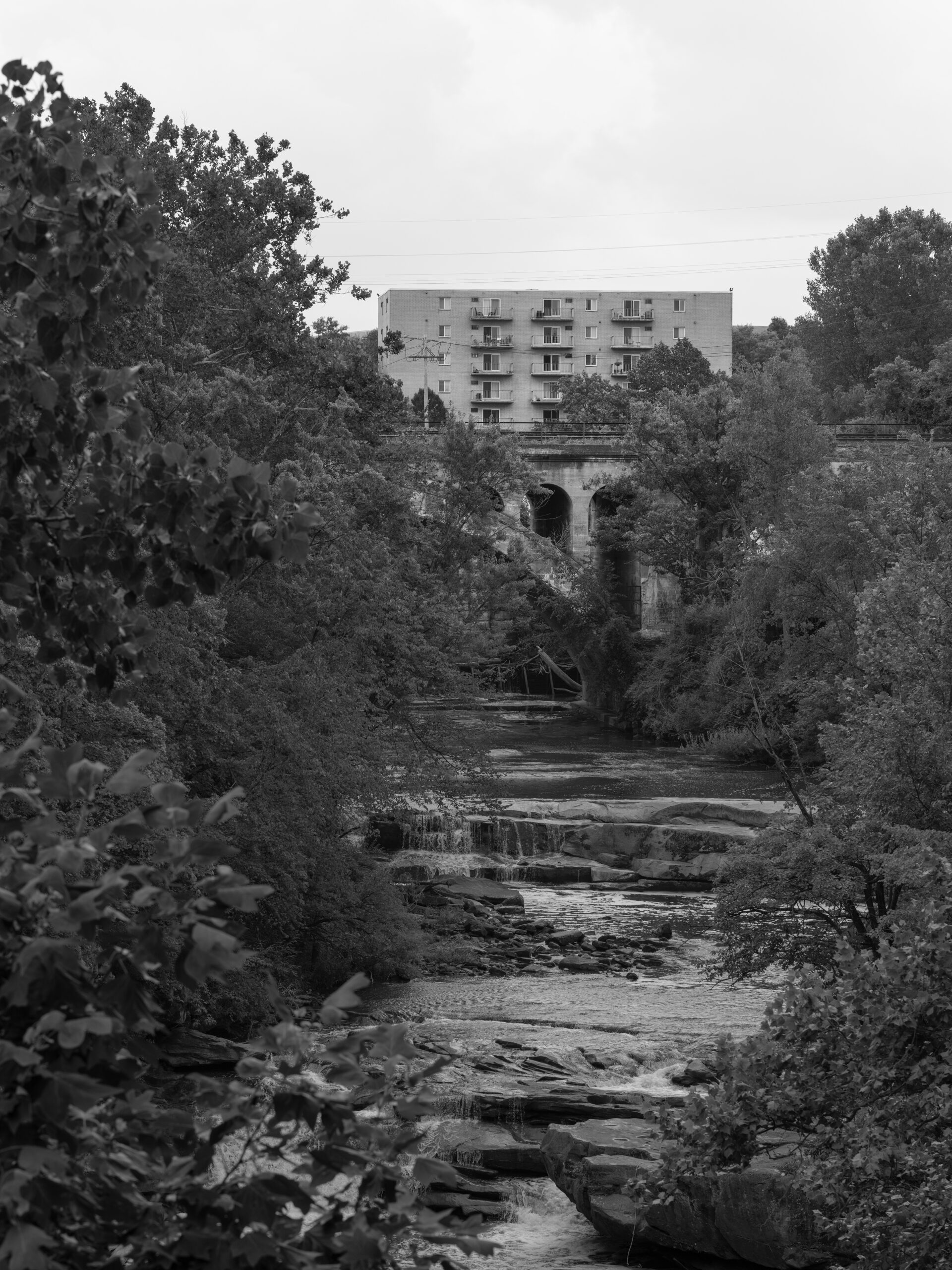
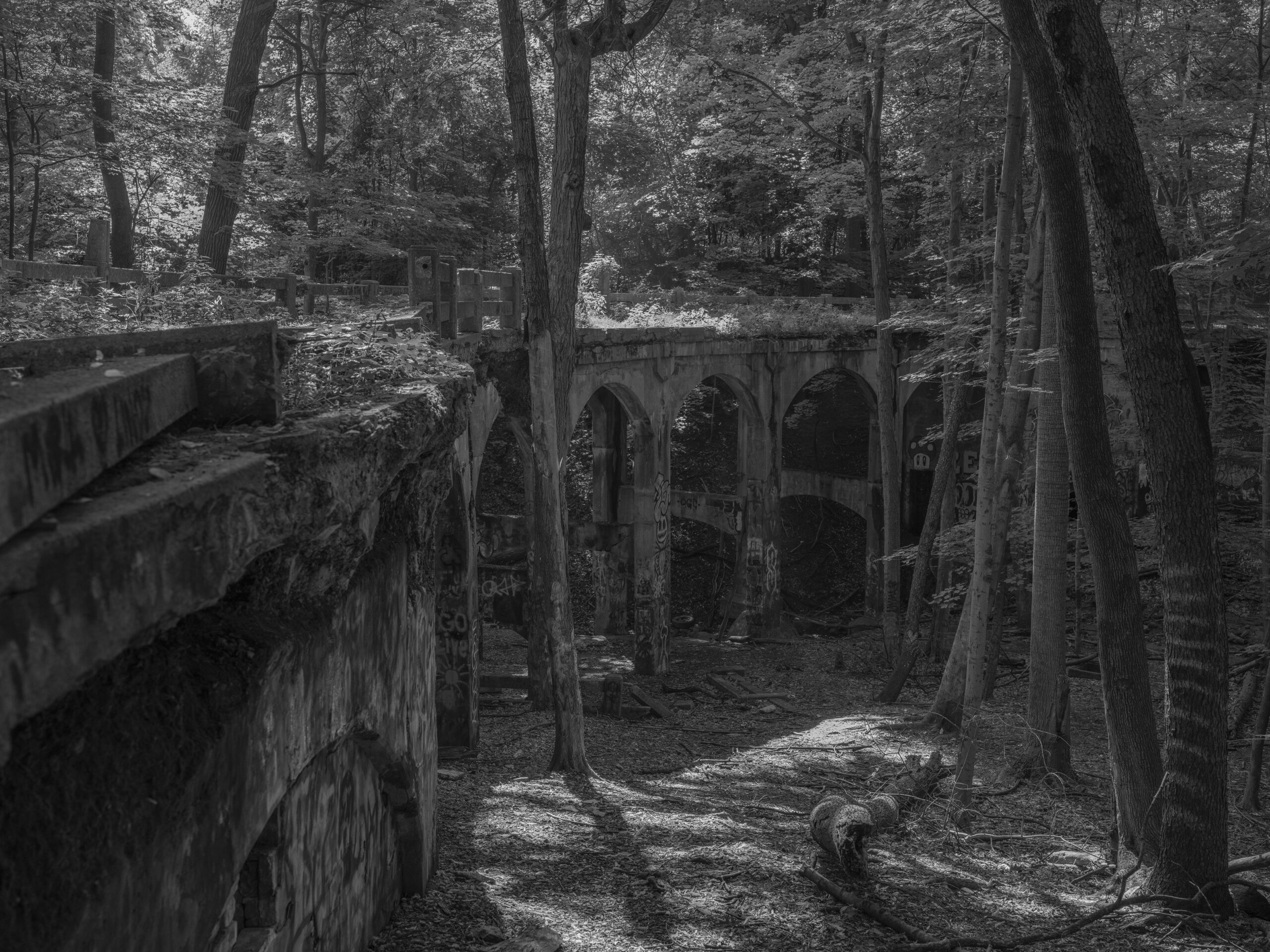
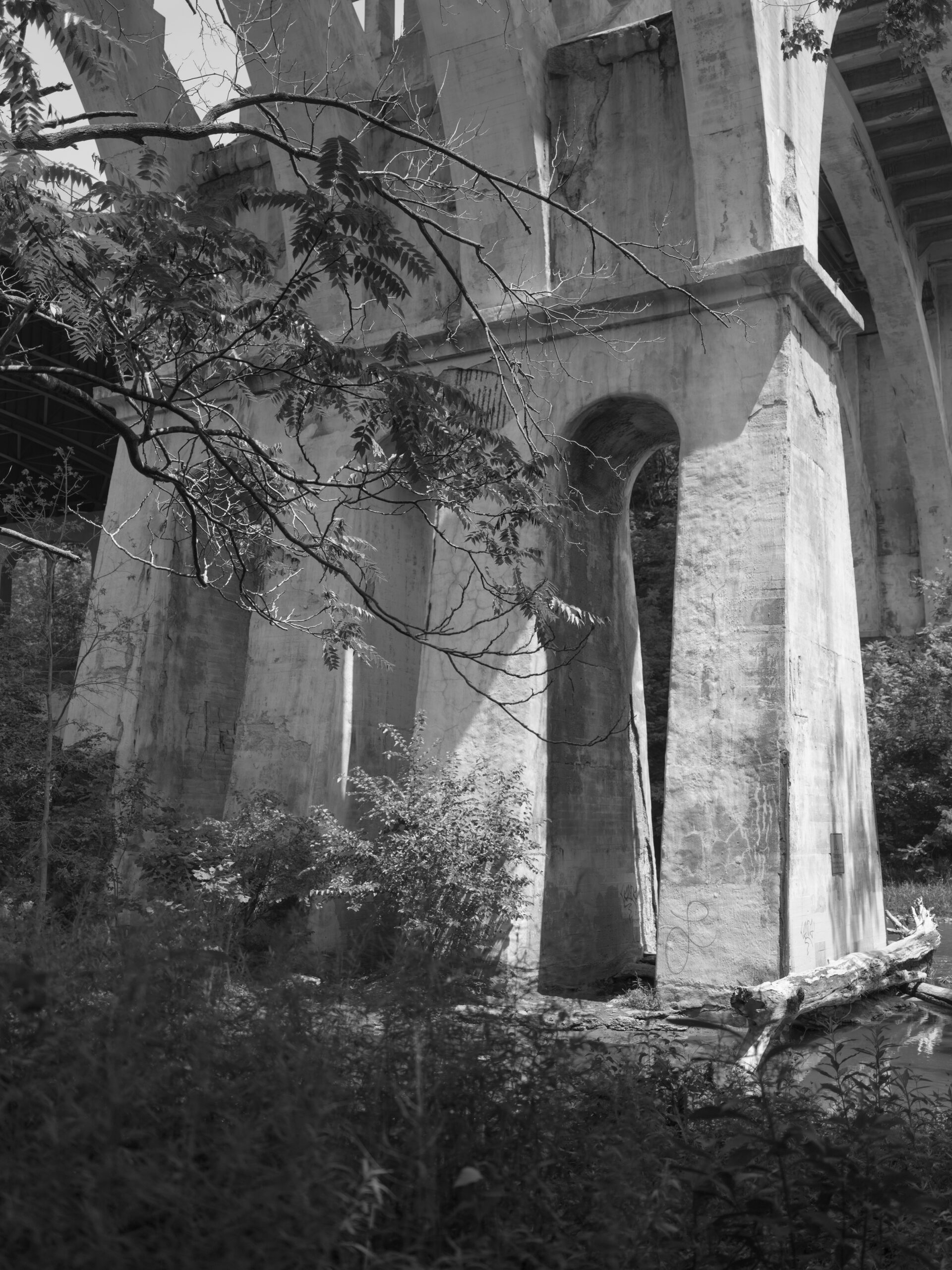
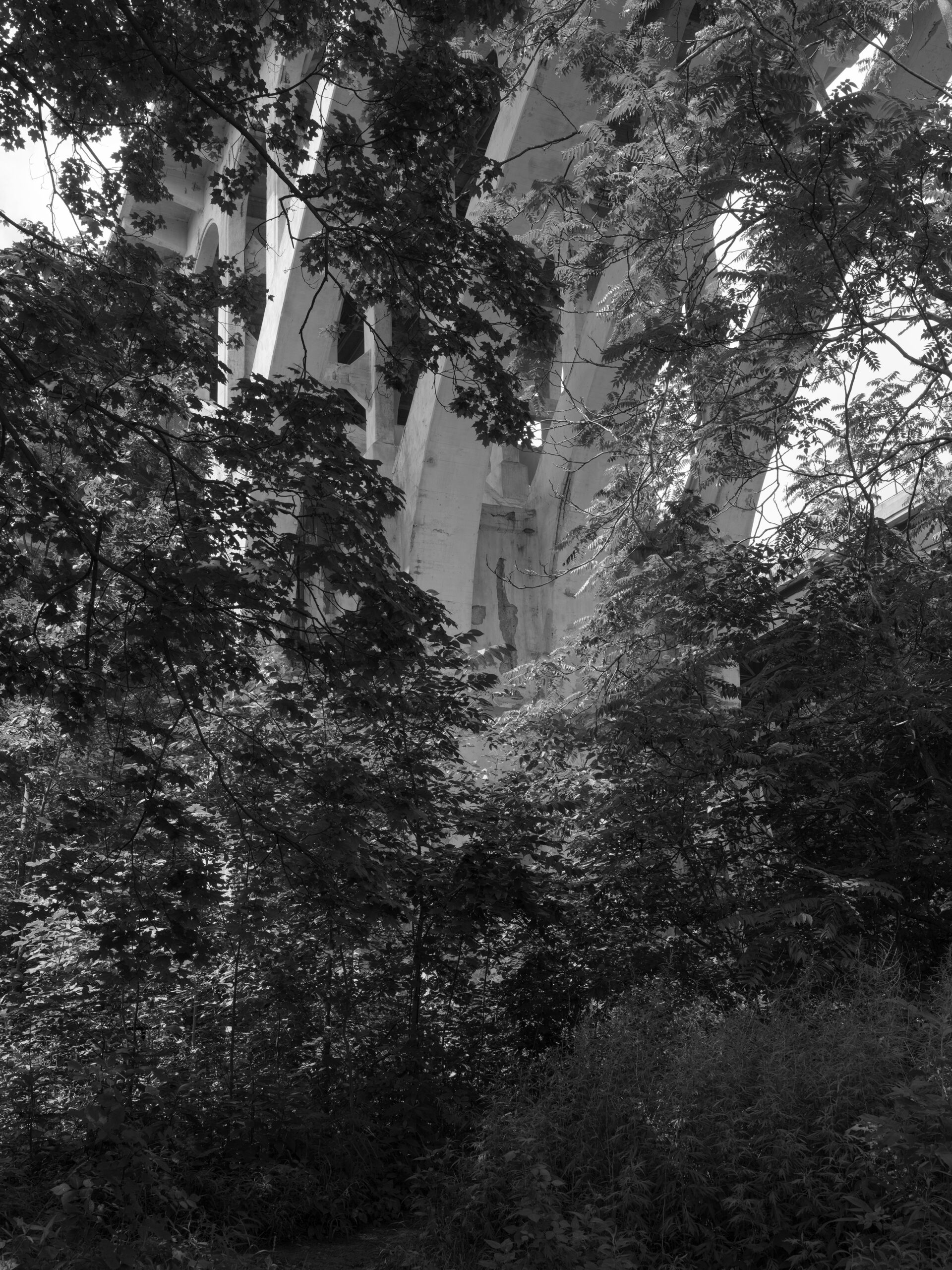
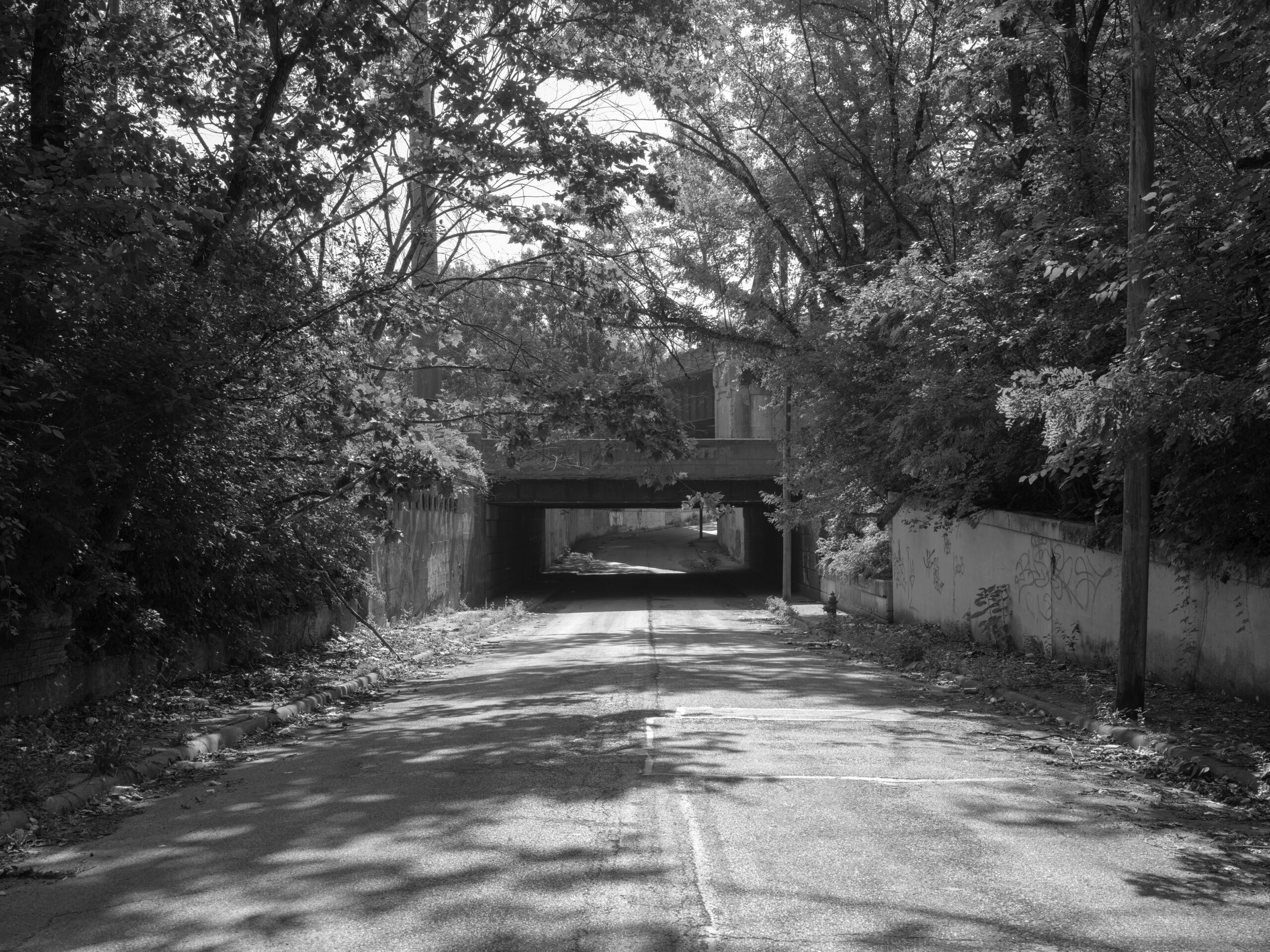
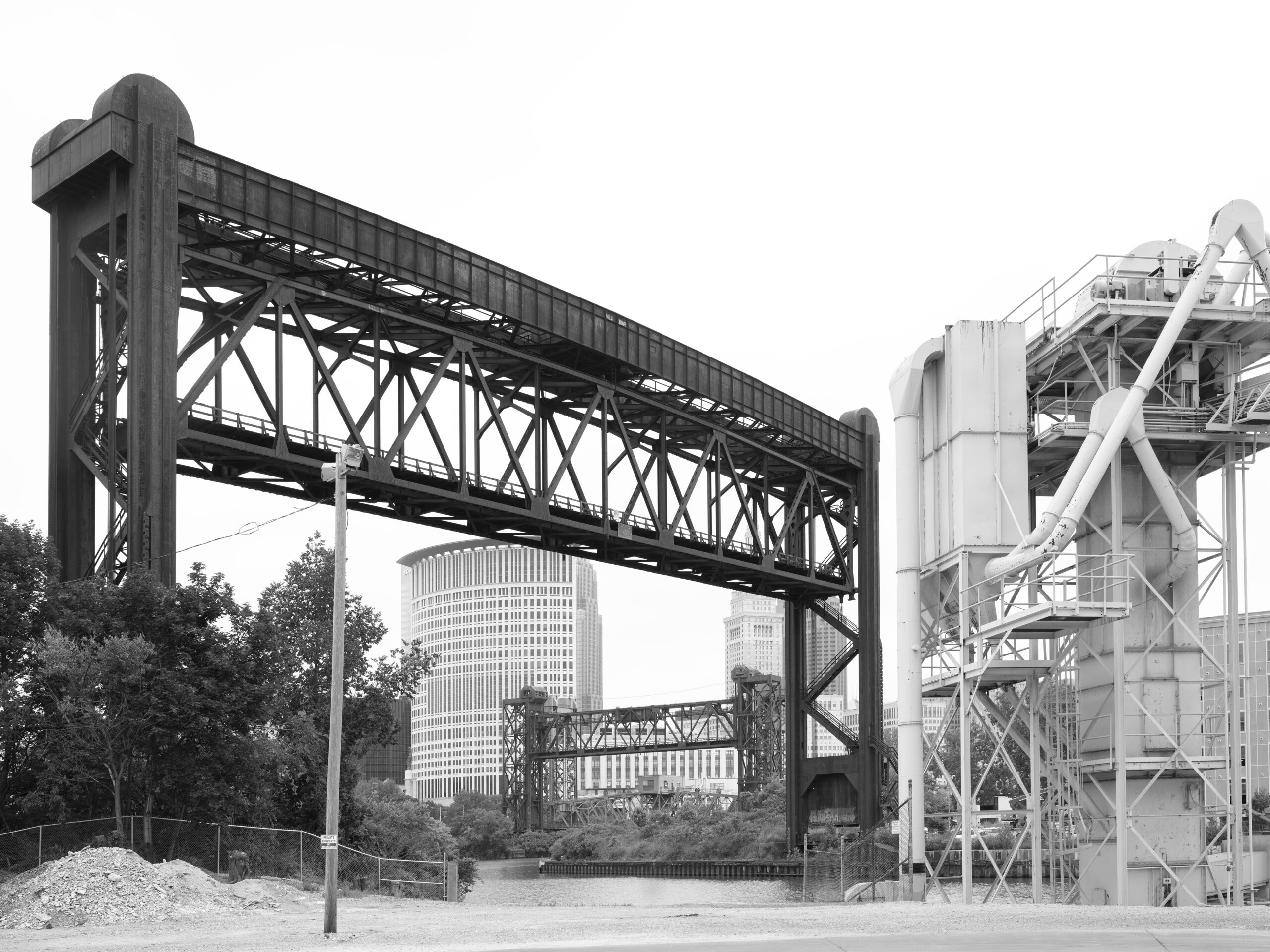
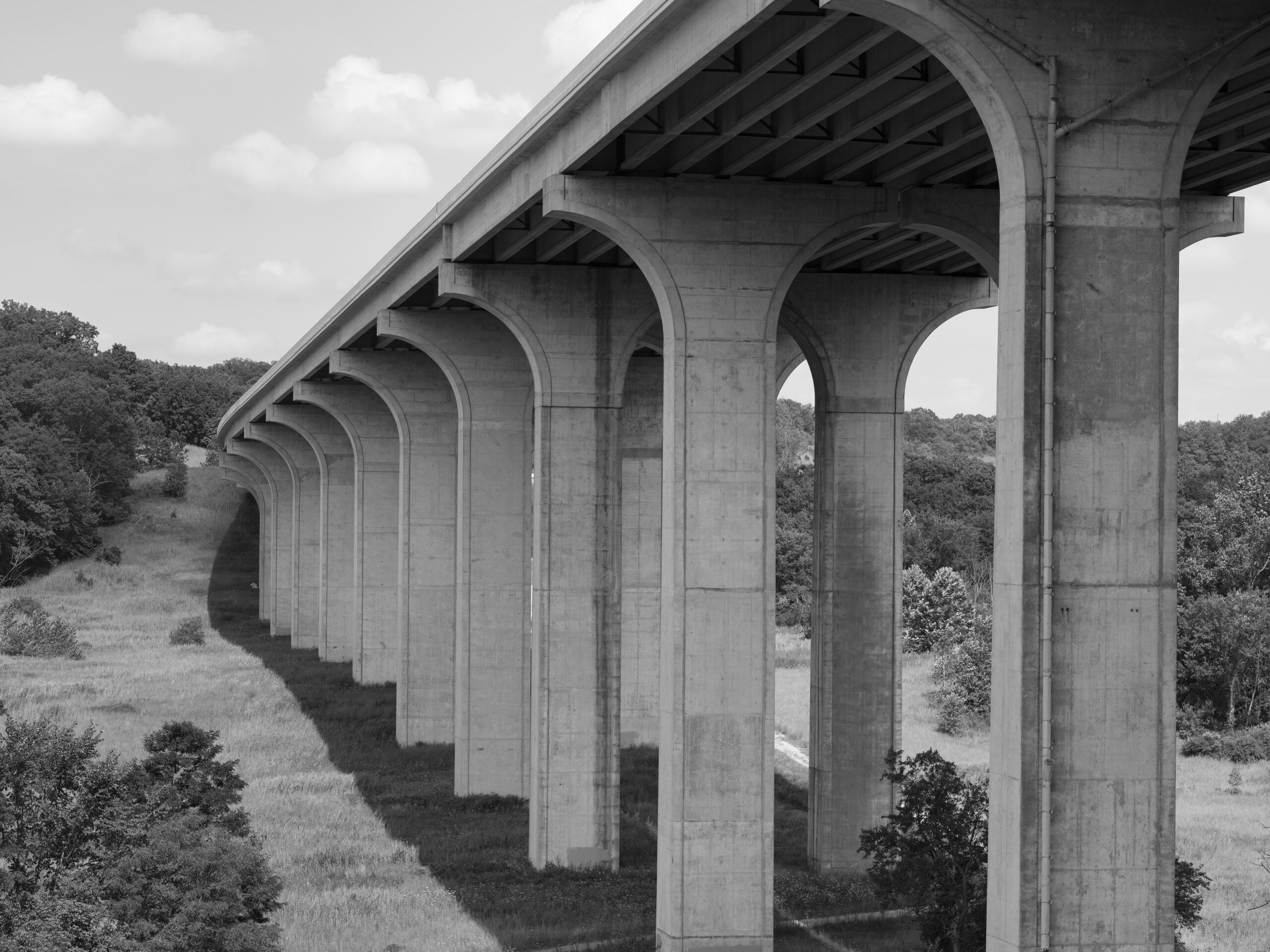
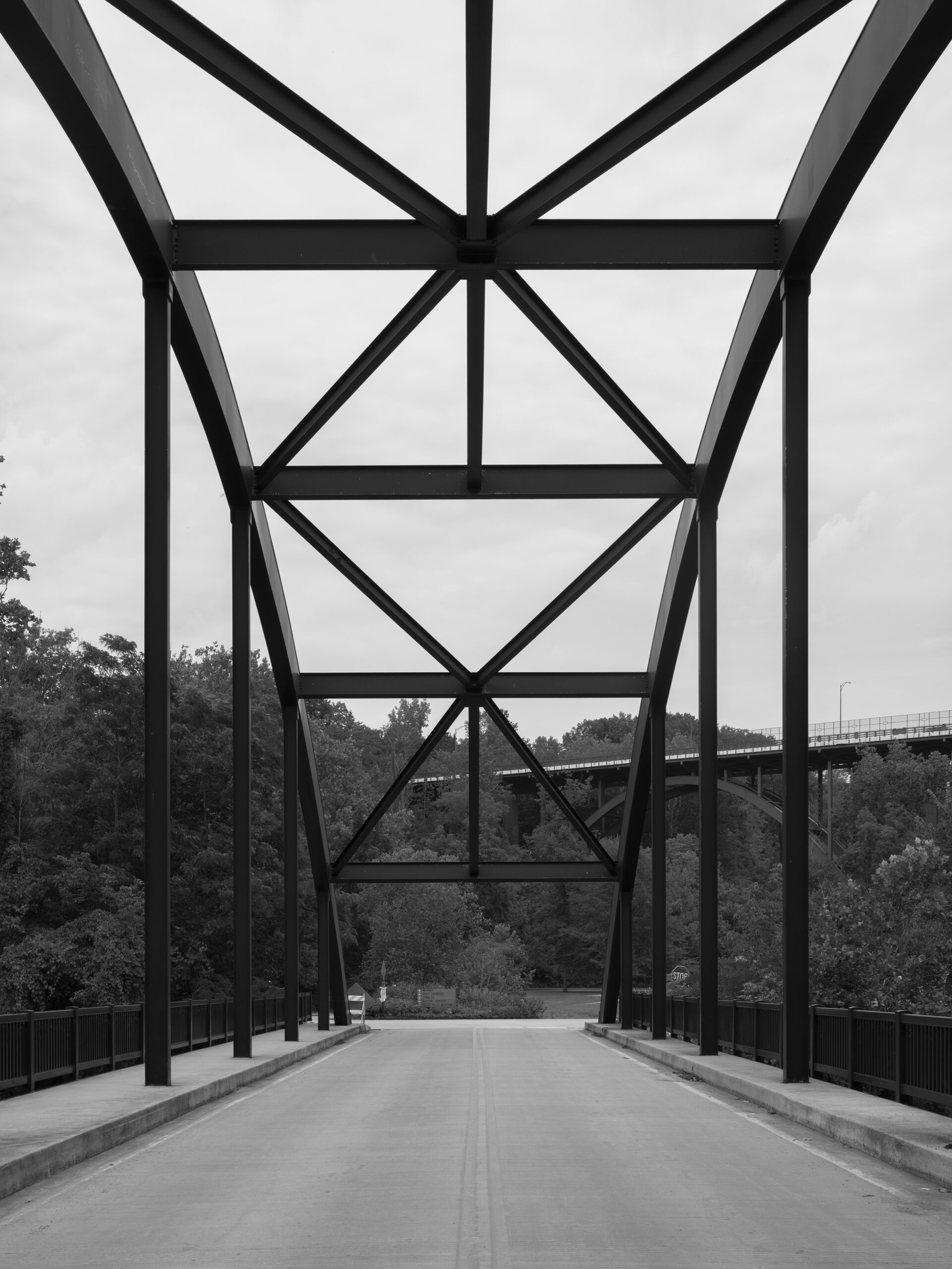
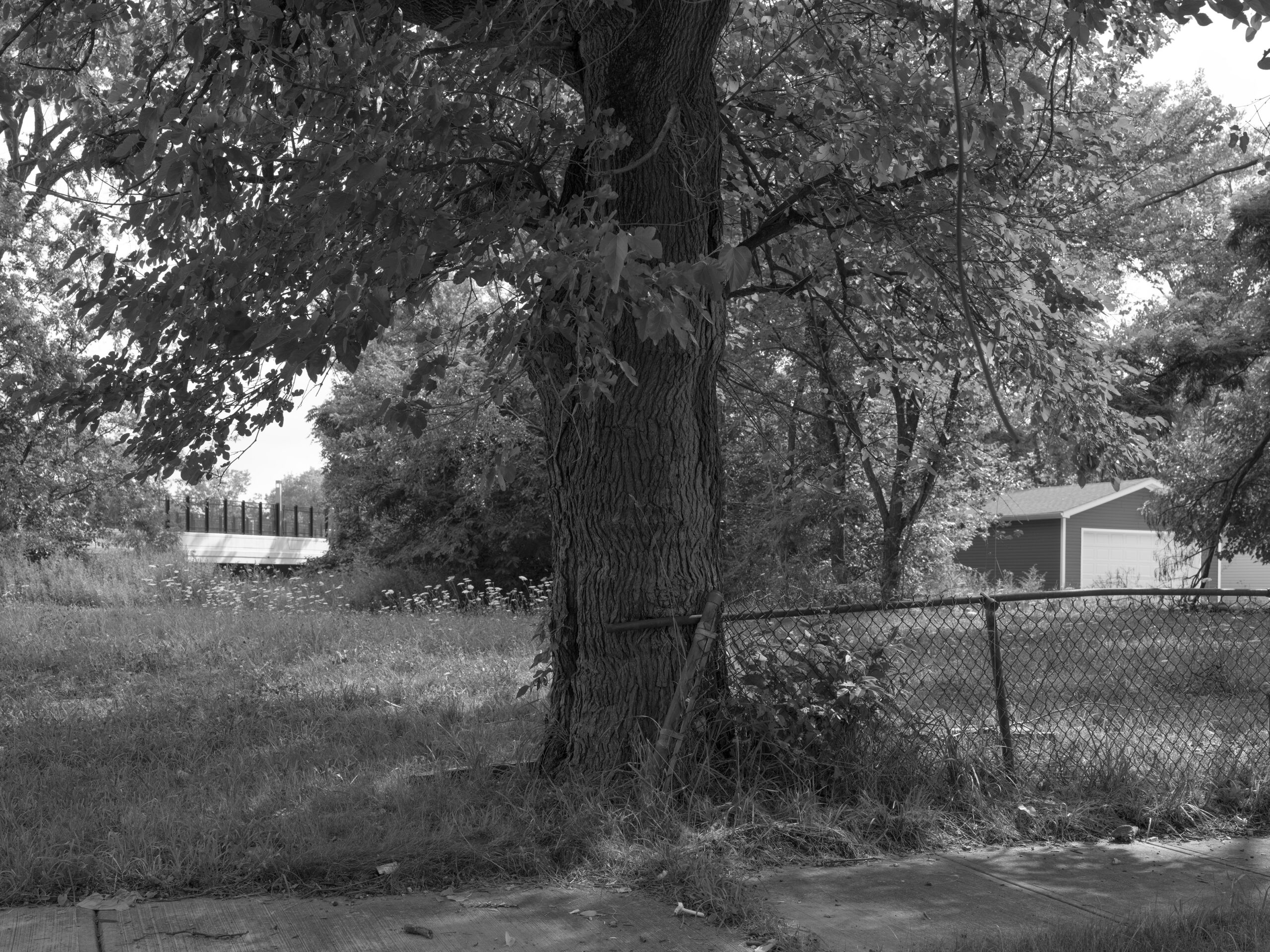
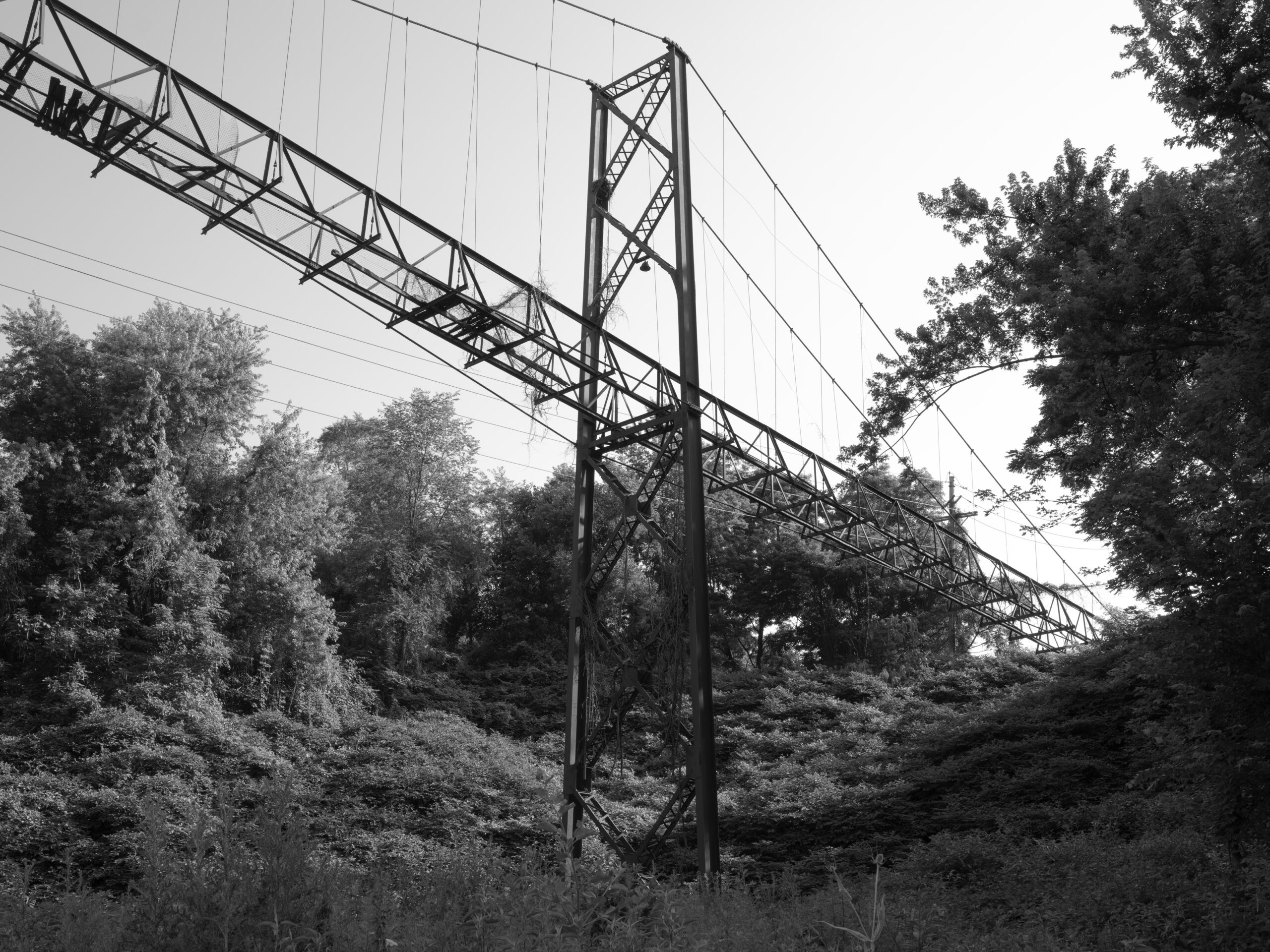
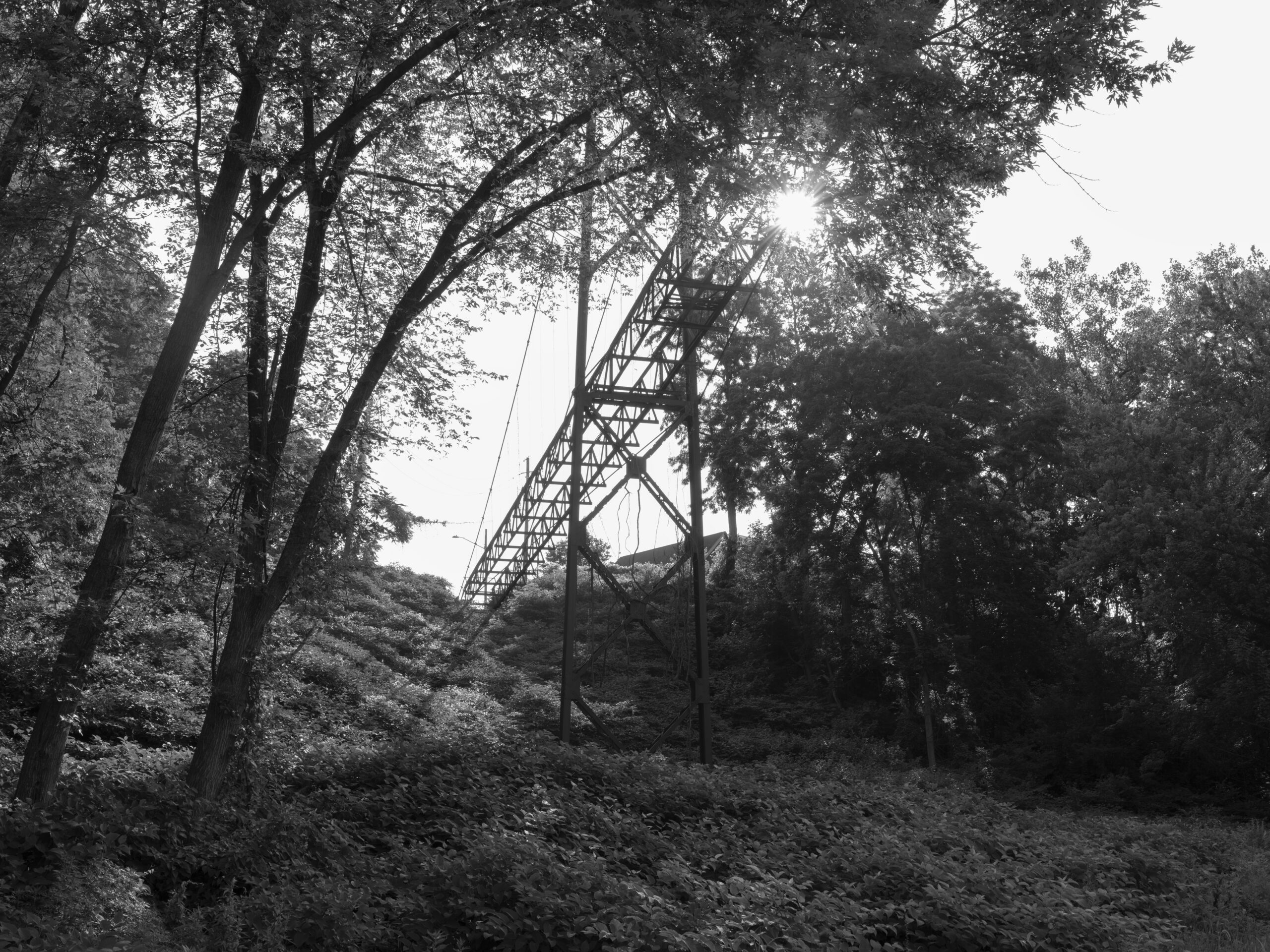
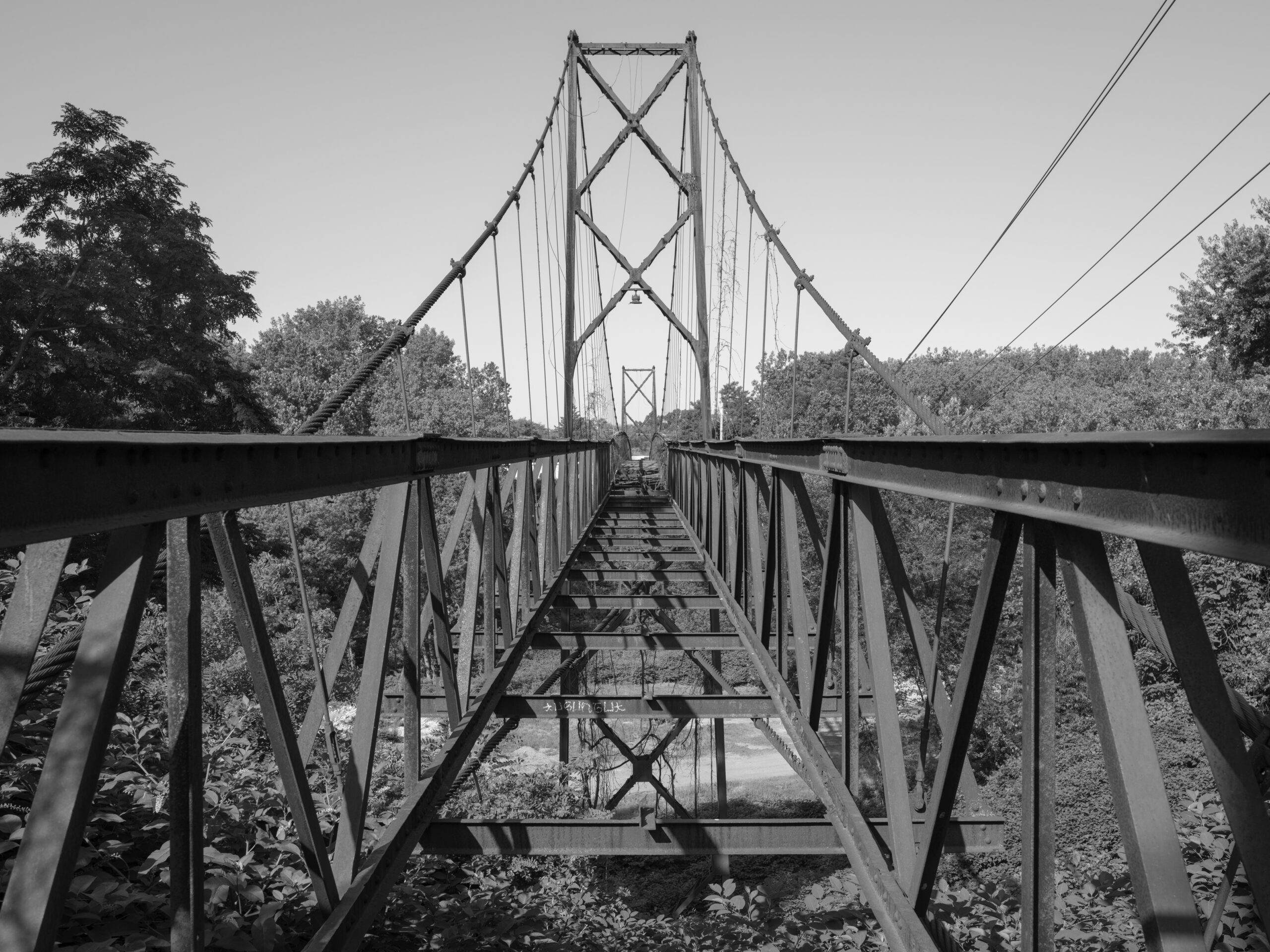
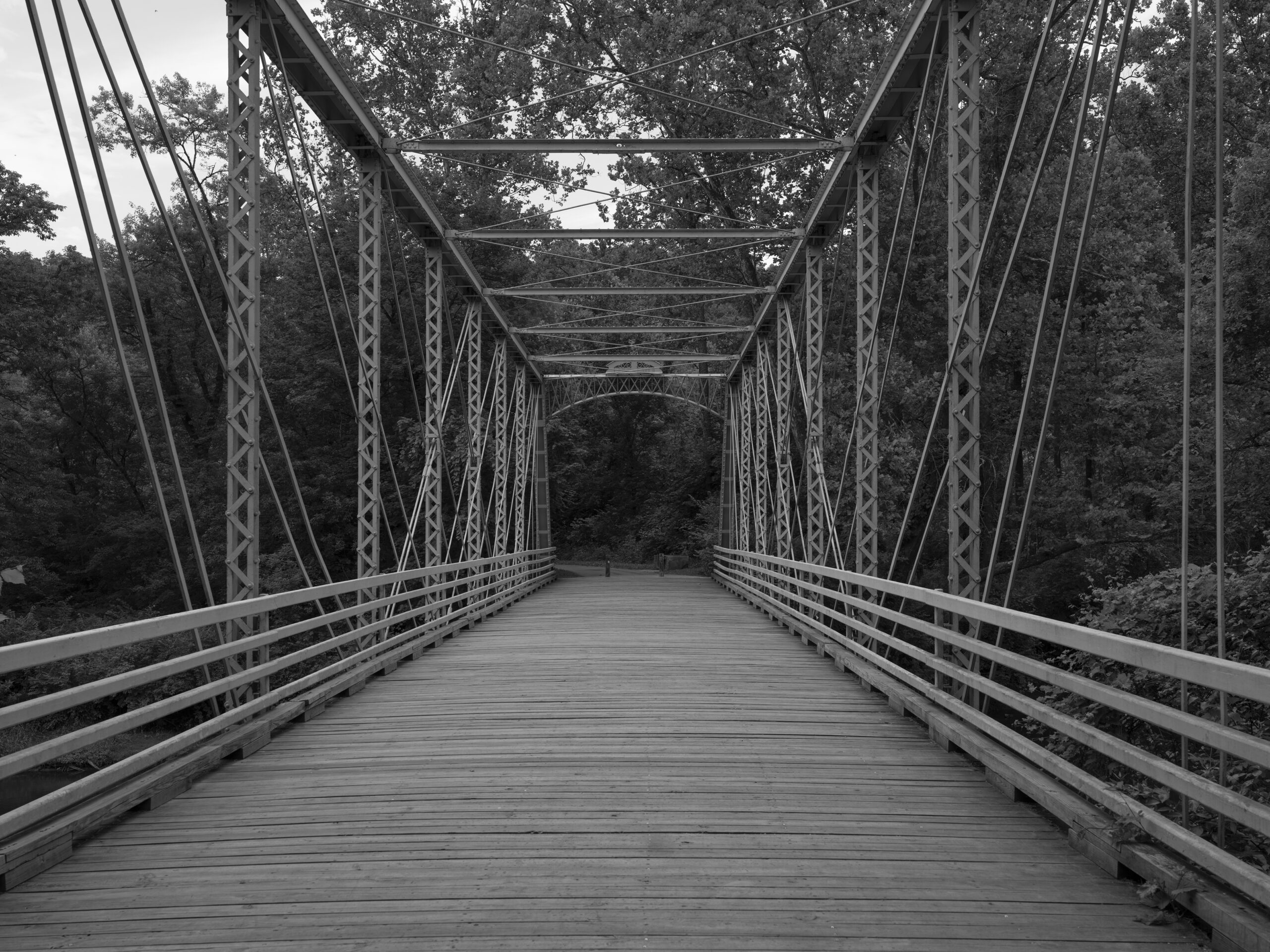
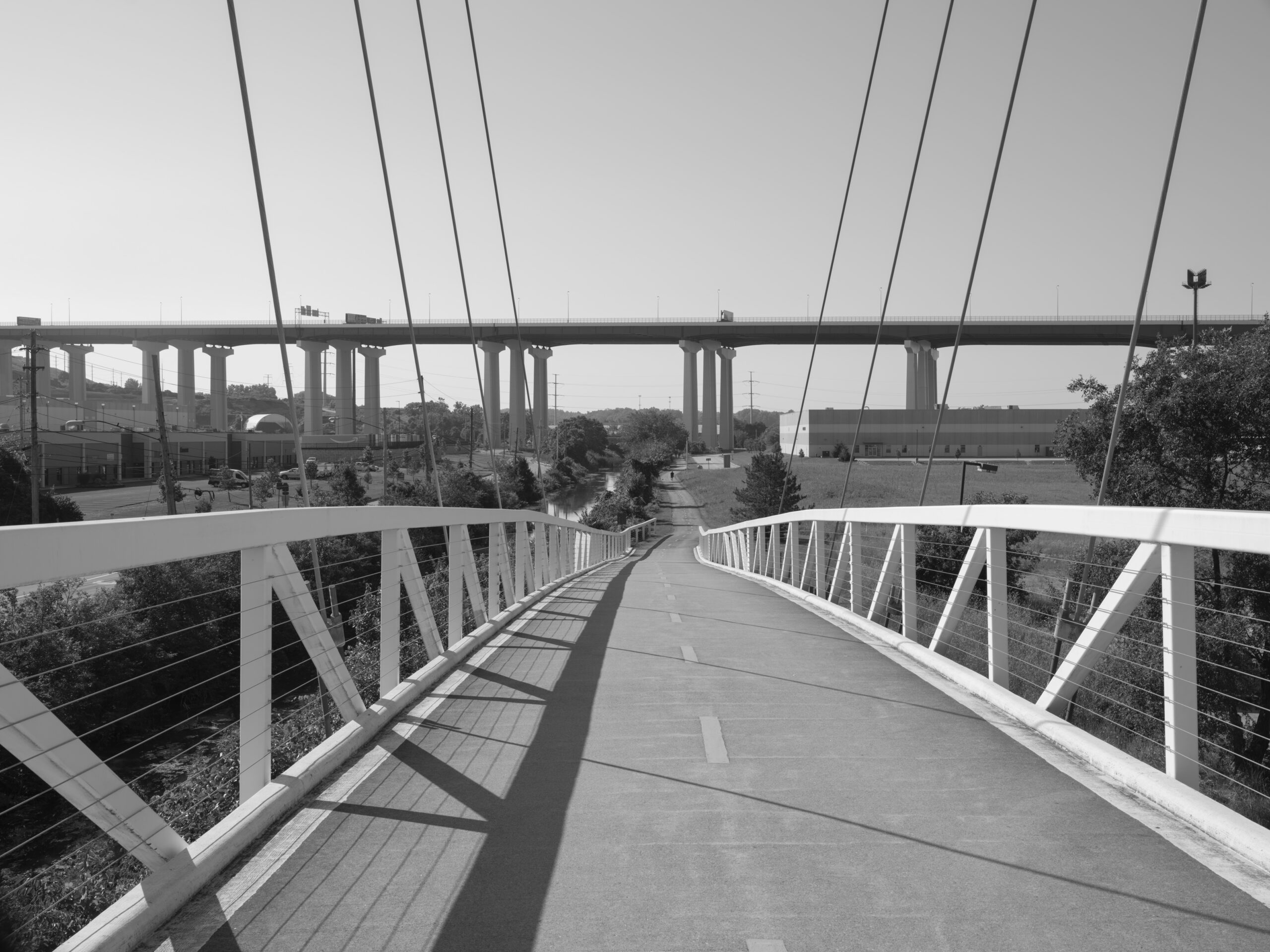
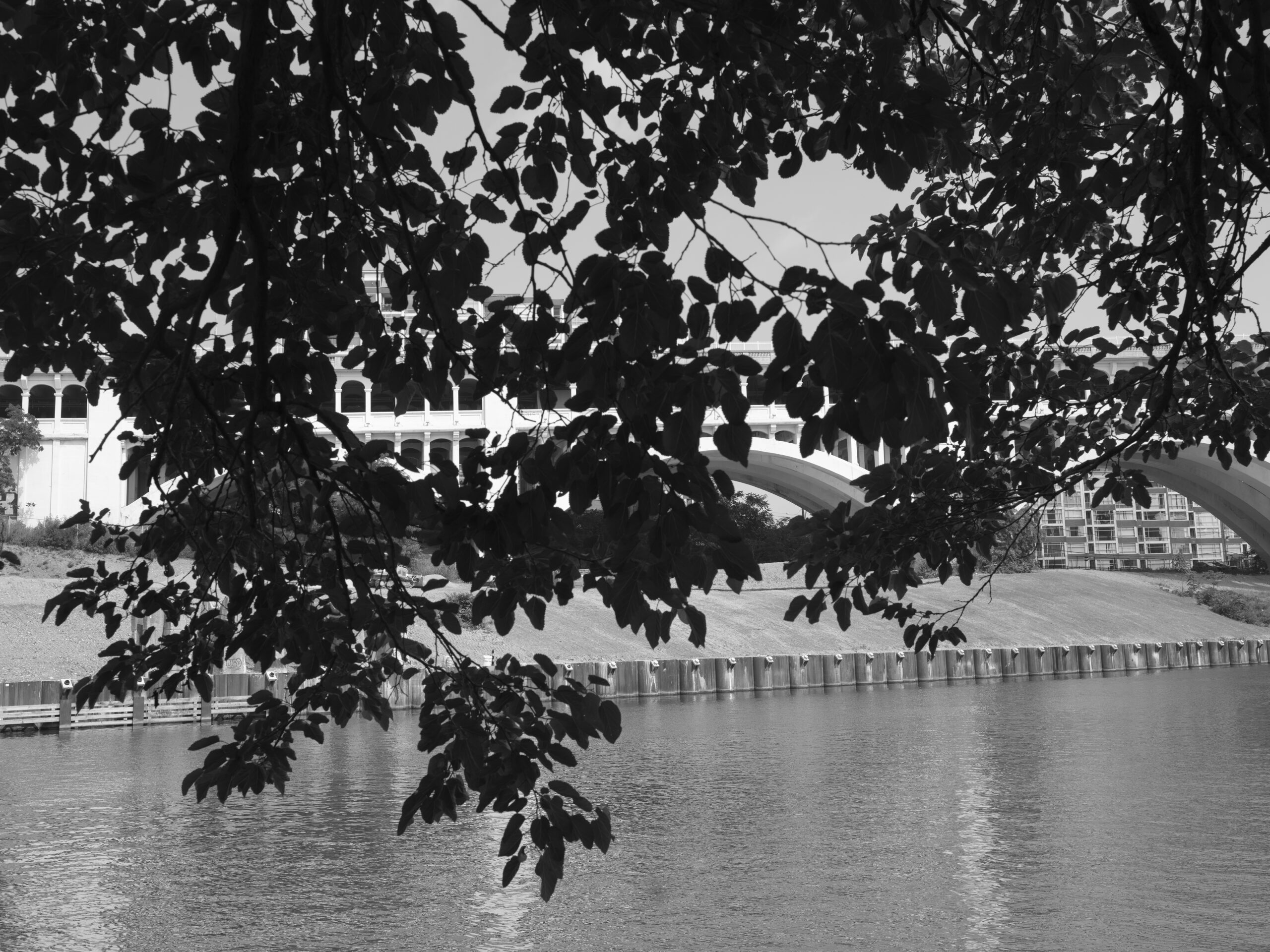
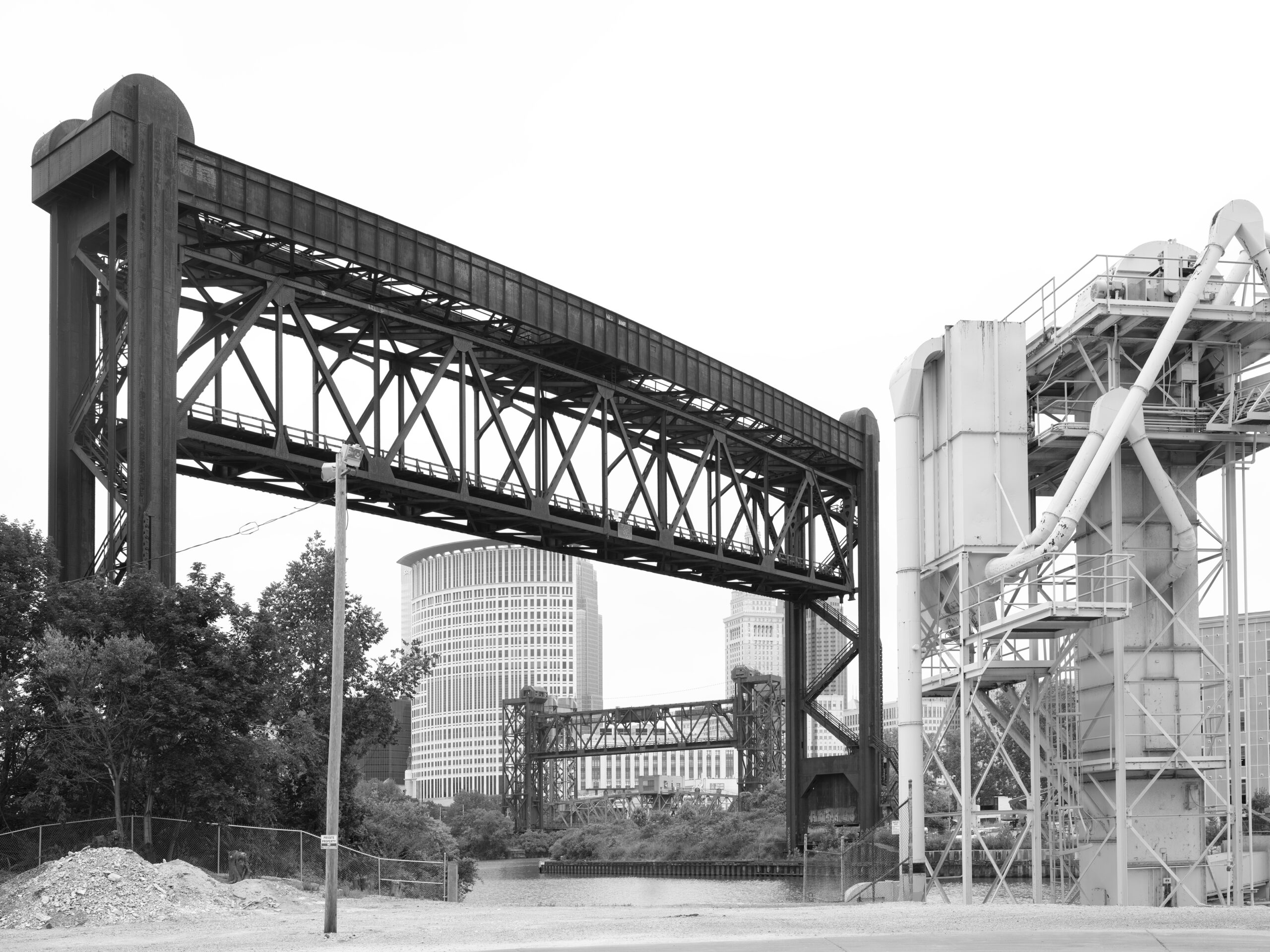
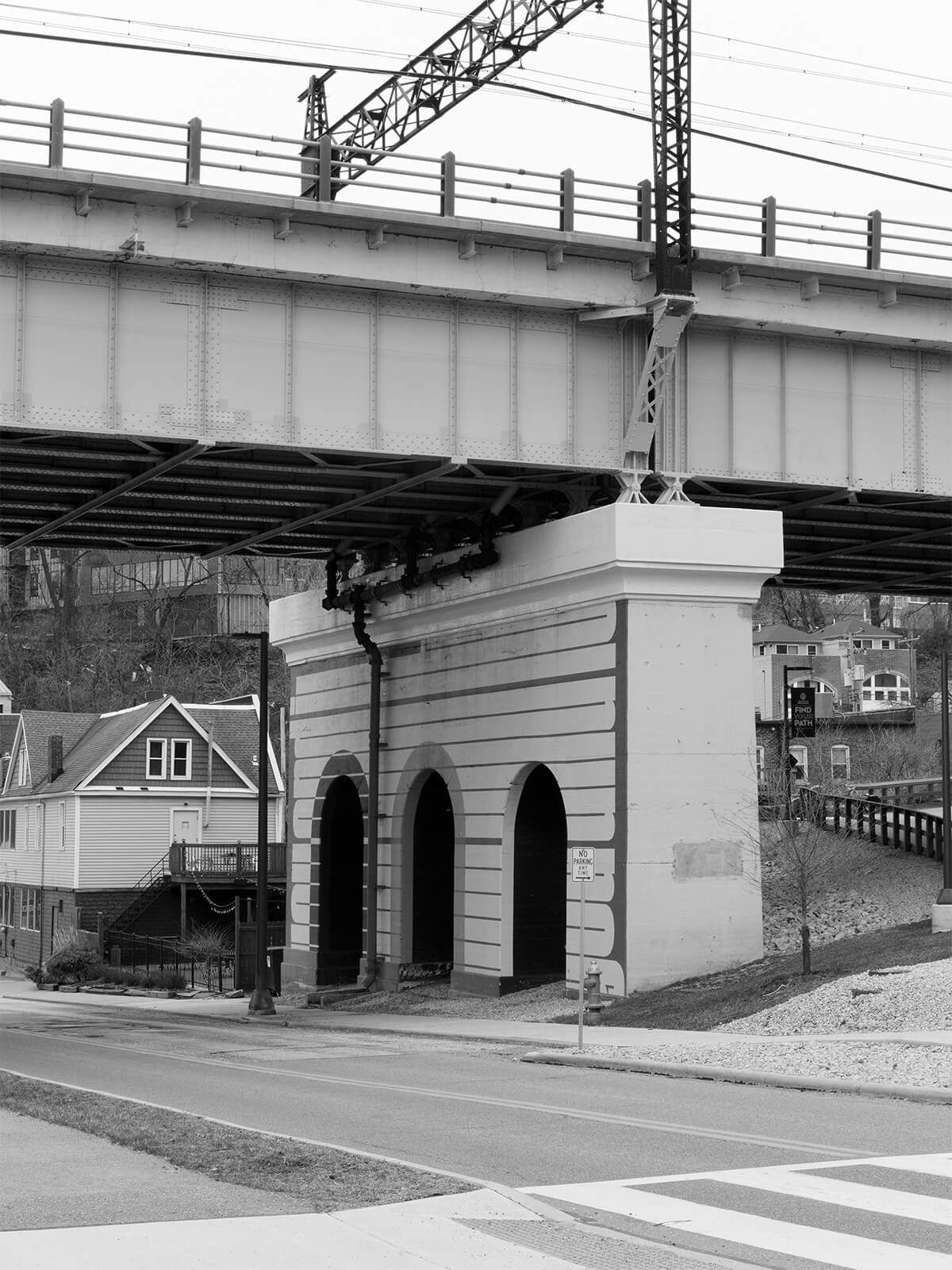
This body of work takes Cleveland’s bridges as a lens for observing how built structures shape and reflect the life around them. These bridges, many of them massive, weathered, and rooted in past visions of progress, once stood as declarations of intent. Some were built to serve industry and commerce. Others were constructed for vanity and prestige or to signal civic ambition. Together, they formed a network of movement and image-making, asserting both utility and identity.
Now, their role is more complicated. Some have been decommissioned or partially reclaimed by nature. Others still carry daily traffic, their function intact but their symbolism more diffuse. Many cleave through under-invested neighborhoods, promising progress but often reinforcing patterns of neglect and disconnection. Some are now seen as antiquities, structures that hold their history in layers of stone, steel, and graffiti. Others bear the scars of racial division, or the weight of civic promises left unmet. And still others point forward, offering the promise of connectivity and the pursuit of more active, more integrated urban lives.
I have photographed from the edges and undersides, through fences, under brush, beside rusted fixtures. I have played with scale and perspective, sometimes framing the bridges as monumental, other times letting them recede into the landscape or become partially obscured by growth. I have looked at them not just as structures, but as elements within a larger ecological and visual system. In summer especially, nature presses in. Trees grow thick around concrete supports. Vines weave through chain-link. Water pools in forgotten corners. What might once have read as neglect now suggests something closer to transformation. These bridges are not separate from the environment. They are being folded back into it, slowly, unevenly, and with surprising grace.
There is beauty here too. People gather in these spaces, skateboarding, playing volleyball, resting in the shade of steel. These moments are not side notes. They are part of the story. They show how places built for one purpose can be quietly reclaimed for another. The images do not sentimentalize this shift, but they pay attention to it. They suggest that even under inherited forms, something new can take root.
These bridges were built across time, for different reasons. Some served commerce, others elevated a city’s image, and some solved practical problems with elegant force. Their materials hold all of that. The eras they represent are visible in their forms, in their wear, in the way the city now moves around them.
The photographs hold these contradictions without resolving them. They trace the ambition, the aftermath, and the quiet persistence of life alongside and beneath it all. In that in-between space, something else becomes visible — not a grand vision, but a lived one.
Kristine Potter, Photographer
Letter from the Board Chair
The promise of enduring, progressive change grows from roots—the kind that deepen over the years, anchoring vision to purpose and memory to motion. For more than 70 years, the Gund Foundation has drawn its strength from that kind of rootedness: in family, yes, but also in place, in people, and in principle. This heritage isn’t something we preserve at a distance, it evolves with each passing year, as fresh voices expand our vision and our resistance.
As the first member of our family’s third generation to serve on the Gund Foundation board, I now welcome the fourth. Watching my daughter, Sadie, and my cousin, Lucy, step into stewardship reminds me that legacy is not about holding tight, but about handing forward—with trust, with hope, and with fire.
At the same time, we are deepening our promise to Cleveland—the city that has raised and shaped our family and continues to call us to act with urgency and love. To that end, we have expanded the number and influence of Clevelanders on our board. Now nearly half of the members live and work in the community. We also now welcome grantee partner leadership among the members. This is not only good governance, it’s a powerful kind of strategic alignment. Because real change requires proximity, our Cleveland Trustees ground our vision in lived experience while all together we continue to dream boldly. This work requires voices that know the streets, the schools, the systems—and are brave enough to reimagine them.
We write this in a time of rising fear, rising violence, and rising uncertainty—not abstract forces, but daily, lived realities that touch every one of our grantees and the communities they live in and serve. Whether in parks or polling places, classrooms or courtrooms, the stakes of this moment are unavoidably clear. And yet, so is our commitment. We stand with our community partners, with our city, and now with a new generation, for a better Cleveland, a better country, and a better world.
This is a year of bridges: between generations, between despair and determination, between what we have inherited and what we dare to create. The Gund Foundation moves forward with justice in our hearts, joy in our practice, and the long work ahead held firmly in our hands. Now with more voices, more vision, and even deeper roots.
Catherine Gund, Board Chair
Letter from the President
All people—like bridges—are connectors, and while our paths are not linear, building bridges and making connections are cornerstones of effective collaboration, community building, and personal growth. During my adolescent years, I learned several invaluable lessons, but one in particular captures the very essence of bridge building. Conceptually, the lesson is quite simple; in practice, it can be very difficult to do: always seek new paths and make new friends, but never burn a bridge, because one day you may need that friend or have to cross that bridge again.
In the third grade, while I had a few public schools in my neighborhood, my mother chose to send me to a public school across town. At the time, I was heartbroken and completely devastated because I wanted to attend school with my friends in my neighborhood. Plus, I knew that kids who rode the bus had longer days; during the winter months, they had to wake up for the bus before sunrise and—on many occasions—would not return home until after sunset. Since I lived on the east side of town, which was connected to the city proper by two bridges, my bus route to school was long. But on that long bus ride, especially when we were delayed due to the oftentimes dysfunctional bascule bridge on East Erie Avenue, I began to better appreciate my commute, classmates, teachers, and school environment.
For me, crossing that bridge across town was like an oasis. I was introduced to other languages; took art courses along with advanced math and science; had independent study projects; and was exposed to world history. I also had an opportunity to meet new people and make friends from different walks of life. A 30-minute commute felt like a lifetime away as I lived in two worlds: the magnet program at Hawthorne Elementary School and low-income housing. My late and very dear mother saw education as an opportunity; she saw a bridge for me.
Bridges are faith.
Bridges are hope.
Bridges are gateways.
Bridges are opportunities.
But bridges also require long-standing support and upkeep, and its infrastructure must be strong enough to not only endure the daily stress of round-the-clock commuter travel but also to withstand ever-changing weather challenges such as windstorms, torrential rain, floods, extreme heat, heavy snow, and earthquakes.
Earlier this year, in anticipation of deep funding cuts to vital public services and programs, The George Gund Foundation Board of Trustees unanimously agreed to increase the Foundation’s grantmaking payout. While foundations and philanthropy at large cannot single-handedly replace federal, state, and local funding cuts, we find it important to remain constant and true to our values. We will not abandon our partners, but such times call for developing new strategies and daring to envision new pathways as we continue trekking along our journey to build bridges.
From fossil fuel dependency to renewable energy sources and a regenerative Earth.
From partisanship and politics to human rights and moral clarity.
From electoral autocracy to full-fledged and inclusive democracy where all people have equal access to participation, representation, and decision-making.
From violence and hate to love, tolerance, and legal protections—regardless of age, ancestry, color, disability, ethnicity, gender, gender identity or expression, HIV/AIDS status, physical health, mental health and/or addiction, reproductive decisions, national origin, race, religion, or sexual orientation.
From silencing artists, journalists, educators, and students to creative freedom to express ideas, emotions, experiences, and daily events.
From attacks on immigrants and newcomers to comprehensive legislation for pathways to citizenship.
From efforts to privatize public education to a thorough, fully funded, and high-quality system of common public schools.
From criminalizing unhoused people and families to investments in safe, secure, affordable, and dignified homes for all.
From poverty, unemployment, and underemployment to entrepreneurship, innovation, and family-sustaining wage jobs where workers have access to health insurance, paid leave, retirement plans, a right to unionize, and other benefits that support well-being.
In liberal democracies, it is quite normal for people to have different views, priorities, resources, strengths, and shortcomings, but we are all connected. Each of us has the capacity to be a bridge. The George Gund Foundation has been, and will be, a bridge in our beloved community.
Tony Richardson, President


Reproductive Justice
Photography
Carmen Winant (2022)
how race, class, gender, sexual orientation, educational attainment, politics and zip code shape reproductive health care experiences and health policy.
About the Artist
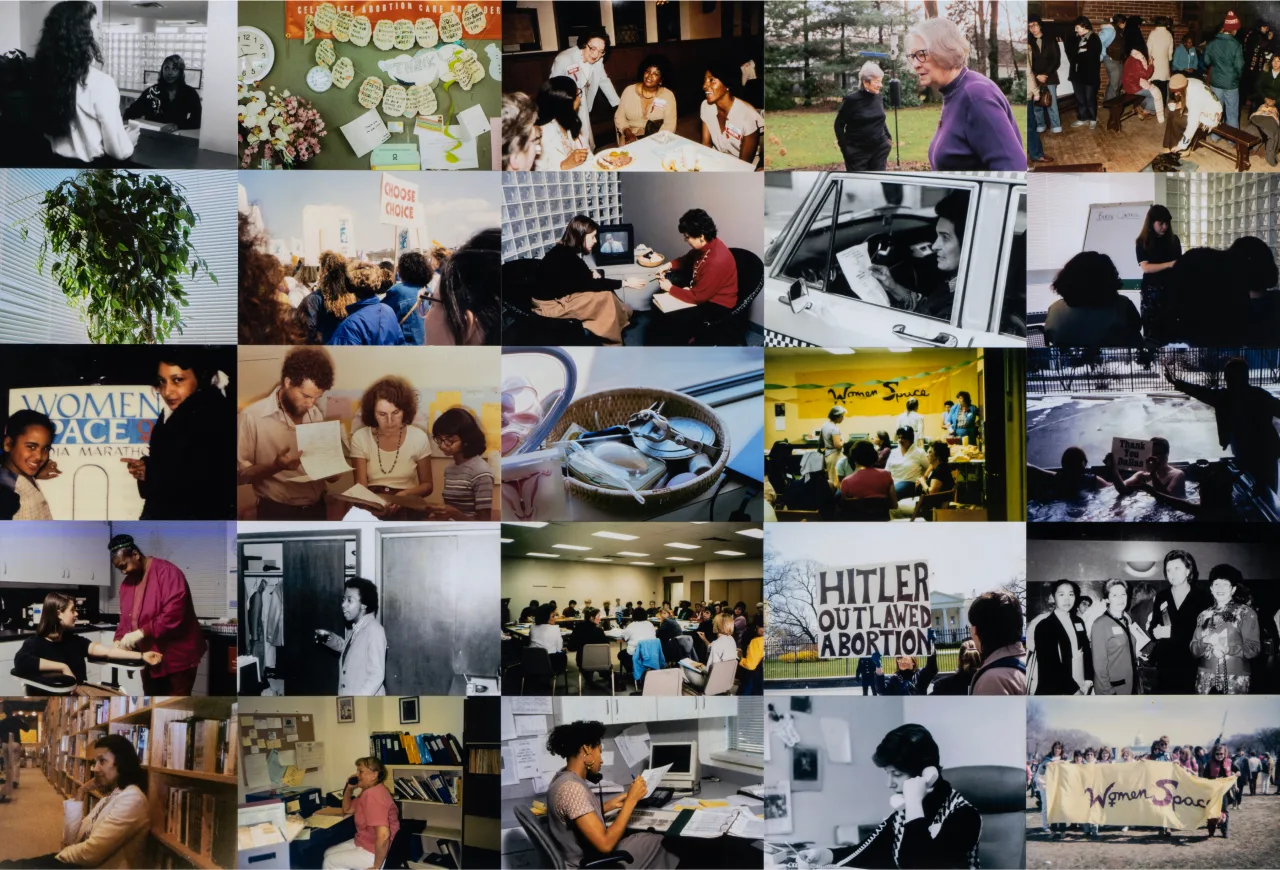
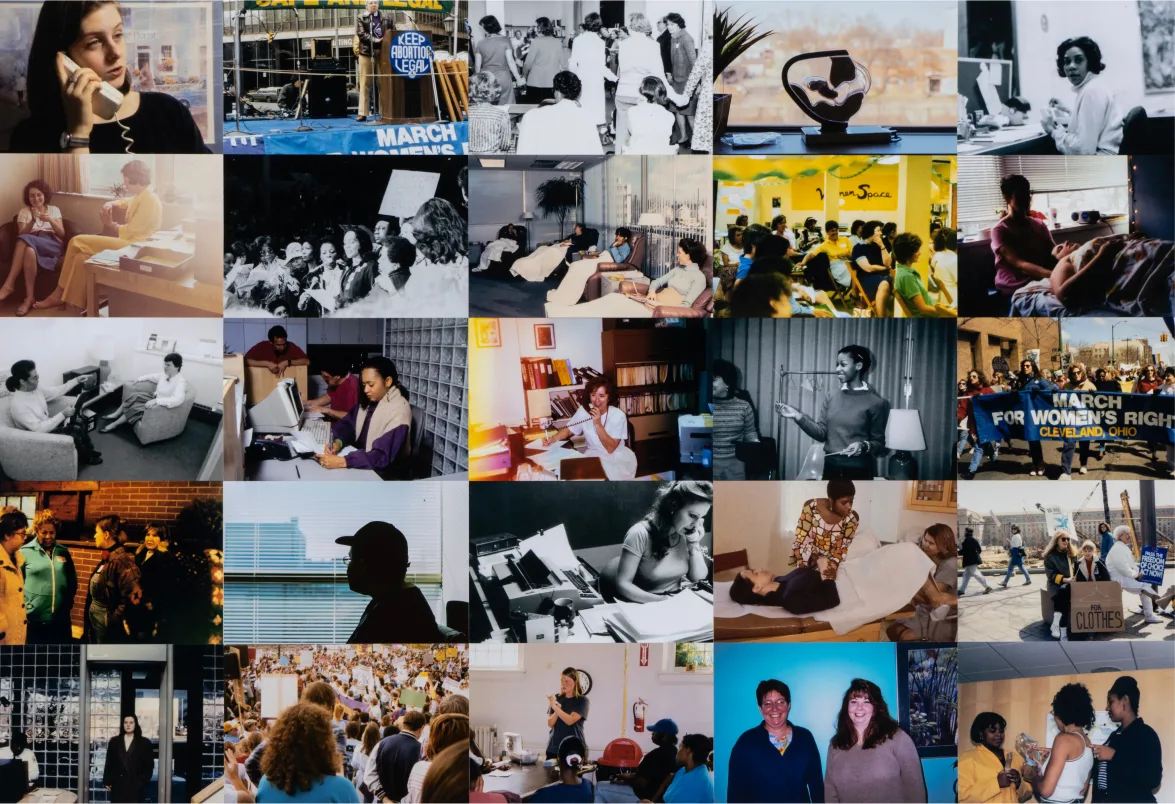
Carmen Winant is a writer and visual artist known for her exploration of female representations through collage, mixed media, and installation. She currently serving as an Associate Professor in the Department of Art at The Ohio State University, where she holds the Roy Lichtenstein Chair of Studio Art. Winant’s work weaves together found and authored images, utilizing interview content to shape and influence the story. The commissioned work aims to create a paradigm shift, striving for the normalization of healthcare work.
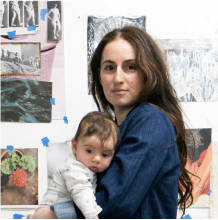
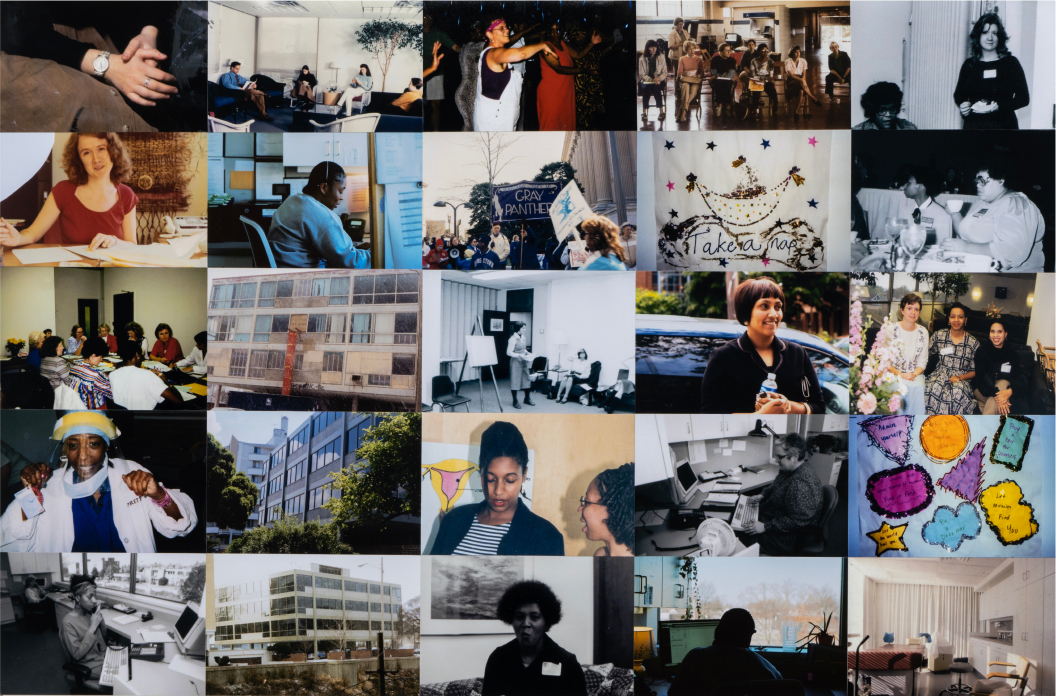
I think of the women who came before: A Pictorial Quilt of Reproductive Justice in Cleveland
I began this project as I often do: with an outsize sized idea informed by my own fascination with and dedication to evolving feminist values, histories, and coalition-making strategies.
When I’m lucky and my eyes are open, a project about an “idea” rapidly becomes a project about people. There is no such thing as feminism with feminists, there is no such thing as reproductive justice without reproductive justice workers. I learn and re-learn this lesson on every project: that human beings make these organizations work and run, and that they – who are both pictured in this work and enable its conditions – are the most fitting subject of creative inquiry-making and mutual care networking.
The annual theme of 2022-2023 George Gund photography commission is reproductive justice; as the artist selected to contend with this subject, and as a resident of Ohio, I sought to better understand the clinics and health center landscape around Cleveland. It was important to at once make photographs of the people doing this work in the present moment as well as to reach back in history – in some cases, to before the point that abortion was legalized in 1972 – and braid together those found and authored images in larger sets. Time was not to function linearly, but more like a constellation in which photographs of reproductive care works across decade met one another.
I began conversations around this project after the Dobbs decision was leaked and just weeks before it was formally announced. Because I live in Columbus (just a few miles from the statehouse), I was at that point already subject to the so-called “heartbeat bill” which denies legal and safe abortion between five or six weeks after conception (and around which no exceptions are made for “hard cases” such as rape, incest, or a fetus determined to possibly have Down syndrome). Folks were mobilizing, but there was, and is, also so much despair. While this project works to picture reproductive justice workers for all they do – from pap smears to birth work to gender affirming care – to not name abortion as an urgent part of this picture, at this moment, would be entirely misguided .The stripping of that essential right undergirded my desire to make this project, and learn from the workers who are and were engaged in care, advocacy, and struggle.
The project started slowly: I asked friends and comrades who they knew in Cleveland who were engaged in this work. When I met people, I asked them too. Barbara Tannenbaum, the curator of photography at the Cleveland Museum of Art, pointed me to Roberta Aber, who pointed me to Bonnie Bolitho and Betsey Kaufman, the former CEOs of greater planned parenthood in Canton and Cleveland, respectively, who hosted me at their home many times. I found my way to the Western Reserve Historical Society, which holds the regional planned parenthood papers, and to Cleveland State University’s Special Collections, where a generous librarian Elizabeth Piwkowski helped me locate and scan a portion of the Womanspace photographs from their albums. Perhaps most meaningfully of all, I found my way to Preterm, a clinic that has been opened since 1974.With the utmost generosity, Sri Thakkilapati and Colleen Damerell surfaced their archival material for me, allowing me to scan photographs from their collection as I needed. I also recorded audio interviews with Sri, along with Chrisse France (the former director of preterm), and Bonnie and Betsey. This work does and cannot exist without these acts of trust and openness; they make everything possible, and I am so, so grateful.
Perhaps the greatest challenge of all was making my own pictures for this project, an exercise that I have fallen out of practice with. While I am trained as a photographer, and teach photography to students at OSU, I moved away from shooting pictures for my own
work in favor of using archival materials over fifteen years ago. In making this project, I returned to shooting 35mm film – at Preterm, with Bonnie and Betsey, the staff of Birthing Beautiful Communities in Cleveland, and with Iris Harvey, the President and CEO of Planned Parenthood of Greater Ohio, in a health center in Akron. While historical legacy is crucial to this work, too it matters to see it in real time and space, and make sense of reproductive justice care work on a continuum.
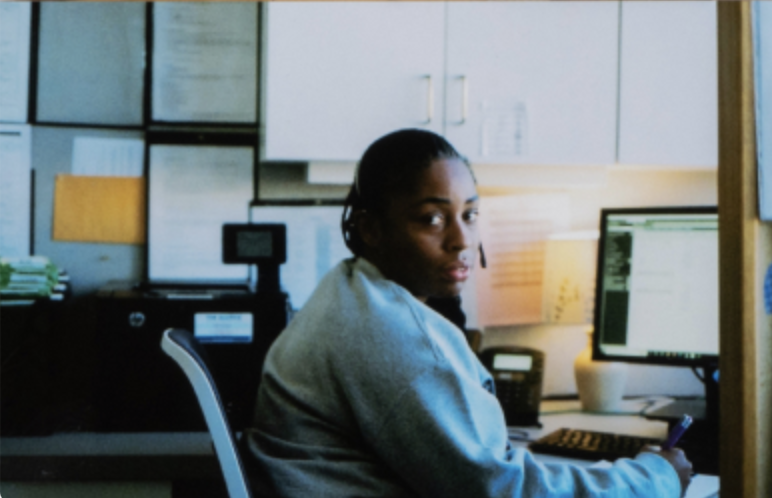
It is my hope that this work points to the normalcy of this healthcare work, thereby working to undermine its stigma. These are pictures of (almost exclusively) women staffers answering the phone, readying rooms for patients, having birthday parties in the office, and inputting appointment information into computers. For lack of a better word, this work is unsensational, and the pictures I have made, as with the pictures I have drawn from in the archive, meaningly – powerfully – reflect just that.
CARMEN WINANT, Photographer
Hear the interviews:

Chrisse France
Director
Preterm

Dr. Sri Thakkilapati
Interim Executive Director
Preterm
"
Women who had the means would leave the state to have a safe abortion, and women who didn’t ended up in the emergency rooms and in OB/GYN wards. Most of our physicians were obstetricians who were seeing these women come through the hospitals where they worked. They were dedicated to having nobody suffer. They knew there were safe alternatives. They carried on.


"
My trajectory towards reproductive justice began when I was in high school. My best friend got pregnant. This was 1973. I lived in a small Ohio town. Roe had just become the law of the land, but there was no clinic anywhere — none that we knew of. The was no place for her to go. Her options were to marry this man that she didn’t want to marry and have this baby, or get an abortion, which we didn’t know how to do. She had the baby in March. It ruined her life. She stayed married for a year or two and then left. She never really recovered. She had such limited choices. That stuck with me.

"
We made our clinic into a feminist workplace, a feminist culture. We are not governed by profit. There is a norm of compassion. The importance of our staff’s wellbeing is just as important as that of our patients. What do they need to survive? Can they pay their electric bills, their childcare bills? What if their kids are sick, or their mother is in jail? The system isn’t set up to support women in this way, which poses a challenge: how do we have attendance accountability and a consistent workforce when we know this is the system our staff is dealing with? When humanizing our workers is a priority? We made staff loans available.
"We need to keep things running while maintaining our feminist values from the inside out."

"
We offer a non-judgmental space. To talk to women about their decision, we validate their feelings, we ask them what they want their experience to look like. We acknowledge their emotional and spiritual knowledge. We operate against the idea that you can just treat the body, not the whole person. That idea, of not talking to the person, to whom you are delivering care, has been made normative. It stems from the colonial practice of medicine, one that was developed through experimentation on, and authority over, non-white patients. Medicine has not fully reconciled its origins, and the effect can be so alienating for a patient. We work to refuse this, to offer whole-person care.
"
Preterm was founded in 1973, shortly after the Roe vs. Wade decision; it opened in 1974 with a $50,000 grant from the Gund Foundation and a loan from Planned Parenthood Federation of America. Our founders were positioned to get to work on this right away because they had, in some sense, already been doing the work. A group of five women, including Mickey Stern and Sally Tatenal, had been doing abortion referrals out of state, usually to New York state, for several years. They Gave people a place to call, stewarded them to good clinics. They had two phones, which were always ringing. It is hard to imagine what it must have been like then — now we have had five decades of legal, safe abortion access – the level of fear and stigma that people had. They were so thorough, this group vetting abortion providers, making sure they were real physicians. They had a three-page checklist; they visited providers out of state and only referred to people who met these standards.

People face so many limiting forces
"
It is about race, class, access to eduction. So much more than gender. People face so many limiting forces. This is not a matter of individual people having a hard time. This is about how the system acts on people and the situations it puts them in. There is no support for people to have children. We see so many patients who have abortions because they cannot afford to have a baby. They don’t have a support system; their partner is in prison; whatever the case may be. That was a bit shift for me. I’ve gone from seeing this as an individual issue to a larger systems issue. There is no liberation from sexism without liberation from racism, without liberation from the oppressive economic system that we are embedded in.

“We are determined to provide the last safe abortion in Ohio. Our phones are ringing. If we do the last legal abortion in Ohio, that is what we will do. We will stay open for as a long as we possibly can. We will do abortions for as long as we possibly can.”

"
feel more frightened than I ever have about the future of abortion. We don’t know what is going to happen. We have national – and state-based lawyers, we have policy wonks, researchers, and advocates. But I am worried. I feel fear, and sometimes despair. it was always hanging over our heads, the horror of it. how do I keep going?”
“It is such a basic thing. It is everything. Can you control your own body?”

"
I had the FBI call me one day and say that somebody that they were tracking was planning to come to Cleveland – for me. How do you go about your business when you get a call like that? I was living alone then. Another time somebody called the phone and said that he was coming down with a shotgun and he would kill our nursing clinic staff. The FBI got involved in that one too. When the Operation Rescue people were going to come to my house, the cops told me to tell everyone on my block, which I did; I went door to door. Once I could see someone walking up to my front door at night with a giant cross. I turned out all the lights, I left out of the back. Of course, it was scary, but I was undeterred. We all were.

“I used to come up in the elevator with women who were clients. We had to pass through the protestors together. They would say to me. “They have no idea what life is like. How can they judge me?” It is so clear that they don’t value women and are threatened by our continued ability to determine our own futures. It is so painfully clear. That misogyny fuels so much of what is happening now. They don’t want to grant that agency.”

"
It is hard to stay positive knowing that there is a good chance we could lose abortion in Ohio. The political climate is so scary here. The gerrymandering, the rule changing, the partisan court. The fight sometimes feels daunting. You know what? They cheat because they are in the minority. They have everything in place now to do their worst. The most powerful people in the state think every single day about how they can shut us down, show down clinics. In moments like these, I think about what the women before me went through. What they built. They just figured it out, you know? How to make a feminist nonprofit in the mid-1970s in Cleveland, one that has lasted fifty years. How the fuck did they do that? They were so thorough, so determined. They had so much care and so much grit.


Environmental Justice
Photography
Dannielle Bowman (2021)
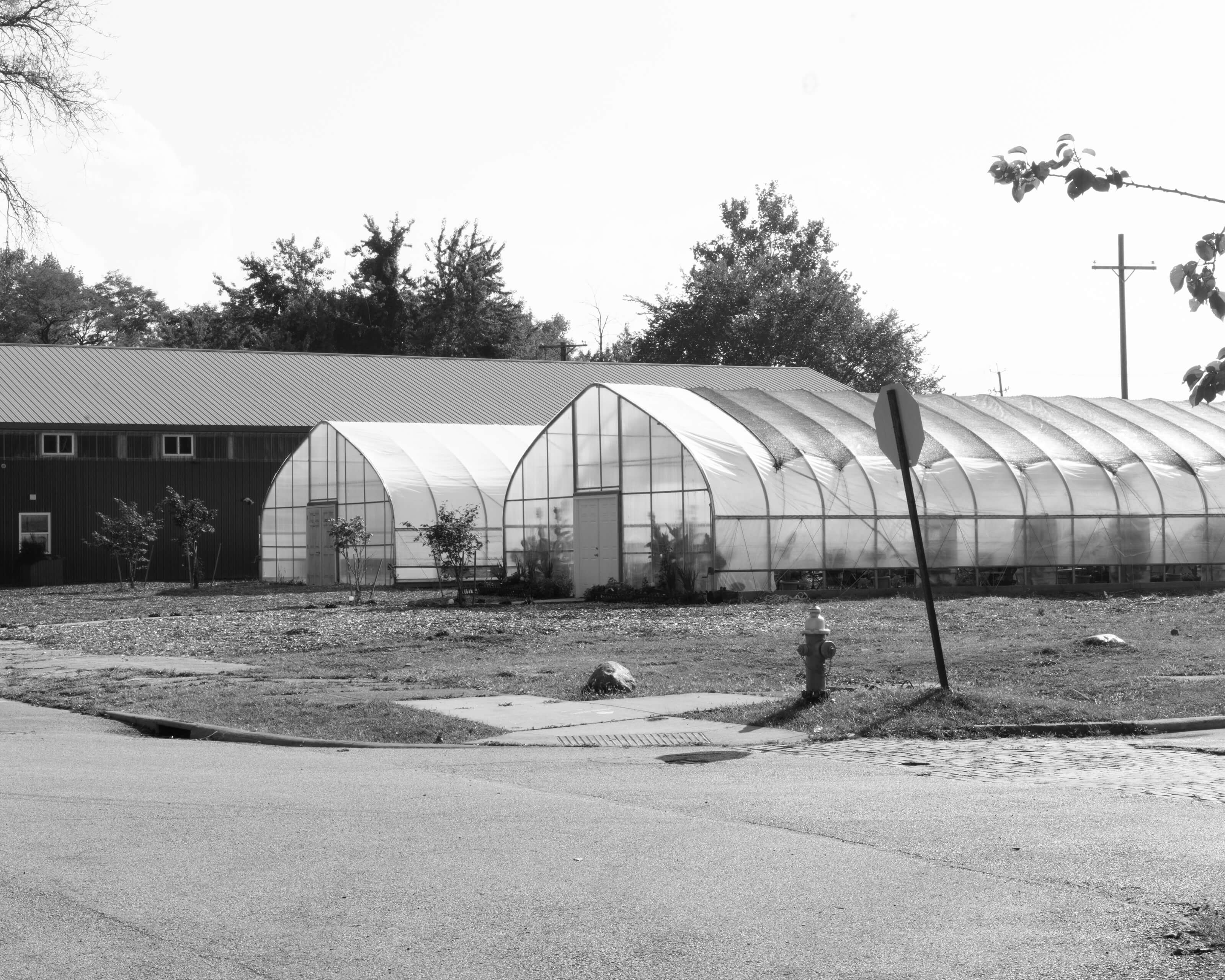
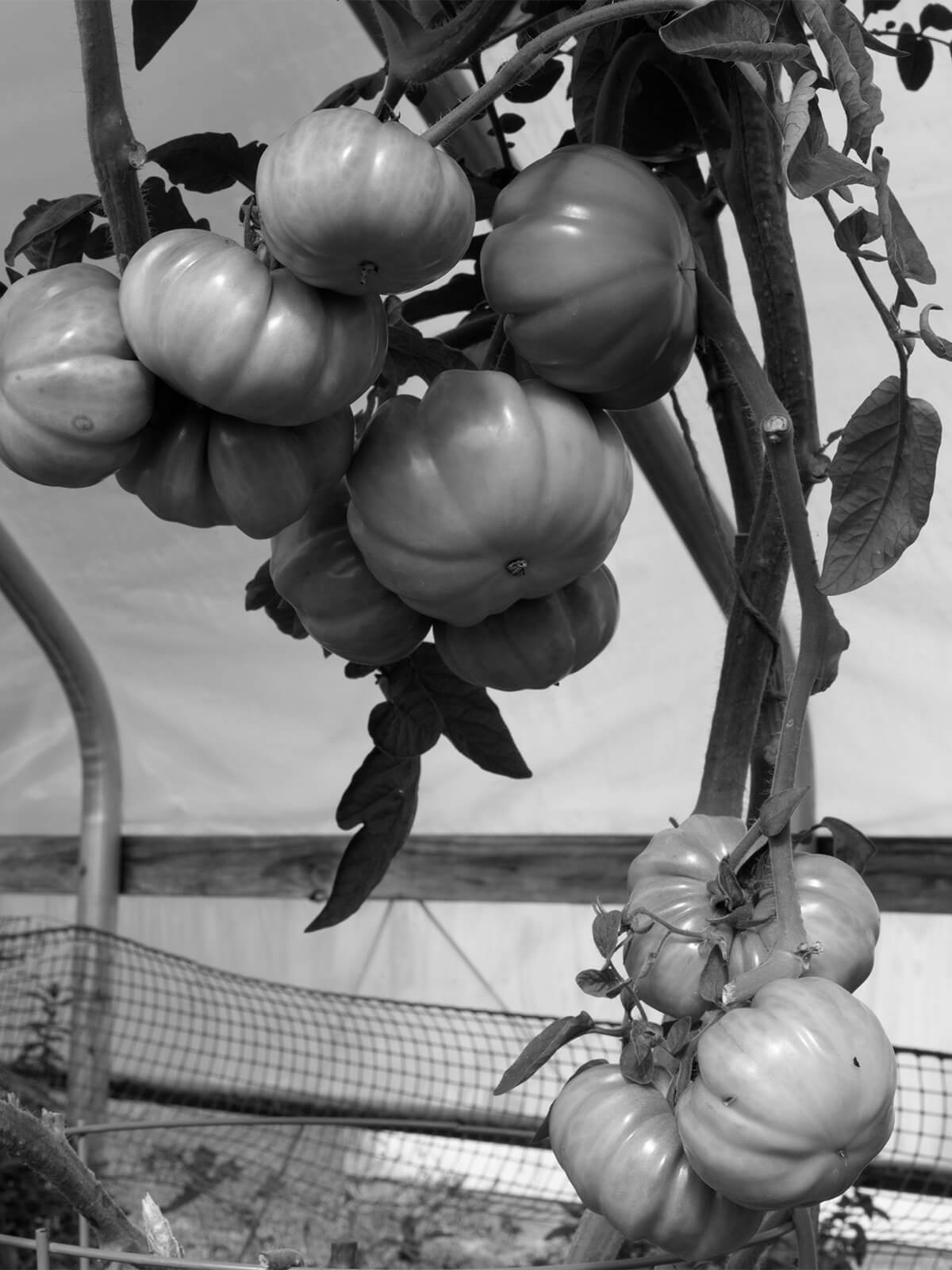
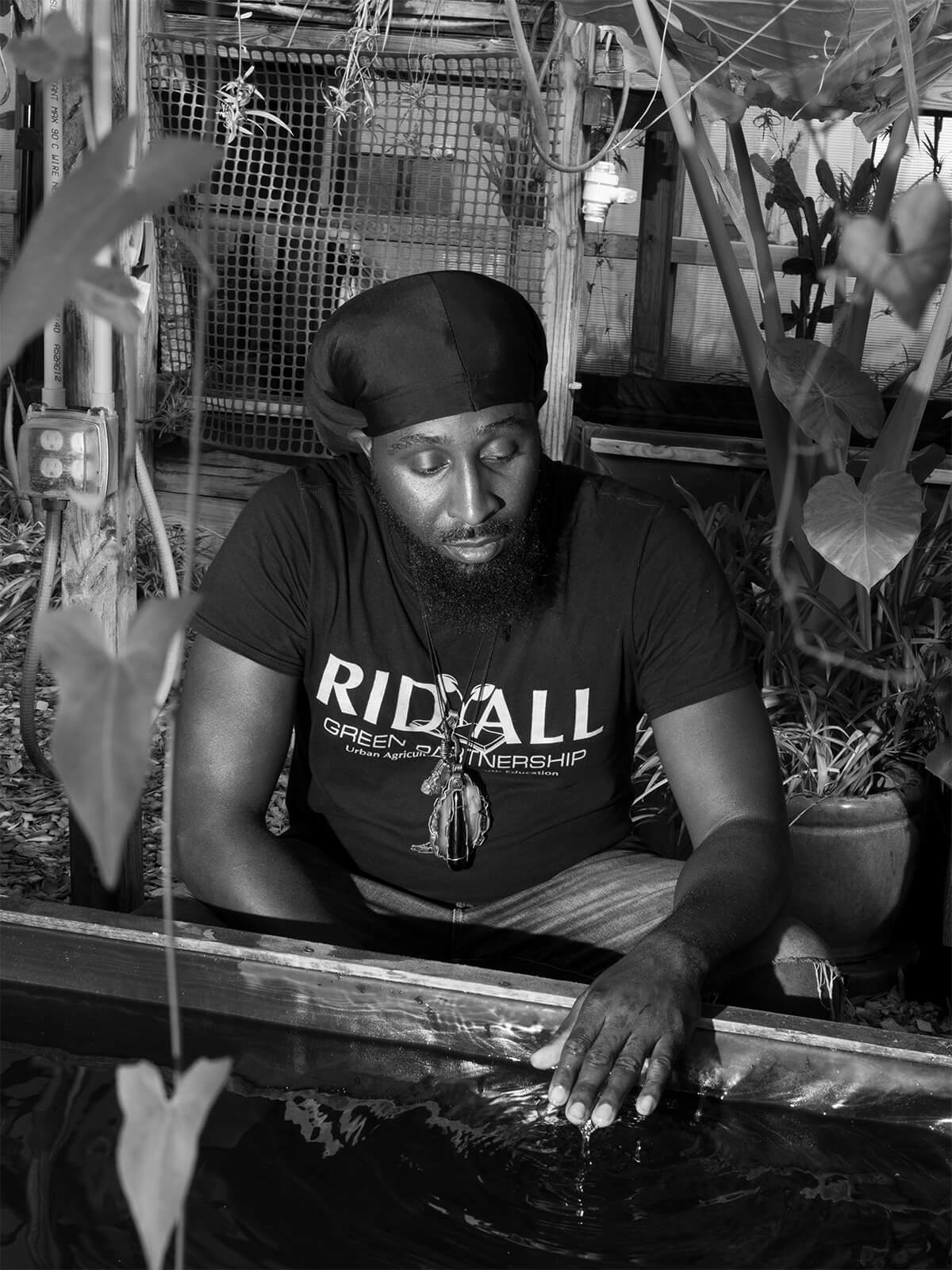
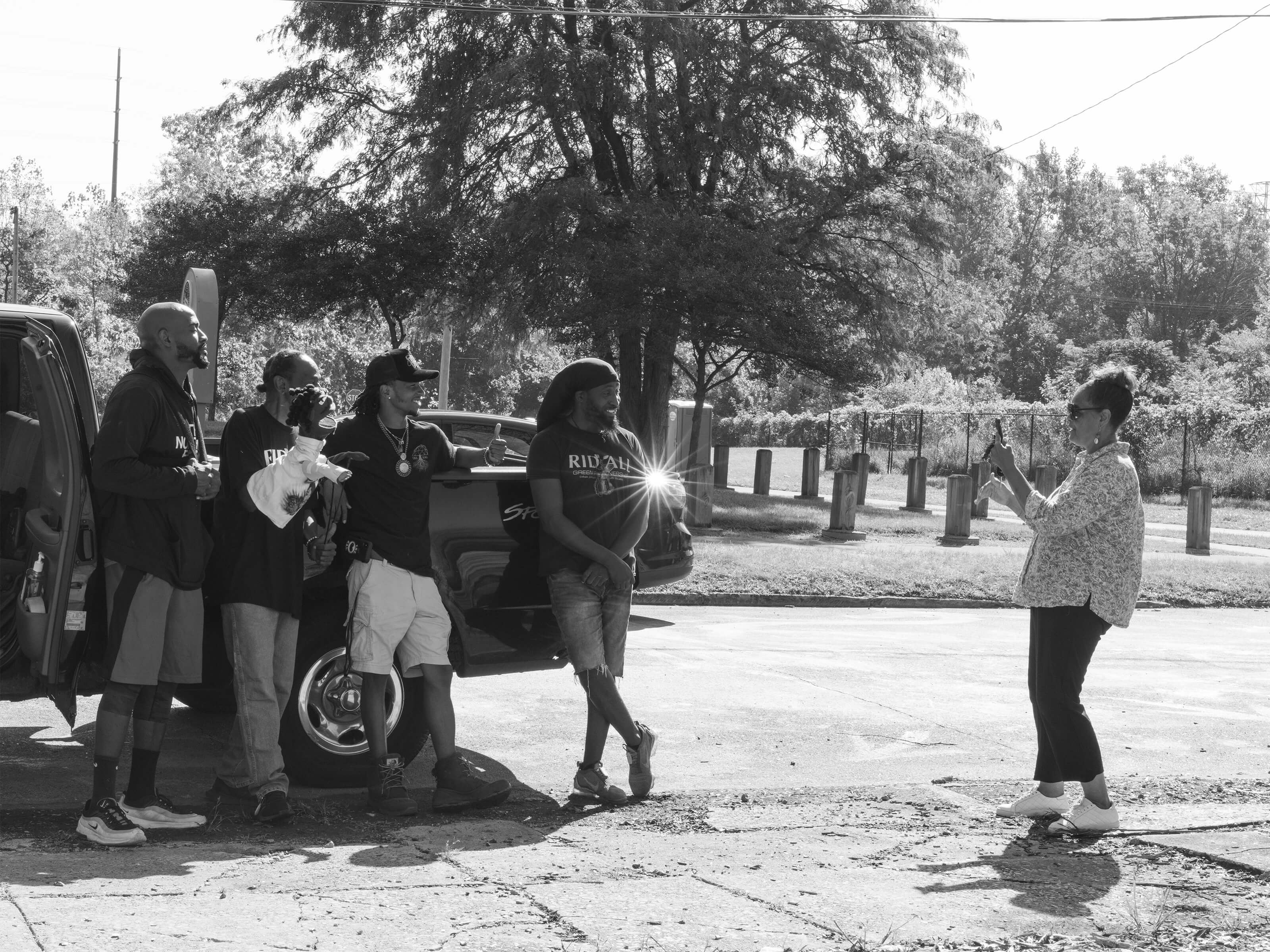
Dannielle Bowman is a visual artist working with photography. Bowman has been an artist in residence at Light Work, Baxter St at the Camera Club of New York, and The Center for Photography at Woodstock. Bowman was awarded the 2020 Aperture Portfolio Prize and was a 2022 NYSCA/NYFA Artist Fellow Finalist in Photography from The New York Foundation for the Arts. Her work for the George Gund Foundation photography commission strives to capture Environmental Justice advocacy at work in Cleveland.
We cannot achieve climate justice without racial justice.
September 7, 2022
In 2007, The George Gund Foundation started requiring all organizations seeking a grant from the Foundation to include a statement on their approaches and/or ideas for reducing greenhouse gas emissions. Fifteen years later, all grant requests still contain a statement on climate change and, according to many of our partners, the Gund Foundation has created a space whereby all organizations—regardless of their organizational mission or programmatic focus—are encouraged to think and act boldly on ways to address climate change. While no single person, corporation, or governmental entity can single-handedly resolve such complex issues as climate change, racism, sexism, or threats to democracy, it is our belief that everyone can make a contribution. In that spirit, the Foundation will continue to do our small part to support organizations and coalitions working cross sectionally and interdependently to address the myriad of challenges outlined in our What We Believe statement.
I assumed the role of president of the Foundation in January. Here, as well as in my previous time working in organized philanthropy, I have noticed several evolutions of practice in the broader funder community. The COVID-19 pandemic—along with the racial reckoning following the murders of George Floyd, Breonna Taylor, and Ahmaud Arbery—made many of us reevaluate our organizational values, beliefs, culture, behaviors, and work. Today, there appears to be less emphasis on notions of “mission drift” as organizations are approaching their work through a more holistic, multi-faceted, and justice-centered lens. For example, organizations such as Black Environmental Leaders (BEL) and Ohio Environmental Council (OEC) may be perceived—based solely upon their respective names—as traditional environmental organizations. However, BEL and OEC’s work is deeply entrenched in democracy building as they realize that climate justice and a thriving democracy are inextricably linked.
Earlier this year, I had the privilege to meet with Dannielle Bowman, recipient of the 2021–22 George Gund Foundation Photography Commission. While reviewing Dannielle’sportfolio, I was utterly inspired by the various nonprofit leaders, their connection to place, and the work they are doing to advance climate justice. From urban farming and community solar to inclusive environmental access and advocacy, we are witnessing a more racially diverse collective of environmental and climate leaders emerge in Cleveland (and beyond). In the past, BIPOC faces and voices were noticeably absent in mainstream conversations on environmental issues, even though BIPOC communities are disproportionately affected by climate change realities such as heat waves, droughts, massive flooding, rising sea levels, and land erosion. Indeed, there now seems to be an ideological shift and consensus among climate enthusiasts that:
- We cannot achieve climate justice without racial justice;
- In order to address climate issues, we must support democracy building efforts at all levels of government; and
- No form of justice can be realized without centering the voices and lived experiences and expertise of the people most impacted by an injustice or a series of injustices.
Since many socio-economic-political issues are interconnected, complex, and multi-dimensional, our responses must be equally multifaceted and comprised of coalitions that are multi-racial, multi-gender, and multi-issue based. We must also leverage various methods of communication, including non-traditional media sources, to help inform and advance our interests in preserving democracy.
The rapid growth in multimedia platforms certainly has its fair share of drawbacks, but it has also created agency and space for historically marginalized groups to reclaim their stories and shape their own narrative. Journalism is a core tenet of democracy, and no democracy can flourish without timely, transparent, and truthful information. Through more strategic investments in journalism, media, and narrative change, we can further obliterate historical misrepresentations of who people are and their capacity to contribute to the advancement of civil society. There is an abundance of untapped expertise in community, but—in order to unlock it—people in positions of influence and power must reexamine traditional notions of “expertise” and dare to explore fundamental questions such as:
Who determines expertise?
Who are the faces of expertise?
Where does expertise reside?
Are there varying degrees of expertise?
Expertise derives from the word “expert,” and an expert is characterized as a person who has a comprehensive and authoritative knowledge of or skill in a particular area. “
How can we begin to solve for some of the most pressing issues in communities without valuing or utilizing the knowledge and skill of the people who navigate and survive those communities on a daily basis? How can we use narrative change and meaningful messaging to amplify lived experience expertise? We rely on surgeons to conduct surgeries. We entrust electricians to wire our homes. In that same vein—we should listen to and learn from the experts whose lives are most impacted by systemic racism, sexism, homophobia, patriarchy, and all other forms of oppression.
Lastly, we must not forget our civic duty to continually revisit the United States of America’s promise of life, liberty, and justice for all, and honestly ask ourselves: are we fulfilling it or betraying it?
Tony Richardson, President of The George Gund Foundation
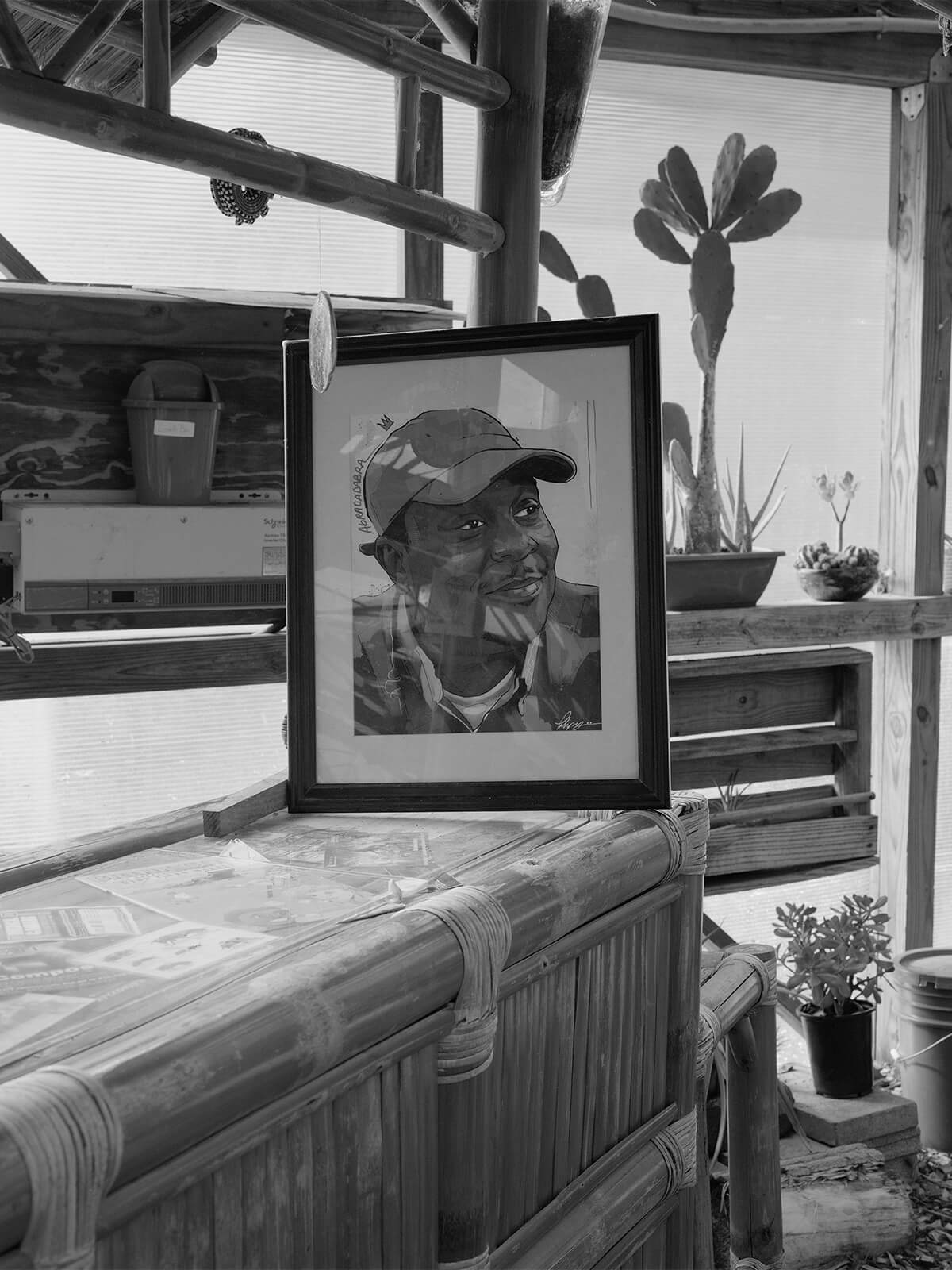
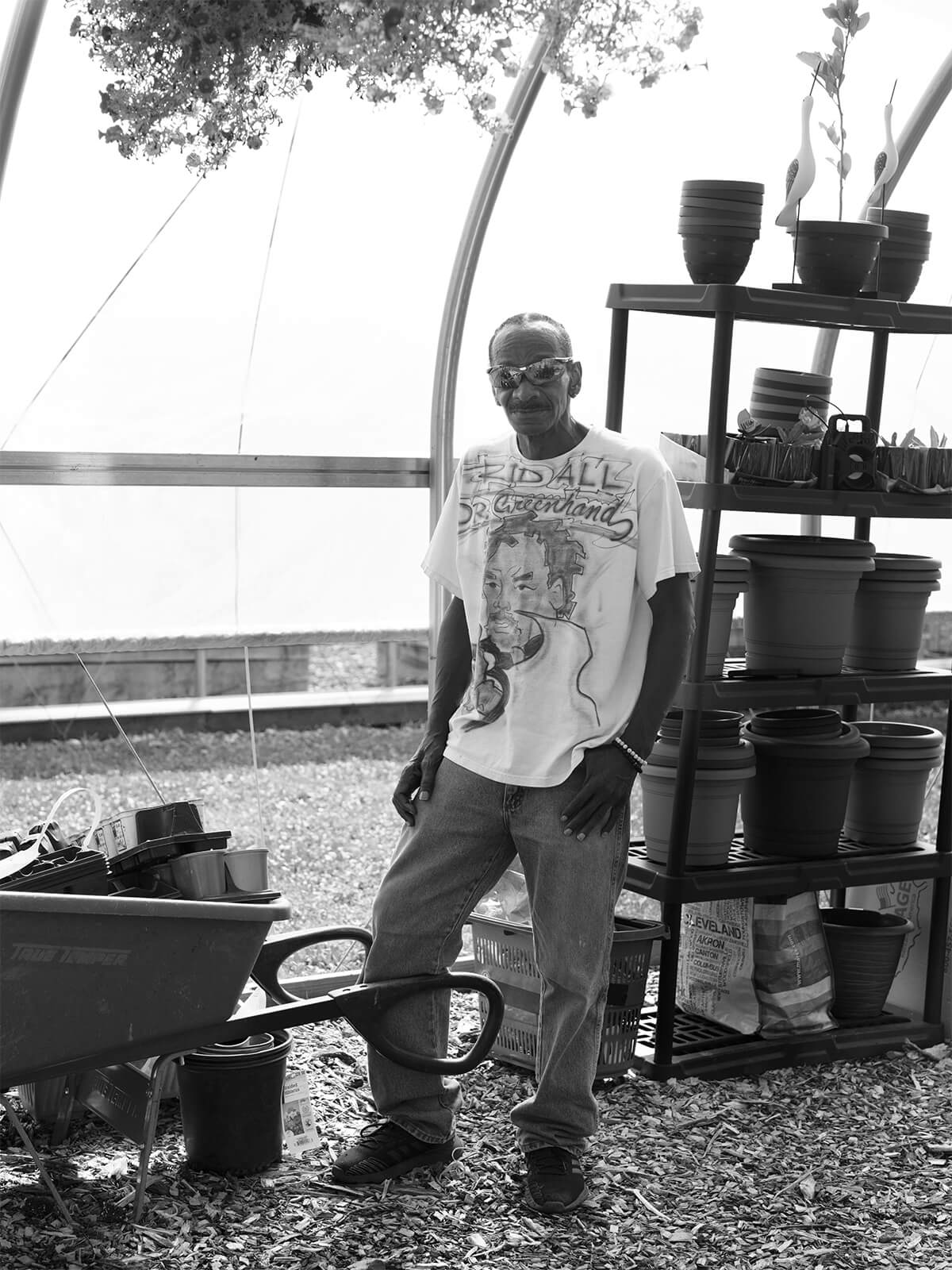
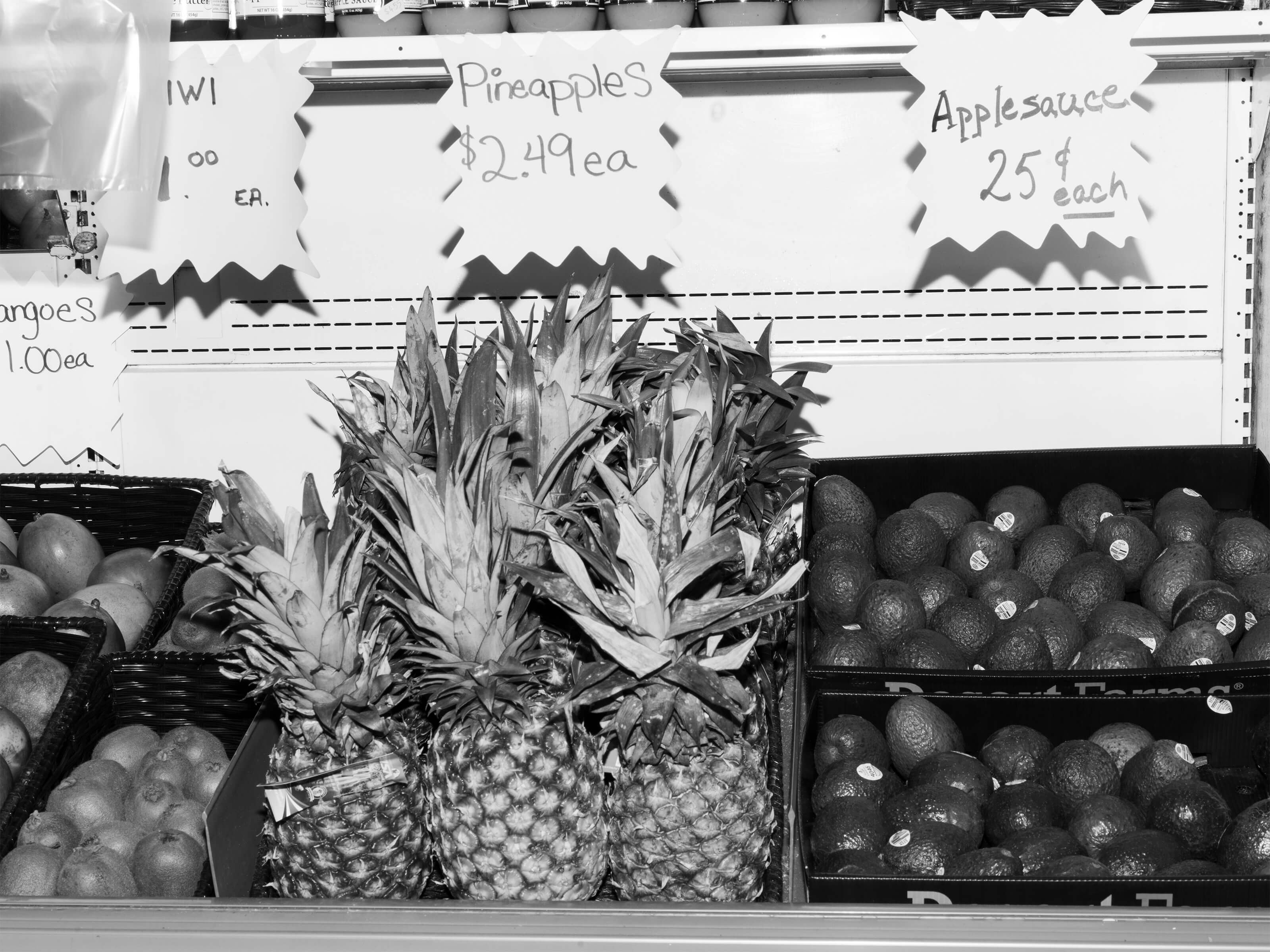
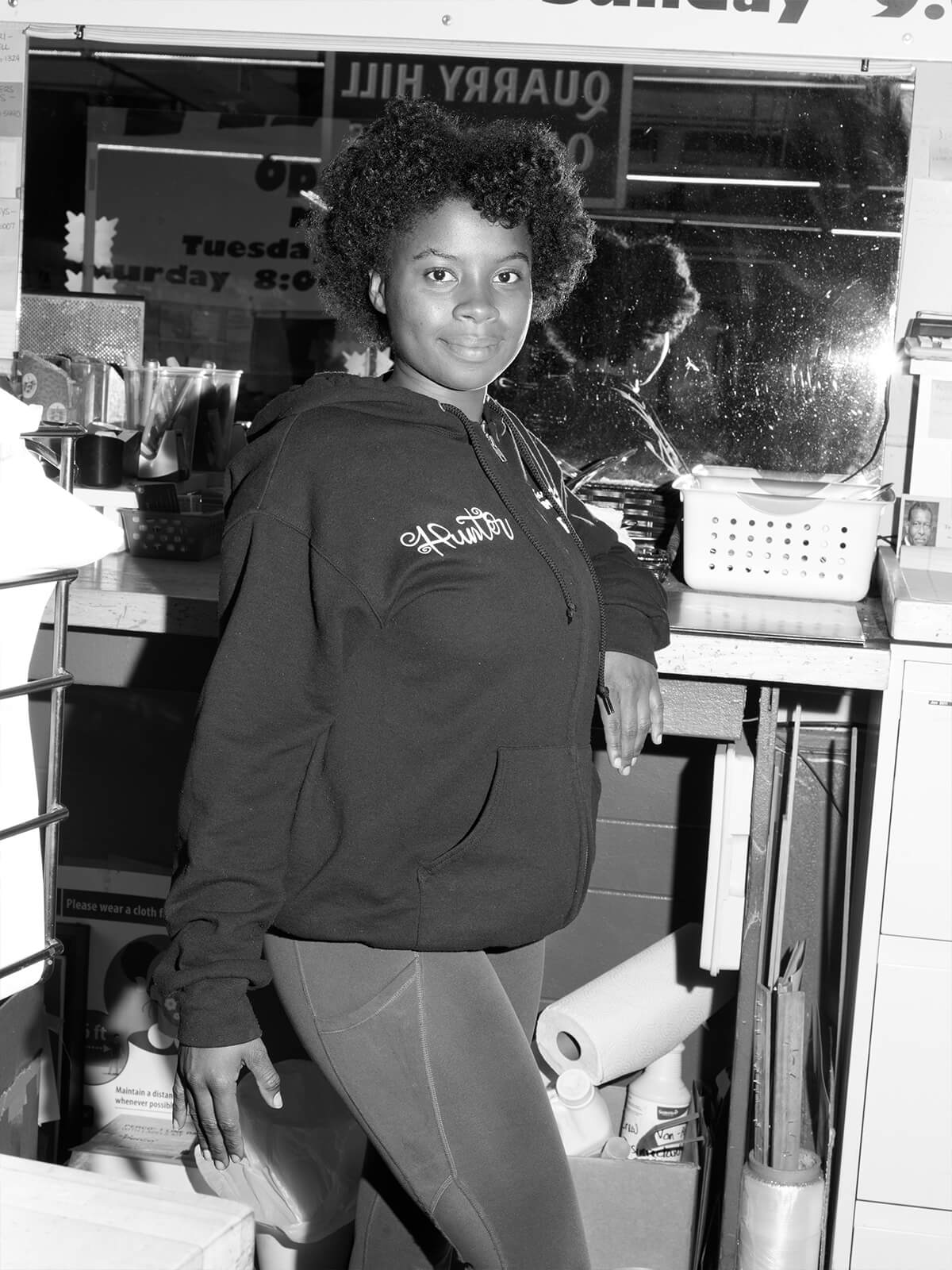
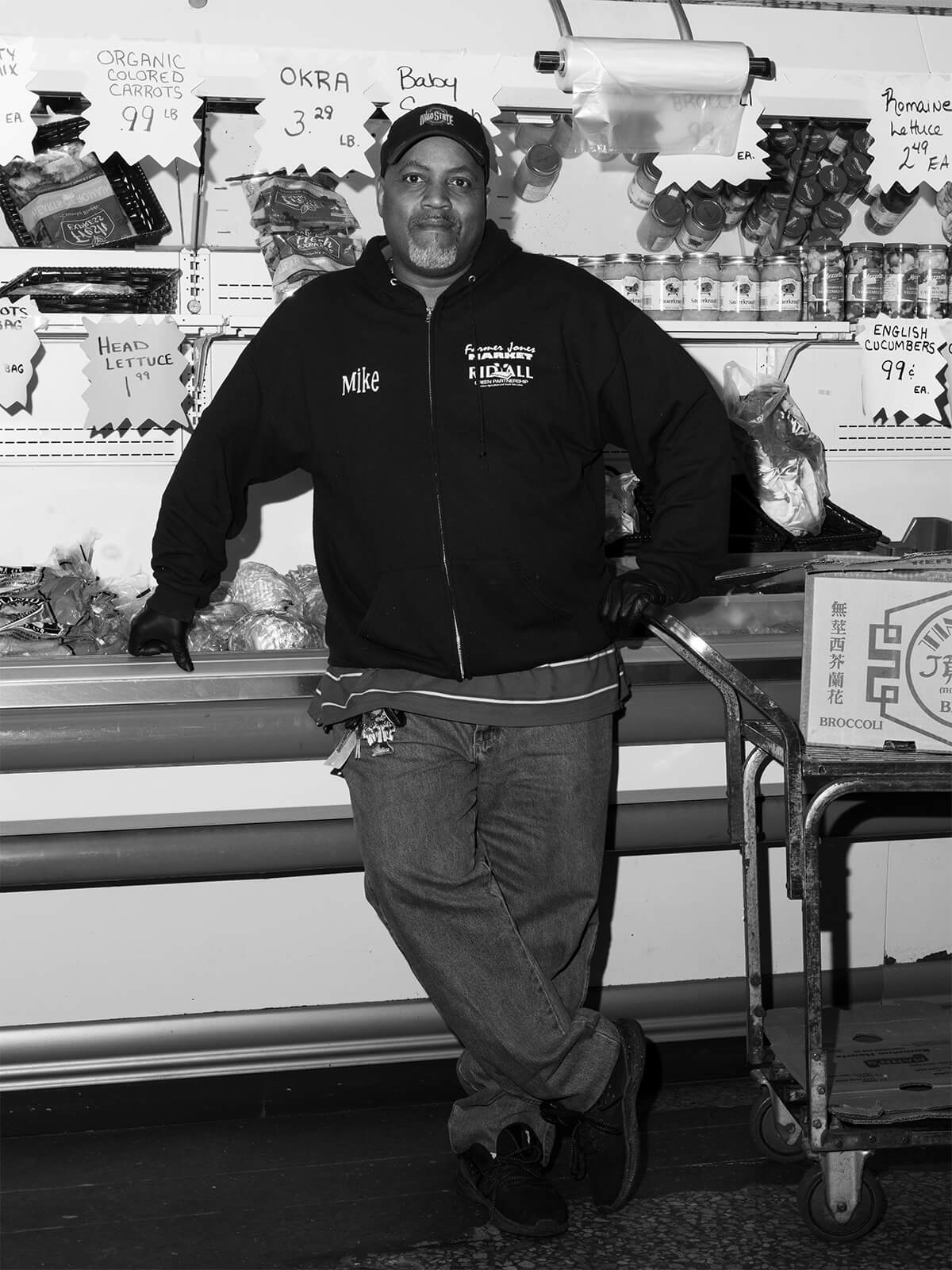
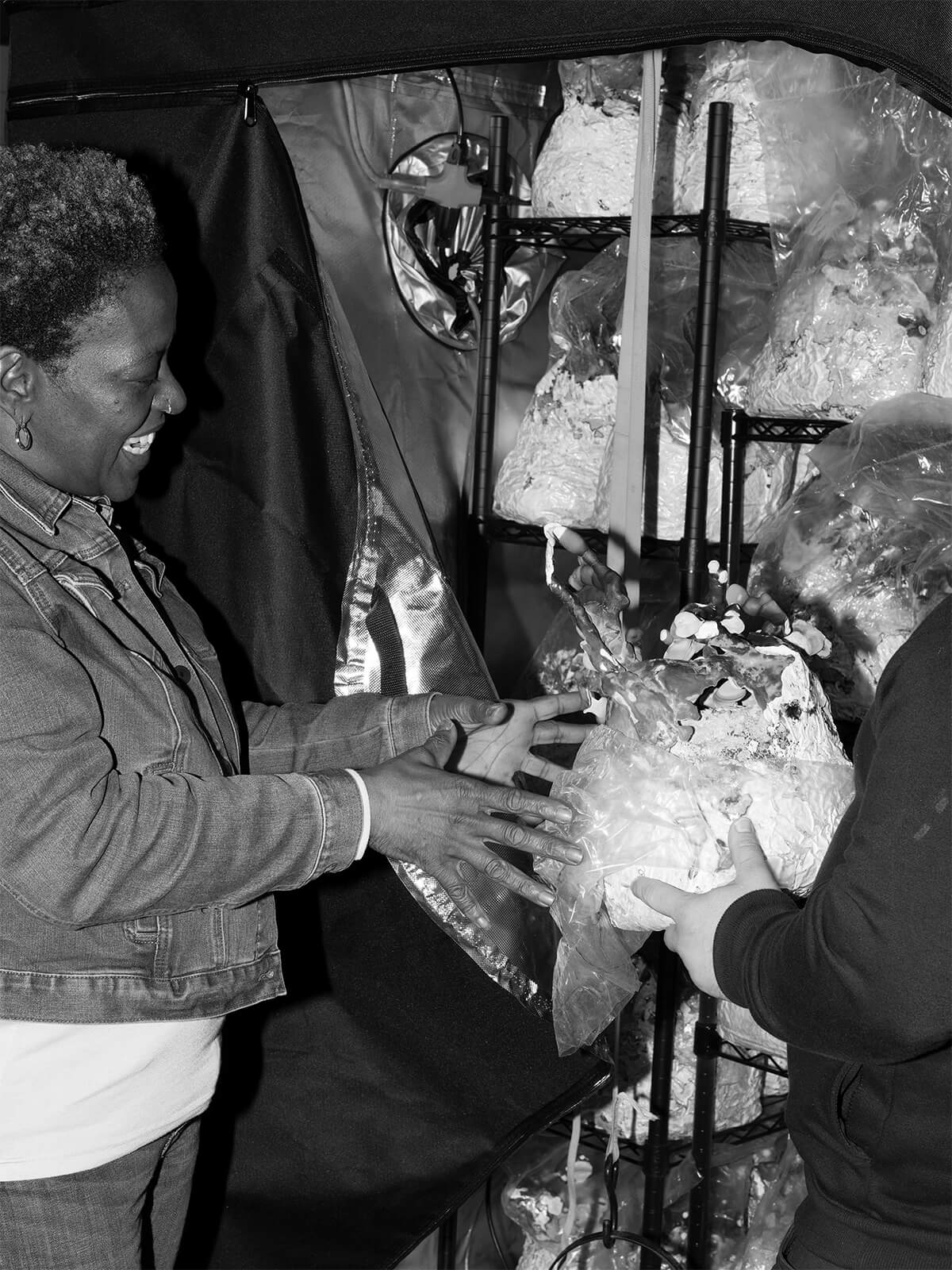
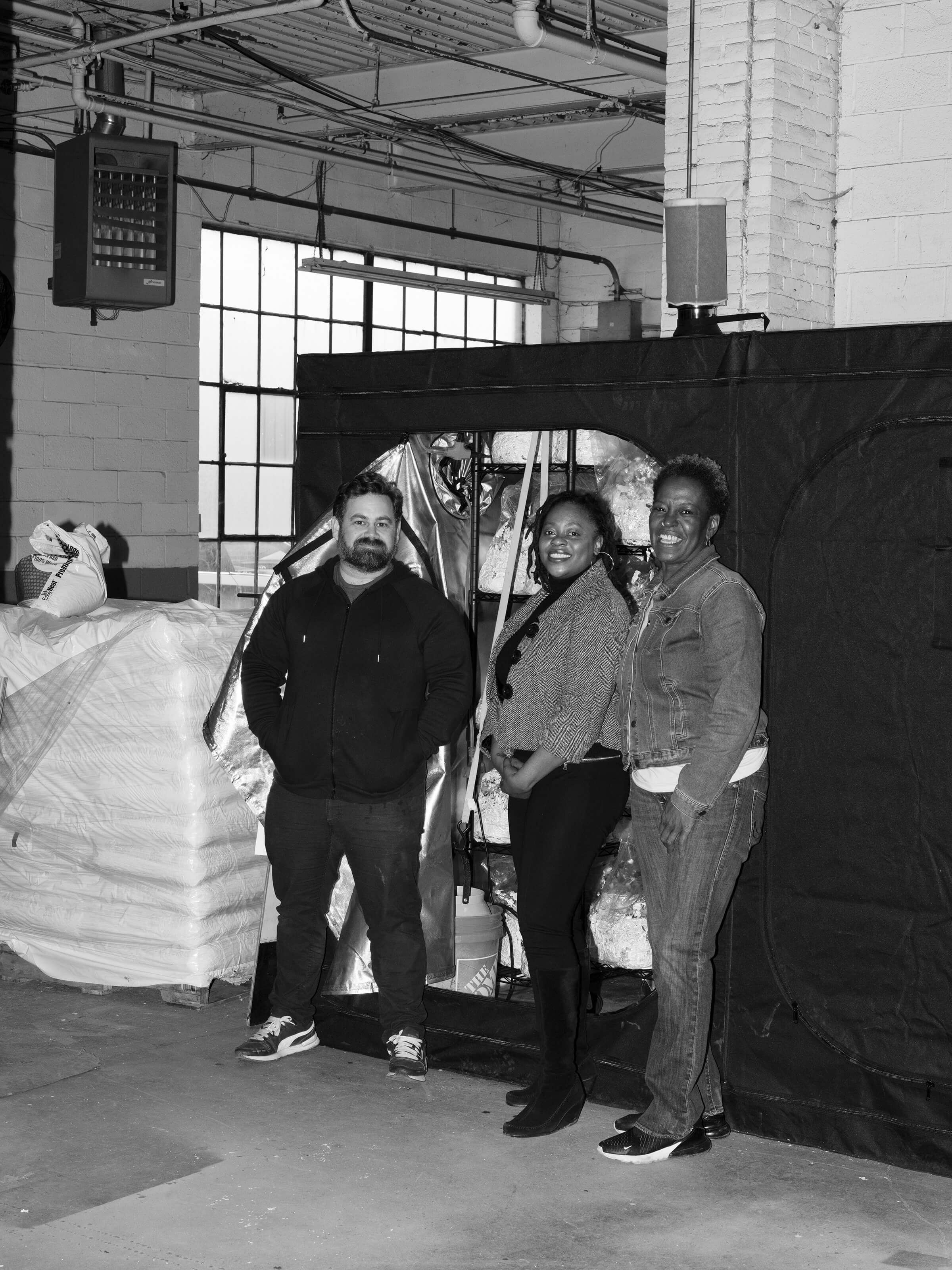
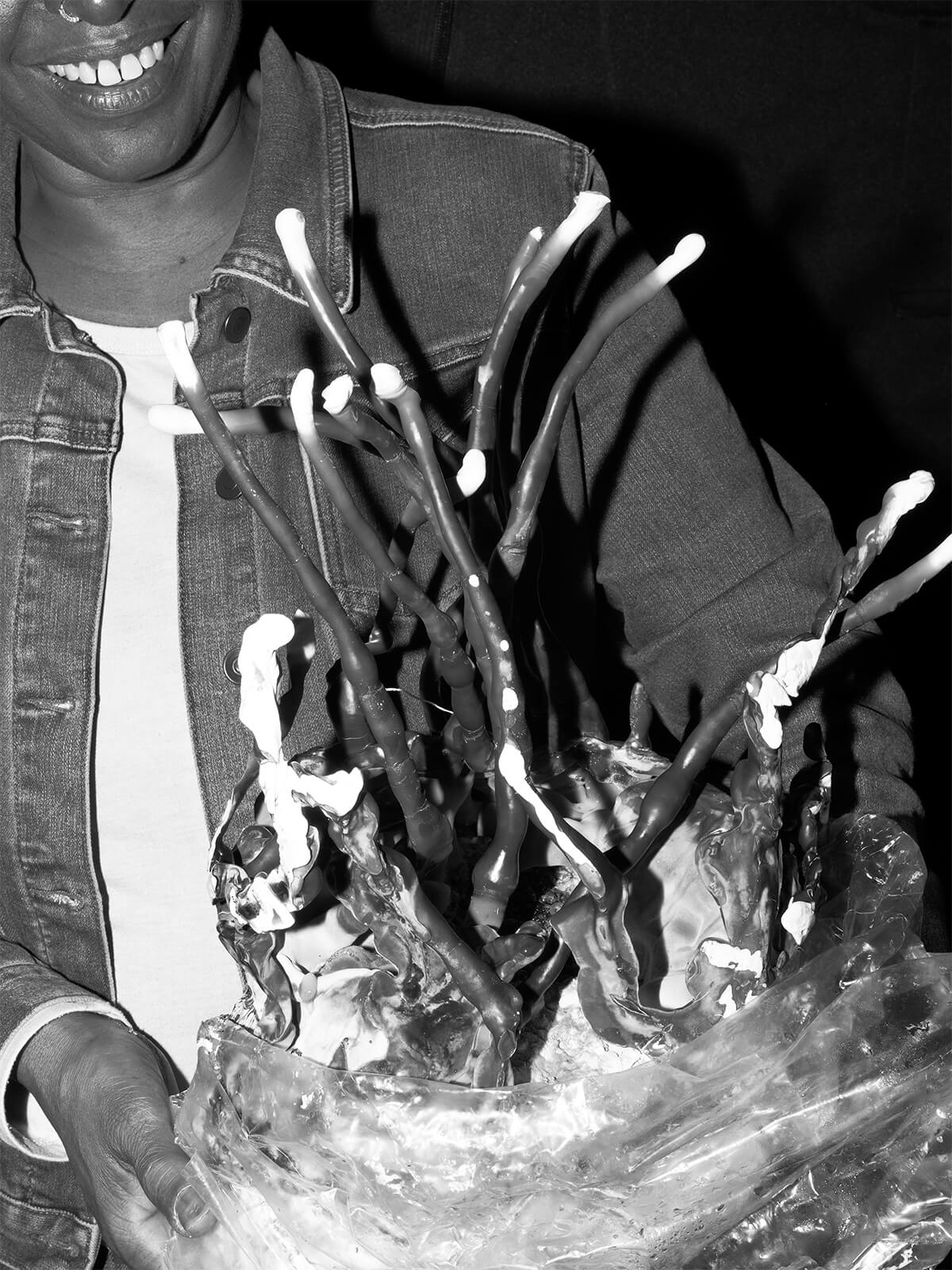
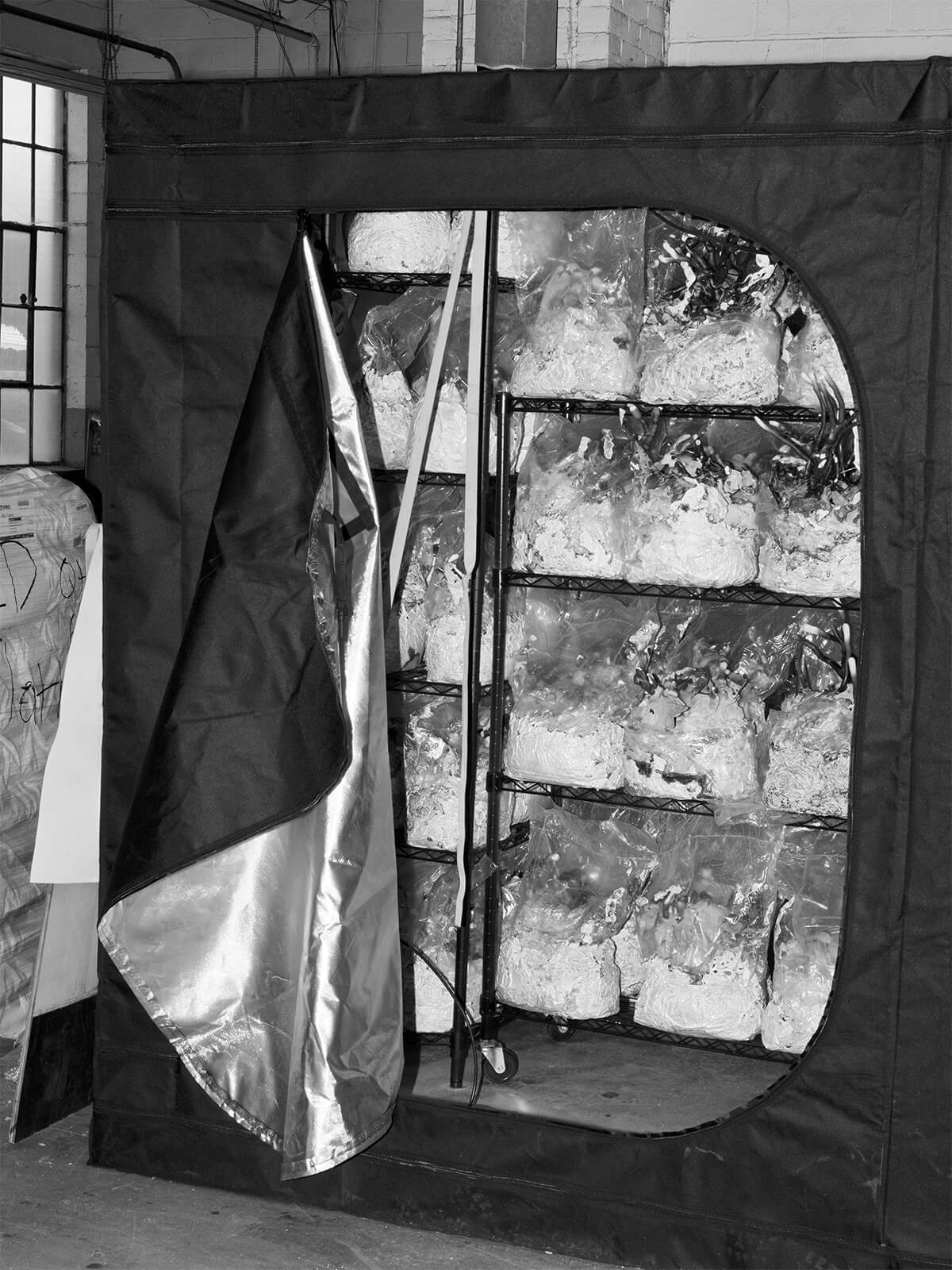
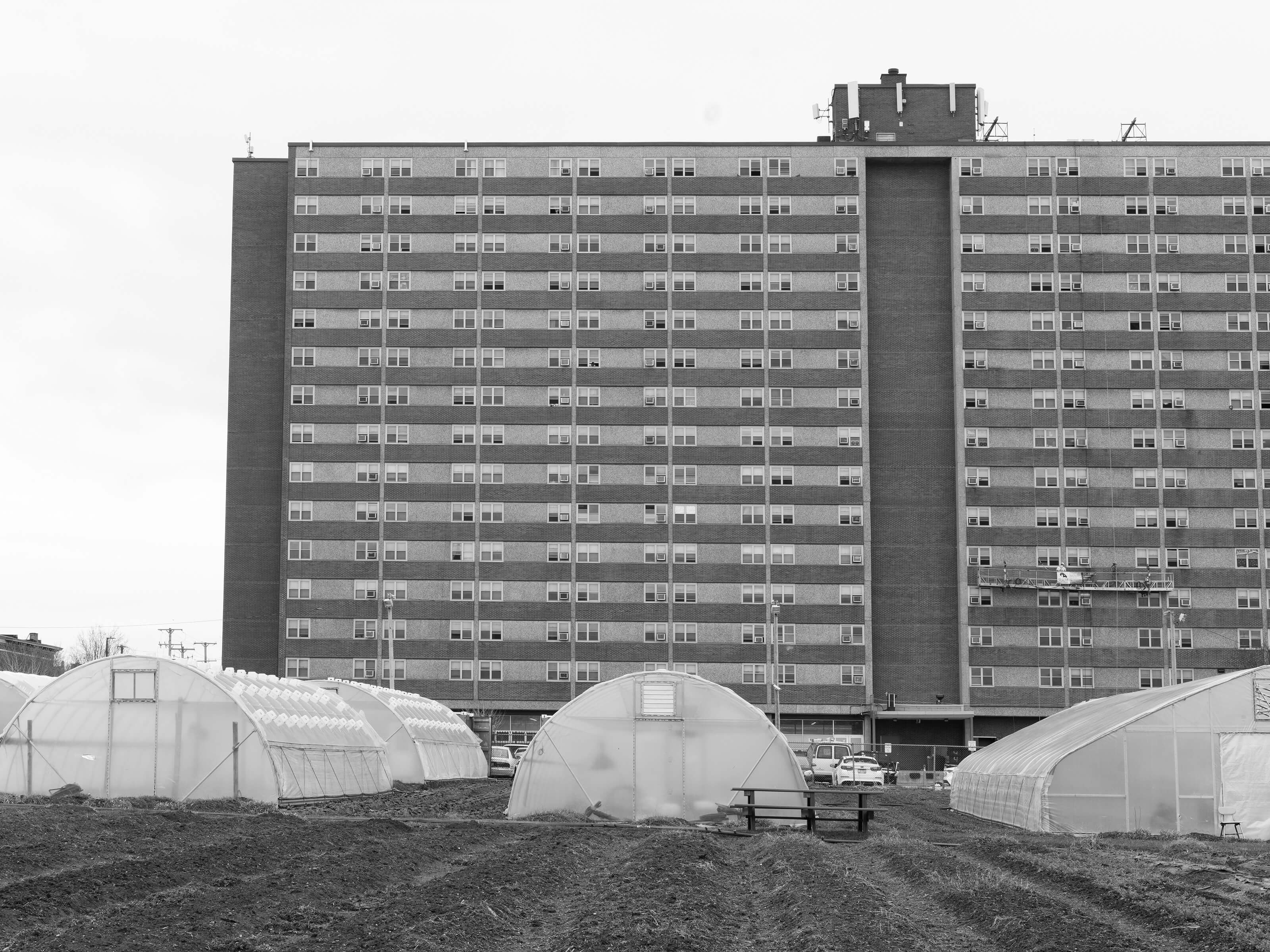
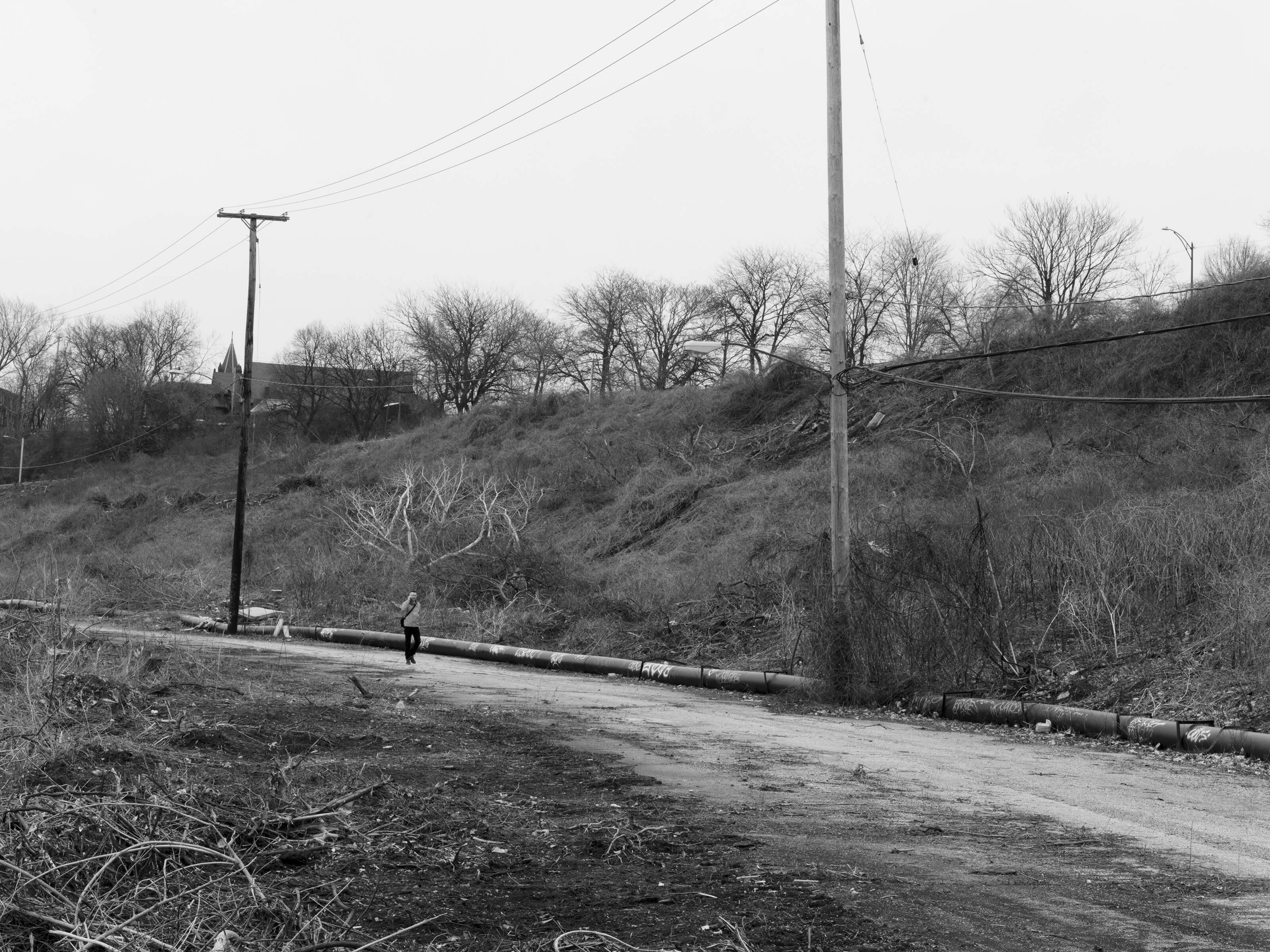
Urban Farming
Rid-All Green Partnership
Community Health
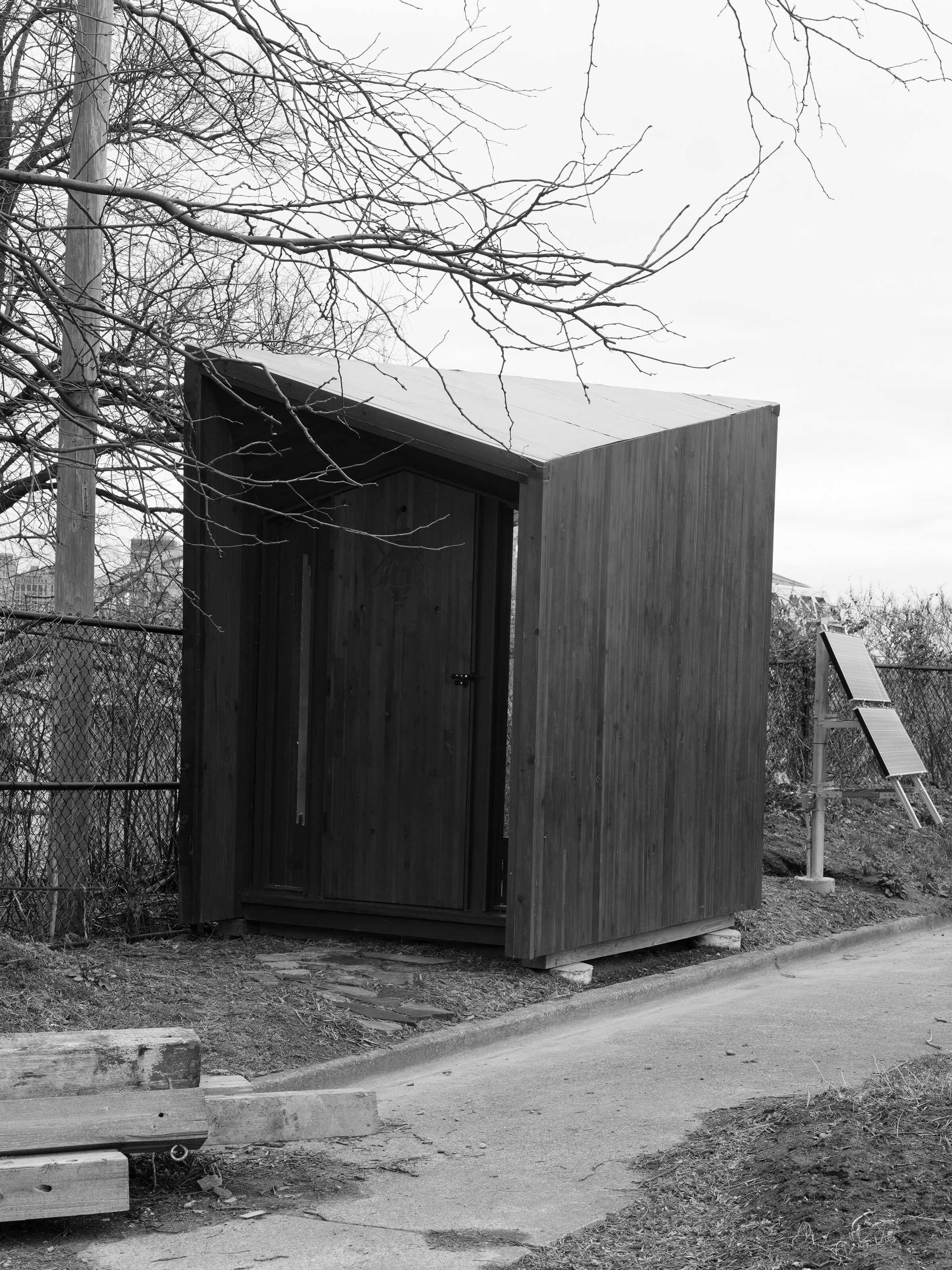
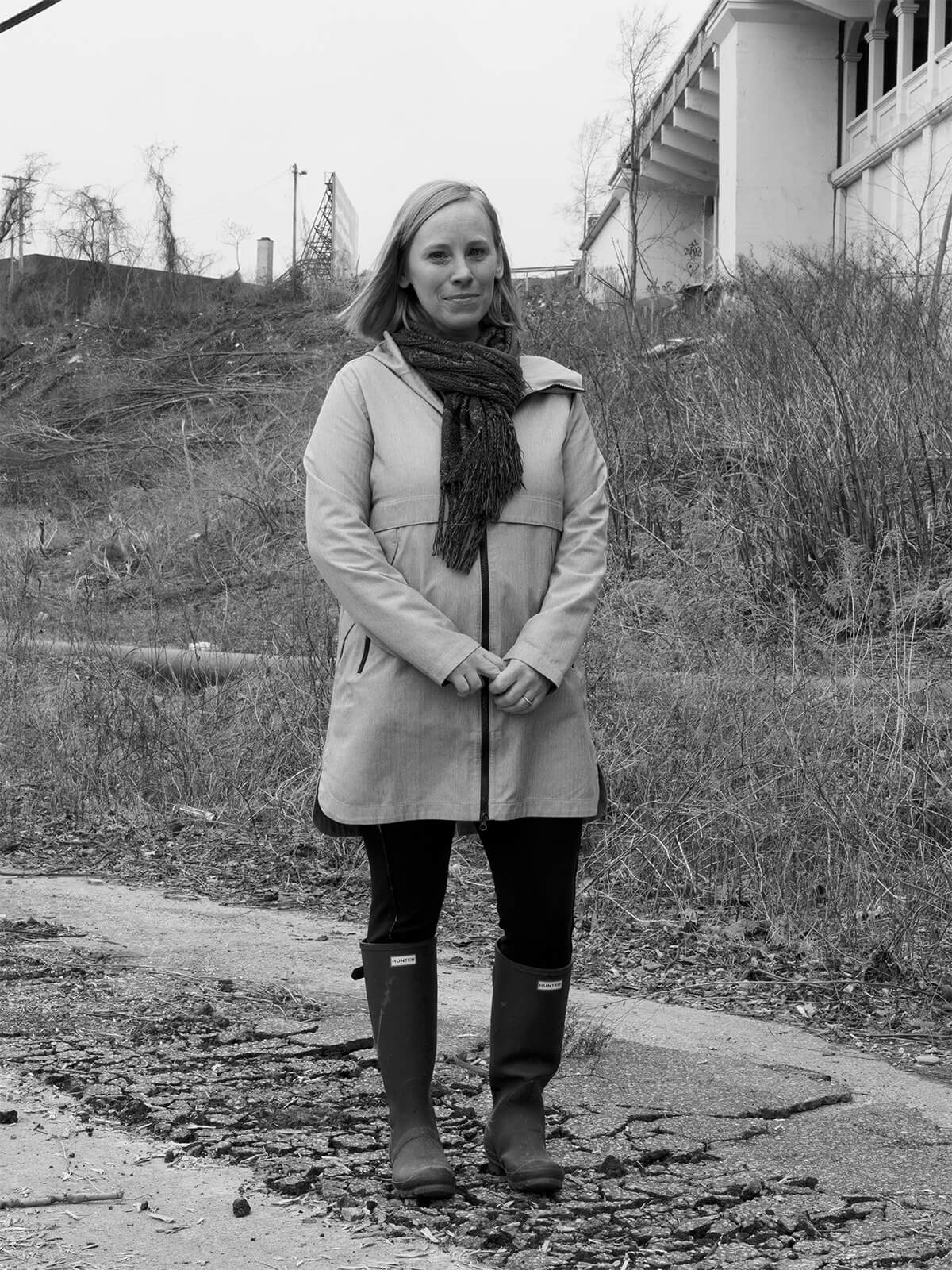
Redhouse Architecture

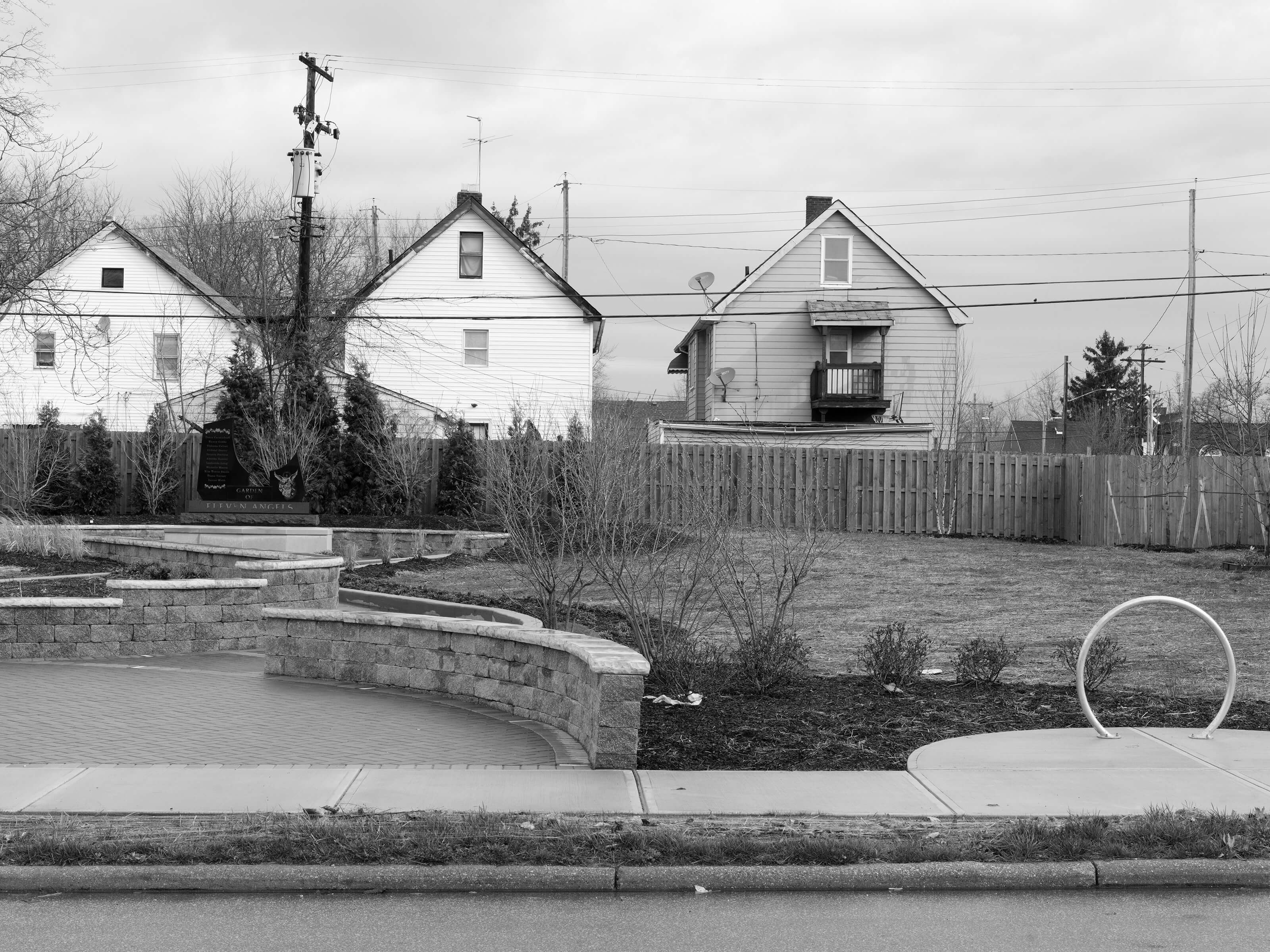
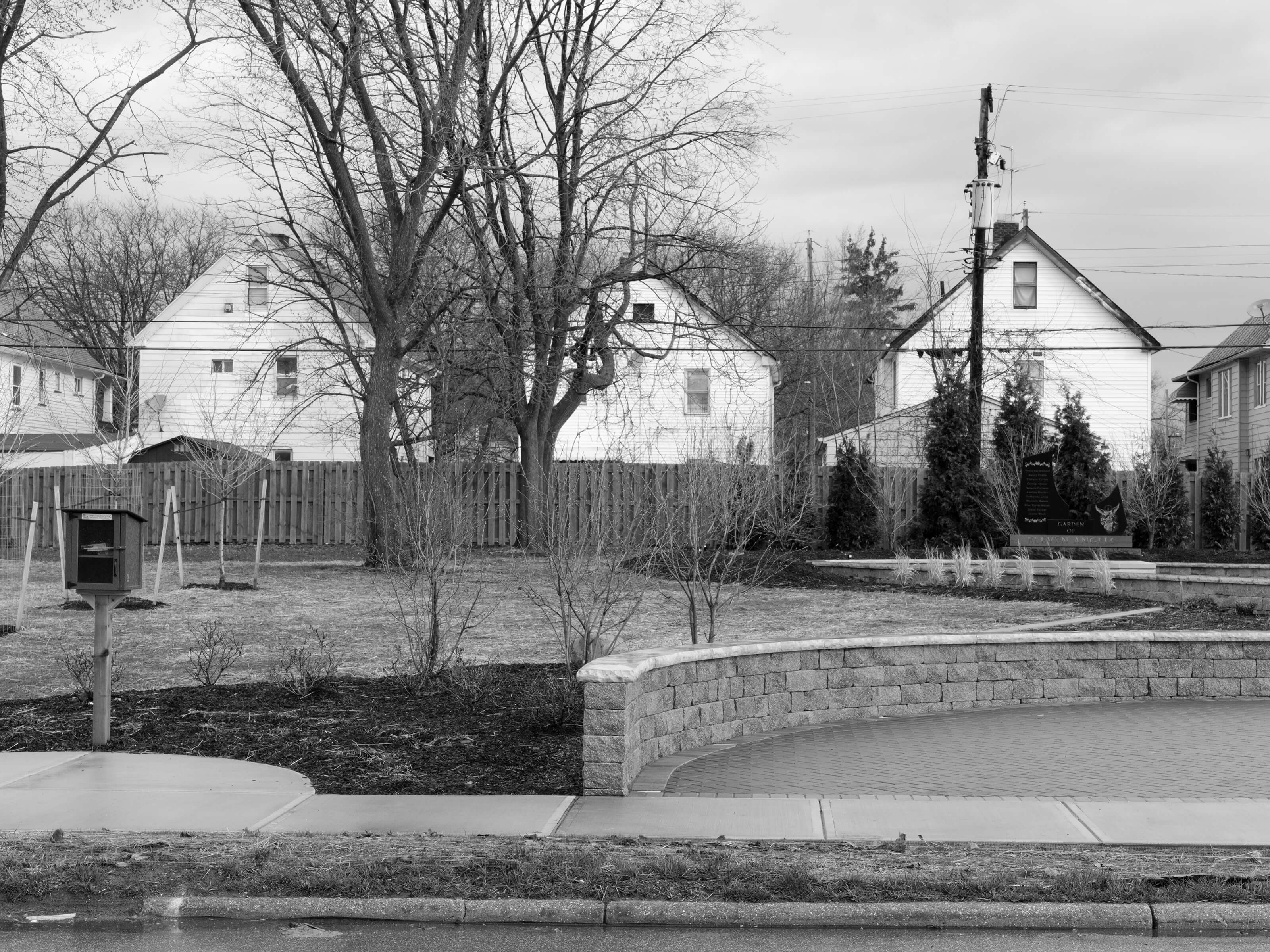
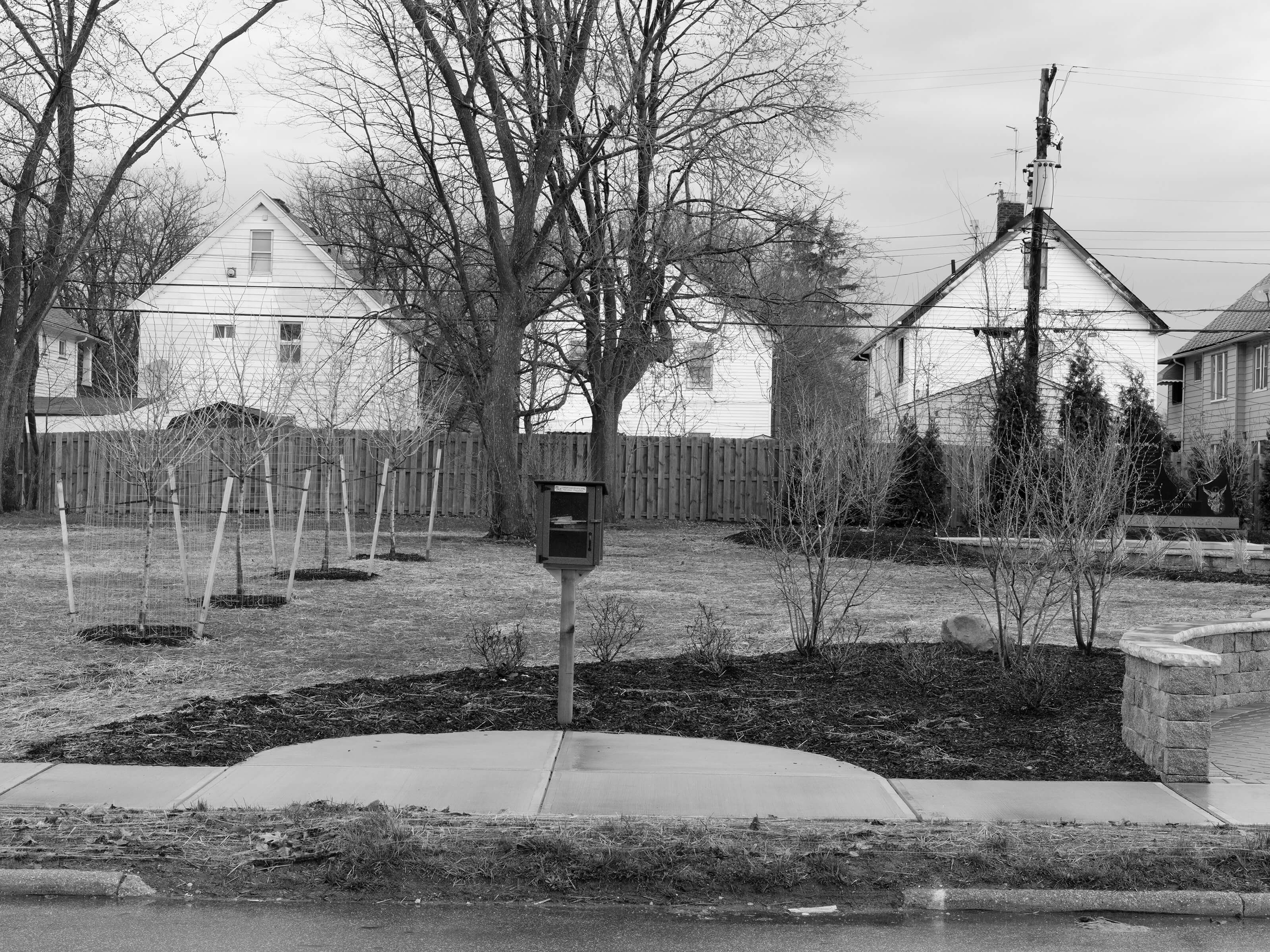
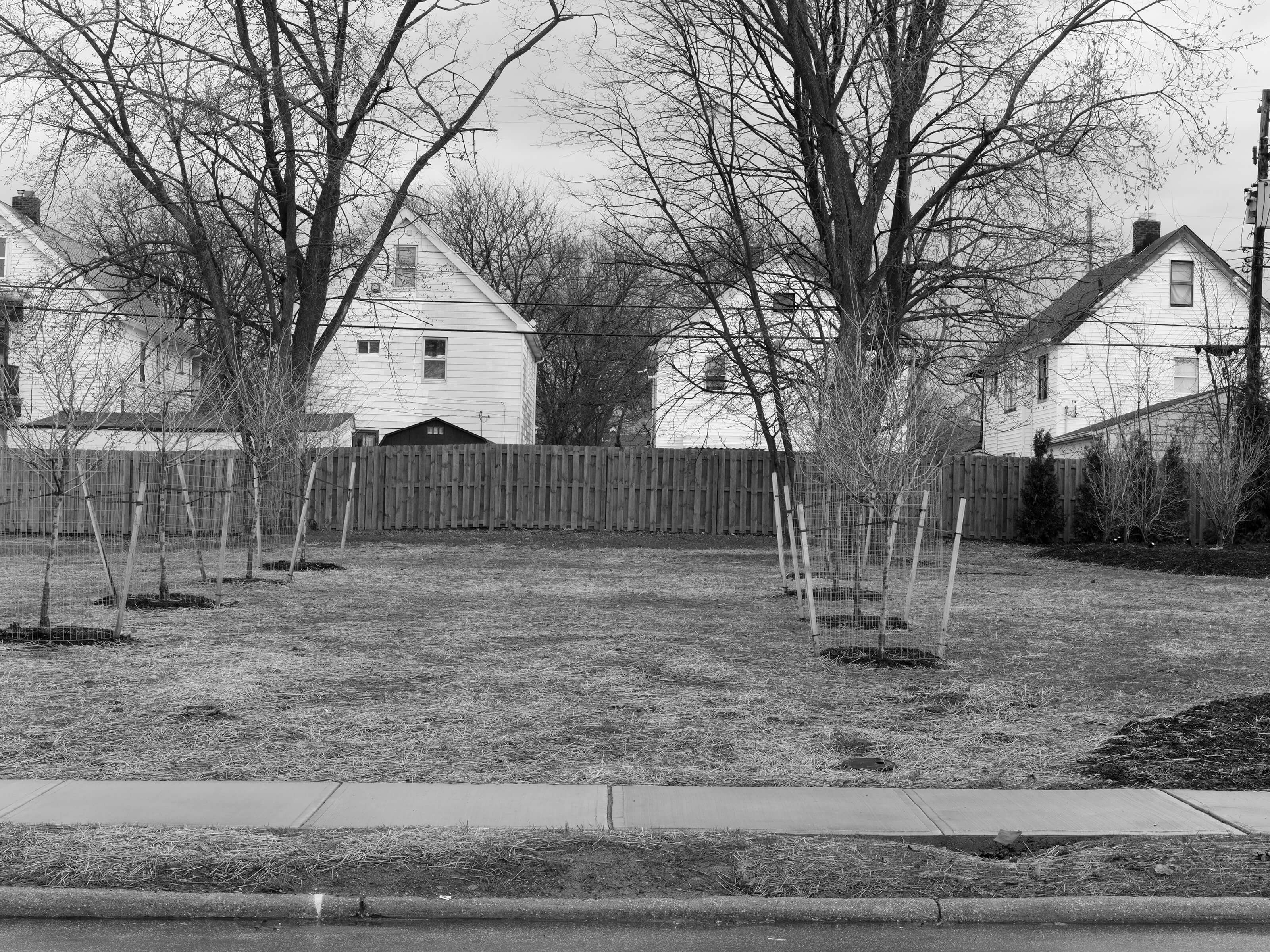
Greenspace
Garden of 11 Angels

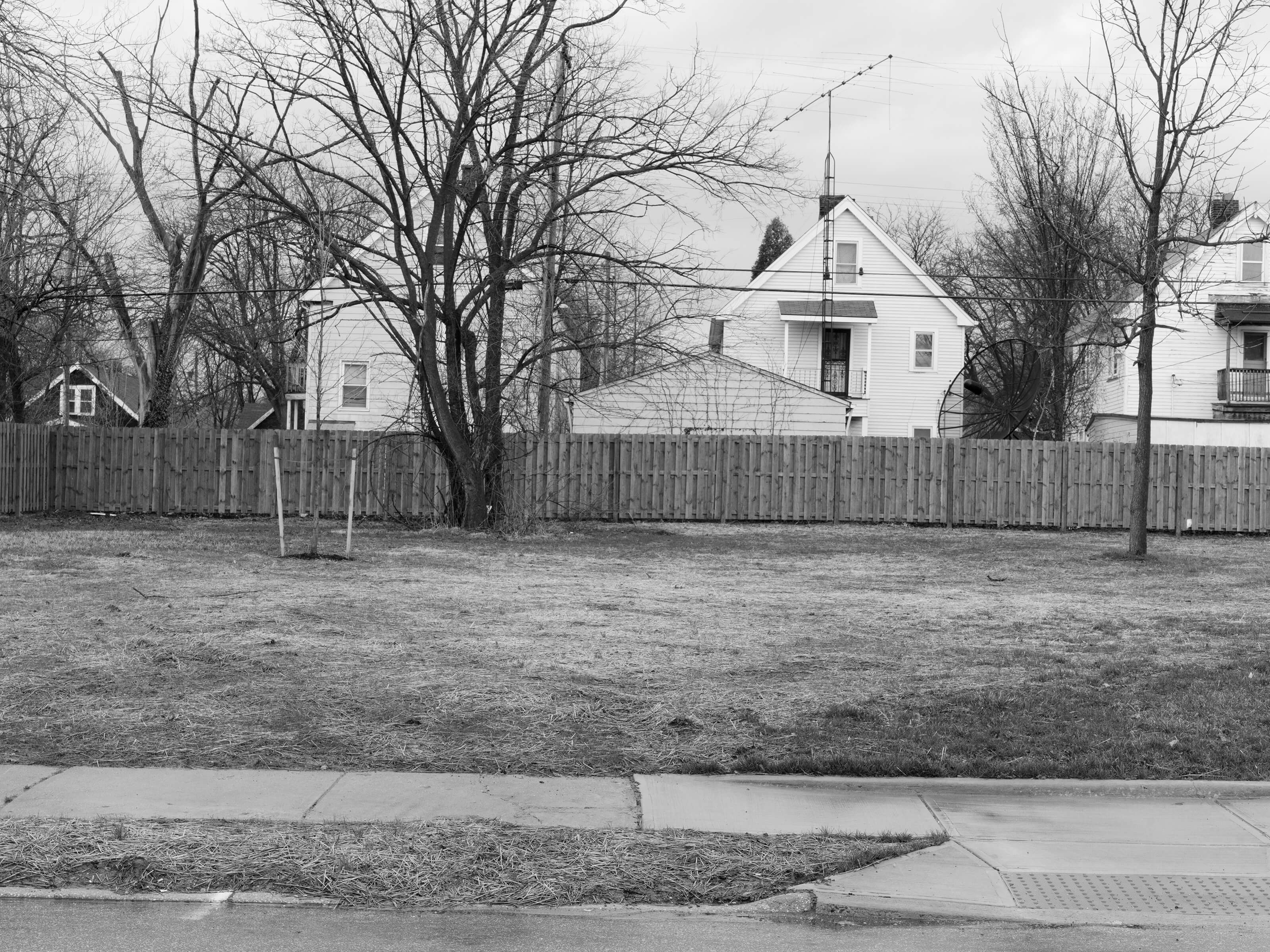
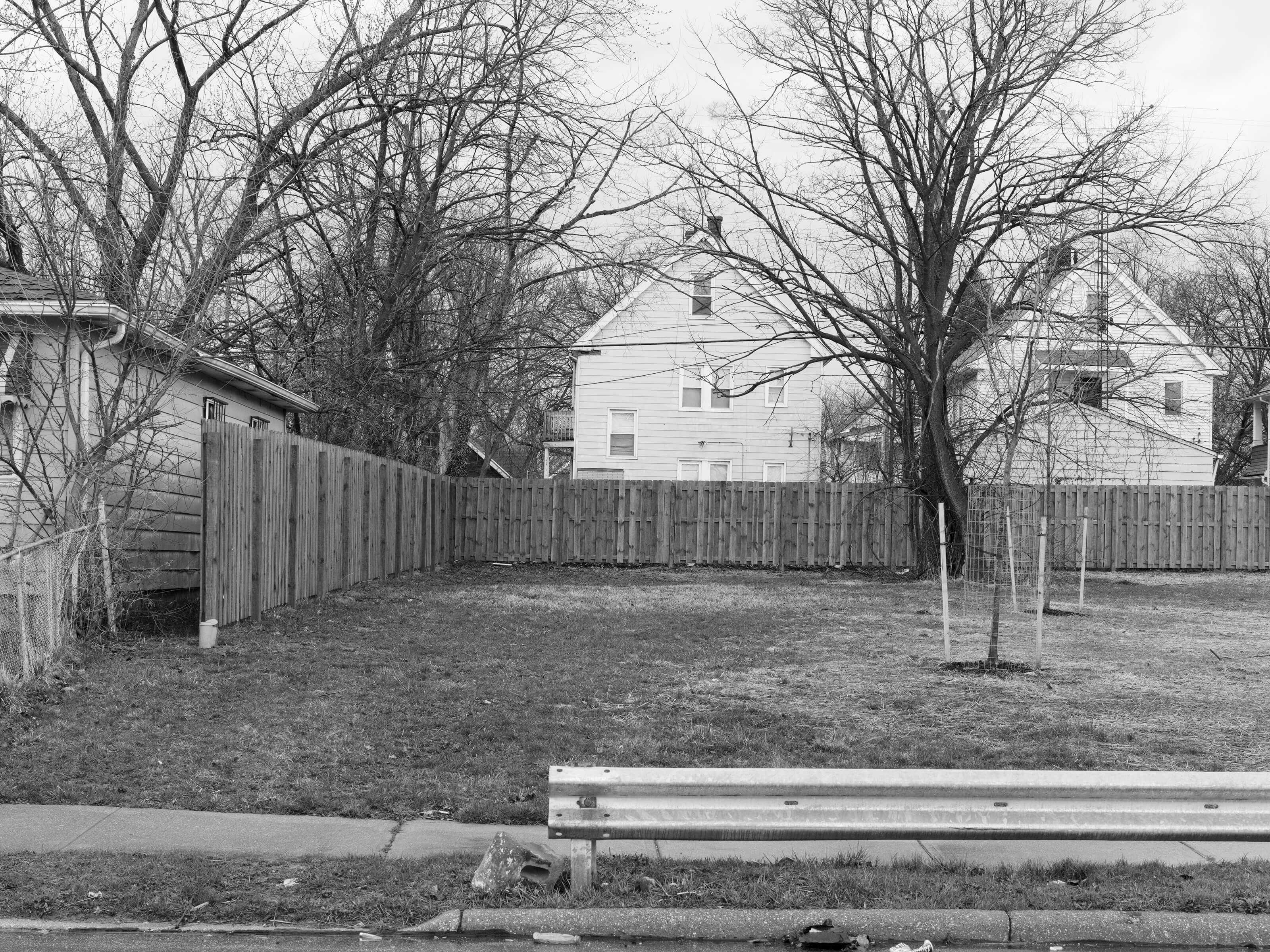
Treecover
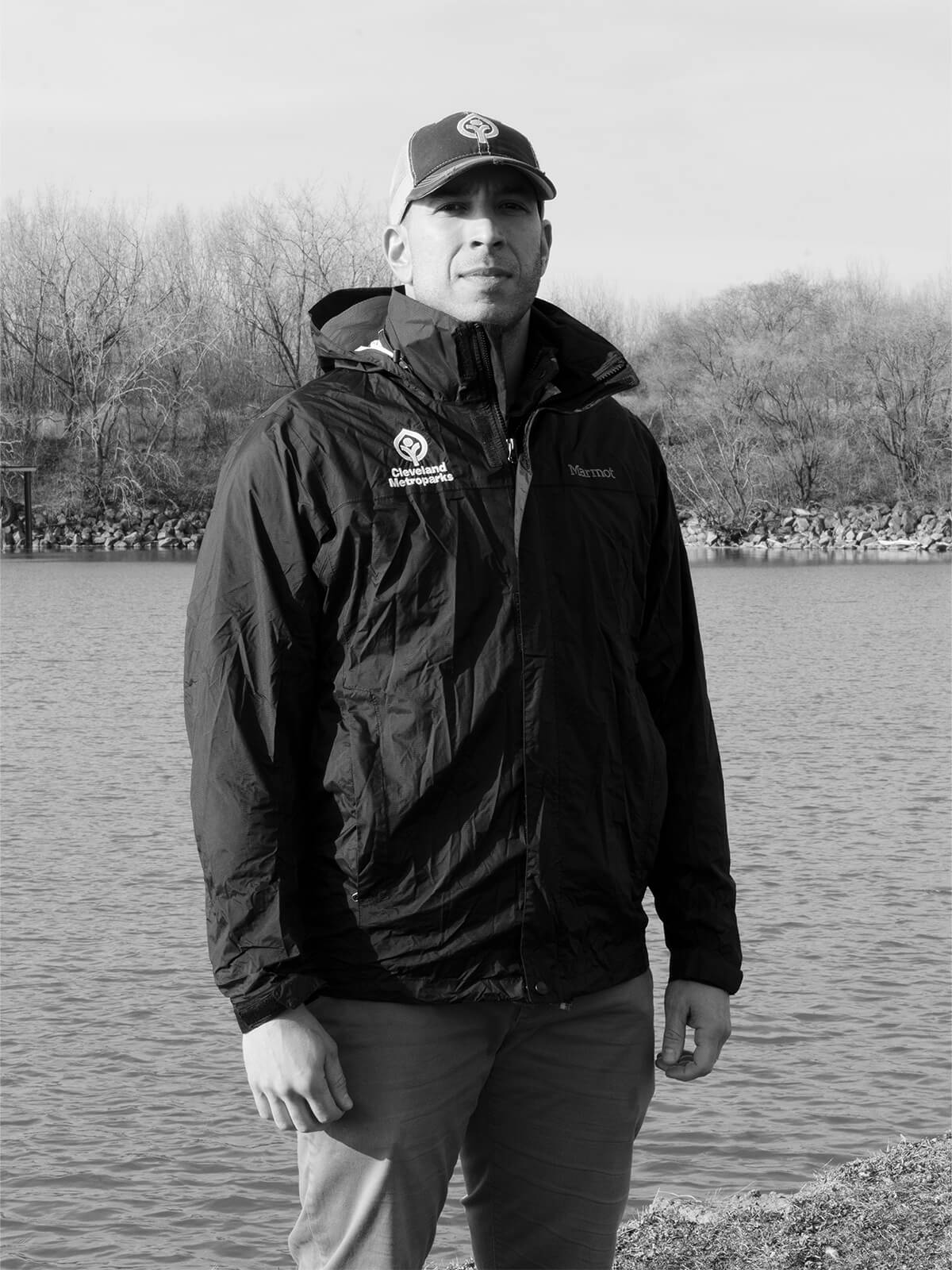
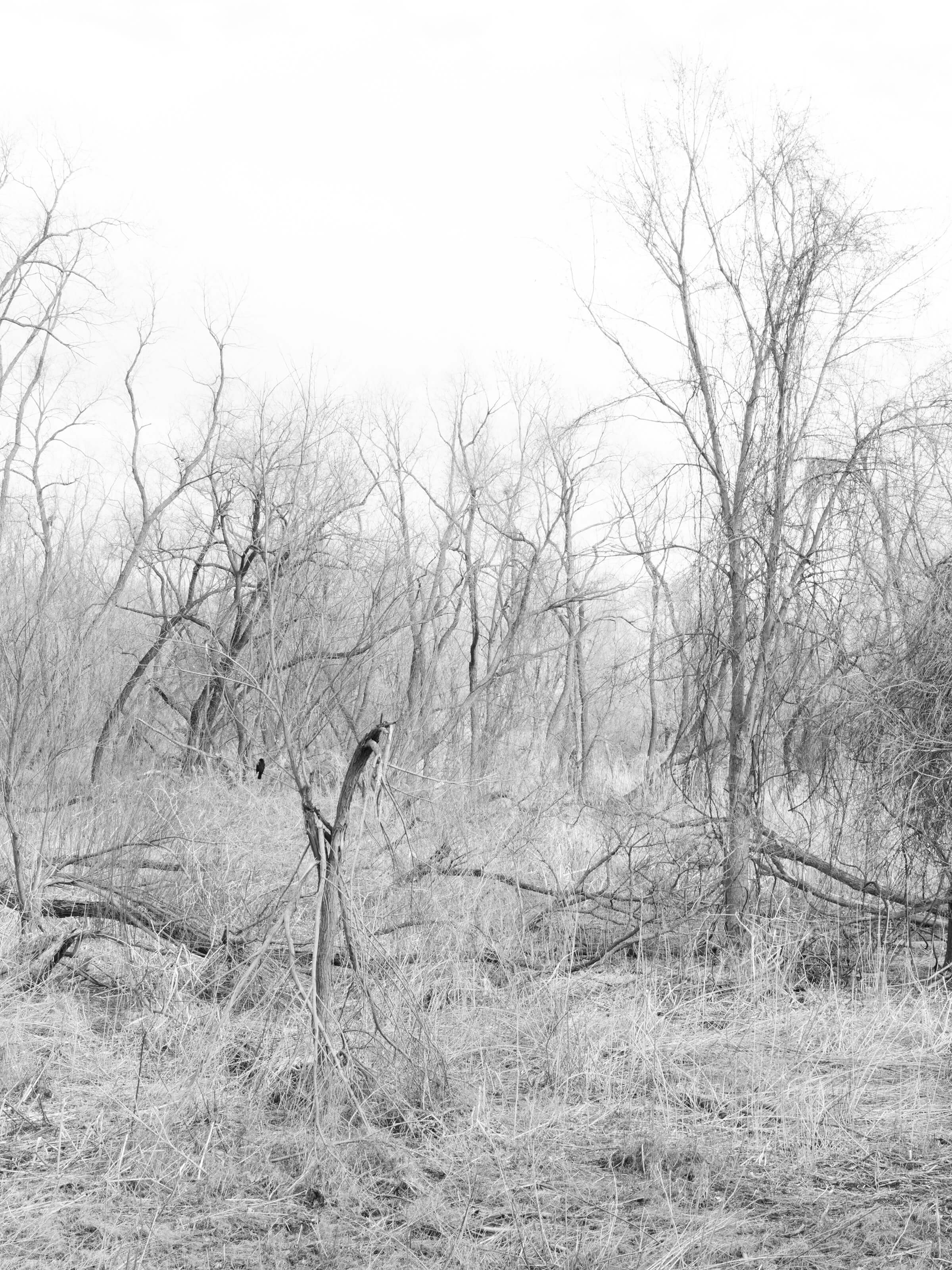
Alliance for The Great Lakes, Cleveland Metroparks
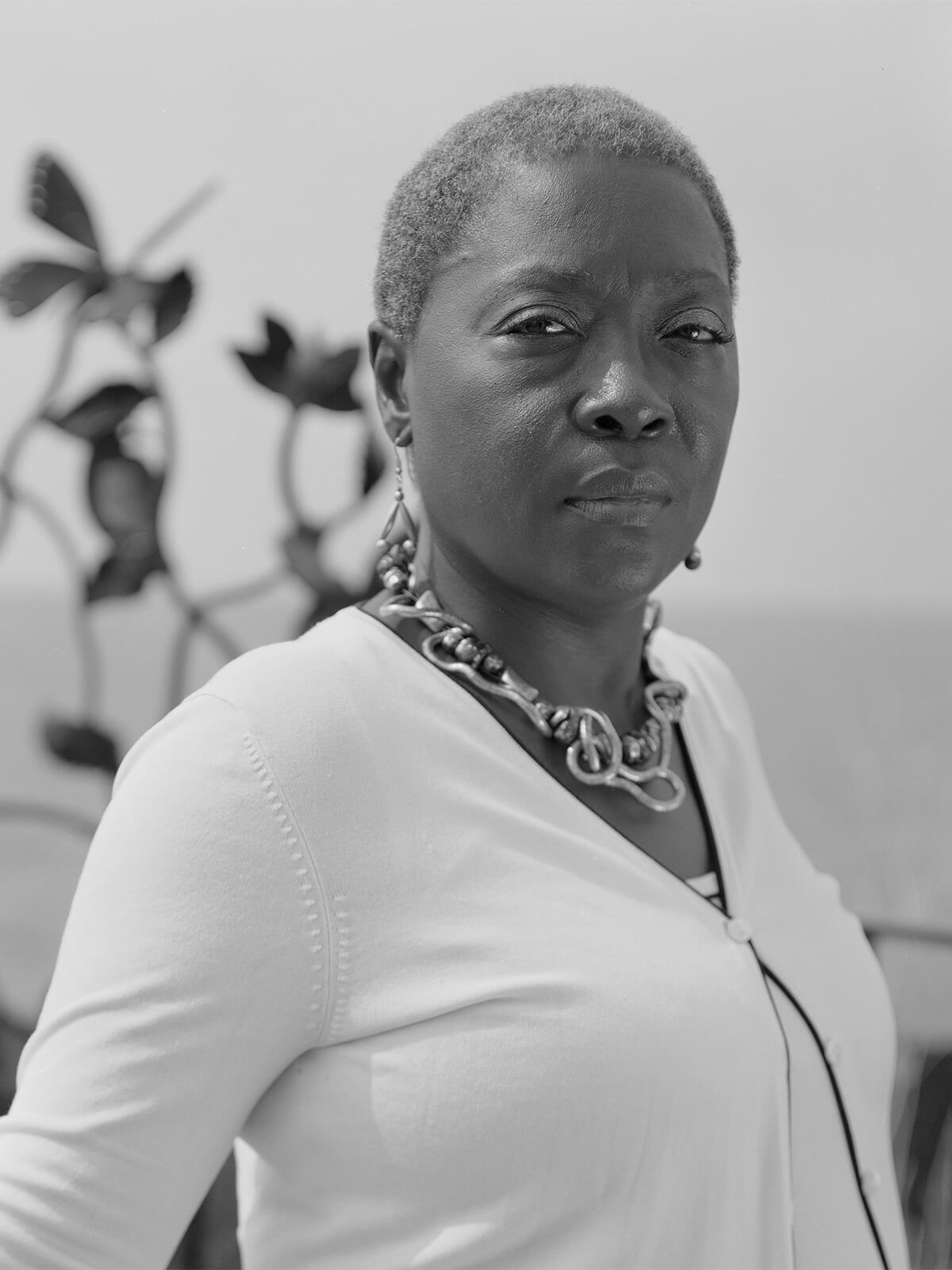
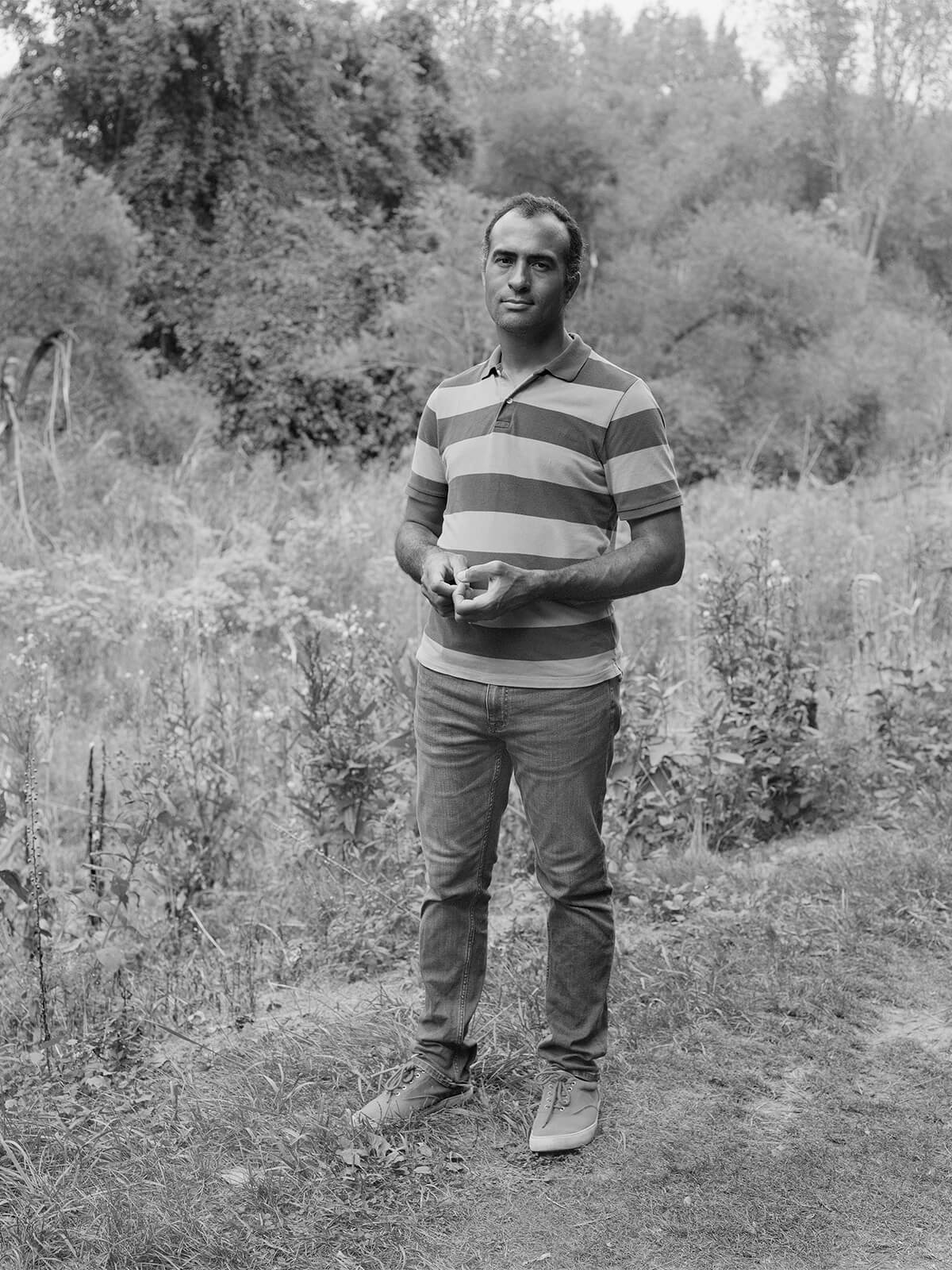

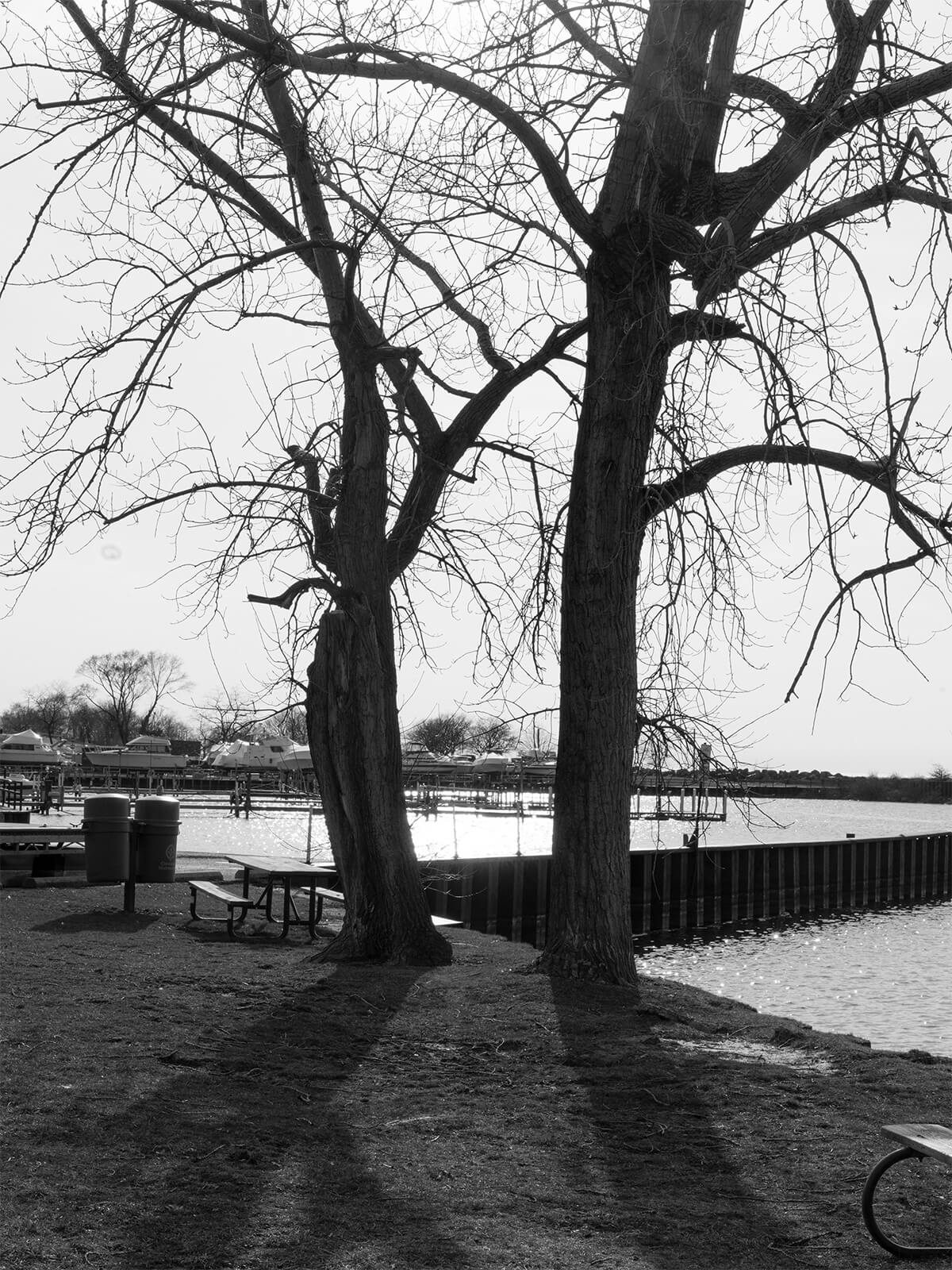
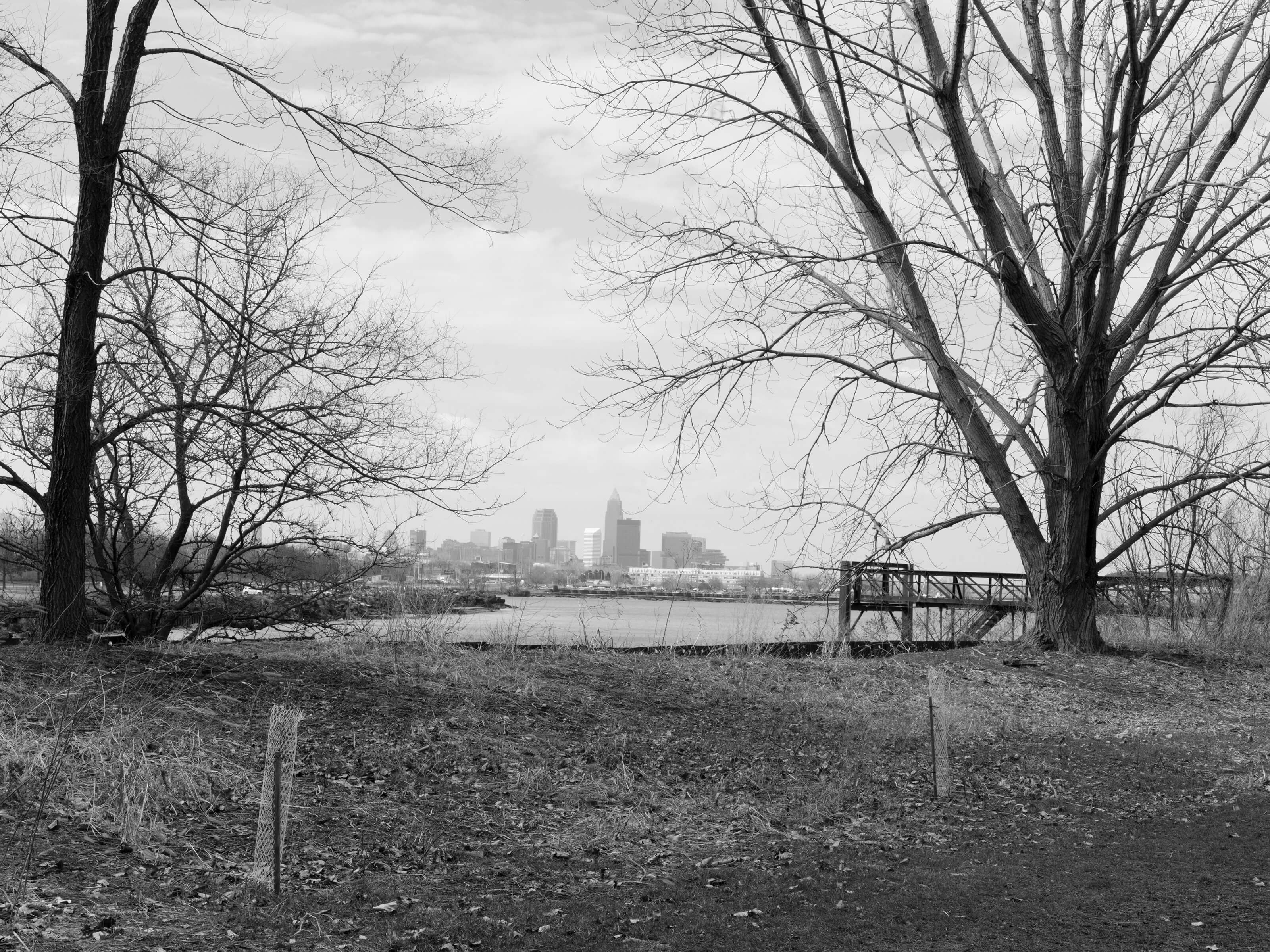
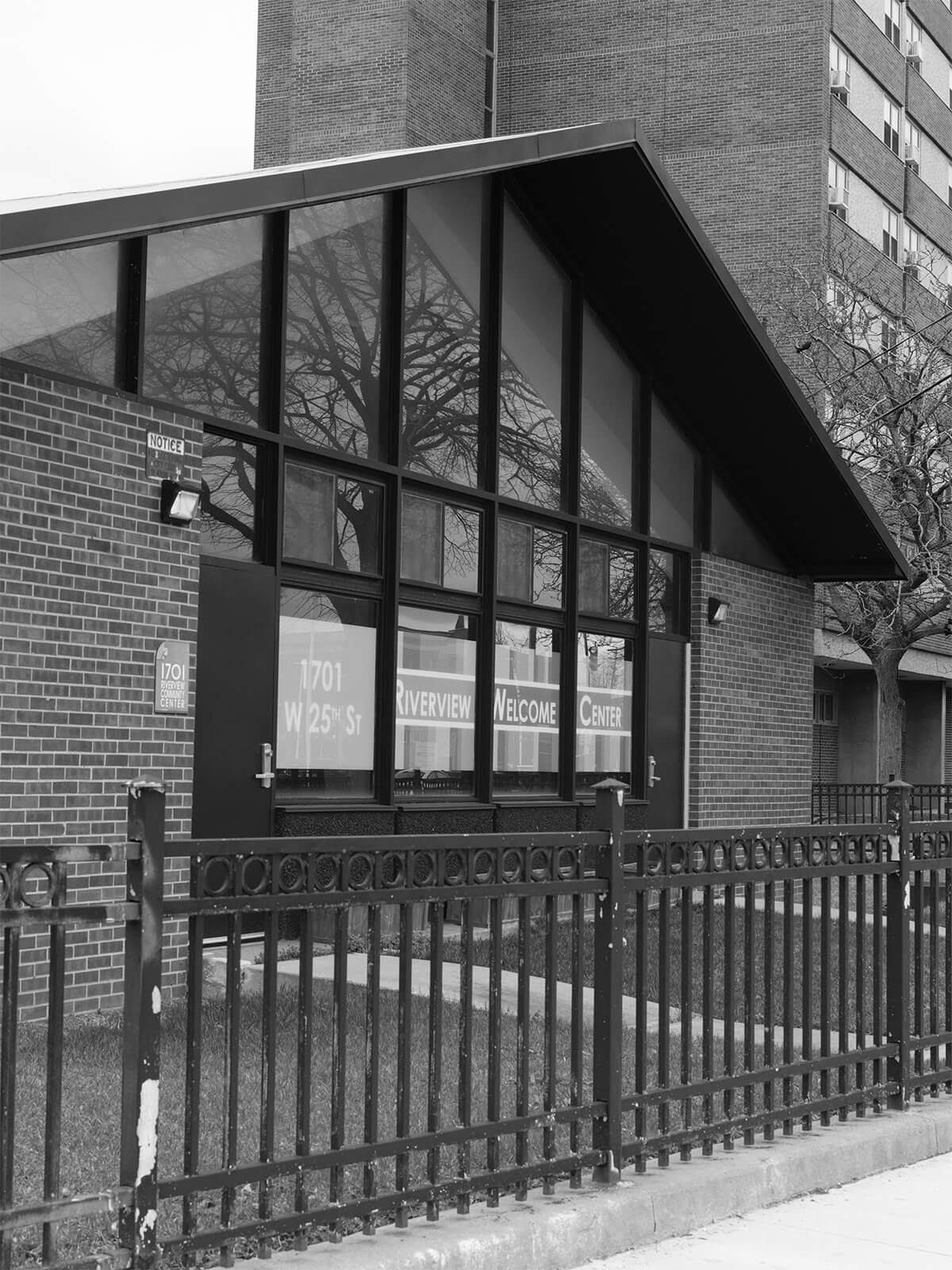
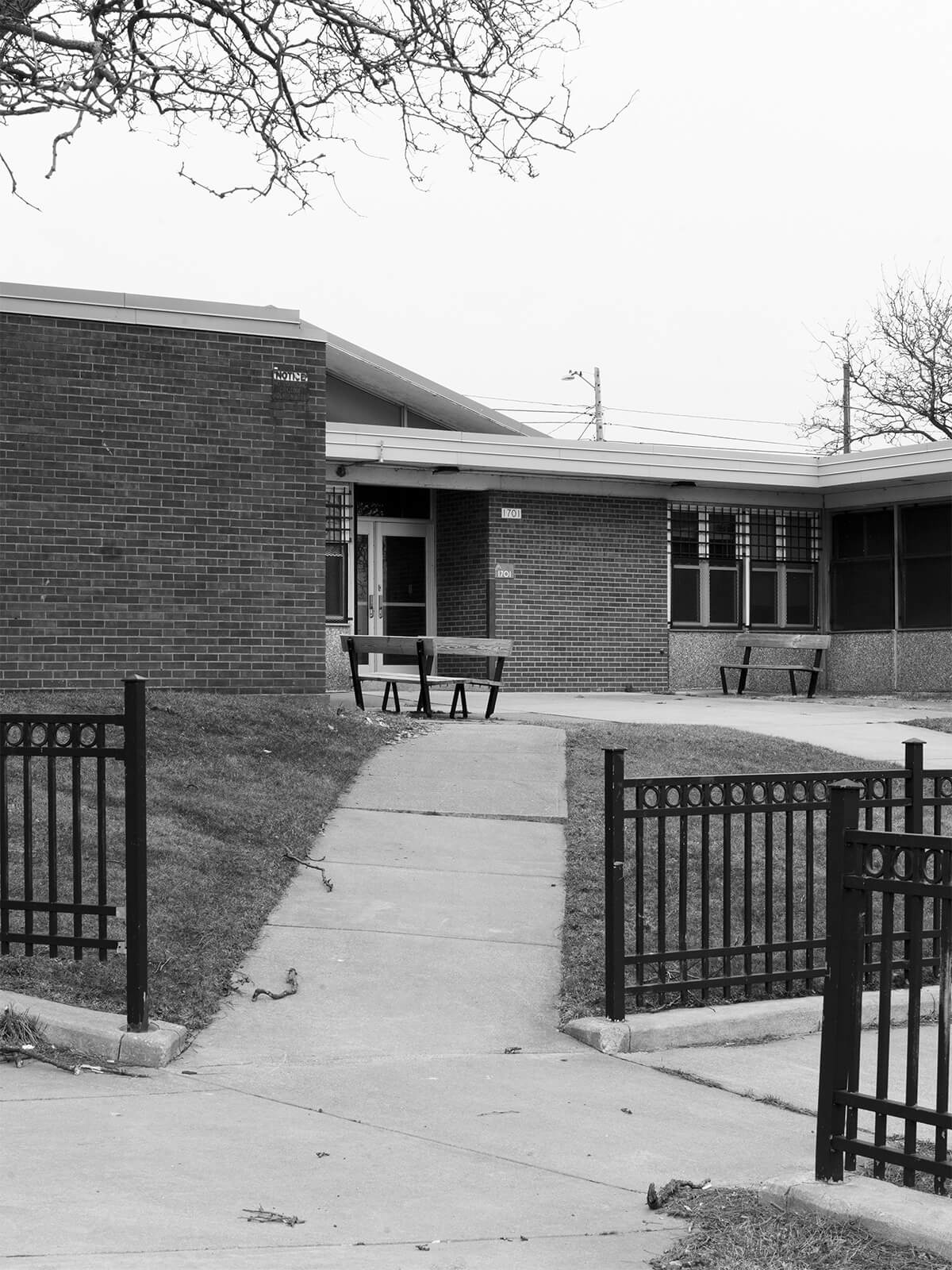
Community Connectivity
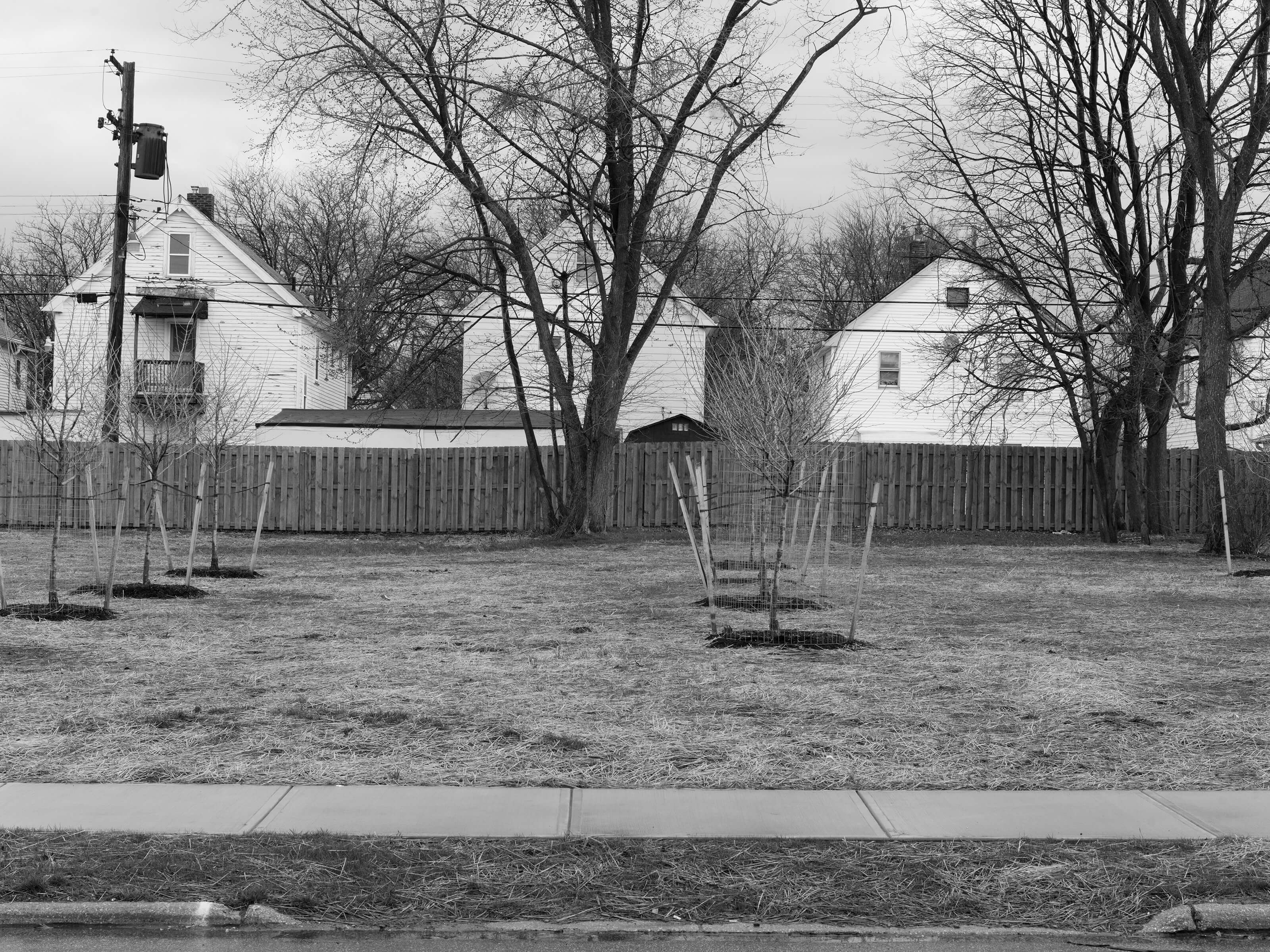
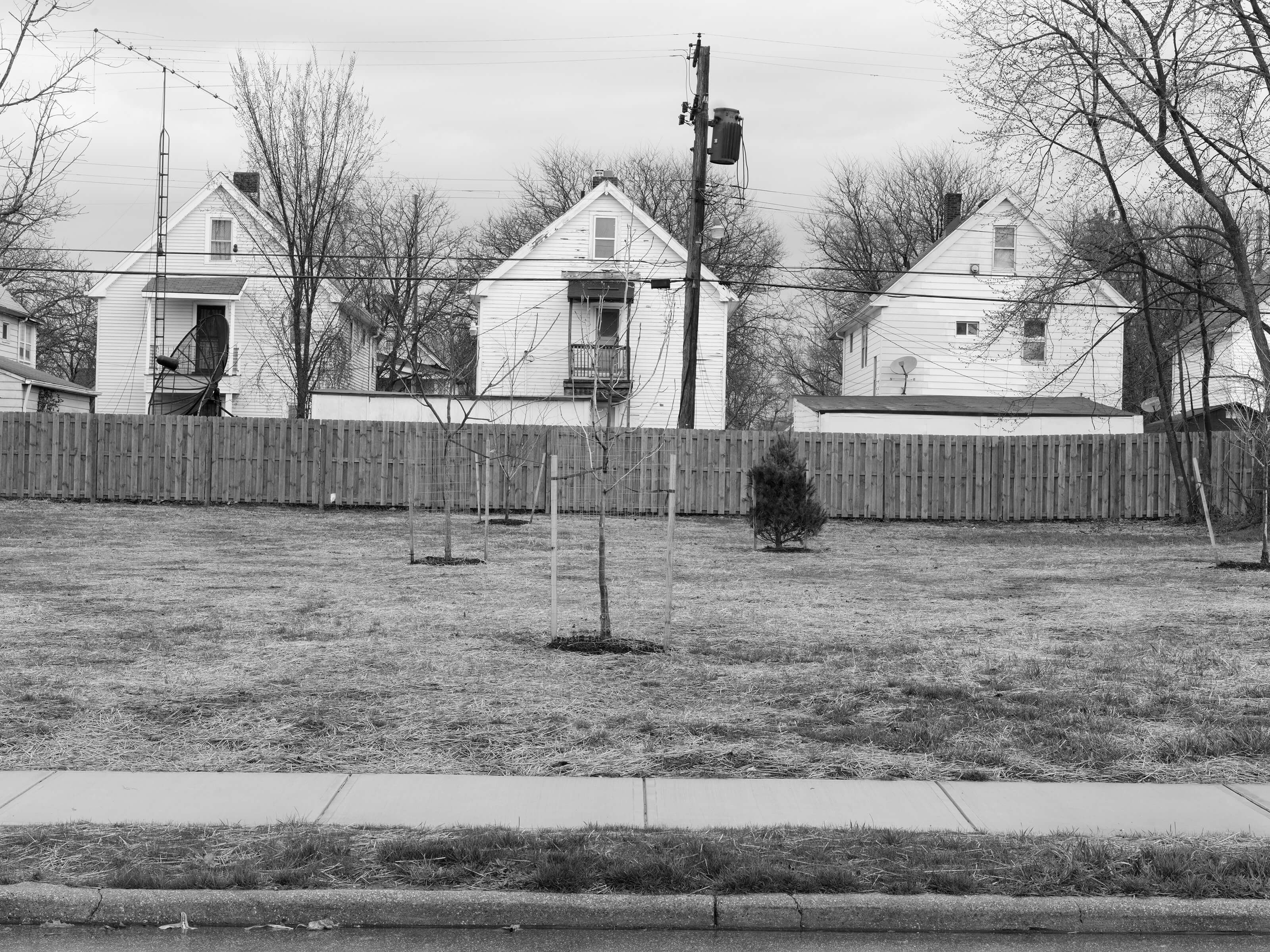
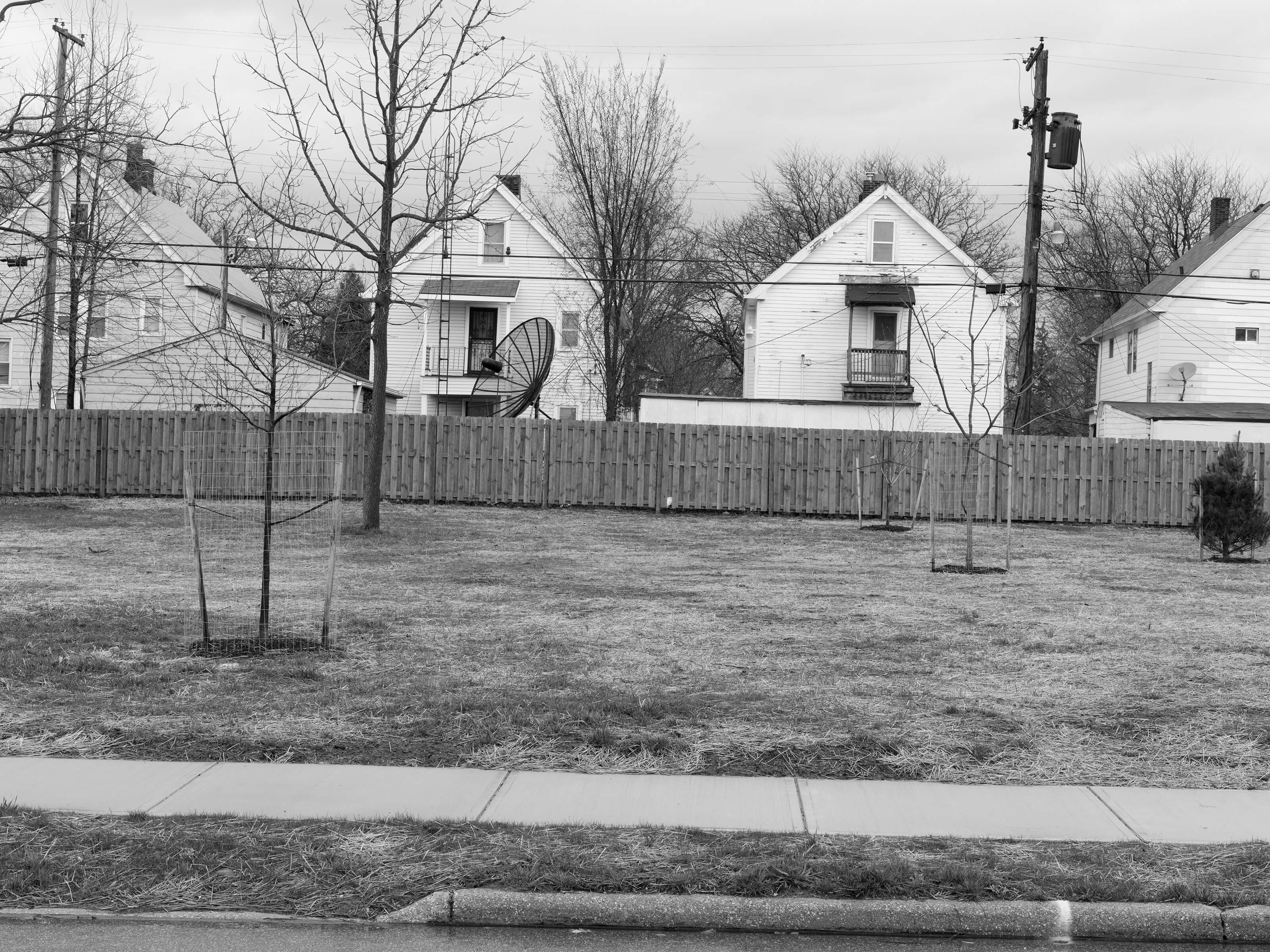
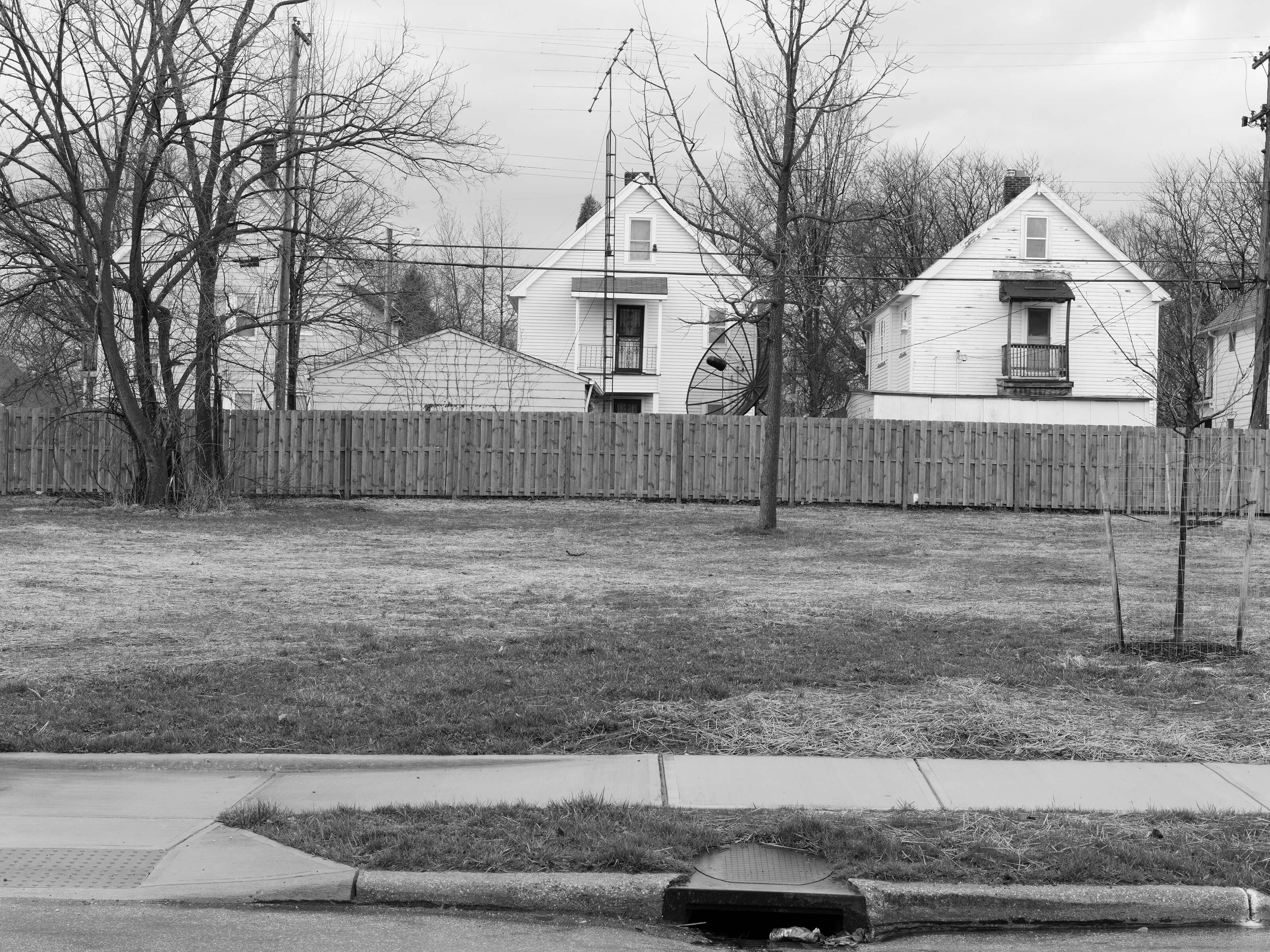
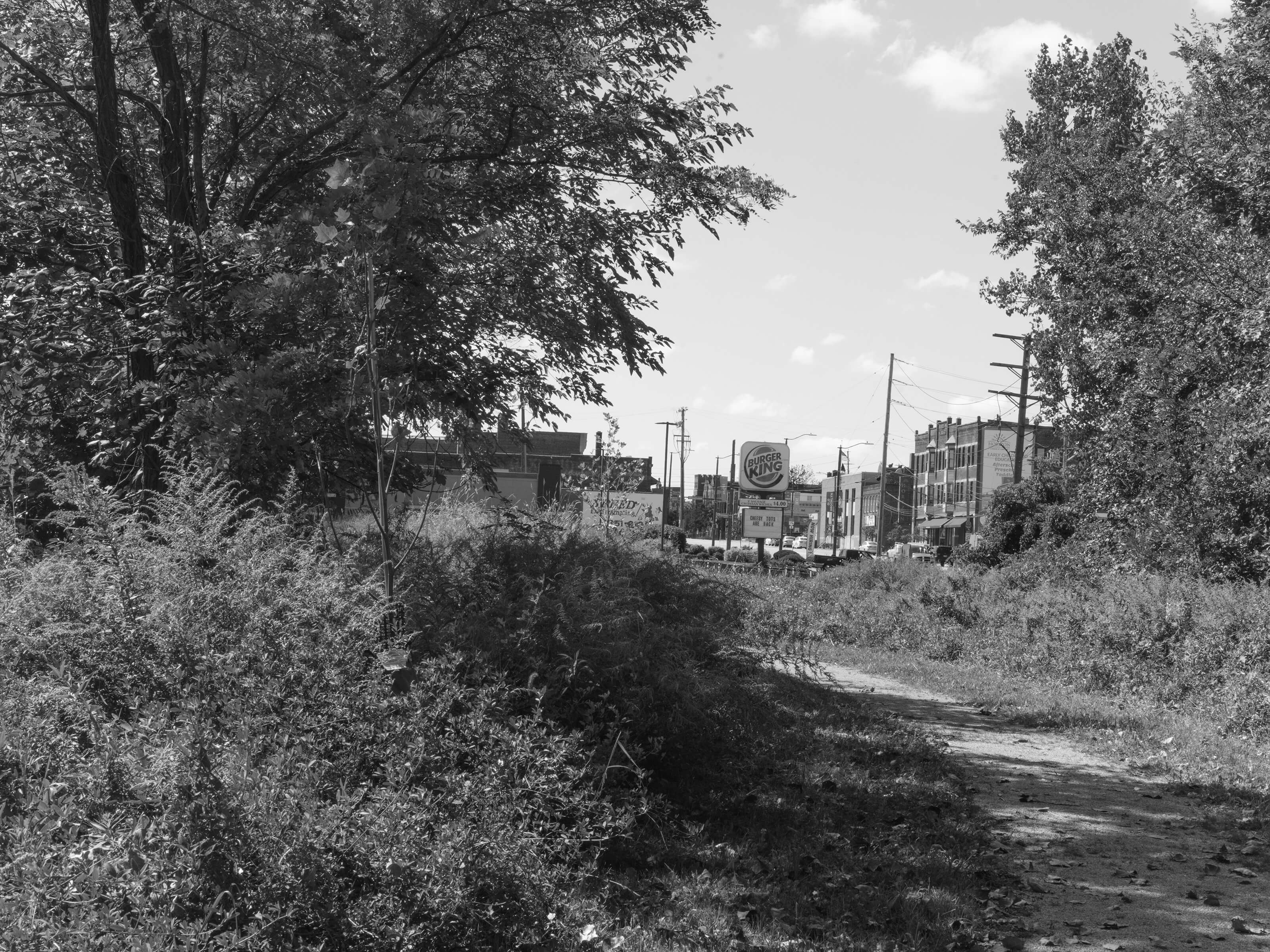
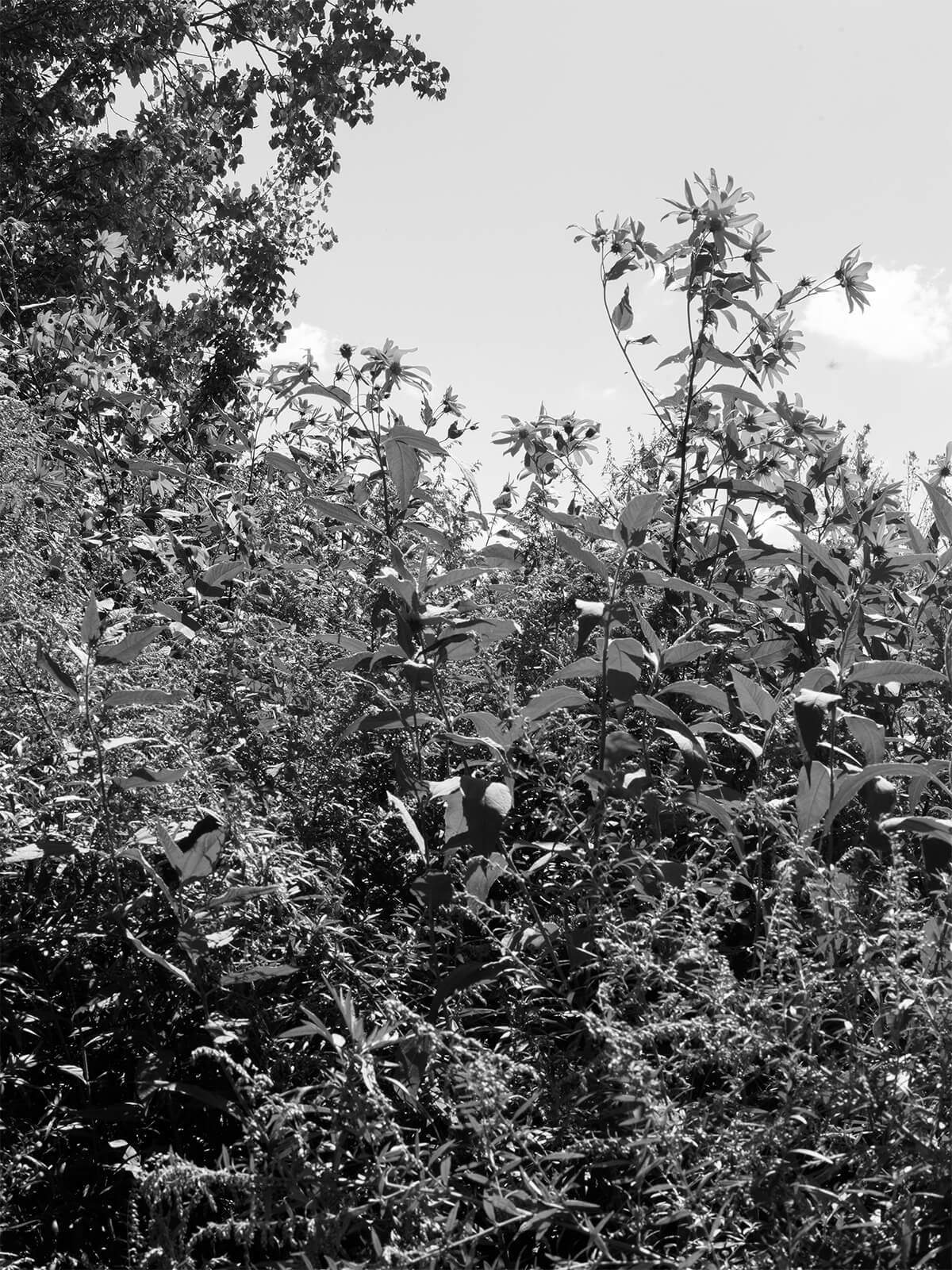
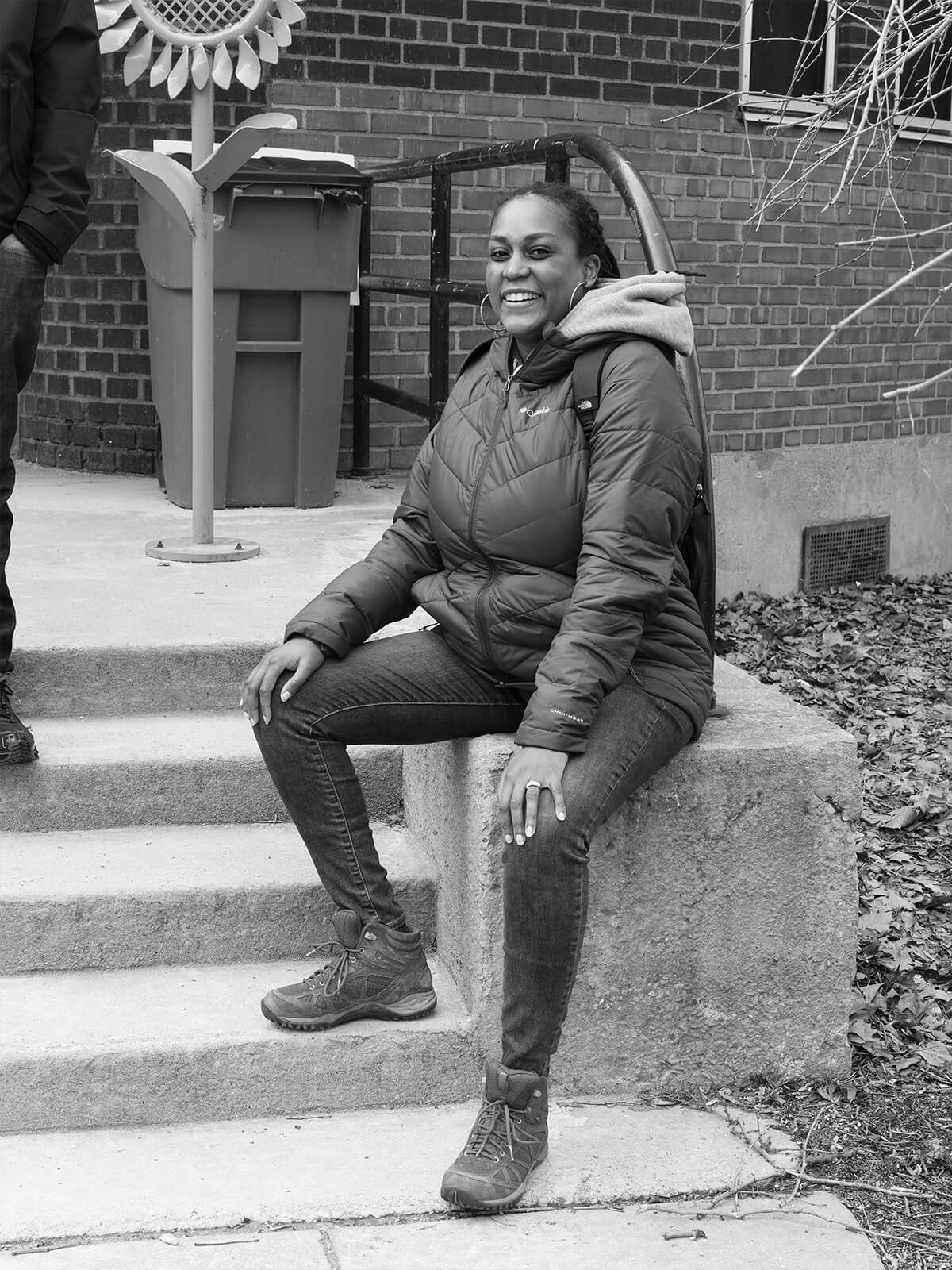
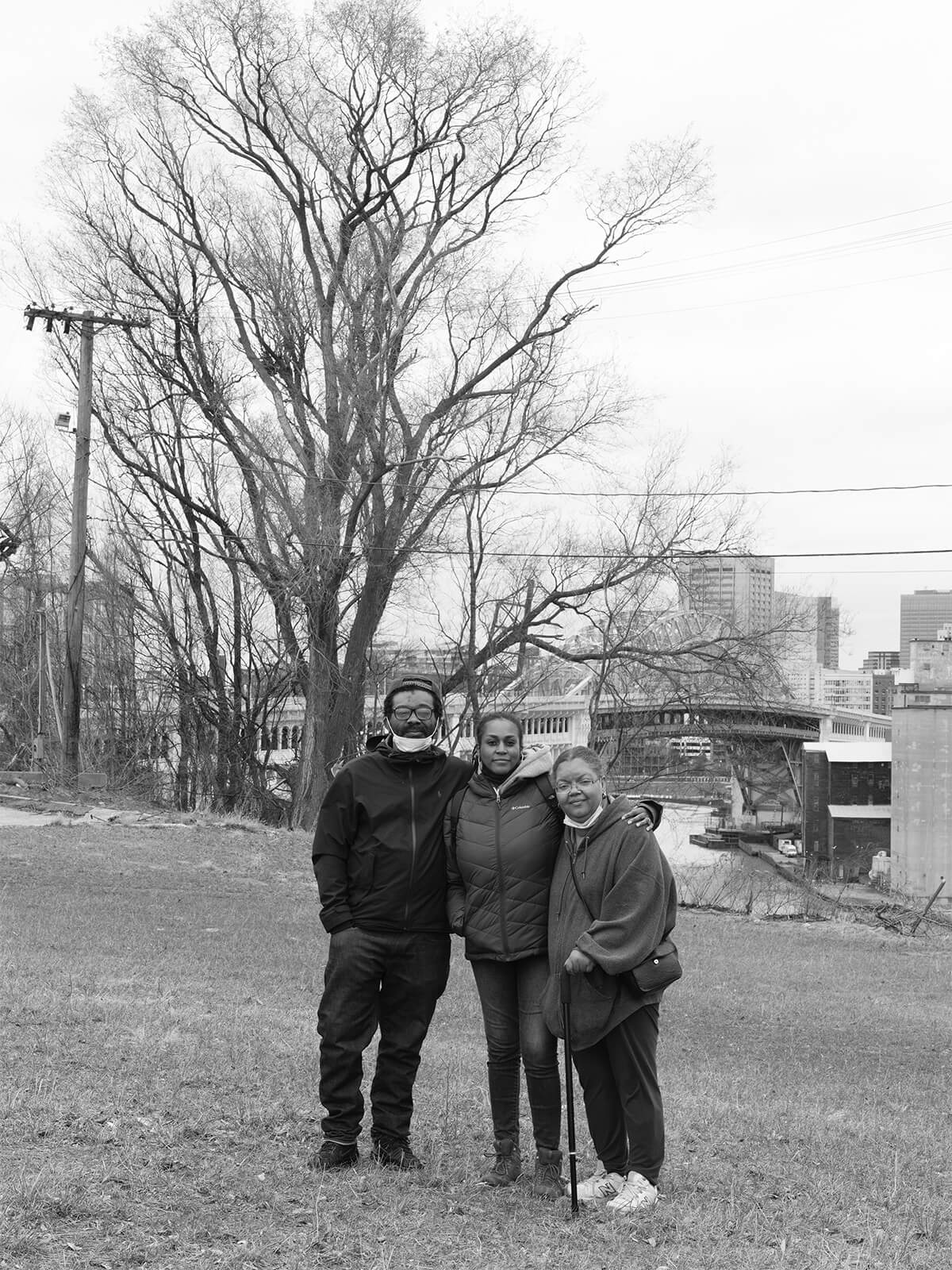
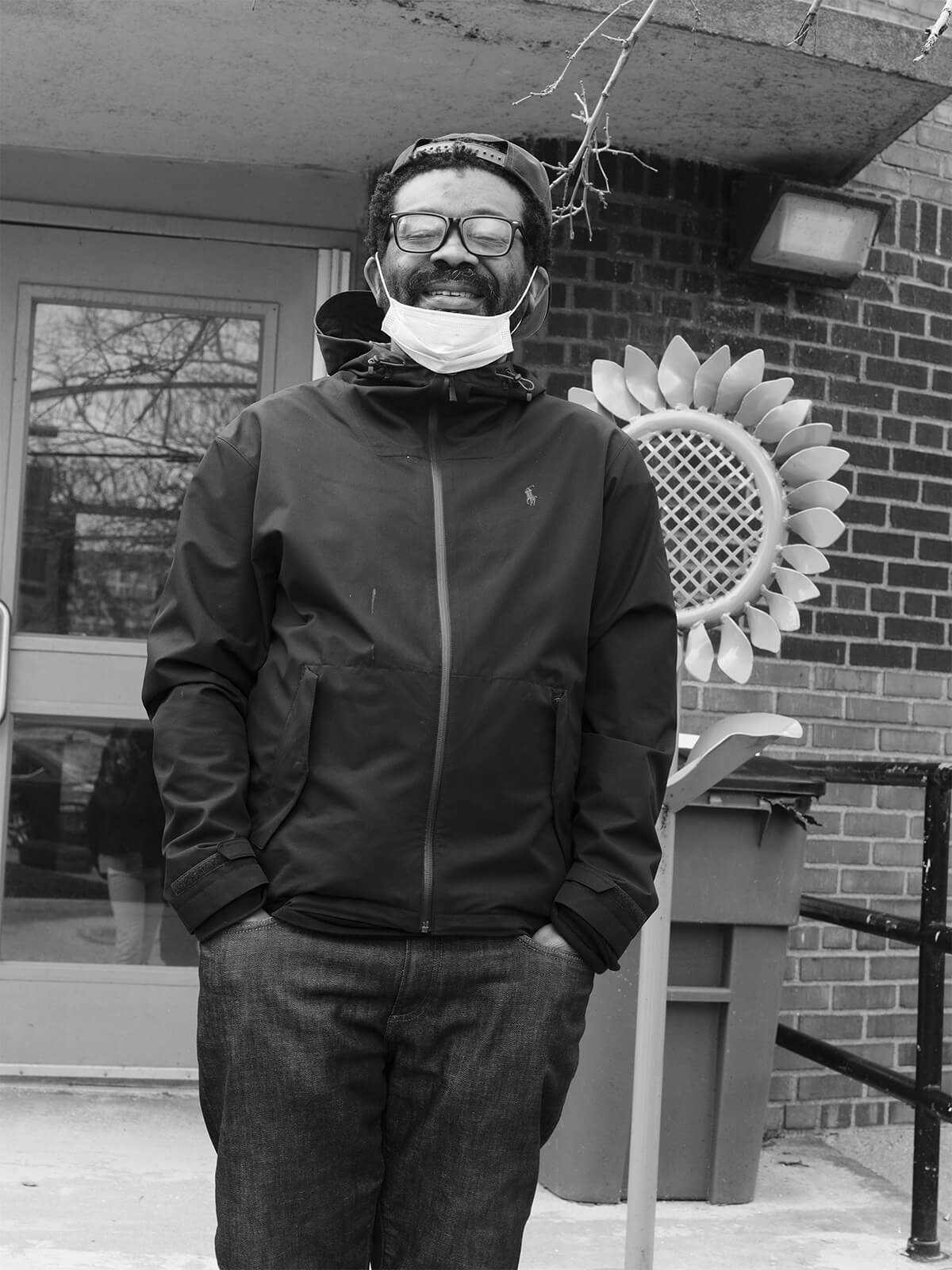
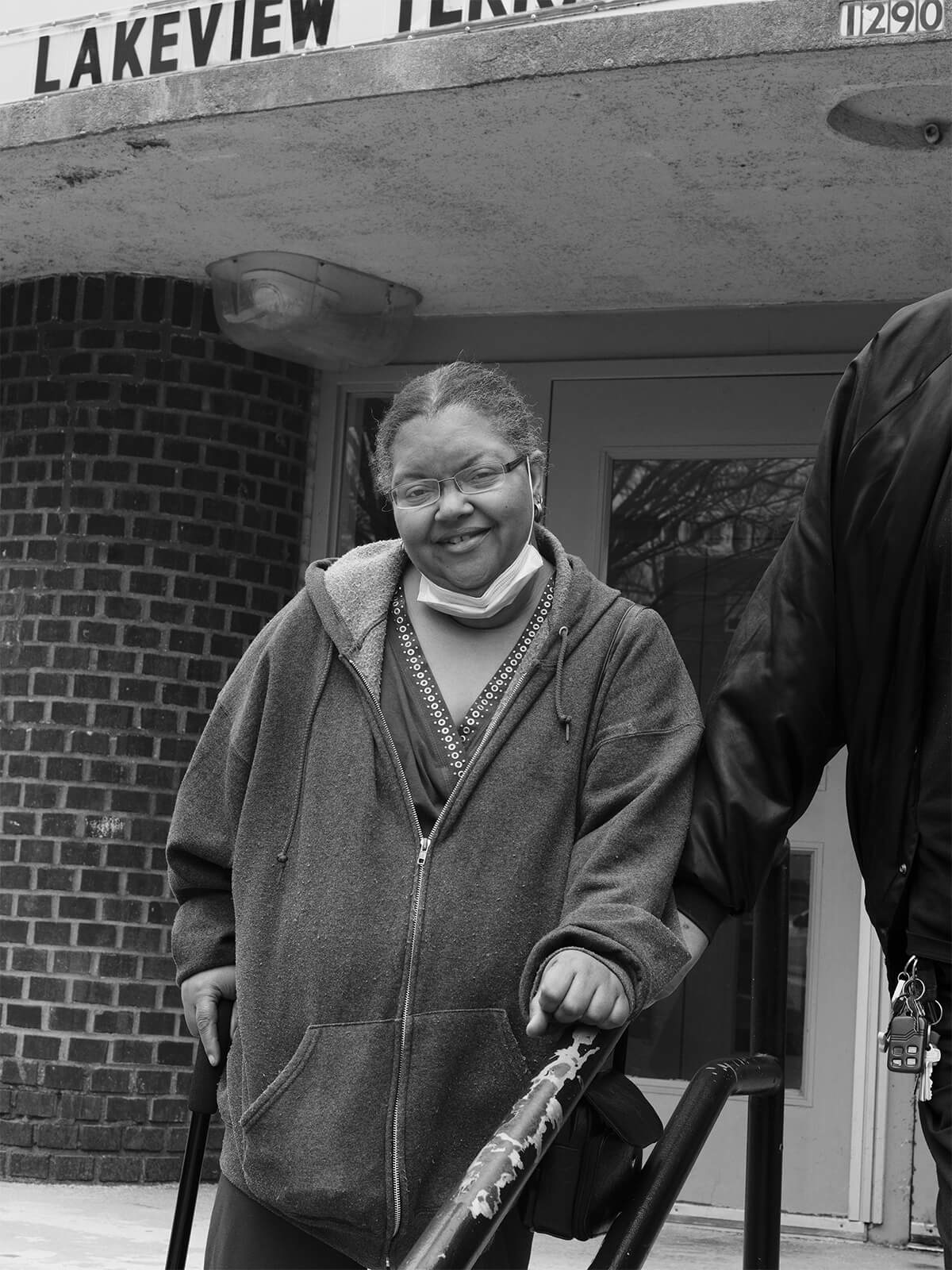
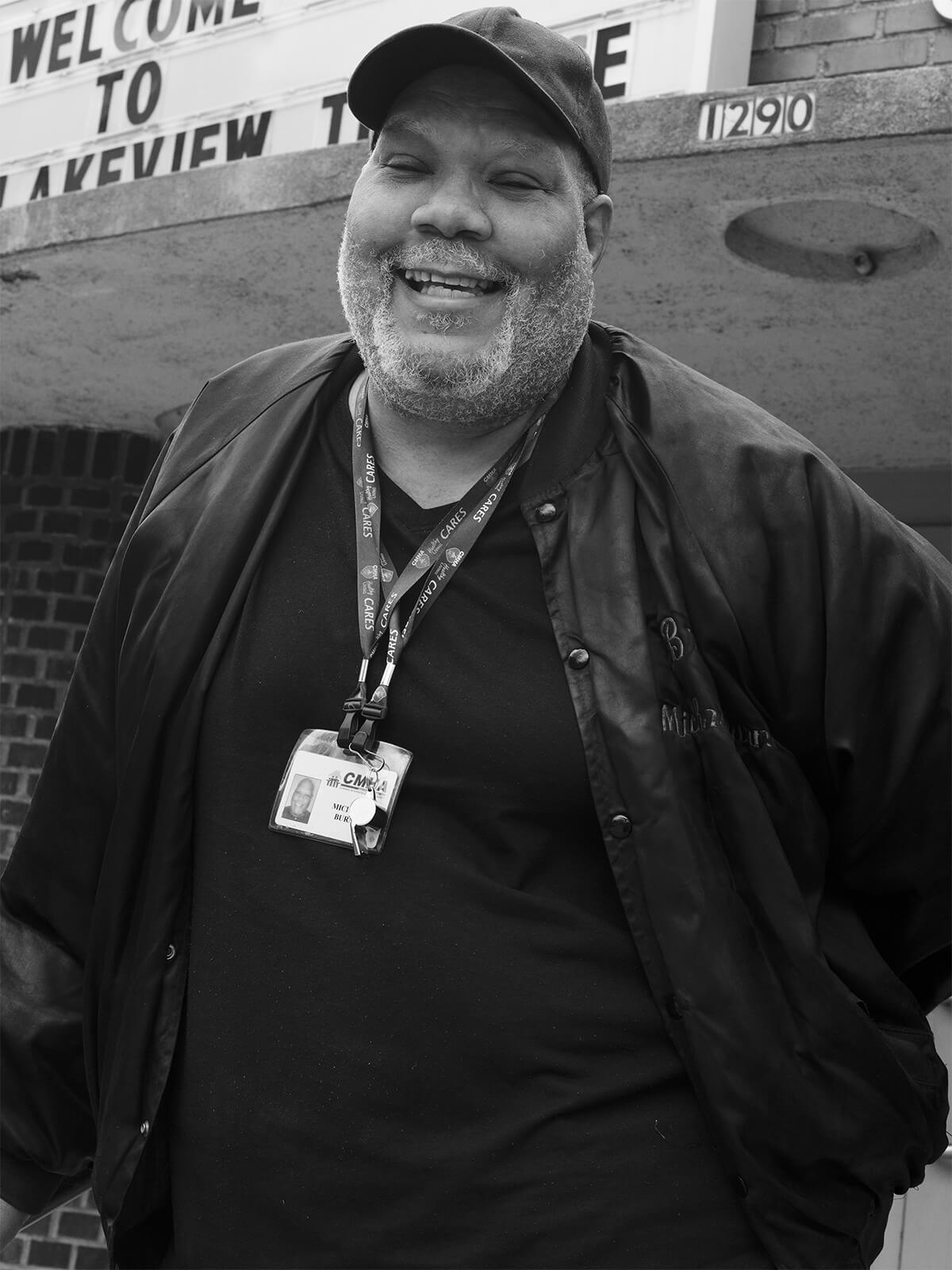
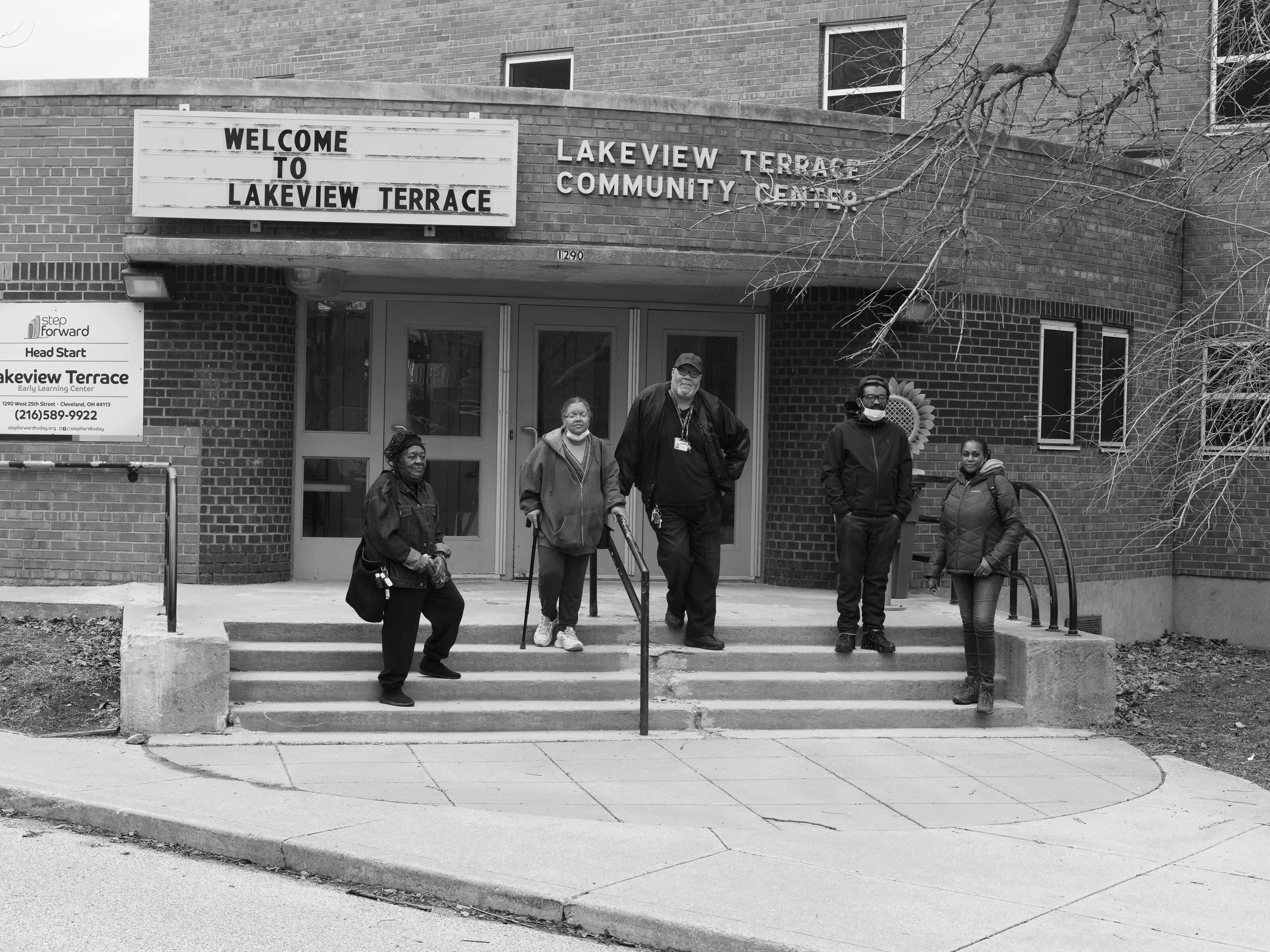
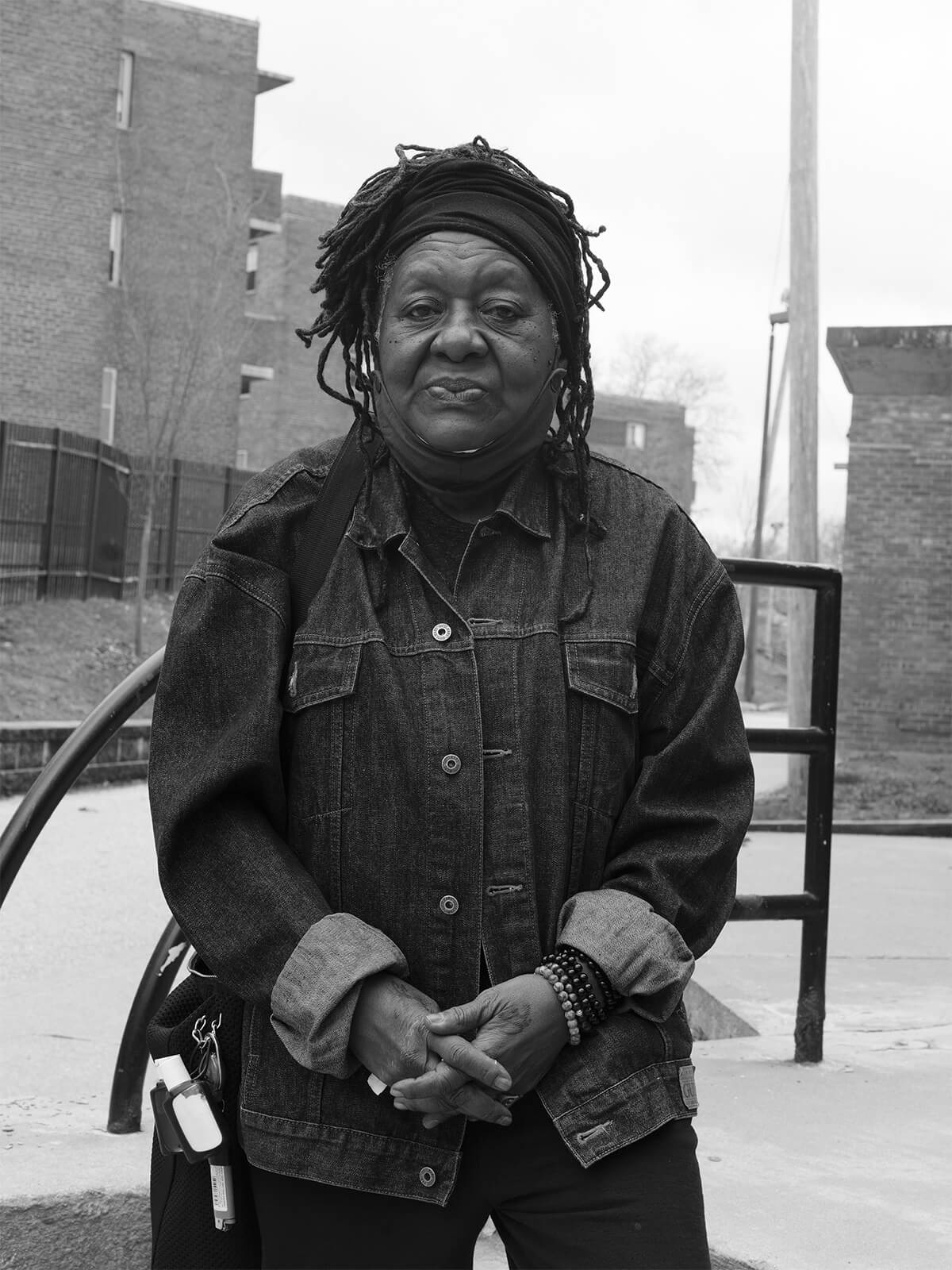
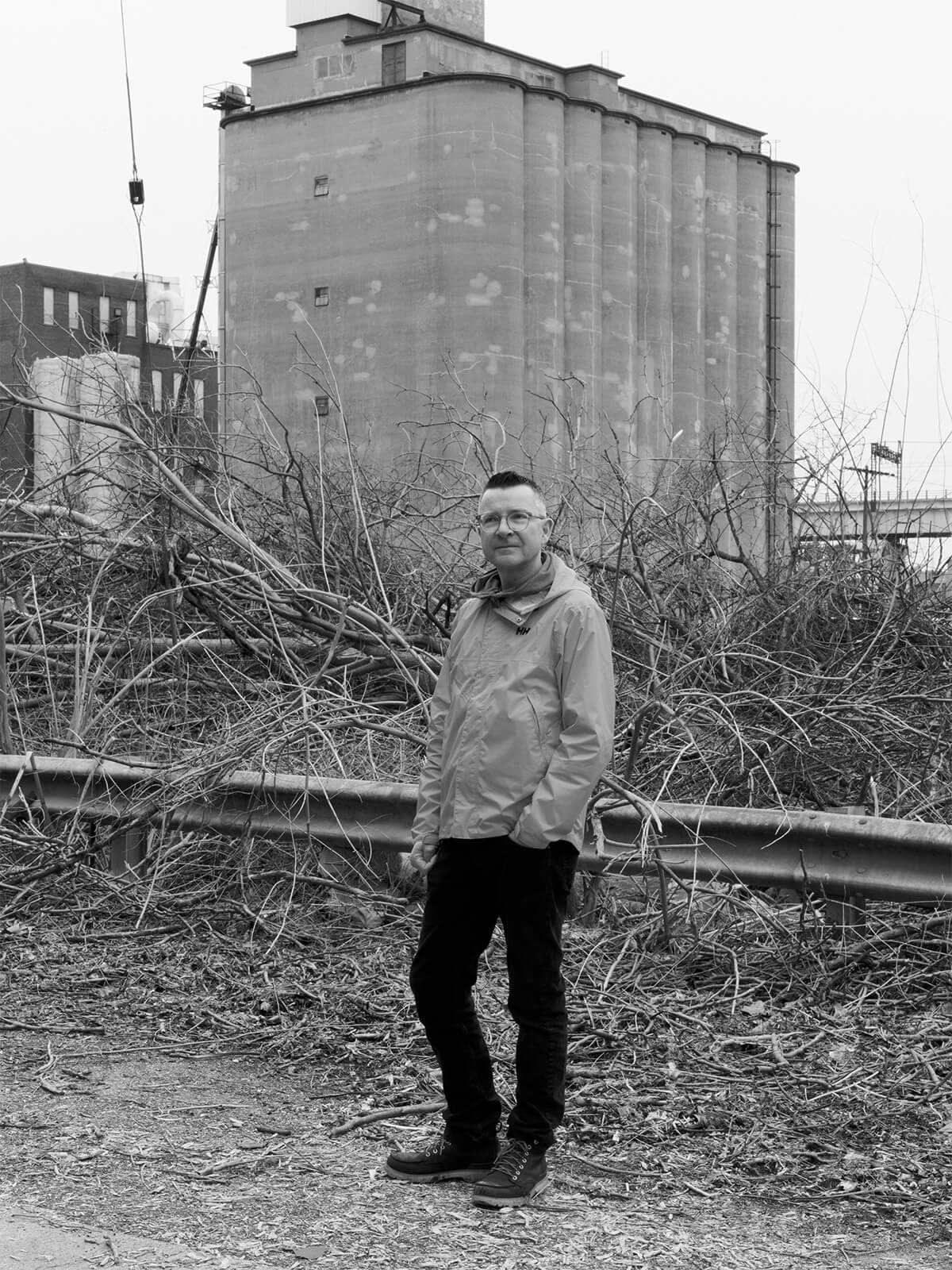
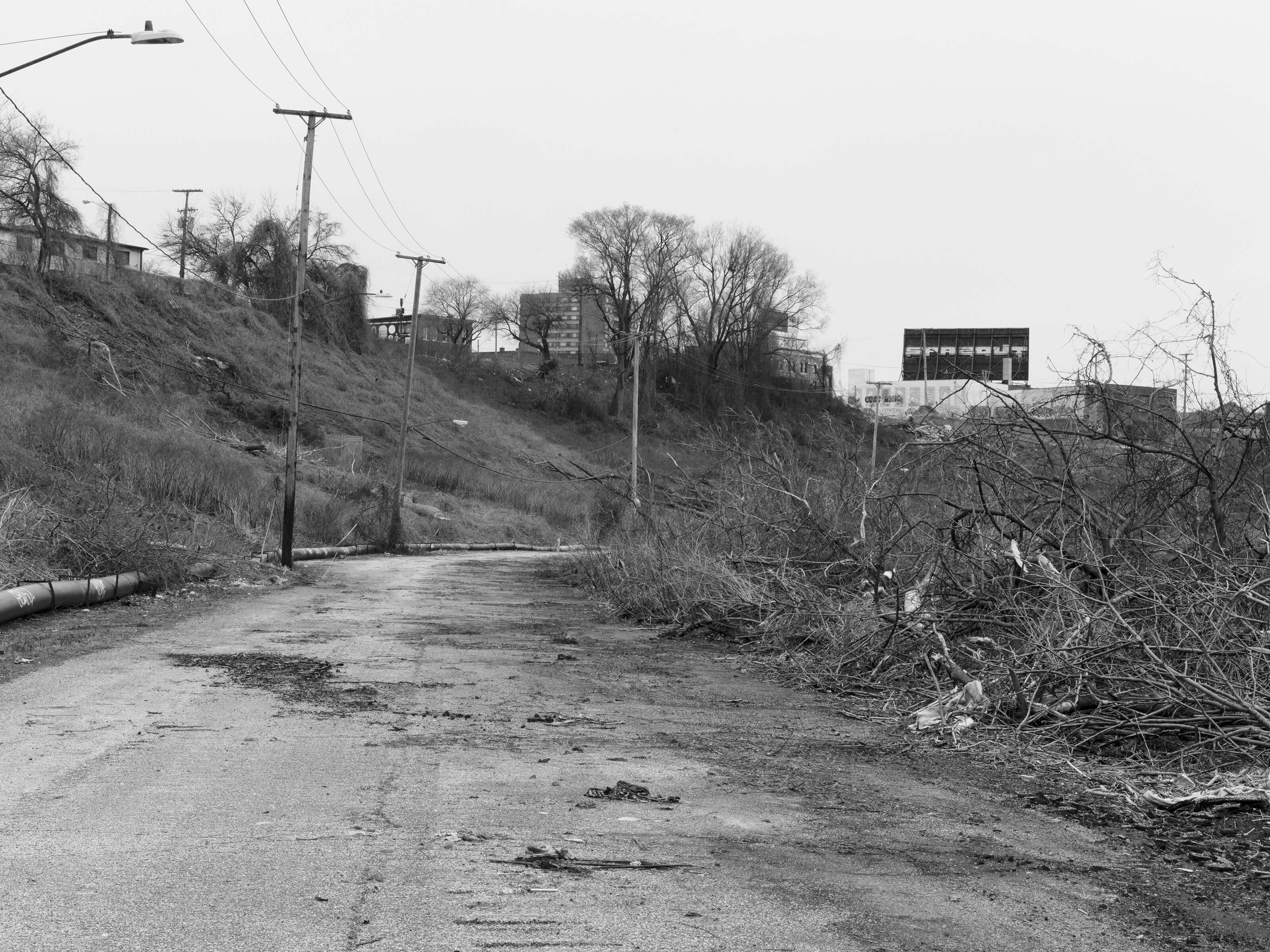
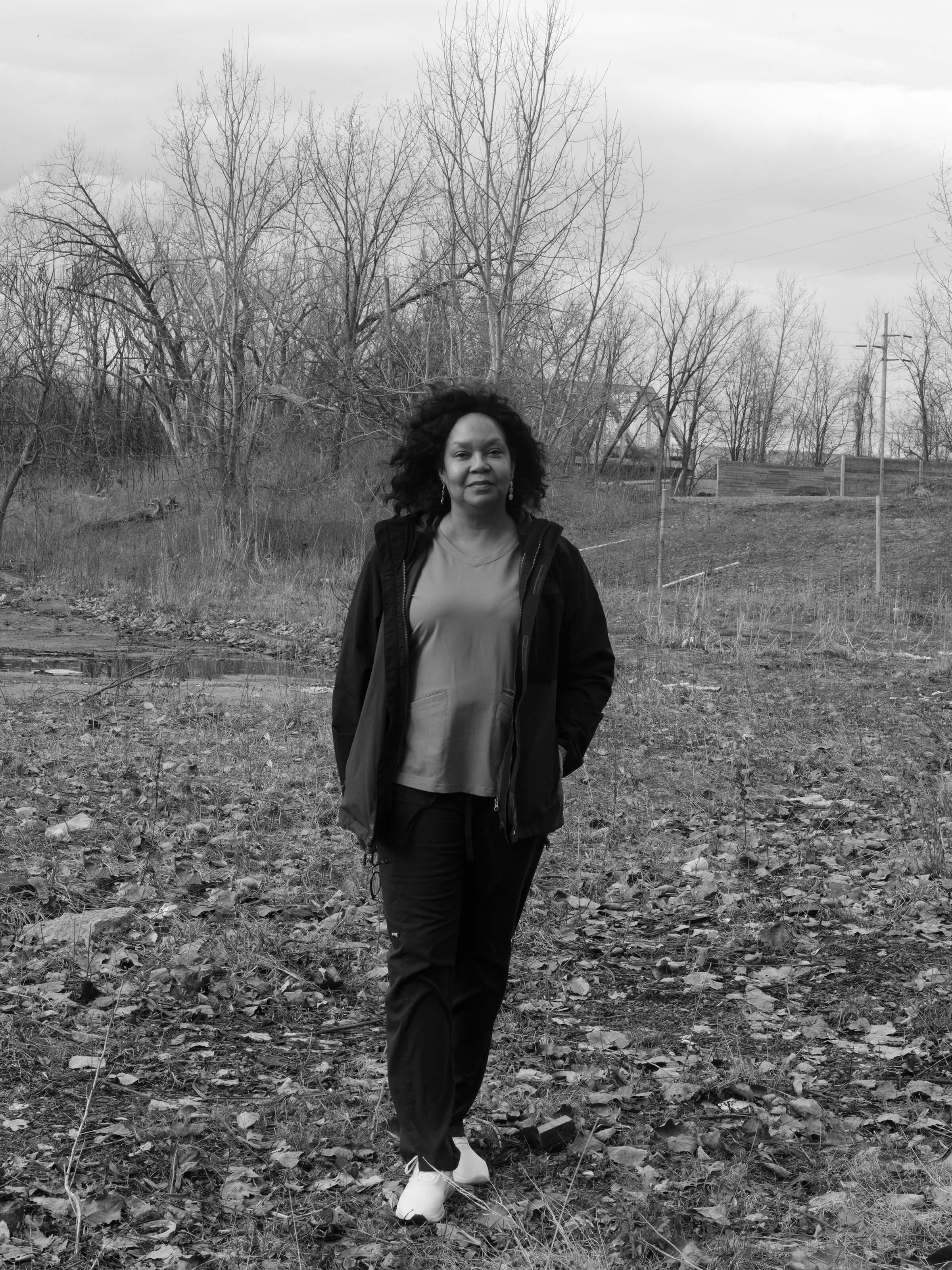
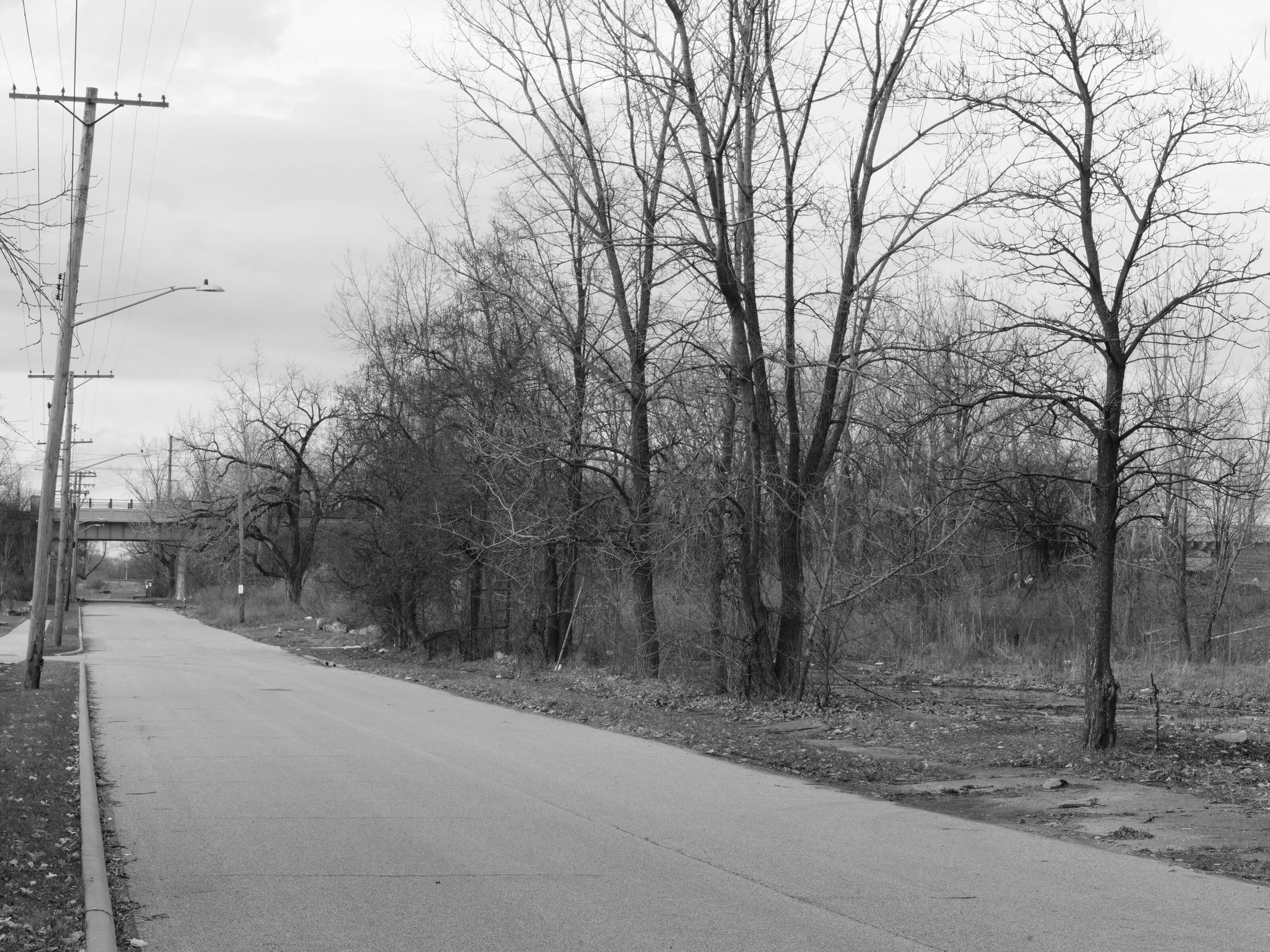
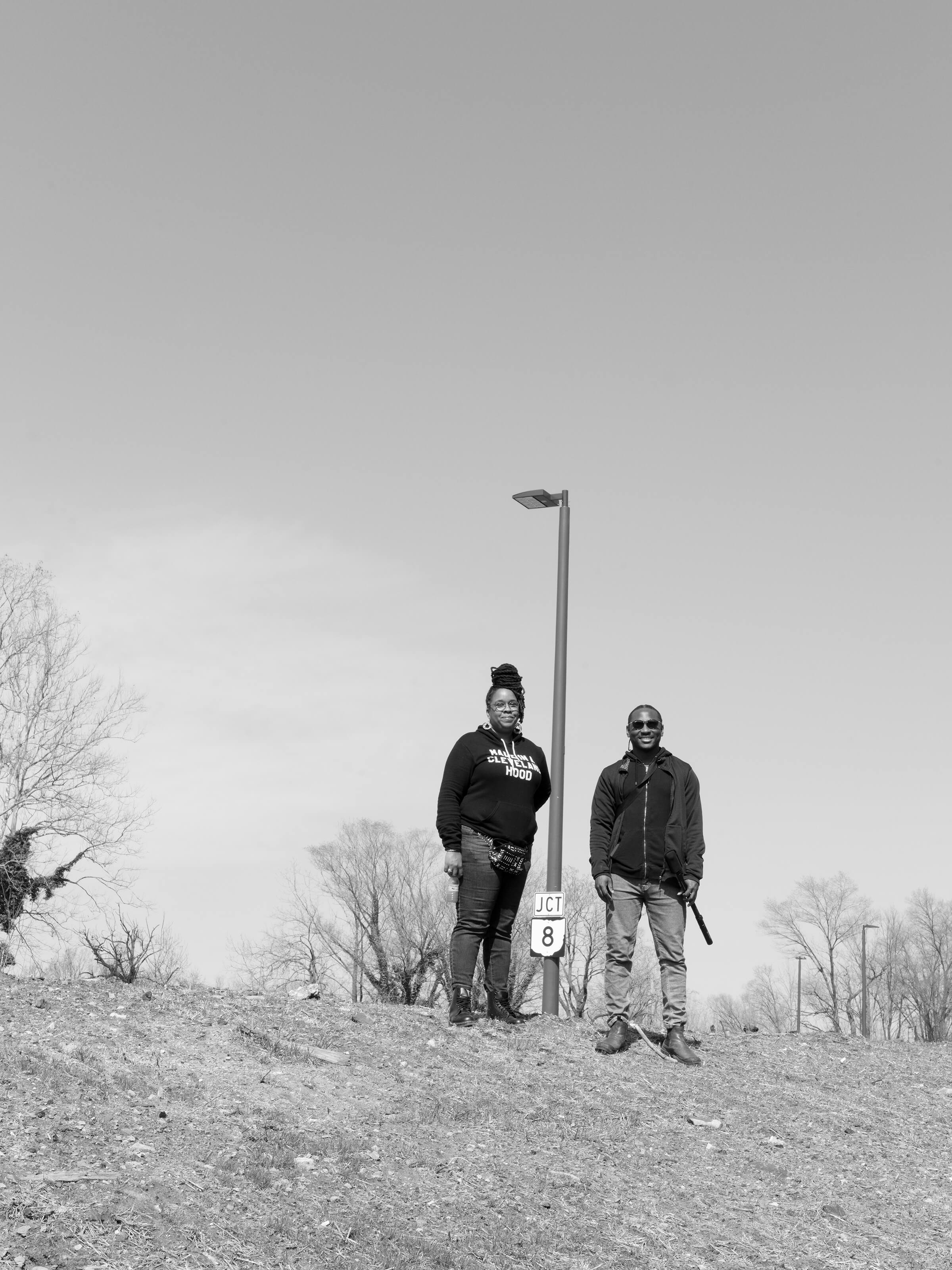
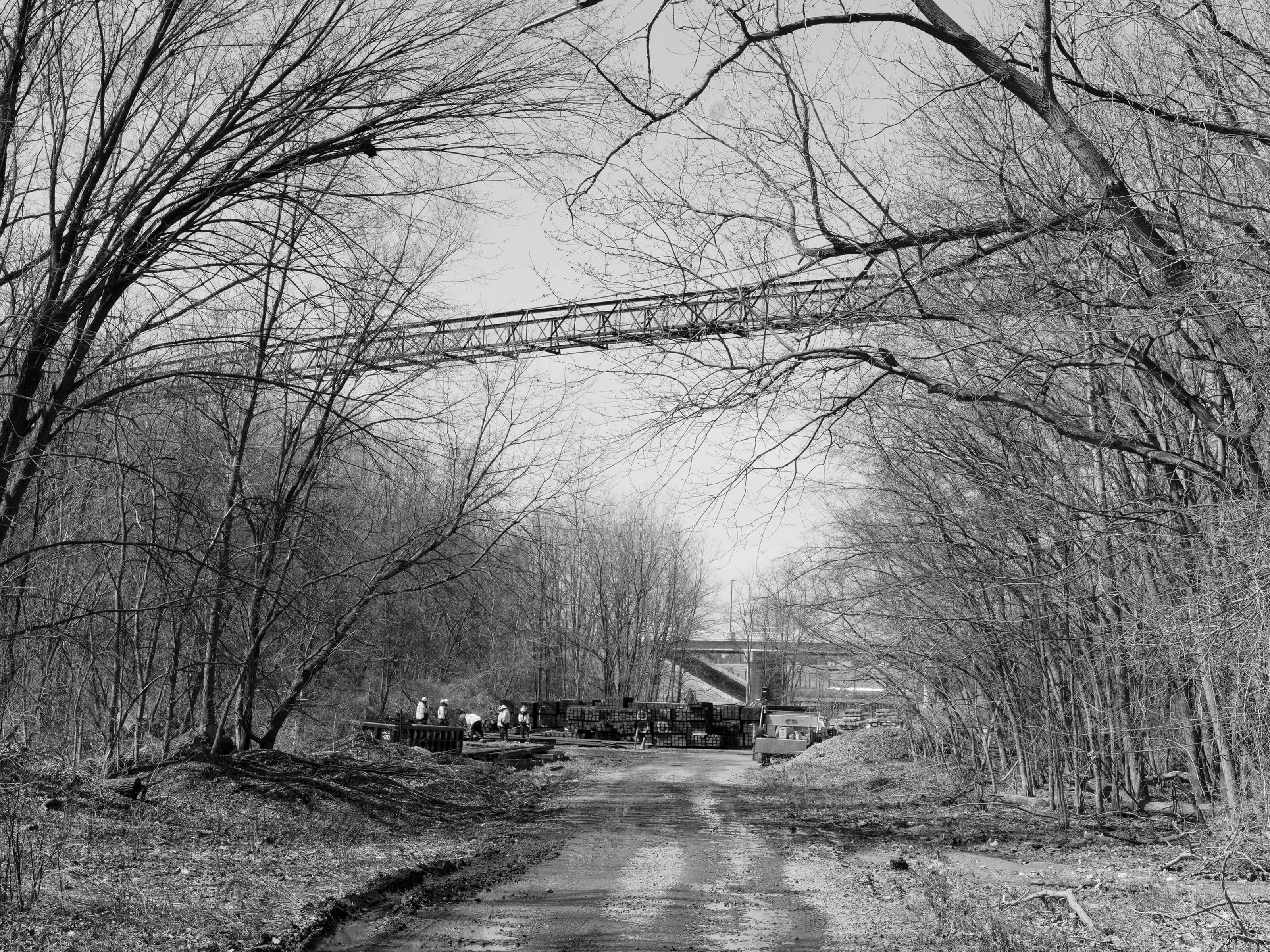
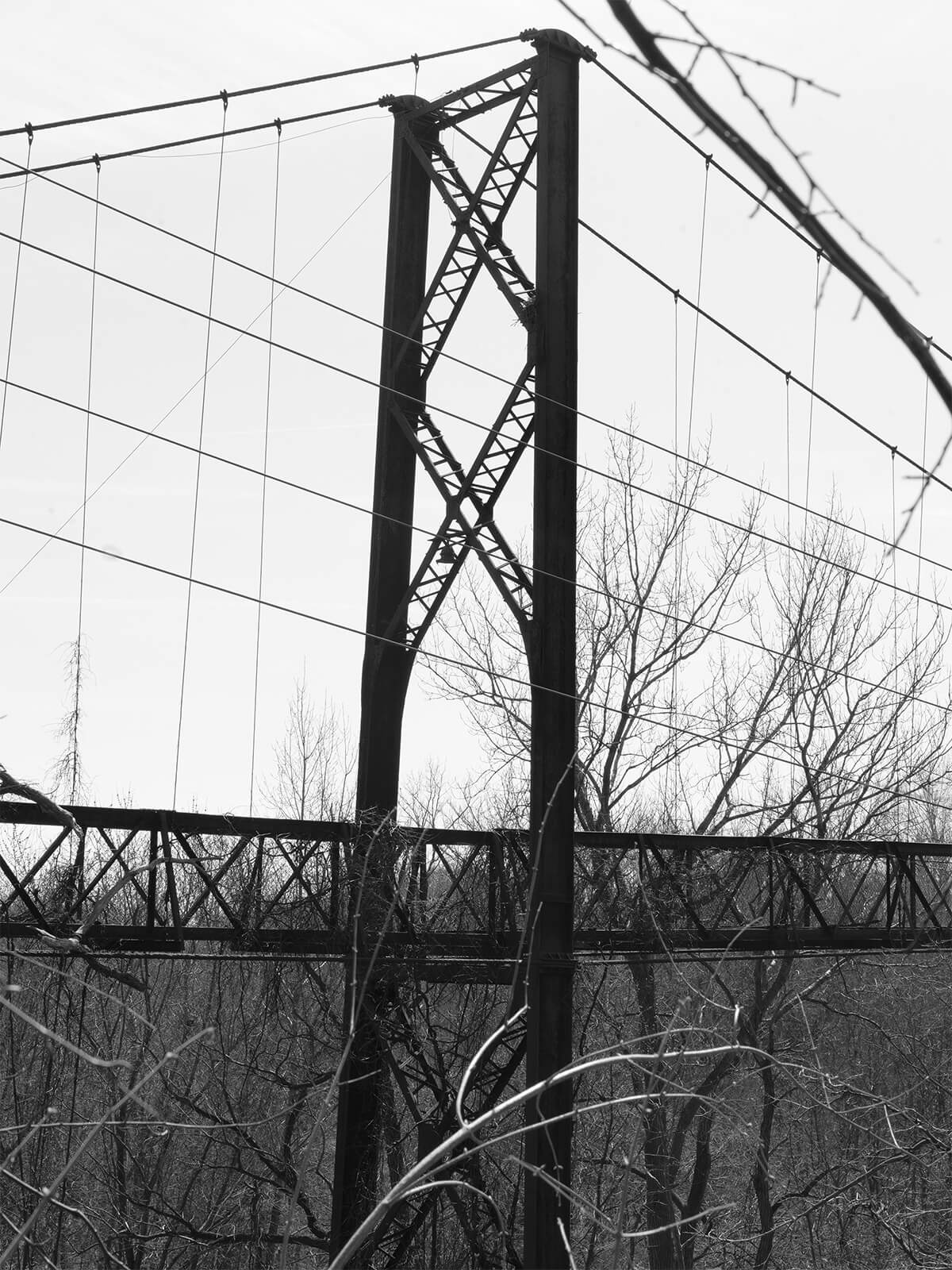
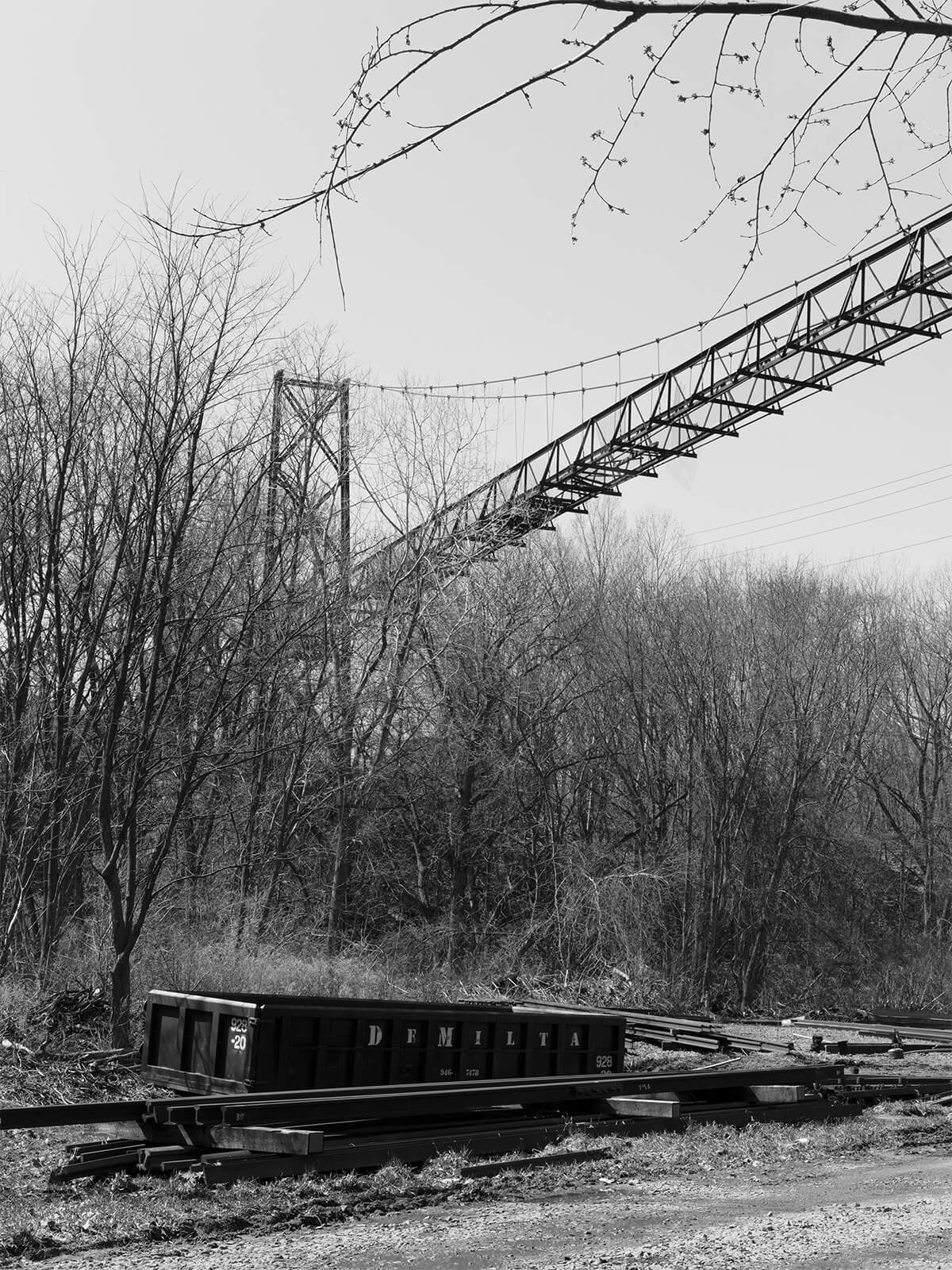
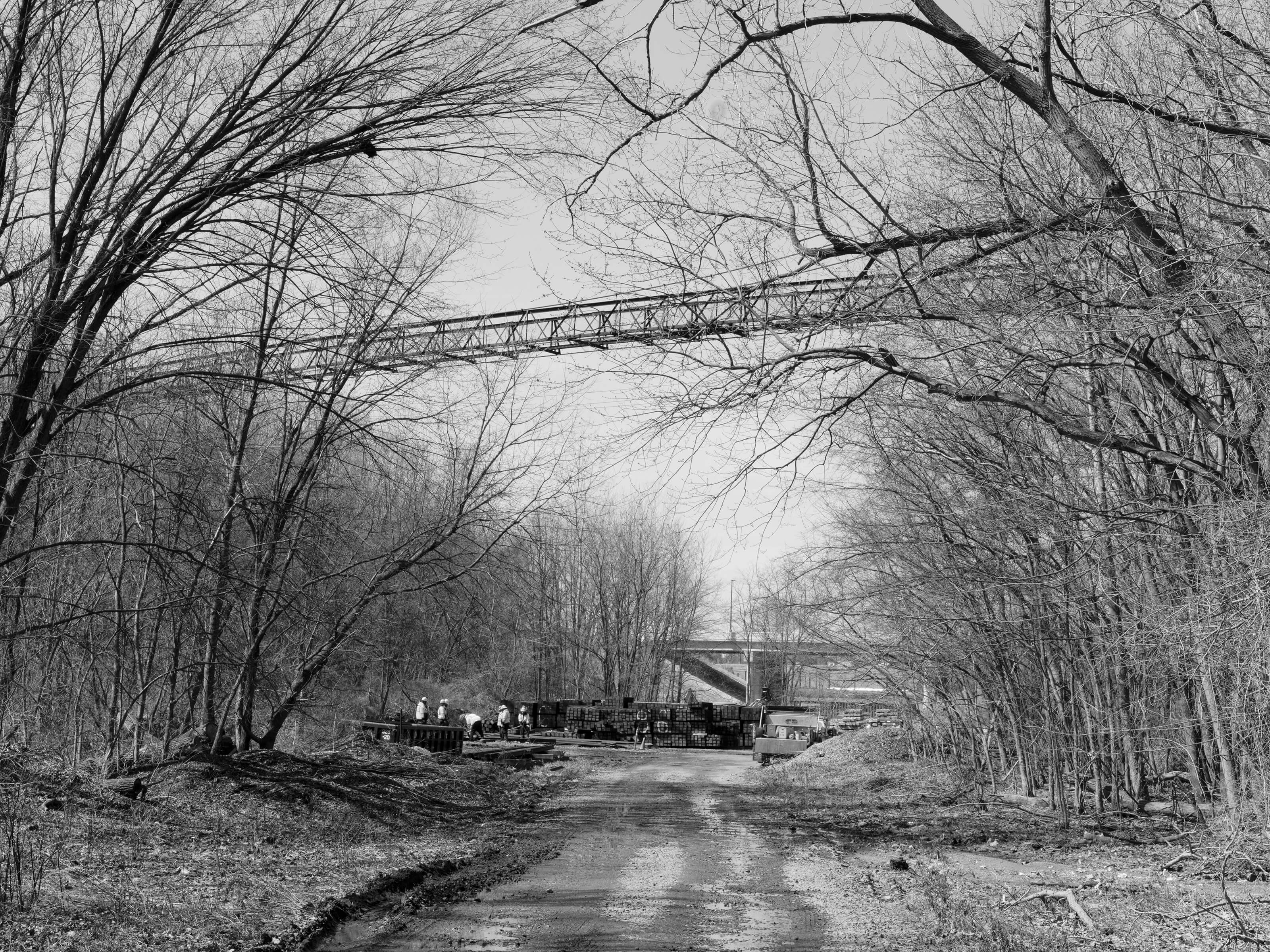
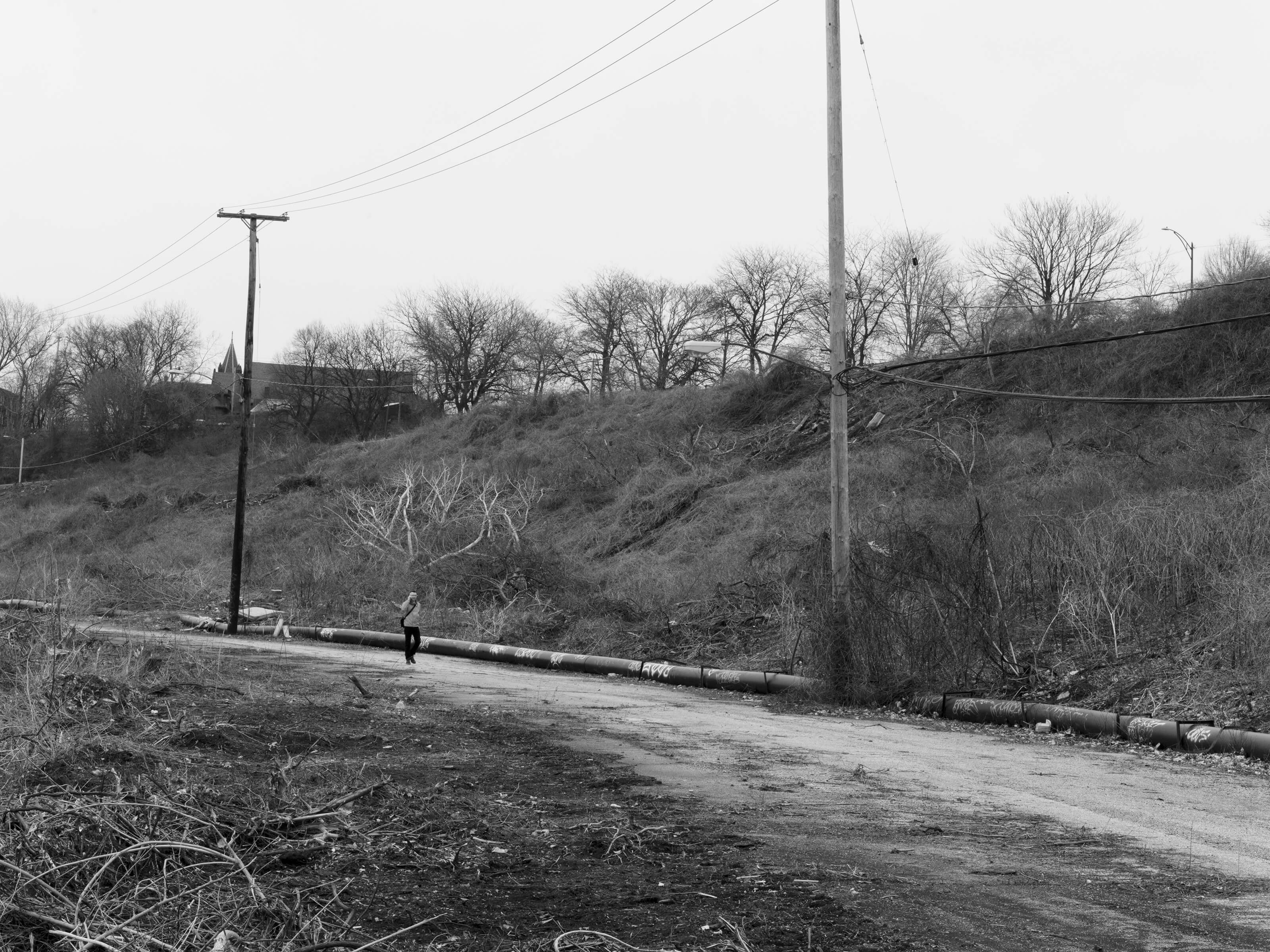
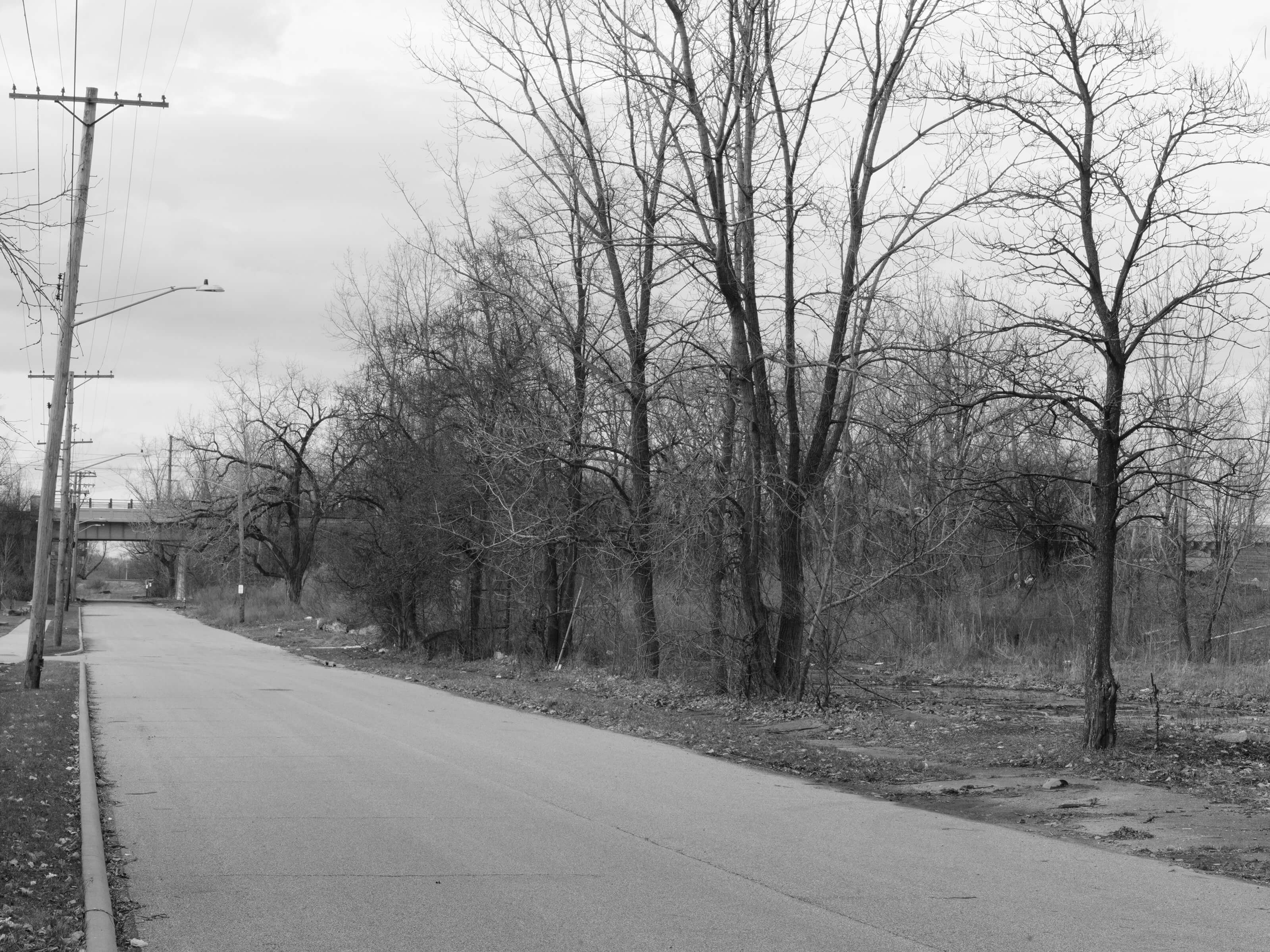
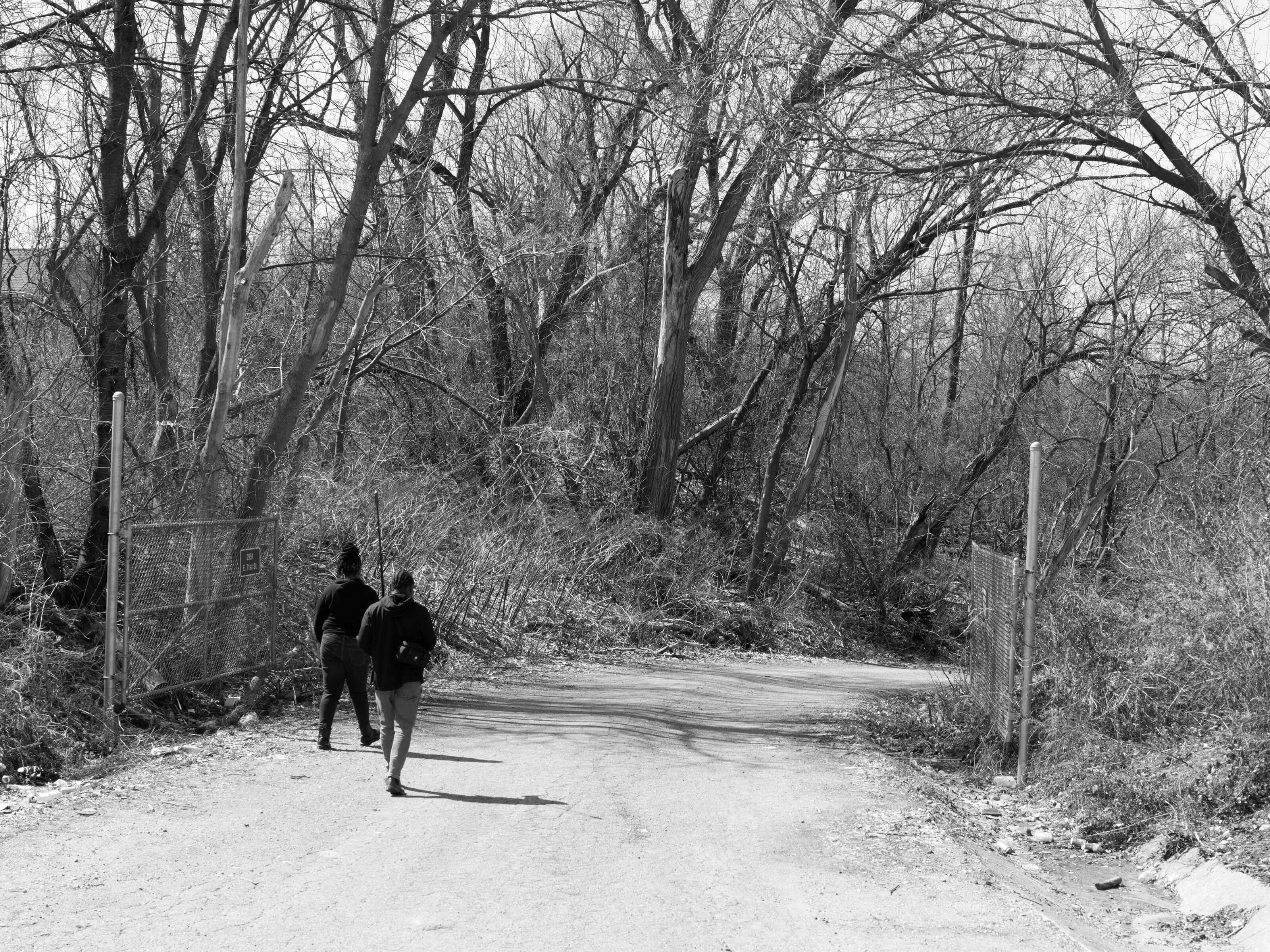
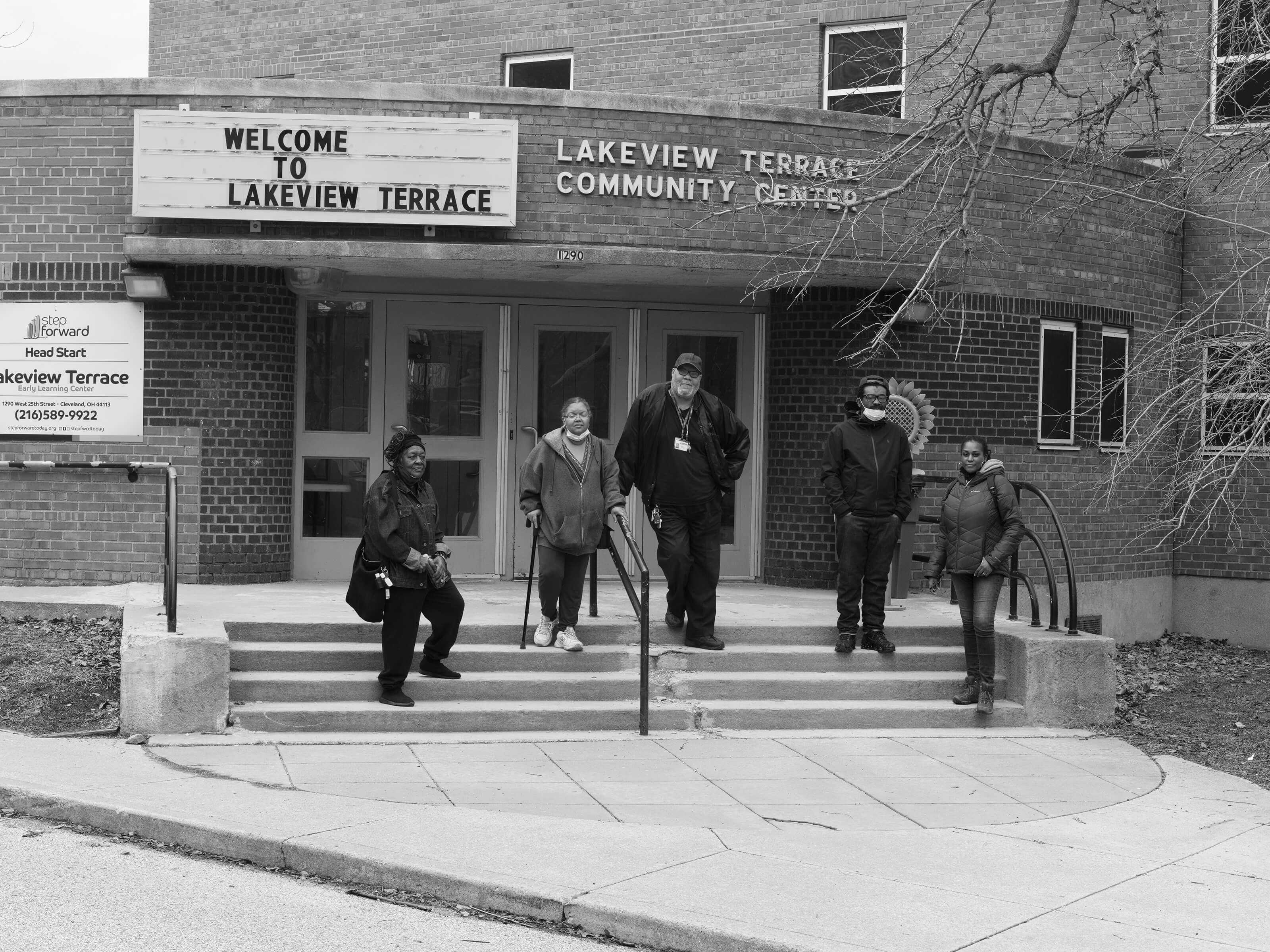
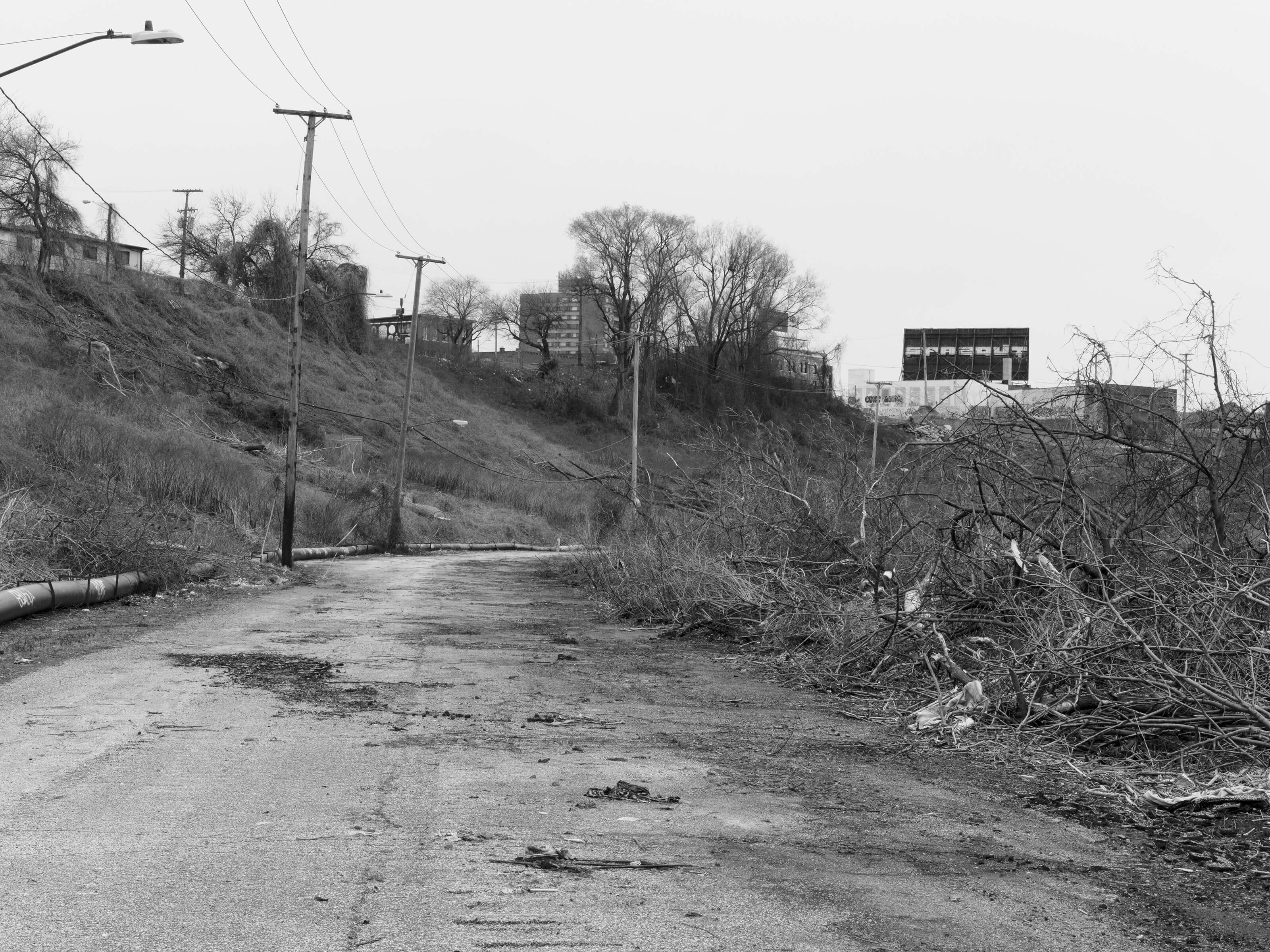
Sidaway Bridge, Hough Community Solar Garden, Irishtown Bend & Lakeview Terrace



Democracy
Photography
Brian Palmer (2020)
The George Gund Foundation’s 2020 annual photo commission portrayed democracy in action through the eye of Brian Palmer (b. 1964, Queens, NY), a photographer and award-winning journalist based in Richmond, Virginia. He strives to tell stories that might not otherwise be told—stories of conflict, activism, and daily life. His multimedia approach unites narratives and images, bridging the two to unite comprehensive storytelling and thorough investigation. Here, in this collection, he portrays Clevelanders exercising their citizenship rights even with the nation in the grip of a pandemic.
Not thinking about race is a luxury I don’t have.
I’m at least as much a journalist as I am an artist. Most folks would say I’m more of the former than the latter.
I’m also the son of parents who endured a familiar strain of American racism—that of white against Black—systemic and personal. Edith, my mom, born in 1936, attended integrated public schools in Queens, NY, but confronted bigotry as she pursued a career in teaching in Long Island and New York City. She was the “first Black” in many positions, and she has both scars and wisdom from these experiences.
Eddie, my dad, born in 1928, never recovered from the government’s seizure of his family’s land in York County, VA, in 1943 to build a Seabee training base. His entire majority-Black community was dispossessed. Resettlement options open to whites were closed to Blacks because of Jim Crow. My father, the grandson of enslaved people who in freedom helped found the village where he was born—and from which he was evicted—served during the Korean War just two years after President Truman’s desegregation order. While stationed in Germany, Eddie fought no battles with Germans, but many against racist white soldiers from the Deep South who resented him—his sergeant’s stripes, his ability to speak a smattering of German, and his popularity with the local (white) ladies. He came home to the same Jim Crow–sick nation in 1952.
My parents passed on this history to me and my sister—my father with a bone-deep bitterness; my mother with caution, weariness, and an iota or two of hope for a better future for her children. They sensitized me to racial prejudice and white supremacist attitudes, even before I had a name for these perceived forces and threats. I wake up each day knowing that my mere Black presence will frighten or offend some non-Black person. It happens in Richmond, in New York, in Cleveland—all cities with plenty of Black folk—when I enter spaces not typically frequented by Black people. Are my reactions perceptions or misperceptions? Sometimes it’s crystal clear, sometimes not. The point is, not thinking about race is a luxury I don’t have.
For me, American democracy is more of a promise, too often broken when made to people of color, than a lived reality—or a real possibility. In some places it seems unattainable. I felt this keenly in Cleveland and about Cleveland. On paper/in pixels, the city’s poverty rate is staggering. The poverty rate among African Americans is even more shocking. Many times a day, I ask myself questions that may seem basic, but that clearly have not been answered, in Cleveland or anywhere else: How can such privation and deprivation exist in this rich nation with its rhetoric of equal opportunity? Why do racially discriminatory systems, patterns, and practices endure?
These photos are expressions of my anger, cynicism, hope, and so many other feelings about the opportunities available to Black people in this democracy, this nation that still cannot fully contend with its ugly past; where so many white citizens are wedded to myths and delusions of white supremacy that are toxic to the physical and mental health of people of color, and to the health of our country. I worried—and still worry—that my photos would be too depressing, too dispiriting.
I visited Cleveland three times. COVID-19 was a factor, a presence on all of these trips and had a profound effect on how I made photos—mostly from a distance. In October 2020, I visited during early voting in a presidential election that pitted the incumbent, our nation’s most antidemocratic and racist president in modern times, against a sane, if uninspiring, politician who was human. Along with many millions of others, I was terrified that my countrypeople would keep him in office despite his demonstrable and toxic antipathy to people like me and those I love—Black, Muslim, Latinx, unrich, queer, etc. It was a scary time. Nineteen-year-old Vincent Belmonte was killed by police in East Cleveland my first day in town in January 2021. The January 6 insurrection happened the day after. During my third stay, Daunte Wright was shot and killed by police in Brooklyn Center, MN. I am embarrassed to write that the details of his killing, so clear at the time, are now hazy. Wright’s story blends with those of the other African Americans whose lives were taken by law enforcement officers.
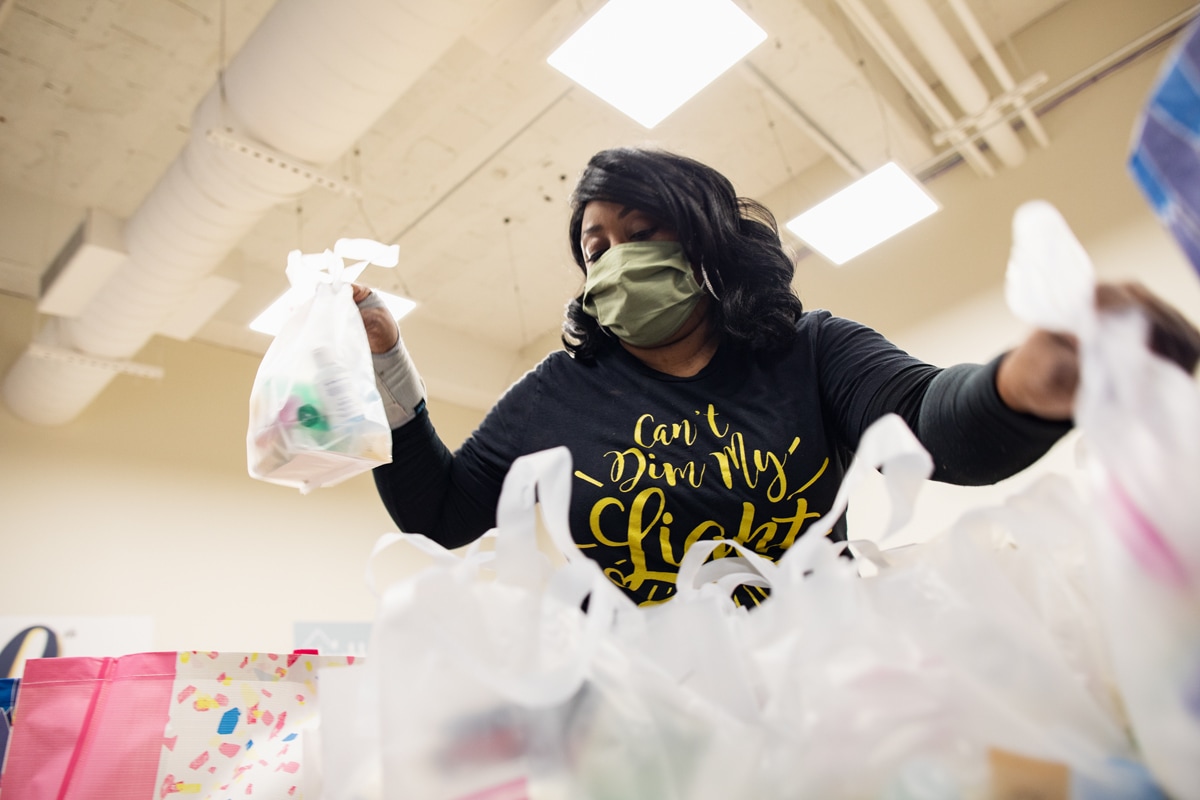
In spite of the awfulness I describe above, I found hope and affirmation from the folks at University Settlement, Famicos, Twelve Literary Arts, Kirk Middle School, Shaw High School—and even the folks at the Garfield Heights Funeral Home. They were doing what they do every day, serving their community. Proudly. To me, they are the bulwarks of our creaky democracy, the folks who grind through obstacles—structural, situational, whatever—to get things done for those around them.
My faith is in them, their dedication, tenacity, patience—and their palpable achievements. By documenting these people and the work they do I hope to convey my hope that democracy will be realized by and for the people now trapped at its margins.
BRIAN PALMER, Journalist & Photographer
How much poison can our democracy withstand?
From the 2020 Annual Report
July 29, 2021
I was 10 in the fall of 1962 when the San Francisco Giants and Los Angeles Dodgers tied for the National League pennant and were to meet in a three-game playoff. Unhappily, our TV was broken and my parents couldn’t afford to fix it but they agreed to let one of my brothers and me stay a few days with two elderly great aunts who lived on the other side of our town of Fremont, Ohio. I was especially excited to watch one of my heroes, the Giants’ star Willie Mays, who played baseball with greater skill and enthusiasm than anyone.
As it turned out, events far from the ballfield intruded. While Mays dazzled the Dodgers, a man I had never heard of, James Meredith, was trying to enroll in the University of Mississippi and become the first Black American to do so. The university and the state repeatedly tried to block him. Whites rioted. A reporter and a bystander were killed. The nation was riveted.
All of this entered America’s homes through the evening TV news, which was a staple at our aunts’ house. During a broadcast of the turmoil surrounding Meredith, one of my aunts remarked, “I just don’t see why he has to go there and cause all that trouble.”
Her words hit me like a slap—for the simple reason that Meredith had the same color skin as Willie Mays. If Meredith could not attend that school, then neither could my hero, and the unfairness of that was obvious even to my young mind.
It took the legal and military power of the federal government to open that door for Meredith and those who followed him. Racism had long since shriveled the hearts of the men running Mississippi. They did not worry about electoral consequences for their acts because they continually appealed to the worst fears and racial hatred of many whites and because they used the law to control who voted.
So, here we are nearly 60 years later struggling yet again with similar issues. The challenge of this moment is once more free and fair access to the ballot box. This time it is not democrats setting up the barriers; it is Republicans. This time it is not a battle focused primarily in the South; it is nationwide. This time the racial dimension of the battle is less overt but the same ultimate question looms: What sort of country do we want America to be?
Do we want a democracy that keeps striving to live up to its founding ideals? Or are we willing to let an elite minority continue to distort the democratic process in order to cement its hold on power?
Their democracy-corrupting weapons are many: Torrents of unaccountable cash from unknown sources. Extreme gerrymandering. Outrageous lies about voting fraud, stoking fears that elections are being stolen. Suppressing the turnout of low-income, elderly and Black and Brown voters by making it harder and less convenient to cast a ballot.
The right to vote is the very essence of democracy. Throughout our history we have gradually expanded that franchise but each expansion followed a long struggle. Now, as the country’s demographics are evolving to become less white, the Republican Party has grasped for ways to seize or maintain control of power, even if it means undermining the right to vote.
Donald Trump was a godsend to these anti-democracy forces because he is uniquely unmoored from truth and from any respect for the democratic system. When he could see that he was losing his grip on power, he began shouting the Big Lie that the election would be stolen from him. He has not stopped. The Big Lie fueled the murderous insurrection at the U.S. Capitol on January 6. And even more ominously, it is being wielded by most of the Republican Party to justify state-by-state restrictions on voting, including in Ohio.
Four out of five Republicans have swallowed the Big Lie. Trust in the fairness of elections has been shaken. Republican Congresswoman Liz Cheney, daughter of the former vice president and one of the few members of her party to stand up to Trump, quite accurately wrote in May, “The 2020 presidential election was not stolen. Anyone who claims it was is spreading THE BIG LIE, turning their back on the rule of law, and poisoning our democratic system.”
How much more of that poison can our democracy withstand?
American democracy has always been imperfect. We have rid our Constitution of some of the founders’ compromises but we still live with others. In addition, societal supports for the constitutional order are weaker. Institutions of all kinds have less legitimacy. The media information sources that we shared in prior eras are now fragmented and some are mere propaganda. And now a major political party has become a cult in thrall to a megalomaniacal liar. The most dire warnings about the threats to democracy no longer seem far-fetched. It now seems possible that a Republican-controlled Congress could refuse to certify the results of a future election if the American people choose a Democrat.
Yet, as a wise man once said, the solution to the problems of democracy is more democracy: More people engaged as active citizens with their communities and country. More avenues for that engagement. More accountability for lying, for inciting division and animosity. More respect for facts and truth. More people voting.
These are not easily achieved but all of us—including foundations—can help to move the country toward them. By being vigilant and active citizens. By organizing with others. By demanding truth and calling out lies. By advocating for policies and candidates in support of democracy. By standing with those who are targets of hatred and victims of prejudice. And as long as there are elections—free and fair elections—there is hope.
That hope, that faith is captured in the photo essay featured in this annual report. Brian Palmer, an award-winning photographer and journalist, portrays Clevelanders exercising their citizenship rights even with the nation in the grip of a pandemic. The fact that voting turnout increased at such a time is testament to the captivating appeal of democracy. This is what democracy looks like.
As I think back, I realize the turn my life took on that day in the fall of 1962. It began the never-ending process of opening my eyes to a world of issues and injustices beyond my narrow direct experience. It helped to set me on my own course of trying to live out active and constructive citizenship. A career embracing journalism, politics, government, nonprofits and philanthropy has given me countless opportunities for engagement. I loved them all but no role has been more gratifying than being at this incomparable institution for nearly two decades. It will soon come to a close. The time for transition to new leadership will arrive when I retire at the end of 2021. I owe endless thanks to our trustees for their wise insights and their unwavering commitment and backing; to my staff colleagues for the passion, conviction and dedication they always bring to our work; to our many grant partners who undertake the inspiring efforts I have been honored to help support; and to Cleveland, which has been and will remain my favorite place from which to face the world.
New paths await.
David Abbott, President
Photography
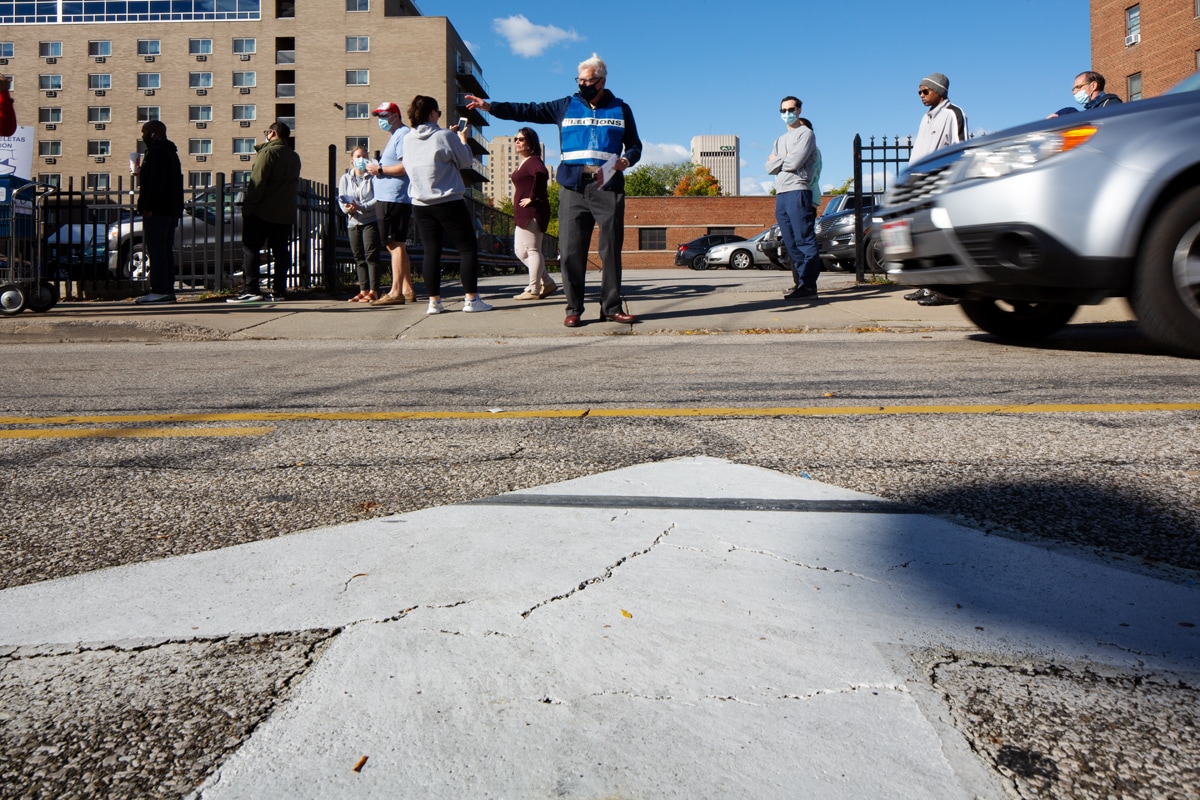
16 October 2020
Cuyahoga County Board of Elections, Cleveland, OH—Early voting and ballot drop-off at the one early voting site in the county.
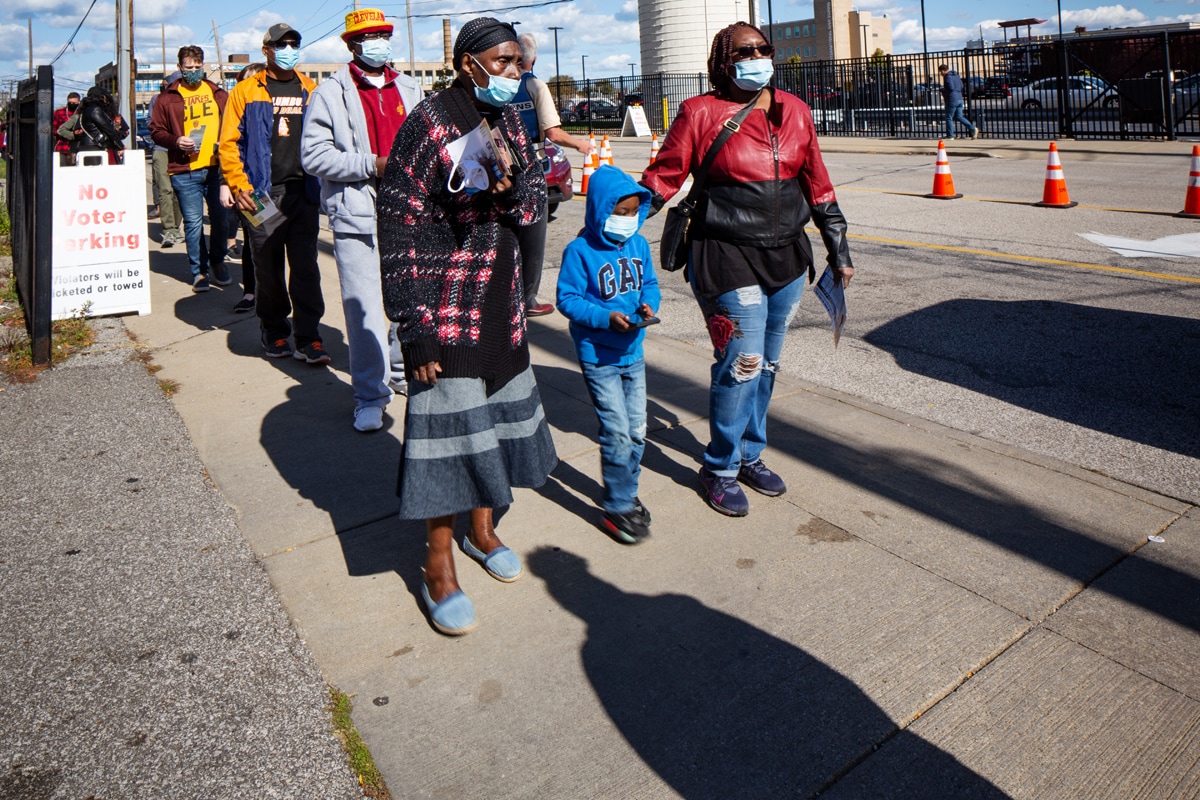
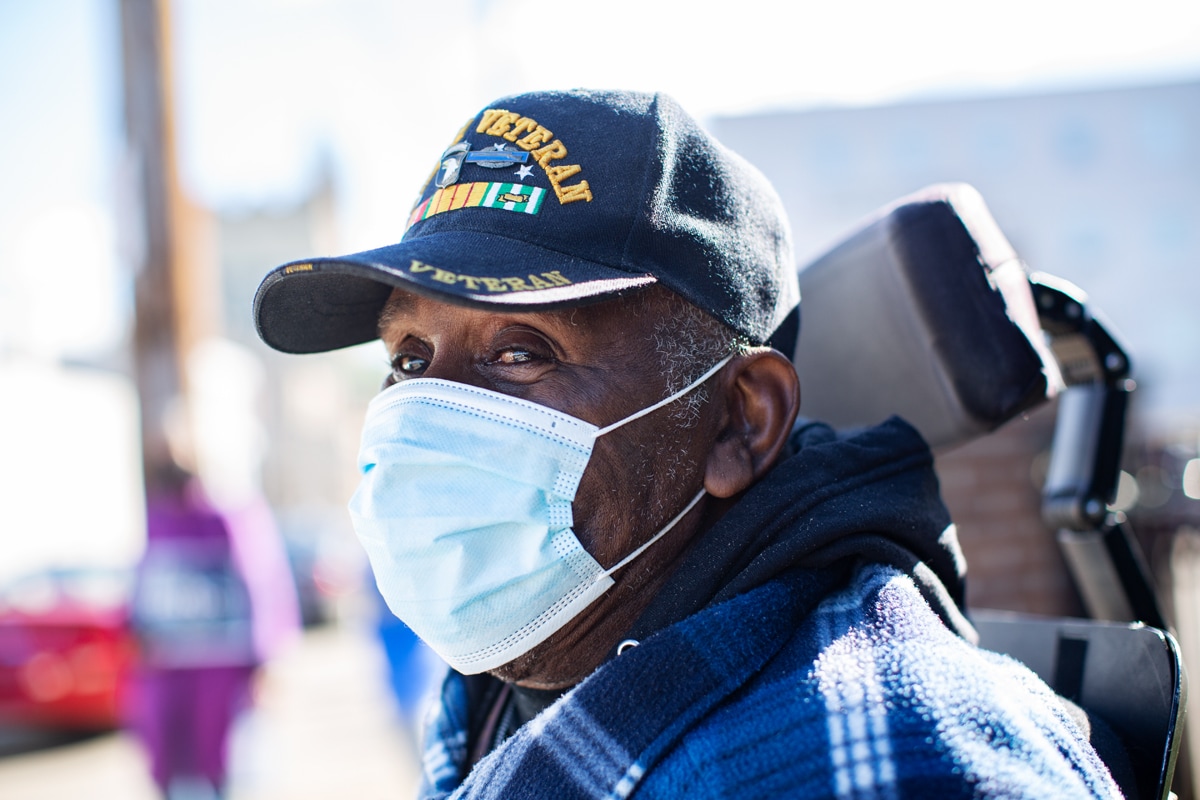
President Donald Trump and Democratic candidate Joe Biden hold separate town halls after debate scrapped
Democratic Vice Presidential candidate Kamala Harris suspends travel after campaign coronavirus exposure
U.S. jobless claims hit 898,000 last week, most since late August
New U.S. coronavirus infections top 60,000 for the first time in two months
Former New Jersey Governor Chris Christie says he was ‘wrong’ not to wear mask at White House
17 October 2020
Woodland Cemetery, Cleveland, OH—Headstone for Reverend Hiram Wilson, abolitionist.
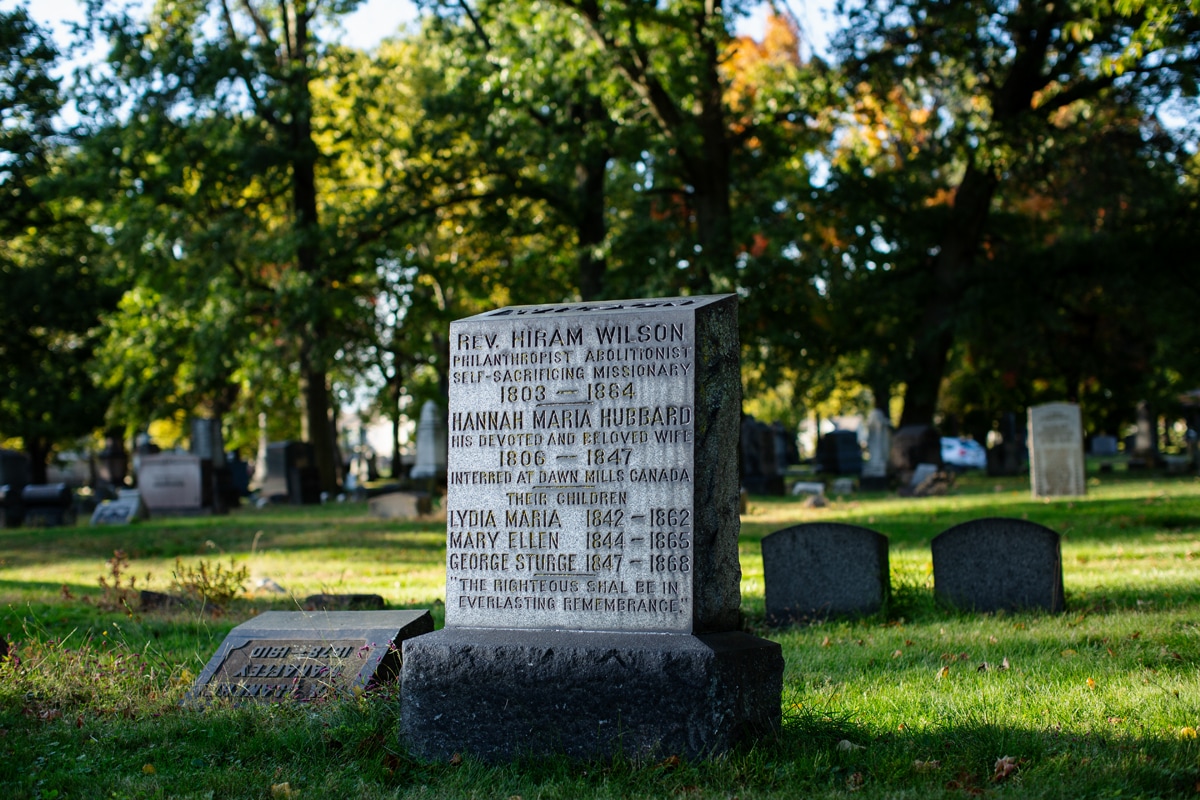
Headstones for United States Civil War veterans, including United States Colored Troops (USCT), United States Colored Infantry (USCI), United States Colored Heavy Artillery (USCHA), as well as Ohioans and others.
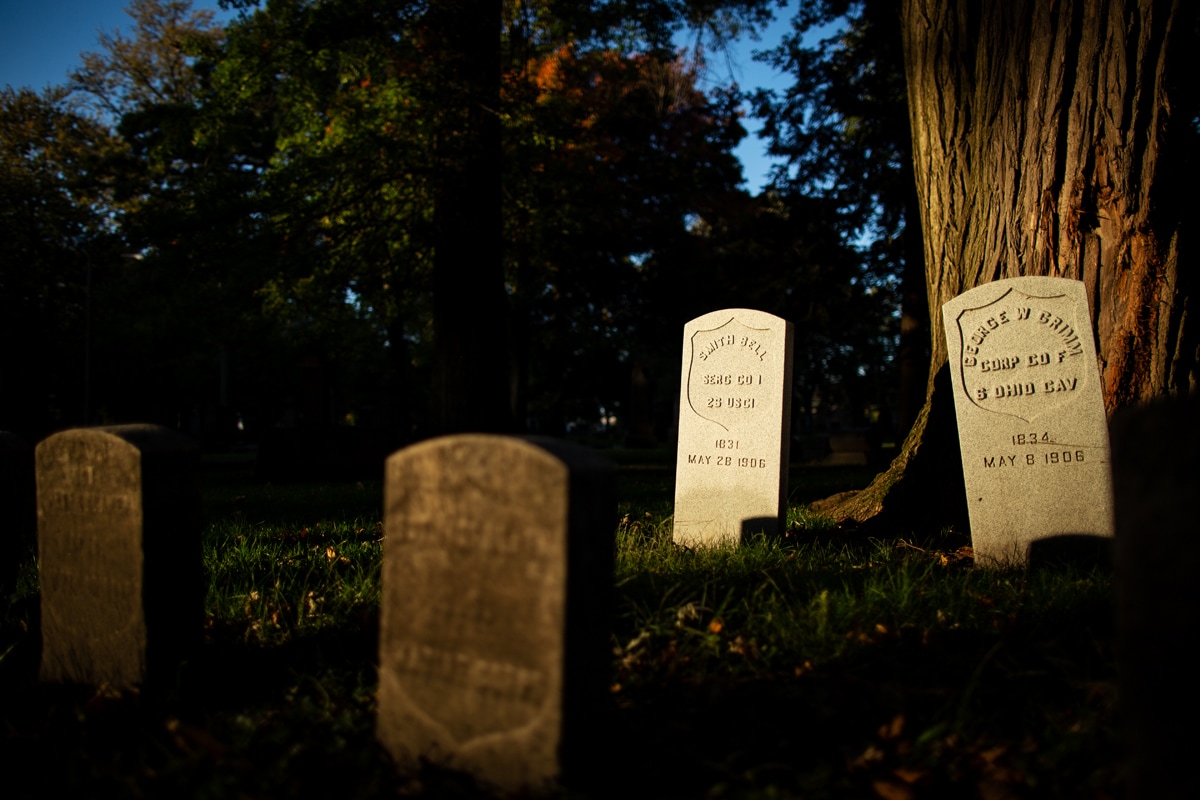
U.S. passes 8 million COVID-19 cases
U.S. Supreme Court to consider whether President Trump can exclude undocumented immigrants from census count
Pfizer could seek COVID-19 vaccine emergency authorization in mid-November
President Trump reverses course, approving wildfire relief for California
Town hall ratings show Democratic candidate Joe Biden had more viewers than President Trump
Republican Utah Senator Mitt Romney criticizes President Trump for not denouncing QAnon conspiracy theory
Federal deficit reaches record $3.1 trillion
20 October 2020
Cuyahoga County Board of Elections, Cleveland, OH—Early voting and ballot drop-off at the one early voting site in the county.
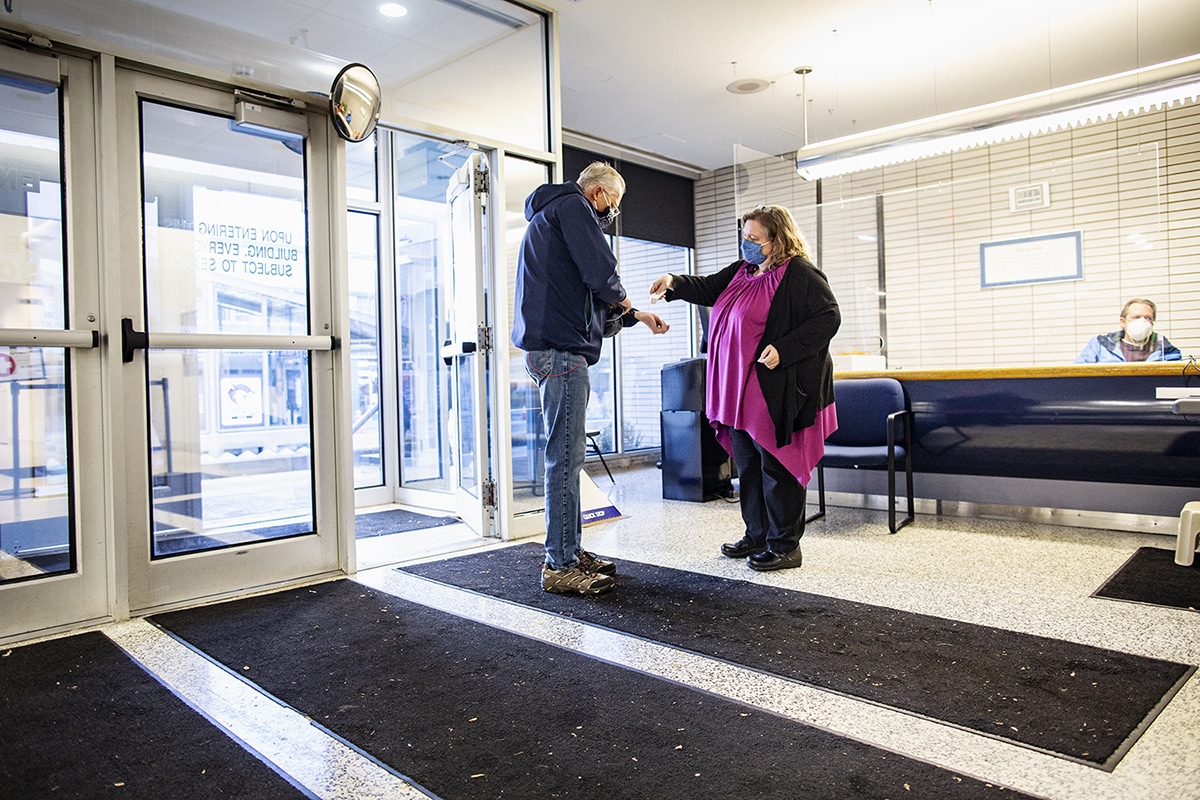
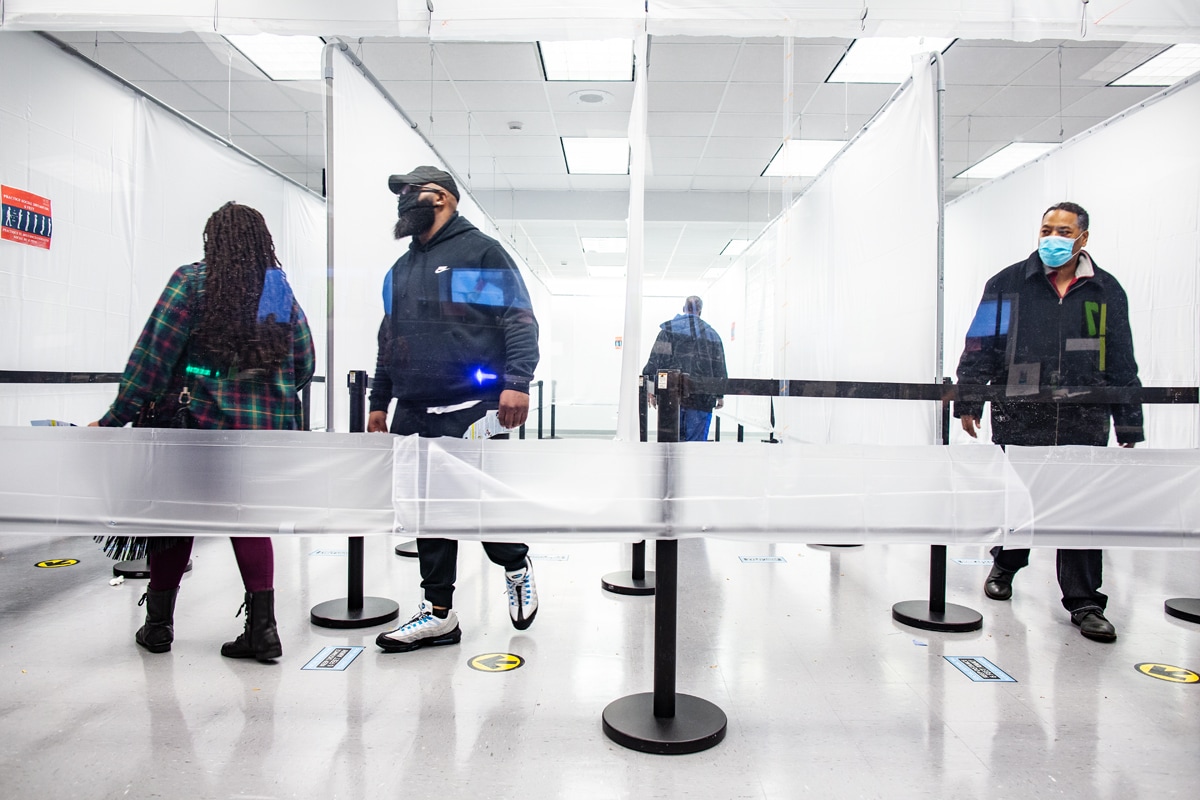
President Trump attacks Dr. Anthony Fauci as ‘disaster’
U.S. Supreme Court lets Pennsylvania extend mail-in voting
Microphones to be muted to avoid some interruptions at presidential debate
CDC recommends all plane, train passengers wear masks
22 October 2020
Cuyahoga County Board of Elections, Cleveland, OH—Cast in CLE shuttle bus to polls partly sponsored by Famicos.
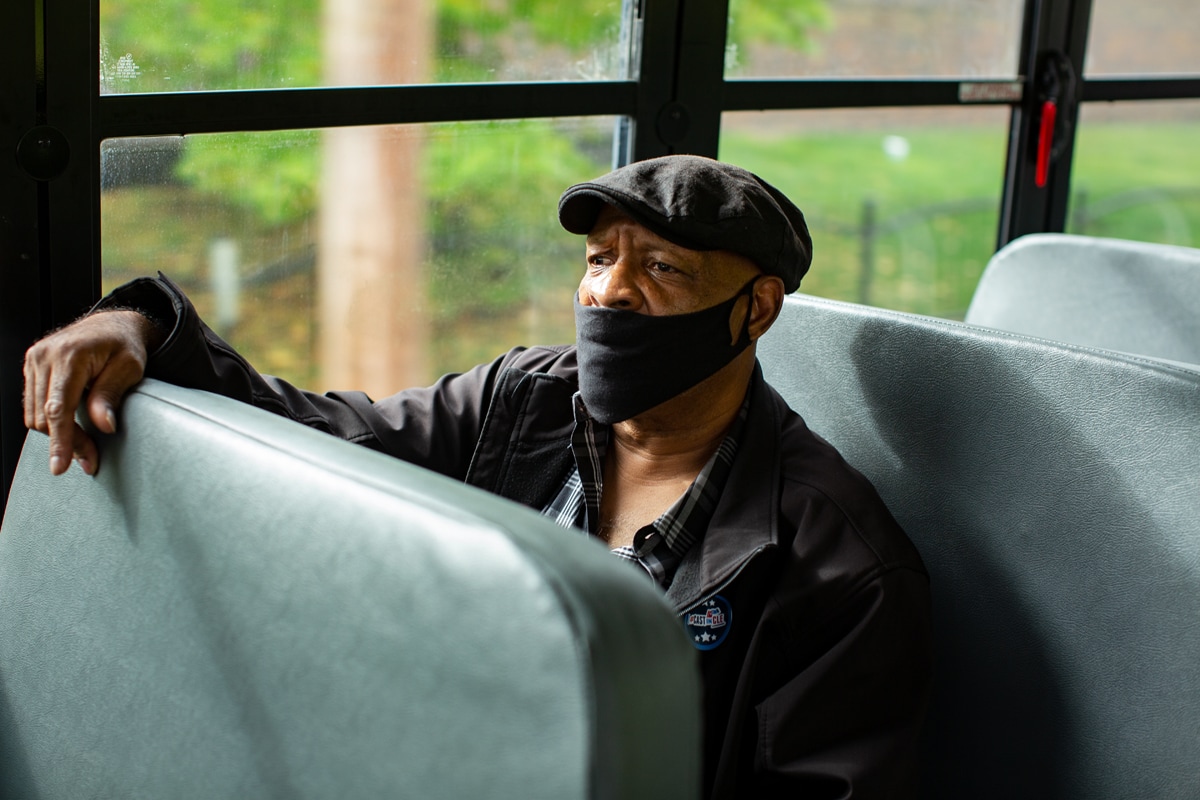
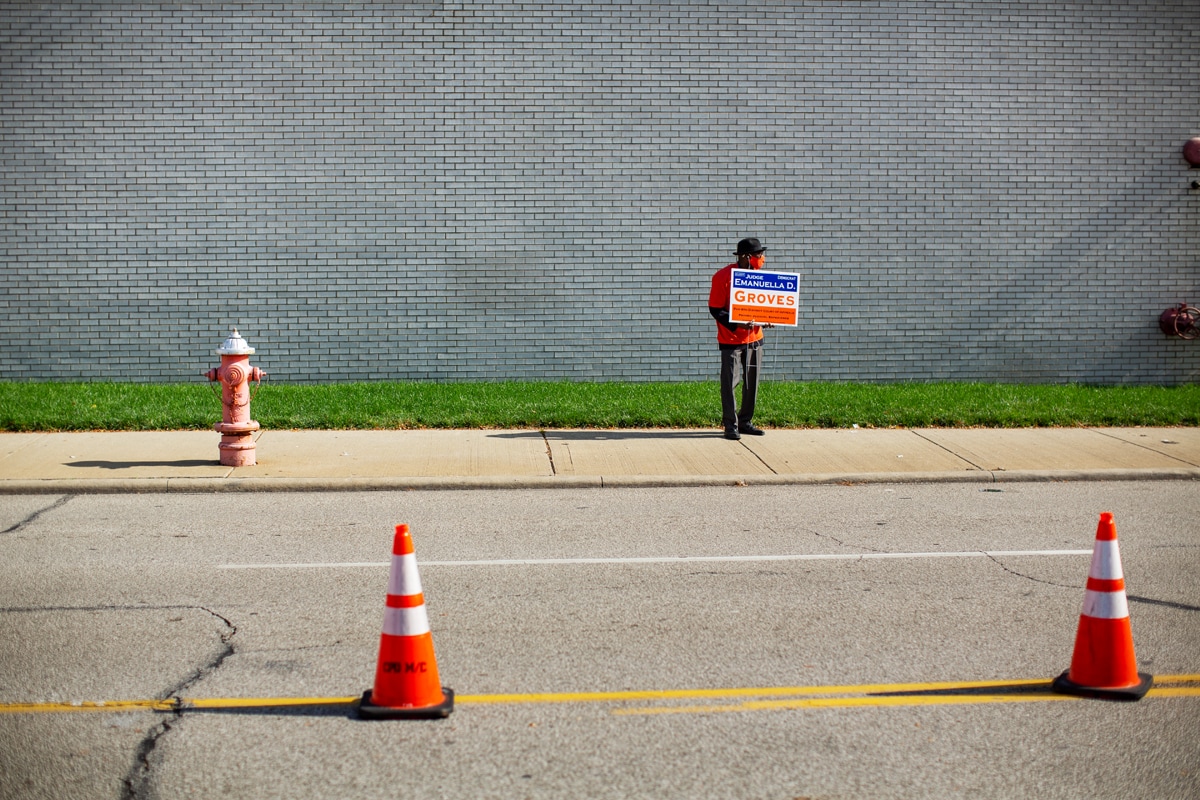
Hyatt Regency at the Arcade, Cleveland, OH—Final 2020 presidential debate between candidate Joe Biden, former vice president, and President Donald J. Trump.
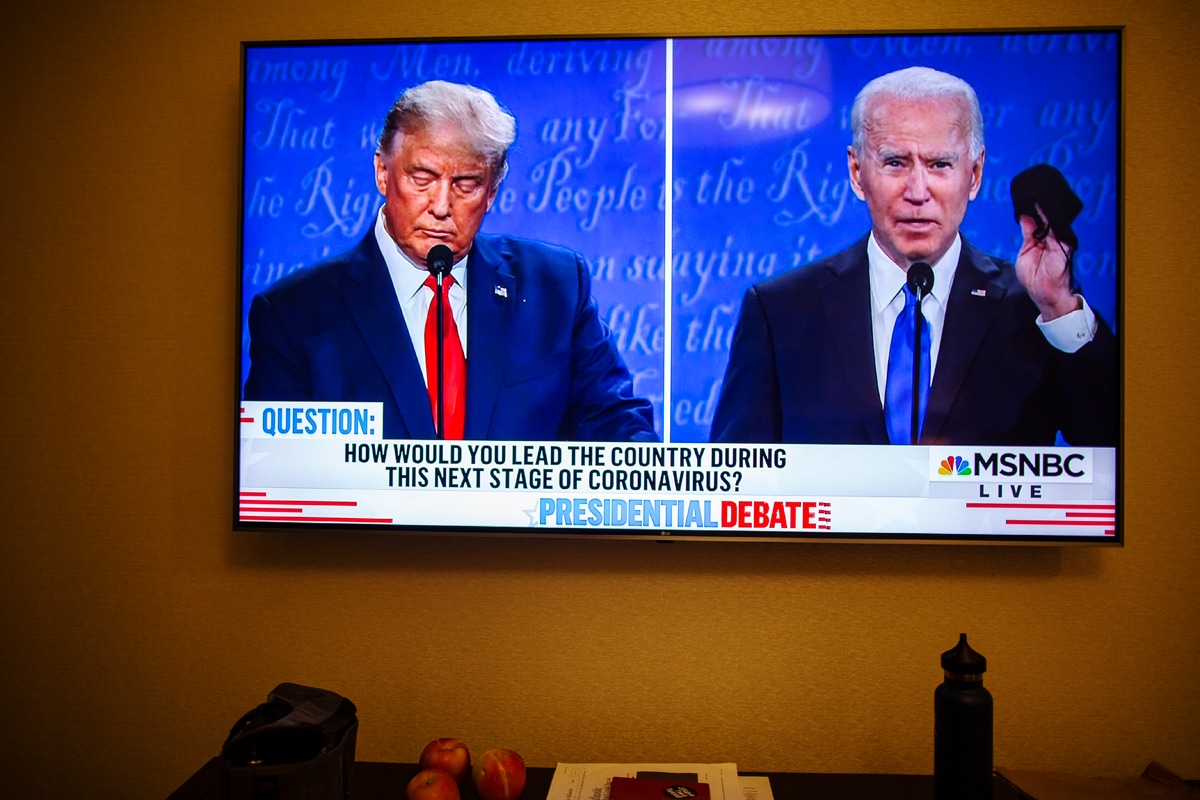
Former President Barack Obama rebukes President Trump in first speech for the Biden campaign
Democrats to boycott committee’s confirmation vote on Supreme Court nominee Amy Coney Barrett
U.S. officials warn Iran and Russia attempting election interference
New U.S. coronavirus cases exceed 60,000 for second straight day
23 October 2020
Cleveland, OH—Early voting at the Cuyahoga County Board of Elections.
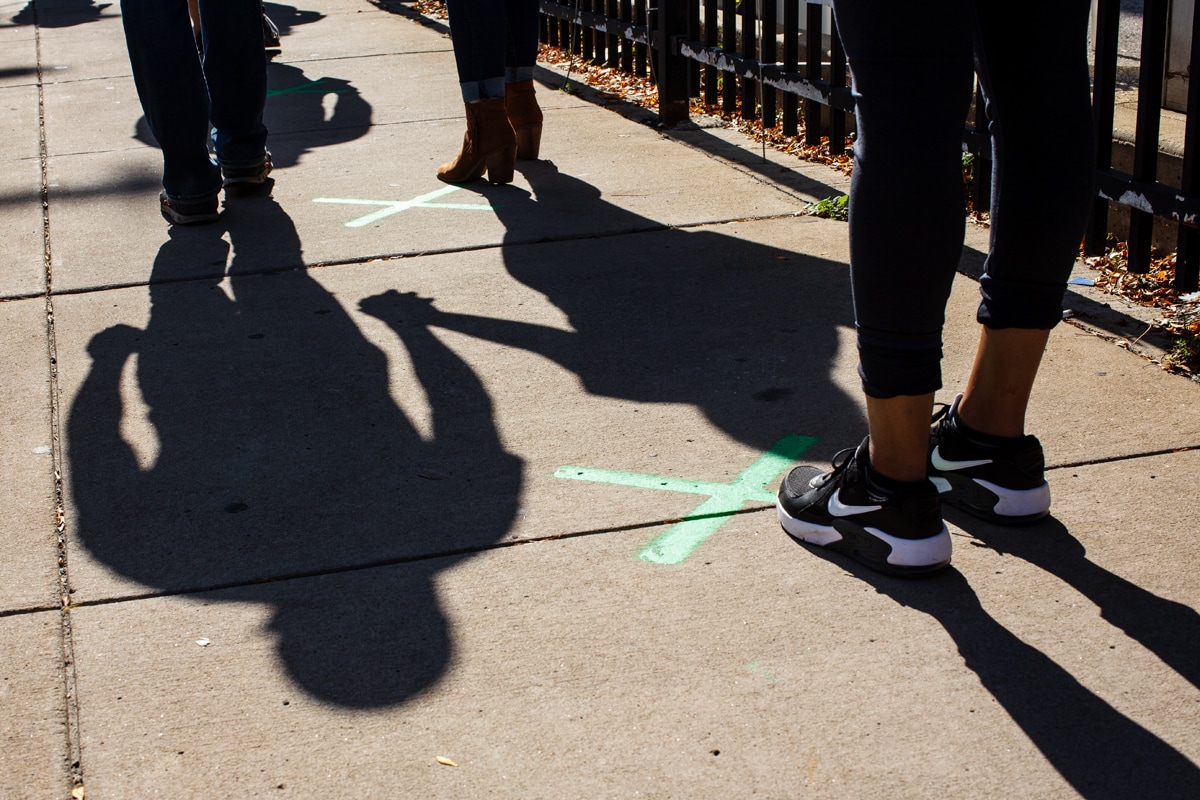

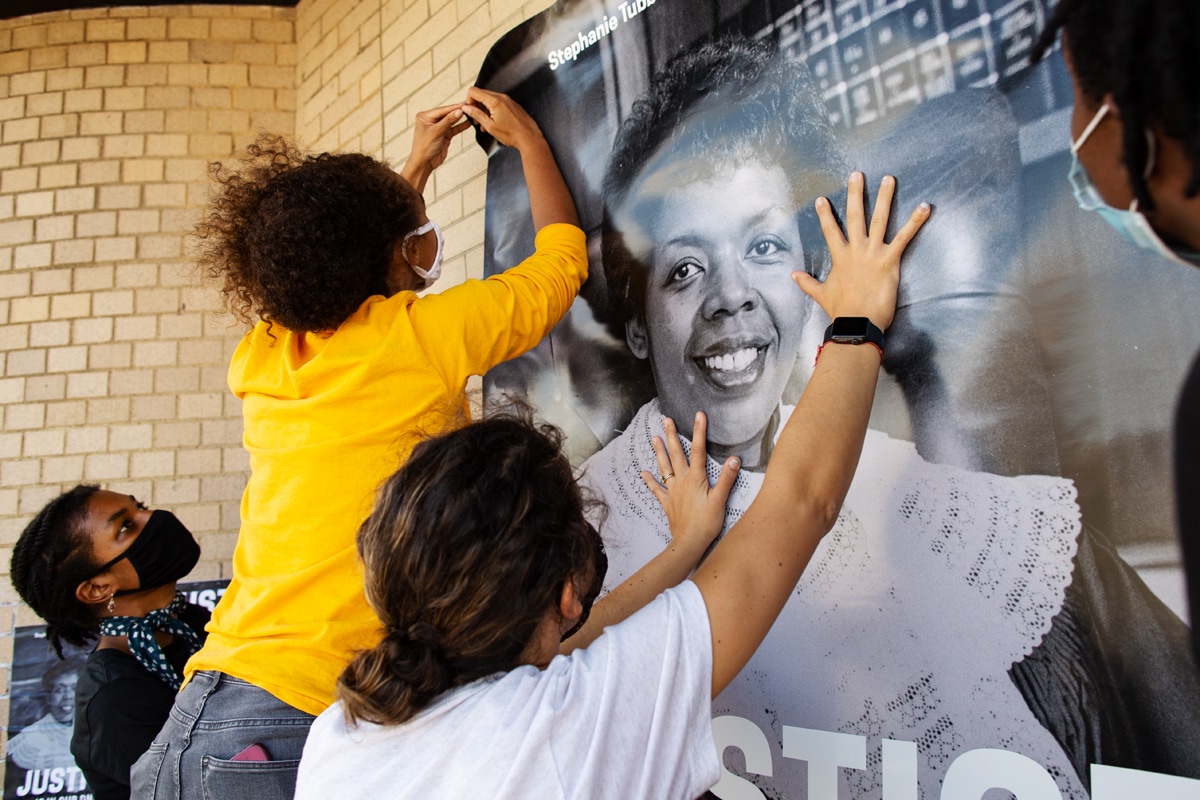
Cleveland, OH—Early voting at the Cuyahoga County Board of Elections; Shooting Without Bullets wheat pastes posters of the late Stephanie Tubbs Jones, former U.S. Representative (11th Congressional District)—“also the first black woman to become a judge of Cuyahoga County Common Pleas Court, as well as the county’s first black prosecutor”—on the outside walls of the ACLU Ohio.
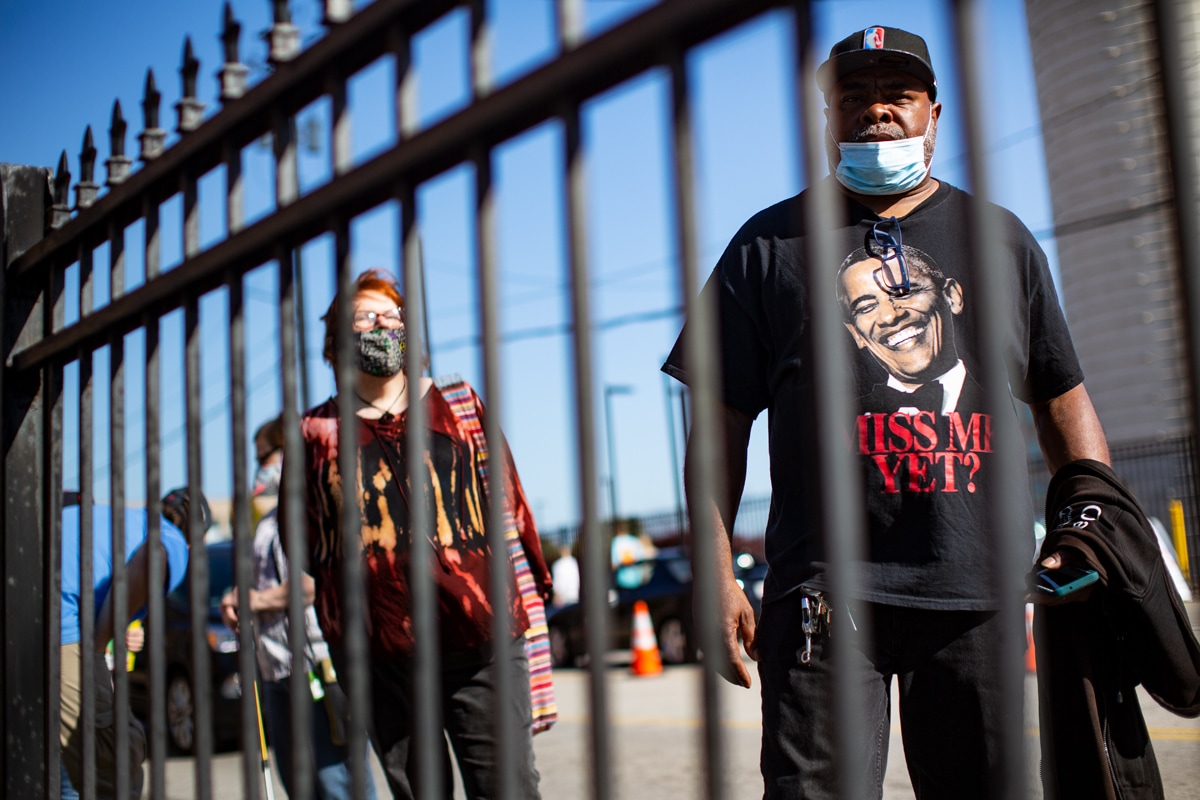
President Trump, Joe Biden differ sharply on coronavirus, climate change in final debate
Republicans on Senate panel advance Amy Coney Barrett nomination
Biden promises commission to study courts
President Trump posts footage of 60 Minutes interview he abruptly ended
Weekly new U.S. jobless claims fall below 800,000
U.S. officials warn that Russian hackers targeted state and local governments
FDA approves remdesivir for COVID-19 treatment
Second U.S. federal court rules against President Trump’s push to change reapportionment count
24 October 2020
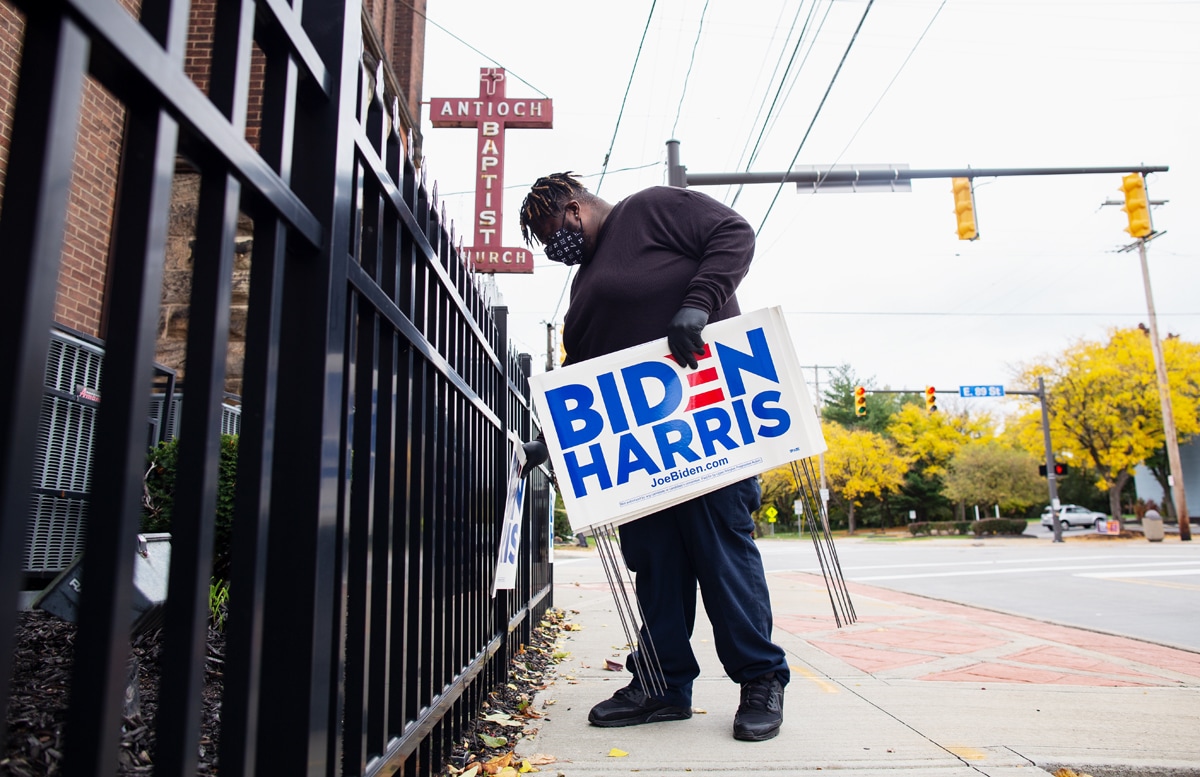
Antioch Baptist Church, Cleveland, OH.
U.S. sets new single-day coronavirus case record
President Trump, Joe Biden to campaign in key battleground states
U.S. coronavirus death toll could pass 500,000 by March, study suggests
Final 2020 U.S. Presidential debate draws 63 million viewers, down from the first debate
AstraZeneca, Johnson & Johnson preparing to restart paused vaccine trials
Early data suggests schools aren’t driving coronavirus outbreaks
6 January 2021
Cudell Commons Park, Cleveland, OH—Site where 12-year-old Tamir Rice was killed by Cleveland Police Officer Timothy Loehmann November 2014. The gazebo near which he was killed was removed and relocated to Chicago. In January 2021, the U.S. Department of Justice announced it would not charge Loehmann or his partner Frank Garmback.
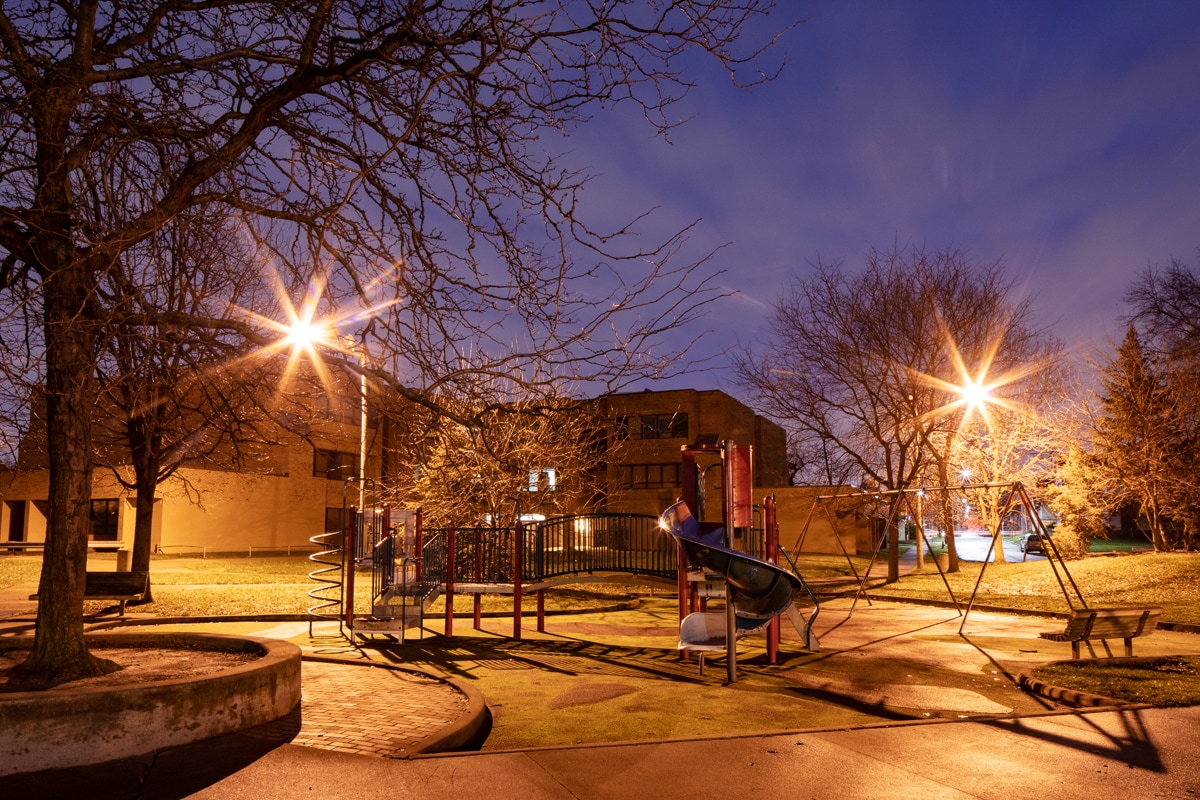
U.S. Congress convenes to certify President Elect Joe Biden’s Electoral College victory
Wisconsin prosecutor says no charges against officers over Jacob Blake shooting
U.S. judge rejects President Trump’s effort to decertify Georgia election result
Pro-Trump mob attacks U.S. Capitol
U.S. Congress, Vice President Mike Pence certify Joe Biden’s electoral victory
U.S. coronavirus deaths hit single-day record near 4,000
Twitter, Facebook lock President Trump’s accounts
2 more Louisville detectives fired over Breonna Taylor killing
9 January 2021
East Cleveland, OH—Memorial for Vincent Belmonte, 19, killed on Tuesday, January 5 allegedly by a member of the East Cleveland Police Department as Belmonte was driving his girlfriend to work in a borrowed car.
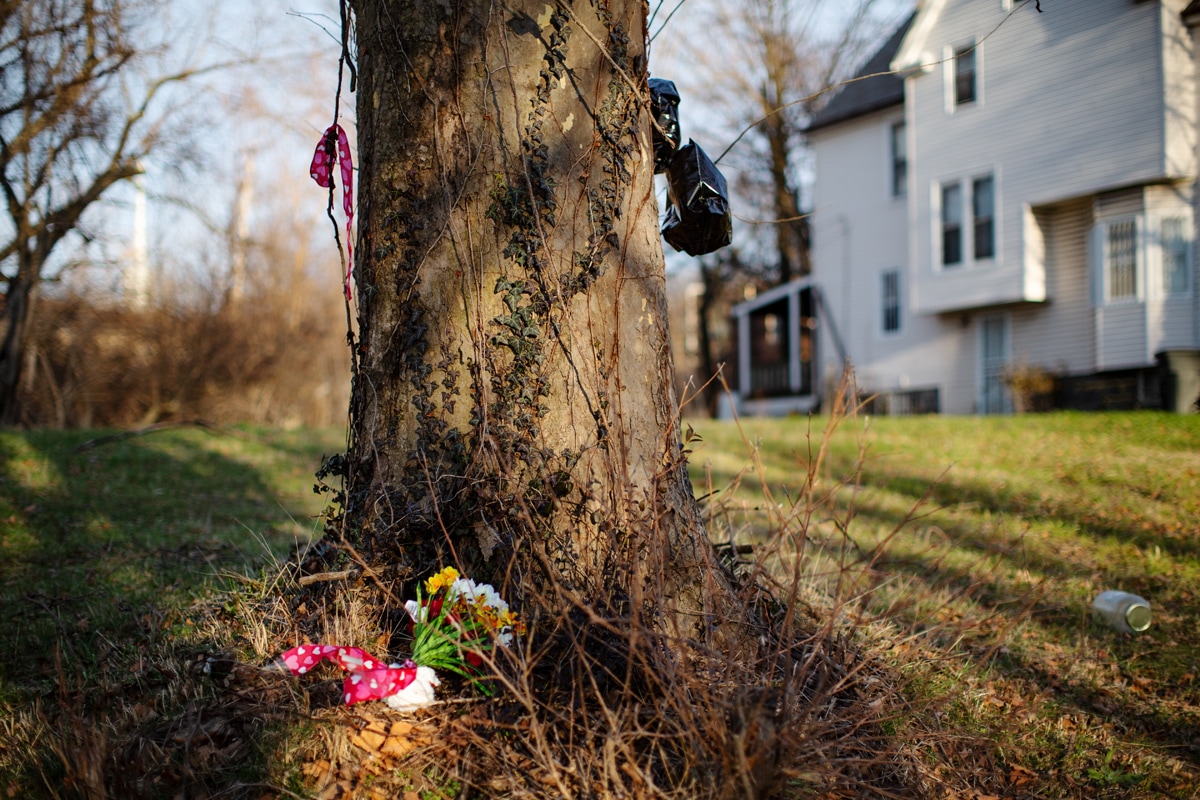

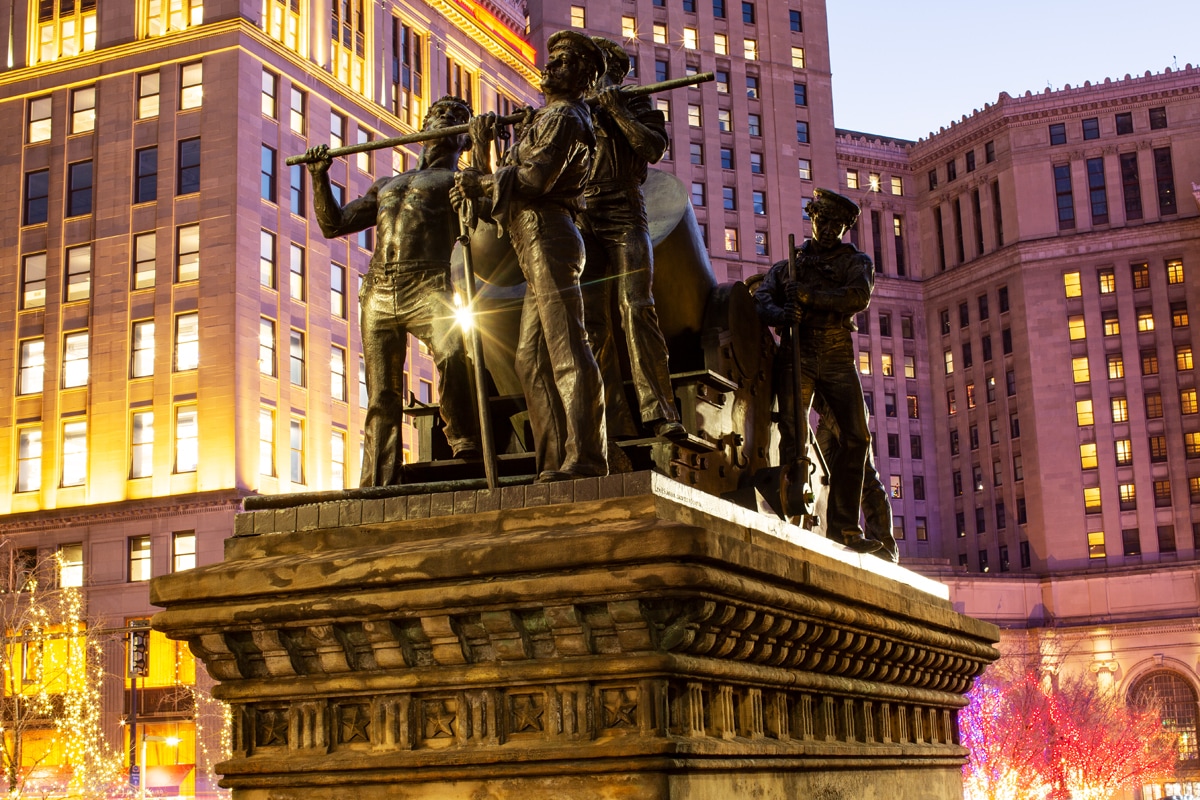
Cleveland, OH—Soldiers and Sailors Monument, four statues depicting Civil War-era martial scenes—“four bronze groupings on the esplanade depict, in battle scenes, the Navy, Artillery, Infantry and Cavalry”— around a central column topped with a figure representing the “Goddess of Freedom.” “Mortar Practice” shows five U.S. Navy artillerymen and an officer, including a shirtless Black man, loading their weapon.
Democrats move toward impeachment of President Trump for inciting January 6 insurrection
Twitter permanently suspends President Trump’s account
President Trump confirms he won’t attend Joe Biden’s inauguration
Republican Senator Lisa Murkowski calls for President Trump to resign
President Elect Joe Biden plans to release most COVID-19 vaccine doses
New charges brought in pro-Trump riot
U.S. economy lost 140,000 jobs in December, the 1st loss since April
11 January 2021
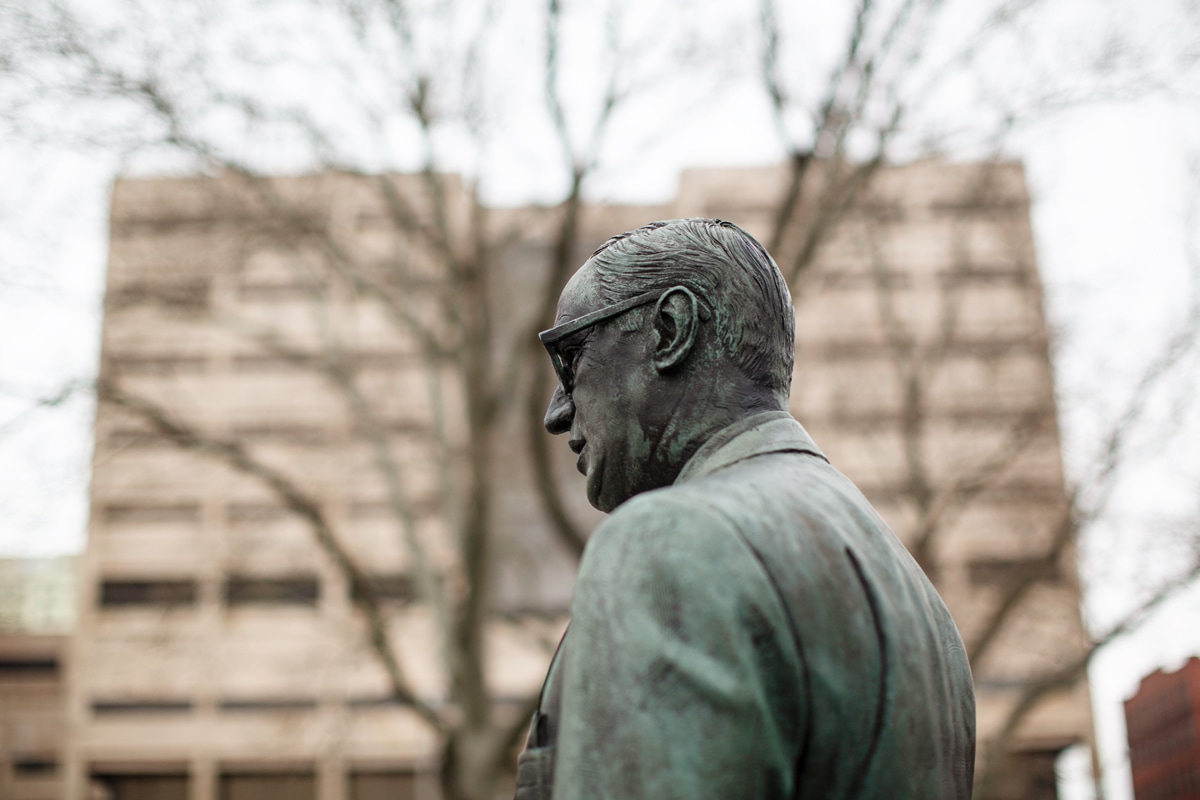
Cleveland, OH—Statue of former Cuyahoga County Prosecutor (1957–91) John T. Corrigan, in Fort Huntington Park, across from the Cuyahoga County Justice Center and Cuyahoga County Common Pleas Court.
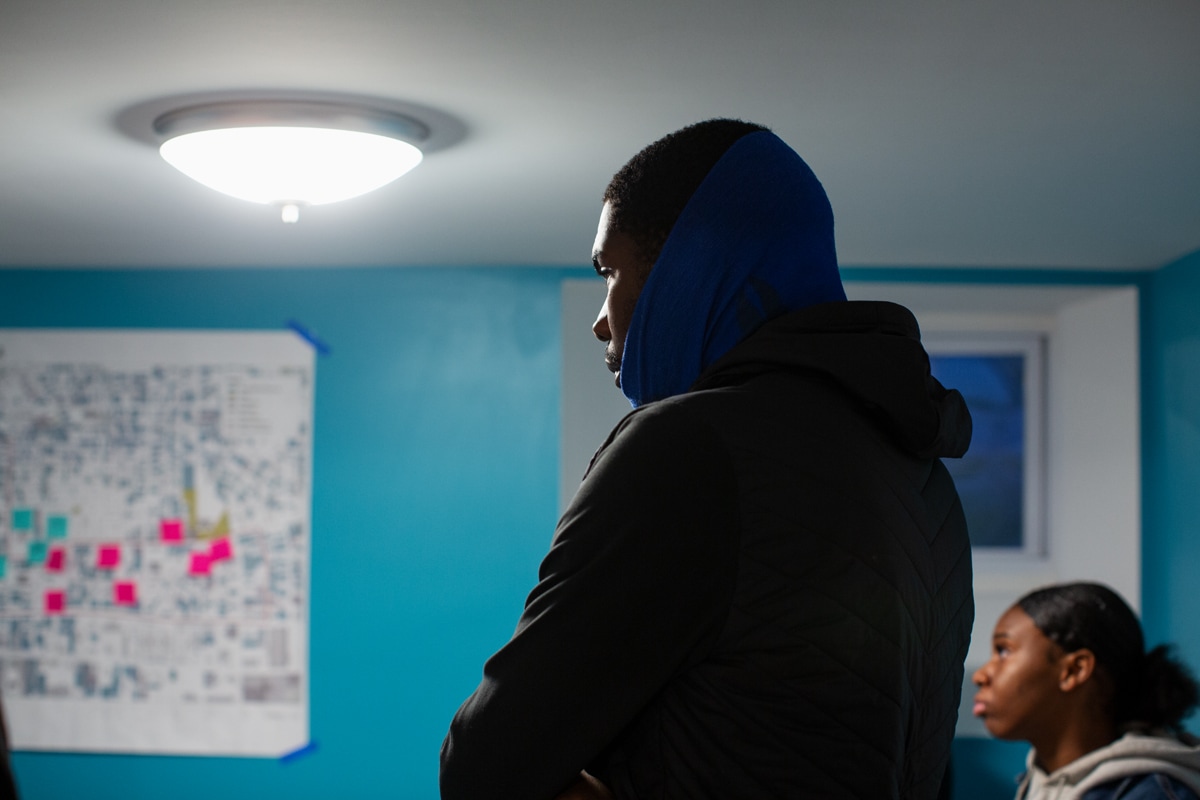
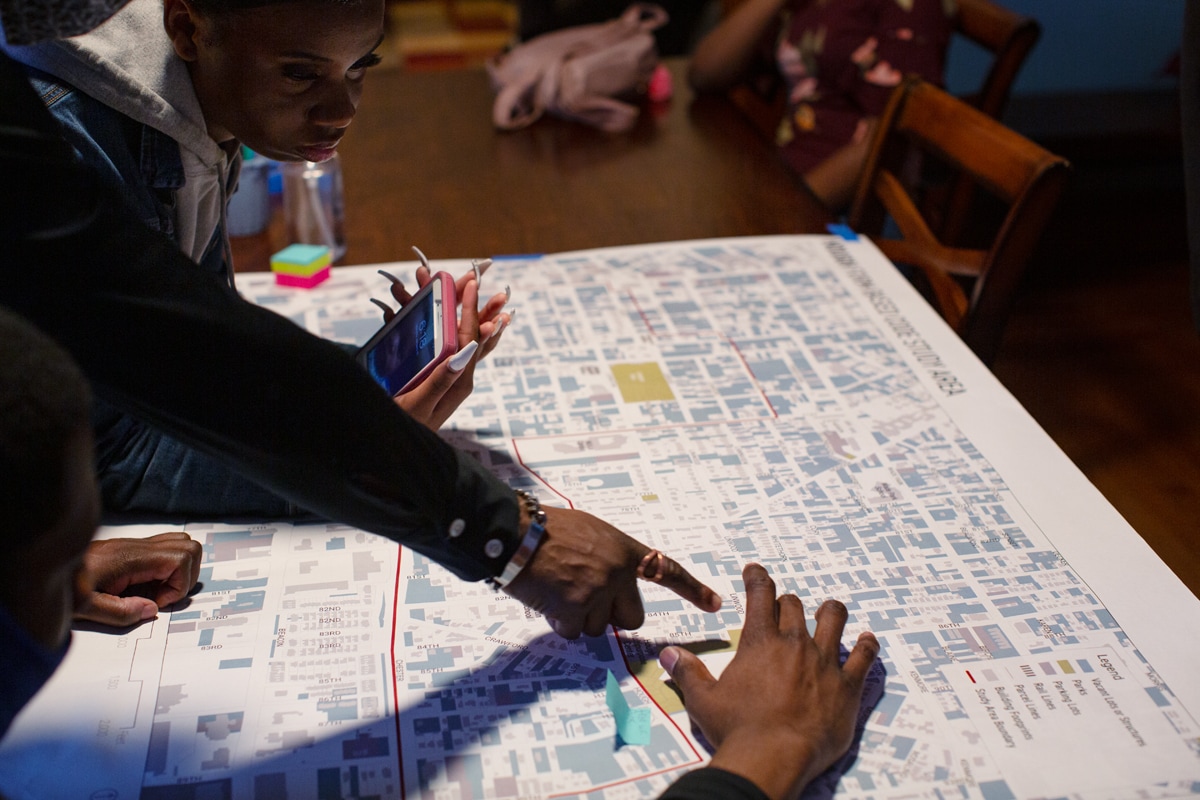
Twelve Literary Arts, Cleveland, OH—Daniel Gray-Kontar, Founder and Executive Artistic Director of Twelve, meets with staffer Stephanie Ginese and artist Terrell. The young people suggested services and institutions that could be built on empty or abandoned plots of land.
Nancy Pelosi, Speaker of the House, says House will impeach President Trump unless Vice President Pence acts to invoke 25th Amendment
U.S. lawmakers possibly exposed to coronavirus during riot lockdown
Rioters who had zip-ties arrested as roundup continues
Parler knocked offline after Amazon suspends service
FBI warned of threat ahead of mob’s U.S. Capitol siege
U.S. Capitol Police officer dies in apparent suicide
PGA board moves 2022 golf championship from Trump course
Marriott, Blue Cross halt donations to lawmakers opposing electoral results
12 January 2021
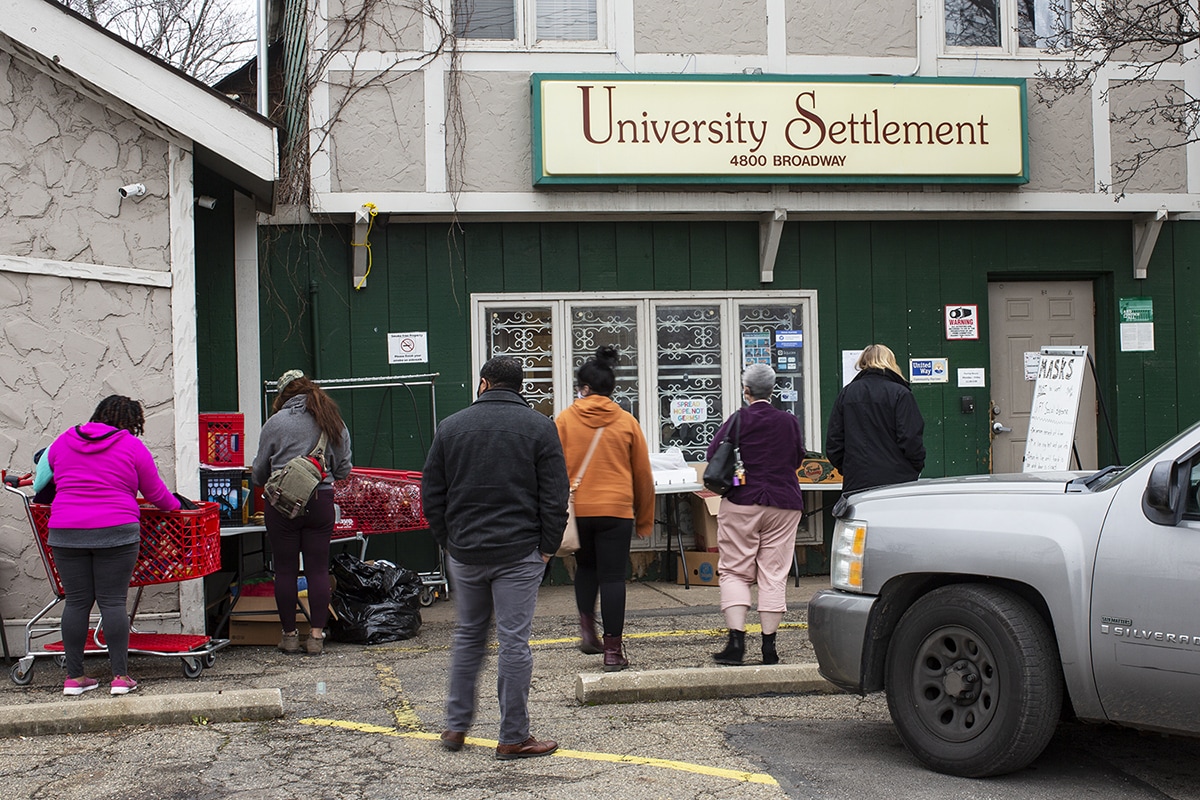
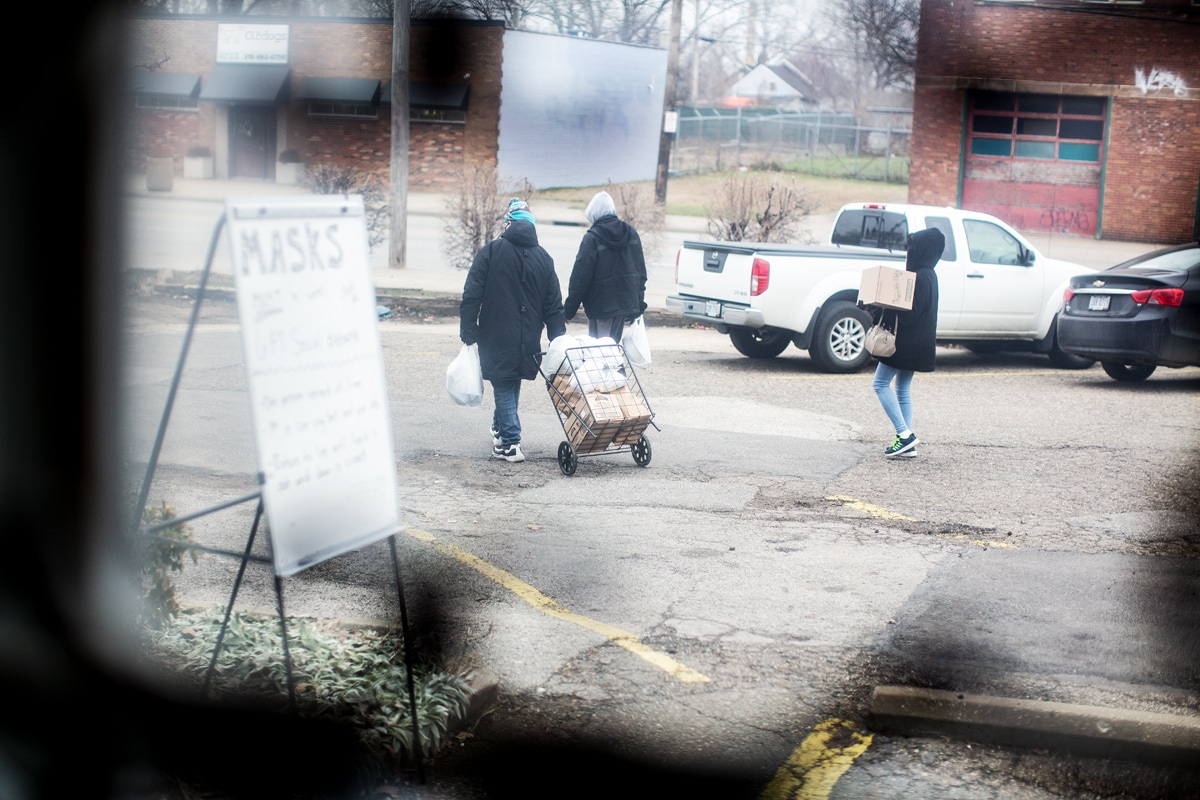
University Settlement, Broadway Avenue, Cleveland, Ohio—Food pantry in Slavic Village neighborhood.
House Democrats introduce impeachment article
U.S. coronavirus deaths surpass 375,000 after record surge
Homeland Security secretary resigns over ‘recent events’
Two Democrats test positive for coronavirus after riot lockdown
Parler sues Amazon over server ban
FBI warns of possible armed protests at state capitols
U.S. sanctions Ukrainians over election meddling
Two Capitol Police officers suspended over actions in riot
President Trump, Vice President Pence meet for 1st time since deadly riot
9 April 2021
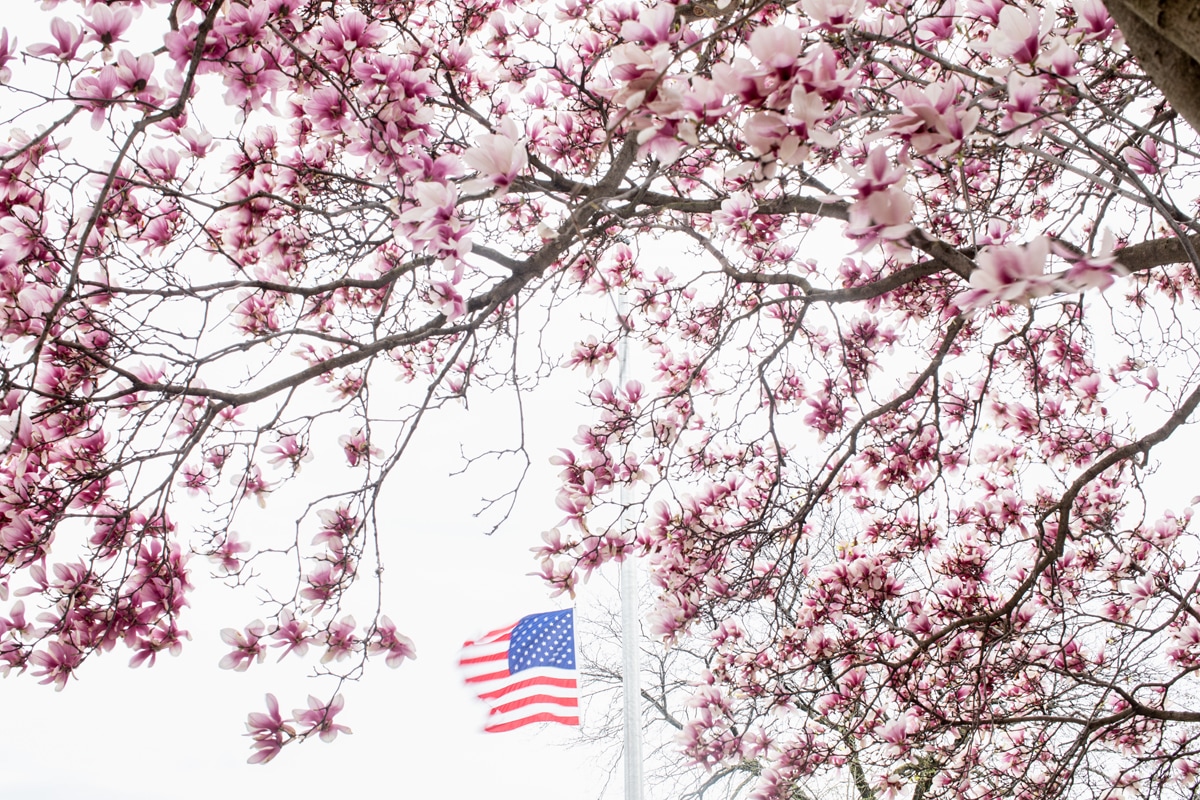
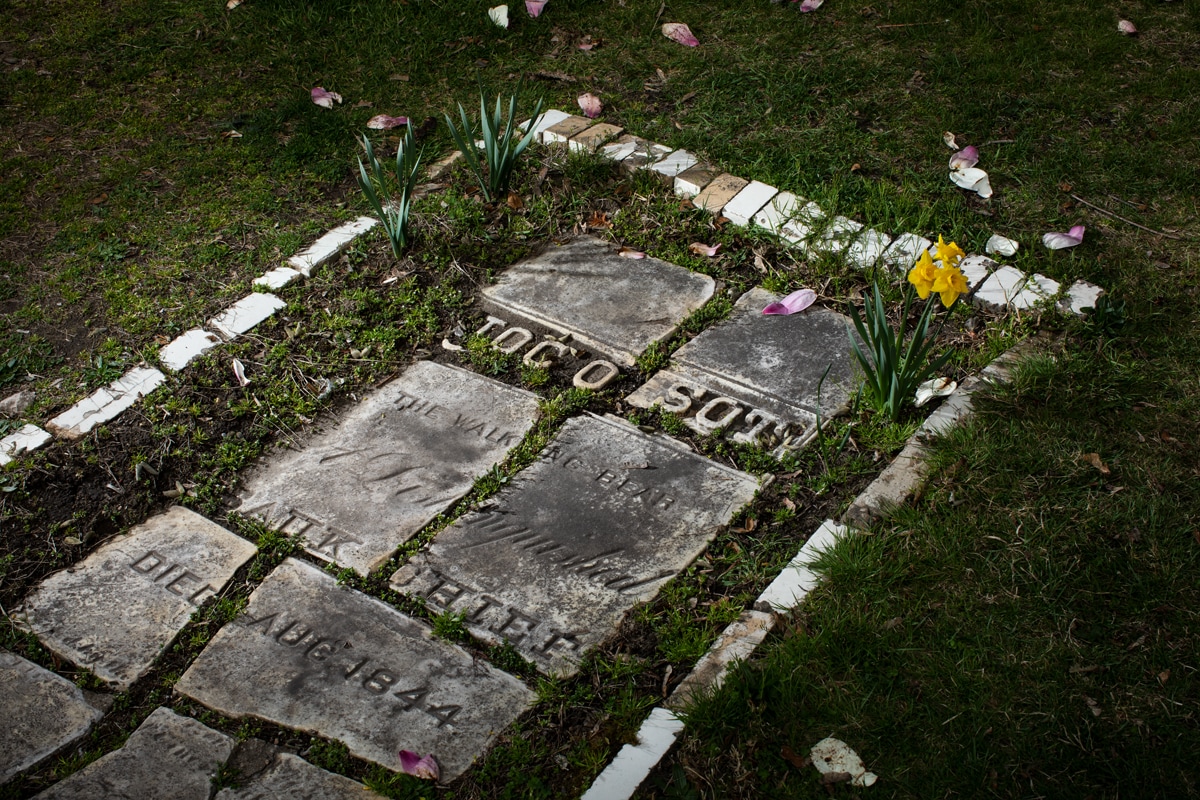
Erie Street Cemetery, Cleveland, OH.
Erie Street Cemetery, Cleveland, OH—Grave of Chief Joc-O-Sot/Walking Bear (Fox/Mesquakie or Meskwaki), 1810-1844. Fought in the Black Hawk War with the Sauk. Came to Cleveland after the war. Stone for Oghema Niagara of the band Pishqua, tribe Osauckee of the Algonquin nation, dubbed Chief Thunderwater by whites. Created the Supreme Council of Indian Nations.
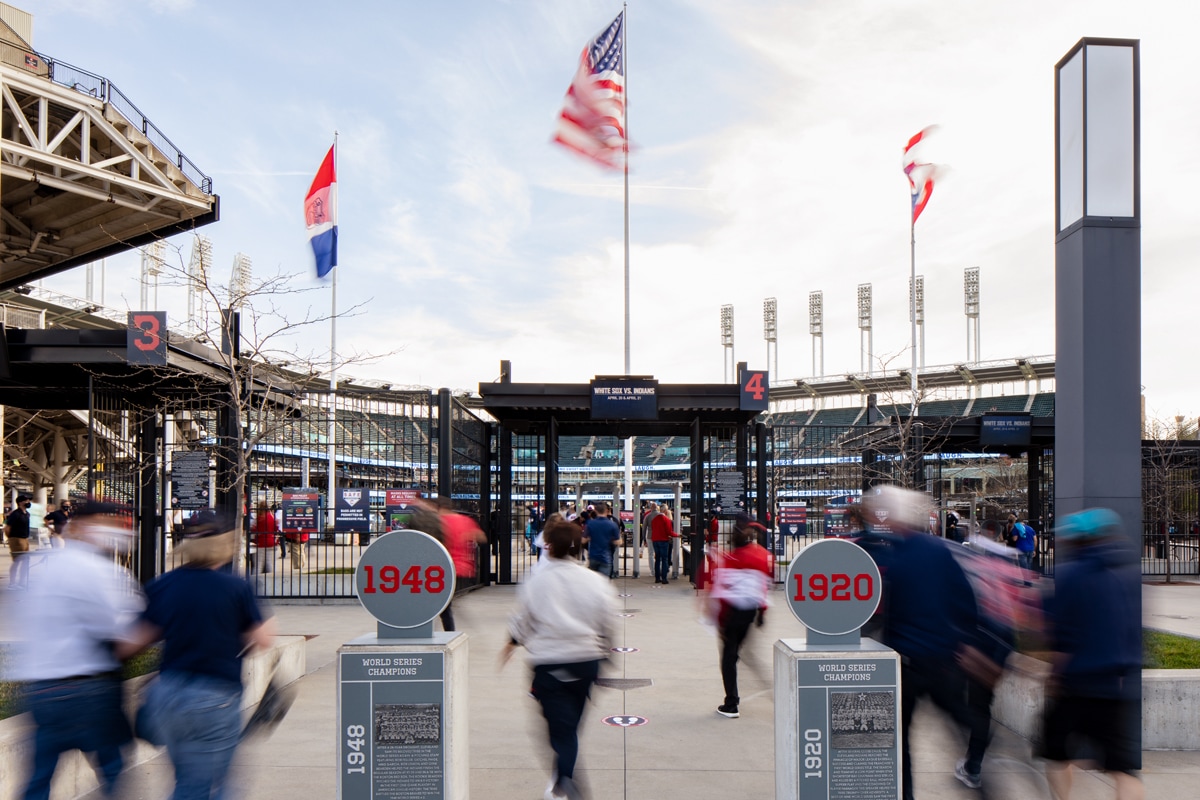
Progressive Field, Cleveland, OH—Crowds arrive for game with the Detroit Tigers.
President Biden announces actions to address gun violence ‘epidemic’
Doctor: George Floyd died from ‘low level of oxygen’
Nearly 20 percent fully vaccinated in U.S.
Florida sues CDC to reopen cruise industry
10 April 2021
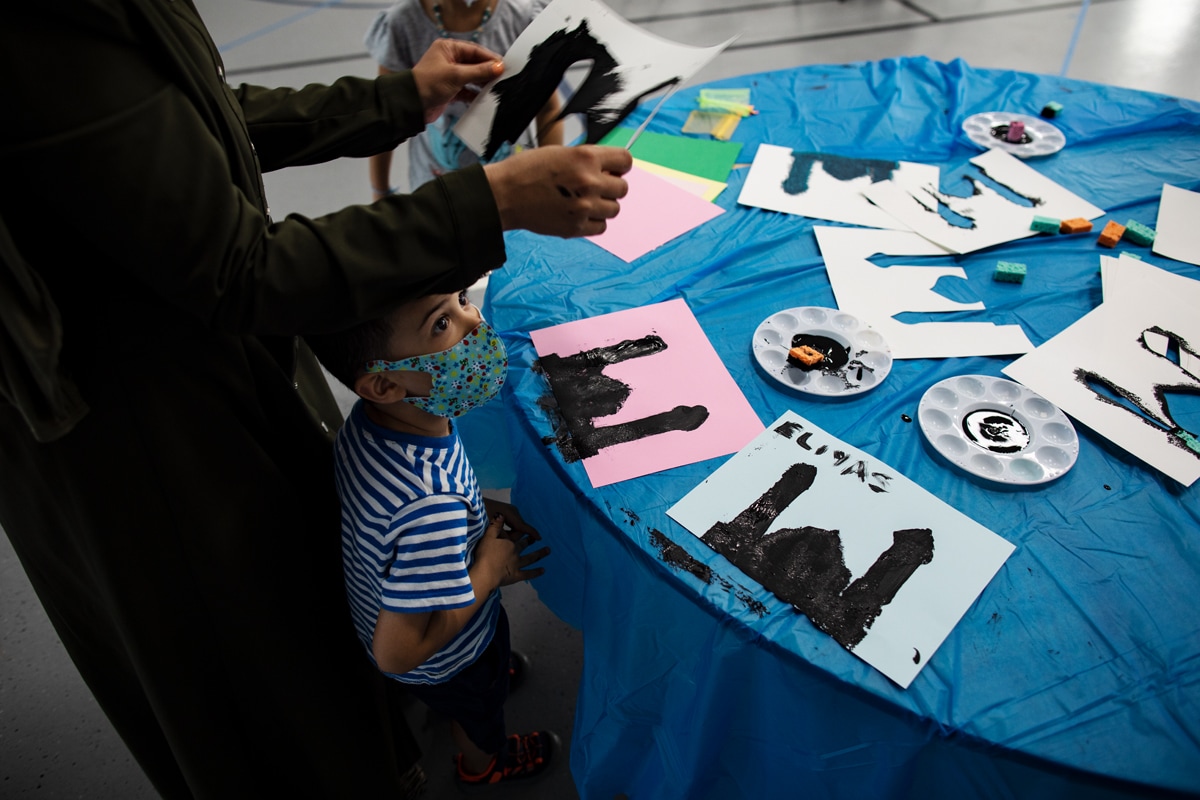
Islamic Center of Cleveland, Parma, OH—Event for children, New Dawn Ramadan, sponsored by the Misada Family Literacy Organization.
Medical examiner: George Floyd’s primary cause of death was neck compression
Amazon defeats union drive at Alabama warehouse
Pfizer asks FDA to authorize vaccine for adolescents 12 to 15
President Biden orders commission to study Supreme Court expansion, term limits
11 April 2021
Arcade, Cleveland, OH—Back of Cleveland baseball jersey bearing name of Satchel Paige worn by Donald Shingler, a Cleveland dentist.

Former President Donald Trump delivers insult-laden speech at Mar-a-Lago RNC gathering
U.S. Supreme Court strikes down California pandemic religious restriction
U.S. Army officer sues Virginia police officers for violating his rights during traffic stop
14 April 2021
Islamic Center of Cleveland, Parma, OH—Evening prayer in men’s section during Ramadan.
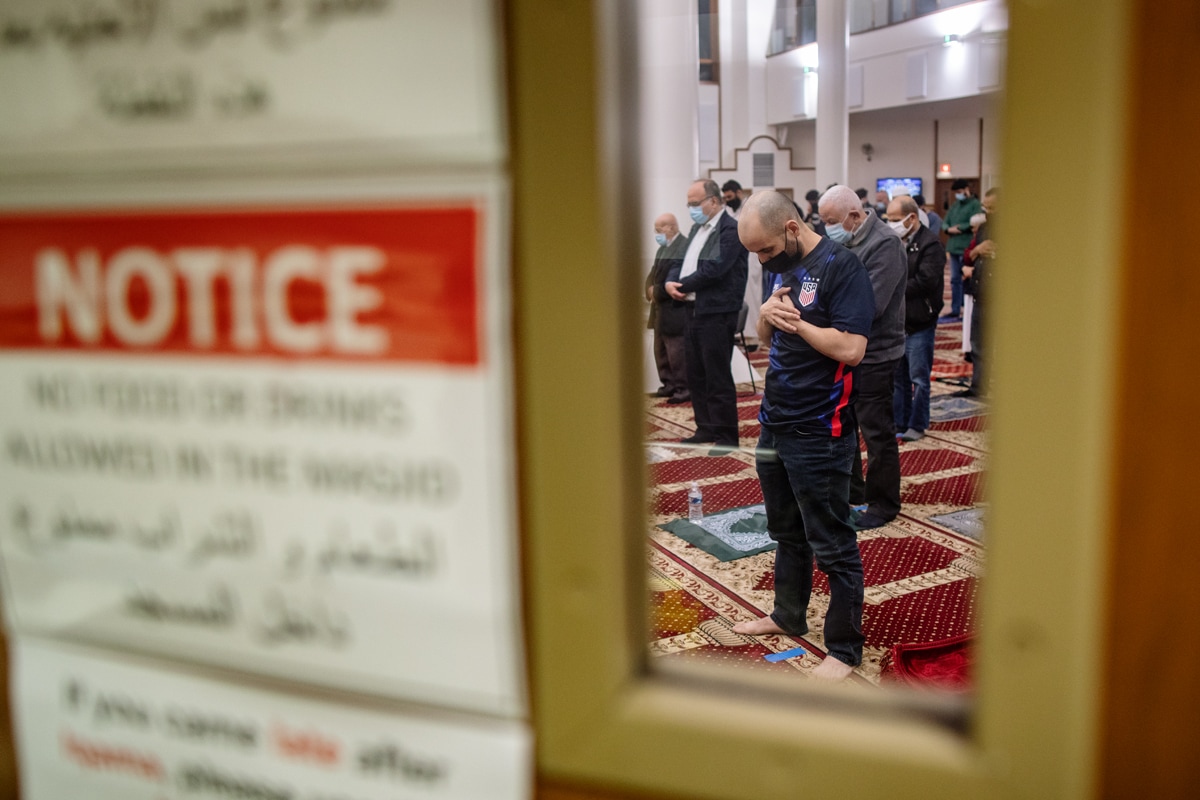

President Biden to announce withdrawal of all U.S. troops from Afghanistan by Sept. 11
Officer who shot Daunte Wright resigns as protests continue
White House says Johnson & Johnson pause won’t hamper vaccine campaign
President Biden proposes summit with Vladimir Putin as Ukraine tensions rise
Derek Chauvin’s lawyers start their defense
Watchdog report: Capitol Police held back on Jan. 6 despite warning
15 April 2021
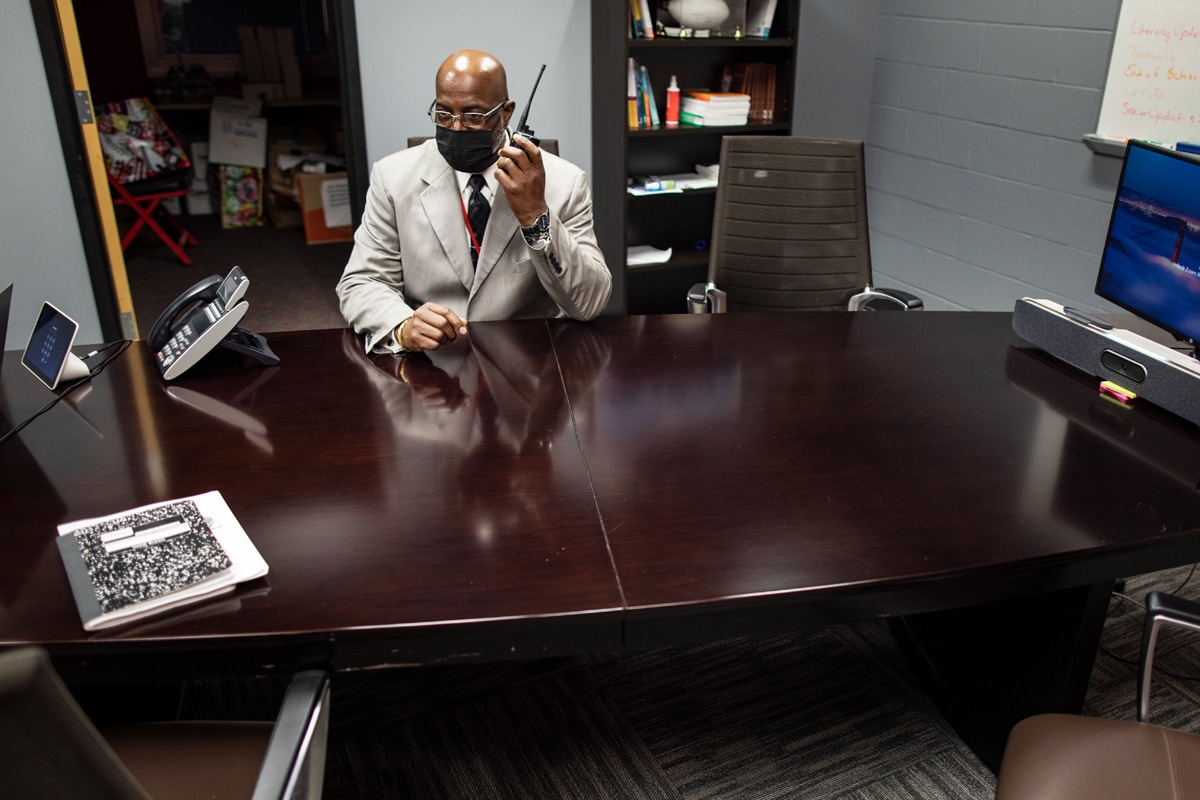
Lucas Memorial Chapel, Garfield Heights, OH—Operations at the African American-owned funeral home.
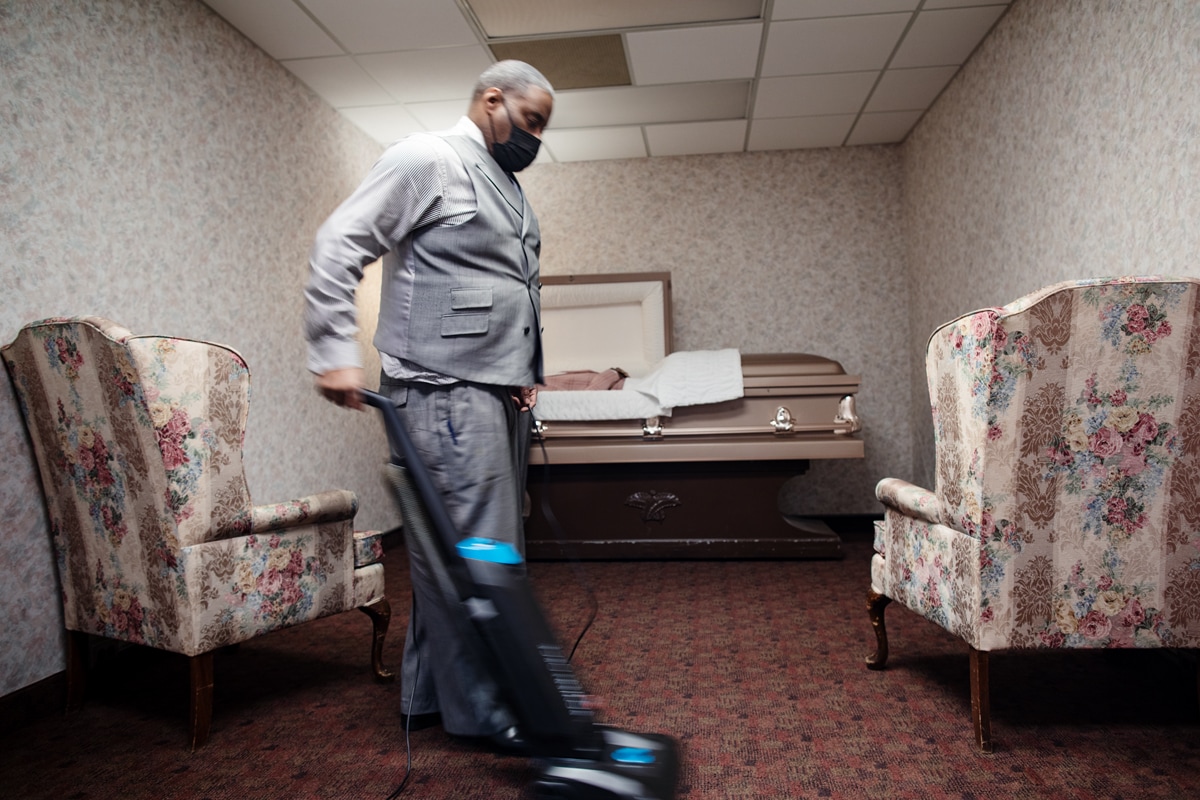
Officer who fatally shot Daunte Wright charged with manslaughter
Defense expert says Derek Chauvin’s actions didn’t kill George Floyd
CDC panel wants more data before decision on Johnson & Johnson vaccine
DOJ: No charges against officer who fatally shot woman in U.S. Capitol riot
Corporate leaders sign statement against proliferation of Republican-sponsored laws making voting harder
U.S. House panel advances bill on creating a commission to study reparations
U.S. to expand sanctions on Russia over corporate hacking and other actions
Bernie Madoff, infamous Ponzi scheme mastermind, dies in prison
16 April 2021
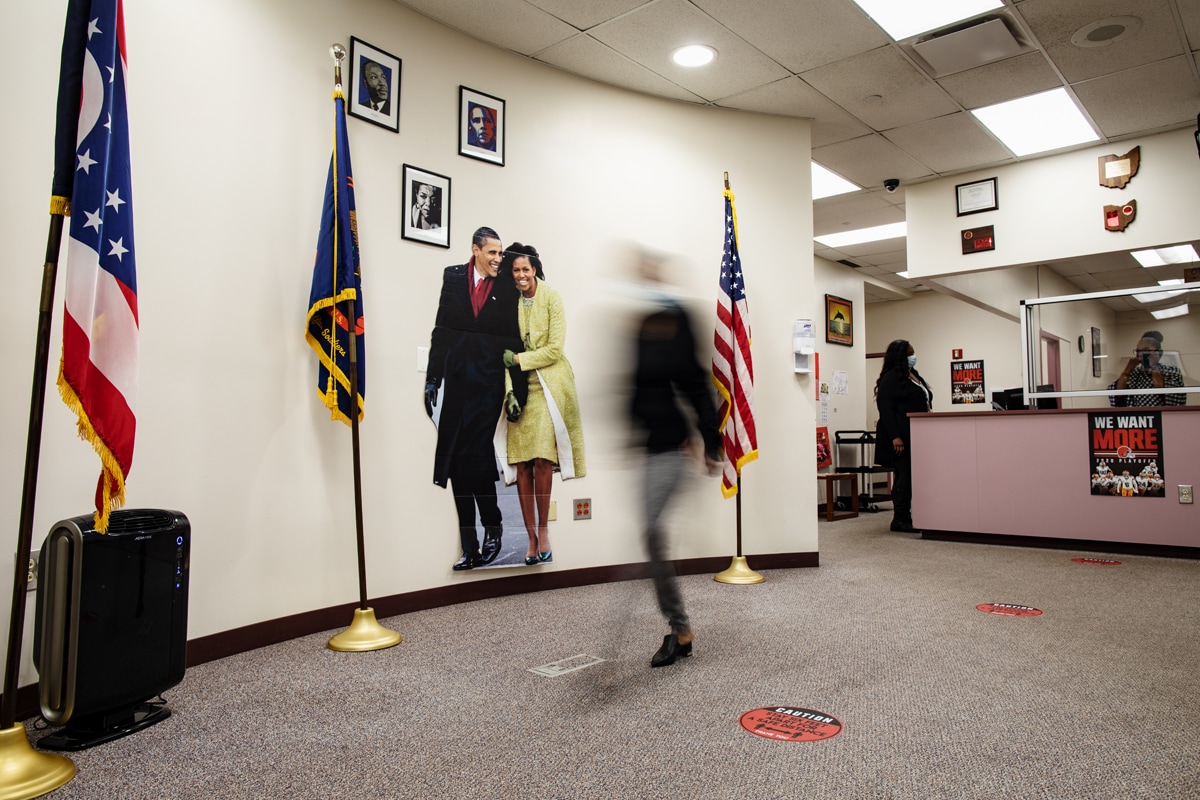
East Cleveland Public Schools, Cleveland, OH.
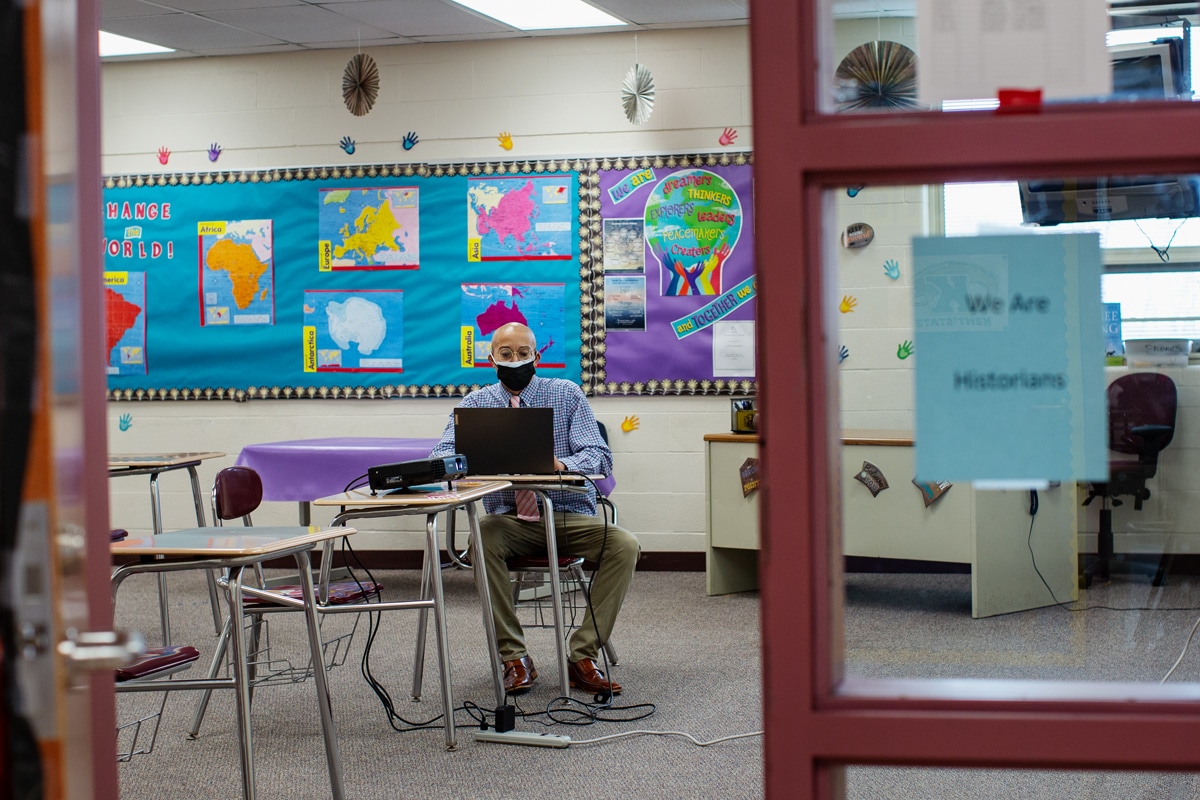
Derek Chauvin declines to testify as defense rests in George Floyd case
U.S. sanctions Russia over hacking, election meddling
At least 8 dead in Indianapolis FedEx shooting
Chicago releases body-cam video of police shooting of boy
U.S. intelligence report: Paul Manafort associate shared Trump polling data with Russian intelligence
Nancy Pelosi: “No plans” to take up proposal to expand U.S. Supreme Court
Birthing Beautiful Communities
Photography
Deana Lawson (2019)
Photography
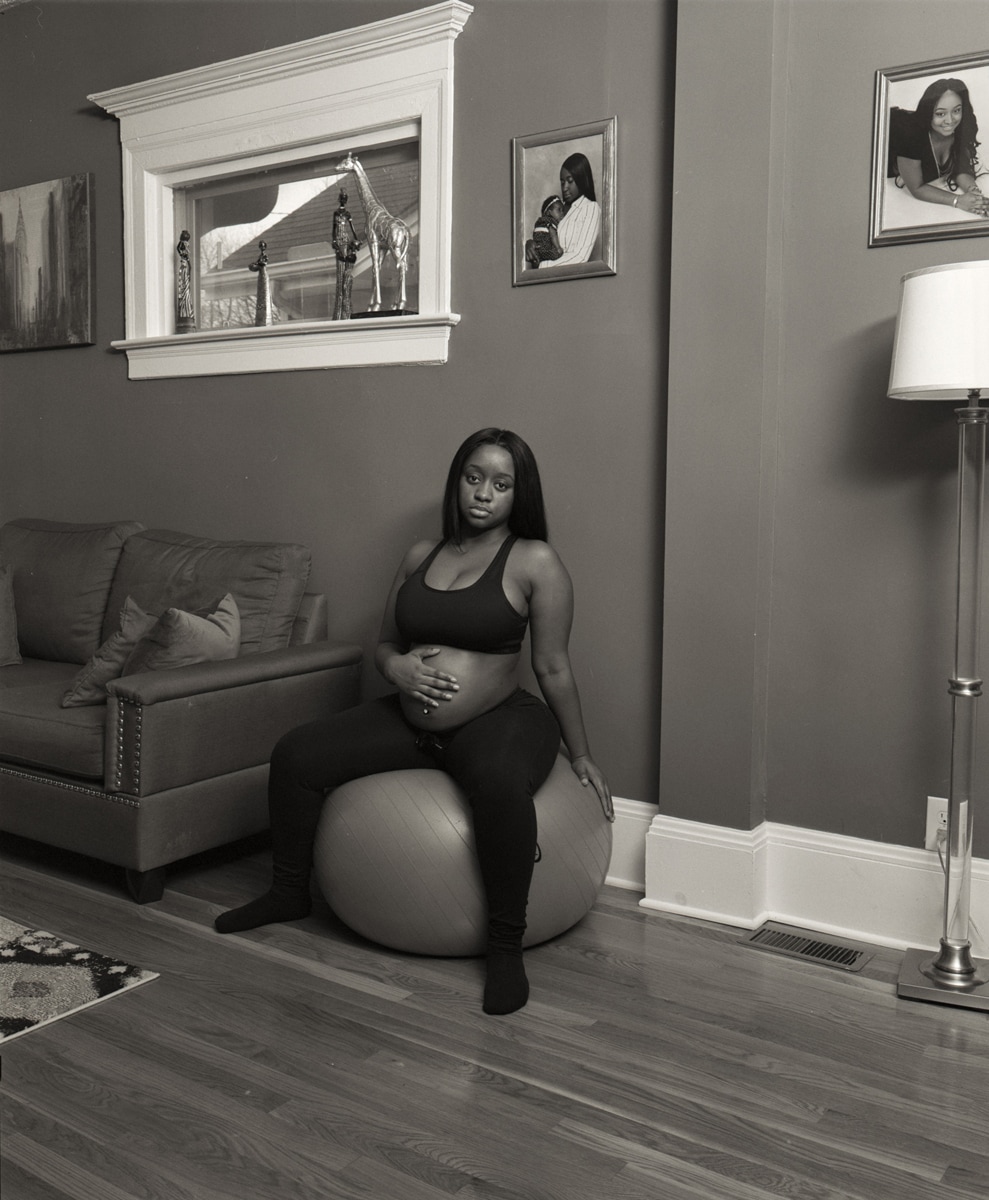
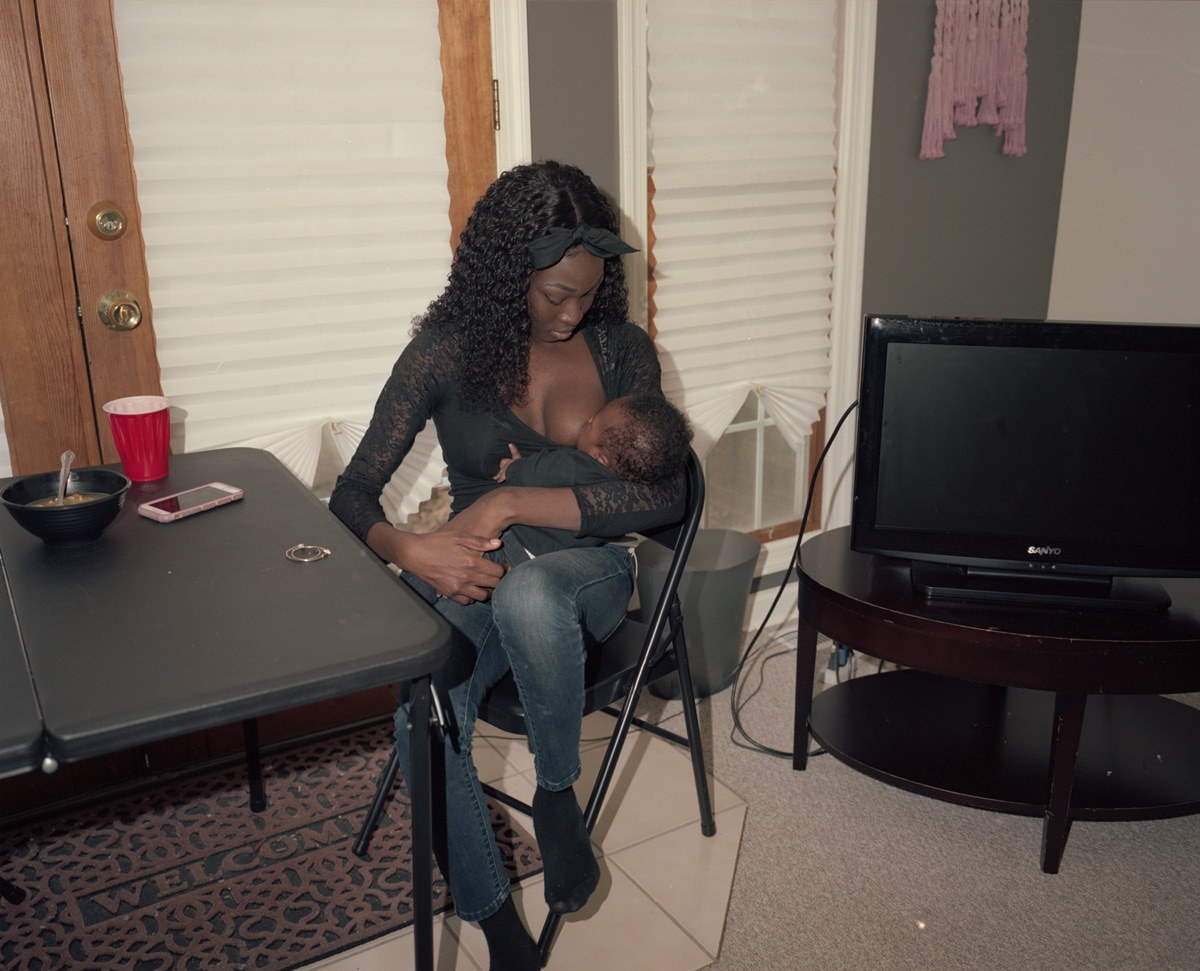
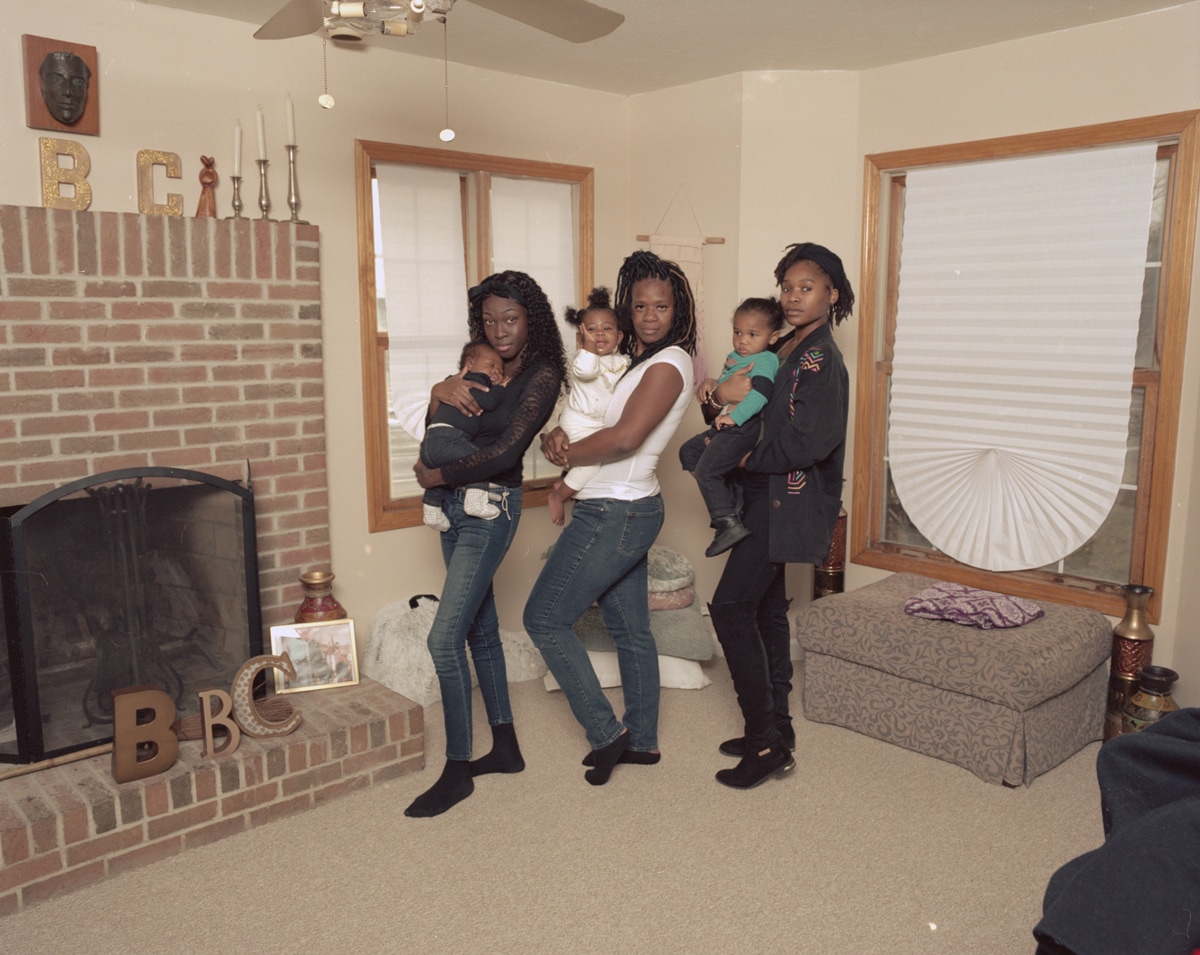
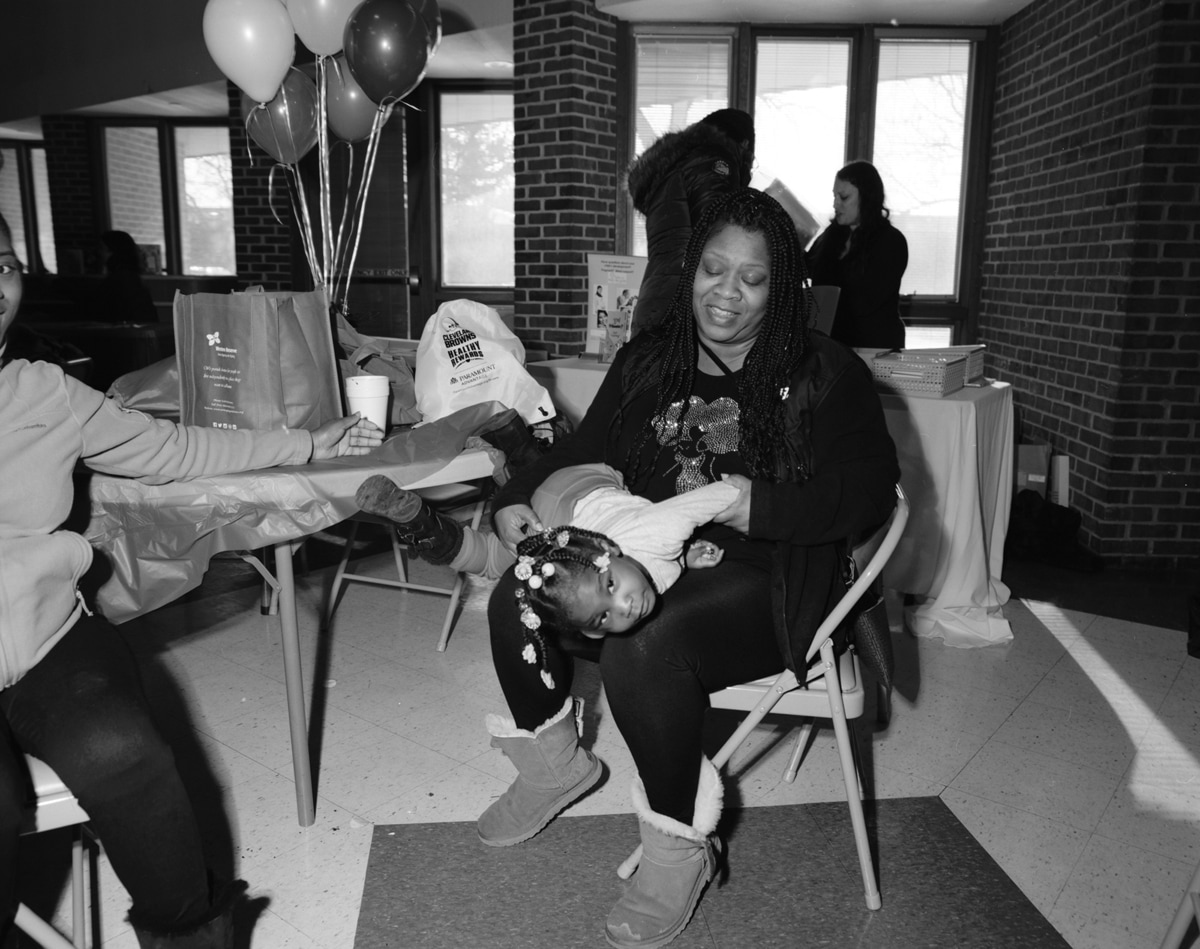
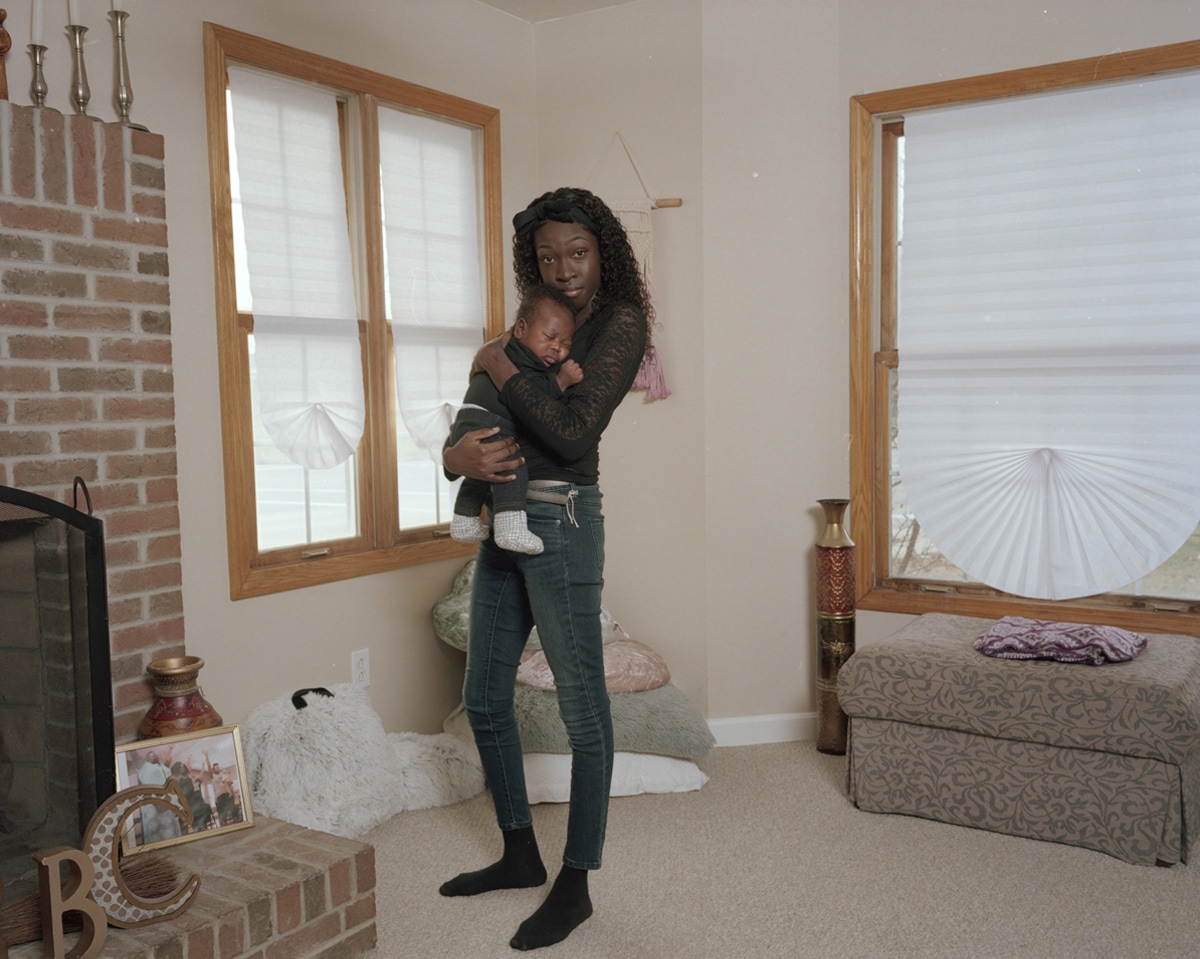
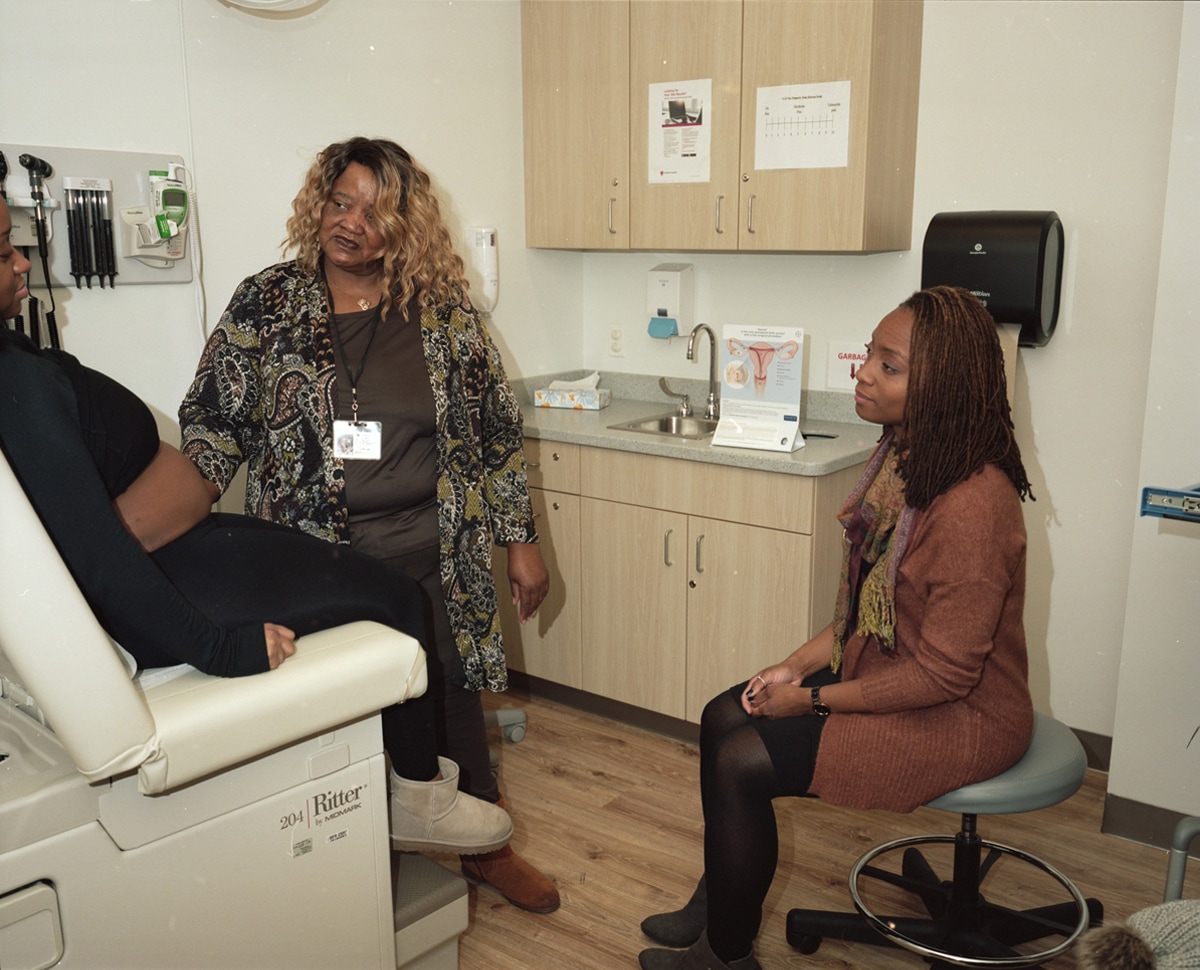
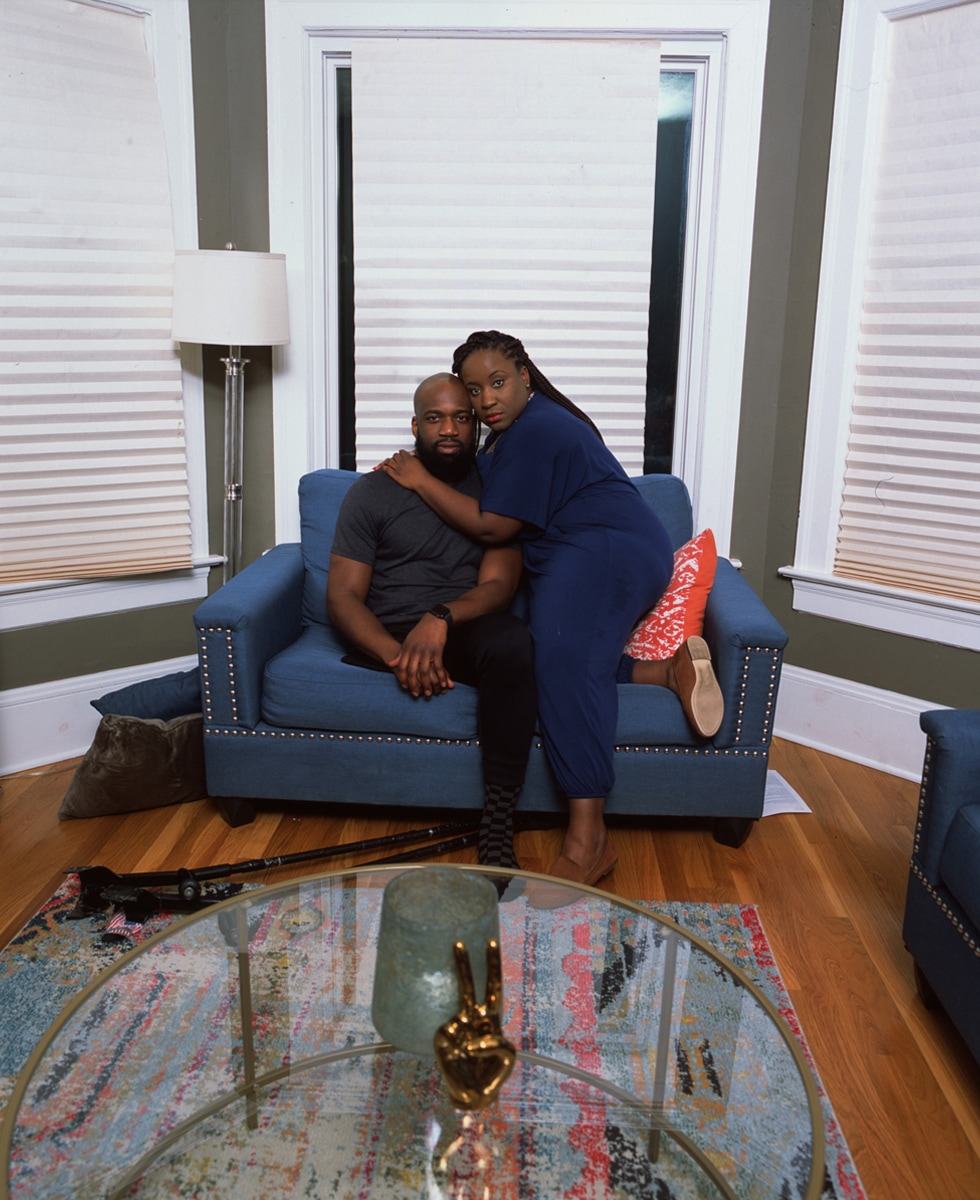
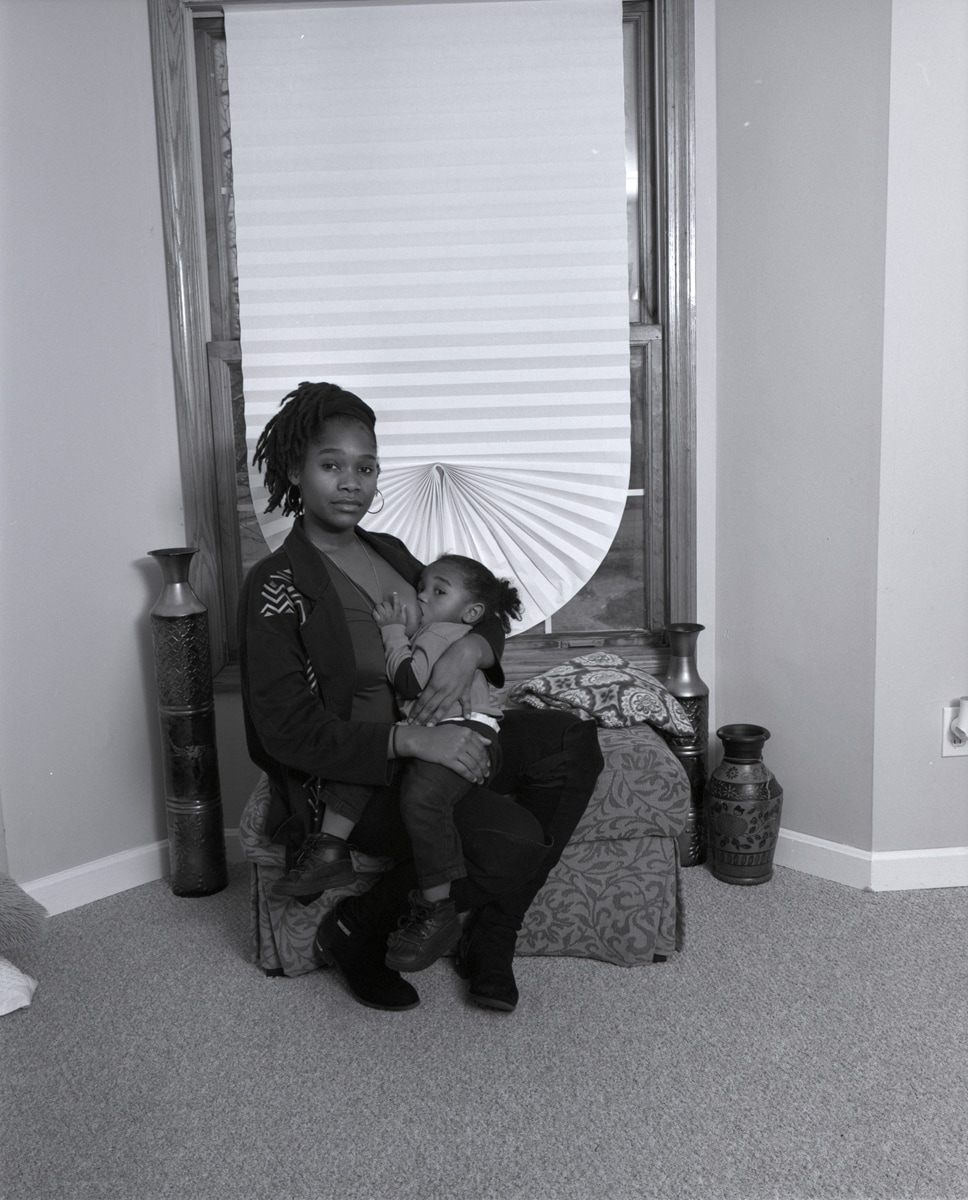
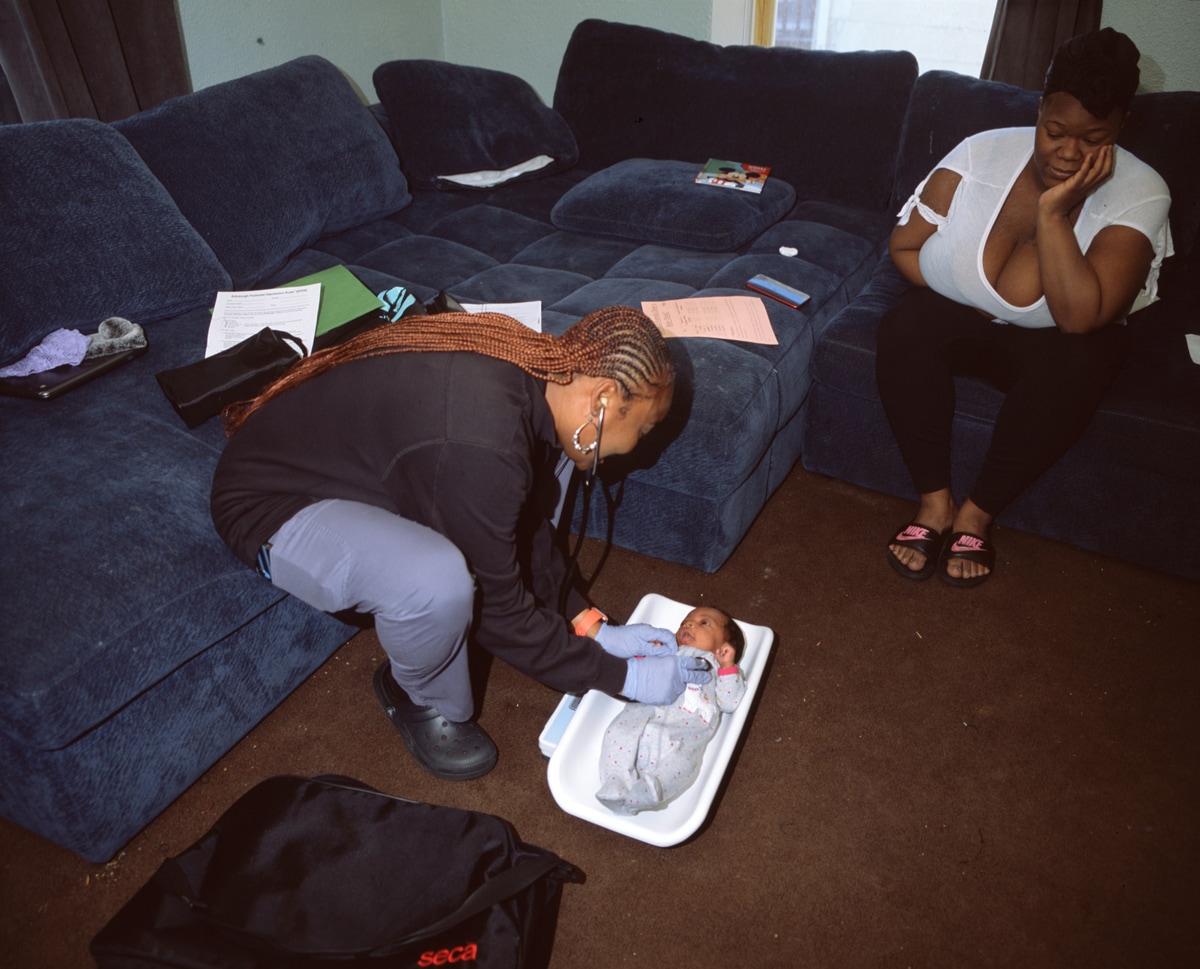
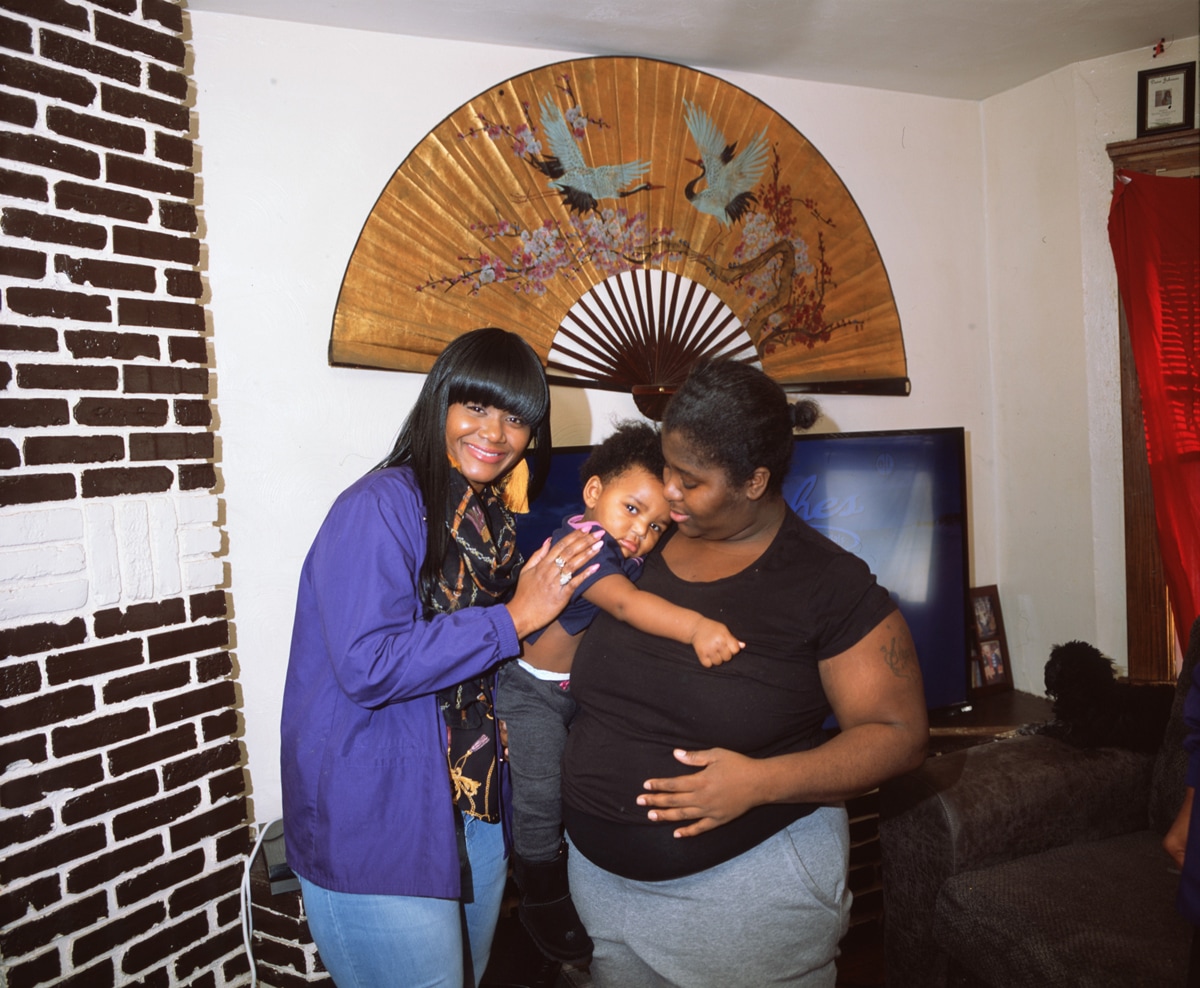
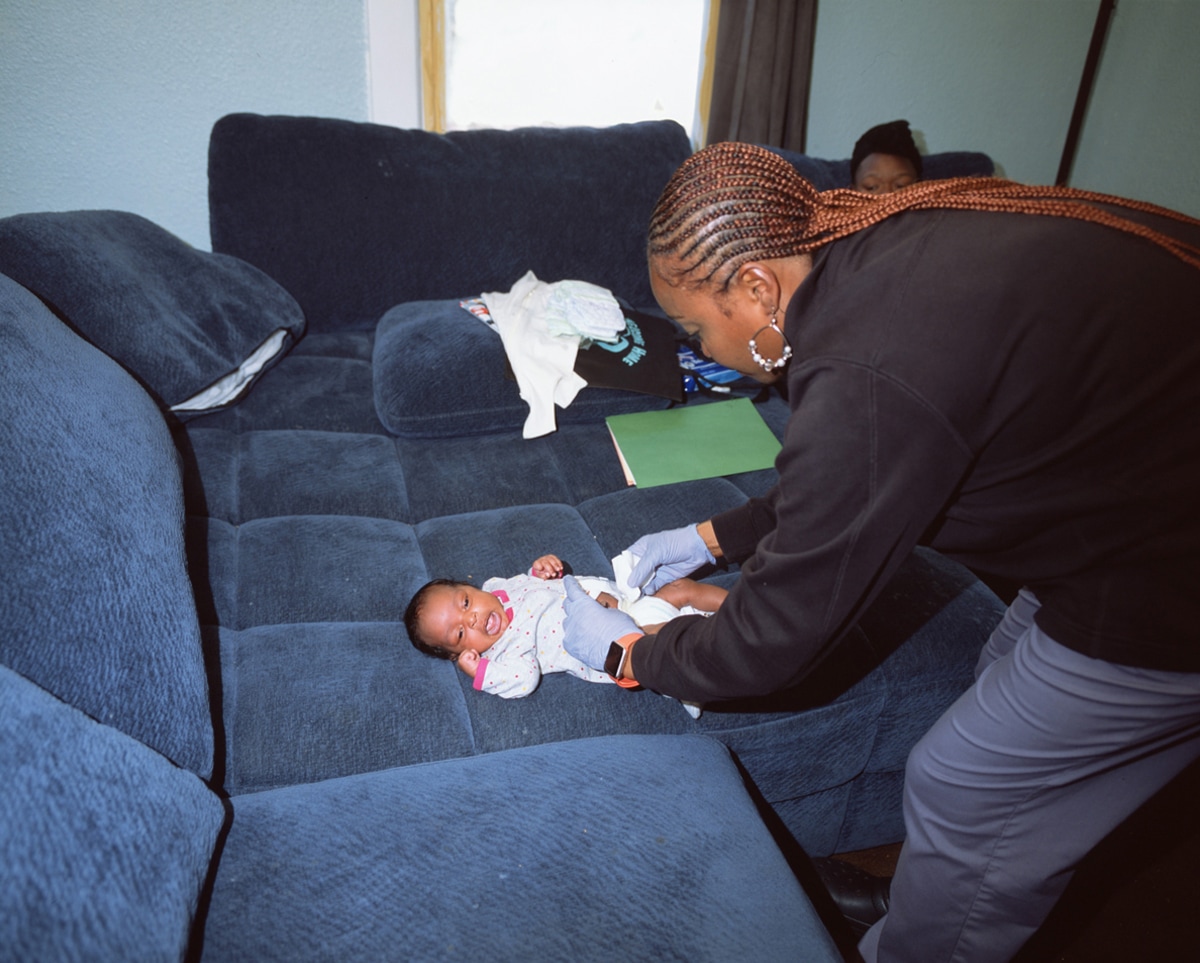
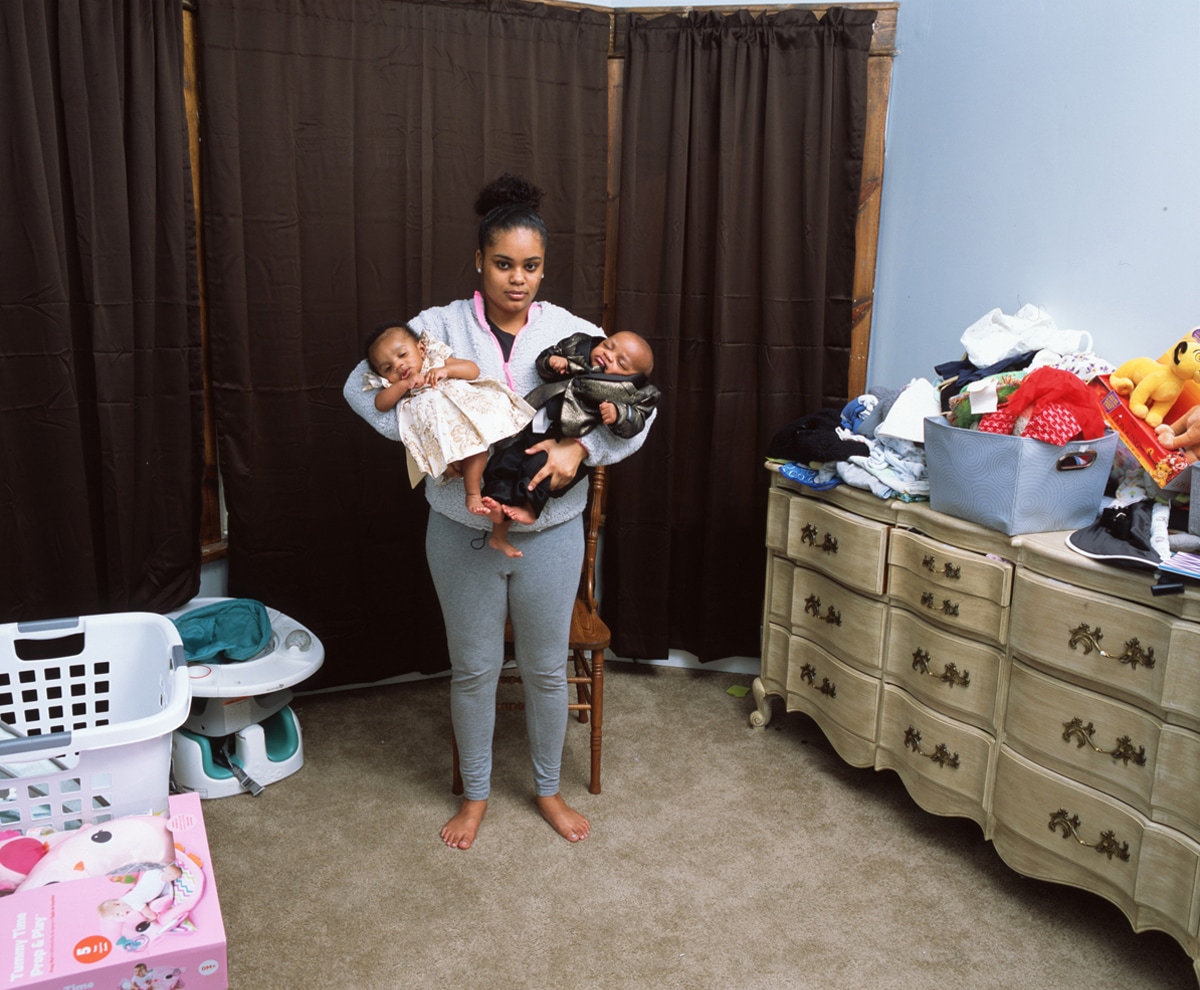
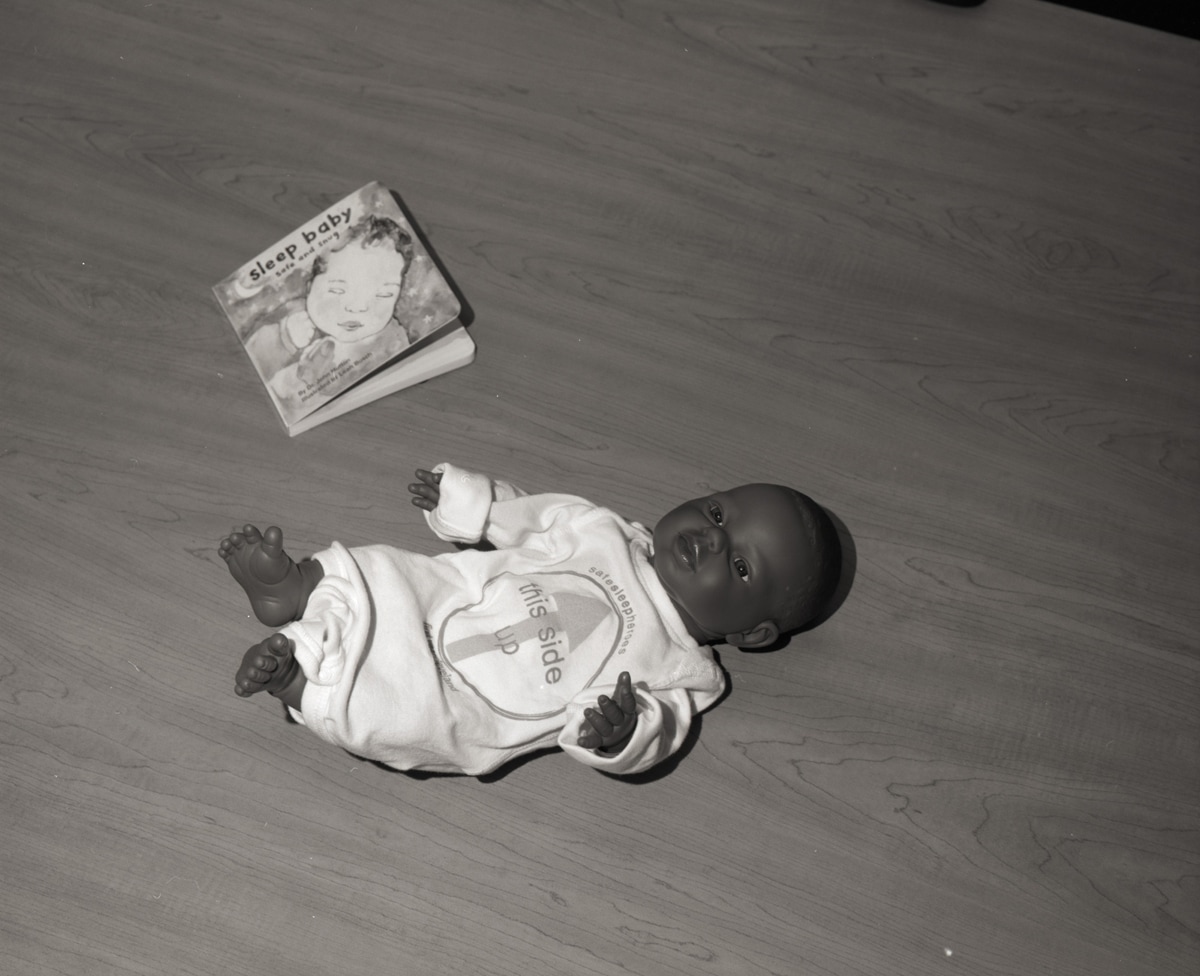
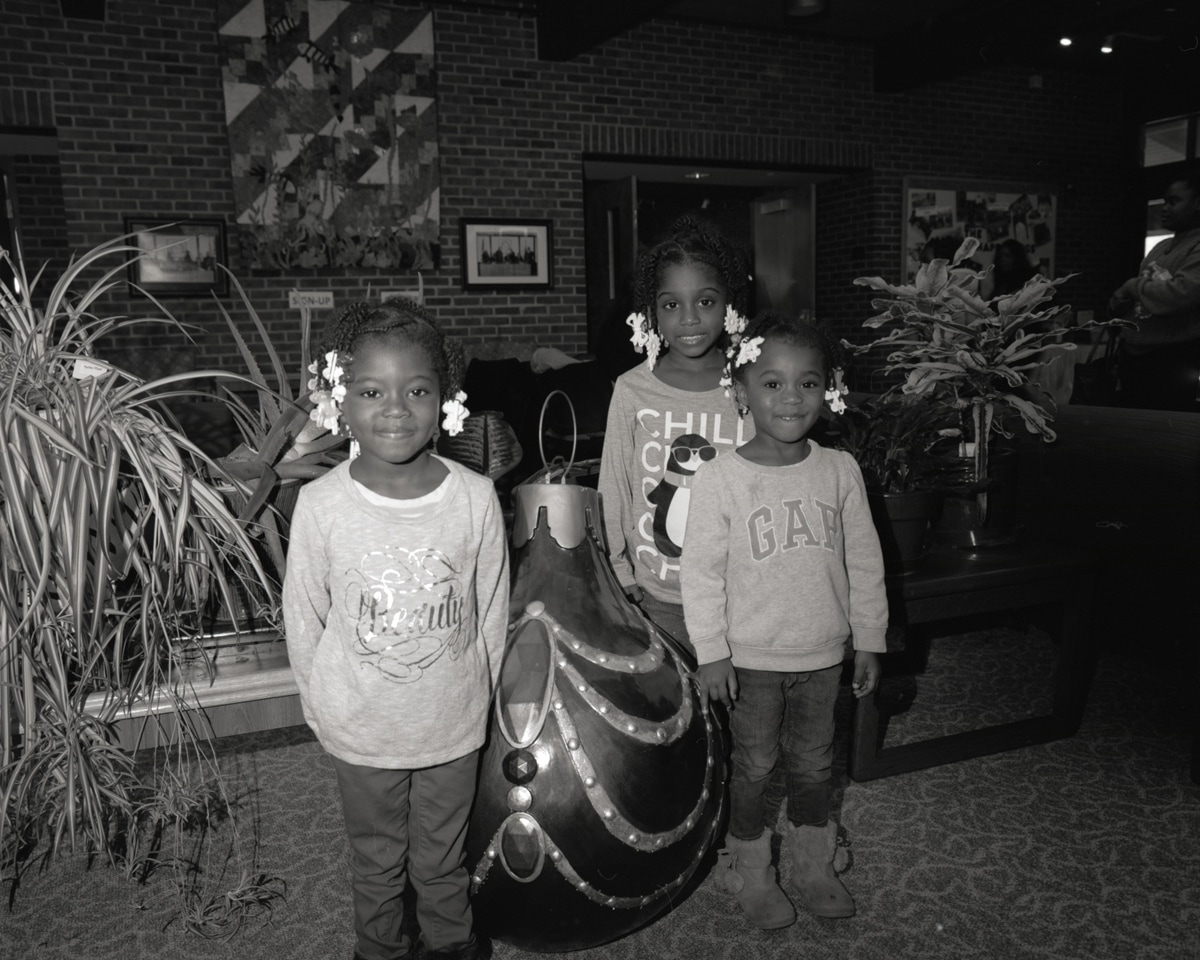
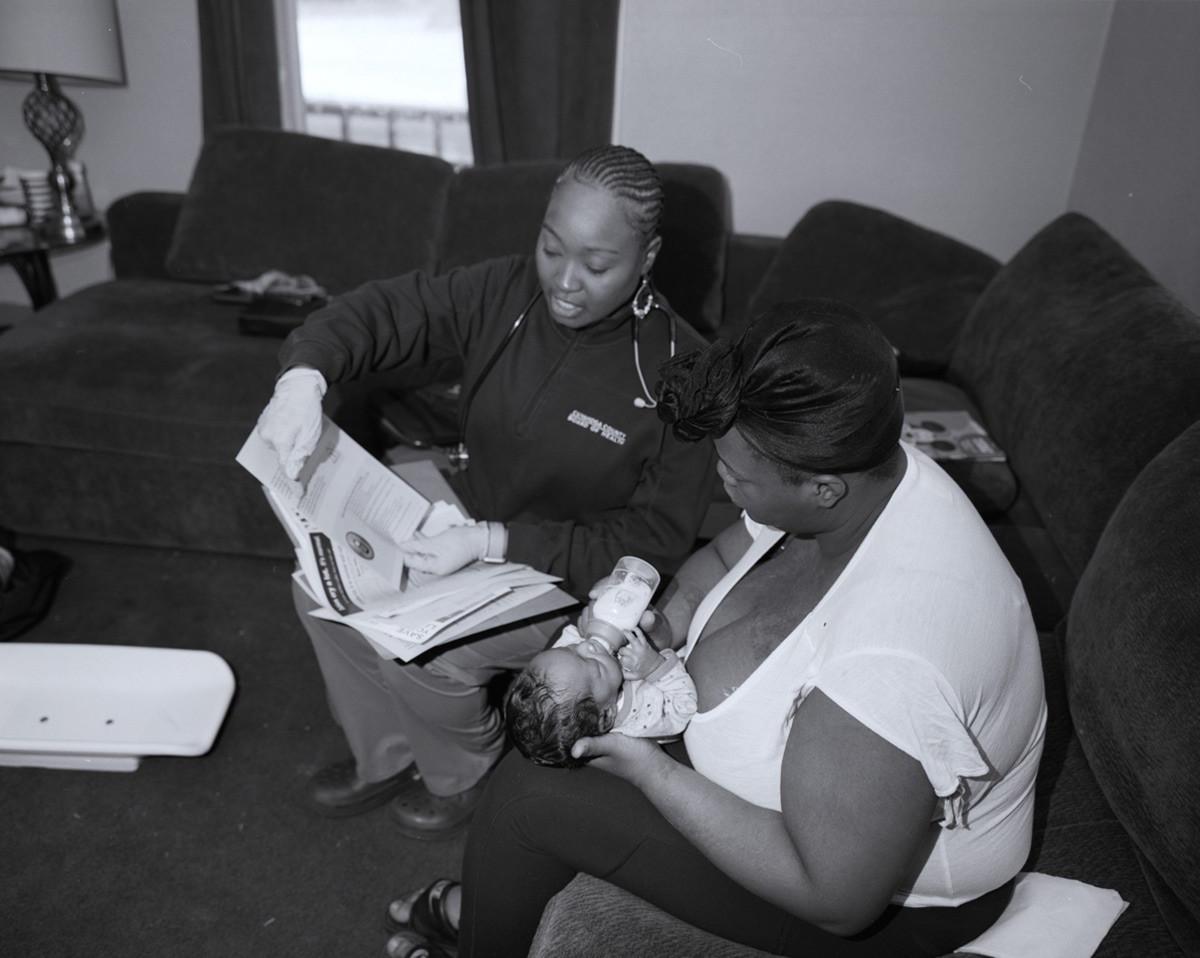
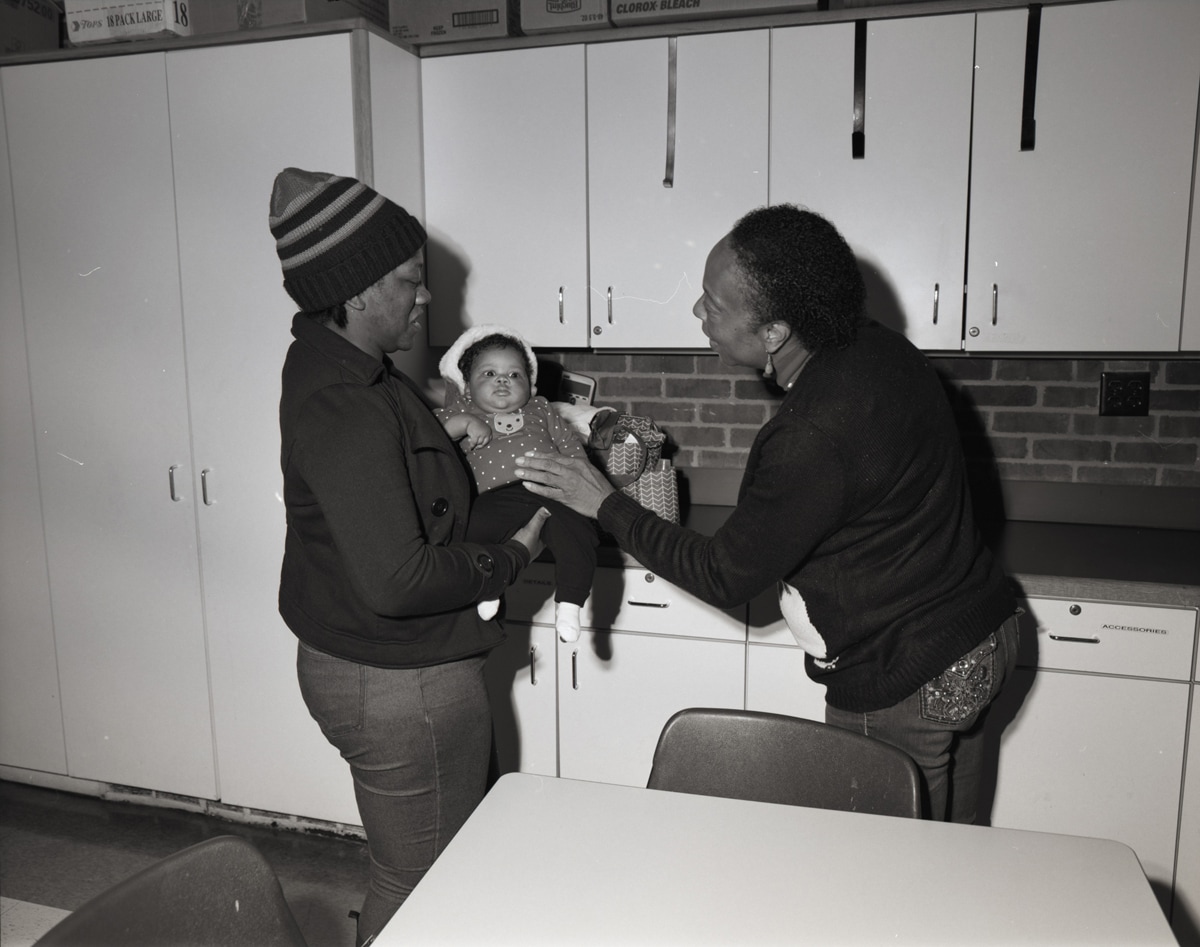
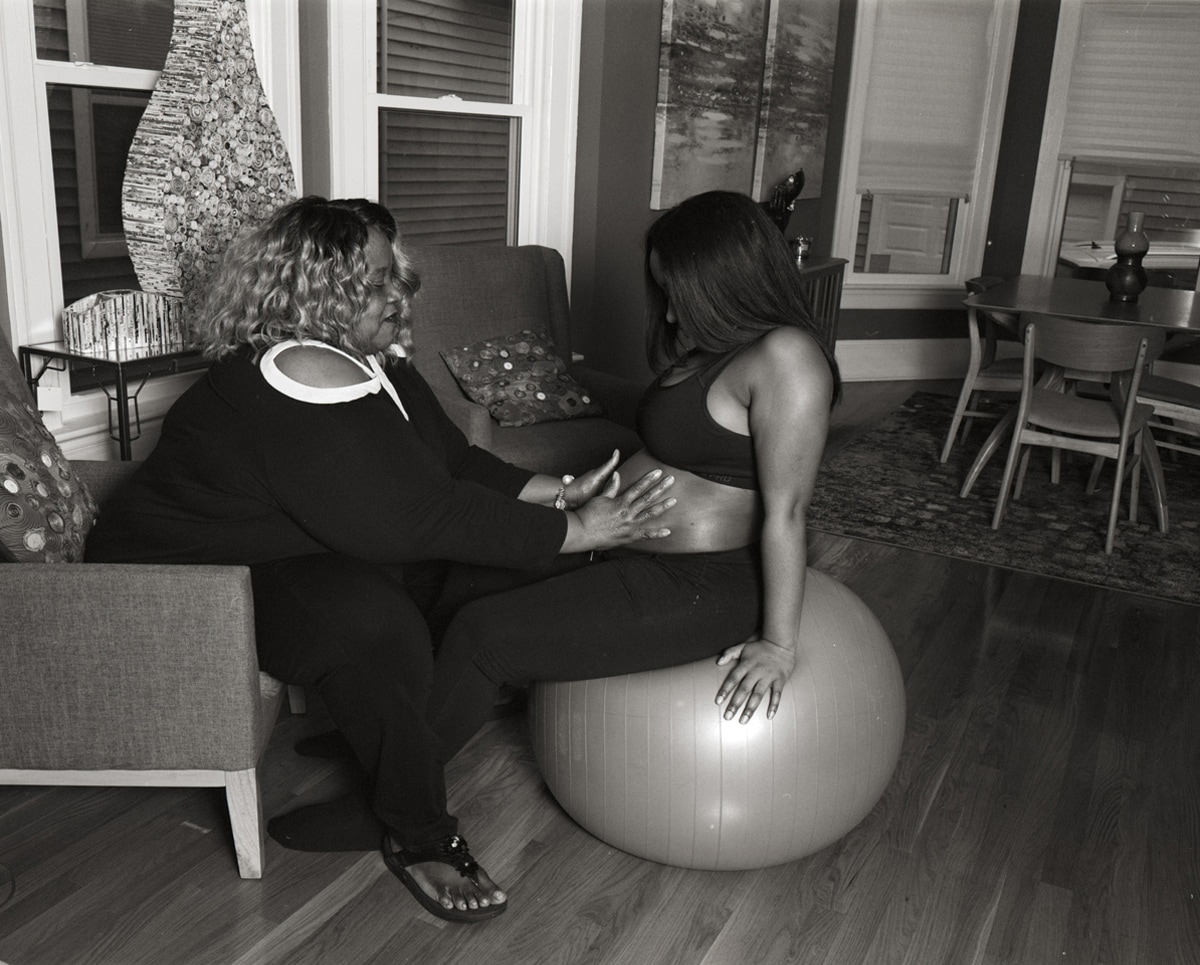
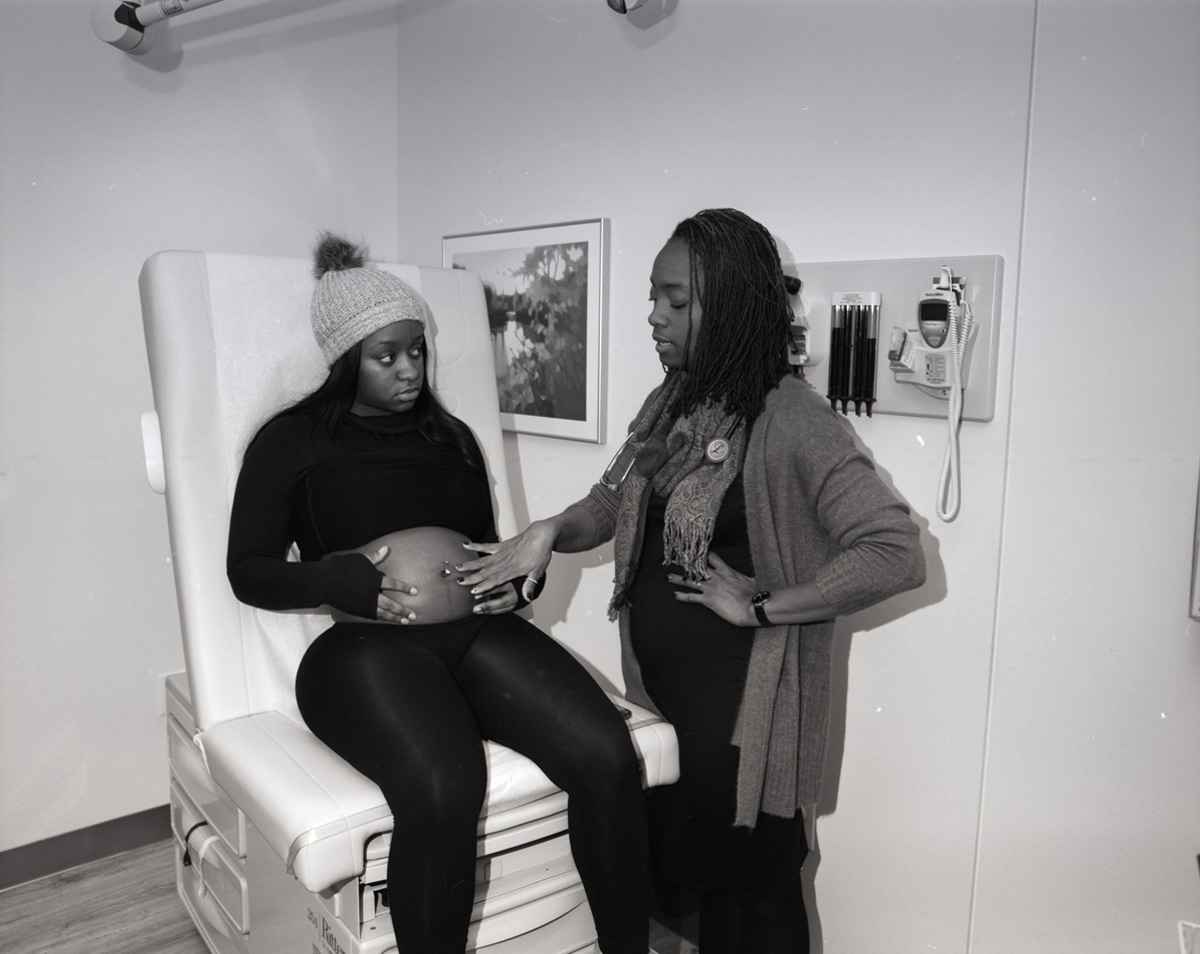
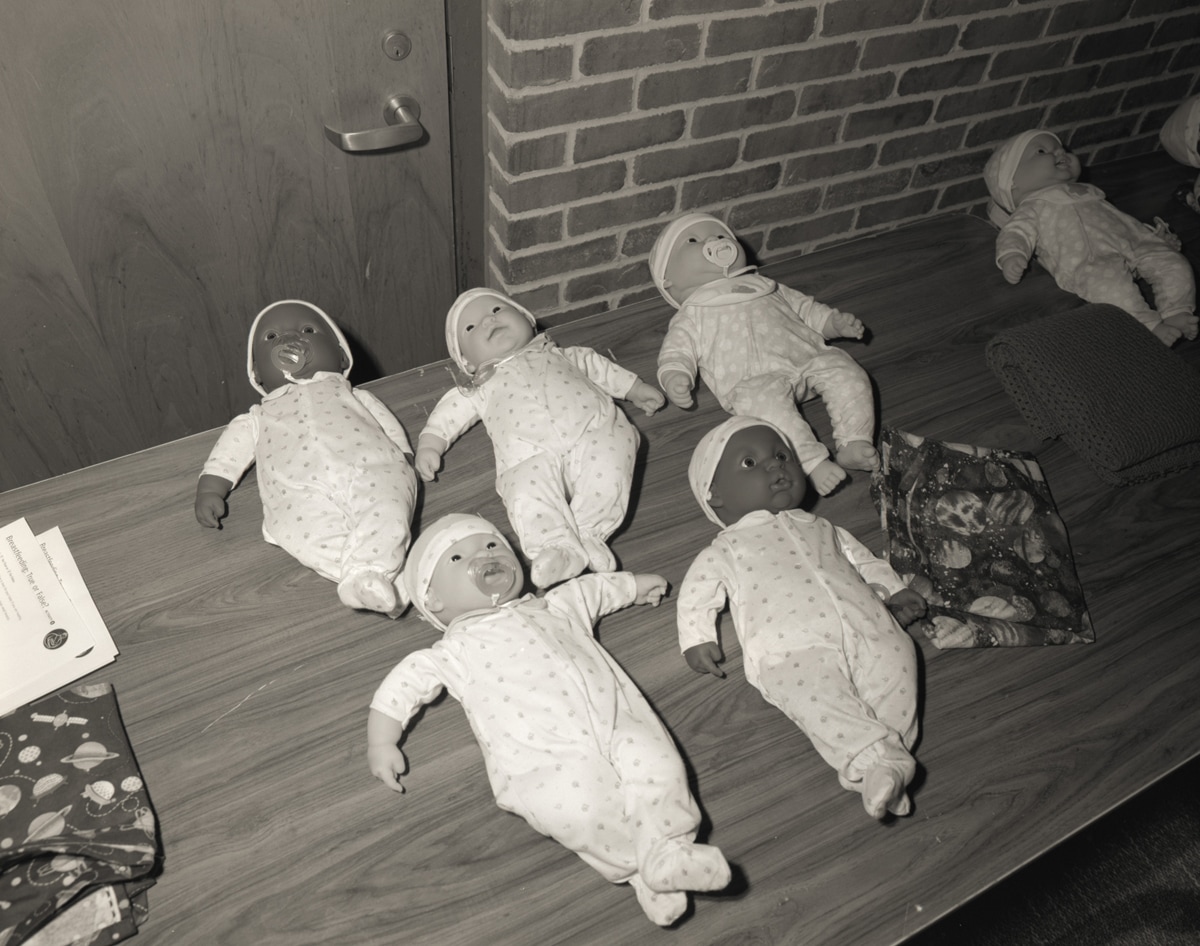
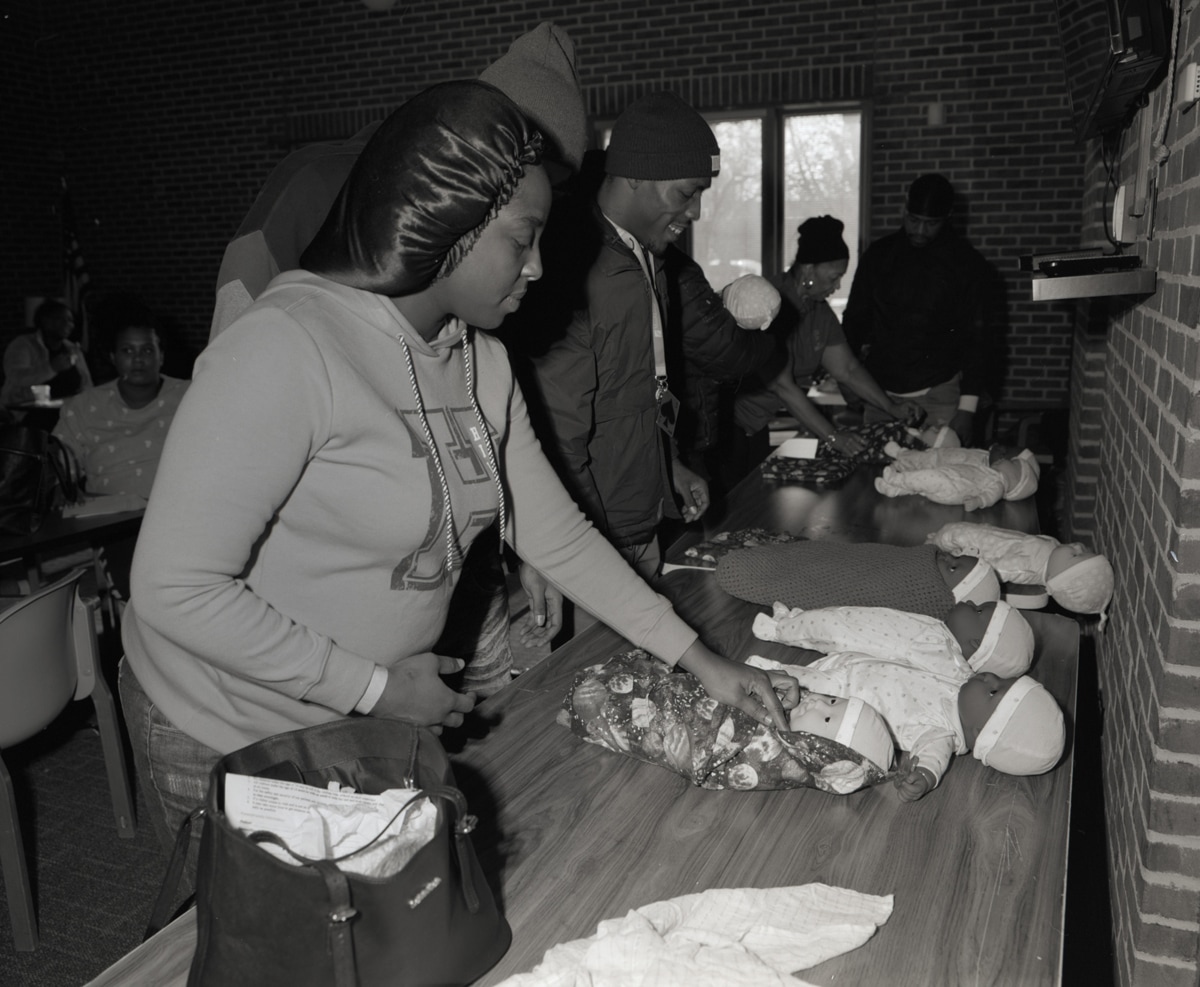
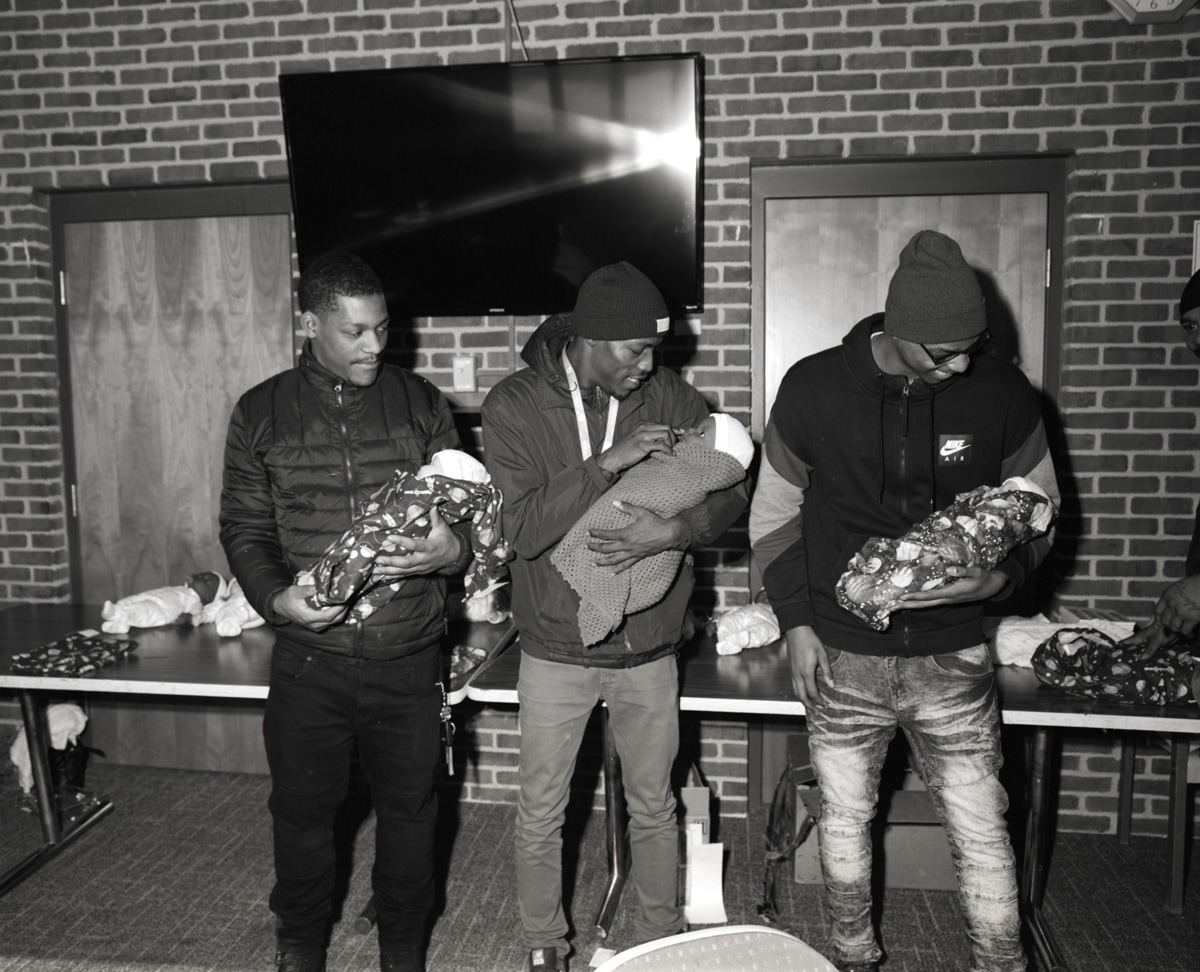
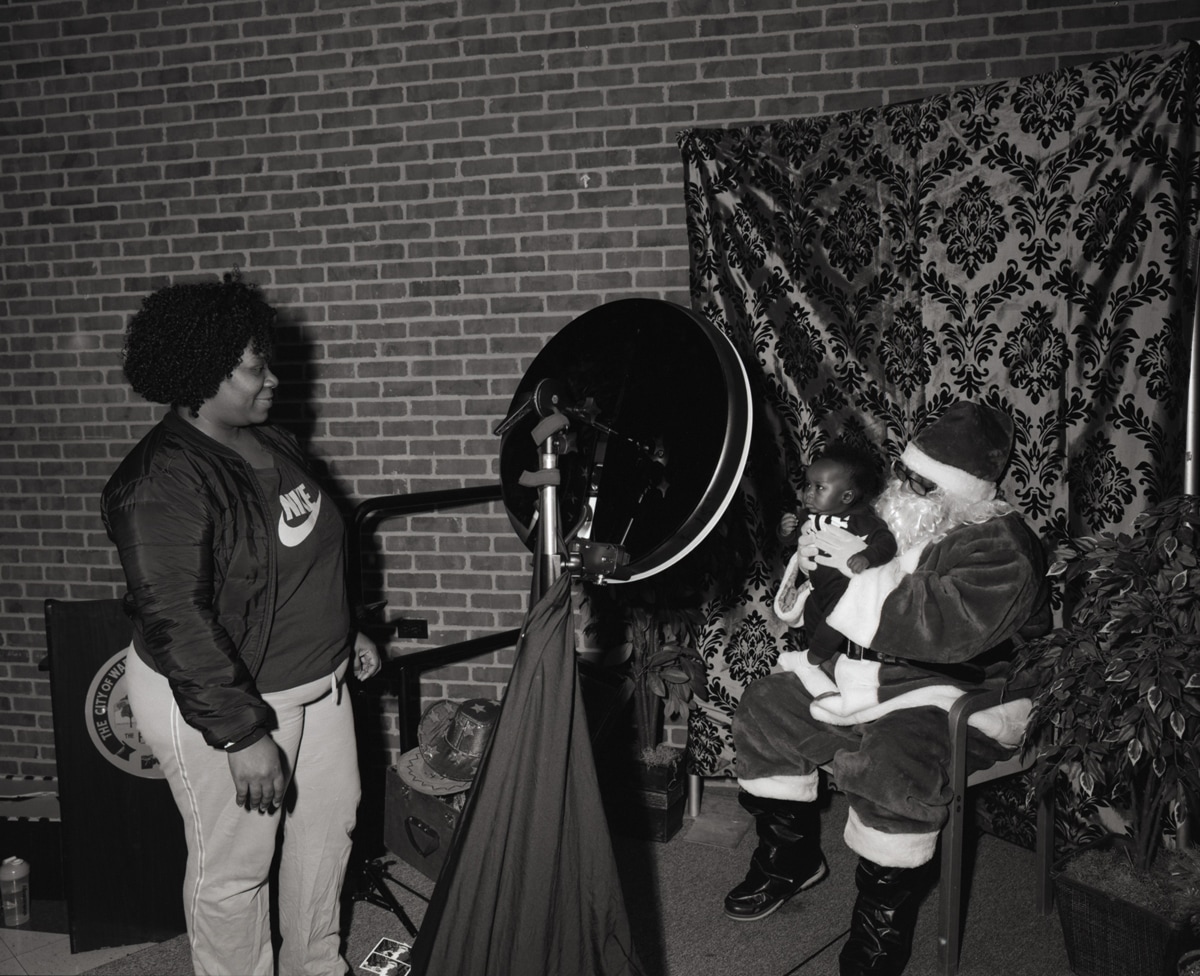
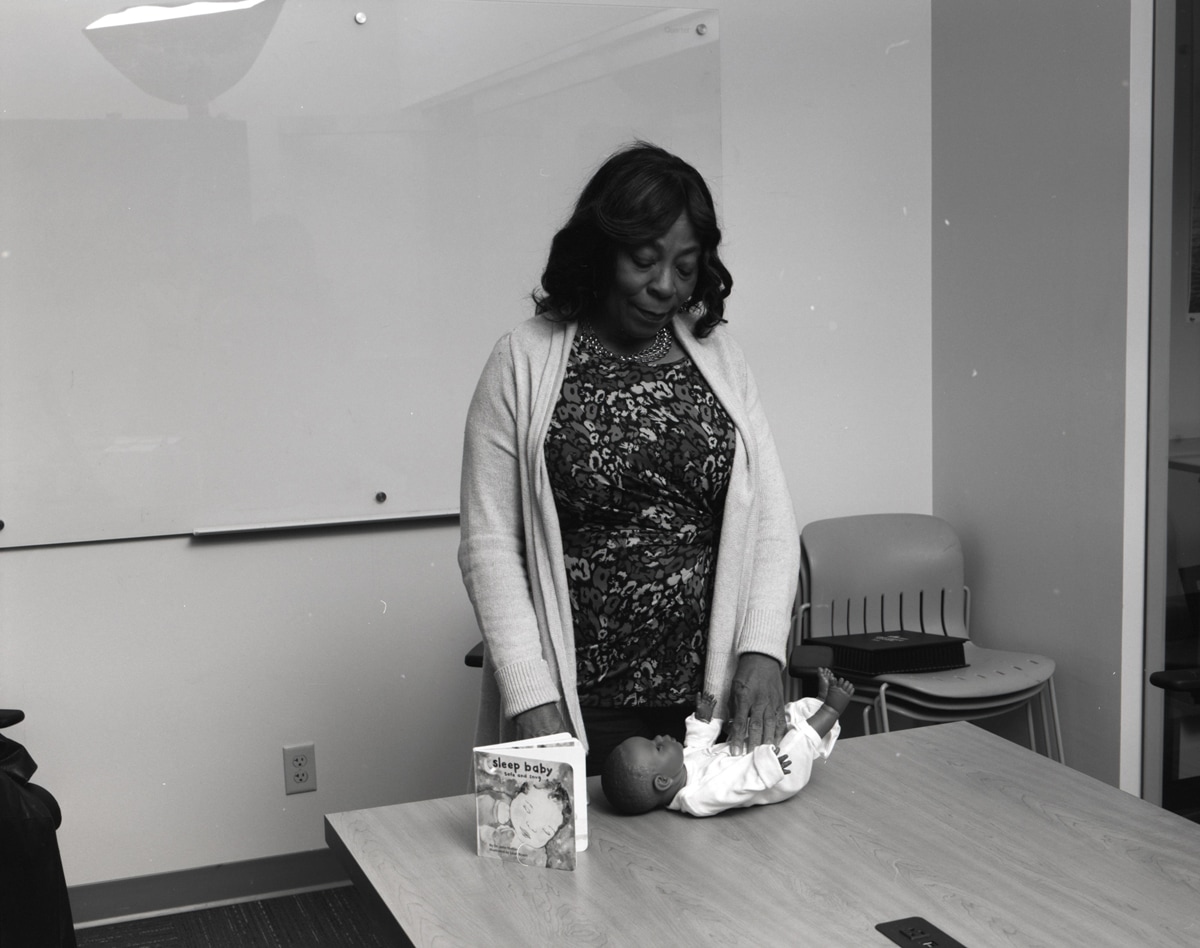
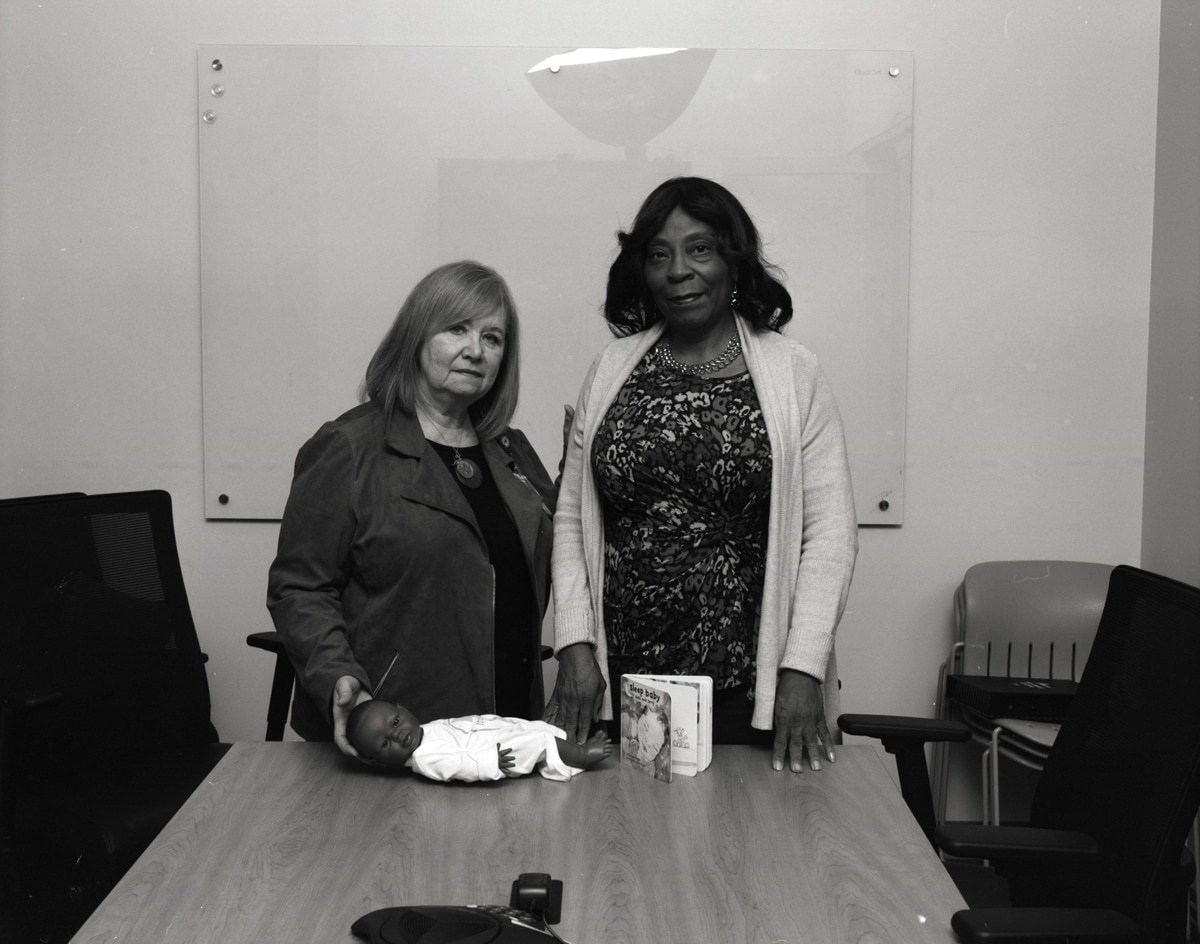
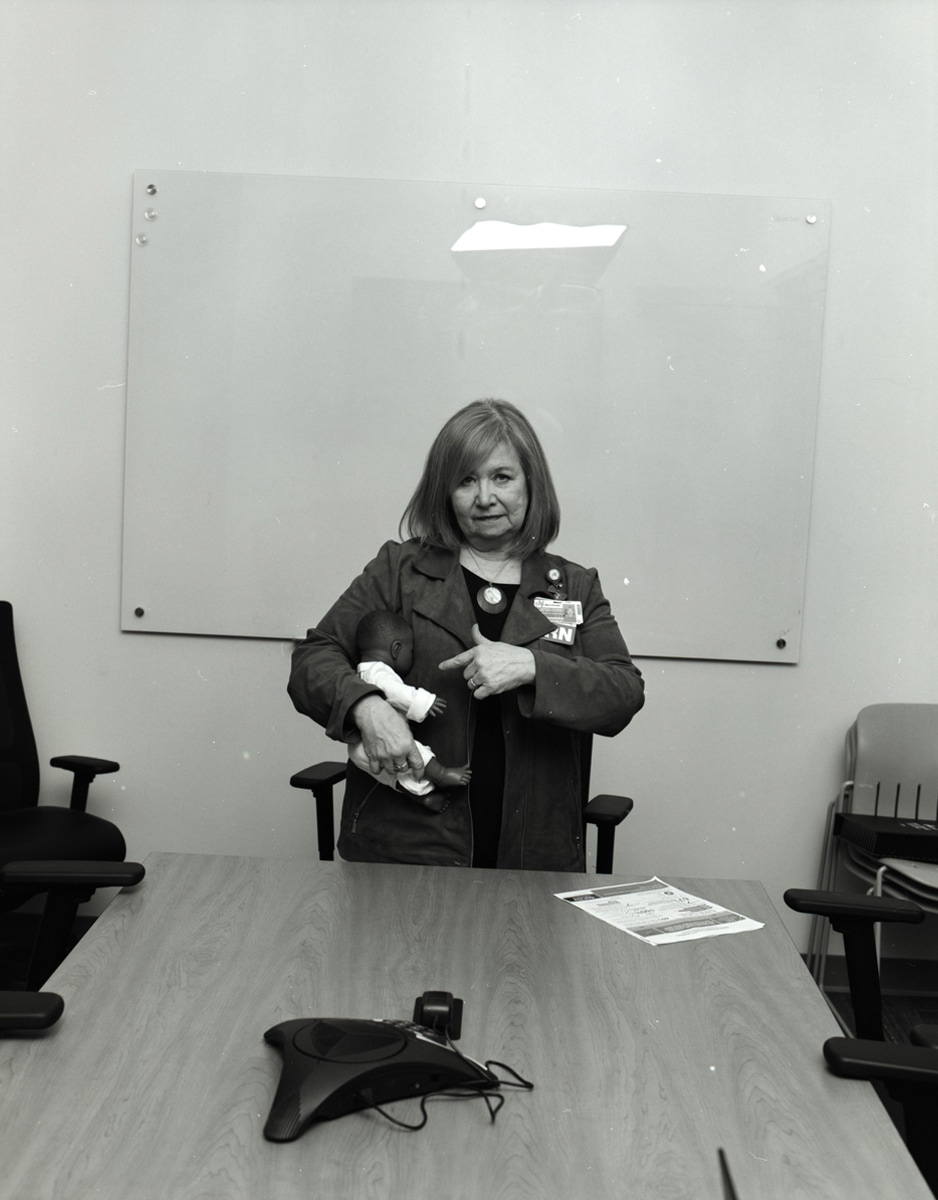
Into a world beset with turmoil, babies continue to be born. The George Gund Foundation’s 2019 annual photo commission portrayed the work of Birthing Beautiful Communities (BBC), a remarkable organization that works to reduce infant morality among black women. Deana Lawson, an acclaimed artist who has been widely exhibited, turned her camera lens on the work BBC for the photographic essay. Lawson portrays the mothers, children, fathers and doulas who BBC brings together to save lives through early intervention.
The work of BBC inspired the annual letter of David Abbott, the Foundation’s president, to reflect on the world those infants will inherit. Catherine Gund, in her first letter as chair, celebrates the impact of women throughout the history of the Foundation and calls for collective action to build a more just world.




Letter from the President - Can we birth beautiful communities?
August 20, 2020
In this wildly unsettled time, what does it take to decide to bring a child into the world? Love? Faith? Hope? Courage? Mere biology? Perhaps all of those, but sometimes it also takes help.
It almost has become trite to observe that it takes a village to raise a child. It is not noted often enough, however, that sometimes the village also is needed to successfully birth children.
In Cuyahoga County, the infant mortality rate among African American women is nearly four times that for white women. A remarkable organization—Birthing Beautiful Communities (BBC)—began working in 2014 to address this disparity by providing perinatal birth supports to Black women. BBC’s trained specialists—called doulas—provide physical and emotional support, education, advocacy and community engagement as they work to overcome the effects on birth of poverty, limited opportunity and proximity to violence—all of which contribute to the toxic stress that is central to the infant mortality crisis among Black women. Numerous scientific trials have demonstrated that doulas greatly improve physical and psychological outcomes for both mother and baby.
Deana Lawson, an acclaimed artist who has been widely exhibited, turned her camera lens on the work of BBC for the photographic essay featured this year on our website. Lawson portrays the mothers, children, fathers and doulas who BBC brings together to save lives through early intervention.
Birthing Beautiful Communities has grown rapidly in its short life, a testament to the quality of its work but also to the tragically great need for its services. Fortunately, it does not labor alone. BBC is part of a community-wide, coordinated plan of attack on high infant mortality rates called First Year Cleveland. Its key strategies focus on racial disparities, extreme prematurity and sleep-related infant death.
The work of First Year Cleveland has shown promising impact in its first few years, but the vexing racial difference remains alarmingly high. Although the infant mortality rate has declined for all groups, the disparity between white and Black infant deaths has grown.
The very fact that we must marshal the resources and commitment for Birthing Beautiful Communities and First Year Cleveland is just one aspect of the ongoing inequality in our society, which has been again starkly illuminated by the unequal impact of the COVID-19 pandemic and by the brutal on-camera killing of George Floyd.
The social isolation required by the pandemic is frequently punctuated by reminders that “We are all in this together.” And while that is certainly true, the limits of our togetherness are also quite evident. Multitudes have lost their jobs while others have not. Many of those still employed have the benefit of being able to work from home while others cannot. Among those who must report to work because they are essential are scores who are relatively underpaid, including health care aides, supermarket cashiers, delivery workers and others. Racial disparities coil through all of these circumstances, but perhaps the most prominent is the toll the virus is directly inflicting. African Americans are nearly a third of those hospitalized with COVID-19 in Ohio even though they are only 13% of the population. Nationally, Black people are five times as likely to need hospitalization as whites.
Although COVID-19’s impact has been uneven, a virus always has a reach that is potentially universal. The affluent may be able to more readily reduce the risk of exposure and access better testing and care. But no one can truly hide. The spread is insidious and it obviously can afflict people of every status. The very inequality of health conditions, the fact that a few bear a disproportionate burden, ironically is why everyone is at greater risk. It may be easier to ignore the society-wide costs of unequal schools and unequal opportunities. But the costs to everyone do exist; many people just look away. In the case of a viral pandemic, without a far better public health system and universal heath care, those who cannot avoid exposure are more likely to become carriers and transmitters of the disease. That puts everyone at risk. Looking away is no escape. One way or the other we all pay.
No crisis should go unused, and this can be an incredibly valuable opportunity for reassessment and reckoning. For pragmatic reasons alone, the pandemic should force us to take a fresh look at virtually every system and way of doing things.
But in the nation-defining period ahead there must be a call to conscience as well as self-interest. Racial inequities arising from countless societal decisions continue to afflict Black and Brown Americans. People of goodwill must seize this moment to force the scrutiny of disparities in education, incomes and employment, health care, housing and other fields. All of these inequities stem from choices that we have made as a society or that have been made for us. They are not inevitable.
These choices tragically include actions throughout our history that created the criminal justice system we have today, a system which, among many other failures, gave a Minneapolis policeman a belief that he had license to take George Floyd’s life in an appallingly heartless way. It was, of course, far from the first time something like that has happened to a Black American. But the repeated broadcasts of the video to an audience enlarged by quarantine sparked rage, anguish and multiracial cries—and marches—for justice. Perhaps Mr. Floyd’s legacy will be that his death generates enough empathy, understanding and enlightened self-interest to make lasting change.
Perhaps. But that is up to all of us, and especially to white people. We are still the largest and most powerful population group. We must emerge from both the social isolation of the pandemic and the far more complicated isolation of our privileged societal position to embrace not just the slogan, but the truth that Black Lives Matter. The consternation of some over the potential loss of historic monuments is nothing compared to what is really at stake: the loss of our core national beliefs, our animating national spirit, our ideals. For nearly our entire history we have celebrated those ideals even as we allowed the whitewashing of racism’s reality and its mockery of our lauded principles. We cannot lay honest claim to our ideals when we continue to so evidently deny them to Black Americans, a truth finally brought home for many by a video of a policeman—essentially a representative of our collective will—calmly murdering a Black man. If we do not change, those ideals are no longer ours.
But what ideals they are: All are created equal. Freedom. Equal justice under law. Democracy. They are worth fighting for and building toward.
In America, one of the primary ways that we wrestle with such issues is through civic engagement, politics and elections. Distressing and alienating as politics can sometimes be, if informed citizens fail to engage and take action, including voting, there can be no assurance that the policies enacted on our behalf will reflect the broad will of the people. That is the choice before us. Will we step out of our isolation, and add reasoned and compassionate voices to the inevitable clamor? Will we act?
Nature and George Floyd are telling us something both profound and elementary: In the final analysis, we are, in fact, all in this together. If we do not come out of these twin crises working to build a better, more just future, then the next contagion—perhaps a lethal virus or perhaps a violent uprising—will be the one that truly levels us. Yet, we need not be motivated by anxiety; signs of hope abound. They can be seen in the refreshingly multiracial marches for justice. In the encouraging poll numbers showing majority white support for Black Lives Matter. In the expectant and newborn faces in Deana Lawson’s photographs.
The road ahead may be hard, but only on it will we find the awakening that America needs and a new birth for our beautiful communities.
David Abbott, President of the George Gund Foundation
Letter from the Board Chair - A better world will definitely be more female.
August 24, 2020
When I was the age my children are now, the AIDS epidemic had just started to rage. My friends, roommates, girlfriends and I fought every day for more research and education, less stigma and hatred, more love and care. Through our shared activism with New York City’s AIDS Coalition to Unleash Power (ACT UP), I was spending intense, often desperate, always significant days with my dear friend Charlie Barber. It was too early to even dare to imagine a time of effective treatments, of living full lives, of raising families, and so, in many ways, I stopped planning for a future. At that time, beloved scholar and community activist Kathy Barber, Charlie’s mother, was on the board of the Gund Foundation where she served for 19 years. We lost Charlie in 1992. Four years later, championed by Kathy, I was invited to become the first third-generation family member on the board of the Foundation, and in some ways, the opportunity to serve helped crystalize for me that I needed to allow myself to once again imagine and work toward a better future.
As I write this letter from home quarantine, the twin pandemics of COVID-19 and racism raging all around us, it is helpful for me to reflect on those days when everything seemed so uncertain as well as on the leadership of other women who, when moments demanded it, stepped forward. While I may be the first woman Chair of the Foundation, women have always been critical to its success, from community organizers in Cleveland, to those whose dedication made the more prominent work of others possible, to those on our board and staff. I draw strength from this ongoing legacy.
Eliza Bryant started a nursing home for African American women in Cleveland in 1897 after witnessing formerly enslaved people, like her own mother, migrate north only to be shut out of white nursing homes. Annie Perkins wore men’s clothing and cropped her hair short in the 1880s so she could fulfill the critical democratic duty of distributing newspapers for The Cleveland Press. Henrietta Givens cooked and cleaned in George Gund’s Cleveland home from the 1930s through the 1950s, feeding and tending to my mother and her siblings. Jessica Roelser Gund, my mother’s mother, birthed and raised six children while also serving on the boards of the Cleveland Institute of Art, the Women’s Committee of the Cleveland Playhouse, and the Gund Foundation as one its three original trustees. Jessica led the Foundation with George, not behind him.
For more than 20 years I’ve served on the Foundation board, along with my aunts, Lulie and Ann Gund, who collectively have served over 45 years, and Cleveland community members like Kathy, Robyn Minter Smyers, Cathy Lewis, Marge Carlson, and, most recently, Margaret Bernstein. I have also spent the last two decades recruiting other third-generation family members and there are now six of us, including five women.
The current staff of the Foundation includes a phenomenal team of women: Jennifer Coleman, Maya Curtis, Marcia Egbert, Cynthia Gasparro, Paula Kampf, Jessica May, Ann Mullin, and Alecia Pretel. This year the Foundation welcomed Alesha Washington as the Program Director for Vibrant Neighborhoods and Inclusive Economy. In her critical and timely role, Alesha, who began as a Gund Foundation Fellow 13 years ago, now leads our work to strengthen democracy building and civic engagement strategies. These women not only keep the Foundation running, but are enacting change in communities throughout Cleveland, regionally, and nationally.
Since its inception in 1952, the Foundation has awarded $775 million in grants leading to many tangible manifestations of our commitment to use the power of localized funding to leverage community knowledge and organizing for sustainable impact. It also feels important to me to recognize all of the women I have named because despite the tremendous achievements we trumpet, the Foundation has not been exempt from the consolidation of power in the hands of (white) men and the denial of full partnership with women that is a hallmark of patriarchal institutions.
Our world, now riveted by the uprisings in response to police brutality and systemic racism, similarly reflects this all too common myopia. The cold-blooded murder by police of George Floyd in Minneapolis was the spark, but women have also long been subjected to relentless, state-sanctioned violence. Breonna Taylor’s killing in Louisville is just one recent example that is, appropriately, receiving more attention, but far less publicized are the police killings of 23 trans women so far this year. Black Lives Matter, the movement that has spread a straightforward and powerful statement across the globe, including on all of the basketball courts in the NBA’s COVID-19 “bubble,” was created in 2013 by three women—Alicia Garza, Patrisse Cullors, and Opal Tometi. Tens of millions have taken to the streets in protest this summer, but few could name the movement’s founders or know that they are women.
In this context, I want to express gratitude to the women who are responsible for the direct care of our fellow citizens during the COVID-19 pandemic, and who are bravely stepping up to protect our communities. Around the world, the majority of responders on the frontlines of the coronavirus fight are women. According to the World Health Organization, women make up seven out of ten health and social care workers globally and contribute $3 trillion annually to global health, half as unpaid labor. Rarely are these women given the recognition they deserve. Rarely are the systems that cause inequality confronted. I’d like to change that—both in regard to the women leading the charge worldwide during these moments of crisis and the women directing philanthropic action at home, including here at the Foundation.
In February, I opened my first board meeting as chair by reading the Foundation’s 68-year-old mission statement aloud:
“The George Gund Foundation was established in 1952 as a private, nonprofit institution with the sole purpose of contributing to human well-being and the progress of society. Over the years, program objectives and emphases have been modified to meet the changing opportunities and problems of our society, but the Foundation’s basic goal of advancing human welfare remains constant.”
My intent was to ground our work in the words that Jessica and George (and George’s mother Anna, the third trustee) drafted decades ago to guide the choreography of the Foundation’s grantmaking, but also to remind us that a mission is not a static thing. Like the photography presented in these pages, the mission is meant to ignite feeling and spur action, engaging with and adapting to the ever-changing challenges and opportunities in our communities.
Our annual report this year contains work that is close to my heart. Photographer Deana Lawson created these direct, intimate and excruciatingly human images, her photography echoing the unique boldness of each of the Foundation’s recent grantee partners. She captures women who urge us to ask a pivotal question: What does a better world look like through her eyes? This question will guide my own work as Chair of the Foundation. Both asking this question and responding to it are fundamental to achieving gender equity, globally and locally.
Examples of this approach include the Foundation’s grants to Birthing Beautiful Communities, a nonprofit that supports pregnant women to deliver full-term healthy babies in the face of a society that fails to protect both the women and the babies. We have also invested in Better Health Partnership to connect expectant mothers and their infants with community supports that are systematically withheld from them. And we’ve partnered with Neighborhood Family Practice, an organization that operates a doula program to serve neighborhoods on Cleveland’s west side who are denied access to high-quality health care.
One of our most significant recent grants is a $1 million contribution to PRE4CLE, Cleveland’s expansive preschool program. In addition to aligning with the Foundation’s long-term commitment to equity and excellence in Cleveland’s public schools, the grant honors my Aunt Lulie, who passed in March of this year, and her steadfast support of early childhood education. For 21 years, Lulie devoted herself to the Foundation and to expanding access to high-quality preschool education for children in Cleveland. Our recent grant created the Llura Gund Early Learning Fund, which will focus on revitalizing the facilities of many of Cleveland’s preschools.
Moving forward, our lives, our roles in our communities, and our philanthropic work, will inevitably be shaped by the prolonged twin crises of this unique year. Over the past five months, as COVID-19 and a growing movement for racial justice exposed systematic and systemic injury to the very lives of already strained Black and Latinx communities, countless individuals, community-based organizations, agencies, foundations and companies have nimbly pivoted operations to redirect their efforts and add their voices to calls for change. It is in moments like these that we must urgently consider the duty of our power and the implications of these surges of empathy and generosity for those of us who strive to build more effective philanthropic action.
The grantees described in this report exemplify how the Foundation has increasingly invested in organizations directed by those most impacted by systemic oppression with the aim of sustaining empowered community leaders who are working to respond strategically to today’s urgent challenges. To tackle criminal justice reform, housing insecurity, education inequality, health care fissures and more, we need to be more disruptive grantmakers. We need to give with more flexibility and longevity, adjust deadlines, convert project support into general operating support, prioritize grantmaking strategies that align with local and national advocacy efforts, and back both the direct action of visionary grassroots organizers and forward-thinking policymakers. We cannot squander this moment of reckoning and its possibilities for real reconciliation and transformation.
The roar of our voices—organizers, philanthropists, mothers, voters, artists, leaders, and more—is building towards a crescendo in 2020. It’s a vitally important election year. It’s the 100th anniversary of women’s suffrage. It’s also the 100th commemoration of the League of Women Voters of Greater Cleveland. There is no time like the present to make ourselves visible and have our voices heard loud and clear. In this painful yet truthful moment, imagination is more necessary than ever to pull us forward together. So, today I write with hope for a future that is more collaborative and more local, more intersectional, definitely more female, and, in every aspect of our lives, more just for all.
Catherine Gund, Board Chair, The George Gund Foundation
Refugees & Immigrants
Photography
Fazal Sheikh (2018)
Photography
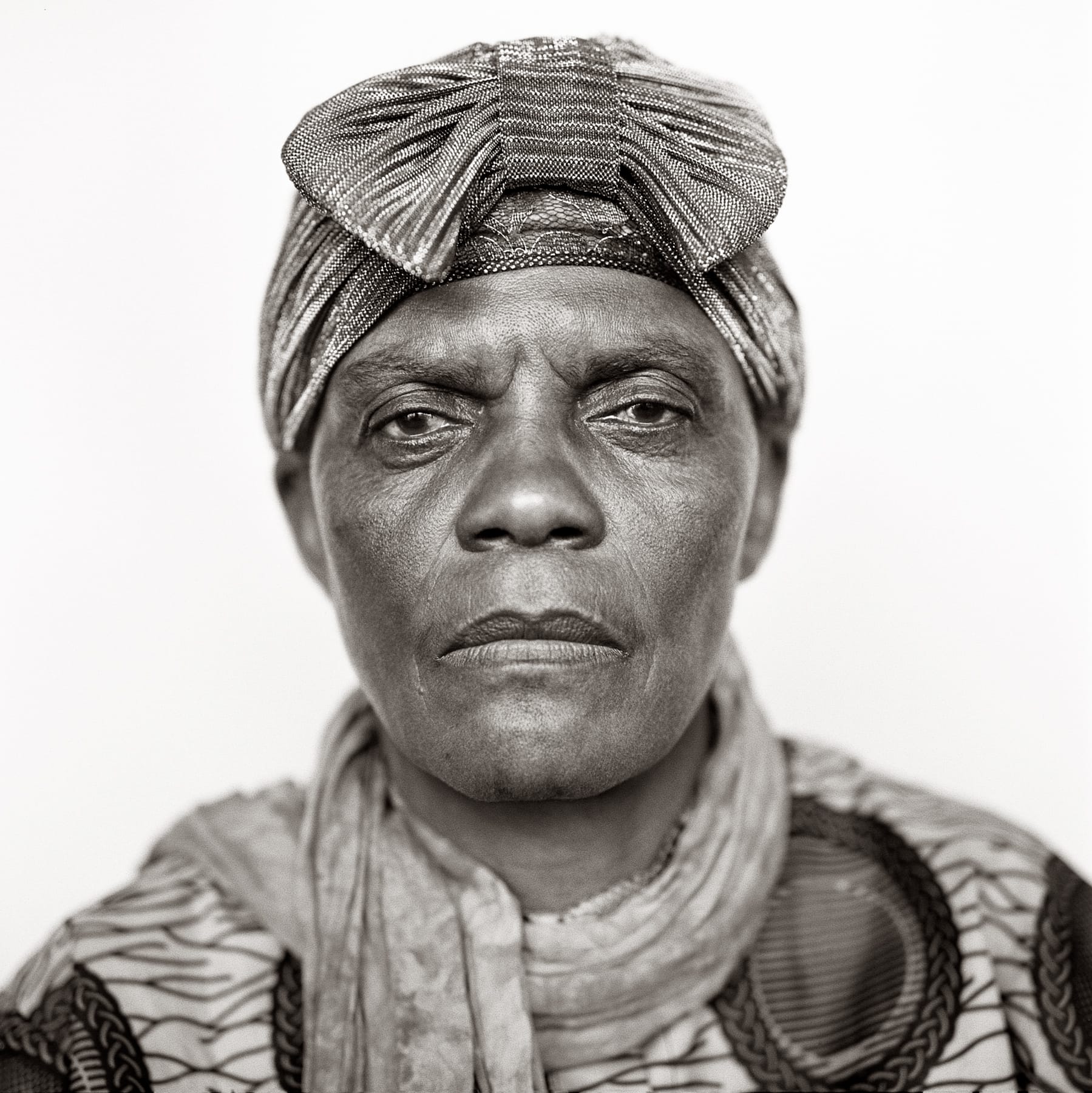
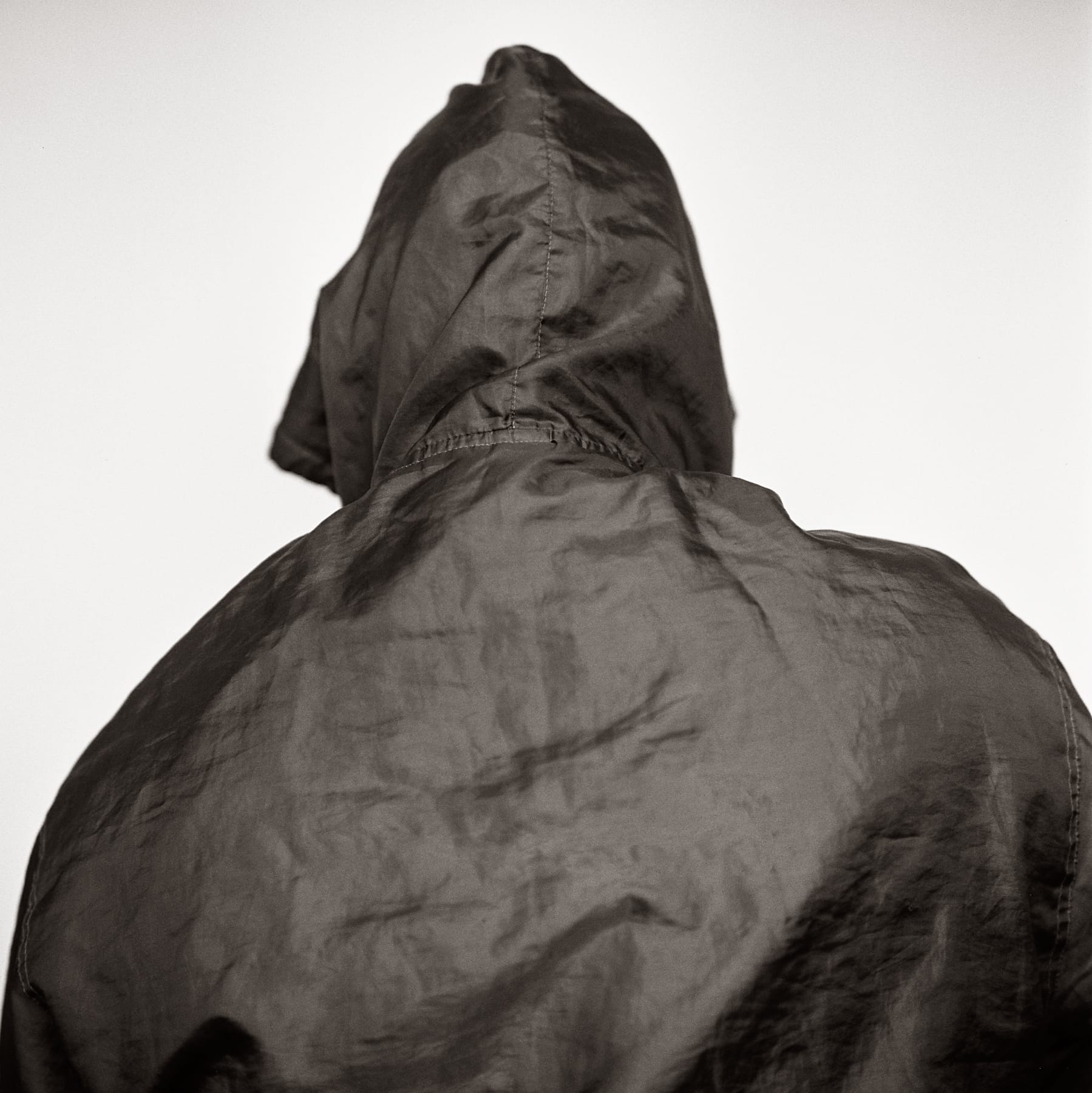
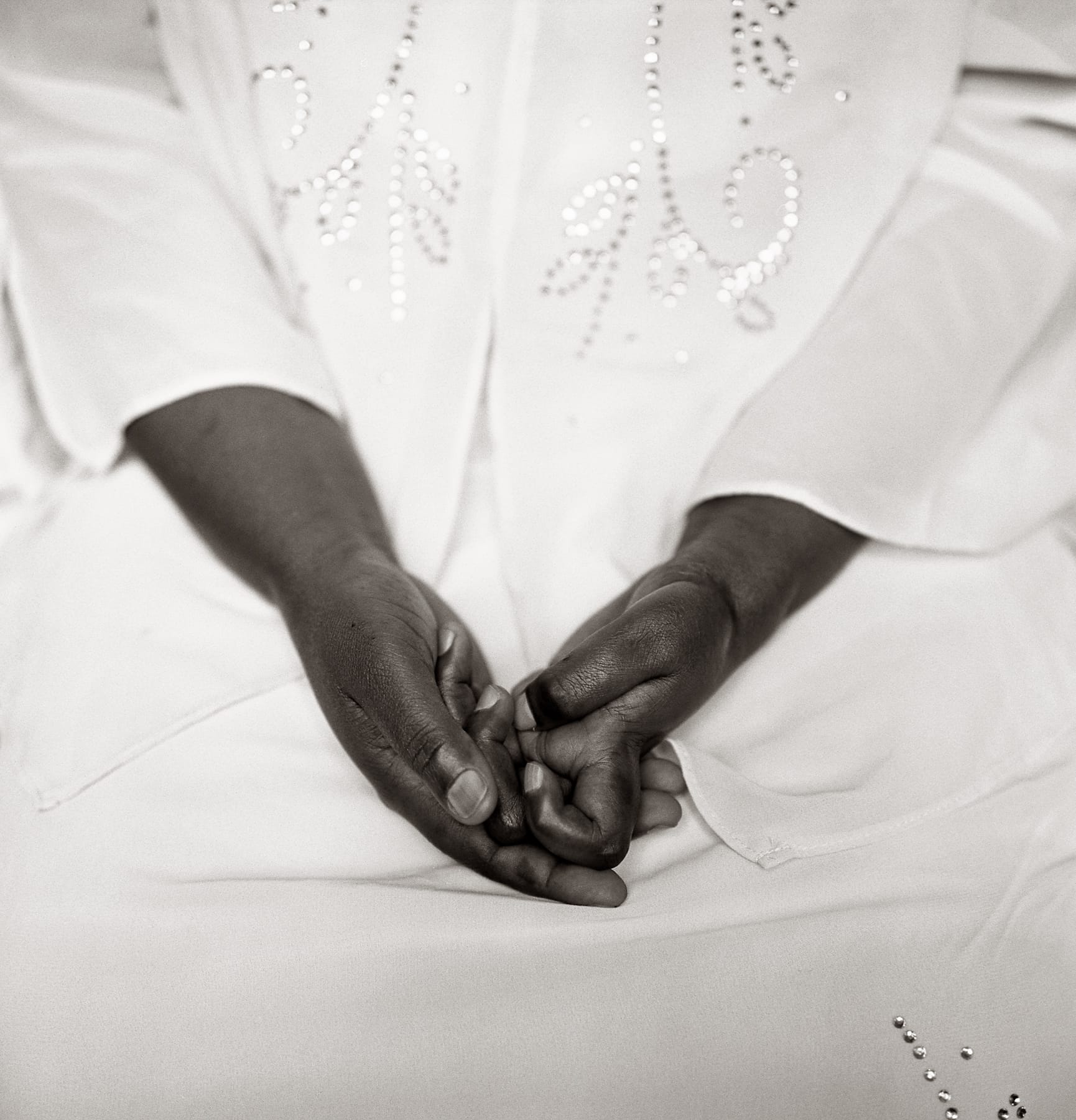
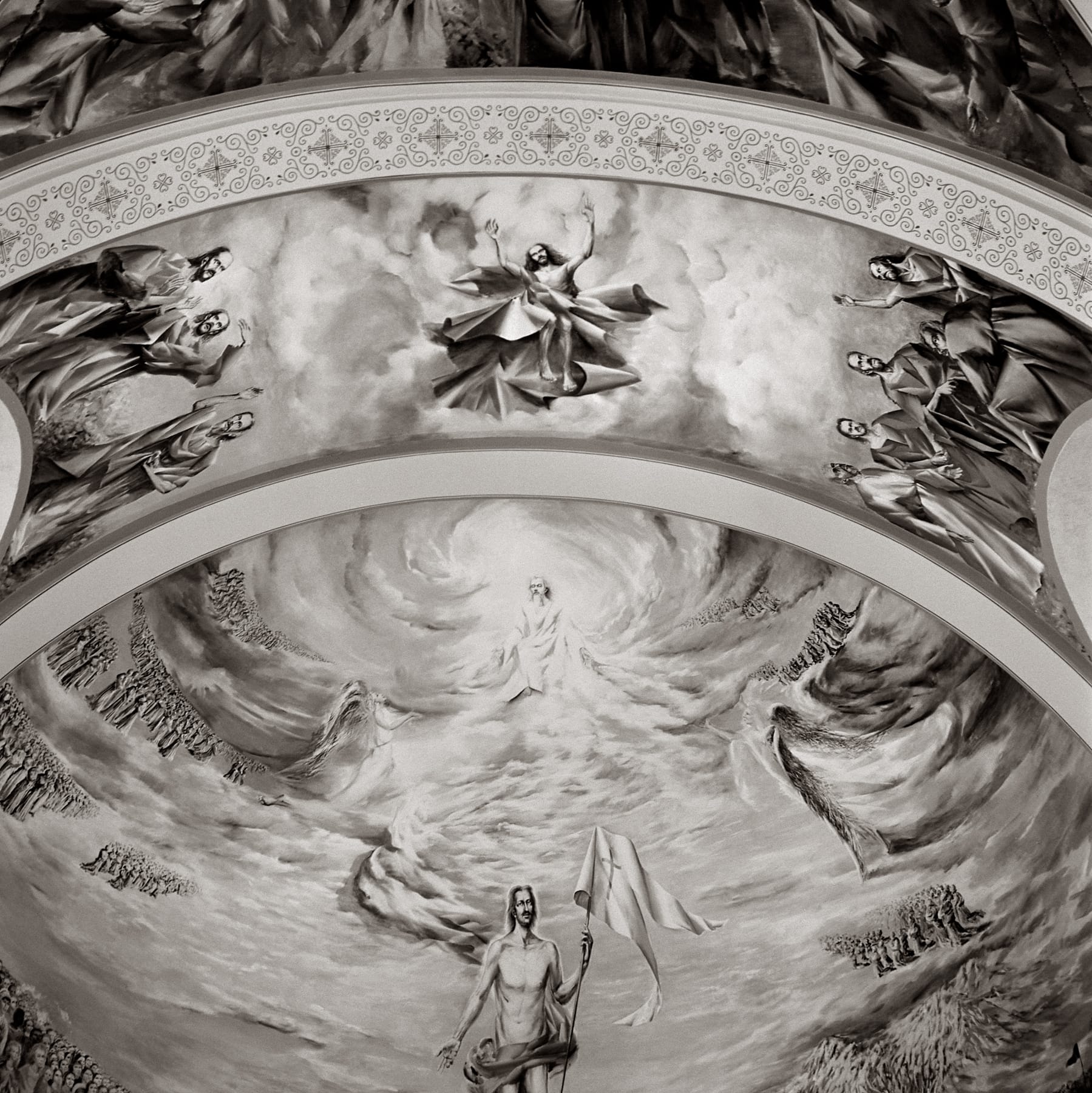
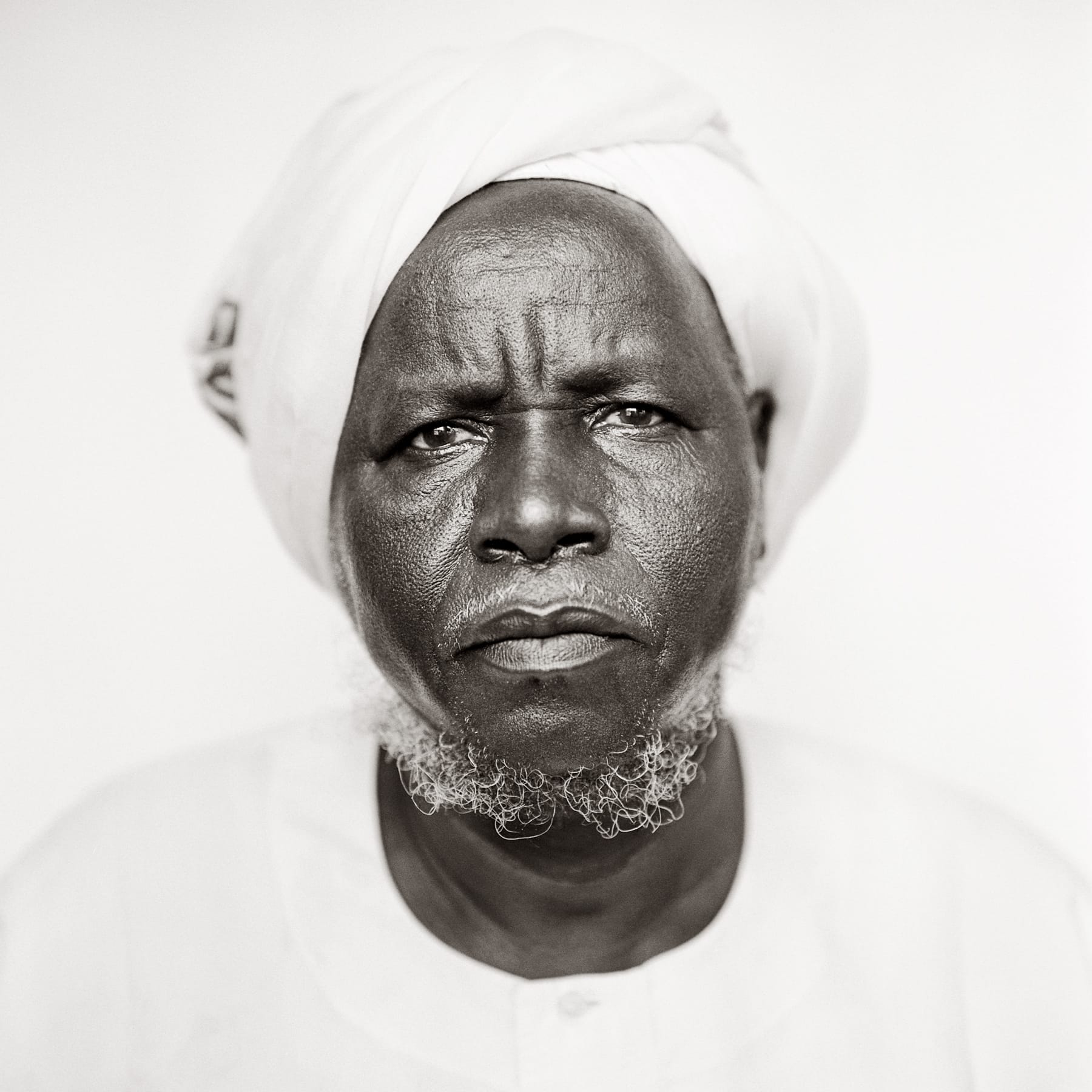
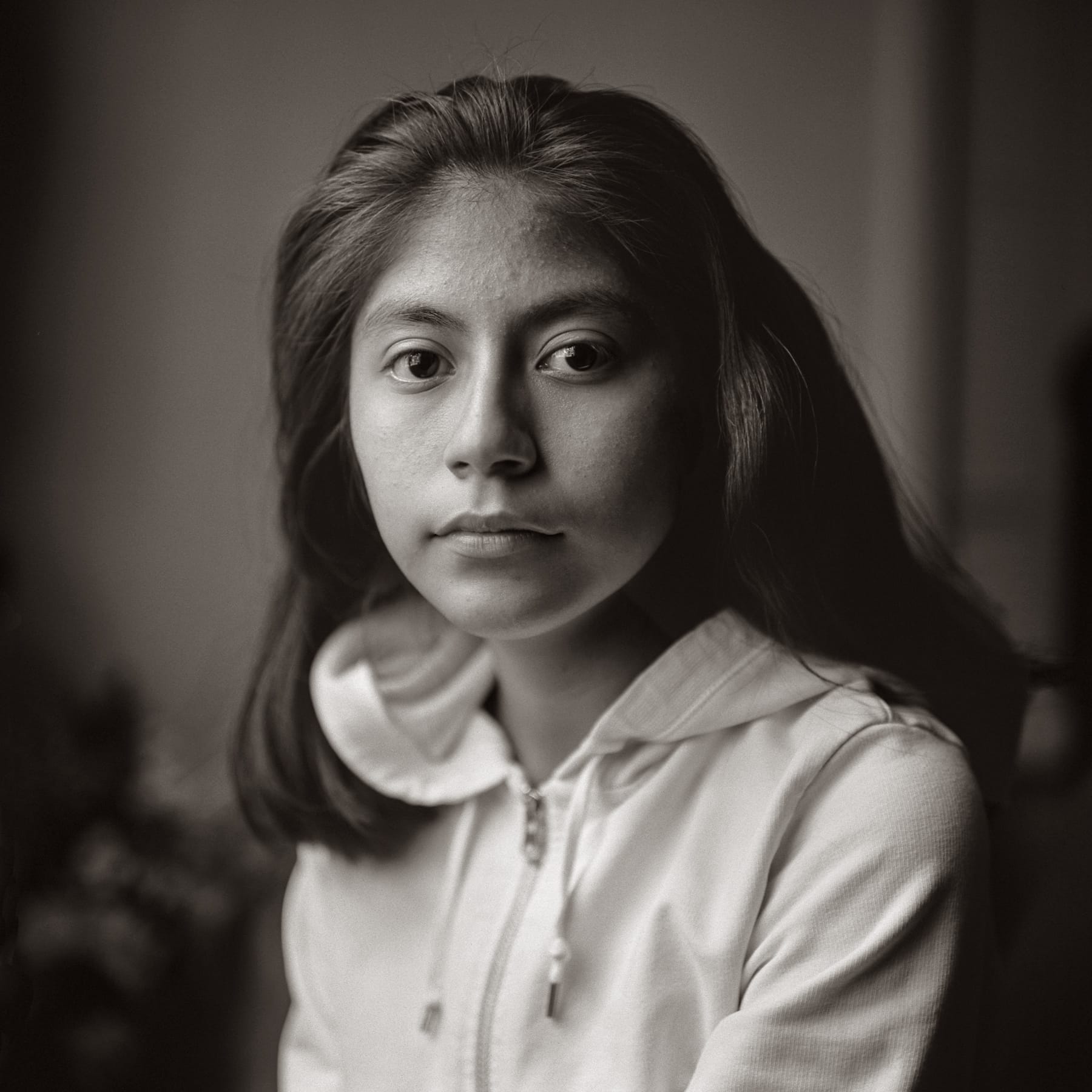
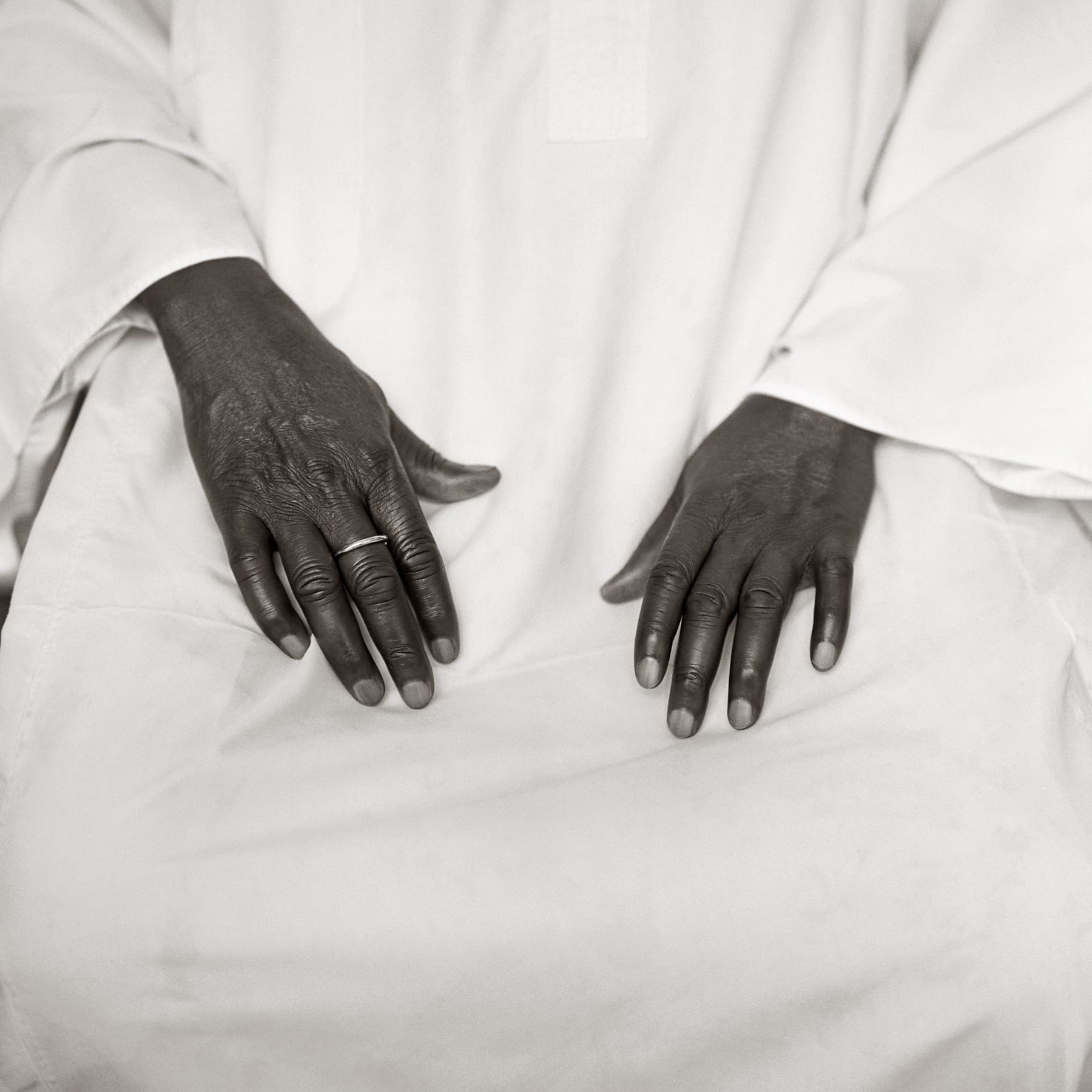
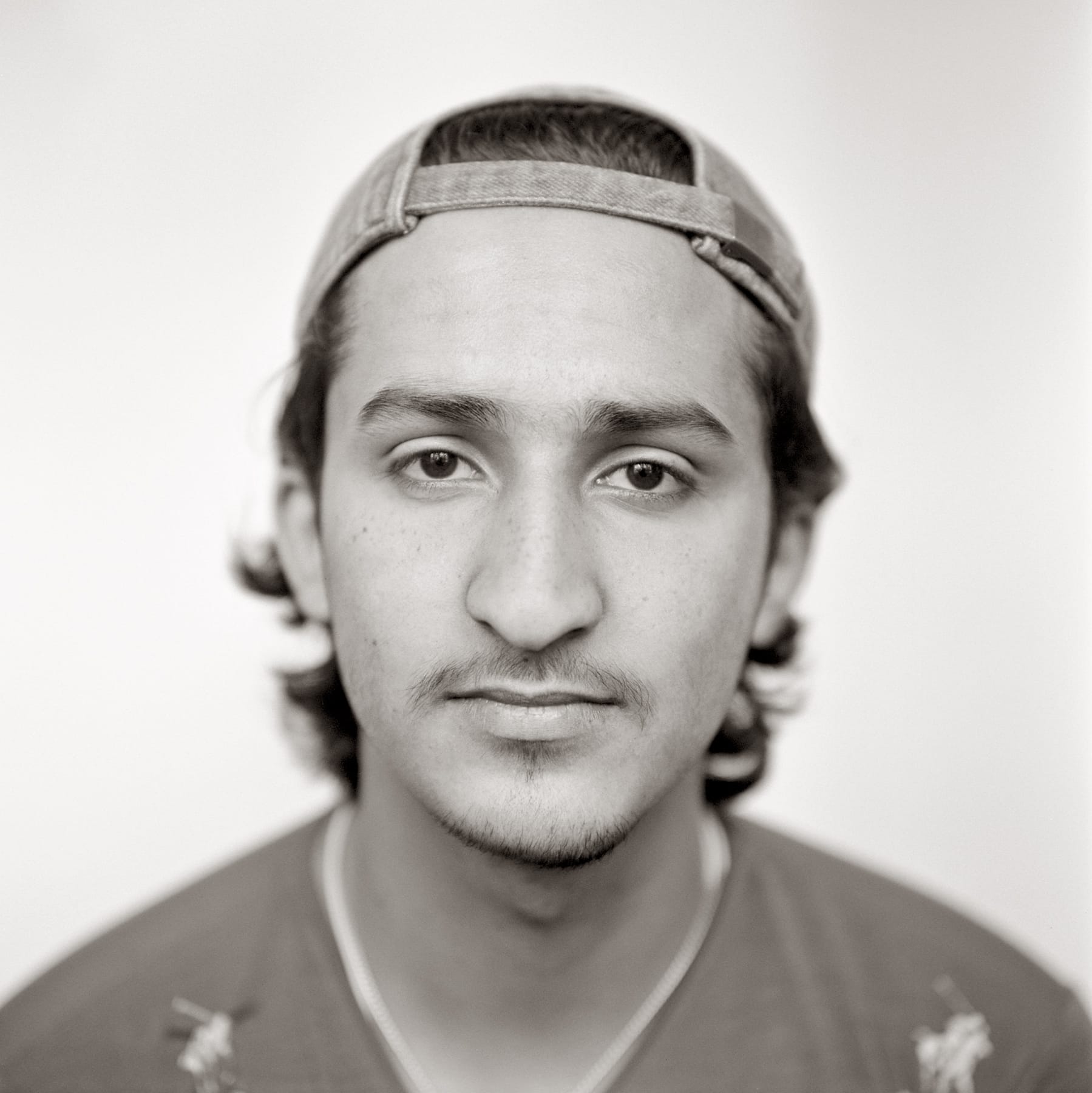
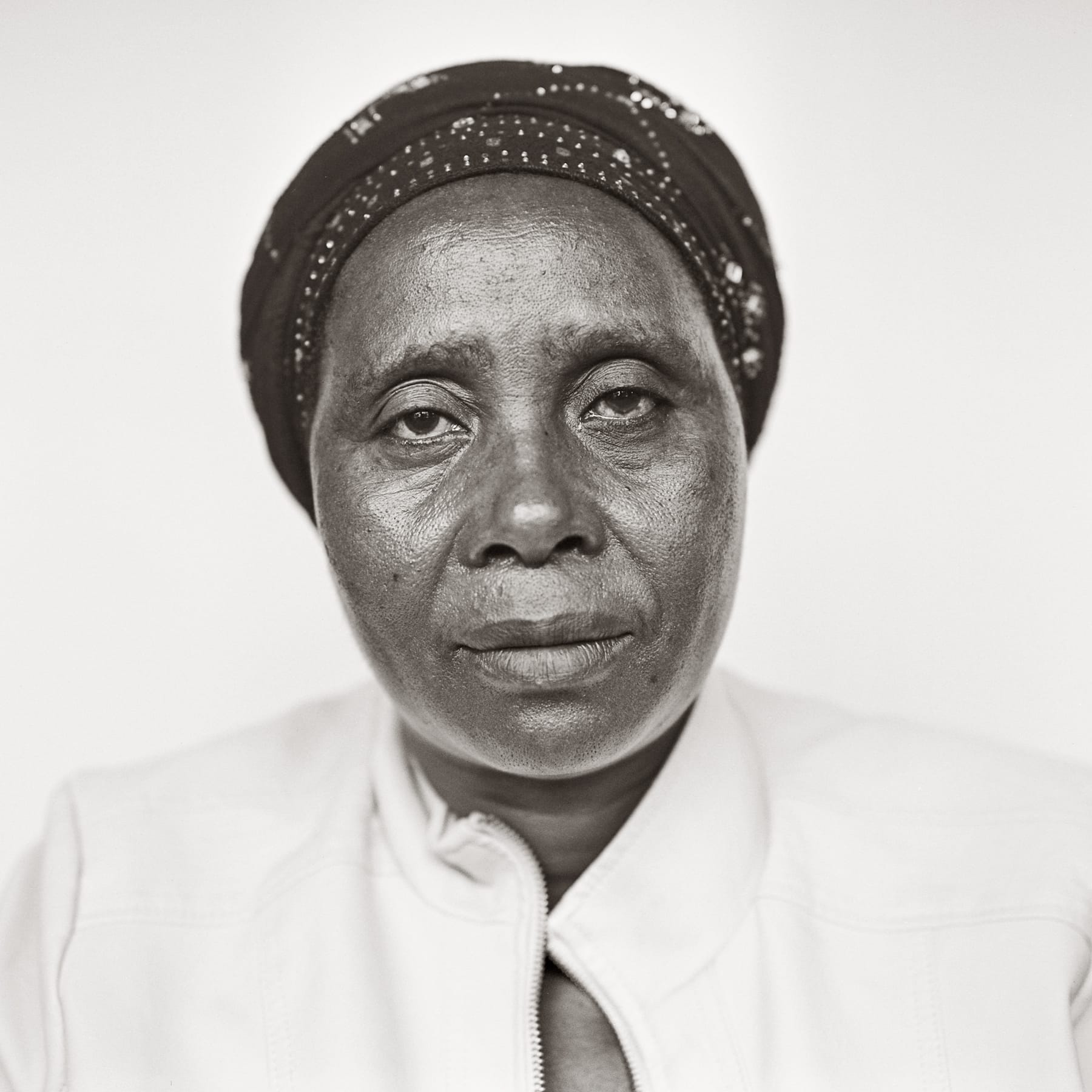
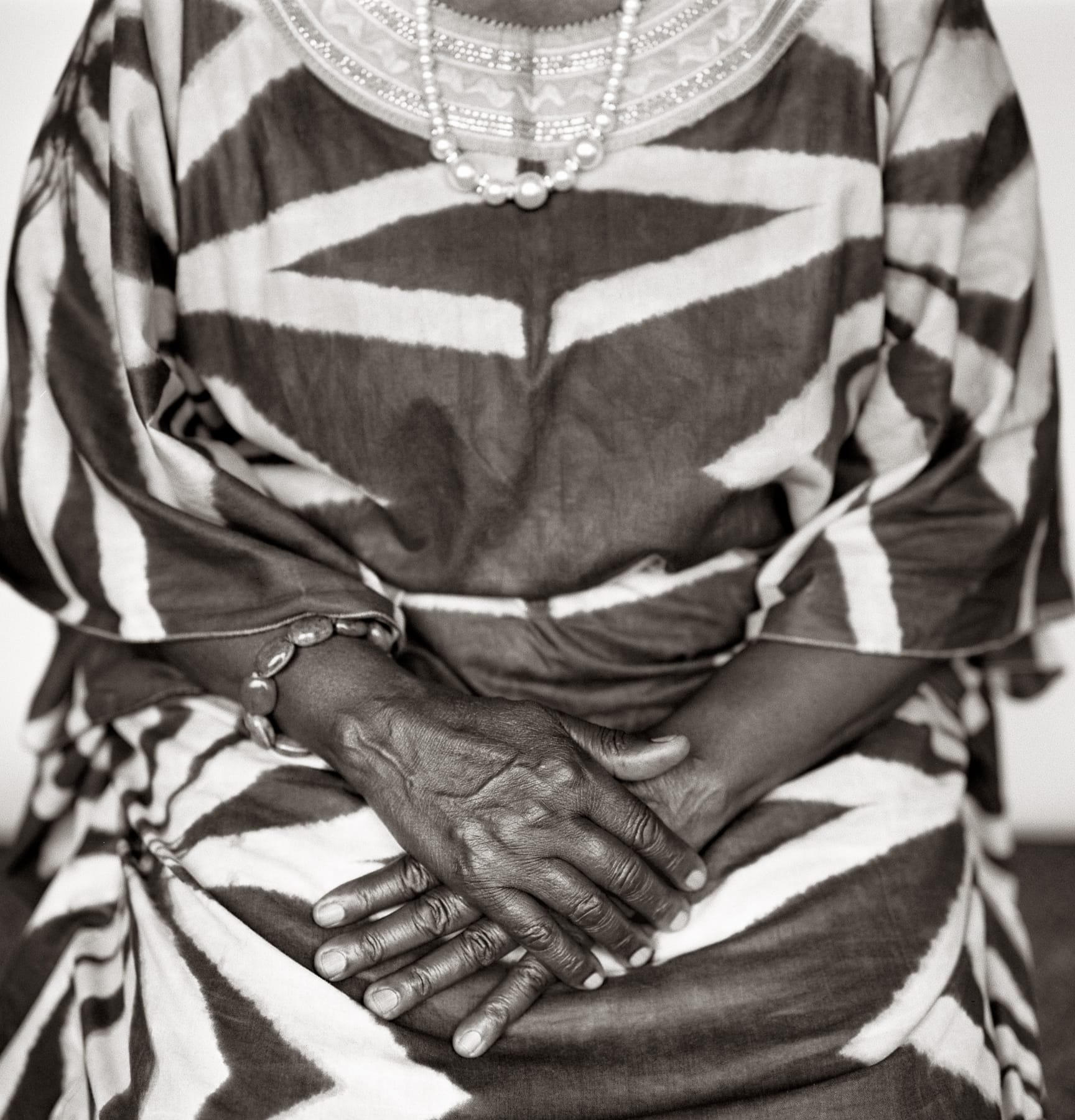
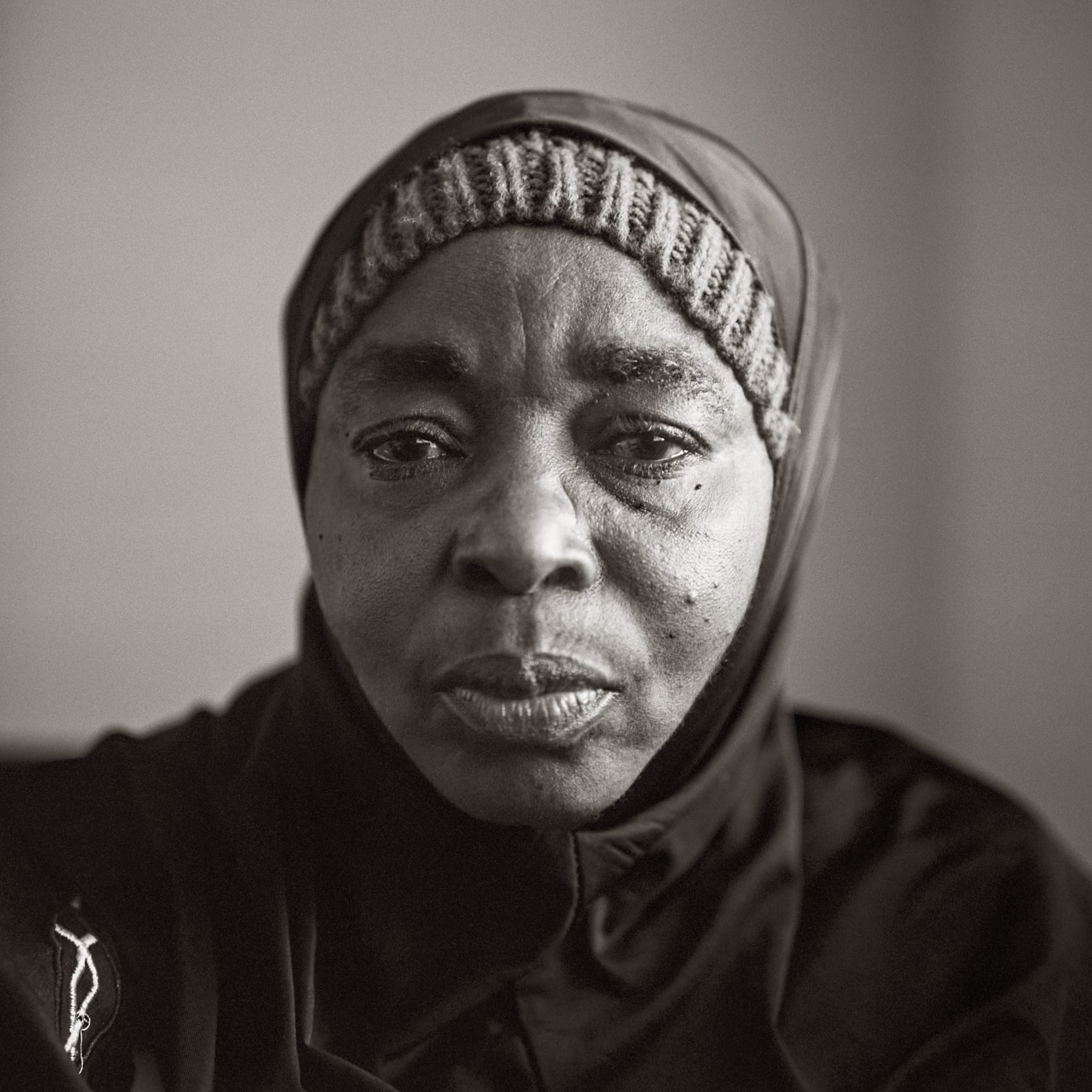
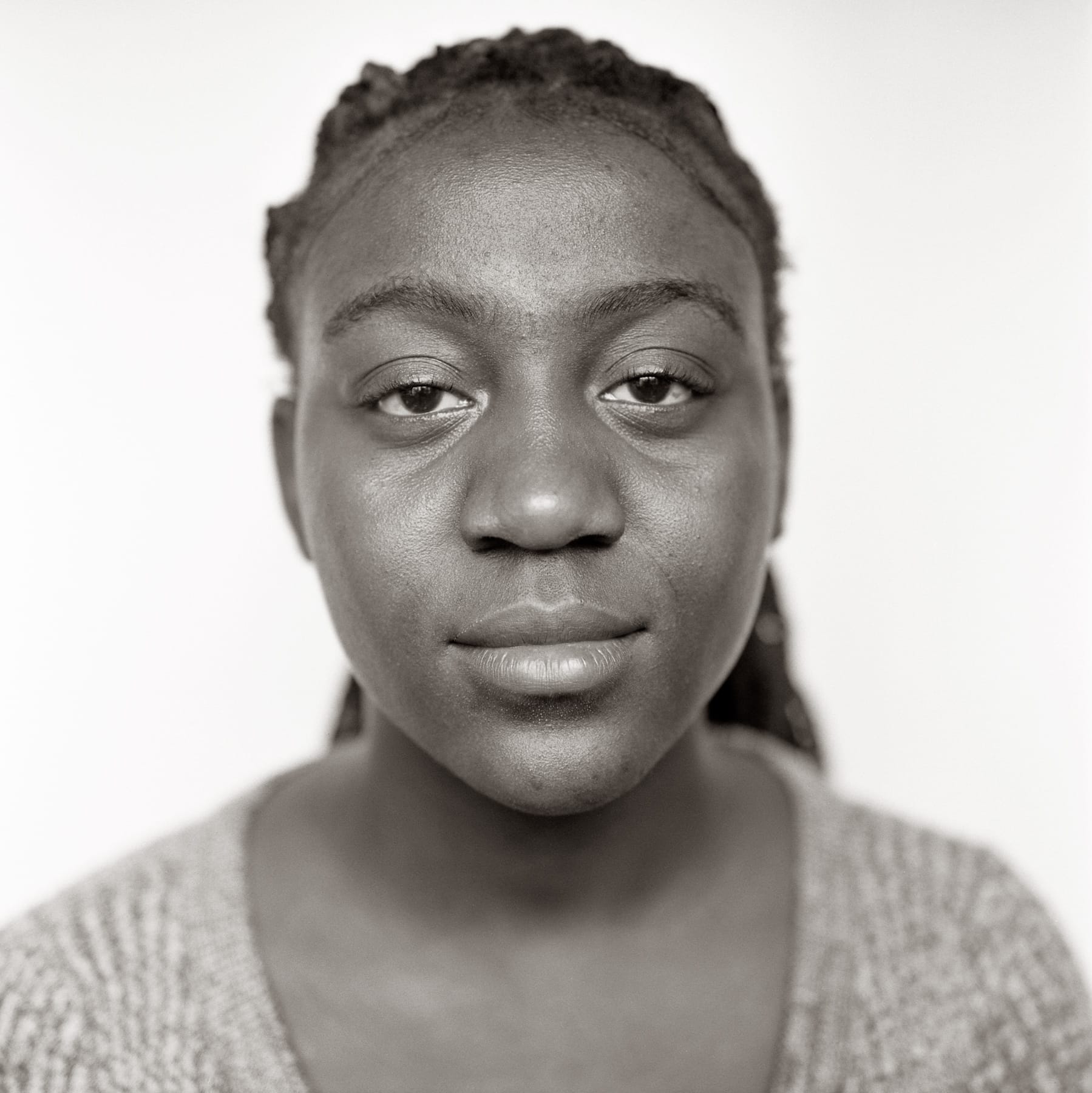
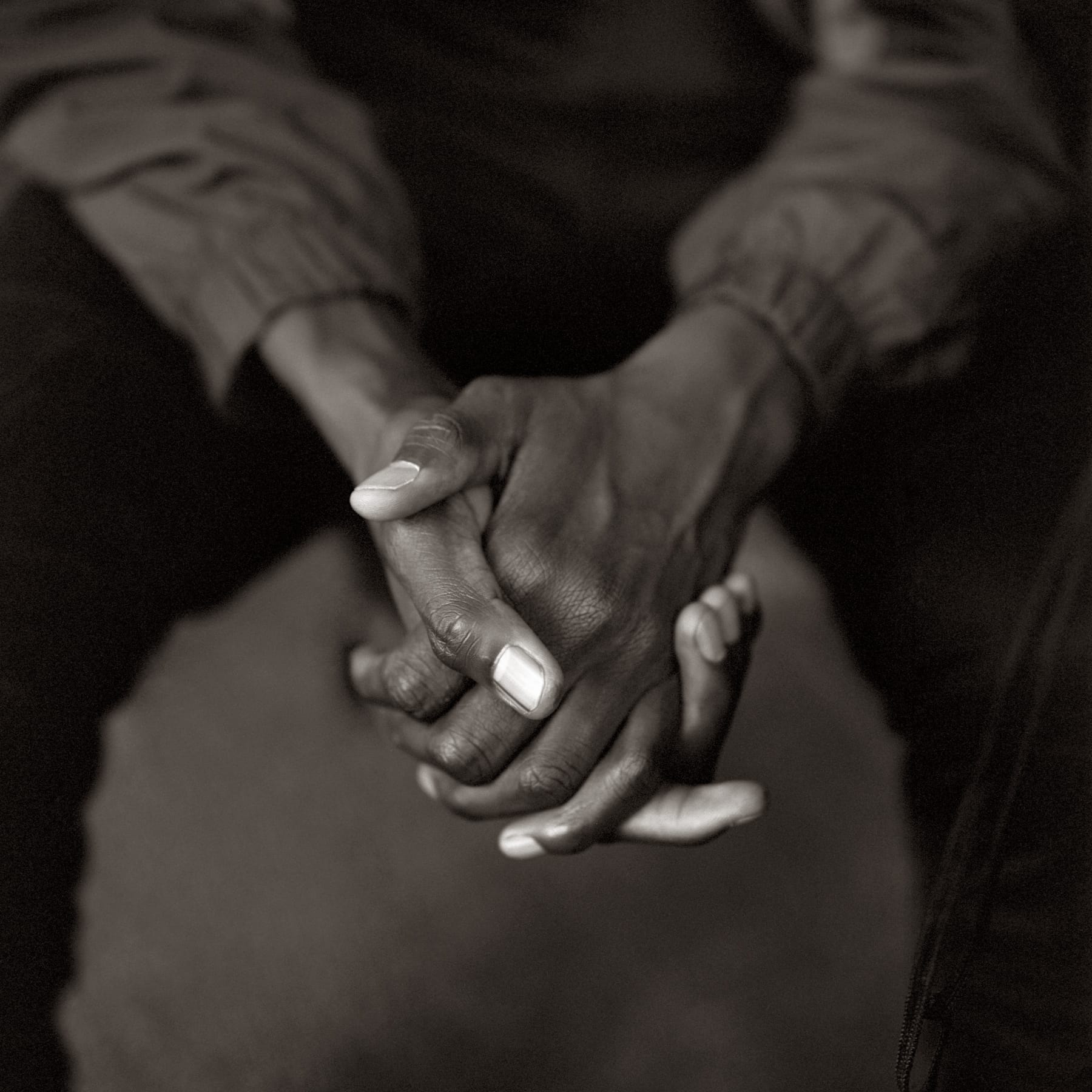
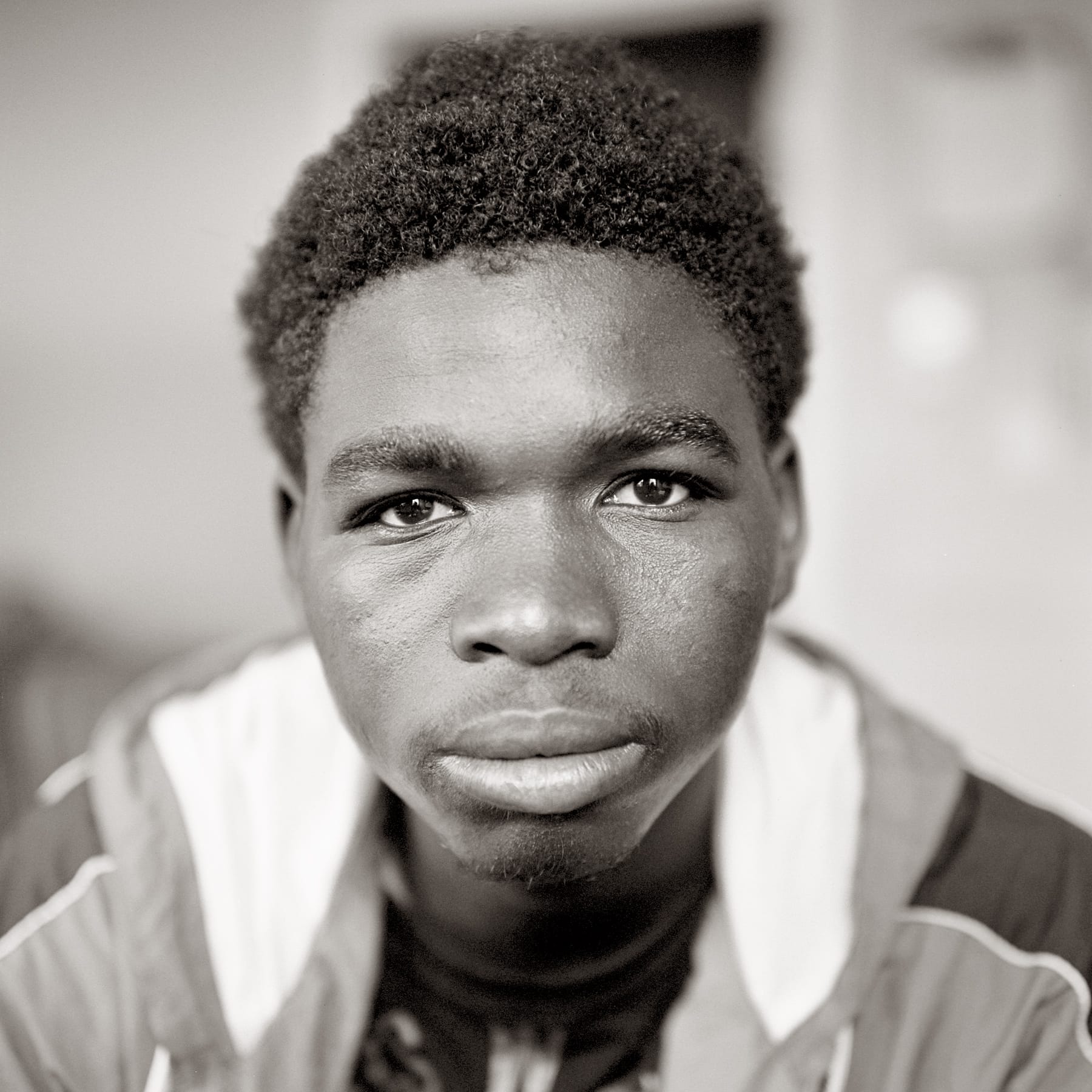
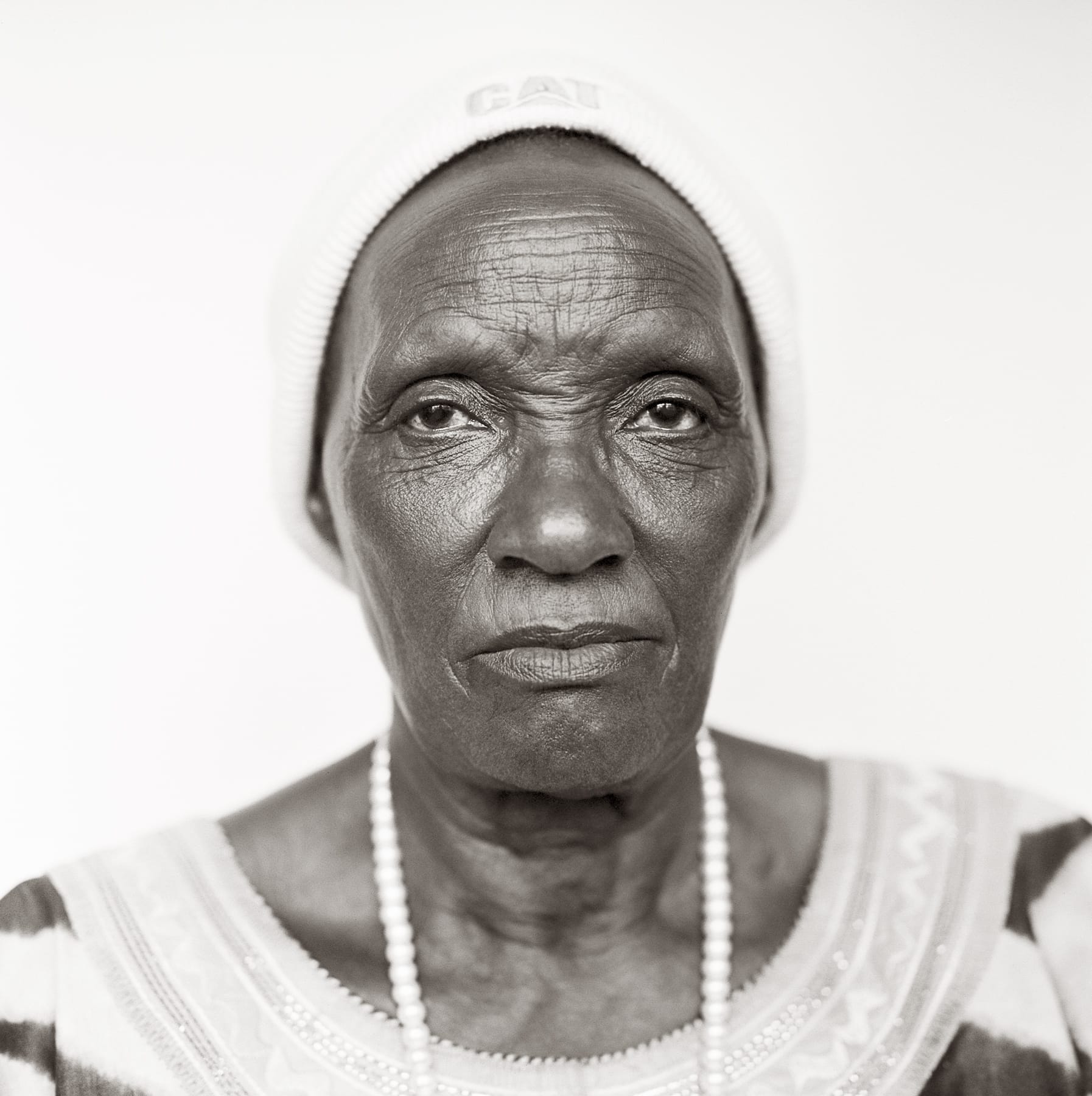
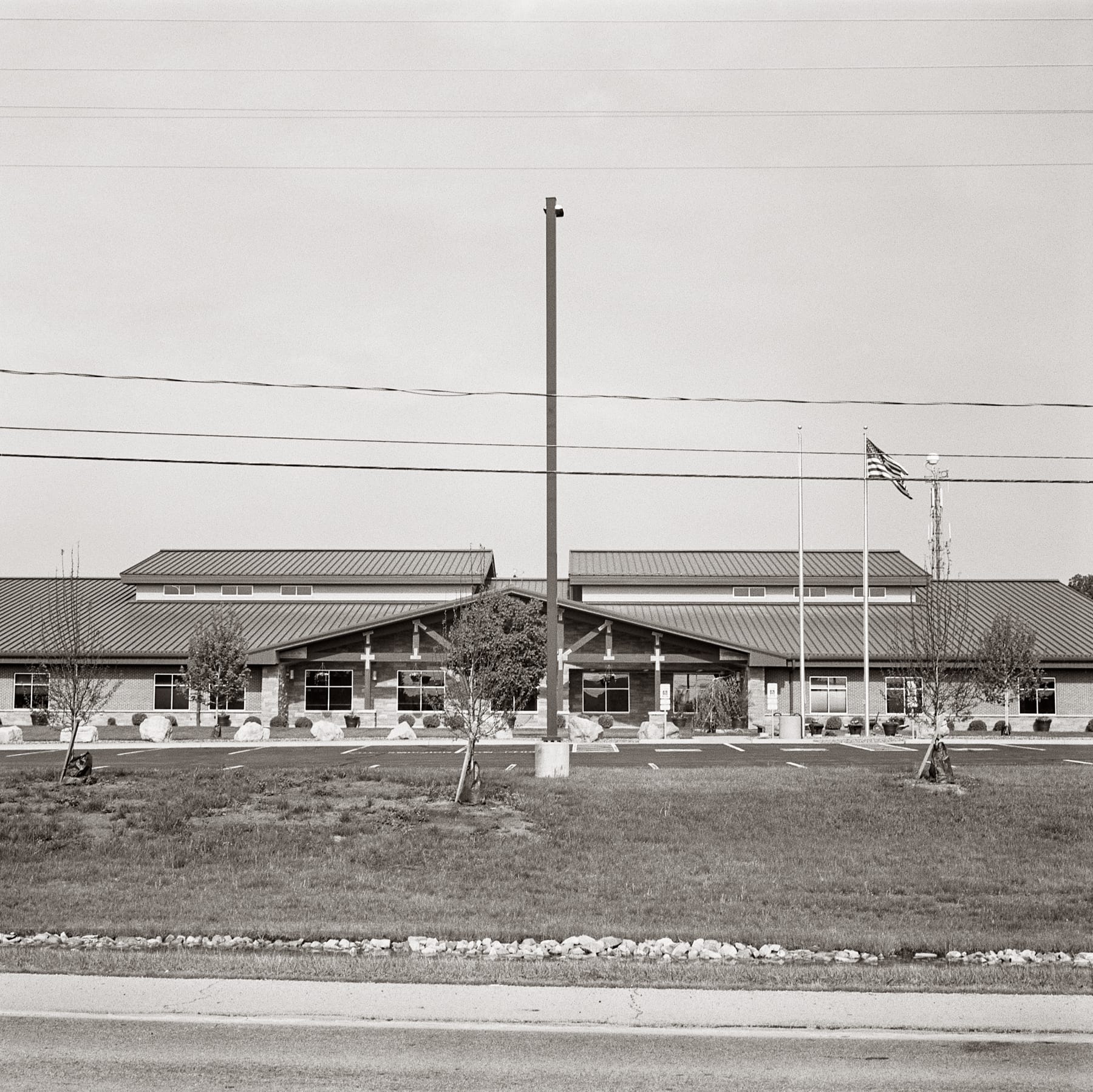
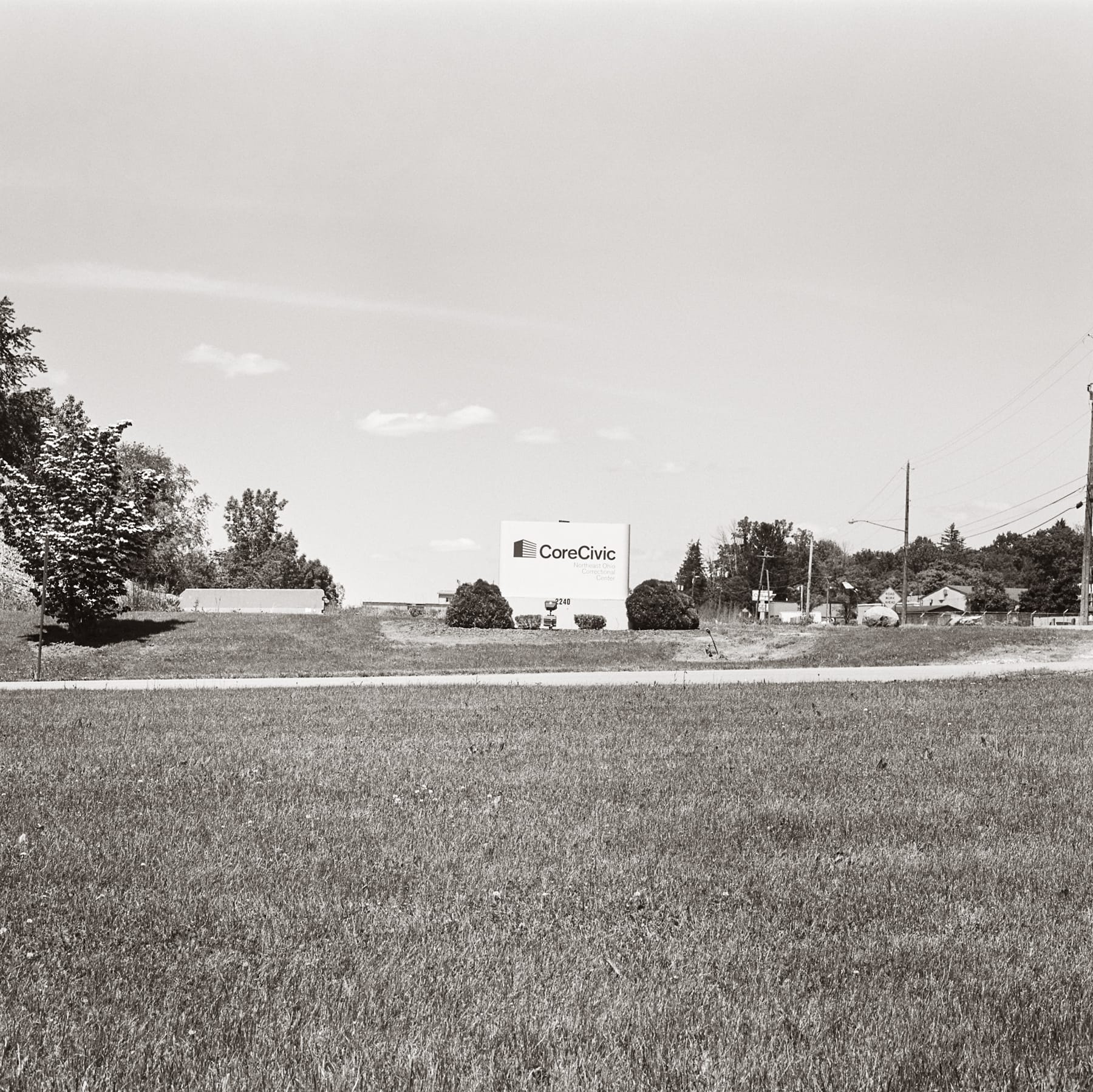
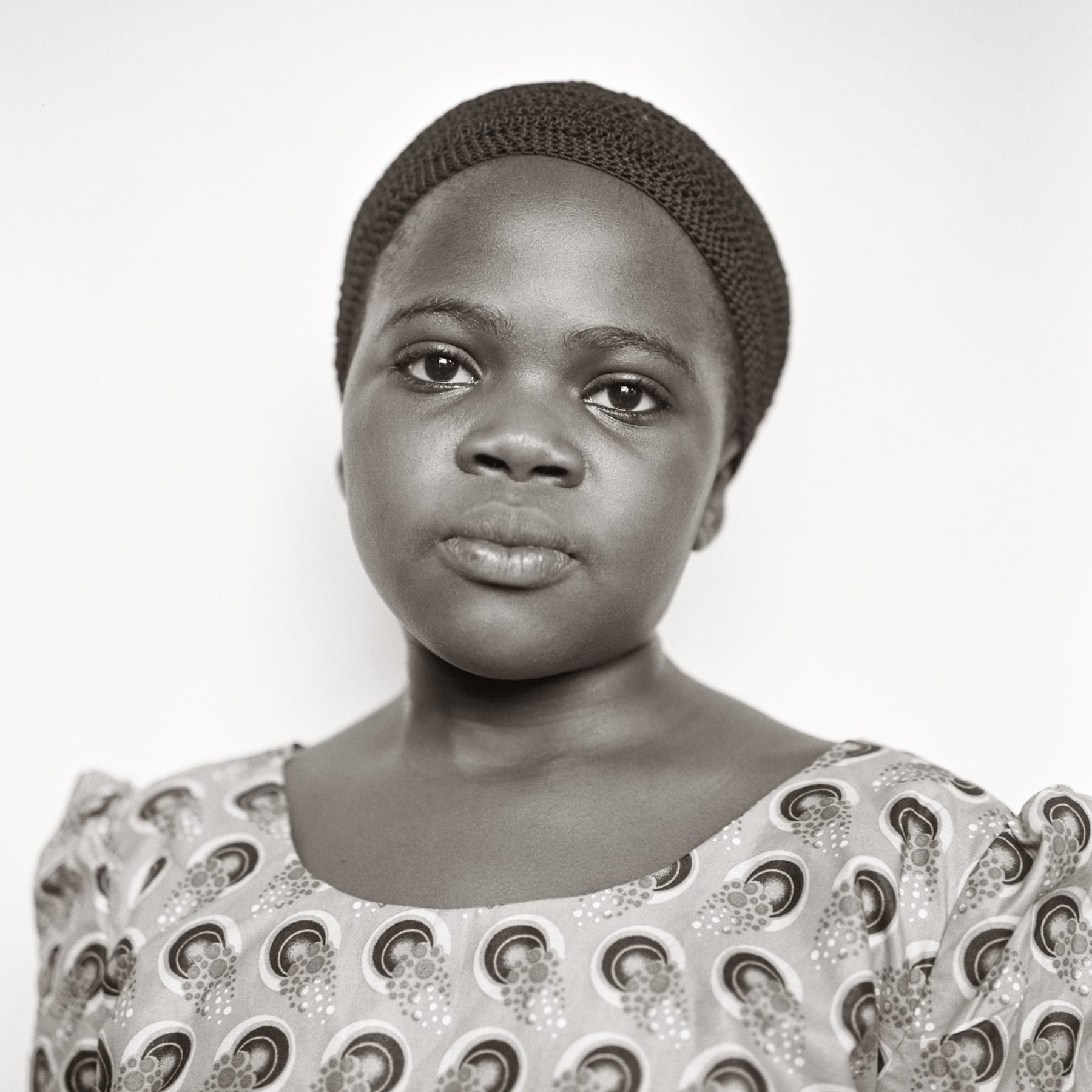
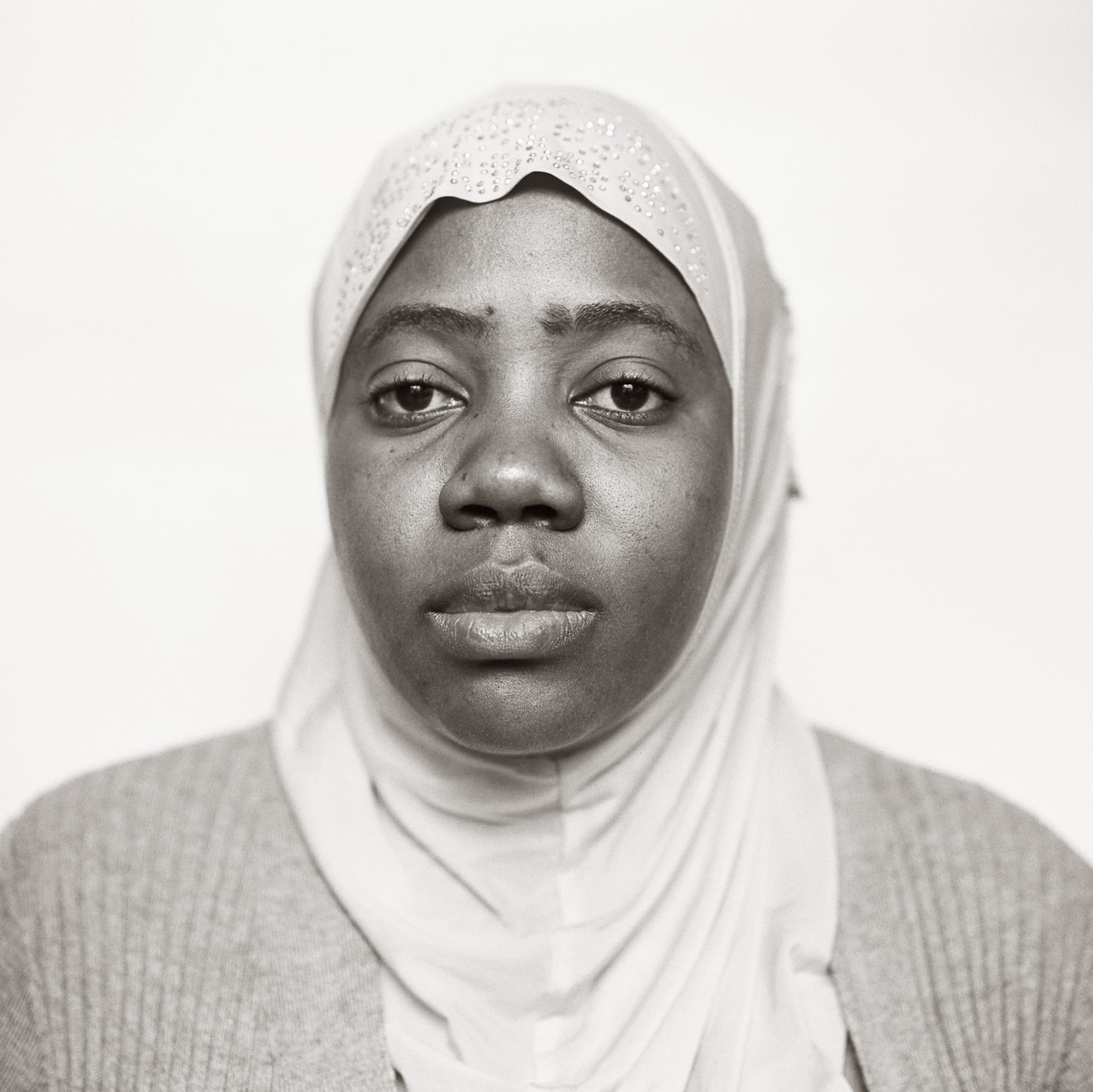
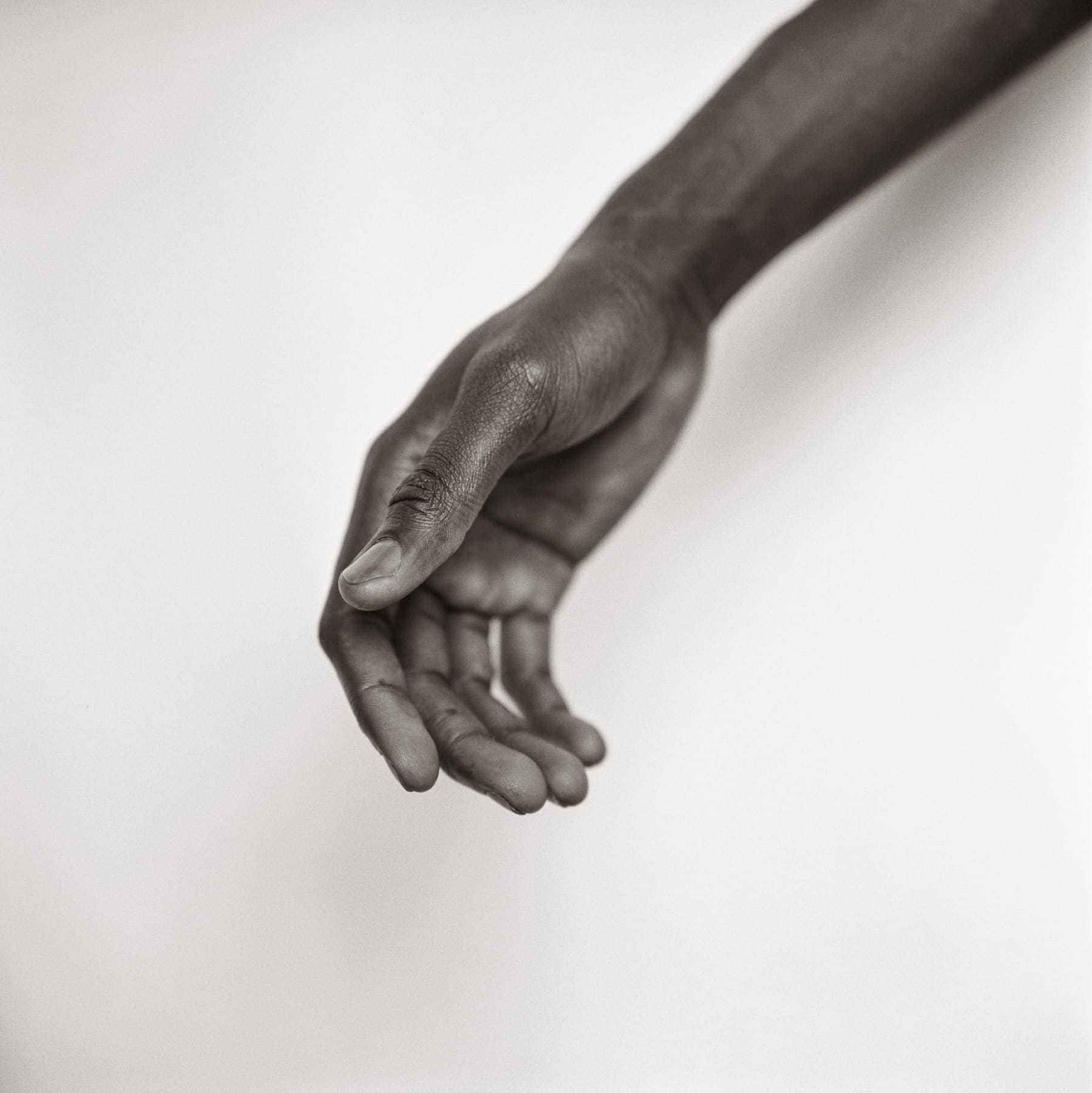
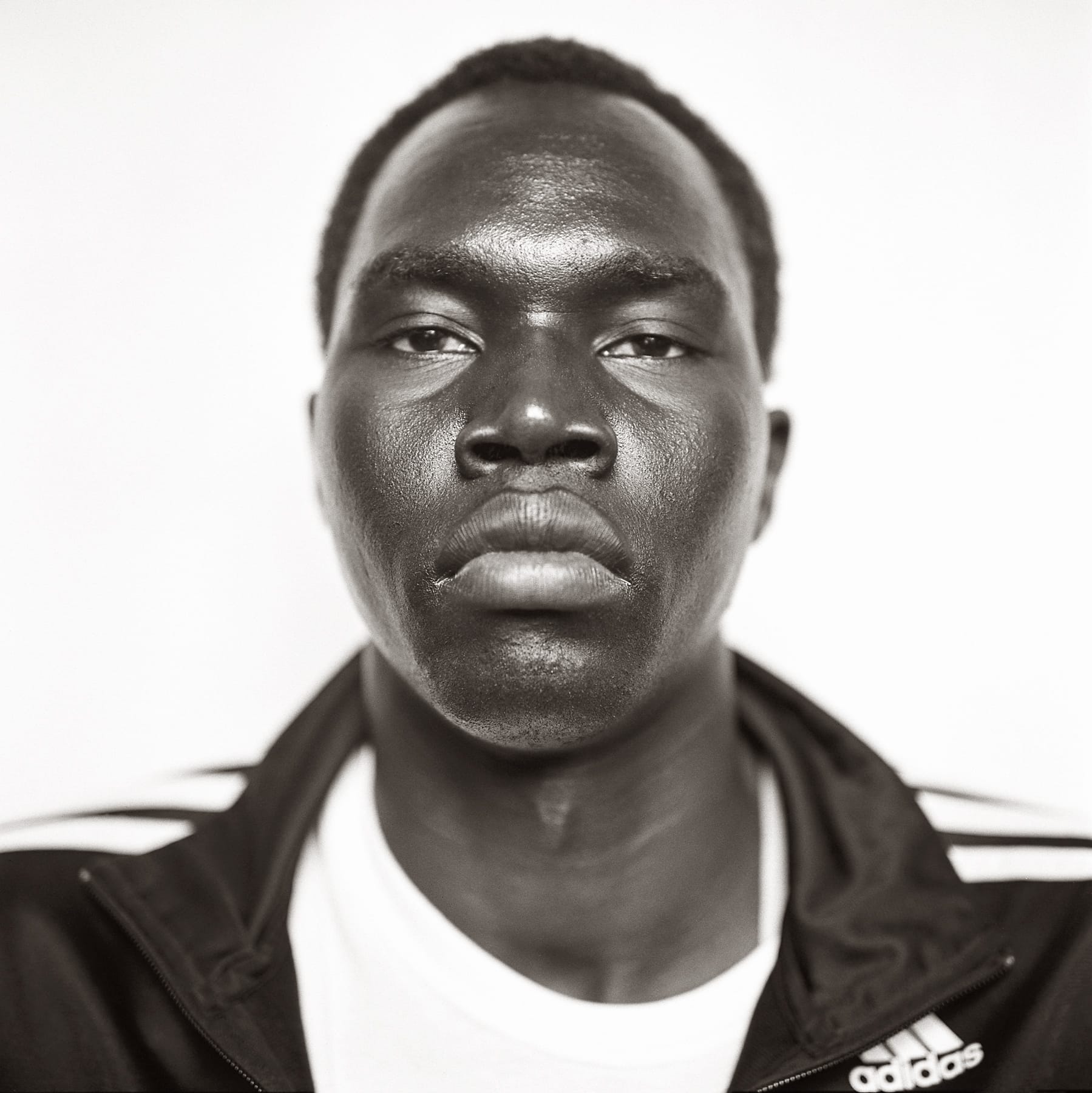
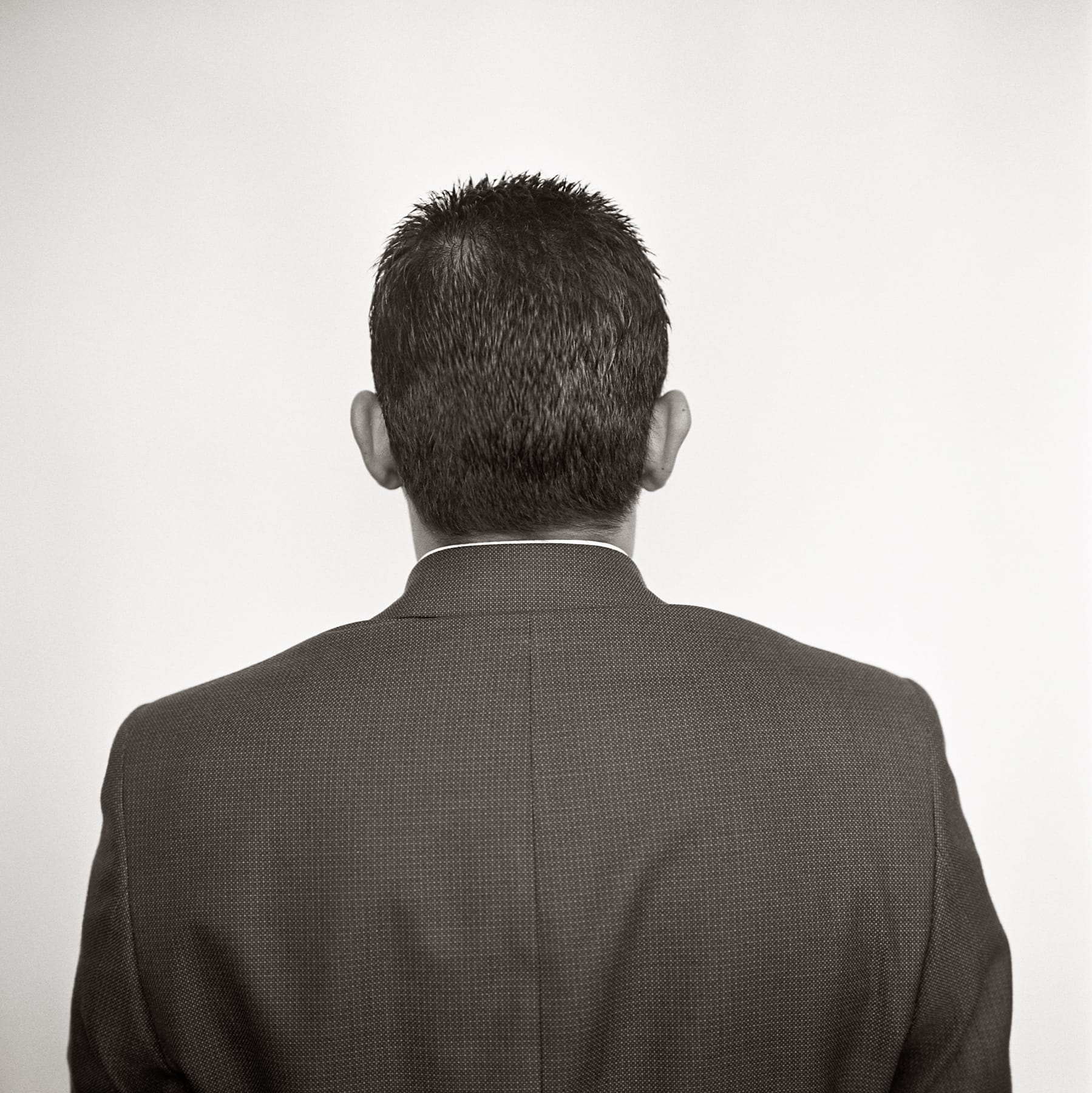
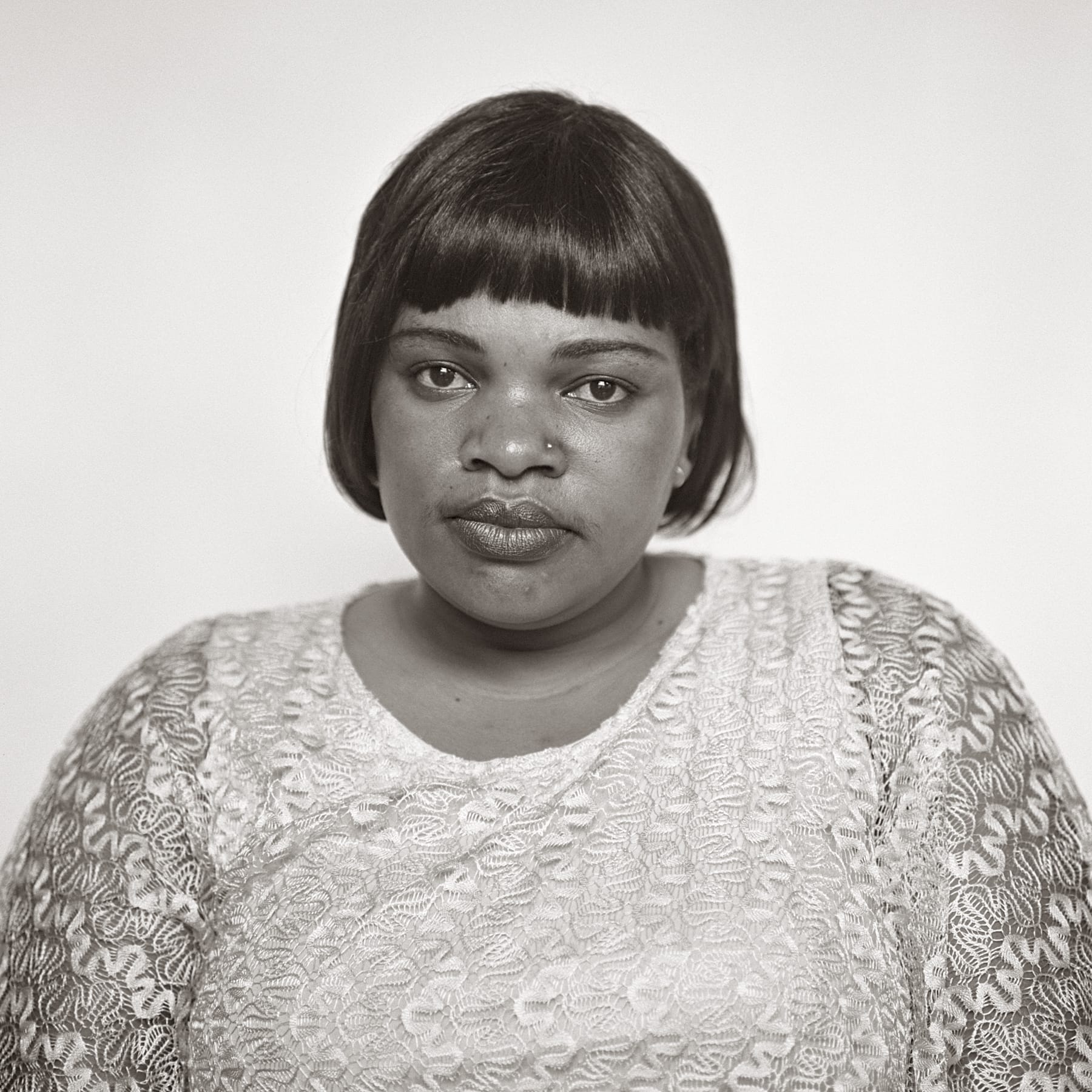
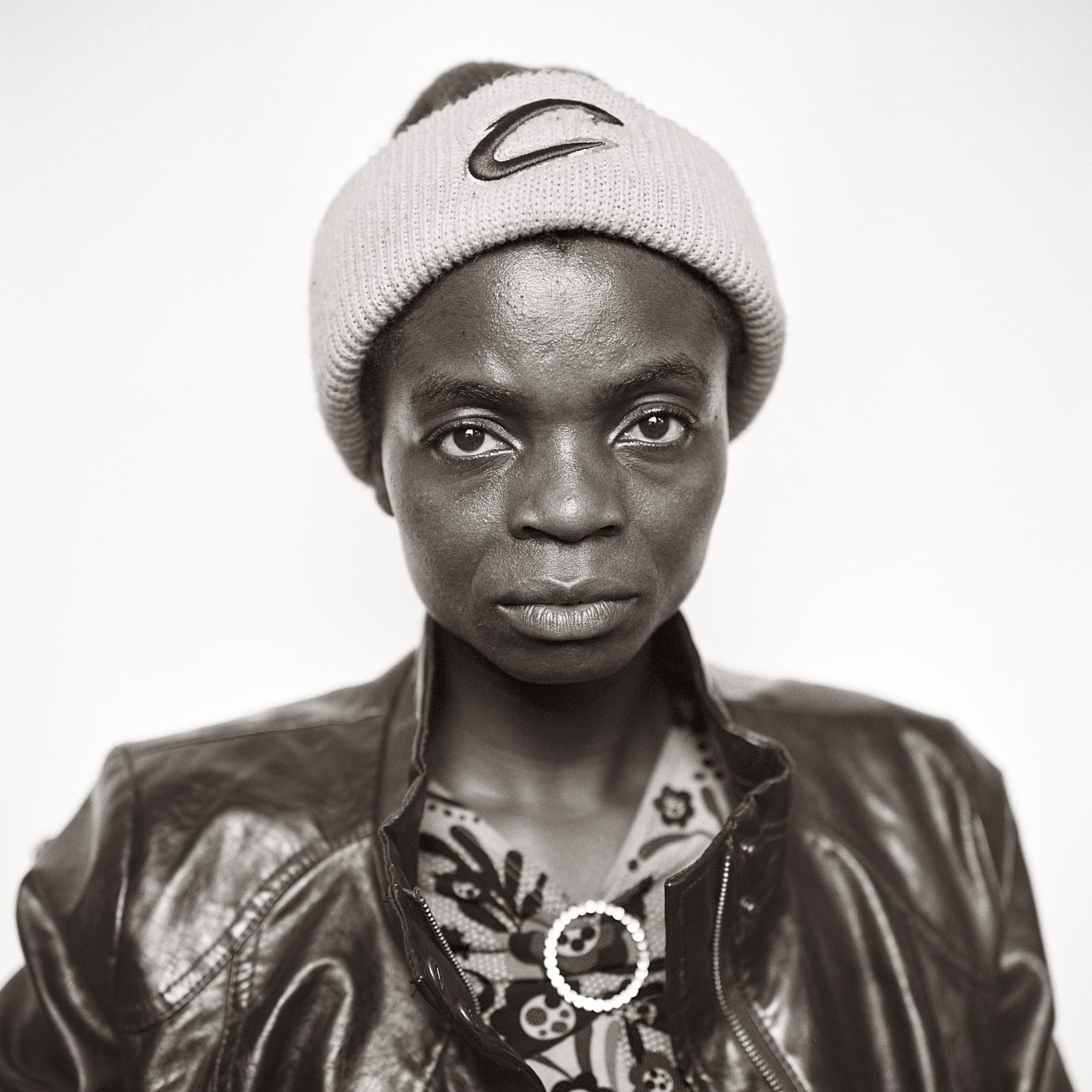
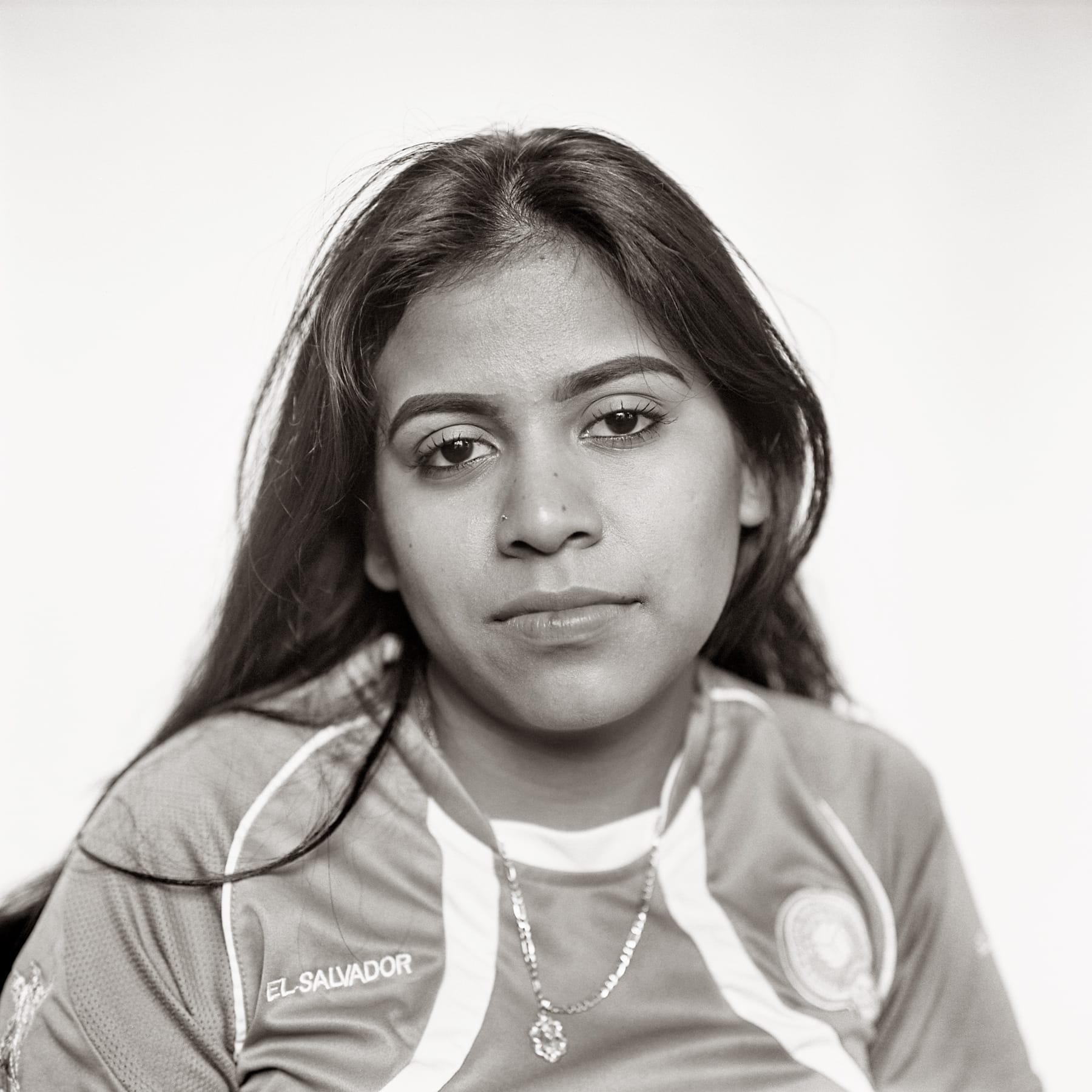
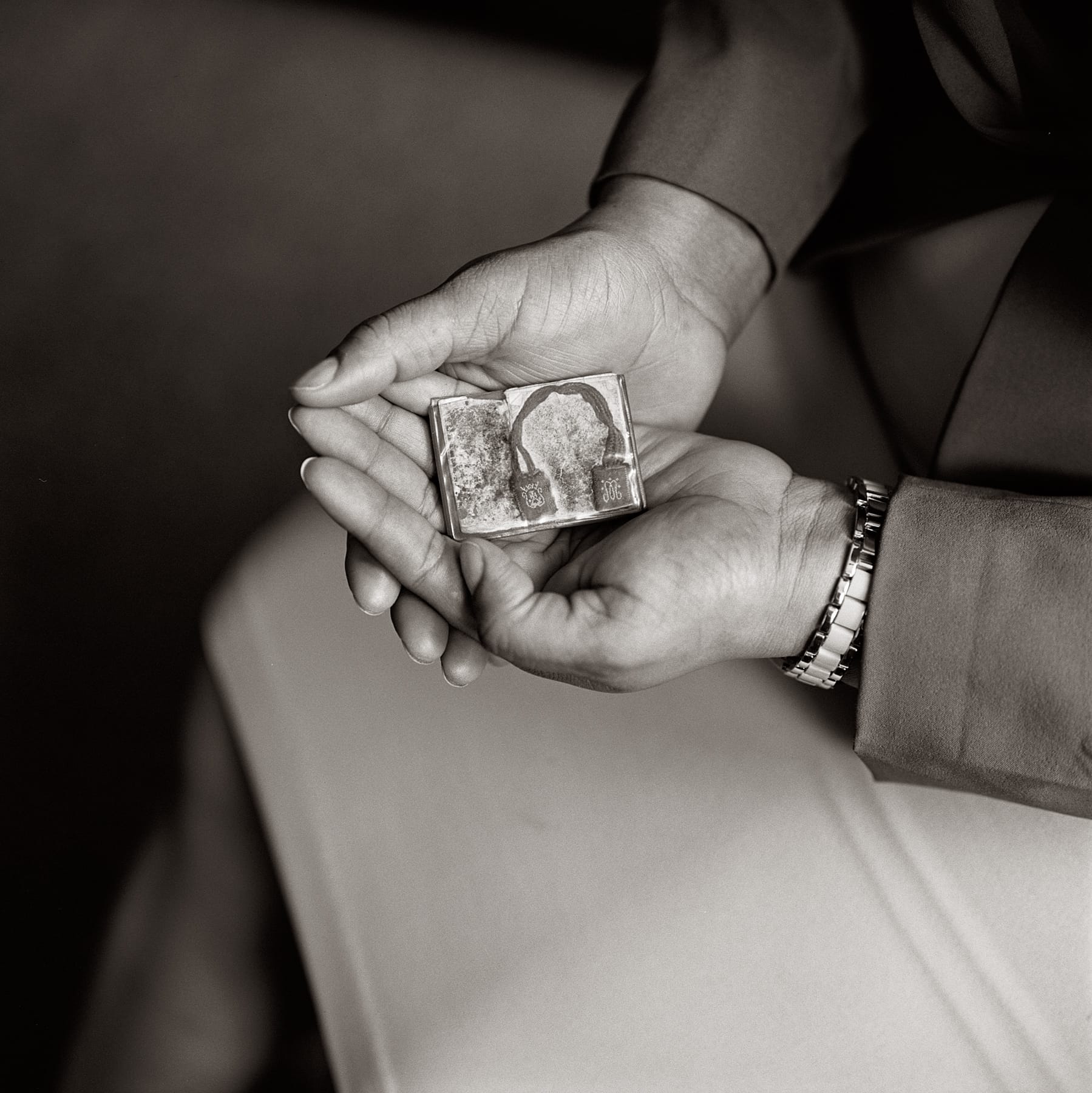
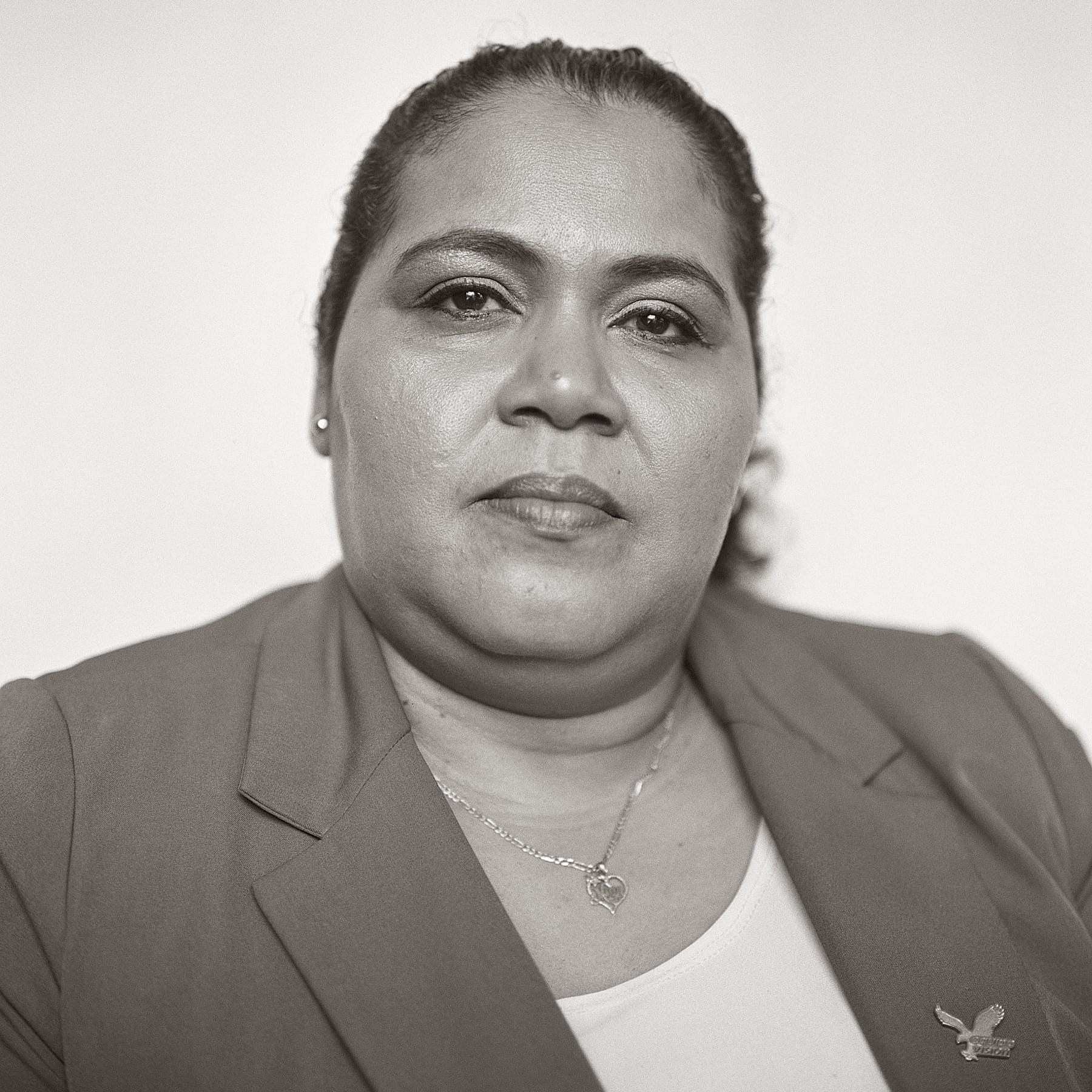
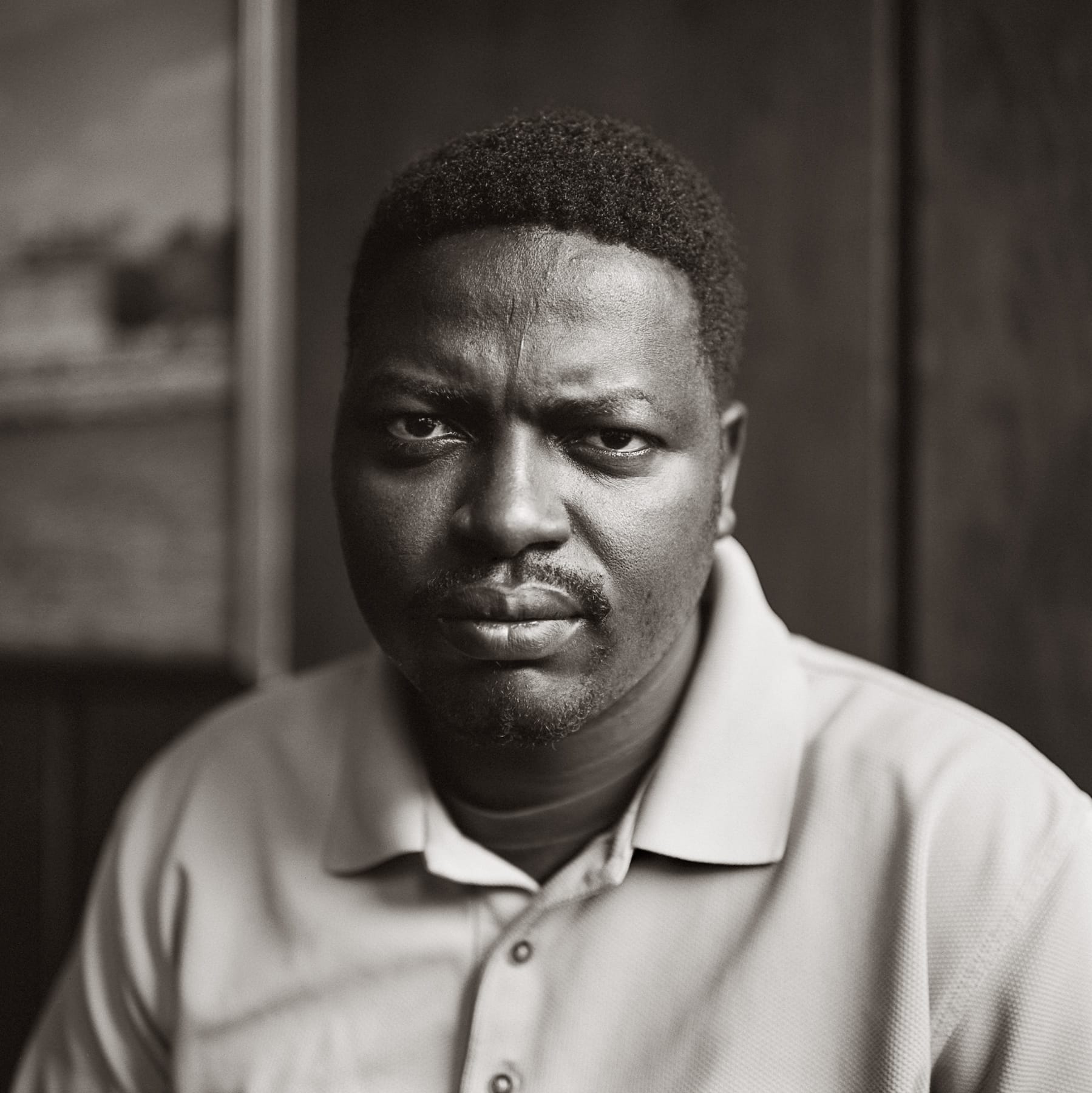
The George Gund Foundation stands with those who are victims of weaponized language and political spin. We do so with our words, with our grants to agencies that work for immigrant and refugee justice and also with the powerful images presented in the 2018 annual photo commission by acclaimed photographer Fazal Sheikh. Even when words may fail, these pictures of refugees and immigrants in Northeast Ohio make their statement in the language of photography, of art.
This photo essay lets them be seen – to the extent they wish to be seen, for some feared showing their faces. Even with that limitation, they make the simple but essential point that they are human beings with all of the emotions that any of us would feel in their circumstances. They remind us that the immigration debate is not about the politicians whose words may obscure or distort their lives.
In his 2018 letter to the community in the Foundation’s annual report, then President Dave Abbott reflected on a year marked by charged public discourse and deepening divisions. This letter considers the power of language and the urgent need for humanity in our national conversation about immigration.







Letter from the President
2018 Annual Report
I love words and language but I hate when they become casualties of the political combat that is our daily reality.
Words, like the democratic norms that enable our society to struggle toward progress, can fall victim to totalitarian doublespeak and unchallenged lies. Perhaps George Orwell jumped the gun when he put the death of truth in 1984. We are living through frightening times today.
The incomparable and recently departed Toni Morrison said it best: “We die. That may be the meaning of life. But we do language. That may be the measure of our lives.”
I fear the judgment that history may render by that measure.
Words have not lost their power, of course. Far from it. Words do matter. But they are too often the tools of propaganda with little regard for truth, accuracy or fairness. The President, who has unrivaled power to use words for moral leadership, instead more often uses them to wound and incite. Marshalling words against that tide to make a reasonable point can be a daunting challenge, especially on a topic like immigration which has been politicized in an especially savage way.
The need for common sense action on immigration persists. Refugees continue to seek asylum. Millions of undocumented immigrants and their children still live in the shadows. American employers still need the labor that newcomers are eager to provide. If we are ever to find common ground on immigration, words must help lead us to it.
For now, incendiary words drive our attention to the southern border and the arrivals for which we are ill-prepared and toward which our government is increasingly hostile. The situation is only likely to worsen. As climate change intensifies it will make vast parts of our planet uninhabitable. Untold numbers of climate refugees will seek survival in the United States and elsewhere. What then?
Amid the torrent of words on immigration – the talking points, the political advertisements, the spin – it is all too common to miss the perspectives and testimony of those directly affected. The words of immigrants, even when sought, can be lost to language differences and far more often to the sheer volume and meanness of bombastic tweets. Refugees and immigrants have been decried as “invaders.” Parents trying to save the lives of their children are called “aliens.” Those driven from their homes by violence and fear are “animals” and “thugs.” Weaponized language like this inspires violent hatred, drives Americans apart and puts us that much farther from any sort of acceptable solution.
The George Gund Foundation stands with those who are victims of this language. We do so with the words you are reading here, with our grants to agencies that work for immigrant and refugee justice and also with the powerful images presented in this annual report by acclaimed photographer Fazal Sheikh. Even when words may fail, these pictures of refugees and immigrants in Northeast Ohio make their statement in the language of photography, of art.
This photo essay lets them be seen – to the extent they wish to be seen, for some feared showing their faces. Even with that limitation, they make the simple but essential point that they are human beings with all of the emotions that any of us would feel in their circumstances. They remind us that the immigration debate is not about the politicians whose words may obscure or distort their lives.
It is often said that we are a nation of immigrants. The people pictured here, like many Americans’ ancestors, left their homes to find safety for their families, to find work, to achieve a better life. Others were forcibly evicted or taken from their homes, driven to a new, unsought country – at least faintly echoing the experience of African Americans’ forebears. Like them, the faces in these photographs are not white and there can be no ignoring the role that race plays in the current immigration debate. Our history has given America a unique multicultural diversity, a reality that some refuse to accept. There are daily failures to see our common humanity in faces of a different shade, and the struggle over immigration parallels our larger national failure to adequately deal with racism.
Clevelanders have long taken pride in our tapestry of nationalities. The Cultural Gardens along Martin Luther King Jr. Drive and East Boulevard are the most visible expressions of that pride. We also demonstrate it by the hospitality Clevelanders show to refugees through programs such as The Refugee Response, Global Cleveland, International Newcomers Academy of the Cleveland school system, HOLA, and Catholic Charities’ legal assistance. The religious imagery in the photographs reflects the faith traditions that sheltered some of those pictured and also the tenet of nearly all faiths that commands the welcoming of strangers. That spirit certainly moves these organizations and others. It should move us all.
Compassion is not policy, of course, but policy without it can be mere cruelty. This letter is no policy prescription but it is a call for recognizing the humanity of refugees and immigrants and for considering that humanity in policy making. To do otherwise, to follow the path of demonizing those who seek to join our country, is to abandon our fundamental ideals and to sacrifice what we yet aspire to be our national character. We must do better.
David Abbott, President, The George Gund Foundation

Arts as Political Activism
Photography
Accra Shepp (2017)
Photography
At a time when democracy was being severely challenged in America and abroad, The George Gund Foundation’s 2017 annual report and photo commission focused on the role of arts as political activism.
Award-winning photographer Accra Shepp captured images of 15 Cleveland organizations whose work in some way represents their commitment to political expression. The Foundation has commissioned a photo essay each year since 1990 but for the first time this report included an audio component. Cleveland poet Daniel Gray-Kontar, the founder of Twelve Literary Arts, has written a poem inspired by Shepp’s essay, intended to be played as viewers scroll through the photographs on this page. Foundation Executive Director David Abbott amplified the importance of artists as political actors in his annual letter. Geoffrey Gund, the Foundation’s president, focused in his letter on another form of political action—the need for criminal justice reform and the current effort to move it forward in Ohio.

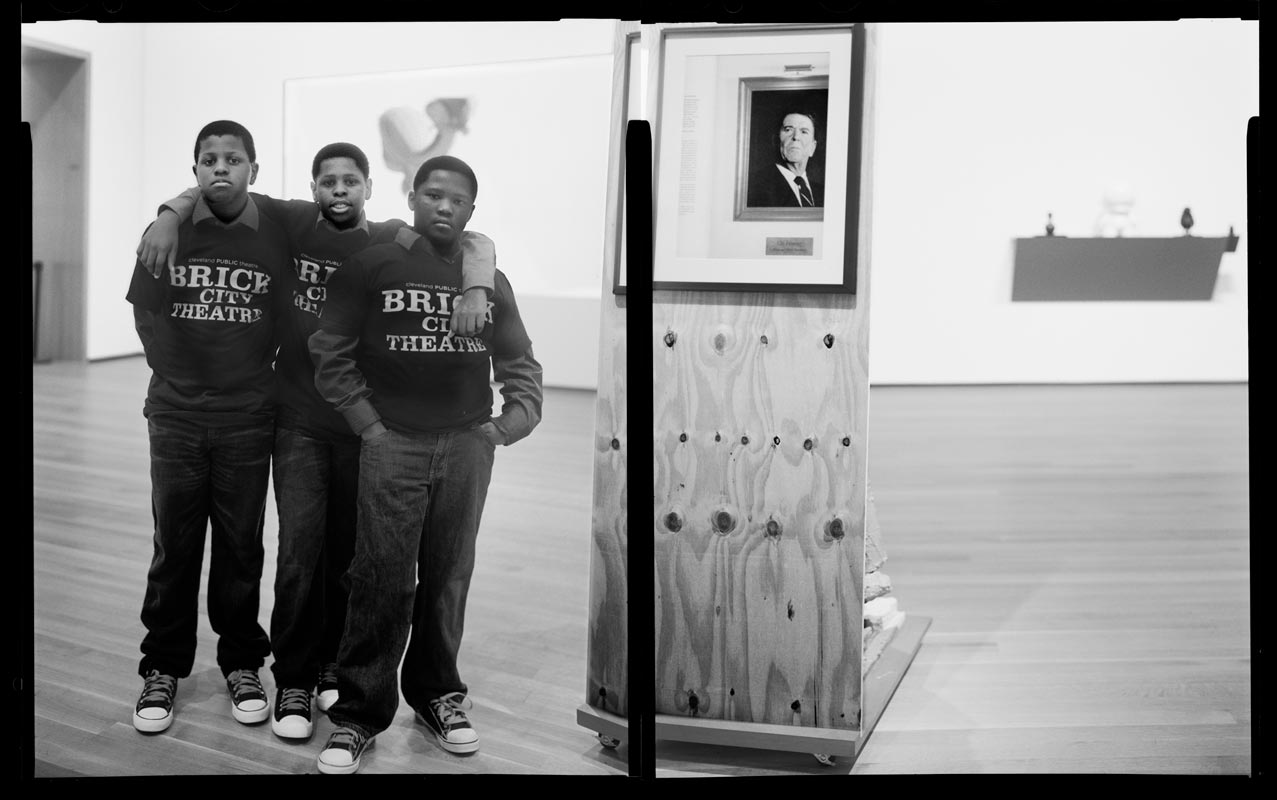
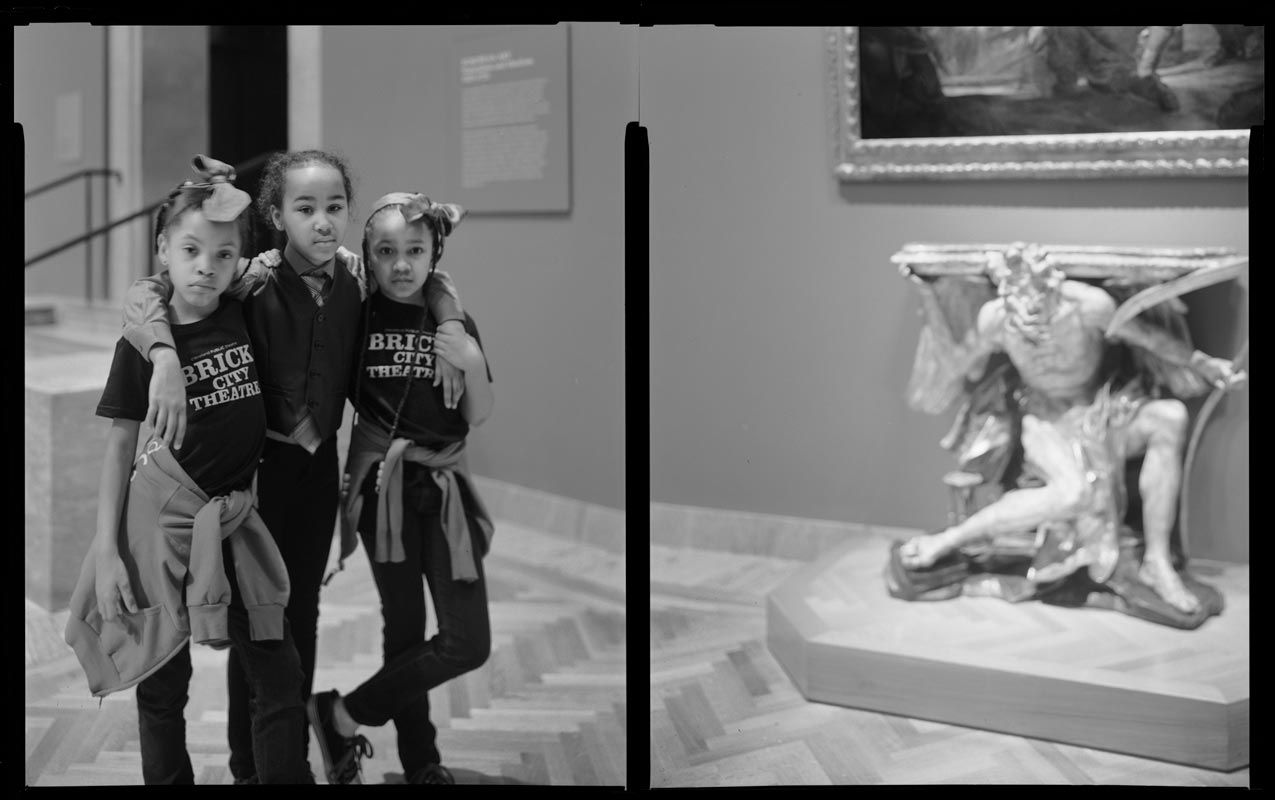
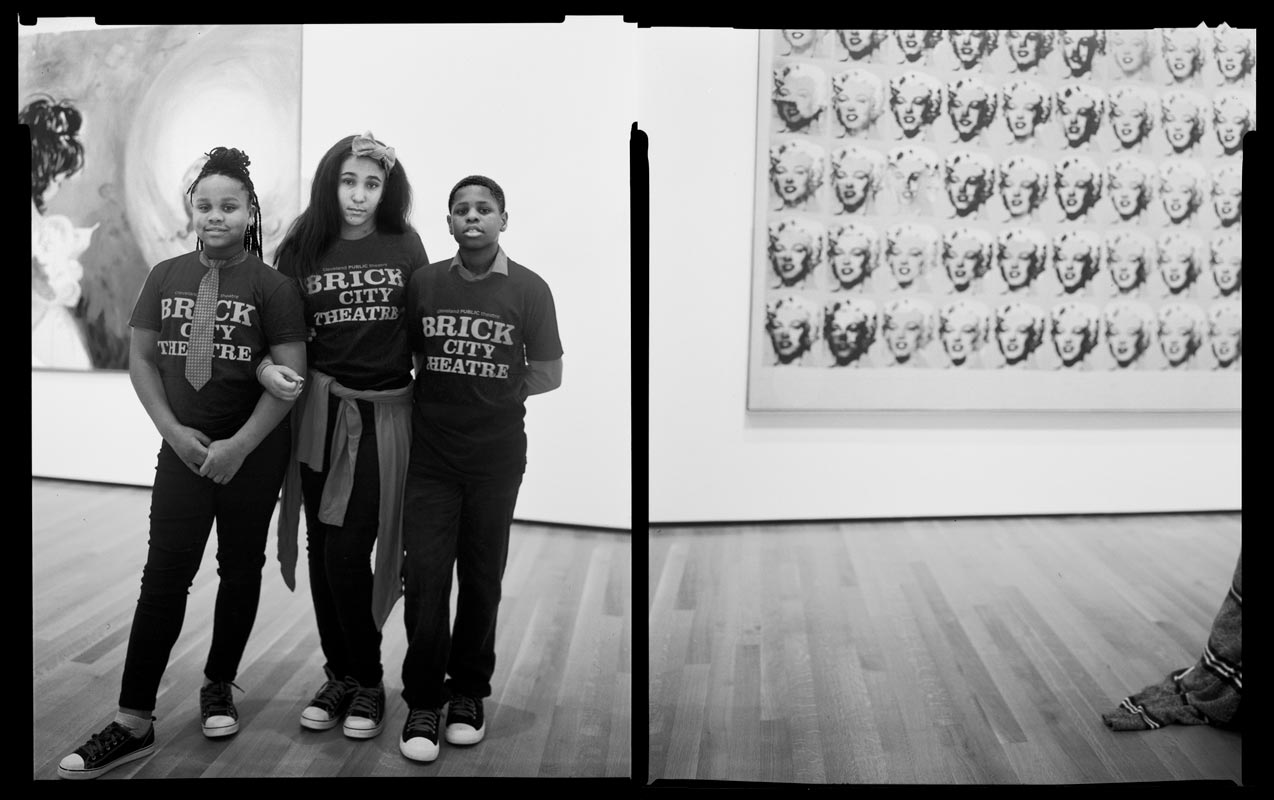
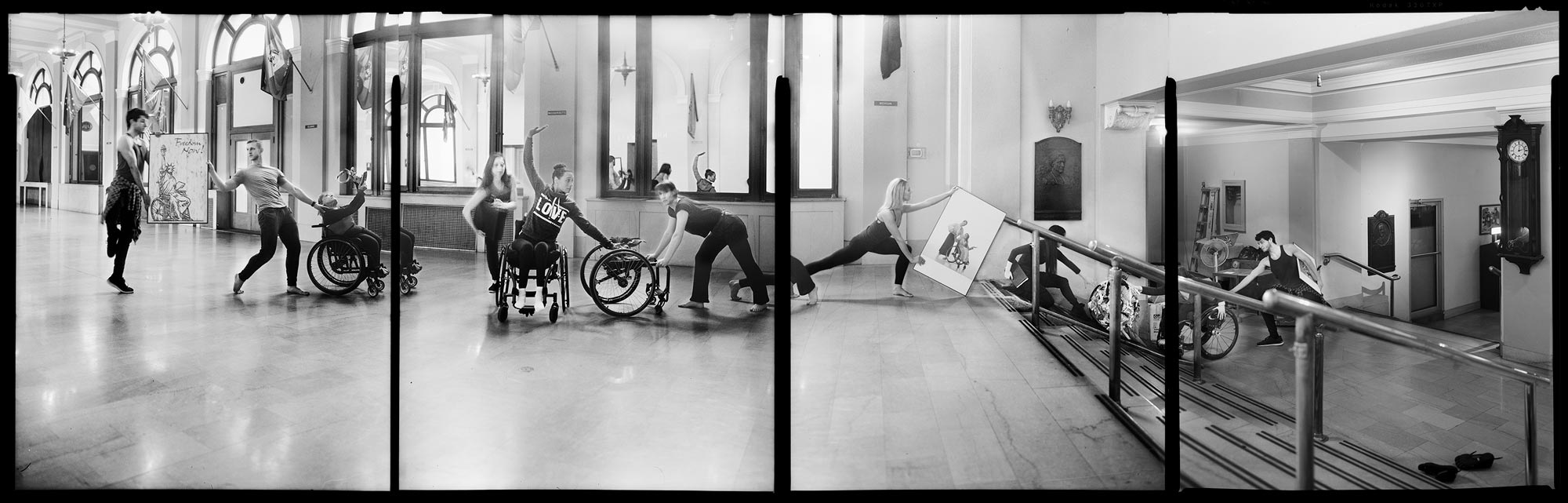
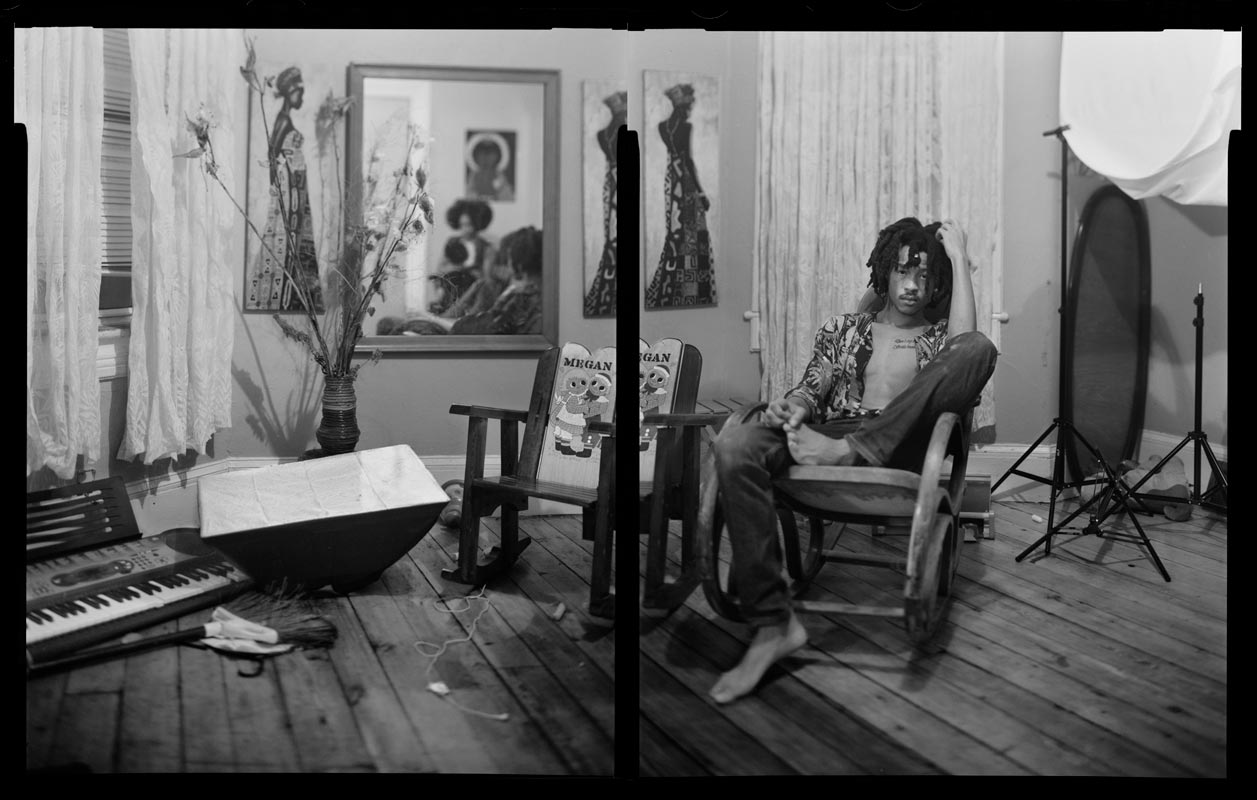
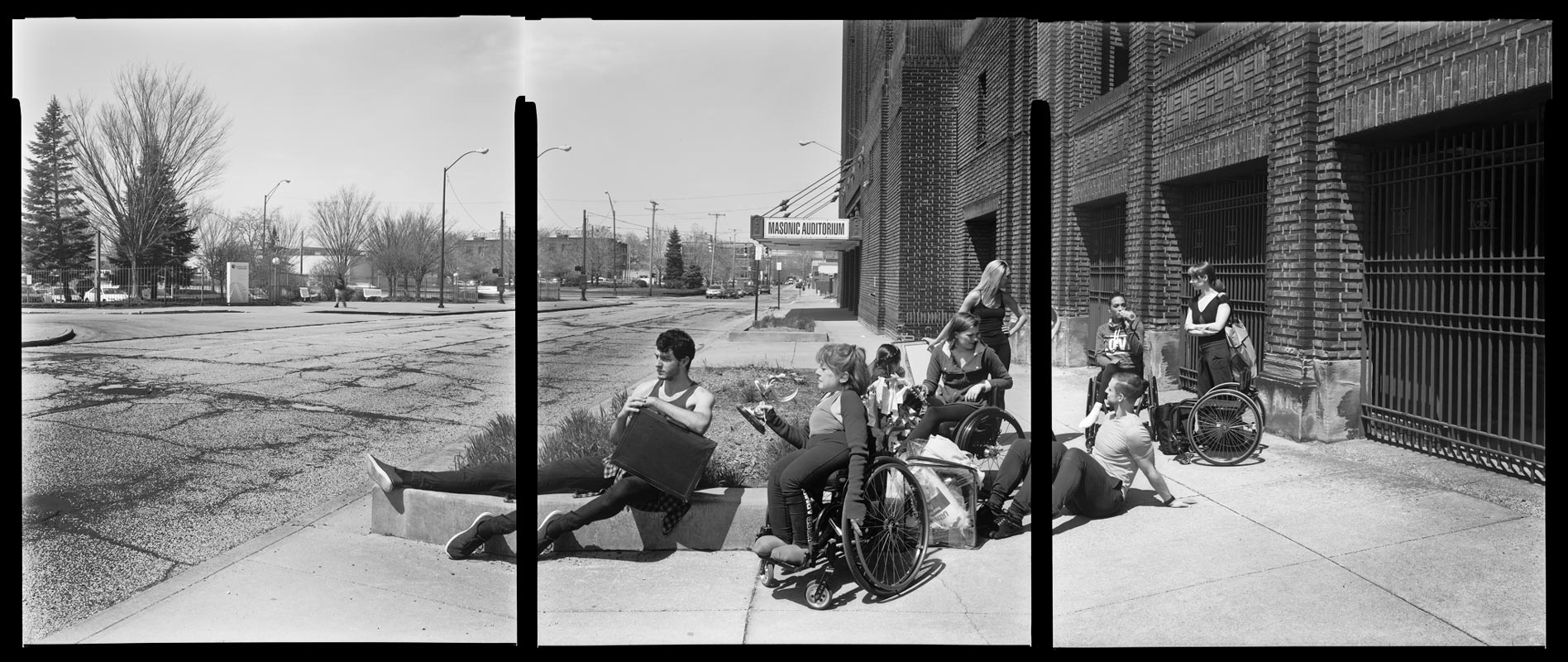
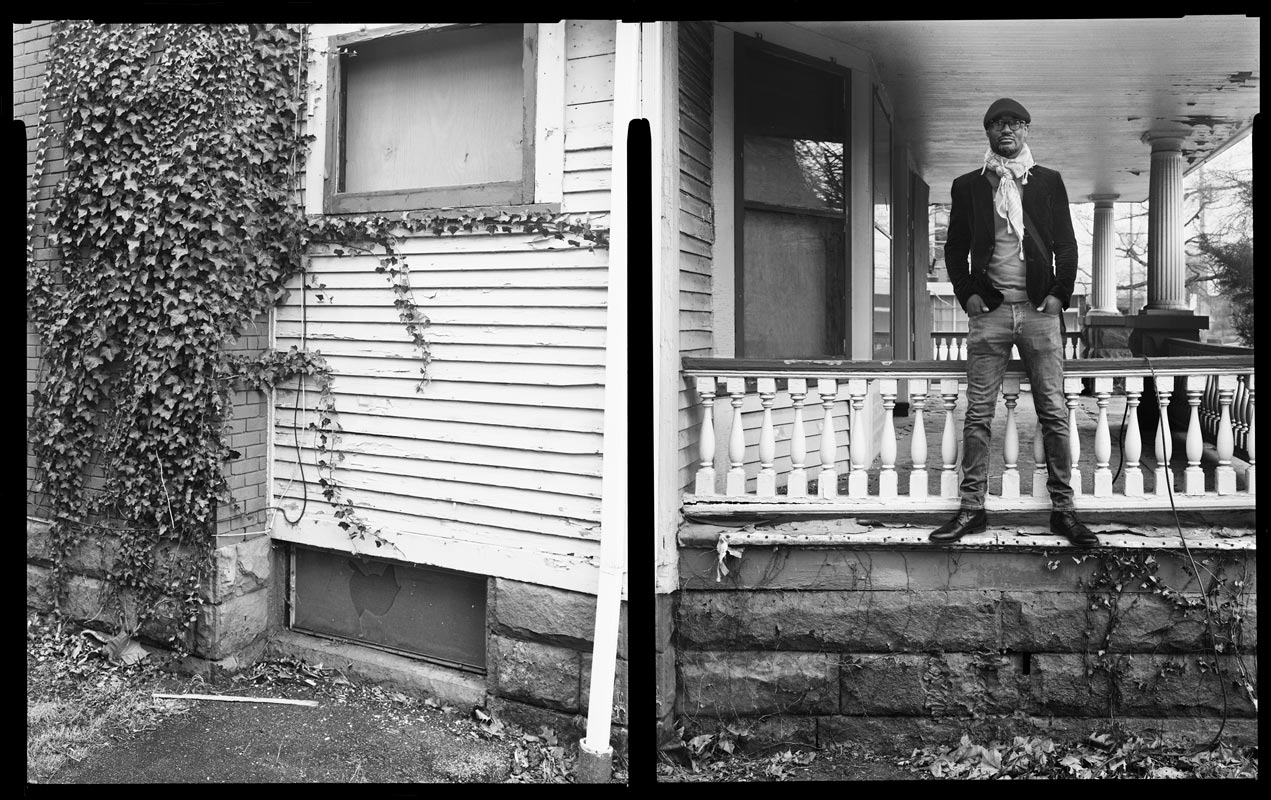

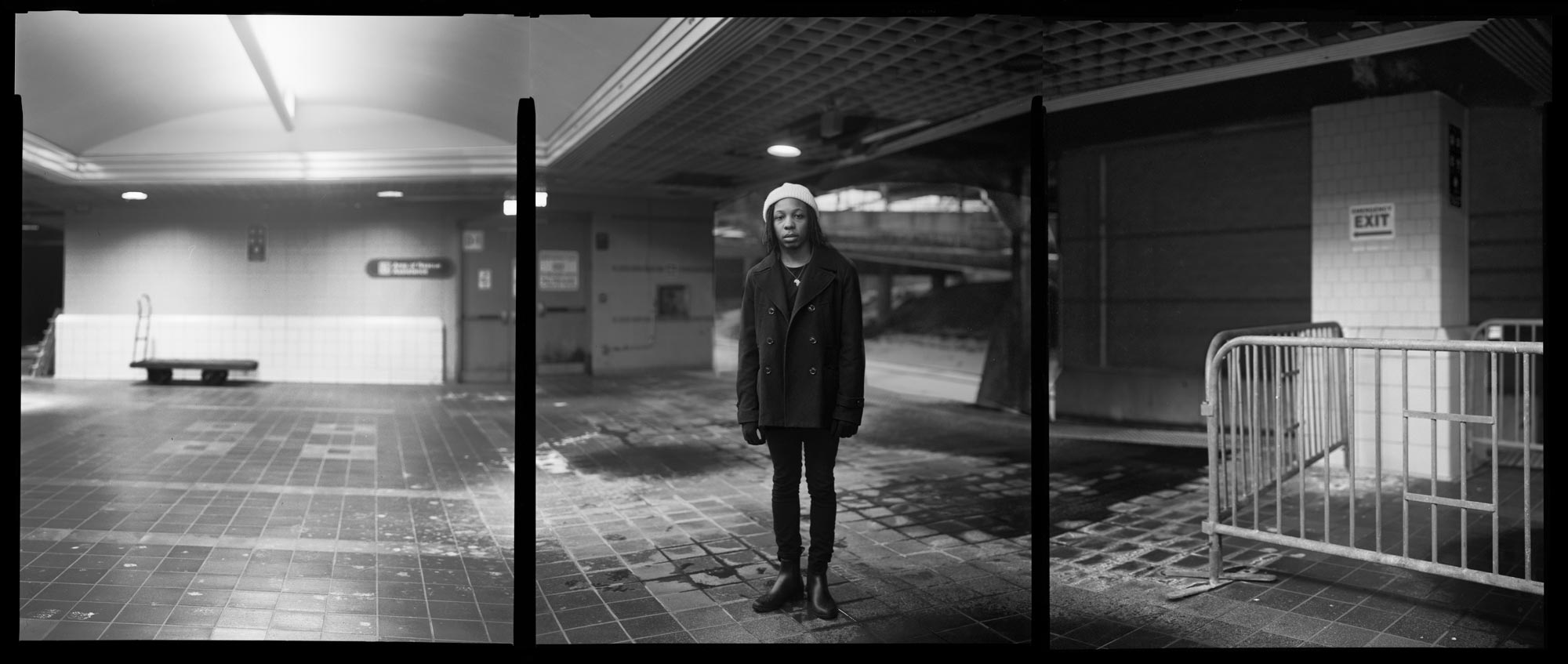
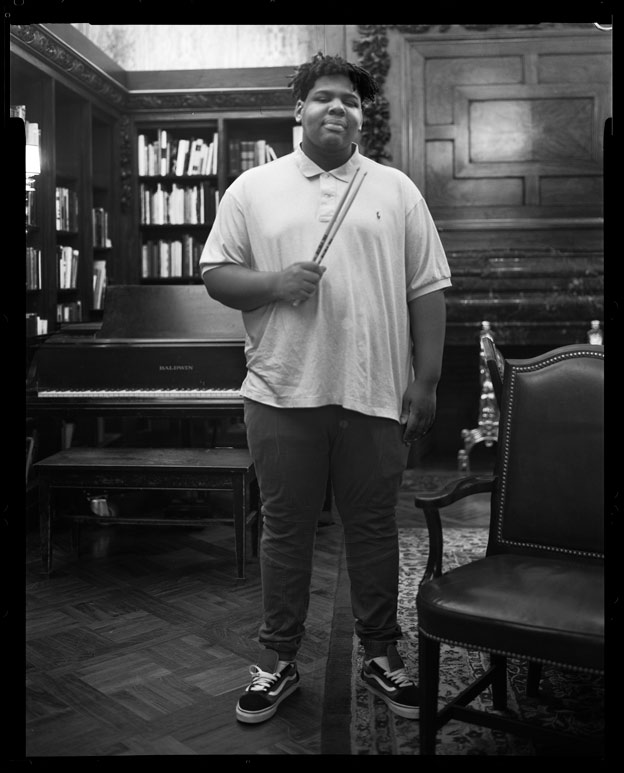
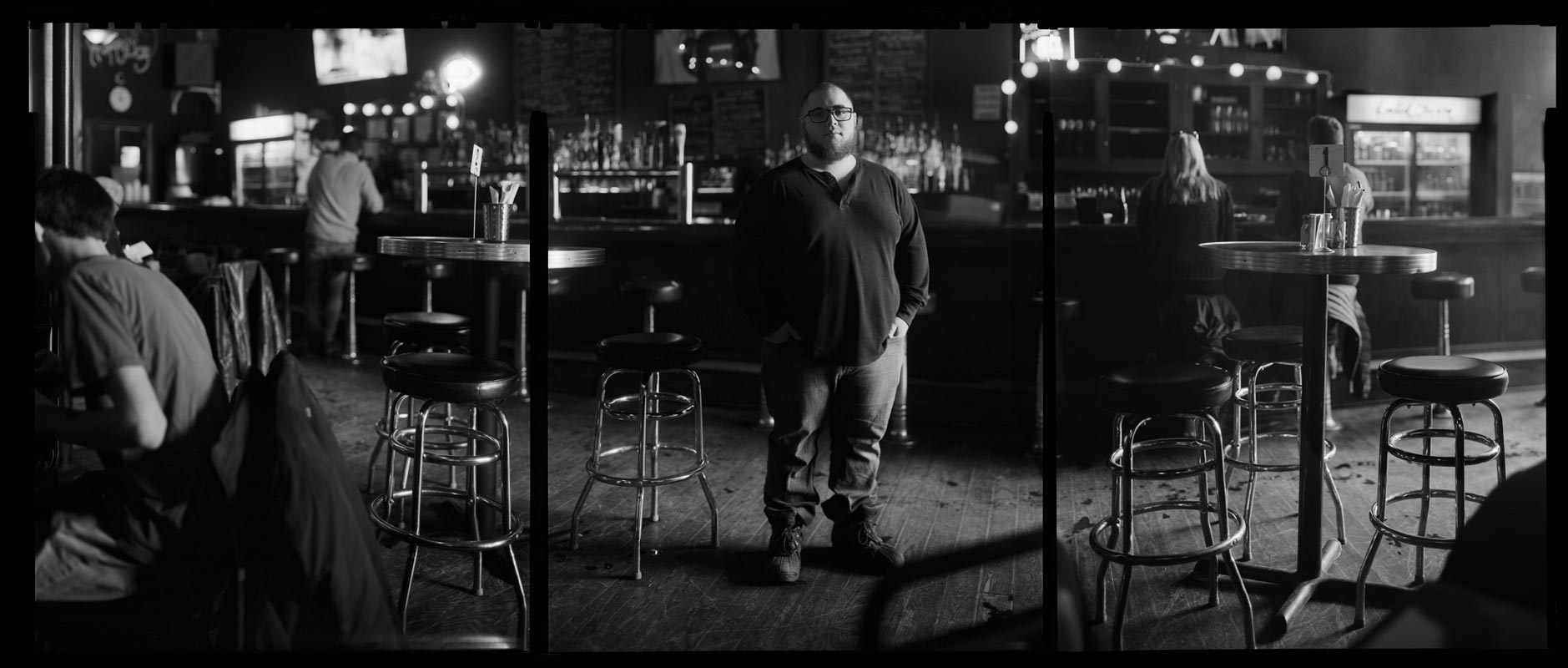
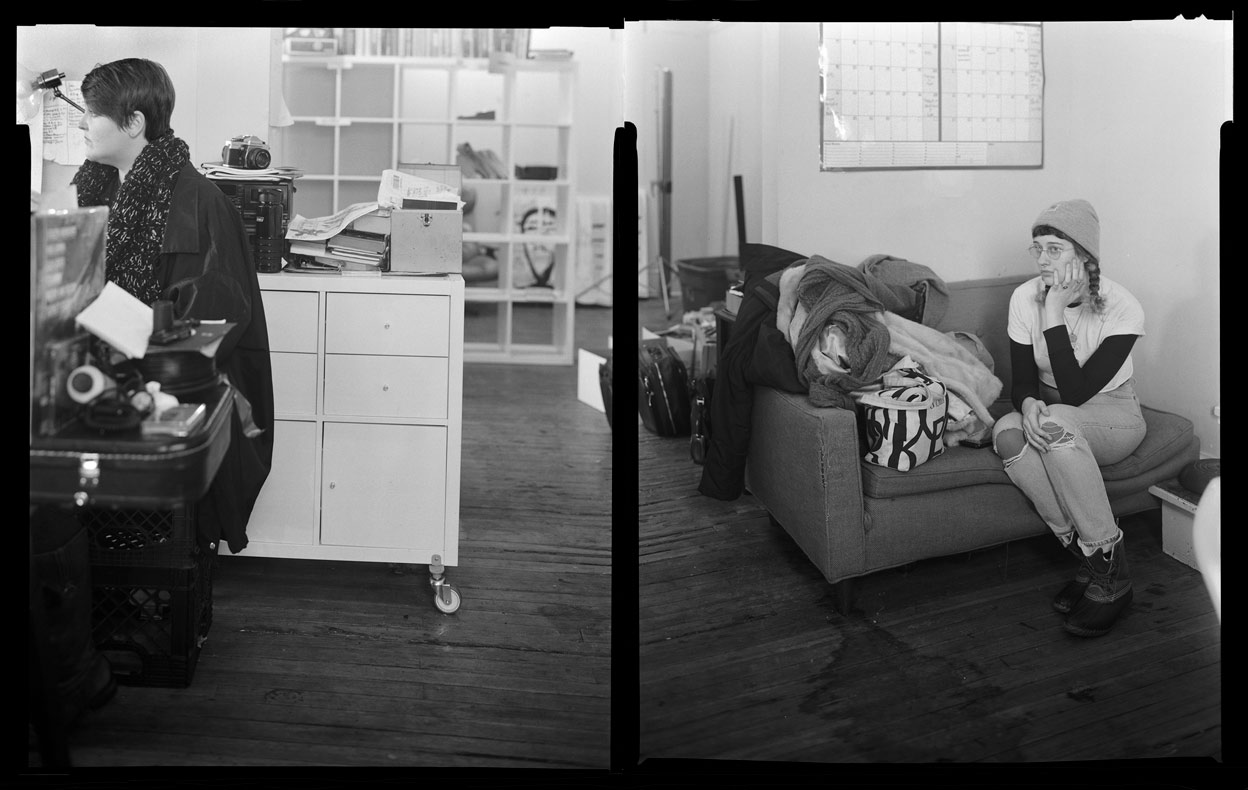

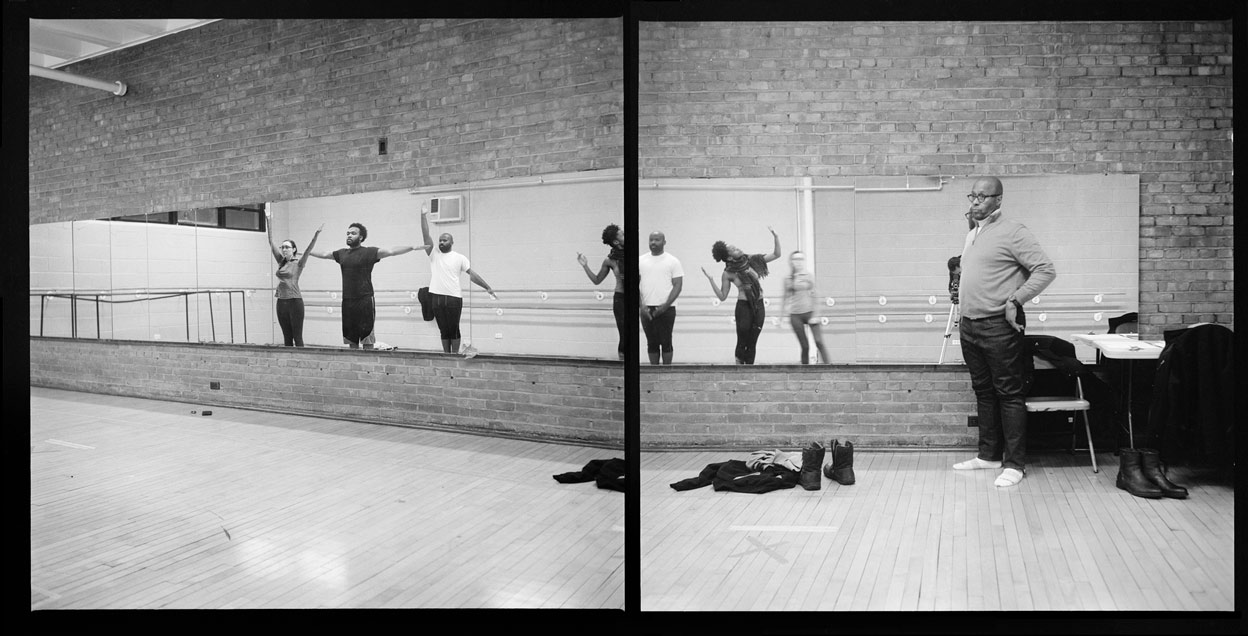
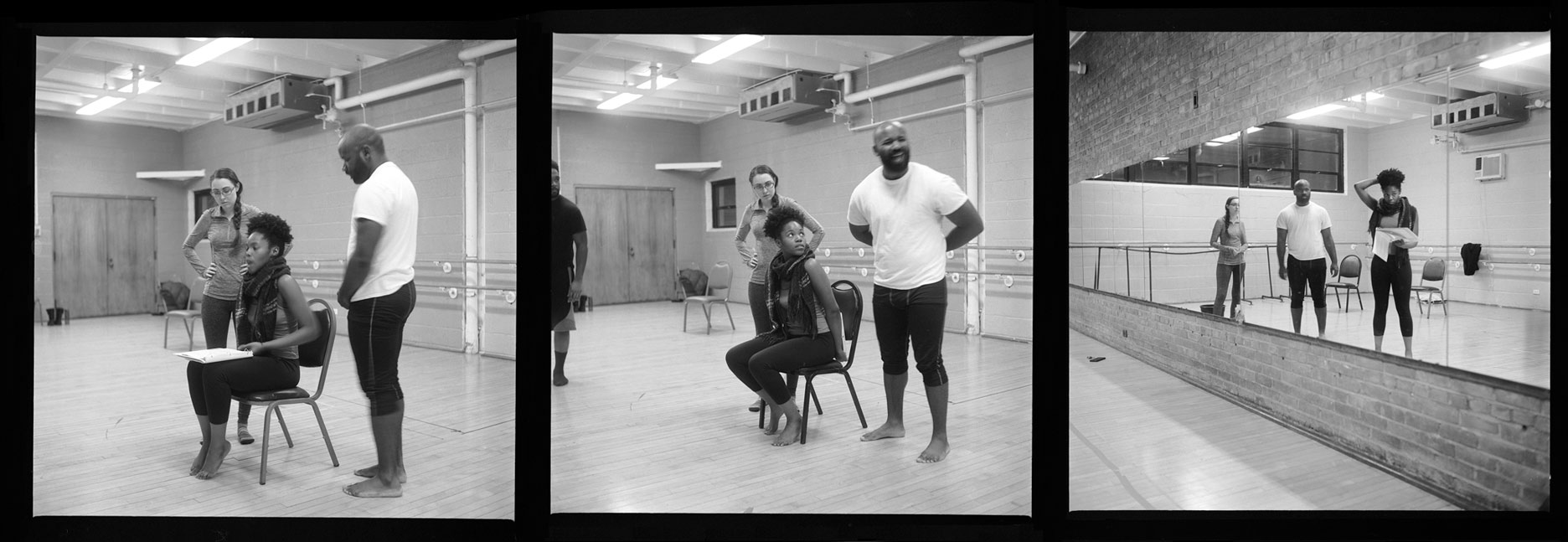
![Formed in response to personal grief and systemic oppression, Mourning [A] BLKstar looks to forge new pathways toward heart music by melding soul, blues, electronics, avant-poetics with futurist beats.](https://gundfoundation.org/wp-content/uploads/2019/11/arts-as-political-activism-shepp-mabs-1-frame-7-8.jpg)
![Formed in response to personal grief and systemic oppression, Mourning [A] BLKstar looks to forge new pathways toward heart music by melding soul, blues, electronics, avant-poetics with futurist beats.](https://gundfoundation.org/wp-content/uploads/2019/11/arts-as-political-activism-shepp-mabs-2-frame-6.jpg)
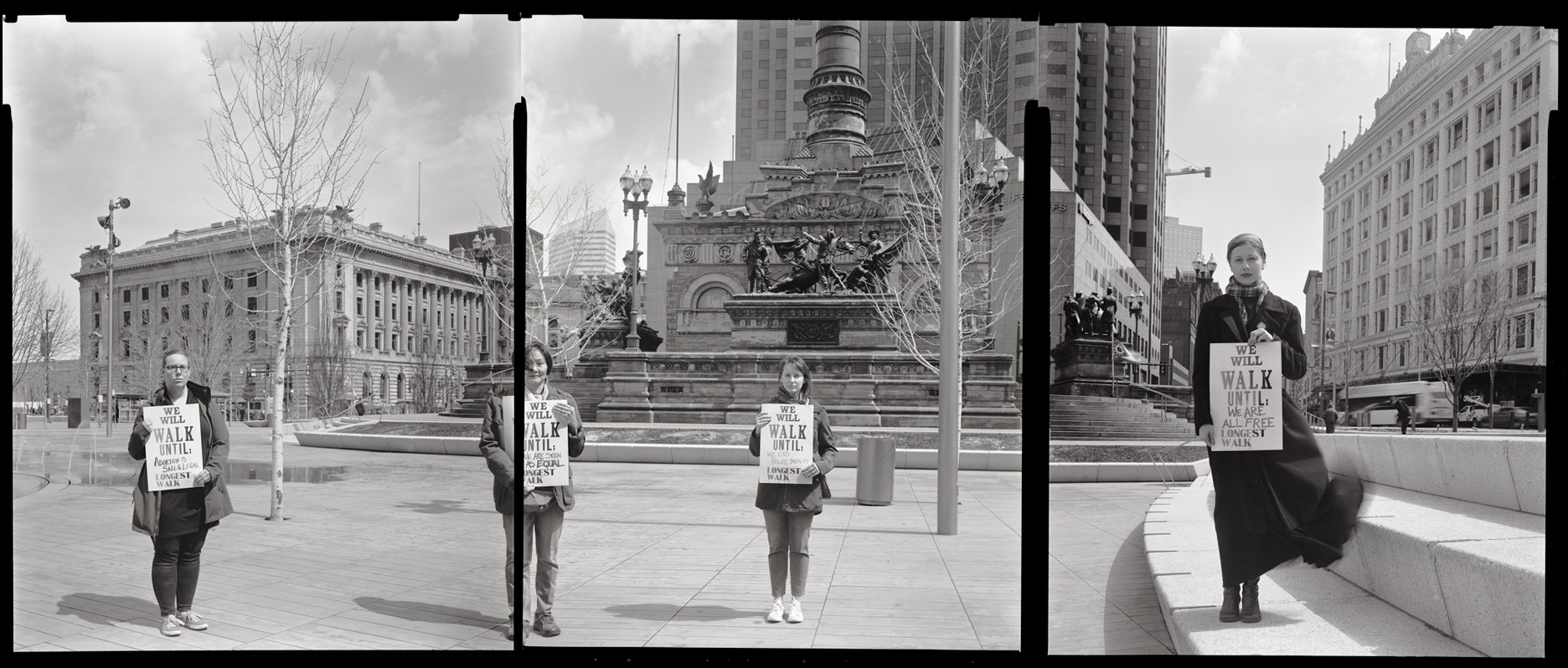
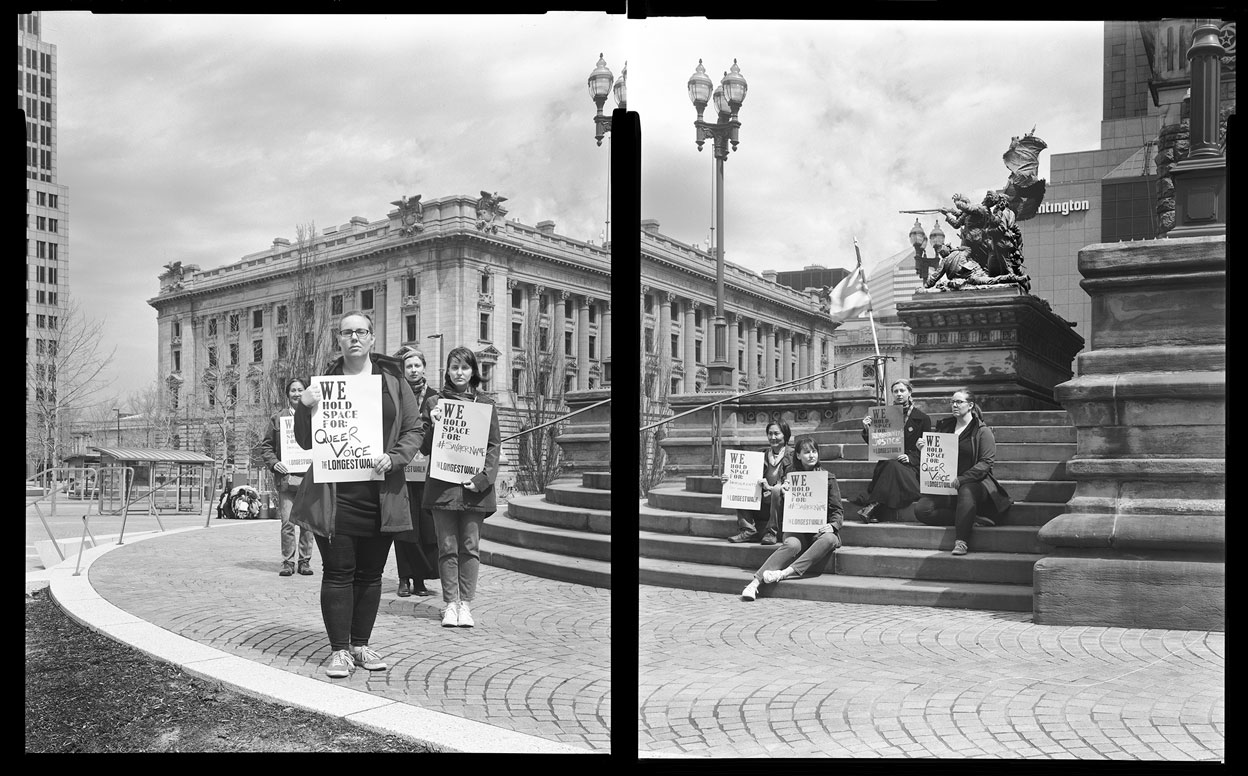
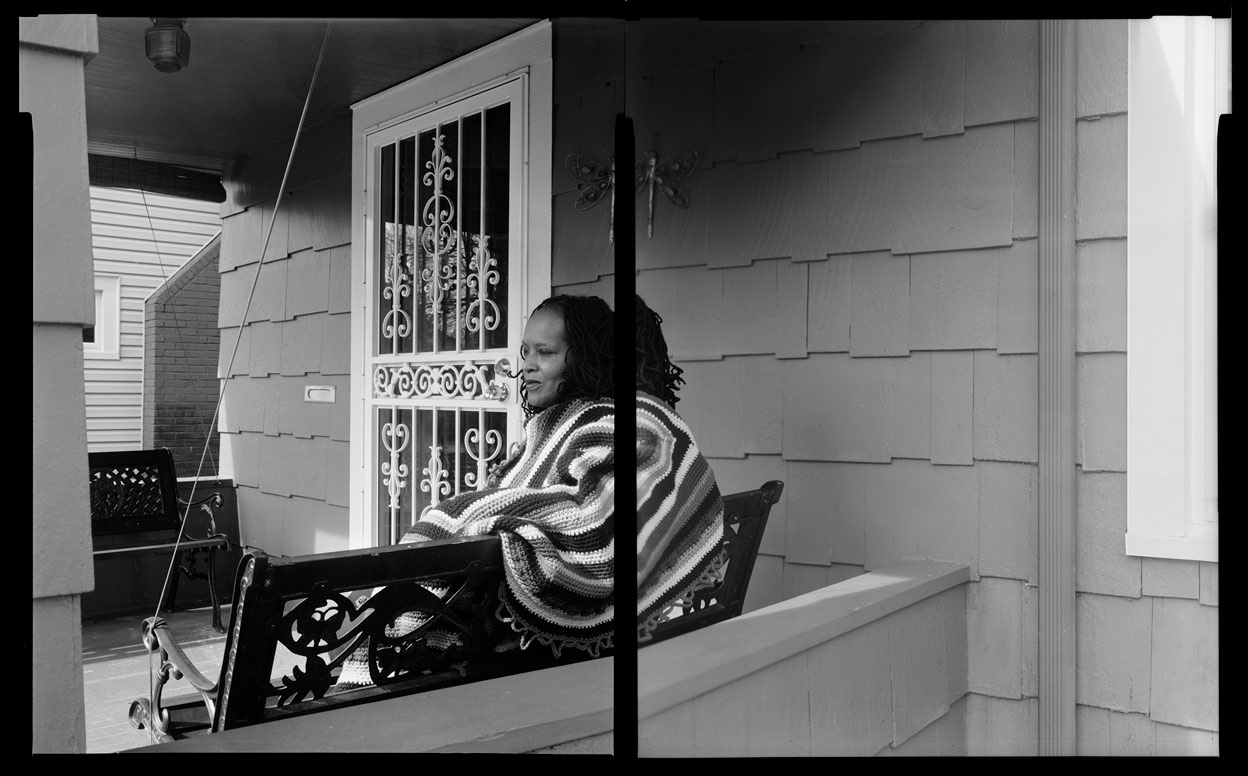
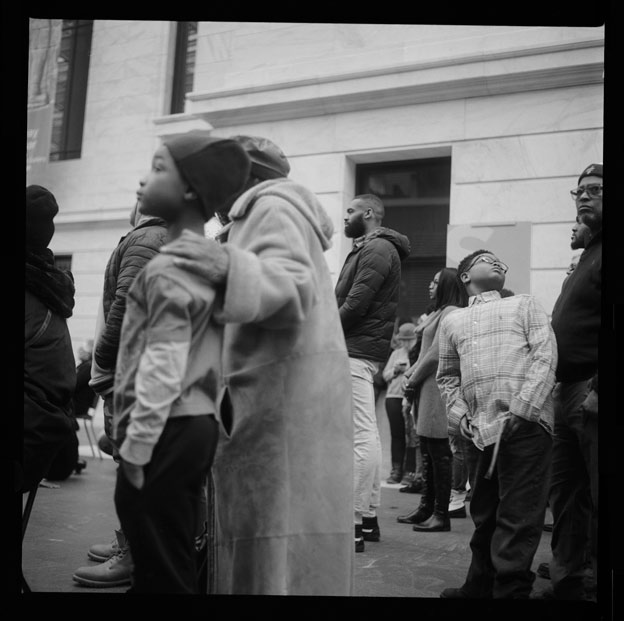


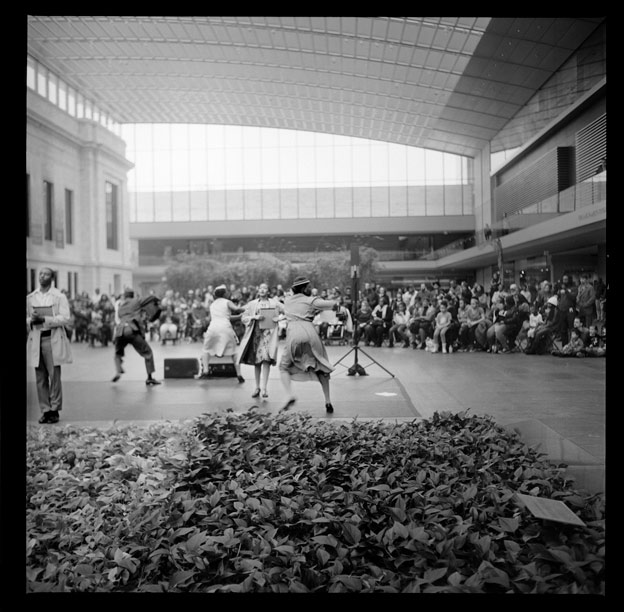
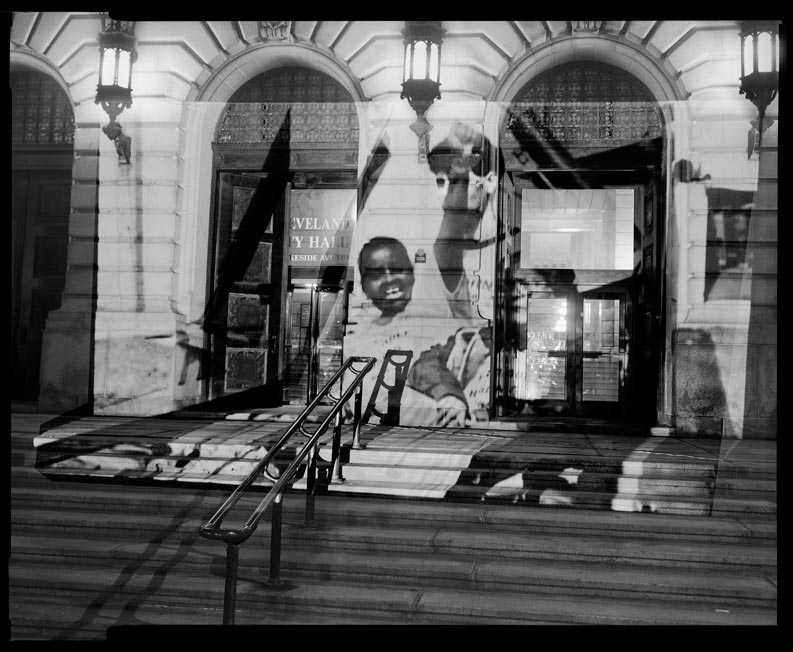

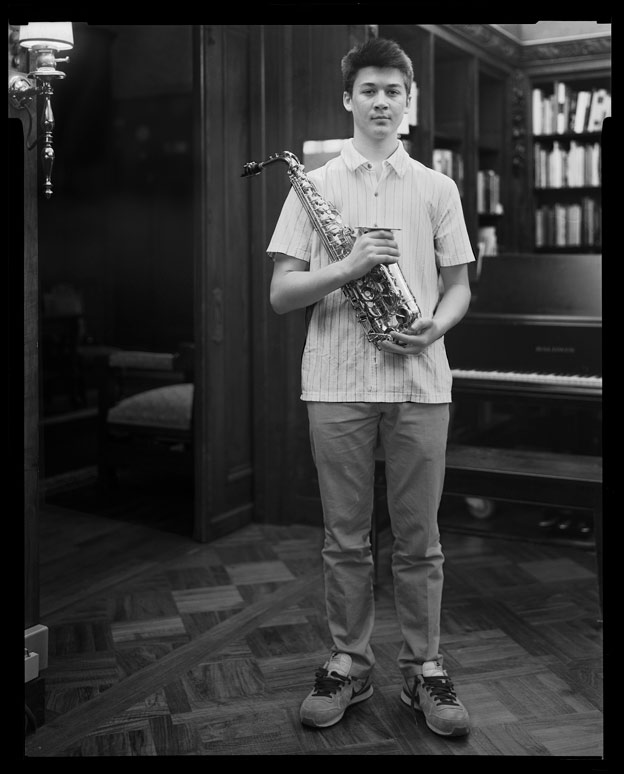
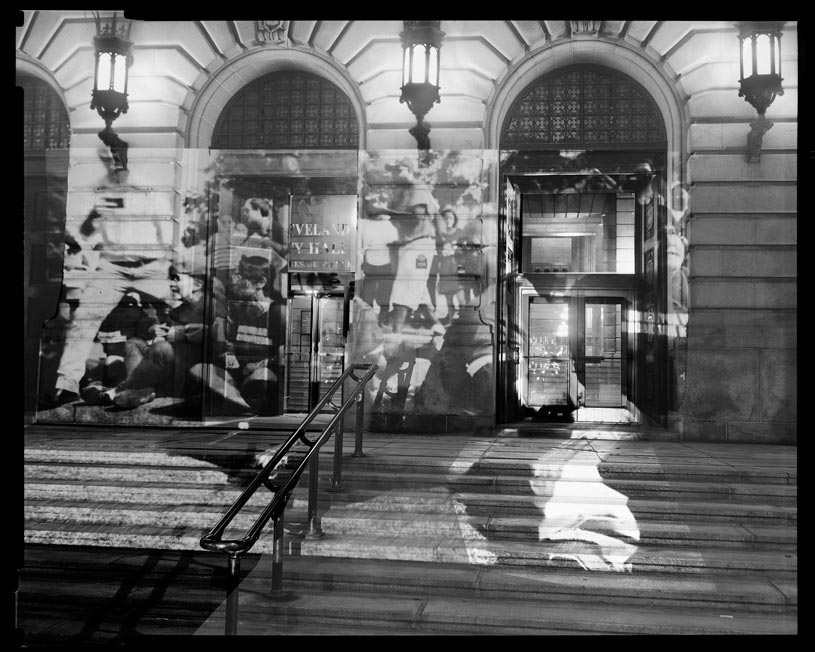
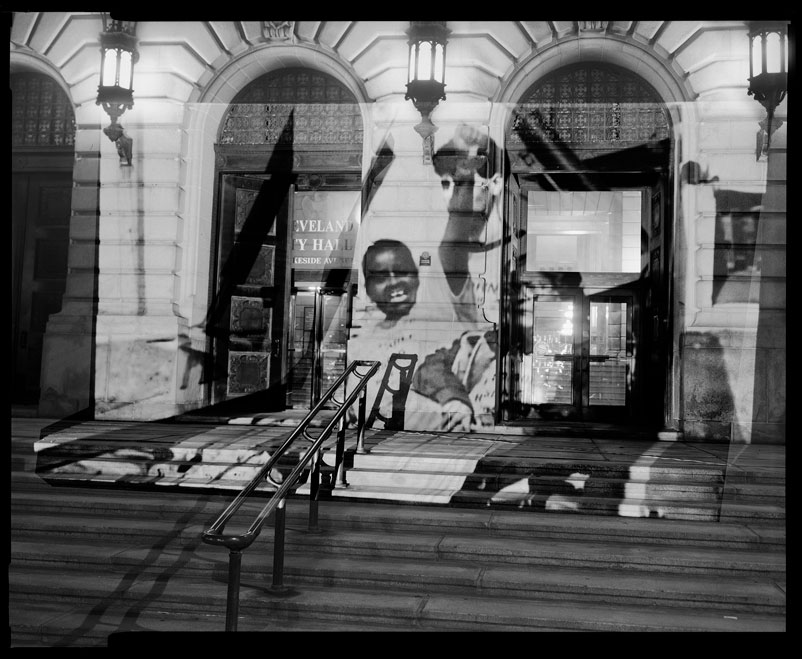
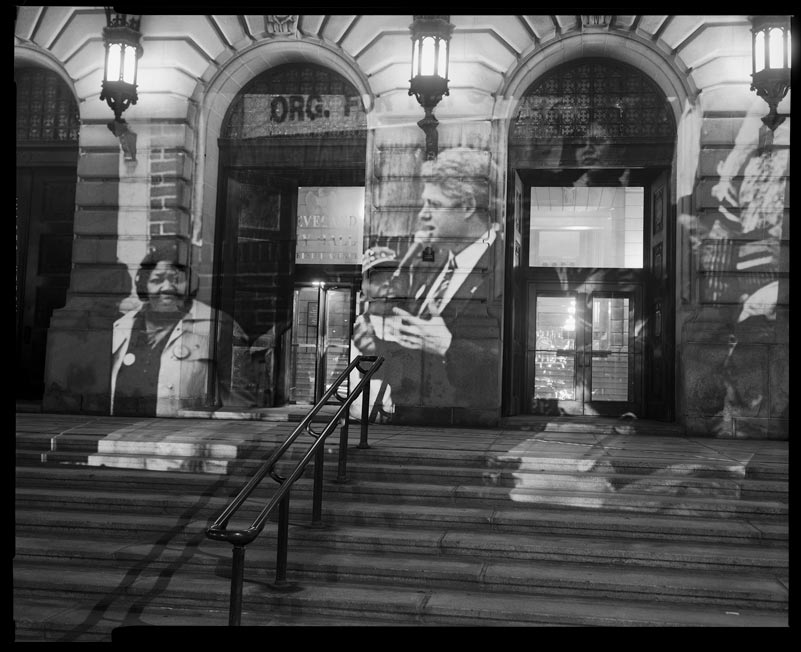
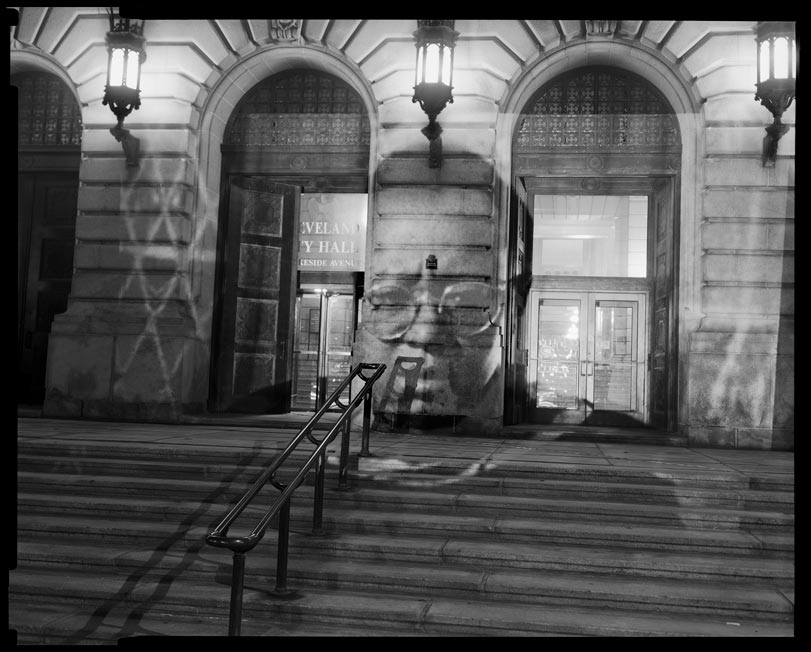
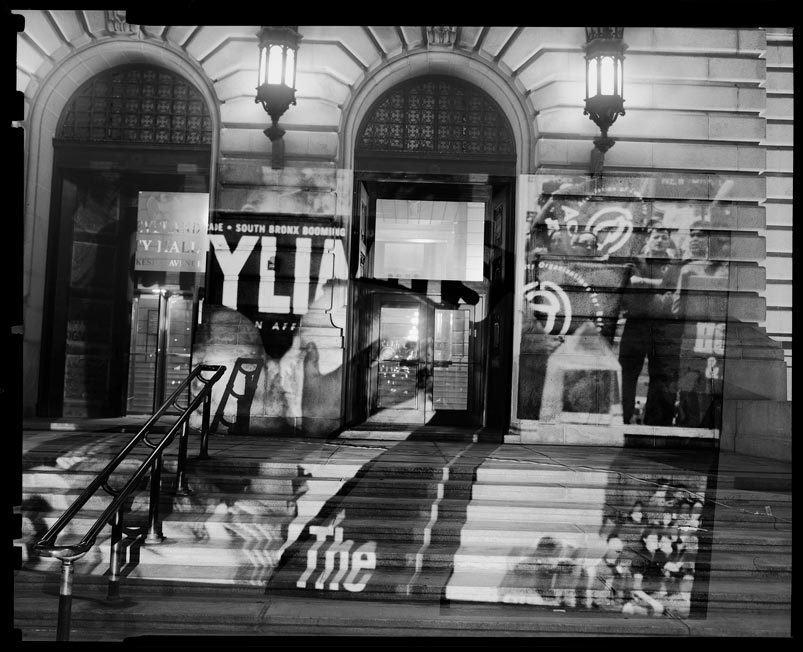
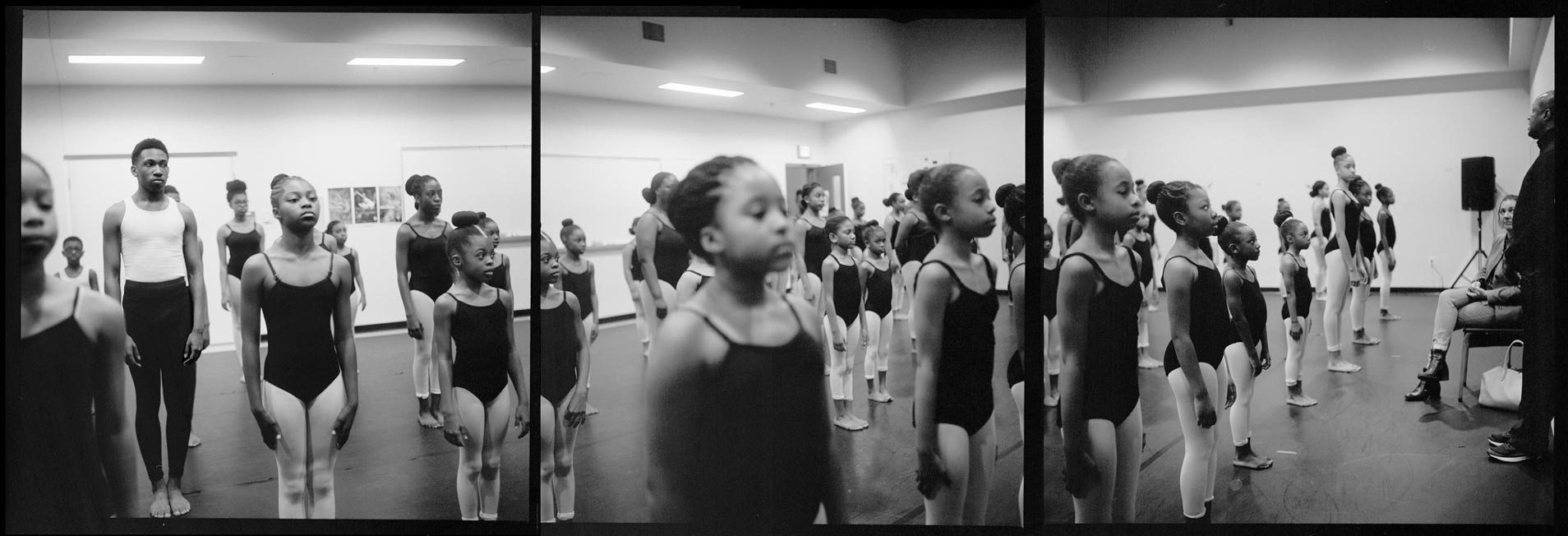
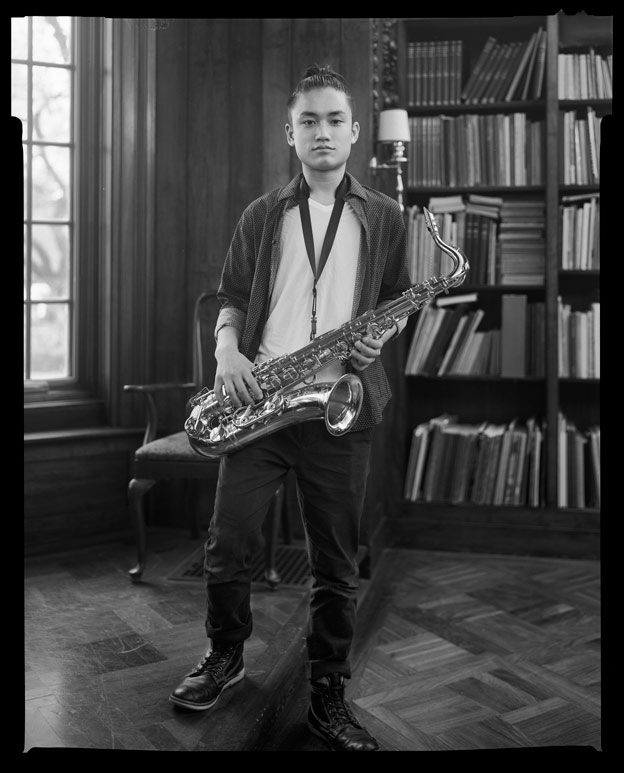
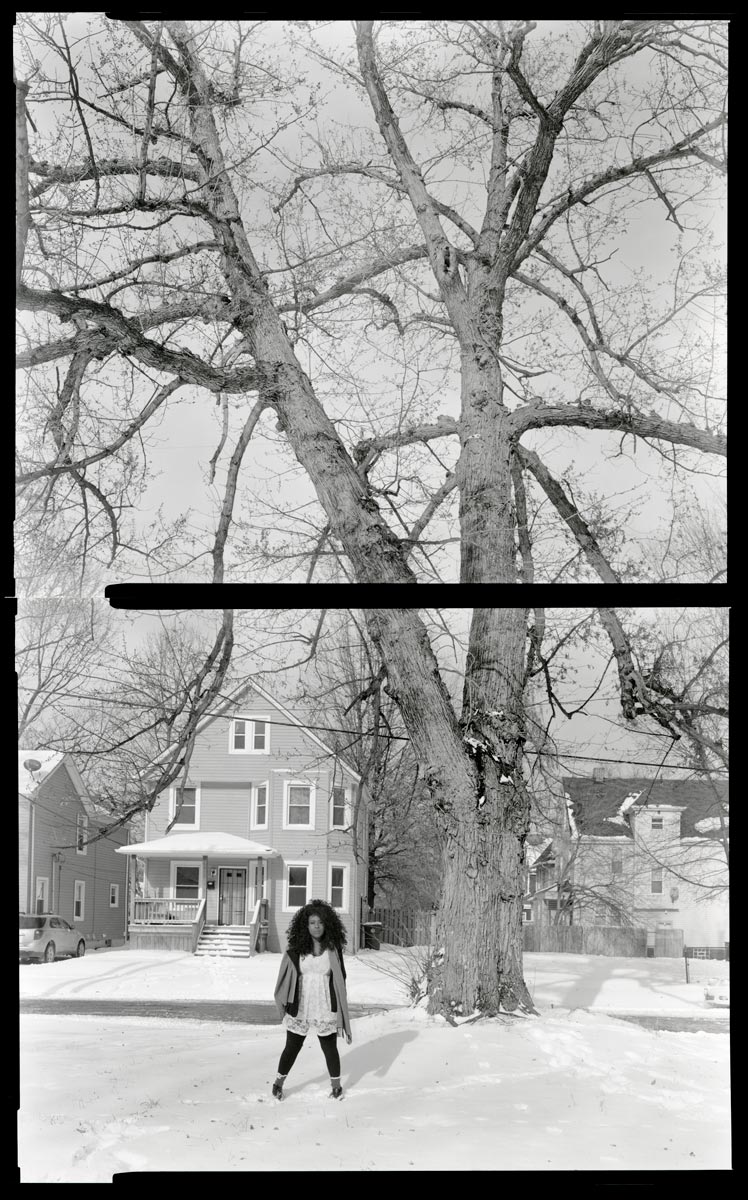


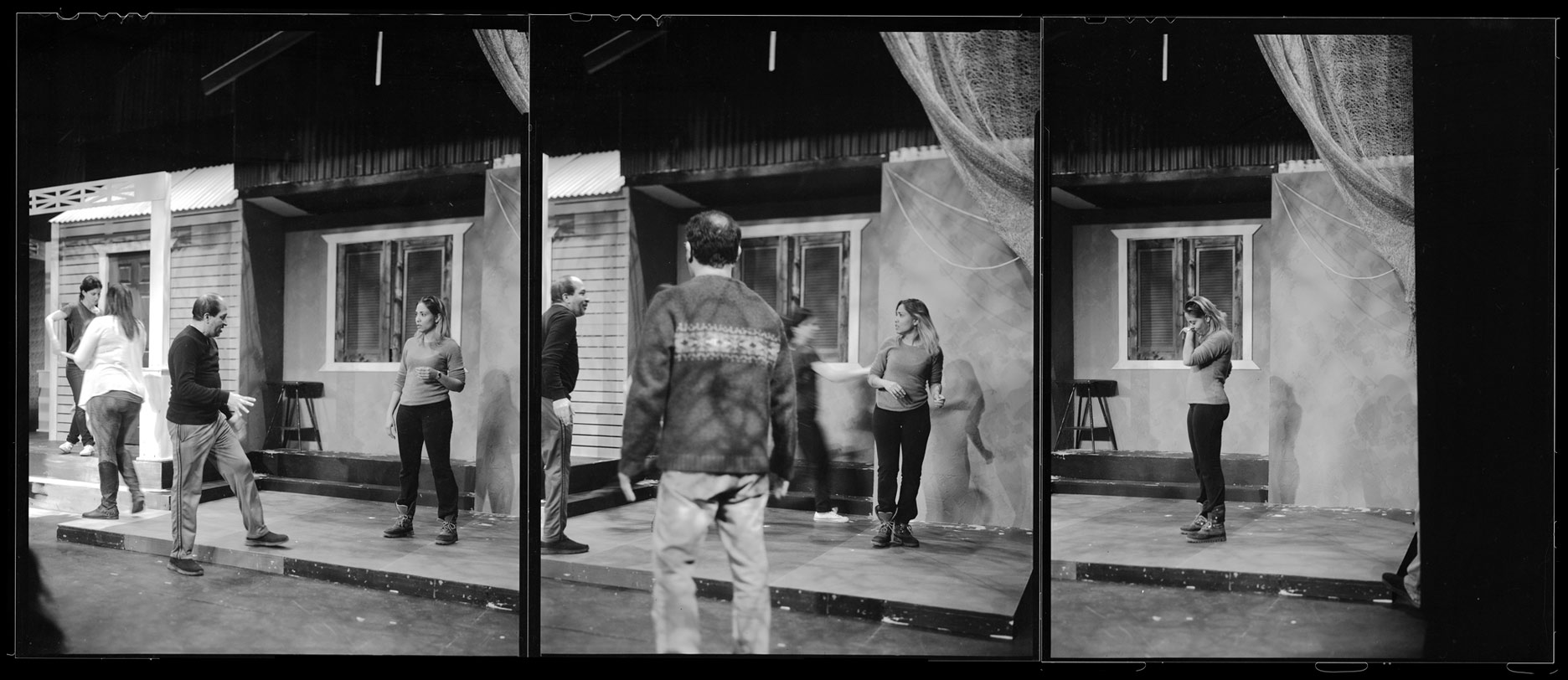

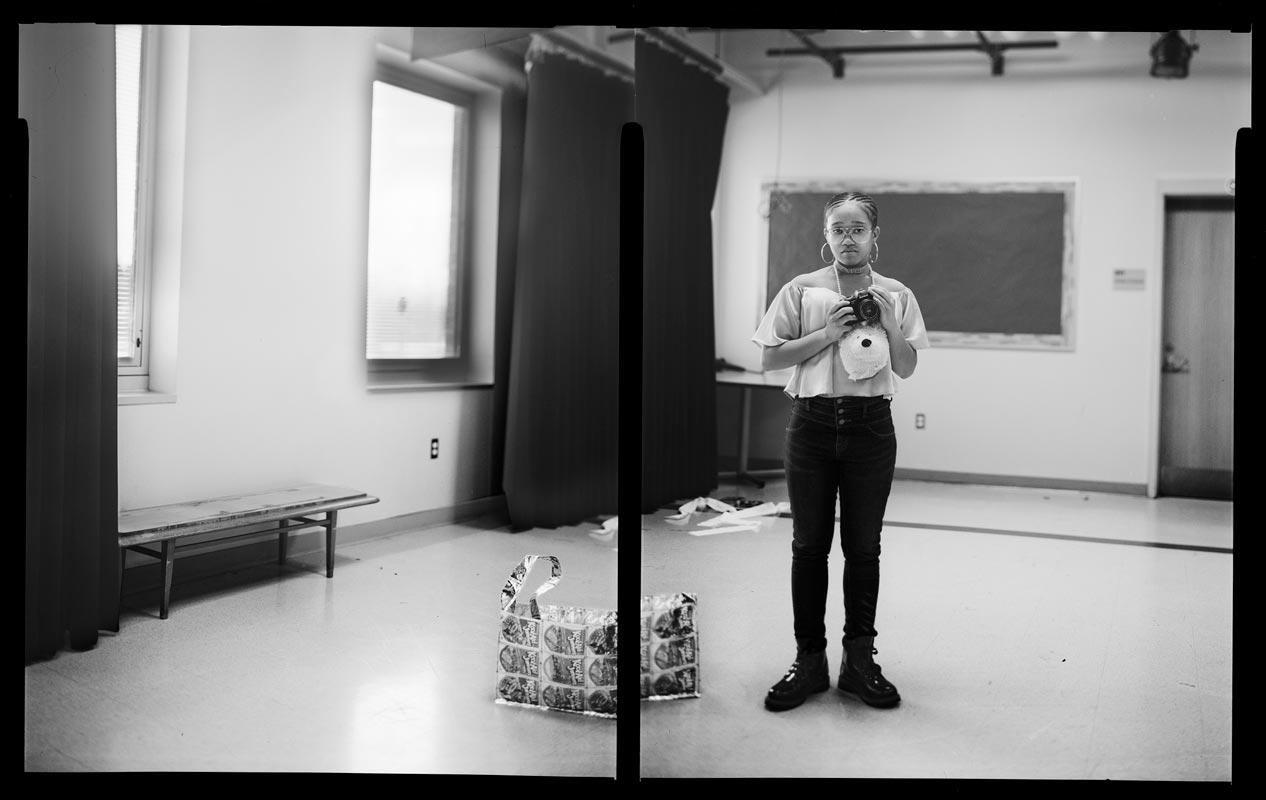
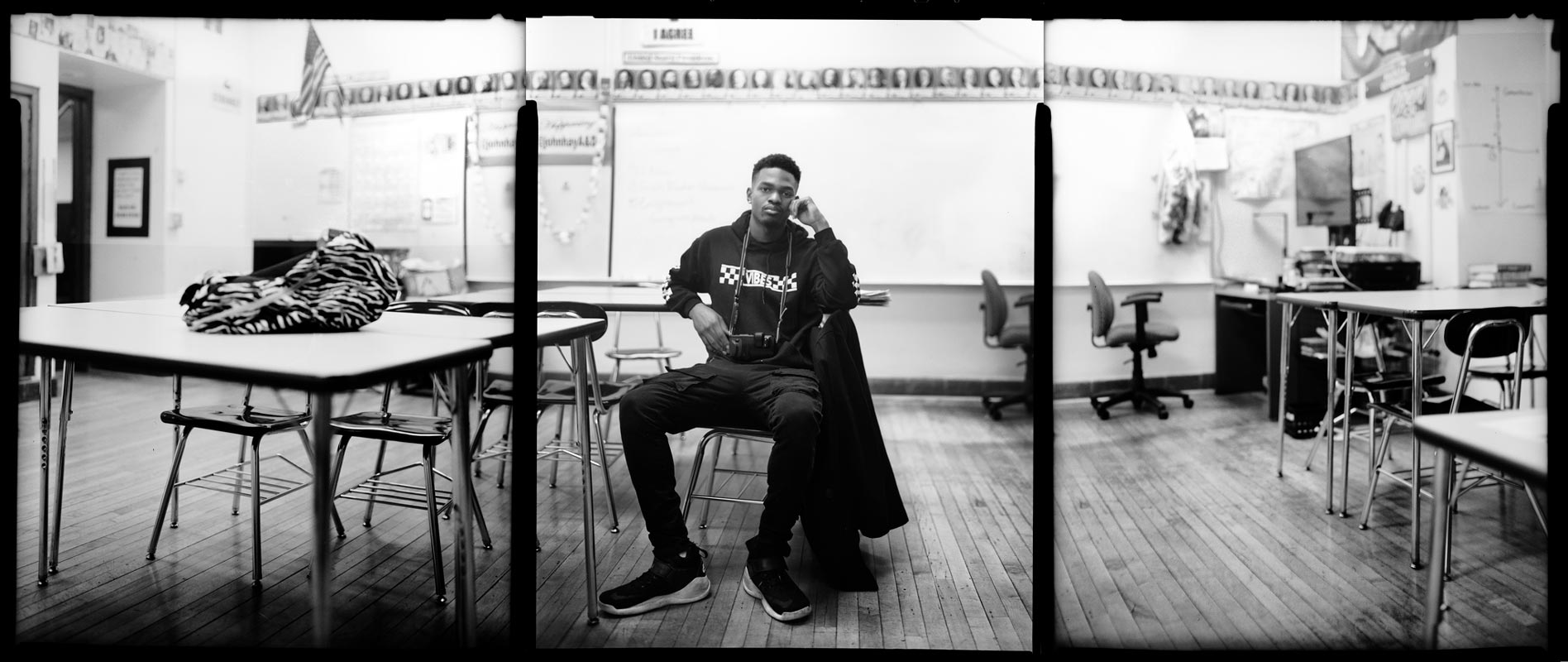
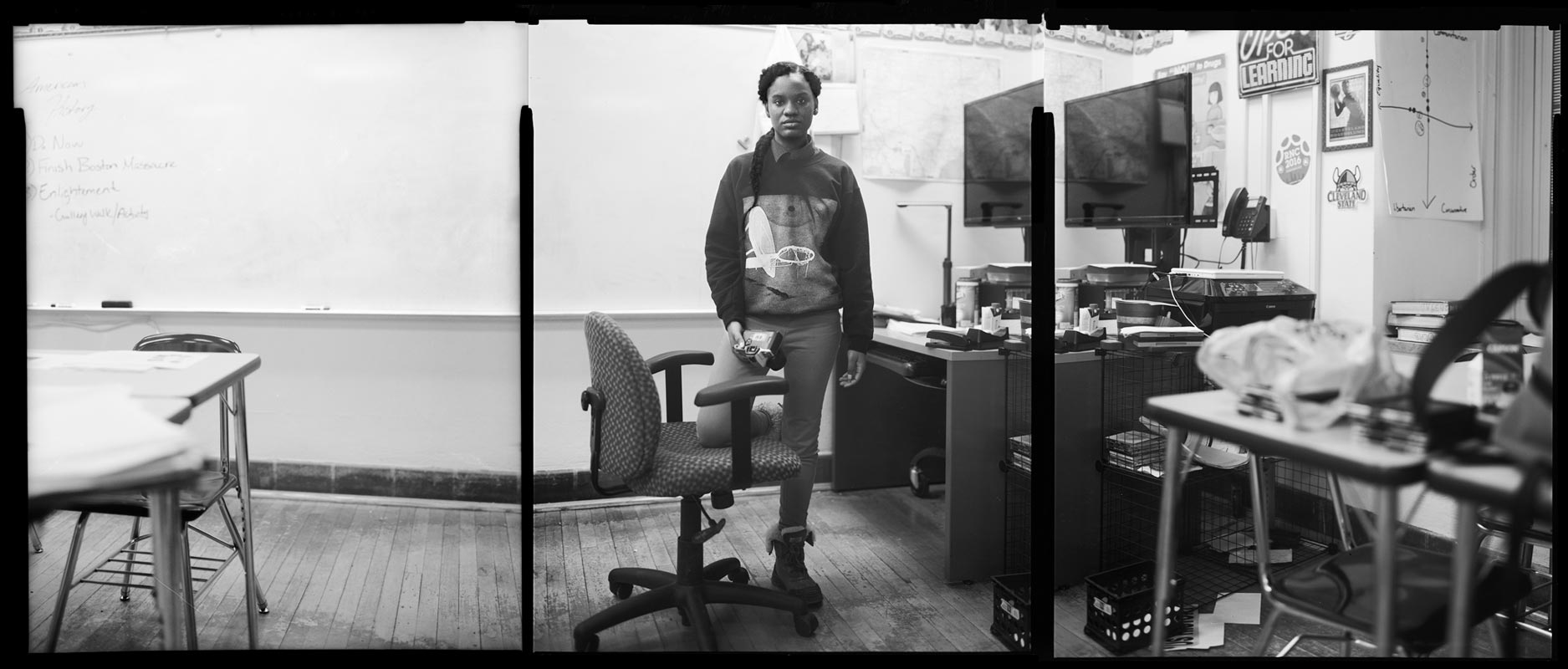
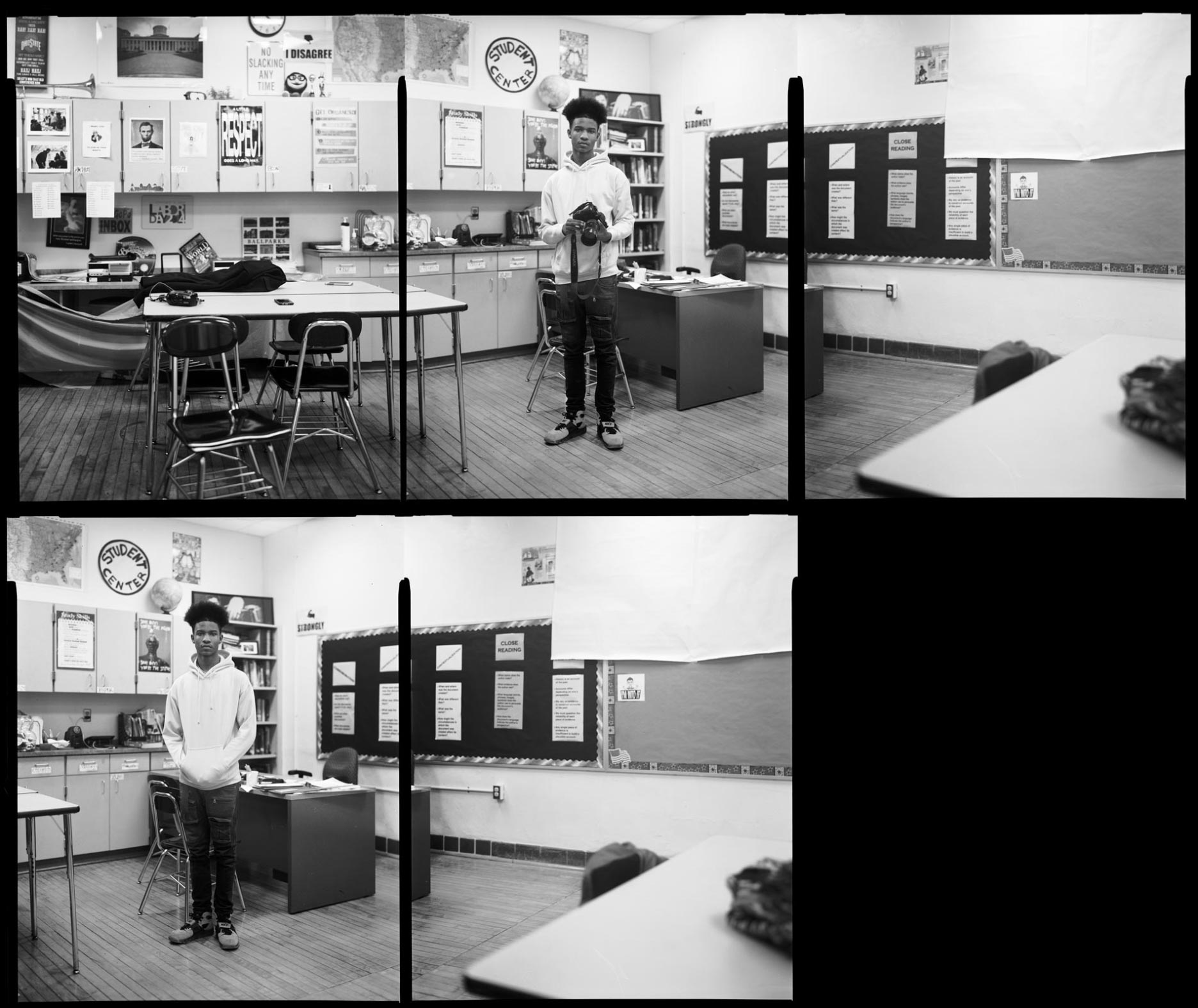

Letter from the Executive Director
2017 Annual Report
Borders are a hot topic these days. Those that immigrants cross and the walls that seek to stop them. Political lines that separate partisan camps. The boundary between “us and them,” between the established order and new ways. The times we live in cast these and other borders into sharp relief.
The photographs in this year’s annual report explore the border we may be inclined to think exists between art and politics. The subjects of these photographs shatter that line.
People have been making statements with their art since they first painted on the walls of caves. “I was here,” that earliest art exclaimed. “I matter. I count.” The fraught political climate of today impels many artists to make similar statements in a different context: Black lives matter. So do immigrant and LGBTQ lives and women. These and other victimized groups are finding their voice in movements and a share of their most vivid expression through art.
Accra Shepp has interpreted the role of some Cleveland artists as political voices in his photo essay. As an artist himself, Shepp gained national recognition for his evocative portrayals of the Occupy Wall Street movement. Those images, like the ones in this annual report, challenge us to see the world through the eyes of others. Not just Shepp’s eyes, but also those of the dancers, actors, painters and poets who imagine the world in new ways. That challenge — and our response to it — is the most basic political act, to see across the boundary between one person and another. That’s what politics is: the art of combining human outlooks and interests to achieve something.
Political expression by artists goes well beyond the interpersonal, of course. Artists as activists are more prominent than ever. The energy and commitment they bring are more needed than ever.
The artists depicted here find many ways to raise their voices. Among the 15 organizations shown here are Shooting Without Bullets which gives young people of color expressive outlets that channel their demands for justice reform. Dancing Wheels’ combination of performers both with and without disabilities is a dramatic insistence on their equal recognition. The venerable Karamu House has elevated African-American voices through theater for a century. Twelve Literary Arts brings performance poetry to public spaces to advance social justice.
The founder of Twelve Literary Arts, Daniel Gray-Kontar, has written a poem inspired by Shepp’s photos and he reads it here. Please listen for a more immersive experience as you let the photos scroll across your screen.
We know that art enriches our lives, but we also know that art can change our lives. It exercises its power by making us feel. And in our feeling, it can lead us across borders.
David Abbott, Executive Director
Letter from the Board President
2017 Annual Report
Not long ago, after more than two decades of “tough on crime” policies at the national level and in many states, elected officials and advocates from across the political spectrum seemed to be coalescing around the realization that our justice system was broken. Some noted the exorbitant financial cost of imprisoning so many people. Others cited the injustice inherent in the disparate treatment of people of color, especially for non-violent drug offenses. The strange bedfellows of this emerging bipartisan alliance were best exemplified by former Republican Speaker of the House Newt Gingrich and Democratic activist Van Jones. They teamed up as advocates of reform.
Some of the drive for change at the federal level has dissipated, however, with the arrival of the Trump administration’s return to “tough” policies. Consequently, as with many issues, action on reform has shifted to the states. And I am pleased to say that The George Gund Foundation has been an active funder of reform efforts.
Reform is certainly needed in Ohio, which has the sixth highest rate of incarceration in the country. Annually, there are nearly 400,000 Ohioans involved with the jail and prison systems. There are 50,000 state inmates in prisons designed to hold 38,000. Ohio’s prison population is 49% African-American even though African-Americans are only 12% of the state’s overall population.
Adding to the upward pressure on Ohio’s incarceration rate is the fact that more than 9% of those imprisoned are now held in facilities run by businesses for profit. Private prison operators are often among the most vocal opponents of criminal justice reform and are significant contributors to elected officials.
The financial burden of mass incarceration is staggering. The annual budget of the Ohio Department of Rehabilitation and Corrections now exceeds $1.8 billion. And the annual cost to detain a youth in one of the state’s juvenile facilities is now over $185,000 per year, nearly 20 times the annual tuition at Cleveland State University.
Our Foundation’s signature grants in this domain have been to support an encouraging new partnership, the Ohio Transformation Fund (OTF), which is designed to tackle pressing economic and social justice issues. Its initial goal is to identify and address systemic inequities in Ohio’s criminal justice system, focusing particularly on the reduction of the number and racial disparity of people incarcerated in the state.
The animating principle behind the OTF is that systemic change is possible when policy changes are driven by highly capable advocates in tandem with knowledgeable community members who have experienced the impact of inequities and who are actively engaged in the policymaking and electoral processes. This is an especially important year because landmark gains will occur if Ohio’s voters approve the Safe and Healthy Neighborhoods amendment to the state constitution. Under the leadership of the Ohio Organizing Collaborative, the Ohio Justice and Policy Center and the Alliance for Safety and Justice, intense efforts are well underway with the aid OTF and a cadre of national and Ohio-based supporters to bring to the ballot a strong package of reforms emphasizing community-based treatment, not prison, for non-violent drug offenders.
I am proud to note that among the supporters of this ballot issue is the Art for Justice Fund, launched by my sister Agnes Gund from the sale of art from her collection. She has since been joined by many others.
Important additional justice reform efforts have been advanced by Gund Foundation grants to the ACLU of Ohio to help reduce practices that criminalize poverty by overhauling Cuyahoga County’s inequitable system of cash bail which locks up many people who simply cannot afford to post a bond. In order to attack injustice in the juvenile justice system, for more than a decade we have focused investments on five reform strategies: policy research, policy advocacy, development of evidence-based alternatives to confinement, building local provider capacity and litigation. This work has been propelled through the legal action of the Children’s Law Center and a tight-knit collaboration of organizations driving policy reform, including the Juvenile Justice Coalition, and the Schubert Center for Child Studies and Center for Innovative Practice, both at Case Western Reserve University. The determined work of our grantees has generated remarkable reforms, including the closure of four state facilities and a nearly two-thirds reduction in the state youth prison population since its peak.
Progress is being made but much work is still to be done. We intend to continue it, hoping that the work of our many partners will contribute to a movement that eventually turns the national tide.
Geoffrey Gund, President

Public Spaces
Photography
Matthew Pillsbury (2016)
Photography
The reopening of a totally renovated Public Square in 2016 prompted The George Gund Foundation to commission esteemed photographer Matthew Pillsbury to picture many of Cleveland’s public spaces through his imaginative use of long exposures. In this series of photographs he portrays a sampling of the city’s successful and not-so-successful gathering places, perhaps sparking consideration of the difference but certainly elevating appreciation for these grounds that Clevelanders have in common.
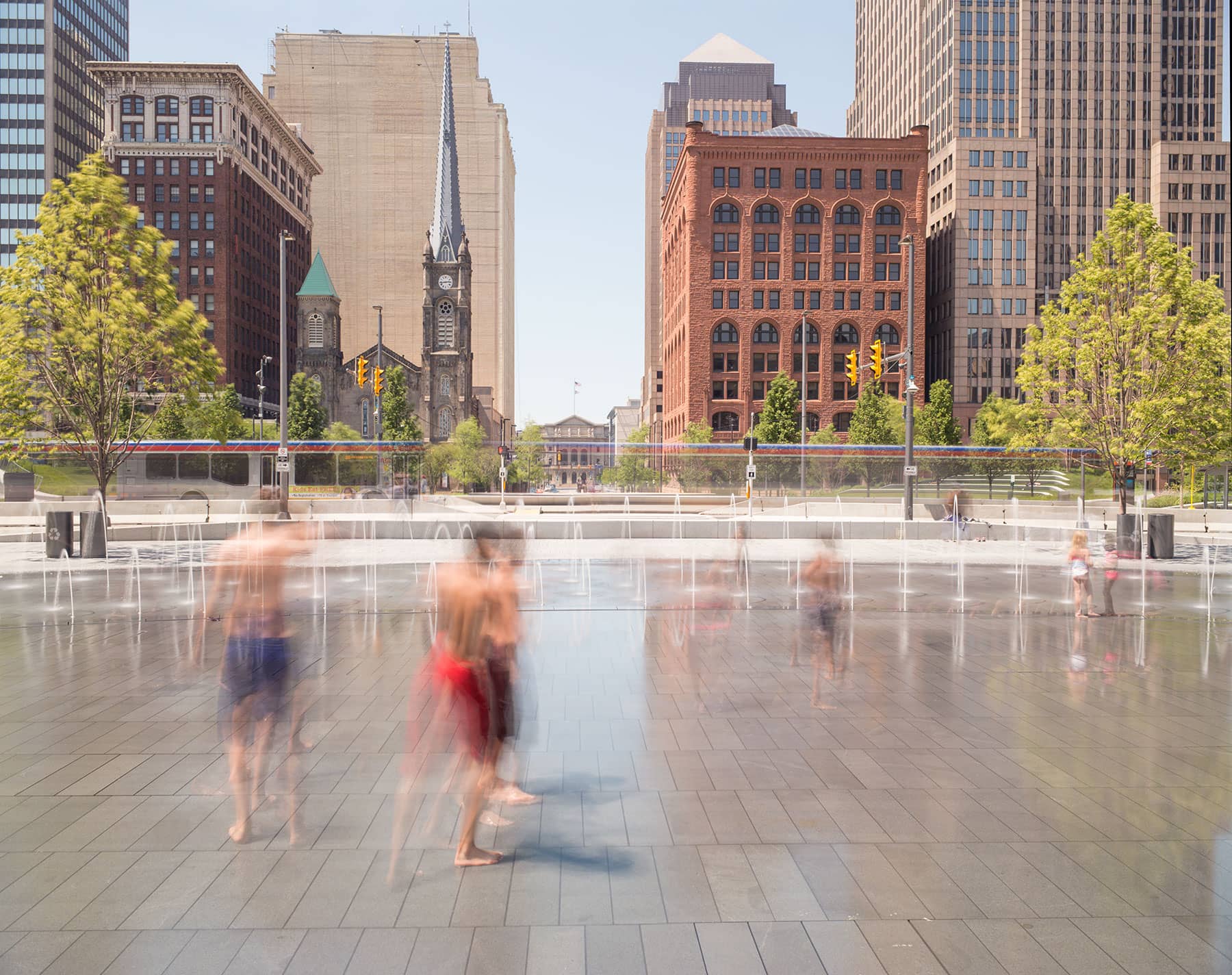
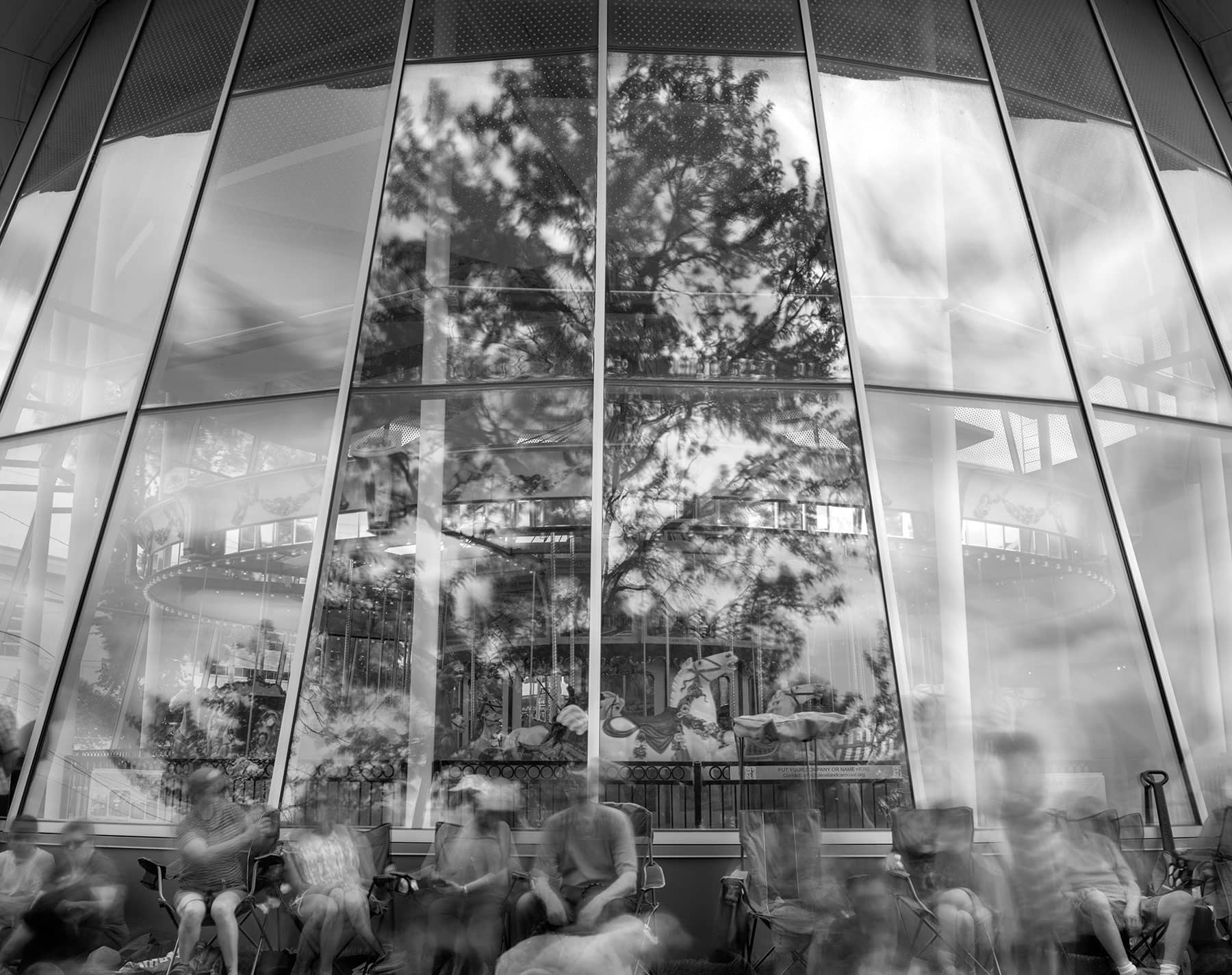
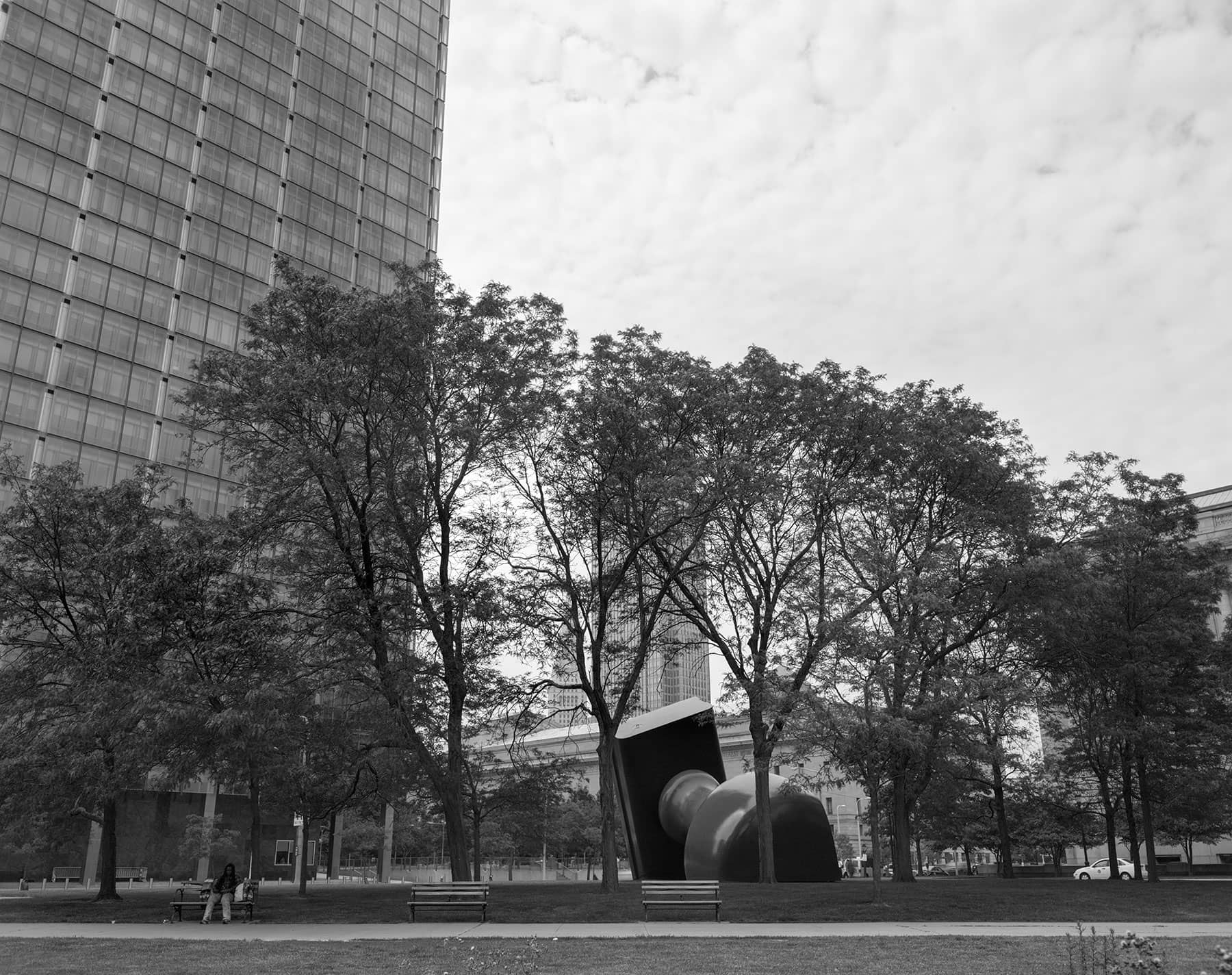
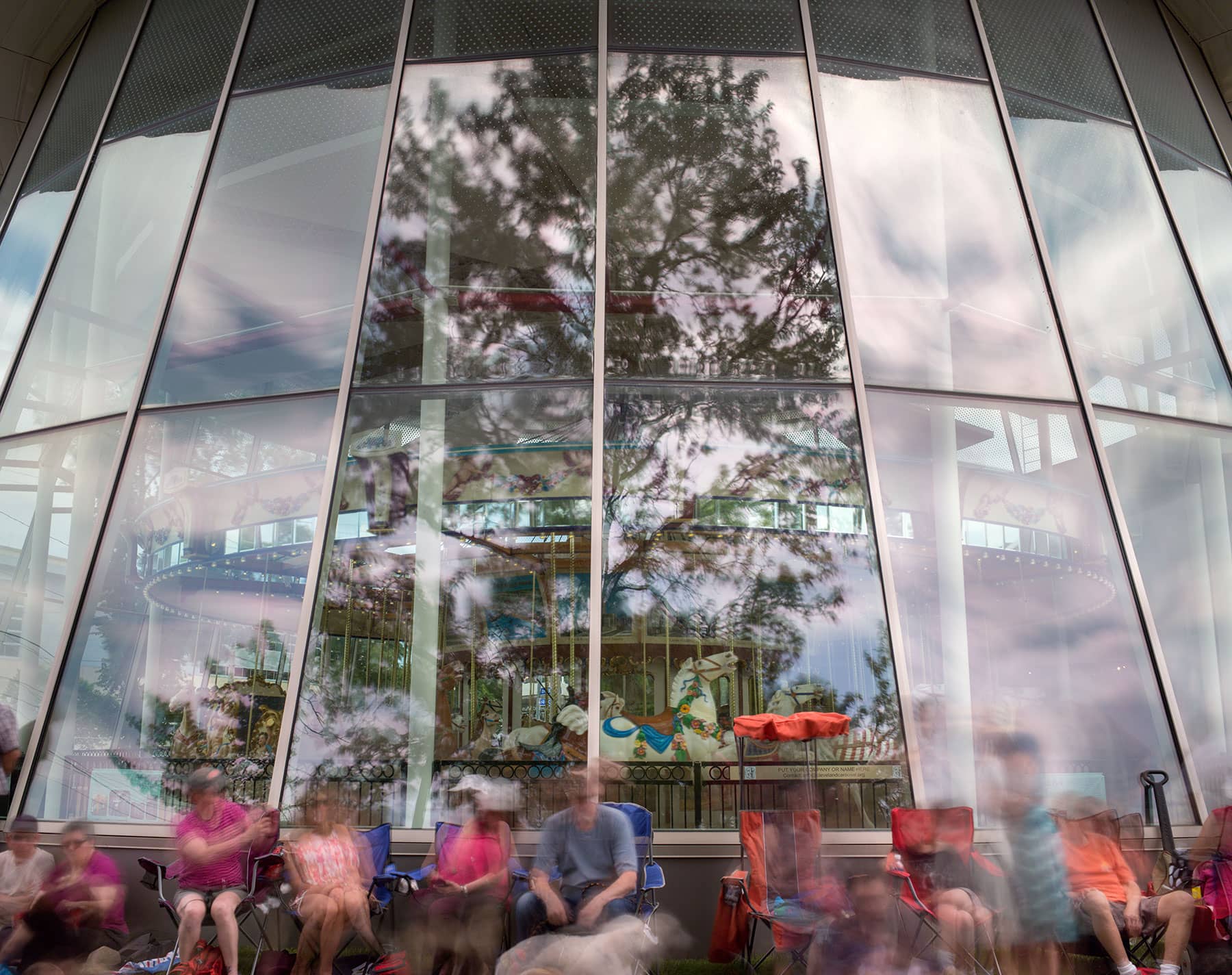
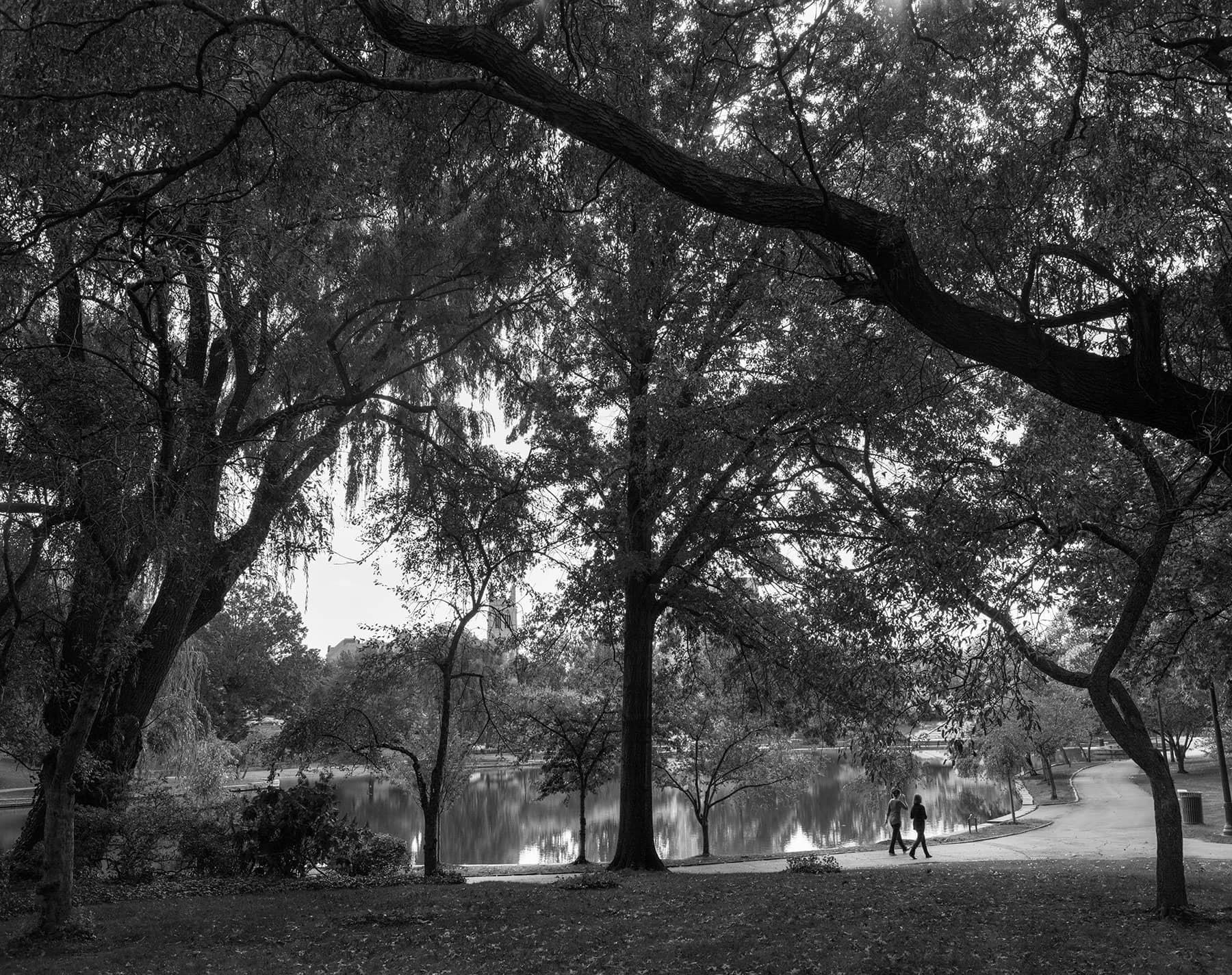
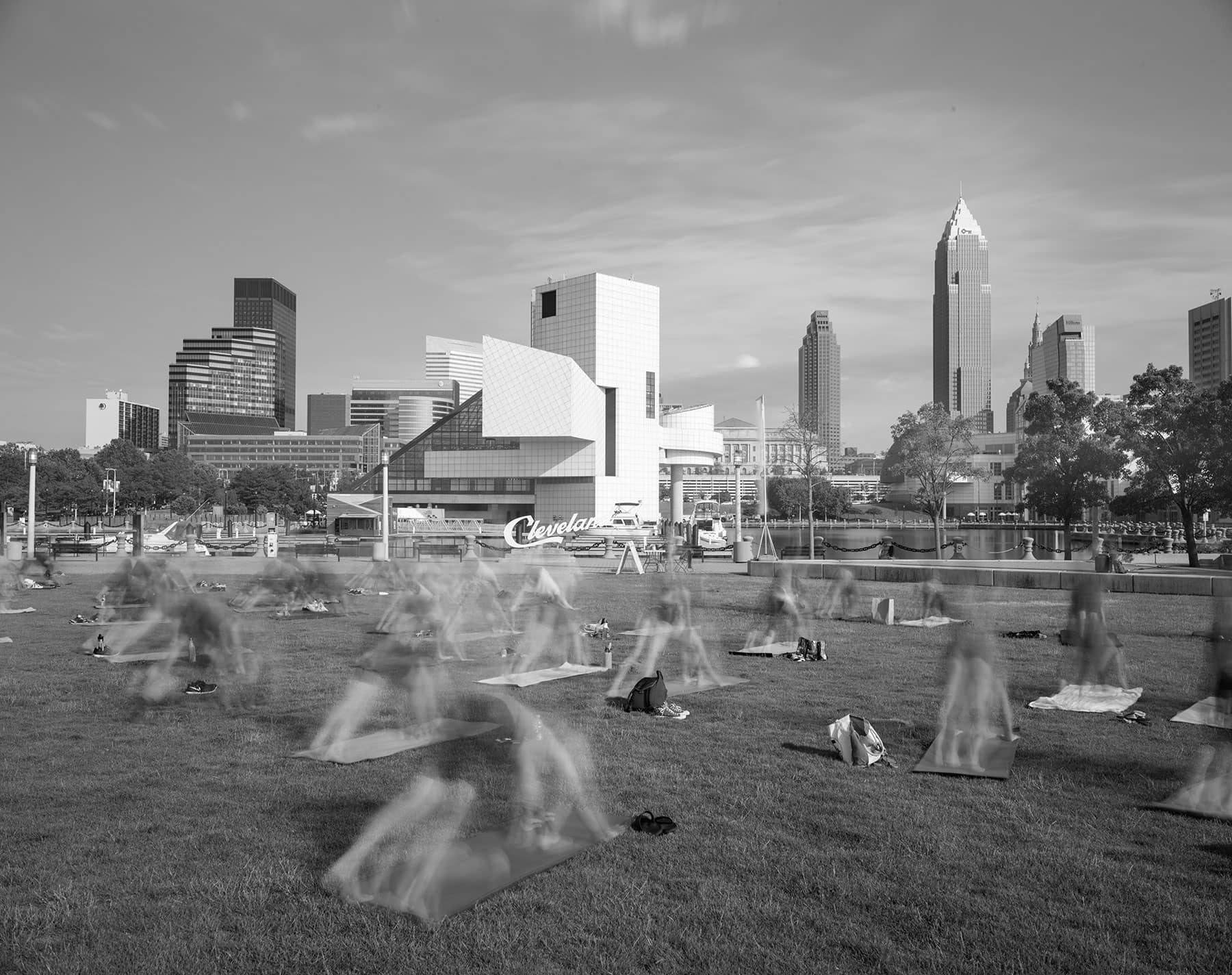

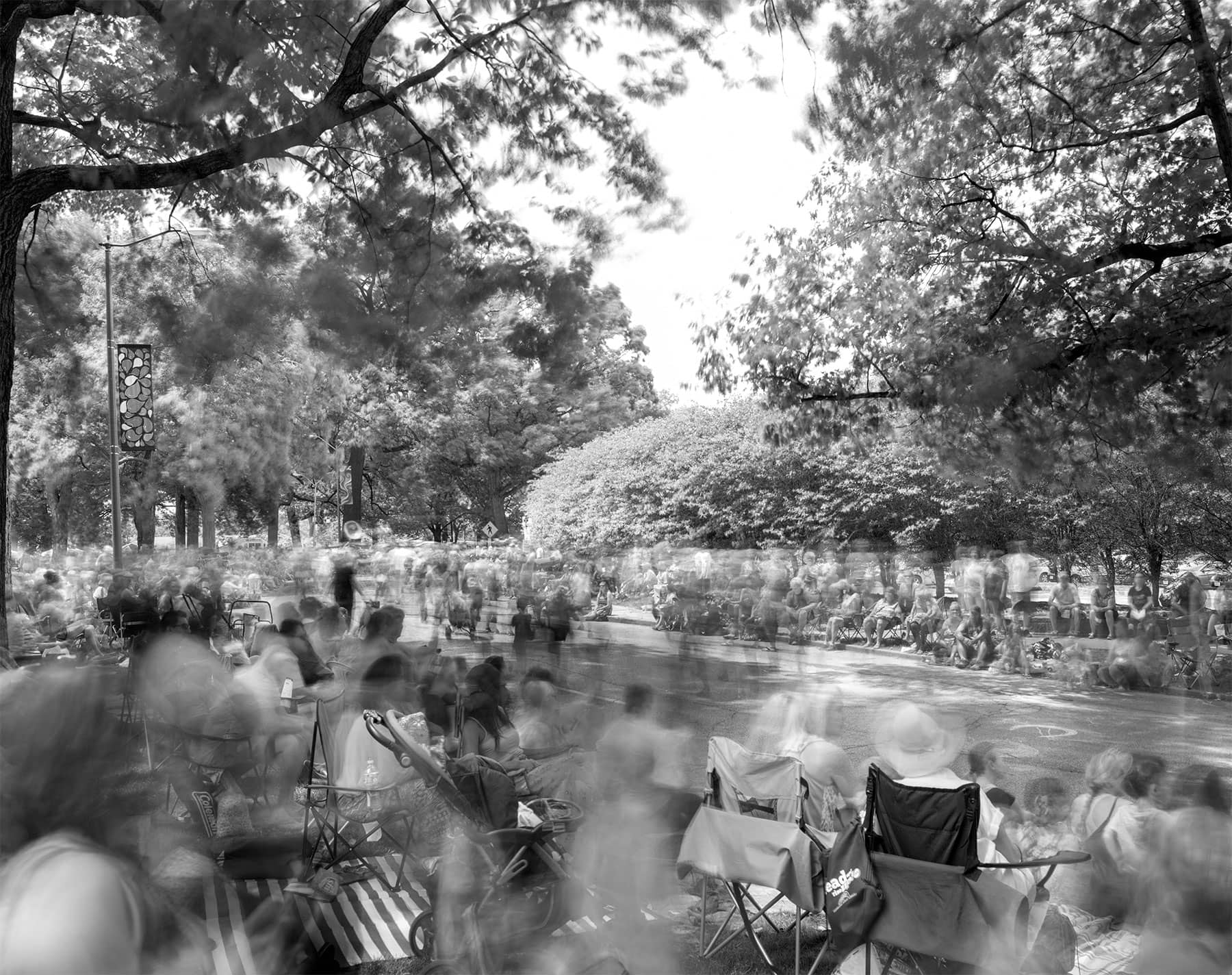
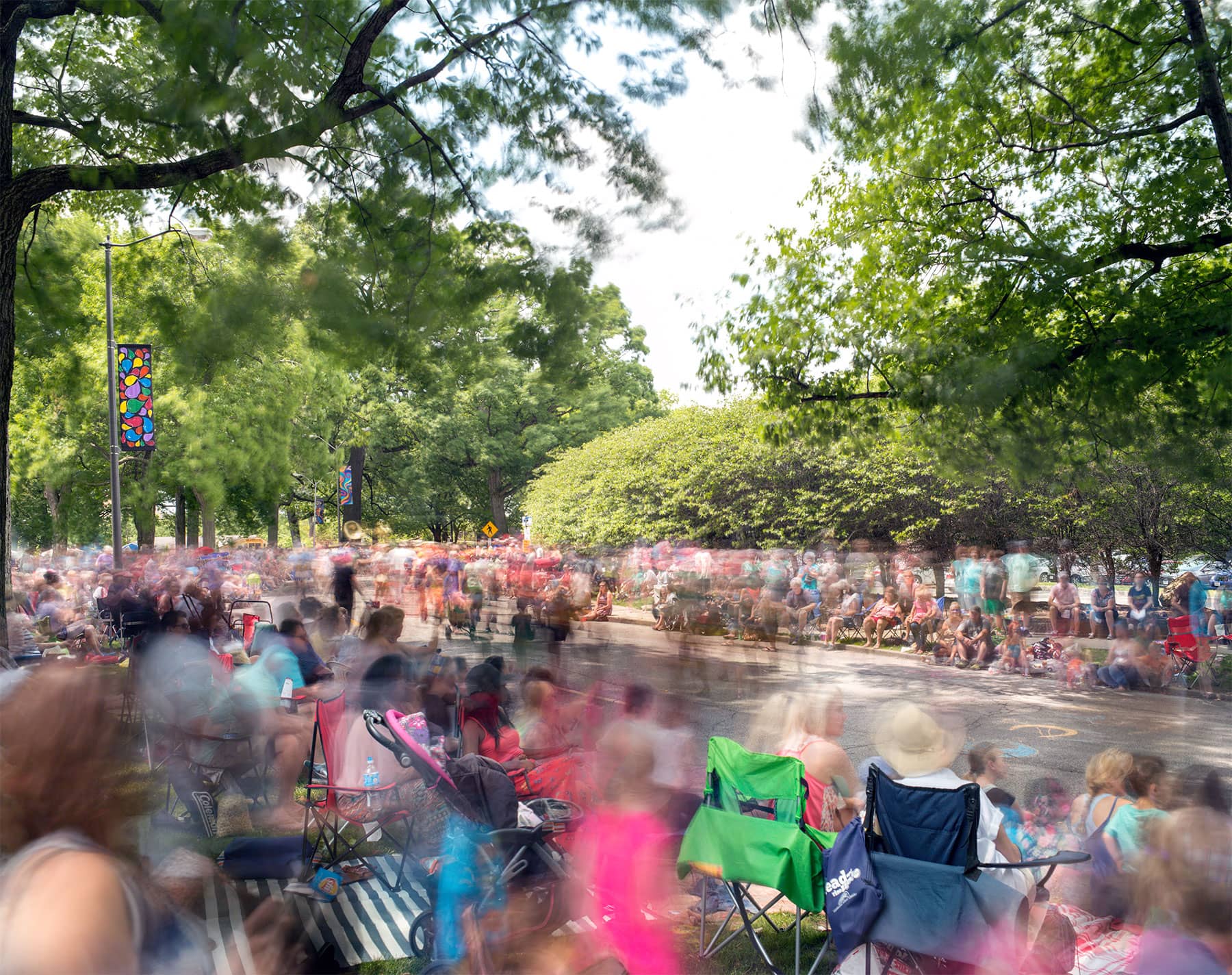
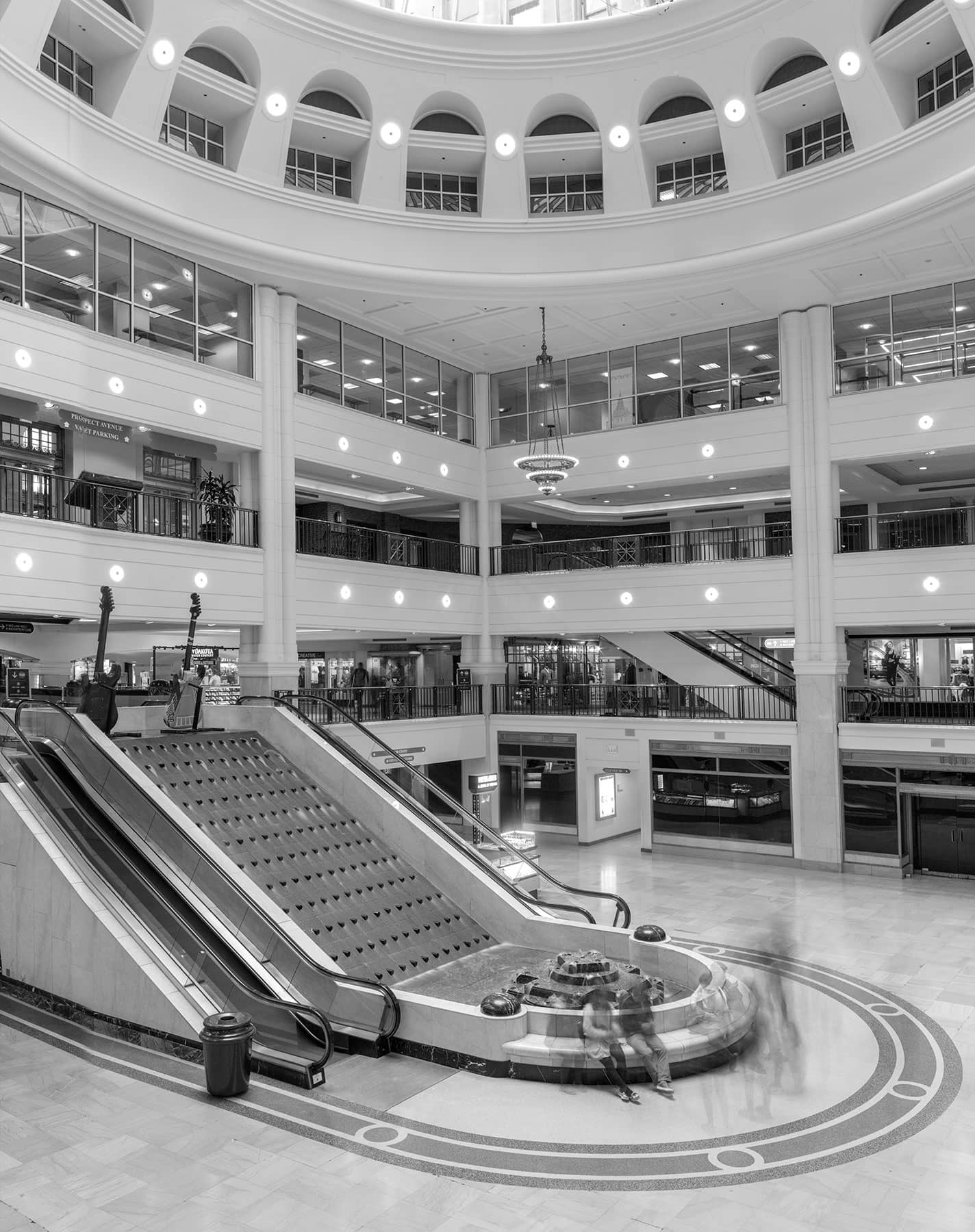
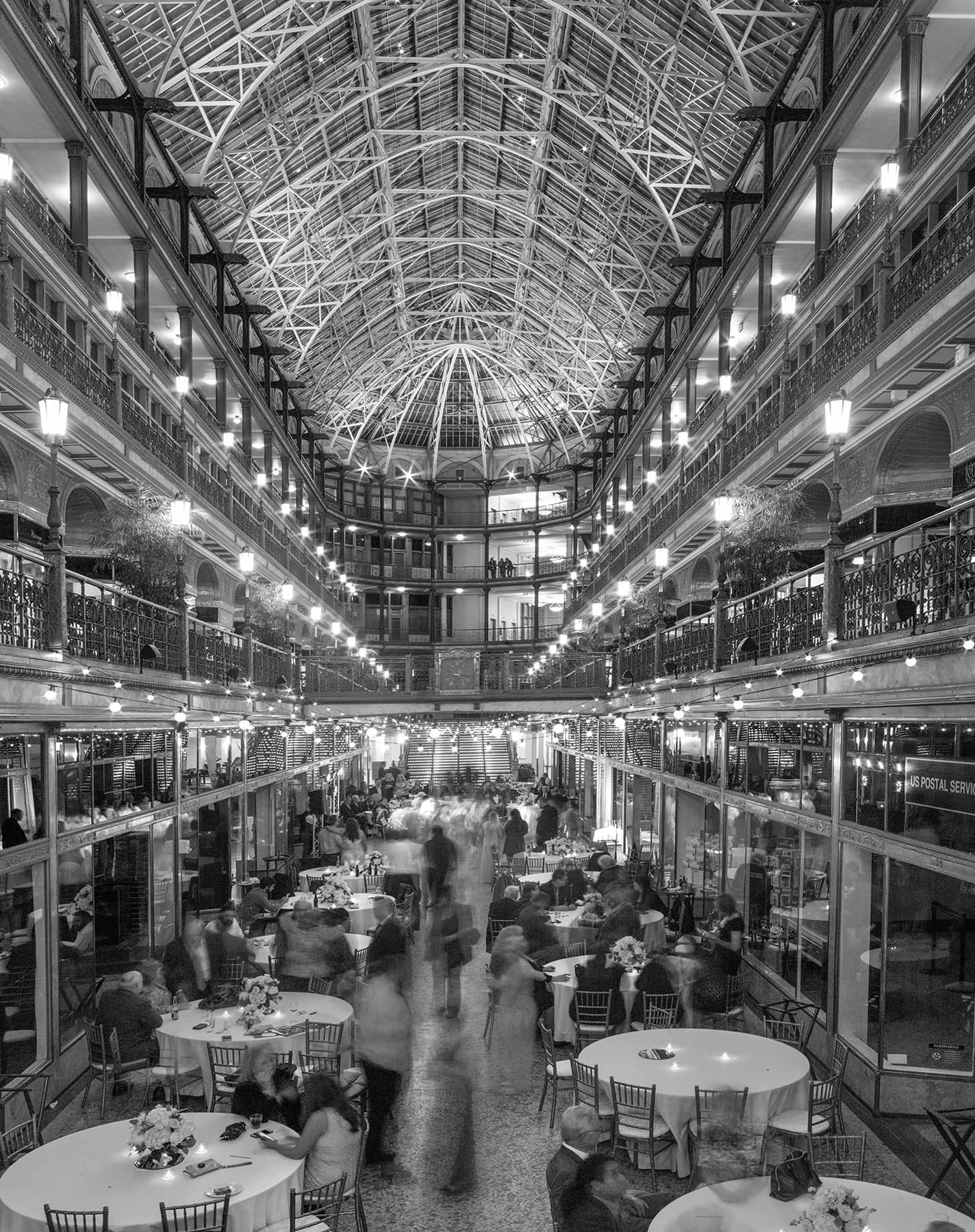
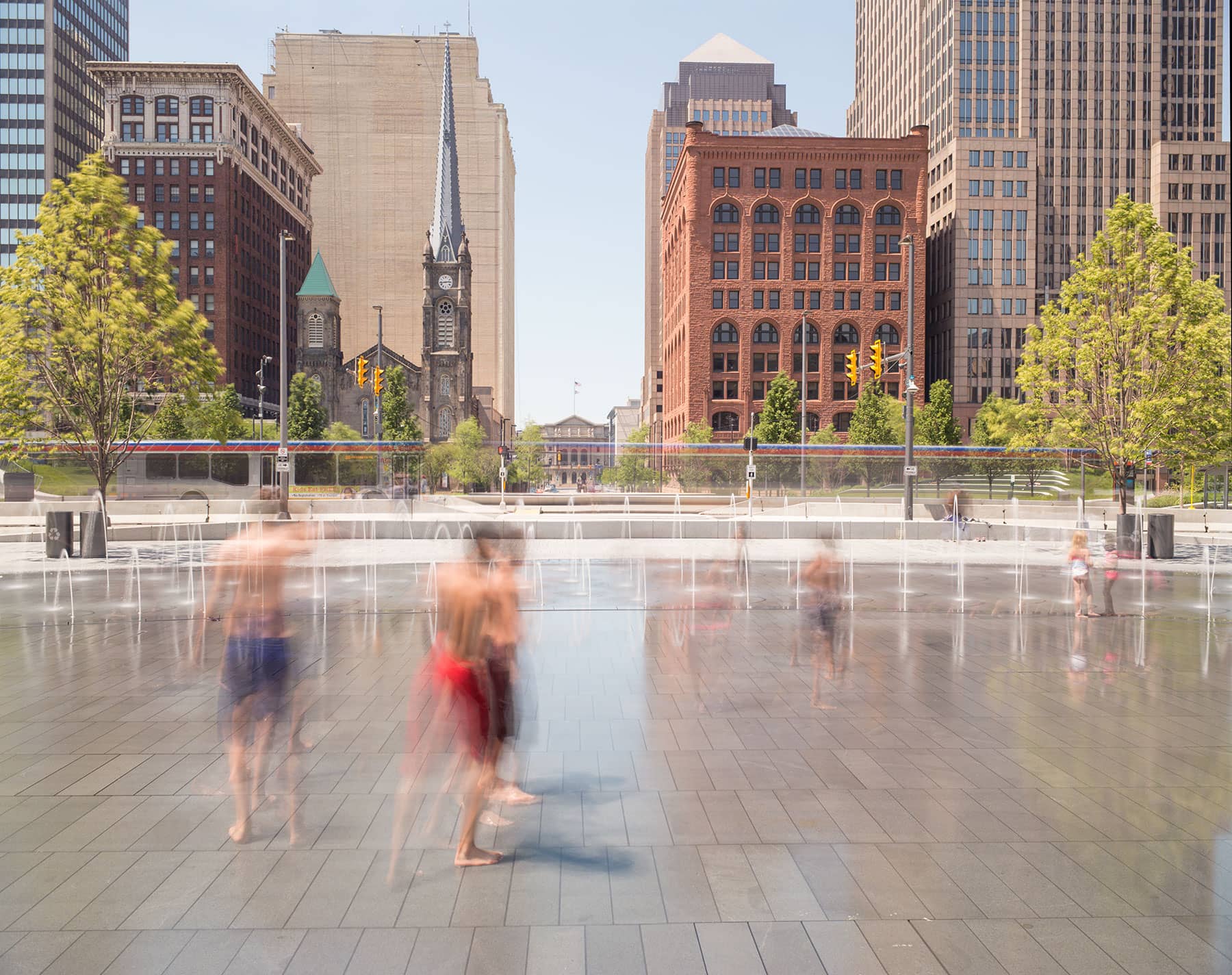

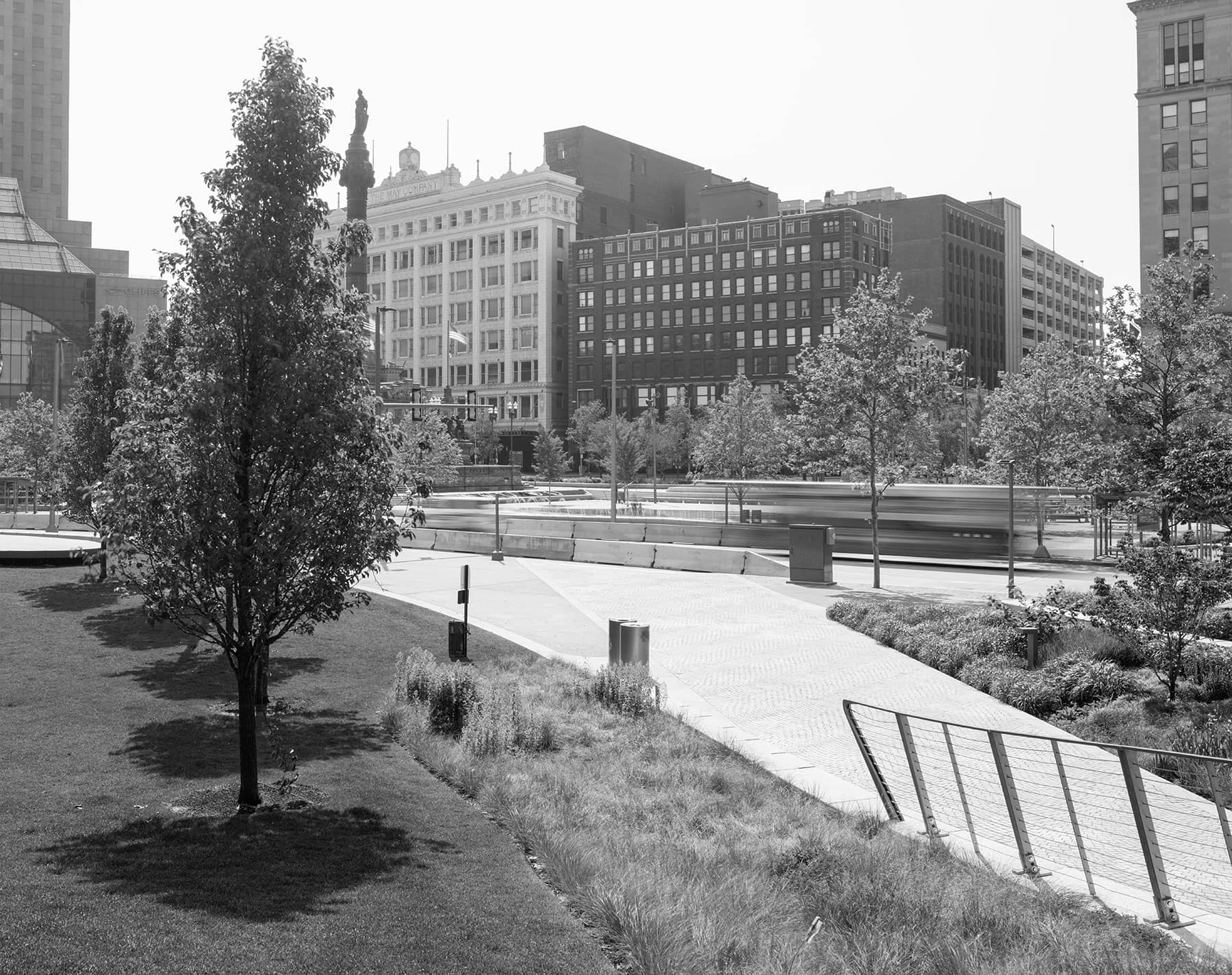

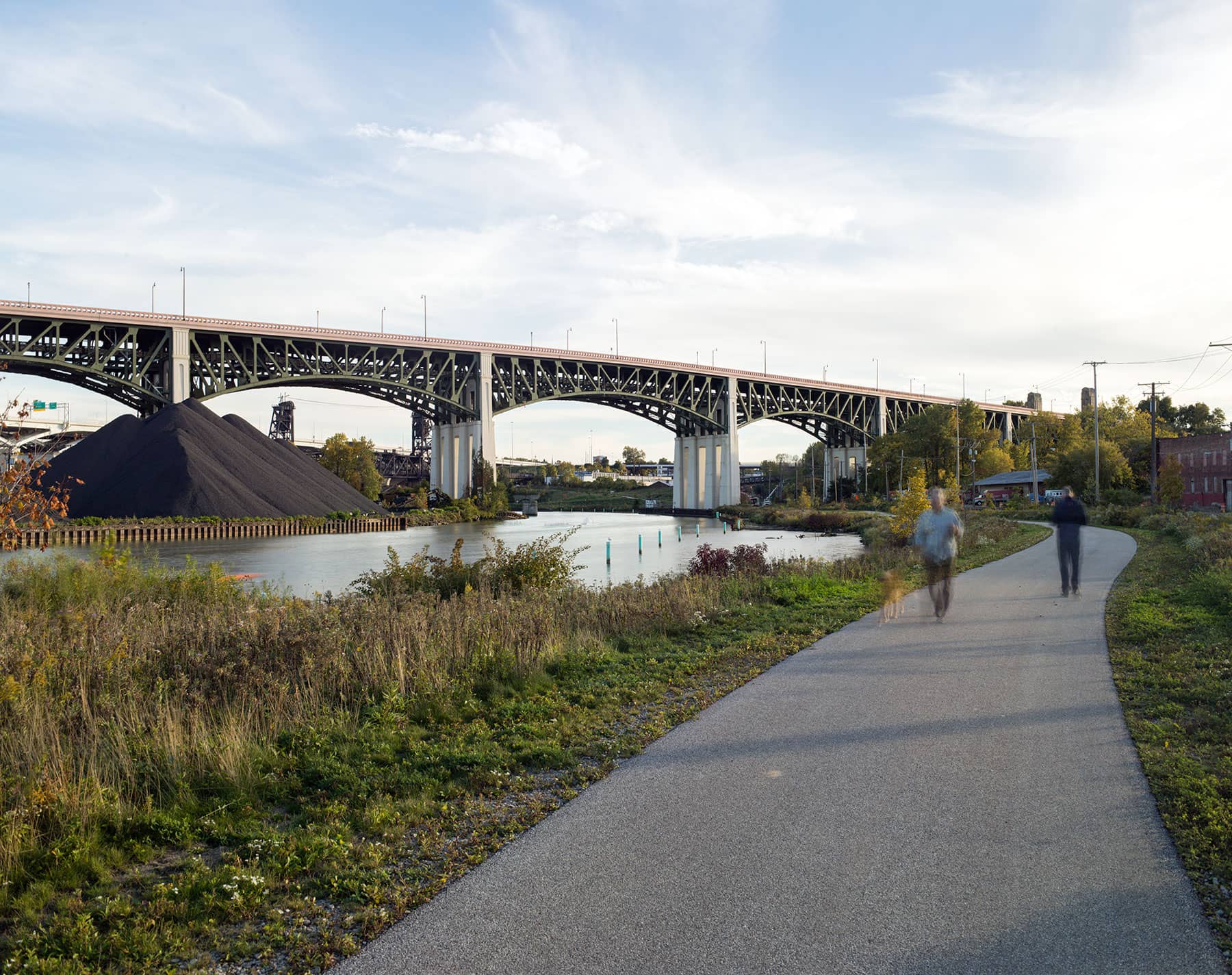


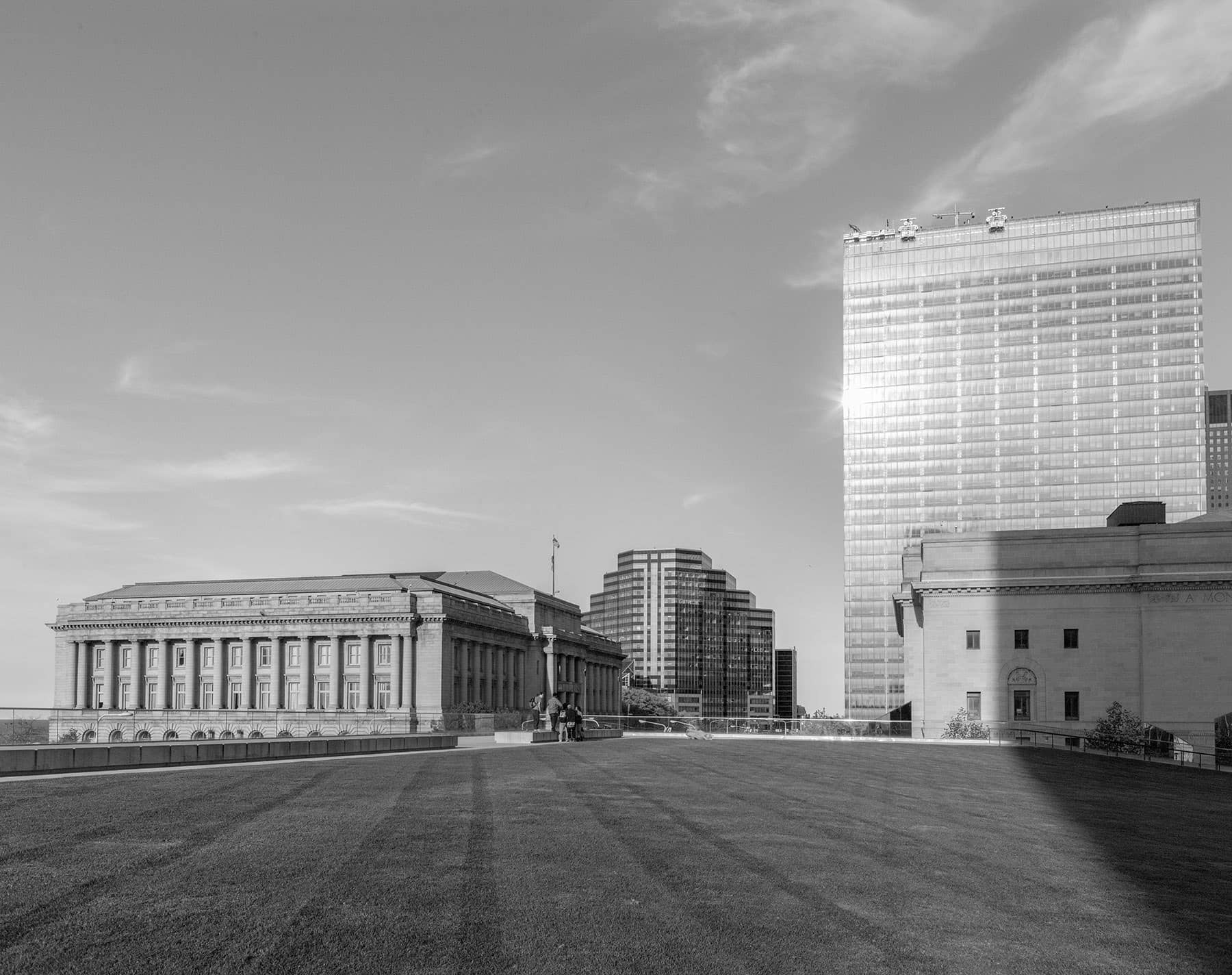
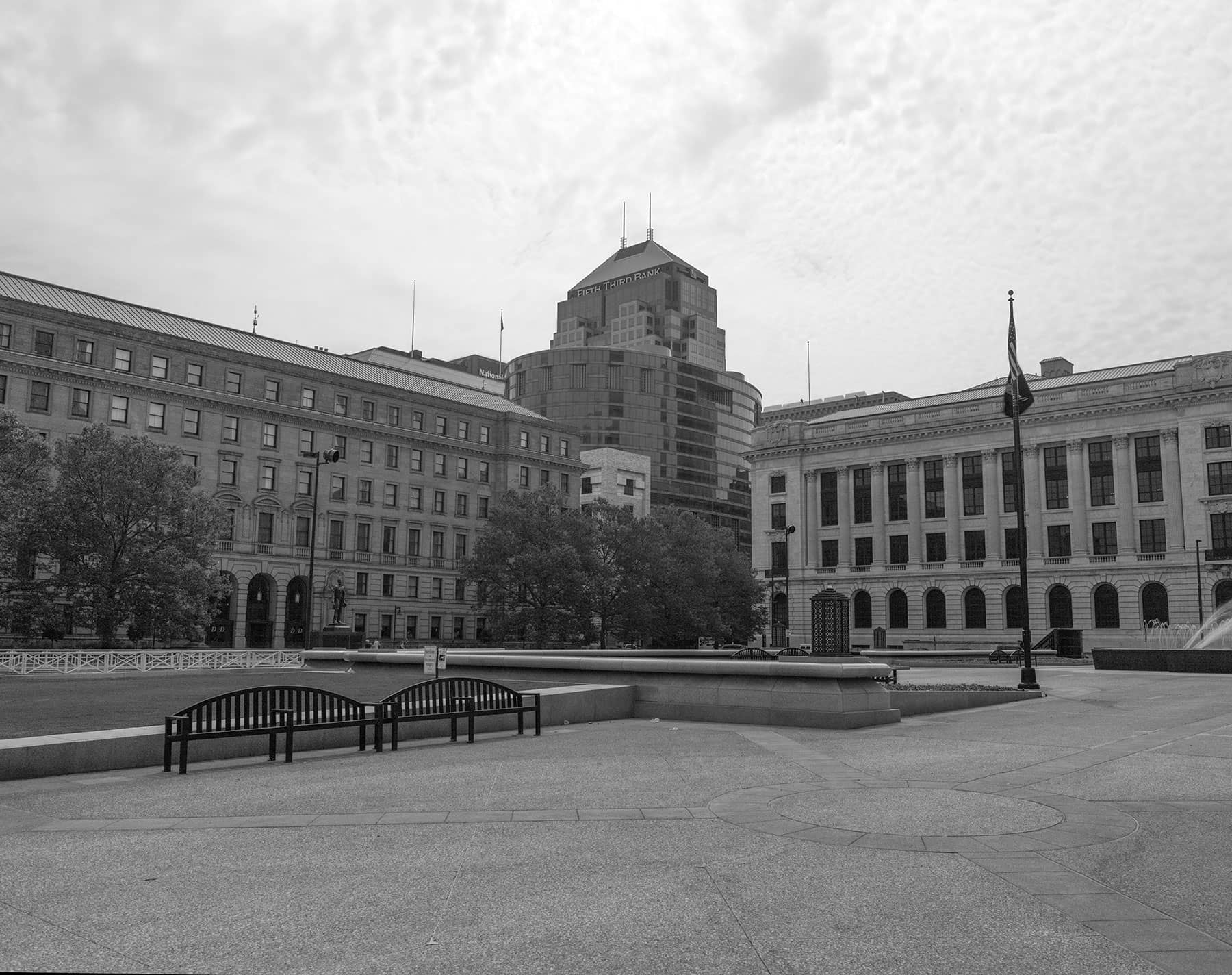
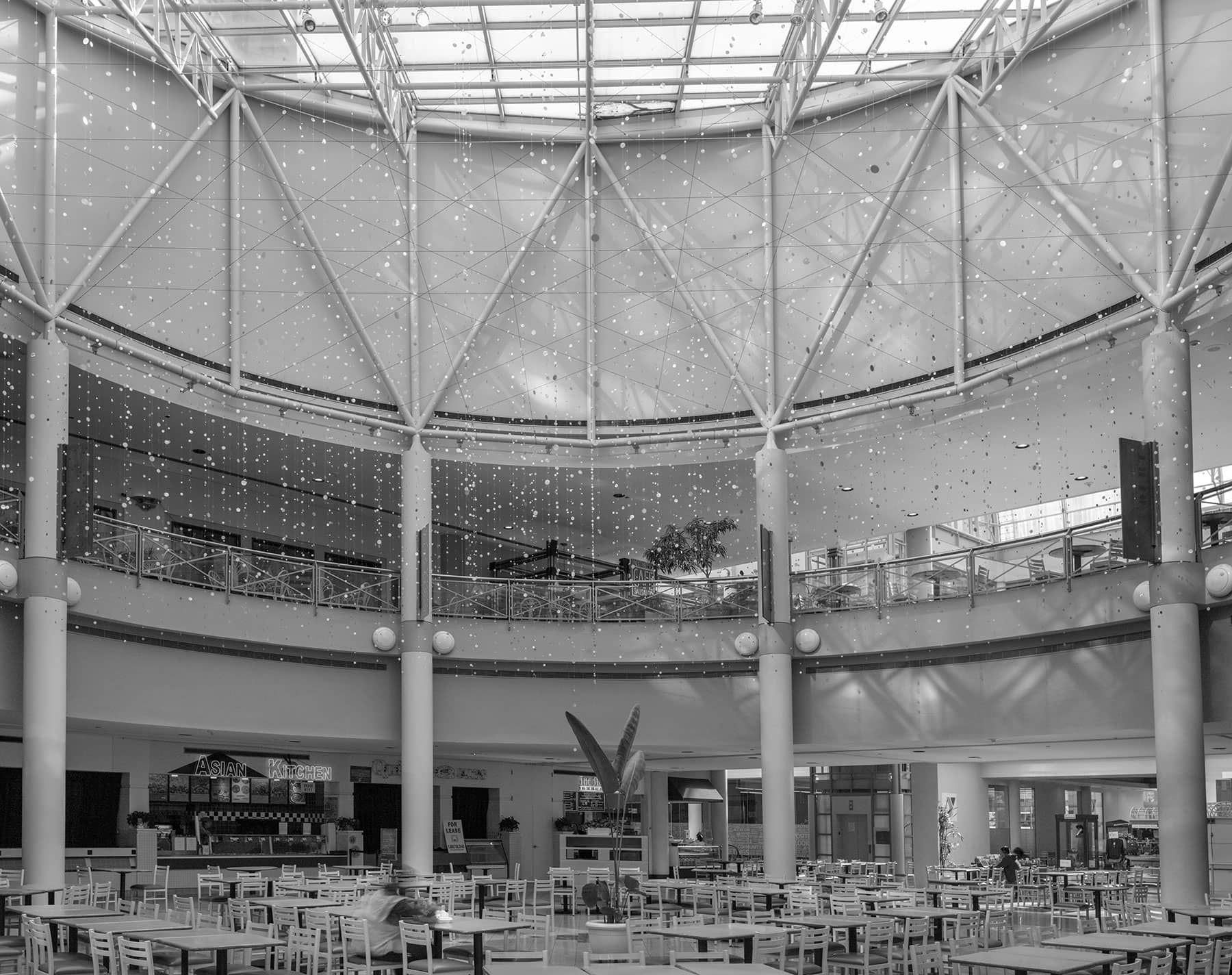
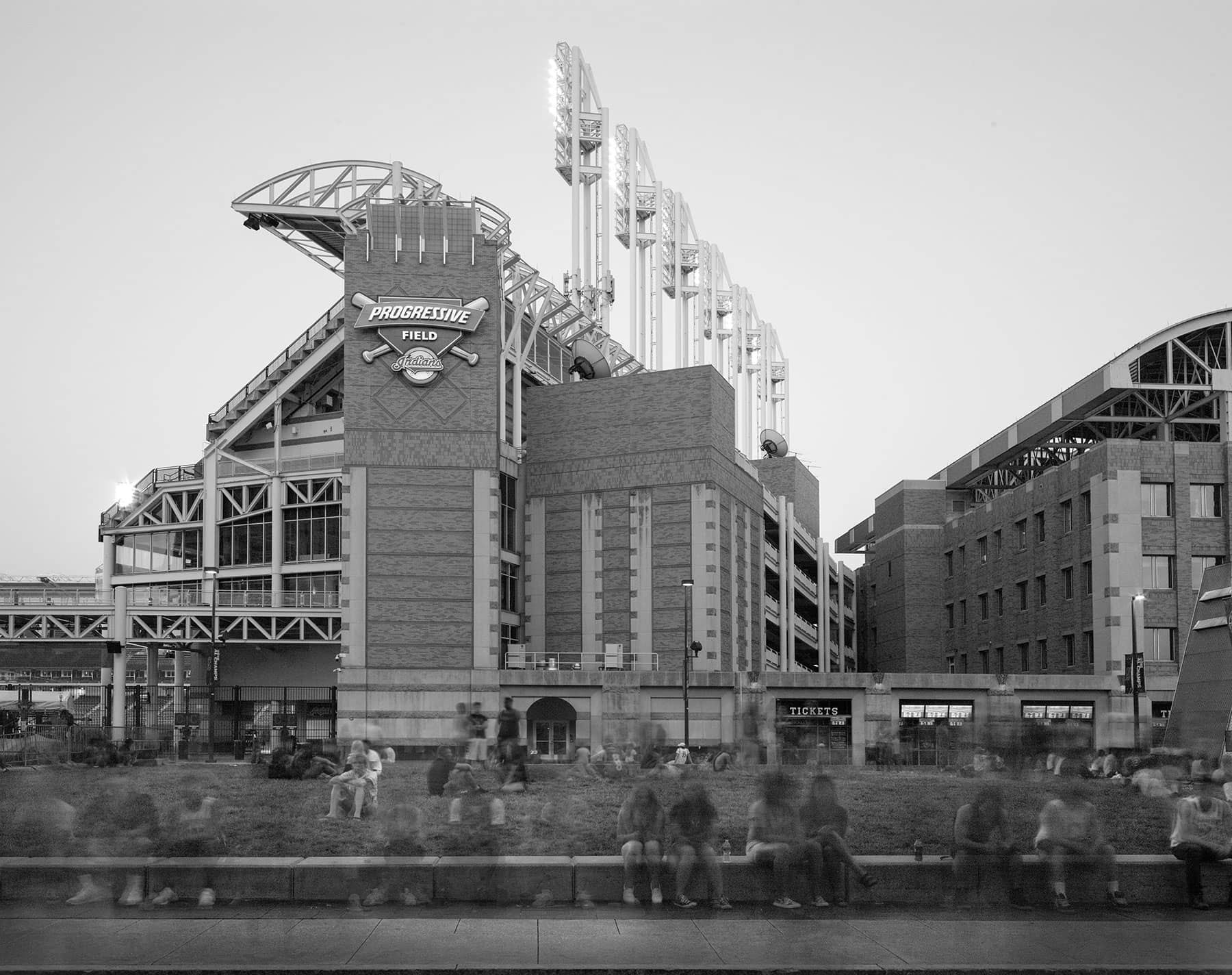
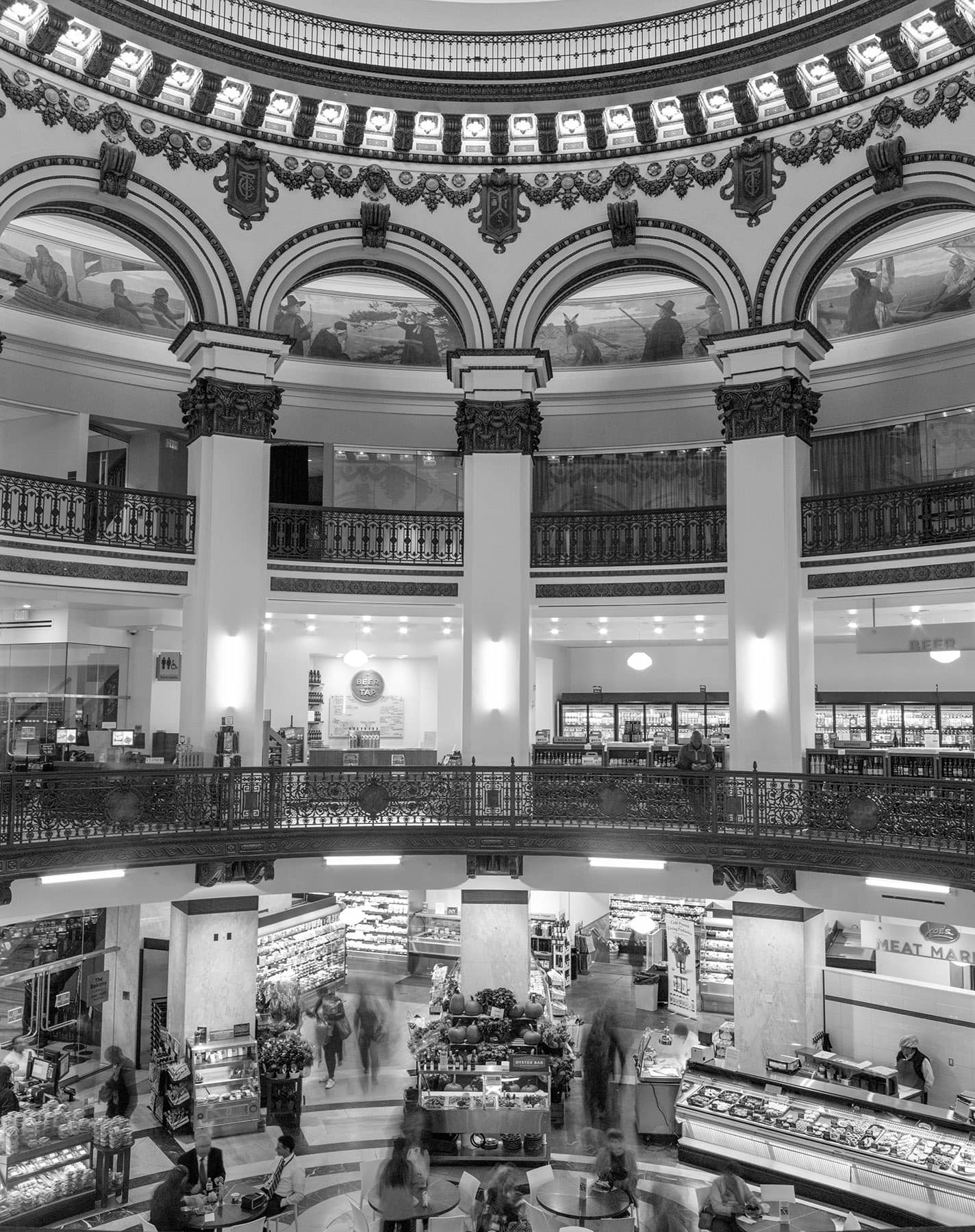
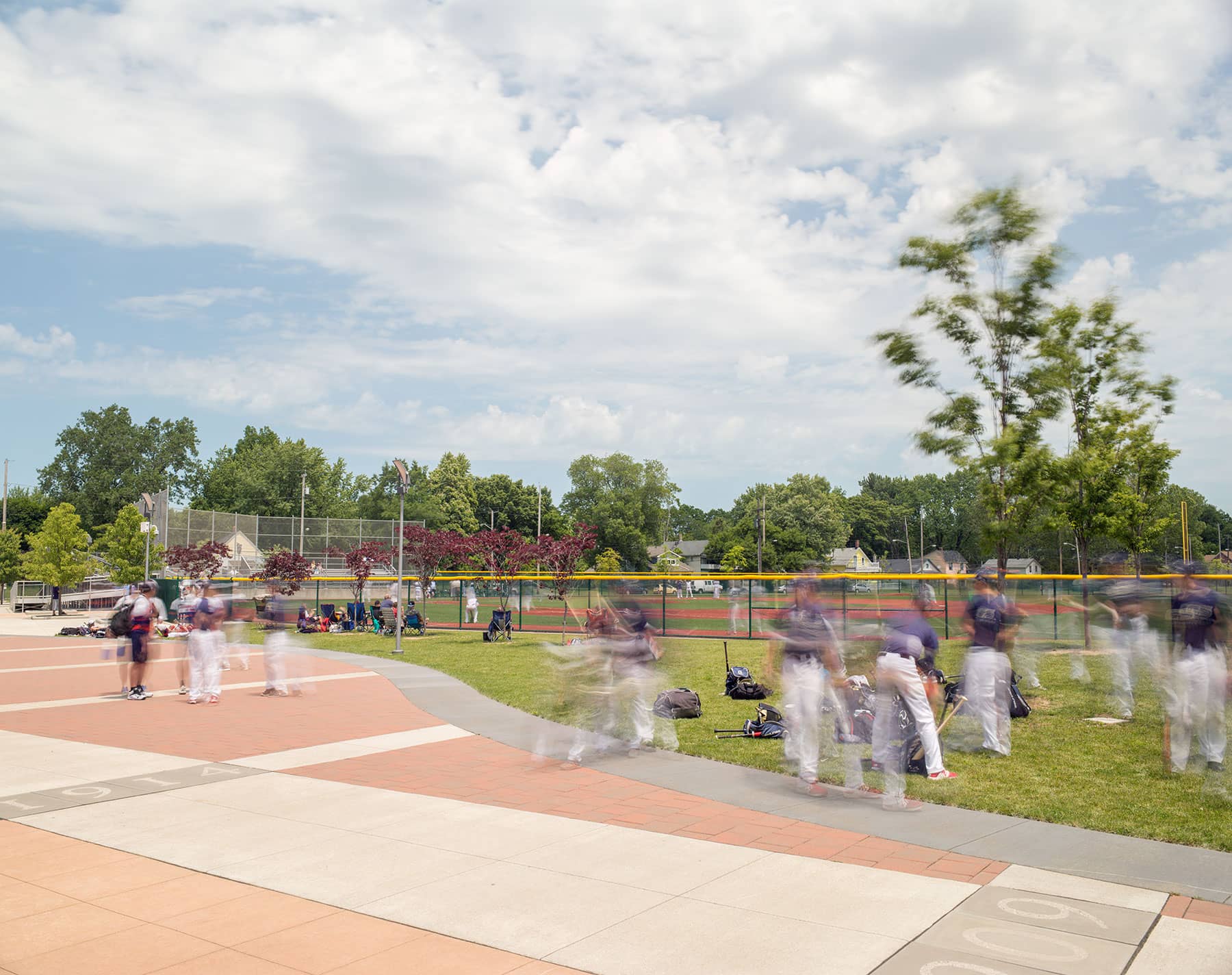
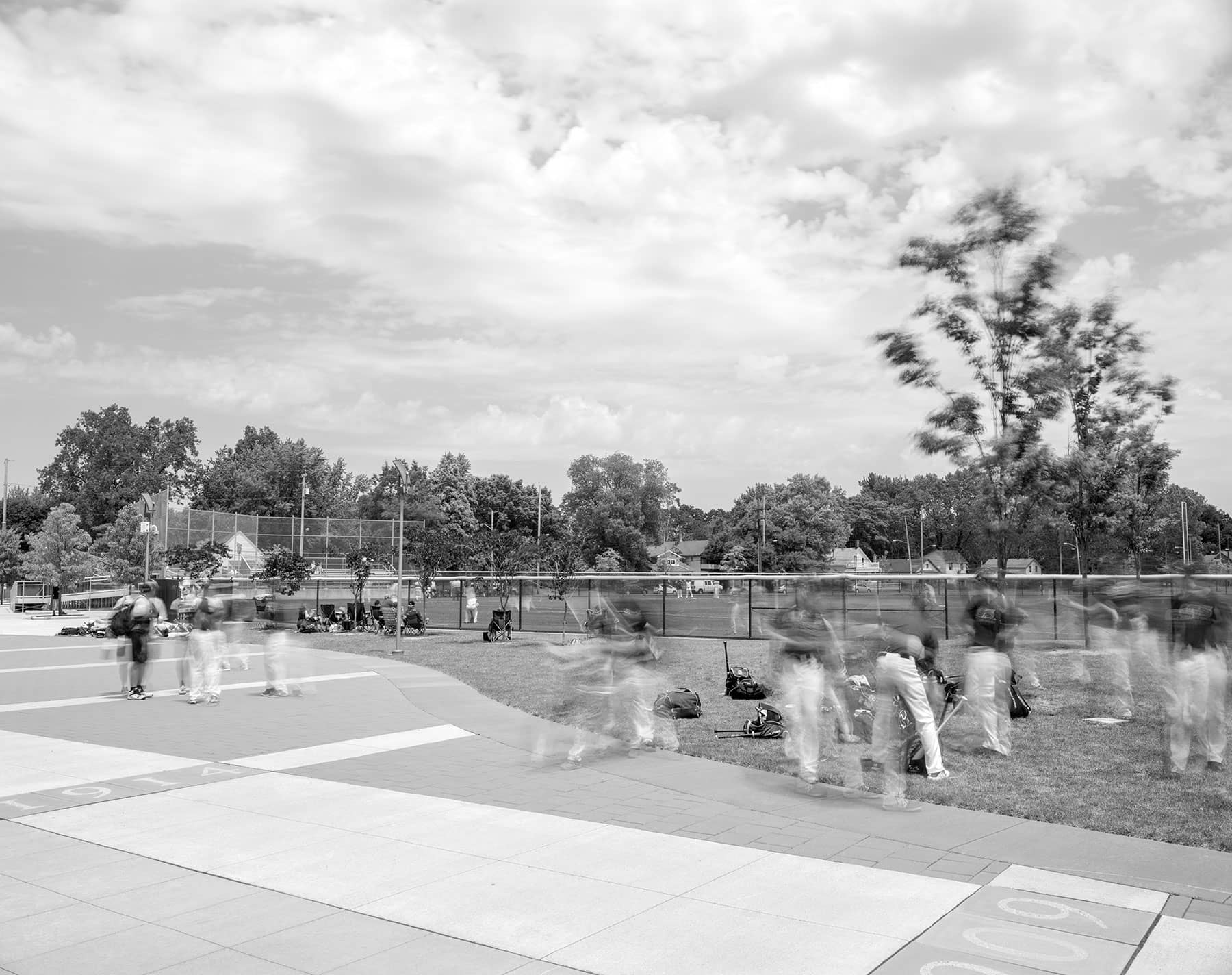
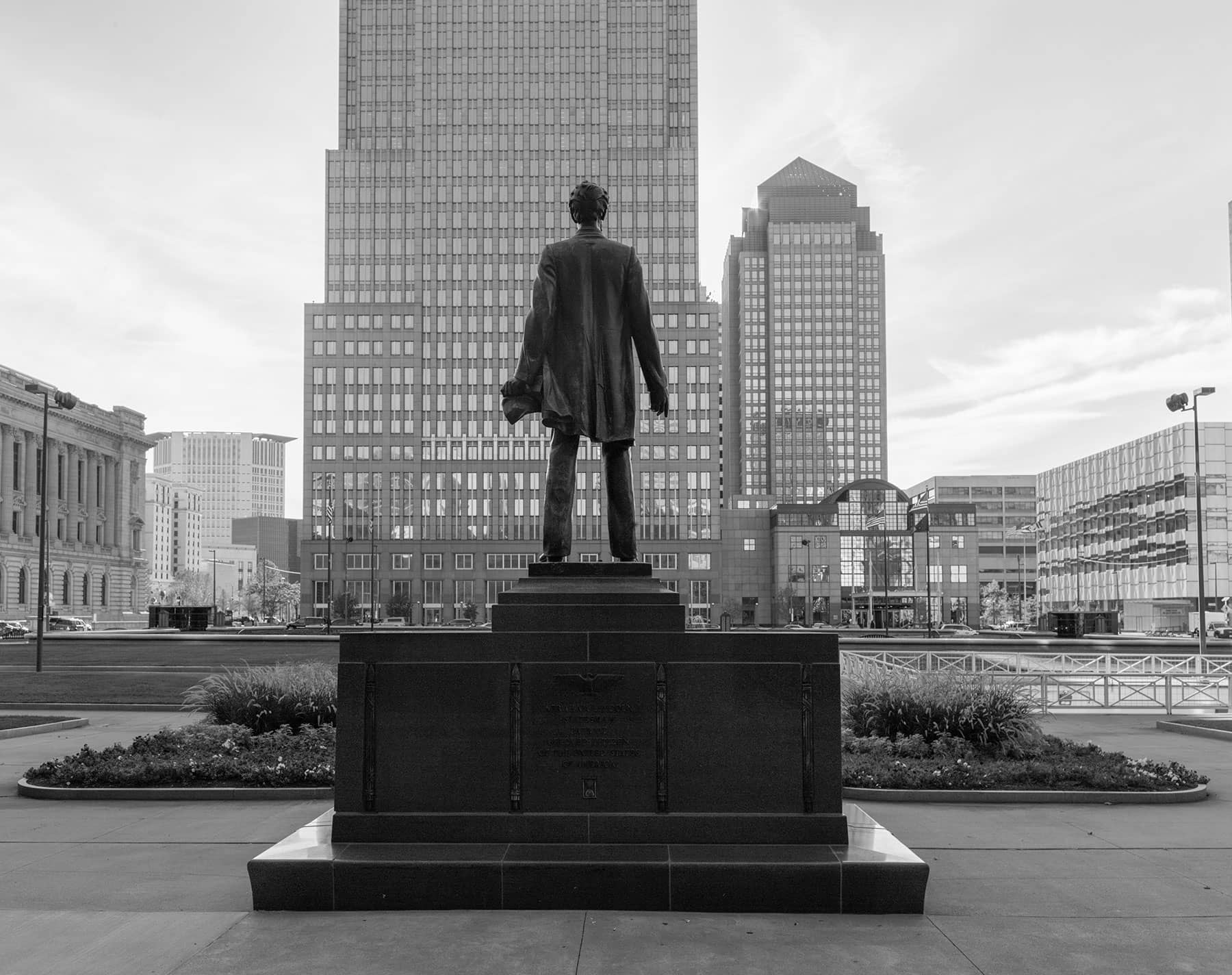
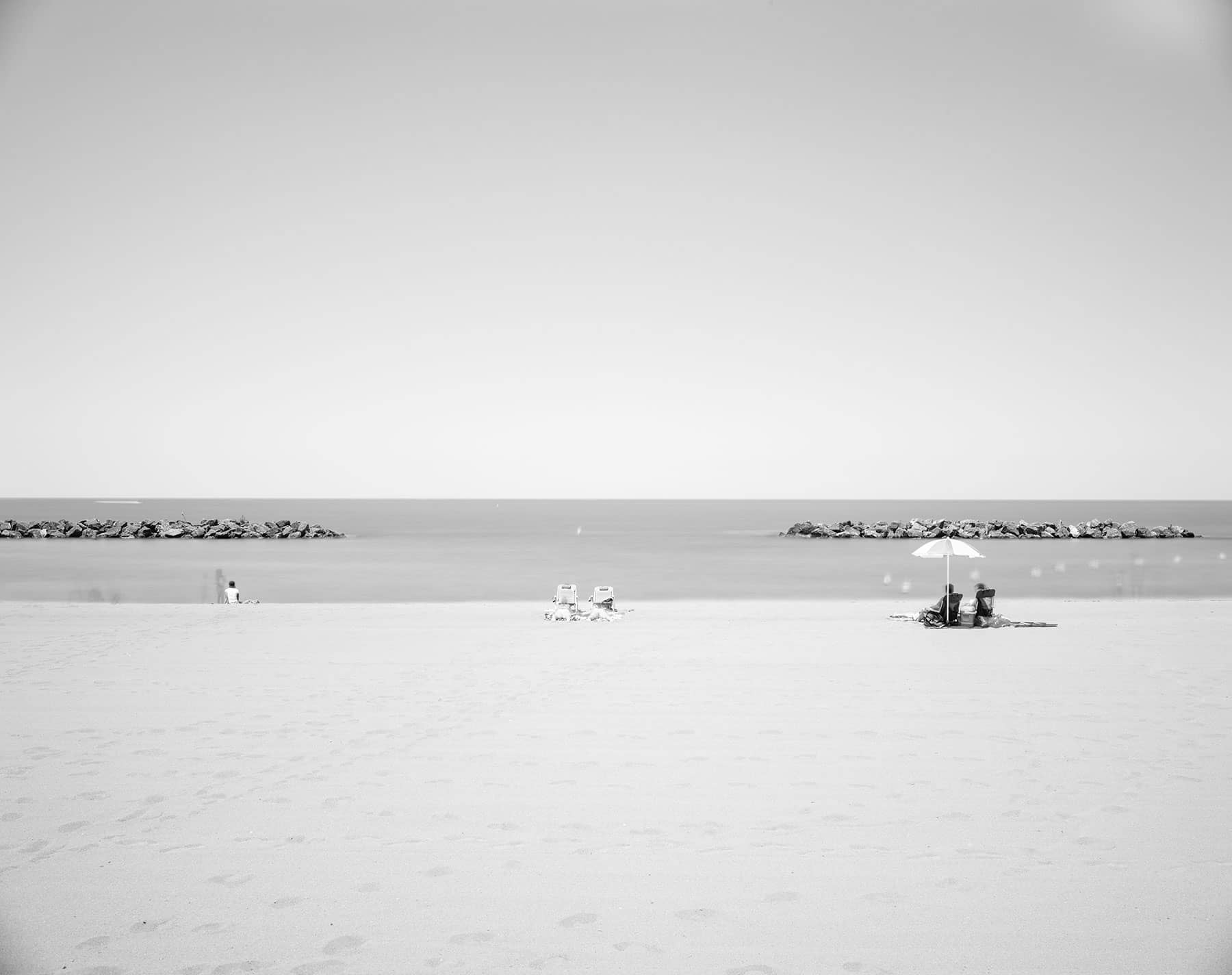
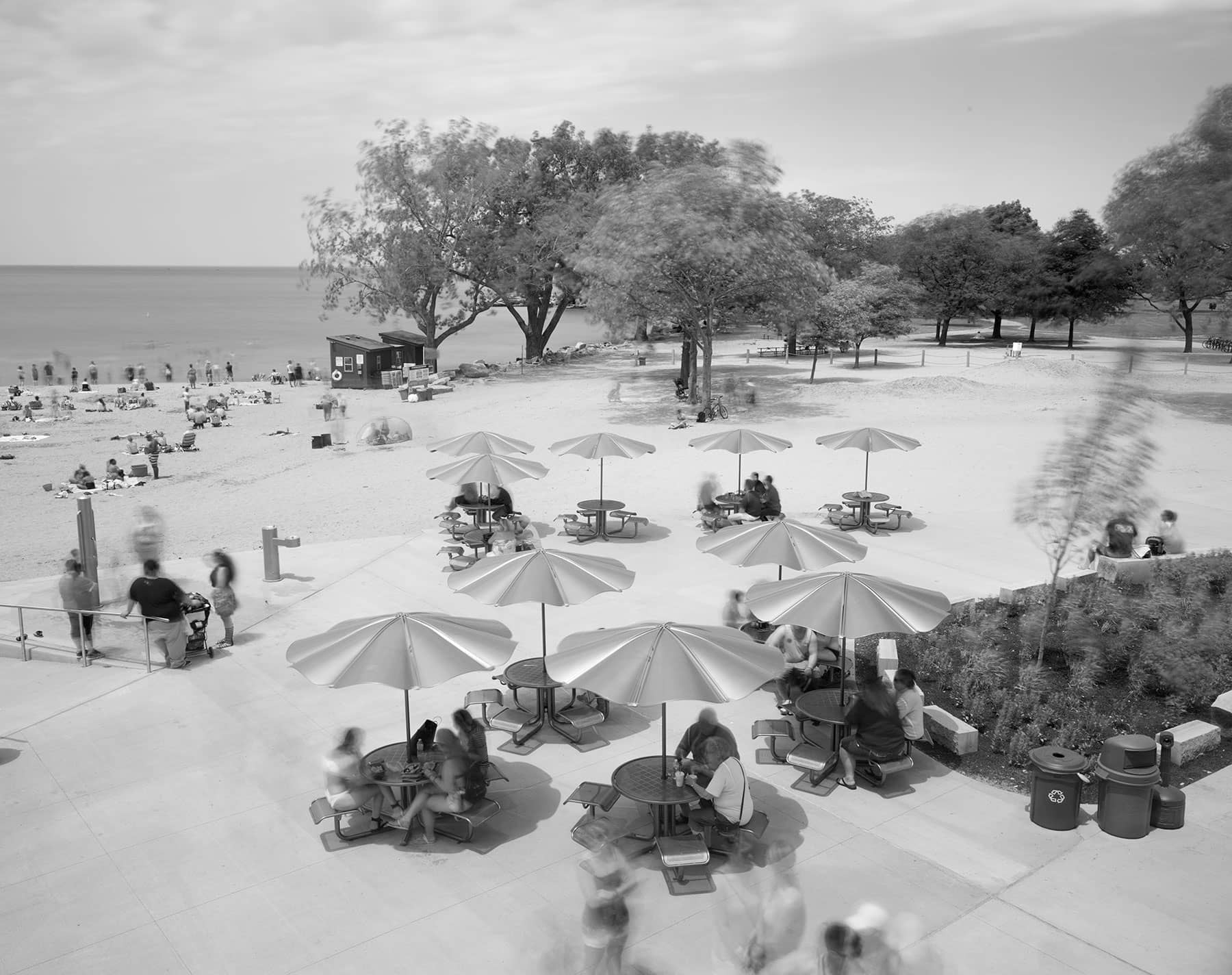
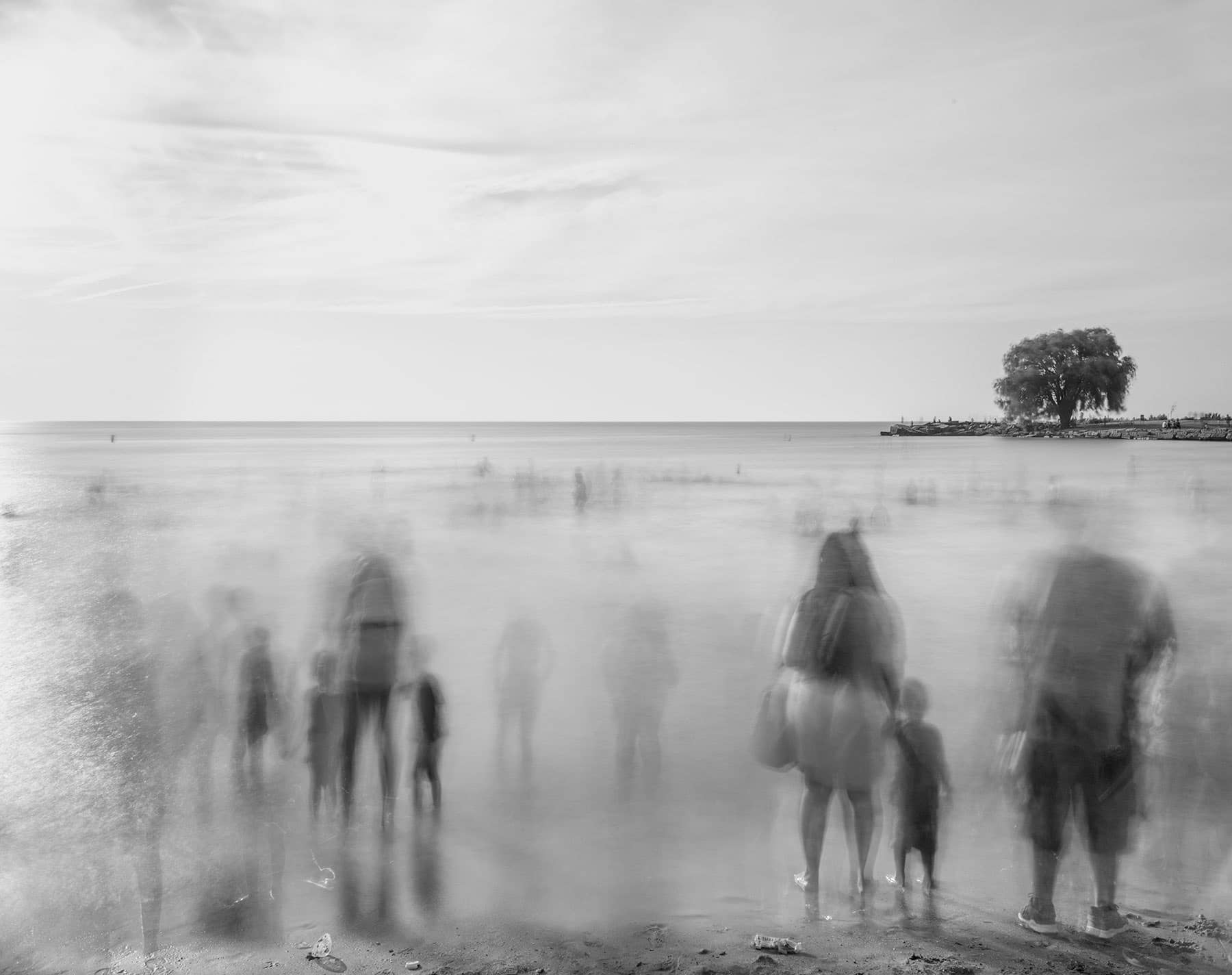
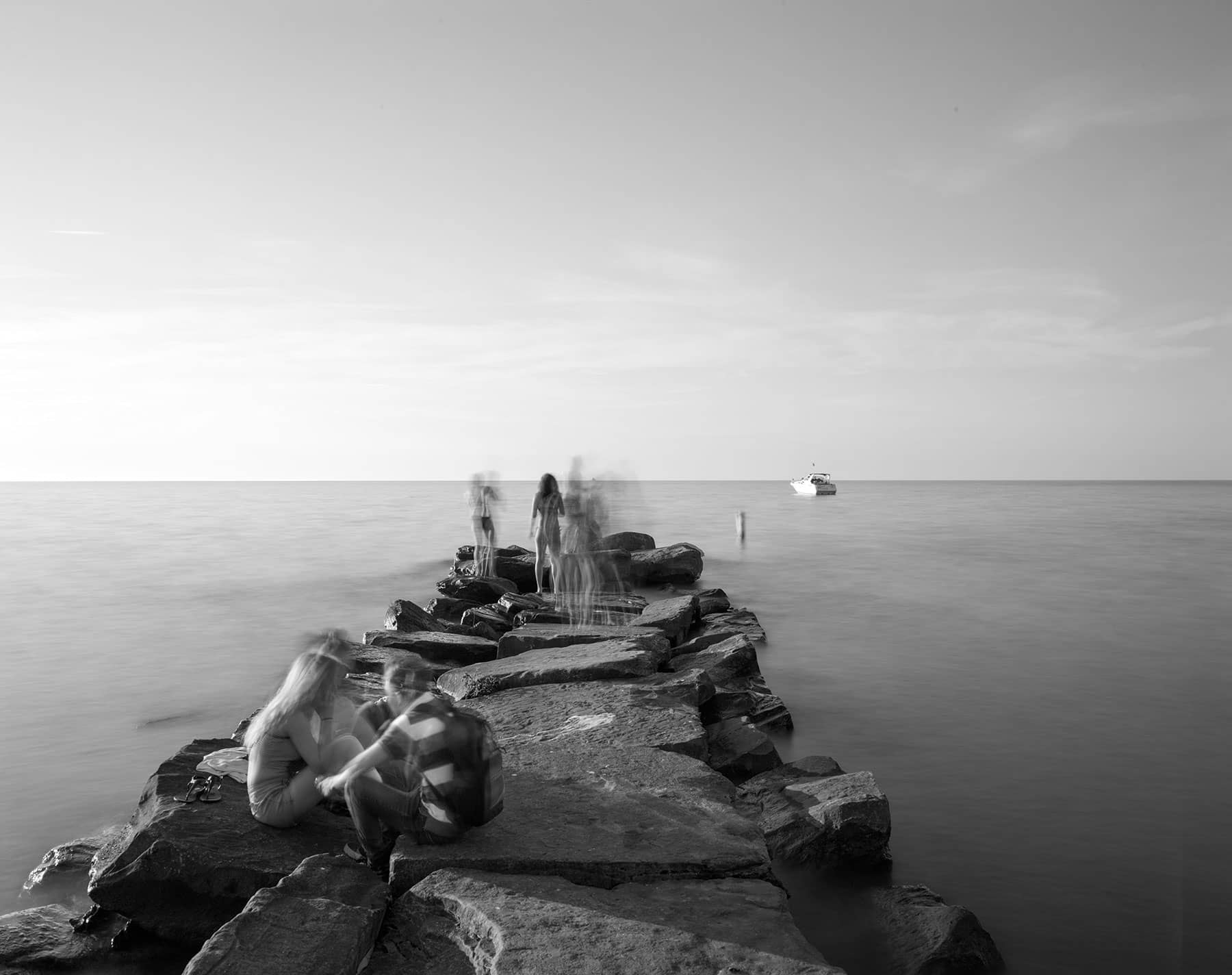
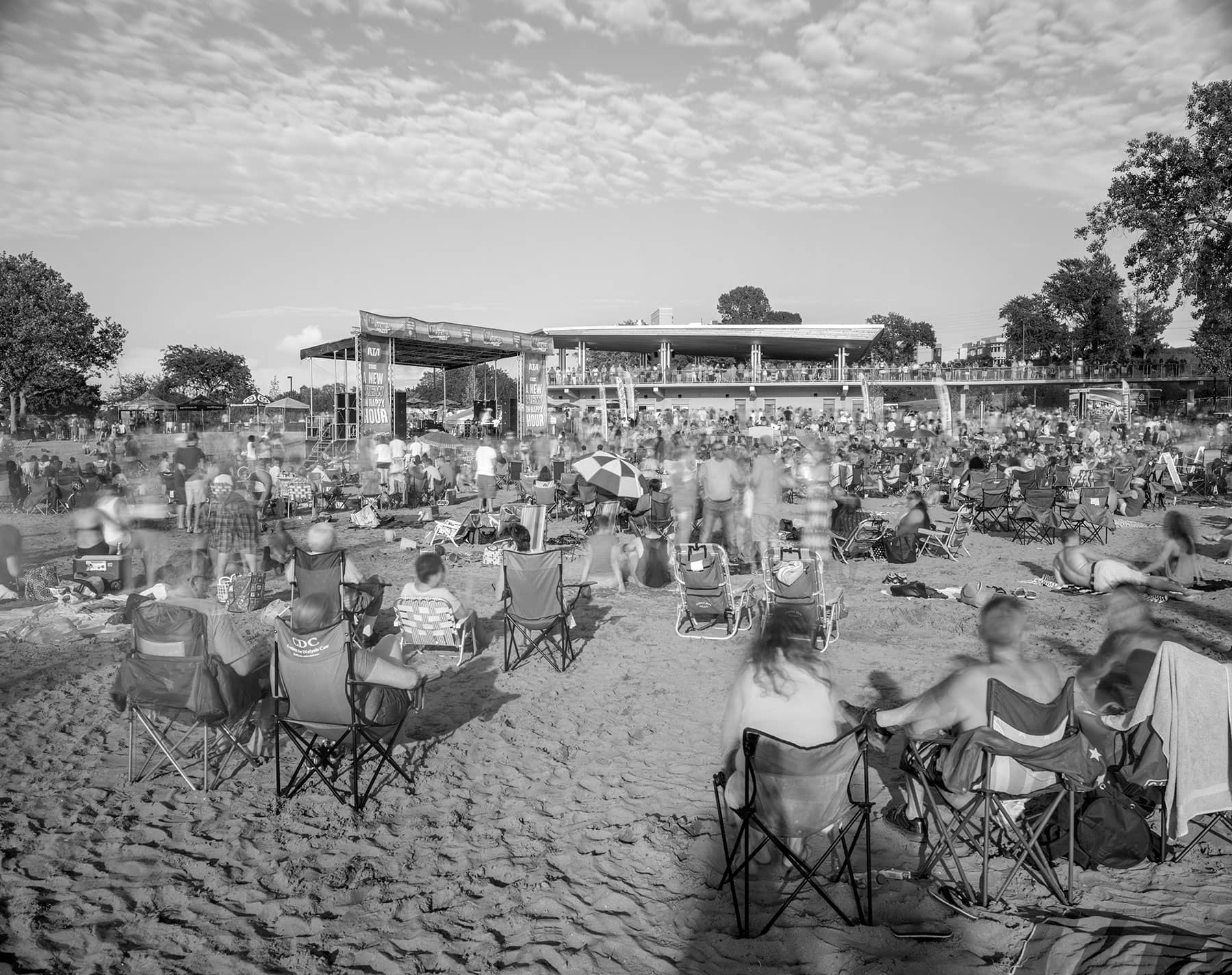
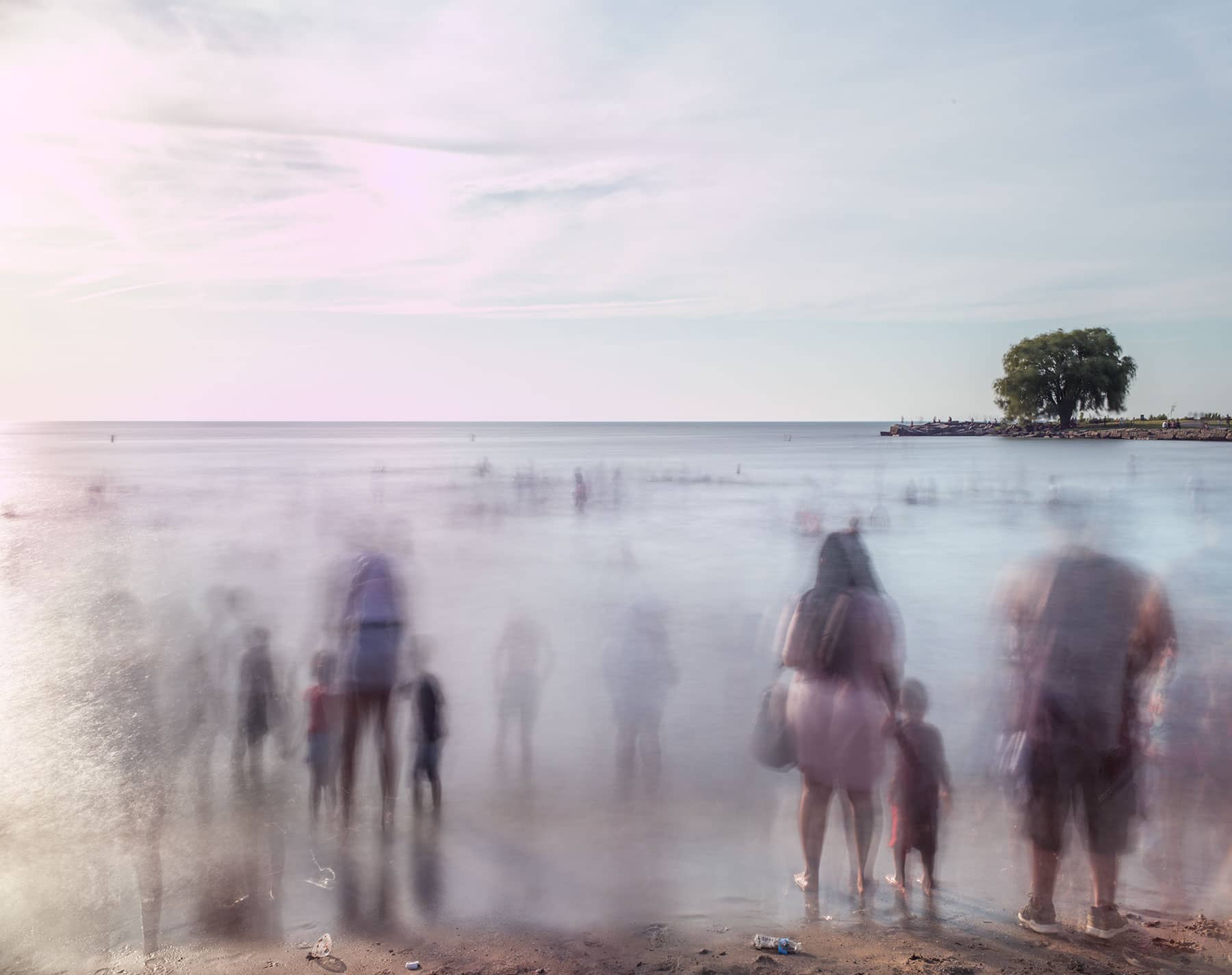

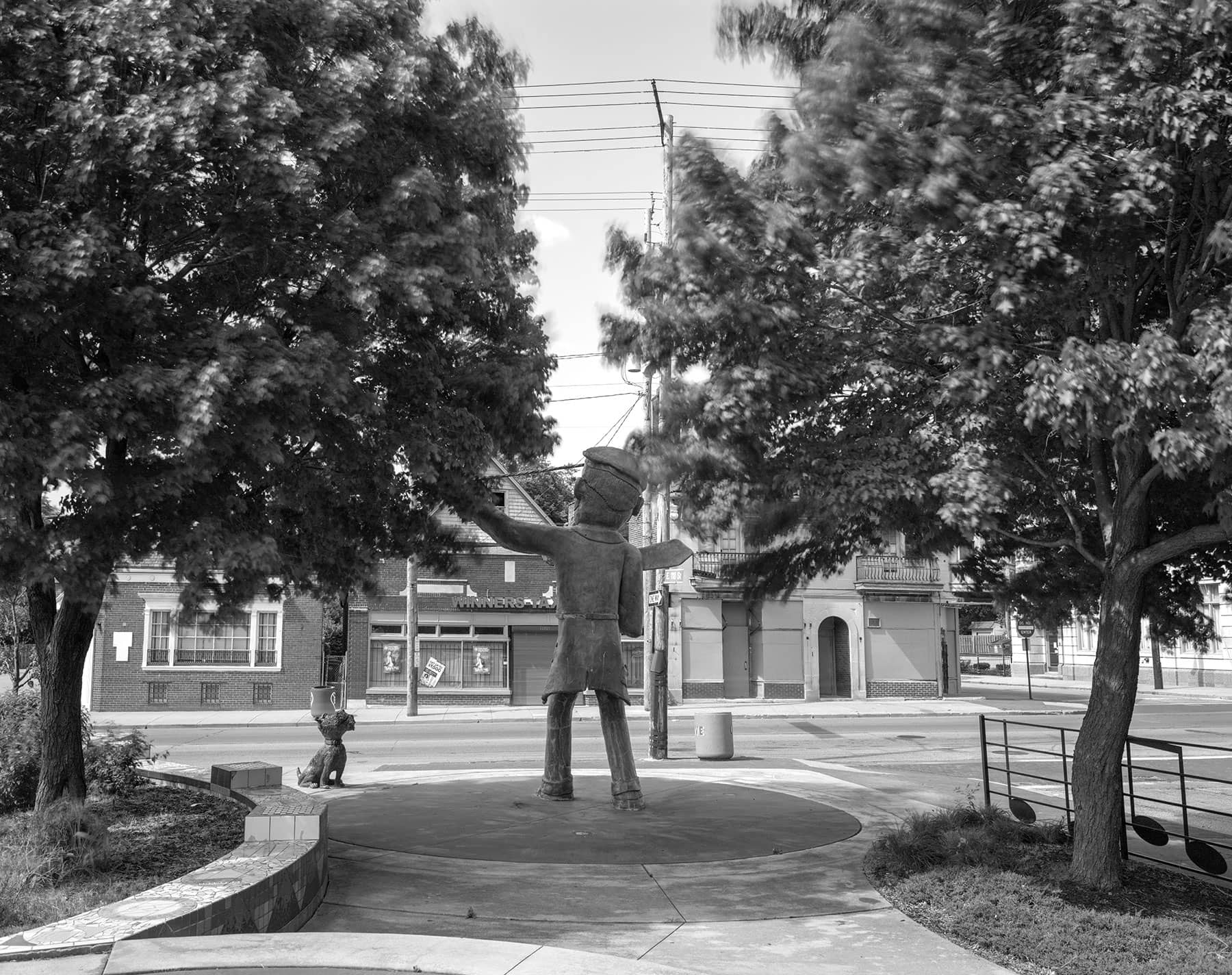
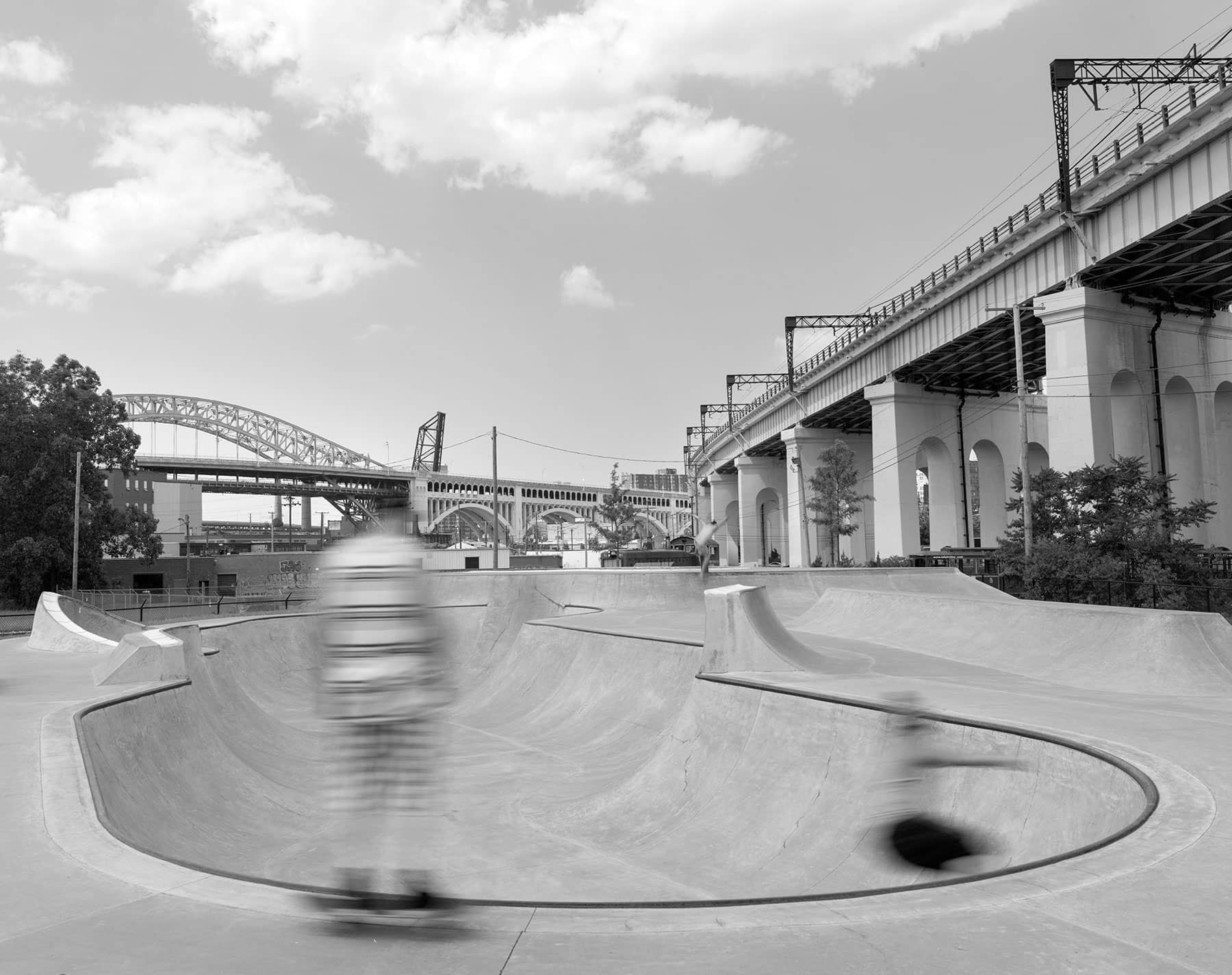
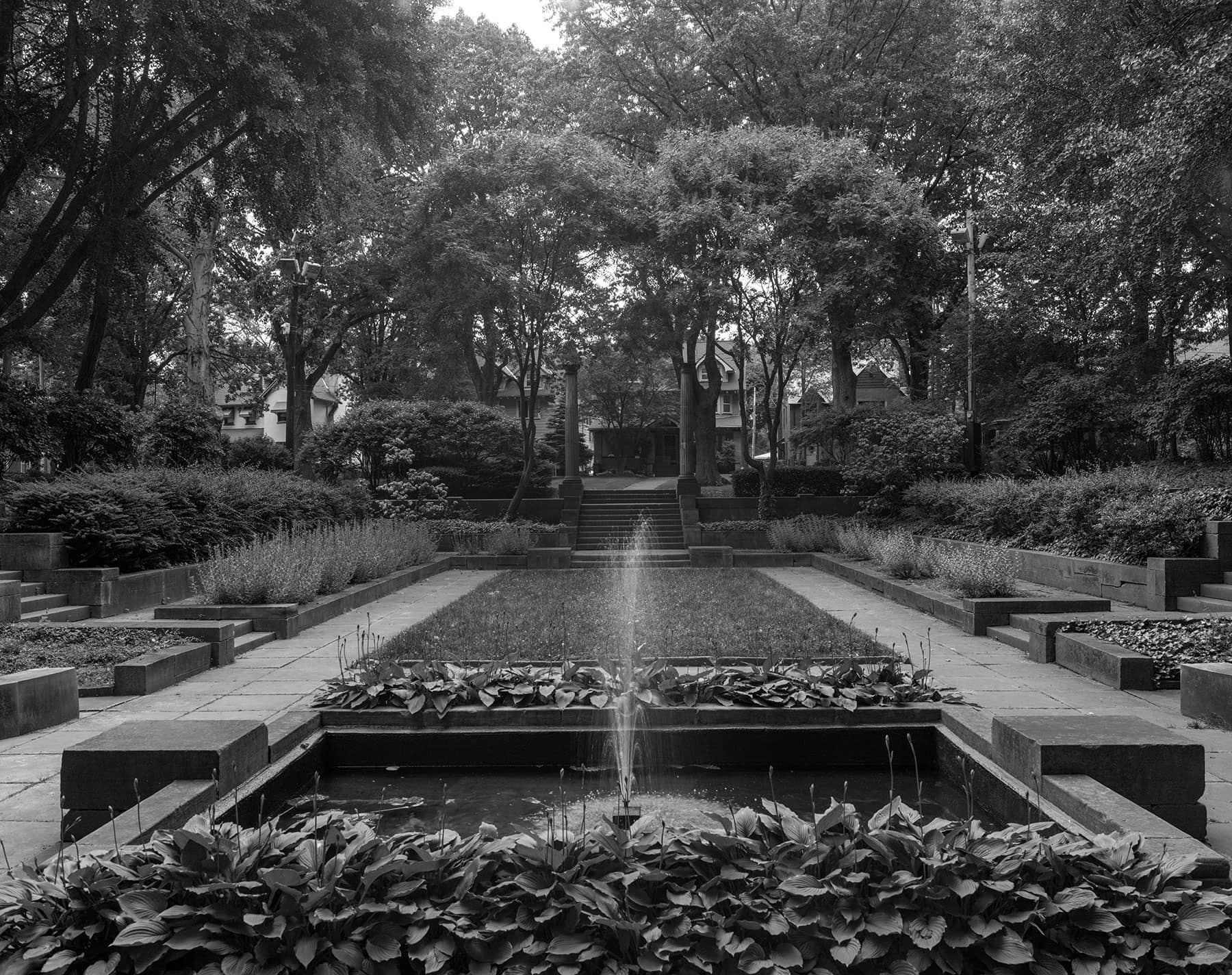
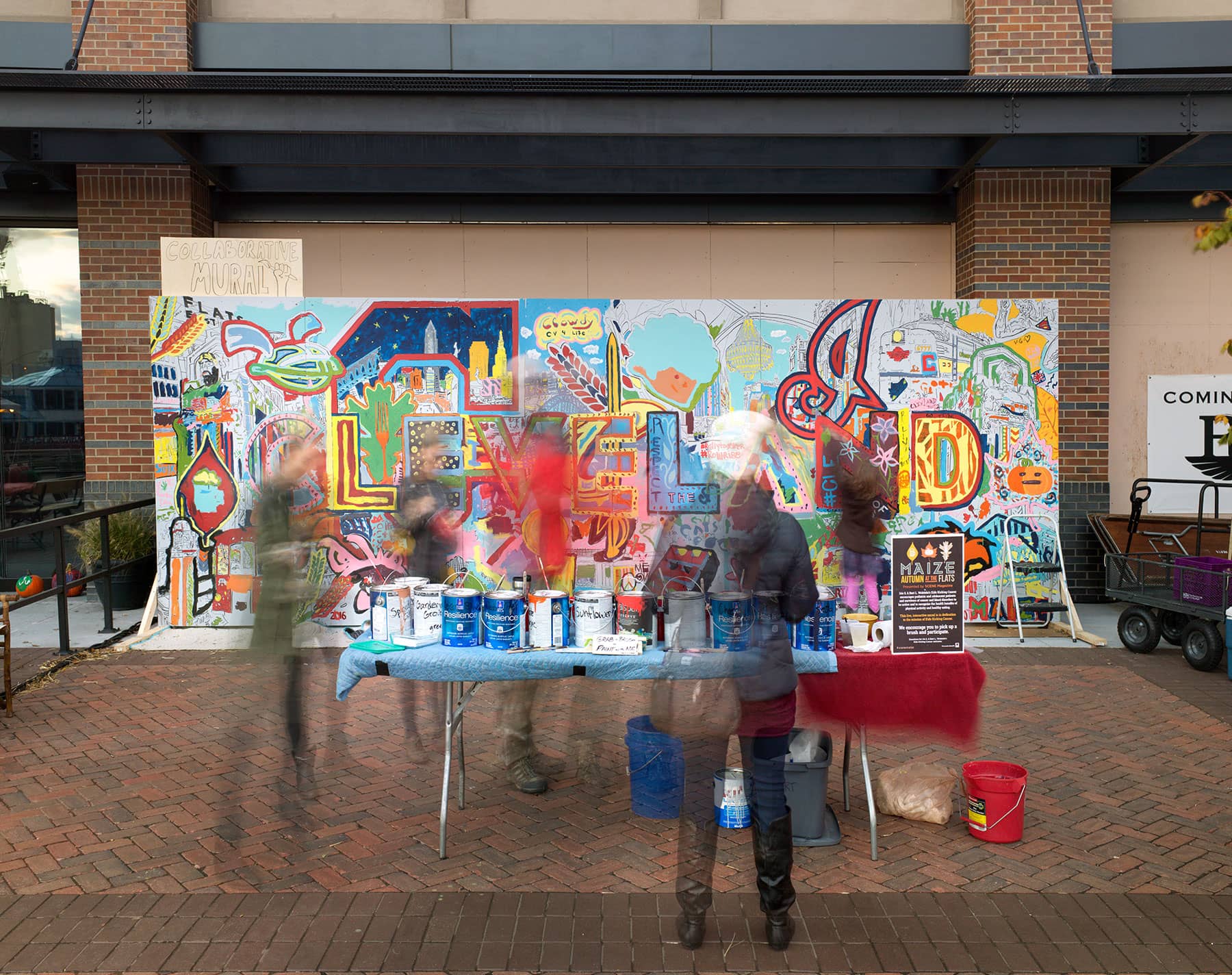


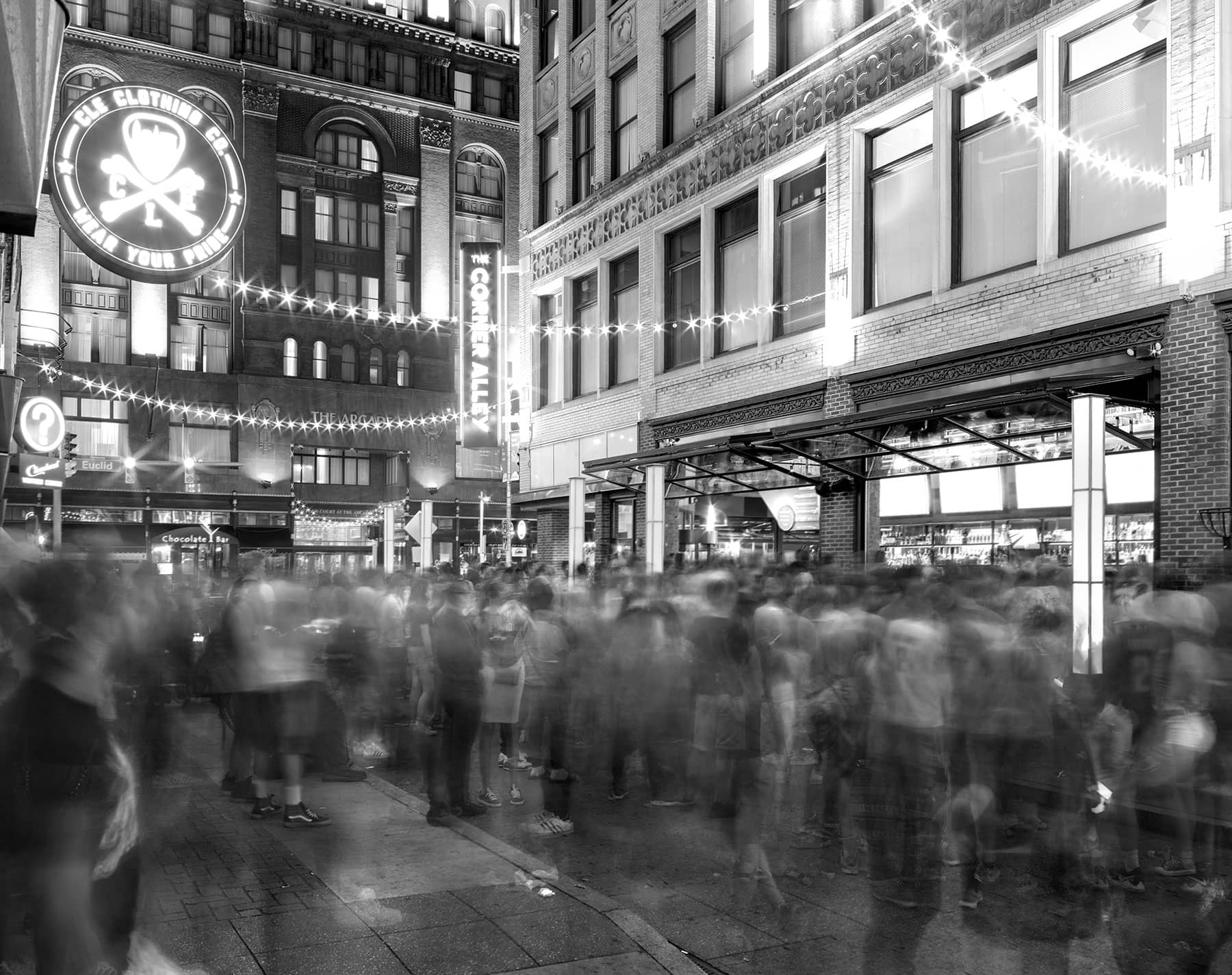
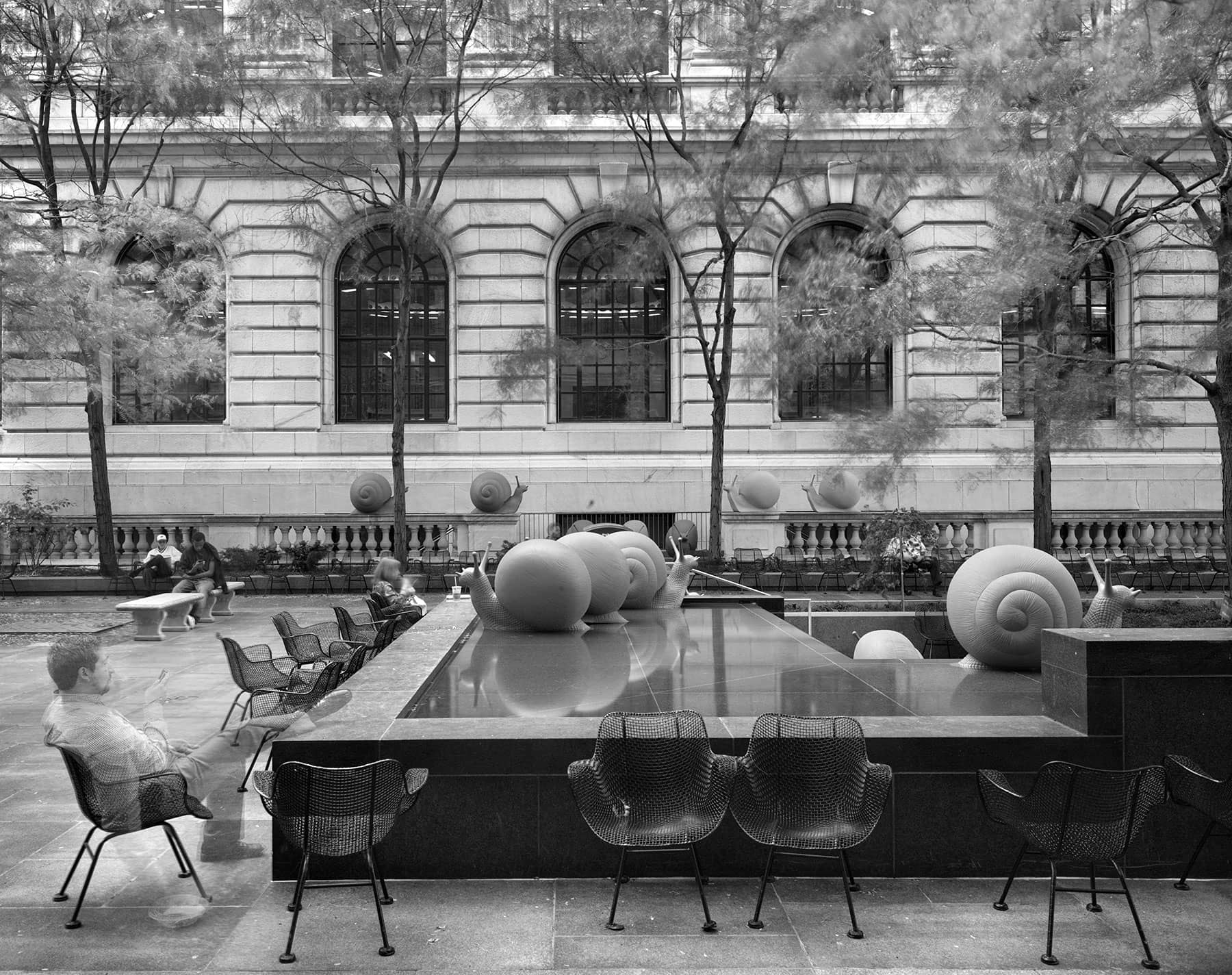

Letter from the Executive Director
2016 Annual Report
An entirely reimagined Public Square opened to great acclaim in 2016. It was a delight to see the former traffic crossroads become a beautiful gathering place. In keeping with a long tradition of free speech on Public Square, demonstrators of many stripes re-christened it during the Republican National Convention. After that event Clevelanders flocked to the new Square to begin enjoying its many features and the new perspective it provides. In truth, however, the Square’s revival remains a work in progress. Not long after its opening, a complicated dispute arose between the City of Cleveland and the Regional Transit Authority over the future use of the Superior Avenue through the Square, and as of this writing in mid-2017, it is scarred by traffic barriers. Design modifications consistent with the quality of the entire space are being discussed but the outcome is so far unknown. On one level, this state of affairs feels like Cleveland painted a mustache on the Mona Lisa. The current, and, we hope, temporary condition is, as Mayor Frank Jackson readily admits, simply ugly. But on another level, the Superior Avenue issues are something of an extreme illustration of the fact that public spaces are often works in progress. They are, after all, public spaces and they should evolve with the changing needs and desires of people.
Striking the right balance among competing needs is rarely easy but the process should be a reminder that all of us have a stake in these spaces and that, like the democracy that we also share, we must find ways to accommodate an array of interests if public spaces are to live up to that name. These spaces have many values but the greatest is the simple act that they are public, democratic, open. In a time when some extol building walls, public spaces tear them down. As income polarization accompanies political disunion in America, public spaces remind us of our nobler aspirations for unity and shared values.
These may seem to be lofty ambitions for parks and other spaces. Indeed they are, but they are achievable if that is what we insist upon in our public realm. It does not happen by accident. The photographs of Matthew Pillsbury in this annual report depict a range of Cleveland’s public spaces. Some may surprise because they are not parks or even considered public in the usual sense. But a city inevitably and desirably includes such places as well as traditional parks and plazas. And in recent years Cleveland has augmented its portfolio of welcoming spaces as more people get out of their cars, return to the central city and celebrate what it means to be urban. Building that arsenal of great places deepens our commitment to common bonds even while the viewpoints freely shared there do not find universal acceptance. That is democracy at its most fundamental.
Public spaces do even more than that. Creating beautiful places for people is an essential part of competing in a global economy. Great public spaces attract and retain residents. They help fuel the interactions that spark creativity and innovation that are indispensable to economic growth.
We get these results when people-centered design makes them happen. Intentional programming and careful maintenance are also key. Examine Pillsbury’s photographs and you will see places that success and some that do not. Some spaces lack the human scale or amenities that make people feel welcome. Others are missing the access and connectivity that are needed to give them life. Cleveland’s downtown waterfront is especially limited in this way but the success of the Metroparks’ revival of lakefront parks shows what is possible The proposed bridge from the downtown mall to the lakefront is a vital connection that has been absent far too long. That is just one example of the work that Cleveland, despite recent strides, has yet to accomplish. That work certainly includes resolving the issues on Public Square. Among all of our public spaces, the Square’s historic and current prominence means it must achieve its potential as active, beautiful and welcoming to all—a magnet at the center of the city and a beacon of Cleveland’s contributions to that other public square of our democracy.
Dave Abbott, Executive Director
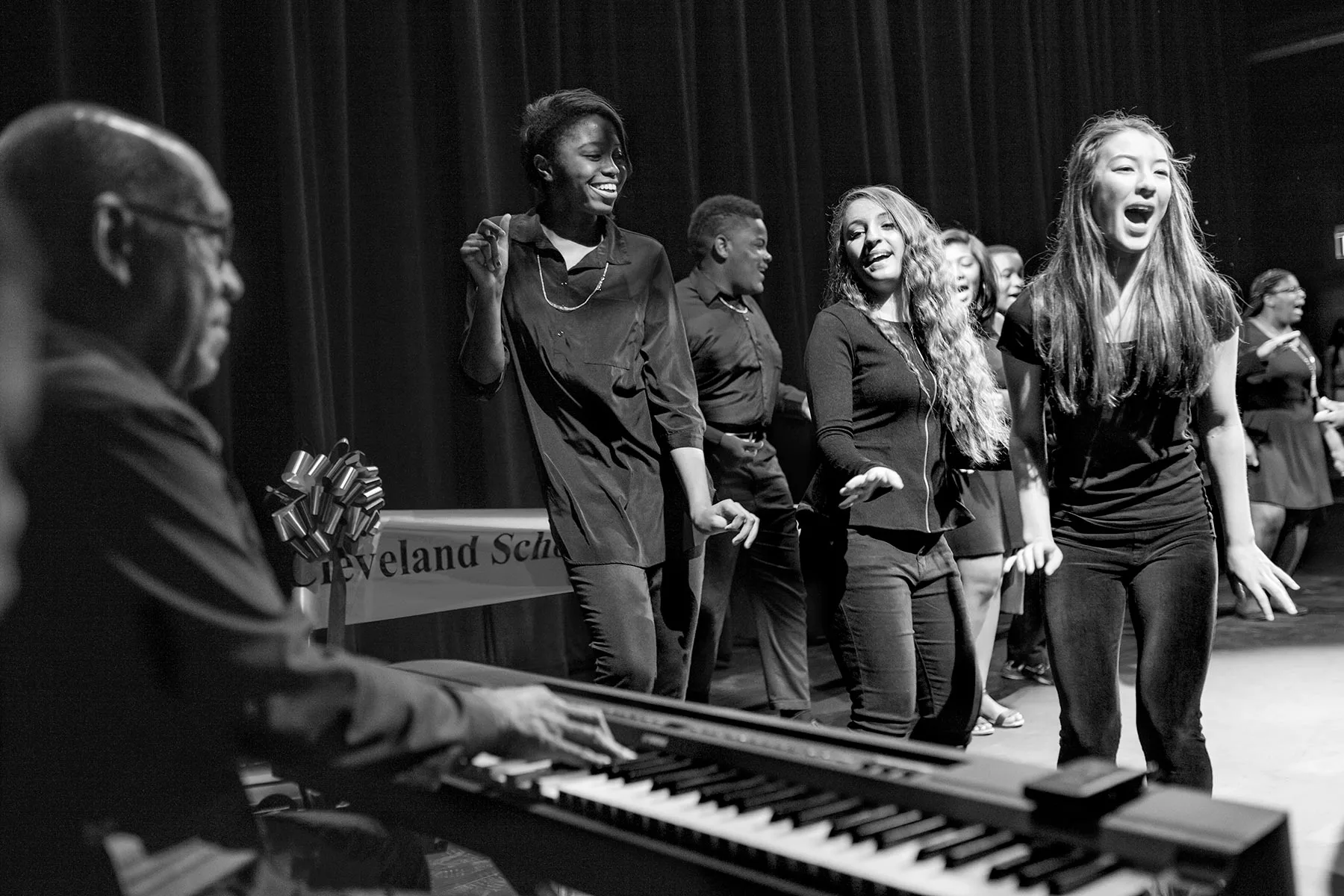
The Cleveland Plan: Changing Minds
Photography
Lisa Kessler (2015)
Photography
Lisa Kessler’s photographs capture the pulse of public schools in Cleveland. For two weeks in 2015 she immersed herself in 11 schools—district and charter—capturing the unbridled enthusiasm, hard work, and sense of community among students, teachers, and parents.
Kessler’s interest in documentary photography was sparked in the aftermath of the 1985 Mexico City earthquakes, where she witnessed a profound transformation in individuals, communities, and spaces. Since then she has photographed people dealing with change within diverse contexts: health, violence, education, faith, abuse, etc. Kessler’s work on the clergy sex abuse crisis was runner-up for the Honickman Foundation First Book Prize from the Center for Documentary Studies, and has been shown in galleries, film festivals, and classrooms across the country. Kessler’s work exploring the idea of the color pink in America has been called “zesty and playful without being at all unserious,” and was awarded a Massachusetts Cultural Council Fellowship in 2011. Her photographs are in the permanent collections of the Philadelphia Museum of Art, Danforth Museum of Art, and the Teaching Museum at Lehigh University. She holds degrees from Brown University and Boston University and teaches at Boston College.

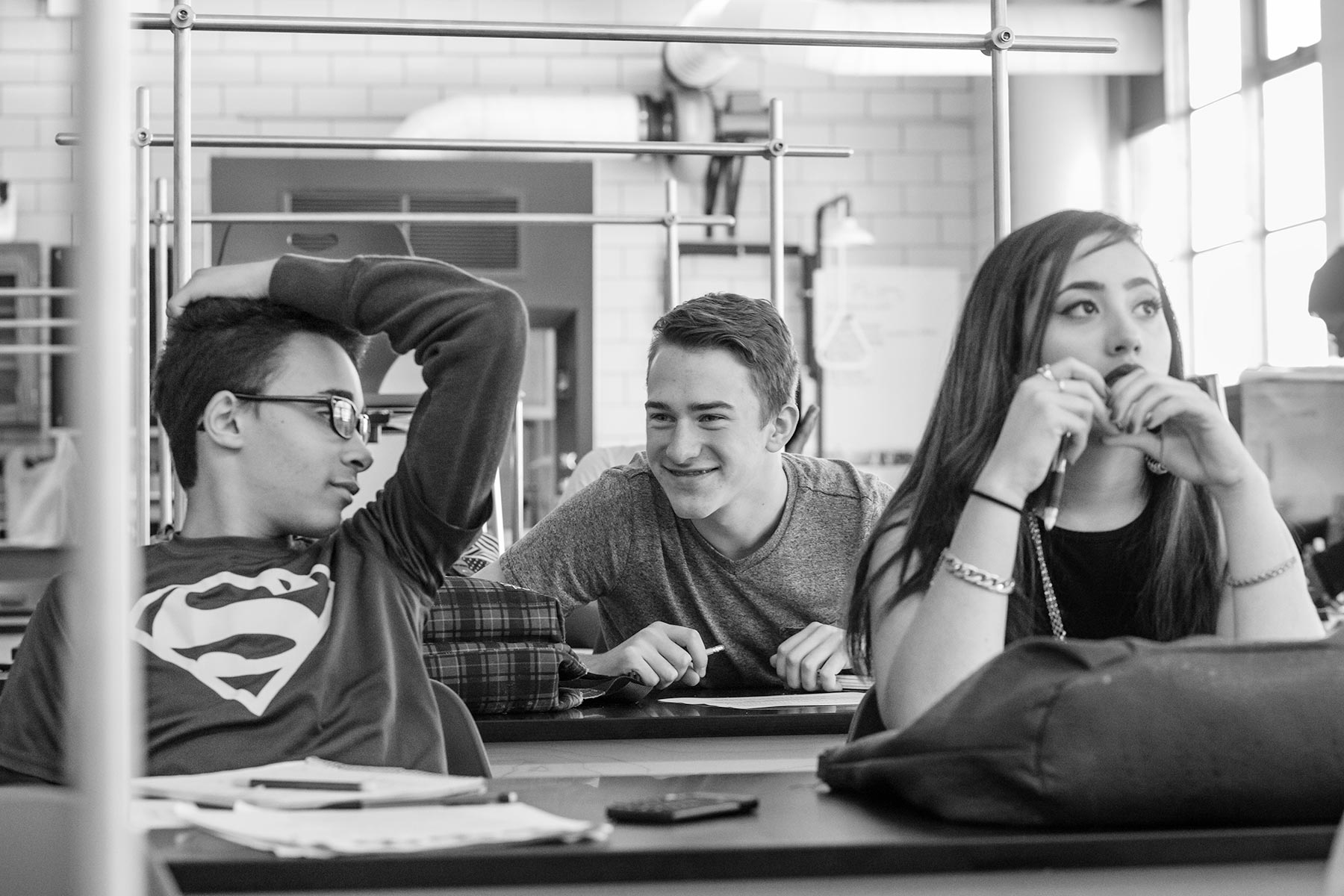

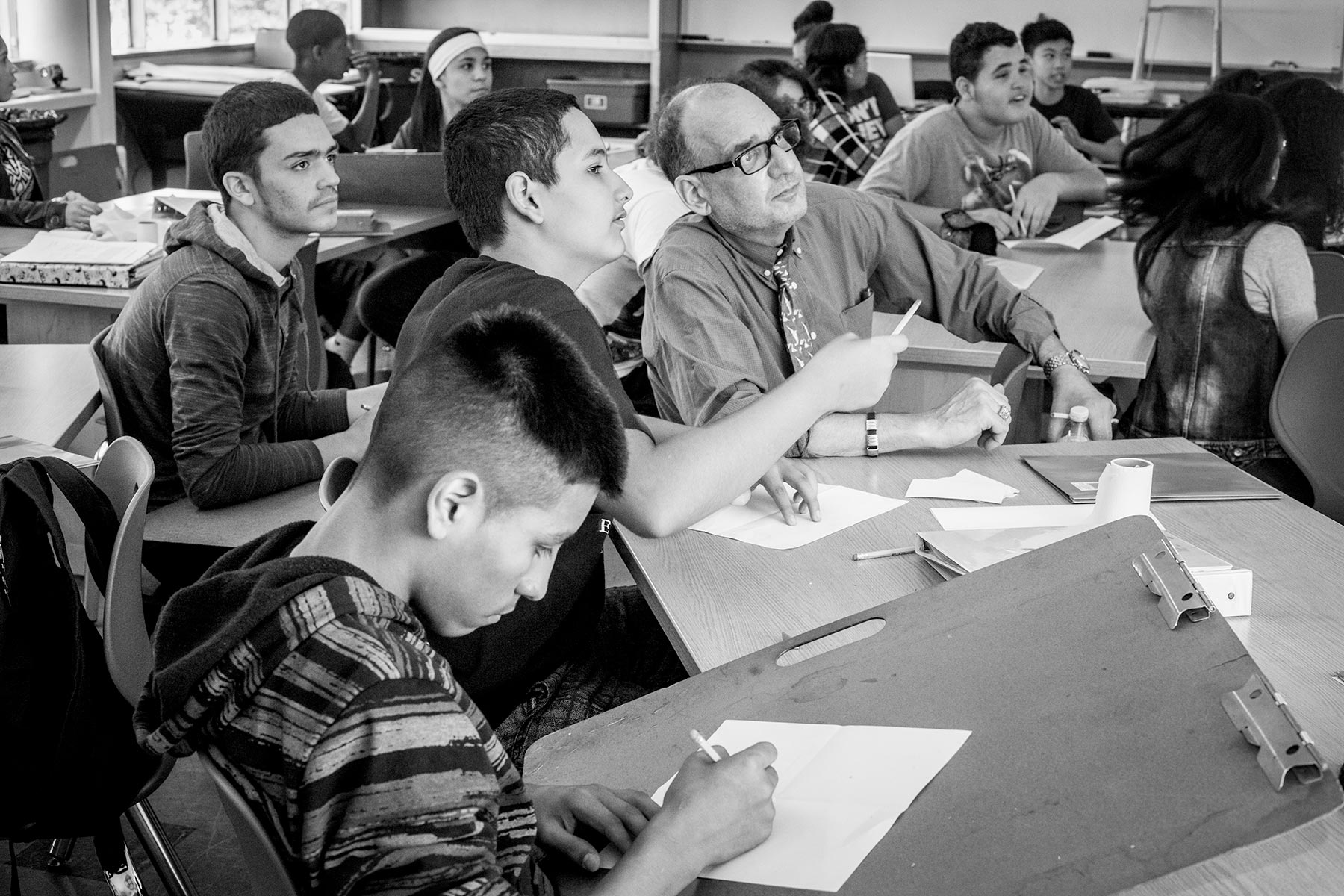
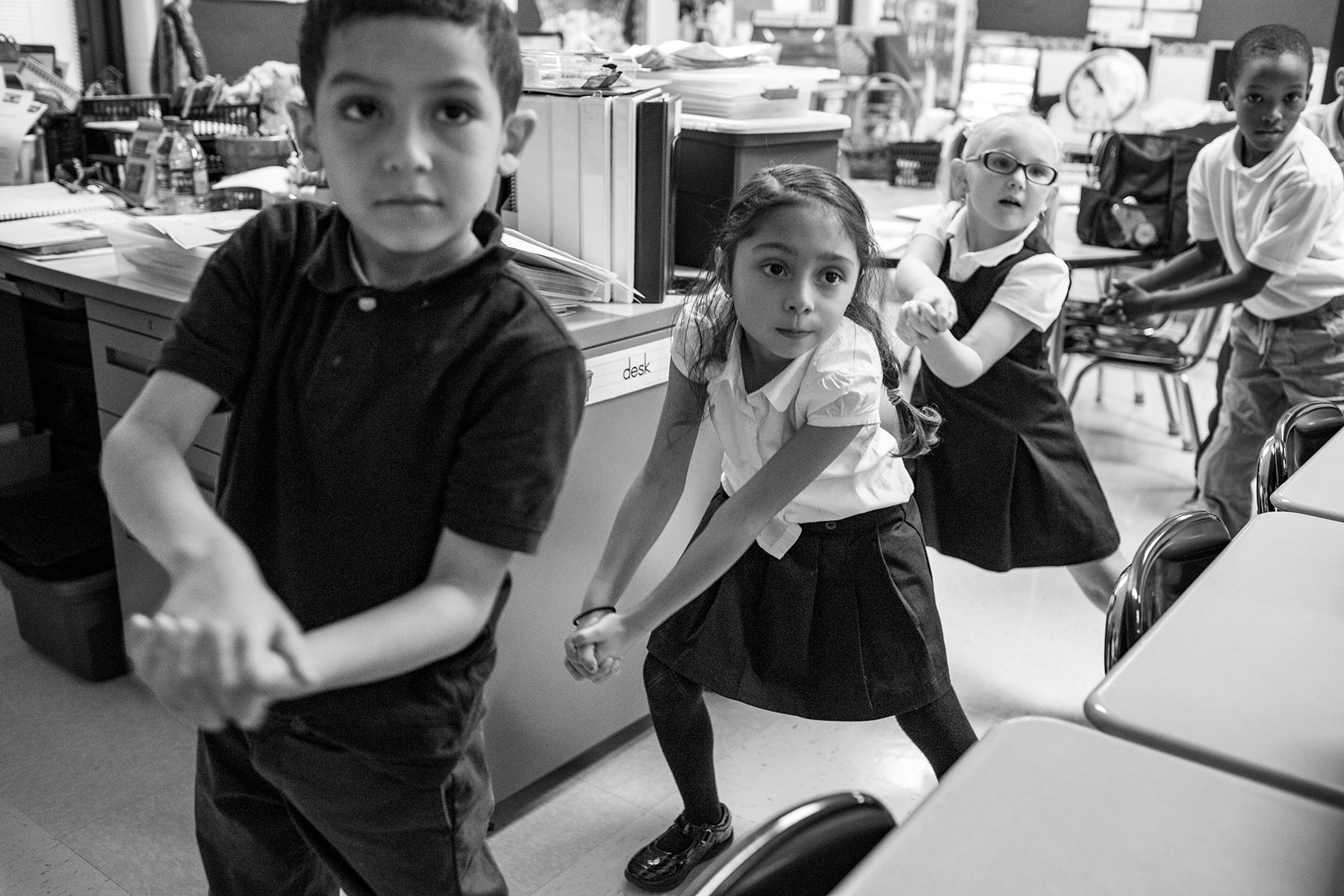
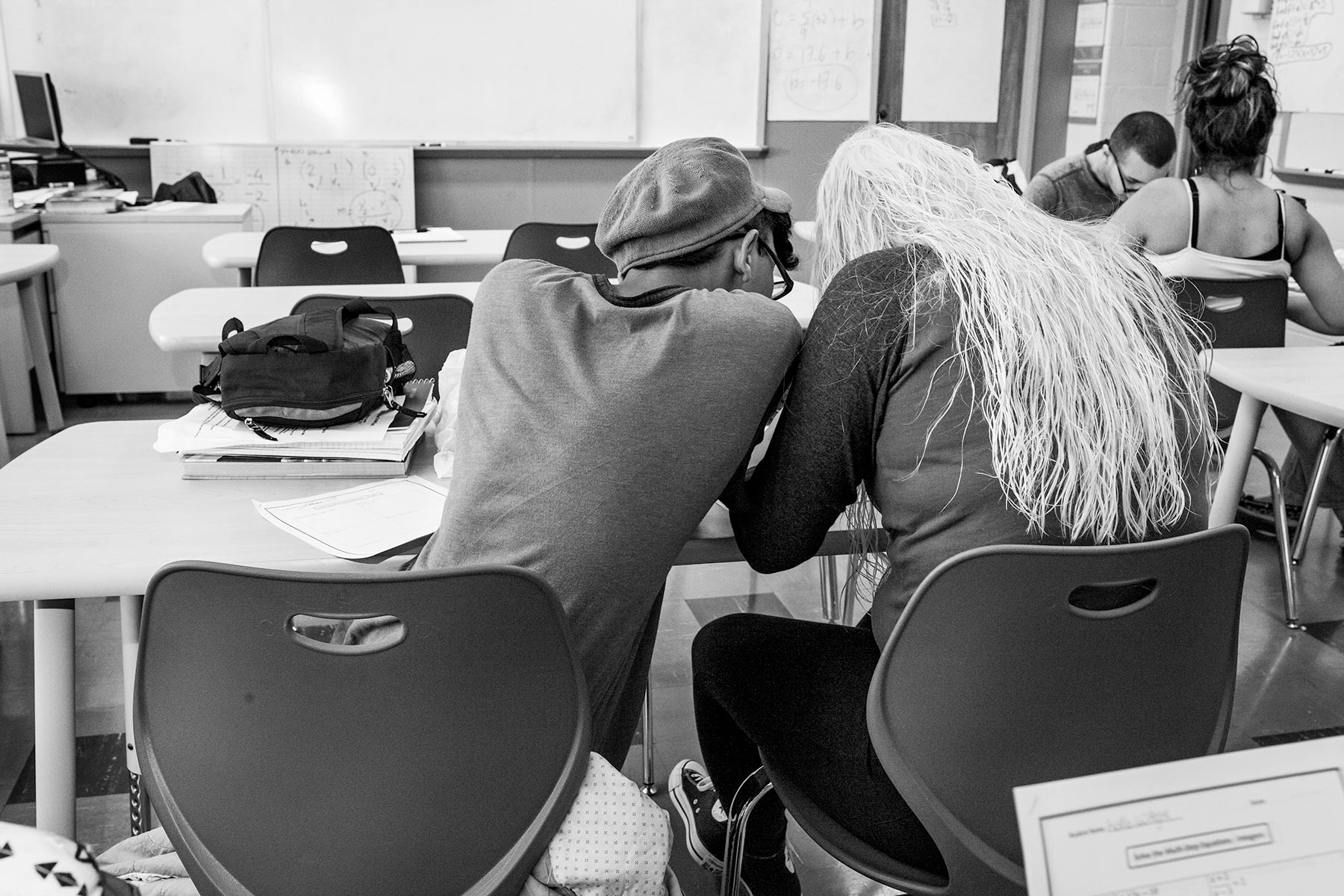
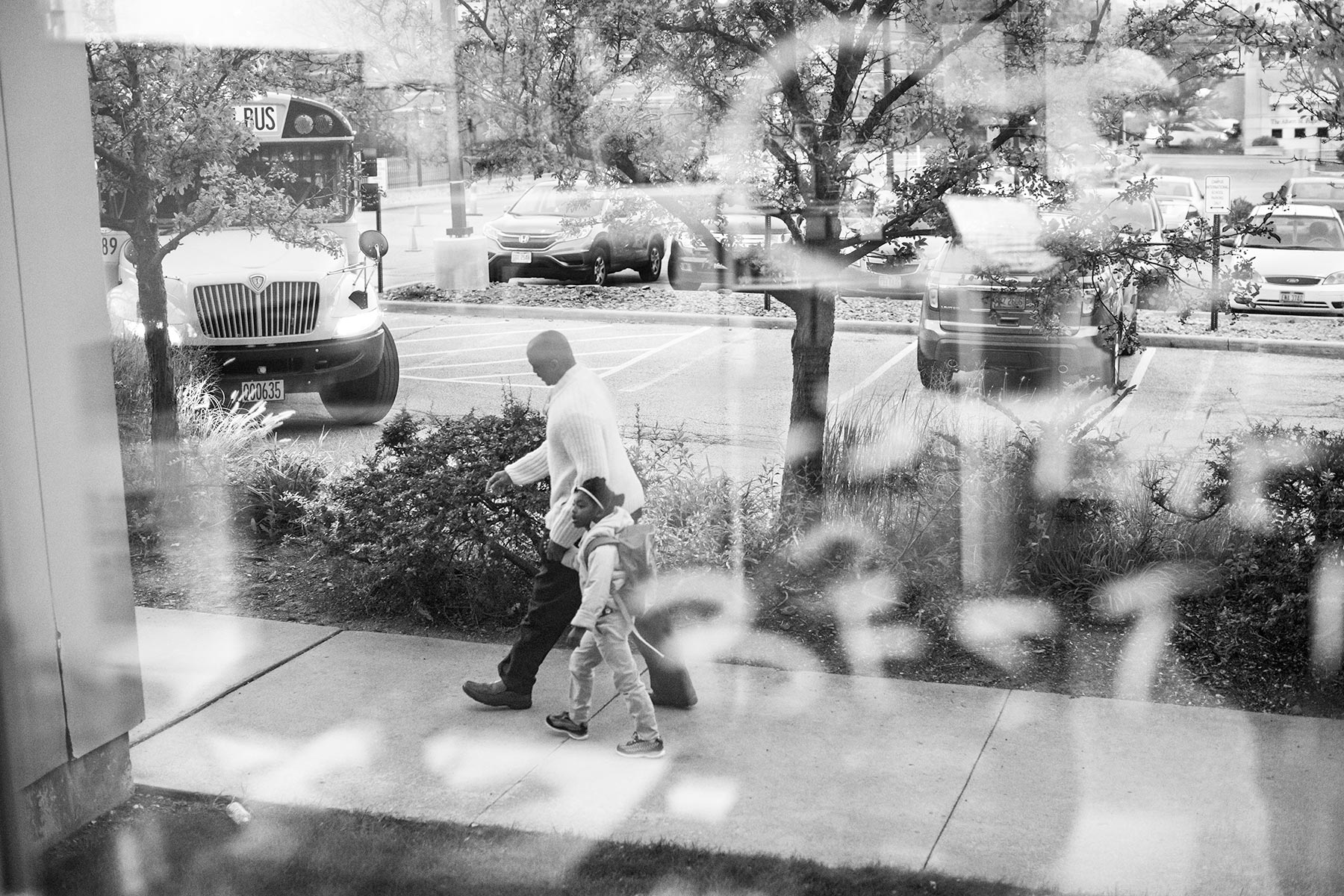
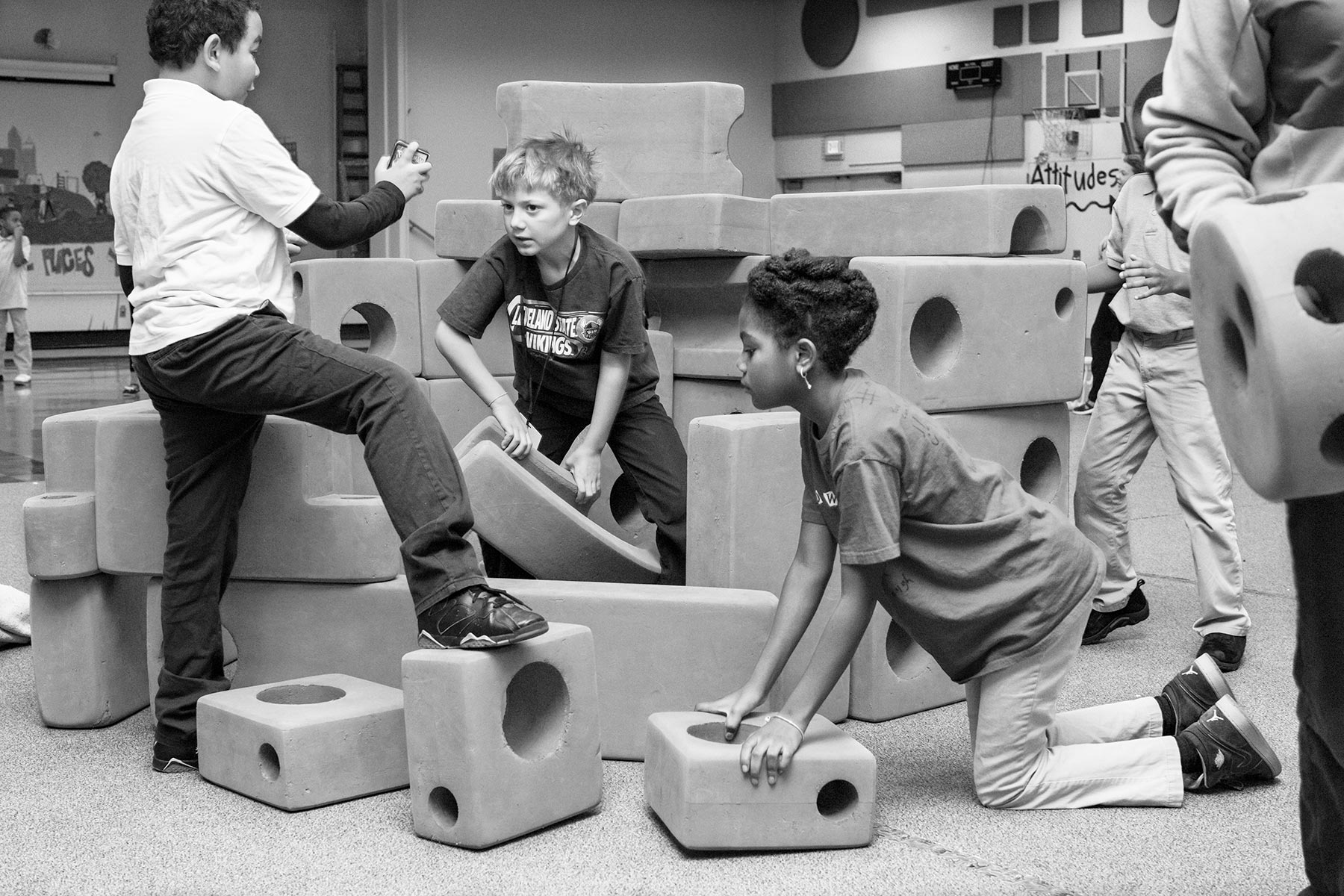
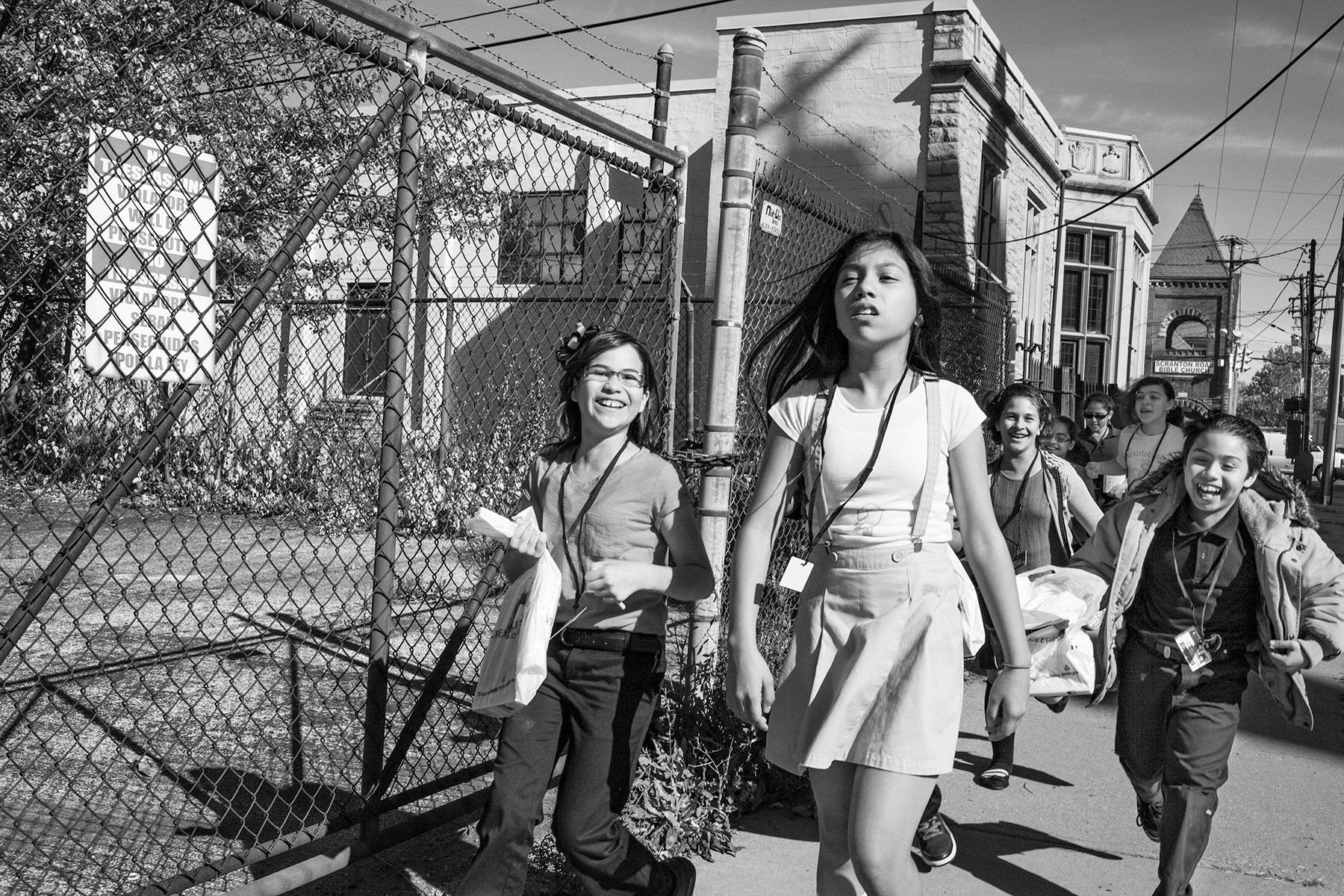
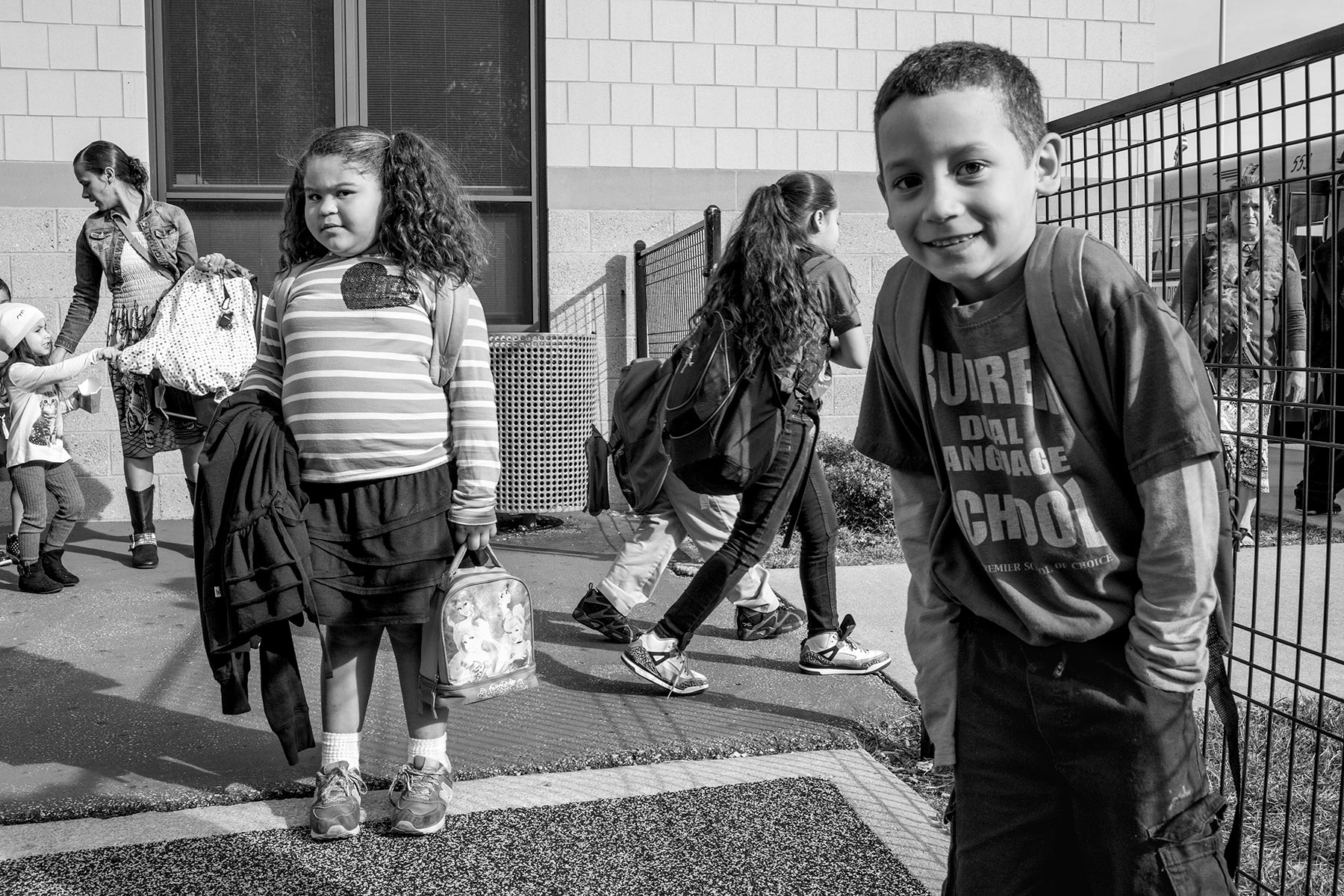

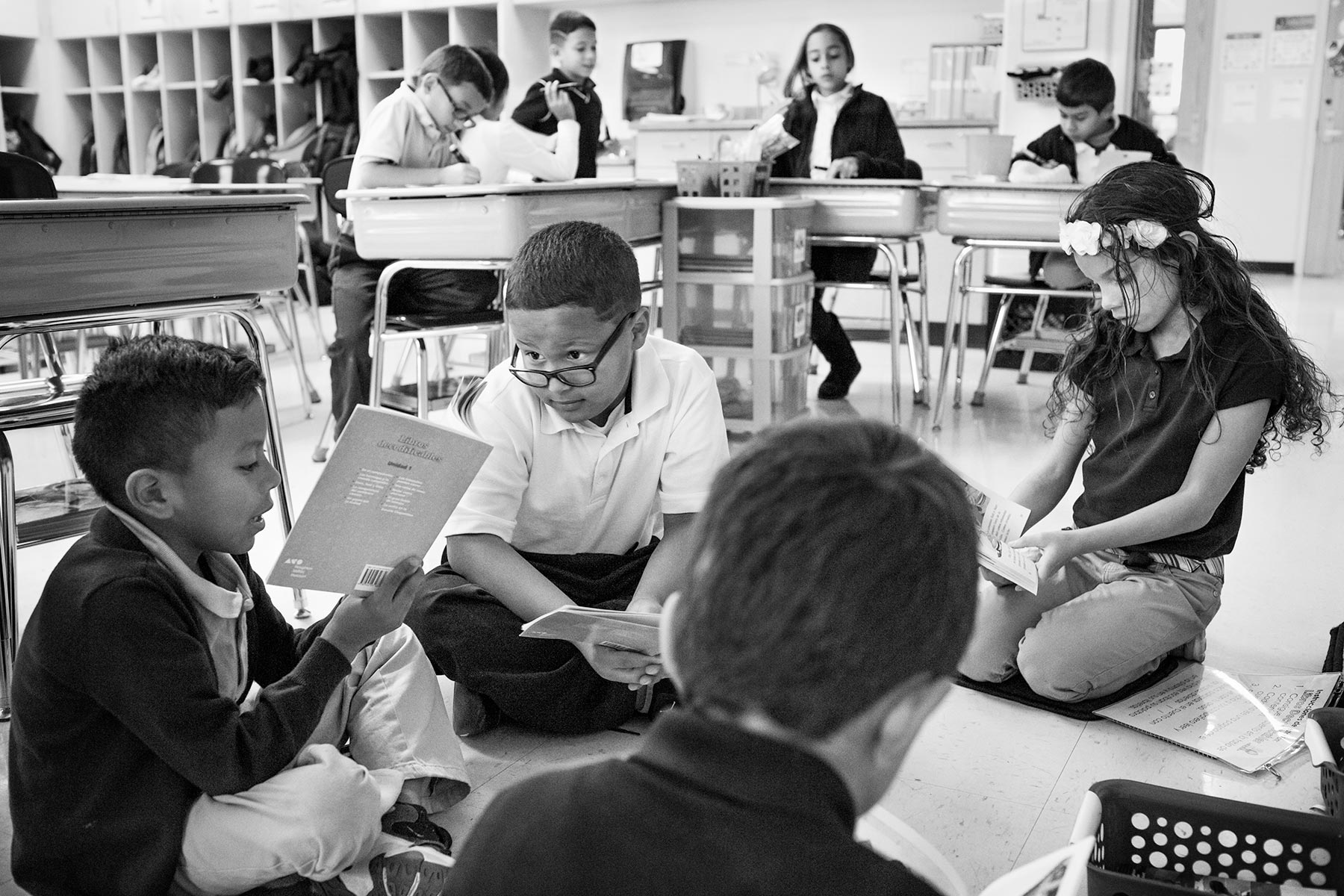
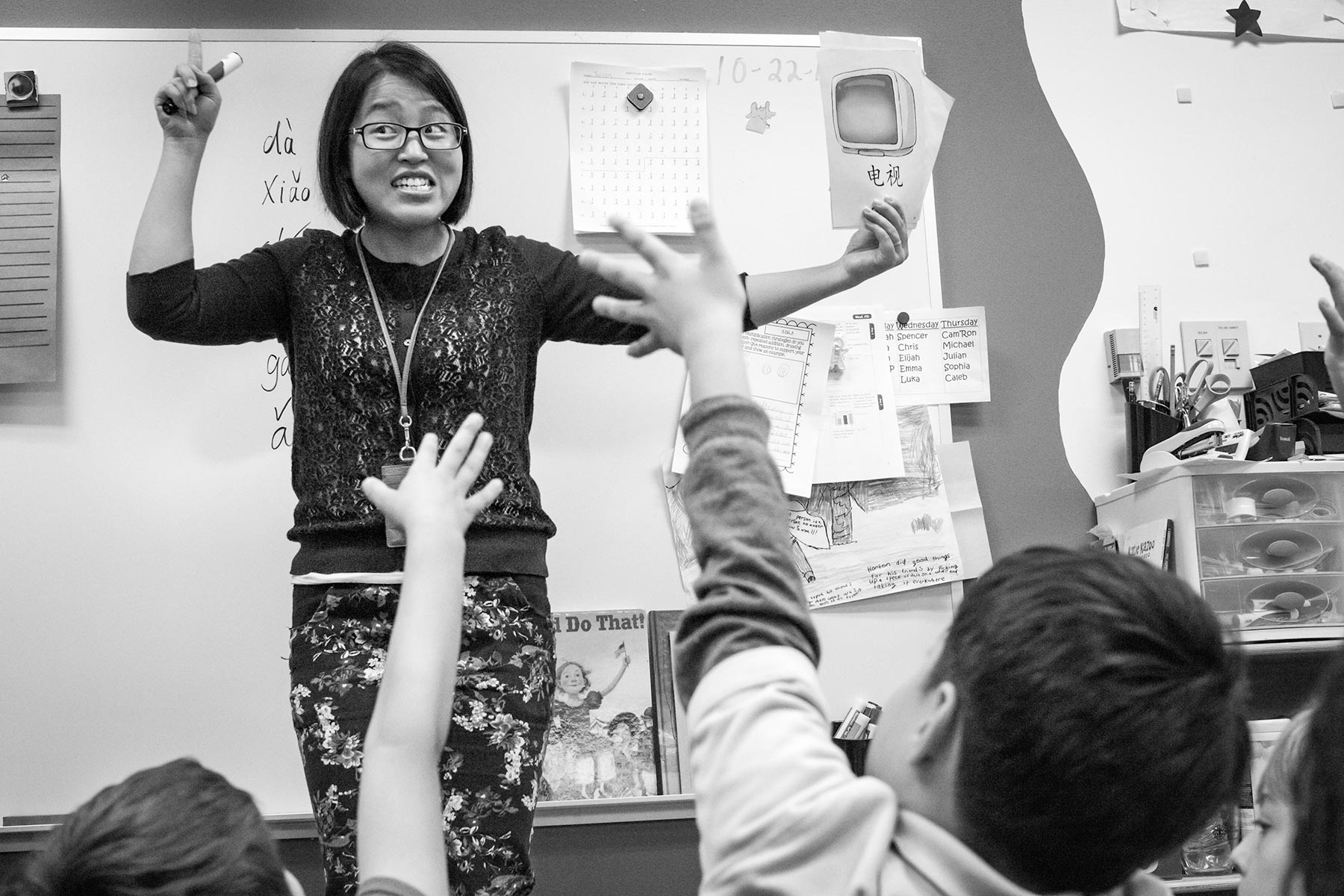
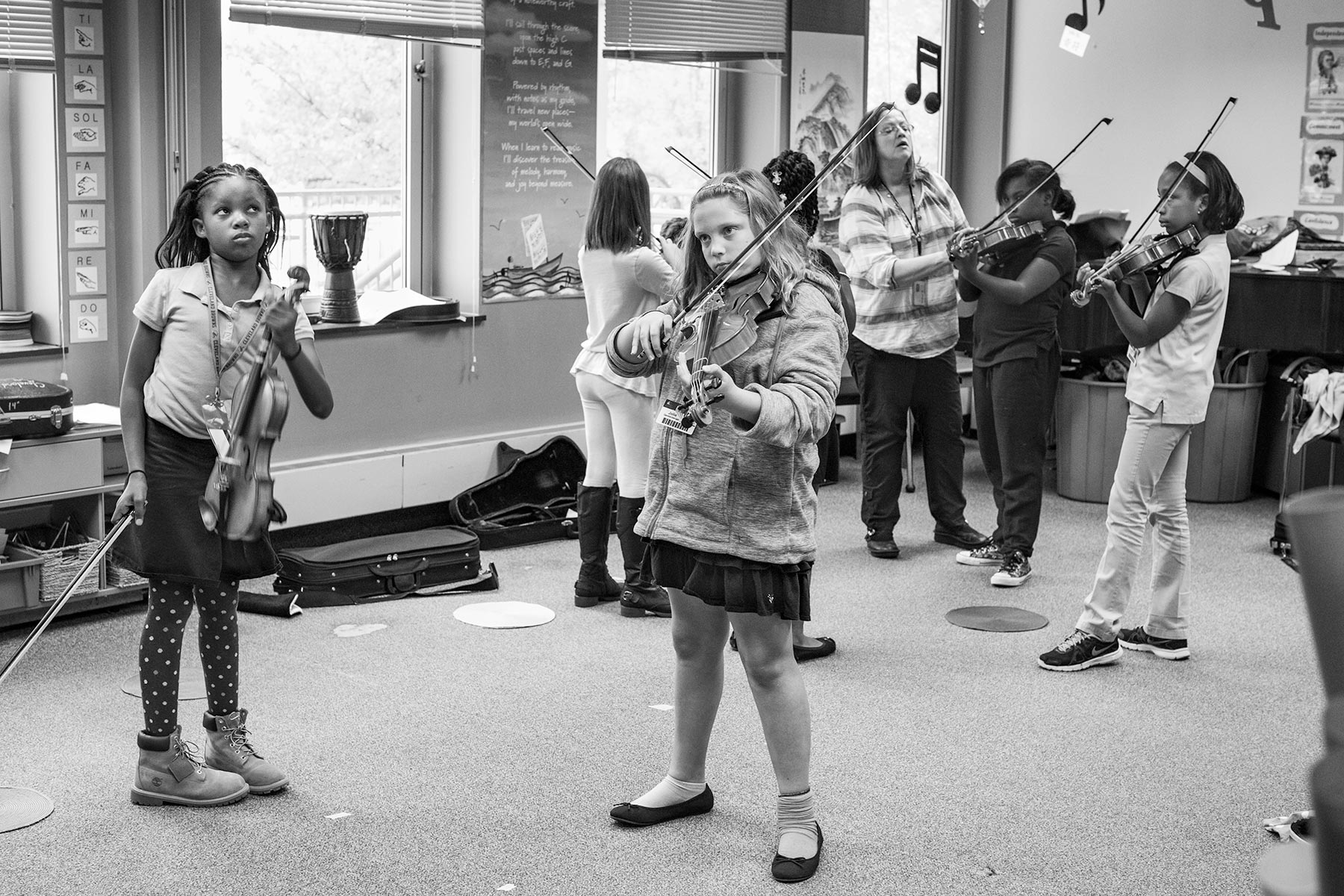
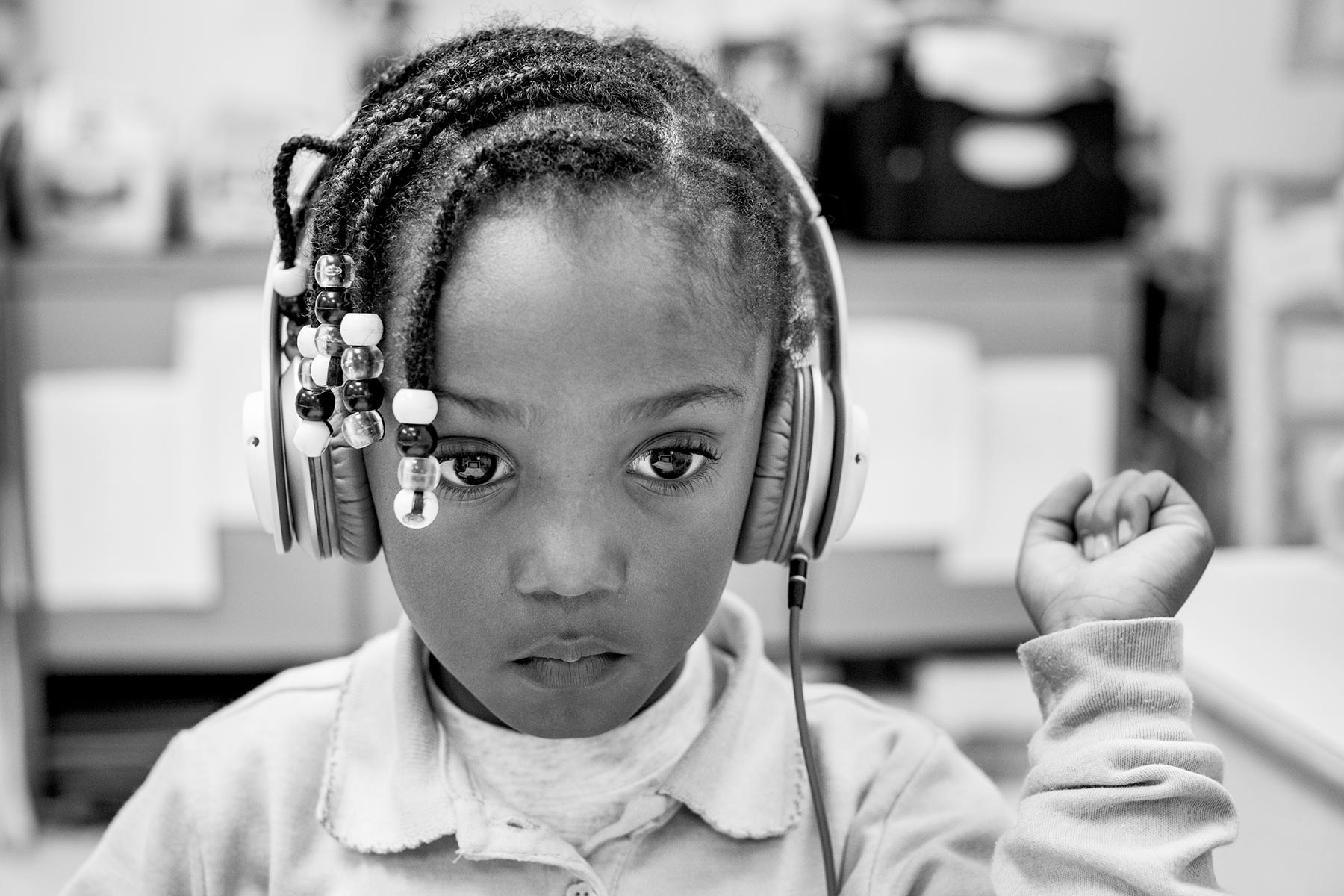
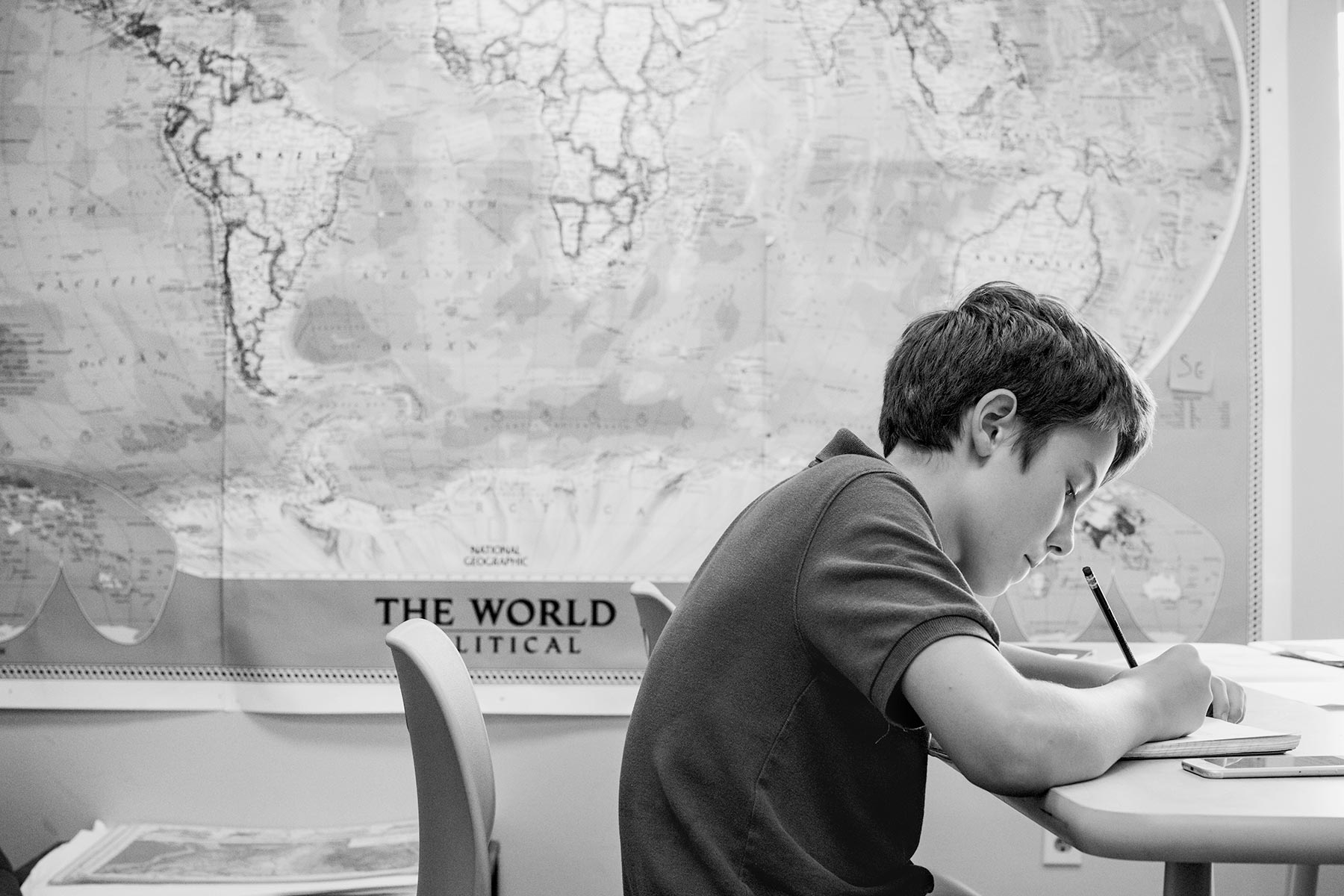
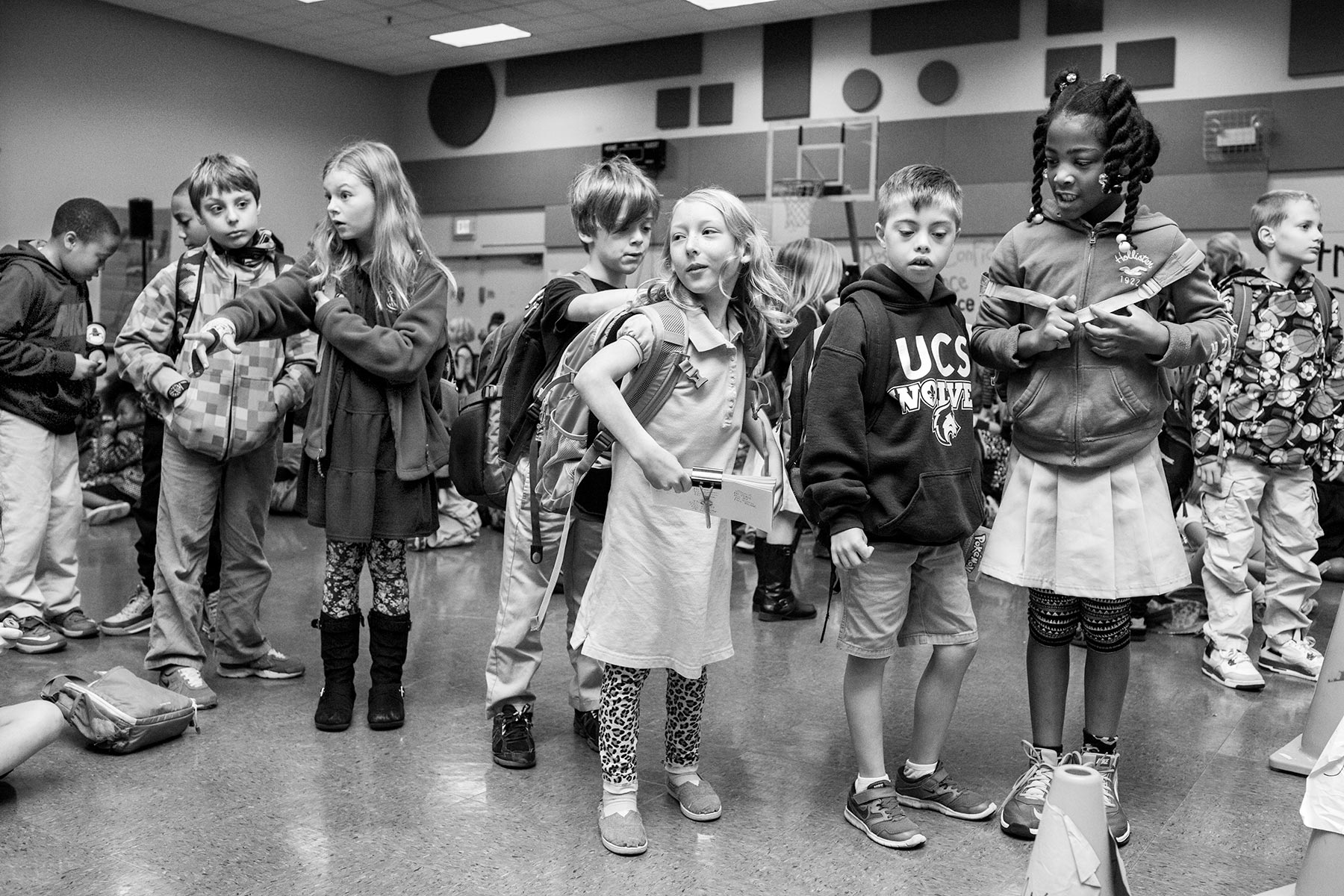
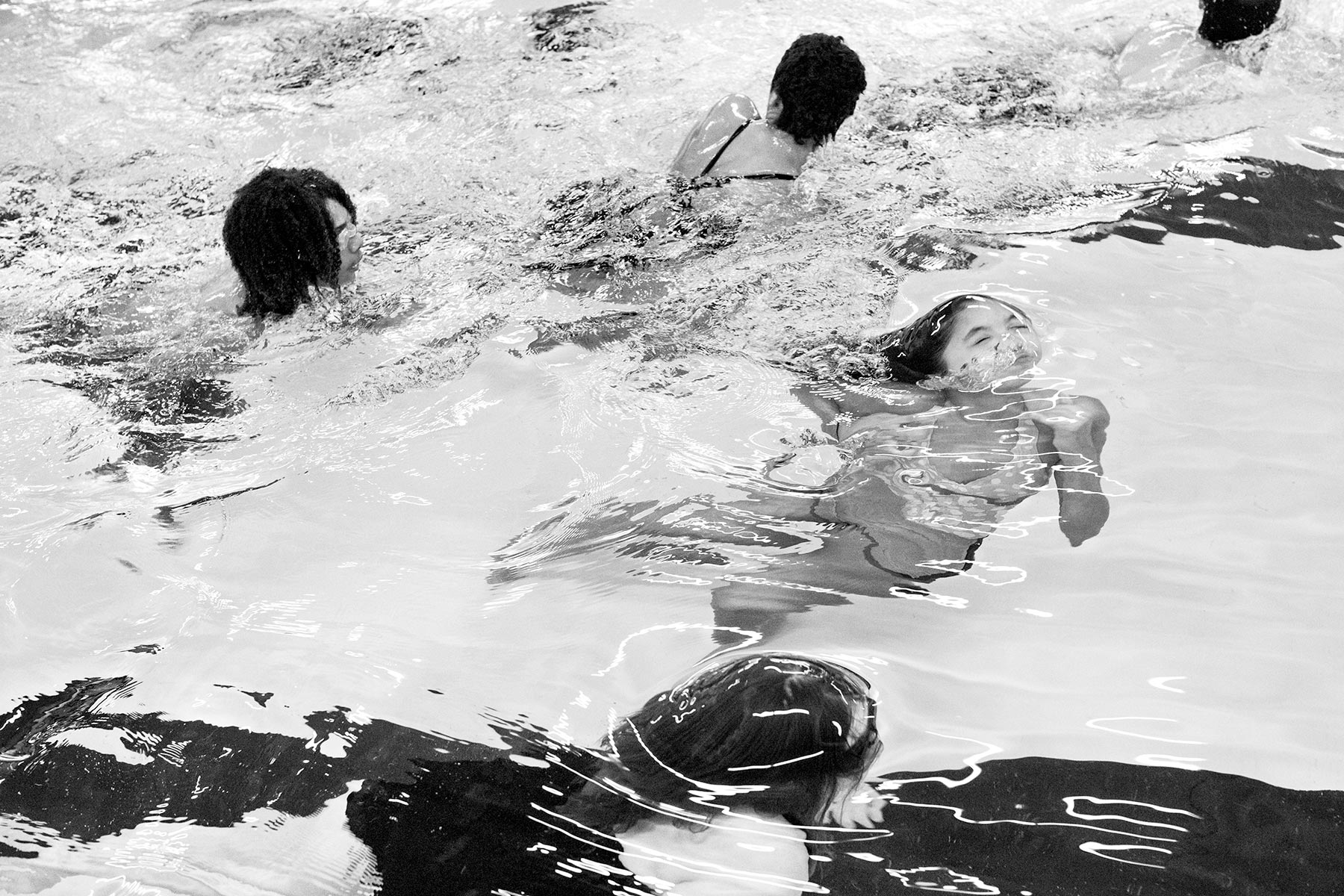

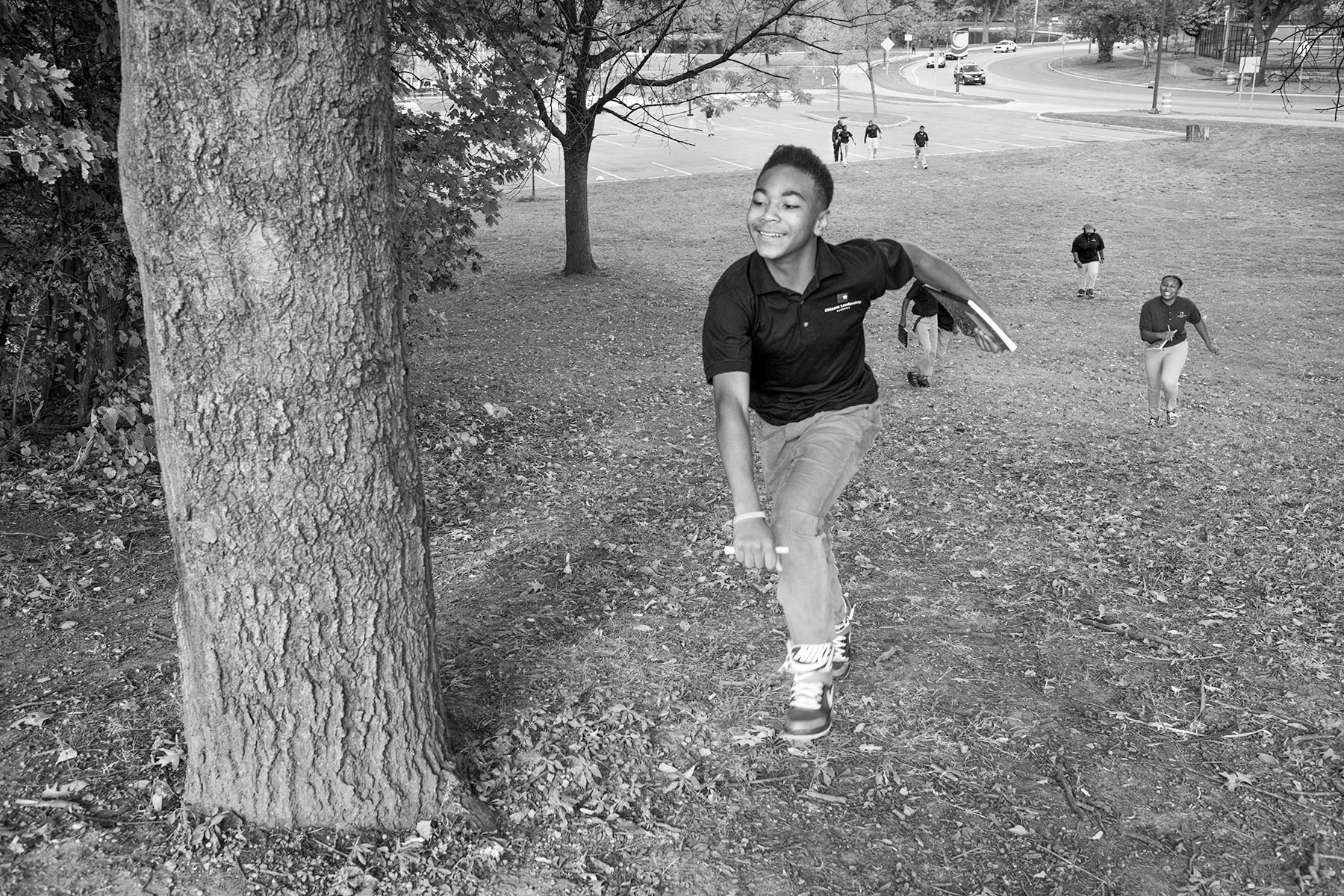
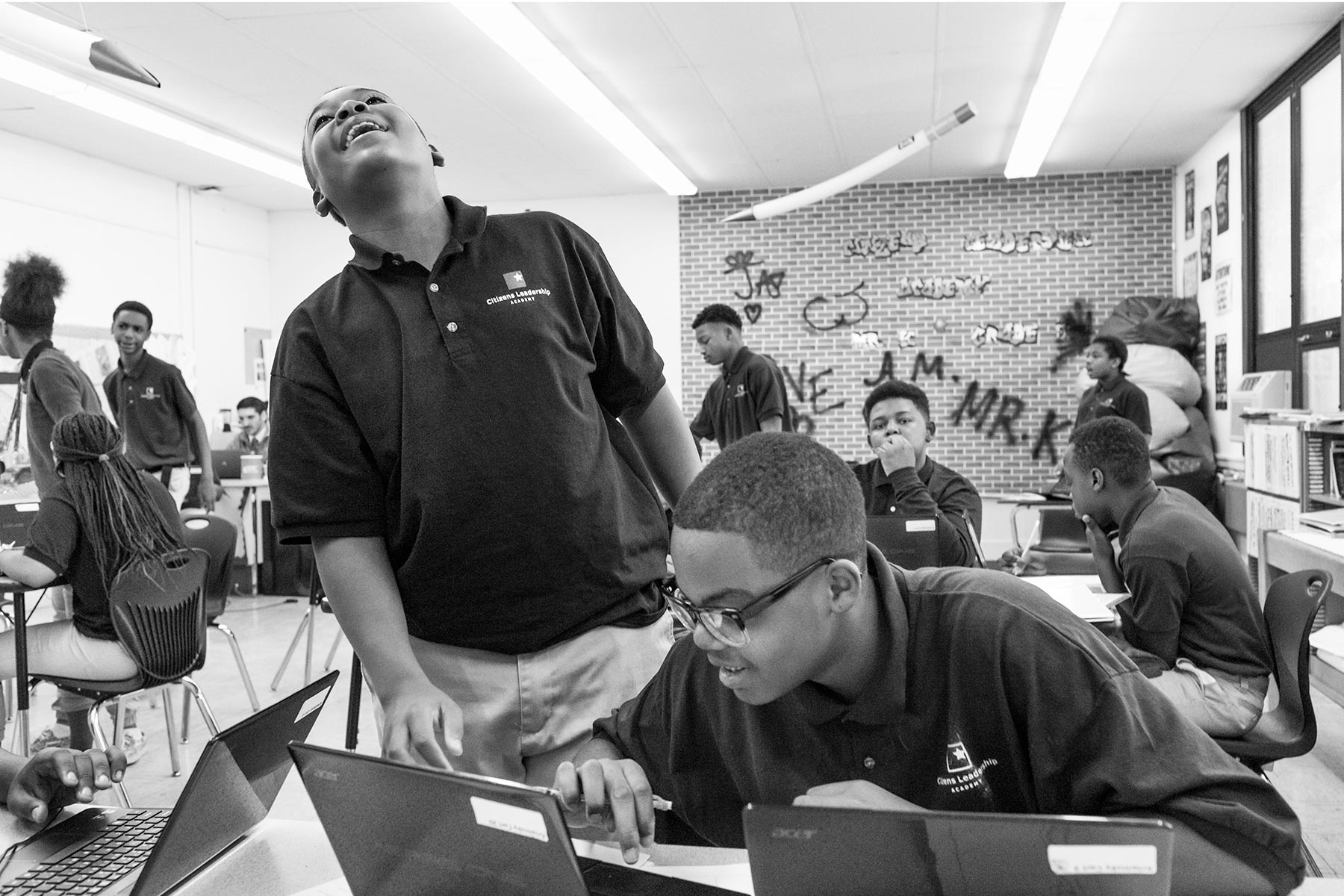
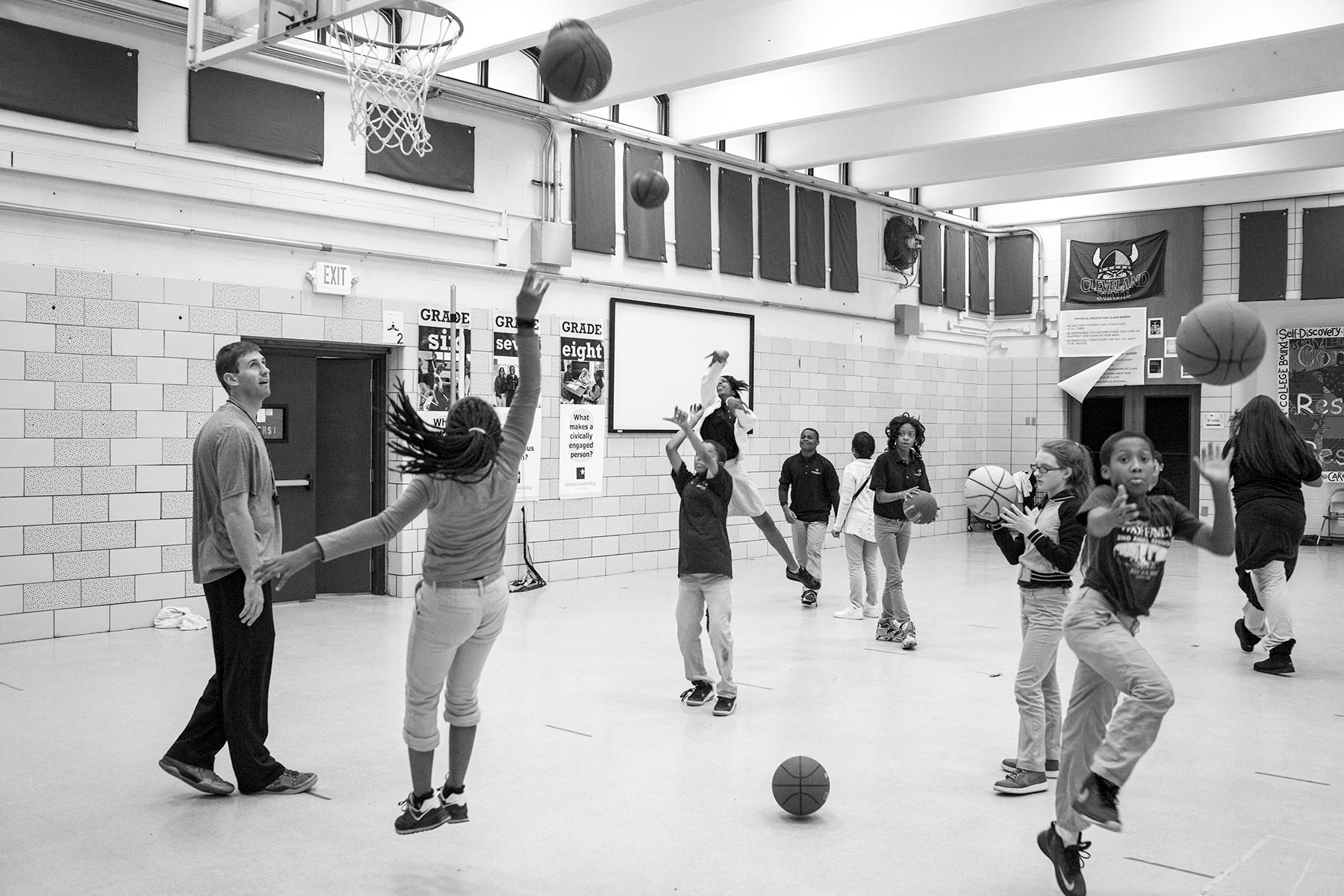
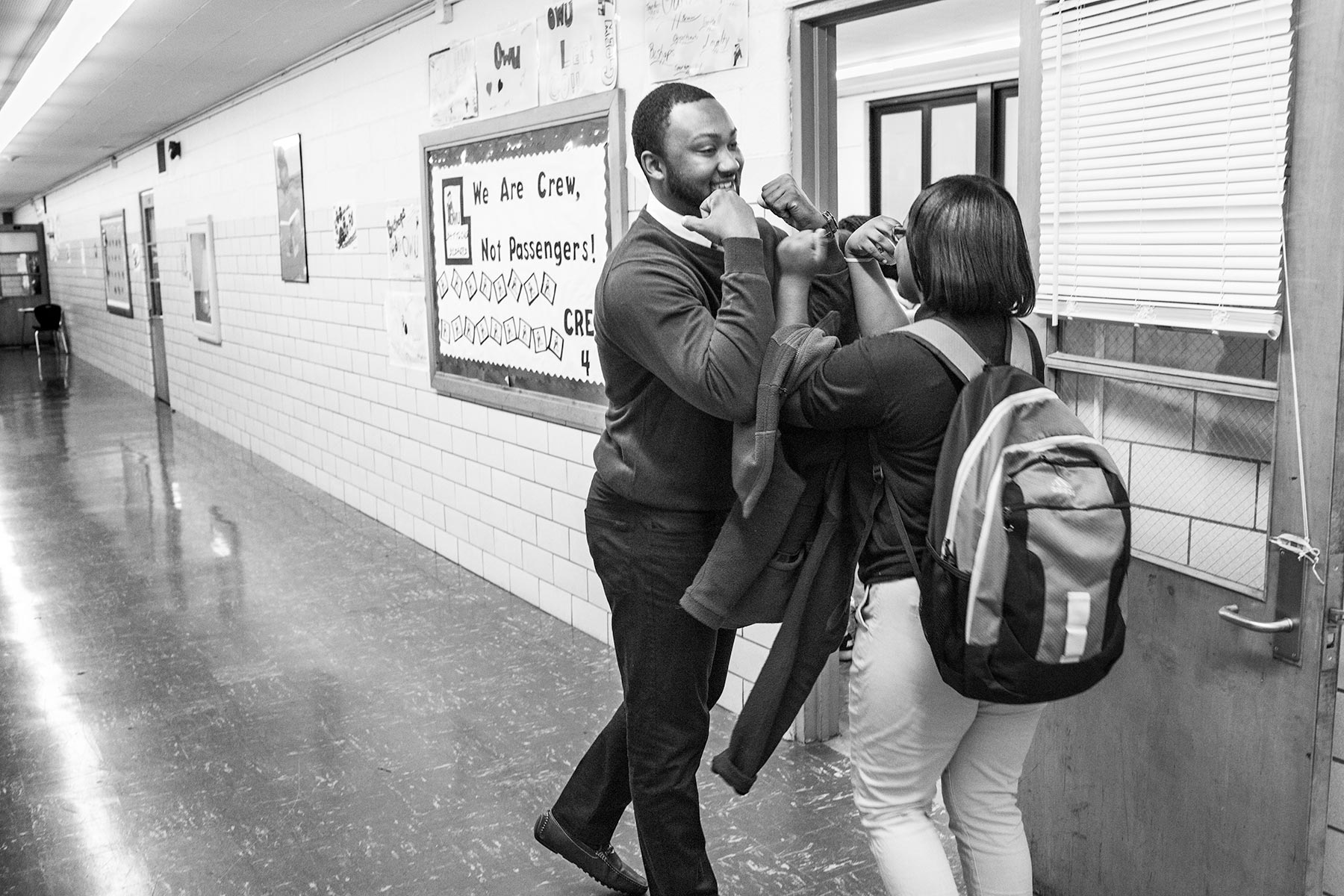

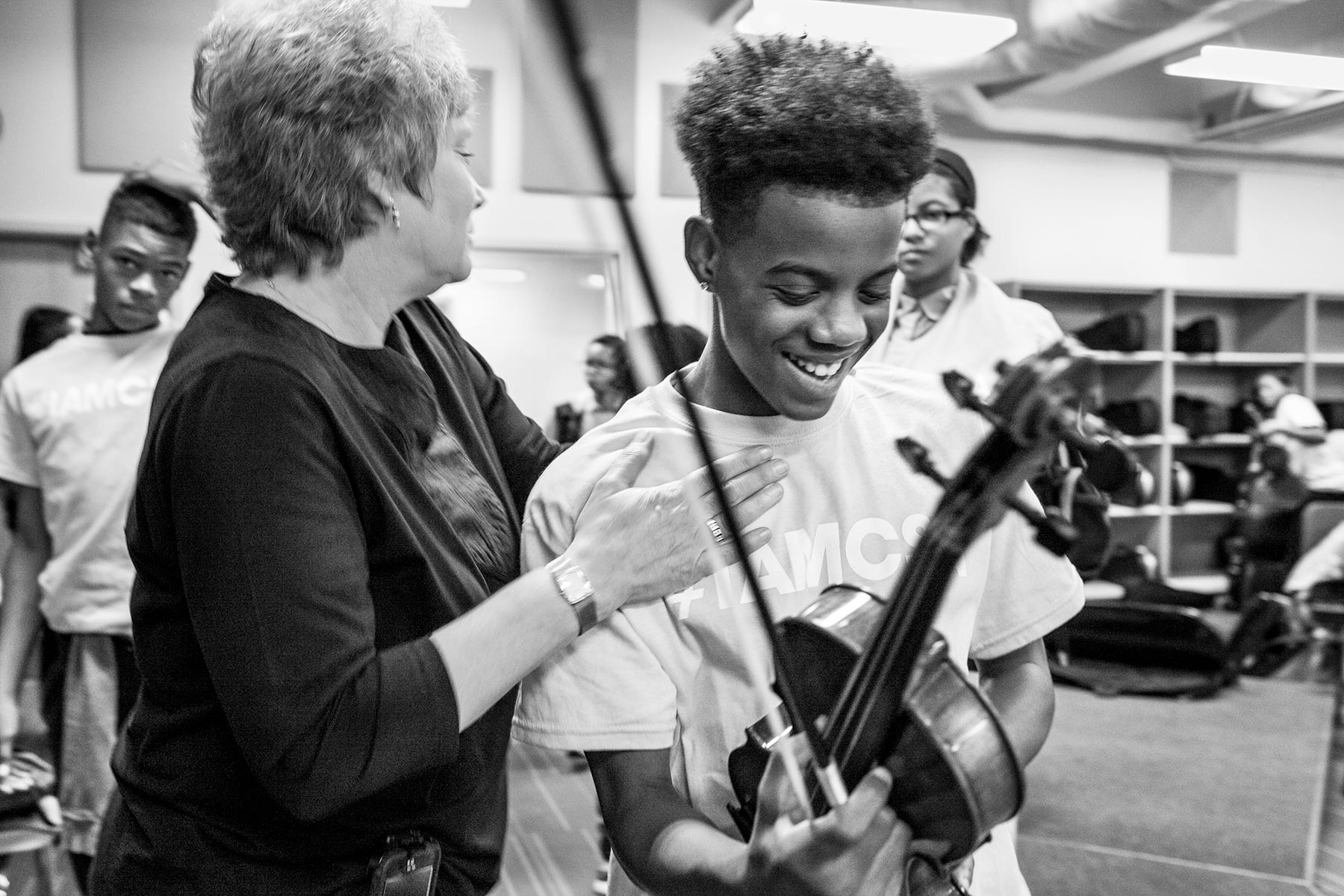
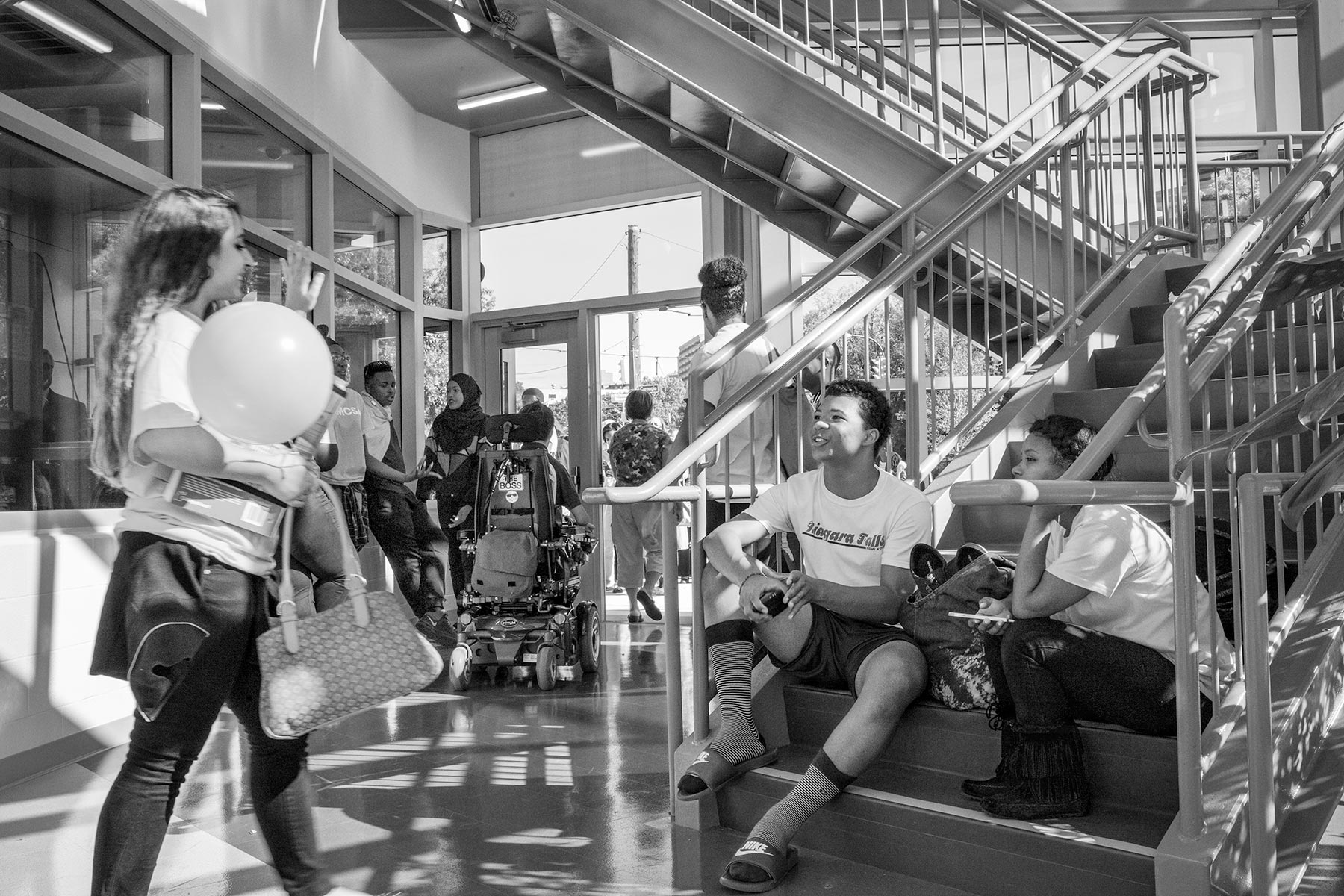
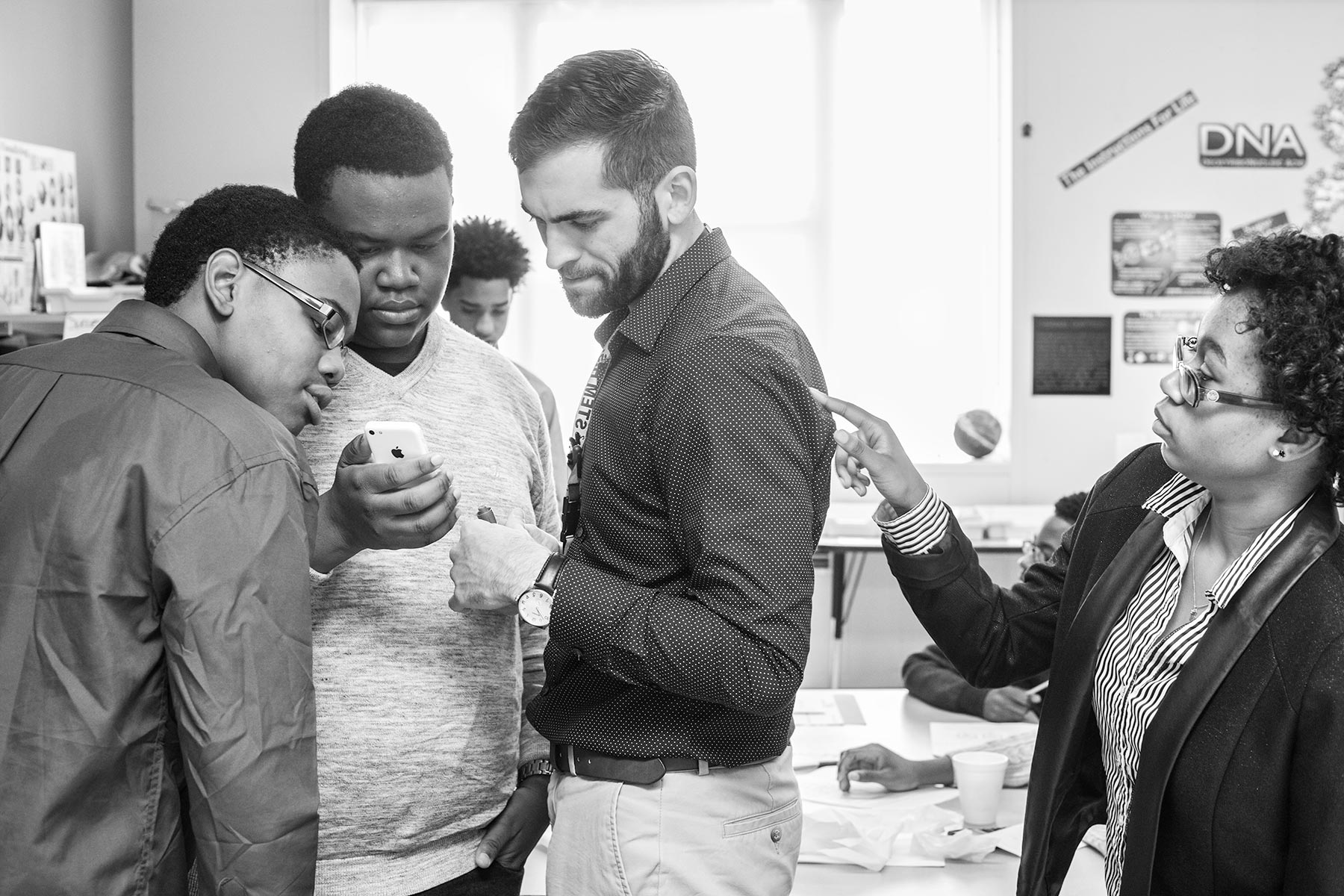
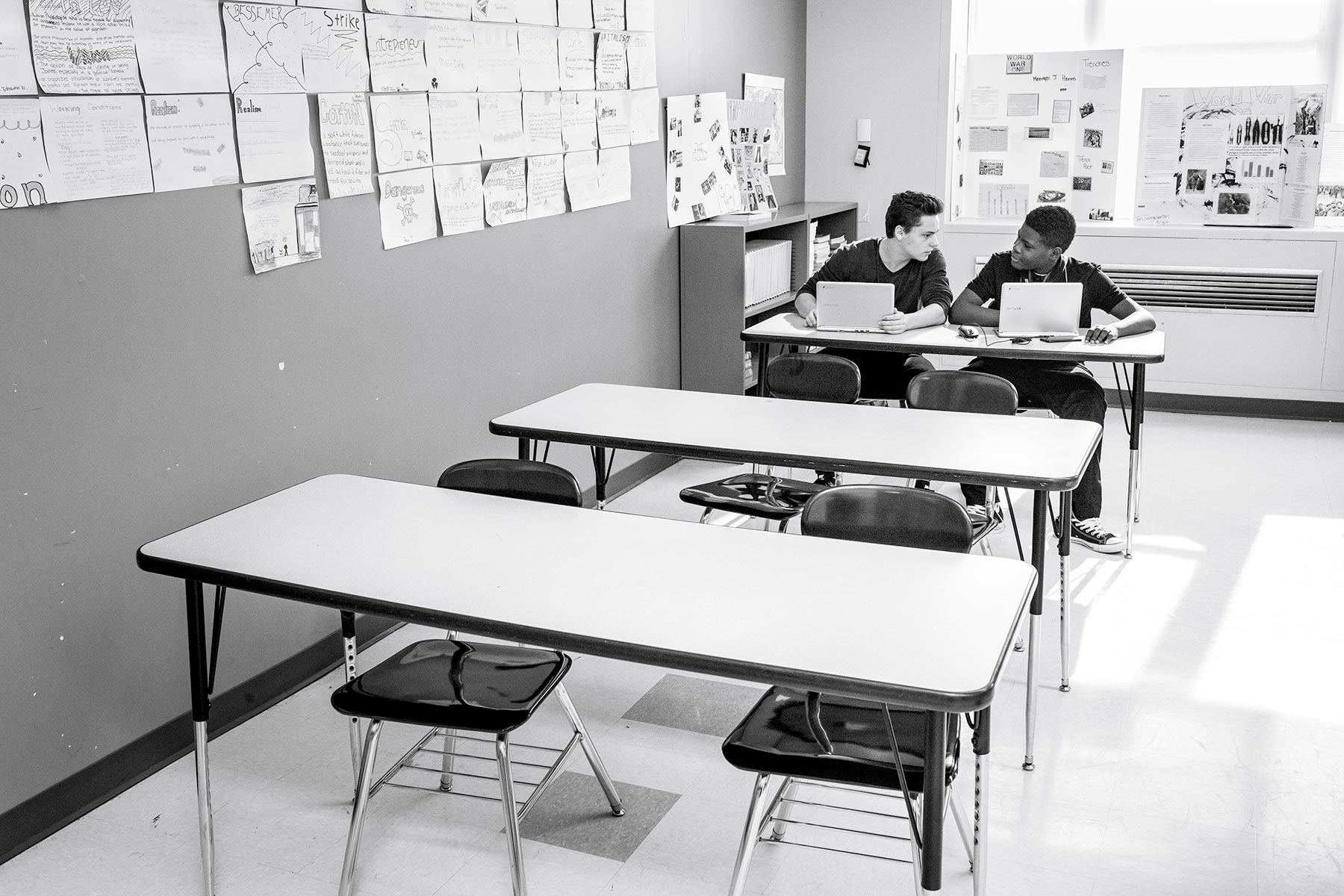




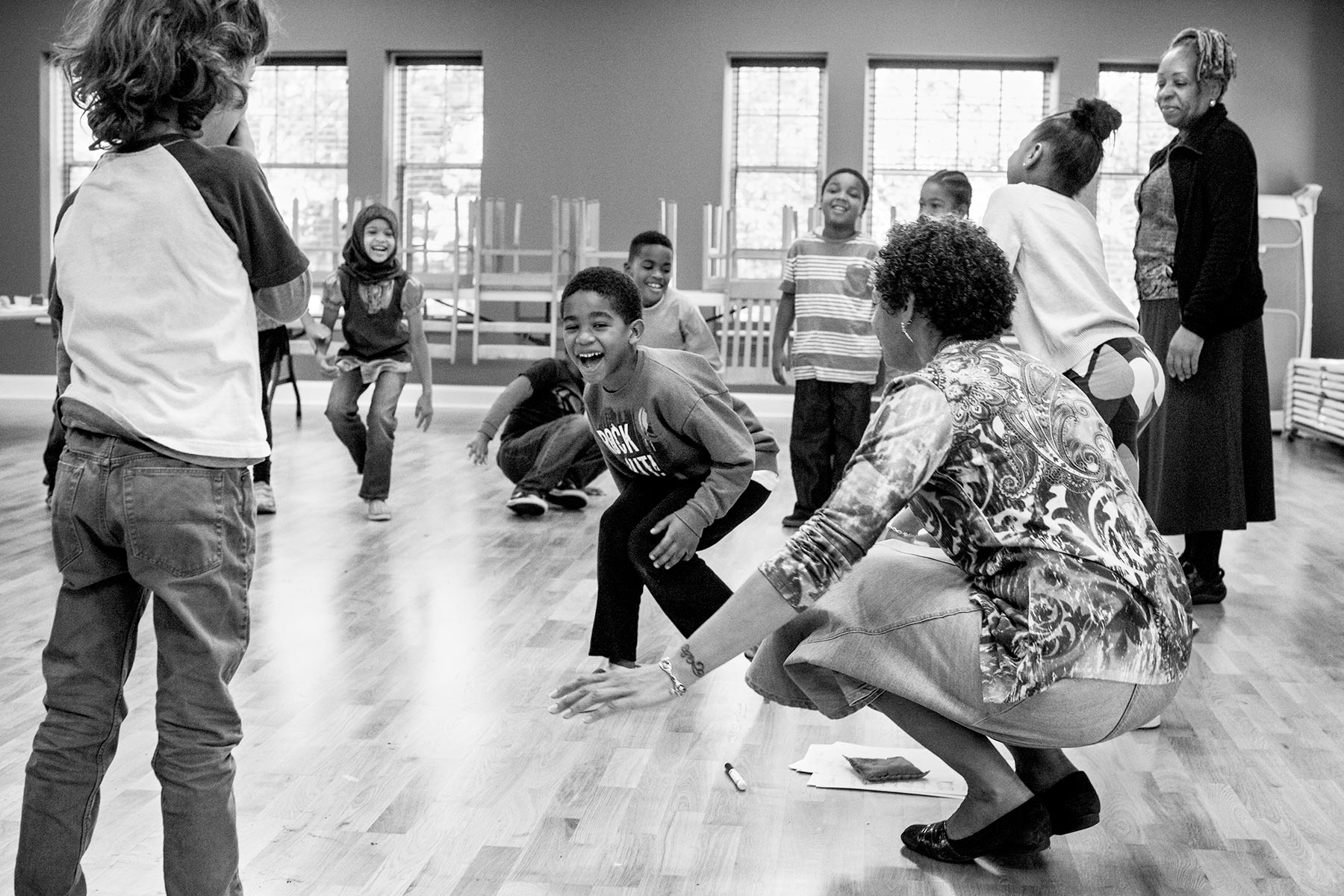
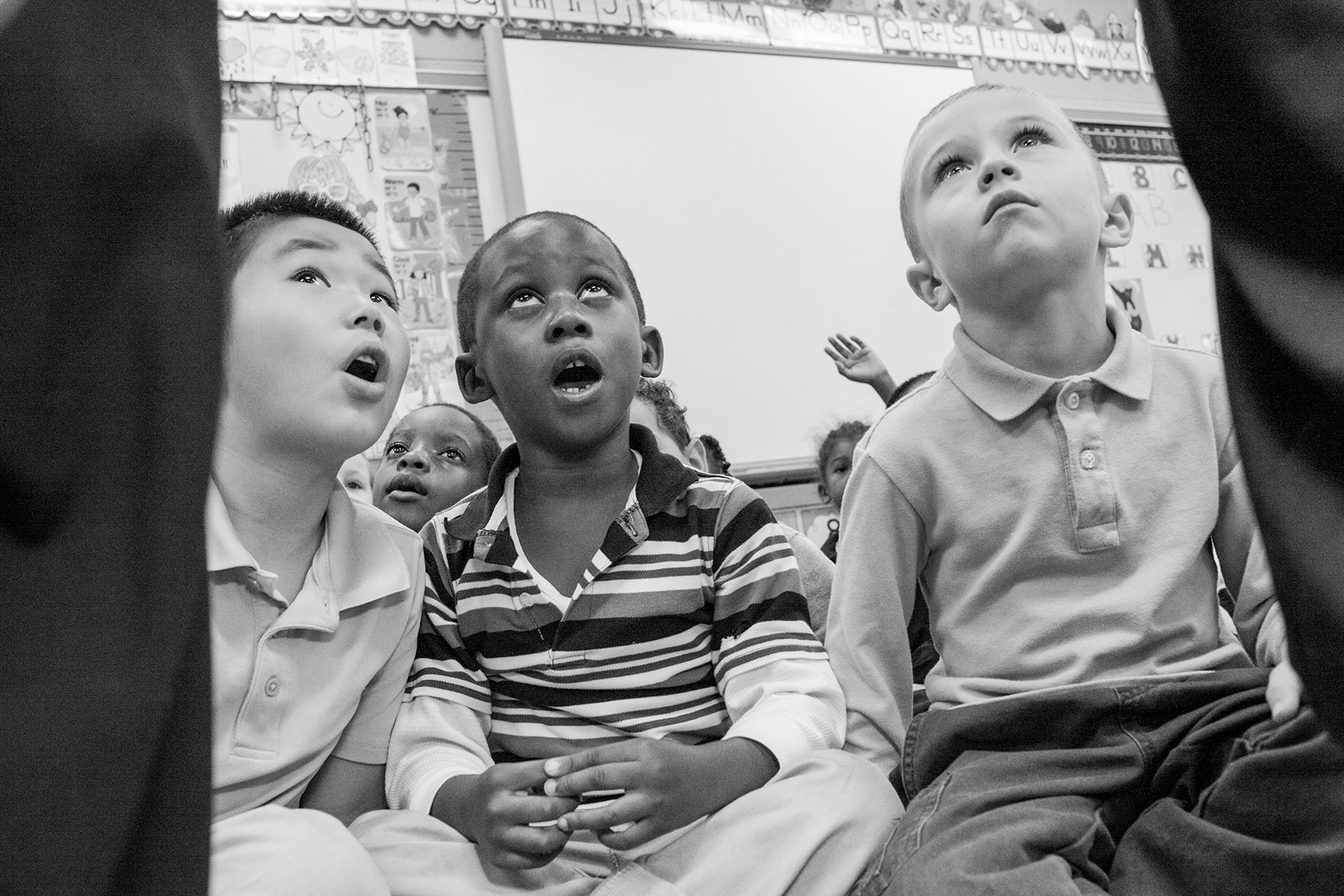
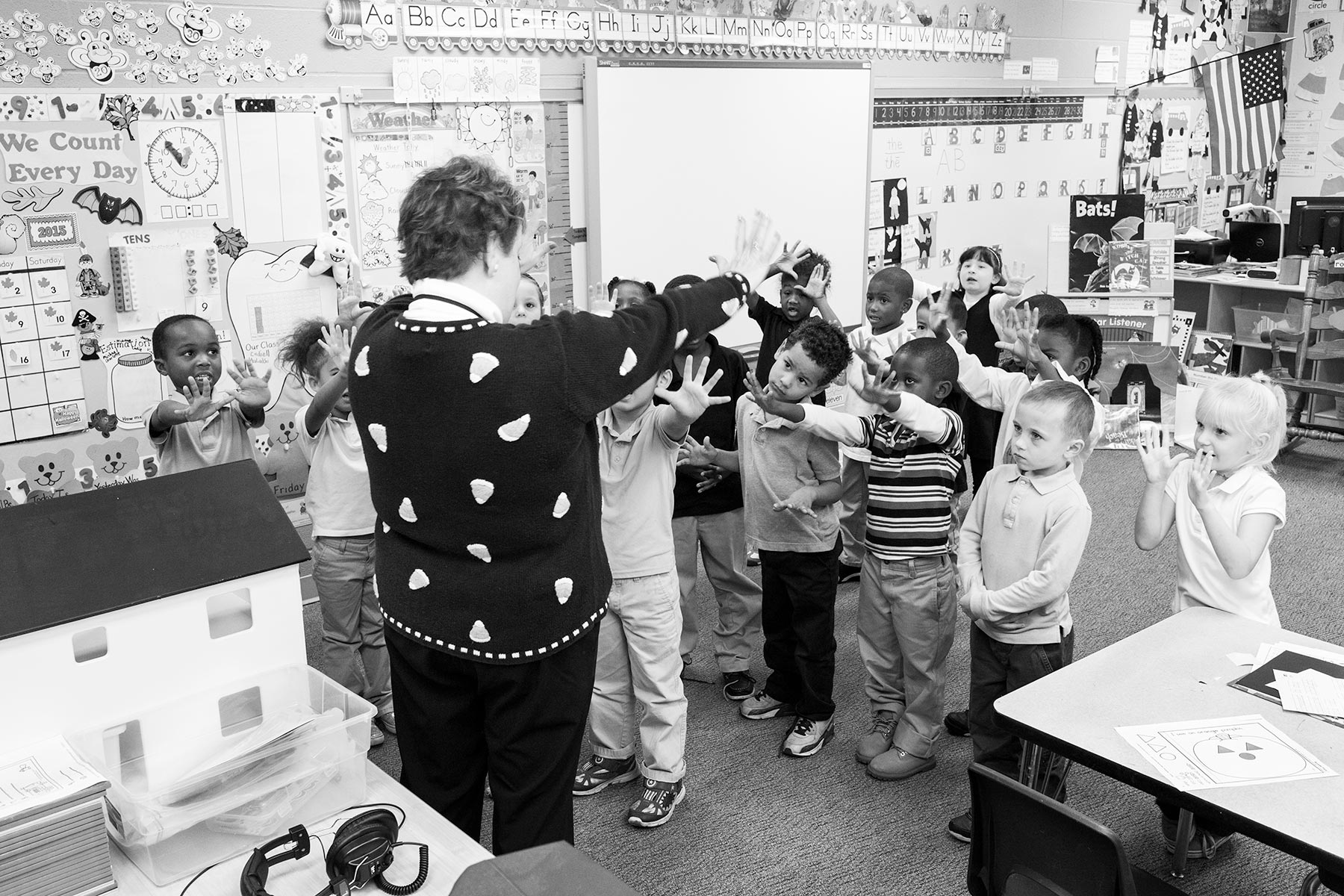
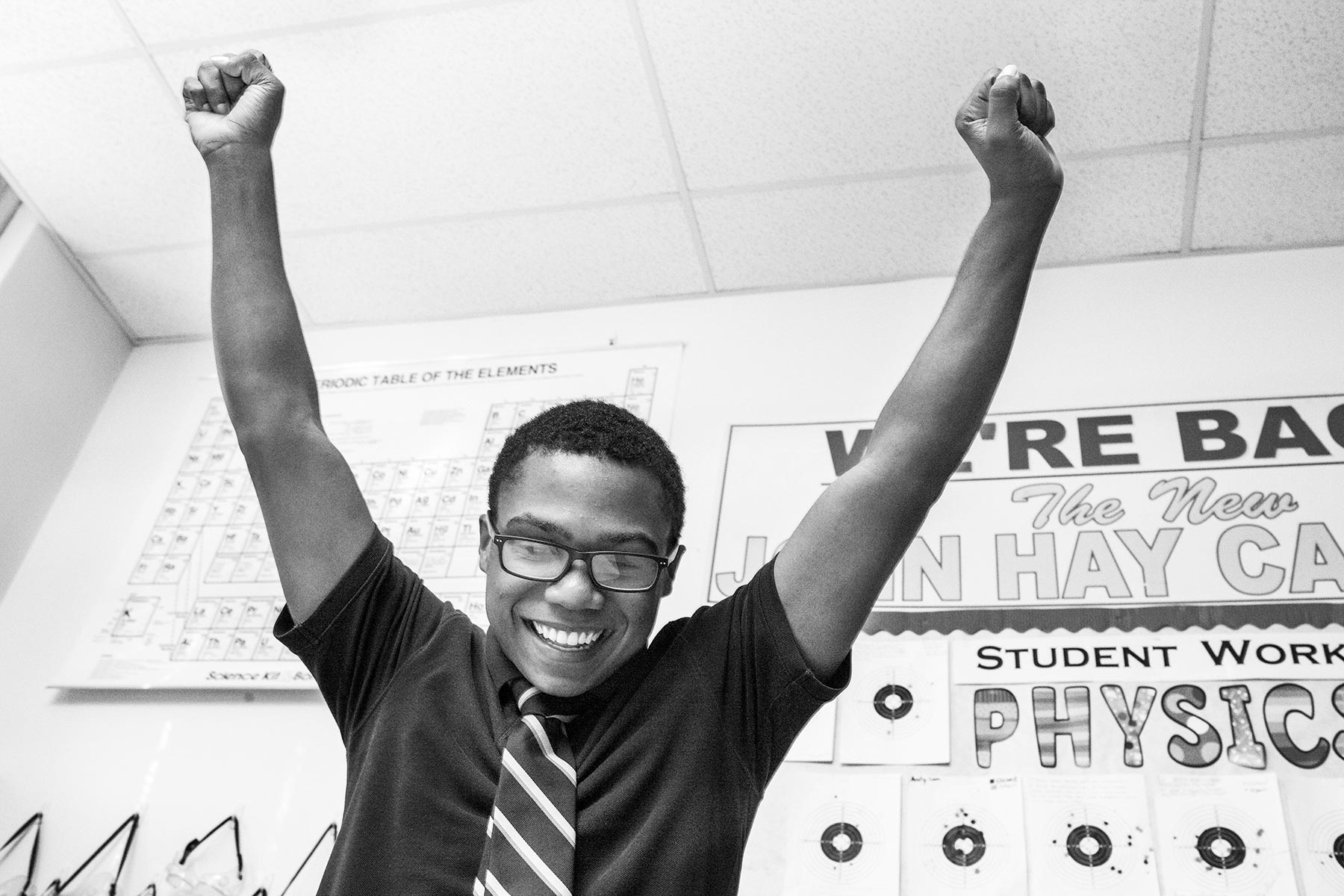
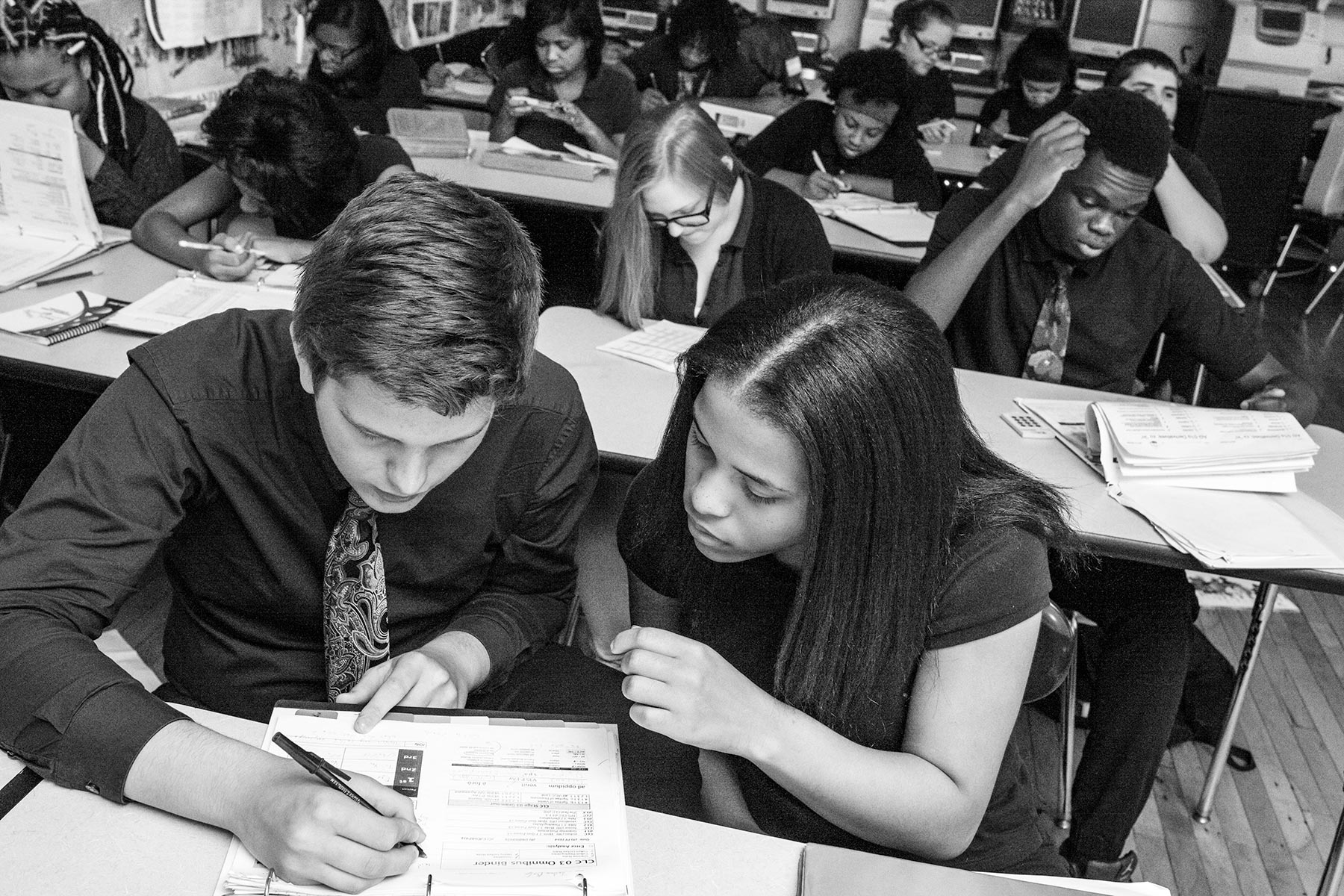
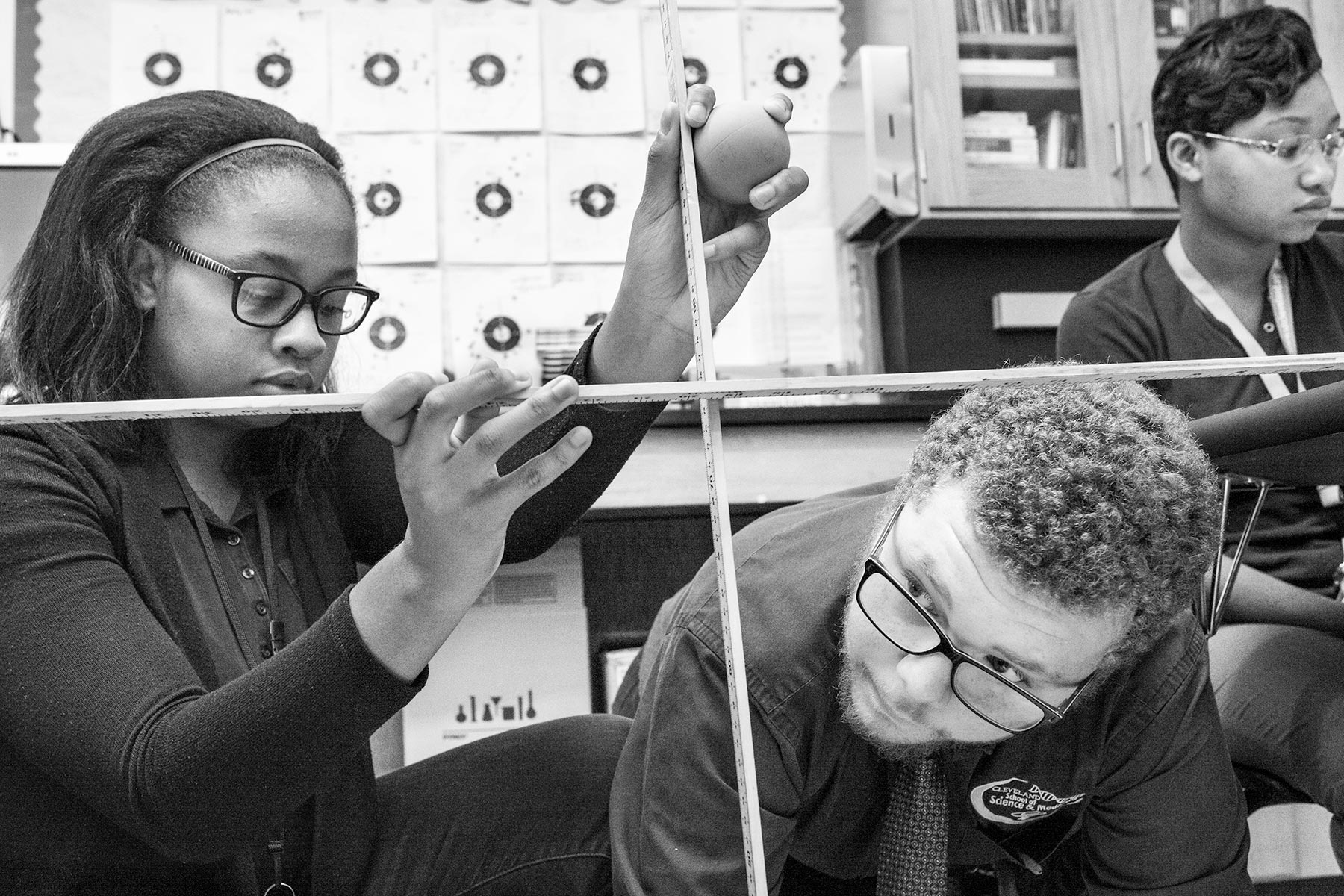
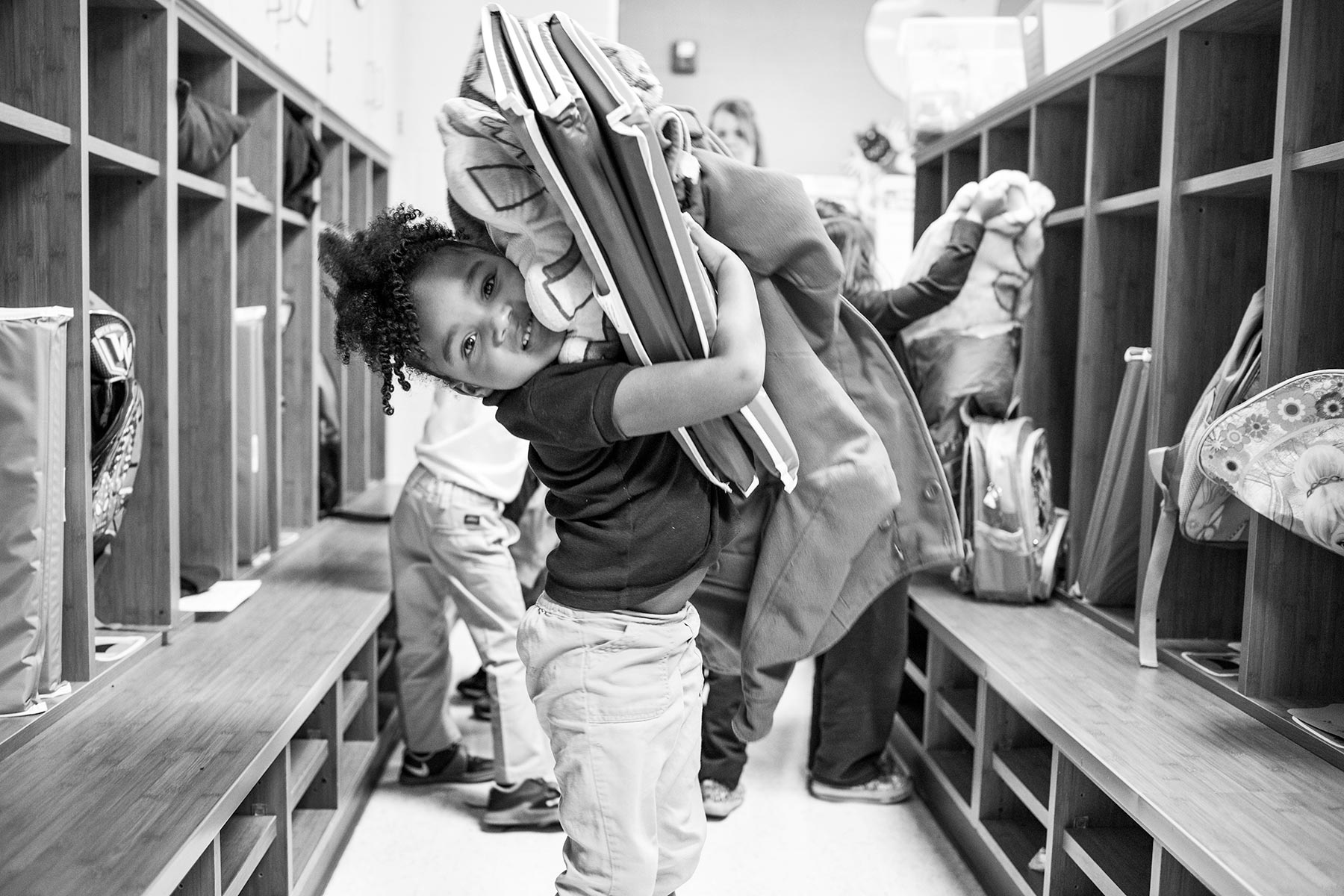
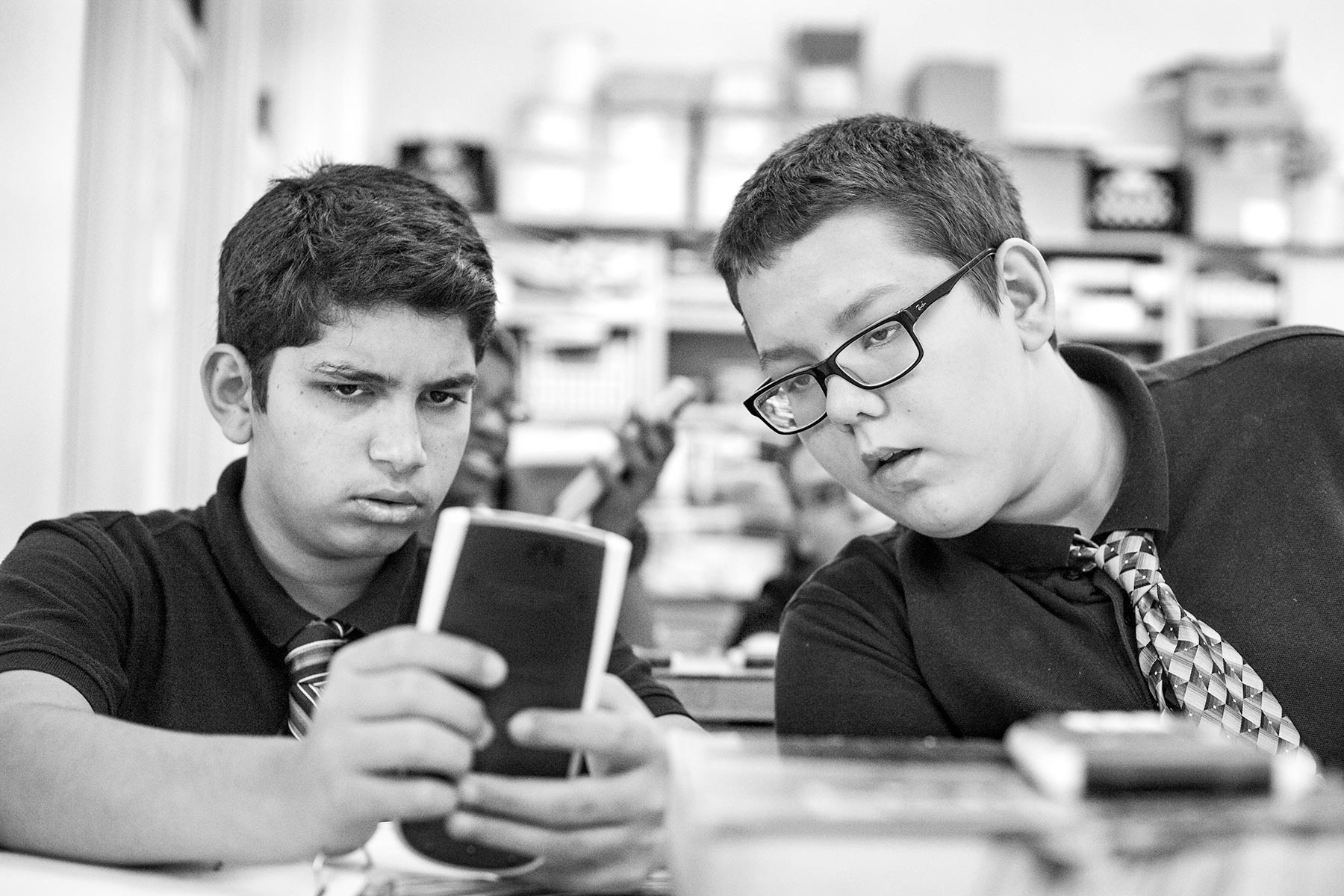
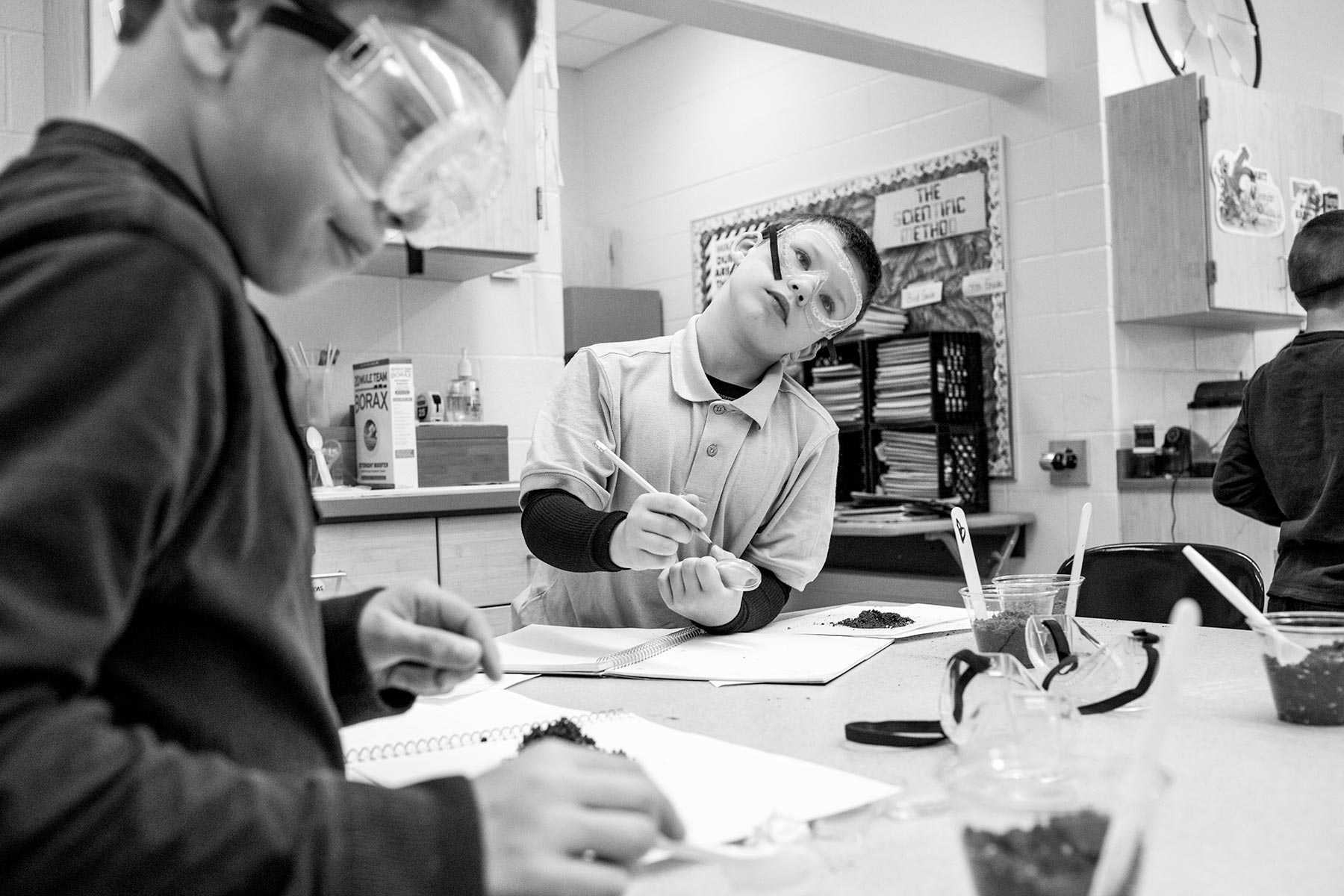

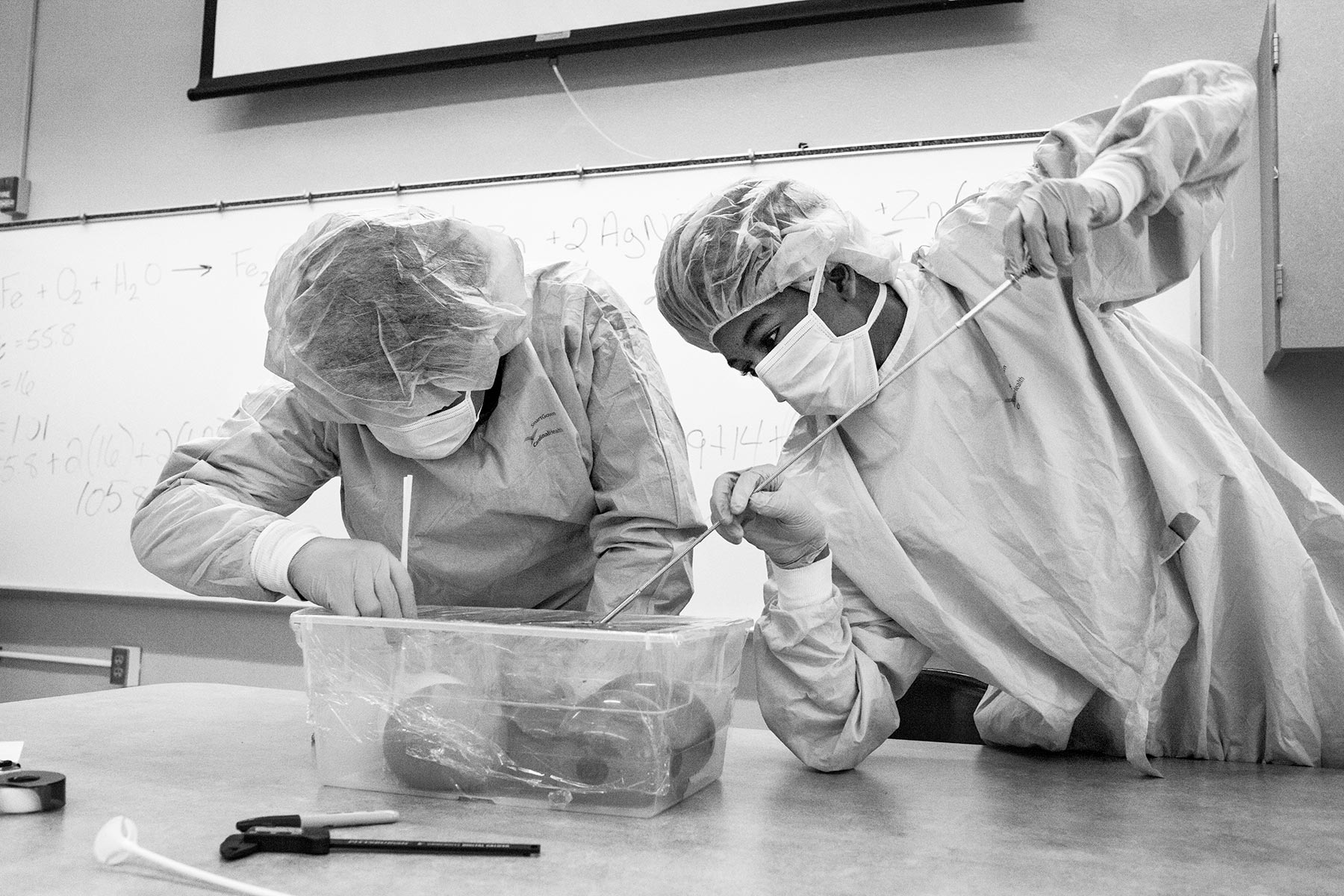
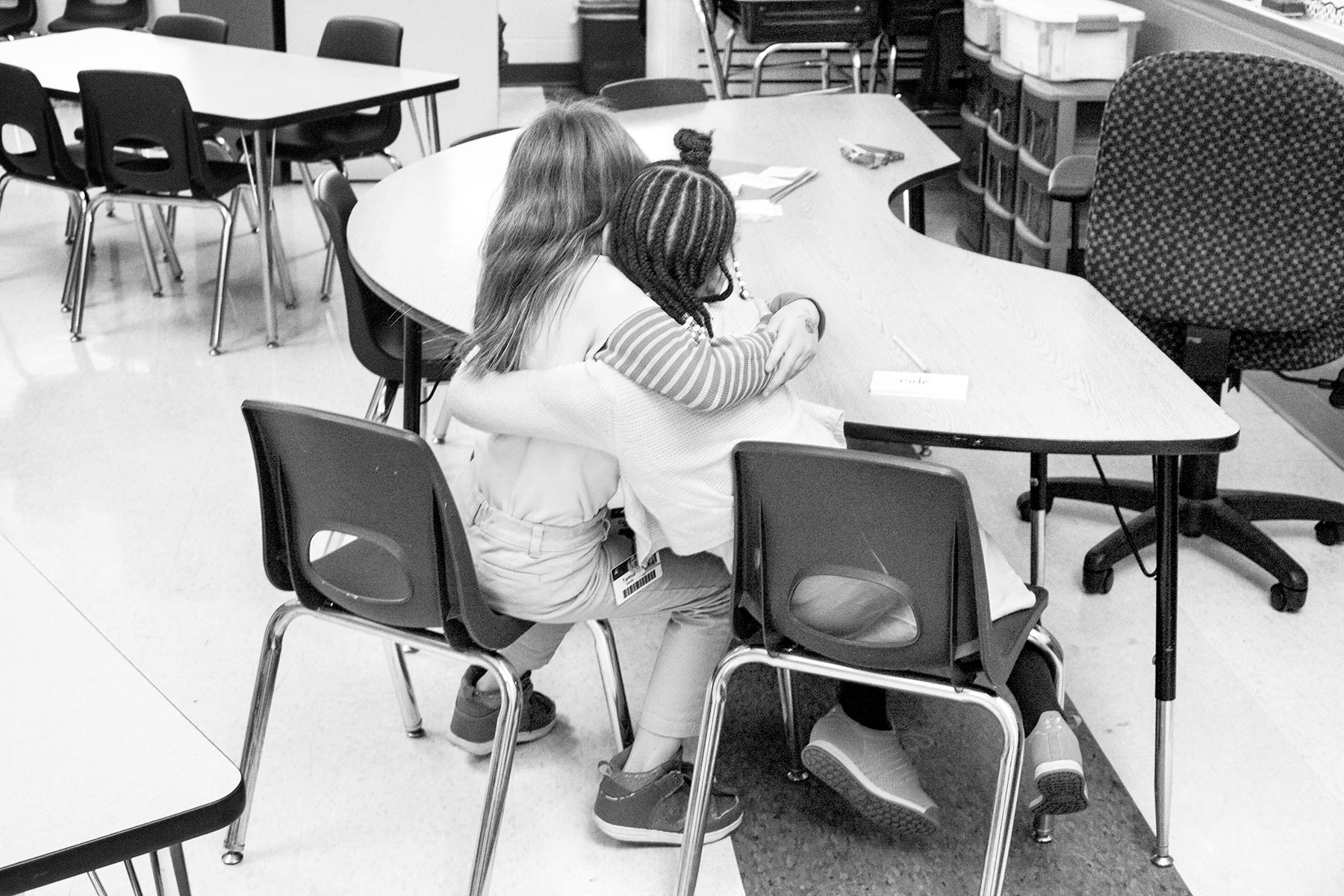
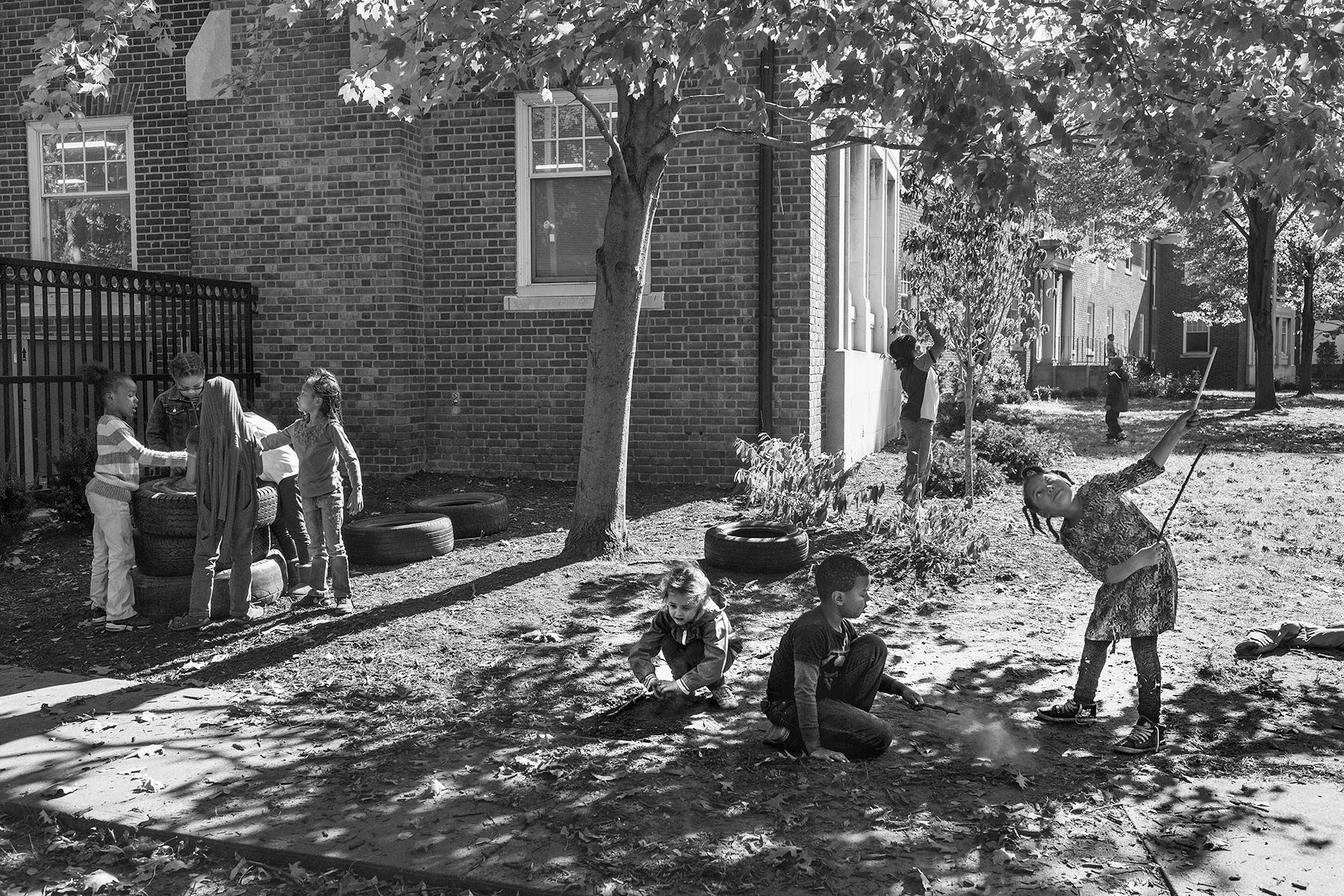
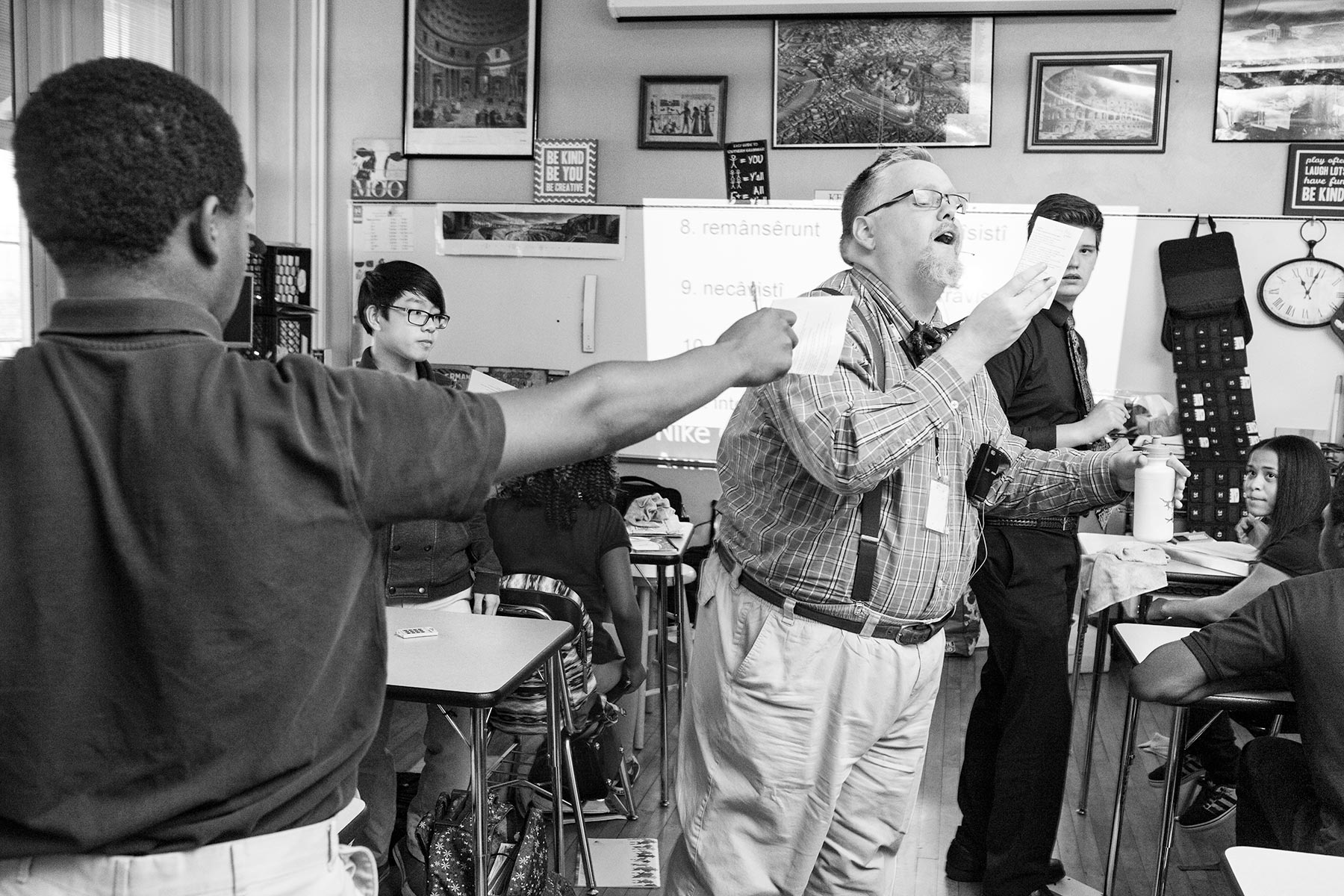
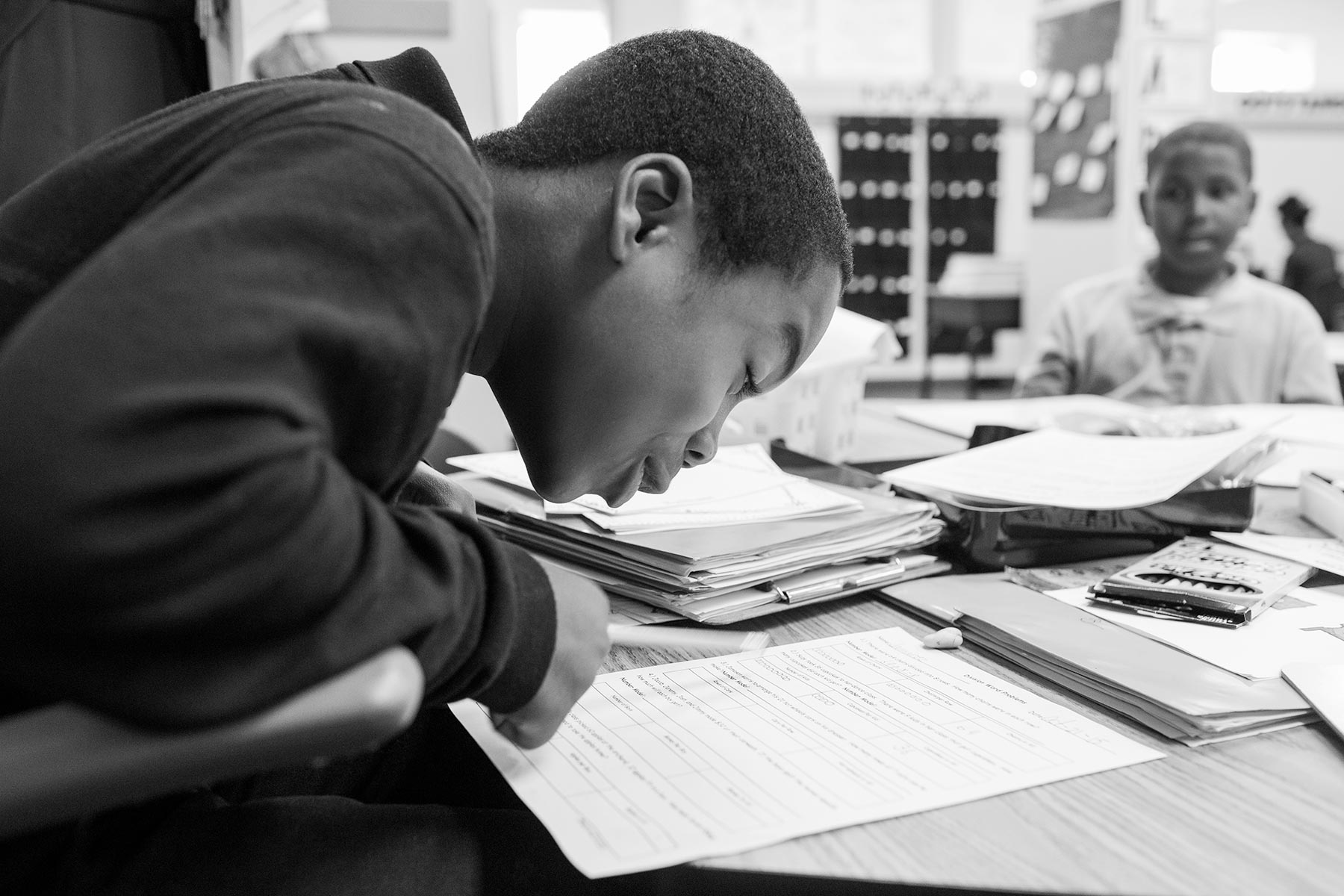
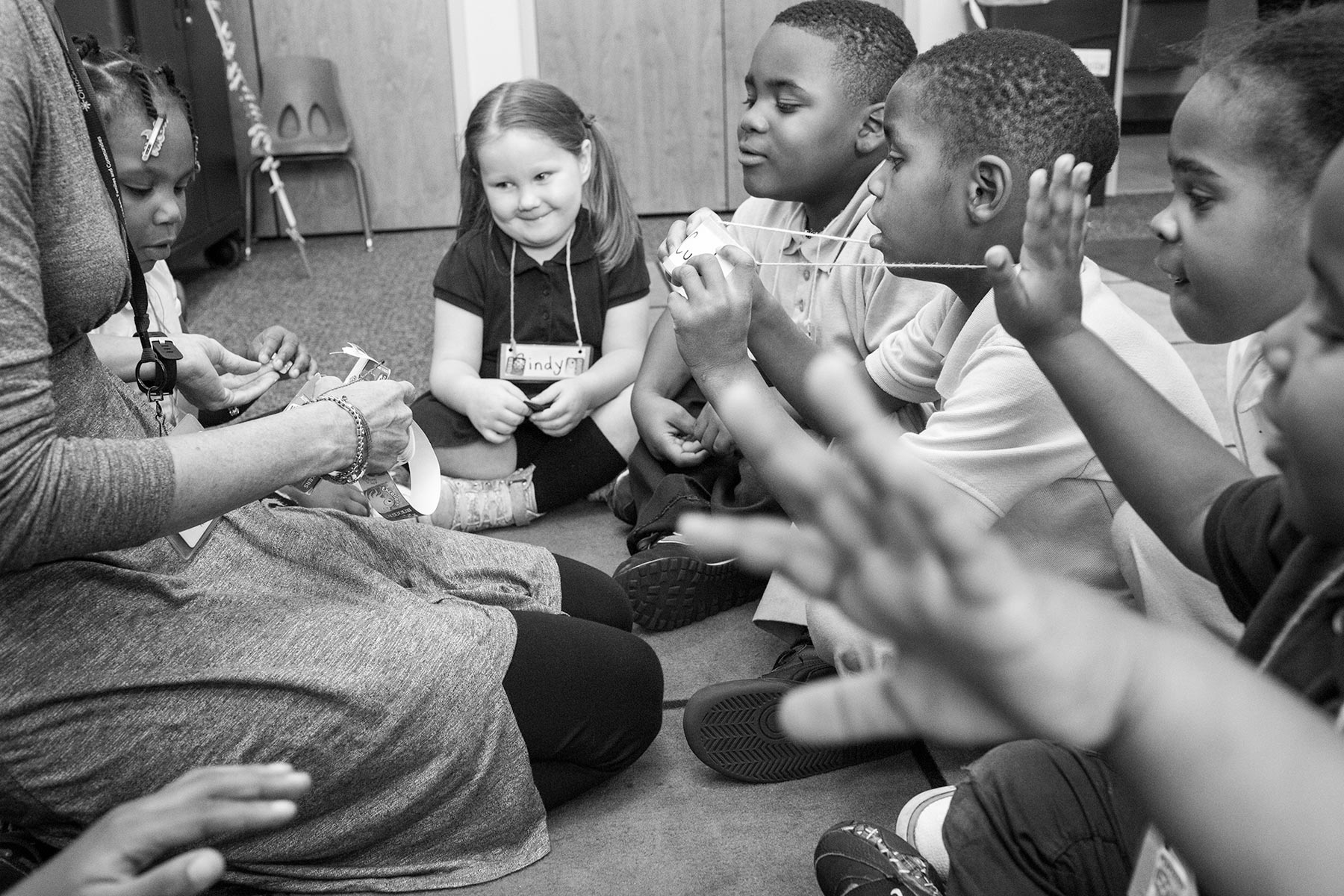

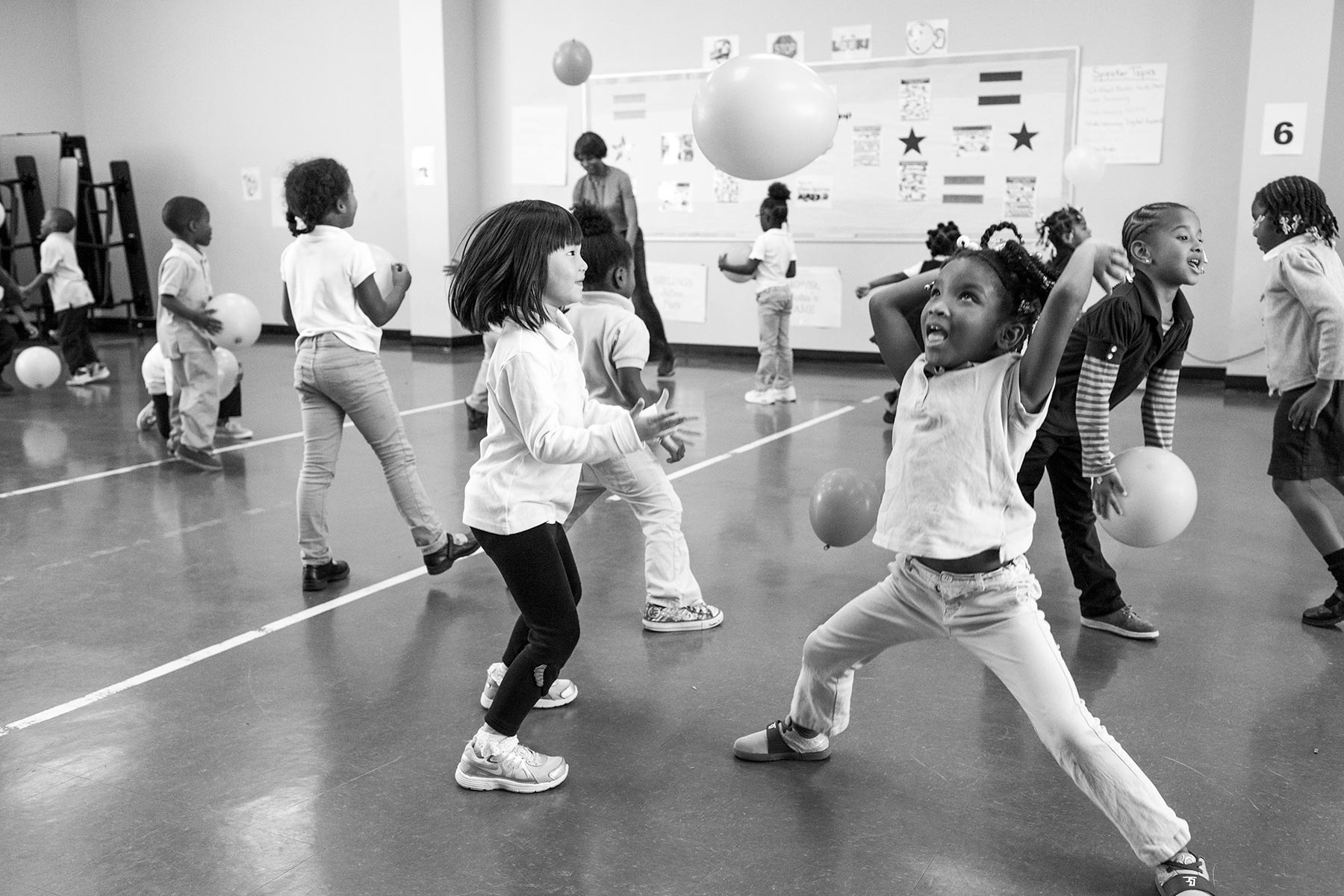
Letter from the Executive Director
2015 Annual Report
The quality of schools—real and perceived—is widely cited as a reason families do not move into the city or remain in the city after they have school-age children. School quality and the future of our city are intertwined. As one goes, so goes the other.
This is what compelled a coalition to forge the groundbreaking Cleveland’s Plan for Transforming Schools. The Cleveland Plan grew out of the work of numerous civic and education leaders over many years. Its goal is to ensure that every child in Cleveland attends a high-quality school and that every neighborhood has a multitude of great schools from which families can choose. Its supporting state legislation gave the Cleveland Metropolitan School District the ability to better manage its human and financial assets, partner with high-quality charter schools, and support the development of innovative schools.
We are nearly four years into The Cleveland Plan’s implementation and there are some noteworthy accomplishments.
The Cleveland Plan contributed to increased student enrollment for the first time in half a century. It helped achieve record gains in the high school graduation rate and increased college readiness among graduates, and it helped increase enrollment in high-quality preschool, improve student retention and attendance, recruit and retain high-quality teachers and principals, and increase autonomy and innovation at the school level. Most importantly, it propelled the successful passage, for the first time in 16 years, of a new district levy, which won with 57 percent of the vote and included funding for partnering charter schools.
But the most visible evidence of The Cleveland Plan is the schools themselves where teachers inspire their students, and students absorb knowledge and practice newfound skills. They are the real evidence of the change that is occurring.
For this year’s annual report, our Foundation commissioned award-winning photographer Lisa Kessler to document the progress inside the schools that are part of the growing portfolio of innovative options in Cleveland. She spent time in 11 district and charter schools last fall, and the fruits of her work are presented in the accompanying photo essay. These 11—and we could have selected many others—demonstrate what schools in Cleveland now offer to families. They represent the school-by-school transformation that is underway. They serve to inspire the taxpaying public and give enticing choices to children and their parents. The old image of Cleveland’s schools as failing, unsafe and unimaginative is rapidly being replaced by schools that demonstrate joy, inquiry, creativity, collaboration, critical thinking, use of technology and problem-solving—all of the traits that are necessary to prepare our children for the competitive global economy. And they make evident how Cleveland is breaking the one-size-fits-all model of education that has undermined American education for decades.
Join with Kessler on her photographic journey to these Cleveland schools. She visited the new Bard High School Early College, where learning is built around Socratic seminars and where a student can graduate with up to 60 college credit hours and an Associate’s degree from Bard College. She spent an afternoon at Buhrer Dual Language Academy where preschool, elementary, and middle school students are immersed in both Spanish and English in a bright and beautiful new building.
She photographed Citizens Leadership Academy, which uses expeditionary learning to stimulate students as they learn about themselves, their community and their world. She visited MC2STEM, where students spend their first year at the Great Lakes Science Center, their sophomore year at General Electric’s Nela Park campus and their junior, and senior years at Cleveland State University taking college coursework alongside high school classes.
Kessler’s camera also took her to the redesigned and rebuilt Cleveland School of the Arts and Max S. Hayes High School, both of which are forging career ambitions and skills while attracting students from across the city. Campus International, the district’s first International Baccalaureate school, opened its doors to Kessler as it prepares to expand its offerings to the high school level in 2017. She photographed students and their teachers at Robinson G. Jones, highlighting its interactive and exploratory learning approach, and at Stonebrook Montessori, the region’s only Montessori charter school, which opened in a spectacularly renovated Amasa Stone House in Glenville.
She also spent a day at Stepstone Academy, which uses a blended learning model and wraparound services to meet students’ social and emotional needs. Finally, the impact of an extensive partnership among medical, philanthropic, and higher education institutions was on display at the Cleveland School of Science and Medicine.
These are just some of the schools in Cleveland’s growing portfolio of impressive options. They clearly are not the Cleveland schools of years gone by. If you are like most Clevelanders, you are barely aware of the dramatic scope of this change. The transformation is far from complete. The overall performance of schools in Cleveland is still deficient. Much work lies ahead to fully achieve what the schools, our children and this city need. But it is time, as these photographs illustrate, for those who have not already changed their minds about the direction of Cleveland’s schools to do so.
David Abbott, Executive Director, The George Gund Foundation

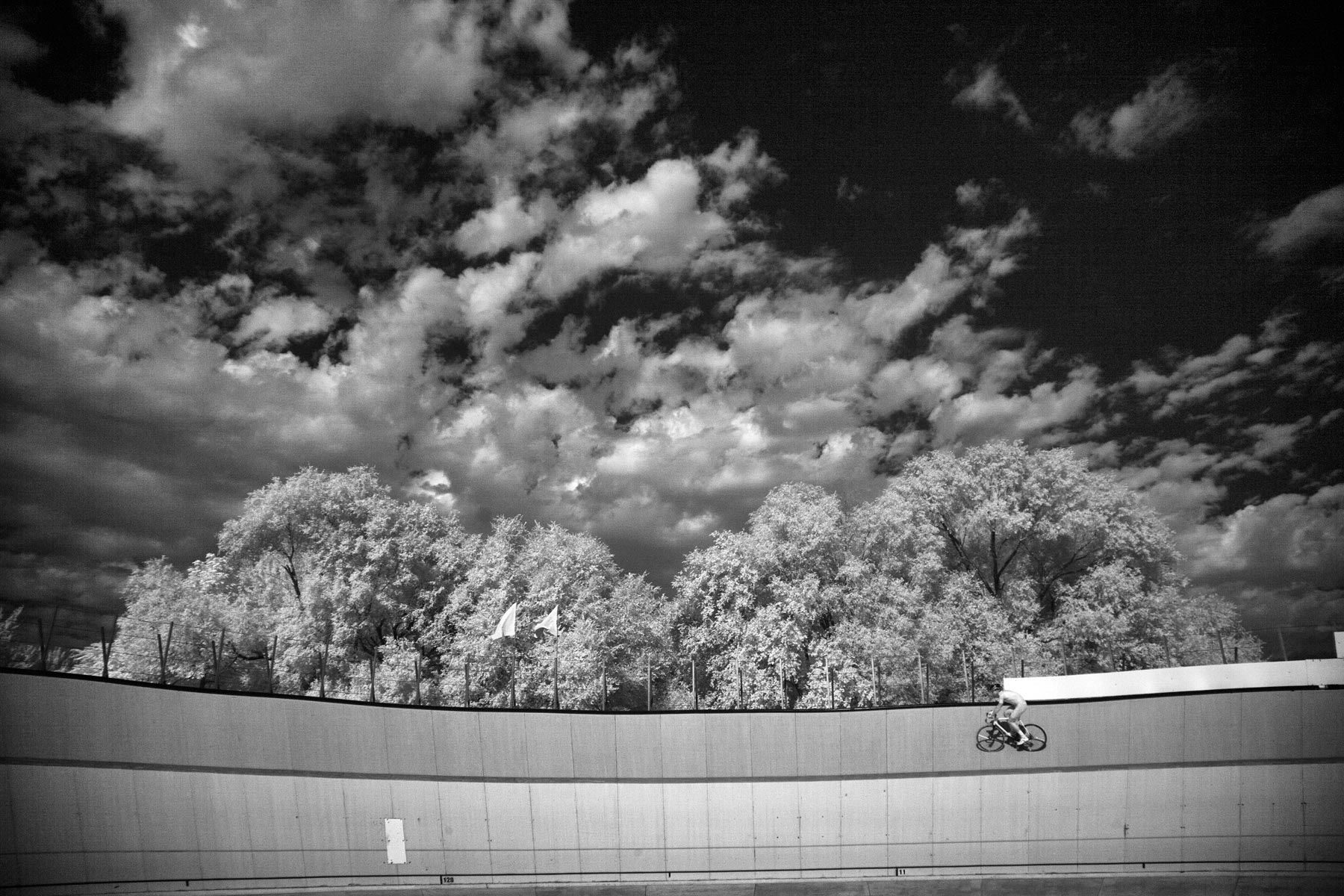
Biking Experience
Photography
David Burnett (2014)
Noted photojournalist David Burnett has focused his well-traveled lens on the vitality and diversity of Cleveland’s rapidly growing cycling community. Burnett, who was named by American Photo magazine as one of the “100 Most Important People in Photography,” has spent more than four decades covering the news, the people, and the visual tempo of our age. He is cofounder of the New York-based photojournalism agency Contact Press Images and is winner of dozens of top awards. Burnett has traveled extensively throughout the world photographing a broad range of subjects, from napalm victims of the Vietnam War to the aftermath of Hurricane Katrina to reggae singer Bob Marley. His work has been published in many major publications and has been exhibited nationally and internationally.
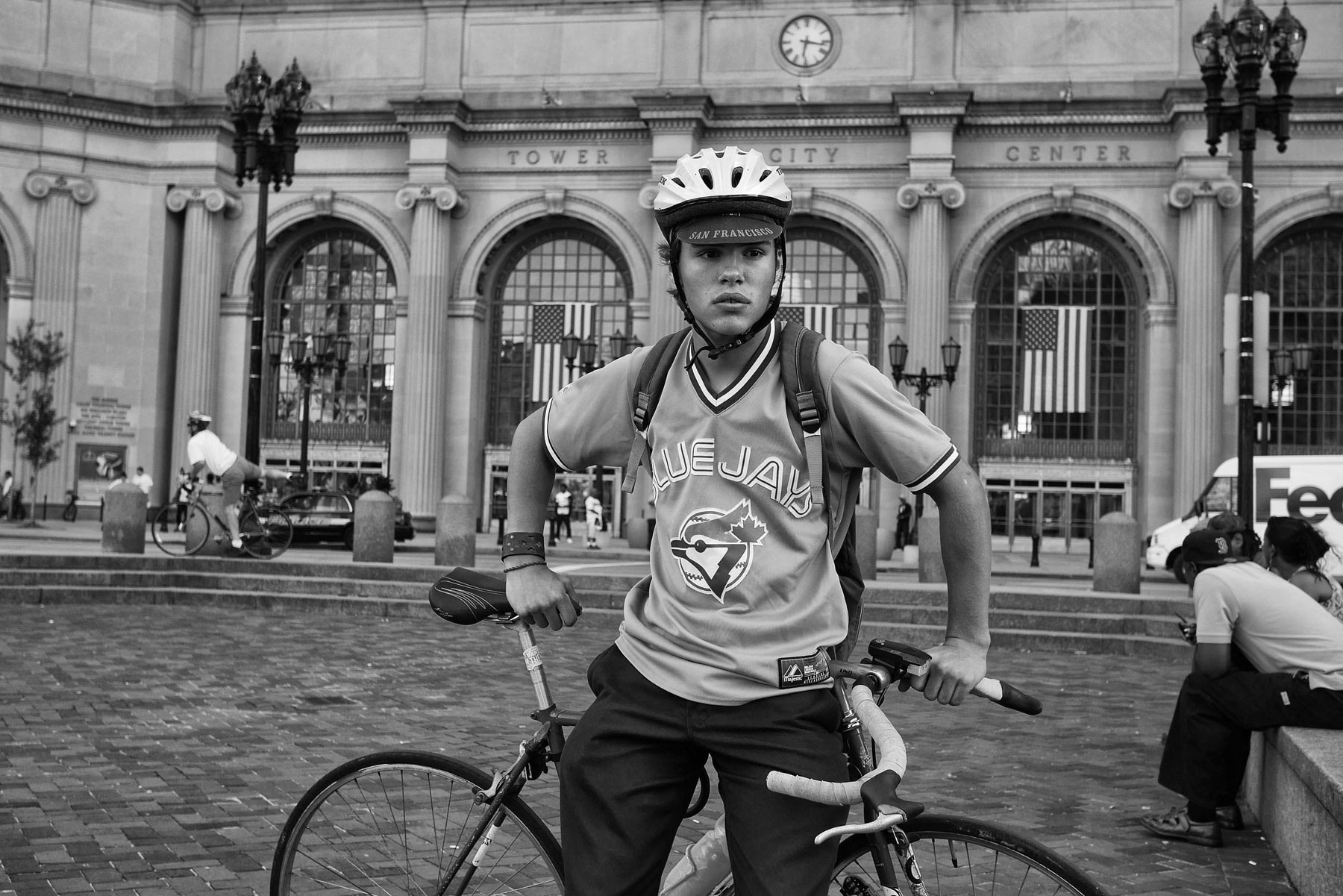
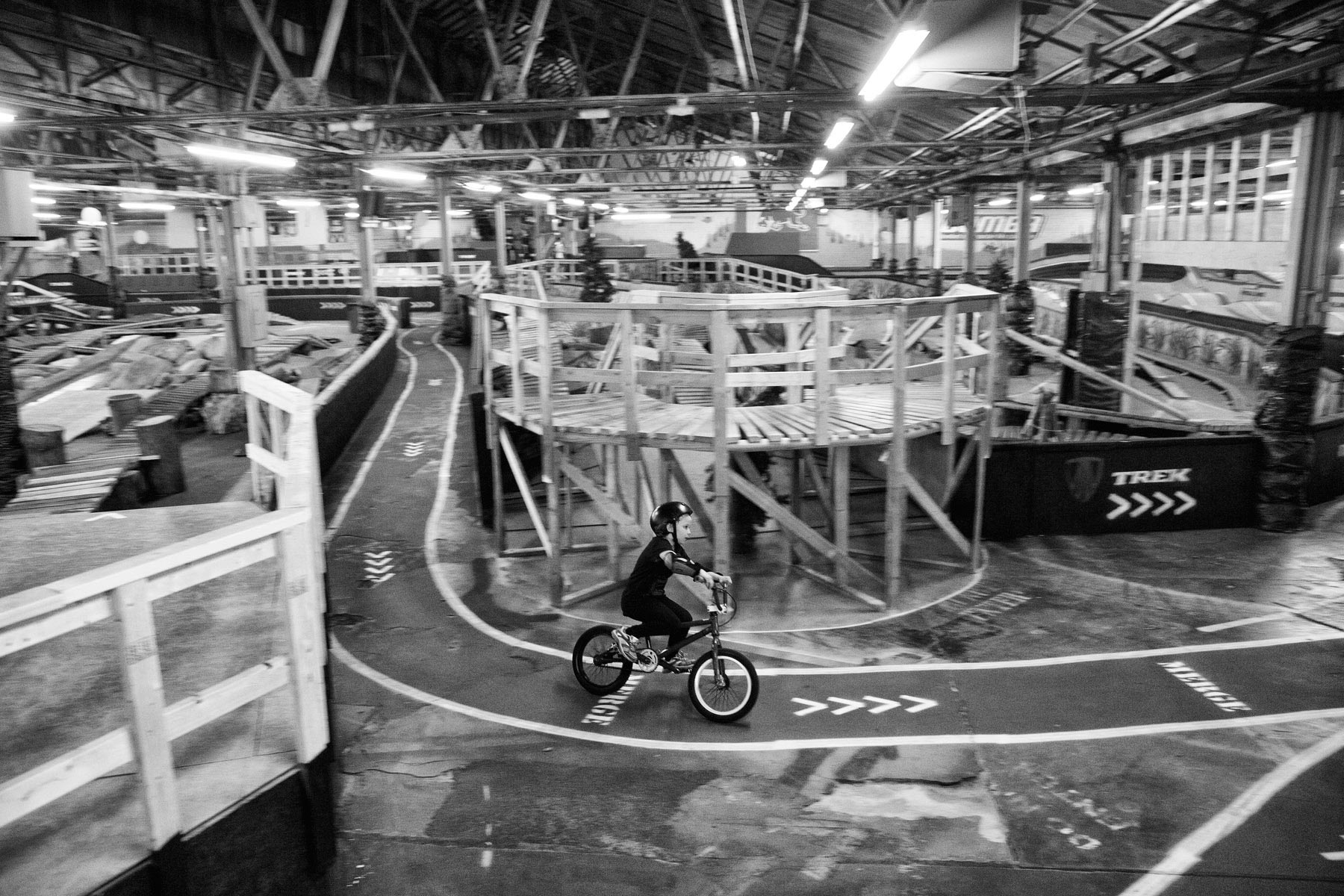
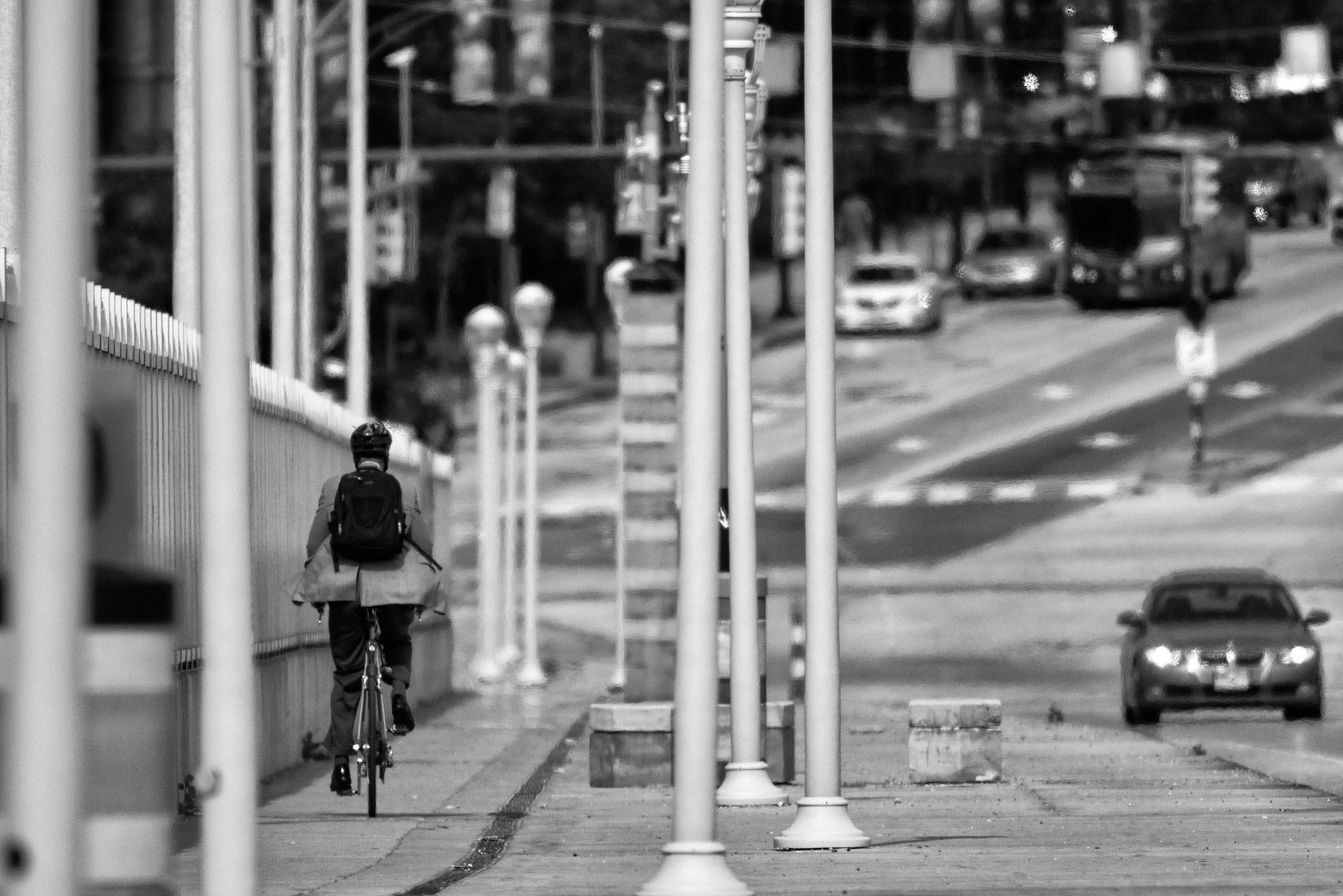
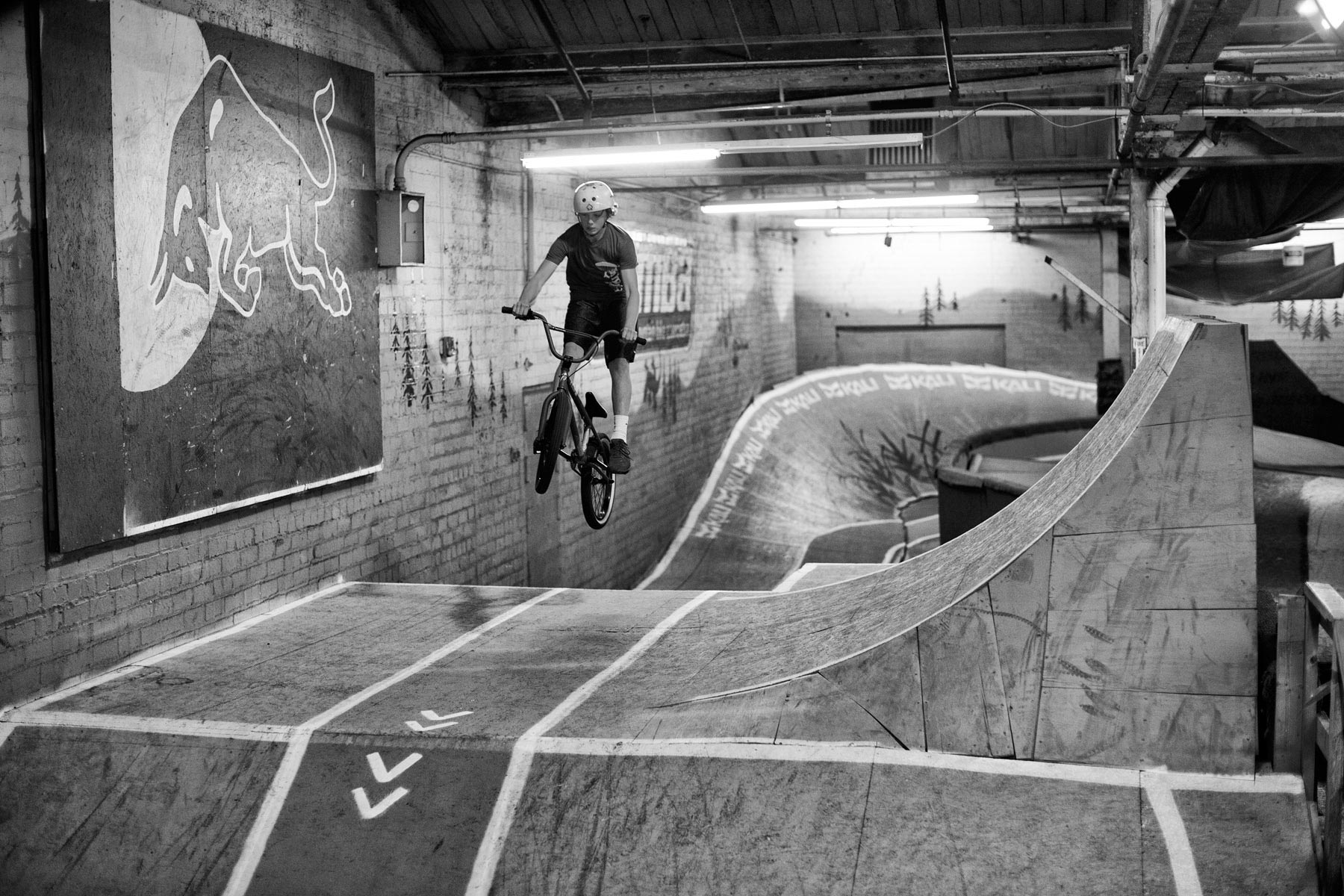
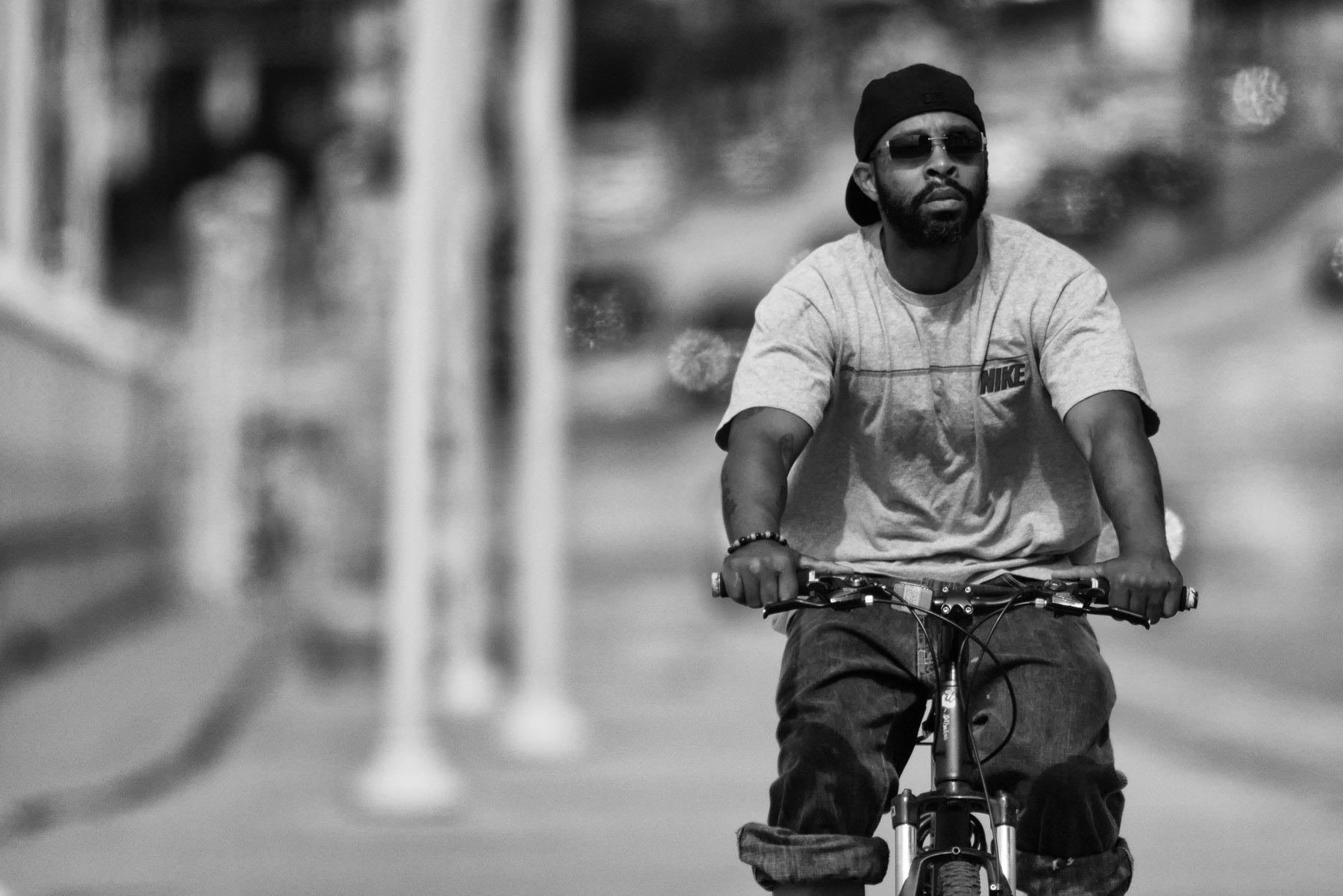


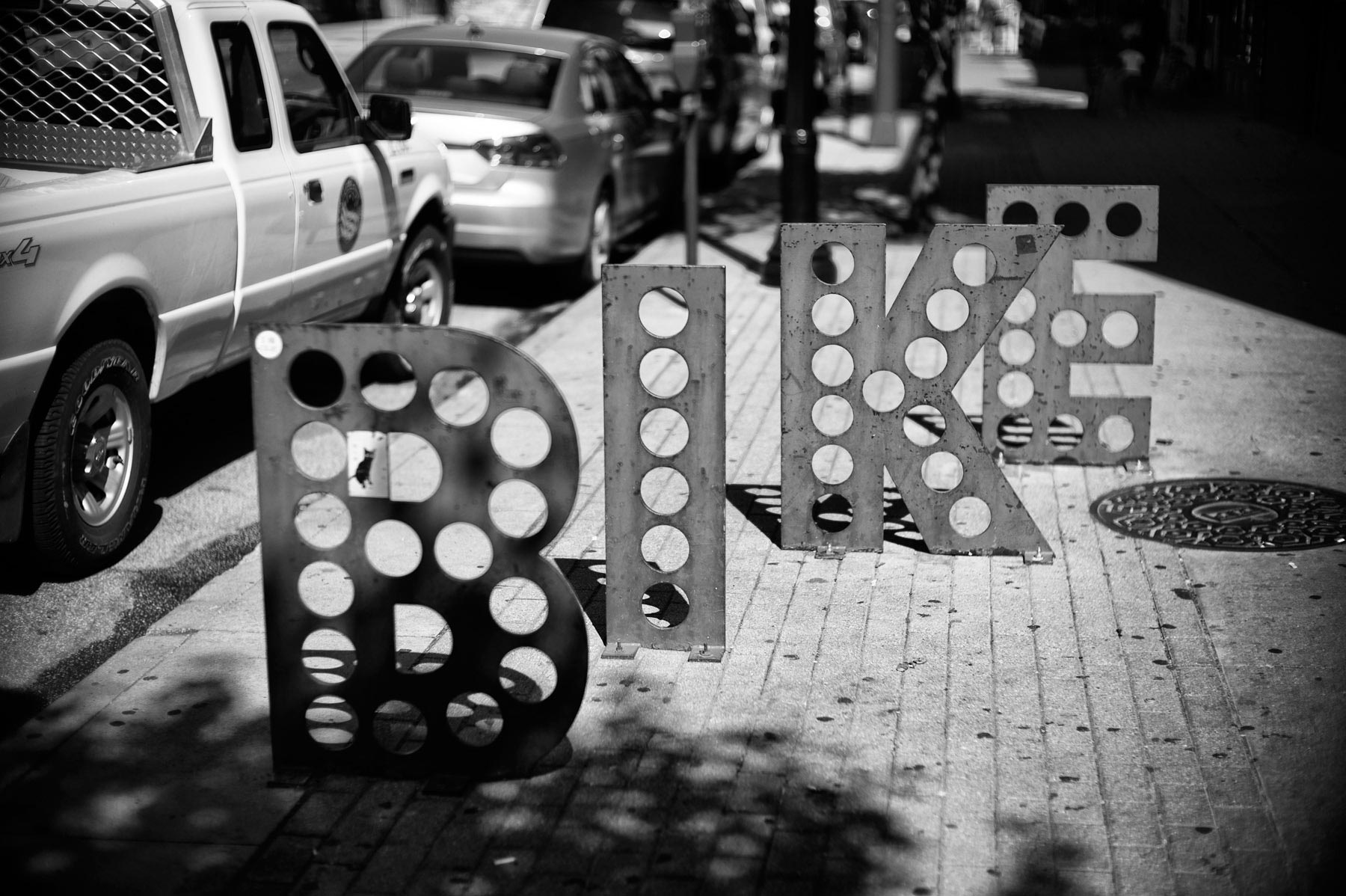
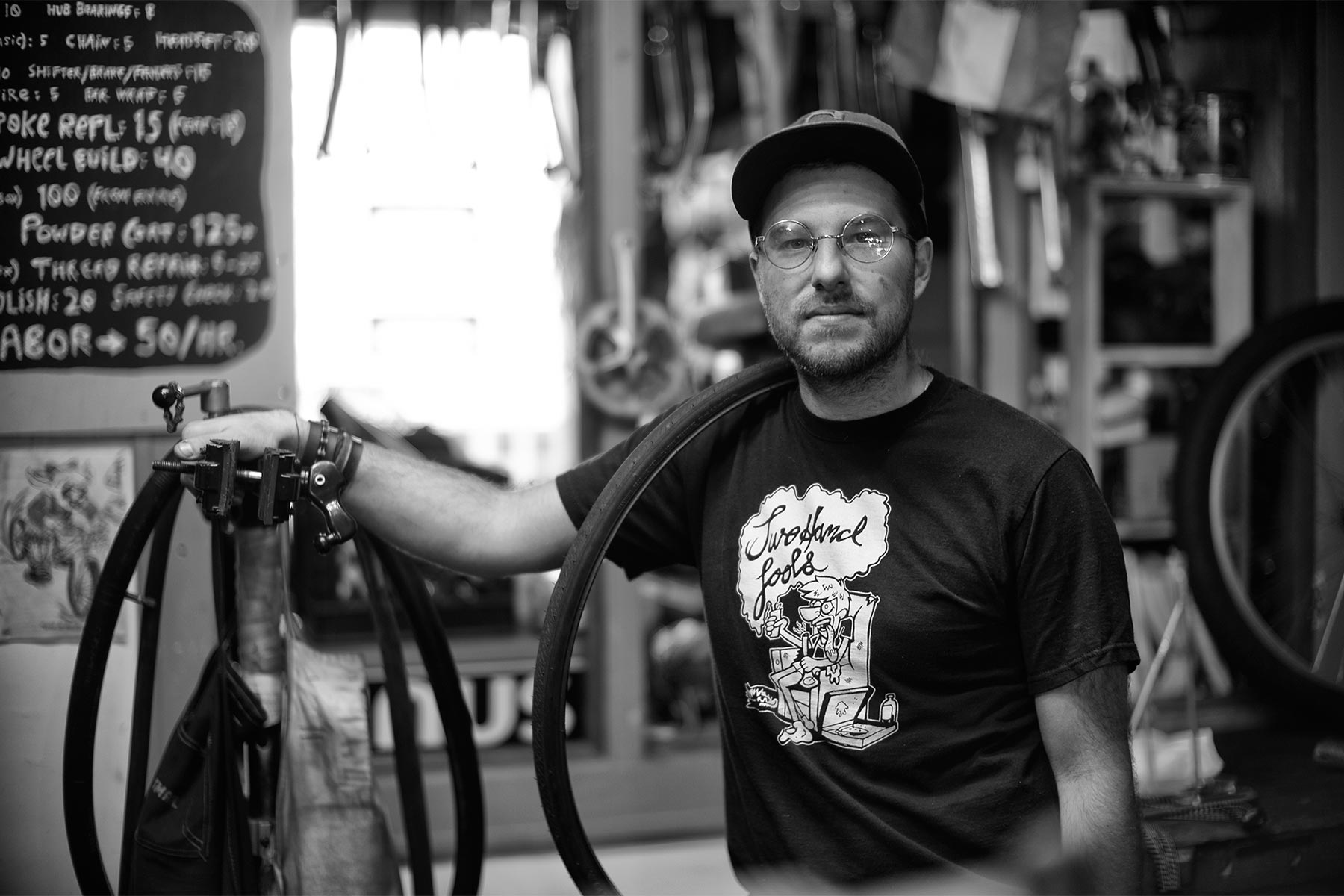
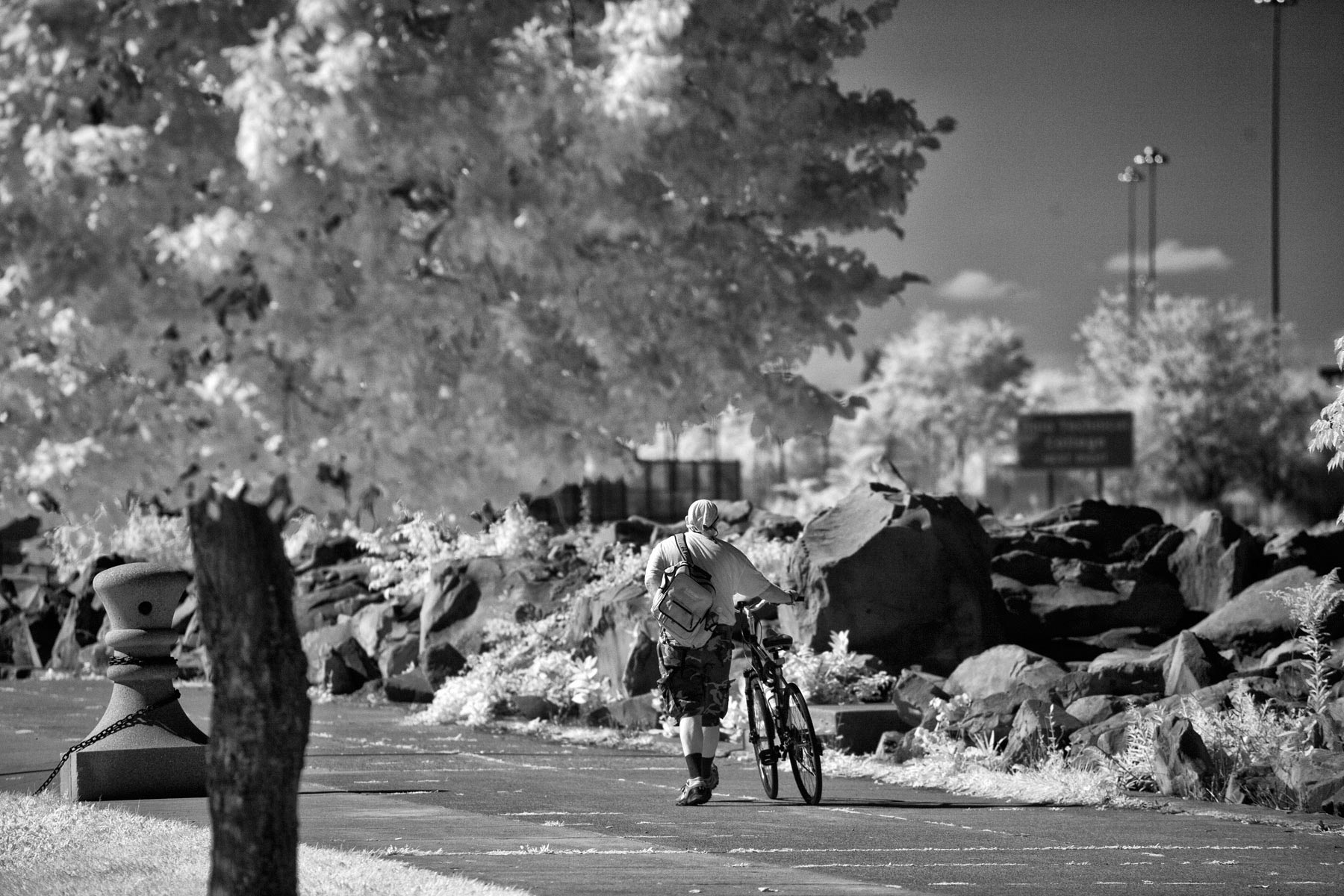
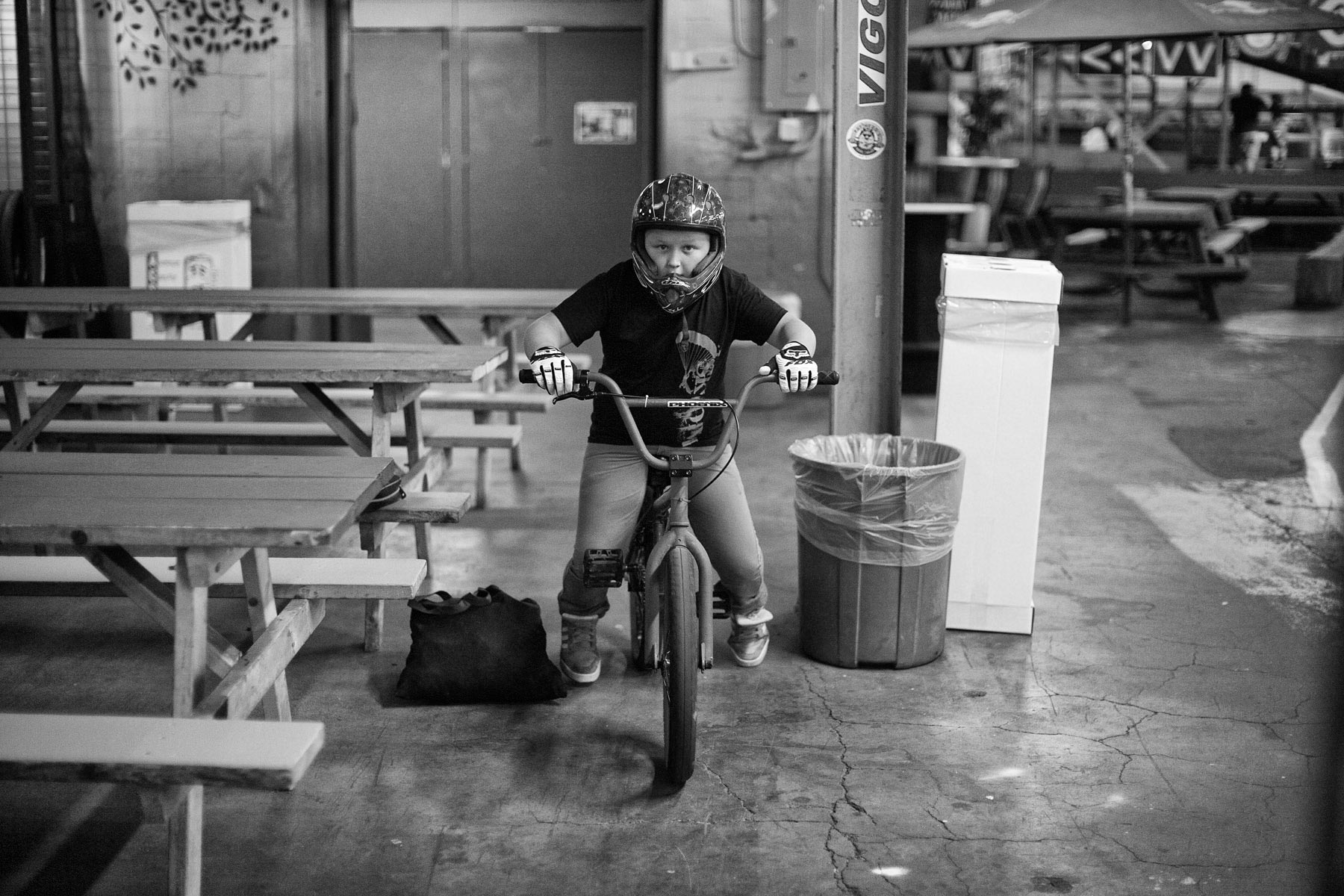
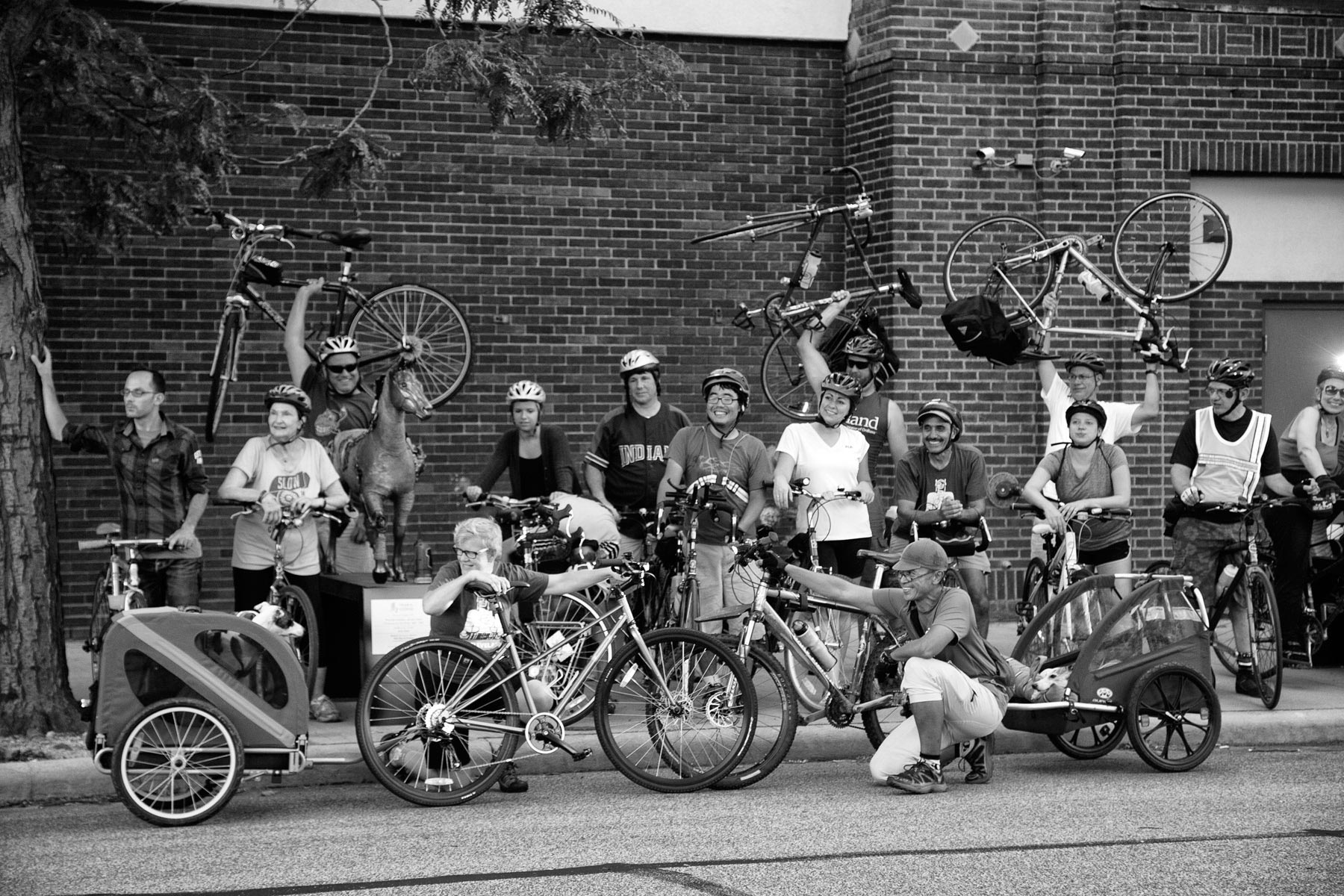
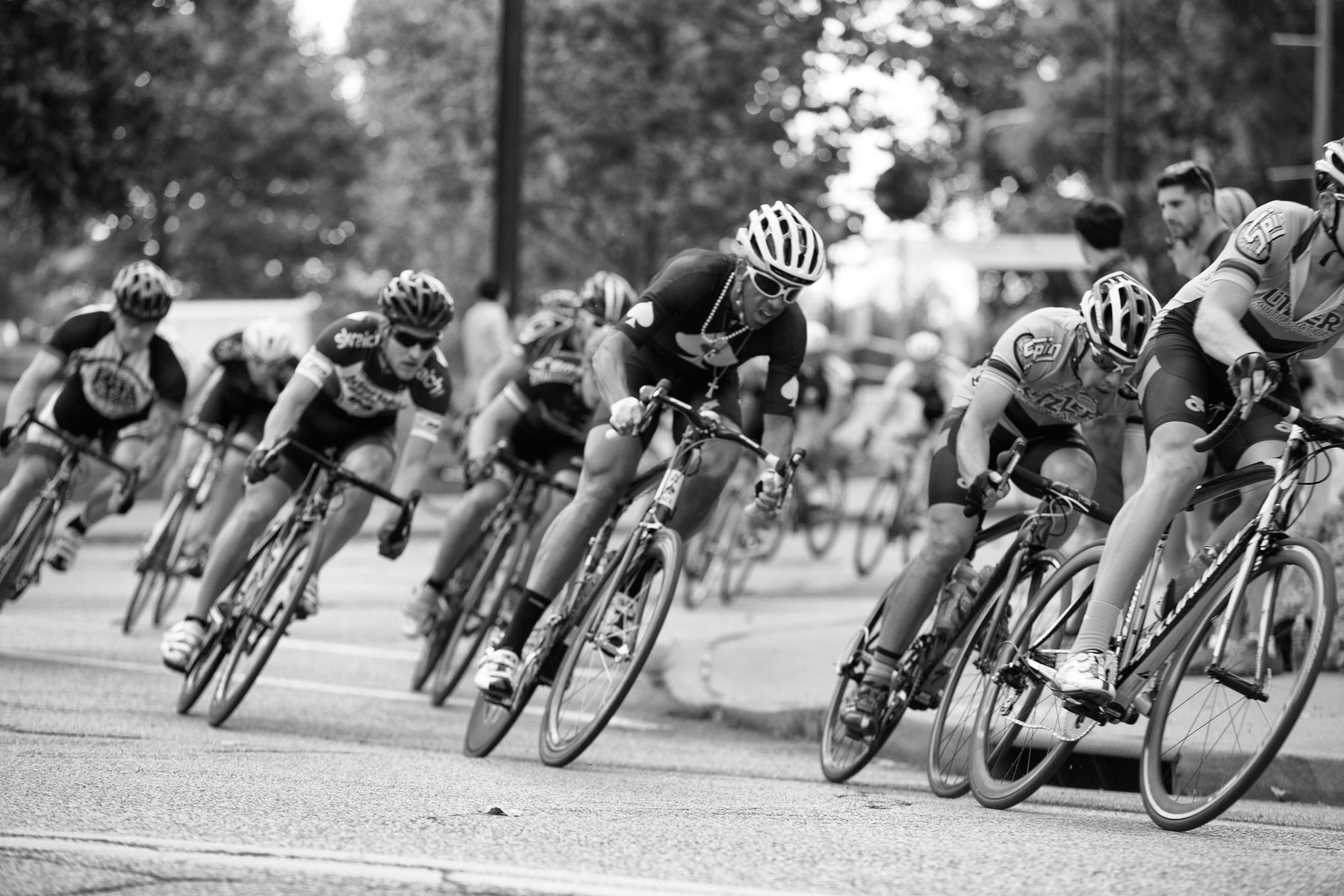
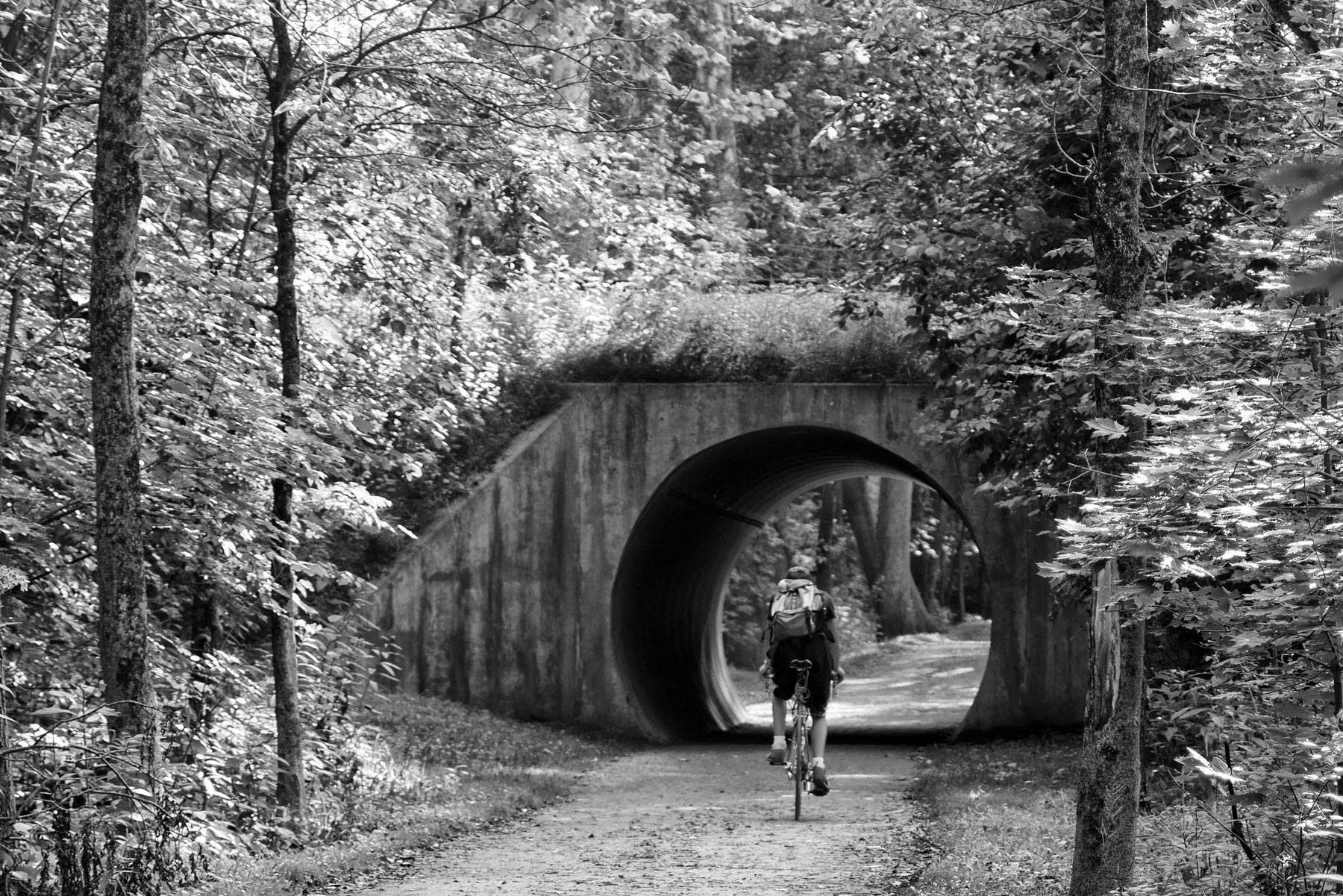
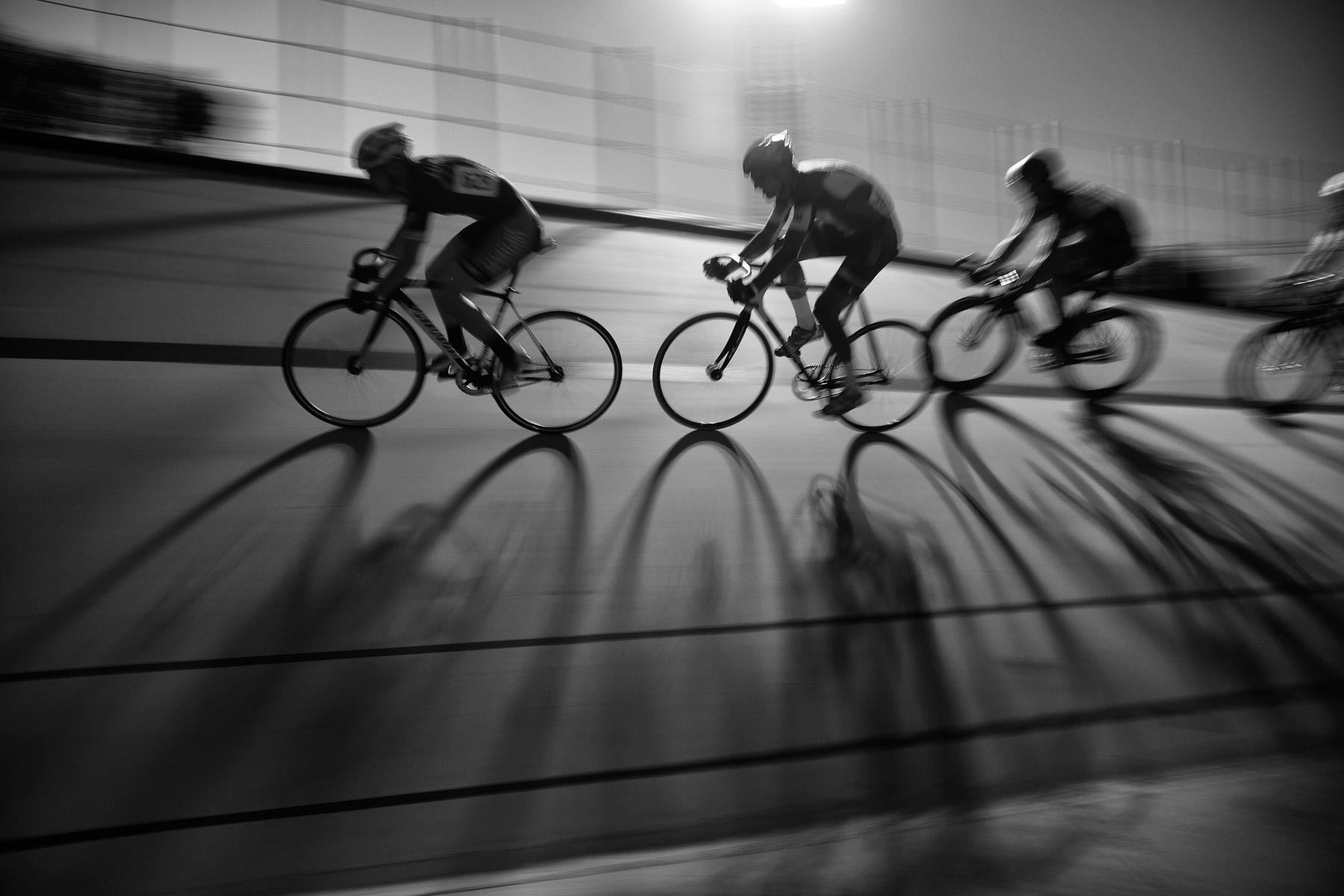
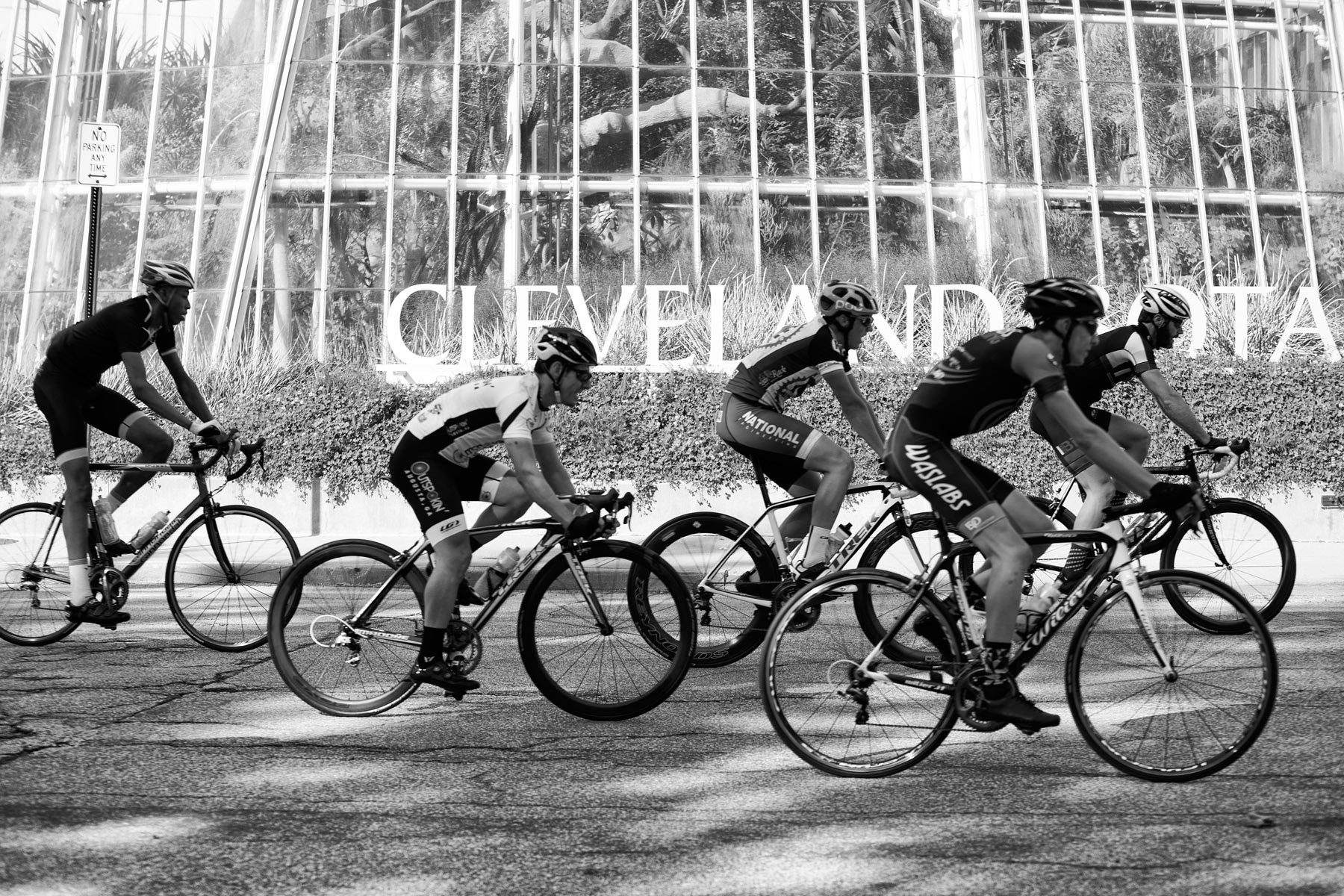
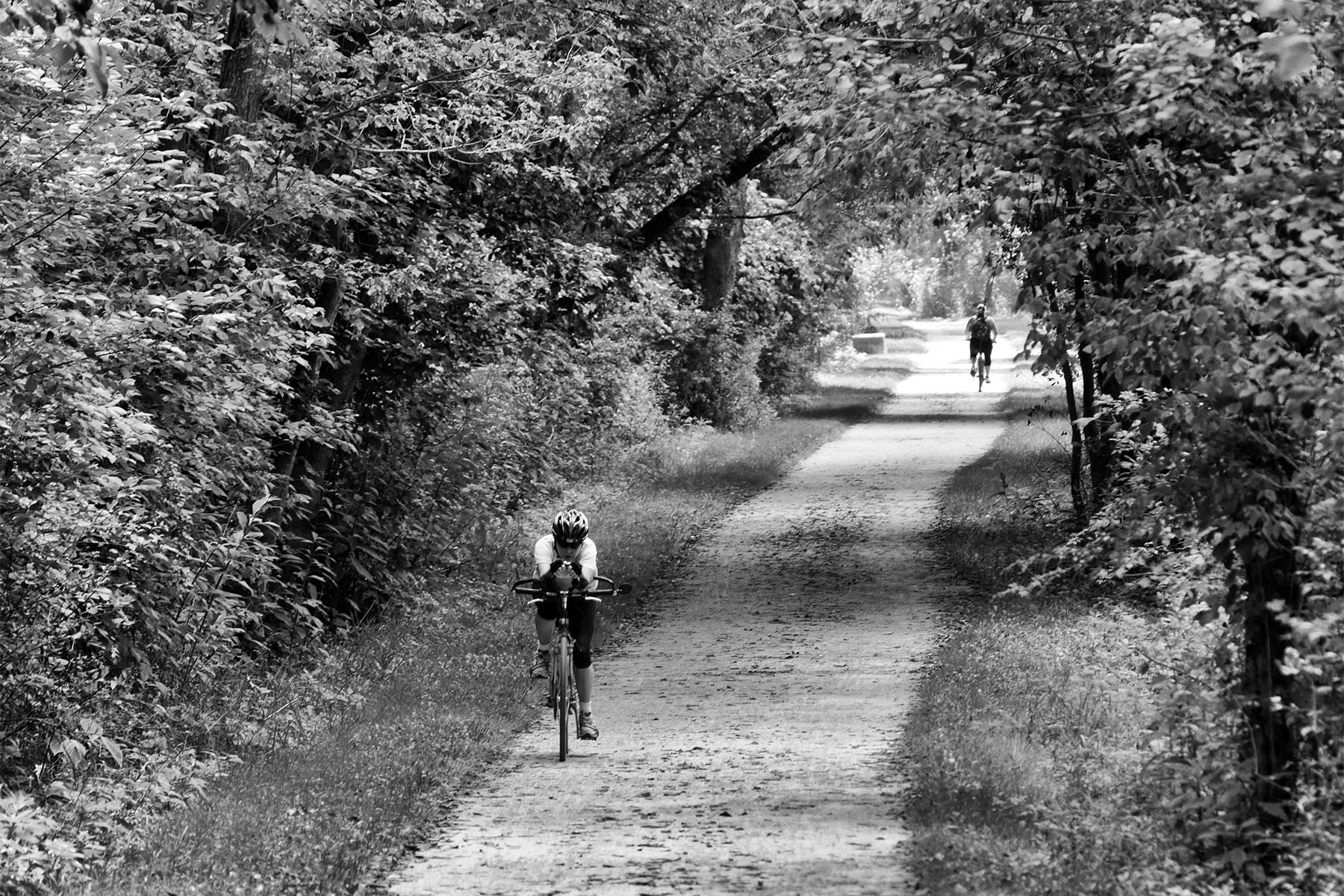
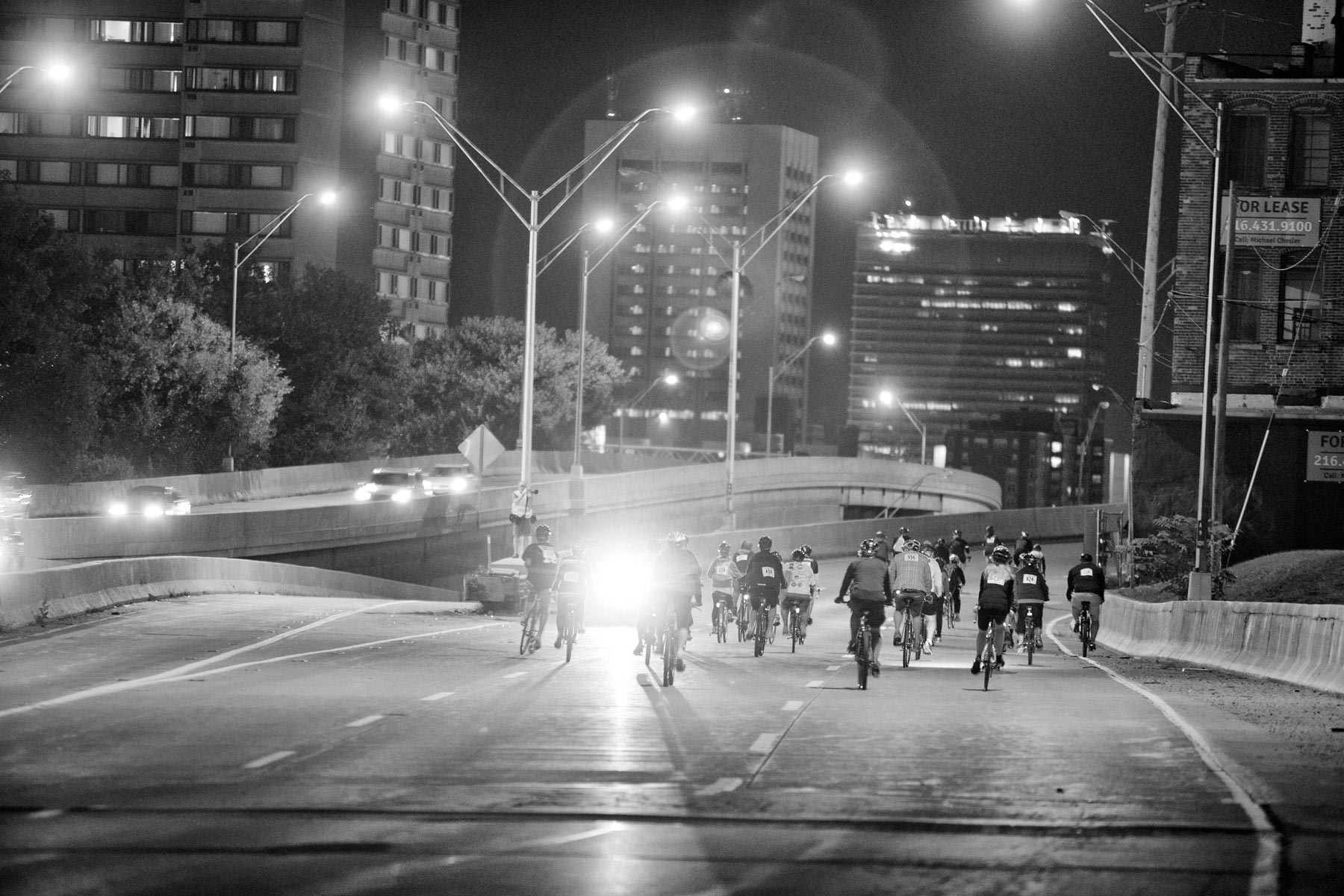

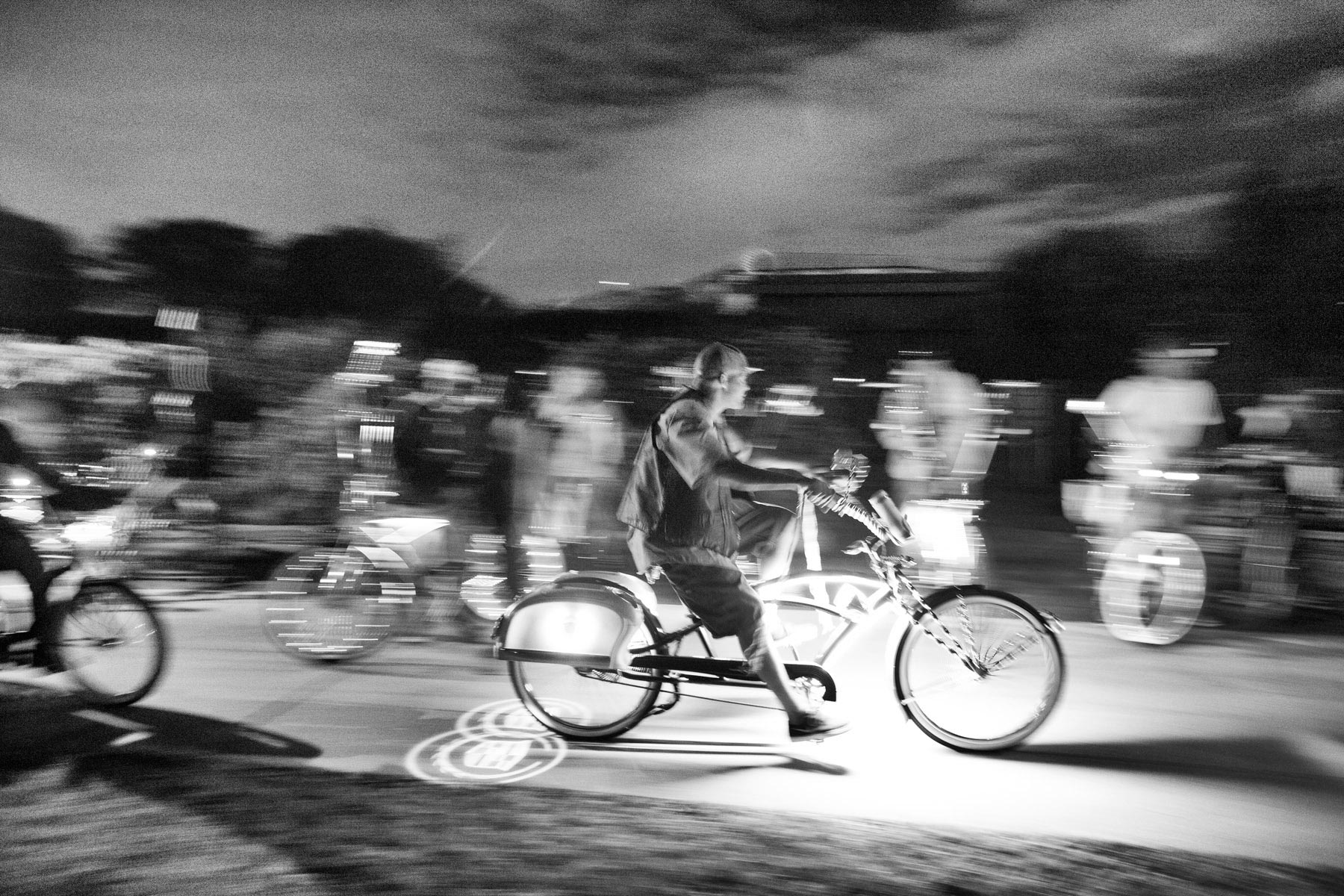
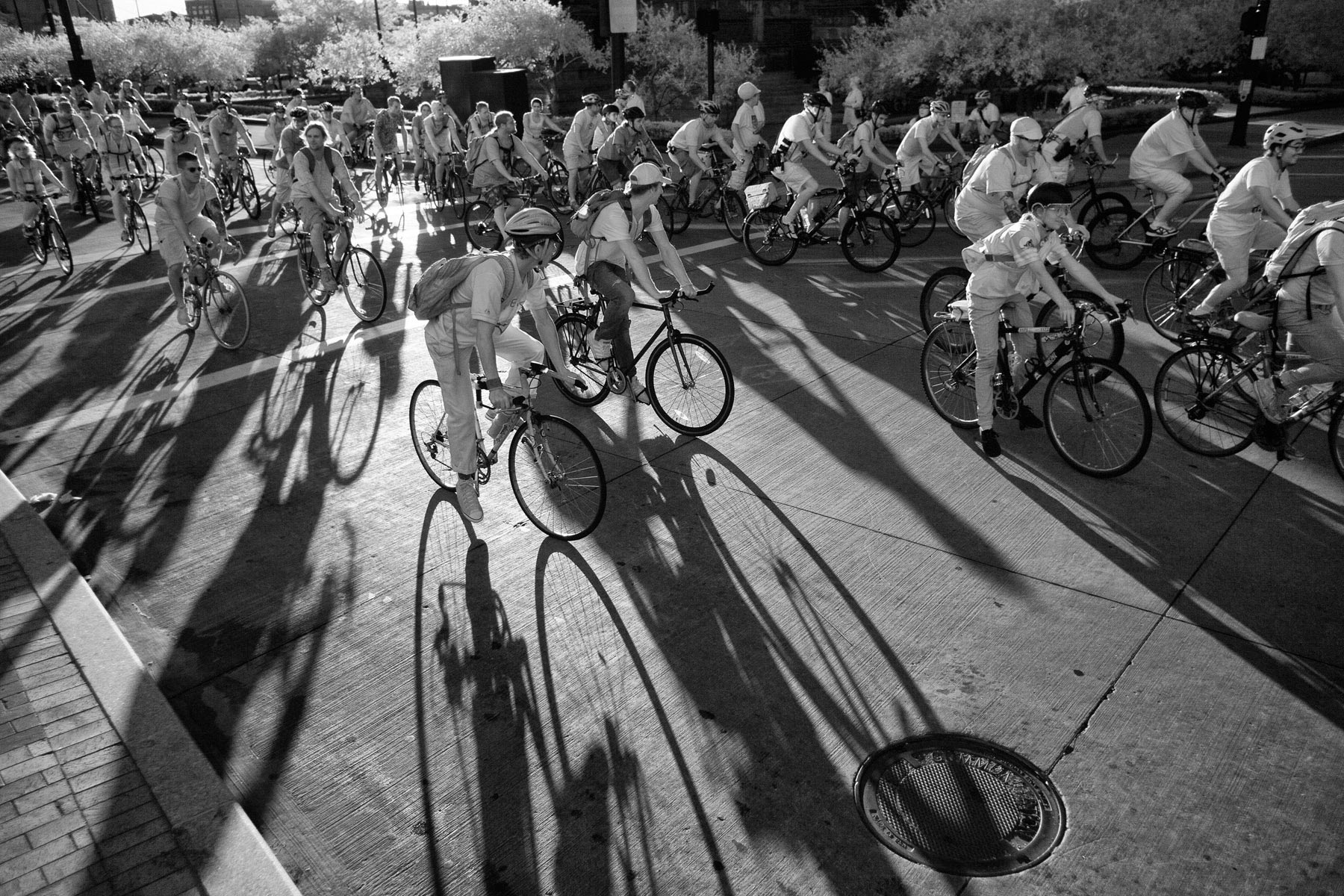

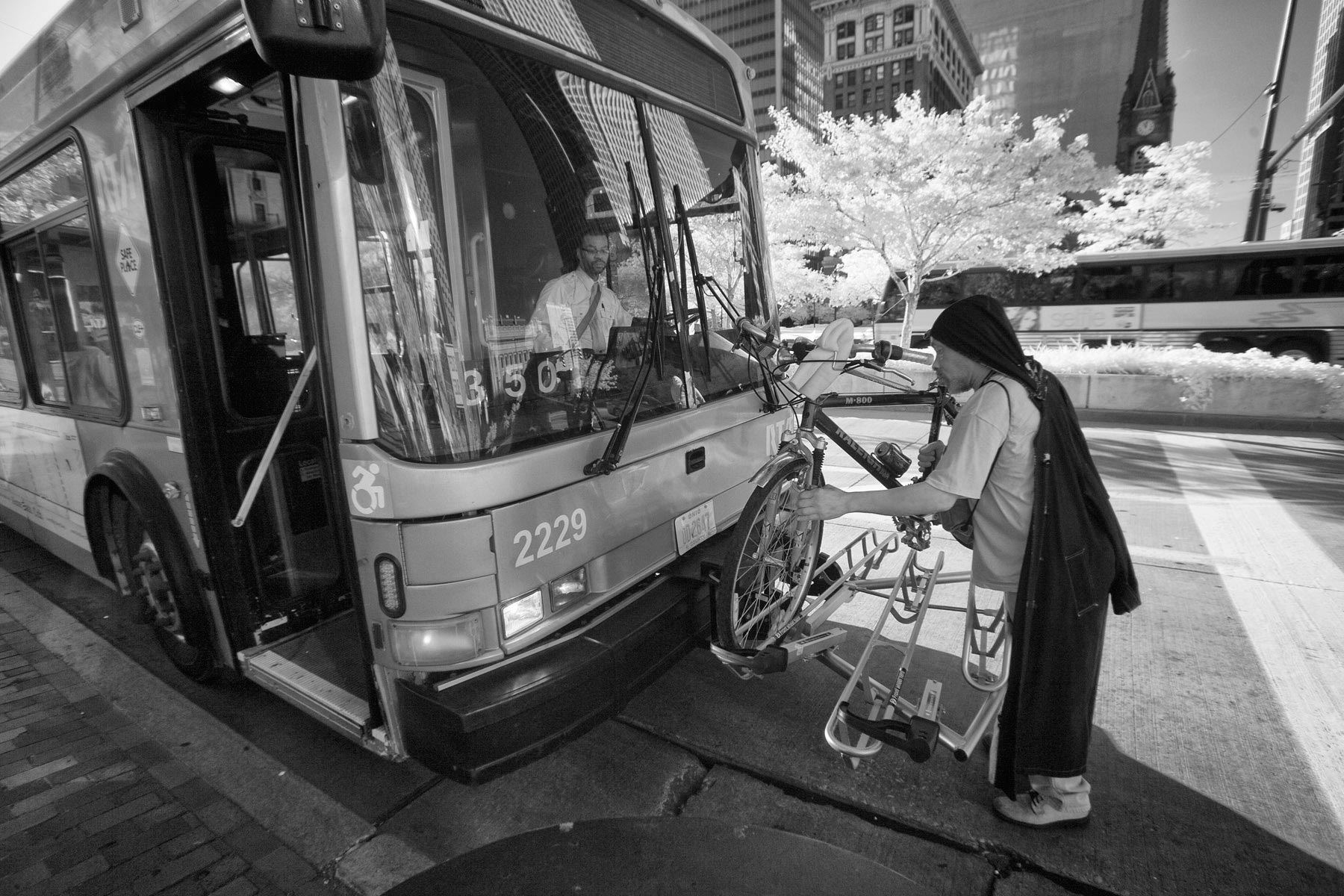
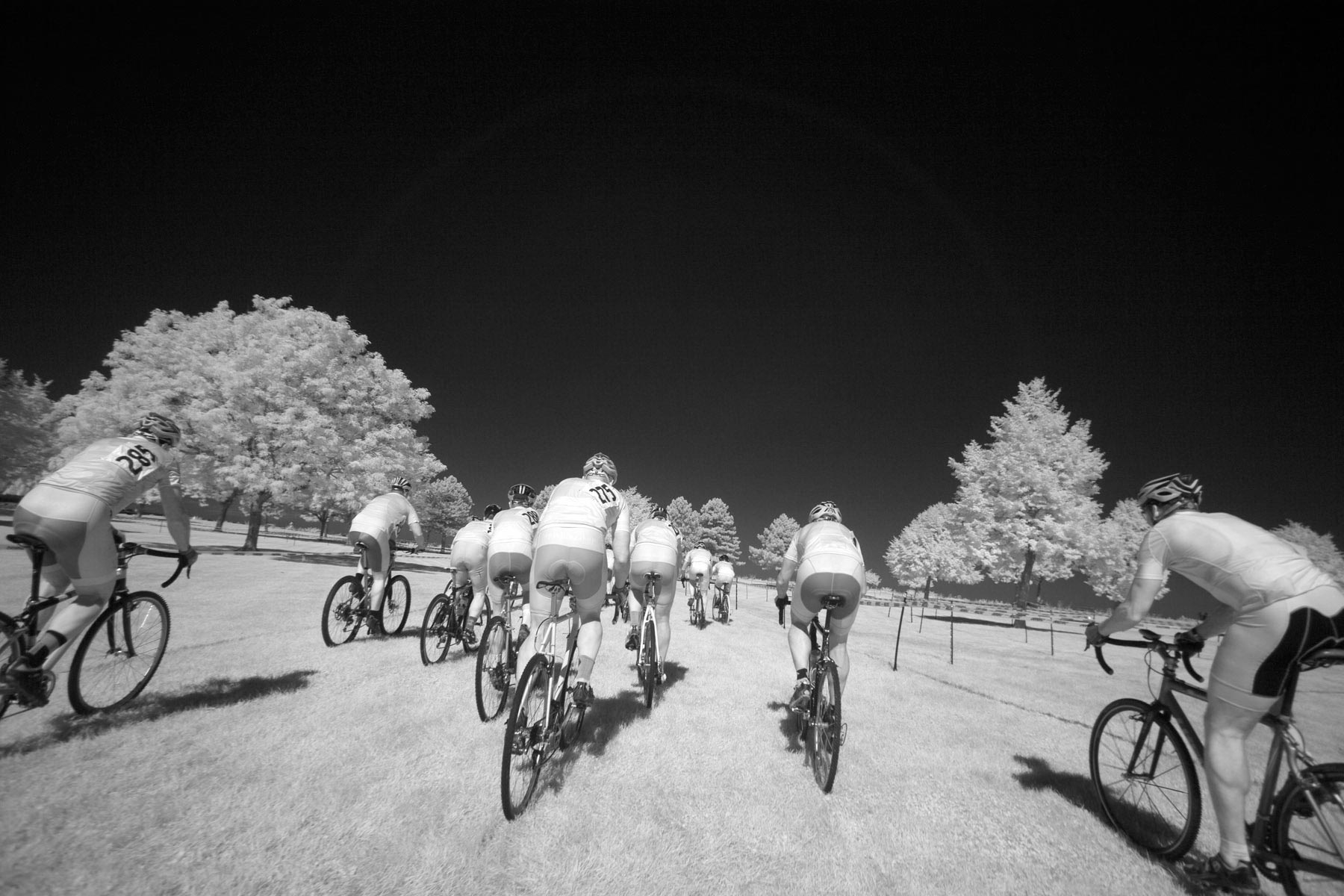
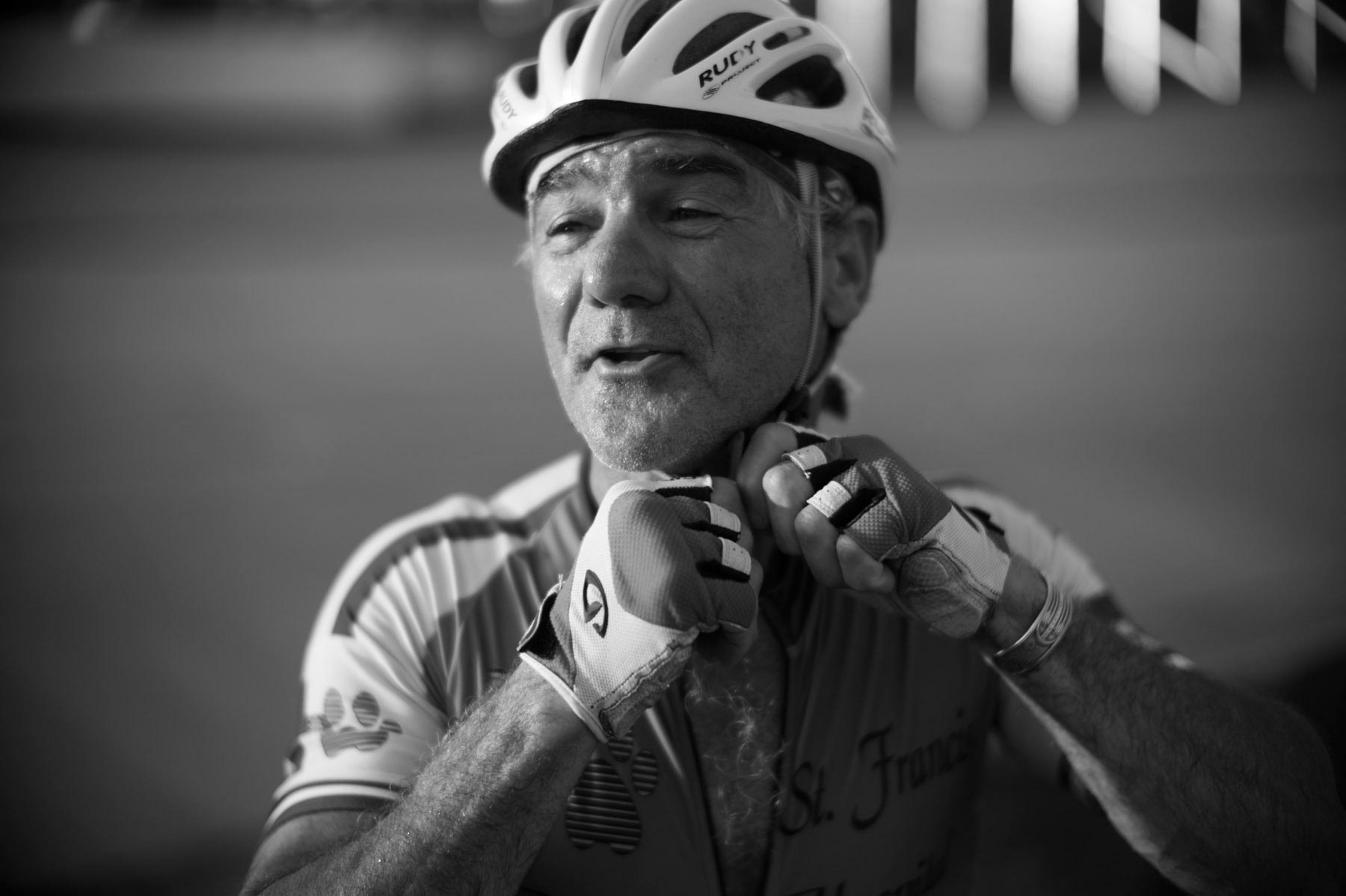
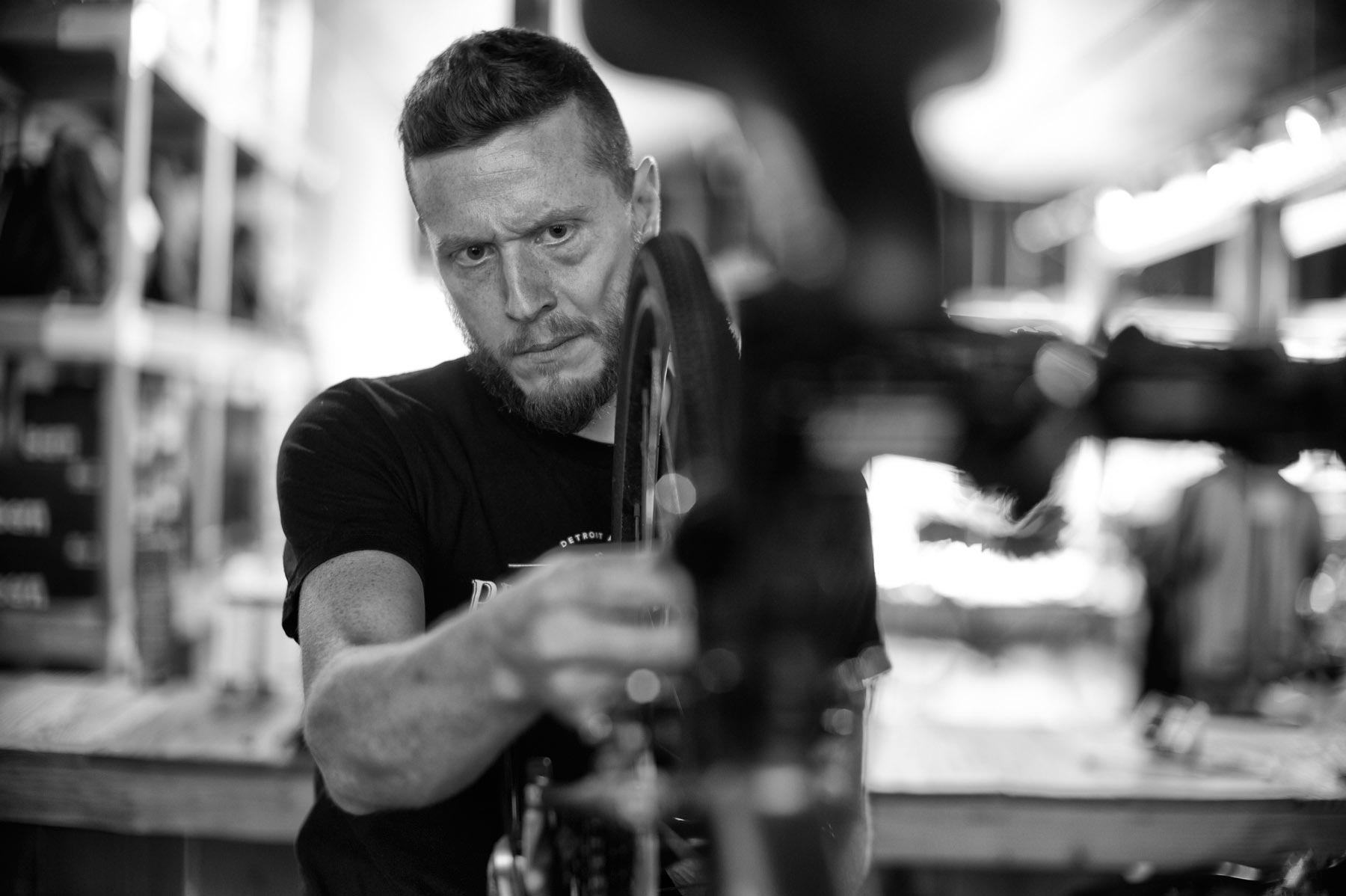
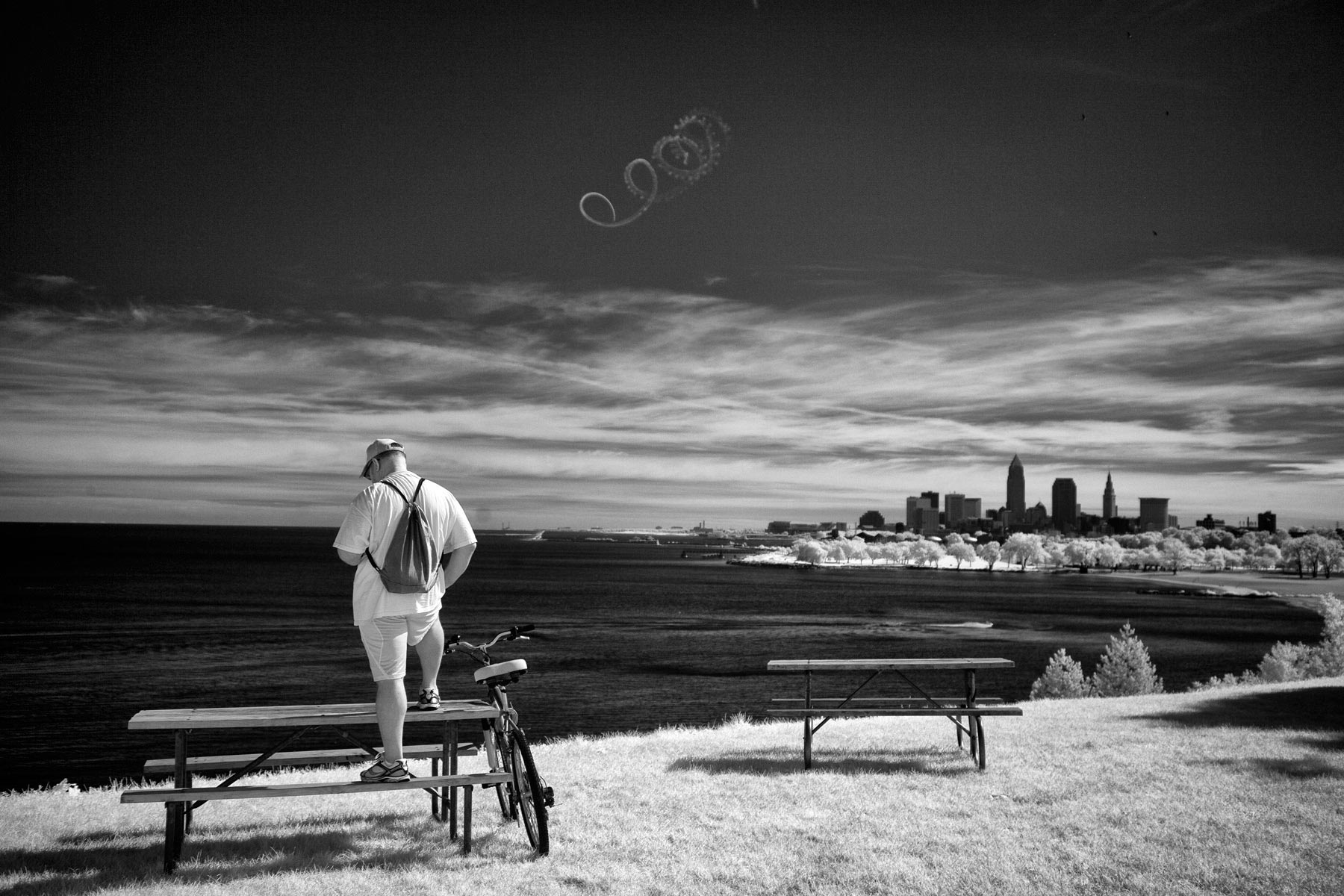
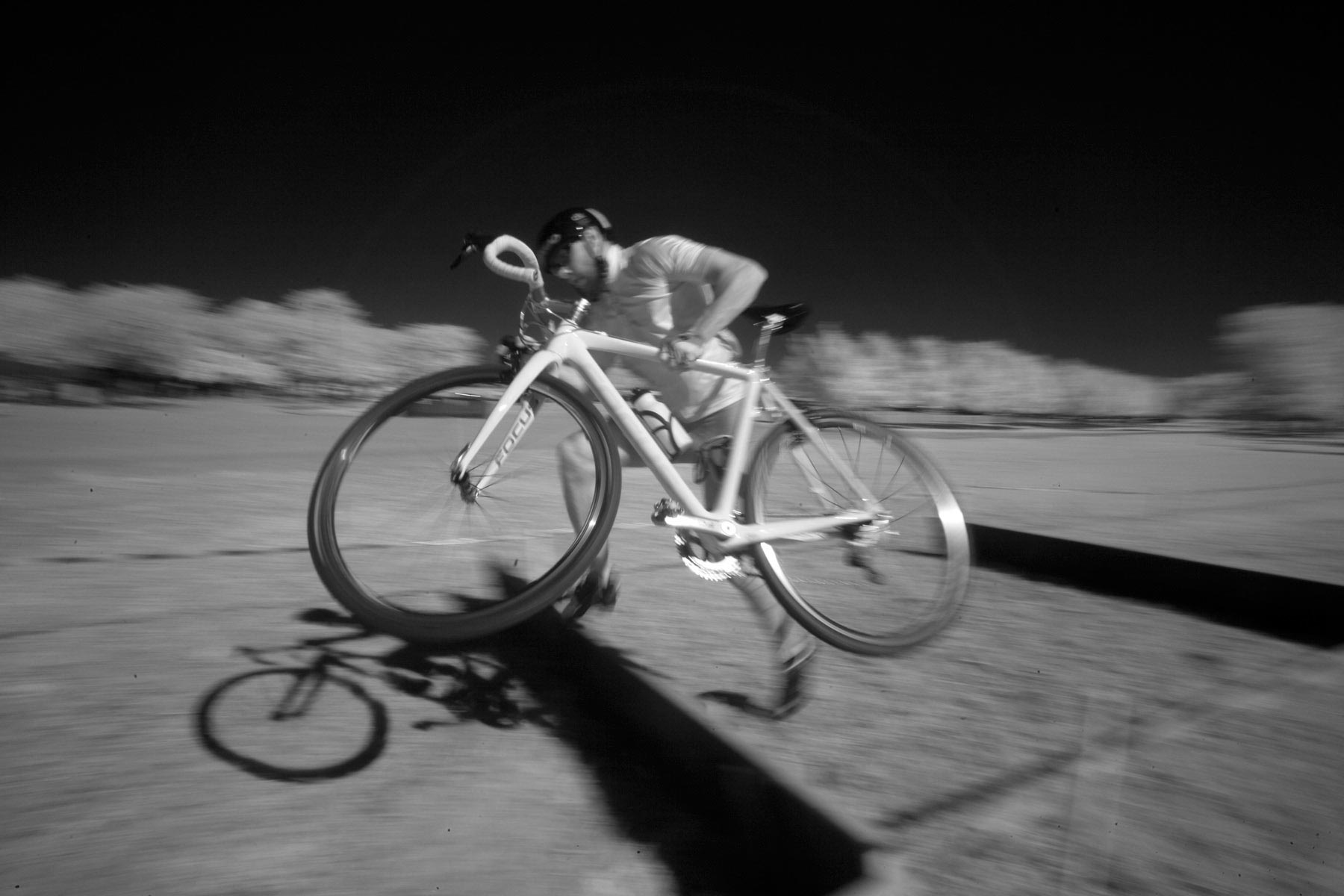
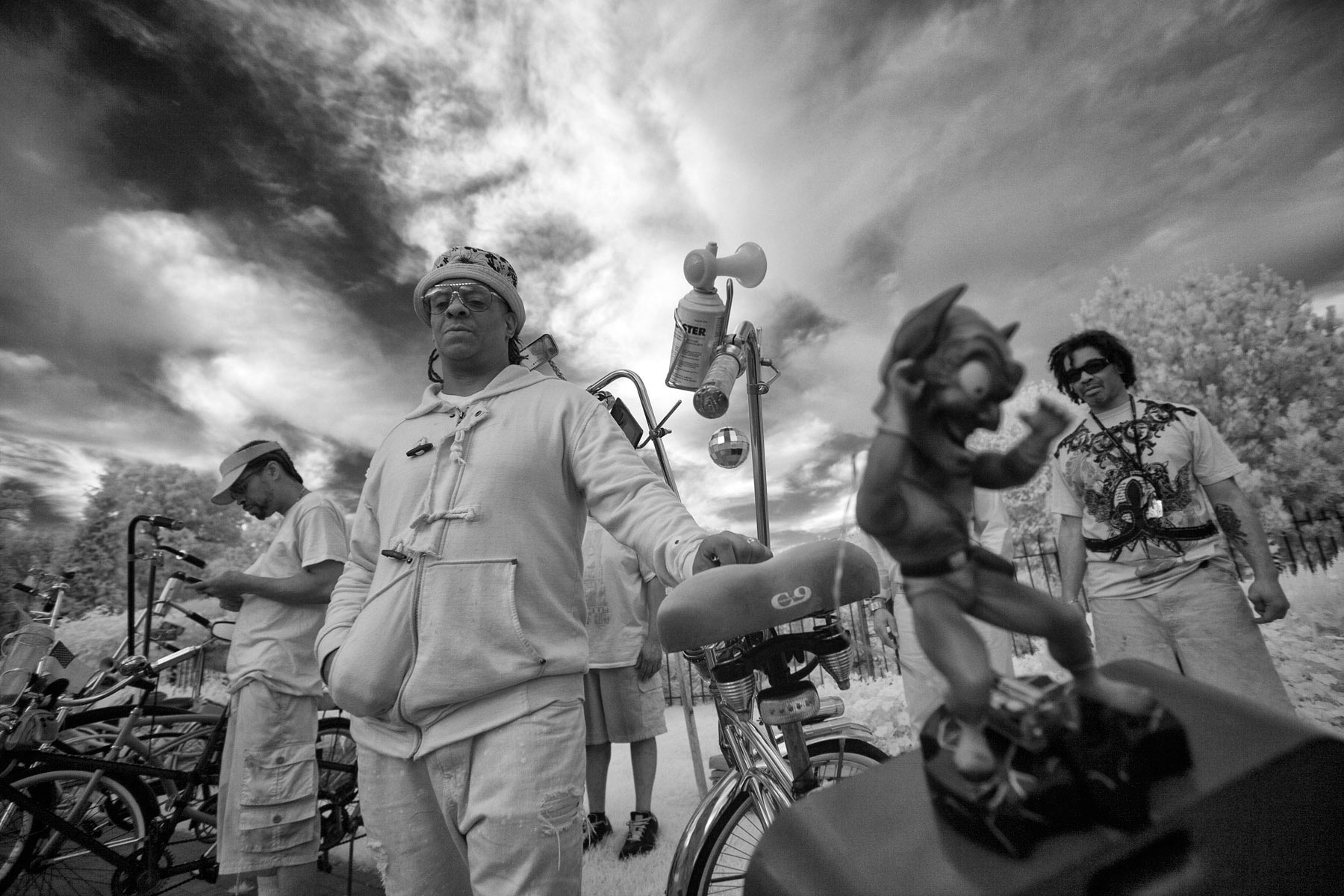
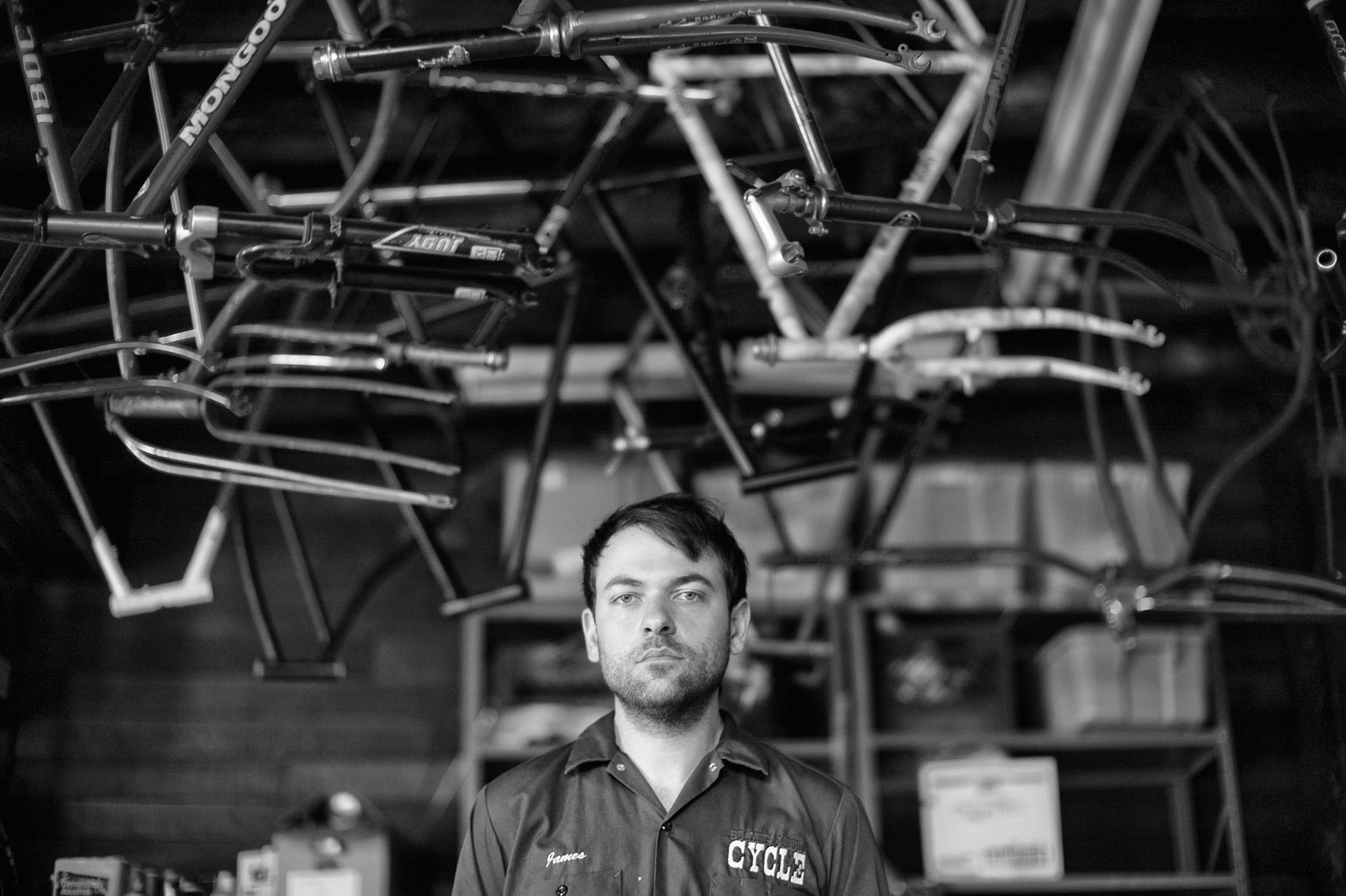


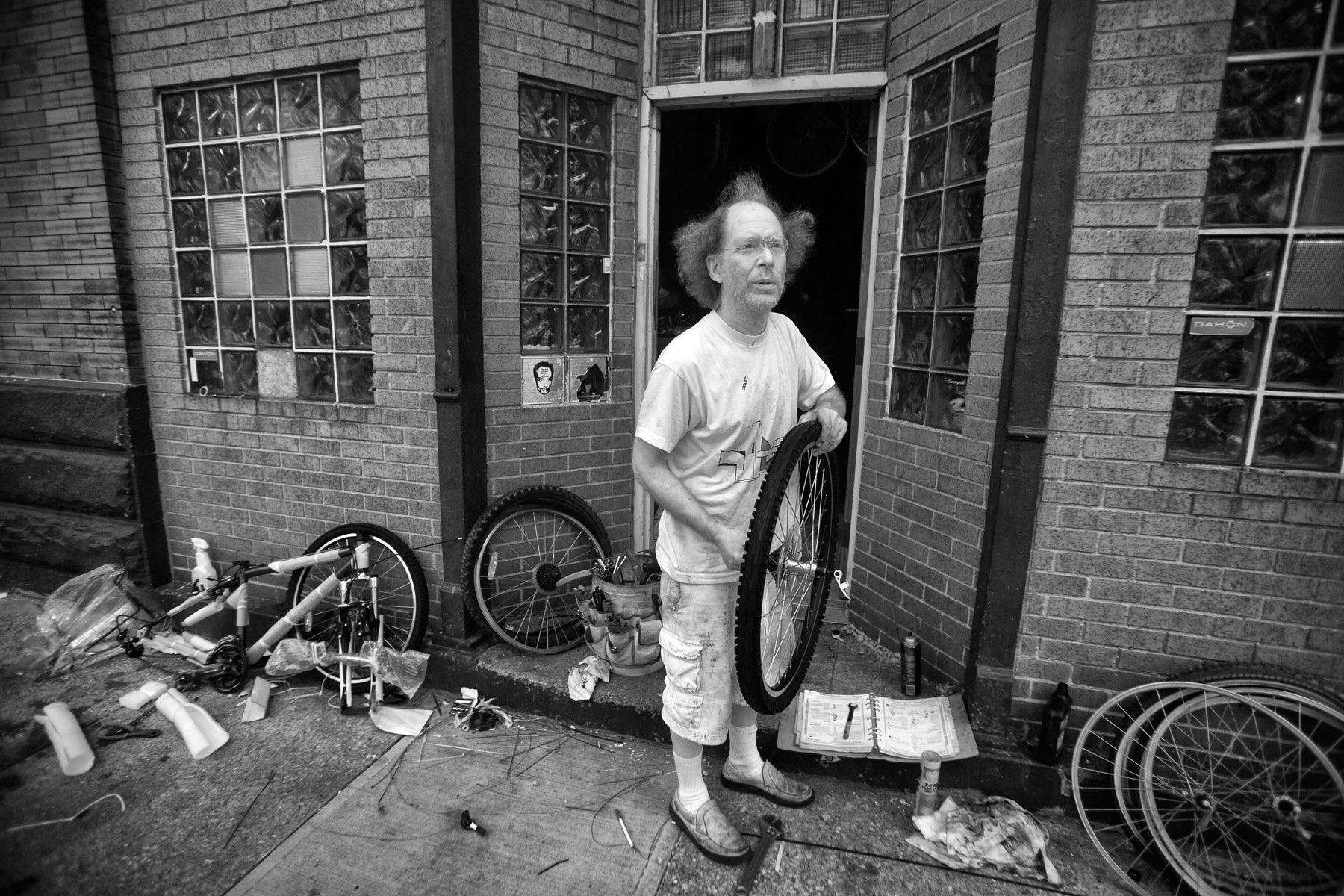
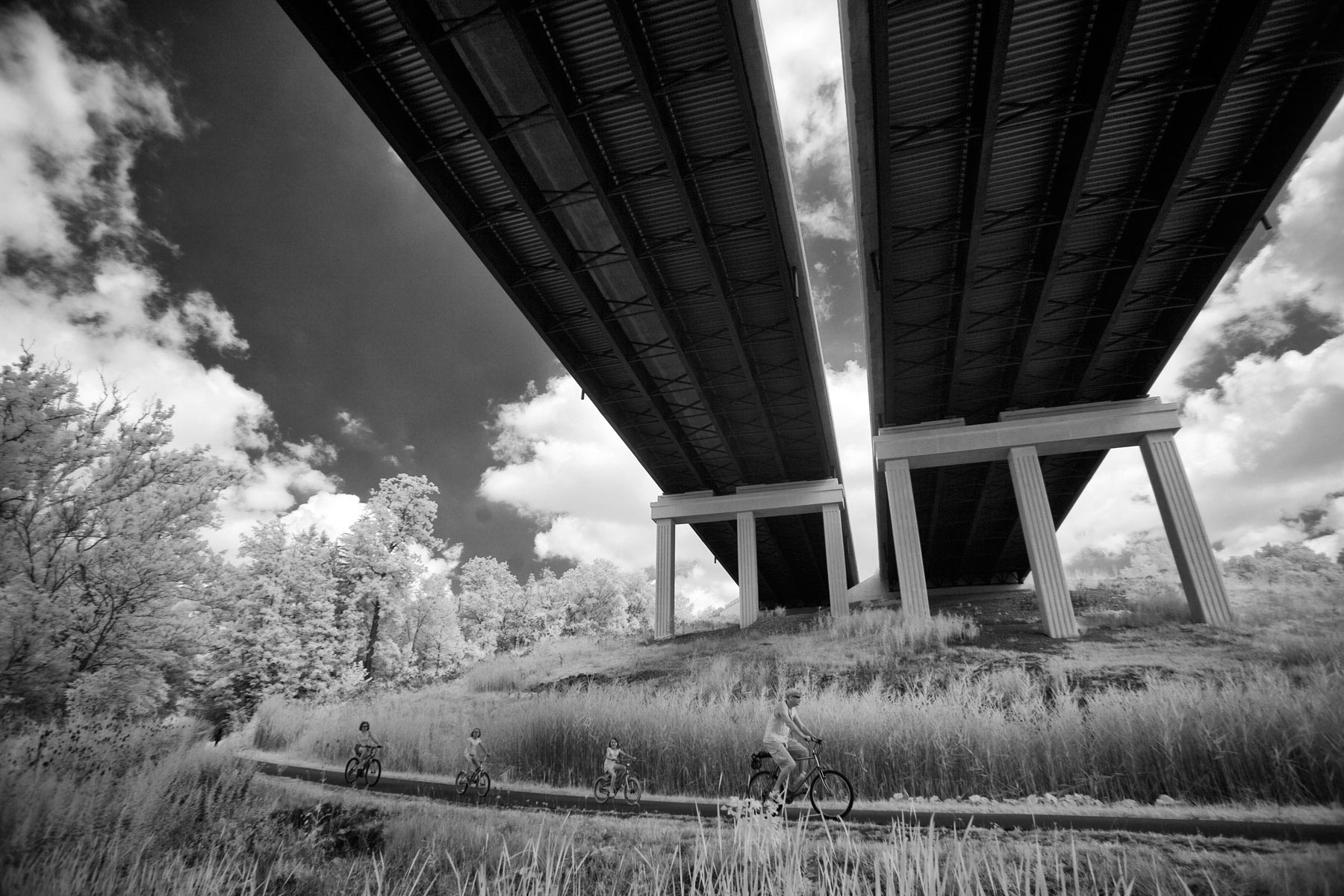
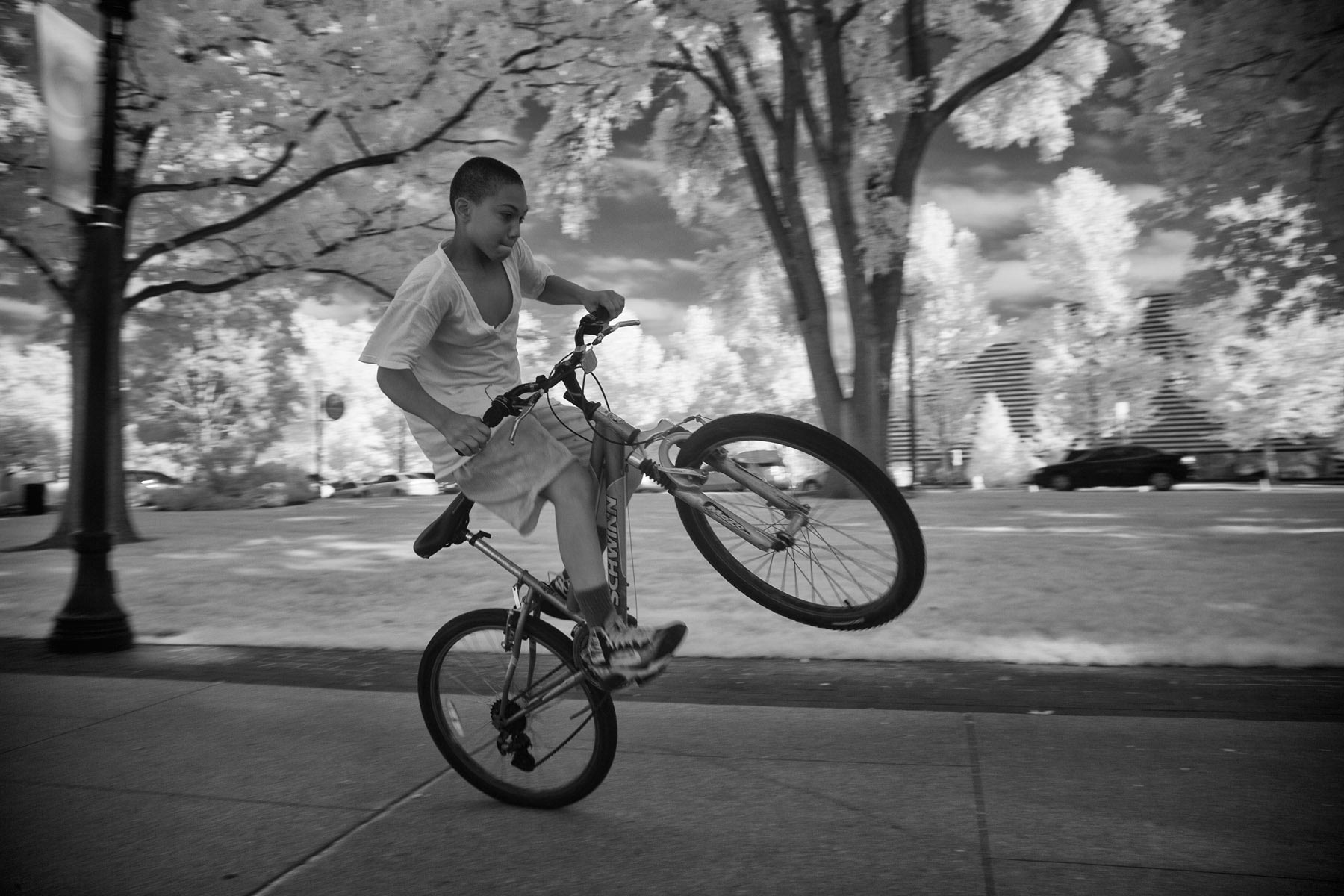
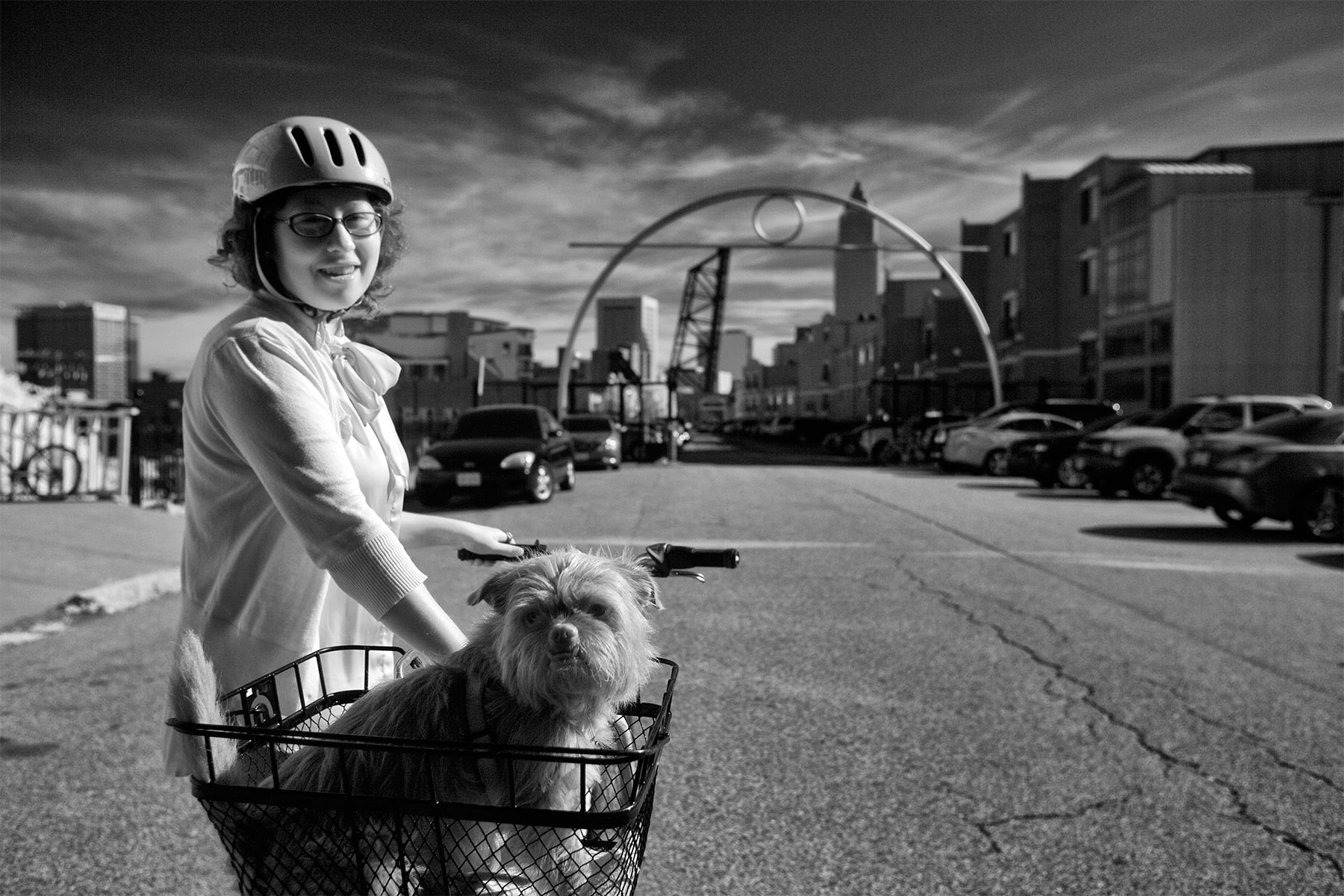

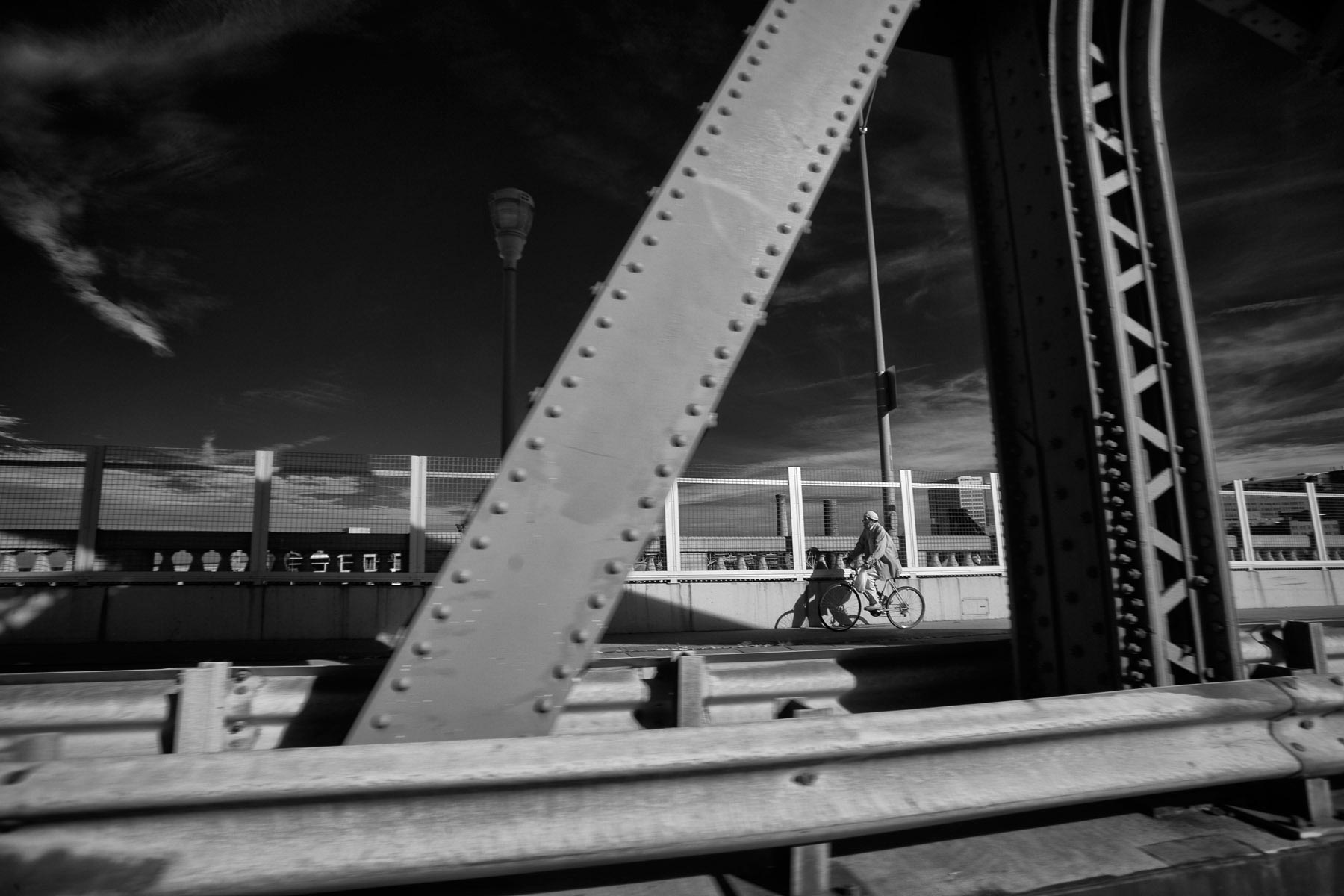
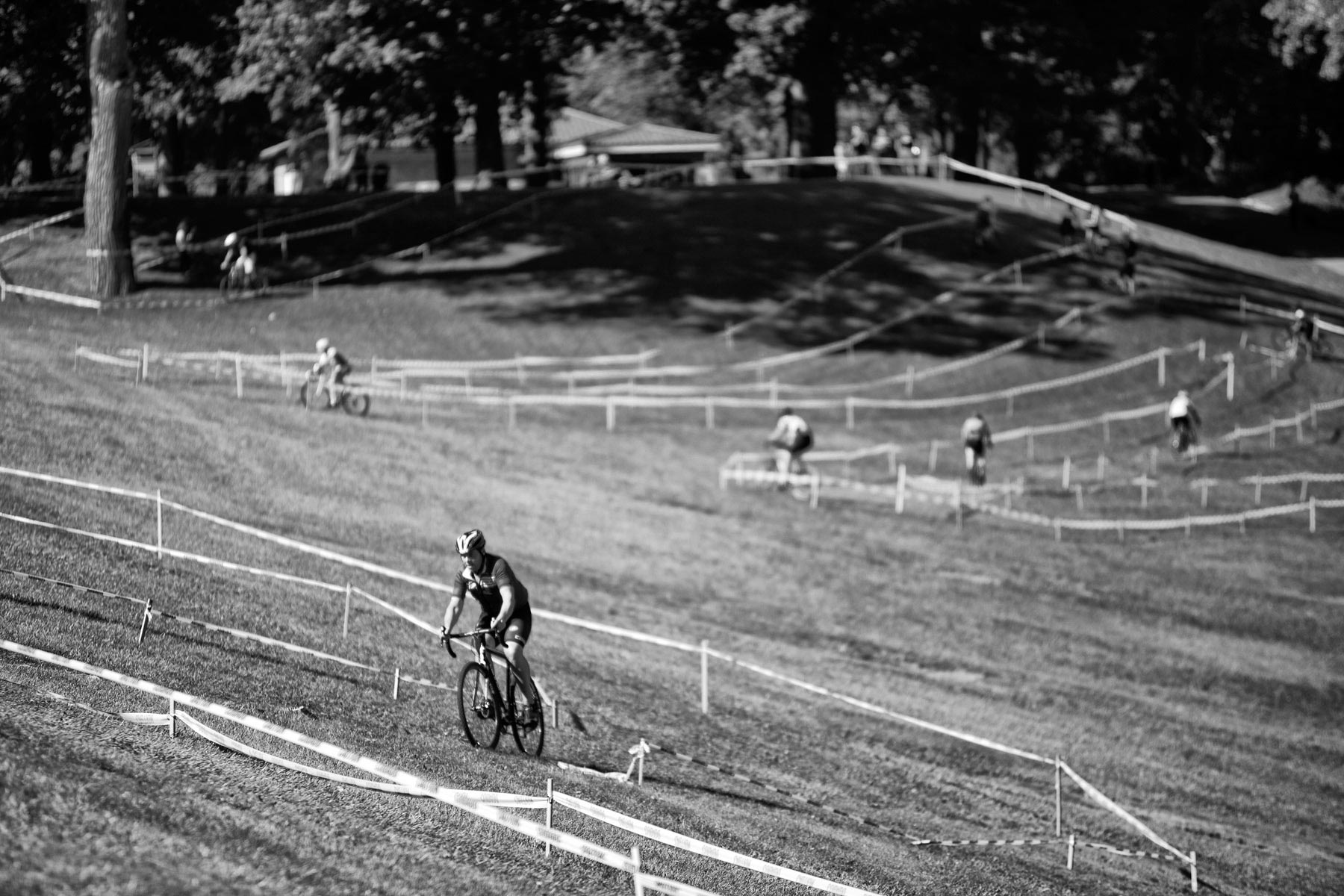


Letter from the Executive Director
2014 Annual Report
Cleveland looks different from a bike. The city seems grander, but also more intimate, when you are perched on a bicycle seat. Architecture stands out. So do parks and streetscapes and the vast water resource on our northern shore. But you also notice smaller things — design elements of old buildings, individual trees and people on foot. You can move slowly enough to see the many threads of our city and fast enough to see the fabric they create.
Of course, it’s not all beautiful. Vacant lots and houses, scary intersections, litter — these and other less appealing aspects of the city palpably strike the bike rider. Someone driving a car can more easily zip past them without paying much attention. However, for a city lover, even these negative aspects of urban life are issues to be worked on, problems to be solved. And that’s why bicyclists become some of the city’s most vocal advocates. Bike Cleveland has emerged as our community’s organizing voice for bicycling, and it has been instrumental in our progress.
Cycling is a great way to develop a new appreciation for the city. And our city has made notable strides recently in showing appreciation of cyclists. Bike commuting in Cleveland skyrocketed 280 percent between 2000 and 2010, the largest growth among American cities. The city of Cleveland responded by adopting “complete streets” legislation to ensure that future street improvements accommodate cyclists. And in 2014 alone, the city created 9.41 miles of new painted bike lanes, a 103 percent increase. Other important projects are under way, like the long-awaited Towpath Trail connection to downtown Cleveland and the Lake Link Trail to Wendy Park. Plans are being developed for more bike lanes, including long stretches that are protected from motor vehicle traffic. Among the most exciting proposals are calls for protected bike lanes along Lorain Avenue, for a “midway” along St. Clair Avenue where streetcar tracks once ran, and for including a bike sharing center in a possible multi-modal transit hub.
That is all great progress. Yet more needs to be done. Why? Because in some neighborhoods many residents don’t own cars. Not all of them ride bikes but some do, and they deserve to have safe transportation options. Creating bikeways is one of the most efficient and equitable transportation strategies.
That notion of choice among modes of transportation is a key reason for getting behind the cycling movement. It helps to make Cleveland and its region more attractive to the young talent that demands options, and we need that talent to stay and to move here so we can compete globally. In addition, more people riding bikes instead of driving cars will help reduce our greenhouse gas emissions, a third of which currently come from transportation. And cycling is great exercise; encouraging it helps promote a healthier lifestyle.
The growth of city biking is the most evident change in recent years, but cycling for recreation has long been promoted by organizations like the Cleveland Metroparks. And a few visionaries are looking far beyond, to a trail network that ties together existing segments all the way from Cleveland to Pittsburgh and on to Washington, D.C.
Whether or not some of us ever get on a bike again, we all gain from the economic and social contributions that come with the growth of bicycling. This annual report celebrates Cleveland’s cycling community with a beautiful photographic portfolio by David Burnett. People commuting to work, those making a living by selling and servicing bikes, serious racers and recreational cyclists participating in mass rides for fun — they are all depicted. And they are all part of the expanding cycling scene. We hope that these photos inspire many others to join the movement.
This annual report is the Foundation’s first since 1990 that was created without the input of Mark Schwartz, our longtime designer and photography maven, who died suddenly in 2014. We, like many throughout the Cleveland arts community, miss him and his larger-than-life personality, fervently expressed insights and warm-hearted generosity. We dedicate this report to him.
David Abbott, Executive Director, The George Gund Foundation