
Democracy
Brian Palmer (2020)
The George Gund Foundation’s 2020 annual photo commission portrayed democracy in action through the eye of Brian Palmer (b. 1964, Queens, NY), a photographer and award-winning journalist based in Richmond, Virginia. He strives to tell stories that might not otherwise be told—stories of conflict, activism, and daily life. His multimedia approach unites narratives and images, bridging the two to unite comprehensive storytelling and thorough investigation. Here, in this collection, he portrays Clevelanders exercising their citizenship rights even with the nation in the grip of a pandemic.
Not thinking about race is a luxury I don’t have.
I’m at least as much a journalist as I am an artist. Most folks would say I’m more of the former than the latter.
I’m also the son of parents who endured a familiar strain of American racism—that of white against Black—systemic and personal. Edith, my mom, born in 1936, attended integrated public schools in Queens, NY, but confronted bigotry as she pursued a career in teaching in Long Island and New York City. She was the “first Black” in many positions, and she has both scars and wisdom from these experiences.
Eddie, my dad, born in 1928, never recovered from the government’s seizure of his family’s land in York County, VA, in 1943 to build a Seabee training base. His entire majority-Black community was dispossessed. Resettlement options open to whites were closed to Blacks because of Jim Crow. My father, the grandson of enslaved people who in freedom helped found the village where he was born—and from which he was evicted—served during the Korean War just two years after President Truman’s desegregation order. While stationed in Germany, Eddie fought no battles with Germans, but many against racist white soldiers from the Deep South who resented him—his sergeant’s stripes, his ability to speak a smattering of German, and his popularity with the local (white) ladies. He came home to the same Jim Crow–sick nation in 1952.
My parents passed on this history to me and my sister—my father with a bone-deep bitterness; my mother with caution, weariness, and an iota or two of hope for a better future for her children. They sensitized me to racial prejudice and white supremacist attitudes, even before I had a name for these perceived forces and threats. I wake up each day knowing that my mere Black presence will frighten or offend some non-Black person. It happens in Richmond, in New York, in Cleveland—all cities with plenty of Black folk—when I enter spaces not typically frequented by Black people. Are my reactions perceptions or misperceptions? Sometimes it’s crystal clear, sometimes not. The point is, not thinking about race is a luxury I don’t have.
For me, American democracy is more of a promise, too often broken when made to people of color, than a lived reality—or a real possibility. In some places it seems unattainable. I felt this keenly in Cleveland and about Cleveland. On paper/in pixels, the city’s poverty rate is staggering. The poverty rate among African Americans is even more shocking. Many times a day, I ask myself questions that may seem basic, but that clearly have not been answered, in Cleveland or anywhere else: How can such privation and deprivation exist in this rich nation with its rhetoric of equal opportunity? Why do racially discriminatory systems, patterns, and practices endure?
These photos are expressions of my anger, cynicism, hope, and so many other feelings about the opportunities available to Black people in this democracy, this nation that still cannot fully contend with its ugly past; where so many white citizens are wedded to myths and delusions of white supremacy that are toxic to the physical and mental health of people of color, and to the health of our country. I worried—and still worry—that my photos would be too depressing, too dispiriting.
I visited Cleveland three times. COVID-19 was a factor, a presence on all of these trips and had a profound effect on how I made photos—mostly from a distance. In October 2020, I visited during early voting in a presidential election that pitted the incumbent, our nation’s most antidemocratic and racist president in modern times, against a sane, if uninspiring, politician who was human. Along with many millions of others, I was terrified that my countrypeople would keep him in office despite his demonstrable and toxic antipathy to people like me and those I love—Black, Muslim, Latinx, unrich, queer, etc. It was a scary time. Nineteen-year-old Vincent Belmonte was killed by police in East Cleveland my first day in town in January 2021. The January 6 insurrection happened the day after. During my third stay, Daunte Wright was shot and killed by police in Brooklyn Center, MN. I am embarrassed to write that the details of his killing, so clear at the time, are now hazy. Wright’s story blends with those of the other African Americans whose lives were taken by law enforcement officers.
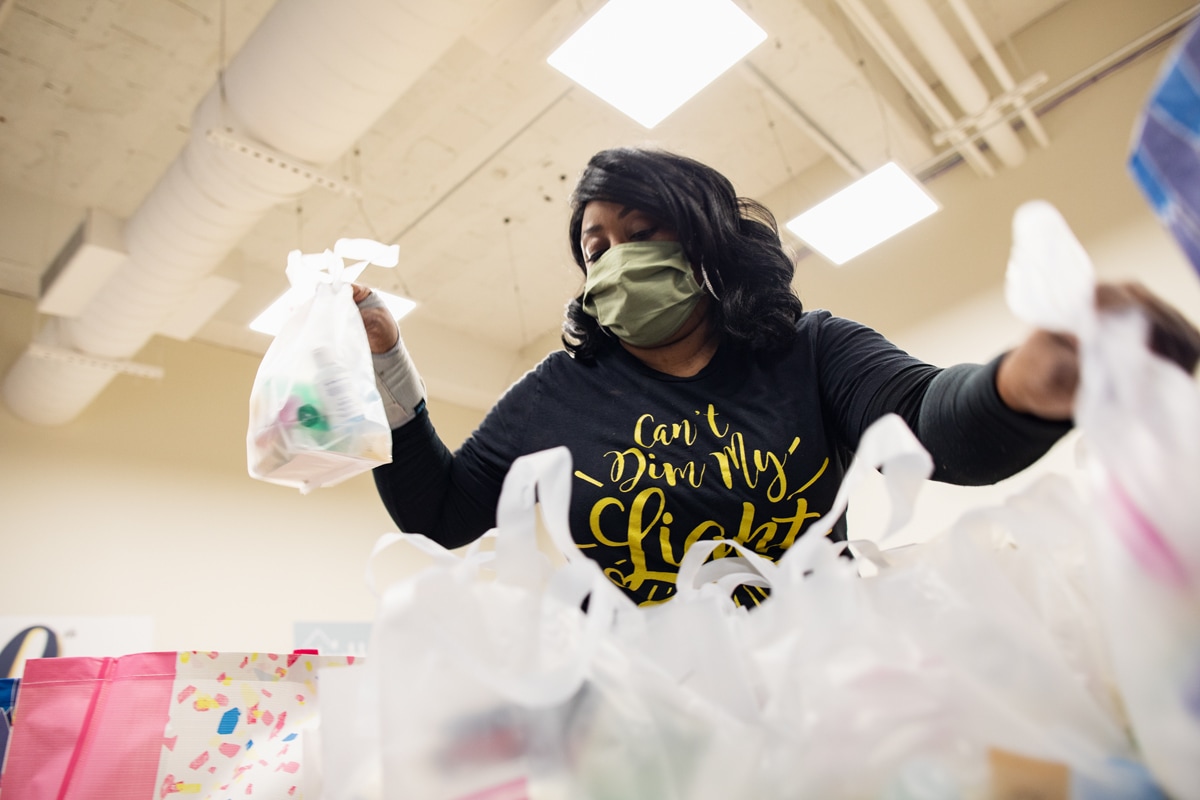
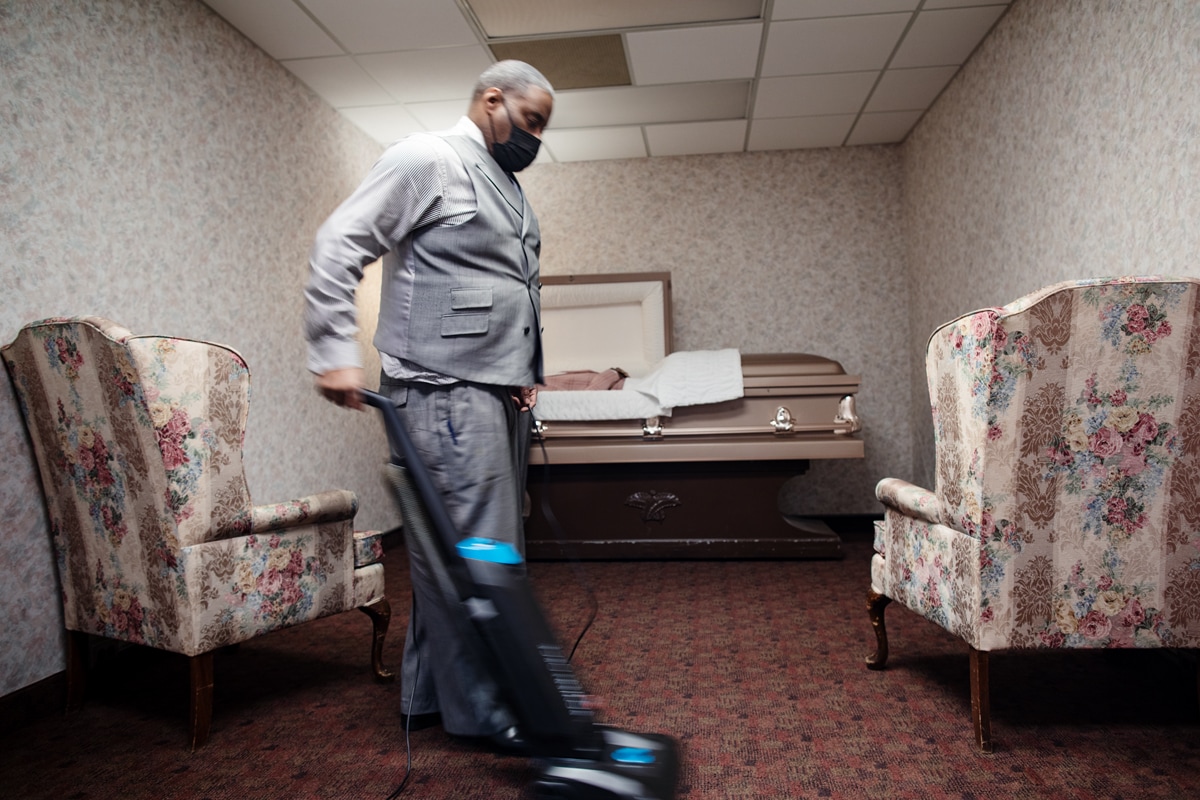
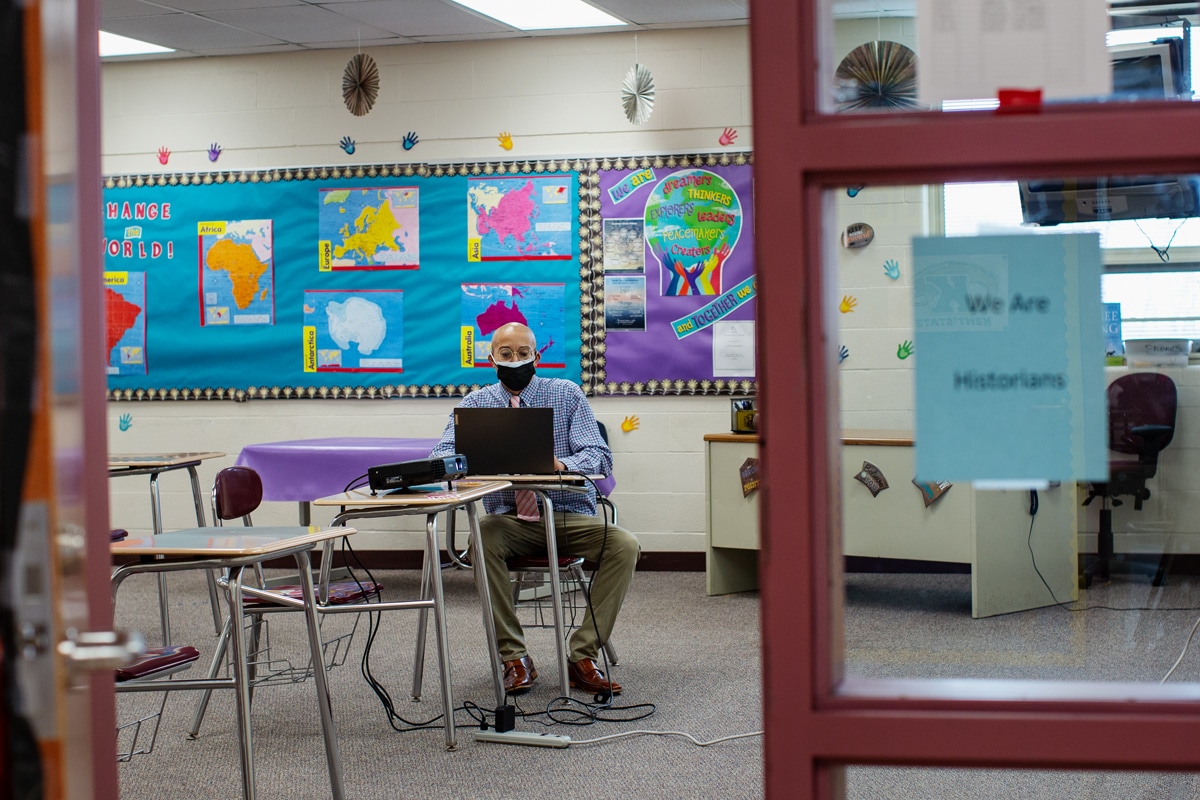
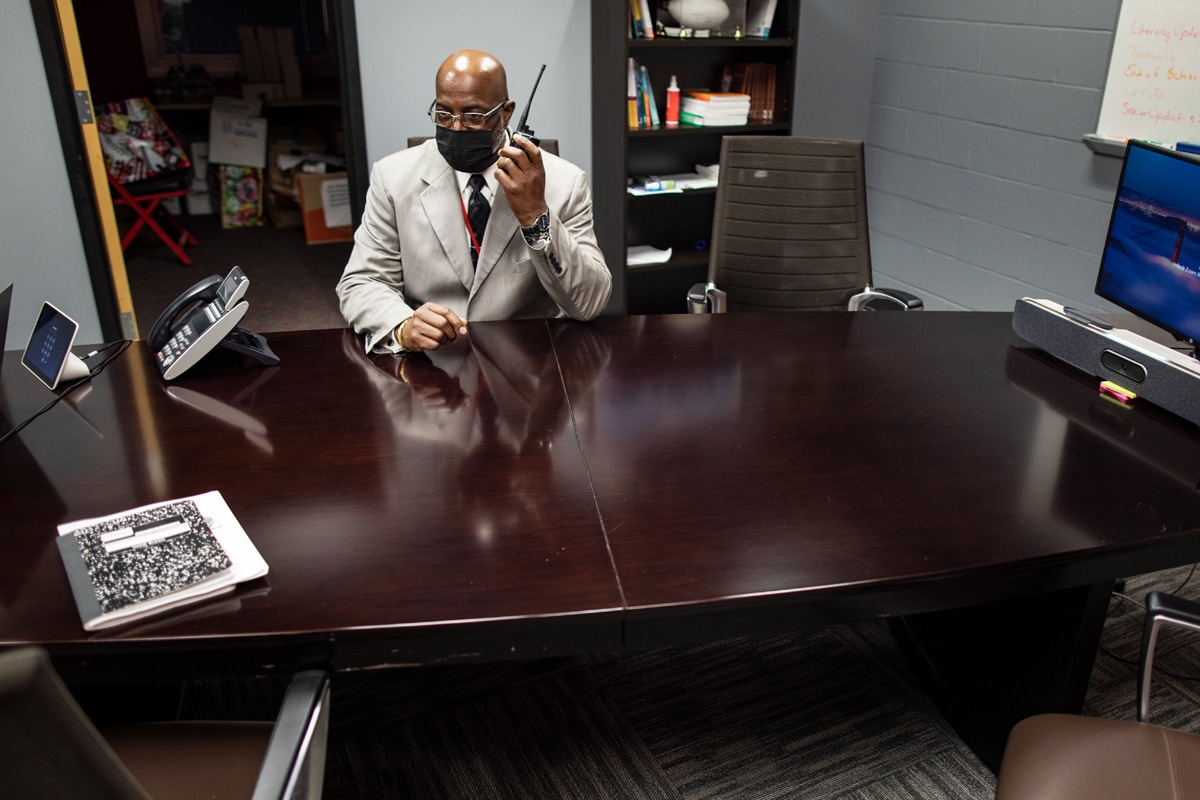
In spite of the awfulness I describe above, I found hope and affirmation from the folks at University Settlement, Famicos, Twelve Literary Arts, Kirk Middle School, Shaw High School—and even the folks at the Garfield Heights Funeral Home. They were doing what they do every day, serving their community. Proudly. To me, they are the bulwarks of our creaky democracy, the folks who grind through obstacles—structural, situational, whatever—to get things done for those around them.
My faith is in them, their dedication, tenacity, patience—and their palpable achievements. By documenting these people and the work they do I hope to convey my hope that democracy will be realized by and for the people now trapped at its margins.
BRIAN PALMER, Journalist & Photographer
How much poison can our democracy withstand?
From the 2020 Annual Report
July 29, 2021
I was 10 in the fall of 1962 when the San Francisco Giants and Los Angeles Dodgers tied for the National League pennant and were to meet in a three-game playoff. Unhappily, our TV was broken and my parents couldn’t afford to fix it but they agreed to let one of my brothers and me stay a few days with two elderly great aunts who lived on the other side of our town of Fremont, Ohio. I was especially excited to watch one of my heroes, the Giants’ star Willie Mays, who played baseball with greater skill and enthusiasm than anyone.
As it turned out, events far from the ballfield intruded. While Mays dazzled the Dodgers, a man I had never heard of, James Meredith, was trying to enroll in the University of Mississippi and become the first Black American to do so. The university and the state repeatedly tried to block him. Whites rioted. A reporter and a bystander were killed. The nation was riveted.
All of this entered America’s homes through the evening TV news, which was a staple at our aunts’ house. During a broadcast of the turmoil surrounding Meredith, one of my aunts remarked, “I just don’t see why he has to go there and cause all that trouble.”
Her words hit me like a slap—for the simple reason that Meredith had the same color skin as Willie Mays. If Meredith could not attend that school, then neither could my hero, and the unfairness of that was obvious even to my young mind.
It took the legal and military power of the federal government to open that door for Meredith and those who followed him. Racism had long since shriveled the hearts of the men running Mississippi. They did not worry about electoral consequences for their acts because they continually appealed to the worst fears and racial hatred of many whites and because they used the law to control who voted.
So, here we are nearly 60 years later struggling yet again with similar issues. The challenge of this moment is once more free and fair access to the ballot box. This time it is not democrats setting up the barriers; it is Republicans. This time it is not a battle focused primarily in the South; it is nationwide. This time the racial dimension of the battle is less overt but the same ultimate question looms: What sort of country do we want America to be?
Do we want a democracy that keeps striving to live up to its founding ideals? Or are we willing to let an elite minority continue to distort the democratic process in order to cement its hold on power?
Their democracy-corrupting weapons are many: Torrents of unaccountable cash from unknown sources. Extreme gerrymandering. Outrageous lies about voting fraud, stoking fears that elections are being stolen. Suppressing the turnout of low-income, elderly and Black and Brown voters by making it harder and less convenient to cast a ballot.
The right to vote is the very essence of democracy. Throughout our history we have gradually expanded that franchise but each expansion followed a long struggle. Now, as the country’s demographics are evolving to become less white, the Republican Party has grasped for ways to seize or maintain control of power, even if it means undermining the right to vote.
Donald Trump was a godsend to these anti-democracy forces because he is uniquely unmoored from truth and from any respect for the democratic system. When he could see that he was losing his grip on power, he began shouting the Big Lie that the election would be stolen from him. He has not stopped. The Big Lie fueled the murderous insurrection at the U.S. Capitol on January 6. And even more ominously, it is being wielded by most of the Republican Party to justify state-by-state restrictions on voting, including in Ohio.
Four out of five Republicans have swallowed the Big Lie. Trust in the fairness of elections has been shaken. Republican Congresswoman Liz Cheney, daughter of the former vice president and one of the few members of her party to stand up to Trump, quite accurately wrote in May, “The 2020 presidential election was not stolen. Anyone who claims it was is spreading THE BIG LIE, turning their back on the rule of law, and poisoning our democratic system.”
How much more of that poison can our democracy withstand?
American democracy has always been imperfect. We have rid our Constitution of some of the founders’ compromises but we still live with others. In addition, societal supports for the constitutional order are weaker. Institutions of all kinds have less legitimacy. The media information sources that we shared in prior eras are now fragmented and some are mere propaganda. And now a major political party has become a cult in thrall to a megalomaniacal liar. The most dire warnings about the threats to democracy no longer seem far-fetched. It now seems possible that a Republican-controlled Congress could refuse to certify the results of a future election if the American people choose a Democrat.
Yet, as a wise man once said, the solution to the problems of democracy is more democracy: More people engaged as active citizens with their communities and country. More avenues for that engagement. More accountability for lying, for inciting division and animosity. More respect for facts and truth. More people voting.
These are not easily achieved but all of us—including foundations—can help to move the country toward them. By being vigilant and active citizens. By organizing with others. By demanding truth and calling out lies. By advocating for policies and candidates in support of democracy. By standing with those who are targets of hatred and victims of prejudice. And as long as there are elections—free and fair elections—there is hope.
That hope, that faith is captured in the photo essay featured in this annual report. Brian Palmer, an award-winning photographer and journalist, portrays Clevelanders exercising their citizenship rights even with the nation in the grip of a pandemic. The fact that voting turnout increased at such a time is testament to the captivating appeal of democracy. This is what democracy looks like.
As I think back, I realize the turn my life took on that day in the fall of 1962. It began the never-ending process of opening my eyes to a world of issues and injustices beyond my narrow direct experience. It helped to set me on my own course of trying to live out active and constructive citizenship. A career embracing journalism, politics, government, nonprofits and philanthropy has given me countless opportunities for engagement. I loved them all but no role has been more gratifying than being at this incomparable institution for nearly two decades. It will soon come to a close. The time for transition to new leadership will arrive when I retire at the end of 2021. I owe endless thanks to our trustees for their wise insights and their unwavering commitment and backing; to my staff colleagues for the passion, conviction and dedication they always bring to our work; to our many grant partners who undertake the inspiring efforts I have been honored to help support; and to Cleveland, which has been and will remain my favorite place from which to face the world.
New paths await.
David Abbott, President
Photography
16 October 2020
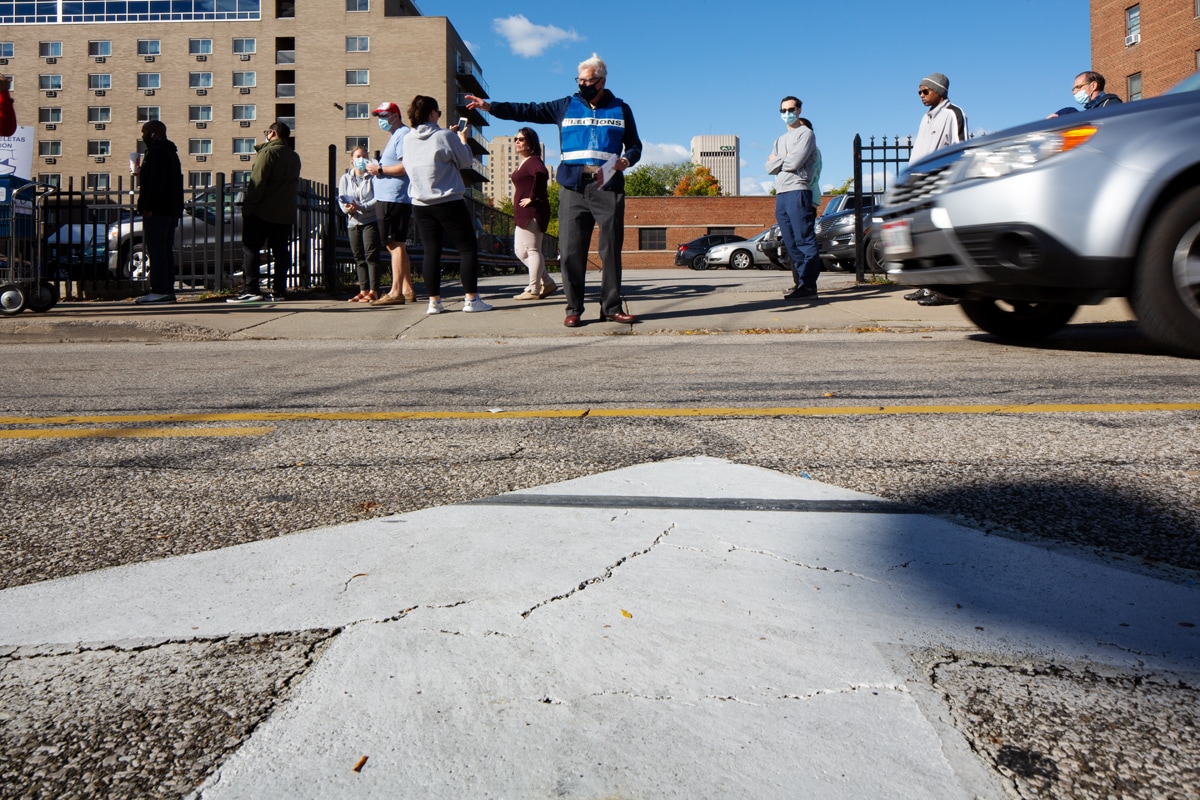
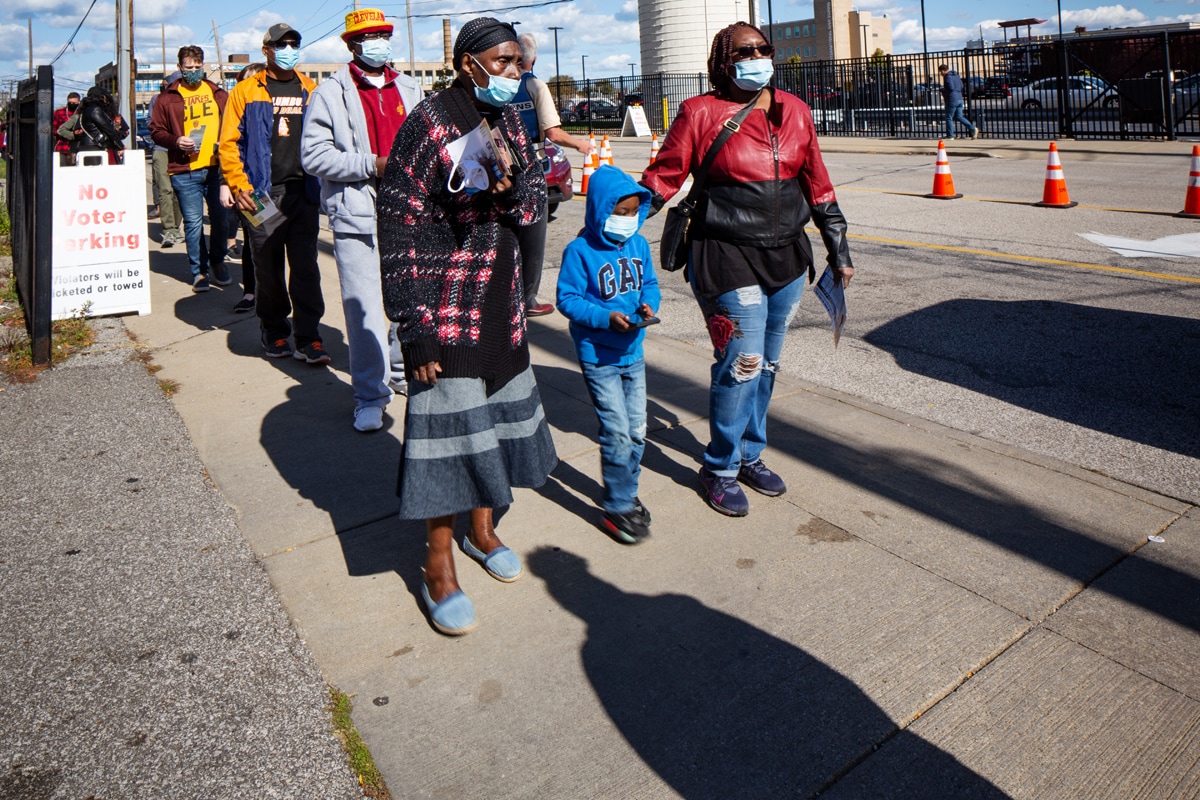
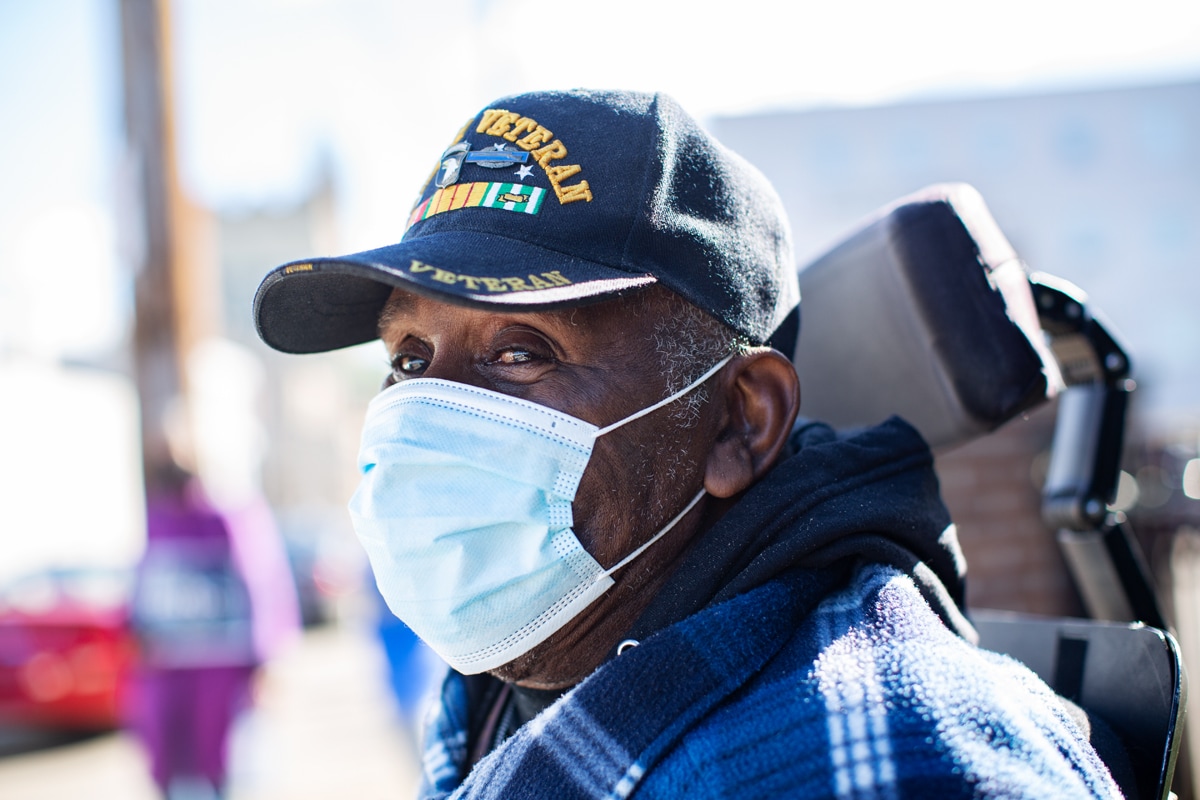
Cuyahoga County Board of Elections, Cleveland, OH—Early voting and ballot drop-off at the one early voting site in the county.
President Donald Trump and Democratic candidate Joe Biden hold separate town halls after debate scrapped
Democratic Vice Presidential candidate Kamala Harris suspends travel after campaign coronavirus exposure
U.S. jobless claims hit 898,000 last week, most since late August
New U.S. coronavirus infections top 60,000 for the first time in two months
Former New Jersey Governor Chris Christie says he was ‘wrong’ not to wear mask at White House
17 October 2020
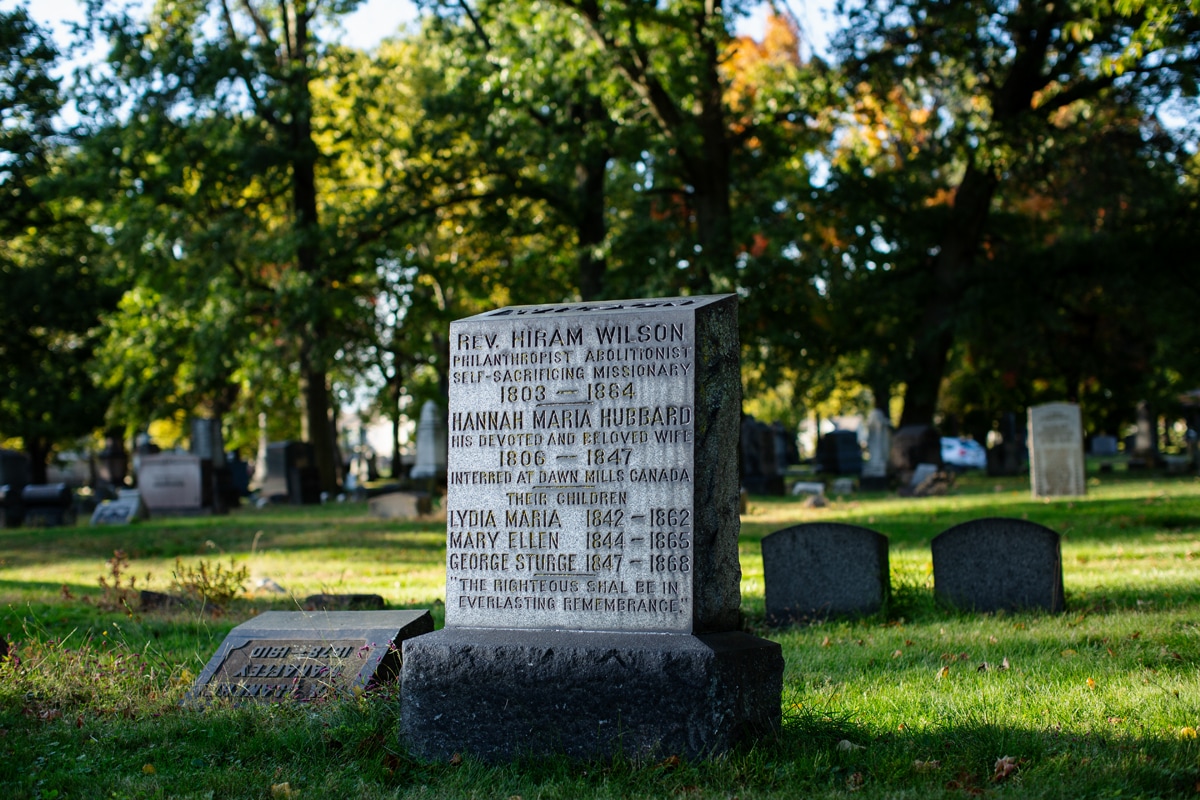
Woodland Cemetery, Cleveland, OH—Headstone for Reverend Hiram Wilson, abolitionist.
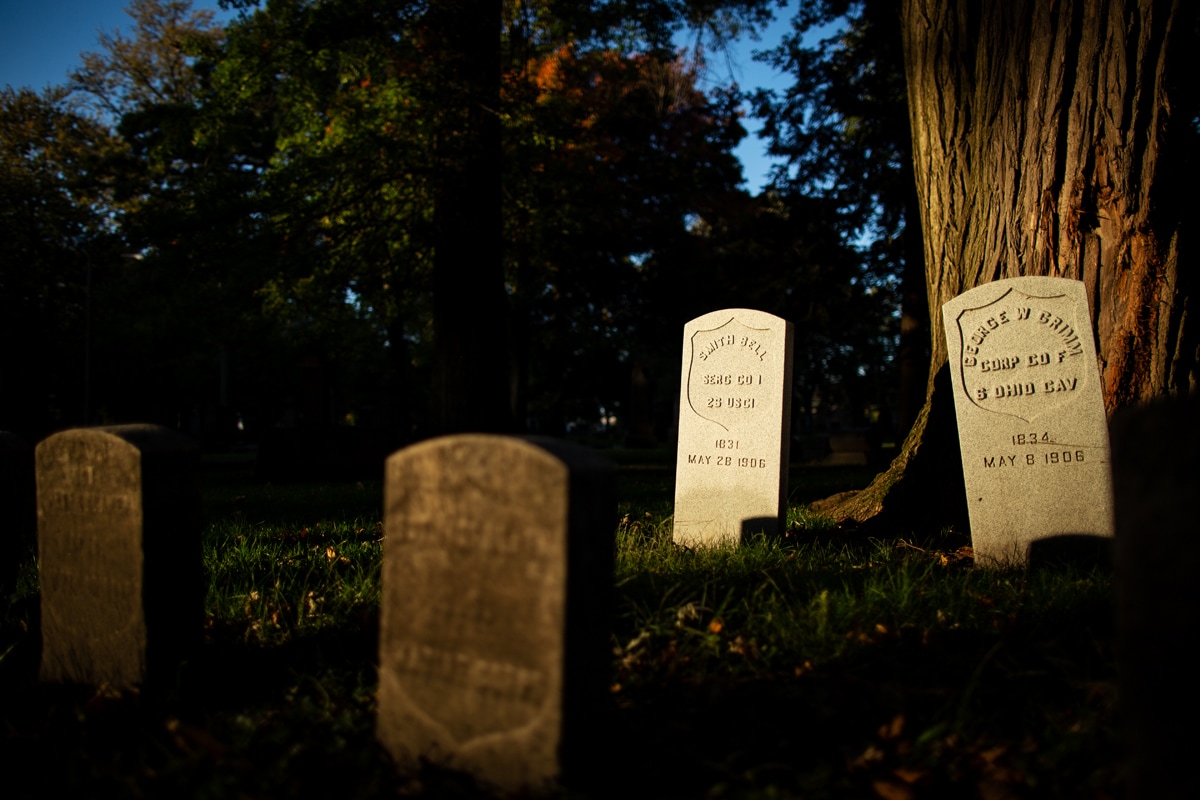
Headstones for United States Civil War veterans, including United States Colored Troops (USCT), United States Colored Infantry (USCI), United States Colored Heavy Artillery (USCHA), as well as Ohioans and others.
U.S. passes 8 million COVID-19 cases
U.S. Supreme Court to consider whether President Trump can exclude undocumented immigrants from census count
Pfizer could seek COVID-19 vaccine emergency authorization in mid-November
President Trump reverses course, approving wildfire relief for California
Town hall ratings show Democratic candidate Joe Biden had more viewers than President Trump
Republican Utah Senator Mitt Romney criticizes President Trump for not denouncing QAnon conspiracy theory
Federal deficit reaches record $3.1 trillion
20 October 2020
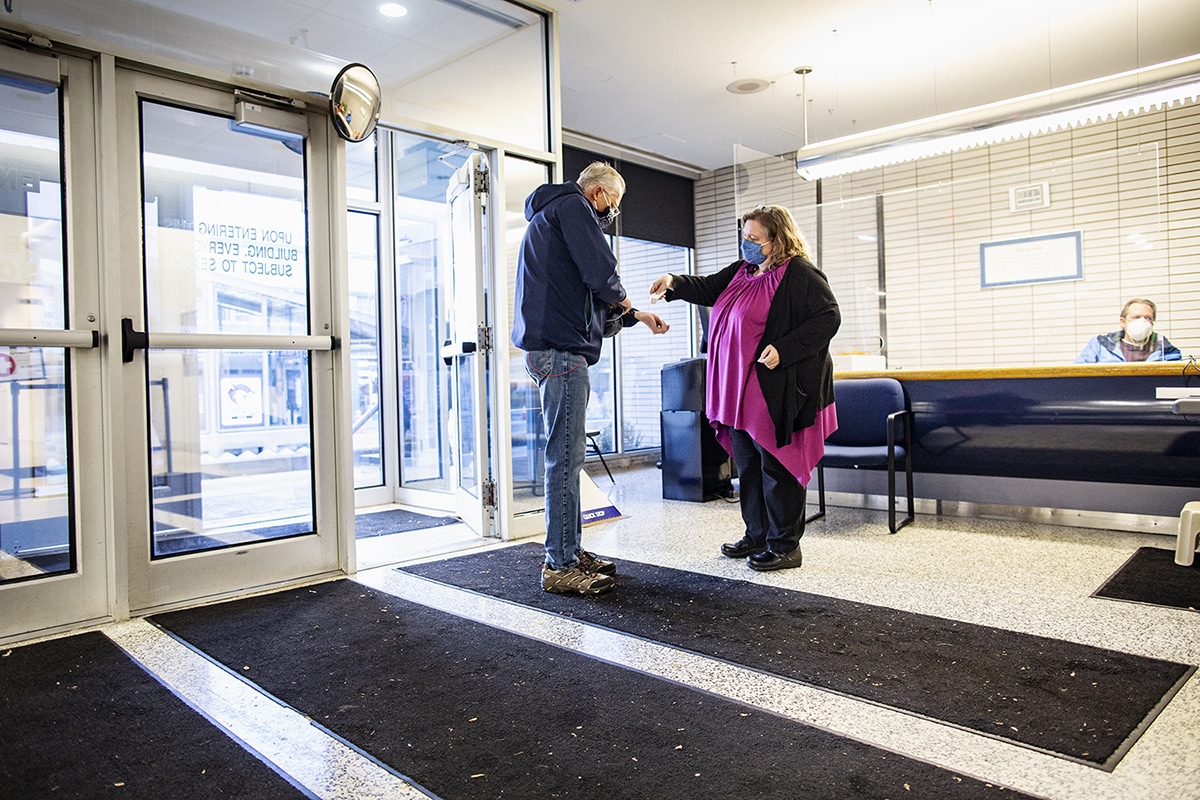
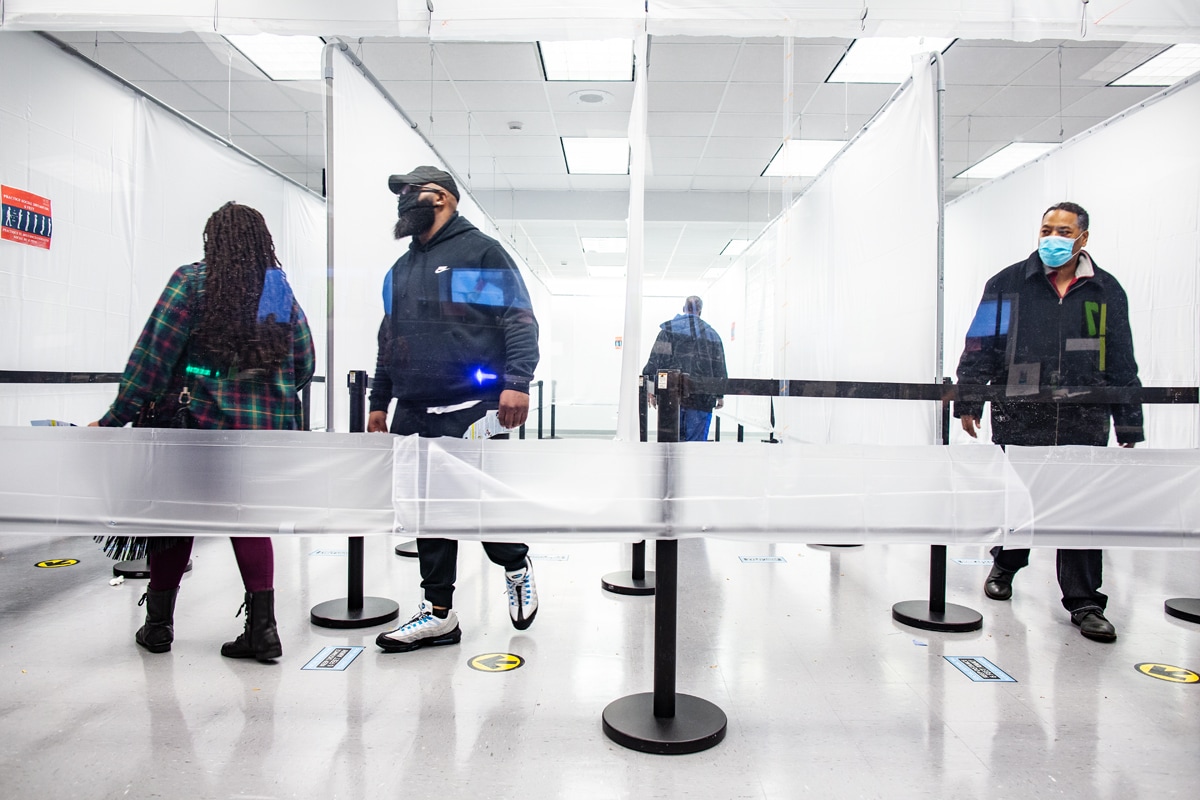
Cuyahoga County Board of Elections, Cleveland, OH—Early voting and ballot drop-off at the one early voting site in the county.
President Trump attacks Dr. Anthony Fauci as ‘disaster’
U.S. Supreme Court lets Pennsylvania extend mail-in voting
Microphones to be muted to avoid some interruptions at presidential debate
CDC recommends all plane, train passengers wear masks
22 October 2020
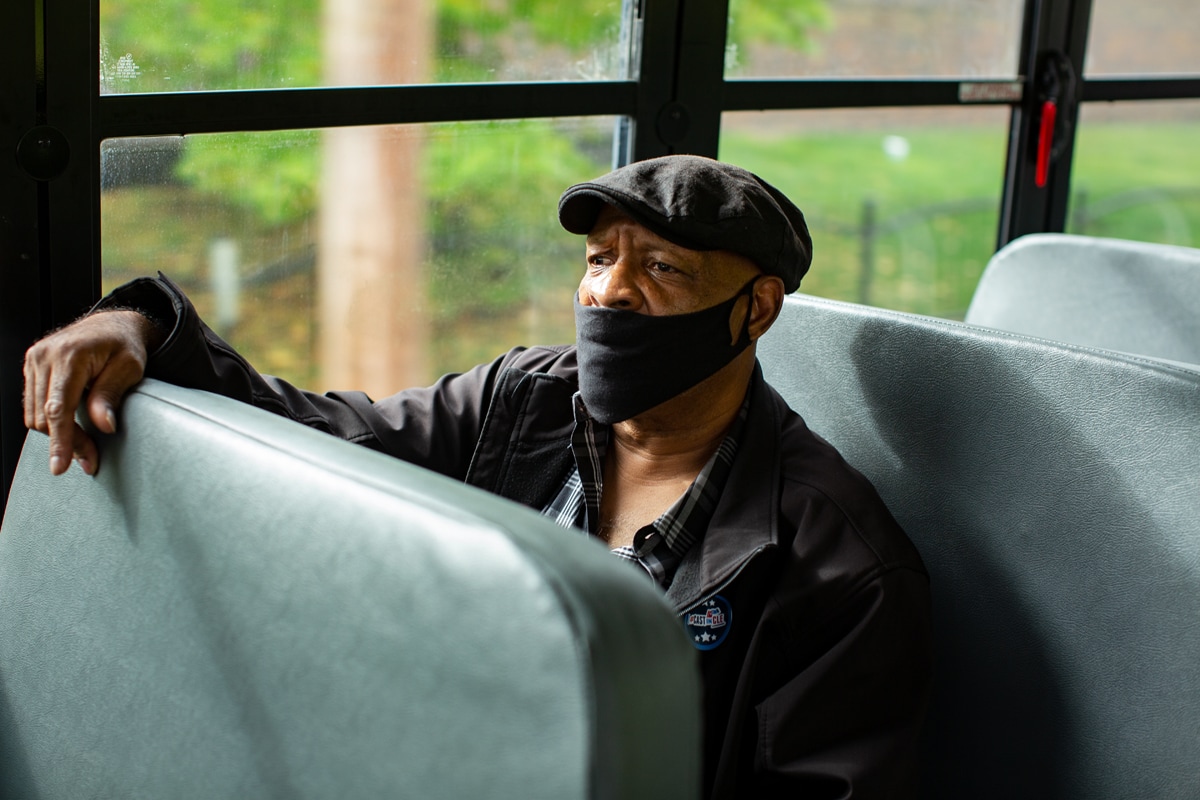
Cuyahoga County Board of Elections, Cleveland, OH—Cast in CLE shuttle bus to polls partly sponsored by Famicos.
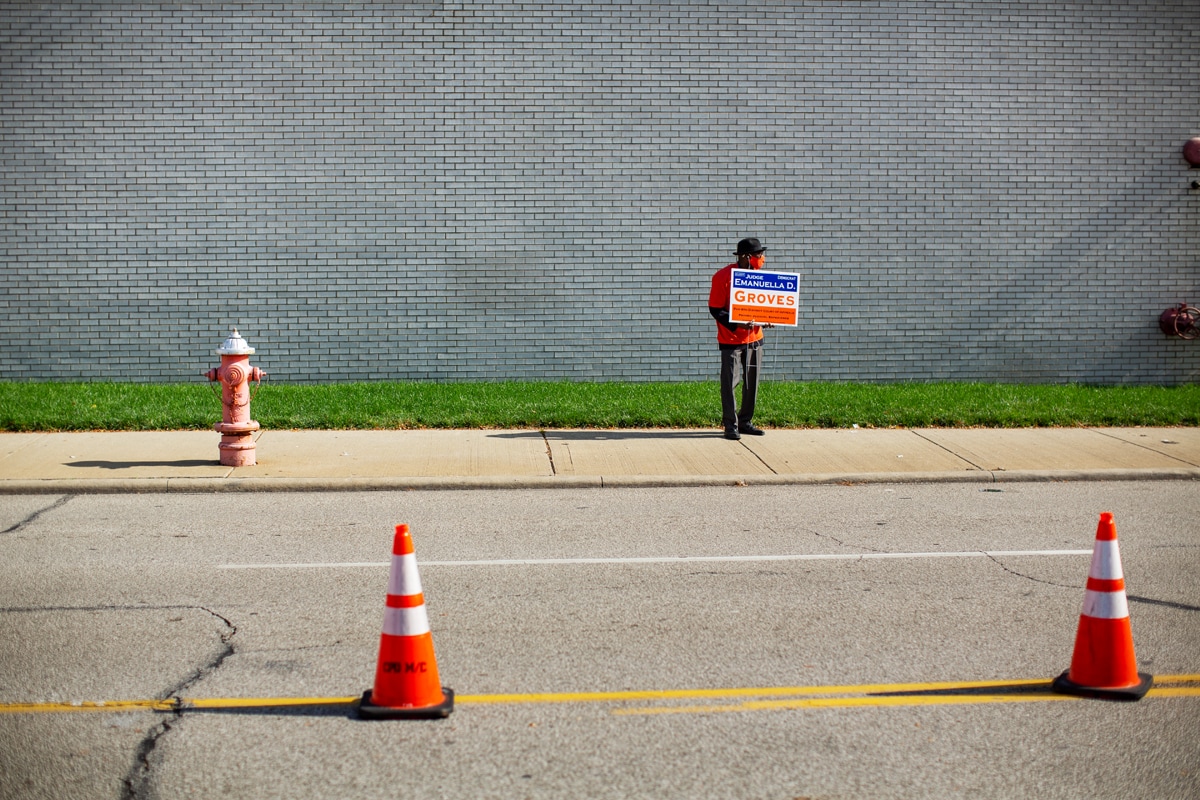
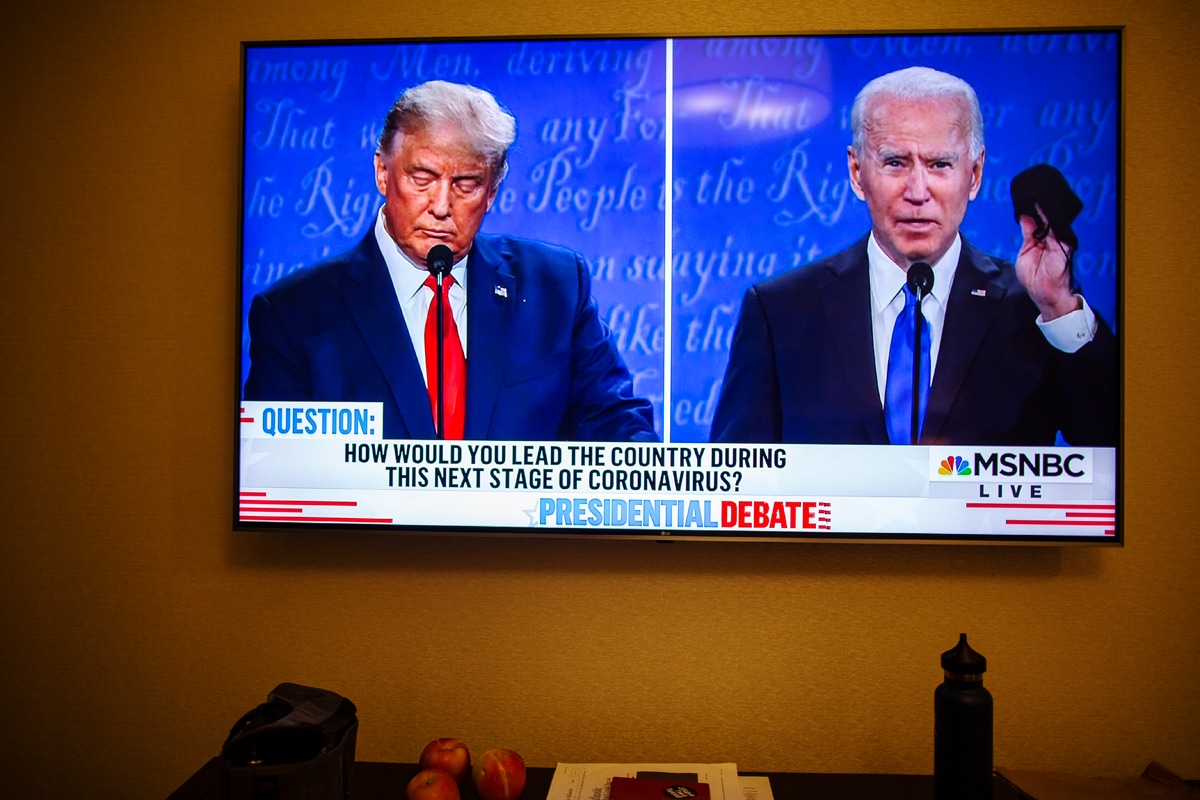
Hyatt Regency at the Arcade, Cleveland, OH—Final 2020 presidential debate between candidate Joe Biden, former vice president, and President Donald J. Trump.
Former President Barack Obama rebukes President Trump in first speech for the Biden campaign
Democrats to boycott committee’s confirmation vote on Supreme Court nominee Amy Coney Barrett
U.S. officials warn Iran and Russia attempting election interference
New U.S. coronavirus cases exceed 60,000 for second straight day
23 October 2020
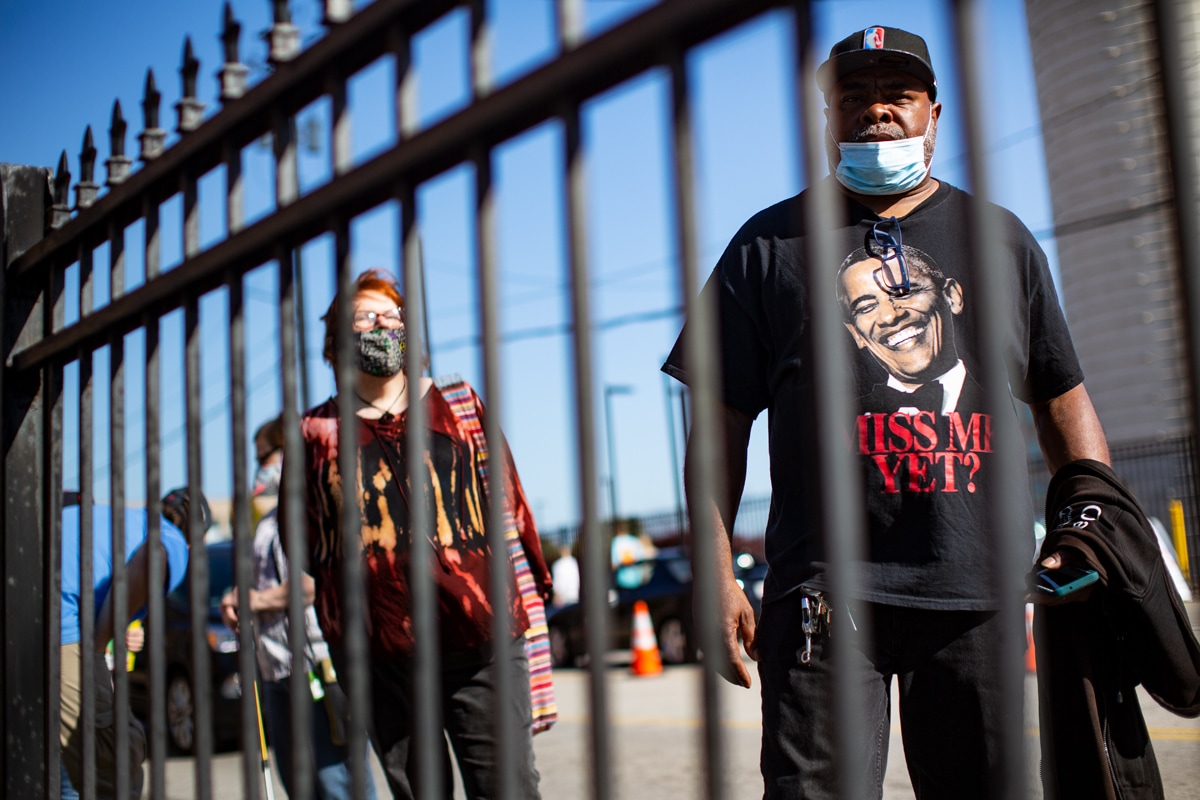
Cleveland, OH—Early voting at the Cuyahoga County Board of Elections.
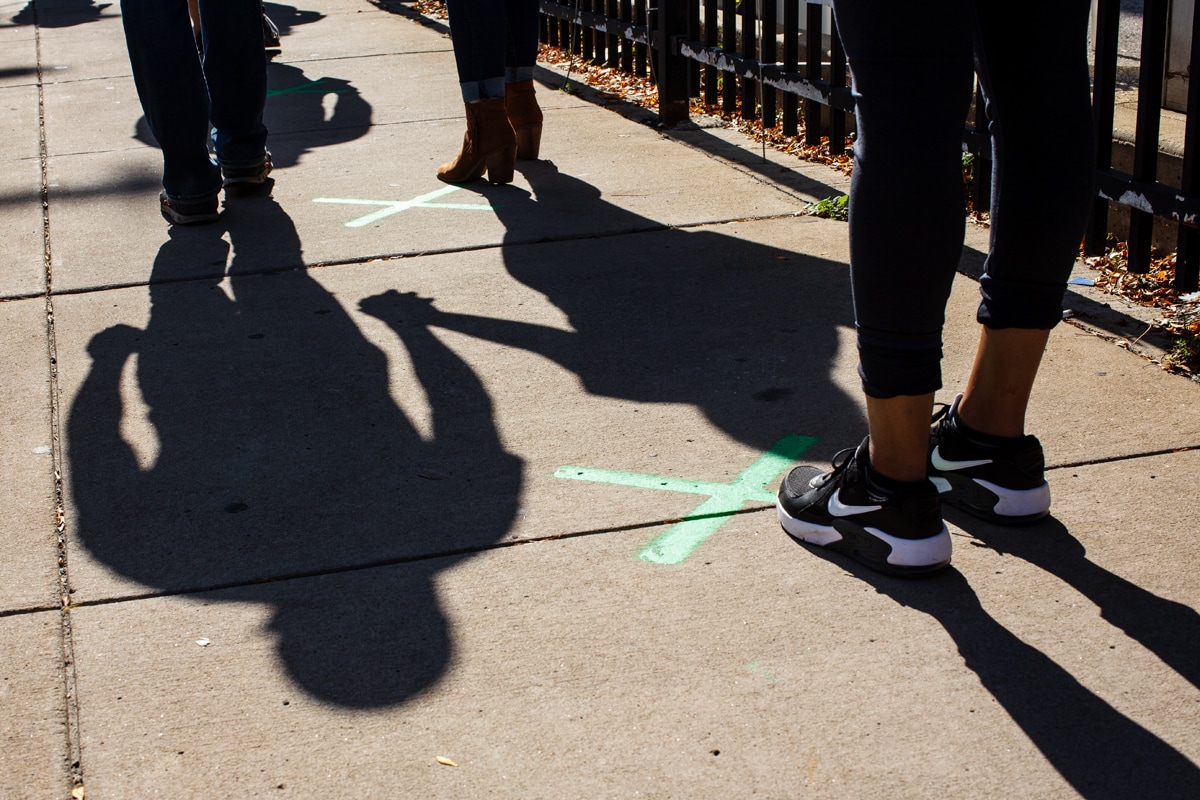

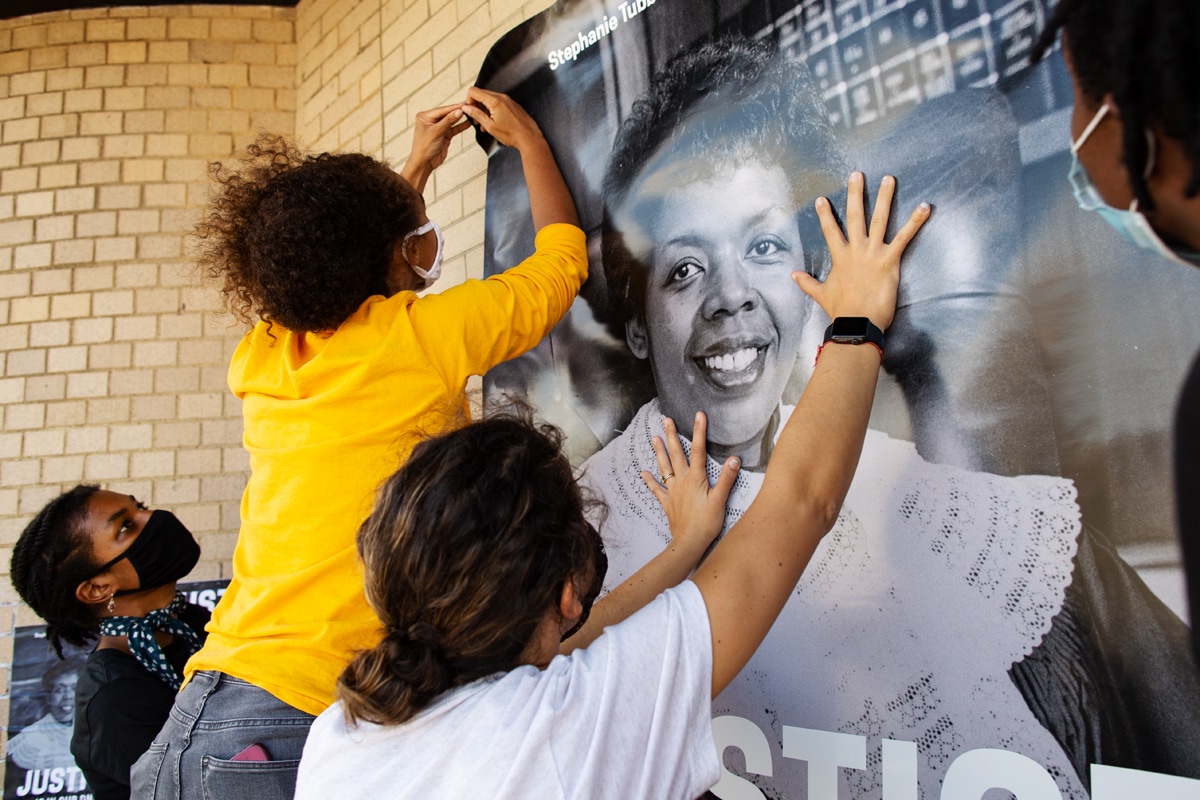
Cleveland, OH—Early voting at the Cuyahoga County Board of Elections; Shooting Without Bullets wheat pastes posters of the late Stephanie Tubbs Jones, former U.S. Representative (11th Congressional District)—“also the first black woman to become a judge of Cuyahoga County Common Pleas Court, as well as the county’s first black prosecutor”—on the outside walls of the ACLU Ohio.
President Trump, Joe Biden differ sharply on coronavirus, climate change in final debate
Republicans on Senate panel advance Amy Coney Barrett nomination
Biden promises commission to study courts
President Trump posts footage of 60 Minutes interview he abruptly ended
Weekly new U.S. jobless claims fall below 800,000
U.S. officials warn that Russian hackers targeted state and local governments
FDA approves remdesivir for COVID-19 treatment
Second U.S. federal court rules against President Trump’s push to change reapportionment count
24 October 2020
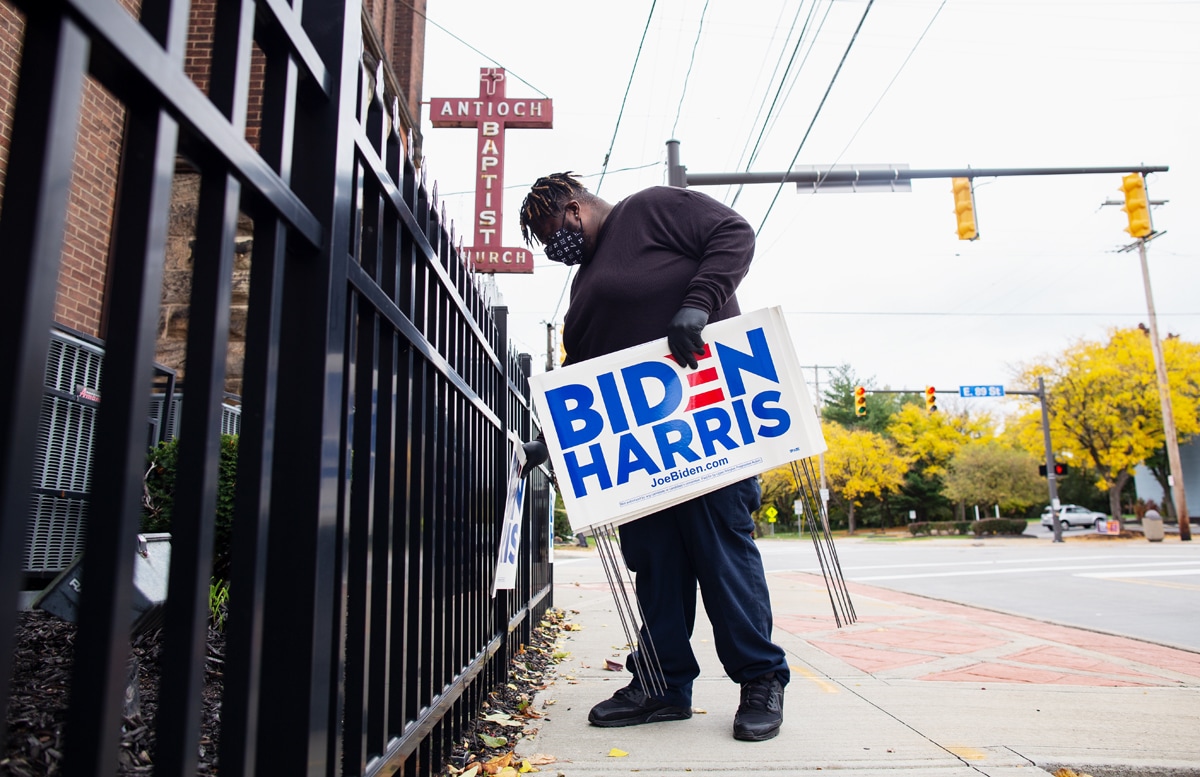
Antioch Baptist Church, Cleveland, OH.
U.S. sets new single-day coronavirus case record
President Trump, Joe Biden to campaign in key battleground states
U.S. coronavirus death toll could pass 500,000 by March, study suggests
Final 2020 U.S. Presidential debate draws 63 million viewers, down from the first debate
AstraZeneca, Johnson & Johnson preparing to restart paused vaccine trials
Early data suggests schools aren’t driving coronavirus outbreaks
6 January 2021
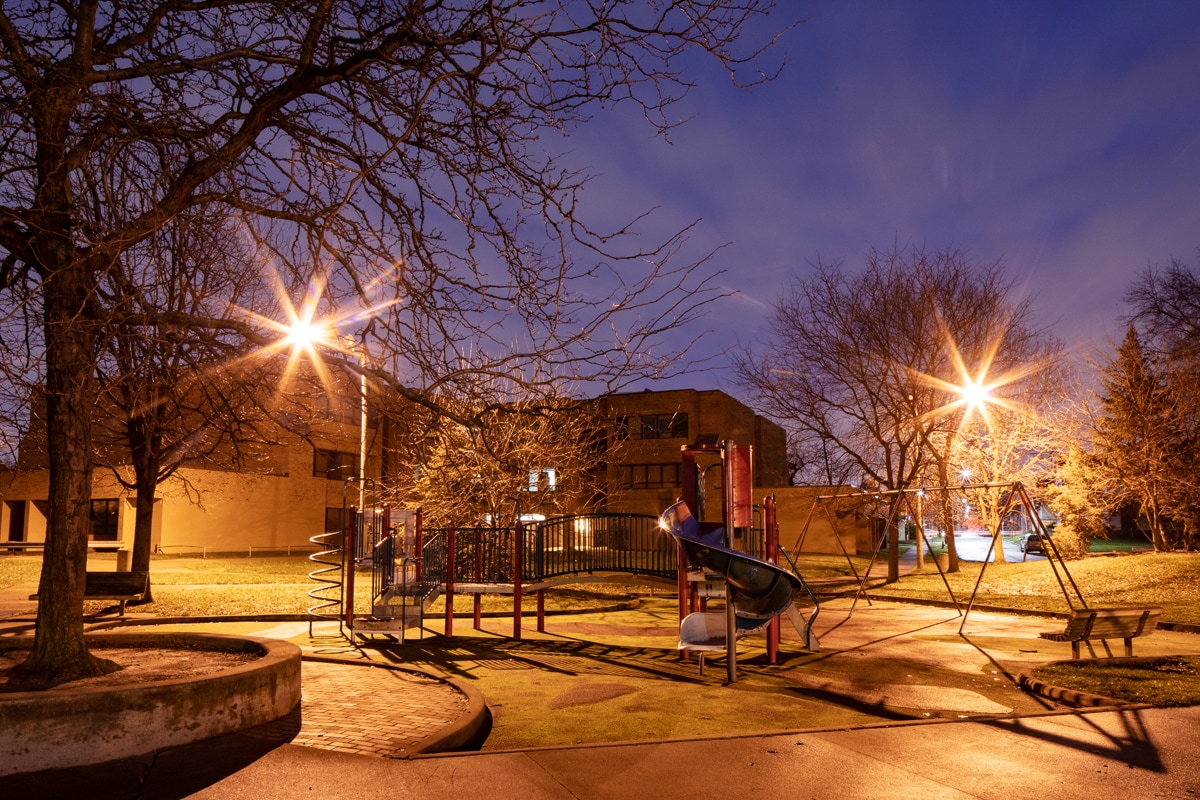
Cudell Commons Park, Cleveland, OH—Site where 12-year-old Tamir Rice was killed by Cleveland Police Officer Timothy Loehmann November 2014. The gazebo near which he was killed was removed and relocated to Chicago. In January 2021, the U.S. Department of Justice announced it would not charge Loehmann or his partner Frank Garmback.
U.S. Congress convenes to certify President Elect Joe Biden’s Electoral College victory
Wisconsin prosecutor says no charges against officers over Jacob Blake shooting
U.S. judge rejects President Trump’s effort to decertify Georgia election result
Pro-Trump mob attacks U.S. Capitol
U.S. Congress, Vice President Mike Pence certify Joe Biden’s electoral victory
U.S. coronavirus deaths hit single-day record near 4,000
Twitter, Facebook lock President Trump’s accounts
2 more Louisville detectives fired over Breonna Taylor killing
9 January 2021
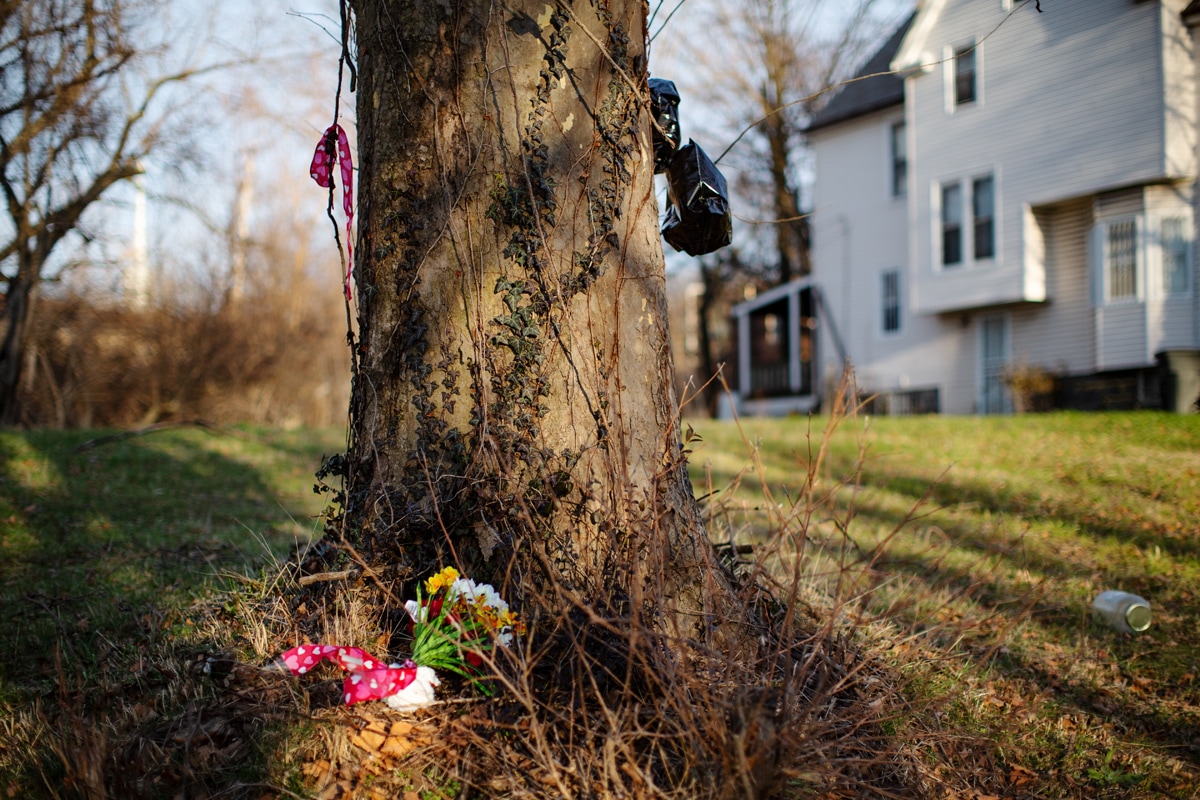
East Cleveland, OH—Memorial for Vincent Belmonte, 19, killed on Tuesday, January 5 allegedly by a member of the East Cleveland Police Department as Belmonte was driving his girlfriend to work in a borrowed car.

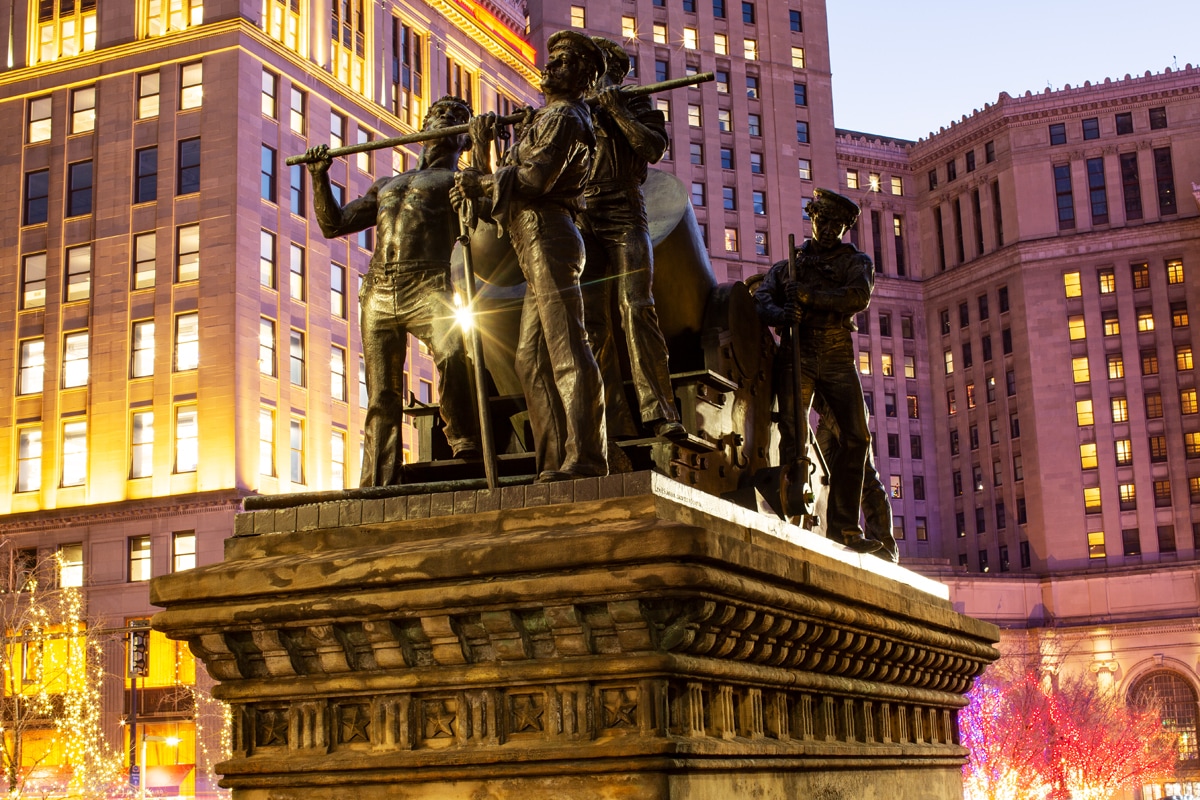
Cleveland, OH—Soldiers and Sailors Monument, four statues depicting Civil War-era martial scenes—“four bronze groupings on the esplanade depict, in battle scenes, the Navy, Artillery, Infantry and Cavalry”— around a central column topped with a figure representing the “Goddess of Freedom.” “Mortar Practice” shows five U.S. Navy artillerymen and an officer, including a shirtless Black man, loading their weapon.
Democrats move toward impeachment of President Trump for inciting January 6 insurrection
Twitter permanently suspends President Trump’s account
President Trump confirms he won’t attend Joe Biden’s inauguration
Republican Senator Lisa Murkowski calls for President Trump to resign
President Elect Joe Biden plans to release most COVID-19 vaccine doses
New charges brought in pro-Trump riot
U.S. economy lost 140,000 jobs in December, the 1st loss since April
11 January 2021
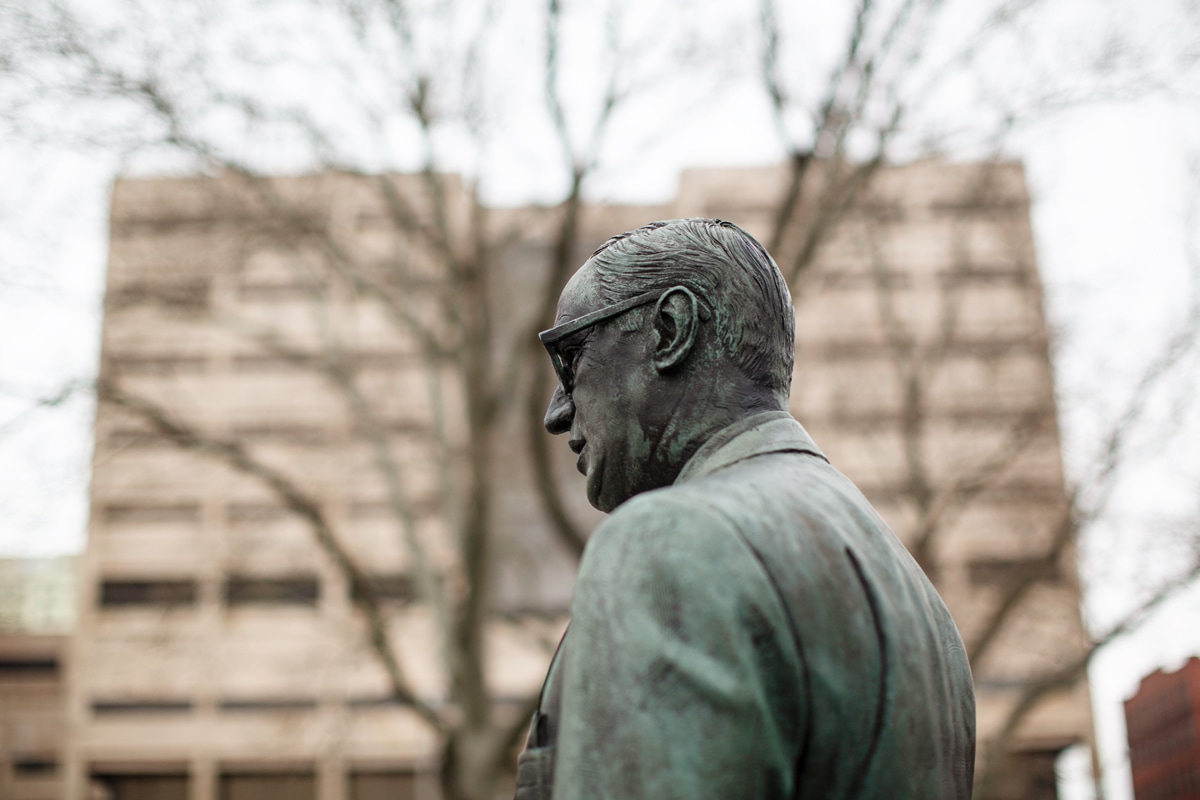
Cleveland, OH—Statue of former Cuyahoga County Prosecutor (1957–91) John T. Corrigan, in Fort Huntington Park, across from the Cuyahoga County Justice Center and Cuyahoga County Common Pleas Court.
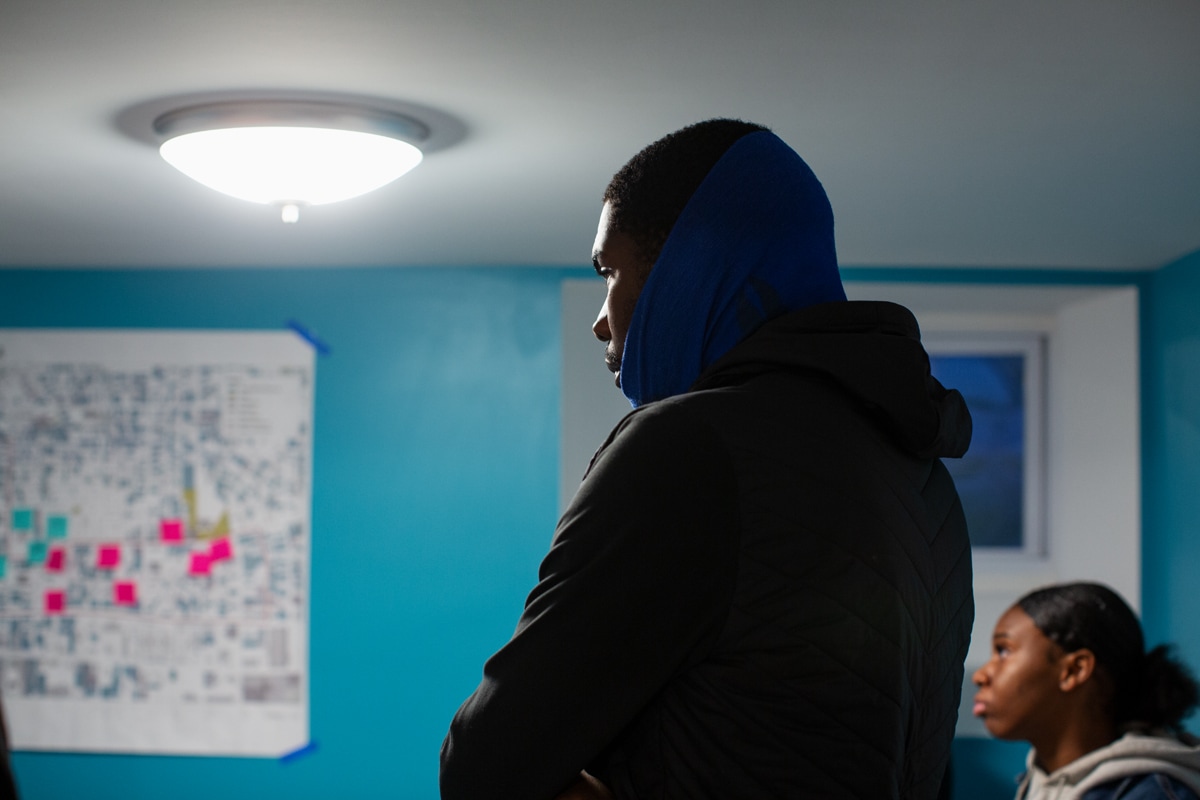
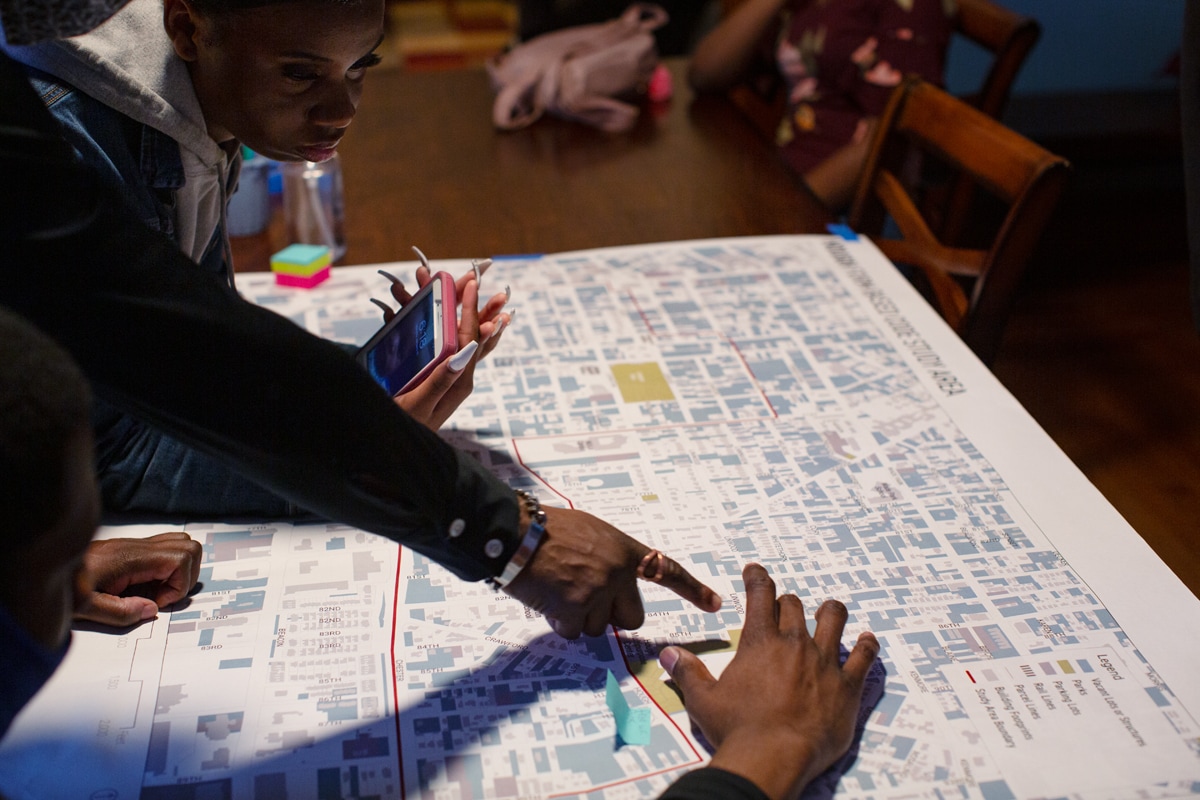
Twelve Literary Arts, Cleveland, OH—Daniel Gray-Kontar, Founder and Executive Artistic Director of Twelve, meets with staffer Stephanie Ginese and artist Terrell. The young people suggested services and institutions that could be built on empty or abandoned plots of land.
Nancy Pelosi, Speaker of the House, says House will impeach President Trump unless Vice President Pence acts to invoke 25th Amendment
U.S. lawmakers possibly exposed to coronavirus during riot lockdown
Rioters who had zip-ties arrested as roundup continues
Parler knocked offline after Amazon suspends service
FBI warned of threat ahead of mob’s U.S. Capitol siege
U.S. Capitol Police officer dies in apparent suicide
PGA board moves 2022 golf championship from Trump course
Marriott, Blue Cross halt donations to lawmakers opposing electoral results
12 January 2021
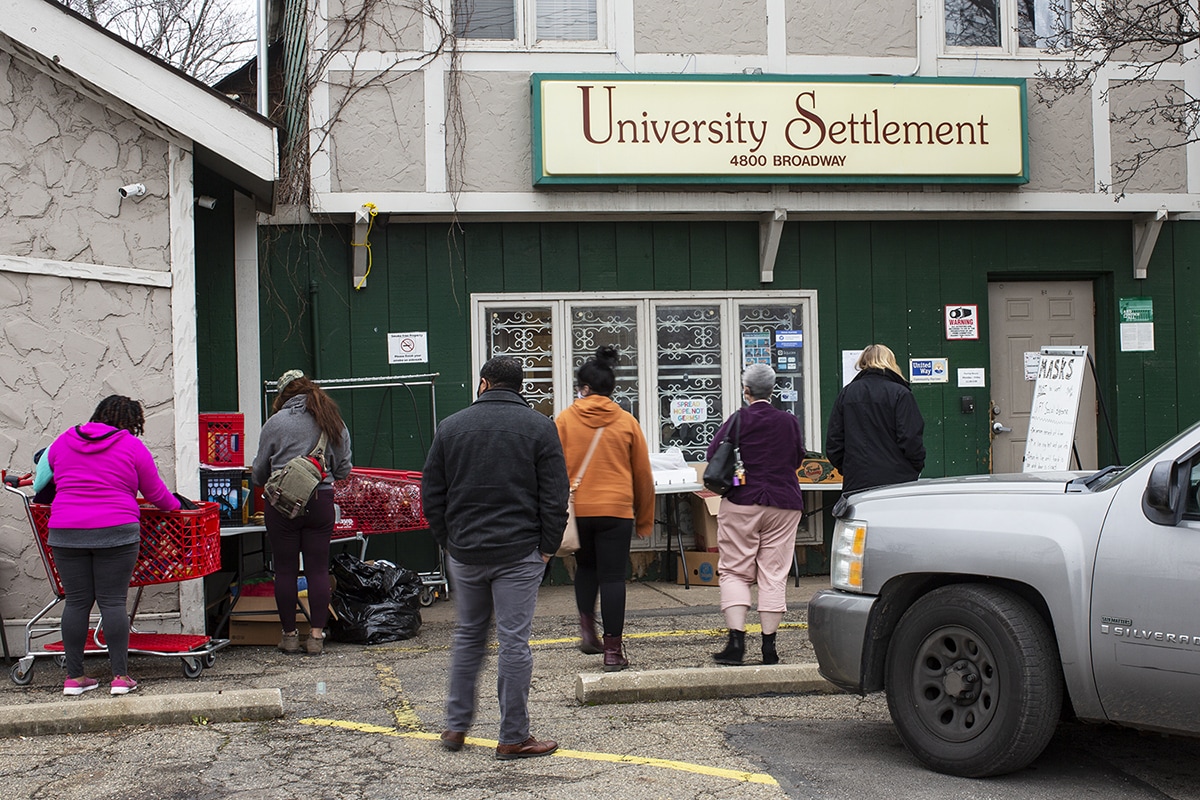
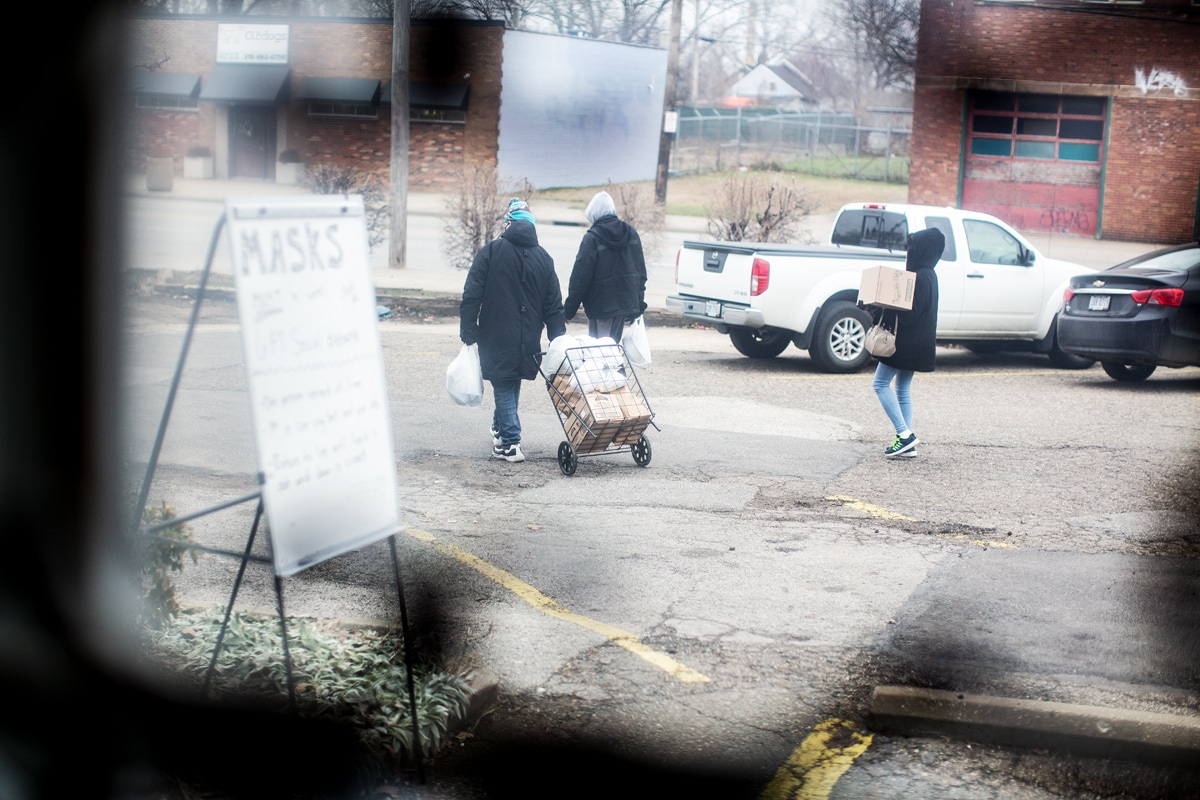
University Settlement, Broadway Avenue, Cleveland, Ohio—Food pantry in Slavic Village neighborhood.
House Democrats introduce impeachment article
U.S. coronavirus deaths surpass 375,000 after record surge
Homeland Security secretary resigns over ‘recent events’
Two Democrats test positive for coronavirus after riot lockdown
Parler sues Amazon over server ban
FBI warns of possible armed protests at state capitols
U.S. sanctions Ukrainians over election meddling
Two Capitol Police officers suspended over actions in riot
President Trump, Vice President Pence meet for 1st time since deadly riot
9 April 2021
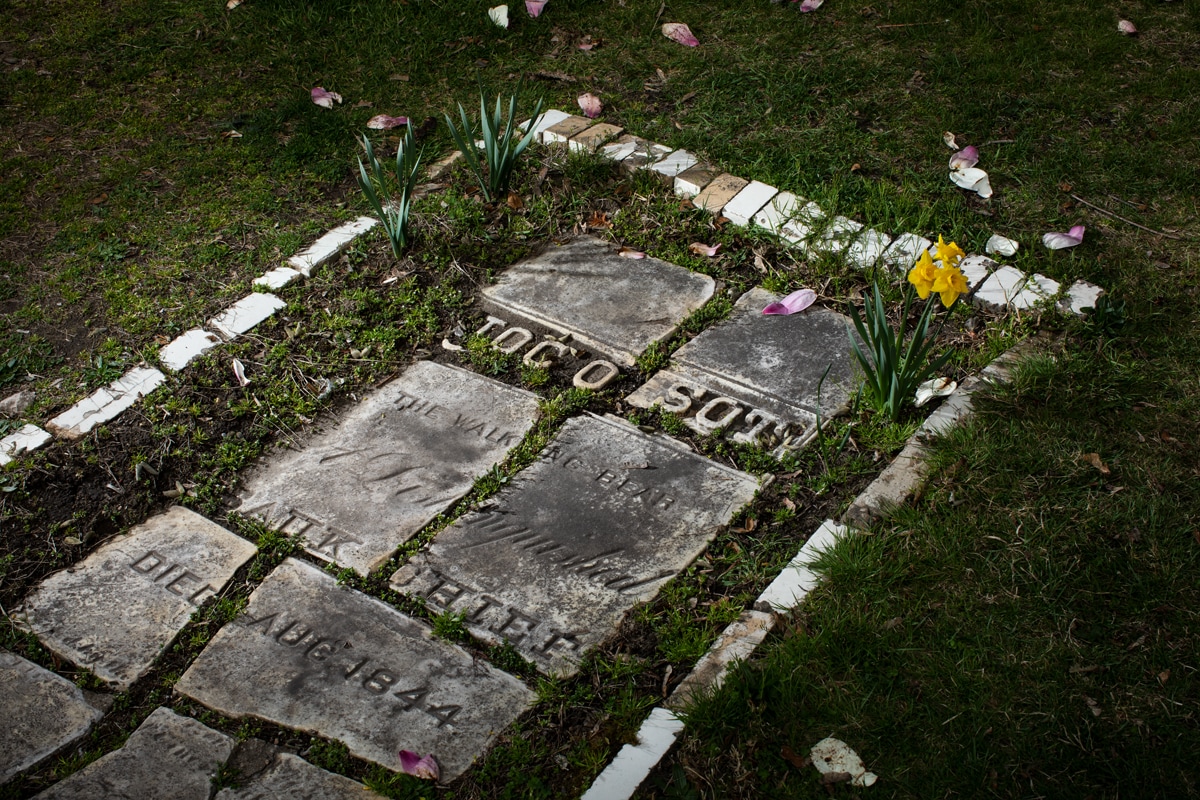
Erie Street Cemetery, Cleveland, OH.
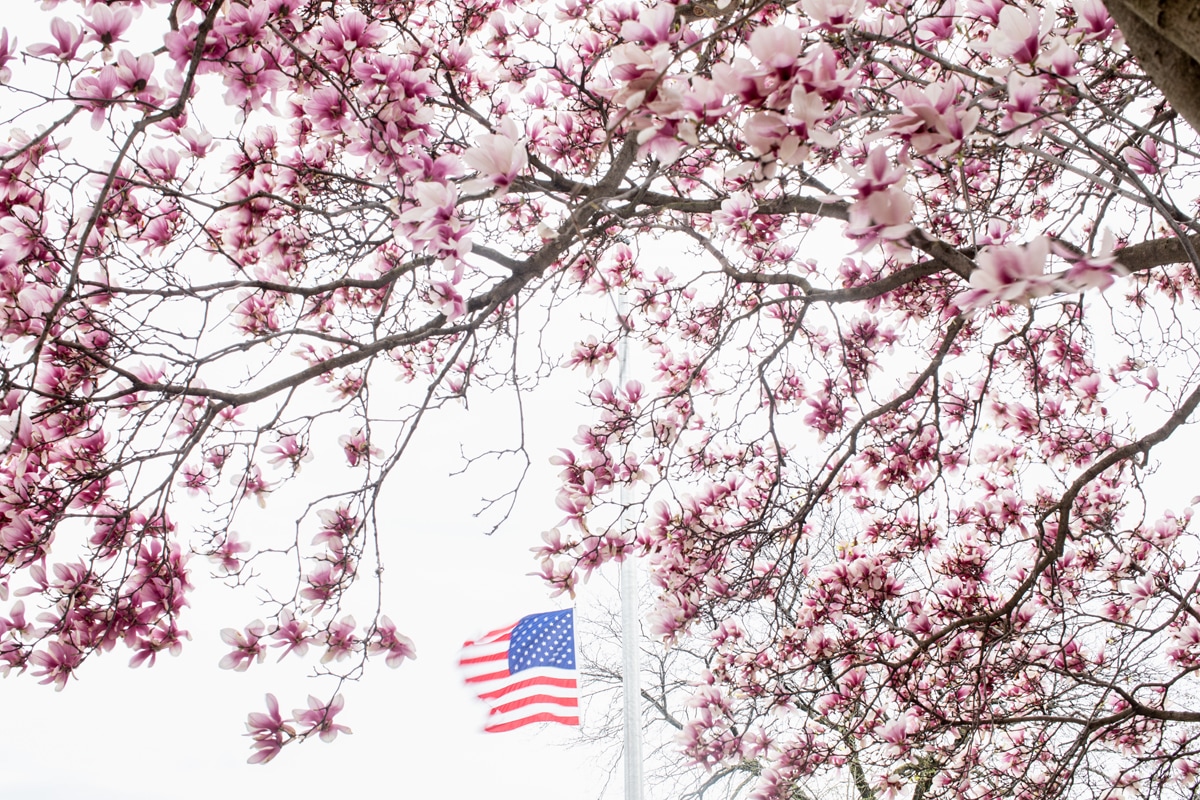
Erie Street Cemetery, Cleveland, OH—Grave of Chief Joc-O-Sot/Walking Bear (Fox/Mesquakie or Meskwaki), 1810-1844. Fought in the Black Hawk War with the Sauk. Came to Cleveland after the war. Stone for Oghema Niagara of the band Pishqua, tribe Osauckee of the Algonquin nation, dubbed Chief Thunderwater by whites. Created the Supreme Council of Indian Nations.
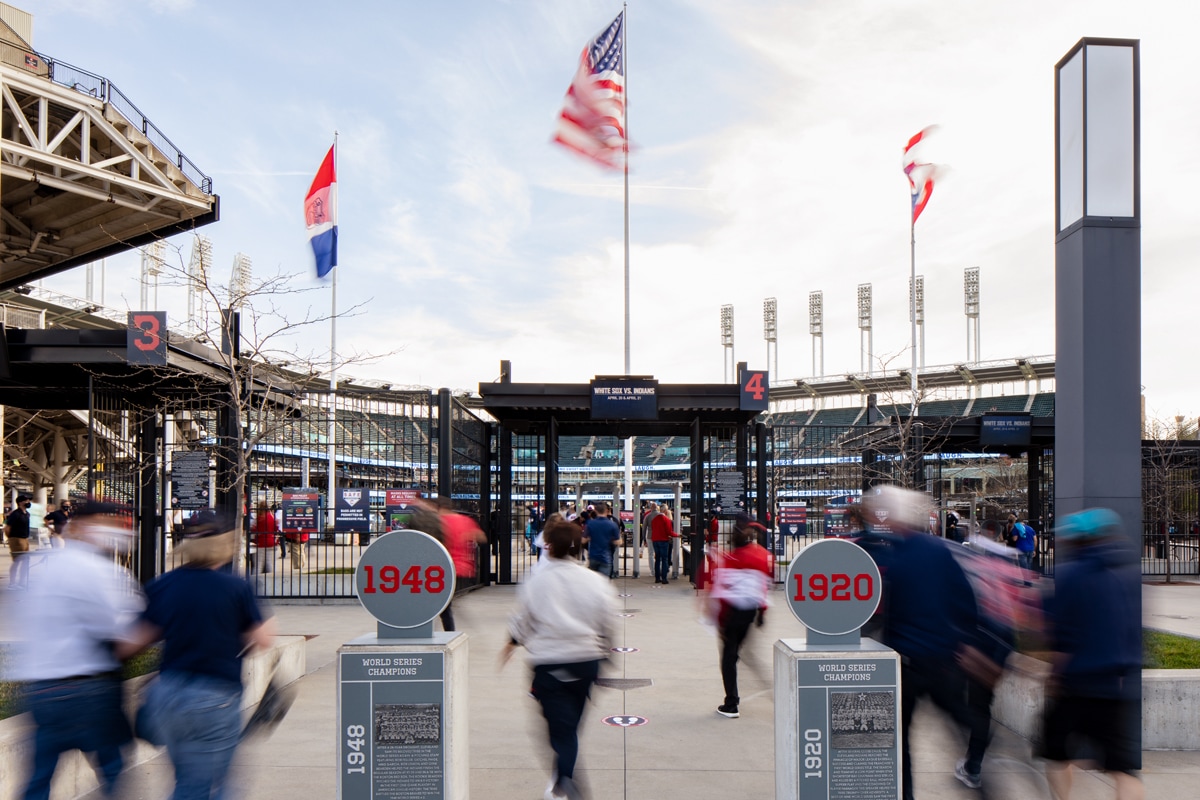
Progressive Field, Cleveland, OH—Crowds arrive for game with the Detroit Tigers.
President Biden announces actions to address gun violence ‘epidemic’
Doctor: George Floyd died from ‘low level of oxygen’
Nearly 20 percent fully vaccinated in U.S.
Florida sues CDC to reopen cruise industry
10 April 2021
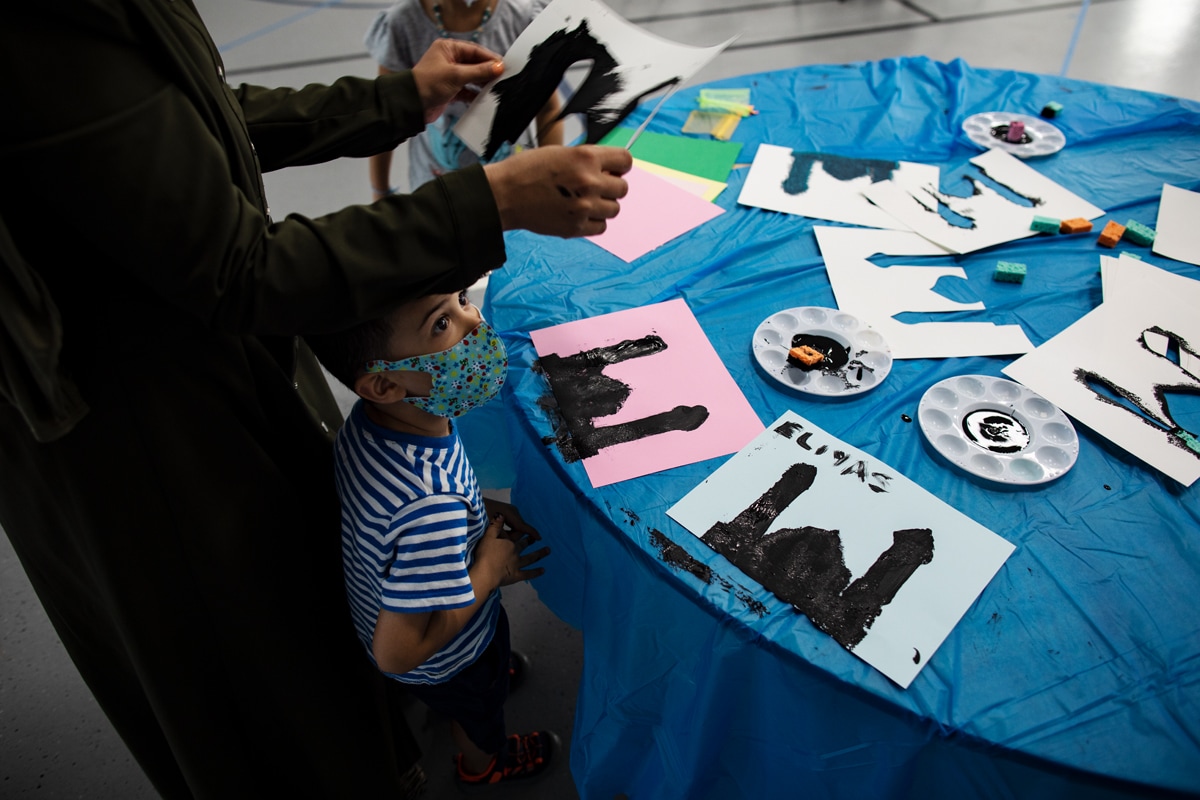
Islamic Center of Cleveland, Parma, OH—Event for children, New Dawn Ramadan, sponsored by the Misada Family Literacy Organization.
Medical examiner: George Floyd’s primary cause of death was neck compression
Amazon defeats union drive at Alabama warehouse
Pfizer asks FDA to authorize vaccine for adolescents 12 to 15
President Biden orders commission to study Supreme Court expansion, term limits
11 April 2021
Arcade, Cleveland, OH—Back of Cleveland baseball jersey bearing name of Satchel Paige worn by Donald Shingler, a Cleveland dentist.

Former President Donald Trump delivers insult-laden speech at Mar-a-Lago RNC gathering
U.S. Supreme Court strikes down California pandemic religious restriction
U.S. Army officer sues Virginia police officers for violating his rights during traffic stop
14 April 2021
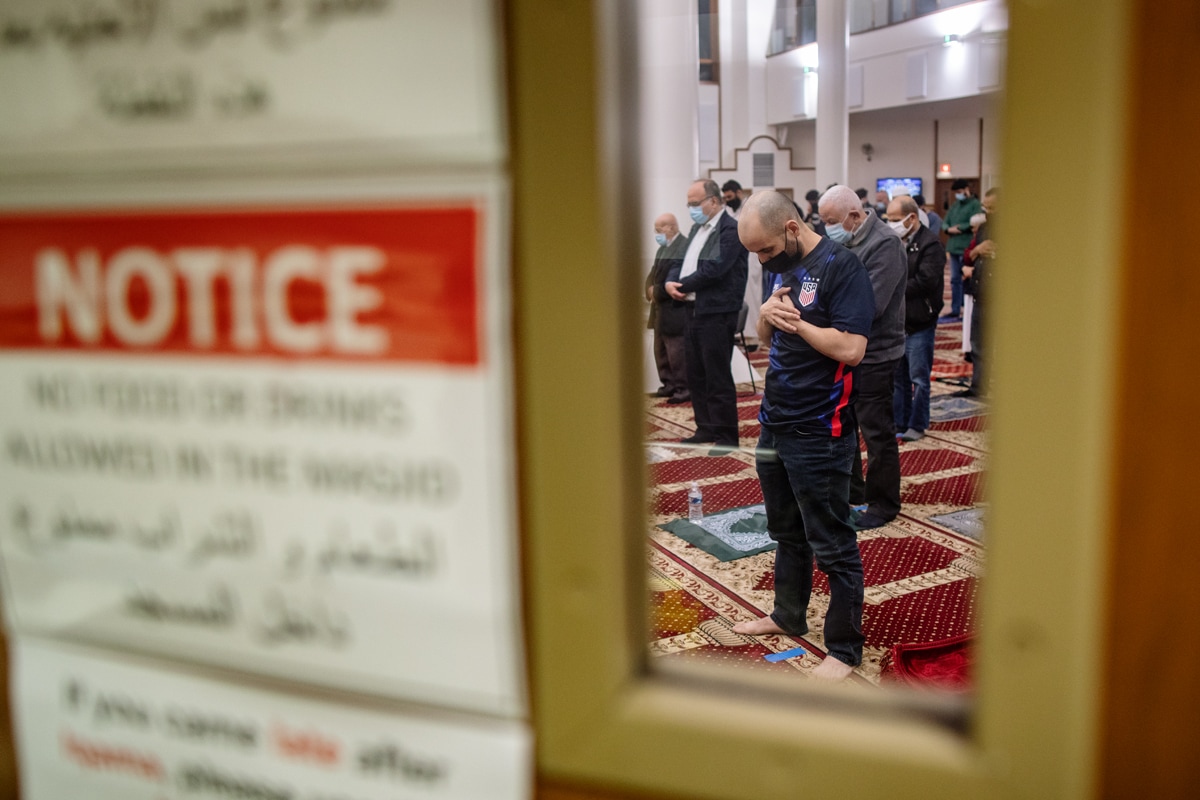
Islamic Center of Cleveland, Parma, OH—Evening prayer in men’s section during Ramadan.

President Biden to announce withdrawal of all U.S. troops from Afghanistan by Sept. 11
Officer who shot Daunte Wright resigns as protests continue
White House says Johnson & Johnson pause won’t hamper vaccine campaign
President Biden proposes summit with Vladimir Putin as Ukraine tensions rise
Derek Chauvin’s lawyers start their defense
Watchdog report: Capitol Police held back on Jan. 6 despite warning
15 April 2021
Lucas Memorial Chapel, Garfield Heights, OH—Operations at the African American-owned funeral home.
Officer who fatally shot Daunte Wright charged with manslaughter
Defense expert says Derek Chauvin’s actions didn’t kill George Floyd
CDC panel wants more data before decision on Johnson & Johnson vaccine
DOJ: No charges against officer who fatally shot woman in U.S. Capitol riot
Corporate leaders sign statement against proliferation of Republican-sponsored laws making voting harder
U.S. House panel advances bill on creating a commission to study reparations
U.S. to expand sanctions on Russia over corporate hacking and other actions
Bernie Madoff, infamous Ponzi scheme mastermind, dies in prison
16 April 2021
East Cleveland Public Schools, Cleveland, OH.
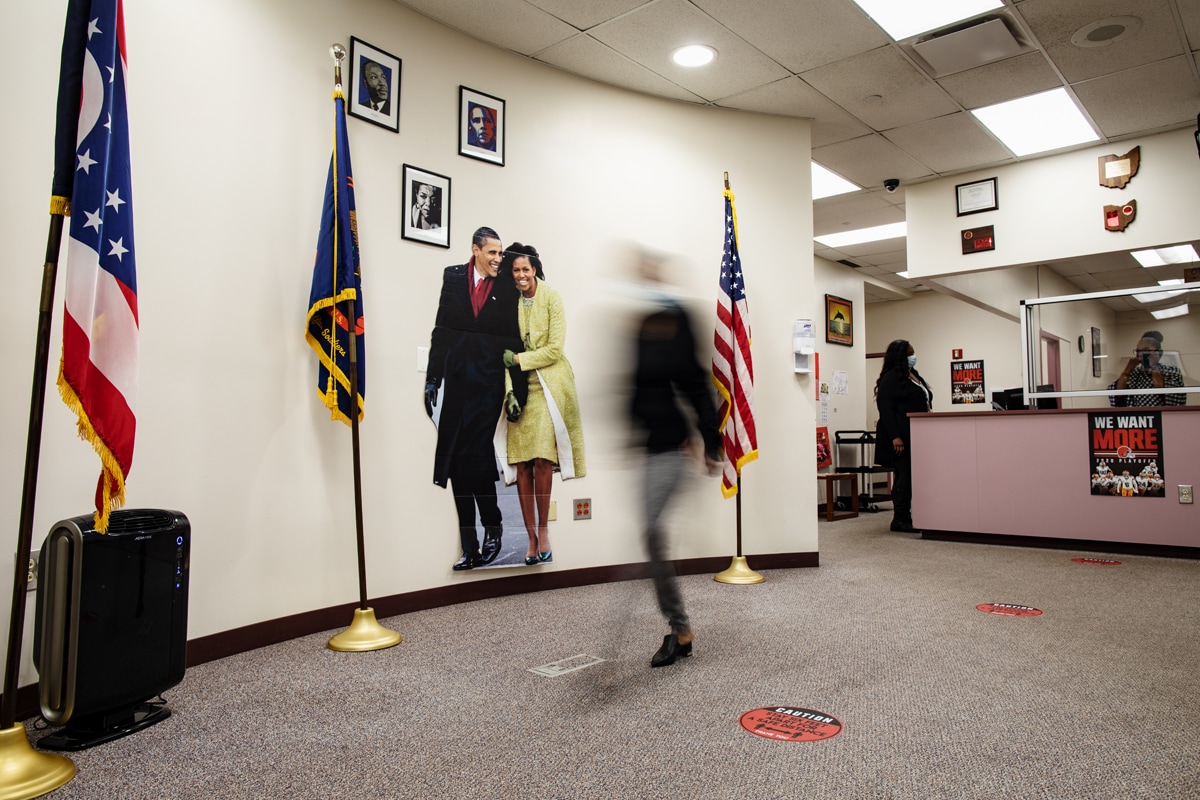
Derek Chauvin declines to testify as defense rests in George Floyd case
U.S. sanctions Russia over hacking, election meddling
At least 8 dead in Indianapolis FedEx shooting
Chicago releases body-cam video of police shooting of boy
U.S. intelligence report: Paul Manafort associate shared Trump polling data with Russian intelligence
Nancy Pelosi: “No plans” to take up proposal to expand U.S. Supreme Court