
Early Education
Sage Sohier (2008)
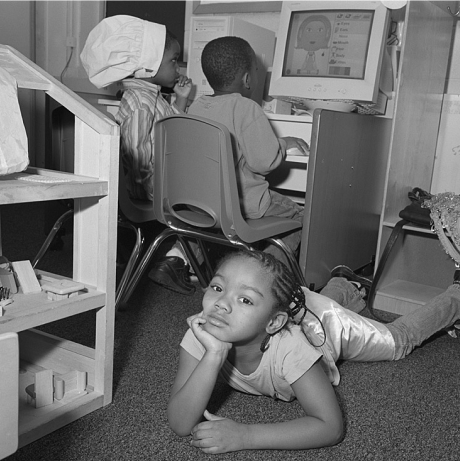
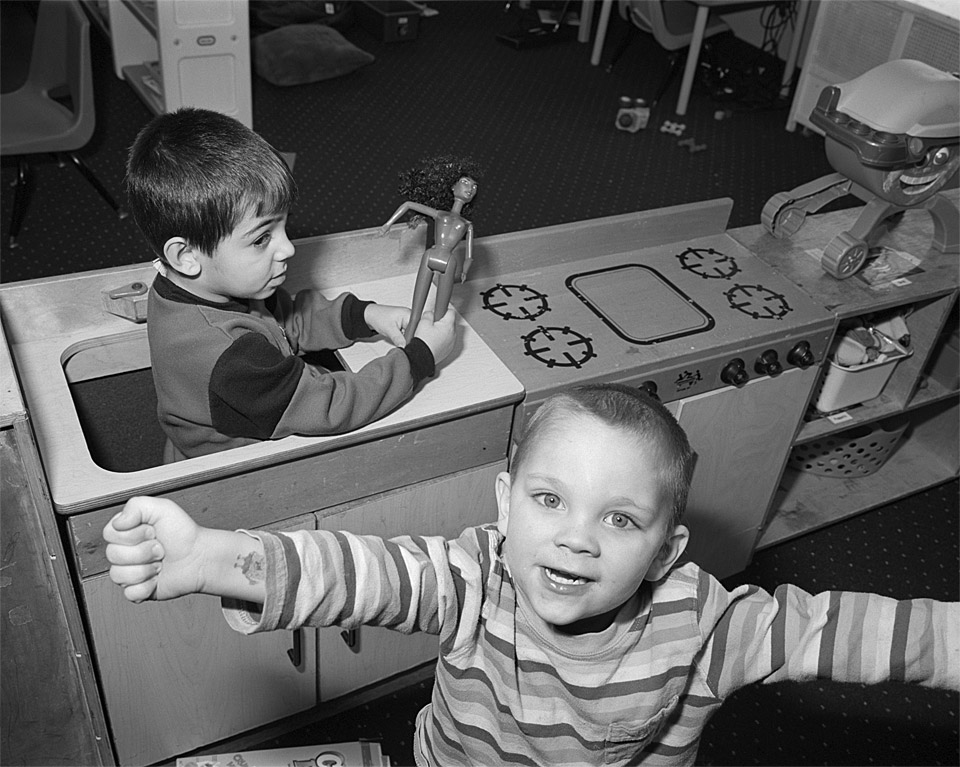
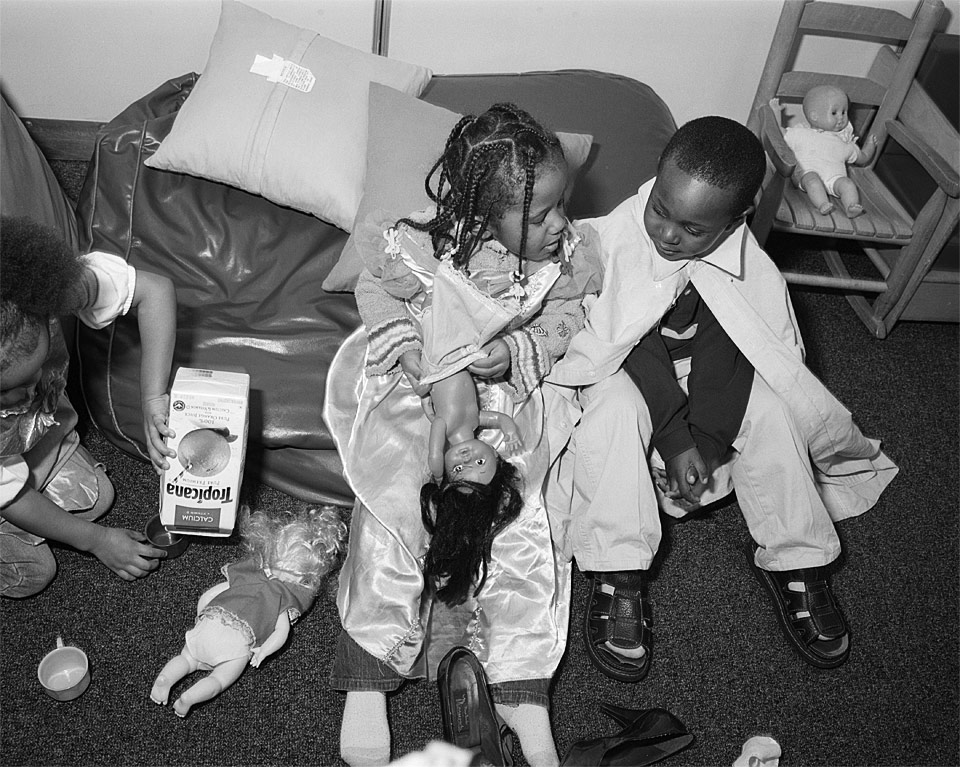
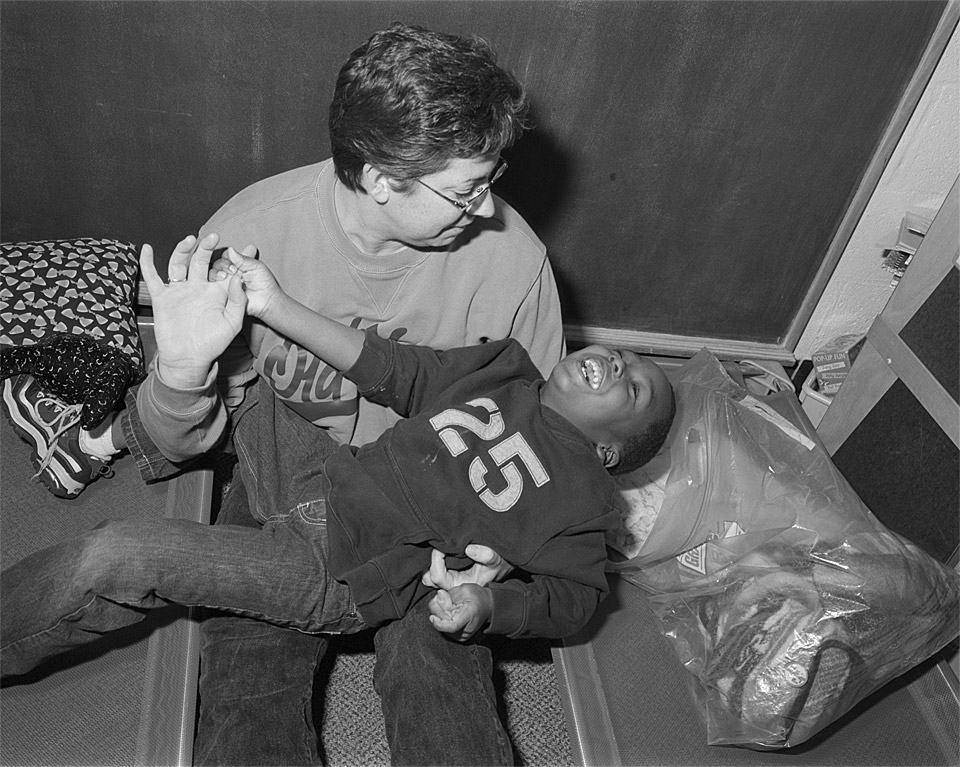
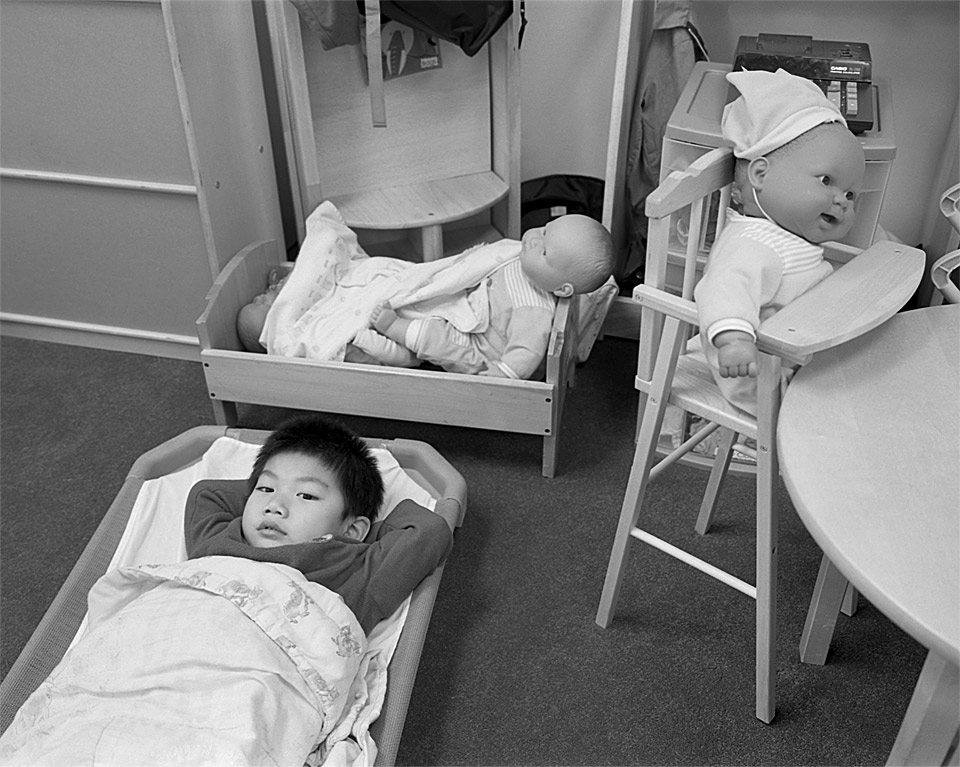
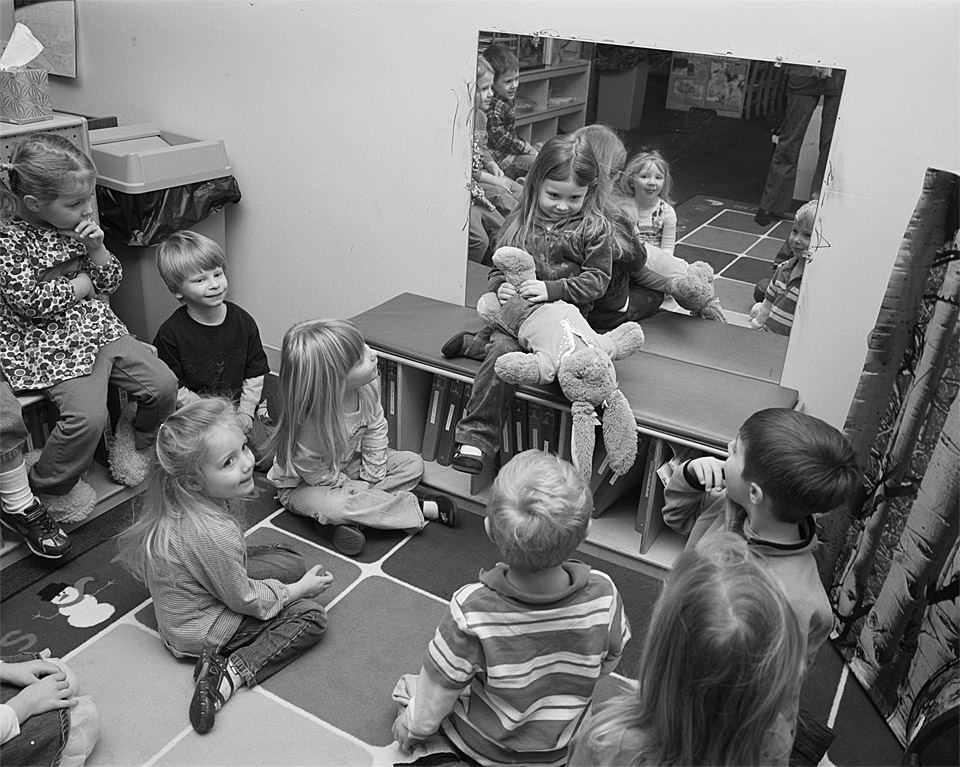
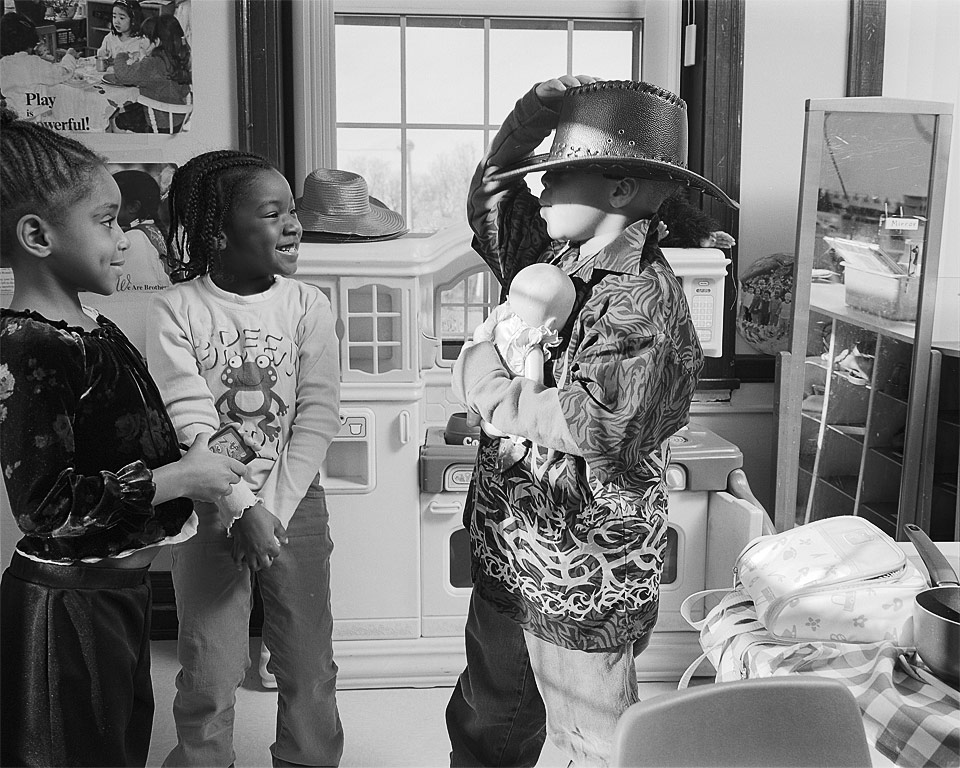
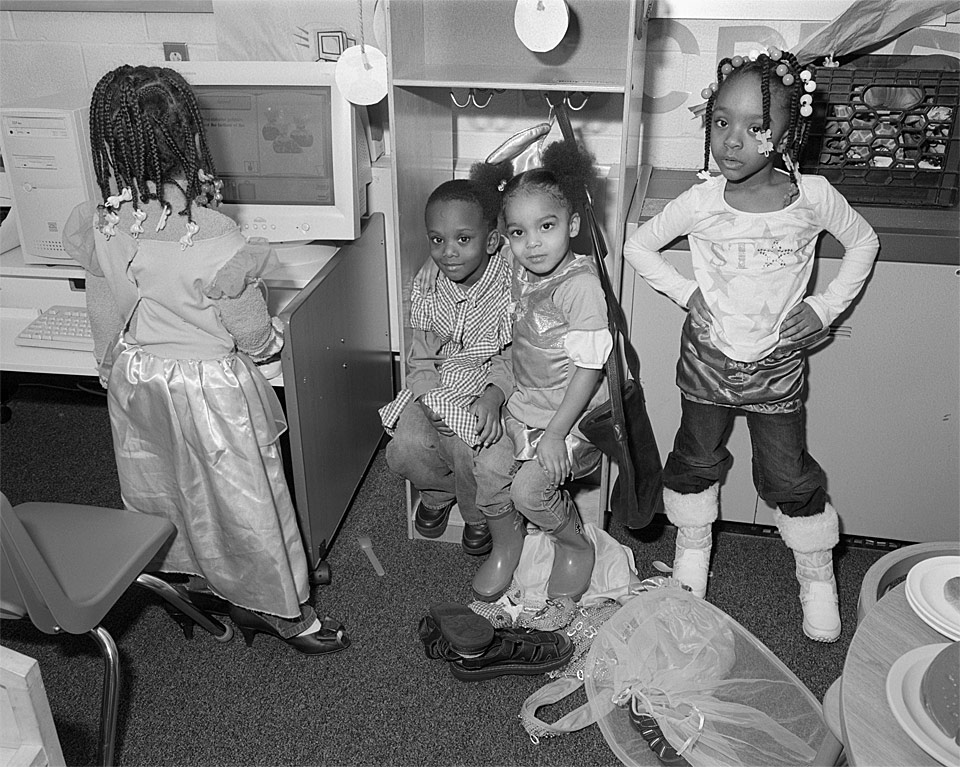
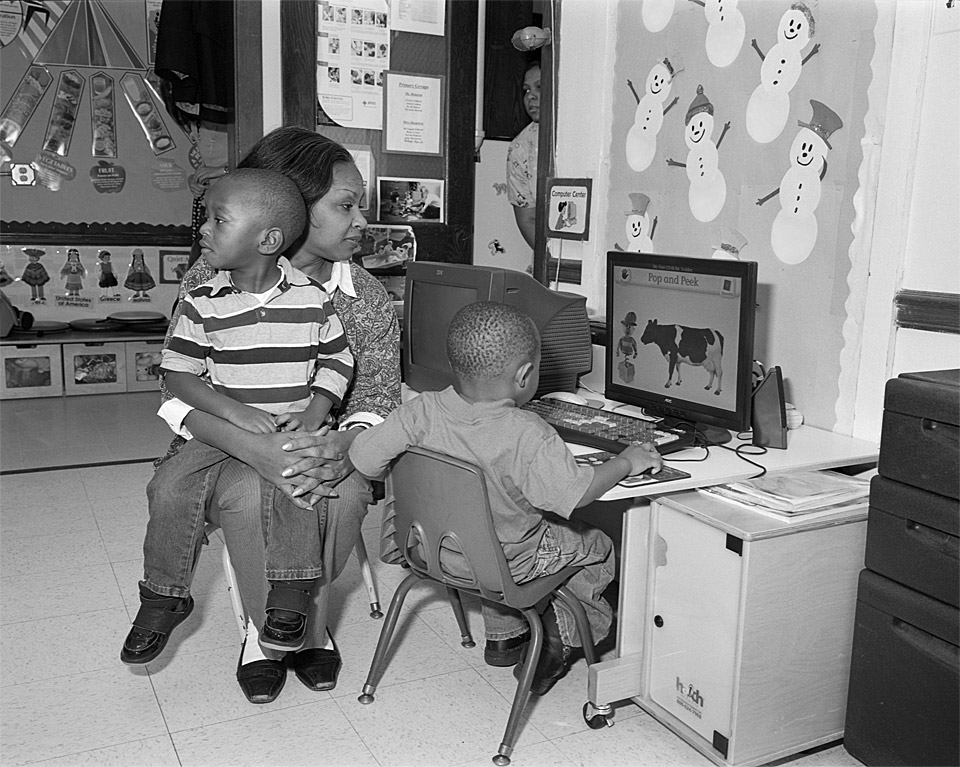
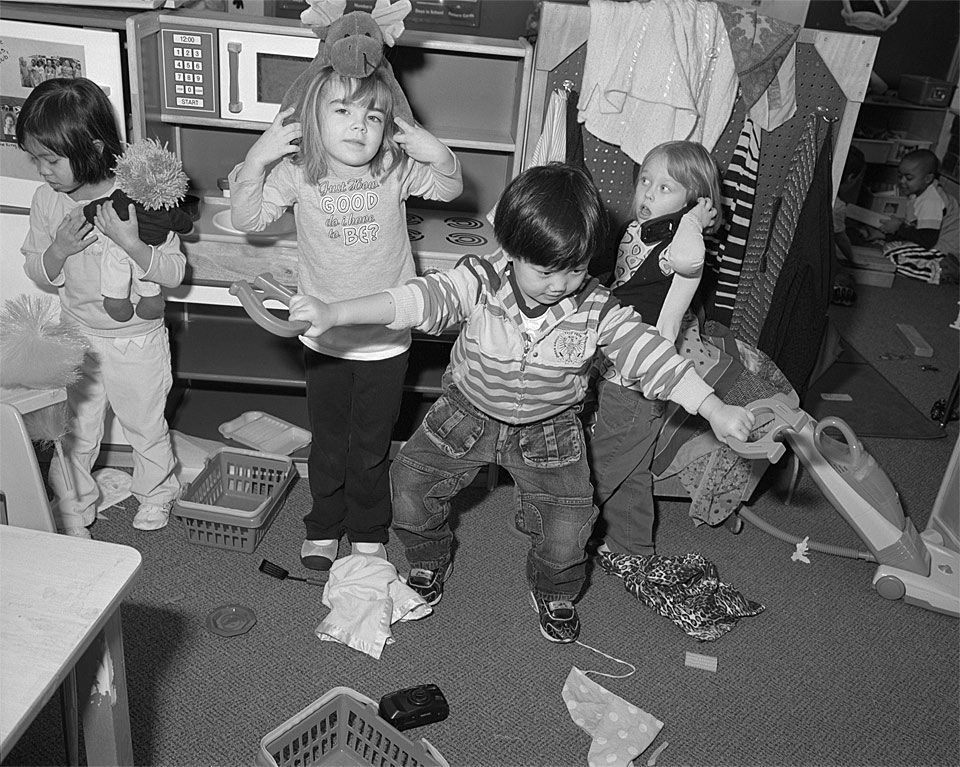
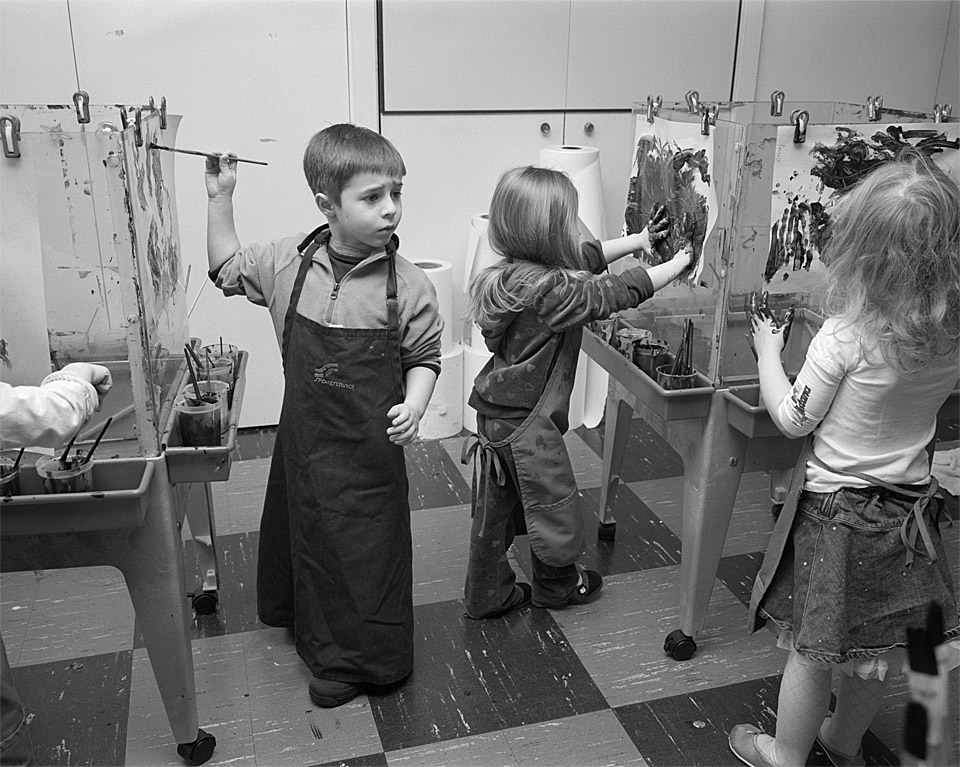
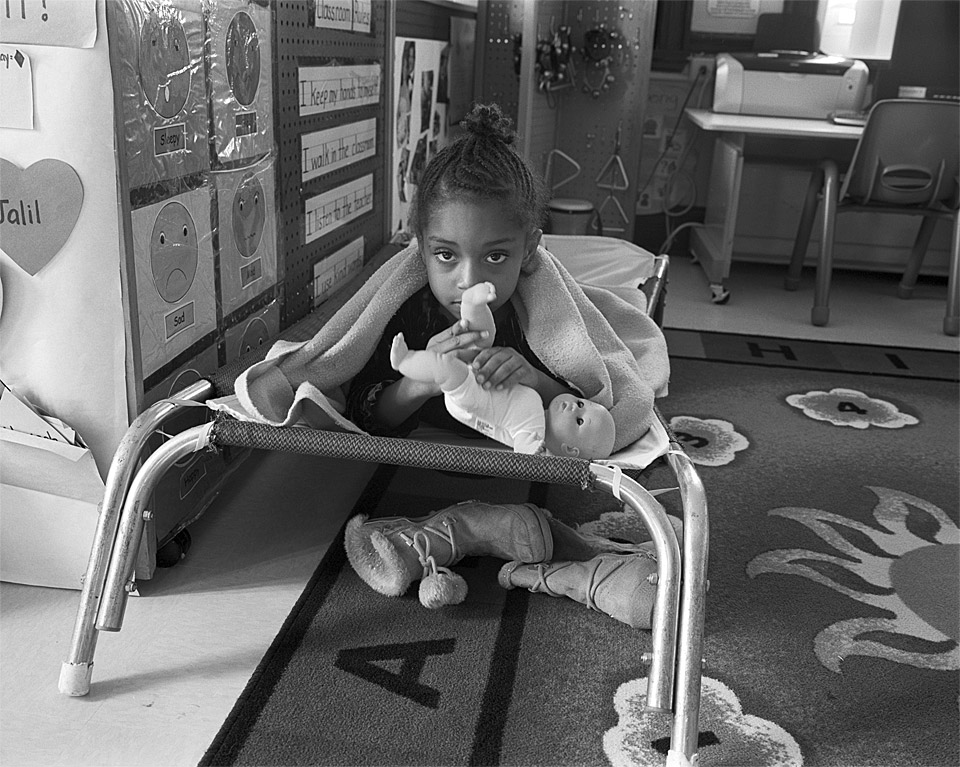
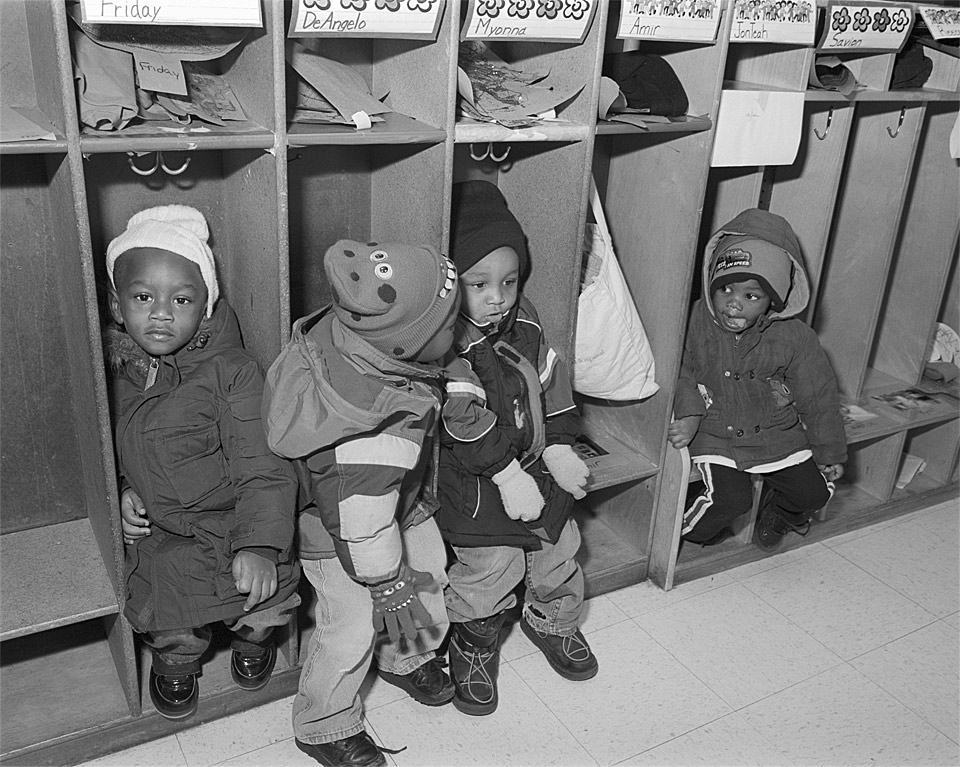
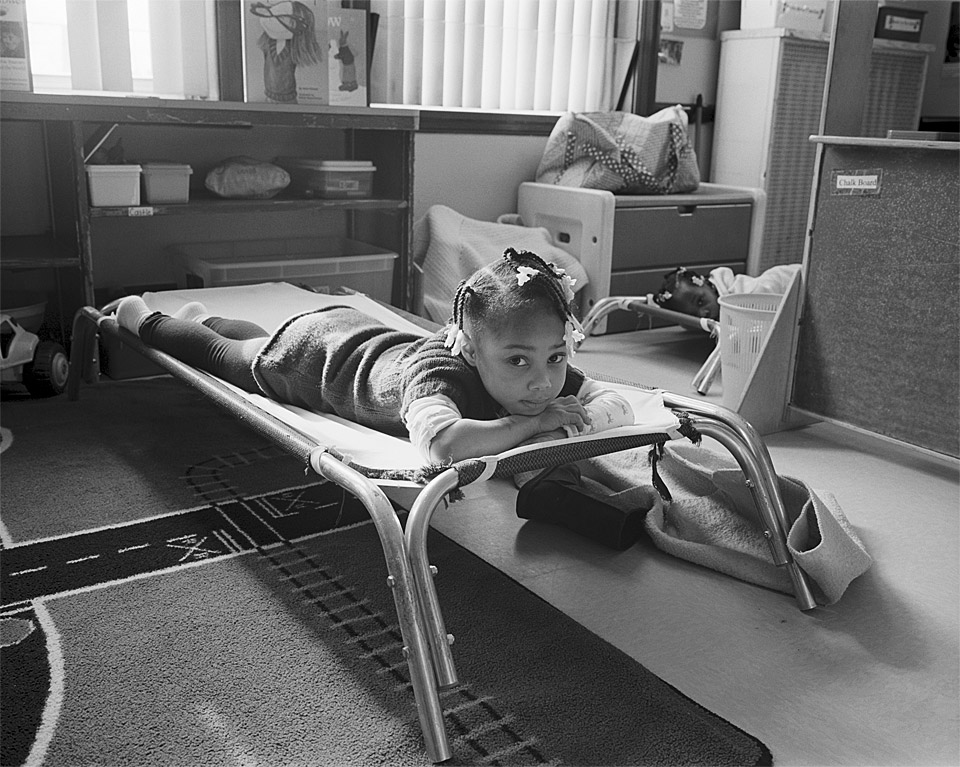
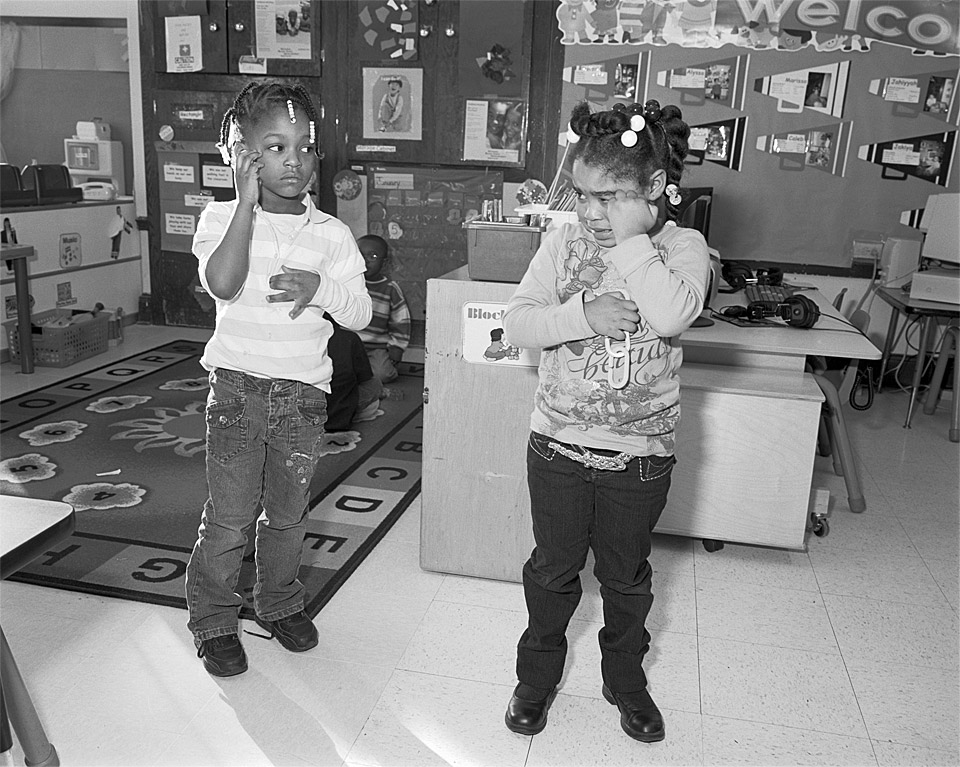
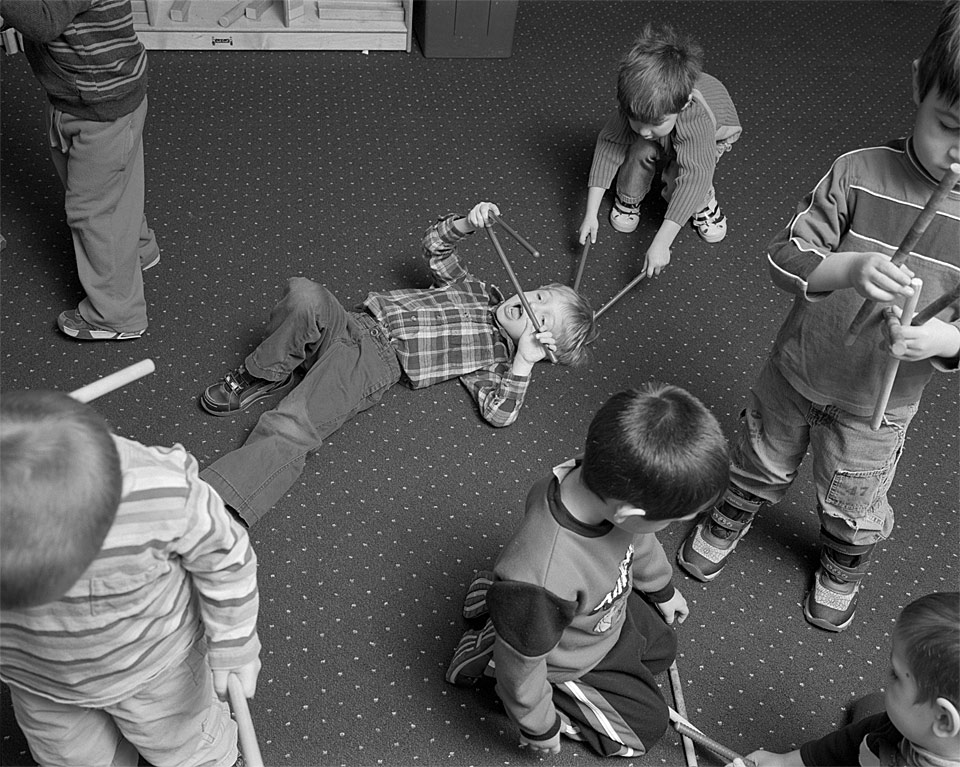
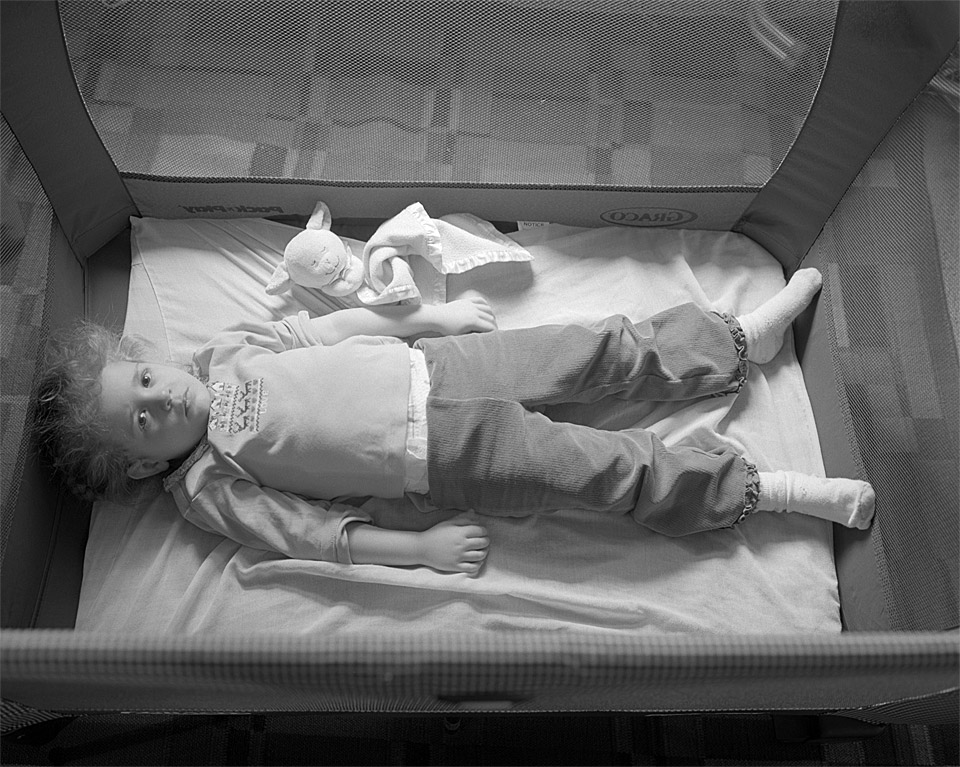
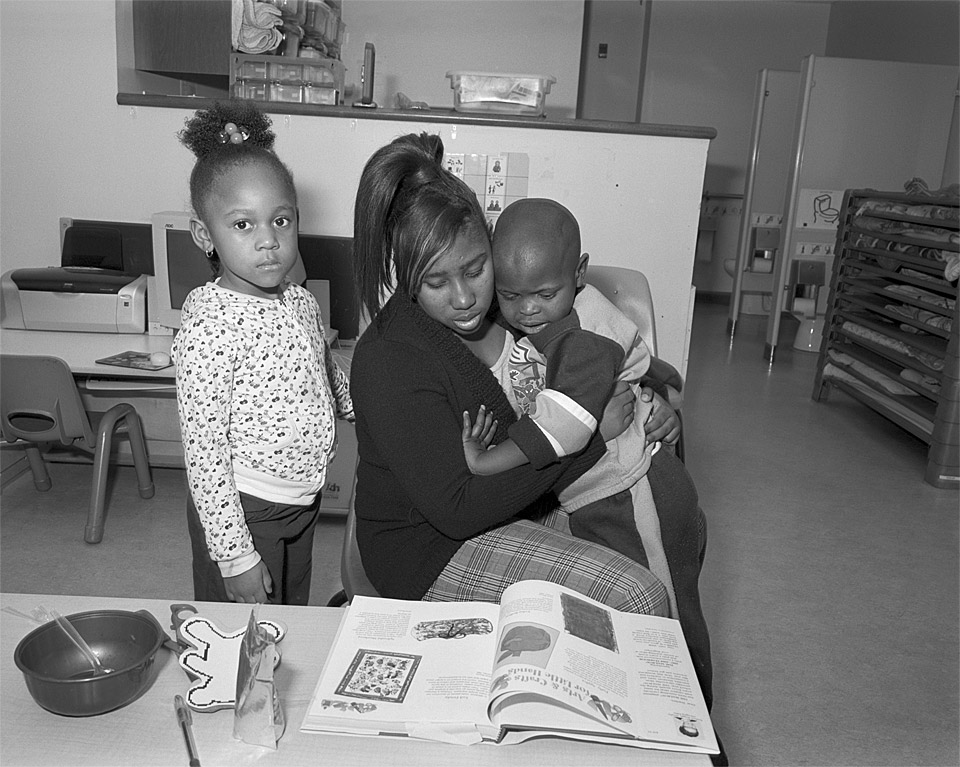
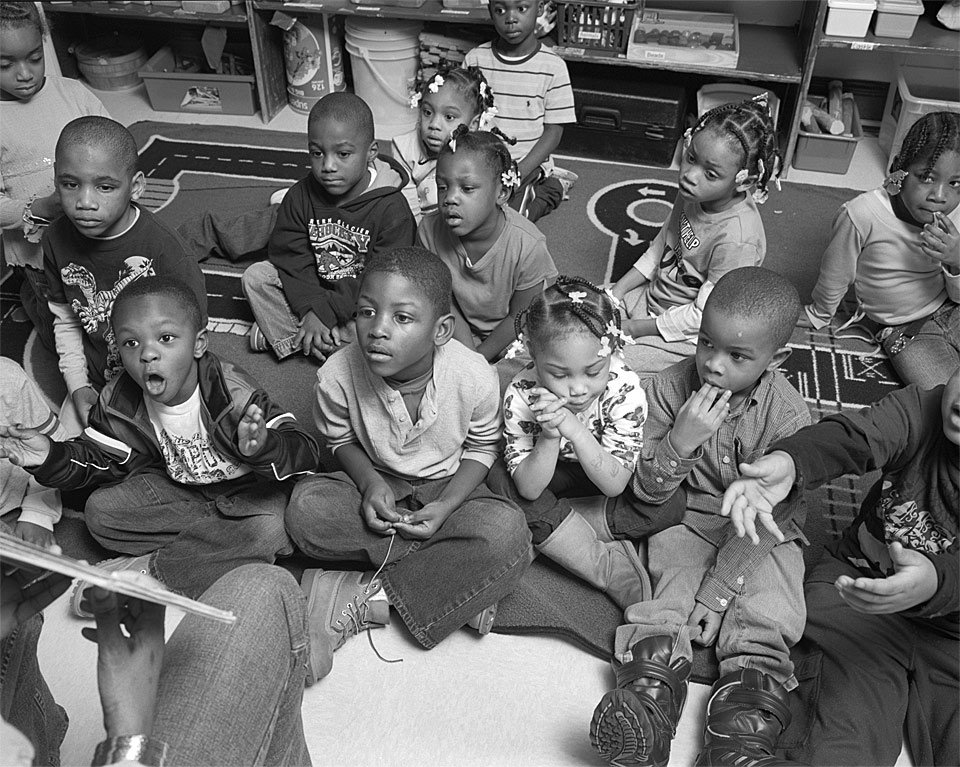
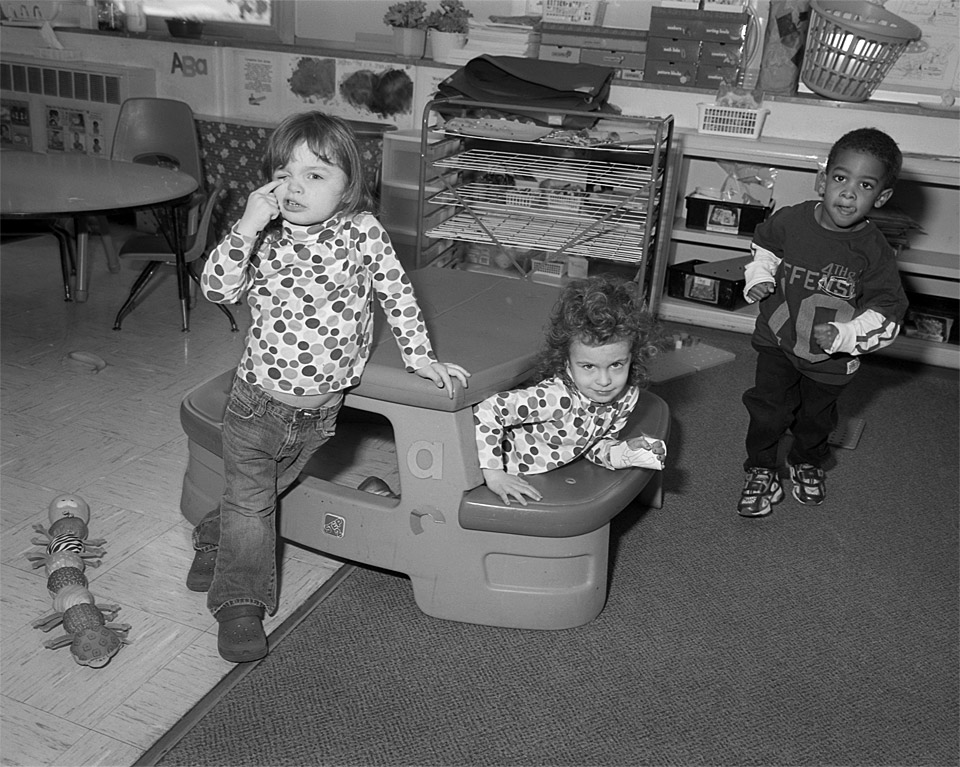
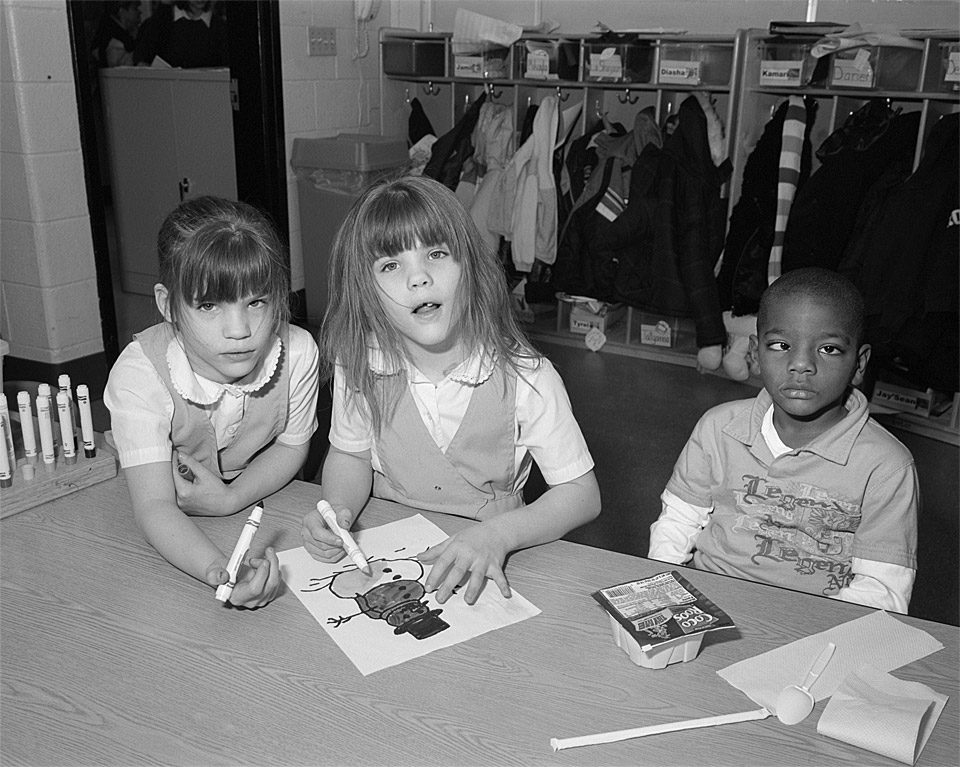
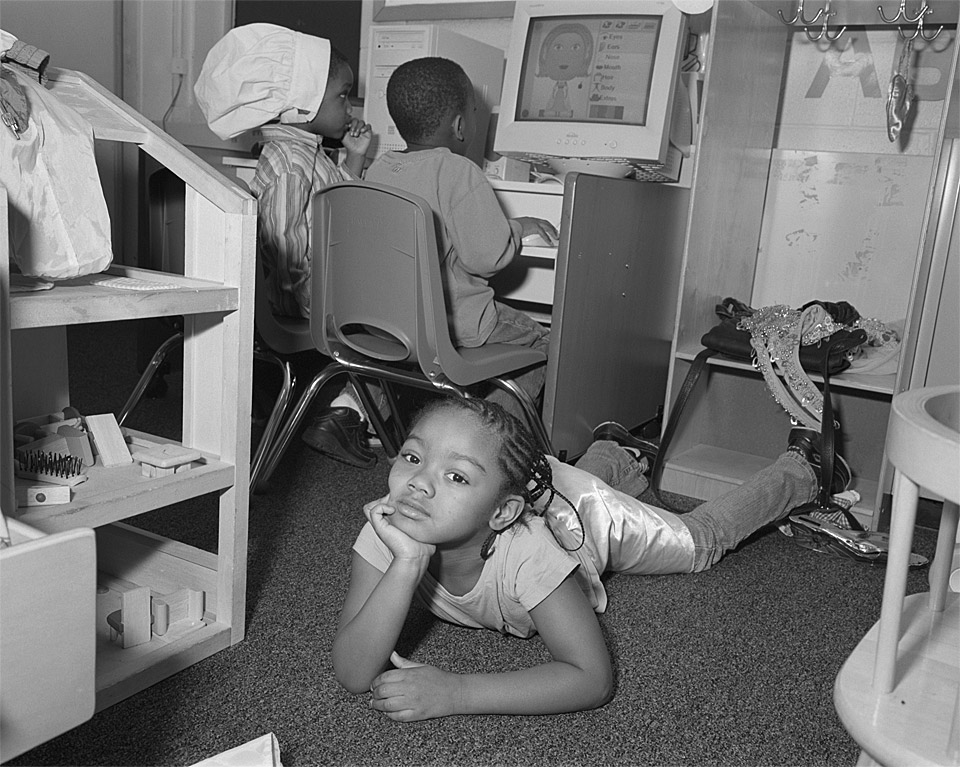
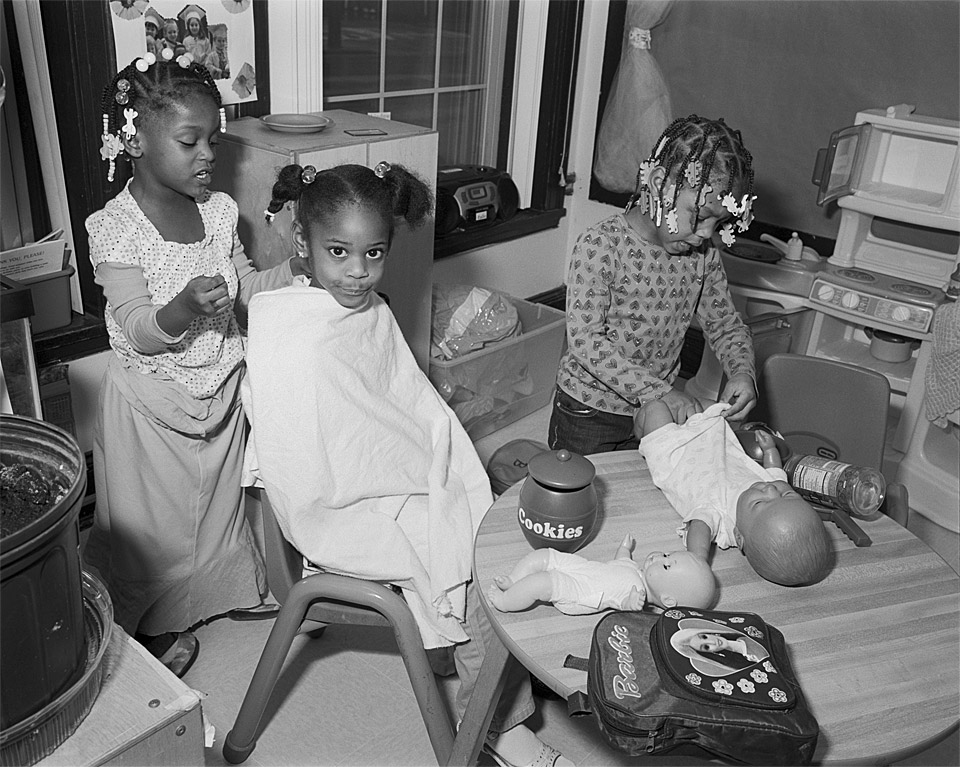
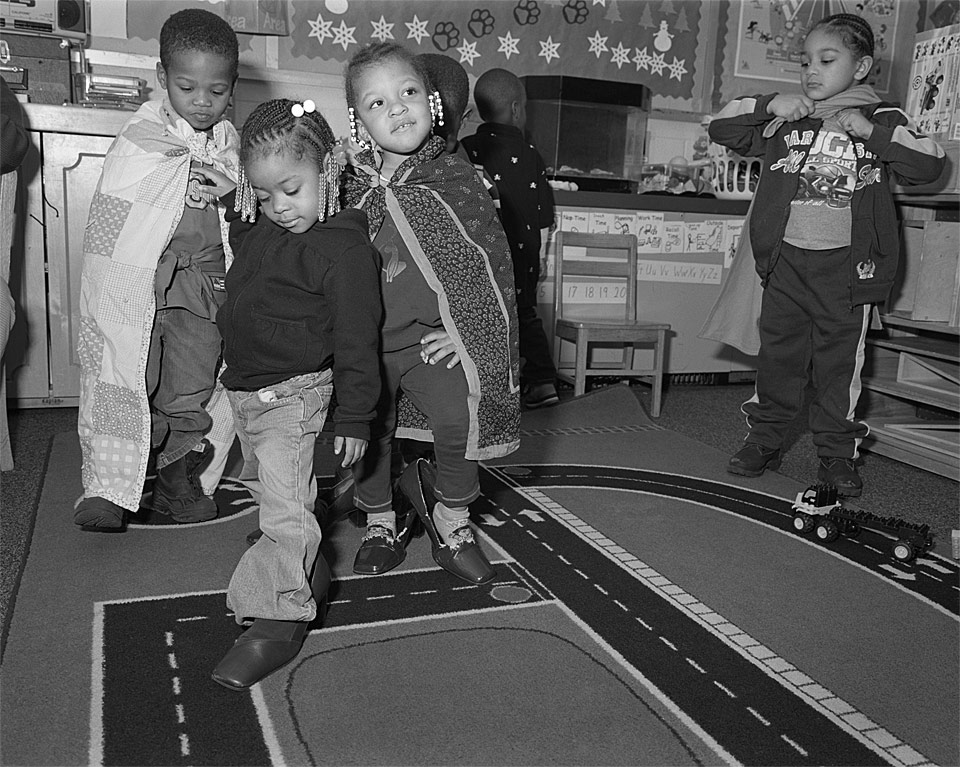
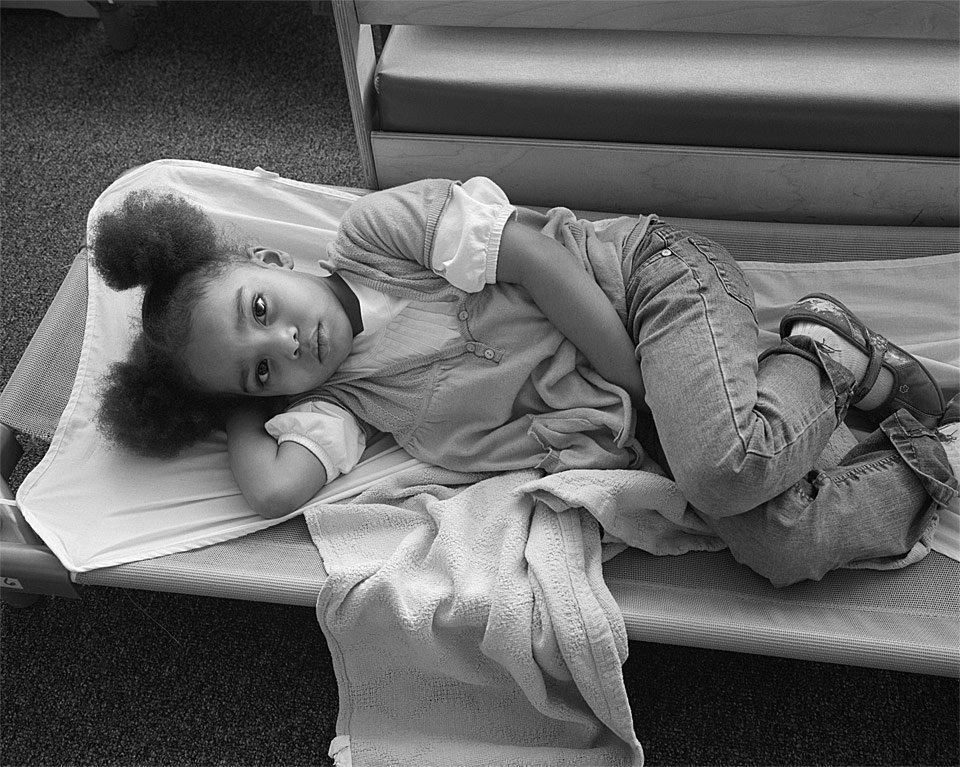
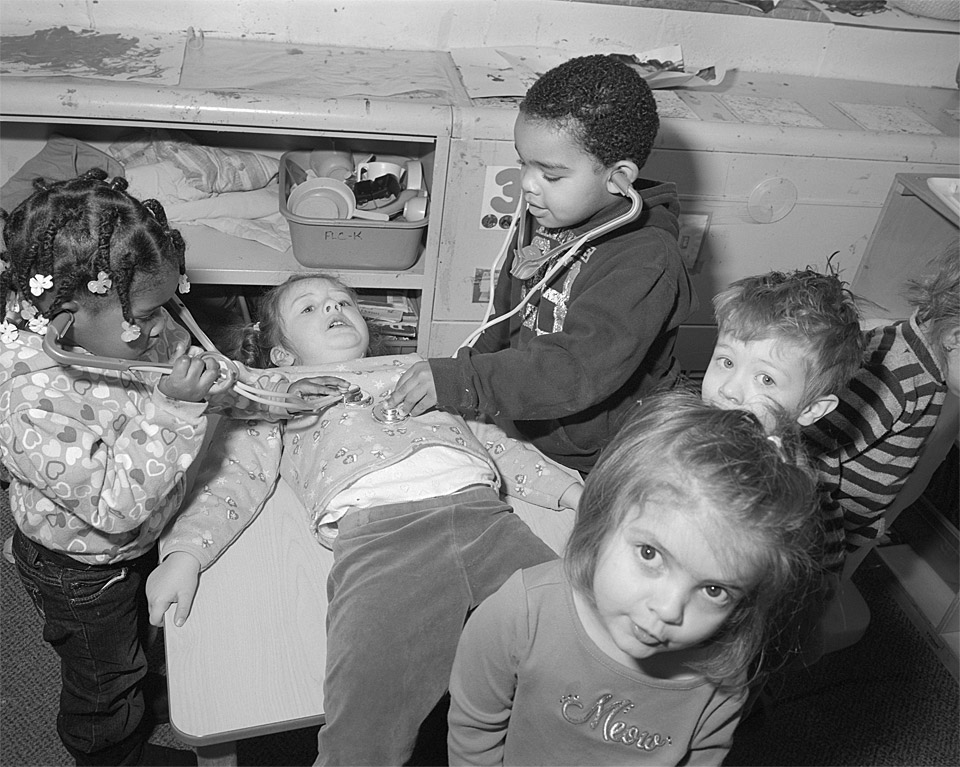
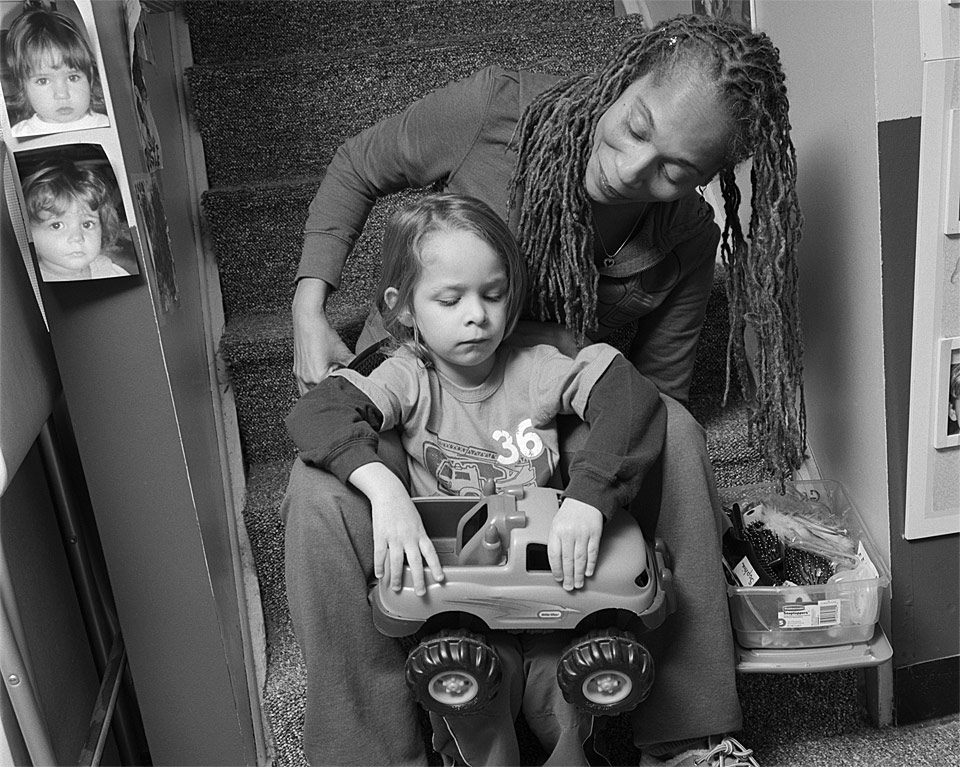
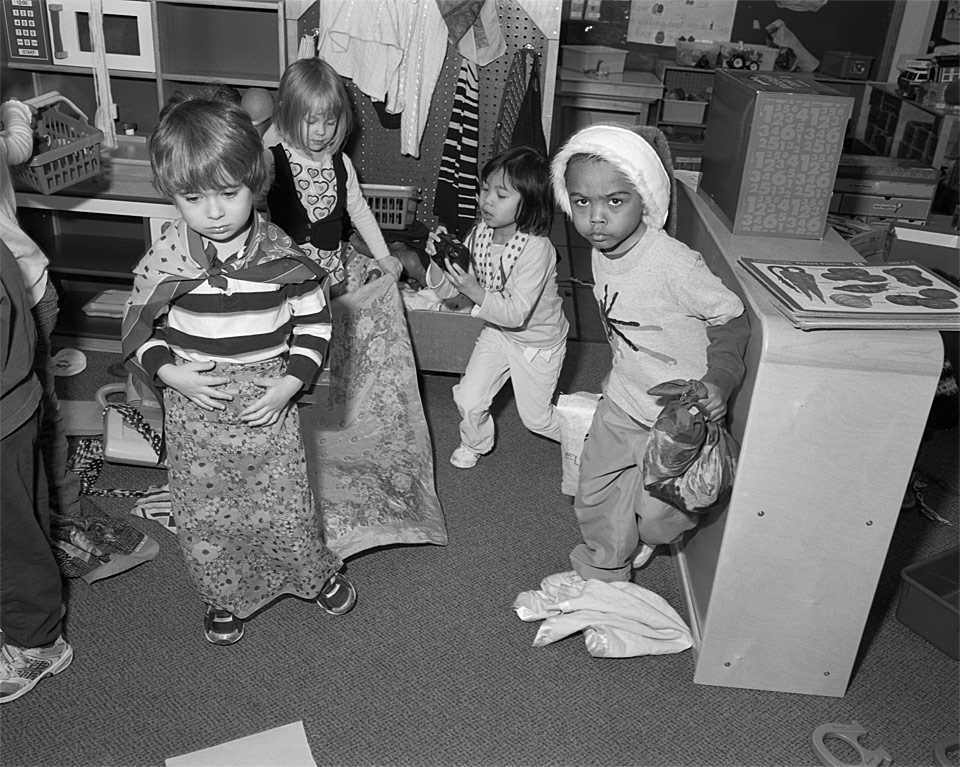
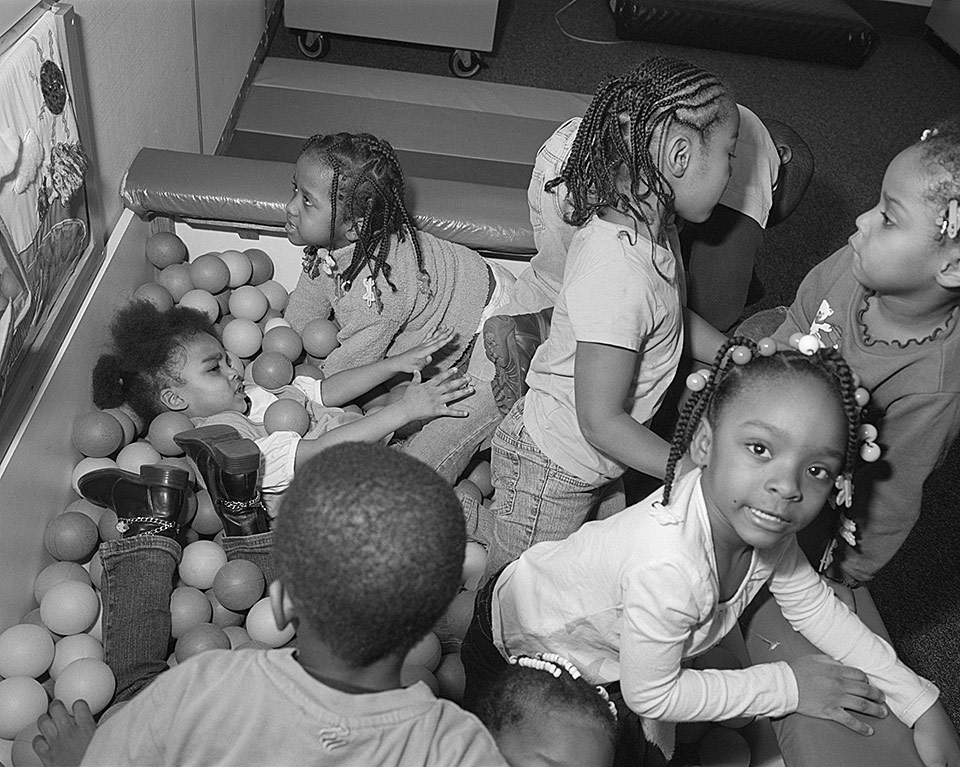
The George Gund Foundation is a longtime supporter of programs and policies that emphasize the importance of a child’s early years. The photographs in this annual report reflect the work of Invest in Children, Cuyahoga County’s public-private early childhood partnership. Sage Sohier’s images offer a delightful glimpse into the daily lives of these preschoolers as they learn about the world around them and build the critical foundation needed for success in later life. Sohier, an artist and freelance photographer whose work is featured in numerous publications and public collections, is the recipient of many awards, including a prestigious John Simon Guggenheim Memorial Foundation Fellowship. She also has taught photography at a number of colleges and universities, including Wellesley College, the Rhode Island School of Design and Harvard University.






Letter from the Executive Director
2008 Annual Report
The difficulties of the present tempt us to ignore the future. The current economic crisis has created needs that are immediate, growing and real. The charitable impulse naturally bends toward needs of the moment, but foundations also must constantly look to the horizon in order to achieve the greatest good.
Indeed, philanthropy is uniquely positioned to think long term, and it is important for us to use our role to help others act beyond short-range responses. That is why we should think about the needs of children, such as those who are featured in this annual report’s photographic essay, when weighing investment decisions. The future of those children should motivate us more than our present circumstances.
The children are pictured in various early education centers supported by Invest in Children, Cuyahoga County’s model public-private partnership that strives to improve the life of every child in the county. It is one of the best expressions of our hope to have a culture that values and supports the growth of children. It reflects not only the moral imperative to nurture our youngest citizens but also the conviction that few things pay such abundant social dividends as investing in early care and education. In a society that was excessively focused on immediate rewards even before the economic crisis hit last year, some serious thinking about children would do us good. It would help us commit to the long-term action that is needed to truly meet our challenges. Yes, we need economic stimulus that puts people back to work. Yes, we want growth now. But the most important issues we face are systemic and entrenched. Our country requires more than a quick shot in the arm. We need transformation.
Take education, for example. Because of our archaic education system, America no longer leads the world in educational attainment, and we are rapidly dropping in the ranks. Our performance against international standards is mediocre. The sheer difficulty of this challenge must not cause us to shirk it. Everyone has a stake in how we take action. Philanthropy, in particular, must engage policymakers and citizens alike in order to build the will and capacity that we need to make the change that our children – and the rest of us – require. The Ohio Grantmakers Forum has become an especially valuable collaborative voice for philanthropy on education issues and has effectively pushed for systemic change. Much more work lies ahead.
We need transformation of equal magnitude in meeting society’s energy demands, in our stewardship of the planet and in how we provide health care. In Northeast Ohio, the makeover we require includes our regional economy because we became too dependent on an industrial manufacturing model that is no longer competitive. We are similarly attached to our region’s absurdly inefficient, inequitable and ineffective tangle of local governments. They, too, must become the focus of serious reform. The Fund for Our Economic Future, a collaborative of grantmakers and others, has targeted these issues with promising early results. Yet, effort applied to these and other deep-seated issues will fall short if it is not consistently maintained for the long term.
Our short attention span plagues us. Much of the national debate around solutions centers on immediate stimulus and alleviating distress now. Such measures respond to the crisis, but they do not fully seize the opportunity that this crisis presents. If ever there were a time to direct our focus toward meaningful, concerted campaigns on our most stubborn issues, this is it. Philanthropy can play its part, but everyone needs to join that effort. Thinking about the children pictured here is a good place to start.
David Abbott, Executive Director of The George Gund Foundation