
The George Gund Foundation Awards $6.8 Million at Winter Meeting
George Gund
The George Gund Foundation approved $6,880,970 in grants at its March meeting to organizations working on everything from downtown development to providing access to health care for uninsured and underinsured Ohio residents.
Downtown Cleveland Alliance received a three-year $900,000 grant to continue its efforts to attract residents and businesses to downtown and to provide support for similar efforts in the adjacent Flats and Campus District neighborhoods.
The Ohio Association of Second Harvest Foodbanks received a two-year $180,000 grant for its advocacy and outreach work around Medicaid renewal, the Affordable Care Act and other safety net programs.
MobileMed1, Inc. received a $30,000 grant for MedWorks, the organization’s free, large-scale, one-day mobile health clinics. A $30,000 grant also was awarded to Philanthropy Ohio for its statewide policy work around health care access and promotion of investment in preventative health care.
Trustees approved 60 grants to organizations working in human services, education, arts, environment and economic and community development at the Foundation’s first meeting of 2015.
Other grants of interest included:
- $75,000 in operating support to The Cleveland Water Alliance, a network of public and private organizations working to spur economic development, research, sound public policy and enhanced education around fresh water;
- $25,000 to Cuyahoga Community College for free outdoor concerts during the 2015 Tri-C JazzFest;
- $150,000 over two years to the West Creek Preservation Committee for operating support;
- $20,000 to the Piano International Association of Northern Ohio for its ArtsConnect partnership with the Greater Cleveland Neighborhood Centers Association; and
- $75,000 over two years to Third Sector Capital Partners for the Cuyahoga Partnering for Family Success program.
The George Gund Foundation was established in 1952 by George Gund, former chairman of the Cleveland Trust Company. The Foundation funds programs that enhance our understanding of the physical and social environment in which we live and increase our ability to cope with its changing requirements. Grants are made three times a year in the areas of education, human services, economic and community development, environment and arts. Foundation commitments to date have totaled almost $665 million.
Related News

George Gund Foundation 2013 Grantee Perception Report (GPR)
George Gund
The George Gund Foundation 2013 Grantee Perception Report (GPR), a survey conducted by the Center for Effective Philanthropy, is now available for viewing on the Foundation website.
The 2013 survey, which was sent to all of the Foundation’s 2012 grantees and had a ^% response rate, is anonymous. Comments and rankings are aggregated by the Center for Effective Philanthropy and not attributed to individual grantees. The GPR allows foundations to understand how they are perceived and how results compare with other philanthropic peers.
This is the fourth George Gund Foundation GPR report since 2003, and each time staff have carefully analyzed results and made changes in Foundation operations that are responsive to grantee concerns and improve the grantmaking process.
Related News
The Cleveland Plan: Changing Minds
George Gund
Lisa Kessler (2015)
Photography
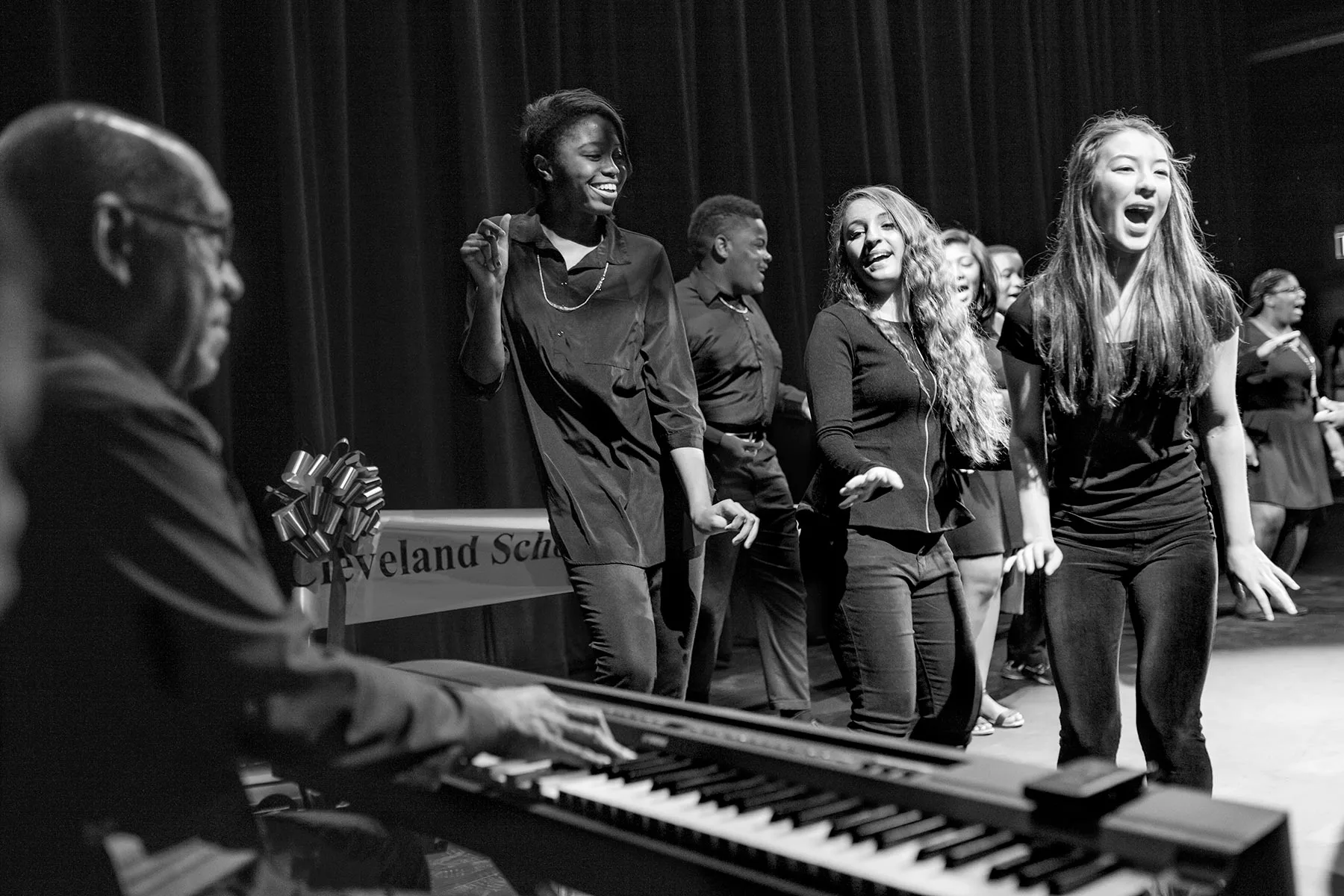
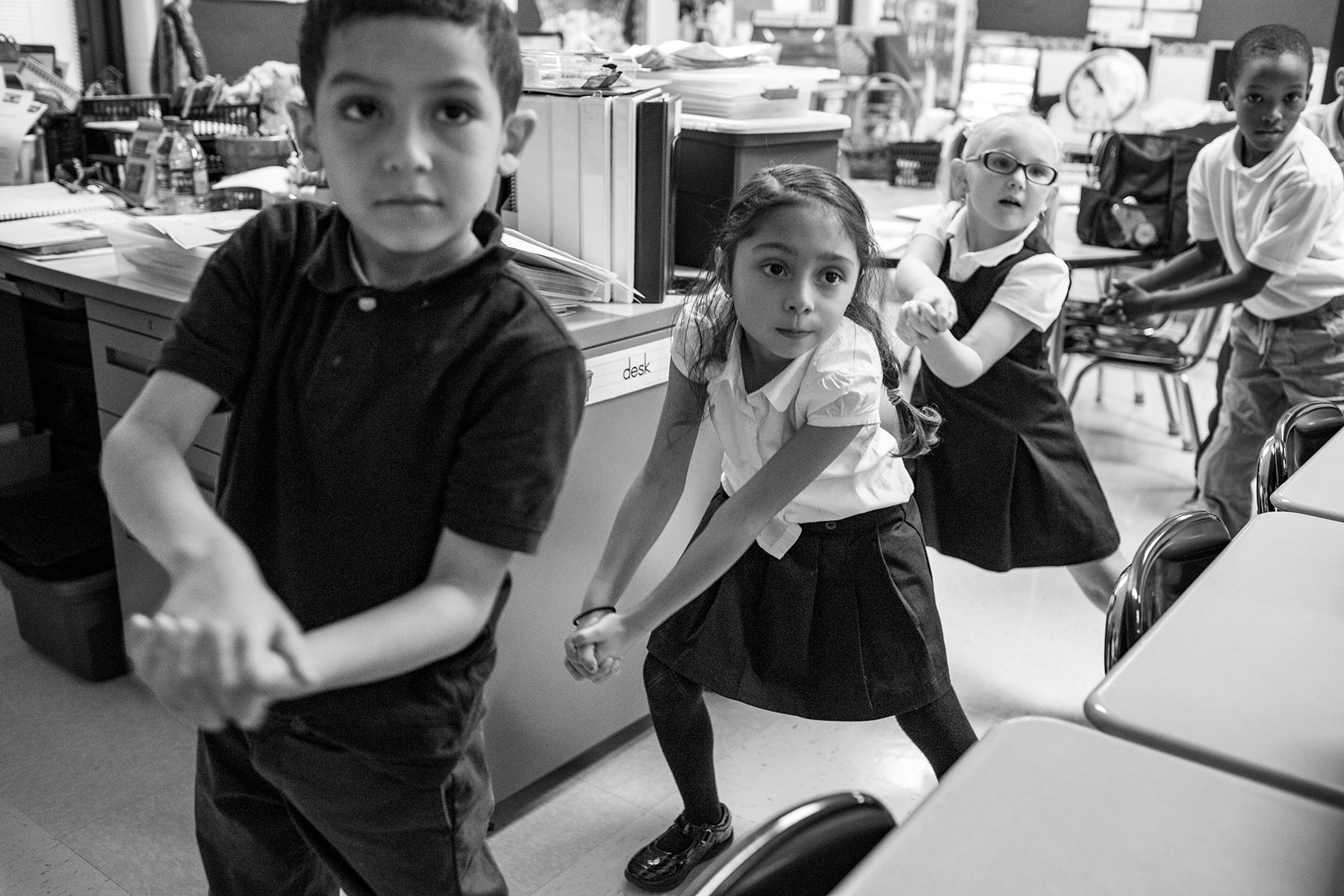
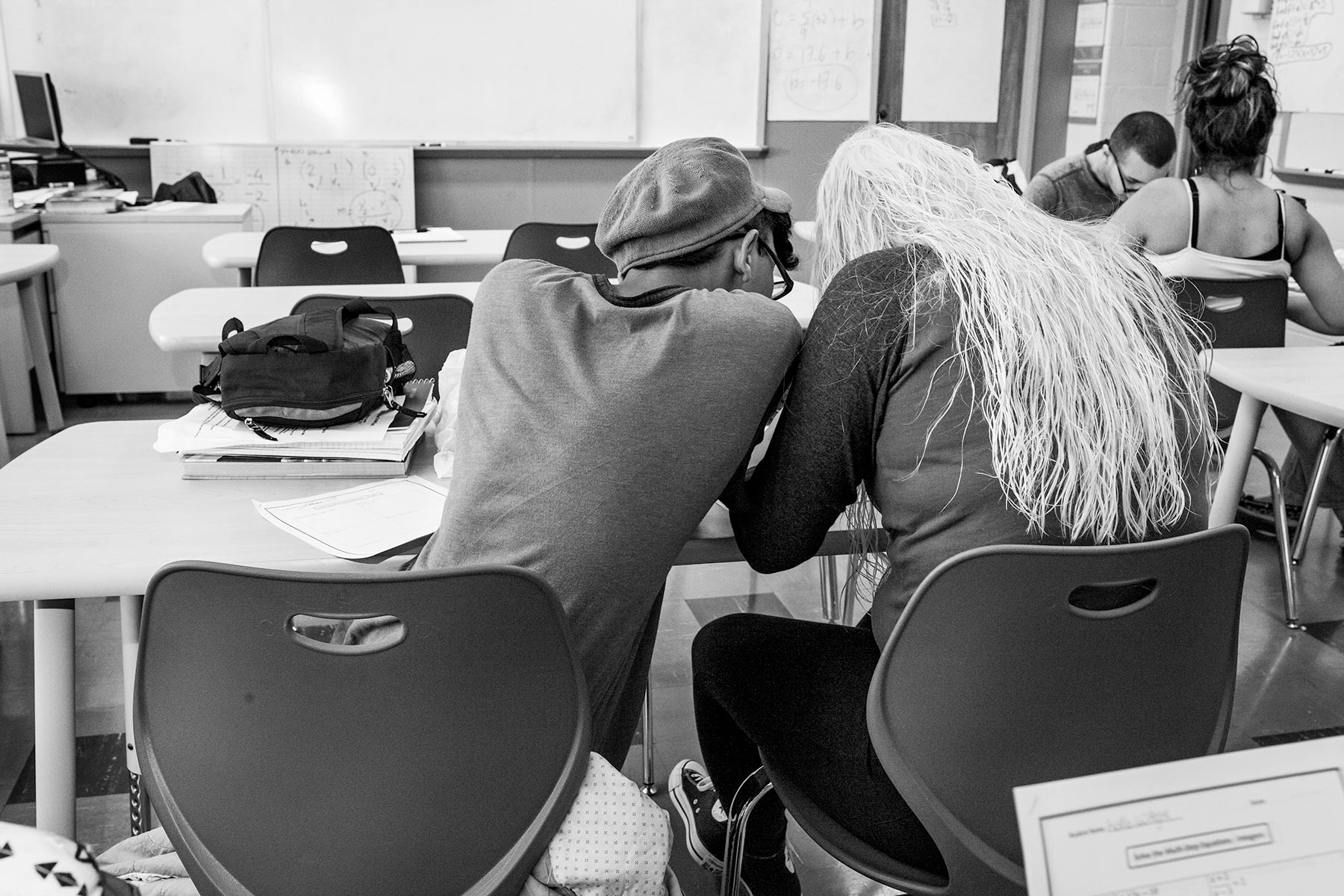
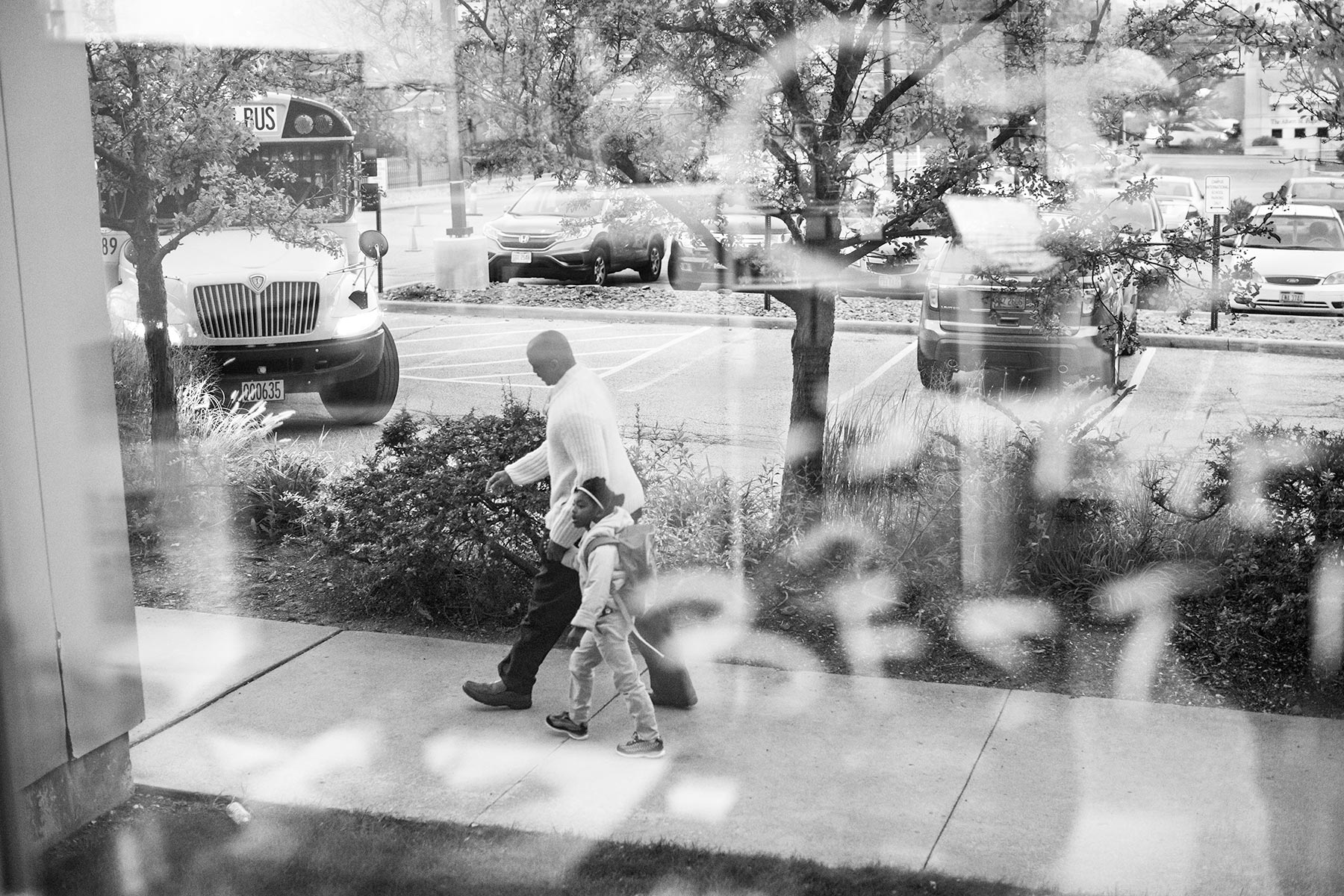
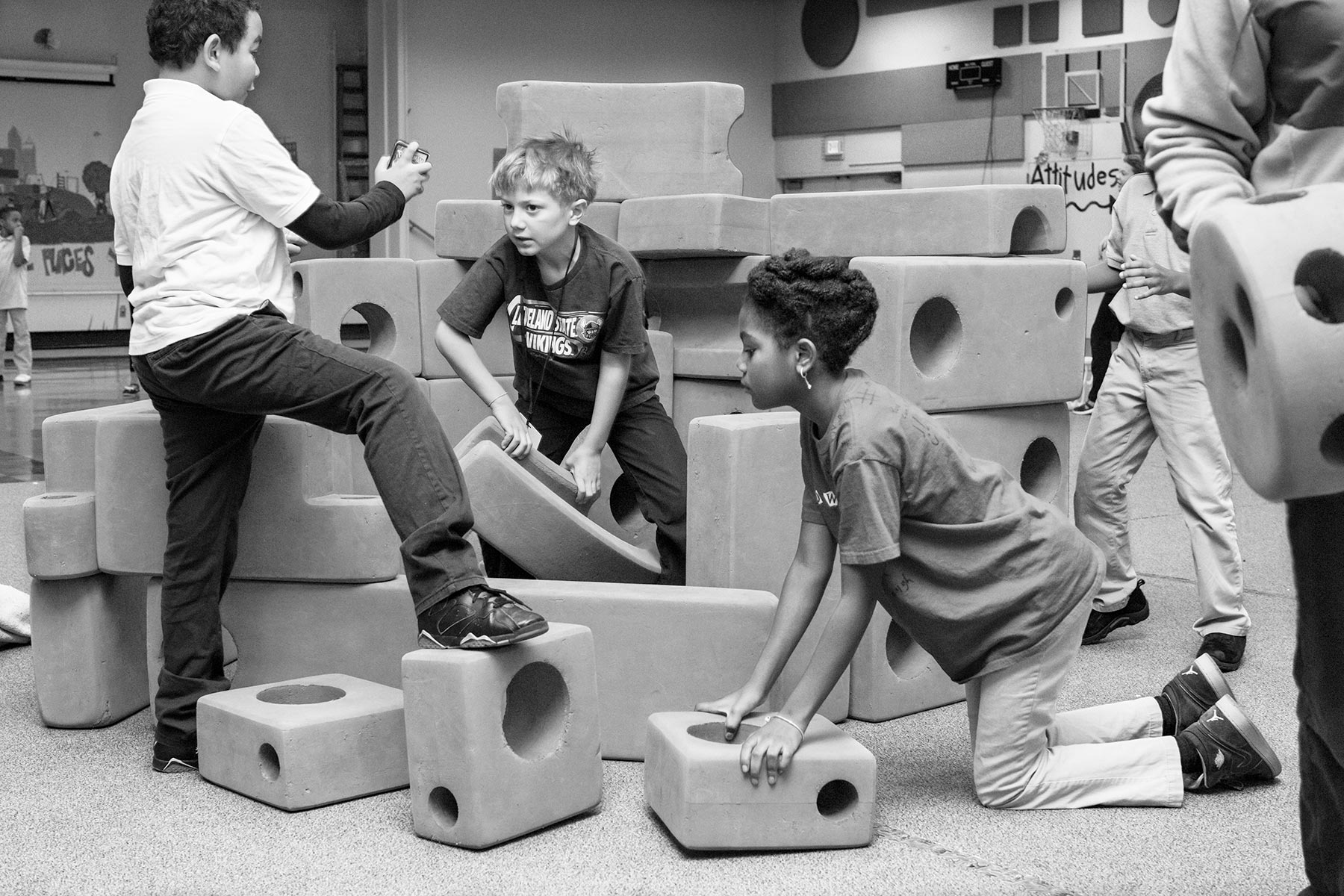
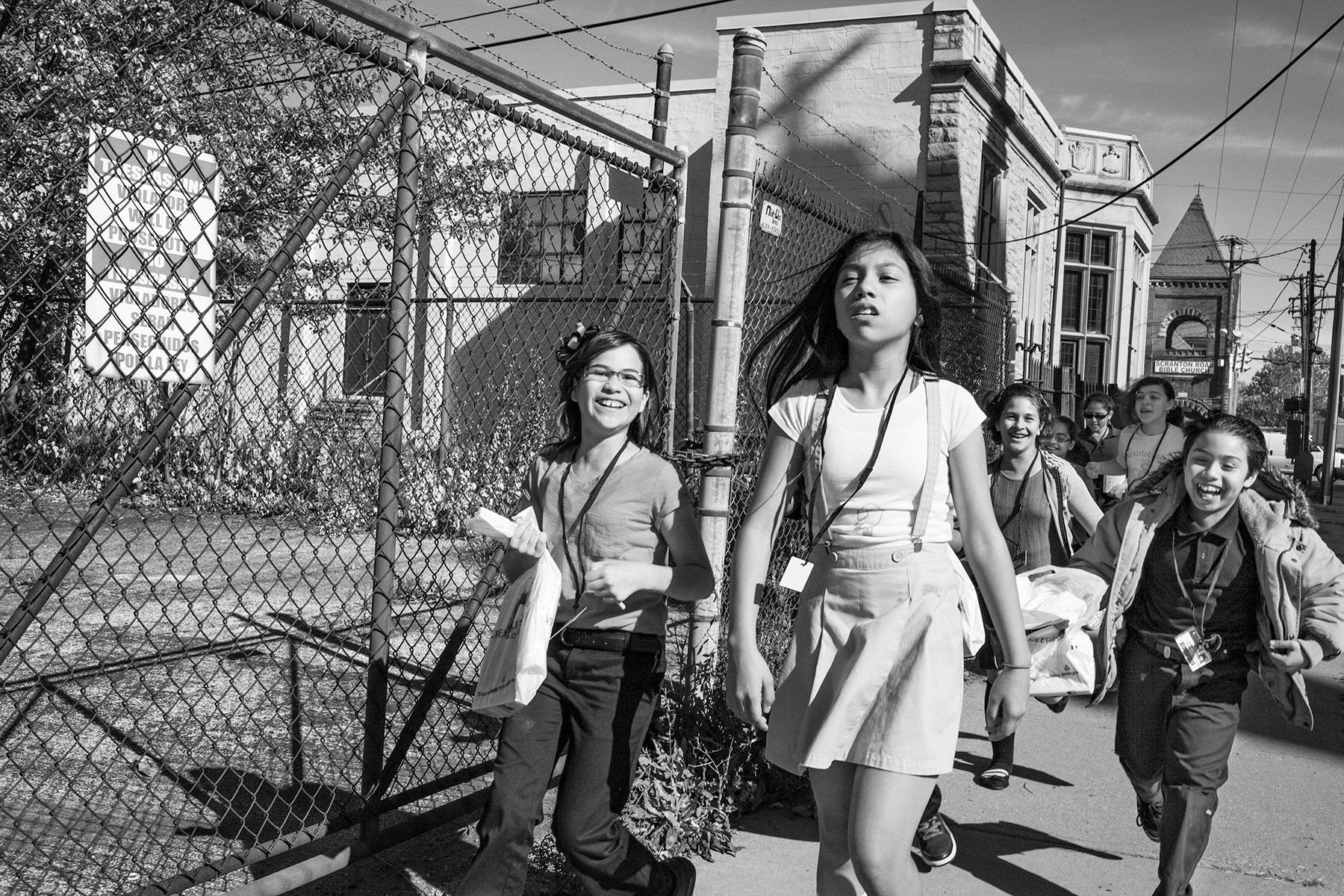
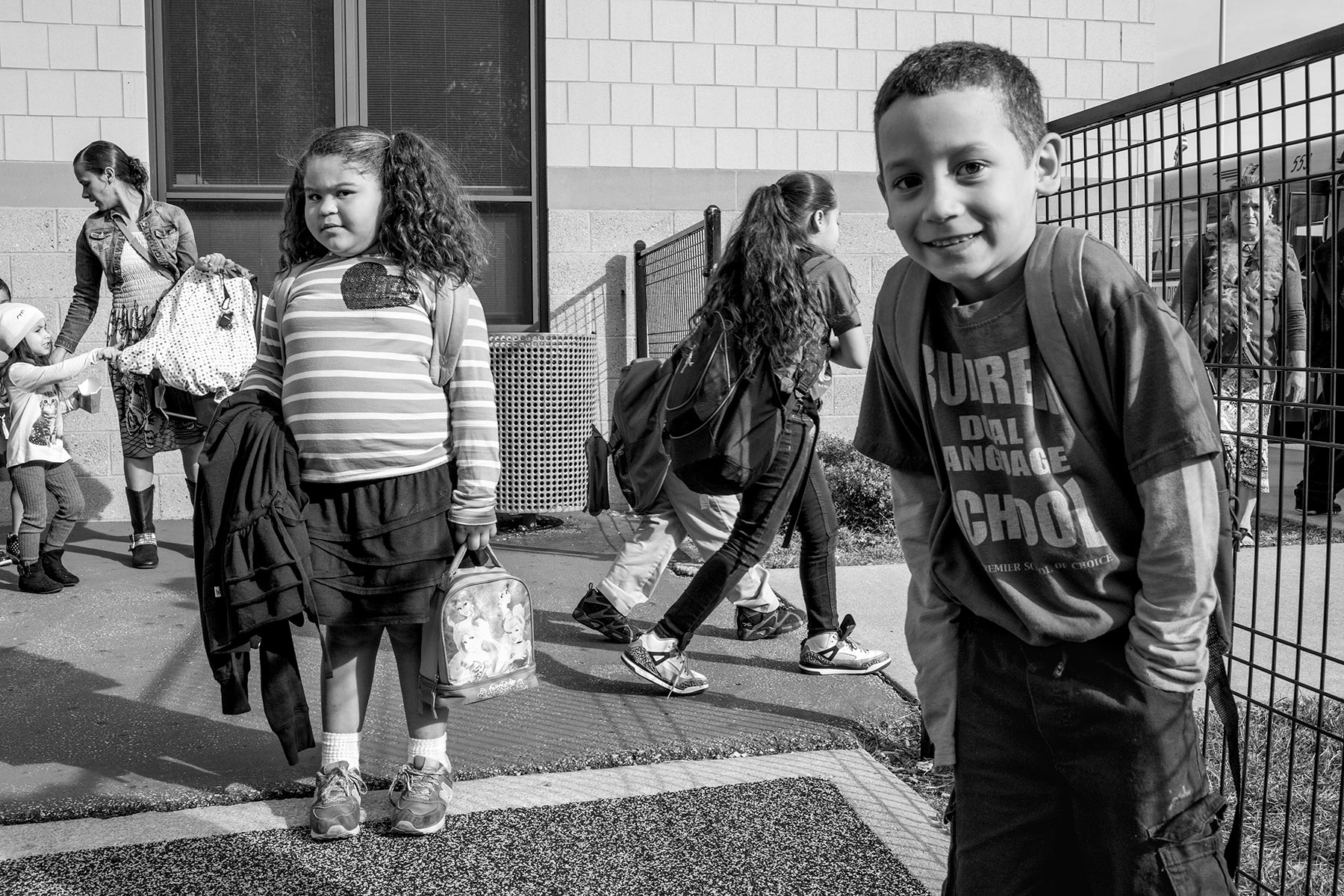
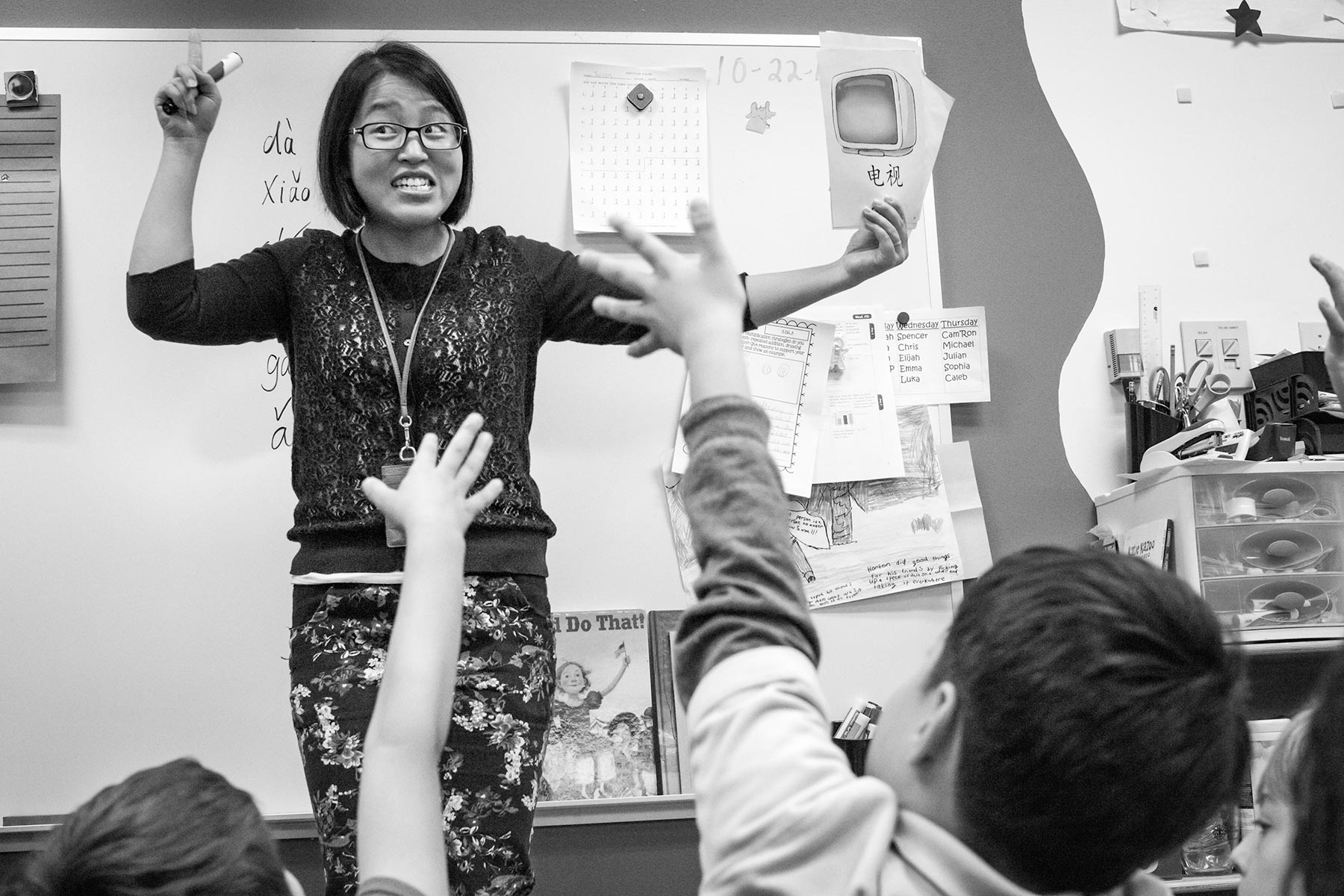
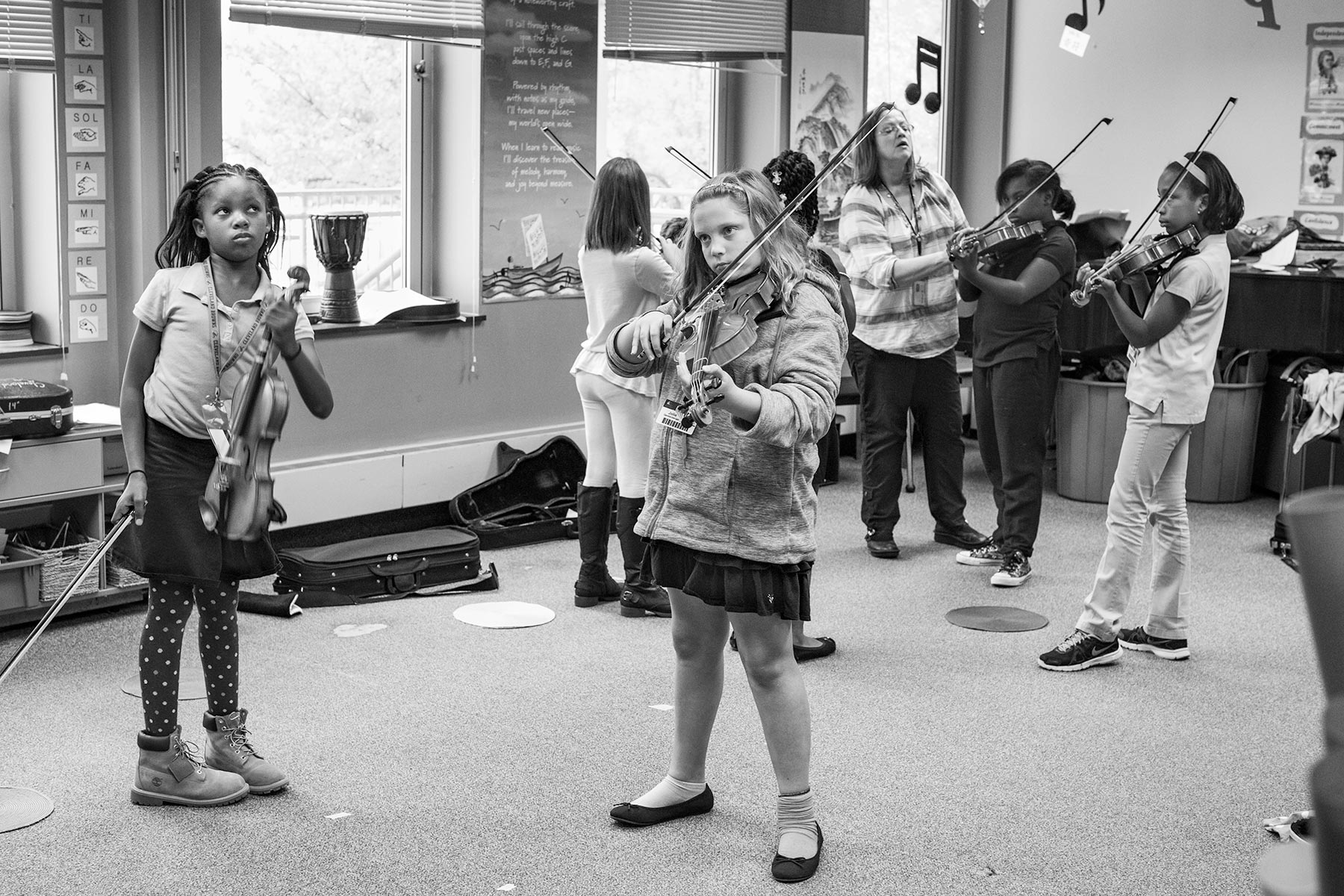
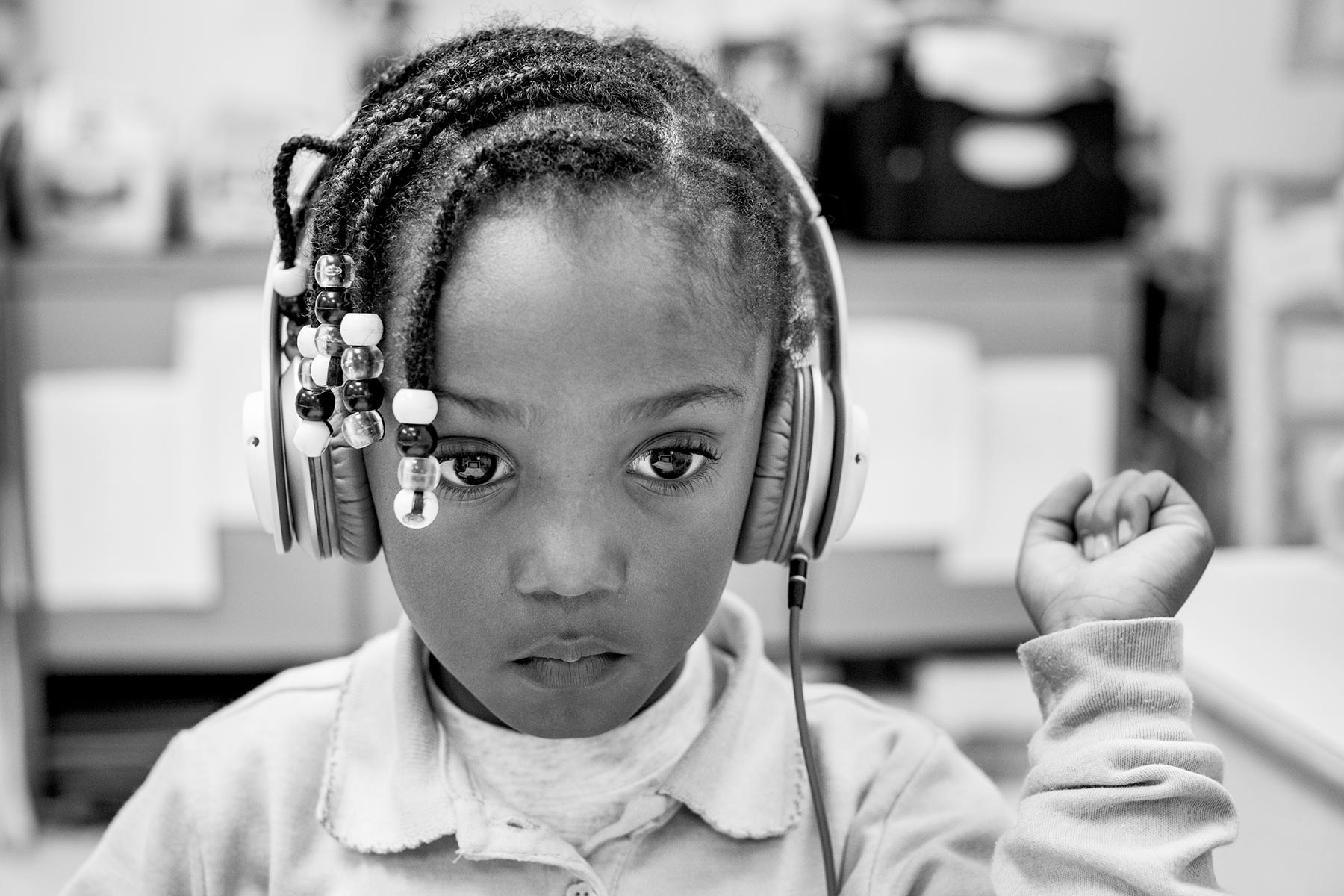
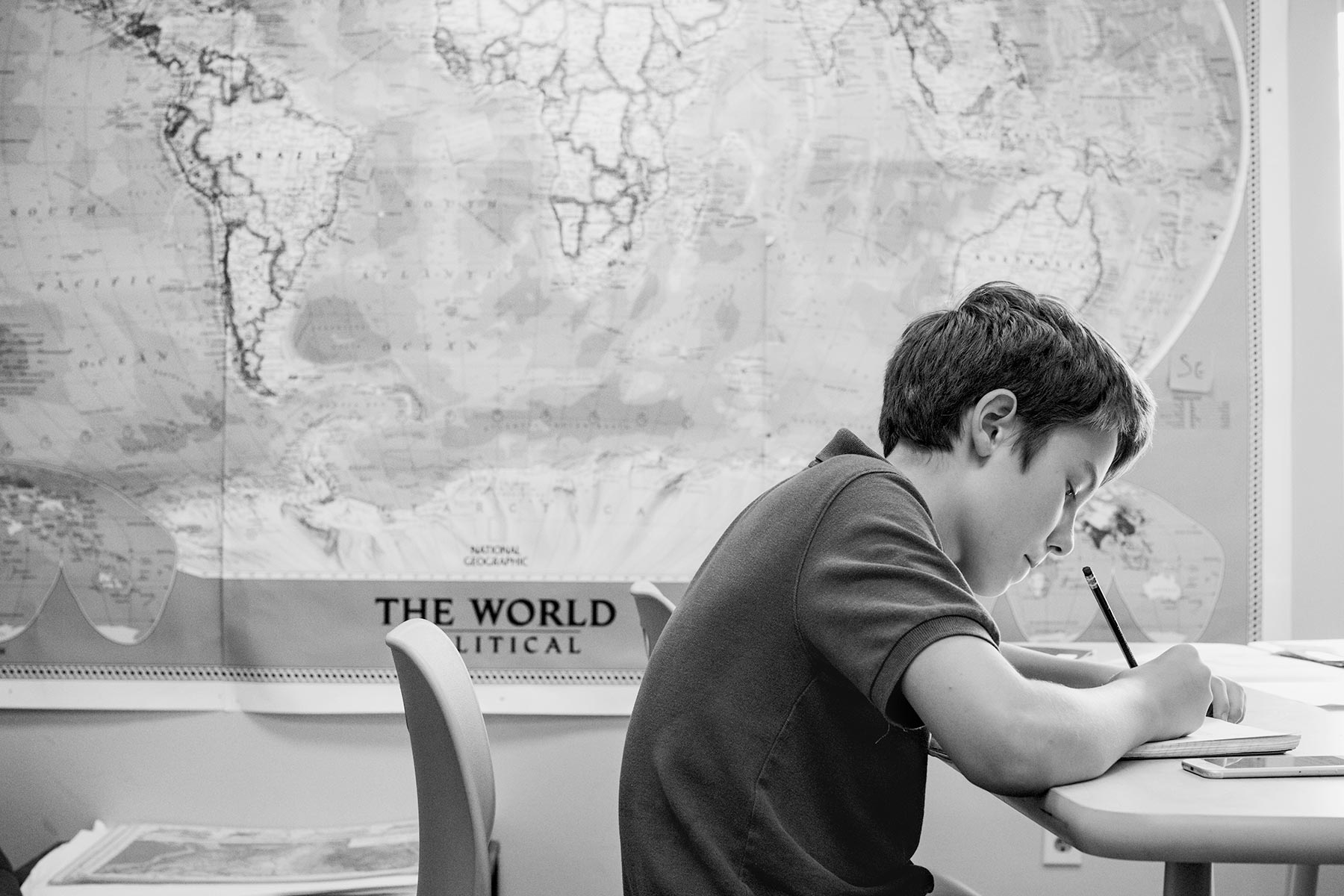
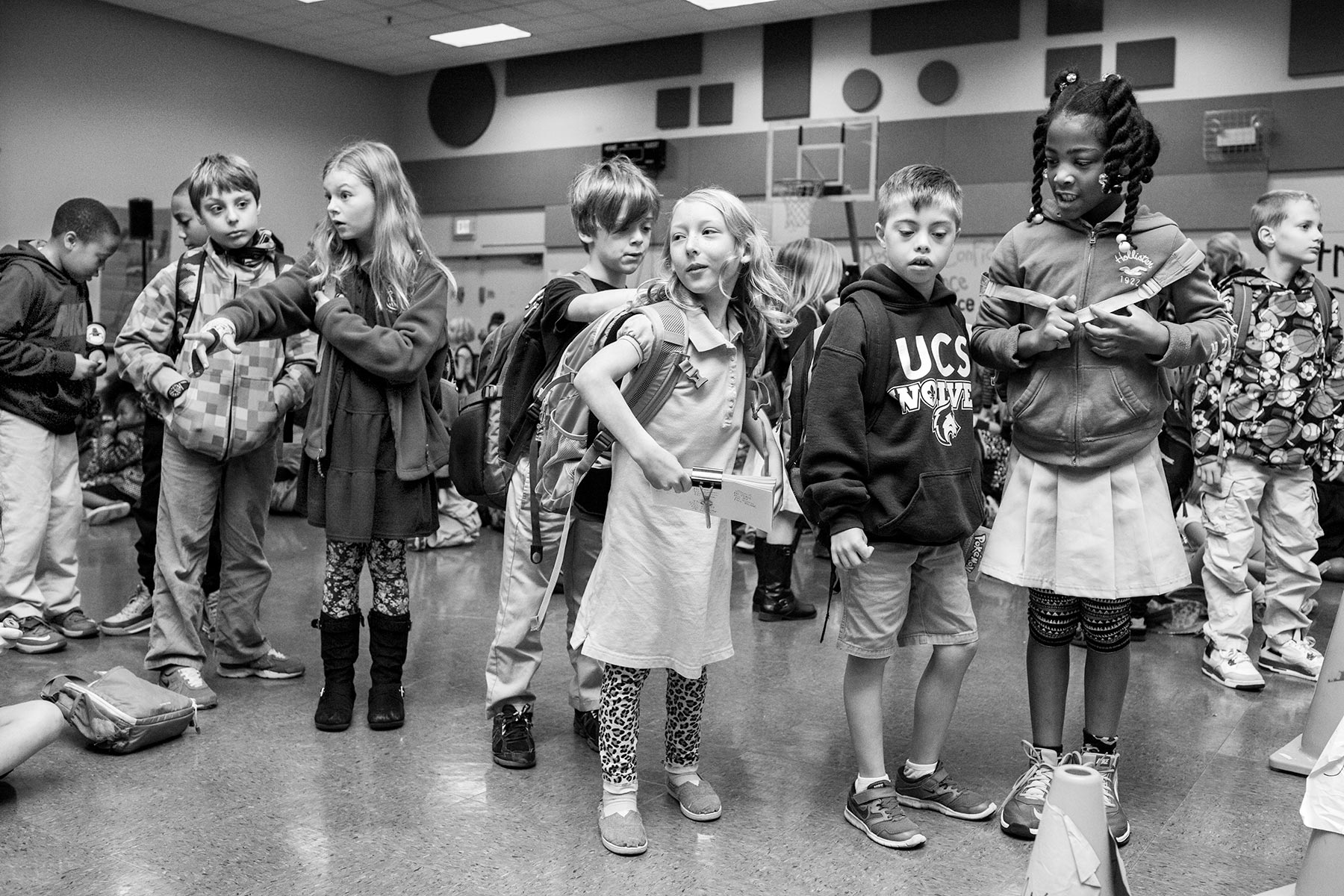
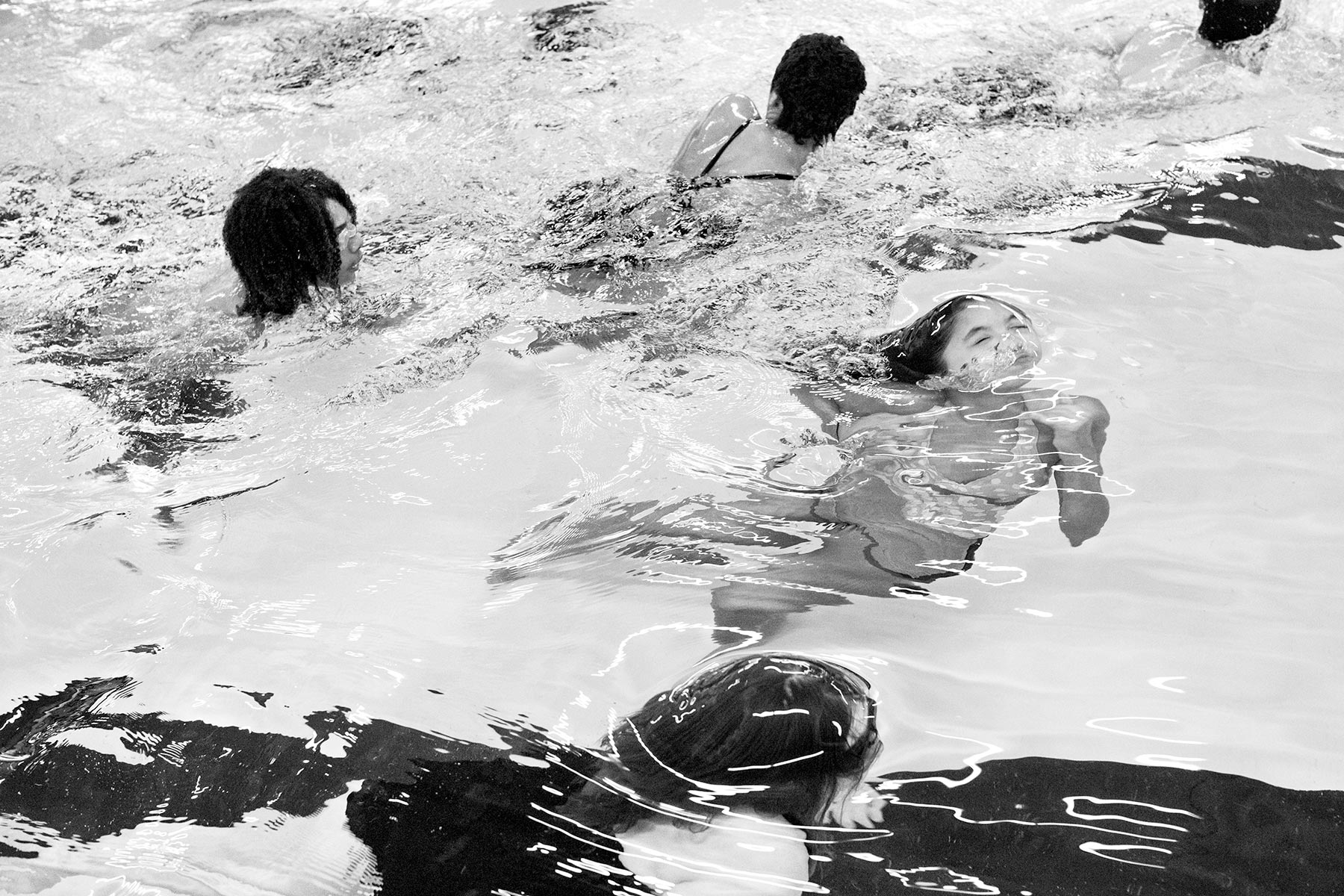
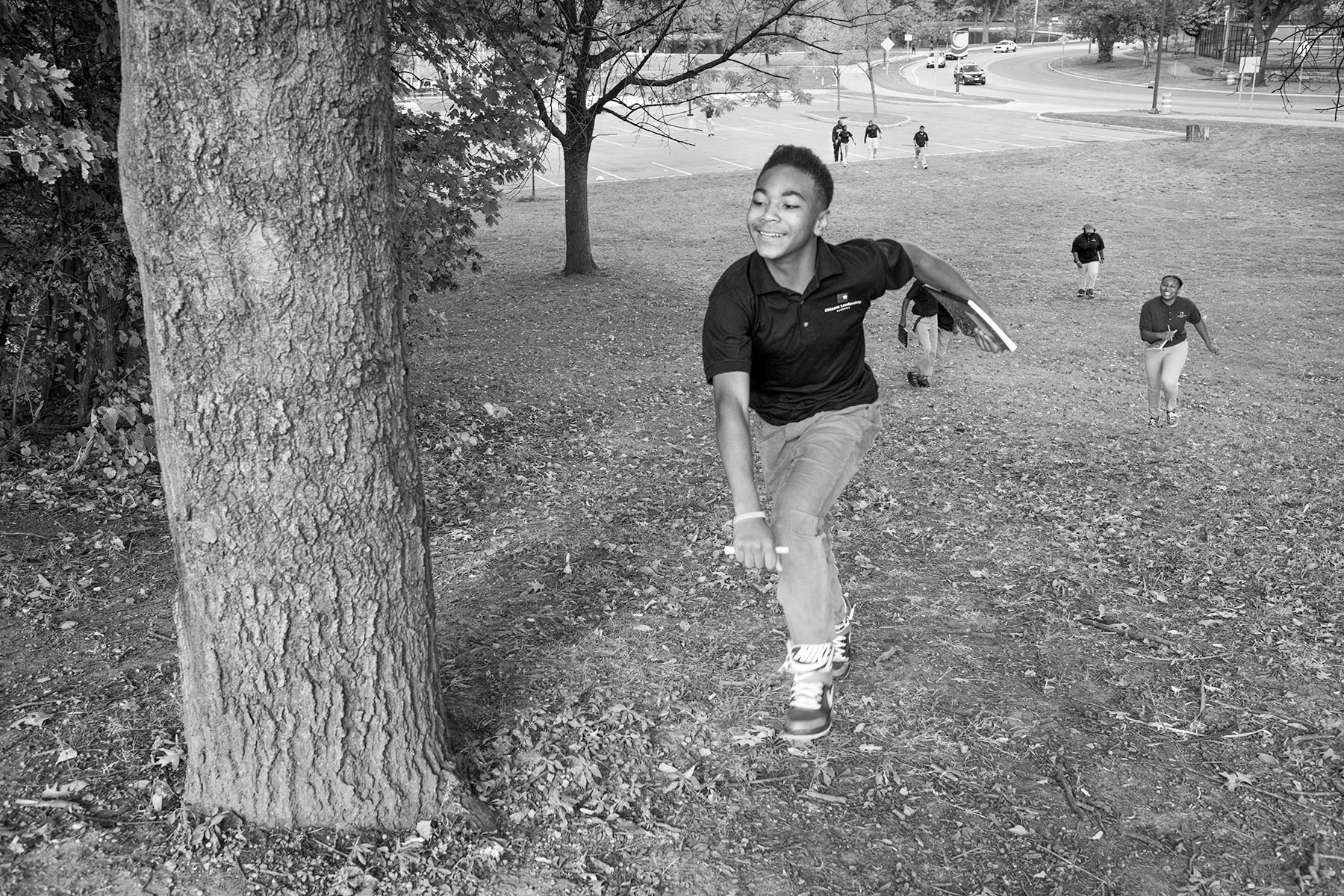
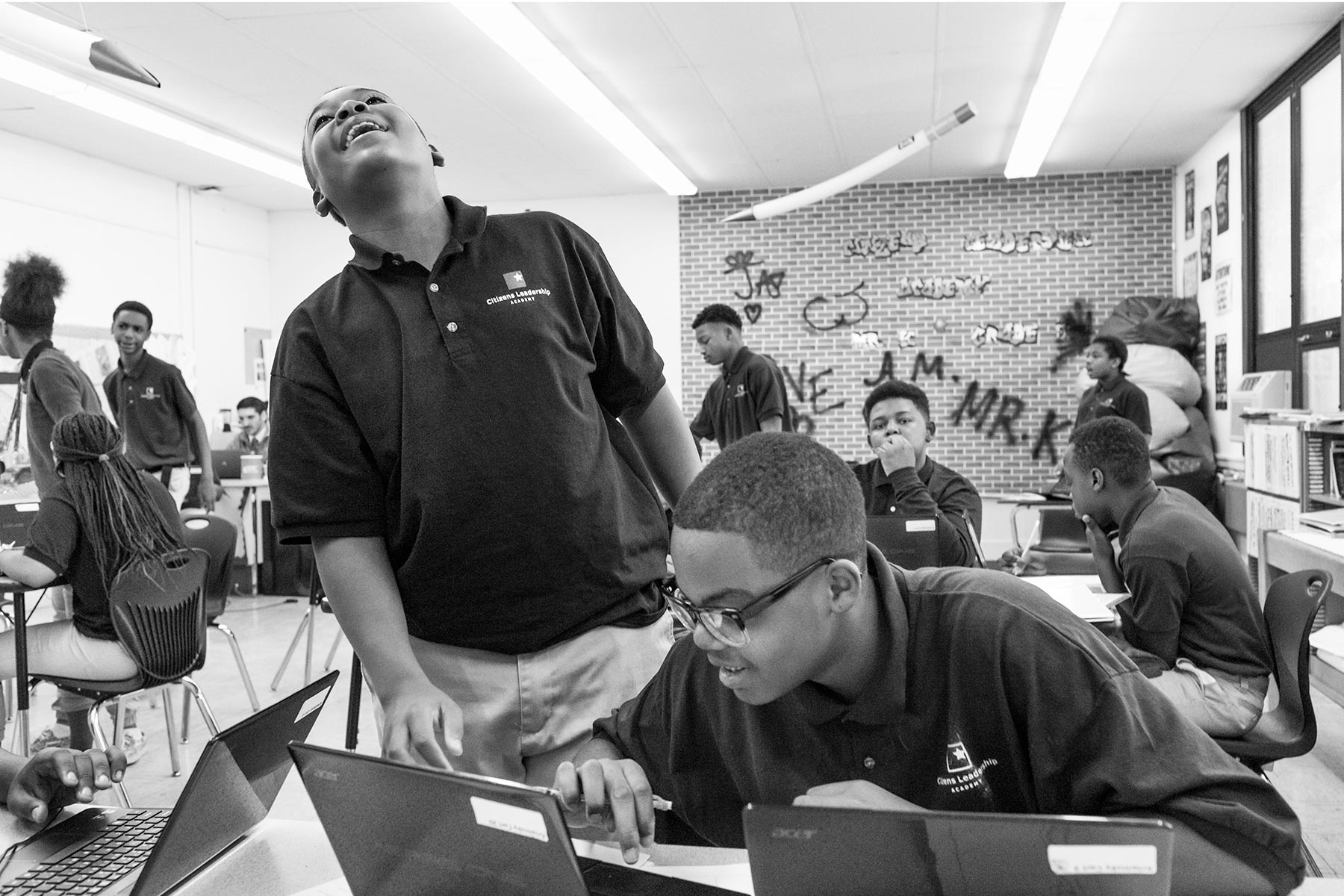
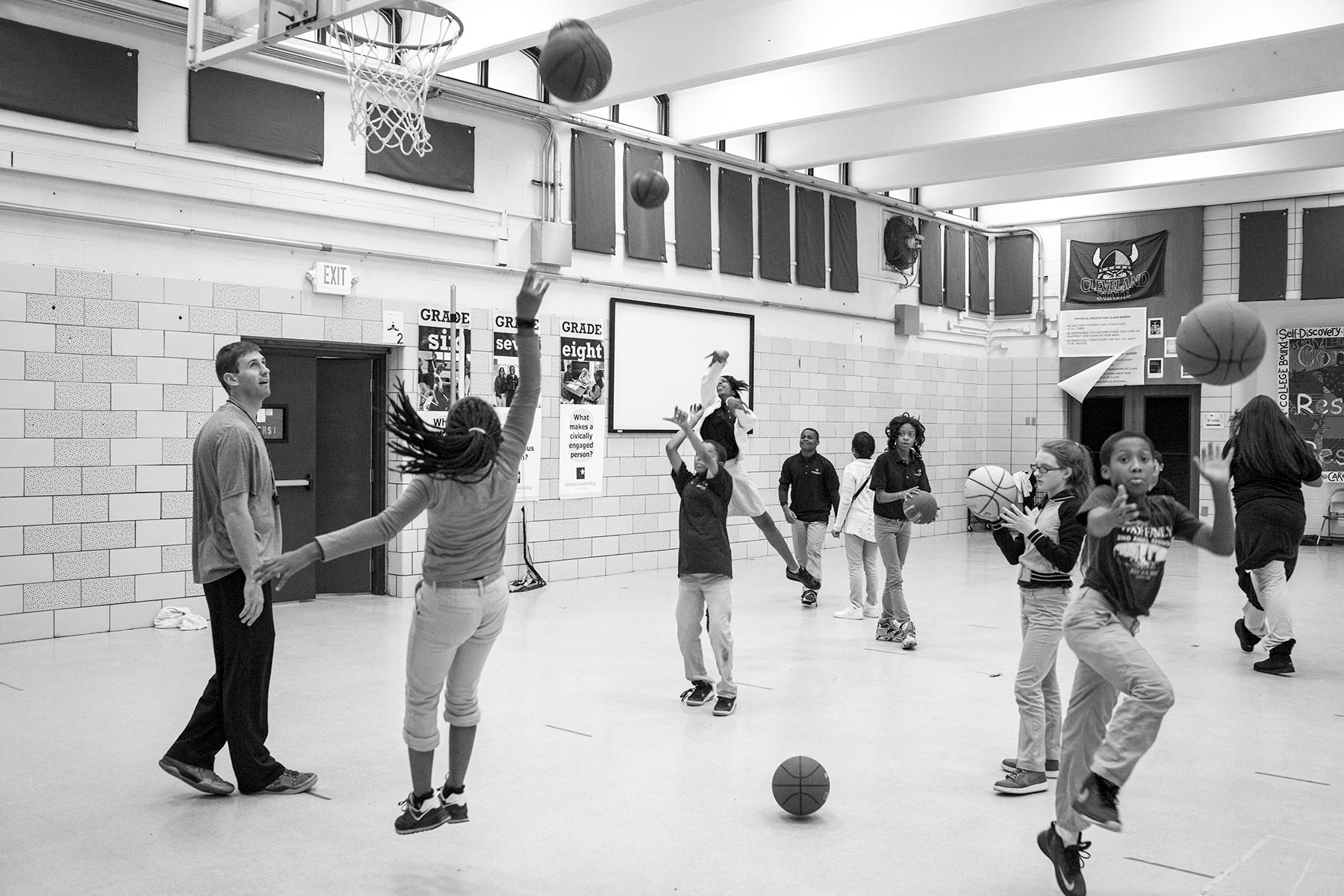
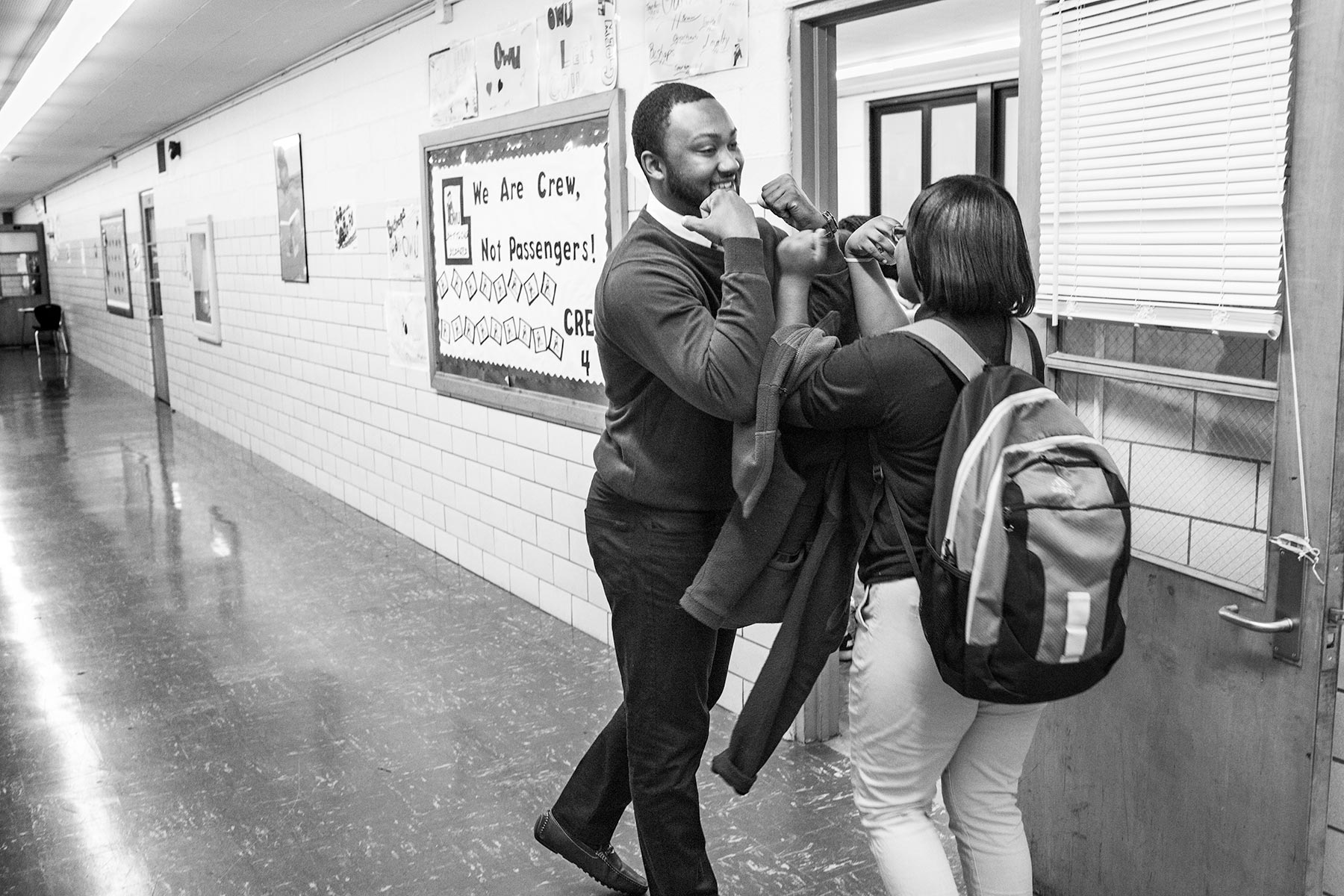
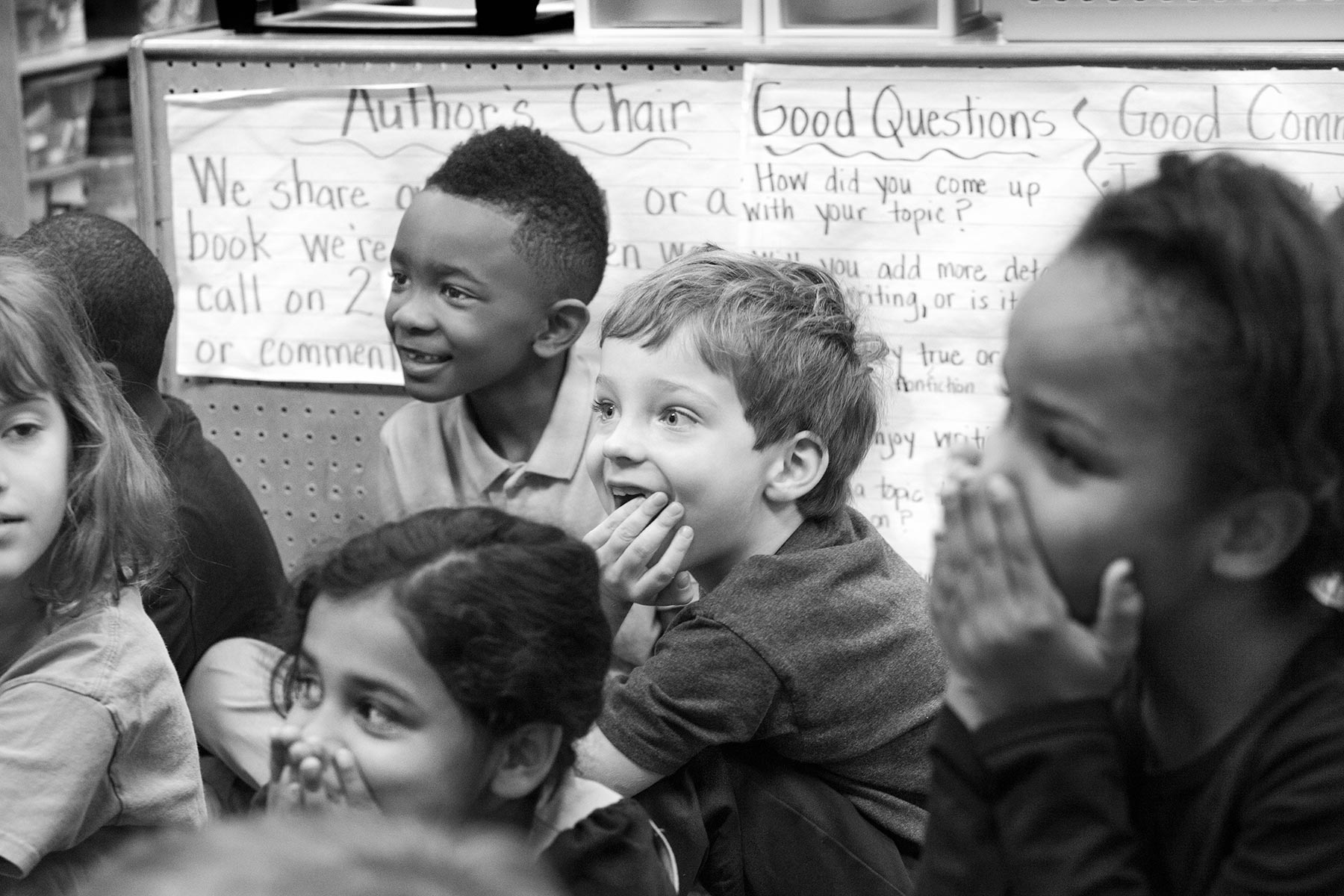
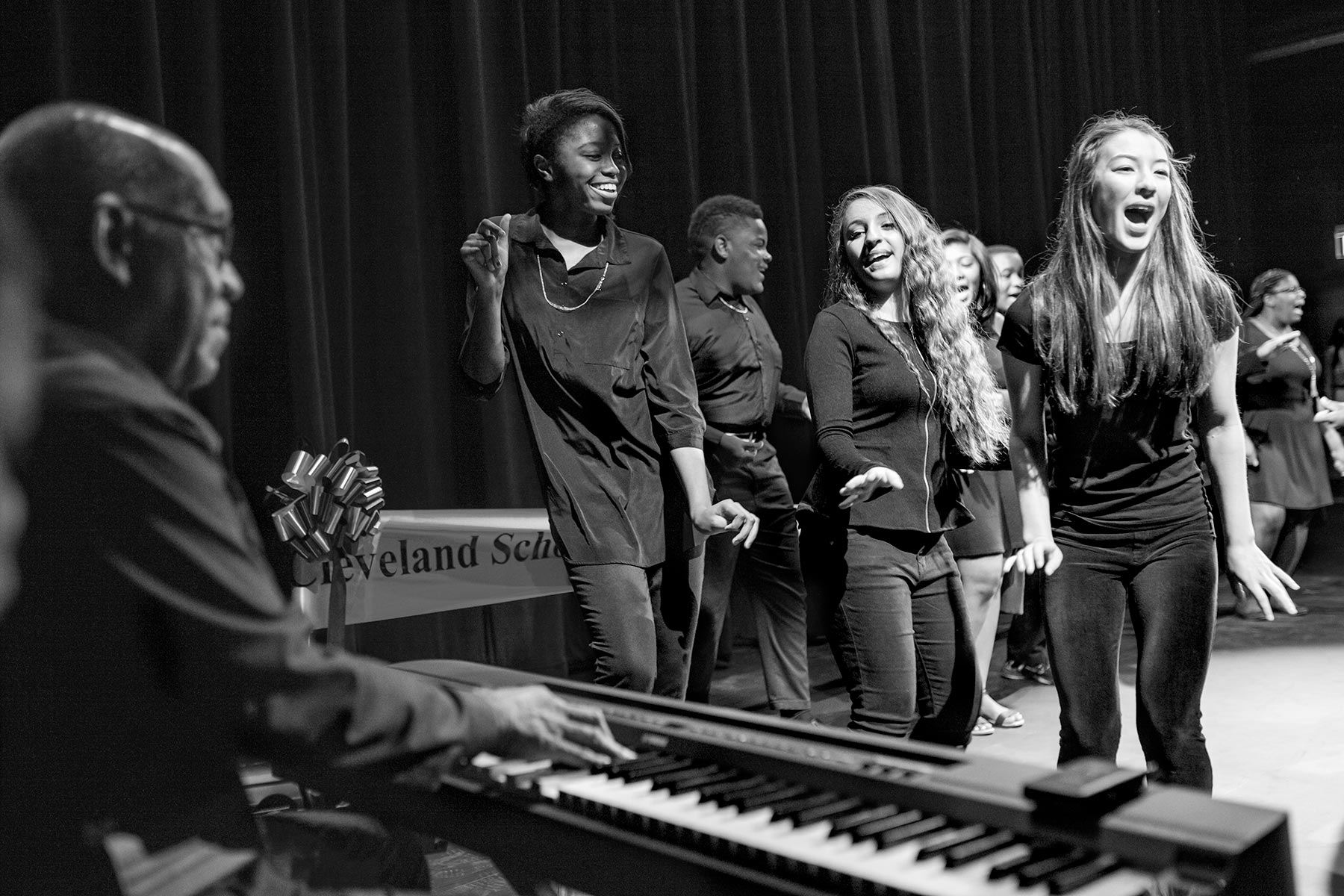
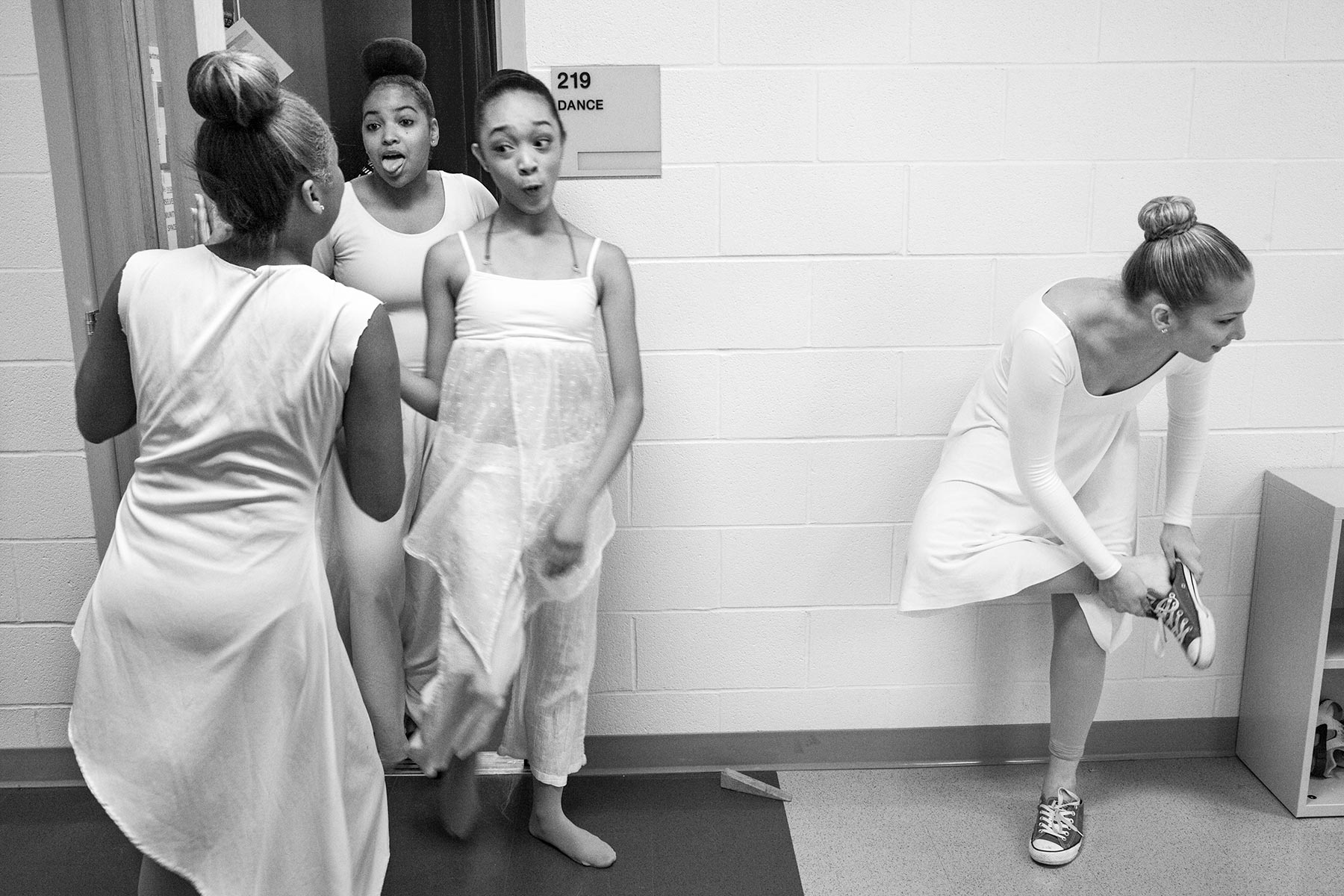
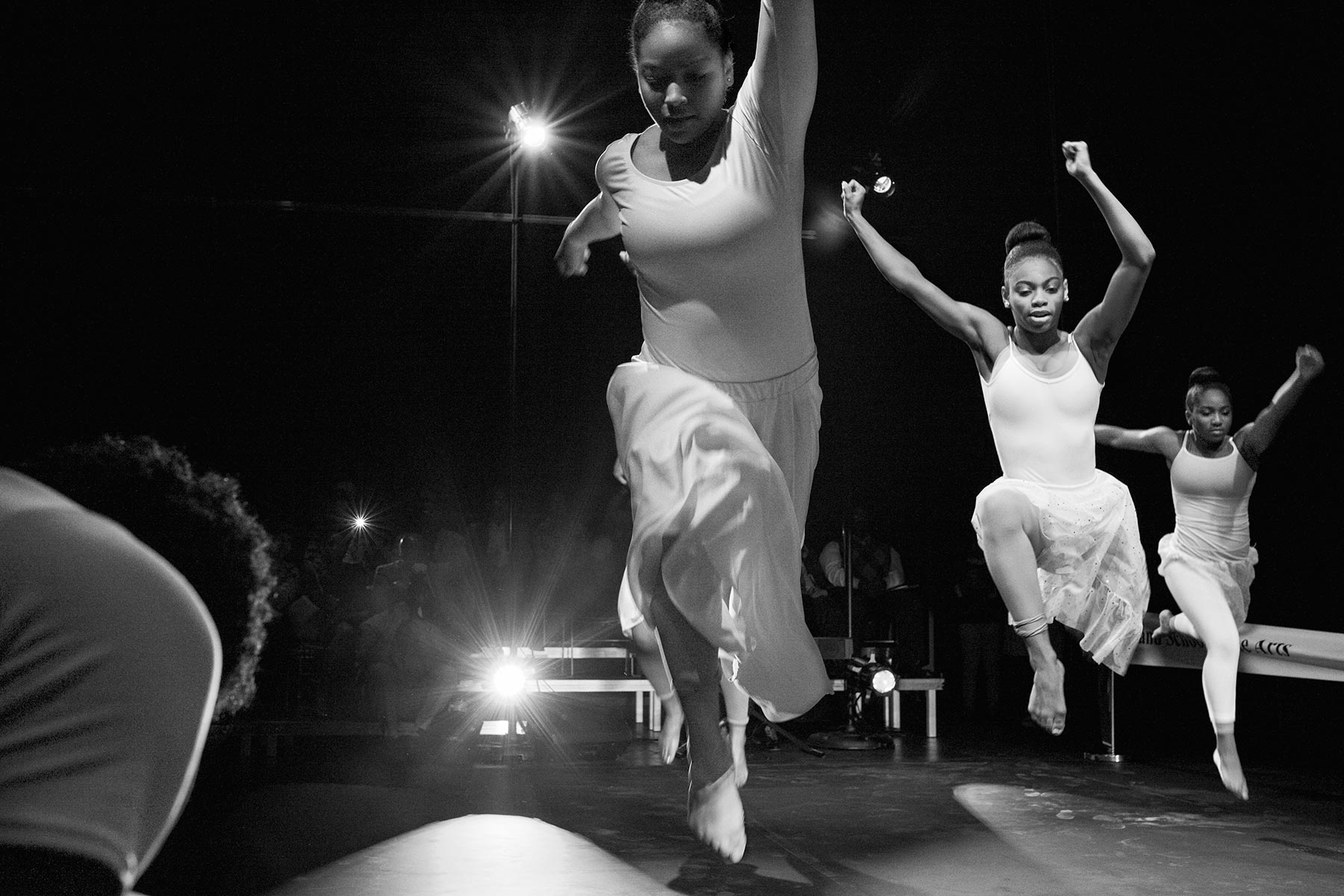
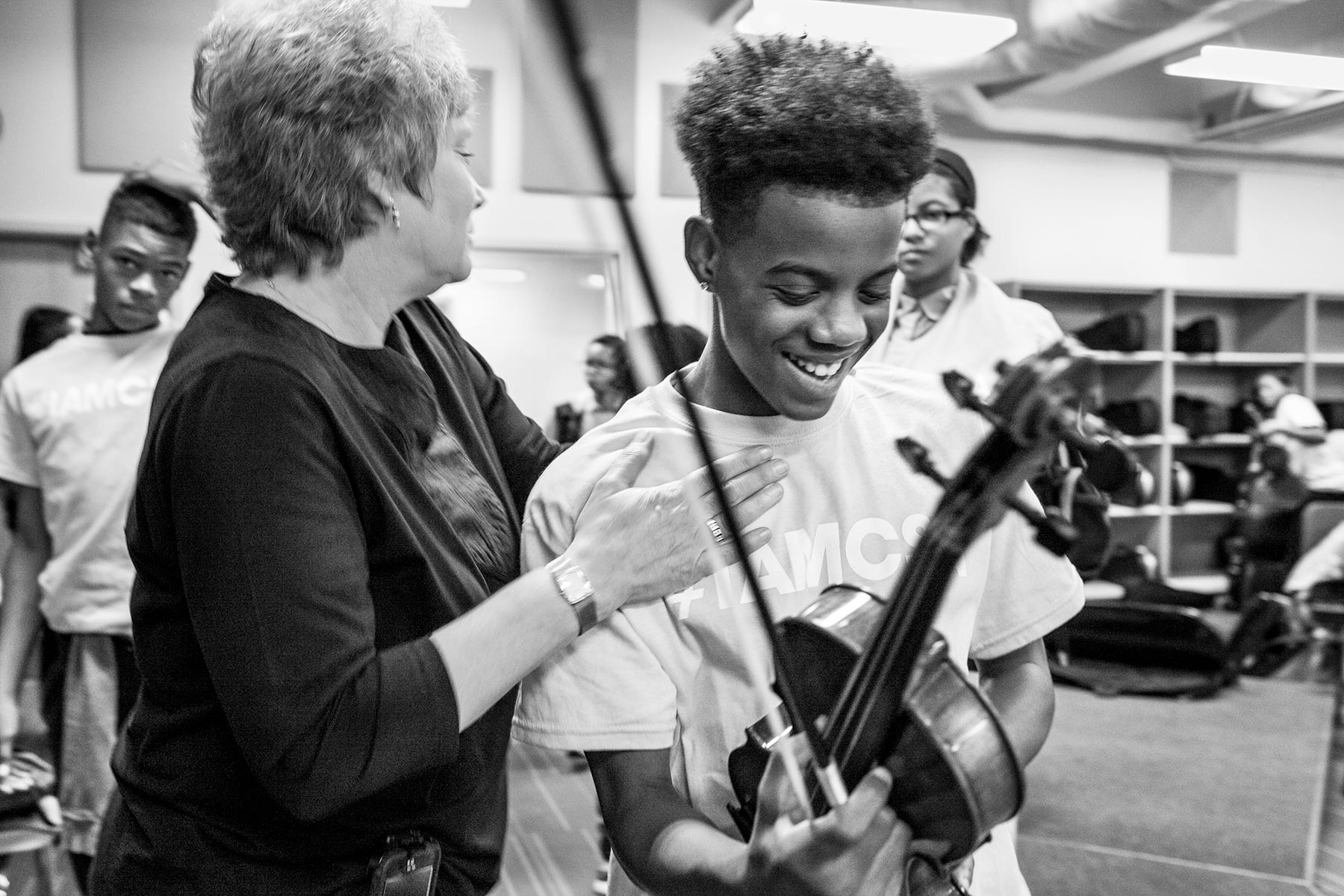
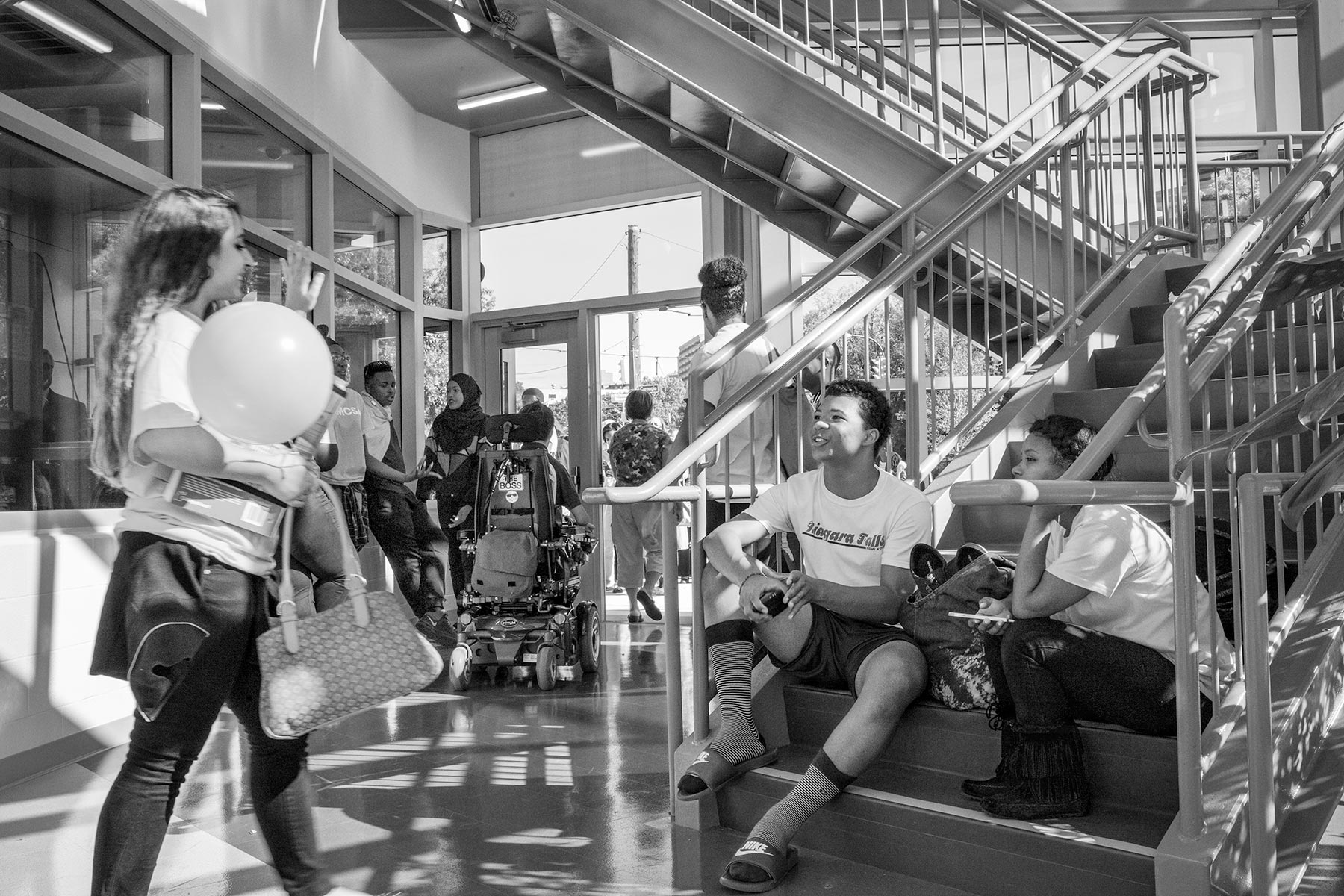
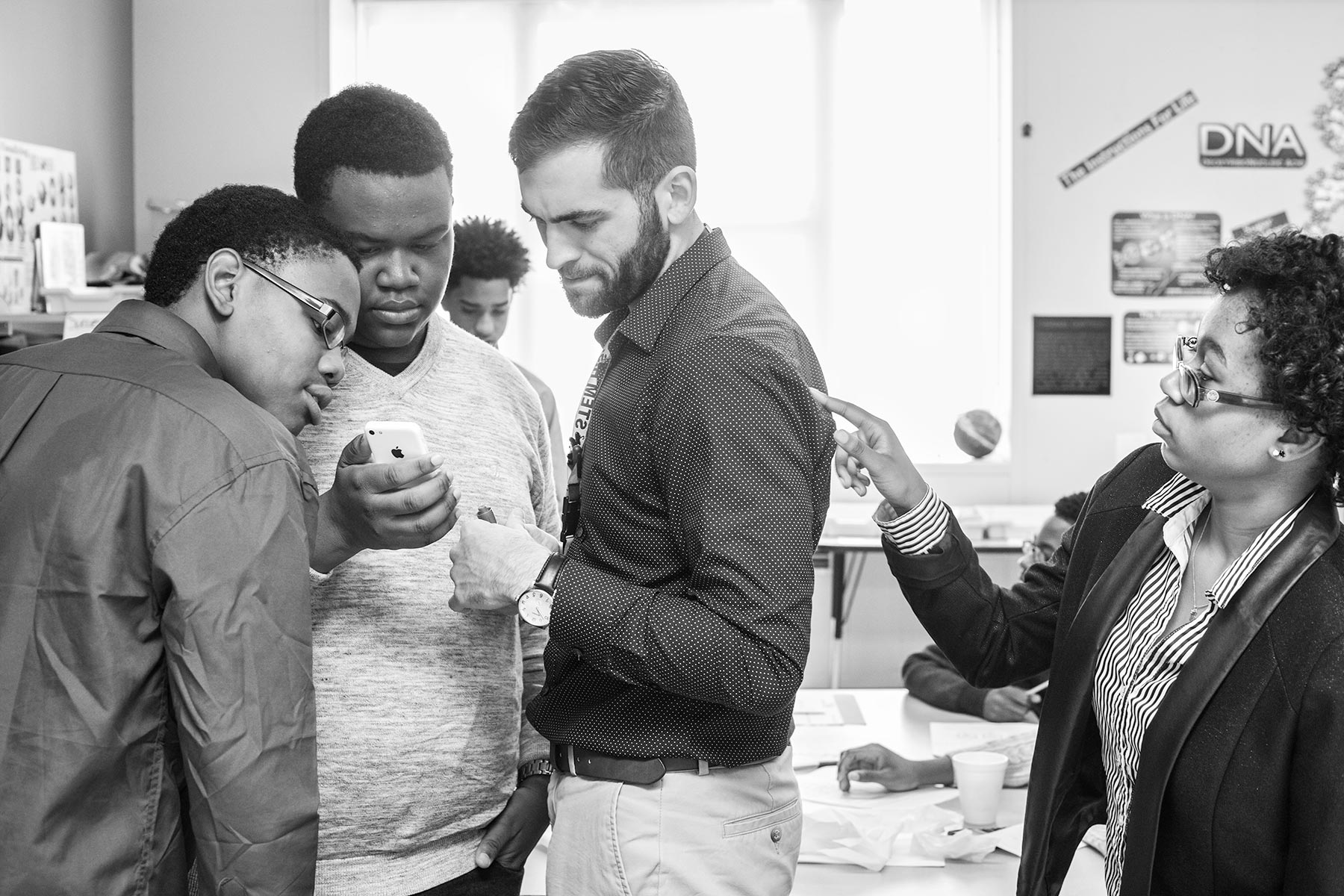
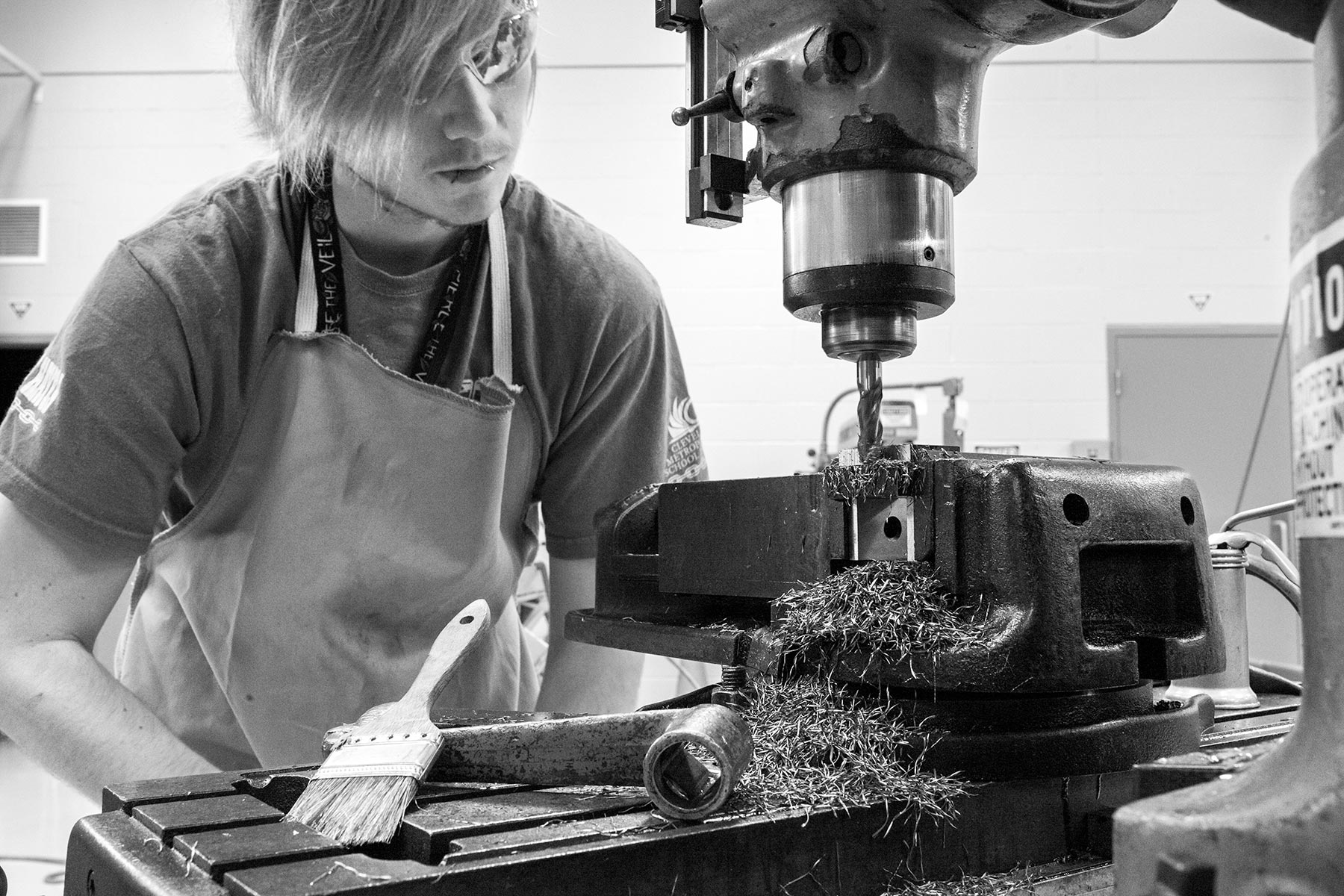
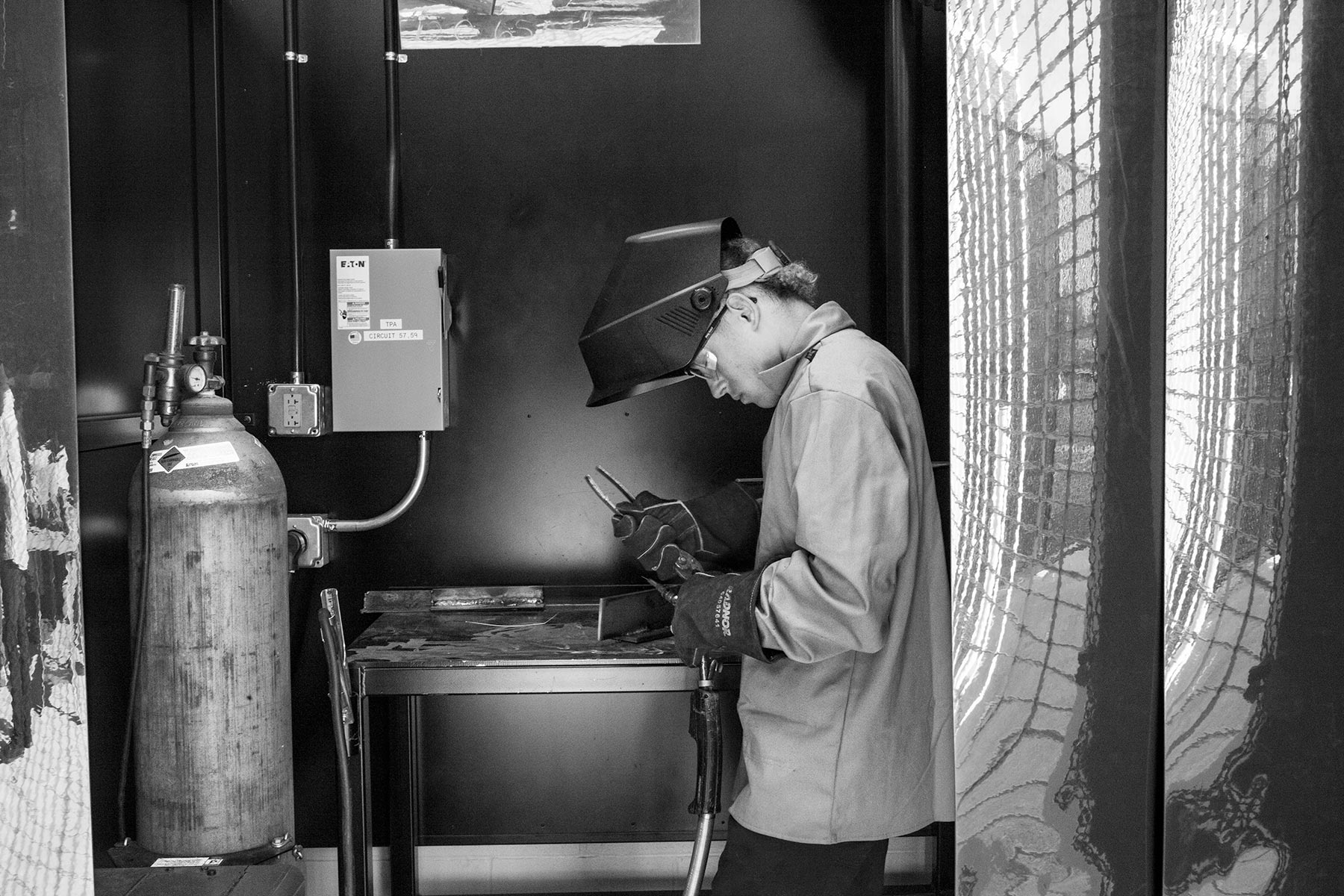
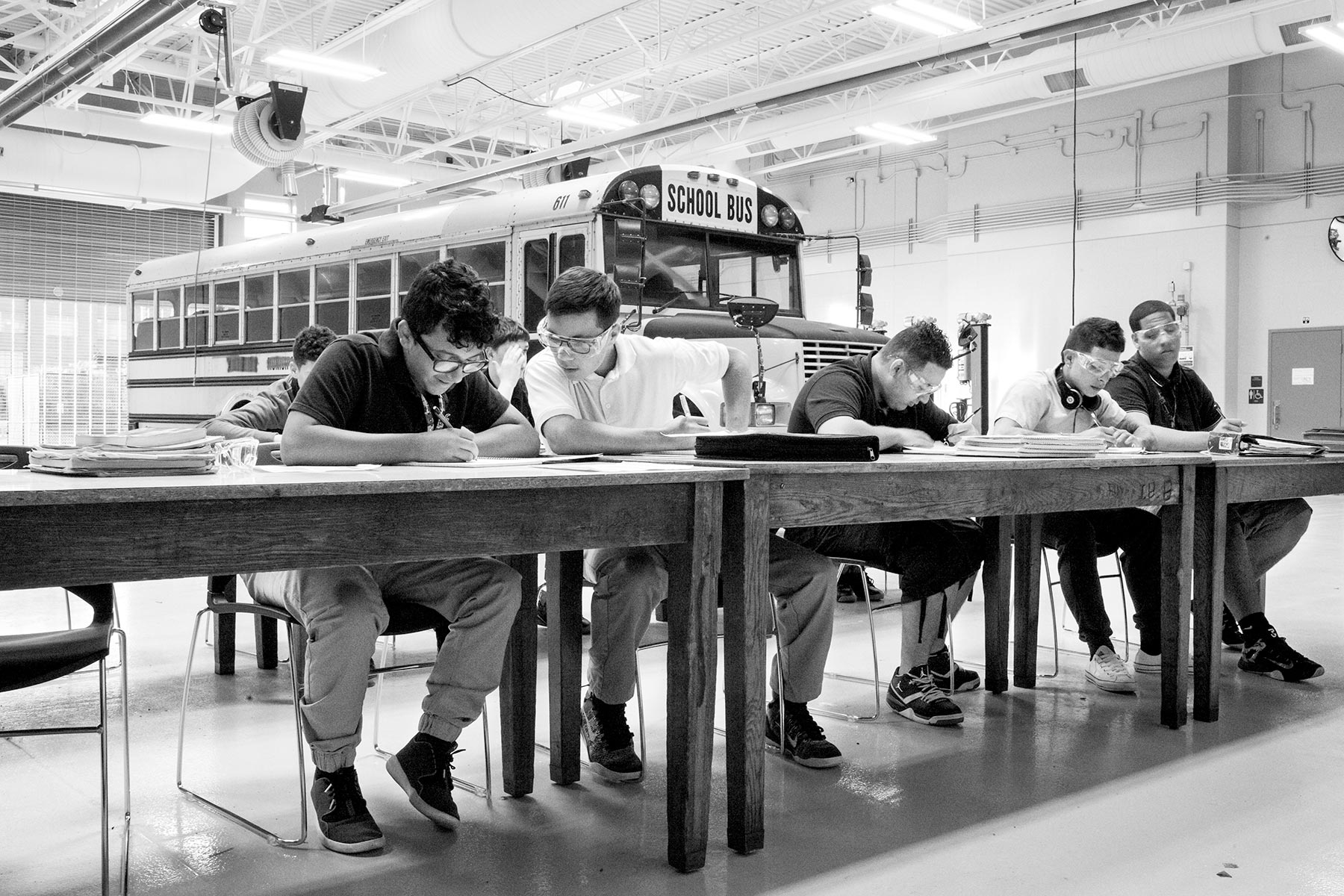
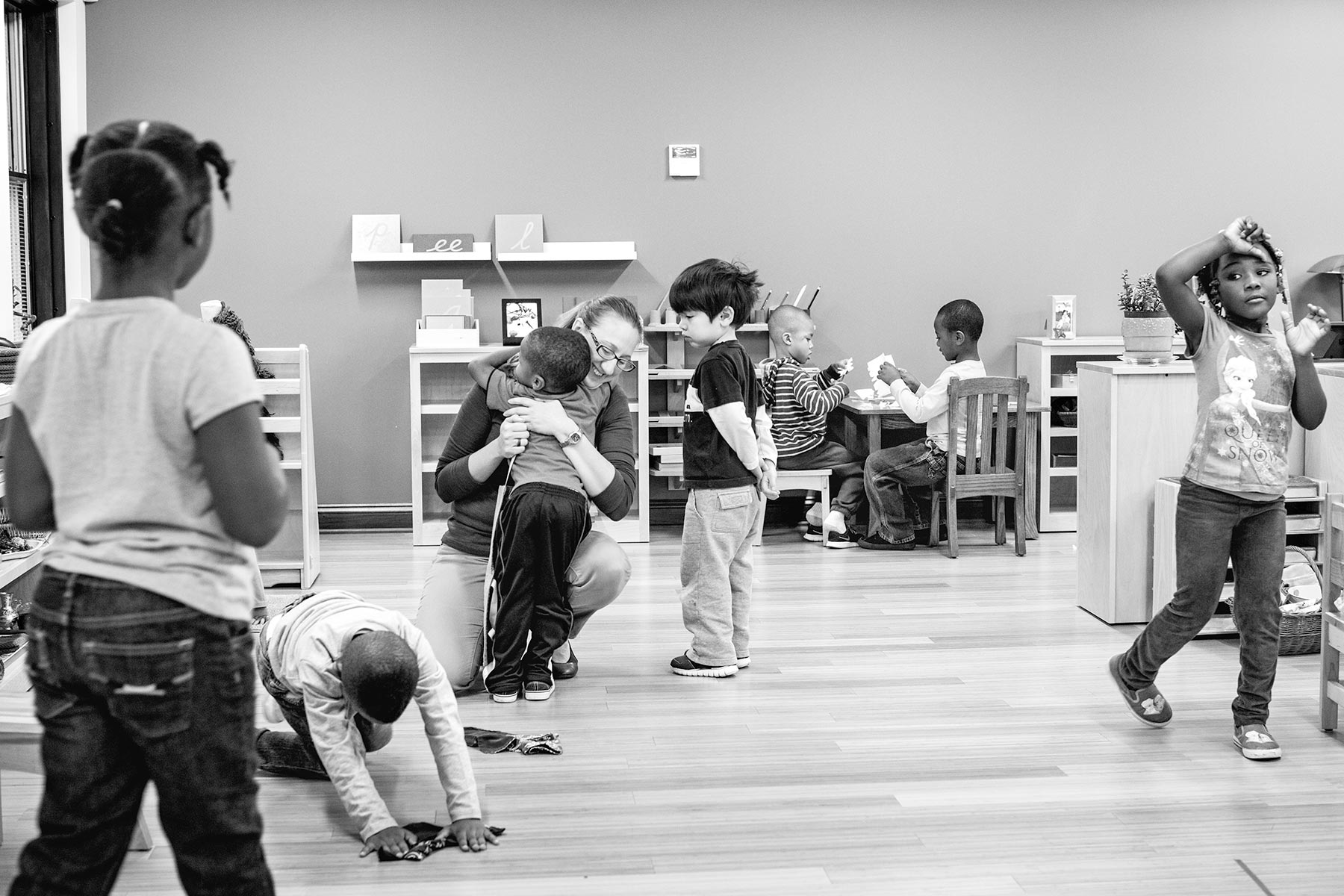
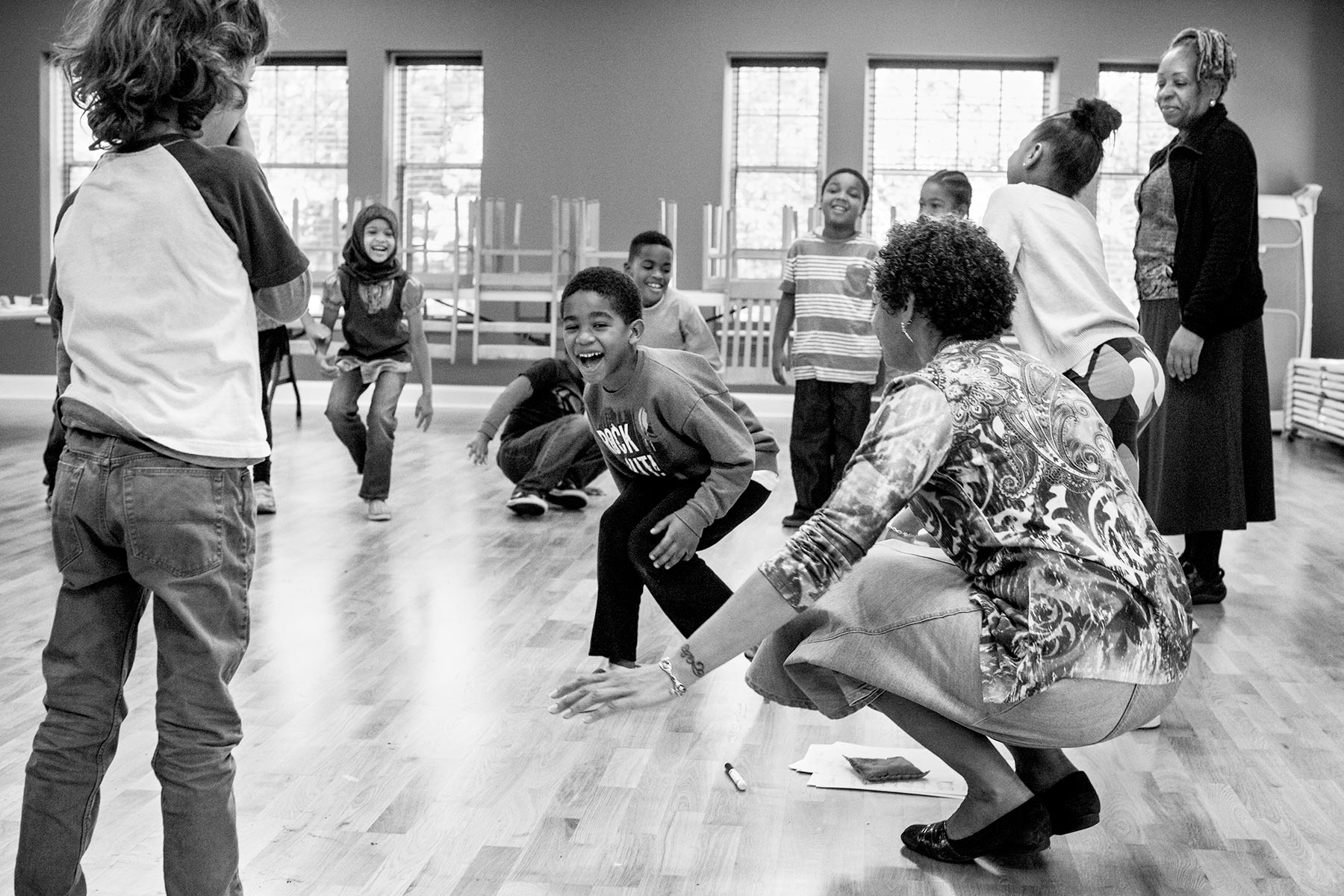
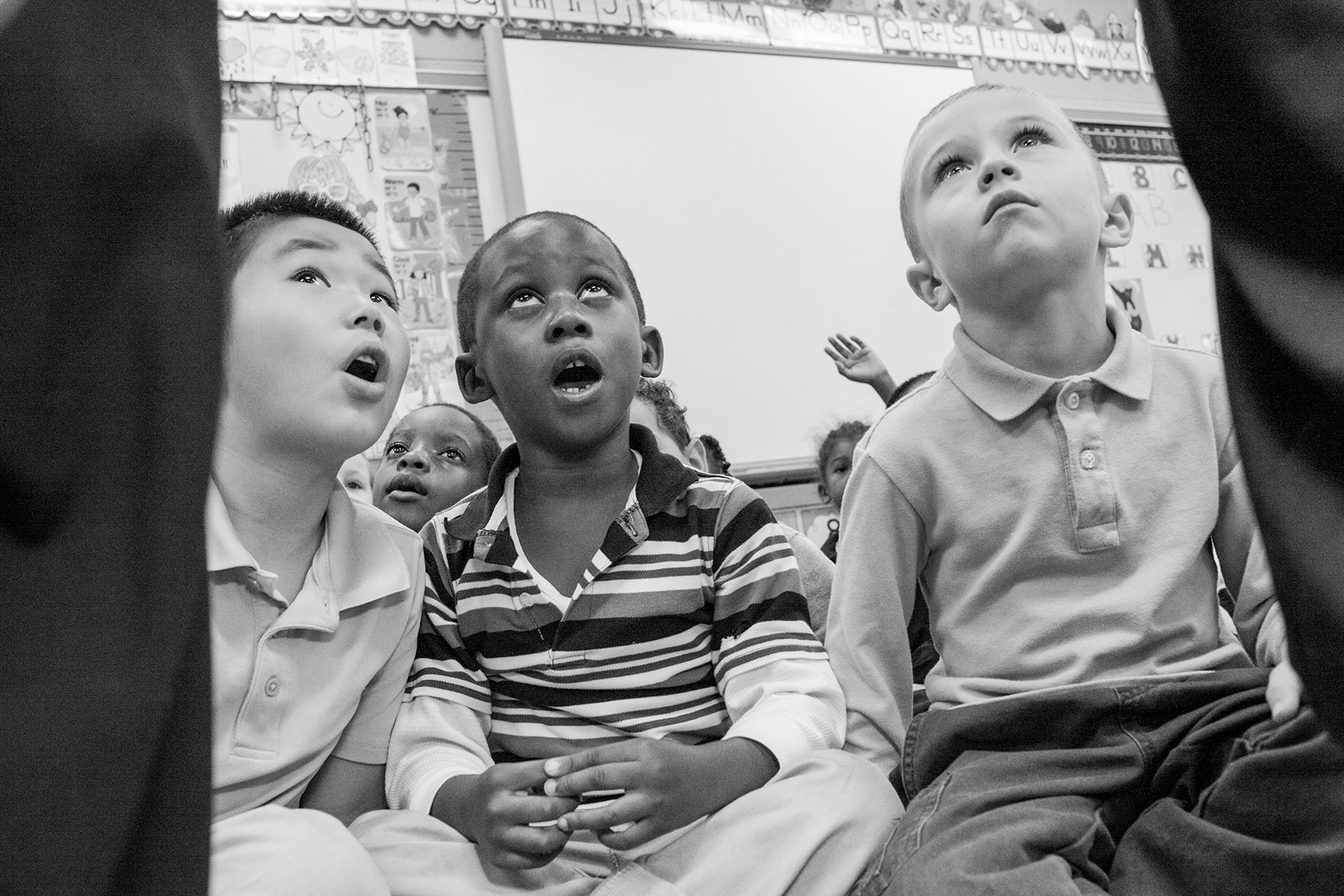
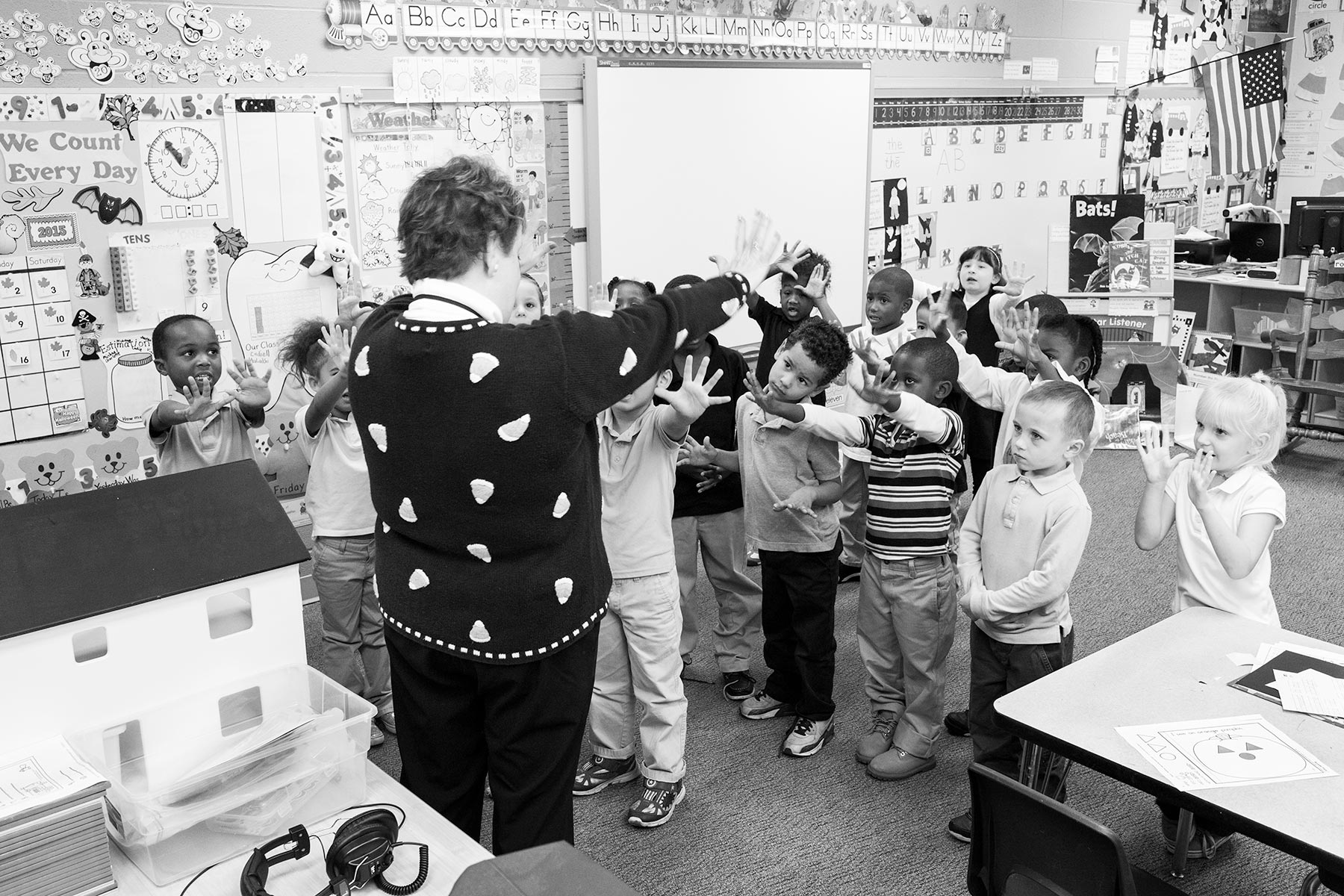
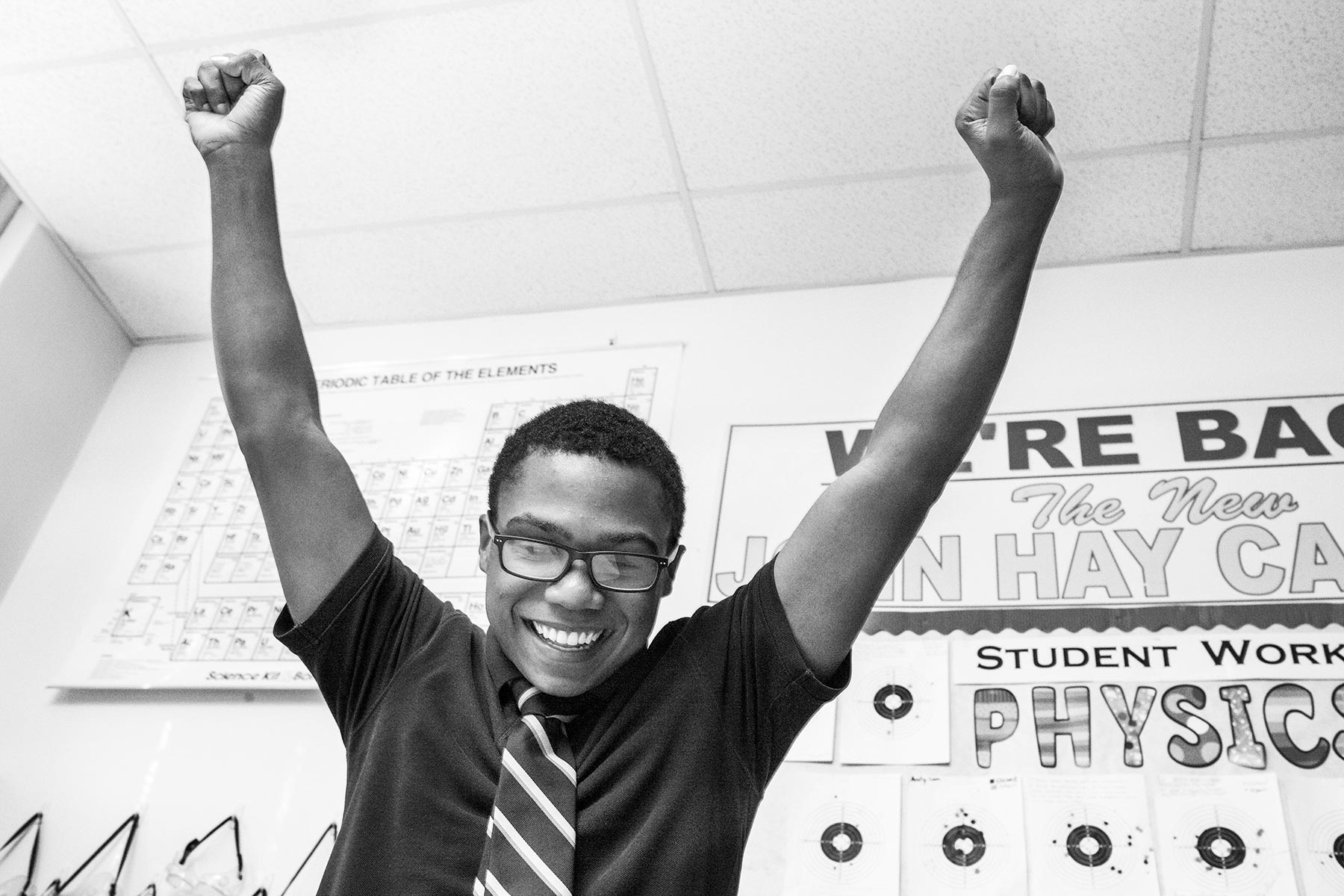
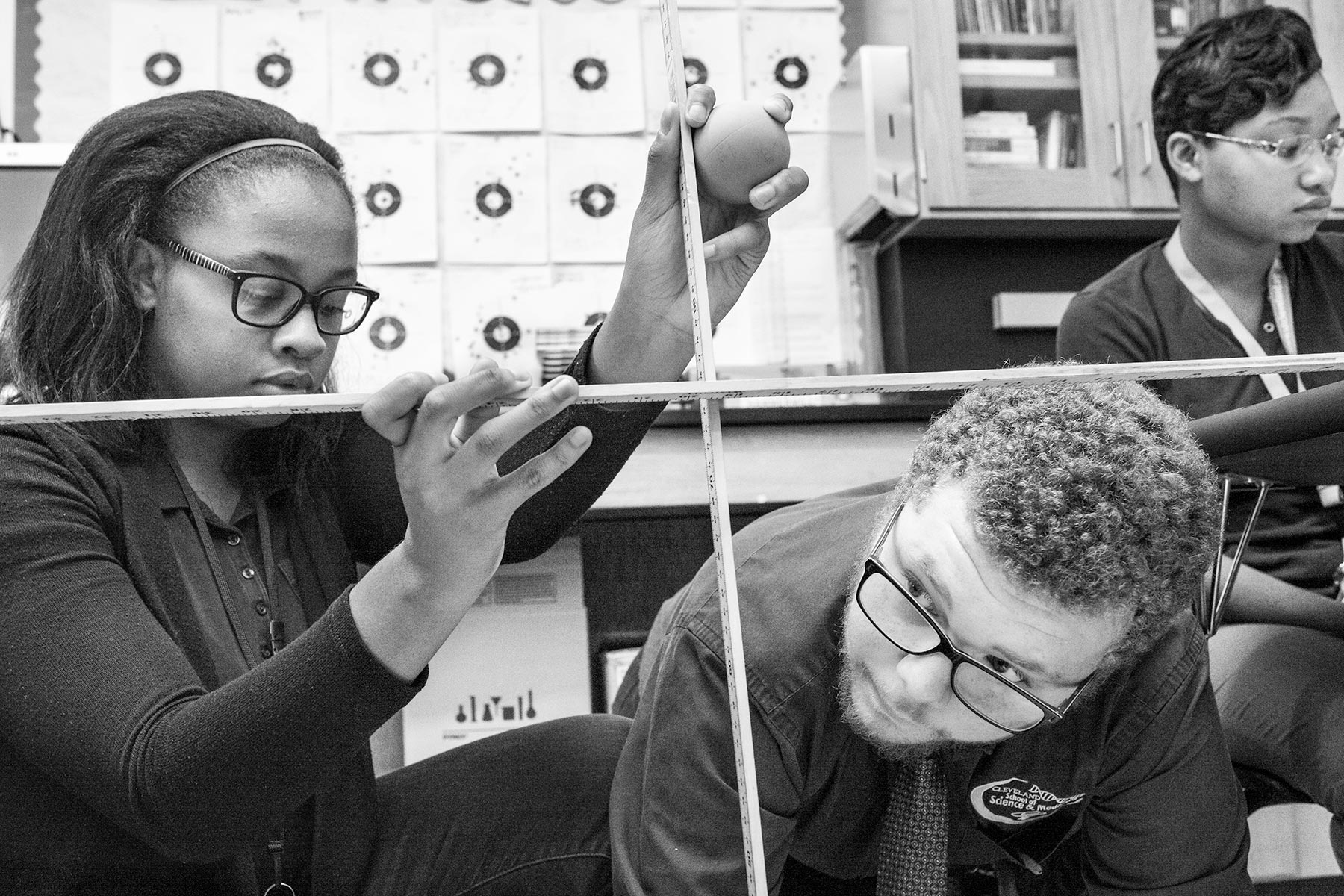
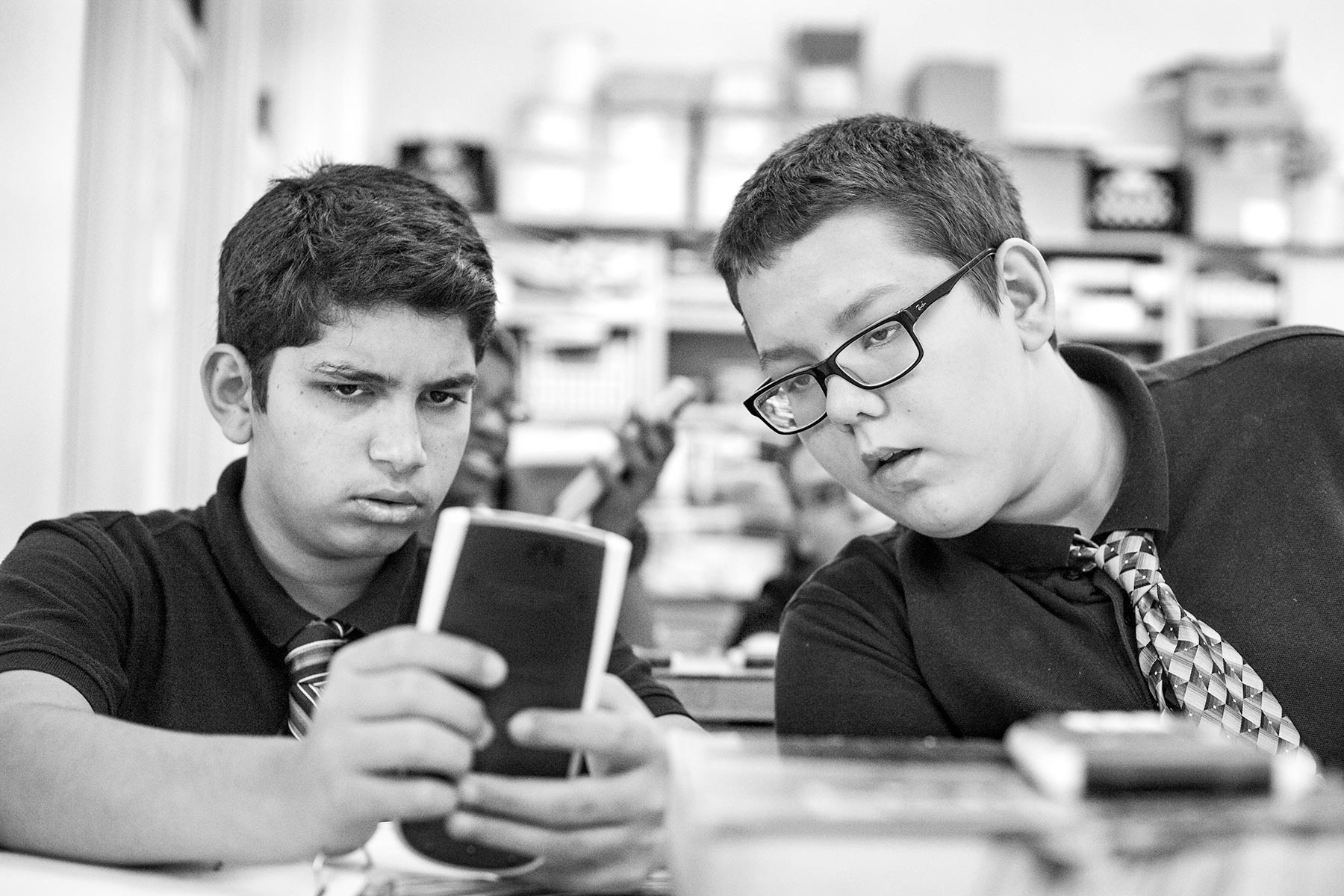
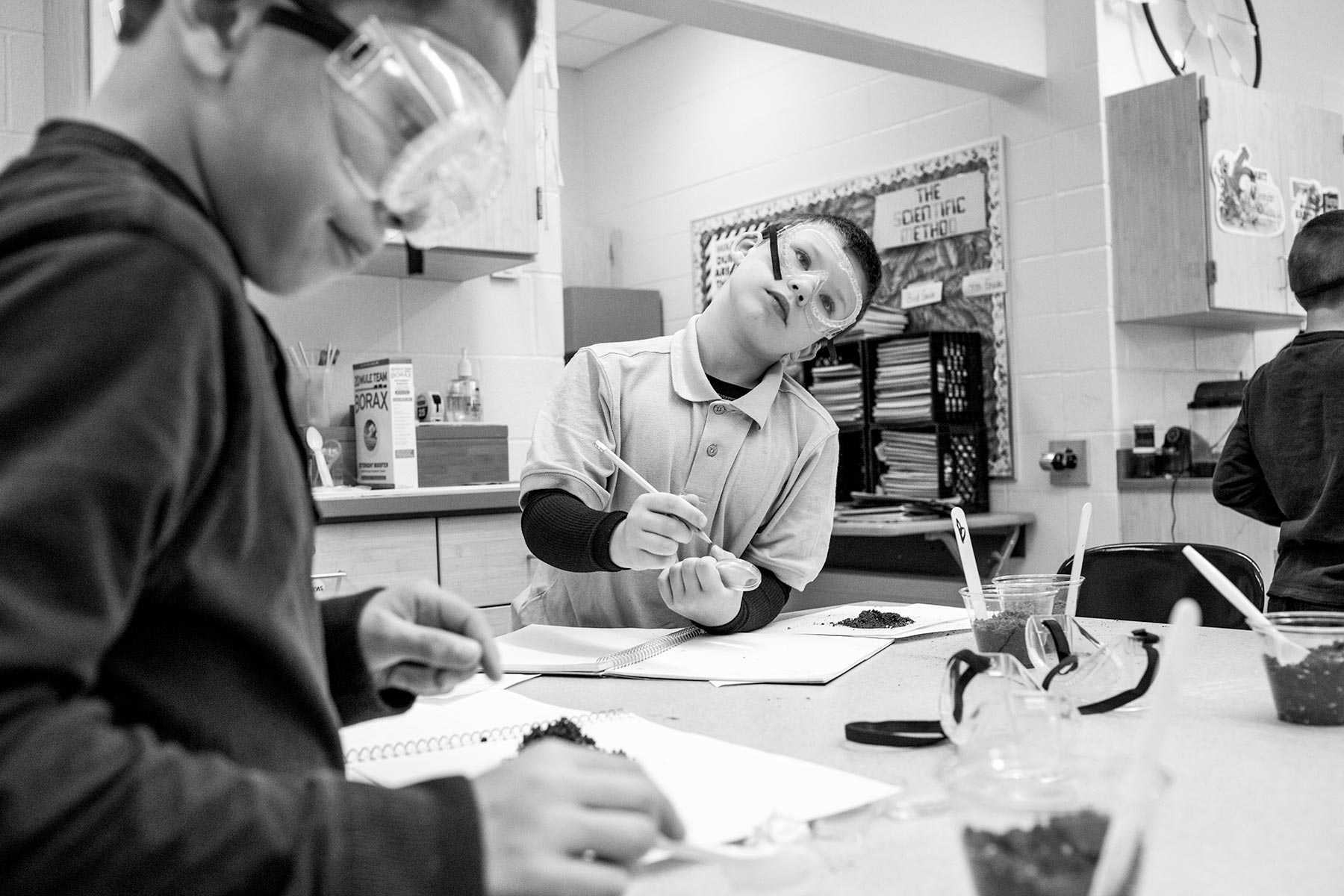
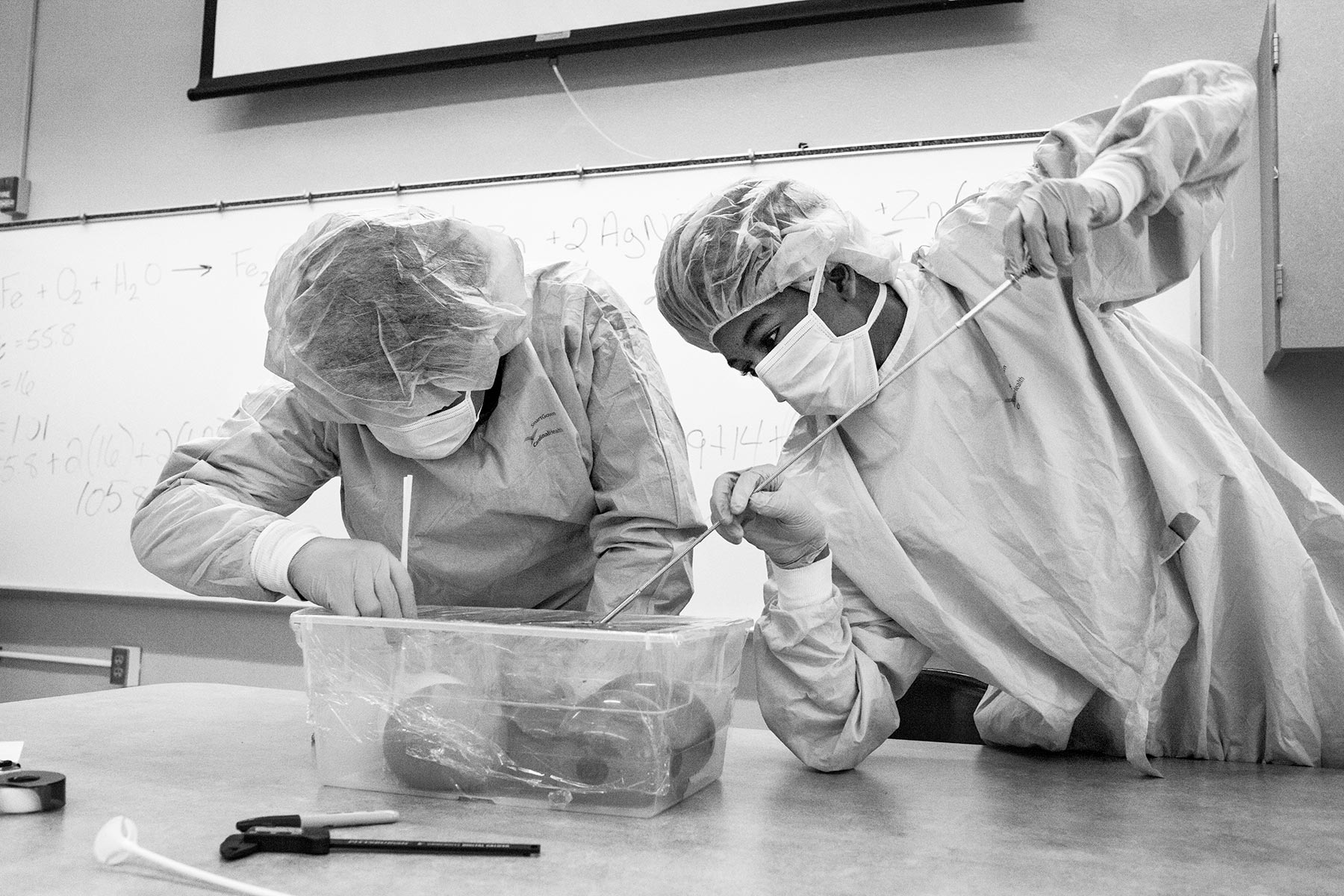
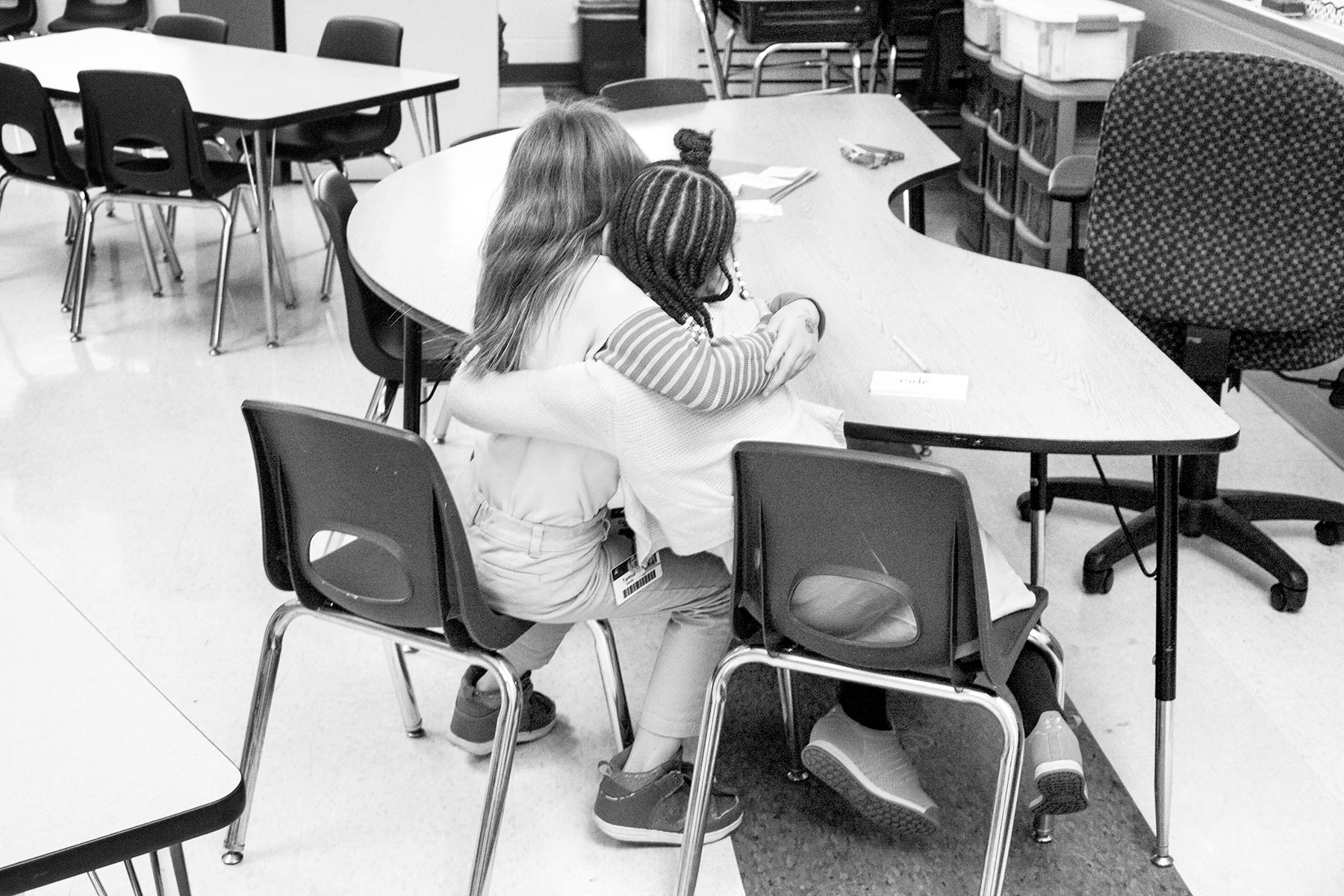
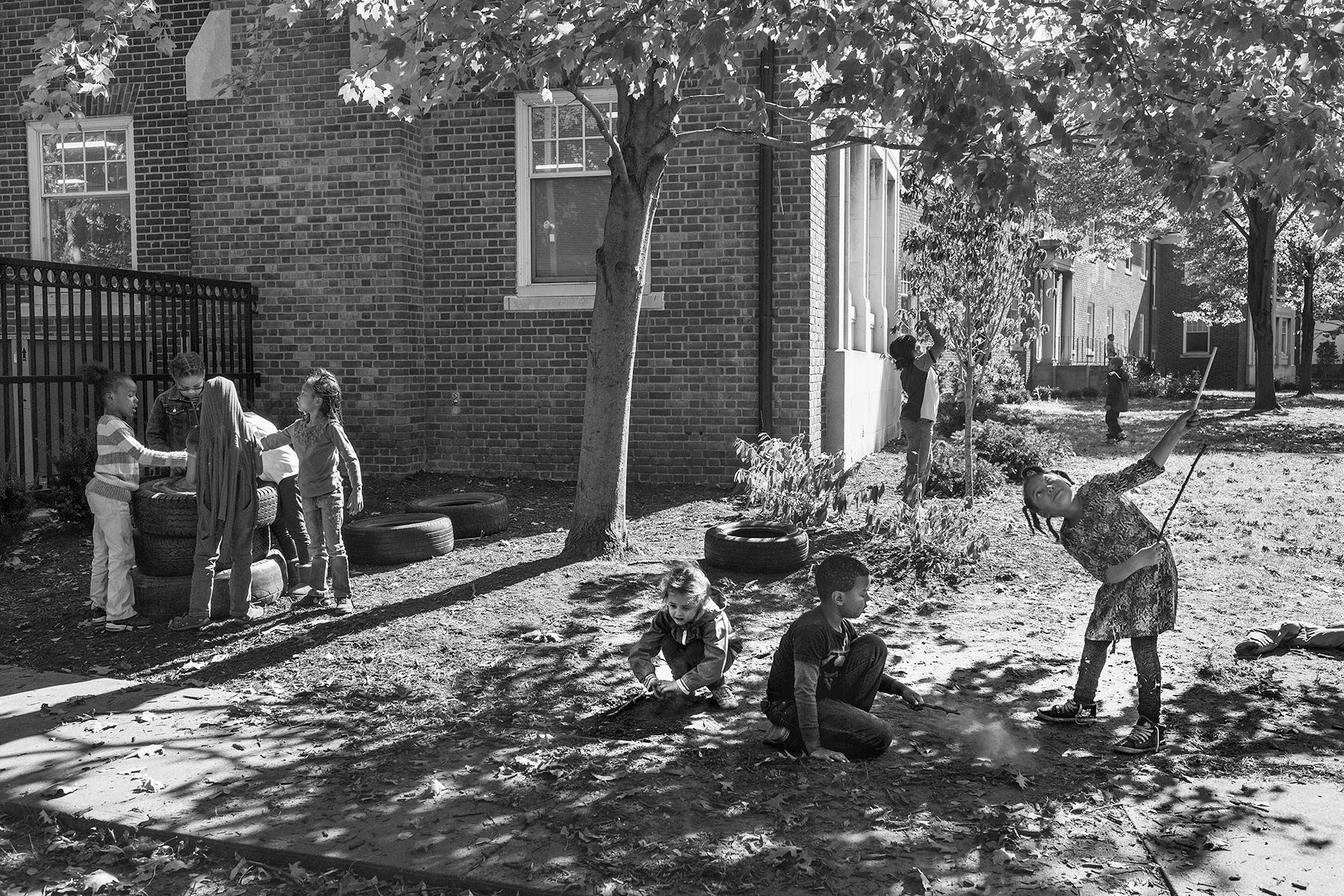
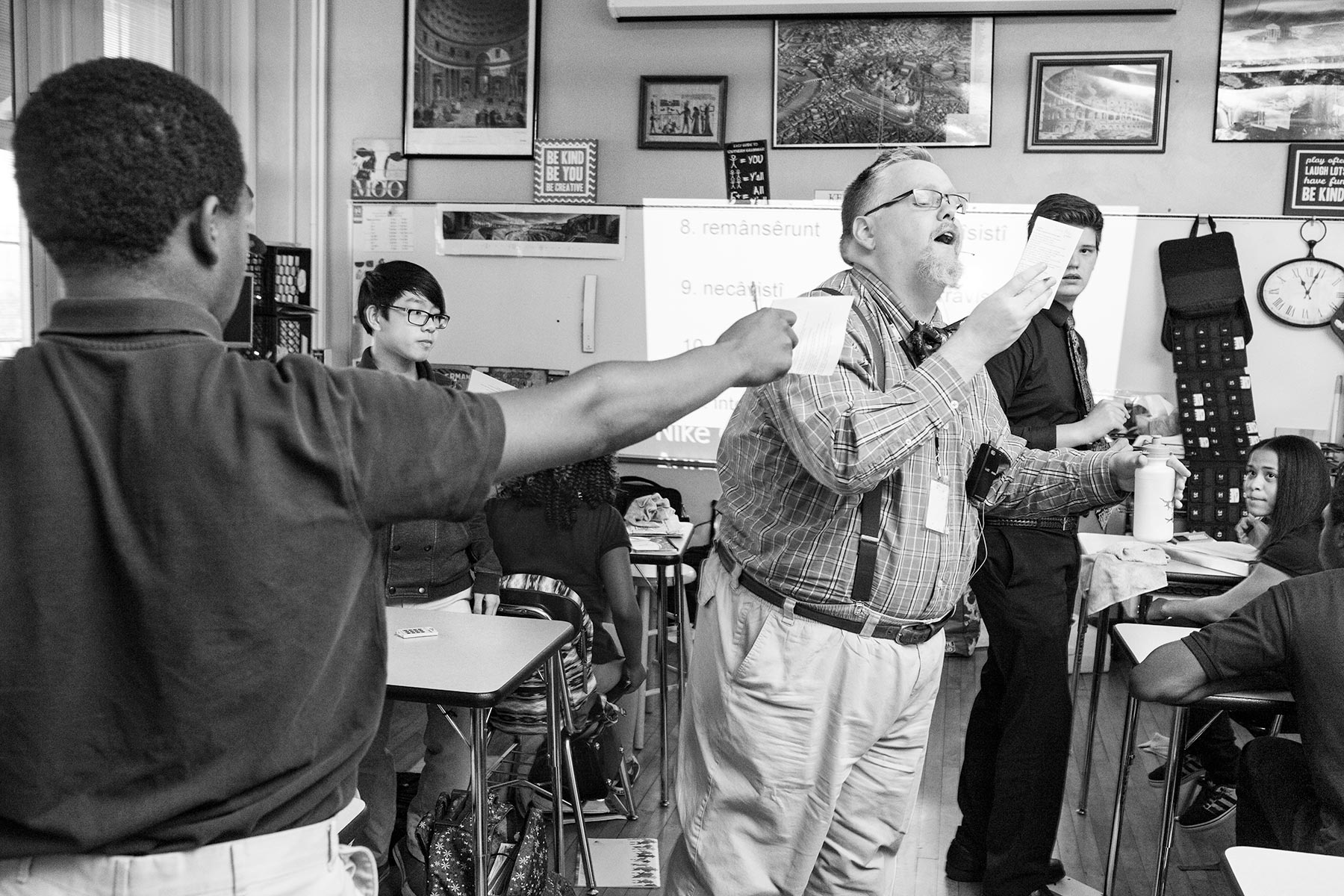
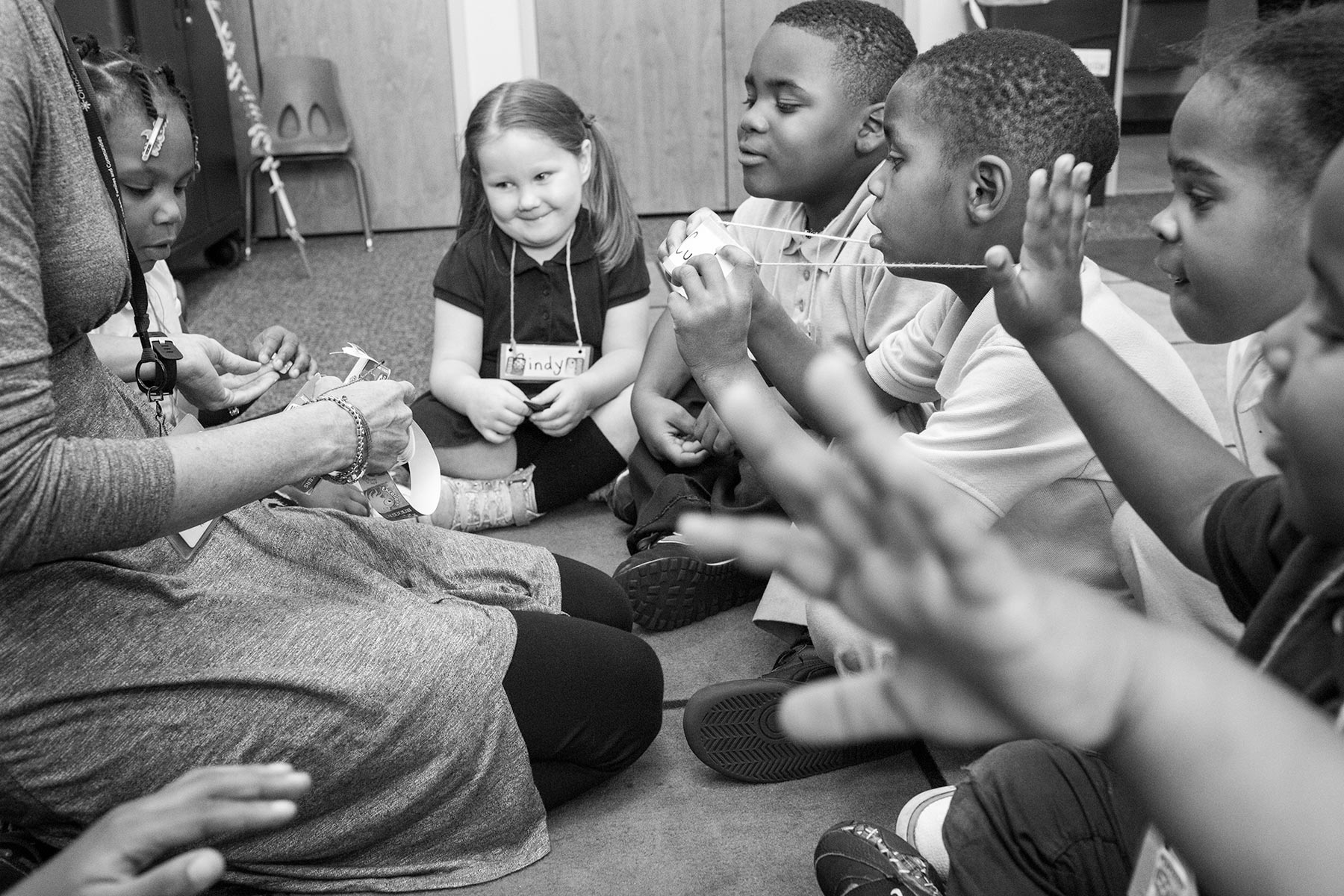
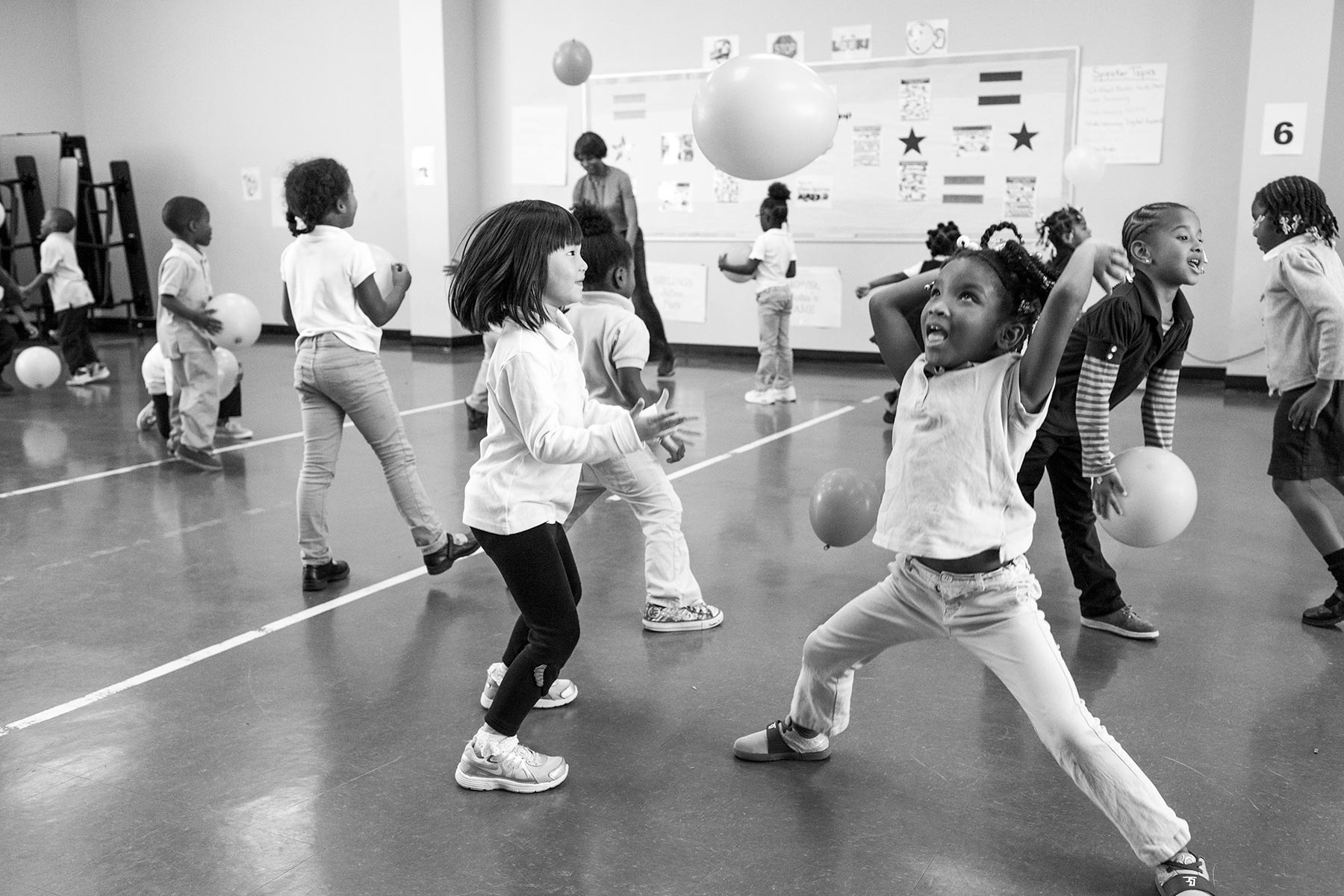
Lisa Kessler’s photographs capture the pulse of public schools in Cleveland. For two weeks in 2015 she immersed herself in 11 schools—district and charter—capturing the unbridled enthusiasm, hard work, and sense of community among students, teachers, and parents.
Kessler’s interest in documentary photography was sparked in the aftermath of the 1985 Mexico City earthquakes, where she witnessed a profound transformation in individuals, communities, and spaces. Since then she has photographed people dealing with change within diverse contexts: health, violence, education, faith, abuse, etc. Kessler’s work on the clergy sex abuse crisis was runner-up for the Honickman Foundation First Book Prize from the Center for Documentary Studies, and has been shown in galleries, film festivals, and classrooms across the country. Kessler’s work exploring the idea of the color pink in America has been called “zesty and playful without being at all unserious,” and was awarded a Massachusetts Cultural Council Fellowship in 2011. Her photographs are in the permanent collections of the Philadelphia Museum of Art, Danforth Museum of Art, and the Teaching Museum at Lehigh University. She holds degrees from Brown University and Boston University and teaches at Boston College.

















Letter from the Executive Director
2015 Annual Report
The quality of schools—real and perceived—is widely cited as a reason families do not move into the city or remain in the city after they have school-age children. School quality and the future of our city are intertwined. As one goes, so goes the other.
This is what compelled a coalition to forge the groundbreaking Cleveland’s Plan for Transforming Schools. The Cleveland Plan grew out of the work of numerous civic and education leaders over many years. Its goal is to ensure that every child in Cleveland attends a high-quality school and that every neighborhood has a multitude of great schools from which families can choose. Its supporting state legislation gave the Cleveland Metropolitan School District the ability to better manage its human and financial assets, partner with high-quality charter schools, and support the development of innovative schools.
We are nearly four years into The Cleveland Plan’s implementation and there are some noteworthy accomplishments.
The Cleveland Plan contributed to increased student enrollment for the first time in half a century. It helped achieve record gains in the high school graduation rate and increased college readiness among graduates, and it helped increase enrollment in high-quality preschool, improve student retention and attendance, recruit and retain high-quality teachers and principals, and increase autonomy and innovation at the school level. Most importantly, it propelled the successful passage, for the first time in 16 years, of a new district levy, which won with 57 percent of the vote and included funding for partnering charter schools.
But the most visible evidence of The Cleveland Plan is the schools themselves where teachers inspire their students, and students absorb knowledge and practice newfound skills. They are the real evidence of the change that is occurring.
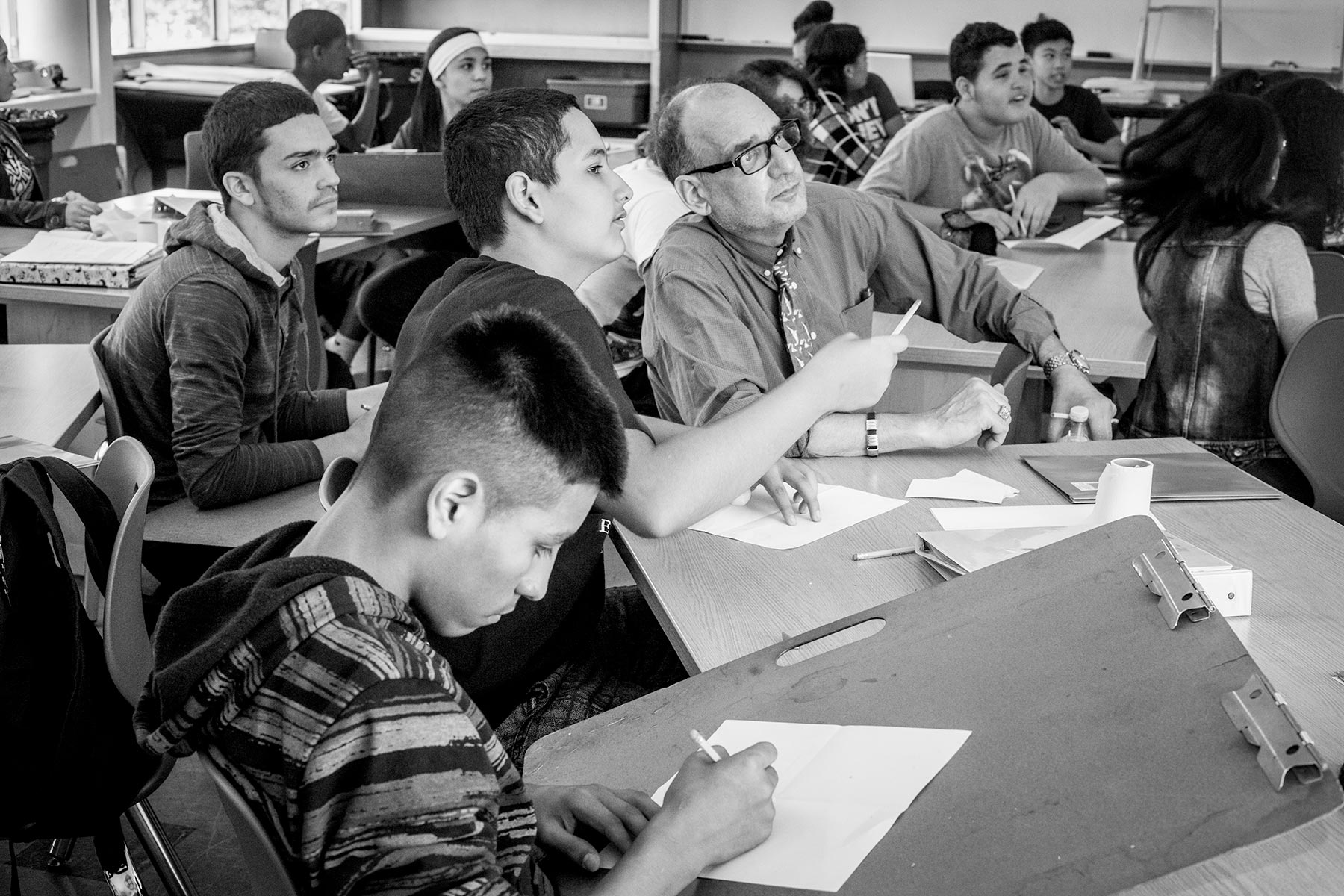
For this year’s annual report, our Foundation commissioned award-winning photographer Lisa Kessler to document the progress inside the schools that are part of the growing portfolio of innovative options in Cleveland. She spent time in 11 district and charter schools last fall, and the fruits of her work are presented in the accompanying photo essay. These 11—and we could have selected many others—demonstrate what schools in Cleveland now offer to families. They represent the school-by-school transformation that is underway. They serve to inspire the taxpaying public and give enticing choices to children and their parents. The old image of Cleveland’s schools as failing, unsafe and unimaginative is rapidly being replaced by schools that demonstrate joy, inquiry, creativity, collaboration, critical thinking, use of technology and problem-solving—all of the traits that are necessary to prepare our children for the competitive global economy. And they make evident how Cleveland is breaking the one-size-fits-all model of education that has undermined American education for decades.
Join with Kessler on her photographic journey to these Cleveland schools. She visited the new Bard High School Early College, where learning is built around Socratic seminars and where a student can graduate with up to 60 college credit hours and an Associate’s degree from Bard College. She spent an afternoon at Buhrer Dual Language Academy where preschool, elementary, and middle school students are immersed in both Spanish and English in a bright and beautiful new building.
She photographed Citizens Leadership Academy, which uses expeditionary learning to stimulate students as they learn about themselves, their community and their world. She visited MC2STEM, where students spend their first year at the Great Lakes Science Center, their sophomore year at General Electric’s Nela Park campus and their junior, and senior years at Cleveland State University taking college coursework alongside high school classes.
Kessler’s camera also took her to the redesigned and rebuilt Cleveland School of the Arts and Max S. Hayes High School, both of which are forging career ambitions and skills while attracting students from across the city. Campus International, the district’s first International Baccalaureate school, opened its doors to Kessler as it prepares to expand its offerings to the high school level in 2017. She photographed students and their teachers at Robinson G. Jones, highlighting its interactive and exploratory learning approach, and at Stonebrook Montessori, the region’s only Montessori charter school, which opened in a spectacularly renovated Amasa Stone House in Glenville.
She also spent a day at Stepstone Academy, which uses a blended learning model and wraparound services to meet students’ social and emotional needs. Finally, the impact of an extensive partnership among medical, philanthropic, and higher education institutions was on display at the Cleveland School of Science and Medicine.
These are just some of the schools in Cleveland’s growing portfolio of impressive options. They clearly are not the Cleveland schools of years gone by. If you are like most Clevelanders, you are barely aware of the dramatic scope of this change. The transformation is far from complete. The overall performance of schools in Cleveland is still deficient. Much work lies ahead to fully achieve what the schools, our children and this city need. But it is time, as these photographs illustrate, for those who have not already changed their minds about the direction of Cleveland’s schools to do so.
David Abbott, Executive Director, The George Gund Foundation
Foundation Joins Cuyahoga County in Launching Pay for Success Project
George Gund
Cuyahoga County is launching the nation’s first county-level Pay for Success (PFS) project in partnership with FrontLine Service, a comprehensive continuum of care service provider for homeless individuals in Ohio.
The Partnering for Family Success Program will deliver intensive 12-15 month treatment to more than 400 parents, caregivers and children over five years to reduce the length of stay in out-of-home foster care placement for children whose families are homeless.
Pay for Success is an innovative funding model that drives government resources toward social programs that prove effective at providing results to the people who need them most. PFS expands available, upfront funding for nonprofit service providers and tracks the effectiveness of programs over time to ensure funding is directed to programs that succeed in measurably improving the lives of those most in need. PFS enables governments to draw in greater resources to tackle social problems by tapping private investments for the up-front costs of the programs.
The George Gund Foundation has joined The Reinvestment Fund, The Nonprofit Finance Fund, the Cleveland Foundation and the Sisters of Charity Foundation of Cleveland in jointly providing $4 million in upfront funding for the Cuyahoga County model with the ultimate goal of receiving both a financial and social return. Funds will be repaid if project goals are reached, and a small return on the investments will be paid if the program exceeds the target outcomes.
“Pay for Success represents a new way of doing business for government, social service providers and philanthropy,” said Marcia Egbert, Gund senior program officer who was instrumental in creating the partnership. “Ultimately, we believe this model harnesses the power of “big data” to improve government effectiveness but, most importantly, to improve the lives of some of our most fragile families in Cuyahoga County.”
Additional information is available at http://www.thirdsectorcap.org/our-work/cuyahoga-county-pfs/
Related News
Foundation Grants $9.7 Million at Final Meeting of 2014
George Gund
The George Gund Foundation continued its commitment to ensuring a quality education for Cleveland children with major grants supporting Cleveland’s Plan for Transforming Schools and Invest in Children’s Universal Pre-Kindergarten Program (UPK.)
A $1,333,700 grant will provide continued support for the Cleveland Metropolitan School District’s (CMSD) new and innovative schools, planning for additional new schools and development of systems to assist CMSD with its new student-based budgeting model and interventions in low-performing schools.
Invest in Children, based in Cuyahoga County’s Office of Early Childhood, received a two-year $500,000 grant to continue development and promotion of UPK, the “gold standard” preschool experience promoting school readiness for young children ages 3 to 5.
These grants were among 84 grants totaling $9,759,184 made by Foundation Trustees at the last meeting of 2014. Grantmaking for the year totaled $25,755,129.
The Foundation also made a $2 million grant to the Foundation Fighting Blindness for research on the causes, prevention and treatment of retinal degenerative eye diseases. Ideastream received a two-year $1 million grant for plans to significantly increase its radio, television and online news and public affairs programming.
Other grants of interest included:
- $400,000 to the Care Alliance for construction of its new Central Neighborhood Clinic
- $100,000, over two years, to Beyond Pesticides for the Safe Lawn, Landscapes and Public Spaces Campaign
- $350,000 in operating and flexible project support to LAND studio
- $40,000 to Case Western Reserve University for the collaborative Violins of Hope project
- $100,000 to the Ohio Organizing Collaborative for work on fracking-related issues
- $25,000 to Greater Cleveland Habitat for Humanity to open a second ReStore
The George Gund Foundation was established in 1952 by George Gund, former chairman of the Cleveland Trust Company. The Foundation funds programs that enhance our understanding of the physical and social environment in which we live and increase our ability to cope with its changing requirements. Grants are made three times a year in the areas of education, human services, economic and community development, environment and arts. Foundation commitments to date have totaled almost $657 million.
Related News
The George Gund Foundation Seeks 2015-2017 Fellow
George Gund
The George Gund Foundation Fellowship provides an opportunity for promising professionals to work inside the Foundation, a philanthropic organization that plays a vital role in supporting the civic life of Greater Cleveland and in various national policy deliberations that impact our community. The Fellowship is a two-year, full-time commitment beginning in summer 2015, requiring residence in Northeast Ohio during the term of engagement.
The Fellowship experience will be tailored to the Foundation’s needs and will include a wide range of substantive assignments including reviewing grant proposals, organizing and conducting site visits and researching topics related to the Foundation’s grantmaking interests.
To be considered for the Fellowship, each candidate must submit a cover letter, a short essay discussing why the Fellowship opportunity is appealing, a detailed resume and two letters of recommendation. Please also indicate how you learned of the position. These materials should be combined into one pdf document for submission and are due no later than 5:00PM EST on January 7, 2015. A Fellow will be selected by mid-April 2015. Email application materials to hr@gundfdn.org. Letters of recommendation may be submitted as part of the application or sent separately via email or regular mail.
Successful candidates for this Fellowship will have a graduate degree and/or several years work experience in the nonprofit sector. Excellent writing skills and sufficient computer competency to carry out assigned projects are essential. A demonstrated desire to work in public service or the nonprofit sector is also important, as the Foundation views the Fellowship to be a valuable early career opportunity. The selection process is anticipated to be highly competitive.
Each George Gund Foundation Fellow will receive a stipend of $45,000 per year, plus a full benefits package including health, dental, disability and life insurance, 403(b) contributions and work-related travel expenses. Housing, transportation and other living arrangements are the responsibility of the Fellow.
The George Gund Foundation (www.gundfoundation.org), established in 1952, is the largest private foundation in Ohio. The Foundation makes annual grants totaling approximately $20 million. Program officers professionally handle grantmaking in arts, economic development and community revitalization, education, environment, and human services.
The George Gund Foundation is an equal opportunity employer, without discrimination because of race, color, religion, sex, age, sexual orientation, marital status, national origin, disability, or any other protected characteristic established by law.
Related News
Gund Foundation Makes $5 Million Commitment to Public Square Renovation
George Gund
The George Gund Foundation, a longtime advocate for improving urban design and amenities, has made a $5 million contribution towards the $30 million transformation of Cleveland’s Public Square into a park, plaza and multi-use gathering space.
Plans developed by the project’s landscape architect, James Corner Field Operations, build on recommendations by the Group Plan Commission which studied ways to reconfigure and enliven Public Square’s four quadrants.
“We are enthusiastic about the design and the impact that implementation of these plans will have on Cleveland,” said David Abbott, Foundation executive director. “Green space is becoming more important in making cities livable and competitive. This will give us an active, welcoming green space in the heart of downtown.”
The Public Square renovation is part of a larger Group Plan Commission effort that also includes enhancements to Cleveland’s Mall and a pedestrian and bicycle bridge linking downtown to the lakefront.
Related News
The George Gund Foundation Awards $11,846,184 at Summer Meeting
George Gund
The George Gund Foundation approved grants at its summer meeting that will help create a multi-state network of trails along abandoned rail lines, continue reform of Ohio’s juvenile justice system and support Cleveland Metropolitan School District efforts to create and implement a comprehensive arts education plan.
Trustees approved 96 grants totaling $11,846,184 at the July 23 meeting for a variety of projects in the arts, human services, environment, education and economic and community development.
Rails to Trails Conservancy, which has converted abandoned rail corridors into more than 20,000 miles of trails nationally, is working on a regional network of trails spanning five states, including Ohio. The Foundation’s $100,000 grant will focus on the Cleveland-Pittsburgh corridor.
The Northern Kentucky Children’s Law Center has made significant progress through legal advocacy in reforming Ohio’s juvenile justice system, shifting funds from state institutions to community-based alternative programs and reducing youth recidivism rates. A $100,000 grant will be used to continue this work. The Foundation also made an up to $80,000 grant to the Juvenile Justice Coalition, a statewide network of lawyers, academics, court officials and advocates working on juvenile justice reform.
The Cleveland Metropolitan School District (CMSD) received $225,000 over two years for staffing to develop policies and a plan to provide arts education opportunities for all children and to facilitate partnerships with arts and cultural organizations interested in working in CMSD schools.
The Foundation also made two grants for projects that will use data to help improve health outcomes for Cuyahoga County residents.
Case Western Reserve University’s Urban Health Initiative will use a $19,570 grant to develop a data portal for its Community Health Data Dashboard that will make dashboard information available to health officials, researchers, media and citizens.
The Cuyahoga County Board of Health received a $50,000 grant over two years for the Health Improvement Plan-Cuyahoga that has involved both public agencies and county residents in developing strategies and programs to eliminate health disparities.
Other grants of interest included:
- $5 million to LAND studio, Inc. for renovation of Public Square into a park, plaza and multi-use gathering space
- $1 million to the Cleveland Botanical Garden for expenses related to its integration with Holden Arboretum
- $300,000 to SPACES gallery for its move to a new location
- $300,000 to Breakthrough Charter Schools to support its growth plan
- $100,000 over two years to the Ohio State University Foundation for the Cuyahoga County Food Coalition’s efforts to promote a healthy, equitable and sustainable food system
- $120,000 to the Museum of Contemporary Art Cleveland for operating support and expanded community education programs
The George Gund Foundation was established in 1952 by George Gund, former chairman of the Cleveland Trust Company. The Foundation funds programs that enhance our understanding of the physical and social environment in which we live and increase our ability to cope with its changing requirements. Grants are made three times a year in the areas of education, human services, economic and community development, environment and arts. Foundation commitments to date have totaled more than $647 million.
Related News
The George Gund Foundation's 2013 Annual Report is Available Online
George Gund
The George Gund Foundation’s 2013 online, interactive annual report, with its traditional photo essay highlighting a priority issue for the Foundation, is available on the Foundation’s website.
Photographer Greg Miller’s images capture the vitality, activity and pride that are so evident on Cleveland’s growing number of urban farms.
In his annual letter, Foundation Executive Director David Abbott discusses the important ways in which urban farming provides an innovative solution to multiple urban problems, ranging from an abundance of vacant land to unemployment among city residents.
Foundation President Geoffrey Gund addresses the destructive and perplexing issue of global climate change and what steps the Foundation is taking to change the conversation so that more individuals and organizations begin to address the problem.
The report also includes guidelines and procedures for applying for grants, a financial statement and a list of grants made during 2013.
Related News
Claire Gauntner Named 2014-2016 Gund Fellow
George Gund
Claire Gauntner, a Cleveland native who is currently working in Kenya with the international aid organization Mercy Corps, has been selected as The George Gund Foundation 2014-2016 Fellow.
The George Gund Foundation Fellows program, started in 2004, provides an opportunity for promising young professionals to work inside the Foundation, an organization that plays an active role in supporting the civic life of Greater Cleveland and in various national policy deliberations that impact our community. Each fellow, selected from a nationwide pool of applicants, works at the Foundation for two years.
Gauntner has a Bachelor of Arts degree in theater from Fordham University and a Master of Public Health degree from Portland State University. She also studied at the British American Dramatic Academy and Moscow Art Theater and worked as an actor in various theaters in New York City. Gauntner has been program administrator and office manager for One on One Productions in New York, a data specialist for Cuyahoga County’s Help Me Grow program and a prevention education intern at the Sexual Assault Resource Center in Portland, Oregon.
She begins work at the Foundation July 14.