
Urban Farming
Greg Miller (2013)
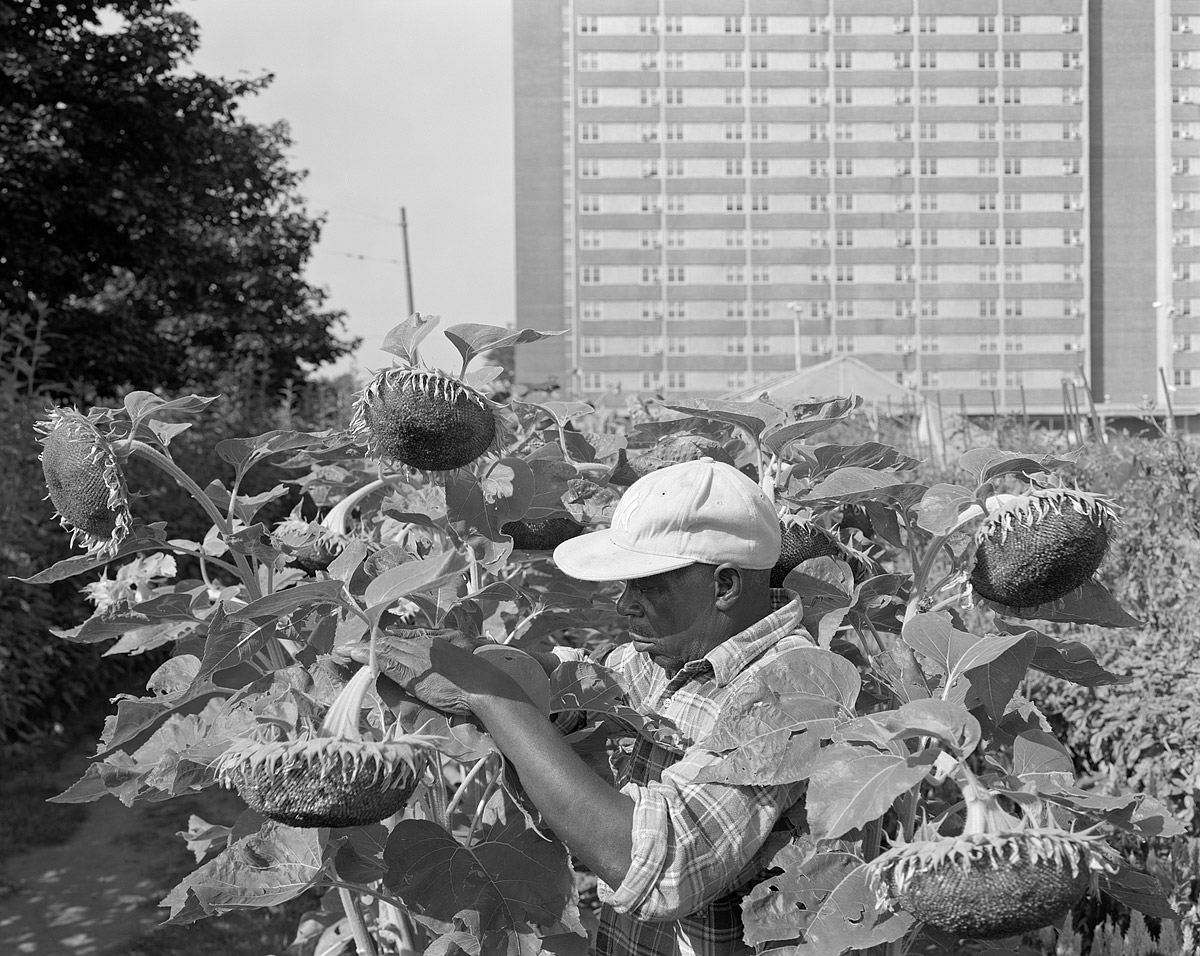
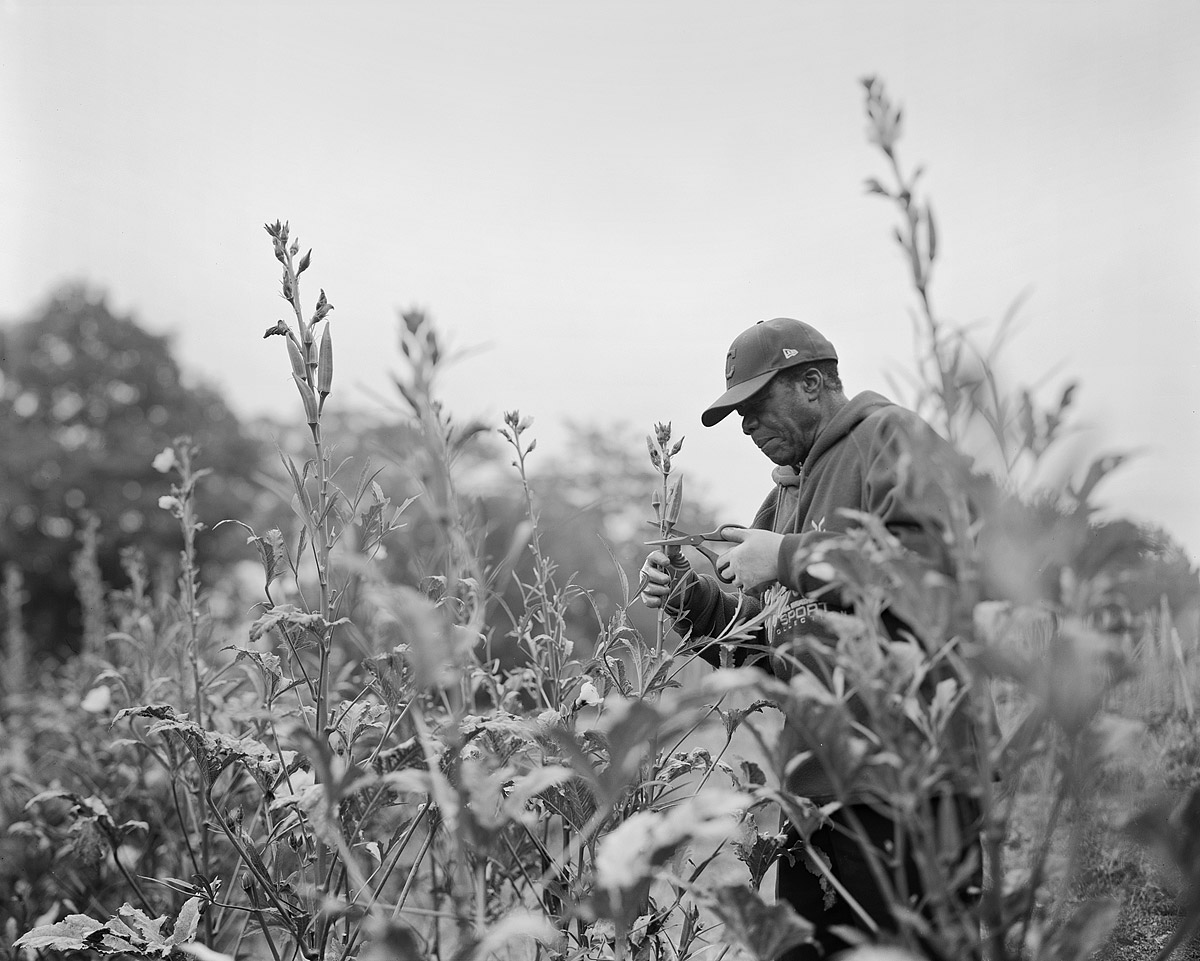
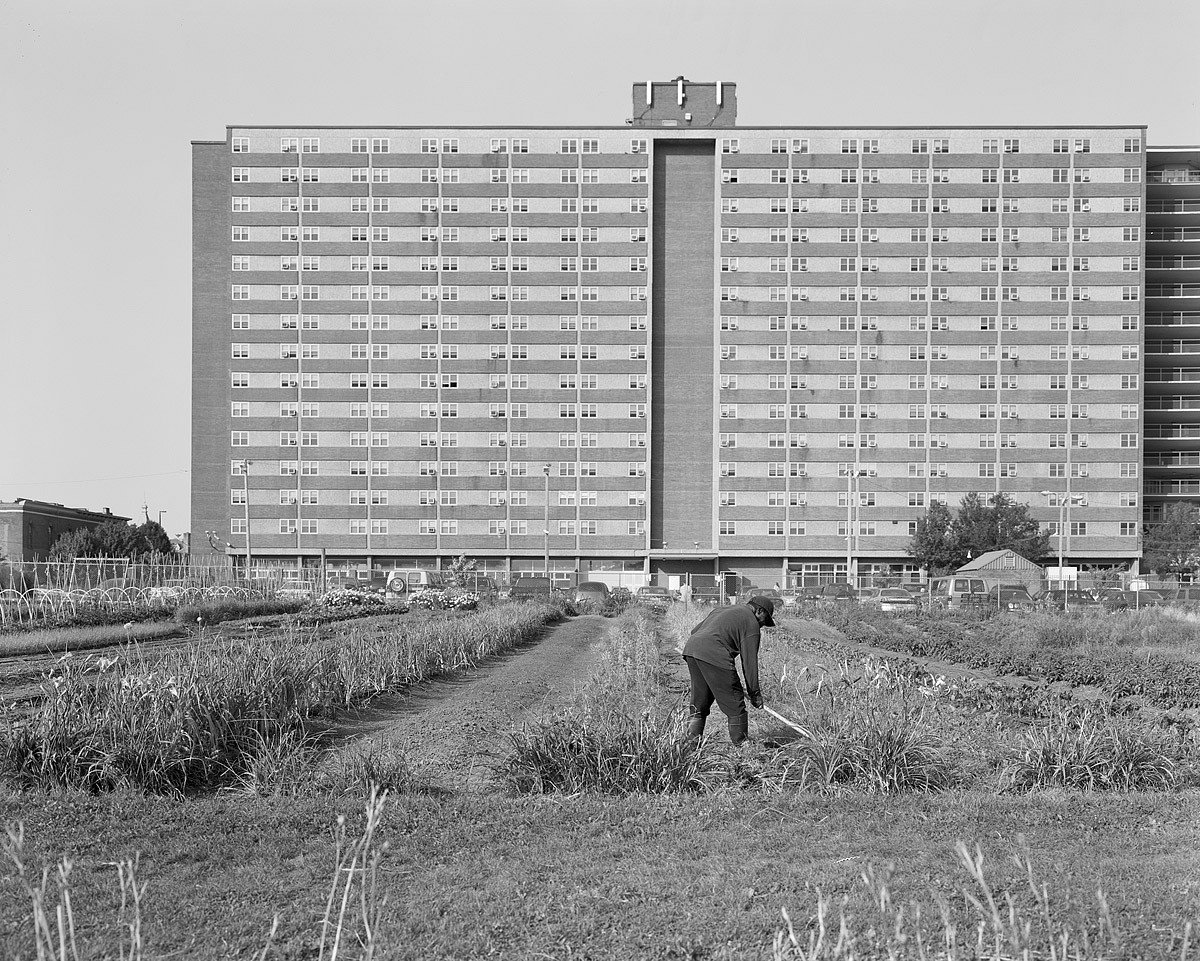
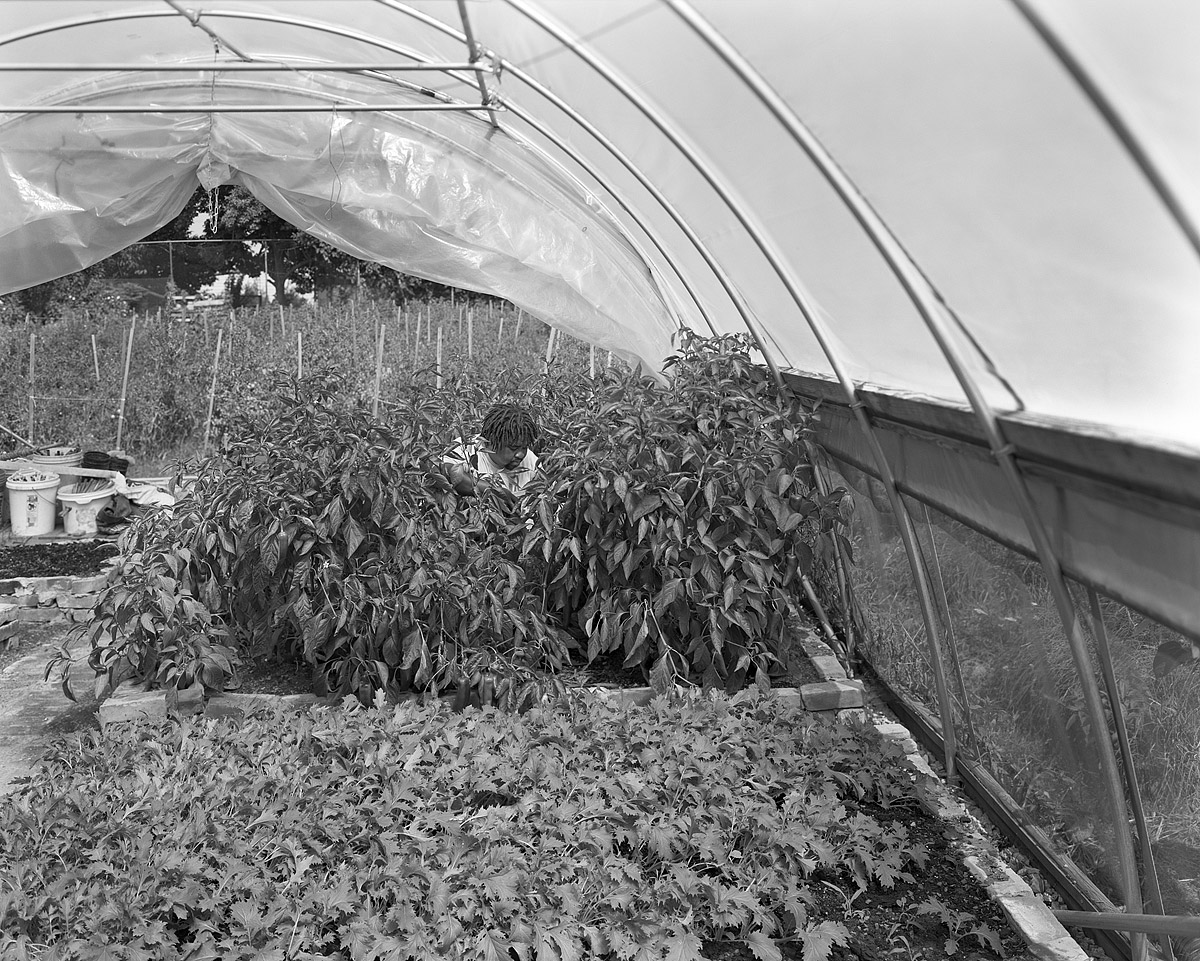
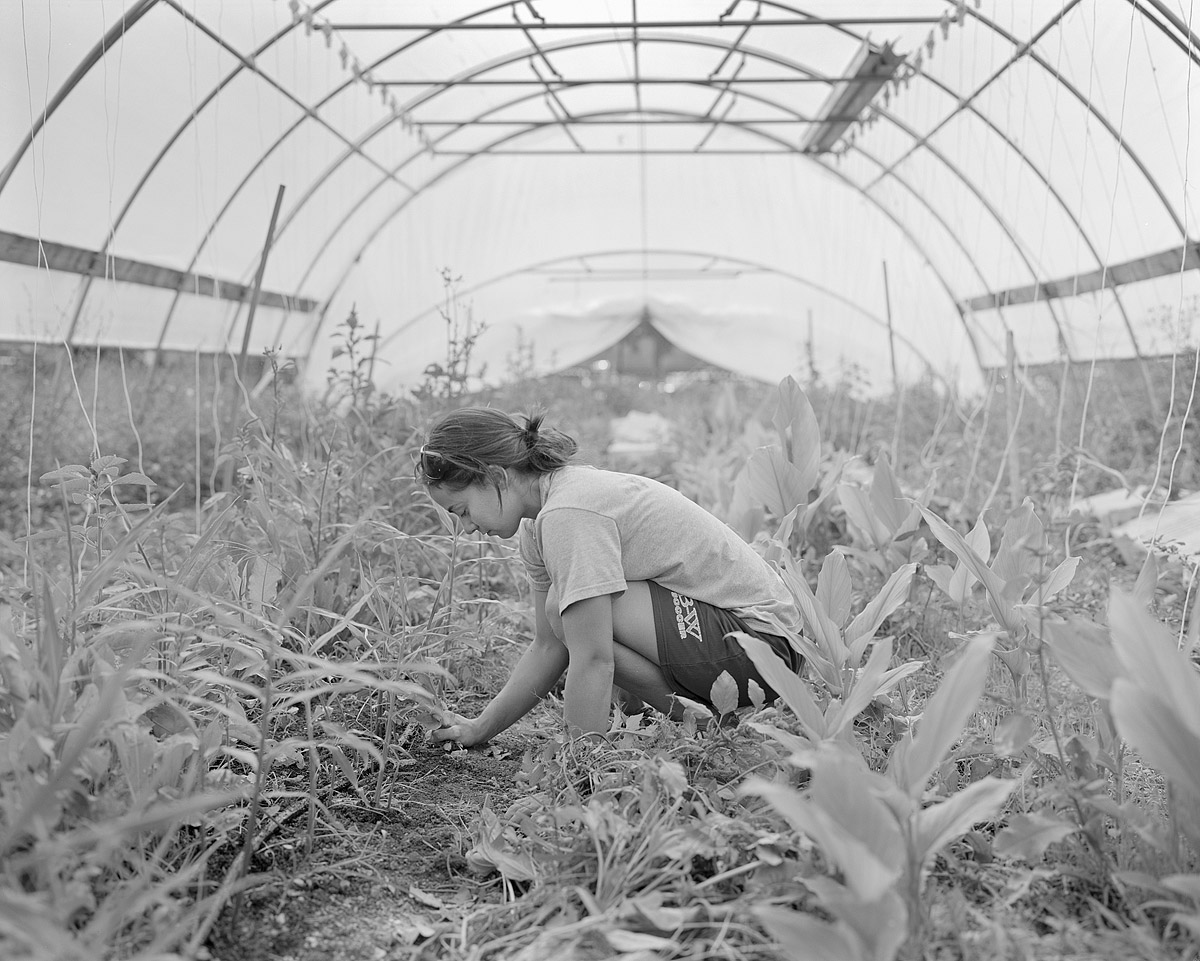
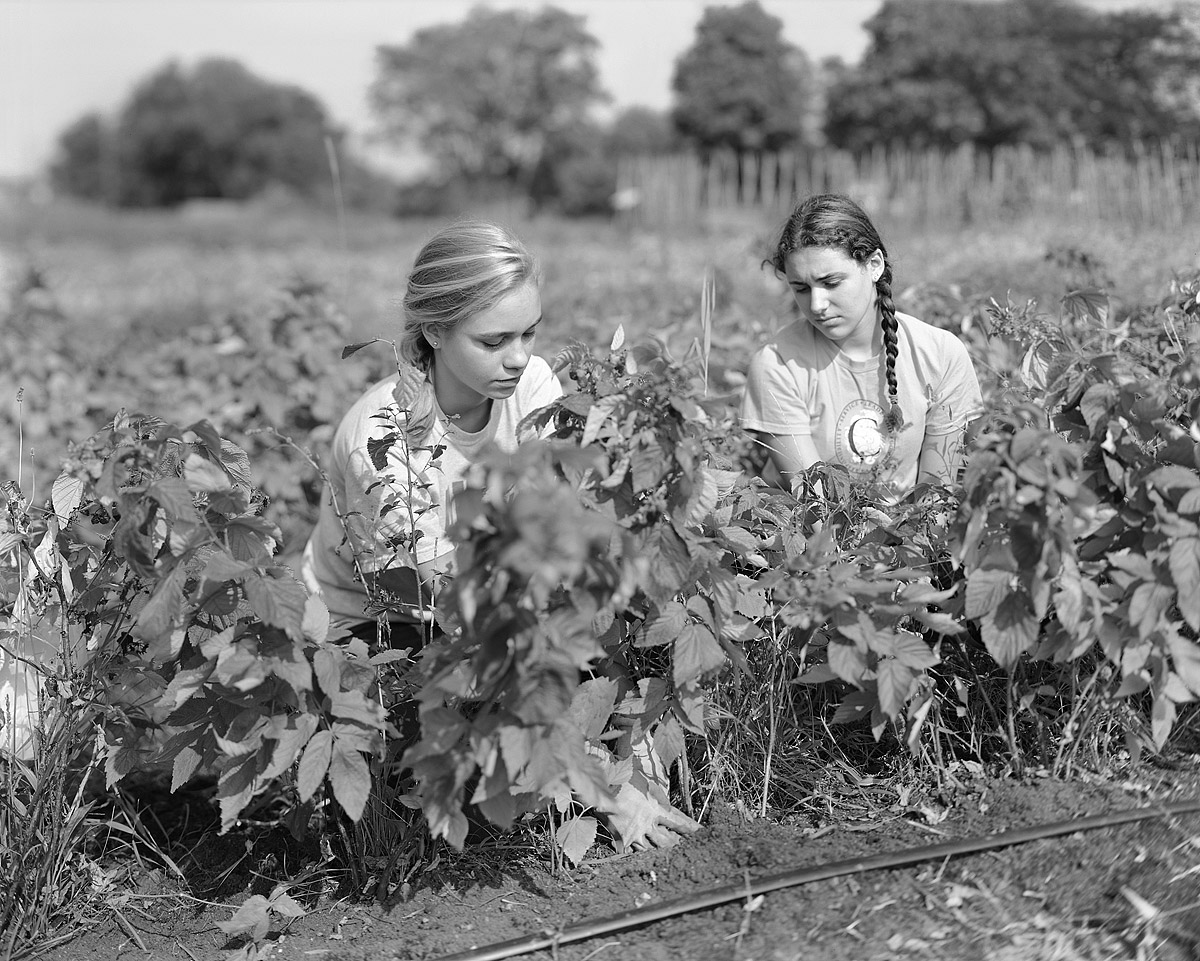
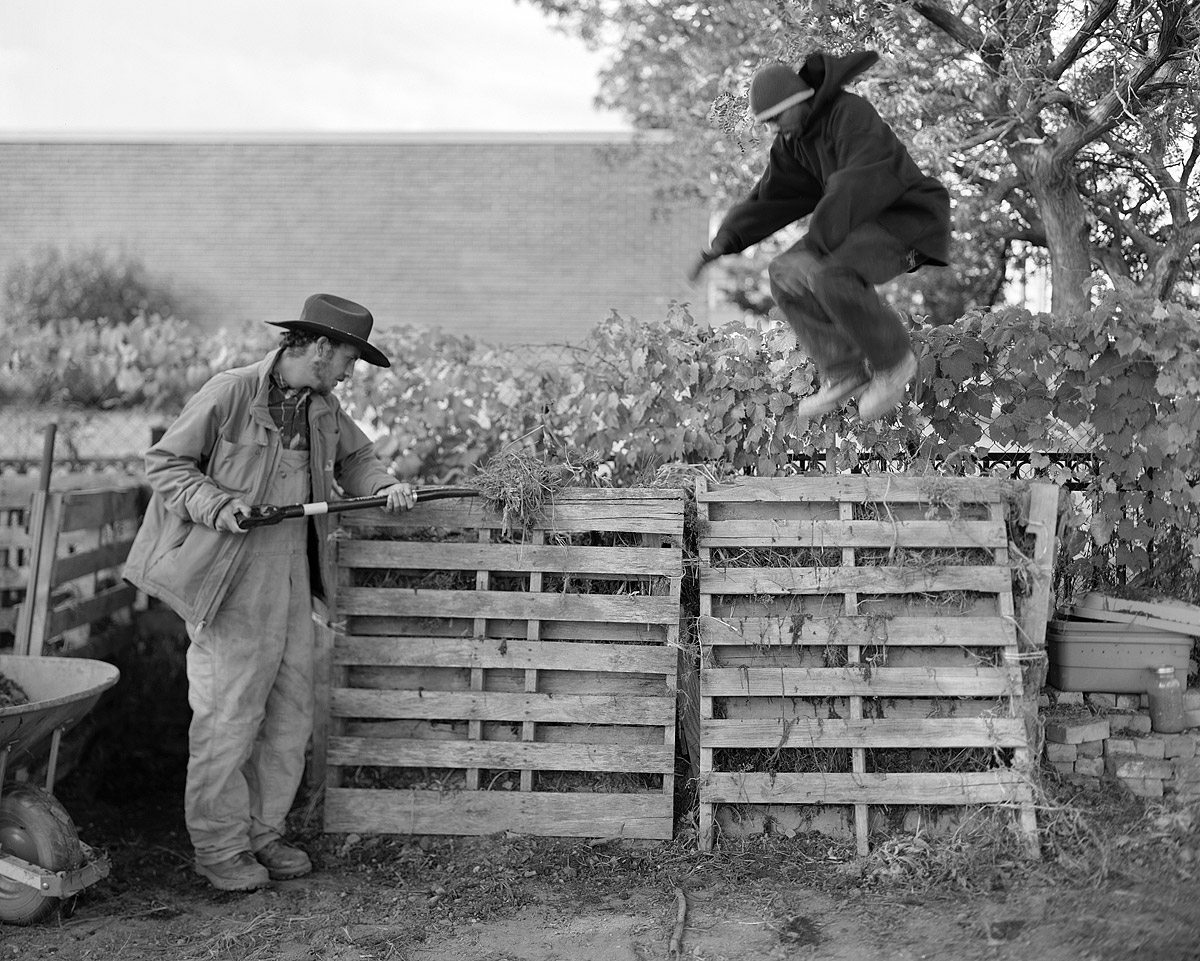
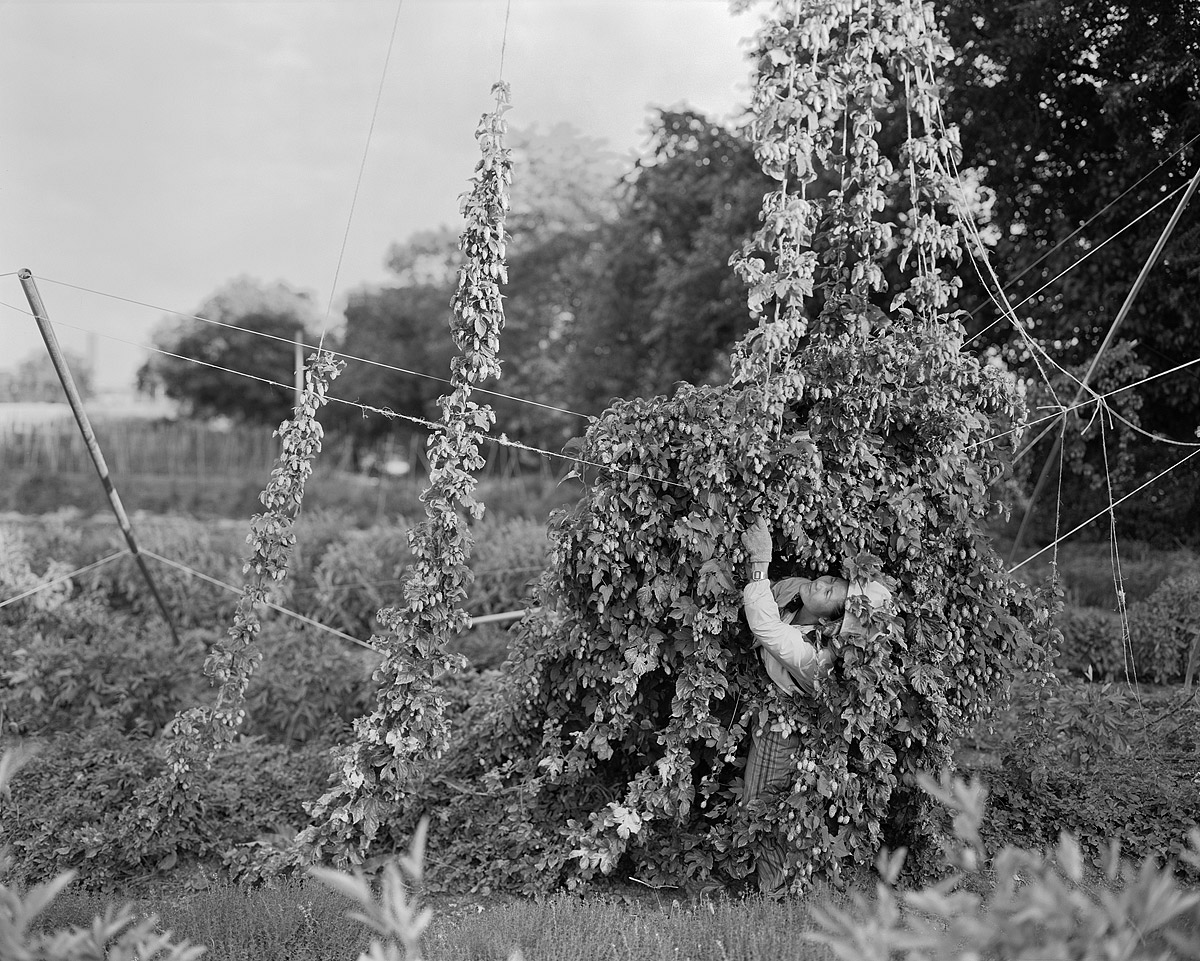
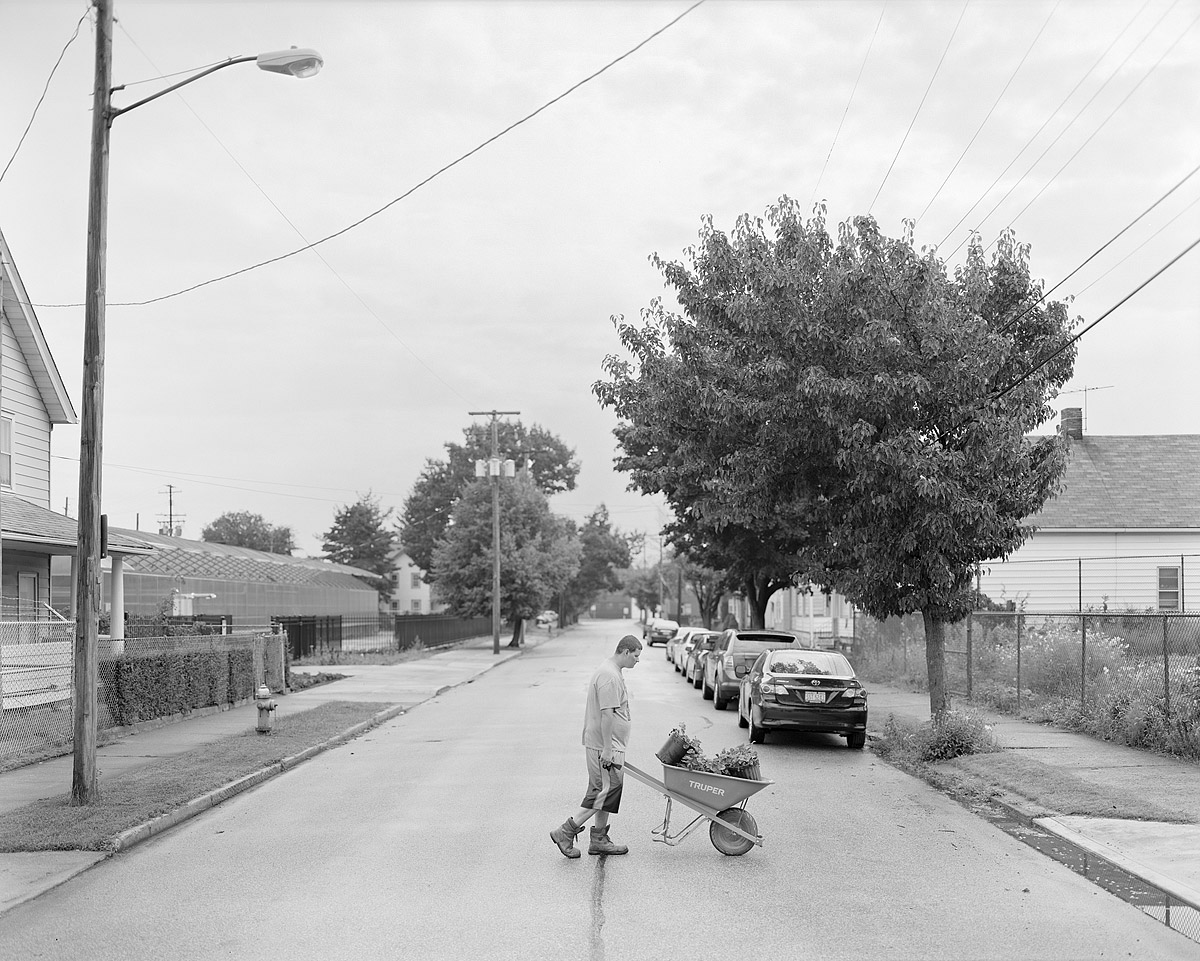
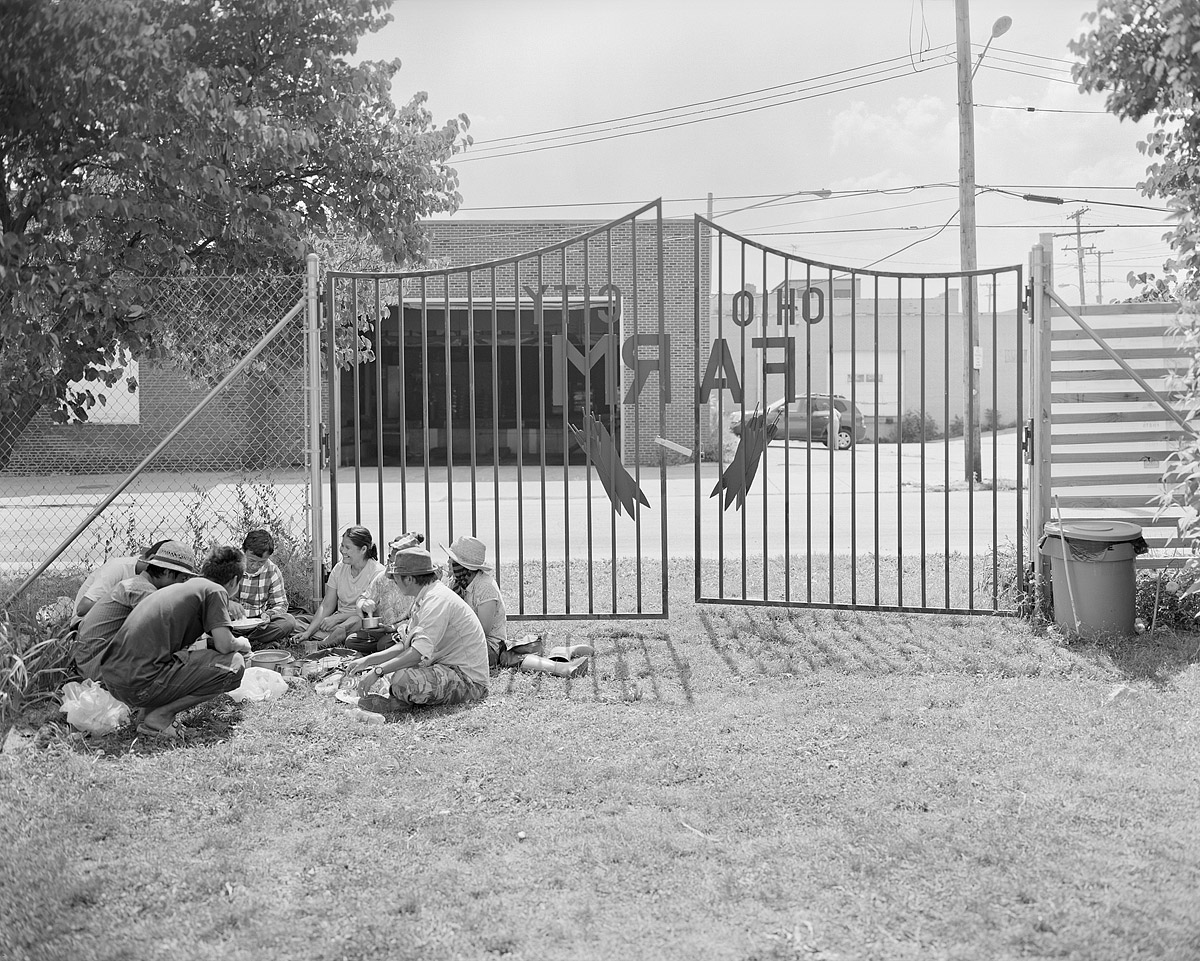
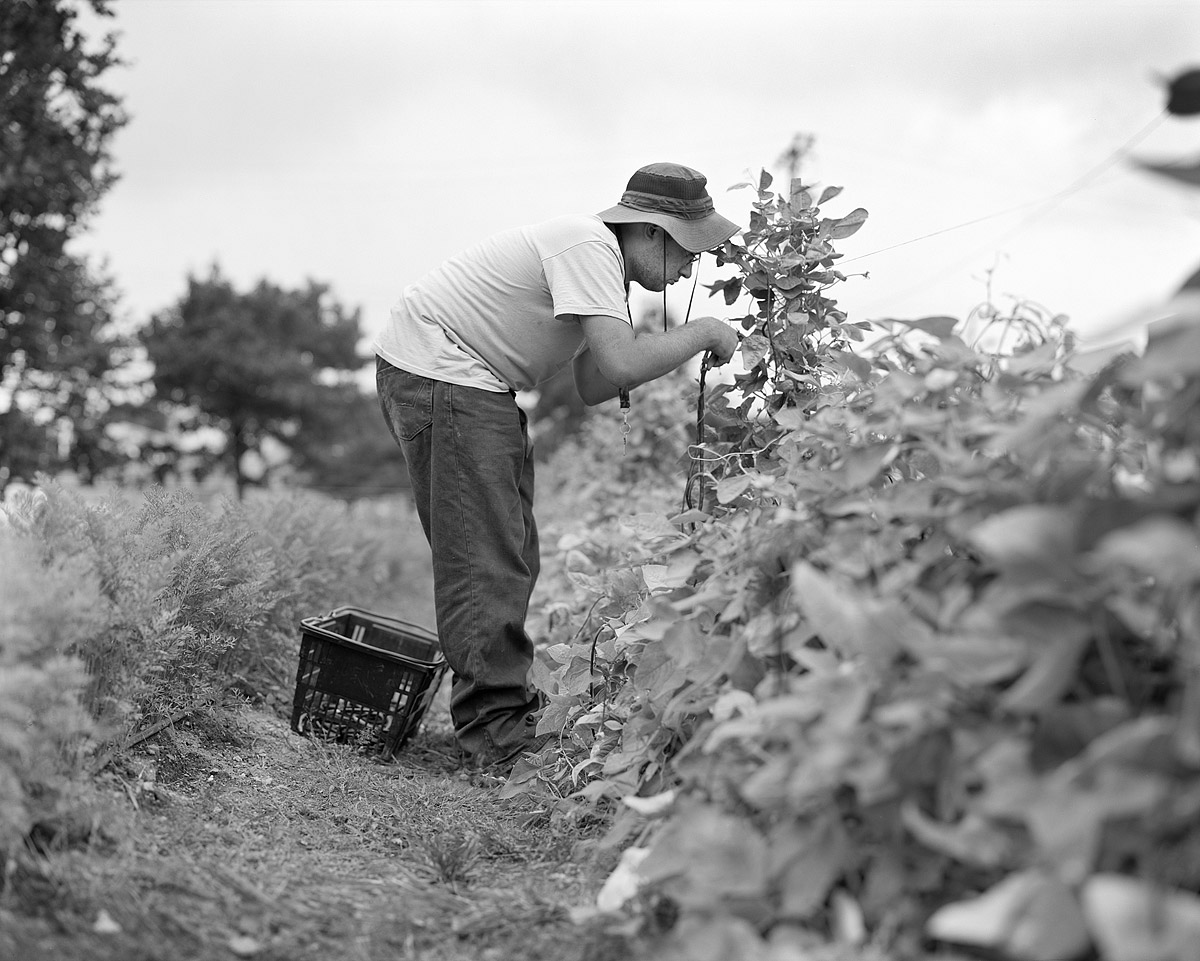
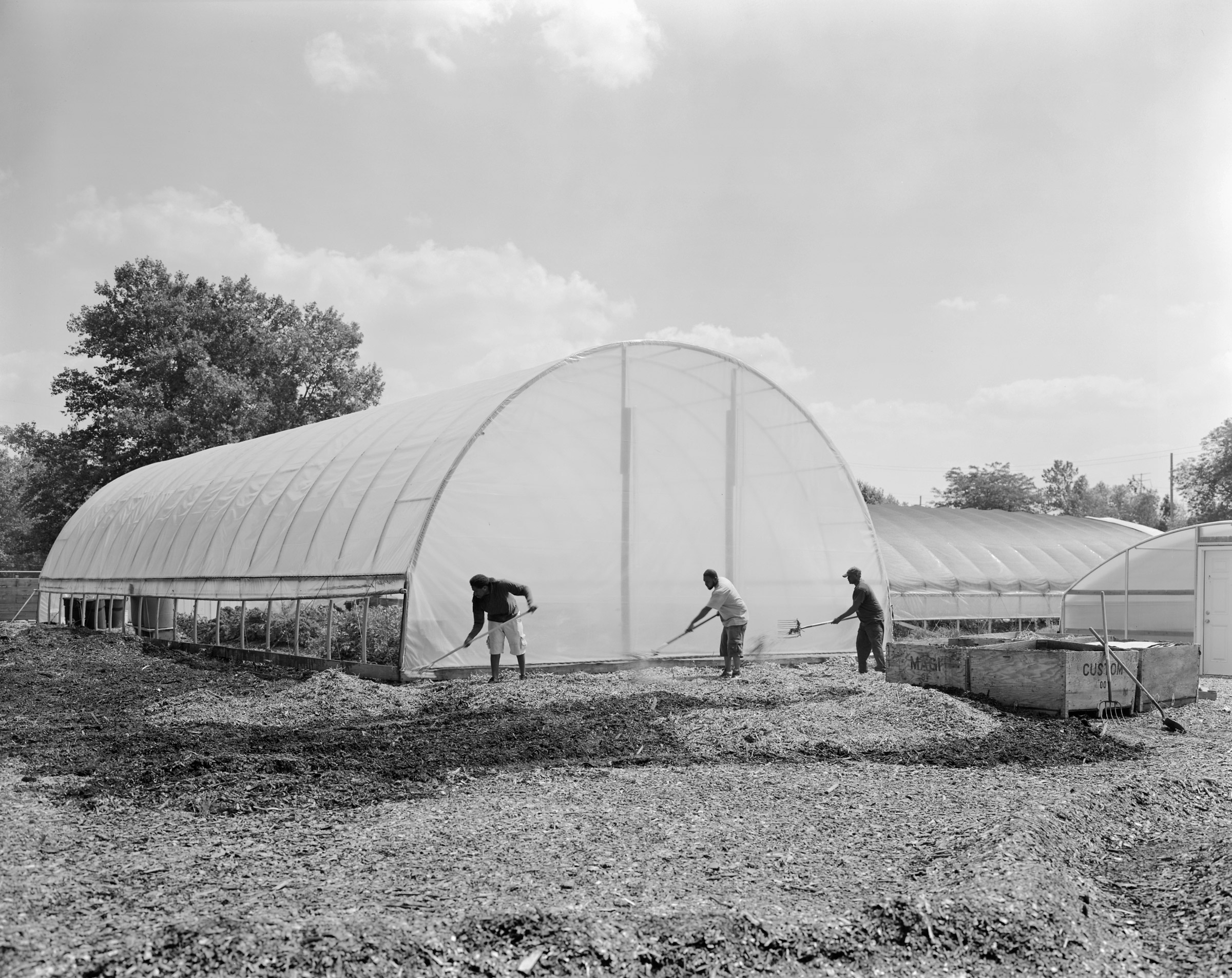
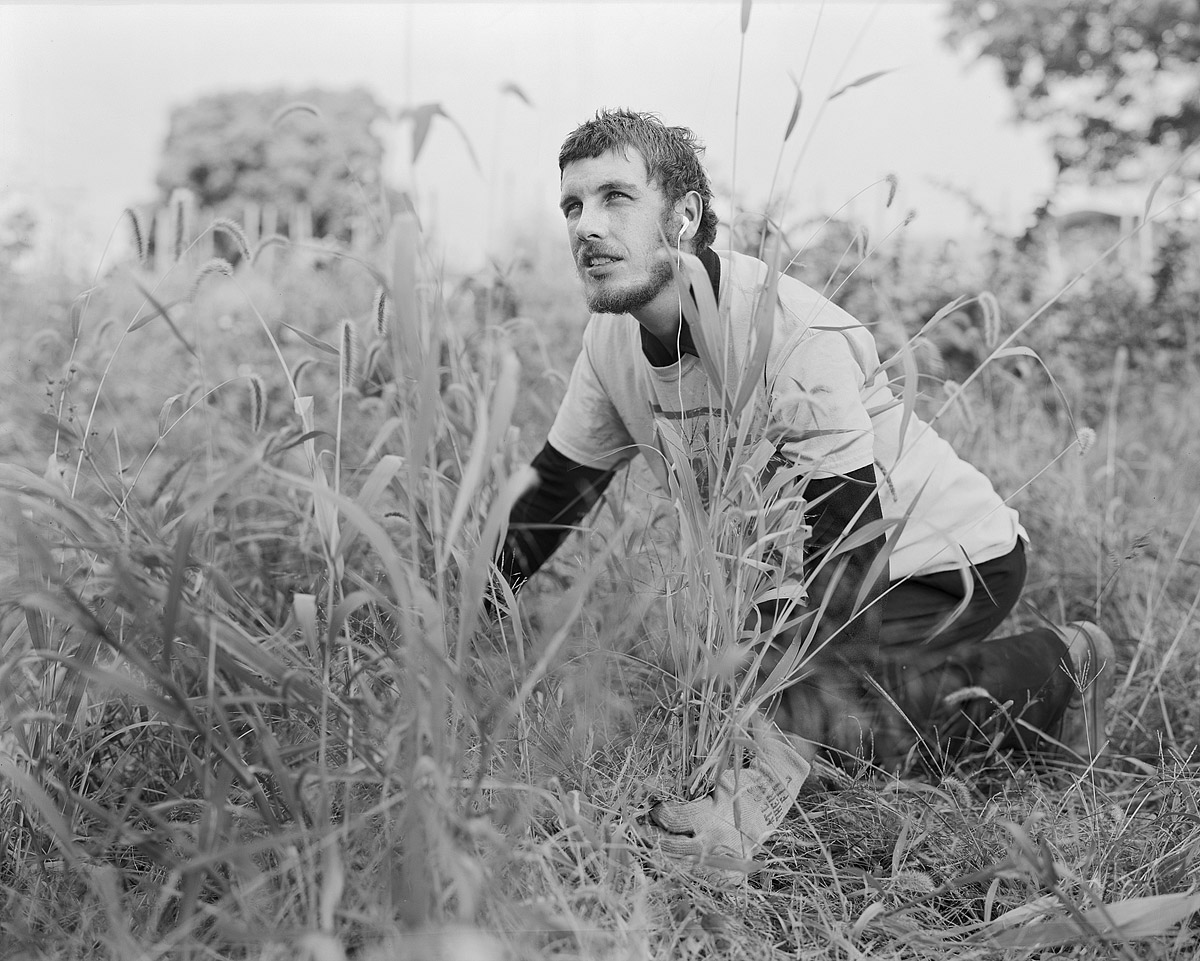
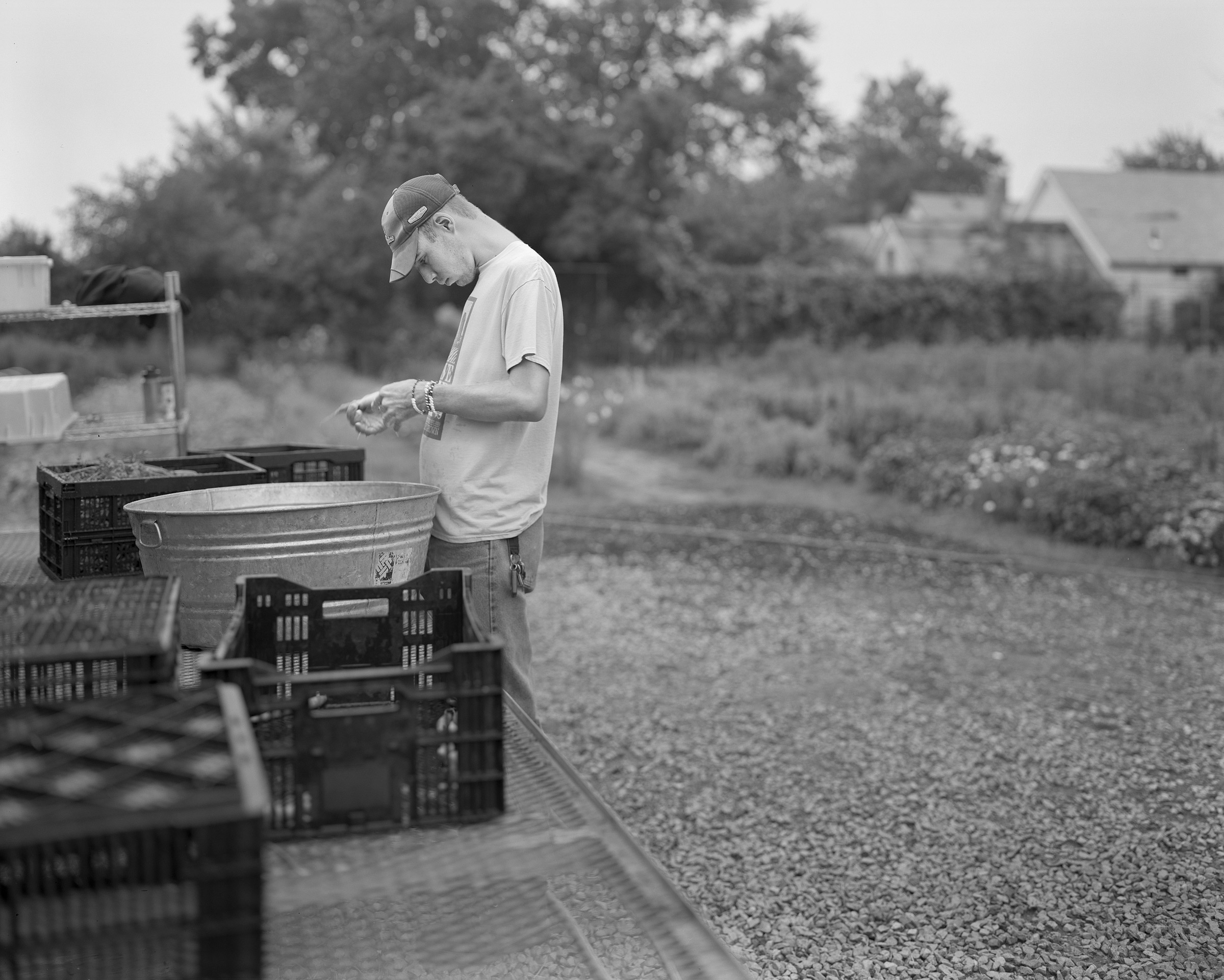
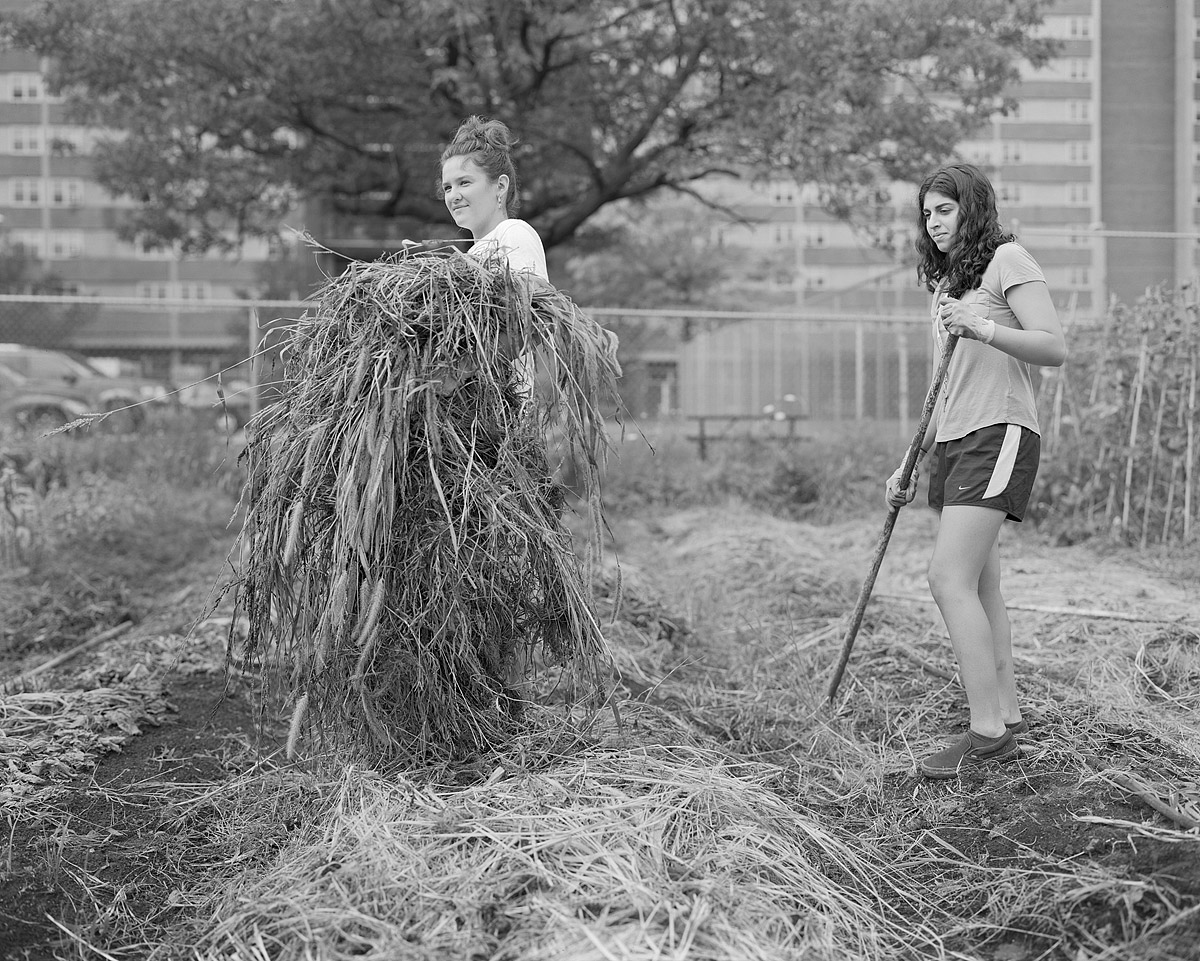
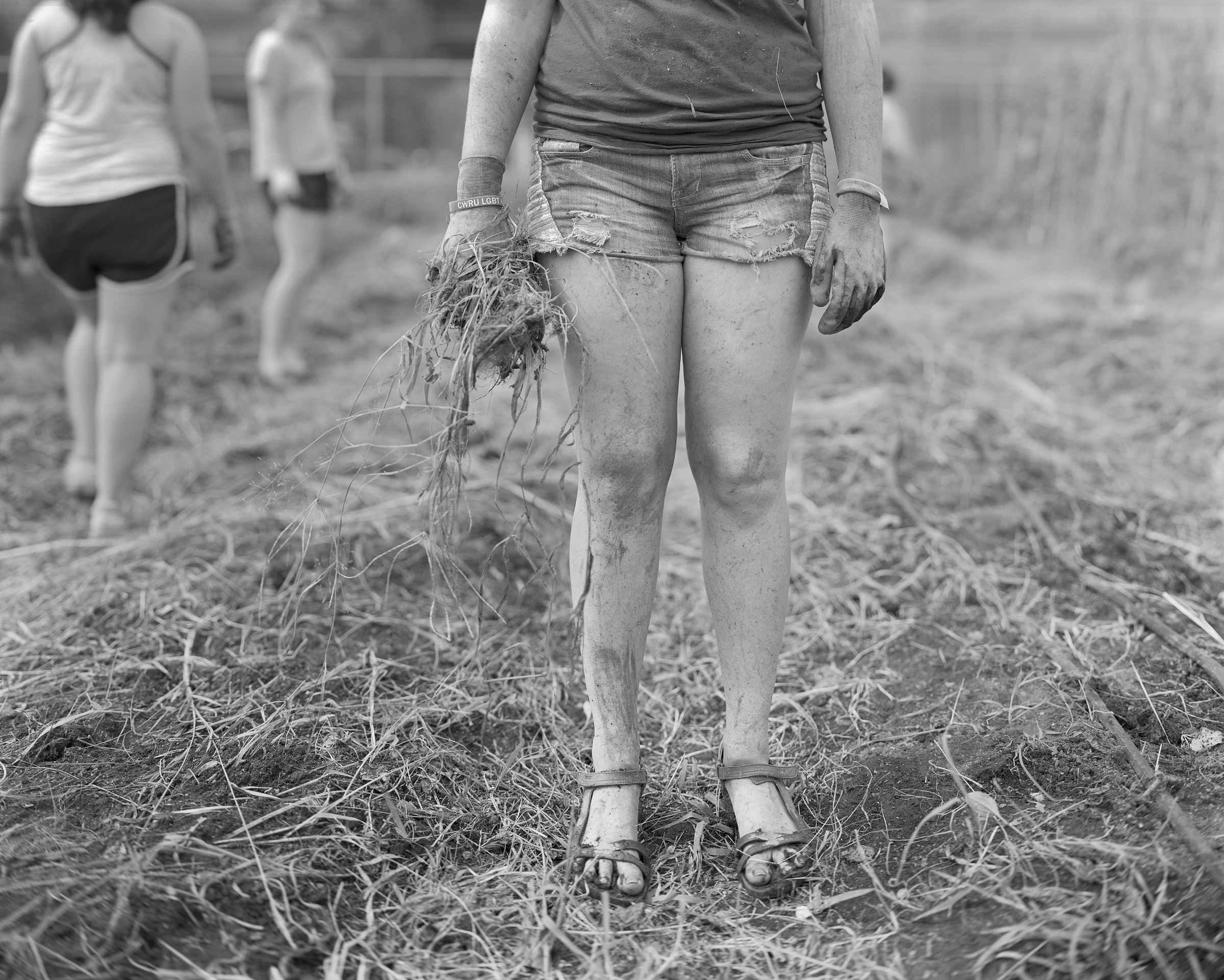
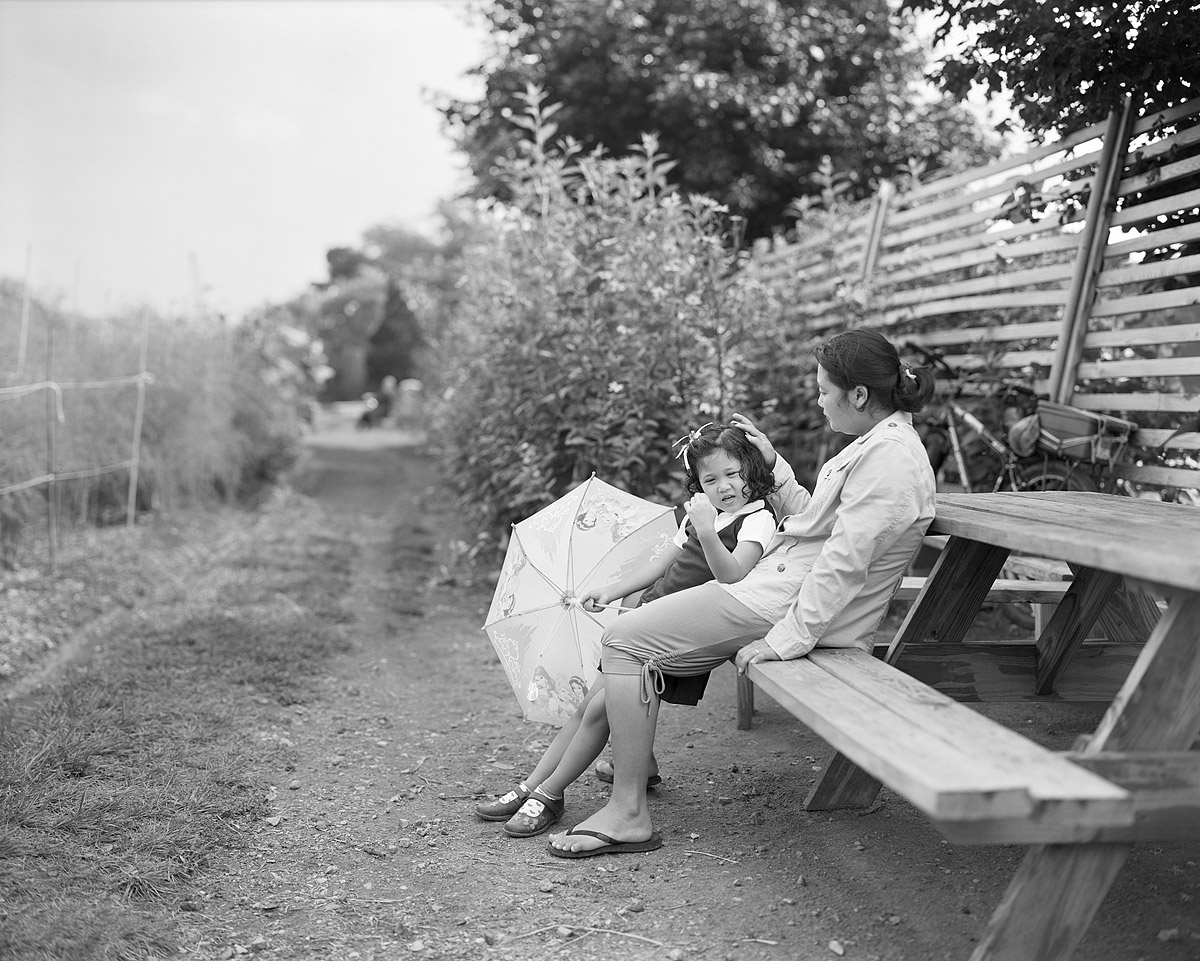
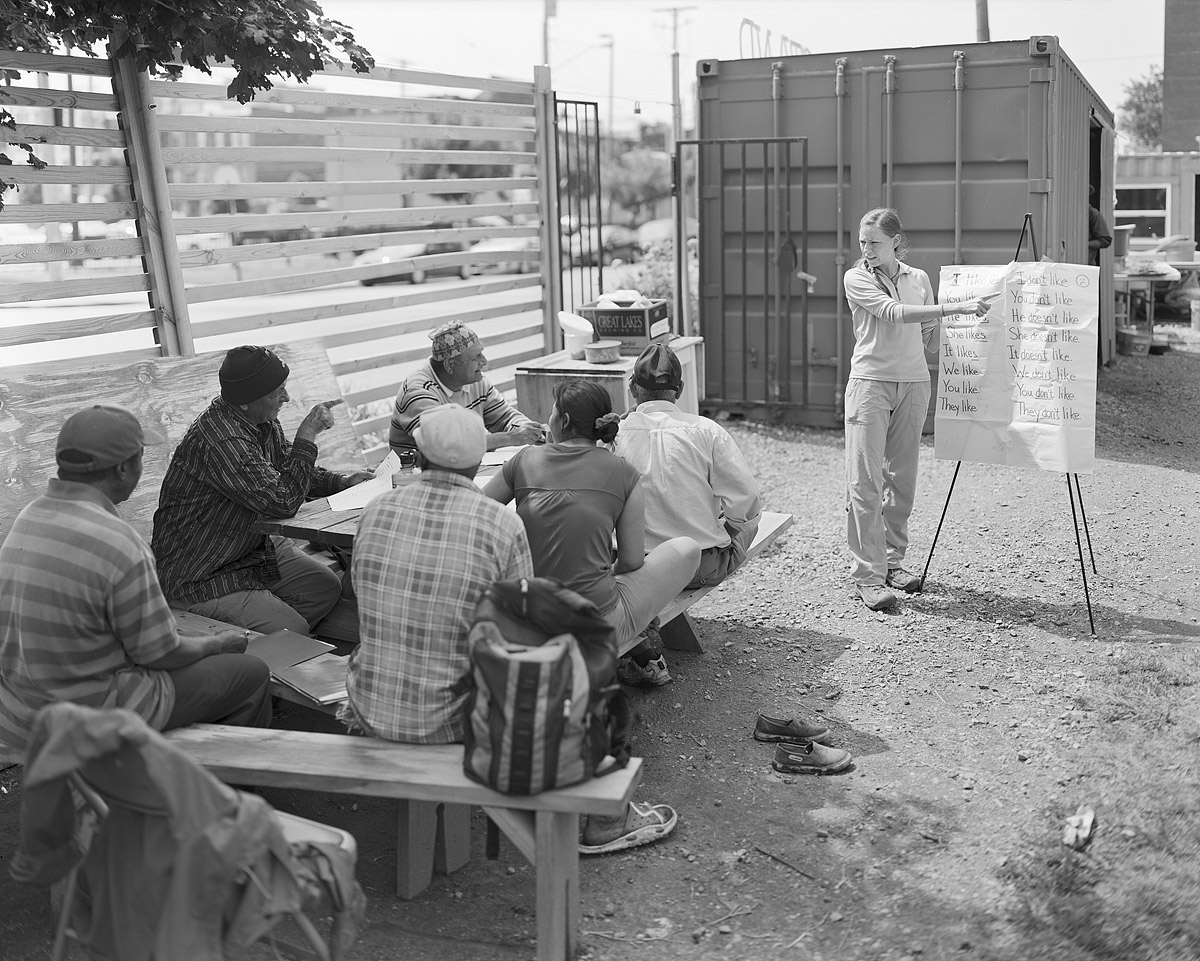
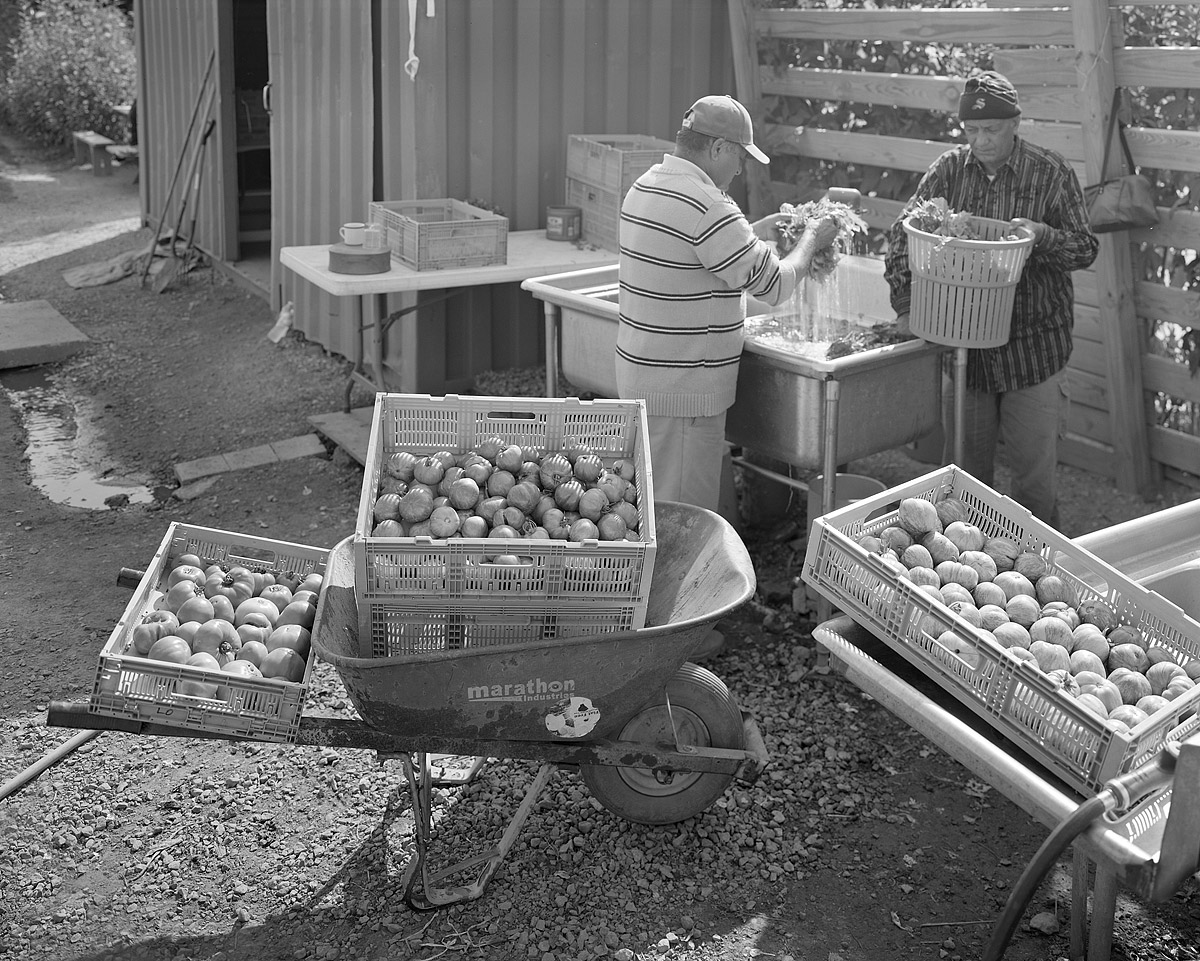
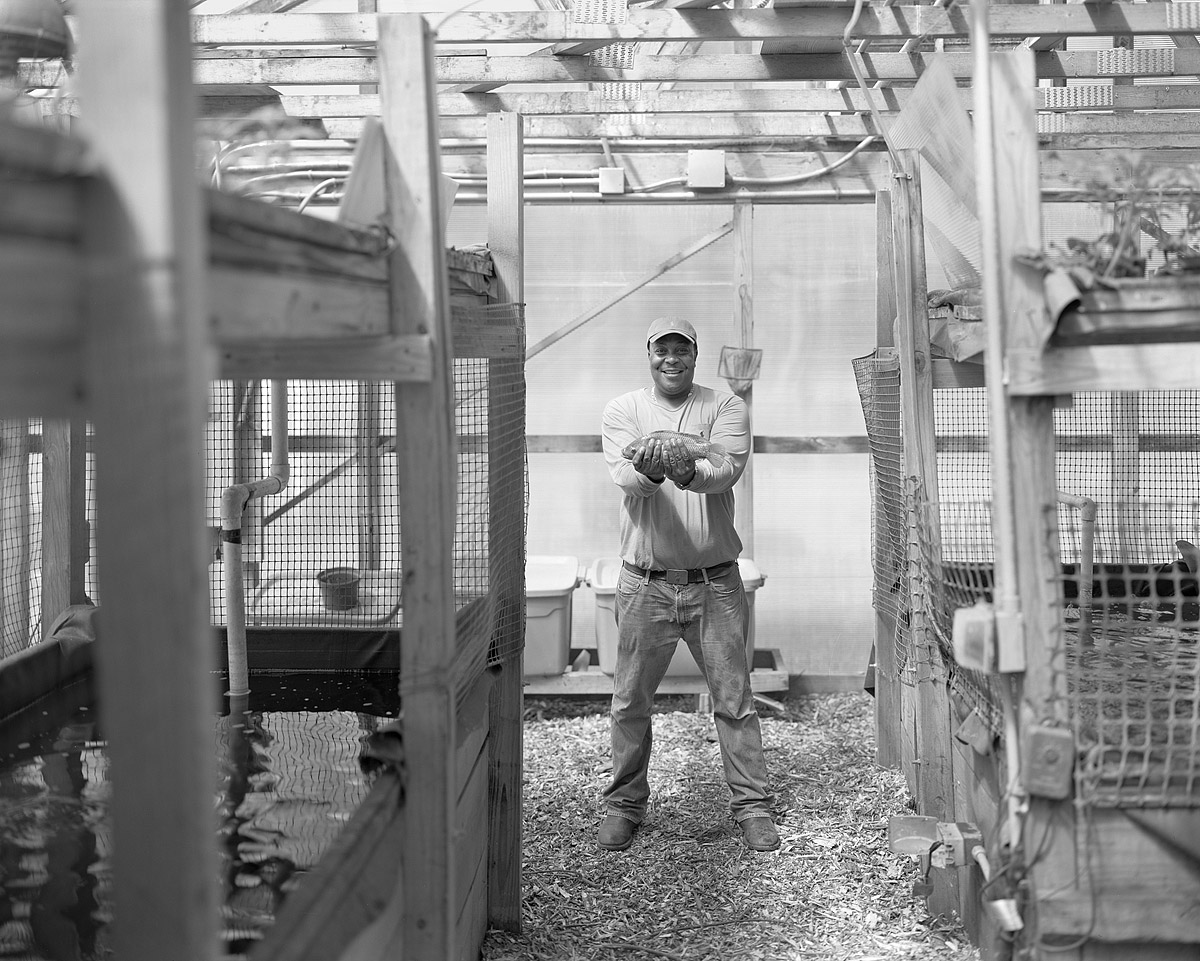
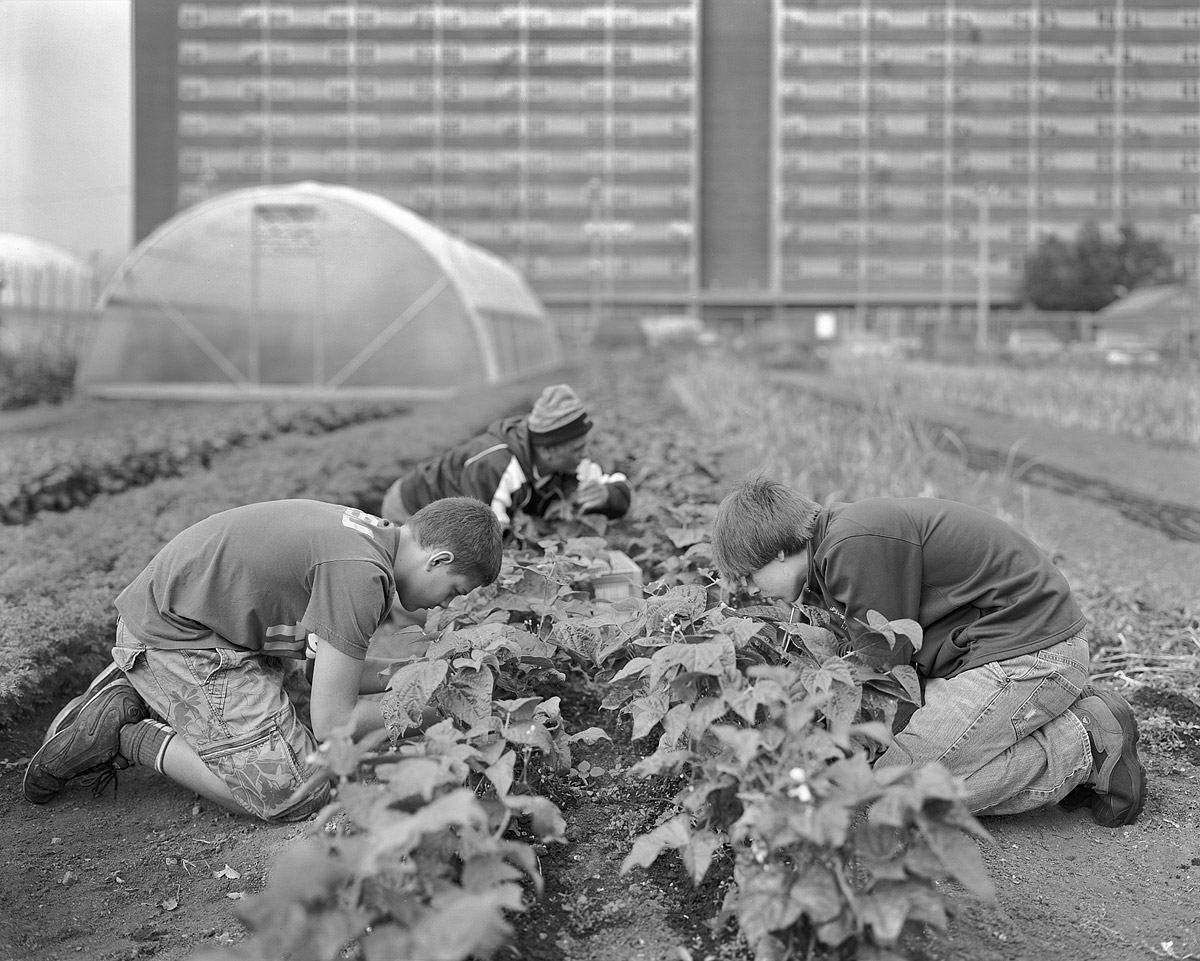
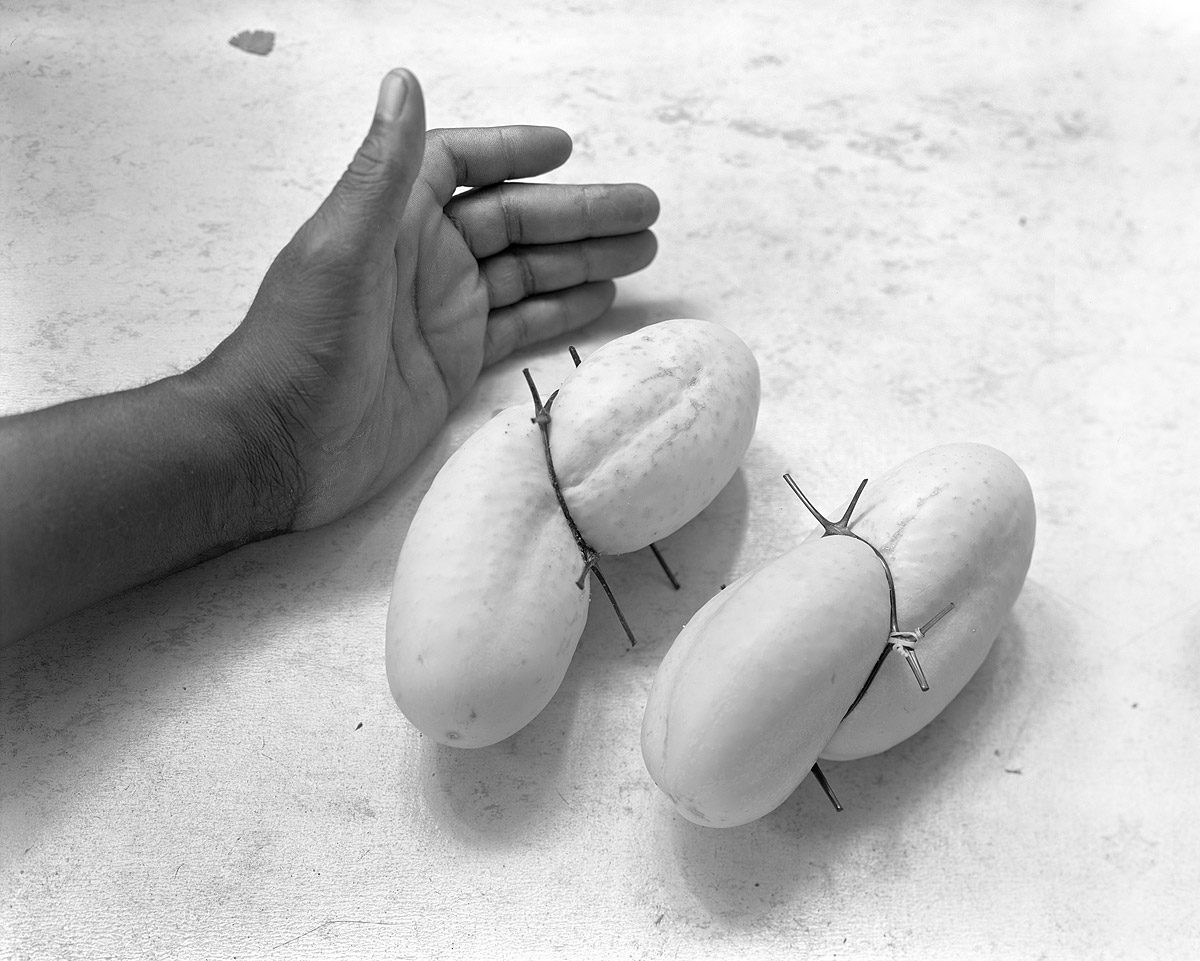
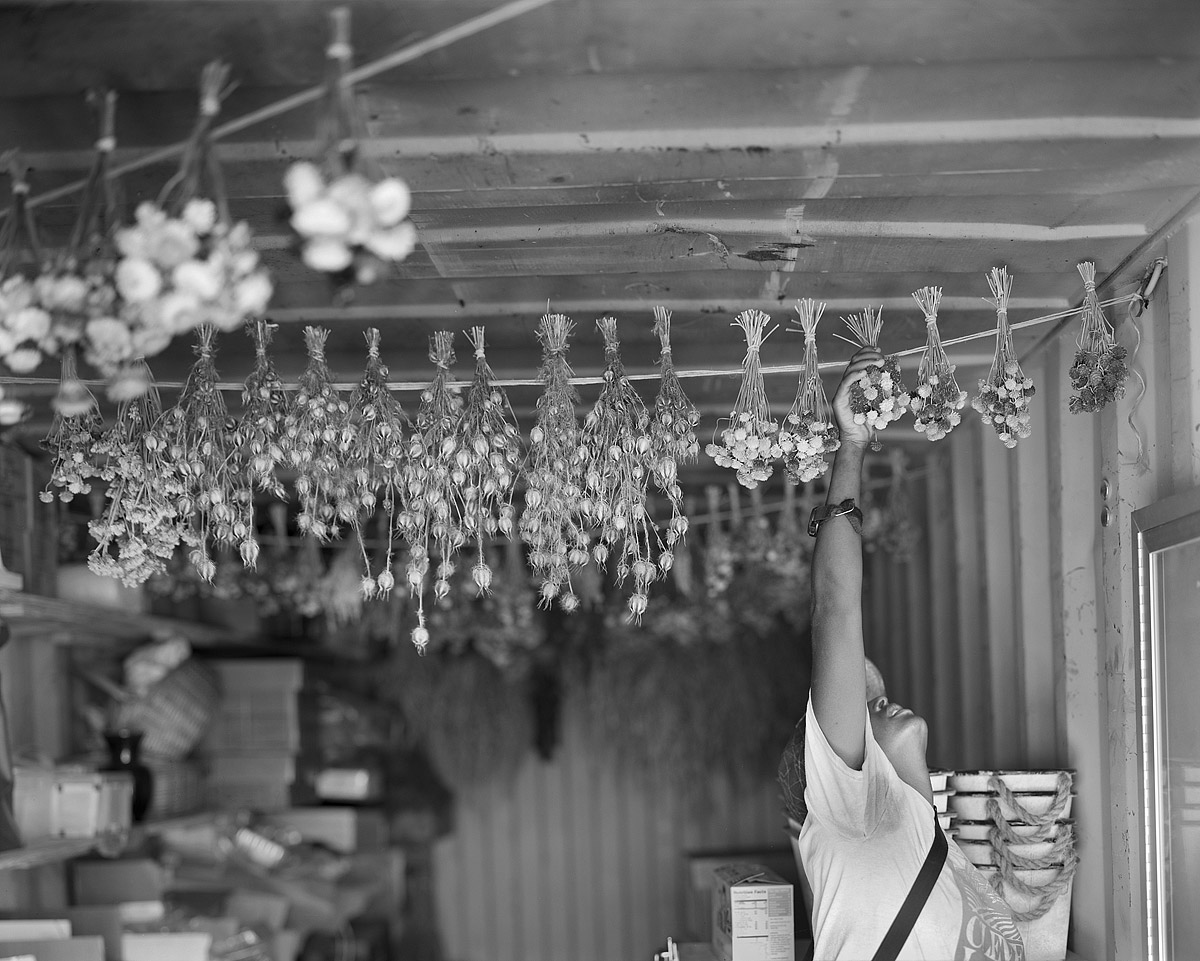
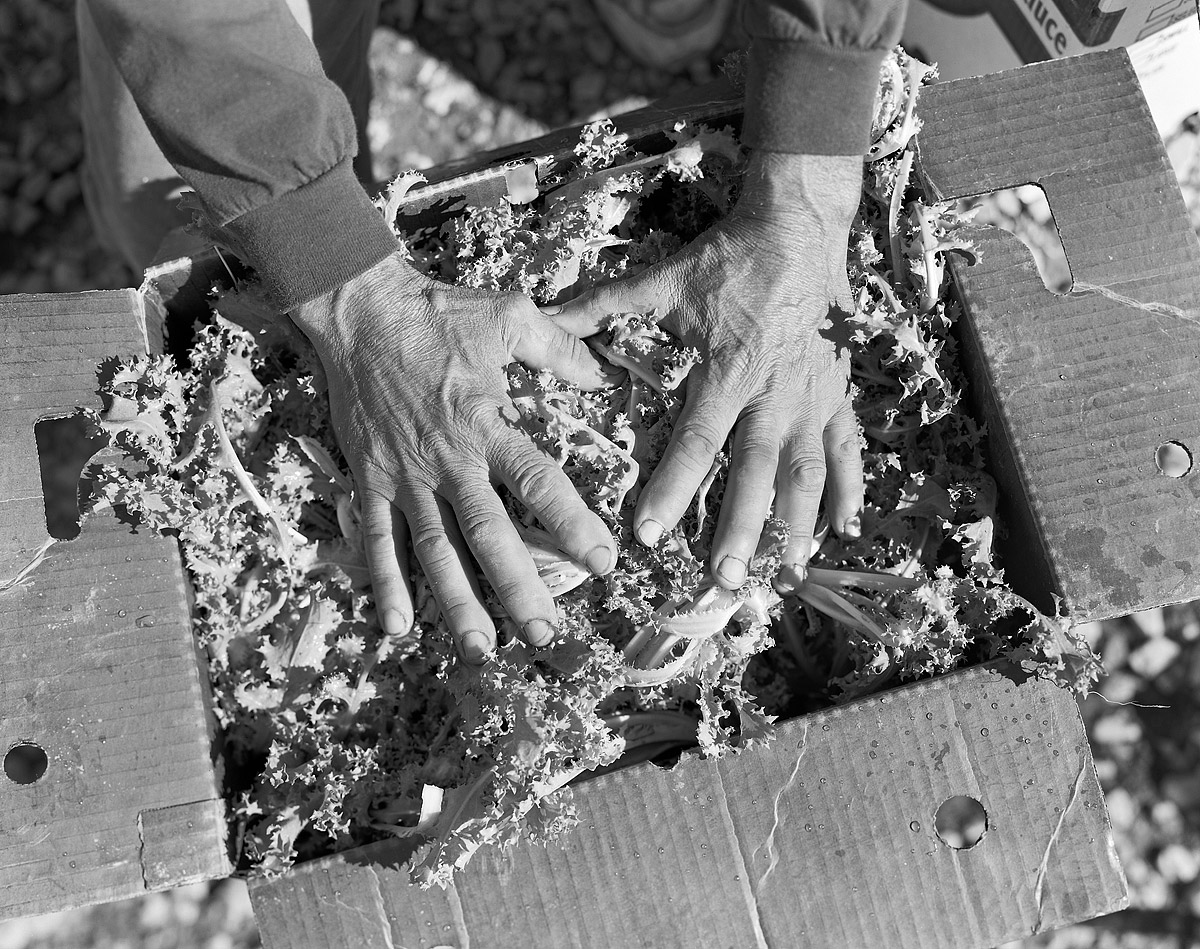
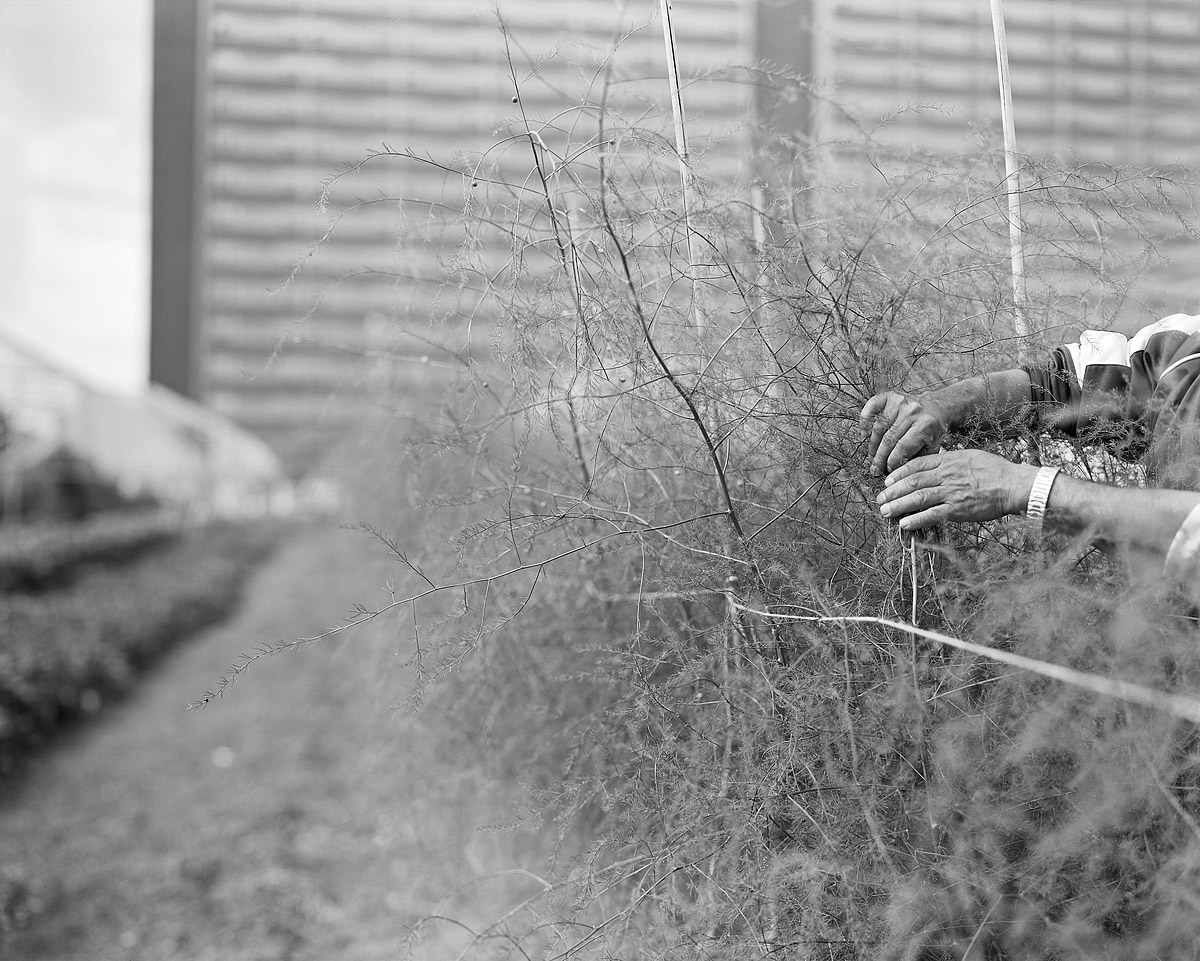
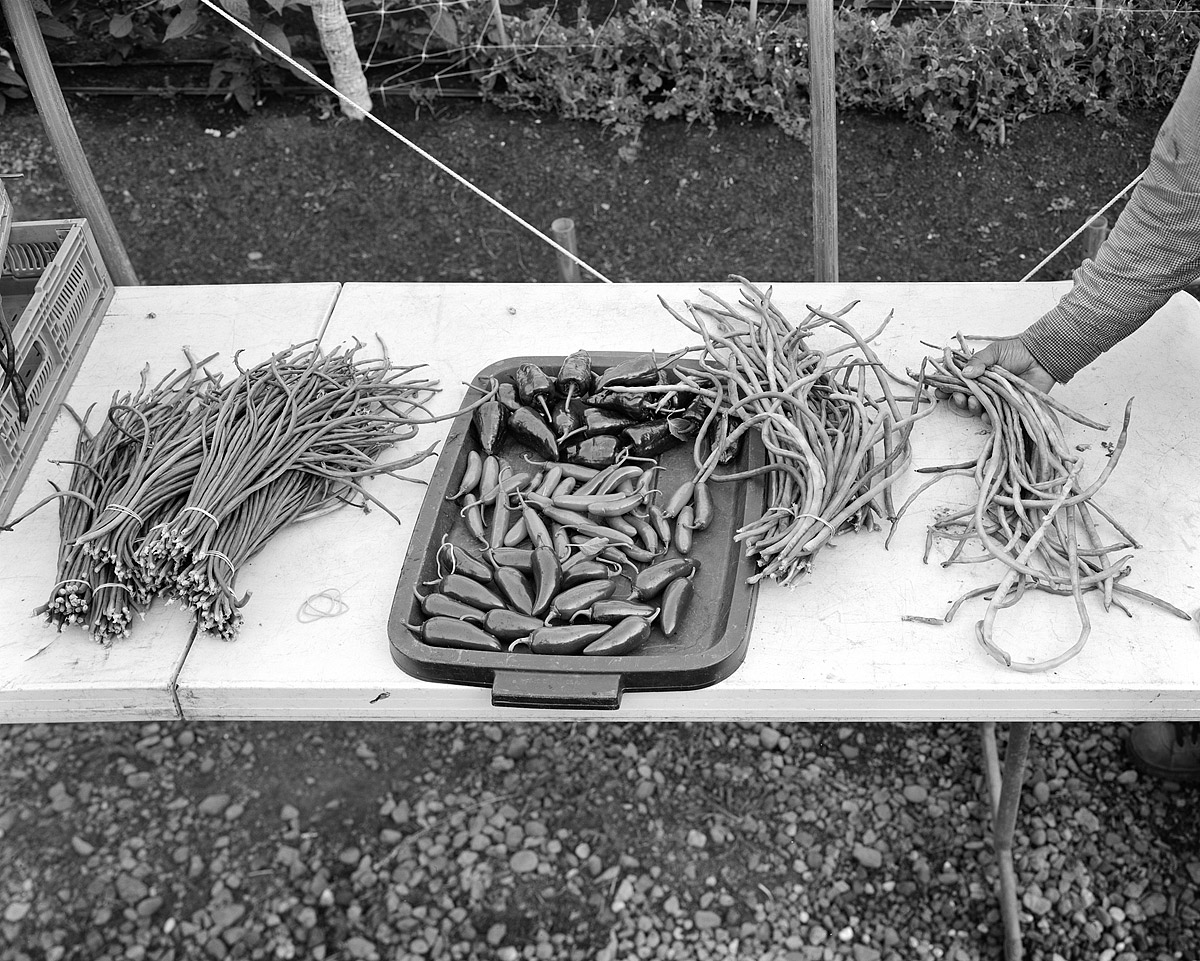
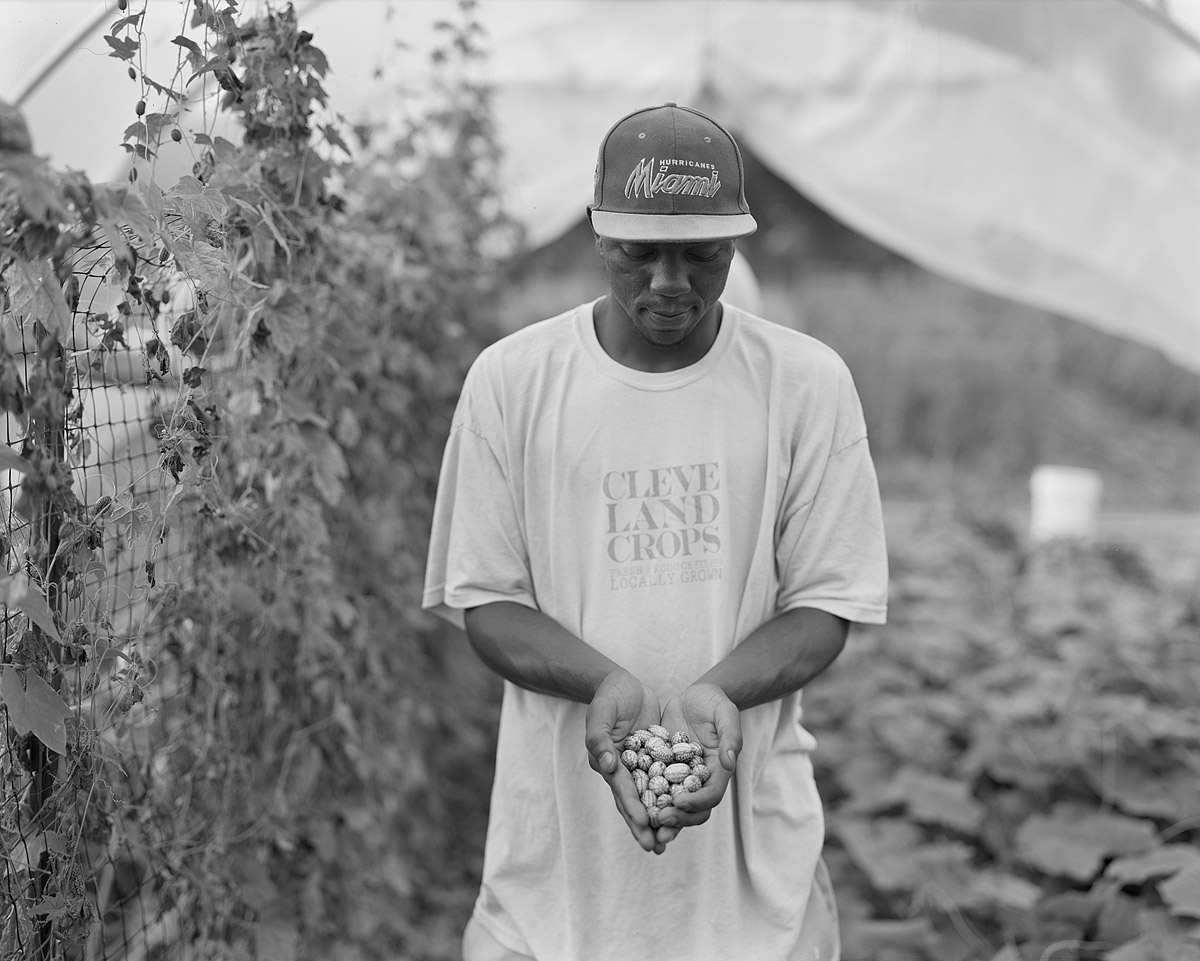
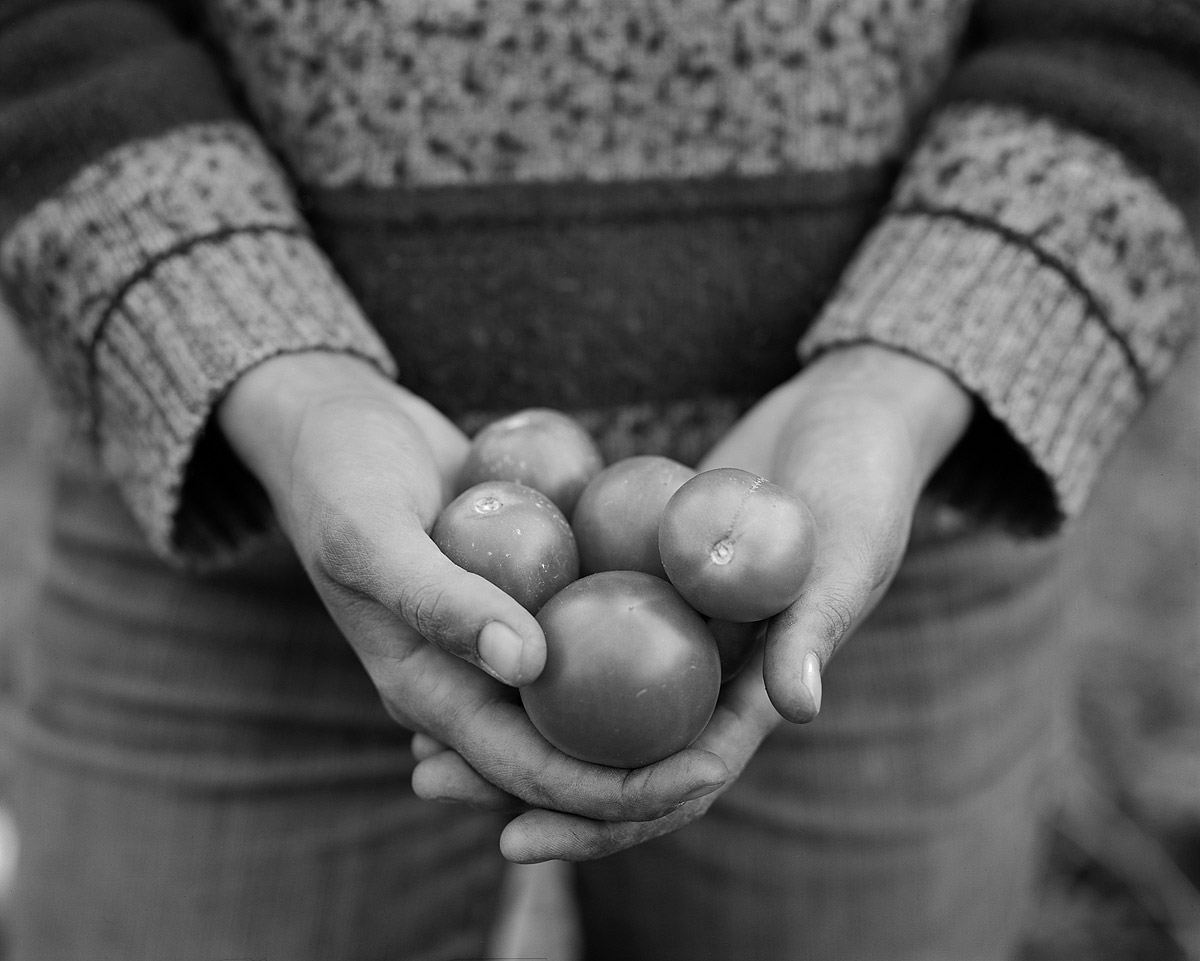
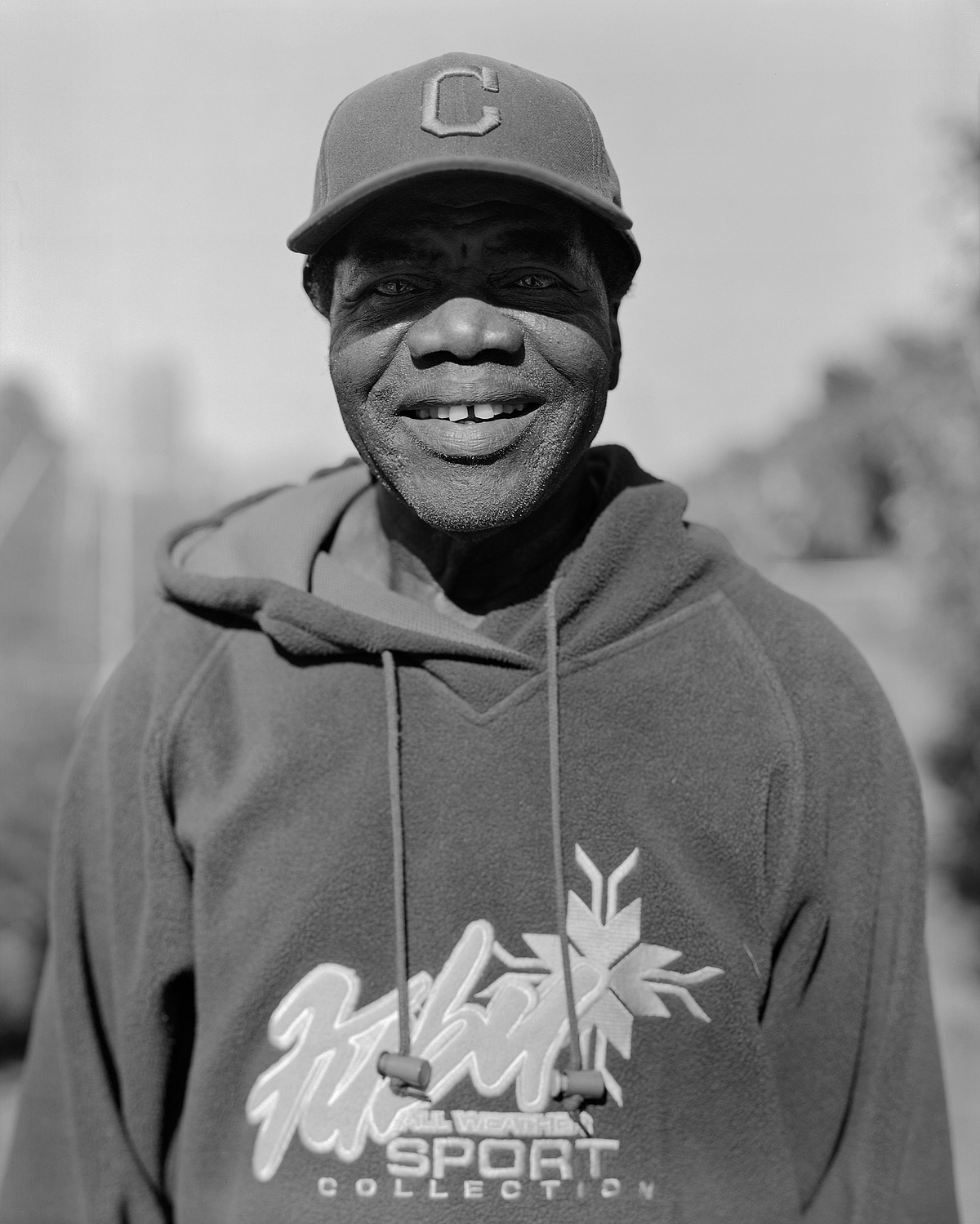
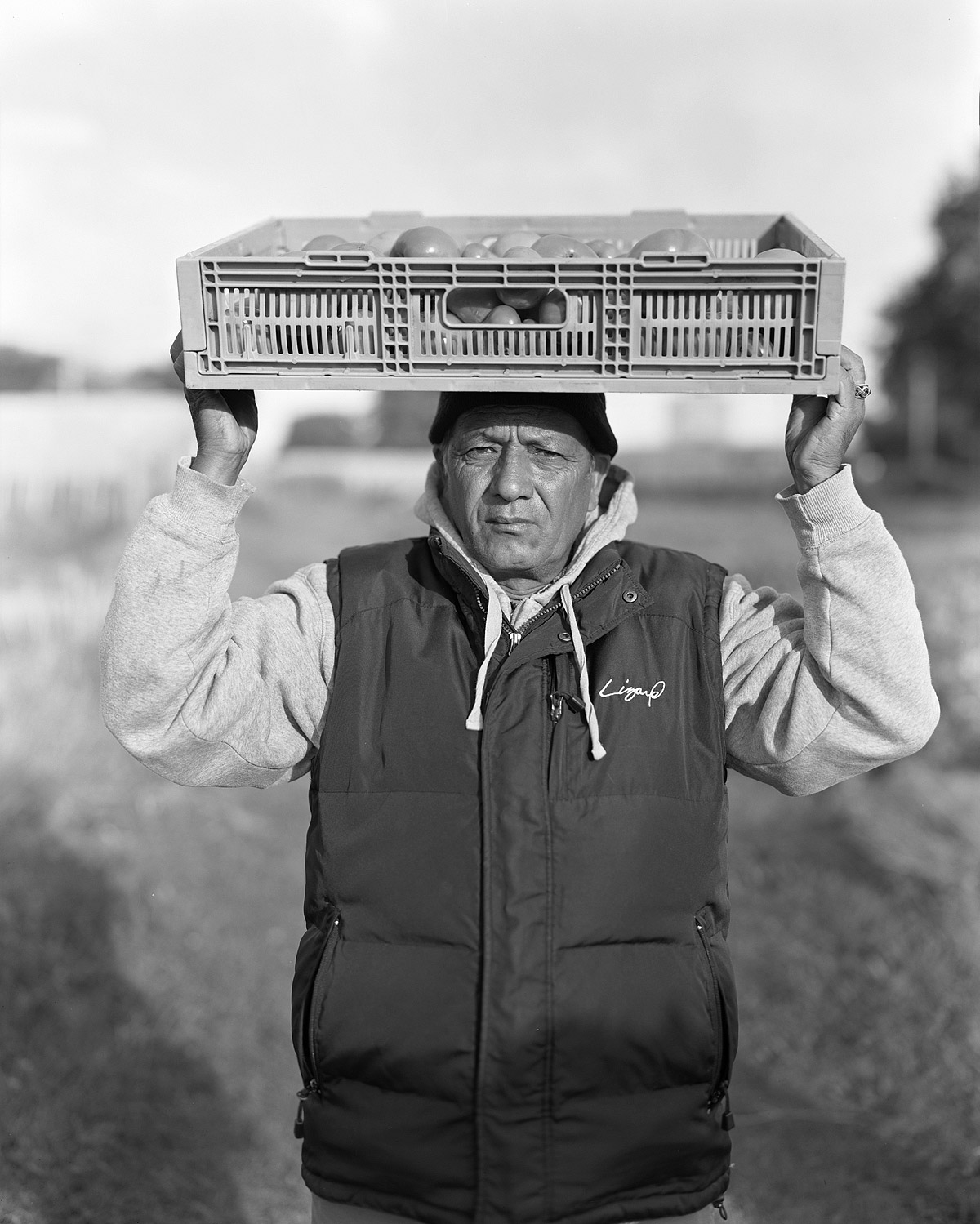
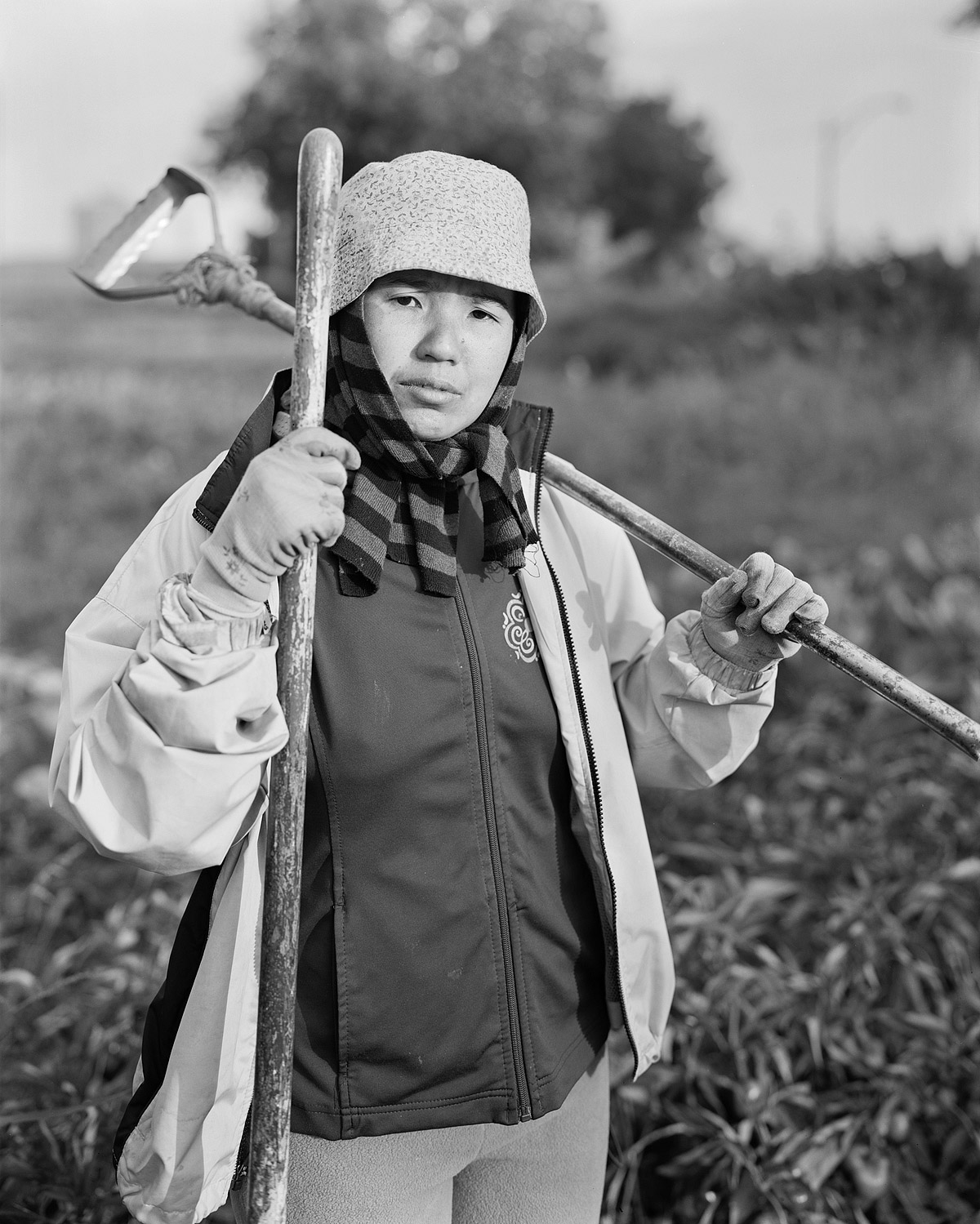
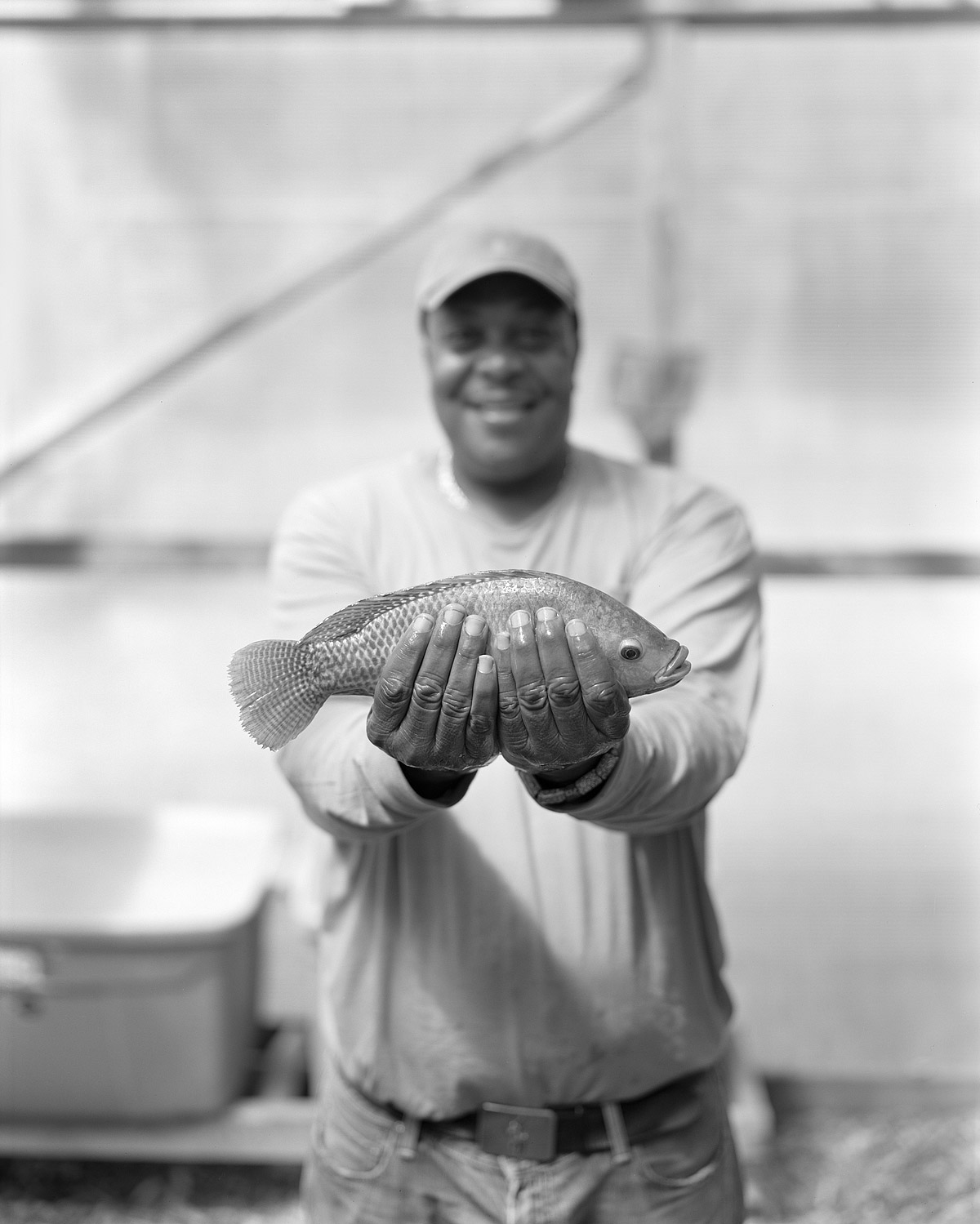
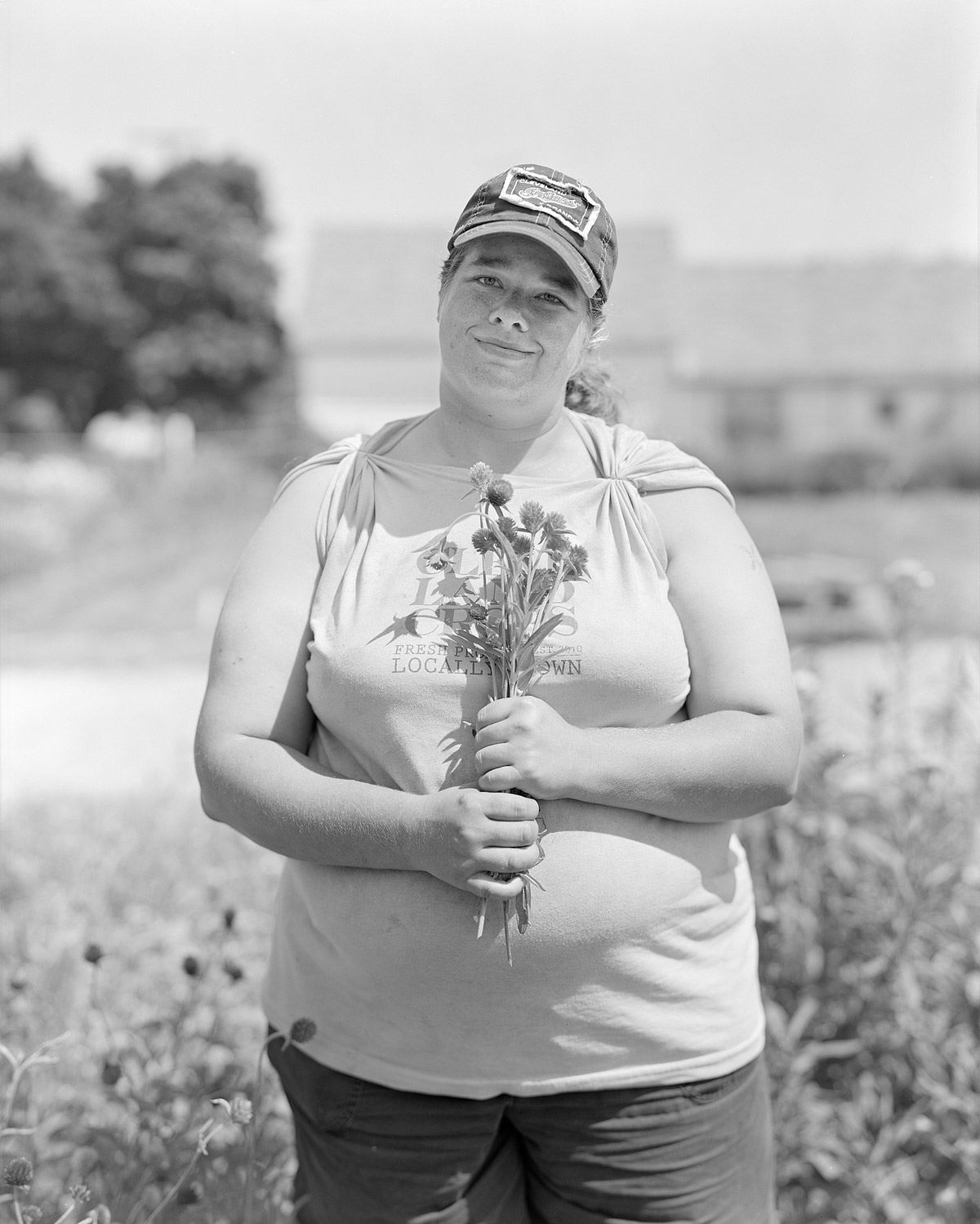
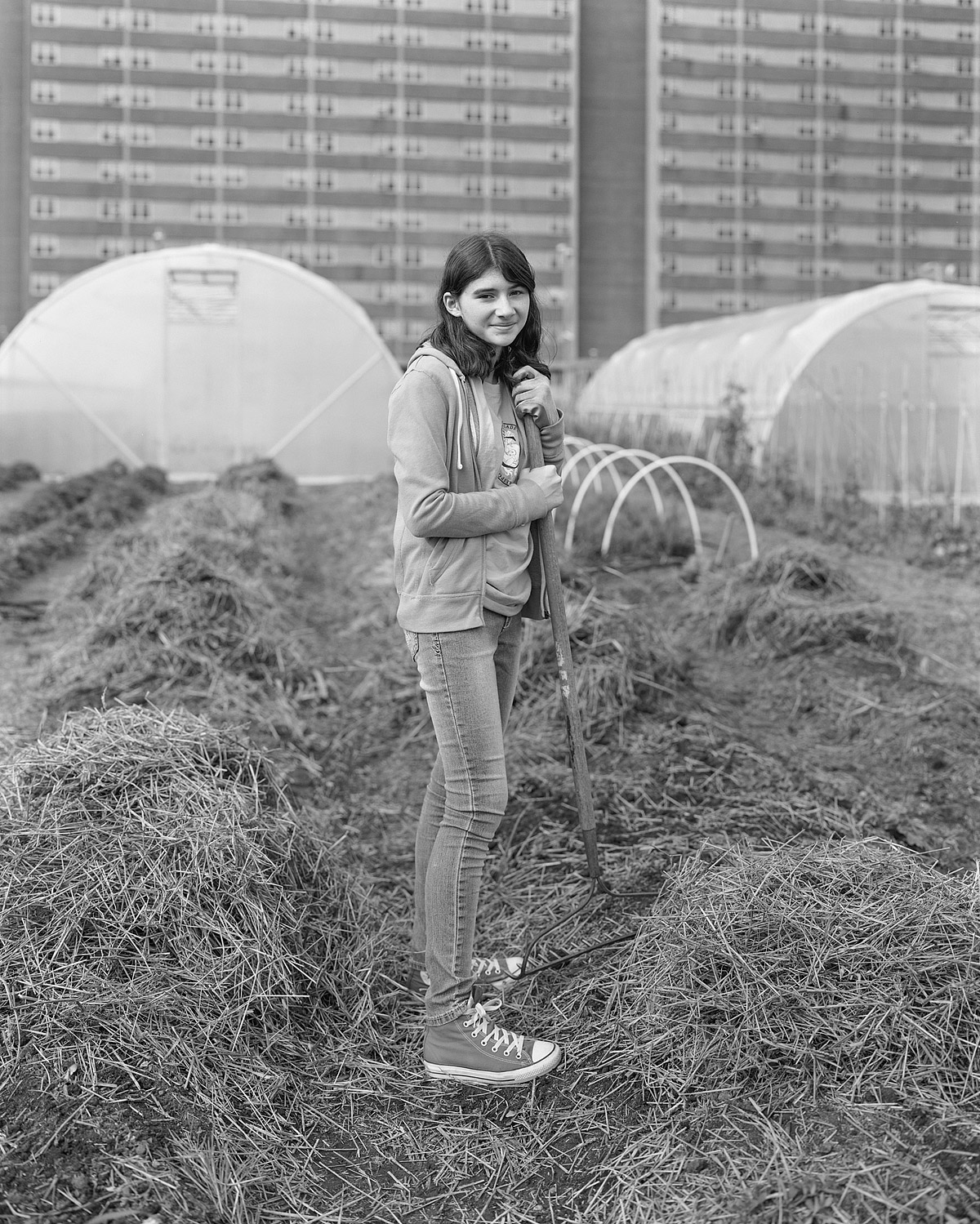
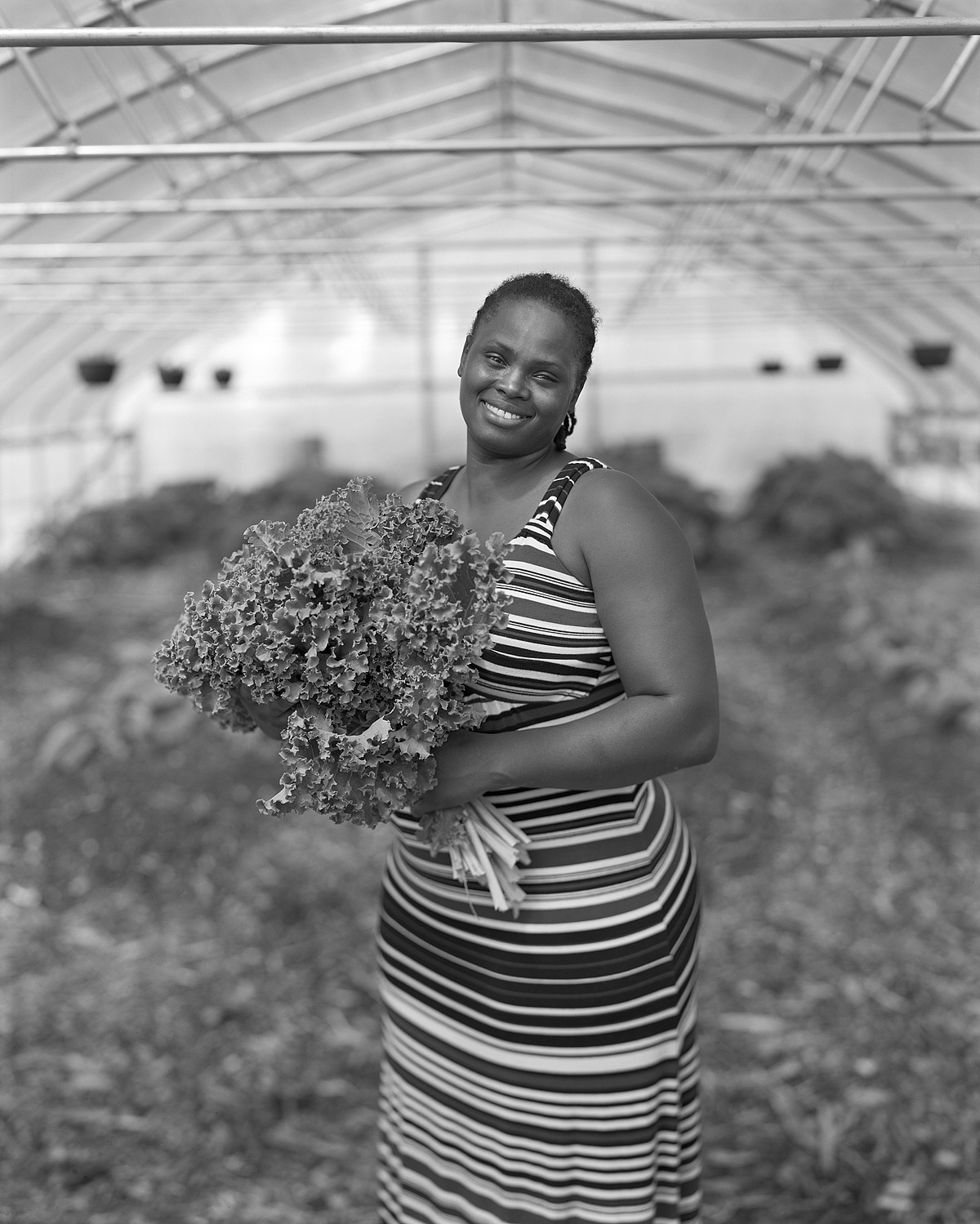
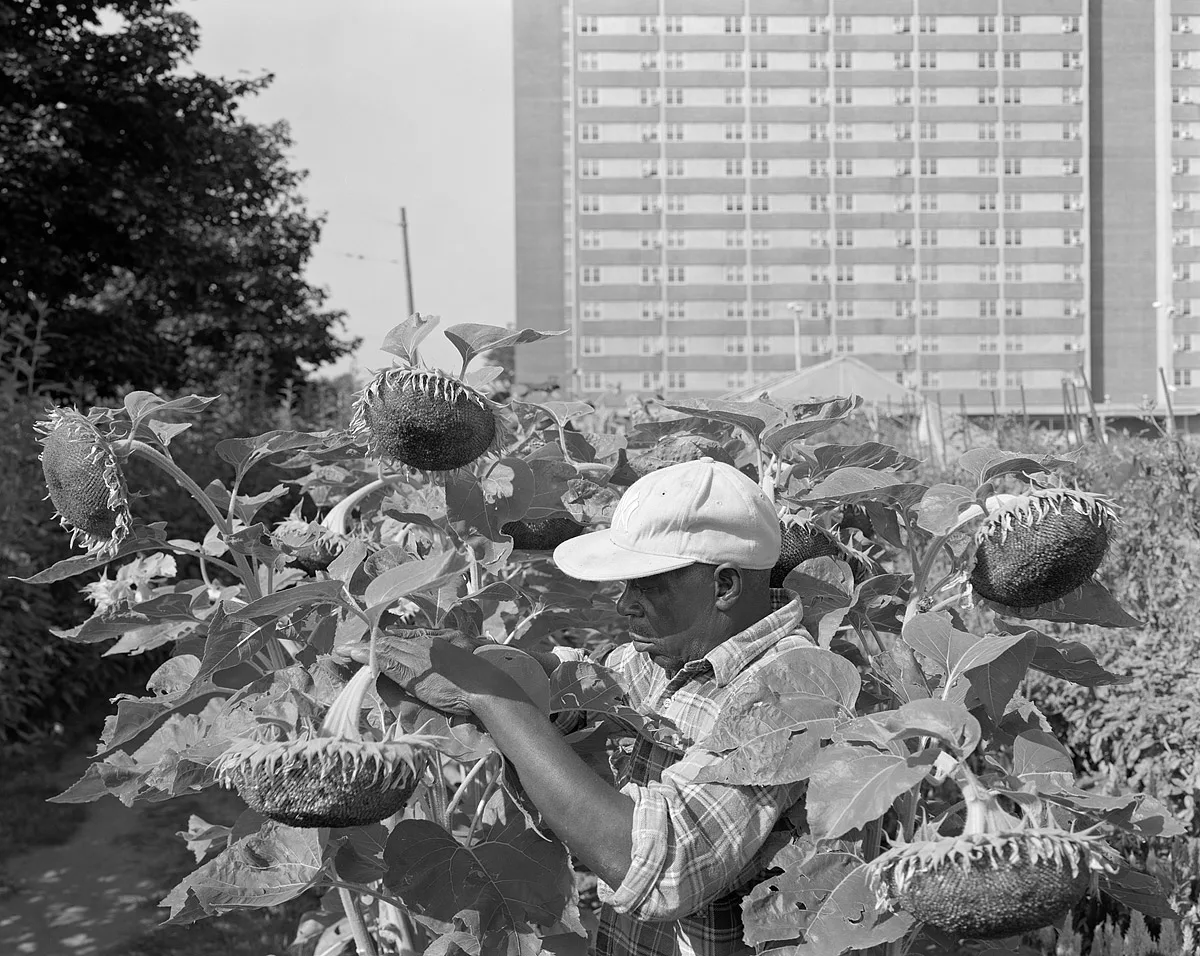
For The George Gund Foundation’s 2013 annual photo commission, photographer Greg Miller effectively used his 8 x 10 view camera to document the vitality, activity and pride that are so evident on Cleveland’s growing number of urban farms.
A native of Nashville, Tennessee, he moved to New York at the age of 19 to study at the School of Visual Arts where he graduated with a Bachelor of Fine Arts in photography. His work, which uses street photography, found moments, and portraiture to capture human relationships and a sense of suspended reality, has appeared in numerous publications, including The New York Times Magazine, Esquire, and LIFE and is widely collected and exhibited both in the United States and abroad. Miller, recipient of a John Simon Guggenheim Memorial Foundation fellowship, teaches photography at the International Center of Photography in New York and conducts workshops at several venues including Maine Media Workshops.










Letter from the Executive Director
2013 Annual Report
Urban farming?
It was not long ago that this phrase would have been regarded as an oxymoron. Urban gardening, on the other hand, has a long and treasured place in cities, including Cleveland. In fact, our Foundation’s 1996 annual report featured a photo essay on the urban gardens that each summer festoon our neighborhoods. This year, we widen the photographic lens to embrace that more expansive expression of city agriculture – the urban farm.
Cleveland neighborhoods have abundant vacant land, the result of many damaging forces in recent decades. But creative urbanists saw the verdant potential in that land. Cleveland Neighborhood Progress, Kent State University’s Cleveland Urban Design Collaborative, and the Cleveland Planning Commission spearheaded creative thinking about that land with a program called Re-Imagining a More Sustainable Cleveland. Cleveland became the nation’s first city to adopt an urban agriculture overlay district in its zoning code. This work helped jumpstart the urban farming boom, putting vacant land back into productive use, and the city now has 55 farms, a threefold increase in the past five years.
For some parcels, farming was conceived as a transitional use. But the benefits of farming have proven to be so overwhelming that any effort to repurpose many farms, including the three that are visually captured in this annual report, would certainly meet stiff resistance. The George Gund Foundation’s support for the urban farming movement in Cleveland has its roots in many of the values that animate our work, and they are captured in these additional ways that city farming pays off:
- Agriculture puts people to work. Some of those who are tilling city soil might have difficulty finding jobs. This includes the new immigrants, who work at the Ohio City Farm under the sponsorship of Refugee Response, and the clients of the Cuyahoga County Board of Developmental Disabilities, who operate the Stanard Farm on Cleveland’s east side. Both of these farms are portrayed in the photography in this year’s annual report.
- It puts a dent in food deserts. As money and people have sprawled out in our region, many inner city neighborhoods have been left without easy access to fresh, healthy foods. Some estimate that obstacle faces more than half of the city’s residents. Farms are helping Cleveland achieve the goal set by City Council that every resident lives within a quarter mile of a community garden or farm.
- We all benefit from a smaller carbon footprint. When food is grown locally, it is not only fresher and tastier; it also means that it does not have to be shipped from someplace across the country or beyond. That helps curb the use of fossil fuels. Many local restaurants are embracing this cause by purchasing fruits and vegetables from Cleveland farms. In addition, land used for farming also absorbs storm water, diverting it from our aged sewer system.
- Farms create a sense of community in their neighborhoods. Farming is not just about the crop harvest. Many farms in the city also have festivals and events, farm stands for the sale of produce, educational programs, training sessions and more.
This unexpected bounty from urban farming should make all of us with a stake in Northeast Ohio consider it afresh, as I hope Greg Miller’s striking photographs do. One of his subjects is Rid-All Green Partnership, which creatively interconnects food, art and education on a three-acre site on the southeast side. At Rid-All, fish farming is also part of the mix. Tilapias grow in tanks next to greenhouses nurturing tomatoes, watercress and kale. And the mission transcends the crops and food, as it does at every urban farm. Keymah Durden, a co-founder of Rid-All, told Edible Cleveland, that their work is actually a “mission to transform the city of Cleveland.”
That is a major part of our mission too, and it humbles us to observe and, where we can, to support the inspiring farmers in our midst.
David Abbott, Executive Director, The George Gund Foundation
Letter from the Board President
2013 Annual Report
Of all the formidable challenges facing the human family none is more potentially destructive and deeply perplexing than global climate change. It seems that nearly every day brings news of additional scientific evidence that humans have dangerously altered the earth’s ecological balance. Proof of these changes includes irreversible damage to coral reefs, accelerating extinction of animal species, harsher and longer droughts. The evidence from these and other alarming changes continues to grow.
And, yet, significant portions of the American population simply ignore or, worse, deny the overwhelming scientific consensus that climate change is occurring. How can this be?
It seems that both psychological and political factors have erected a barrier that no amount of evidence or reason can penetrate. All humans have difficulty imagining that we could actually be putting our existence at risk by our unsustainable production and consumption of fossil fuels. The thought may simply be too horrible. In addition, the effects of climate change are virtually invisible to most of us and, although rapidly worsening, are also incremental. Furthermore, changes in climate are somewhat erratic even as the general path of global warming continues to relentlessly move forward. We simply have a hard time integrating such a pervasive, difficult-to-grasp threat into our thinking.
Politically, it has become expedient to deny the evidence of climate change because those of an anti-government stripe assume that action to deal with the threat will require an expansion of government power. It is not surprising that many people who find the science arcane will happily heed voices that denigrate it as “political science” and “the greatest hoax ever perpetrated on the American people.” And those comments by a former and a current member of the United States Senate are just two among many in the chorus of climate change deniers.
What is a foundation like ours, with a long history of support for the environment, to do?
It is apparent that we must join forces with other organizations to change the conversation on this issue. Politically motivated attacks on environmental organizations have marginalized them and their message. At the same time, “green” groups have too often played into the hands of their opponents by speaking in language that is overly technical, narrow and, frankly, too often focused on the environment as if it were a thing apart from people.
If the hyper-partisan tenor of our politics has taught us anything it is the vital role of communications in persuading people to take action. But to break through the barriers that have been erected around climate change, successful communication must be new and different. Scientific data and dire warnings will not work. The messages that motivate people to demand action from policy makers must resonate with their values, with what we all care about – jobs, prosperity, family, health and fairness.
If we do not address the challenge of climate change, people throughout the world will suffer tremendously. The difficulty lies in finding the actual words that carry the message effectively. Once crafted, messages must be used consistently and persuasively by those in a position to create an impact.
Our foundation has been working with several other foundations and nonprofit organizations to find the words that can pierce the psychological and political fog, especially of those independent-minded citizens who hold the balance of power in battleground states like Ohio. This is not easy work, but it is essential if we are to meet the greatest challenge of our time.
Geoffrey Gund, President of the Board of Directors, The George Gund Foundation