
Performing Artists
Culture + Arts
Amy Arbus (2010)
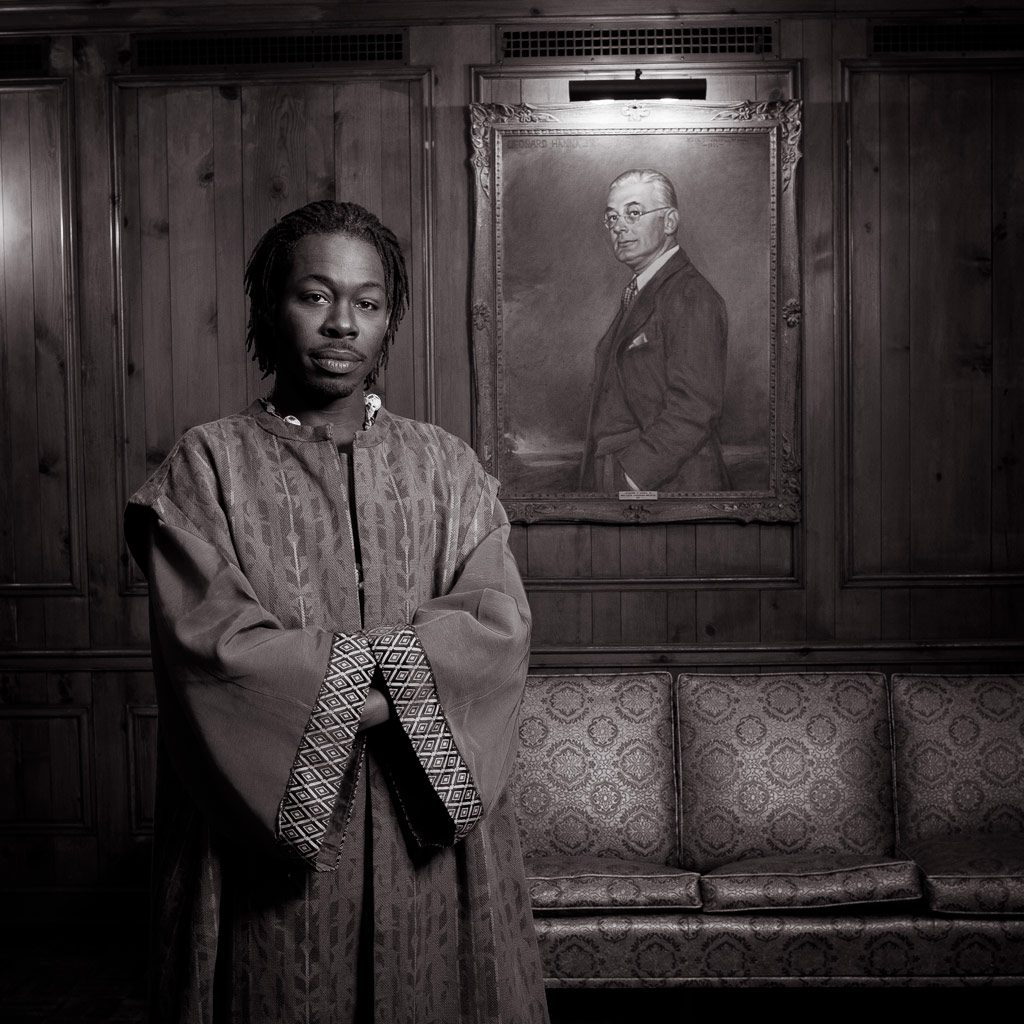
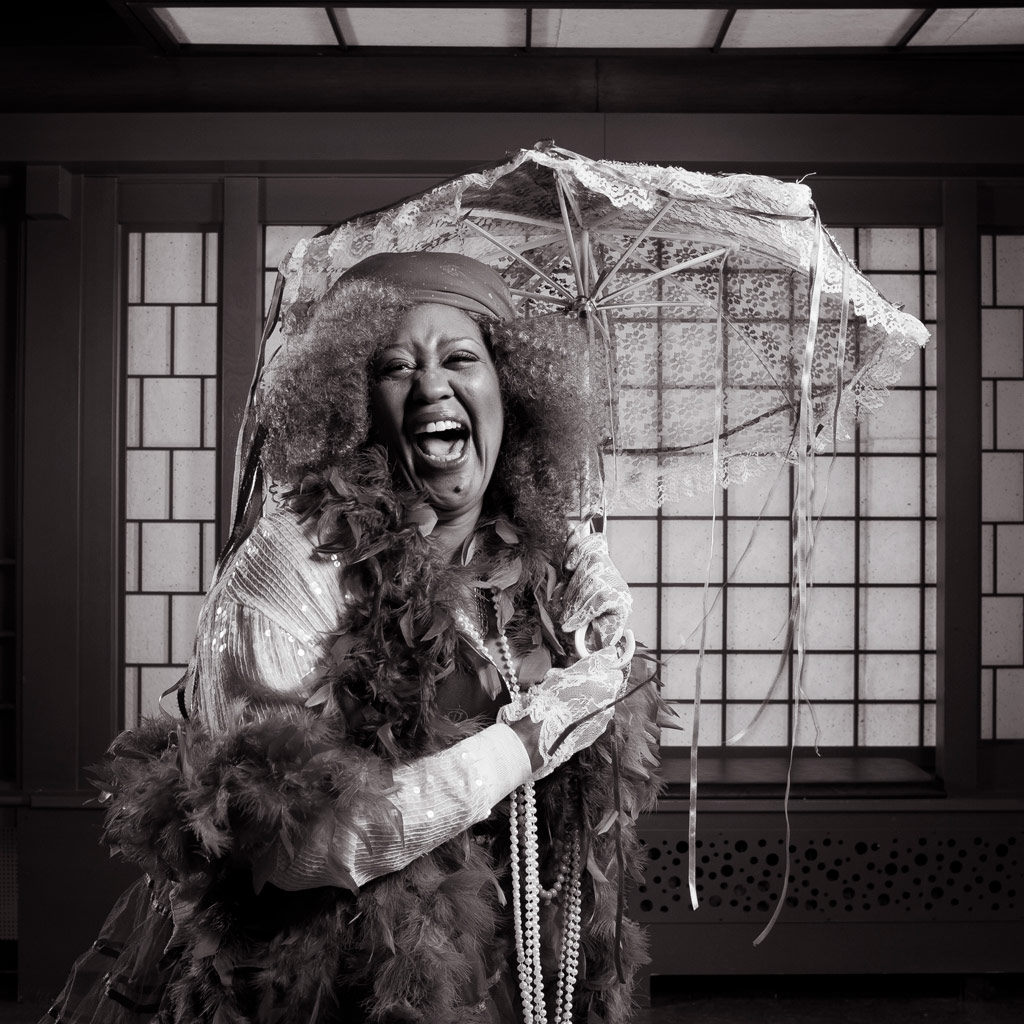
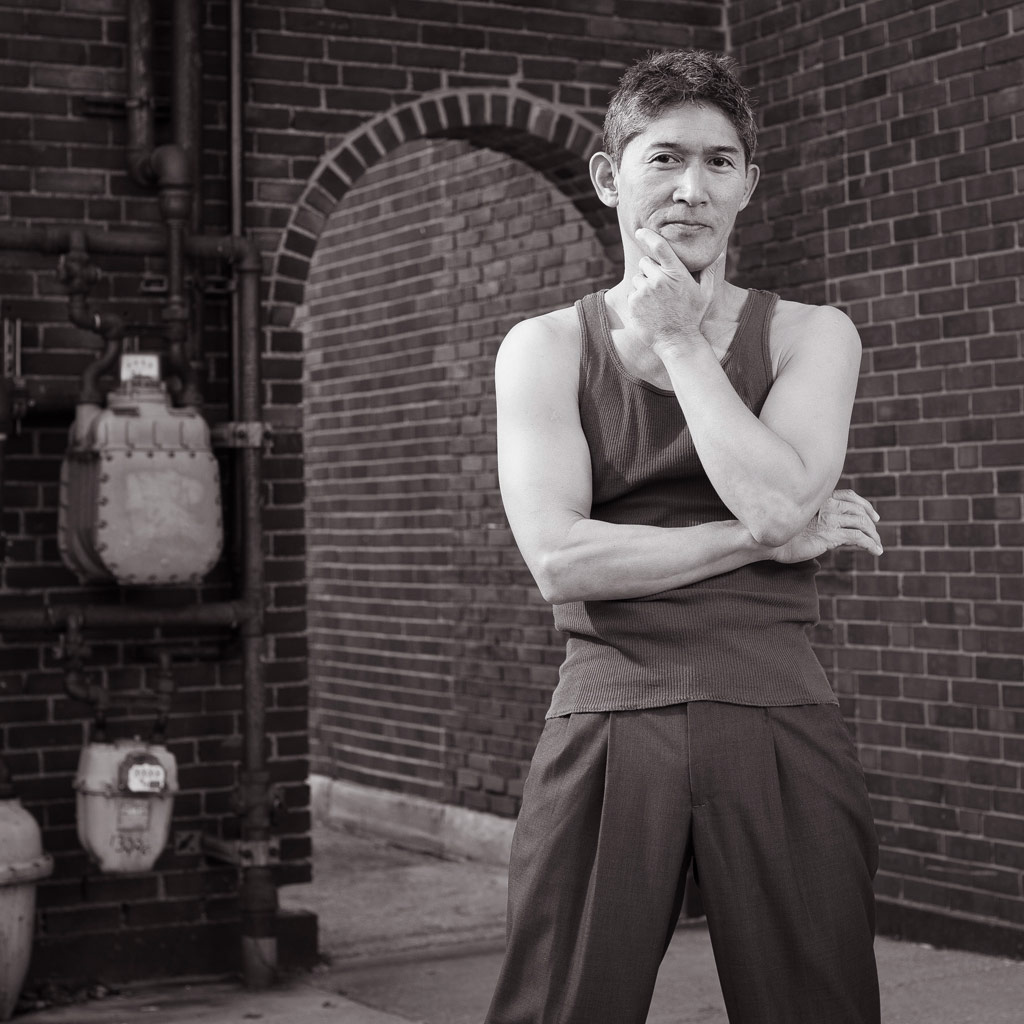
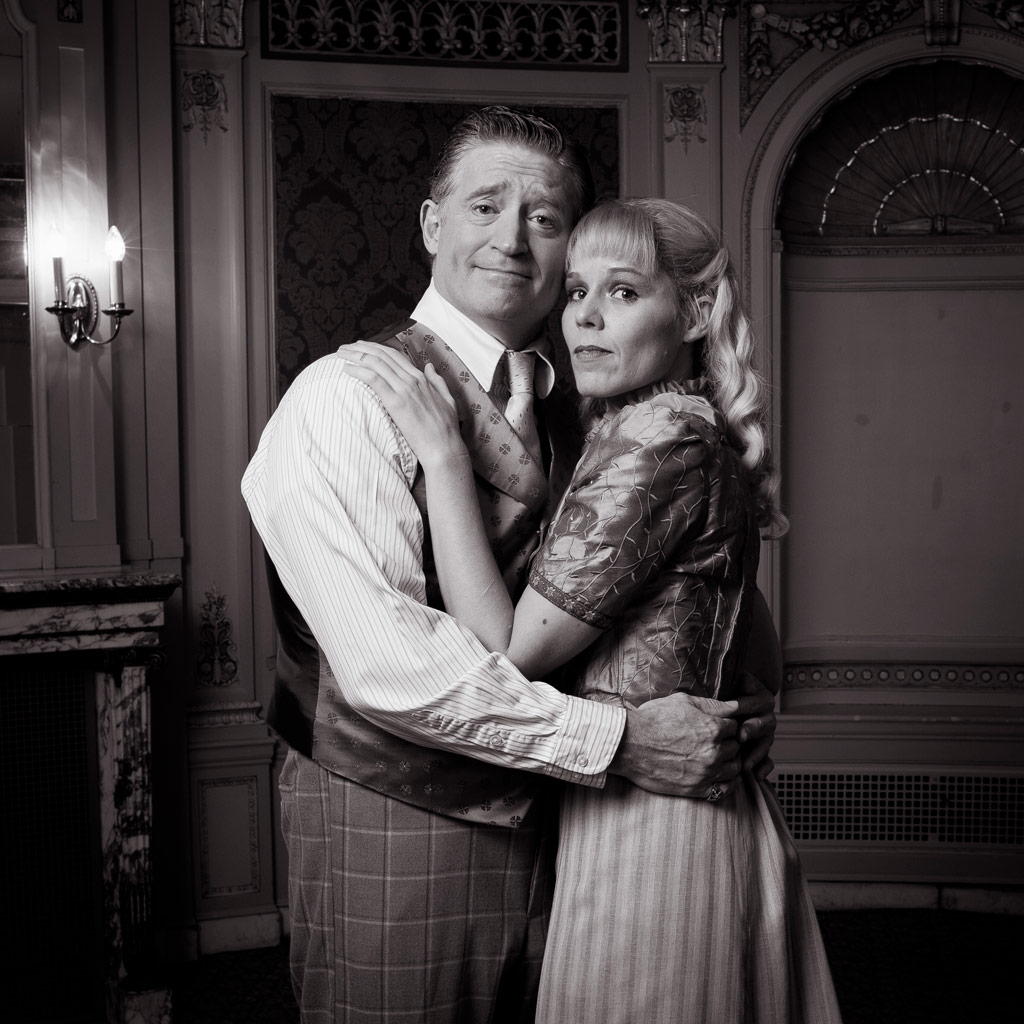
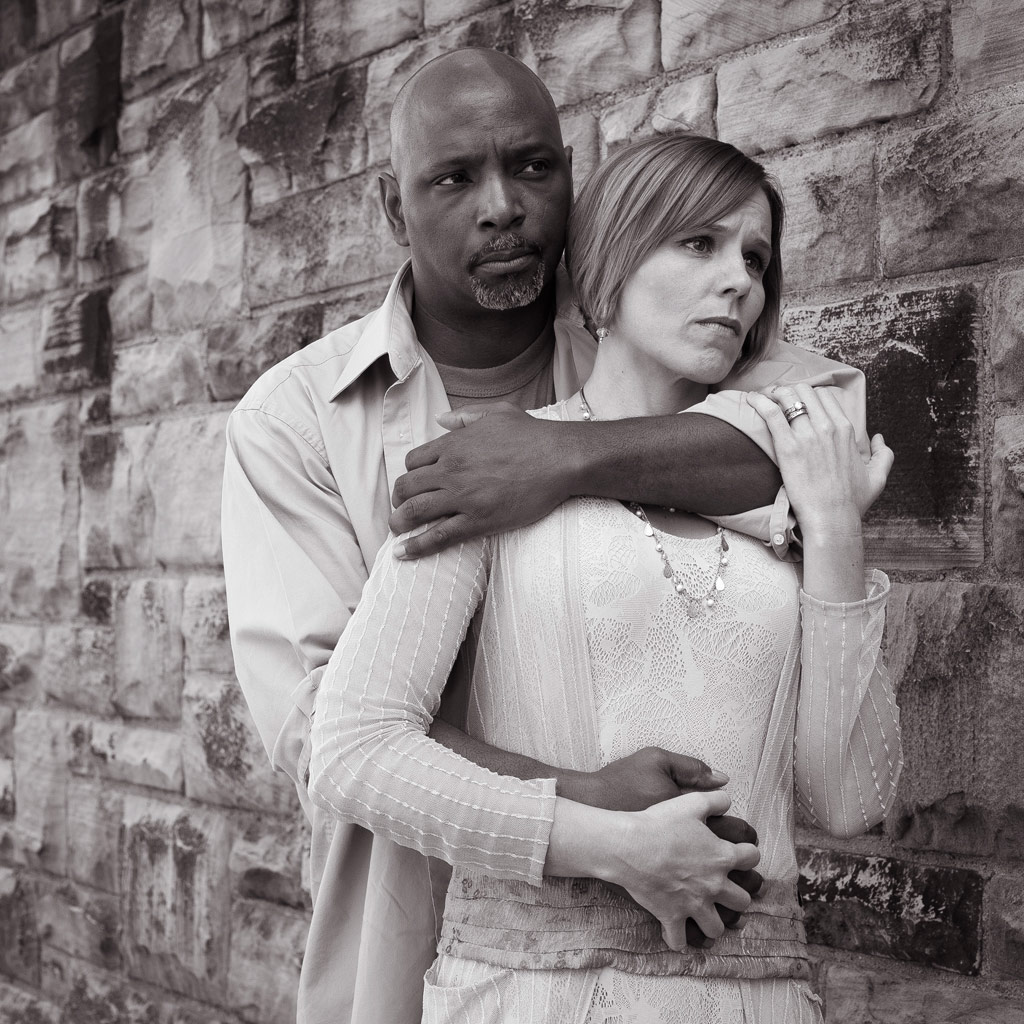
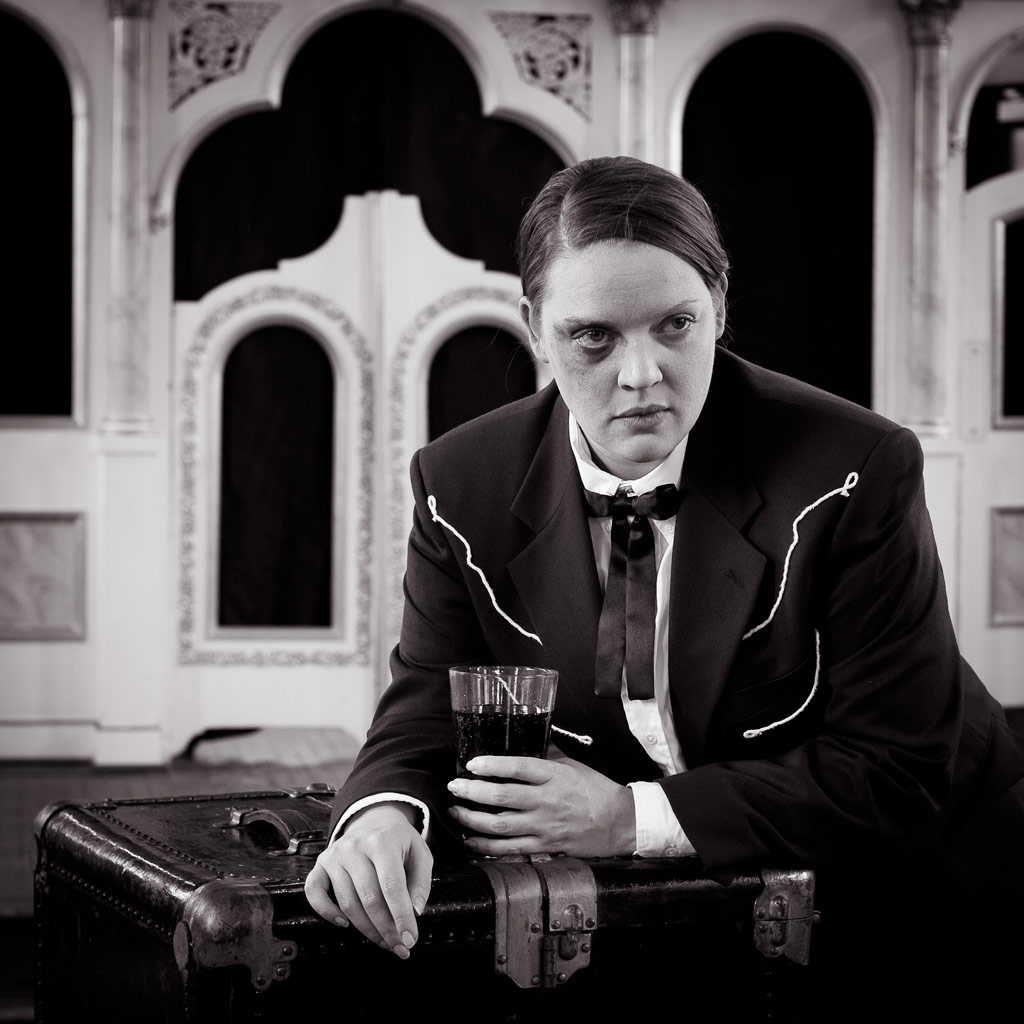
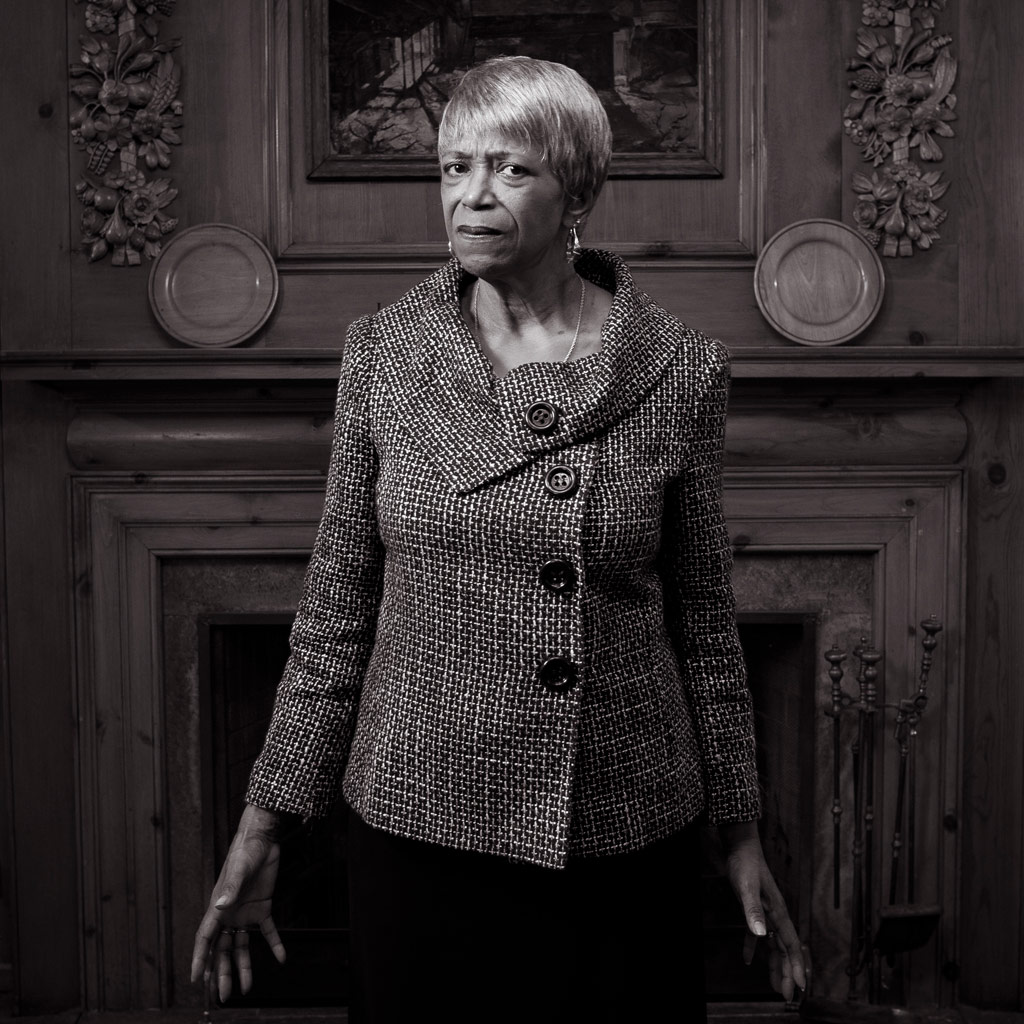
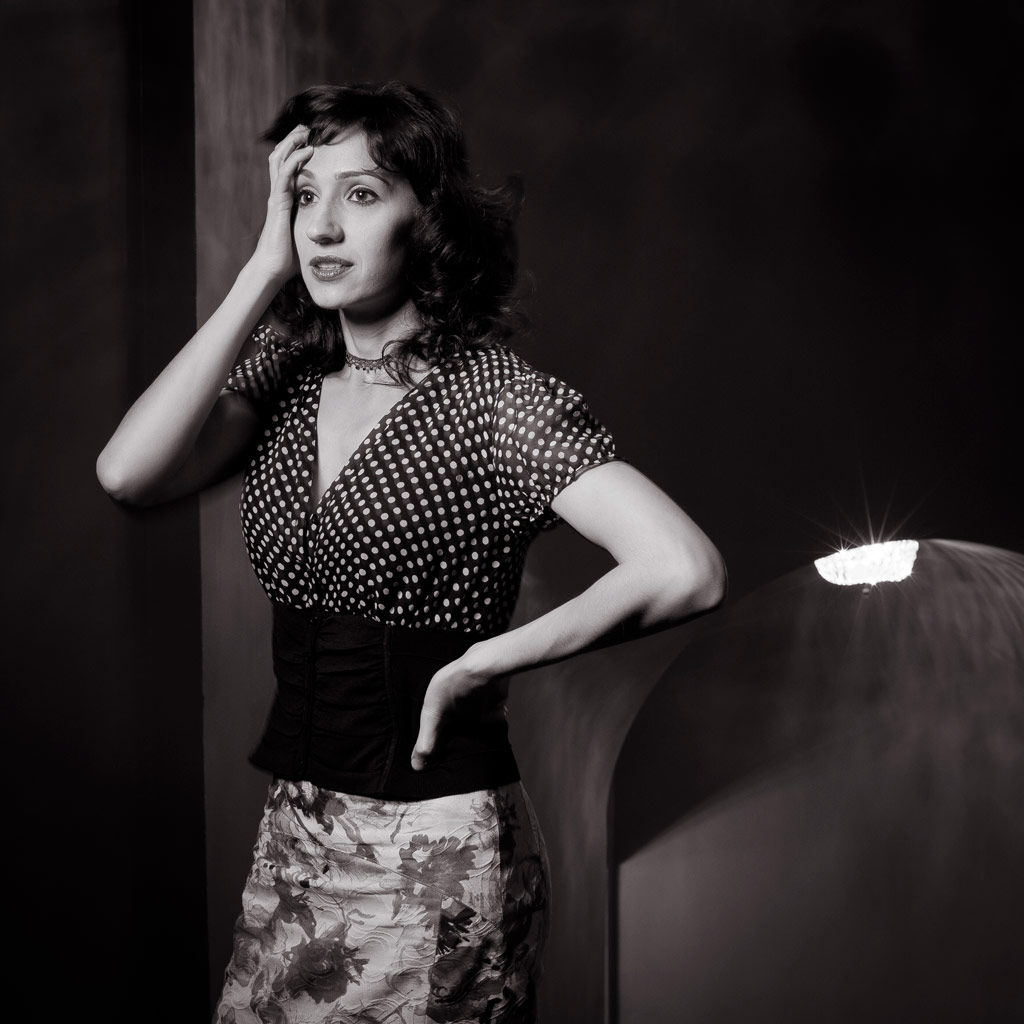
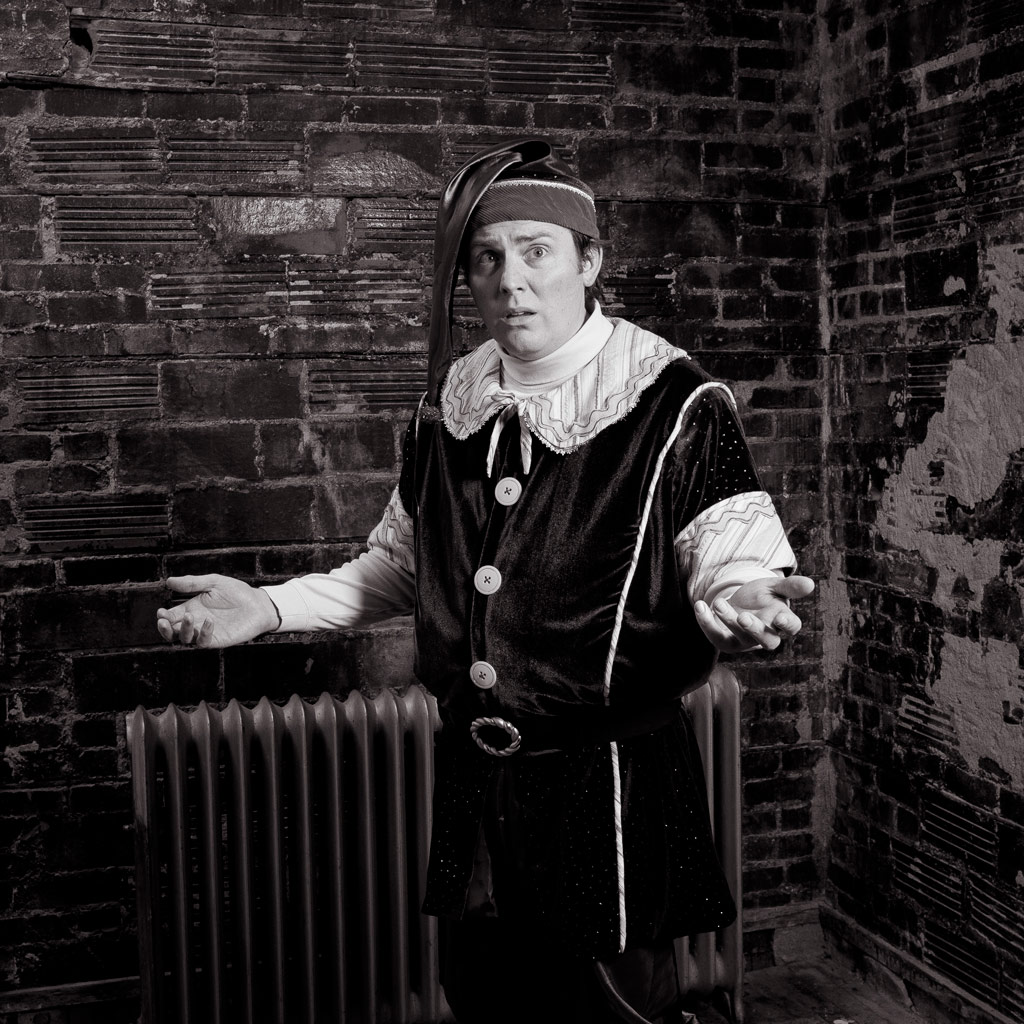
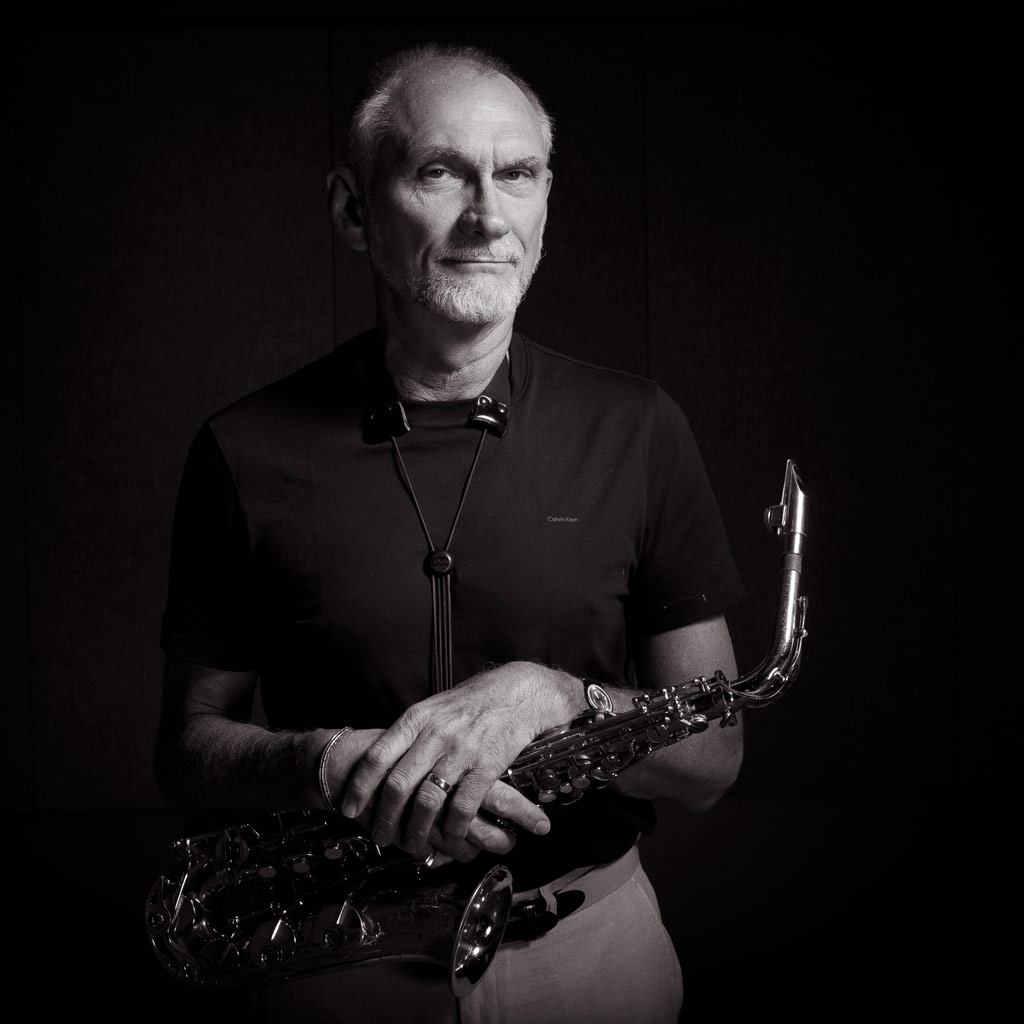
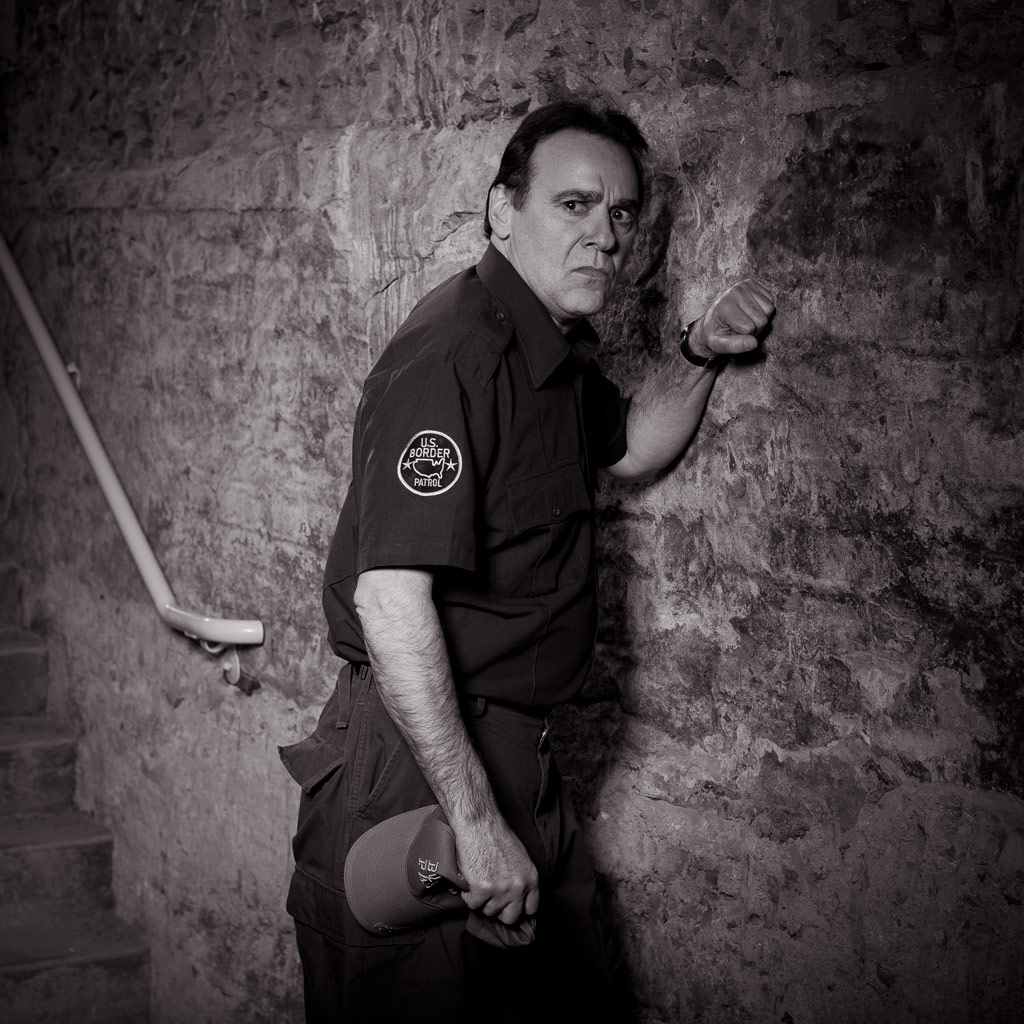
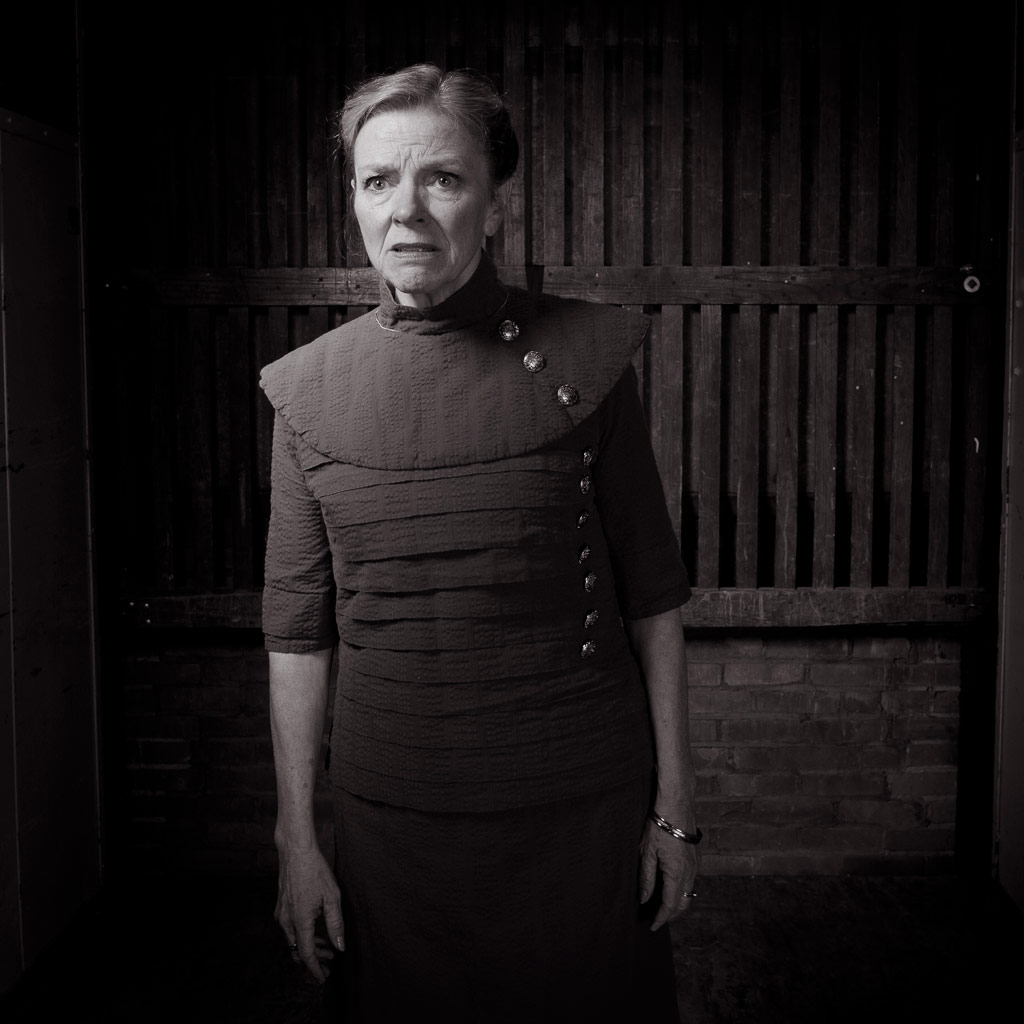
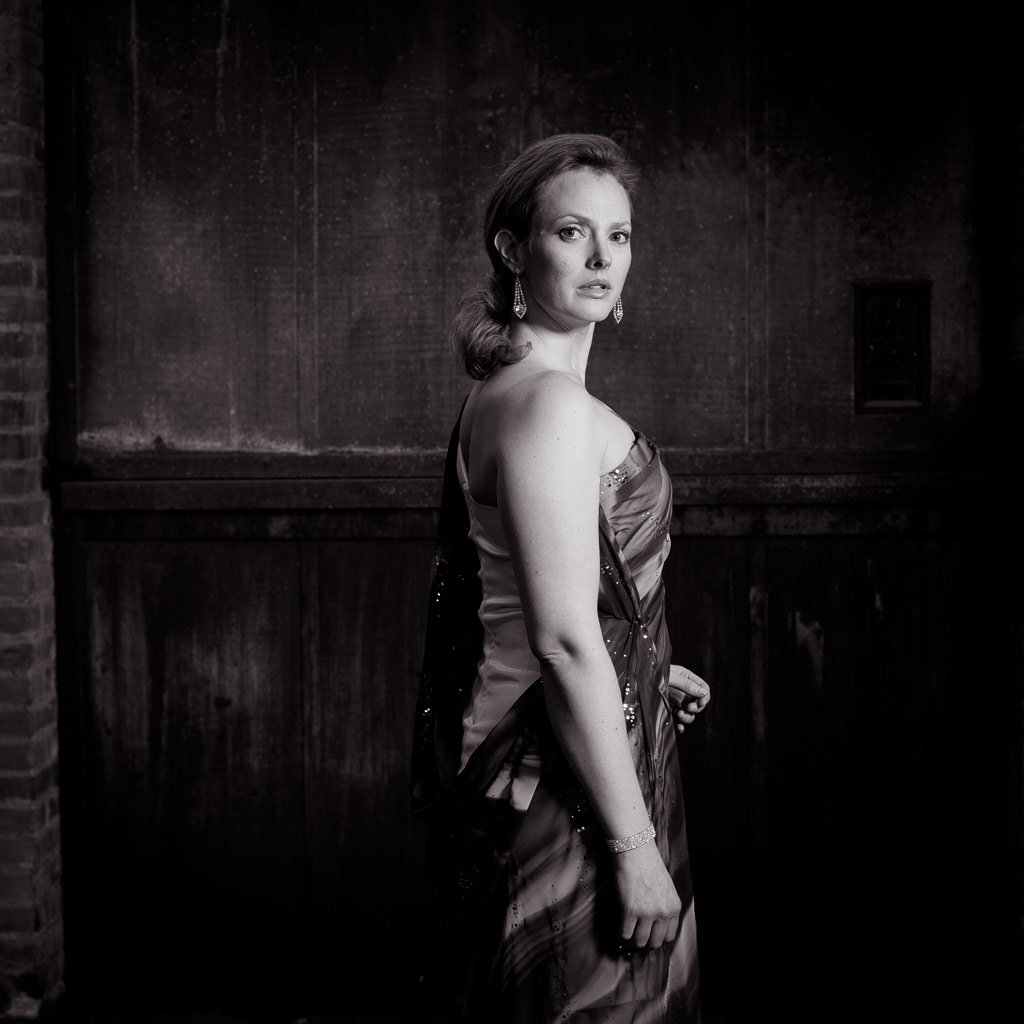
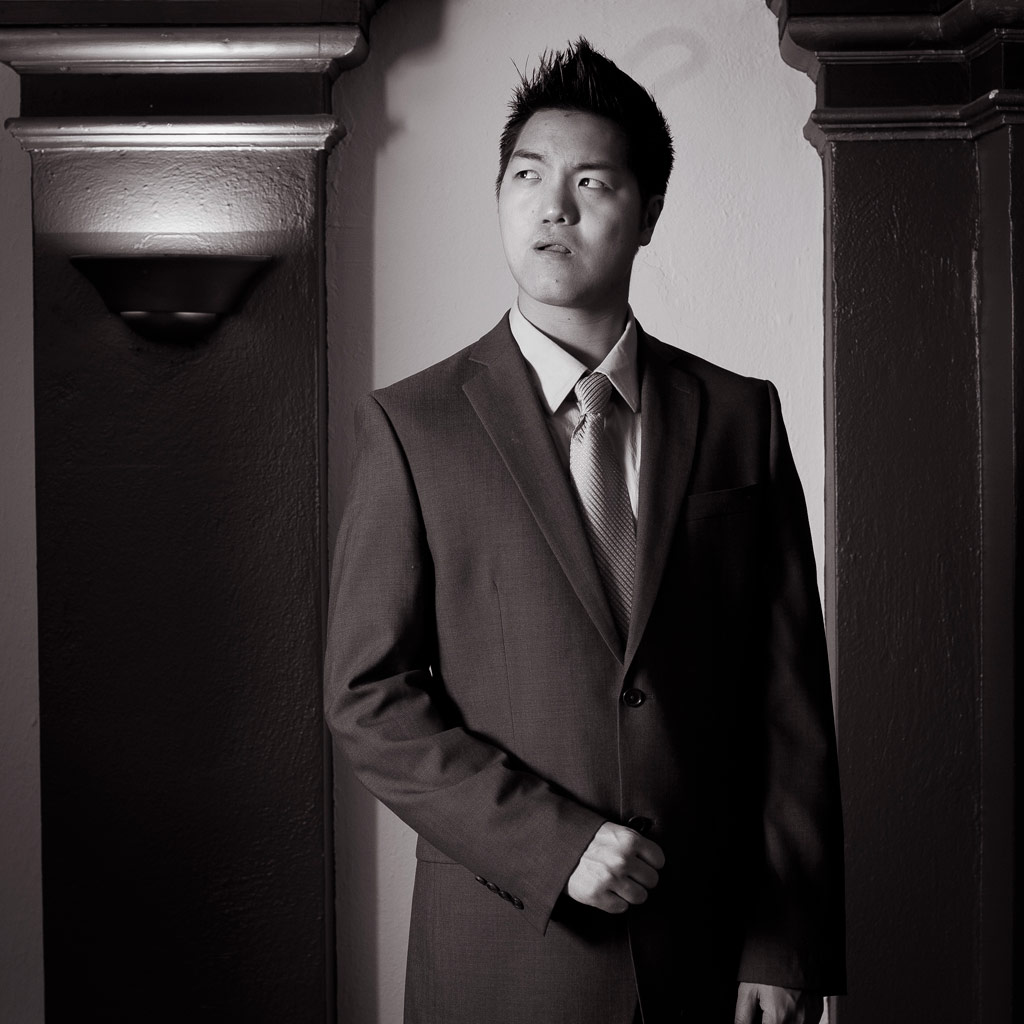
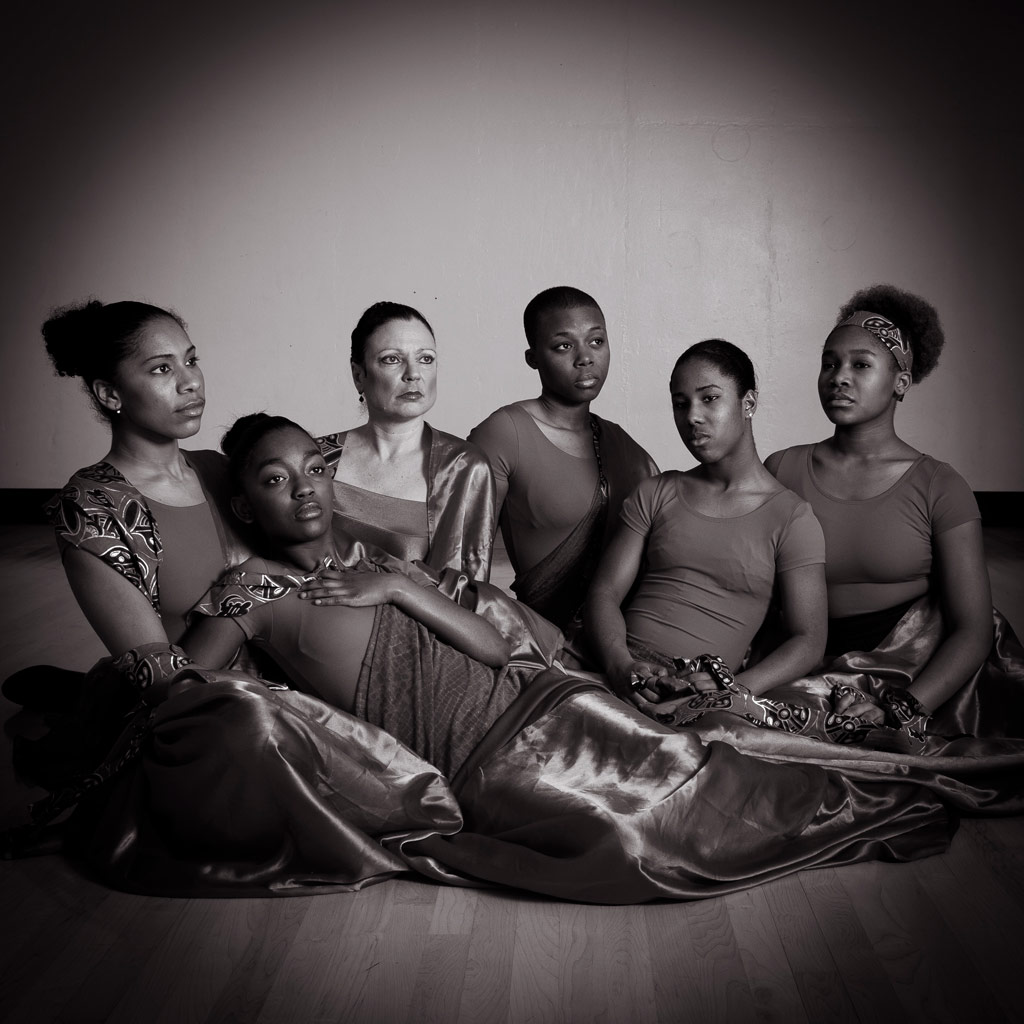
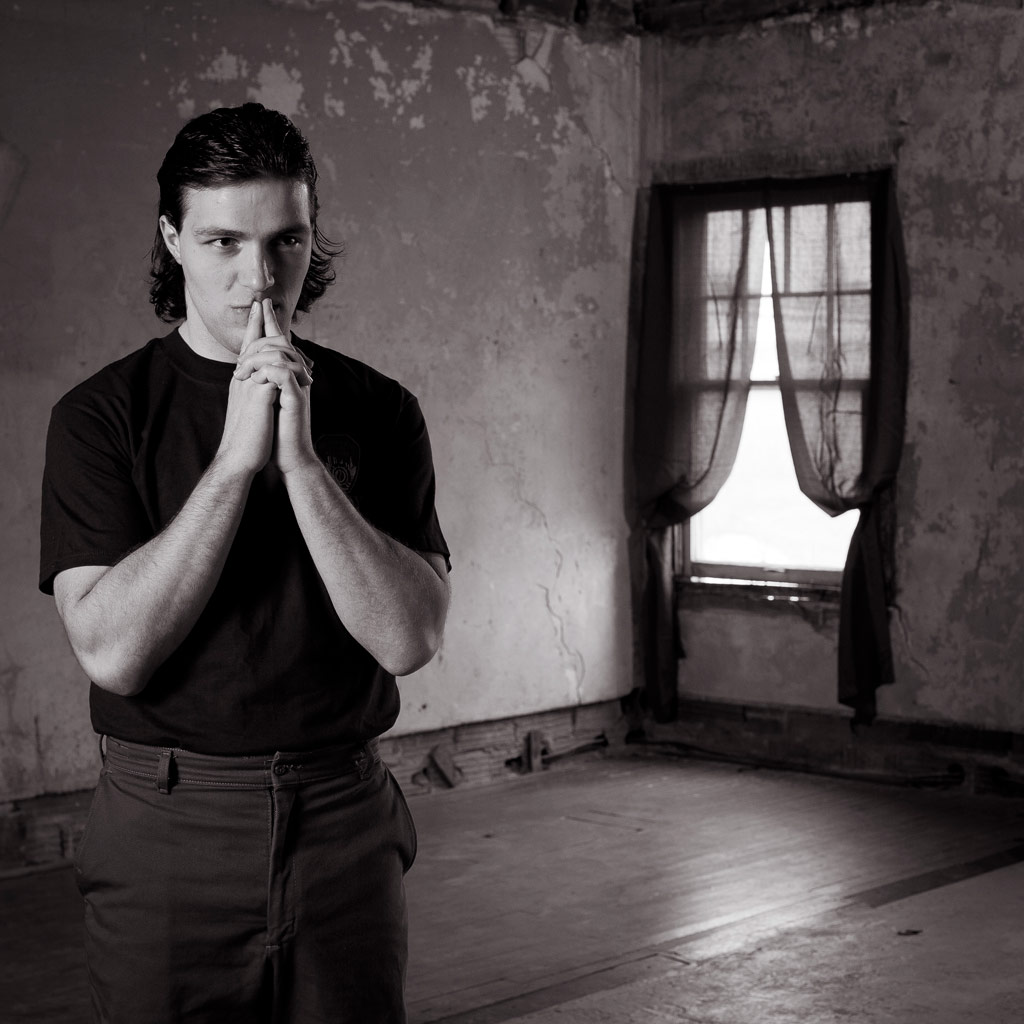
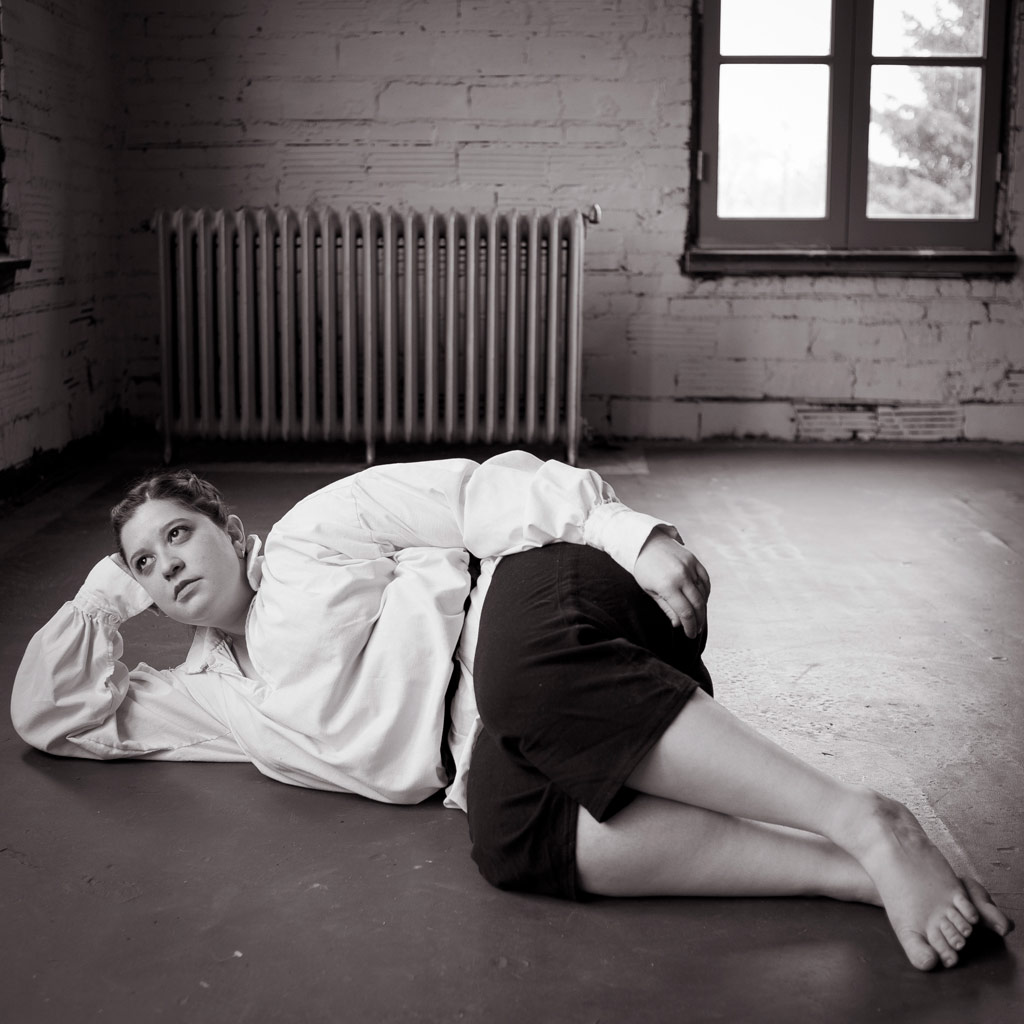
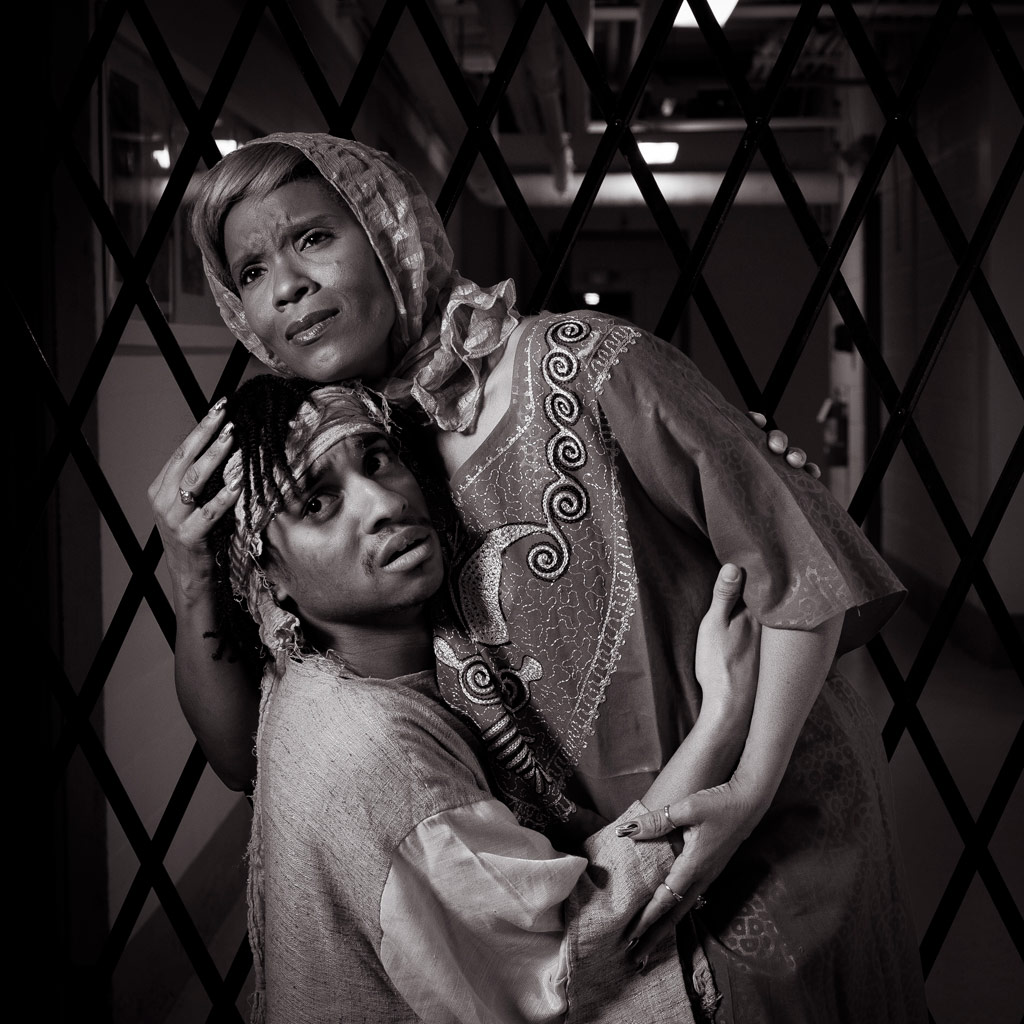
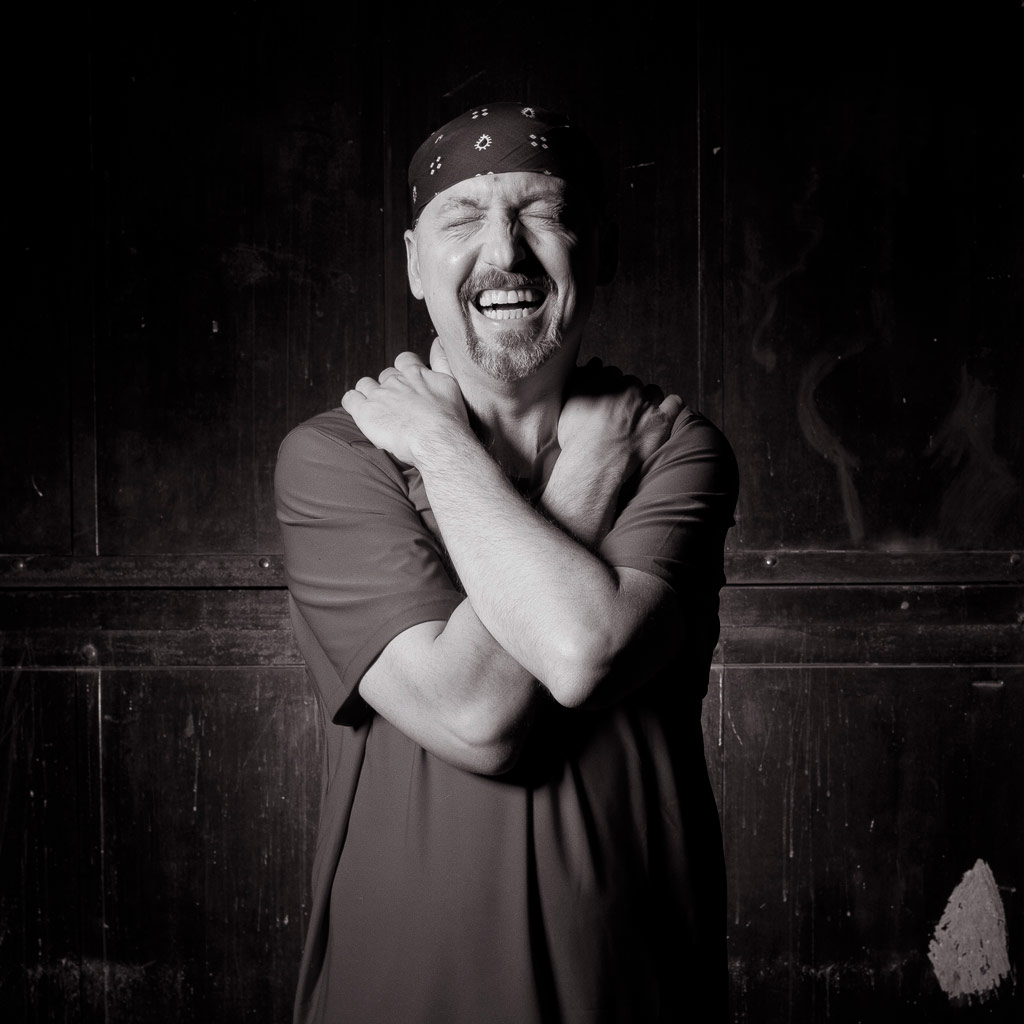
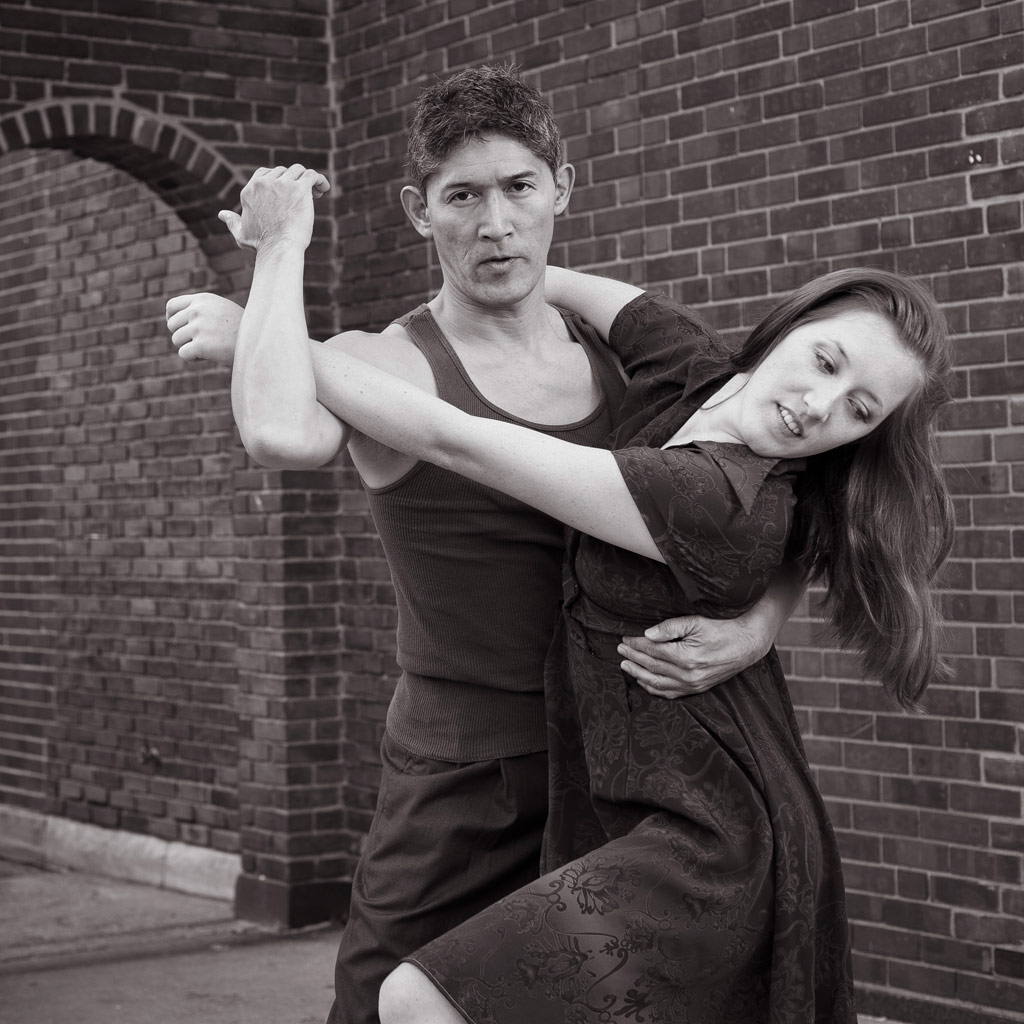
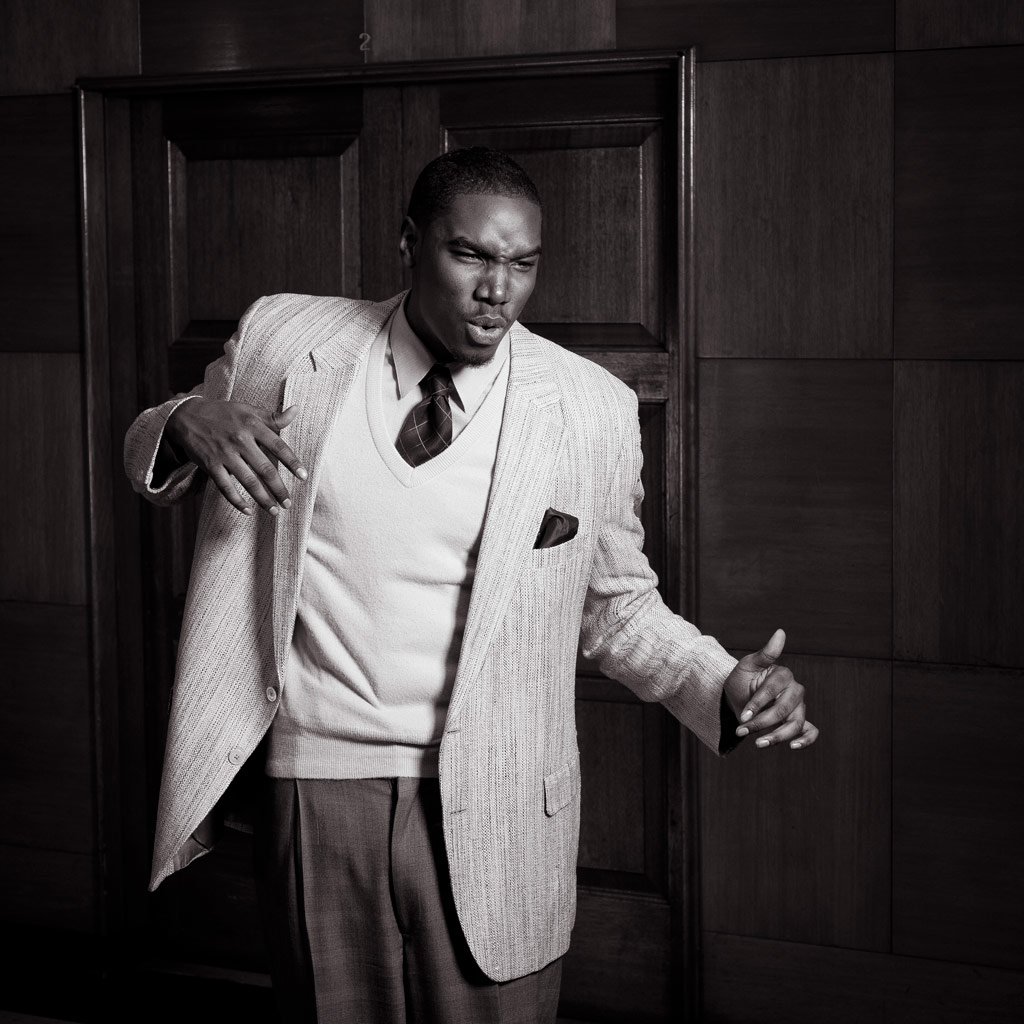
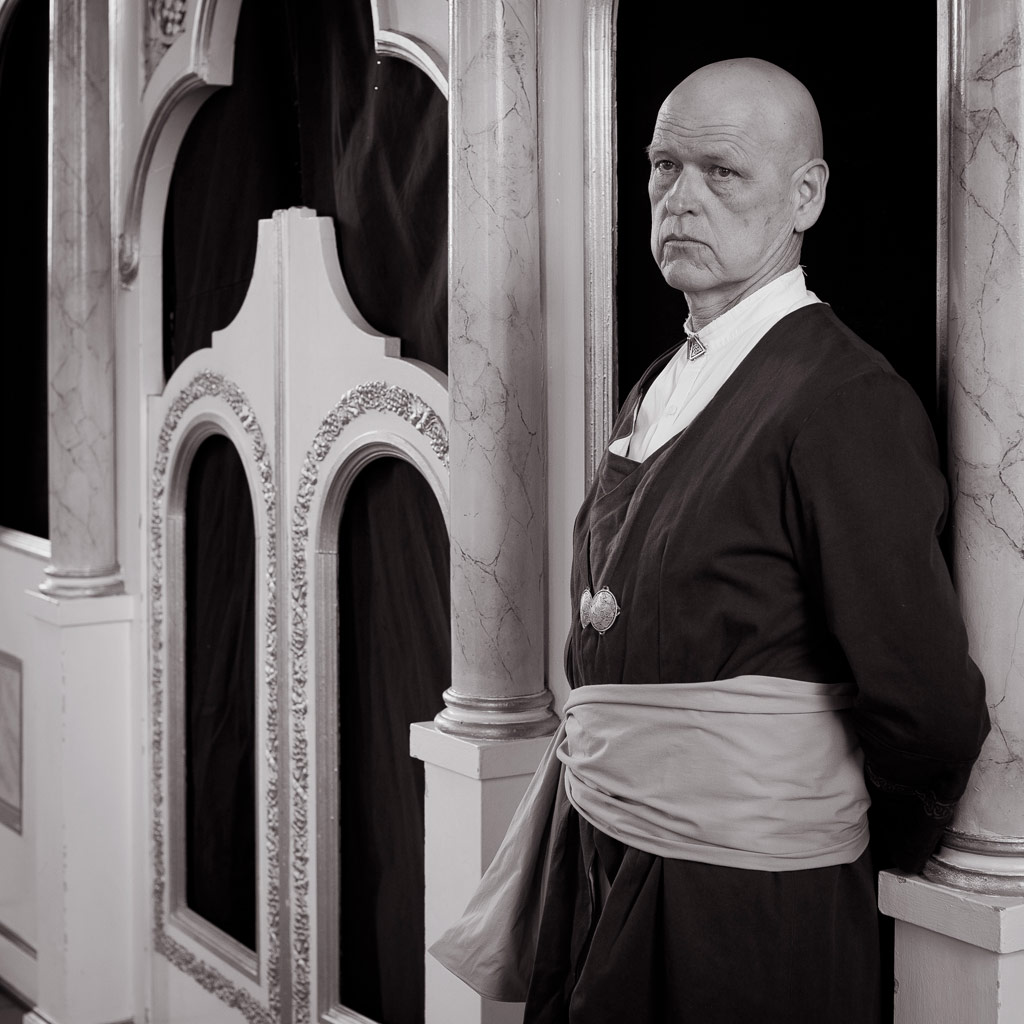
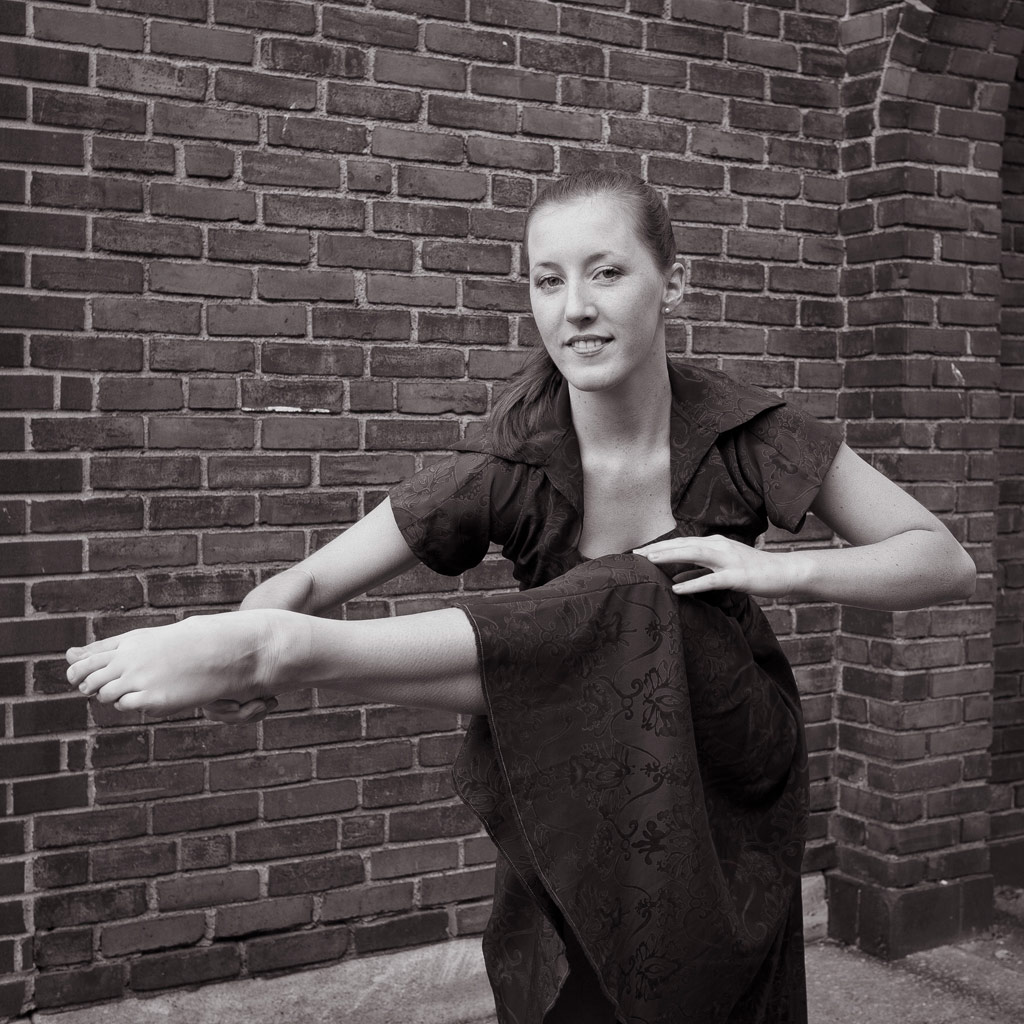
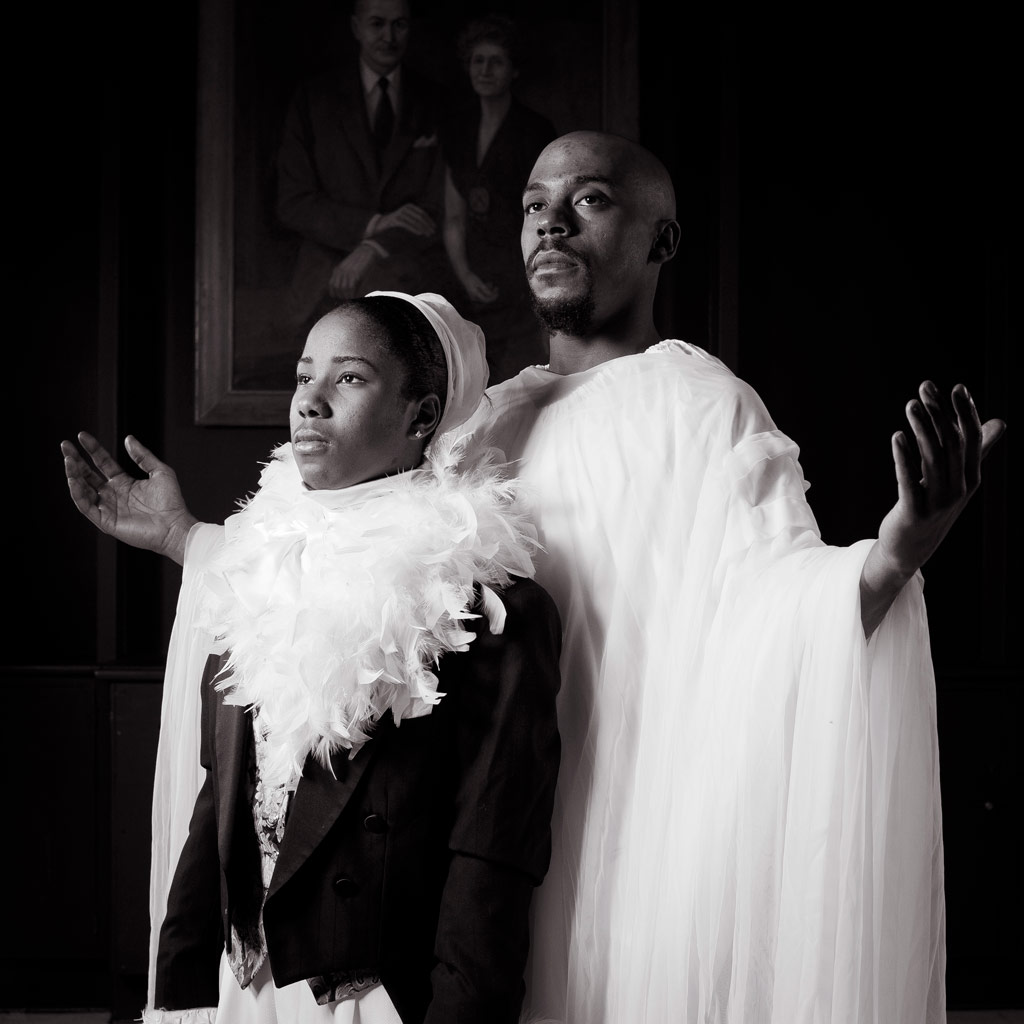
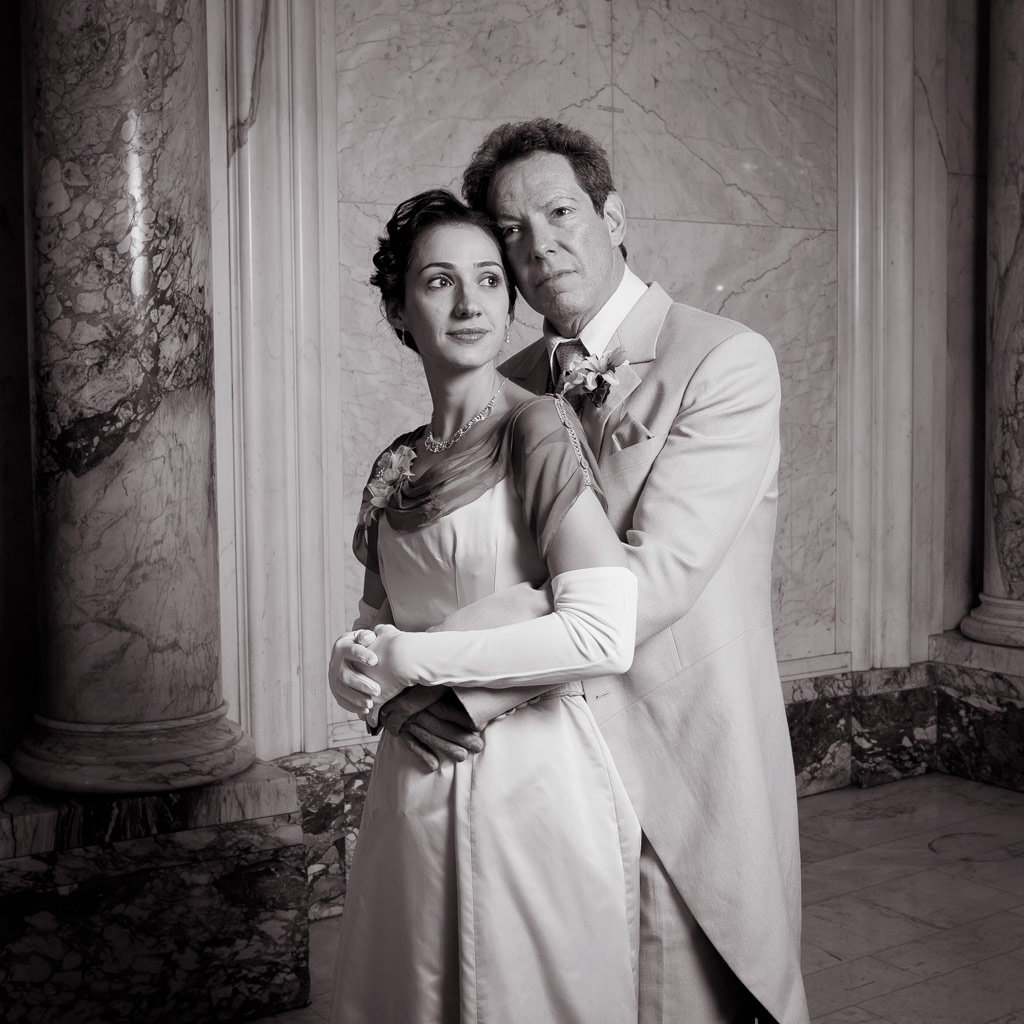
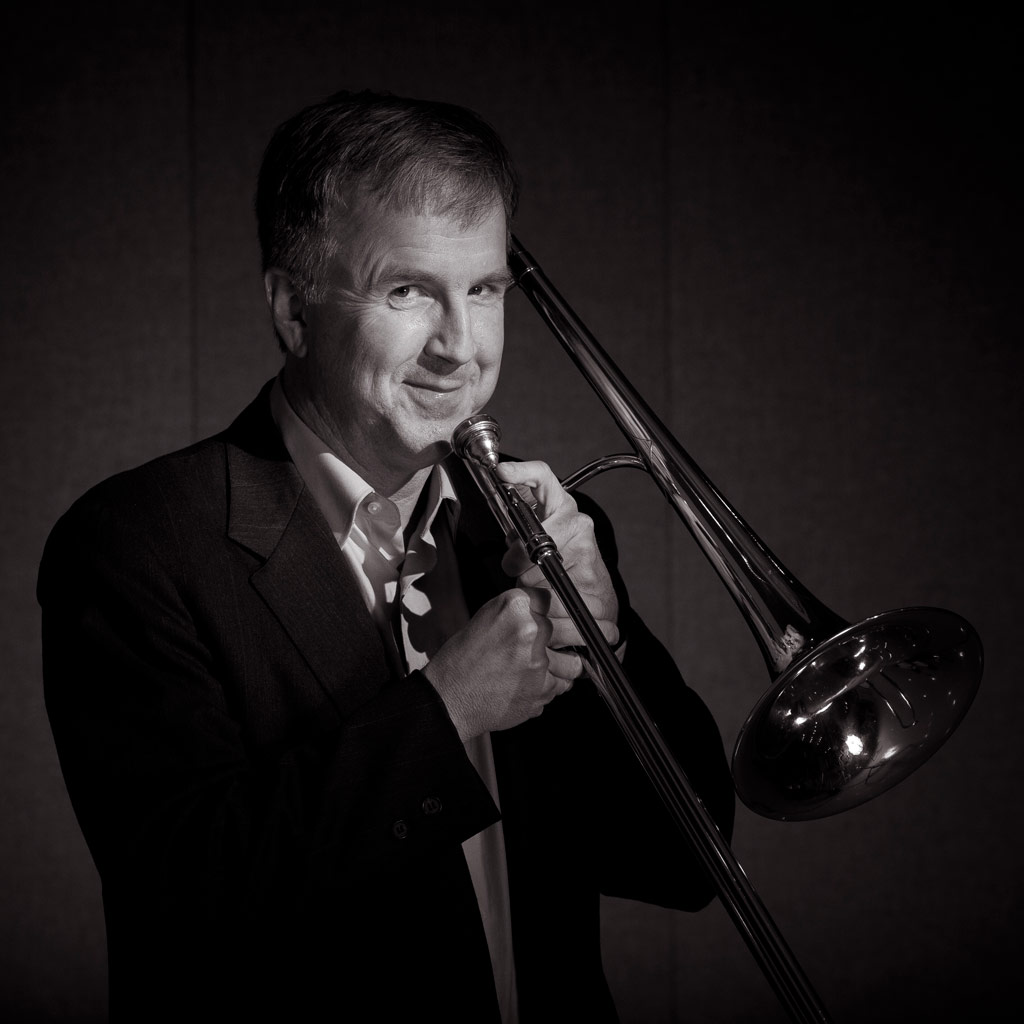
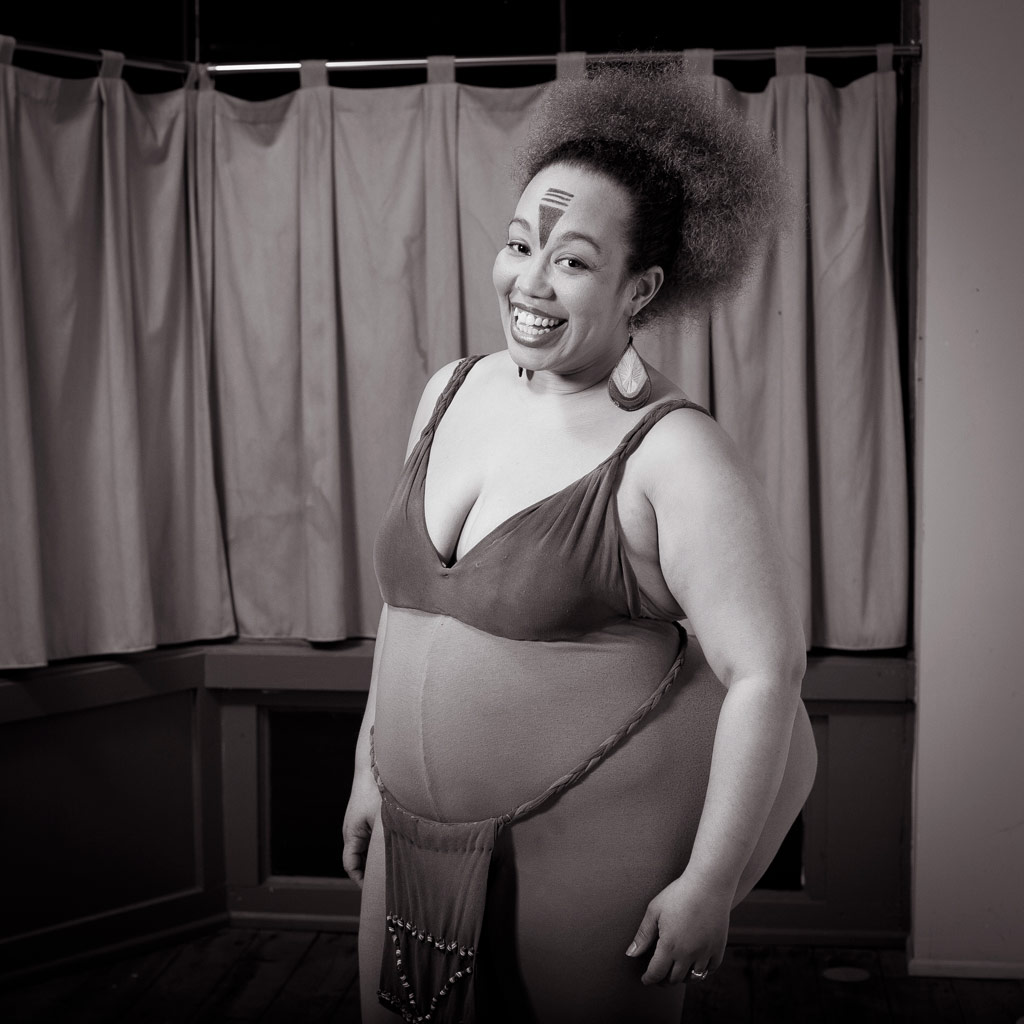
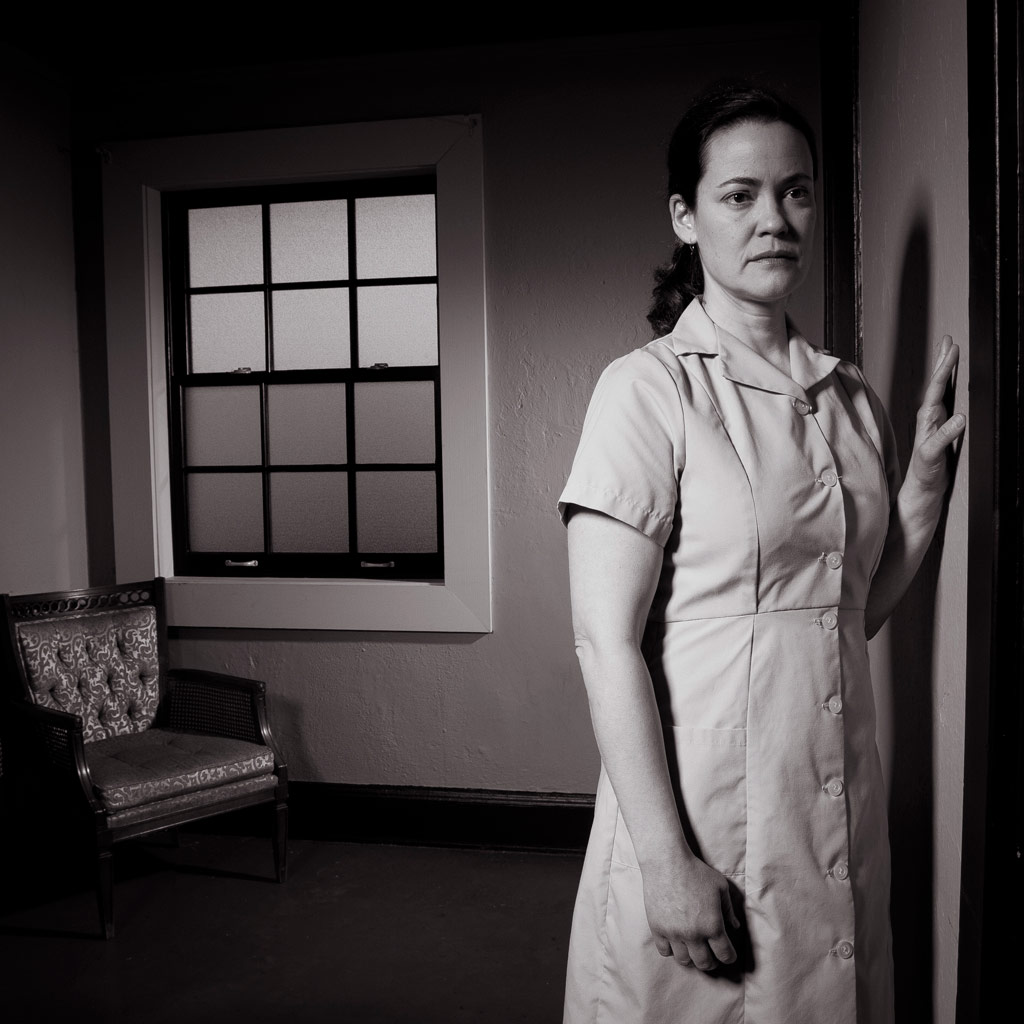
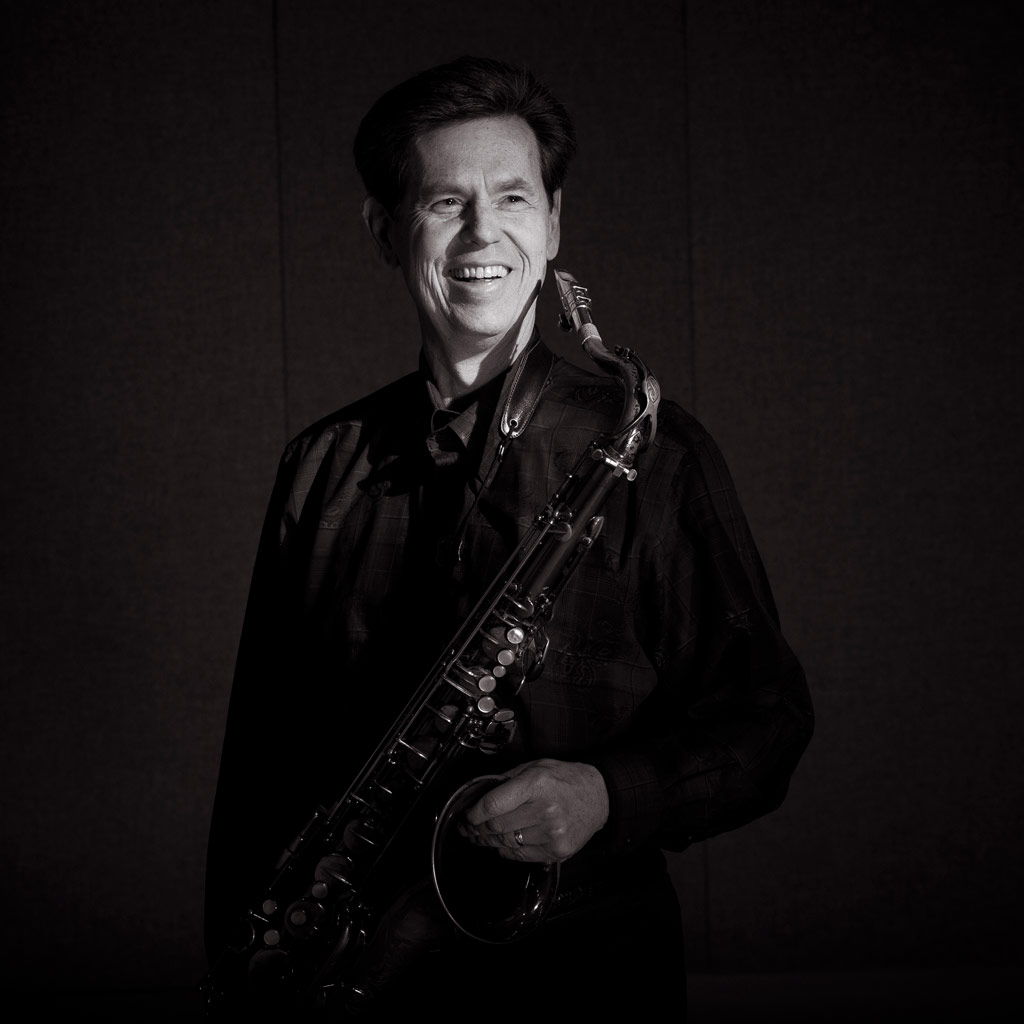
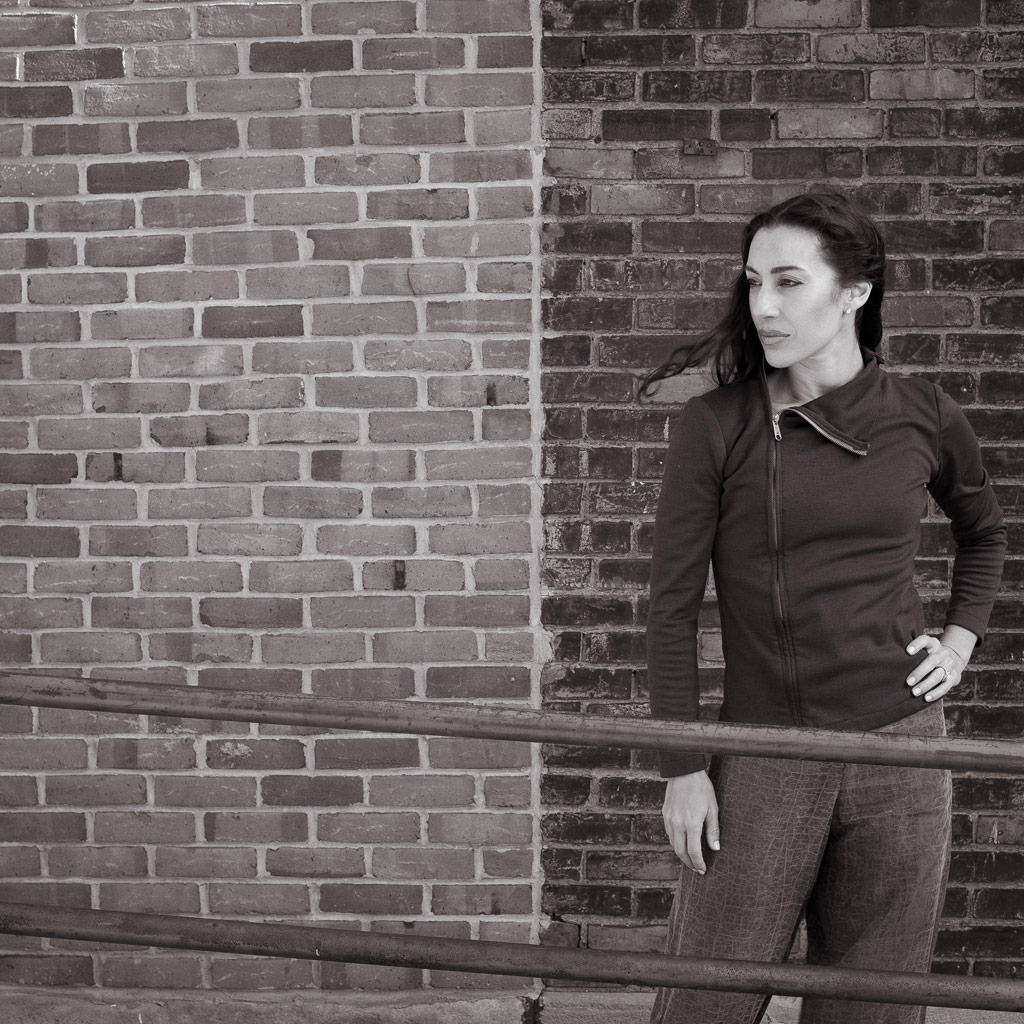
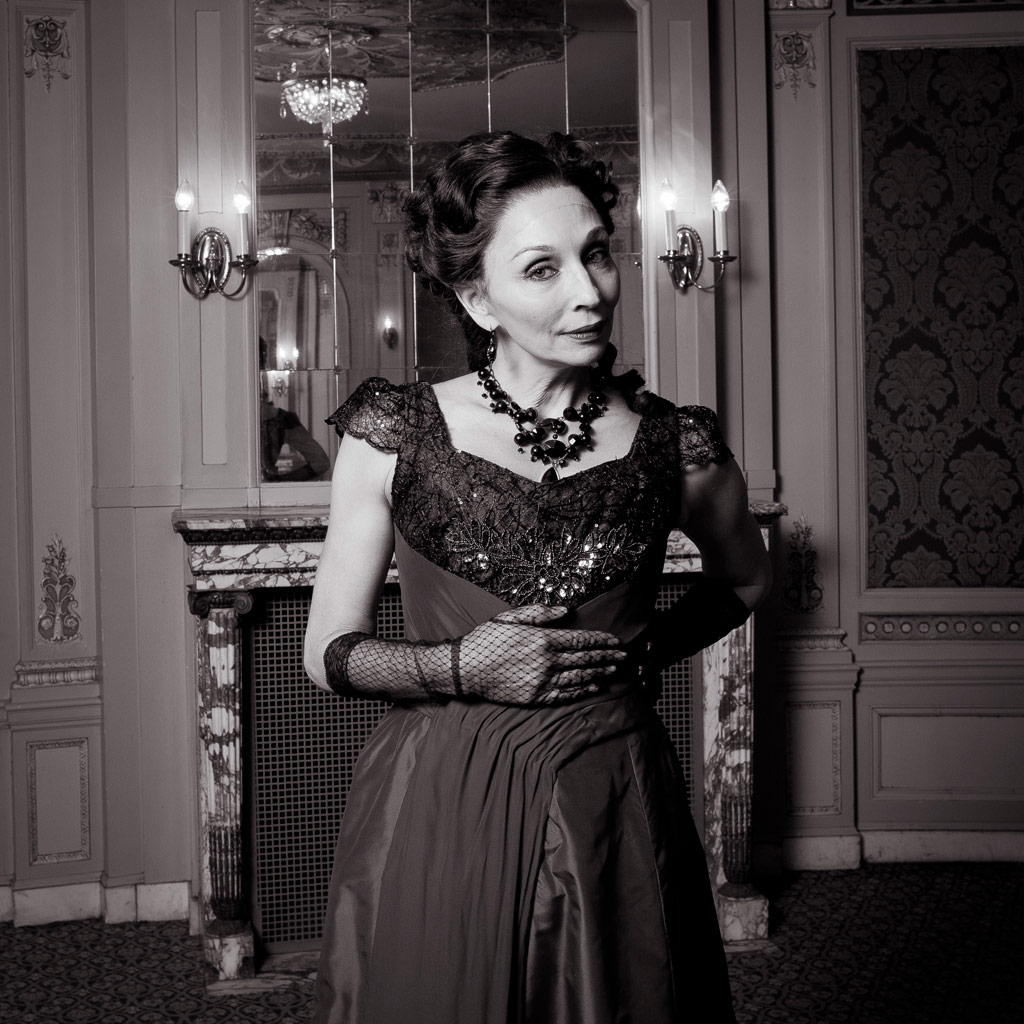
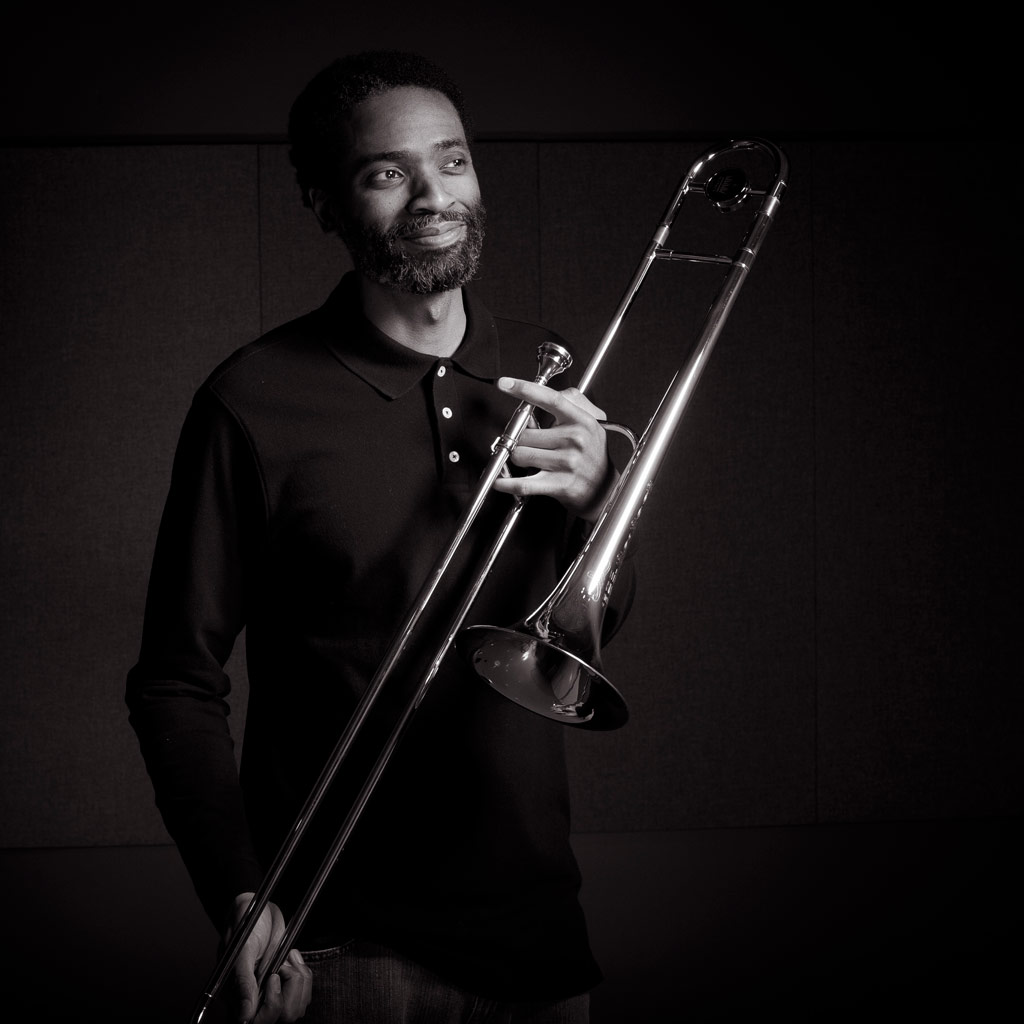
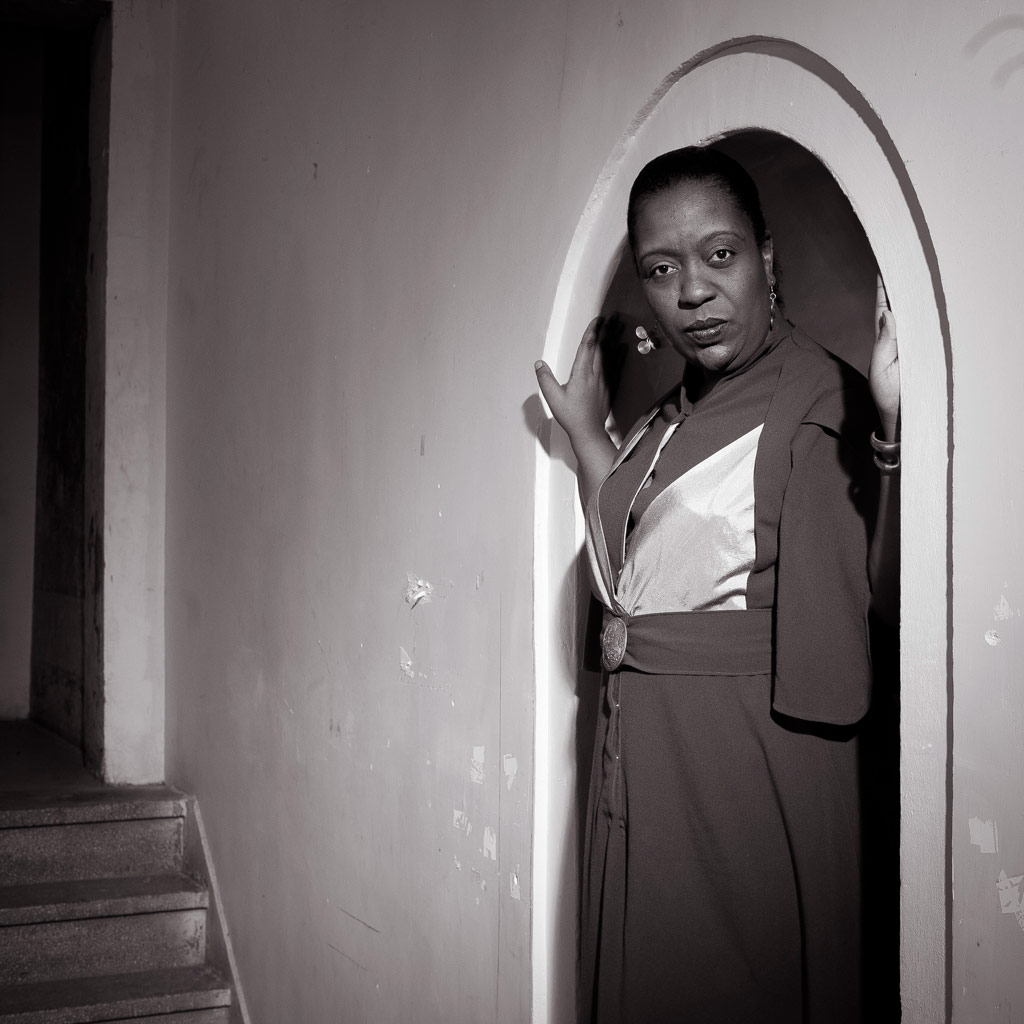
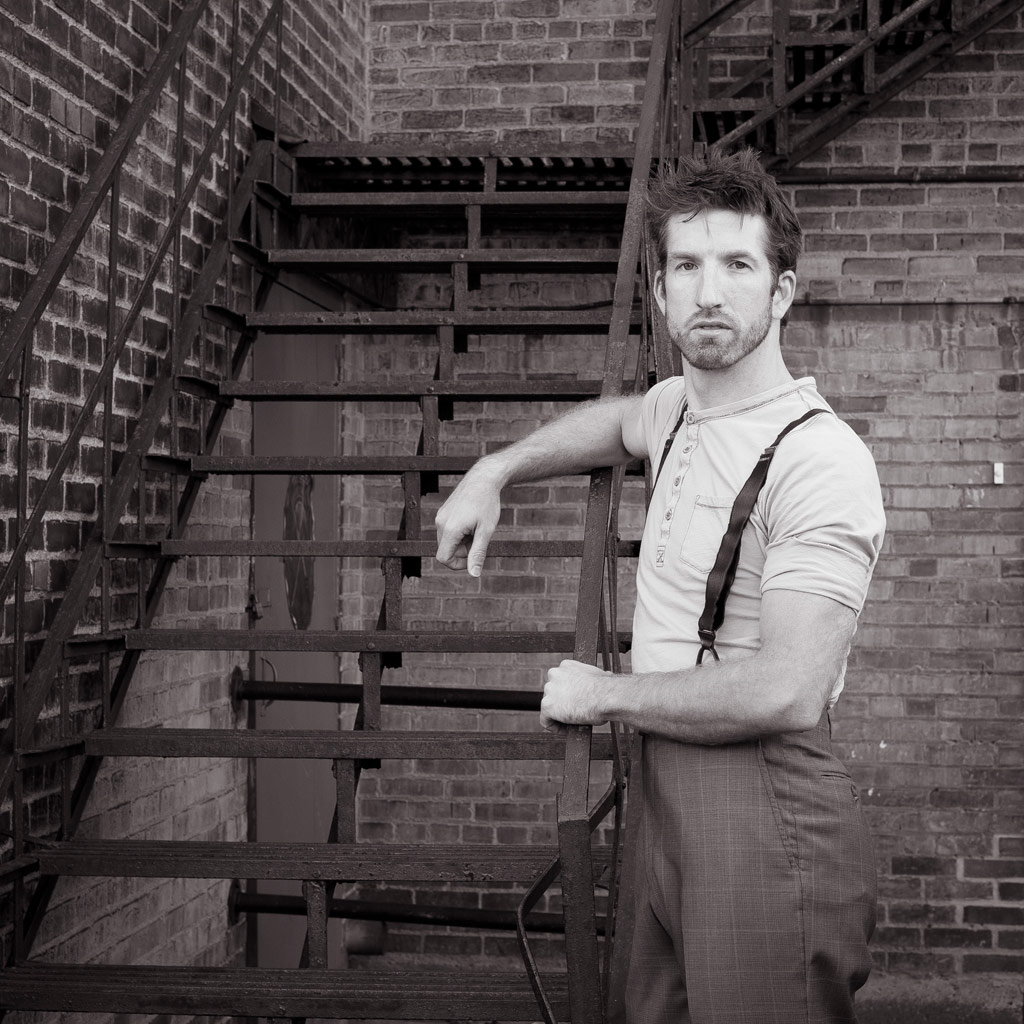
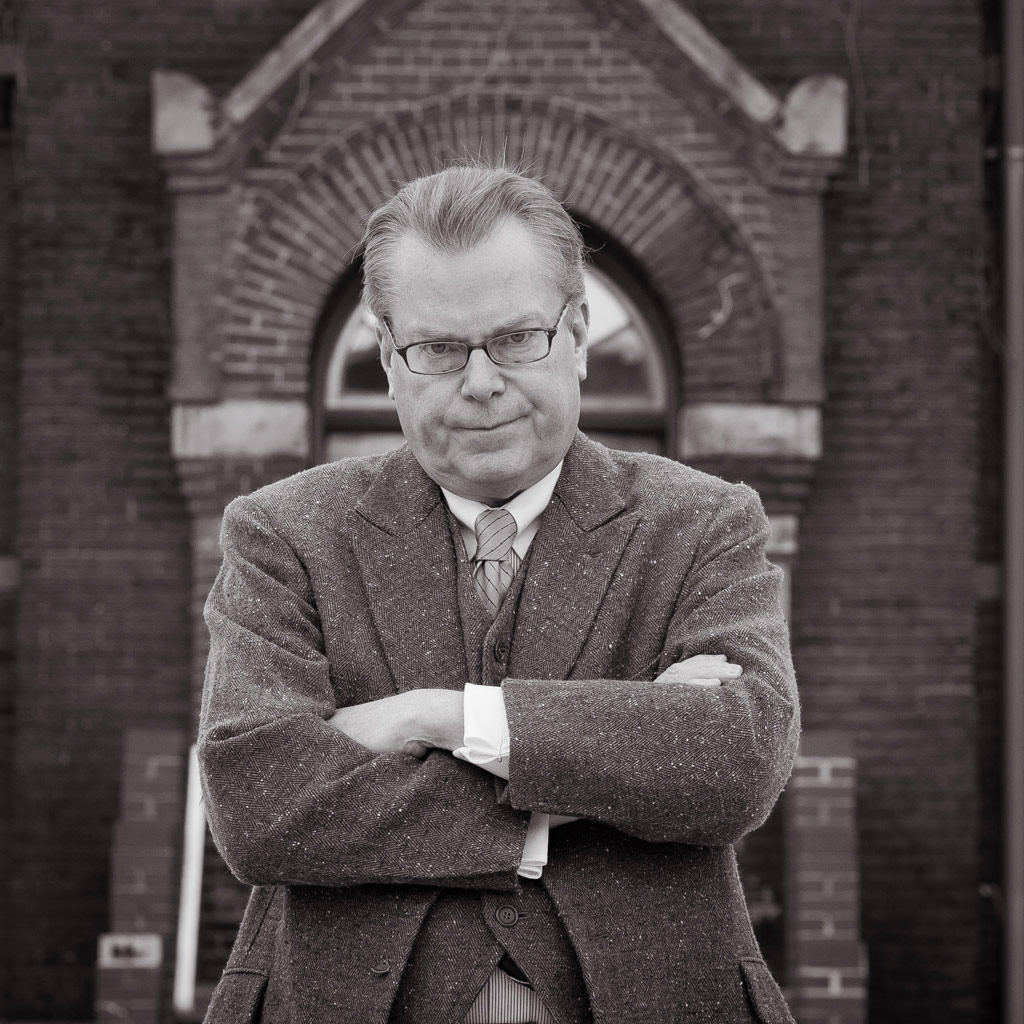
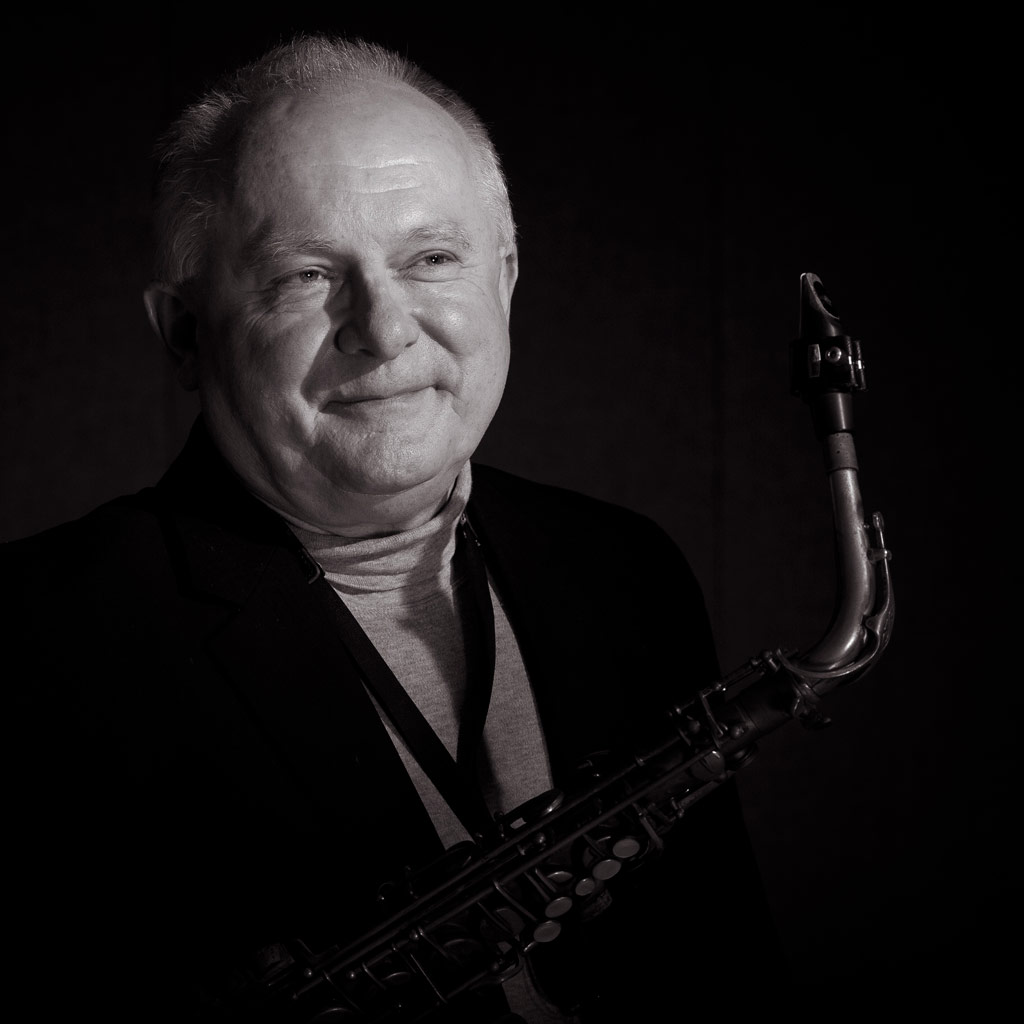
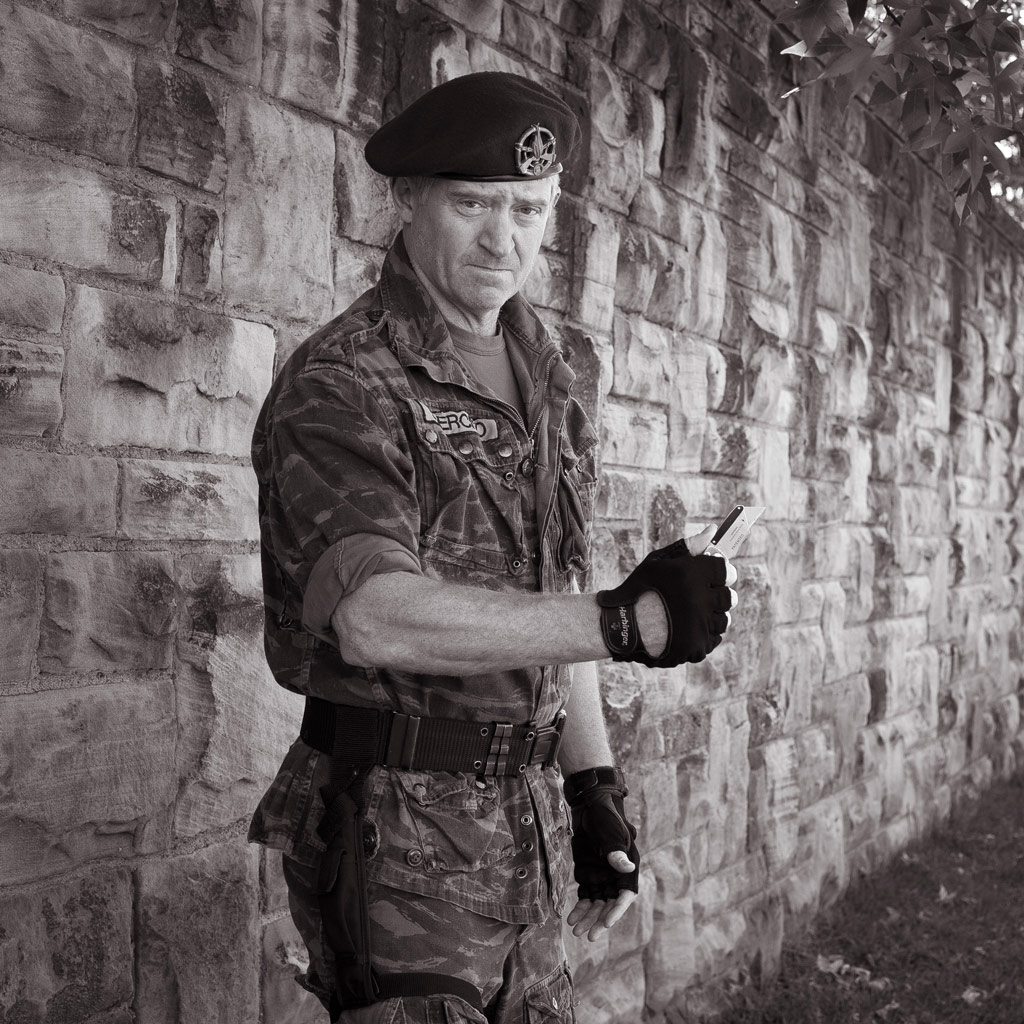
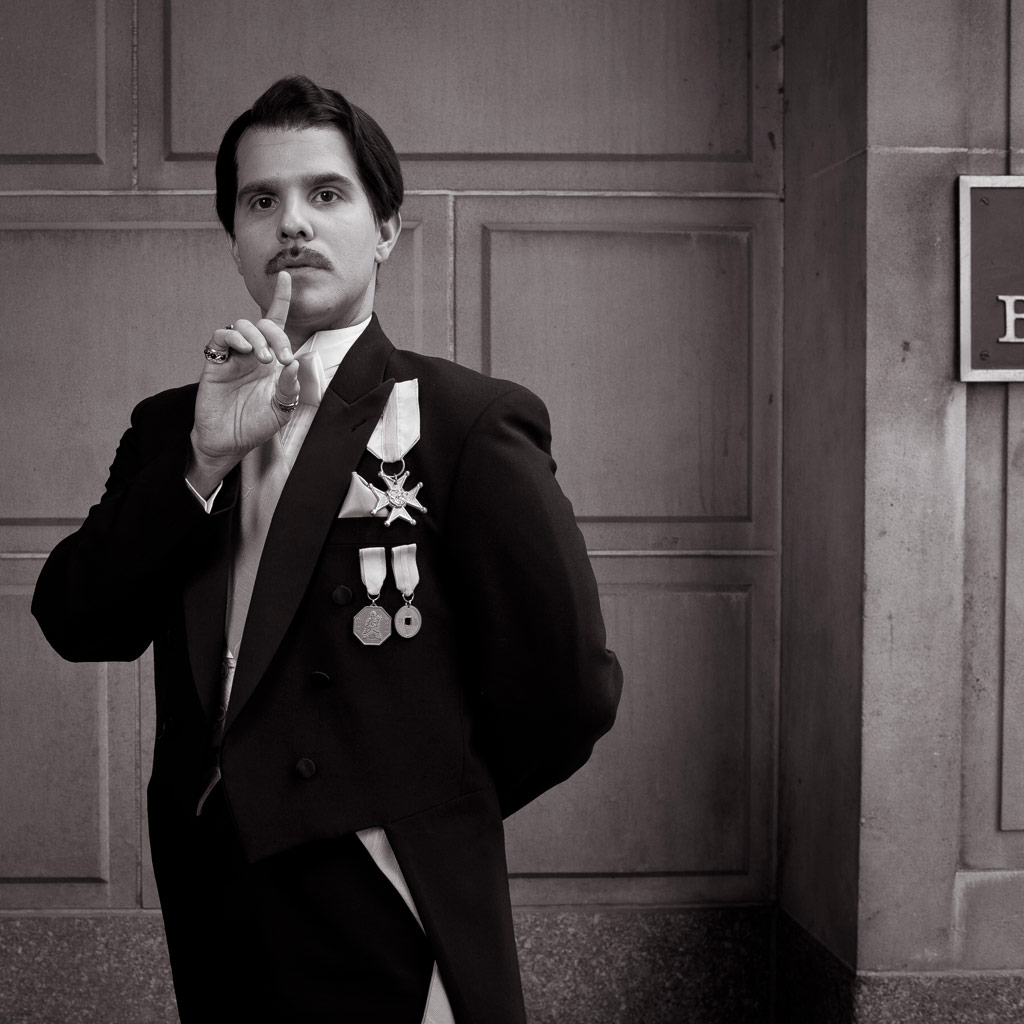
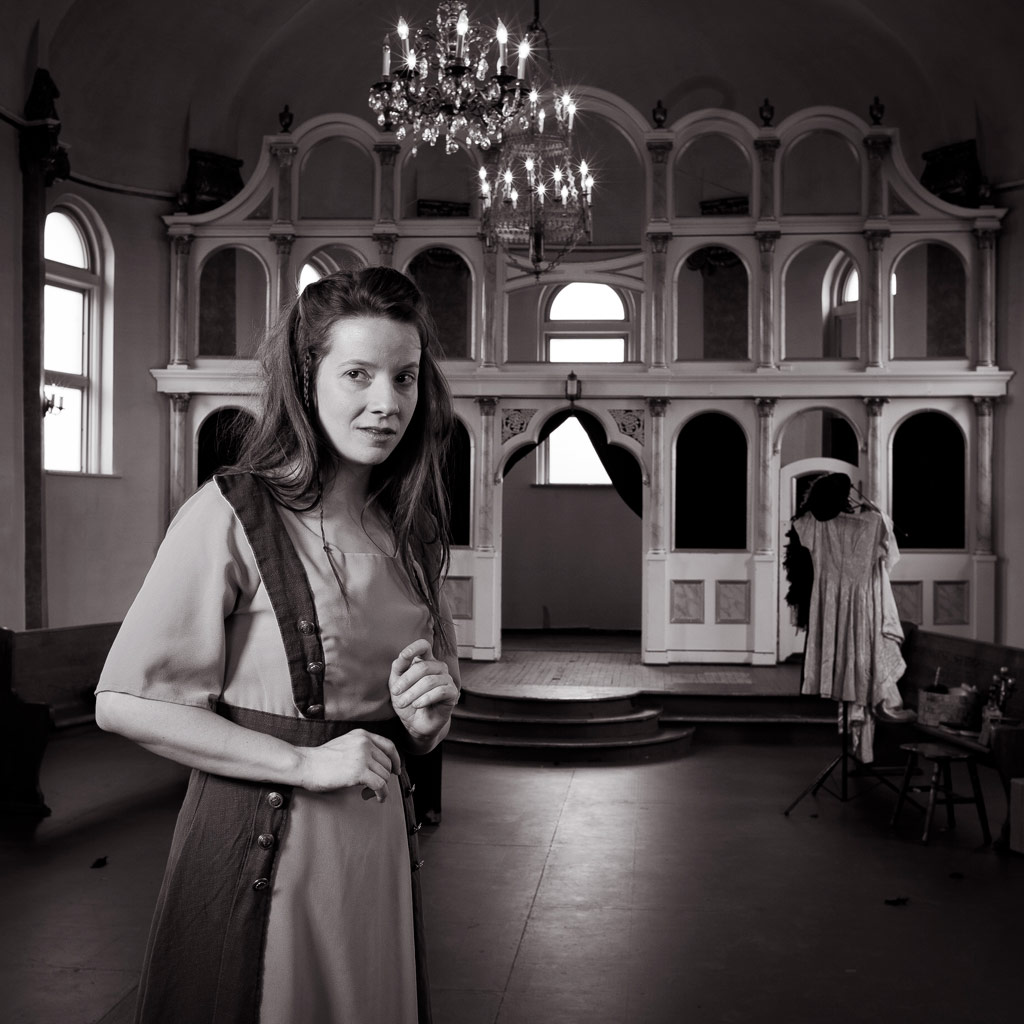
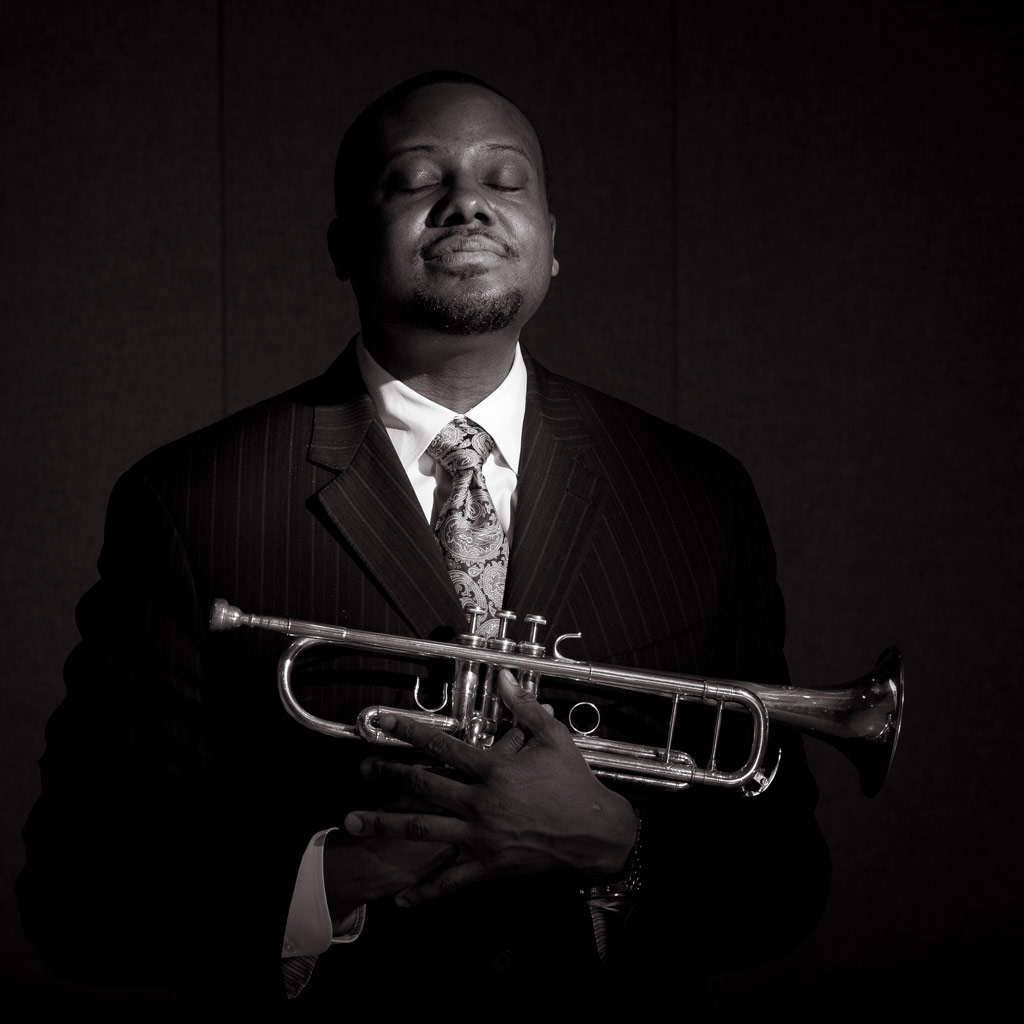
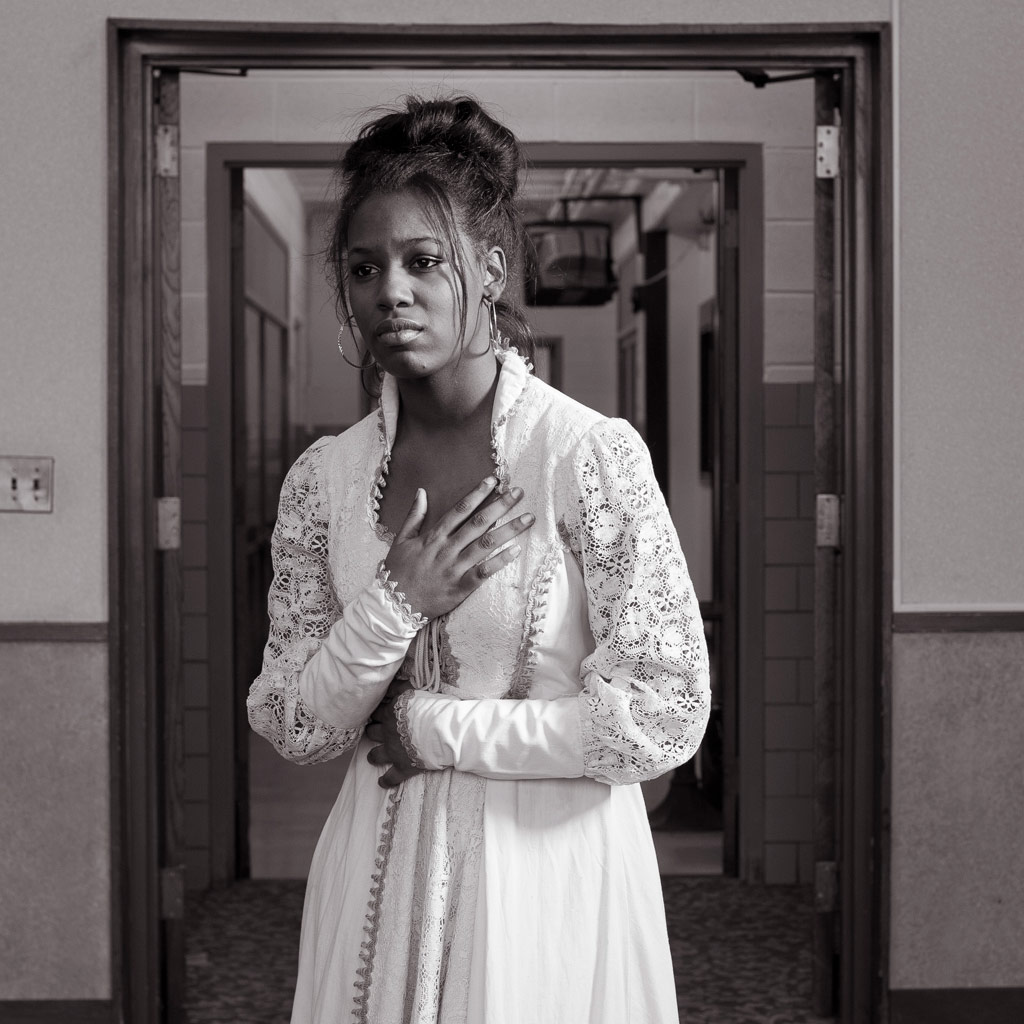
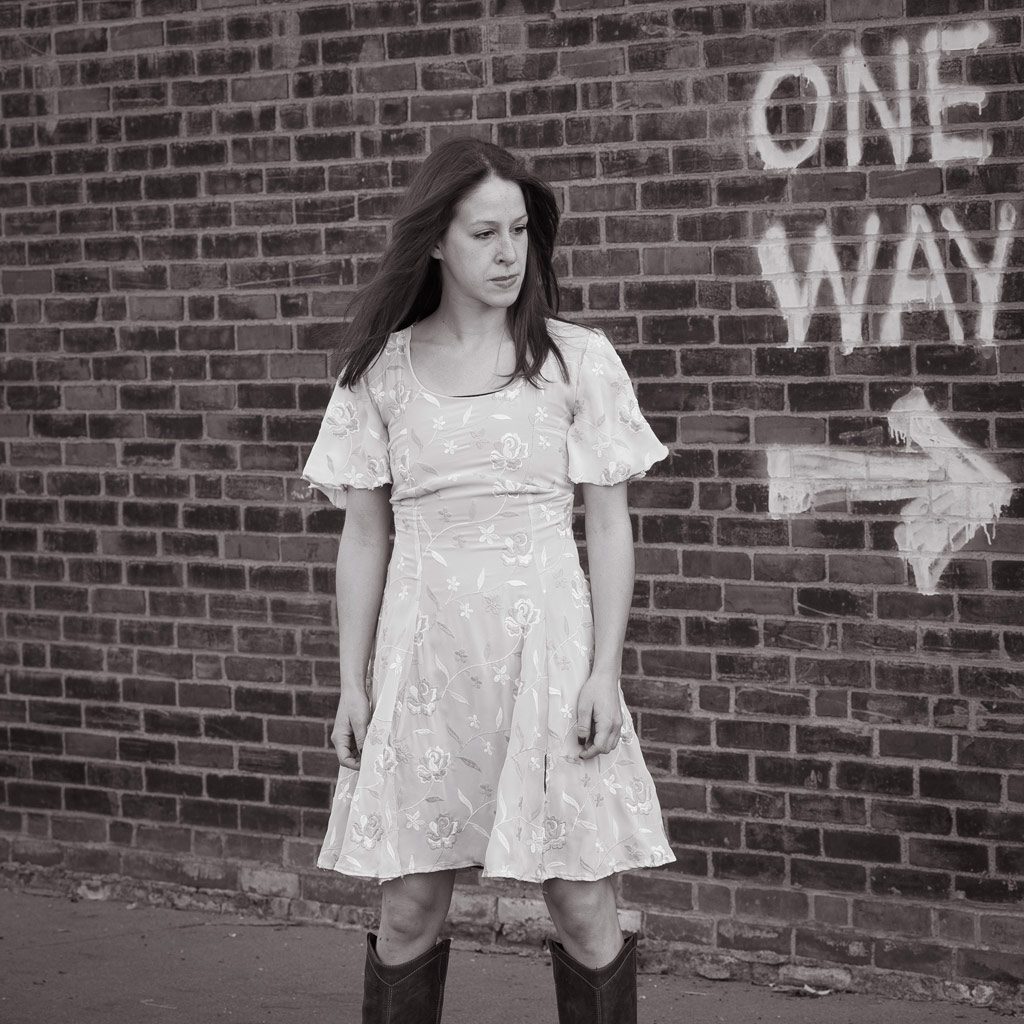
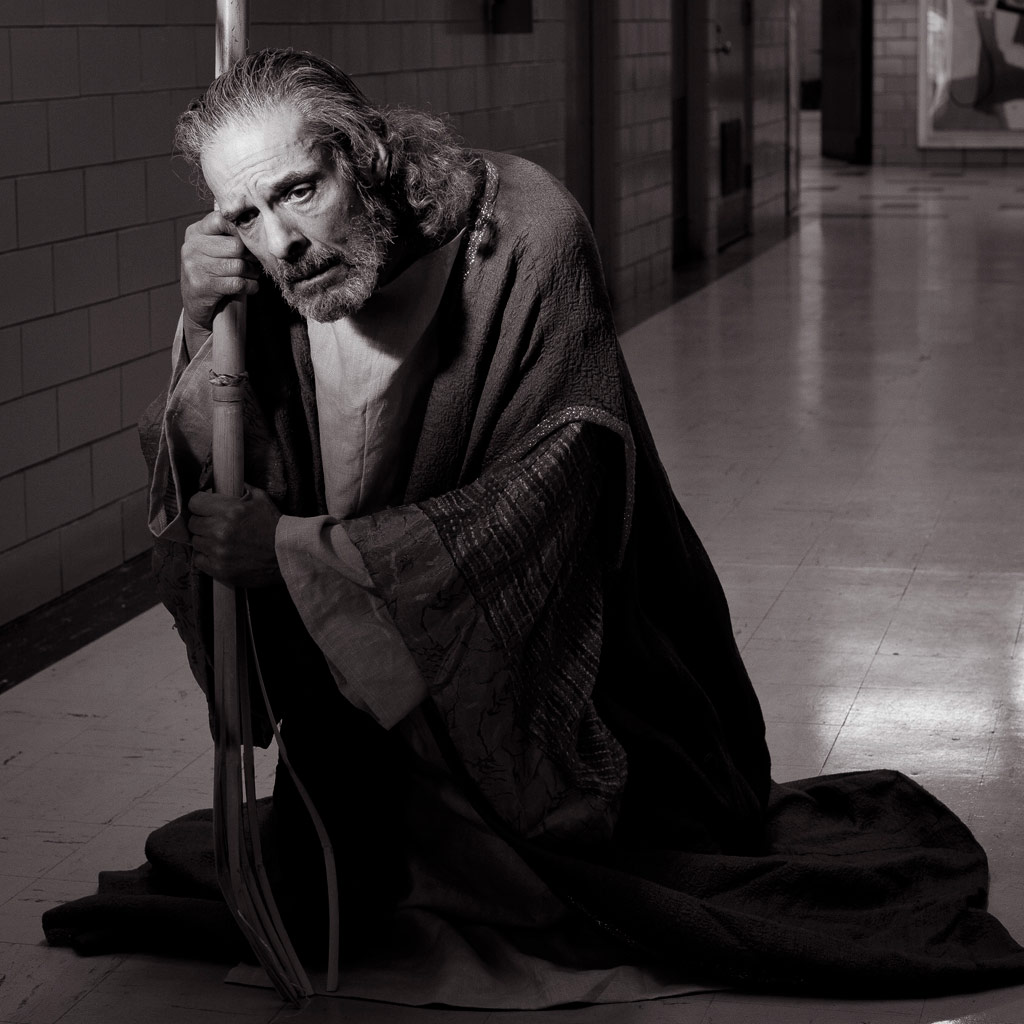
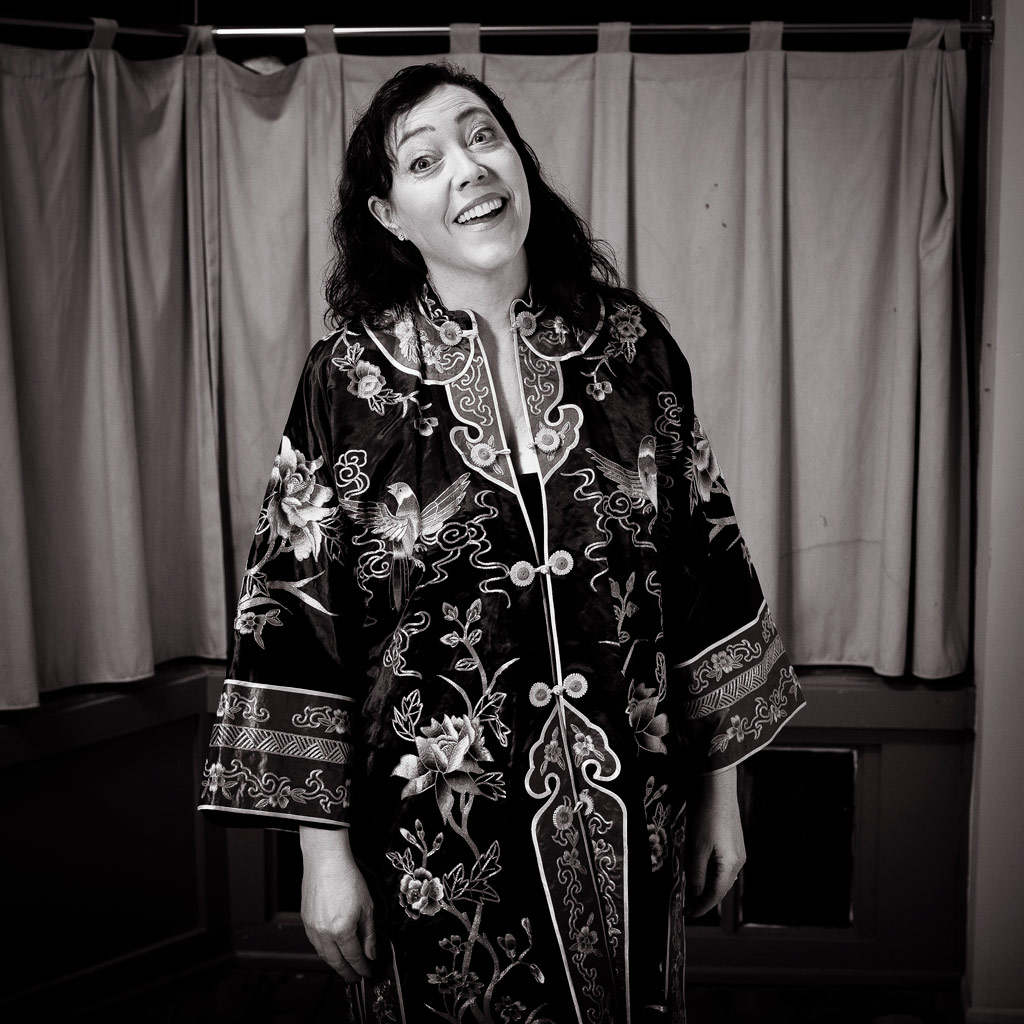
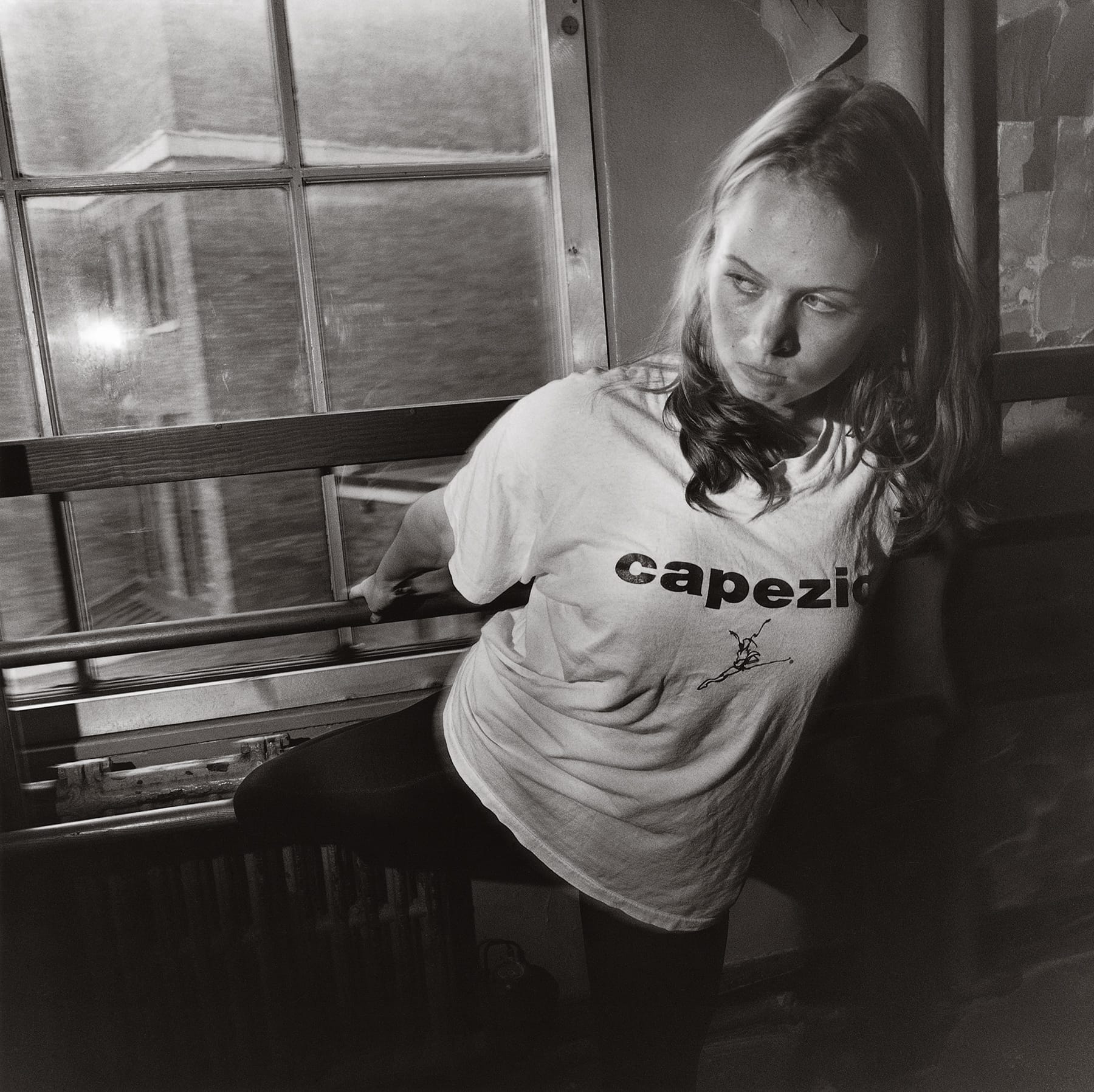
Amy Arbus’ striking portraits beautifully capture the essence and energy of Cleveland’s performing artists and the remarkable gifts they bring to our community. Arbus has published four books of her photographs, and her work is in many prestigious collections, including those of the Museum of Modern Art in New York. Arbus’ photographs have appeared in more than 100 periodicals, and she has had 21 solo exhibitions around the world. She also teaches portraiture at the International Center of Photography, Maine Media Workshops and the Fine Arts Work Center. The Foundation has been a longtime supporter of the arts because we recognize that their innovation and creativity are essential to our community’s continued vitality. The talented actors, dancers and musicians pictured in this report, and so many others like them, make Cleveland a more rewarding, interesting and lively place to live and work. We are richer because of their presence.







Letter from the Board President
2010 Annual Report
The compelling portraits of Cleveland performing artists by Amy Arbus in this annual report capture the energy, excitement, insight and innovation that these talented men and women bring to our community. These remarkable actors, dancers and musicians not only entertain and inspire us, but also challenge us to look at ourselves and our community in new and different ways. They build bridges between cultures, open our eyes to new possibilities and continually amaze us with their creativity.
The performing arts have a long, rich history in our community, and the Foundation is proud of the role it has played in supporting a diverse range of organizations and artists, not only in our formal concert halls and theaters but also in our neighborhoods, schools and parks. We also have supported ongoing efforts to encourage artists to make Cleveland their home because we recognize that their innovation and creativity are essential to this community’s vitality.
As we say in our program guidelines, “The Foundation values and supports the role the arts play in making Cleveland and its region a more desirable place to live, encouraging the growth of a creative workforce, catalyzing development in our neighborhoods and serving as a bridge between various segments of the community.”
The Foundation also has been a major supporter of public-private partnerships and advocacy efforts to ensure the future of a vibrant arts community, and we are proud that Cuyahoga County, thanks to voters who approved a cigarette tax in 2006, is one of the largest public arts funders in the country through Cuyahoga Arts and Culture (CAC).
We were also a cofounder more than a decade ago of the Community Partnership for Arts and Culture (CPAC), which with funding from CAC, developed the Creative Workforce Fellowship program that each year recognizes and makes significant financial awards to 20 local artists. CPAC also started the unique Artist as Entrepreneur Institute and recently launched an innovative program, in collaboration with local community development organizations, to encourage artists to buy houses in Cleveland.
Several of our longtime grantees also took steps during 2010 and in the early months of 2011 to ensure that for many years to come they will be contributing to the region’s vitality and supporting the artists who make Greater Cleveland their home.
The Museum of Contemporary Art Cleveland broke ground for its new building in University Circle. The Cleveland Play House announced a new partnership with Cleveland State University’s theater department and a move to a renovated Allen Theatre in PlayhouseSquare. The Museum of Art continued to open new and renovated galleries that are part of its significant expansion pro-gram. The Cleveland Institute of Art completed the first phase of its move to a centralized campus on Euclid Avenue. The Rainey Institute moved from a cramped century home on East 55th Street to a new, spacious facility just a few blocks away.
The head of the National Endowment for the Arts, Rocco Landesman, uses the phrase “art works” when he advocates for support of the sector. He has three meanings for those two simple words: They are a noun that refers to works of art. They remind us that art works on audiences and viewers to transport and inspire then. And they recognize that arts workers have real jobs that are a vital part of our economy.
We couldn’t agree with him more.
Geoffrey Gund, President and Treasurer, The George Gund Foundation

Cleveland School of the Arts
Culture + Arts
Larry Fink (1998)
Photography
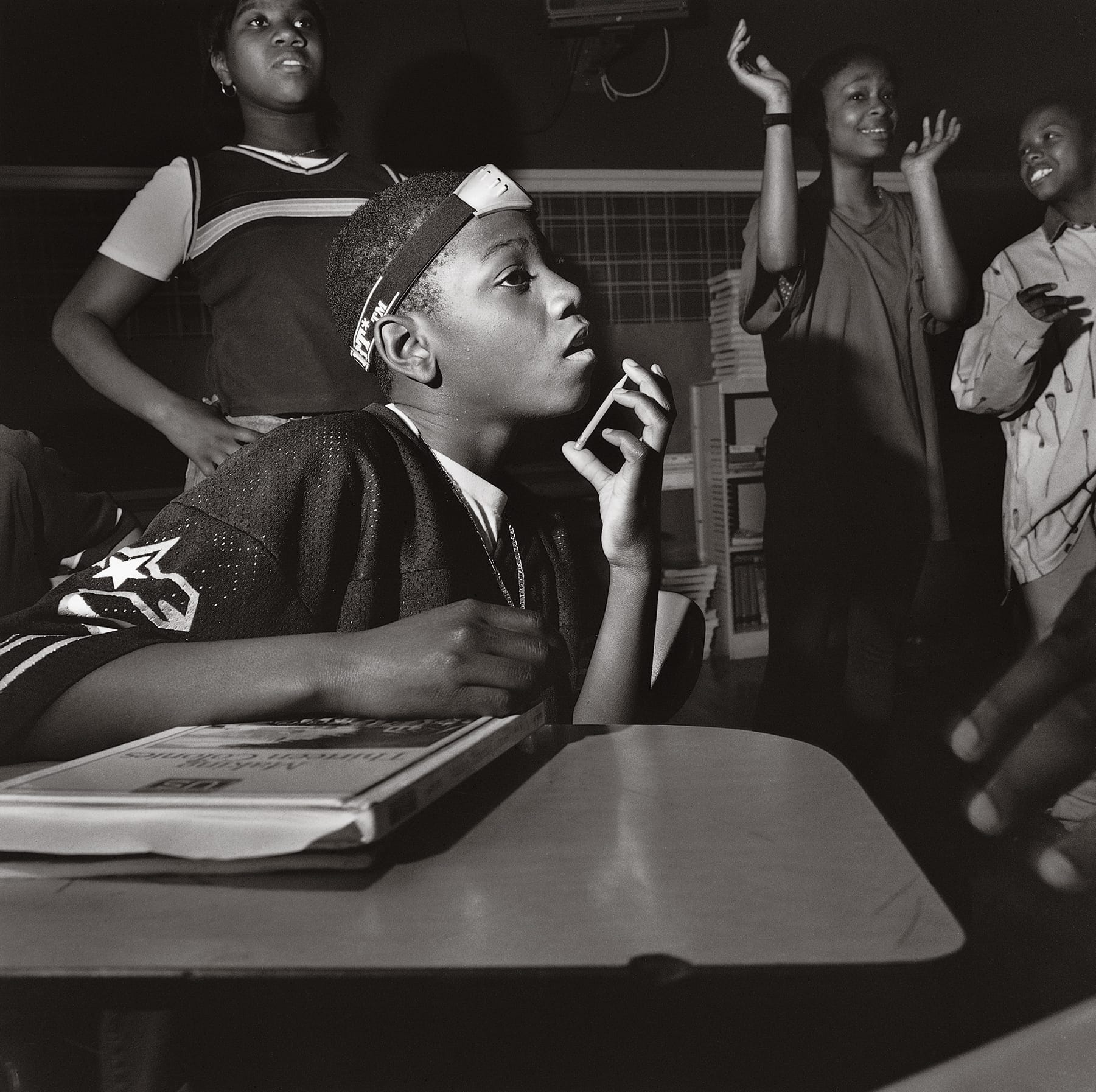
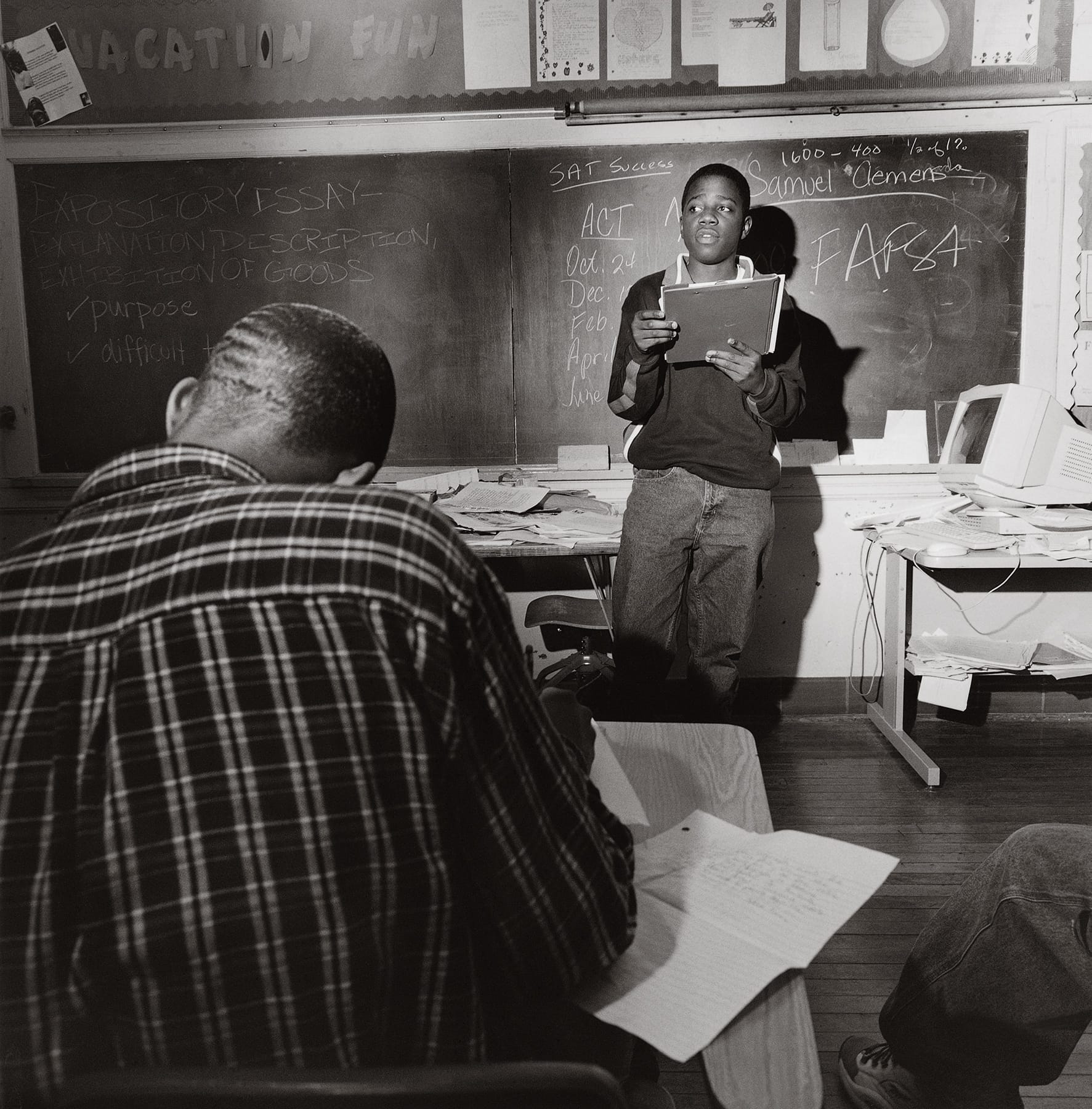
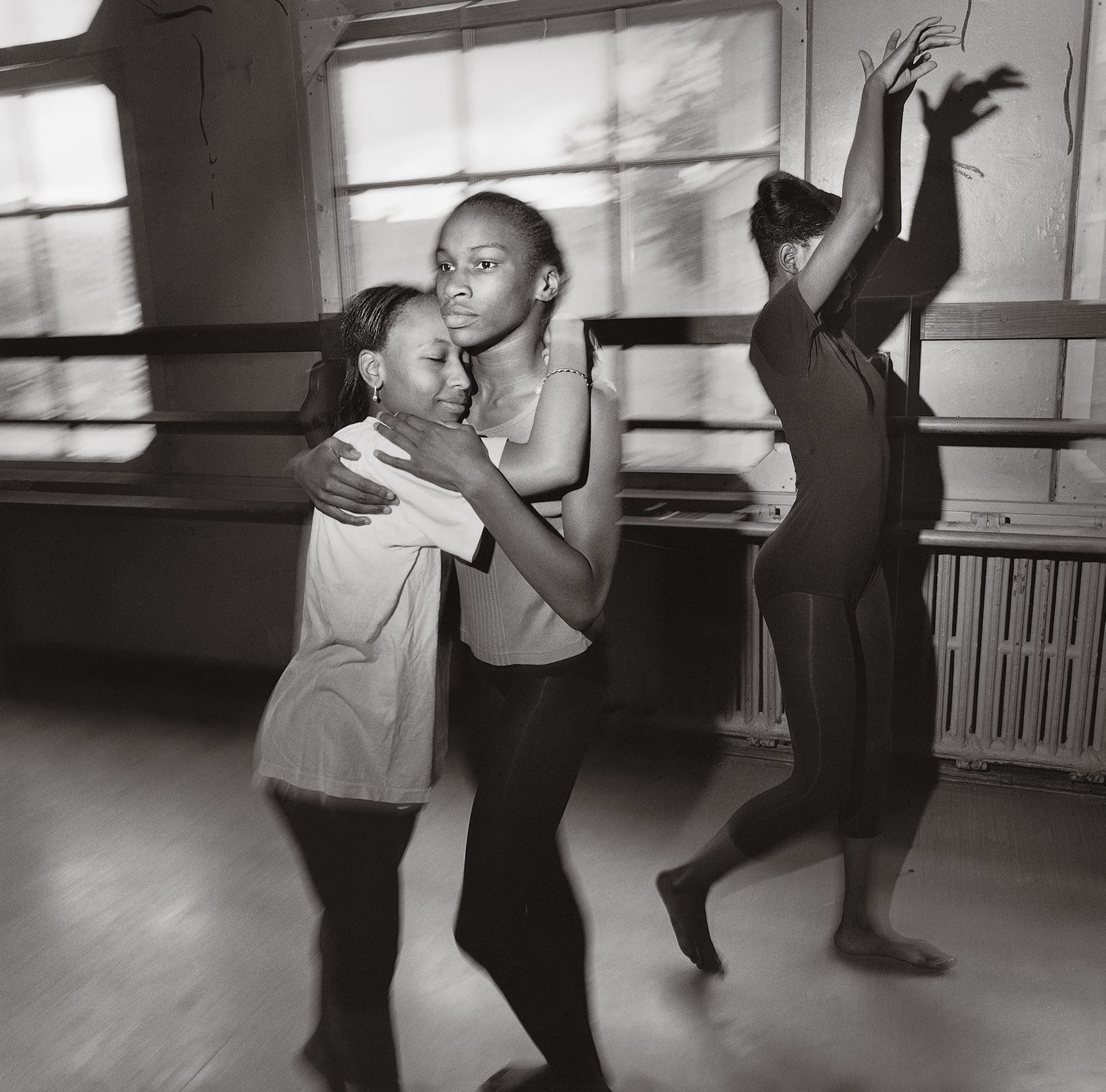
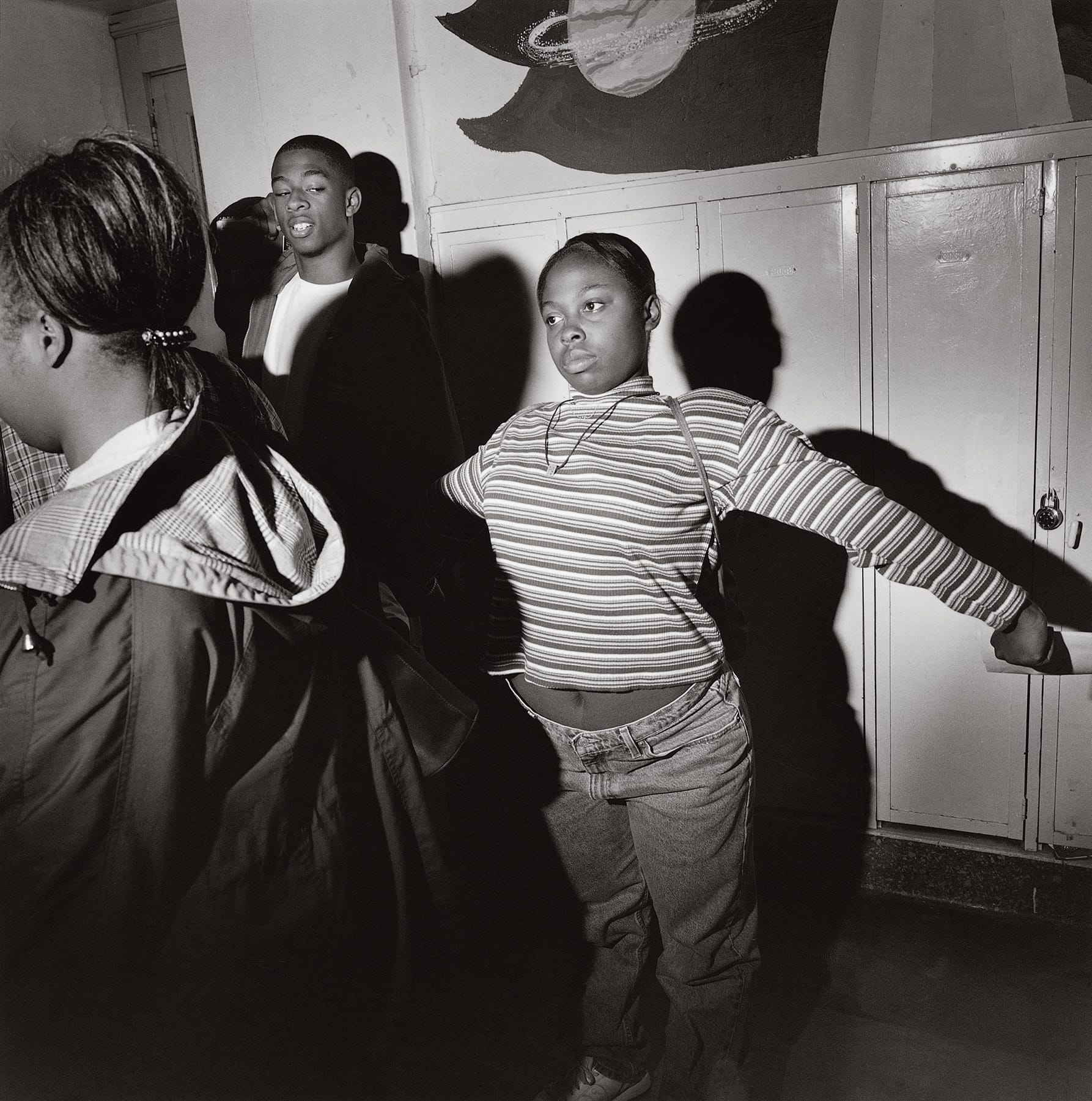
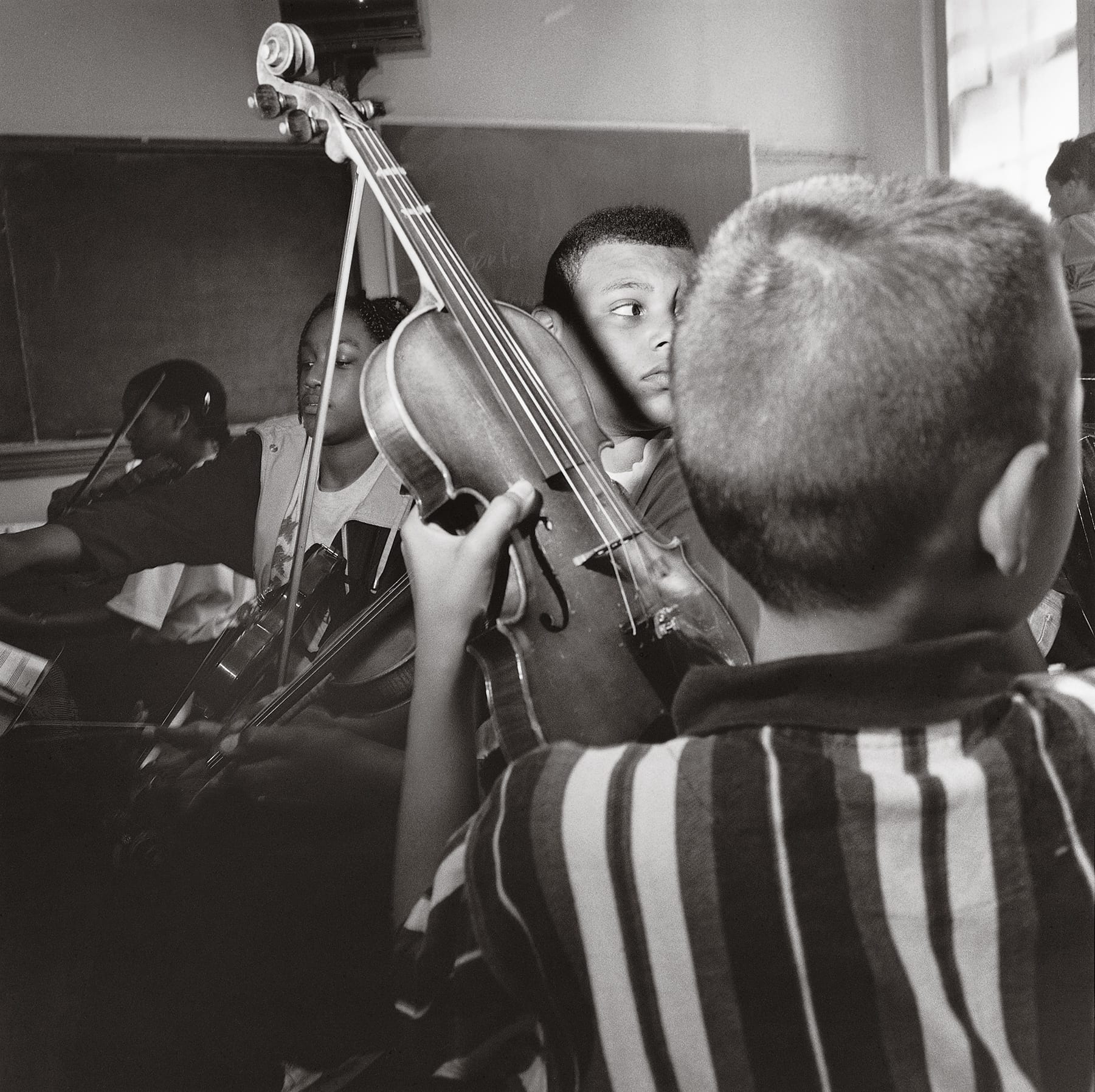
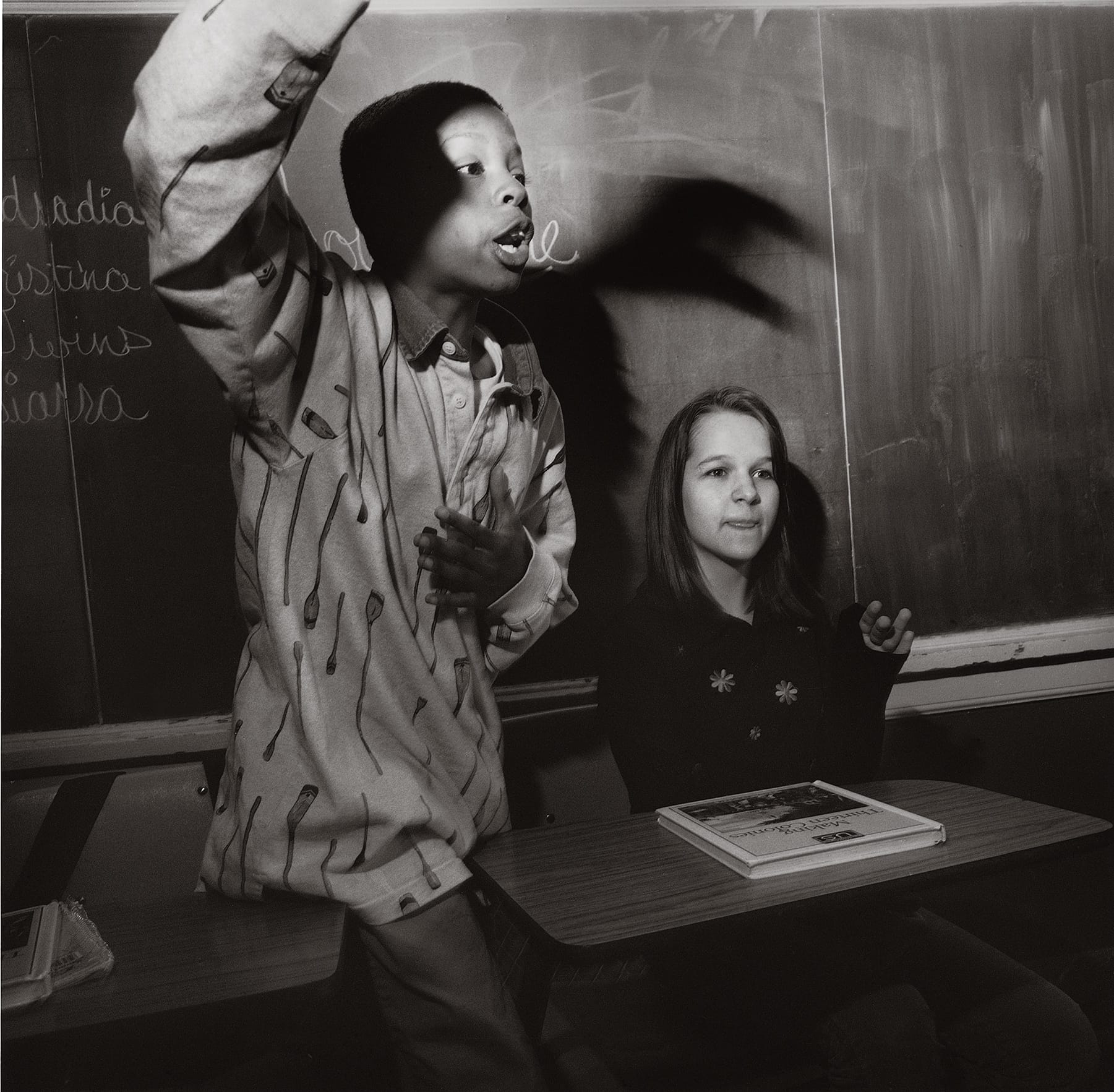
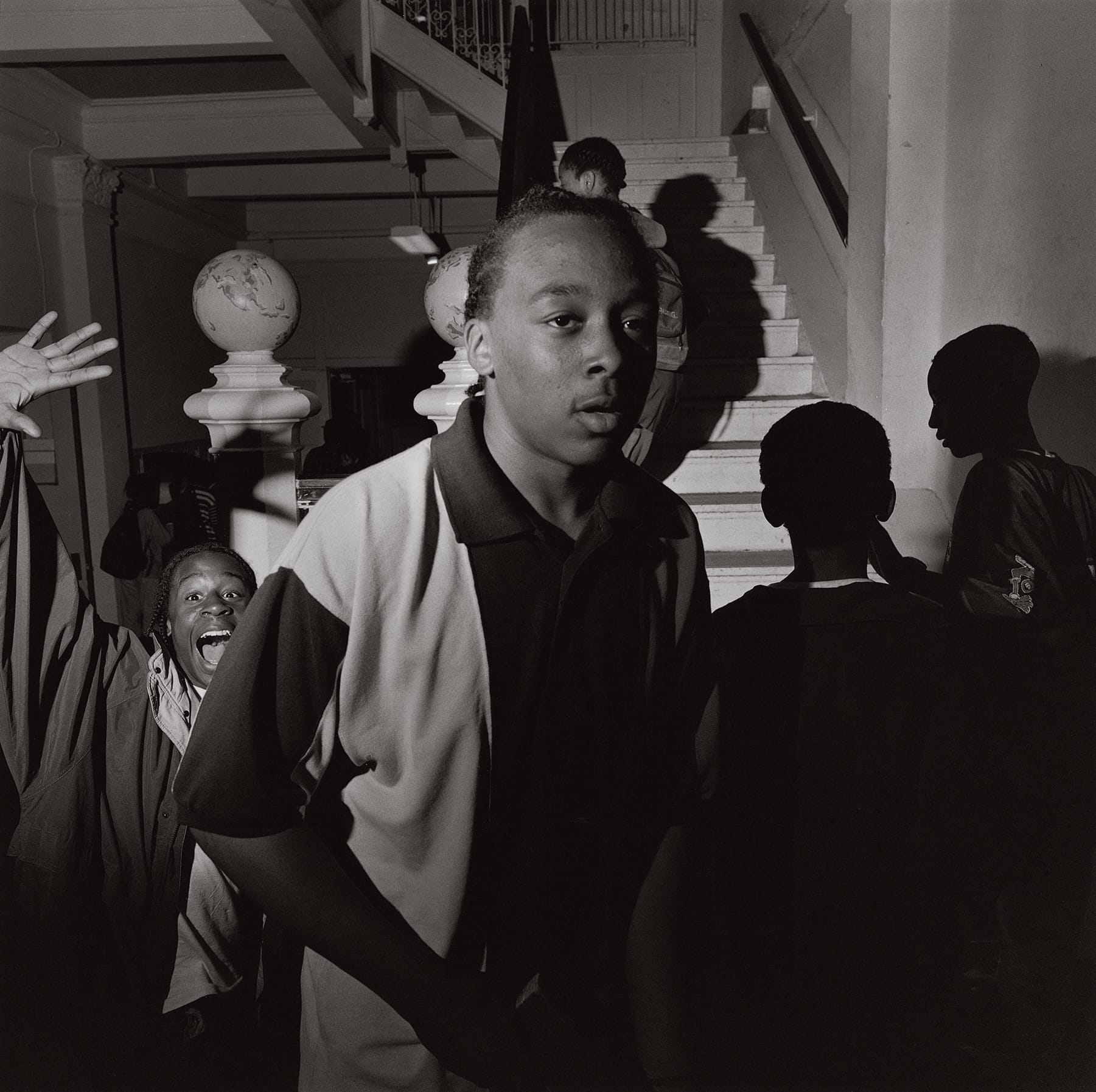
The photographs created for the 1998 annual report by Larry Fink beautifully capture the creativity and energy which reverberate through the hallways and classrooms of the Cleveland School of the Arts. Fink’s work has been included in major museum exhibitions throughout the world, and he has received fellowships from the John Simon Guggenheim Memorial Foundation and the National Endowment for the Arts. The Foundation commissioned these photographs as a reflection of its commitment to create educational excellence for all children in the Cleveland Public Schools and its conviction that the arts can play a major role in achieving that excellence.


Letter from the Executive Director
1998 Annual Report
The Cleveland School of the Arts in 1998 signaled the kind of energy and excellence that we hope reflects the future of the Cleveland Public Schools. The school’s electric production of “An Urban Nutcracker,” the result of a collaboration with Pilobolus Dance Theatre, not only played to rave local reviews, but also was acclaimed by both Time magazine and The Wall Street Journal. Students published their artwork, photography and poetry in a remarkable journal, “in no one’s hands.” A strategic plan, funded by the Foundation, was completed, and progress was made toward its goals. And, finally and maybe most important, this old and tired building received a new roof.
We knew when we commissioned Larry Fink to do a photo essay on life in the Cleveland School of the Arts that it was an extraordinary place – we just didn’t realize what an extraordinary year it would be as well. Fink’s compelling work continues the tradition established almost a decade ago of commissioning a noted photographer to document an issue of Foundation interest in each of our annual reports.
Although the School of the Arts is highlighted here, we do not believe the power of the arts should be confined to only one building in the Cleveland Public Schools. The Foundation has continued to be a significant supporter of the ICARE (Initiative for Cultural Arts in Education) program, which develops partnerships between Cleveland schools and local arts organizations and helps integrate the arts into the regular curriculum, and we are eager to see the program build on its early success.
The Foundation also continued to make progress in other areas of grantmaking during 1998. Grants to the Earth Day Coalition and Oberlin College for research and community forums on ecological design began to define our increasing interest in “green” buildings. The Foundation’s human services agenda continued to help organizations, such as the Center for the Prevention of Domestic Violence, implement administrative and organizational changes to better meet the needs of the community. On the policy front, a grant to the National Center for Children in Poverty was made to support the Research Forum on Children, Families and the New Federalism.
In economic development and community revitalization, grantmaking ranged from support for Case Western Reserve University’s Center for Regional Economic Issues to an innovative program at the St. Vincent DePaul Society that will collect and rebuild used appliances and bedding to be sold at low cost to shelters, public housing and thrift shops.
Our arts grantmaking included support for a new local public television program focusing on arts and culture in Greater Cleveland and funds to help Cleveland Public Theatre renovate Gordon Square Theatre, a boarded-up building in the Detroit-Shoreway neighborhood that once housed a vibrant vaudeville theater.
In the education docket, The Foundation maintained its long-standing interest in the Cleveland Public Schools, but also supported other projects ranging from coverage of urban education issues in Education Week to participation of a consortium of five Northeast Ohio colleges in the OhioLink electronic library and internet network.
On a very different front, the Foundation completed its three-year $6 million commitment to retinal degenerative disease research. We are proud of the scientific breakthroughs that have been made during this period.
It is said that the “proof is in the pudding.” The Foundation’s grantmaking defines the organization’s world view and the way in which it responds to the ideas, programs and people seeking our help. We hope that when you read this report you will think that we have done a thoughtful and imaginative job in meeting this always challenging assignment.
David Bergholz, Executive Director