
Birthing Beautiful Communities
Social Justice
Deana Lawson (2019)
Photography
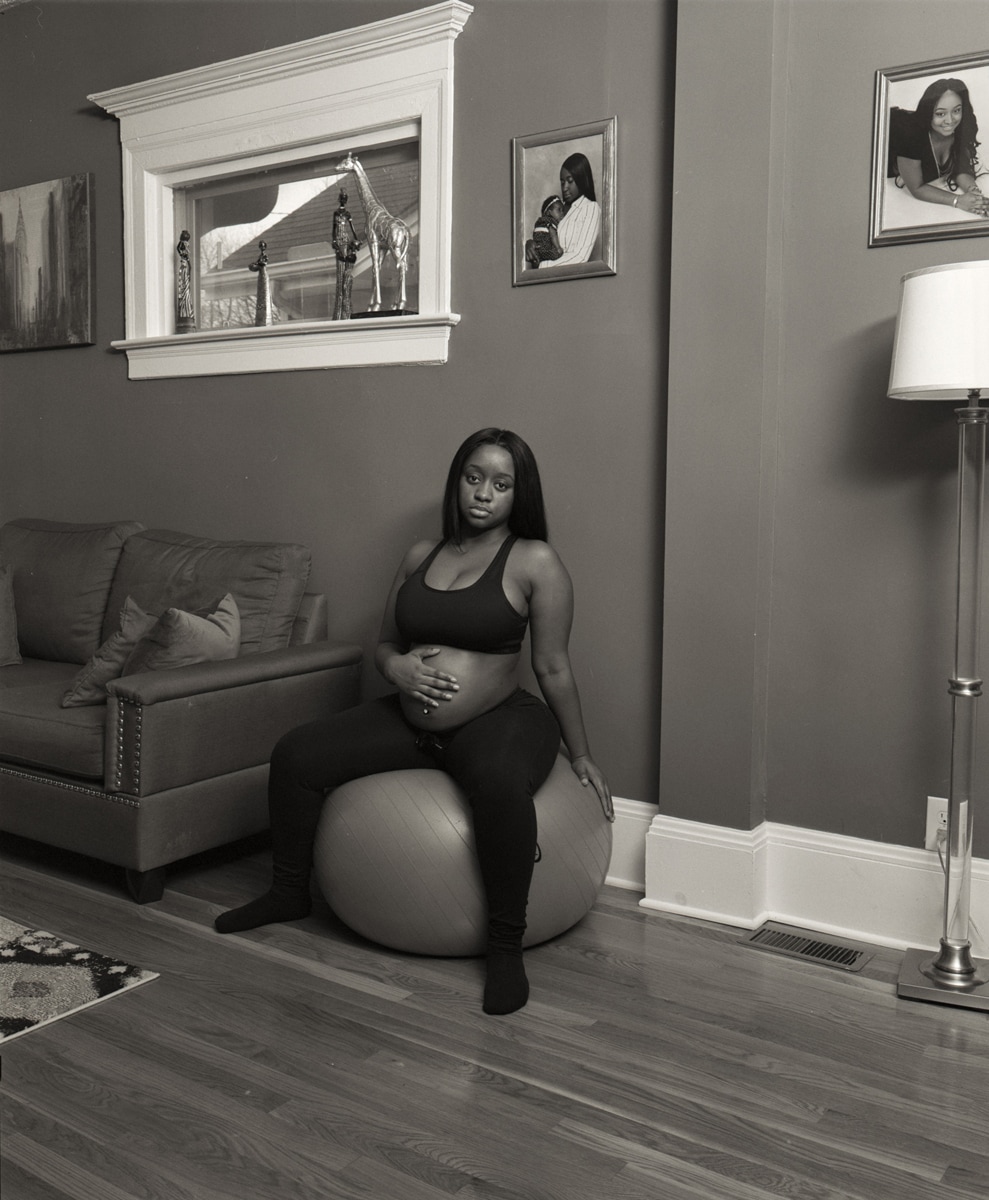
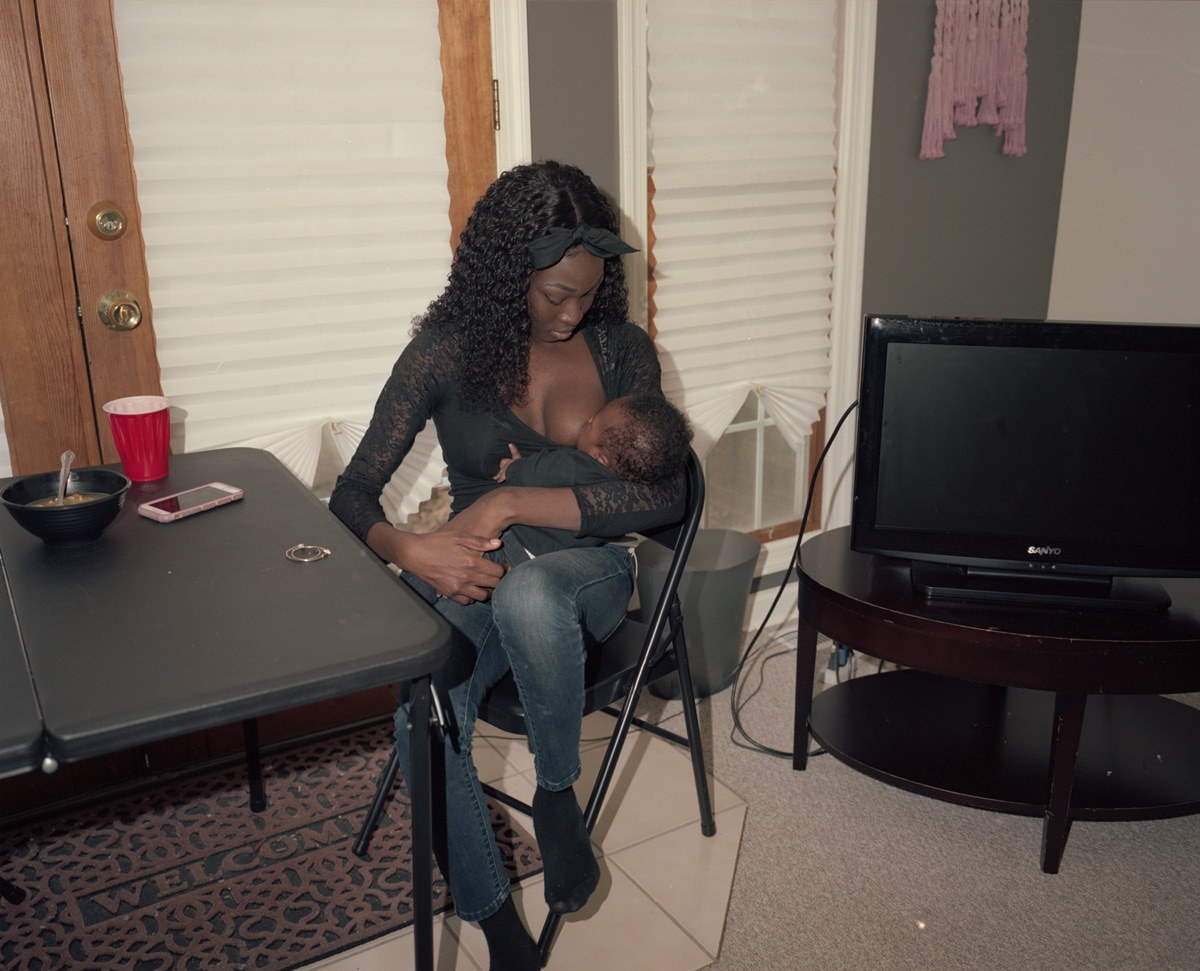
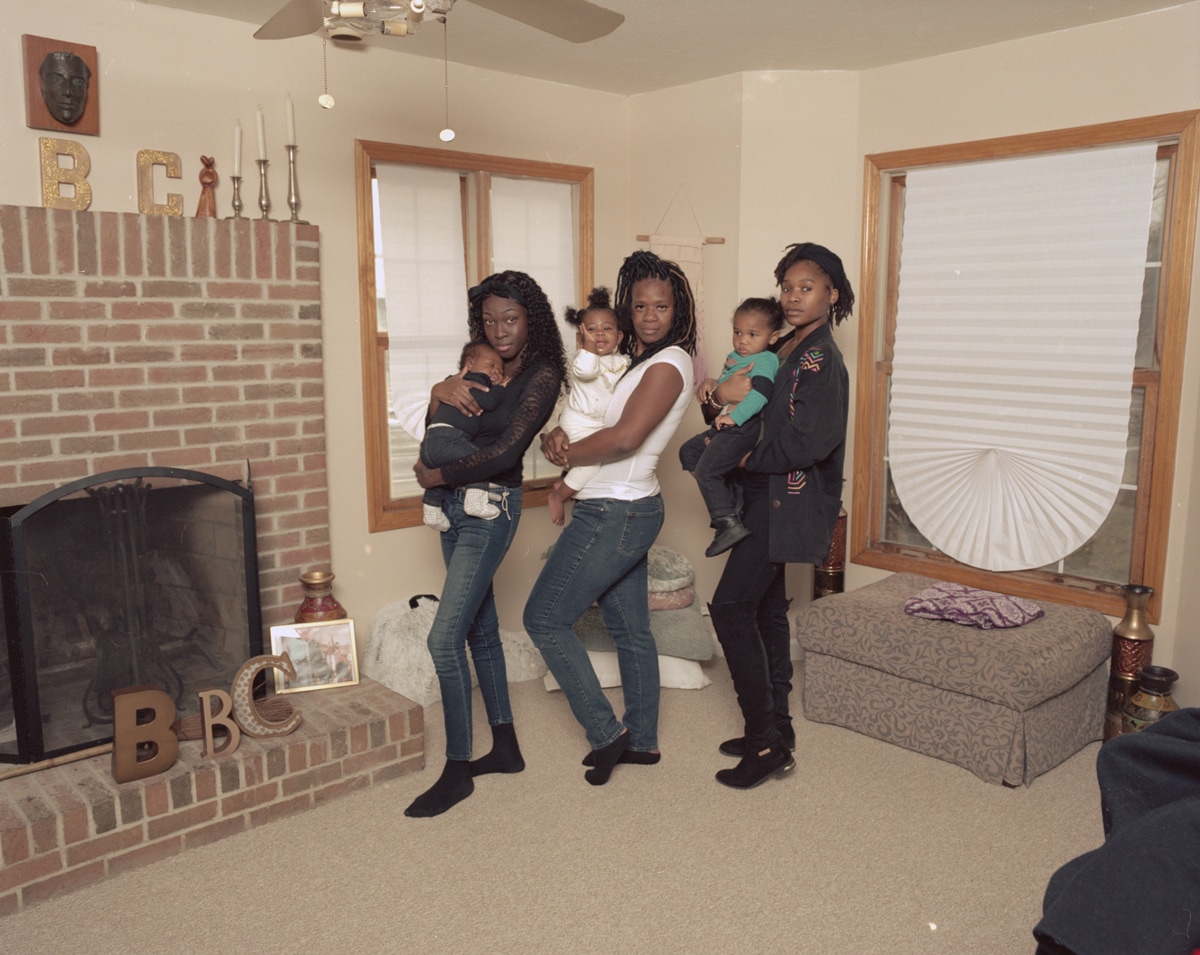
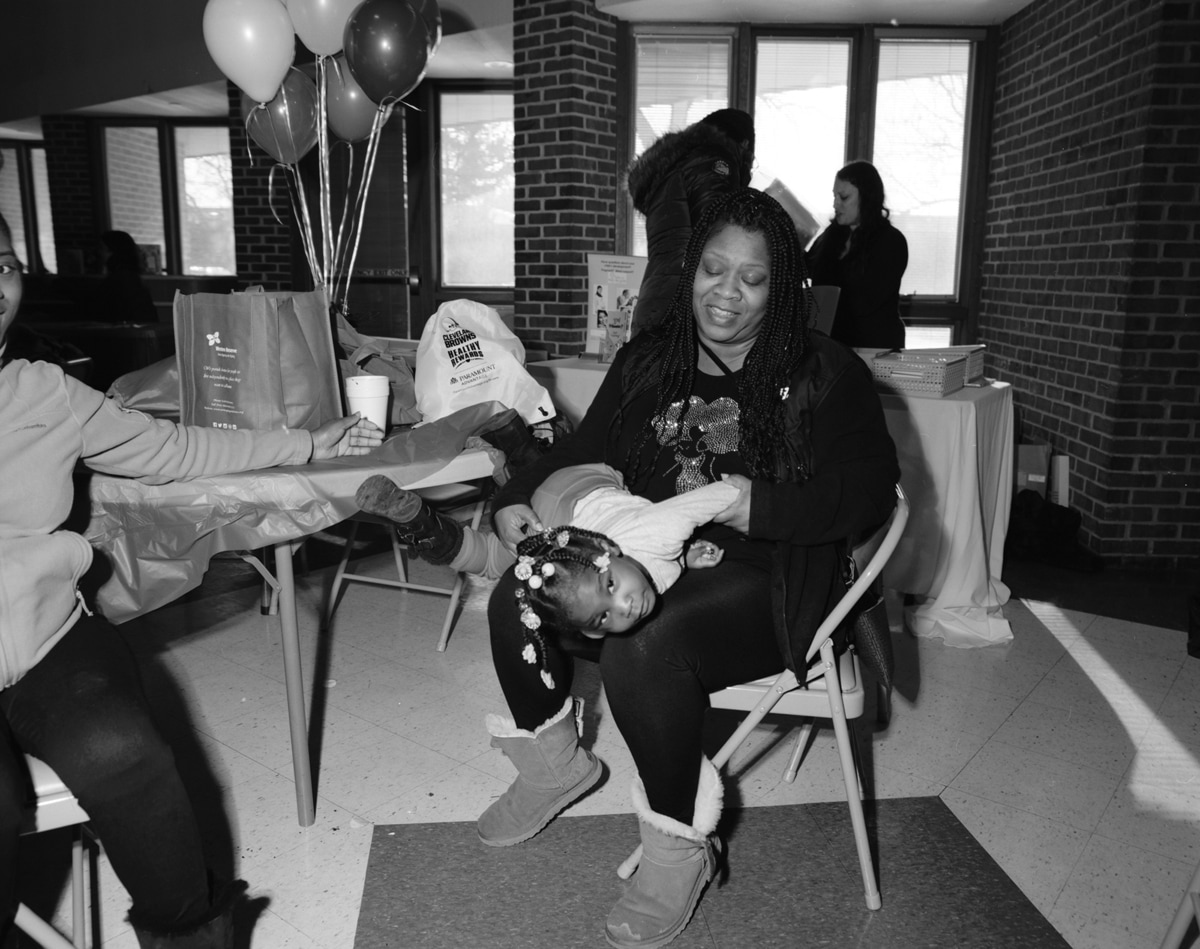
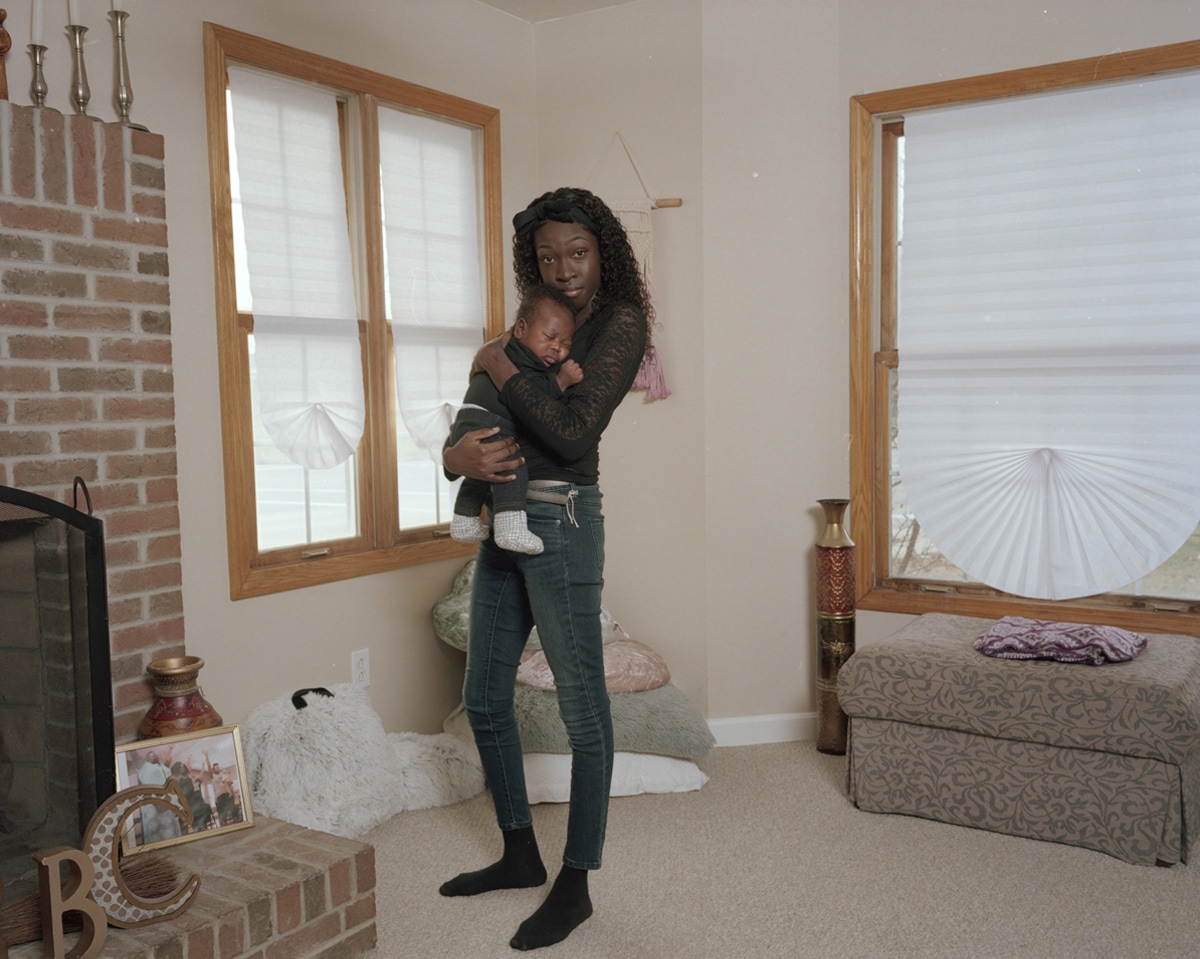
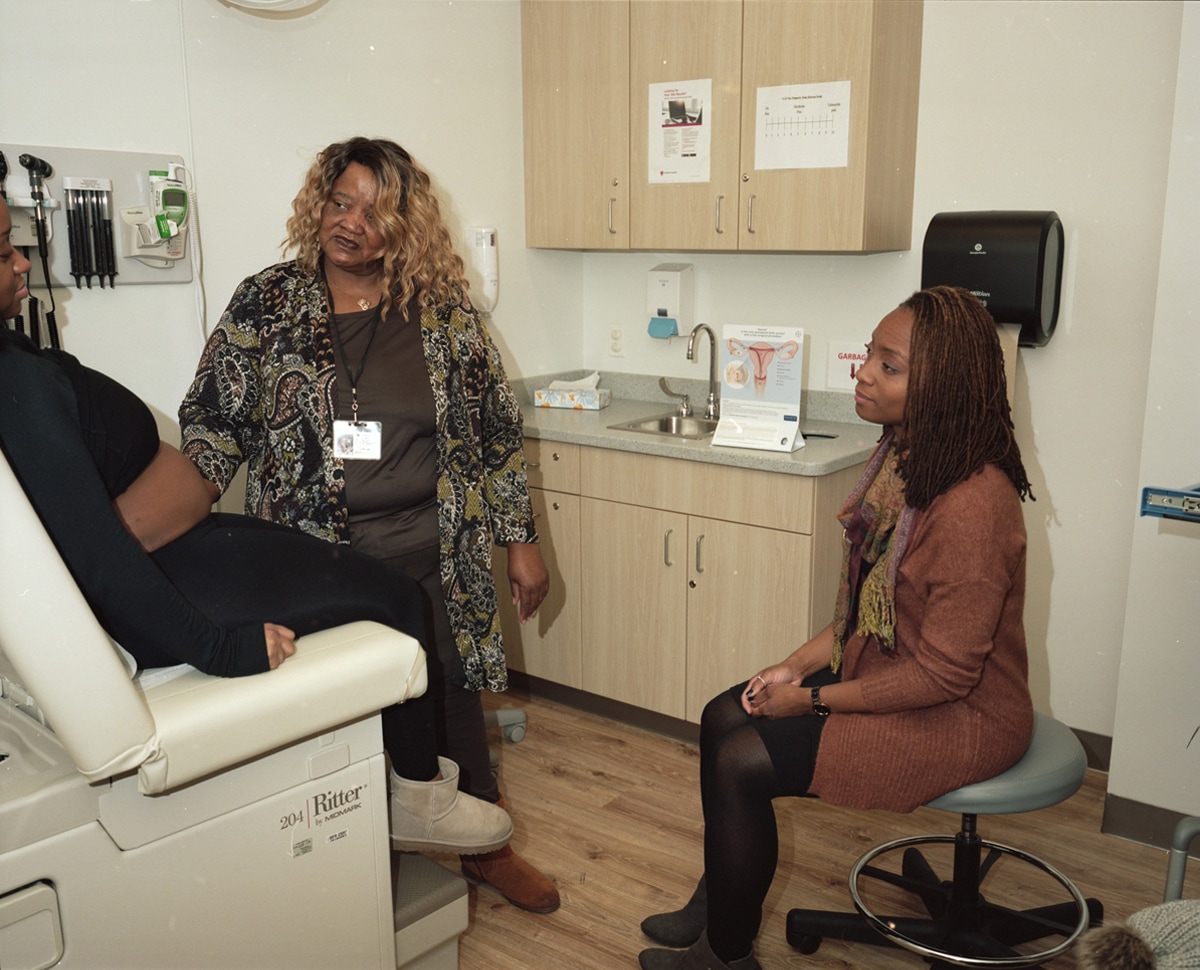
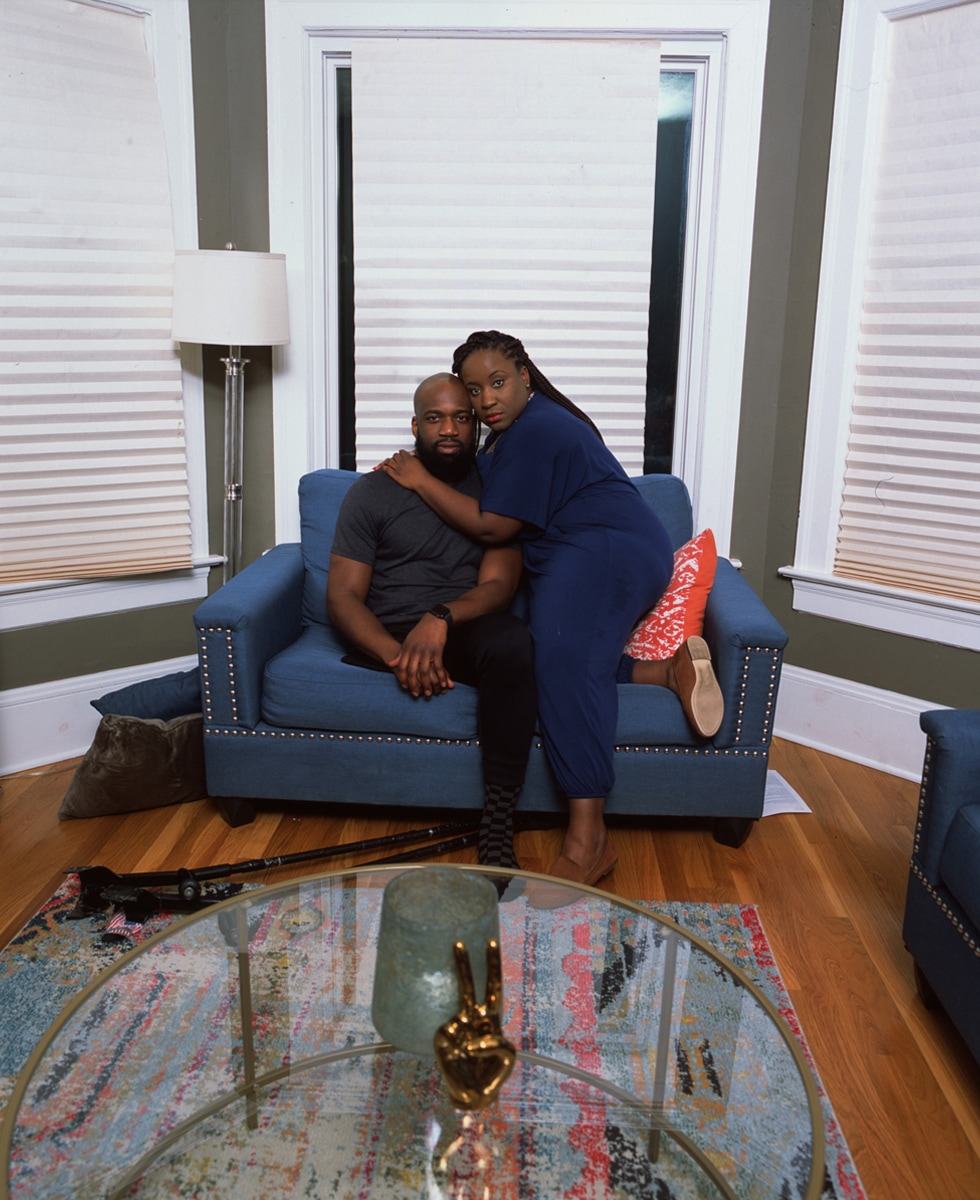
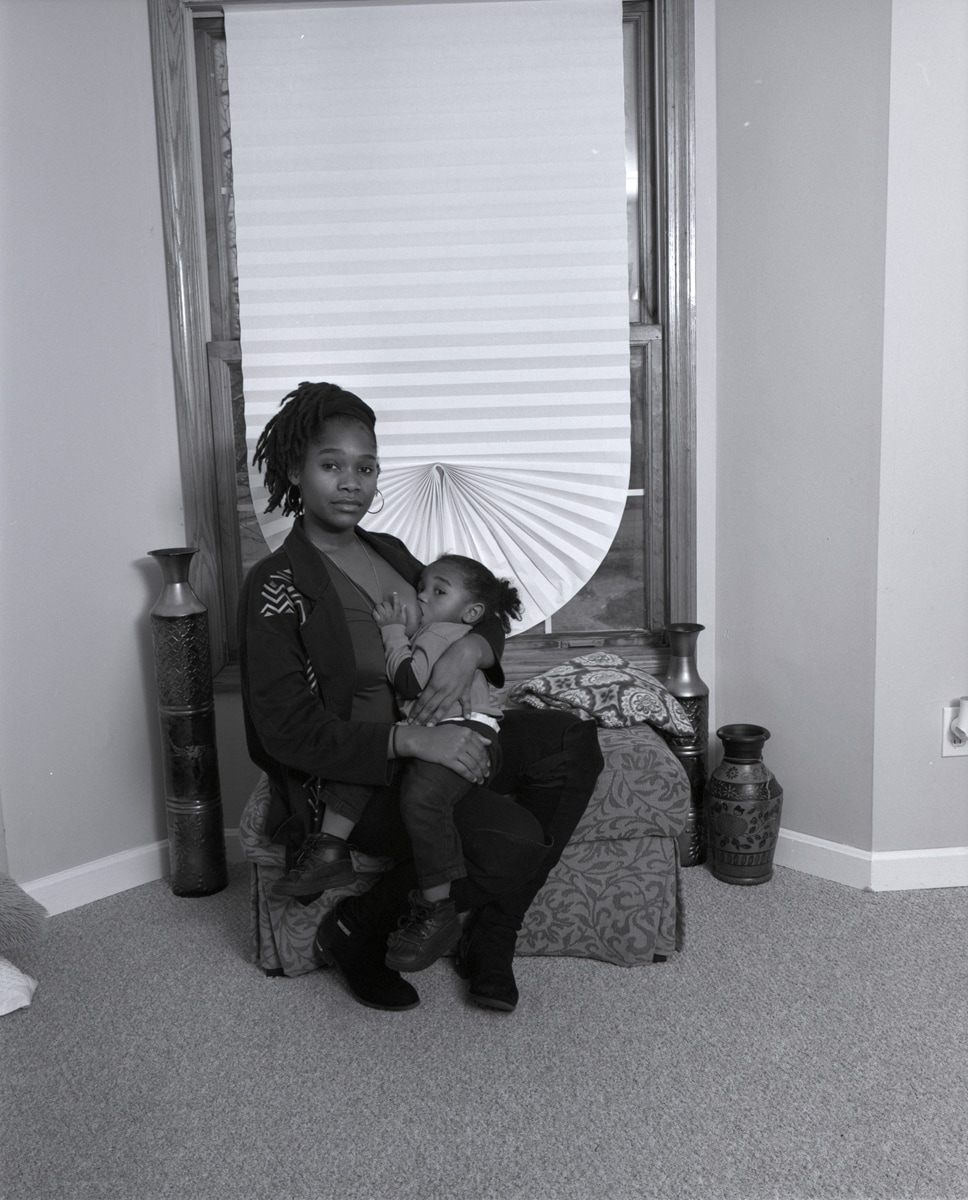
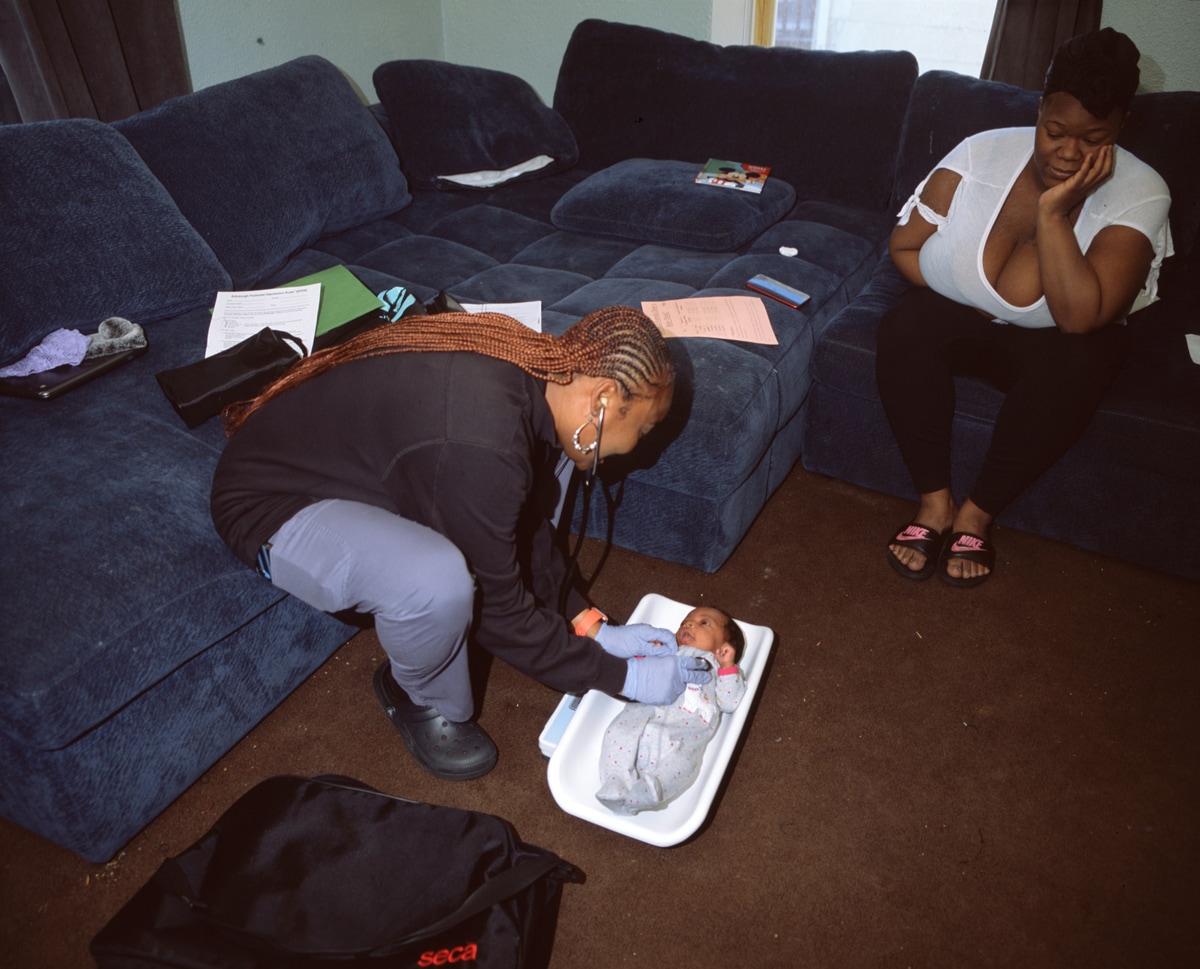
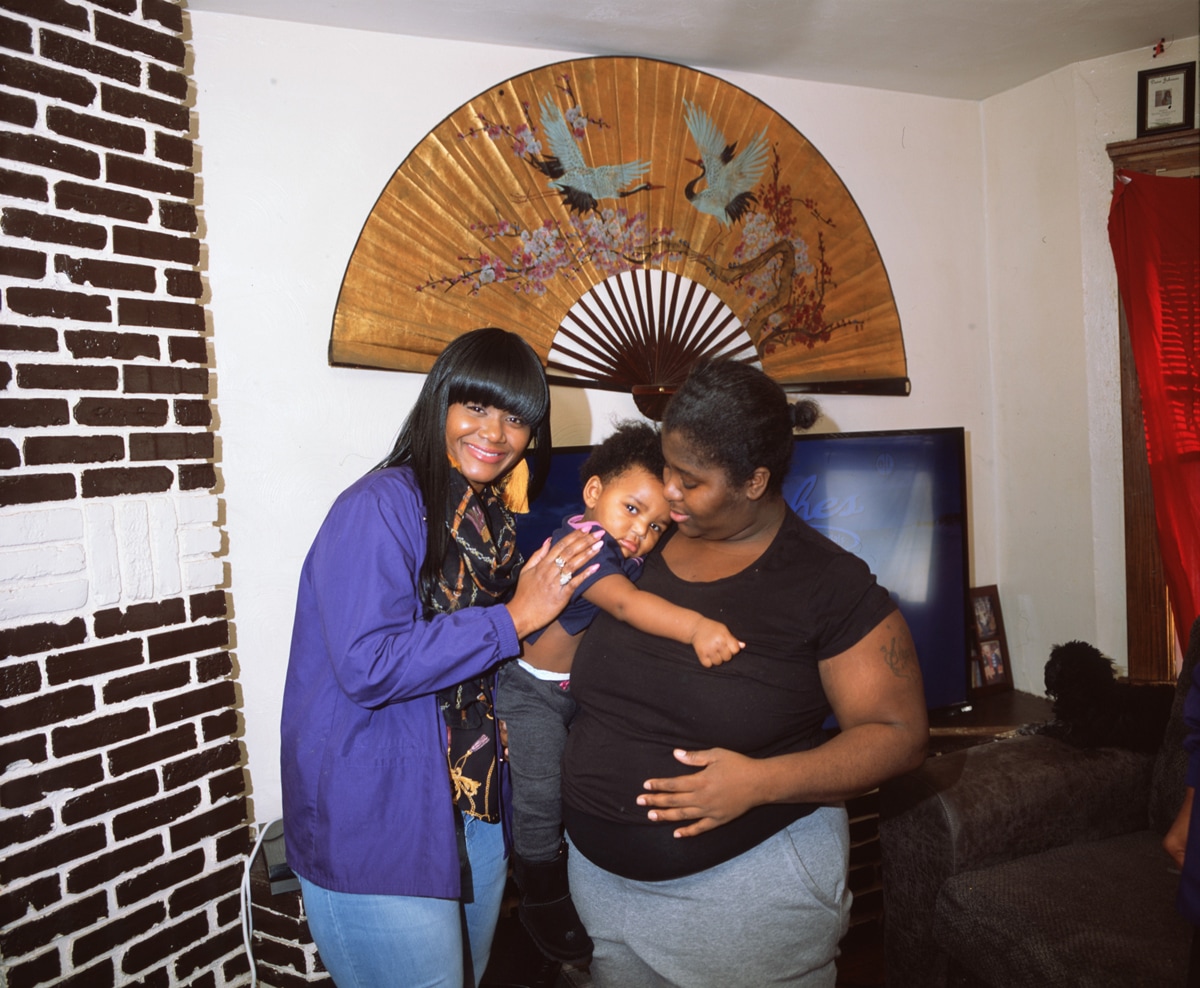
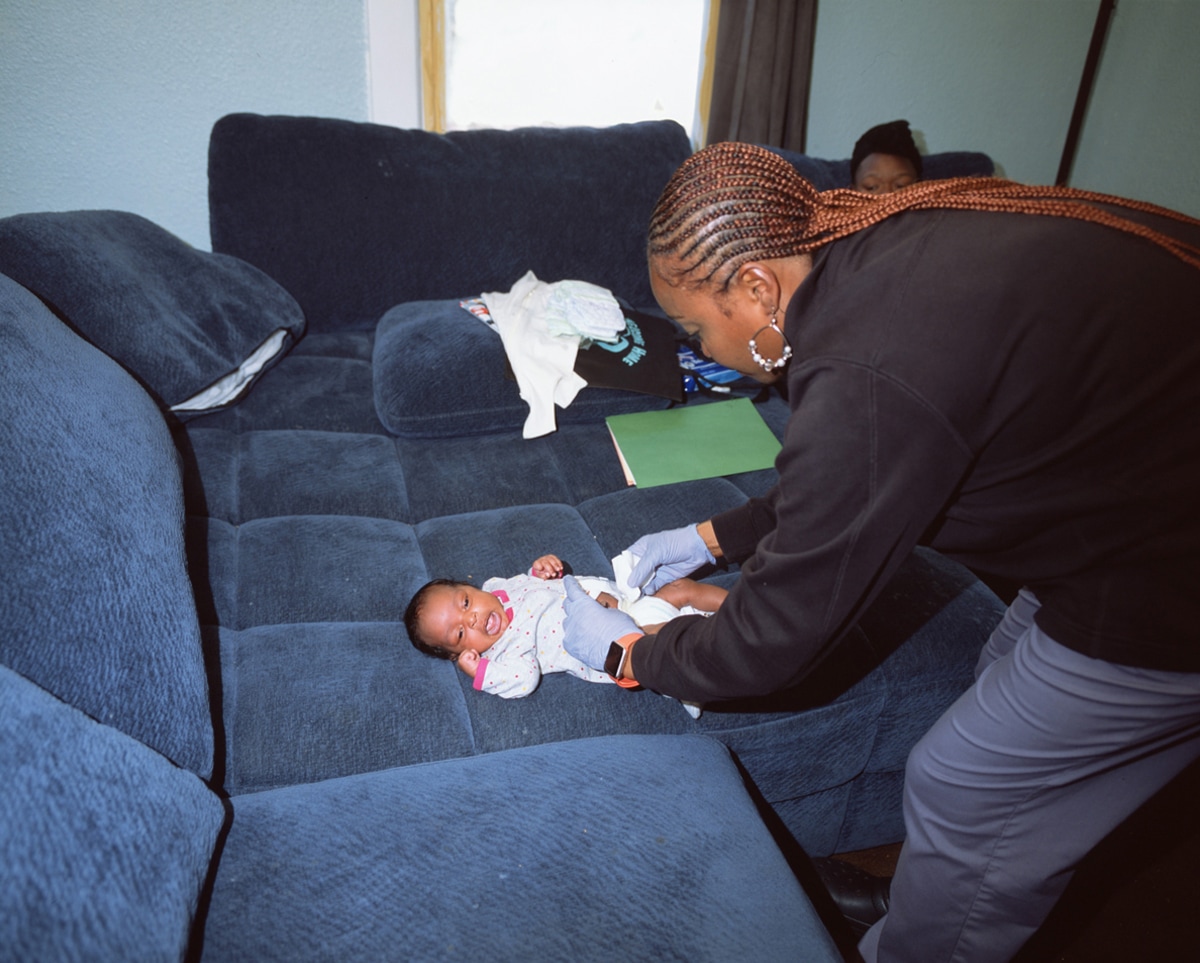
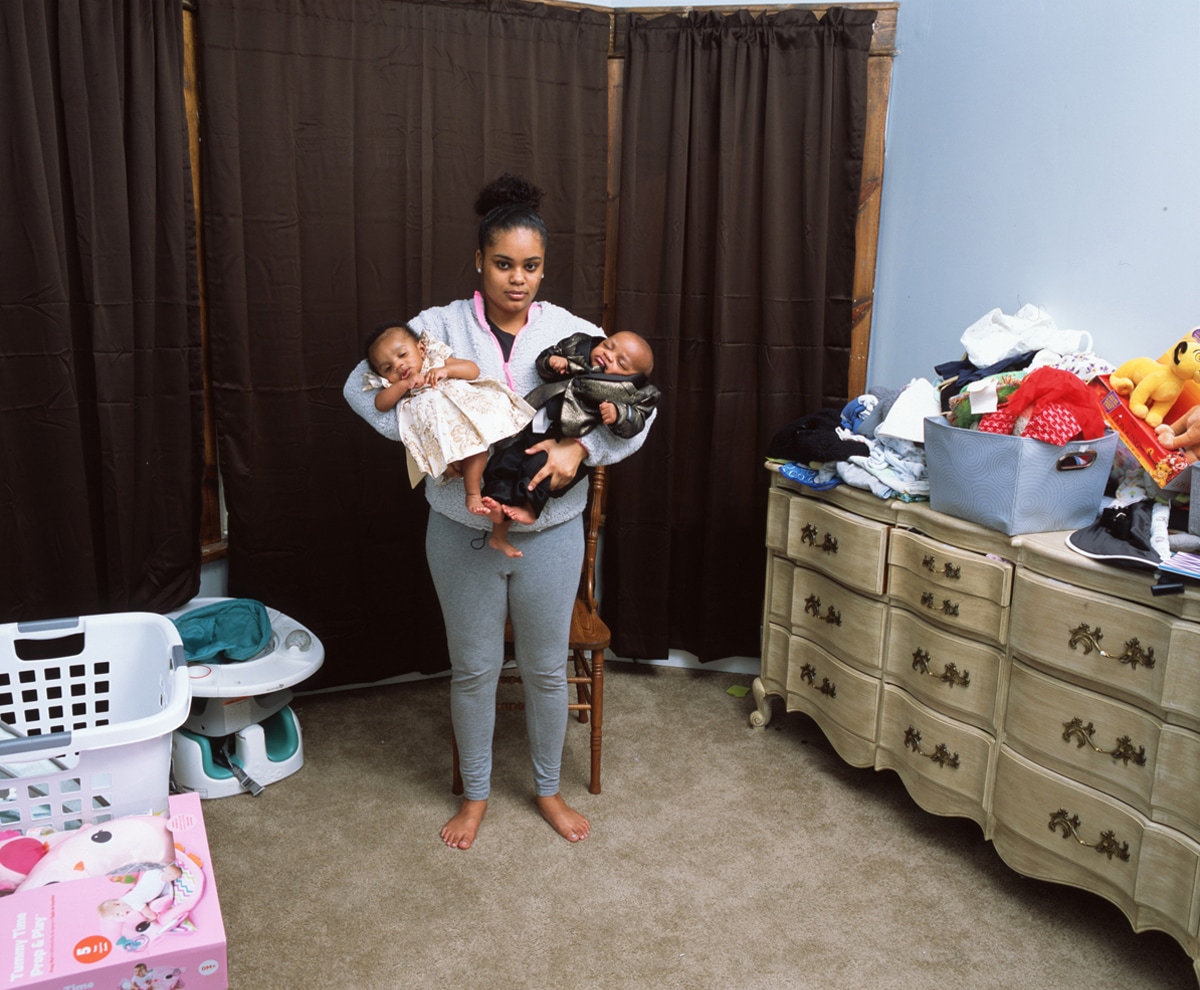
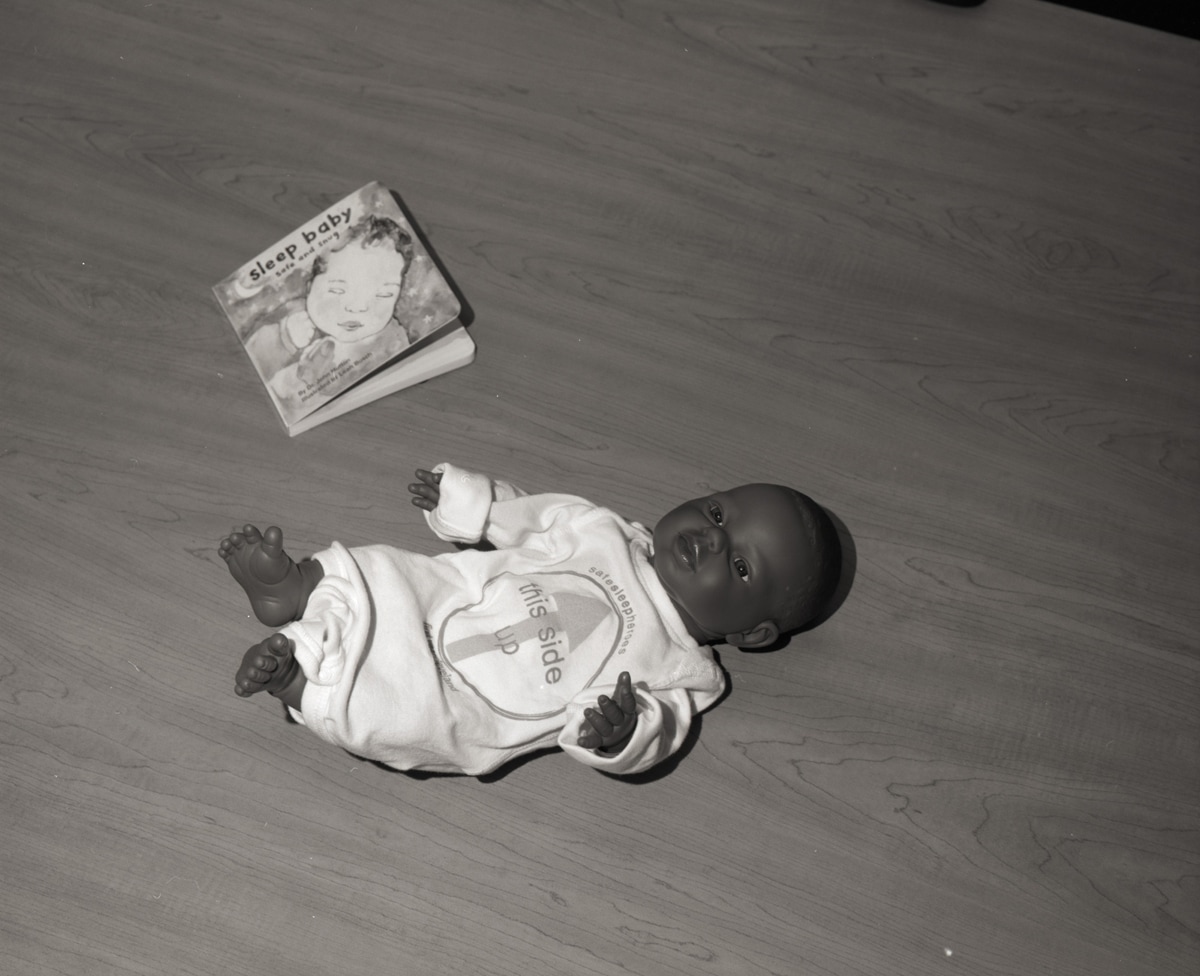
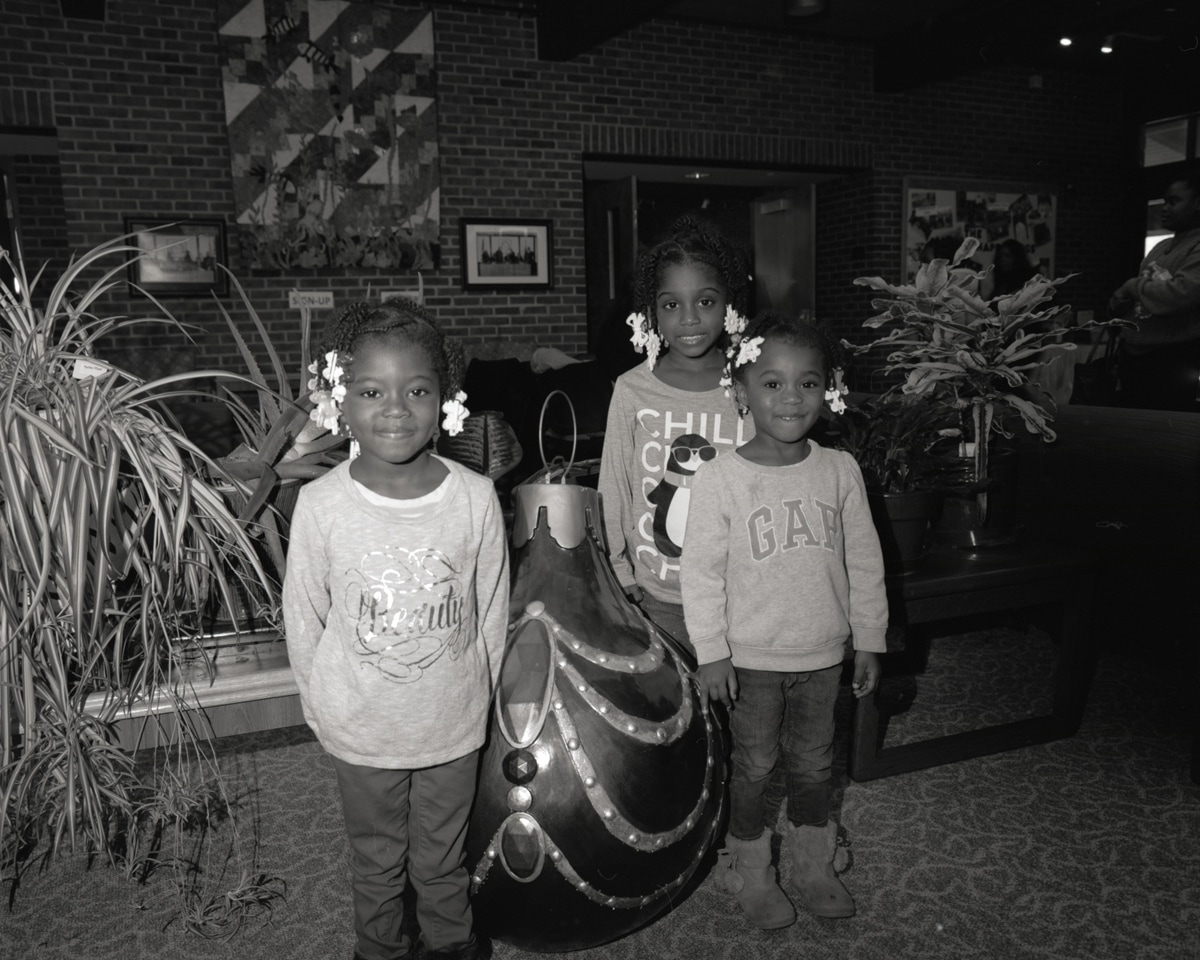
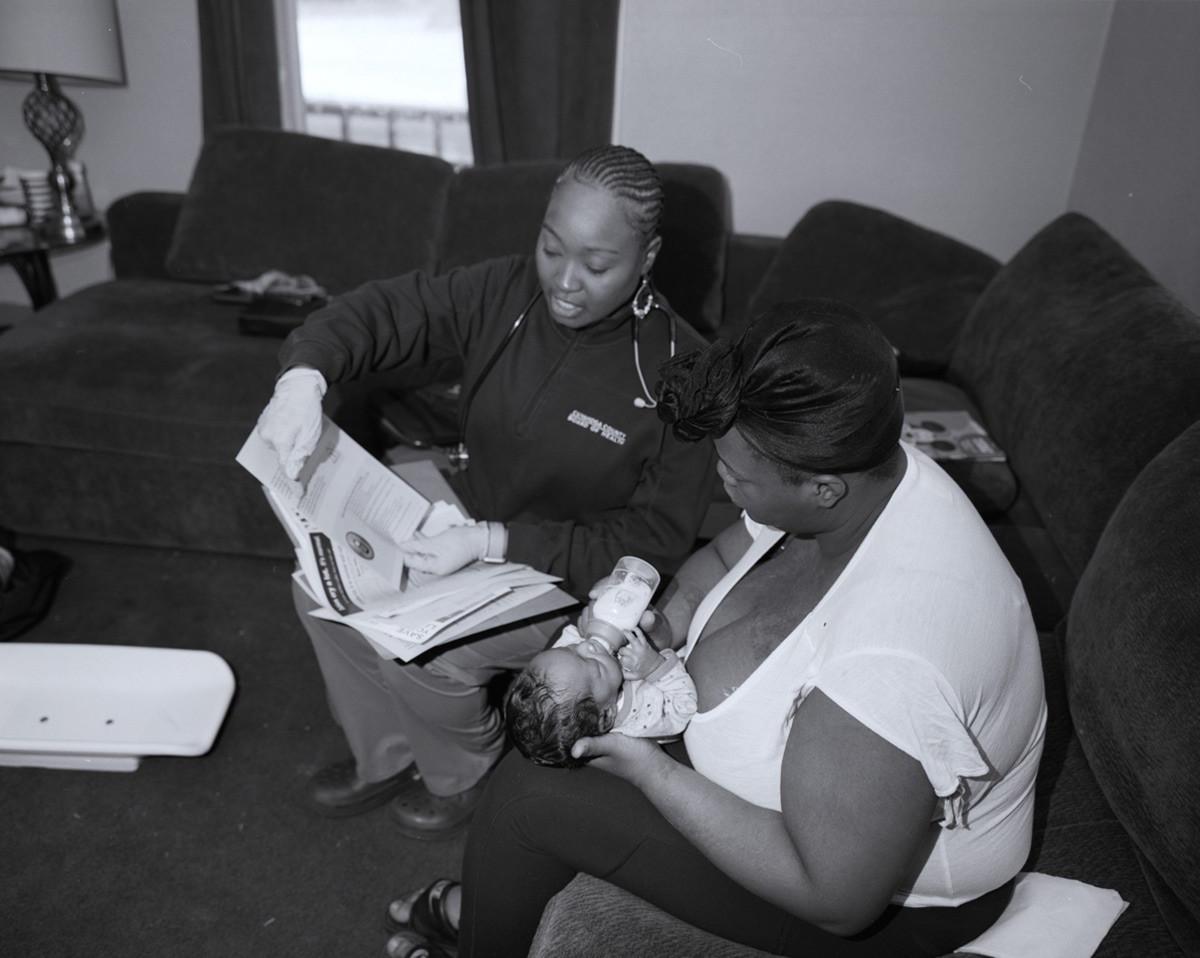
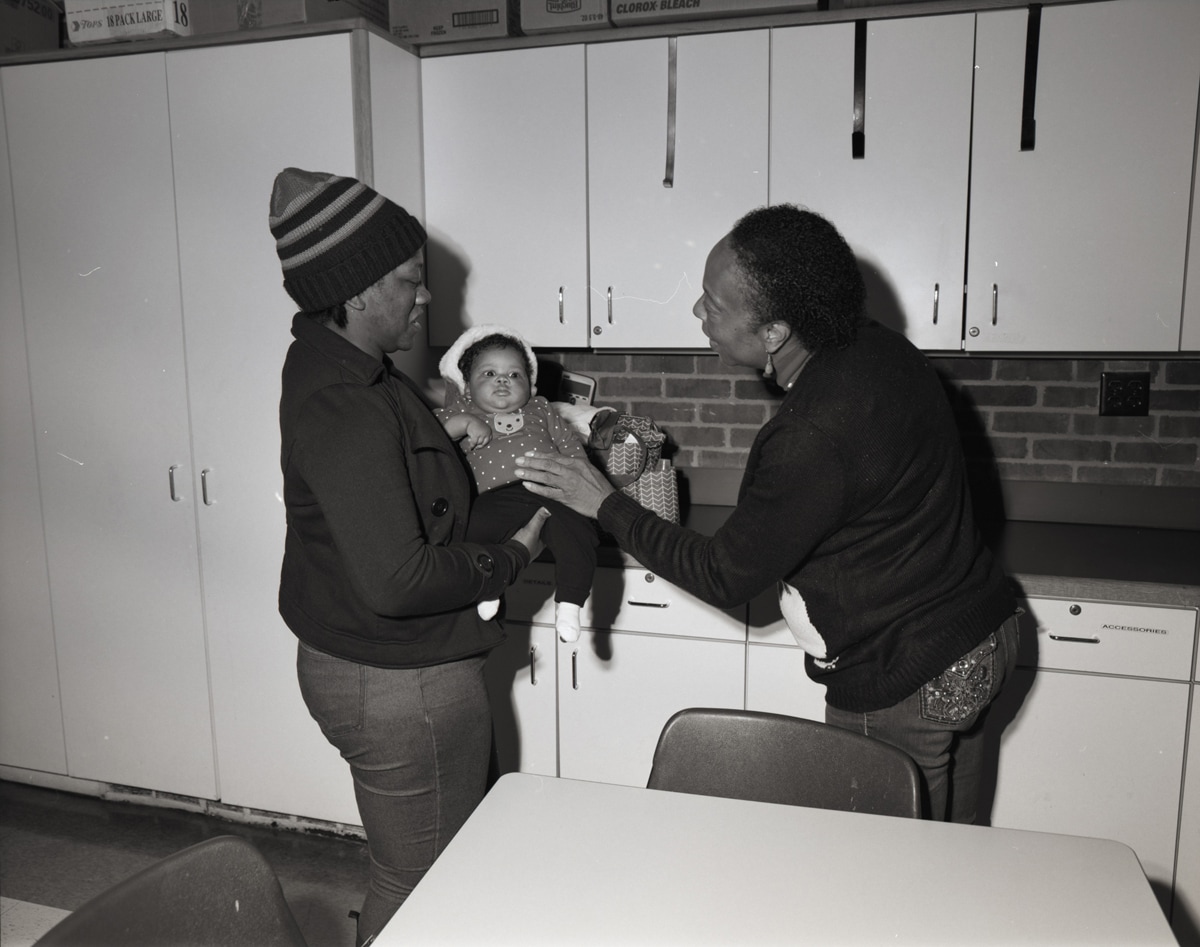
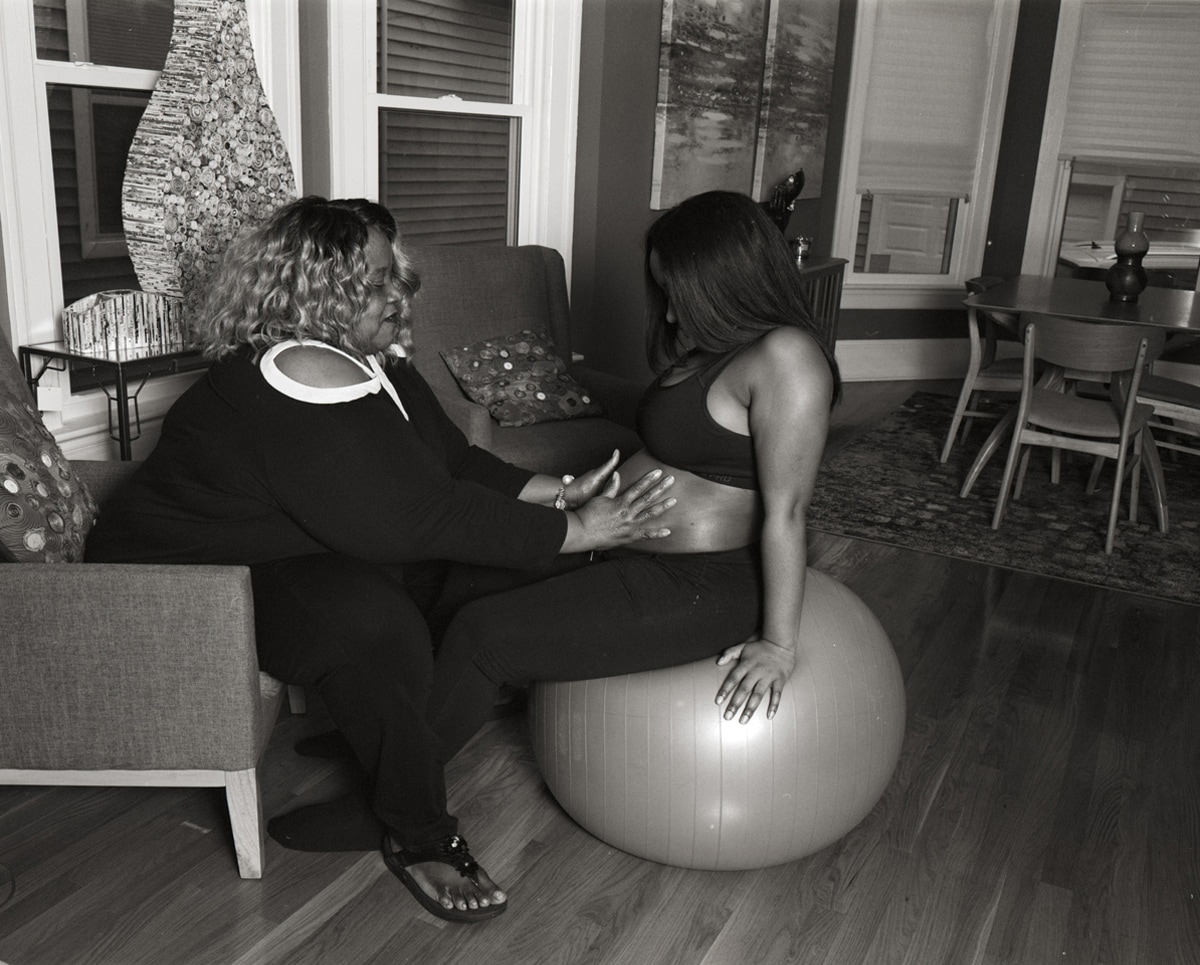
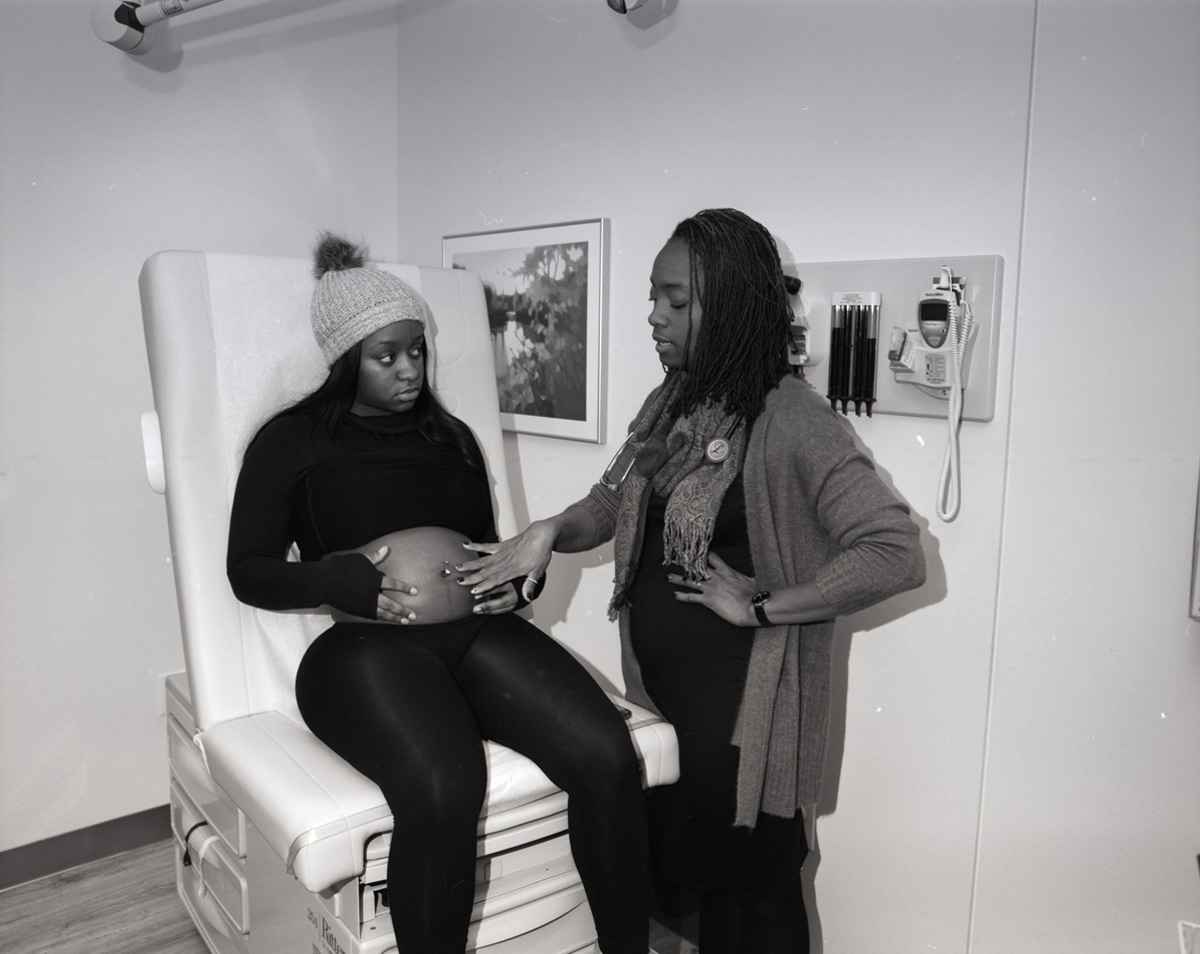
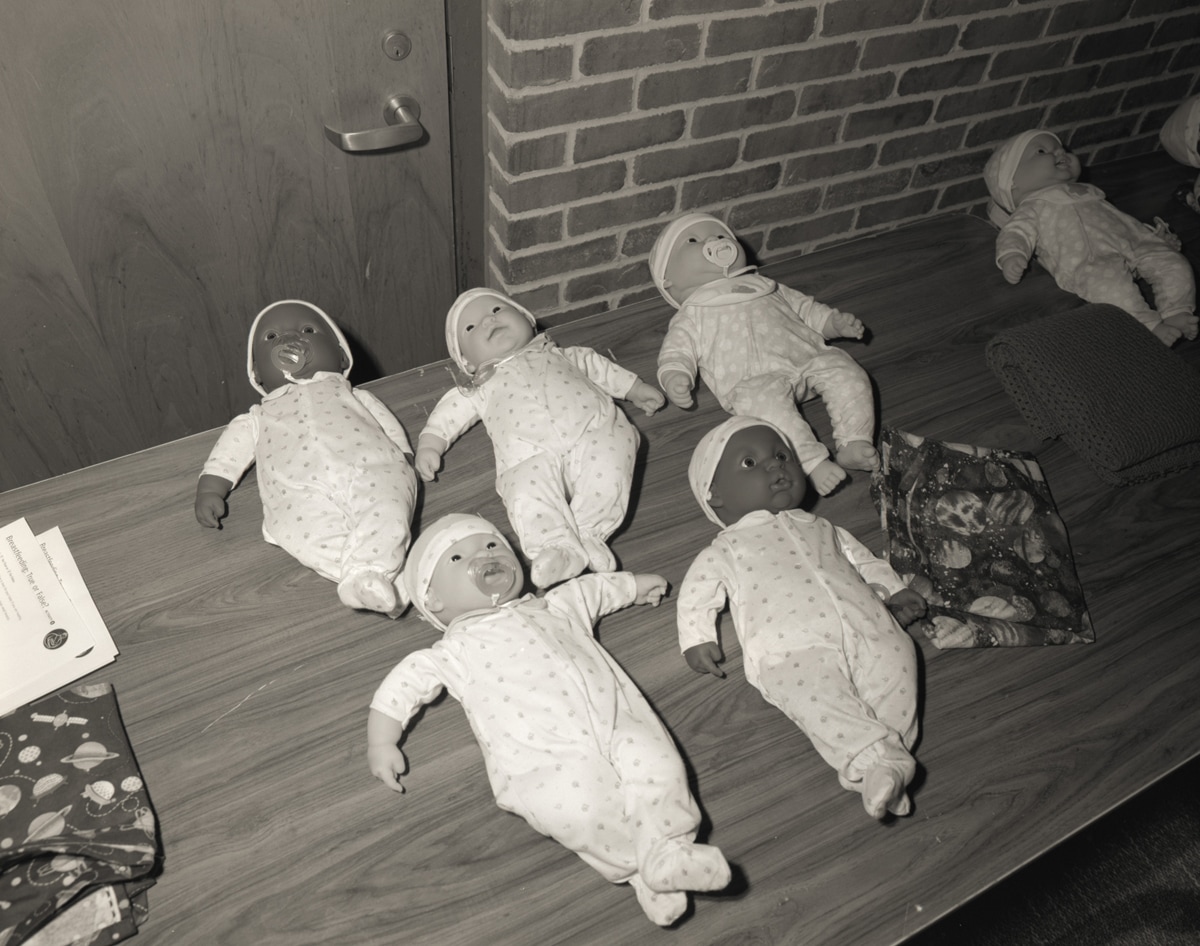
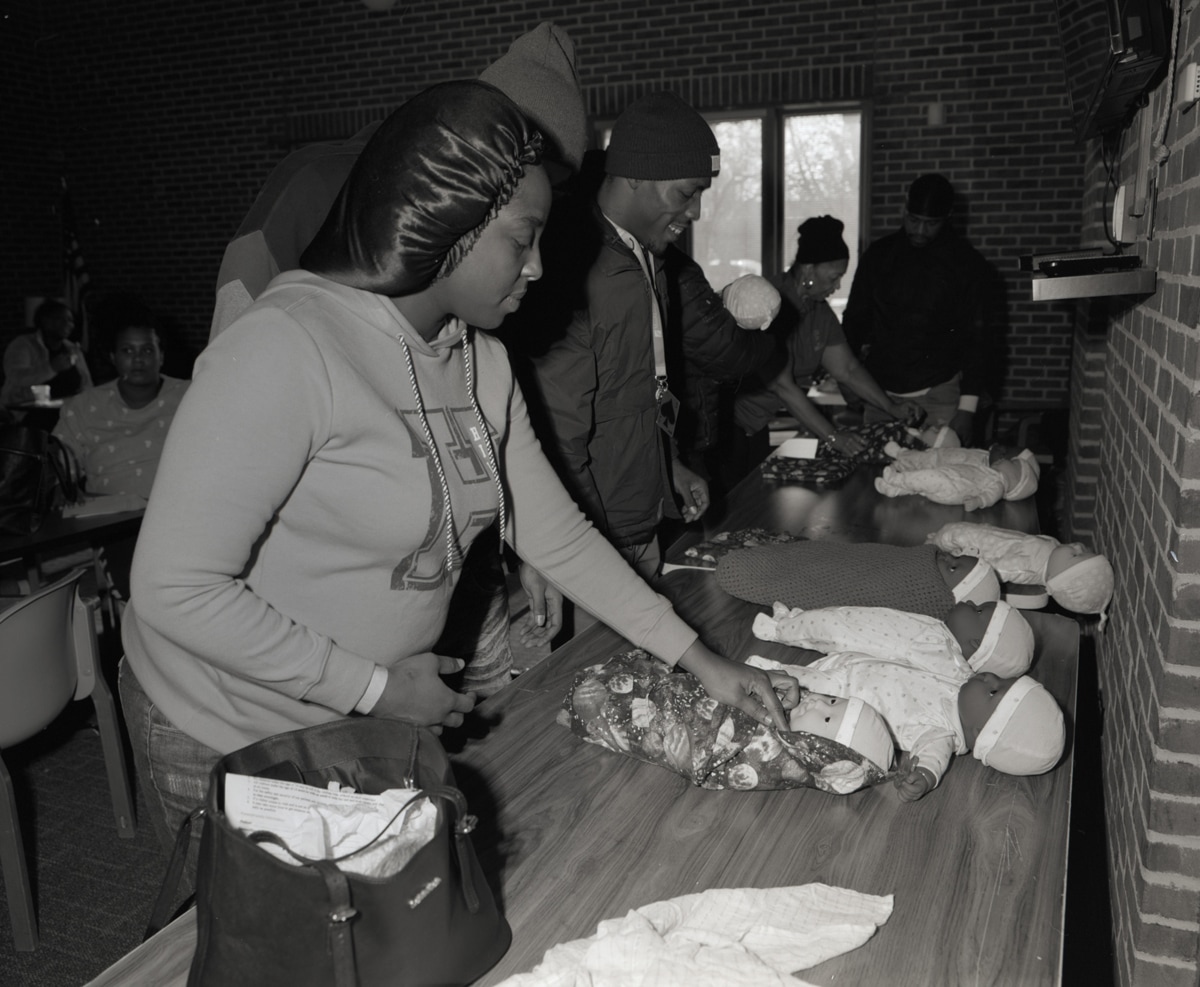
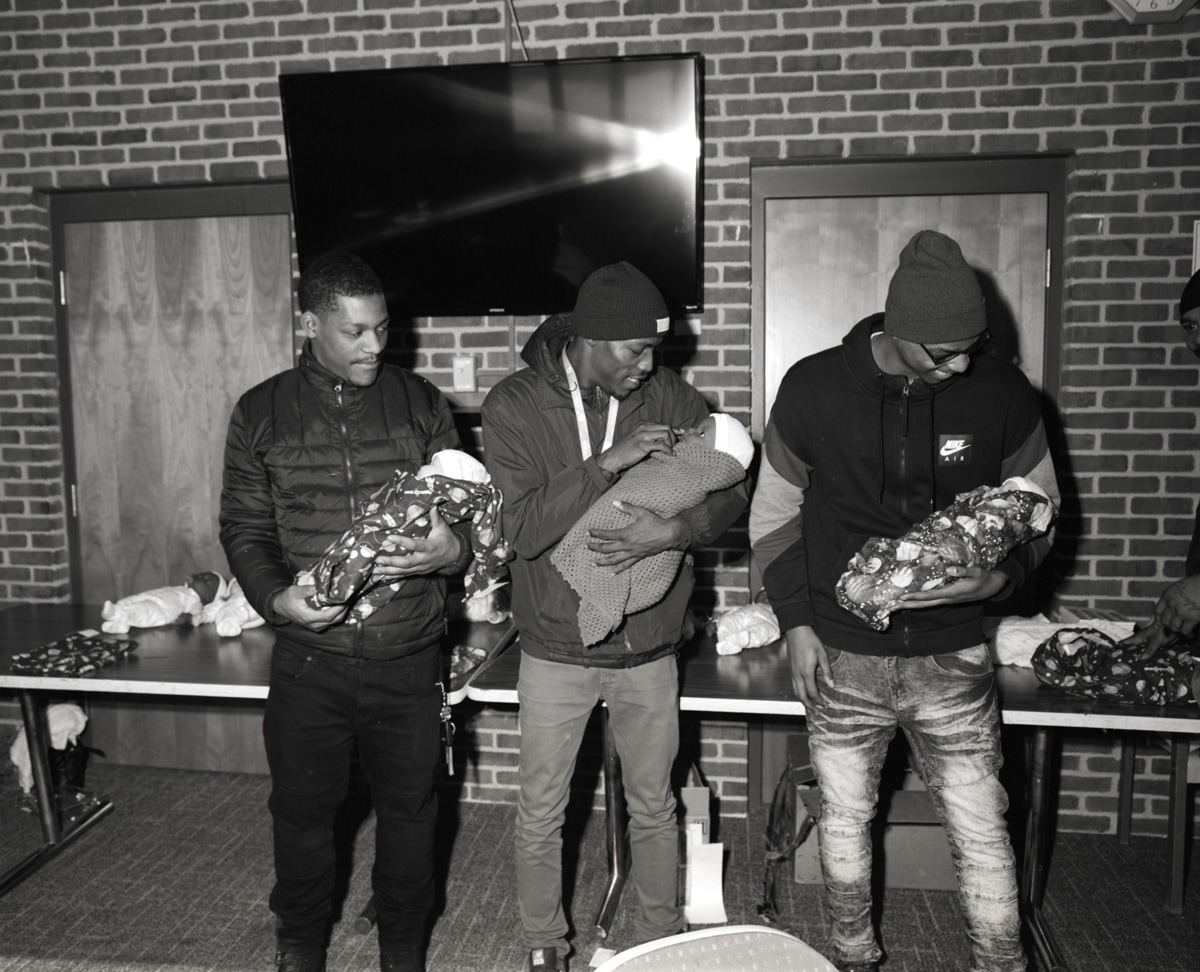
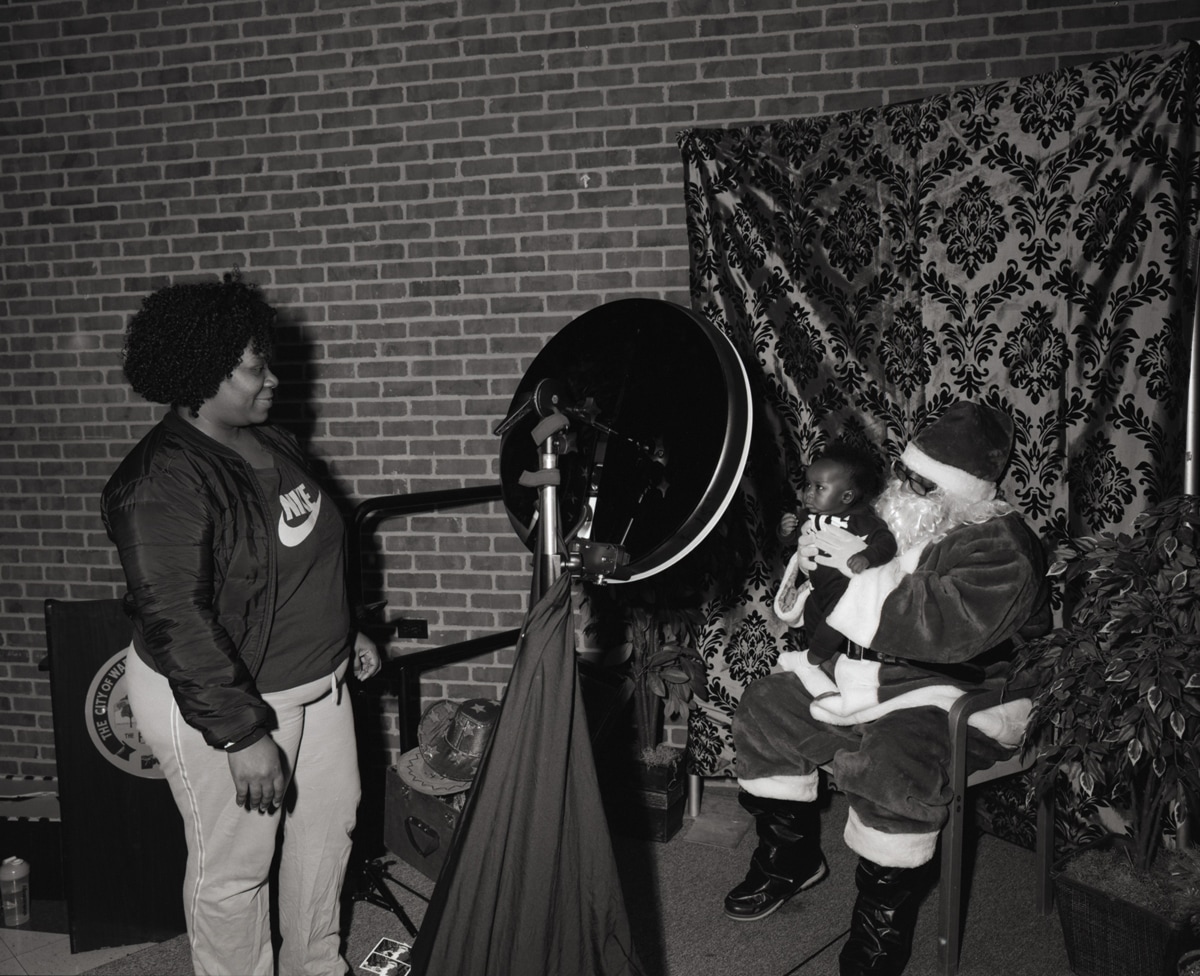
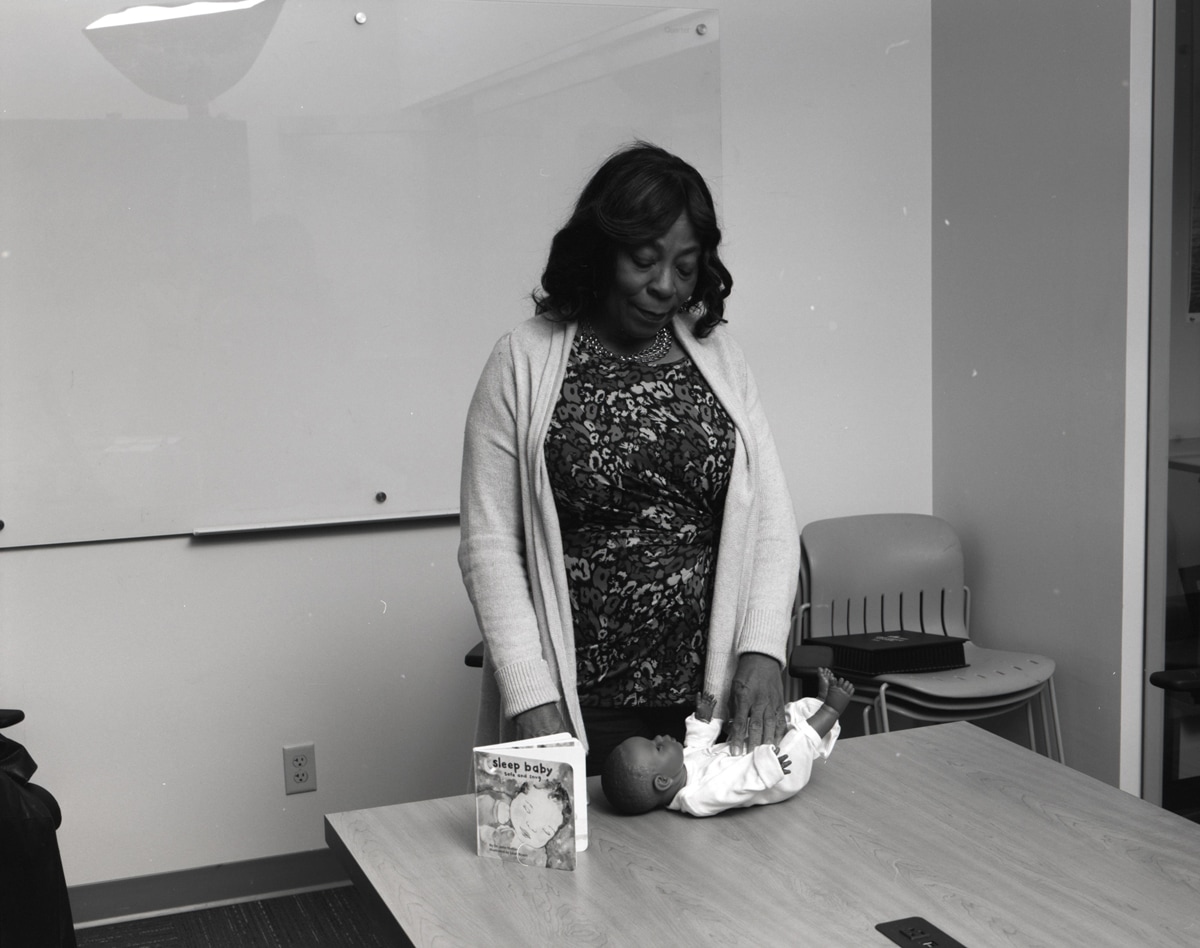
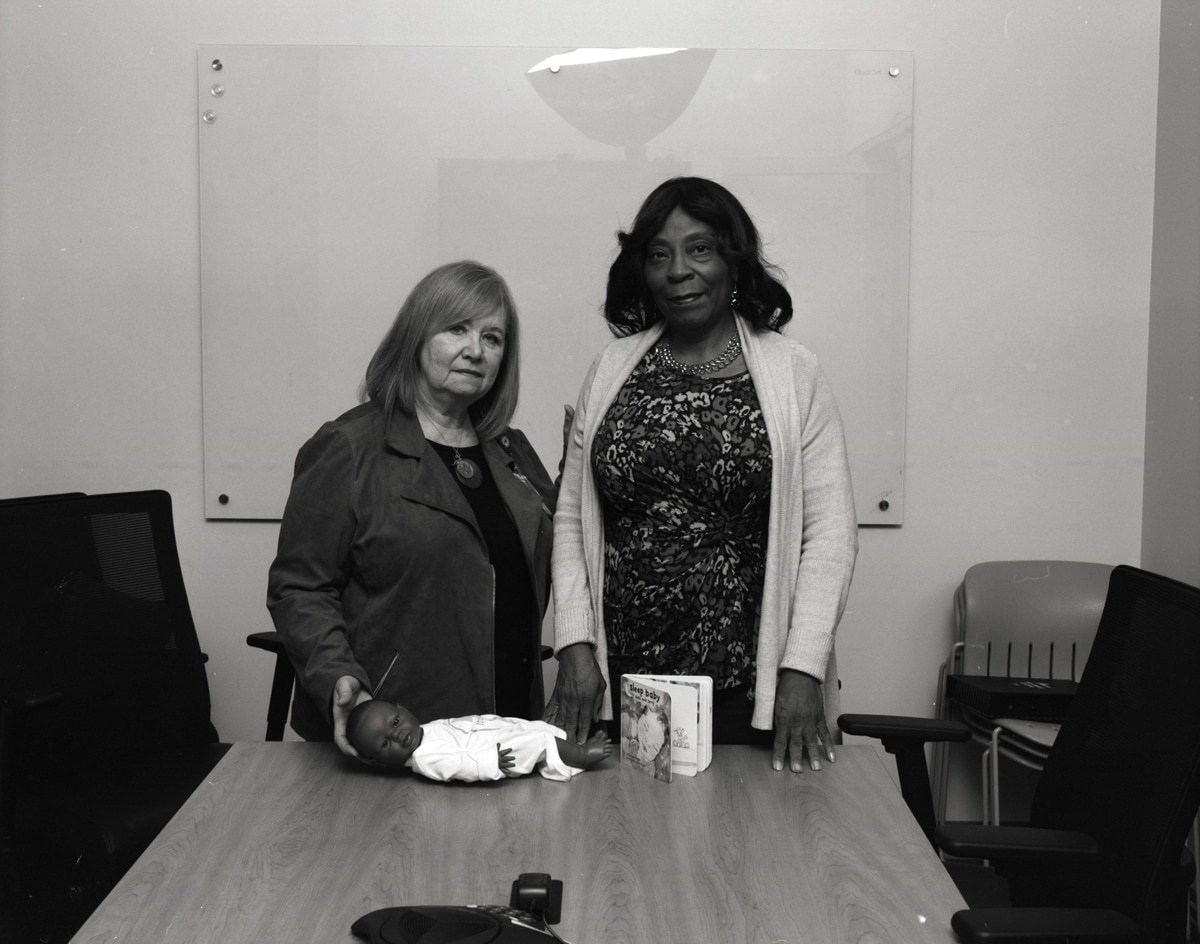
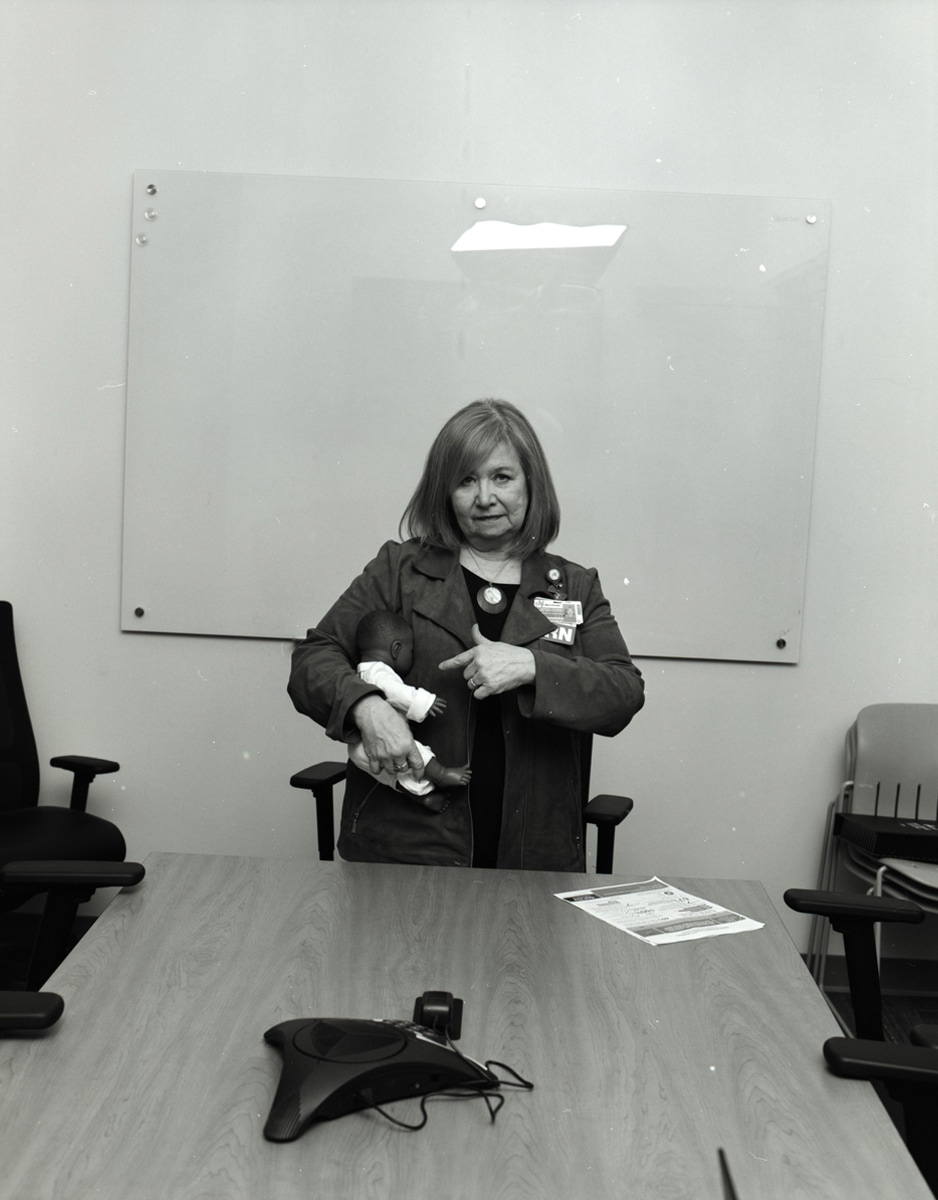
Into a world beset with turmoil, babies continue to be born. The George Gund Foundation’s 2019 annual photo commission portrayed the work of Birthing Beautiful Communities (BBC), a remarkable organization that works to reduce infant morality among black women. Deana Lawson, an acclaimed artist who has been widely exhibited, turned her camera lens on the work BBC for the photographic essay. Lawson portrays the mothers, children, fathers and doulas who BBC brings together to save lives through early intervention.
The work of BBC inspired the annual letter of David Abbott, the Foundation’s president, to reflect on the world those infants will inherit. Catherine Gund, in her first letter as chair, celebrates the impact of women throughout the history of the Foundation and calls for collective action to build a more just world.




Letter from the President - Can we birth beautiful communities?
August 20, 2020
In this wildly unsettled time, what does it take to decide to bring a child into the world? Love? Faith? Hope? Courage? Mere biology? Perhaps all of those, but sometimes it also takes help.
It almost has become trite to observe that it takes a village to raise a child. It is not noted often enough, however, that sometimes the village also is needed to successfully birth children.
In Cuyahoga County, the infant mortality rate among African American women is nearly four times that for white women. A remarkable organization—Birthing Beautiful Communities (BBC)—began working in 2014 to address this disparity by providing perinatal birth supports to Black women. BBC’s trained specialists—called doulas—provide physical and emotional support, education, advocacy and community engagement as they work to overcome the effects on birth of poverty, limited opportunity and proximity to violence—all of which contribute to the toxic stress that is central to the infant mortality crisis among Black women. Numerous scientific trials have demonstrated that doulas greatly improve physical and psychological outcomes for both mother and baby.
Deana Lawson, an acclaimed artist who has been widely exhibited, turned her camera lens on the work of BBC for the photographic essay featured this year on our website. Lawson portrays the mothers, children, fathers and doulas who BBC brings together to save lives through early intervention.
Birthing Beautiful Communities has grown rapidly in its short life, a testament to the quality of its work but also to the tragically great need for its services. Fortunately, it does not labor alone. BBC is part of a community-wide, coordinated plan of attack on high infant mortality rates called First Year Cleveland. Its key strategies focus on racial disparities, extreme prematurity and sleep-related infant death.
The work of First Year Cleveland has shown promising impact in its first few years, but the vexing racial difference remains alarmingly high. Although the infant mortality rate has declined for all groups, the disparity between white and Black infant deaths has grown.
The very fact that we must marshal the resources and commitment for Birthing Beautiful Communities and First Year Cleveland is just one aspect of the ongoing inequality in our society, which has been again starkly illuminated by the unequal impact of the COVID-19 pandemic and by the brutal on-camera killing of George Floyd.
The social isolation required by the pandemic is frequently punctuated by reminders that “We are all in this together.” And while that is certainly true, the limits of our togetherness are also quite evident. Multitudes have lost their jobs while others have not. Many of those still employed have the benefit of being able to work from home while others cannot. Among those who must report to work because they are essential are scores who are relatively underpaid, including health care aides, supermarket cashiers, delivery workers and others. Racial disparities coil through all of these circumstances, but perhaps the most prominent is the toll the virus is directly inflicting. African Americans are nearly a third of those hospitalized with COVID-19 in Ohio even though they are only 13% of the population. Nationally, Black people are five times as likely to need hospitalization as whites.
Although COVID-19’s impact has been uneven, a virus always has a reach that is potentially universal. The affluent may be able to more readily reduce the risk of exposure and access better testing and care. But no one can truly hide. The spread is insidious and it obviously can afflict people of every status. The very inequality of health conditions, the fact that a few bear a disproportionate burden, ironically is why everyone is at greater risk. It may be easier to ignore the society-wide costs of unequal schools and unequal opportunities. But the costs to everyone do exist; many people just look away. In the case of a viral pandemic, without a far better public health system and universal heath care, those who cannot avoid exposure are more likely to become carriers and transmitters of the disease. That puts everyone at risk. Looking away is no escape. One way or the other we all pay.
No crisis should go unused, and this can be an incredibly valuable opportunity for reassessment and reckoning. For pragmatic reasons alone, the pandemic should force us to take a fresh look at virtually every system and way of doing things.
But in the nation-defining period ahead there must be a call to conscience as well as self-interest. Racial inequities arising from countless societal decisions continue to afflict Black and Brown Americans. People of goodwill must seize this moment to force the scrutiny of disparities in education, incomes and employment, health care, housing and other fields. All of these inequities stem from choices that we have made as a society or that have been made for us. They are not inevitable.
These choices tragically include actions throughout our history that created the criminal justice system we have today, a system which, among many other failures, gave a Minneapolis policeman a belief that he had license to take George Floyd’s life in an appallingly heartless way. It was, of course, far from the first time something like that has happened to a Black American. But the repeated broadcasts of the video to an audience enlarged by quarantine sparked rage, anguish and multiracial cries—and marches—for justice. Perhaps Mr. Floyd’s legacy will be that his death generates enough empathy, understanding and enlightened self-interest to make lasting change.
Perhaps. But that is up to all of us, and especially to white people. We are still the largest and most powerful population group. We must emerge from both the social isolation of the pandemic and the far more complicated isolation of our privileged societal position to embrace not just the slogan, but the truth that Black Lives Matter. The consternation of some over the potential loss of historic monuments is nothing compared to what is really at stake: the loss of our core national beliefs, our animating national spirit, our ideals. For nearly our entire history we have celebrated those ideals even as we allowed the whitewashing of racism’s reality and its mockery of our lauded principles. We cannot lay honest claim to our ideals when we continue to so evidently deny them to Black Americans, a truth finally brought home for many by a video of a policeman—essentially a representative of our collective will—calmly murdering a Black man. If we do not change, those ideals are no longer ours.
But what ideals they are: All are created equal. Freedom. Equal justice under law. Democracy. They are worth fighting for and building toward.
In America, one of the primary ways that we wrestle with such issues is through civic engagement, politics and elections. Distressing and alienating as politics can sometimes be, if informed citizens fail to engage and take action, including voting, there can be no assurance that the policies enacted on our behalf will reflect the broad will of the people. That is the choice before us. Will we step out of our isolation, and add reasoned and compassionate voices to the inevitable clamor? Will we act?
Nature and George Floyd are telling us something both profound and elementary: In the final analysis, we are, in fact, all in this together. If we do not come out of these twin crises working to build a better, more just future, then the next contagion—perhaps a lethal virus or perhaps a violent uprising—will be the one that truly levels us. Yet, we need not be motivated by anxiety; signs of hope abound. They can be seen in the refreshingly multiracial marches for justice. In the encouraging poll numbers showing majority white support for Black Lives Matter. In the expectant and newborn faces in Deana Lawson’s photographs.
The road ahead may be hard, but only on it will we find the awakening that America needs and a new birth for our beautiful communities.
David Abbott, President of the George Gund Foundation
Letter from the Board Chair - A better world will definitely be more female.
August 24, 2020
When I was the age my children are now, the AIDS epidemic had just started to rage. My friends, roommates, girlfriends and I fought every day for more research and education, less stigma and hatred, more love and care. Through our shared activism with New York City’s AIDS Coalition to Unleash Power (ACT UP), I was spending intense, often desperate, always significant days with my dear friend Charlie Barber. It was too early to even dare to imagine a time of effective treatments, of living full lives, of raising families, and so, in many ways, I stopped planning for a future. At that time, beloved scholar and community activist Kathy Barber, Charlie’s mother, was on the board of the Gund Foundation where she served for 19 years. We lost Charlie in 1992. Four years later, championed by Kathy, I was invited to become the first third-generation family member on the board of the Foundation, and in some ways, the opportunity to serve helped crystalize for me that I needed to allow myself to once again imagine and work toward a better future.
As I write this letter from home quarantine, the twin pandemics of COVID-19 and racism raging all around us, it is helpful for me to reflect on those days when everything seemed so uncertain as well as on the leadership of other women who, when moments demanded it, stepped forward. While I may be the first woman Chair of the Foundation, women have always been critical to its success, from community organizers in Cleveland, to those whose dedication made the more prominent work of others possible, to those on our board and staff. I draw strength from this ongoing legacy.
Eliza Bryant started a nursing home for African American women in Cleveland in 1897 after witnessing formerly enslaved people, like her own mother, migrate north only to be shut out of white nursing homes. Annie Perkins wore men’s clothing and cropped her hair short in the 1880s so she could fulfill the critical democratic duty of distributing newspapers for The Cleveland Press. Henrietta Givens cooked and cleaned in George Gund’s Cleveland home from the 1930s through the 1950s, feeding and tending to my mother and her siblings. Jessica Roelser Gund, my mother’s mother, birthed and raised six children while also serving on the boards of the Cleveland Institute of Art, the Women’s Committee of the Cleveland Playhouse, and the Gund Foundation as one its three original trustees. Jessica led the Foundation with George, not behind him.
For more than 20 years I’ve served on the Foundation board, along with my aunts, Lulie and Ann Gund, who collectively have served over 45 years, and Cleveland community members like Kathy, Robyn Minter Smyers, Cathy Lewis, Marge Carlson, and, most recently, Margaret Bernstein. I have also spent the last two decades recruiting other third-generation family members and there are now six of us, including five women.
The current staff of the Foundation includes a phenomenal team of women: Jennifer Coleman, Maya Curtis, Marcia Egbert, Cynthia Gasparro, Paula Kampf, Jessica May, Ann Mullin, and Alecia Pretel. This year the Foundation welcomed Alesha Washington as the Program Director for Vibrant Neighborhoods and Inclusive Economy. In her critical and timely role, Alesha, who began as a Gund Foundation Fellow 13 years ago, now leads our work to strengthen democracy building and civic engagement strategies. These women not only keep the Foundation running, but are enacting change in communities throughout Cleveland, regionally, and nationally.
Since its inception in 1952, the Foundation has awarded $775 million in grants leading to many tangible manifestations of our commitment to use the power of localized funding to leverage community knowledge and organizing for sustainable impact. It also feels important to me to recognize all of the women I have named because despite the tremendous achievements we trumpet, the Foundation has not been exempt from the consolidation of power in the hands of (white) men and the denial of full partnership with women that is a hallmark of patriarchal institutions.
Our world, now riveted by the uprisings in response to police brutality and systemic racism, similarly reflects this all too common myopia. The cold-blooded murder by police of George Floyd in Minneapolis was the spark, but women have also long been subjected to relentless, state-sanctioned violence. Breonna Taylor’s killing in Louisville is just one recent example that is, appropriately, receiving more attention, but far less publicized are the police killings of 23 trans women so far this year. Black Lives Matter, the movement that has spread a straightforward and powerful statement across the globe, including on all of the basketball courts in the NBA’s COVID-19 “bubble,” was created in 2013 by three women—Alicia Garza, Patrisse Cullors, and Opal Tometi. Tens of millions have taken to the streets in protest this summer, but few could name the movement’s founders or know that they are women.
In this context, I want to express gratitude to the women who are responsible for the direct care of our fellow citizens during the COVID-19 pandemic, and who are bravely stepping up to protect our communities. Around the world, the majority of responders on the frontlines of the coronavirus fight are women. According to the World Health Organization, women make up seven out of ten health and social care workers globally and contribute $3 trillion annually to global health, half as unpaid labor. Rarely are these women given the recognition they deserve. Rarely are the systems that cause inequality confronted. I’d like to change that—both in regard to the women leading the charge worldwide during these moments of crisis and the women directing philanthropic action at home, including here at the Foundation.
In February, I opened my first board meeting as chair by reading the Foundation’s 68-year-old mission statement aloud:
“The George Gund Foundation was established in 1952 as a private, nonprofit institution with the sole purpose of contributing to human well-being and the progress of society. Over the years, program objectives and emphases have been modified to meet the changing opportunities and problems of our society, but the Foundation’s basic goal of advancing human welfare remains constant.”
My intent was to ground our work in the words that Jessica and George (and George’s mother Anna, the third trustee) drafted decades ago to guide the choreography of the Foundation’s grantmaking, but also to remind us that a mission is not a static thing. Like the photography presented in these pages, the mission is meant to ignite feeling and spur action, engaging with and adapting to the ever-changing challenges and opportunities in our communities.
Our annual report this year contains work that is close to my heart. Photographer Deana Lawson created these direct, intimate and excruciatingly human images, her photography echoing the unique boldness of each of the Foundation’s recent grantee partners. She captures women who urge us to ask a pivotal question: What does a better world look like through her eyes? This question will guide my own work as Chair of the Foundation. Both asking this question and responding to it are fundamental to achieving gender equity, globally and locally.
Examples of this approach include the Foundation’s grants to Birthing Beautiful Communities, a nonprofit that supports pregnant women to deliver full-term healthy babies in the face of a society that fails to protect both the women and the babies. We have also invested in Better Health Partnership to connect expectant mothers and their infants with community supports that are systematically withheld from them. And we’ve partnered with Neighborhood Family Practice, an organization that operates a doula program to serve neighborhoods on Cleveland’s west side who are denied access to high-quality health care.
One of our most significant recent grants is a $1 million contribution to PRE4CLE, Cleveland’s expansive preschool program. In addition to aligning with the Foundation’s long-term commitment to equity and excellence in Cleveland’s public schools, the grant honors my Aunt Lulie, who passed in March of this year, and her steadfast support of early childhood education. For 21 years, Lulie devoted herself to the Foundation and to expanding access to high-quality preschool education for children in Cleveland. Our recent grant created the Llura Gund Early Learning Fund, which will focus on revitalizing the facilities of many of Cleveland’s preschools.
Moving forward, our lives, our roles in our communities, and our philanthropic work, will inevitably be shaped by the prolonged twin crises of this unique year. Over the past five months, as COVID-19 and a growing movement for racial justice exposed systematic and systemic injury to the very lives of already strained Black and Latinx communities, countless individuals, community-based organizations, agencies, foundations and companies have nimbly pivoted operations to redirect their efforts and add their voices to calls for change. It is in moments like these that we must urgently consider the duty of our power and the implications of these surges of empathy and generosity for those of us who strive to build more effective philanthropic action.
The grantees described in this report exemplify how the Foundation has increasingly invested in organizations directed by those most impacted by systemic oppression with the aim of sustaining empowered community leaders who are working to respond strategically to today’s urgent challenges. To tackle criminal justice reform, housing insecurity, education inequality, health care fissures and more, we need to be more disruptive grantmakers. We need to give with more flexibility and longevity, adjust deadlines, convert project support into general operating support, prioritize grantmaking strategies that align with local and national advocacy efforts, and back both the direct action of visionary grassroots organizers and forward-thinking policymakers. We cannot squander this moment of reckoning and its possibilities for real reconciliation and transformation.
The roar of our voices—organizers, philanthropists, mothers, voters, artists, leaders, and more—is building towards a crescendo in 2020. It’s a vitally important election year. It’s the 100th anniversary of women’s suffrage. It’s also the 100th commemoration of the League of Women Voters of Greater Cleveland. There is no time like the present to make ourselves visible and have our voices heard loud and clear. In this painful yet truthful moment, imagination is more necessary than ever to pull us forward together. So, today I write with hope for a future that is more collaborative and more local, more intersectional, definitely more female, and, in every aspect of our lives, more just for all.
Catherine Gund, Board Chair, The George Gund Foundation


Planned Parenthood
Social Justice
Rania Matar (2011)
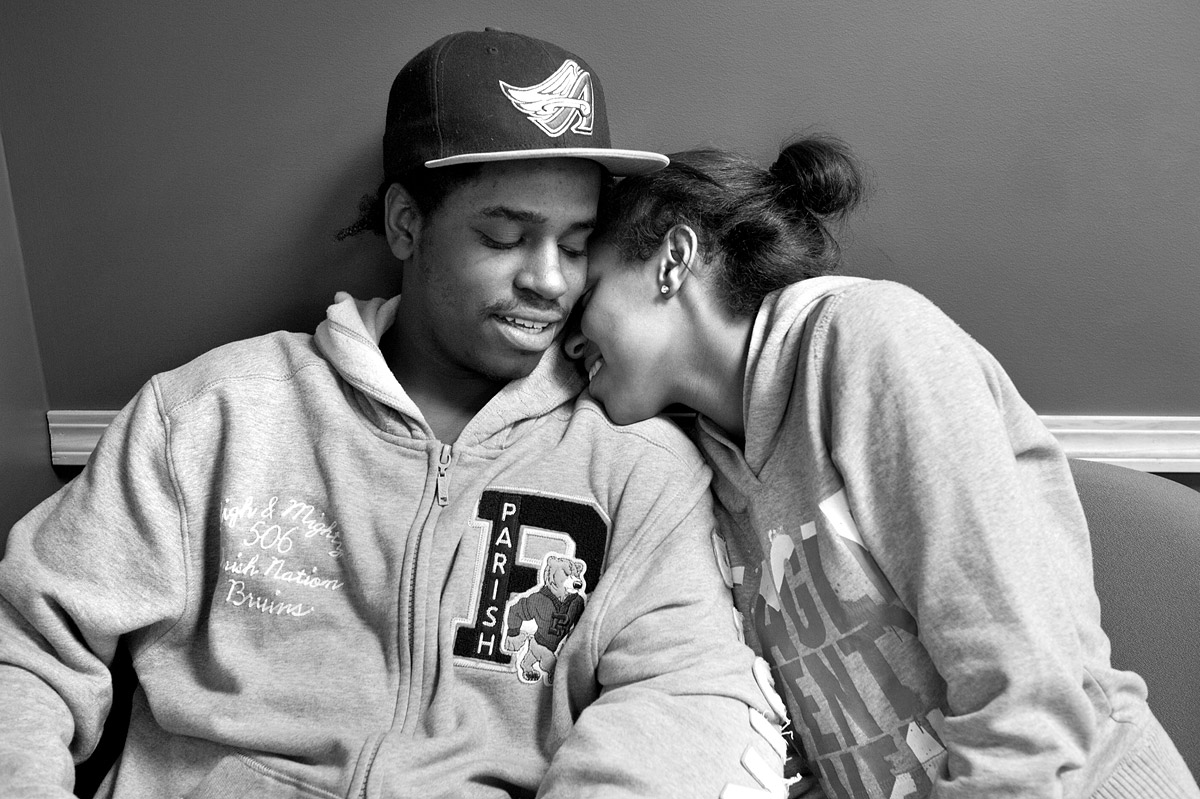
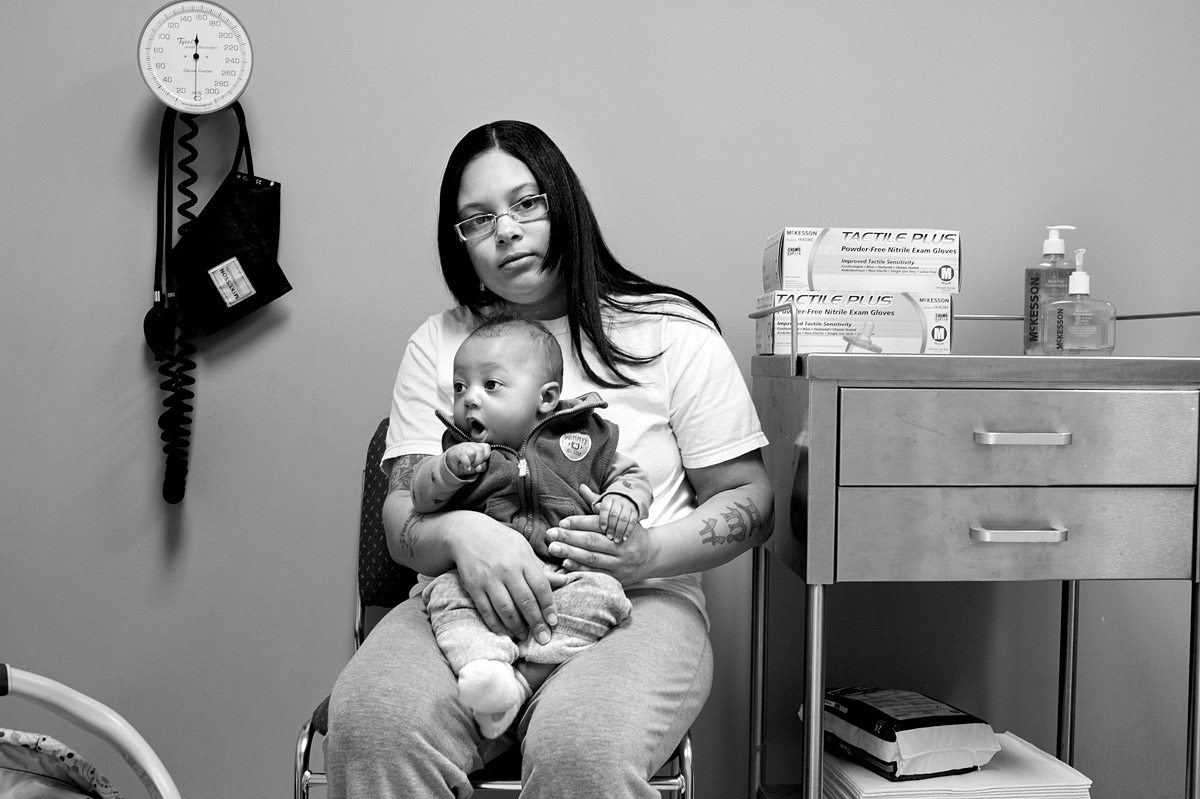
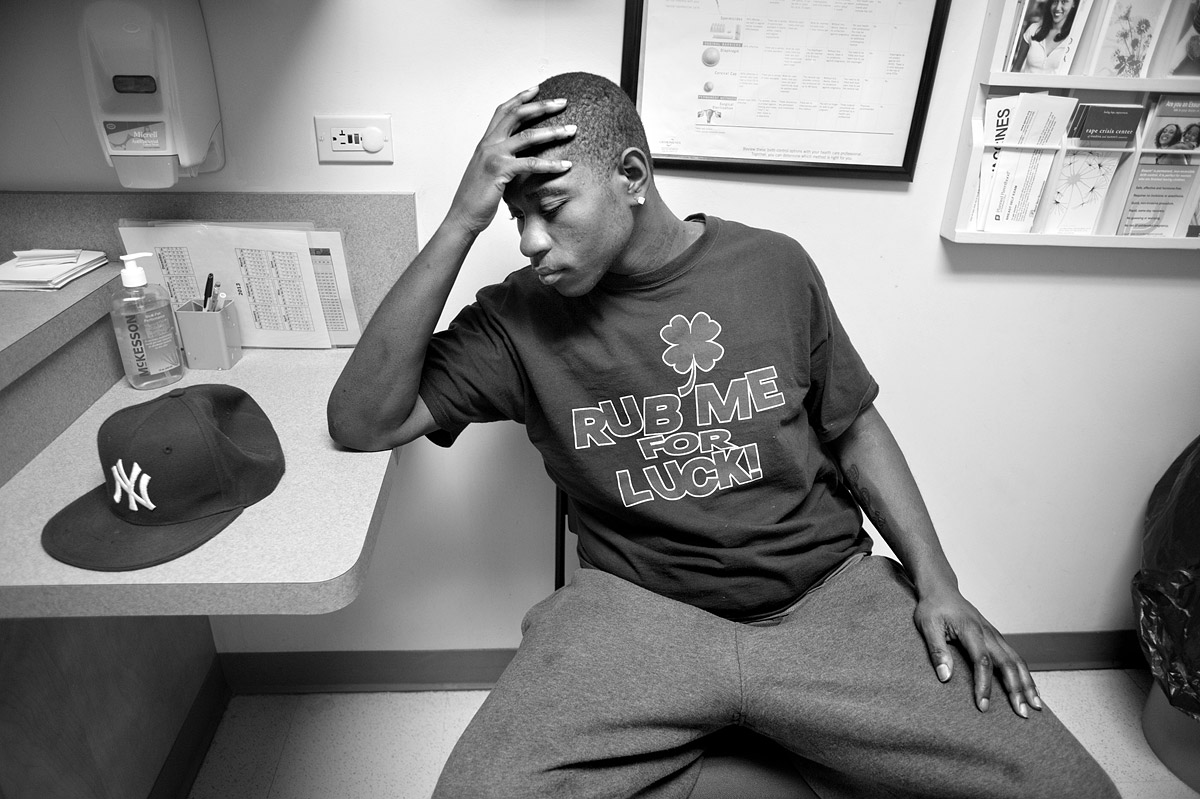
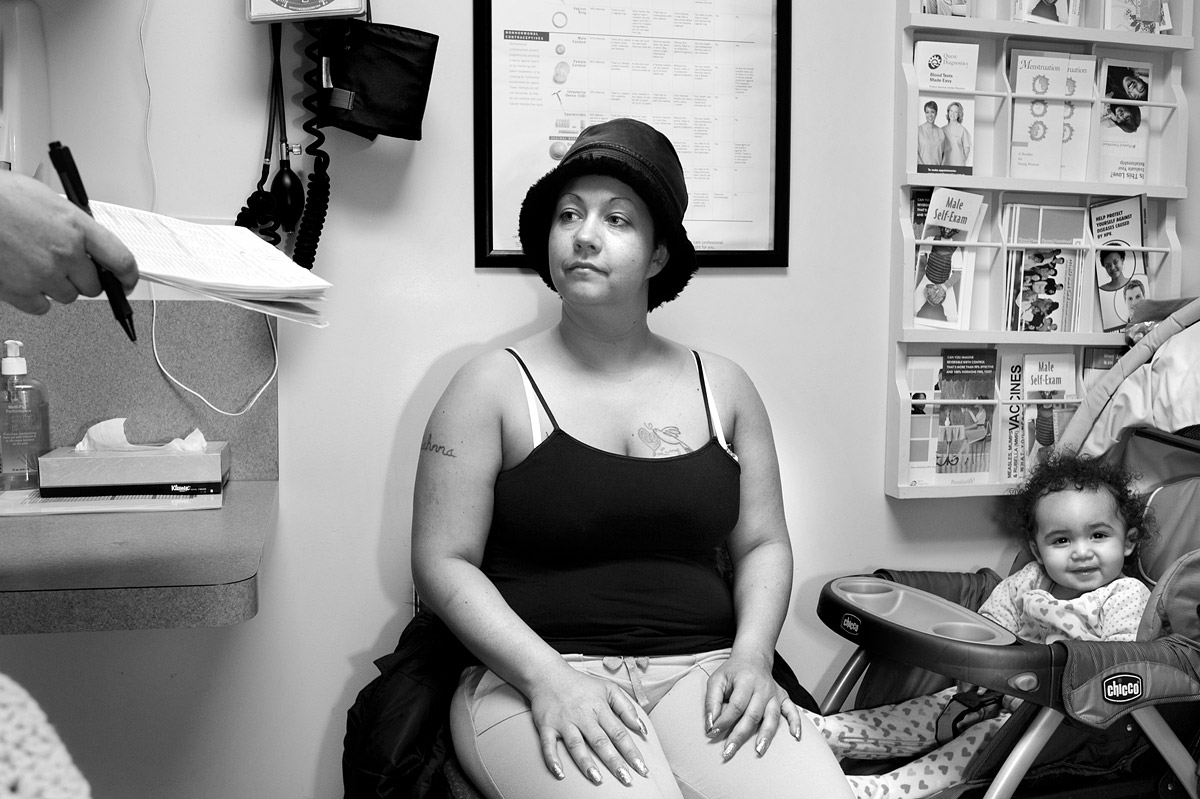
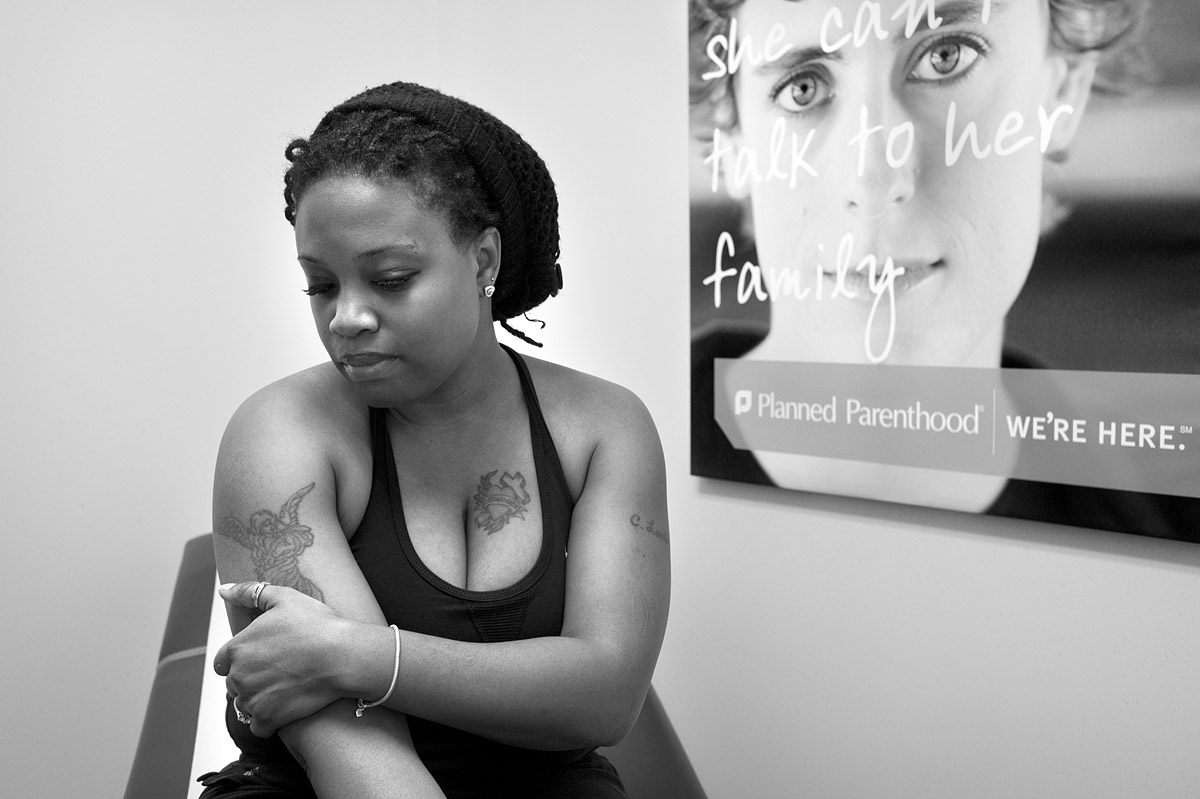
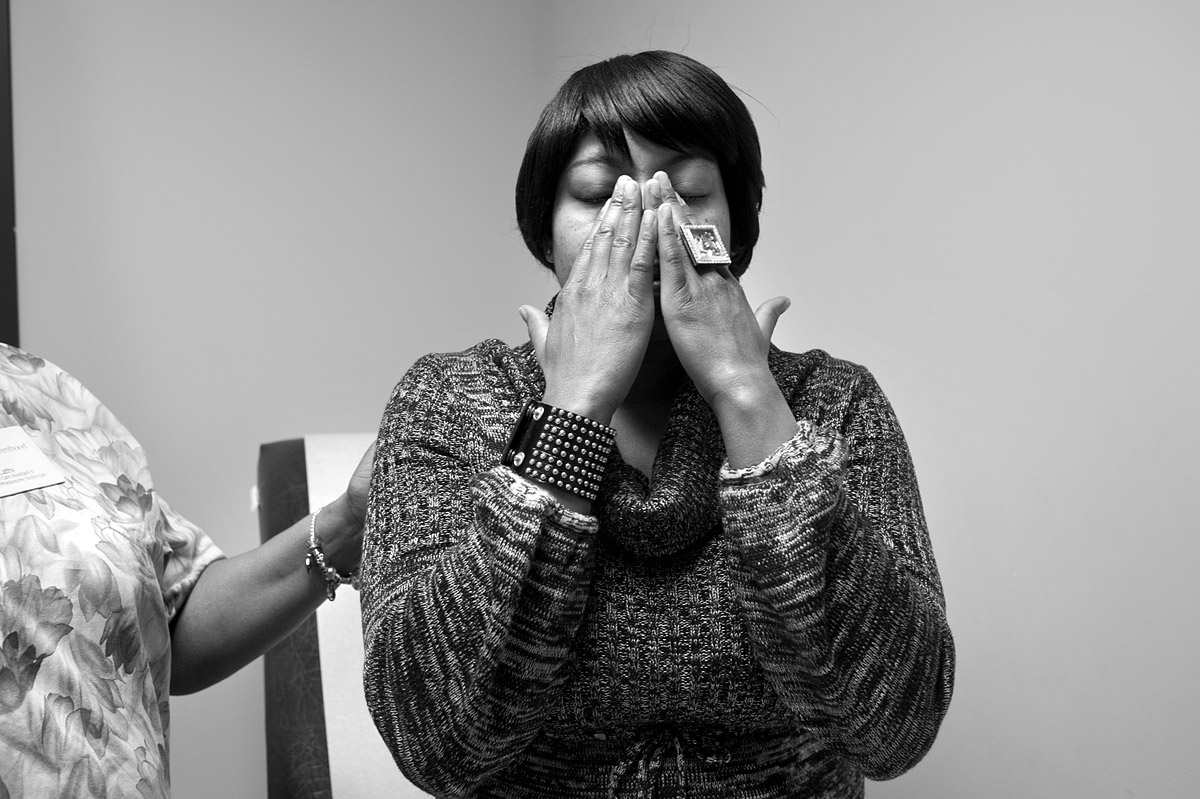
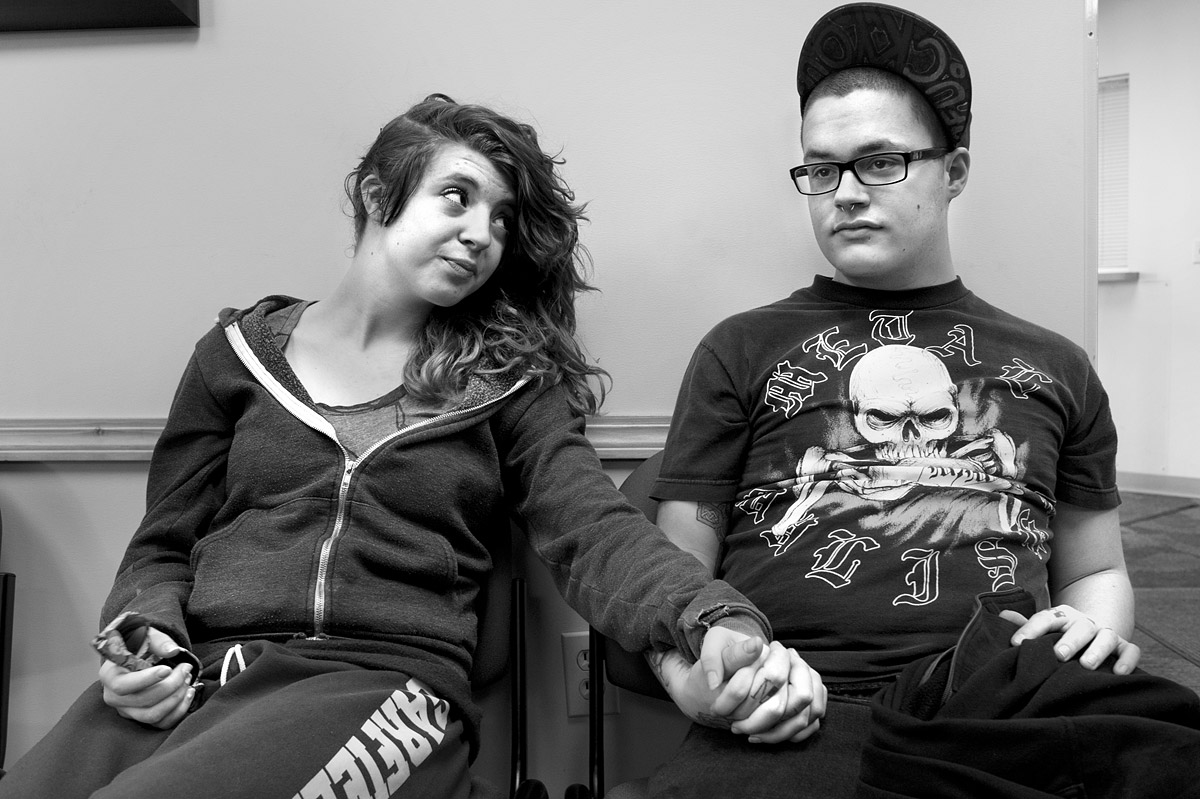
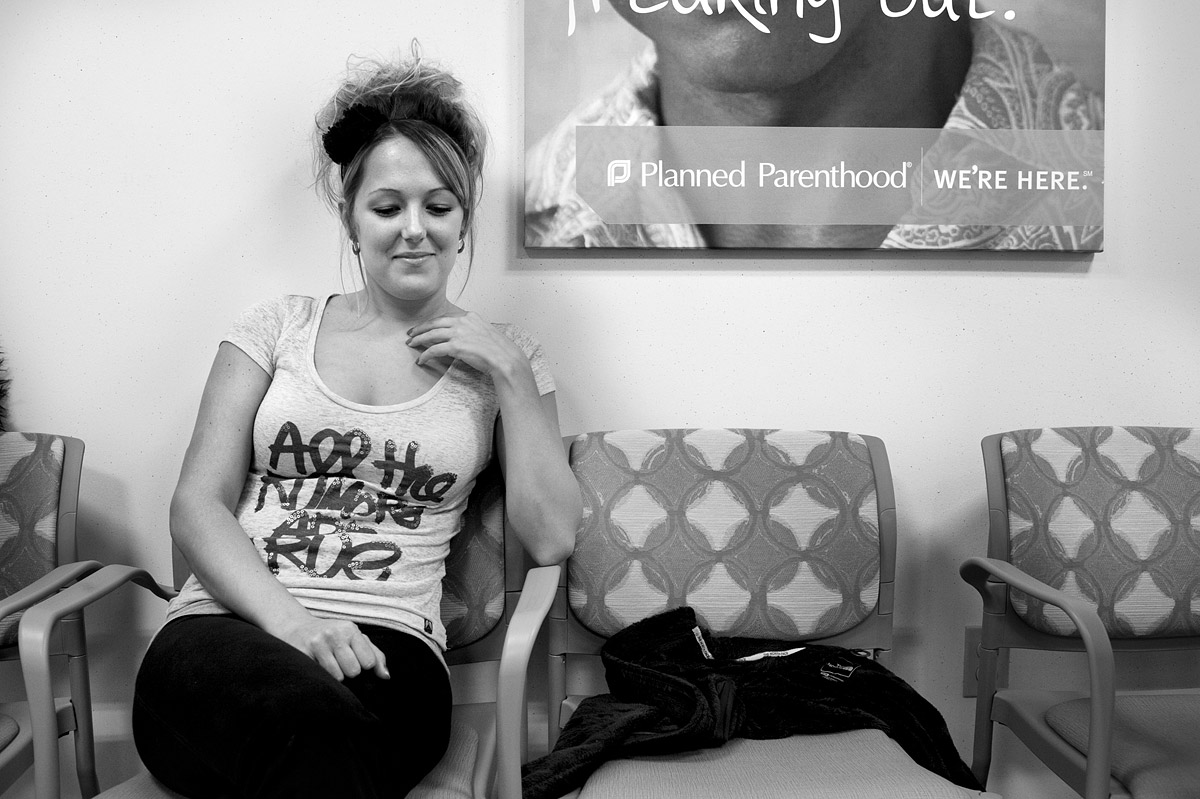
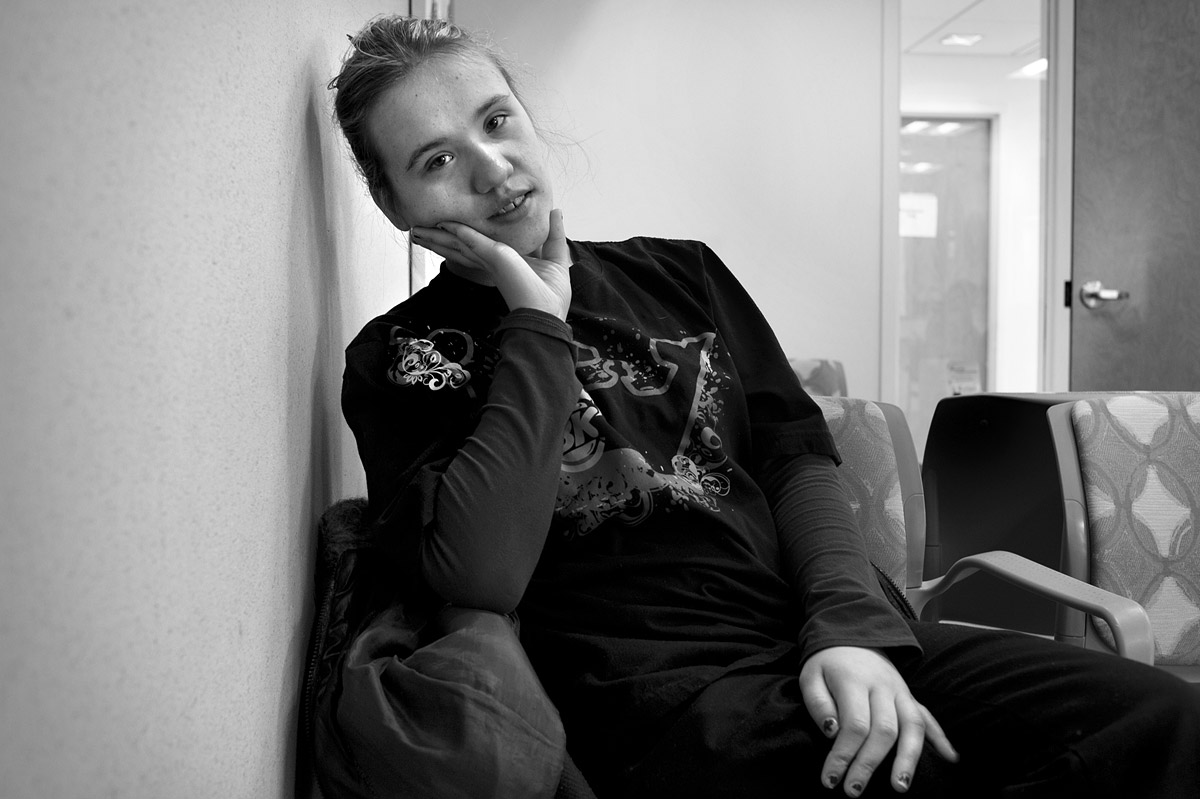
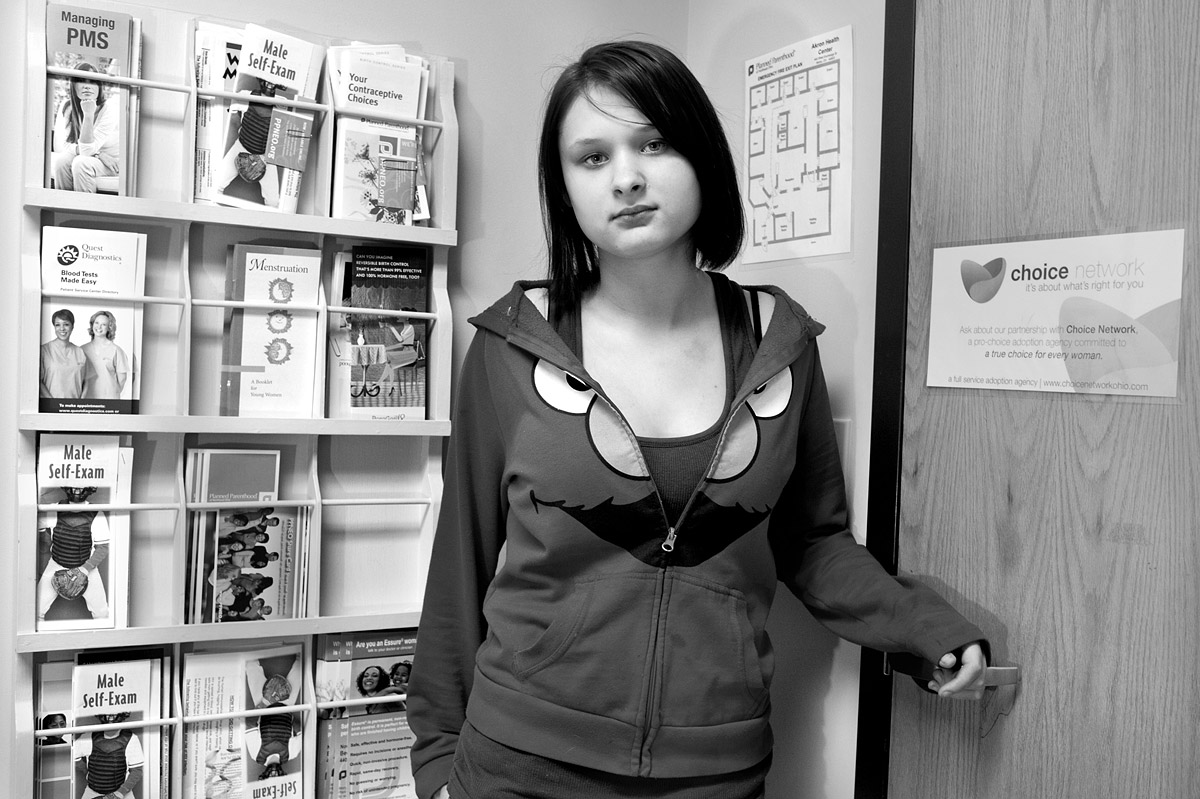
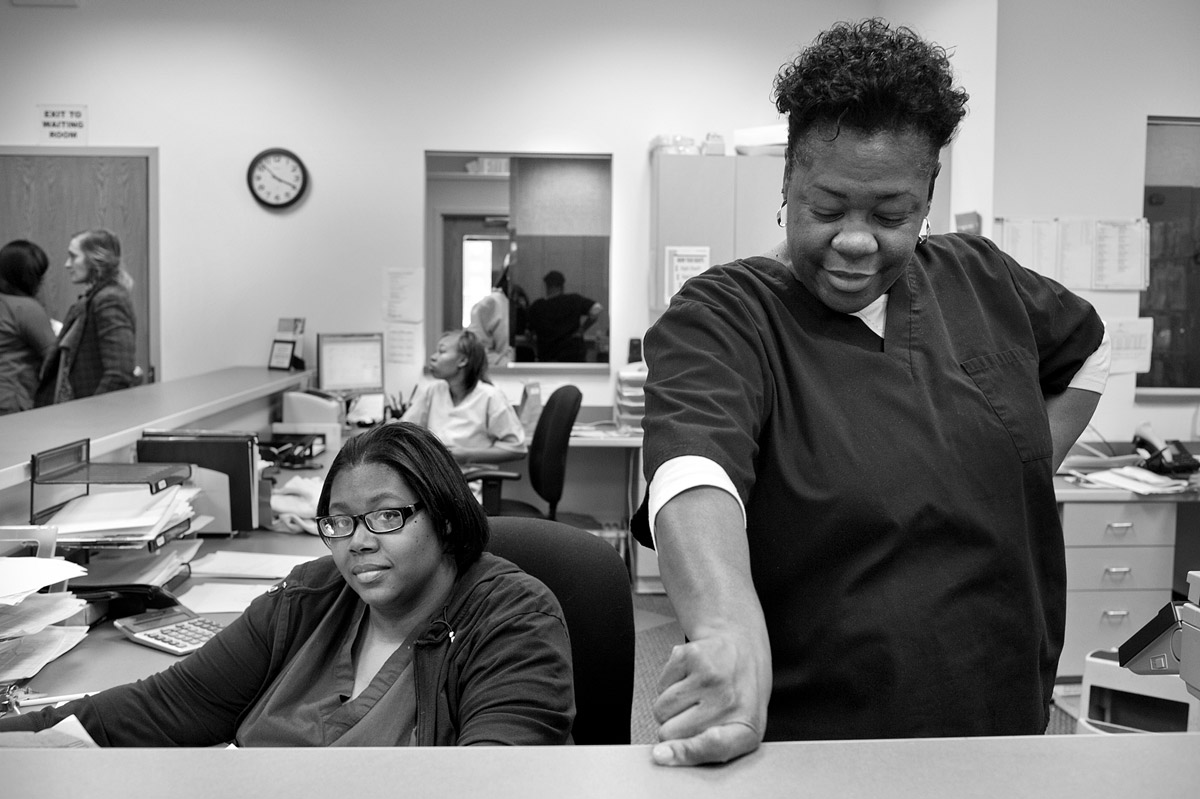
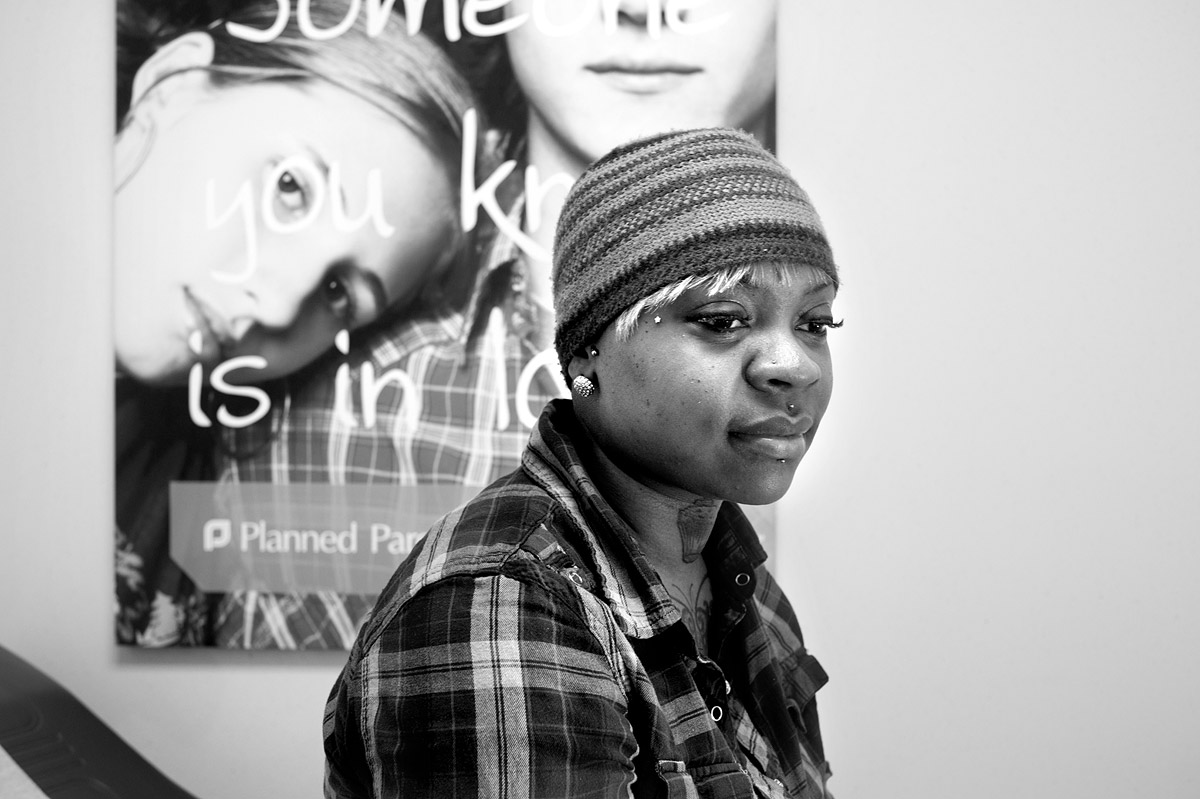
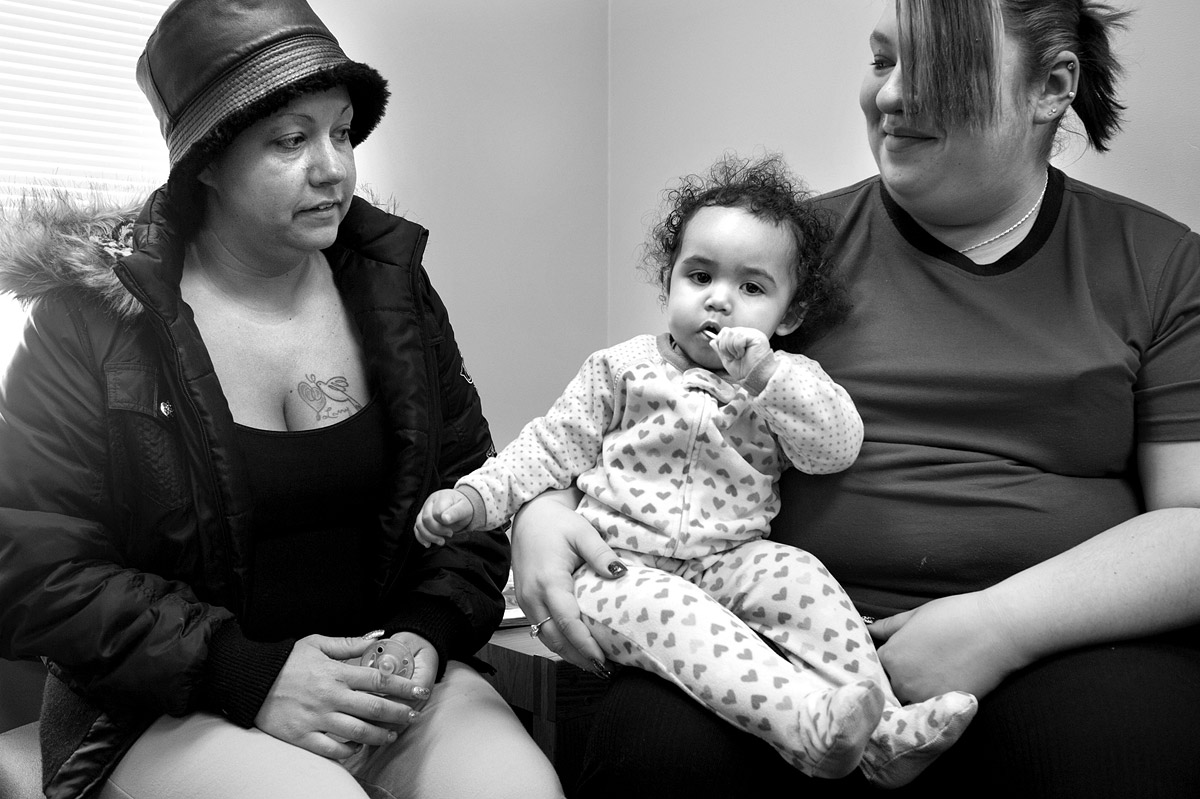
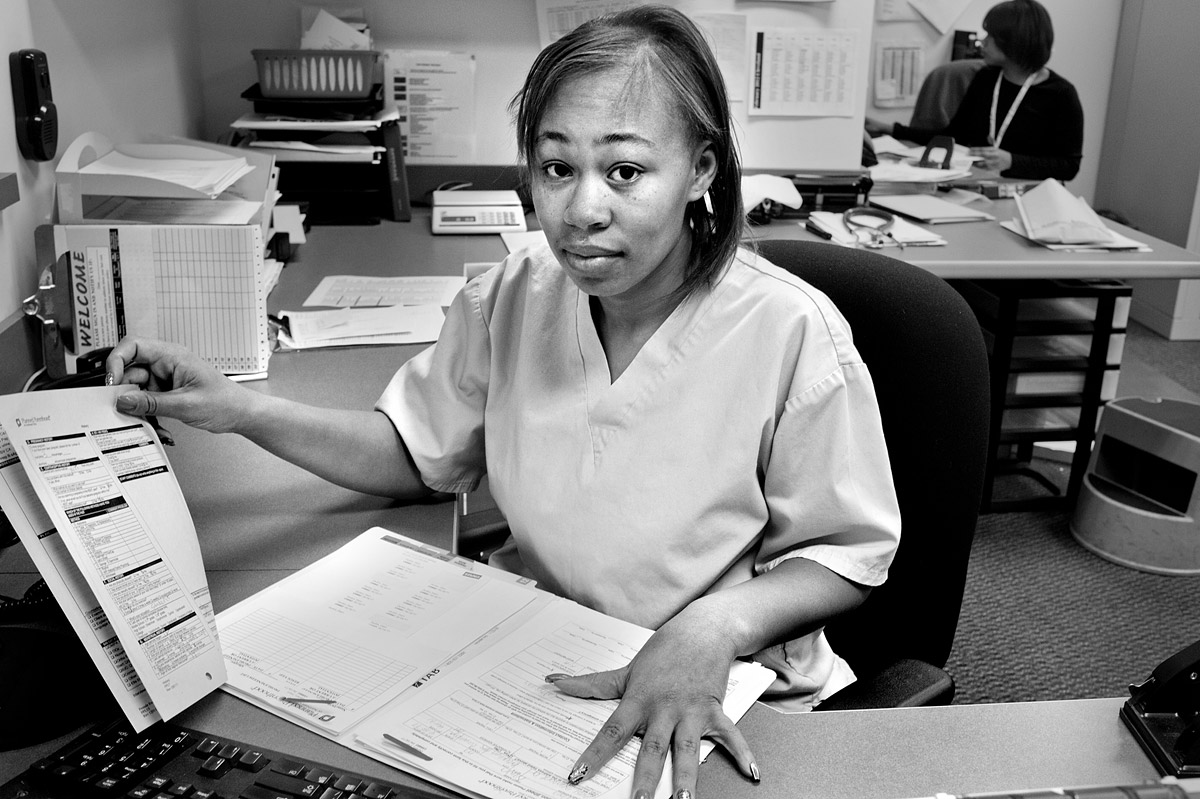
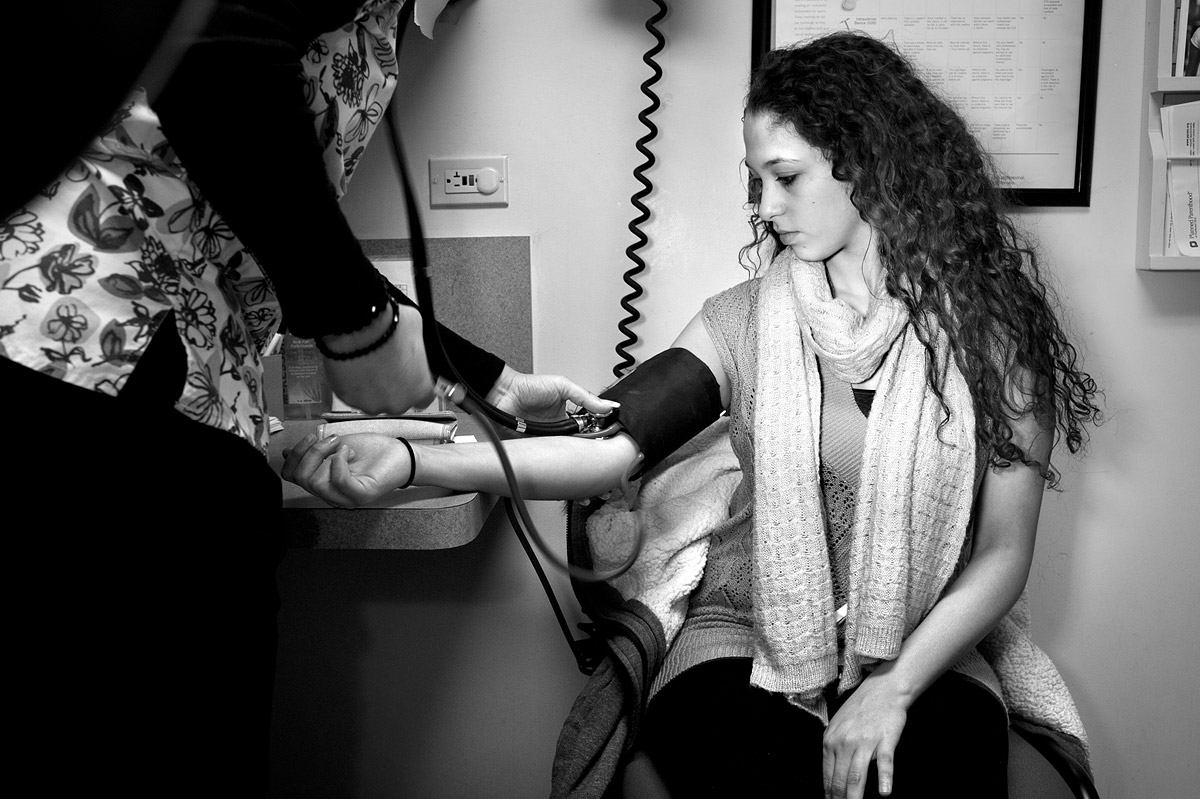
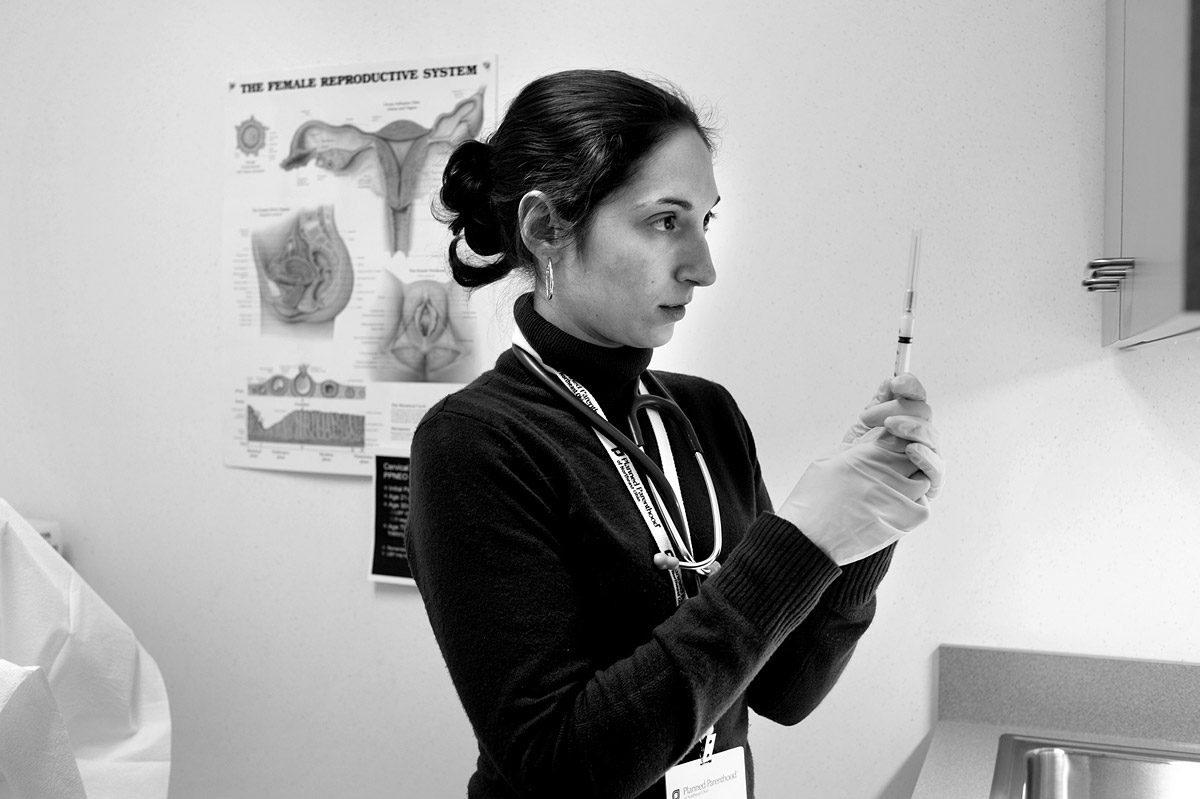
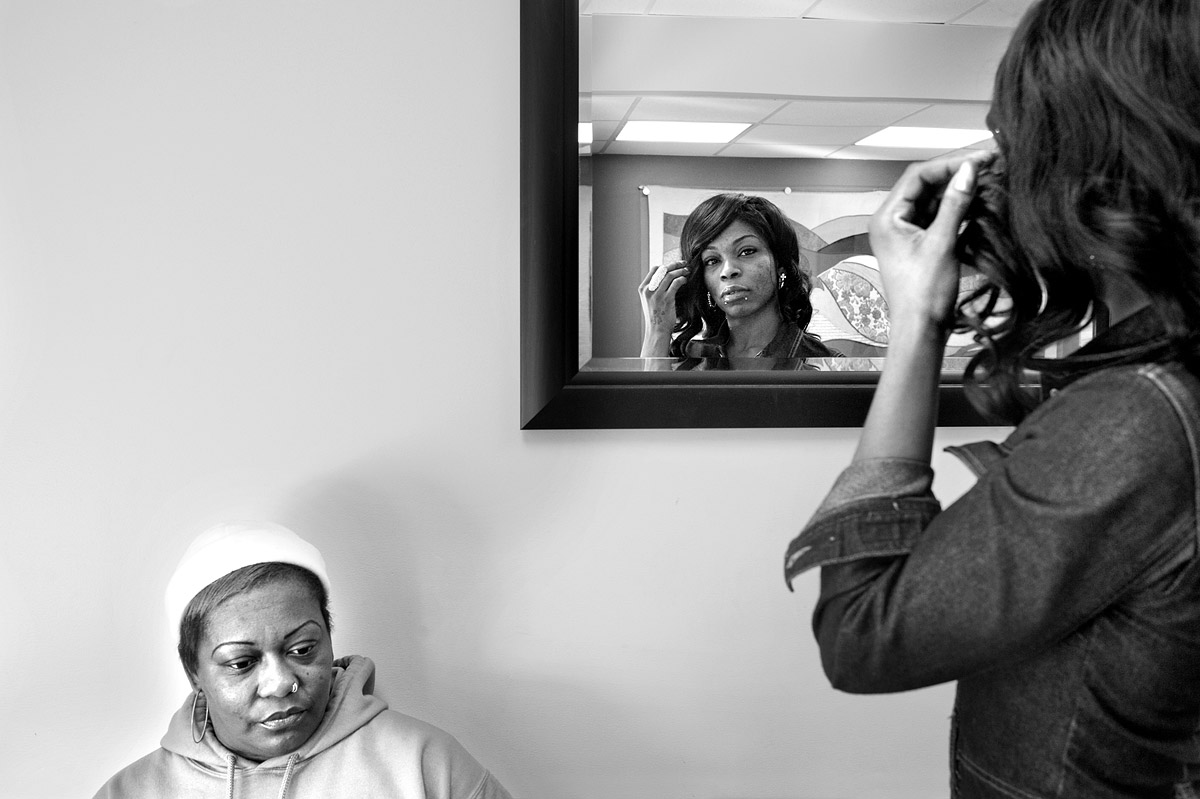
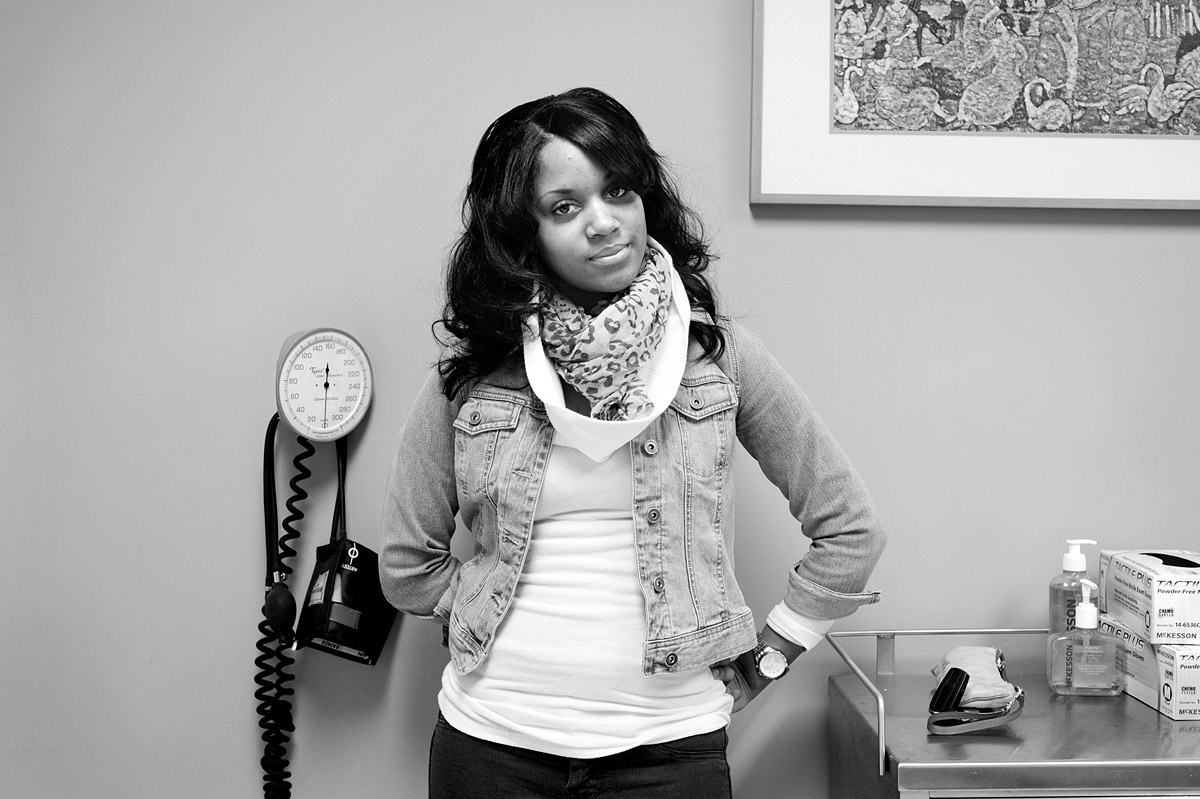
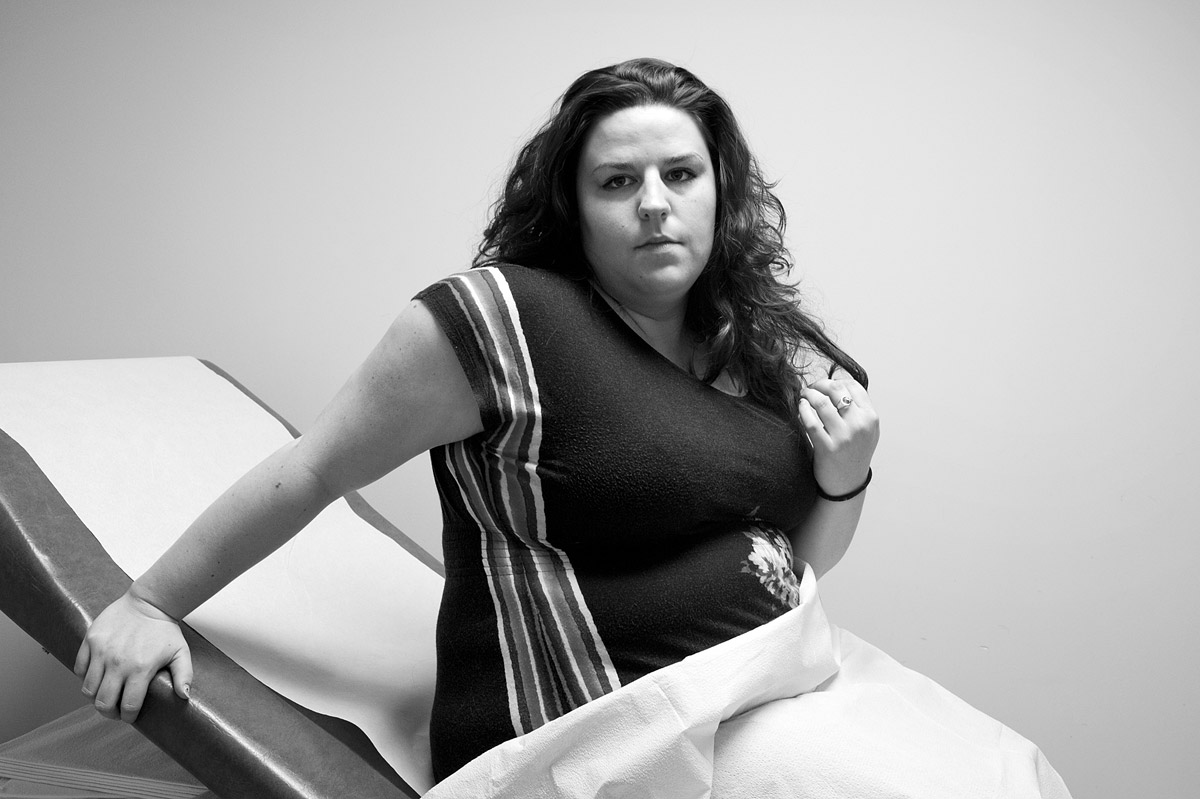
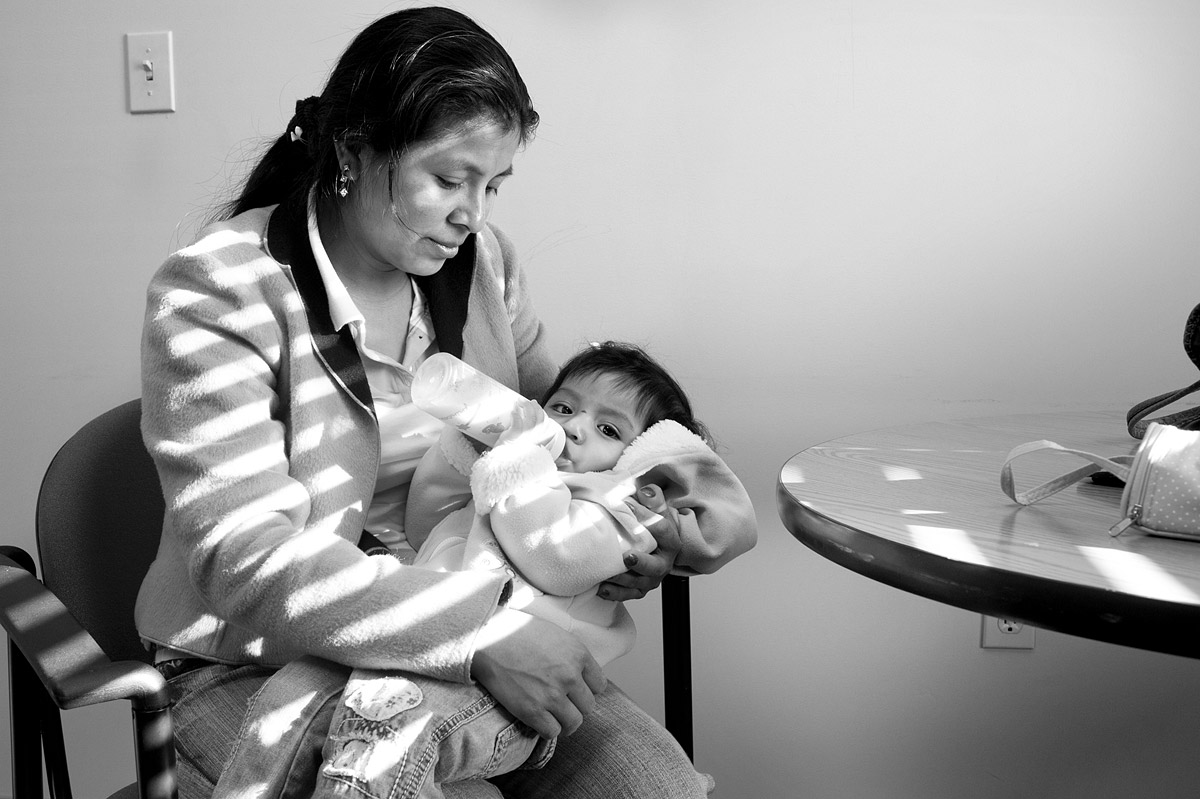
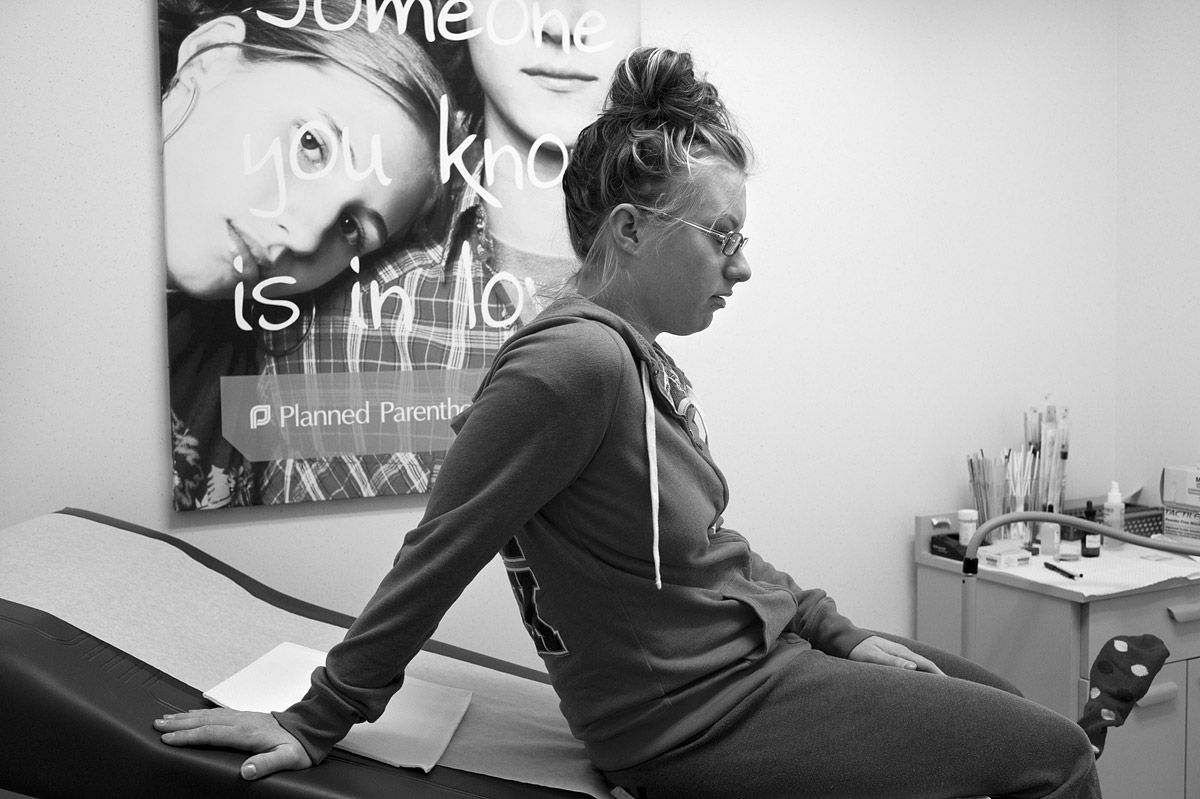
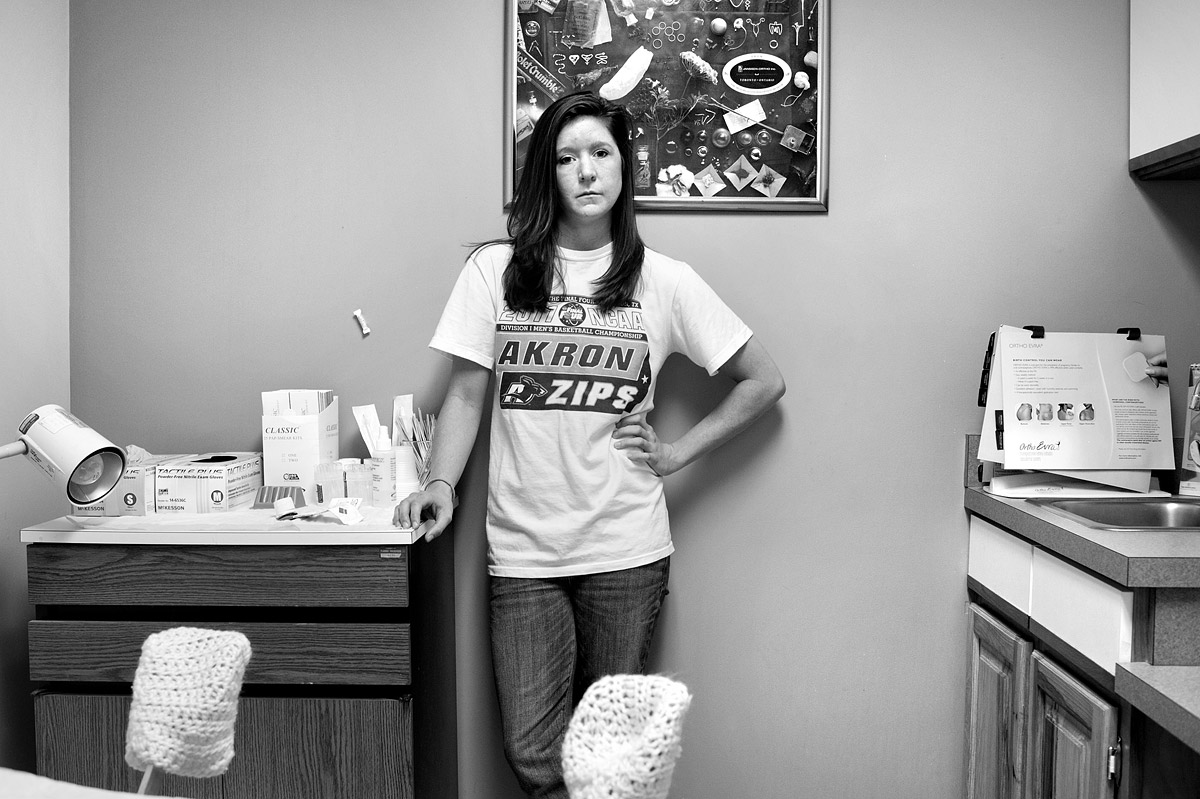
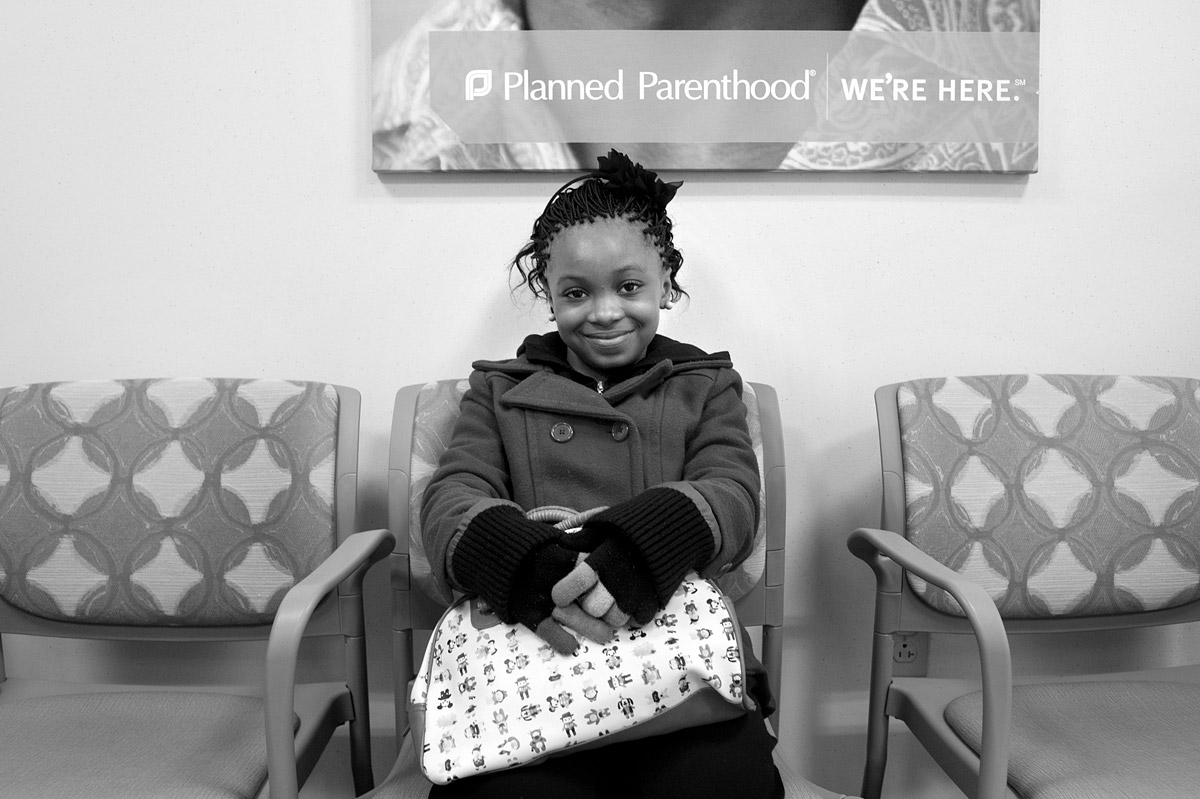
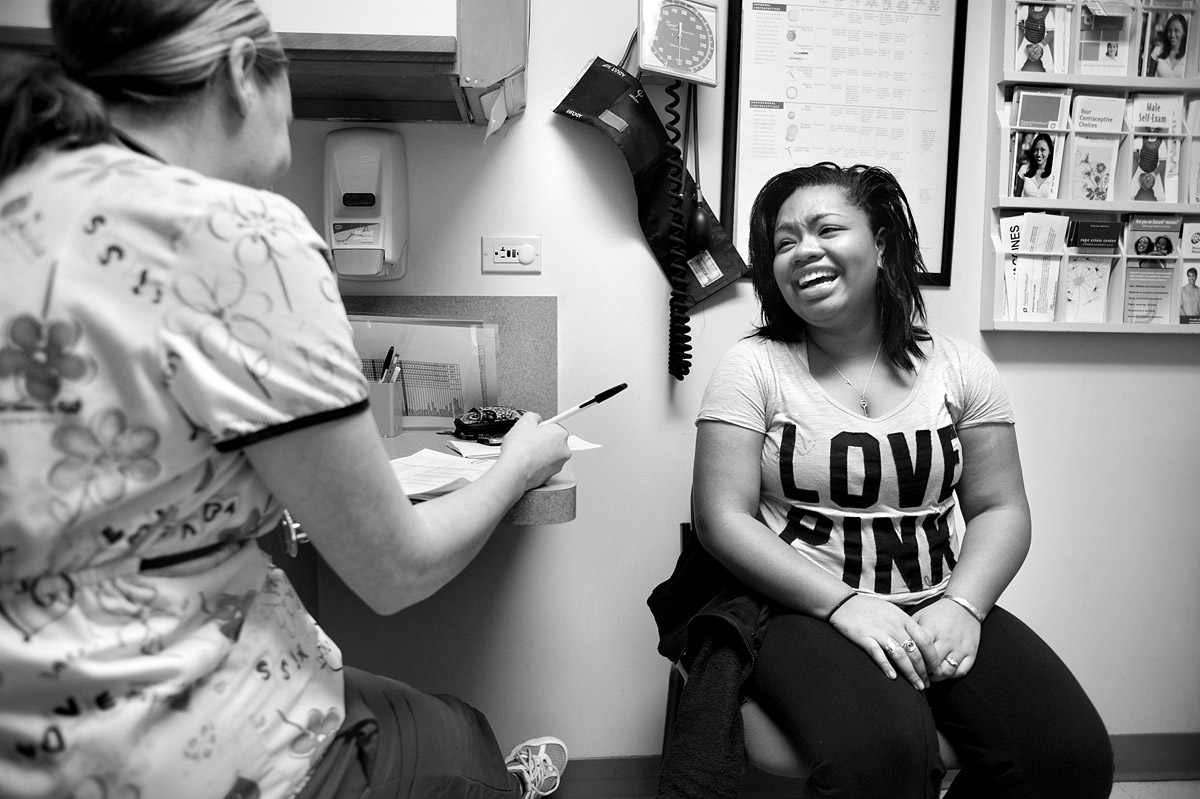
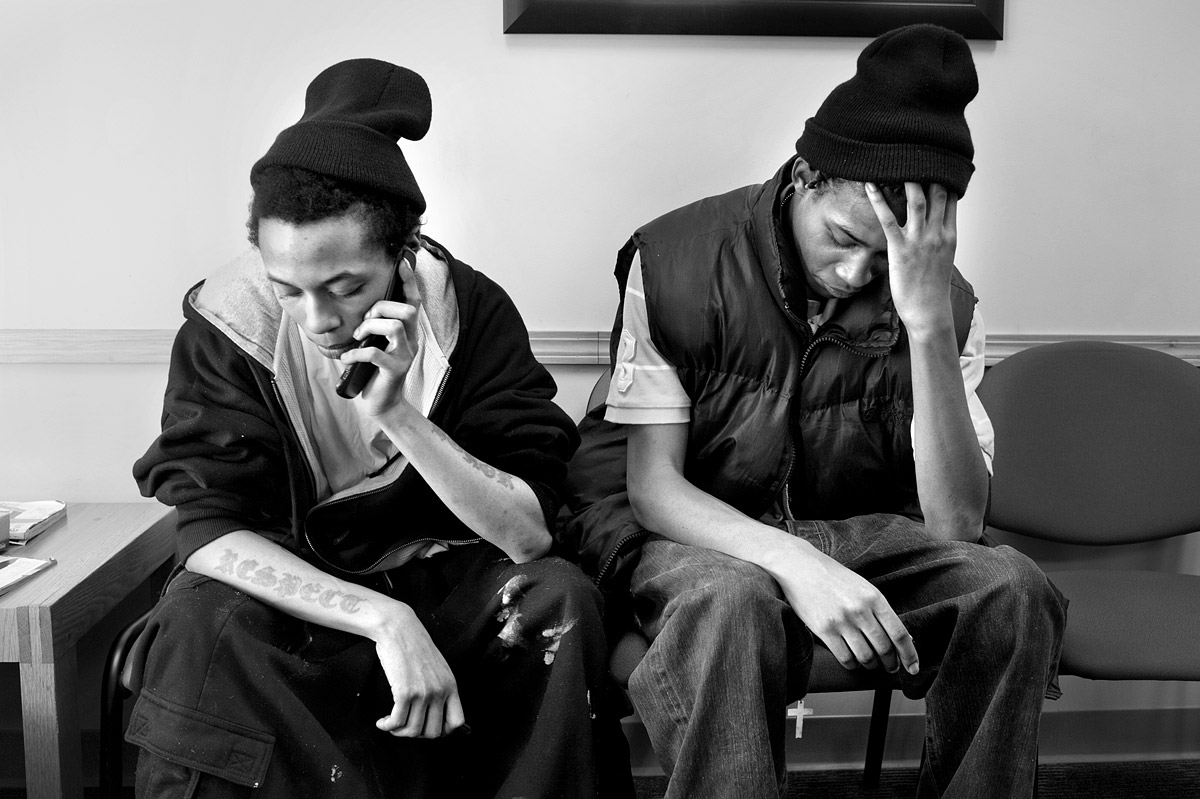
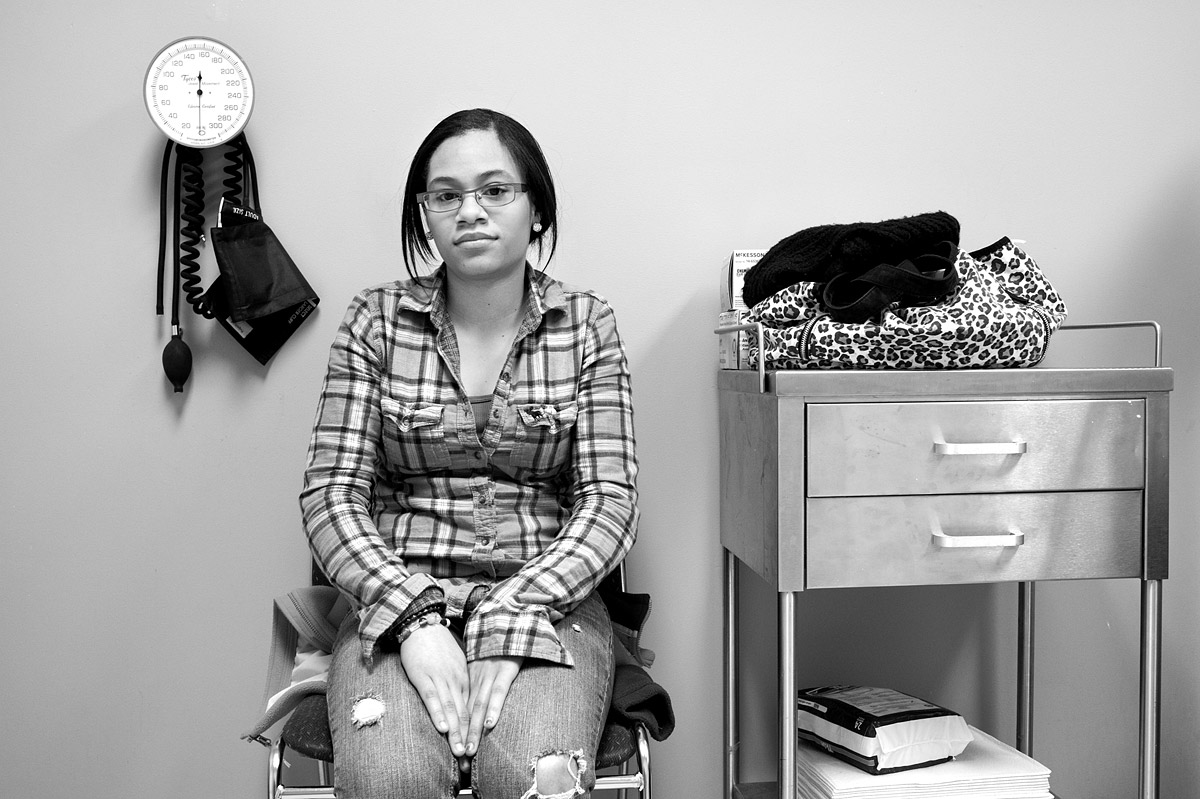
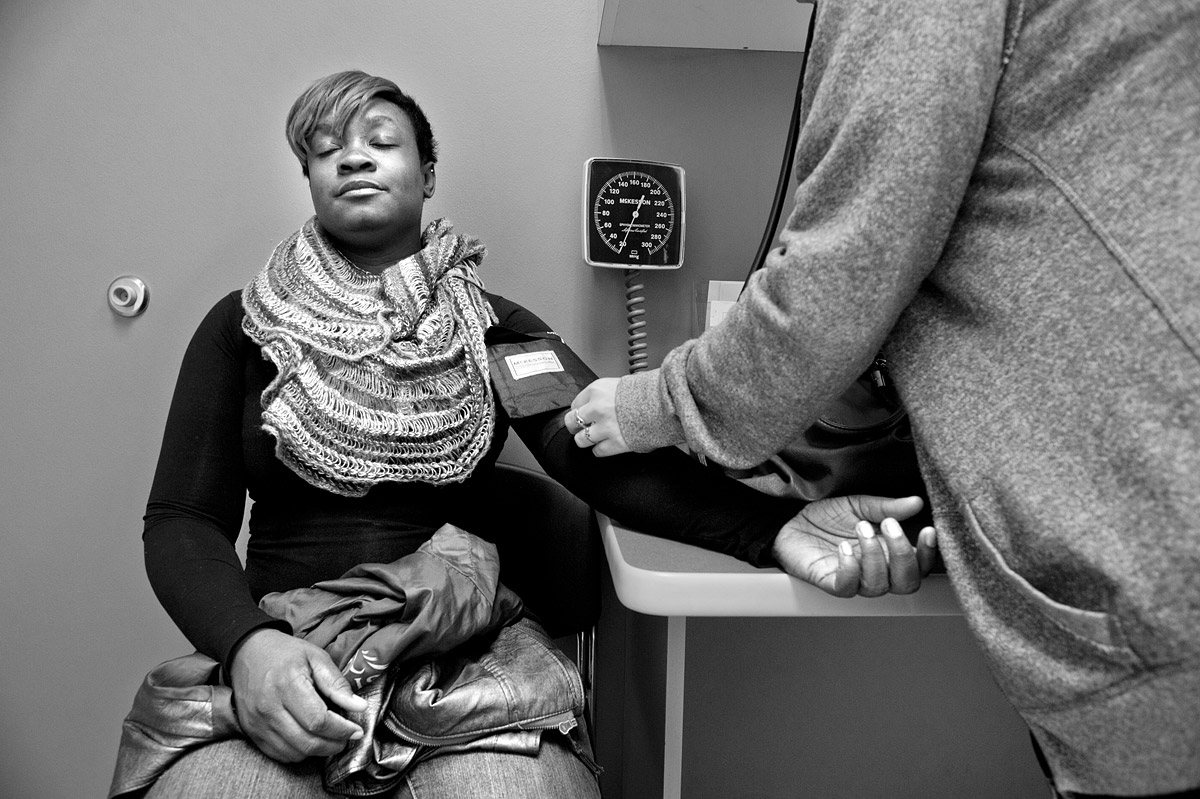
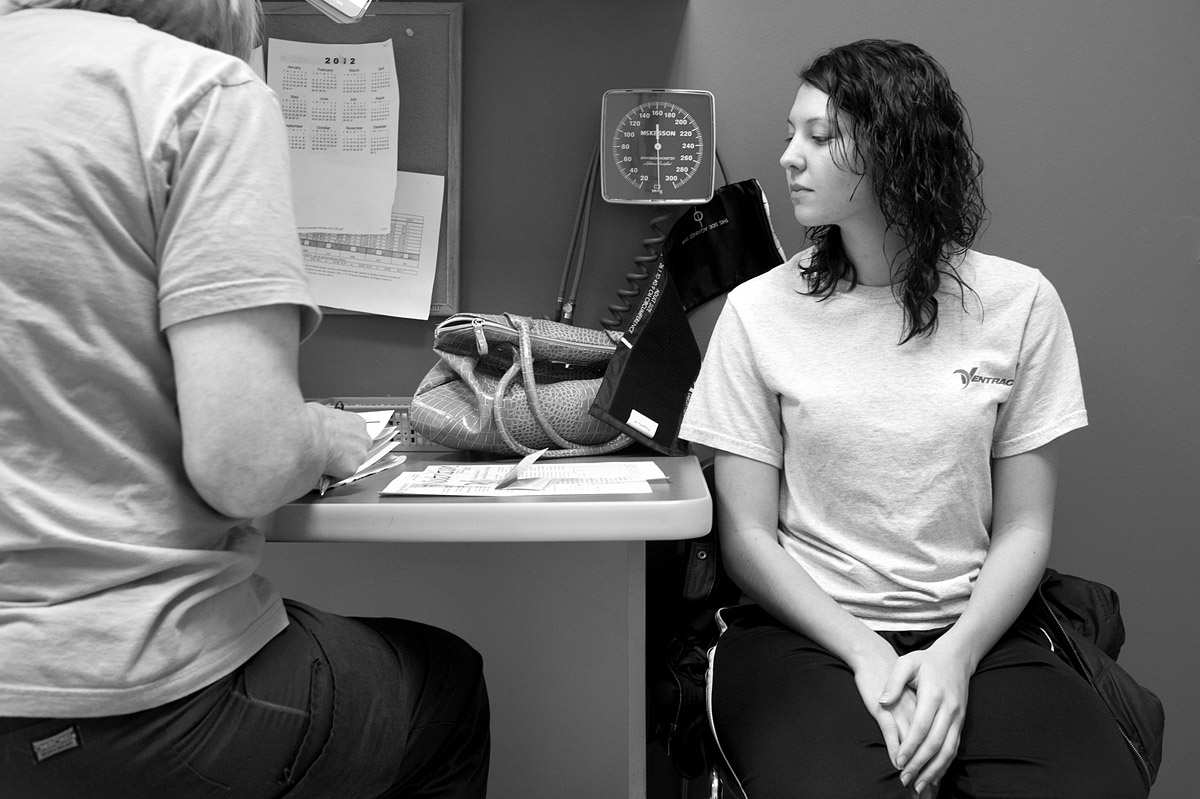
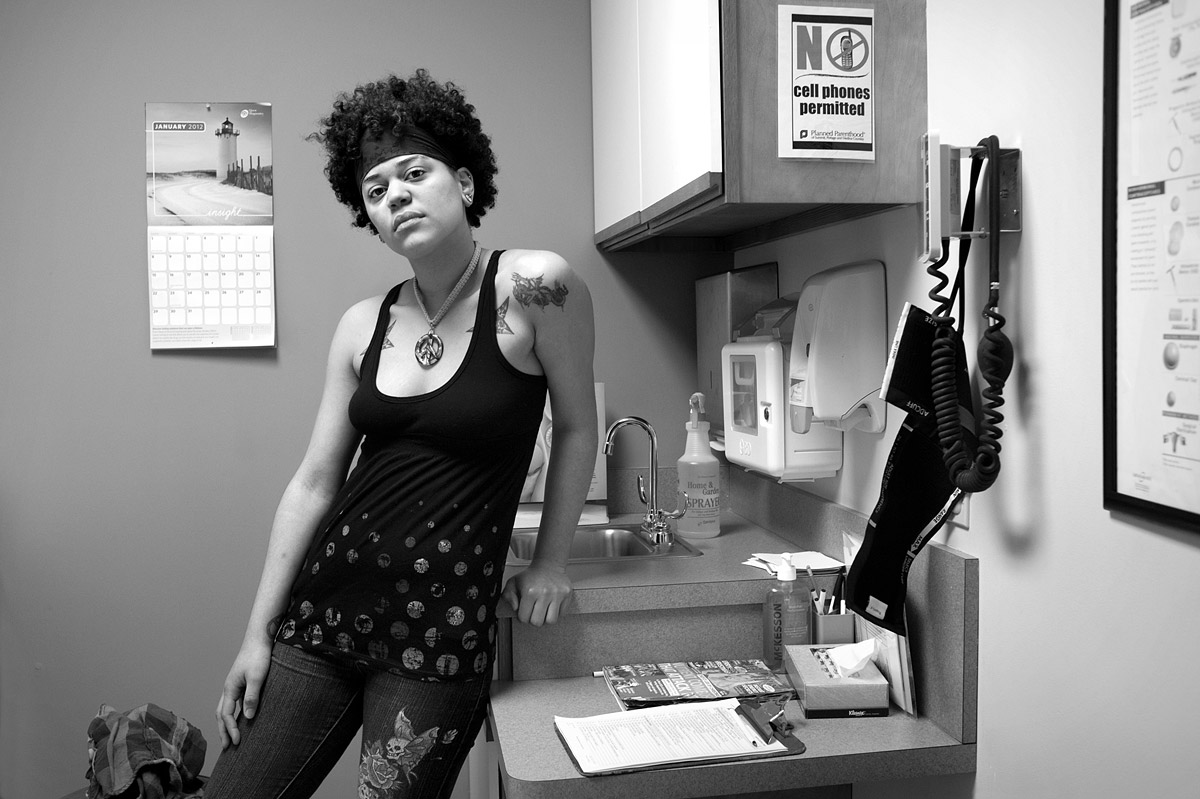
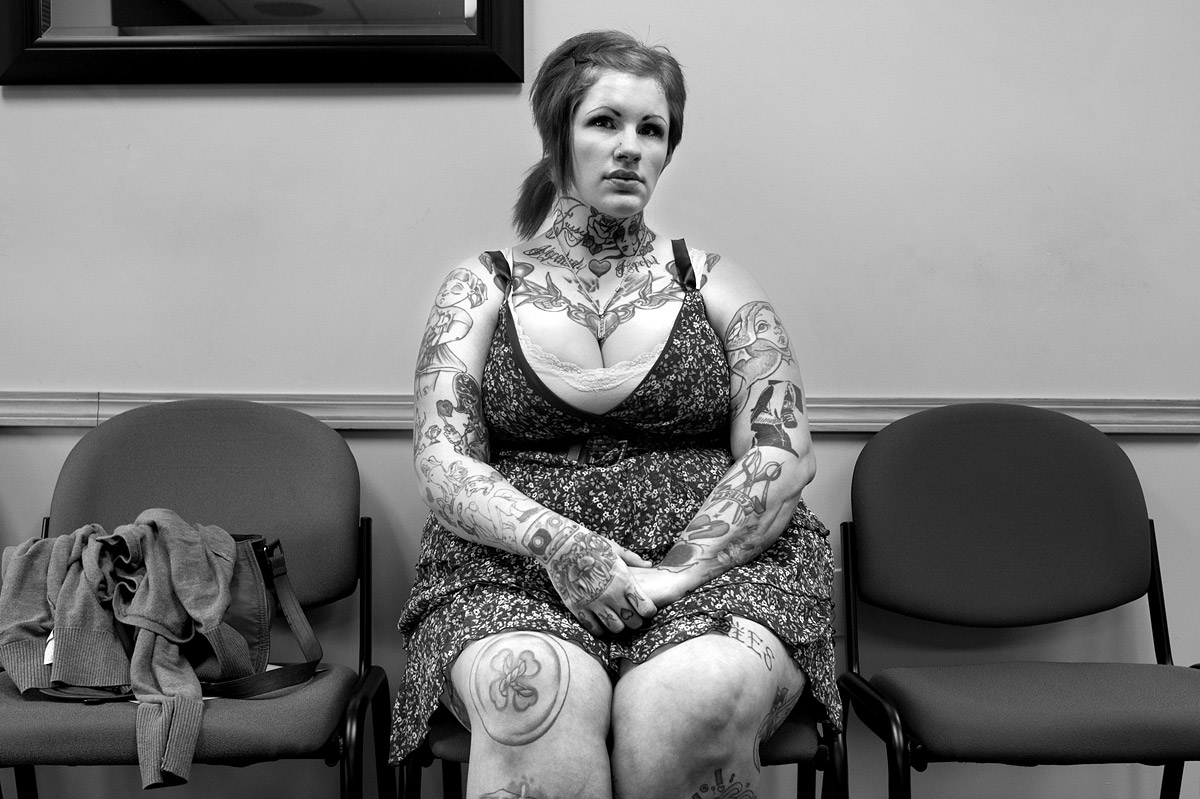
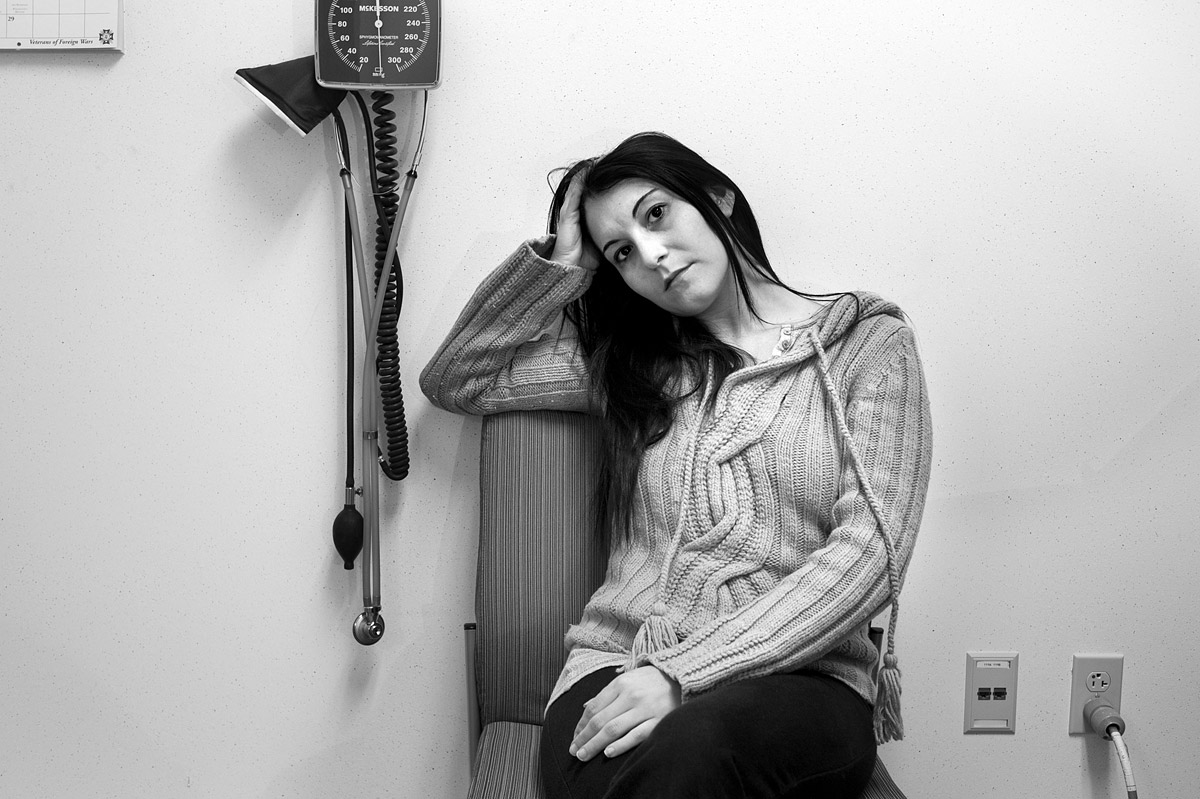
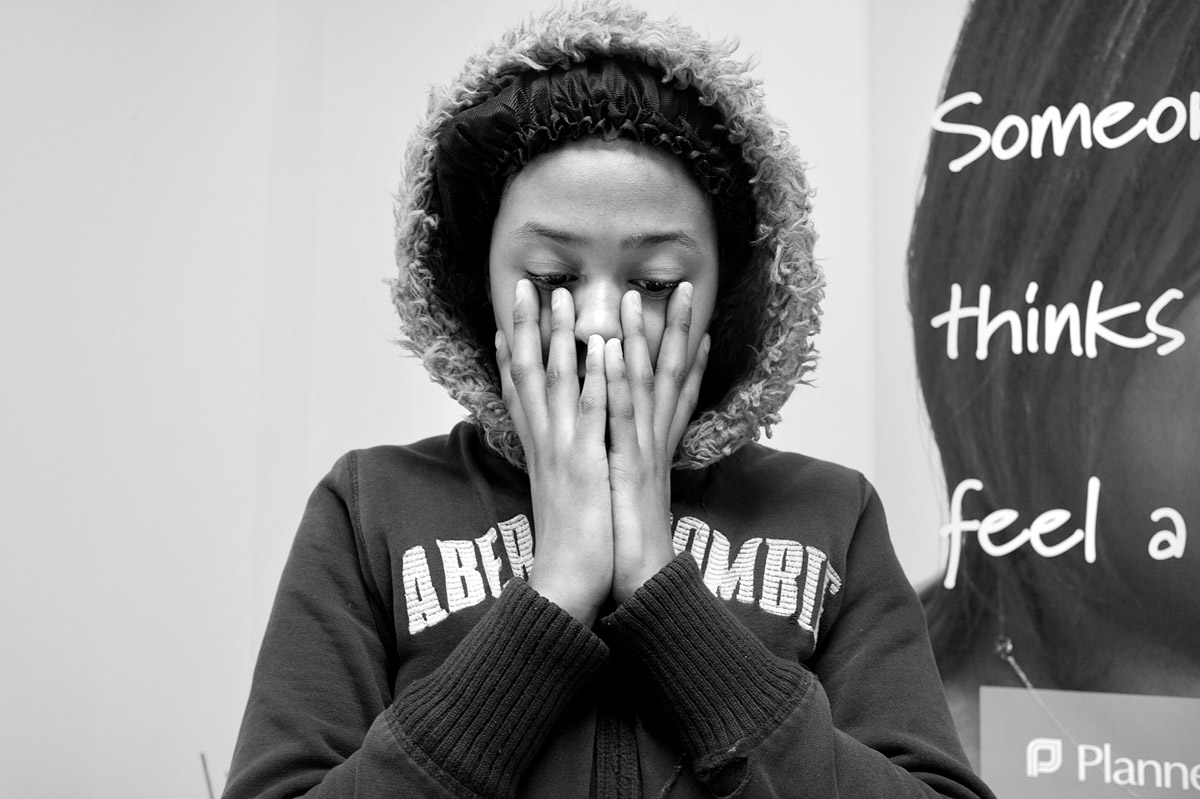
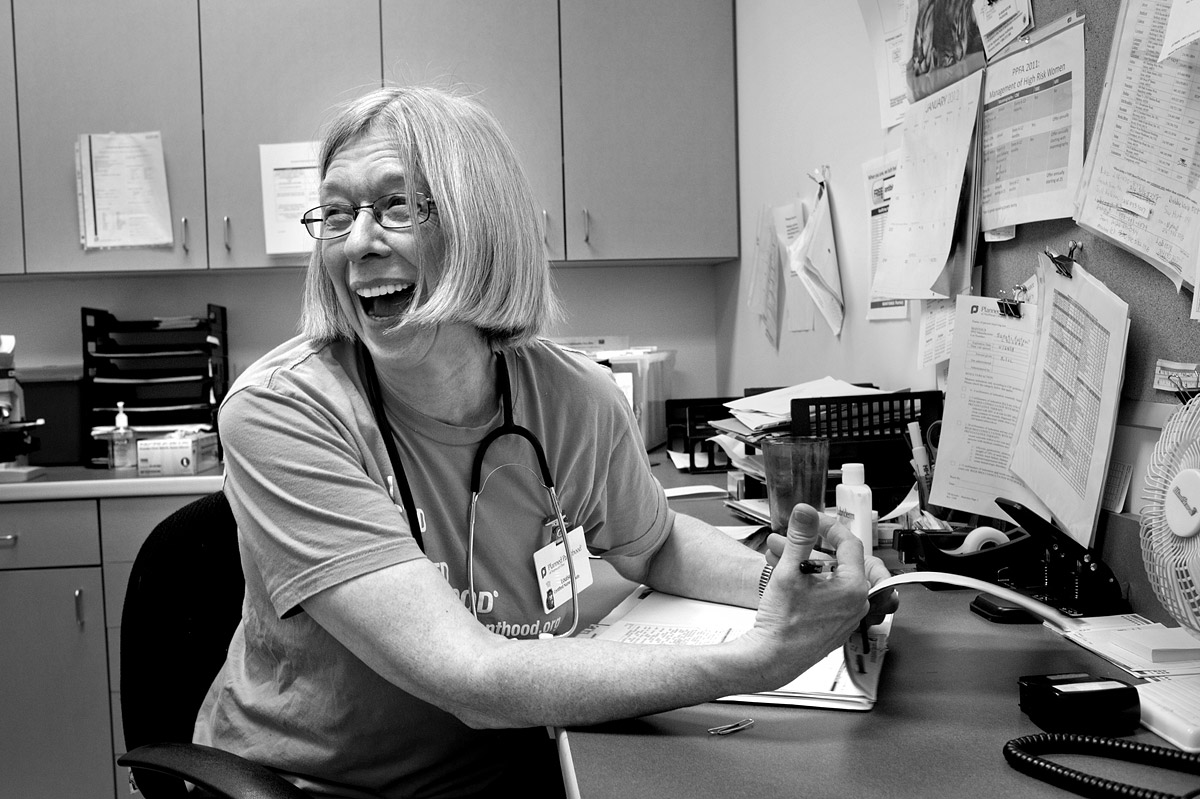
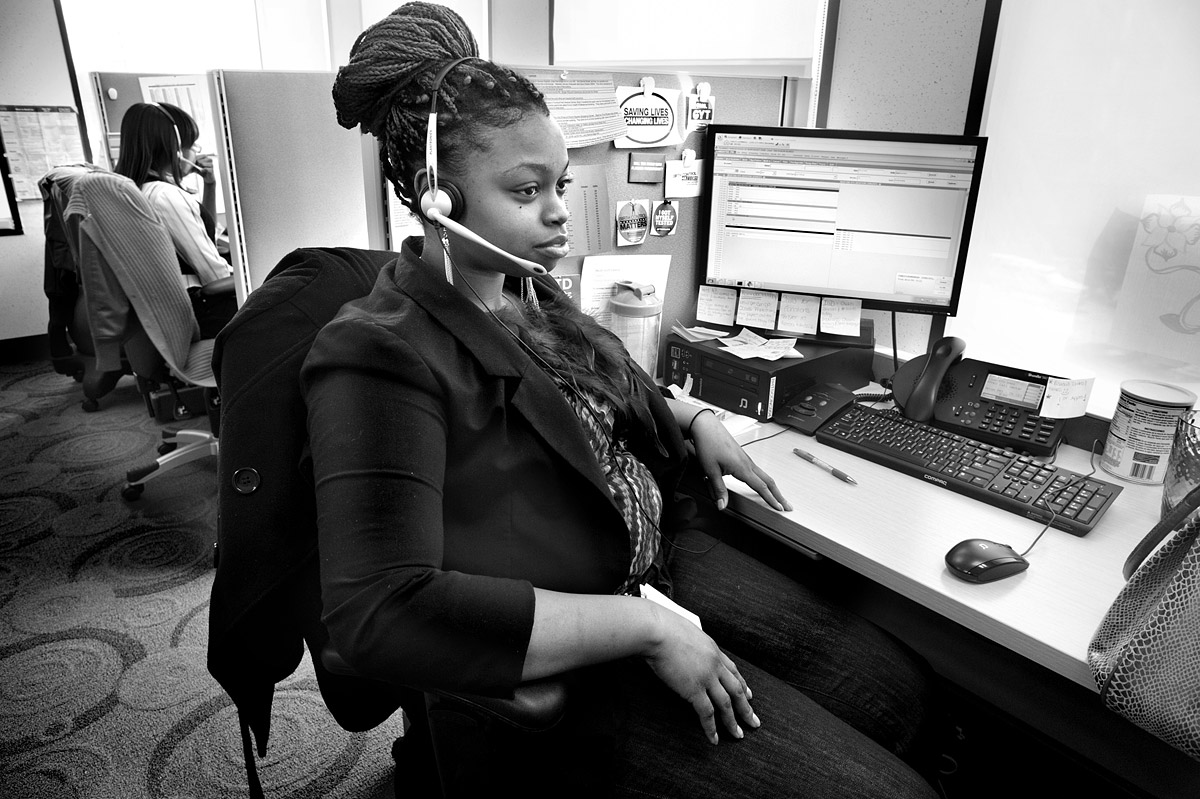
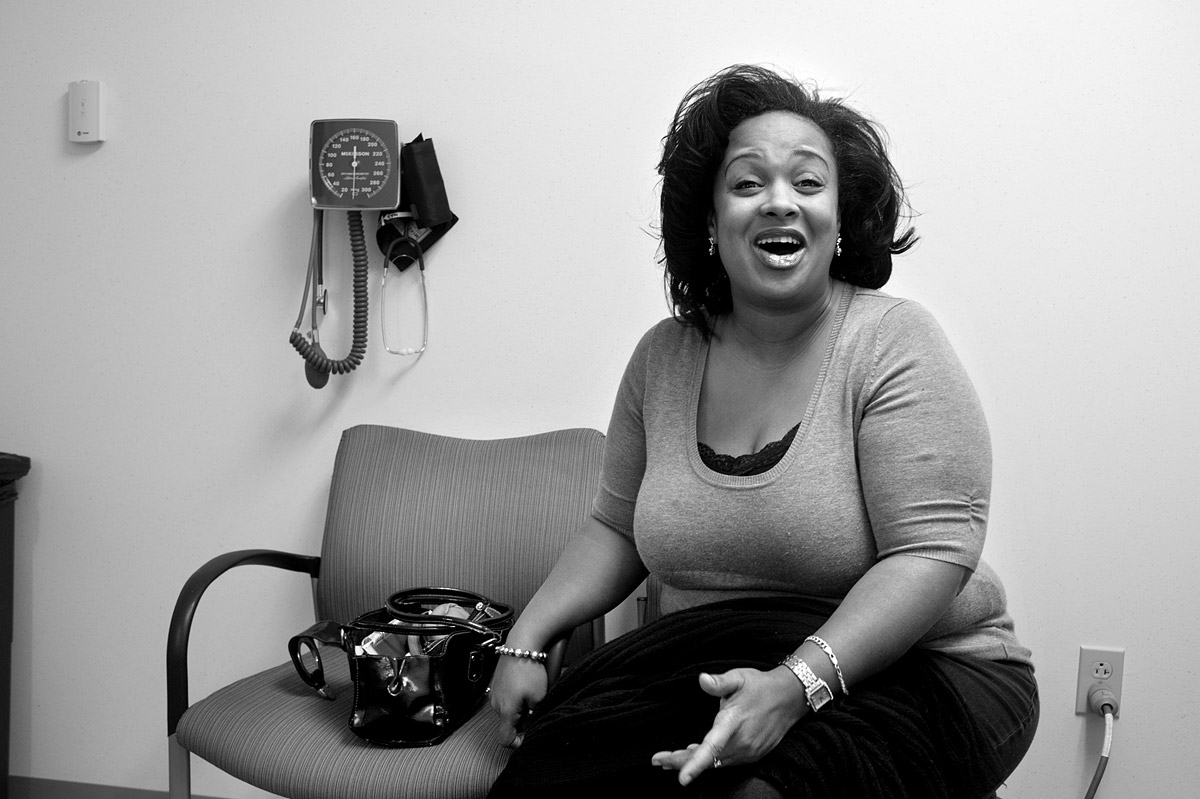
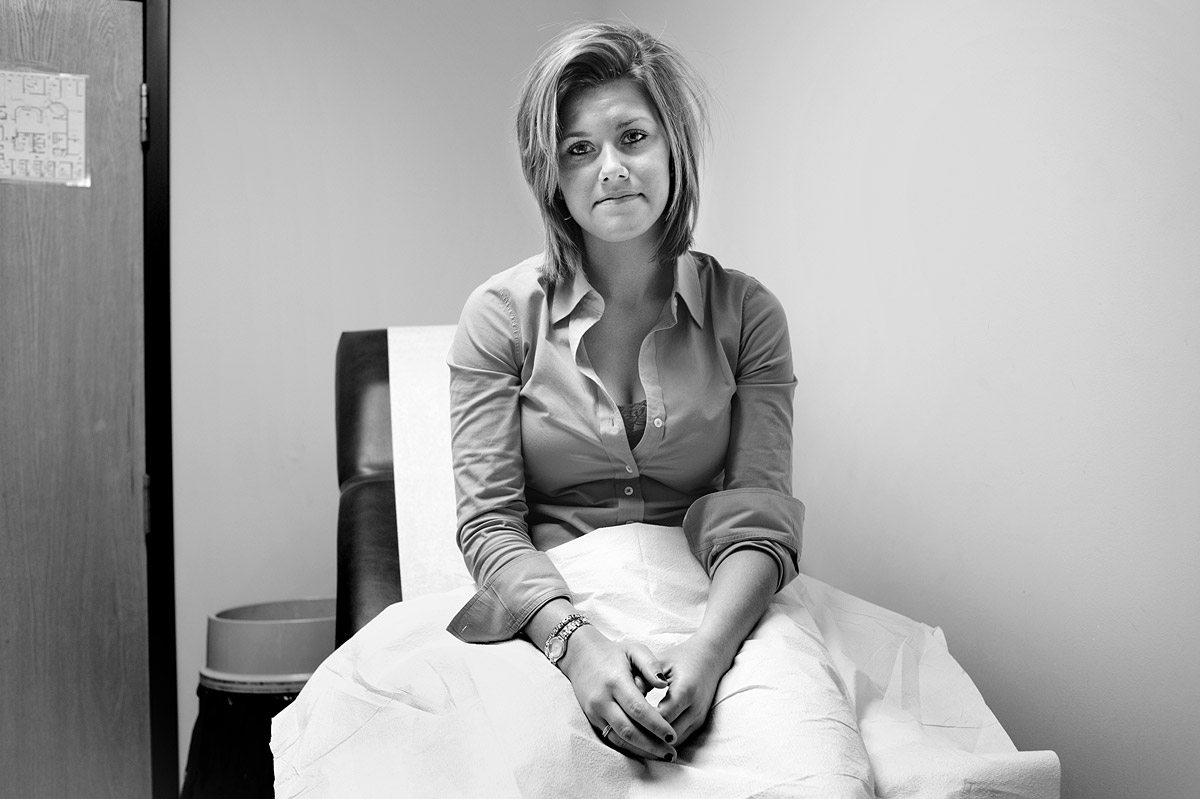
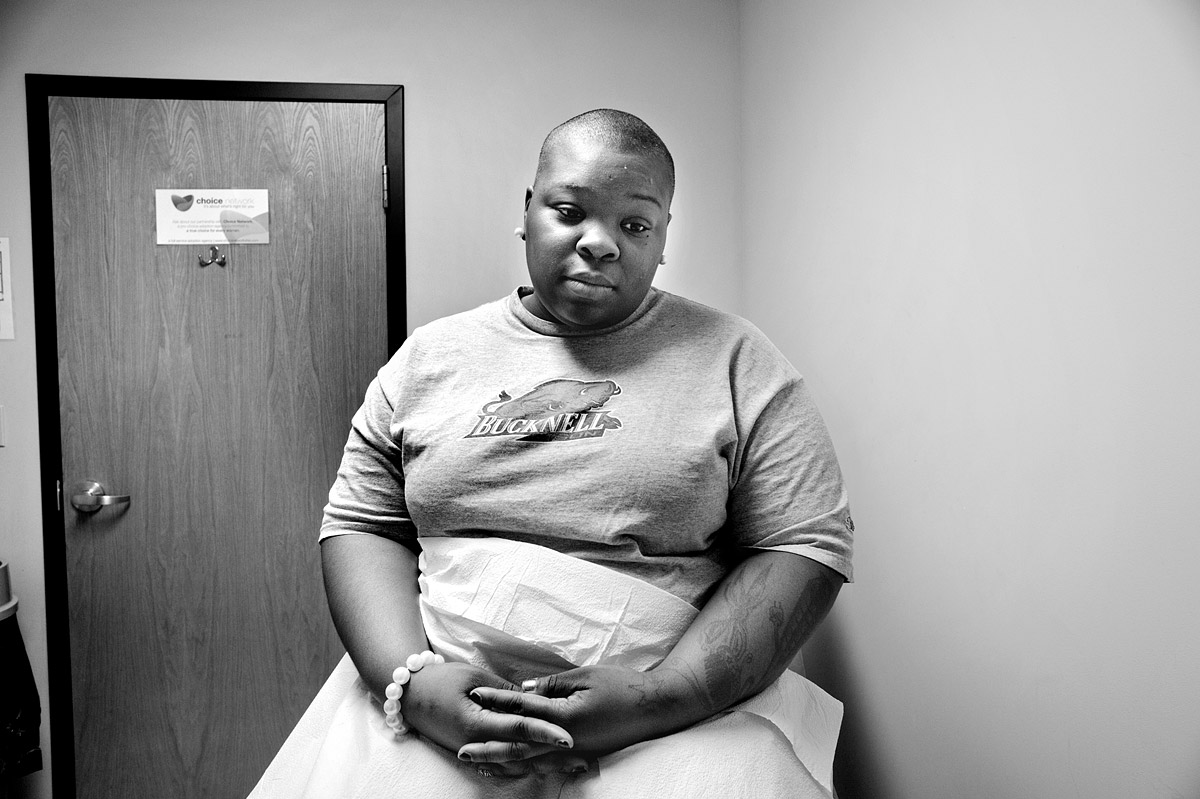
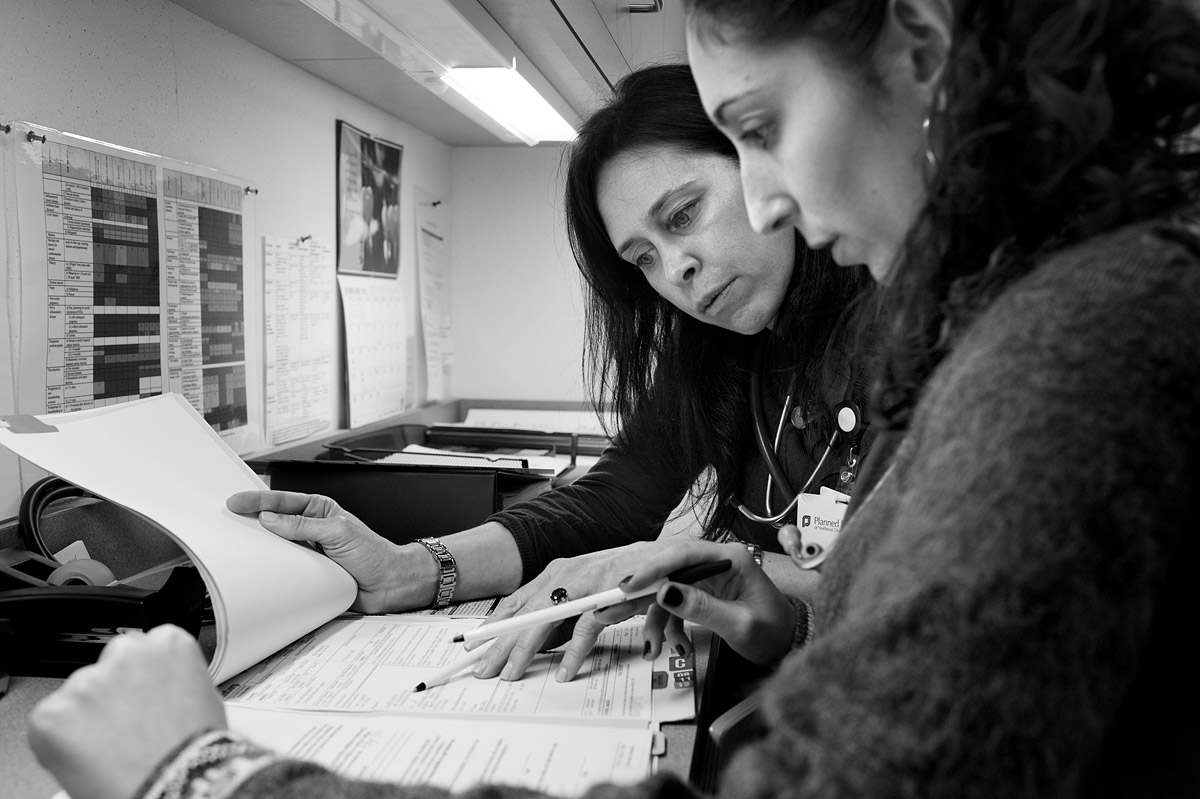
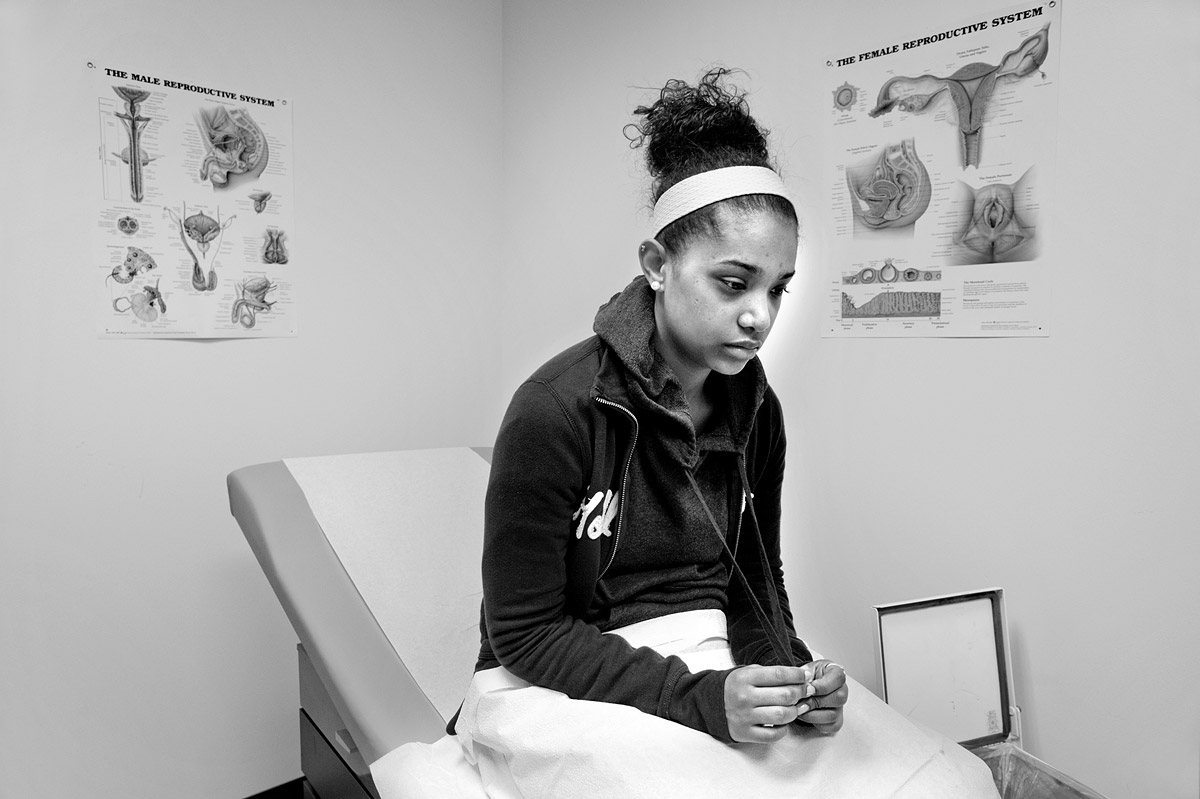
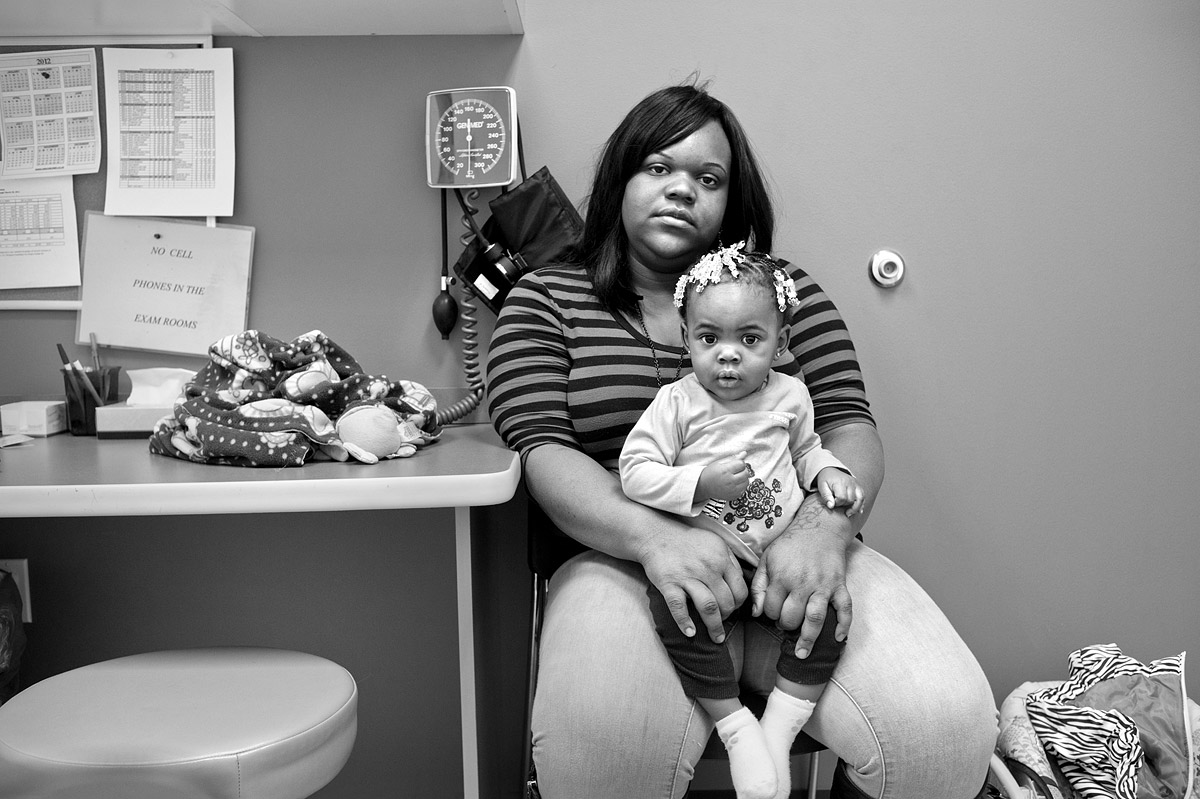
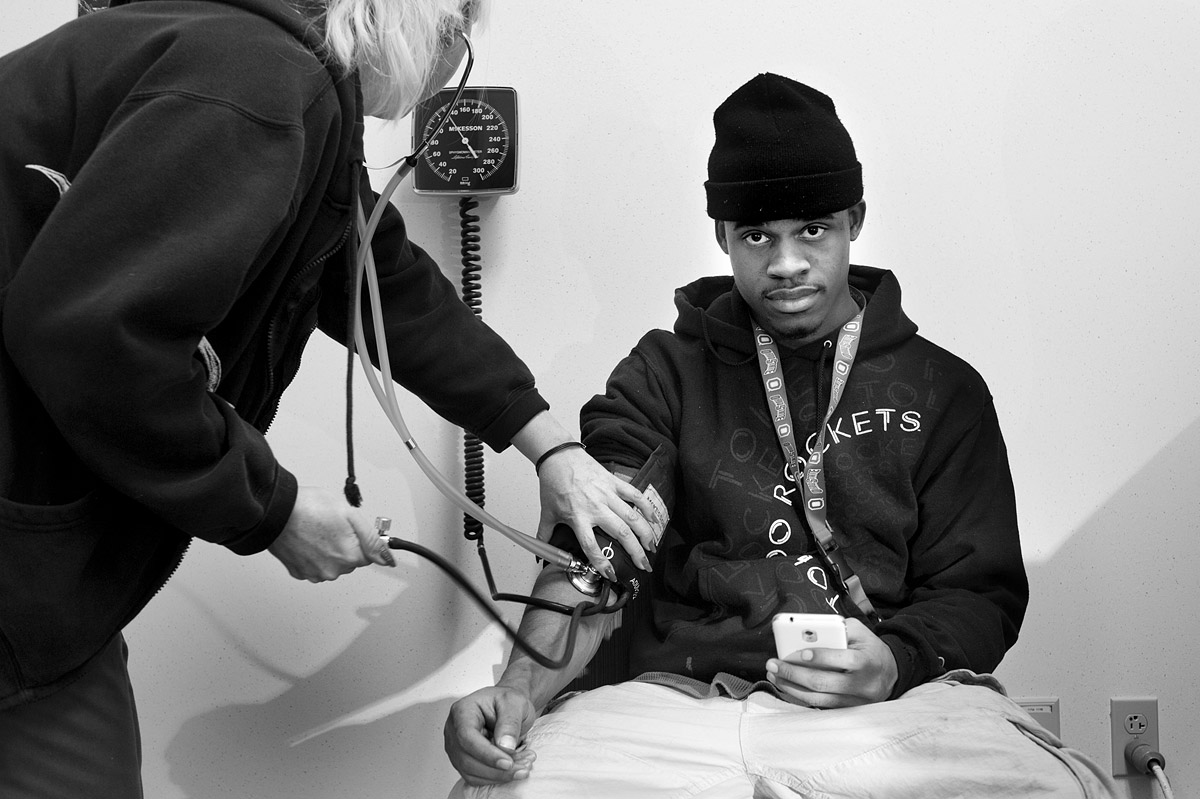
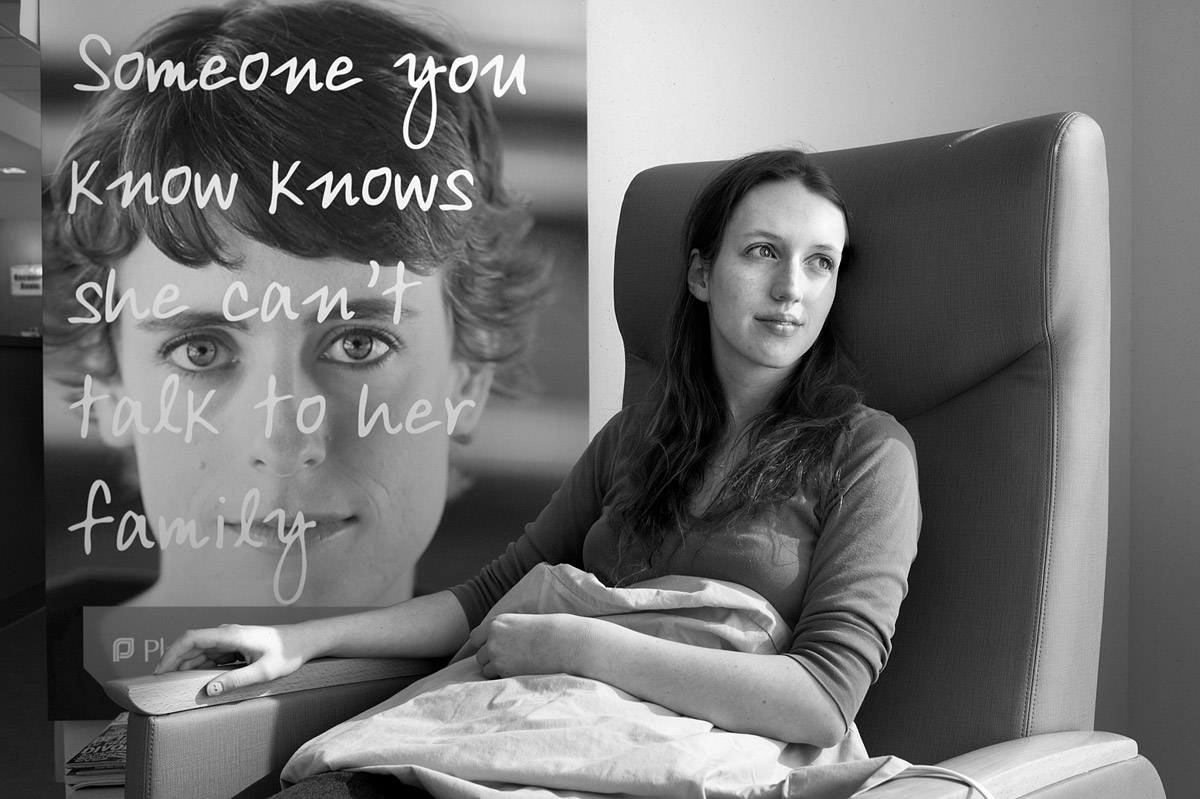
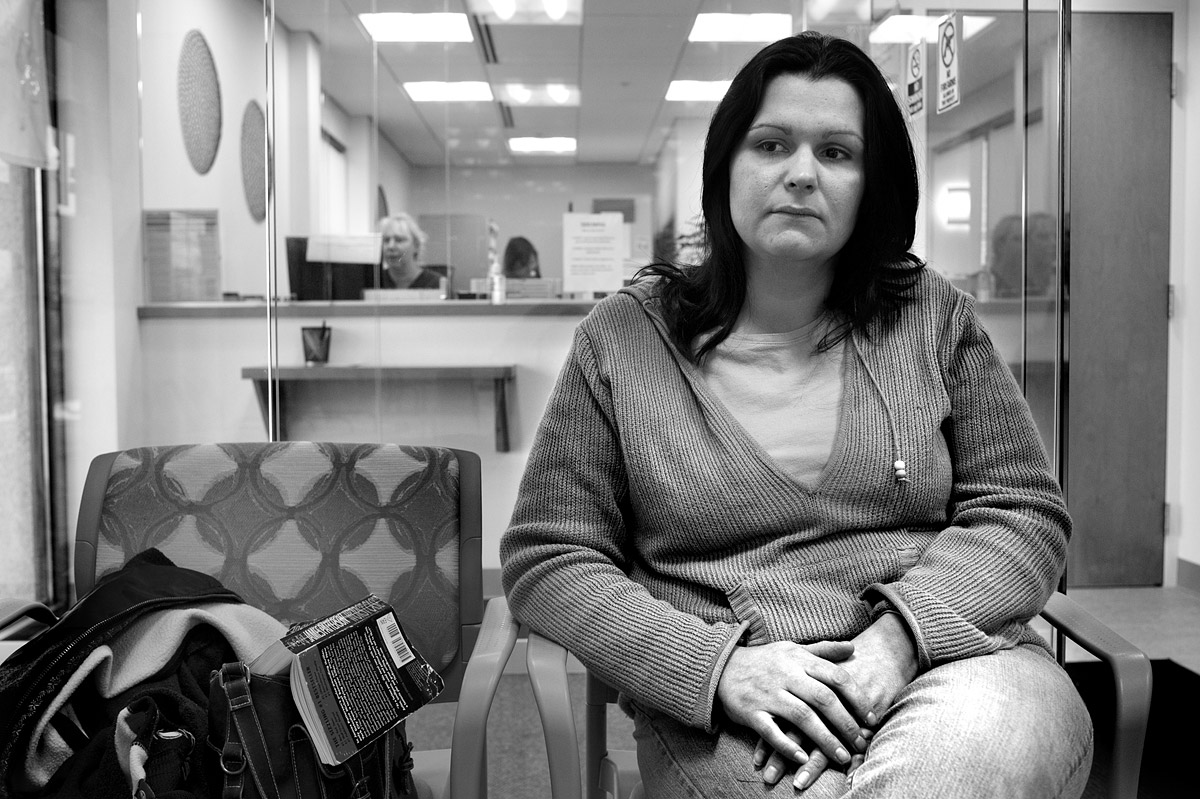
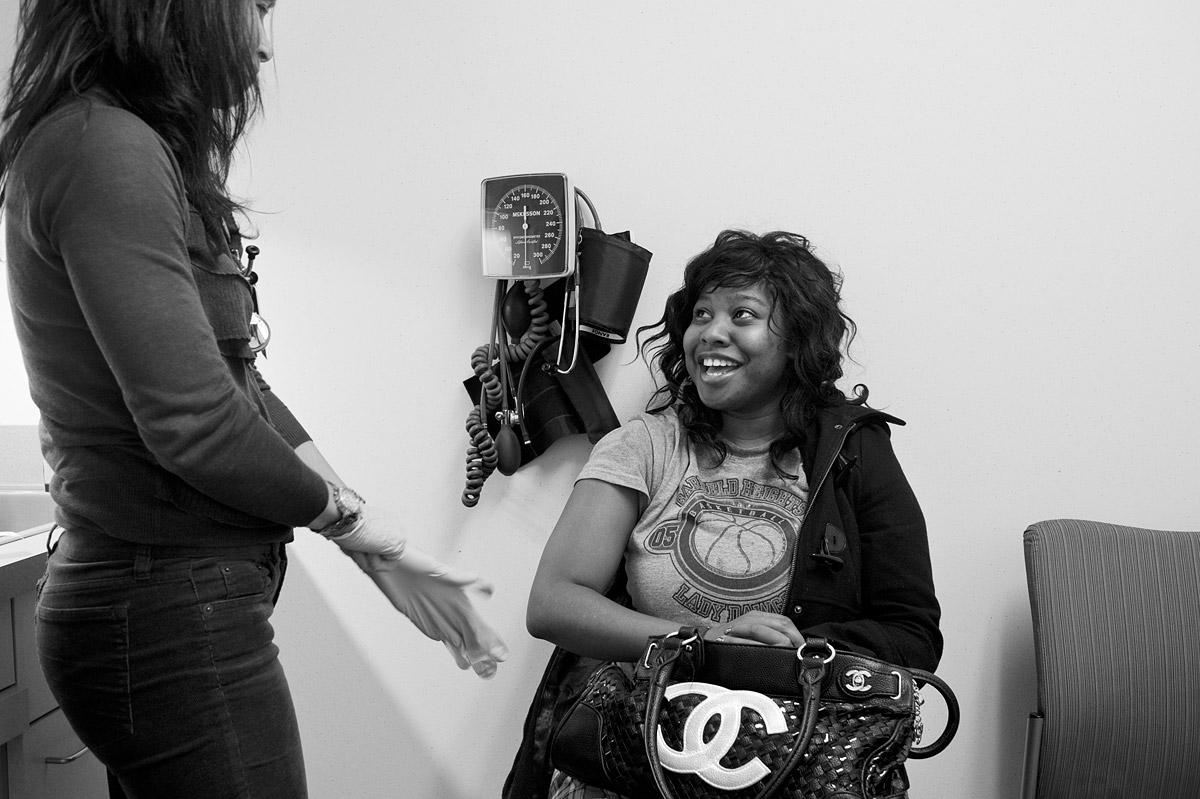
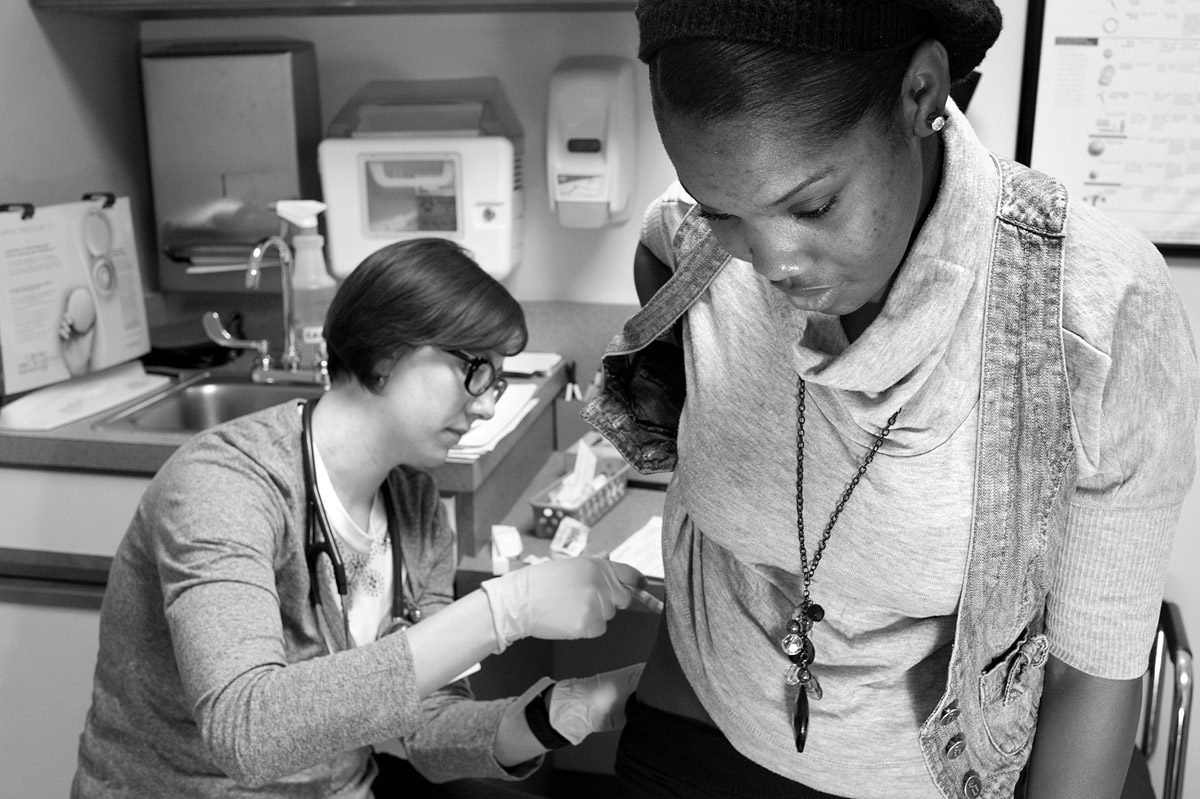
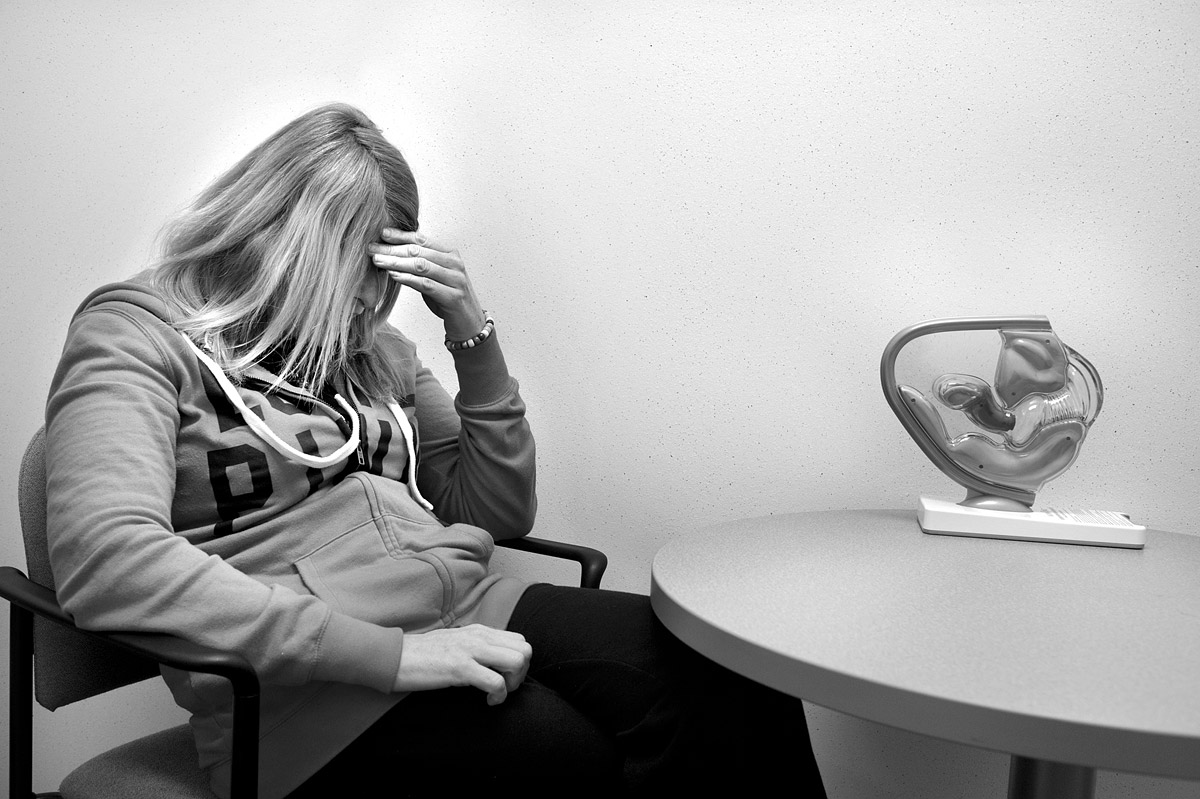
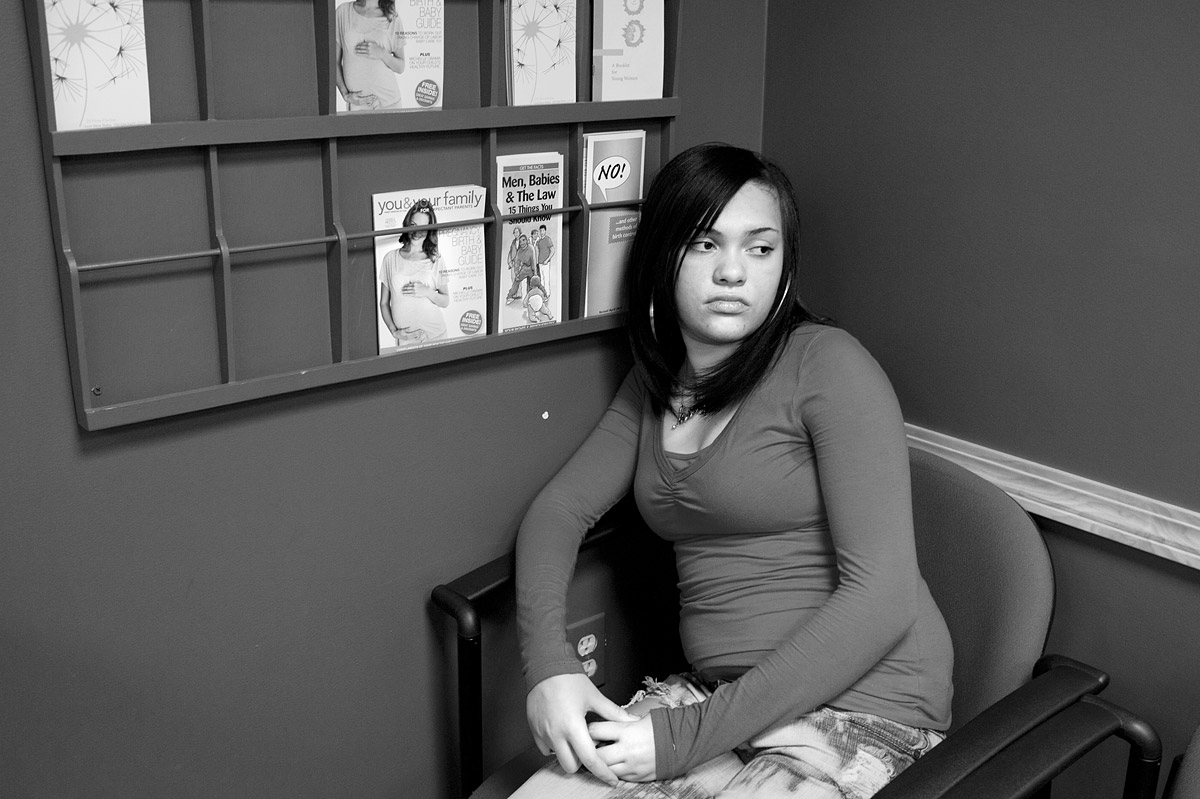
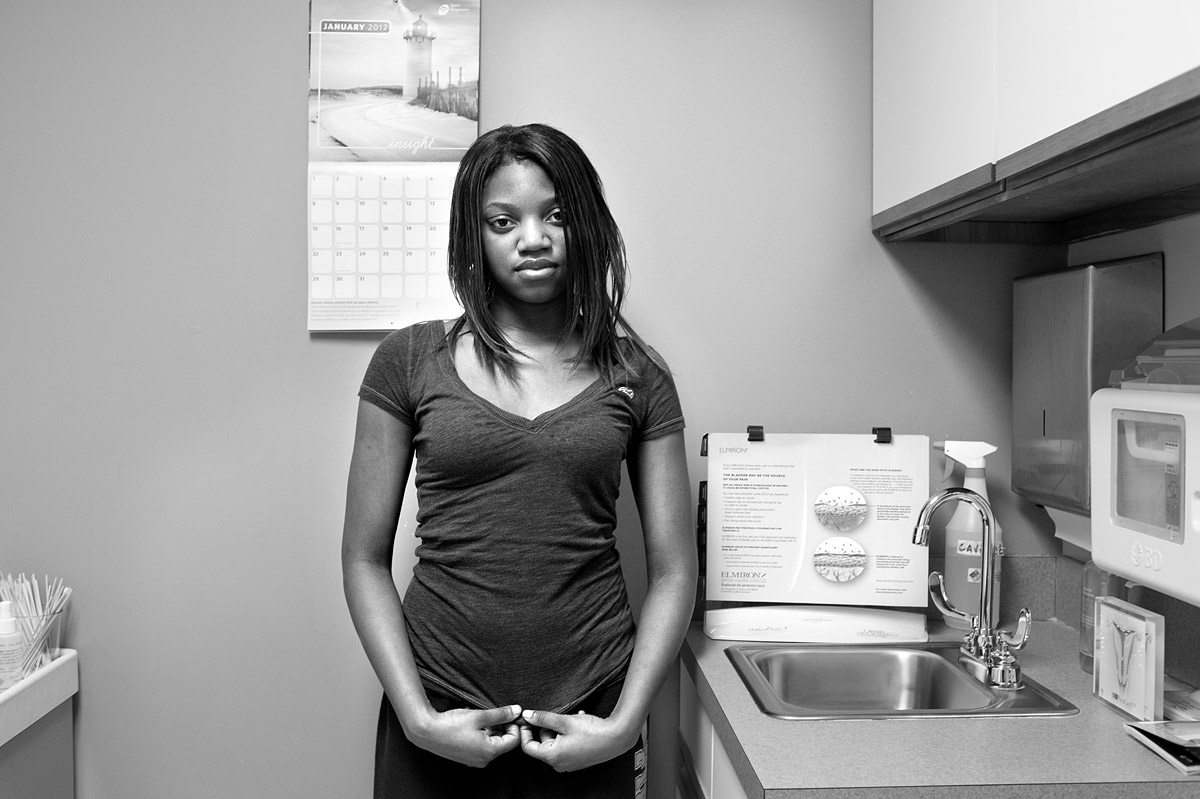
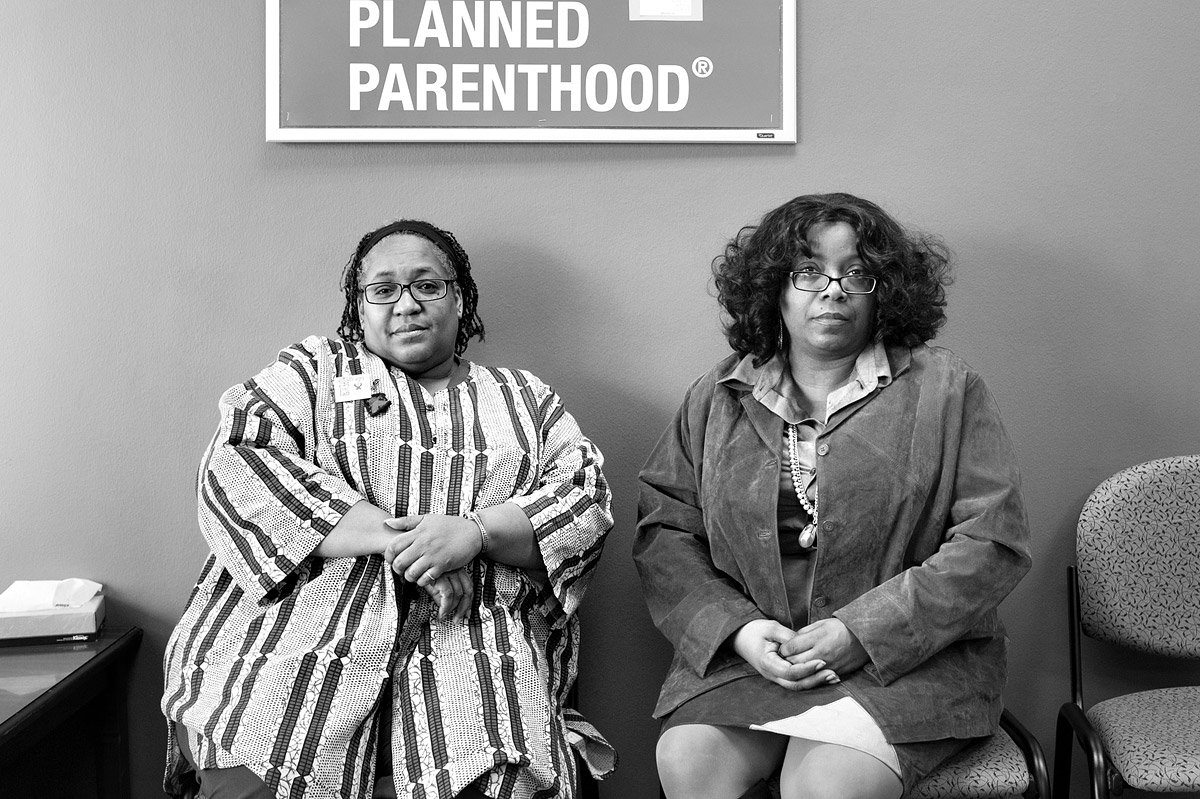
Rania Matar’s evocative portraits of Planned Parenthood clients and staff illustrate not only the critical role Planned Parenthood clinics play in providing affordable reproductive health care for women but also the Foundation’s long-standing interest in ensuring access to quality health care for all. Matar, who trained as an architect in her native Lebanon and at Cornell University, worked in architecture before becoming a full-time photographer whose work focuses mainly on women and women’s issues. She also teaches documentary photography at the Massachusetts College of Art and Design and to teenage girls in Lebanon’s refugee camps during the summer. The award-winning photographer, who has exhibited widely both in the United States and internationally, has published a book of her work, “Ordinary Lives,” and recently released a monograph featuring teenage girls from different backgrounds, “A Girl and Her Room.”









Letter from the Executive Director
2011 Annual Report
Rania Matar’s photo-essay on Planned Parenthood in this annual report demands to be viewed with seriousness. We commissioned this essay to mark the 50th anniversary of the Gund Foundation’s first grant to Planned Parenthood. There have been many since then. We celebrate that milestone because Planned Parenthood does vital work to advance the health of women who might otherwise have no access to care.
The faces of the patients, their loved ones and the care providers in the photographs tell a story of anxiety and hope, of gratitude and relief, of concern and commitment.
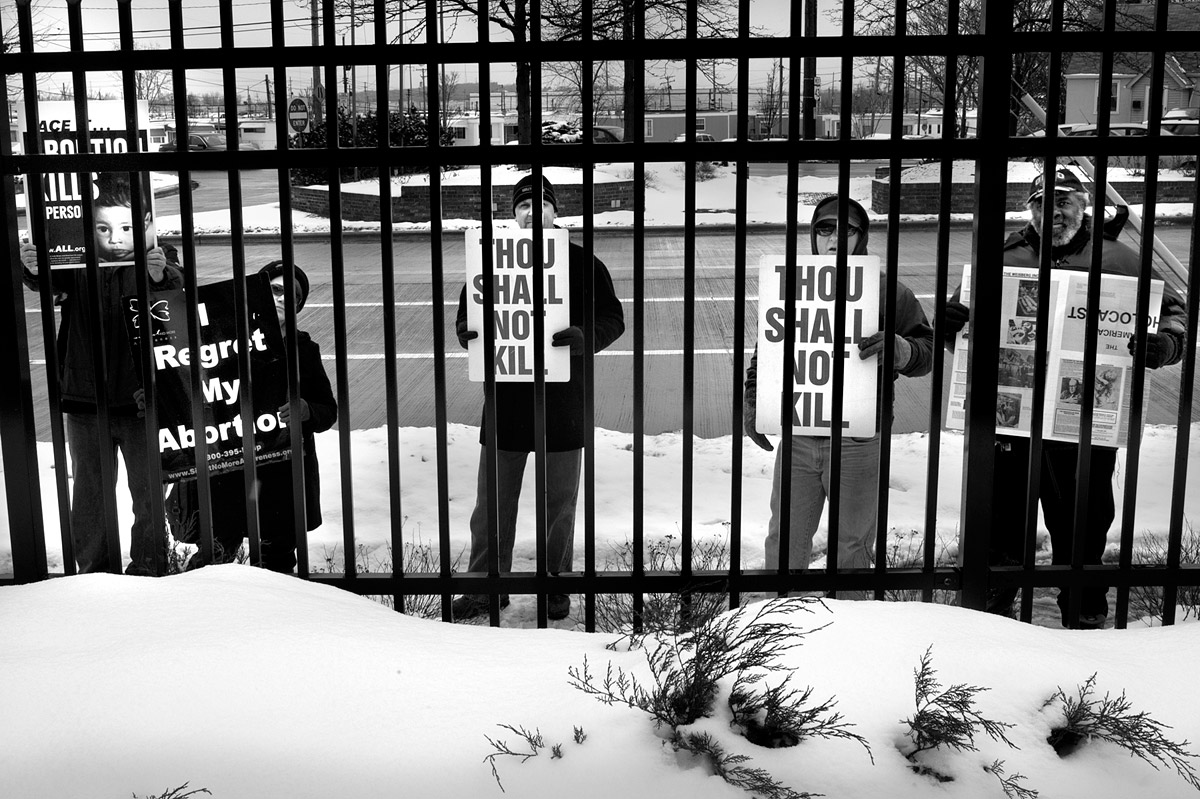
And one photo tells another story – of those whose religious or moral convictions move them to protest Planned Parenthood because a portion of the organization’s work is to provide abortions. The divisiveness of this issue and its effect on American politics underscore the seriousness of our Foundation’s reflection. No one rejoices at an abortion. Yet, the legal right of women to end a pregnancy safely and free from coercion is a right that we, along with the majority of Americans, support.
Many members of both major political parties once proudly championed Planned Parenthood. But that shared view, like so much of the bipartisan spirit that once animated public affairs, seems a distant memory. Inaccurate charges now commonly distort the conversation about Planned Parenthood and the larger issue of women’s health. A case in point is the controversy that erupted in January when news broke that the Susan G. Komen for the Cure Foundation intended to end funding for Planned Parenthood. The decision was reportedly made because Planned Parenthood was “under investigation,” although that investigation gives every appearance of being a politically motivated fishing expedition by a partisan in Congress vigorously opposed to reproductive freedom. Still, the controversy – which concluded with Komen’s swift reversal – served a useful purpose by highlighting the fact that only 3 percent of Planned Parenthood’s resources – and zero tax dollars – provide abortion-related services. It underscored the wide array of health services and research that Planned Parenthood provides, and exposed an opposition agenda reaching far beyond the abortion debate and into a woman’s right to access even the most basic reproductive health care.
Planned Parenthood provides reproductive and sexual health care for about 5 million clients each year at more than 800 health centers nationwide. A quarter of those clients are teenagers, and 75 percent have incomes of less than $35,000 per year. Planned Parenthood health care professionals screen for cancer. They test for and treat sexually transmitted diseases, including HIV and AIDS, to help prevent their spread. One in five American women has received care from a Planned Parenthood health center during her lifetime, and for many Americans Planned Parenthood doctors and nurses are the only health care providers they see.
An ideological campaign to defund Planned Parenthood would, if successful, damage the lives of the women who rely on these services and would surely increase the rate of abortions because so many women would lose access to affordable birth control and prenatal care. Comprehensive, medically accurate sexuality education and affordable family planning services help to reduce the number of unintended pregnancies and abortions.
Planned Parenthood and its many supporters have been, and must remain, an effective voice for the women who need these services. In Ohio, the effectiveness of that voice is being strengthened by a merger of the state’s affiliates on July 1 into Planned Parenthood of Greater Ohio. We will watch and support this change in their organizational approach, knowing that their commitment to the health of women will not waver. Moreover, while we know the political debate will not disappear, the daily work of Planned Parenthood, powerfully illustrated in these photographs, continues without distraction and undiminished.
David Abbott, Executive Director