
Bridges
Kristine Potter (2025)
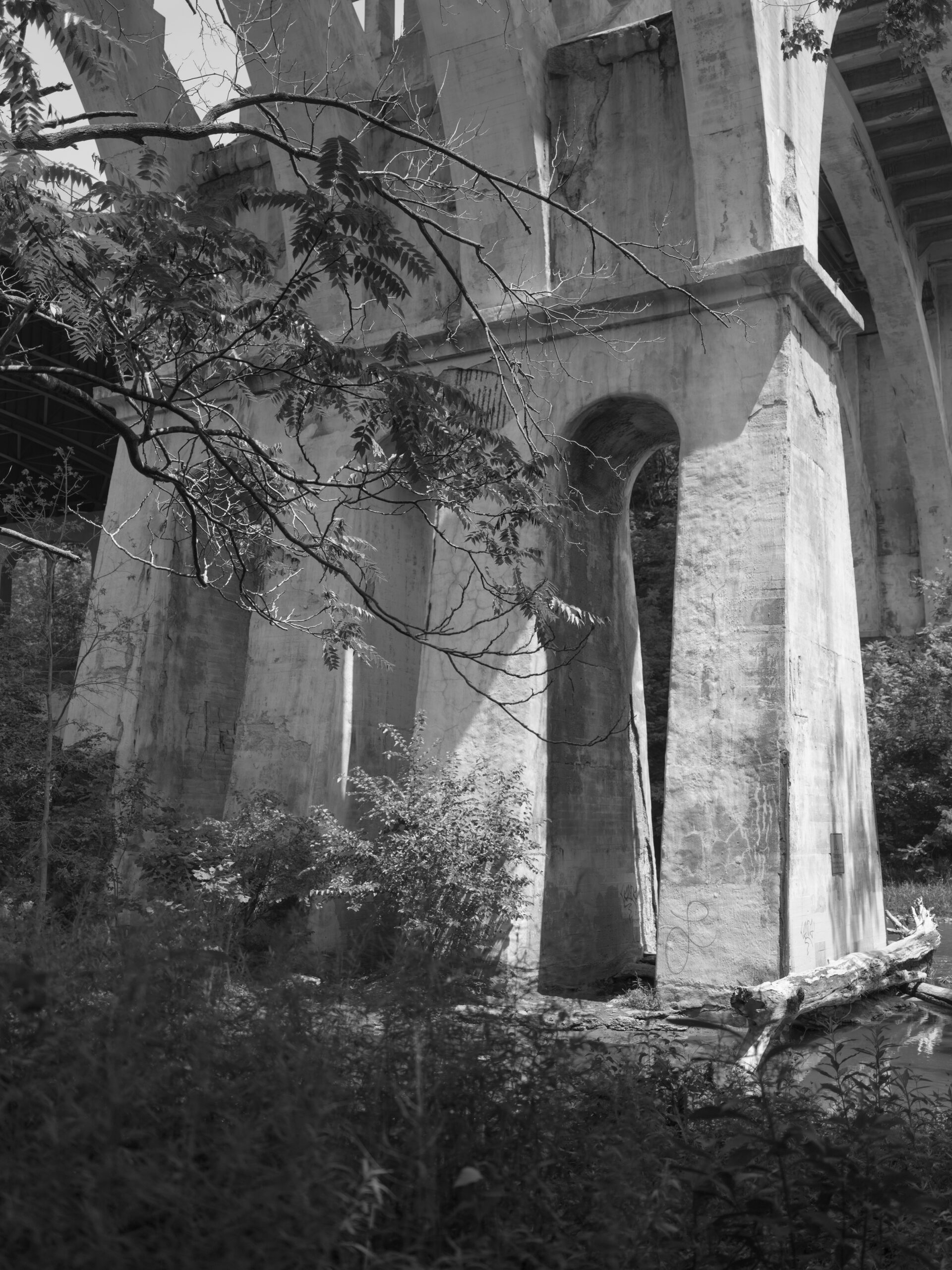
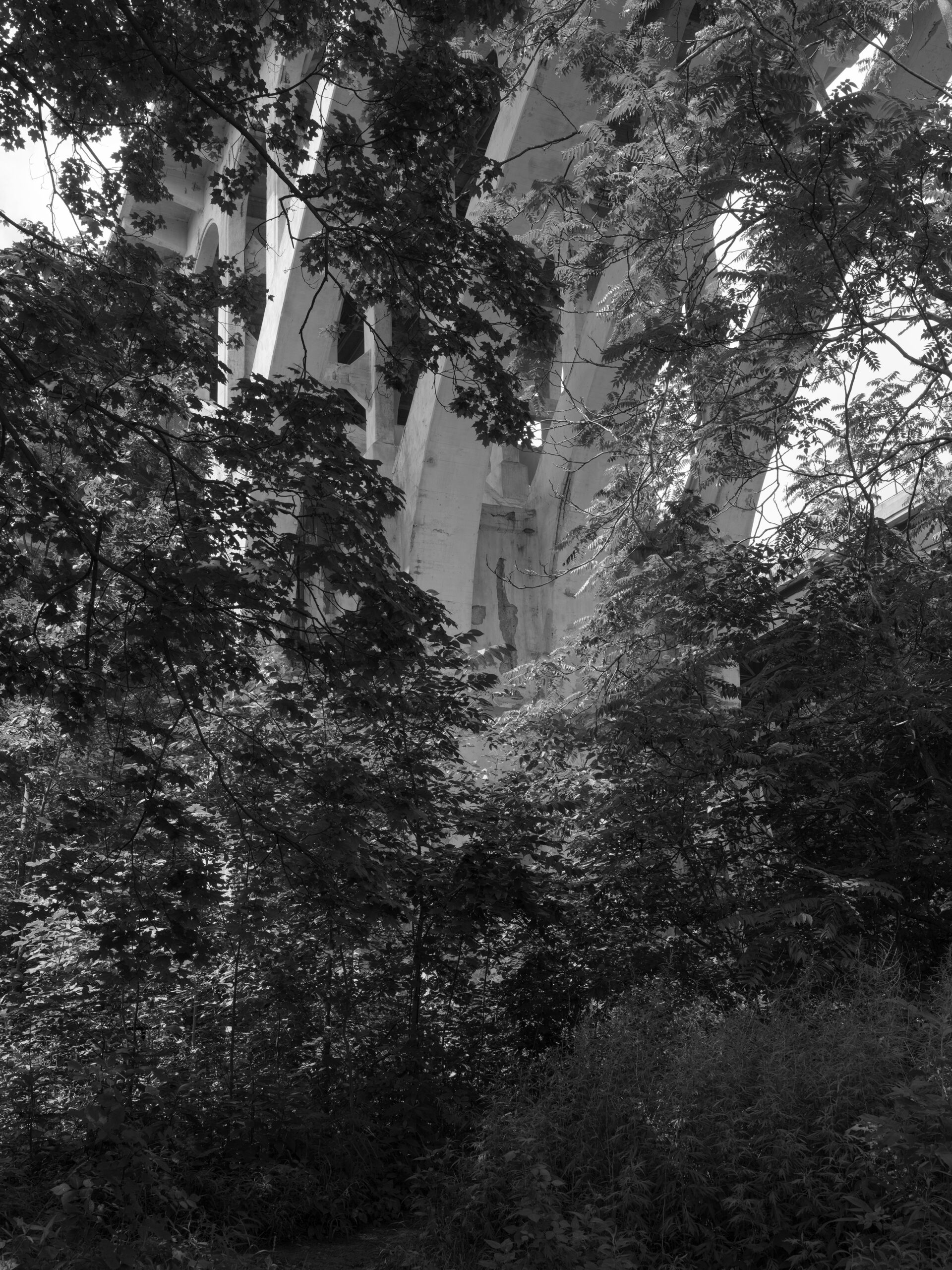
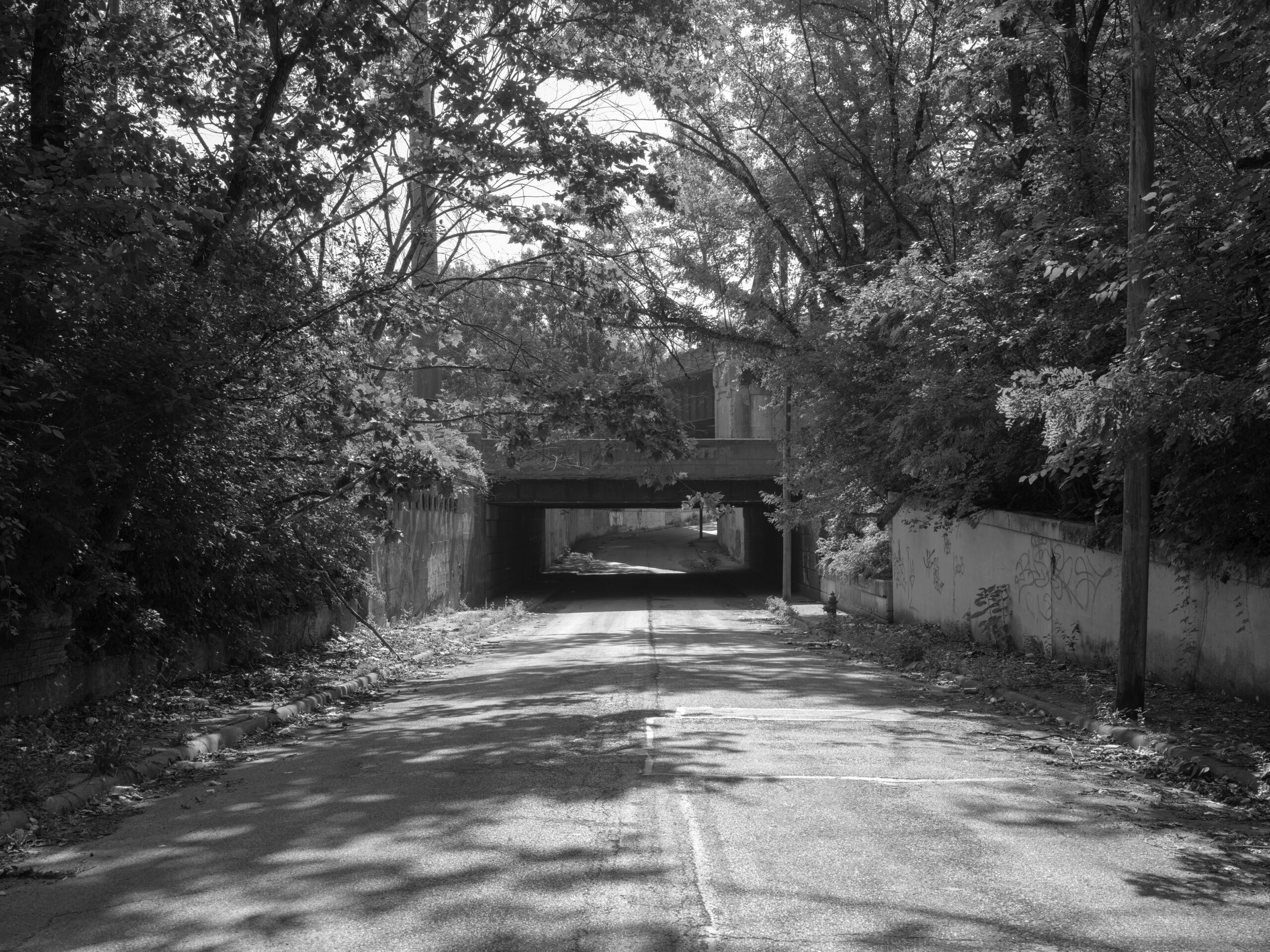
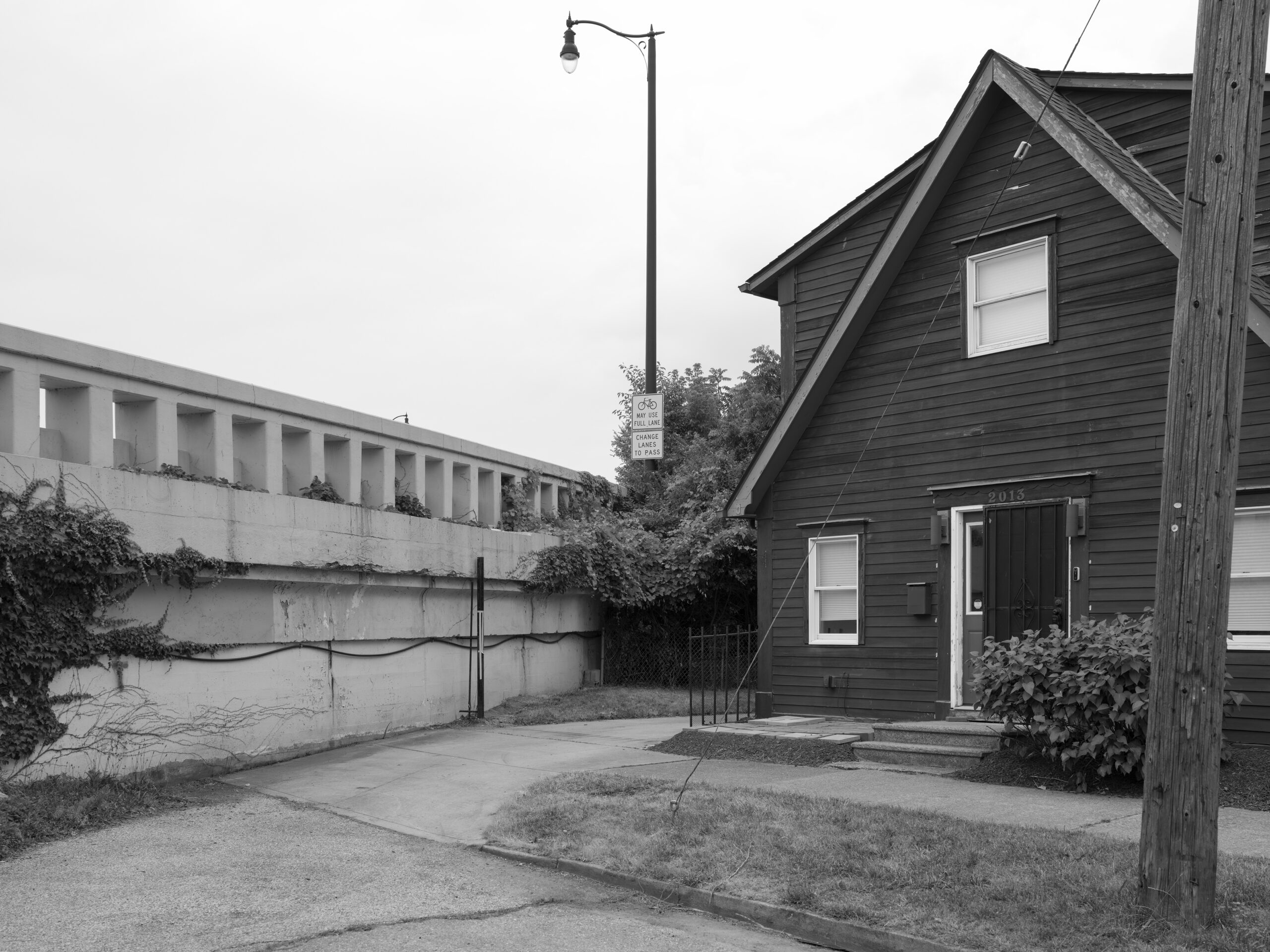
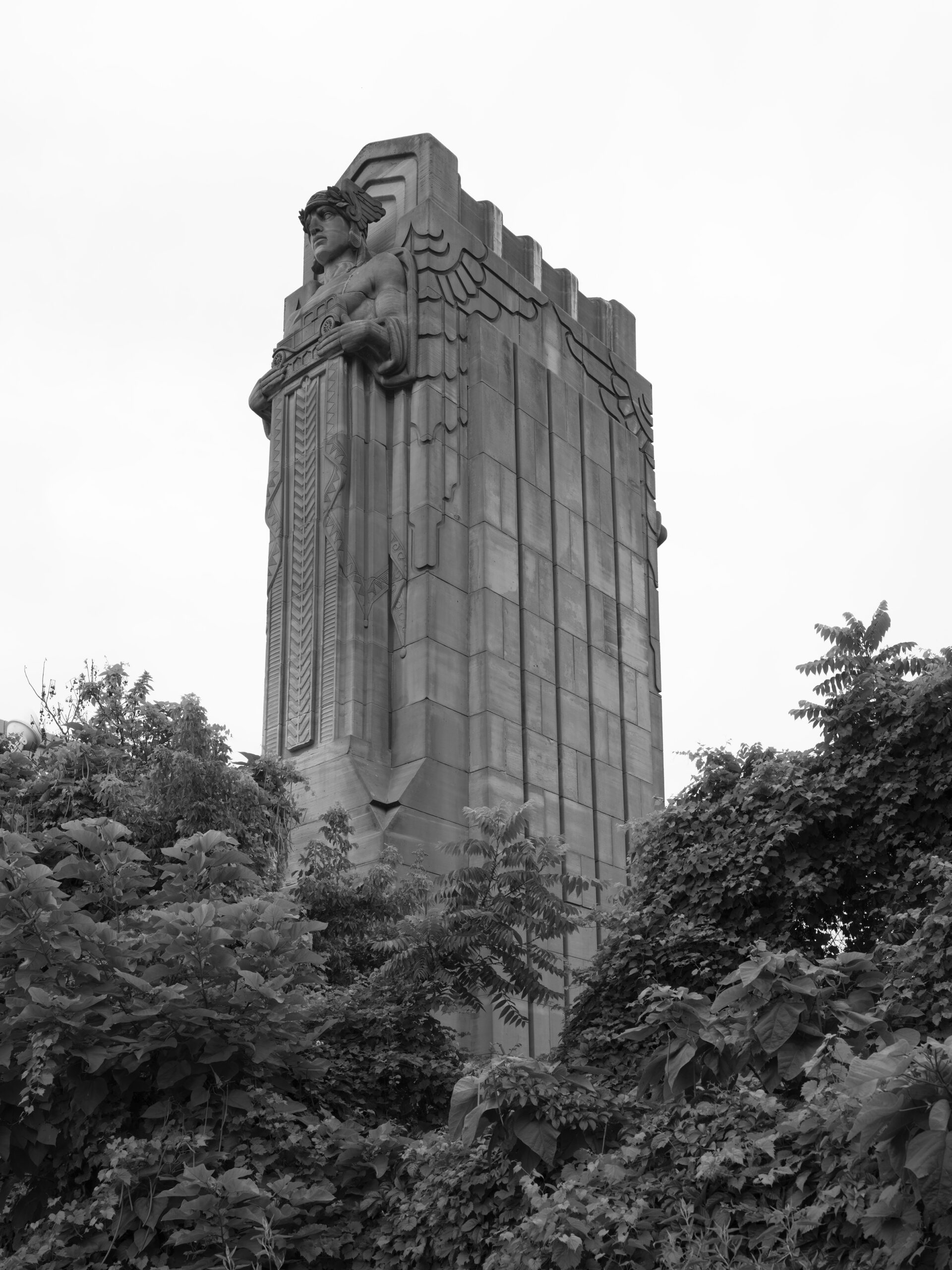
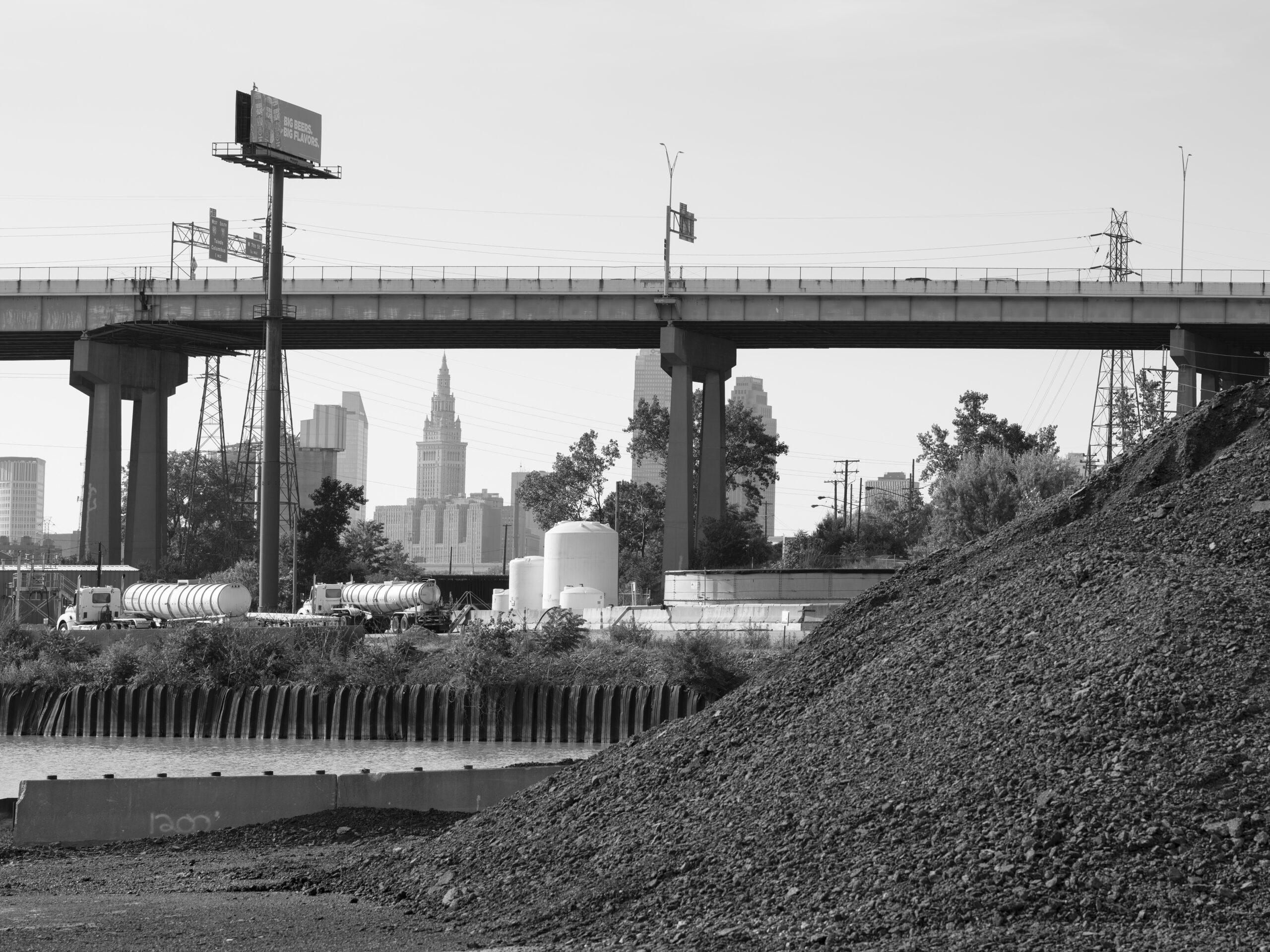
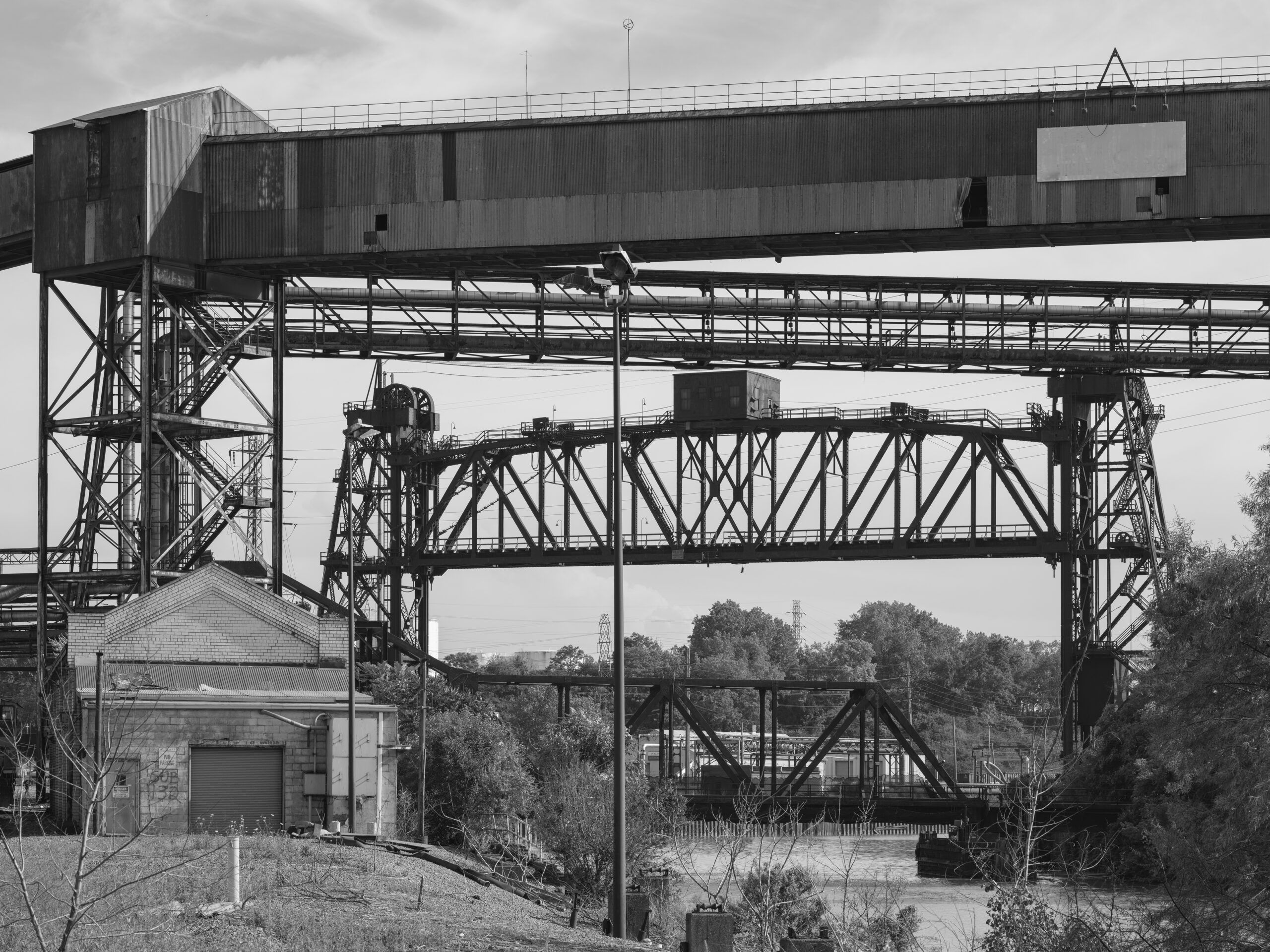
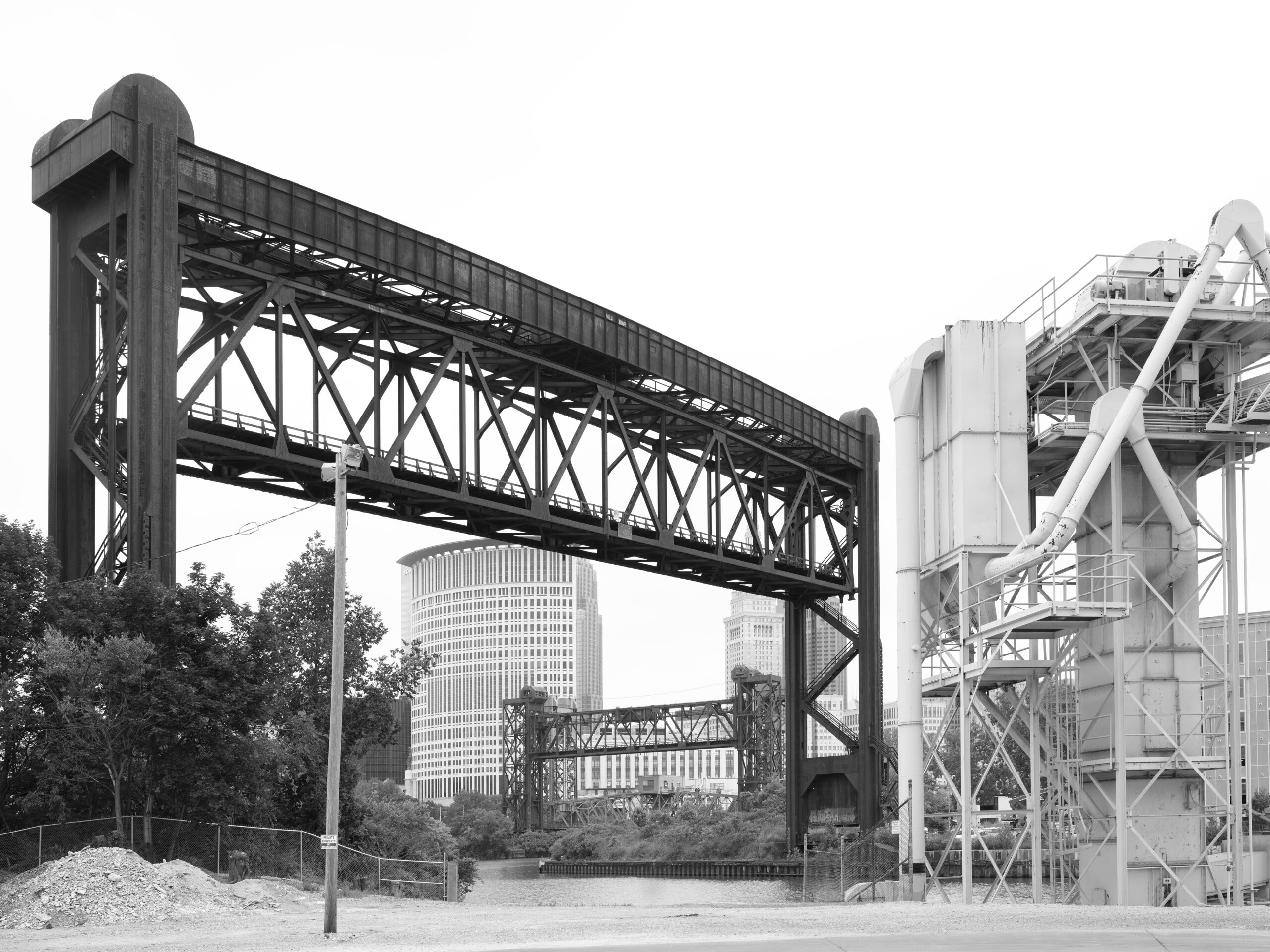
Artist Statement
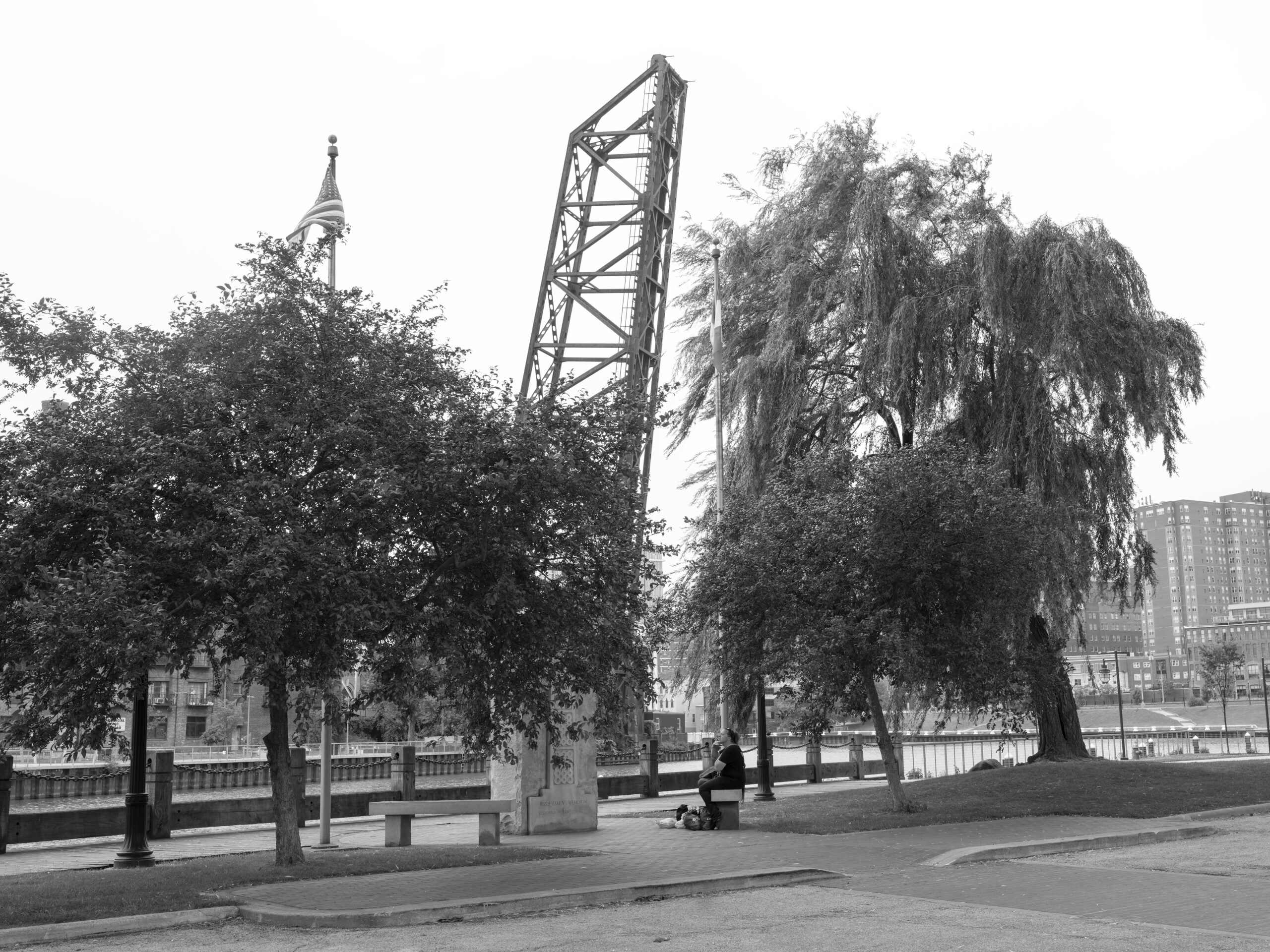
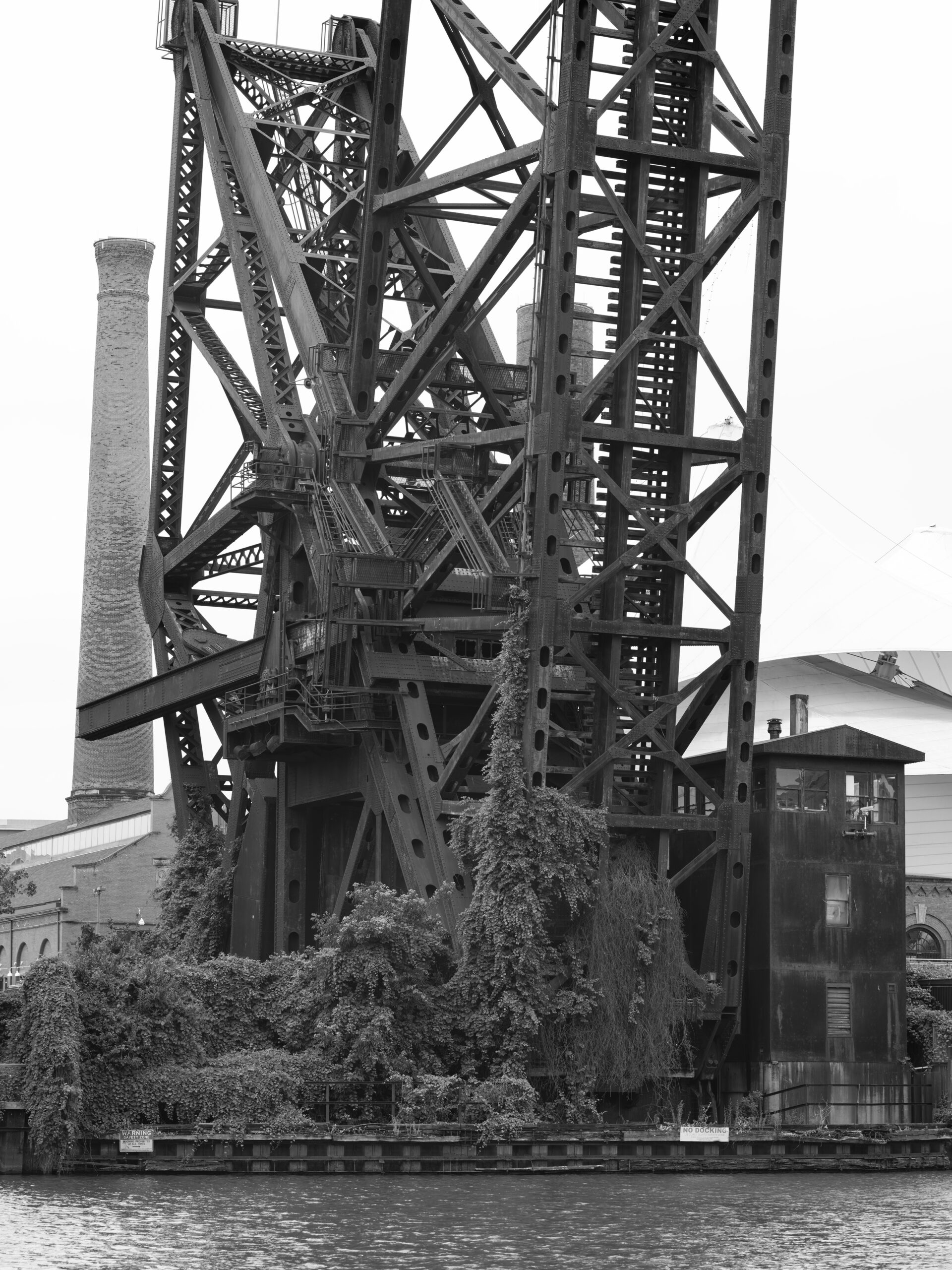
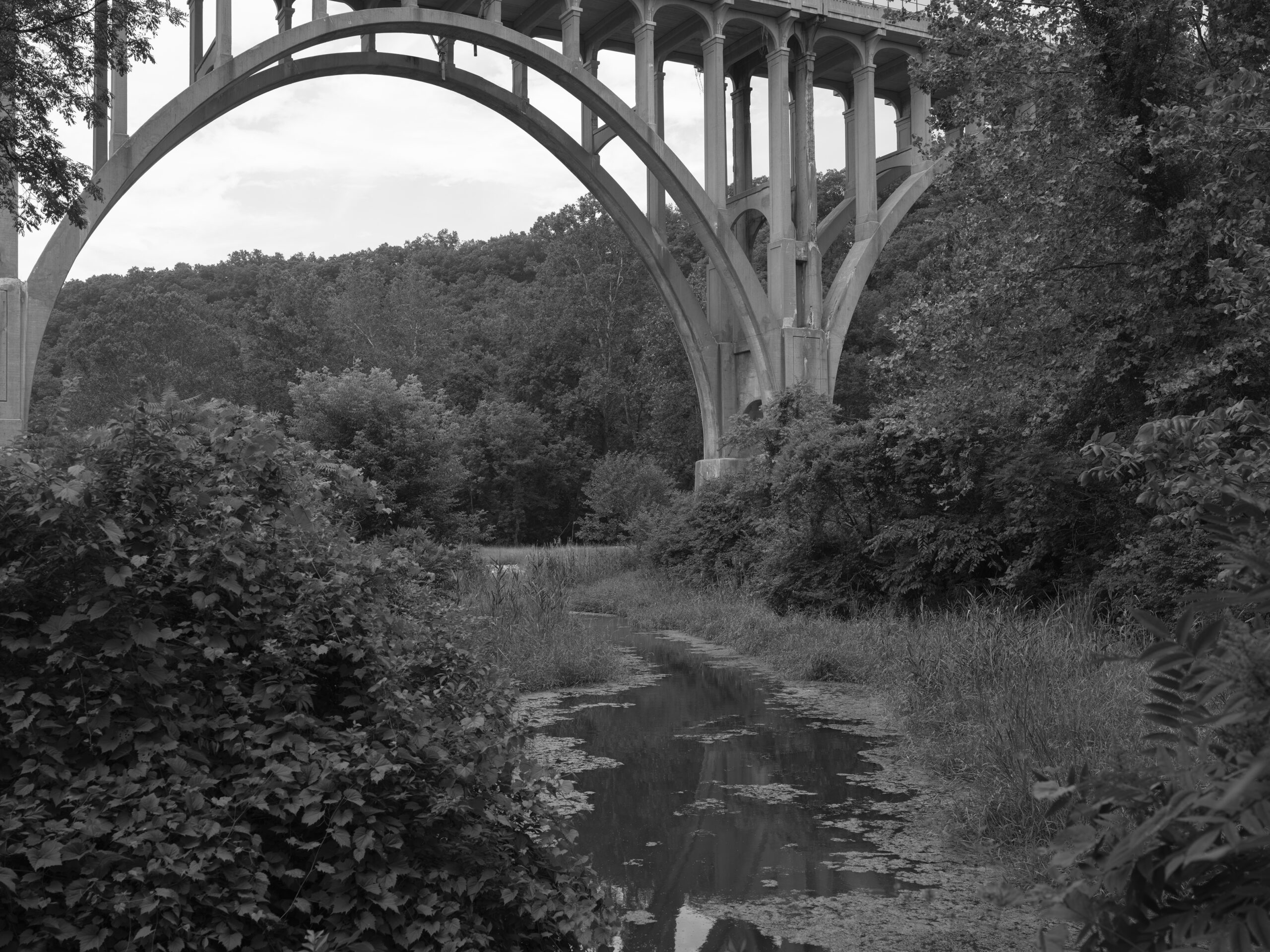
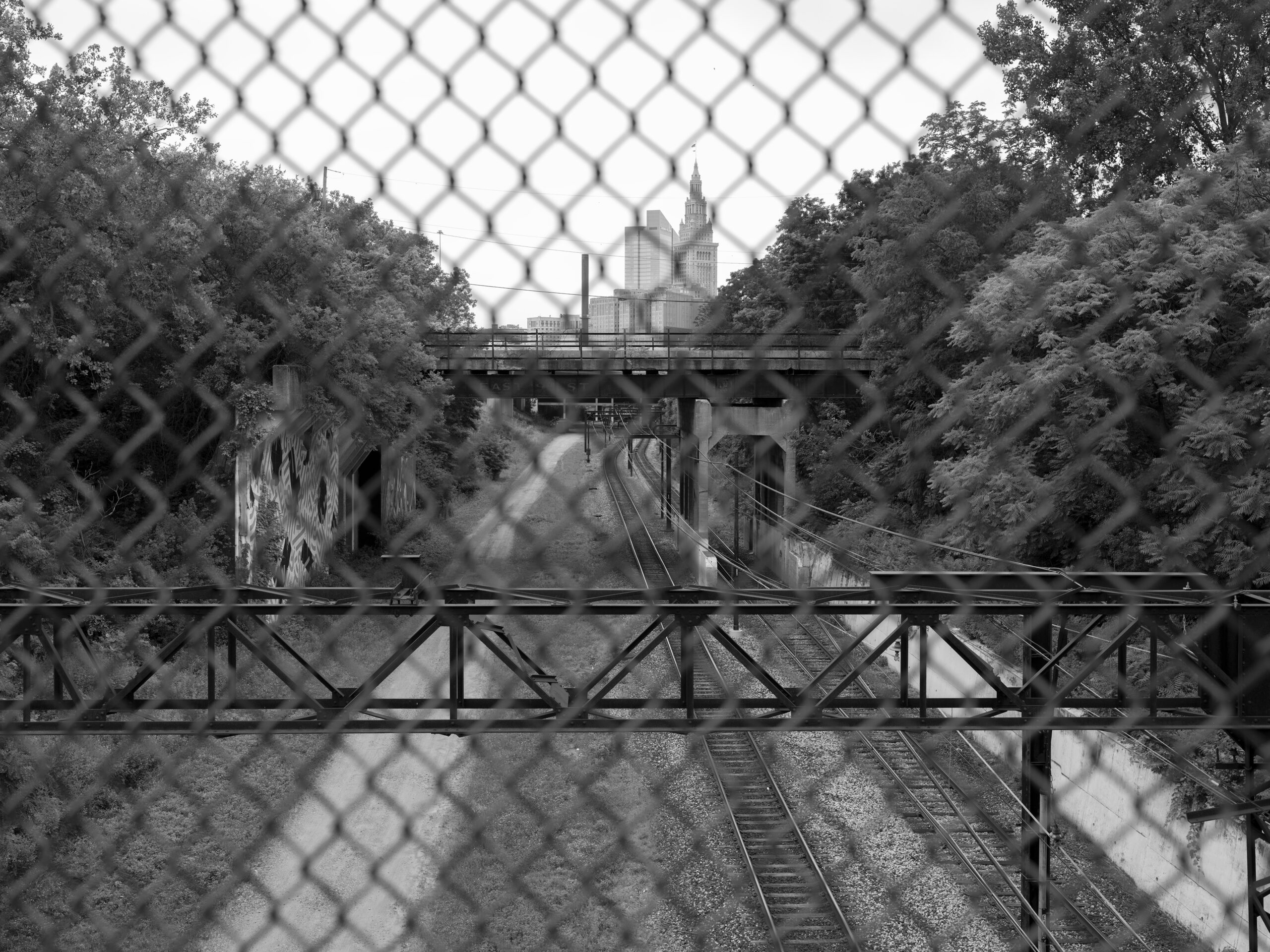
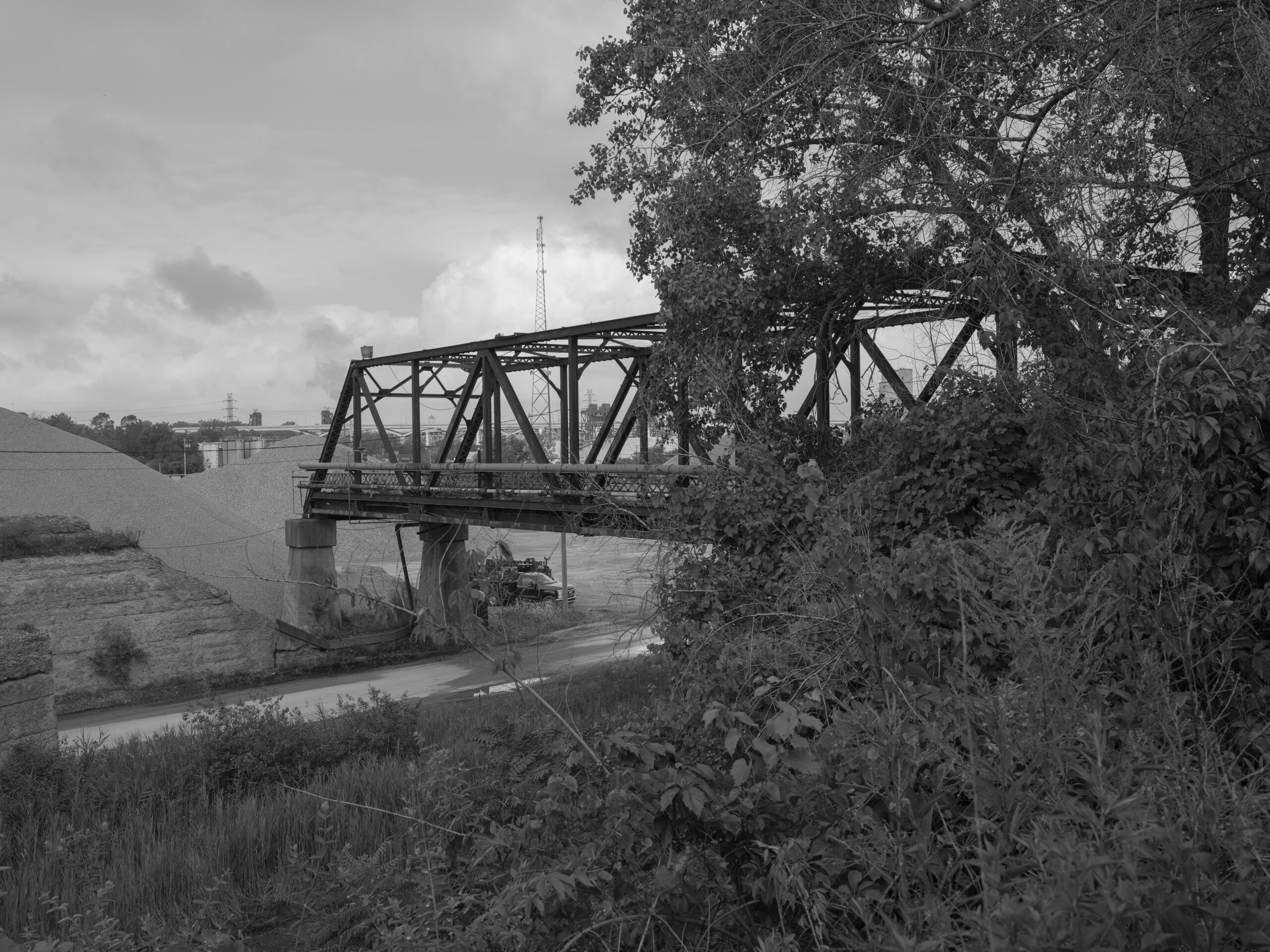
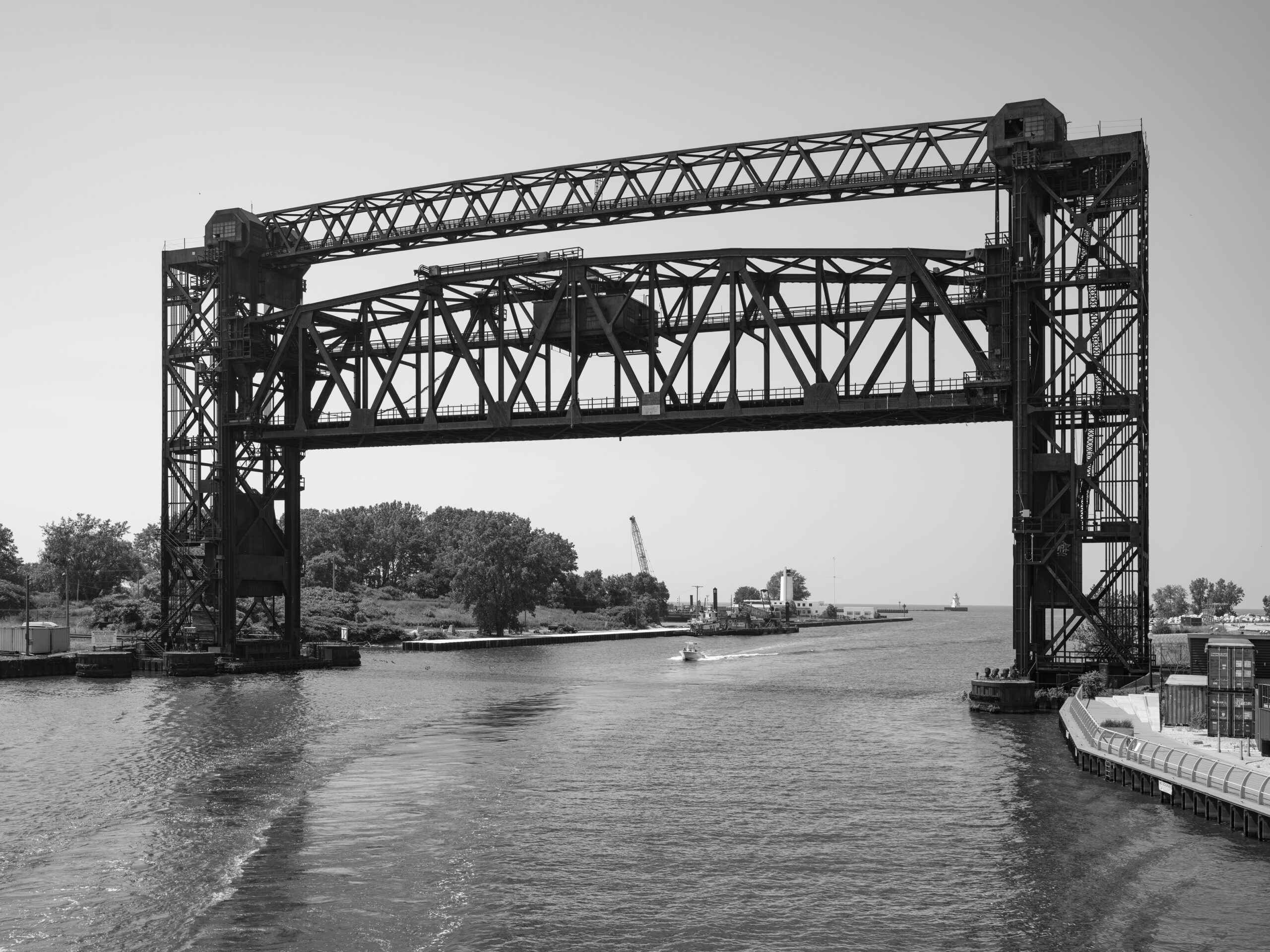
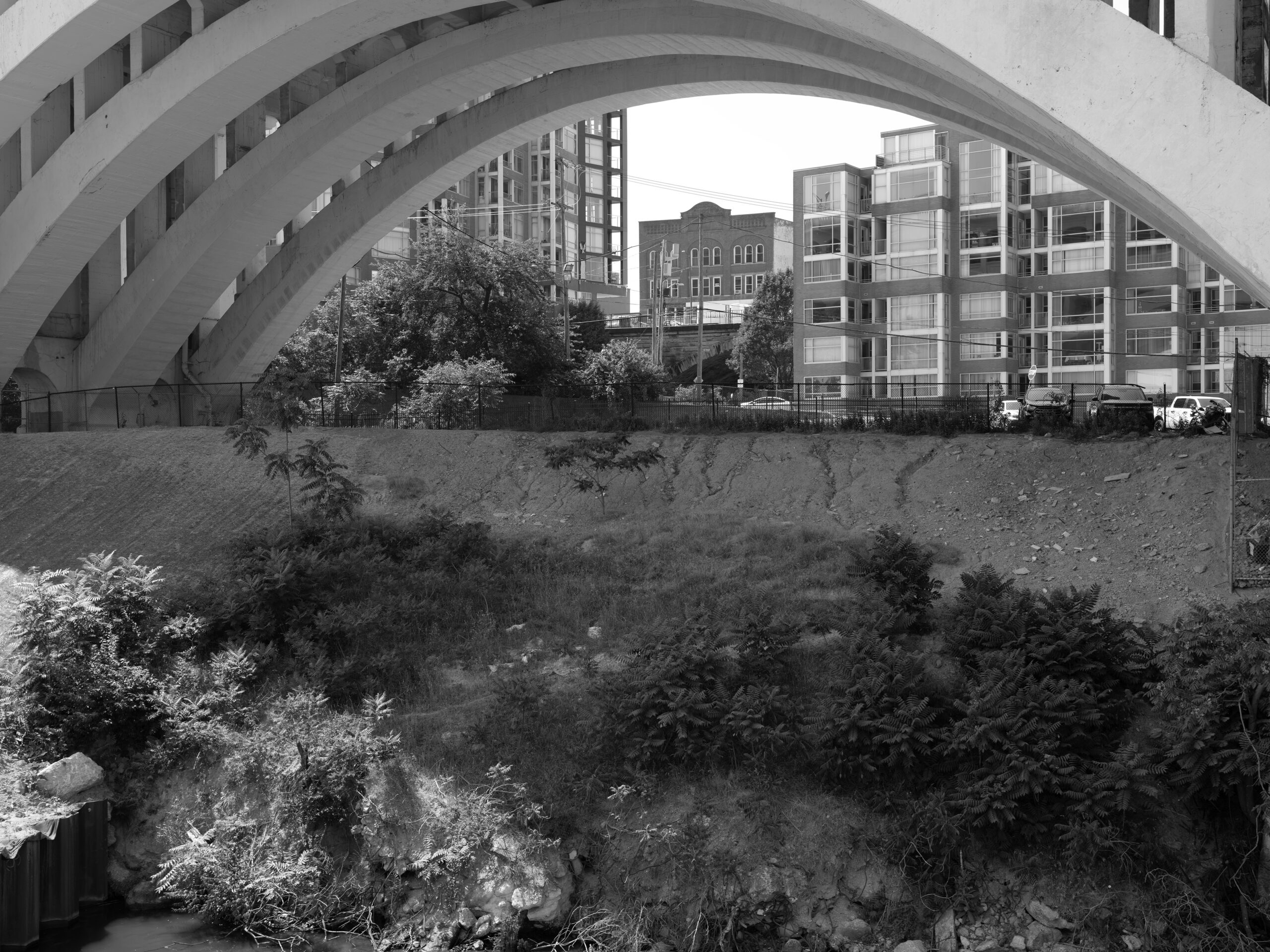
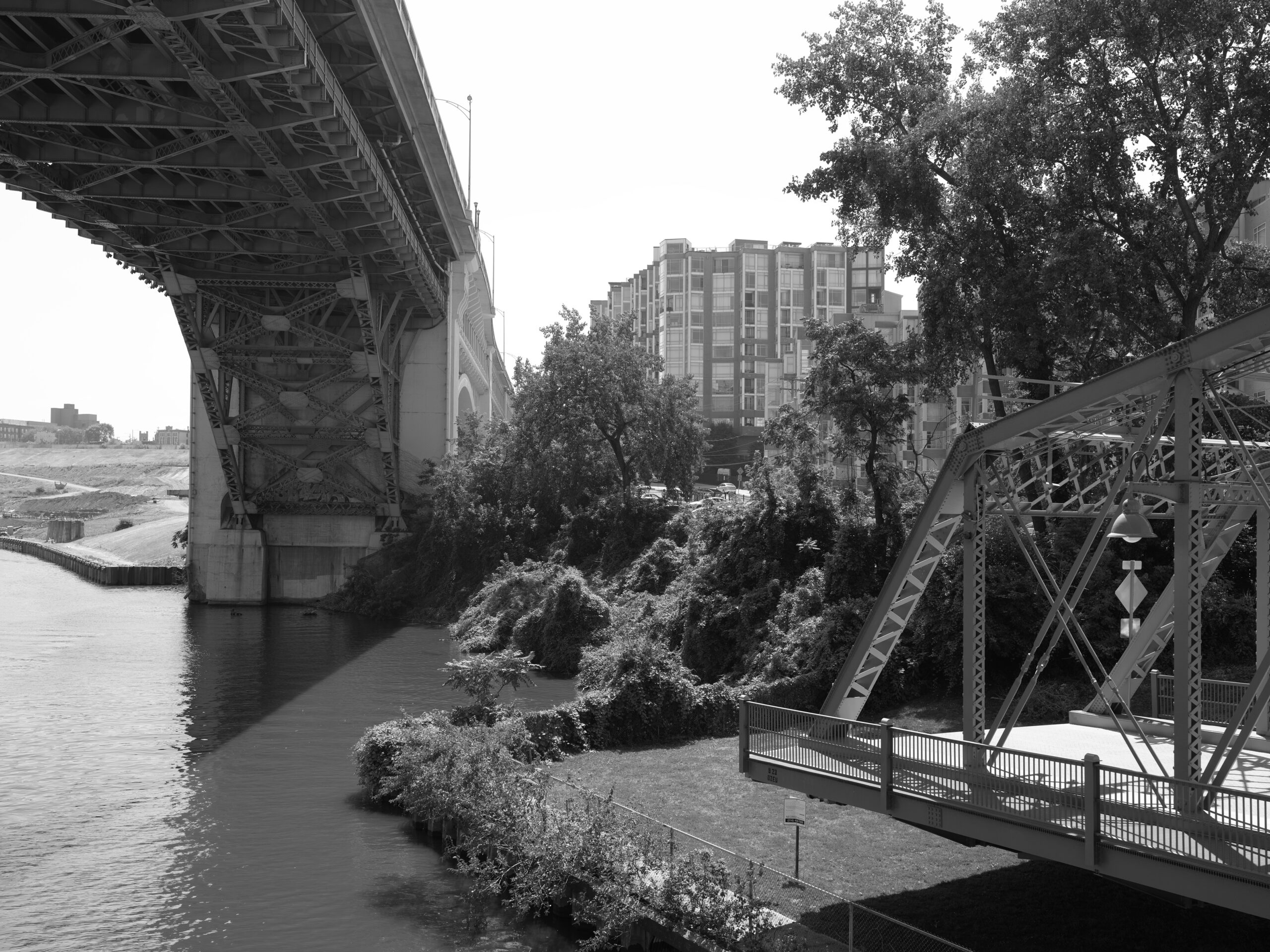
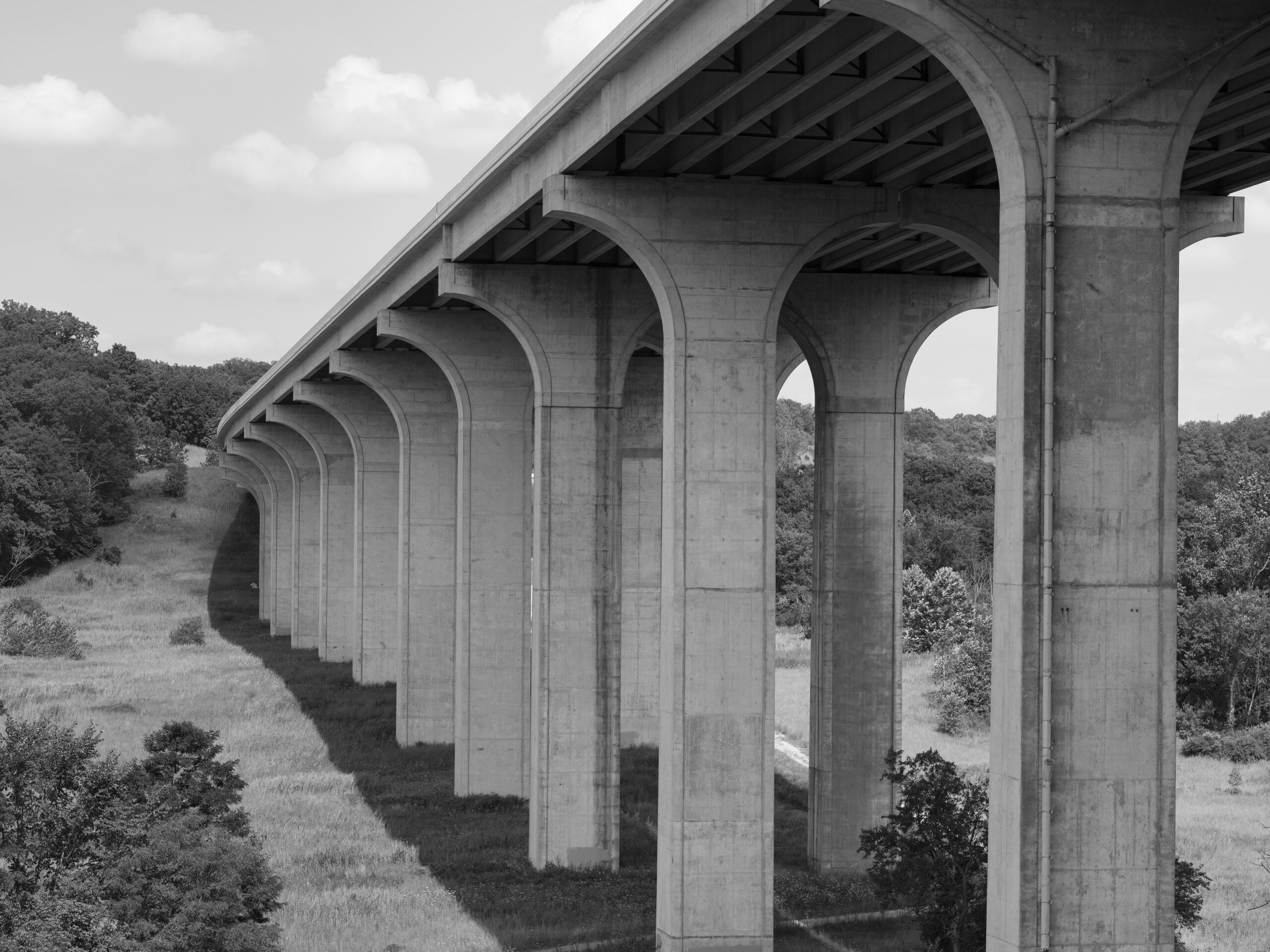
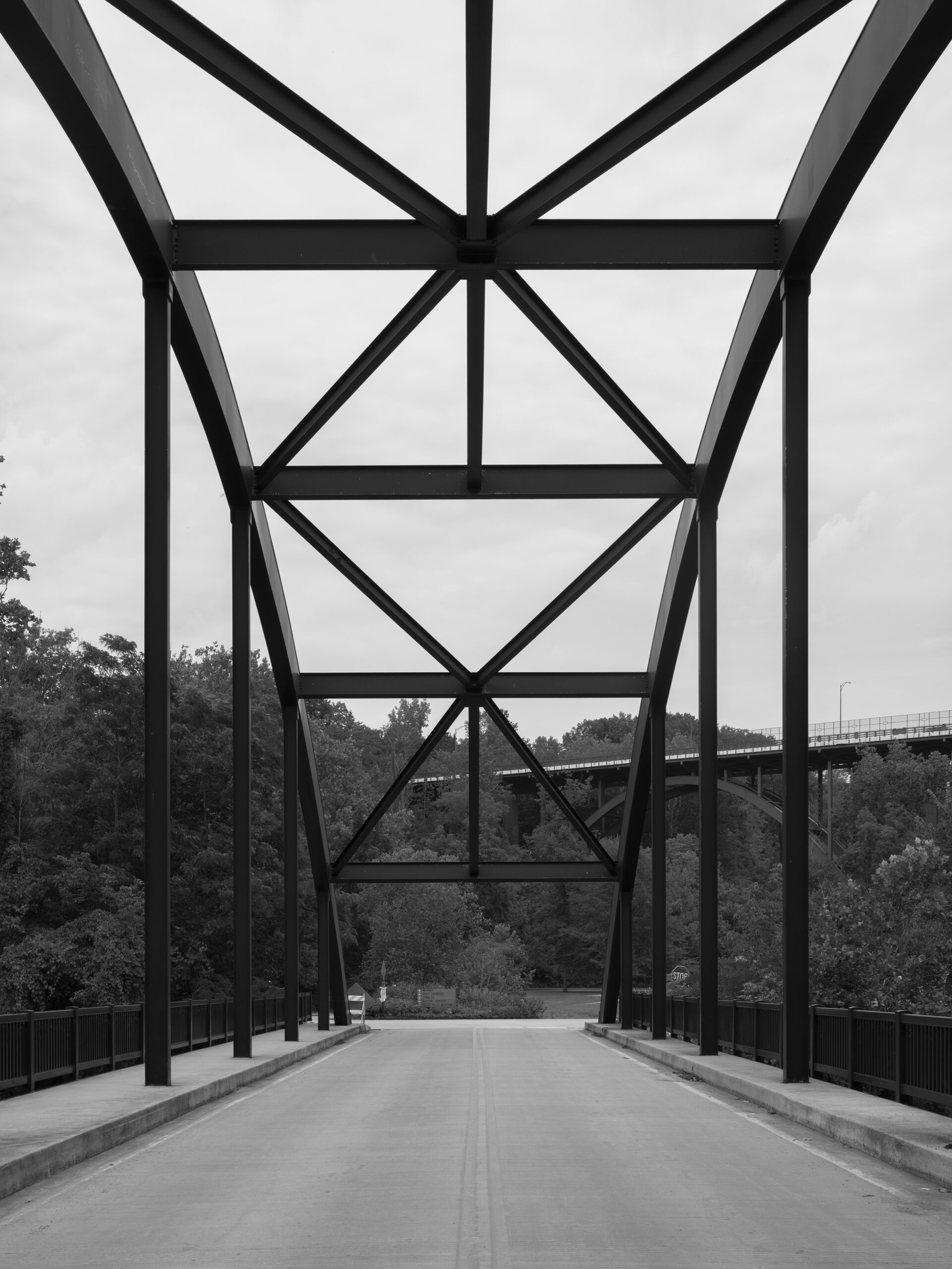
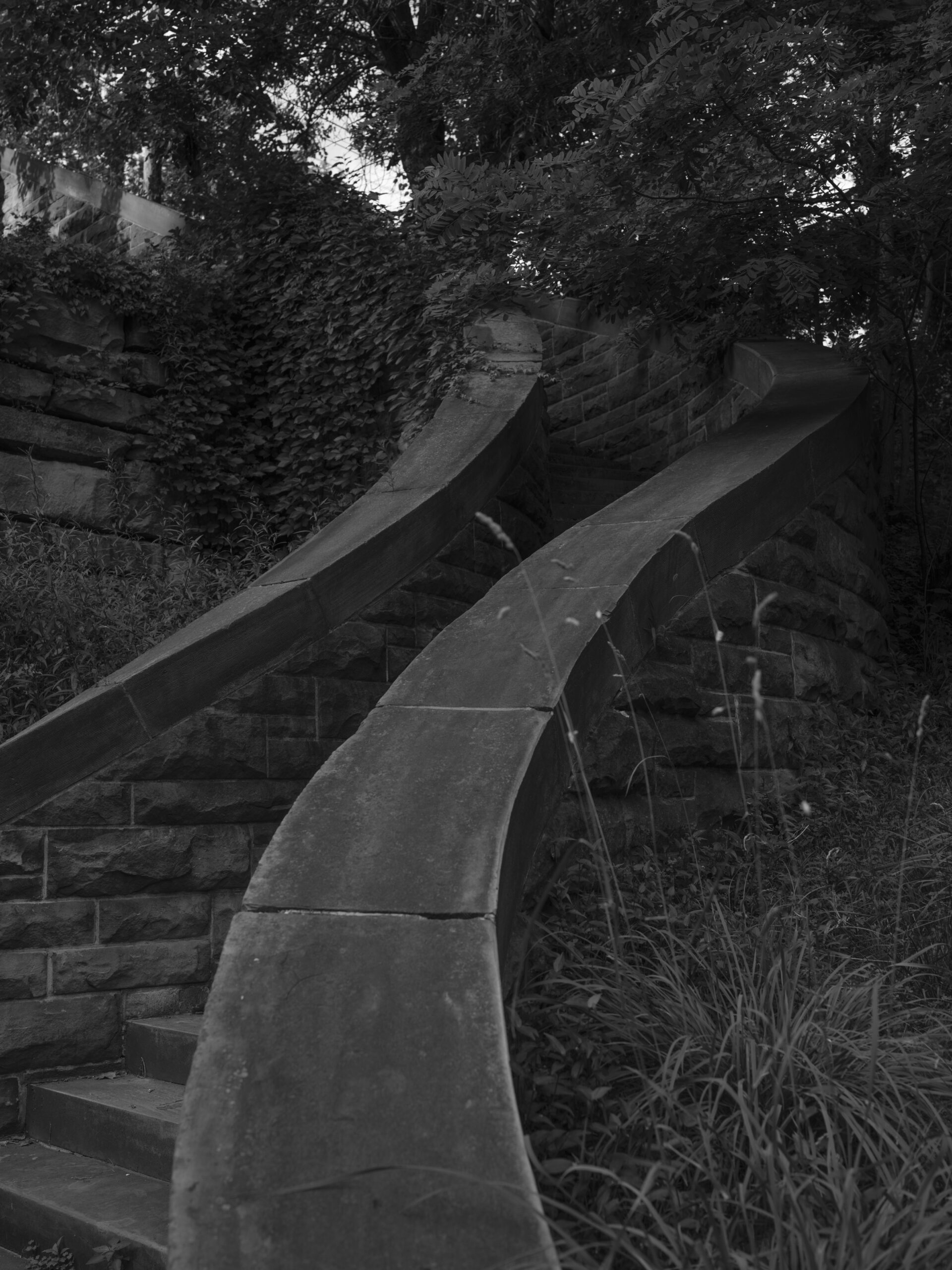
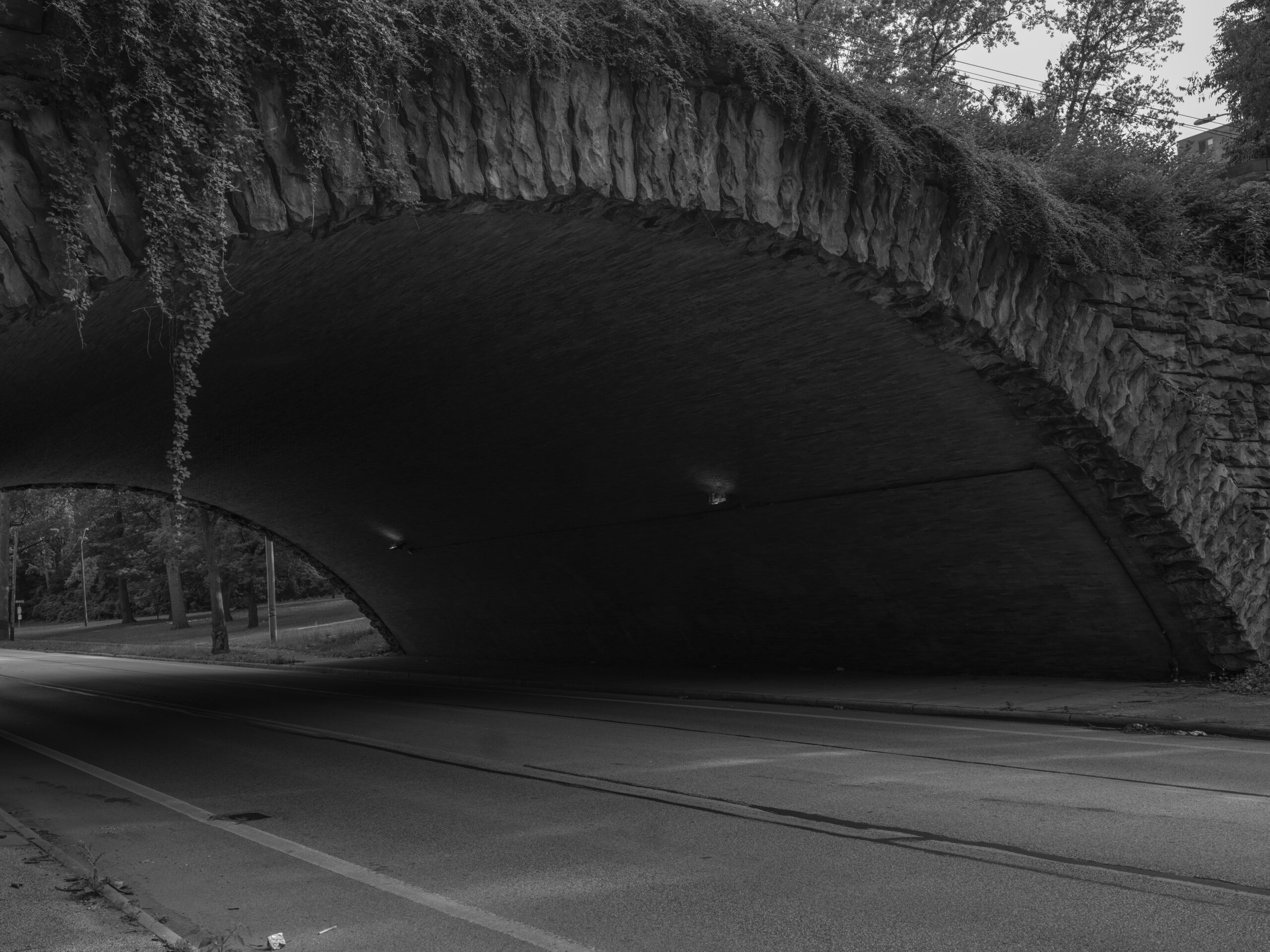
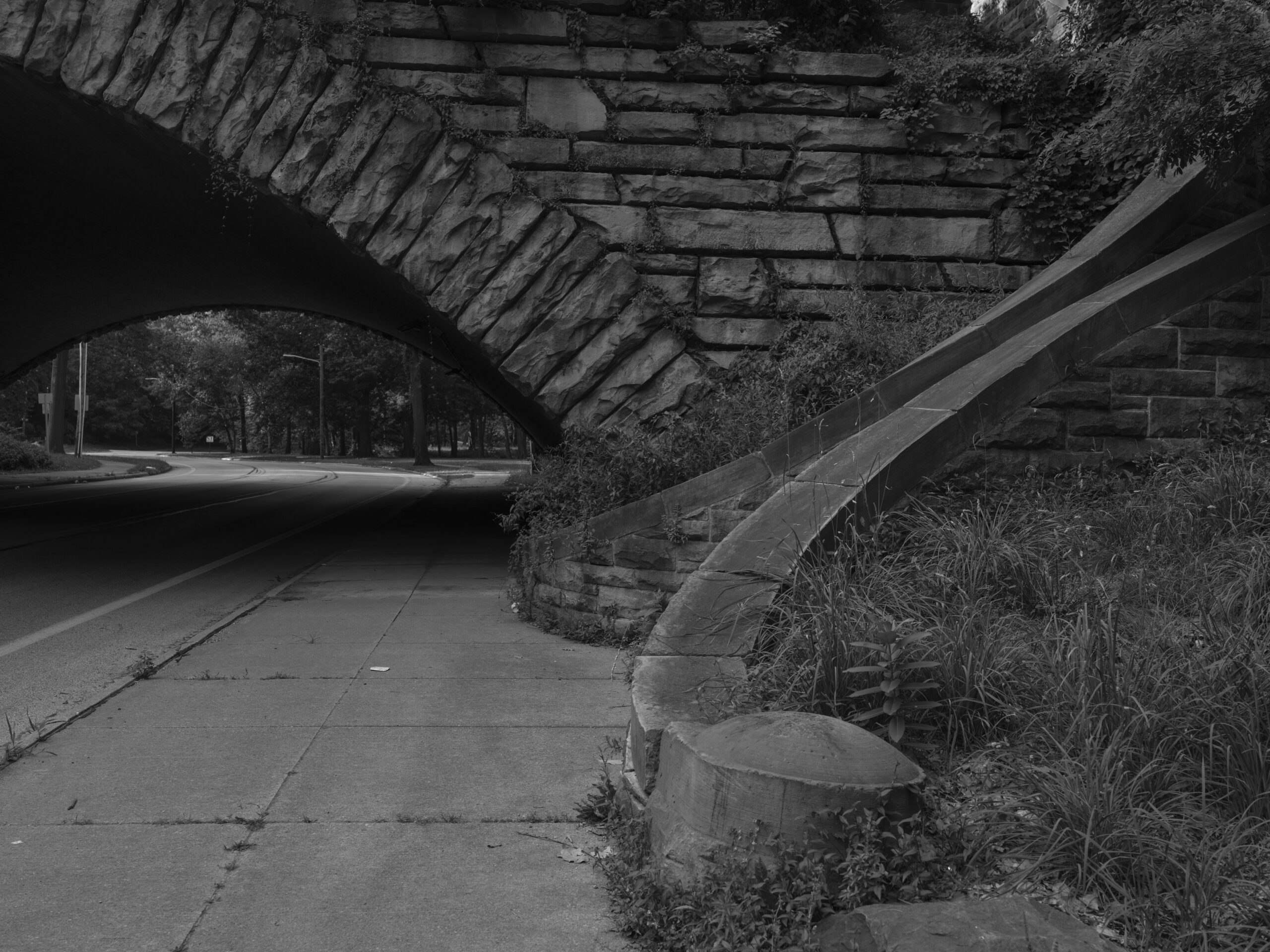
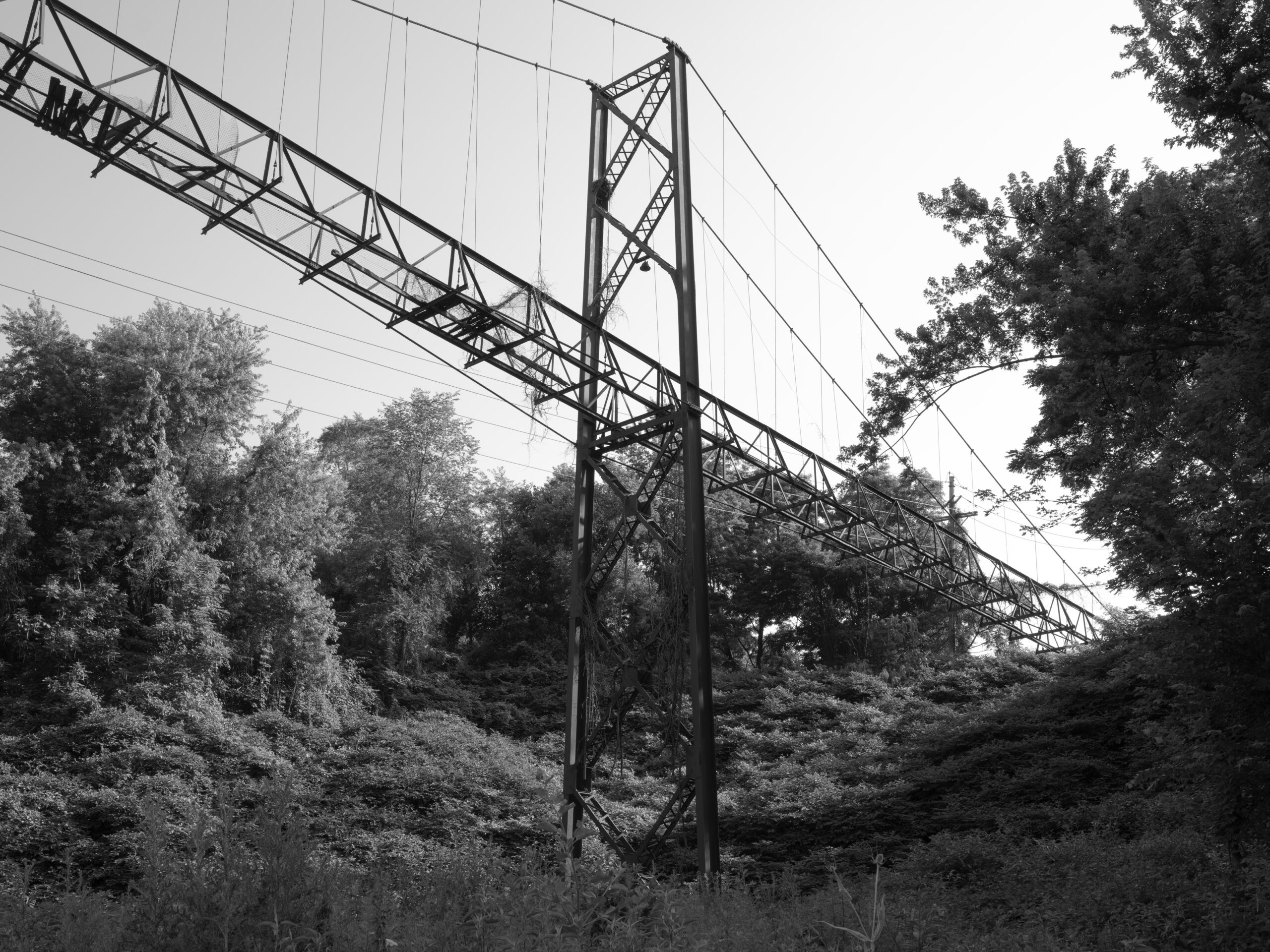
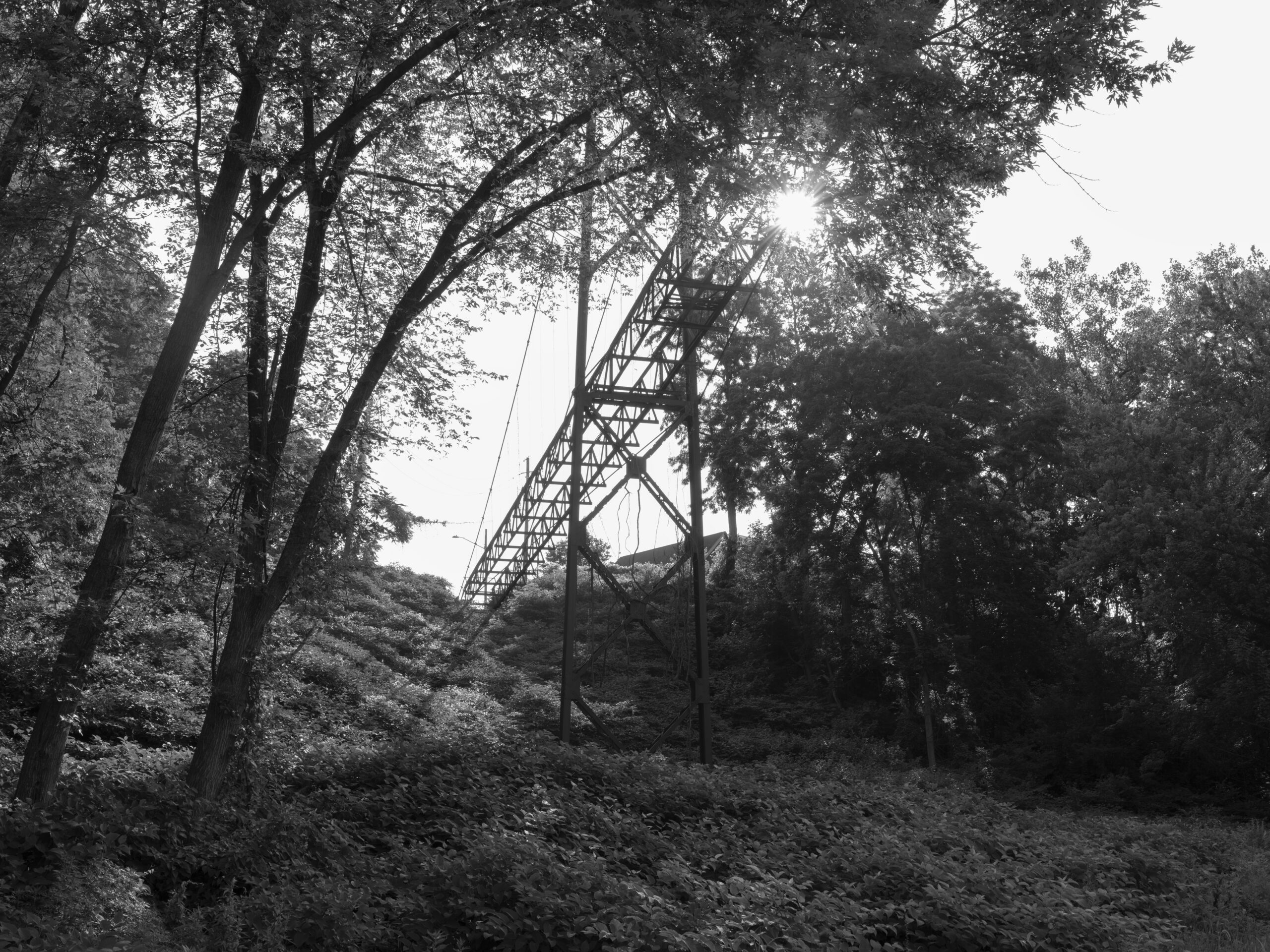
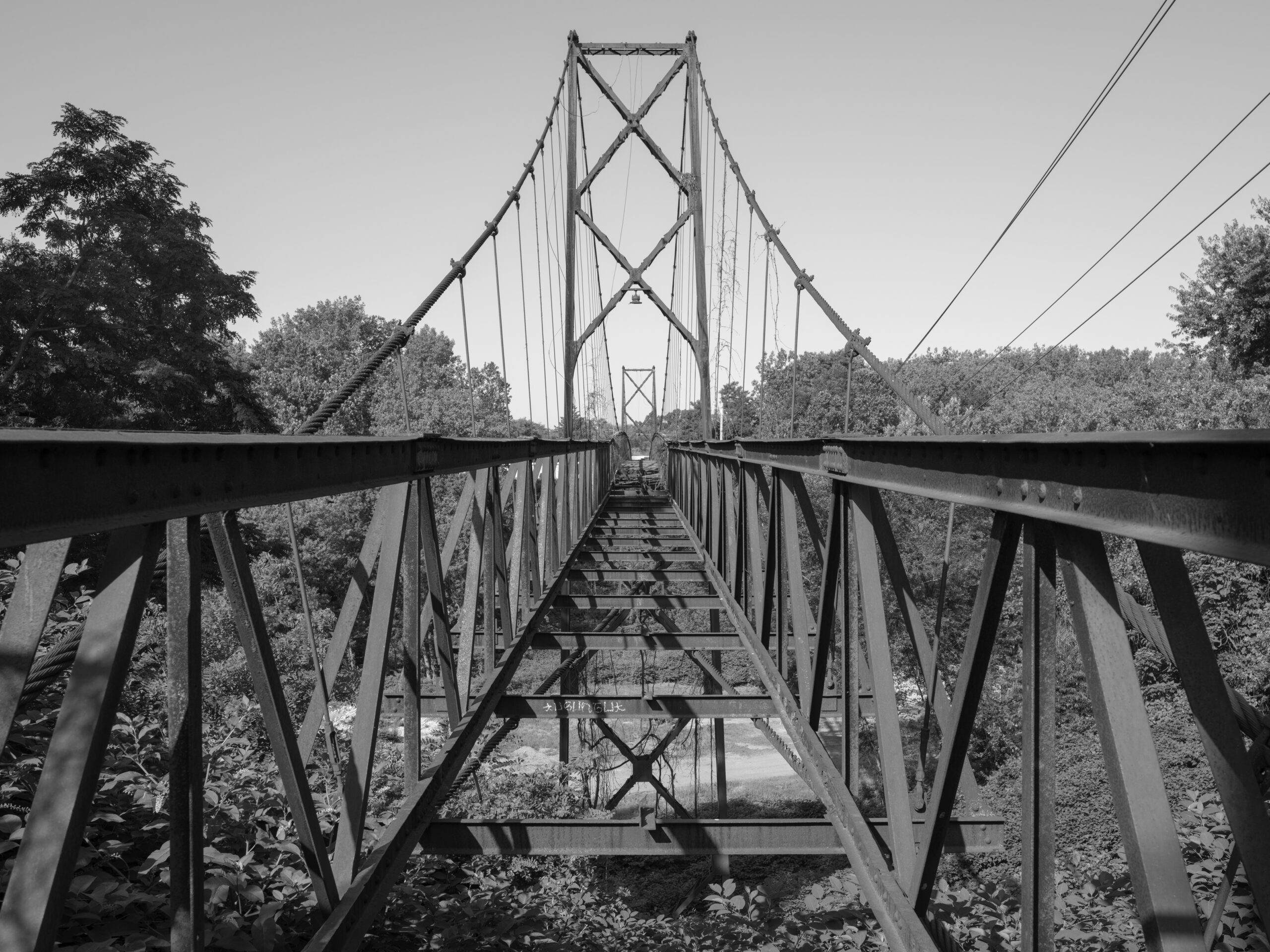
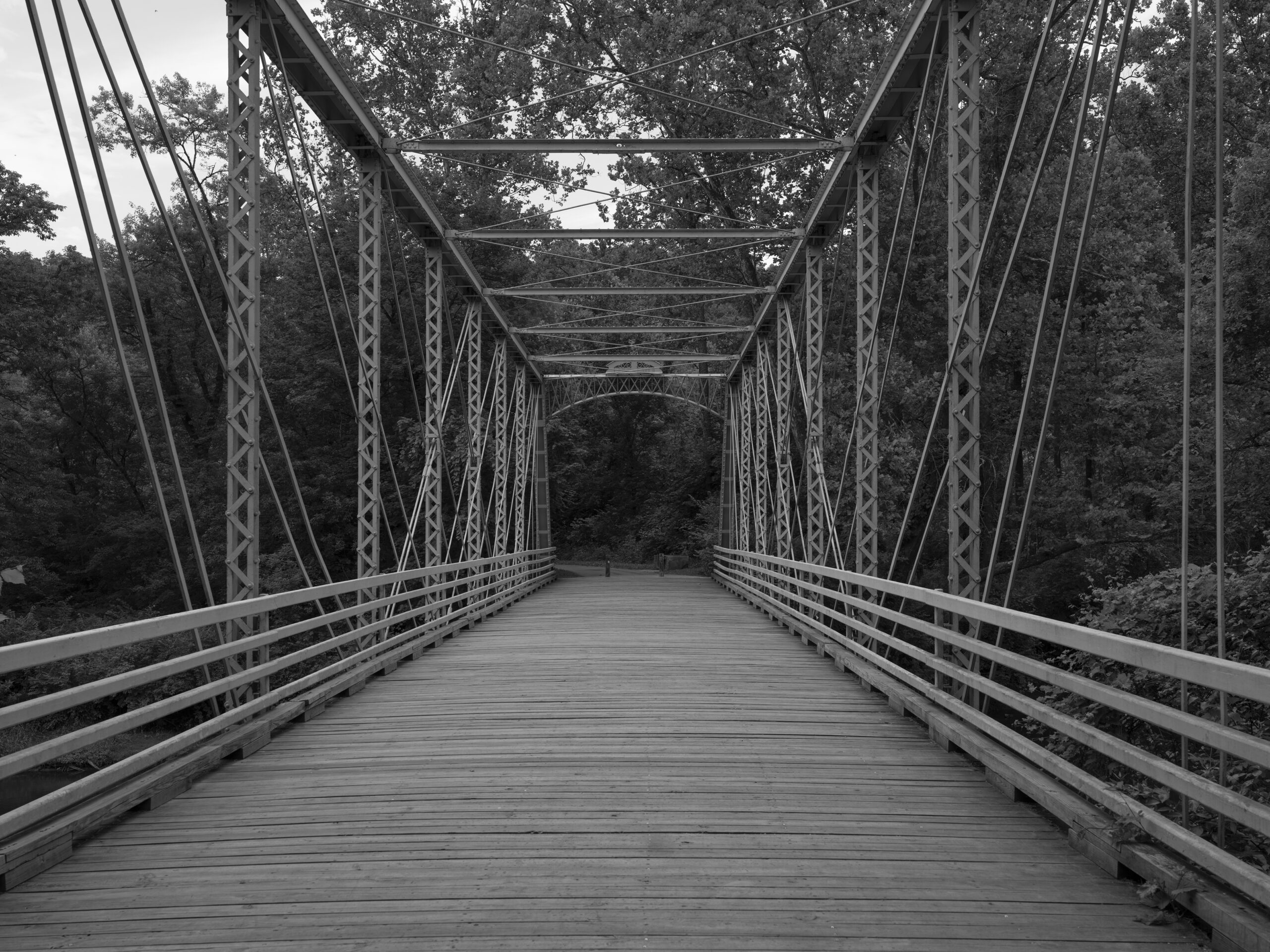
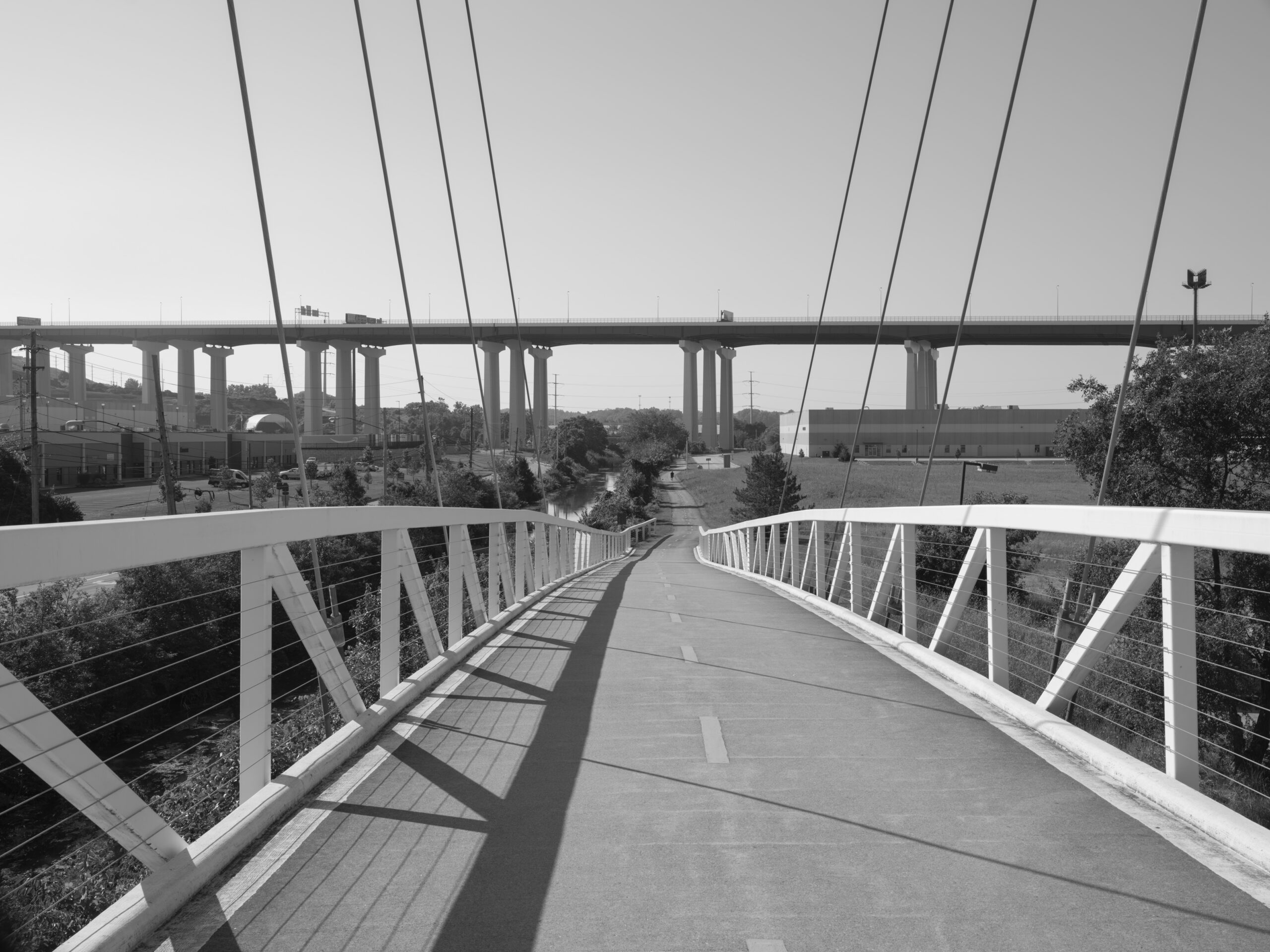
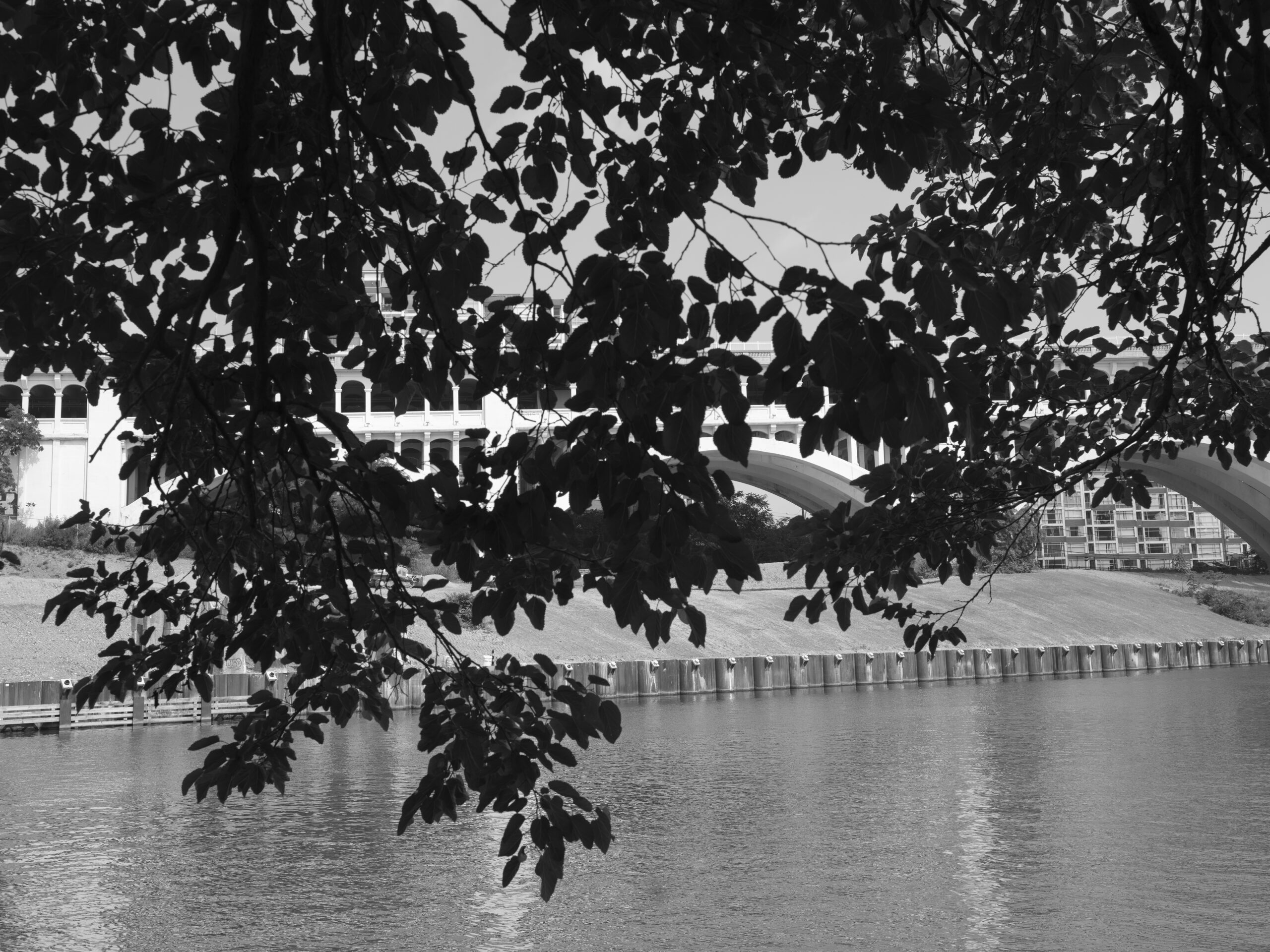
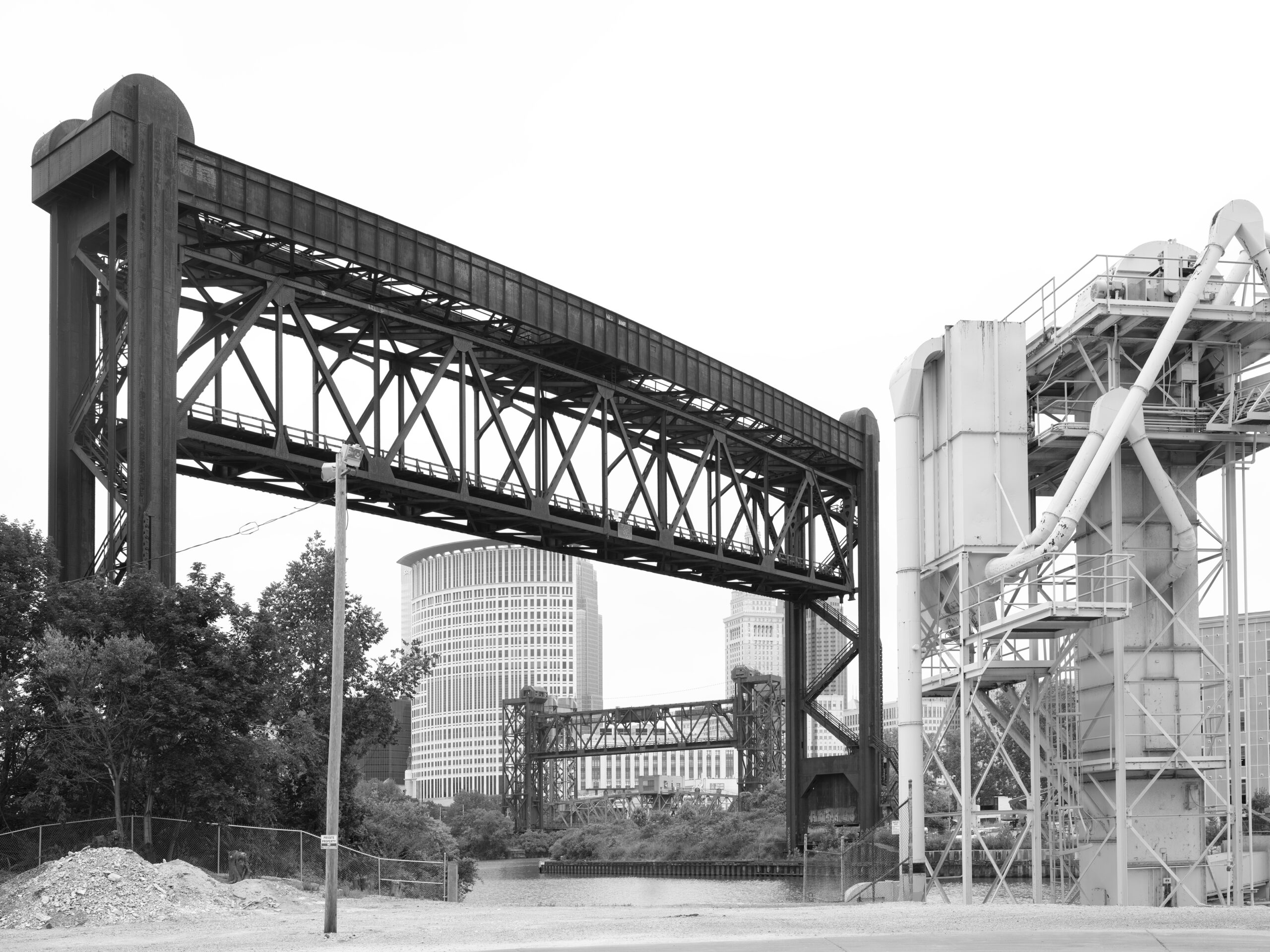
This body of work takes Cleveland’s bridges as a lens for observing how built structures shape and reflect the life around them. These bridges, many of them massive, weathered, and rooted in past visions of progress, once stood as declarations of intent. Some were built to serve industry and commerce. Others were constructed for vanity and prestige or to signal civic ambition. Together, they formed a network of movement and image-making, asserting both utility and identity.
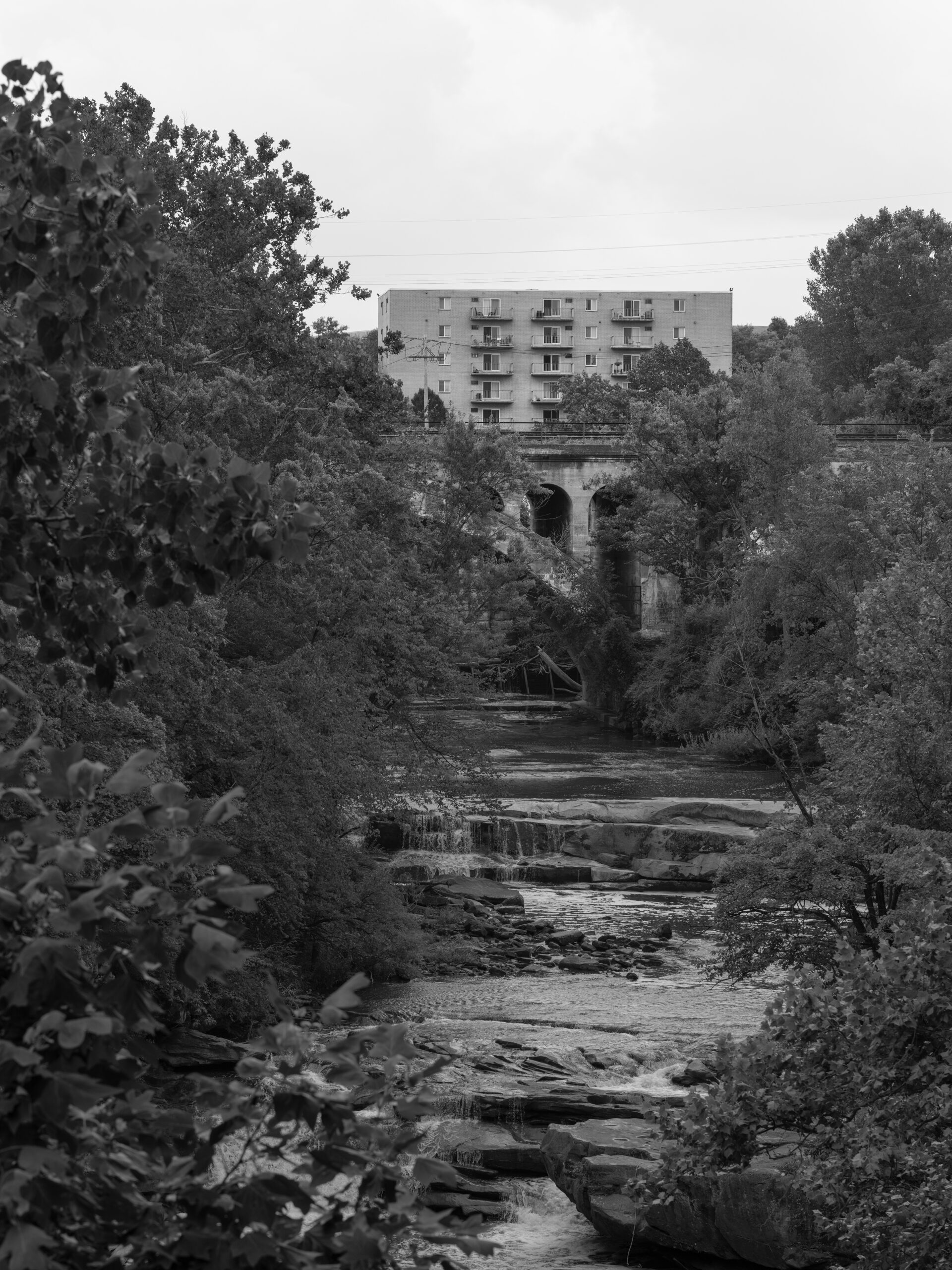
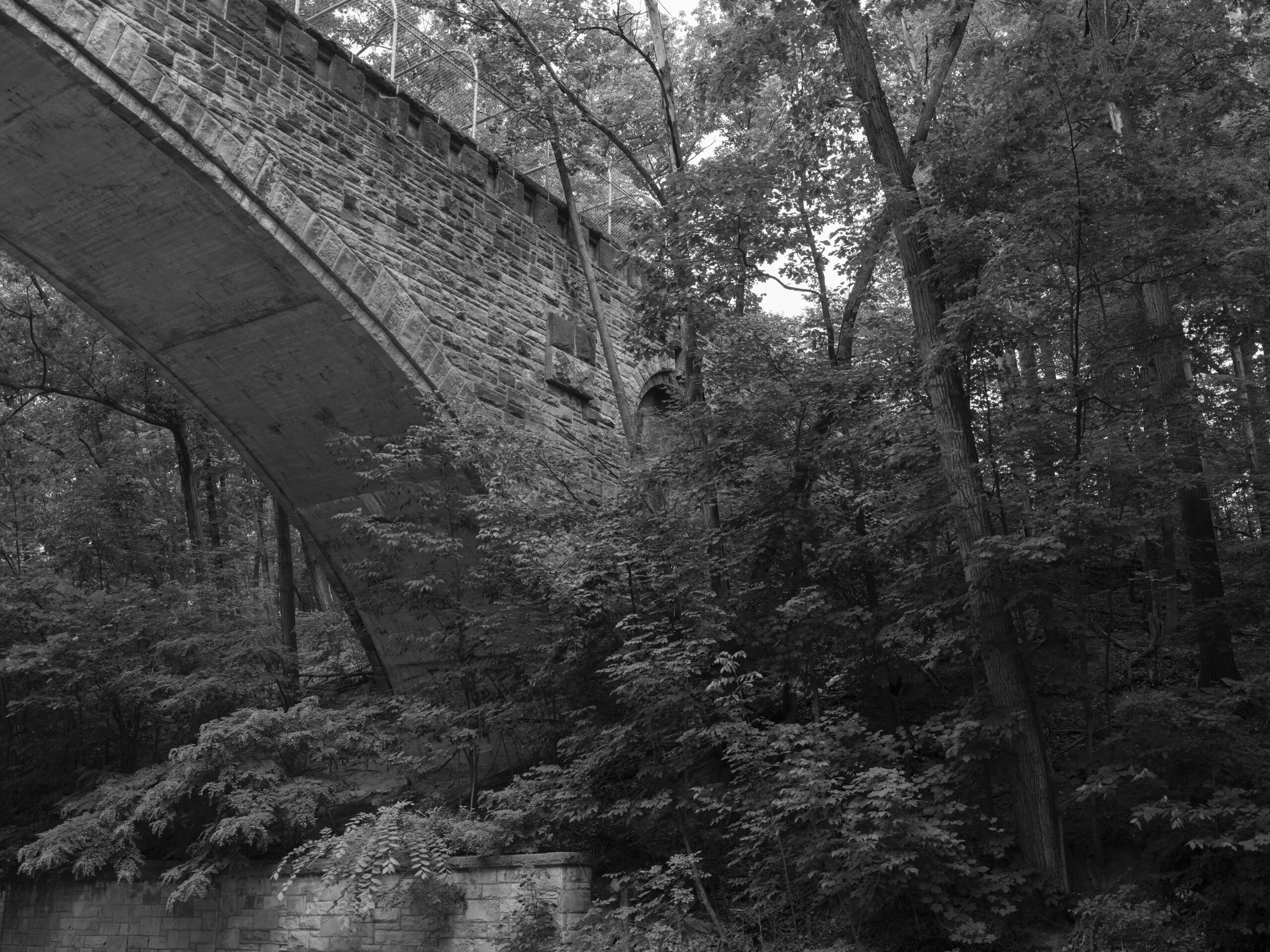
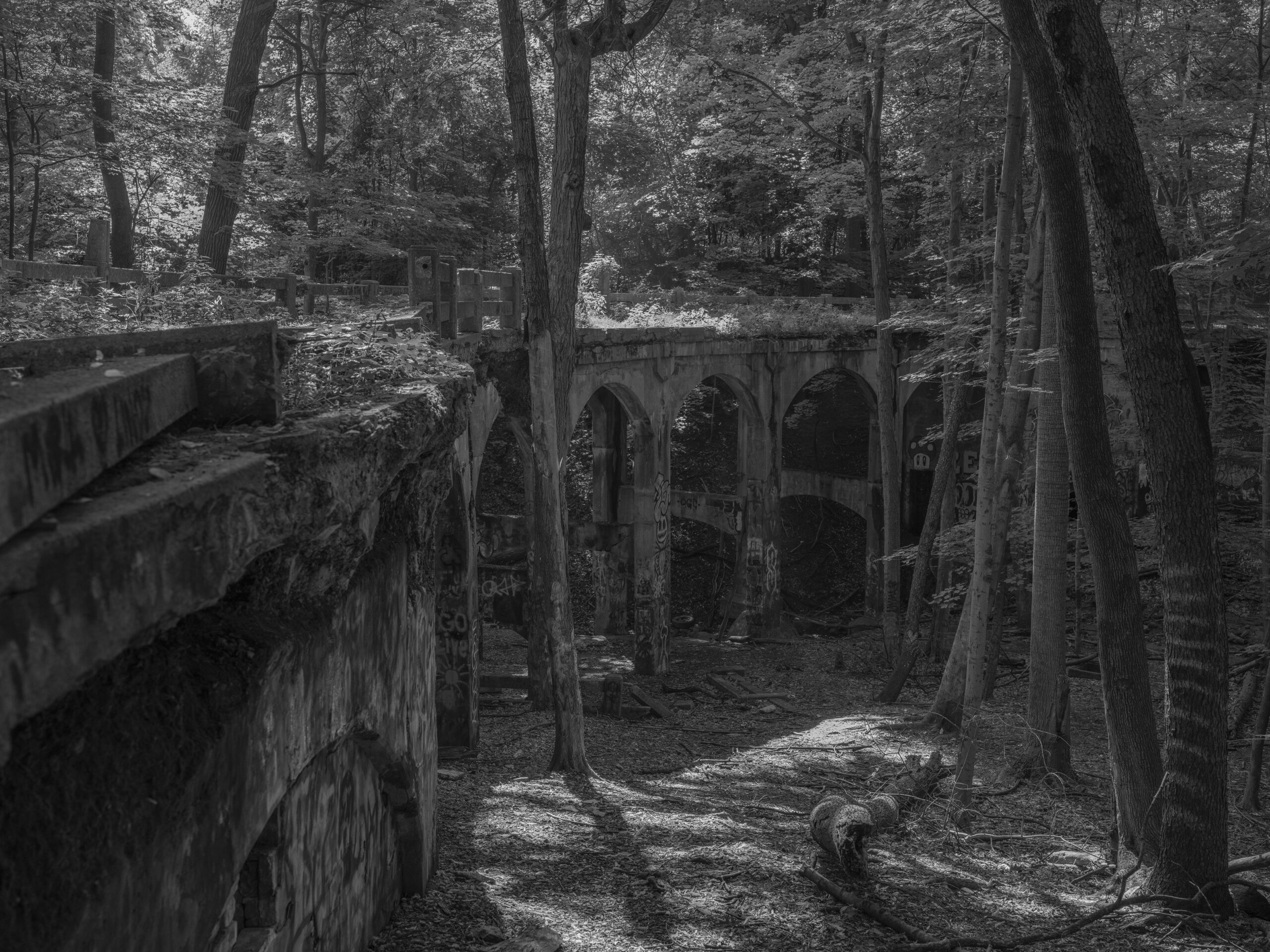
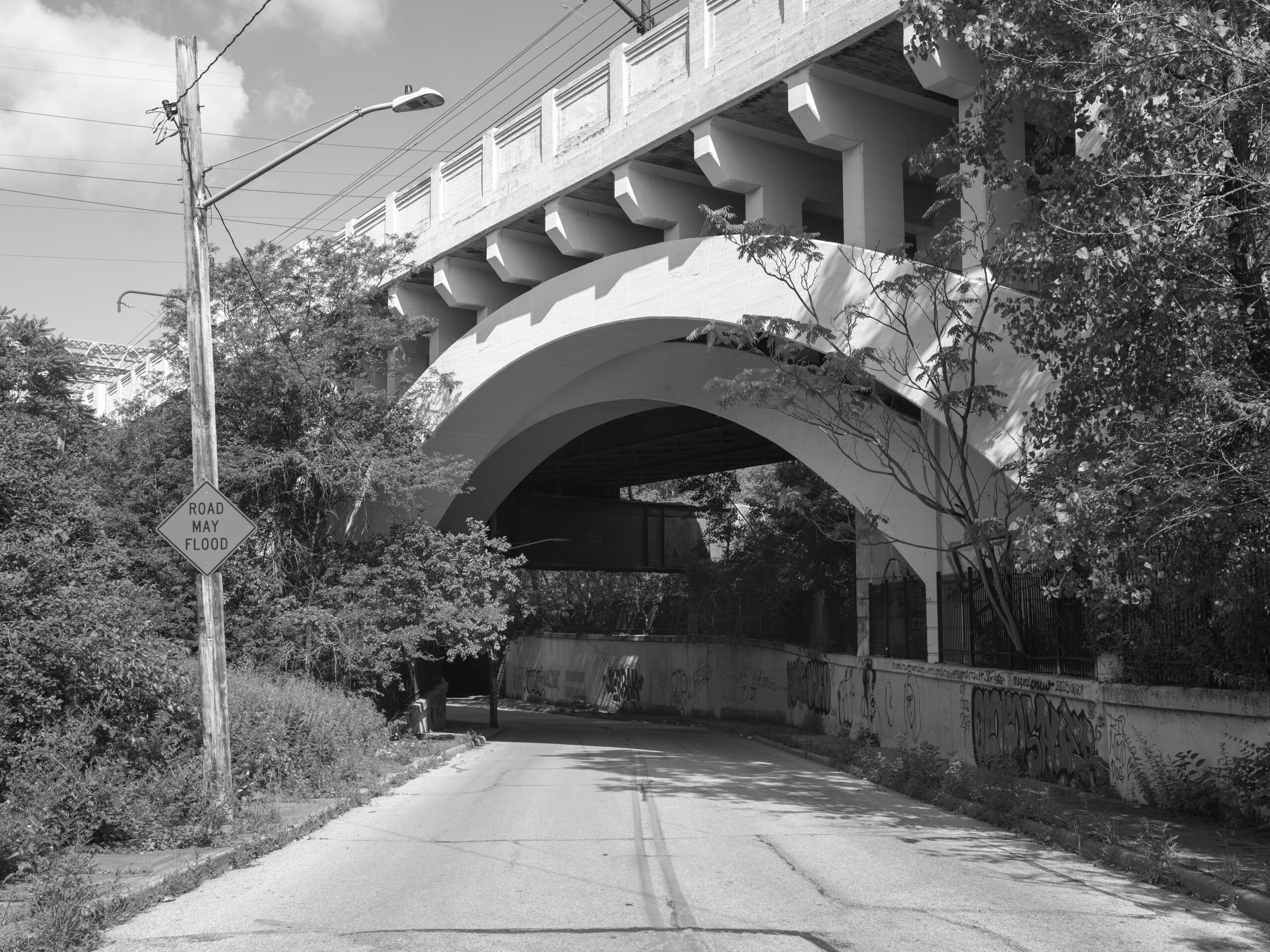
Now, their role is more complicated. Some have been decommissioned or partially reclaimed by nature. Others still carry daily traffic, their function intact but their symbolism more diffuse. Many cleave through under-invested neighborhoods, promising progress but often reinforcing patterns of neglect and disconnection. Some are now seen as antiquities, structures that hold their history in layers of stone, steel, and graffiti. Others bear the scars of racial division, or the weight of civic promises left unmet. And still others point forward, offering the promise of connectivity and the pursuit of more active, more integrated urban lives.
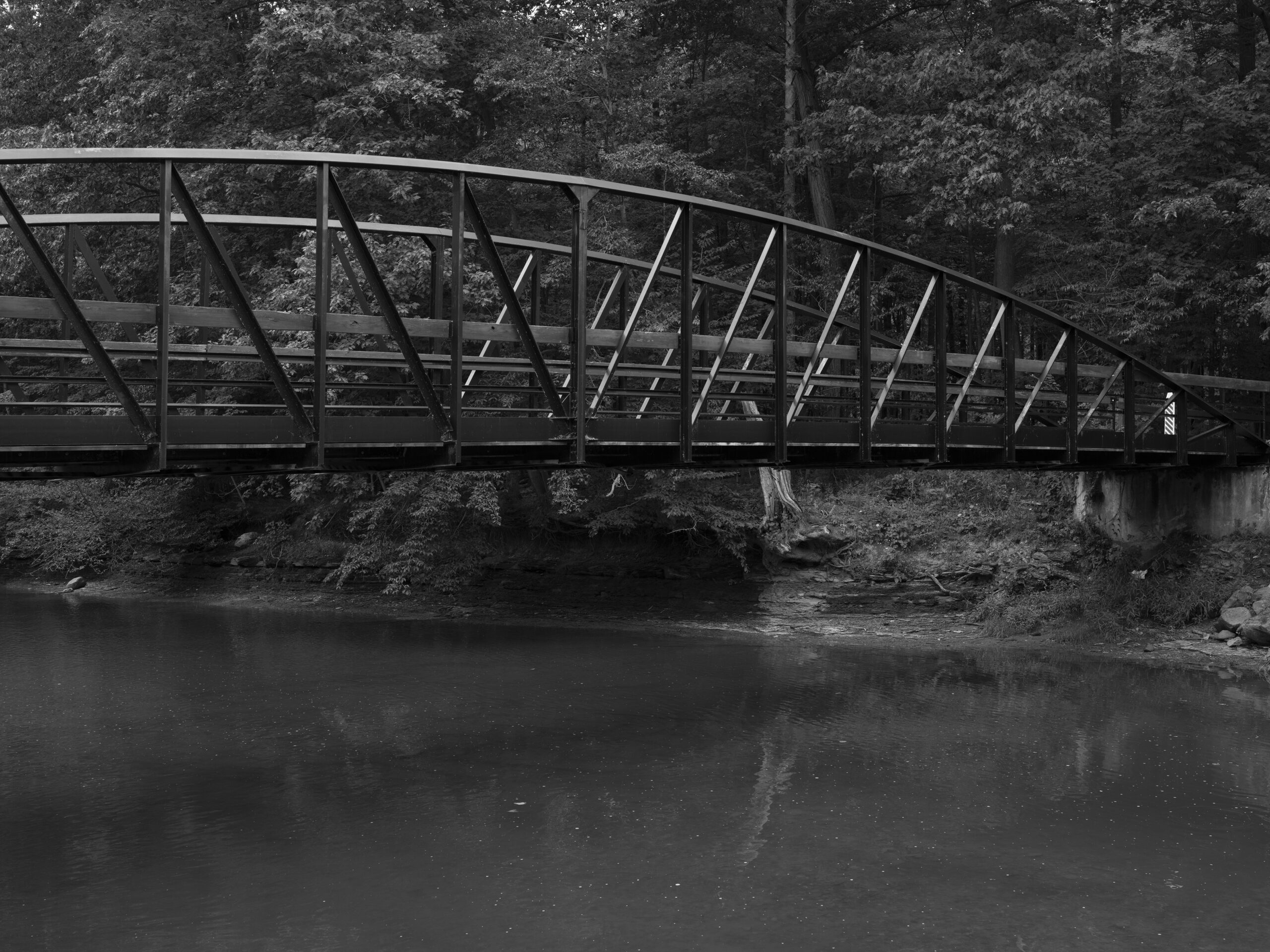
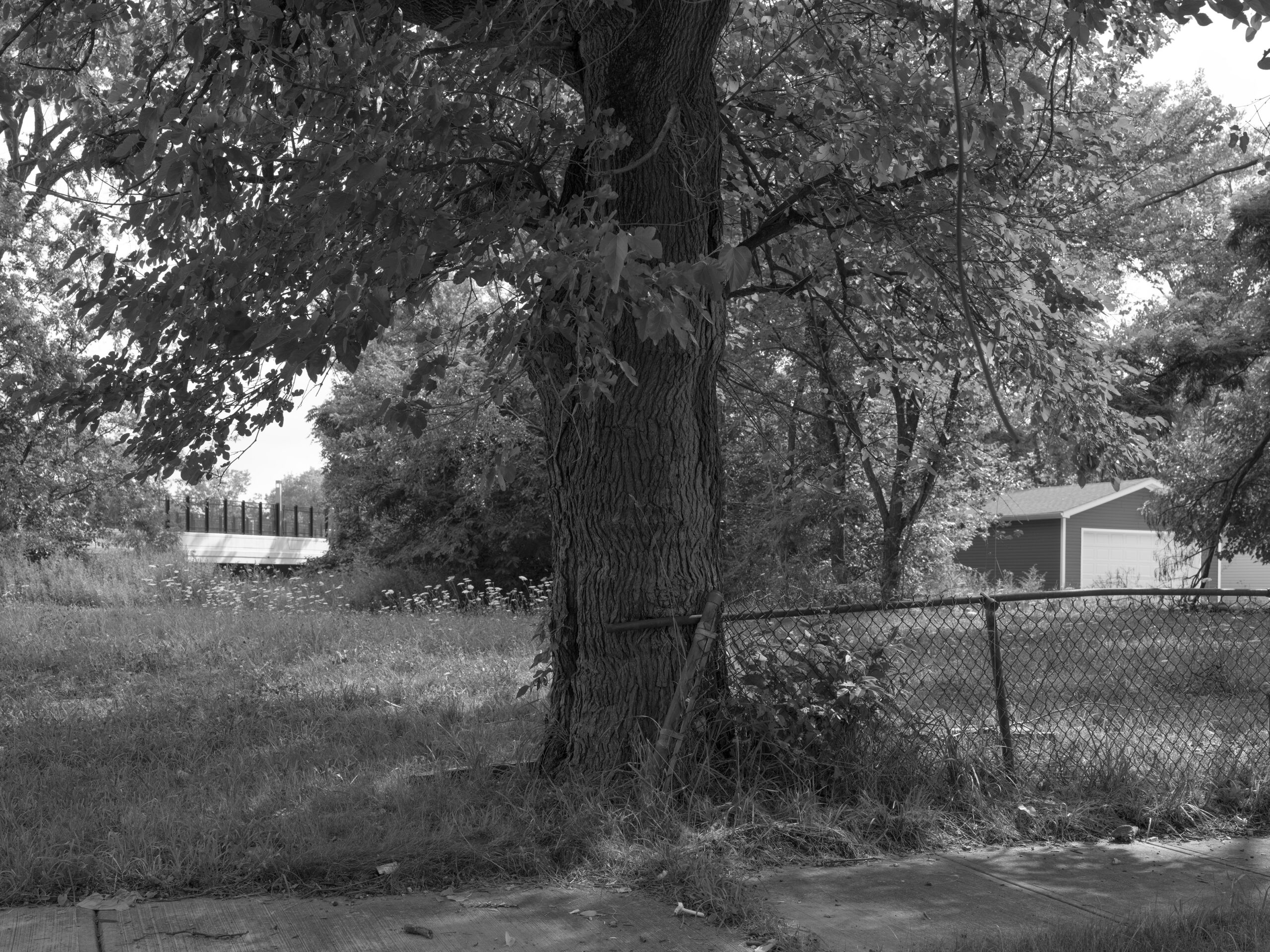
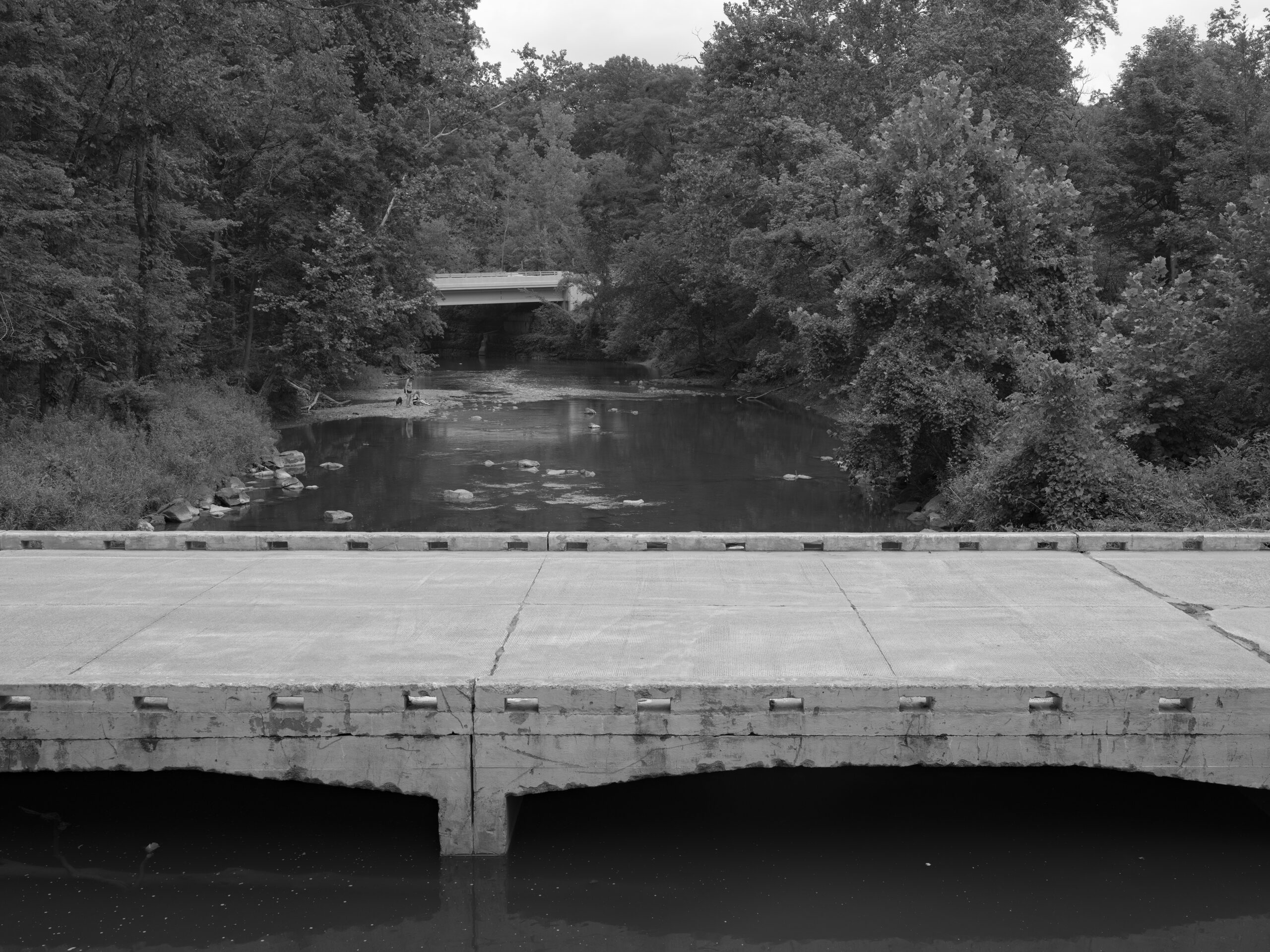
I have photographed from the edges and undersides, through fences, under brush, beside rusted fixtures. I have played with scale and perspective, sometimes framing the bridges as monumental, other times letting them recede into the landscape or become partially obscured by growth. I have looked at them not just as structures, but as elements within a larger ecological and visual system. In summer especially, nature presses in. Trees grow thick around concrete supports. Vines weave through chain-link. Water pools in forgotten corners. What might once have read as neglect now suggests something closer to transformation. These bridges are not separate from the environment. They are being folded back into it, slowly, unevenly, and with surprising grace.
There is beauty here too. People gather in these spaces, skateboarding, playing volleyball, resting in the shade of steel. These moments are not side notes. They are part of the story. They show how places built for one purpose can be quietly reclaimed for another. The images do not sentimentalize this shift, but they pay attention to it. They suggest that even under inherited forms, something new can take root.
These bridges were built across time, for different reasons. Some served commerce, others elevated a city’s image, and some solved practical problems with elegant force. Their materials hold all of that. The eras they represent are visible in their forms, in their wear, in the way the city now moves around them.
The photographs hold these contradictions without resolving them. They trace the ambition, the aftermath, and the quiet persistence of life alongside and beneath it all. In that in-between space, something else becomes visible — not a grand vision, but a lived one.
Kristine Potter, Photographer
Letter from the Board Chair
The promise of enduring, progressive change grows from roots—the kind that deepen over the years, anchoring vision to purpose and memory to motion. For more than 70 years, the Gund Foundation has drawn its strength from that kind of rootedness: in family, yes, but also in place, in people, and in principle. This heritage isn’t something we preserve at a distance, it evolves with each passing year, as fresh voices expand our vision and our resistance.
As the first member of our family’s third generation to serve on the Gund Foundation board, I now welcome the fourth. Watching my daughter, Sadie, and my cousin, Lucy, step into stewardship reminds me that legacy is not about holding tight, but about handing forward—with trust, with hope, and with fire.
At the same time, we are deepening our promise to Cleveland—the city that has raised and shaped our family and continues to call us to act with urgency and love. To that end, we have expanded the number and influence of Clevelanders on our board. Now nearly half of the members live and work in the community. We also now welcome grantee partner leadership among the members. This is not only good governance, it’s a powerful kind of strategic alignment. Because real change requires proximity, our Cleveland Trustees ground our vision in lived experience while all together we continue to dream boldly. This work requires voices that know the streets, the schools, the systems—and are brave enough to reimagine them.
We write this in a time of rising fear, rising violence, and rising uncertainty—not abstract forces, but daily, lived realities that touch every one of our grantees and the communities they live in and serve. Whether in parks or polling places, classrooms or courtrooms, the stakes of this moment are unavoidably clear. And yet, so is our commitment. We stand with our community partners, with our city, and now with a new generation, for a better Cleveland, a better country, and a better world.
This is a year of bridges: between generations, between despair and determination, between what we have inherited and what we dare to create. The Gund Foundation moves forward with justice in our hearts, joy in our practice, and the long work ahead held firmly in our hands. Now with more voices, more vision, and even deeper roots.
Catherine Gund, Board Chair
Letter from the President
All people—like bridges—are connectors, and while our paths are not linear, building bridges and making connections are cornerstones of effective collaboration, community building, and personal growth. During my adolescent years, I learned several invaluable lessons, but one in particular captures the very essence of bridge building. Conceptually, the lesson is quite simple; in practice, it can be very difficult to do: always seek new paths and make new friends, but never burn a bridge, because one day you may need that friend or have to cross that bridge again.
In the third grade, while I had a few public schools in my neighborhood, my mother chose to send me to a public school across town. At the time, I was heartbroken and completely devastated because I wanted to attend school with my friends in my neighborhood. Plus, I knew that kids who rode the bus had longer days; during the winter months, they had to wake up for the bus before sunrise and—on many occasions—would not return home until after sunset. Since I lived on the east side of town, which was connected to the city proper by two bridges, my bus route to school was long. But on that long bus ride, especially when we were delayed due to the oftentimes dysfunctional bascule bridge on East Erie Avenue, I began to better appreciate my commute, classmates, teachers, and school environment.
For me, crossing that bridge across town was like an oasis. I was introduced to other languages; took art courses along with advanced math and science; had independent study projects; and was exposed to world history. I also had an opportunity to meet new people and make friends from different walks of life. A 30-minute commute felt like a lifetime away as I lived in two worlds: the magnet program at Hawthorne Elementary School and low-income housing. My late and very dear mother saw education as an opportunity; she saw a bridge for me.
Bridges are faith.
Bridges are hope.
Bridges are gateways.
Bridges are opportunities.
But bridges also require long-standing support and upkeep, and its infrastructure must be strong enough to not only endure the daily stress of round-the-clock commuter travel but also to withstand ever-changing weather challenges such as windstorms, torrential rain, floods, extreme heat, heavy snow, and earthquakes.
Earlier this year, in anticipation of deep funding cuts to vital public services and programs, The George Gund Foundation Board of Trustees unanimously agreed to increase the Foundation’s grantmaking payout. While foundations and philanthropy at large cannot single-handedly replace federal, state, and local funding cuts, we find it important to remain constant and true to our values. We will not abandon our partners, but such times call for developing new strategies and daring to envision new pathways as we continue trekking along our journey to build bridges.
From fossil fuel dependency to renewable energy sources and a regenerative Earth.
From partisanship and politics to human rights and moral clarity.
From electoral autocracy to full-fledged and inclusive democracy where all people have equal access to participation, representation, and decision-making.
From violence and hate to love, tolerance, and legal protections—regardless of age, ancestry, color, disability, ethnicity, gender, gender identity or expression, HIV/AIDS status, physical health, mental health and/or addiction, reproductive decisions, national origin, race, religion, or sexual orientation.
From silencing artists, journalists, educators, and students to creative freedom to express ideas, emotions, experiences, and daily events.
From attacks on immigrants and newcomers to comprehensive legislation for pathways to citizenship.
From efforts to privatize public education to a thorough, fully funded, and high-quality system of common public schools.
From criminalizing unhoused people and families to investments in safe, secure, affordable, and dignified homes for all.
From poverty, unemployment, and underemployment to entrepreneurship, innovation, and family-sustaining wage jobs where workers have access to health insurance, paid leave, retirement plans, a right to unionize, and other benefits that support well-being.
In liberal democracies, it is quite normal for people to have different views, priorities, resources, strengths, and shortcomings, but we are all connected. Each of us has the capacity to be a bridge. The George Gund Foundation has been, and will be, a bridge in our beloved community.
Tony Richardson, President