
People Working
Lee Friedlander (1995)
Photography
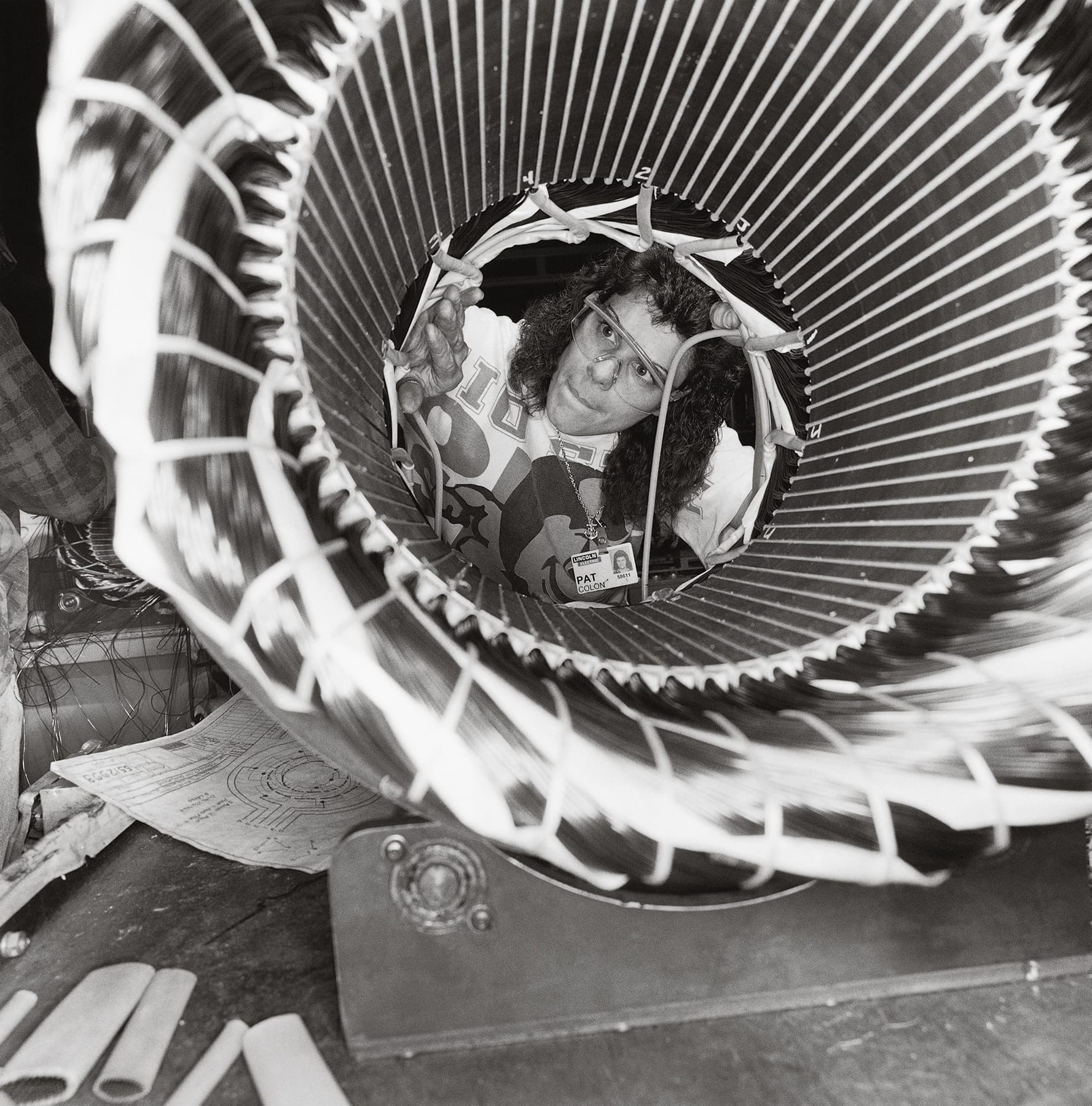
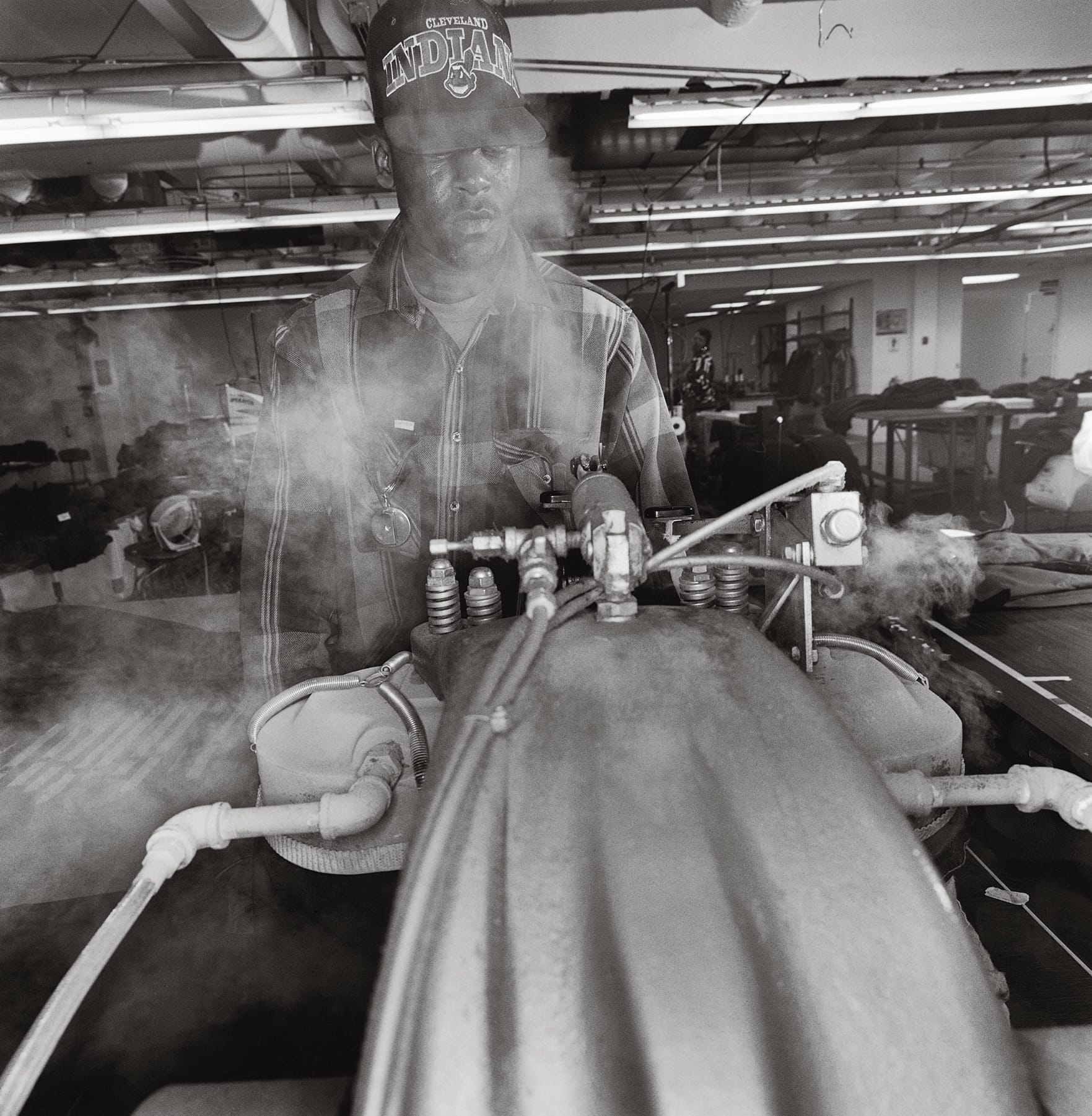
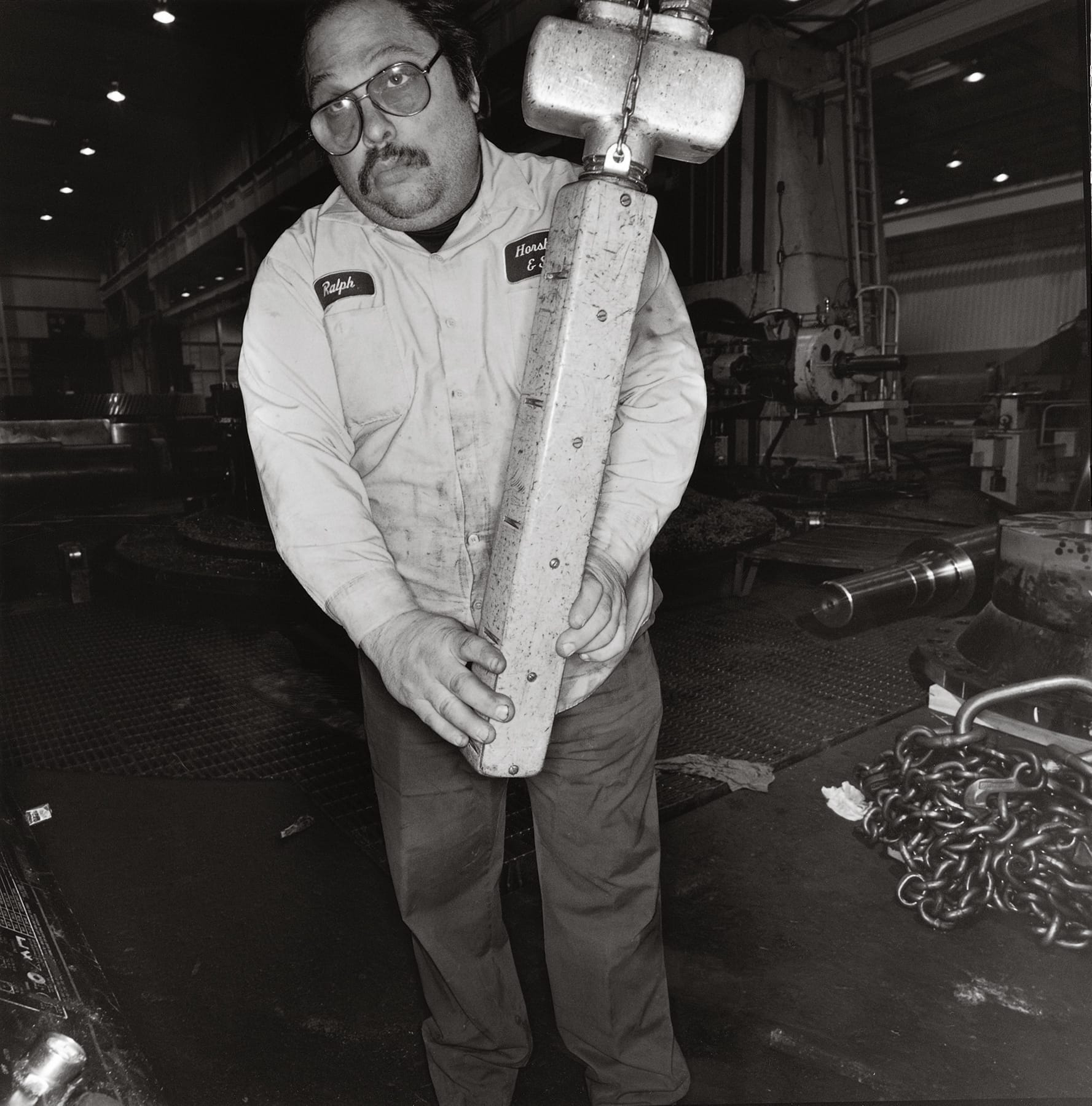
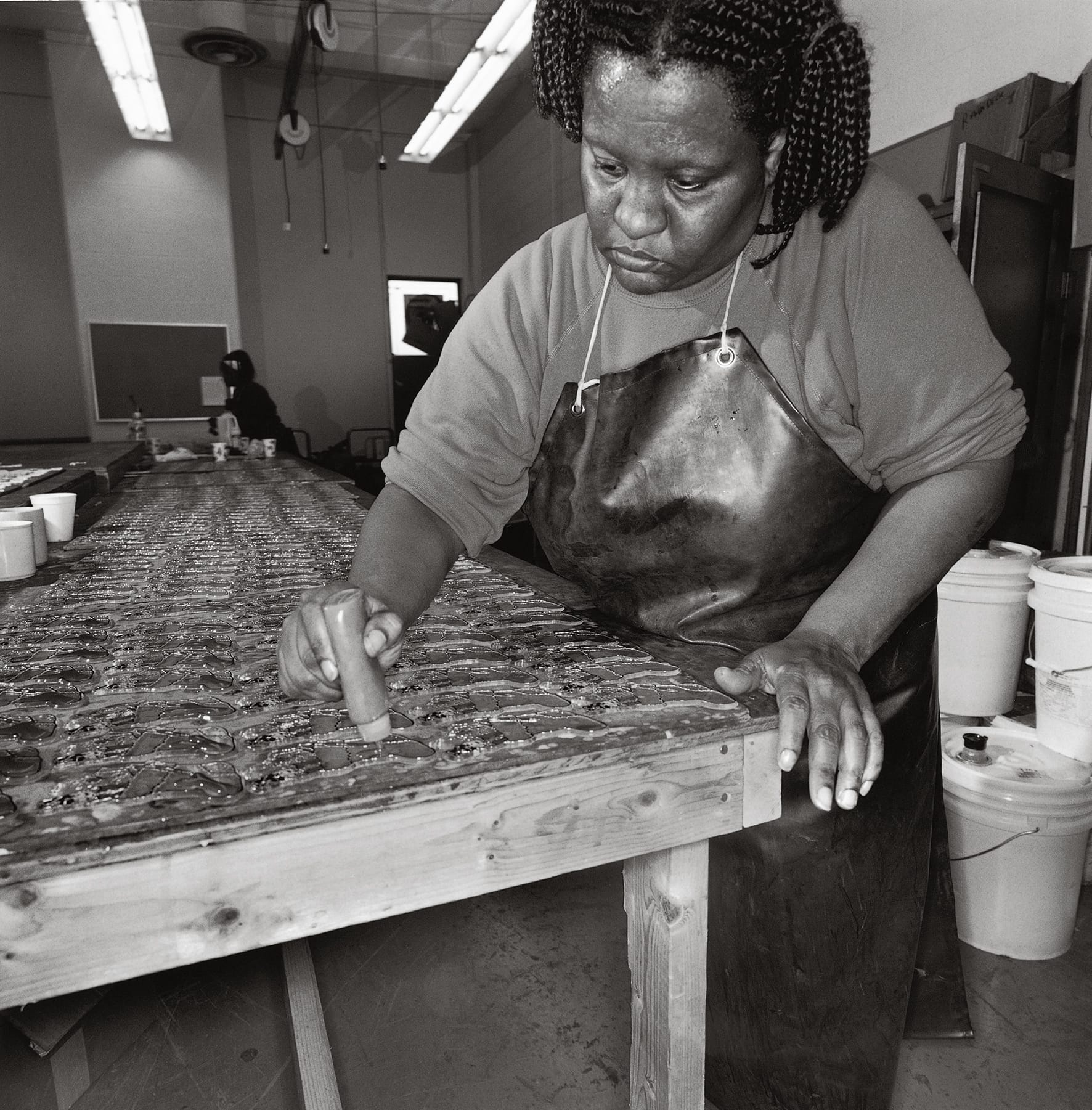
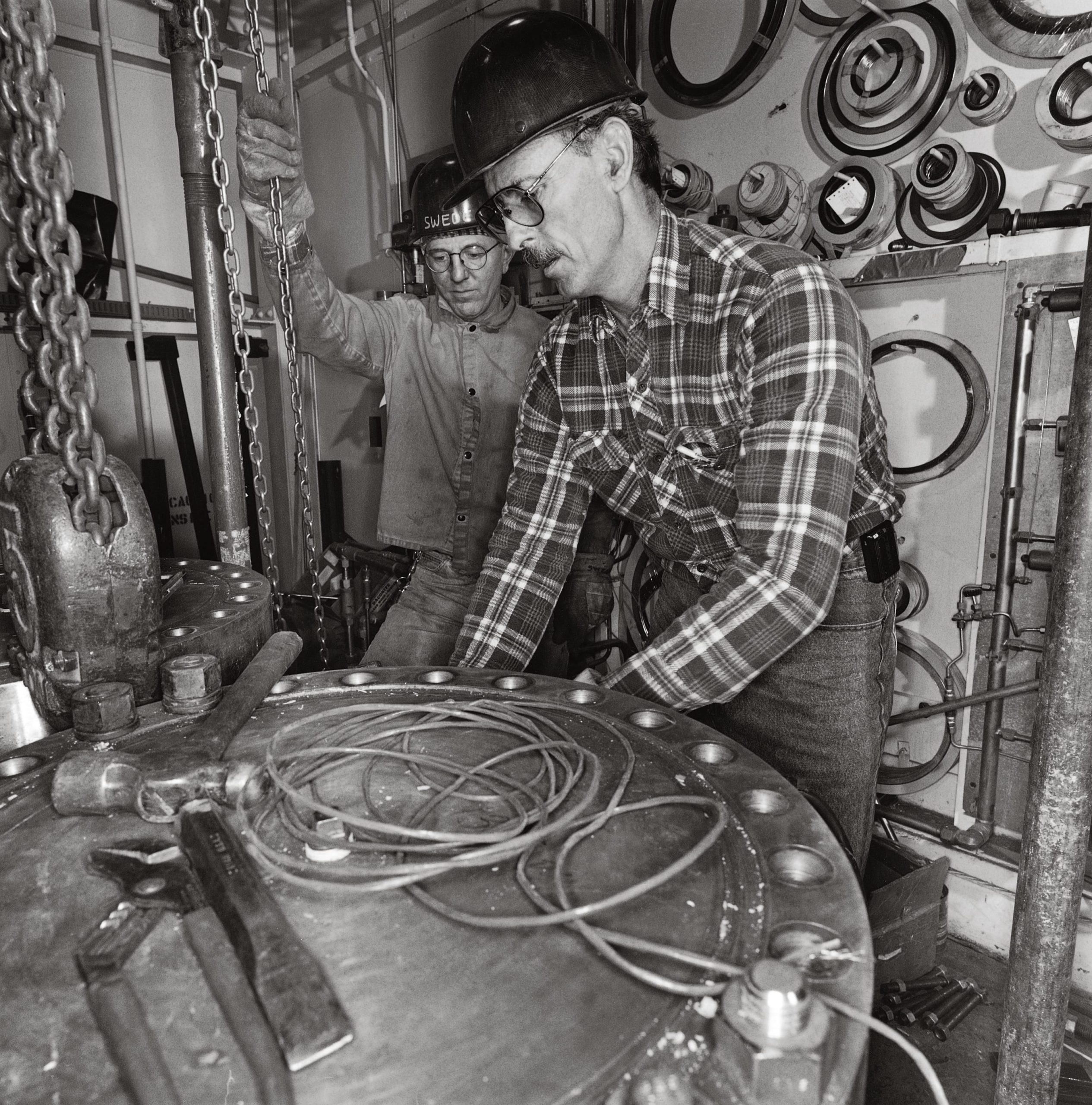
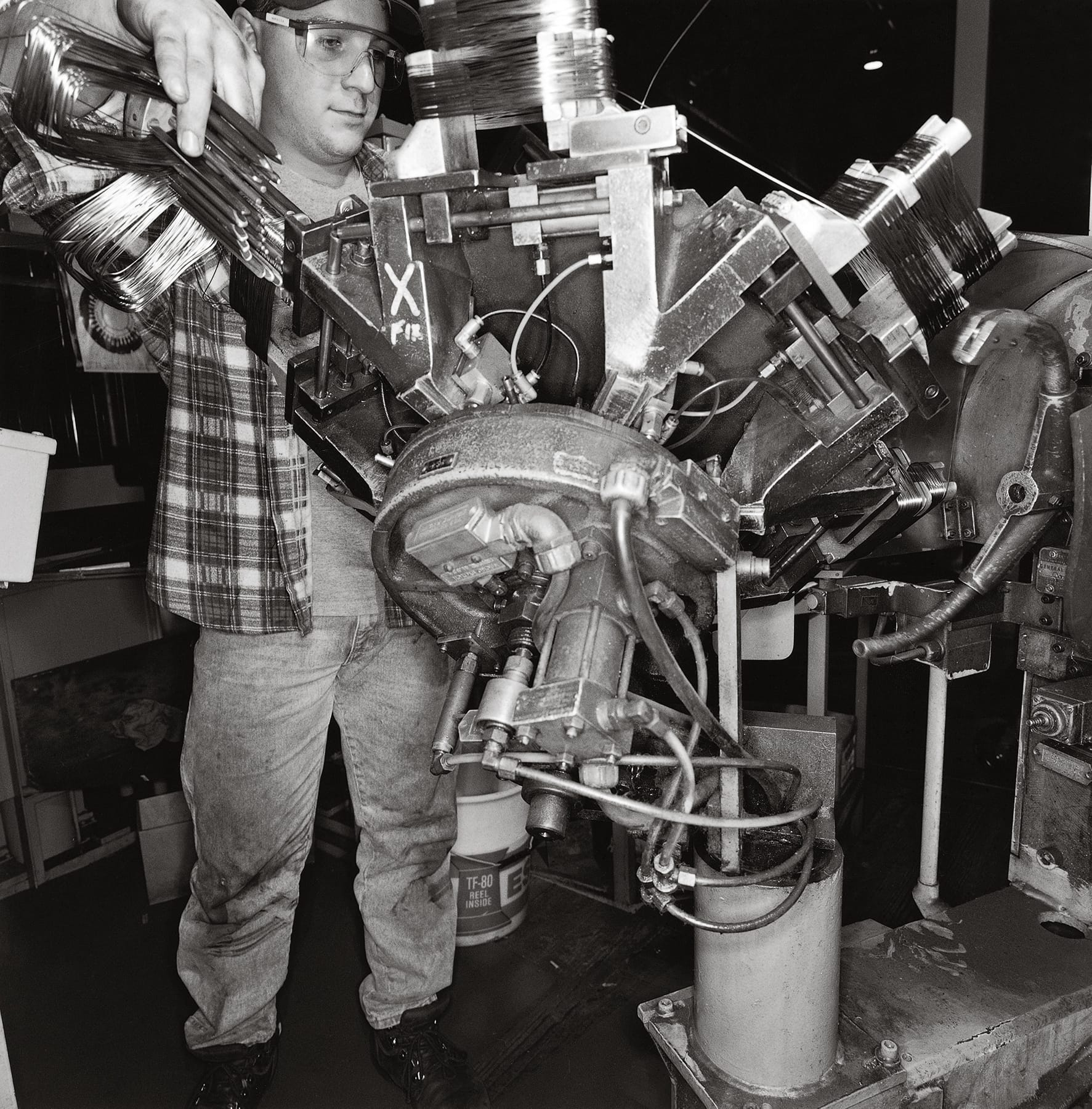
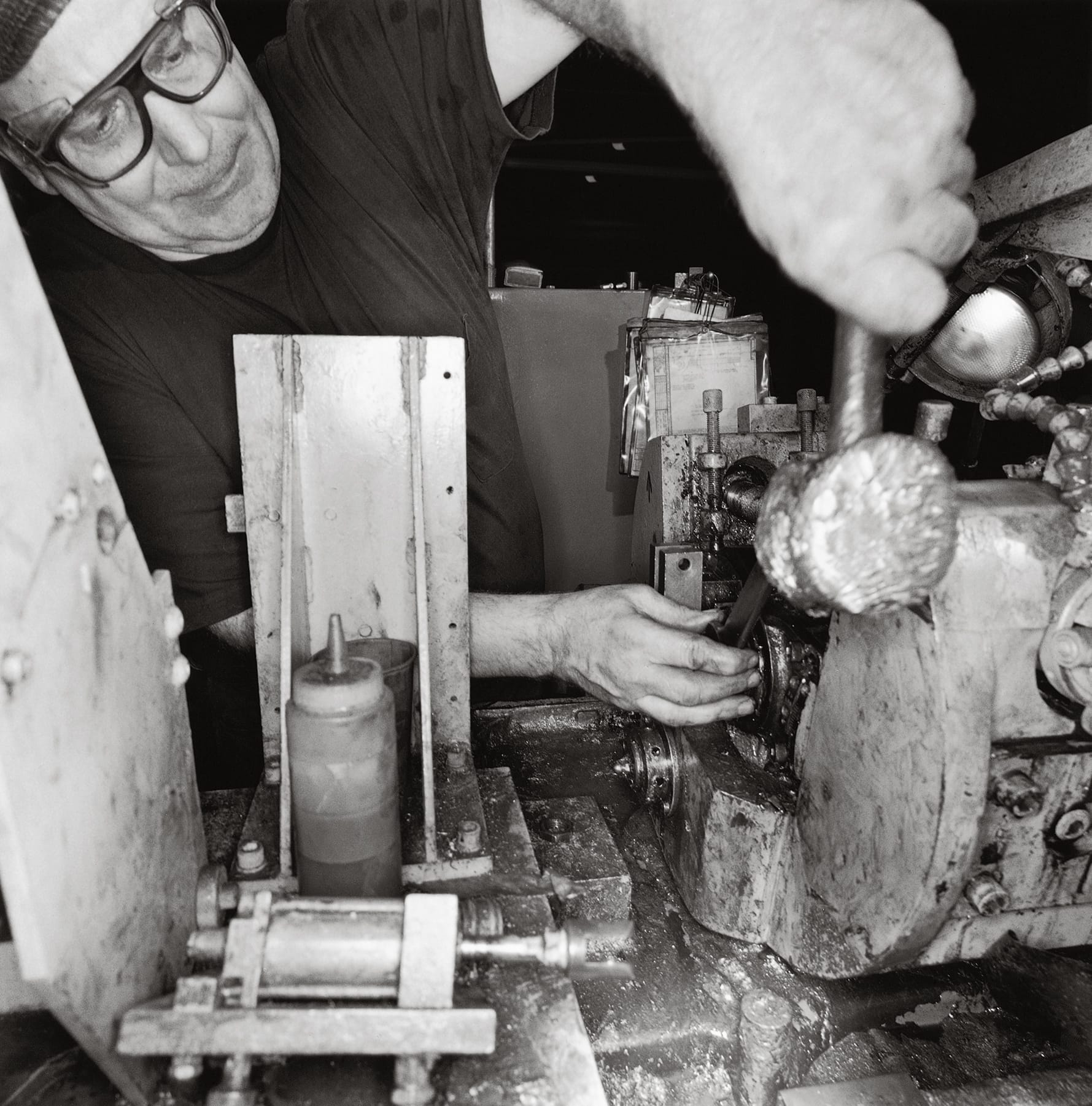
The images created for the 1995 annual report by Lee Friedlander presented a penetrating reflection on the diversity of Cleveland’s people at work. For nearly four decades, Friedlander has been one of the world’s most renowned and important artists. His work has been exhibited in major museums throughout the world and assembled into 13 critically-acclaimed books. He is the recipient of three John Simon Guggenheim Memorial Foundation fellowships as well as the prestigious “genius” award from the MacArthur Foundation. His striking photo essay, “People Working,” was commissioned by the George Gund Foundation to underscore its commitment to supporting the economic vitality of Northeast Ohio by addressing issues related to the quality and skills of its workforce.



Letter from the Board President
1995 Annual Report
In 1995 the Foundation reinforced its commitment to the Great Lakes Science Center with a $4 million grant to help Cleveland’s newest lakefront institution complete its capital campaign and establish its operating reserve fund. The Foundation and its Trustees are pleased and excited to have taken a leadership role in the Center’s conception and implementation.
The Foundation is increasingly interested in the importance that the quantity and skills of the current and future workforce will play in determining the future of Northeast Ohio. The globalization of the economy, the perceived failure of our education systems to produce a trained, motivated workforce, and the “downsizing” of opportunities available for even this nation’s well-trained and highly-skilled workers have created an era of disquiet and anxiety.
It is clear that issues of work will continue to confront us in the coming years. That is why the Foundation asked world-renowned photographer Lee Friedlander to focus in this annual report on the people who make up Cleveland’s workforce. He has beautifully captured these workers, whether they be in high-tech medical centers or on the assembly lines of Cleveland’s factories. As in previous reports, our annual photo essay symbolizes a major issue which has become a Foundation priority. During the past year, we supported a range of research, analysis, planning and demonstration efforts which attempt to address the important issue of Cleveland’s current and future workforce on a regional basis.
In 1995 we also began to support efforts addressing a diverse range of issues which fall under the rubric of “sprawl,” and cut across many of our grantmaking concerns. These include the continuing movement of people and jobs from the city to the suburbs–and increasingly from the suburbs to the exurbs, as well as issues of poverty, race, brownfields, transportation, public education and government reform. We will continue to pursue an interest in this complex set of issues.
I am pleased to announce that Robert Jaquay, a former manager with the Cuyahoga County Planning Commission, will join our staff on May 1, 1996, as the Foundation’s associate director. Bob brings to the Foundation significant experience in dealing with issues of regional planning, economic development and urban sprawl as well as extensive administrative experience. We welcome him to the Foundation. He replaces Dan Berry who left the Foundation in December 1995. Dan gave 14 years of important service to this Foundation, first as program officer and, for the last seven years, as both a program officer and associate director.
Though I have touched upon several important issues that grantees, staff and trustees of the Foundation will address in the coming year, there are others of equal importance which will have impact on our work. The changing nature of the roles and resources of federal, state and local government in providing for the delivery of a wide range of services, the increasingly desperate situation in the Cleveland Public Schools, the financial plight of local arts organizations, and the need to prepare for rips in the safety net of social services supporting our most disadvantaged citizens are pressing concerns.
The needs are great. In a changed society, with many problems and prospects hardly envisioned when this Foundation was founded in 1952, the Foundation will continue to try to address the challenges as effectively as we feel we can.
Geoffrey Gund, Board President